Levothyroxine Sodium For Injection
f57e9b19-6f17-4520-80fc-511322cc56c9
34391-3
HUMAN PRESCRIPTION DRUG LABEL
Drug Facts
Composition & Product
Identifiers & Packaging
Indications and Usage
Levothyroxine Sodium for Injection is indicated for the treatment of myxedema coma. Important Limitations of Use: The relative bioavailability between Levothyroxine Sodium for Injection and oral levothyroxine products has not been established. Caution should be used when switching patients from oral levothyroxine products to Levothyroxine Sodium for Injection as accurate dosing conversion has not been studied.
Dosage and Administration
An initial intravenous loading dose of Levothyroxine Sodium for Injection between 300 to 500 mcg followed by once daily intravenous maintenance doses between 50 and 100 mcg should be administered, as clinically indicated, until the patient can tolerate oral therapy. ( 2.1 ) Reconstitute the lyophilized Levothyroxine Sodium for Injection by aseptically adding 5 mL of 0.9% Sodium Chloride Injection, USP. Shake vial to ensure complete mixing. Reconstituted drug product is preservative free. Use immediately after reconstitution. Discard any unused portion. ( 2.3 ) Do not add to other IV fluids. ( 2.3 )
Contraindications
None.
Warnings and Precautions
Excessive bolus doses of Levothyroxine Sodium for Injection (>500 mcg) are associated with cardiac complications, particularly in the elderly and in patients with an underlying cardiac condition. Initiate therapy with doses at the lower end of the recommended range. ( 5.1 ) Close observation of the patient following the administration of Levothyroxine Sodium for Injection is advised. ( 5.1 ) Levothyroxine Sodium for Injection therapy for patients with previously undiagnosed endocrine disorders, including adrenal insufficiency, hypopituitarism, and diabetes insipidus, may worsen symptoms of these endocrinopathies. ( 5.2 )
Adverse Reactions
Excessive doses of levothyroxine can predispose to signs and symptoms compatible with hyperthyroidism. The signs and symptoms of thyrotoxicosis include, but are not limited to: exophthalmic goiter, weight loss, increased appetite, palpitations, nervousness, diarrhea, abdominal cramps, sweating, tachycardia, increased pulse and blood pressure, cardiac arrhythmias, angina pectoris, tremors, insomnia, heat intolerance, fever, and menstrual irregularities.
Drug Interactions
Many drugs affect thyroid hormone pharmacokinetics and metabolism (e.g., synthesis, secretion, catabolism, protein binding, and target tissue response) and may alter the therapeutic response to Levothyroxine Sodium for Injection. In addition, thyroid hormones and thyroid status have varied effects on the pharmacokinetics and actions of other drugs [see Pharmacokinetics ( 12.3 )].
How Supplied
Levothyroxine Sodium for Injection is supplied as follows: NDC Levothyroxine Sodium for Injection Reconstituted Concentration Package Factor 25021-468-10 100 mcg Single-Dose Vial 20 mcg per mL 1 vial per carton 25021-469-10 200 mcg Single-Dose Vial 40 mcg per mL 1 vial per carton 25021-470-10 500 mcg Single-Dose Vial 100 mcg per mL 1 vial per carton
Storage and Handling
Store dry product at 20° to 25°C (68° to 77°F). [See USP Controlled Room Temperature.] Protect from light . Discard any unused portion . Sterile, Nonpyrogenic, Preservative-free, Lyophilized. The container closure is not made with natural rubber latex . SAGENT ® Mfd. for SAGENT Pharmaceuticals Schaumburg, IL 60195 (USA) Made in India ©2023 Sagent Pharmaceuticals October 2023 SAGENT Pharmaceuticals ®
Description
Thyroid hormones, including Levothyroxine Sodium for Injection, should not be used for the treatment of obesity or for weight loss. ( 5.3 ) Larger doses may produce serious or even life-threatening manifestations of toxicity. ( 6 )
Medication Information
Warnings and Precautions
Excessive bolus doses of Levothyroxine Sodium for Injection (>500 mcg) are associated with cardiac complications, particularly in the elderly and in patients with an underlying cardiac condition. Initiate therapy with doses at the lower end of the recommended range. ( 5.1 ) Close observation of the patient following the administration of Levothyroxine Sodium for Injection is advised. ( 5.1 ) Levothyroxine Sodium for Injection therapy for patients with previously undiagnosed endocrine disorders, including adrenal insufficiency, hypopituitarism, and diabetes insipidus, may worsen symptoms of these endocrinopathies. ( 5.2 )
Indications and Usage
Levothyroxine Sodium for Injection is indicated for the treatment of myxedema coma. Important Limitations of Use: The relative bioavailability between Levothyroxine Sodium for Injection and oral levothyroxine products has not been established. Caution should be used when switching patients from oral levothyroxine products to Levothyroxine Sodium for Injection as accurate dosing conversion has not been studied.
Dosage and Administration
An initial intravenous loading dose of Levothyroxine Sodium for Injection between 300 to 500 mcg followed by once daily intravenous maintenance doses between 50 and 100 mcg should be administered, as clinically indicated, until the patient can tolerate oral therapy. ( 2.1 ) Reconstitute the lyophilized Levothyroxine Sodium for Injection by aseptically adding 5 mL of 0.9% Sodium Chloride Injection, USP. Shake vial to ensure complete mixing. Reconstituted drug product is preservative free. Use immediately after reconstitution. Discard any unused portion. ( 2.3 ) Do not add to other IV fluids. ( 2.3 )
Contraindications
None.
Adverse Reactions
Excessive doses of levothyroxine can predispose to signs and symptoms compatible with hyperthyroidism. The signs and symptoms of thyrotoxicosis include, but are not limited to: exophthalmic goiter, weight loss, increased appetite, palpitations, nervousness, diarrhea, abdominal cramps, sweating, tachycardia, increased pulse and blood pressure, cardiac arrhythmias, angina pectoris, tremors, insomnia, heat intolerance, fever, and menstrual irregularities.
Drug Interactions
Many drugs affect thyroid hormone pharmacokinetics and metabolism (e.g., synthesis, secretion, catabolism, protein binding, and target tissue response) and may alter the therapeutic response to Levothyroxine Sodium for Injection. In addition, thyroid hormones and thyroid status have varied effects on the pharmacokinetics and actions of other drugs [see Pharmacokinetics ( 12.3 )].
Storage and Handling
Store dry product at 20° to 25°C (68° to 77°F). [See USP Controlled Room Temperature.] Protect from light . Discard any unused portion . Sterile, Nonpyrogenic, Preservative-free, Lyophilized. The container closure is not made with natural rubber latex . SAGENT ® Mfd. for SAGENT Pharmaceuticals Schaumburg, IL 60195 (USA) Made in India ©2023 Sagent Pharmaceuticals October 2023 SAGENT Pharmaceuticals ®
How Supplied
Levothyroxine Sodium for Injection is supplied as follows: NDC Levothyroxine Sodium for Injection Reconstituted Concentration Package Factor 25021-468-10 100 mcg Single-Dose Vial 20 mcg per mL 1 vial per carton 25021-469-10 200 mcg Single-Dose Vial 40 mcg per mL 1 vial per carton 25021-470-10 500 mcg Single-Dose Vial 100 mcg per mL 1 vial per carton
Description
Thyroid hormones, including Levothyroxine Sodium for Injection, should not be used for the treatment of obesity or for weight loss. ( 5.3 ) Larger doses may produce serious or even life-threatening manifestations of toxicity. ( 6 )
Section 42229-5
Pregnancy Category A – There are no reported cases of Levothyroxine Sodium for Injection used to treat myxedema coma in patients who were pregnant or lactating. Studies in pregnant women treated with oral levothyroxine to maintain a euthyroid state have not shown an increased risk of fetal abnormalities. Therefore, pregnant patients who develop myxedema should be treated with Levothyroxine Sodium for Injection as the risk of non-treatment is associated with a high probability of significant morbidity or mortality to the maternal patient and the fetus.
Section 51945-4
PACKAGE LABEL – PRINCIPAL DISPLAY PANEL – Vial Label
NDC 25021-468-10
Rx only
Levothyroxine Sodium for Injection
100 mcg per vial
For Intravenous Use
Single-Dose Vial
Discard any unused portion
2.1 Dosage
An initial intravenous loading dose of Levothyroxine Sodium for Injection between 300 to 500 mcg, followed by once daily intravenous maintenance doses between 50 and 100 mcg, should be administered, as clinically indicated, until the patient can tolerate oral therapy.
The age, general physical condition, cardiac risk factors, and clinical severity of myxedema and duration of myxedema symptoms should be considered when determining the starting and maintenance dosages of Levothyroxine Sodium for Injection.
Levothyroxine Sodium for Injection produces a gradual increase in the circulating concentrations of the hormone with an approximate half-life of 9 to 10 days in hypothyroid patients. Daily administration of Levothyroxine Sodium for Injection should be maintained until the patient is capable of tolerating an oral dose and is clinically stable. For chronic treatment of hypothyroidism, an oral dosage form of levothyroxine should be used to maintain a euthyroid state. Relative bioavailability between Levothyroxine Sodium for Injection and oral levothyroxine products has not been established. Based on medical practice, the relative bioavailability between oral and intravenous administration of Levothyroxine Sodium for Injection is estimated to be from 48 to 74%. Due to differences in absorption characteristics of patients and the oral levothyroxine product formulations, TSH and thyroid hormone levels should be measured a few weeks after initiating oral levothyroxine and dose adjusted accordingly.
7.5 Ketamine
Concurrent use may produce marked hypertension and tachycardia; cautious administration to patients receiving thyroid hormone therapy is recommended.
10 Overdosage
In general, the signs and symptoms of overdosage with levothyroxine are those of hyperthyroidism [see Warnings and Precautions (5) and Adverse Reactions (6)]. In addition, confusion and disorientation may occur. Cerebral embolism, shock, coma, and death have been reported. Excessive doses of Levothyroxine Sodium for Injection (greater than 500 mcg) are associated with cardiac complications in patients with underlying cardiac disease.
11 Description
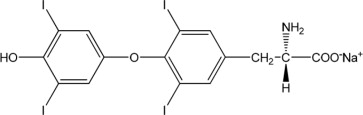
Levothyroxine Sodium for Injection contains synthetic crystalline levothyroxine (L-thyroxine) sodium salt. Levothyroxine sodium has an empirical formula of C15H10I4NNaO4, a molecular weight of 798.85 g/mol (anhydrous), and the following structural formula:
Levothyroxine Sodium for Injection is a sterile, preservative-free lyophilized powder consisting of the active ingredient, levothyroxine sodium, and the excipients dibasic sodium phosphate heptahydrate; mannitol; and sodium hydroxide, in single-dose amber glass vials. Levothyroxine Sodium for Injection is available at three dosage strengths: 100 mcg per vial, 200 mcg per vial, and 500 mcg per vial.
16.1 How Supplied
Levothyroxine Sodium for Injection is supplied as follows:
| NDC |
Levothyroxine Sodium
for Injection |
Reconstituted Concentration | Package Factor |
| 25021-468-10 | 100 mcg Single-Dose Vial | 20 mcg per mL | 1 vial per carton |
| 25021-469-10 | 200 mcg Single-Dose Vial | 40 mcg per mL | 1 vial per carton |
| 25021-470-10 | 500 mcg Single-Dose Vial | 100 mcg per mL | 1 vial per carton |
8.4 Pediatric Use
Myxedema coma is a disease of the elderly. An approved, oral dosage form of levothyroxine should be used in the pediatric patient population for maintaining a euthyroid state in non-complicated hypothyroidism.
14 Clinical Studies
No clinical studies have been conducted with Levothyroxine Sodium for Injection in patients with myxedema coma. However, data from published literature support the intravenous use of levothyroxine sodium for the treatment of myxedema coma.
4 Contraindications
None.
6 Adverse Reactions
Excessive doses of levothyroxine can predispose to signs and symptoms compatible with hyperthyroidism. The signs and symptoms of thyrotoxicosis include, but are not limited to: exophthalmic goiter, weight loss, increased appetite, palpitations, nervousness, diarrhea, abdominal cramps, sweating, tachycardia, increased pulse and blood pressure, cardiac arrhythmias, angina pectoris, tremors, insomnia, heat intolerance, fever, and menstrual irregularities.
7 Drug Interactions
Many drugs affect thyroid hormone pharmacokinetics and metabolism (e.g., synthesis, secretion, catabolism, protein binding, and target tissue response) and may alter the therapeutic response to Levothyroxine Sodium for Injection. In addition, thyroid hormones and thyroid status have varied effects on the pharmacokinetics and actions of other drugs [see Pharmacokinetics (12.3)].
8.3 Nursing Mothers
Adequate replacement doses of thyroid hormones are required to maintain normal lactation. There are no reported cases of Levothyroxine Sodium for Injection used to treat myxedema coma in patients who are lactating. However, such patients should be treated with Levothyroxine Sodium for Injection as the risk of nontreatment is associated with a high probability of significant morbidity or mortality to the nursing patient.
7.6 Sympathomimetics
Concurrent use may increase the effects of sympathomimetics or thyroid hormone. Thyroid hormones may increase the risk of coronary insufficiency when sympathomimetic agents are administered to patients with coronary artery disease.
12.2 Pharmacodynamics
Thyroid hormone synthesis and secretion is regulated by the hypothalamic pituitary-thyroid axis. Thyrotropin releasing hormone (TRH) released from the hypothalamus stimulates secretion of thyrotropin stimulating hormone (TSH) from the anterior pituitary. TSH, in turn, is the physiologic stimulus for the synthesis and secretion of thyroid hormones, T4 and T3, by the thyroid gland. Circulating serum T3 and T4 levels exert a feedback effect on both TRH and TSH secretion. When serum T3 and T4 levels increase, TRH and TSH secretion decrease. When thyroid hormone levels decrease, TRH and TSH secretion increases. TSH is used for the diagnosis of hypothyroidism and evaluation of levothyroxine therapy adequacy with other laboratory and clinical data [see Dosage (2.1)]. There are drugs known to affect thyroid hormones and TSH by various mechanisms and those examples are diazepam, ethionamide, lovastatin, metoclopramide, 6-mercaptopurine, nitroprusside, perphenazine, and thiazide diuretics. Some drugs may cause a transient decrease in TSH secretion without hypothyroidism and those drugs (dose) are dopamine (greater than 1 mcg per kg per min), glucocorticoids (hydrocortisone greater than 100 mg per day or equivalent) and octreotide (greater than 100 mcg per day).
Thyroid hormones regulate multiple metabolic processes and play an essential role in normal growth and development, and normal maturation of the central nervous system and bone. The metabolic actions of thyroid hormones include augmentation of cellular respiration and thermogenesis, as well as metabolism of proteins, carbohydrates and lipids. The protein anabolic effects of thyroid hormones are essential to normal growth and development.
8.2 Labor and Delivery
Patients in labor who develop myxedema have not been reported in the literature. However, patients should be treated with Levothyroxine Sodium for Injection as the risk of non-treatment is associated with a high probability of significant morbidity or mortality to the maternal patient and the fetus.
1 Indications and Usage
Levothyroxine Sodium for Injection is indicated for the treatment of myxedema coma.
Important Limitations of Use: The relative bioavailability between Levothyroxine Sodium for Injection and oral levothyroxine products has not been established. Caution should be used when switching patients from oral levothyroxine products to Levothyroxine Sodium for Injection as accurate dosing conversion has not been studied.
7.2 Oral Anticoagulants
Levothyroxine increases the response to oral anticoagulant therapy. Therefore, a decrease in the dose of anticoagulant may be warranted with correction of the hypothyroid state or when the Levothyroxine Sodium for Injection dose is increased. Prothrombin time should be closely monitored to permit appropriate and timely dosage adjustments.
12.1 Mechanism of Action
Thyroid hormones exert their physiologic actions through control of DNA transcription and protein synthesis. Triiodothyronine (T3) and levothyroxine (T4) diffuse into the cell nucleus and bind to thyroid receptor proteins attached to DNA. This hormone nuclear receptor complex activates gene transcription and synthesis of messenger RNA and cytoplasmic proteins.
The physiological actions of thyroid hormones are produced predominantly by T3, the majority of which (approximately 80%) is derived from T4 by deiodination in peripheral tissues.
7.1 Antidiabetic Therapy
Addition of levothyroxine to antidiabetic or insulin therapy may result in increased antidiabetic agent or insulin requirements. Careful monitoring of diabetic control is recommended, especially when thyroid therapy is started, changed, or discontinued.
7.3 Digitalis Glycosides
The therapeutic effects of digitalis glycosides may be reduced by levothyroxine. Serum digitalis glycoside levels may be decreased when a hypothyroid patient becomes euthyroid, necessitating an increase in the dose of digitalis glycosides.
16.2 Storage and Handling
Store dry product at 20° to 25°C (68° to 77°F). [See USP Controlled Room Temperature.]
Protect from light.
Discard any unused portion.
Sterile, Nonpyrogenic, Preservative-free, Lyophilized.
The container closure is not made with natural rubber latex.
SAGENT®
Mfd. for SAGENT Pharmaceuticals
Schaumburg, IL 60195 (USA)
Made in India
©2023 Sagent Pharmaceuticals
October 2023
SAGENT Pharmaceuticals ®
5 Warnings and Precautions
- Excessive bolus doses of Levothyroxine Sodium for Injection (>500 mcg) are associated with cardiac complications, particularly in the elderly and in patients with an underlying cardiac condition. Initiate therapy with doses at the lower end of the recommended range. (5.1)
- Close observation of the patient following the administration of Levothyroxine Sodium for Injection is advised. (5.1)
- Levothyroxine Sodium for Injection therapy for patients with previously undiagnosed endocrine disorders, including adrenal insufficiency, hypopituitarism, and diabetes insipidus, may worsen symptoms of these endocrinopathies. (5.2)
7.4 Antidepressant Therapy
Concurrent use of tricyclic (e.g., amitriptyline) or tetracyclic (e.g., maprotiline) antidepressants and levothyroxine may increase the therapeutic and toxic effects of both drugs, possibly due to increased receptor sensitivity to catecholamines. Toxic effects may include increased risk of cardiac arrhythmias and CNS stimulation; onset of action of tricyclics may be accelerated. Administration of sertraline in patients stabilized on levothyroxine may result in increased levothyroxine requirements.
2 Dosage and Administration
- An initial intravenous loading dose of Levothyroxine Sodium for Injection between 300 to 500 mcg followed by once daily intravenous maintenance doses between 50 and 100 mcg should be administered, as clinically indicated, until the patient can tolerate oral therapy. (2.1)
- Reconstitute the lyophilized Levothyroxine Sodium for Injection by aseptically adding 5 mL of 0.9% Sodium Chloride Injection, USP. Shake vial to ensure complete mixing. Reconstituted drug product is preservative free. Use immediately after reconstitution. Discard any unused portion. (2.3)
- Do not add to other IV fluids. (2.3)
3 Dosage Forms and Strengths
Levothyroxine Sodium for Injection is supplied as a lyophilized powder at three strengths in single-dose amber-colored vials: 100 mcg, 200 mcg, and 500 mcg.
2.3 Reconstitution Directions
Reconstitute the lyophilized Levothyroxine Sodium for Injection by aseptically adding 5 mL of 0.9% Sodium Chloride Injection, USP only. Shake vial to ensure complete mixing. The resultant solution will have a final concentration of approximately 20 mcg per mL, 40 mcg per mL, and 100 mcg per mL for the 100 mcg, 200 mcg, and 500 mcg vials, respectively. Reconstituted drug product is preservative free and is stable for 4 hours. Discard any unused portion. DO NOT ADD LEVOTHYROXINE SODIUM FOR INJECTION TO OTHER IV FLUIDS. Parenteral drug products should be inspected visually for particulate matter and discoloration prior to administration, whenever solution and container permit.
8 Use in Specific Populations
- Elderly and those with underlying cardiovascular disease should receive doses at the lower end of the recommended range. (8.5)
7.7 Drug Laboratory Test Interactions
Changes in thyroxine binding globulin (TBG) concentration must be considered when interpreting levothyroxine and triiodothyronine values, which necessitates measurement and evaluation of unbound (free) hormone and/or determination of the free levothyroxine index. Pregnancy, infectious hepatitis, estrogens, estrogen containing oral contraceptives, and acute intermittent porphyria increase TBG concentrations. Decreases in TBG concentrations are observed in nephrosis, severe hypoproteinemia, severe liver disease, acromegaly, and after androgen or corticosteroid therapy. Familial hyper or hypo thyroxine binding globulinemias have been described, with the incidence of TBG deficiency approximating 1 in 9000.
13.2 Animal Toxicology and Pharmacology
No animal toxicology studies have been conducted with Levothyroxine Sodium for Injection.
5.3 Not Indicated for Treatment of Obesity
Thyroid hormones, including Levothyroxine Sodium for Injection, either alone or with other therapeutic agents, should not be used for the treatment of obesity or for weight loss. In euthyroid patients, doses within the range of daily hormonal requirements are ineffective for weight reduction. Larger doses may produce serious or even life-threatening manifestations of toxicity, particularly when given in association with sympathomimetic amines such as those used for their anorectic effects [see Adverse Reactions (6) and Overdosage (10)].
Warning: Not for Treatment of Obesity Or for Weight Loss
13.1 Carcinogenesis, Mutagenesis, Impairment of Fertility
Animal studies have not been performed to evaluate the carcinogenic potential, mutagenic potential or effects on fertility of Levothyroxine Sodium for Injection.
2.2 Dosing in the Elderly and in Patients With Cardiovascular Disease
Intravenous levothyroxine may be associated with cardiac toxicity-including arrhythmias, tachycardia, myocardial ischemia and infarction, or worsening of congestive heart failure and death in the elderly and in those with underlying cardiovascular disease. Therefore, cautious use, including doses in the lower end of the recommended range, may be warranted in these populations.
8.5 Geriatric Use and Patients With Underlying Cardiovascular Disease
See Section 2, Dosage and Administration, for full prescribing information in the geriatric patient population. Because of the increased prevalence of cardiovascular disease in the elderly, cautious use of Levothyroxine Sodium for Injection in the elderly and in patients with known cardiac risk factors is advised. Atrial fibrillation is a common side effect associated with levothyroxine treatment in the elderly [see Dosage and Administration (2) and Warnings and Precautions (5)].
5.1 Risk of Cardiac Complications in Elderly and in Patients With Cardiovascular Disease
Excessive bolus dosing of Levothyroxine Sodium for Injection (greater than 500 mcg) are associated with cardiac complications, particularly in the elderly and in patients with an underlying cardiac condition. Adverse events that can potentially be related to the administration of large doses of Levothyroxine Sodium for Injection include arrhythmias, tachycardia, myocardial ischemia and infarction, or worsening of congestive heart failure and death. Cautious use, including doses in the lower end of the recommended range, may be warranted in these populations. Close observation of the patient following the administration of Levothyroxine Sodium for Injection is advised.
5.2 Need for Concomitant Glucocorticoids and Monitoring for Other Diseases in Patients With Endocrine Disorders
Occasionally, chronic autoimmune thyroiditis, which can lead to myxedema coma, may occur in association with other autoimmune disorders such as adrenal insufficiency, pernicious anemia, and insulin-dependent diabetes mellitus. Patients should be treated with replacement glucocorticoids prior to initiation of treatment with Levothyroxine Sodium for Injection, until adrenal function has been adequately assessed. Failure to do so may precipitate an acute adrenal crisis when thyroid hormone therapy is initiated, due to increased metabolic clearance of glucocorticoids by thyroid hormone. With initiation of Levothyroxine Sodium for Injection, patients with myxedema coma should also be monitored for previously undiagnosed diabetes insipidus.
Structured Label Content
Section 42229-5 (42229-5)
Pregnancy Category A – There are no reported cases of Levothyroxine Sodium for Injection used to treat myxedema coma in patients who were pregnant or lactating. Studies in pregnant women treated with oral levothyroxine to maintain a euthyroid state have not shown an increased risk of fetal abnormalities. Therefore, pregnant patients who develop myxedema should be treated with Levothyroxine Sodium for Injection as the risk of non-treatment is associated with a high probability of significant morbidity or mortality to the maternal patient and the fetus.
Section 51945-4 (51945-4)
PACKAGE LABEL – PRINCIPAL DISPLAY PANEL – Vial Label
NDC 25021-468-10
Rx only
Levothyroxine Sodium for Injection
100 mcg per vial
For Intravenous Use
Single-Dose Vial
Discard any unused portion
2.1 Dosage
An initial intravenous loading dose of Levothyroxine Sodium for Injection between 300 to 500 mcg, followed by once daily intravenous maintenance doses between 50 and 100 mcg, should be administered, as clinically indicated, until the patient can tolerate oral therapy.
The age, general physical condition, cardiac risk factors, and clinical severity of myxedema and duration of myxedema symptoms should be considered when determining the starting and maintenance dosages of Levothyroxine Sodium for Injection.
Levothyroxine Sodium for Injection produces a gradual increase in the circulating concentrations of the hormone with an approximate half-life of 9 to 10 days in hypothyroid patients. Daily administration of Levothyroxine Sodium for Injection should be maintained until the patient is capable of tolerating an oral dose and is clinically stable. For chronic treatment of hypothyroidism, an oral dosage form of levothyroxine should be used to maintain a euthyroid state. Relative bioavailability between Levothyroxine Sodium for Injection and oral levothyroxine products has not been established. Based on medical practice, the relative bioavailability between oral and intravenous administration of Levothyroxine Sodium for Injection is estimated to be from 48 to 74%. Due to differences in absorption characteristics of patients and the oral levothyroxine product formulations, TSH and thyroid hormone levels should be measured a few weeks after initiating oral levothyroxine and dose adjusted accordingly.
7.5 Ketamine
Concurrent use may produce marked hypertension and tachycardia; cautious administration to patients receiving thyroid hormone therapy is recommended.
10 Overdosage (10 OVERDOSAGE)
In general, the signs and symptoms of overdosage with levothyroxine are those of hyperthyroidism [see Warnings and Precautions (5) and Adverse Reactions (6)]. In addition, confusion and disorientation may occur. Cerebral embolism, shock, coma, and death have been reported. Excessive doses of Levothyroxine Sodium for Injection (greater than 500 mcg) are associated with cardiac complications in patients with underlying cardiac disease.
11 Description (11 DESCRIPTION)
Levothyroxine Sodium for Injection contains synthetic crystalline levothyroxine (L-thyroxine) sodium salt. Levothyroxine sodium has an empirical formula of C15H10I4NNaO4, a molecular weight of 798.85 g/mol (anhydrous), and the following structural formula:
Levothyroxine Sodium for Injection is a sterile, preservative-free lyophilized powder consisting of the active ingredient, levothyroxine sodium, and the excipients dibasic sodium phosphate heptahydrate; mannitol; and sodium hydroxide, in single-dose amber glass vials. Levothyroxine Sodium for Injection is available at three dosage strengths: 100 mcg per vial, 200 mcg per vial, and 500 mcg per vial.
16.1 How Supplied
Levothyroxine Sodium for Injection is supplied as follows:
| NDC |
Levothyroxine Sodium
for Injection |
Reconstituted Concentration | Package Factor |
| 25021-468-10 | 100 mcg Single-Dose Vial | 20 mcg per mL | 1 vial per carton |
| 25021-469-10 | 200 mcg Single-Dose Vial | 40 mcg per mL | 1 vial per carton |
| 25021-470-10 | 500 mcg Single-Dose Vial | 100 mcg per mL | 1 vial per carton |
8.4 Pediatric Use
Myxedema coma is a disease of the elderly. An approved, oral dosage form of levothyroxine should be used in the pediatric patient population for maintaining a euthyroid state in non-complicated hypothyroidism.
14 Clinical Studies (14 CLINICAL STUDIES)
No clinical studies have been conducted with Levothyroxine Sodium for Injection in patients with myxedema coma. However, data from published literature support the intravenous use of levothyroxine sodium for the treatment of myxedema coma.
4 Contraindications (4 CONTRAINDICATIONS)
None.
6 Adverse Reactions (6 ADVERSE REACTIONS)
Excessive doses of levothyroxine can predispose to signs and symptoms compatible with hyperthyroidism. The signs and symptoms of thyrotoxicosis include, but are not limited to: exophthalmic goiter, weight loss, increased appetite, palpitations, nervousness, diarrhea, abdominal cramps, sweating, tachycardia, increased pulse and blood pressure, cardiac arrhythmias, angina pectoris, tremors, insomnia, heat intolerance, fever, and menstrual irregularities.
7 Drug Interactions (7 DRUG INTERACTIONS)
Many drugs affect thyroid hormone pharmacokinetics and metabolism (e.g., synthesis, secretion, catabolism, protein binding, and target tissue response) and may alter the therapeutic response to Levothyroxine Sodium for Injection. In addition, thyroid hormones and thyroid status have varied effects on the pharmacokinetics and actions of other drugs [see Pharmacokinetics (12.3)].
8.3 Nursing Mothers
Adequate replacement doses of thyroid hormones are required to maintain normal lactation. There are no reported cases of Levothyroxine Sodium for Injection used to treat myxedema coma in patients who are lactating. However, such patients should be treated with Levothyroxine Sodium for Injection as the risk of nontreatment is associated with a high probability of significant morbidity or mortality to the nursing patient.
7.6 Sympathomimetics
Concurrent use may increase the effects of sympathomimetics or thyroid hormone. Thyroid hormones may increase the risk of coronary insufficiency when sympathomimetic agents are administered to patients with coronary artery disease.
12.2 Pharmacodynamics
Thyroid hormone synthesis and secretion is regulated by the hypothalamic pituitary-thyroid axis. Thyrotropin releasing hormone (TRH) released from the hypothalamus stimulates secretion of thyrotropin stimulating hormone (TSH) from the anterior pituitary. TSH, in turn, is the physiologic stimulus for the synthesis and secretion of thyroid hormones, T4 and T3, by the thyroid gland. Circulating serum T3 and T4 levels exert a feedback effect on both TRH and TSH secretion. When serum T3 and T4 levels increase, TRH and TSH secretion decrease. When thyroid hormone levels decrease, TRH and TSH secretion increases. TSH is used for the diagnosis of hypothyroidism and evaluation of levothyroxine therapy adequacy with other laboratory and clinical data [see Dosage (2.1)]. There are drugs known to affect thyroid hormones and TSH by various mechanisms and those examples are diazepam, ethionamide, lovastatin, metoclopramide, 6-mercaptopurine, nitroprusside, perphenazine, and thiazide diuretics. Some drugs may cause a transient decrease in TSH secretion without hypothyroidism and those drugs (dose) are dopamine (greater than 1 mcg per kg per min), glucocorticoids (hydrocortisone greater than 100 mg per day or equivalent) and octreotide (greater than 100 mcg per day).
Thyroid hormones regulate multiple metabolic processes and play an essential role in normal growth and development, and normal maturation of the central nervous system and bone. The metabolic actions of thyroid hormones include augmentation of cellular respiration and thermogenesis, as well as metabolism of proteins, carbohydrates and lipids. The protein anabolic effects of thyroid hormones are essential to normal growth and development.
8.2 Labor and Delivery
Patients in labor who develop myxedema have not been reported in the literature. However, patients should be treated with Levothyroxine Sodium for Injection as the risk of non-treatment is associated with a high probability of significant morbidity or mortality to the maternal patient and the fetus.
1 Indications and Usage (1 INDICATIONS AND USAGE)
Levothyroxine Sodium for Injection is indicated for the treatment of myxedema coma.
Important Limitations of Use: The relative bioavailability between Levothyroxine Sodium for Injection and oral levothyroxine products has not been established. Caution should be used when switching patients from oral levothyroxine products to Levothyroxine Sodium for Injection as accurate dosing conversion has not been studied.
7.2 Oral Anticoagulants
Levothyroxine increases the response to oral anticoagulant therapy. Therefore, a decrease in the dose of anticoagulant may be warranted with correction of the hypothyroid state or when the Levothyroxine Sodium for Injection dose is increased. Prothrombin time should be closely monitored to permit appropriate and timely dosage adjustments.
12.1 Mechanism of Action
Thyroid hormones exert their physiologic actions through control of DNA transcription and protein synthesis. Triiodothyronine (T3) and levothyroxine (T4) diffuse into the cell nucleus and bind to thyroid receptor proteins attached to DNA. This hormone nuclear receptor complex activates gene transcription and synthesis of messenger RNA and cytoplasmic proteins.
The physiological actions of thyroid hormones are produced predominantly by T3, the majority of which (approximately 80%) is derived from T4 by deiodination in peripheral tissues.
7.1 Antidiabetic Therapy
Addition of levothyroxine to antidiabetic or insulin therapy may result in increased antidiabetic agent or insulin requirements. Careful monitoring of diabetic control is recommended, especially when thyroid therapy is started, changed, or discontinued.
7.3 Digitalis Glycosides
The therapeutic effects of digitalis glycosides may be reduced by levothyroxine. Serum digitalis glycoside levels may be decreased when a hypothyroid patient becomes euthyroid, necessitating an increase in the dose of digitalis glycosides.
16.2 Storage and Handling
Store dry product at 20° to 25°C (68° to 77°F). [See USP Controlled Room Temperature.]
Protect from light.
Discard any unused portion.
Sterile, Nonpyrogenic, Preservative-free, Lyophilized.
The container closure is not made with natural rubber latex.
SAGENT®
Mfd. for SAGENT Pharmaceuticals
Schaumburg, IL 60195 (USA)
Made in India
©2023 Sagent Pharmaceuticals
October 2023
SAGENT Pharmaceuticals ®
5 Warnings and Precautions (5 WARNINGS AND PRECAUTIONS)
- Excessive bolus doses of Levothyroxine Sodium for Injection (>500 mcg) are associated with cardiac complications, particularly in the elderly and in patients with an underlying cardiac condition. Initiate therapy with doses at the lower end of the recommended range. (5.1)
- Close observation of the patient following the administration of Levothyroxine Sodium for Injection is advised. (5.1)
- Levothyroxine Sodium for Injection therapy for patients with previously undiagnosed endocrine disorders, including adrenal insufficiency, hypopituitarism, and diabetes insipidus, may worsen symptoms of these endocrinopathies. (5.2)
7.4 Antidepressant Therapy
Concurrent use of tricyclic (e.g., amitriptyline) or tetracyclic (e.g., maprotiline) antidepressants and levothyroxine may increase the therapeutic and toxic effects of both drugs, possibly due to increased receptor sensitivity to catecholamines. Toxic effects may include increased risk of cardiac arrhythmias and CNS stimulation; onset of action of tricyclics may be accelerated. Administration of sertraline in patients stabilized on levothyroxine may result in increased levothyroxine requirements.
2 Dosage and Administration (2 DOSAGE AND ADMINISTRATION)
- An initial intravenous loading dose of Levothyroxine Sodium for Injection between 300 to 500 mcg followed by once daily intravenous maintenance doses between 50 and 100 mcg should be administered, as clinically indicated, until the patient can tolerate oral therapy. (2.1)
- Reconstitute the lyophilized Levothyroxine Sodium for Injection by aseptically adding 5 mL of 0.9% Sodium Chloride Injection, USP. Shake vial to ensure complete mixing. Reconstituted drug product is preservative free. Use immediately after reconstitution. Discard any unused portion. (2.3)
- Do not add to other IV fluids. (2.3)
3 Dosage Forms and Strengths (3 DOSAGE FORMS AND STRENGTHS)
Levothyroxine Sodium for Injection is supplied as a lyophilized powder at three strengths in single-dose amber-colored vials: 100 mcg, 200 mcg, and 500 mcg.
2.3 Reconstitution Directions
Reconstitute the lyophilized Levothyroxine Sodium for Injection by aseptically adding 5 mL of 0.9% Sodium Chloride Injection, USP only. Shake vial to ensure complete mixing. The resultant solution will have a final concentration of approximately 20 mcg per mL, 40 mcg per mL, and 100 mcg per mL for the 100 mcg, 200 mcg, and 500 mcg vials, respectively. Reconstituted drug product is preservative free and is stable for 4 hours. Discard any unused portion. DO NOT ADD LEVOTHYROXINE SODIUM FOR INJECTION TO OTHER IV FLUIDS. Parenteral drug products should be inspected visually for particulate matter and discoloration prior to administration, whenever solution and container permit.
8 Use in Specific Populations (8 USE IN SPECIFIC POPULATIONS)
- Elderly and those with underlying cardiovascular disease should receive doses at the lower end of the recommended range. (8.5)
7.7 Drug Laboratory Test Interactions (7.7 Drug-Laboratory Test Interactions)
Changes in thyroxine binding globulin (TBG) concentration must be considered when interpreting levothyroxine and triiodothyronine values, which necessitates measurement and evaluation of unbound (free) hormone and/or determination of the free levothyroxine index. Pregnancy, infectious hepatitis, estrogens, estrogen containing oral contraceptives, and acute intermittent porphyria increase TBG concentrations. Decreases in TBG concentrations are observed in nephrosis, severe hypoproteinemia, severe liver disease, acromegaly, and after androgen or corticosteroid therapy. Familial hyper or hypo thyroxine binding globulinemias have been described, with the incidence of TBG deficiency approximating 1 in 9000.
13.2 Animal Toxicology and Pharmacology
No animal toxicology studies have been conducted with Levothyroxine Sodium for Injection.
5.3 Not Indicated for Treatment of Obesity
Thyroid hormones, including Levothyroxine Sodium for Injection, either alone or with other therapeutic agents, should not be used for the treatment of obesity or for weight loss. In euthyroid patients, doses within the range of daily hormonal requirements are ineffective for weight reduction. Larger doses may produce serious or even life-threatening manifestations of toxicity, particularly when given in association with sympathomimetic amines such as those used for their anorectic effects [see Adverse Reactions (6) and Overdosage (10)].
Warning: Not for Treatment of Obesity Or for Weight Loss (WARNING: NOT FOR TREATMENT OF OBESITY OR FOR WEIGHT LOSS)
13.1 Carcinogenesis, Mutagenesis, Impairment of Fertility
Animal studies have not been performed to evaluate the carcinogenic potential, mutagenic potential or effects on fertility of Levothyroxine Sodium for Injection.
2.2 Dosing in the Elderly and in Patients With Cardiovascular Disease (2.2 Dosing in the Elderly and in Patients with Cardiovascular Disease)
Intravenous levothyroxine may be associated with cardiac toxicity-including arrhythmias, tachycardia, myocardial ischemia and infarction, or worsening of congestive heart failure and death in the elderly and in those with underlying cardiovascular disease. Therefore, cautious use, including doses in the lower end of the recommended range, may be warranted in these populations.
8.5 Geriatric Use and Patients With Underlying Cardiovascular Disease (8.5 Geriatric Use and Patients with Underlying Cardiovascular Disease)
See Section 2, Dosage and Administration, for full prescribing information in the geriatric patient population. Because of the increased prevalence of cardiovascular disease in the elderly, cautious use of Levothyroxine Sodium for Injection in the elderly and in patients with known cardiac risk factors is advised. Atrial fibrillation is a common side effect associated with levothyroxine treatment in the elderly [see Dosage and Administration (2) and Warnings and Precautions (5)].
5.1 Risk of Cardiac Complications in Elderly and in Patients With Cardiovascular Disease (5.1 Risk of Cardiac Complications in Elderly and in Patients with Cardiovascular Disease)
Excessive bolus dosing of Levothyroxine Sodium for Injection (greater than 500 mcg) are associated with cardiac complications, particularly in the elderly and in patients with an underlying cardiac condition. Adverse events that can potentially be related to the administration of large doses of Levothyroxine Sodium for Injection include arrhythmias, tachycardia, myocardial ischemia and infarction, or worsening of congestive heart failure and death. Cautious use, including doses in the lower end of the recommended range, may be warranted in these populations. Close observation of the patient following the administration of Levothyroxine Sodium for Injection is advised.
5.2 Need for Concomitant Glucocorticoids and Monitoring for Other Diseases in Patients With Endocrine Disorders (5.2 Need for Concomitant Glucocorticoids and Monitoring for Other Diseases in Patients with Endocrine Disorders)
Occasionally, chronic autoimmune thyroiditis, which can lead to myxedema coma, may occur in association with other autoimmune disorders such as adrenal insufficiency, pernicious anemia, and insulin-dependent diabetes mellitus. Patients should be treated with replacement glucocorticoids prior to initiation of treatment with Levothyroxine Sodium for Injection, until adrenal function has been adequately assessed. Failure to do so may precipitate an acute adrenal crisis when thyroid hormone therapy is initiated, due to increased metabolic clearance of glucocorticoids by thyroid hormone. With initiation of Levothyroxine Sodium for Injection, patients with myxedema coma should also be monitored for previously undiagnosed diabetes insipidus.
Advanced Ingredient Data
Raw Label Data
All Sections (JSON)
Additional Information
Back to search View SPL set listing Open on DailyMed ↗
Source: dailymed · Ingested: 2026-02-15T11:39:52.263585 · Updated: 2026-03-14T21:59:51.476921