homatropine hydrobromide ophthalmic solution, usp
f3ffd601-182f-4f04-b1cc-8175bc2e32fe
34391-3
HUMAN PRESCRIPTION DRUG LABEL
Drug Facts
Composition & Product
Identifiers & Packaging
Indications and Usage
A moderately long-acting mydriatic and cycloplegic for cycloplegic refraction and in the treatment of inflammatory conditions of the uveal tract. For pre and postoperative states when mydriasis is required. Use as an optical aid in some cases of axial lens opacities.
Dosage and Administration
For refraction, instill one or two drops topically in the eye(s). May be repeated in five or ten minutes if necessary. For uveitis, instill one or two drops topically up to every three to four hours. Individuals with heavily pigmented irides may require larger doses.
Contraindications
Contraindicated in persons with primary glaucoma or a tendency toward glaucoma, e.g. narrow anterior chamber angle, and in those persons showing hypersensitivity to any component of this preparation.
Adverse Reactions
Transient symptoms of stinging and burning may occur. Prolonged use may produce local irritation characterized by follicular conjunctivitis, vascular congestion, edema, exudates, and an eczematoid dermatitis. Thirst or dryness of mouth, eye irritation not present before therapy, or increased sensitivity of eyes to light may occur. To report SUSPECTED ADVERSE REACTIONS, contact Altaire Pharmaceuticals, Inc. at (800)-258-2471.
How Supplied
5mL size in a white plastic bottle 5mL - NDC 59390-192-05
Description
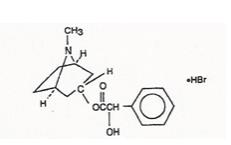
HOMATROPINE HYDROBROMIDE OPHTHALMIC SOLUTION, USP Rx only Established name: Homatropine Hydrobromide Chemical Name: Benzeneacetic acid, ɑ-hydroxy-, 8-methyl-8-azabicyclo [3.2.1]-oct-3-yl ester, hydrobromide, endo -(±)-. The active ingredient is represented by the chemical structure: Each mL contains: Active: Homatropine Hydrobromide 5.0%. Preservative: Benzalkonium Chloride 0.005%. Inactive: Boric Acid, Edetate Disodium, Potassium Chloride, Water for Injection. Boric Acid or Sodium Carbonate may be added to adjust the pH.
Medication Information
Indications and Usage
A moderately long-acting mydriatic and cycloplegic for cycloplegic refraction and in the treatment of inflammatory conditions of the uveal tract. For pre and postoperative states when mydriasis is required. Use as an optical aid in some cases of axial lens opacities.
Dosage and Administration
For refraction, instill one or two drops topically in the eye(s). May be repeated in five or ten minutes if necessary. For uveitis, instill one or two drops topically up to every three to four hours. Individuals with heavily pigmented irides may require larger doses.
Contraindications
Contraindicated in persons with primary glaucoma or a tendency toward glaucoma, e.g. narrow anterior chamber angle, and in those persons showing hypersensitivity to any component of this preparation.
Adverse Reactions
Transient symptoms of stinging and burning may occur. Prolonged use may produce local irritation characterized by follicular conjunctivitis, vascular congestion, edema, exudates, and an eczematoid dermatitis. Thirst or dryness of mouth, eye irritation not present before therapy, or increased sensitivity of eyes to light may occur. To report SUSPECTED ADVERSE REACTIONS, contact Altaire Pharmaceuticals, Inc. at (800)-258-2471.
How Supplied
5mL size in a white plastic bottle 5mL - NDC 59390-192-05
Description
HOMATROPINE HYDROBROMIDE OPHTHALMIC SOLUTION, USP Rx only Established name: Homatropine Hydrobromide Chemical Name: Benzeneacetic acid, ɑ-hydroxy-, 8-methyl-8-azabicyclo [3.2.1]-oct-3-yl ester, hydrobromide, endo -(±)-. The active ingredient is represented by the chemical structure: Each mL contains: Active: Homatropine Hydrobromide 5.0%. Preservative: Benzalkonium Chloride 0.005%. Inactive: Boric Acid, Edetate Disodium, Potassium Chloride, Water for Injection. Boric Acid or Sodium Carbonate may be added to adjust the pH.
Section 42229-5
HOMATROPINE HYDROBROMIDE
OPHTHALMIC SOLUTION, USP
Rx only
Established name:
Homatropine Hydrobromide
Chemical Name:
Benzeneacetic acid, ɑ-hydroxy-, 8-methyl-8-azabicyclo [3.2.1]-oct-3-yl ester, hydrobromide, endo-(±)-. The active ingredient is represented by the chemical structure:
Each mL contains: Active: Homatropine Hydrobromide 5.0%. Preservative: Benzalkonium Chloride 0.005%. Inactive: Boric Acid, Edetate Disodium, Potassium Chloride, Water for Injection. Boric Acid or Sodium Carbonate may be added to adjust the pH.
Section 51945-4
PRINCIPAL DISPLAY PANEL
NDC 59390-192-05
Homatropaire
Homatropine Hydrobromide
Ophthalmic Solution, USP 5%
5 mL- Sterile
Rx Only
General.
To avoid excessive systemic absorption, the lacrimal sac should be compressed by digital pressure for two to three minutes after installation. To avoid inducing angle closure glaucoma, an estimation of the depth of the angle of the anterior chamber should be made. Excessive topical use of this drug can potentially lead to a confusional state characterized by delirium, agitation, and rarely coma. This state is more apt to occur in the pediatric and geriatric age groups. The specific anti-dote for this systemic anticholinergic syndrome is injectable physostigmine salicylate.
Storage:
Store at 15° - 30°C (59°- 86°F).
Caution: Federal (USA) law prohibits dispensing without prescription.
Mfd. by: Altaire Pharmaceuticals, Inc
Aquebogue, NY 11931
R05/13
F# 16545
Warning:
For topical use only – not for injection. Risk-benefit should be considered when the following medical problems exist: keratoconus (Homatropine may produce fixed dilated pupil); Down’s syndrome, children with brain damage and the elderly (increased susceptibility). In infants and small children, use with extreme caution. Excessive use in pediatric patients or certain individuals with a history of susceptibility to belladonna alkaloids may produce systemic symptoms of homatropine poisoning (see overdose section).
Pregnancy.
Pregnancy Category C. Animal reproduction studies have not been conducted with homatropine hydrobromide. It is also not known whether homatropine hydrobromide can cause fetal harm when administered to a pregnant woman or can affect reproduction capacity. Homatropine Hydrobromide should be given to a pregnant woman only if clearly needed.
Overdosage:
When signs and symptoms of homatropine toxicity develop (see adverse reaction section), physostigmine should be administered parenterally (for dosage refer to Goodman & Gilman or other pharmacology reference). In infants and pediatric patients, the body surface must be kept moist.
Description:
Homatropine hydrobromide is an anticholinergic prepared as a sterile topical ophthalmic solution.
How Supplied:
5mL size in a white plastic bottle
5mL - NDC 59390-192-05
Pediatric Use:
Homatropine should not be used during the first three months of life due to a possible association between the cycloplegia produced and the development of amblyopia.
Safety and effectiveness in pediatric patients have not been established.
Nursing Mothers.
It is not known whether this drug is excreted in human milk. Because many drugs are excreted in human milk, caution should be exercised when homatropine hydrobromide is administered to a nursing woman
Adverse Reactions:
Transient symptoms of stinging and burning may occur. Prolonged use may produce local irritation characterized by follicular conjunctivitis, vascular congestion, edema, exudates, and an eczematoid dermatitis. Thirst or dryness of mouth, eye irritation not present before therapy, or increased sensitivity of eyes to light may occur.
To report SUSPECTED ADVERSE REACTIONS, contact Altaire Pharmaceuticals, Inc. at (800)-258-2471.
Contraindications:
Contraindicated in persons with primary glaucoma or a tendency toward glaucoma, e.g. narrow anterior chamber angle, and in those persons showing hypersensitivity to any component of this preparation.
Clinical Pharmacology:
This anticholinergic preparation blocks the responses of the sphincter muscle of the iris and the accommodative muscle of the ciliary body to cholinergic stimulation, producing pupillary dilation (mydriasis) and paralysis of accommodation (cycloplegia).
Indications and Usage:
A moderately long-acting mydriatic and cycloplegic for cycloplegic refraction and in the treatment of inflammatory conditions of the uveal tract. For pre and postoperative states when mydriasis is required. Use as an optical aid in some cases of axial lens opacities.
Information to Patients.
Patient should be advised not to drive or engage in other hazardous activities while pupils are dilated. Patient may experience sensitivity to light and should protect eyes in bright illumination during dilation. Parents should be warned not to get this preparation in their child’s mouth and to wash their own hands and the child’s hands following administration. Do not touch dropper tip to any surface, as this may contaminate the solution.
Dosage and Administration:
For refraction, instill one or two drops topically in the eye(s). May be repeated in five or ten minutes if necessary. For uveitis, instill one or two drops topically up to every three to four hours. Individuals with heavily pigmented irides may require larger doses.
Carcinogenesis, Mutagenesis, Impairment of Fertility:
There have been no long-term studies done using homatropine hydrobromide in animals to evaluate carcinogenic potential.
Structured Label Content
Section 42229-5 (42229-5)
HOMATROPINE HYDROBROMIDE
OPHTHALMIC SOLUTION, USP
Rx only
Established name:
Homatropine Hydrobromide
Chemical Name:
Benzeneacetic acid, ɑ-hydroxy-, 8-methyl-8-azabicyclo [3.2.1]-oct-3-yl ester, hydrobromide, endo-(±)-. The active ingredient is represented by the chemical structure:
Each mL contains: Active: Homatropine Hydrobromide 5.0%. Preservative: Benzalkonium Chloride 0.005%. Inactive: Boric Acid, Edetate Disodium, Potassium Chloride, Water for Injection. Boric Acid or Sodium Carbonate may be added to adjust the pH.
Section 51945-4 (51945-4)
PRINCIPAL DISPLAY PANEL
NDC 59390-192-05
Homatropaire
Homatropine Hydrobromide
Ophthalmic Solution, USP 5%
5 mL- Sterile
Rx Only
General.
To avoid excessive systemic absorption, the lacrimal sac should be compressed by digital pressure for two to three minutes after installation. To avoid inducing angle closure glaucoma, an estimation of the depth of the angle of the anterior chamber should be made. Excessive topical use of this drug can potentially lead to a confusional state characterized by delirium, agitation, and rarely coma. This state is more apt to occur in the pediatric and geriatric age groups. The specific anti-dote for this systemic anticholinergic syndrome is injectable physostigmine salicylate.
Storage:
Store at 15° - 30°C (59°- 86°F).
Caution: Federal (USA) law prohibits dispensing without prescription.
Mfd. by: Altaire Pharmaceuticals, Inc
Aquebogue, NY 11931
R05/13
F# 16545
Warning: (WARNING:)
For topical use only – not for injection. Risk-benefit should be considered when the following medical problems exist: keratoconus (Homatropine may produce fixed dilated pupil); Down’s syndrome, children with brain damage and the elderly (increased susceptibility). In infants and small children, use with extreme caution. Excessive use in pediatric patients or certain individuals with a history of susceptibility to belladonna alkaloids may produce systemic symptoms of homatropine poisoning (see overdose section).
Pregnancy.
Pregnancy Category C. Animal reproduction studies have not been conducted with homatropine hydrobromide. It is also not known whether homatropine hydrobromide can cause fetal harm when administered to a pregnant woman or can affect reproduction capacity. Homatropine Hydrobromide should be given to a pregnant woman only if clearly needed.
Overdosage: (OVERDOSAGE:)
When signs and symptoms of homatropine toxicity develop (see adverse reaction section), physostigmine should be administered parenterally (for dosage refer to Goodman & Gilman or other pharmacology reference). In infants and pediatric patients, the body surface must be kept moist.
Description: (DESCRIPTION:)
Homatropine hydrobromide is an anticholinergic prepared as a sterile topical ophthalmic solution.
How Supplied: (HOW SUPPLIED:)
5mL size in a white plastic bottle
5mL - NDC 59390-192-05
Pediatric Use:
Homatropine should not be used during the first three months of life due to a possible association between the cycloplegia produced and the development of amblyopia.
Safety and effectiveness in pediatric patients have not been established.
Nursing Mothers.
It is not known whether this drug is excreted in human milk. Because many drugs are excreted in human milk, caution should be exercised when homatropine hydrobromide is administered to a nursing woman
Adverse Reactions: (ADVERSE REACTIONS:)
Transient symptoms of stinging and burning may occur. Prolonged use may produce local irritation characterized by follicular conjunctivitis, vascular congestion, edema, exudates, and an eczematoid dermatitis. Thirst or dryness of mouth, eye irritation not present before therapy, or increased sensitivity of eyes to light may occur.
To report SUSPECTED ADVERSE REACTIONS, contact Altaire Pharmaceuticals, Inc. at (800)-258-2471.
Contraindications: (CONTRAINDICATIONS:)
Contraindicated in persons with primary glaucoma or a tendency toward glaucoma, e.g. narrow anterior chamber angle, and in those persons showing hypersensitivity to any component of this preparation.
Clinical Pharmacology: (CLINICAL PHARMACOLOGY:)
This anticholinergic preparation blocks the responses of the sphincter muscle of the iris and the accommodative muscle of the ciliary body to cholinergic stimulation, producing pupillary dilation (mydriasis) and paralysis of accommodation (cycloplegia).
Indications and Usage: (INDICATIONS AND USAGE:)
A moderately long-acting mydriatic and cycloplegic for cycloplegic refraction and in the treatment of inflammatory conditions of the uveal tract. For pre and postoperative states when mydriasis is required. Use as an optical aid in some cases of axial lens opacities.
Information to Patients.
Patient should be advised not to drive or engage in other hazardous activities while pupils are dilated. Patient may experience sensitivity to light and should protect eyes in bright illumination during dilation. Parents should be warned not to get this preparation in their child’s mouth and to wash their own hands and the child’s hands following administration. Do not touch dropper tip to any surface, as this may contaminate the solution.
Dosage and Administration: (DOSAGE AND ADMINISTRATION:)
For refraction, instill one or two drops topically in the eye(s). May be repeated in five or ten minutes if necessary. For uveitis, instill one or two drops topically up to every three to four hours. Individuals with heavily pigmented irides may require larger doses.
Carcinogenesis, Mutagenesis, Impairment of Fertility:
There have been no long-term studies done using homatropine hydrobromide in animals to evaluate carcinogenic potential.
Advanced Ingredient Data
Raw Label Data
All Sections (JSON)
Additional Information
Back to search View SPL set listing Open on DailyMed ↗
Source: dailymed · Ingested: 2026-02-15T11:37:24.114861 · Updated: 2026-03-14T21:49:59.697322