These Highlights Do Not Include All The Information Needed To Use Proleukin ®
f3c516ad-d405-4fbe-af6a-962080dbfa7d
34391-3
HUMAN PRESCRIPTION DRUG LABEL
Drug Facts
Composition & Product
Identifiers & Packaging
Indications and Usage
Proleukin is a lymphocyte growth factor indicated for: The treatment of adults with metastatic renal cell carcinoma. ( 1.1 ) The treatment of adults with metastatic melanoma. ( 1.2 )
Dosage and Administration
Administer Proleukin in an inpatient hospital setting with an intensive care facility. Evaluate cardiovascular, pulmonary, neurologic and renal function before beginning Proleukin. ( 2.1 ) See Full Prescribing Information for Premedication and Supportive medications. ( 2.3 ) Recommended dosage: 600,000 IU/kg (0.037 mg/kg) every 8 hours by a 15-minute intravenous infusion for a maximum of 14 doses. Following 9 days of rest, repeat the schedule for a maximum of another 14 doses (total of 28 doses per course, as tolerated). ( 2.2 ) Evaluate patients approximately 4 weeks after completion of a course of therapy and again immediately prior to the start of the next course. ( 2.2 ) Dose modification for toxicity should be accomplished by withholding or interrupting a dose. ( 2.4 ) Follow reconstitution and dilution procedures. ( 2.5 )
Contraindications
Severe Hypersensitivity Reactions Proleukin is contraindicated in patients with a known history of severe hypersensitivity to aldesleukin or any component of the Proleukin formulation [see Adverse Reactions (6.2) ]. Organ Allografts Proleukin is contraindicated in patients with organ allografts [see Warnings and Precautions (5.5) ] . Significant Organ Impairment Proleukin is contraindicated in patients with significant cardiac (including those with an abnormal cardiac ejection fraction, impaired wall motion, or significant coronary artery disease), pulmonary (including those with an FEV1 ≤ 2 liters or < 75% predicted for height and age), renal, hepatic, or CNS impairment [see Warnings and Precautions (5.1 , 5.2 , 5.4) ] .
Warnings and Precautions
Renal Toxicity: Monitor renal function at baseline and throughout treatment. Withhold Proleukin or permanently discontinue, based on severity. ( 2.4 , 5.4 ) Immune-mediated Adverse Reactions: Exacerbation of pre-existing autoimmune disease or initial presentation of autoimmune and inflammatory disorders can occur in any system or tissue. Proleukin may increase the risk of allograft rejection in transplant patients. Monitor patients and treat as indicated. ( 5.5 ) Severe Hypersensitivity Reaction: Permanently discontinue Proleukin for severe hypersensitivity reactions. ( 4 , 5.9 ) Embryo-Fetal Toxicity : May cause fetal harm. Advise females of reproductive potential of potential risk to a fetus and to use effective contraception. ( 5.6 , 8.1 , 8.3 )
Adverse Reactions
A review of the literature revealed that 12.6% (range 11-28%) of 501 patients treated with various interleukin-2-containing regimens who were subsequently administered radiographic iodinated contrast media experienced acute, atypical adverse reactions. The onset of symptoms usually occurred within hours (most commonly 1 to 4 hours) following the administration of contrast media. These reactions include fever, chills, nausea, vomiting, pruritus, rash, diarrhea, hypotension, edema, and oliguria. These reactions may resemble the immediate side effects caused by interleukin-2 administration. Most events were reported to occur when contrast media was given within 4 weeks after the last dose of interleukin-2. These events were also reported to occur when contrast media was given several months after interleukin-2 treatment [see Adverse Reactions (6.2) ] .
Drug Interactions
Drug interaction studies with Proleukin have not been conducted. The drug interaction information described below have been observed post-marketing.
How Supplied
Proleukin ® (aldesleukin) for injection is supplied in single-dose vials. Each vial contains 22 million International Units (1.3 mg) of Proleukin. NDC 73776-022-01 Individually boxed single-dose vial
Storage and Handling
Proleukin ® (aldesleukin) for injection is supplied in single-dose vials. Each vial contains 22 million International Units (1.3 mg) of Proleukin. NDC 73776-022-01 Individually boxed single-dose vial
Description
Capillary leak syndrome (CLS), including life threatening or fatal reactions, has occurred in patients treated with Proleukin. Do not administer Proleukin to patients with significant cardiac, pulmonary, renal, and hepatic impairment. Administer Proleukin in a hospital setting with an intensive care facility. Withhold or discontinue Proleukin as recommended [see Dosage and Administration (2.4) , Contraindications (4) , Warnings and Precautions (5.1) ] . Neurologic toxicities, which may be life-threatening or result in coma or permanent neurological deficits, have occurred in patients treated with Proleukin. Withhold or discontinue Proleukin as recommended [see Dosage and Administration (2.4) , Warnings and Precautions (5.2) ] . Serious Infections including sepsis and bacterial endocarditis have occurred in patients treated with Proleukin. Treat pre-existing bacterial infections prior to initiation of Proleukin therapy and withhold Proleukin as recommended [see Dosage and Administration (2.4) , Warnings and Precautions (5.3) ] .
Medication Information
Warnings and Precautions
Renal Toxicity: Monitor renal function at baseline and throughout treatment. Withhold Proleukin or permanently discontinue, based on severity. ( 2.4 , 5.4 ) Immune-mediated Adverse Reactions: Exacerbation of pre-existing autoimmune disease or initial presentation of autoimmune and inflammatory disorders can occur in any system or tissue. Proleukin may increase the risk of allograft rejection in transplant patients. Monitor patients and treat as indicated. ( 5.5 ) Severe Hypersensitivity Reaction: Permanently discontinue Proleukin for severe hypersensitivity reactions. ( 4 , 5.9 ) Embryo-Fetal Toxicity : May cause fetal harm. Advise females of reproductive potential of potential risk to a fetus and to use effective contraception. ( 5.6 , 8.1 , 8.3 )
Indications and Usage
Proleukin is a lymphocyte growth factor indicated for: The treatment of adults with metastatic renal cell carcinoma. ( 1.1 ) The treatment of adults with metastatic melanoma. ( 1.2 )
Dosage and Administration
Administer Proleukin in an inpatient hospital setting with an intensive care facility. Evaluate cardiovascular, pulmonary, neurologic and renal function before beginning Proleukin. ( 2.1 ) See Full Prescribing Information for Premedication and Supportive medications. ( 2.3 ) Recommended dosage: 600,000 IU/kg (0.037 mg/kg) every 8 hours by a 15-minute intravenous infusion for a maximum of 14 doses. Following 9 days of rest, repeat the schedule for a maximum of another 14 doses (total of 28 doses per course, as tolerated). ( 2.2 ) Evaluate patients approximately 4 weeks after completion of a course of therapy and again immediately prior to the start of the next course. ( 2.2 ) Dose modification for toxicity should be accomplished by withholding or interrupting a dose. ( 2.4 ) Follow reconstitution and dilution procedures. ( 2.5 )
Contraindications
Severe Hypersensitivity Reactions Proleukin is contraindicated in patients with a known history of severe hypersensitivity to aldesleukin or any component of the Proleukin formulation [see Adverse Reactions (6.2) ]. Organ Allografts Proleukin is contraindicated in patients with organ allografts [see Warnings and Precautions (5.5) ] . Significant Organ Impairment Proleukin is contraindicated in patients with significant cardiac (including those with an abnormal cardiac ejection fraction, impaired wall motion, or significant coronary artery disease), pulmonary (including those with an FEV1 ≤ 2 liters or < 75% predicted for height and age), renal, hepatic, or CNS impairment [see Warnings and Precautions (5.1 , 5.2 , 5.4) ] .
Adverse Reactions
A review of the literature revealed that 12.6% (range 11-28%) of 501 patients treated with various interleukin-2-containing regimens who were subsequently administered radiographic iodinated contrast media experienced acute, atypical adverse reactions. The onset of symptoms usually occurred within hours (most commonly 1 to 4 hours) following the administration of contrast media. These reactions include fever, chills, nausea, vomiting, pruritus, rash, diarrhea, hypotension, edema, and oliguria. These reactions may resemble the immediate side effects caused by interleukin-2 administration. Most events were reported to occur when contrast media was given within 4 weeks after the last dose of interleukin-2. These events were also reported to occur when contrast media was given several months after interleukin-2 treatment [see Adverse Reactions (6.2) ] .
Drug Interactions
Drug interaction studies with Proleukin have not been conducted. The drug interaction information described below have been observed post-marketing.
Storage and Handling
Proleukin ® (aldesleukin) for injection is supplied in single-dose vials. Each vial contains 22 million International Units (1.3 mg) of Proleukin. NDC 73776-022-01 Individually boxed single-dose vial
How Supplied
Proleukin ® (aldesleukin) for injection is supplied in single-dose vials. Each vial contains 22 million International Units (1.3 mg) of Proleukin. NDC 73776-022-01 Individually boxed single-dose vial
Description
Capillary leak syndrome (CLS), including life threatening or fatal reactions, has occurred in patients treated with Proleukin. Do not administer Proleukin to patients with significant cardiac, pulmonary, renal, and hepatic impairment. Administer Proleukin in a hospital setting with an intensive care facility. Withhold or discontinue Proleukin as recommended [see Dosage and Administration (2.4) , Contraindications (4) , Warnings and Precautions (5.1) ] . Neurologic toxicities, which may be life-threatening or result in coma or permanent neurological deficits, have occurred in patients treated with Proleukin. Withhold or discontinue Proleukin as recommended [see Dosage and Administration (2.4) , Warnings and Precautions (5.2) ] . Serious Infections including sepsis and bacterial endocarditis have occurred in patients treated with Proleukin. Treat pre-existing bacterial infections prior to initiation of Proleukin therapy and withhold Proleukin as recommended [see Dosage and Administration (2.4) , Warnings and Precautions (5.3) ] .
Section 42229-5
Preparation
Reconstitute Proleukin using Sterile Water for Injection, USP. Do not reconstitute or dilute Proleukin with Bacteriostatic Water for Injection, or 0.9% Sodium Chloride Injection.
- Add 1.2 mL of Sterile Water for Injection, USP, by injecting the water along the walls of the vial and not directly on the lyophilized powder. The resulting concentration is 18 million IU (1.1 mg)/mL of Proleukin.
- The prepared solution is a clear, colorless to slightly yellow liquid.
- Slowly swirl the vial; do not shake.
- Withdraw the required dose of Proleukin and discard the vial with any unused portion.
- Use polyvinyl chloride bags for dilution of Proleukin and dilute using 5% Dextrose Injection to a concentration between 0.03 mg/mL and 0.07 mg/mL based on the required dose as follows:
| Dose | 5% Dextrose Volume |
|---|---|
| ≤25.4 million IU (≤1.5 mg) | 25 mL |
| >25.4 million IU-60 million IU (>1.5 mg-3.5 mg) | 50 mL |
| >60 million IU (>3.5 mg) | 100 mL |
Section 44425-7
Store unopened vials refrigerated at 2° to 8°C (36° to 46°F) in the original carton to protect from light.
Do not use beyond the expiration date printed on the vial. NOTE:This product contains no preservative.
10 Overdosage
Exceeding the recommended dose of Proleukin has been associated with a more rapid onset of severe or life-threatening toxicities. Treat toxicities supportively; life-threatening toxicities may be ameliorated by the intravenous administration of dexamethasone.
11 Description
Aldesleukin is a human interleukin-2 lymphocyte growth factor produced by recombinant DNA technology using a genetically engineered E. colistrain containing an analog of the human interleukin-2 gene. It is a purified protein with a molecular weight of approximately 15,300 Da. This recombinant form differs from native interleukin-2 in the following ways: a) aldesleukin is not glycosylated; b) the molecule has no N-terminal alanine; c) the molecule has serine substituted for cysteine at amino acid position 125. Proleukin exists as biologically active, non-covalently bound microaggregates with an average size of 27 recombinant interleukin-2 molecules; the aggregation state of aldesleukin may differ compared to native interleukin-2.
The manufacturing process for aldesleukin involves fermentation in a defined medium containing tetracycline hydrochloride. The presence of tetracycline hydrochloride is not detectable in the final product.
Proleukin (aldesleukin) for injection is a sterile, preservative-free white to off-white, lyophilized powder, which has a cake-like appearance, supplied in single-dose vials for intravenous administration after reconstitution and dilution. When reconstituted with 1.2 mL Sterile Water for Injection, USP, each mL contains 18 million International Units (1.1 mg) aldesleukin, mannitol (50 mg), sodium dodecyl sulfate (0.19 mg), buffered with disodium hydrogen phosphate dihydrate (1.12 mg) and sodium dihydrogen phosphate dihydrate (0.19 mg) to a pH of 7.5 (range 7.2 to 7.8).
8.4 Pediatric Use
The safety and effectiveness of Proleukin have not been established in pediatric patients.
8.5 Geriatric Use
Clinical studies of Proleukin did not include sufficient numbers of patients 65 years of age and older to determine whether they respond differently from younger adult patients.
5.4 Renal Toxicity
Serious renal toxicity, including oliguria and renal failure can occur with Proleukin [see Adverse Reactions (6.1, 6.2)] . Pre-existing renal impairment or coadministration of Proleukin with other products known to cause renal toxicity may increase this risk. If possible, avoid concomitant use of Proleukin with other product(s) with a known potential to cause renal toxicity. Serum creatinine should be ≤1.5 mg/dL before beginning Proleukin. Monitor serum creatinine at baseline and daily throughout each course of therapy. Withhold Proleukin, or permanently discontinue, based on severity [see Dosage and Administration (2.4)] .
12.6 Immunogenicity
The observed incidence of anti-drug antibodies is highly dependent on the sensitivity and specificity of the assay. Differences in assay methods preclude meaningful comparisons of the incidence of anti-drug antibodies in the studies described below with the incidence of anti-drug antibodies in other studies.
In clinical studies, using an enzyme-linked immunosorbent assay (ELISA), low titers of anti-aldesleukin antibodies were observed in 74% (57 of 77) of patients with metastatic renal cell carcinoma treated with an every 8-hour Proleukin regimen and in 66% (33 of 50) of patients with metastatic melanoma treated with a variety of intravenous regimens. In a separate study in 13 patients, following the first cycle of therapy, the geometric mean aldesleukin exposure (AUC) on Day 15 compared to Day 1 increased by 68% in 11 patients who developed anti-aldesleukin antibodies while no change was observed in the 2 antibody-negative patients. Overall, neutralizing antibodies were detected in 1 patient. Based on these data, the clinical relevance of anti-aldesleukin antibodies could not be assessed.
4 Contraindications
- Severe Hypersensitivity Reactions
Proleukin is contraindicated in patients with a known history of severe hypersensitivity to aldesleukin or any component of the Proleukin formulation [see Adverse Reactions (6.2)].
- Organ Allografts
Proleukin is contraindicated in patients with organ allografts [see Warnings and Precautions (5.5)] .
- Significant Organ Impairment
Proleukin is contraindicated in patients with significant cardiac (including those with an abnormal cardiac ejection fraction, impaired wall motion, or significant coronary artery disease), pulmonary (including those with an FEV1 ≤ 2 liters or < 75% predicted for height and age), renal, hepatic, or CNS impairment [see Warnings and Precautions (5.1, 5.2, 5.4)] .
6 Adverse Reactions
The following clinically significant adverse reactions are described elsewhere in the labeling:
- Capillary Leak Syndrome [see Warnings and Precautions (5.1)].
- Neurotoxicity [see Warnings and Precautions (5.2)].
- Serious Infections Including Sepsis [see Warnings and Precautions (5.3)].
- Renal Toxicity [see Warnings and Precautions (5.4)].
- Immune-Mediated Adverse Reactions [see Warnings and Precautions (5.5)].
- Serious Manifestations of Eosinophilia [see Warnings and Precautions (5.7)].
- Severe Hypersensitivity Reactions [see Warnings and Precautions (5.9)].
- Infusion-Related Reactions [see Warnings and Precautions (5.10)] .
7 Drug Interactions
Drug interaction studies with Proleukin have not been conducted. The drug interaction information described below have been observed post-marketing.
12.2 Pharmacodynamics
Dose-dependent immunological effects including activation of cellular immunity with lymphocytosis, eosinophilia, and thrombocytopenia, and the production of cytokines including tumor necrosis factor, IL-1, and gamma interferon were observed following administration of aldesleukin in animals and humans.
Aldesleukin exposure-response relationships and the time course of pharmacodynamic response are unknown.
12.3 Pharmacokinetics
Aldesleukin serum concentrations change proportionally with the Proleukin dosage.
2.2 Recommended Dosage
Administer Proleukin in an inpatient hospital setting. An intensive care facility with specialists skilled in cardiopulmonary or intensive care medicine must be available [see Warnings and Precautions (5.1)] .
The recommended dosage of Proleukin for metastatic renal cell carcinoma and metastatic melanoma is described in Table 1.
Administer Proleukin as an intravenous infusion after dilution [see Dosage and Administration (2.5)] .
Administer pre-infusion medications and supportive treatment, as appropriate, prior to and during each infusion [see Dosage and Administration (2.3)]. Discontinue Proleukin for unacceptable toxicity [see Dosage and Administration (2.4)].
| Each course of therapy consists of the following: | ||
| Cycle 1 | Days 1-5 | 600,000 IU/kg (0.037 mg/kg) every 8 hours; maximum of 14 doses
A maximum of 28 doses (2 cycles) per treatment course
|
| Rest period | Days 6-14 | |
| Cycle 2 | Days 15-19 | 600,000 IU/kg (0.037 mg/kg) every 8 hours; maximum of 14 doses |
Evaluate patients for response approximately 4 weeks after completion of a course of therapy and again immediately prior to the scheduled start of the next treatment course.
Additional courses of treatment may be administered to patients if there is a treatment response following the last course, and the patient did not experience any adverse reactions in previous course(s) that led to permanent discontinuation [see Dosage and Administration (2.4)].
Separate each treatment course by a rest period of at least 7 weeks from the date of hospital discharge.
1 Indications and Usage
1.2 Metastatic Melanoma
Proleukin is indicated for the treatment of adults with metastatic melanoma.
5.2 Neurologic Toxicity
Proleukin can cause neurologic toxicities including mental status changes, speech difficulties, cortical blindness, limb or gait ataxia, hallucinations, agitation, obtundation, demyelinating polyneuropathy, and coma. Alterations in mental status may progress for several days before recovery begins. Permanent neurologic deficits have occurred. Radiological findings included multiple and, less commonly, single cortical lesions on MRI and evidence of demyelination. One case of possible cerebral vasculitis has been reported.
Monitor patients for signs and symptoms of neurological toxicity during Proleukin treatment. Withhold Proleukin in patients developing moderate to severe lethargy or somnolence; continued administration may result in coma. Permanently discontinue Proleukin for coma or toxic psychosis lasting >48 hours or for repetitive or difficult to control seizures [see Dosage and Administration (2.4)].
Evaluate and treat CNS metastases prior to initiation of Proleukin. If possible, avoid concomitant use of Proleukin with other product(s) with a known potential to cause neurotoxicity, and avoid Proleukin in patients with seizure disorders or abnormal intracranial imaging [see Contraindications (4), Adverse Reactions (6.1, 6.2)] . Concomitant use of Proleukin with other products that cause neurotoxicity may result in a greater risk of severe neurotoxicity.
12.1 Mechanism of Action
Aldesleukin is an interleukin-2 lymphocyte growth factor. The antitumor activity of aldesleukin has not been fully characterized. In vitrostudies performed on human cell lines show enhancement of lymphocyte mitogenesis and cytotoxicity, induction of killer cell activity [lymphokine-activated killer (LAK) and natural killer (NK) cells] and interferon gamma production, and proliferation of human interleukin-2-dependent cell lines.
Administration of aldesleukin in animals and humans produces multiple immunological effects in a dose-dependent manner. These effects include activation of cellular immunity and the production of cytokines including tumor necrosis factor, IL-1, and interferon gamma. In vivoexperiments in murine melanoma and sarcoma tumor models have shown inhibition of tumor growth.
14.2 Metastatic Melanoma
The efficacy of Proleukin was evaluated in two hundred seventy patients with metastatic melanoma in 8 clinical studies conducted at 22 institutions (metastatic melanoma studies). Eligible patients had an Eastern Cooperative Oncology Group (ECOG) Performance Status (PS) of 0 or 1 and normal organ function as determined by cardiac stress test, pulmonary function tests, and creatinine ≤1.5 mg/dL. Studies excluded patients with brain metastases, active infections, organ allografts, and diseases requiring steroid treatment. Not all patients in these studies received the recommended Proleukin dosing regimen.
Patients with metastatic melanoma received a median of 18 of the 28 scheduled doses of Proleukin during the first course of therapy.
The major efficacy outcome measure was objective response rate (ORR) determined by investigator assessment per ECOG response criteria for solid tumors (1982).
Efficacy results are summarized in Table 6.
| Proleukin
(n=270) |
|
|---|---|
| Objective Response Rate | |
| ORR (95% CI) | 16% (12, 21) |
| Complete Response (CR), % | 6% |
| Partial Response (PR), % | 10% |
| Duration of response (months) | |
| Number of Patients Who Responded | n= 43 |
| Median (months) (95% CI) | 9 |
| Range (months) | 1, 122
Denotes ongoing responses
|
5.6 Embryo Fetal Toxicity
Based on findings in an animal study and its mechanism of action, Proleukin may cause fetal harm or loss of pregnancy when administered to a pregnant woman. In pregnant rats, aldesleukin has been shown to have embryolethal effects at doses 27 times and maternal toxicities at doses 2.1 times the human exposure at the recommended clinical dose. Advise pregnant women of the potential risk to a fetus. Advise female patients of reproductive potential to use effective contraception during treatment with Proleukin [see Use in Specific Populations (8.1, 8.3)].
5 Warnings and Precautions
- Renal Toxicity:Monitor renal function at baseline and throughout treatment. Withhold Proleukin or permanently discontinue, based on severity. ( 2.4, 5.4)
- Immune-mediated Adverse Reactions:Exacerbation of pre-existing autoimmune disease or initial presentation of autoimmune and inflammatory disorders can occur in any system or tissue. Proleukin may increase the risk of allograft rejection in transplant patients. Monitor patients and treat as indicated. ( 5.5)
- Severe Hypersensitivity Reaction:Permanently discontinue Proleukin for severe hypersensitivity reactions. ( 4, 5.9)
- Embryo-Fetal Toxicity: May cause fetal harm. Advise females of reproductive potential of potential risk to a fetus and to use effective contraception. ( 5.6, 8.1, 8.3)
2 Dosage and Administration
Administer Proleukin in an inpatient hospital setting with an intensive care facility.
- Evaluate cardiovascular, pulmonary, neurologic and renal function before beginning Proleukin. ( 2.1)
- See Full Prescribing Information for Premedication and Supportive medications. ( 2.3)
- Recommended dosage: 600,000 IU/kg (0.037 mg/kg) every 8 hours by a 15-minute intravenous infusion for a maximum of 14 doses. Following 9 days of rest, repeat the schedule for a maximum of another 14 doses (total of 28 doses per course, as tolerated). ( 2.2)
- Evaluate patients approximately 4 weeks after completion of a course of therapy and again immediately prior to the start of the next course. ( 2.2)
- Dose modification for toxicity should be accomplished by withholding or interrupting a dose. ( 2.4)
- Follow reconstitution and dilution procedures. ( 2.5)
5.1 Capillary Leak Syndrome
Severe and life-threatening capillary leak syndrome (CLS) characterized by hypotension, dyspnea, edema, and hypoalbuminemia can occur with Proleukin, and can result in end organ toxicity including cardiac, respiratory, renal, hepatic toxicity, or death. Do not administer Proleukin to patients with significant cardiac, pulmonary, renal, or hepatic impairment. Avoid concomitant use of Proleukin with other products known to cause hypotension including antihypertensive drugs, those that cause renal toxicity, or hepatotoxicity.
CLS may begin immediately after Proleukin treatment is initiated. Monitor for signs and symptoms of CLS including assessments of vital signs, weight, fluid intake, albumin levels and urine output.
Withhold or discontinue Proleukin for failure to maintain organ perfusion as demonstrated by altered mental status, reduced urine output, oxygen saturation <90%, a fall in the systolic blood pressure below 90 mm Hg, or onset of cardiac arrhythmias. Initiate standard management for CLS, which may include intensive care [see Dosage and Administration (2.4), Use in Specific Populations (8.1)] .
3 Dosage Forms and Strengths
For Injection: 22 million International Units (1.3 mg) of aldesleukin available as a white to off-white, lyophilized powder in a single-dose vial for reconstitution. When reconstituted, each mL contains 18 million International Units (1.1 mg) aldesleukin.
6.2 Postmarketing Experience
The following adverse reactions have been identified during post-approval use of Proleukin. Because these reactions are reported voluntarily from a population of uncertain size, it is not always possible to reliably estimate their frequency or establish a causal relationship to drug exposure.
- Blood and lymphatic system disorders: neutropenia, febrile neutropenia, eosinophilia, lymphopenia
- Cardiac disorders: cardiomyopathy, cardiac tamponade
- Endocrine disorders: hyperthyroidism
- Gastrointestinal disorders: gastritis, intestinal obstruction
- General disorders and administration site conditions: injection site necrosis
- Hepatobiliary disorders: hepatitis, hepatosplenomegaly, cholecystitis
- Immune system disorders: anaphylactic reaction, angioedema, urticaria
- Infections and infestations: pneumonia (bacterial, fungal, viral), endocarditis, cellulitis
- Metabolism and nutrition disorders: hyponatremia, hypophosphatemia
- Musculoskeletal and connective tissue disorders: myopathy, rhabdomyolysis
- Nervous system disorders: encephalopathy, extrapyramidal disorder, neuralgia
- Psychiatric disorders: insomnia
- Vascular disorders: hypertension, subdural hemorrhage, subarachnoid hemorrhage, cerebral hemorrhage, retroperitoneal hemorrhage
8 Use in Specific Populations
6.1 Clinical Trials Experience
Because clinical trials are conducted under widely varying conditions, adverse reaction rates observed in the clinical trials of a drug cannot be directly compared to rates in the clinical trials of another drug and may not reflect the rates observed in practice.
The safety of Proleukin was evaluated in a series of single and multicenter, controlled studies enrolling a total of 525 patients with metastatic renal cell carcinoma (mRCC studies) or metastatic melanoma (metastatic melanoma studies) [see Clinical Studies (14.1, 14.2)] .
In patients who received Proleukin in these studies, fatal adverse reactions occurred in 4% (11/255) of the patients with metastatic RCC, and 2% (6/270) of the patients with metastatic melanoma.
In these studies, >90% of patients had doses withheld for adverse reactions [see Dosage and Administration (2.4)].
The most common (≥30%) adverse reactions were hypotension, hyperbilirubinemia, dyspnea, rash, diarrhea, oliguria, chills, vomiting, thrombocytopenia, nausea, confusional state, and increased creatinine.
Table 4 summarizes adverse reactions that occurred in these studies.
| Adverse Reaction | Proleukin
N = 525 |
|
|---|---|---|
| All Grades (%) | Grade 4 (%) | |
| General disorders | ||
| Chills | 52 | 0 |
| Pyrexia | 29 | 1 |
| Edema peripheral | 28 | 0 |
| Malaise | 27 | 0 |
| Asthenia | 23 | 0 |
| Edema | 15 | 0 |
| Pain | 12 | 0 |
| Cardiac disorders | ||
| Hypotension | 71 | 3 |
| Blood pressure fluctuation | Not documented | 1 |
| Tachycardia | 23 | 0 |
| Dilated veins | 13 | 0 |
| Supraventricular tachycardia | 12 | 1 |
| Ventricular tachycardia | <10 | 1 |
| Cardiovascular disorder
Cardiovascular disorder: Electrocardiogram abnormal, cardiac failure congestive.
|
11 | 0 |
| Myocardial infarction | <10 | 1 |
| Arrhythmia | 10 | 0 |
| Cardiac arrest | <10 | 1 |
| Gastrointestinal disorders | ||
| Diarrhea | 67 | 2 |
| Vomiting | 50 | 0 |
| Nausea | 35 | 0 |
| Stomatitis | 22 | <1 |
| Decreased appetite | 20 | 0 |
| Abdominal pain | 11 | 0 |
| Abdominal distention | 10 | 0 |
| Blood and lymphatic system disorders | ||
| Thrombocytopenia | 37 | 1 |
| Anemia | 29 | 0 |
| Leukopenia | 16 | 0 |
| Disseminated intravascular coagulation | <10 | 1 |
| Infections | ||
| Infections | 13 | 1 |
| Sepsis | <10 | 1 |
| Hepatobiliary disorders | ||
| Hyperbilirubinemia | 40 | 2 |
| Aspartate aminotransferase increased | 23 | 1 |
| Metabolic and nutritional disorders | ||
| Weight increased | 16 | 0 |
| Acidosis | 12 | 1 |
| Hypomagnesemia | 12 | 0 |
| Hypocalcemia | 11 | <1 |
| Blood alkaline phosphatase increased | 10 | 0 |
| Nervous system disorders | ||
| Confusional state | 34 | 1 |
| Stupor | <10 | 1 |
| Coma | <10 | 2 |
| Psychotic disorder | <10 | 1 |
| Somnolence | 22 | 0 |
| Anxiety | 12 | 0 |
| Dizziness | 11 | 0 |
| Respiratory, thoracic, and mediastinal disorders | ||
| Dyspnea | 43 | 1 |
| Lung disorder
Lung disorder: Pulmonary congestion, rales, rhonchi.
|
24 | 0 |
| Respiratory disorder
Respiratory disorder: Acute respiratory distress syndrome, lung infiltration, lung disorder, respiratory failure, endotracheal intubation.
|
11 | 3 |
| Apnea | <10 | 1 |
| Cough | 11 | 0 |
| Rhinitis | 10 | 0 |
| Skin and subcutaneous tissue disorders | ||
| Rash | 42 | 0 |
| Pruritis | 24 | 0 |
| Dermatitis exfoliative | 18 | 0 |
| Renal and urinary disorders | ||
| Oliguria | 63 | 6 |
| Blood creatinine increased | 33 | 1 |
| Anuria | <10 | 5 |
| Acute kidney injury | <10 | 1 |
Additional life-threatening adverse reactions (Grade 4) were reported by <1% of the 525 patients:
- Cardiac disorders: bradycardia, pericardial effusion, ventricular extrasystoles, myocardial ischemia, arrhythmia supraventricular, coronary artery disease, atrioventricular block second degree, endocarditis
- Eye disorders: mydriasis, pupillary disorder
- Gastrointestinal disorders: intestinal perforation, gastrointestinal hemorrhage, hematemesis, pancreatitis, diarrhea hemorrhagic
- General disorders and administration site conditions: hypothermia
- Infections and infestations: gangrene
- Metabolism and nutrition disorders: hyperuricemia
- Nervous system disorders: syncope, neuropathy peripheral, seizure, generalized tonic-clonic seizure
- Investigations: liver function tests abnormal, blood urea increased
- Psychiatric disorders: agitation, paranoia
- Renal and urinary disorders: renal failure, renal tubular necrosis
- Respiratory, thoracic and mediastinal disorders: respiratory acidosis, asthma, pulmonary edema, hyperventilation, hypoxia, hemoptysis, hypoventilation, pneumothorax
- Vascular disorders: shock, hemorrhage, phlebitis, thrombosis
5.10 Infusion Related Reactions
Proleukin can cause fevers, chills, or rigors. Premedicate patients with an antipyretic prior to beginning Proleukin and continue during treatment as needed for fever [see Adverse Reactions (6.2)and Dosage and Administration (2.3)].
14.1 Metastatic Renal Cell Cancer
The efficacy of Proleukin was evaluated in two hundred fifty-five patients with metastatic renal cell carcinoma (mRCC) in 7 clinical studies conducted at 21 institutions (mRCC studies). Eligible patients had an Eastern Cooperative Oncology Group (ECOG) Performance Status (PS) of 0 or 1 and normal organ function as determined by cardiac stress test, pulmonary function tests, and creatinine ≤1.5 mg/dL. Studies excluded patients with brain metastases, active infections, organ allografts, and diseases requiring steroid treatment. Not all patients in these studies received the recommended Proleukin dosing regimen.
The major efficacy outcome measure was objective response rate (ORR) determined by investigator assessment per ECOG response criteria for solid tumors (1982).
Efficacy results are summarized in Table 5.
| Proleukin
(n=255) |
|
|---|---|
| Objective Response Rate | |
| ORR (95% CI), % | 15% (11, 20) |
| Complete Response (CR), % | 7% |
| Partial Response (PR), % | 8% |
| Duration of response (months) | |
| Number of Patients Who Responded | n= 37 |
| Median (months) | 54 |
| Range (months) | 3, 131
Denotes ongoing responses
|
17 Patient Counseling Information
Inform patients or caregivers of the following risks of Proleukin:
1.1 Metastatic Renal Cell Carcinoma
Proleukin is indicated for the treatment of adults with metastatic renal cell carcinoma (RCC).
16 How Supplied/storage and Handling
Proleukin ®(aldesleukin) for injection is supplied in single-dose vials. Each vial contains 22 million International Units (1.3 mg) of Proleukin.
NDC 73776-022-01 Individually boxed single-dose vial
5.5 Immune Mediated Adverse Reactions
Exacerbation of pre-existing autoimmune disease or initial presentation of autoimmune and inflammatory disorders has been reported following treatment with Proleukin. Immune-mediated adverse reactions, which may be severe or fatal, can occur in any organ system or tissue. These have included exacerbation of Crohn's disease, colitis, scleroderma, thyroiditis, inflammatory arthritis, diabetes mellitus, oculo-bulbar myasthenia gravis, crescentic IgA glomerulonephritis, cholecystitis, cerebral vasculitis, Stevens-Johnson syndrome, bullous pemphigoid, myocarditis, myositis, and neuritis including optic neuritis resulting in blindness [see Adverse Reactions (6.2)] .
Proleukin may increase the risk of allograft rejection in transplant patients [see Contraindications (4)] .
Hypothyroidism, sometimes preceded by hyperthyroidism, has been reported following Proleukin treatment. Evaluate thyroid function at baseline and periodically during treatment and initiate thyroid replacement therapy as clinically indicated.
Hyperglycemia and/or diabetes mellitus has been reported during Proleukin therapy. Monitor patients for hyperglycemia and initiate treatment with insulin as clinically indicated.
5.9 Severe Hypersensitivity Reactions
Proleukin can cause severe hypersensitivity reactions, including anaphylactic reactions. Permanently discontinue Proleukin in patients who experience a severe hypersensitivity reaction [see Contraindications (4), Adverse Reactions (6.2)].
5.3 Serious Infections Including Sepsis
Proleukin can cause impaired neutrophil function (reduced chemotaxis) and an increased risk of disseminated infection, including sepsis and bacterial endocarditis. Treat pre-existing bacterial infections prior to initiating Proleukin. Consider antibiotic prophylaxis in patients with indwelling central lines. Monitor patients for the development of signs and symptoms of infection during treatment and withhold Proleukin based on severity [see Dosage and Administration (2.4)].
13.2 Animal Toxicology And/or Pharmacology
Repeated doses of aldesleukin administered to animals intravenously resulted in dose-dependent extramedullary hematopoiesis and lymphoid hyperplasia.
5.7 Serious Manifestations of Eosinophilia
Serious manifestations of eosinophilia involving eosinophilic infiltration of cardiac and pulmonary tissues can occur following Proleukin.
2.3 Premedication and Supportive Medications
Premedicate patients with an antipyretic immediately prior to beginning Proleukin. Continue antipyretics during treatment as needed for fever [see Warnings and Precautions (5.1, 5.10)].
Administer prophylactic antibiotics per institutional guidelines prior to beginning Proleukin and throughout the treatment course for patients with indwelling central catheters [see Warnings and Precautions (5.3)].
Administer prophylactic medication for gastrointestinal irritation and bleeding during each Proleukin treatment course [see Adverse Reactions (6.1)].
Additional medications may be needed if patients experience hypotension, dyspnea, rigors, nausea, diarrhea, pruritis, or dermatitis [see Warnings and Precautions (5.1, 5.8, 5.9)].
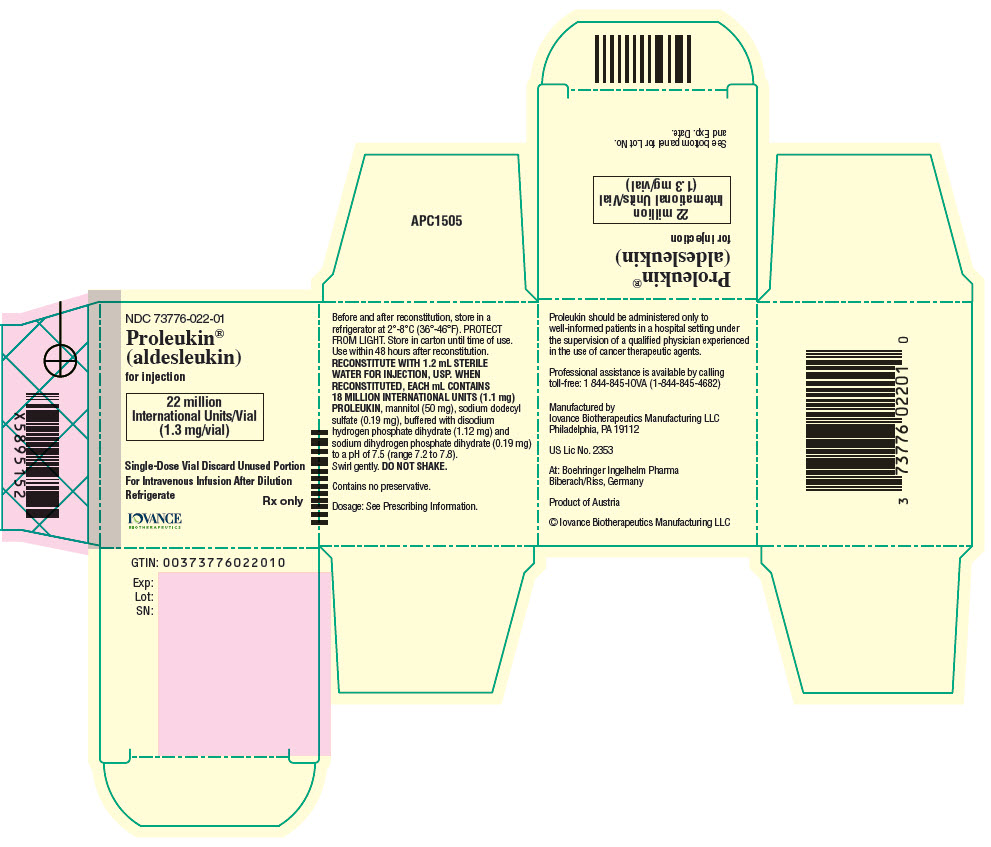
Principal Display Panel 1.3 Mg Vial Carton
NDC 73776-022-01
Proleukin
®
(aldesleukin)
for injection
22 million
International Units/Vial
(1.3 mg/vial)
Single-Dose Vial Discard Unused Portion
For Intravenous Infusion After Dilution
Refrigerate
Rx only
IOVANCE
BIOTHERAPEUTICS
2.4 Dosage Modifications for Adverse Reactions
No dose reduction for Proleukin is recommended for adverse reactions. In general, withhold or interrupt a dose or permanently discontinue Proleukin based on the severity of the adverse reaction as described in Table 2.
| Adverse Reaction | Severity | Dosage Modification |
|---|---|---|
| Cardiovascular [see Warnings and Precautions (5.1)] |
|
Withhold until patient is asymptomatic with full recovery to normal sinus rhythm |
|
Permanently discontinue | |
| Respiratory [see Warnings and Precautions (5.1)] |
|
Withhold until O2 saturation is >90% |
|
Permanently discontinue | |
| Neurologic [see Warnings and Precautions (5.2)] |
|
Withhold until completely resolved |
|
Permanently discontinue | |
| Gastrointestinal [see Warnings and Precautions (5.1)] | Fecal immunochemical test (FIT) or fecal occult blood test (FOBT) positive | Withhold until FIT or FOBT negative |
| Bowel ischemia/perforation or GI bleeding requiring surgery | Permanently discontinue | |
| Hepatic [see Warnings and Precautions (5.1)] | Signs of hepatic toxicity including liver pain or ≥ Grade 3 AST or ALT elevation | Withhold all further treatment for that course. Initiate a new course of treatment no sooner than 7 weeks after signs of hepatic toxicity have resolved and hospital discharge |
| Hepatic failure | Permanently discontinue | |
| Dermatologic [see Warnings and Precautions (5.5, 5.7)] | Bullous dermatitis or marked worsening of pre-existing skin condition | Withhold until all signs of bullous dermatitis have resolved |
| Infectious [see Warnings and Precautions (5.3)] | Sepsis syndrome, patient is clinically unstable | Withhold until sepsis syndrome has resolved, patient is clinically stable, infection is under treatment |
| Renal [see Warnings and Precautions (5.1, 5.4)] | Serum creatinine >4.5 mg/dL or a serum creatinine of ≥4 mg/dL in the presence of severe volume overload, acidosis, or hyperkalemia | Withhold until serum creatinine levels return to normal (<1.5 mg/dL) or baseline and fluid and electrolyte status are stable |
| Persistent oliguria, urine output of <10 mL/hr for 16-24 hours with rising SCr | Withhold until urine output >10 mL/hour with a decrease of serum creatinine >1.5 mg/dL or normalization of serum creatinine | |
| Renal failure requiring dialysis >72 hours | Permanently discontinue |
8.3 Females and Males of Reproductive Potential
Based on animal data and mechanism of action, Proleukin may cause embryo-fetal harm [see Use in Specific Populations (8.1)].
13.1 Carcinogenesis, Mutagenesis, Impairment of Fertility
The carcinogenic and genotoxic potential of aldesleukin have not been evaluated.
Animal fertility studies have not been conducted with aldesleukin.
5.8 Delayed Adverse Reactions to Iodinated Contrast Media
A review of the literature revealed that 12.6% (range 11-28%) of 501 patients treated with various interleukin-2-containing regimens who were subsequently administered radiographic iodinated contrast media experienced acute, atypical adverse reactions. The onset of symptoms usually occurred within hours (most commonly 1 to 4 hours) following the administration of contrast media. These reactions include fever, chills, nausea, vomiting, pruritus, rash, diarrhea, hypotension, edema, and oliguria. These reactions may resemble the immediate side effects caused by interleukin-2 administration. Most events were reported to occur when contrast media was given within 4 weeks after the last dose of interleukin-2. These events were also reported to occur when contrast media was given several months after interleukin-2 treatment [see Adverse Reactions (6.2)] .
2.1 Recommended Evaluation and Testing Before Initiating Proleukin
Conduct baseline hematologic, chemistry, renal and hepatic function tests. Additionally, evaluate cardiac ejection fraction, coronary artery disease as appropriate, pulmonary function with PFTs, and evaluate for renal, hepatic, and CNS impairment prior to initiating treatment with Proleukin [see Contraindications (4), Warnings and Precautions (5.1, 5.2)].
Verify pregnancy status of females of reproductive potential prior to initiating Proleukin [see Warnings and Precautions (5.6), Use in Specific Populations (8.1, 8.3)].
Warning: Capillary Leak Syndrome (cls), Neurologic Toxicities and Serious Infections
- Capillary leak syndrome (CLS), including life threatening or fatal reactions, has occurred in patients treated with Proleukin. Do not administer Proleukin to patients with significant cardiac, pulmonary, renal, and hepatic impairment. Administer Proleukin in a hospital setting with an intensive care facility. Withhold or discontinue Proleukin as recommended [see Dosage and Administration (2.4), Contraindications (4), Warnings and Precautions (5.1)] .
- Neurologic toxicities, which may be life-threatening or result in coma or permanent neurological deficits, have occurred in patients treated with Proleukin. Withhold or discontinue Proleukin as recommended [see Dosage and Administration (2.4), Warnings and Precautions (5.2)] .
- Serious Infections including sepsis and bacterial endocarditis have occurred in patients treated with Proleukin. Treat pre-existing bacterial infections prior to initiation of Proleukin therapy and withhold Proleukin as recommended [see Dosage and Administration (2.4), Warnings and Precautions (5.3)] .
Structured Label Content
Section 42229-5 (42229-5)
Preparation
Reconstitute Proleukin using Sterile Water for Injection, USP. Do not reconstitute or dilute Proleukin with Bacteriostatic Water for Injection, or 0.9% Sodium Chloride Injection.
- Add 1.2 mL of Sterile Water for Injection, USP, by injecting the water along the walls of the vial and not directly on the lyophilized powder. The resulting concentration is 18 million IU (1.1 mg)/mL of Proleukin.
- The prepared solution is a clear, colorless to slightly yellow liquid.
- Slowly swirl the vial; do not shake.
- Withdraw the required dose of Proleukin and discard the vial with any unused portion.
- Use polyvinyl chloride bags for dilution of Proleukin and dilute using 5% Dextrose Injection to a concentration between 0.03 mg/mL and 0.07 mg/mL based on the required dose as follows:
| Dose | 5% Dextrose Volume |
|---|---|
| ≤25.4 million IU (≤1.5 mg) | 25 mL |
| >25.4 million IU-60 million IU (>1.5 mg-3.5 mg) | 50 mL |
| >60 million IU (>3.5 mg) | 100 mL |
Section 44425-7 (44425-7)
Store unopened vials refrigerated at 2° to 8°C (36° to 46°F) in the original carton to protect from light.
Do not use beyond the expiration date printed on the vial. NOTE:This product contains no preservative.
10 Overdosage (10 OVERDOSAGE)
Exceeding the recommended dose of Proleukin has been associated with a more rapid onset of severe or life-threatening toxicities. Treat toxicities supportively; life-threatening toxicities may be ameliorated by the intravenous administration of dexamethasone.
11 Description (11 DESCRIPTION)
Aldesleukin is a human interleukin-2 lymphocyte growth factor produced by recombinant DNA technology using a genetically engineered E. colistrain containing an analog of the human interleukin-2 gene. It is a purified protein with a molecular weight of approximately 15,300 Da. This recombinant form differs from native interleukin-2 in the following ways: a) aldesleukin is not glycosylated; b) the molecule has no N-terminal alanine; c) the molecule has serine substituted for cysteine at amino acid position 125. Proleukin exists as biologically active, non-covalently bound microaggregates with an average size of 27 recombinant interleukin-2 molecules; the aggregation state of aldesleukin may differ compared to native interleukin-2.
The manufacturing process for aldesleukin involves fermentation in a defined medium containing tetracycline hydrochloride. The presence of tetracycline hydrochloride is not detectable in the final product.
Proleukin (aldesleukin) for injection is a sterile, preservative-free white to off-white, lyophilized powder, which has a cake-like appearance, supplied in single-dose vials for intravenous administration after reconstitution and dilution. When reconstituted with 1.2 mL Sterile Water for Injection, USP, each mL contains 18 million International Units (1.1 mg) aldesleukin, mannitol (50 mg), sodium dodecyl sulfate (0.19 mg), buffered with disodium hydrogen phosphate dihydrate (1.12 mg) and sodium dihydrogen phosphate dihydrate (0.19 mg) to a pH of 7.5 (range 7.2 to 7.8).
8.4 Pediatric Use
The safety and effectiveness of Proleukin have not been established in pediatric patients.
8.5 Geriatric Use
Clinical studies of Proleukin did not include sufficient numbers of patients 65 years of age and older to determine whether they respond differently from younger adult patients.
5.4 Renal Toxicity
Serious renal toxicity, including oliguria and renal failure can occur with Proleukin [see Adverse Reactions (6.1, 6.2)] . Pre-existing renal impairment or coadministration of Proleukin with other products known to cause renal toxicity may increase this risk. If possible, avoid concomitant use of Proleukin with other product(s) with a known potential to cause renal toxicity. Serum creatinine should be ≤1.5 mg/dL before beginning Proleukin. Monitor serum creatinine at baseline and daily throughout each course of therapy. Withhold Proleukin, or permanently discontinue, based on severity [see Dosage and Administration (2.4)] .
12.6 Immunogenicity
The observed incidence of anti-drug antibodies is highly dependent on the sensitivity and specificity of the assay. Differences in assay methods preclude meaningful comparisons of the incidence of anti-drug antibodies in the studies described below with the incidence of anti-drug antibodies in other studies.
In clinical studies, using an enzyme-linked immunosorbent assay (ELISA), low titers of anti-aldesleukin antibodies were observed in 74% (57 of 77) of patients with metastatic renal cell carcinoma treated with an every 8-hour Proleukin regimen and in 66% (33 of 50) of patients with metastatic melanoma treated with a variety of intravenous regimens. In a separate study in 13 patients, following the first cycle of therapy, the geometric mean aldesleukin exposure (AUC) on Day 15 compared to Day 1 increased by 68% in 11 patients who developed anti-aldesleukin antibodies while no change was observed in the 2 antibody-negative patients. Overall, neutralizing antibodies were detected in 1 patient. Based on these data, the clinical relevance of anti-aldesleukin antibodies could not be assessed.
4 Contraindications (4 CONTRAINDICATIONS)
- Severe Hypersensitivity Reactions
Proleukin is contraindicated in patients with a known history of severe hypersensitivity to aldesleukin or any component of the Proleukin formulation [see Adverse Reactions (6.2)].
- Organ Allografts
Proleukin is contraindicated in patients with organ allografts [see Warnings and Precautions (5.5)] .
- Significant Organ Impairment
Proleukin is contraindicated in patients with significant cardiac (including those with an abnormal cardiac ejection fraction, impaired wall motion, or significant coronary artery disease), pulmonary (including those with an FEV1 ≤ 2 liters or < 75% predicted for height and age), renal, hepatic, or CNS impairment [see Warnings and Precautions (5.1, 5.2, 5.4)] .
6 Adverse Reactions (6 ADVERSE REACTIONS)
The following clinically significant adverse reactions are described elsewhere in the labeling:
- Capillary Leak Syndrome [see Warnings and Precautions (5.1)].
- Neurotoxicity [see Warnings and Precautions (5.2)].
- Serious Infections Including Sepsis [see Warnings and Precautions (5.3)].
- Renal Toxicity [see Warnings and Precautions (5.4)].
- Immune-Mediated Adverse Reactions [see Warnings and Precautions (5.5)].
- Serious Manifestations of Eosinophilia [see Warnings and Precautions (5.7)].
- Severe Hypersensitivity Reactions [see Warnings and Precautions (5.9)].
- Infusion-Related Reactions [see Warnings and Precautions (5.10)] .
7 Drug Interactions (7 DRUG INTERACTIONS)
Drug interaction studies with Proleukin have not been conducted. The drug interaction information described below have been observed post-marketing.
12.2 Pharmacodynamics
Dose-dependent immunological effects including activation of cellular immunity with lymphocytosis, eosinophilia, and thrombocytopenia, and the production of cytokines including tumor necrosis factor, IL-1, and gamma interferon were observed following administration of aldesleukin in animals and humans.
Aldesleukin exposure-response relationships and the time course of pharmacodynamic response are unknown.
12.3 Pharmacokinetics
Aldesleukin serum concentrations change proportionally with the Proleukin dosage.
2.2 Recommended Dosage
Administer Proleukin in an inpatient hospital setting. An intensive care facility with specialists skilled in cardiopulmonary or intensive care medicine must be available [see Warnings and Precautions (5.1)] .
The recommended dosage of Proleukin for metastatic renal cell carcinoma and metastatic melanoma is described in Table 1.
Administer Proleukin as an intravenous infusion after dilution [see Dosage and Administration (2.5)] .
Administer pre-infusion medications and supportive treatment, as appropriate, prior to and during each infusion [see Dosage and Administration (2.3)]. Discontinue Proleukin for unacceptable toxicity [see Dosage and Administration (2.4)].
| Each course of therapy consists of the following: | ||
| Cycle 1 | Days 1-5 | 600,000 IU/kg (0.037 mg/kg) every 8 hours; maximum of 14 doses
A maximum of 28 doses (2 cycles) per treatment course
|
| Rest period | Days 6-14 | |
| Cycle 2 | Days 15-19 | 600,000 IU/kg (0.037 mg/kg) every 8 hours; maximum of 14 doses |
Evaluate patients for response approximately 4 weeks after completion of a course of therapy and again immediately prior to the scheduled start of the next treatment course.
Additional courses of treatment may be administered to patients if there is a treatment response following the last course, and the patient did not experience any adverse reactions in previous course(s) that led to permanent discontinuation [see Dosage and Administration (2.4)].
Separate each treatment course by a rest period of at least 7 weeks from the date of hospital discharge.
1 Indications and Usage (1 INDICATIONS AND USAGE)
1.2 Metastatic Melanoma
Proleukin is indicated for the treatment of adults with metastatic melanoma.
5.2 Neurologic Toxicity
Proleukin can cause neurologic toxicities including mental status changes, speech difficulties, cortical blindness, limb or gait ataxia, hallucinations, agitation, obtundation, demyelinating polyneuropathy, and coma. Alterations in mental status may progress for several days before recovery begins. Permanent neurologic deficits have occurred. Radiological findings included multiple and, less commonly, single cortical lesions on MRI and evidence of demyelination. One case of possible cerebral vasculitis has been reported.
Monitor patients for signs and symptoms of neurological toxicity during Proleukin treatment. Withhold Proleukin in patients developing moderate to severe lethargy or somnolence; continued administration may result in coma. Permanently discontinue Proleukin for coma or toxic psychosis lasting >48 hours or for repetitive or difficult to control seizures [see Dosage and Administration (2.4)].
Evaluate and treat CNS metastases prior to initiation of Proleukin. If possible, avoid concomitant use of Proleukin with other product(s) with a known potential to cause neurotoxicity, and avoid Proleukin in patients with seizure disorders or abnormal intracranial imaging [see Contraindications (4), Adverse Reactions (6.1, 6.2)] . Concomitant use of Proleukin with other products that cause neurotoxicity may result in a greater risk of severe neurotoxicity.
12.1 Mechanism of Action
Aldesleukin is an interleukin-2 lymphocyte growth factor. The antitumor activity of aldesleukin has not been fully characterized. In vitrostudies performed on human cell lines show enhancement of lymphocyte mitogenesis and cytotoxicity, induction of killer cell activity [lymphokine-activated killer (LAK) and natural killer (NK) cells] and interferon gamma production, and proliferation of human interleukin-2-dependent cell lines.
Administration of aldesleukin in animals and humans produces multiple immunological effects in a dose-dependent manner. These effects include activation of cellular immunity and the production of cytokines including tumor necrosis factor, IL-1, and interferon gamma. In vivoexperiments in murine melanoma and sarcoma tumor models have shown inhibition of tumor growth.
14.2 Metastatic Melanoma
The efficacy of Proleukin was evaluated in two hundred seventy patients with metastatic melanoma in 8 clinical studies conducted at 22 institutions (metastatic melanoma studies). Eligible patients had an Eastern Cooperative Oncology Group (ECOG) Performance Status (PS) of 0 or 1 and normal organ function as determined by cardiac stress test, pulmonary function tests, and creatinine ≤1.5 mg/dL. Studies excluded patients with brain metastases, active infections, organ allografts, and diseases requiring steroid treatment. Not all patients in these studies received the recommended Proleukin dosing regimen.
Patients with metastatic melanoma received a median of 18 of the 28 scheduled doses of Proleukin during the first course of therapy.
The major efficacy outcome measure was objective response rate (ORR) determined by investigator assessment per ECOG response criteria for solid tumors (1982).
Efficacy results are summarized in Table 6.
| Proleukin
(n=270) |
|
|---|---|
| Objective Response Rate | |
| ORR (95% CI) | 16% (12, 21) |
| Complete Response (CR), % | 6% |
| Partial Response (PR), % | 10% |
| Duration of response (months) | |
| Number of Patients Who Responded | n= 43 |
| Median (months) (95% CI) | 9 |
| Range (months) | 1, 122
Denotes ongoing responses
|
5.6 Embryo Fetal Toxicity (5.6 Embryo-Fetal Toxicity)
Based on findings in an animal study and its mechanism of action, Proleukin may cause fetal harm or loss of pregnancy when administered to a pregnant woman. In pregnant rats, aldesleukin has been shown to have embryolethal effects at doses 27 times and maternal toxicities at doses 2.1 times the human exposure at the recommended clinical dose. Advise pregnant women of the potential risk to a fetus. Advise female patients of reproductive potential to use effective contraception during treatment with Proleukin [see Use in Specific Populations (8.1, 8.3)].
5 Warnings and Precautions (5 WARNINGS AND PRECAUTIONS)
- Renal Toxicity:Monitor renal function at baseline and throughout treatment. Withhold Proleukin or permanently discontinue, based on severity. ( 2.4, 5.4)
- Immune-mediated Adverse Reactions:Exacerbation of pre-existing autoimmune disease or initial presentation of autoimmune and inflammatory disorders can occur in any system or tissue. Proleukin may increase the risk of allograft rejection in transplant patients. Monitor patients and treat as indicated. ( 5.5)
- Severe Hypersensitivity Reaction:Permanently discontinue Proleukin for severe hypersensitivity reactions. ( 4, 5.9)
- Embryo-Fetal Toxicity: May cause fetal harm. Advise females of reproductive potential of potential risk to a fetus and to use effective contraception. ( 5.6, 8.1, 8.3)
2 Dosage and Administration (2 DOSAGE AND ADMINISTRATION)
Administer Proleukin in an inpatient hospital setting with an intensive care facility.
- Evaluate cardiovascular, pulmonary, neurologic and renal function before beginning Proleukin. ( 2.1)
- See Full Prescribing Information for Premedication and Supportive medications. ( 2.3)
- Recommended dosage: 600,000 IU/kg (0.037 mg/kg) every 8 hours by a 15-minute intravenous infusion for a maximum of 14 doses. Following 9 days of rest, repeat the schedule for a maximum of another 14 doses (total of 28 doses per course, as tolerated). ( 2.2)
- Evaluate patients approximately 4 weeks after completion of a course of therapy and again immediately prior to the start of the next course. ( 2.2)
- Dose modification for toxicity should be accomplished by withholding or interrupting a dose. ( 2.4)
- Follow reconstitution and dilution procedures. ( 2.5)
5.1 Capillary Leak Syndrome
Severe and life-threatening capillary leak syndrome (CLS) characterized by hypotension, dyspnea, edema, and hypoalbuminemia can occur with Proleukin, and can result in end organ toxicity including cardiac, respiratory, renal, hepatic toxicity, or death. Do not administer Proleukin to patients with significant cardiac, pulmonary, renal, or hepatic impairment. Avoid concomitant use of Proleukin with other products known to cause hypotension including antihypertensive drugs, those that cause renal toxicity, or hepatotoxicity.
CLS may begin immediately after Proleukin treatment is initiated. Monitor for signs and symptoms of CLS including assessments of vital signs, weight, fluid intake, albumin levels and urine output.
Withhold or discontinue Proleukin for failure to maintain organ perfusion as demonstrated by altered mental status, reduced urine output, oxygen saturation <90%, a fall in the systolic blood pressure below 90 mm Hg, or onset of cardiac arrhythmias. Initiate standard management for CLS, which may include intensive care [see Dosage and Administration (2.4), Use in Specific Populations (8.1)] .
3 Dosage Forms and Strengths (3 DOSAGE FORMS AND STRENGTHS)
For Injection: 22 million International Units (1.3 mg) of aldesleukin available as a white to off-white, lyophilized powder in a single-dose vial for reconstitution. When reconstituted, each mL contains 18 million International Units (1.1 mg) aldesleukin.
6.2 Postmarketing Experience
The following adverse reactions have been identified during post-approval use of Proleukin. Because these reactions are reported voluntarily from a population of uncertain size, it is not always possible to reliably estimate their frequency or establish a causal relationship to drug exposure.
- Blood and lymphatic system disorders: neutropenia, febrile neutropenia, eosinophilia, lymphopenia
- Cardiac disorders: cardiomyopathy, cardiac tamponade
- Endocrine disorders: hyperthyroidism
- Gastrointestinal disorders: gastritis, intestinal obstruction
- General disorders and administration site conditions: injection site necrosis
- Hepatobiliary disorders: hepatitis, hepatosplenomegaly, cholecystitis
- Immune system disorders: anaphylactic reaction, angioedema, urticaria
- Infections and infestations: pneumonia (bacterial, fungal, viral), endocarditis, cellulitis
- Metabolism and nutrition disorders: hyponatremia, hypophosphatemia
- Musculoskeletal and connective tissue disorders: myopathy, rhabdomyolysis
- Nervous system disorders: encephalopathy, extrapyramidal disorder, neuralgia
- Psychiatric disorders: insomnia
- Vascular disorders: hypertension, subdural hemorrhage, subarachnoid hemorrhage, cerebral hemorrhage, retroperitoneal hemorrhage
8 Use in Specific Populations (8 USE IN SPECIFIC POPULATIONS)
6.1 Clinical Trials Experience
Because clinical trials are conducted under widely varying conditions, adverse reaction rates observed in the clinical trials of a drug cannot be directly compared to rates in the clinical trials of another drug and may not reflect the rates observed in practice.
The safety of Proleukin was evaluated in a series of single and multicenter, controlled studies enrolling a total of 525 patients with metastatic renal cell carcinoma (mRCC studies) or metastatic melanoma (metastatic melanoma studies) [see Clinical Studies (14.1, 14.2)] .
In patients who received Proleukin in these studies, fatal adverse reactions occurred in 4% (11/255) of the patients with metastatic RCC, and 2% (6/270) of the patients with metastatic melanoma.
In these studies, >90% of patients had doses withheld for adverse reactions [see Dosage and Administration (2.4)].
The most common (≥30%) adverse reactions were hypotension, hyperbilirubinemia, dyspnea, rash, diarrhea, oliguria, chills, vomiting, thrombocytopenia, nausea, confusional state, and increased creatinine.
Table 4 summarizes adverse reactions that occurred in these studies.
| Adverse Reaction | Proleukin
N = 525 |
|
|---|---|---|
| All Grades (%) | Grade 4 (%) | |
| General disorders | ||
| Chills | 52 | 0 |
| Pyrexia | 29 | 1 |
| Edema peripheral | 28 | 0 |
| Malaise | 27 | 0 |
| Asthenia | 23 | 0 |
| Edema | 15 | 0 |
| Pain | 12 | 0 |
| Cardiac disorders | ||
| Hypotension | 71 | 3 |
| Blood pressure fluctuation | Not documented | 1 |
| Tachycardia | 23 | 0 |
| Dilated veins | 13 | 0 |
| Supraventricular tachycardia | 12 | 1 |
| Ventricular tachycardia | <10 | 1 |
| Cardiovascular disorder
Cardiovascular disorder: Electrocardiogram abnormal, cardiac failure congestive.
|
11 | 0 |
| Myocardial infarction | <10 | 1 |
| Arrhythmia | 10 | 0 |
| Cardiac arrest | <10 | 1 |
| Gastrointestinal disorders | ||
| Diarrhea | 67 | 2 |
| Vomiting | 50 | 0 |
| Nausea | 35 | 0 |
| Stomatitis | 22 | <1 |
| Decreased appetite | 20 | 0 |
| Abdominal pain | 11 | 0 |
| Abdominal distention | 10 | 0 |
| Blood and lymphatic system disorders | ||
| Thrombocytopenia | 37 | 1 |
| Anemia | 29 | 0 |
| Leukopenia | 16 | 0 |
| Disseminated intravascular coagulation | <10 | 1 |
| Infections | ||
| Infections | 13 | 1 |
| Sepsis | <10 | 1 |
| Hepatobiliary disorders | ||
| Hyperbilirubinemia | 40 | 2 |
| Aspartate aminotransferase increased | 23 | 1 |
| Metabolic and nutritional disorders | ||
| Weight increased | 16 | 0 |
| Acidosis | 12 | 1 |
| Hypomagnesemia | 12 | 0 |
| Hypocalcemia | 11 | <1 |
| Blood alkaline phosphatase increased | 10 | 0 |
| Nervous system disorders | ||
| Confusional state | 34 | 1 |
| Stupor | <10 | 1 |
| Coma | <10 | 2 |
| Psychotic disorder | <10 | 1 |
| Somnolence | 22 | 0 |
| Anxiety | 12 | 0 |
| Dizziness | 11 | 0 |
| Respiratory, thoracic, and mediastinal disorders | ||
| Dyspnea | 43 | 1 |
| Lung disorder
Lung disorder: Pulmonary congestion, rales, rhonchi.
|
24 | 0 |
| Respiratory disorder
Respiratory disorder: Acute respiratory distress syndrome, lung infiltration, lung disorder, respiratory failure, endotracheal intubation.
|
11 | 3 |
| Apnea | <10 | 1 |
| Cough | 11 | 0 |
| Rhinitis | 10 | 0 |
| Skin and subcutaneous tissue disorders | ||
| Rash | 42 | 0 |
| Pruritis | 24 | 0 |
| Dermatitis exfoliative | 18 | 0 |
| Renal and urinary disorders | ||
| Oliguria | 63 | 6 |
| Blood creatinine increased | 33 | 1 |
| Anuria | <10 | 5 |
| Acute kidney injury | <10 | 1 |
Additional life-threatening adverse reactions (Grade 4) were reported by <1% of the 525 patients:
- Cardiac disorders: bradycardia, pericardial effusion, ventricular extrasystoles, myocardial ischemia, arrhythmia supraventricular, coronary artery disease, atrioventricular block second degree, endocarditis
- Eye disorders: mydriasis, pupillary disorder
- Gastrointestinal disorders: intestinal perforation, gastrointestinal hemorrhage, hematemesis, pancreatitis, diarrhea hemorrhagic
- General disorders and administration site conditions: hypothermia
- Infections and infestations: gangrene
- Metabolism and nutrition disorders: hyperuricemia
- Nervous system disorders: syncope, neuropathy peripheral, seizure, generalized tonic-clonic seizure
- Investigations: liver function tests abnormal, blood urea increased
- Psychiatric disorders: agitation, paranoia
- Renal and urinary disorders: renal failure, renal tubular necrosis
- Respiratory, thoracic and mediastinal disorders: respiratory acidosis, asthma, pulmonary edema, hyperventilation, hypoxia, hemoptysis, hypoventilation, pneumothorax
- Vascular disorders: shock, hemorrhage, phlebitis, thrombosis
5.10 Infusion Related Reactions (5.10 Infusion-Related Reactions)
Proleukin can cause fevers, chills, or rigors. Premedicate patients with an antipyretic prior to beginning Proleukin and continue during treatment as needed for fever [see Adverse Reactions (6.2)and Dosage and Administration (2.3)].
14.1 Metastatic Renal Cell Cancer
The efficacy of Proleukin was evaluated in two hundred fifty-five patients with metastatic renal cell carcinoma (mRCC) in 7 clinical studies conducted at 21 institutions (mRCC studies). Eligible patients had an Eastern Cooperative Oncology Group (ECOG) Performance Status (PS) of 0 or 1 and normal organ function as determined by cardiac stress test, pulmonary function tests, and creatinine ≤1.5 mg/dL. Studies excluded patients with brain metastases, active infections, organ allografts, and diseases requiring steroid treatment. Not all patients in these studies received the recommended Proleukin dosing regimen.
The major efficacy outcome measure was objective response rate (ORR) determined by investigator assessment per ECOG response criteria for solid tumors (1982).
Efficacy results are summarized in Table 5.
| Proleukin
(n=255) |
|
|---|---|
| Objective Response Rate | |
| ORR (95% CI), % | 15% (11, 20) |
| Complete Response (CR), % | 7% |
| Partial Response (PR), % | 8% |
| Duration of response (months) | |
| Number of Patients Who Responded | n= 37 |
| Median (months) | 54 |
| Range (months) | 3, 131
Denotes ongoing responses
|
17 Patient Counseling Information (17 PATIENT COUNSELING INFORMATION)
Inform patients or caregivers of the following risks of Proleukin:
1.1 Metastatic Renal Cell Carcinoma
Proleukin is indicated for the treatment of adults with metastatic renal cell carcinoma (RCC).
16 How Supplied/storage and Handling (16 HOW SUPPLIED/STORAGE AND HANDLING)
Proleukin ®(aldesleukin) for injection is supplied in single-dose vials. Each vial contains 22 million International Units (1.3 mg) of Proleukin.
NDC 73776-022-01 Individually boxed single-dose vial
5.5 Immune Mediated Adverse Reactions (5.5 Immune-mediated Adverse Reactions)
Exacerbation of pre-existing autoimmune disease or initial presentation of autoimmune and inflammatory disorders has been reported following treatment with Proleukin. Immune-mediated adverse reactions, which may be severe or fatal, can occur in any organ system or tissue. These have included exacerbation of Crohn's disease, colitis, scleroderma, thyroiditis, inflammatory arthritis, diabetes mellitus, oculo-bulbar myasthenia gravis, crescentic IgA glomerulonephritis, cholecystitis, cerebral vasculitis, Stevens-Johnson syndrome, bullous pemphigoid, myocarditis, myositis, and neuritis including optic neuritis resulting in blindness [see Adverse Reactions (6.2)] .
Proleukin may increase the risk of allograft rejection in transplant patients [see Contraindications (4)] .
Hypothyroidism, sometimes preceded by hyperthyroidism, has been reported following Proleukin treatment. Evaluate thyroid function at baseline and periodically during treatment and initiate thyroid replacement therapy as clinically indicated.
Hyperglycemia and/or diabetes mellitus has been reported during Proleukin therapy. Monitor patients for hyperglycemia and initiate treatment with insulin as clinically indicated.
5.9 Severe Hypersensitivity Reactions
Proleukin can cause severe hypersensitivity reactions, including anaphylactic reactions. Permanently discontinue Proleukin in patients who experience a severe hypersensitivity reaction [see Contraindications (4), Adverse Reactions (6.2)].
5.3 Serious Infections Including Sepsis
Proleukin can cause impaired neutrophil function (reduced chemotaxis) and an increased risk of disseminated infection, including sepsis and bacterial endocarditis. Treat pre-existing bacterial infections prior to initiating Proleukin. Consider antibiotic prophylaxis in patients with indwelling central lines. Monitor patients for the development of signs and symptoms of infection during treatment and withhold Proleukin based on severity [see Dosage and Administration (2.4)].
13.2 Animal Toxicology And/or Pharmacology (13.2 Animal Toxicology and/or Pharmacology)
Repeated doses of aldesleukin administered to animals intravenously resulted in dose-dependent extramedullary hematopoiesis and lymphoid hyperplasia.
5.7 Serious Manifestations of Eosinophilia
Serious manifestations of eosinophilia involving eosinophilic infiltration of cardiac and pulmonary tissues can occur following Proleukin.
2.3 Premedication and Supportive Medications
Premedicate patients with an antipyretic immediately prior to beginning Proleukin. Continue antipyretics during treatment as needed for fever [see Warnings and Precautions (5.1, 5.10)].
Administer prophylactic antibiotics per institutional guidelines prior to beginning Proleukin and throughout the treatment course for patients with indwelling central catheters [see Warnings and Precautions (5.3)].
Administer prophylactic medication for gastrointestinal irritation and bleeding during each Proleukin treatment course [see Adverse Reactions (6.1)].
Additional medications may be needed if patients experience hypotension, dyspnea, rigors, nausea, diarrhea, pruritis, or dermatitis [see Warnings and Precautions (5.1, 5.8, 5.9)].
Principal Display Panel 1.3 Mg Vial Carton (PRINCIPAL DISPLAY PANEL - 1.3 mg Vial Carton)
NDC 73776-022-01
Proleukin
®
(aldesleukin)
for injection
22 million
International Units/Vial
(1.3 mg/vial)
Single-Dose Vial Discard Unused Portion
For Intravenous Infusion After Dilution
Refrigerate
Rx only
IOVANCE
BIOTHERAPEUTICS
2.4 Dosage Modifications for Adverse Reactions
No dose reduction for Proleukin is recommended for adverse reactions. In general, withhold or interrupt a dose or permanently discontinue Proleukin based on the severity of the adverse reaction as described in Table 2.
| Adverse Reaction | Severity | Dosage Modification |
|---|---|---|
| Cardiovascular [see Warnings and Precautions (5.1)] |
|
Withhold until patient is asymptomatic with full recovery to normal sinus rhythm |
|
Permanently discontinue | |
| Respiratory [see Warnings and Precautions (5.1)] |
|
Withhold until O2 saturation is >90% |
|
Permanently discontinue | |
| Neurologic [see Warnings and Precautions (5.2)] |
|
Withhold until completely resolved |
|
Permanently discontinue | |
| Gastrointestinal [see Warnings and Precautions (5.1)] | Fecal immunochemical test (FIT) or fecal occult blood test (FOBT) positive | Withhold until FIT or FOBT negative |
| Bowel ischemia/perforation or GI bleeding requiring surgery | Permanently discontinue | |
| Hepatic [see Warnings and Precautions (5.1)] | Signs of hepatic toxicity including liver pain or ≥ Grade 3 AST or ALT elevation | Withhold all further treatment for that course. Initiate a new course of treatment no sooner than 7 weeks after signs of hepatic toxicity have resolved and hospital discharge |
| Hepatic failure | Permanently discontinue | |
| Dermatologic [see Warnings and Precautions (5.5, 5.7)] | Bullous dermatitis or marked worsening of pre-existing skin condition | Withhold until all signs of bullous dermatitis have resolved |
| Infectious [see Warnings and Precautions (5.3)] | Sepsis syndrome, patient is clinically unstable | Withhold until sepsis syndrome has resolved, patient is clinically stable, infection is under treatment |
| Renal [see Warnings and Precautions (5.1, 5.4)] | Serum creatinine >4.5 mg/dL or a serum creatinine of ≥4 mg/dL in the presence of severe volume overload, acidosis, or hyperkalemia | Withhold until serum creatinine levels return to normal (<1.5 mg/dL) or baseline and fluid and electrolyte status are stable |
| Persistent oliguria, urine output of <10 mL/hr for 16-24 hours with rising SCr | Withhold until urine output >10 mL/hour with a decrease of serum creatinine >1.5 mg/dL or normalization of serum creatinine | |
| Renal failure requiring dialysis >72 hours | Permanently discontinue |
8.3 Females and Males of Reproductive Potential
Based on animal data and mechanism of action, Proleukin may cause embryo-fetal harm [see Use in Specific Populations (8.1)].
13.1 Carcinogenesis, Mutagenesis, Impairment of Fertility
The carcinogenic and genotoxic potential of aldesleukin have not been evaluated.
Animal fertility studies have not been conducted with aldesleukin.
5.8 Delayed Adverse Reactions to Iodinated Contrast Media
A review of the literature revealed that 12.6% (range 11-28%) of 501 patients treated with various interleukin-2-containing regimens who were subsequently administered radiographic iodinated contrast media experienced acute, atypical adverse reactions. The onset of symptoms usually occurred within hours (most commonly 1 to 4 hours) following the administration of contrast media. These reactions include fever, chills, nausea, vomiting, pruritus, rash, diarrhea, hypotension, edema, and oliguria. These reactions may resemble the immediate side effects caused by interleukin-2 administration. Most events were reported to occur when contrast media was given within 4 weeks after the last dose of interleukin-2. These events were also reported to occur when contrast media was given several months after interleukin-2 treatment [see Adverse Reactions (6.2)] .
2.1 Recommended Evaluation and Testing Before Initiating Proleukin
Conduct baseline hematologic, chemistry, renal and hepatic function tests. Additionally, evaluate cardiac ejection fraction, coronary artery disease as appropriate, pulmonary function with PFTs, and evaluate for renal, hepatic, and CNS impairment prior to initiating treatment with Proleukin [see Contraindications (4), Warnings and Precautions (5.1, 5.2)].
Verify pregnancy status of females of reproductive potential prior to initiating Proleukin [see Warnings and Precautions (5.6), Use in Specific Populations (8.1, 8.3)].
Warning: Capillary Leak Syndrome (cls), Neurologic Toxicities and Serious Infections (WARNING: CAPILLARY LEAK SYNDROME (CLS), NEUROLOGIC TOXICITIES and SERIOUS INFECTIONS)
- Capillary leak syndrome (CLS), including life threatening or fatal reactions, has occurred in patients treated with Proleukin. Do not administer Proleukin to patients with significant cardiac, pulmonary, renal, and hepatic impairment. Administer Proleukin in a hospital setting with an intensive care facility. Withhold or discontinue Proleukin as recommended [see Dosage and Administration (2.4), Contraindications (4), Warnings and Precautions (5.1)] .
- Neurologic toxicities, which may be life-threatening or result in coma or permanent neurological deficits, have occurred in patients treated with Proleukin. Withhold or discontinue Proleukin as recommended [see Dosage and Administration (2.4), Warnings and Precautions (5.2)] .
- Serious Infections including sepsis and bacterial endocarditis have occurred in patients treated with Proleukin. Treat pre-existing bacterial infections prior to initiation of Proleukin therapy and withhold Proleukin as recommended [see Dosage and Administration (2.4), Warnings and Precautions (5.3)] .
Advanced Ingredient Data
Raw Label Data
All Sections (JSON)
Additional Information
Back to search View SPL set listing Open on DailyMed ↗
Source: dailymed · Ingested: 2026-02-15T11:44:22.414930 · Updated: 2026-03-14T22:19:49.692010