Jardiance
f2b41c77-0abb-40ee-8578-86a748d0e19e
34391-3
HUMAN PRESCRIPTION DRUG LABEL
Drug Facts
Composition & Product
Identifiers & Packaging
Indications and Usage
JARDIANCE is indicated: to reduce the risk of cardiovascular death and hospitalization for heart failure in adults with heart failure. to reduce the risk of cardiovascular death in adults with type 2 diabetes mellitus and established cardiovascular disease. as an adjunct to diet and exercise to improve glycemic control in adults with type 2 diabetes mellitus.
Dosage and Administration
Assess volume status and correct volume depletion before initiating ( 2.1 ) Recommended dose is 10 mg once daily in the morning, taken with or without food ( 2.2 ) For additional glycemic control, dose may be increased to 25 mg in patients tolerating JARDIANCE ( 2.2 )
Contraindications
Hypersensitivity to empagliflozin or any of the excipients in JARDIANCE, reactions such as angioedema have occurred [see Warnings and Precautions (5.7) ] . Patients on dialysis [see Use in Specific Populations (8.6) ] .
Warnings and Precautions
Ketoacidosis: Assess patients who present with signs and symptoms of metabolic acidosis for ketoacidosis, regardless of blood glucose level. If suspected, discontinue JARDIANCE, evaluate and treat promptly. Before initiating JARDIANCE, consider risk factors for ketoacidosis. Patients on JARDIANCE may require monitoring and temporary discontinuation of therapy in clinical situations known to predispose to ketoacidosis. ( 5.1 ) Volume Depletion: Before initiating JARDIANCE, assess volume status and renal function in patients with impaired renal function, elderly patients, or patients on loop diuretics. Monitor for signs and symptoms during therapy. ( 5.2 , 6.1 ) Urosepsis and Pyelonephritis: Evaluate patients for signs and symptoms of urinary tract infections and treat promptly, if indicated ( 5.3 ) Hypoglycemia: Consider lowering the dose of insulin secretagogue or insulin to reduce the risk of hypoglycemia when initiating JARDIANCE ( 5.4 ) Necrotizing Fasciitis of the Perineum (Fournier's Gangrene): Serious, life-threatening cases have occurred in both females and males. Assess patients presenting with pain or tenderness, erythema, or swelling in the genital or perineal area, along with fever or malaise. If suspected, institute prompt treatment. ( 5.5 ) Genital Mycotic Infections: Monitor and treat as appropriate ( 5.6 ) Hypersensitivity Reactions: Serious hypersensitivity reactions (e.g., angioedema) have occurred with JARDIANCE. If hypersensitivity reactions occur, discontinue JARDIANCE, treat promptly, and monitor until signs and symptoms resolve. ( 5.7 )
Adverse Reactions
The following important adverse reactions are described below and elsewhere in the labeling: Ketoacidosis [see Warnings and Precautions (5.1) ] Volume Depletion [see Warnings and Precautions (5.2) ] Urosepsis and Pyelonephritis [see Warnings and Precautions (5.3) ] Hypoglycemia with Concomitant Use with Insulin and Insulin Secretagogues [see Warnings and Precautions (5.4) ] Necrotizing Fasciitis of the Perineum (Fournier's Gangrene) [see Warnings and Precautions (5.5) ] Genital Mycotic Infections [see Warnings and Precautions (5.6) ] Hypersensitivity Reactions [see Warnings and Precautions (5.7) ]
Drug Interactions
Table 3 Clinically Relevant Interactions with JARDIANCE Diuretics Clinical Impact Coadministration of empagliflozin with diuretics resulted in increased urine volume and frequency of voids, which might enhance the potential for volume depletion. Intervention Before initiating JARDIANCE, assess volume status and renal function. In patients with volume depletion, correct this condition before initiating JARDIANCE. Monitor for signs and symptoms of volume depletion, and renal function after initiating therapy. Insulin or Insulin Secretagogues Clinical Impact The risk of hypoglycemia is increased when JARDIANCE is used in combination with insulin secretagogues (e.g., sulfonylurea) or insulin. Intervention Coadministration of JARDIANCE with an insulin secretagogue (e.g., sulfonylurea) or insulin may require lower doses of the insulin secretagogue or insulin to reduce the risk of hypoglycemia. Lithium Clinical Impact Concomitant use of an SGLT2 inhibitor with lithium may decrease serum lithium concentrations. Intervention Monitor serum lithium concentration more frequently during JARDIANCE initiation and dosage changes. Positive Urine Glucose Test Clinical Impact SGLT2 inhibitors increase urinary glucose excretion and will lead to positive urine glucose tests. Intervention Monitoring glycemic control with urine glucose tests is not recommended in patients taking SGLT2 inhibitors. Use alternative methods to monitor glycemic control. Interference with 1,5-anhydroglucitol (1,5-AG) Assay Clinical Impact Measurements of 1,5-AG are unreliable in assessing glycemic control in patients taking SGLT2 inhibitors. Intervention Monitoring glycemic control with 1,5-AG assay is not recommended. Use alternative methods to monitor glycemic control.
How Supplied
Product: 50090-6457 NDC: 50090-6457-0 90 TABLET, FILM COATED in a BOTTLE
Storage and Handling
Product: 50090-6457 NDC: 50090-6457-0 90 TABLET, FILM COATED in a BOTTLE
Description
Indications and Usage ( 1 ) 2/2022
Medication Information
Warnings and Precautions
Ketoacidosis: Assess patients who present with signs and symptoms of metabolic acidosis for ketoacidosis, regardless of blood glucose level. If suspected, discontinue JARDIANCE, evaluate and treat promptly. Before initiating JARDIANCE, consider risk factors for ketoacidosis. Patients on JARDIANCE may require monitoring and temporary discontinuation of therapy in clinical situations known to predispose to ketoacidosis. ( 5.1 ) Volume Depletion: Before initiating JARDIANCE, assess volume status and renal function in patients with impaired renal function, elderly patients, or patients on loop diuretics. Monitor for signs and symptoms during therapy. ( 5.2 , 6.1 ) Urosepsis and Pyelonephritis: Evaluate patients for signs and symptoms of urinary tract infections and treat promptly, if indicated ( 5.3 ) Hypoglycemia: Consider lowering the dose of insulin secretagogue or insulin to reduce the risk of hypoglycemia when initiating JARDIANCE ( 5.4 ) Necrotizing Fasciitis of the Perineum (Fournier's Gangrene): Serious, life-threatening cases have occurred in both females and males. Assess patients presenting with pain or tenderness, erythema, or swelling in the genital or perineal area, along with fever or malaise. If suspected, institute prompt treatment. ( 5.5 ) Genital Mycotic Infections: Monitor and treat as appropriate ( 5.6 ) Hypersensitivity Reactions: Serious hypersensitivity reactions (e.g., angioedema) have occurred with JARDIANCE. If hypersensitivity reactions occur, discontinue JARDIANCE, treat promptly, and monitor until signs and symptoms resolve. ( 5.7 )
Indications and Usage
JARDIANCE is indicated: to reduce the risk of cardiovascular death and hospitalization for heart failure in adults with heart failure. to reduce the risk of cardiovascular death in adults with type 2 diabetes mellitus and established cardiovascular disease. as an adjunct to diet and exercise to improve glycemic control in adults with type 2 diabetes mellitus.
Dosage and Administration
Assess volume status and correct volume depletion before initiating ( 2.1 ) Recommended dose is 10 mg once daily in the morning, taken with or without food ( 2.2 ) For additional glycemic control, dose may be increased to 25 mg in patients tolerating JARDIANCE ( 2.2 )
Contraindications
Hypersensitivity to empagliflozin or any of the excipients in JARDIANCE, reactions such as angioedema have occurred [see Warnings and Precautions (5.7) ] . Patients on dialysis [see Use in Specific Populations (8.6) ] .
Adverse Reactions
The following important adverse reactions are described below and elsewhere in the labeling: Ketoacidosis [see Warnings and Precautions (5.1) ] Volume Depletion [see Warnings and Precautions (5.2) ] Urosepsis and Pyelonephritis [see Warnings and Precautions (5.3) ] Hypoglycemia with Concomitant Use with Insulin and Insulin Secretagogues [see Warnings and Precautions (5.4) ] Necrotizing Fasciitis of the Perineum (Fournier's Gangrene) [see Warnings and Precautions (5.5) ] Genital Mycotic Infections [see Warnings and Precautions (5.6) ] Hypersensitivity Reactions [see Warnings and Precautions (5.7) ]
Drug Interactions
Table 3 Clinically Relevant Interactions with JARDIANCE Diuretics Clinical Impact Coadministration of empagliflozin with diuretics resulted in increased urine volume and frequency of voids, which might enhance the potential for volume depletion. Intervention Before initiating JARDIANCE, assess volume status and renal function. In patients with volume depletion, correct this condition before initiating JARDIANCE. Monitor for signs and symptoms of volume depletion, and renal function after initiating therapy. Insulin or Insulin Secretagogues Clinical Impact The risk of hypoglycemia is increased when JARDIANCE is used in combination with insulin secretagogues (e.g., sulfonylurea) or insulin. Intervention Coadministration of JARDIANCE with an insulin secretagogue (e.g., sulfonylurea) or insulin may require lower doses of the insulin secretagogue or insulin to reduce the risk of hypoglycemia. Lithium Clinical Impact Concomitant use of an SGLT2 inhibitor with lithium may decrease serum lithium concentrations. Intervention Monitor serum lithium concentration more frequently during JARDIANCE initiation and dosage changes. Positive Urine Glucose Test Clinical Impact SGLT2 inhibitors increase urinary glucose excretion and will lead to positive urine glucose tests. Intervention Monitoring glycemic control with urine glucose tests is not recommended in patients taking SGLT2 inhibitors. Use alternative methods to monitor glycemic control. Interference with 1,5-anhydroglucitol (1,5-AG) Assay Clinical Impact Measurements of 1,5-AG are unreliable in assessing glycemic control in patients taking SGLT2 inhibitors. Intervention Monitoring glycemic control with 1,5-AG assay is not recommended. Use alternative methods to monitor glycemic control.
Storage and Handling
Product: 50090-6457 NDC: 50090-6457-0 90 TABLET, FILM COATED in a BOTTLE
How Supplied
Product: 50090-6457 NDC: 50090-6457-0 90 TABLET, FILM COATED in a BOTTLE
Description
Indications and Usage ( 1 ) 2/2022
Section 42229-5
Limitations of Use
JARDIANCE is not recommended in patients with type 1 diabetes mellitus. It may increase the risk of diabetic ketoacidosis in these patients [see Warnings and Precautions (5.1)].
JARDIANCE is not recommended for use to improve glycemic control in adults with type 2 diabetes mellitus with an eGFR less than 30 mL/min/1.73 m2. JARDIANCE is likely to be ineffective in this setting based upon its mechanism of action.
Section 42231-1
| This MEDICATION GUIDE has been approved by the U.S. Food and Drug Administration. | Revised: October 2022 | |||
|
MEDICATION GUIDE JARDIANCE® (jar DEE ans) (empagliflozin tablets) for oral use |
||||
|
What is the most important information I should know about JARDIANCE?
JARDIANCE can cause serious side effects, including: |
||||
|
||||
|
|
|||
| If you get any of these symptoms during treatment with JARDIANCE, if possible, check for ketones in your urine, even if your blood sugar is less than 250 mg/dL. | ||||
Talk to your healthcare provider right away if you reduce the amount of food or liquid you drink, for example if you are sick or cannot eat, or start to lose liquids from your body, for example from vomiting, diarrhea or being in the sun too long. |
||||
| What is JARDIANCE? | ||||
| JARDIANCE is a prescription medicine used to: | ||||
JARDIANCE is not for use to lower blood sugar in adults with type 2 diabetes who have severe kidney problems, because it may not work. It is not known if JARDIANCE is safe and effective in children. |
||||
|
Who should not take JARDIANCE? Do not take JARDIANCE if you: |
||||
|
||||
|
What should I tell my healthcare provider before taking JARDIANCE? Before taking JARDIANCE, tell your healthcare provider about all of your medical conditions, including if you: |
||||
|
||||
|
Tell your healthcare provider about all the medicines you take, including prescription and over-the-counter medicines, vitamins, and herbal supplements. JARDIANCE may affect the way other medicines work, and other medicines may affect how JARDIANCE works. Know the medicines you take. Keep a list of them to show your healthcare provider and pharmacist when you get a new medicine. |
||||
| How should I take JARDIANCE? | ||||
|
||||
| What are the possible side effects of JARDIANCE? | ||||
| JARDIANCE may cause serious side effects, including: | ||||
|
||||
|
||||
|
|
|
|
|
|
||||
|
|
|
||
|
||||
|
||||
| These are not all the possible side effects of JARDIANCE. For more information, ask your healthcare provider or pharmacist. Call your doctor for medical advice about side effects. You may report side effects to FDA at 1-800-FDA-1088. |
||||
How should I store JARDIANCE?
|
||||
|
General information about the safe and effective use of JARDIANCE.
Medicines are sometimes prescribed for purposes other than those listed in a Medication Guide. Do not use JARDIANCE for a condition for which it is not prescribed. Do not give JARDIANCE to other people, even if they have the same symptoms you have. It may harm them. You can ask your pharmacist or healthcare provider for information about JARDIANCE that is written for health professionals. |
||||
| What are the ingredients in JARDIANCE? | ||||
| Active Ingredient: empagliflozin | ||||
| Inactive Ingredients: lactose monohydrate, microcrystalline cellulose, hydroxypropyl cellulose, croscarmellose sodium, colloidal silicon dioxide and magnesium stearate. In addition, the film coating contains the following inactive ingredients: hypromellose, titanium dioxide, talc, polyethylene glycol, and yellow ferric oxide. | ||||
| Distributed by: Boehringer Ingelheim Pharmaceuticals, Inc.; Ridgefield, CT 06877 USA Marketed by: Boehringer Ingelheim Pharmaceuticals, Inc.; Ridgefield, CT 06877 USA and Eli Lilly and Company, Indianapolis, IN 46285 USA |
||||
| Licensed from: Boehringer Ingelheim International GmbH, Ingelheim, Germany JARDIANCE is a registered trademark of and used under license from Boehringer Ingelheim International GmbH. |
||||
| Boehringer Ingelheim Pharmaceuticals, Inc. either owns or uses the EMPA-REG OUTCOME®, EMPEROR-Reduced® and EMPEROR-Preserved® trademarks under license. | ||||
| The other brands listed are trademarks of their respective owners and are not trademarks of Boehringer Ingelheim Pharmaceuticals, Inc. | ||||
| Copyright © 2022 Boehringer Ingelheim International GmbH ALL RIGHTS RESERVED |
||||
| COL8914IJ132022 | ||||
| For more information about JARDIANCE, including current prescribing information and Medication Guide, go to www.jardiance.com, scan the code, or call Boehringer Ingelheim Pharmaceuticals, Inc. at 1-800-542-6257.
|
Section 43683-2
| Indications and Usage (1) | 2/2022 |
10 Overdosage
In the event of an overdose with JARDIANCE, contact the Poison Control Center. Removal of empagliflozin by hemodialysis has not been studied.
Empagliflozin
11 Description
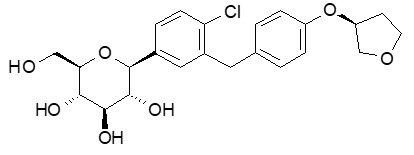
JARDIANCE tablets for oral use contain empagliflozin, an inhibitor of the sodium-glucose co-transporter 2 (SGLT2).
The chemical name of empagliflozin is D-Glucitol,1,5-anhydro-1-C-[4-chloro-3-[[4-[[(3S)-tetrahydro-3-furanyl]oxy]phenyl]methyl]phenyl]-, (1S).
Its molecular formula is C23H27ClO7 and the molecular weight is 450.91. The structural formula is:
Empagliflozin is a white to yellowish, non-hygroscopic powder. It is very slightly soluble in water, sparingly soluble in methanol, slightly soluble in ethanol and acetonitrile, soluble in 50% acetonitrile/water, and practically insoluble in toluene.
Each film-coated tablet of JARDIANCE contains 10 mg or 25 mg of empagliflozin (free base) and the following inactive ingredients: lactose monohydrate, microcrystalline cellulose, hydroxypropyl cellulose, croscarmellose sodium, colloidal silicon dioxide and magnesium stearate. In addition, the film coating contains the following inactive ingredients: hypromellose, titanium dioxide, talc, polyethylene glycol, and yellow ferric oxide.
5.1 Ketoacidosis
Reports of ketoacidosis, a serious life-threatening condition requiring urgent hospitalization have been identified in clinical trials and postmarketing surveillance in patients with type 1 and type 2 diabetes mellitus receiving sodium glucose co-transporter-2 (SGLT2) inhibitors, including JARDIANCE. Fatal cases of ketoacidosis have been reported in patients taking JARDIANCE. In placebo-controlled trials of patients with type 1 diabetes, the risk of ketoacidosis was increased in patients who received SGLT2 inhibitors compared to patients who received placebo. JARDIANCE is not indicated for the treatment of patients with type 1 diabetes mellitus [see Indications and Usage (1)].
Patients treated with JARDIANCE who present with signs and symptoms consistent with severe metabolic acidosis should be assessed for ketoacidosis regardless of presenting blood glucose levels, as ketoacidosis associated with JARDIANCE may be present even if blood glucose levels are less than 250 mg/dL. If ketoacidosis is suspected, JARDIANCE should be discontinued, patient should be evaluated, and prompt treatment should be instituted. Treatment of ketoacidosis may require insulin, fluid and carbohydrate replacement.
In many of the postmarketing reports, and particularly in patients with type 1 diabetes, the presence of ketoacidosis was not immediately recognized and institution of treatment was delayed because presenting blood glucose levels were below those typically expected for diabetic ketoacidosis (often less than 250 mg/dL). Signs and symptoms at presentation were consistent with dehydration and severe metabolic acidosis and included nausea, vomiting, abdominal pain, generalized malaise, and shortness of breath. In some but not all cases, factors predisposing to ketoacidosis such as insulin dose reduction, acute febrile illness, reduced caloric intake, surgery, pancreatic disorders suggesting insulin deficiency (e.g., type 1 diabetes, history of pancreatitis or pancreatic surgery), and alcohol abuse were identified.
Before initiating JARDIANCE, consider factors in the patient history that may predispose to ketoacidosis including pancreatic insulin deficiency from any cause, caloric restriction, and alcohol abuse.
For patients who undergo scheduled surgery, consider temporarily discontinuing JARDIANCE for at least 3 days prior to surgery [see Clinical Pharmacology (12.2, 12.3)].
Consider monitoring for ketoacidosis and temporarily discontinuing JARDIANCE in other clinical situations known to predispose to ketoacidosis (e.g., prolonged fasting due to acute illness or post-surgery). Ensure risk factors for ketoacidosis are resolved prior to restarting JARDIANCE.
Educate patients on the signs and symptoms of ketoacidosis and instruct patients to discontinue JARDIANCE and seek medical attention immediately if signs and symptoms occur.
8.4 Pediatric Use
The safety and effectiveness of JARDIANCE have not been established in pediatric patients.
8.5 Geriatric Use
In glycemic control studies in patients with type 2 diabetes mellitus, a total of 2721 (32%) patients treated with JARDIANCE were 65 years of age and older, and 491 (6%) were 75 years of age and older. JARDIANCE is expected to have diminished glycemic efficacy in elderly patients with renal impairment [see Use in Specific Populations (8.6)]. The risk of volume depletion-related adverse reactions increased in patients who were 75 years of age and older to 2.1%, 2.3%, and 4.4% for placebo, JARDIANCE 10 mg, and JARDIANCE 25 mg. The risk of urinary tract infections increased in patients who were 75 years of age and older to 10.5%, 15.7%, and 15.1% in patients randomized to placebo, JARDIANCE 10 mg, and JARDIANCE 25 mg, respectively [see Warnings and Precautions (5.2) and Adverse Reactions (6.1)].
In heart failure studies, EMPEROR-Reduced included 1188 (64%) patients treated with JARDIANCE 65 years of age and older, and 503 (27%) patients 75 years of age and older. EMPEROR-Preserved included 2402 (80%) patients treated with JARDIANCE 65 years of age and older, and 1281 (43%) patients 75 years of age and older. Safety and efficacy were similar for patients 65 years and younger and those older than 65 years.
4 Contraindications
- Hypersensitivity to empagliflozin or any of the excipients in JARDIANCE, reactions such as angioedema have occurred [see Warnings and Precautions (5.7)].
- Patients on dialysis [see Use in Specific Populations (8.6)].
6 Adverse Reactions
The following important adverse reactions are described below and elsewhere in the labeling:
- Ketoacidosis [see Warnings and Precautions (5.1)]
- Volume Depletion [see Warnings and Precautions (5.2)]
- Urosepsis and Pyelonephritis [see Warnings and Precautions (5.3)]
- Hypoglycemia with Concomitant Use with Insulin and Insulin Secretagogues [see Warnings and Precautions (5.4)]
- Necrotizing Fasciitis of the Perineum (Fournier's Gangrene) [see Warnings and Precautions (5.5)]
- Genital Mycotic Infections [see Warnings and Precautions (5.6)]
- Hypersensitivity Reactions [see Warnings and Precautions (5.7)]
7 Drug Interactions
| Diuretics | |
|---|---|
| Clinical Impact | Coadministration of empagliflozin with diuretics resulted in increased urine volume and frequency of voids, which might enhance the potential for volume depletion. |
| Intervention | Before initiating JARDIANCE, assess volume status and renal function. In patients with volume depletion, correct this condition before initiating JARDIANCE. Monitor for signs and symptoms of volume depletion, and renal function after initiating therapy. |
| Insulin or Insulin Secretagogues | |
| Clinical Impact | The risk of hypoglycemia is increased when JARDIANCE is used in combination with insulin secretagogues (e.g., sulfonylurea) or insulin. |
| Intervention | Coadministration of JARDIANCE with an insulin secretagogue (e.g., sulfonylurea) or insulin may require lower doses of the insulin secretagogue or insulin to reduce the risk of hypoglycemia. |
| Lithium | |
| Clinical Impact | Concomitant use of an SGLT2 inhibitor with lithium may decrease serum lithium concentrations. |
| Intervention | Monitor serum lithium concentration more frequently during JARDIANCE initiation and dosage changes. |
| Positive Urine Glucose Test | |
| Clinical Impact | SGLT2 inhibitors increase urinary glucose excretion and will lead to positive urine glucose tests. |
| Intervention | Monitoring glycemic control with urine glucose tests is not recommended in patients taking SGLT2 inhibitors. Use alternative methods to monitor glycemic control. |
| Interference with 1,5-anhydroglucitol (1,5-AG) Assay | |
| Clinical Impact | Measurements of 1,5-AG are unreliable in assessing glycemic control in patients taking SGLT2 inhibitors. |
| Intervention | Monitoring glycemic control with 1,5-AG assay is not recommended. Use alternative methods to monitor glycemic control. |
5.2 Volume Depletion
JARDIANCE can cause intravascular volume depletion which may sometimes manifest as symptomatic hypotension or acute transient changes in creatinine [see Adverse Reactions (6.1)]. There have been post-marketing reports of acute kidney injury, some requiring hospitalization and dialysis, in patients with type 2 diabetes mellitus receiving SGLT2 inhibitors, including JARDIANCE. Patients with impaired renal function (eGFR less than 60 mL/min/1.73 m2), elderly patients, or patients on loop diuretics may be at increased risk for volume depletion or hypotension. Before initiating JARDIANCE in patients with one or more of these characteristics, assess volume status and renal function. In patients with volume depletion, correct this condition before initiating JARDIANCE. Monitor for signs and symptoms of volume depletion, and renal function after initiating therapy.
8.6 Renal Impairment
The efficacy and safety of JARDIANCE for glycemic control were evaluated in a study of patients with type 2 diabetes mellitus with mild and moderate renal impairment (eGFR 30 to less than 90 mL/min/1.73 m2) [see Clinical Studies (14)]. In this study, 195 patients exposed to JARDIANCE had an eGFR between 60 and 90 mL/min/1.73 m2, 91 patients exposed to JARDIANCE had an eGFR between 45 and 60 mL/min/1.73 m2, and 97 patients exposed to JARDIANCE had an eGFR between 30 and 45 mL/min/1.73 m2. The glucose lowering benefit of JARDIANCE 25 mg decreased in patients with worsening renal function. The risks of renal impairment, volume depletion adverse reactions and urinary tract infection-related adverse reactions increased with worsening renal function [see Warnings and Precautions (5.2)]. Use of JARDIANCE for glycemic control in patients without established cardiovascular disease or cardiovascular risk factors is not recommended when eGFR is less than 30 mL/min/1.73 m2.
In a large cardiovascular outcomes study of patients with type 2 diabetes and established cardiovascular disease, there were 1819 patients with eGFR below 60 mL/min/1.73 m2. The cardiovascular death findings in this subgroup were consistent with the overall findings [see Clinical Studies (14)].
Studies of patients with heart failure [see Clinical Studies (14)] enrolled patients with eGFR equal to or above 20 mL/min/1.73 m2. No dose adjustment is recommended for these patients. There are insufficient data to support a dosing recommendation in patients with eGFR below 20 mL/min/1.73 m2.
Efficacy and safety studies with JARDIANCE did not enroll patients with an eGFR less than 20 mL/min/1.73 m2. JARDIANCE is contraindicated in patients on dialysis [see Contraindications (4)].
2.2 Recommended Dosage
- The recommended dose of JARDIANCE is 10 mg once daily in the morning, taken with or without food.
- For additional glycemic control, the dose may be increased to 25 mg in patients tolerating JARDIANCE.
- Use for glycemic control is not recommended in patients with an eGFR less than 30 mL/min/1.73 m2.
- Data are insufficient to provide a dosing recommendation in patients;
- who have type 2 diabetes and established cardiovascular disease with an eGFR less than 30 mL/min/1.73 m2, or
- who have heart failure with an eGFR less than 20 mL/min/1.73 m2 [see Warnings and Precautions (5.2) and Use in Specific Populations (8.6)].
- JARDIANCE is contraindicated in patients on dialysis [see Contraindications (4)].
8.7 Hepatic Impairment
JARDIANCE may be used in patients with hepatic impairment [see Clinical Pharmacology (12.3)].
1 Indications and Usage
JARDIANCE is indicated:
- to reduce the risk of cardiovascular death and hospitalization for heart failure in adults with heart failure.
- to reduce the risk of cardiovascular death in adults with type 2 diabetes mellitus and established cardiovascular disease.
- as an adjunct to diet and exercise to improve glycemic control in adults with type 2 diabetes mellitus.
12.1 Mechanism of Action
Empagliflozin is an inhibitor of the sodium-glucose co-transporter 2 (SGLT2), the predominant transporter responsible for reabsorption of glucose from the glomerular filtrate back into the circulation. By inhibiting SGLT2, empagliflozin reduces renal reabsorption of filtered glucose and lowers the renal threshold for glucose, and thereby increases urinary glucose excretion.
Empagliflozin also reduces sodium reabsorption and increases the delivery of sodium to the distal tubule. This may influence several physiological functions such as lowering both pre-and afterload of the heart and downregulating sympathetic activity.
5 Warnings and Precautions
- Ketoacidosis: Assess patients who present with signs and symptoms of metabolic acidosis for ketoacidosis, regardless of blood glucose level. If suspected, discontinue JARDIANCE, evaluate and treat promptly. Before initiating JARDIANCE, consider risk factors for ketoacidosis. Patients on JARDIANCE may require monitoring and temporary discontinuation of therapy in clinical situations known to predispose to ketoacidosis. (5.1)
- Volume Depletion: Before initiating JARDIANCE, assess volume status and renal function in patients with impaired renal function, elderly patients, or patients on loop diuretics. Monitor for signs and symptoms during therapy. (5.2, 6.1)
- Urosepsis and Pyelonephritis: Evaluate patients for signs and symptoms of urinary tract infections and treat promptly, if indicated (5.3)
- Hypoglycemia: Consider lowering the dose of insulin secretagogue or insulin to reduce the risk of hypoglycemia when initiating JARDIANCE (5.4)
- Necrotizing Fasciitis of the Perineum (Fournier's Gangrene): Serious, life-threatening cases have occurred in both females and males. Assess patients presenting with pain or tenderness, erythema, or swelling in the genital or perineal area, along with fever or malaise. If suspected, institute prompt treatment. (5.5)
- Genital Mycotic Infections: Monitor and treat as appropriate (5.6)
- Hypersensitivity Reactions: Serious hypersensitivity reactions (e.g., angioedema) have occurred with JARDIANCE. If hypersensitivity reactions occur, discontinue JARDIANCE, treat promptly, and monitor until signs and symptoms resolve. (5.7)
2 Dosage and Administration
3 Dosage Forms and Strengths
JARDIANCE tablets available as:
- 10 mg pale yellow, round, biconvex and bevel-edged, film-coated tablets debossed with "S 10" on one side and the Boehringer Ingelheim company symbol on the other side.
- 25 mg pale yellow, oval, biconvex, film-coated tablets debossed with "S 25" on one side and the Boehringer Ingelheim company symbol on the other side.
6.2 Postmarketing Experience
Additional adverse reactions have been identified during postapproval use of JARDIANCE. Because these reactions are reported voluntarily from a population of uncertain size, it is generally not possible to reliably estimate their frequency or establish a causal relationship to drug exposure.
Gastrointestinal Disorders: Constipation
Infections: Necrotizing fasciitis of the perineum (Fournier's gangrene), urosepsis and pyelonephritis
Metabolism and Nutrition Disorders: Ketoacidosis
Renal and Urinary Disorders: Acute kidney injury
Skin and Subcutaneous Tissue Disorders: Angioedema, skin reactions (e.g., rash, urticaria)
8 Use in Specific Populations
- Pregnancy: Advise females of the potential risk to a fetus especially during the second and third trimesters (8.1)
- Lactation: Not recommended when breastfeeding (8.2)
- Geriatric Patients: Higher incidence of adverse reactions related to volume depletion and reduced renal function (5.2, 8.5, 8.6)
- Renal Impairment: Higher incidence of adverse reactions related to reduced renal function (2.2, 5.2, 8.6)
5.6 Genital Mycotic Infections
JARDIANCE increases the risk for genital mycotic infections [see Adverse Reactions (6.1)]. Patients with a history of chronic or recurrent genital mycotic infections were more likely to develop genital mycotic infections. Monitor and treat as appropriate.
5.7 Hypersensitivity Reactions
There have been postmarketing reports of serious hypersensitivity reactions (e.g., angioedema) in patients treated with JARDIANCE. If a hypersensitivity reaction occurs, discontinue JARDIANCE; treat promptly per standard of care, and monitor until signs and symptoms resolve. JARDIANCE is contraindicated in patients with hypersensitivity to empagliflozin or any of the excipients in JARDIANCE [see Contraindications (4)].
6.1 Clinical Trials Experience
Because clinical trials are conducted under widely varying conditions, adverse reaction rates observed in the clinical trials of a drug cannot be directly compared to rates in the clinical trials of another drug and may not reflect the rates observed in practice.
JARDIANCE has been evaluated in clinical trials in patients with type 2 diabetes mellitus and in patients with heart failure. The overall safety profile of JARDIANCE was generally consistent across the studied indications.
5.3 Urosepsis and Pyelonephritis
There have been reports of serious urinary tract infections including urosepsis and pyelonephritis requiring hospitalization in patients receiving SGLT2 inhibitors, including JARDIANCE. Treatment with SGLT2 inhibitors increases the risk for urinary tract infections. Evaluate patients for signs and symptoms of urinary tract infections and treat promptly, if indicated [see Adverse Reactions (6)].
17 Patient Counseling Information
Advise the patient to read the FDA-approved patient labeling (Medication Guide).
16 How Supplied/storage and Handling
Product: 50090-6457
NDC: 50090-6457-0 90 TABLET, FILM COATED in a BOTTLE
2.1 Prior to Initiation of Jardiance
- Assess renal function before initiating JARDIANCE and as clinically indicated [see Warnings and Precautions (5.2)].
- In patients with volume depletion, correct this condition before initiating JARDIANCE [see Warnings and Precautions (5.2), Use in Specific Populations (8.5, 8.6)].
5.5 Necrotizing Fasciitis of the Perineum (fournier's Gangrene)
Reports of necrotizing fasciitis of the perineum (Fournier's gangrene), a rare but serious and life-threatening necrotizing infection requiring urgent surgical intervention, have been identified in patients with diabetes mellitus receiving SGLT2 inhibitors, including JARDIANCE. Cases have been reported in both females and males. Serious outcomes have included hospitalization, multiple surgeries, and death.
Patients treated with JARDIANCE presenting with pain or tenderness, erythema, or swelling in the genital or perineal area, along with fever or malaise, should be assessed for necrotizing fasciitis. If suspected, start treatment immediately with broad-spectrum antibiotics and, if necessary, surgical debridement. Discontinue JARDIANCE, closely monitor blood glucose levels, and provide appropriate alternative therapy for glycemic control.
5.4 Hypoglycemia With Concomitant Use With Insulin and Insulin Secretagogues
Insulin and insulin secretagogues are known to cause hypoglycemia. The risk of hypoglycemia is increased when JARDIANCE is used in combination with insulin secretagogues (e.g., sulfonylurea) or insulin [see Adverse Reactions (6.1)]. Therefore, a lower dose of the insulin secretagogue or insulin may be required to reduce the risk of hypoglycemia when used in combination with JARDIANCE.
Structured Label Content
Section 42229-5 (42229-5)
Limitations of Use
JARDIANCE is not recommended in patients with type 1 diabetes mellitus. It may increase the risk of diabetic ketoacidosis in these patients [see Warnings and Precautions (5.1)].
JARDIANCE is not recommended for use to improve glycemic control in adults with type 2 diabetes mellitus with an eGFR less than 30 mL/min/1.73 m2. JARDIANCE is likely to be ineffective in this setting based upon its mechanism of action.
Section 42231-1 (42231-1)
| This MEDICATION GUIDE has been approved by the U.S. Food and Drug Administration. | Revised: October 2022 | |||
|
MEDICATION GUIDE JARDIANCE® (jar DEE ans) (empagliflozin tablets) for oral use |
||||
|
What is the most important information I should know about JARDIANCE?
JARDIANCE can cause serious side effects, including: |
||||
|
||||
|
|
|||
| If you get any of these symptoms during treatment with JARDIANCE, if possible, check for ketones in your urine, even if your blood sugar is less than 250 mg/dL. | ||||
Talk to your healthcare provider right away if you reduce the amount of food or liquid you drink, for example if you are sick or cannot eat, or start to lose liquids from your body, for example from vomiting, diarrhea or being in the sun too long. |
||||
| What is JARDIANCE? | ||||
| JARDIANCE is a prescription medicine used to: | ||||
JARDIANCE is not for use to lower blood sugar in adults with type 2 diabetes who have severe kidney problems, because it may not work. It is not known if JARDIANCE is safe and effective in children. |
||||
|
Who should not take JARDIANCE? Do not take JARDIANCE if you: |
||||
|
||||
|
What should I tell my healthcare provider before taking JARDIANCE? Before taking JARDIANCE, tell your healthcare provider about all of your medical conditions, including if you: |
||||
|
||||
|
Tell your healthcare provider about all the medicines you take, including prescription and over-the-counter medicines, vitamins, and herbal supplements. JARDIANCE may affect the way other medicines work, and other medicines may affect how JARDIANCE works. Know the medicines you take. Keep a list of them to show your healthcare provider and pharmacist when you get a new medicine. |
||||
| How should I take JARDIANCE? | ||||
|
||||
| What are the possible side effects of JARDIANCE? | ||||
| JARDIANCE may cause serious side effects, including: | ||||
|
||||
|
||||
|
|
|
|
|
|
||||
|
|
|
||
|
||||
|
||||
| These are not all the possible side effects of JARDIANCE. For more information, ask your healthcare provider or pharmacist. Call your doctor for medical advice about side effects. You may report side effects to FDA at 1-800-FDA-1088. |
||||
How should I store JARDIANCE?
|
||||
|
General information about the safe and effective use of JARDIANCE.
Medicines are sometimes prescribed for purposes other than those listed in a Medication Guide. Do not use JARDIANCE for a condition for which it is not prescribed. Do not give JARDIANCE to other people, even if they have the same symptoms you have. It may harm them. You can ask your pharmacist or healthcare provider for information about JARDIANCE that is written for health professionals. |
||||
| What are the ingredients in JARDIANCE? | ||||
| Active Ingredient: empagliflozin | ||||
| Inactive Ingredients: lactose monohydrate, microcrystalline cellulose, hydroxypropyl cellulose, croscarmellose sodium, colloidal silicon dioxide and magnesium stearate. In addition, the film coating contains the following inactive ingredients: hypromellose, titanium dioxide, talc, polyethylene glycol, and yellow ferric oxide. | ||||
| Distributed by: Boehringer Ingelheim Pharmaceuticals, Inc.; Ridgefield, CT 06877 USA Marketed by: Boehringer Ingelheim Pharmaceuticals, Inc.; Ridgefield, CT 06877 USA and Eli Lilly and Company, Indianapolis, IN 46285 USA |
||||
| Licensed from: Boehringer Ingelheim International GmbH, Ingelheim, Germany JARDIANCE is a registered trademark of and used under license from Boehringer Ingelheim International GmbH. |
||||
| Boehringer Ingelheim Pharmaceuticals, Inc. either owns or uses the EMPA-REG OUTCOME®, EMPEROR-Reduced® and EMPEROR-Preserved® trademarks under license. | ||||
| The other brands listed are trademarks of their respective owners and are not trademarks of Boehringer Ingelheim Pharmaceuticals, Inc. | ||||
| Copyright © 2022 Boehringer Ingelheim International GmbH ALL RIGHTS RESERVED |
||||
| COL8914IJ132022 | ||||
| For more information about JARDIANCE, including current prescribing information and Medication Guide, go to www.jardiance.com, scan the code, or call Boehringer Ingelheim Pharmaceuticals, Inc. at 1-800-542-6257.
|
Section 43683-2 (43683-2)
| Indications and Usage (1) | 2/2022 |
10 Overdosage (10 OVERDOSAGE)
In the event of an overdose with JARDIANCE, contact the Poison Control Center. Removal of empagliflozin by hemodialysis has not been studied.
Empagliflozin (empagliflozin)
11 Description (11 DESCRIPTION)
JARDIANCE tablets for oral use contain empagliflozin, an inhibitor of the sodium-glucose co-transporter 2 (SGLT2).
The chemical name of empagliflozin is D-Glucitol,1,5-anhydro-1-C-[4-chloro-3-[[4-[[(3S)-tetrahydro-3-furanyl]oxy]phenyl]methyl]phenyl]-, (1S).
Its molecular formula is C23H27ClO7 and the molecular weight is 450.91. The structural formula is:
Empagliflozin is a white to yellowish, non-hygroscopic powder. It is very slightly soluble in water, sparingly soluble in methanol, slightly soluble in ethanol and acetonitrile, soluble in 50% acetonitrile/water, and practically insoluble in toluene.
Each film-coated tablet of JARDIANCE contains 10 mg or 25 mg of empagliflozin (free base) and the following inactive ingredients: lactose monohydrate, microcrystalline cellulose, hydroxypropyl cellulose, croscarmellose sodium, colloidal silicon dioxide and magnesium stearate. In addition, the film coating contains the following inactive ingredients: hypromellose, titanium dioxide, talc, polyethylene glycol, and yellow ferric oxide.
5.1 Ketoacidosis
Reports of ketoacidosis, a serious life-threatening condition requiring urgent hospitalization have been identified in clinical trials and postmarketing surveillance in patients with type 1 and type 2 diabetes mellitus receiving sodium glucose co-transporter-2 (SGLT2) inhibitors, including JARDIANCE. Fatal cases of ketoacidosis have been reported in patients taking JARDIANCE. In placebo-controlled trials of patients with type 1 diabetes, the risk of ketoacidosis was increased in patients who received SGLT2 inhibitors compared to patients who received placebo. JARDIANCE is not indicated for the treatment of patients with type 1 diabetes mellitus [see Indications and Usage (1)].
Patients treated with JARDIANCE who present with signs and symptoms consistent with severe metabolic acidosis should be assessed for ketoacidosis regardless of presenting blood glucose levels, as ketoacidosis associated with JARDIANCE may be present even if blood glucose levels are less than 250 mg/dL. If ketoacidosis is suspected, JARDIANCE should be discontinued, patient should be evaluated, and prompt treatment should be instituted. Treatment of ketoacidosis may require insulin, fluid and carbohydrate replacement.
In many of the postmarketing reports, and particularly in patients with type 1 diabetes, the presence of ketoacidosis was not immediately recognized and institution of treatment was delayed because presenting blood glucose levels were below those typically expected for diabetic ketoacidosis (often less than 250 mg/dL). Signs and symptoms at presentation were consistent with dehydration and severe metabolic acidosis and included nausea, vomiting, abdominal pain, generalized malaise, and shortness of breath. In some but not all cases, factors predisposing to ketoacidosis such as insulin dose reduction, acute febrile illness, reduced caloric intake, surgery, pancreatic disorders suggesting insulin deficiency (e.g., type 1 diabetes, history of pancreatitis or pancreatic surgery), and alcohol abuse were identified.
Before initiating JARDIANCE, consider factors in the patient history that may predispose to ketoacidosis including pancreatic insulin deficiency from any cause, caloric restriction, and alcohol abuse.
For patients who undergo scheduled surgery, consider temporarily discontinuing JARDIANCE for at least 3 days prior to surgery [see Clinical Pharmacology (12.2, 12.3)].
Consider monitoring for ketoacidosis and temporarily discontinuing JARDIANCE in other clinical situations known to predispose to ketoacidosis (e.g., prolonged fasting due to acute illness or post-surgery). Ensure risk factors for ketoacidosis are resolved prior to restarting JARDIANCE.
Educate patients on the signs and symptoms of ketoacidosis and instruct patients to discontinue JARDIANCE and seek medical attention immediately if signs and symptoms occur.
8.4 Pediatric Use
The safety and effectiveness of JARDIANCE have not been established in pediatric patients.
8.5 Geriatric Use
In glycemic control studies in patients with type 2 diabetes mellitus, a total of 2721 (32%) patients treated with JARDIANCE were 65 years of age and older, and 491 (6%) were 75 years of age and older. JARDIANCE is expected to have diminished glycemic efficacy in elderly patients with renal impairment [see Use in Specific Populations (8.6)]. The risk of volume depletion-related adverse reactions increased in patients who were 75 years of age and older to 2.1%, 2.3%, and 4.4% for placebo, JARDIANCE 10 mg, and JARDIANCE 25 mg. The risk of urinary tract infections increased in patients who were 75 years of age and older to 10.5%, 15.7%, and 15.1% in patients randomized to placebo, JARDIANCE 10 mg, and JARDIANCE 25 mg, respectively [see Warnings and Precautions (5.2) and Adverse Reactions (6.1)].
In heart failure studies, EMPEROR-Reduced included 1188 (64%) patients treated with JARDIANCE 65 years of age and older, and 503 (27%) patients 75 years of age and older. EMPEROR-Preserved included 2402 (80%) patients treated with JARDIANCE 65 years of age and older, and 1281 (43%) patients 75 years of age and older. Safety and efficacy were similar for patients 65 years and younger and those older than 65 years.
4 Contraindications (4 CONTRAINDICATIONS)
- Hypersensitivity to empagliflozin or any of the excipients in JARDIANCE, reactions such as angioedema have occurred [see Warnings and Precautions (5.7)].
- Patients on dialysis [see Use in Specific Populations (8.6)].
6 Adverse Reactions (6 ADVERSE REACTIONS)
The following important adverse reactions are described below and elsewhere in the labeling:
- Ketoacidosis [see Warnings and Precautions (5.1)]
- Volume Depletion [see Warnings and Precautions (5.2)]
- Urosepsis and Pyelonephritis [see Warnings and Precautions (5.3)]
- Hypoglycemia with Concomitant Use with Insulin and Insulin Secretagogues [see Warnings and Precautions (5.4)]
- Necrotizing Fasciitis of the Perineum (Fournier's Gangrene) [see Warnings and Precautions (5.5)]
- Genital Mycotic Infections [see Warnings and Precautions (5.6)]
- Hypersensitivity Reactions [see Warnings and Precautions (5.7)]
7 Drug Interactions (7 DRUG INTERACTIONS)
| Diuretics | |
|---|---|
| Clinical Impact | Coadministration of empagliflozin with diuretics resulted in increased urine volume and frequency of voids, which might enhance the potential for volume depletion. |
| Intervention | Before initiating JARDIANCE, assess volume status and renal function. In patients with volume depletion, correct this condition before initiating JARDIANCE. Monitor for signs and symptoms of volume depletion, and renal function after initiating therapy. |
| Insulin or Insulin Secretagogues | |
| Clinical Impact | The risk of hypoglycemia is increased when JARDIANCE is used in combination with insulin secretagogues (e.g., sulfonylurea) or insulin. |
| Intervention | Coadministration of JARDIANCE with an insulin secretagogue (e.g., sulfonylurea) or insulin may require lower doses of the insulin secretagogue or insulin to reduce the risk of hypoglycemia. |
| Lithium | |
| Clinical Impact | Concomitant use of an SGLT2 inhibitor with lithium may decrease serum lithium concentrations. |
| Intervention | Monitor serum lithium concentration more frequently during JARDIANCE initiation and dosage changes. |
| Positive Urine Glucose Test | |
| Clinical Impact | SGLT2 inhibitors increase urinary glucose excretion and will lead to positive urine glucose tests. |
| Intervention | Monitoring glycemic control with urine glucose tests is not recommended in patients taking SGLT2 inhibitors. Use alternative methods to monitor glycemic control. |
| Interference with 1,5-anhydroglucitol (1,5-AG) Assay | |
| Clinical Impact | Measurements of 1,5-AG are unreliable in assessing glycemic control in patients taking SGLT2 inhibitors. |
| Intervention | Monitoring glycemic control with 1,5-AG assay is not recommended. Use alternative methods to monitor glycemic control. |
5.2 Volume Depletion
JARDIANCE can cause intravascular volume depletion which may sometimes manifest as symptomatic hypotension or acute transient changes in creatinine [see Adverse Reactions (6.1)]. There have been post-marketing reports of acute kidney injury, some requiring hospitalization and dialysis, in patients with type 2 diabetes mellitus receiving SGLT2 inhibitors, including JARDIANCE. Patients with impaired renal function (eGFR less than 60 mL/min/1.73 m2), elderly patients, or patients on loop diuretics may be at increased risk for volume depletion or hypotension. Before initiating JARDIANCE in patients with one or more of these characteristics, assess volume status and renal function. In patients with volume depletion, correct this condition before initiating JARDIANCE. Monitor for signs and symptoms of volume depletion, and renal function after initiating therapy.
8.6 Renal Impairment
The efficacy and safety of JARDIANCE for glycemic control were evaluated in a study of patients with type 2 diabetes mellitus with mild and moderate renal impairment (eGFR 30 to less than 90 mL/min/1.73 m2) [see Clinical Studies (14)]. In this study, 195 patients exposed to JARDIANCE had an eGFR between 60 and 90 mL/min/1.73 m2, 91 patients exposed to JARDIANCE had an eGFR between 45 and 60 mL/min/1.73 m2, and 97 patients exposed to JARDIANCE had an eGFR between 30 and 45 mL/min/1.73 m2. The glucose lowering benefit of JARDIANCE 25 mg decreased in patients with worsening renal function. The risks of renal impairment, volume depletion adverse reactions and urinary tract infection-related adverse reactions increased with worsening renal function [see Warnings and Precautions (5.2)]. Use of JARDIANCE for glycemic control in patients without established cardiovascular disease or cardiovascular risk factors is not recommended when eGFR is less than 30 mL/min/1.73 m2.
In a large cardiovascular outcomes study of patients with type 2 diabetes and established cardiovascular disease, there were 1819 patients with eGFR below 60 mL/min/1.73 m2. The cardiovascular death findings in this subgroup were consistent with the overall findings [see Clinical Studies (14)].
Studies of patients with heart failure [see Clinical Studies (14)] enrolled patients with eGFR equal to or above 20 mL/min/1.73 m2. No dose adjustment is recommended for these patients. There are insufficient data to support a dosing recommendation in patients with eGFR below 20 mL/min/1.73 m2.
Efficacy and safety studies with JARDIANCE did not enroll patients with an eGFR less than 20 mL/min/1.73 m2. JARDIANCE is contraindicated in patients on dialysis [see Contraindications (4)].
2.2 Recommended Dosage
- The recommended dose of JARDIANCE is 10 mg once daily in the morning, taken with or without food.
- For additional glycemic control, the dose may be increased to 25 mg in patients tolerating JARDIANCE.
- Use for glycemic control is not recommended in patients with an eGFR less than 30 mL/min/1.73 m2.
- Data are insufficient to provide a dosing recommendation in patients;
- who have type 2 diabetes and established cardiovascular disease with an eGFR less than 30 mL/min/1.73 m2, or
- who have heart failure with an eGFR less than 20 mL/min/1.73 m2 [see Warnings and Precautions (5.2) and Use in Specific Populations (8.6)].
- JARDIANCE is contraindicated in patients on dialysis [see Contraindications (4)].
8.7 Hepatic Impairment
JARDIANCE may be used in patients with hepatic impairment [see Clinical Pharmacology (12.3)].
1 Indications and Usage (1 INDICATIONS AND USAGE)
JARDIANCE is indicated:
- to reduce the risk of cardiovascular death and hospitalization for heart failure in adults with heart failure.
- to reduce the risk of cardiovascular death in adults with type 2 diabetes mellitus and established cardiovascular disease.
- as an adjunct to diet and exercise to improve glycemic control in adults with type 2 diabetes mellitus.
12.1 Mechanism of Action
Empagliflozin is an inhibitor of the sodium-glucose co-transporter 2 (SGLT2), the predominant transporter responsible for reabsorption of glucose from the glomerular filtrate back into the circulation. By inhibiting SGLT2, empagliflozin reduces renal reabsorption of filtered glucose and lowers the renal threshold for glucose, and thereby increases urinary glucose excretion.
Empagliflozin also reduces sodium reabsorption and increases the delivery of sodium to the distal tubule. This may influence several physiological functions such as lowering both pre-and afterload of the heart and downregulating sympathetic activity.
5 Warnings and Precautions (5 WARNINGS AND PRECAUTIONS)
- Ketoacidosis: Assess patients who present with signs and symptoms of metabolic acidosis for ketoacidosis, regardless of blood glucose level. If suspected, discontinue JARDIANCE, evaluate and treat promptly. Before initiating JARDIANCE, consider risk factors for ketoacidosis. Patients on JARDIANCE may require monitoring and temporary discontinuation of therapy in clinical situations known to predispose to ketoacidosis. (5.1)
- Volume Depletion: Before initiating JARDIANCE, assess volume status and renal function in patients with impaired renal function, elderly patients, or patients on loop diuretics. Monitor for signs and symptoms during therapy. (5.2, 6.1)
- Urosepsis and Pyelonephritis: Evaluate patients for signs and symptoms of urinary tract infections and treat promptly, if indicated (5.3)
- Hypoglycemia: Consider lowering the dose of insulin secretagogue or insulin to reduce the risk of hypoglycemia when initiating JARDIANCE (5.4)
- Necrotizing Fasciitis of the Perineum (Fournier's Gangrene): Serious, life-threatening cases have occurred in both females and males. Assess patients presenting with pain or tenderness, erythema, or swelling in the genital or perineal area, along with fever or malaise. If suspected, institute prompt treatment. (5.5)
- Genital Mycotic Infections: Monitor and treat as appropriate (5.6)
- Hypersensitivity Reactions: Serious hypersensitivity reactions (e.g., angioedema) have occurred with JARDIANCE. If hypersensitivity reactions occur, discontinue JARDIANCE, treat promptly, and monitor until signs and symptoms resolve. (5.7)
2 Dosage and Administration (2 DOSAGE AND ADMINISTRATION)
3 Dosage Forms and Strengths (3 DOSAGE FORMS AND STRENGTHS)
JARDIANCE tablets available as:
- 10 mg pale yellow, round, biconvex and bevel-edged, film-coated tablets debossed with "S 10" on one side and the Boehringer Ingelheim company symbol on the other side.
- 25 mg pale yellow, oval, biconvex, film-coated tablets debossed with "S 25" on one side and the Boehringer Ingelheim company symbol on the other side.
6.2 Postmarketing Experience
Additional adverse reactions have been identified during postapproval use of JARDIANCE. Because these reactions are reported voluntarily from a population of uncertain size, it is generally not possible to reliably estimate their frequency or establish a causal relationship to drug exposure.
Gastrointestinal Disorders: Constipation
Infections: Necrotizing fasciitis of the perineum (Fournier's gangrene), urosepsis and pyelonephritis
Metabolism and Nutrition Disorders: Ketoacidosis
Renal and Urinary Disorders: Acute kidney injury
Skin and Subcutaneous Tissue Disorders: Angioedema, skin reactions (e.g., rash, urticaria)
8 Use in Specific Populations (8 USE IN SPECIFIC POPULATIONS)
- Pregnancy: Advise females of the potential risk to a fetus especially during the second and third trimesters (8.1)
- Lactation: Not recommended when breastfeeding (8.2)
- Geriatric Patients: Higher incidence of adverse reactions related to volume depletion and reduced renal function (5.2, 8.5, 8.6)
- Renal Impairment: Higher incidence of adverse reactions related to reduced renal function (2.2, 5.2, 8.6)
5.6 Genital Mycotic Infections
JARDIANCE increases the risk for genital mycotic infections [see Adverse Reactions (6.1)]. Patients with a history of chronic or recurrent genital mycotic infections were more likely to develop genital mycotic infections. Monitor and treat as appropriate.
5.7 Hypersensitivity Reactions
There have been postmarketing reports of serious hypersensitivity reactions (e.g., angioedema) in patients treated with JARDIANCE. If a hypersensitivity reaction occurs, discontinue JARDIANCE; treat promptly per standard of care, and monitor until signs and symptoms resolve. JARDIANCE is contraindicated in patients with hypersensitivity to empagliflozin or any of the excipients in JARDIANCE [see Contraindications (4)].
6.1 Clinical Trials Experience
Because clinical trials are conducted under widely varying conditions, adverse reaction rates observed in the clinical trials of a drug cannot be directly compared to rates in the clinical trials of another drug and may not reflect the rates observed in practice.
JARDIANCE has been evaluated in clinical trials in patients with type 2 diabetes mellitus and in patients with heart failure. The overall safety profile of JARDIANCE was generally consistent across the studied indications.
5.3 Urosepsis and Pyelonephritis
There have been reports of serious urinary tract infections including urosepsis and pyelonephritis requiring hospitalization in patients receiving SGLT2 inhibitors, including JARDIANCE. Treatment with SGLT2 inhibitors increases the risk for urinary tract infections. Evaluate patients for signs and symptoms of urinary tract infections and treat promptly, if indicated [see Adverse Reactions (6)].
17 Patient Counseling Information (17 PATIENT COUNSELING INFORMATION)
Advise the patient to read the FDA-approved patient labeling (Medication Guide).
16 How Supplied/storage and Handling (16 HOW SUPPLIED/STORAGE AND HANDLING)
Product: 50090-6457
NDC: 50090-6457-0 90 TABLET, FILM COATED in a BOTTLE
2.1 Prior to Initiation of Jardiance (2.1 Prior to Initiation of JARDIANCE)
- Assess renal function before initiating JARDIANCE and as clinically indicated [see Warnings and Precautions (5.2)].
- In patients with volume depletion, correct this condition before initiating JARDIANCE [see Warnings and Precautions (5.2), Use in Specific Populations (8.5, 8.6)].
5.5 Necrotizing Fasciitis of the Perineum (fournier's Gangrene) (5.5 Necrotizing Fasciitis of the Perineum (Fournier's Gangrene))
Reports of necrotizing fasciitis of the perineum (Fournier's gangrene), a rare but serious and life-threatening necrotizing infection requiring urgent surgical intervention, have been identified in patients with diabetes mellitus receiving SGLT2 inhibitors, including JARDIANCE. Cases have been reported in both females and males. Serious outcomes have included hospitalization, multiple surgeries, and death.
Patients treated with JARDIANCE presenting with pain or tenderness, erythema, or swelling in the genital or perineal area, along with fever or malaise, should be assessed for necrotizing fasciitis. If suspected, start treatment immediately with broad-spectrum antibiotics and, if necessary, surgical debridement. Discontinue JARDIANCE, closely monitor blood glucose levels, and provide appropriate alternative therapy for glycemic control.
5.4 Hypoglycemia With Concomitant Use With Insulin and Insulin Secretagogues (5.4 Hypoglycemia with Concomitant Use with Insulin and Insulin Secretagogues)
Insulin and insulin secretagogues are known to cause hypoglycemia. The risk of hypoglycemia is increased when JARDIANCE is used in combination with insulin secretagogues (e.g., sulfonylurea) or insulin [see Adverse Reactions (6.1)]. Therefore, a lower dose of the insulin secretagogue or insulin may be required to reduce the risk of hypoglycemia when used in combination with JARDIANCE.
Advanced Ingredient Data
Raw Label Data
All Sections (JSON)
Additional Information
Back to search View SPL set listing Open on DailyMed ↗
Source: dailymed · Ingested: 2026-02-15T11:38:12.339374 · Updated: 2026-03-14T21:53:41.714915