These Highlights Do Not Include All The Information Needed To Use jatenzo®
ed7b5d41-7475-4c10-99b9-b62b3434ae60
34391-3
HUMAN PRESCRIPTION DRUG LABEL
Drug Facts
Composition & Product
Identifiers & Packaging
Indications and Usage
JATENZO (testosterone undecanoate) is an androgen indicated for testosterone replacement therapy in adult males for conditions associated with a deficiency or absence of endogenous testosterone: Primary hypogonadism (congenital or acquired): testicular failure due to conditions such as cryptorchidism, bilateral torsion, orchitis, vanishing testis syndrome, orchiectomy, Klinefelter syndrome, chemotherapy, or toxic damage from alcohol or heavy metals. These men usually have low serum testosterone concentrations and gonadotropins (follicle-stimulating hormone [FSH], luteinizing hormone [LH]) above the normal range. Hypogonadotropic hypogonadism (congenital or acquired): gonadotropin or luteinizing hormone-releasing hormone (LHRH) deficiency or pituitary-hypothalamic injury from tumors, trauma, or radiation. These men have low testosterone serum concentrations but have gonadotropins in the normal or low range. Limitations of use: Safety and efficacy of JATENZO in men with “age-related hypogonadism” have not been established. Safety and efficacy of JATENZO in males less than 18 years old have not been established [ see Use in Specific Populations ( 8.4 ) ].
Dosage and Administration
Prior to initiating JATENZO, confirm the diagnosis of hypogonadism by ensuring that serum testosterone concentrations have been measured in the morning on at least two separate days and that these concentrations are below the normal range ( 2.1 ). Take JATENZO with food ( 2.2 ). Starting dose: 237 mg orally once in the morning and once in the evening. Adjust the dose to a minimum of 158 mg twice daily and a maximum of 396 mg twice daily based on serum testosterone drawn 6 hours after the morning dose at least 7 days after starting treatment or following dose adjustment and periodically thereafter ( 2.2 ).
Contraindications
JATENZO is contraindicated in: Men with carcinoma of the breast or known or suspected carcinoma of the prostate [ see Warnings and Precautions ( 5.3 ) ]. Women who are pregnant. Testosterone can cause virilization of the female fetus when administered to a pregnant woman [ see Use in Specific Populations ( 8.1 ) ]. Men with known hypersensitivity to JATENZO or any of its ingredients [ see Description ( 11 ) ].
Warnings and Precautions
Polycythemia: Monitor hematocrit approximately every 3 months to detect increased red blood cell mass and polycythemia ( 5.1 ). Venous thromboembolism (VTE): VTE, including deep vein thrombosis (DVT) and pulmonary embolism (PE), have been reported in patients using testosterone. Evaluate patients with signs or symptoms consistent with DVT or PE ( 5.2 ). Worsening of Benign Prostatic Hyperplasia (BPH) and Potential Risk of Prostate Cancer: Monitor patients with benign prostatic hyperplasia (BPH) for worsening of signs and symptoms of BPH ( 5.3 ). Blood Pressure Increases: JATENZO can increase blood pressure, which can increase cardiovascular risk over time. Measure blood pressure periodically. Not recommended for use in men with uncontrolled hypertension ( 5.4 ) Abuse of Testosterone: Testosterone has been subject to abuse, typically at doses higher than recommended for the approved indication and in combination with other anabolic androgenic steroids (5.5 ). Potential for Adverse Effects on Spermatogenesis: Exogenous administration of androgens may lead to azoospermia ( 5.7 ). Edema: Edema, with or without congestive heart failure, may occur in patients with pre-existing cardiac, renal, or hepatic disease ( 5.9 , 6.1 ). Sleep Apnea: Sleep apnea may occur in those with risk factors ( 5.11 ). Monitor prostate specific antigen (PSA) and lipid concentrations periodically ( 5.3 , 5.12 ). Risk of Depression and Suicide: Depression and suicidal ideation have occurred during clinical trials in patients treated with JATENZO ( 5.15 ).
Adverse Reactions
Most common adverse reactions (incidence > 2%): polycythemia, diarrhea, dyspepsia, eructation, peripheral edema, nausea, increased hematocrit, headache, prostatomegaly, and hypertension ( 6.1 ). To report SUSPECTED ADVERSE REACTIONS, contact Tolmar, Inc. at 1-844-4TO-LMAR or FDA at 1-800-FDA-1088 or www.fda.gov/medwatch .
Drug Interactions
Androgens may decrease blood glucose and therefore may decrease insulin requirements in diabetic patients ( 7.1 ). Changes in anticoagulant activity may be seen with androgens. More frequent monitoring of International Normalized Ratio (INR) and prothrombin time is recommended in patients taking warfarin ( 7.2 ). Use of testosterone with corticosteroids may result in increased fluid retention. Use with caution, particularly in patients with cardiac, renal, or hepatic disease ( 7.3 ). Concomitant administration of medications that are known to increase blood pressure may lead to additional increases in blood pressure when used with JATENZO ( 7.4 ).
How Supplied
JATENZO (testosterone undecanoate) capsules are available in three strengths of 158 mg, 198 mg, and 237 mg. Capsules are packaged as 120 units in wide-mouth, round, white HDPE bottles with white, polypropylene, child resistant caps and induction-sealed liner. 158 mg capsules are opaque red capsules imprinted with “158” in white ink and are supplied in bottles: NDC 69087-158-12. 198 mg capsules are opaque white capsules imprinted with “198” in red ink and are supplied in bottles: NDC 69087-198-12. 237 mg capsules are opaque orange capsules imprinted with “237” in white ink and are supplied in bottles: NDC 69087-237-12. Keep JATENZO out of reach of children. Store at 20°C to 25ºC (68°F to 77ºF), excursions permitted to 15ºC to 30ºC (59ºF to 86ºF). Avoid exposing the capsules to moisture (store in a dry place).
Storage and Handling
JATENZO (testosterone undecanoate) capsules are available in three strengths of 158 mg, 198 mg, and 237 mg. Capsules are packaged as 120 units in wide-mouth, round, white HDPE bottles with white, polypropylene, child resistant caps and induction-sealed liner. 158 mg capsules are opaque red capsules imprinted with “158” in white ink and are supplied in bottles: NDC 69087-158-12. 198 mg capsules are opaque white capsules imprinted with “198” in red ink and are supplied in bottles: NDC 69087-198-12. 237 mg capsules are opaque orange capsules imprinted with “237” in white ink and are supplied in bottles: NDC 69087-237-12. Keep JATENZO out of reach of children. Store at 20°C to 25ºC (68°F to 77ºF), excursions permitted to 15ºC to 30ºC (59ºF to 86ºF). Avoid exposing the capsules to moisture (store in a dry place).
Description
Boxed Warning, Increases in Blood Pressure Removed 03/2025 Indications and Usage (1) 03/2025 Contraindications, Men with “age related hypogonadism” (4) Removed 03/2025 Warnings and Precautions , Venous Thromboembolism (5.2) 03/2025 Warnings and Precautions, Blood Pressure Increases (5.4) 03/2025 Warnings and Precautions, Cardiovascular Risk (5.3) Removed 03/2025
Medication Information
Recent Major Changes
Boxed Warning, Increases in Blood Pressure Removed 03/2025
Indications and Usage (1) 03/2025
Contraindications, Men with “age related hypogonadism” (4) Removed 03/2025
Warnings and Precautions , Venous Thromboembolism (5.2) 03/2025
Warnings and Precautions, Blood Pressure Increases (5.4) 03/2025
Warnings and Precautions, Cardiovascular Risk (5.3) Removed 03/2025
Warnings and Precautions
Polycythemia: Monitor hematocrit approximately every 3 months to detect increased red blood cell mass and polycythemia ( 5.1 ). Venous thromboembolism (VTE): VTE, including deep vein thrombosis (DVT) and pulmonary embolism (PE), have been reported in patients using testosterone. Evaluate patients with signs or symptoms consistent with DVT or PE ( 5.2 ). Worsening of Benign Prostatic Hyperplasia (BPH) and Potential Risk of Prostate Cancer: Monitor patients with benign prostatic hyperplasia (BPH) for worsening of signs and symptoms of BPH ( 5.3 ). Blood Pressure Increases: JATENZO can increase blood pressure, which can increase cardiovascular risk over time. Measure blood pressure periodically. Not recommended for use in men with uncontrolled hypertension ( 5.4 ) Abuse of Testosterone: Testosterone has been subject to abuse, typically at doses higher than recommended for the approved indication and in combination with other anabolic androgenic steroids (5.5 ). Potential for Adverse Effects on Spermatogenesis: Exogenous administration of androgens may lead to azoospermia ( 5.7 ). Edema: Edema, with or without congestive heart failure, may occur in patients with pre-existing cardiac, renal, or hepatic disease ( 5.9 , 6.1 ). Sleep Apnea: Sleep apnea may occur in those with risk factors ( 5.11 ). Monitor prostate specific antigen (PSA) and lipid concentrations periodically ( 5.3 , 5.12 ). Risk of Depression and Suicide: Depression and suicidal ideation have occurred during clinical trials in patients treated with JATENZO ( 5.15 ).
Indications and Usage
JATENZO (testosterone undecanoate) is an androgen indicated for testosterone replacement therapy in adult males for conditions associated with a deficiency or absence of endogenous testosterone: Primary hypogonadism (congenital or acquired): testicular failure due to conditions such as cryptorchidism, bilateral torsion, orchitis, vanishing testis syndrome, orchiectomy, Klinefelter syndrome, chemotherapy, or toxic damage from alcohol or heavy metals. These men usually have low serum testosterone concentrations and gonadotropins (follicle-stimulating hormone [FSH], luteinizing hormone [LH]) above the normal range. Hypogonadotropic hypogonadism (congenital or acquired): gonadotropin or luteinizing hormone-releasing hormone (LHRH) deficiency or pituitary-hypothalamic injury from tumors, trauma, or radiation. These men have low testosterone serum concentrations but have gonadotropins in the normal or low range. Limitations of use: Safety and efficacy of JATENZO in men with “age-related hypogonadism” have not been established. Safety and efficacy of JATENZO in males less than 18 years old have not been established [ see Use in Specific Populations ( 8.4 ) ].
Dosage and Administration
Prior to initiating JATENZO, confirm the diagnosis of hypogonadism by ensuring that serum testosterone concentrations have been measured in the morning on at least two separate days and that these concentrations are below the normal range ( 2.1 ). Take JATENZO with food ( 2.2 ). Starting dose: 237 mg orally once in the morning and once in the evening. Adjust the dose to a minimum of 158 mg twice daily and a maximum of 396 mg twice daily based on serum testosterone drawn 6 hours after the morning dose at least 7 days after starting treatment or following dose adjustment and periodically thereafter ( 2.2 ).
Contraindications
JATENZO is contraindicated in: Men with carcinoma of the breast or known or suspected carcinoma of the prostate [ see Warnings and Precautions ( 5.3 ) ]. Women who are pregnant. Testosterone can cause virilization of the female fetus when administered to a pregnant woman [ see Use in Specific Populations ( 8.1 ) ]. Men with known hypersensitivity to JATENZO or any of its ingredients [ see Description ( 11 ) ].
Adverse Reactions
Most common adverse reactions (incidence > 2%): polycythemia, diarrhea, dyspepsia, eructation, peripheral edema, nausea, increased hematocrit, headache, prostatomegaly, and hypertension ( 6.1 ). To report SUSPECTED ADVERSE REACTIONS, contact Tolmar, Inc. at 1-844-4TO-LMAR or FDA at 1-800-FDA-1088 or www.fda.gov/medwatch .
Drug Interactions
Androgens may decrease blood glucose and therefore may decrease insulin requirements in diabetic patients ( 7.1 ). Changes in anticoagulant activity may be seen with androgens. More frequent monitoring of International Normalized Ratio (INR) and prothrombin time is recommended in patients taking warfarin ( 7.2 ). Use of testosterone with corticosteroids may result in increased fluid retention. Use with caution, particularly in patients with cardiac, renal, or hepatic disease ( 7.3 ). Concomitant administration of medications that are known to increase blood pressure may lead to additional increases in blood pressure when used with JATENZO ( 7.4 ).
Storage and Handling
JATENZO (testosterone undecanoate) capsules are available in three strengths of 158 mg, 198 mg, and 237 mg. Capsules are packaged as 120 units in wide-mouth, round, white HDPE bottles with white, polypropylene, child resistant caps and induction-sealed liner. 158 mg capsules are opaque red capsules imprinted with “158” in white ink and are supplied in bottles: NDC 69087-158-12. 198 mg capsules are opaque white capsules imprinted with “198” in red ink and are supplied in bottles: NDC 69087-198-12. 237 mg capsules are opaque orange capsules imprinted with “237” in white ink and are supplied in bottles: NDC 69087-237-12. Keep JATENZO out of reach of children. Store at 20°C to 25ºC (68°F to 77ºF), excursions permitted to 15ºC to 30ºC (59ºF to 86ºF). Avoid exposing the capsules to moisture (store in a dry place).
How Supplied
JATENZO (testosterone undecanoate) capsules are available in three strengths of 158 mg, 198 mg, and 237 mg. Capsules are packaged as 120 units in wide-mouth, round, white HDPE bottles with white, polypropylene, child resistant caps and induction-sealed liner. 158 mg capsules are opaque red capsules imprinted with “158” in white ink and are supplied in bottles: NDC 69087-158-12. 198 mg capsules are opaque white capsules imprinted with “198” in red ink and are supplied in bottles: NDC 69087-198-12. 237 mg capsules are opaque orange capsules imprinted with “237” in white ink and are supplied in bottles: NDC 69087-237-12. Keep JATENZO out of reach of children. Store at 20°C to 25ºC (68°F to 77ºF), excursions permitted to 15ºC to 30ºC (59ºF to 86ºF). Avoid exposing the capsules to moisture (store in a dry place).
Description
Boxed Warning, Increases in Blood Pressure Removed 03/2025 Indications and Usage (1) 03/2025 Contraindications, Men with “age related hypogonadism” (4) Removed 03/2025 Warnings and Precautions , Venous Thromboembolism (5.2) 03/2025 Warnings and Precautions, Blood Pressure Increases (5.4) 03/2025 Warnings and Precautions, Cardiovascular Risk (5.3) Removed 03/2025
Section 42229-5
Dose Adjustment
To ensure proper dose adjustment, measure serum testosterone concentrations 6 hours after the morning dose in plain tubes, clotted at room temperature for 30 minutes prior to centrifugation. Adjust the JATENZO dose based on this serum testosterone measurement as shown in Table 1. Wait seven days after starting treatment or adjusting the dose before checking the serum testosterone concentration. Thereafter, periodically monitor serum testosterone concentrations 6 hours after the morning dose.
Administer the same dose in the morning and evening. The minimum recommended dose is 158 mg twice daily. The maximum recommended dose is 396 mg (two 198 mg capsules) twice daily.
| Testosterone Concentration in Serum From Plain Tube Drawn 6 hours After Morning Dose |
Current JATENZO Dose (mg, twice daily) |
New JATENZO Dose (mg, twice daily) |
| Less than 425 ng/dL | 158 | 198 |
| 198 | 237 | |
| 237 | 316 (two 158 mg capsules) | |
| 316 (two 158 mg capsules) | 396 (two 198 mg capsules) | |
| 425 ng/dL – 970 ng/dL | No Dose Change | |
| More than 970 ng/dL |
396 (two 198 mg capsules) | 316 (two 158 mg capsules) |
| 316 (two 158 mg capsules) | 237 | |
| 237 | 198 | |
| 198 | 158 | |
| 158 | Discontinue Treatment |
Section 42231-1
|
This Medication Guide has been approved by the U.S. Food and Drug Administration |
Issued: 09/2025 |
|
|
MEDICATION GUIDE
JATENZO ® (juh-TEN-zoh) (testosterone undecanoate) capsules, for oral use CIII |
||
|
What is JATENZO?
JATENZO is a controlled substance (CIII) because it contains testosterone that can be a target for people who abuse prescription medicines. Keep your JATENZO in a safe place to protect it. Never give your JATENZO to anyone else, even if they have the same symptoms you have. Selling or giving away this medicine may harm others and is against the law. |
||
|
Do not take JATENZO if you:
|
||
Before you take JATENZO, tell your healthcare provider about all of your medical conditions, including if you:
|
||
|
Tell your healthcare provider about all the medicines you take, including prescription and over-the-counter medicines, vitamins, and herbal supplements.
Using JATENZO with certain other medicines can affect each other. Especially, tell your healthcare provider if you take:
|
||
| Know the medicines you take. Ask your healthcare provider or pharmacist for a list of these medicines, if you are not sure. Keep a list of them and show it to your healthcare provider and pharmacist when you get a new medicine. | ||
How should I take JATENZO?
|
||
|
What are the possible side effects of JATENZO?
JATENZO may cause serious side effects including:
|
||
|
Call your healthcare provider right away if you have any of the serious side effects listed above.
The most common side effects of JATENZO include: |
||
|
|
|
|
Other side effects include more erections than are normal for you or erections that last a long time.
Tell your healthcare provider if you have any side effect that bothers you or that does not go away. These are not all the possible side effects of JATENZO. For more information, ask your healthcare provider or pharmacist. Call your doctor for medical advice about side effects. You may report side effects to FDA at 1-800-FDA-1088. |
||
How should I store JATENZO?
|
||
| Keep JATENZO and all medicines out of the reach of children. | ||
|
General information about the safe and effective use of JATENZO
Medicines are sometimes prescribed for purposes other than those listed in a Medication Guide. Do not use JATENZO for a condition for which it was not prescribed. Do not give JATENZO to other people, even if they have the same symptoms you have. It may harm them. You can ask your pharmacist or healthcare provider for information about JATENZO that is written for health professionals. |
||
|
What are the ingredients in JATENZO?
Active ingredient: testosterone undecanoate Inactive ingredients: oleic acid, polyoxyl 40 hydrogenated castor oil (Cremophor RH 40), borage seed oil, peppermint oil, and butylated hydroxytoluene. The ingredients of the soft gelatin capsule shells are gelatin, sorbitol, glycerin, purified water, iron oxide red, FD&C Yellow #6, and titanium dioxide. Distributed by: Tolmar, Inc. Fort Collins, CO 80526 For more information, go to www.JATENZO.com or call 1-844-4TO-LMAR. |
5.9 Edema
Androgens, including JATENZO, may promote retention of sodium and water. Edema, with or without congestive heart failure, may be a serious complication in patients with pre-existing cardiac, renal, or hepatic disease. In addition to discontinuation of the drug, diuretic therapy may be required.
9.2 Abuse
Drug abuse is intentional non-therapeutic use of a drug, even once, for its rewarding psychological and physiological effects. Abuse and misuse of testosterone are seen in male and female adults and adolescents. Testosterone, often in combination with other anabolic androgenic steroids (AAS), and not obtained by prescription through a pharmacy, may be abused by athletes and bodybuilders. There have been reports of misuse by men taking higher doses of legally obtained testosterone than prescribed and continuing testosterone despite adverse events or against medical advice.
7.1 Insulin
Changes in insulin sensitivity or glycemic control may occur in patients treated with androgens. In diabetic patients, the metabolic effects of androgens may decrease blood glucose and, therefore, may necessitate a decrease in the dose of anti-diabetic medication.
10 Overdosage
There is a single report of acute overdosage with use of an approved injectable testosterone product: this subject had serum testosterone concentrations of up to 11,400 ng/dL which were implicated in a cerebrovascular accident.
One case of overdose with JATENZO was reported in clinical trials. This patient inadvertently took a higher dose than prescribed (474 mg twice daily, which is 20% higher than the maximum recommended dose). He did not report any adverse reactions associated with the overdose.
Treatment of overdosage consists of discontinuation of JATENZO and appropriate symptomatic and supportive care.
11 Description
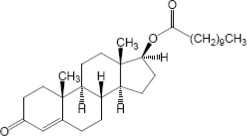
JATENZO (testosterone undecanoate) for oral use is provided as a gelatin capsule containing testosterone undecanoate, a fatty-acid ester of testosterone. Testosterone undecanoate is a white to off-white yellow crystalline powder. Testosterone, an androgen, is formed by cleavage of the ester side chain of testosterone undecanoate.
Testosterone undecanoate is chemically described as 17β-hydroxyandrost-4-en-3-one undecanoate. It has the empirical formula of C30H48O3 and the molecular weight of 456.7. The structural formula for testosterone undecanoate is presented in Figure 1.
Figure 1: Testosterone Undecanoate
JATENZO capsules are available in three strengths of 158 mg, 198 mg, and 237 mg.
The 158 mg strength is an opaque red capsule that contains 158 mg of testosterone undecanoate and is imprinted with “158” in white ink. The 198 mg strength is an opaque white capsule that contains 198 mg of testosterone undecanoate and is imprinted with “198” in red ink. The 237 mg strength is an opaque orange capsule that contains 237 mg of testosterone undecanoate and is imprinted with “237” in white ink. All capsule strengths also contain oleic acid, polyoxyl 40 hydrogenated castor oil (Cremophor RH 40), borage seed oil, peppermint oil, and butylated hydroxytoluene as inactive ingredients.
Gelatin capsule shells are composed of the following inactive ingredients: Gelatin, sorbitol, glycerin, and purified water in all strengths, iron oxide red in 158 mg, FD&C Yellow #6 in 158 and 237 mg, and titanium dioxide in 198 and 237 mg capsules.
5.1 Polycythemia
Increases in hematocrit reflective of increases in red blood cell mass, may require lowering the dose or discontinuation of JATENZO. Check that hematocrit is not elevated prior to initiating JATENZO. Evaluate hematocrit approximately every 3 months while the patient is on JATENZO. If hematocrit becomes elevated, stop JATENZO until the hematocrit decreases to an acceptable concentration. If JATENZO is restarted and again causes hematocrit to become elevated, stop JATENZO permanently. An increase in red blood cell mass may increase the risk of thromboembolic events [see Warnings and Precautions (5.2)].
5.11 Sleep Apnea
The treatment of hypogonadal men with testosterone may potentiate sleep apnea in some patients, especially those with risk factors such as obesity or chronic lung disease.
5.10 Gynecomastia
Gynecomastia may develop and persist in patients being treated for hypogonadism.
8.4 Pediatric Use
The safety and efficacy of JATENZO in pediatric patients less than 18 years old have not been established. Improper use may result in acceleration of bone age and premature closure of epiphyses.
8.5 Geriatric Use
There have not been sufficient numbers of geriatric patients involved in controlled clinical studies utilizing JATENZO to determine whether efficacy or safety in those over 65 years of age differs from younger subjects. No patients over 65 years of age were enrolled in the 4-month efficacy and safety clinical study utilizing JATENZO. Additionally, there is insufficient long-term safety data in geriatric patients utilizing JATENZO to assess the potentially increased risk of cardiovascular disease and prostate cancer.
Geriatric patients treated with androgens may also be at risk for worsening of signs and symptoms of BPH [see Warnings and Precautions (5.3)].
5.12 Lipid Changes
Changes in the serum lipid profile may require dose adjustment of lipid lowering drugs or discontinuation of testosterone therapy. Monitor the lipid profile periodically, particularly after starting testosterone therapy.
5.13 Hypercalcemia
Androgens, including JATENZO, should be used with caution in cancer patients at risk of hypercalcemia (and associated hypercalciuria). Monitor serum calcium concentrations regularly during treatment with JATENZO in these patients.
158 Mg Bottle Label
198 Mg Bottle Label
237 Mg Bottle Label
4 Contraindications
JATENZO is contraindicated in:
- Men with carcinoma of the breast or known or suspected carcinoma of the prostate [see Warnings and Precautions (5.3)].
- Women who are pregnant. Testosterone can cause virilization of the female fetus when administered to a pregnant woman [see Use in Specific Populations (8.1)].
- Men with known hypersensitivity to JATENZO or any of its ingredients [see Description (11)].
6 Adverse Reactions
Most common adverse reactions (incidence > 2%): polycythemia, diarrhea, dyspepsia, eructation, peripheral edema, nausea, increased hematocrit, headache, prostatomegaly, and hypertension (6.1).
To report SUSPECTED ADVERSE REACTIONS, contact Tolmar, Inc. at 1-844-4TO-LMAR or FDA at 1-800-FDA-1088 or www.fda.gov/medwatch .
7 Drug Interactions
- Androgens may decrease blood glucose and therefore may decrease insulin requirements in diabetic patients (7.1).
- Changes in anticoagulant activity may be seen with androgens. More frequent monitoring of International Normalized Ratio (INR) and prothrombin time is recommended in patients taking warfarin (7.2).
- Use of testosterone with corticosteroids may result in increased fluid retention. Use with caution, particularly in patients with cardiac, renal, or hepatic disease (7.3).
- Concomitant administration of medications that are known to increase blood pressure may lead to additional increases in blood pressure when used with JATENZO (7.4).
7.3 Corticosteroids
The concurrent use of testosterone with corticosteroids may result in increased fluid retention and requires careful monitoring particularly in patients with cardiac, renal or hepatic disease.
12.2 Pharmacodynamics
No specific pharmacodynamic studies were conducted using JATENZO.
1 Indications and Usage
JATENZO (testosterone undecanoate) is an androgen indicated for testosterone replacement therapy in adult males for conditions associated with a deficiency or absence of endogenous testosterone:
- Primary hypogonadism (congenital or acquired): testicular failure due to conditions such as cryptorchidism, bilateral torsion, orchitis, vanishing testis syndrome, orchiectomy, Klinefelter syndrome, chemotherapy, or toxic damage from alcohol or heavy metals. These men usually have low serum testosterone concentrations and gonadotropins (follicle-stimulating hormone [FSH], luteinizing hormone [LH]) above the normal range.
- Hypogonadotropic hypogonadism (congenital or acquired): gonadotropin or luteinizing hormone-releasing hormone (LHRH) deficiency or pituitary-hypothalamic injury from tumors, trauma, or radiation. These men have low testosterone serum concentrations but have gonadotropins in the normal or low range.
Limitations of use:
- Safety and efficacy of JATENZO in men with “age-related hypogonadism” have not been established.
- Safety and efficacy of JATENZO in males less than 18 years old have not been established [see Use in Specific Populations (8.4)].
12.1 Mechanism of Action
Endogenous androgens, including testosterone and dihydrotestosterone (DHT), are responsible for the normal growth and development of the male sex organs and for maintenance of secondary sex characteristics. These effects include the growth and maturation of prostate, seminal vesicles, penis and scrotum; the development of male hair distribution, such as facial, pubic, chest and axillary hair; laryngeal enlargement, vocal cord thickening, alterations in body musculature and fat distribution.
Male hypogonadism, a clinical syndrome resulting from insufficient secretion of testosterone, has two main etiologies. Primary hypogonadism is caused by defects of the gonads, such as Klinefelter syndrome or Leydig cell aplasia, whereas secondary hypogonadism (also known as hypogonadotropic hypogonadism) is the failure of the hypothalamus (or pituitary) to produce sufficient gonadotropins (FSH, LH).
5.6 Not for Use in Women
9.1 Controlled Substance
JATENZO contains testosterone undecanoate, which is a Schedule III controlled substance as defined under the Controlled Substances Act.
237 Mg Bottle Sample Label
5 Warnings and Precautions
- Polycythemia: Monitor hematocrit approximately every 3 months to detect increased red blood cell mass and polycythemia (5.1).
- Venous thromboembolism (VTE): VTE, including deep vein thrombosis (DVT) and pulmonary embolism (PE), have been reported in patients using testosterone. Evaluate patients with signs or symptoms consistent with DVT or PE (5.2).
- Worsening of Benign Prostatic Hyperplasia (BPH) and Potential Risk of Prostate Cancer: Monitor patients with benign prostatic hyperplasia (BPH) for worsening of signs and symptoms of BPH (5.3).
- Blood Pressure Increases: JATENZO can increase blood pressure, which can increase cardiovascular risk over time. Measure blood pressure periodically. Not recommended for use in men with uncontrolled hypertension (5.4)
- Abuse of Testosterone: Testosterone has been subject to abuse, typically at doses higher than recommended for the approved indication and in combination with other anabolic androgenic steroids (5.5).
- Potential for Adverse Effects on Spermatogenesis: Exogenous administration of androgens may lead to azoospermia (5.7).
- Edema: Edema, with or without congestive heart failure, may occur in patients with pre-existing cardiac, renal, or hepatic disease (5.9, 6.1).
- Sleep Apnea: Sleep apnea may occur in those with risk factors (5.11).
- Monitor prostate specific antigen (PSA) and lipid concentrations periodically (5.3, 5.12).
- Risk of Depression and Suicide: Depression and suicidal ideation have occurred during clinical trials in patients treated with JATENZO (5.15).
2 Dosage and Administration
- Prior to initiating JATENZO, confirm the diagnosis of hypogonadism by ensuring that serum testosterone concentrations have been measured in the morning on at least two separate days and that these concentrations are below the normal range (2.1).
- Take JATENZO with food (2.2).
- Starting dose: 237 mg orally once in the morning and once in the evening.
- Adjust the dose to a minimum of 158 mg twice daily and a maximum of 396 mg twice daily based on serum testosterone drawn 6 hours after the morning dose at least 7 days after starting treatment or following dose adjustment and periodically thereafter (2.2).
5.2 venous Thromboembolism
There have been postmarketing reports of venous thromboembolic events, including deep vein thrombosis (DVT) and pulmonary embolism (PE), in patients using testosterone replacement products such as JATENZO.
In the Testosterone Replacement therapy for Assessment of long-term Vascular Events and efficacy ResponSE in hypogonadal men (TRAVERSE) Study, a randomized, double-blind, placebo-controlled, cardiovascular (CV) outcomes study, compared to placebo, topical testosterone gel was associated with a numerically higher incidence of VTE (1.7% vs 1.2%) which included DVT (0.6% vs 0.5%) and PE events (0.9% vs 0.5%) [see Adverse Reactions (6.1)].
Evaluate patients who report symptoms of pain, edema, warmth and erythema in the lower extremity for DVT and those who present with acute shortness of breath for PE. If a venous thromboembolic event is suspected, discontinue treatment with JATENZO and initiate appropriate workup and management [see Adverse Reactions (6.2)].
5.8 Hepatic Adverse Effects
Prolonged use of high doses of orally active 17-alpha-alkyl androgens (e.g., methyltestosterone) has been associated with serious hepatic adverse effects (peliosis hepatis, hepatic neoplasms, cholestatic hepatitis, and jaundice). Peliosis hepatis can be a life-threatening or fatal complication. Long-term therapy with intramuscular testosterone enanthate has produced multiple hepatic adenomas. JATENZO is not known to cause these adverse effects. Nonetheless, patients should be instructed to report any signs or symptoms of hepatic dysfunction (e.g. jaundice). If these occur, promptly discontinue JATENZO while the cause is evaluated.
3 Dosage Forms and Strengths
JATENZO capsules for oral use are available in three strengths:
- The 158 mg testosterone undecanoate capsules are opaque red and imprinted with “158” in white ink.
- The 198 mg testosterone undecanoate capsules are opaque white and imprinted with “198” in red ink.
- The 237 mg testosterone undecanoate capsules are opaque orange and imprinted with “237” in white ink.
5.4 Blood Pressure Increases
JATENZO can increase blood pressure. Ambulatory blood pressure monitoring (ABPM) demonstrated JATENZO increased systolic /diastolic BP by an average of 4.9/2.5 mm Hg from baseline after 4 months of treatment in a clinical trial [see Adverse Reactions (6.1)]. In patients with hypertension on antihypertensive therapy, JATENZO increased the mean systolic/diastolic BP by 5.4/3.2 mm Hg from baseline. Average blood pressures had not plateaued at the end of the trial.
The CV risk associated with topical testosterone gel was evaluated in TRAVERSE, a randomized, double-blind, placebo-controlled, CV outcomes study in men with a history of CV disease or multiple CV risk factors. In TRAVERSE, topical testosterone gel increased mean systolic blood pressure by 1.0 mm Hg from baseline to 36 months, whereas a mean decrease from baseline of 0.5 mm Hg was observed in the placebo group at this timepoint, for a mean between-group difference of 1.5 mm Hg. However, the incidences of major adverse cardiovascular events (MACE), including cardiovascular death, non-fatal myocardial infarction [MI] and non-fatal stroke, were similar between treatment groups (7% for topical testosterone gel vs 7.3% for placebo) [See Adverse Reactions (6.1)].
Monitor blood pressure periodically in men using JATENZO, especially men with hypertension. JATENZO is not recommended for use in patients with uncontrolled hypertension.
6.2 Postmarketing Experience
The following adverse reactions have been identified during post-approval use of testosterone. Because these reactions are reported voluntarily from a population of uncertain size, it is not always possible to reliably estimate their frequency or establish a causal relationship to drug exposure.
Cardiovascular Disorders: myocardial infarction, stroke [see Warnings and Precautions (5.4), Clinical Trial Experience (6.1)]
Vascular Disorders: Venous thromboembolism [see Warnings and Precautions (5.1)]
6.1 Clinical Trial Experience
Because clinical trials are conducted under widely varying conditions, adverse reaction rates observed in the clinical trials of a drug cannot be directly compared to rates in the clinical trials of another drug and may not reflect the rates observed in practice.
The safety of JATENZO was evaluated in a randomized, controlled clinical study with 166 patients treated with JATENZO twice daily with morning and evening meals for approximately 4 months. All patients were started on 237 mg twice daily, then the dose was titrated to 158 mg, 198 mg, 316 mg, or 396 mg twice daily to achieve testosterone concentrations in the eugonadal range.
Table 2 summarizes adverse reactions (≥2%) reported in this 4-month study.
|
Among the 569 patients who received JATENZO in all Phase 2 and 3 trials combined, the following adverse reactions were reported in >2% of patients: polycythemia, diarrhea, dyspepsia, eructation, peripheral edema, nausea, increased hematocrit, headache, prostatomegaly, and hypertension. |
|
|
Three of the 166 patients (1.8%) in the 4-month study experienced adverse reactions that led to premature discontinuation from the study, including rash (n=1) and headache (n=2). |
|
| Preferred Term |
Overall (N = 166)
n (%) |
| Headache | 8 (4.8) |
| Hematocrit increased | 8 (4.8) |
| Hypertension | 6 (3.6) |
| High-density lipoprotein decreased | 5 (3.0) |
| Nausea | 4 (2.4) |
8 Use in Specific Populations
- Geriatric Patients: There are insufficient long-term safety data to assess the potential risks of cardiovascular disease and prostate cancer (8.5).
17 Patient Counseling Information
Advise the patient to read the FDA-approved patient labeling (Medication Guide).
Venous Thromboembolism
- Inform patients that JATENZO can cause venous thromboembolism. Advise patients of the signs and symptoms of venous thromboembolism, which may include the following: lower limb pain, edema, or erythema; and dyspnea or chest pain. Advise patients to promptly report the signs and symptoms of venous thromboembolism, discontinue use of JATENZO, and seek urgent medical care.
5.15 Risk of Depression and Suicide
Depression and suicidal ideation has been reported in patients treated with JATENZO in clinical trials. Advise patients and caregivers to seek medical attention for manifestations of new onset or worsening depression, suicidal ideation or behavior, anxiety, or other mood changes [see Adverse Events (6.1)].
16 How Supplied/storage and Handling
JATENZO (testosterone undecanoate) capsules are available in three strengths of 158 mg, 198 mg, and 237 mg. Capsules are packaged as 120 units in wide-mouth, round, white HDPE bottles with white, polypropylene, child resistant caps and induction-sealed liner.
158 mg capsules are opaque red capsules imprinted with “158” in white ink and are supplied in bottles: NDC 69087-158-12.
198 mg capsules are opaque white capsules imprinted with “198” in red ink and are supplied in bottles: NDC 69087-198-12.
237 mg capsules are opaque orange capsules imprinted with “237” in white ink and are supplied in bottles: NDC 69087-237-12.
Keep JATENZO out of reach of children.
Store at 20°C to 25ºC (68°F to 77ºF), excursions permitted to 15ºC to 30ºC (59ºF to 86ºF). Avoid exposing the capsules to moisture (store in a dry place).
14.1 Clinical Trials in Hypogonadal Males
The efficacy and safety of JATENZO was evaluated in 166 adult hypogonadal males in an open-label study of approximately 4 months duration (NCT02722278). The study included a Screening Phase, a Treatment Titration Phase, and a Treatment Maintenance Phase.
JATENZO was taken orally at a starting dose of 237 mg twice per day with meals. The dose was adjusted on Days 21 and 56 between a minimum of 158 mg twice per day and a maximum of 396 mg twice per day on the basis of the average testosterone concentration obtained over 24 hours post-morning dose.
The primary endpoint was the percentage of patients with mean plasma total testosterone concentration (Cavg) over 24-hours within the normal eugonadal range on the final PK visit of the study.
Secondary endpoints were the percentage of patients with a maximum total testosterone concentration (Cmax) above three predetermined limits: less than or equal to 1500 ng/dL, between 1800 and 2500 ng/dL, and greater than 2500 ng/dL.
One hundred and forty-five (87%) of the 166 hypogonadal men who received JATENZO had a mean total testosterone concentration (Cavg) within the normal eugonadal range at the end of treatment.
The percentage of patients who received JATENZO and had Cmax less than or equal to 1500 ng/dL, between 1800 and 2500 ng/dL, and greater than 2500 ng/dL at the final PK visit were 83%, 3%, and 3%, respectively. Note that the testosterone concentrations were not measured in serum but the effects of different sample preparation conditions were accounted for in data analysis of the results shown here. The titration scheme for use in clinical practice is based on serum total testosterone [see Dosage and Administration (2.2)].
5.14 Decreased Thyroxine Binding Globulin
Androgens, including JATENZO, may decrease concentrations of thyroxin-binding globulin, resulting in decreased total T4 serum concentrations and increased resin uptake of T3 and T4. Free thyroid hormone concentrations remain unchanged, however, and there is no clinical evidence of thyroid dysfunction.
13.2 Animal Toxicology And/or Pharmacology
JATENZO has been evaluated in 3- and 9-month repeat-dose oral toxicity studies in male eugonadal dogs. JATENZO caused exaggerated pharmacological effects on androgen-responsive tissues including testes, epididymis, prostate and adrenals at exposures to testosterone or testosterone undecanoate, comparable to the maximum human exposure based on AUC comparisons. Following a 4-week drug-free period, a reduced severity of these findings was observed, suggesting partial reversibility.
In adrenal glands, moderate to severe atrophy, characterized as thinning of the zona fasciculata, was observed with reduced adrenal weights and reduced circulating levels of cortisol in testosterone undecanoate-treated dogs after 3 months of treatment. Following 9-month treatment, there were dose-related decreases in adrenal weights in testosterone undecanoate-treated male dogs and moderate adrenal vacuolation in one testosterone undecanoate-treated male dog. The clinical significance of these adrenal and cortisol findings is unknown.
2.2 Dosing and Dose Adjustment Information
Individualize the dosage of JATENZO based on the patient's serum testosterone concentration response to the drug. The recommended starting dose is 237 mg taken orally twice daily, once in the morning and once in the evening. Take JATENZO with food.
7.2 Oral Vitamin K Antagonist Anticoagulants
Changes in anticoagulant activity may be seen with androgens; therefore, more frequent monitoring of international normalized ratio (INR) and prothrombin time are recommended in patients taking warfarin, especially at the initiation and termination of androgen therapy.
5.7 Potential for Adverse Effects On Spermatogenesis
With large doses of exogenous androgens, including JATENZO, spermatogenesis may be suppressed through feedback inhibition of pituitary FSH possibly leading to adverse effects on semen parameters including sperm count [see Use in Specific Populations (8.3)]. Patients should be informed of this possible risk when deciding whether to use or to continue to use JATENZO.
7.4 Medications That May Also Increase Blood Pressure
Some prescription medications and nonprescription analgesic and cold medications contain drugs known to increase blood pressure. Concomitant administration of these medications with JATENZO may lead to additional increases in blood pressure [see Warnings and Precautions (5.4)].
2.1 Confirmation of Hypogonadism Before Initiation of Jatenzo
Prior to initiating JATENZO, confirm the diagnosis of hypogonadism by ensuring that serum testosterone concentrations have been measured in the morning on at least two separate days and that these testosterone concentrations are below the normal range.
5.5 Abuse of Testosterone and Monitoring of Testosterone Concentrations
Testosterone has been subject to abuse, typically at doses higher than recommended for the approved indication and in combination with other anabolic androgenic steroids. Anabolic androgenic steroid abuse can lead to serious cardiovascular and psychiatric adverse reactions [see Drug Abuse and Dependence (9)].
If testosterone abuse is suspected, check testosterone concentrations to ensure they are within therapeutic range [see Dosage and Administration (2)]. However, testosterone levels may be in the normal or subnormal range in men abusing synthetic testosterone derivatives. Counsel patients concerning the serious adverse reactions associated with abuse of testosterone and anabolic androgenic steroids. Conversely, consider the possibility of testosterone and anabolic androgenic steroid abuse in suspected patients who present with serious cardiovascular or psychiatric adverse events.
5.3 Worsening of Benign Prostatic Hyperplasia (bph) and Potential Risk of Prostate Cancer
Patients with BPH treated with androgens are at an increased risk for worsening of signs and symptoms of BPH. Monitor patients with BPH for worsening signs and symptoms.
Patients treated with androgens may be at increased risk for prostate cancer. Evaluate patients for prostate cancer prior to initiating and during treatment with androgens [see Contraindications (4)].
Structured Label Content
Recent Major Changes (RECENT MAJOR CHANGES)
Boxed Warning, Increases in Blood Pressure Removed 03/2025
Indications and Usage (1) 03/2025
Contraindications, Men with “age related hypogonadism” (4) Removed 03/2025
Warnings and Precautions , Venous Thromboembolism (5.2) 03/2025
Warnings and Precautions, Blood Pressure Increases (5.4) 03/2025
Warnings and Precautions, Cardiovascular Risk (5.3) Removed 03/2025
Section 42229-5 (42229-5)
Dose Adjustment
To ensure proper dose adjustment, measure serum testosterone concentrations 6 hours after the morning dose in plain tubes, clotted at room temperature for 30 minutes prior to centrifugation. Adjust the JATENZO dose based on this serum testosterone measurement as shown in Table 1. Wait seven days after starting treatment or adjusting the dose before checking the serum testosterone concentration. Thereafter, periodically monitor serum testosterone concentrations 6 hours after the morning dose.
Administer the same dose in the morning and evening. The minimum recommended dose is 158 mg twice daily. The maximum recommended dose is 396 mg (two 198 mg capsules) twice daily.
| Testosterone Concentration in Serum From Plain Tube Drawn 6 hours After Morning Dose |
Current JATENZO Dose (mg, twice daily) |
New JATENZO Dose (mg, twice daily) |
| Less than 425 ng/dL | 158 | 198 |
| 198 | 237 | |
| 237 | 316 (two 158 mg capsules) | |
| 316 (two 158 mg capsules) | 396 (two 198 mg capsules) | |
| 425 ng/dL – 970 ng/dL | No Dose Change | |
| More than 970 ng/dL |
396 (two 198 mg capsules) | 316 (two 158 mg capsules) |
| 316 (two 158 mg capsules) | 237 | |
| 237 | 198 | |
| 198 | 158 | |
| 158 | Discontinue Treatment |
Section 42231-1 (42231-1)
|
This Medication Guide has been approved by the U.S. Food and Drug Administration |
Issued: 09/2025 |
|
|
MEDICATION GUIDE
JATENZO ® (juh-TEN-zoh) (testosterone undecanoate) capsules, for oral use CIII |
||
|
What is JATENZO?
JATENZO is a controlled substance (CIII) because it contains testosterone that can be a target for people who abuse prescription medicines. Keep your JATENZO in a safe place to protect it. Never give your JATENZO to anyone else, even if they have the same symptoms you have. Selling or giving away this medicine may harm others and is against the law. |
||
|
Do not take JATENZO if you:
|
||
Before you take JATENZO, tell your healthcare provider about all of your medical conditions, including if you:
|
||
|
Tell your healthcare provider about all the medicines you take, including prescription and over-the-counter medicines, vitamins, and herbal supplements.
Using JATENZO with certain other medicines can affect each other. Especially, tell your healthcare provider if you take:
|
||
| Know the medicines you take. Ask your healthcare provider or pharmacist for a list of these medicines, if you are not sure. Keep a list of them and show it to your healthcare provider and pharmacist when you get a new medicine. | ||
How should I take JATENZO?
|
||
|
What are the possible side effects of JATENZO?
JATENZO may cause serious side effects including:
|
||
|
Call your healthcare provider right away if you have any of the serious side effects listed above.
The most common side effects of JATENZO include: |
||
|
|
|
|
Other side effects include more erections than are normal for you or erections that last a long time.
Tell your healthcare provider if you have any side effect that bothers you or that does not go away. These are not all the possible side effects of JATENZO. For more information, ask your healthcare provider or pharmacist. Call your doctor for medical advice about side effects. You may report side effects to FDA at 1-800-FDA-1088. |
||
How should I store JATENZO?
|
||
| Keep JATENZO and all medicines out of the reach of children. | ||
|
General information about the safe and effective use of JATENZO
Medicines are sometimes prescribed for purposes other than those listed in a Medication Guide. Do not use JATENZO for a condition for which it was not prescribed. Do not give JATENZO to other people, even if they have the same symptoms you have. It may harm them. You can ask your pharmacist or healthcare provider for information about JATENZO that is written for health professionals. |
||
|
What are the ingredients in JATENZO?
Active ingredient: testosterone undecanoate Inactive ingredients: oleic acid, polyoxyl 40 hydrogenated castor oil (Cremophor RH 40), borage seed oil, peppermint oil, and butylated hydroxytoluene. The ingredients of the soft gelatin capsule shells are gelatin, sorbitol, glycerin, purified water, iron oxide red, FD&C Yellow #6, and titanium dioxide. Distributed by: Tolmar, Inc. Fort Collins, CO 80526 For more information, go to www.JATENZO.com or call 1-844-4TO-LMAR. |
5.9 Edema
Androgens, including JATENZO, may promote retention of sodium and water. Edema, with or without congestive heart failure, may be a serious complication in patients with pre-existing cardiac, renal, or hepatic disease. In addition to discontinuation of the drug, diuretic therapy may be required.
9.2 Abuse
Drug abuse is intentional non-therapeutic use of a drug, even once, for its rewarding psychological and physiological effects. Abuse and misuse of testosterone are seen in male and female adults and adolescents. Testosterone, often in combination with other anabolic androgenic steroids (AAS), and not obtained by prescription through a pharmacy, may be abused by athletes and bodybuilders. There have been reports of misuse by men taking higher doses of legally obtained testosterone than prescribed and continuing testosterone despite adverse events or against medical advice.
7.1 Insulin
Changes in insulin sensitivity or glycemic control may occur in patients treated with androgens. In diabetic patients, the metabolic effects of androgens may decrease blood glucose and, therefore, may necessitate a decrease in the dose of anti-diabetic medication.
10 Overdosage (10 OVERDOSAGE)
There is a single report of acute overdosage with use of an approved injectable testosterone product: this subject had serum testosterone concentrations of up to 11,400 ng/dL which were implicated in a cerebrovascular accident.
One case of overdose with JATENZO was reported in clinical trials. This patient inadvertently took a higher dose than prescribed (474 mg twice daily, which is 20% higher than the maximum recommended dose). He did not report any adverse reactions associated with the overdose.
Treatment of overdosage consists of discontinuation of JATENZO and appropriate symptomatic and supportive care.
11 Description (11 DESCRIPTION)
JATENZO (testosterone undecanoate) for oral use is provided as a gelatin capsule containing testosterone undecanoate, a fatty-acid ester of testosterone. Testosterone undecanoate is a white to off-white yellow crystalline powder. Testosterone, an androgen, is formed by cleavage of the ester side chain of testosterone undecanoate.
Testosterone undecanoate is chemically described as 17β-hydroxyandrost-4-en-3-one undecanoate. It has the empirical formula of C30H48O3 and the molecular weight of 456.7. The structural formula for testosterone undecanoate is presented in Figure 1.
Figure 1: Testosterone Undecanoate
JATENZO capsules are available in three strengths of 158 mg, 198 mg, and 237 mg.
The 158 mg strength is an opaque red capsule that contains 158 mg of testosterone undecanoate and is imprinted with “158” in white ink. The 198 mg strength is an opaque white capsule that contains 198 mg of testosterone undecanoate and is imprinted with “198” in red ink. The 237 mg strength is an opaque orange capsule that contains 237 mg of testosterone undecanoate and is imprinted with “237” in white ink. All capsule strengths also contain oleic acid, polyoxyl 40 hydrogenated castor oil (Cremophor RH 40), borage seed oil, peppermint oil, and butylated hydroxytoluene as inactive ingredients.
Gelatin capsule shells are composed of the following inactive ingredients: Gelatin, sorbitol, glycerin, and purified water in all strengths, iron oxide red in 158 mg, FD&C Yellow #6 in 158 and 237 mg, and titanium dioxide in 198 and 237 mg capsules.
5.1 Polycythemia
Increases in hematocrit reflective of increases in red blood cell mass, may require lowering the dose or discontinuation of JATENZO. Check that hematocrit is not elevated prior to initiating JATENZO. Evaluate hematocrit approximately every 3 months while the patient is on JATENZO. If hematocrit becomes elevated, stop JATENZO until the hematocrit decreases to an acceptable concentration. If JATENZO is restarted and again causes hematocrit to become elevated, stop JATENZO permanently. An increase in red blood cell mass may increase the risk of thromboembolic events [see Warnings and Precautions (5.2)].
5.11 Sleep Apnea
The treatment of hypogonadal men with testosterone may potentiate sleep apnea in some patients, especially those with risk factors such as obesity or chronic lung disease.
5.10 Gynecomastia
Gynecomastia may develop and persist in patients being treated for hypogonadism.
8.4 Pediatric Use
The safety and efficacy of JATENZO in pediatric patients less than 18 years old have not been established. Improper use may result in acceleration of bone age and premature closure of epiphyses.
8.5 Geriatric Use
There have not been sufficient numbers of geriatric patients involved in controlled clinical studies utilizing JATENZO to determine whether efficacy or safety in those over 65 years of age differs from younger subjects. No patients over 65 years of age were enrolled in the 4-month efficacy and safety clinical study utilizing JATENZO. Additionally, there is insufficient long-term safety data in geriatric patients utilizing JATENZO to assess the potentially increased risk of cardiovascular disease and prostate cancer.
Geriatric patients treated with androgens may also be at risk for worsening of signs and symptoms of BPH [see Warnings and Precautions (5.3)].
5.12 Lipid Changes
Changes in the serum lipid profile may require dose adjustment of lipid lowering drugs or discontinuation of testosterone therapy. Monitor the lipid profile periodically, particularly after starting testosterone therapy.
5.13 Hypercalcemia
Androgens, including JATENZO, should be used with caution in cancer patients at risk of hypercalcemia (and associated hypercalciuria). Monitor serum calcium concentrations regularly during treatment with JATENZO in these patients.
158 Mg Bottle Label (158 mg Bottle Label)
198 Mg Bottle Label (198 mg Bottle Label)
237 Mg Bottle Label (237 mg Bottle Label)
4 Contraindications (4 CONTRAINDICATIONS)
JATENZO is contraindicated in:
- Men with carcinoma of the breast or known or suspected carcinoma of the prostate [see Warnings and Precautions (5.3)].
- Women who are pregnant. Testosterone can cause virilization of the female fetus when administered to a pregnant woman [see Use in Specific Populations (8.1)].
- Men with known hypersensitivity to JATENZO or any of its ingredients [see Description (11)].
6 Adverse Reactions (6 ADVERSE REACTIONS)
Most common adverse reactions (incidence > 2%): polycythemia, diarrhea, dyspepsia, eructation, peripheral edema, nausea, increased hematocrit, headache, prostatomegaly, and hypertension (6.1).
To report SUSPECTED ADVERSE REACTIONS, contact Tolmar, Inc. at 1-844-4TO-LMAR or FDA at 1-800-FDA-1088 or www.fda.gov/medwatch .
7 Drug Interactions (7 DRUG INTERACTIONS)
- Androgens may decrease blood glucose and therefore may decrease insulin requirements in diabetic patients (7.1).
- Changes in anticoagulant activity may be seen with androgens. More frequent monitoring of International Normalized Ratio (INR) and prothrombin time is recommended in patients taking warfarin (7.2).
- Use of testosterone with corticosteroids may result in increased fluid retention. Use with caution, particularly in patients with cardiac, renal, or hepatic disease (7.3).
- Concomitant administration of medications that are known to increase blood pressure may lead to additional increases in blood pressure when used with JATENZO (7.4).
7.3 Corticosteroids
The concurrent use of testosterone with corticosteroids may result in increased fluid retention and requires careful monitoring particularly in patients with cardiac, renal or hepatic disease.
12.2 Pharmacodynamics
No specific pharmacodynamic studies were conducted using JATENZO.
1 Indications and Usage (1 INDICATIONS AND USAGE)
JATENZO (testosterone undecanoate) is an androgen indicated for testosterone replacement therapy in adult males for conditions associated with a deficiency or absence of endogenous testosterone:
- Primary hypogonadism (congenital or acquired): testicular failure due to conditions such as cryptorchidism, bilateral torsion, orchitis, vanishing testis syndrome, orchiectomy, Klinefelter syndrome, chemotherapy, or toxic damage from alcohol or heavy metals. These men usually have low serum testosterone concentrations and gonadotropins (follicle-stimulating hormone [FSH], luteinizing hormone [LH]) above the normal range.
- Hypogonadotropic hypogonadism (congenital or acquired): gonadotropin or luteinizing hormone-releasing hormone (LHRH) deficiency or pituitary-hypothalamic injury from tumors, trauma, or radiation. These men have low testosterone serum concentrations but have gonadotropins in the normal or low range.
Limitations of use:
- Safety and efficacy of JATENZO in men with “age-related hypogonadism” have not been established.
- Safety and efficacy of JATENZO in males less than 18 years old have not been established [see Use in Specific Populations (8.4)].
12.1 Mechanism of Action
Endogenous androgens, including testosterone and dihydrotestosterone (DHT), are responsible for the normal growth and development of the male sex organs and for maintenance of secondary sex characteristics. These effects include the growth and maturation of prostate, seminal vesicles, penis and scrotum; the development of male hair distribution, such as facial, pubic, chest and axillary hair; laryngeal enlargement, vocal cord thickening, alterations in body musculature and fat distribution.
Male hypogonadism, a clinical syndrome resulting from insufficient secretion of testosterone, has two main etiologies. Primary hypogonadism is caused by defects of the gonads, such as Klinefelter syndrome or Leydig cell aplasia, whereas secondary hypogonadism (also known as hypogonadotropic hypogonadism) is the failure of the hypothalamus (or pituitary) to produce sufficient gonadotropins (FSH, LH).
5.6 Not for Use in Women
9.1 Controlled Substance
JATENZO contains testosterone undecanoate, which is a Schedule III controlled substance as defined under the Controlled Substances Act.
237 Mg Bottle Sample Label (237 mg Bottle Sample Label)
5 Warnings and Precautions (5 WARNINGS AND PRECAUTIONS)
- Polycythemia: Monitor hematocrit approximately every 3 months to detect increased red blood cell mass and polycythemia (5.1).
- Venous thromboembolism (VTE): VTE, including deep vein thrombosis (DVT) and pulmonary embolism (PE), have been reported in patients using testosterone. Evaluate patients with signs or symptoms consistent with DVT or PE (5.2).
- Worsening of Benign Prostatic Hyperplasia (BPH) and Potential Risk of Prostate Cancer: Monitor patients with benign prostatic hyperplasia (BPH) for worsening of signs and symptoms of BPH (5.3).
- Blood Pressure Increases: JATENZO can increase blood pressure, which can increase cardiovascular risk over time. Measure blood pressure periodically. Not recommended for use in men with uncontrolled hypertension (5.4)
- Abuse of Testosterone: Testosterone has been subject to abuse, typically at doses higher than recommended for the approved indication and in combination with other anabolic androgenic steroids (5.5).
- Potential for Adverse Effects on Spermatogenesis: Exogenous administration of androgens may lead to azoospermia (5.7).
- Edema: Edema, with or without congestive heart failure, may occur in patients with pre-existing cardiac, renal, or hepatic disease (5.9, 6.1).
- Sleep Apnea: Sleep apnea may occur in those with risk factors (5.11).
- Monitor prostate specific antigen (PSA) and lipid concentrations periodically (5.3, 5.12).
- Risk of Depression and Suicide: Depression and suicidal ideation have occurred during clinical trials in patients treated with JATENZO (5.15).
2 Dosage and Administration (2 DOSAGE AND ADMINISTRATION)
- Prior to initiating JATENZO, confirm the diagnosis of hypogonadism by ensuring that serum testosterone concentrations have been measured in the morning on at least two separate days and that these concentrations are below the normal range (2.1).
- Take JATENZO with food (2.2).
- Starting dose: 237 mg orally once in the morning and once in the evening.
- Adjust the dose to a minimum of 158 mg twice daily and a maximum of 396 mg twice daily based on serum testosterone drawn 6 hours after the morning dose at least 7 days after starting treatment or following dose adjustment and periodically thereafter (2.2).
5.2 venous Thromboembolism (5.2 Venous Thromboembolism)
There have been postmarketing reports of venous thromboembolic events, including deep vein thrombosis (DVT) and pulmonary embolism (PE), in patients using testosterone replacement products such as JATENZO.
In the Testosterone Replacement therapy for Assessment of long-term Vascular Events and efficacy ResponSE in hypogonadal men (TRAVERSE) Study, a randomized, double-blind, placebo-controlled, cardiovascular (CV) outcomes study, compared to placebo, topical testosterone gel was associated with a numerically higher incidence of VTE (1.7% vs 1.2%) which included DVT (0.6% vs 0.5%) and PE events (0.9% vs 0.5%) [see Adverse Reactions (6.1)].
Evaluate patients who report symptoms of pain, edema, warmth and erythema in the lower extremity for DVT and those who present with acute shortness of breath for PE. If a venous thromboembolic event is suspected, discontinue treatment with JATENZO and initiate appropriate workup and management [see Adverse Reactions (6.2)].
5.8 Hepatic Adverse Effects
Prolonged use of high doses of orally active 17-alpha-alkyl androgens (e.g., methyltestosterone) has been associated with serious hepatic adverse effects (peliosis hepatis, hepatic neoplasms, cholestatic hepatitis, and jaundice). Peliosis hepatis can be a life-threatening or fatal complication. Long-term therapy with intramuscular testosterone enanthate has produced multiple hepatic adenomas. JATENZO is not known to cause these adverse effects. Nonetheless, patients should be instructed to report any signs or symptoms of hepatic dysfunction (e.g. jaundice). If these occur, promptly discontinue JATENZO while the cause is evaluated.
3 Dosage Forms and Strengths (3 DOSAGE FORMS AND STRENGTHS)
JATENZO capsules for oral use are available in three strengths:
- The 158 mg testosterone undecanoate capsules are opaque red and imprinted with “158” in white ink.
- The 198 mg testosterone undecanoate capsules are opaque white and imprinted with “198” in red ink.
- The 237 mg testosterone undecanoate capsules are opaque orange and imprinted with “237” in white ink.
5.4 Blood Pressure Increases
JATENZO can increase blood pressure. Ambulatory blood pressure monitoring (ABPM) demonstrated JATENZO increased systolic /diastolic BP by an average of 4.9/2.5 mm Hg from baseline after 4 months of treatment in a clinical trial [see Adverse Reactions (6.1)]. In patients with hypertension on antihypertensive therapy, JATENZO increased the mean systolic/diastolic BP by 5.4/3.2 mm Hg from baseline. Average blood pressures had not plateaued at the end of the trial.
The CV risk associated with topical testosterone gel was evaluated in TRAVERSE, a randomized, double-blind, placebo-controlled, CV outcomes study in men with a history of CV disease or multiple CV risk factors. In TRAVERSE, topical testosterone gel increased mean systolic blood pressure by 1.0 mm Hg from baseline to 36 months, whereas a mean decrease from baseline of 0.5 mm Hg was observed in the placebo group at this timepoint, for a mean between-group difference of 1.5 mm Hg. However, the incidences of major adverse cardiovascular events (MACE), including cardiovascular death, non-fatal myocardial infarction [MI] and non-fatal stroke, were similar between treatment groups (7% for topical testosterone gel vs 7.3% for placebo) [See Adverse Reactions (6.1)].
Monitor blood pressure periodically in men using JATENZO, especially men with hypertension. JATENZO is not recommended for use in patients with uncontrolled hypertension.
6.2 Postmarketing Experience
The following adverse reactions have been identified during post-approval use of testosterone. Because these reactions are reported voluntarily from a population of uncertain size, it is not always possible to reliably estimate their frequency or establish a causal relationship to drug exposure.
Cardiovascular Disorders: myocardial infarction, stroke [see Warnings and Precautions (5.4), Clinical Trial Experience (6.1)]
Vascular Disorders: Venous thromboembolism [see Warnings and Precautions (5.1)]
6.1 Clinical Trial Experience
Because clinical trials are conducted under widely varying conditions, adverse reaction rates observed in the clinical trials of a drug cannot be directly compared to rates in the clinical trials of another drug and may not reflect the rates observed in practice.
The safety of JATENZO was evaluated in a randomized, controlled clinical study with 166 patients treated with JATENZO twice daily with morning and evening meals for approximately 4 months. All patients were started on 237 mg twice daily, then the dose was titrated to 158 mg, 198 mg, 316 mg, or 396 mg twice daily to achieve testosterone concentrations in the eugonadal range.
Table 2 summarizes adverse reactions (≥2%) reported in this 4-month study.
|
Among the 569 patients who received JATENZO in all Phase 2 and 3 trials combined, the following adverse reactions were reported in >2% of patients: polycythemia, diarrhea, dyspepsia, eructation, peripheral edema, nausea, increased hematocrit, headache, prostatomegaly, and hypertension. |
|
|
Three of the 166 patients (1.8%) in the 4-month study experienced adverse reactions that led to premature discontinuation from the study, including rash (n=1) and headache (n=2). |
|
| Preferred Term |
Overall (N = 166)
n (%) |
| Headache | 8 (4.8) |
| Hematocrit increased | 8 (4.8) |
| Hypertension | 6 (3.6) |
| High-density lipoprotein decreased | 5 (3.0) |
| Nausea | 4 (2.4) |
8 Use in Specific Populations (8 USE IN SPECIFIC POPULATIONS)
- Geriatric Patients: There are insufficient long-term safety data to assess the potential risks of cardiovascular disease and prostate cancer (8.5).
17 Patient Counseling Information (17 PATIENT COUNSELING INFORMATION)
Advise the patient to read the FDA-approved patient labeling (Medication Guide).
Venous Thromboembolism
- Inform patients that JATENZO can cause venous thromboembolism. Advise patients of the signs and symptoms of venous thromboembolism, which may include the following: lower limb pain, edema, or erythema; and dyspnea or chest pain. Advise patients to promptly report the signs and symptoms of venous thromboembolism, discontinue use of JATENZO, and seek urgent medical care.
5.15 Risk of Depression and Suicide
Depression and suicidal ideation has been reported in patients treated with JATENZO in clinical trials. Advise patients and caregivers to seek medical attention for manifestations of new onset or worsening depression, suicidal ideation or behavior, anxiety, or other mood changes [see Adverse Events (6.1)].
16 How Supplied/storage and Handling (16 HOW SUPPLIED/STORAGE AND HANDLING)
JATENZO (testosterone undecanoate) capsules are available in three strengths of 158 mg, 198 mg, and 237 mg. Capsules are packaged as 120 units in wide-mouth, round, white HDPE bottles with white, polypropylene, child resistant caps and induction-sealed liner.
158 mg capsules are opaque red capsules imprinted with “158” in white ink and are supplied in bottles: NDC 69087-158-12.
198 mg capsules are opaque white capsules imprinted with “198” in red ink and are supplied in bottles: NDC 69087-198-12.
237 mg capsules are opaque orange capsules imprinted with “237” in white ink and are supplied in bottles: NDC 69087-237-12.
Keep JATENZO out of reach of children.
Store at 20°C to 25ºC (68°F to 77ºF), excursions permitted to 15ºC to 30ºC (59ºF to 86ºF). Avoid exposing the capsules to moisture (store in a dry place).
14.1 Clinical Trials in Hypogonadal Males
The efficacy and safety of JATENZO was evaluated in 166 adult hypogonadal males in an open-label study of approximately 4 months duration (NCT02722278). The study included a Screening Phase, a Treatment Titration Phase, and a Treatment Maintenance Phase.
JATENZO was taken orally at a starting dose of 237 mg twice per day with meals. The dose was adjusted on Days 21 and 56 between a minimum of 158 mg twice per day and a maximum of 396 mg twice per day on the basis of the average testosterone concentration obtained over 24 hours post-morning dose.
The primary endpoint was the percentage of patients with mean plasma total testosterone concentration (Cavg) over 24-hours within the normal eugonadal range on the final PK visit of the study.
Secondary endpoints were the percentage of patients with a maximum total testosterone concentration (Cmax) above three predetermined limits: less than or equal to 1500 ng/dL, between 1800 and 2500 ng/dL, and greater than 2500 ng/dL.
One hundred and forty-five (87%) of the 166 hypogonadal men who received JATENZO had a mean total testosterone concentration (Cavg) within the normal eugonadal range at the end of treatment.
The percentage of patients who received JATENZO and had Cmax less than or equal to 1500 ng/dL, between 1800 and 2500 ng/dL, and greater than 2500 ng/dL at the final PK visit were 83%, 3%, and 3%, respectively. Note that the testosterone concentrations were not measured in serum but the effects of different sample preparation conditions were accounted for in data analysis of the results shown here. The titration scheme for use in clinical practice is based on serum total testosterone [see Dosage and Administration (2.2)].
5.14 Decreased Thyroxine Binding Globulin (5.14 Decreased Thyroxine-binding Globulin)
Androgens, including JATENZO, may decrease concentrations of thyroxin-binding globulin, resulting in decreased total T4 serum concentrations and increased resin uptake of T3 and T4. Free thyroid hormone concentrations remain unchanged, however, and there is no clinical evidence of thyroid dysfunction.
13.2 Animal Toxicology And/or Pharmacology (13.2 Animal Toxicology and/or Pharmacology)
JATENZO has been evaluated in 3- and 9-month repeat-dose oral toxicity studies in male eugonadal dogs. JATENZO caused exaggerated pharmacological effects on androgen-responsive tissues including testes, epididymis, prostate and adrenals at exposures to testosterone or testosterone undecanoate, comparable to the maximum human exposure based on AUC comparisons. Following a 4-week drug-free period, a reduced severity of these findings was observed, suggesting partial reversibility.
In adrenal glands, moderate to severe atrophy, characterized as thinning of the zona fasciculata, was observed with reduced adrenal weights and reduced circulating levels of cortisol in testosterone undecanoate-treated dogs after 3 months of treatment. Following 9-month treatment, there were dose-related decreases in adrenal weights in testosterone undecanoate-treated male dogs and moderate adrenal vacuolation in one testosterone undecanoate-treated male dog. The clinical significance of these adrenal and cortisol findings is unknown.
2.2 Dosing and Dose Adjustment Information
Individualize the dosage of JATENZO based on the patient's serum testosterone concentration response to the drug. The recommended starting dose is 237 mg taken orally twice daily, once in the morning and once in the evening. Take JATENZO with food.
7.2 Oral Vitamin K Antagonist Anticoagulants
Changes in anticoagulant activity may be seen with androgens; therefore, more frequent monitoring of international normalized ratio (INR) and prothrombin time are recommended in patients taking warfarin, especially at the initiation and termination of androgen therapy.
5.7 Potential for Adverse Effects On Spermatogenesis (5.7 Potential for Adverse Effects on Spermatogenesis)
With large doses of exogenous androgens, including JATENZO, spermatogenesis may be suppressed through feedback inhibition of pituitary FSH possibly leading to adverse effects on semen parameters including sperm count [see Use in Specific Populations (8.3)]. Patients should be informed of this possible risk when deciding whether to use or to continue to use JATENZO.
7.4 Medications That May Also Increase Blood Pressure (7.4 Medications that May Also Increase Blood Pressure)
Some prescription medications and nonprescription analgesic and cold medications contain drugs known to increase blood pressure. Concomitant administration of these medications with JATENZO may lead to additional increases in blood pressure [see Warnings and Precautions (5.4)].
2.1 Confirmation of Hypogonadism Before Initiation of Jatenzo (2.1 Confirmation of Hypogonadism Before Initiation of JATENZO)
Prior to initiating JATENZO, confirm the diagnosis of hypogonadism by ensuring that serum testosterone concentrations have been measured in the morning on at least two separate days and that these testosterone concentrations are below the normal range.
5.5 Abuse of Testosterone and Monitoring of Testosterone Concentrations
Testosterone has been subject to abuse, typically at doses higher than recommended for the approved indication and in combination with other anabolic androgenic steroids. Anabolic androgenic steroid abuse can lead to serious cardiovascular and psychiatric adverse reactions [see Drug Abuse and Dependence (9)].
If testosterone abuse is suspected, check testosterone concentrations to ensure they are within therapeutic range [see Dosage and Administration (2)]. However, testosterone levels may be in the normal or subnormal range in men abusing synthetic testosterone derivatives. Counsel patients concerning the serious adverse reactions associated with abuse of testosterone and anabolic androgenic steroids. Conversely, consider the possibility of testosterone and anabolic androgenic steroid abuse in suspected patients who present with serious cardiovascular or psychiatric adverse events.
5.3 Worsening of Benign Prostatic Hyperplasia (bph) and Potential Risk of Prostate Cancer (5.3 Worsening of Benign Prostatic Hyperplasia (BPH) and Potential Risk of Prostate Cancer)
Patients with BPH treated with androgens are at an increased risk for worsening of signs and symptoms of BPH. Monitor patients with BPH for worsening signs and symptoms.
Patients treated with androgens may be at increased risk for prostate cancer. Evaluate patients for prostate cancer prior to initiating and during treatment with androgens [see Contraindications (4)].
Advanced Ingredient Data
Raw Label Data
All Sections (JSON)
Additional Information
Back to search View SPL set listing Open on DailyMed ↗
Source: dailymed · Ingested: 2026-02-15T11:49:32.784663 · Updated: 2026-03-14T22:33:31.162945