Gemcitabine For Injection
eafcebc8-ddef-bb6b-fd0a-9d8b9962cdc4
34391-3
HUMAN PRESCRIPTION DRUG LABEL
Drug Facts
Composition & Product
Identifiers & Packaging
Indications and Usage
Gemcitabine for injection is a nucleoside metabolic inhibitor indicated: in combination with carboplatin, for the treatment of advanced ovarian cancer that has relapsed at least 6 months after completion of platinum-based therapy. ( 1.1 ) in combination with paclitaxel, for first-line treatment of metastatic breast cancer after failure of prior anthracycline-containing adjuvant chemotherapy, unless anthracyclines were clinically contraindicated. ( 1.2 ) in combination with cisplatin, for the treatment of non-small cell lung cancer. ( 1.3 ) as a single agent for the treatment of pancreatic cancer. ( 1.4 )
Dosage and Administration
Gemcitabine for injection is for intravenous use only. Ovarian Cancer: 1000 mg/m 2 over 30 minutes on Days 1 and 8 of each 21-day cycle. ( 2.1 ) Breast Cancer: 1250 mg/m 2 over 30 minutes on Days 1 and 8 of each 21-day cycle. ( 2.2 ) Non-Small Cell Lung Cancer: 1000 mg/m 2 over 30 minutes on Days 1, 8, and 15 of each 28-day cycle or 1250 mg/m 2 over 30 minutes on Days 1 and 8 of each 21-day cycle. ( 2.3 ) Pancreatic Cancer: 1000 mg/m 2 over 30 minutes once weekly for the first 7 weeks, then one week rest, then once weekly for 3 weeks of each 28-day cycle. ( 2.4 )
Contraindications
Gemcitabine for injection is contraindicated in patients with a known hypersensitivity to gemcitabine. Reactions include anaphylaxis [see Adverse Reactions ( 6.1 )] .
Warnings and Precautions
Schedule-Dependent Toxicity: Increased toxicity with infusion time greater than 60 minutes or dosing more frequently than once weekly. ( 5.1 ) Myelosuppression: Monitor for myelosuppression prior to each cycle and reduce or withhold dose for severe myelosuppression. ( 5.2 , 5.8 ) Severe Cutaneous Adverse Reactions (SCARs): Permanently discontinue gemcitabine injection if SCARs occur. ( 5.3 ) Pulmonary Toxicity and Respiratory Failure: Discontinue gemcitabine for injection for unexplained dyspnea or other evidence of severe pulmonary toxicity. ( 5.4 ) Hemolytic-Uremic Syndrome (HUS): Monitor renal function prior to initiation and during treatment. Discontinue gemcitabine for injection for HUS or severe renal impairment. ( 5.5 ) Hepatic Toxicity: Monitor hepatic function prior to initiation and during treatment. Discontinue gemcitabine for injection for severe hepatic toxicity. ( 5.6 ) Embryo-Fetal Toxicity: Can cause fetal harm. Advise females and males of reproductive potential to use effective contraception. ( 5.7 , 8.1 ) Exacerbation of Radiation Therapy Toxicity: May cause severe and life-threatening toxicity when administered during or within 7 days of radiation therapy. ( 5.8 ) Capillary Leak Syndrome: Discontinue gemcitabine for injection. ( 5.9 ) Posterior Reversible Encephalopathy Syndrome (PRES): Discontinue gemcitabine for injection. ( 5.10 )
Adverse Reactions
The following clinically significant adverse reactions are described elsewhere in the labeling: Hypersensitivity [see Contraindications ( 4 )] Schedule-Dependent Toxicity [see Warnings and Precautions ( 5.1 )] Myelosuppression [see Warnings and Precautions ( 5.2 )] Severe Cutaneous Adverse Reactions [see Warnings and Precautions ( 5.3 )] Pulmonary Toxicity and Respiratory Failure [see Warnings and Precautions ( 5.4 )] Hemolytic Uremic Syndrome [see Warnings and Precautions ( 5.5 )] Hepatic Toxicity [see Warnings and Precautions ( 5.6 )] Exacerbation of Radiation Therapy Toxicity [see Warnings and Precautions ( 5.8 )] Capillary Leak Syndrome [see Warnings and Precautions ( 5.9 )] Posterior Reversible Encephalopathy Syndrome [see Warnings and Precautions ( 5.10 )]
How Supplied
Gemcitabine for injection, USP is a white to off-white lyophilized powder available in sterile single-dose vials individually packaged in a carton containing 200 mg or 1 g gemcitabine: 200 mg vial: NDC 55111-686-07 1 g vial: NDC 55111-687-25 Gemcitabine for injection, USP is a cytotoxic drug. Follow applicable special handling and disposal procedures. 1 Store at 20°C to 25°C (68°F to 77°F) [see USP Controlled Room Temperature].
Storage and Handling
Gemcitabine for injection, USP is a white to off-white lyophilized powder available in sterile single-dose vials individually packaged in a carton containing 200 mg or 1 g gemcitabine: 200 mg vial: NDC 55111-686-07 1 g vial: NDC 55111-687-25 Gemcitabine for injection, USP is a cytotoxic drug. Follow applicable special handling and disposal procedures. 1 Store at 20°C to 25°C (68°F to 77°F) [see USP Controlled Room Temperature].
Description
Warnings and Precautions, Severe Cutaneous Adverse Reactions (SCARs) ( 5.3 ) 7/2024
Medication Information
Warnings and Precautions
Schedule-Dependent Toxicity: Increased toxicity with infusion time greater than 60 minutes or dosing more frequently than once weekly. ( 5.1 ) Myelosuppression: Monitor for myelosuppression prior to each cycle and reduce or withhold dose for severe myelosuppression. ( 5.2 , 5.8 ) Severe Cutaneous Adverse Reactions (SCARs): Permanently discontinue gemcitabine injection if SCARs occur. ( 5.3 ) Pulmonary Toxicity and Respiratory Failure: Discontinue gemcitabine for injection for unexplained dyspnea or other evidence of severe pulmonary toxicity. ( 5.4 ) Hemolytic-Uremic Syndrome (HUS): Monitor renal function prior to initiation and during treatment. Discontinue gemcitabine for injection for HUS or severe renal impairment. ( 5.5 ) Hepatic Toxicity: Monitor hepatic function prior to initiation and during treatment. Discontinue gemcitabine for injection for severe hepatic toxicity. ( 5.6 ) Embryo-Fetal Toxicity: Can cause fetal harm. Advise females and males of reproductive potential to use effective contraception. ( 5.7 , 8.1 ) Exacerbation of Radiation Therapy Toxicity: May cause severe and life-threatening toxicity when administered during or within 7 days of radiation therapy. ( 5.8 ) Capillary Leak Syndrome: Discontinue gemcitabine for injection. ( 5.9 ) Posterior Reversible Encephalopathy Syndrome (PRES): Discontinue gemcitabine for injection. ( 5.10 )
Indications and Usage
Gemcitabine for injection is a nucleoside metabolic inhibitor indicated: in combination with carboplatin, for the treatment of advanced ovarian cancer that has relapsed at least 6 months after completion of platinum-based therapy. ( 1.1 ) in combination with paclitaxel, for first-line treatment of metastatic breast cancer after failure of prior anthracycline-containing adjuvant chemotherapy, unless anthracyclines were clinically contraindicated. ( 1.2 ) in combination with cisplatin, for the treatment of non-small cell lung cancer. ( 1.3 ) as a single agent for the treatment of pancreatic cancer. ( 1.4 )
Dosage and Administration
Gemcitabine for injection is for intravenous use only. Ovarian Cancer: 1000 mg/m 2 over 30 minutes on Days 1 and 8 of each 21-day cycle. ( 2.1 ) Breast Cancer: 1250 mg/m 2 over 30 minutes on Days 1 and 8 of each 21-day cycle. ( 2.2 ) Non-Small Cell Lung Cancer: 1000 mg/m 2 over 30 minutes on Days 1, 8, and 15 of each 28-day cycle or 1250 mg/m 2 over 30 minutes on Days 1 and 8 of each 21-day cycle. ( 2.3 ) Pancreatic Cancer: 1000 mg/m 2 over 30 minutes once weekly for the first 7 weeks, then one week rest, then once weekly for 3 weeks of each 28-day cycle. ( 2.4 )
Contraindications
Gemcitabine for injection is contraindicated in patients with a known hypersensitivity to gemcitabine. Reactions include anaphylaxis [see Adverse Reactions ( 6.1 )] .
Adverse Reactions
The following clinically significant adverse reactions are described elsewhere in the labeling: Hypersensitivity [see Contraindications ( 4 )] Schedule-Dependent Toxicity [see Warnings and Precautions ( 5.1 )] Myelosuppression [see Warnings and Precautions ( 5.2 )] Severe Cutaneous Adverse Reactions [see Warnings and Precautions ( 5.3 )] Pulmonary Toxicity and Respiratory Failure [see Warnings and Precautions ( 5.4 )] Hemolytic Uremic Syndrome [see Warnings and Precautions ( 5.5 )] Hepatic Toxicity [see Warnings and Precautions ( 5.6 )] Exacerbation of Radiation Therapy Toxicity [see Warnings and Precautions ( 5.8 )] Capillary Leak Syndrome [see Warnings and Precautions ( 5.9 )] Posterior Reversible Encephalopathy Syndrome [see Warnings and Precautions ( 5.10 )]
Storage and Handling
Gemcitabine for injection, USP is a white to off-white lyophilized powder available in sterile single-dose vials individually packaged in a carton containing 200 mg or 1 g gemcitabine: 200 mg vial: NDC 55111-686-07 1 g vial: NDC 55111-687-25 Gemcitabine for injection, USP is a cytotoxic drug. Follow applicable special handling and disposal procedures. 1 Store at 20°C to 25°C (68°F to 77°F) [see USP Controlled Room Temperature].
How Supplied
Gemcitabine for injection, USP is a white to off-white lyophilized powder available in sterile single-dose vials individually packaged in a carton containing 200 mg or 1 g gemcitabine: 200 mg vial: NDC 55111-686-07 1 g vial: NDC 55111-687-25 Gemcitabine for injection, USP is a cytotoxic drug. Follow applicable special handling and disposal procedures. 1 Store at 20°C to 25°C (68°F to 77°F) [see USP Controlled Room Temperature].
Description
Warnings and Precautions, Severe Cutaneous Adverse Reactions (SCARs) ( 5.3 ) 7/2024
Section 42229-5
Recommended Dose and Schedule
The recommended dosage of gemcitabine for injection is 1000 mg/m2 intravenously over 30 minutes on Days 1 and 8 of each 21-day cycle in combination with carboplatin AUC 4 administered intravenously on Day 1 after gemcitabine for injection administration. Refer to carboplatin prescribing information for additional information.
Section 43683-2
Section 51945-4
PACKAGE CARTON – Gemcitabine For Injection 200 mg carton 1ct
NDC 55111-686-07
Gemcitabine For Injection, USP
200 mg/vial
8.6 Gender
Gemcitabine for injection clearance is decreased in females [see Clinical Pharmacology (12.3)]. In single agent studies of gemcitabine for injection, women, especially older women, were more likely not to proceed to a subsequent cycle and to experience Grade 3-4 neutropenia and thrombocytopenia [see Dosage and Administration (2.1, 2.2. 2.3, 2.4)].
10 Overdosage
There is no known antidote for overdoses of gemcitabine. Myelosuppression, paresthesias, and severe rash were the principal toxicities seen when a single dose as high as 5700 mg/m2 was administered by intravenous infusion over 30 minutes every 2 weeks to several patients in a dose-escalation study. In the event of suspected overdose, monitor with appropriate blood counts and provide supportive therapy, as necessary.
15 References
- OSHA Hazardous Drugs.” OSHA. http://www.osha.gov/SLTC/hazardousdrugs/index.html
11 Description
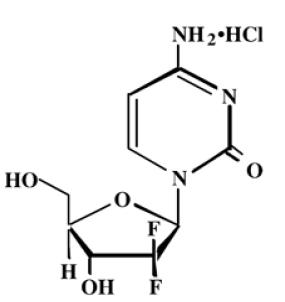
Gemcitabine is a nucleoside metabolic inhibitor. Gemcitabine hydrochloride is 2′-deoxy-2′,2′-difluorocytidine monohydrochloride (β-isomer) with the following structural formula:
The empirical formula for gemcitabine hydrochloride is C9H11F2N3O4 • HCl. It has a molecular weight of 299.66 g/mol.
Gemcitabine HCl, USP is a white to off-white solid. It is soluble in water, slightly soluble in methanol, and practically insoluble in ethanol and polar organic solvents.
Gemcitabine for injection, USP is a white to off-white lyophilized powder and available as 200 mg and 1 g sterile single-dose vials for intravenous use only. Each 200 mg vial contains 200 mg gemcitabine hydrochloride (expressed as free base), 200 mg mannitol and 20.73 mg of sodium acetate trihydrate (equivalent to 12.5 mg of sodium acetate anhydrous). Each 1 g vial contains 1 g gemcitabine hydrochloride (expressed as free base), 1 g mannitol, and 103.5 mg of sodium acetate trihydrate (equivalent to 62.5 mg of sodium acetate anhydrous). Hydrochloric acid and/or sodium hydroxide may have been added for pH adjustment.
2.6 Preparation
- Gemcitabine for injection vials contain no antimicrobial preservatives and are intended for single use only.
- Gemcitabine for injection is a cytotoxic drug. Follow applicable special handling and disposal procedures.1
- Exercise caution and wear gloves when preparing gemcitabine for injection solutions. Immediately wash the skin thoroughly or rinse the mucosa with copious amounts of water if gemcitabine for injection contacts the skin or mucus membranes. Death has occurred in animal studies due to dermal absorption.
- Reconstitute the 200 mg vial with 5 mL and the 1 g vial with 25 mL of 0.9% Sodium Chloride Injection, USP to yield a gemcitabine for injection concentration of 38 mg/mL. Reconstituted gemcitabine for injection is a clear, colorless to light straw-colored solution.
- Visually inspect reconstituted product for particulate matter and discoloration. Discard if particulate matter or discoloration is observed.
- Withdraw the calculated dose from the vial and discard any unused portion.
- Prior to administration, dilute the reconstituted solution with 0.9% Sodium Chloride Injection, USP to a minimum final concentration of at least 0.1 mg/mL.
- Store gemcitabine solutions (reconstituted and diluted) at controlled room temperature of 20°C to 25°C (68°F to 77°F). Do not refrigerate as crystallization can occur. Discard gemcitabine solutions if not used within 24 hours after reconstitution.
- No incompatibilities have been observed with infusion bottles or polyvinyl chloride bags and administration sets.
1.2 Breast Cancer
Gemcitabine for injection in combination with paclitaxel is indicated for the first-line treatment of patients with metastatic breast cancer after failure of prior anthracycline-containing adjuvant chemotherapy, unless anthracyclines were clinically contraindicated.
8.4 Pediatric Use
The safety and effectiveness of gemcitabine for injection have not been established in pediatric patients.
The safety and pharmacokinetics of gemcitabine were evaluated in a trial in pediatric patients with refractory leukemia. The maximum tolerated dose was 10 mg/m2/min for 360 minutes weekly for three weeks followed by a one-week rest period.
The safety and activity of gemcitabine for injection were evaluated in a trial of pediatric patients with relapsed acute lymphoblastic leukemia (22 patients) and acute myelogenous leukemia (10 patients) at a dose of 10 mg/m2/min administered over 360 minutes weekly for three weeks followed by a one-week rest period. Patients with M1 or M2 bone marrow on Day 28 who did not experience unacceptable toxicity were eligible to receive a maximum of one additional four-week course. Toxicities observed included myelosuppression, febrile neutropenia, increased serum transaminases, nausea, and rash/desquamation. No meaningful clinical activity was observed in this trial.
8.5 Geriatric Use
In clinical studies which enrolled 979 patients with various malignancies who received single agent gemcitabine for injection, no overall differences in safety were observed between patients aged 65 and older and younger patients, with the exception of a higher rate of Grade 3-4 thrombocytopenia in older patients as compared to younger patients.
In a randomized trial in women with ovarian cancer (Study 1), 175 women received gemcitabine for injection with carboplatin, of which 29% were age 65 years or older. Similar effectiveness was observed between older and younger women. There was significantly higher Grade 3-4 neutropenia in women 65 years of age or older [see Dosage and Administration (2.1)].
Gemcitabine for injection clearance is affected by age; however, there are no recommended dose adjustments based on patients' age [see Clinical Pharmacology (12.3)].
1.1 Ovarian Cancer
Gemcitabine for injection in combination with carboplatin is indicated for the treatment of patients with advanced ovarian cancer that has relapsed at least 6 months after completion of platinum-based therapy.
14.2 Breast Cancer
The efficacy of gemcitabine for injection was evaluated in a multinational, randomized, open-label trial (Study 2) conducted in women receiving initial treatment for metastatic breast cancer and who have received prior adjuvant/neoadjuvant anthracycline chemotherapy unless clinically contraindicated. Patients were randomized to receive either gemcitabine for injection 1250 mg/m2 on Days 1 and 8 of each 21-day cycle with paclitaxel 175 mg/m2 administered on Day 1 before gemcitabine for injection administration (n=267) or paclitaxel 175 mg/m2 on Day 1 of each 21-day cycle (n=262). The major efficacy outcome measure was time to documented disease progression.
A total of 529 patients were enrolled. Demographic and baseline characteristics were similar between treatment arms (Table 18).
Efficacy results are presented in Table 19 and Figure 2. The addition of gemcitabine for injection to paclitaxel resulted in statistically significant improvement in time to documented disease progression and overall response rate compared to paclitaxel alone. There was no significant difference in overall survival.
|
a Karnofsky Performance Status. |
||
|
Gemcitabine For Injection/Paclitaxel
(N=267) |
Paclitaxel
(N=262) |
|
| Median age (years) | 53 | 52 |
| Range | 26 to 83 | 26 to 75 |
| Metastatic disease | 97% | 97% |
| Baseline KPSa ≥90 | 70% | 74% |
| Number of tumor sites | ||
| 1-2 | 57% | 59% |
| ≥3 | 43% | 41% |
| Visceral disease | 73% | 73% |
| Prior anthracycline | 97% | 96% |
|
a These represent reconciliation of investigator and Independent Review Committee assessments according to a predefined algorithm. |
||
|
b Based on the ITT population. |
||
| Efficacy Parameter |
Gemcitabine For Injection/Paclitaxel
(N=267) |
Paclitaxel
(N=262) |
| Time to Documented Disease Progression a | ||
| Median (95% CI) in months | 5.2 (4.2, 5.6) | 2.9 (2.6, 3.7) |
| Hazard Ratio (95% CI) | 0.650 (0.524, 0.805) | |
| p-value | p<0.0001 | |
| Overall Survival b | ||
| Median (95% CI) in months | 18.6 (16.5, 20.7) | 15.8 (14.1, 17.3) |
| Hazard Ratio (95% CI) | 0.86 (0.71, 1.04) | |
| p-value | Not Significant | |
| Overall Response Rate | 40.8% | 22.1% |
| (95% CI) | (34.9, 46.7) | (17.1, 27.2) |
| p-value | p<0.0001 |
Figure 2: Kaplan-Meier Curves for Time to Documented Disease Progression in Study 2
14.1 Ovarian Cancer
The efficacy of gemcitabine for injection was evaluated in a randomized trial (Study 1) conducted in women with advanced ovarian cancer that had relapsed at least 6 months after first-line platinum-based therapy. Patients were randomized to receive either gemcitabine for injection 1000 mg/m2 on Days 1 and 8 of each 21-day cycle with carboplatin AUC 4 on Day 1 after gemcitabine for injection administration (n=178) or carboplatin AUC 5 on Day 1 of each 21-day cycle (n=178). The major efficacy outcome measure was progression free survival (PFS).
A total of 356 patients were enrolled. Demographics and baseline characteristics are shown in Table 16.
Efficacy results are presented in Table 17 and Figure 1. The addition of gemcitabine for injection to carboplatin resulted in statistically significant improvements in PFS and overall response rate. Approximately 75% of patients in each arm received additional chemotherapy for disease progression; 13 of 120 patients in the carboplatin alone arm received gemcitabine for injection for treatment of disease progression. There was no significant difference in overall survival between the treatment arms.
|
a 5 patients on gemcitabine for injection with carboplatin arm and 4 patients on carboplatin arm had no baseline Eastern Cooperative Oncology Group (ECOG) performance status. |
||
|
b 2 patients on gemcitabine for injection with carboplatin arm and 1 patient on carboplatin arm had platinum-free interval <6 months. |
||
|
Gemcitabine For Injection/Carboplatin
(N=178) |
Carboplatin
(N=178) |
|
| Median age, years | 59 | 58 |
| Range | 36 to 78 | 21 to 81 |
| Baseline ECOG performance status 0-1a | 94% | 95% |
| Disease Status | ||
| Evaluable | 8% | 3% |
| Bidimensionally measurable | 92% | 96% |
| Platinum-free intervalb | ||
| 6-12 months | 40% | 40% |
| >12 months | 59% | 60% |
| First-line therapy | ||
| Platinum-taxane combination | 70% | 71% |
| Platinum-non-taxane combination | 29% | 28% |
| Platinum monotherapy | 1% | 1% |
|
a CI=confidence interval. |
||
|
b Log rank, unadjusted. |
||
|
c Chi square. |
||
|
d CR=Complete response. |
||
|
e PR with PRNM=Partial response with partial response, non-measurable disease. |
||
|
f Independently reviewed cohort - gemcitabine for injection/carboplatin (n=121), carboplatin (n=101); independent reviewers unable to measure disease detected by sonography or physical exam. |
||
| Efficacy Parameter |
Gemcitabine For Injection/Carboplatin
(N=178) |
Carboplatin
(N=178) |
| Progression-Free Survival | ||
| Median (95% CIa) in months | 8.6 (8.0, 9.7) | 5.8 (5.2, 7.1) |
| Hazard Ratio (95% CI) | 0.72 (0.57, 0.90) | |
| p-valueb | p=0.0038 | |
| Overall Survival | ||
| Median (95% CI) in months | 18.0 (16.2, 20.3) | 17.3 (15.2, 19.3) |
| Hazard Ratio (95% CI) | 0.98 (0.78, 1.24) | |
| p-valueb | p=0.8977 | |
| Overall Response Rate by Investigator Review | 47.2% | 30.9% |
| p-valuec | p=0.0016 | |
| CRd | 14.6% | 6.2% |
| PR with PRNMe | 32.6% | 24.7% |
| Overall Response Rate f by Independent Review | 46.3% | 35.6% |
| p-valuec | p=0.11 | |
| CRd | 9.1% | 4.0% |
| PR with PRNMe | 37.2% | 31.7% |
Figure 1: Kaplan-Meier Curves for Progression Free Survival in Study 1
4 Contraindications
Gemcitabine for injection is contraindicated in patients with a known hypersensitivity to gemcitabine. Reactions include anaphylaxis [see Adverse Reactions (6.1)].
6 Adverse Reactions
The following clinically significant adverse reactions are described elsewhere in the labeling:
- Hypersensitivity [see Contraindications (4)]
- Schedule-Dependent Toxicity [see Warnings and Precautions (5.1)]
- Myelosuppression [see Warnings and Precautions (5.2)]
- Severe Cutaneous Adverse Reactions [see Warnings and Precautions (5.3)]
- Pulmonary Toxicity and Respiratory Failure [see Warnings and Precautions (5.4)]
- Hemolytic Uremic Syndrome [see Warnings and Precautions (5.5)]
- Hepatic Toxicity [see Warnings and Precautions (5.6)]
- Exacerbation of Radiation Therapy Toxicity [see Warnings and Precautions (5.8)]
- Capillary Leak Syndrome [see Warnings and Precautions (5.9)]
- Posterior Reversible Encephalopathy Syndrome [see Warnings and Precautions (5.10)]
5.2 Myelosuppression
Myelosuppression manifested by neutropenia, thrombocytopenia, and anemia occurs with gemcitabine for injection as a single agent and the risks are increased when gemcitabine for injection is combined with other cytotoxic drugs. In clinical trials, Grade 3-4 neutropenia, anemia, and thrombocytopenia occurred in 25%, 8%, and 5%, respectively of the 979 patients who received single agent gemcitabine for injection. The frequencies of Grade 3-4 neutropenia, anemia, and thrombocytopenia varied from 48% to 71%, 8% to 28%, and 5% to 55%, respectively, in patients receiving gemcitabine for injection in combination with another drug [see Adverse Reactions (6.1)].
Prior to each dose of gemcitabine for injection, obtain a complete blood count (CBC) with a differential and a platelet count. Modify the dosage as recommended [see Dosage and Administration (2.1, 2.2, 2.3, 2.4)].
5.6 Hepatic Toxicity
Drug-induced liver injury, including liver failure and death, has been reported in patients receiving gemcitabine for injection alone or with other potentially hepatotoxic drugs [see Adverse Reactions (6.1, 6.2)]. Administration of gemcitabine for injection in patients with concurrent liver metastases or a pre-existing medical history of hepatitis, alcoholism, or liver cirrhosis can lead to exacerbation of the underlying hepatic insufficiency. Assess hepatic function prior to initiation of gemcitabine for injection and periodically during treatment. Permanently discontinue gemcitabine for injection in patients who develop severe hepatic toxicity.
1.4 Pancreatic Cancer
Gemcitabine for injection is indicated as first-line treatment for patients with locally advanced (nonresectable Stage II or Stage III) or metastatic (Stage IV) adenocarcinoma of the pancreas. Gemcitabine for injection is indicated for patients previously treated with fluorouracil.
12.3 Pharmacokinetics
The pharmacokinetics of gemcitabine were examined in 353 patients with various solid tumors. Pharmacokinetic parameters were derived using data from patients treated for varying durations of therapy given weekly with periodic rest weeks and using both short infusions (<70 minutes) and long infusions (70 to 285 minutes). The total gemcitabine for injection dose varied from 500 mg/m2 to 3600 mg/m2.
14.4 Pancreatic Cancer
The efficacy of gemcitabine for injection was evaluated in two trials (Studies 5 and 6), a randomized, single-blind, two-arm, active-controlled trial (Study 5) conducted in patients with locally advanced or metastatic pancreatic cancer who had received no prior chemotherapy and in a single-arm, open-label, multicenter trial (Study 6) conducted in patients with locally advanced or metastatic pancreatic cancer previously treated with fluorouracil or a fluorouracil-containing regimen. In Study 5, patients were randomized to receive either gemcitabine for injection 1000 mg/m2 intravenously over 30 minutes once weekly for 7 weeks followed by a one-week rest, then once weekly for 3 consecutive weeks every 28-days in subsequent cycles (n=63) or fluorouracil 600 mg/m2 intravenously over 30 minutes once weekly (n=63). In Study 6, all patients received gemcitabine for injection 1000 mg/m2 intravenously over 30 minutes once weekly for 7 weeks followed by a one-week rest, then once weekly for 3 consecutive weeks every 28-days in subsequent cycles.
The major efficacy outcome measure in both trials was “clinical benefit response”. A patient was considered to have had a clinical benefit response if either of the following occurred:
- The patient achieved a ≥50% reduction in pain intensity (Memorial Pain Assessment Card) or analgesic consumption, or a 20-point or greater improvement in performance status (Karnofsky Performance Status) for a period of at least 4 consecutive weeks, without showing any sustained worsening in any of the other parameters. Sustained worsening was defined as 4 consecutive weeks with either any increase in pain intensity or analgesic consumption or a 20-point decrease in performance status occurring during the first 12 weeks of therapy.
OR - The patient was stable on all of the aforementioned parameters and showed a marked, sustained weight gain (≥7% increase maintained for ≥4 weeks) not due to fluid accumulation.
Study 5 enrolled 126 patients. Demographics and baseline characteristics were similar between the arms (Table 22).
The efficacy results are shown in Table 23 and Figure 4. Patients treated with gemcitabine for injection had statistically significant increases in clinical benefit response, survival, and time to disease progression compared to those randomized to receive fluorouracil. No confirmed objective tumor responses were observed in either treatment arm.
|
a Karnofsky Performance Status. |
||
|
Gemcitabine For Injection
(N=63) |
Fluorouracil
(N=63) |
|
| Male | 54% | 54% |
| Median age, years | 62 | 61 |
| Range | 37 to 79 | 36 to 77 |
| Stage IV disease | 71% | 76% |
| Baseline KPSa ≤70 | 70% | 68% |
|
a p-value for clinical benefit response calculated using the two-sided test for difference in binomial proportions. All other p-values are calculated using log rank test. |
||
| Efficacy Parameter |
Gemcitabine For Injection
(N=63) |
Fluorouracil
(N=63) |
| Clinical Benefit Response | 22.2% | 4.8% |
| p-valuea | p=0.004 | |
| Overall Survival | ||
| Median (95% CI) in months | 5.7 (4.7, 6.9) | 4.2 (3.1, 5.1) |
| p-valuea | p=0.0009 | |
| Time to Disease Progression | ||
| Median (95% CI) in months | 2.1 (1.9, 3.4) | 0.9 (0.9, 1.1) |
| p-valuea | p=0.0013 |
Figure 4: Kaplan-Meier Curves for Overall Survival in Study 5
1 Indications and Usage
Gemcitabine for injection is a nucleoside metabolic inhibitor indicated:
- in combination with carboplatin, for the treatment of advanced ovarian cancer that has relapsed at least 6 months after completion of platinum-based therapy. (1.1)
- in combination with paclitaxel, for first-line treatment of metastatic breast cancer after failure of prior anthracycline-containing adjuvant chemotherapy, unless anthracyclines were clinically contraindicated. (1.2)
- in combination with cisplatin, for the treatment of non-small cell lung cancer. (1.3)
- as a single agent for the treatment of pancreatic cancer. (1.4)
12.1 Mechanism of Action
Gemcitabine kills cells undergoing DNA synthesis and blocks the progression of cells through the G1/S-phase boundary. Gemcitabine is metabolized by nucleoside kinases to diphosphate (dFdCDP) and triphosphate (dFdCTP) nucleosides. Gemcitabine diphosphate inhibits ribonucleotide reductase, an enzyme responsible for catalyzing the reactions that generate deoxynucleoside triphosphates for DNA synthesis, resulting in reductions in deoxynucleotide concentrations, including dCTP. Gemcitabine triphosphate competes with dCTP for incorporation into DNA. The reduction in the intracellular concentration of dCTP by the action of the diphosphate enhances the incorporation of gemcitabine triphosphate into DNA (self-potentiation). After the gemcitabine nucleotide is incorporated into DNA, only one additional nucleotide is added to the growing DNA strands, which eventually results in the initiation of apoptotic cell death.
5.7 Embryo Fetal Toxicity
Based on animal data and its mechanism of action, gemcitabine for injection can cause fetal harm when administered to a pregnant woman. Gemcitabine was teratogenic, embryotoxic, and fetotoxic in mice and rabbits.
Advise pregnant women of the potential risk to a fetus. Advise females of reproductive potential to use effective contraception during treatment with gemcitabine for injection and for 6 months after the final dose. Advise male patients with female partners of reproductive potential to use effective contraception during treatment with gemcitabine for injection and for 3 months following the final dose [see Use in Specific Populations (8.1, 8.3)].
5 Warnings and Precautions
- Schedule-Dependent Toxicity: Increased toxicity with infusion time greater than 60 minutes or dosing more frequently than once weekly. (5.1)
- Myelosuppression: Monitor for myelosuppression prior to each cycle and reduce or withhold dose for severe myelosuppression. (5.2, 5.8)
- Severe Cutaneous Adverse Reactions (SCARs): Permanently discontinue gemcitabine injection if SCARs occur. (5.3)
- Pulmonary Toxicity and Respiratory Failure: Discontinue gemcitabine for injection for unexplained dyspnea or other evidence of severe pulmonary toxicity. (5.4)
- Hemolytic-Uremic Syndrome (HUS): Monitor renal function prior to initiation and during treatment. Discontinue gemcitabine for injection for HUS or severe renal impairment. ( 5.5)
- Hepatic Toxicity: Monitor hepatic function prior to initiation and during treatment. Discontinue gemcitabine for injection for severe hepatic toxicity. ( 5.6)
- Embryo-Fetal Toxicity: Can cause fetal harm. Advise females and males of reproductive potential to use effective contraception. ( 5.7, 8.1)
- Exacerbation of Radiation Therapy Toxicity: May cause severe and life-threatening toxicity when administered during or within 7 days of radiation therapy. ( 5.8)
- Capillary Leak Syndrome: Discontinue gemcitabine for injection. (5.9)
- Posterior Reversible Encephalopathy Syndrome (PRES): Discontinue gemcitabine for injection. (5.10)
2 Dosage and Administration
Gemcitabine for injection is for intravenous use only.
- Ovarian Cancer: 1000 mg/m2 over 30 minutes on Days 1 and 8 of each 21-day cycle. (2.1)
- Breast Cancer: 1250 mg/m2 over 30 minutes on Days 1 and 8 of each 21-day cycle. (2.2)
- Non-Small Cell Lung Cancer: 1000 mg/m2 over 30 minutes on Days 1, 8, and 15 of each 28-day cycle or 1250 mg/m2 over 30 minutes on Days 1 and 8 of each 21-day cycle. (2.3)
- Pancreatic Cancer: 1000 mg/m2 over 30 minutes once weekly for the first 7 weeks, then one week rest, then once weekly for 3 weeks of each 28-day cycle. (2.4)
5.9 Capillary Leak Syndrome
Capillary leak syndrome (CLS) with severe consequences has been reported in patients receiving gemcitabine for injection as a single agent or in combination with other chemotherapeutic agents [see Adverse Reactions (6.2)]. Permanently discontinue gemcitabine for injection if CLS develops during therapy.
3 Dosage Forms and Strengths
Gemcitabine for Injection USP, 200 mg is a white to off-white, lyophilized powder available in a sterile single-dose vial containing 200 mg gemcitabine.
Gemcitabine for Injection USP, 1 g is a white to off-white, lyophilized powder available in a sterile single-dose vial containing 1 g gemcitabine.
6.2 Postmarketing Experience
The following adverse reactions have been identified during post approval use of gemcitabine for injection. Because these reactions are reported voluntarily from a population of uncertain size, it is not always possible to reliably estimate their frequency or establish a causal relationship to drug exposure.
- Blood and lymphatic system: Thrombotic microangiopathy (TMA)
- Cardiovascular: Congestive heart failure, myocardial infarction, arrhythmias, supraventricular arrhythmias
- Vascular: Peripheral vasculitis, gangrene, capillary leak syndrome
- Skin: Cellulitis; pseudocellulitis; severe cutaneous adverse reactions (SCARs), including Stevens-Johnson syndrome (SJS), toxic epidermal necrolysis (TEN), drug reaction with eosinophilia and systemic symptoms (DRESS), and acute generalized exanthematous pustulosis (AGEP); desquamation and bullous skin eruptions
- Hepatic: Hepatic failure, hepatic veno-occlusive disease
- Pulmonary: Interstitial pneumonitis, pulmonary fibrosis, pulmonary edema, adult respiratory distress syndrome (ARDS) ), pulmonary eosinophilia
- Nervous System: Posterior reversible encephalopathy syndrome (PRES)
5.5 Hemolytic Uremic Syndrome
Hemolytic uremic syndrome (HUS), including fatalities from renal failure or the requirement for dialysis, can occur with gemcitabine for injection. In clinical trials, HUS occurred in 0.25% of 2429 patients. Most fatal cases of renal failure were due to HUS [see Adverse Reactions (6.1)]. Serious cases of thrombotic microangiopathy other than HUS have been reported with gemcitabine for injection [see Adverse Reactions (6.2)].
Assess renal function prior to initiation of gemcitabine for injection and periodically during treatment. Consider the diagnosis of HUS in patients who develop anemia with evidence of microangiopathic hemolysis; increased bilirubin or LDH; reticulocytosis; severe thrombocytopenia; or renal failure (increased serum creatinine or BUN). Permanently discontinue gemcitabine for injection in patients with HUS or severe renal impairment. Renal failure may not be reversible even with the discontinuation of therapy.
8 Use in Specific Populations
Lactation: Advise not to breastfeed. (8.2)
1.3 Non Small Cell Lung Cancer
Gemcitabine for injection in combination with cisplatin is indicated for the first-line treatment of patients with inoperable, locally advanced (Stage IIIA or IIIB) or metastatic (Stage IV) non-small cell lung cancer (NSCLC).
6.1 Clinical Trials Experience
Because clinical trials are conducted under widely varying conditions, adverse reaction rates observed in the clinical trials of a drug cannot be directly compared to rates in the clinical trials of another drug and may not reflect the rates observed in practice.
14.3 Non Small Cell Lung Cancer
The efficacy of gemcitabine for injection was evaluated in two randomized, multicenter trials.
5.1 Schedule Dependent Toxicity
In clinical trials evaluating the maximum tolerated dose of gemcitabine for injection, prolongation of the infusion time beyond 60 minutes or more frequent than weekly dosing resulted in an increased incidence of clinically significant hypotension, severe flu-like symptoms, myelosuppression, and asthenia. The half-life of gemcitabine for injection is influenced by the length of the infusion [see Clinical Pharmacology (12.3)]. Refer to the recommended gemcitabine for injection dosage [see Dosage and Administration (2.1, 2.2, 2.3, 2.4)].
16 How Supplied/storage and Handling
Gemcitabine for injection, USP is a white to off-white lyophilized powder available in sterile single-dose vials individually packaged in a carton containing 200 mg or 1 g gemcitabine:
- 200 mg vial: NDC 55111-686-07
- 1 g vial: NDC 55111-687-25
Gemcitabine for injection, USP is a cytotoxic drug. Follow applicable special handling and disposal procedures.1
Store at 20°C to 25°C (68°F to 77°F) [see USP Controlled Room Temperature].
5.3 Severe Cutaneous Adverse Reactions (scars)
SCARs, including Stevens-Johnson syndrome (SJS), toxic epidermal necrolysis (TEN), drug reaction with eosinophilia andsystemic symptoms (DRESS), and acute generalizedexanthematous pustulosis (AGEP), which can be life-threatening orfatal, have been reported in association with gemcitabine treatment [see Adverse Reactions (6.2)]. Monitor patients for signs and symptoms of severe cutaneous adverse reactions. Permanently discontinue gemcitabine in patients who develop SCARs.
5.4 Pulmonary Toxicity and Respiratory Failure
Pulmonary toxicity, including interstitial pneumonitis, pulmonary fibrosis, pulmonary edema, and adult respiratory distress syndrome (ARDS), has been reported. In some cases, these pulmonary events can lead to fatal respiratory failure despite the discontinuation of therapy. The onset of pulmonary symptoms may occur up to 2 weeks after the last dose of gemcitabine for injection [see Adverse Reactions (6.1, 6.2)].
Permanently discontinue gemcitabine for injection in patients who develop unexplained dyspnea, with or without bronchospasm, or evidence of severe pulmonary toxicity.
5.8 Exacerbation of Radiation Therapy Toxicity
Gemcitabine for injection is not recommended for use in combination with radiation therapy.
5.10 Posterior Reversible Encephalopathy Syndrome
Posterior reversible encephalopathy syndrome (PRES) has been reported in patients receiving gemcitabine for injection as a single agent or in combination with other chemotherapeutic agents [see Adverse Reactions (6.2)]. PRES can present with headache, seizure, lethargy, hypertension, confusion, blindness, and other visual and neurologic disturbances. Confirm the diagnosis of PRES with magnetic resonance imaging (MRI). Permanently discontinue gemcitabine for injection if PRES develops during therapy.
13.1 Carcinogenesis, Mutagenesis, Impairment of Fertility
Long-term animal studies to evaluate the carcinogenic potential of gemcitabine for injection have not been conducted. Gemcitabine was mutagenic in an in vitro mouse lymphoma (L5178Y) assay and was clastogenic in an in vivo mouse micronucleus assay. Gemcitabine intraperitoneal doses of 0.5 mg/kg/day [about 1/700 the 1000 mg/m2 clinical dose based on body surface area (BSA)] in male mice resulted in moderate to severe hypospermatogenesis, decreased fertility, and decreased implantations. In female mice, fertility was not affected but maternal toxicities were observed at 1.5 mg/kg/day administered intravenously (about 1/200 the 1000 mg/m2 clinical dose based on BSA) and fetotoxicity or embryolethality was observed at 0.25 mg/kg/day administered intravenously (about 1/1300 the 1000 mg/m2 clinical dose based on BSA).
2.5 Dosage Modifications for Non Hematologic Adverse Reactions
Permanently discontinue gemcitabine for injection for any of the following:
- Severe Cutaneous Adverse Reactions (SCARs) [see Warnings and Precautions (5.3)]
- Unexplained dyspnea or evidence of severe pulmonary toxicity [see Warnings and Precautions (5.4)]
- Hemolytic-uremic syndrome (HUS) or severe renal impairment [see Warnings and Precautions (5.5)]
- Severe hepatic toxicity [see Warnings and Precautions (5.6)]
- Capillary leak syndrome (CLS) [see Warnings and Precautions (5.7)]
- Posterior reversible encephalopathy syndrome (PRES) [see Warnings and Precautions (5.10)]
Withhold gemcitabine for injection or reduce dose by 50% for other Grade 3 or 4 non-hematological adverse reactions until resolved. No dose modifications are recommended for alopecia, nausea, or vomiting.
Structured Label Content
Section 42229-5 (42229-5)
Recommended Dose and Schedule
The recommended dosage of gemcitabine for injection is 1000 mg/m2 intravenously over 30 minutes on Days 1 and 8 of each 21-day cycle in combination with carboplatin AUC 4 administered intravenously on Day 1 after gemcitabine for injection administration. Refer to carboplatin prescribing information for additional information.
Section 43683-2 (43683-2)
Section 51945-4 (51945-4)
PACKAGE CARTON – Gemcitabine For Injection 200 mg carton 1ct
NDC 55111-686-07
Gemcitabine For Injection, USP
200 mg/vial
8.6 Gender
Gemcitabine for injection clearance is decreased in females [see Clinical Pharmacology (12.3)]. In single agent studies of gemcitabine for injection, women, especially older women, were more likely not to proceed to a subsequent cycle and to experience Grade 3-4 neutropenia and thrombocytopenia [see Dosage and Administration (2.1, 2.2. 2.3, 2.4)].
10 Overdosage (10 OVERDOSAGE)
There is no known antidote for overdoses of gemcitabine. Myelosuppression, paresthesias, and severe rash were the principal toxicities seen when a single dose as high as 5700 mg/m2 was administered by intravenous infusion over 30 minutes every 2 weeks to several patients in a dose-escalation study. In the event of suspected overdose, monitor with appropriate blood counts and provide supportive therapy, as necessary.
15 References (15 REFERENCES)
- OSHA Hazardous Drugs.” OSHA. http://www.osha.gov/SLTC/hazardousdrugs/index.html
11 Description (11 DESCRIPTION)
Gemcitabine is a nucleoside metabolic inhibitor. Gemcitabine hydrochloride is 2′-deoxy-2′,2′-difluorocytidine monohydrochloride (β-isomer) with the following structural formula:
The empirical formula for gemcitabine hydrochloride is C9H11F2N3O4 • HCl. It has a molecular weight of 299.66 g/mol.
Gemcitabine HCl, USP is a white to off-white solid. It is soluble in water, slightly soluble in methanol, and practically insoluble in ethanol and polar organic solvents.
Gemcitabine for injection, USP is a white to off-white lyophilized powder and available as 200 mg and 1 g sterile single-dose vials for intravenous use only. Each 200 mg vial contains 200 mg gemcitabine hydrochloride (expressed as free base), 200 mg mannitol and 20.73 mg of sodium acetate trihydrate (equivalent to 12.5 mg of sodium acetate anhydrous). Each 1 g vial contains 1 g gemcitabine hydrochloride (expressed as free base), 1 g mannitol, and 103.5 mg of sodium acetate trihydrate (equivalent to 62.5 mg of sodium acetate anhydrous). Hydrochloric acid and/or sodium hydroxide may have been added for pH adjustment.
2.6 Preparation
- Gemcitabine for injection vials contain no antimicrobial preservatives and are intended for single use only.
- Gemcitabine for injection is a cytotoxic drug. Follow applicable special handling and disposal procedures.1
- Exercise caution and wear gloves when preparing gemcitabine for injection solutions. Immediately wash the skin thoroughly or rinse the mucosa with copious amounts of water if gemcitabine for injection contacts the skin or mucus membranes. Death has occurred in animal studies due to dermal absorption.
- Reconstitute the 200 mg vial with 5 mL and the 1 g vial with 25 mL of 0.9% Sodium Chloride Injection, USP to yield a gemcitabine for injection concentration of 38 mg/mL. Reconstituted gemcitabine for injection is a clear, colorless to light straw-colored solution.
- Visually inspect reconstituted product for particulate matter and discoloration. Discard if particulate matter or discoloration is observed.
- Withdraw the calculated dose from the vial and discard any unused portion.
- Prior to administration, dilute the reconstituted solution with 0.9% Sodium Chloride Injection, USP to a minimum final concentration of at least 0.1 mg/mL.
- Store gemcitabine solutions (reconstituted and diluted) at controlled room temperature of 20°C to 25°C (68°F to 77°F). Do not refrigerate as crystallization can occur. Discard gemcitabine solutions if not used within 24 hours after reconstitution.
- No incompatibilities have been observed with infusion bottles or polyvinyl chloride bags and administration sets.
1.2 Breast Cancer
Gemcitabine for injection in combination with paclitaxel is indicated for the first-line treatment of patients with metastatic breast cancer after failure of prior anthracycline-containing adjuvant chemotherapy, unless anthracyclines were clinically contraindicated.
8.4 Pediatric Use
The safety and effectiveness of gemcitabine for injection have not been established in pediatric patients.
The safety and pharmacokinetics of gemcitabine were evaluated in a trial in pediatric patients with refractory leukemia. The maximum tolerated dose was 10 mg/m2/min for 360 minutes weekly for three weeks followed by a one-week rest period.
The safety and activity of gemcitabine for injection were evaluated in a trial of pediatric patients with relapsed acute lymphoblastic leukemia (22 patients) and acute myelogenous leukemia (10 patients) at a dose of 10 mg/m2/min administered over 360 minutes weekly for three weeks followed by a one-week rest period. Patients with M1 or M2 bone marrow on Day 28 who did not experience unacceptable toxicity were eligible to receive a maximum of one additional four-week course. Toxicities observed included myelosuppression, febrile neutropenia, increased serum transaminases, nausea, and rash/desquamation. No meaningful clinical activity was observed in this trial.
8.5 Geriatric Use
In clinical studies which enrolled 979 patients with various malignancies who received single agent gemcitabine for injection, no overall differences in safety were observed between patients aged 65 and older and younger patients, with the exception of a higher rate of Grade 3-4 thrombocytopenia in older patients as compared to younger patients.
In a randomized trial in women with ovarian cancer (Study 1), 175 women received gemcitabine for injection with carboplatin, of which 29% were age 65 years or older. Similar effectiveness was observed between older and younger women. There was significantly higher Grade 3-4 neutropenia in women 65 years of age or older [see Dosage and Administration (2.1)].
Gemcitabine for injection clearance is affected by age; however, there are no recommended dose adjustments based on patients' age [see Clinical Pharmacology (12.3)].
1.1 Ovarian Cancer
Gemcitabine for injection in combination with carboplatin is indicated for the treatment of patients with advanced ovarian cancer that has relapsed at least 6 months after completion of platinum-based therapy.
14.2 Breast Cancer
The efficacy of gemcitabine for injection was evaluated in a multinational, randomized, open-label trial (Study 2) conducted in women receiving initial treatment for metastatic breast cancer and who have received prior adjuvant/neoadjuvant anthracycline chemotherapy unless clinically contraindicated. Patients were randomized to receive either gemcitabine for injection 1250 mg/m2 on Days 1 and 8 of each 21-day cycle with paclitaxel 175 mg/m2 administered on Day 1 before gemcitabine for injection administration (n=267) or paclitaxel 175 mg/m2 on Day 1 of each 21-day cycle (n=262). The major efficacy outcome measure was time to documented disease progression.
A total of 529 patients were enrolled. Demographic and baseline characteristics were similar between treatment arms (Table 18).
Efficacy results are presented in Table 19 and Figure 2. The addition of gemcitabine for injection to paclitaxel resulted in statistically significant improvement in time to documented disease progression and overall response rate compared to paclitaxel alone. There was no significant difference in overall survival.
|
a Karnofsky Performance Status. |
||
|
Gemcitabine For Injection/Paclitaxel
(N=267) |
Paclitaxel
(N=262) |
|
| Median age (years) | 53 | 52 |
| Range | 26 to 83 | 26 to 75 |
| Metastatic disease | 97% | 97% |
| Baseline KPSa ≥90 | 70% | 74% |
| Number of tumor sites | ||
| 1-2 | 57% | 59% |
| ≥3 | 43% | 41% |
| Visceral disease | 73% | 73% |
| Prior anthracycline | 97% | 96% |
|
a These represent reconciliation of investigator and Independent Review Committee assessments according to a predefined algorithm. |
||
|
b Based on the ITT population. |
||
| Efficacy Parameter |
Gemcitabine For Injection/Paclitaxel
(N=267) |
Paclitaxel
(N=262) |
| Time to Documented Disease Progression a | ||
| Median (95% CI) in months | 5.2 (4.2, 5.6) | 2.9 (2.6, 3.7) |
| Hazard Ratio (95% CI) | 0.650 (0.524, 0.805) | |
| p-value | p<0.0001 | |
| Overall Survival b | ||
| Median (95% CI) in months | 18.6 (16.5, 20.7) | 15.8 (14.1, 17.3) |
| Hazard Ratio (95% CI) | 0.86 (0.71, 1.04) | |
| p-value | Not Significant | |
| Overall Response Rate | 40.8% | 22.1% |
| (95% CI) | (34.9, 46.7) | (17.1, 27.2) |
| p-value | p<0.0001 |
Figure 2: Kaplan-Meier Curves for Time to Documented Disease Progression in Study 2
14.1 Ovarian Cancer
The efficacy of gemcitabine for injection was evaluated in a randomized trial (Study 1) conducted in women with advanced ovarian cancer that had relapsed at least 6 months after first-line platinum-based therapy. Patients were randomized to receive either gemcitabine for injection 1000 mg/m2 on Days 1 and 8 of each 21-day cycle with carboplatin AUC 4 on Day 1 after gemcitabine for injection administration (n=178) or carboplatin AUC 5 on Day 1 of each 21-day cycle (n=178). The major efficacy outcome measure was progression free survival (PFS).
A total of 356 patients were enrolled. Demographics and baseline characteristics are shown in Table 16.
Efficacy results are presented in Table 17 and Figure 1. The addition of gemcitabine for injection to carboplatin resulted in statistically significant improvements in PFS and overall response rate. Approximately 75% of patients in each arm received additional chemotherapy for disease progression; 13 of 120 patients in the carboplatin alone arm received gemcitabine for injection for treatment of disease progression. There was no significant difference in overall survival between the treatment arms.
|
a 5 patients on gemcitabine for injection with carboplatin arm and 4 patients on carboplatin arm had no baseline Eastern Cooperative Oncology Group (ECOG) performance status. |
||
|
b 2 patients on gemcitabine for injection with carboplatin arm and 1 patient on carboplatin arm had platinum-free interval <6 months. |
||
|
Gemcitabine For Injection/Carboplatin
(N=178) |
Carboplatin
(N=178) |
|
| Median age, years | 59 | 58 |
| Range | 36 to 78 | 21 to 81 |
| Baseline ECOG performance status 0-1a | 94% | 95% |
| Disease Status | ||
| Evaluable | 8% | 3% |
| Bidimensionally measurable | 92% | 96% |
| Platinum-free intervalb | ||
| 6-12 months | 40% | 40% |
| >12 months | 59% | 60% |
| First-line therapy | ||
| Platinum-taxane combination | 70% | 71% |
| Platinum-non-taxane combination | 29% | 28% |
| Platinum monotherapy | 1% | 1% |
|
a CI=confidence interval. |
||
|
b Log rank, unadjusted. |
||
|
c Chi square. |
||
|
d CR=Complete response. |
||
|
e PR with PRNM=Partial response with partial response, non-measurable disease. |
||
|
f Independently reviewed cohort - gemcitabine for injection/carboplatin (n=121), carboplatin (n=101); independent reviewers unable to measure disease detected by sonography or physical exam. |
||
| Efficacy Parameter |
Gemcitabine For Injection/Carboplatin
(N=178) |
Carboplatin
(N=178) |
| Progression-Free Survival | ||
| Median (95% CIa) in months | 8.6 (8.0, 9.7) | 5.8 (5.2, 7.1) |
| Hazard Ratio (95% CI) | 0.72 (0.57, 0.90) | |
| p-valueb | p=0.0038 | |
| Overall Survival | ||
| Median (95% CI) in months | 18.0 (16.2, 20.3) | 17.3 (15.2, 19.3) |
| Hazard Ratio (95% CI) | 0.98 (0.78, 1.24) | |
| p-valueb | p=0.8977 | |
| Overall Response Rate by Investigator Review | 47.2% | 30.9% |
| p-valuec | p=0.0016 | |
| CRd | 14.6% | 6.2% |
| PR with PRNMe | 32.6% | 24.7% |
| Overall Response Rate f by Independent Review | 46.3% | 35.6% |
| p-valuec | p=0.11 | |
| CRd | 9.1% | 4.0% |
| PR with PRNMe | 37.2% | 31.7% |
Figure 1: Kaplan-Meier Curves for Progression Free Survival in Study 1
4 Contraindications (4 CONTRAINDICATIONS)
Gemcitabine for injection is contraindicated in patients with a known hypersensitivity to gemcitabine. Reactions include anaphylaxis [see Adverse Reactions (6.1)].
6 Adverse Reactions (6 ADVERSE REACTIONS)
The following clinically significant adverse reactions are described elsewhere in the labeling:
- Hypersensitivity [see Contraindications (4)]
- Schedule-Dependent Toxicity [see Warnings and Precautions (5.1)]
- Myelosuppression [see Warnings and Precautions (5.2)]
- Severe Cutaneous Adverse Reactions [see Warnings and Precautions (5.3)]
- Pulmonary Toxicity and Respiratory Failure [see Warnings and Precautions (5.4)]
- Hemolytic Uremic Syndrome [see Warnings and Precautions (5.5)]
- Hepatic Toxicity [see Warnings and Precautions (5.6)]
- Exacerbation of Radiation Therapy Toxicity [see Warnings and Precautions (5.8)]
- Capillary Leak Syndrome [see Warnings and Precautions (5.9)]
- Posterior Reversible Encephalopathy Syndrome [see Warnings and Precautions (5.10)]
5.2 Myelosuppression
Myelosuppression manifested by neutropenia, thrombocytopenia, and anemia occurs with gemcitabine for injection as a single agent and the risks are increased when gemcitabine for injection is combined with other cytotoxic drugs. In clinical trials, Grade 3-4 neutropenia, anemia, and thrombocytopenia occurred in 25%, 8%, and 5%, respectively of the 979 patients who received single agent gemcitabine for injection. The frequencies of Grade 3-4 neutropenia, anemia, and thrombocytopenia varied from 48% to 71%, 8% to 28%, and 5% to 55%, respectively, in patients receiving gemcitabine for injection in combination with another drug [see Adverse Reactions (6.1)].
Prior to each dose of gemcitabine for injection, obtain a complete blood count (CBC) with a differential and a platelet count. Modify the dosage as recommended [see Dosage and Administration (2.1, 2.2, 2.3, 2.4)].
5.6 Hepatic Toxicity
Drug-induced liver injury, including liver failure and death, has been reported in patients receiving gemcitabine for injection alone or with other potentially hepatotoxic drugs [see Adverse Reactions (6.1, 6.2)]. Administration of gemcitabine for injection in patients with concurrent liver metastases or a pre-existing medical history of hepatitis, alcoholism, or liver cirrhosis can lead to exacerbation of the underlying hepatic insufficiency. Assess hepatic function prior to initiation of gemcitabine for injection and periodically during treatment. Permanently discontinue gemcitabine for injection in patients who develop severe hepatic toxicity.
1.4 Pancreatic Cancer
Gemcitabine for injection is indicated as first-line treatment for patients with locally advanced (nonresectable Stage II or Stage III) or metastatic (Stage IV) adenocarcinoma of the pancreas. Gemcitabine for injection is indicated for patients previously treated with fluorouracil.
12.3 Pharmacokinetics
The pharmacokinetics of gemcitabine were examined in 353 patients with various solid tumors. Pharmacokinetic parameters were derived using data from patients treated for varying durations of therapy given weekly with periodic rest weeks and using both short infusions (<70 minutes) and long infusions (70 to 285 minutes). The total gemcitabine for injection dose varied from 500 mg/m2 to 3600 mg/m2.
14.4 Pancreatic Cancer
The efficacy of gemcitabine for injection was evaluated in two trials (Studies 5 and 6), a randomized, single-blind, two-arm, active-controlled trial (Study 5) conducted in patients with locally advanced or metastatic pancreatic cancer who had received no prior chemotherapy and in a single-arm, open-label, multicenter trial (Study 6) conducted in patients with locally advanced or metastatic pancreatic cancer previously treated with fluorouracil or a fluorouracil-containing regimen. In Study 5, patients were randomized to receive either gemcitabine for injection 1000 mg/m2 intravenously over 30 minutes once weekly for 7 weeks followed by a one-week rest, then once weekly for 3 consecutive weeks every 28-days in subsequent cycles (n=63) or fluorouracil 600 mg/m2 intravenously over 30 minutes once weekly (n=63). In Study 6, all patients received gemcitabine for injection 1000 mg/m2 intravenously over 30 minutes once weekly for 7 weeks followed by a one-week rest, then once weekly for 3 consecutive weeks every 28-days in subsequent cycles.
The major efficacy outcome measure in both trials was “clinical benefit response”. A patient was considered to have had a clinical benefit response if either of the following occurred:
- The patient achieved a ≥50% reduction in pain intensity (Memorial Pain Assessment Card) or analgesic consumption, or a 20-point or greater improvement in performance status (Karnofsky Performance Status) for a period of at least 4 consecutive weeks, without showing any sustained worsening in any of the other parameters. Sustained worsening was defined as 4 consecutive weeks with either any increase in pain intensity or analgesic consumption or a 20-point decrease in performance status occurring during the first 12 weeks of therapy.
OR - The patient was stable on all of the aforementioned parameters and showed a marked, sustained weight gain (≥7% increase maintained for ≥4 weeks) not due to fluid accumulation.
Study 5 enrolled 126 patients. Demographics and baseline characteristics were similar between the arms (Table 22).
The efficacy results are shown in Table 23 and Figure 4. Patients treated with gemcitabine for injection had statistically significant increases in clinical benefit response, survival, and time to disease progression compared to those randomized to receive fluorouracil. No confirmed objective tumor responses were observed in either treatment arm.
|
a Karnofsky Performance Status. |
||
|
Gemcitabine For Injection
(N=63) |
Fluorouracil
(N=63) |
|
| Male | 54% | 54% |
| Median age, years | 62 | 61 |
| Range | 37 to 79 | 36 to 77 |
| Stage IV disease | 71% | 76% |
| Baseline KPSa ≤70 | 70% | 68% |
|
a p-value for clinical benefit response calculated using the two-sided test for difference in binomial proportions. All other p-values are calculated using log rank test. |
||
| Efficacy Parameter |
Gemcitabine For Injection
(N=63) |
Fluorouracil
(N=63) |
| Clinical Benefit Response | 22.2% | 4.8% |
| p-valuea | p=0.004 | |
| Overall Survival | ||
| Median (95% CI) in months | 5.7 (4.7, 6.9) | 4.2 (3.1, 5.1) |
| p-valuea | p=0.0009 | |
| Time to Disease Progression | ||
| Median (95% CI) in months | 2.1 (1.9, 3.4) | 0.9 (0.9, 1.1) |
| p-valuea | p=0.0013 |
Figure 4: Kaplan-Meier Curves for Overall Survival in Study 5
1 Indications and Usage (1 INDICATIONS AND USAGE)
Gemcitabine for injection is a nucleoside metabolic inhibitor indicated:
- in combination with carboplatin, for the treatment of advanced ovarian cancer that has relapsed at least 6 months after completion of platinum-based therapy. (1.1)
- in combination with paclitaxel, for first-line treatment of metastatic breast cancer after failure of prior anthracycline-containing adjuvant chemotherapy, unless anthracyclines were clinically contraindicated. (1.2)
- in combination with cisplatin, for the treatment of non-small cell lung cancer. (1.3)
- as a single agent for the treatment of pancreatic cancer. (1.4)
12.1 Mechanism of Action
Gemcitabine kills cells undergoing DNA synthesis and blocks the progression of cells through the G1/S-phase boundary. Gemcitabine is metabolized by nucleoside kinases to diphosphate (dFdCDP) and triphosphate (dFdCTP) nucleosides. Gemcitabine diphosphate inhibits ribonucleotide reductase, an enzyme responsible for catalyzing the reactions that generate deoxynucleoside triphosphates for DNA synthesis, resulting in reductions in deoxynucleotide concentrations, including dCTP. Gemcitabine triphosphate competes with dCTP for incorporation into DNA. The reduction in the intracellular concentration of dCTP by the action of the diphosphate enhances the incorporation of gemcitabine triphosphate into DNA (self-potentiation). After the gemcitabine nucleotide is incorporated into DNA, only one additional nucleotide is added to the growing DNA strands, which eventually results in the initiation of apoptotic cell death.
5.7 Embryo Fetal Toxicity (5.7 Embryo-Fetal Toxicity)
Based on animal data and its mechanism of action, gemcitabine for injection can cause fetal harm when administered to a pregnant woman. Gemcitabine was teratogenic, embryotoxic, and fetotoxic in mice and rabbits.
Advise pregnant women of the potential risk to a fetus. Advise females of reproductive potential to use effective contraception during treatment with gemcitabine for injection and for 6 months after the final dose. Advise male patients with female partners of reproductive potential to use effective contraception during treatment with gemcitabine for injection and for 3 months following the final dose [see Use in Specific Populations (8.1, 8.3)].
5 Warnings and Precautions (5 WARNINGS AND PRECAUTIONS)
- Schedule-Dependent Toxicity: Increased toxicity with infusion time greater than 60 minutes or dosing more frequently than once weekly. (5.1)
- Myelosuppression: Monitor for myelosuppression prior to each cycle and reduce or withhold dose for severe myelosuppression. (5.2, 5.8)
- Severe Cutaneous Adverse Reactions (SCARs): Permanently discontinue gemcitabine injection if SCARs occur. (5.3)
- Pulmonary Toxicity and Respiratory Failure: Discontinue gemcitabine for injection for unexplained dyspnea or other evidence of severe pulmonary toxicity. (5.4)
- Hemolytic-Uremic Syndrome (HUS): Monitor renal function prior to initiation and during treatment. Discontinue gemcitabine for injection for HUS or severe renal impairment. ( 5.5)
- Hepatic Toxicity: Monitor hepatic function prior to initiation and during treatment. Discontinue gemcitabine for injection for severe hepatic toxicity. ( 5.6)
- Embryo-Fetal Toxicity: Can cause fetal harm. Advise females and males of reproductive potential to use effective contraception. ( 5.7, 8.1)
- Exacerbation of Radiation Therapy Toxicity: May cause severe and life-threatening toxicity when administered during or within 7 days of radiation therapy. ( 5.8)
- Capillary Leak Syndrome: Discontinue gemcitabine for injection. (5.9)
- Posterior Reversible Encephalopathy Syndrome (PRES): Discontinue gemcitabine for injection. (5.10)
2 Dosage and Administration (2 DOSAGE AND ADMINISTRATION)
Gemcitabine for injection is for intravenous use only.
- Ovarian Cancer: 1000 mg/m2 over 30 minutes on Days 1 and 8 of each 21-day cycle. (2.1)
- Breast Cancer: 1250 mg/m2 over 30 minutes on Days 1 and 8 of each 21-day cycle. (2.2)
- Non-Small Cell Lung Cancer: 1000 mg/m2 over 30 minutes on Days 1, 8, and 15 of each 28-day cycle or 1250 mg/m2 over 30 minutes on Days 1 and 8 of each 21-day cycle. (2.3)
- Pancreatic Cancer: 1000 mg/m2 over 30 minutes once weekly for the first 7 weeks, then one week rest, then once weekly for 3 weeks of each 28-day cycle. (2.4)
5.9 Capillary Leak Syndrome
Capillary leak syndrome (CLS) with severe consequences has been reported in patients receiving gemcitabine for injection as a single agent or in combination with other chemotherapeutic agents [see Adverse Reactions (6.2)]. Permanently discontinue gemcitabine for injection if CLS develops during therapy.
3 Dosage Forms and Strengths (3 DOSAGE FORMS AND STRENGTHS)
Gemcitabine for Injection USP, 200 mg is a white to off-white, lyophilized powder available in a sterile single-dose vial containing 200 mg gemcitabine.
Gemcitabine for Injection USP, 1 g is a white to off-white, lyophilized powder available in a sterile single-dose vial containing 1 g gemcitabine.
6.2 Postmarketing Experience
The following adverse reactions have been identified during post approval use of gemcitabine for injection. Because these reactions are reported voluntarily from a population of uncertain size, it is not always possible to reliably estimate their frequency or establish a causal relationship to drug exposure.
- Blood and lymphatic system: Thrombotic microangiopathy (TMA)
- Cardiovascular: Congestive heart failure, myocardial infarction, arrhythmias, supraventricular arrhythmias
- Vascular: Peripheral vasculitis, gangrene, capillary leak syndrome
- Skin: Cellulitis; pseudocellulitis; severe cutaneous adverse reactions (SCARs), including Stevens-Johnson syndrome (SJS), toxic epidermal necrolysis (TEN), drug reaction with eosinophilia and systemic symptoms (DRESS), and acute generalized exanthematous pustulosis (AGEP); desquamation and bullous skin eruptions
- Hepatic: Hepatic failure, hepatic veno-occlusive disease
- Pulmonary: Interstitial pneumonitis, pulmonary fibrosis, pulmonary edema, adult respiratory distress syndrome (ARDS) ), pulmonary eosinophilia
- Nervous System: Posterior reversible encephalopathy syndrome (PRES)
5.5 Hemolytic Uremic Syndrome
Hemolytic uremic syndrome (HUS), including fatalities from renal failure or the requirement for dialysis, can occur with gemcitabine for injection. In clinical trials, HUS occurred in 0.25% of 2429 patients. Most fatal cases of renal failure were due to HUS [see Adverse Reactions (6.1)]. Serious cases of thrombotic microangiopathy other than HUS have been reported with gemcitabine for injection [see Adverse Reactions (6.2)].
Assess renal function prior to initiation of gemcitabine for injection and periodically during treatment. Consider the diagnosis of HUS in patients who develop anemia with evidence of microangiopathic hemolysis; increased bilirubin or LDH; reticulocytosis; severe thrombocytopenia; or renal failure (increased serum creatinine or BUN). Permanently discontinue gemcitabine for injection in patients with HUS or severe renal impairment. Renal failure may not be reversible even with the discontinuation of therapy.
8 Use in Specific Populations (8 USE IN SPECIFIC POPULATIONS)
Lactation: Advise not to breastfeed. (8.2)
1.3 Non Small Cell Lung Cancer (1.3 Non-Small Cell Lung Cancer)
Gemcitabine for injection in combination with cisplatin is indicated for the first-line treatment of patients with inoperable, locally advanced (Stage IIIA or IIIB) or metastatic (Stage IV) non-small cell lung cancer (NSCLC).
6.1 Clinical Trials Experience
Because clinical trials are conducted under widely varying conditions, adverse reaction rates observed in the clinical trials of a drug cannot be directly compared to rates in the clinical trials of another drug and may not reflect the rates observed in practice.
14.3 Non Small Cell Lung Cancer (14.3 Non-Small Cell Lung Cancer)
The efficacy of gemcitabine for injection was evaluated in two randomized, multicenter trials.
5.1 Schedule Dependent Toxicity (5.1 Schedule-Dependent Toxicity)
In clinical trials evaluating the maximum tolerated dose of gemcitabine for injection, prolongation of the infusion time beyond 60 minutes or more frequent than weekly dosing resulted in an increased incidence of clinically significant hypotension, severe flu-like symptoms, myelosuppression, and asthenia. The half-life of gemcitabine for injection is influenced by the length of the infusion [see Clinical Pharmacology (12.3)]. Refer to the recommended gemcitabine for injection dosage [see Dosage and Administration (2.1, 2.2, 2.3, 2.4)].
16 How Supplied/storage and Handling (16 HOW SUPPLIED/STORAGE AND HANDLING)
Gemcitabine for injection, USP is a white to off-white lyophilized powder available in sterile single-dose vials individually packaged in a carton containing 200 mg or 1 g gemcitabine:
- 200 mg vial: NDC 55111-686-07
- 1 g vial: NDC 55111-687-25
Gemcitabine for injection, USP is a cytotoxic drug. Follow applicable special handling and disposal procedures.1
Store at 20°C to 25°C (68°F to 77°F) [see USP Controlled Room Temperature].
5.3 Severe Cutaneous Adverse Reactions (scars) (5.3 Severe Cutaneous Adverse Reactions (SCARs))
SCARs, including Stevens-Johnson syndrome (SJS), toxic epidermal necrolysis (TEN), drug reaction with eosinophilia andsystemic symptoms (DRESS), and acute generalizedexanthematous pustulosis (AGEP), which can be life-threatening orfatal, have been reported in association with gemcitabine treatment [see Adverse Reactions (6.2)]. Monitor patients for signs and symptoms of severe cutaneous adverse reactions. Permanently discontinue gemcitabine in patients who develop SCARs.
5.4 Pulmonary Toxicity and Respiratory Failure
Pulmonary toxicity, including interstitial pneumonitis, pulmonary fibrosis, pulmonary edema, and adult respiratory distress syndrome (ARDS), has been reported. In some cases, these pulmonary events can lead to fatal respiratory failure despite the discontinuation of therapy. The onset of pulmonary symptoms may occur up to 2 weeks after the last dose of gemcitabine for injection [see Adverse Reactions (6.1, 6.2)].
Permanently discontinue gemcitabine for injection in patients who develop unexplained dyspnea, with or without bronchospasm, or evidence of severe pulmonary toxicity.
5.8 Exacerbation of Radiation Therapy Toxicity
Gemcitabine for injection is not recommended for use in combination with radiation therapy.
5.10 Posterior Reversible Encephalopathy Syndrome
Posterior reversible encephalopathy syndrome (PRES) has been reported in patients receiving gemcitabine for injection as a single agent or in combination with other chemotherapeutic agents [see Adverse Reactions (6.2)]. PRES can present with headache, seizure, lethargy, hypertension, confusion, blindness, and other visual and neurologic disturbances. Confirm the diagnosis of PRES with magnetic resonance imaging (MRI). Permanently discontinue gemcitabine for injection if PRES develops during therapy.
13.1 Carcinogenesis, Mutagenesis, Impairment of Fertility
Long-term animal studies to evaluate the carcinogenic potential of gemcitabine for injection have not been conducted. Gemcitabine was mutagenic in an in vitro mouse lymphoma (L5178Y) assay and was clastogenic in an in vivo mouse micronucleus assay. Gemcitabine intraperitoneal doses of 0.5 mg/kg/day [about 1/700 the 1000 mg/m2 clinical dose based on body surface area (BSA)] in male mice resulted in moderate to severe hypospermatogenesis, decreased fertility, and decreased implantations. In female mice, fertility was not affected but maternal toxicities were observed at 1.5 mg/kg/day administered intravenously (about 1/200 the 1000 mg/m2 clinical dose based on BSA) and fetotoxicity or embryolethality was observed at 0.25 mg/kg/day administered intravenously (about 1/1300 the 1000 mg/m2 clinical dose based on BSA).
2.5 Dosage Modifications for Non Hematologic Adverse Reactions (2.5 Dosage Modifications for Non-Hematologic Adverse Reactions)
Permanently discontinue gemcitabine for injection for any of the following:
- Severe Cutaneous Adverse Reactions (SCARs) [see Warnings and Precautions (5.3)]
- Unexplained dyspnea or evidence of severe pulmonary toxicity [see Warnings and Precautions (5.4)]
- Hemolytic-uremic syndrome (HUS) or severe renal impairment [see Warnings and Precautions (5.5)]
- Severe hepatic toxicity [see Warnings and Precautions (5.6)]
- Capillary leak syndrome (CLS) [see Warnings and Precautions (5.7)]
- Posterior reversible encephalopathy syndrome (PRES) [see Warnings and Precautions (5.10)]
Withhold gemcitabine for injection or reduce dose by 50% for other Grade 3 or 4 non-hematological adverse reactions until resolved. No dose modifications are recommended for alopecia, nausea, or vomiting.
Advanced Ingredient Data
Raw Label Data
All Sections (JSON)
Additional Information
Back to search View SPL set listing Open on DailyMed ↗
Source: dailymed · Ingested: 2026-02-15T11:42:56.275270 · Updated: 2026-03-14T22:11:44.341989