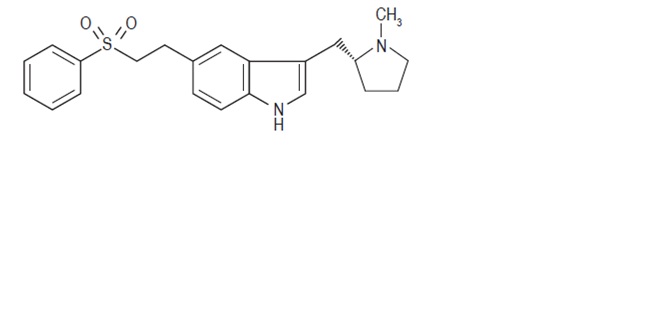
Eletriptan Hydrobromide Tablets
e0dfeb1f-f0f0-449a-81ae-2c8fdddcff10
34391-3
HUMAN PRESCRIPTION DRUG LABEL
Drug Facts
Composition & Product
Identifiers & Packaging
Indications and Usage
Eletriptan hydrobromide tablets are a serotonin (5-HT 1B/ 1D ) receptor agonist (triptan) indicated for the acute treatment of migraine with or without aura in adults ( 1 ) Limitations of Use: Use only after a clear diagnosis of migraine has been established ( 1 ) Not indicated for the prophylactic therapy of migraine ( 1 ) Not indicated for the treatment of cluster headache ( 1 ).
Dosage and Administration
Single dose: 20 mg or 40 mg ( 2 ) Maximum single dose: 40 mg ( 2 ) May repeat dose after 2 hours if needed; not to exceed 80 mg in any 24-hour period ( 2 )
Contraindications
History of coronary artery disease (CAD) or coronary artery vasospasm ( 4 ) Wolff-Parkinson-White syndrome or other cardiac accessory conduction pathway disorders( 4 ) History of stroke, transient ischemic attack, or history or current evidence of hemiplegic or basilar migraine ( 4 ) Peripheral vascular disease ( 4 ) Ischemic bowel disease ( 4 ) Uncontrolled hypertension ( 4 ) Within 24 hours of treatment with another 5-HT 1 agonist, or an ergotamine containing medication ( 4 ) Hypersensitivity to eletriptan hydrobromide (angioedema and anaphylaxis seen) ( 4 ) Within at least 72 hours of treatment with the following potent CYP3A4 inhibitors: ketoconazole, itraconazole, nefazodone, troleandomycin, clarithromycin, ritonavir, or nelfinavir ( 4 )
Warnings and Precautions
Myocardial ischemia/infarction or Prinzmetal's angina: Perform cardiac evaluation in patients with multiple cardiovascular risk factors ( 5.1 ) Arrhythmias: Discontinue eletriptan hydrobromide if occurs ( 5.2 ) Chest/throat/neck/jaw pain, tightness, pressure, or heaviness: Generally not myocardial ischemia; evaluate high risk patients for CAD ( 5.3 ) Cerebral hemorrhage, subarachnoid hemorrhage, or stroke: Discontinue eletriptan hydrobromide if occurs ( 5.4 ) Gastrointestinal ischemia or infarction events, or peripheral vasospastic reactions: Discontinue eletriptan hydrobromide if occurs ( 5.5 ) Medication overuse headache: Detoxification may be necessary ( 5.6 ) Serotonin syndrome: Discontinue eletriptan hydrobromide if occurs ( 5.7 , 7.3 )
Adverse Reactions
Most common adverse reactions ( ≥ 5% and > placebo) were asthenia, nausea, dizziness, and somnolence. These reactions appear to be dose-related. ( 6.1 ) To report SUSPECTED ADVERSE REACTIONS, contact Zydus Pharmaceuticals USA Inc. at 1-877-993-8779 or FDA at 1-800-FDA-1088 or www.fda.gov/medwatch .
Description
Eletriptan hydrobromide tablets are a serotonin (5-HT 1B/ 1D ) receptor agonist (triptan) indicated for the acute treatment of migraine with or without aura in adults ( 1 ) Limitations of Use: Use only after a clear diagnosis of migraine has been established ( 1 ) Not indicated for the prophylactic therapy of migraine ( 1 ) Not indicated for the treatment of cluster headache ( 1 ).
Medication Information
Warnings and Precautions
Myocardial ischemia/infarction or Prinzmetal's angina: Perform cardiac evaluation in patients with multiple cardiovascular risk factors ( 5.1 ) Arrhythmias: Discontinue eletriptan hydrobromide if occurs ( 5.2 ) Chest/throat/neck/jaw pain, tightness, pressure, or heaviness: Generally not myocardial ischemia; evaluate high risk patients for CAD ( 5.3 ) Cerebral hemorrhage, subarachnoid hemorrhage, or stroke: Discontinue eletriptan hydrobromide if occurs ( 5.4 ) Gastrointestinal ischemia or infarction events, or peripheral vasospastic reactions: Discontinue eletriptan hydrobromide if occurs ( 5.5 ) Medication overuse headache: Detoxification may be necessary ( 5.6 ) Serotonin syndrome: Discontinue eletriptan hydrobromide if occurs ( 5.7 , 7.3 )
Indications and Usage
Eletriptan hydrobromide tablets are a serotonin (5-HT 1B/ 1D ) receptor agonist (triptan) indicated for the acute treatment of migraine with or without aura in adults ( 1 ) Limitations of Use: Use only after a clear diagnosis of migraine has been established ( 1 ) Not indicated for the prophylactic therapy of migraine ( 1 ) Not indicated for the treatment of cluster headache ( 1 ).
Dosage and Administration
Single dose: 20 mg or 40 mg ( 2 ) Maximum single dose: 40 mg ( 2 ) May repeat dose after 2 hours if needed; not to exceed 80 mg in any 24-hour period ( 2 )
Contraindications
History of coronary artery disease (CAD) or coronary artery vasospasm ( 4 ) Wolff-Parkinson-White syndrome or other cardiac accessory conduction pathway disorders( 4 ) History of stroke, transient ischemic attack, or history or current evidence of hemiplegic or basilar migraine ( 4 ) Peripheral vascular disease ( 4 ) Ischemic bowel disease ( 4 ) Uncontrolled hypertension ( 4 ) Within 24 hours of treatment with another 5-HT 1 agonist, or an ergotamine containing medication ( 4 ) Hypersensitivity to eletriptan hydrobromide (angioedema and anaphylaxis seen) ( 4 ) Within at least 72 hours of treatment with the following potent CYP3A4 inhibitors: ketoconazole, itraconazole, nefazodone, troleandomycin, clarithromycin, ritonavir, or nelfinavir ( 4 )
Adverse Reactions
Most common adverse reactions ( ≥ 5% and > placebo) were asthenia, nausea, dizziness, and somnolence. These reactions appear to be dose-related. ( 6.1 ) To report SUSPECTED ADVERSE REACTIONS, contact Zydus Pharmaceuticals USA Inc. at 1-877-993-8779 or FDA at 1-800-FDA-1088 or www.fda.gov/medwatch .
Description
Eletriptan hydrobromide tablets are a serotonin (5-HT 1B/ 1D ) receptor agonist (triptan) indicated for the acute treatment of migraine with or without aura in adults ( 1 ) Limitations of Use: Use only after a clear diagnosis of migraine has been established ( 1 ) Not indicated for the prophylactic therapy of migraine ( 1 ) Not indicated for the treatment of cluster headache ( 1 ).
Section 42229-5
Eletriptan hydrobromide tablets are indicated for the acute treatment of migraine with or without aura in adults.
Limitations of Use:
- Use only if a clear diagnosis of migraine has been established. If a patient has no response to the first migraine attack treated with eletriptan hydrobromide, reconsider the diagnosis of migraine before eletriptan hydrobromideis administered to treat any subsequent attacks.
- Eletriptan hydrobromidetablets arenot intended for the prevention of migraine attacks.
- Safety and effectiveness of eletriptan hydrobromidehave not been established for cluster headache.
Section 42231-1
Patient Information
Eletriptan hydrobromide (el" e trip' tan hye" droe broe' mide) Tablets
Please read this information before you start taking eletriptan hydrobromide tablets and each time you get a refill. There may be new information. This information does not take the place of talking with your doctor about your medical condition or your treatment.
Wh a t is the most important information I should know about eletriptan hydrobromide tablets?
Eletriptan hydrobromide tablets c a n cause serious side effects, including:
He a r t attack and other heart problems. Heart problems may lead to death.
S to p taking eletriptan hydrobromide tablets and get emergency medical help right away if you have any of the following symptoms of a heart attack:
- discomfort in the center of your chest that lasts for more than a few minutes, or that goes away and comes back
- chest pain or chest discomfort that feels like an uncomfortable heavy pressure, squeezing, fullness, or pain
- pain or discomfort in your arms, back, neck, jaw, or stomach
- shortness of breath with or without chest discomfort
- breaking out in a cold sweat
- nausea or vomiting
- feeling lightheaded
Eletriptan hydrobromide tablets are not for people with risk factors for heart disease unless a heart exam is done and shows no problem. You have a higher risk for heart disease if you:
- have high blood pressure
- have high cholesterol levels
- smoke
- are overweight
- have diabetes
- have a family history of heart disease
- are a female who has gone through menopause
- are a male over age 40
S e r oto n i n syndrome. Serotonin syndrome is a serious and life-threatening problem that can happen in people taking eletriptan hydrobromide tablets, especially if eletriptan hydrobromide tablets is taken with anti-depressant medicines called selective serotonin reuptake inhibitors (SSRIs) or serotonin and norepinephrine reuptake inhibitors (SNRIs).
Ask your doctor or pharmacist for a list of these medicines if you are not sure.
Call your doctor right away if you have any of the following symptoms of serotonin syndrome:
- mental changes such as seeing things that are not there (hallucinations), agitation, or coma
- fast heartbeat
- changes in blood pressure
- high body temperature
- tight muscles
- trouble walking
- nausea, vomiting, or diarrhea
Wh a t are eletriptan hydrobromide tablets?
Eletriptan hydrobromide tablets are a prescription medicine used to treat acute migraine headaches with or without aura in adults.
Eletriptan hydrobromide tablets are for people who have been diagnosed with migraine headaches.
Eletriptan hydrobromide tablets are not used to prevent or decrease the number of migraine headaches you have. It is not known if eletriptan hydrobromide tablets are safe and effective to treat cluster headaches.
It is not known if eletriptan hydrobromide tablets are safe and effective in children.
Wh o should not take eletriptan hydrobromide tablets?
D o not take eletriptan hydrobromide tablets if you:
- have heart problems or a history of heart problems
- have or have had a stroke or problems with your blood circulation
- have hemiplegic or basilar migraines. If you are not sure if you have these types of migraines, ask your doctor
- have narrowing of the blood vessels in your legs, arms, stomach, or kidney (peripheral vascular disease)
- have ischemic bowel disease
- have uncontrolled high blood pressure
- have taken any of the following medicines in the last 24 hours:
- other "triptans" or triptan combination products such as:
- almotriptan (Axert®*)
- sumatriptan and naproxen sodium, (Treximet™*)
- frovatriptan (FrovaTM*)
- naratriptan (Amerge®*)
- zolmitriptan (Zomig®*)
- rizatriptan (Maxalt®*)
- sumatriptan (Imitrex®*)
- ergotamines such as:
- Bellergal-S®*
- Ergomar®*
- Cafergot®*
- Wigraine®*
- dihydroergotamines such as:
- D.H.E. 45®*or Migranal®*or methysergide (Sansert®*)
- have taken the following medicines within the last 72 hours:
- ketoconazole (Nizoral®*)
- clarithromycin (Biaxin®*)
- itraconazole (Sporanox®*)
- ritonavir (Norvir®*)
- nefazodone (Serzone®*)
- nelfinavir (Viracept®*)
- troleandomycin (TAO®*)
- are allergic to eletriptan or any of the ingredients in eletriptan hydrobromide tablets. See the end of this leaflet for a complete list of ingredients in eletriptan hydrobromide tablets.
Wh a t should I tell my doctor before taking eletriptan hydrobromide tablets?
Before you take eletriptan hydrobromide tablets, tell your doctor if you:
- have heart problems or family history of heart problems or stroke
- have high blood pressure
- have high cholesterol
- have diabetes
- smoke
- are overweight
- are a female who has gone through menopause
- have kidney problems
- have liver problems
- are pregnant or plan to become pregnant. It is not known if eletriptan hydrobromide will harm your un born baby.
- are breastfeeding or plan to breastfeed. Eletriptan hydrobromide passes into your breast milk and may harm your baby. Talk to your doctor about the best way to feed your baby if you take eletriptan hydrobromide tablets.
T e l l your doctor about all the medicines you take, including prescription and over-the-counter medicines, vitamins, and herbal supplements. Your doctor will decide if you can take eletriptan hydrobromide tablets with your other medicines. Eletriptan hydrobromide tablets and other medicines may affect each other causing side effects.
Es p ec i a l l y tell your doctor if you take anti-depressant medicines called:
- selective serotonin reuptake inhibitors (SSRIs)
- serotonin and norepinephrine reuptake inhibitors (SNRIs)
Ask your doctor or pharmacist for a list of these medicines if you are not sure.
Know the medicines you take. Keep a list of them to show your doctor or pharmacist when you get a new medicine.
Ho w should I take eletriptan hydrobromide tablets?
- Take eletriptan hydrobromide tablets exactly as your doctor tells you to take it.
- Your doctor will tell you how much eletriptan hydrobromide tablets to take and when to take it.
- Your doctor may change your dose if needed. Do not change your dose without first talking to your doctor.
- Take 1 eletriptan hydrobromide tablets as soon as you feel a migraine coming on.
- If you do not get any relief after your first eletriptan hydrobromide tablets, do not take a second tablet without first talking with your doctor.
- If your headache comes back or you only get some relief from your headache, you can take a second tablet 2 hours after the first tablet.
- Do not take more than a total of 80 mg of eletriptan hydrobromide tablets in a 24-hour period.
- If you take too much eletriptan hydrobromide tablets, call your doctor or go to the nearest hospital emergency room right away.
- You should write down when you have headaches and when you take eletriptan hydrobromide tablets so you can talk to your doctor about how well eletriptan hydrobromide tablets is working for you.
Wh a t should I avoid while taking eletriptan hydrobromide tablets?
Eletriptan hydrobromide tablets can cause dizziness, weakness, or drowsiness. If you have these symptoms, do not drive a car, use machinery, or do anything where you need to be alert.
Wh a t are the possible side effects of eletriptan hydrobromide tablets?
Eletriptan hydrobromide tablets m a y cause serious side effects. See "What is the most important information I should know about eletriptan hydrobromide tablets?"
These serious side effects include:
- changes in color or sensation in your fingers and toes (Raynaud's syndrome)
- s tomach and intestinal problems (gastrointestinal and colonic ischemic events).
Symptoms of gastrointestinal and colonic ischemic events include:
- sudden or severe stomach pain
- stomach pain after meals
- weight loss
- nausea or vomiting
- constipation or diarrhea
- bloody diarrhea
- fever
- p roblems with blood circulation to your legs and feet (peripheral vascular ischemia).
Symptoms of peripheral vascular ischemia include:
- cramping and pain in your legs or hips
- feeling of heaviness or tightness in your leg muscles
- burning or aching pain in your feet or toes while resting
- numbness, tingling, or weakness in your legs
- cold feeling or color changes in 1 or both legs or feet
- m edication overuse headaches. Some people who take too many eletriptan hydrobromide tablets may have worse headaches (medication overuse headache). If your headaches get worse, your doctor may decide to stop your treatment with eletriptan hydrobromide tablets.
The most common side effects of eletriptan hydrobromide tablets include:
- dizziness
- nausea
- weakness
- tiredness
- drowsiness
Tell your doctor if you have any side effect that bothers you or that does not go away. These are not all the possible side effects of eletriptan hydrobromide tablets. For more information, ask your doctor or pharmacist.
Call your doctor for medical advice about side effects. You may report side effects to the FDA at 1-800 FDA-1088.
Ho w should I store eletriptan hydrobromide tablets?
- Store eletriptan hydrobromide tablets at 20° to 25°C (68° to 77°F) [See USP Controlled Room Temperature]
G e n e r a l information about the safe and effective use of eletriptan hydrobromide tablets
Medicines are sometimes prescribed for conditions that are not mentioned in patient information leaflets. Do not use eletriptan hydrobromide tablets for a condition for which it was not prescribed. Do not give eletriptan hydrobromide tablets to other people, even if they have the same symptoms you have. It may harm them.
This Patient Information summarizes the most important information about eletriptan hydrobromide tablets. If you would like more information about eletriptan hydrobromide tablets, talk with your doctor. You can ask your doctor or pharmacist for information on eletriptan hydrobromide tablets that is written for health professionals.
Please address medical inquiries to, [email protected] or Tel.: 1-877-993-8779.
Wh a t are the ingredients in eletriptan hydrobromide tablet?
Active ingredient: eletriptan hydrobromide
Inactive ingredients: anhydrous lactose, croscarmellose sodium, FD & C Yellow No. #6 aluminum lake, hypromellose, lactose monohydrate, magnesium stearate, microcrystalline cellulose, povidone, titanium dioxide and triacetin. Additionally, each 20 mg tablet contains D & C Yellow #10 aluminum lake and FD & C Blue #2 aluminum lake and each 40 mg tablet contains ferric oxide yellow and ferric oxide red.
*All Product/Brand names are the trademarks of their respective owners.
This Patient Information has been approved by the U.S. Food and Drug Administration.
Manufactured by:
Zydus Lifesciences Ltd.
Ahmedabad, India
Distributed by:
Zydus Pharmaceuticals (USA) Inc.
Pennington, NJ 08534
Rev.: 12/22
8.1 Pregnancy
Risk Summary
Available human data on the use of eletriptan hydrobromide tablets in pregnant women are not sufficient to draw conclusions about drug-associated risk for major birth defects and miscarriage. In animal studies, oral administration of eletriptan during pregnancy or throughout pregnancy and lactation was associated with developmental toxicity (decreased fetal and pup weights, increased incidences of fetal structural abnormalities, decreased pup viability) at clinically-relevant doses [see Data].
In the U.S. general population, the estimated background risk of major birth defects and miscarriage in clinically recognized pregnancies is 2% to 4% and 15% to 20%, respectively. The reported rate of major birth defects among deliveries to women with migraine ranged from 2.2% to 2.9% and the reported rate of miscarriage was 17%, which were similar to rates reported in women without migraine.
Clinical Considerations
Disease-Associated Maternal and/or Embryo/Fetal Risk: Several studies have suggested that women with migraine may be at increased risk of preeclampsia and gestational hypertension during pregnancy.
Data
Human Data
A study using linked data from the Medical Birth Registry of Norway to the Norwegian Prescription Database compared pregnancy outcomes in women who redeemed prescriptions for triptans during pregnancy, as well as a migraine disease comparison group who redeemed prescriptions for triptans before pregnancy only. Of the 189 women who redeemed prescriptions for eletriptan during the first trimester, 4 (2.1%) had infants with major congenital malformations, while for the 174 women who redeemed prescriptions for eletriptan before, but not during, pregnancy, 11 (6.3%) had infants with major congenital malformations. Methodological limitations of this study, including small size of the eletriptan population and infrequent events, do not allow for thorough characterization of risk.
Animal Data
When pregnant rats were administered eletriptan (0, 10, 30, or 100 mg/kg/day) during the period of organogenesis, fetal weights were decreased and the incidences of vertebral and sternebral variations were increased at 100 mg/kg/day (approximately 12 times the maximum recommended human dose [MRHD] of 80 mg/day on a mg/m2 basis). The 30 and 100 mg/kg/day doses were also maternally toxic, as evidenced by decreased maternal body weight gain during gestation. The no-effect dose for adverse effects on embryofetal development in rats was 30 mg/kg/day, which is approximately 4 times the MRHD on a mg/m2 basis.
When eletriptan (0, 5, 10, or 50 mg/kg/day) was orally administered to pregnant rabbits throughout organogenesis, fetal weights were decreased at 50 mg/kg/day. The incidences of fused sternebrae and vena cava deviations were increased at all doses. Maternal toxicity was not evident at any dose. A no-effect dose for adverse effects on embryofetal development in rabbits was not established; the lowest dose tested (5 mg/kg/day) is similar to the MRHD on a mg/m2 basis.
Oral administration of eletriptan (0, 5, 15, or 50 mg/kg/day) to female rats throughout pregnancy and lactation resulted in a decrease in offspring viability and body weight at the highest dose tested. The no-effect dose for adverse effects on pre- and postnatal development in rats (15 mg/kg/day) is approximately 2 times the MRHD on a mg/m2 basis.
8.3 Lactation
Risk Summary
Eletriptan is excreted in human milk. There are no data on the effects of eletriptan on the breastfed infant or the effects of eletriptan on milk production.
The developmental and health benefits of breastfeeding should be considered along with the mother's clinical need for eletriptan hydrobromide tablets and any potential adverse effects on the breastfed child from eletriptan hydrobromide tablets or from the underlying maternal condition. Infant exposure can be minimized by avoiding breastfeeding for 24 hours after treatment.
5.2 Arrhythmias
Life-threatening disturbances of cardiac rhythm including ventricular tachycardia and ventricular fibrillation leading to death have been reported within a few hours following the administration of 5-HT1 agonists. Discontinue eletriptan hydrobromide if these disturbances occur. Eletriptan hydrobromide tablets are contraindicated in patients with Wolff-Parkinson-White syndrome or arrhythmias associated with other cardiac accessory conduction pathway disorders [see Contraindications (4)].
8.4 Pediatric Use
Safety and effectiveness in pediatric patients have not been established.
The efficacy of eletriptan hydrobromide tablets (40 mg) in patients 11-17 was not established in a randomized, placebo-controlled trial of 274 adolescent migraineurs [see Clinical Studies (14)]. Adverse reactions observed were similar in nature to those reported in clinical trials in adults. Postmarketing experience with other triptans includes a limited number of reports that describe pediatric patients who have experienced clinically serious adverse reactions that are similar in nature to those reported rarely in adults. Long-term safety of eletriptan was studied in 76 adolescent patients who received treatment for up to one year. A similar profile of adverse reactions to that of adults was observed. The long-term safety of eletriptan in pediatric patients has not been established.
8.5 Geriatric Use
Blood pressure was increased to a greater extent in elderly subjects than in young subjects. The pharmacokinetic disposition of eletriptan in the elderly is similar to that seen in younger adults [see Clinical Pharmacology (12.3)]. In clinical trials, there were no apparent differences in efficacy or the incidence of adverse reactions between patients under 65 years of age and those 65 and above.
4 Contraindications
- History of coronary artery disease (CAD) or coronary artery vasospasm (4)
- Wolff-Parkinson-White syndrome or other cardiac accessory conduction pathway disorders(4)
- History of stroke, transient ischemic attack, or history or current evidence of hemiplegic or basilar migraine (4)
- Peripheral vascular disease (4)
- Ischemic bowel disease (4)
- Uncontrolled hypertension (4)
- Within 24 hours of treatment with another 5-HT1agonist, or an ergotamine containing medication (4)
- Hypersensitivity to eletriptan hydrobromide (angioedema and anaphylaxis seen) (4)
- Within at least 72 hours of treatment with the following potent CYP3A4 inhibitors: ketoconazole, itraconazole, nefazodone, troleandomycin, clarithromycin, ritonavir, or nelfinavir (4)
6 Adverse Reactions
Most common adverse reactions ( ≥ 5% and > placebo) were asthenia, nausea, dizziness, and somnolence. These reactions appear to be dose-related. (6.1)
To report SUSPECTED ADVERSE REACTIONS, contact Zydus Pharmaceuticals USA Inc. at 1-877-993-8779 or FDA at 1-800-FDA-1088 or www.fda.gov/medwatch .
12.3 Pharmacokinetics
Absorption:
Eletriptan is well absorbed after oral administration with peak plasma levels occurring approximately 1.5 hours after dosing to healthy subjects. In patients with moderate to severe migraine the median Tmax is 2 hours. The mean absolute bioavailability of eletriptan is approximately 50%. The oral pharmacokinetics are slightly more than dose-proportional over the clinical dose range. The AUC and Cmax of eletriptan are increased by approximately 20 to 30% following oral administration with a high fat meal. Eletriptan hydrobromide tablets can be taken with or without food.
Distribution:
The volume of distribution of eletriptan following IV administration is 138 L. Plasma protein binding is moderate and approximately 85%.
Metabolism:
The N-demethylated metabolite of eletriptan is the only known active metabolite. This metabolite causes vasoconstriction similar to eletriptan in animal models. Though the half-life of the metabolite is estimated to be about 13 hours, the plasma concentration of the N-demethylated metabolite is 10 to 20% of parent drug and is unlikely to contribute significantly to the overall effect of the parent compound.
In vitro studies indicate that eletriptan is primarily metabolized by cytochrome P-450 enzyme CYP3A4 [see Contraindications (4) and Drug Interactions (7.2)].
Elimination:
The terminal elimination half-life of eletriptan is approximately 4 hours. Mean renal clearance (CLR) following oral administration is approximately 3.9 L/h. Non- renal clearance accounts for about 90% of the total clearance.
Specific Populations
Age
The pharmacokinetics of eletriptan are generally unaffected by age. Blood pressure was increased to a greater extent in elderly subjects than in young subjects [see Use in Specific Populations (8.5)]. The pharmacokinetic disposition of eletriptan in the elderly is similar to that seen in younger adults.
There is a statistically significant increased half-life (from about 4.4 hours to 5.7 hours) between elderly (65 to 93 years of age) and younger adult subjects (18 to 45 years of age) [see Use in Specific Populations (8.5)].
Gender
The pharmacokinetics of eletriptan are unaffected by gender.
Race
A comparison of pharmacokinetic studies run in western countries with those run in Japan has indicated an approximate 35% reduction in the exposure of eletriptan in Japanese male volunteers compared to western males. Population pharmacokinetic analysis of two clinical studies indicates no evidence of pharmacokinetic differences between Caucasians and non-Caucasian patients.
Menstrual Cycle
In a study of 16 healthy females, the pharmacokinetics of eletriptan remained consistent throughout the phases of the menstrual cycle.
Renal Impairment
There was no significant change in clearance observed in subjects with mild, moderate or severe renal impairment, though blood pressure elevations were observed in this population [see Warnings and Precautions (5.8)].
Hepatic Impairment
Subjects with mild or moderate hepatic impairment demonstrated an increase in both AUC (34%) and half-life. The Cmax was increased by 18%. No dose adjustment is necessary in subjects with mild or moderate hepatic impairment. The effects of severe hepatic impairment on eletriptan metabolism have not been evaluated [see Use in Specific Populations (8.6)].
Drug Interaction Studies
CYP3A4 inhibitors
In vitro studies have shown that eletriptan is metabolized by the CYP3A4 enzyme. A clinical study demonstrated about a 3-fold increase in Cma x and about a 6-fold increase in the AUC of eletriptan when combined with ketoconazole. The half-life increased from 5 hours to 8 hours and the Tmax increased from 2.8 hours to 5.4 hours. Another clinical study demonstrated about a 2-fold increase in Cmax and about a 4-fold increase in AUC when erythromycin was co-administered with eletriptan. It has also been shown that co-administration of verapamil and eletriptan yields about a 2-fold increase in Cma x and about a 3-fold increase in AUC of eletriptan, and that co-administration of fluconazole and eletriptan yields about a 1.4-fold increase in Cma x and about a 2-fold increase in AUC of eletriptan.
Eeletriptan hydrobromide tablets are contraindicated within at least 72 hours of treatment with the following potent CYP3A4 inhibitors: ketoconazole, itraconazole, nefazodone, troleandomycin, clarithromycin, ritonavir and nelfinavir. Eletriptan hydrobromide tablets are should not be used within 72 hours with drugs that have demonstrated potent CYP3A4 inhibition [see Contraindications (4)].
Propranolol
The Cma x and AUC of eletriptan were increased by 10 and 33%, respectively, in the presence of propranolol. No interactive increases in blood pressure were observed. No dosage adjustment appears to be needed for patients taking propranolol.
The effect of eletriptan on other drugs
The effect of eletriptan on enzymes other than cytochrome P450 has not been investigated. In vitro human liver microsome studies suggest that eletriptan has little potential to inhibit CYP1A2, 2C9, 2E1 and 3A4 at concentrations up to 100 µM. While eletriptan has an effect on CYP2D6 at high concentration, this effect should not interfere with metabolism of other drugs when eletriptan is used at recommended doses. There is no in vitro or in vivo evidence that clinical doses of eletriptan will induce drug metabolizing enzymes. Therefore, eletriptan is unlikely to cause clinically important drug interactions mediated by these enzymes.
7.2 Cyp3a4 Inhibitors
5.7 Serotonin Syndrome
Serotonin syndrome may occur with eletriptan hydrobromide, particularly during co-administration with selective serotonin reuptake inhibitors (SSRIs), serotonin and norepinephrine reuptake inhibitors (SNRIs), tricyclic antidepressants (TCAs), and monoamine oxidase (MAO) inhibitors [see Drug Interactions (7.3)]. Serotonin syndrome symptoms may include mental status changes (e.g., agitation, hallucinations, coma), autonomic instability (e.g., tachycardia, labile blood pressure, hyperthermia), neuromuscular aberrations (e.g., hyperreflexia, incoordination), and/or gastrointestinal symptoms (e.g., nausea, vomiting, diarrhea). The onset of symptoms usually occurs within minutes to hours of receiving a new or a greater dose of a serotonergic medication. Discontinue eletriptan hydrobromide if serotonin syndrome is suspected.
8.6 Hepatic Impairment
The effect of severe hepatic impairment on eletriptan hydrobromide metabolism has not been evaluated. Eletriptan hydrobromide tablets are not recommended for use in patients with severe hepatic impairment [see Clinical Pharmacology (12.3)].
1 Indications and Usage
Eletriptan hydrobromide tablets are a serotonin (5-HT1B/ 1D) receptor agonist (triptan) indicated for the acute treatment of migraine with or without aura in adults (1)
Limitations of Use:
12.1 Mechanism of Action
Eletriptan binds with high affinity to 5-HT1B, 5-HT1D and 5-HT1F receptors, has modest affinity for 5-HT1A, 5-HT1 E, 5-HT2B and 5-HT7 receptors.
Migraines are likely due to local cranial vasodilatation and/or to the release of sensory neuropeptides (vasoactive intestinal peptide, substance P and calcitonin gene-related peptide) through nerve endings in the trigeminal system. The therapeutic activity of eletriptan hydrobromide for the treatment of migraine headache is thought to be due to the agonist effects at the 5-HT1B/1D receptors on intracranial blood vessels (including the arterio-venous anastomoses) and sensory nerves of the trigeminal system which result in cranial vessel constriction and inhibition of pro-inflammatory neuropeptide release.
5 Warnings and Precautions
- Myocardial ischemia/infarction or Prinzmetal's angina: Perform cardiac evaluation in patients with multiple cardiovascular risk factors (5.1)
- Arrhythmias: Discontinue eletriptan hydrobromide if occurs (5.2)
- Chest/throat/neck/jaw pain, tightness, pressure, or heaviness: Generally not myocardial ischemia; evaluate high risk patients for CAD (5.3)
- Cerebral hemorrhage, subarachnoid hemorrhage, or stroke: Discontinue eletriptan
- hydrobromide if occurs (5.4)
- Gastrointestinal ischemia or infarction events, or peripheral vasospastic reactions:
- Discontinue eletriptan hydrobromide if occurs (5.5)
- Medication overuse headache: Detoxification may be necessary (5.6)
- Serotonin syndrome: Discontinue eletriptan hydrobromide if occurs (5.7, 7.3)
5.4 Cerebrovascular Events
Cerebral hemorrhage, subarachnoid hemorrhage, and stroke have occurred in patients treated with 5-HT1 agonists, and some have resulted in fatalities. In a number of cases, it appears possible that the cerebrovascular events were primary, the 5-HT1 agonist having been administered in the incorrect belief that the symptoms experienced were a consequence of migraine, when they were not.
Before treating headaches in patients not previously diagnosed as migraineurs, and in migraineurs who present with symptoms atypical of migraine, other potentially serious neurological conditions need to be excluded. Eletriptan hydrobromide tablets are contraindicated in patients with a history of stroke or TIA [see Contraindications (4)].
2 Dosage and Administration
3 Dosage Forms and Strengths
Tablets: 20 mg and 40 mg (3)
6.2 Postmarketing Experience
The following adverse reaction(s) have been identified during post approval use of eletriptan hydrobromide. Because these reactions are reported voluntarily from a population of uncertain size, it is not always possible to reliably estimate their frequency or establish a causal relationship to drug exposure.
Neurological: seizure
Digestive: vomiting
5.5 Other Vasospasm Reactions
Eletriptan hydrobromide tablets may cause non-coronary vasospastic reactions, such as peripheral vascular ischemia, gastrointestinal vascular ischemia and infarction (presenting with abdominal pain and bloody diarrhea), and Raynaud's syndrome. In patients who experience symptoms or signs suggestive of a vasospastic reaction following the use of any 5-HT1 agonist, rule out a vasospastic reaction before receiving additional eletriptan hydrobromide doses [see Contraindications (4)].
8 Use in Specific Populations
Pregnancy: Based on animal data, may cause fetal harm (8.1).
5.8 Increase in Blood Pressure
Significant elevation in blood pressure, including hypertensive crisis with acute impairment of organ systems, has been reported on rare occasions in patients treated with 5-HT1 agonists, including patients without a history of hypertension. Monitor blood pressure in patients treated with eletriptan hydrobromide. Eletriptan hydrobromide tablets are contraindicated in patients with uncontrolled hypertension [see Contraindications (4)].
6.1 Clinical Trials Experience
Because clinical studies are conducted under widely varying conditions, adverse reaction rates observed in the clinical studies of a drug cannot be directly compared to rates in the clinical studies of another drug and may not reflect the rates observed in practice.
Among 4,597 patients who treated the first migraine headache with eletriptan hydrobromide in short-term placebo-controlled trials, the most common adverse reactions reported with treatment with eletriptan hydrobromide were asthenia, nausea, dizziness, and somnolence. These reactions appear to be dose-related.
In long-term open-label studies where patients were allowed to treat multiple migraine attacks for up to 1 year, 128 (8.3%) out of 1,544 patients discontinued treatment due to adverse reactions.
Table 1 lists adverse reactions that occurred in the subset of 5,125 migraineurs who received eletriptan doses of 20 mg, 40 mg and 80 mg or placebo in worldwide placebo-controlled clinical trials.
Only adverse reactions that were more frequent in a eletriptan hydrobromide treatment group compared to the placebo group with an incidence greater than or equal to 2% are included in Table 1.
|
Adverse Reaction Type
|
Placebo
(n=988) |
Eletriptan hydrobromide
tablets 20 mg (n=431) |
Eletriptan hydrobromide
tablets 40 mg (n=1774) |
Eletriptan hydrobromide
tablets 80 mg (n=1932) |
|
ATYPICAL SENSATIONS
|
||||
| Paresthesia |
2% |
3% |
3% |
4% |
| Flushing/feeling of warmth |
2% |
2% |
2% |
2% |
|
PAIN AND PRESSURE SENSATIONS
|
||||
| Chest – tightness/pain/pressure |
1% |
1% |
2% |
4% |
| Abdominal –pain/discomfort/stomach pain/ cramps/pressure |
1% |
1% |
2% |
2% |
|
DIGESTIVE
|
||||
| Dry mouth |
2% |
2% |
3% |
4% |
| Dyspepsia |
1% |
1% |
2% |
2% |
| Dysphagia – throat tightness/difficulty swallowing |
0.2% |
1% |
2% |
2% |
| Nausea |
5% |
4% |
5% |
8% |
|
NEUROLOGICAL
|
||||
| Dizziness |
3% |
3% |
6% |
7% |
| Somnolence |
4% |
3% |
6% |
7% |
| Headache |
3% |
4% |
3% |
4% |
|
OTHER
|
||||
| Asthenia |
3% |
4% |
5% |
10% |
The frequency of adverse reactions in clinical trials did not increase when up to 2 doses of eletriptan hydrobromide were taken within 24 hours. The incidence of adverse reactions in controlled clinical trials was not affected by gender, age, or race of the patients. Adverse reaction frequencies were also unchanged by concomitant use of drugs commonly taken for migraine prophylaxis (e.g., SSRIs, beta blockers, calcium channel blockers, tricyclic antidepressants), estrogen replacement therapy or oral contraceptives.
5.6 Medication Overuse Headache
Overuse of acute migraine drugs (e.g. ergotamine, triptans, opioids, or combination of these drugs for 10 or more days per month) may lead to exacerbation of headache (medication overuse headache). Medication overuse headache may present as migraine-like daily headaches or as a marked increase in frequency of migraine attacks. Detoxification of patients, including withdrawal of the overused acute migraine drugs and treatment of withdrawal symptoms (which often includes a transient worsening of headache) may be necessary.
Package Label.principal Display Panel
Eletriptan Hydrobromide Tablets, 20 mg
NDC 68382-922-86
Rx only
6 (1 x 6) Unit-dose Tablets
ZYDUS
Eletriptan Hydrobromide Tablets, 40 mg
NDC 68382-923-86
Rx only
6 (1 x 6) Unit-dose Tablets
ZYDUS
5.9 Anaphylactic/anaphylactoid Reactions
There have been reports of anaphylaxis, anaphylactoid, and hypersensitivity reactions including angioedema in patients receiving eletriptan hydrobromide. Such reactions can be life threatening or fatal. In general, anaphylactic reactions to drugs are more likely to occur in individuals with a history of sensitivity to multiple allergens. Eletriptan hydrobromide tablets are contraindicated in patients with a history of hypersensitivity reaction to eletriptan hydrobromide [see Contraindications (4)].
7.1 Ergot Containing Drugs Including Other 5 Ht1b/1d
Ergot-containing drugs have been reported to cause prolonged vasospastic reactions. Because these effects may be additive, use of ergotamine-containing or ergot-type medications (like dihydroergotamine [DHE] or methysergide) and eletriptan hydrobromide within 24 hours of each other is contraindicated. Concomitant use of other 5-HT1 agonists within 24 hours of eletriptan hydrobromide treatment is contraindicated [see Contraindications (4)].
13.1 Carcinogenesis, Mutagenesis, Impairment of Fertility
Carcinogenesis
Eletriptan was administered to rats and mice in the diet for 104 weeks. In rats, the incidence of testicular interstitial cell adenomas was increased at the high dose of 75 mg/kg/day, but not at 15 mg/kg/day, a dose associated with plasma exposures (AUC) approximately 2 times that in humans at the MRHD of 80 mg/day. In mice, the incidence of hepatocellular adenomas was increased at the high dose of 400 mg/kg/day, but not a dose of 90 mg/kg/day, associated with plasma AUC approximately 7 times that in humans at the MRHD.
Mutagenesis
Eletriptan was negative in in vitro (bacteria reverse mutation (Ames), mammalian cell gene mutation (CHO/ HGPRT), chromosomal aberration assay in human lymphocytes) and in vivo (mouse micronucleus) assays.
Impairment of Fertility
In a fertility and early embryonic development study, eletriptan (50, 100, or 200 mg/kg/day) was orally administered to male and female rats prior to and throughout mating and continuing in females to implantation. Plasma exposures (AUC) were 4, 8 and 16 times in males and 7, 14 and 28 times in females, respectively, that in humans at the MRHD.
Prolongation of estrous cycle and decreases in the number of corpora lutea, implants, and viable fetuses per dam were observed at 200 mg/kg/day. Male fertility parameters were not affected.
5.3 Chest, Throat, Neck And/or Jaw Pain/tightness/pressure
Sensations of tightness, pain, and pressure in the chest, throat, neck, and jaw commonly occur after treatment with eletriptan hydrobromide and are usually non-cardiac in origin. However, perform a cardiac evaluation if these patients are at high cardiac risk. Eletriptan hydrobromide tablets are contraindicated in patients with CAD or Prinzmetal's variant angina [see Contraindications (4)].
5.1 Myocardial Ischemia, Myocardial Infarction, and Prinzmetal’s Angina
Eletriptan hydrobromide tablets are contraindicated in patients with ischemic or vasospastic CAD. There have been rare reports of serious cardiac adverse reactions, including acute myocardial infarction, occurring within a few hours following administration of eletriptan hydrobromide. Some of these reactions occurred in patients without known CAD. Eletriptan hydrobromide may cause coronary artery vasospasm (Prinzmetal's angina), even in patients without a history of CAD.
Perform a cardiovascular evaluation in triptan-naÏve patients who have multiple cardiovascular risk factors (e.g., increased age, diabetes, hypertension, smoking, obesity, strong family history of CAD) prior to receiving eletriptan hydrobromide. Do not use eletriptan hydrobromide if there is evidence of CAD or coronary artery vasospasm [see Contraindications (4)]. For patients with multiple cardiovascular risk factors who have a negative cardiovascular evaluation, consider administering the first eletriptan hydrobromide dose in a medically-supervised setting and performing an electrocardiogram (ECG) immediately following administration of eletriptan hydrobromide. For such patients, consider periodic cardiovascular evaluation in intermittent long- term users of eletriptan hydrobromide.
7.3 Selective Serotonin Reuptake Inhibitors/serotonin and Norepinephrine Reuptake Inhibitors and Serotonin Syndrome
Cases of serotonin syndrome have been reported during co-administration of triptans and SSRIs, SNRIs, TCAs and MAO inhibitors [see Warnings and Precautions (5.7)].
Structured Label Content
Section 42229-5 (42229-5)
Eletriptan hydrobromide tablets are indicated for the acute treatment of migraine with or without aura in adults.
Limitations of Use:
- Use only if a clear diagnosis of migraine has been established. If a patient has no response to the first migraine attack treated with eletriptan hydrobromide, reconsider the diagnosis of migraine before eletriptan hydrobromideis administered to treat any subsequent attacks.
- Eletriptan hydrobromidetablets arenot intended for the prevention of migraine attacks.
- Safety and effectiveness of eletriptan hydrobromidehave not been established for cluster headache.
Section 42231-1 (42231-1)
Patient Information
Eletriptan hydrobromide (el" e trip' tan hye" droe broe' mide) Tablets
Please read this information before you start taking eletriptan hydrobromide tablets and each time you get a refill. There may be new information. This information does not take the place of talking with your doctor about your medical condition or your treatment.
Wh a t is the most important information I should know about eletriptan hydrobromide tablets?
Eletriptan hydrobromide tablets c a n cause serious side effects, including:
He a r t attack and other heart problems. Heart problems may lead to death.
S to p taking eletriptan hydrobromide tablets and get emergency medical help right away if you have any of the following symptoms of a heart attack:
- discomfort in the center of your chest that lasts for more than a few minutes, or that goes away and comes back
- chest pain or chest discomfort that feels like an uncomfortable heavy pressure, squeezing, fullness, or pain
- pain or discomfort in your arms, back, neck, jaw, or stomach
- shortness of breath with or without chest discomfort
- breaking out in a cold sweat
- nausea or vomiting
- feeling lightheaded
Eletriptan hydrobromide tablets are not for people with risk factors for heart disease unless a heart exam is done and shows no problem. You have a higher risk for heart disease if you:
- have high blood pressure
- have high cholesterol levels
- smoke
- are overweight
- have diabetes
- have a family history of heart disease
- are a female who has gone through menopause
- are a male over age 40
S e r oto n i n syndrome. Serotonin syndrome is a serious and life-threatening problem that can happen in people taking eletriptan hydrobromide tablets, especially if eletriptan hydrobromide tablets is taken with anti-depressant medicines called selective serotonin reuptake inhibitors (SSRIs) or serotonin and norepinephrine reuptake inhibitors (SNRIs).
Ask your doctor or pharmacist for a list of these medicines if you are not sure.
Call your doctor right away if you have any of the following symptoms of serotonin syndrome:
- mental changes such as seeing things that are not there (hallucinations), agitation, or coma
- fast heartbeat
- changes in blood pressure
- high body temperature
- tight muscles
- trouble walking
- nausea, vomiting, or diarrhea
Wh a t are eletriptan hydrobromide tablets?
Eletriptan hydrobromide tablets are a prescription medicine used to treat acute migraine headaches with or without aura in adults.
Eletriptan hydrobromide tablets are for people who have been diagnosed with migraine headaches.
Eletriptan hydrobromide tablets are not used to prevent or decrease the number of migraine headaches you have. It is not known if eletriptan hydrobromide tablets are safe and effective to treat cluster headaches.
It is not known if eletriptan hydrobromide tablets are safe and effective in children.
Wh o should not take eletriptan hydrobromide tablets?
D o not take eletriptan hydrobromide tablets if you:
- have heart problems or a history of heart problems
- have or have had a stroke or problems with your blood circulation
- have hemiplegic or basilar migraines. If you are not sure if you have these types of migraines, ask your doctor
- have narrowing of the blood vessels in your legs, arms, stomach, or kidney (peripheral vascular disease)
- have ischemic bowel disease
- have uncontrolled high blood pressure
- have taken any of the following medicines in the last 24 hours:
- other "triptans" or triptan combination products such as:
- almotriptan (Axert®*)
- sumatriptan and naproxen sodium, (Treximet™*)
- frovatriptan (FrovaTM*)
- naratriptan (Amerge®*)
- zolmitriptan (Zomig®*)
- rizatriptan (Maxalt®*)
- sumatriptan (Imitrex®*)
- ergotamines such as:
- Bellergal-S®*
- Ergomar®*
- Cafergot®*
- Wigraine®*
- dihydroergotamines such as:
- D.H.E. 45®*or Migranal®*or methysergide (Sansert®*)
- have taken the following medicines within the last 72 hours:
- ketoconazole (Nizoral®*)
- clarithromycin (Biaxin®*)
- itraconazole (Sporanox®*)
- ritonavir (Norvir®*)
- nefazodone (Serzone®*)
- nelfinavir (Viracept®*)
- troleandomycin (TAO®*)
- are allergic to eletriptan or any of the ingredients in eletriptan hydrobromide tablets. See the end of this leaflet for a complete list of ingredients in eletriptan hydrobromide tablets.
Wh a t should I tell my doctor before taking eletriptan hydrobromide tablets?
Before you take eletriptan hydrobromide tablets, tell your doctor if you:
- have heart problems or family history of heart problems or stroke
- have high blood pressure
- have high cholesterol
- have diabetes
- smoke
- are overweight
- are a female who has gone through menopause
- have kidney problems
- have liver problems
- are pregnant or plan to become pregnant. It is not known if eletriptan hydrobromide will harm your un born baby.
- are breastfeeding or plan to breastfeed. Eletriptan hydrobromide passes into your breast milk and may harm your baby. Talk to your doctor about the best way to feed your baby if you take eletriptan hydrobromide tablets.
T e l l your doctor about all the medicines you take, including prescription and over-the-counter medicines, vitamins, and herbal supplements. Your doctor will decide if you can take eletriptan hydrobromide tablets with your other medicines. Eletriptan hydrobromide tablets and other medicines may affect each other causing side effects.
Es p ec i a l l y tell your doctor if you take anti-depressant medicines called:
- selective serotonin reuptake inhibitors (SSRIs)
- serotonin and norepinephrine reuptake inhibitors (SNRIs)
Ask your doctor or pharmacist for a list of these medicines if you are not sure.
Know the medicines you take. Keep a list of them to show your doctor or pharmacist when you get a new medicine.
Ho w should I take eletriptan hydrobromide tablets?
- Take eletriptan hydrobromide tablets exactly as your doctor tells you to take it.
- Your doctor will tell you how much eletriptan hydrobromide tablets to take and when to take it.
- Your doctor may change your dose if needed. Do not change your dose without first talking to your doctor.
- Take 1 eletriptan hydrobromide tablets as soon as you feel a migraine coming on.
- If you do not get any relief after your first eletriptan hydrobromide tablets, do not take a second tablet without first talking with your doctor.
- If your headache comes back or you only get some relief from your headache, you can take a second tablet 2 hours after the first tablet.
- Do not take more than a total of 80 mg of eletriptan hydrobromide tablets in a 24-hour period.
- If you take too much eletriptan hydrobromide tablets, call your doctor or go to the nearest hospital emergency room right away.
- You should write down when you have headaches and when you take eletriptan hydrobromide tablets so you can talk to your doctor about how well eletriptan hydrobromide tablets is working for you.
Wh a t should I avoid while taking eletriptan hydrobromide tablets?
Eletriptan hydrobromide tablets can cause dizziness, weakness, or drowsiness. If you have these symptoms, do not drive a car, use machinery, or do anything where you need to be alert.
Wh a t are the possible side effects of eletriptan hydrobromide tablets?
Eletriptan hydrobromide tablets m a y cause serious side effects. See "What is the most important information I should know about eletriptan hydrobromide tablets?"
These serious side effects include:
- changes in color or sensation in your fingers and toes (Raynaud's syndrome)
- s tomach and intestinal problems (gastrointestinal and colonic ischemic events).
Symptoms of gastrointestinal and colonic ischemic events include:
- sudden or severe stomach pain
- stomach pain after meals
- weight loss
- nausea or vomiting
- constipation or diarrhea
- bloody diarrhea
- fever
- p roblems with blood circulation to your legs and feet (peripheral vascular ischemia).
Symptoms of peripheral vascular ischemia include:
- cramping and pain in your legs or hips
- feeling of heaviness or tightness in your leg muscles
- burning or aching pain in your feet or toes while resting
- numbness, tingling, or weakness in your legs
- cold feeling or color changes in 1 or both legs or feet
- m edication overuse headaches. Some people who take too many eletriptan hydrobromide tablets may have worse headaches (medication overuse headache). If your headaches get worse, your doctor may decide to stop your treatment with eletriptan hydrobromide tablets.
The most common side effects of eletriptan hydrobromide tablets include:
- dizziness
- nausea
- weakness
- tiredness
- drowsiness
Tell your doctor if you have any side effect that bothers you or that does not go away. These are not all the possible side effects of eletriptan hydrobromide tablets. For more information, ask your doctor or pharmacist.
Call your doctor for medical advice about side effects. You may report side effects to the FDA at 1-800 FDA-1088.
Ho w should I store eletriptan hydrobromide tablets?
- Store eletriptan hydrobromide tablets at 20° to 25°C (68° to 77°F) [See USP Controlled Room Temperature]
G e n e r a l information about the safe and effective use of eletriptan hydrobromide tablets
Medicines are sometimes prescribed for conditions that are not mentioned in patient information leaflets. Do not use eletriptan hydrobromide tablets for a condition for which it was not prescribed. Do not give eletriptan hydrobromide tablets to other people, even if they have the same symptoms you have. It may harm them.
This Patient Information summarizes the most important information about eletriptan hydrobromide tablets. If you would like more information about eletriptan hydrobromide tablets, talk with your doctor. You can ask your doctor or pharmacist for information on eletriptan hydrobromide tablets that is written for health professionals.
Please address medical inquiries to, [email protected] or Tel.: 1-877-993-8779.
Wh a t are the ingredients in eletriptan hydrobromide tablet?
Active ingredient: eletriptan hydrobromide
Inactive ingredients: anhydrous lactose, croscarmellose sodium, FD & C Yellow No. #6 aluminum lake, hypromellose, lactose monohydrate, magnesium stearate, microcrystalline cellulose, povidone, titanium dioxide and triacetin. Additionally, each 20 mg tablet contains D & C Yellow #10 aluminum lake and FD & C Blue #2 aluminum lake and each 40 mg tablet contains ferric oxide yellow and ferric oxide red.
*All Product/Brand names are the trademarks of their respective owners.
This Patient Information has been approved by the U.S. Food and Drug Administration.
Manufactured by:
Zydus Lifesciences Ltd.
Ahmedabad, India
Distributed by:
Zydus Pharmaceuticals (USA) Inc.
Pennington, NJ 08534
Rev.: 12/22
8.1 Pregnancy
Risk Summary
Available human data on the use of eletriptan hydrobromide tablets in pregnant women are not sufficient to draw conclusions about drug-associated risk for major birth defects and miscarriage. In animal studies, oral administration of eletriptan during pregnancy or throughout pregnancy and lactation was associated with developmental toxicity (decreased fetal and pup weights, increased incidences of fetal structural abnormalities, decreased pup viability) at clinically-relevant doses [see Data].
In the U.S. general population, the estimated background risk of major birth defects and miscarriage in clinically recognized pregnancies is 2% to 4% and 15% to 20%, respectively. The reported rate of major birth defects among deliveries to women with migraine ranged from 2.2% to 2.9% and the reported rate of miscarriage was 17%, which were similar to rates reported in women without migraine.
Clinical Considerations
Disease-Associated Maternal and/or Embryo/Fetal Risk: Several studies have suggested that women with migraine may be at increased risk of preeclampsia and gestational hypertension during pregnancy.
Data
Human Data
A study using linked data from the Medical Birth Registry of Norway to the Norwegian Prescription Database compared pregnancy outcomes in women who redeemed prescriptions for triptans during pregnancy, as well as a migraine disease comparison group who redeemed prescriptions for triptans before pregnancy only. Of the 189 women who redeemed prescriptions for eletriptan during the first trimester, 4 (2.1%) had infants with major congenital malformations, while for the 174 women who redeemed prescriptions for eletriptan before, but not during, pregnancy, 11 (6.3%) had infants with major congenital malformations. Methodological limitations of this study, including small size of the eletriptan population and infrequent events, do not allow for thorough characterization of risk.
Animal Data
When pregnant rats were administered eletriptan (0, 10, 30, or 100 mg/kg/day) during the period of organogenesis, fetal weights were decreased and the incidences of vertebral and sternebral variations were increased at 100 mg/kg/day (approximately 12 times the maximum recommended human dose [MRHD] of 80 mg/day on a mg/m2 basis). The 30 and 100 mg/kg/day doses were also maternally toxic, as evidenced by decreased maternal body weight gain during gestation. The no-effect dose for adverse effects on embryofetal development in rats was 30 mg/kg/day, which is approximately 4 times the MRHD on a mg/m2 basis.
When eletriptan (0, 5, 10, or 50 mg/kg/day) was orally administered to pregnant rabbits throughout organogenesis, fetal weights were decreased at 50 mg/kg/day. The incidences of fused sternebrae and vena cava deviations were increased at all doses. Maternal toxicity was not evident at any dose. A no-effect dose for adverse effects on embryofetal development in rabbits was not established; the lowest dose tested (5 mg/kg/day) is similar to the MRHD on a mg/m2 basis.
Oral administration of eletriptan (0, 5, 15, or 50 mg/kg/day) to female rats throughout pregnancy and lactation resulted in a decrease in offspring viability and body weight at the highest dose tested. The no-effect dose for adverse effects on pre- and postnatal development in rats (15 mg/kg/day) is approximately 2 times the MRHD on a mg/m2 basis.
8.3 Lactation
Risk Summary
Eletriptan is excreted in human milk. There are no data on the effects of eletriptan on the breastfed infant or the effects of eletriptan on milk production.
The developmental and health benefits of breastfeeding should be considered along with the mother's clinical need for eletriptan hydrobromide tablets and any potential adverse effects on the breastfed child from eletriptan hydrobromide tablets or from the underlying maternal condition. Infant exposure can be minimized by avoiding breastfeeding for 24 hours after treatment.
5.2 Arrhythmias
Life-threatening disturbances of cardiac rhythm including ventricular tachycardia and ventricular fibrillation leading to death have been reported within a few hours following the administration of 5-HT1 agonists. Discontinue eletriptan hydrobromide if these disturbances occur. Eletriptan hydrobromide tablets are contraindicated in patients with Wolff-Parkinson-White syndrome or arrhythmias associated with other cardiac accessory conduction pathway disorders [see Contraindications (4)].
8.4 Pediatric Use
Safety and effectiveness in pediatric patients have not been established.
The efficacy of eletriptan hydrobromide tablets (40 mg) in patients 11-17 was not established in a randomized, placebo-controlled trial of 274 adolescent migraineurs [see Clinical Studies (14)]. Adverse reactions observed were similar in nature to those reported in clinical trials in adults. Postmarketing experience with other triptans includes a limited number of reports that describe pediatric patients who have experienced clinically serious adverse reactions that are similar in nature to those reported rarely in adults. Long-term safety of eletriptan was studied in 76 adolescent patients who received treatment for up to one year. A similar profile of adverse reactions to that of adults was observed. The long-term safety of eletriptan in pediatric patients has not been established.
8.5 Geriatric Use
Blood pressure was increased to a greater extent in elderly subjects than in young subjects. The pharmacokinetic disposition of eletriptan in the elderly is similar to that seen in younger adults [see Clinical Pharmacology (12.3)]. In clinical trials, there were no apparent differences in efficacy or the incidence of adverse reactions between patients under 65 years of age and those 65 and above.
4 Contraindications (4 CONTRAINDICATIONS)
- History of coronary artery disease (CAD) or coronary artery vasospasm (4)
- Wolff-Parkinson-White syndrome or other cardiac accessory conduction pathway disorders(4)
- History of stroke, transient ischemic attack, or history or current evidence of hemiplegic or basilar migraine (4)
- Peripheral vascular disease (4)
- Ischemic bowel disease (4)
- Uncontrolled hypertension (4)
- Within 24 hours of treatment with another 5-HT1agonist, or an ergotamine containing medication (4)
- Hypersensitivity to eletriptan hydrobromide (angioedema and anaphylaxis seen) (4)
- Within at least 72 hours of treatment with the following potent CYP3A4 inhibitors: ketoconazole, itraconazole, nefazodone, troleandomycin, clarithromycin, ritonavir, or nelfinavir (4)
6 Adverse Reactions (6 ADVERSE REACTIONS)
Most common adverse reactions ( ≥ 5% and > placebo) were asthenia, nausea, dizziness, and somnolence. These reactions appear to be dose-related. (6.1)
To report SUSPECTED ADVERSE REACTIONS, contact Zydus Pharmaceuticals USA Inc. at 1-877-993-8779 or FDA at 1-800-FDA-1088 or www.fda.gov/medwatch .
12.3 Pharmacokinetics
Absorption:
Eletriptan is well absorbed after oral administration with peak plasma levels occurring approximately 1.5 hours after dosing to healthy subjects. In patients with moderate to severe migraine the median Tmax is 2 hours. The mean absolute bioavailability of eletriptan is approximately 50%. The oral pharmacokinetics are slightly more than dose-proportional over the clinical dose range. The AUC and Cmax of eletriptan are increased by approximately 20 to 30% following oral administration with a high fat meal. Eletriptan hydrobromide tablets can be taken with or without food.
Distribution:
The volume of distribution of eletriptan following IV administration is 138 L. Plasma protein binding is moderate and approximately 85%.
Metabolism:
The N-demethylated metabolite of eletriptan is the only known active metabolite. This metabolite causes vasoconstriction similar to eletriptan in animal models. Though the half-life of the metabolite is estimated to be about 13 hours, the plasma concentration of the N-demethylated metabolite is 10 to 20% of parent drug and is unlikely to contribute significantly to the overall effect of the parent compound.
In vitro studies indicate that eletriptan is primarily metabolized by cytochrome P-450 enzyme CYP3A4 [see Contraindications (4) and Drug Interactions (7.2)].
Elimination:
The terminal elimination half-life of eletriptan is approximately 4 hours. Mean renal clearance (CLR) following oral administration is approximately 3.9 L/h. Non- renal clearance accounts for about 90% of the total clearance.
Specific Populations
Age
The pharmacokinetics of eletriptan are generally unaffected by age. Blood pressure was increased to a greater extent in elderly subjects than in young subjects [see Use in Specific Populations (8.5)]. The pharmacokinetic disposition of eletriptan in the elderly is similar to that seen in younger adults.
There is a statistically significant increased half-life (from about 4.4 hours to 5.7 hours) between elderly (65 to 93 years of age) and younger adult subjects (18 to 45 years of age) [see Use in Specific Populations (8.5)].
Gender
The pharmacokinetics of eletriptan are unaffected by gender.
Race
A comparison of pharmacokinetic studies run in western countries with those run in Japan has indicated an approximate 35% reduction in the exposure of eletriptan in Japanese male volunteers compared to western males. Population pharmacokinetic analysis of two clinical studies indicates no evidence of pharmacokinetic differences between Caucasians and non-Caucasian patients.
Menstrual Cycle
In a study of 16 healthy females, the pharmacokinetics of eletriptan remained consistent throughout the phases of the menstrual cycle.
Renal Impairment
There was no significant change in clearance observed in subjects with mild, moderate or severe renal impairment, though blood pressure elevations were observed in this population [see Warnings and Precautions (5.8)].
Hepatic Impairment
Subjects with mild or moderate hepatic impairment demonstrated an increase in both AUC (34%) and half-life. The Cmax was increased by 18%. No dose adjustment is necessary in subjects with mild or moderate hepatic impairment. The effects of severe hepatic impairment on eletriptan metabolism have not been evaluated [see Use in Specific Populations (8.6)].
Drug Interaction Studies
CYP3A4 inhibitors
In vitro studies have shown that eletriptan is metabolized by the CYP3A4 enzyme. A clinical study demonstrated about a 3-fold increase in Cma x and about a 6-fold increase in the AUC of eletriptan when combined with ketoconazole. The half-life increased from 5 hours to 8 hours and the Tmax increased from 2.8 hours to 5.4 hours. Another clinical study demonstrated about a 2-fold increase in Cmax and about a 4-fold increase in AUC when erythromycin was co-administered with eletriptan. It has also been shown that co-administration of verapamil and eletriptan yields about a 2-fold increase in Cma x and about a 3-fold increase in AUC of eletriptan, and that co-administration of fluconazole and eletriptan yields about a 1.4-fold increase in Cma x and about a 2-fold increase in AUC of eletriptan.
Eeletriptan hydrobromide tablets are contraindicated within at least 72 hours of treatment with the following potent CYP3A4 inhibitors: ketoconazole, itraconazole, nefazodone, troleandomycin, clarithromycin, ritonavir and nelfinavir. Eletriptan hydrobromide tablets are should not be used within 72 hours with drugs that have demonstrated potent CYP3A4 inhibition [see Contraindications (4)].
Propranolol
The Cma x and AUC of eletriptan were increased by 10 and 33%, respectively, in the presence of propranolol. No interactive increases in blood pressure were observed. No dosage adjustment appears to be needed for patients taking propranolol.
The effect of eletriptan on other drugs
The effect of eletriptan on enzymes other than cytochrome P450 has not been investigated. In vitro human liver microsome studies suggest that eletriptan has little potential to inhibit CYP1A2, 2C9, 2E1 and 3A4 at concentrations up to 100 µM. While eletriptan has an effect on CYP2D6 at high concentration, this effect should not interfere with metabolism of other drugs when eletriptan is used at recommended doses. There is no in vitro or in vivo evidence that clinical doses of eletriptan will induce drug metabolizing enzymes. Therefore, eletriptan is unlikely to cause clinically important drug interactions mediated by these enzymes.
7.2 Cyp3a4 Inhibitors (7.2 CYP3A4 Inhibitors)
5.7 Serotonin Syndrome
Serotonin syndrome may occur with eletriptan hydrobromide, particularly during co-administration with selective serotonin reuptake inhibitors (SSRIs), serotonin and norepinephrine reuptake inhibitors (SNRIs), tricyclic antidepressants (TCAs), and monoamine oxidase (MAO) inhibitors [see Drug Interactions (7.3)]. Serotonin syndrome symptoms may include mental status changes (e.g., agitation, hallucinations, coma), autonomic instability (e.g., tachycardia, labile blood pressure, hyperthermia), neuromuscular aberrations (e.g., hyperreflexia, incoordination), and/or gastrointestinal symptoms (e.g., nausea, vomiting, diarrhea). The onset of symptoms usually occurs within minutes to hours of receiving a new or a greater dose of a serotonergic medication. Discontinue eletriptan hydrobromide if serotonin syndrome is suspected.
8.6 Hepatic Impairment
The effect of severe hepatic impairment on eletriptan hydrobromide metabolism has not been evaluated. Eletriptan hydrobromide tablets are not recommended for use in patients with severe hepatic impairment [see Clinical Pharmacology (12.3)].
1 Indications and Usage (1 INDICATIONS AND USAGE)
Eletriptan hydrobromide tablets are a serotonin (5-HT1B/ 1D) receptor agonist (triptan) indicated for the acute treatment of migraine with or without aura in adults (1)
Limitations of Use:
12.1 Mechanism of Action
Eletriptan binds with high affinity to 5-HT1B, 5-HT1D and 5-HT1F receptors, has modest affinity for 5-HT1A, 5-HT1 E, 5-HT2B and 5-HT7 receptors.
Migraines are likely due to local cranial vasodilatation and/or to the release of sensory neuropeptides (vasoactive intestinal peptide, substance P and calcitonin gene-related peptide) through nerve endings in the trigeminal system. The therapeutic activity of eletriptan hydrobromide for the treatment of migraine headache is thought to be due to the agonist effects at the 5-HT1B/1D receptors on intracranial blood vessels (including the arterio-venous anastomoses) and sensory nerves of the trigeminal system which result in cranial vessel constriction and inhibition of pro-inflammatory neuropeptide release.
5 Warnings and Precautions (5 WARNINGS AND PRECAUTIONS)
- Myocardial ischemia/infarction or Prinzmetal's angina: Perform cardiac evaluation in patients with multiple cardiovascular risk factors (5.1)
- Arrhythmias: Discontinue eletriptan hydrobromide if occurs (5.2)
- Chest/throat/neck/jaw pain, tightness, pressure, or heaviness: Generally not myocardial ischemia; evaluate high risk patients for CAD (5.3)
- Cerebral hemorrhage, subarachnoid hemorrhage, or stroke: Discontinue eletriptan
- hydrobromide if occurs (5.4)
- Gastrointestinal ischemia or infarction events, or peripheral vasospastic reactions:
- Discontinue eletriptan hydrobromide if occurs (5.5)
- Medication overuse headache: Detoxification may be necessary (5.6)
- Serotonin syndrome: Discontinue eletriptan hydrobromide if occurs (5.7, 7.3)
5.4 Cerebrovascular Events
Cerebral hemorrhage, subarachnoid hemorrhage, and stroke have occurred in patients treated with 5-HT1 agonists, and some have resulted in fatalities. In a number of cases, it appears possible that the cerebrovascular events were primary, the 5-HT1 agonist having been administered in the incorrect belief that the symptoms experienced were a consequence of migraine, when they were not.
Before treating headaches in patients not previously diagnosed as migraineurs, and in migraineurs who present with symptoms atypical of migraine, other potentially serious neurological conditions need to be excluded. Eletriptan hydrobromide tablets are contraindicated in patients with a history of stroke or TIA [see Contraindications (4)].
2 Dosage and Administration (2 DOSAGE AND ADMINISTRATION)
3 Dosage Forms and Strengths (3 DOSAGE FORMS AND STRENGTHS)
Tablets: 20 mg and 40 mg (3)
6.2 Postmarketing Experience
The following adverse reaction(s) have been identified during post approval use of eletriptan hydrobromide. Because these reactions are reported voluntarily from a population of uncertain size, it is not always possible to reliably estimate their frequency or establish a causal relationship to drug exposure.
Neurological: seizure
Digestive: vomiting
5.5 Other Vasospasm Reactions
Eletriptan hydrobromide tablets may cause non-coronary vasospastic reactions, such as peripheral vascular ischemia, gastrointestinal vascular ischemia and infarction (presenting with abdominal pain and bloody diarrhea), and Raynaud's syndrome. In patients who experience symptoms or signs suggestive of a vasospastic reaction following the use of any 5-HT1 agonist, rule out a vasospastic reaction before receiving additional eletriptan hydrobromide doses [see Contraindications (4)].
8 Use in Specific Populations (8 USE IN SPECIFIC POPULATIONS)
Pregnancy: Based on animal data, may cause fetal harm (8.1).
5.8 Increase in Blood Pressure
Significant elevation in blood pressure, including hypertensive crisis with acute impairment of organ systems, has been reported on rare occasions in patients treated with 5-HT1 agonists, including patients without a history of hypertension. Monitor blood pressure in patients treated with eletriptan hydrobromide. Eletriptan hydrobromide tablets are contraindicated in patients with uncontrolled hypertension [see Contraindications (4)].
6.1 Clinical Trials Experience
Because clinical studies are conducted under widely varying conditions, adverse reaction rates observed in the clinical studies of a drug cannot be directly compared to rates in the clinical studies of another drug and may not reflect the rates observed in practice.
Among 4,597 patients who treated the first migraine headache with eletriptan hydrobromide in short-term placebo-controlled trials, the most common adverse reactions reported with treatment with eletriptan hydrobromide were asthenia, nausea, dizziness, and somnolence. These reactions appear to be dose-related.
In long-term open-label studies where patients were allowed to treat multiple migraine attacks for up to 1 year, 128 (8.3%) out of 1,544 patients discontinued treatment due to adverse reactions.
Table 1 lists adverse reactions that occurred in the subset of 5,125 migraineurs who received eletriptan doses of 20 mg, 40 mg and 80 mg or placebo in worldwide placebo-controlled clinical trials.
Only adverse reactions that were more frequent in a eletriptan hydrobromide treatment group compared to the placebo group with an incidence greater than or equal to 2% are included in Table 1.
|
Adverse Reaction Type
|
Placebo
(n=988) |
Eletriptan hydrobromide
tablets 20 mg (n=431) |
Eletriptan hydrobromide
tablets 40 mg (n=1774) |
Eletriptan hydrobromide
tablets 80 mg (n=1932) |
|
ATYPICAL SENSATIONS
|
||||
| Paresthesia |
2% |
3% |
3% |
4% |
| Flushing/feeling of warmth |
2% |
2% |
2% |
2% |
|
PAIN AND PRESSURE SENSATIONS
|
||||
| Chest – tightness/pain/pressure |
1% |
1% |
2% |
4% |
| Abdominal –pain/discomfort/stomach pain/ cramps/pressure |
1% |
1% |
2% |
2% |
|
DIGESTIVE
|
||||
| Dry mouth |
2% |
2% |
3% |
4% |
| Dyspepsia |
1% |
1% |
2% |
2% |
| Dysphagia – throat tightness/difficulty swallowing |
0.2% |
1% |
2% |
2% |
| Nausea |
5% |
4% |
5% |
8% |
|
NEUROLOGICAL
|
||||
| Dizziness |
3% |
3% |
6% |
7% |
| Somnolence |
4% |
3% |
6% |
7% |
| Headache |
3% |
4% |
3% |
4% |
|
OTHER
|
||||
| Asthenia |
3% |
4% |
5% |
10% |
The frequency of adverse reactions in clinical trials did not increase when up to 2 doses of eletriptan hydrobromide were taken within 24 hours. The incidence of adverse reactions in controlled clinical trials was not affected by gender, age, or race of the patients. Adverse reaction frequencies were also unchanged by concomitant use of drugs commonly taken for migraine prophylaxis (e.g., SSRIs, beta blockers, calcium channel blockers, tricyclic antidepressants), estrogen replacement therapy or oral contraceptives.
5.6 Medication Overuse Headache
Overuse of acute migraine drugs (e.g. ergotamine, triptans, opioids, or combination of these drugs for 10 or more days per month) may lead to exacerbation of headache (medication overuse headache). Medication overuse headache may present as migraine-like daily headaches or as a marked increase in frequency of migraine attacks. Detoxification of patients, including withdrawal of the overused acute migraine drugs and treatment of withdrawal symptoms (which often includes a transient worsening of headache) may be necessary.
Package Label.principal Display Panel (PACKAGE LABEL.PRINCIPAL DISPLAY PANEL)
Eletriptan Hydrobromide Tablets, 20 mg
NDC 68382-922-86
Rx only
6 (1 x 6) Unit-dose Tablets
ZYDUS
Eletriptan Hydrobromide Tablets, 40 mg
NDC 68382-923-86
Rx only
6 (1 x 6) Unit-dose Tablets
ZYDUS
5.9 Anaphylactic/anaphylactoid Reactions (5.9 Anaphylactic/Anaphylactoid Reactions)
There have been reports of anaphylaxis, anaphylactoid, and hypersensitivity reactions including angioedema in patients receiving eletriptan hydrobromide. Such reactions can be life threatening or fatal. In general, anaphylactic reactions to drugs are more likely to occur in individuals with a history of sensitivity to multiple allergens. Eletriptan hydrobromide tablets are contraindicated in patients with a history of hypersensitivity reaction to eletriptan hydrobromide [see Contraindications (4)].
7.1 Ergot Containing Drugs Including Other 5 Ht1b/1d (7.1 Ergot-Containing Drugs Including Other 5-HT1B/1D)
Ergot-containing drugs have been reported to cause prolonged vasospastic reactions. Because these effects may be additive, use of ergotamine-containing or ergot-type medications (like dihydroergotamine [DHE] or methysergide) and eletriptan hydrobromide within 24 hours of each other is contraindicated. Concomitant use of other 5-HT1 agonists within 24 hours of eletriptan hydrobromide treatment is contraindicated [see Contraindications (4)].
13.1 Carcinogenesis, Mutagenesis, Impairment of Fertility
Carcinogenesis
Eletriptan was administered to rats and mice in the diet for 104 weeks. In rats, the incidence of testicular interstitial cell adenomas was increased at the high dose of 75 mg/kg/day, but not at 15 mg/kg/day, a dose associated with plasma exposures (AUC) approximately 2 times that in humans at the MRHD of 80 mg/day. In mice, the incidence of hepatocellular adenomas was increased at the high dose of 400 mg/kg/day, but not a dose of 90 mg/kg/day, associated with plasma AUC approximately 7 times that in humans at the MRHD.
Mutagenesis
Eletriptan was negative in in vitro (bacteria reverse mutation (Ames), mammalian cell gene mutation (CHO/ HGPRT), chromosomal aberration assay in human lymphocytes) and in vivo (mouse micronucleus) assays.
Impairment of Fertility
In a fertility and early embryonic development study, eletriptan (50, 100, or 200 mg/kg/day) was orally administered to male and female rats prior to and throughout mating and continuing in females to implantation. Plasma exposures (AUC) were 4, 8 and 16 times in males and 7, 14 and 28 times in females, respectively, that in humans at the MRHD.
Prolongation of estrous cycle and decreases in the number of corpora lutea, implants, and viable fetuses per dam were observed at 200 mg/kg/day. Male fertility parameters were not affected.
5.3 Chest, Throat, Neck And/or Jaw Pain/tightness/pressure (5.3 Chest, Throat, Neck and/or Jaw Pain/Tightness/Pressure)
Sensations of tightness, pain, and pressure in the chest, throat, neck, and jaw commonly occur after treatment with eletriptan hydrobromide and are usually non-cardiac in origin. However, perform a cardiac evaluation if these patients are at high cardiac risk. Eletriptan hydrobromide tablets are contraindicated in patients with CAD or Prinzmetal's variant angina [see Contraindications (4)].
5.1 Myocardial Ischemia, Myocardial Infarction, and Prinzmetal’s Angina
Eletriptan hydrobromide tablets are contraindicated in patients with ischemic or vasospastic CAD. There have been rare reports of serious cardiac adverse reactions, including acute myocardial infarction, occurring within a few hours following administration of eletriptan hydrobromide. Some of these reactions occurred in patients without known CAD. Eletriptan hydrobromide may cause coronary artery vasospasm (Prinzmetal's angina), even in patients without a history of CAD.
Perform a cardiovascular evaluation in triptan-naÏve patients who have multiple cardiovascular risk factors (e.g., increased age, diabetes, hypertension, smoking, obesity, strong family history of CAD) prior to receiving eletriptan hydrobromide. Do not use eletriptan hydrobromide if there is evidence of CAD or coronary artery vasospasm [see Contraindications (4)]. For patients with multiple cardiovascular risk factors who have a negative cardiovascular evaluation, consider administering the first eletriptan hydrobromide dose in a medically-supervised setting and performing an electrocardiogram (ECG) immediately following administration of eletriptan hydrobromide. For such patients, consider periodic cardiovascular evaluation in intermittent long- term users of eletriptan hydrobromide.
7.3 Selective Serotonin Reuptake Inhibitors/serotonin and Norepinephrine Reuptake Inhibitors and Serotonin Syndrome (7.3 Selective Serotonin Reuptake Inhibitors/Serotonin and Norepinephrine Reuptake Inhibitors and Serotonin Syndrome)
Cases of serotonin syndrome have been reported during co-administration of triptans and SSRIs, SNRIs, TCAs and MAO inhibitors [see Warnings and Precautions (5.7)].
Advanced Ingredient Data
Raw Label Data
All Sections (JSON)
Additional Information
Back to search View SPL set listing Open on DailyMed ↗
Source: dailymed · Ingested: 2026-02-15T11:38:57.712861 · Updated: 2026-03-14T21:56:10.794918