Metoprolol Tartrate Tablets, Usp
de781298-37cb-4c03-8431-b6d86ffbde0d
34391-3
HUMAN PRESCRIPTION DRUG LABEL
Drug Facts
Composition & Product
Identifiers & Packaging
Indications and Usage
Metoprolol tartrate tablets is a beta-adrenergic blocker indicated for the treatment of: • Hypertension, to lower blood pressure. Lowering blood pressure reduces the risk of fatal and non-fatal cardiovascular events, primarily strokes and myocardial infarctions. ( 1.1 ) • Angina Pectoris. ( 1.2 ) • Myocardial Infarction, to reduce the risk of cardiovascular mortality when used in conjunction with intravenous metoprolol therapy in patients with definite or suspected acute myocardial infarction in hemodynamically stable patients. ( 1.3 )
Dosage and Administration
• Administer once daily with food or after a meal. Titrate at weekly or longer intervals as needed and tolerated. ( 2 ) • Hypertension: Recommended starting dosage is 100 mg daily, in single or divided doses. ( 2.1 ) • Angina Pectoris: Recommended starting dosage is 100 mg daily, given as two divided doses. ( 2.2 ) • Myocardial Infarction: The starting dosage depends upon tolerance of intravenous metoprolol, see full prescribing information. ( 2.3 )
Contraindications
Metoprolol tartrate is contraindicated in severe bradycardia, second- or third-degree heart block, cardiogenic shock, systolic blood pressure <100, decompensated heart failure, sick sinus syndrome (unless a permanent pacemaker is in place), and in patients who are hypersensitive to any component of this product.
Warnings and Precautions
• Abrupt cessation may exacerbate myocardial ischemia. ( 5.1 ) • Heart Failure: Worsening cardiac failure may occur. ( 5.2 ) • Bronchospastic Disease: Avoid beta-blockers. ( 5.3 ) • Pheochromocytoma: Initiate therapy with an alpha blocker. ( 5.4 ) • Major Surgery: Avoid initiation of high-dose extended-release metoprolol in patients undergoing non-cardiac surgery. Do not routinely withdraw chronic beta-blocker therapy prior to surgery. ( 5.5 , 6.1 ) • Diabetes: May mask symptoms of hypoglycemia. ( 5.6 ) • Thyrotoxicosis: Abrupt withdrawal in patients with thyrotoxicosis might precipitate a thyroid storm. ( 5.7 ) • Peripheral Vascular Disease: Can aggravate symptoms of arterial insufficiency. ( 5.9 )
Adverse Reactions
The following adverse reactions are described elsewhere in labeling: • Worsening angina or myocardial infarction [see Warnings and Precautions (5) ] • Worsening heart failure [see Warnings and Precautions (5) ]. • Worsening AV block [see Contraindications (4) ].
Drug Interactions
• Catecholamine-depleting drugs may have an additive effect when given with beta-blocking agents. ( 7.1 ) • Patients may be unresponsive to the usual doses of epinephrine used to treat allergic reaction. ( 7.2 ) • CYP2D6 Inhibitors are likely to increase metoprolol concentration. ( 7.3 ) • Concomitant use of glycosides, clonidine, and diltiazem and verapamil with beta-blockers can increase the risk of bradycardia. ( 7.4 ) • Beta-blockers including metoprolol, may exacerbate the rebound hypertension that can follow the withdrawal of clonidine. ( 7.4 )
How Supplied
Metoprolol Tartrate Tablets, USP are available as follows: Tablets 50 mg – Light pink, round, film coated tablet debossed "M/1" with bisect on one side and plain on the other side. Bottles of 30 NDC 82804-978-30 Bottles of 60 NDC 82804-978-60 Bottles of 90 NDC 82804-978-90 Bottles of 100 NDC 82804-978-00 Bottles of 500 NDC 82804-978-55 Bottles of 1000 NDC 82804-978-11 Tablets 100 mg – Light blue, round, film coated tablet debossed "M/2" with bisect on one side and plain on the other side. Bottles of 30 NDC 82804-979-30 Bottles of 60 NDC 82804-979-60 Bottles of 90 NDC 82804-979-90 Bottles of 100 NDC 82804-979-00 Bottles of 500 NDC 82804-979-55 Bottles of 1000 NDC 82804-979-11
Storage and Handling
Metoprolol Tartrate Tablets, USP are available as follows: Tablets 50 mg – Light pink, round, film coated tablet debossed "M/1" with bisect on one side and plain on the other side. Bottles of 30 NDC 82804-978-30 Bottles of 60 NDC 82804-978-60 Bottles of 90 NDC 82804-978-90 Bottles of 100 NDC 82804-978-00 Bottles of 500 NDC 82804-978-55 Bottles of 1000 NDC 82804-978-11 Tablets 100 mg – Light blue, round, film coated tablet debossed "M/2" with bisect on one side and plain on the other side. Bottles of 30 NDC 82804-979-30 Bottles of 60 NDC 82804-979-60 Bottles of 90 NDC 82804-979-90 Bottles of 100 NDC 82804-979-00 Bottles of 500 NDC 82804-979-55 Bottles of 1000 NDC 82804-979-11
Description
Metoprolol tartrate tablets is a beta-adrenergic blocker indicated for the treatment of: • Hypertension, to lower blood pressure. Lowering blood pressure reduces the risk of fatal and non-fatal cardiovascular events, primarily strokes and myocardial infarctions. ( 1.1 ) • Angina Pectoris. ( 1.2 ) • Myocardial Infarction, to reduce the risk of cardiovascular mortality when used in conjunction with intravenous metoprolol therapy in patients with definite or suspected acute myocardial infarction in hemodynamically stable patients. ( 1.3 )
Medication Information
Warnings and Precautions
• Abrupt cessation may exacerbate myocardial ischemia. ( 5.1 ) • Heart Failure: Worsening cardiac failure may occur. ( 5.2 ) • Bronchospastic Disease: Avoid beta-blockers. ( 5.3 ) • Pheochromocytoma: Initiate therapy with an alpha blocker. ( 5.4 ) • Major Surgery: Avoid initiation of high-dose extended-release metoprolol in patients undergoing non-cardiac surgery. Do not routinely withdraw chronic beta-blocker therapy prior to surgery. ( 5.5 , 6.1 ) • Diabetes: May mask symptoms of hypoglycemia. ( 5.6 ) • Thyrotoxicosis: Abrupt withdrawal in patients with thyrotoxicosis might precipitate a thyroid storm. ( 5.7 ) • Peripheral Vascular Disease: Can aggravate symptoms of arterial insufficiency. ( 5.9 )
Indications and Usage
Metoprolol tartrate tablets is a beta-adrenergic blocker indicated for the treatment of: • Hypertension, to lower blood pressure. Lowering blood pressure reduces the risk of fatal and non-fatal cardiovascular events, primarily strokes and myocardial infarctions. ( 1.1 ) • Angina Pectoris. ( 1.2 ) • Myocardial Infarction, to reduce the risk of cardiovascular mortality when used in conjunction with intravenous metoprolol therapy in patients with definite or suspected acute myocardial infarction in hemodynamically stable patients. ( 1.3 )
Dosage and Administration
• Administer once daily with food or after a meal. Titrate at weekly or longer intervals as needed and tolerated. ( 2 ) • Hypertension: Recommended starting dosage is 100 mg daily, in single or divided doses. ( 2.1 ) • Angina Pectoris: Recommended starting dosage is 100 mg daily, given as two divided doses. ( 2.2 ) • Myocardial Infarction: The starting dosage depends upon tolerance of intravenous metoprolol, see full prescribing information. ( 2.3 )
Contraindications
Metoprolol tartrate is contraindicated in severe bradycardia, second- or third-degree heart block, cardiogenic shock, systolic blood pressure <100, decompensated heart failure, sick sinus syndrome (unless a permanent pacemaker is in place), and in patients who are hypersensitive to any component of this product.
Adverse Reactions
The following adverse reactions are described elsewhere in labeling: • Worsening angina or myocardial infarction [see Warnings and Precautions (5) ] • Worsening heart failure [see Warnings and Precautions (5) ]. • Worsening AV block [see Contraindications (4) ].
Drug Interactions
• Catecholamine-depleting drugs may have an additive effect when given with beta-blocking agents. ( 7.1 ) • Patients may be unresponsive to the usual doses of epinephrine used to treat allergic reaction. ( 7.2 ) • CYP2D6 Inhibitors are likely to increase metoprolol concentration. ( 7.3 ) • Concomitant use of glycosides, clonidine, and diltiazem and verapamil with beta-blockers can increase the risk of bradycardia. ( 7.4 ) • Beta-blockers including metoprolol, may exacerbate the rebound hypertension that can follow the withdrawal of clonidine. ( 7.4 )
Storage and Handling
Metoprolol Tartrate Tablets, USP are available as follows: Tablets 50 mg – Light pink, round, film coated tablet debossed "M/1" with bisect on one side and plain on the other side. Bottles of 30 NDC 82804-978-30 Bottles of 60 NDC 82804-978-60 Bottles of 90 NDC 82804-978-90 Bottles of 100 NDC 82804-978-00 Bottles of 500 NDC 82804-978-55 Bottles of 1000 NDC 82804-978-11 Tablets 100 mg – Light blue, round, film coated tablet debossed "M/2" with bisect on one side and plain on the other side. Bottles of 30 NDC 82804-979-30 Bottles of 60 NDC 82804-979-60 Bottles of 90 NDC 82804-979-90 Bottles of 100 NDC 82804-979-00 Bottles of 500 NDC 82804-979-55 Bottles of 1000 NDC 82804-979-11
How Supplied
Metoprolol Tartrate Tablets, USP are available as follows: Tablets 50 mg – Light pink, round, film coated tablet debossed "M/1" with bisect on one side and plain on the other side. Bottles of 30 NDC 82804-978-30 Bottles of 60 NDC 82804-978-60 Bottles of 90 NDC 82804-978-90 Bottles of 100 NDC 82804-978-00 Bottles of 500 NDC 82804-978-55 Bottles of 1000 NDC 82804-978-11 Tablets 100 mg – Light blue, round, film coated tablet debossed "M/2" with bisect on one side and plain on the other side. Bottles of 30 NDC 82804-979-30 Bottles of 60 NDC 82804-979-60 Bottles of 90 NDC 82804-979-90 Bottles of 100 NDC 82804-979-00 Bottles of 500 NDC 82804-979-55 Bottles of 1000 NDC 82804-979-11
Description
Metoprolol tartrate tablets is a beta-adrenergic blocker indicated for the treatment of: • Hypertension, to lower blood pressure. Lowering blood pressure reduces the risk of fatal and non-fatal cardiovascular events, primarily strokes and myocardial infarctions. ( 1.1 ) • Angina Pectoris. ( 1.2 ) • Myocardial Infarction, to reduce the risk of cardiovascular mortality when used in conjunction with intravenous metoprolol therapy in patients with definite or suspected acute myocardial infarction in hemodynamically stable patients. ( 1.3 )
Principal Display Panel
NDC 82804-978-30 Metoprolol tartrate USP Tablets
50 mg
30 Tablets
Rx Only
Section 42229-5
Hypertension and Angina
Most adverse effects have been mild and transient.
Section 44425-7
Storage: Store at 77°F (25°C); excursions permitted to 59° to 86°F (15° to 30°C) [See USP Controlled Room Temperature]. Protect from moisture and heat.
Dispense in a tight, light-resistant container (USP).
11. Description
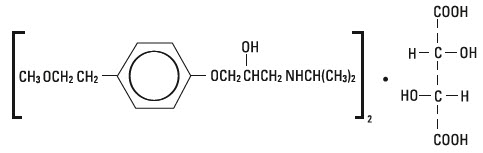
Metoprolol tartrate is a selective beta1-adrenoreceptor blocking agent. Metoprolol tartrate is (±)-1-(Isopropylamino)-3-[p-(2-methoxyethyl) phenoxy]-2-propanol L-(+)-tartrate (2:1) salt and its structural formula is
Metoprolol tartrate USP is a white, practically odorless, crystalline powder with a molecular weight of 684.82. It is very soluble in water; freely soluble in methylene chloride, in chloroform, and in alcohol; slightly soluble in acetone; and insoluble in ether. Metoprolol tartrate tablets are available as 50 mg and 100 mg tablets for oral administration containing 50 mg and 100 mg metoprolol tartrate, respectively.
7.2 Epinephrine
While taking beta-blockers, patients with a history of severe anaphylactic reactions to a variety of allergens may be more reactive to repeated challenge and may be unresponsive to the usual doses of epinephrine used to treat an allergic reaction.
1.1 Hypertension
Metoprolol tartrate tablets, USP is indicated for the treatment of hypertension in adult patients, to lower blood pressure. Lowering blood pressure lowers the risk of fatal and non-fatal cardiovascular events, primarily strokes and myocardial infarctions. These benefits have been seen in controlled trials of antihypertensive drugs from a wide variety of pharmacologic classes including metoprolol.
Control of high blood pressure should be part of comprehensive cardiovascular risk management, including, as appropriate, lipid control, diabetes management, antithrombotic therapy, smoking cessation, exercise, and limited sodium intake. Many patients will require more than 1 drug to achieve blood pressure goals. For specific advice on goals and management, see published guidelines, such as those of the National High Blood Pressure Education Program's Joint National Committee on Prevention, Detection, Evaluation, and Treatment of High Blood Pressure (JNC).
Numerous antihypertensive drugs, from a variety of pharmacologic classes and with different mechanisms of action, have been shown in randomized controlled trials to reduce cardiovascular morbidity and mortality, and it can be concluded that it is blood pressure reduction, and not some other pharmacologic property of the drugs, that is largely responsible for those benefits. The largest and most consistent cardiovascular outcome benefit has been a reduction in the risk of stroke, but reductions in myocardial infarction and cardiovascular mortality also have been seen regularly.
Elevated systolic or diastolic pressure causes increased cardiovascular risk, and the absolute risk increase per mmHg is greater at higher blood pressures, so that even modest reductions of severe hypertension can provide substantial benefit. Relative risk reduction from blood pressure reduction is similar across populations with varying absolute risk, so the absolute benefit is greater in patients who are at higher risk independent of their hypertension (for example, patients with diabetes or hyperlipidemia), and such patients would be expected to benefit from more aggressive treatment to a lower blood pressure goal.
Some antihypertensive drugs have smaller blood pressure effects (as monotherapy) in black patients, and many antihypertensive drugs have additional approved indications and effects (e.g., on angina, heart failure, or diabetic kidney disease). These considerations may guide selection of therapy.
Metoprolol tartrate tablets, USP may be administered with other antihypertensive agents.
2.1 Hypertension
Individualize the dosage of metoprolol tartrate tablets. Metoprolol tartrate tablets should be taken with or immediately following meals.
The usual initial dosage is 100 mg daily in single or divided doses. Adjust dosage at weekly (or longer) intervals until optimum blood pressure reduction is achieved. In general, the maximum effect of any given dosage level will be apparent after 1 week of therapy. The effective dosage range of metoprolol tartrate tablets is 100 mg to 450 mg per day. Dosages above 450 mg per day have not been studied. While once-daily dosing can maintain a reduction in blood pressure throughout the day, lower doses (especially 100 mg) may not maintain a full effect at the end of the 24-hour period. Larger or more frequent daily doses may be required. Measure blood pressure near the end of the dosing interval to determine whether satisfactory control is being maintained throughout the day.
5.6 Hypoglycemia
Beta-blockers may prevent early warning signs of hypoglycemia, such as tachycardia, and increase the risk for severe or prolonged hypoglycemia at any time during treatment, especially in patients with diabetes mellitus or children and patients who are fasting (i.e., surgery, not eating regularly, or are vomiting). If severe hypoglycemia occurs, patients should be instructed to seek emergency treatment. Beta-blockers may mask some of the manifestations of hypoglycemia, particularly tachycardia.
14.1 Hypertension
In controlled clinical studies, metoprolol tartrate has been shown to be an effective antihypertensive agent when used alone or as concomitant therapy with thiazide-type diuretics, at dosages of 100 mg to 450 mg daily. In controlled, comparative, clinical studies, metoprolol tartrate has been shown to be as effective an antihypertensive agent as propranolol, methyldopa, and thiazide-type diuretics, to be equally effective in supine and standing positions.
5.2 Heart Failure
Worsening cardiac failure may occur during up-titration of metoprolol tartrate. If such symptoms occur, increase diuretics and restore clinical stability before advancing the dose of metoprolol tartrate [see Dosage and Administration (2)]. It may be necessary to lower the dose of metoprolol tartrate or temporarily discontinue it. Such episodes do not preclude subsequent successful titration of metoprolol tartrate.
5.5 Major Surgery
Avoid initiation of a high-dose regimen of beta-blocker therapy in patients undergoing non-cardiac surgery, since such use in patients with cardiovascular risk factors has been associated with bradycardia, hypotension, stroke and death.
Chronically administered beta-blocking therapy should not be routinely withdrawn prior to major surgery, however, the impaired ability of the heart to respond to reflex adrenergic stimuli may augment the risks of general anesthesia and surgical procedures.
8.4 Pediatric Use
Safety and effectiveness of metoprolol tartrate have not been established in pediatric patients.
8.5 Geriatric Use
Clinical studies of metoprolol tartrate in hypertension did not include sufficient numbers of subjects aged 65 and over to determine whether they respond differently from younger subjects. Other reported clinical experience in hypertensive patients has not identified differences in responses between elderly and younger patients.
In worldwide clinical trials of metoprolol tartrate in myocardial infarction, where approximately 478 patients were over 65years of age (0 over 75 years of age), no age-related differences in safety and effectiveness were found. Other reported clinical experience in myocardial infarction has not identified differences in response between the elderly and younger patients.
In general, use a low initial starting dose in elderly patients given their greater frequency of decreased hepatic, renal, or cardiac function, and of concomitant disease or other drug therapy.
5.7 Thyrotoxicosis
Beta-adrenergic blockade may mask certain clinical signs of hyperthyroidism, such as tachycardia. Abrupt withdrawal of beta-blockade may precipitate a thyroid storm.
1.2 Angina Pectoris
Metoprolol tartrate tablets, USP is indicated in the long-term treatment of angina pectoris, to reduce angina attacks and to improve exercise tolerance.
2.2 Angina Pectoris
The dosage of metoprolol tartrate tablets should be individualized. Metoprolol tartrate tablets should be taken with or immediately following meals.
The usual initial dosage is 100 mg daily, given in two divided doses. Gradually increase the dosage at weekly intervals until optimum clinical response has been obtained or there is a pronounced slowing of the heart rate. The effective dosage range of metoprolol tartrate tablets is 100 to 400 mg per day. Dosages above 400 mg per day have not been studied. If treatment is to be discontinued, reduce the dosage gradually over a period of 1 - 2 weeks [see Warnings and Precautions (5.1)].
14.2 Angina Pectoris
In controlled clinical trials, metoprolol tartrate, administered two or four times daily, has been shown to be an effective antianginal agent, reducing the number of angina attacks and increasing exercise tolerance. The dosage used in these studies ranged from 100 mg to 400 mg daily. A controlled, comparative, clinical trial showed that metoprolol tartrate was indistinguishable from propranolol in the treatment of angina pectoris.
4. Contraindications
Metoprolol tartrate is contraindicated in severe bradycardia, second- or third-degree heart block, cardiogenic shock, systolic blood pressure <100, decompensated heart failure, sick sinus syndrome (unless a permanent pacemaker is in place), and in patients who are hypersensitive to any component of this product.
5.4 Pheochromocytoma
If metoprolol tartrate is used in the setting of pheochromocytoma, it should be given in combination with an alpha blocker, and only after the alpha blocker has been initiated. Administration of beta-blockers alone in the setting of pheochromocytoma has been associated with a paradoxical increase in blood pressure due to the attenuation of beta-mediated vasodilatation in skeletal muscle.
6. Adverse Reactions
The following adverse reactions are described elsewhere in labeling:
-
•Worsening angina or myocardial infarction [see Warnings and Precautions (5)]
-
•Worsening heart failure [see Warnings and Precautions (5)].
-
•Worsening AV block [see Contraindications (4)].
7. Drug Interactions
-
•Catecholamine-depleting drugs may have an additive effect when given with beta-blocking agents. (7.1)
-
•Patients may be unresponsive to the usual doses of epinephrine used to treat allergic reaction. (7.2)
-
•CYP2D6 Inhibitors are likely to increase metoprolol concentration. (7.3)
-
•Concomitant use of glycosides, clonidine, and diltiazem and verapamil with beta-blockers can increase the risk of bradycardia. (7.4)
-
•Beta-blockers including metoprolol, may exacerbate the rebound hypertension that can follow the withdrawal of clonidine. (7.4)
8.7 Renal Impairment
The systemic availability and half-life of metoprolol in patients with renal failure do not differ to a clinically significant degree from those in normal subjects. No reduction in dosage is needed in patients with chronic renal failure [see Clinical Pharmacology (12.3)].
12.2 Pharmacodynamics
Clinical pharmacology studies have confirmed the beta-blocking activity of metoprolol in man, as shown by (1) reduction in heart rate and cardiac output at rest and upon exercise, (2) reduction of systolic blood pressure upon exercise, (3) inhibition of isoproterenol-induced tachycardia, and (4) reduction of reflex orthostatic tachycardia.
The relationship between plasma metoprolol levels and reduction in exercise heart rate is independent of the pharmaceutical formulation. Beta1-blocking effects in the range of 30-80% of the maximal effect (approximately 8 to 23% reduction in exercise heart rate) correspond to metoprolol plasma concentrations from 30 to 540 nmol/L. The relative beta1-selectivity of metoprolol diminishes and blockade of beta2-adrenoceptors increases at plasma concentration above 300 nmol/L.
Significant beta-blocking effect (as measured by reduction of exercise heart rate) occurs within 1 hour after oral administration, and its duration is dose-related. For example, a 50% reduction of the maximum effect after single oral doses of 20, 50, and 100 mg occurred at 3.3, 5.0, and 6.4 hours, respectively, in normal subjects. After repeated oral dosages of 100 mg twice daily, a significant reduction in exercise systolic blood pressure was evident at 12 hours. When the drug was infused over a 10-minute period, in normal volunteers, maximum beta-blockade was achieved at approximately 20 minutes. Equivalent maximal beta-blocking effect is achieved with oral and intravenous doses in the ratio of approximately 2.5:1.
There is a linear relationship between the log of plasma levels and reduction of exercise heart rate. However, antihypertensive activity does not appear to be related to plasma levels. Because of variable plasma levels attained with a given dose and lack of a consistent relationship of antihypertensive activity to dose, selection of proper dosage requires individual titration.
In several studies of patients with acute myocardial infarction, intravenous followed by oral administration of metoprolol tartrate caused a reduction in heart rate, systolic blood pressure and cardiac output. Stroke volume, diastolic blood pressure and pulmonary artery end diastolic pressure remained unchanged.
12.5 Pharmacogenomics
CYP2D6 is absent in about 8% of Caucasians (poor metabolizers) and about 2% of most other populations. CYP2D6 can be inhibited by several drugs. Poor metabolizers of CYP2D6 will have increased (several-fold) metoprolol blood levels, decreasing metoprolol's cardioselectivity.
7.3 Cyp2d6 Inhibitors
Drugs that are strong inhibitors of CYP2D6 such as quinidine, fluoxetine, paroxetine, and propafenone were shown to double metoprolol concentrations. While there is no information about moderate or weak inhibitors, these too are likely to increase metoprolol concentration. Increases in plasma concentration decrease the cardioselectivity of metoprolol [see Clinical Pharmacology (12.3)]. Monitor patients closely, when the combination cannot be avoided.
8.6 Hepatic Impairment
No studies have been performed with metoprolol tartrate in patients with hepatic impairment. Because metoprolol tartrate is metabolized by the liver, metoprolol blood levels are likely to increase substantially with poor hepatic function. Therefore, initiate therapy at doses lower than those recommended for a given indication; and increase doses gradually in patients with impaired hepatic function.
1. Indications and Usage
Metoprolol tartrate tablets is a beta-adrenergic blocker indicated for the treatment of:
-
•Hypertension, to lower blood pressure. Lowering blood pressure reduces the risk of fatal and non-fatal cardiovascular events, primarily strokes and myocardial infarctions. (1.1)
-
•Angina Pectoris. (1.2)
-
•Myocardial Infarction, to reduce the risk of cardiovascular mortality when used in conjunction with intravenous metoprolol therapy in patients with definite or suspected acute myocardial infarction in hemodynamically stable patients. (1.3)
12.1 Mechanism of Action
Metoprolol is a beta1-selective (cardioselective) adrenergic receptor blocking agent. This preferential effect is not absolute, however, and at higher plasma concentrations, metoprolol also inhibits beta2-adrenoreceptors, chiefly located in the bronchial and vascular musculature.
Metoprolol has no intrinsic sympathomimetic activity, and membrane-stabilizing activity is detectable only at plasma concentrations much greater than required for beta-blockade. Animal and human experiments indicate that metoprolol slows the sinus rate and decreases AV nodal conduction.
The relative beta1-selectivity of metoprolol has been confirmed by the following: (1) In normal subjects, metoprolol is unable to reverse the beta2-mediated vasodilating effects of epinephrine. This contrasts with the effect of nonselective beta-blockers, which completely reverse the vasodilating effects of epinephrine. (2) In asthmatic patients, metoprolol reduces FEV1 and FVC significantly less than a nonselective beta-blocker, propranolol, at equivalent beta1-receptor blocking doses.
1.3 Myocardial Infarction
Metoprolol tartrate tablets, USP are indicated in the treatment of hemodynamically stable patients with definite or suspected acute myocardial infarction to reduce cardiovascular mortality when used alone or in conjunction with intravenous metoprolol.
2.3 Myocardial Infarction
See prescribing information of intravenous metoprolol for dosage instructions for intravenous therapy.
In patients who tolerate the full intravenous dose, initiate metoprolol tartrate tablets, 50 mg every 6 hours, 15 minutes after the last intravenous dose of metoprolol and continue for 48 hours. In the case of intolerance, reduce dose to 25 mg and administer for 48 hours. Titrate, based on tolerability, to a maintenance dosage of 100 mg twice daily. Continue therapy for at least 3 months. Although the efficacy of metoprolol tartrate beyond 3 months has not been conclusively established, data from studies with other beta-blockers suggest that treatment should be continued for 1 to 3 years.
7.4 Negative Chronotropes
Digitalis glycosides, clonidine, diltiazem and verapamil slow atrioventricular conduction and decrease heart rate. Concomitant use with beta-blockers can increase the risk of bradycardia.
If clonidine and a beta-blocker, such as metoprolol are coadministered, withdraw the beta-blocker several days before the gradual withdrawal of clonidine because beta-blockers may exacerbate the rebound hypertension that can follow the withdrawal of clonidine. If replacing clonidine by beta-blocker therapy, delay the introduction of beta-blockers for several days after clonidine administration has stopped.
14.3 Myocardial Infarction
In a large (1395 patients randomized), double-blind, placebo-controlled clinical study, metoprolol tartrate was shown to reduce 3-month mortality by 36% in patients with suspected or definite myocardial infarction.
Patients were randomized and treated as soon as possible after their arrival in the hospital, once their clinical condition had stabilized and their hemodynamic status had been carefully evaluated. Subjects were ineligible if they had hypotension, bradycardia, peripheral signs of shock, and/or more than minimal basal rales as signs of congestive heart failure. Initial treatment consisted of intravenous followed by oral administration of metoprolol tartrate or placebo, given in a coronary care or comparable unit. Oral maintenance therapy with metoprolol tartrate or placebo was then continued for 3 months. After this double-blind period, all patients were given metoprolol tartrate and followed up to 1 year.
The median delay from the onset of symptoms to the initiation of therapy was 8 hours in both the metoprolol tartrate- and placebo-treatment groups. Among patients treated with metoprolol tartrate, there were comparable reductions in 3-month mortality for those treated early (≤ 8 hours) and those in whom treatment was started later. Significant reductions in the incidence of ventricular fibrillation and in chest pain following initial intravenous therapy were also observed with metoprolol tartrate and were independent of the interval between onset of symptoms and initiation of therapy.
In this study, patients treated with metoprolol received the drug both very early (intra-venously) and during a subsequent 3-month period, while placebo patients received no beta-blocker treatment for this period. The study thus was able to show a benefit from the overall metoprolol regimen but cannot separate the benefit of very early intravenous treatment from the benefit of later beta-blocker therapy. Nonetheless, because the overall regimen showed a clear beneficial effect on survival without evidence of an early adverse effect on survival, one acceptable dosage regimen is the precise regimen used in the trial. Because the specific benefit of very early treatment remains to be defined however, it is also reasonable to administer the drug orally to patients at a later time as is recommended for certain other beta-blockers.
5.3 Bronchospastic Disease
Patients with bronchospastic disease, should in general, not receive beta-blockers, including metoprolol tartrate. Because of its relative beta1 cardio-selectivity, however, metoprolol tartrate may be used in patients with bronchospastic disease who do not respond to, or cannot tolerate, other antihypertensive treatment. Because beta1-selectivity is not absolute, use the lowest possible dose of metoprolol tartrate. Bronchodilators, including beta2-agonists, should be readily available or administered concomitantly [see Dosage and Administration (2)].
5. Warnings and Precautions
-
•Abrupt cessation may exacerbate myocardial ischemia. (5.1)
-
•Heart Failure: Worsening cardiac failure may occur. (5.2)
-
•Bronchospastic Disease: Avoid beta-blockers. (5.3)
-
•Pheochromocytoma: Initiate therapy with an alpha blocker. (5.4)
-
•Major Surgery: Avoid initiation of high-dose extended-release metoprolol in patients undergoing non-cardiac surgery. Do not routinely withdraw chronic beta-blocker therapy prior to surgery. (5.5, 6.1)
-
•Diabetes: May mask symptoms of hypoglycemia. (5.6)
-
•Thyrotoxicosis: Abrupt withdrawal in patients with thyrotoxicosis might precipitate a thyroid storm. (5.7)
-
•Peripheral Vascular Disease: Can aggravate symptoms of arterial insufficiency. (5.9)
2. Dosage and Administration
-
•Administer once daily with food or after a meal. Titrate at weekly or longer intervals as needed and tolerated. (2)
-
•Hypertension: Recommended starting dosage is 100 mg daily, in single or divided doses. (2.1)
-
•Angina Pectoris: Recommended starting dosage is 100 mg daily, given as two divided doses. (2.2)
-
•Myocardial Infarction: The starting dosage depends upon tolerance of intravenous metoprolol, see full prescribing information. (2.3)
3. Dosage Forms and Strengths
Metoprolol Tartrate Tablets, USP are supplied as:
50 mg tablet – Light pink, round, film coated tablet debossed "M/1" with bisect on one side and plain on the other side.
100 mg tablet – Light blue, round, film coated tablet debossed "M/2" with bisect on one side and plain on the other side.
6.2 Post Marketing Experience
The following adverse reactions have been identified during post approval use of metoprolol tartrate. Because these reactions are reported voluntarily from a population of uncertain size, it is not always possible to reliably estimate their frequency or establish a causal relationship to drug exposure.
Central Nervous System: Reversible mental depression progressing to catatonia; an acute reversible syndrome characterized by disorientation for time and place, short-term memory loss, emotional lability, slightly clouded sensorium, and decreased performance on neuropsychometrics.
Cardiovascular: Intensification of AV block [see Contraindications (4)].
Hematologic: Agranulocytosis, nonthrombocytopenic purpura and thrombocytopenic purpura.
Hypersensitive Reactions: Fever combined with aching and sore throat, laryngospasm and respiratory distress.
6.1 Clinical Trials Experience
Because clinical trials are conducted under widely varying conditions, adverse reaction rates observed in the clinical trials of a drug cannot be directly compared to rates in the clinical trials of another drug and may not reflect the rates observed in practice.
8. Use in Specific Populations
-
•Hepatic Impairment: Consider initiating metoprolol tartrate tablets therapy at low doses and gradually increase dosage to optimize therapy, while monitoring closely for adverse events. (8.6)
5.1 Abrupt Cessation of Therapy
Following abrupt cessation of therapy with certain beta-blocking agents, exacerbations of angina pectoris and, in some cases, myocardial infarction have occurred. When discontinuing chronically administered metoprolol tartrate, particularly in patients with ischemic heart disease, gradually reduce the dosage over a period of 1 to 2 weeks and monitor the patient. If angina markedly worsens or acute coronary ischemia develops, promptly reinstate metoprolol tartrate, and take measures appropriate for the management of unstable angina. Warn patients not to interrupt therapy without their physician's advice. Because coronary artery disease is common and may be unrecognized, avoid abruptly discontinuing metoprolol tartrate in patients treated only for hypertension.
5.9 Peripheral Vascular Disease
Beta-blockers can precipitate or aggravate symptoms of arterial insufficiency in patients with peripheral vascular disease.
7.1 Catecholamine Depleting Drugs
Catecholamine depleting drugs (e.g., reserpine, monoamine oxidase (MAO) inhibitors) may have an additive effect when given with beta-blocking agents. Observe patients treated with metoprolol tartrate plus a catecholamine depletor for evidence of hypotension or marked bradycardia, which may produce vertigo, syncope, or postural hypotension.
17. Patient Counseling Information
Advise patients to take metoprolol tartrate regularly and continuously, as directed, preferably with or immediately following meals. If a dose is missed, the patient should take only the next scheduled dose (without doubling it). Patients should not interrupt or discontinue metoprolol tartrate without consulting the physician.
Advise patients (1) to avoid operating automobiles and machinery or engaging in other tasks requiring alertness until the patient's response to therapy with metoprolol tartrate has been determined; (2) to contact the physician if any difficulty in breathing occurs; (3) to inform the physician or dentist before any type of surgery that he or she is taking metoprolol tartrate.
Inform patients or caregivers that there is a risk of hypoglycemia when metoprolol tartrate is given to patients who are fasting or who are vomiting. Monitor for symptoms of hypoglycemia.
5.8 Risk of Anaphylactic Reactions
While taking beta-blockers, patients with a history of severe anaphylactic reaction to a variety of allergens may be more reactive to repeated challenge, either accidental, diagnostic, or therapeutic. Such patients may be unresponsive to the usual doses of epinephrine used to treat allergic reaction.
16. How Supplied/storage and Handling
Metoprolol Tartrate Tablets, USP are available as follows:
Tablets 50 mg – Light pink, round, film coated tablet debossed "M/1" with bisect on one side and plain on the other side.
|
Bottles of 30 |
NDC 82804-978-30 |
|
Bottles of 60 |
NDC 82804-978-60 |
|
Bottles of 90 |
NDC 82804-978-90 |
|
Bottles of 100 |
NDC 82804-978-00 |
|
Bottles of 500 |
NDC 82804-978-55 |
|
Bottles of 1000 |
NDC 82804-978-11 |
Tablets 100 mg – Light blue, round, film coated tablet debossed "M/2" with bisect on one side and plain on the other side.
|
Bottles of 30 |
NDC 82804-979-30 |
|
Bottles of 60 |
NDC 82804-979-60 |
|
Bottles of 90 |
NDC 82804-979-90 |
|
Bottles of 100 |
NDC 82804-979-00 |
|
Bottles of 500 |
NDC 82804-979-55 |
|
Bottles of 1000 |
NDC 82804-979-11 |
13.1 Carcinogenesis, Mutagenesis, Impairment of Fertility
Long-term studies in animals have been conducted to evaluate the carcinogenic potential of metoprolol tartrate. In 2-year studies in rats at three oral dosage levels of up to 800 mg/kg/day (19 times, on a mg/m2 basis, the daily dose of 400 mg for a 60-kg patient), there was no increase in the development of spontaneously occurring benign or malignant neoplasms of any type. The only histologic changes that appeared to be drug related were an increased incidence of generally mild focal accumulation of foamy macrophages in pulmonary alveoli and a slight increase in biliary hyperplasia. In a 21-month study in Swiss albino mice at three oral dosage levels of up to 750 mg/kg/day (9 times, on a mg/m2 basis, the daily dose of 400 mg for a 60-kg patient), benign lung tumors (small adenomas) occurred more frequently in female mice receiving the highest dose than in untreated control animals. There was no increase in malignant or total (benign plus malignant) lung tumors, nor in the overall incidence of tumors or malignant tumors. This 21-month study was repeated in CD-1 mice, and no statistically or biologically significant differences were observed between treated and control mice of either sex for any type of tumor.
All genotoxicity tests performed on metoprolol tartrate (a dominant lethal study in mice, chromosome studies in somatic cells, a Salmonella/mammalian-microsome mutagenicity test, and a nucleus anomaly test in somatic interphase nuclei) and metoprolol succinate (a Salmonella/mammalian-microsome mutagenicity test) were negative.
No evidence of impaired fertility due to metoprolol tartrate was observed in a study performed in rats at doses up to 55.5 times, on a mg/m2 basis, the daily dose of 450 mg in a 60-kg patient.
Structured Label Content
Principal Display Panel (PRINCIPAL DISPLAY PANEL)
NDC 82804-978-30 Metoprolol tartrate USP Tablets
50 mg
30 Tablets
Rx Only
Section 42229-5 (42229-5)
Hypertension and Angina
Most adverse effects have been mild and transient.
Section 44425-7 (44425-7)
Storage: Store at 77°F (25°C); excursions permitted to 59° to 86°F (15° to 30°C) [See USP Controlled Room Temperature]. Protect from moisture and heat.
Dispense in a tight, light-resistant container (USP).
11. Description (11. DESCRIPTION)
Metoprolol tartrate is a selective beta1-adrenoreceptor blocking agent. Metoprolol tartrate is (±)-1-(Isopropylamino)-3-[p-(2-methoxyethyl) phenoxy]-2-propanol L-(+)-tartrate (2:1) salt and its structural formula is
Metoprolol tartrate USP is a white, practically odorless, crystalline powder with a molecular weight of 684.82. It is very soluble in water; freely soluble in methylene chloride, in chloroform, and in alcohol; slightly soluble in acetone; and insoluble in ether. Metoprolol tartrate tablets are available as 50 mg and 100 mg tablets for oral administration containing 50 mg and 100 mg metoprolol tartrate, respectively.
7.2 Epinephrine
While taking beta-blockers, patients with a history of severe anaphylactic reactions to a variety of allergens may be more reactive to repeated challenge and may be unresponsive to the usual doses of epinephrine used to treat an allergic reaction.
1.1 Hypertension
Metoprolol tartrate tablets, USP is indicated for the treatment of hypertension in adult patients, to lower blood pressure. Lowering blood pressure lowers the risk of fatal and non-fatal cardiovascular events, primarily strokes and myocardial infarctions. These benefits have been seen in controlled trials of antihypertensive drugs from a wide variety of pharmacologic classes including metoprolol.
Control of high blood pressure should be part of comprehensive cardiovascular risk management, including, as appropriate, lipid control, diabetes management, antithrombotic therapy, smoking cessation, exercise, and limited sodium intake. Many patients will require more than 1 drug to achieve blood pressure goals. For specific advice on goals and management, see published guidelines, such as those of the National High Blood Pressure Education Program's Joint National Committee on Prevention, Detection, Evaluation, and Treatment of High Blood Pressure (JNC).
Numerous antihypertensive drugs, from a variety of pharmacologic classes and with different mechanisms of action, have been shown in randomized controlled trials to reduce cardiovascular morbidity and mortality, and it can be concluded that it is blood pressure reduction, and not some other pharmacologic property of the drugs, that is largely responsible for those benefits. The largest and most consistent cardiovascular outcome benefit has been a reduction in the risk of stroke, but reductions in myocardial infarction and cardiovascular mortality also have been seen regularly.
Elevated systolic or diastolic pressure causes increased cardiovascular risk, and the absolute risk increase per mmHg is greater at higher blood pressures, so that even modest reductions of severe hypertension can provide substantial benefit. Relative risk reduction from blood pressure reduction is similar across populations with varying absolute risk, so the absolute benefit is greater in patients who are at higher risk independent of their hypertension (for example, patients with diabetes or hyperlipidemia), and such patients would be expected to benefit from more aggressive treatment to a lower blood pressure goal.
Some antihypertensive drugs have smaller blood pressure effects (as monotherapy) in black patients, and many antihypertensive drugs have additional approved indications and effects (e.g., on angina, heart failure, or diabetic kidney disease). These considerations may guide selection of therapy.
Metoprolol tartrate tablets, USP may be administered with other antihypertensive agents.
2.1 Hypertension
Individualize the dosage of metoprolol tartrate tablets. Metoprolol tartrate tablets should be taken with or immediately following meals.
The usual initial dosage is 100 mg daily in single or divided doses. Adjust dosage at weekly (or longer) intervals until optimum blood pressure reduction is achieved. In general, the maximum effect of any given dosage level will be apparent after 1 week of therapy. The effective dosage range of metoprolol tartrate tablets is 100 mg to 450 mg per day. Dosages above 450 mg per day have not been studied. While once-daily dosing can maintain a reduction in blood pressure throughout the day, lower doses (especially 100 mg) may not maintain a full effect at the end of the 24-hour period. Larger or more frequent daily doses may be required. Measure blood pressure near the end of the dosing interval to determine whether satisfactory control is being maintained throughout the day.
5.6 Hypoglycemia
Beta-blockers may prevent early warning signs of hypoglycemia, such as tachycardia, and increase the risk for severe or prolonged hypoglycemia at any time during treatment, especially in patients with diabetes mellitus or children and patients who are fasting (i.e., surgery, not eating regularly, or are vomiting). If severe hypoglycemia occurs, patients should be instructed to seek emergency treatment. Beta-blockers may mask some of the manifestations of hypoglycemia, particularly tachycardia.
14.1 Hypertension
In controlled clinical studies, metoprolol tartrate has been shown to be an effective antihypertensive agent when used alone or as concomitant therapy with thiazide-type diuretics, at dosages of 100 mg to 450 mg daily. In controlled, comparative, clinical studies, metoprolol tartrate has been shown to be as effective an antihypertensive agent as propranolol, methyldopa, and thiazide-type diuretics, to be equally effective in supine and standing positions.
5.2 Heart Failure
Worsening cardiac failure may occur during up-titration of metoprolol tartrate. If such symptoms occur, increase diuretics and restore clinical stability before advancing the dose of metoprolol tartrate [see Dosage and Administration (2)]. It may be necessary to lower the dose of metoprolol tartrate or temporarily discontinue it. Such episodes do not preclude subsequent successful titration of metoprolol tartrate.
5.5 Major Surgery
Avoid initiation of a high-dose regimen of beta-blocker therapy in patients undergoing non-cardiac surgery, since such use in patients with cardiovascular risk factors has been associated with bradycardia, hypotension, stroke and death.
Chronically administered beta-blocking therapy should not be routinely withdrawn prior to major surgery, however, the impaired ability of the heart to respond to reflex adrenergic stimuli may augment the risks of general anesthesia and surgical procedures.
8.4 Pediatric Use
Safety and effectiveness of metoprolol tartrate have not been established in pediatric patients.
8.5 Geriatric Use
Clinical studies of metoprolol tartrate in hypertension did not include sufficient numbers of subjects aged 65 and over to determine whether they respond differently from younger subjects. Other reported clinical experience in hypertensive patients has not identified differences in responses between elderly and younger patients.
In worldwide clinical trials of metoprolol tartrate in myocardial infarction, where approximately 478 patients were over 65years of age (0 over 75 years of age), no age-related differences in safety and effectiveness were found. Other reported clinical experience in myocardial infarction has not identified differences in response between the elderly and younger patients.
In general, use a low initial starting dose in elderly patients given their greater frequency of decreased hepatic, renal, or cardiac function, and of concomitant disease or other drug therapy.
5.7 Thyrotoxicosis
Beta-adrenergic blockade may mask certain clinical signs of hyperthyroidism, such as tachycardia. Abrupt withdrawal of beta-blockade may precipitate a thyroid storm.
1.2 Angina Pectoris
Metoprolol tartrate tablets, USP is indicated in the long-term treatment of angina pectoris, to reduce angina attacks and to improve exercise tolerance.
2.2 Angina Pectoris
The dosage of metoprolol tartrate tablets should be individualized. Metoprolol tartrate tablets should be taken with or immediately following meals.
The usual initial dosage is 100 mg daily, given in two divided doses. Gradually increase the dosage at weekly intervals until optimum clinical response has been obtained or there is a pronounced slowing of the heart rate. The effective dosage range of metoprolol tartrate tablets is 100 to 400 mg per day. Dosages above 400 mg per day have not been studied. If treatment is to be discontinued, reduce the dosage gradually over a period of 1 - 2 weeks [see Warnings and Precautions (5.1)].
14.2 Angina Pectoris
In controlled clinical trials, metoprolol tartrate, administered two or four times daily, has been shown to be an effective antianginal agent, reducing the number of angina attacks and increasing exercise tolerance. The dosage used in these studies ranged from 100 mg to 400 mg daily. A controlled, comparative, clinical trial showed that metoprolol tartrate was indistinguishable from propranolol in the treatment of angina pectoris.
4. Contraindications (4. CONTRAINDICATIONS)
Metoprolol tartrate is contraindicated in severe bradycardia, second- or third-degree heart block, cardiogenic shock, systolic blood pressure <100, decompensated heart failure, sick sinus syndrome (unless a permanent pacemaker is in place), and in patients who are hypersensitive to any component of this product.
5.4 Pheochromocytoma
If metoprolol tartrate is used in the setting of pheochromocytoma, it should be given in combination with an alpha blocker, and only after the alpha blocker has been initiated. Administration of beta-blockers alone in the setting of pheochromocytoma has been associated with a paradoxical increase in blood pressure due to the attenuation of beta-mediated vasodilatation in skeletal muscle.
6. Adverse Reactions (6. ADVERSE REACTIONS)
The following adverse reactions are described elsewhere in labeling:
-
•Worsening angina or myocardial infarction [see Warnings and Precautions (5)]
-
•Worsening heart failure [see Warnings and Precautions (5)].
-
•Worsening AV block [see Contraindications (4)].
7. Drug Interactions (7. DRUG INTERACTIONS)
-
•Catecholamine-depleting drugs may have an additive effect when given with beta-blocking agents. (7.1)
-
•Patients may be unresponsive to the usual doses of epinephrine used to treat allergic reaction. (7.2)
-
•CYP2D6 Inhibitors are likely to increase metoprolol concentration. (7.3)
-
•Concomitant use of glycosides, clonidine, and diltiazem and verapamil with beta-blockers can increase the risk of bradycardia. (7.4)
-
•Beta-blockers including metoprolol, may exacerbate the rebound hypertension that can follow the withdrawal of clonidine. (7.4)
8.7 Renal Impairment
The systemic availability and half-life of metoprolol in patients with renal failure do not differ to a clinically significant degree from those in normal subjects. No reduction in dosage is needed in patients with chronic renal failure [see Clinical Pharmacology (12.3)].
12.2 Pharmacodynamics
Clinical pharmacology studies have confirmed the beta-blocking activity of metoprolol in man, as shown by (1) reduction in heart rate and cardiac output at rest and upon exercise, (2) reduction of systolic blood pressure upon exercise, (3) inhibition of isoproterenol-induced tachycardia, and (4) reduction of reflex orthostatic tachycardia.
The relationship between plasma metoprolol levels and reduction in exercise heart rate is independent of the pharmaceutical formulation. Beta1-blocking effects in the range of 30-80% of the maximal effect (approximately 8 to 23% reduction in exercise heart rate) correspond to metoprolol plasma concentrations from 30 to 540 nmol/L. The relative beta1-selectivity of metoprolol diminishes and blockade of beta2-adrenoceptors increases at plasma concentration above 300 nmol/L.
Significant beta-blocking effect (as measured by reduction of exercise heart rate) occurs within 1 hour after oral administration, and its duration is dose-related. For example, a 50% reduction of the maximum effect after single oral doses of 20, 50, and 100 mg occurred at 3.3, 5.0, and 6.4 hours, respectively, in normal subjects. After repeated oral dosages of 100 mg twice daily, a significant reduction in exercise systolic blood pressure was evident at 12 hours. When the drug was infused over a 10-minute period, in normal volunteers, maximum beta-blockade was achieved at approximately 20 minutes. Equivalent maximal beta-blocking effect is achieved with oral and intravenous doses in the ratio of approximately 2.5:1.
There is a linear relationship between the log of plasma levels and reduction of exercise heart rate. However, antihypertensive activity does not appear to be related to plasma levels. Because of variable plasma levels attained with a given dose and lack of a consistent relationship of antihypertensive activity to dose, selection of proper dosage requires individual titration.
In several studies of patients with acute myocardial infarction, intravenous followed by oral administration of metoprolol tartrate caused a reduction in heart rate, systolic blood pressure and cardiac output. Stroke volume, diastolic blood pressure and pulmonary artery end diastolic pressure remained unchanged.
12.5 Pharmacogenomics
CYP2D6 is absent in about 8% of Caucasians (poor metabolizers) and about 2% of most other populations. CYP2D6 can be inhibited by several drugs. Poor metabolizers of CYP2D6 will have increased (several-fold) metoprolol blood levels, decreasing metoprolol's cardioselectivity.
7.3 Cyp2d6 Inhibitors (7.3 CYP2D6 Inhibitors)
Drugs that are strong inhibitors of CYP2D6 such as quinidine, fluoxetine, paroxetine, and propafenone were shown to double metoprolol concentrations. While there is no information about moderate or weak inhibitors, these too are likely to increase metoprolol concentration. Increases in plasma concentration decrease the cardioselectivity of metoprolol [see Clinical Pharmacology (12.3)]. Monitor patients closely, when the combination cannot be avoided.
8.6 Hepatic Impairment
No studies have been performed with metoprolol tartrate in patients with hepatic impairment. Because metoprolol tartrate is metabolized by the liver, metoprolol blood levels are likely to increase substantially with poor hepatic function. Therefore, initiate therapy at doses lower than those recommended for a given indication; and increase doses gradually in patients with impaired hepatic function.
1. Indications and Usage (1. INDICATIONS AND USAGE)
Metoprolol tartrate tablets is a beta-adrenergic blocker indicated for the treatment of:
-
•Hypertension, to lower blood pressure. Lowering blood pressure reduces the risk of fatal and non-fatal cardiovascular events, primarily strokes and myocardial infarctions. (1.1)
-
•Angina Pectoris. (1.2)
-
•Myocardial Infarction, to reduce the risk of cardiovascular mortality when used in conjunction with intravenous metoprolol therapy in patients with definite or suspected acute myocardial infarction in hemodynamically stable patients. (1.3)
12.1 Mechanism of Action
Metoprolol is a beta1-selective (cardioselective) adrenergic receptor blocking agent. This preferential effect is not absolute, however, and at higher plasma concentrations, metoprolol also inhibits beta2-adrenoreceptors, chiefly located in the bronchial and vascular musculature.
Metoprolol has no intrinsic sympathomimetic activity, and membrane-stabilizing activity is detectable only at plasma concentrations much greater than required for beta-blockade. Animal and human experiments indicate that metoprolol slows the sinus rate and decreases AV nodal conduction.
The relative beta1-selectivity of metoprolol has been confirmed by the following: (1) In normal subjects, metoprolol is unable to reverse the beta2-mediated vasodilating effects of epinephrine. This contrasts with the effect of nonselective beta-blockers, which completely reverse the vasodilating effects of epinephrine. (2) In asthmatic patients, metoprolol reduces FEV1 and FVC significantly less than a nonselective beta-blocker, propranolol, at equivalent beta1-receptor blocking doses.
1.3 Myocardial Infarction
Metoprolol tartrate tablets, USP are indicated in the treatment of hemodynamically stable patients with definite or suspected acute myocardial infarction to reduce cardiovascular mortality when used alone or in conjunction with intravenous metoprolol.
2.3 Myocardial Infarction
See prescribing information of intravenous metoprolol for dosage instructions for intravenous therapy.
In patients who tolerate the full intravenous dose, initiate metoprolol tartrate tablets, 50 mg every 6 hours, 15 minutes after the last intravenous dose of metoprolol and continue for 48 hours. In the case of intolerance, reduce dose to 25 mg and administer for 48 hours. Titrate, based on tolerability, to a maintenance dosage of 100 mg twice daily. Continue therapy for at least 3 months. Although the efficacy of metoprolol tartrate beyond 3 months has not been conclusively established, data from studies with other beta-blockers suggest that treatment should be continued for 1 to 3 years.
7.4 Negative Chronotropes
Digitalis glycosides, clonidine, diltiazem and verapamil slow atrioventricular conduction and decrease heart rate. Concomitant use with beta-blockers can increase the risk of bradycardia.
If clonidine and a beta-blocker, such as metoprolol are coadministered, withdraw the beta-blocker several days before the gradual withdrawal of clonidine because beta-blockers may exacerbate the rebound hypertension that can follow the withdrawal of clonidine. If replacing clonidine by beta-blocker therapy, delay the introduction of beta-blockers for several days after clonidine administration has stopped.
14.3 Myocardial Infarction
In a large (1395 patients randomized), double-blind, placebo-controlled clinical study, metoprolol tartrate was shown to reduce 3-month mortality by 36% in patients with suspected or definite myocardial infarction.
Patients were randomized and treated as soon as possible after their arrival in the hospital, once their clinical condition had stabilized and their hemodynamic status had been carefully evaluated. Subjects were ineligible if they had hypotension, bradycardia, peripheral signs of shock, and/or more than minimal basal rales as signs of congestive heart failure. Initial treatment consisted of intravenous followed by oral administration of metoprolol tartrate or placebo, given in a coronary care or comparable unit. Oral maintenance therapy with metoprolol tartrate or placebo was then continued for 3 months. After this double-blind period, all patients were given metoprolol tartrate and followed up to 1 year.
The median delay from the onset of symptoms to the initiation of therapy was 8 hours in both the metoprolol tartrate- and placebo-treatment groups. Among patients treated with metoprolol tartrate, there were comparable reductions in 3-month mortality for those treated early (≤ 8 hours) and those in whom treatment was started later. Significant reductions in the incidence of ventricular fibrillation and in chest pain following initial intravenous therapy were also observed with metoprolol tartrate and were independent of the interval between onset of symptoms and initiation of therapy.
In this study, patients treated with metoprolol received the drug both very early (intra-venously) and during a subsequent 3-month period, while placebo patients received no beta-blocker treatment for this period. The study thus was able to show a benefit from the overall metoprolol regimen but cannot separate the benefit of very early intravenous treatment from the benefit of later beta-blocker therapy. Nonetheless, because the overall regimen showed a clear beneficial effect on survival without evidence of an early adverse effect on survival, one acceptable dosage regimen is the precise regimen used in the trial. Because the specific benefit of very early treatment remains to be defined however, it is also reasonable to administer the drug orally to patients at a later time as is recommended for certain other beta-blockers.
5.3 Bronchospastic Disease
Patients with bronchospastic disease, should in general, not receive beta-blockers, including metoprolol tartrate. Because of its relative beta1 cardio-selectivity, however, metoprolol tartrate may be used in patients with bronchospastic disease who do not respond to, or cannot tolerate, other antihypertensive treatment. Because beta1-selectivity is not absolute, use the lowest possible dose of metoprolol tartrate. Bronchodilators, including beta2-agonists, should be readily available or administered concomitantly [see Dosage and Administration (2)].
5. Warnings and Precautions (5. WARNINGS AND PRECAUTIONS)
-
•Abrupt cessation may exacerbate myocardial ischemia. (5.1)
-
•Heart Failure: Worsening cardiac failure may occur. (5.2)
-
•Bronchospastic Disease: Avoid beta-blockers. (5.3)
-
•Pheochromocytoma: Initiate therapy with an alpha blocker. (5.4)
-
•Major Surgery: Avoid initiation of high-dose extended-release metoprolol in patients undergoing non-cardiac surgery. Do not routinely withdraw chronic beta-blocker therapy prior to surgery. (5.5, 6.1)
-
•Diabetes: May mask symptoms of hypoglycemia. (5.6)
-
•Thyrotoxicosis: Abrupt withdrawal in patients with thyrotoxicosis might precipitate a thyroid storm. (5.7)
-
•Peripheral Vascular Disease: Can aggravate symptoms of arterial insufficiency. (5.9)
2. Dosage and Administration (2. DOSAGE AND ADMINISTRATION)
-
•Administer once daily with food or after a meal. Titrate at weekly or longer intervals as needed and tolerated. (2)
-
•Hypertension: Recommended starting dosage is 100 mg daily, in single or divided doses. (2.1)
-
•Angina Pectoris: Recommended starting dosage is 100 mg daily, given as two divided doses. (2.2)
-
•Myocardial Infarction: The starting dosage depends upon tolerance of intravenous metoprolol, see full prescribing information. (2.3)
3. Dosage Forms and Strengths (3. DOSAGE FORMS AND STRENGTHS)
Metoprolol Tartrate Tablets, USP are supplied as:
50 mg tablet – Light pink, round, film coated tablet debossed "M/1" with bisect on one side and plain on the other side.
100 mg tablet – Light blue, round, film coated tablet debossed "M/2" with bisect on one side and plain on the other side.
6.2 Post Marketing Experience (6.2 Post-Marketing Experience)
The following adverse reactions have been identified during post approval use of metoprolol tartrate. Because these reactions are reported voluntarily from a population of uncertain size, it is not always possible to reliably estimate their frequency or establish a causal relationship to drug exposure.
Central Nervous System: Reversible mental depression progressing to catatonia; an acute reversible syndrome characterized by disorientation for time and place, short-term memory loss, emotional lability, slightly clouded sensorium, and decreased performance on neuropsychometrics.
Cardiovascular: Intensification of AV block [see Contraindications (4)].
Hematologic: Agranulocytosis, nonthrombocytopenic purpura and thrombocytopenic purpura.
Hypersensitive Reactions: Fever combined with aching and sore throat, laryngospasm and respiratory distress.
6.1 Clinical Trials Experience
Because clinical trials are conducted under widely varying conditions, adverse reaction rates observed in the clinical trials of a drug cannot be directly compared to rates in the clinical trials of another drug and may not reflect the rates observed in practice.
8. Use in Specific Populations (8. USE IN SPECIFIC POPULATIONS)
-
•Hepatic Impairment: Consider initiating metoprolol tartrate tablets therapy at low doses and gradually increase dosage to optimize therapy, while monitoring closely for adverse events. (8.6)
5.1 Abrupt Cessation of Therapy
Following abrupt cessation of therapy with certain beta-blocking agents, exacerbations of angina pectoris and, in some cases, myocardial infarction have occurred. When discontinuing chronically administered metoprolol tartrate, particularly in patients with ischemic heart disease, gradually reduce the dosage over a period of 1 to 2 weeks and monitor the patient. If angina markedly worsens or acute coronary ischemia develops, promptly reinstate metoprolol tartrate, and take measures appropriate for the management of unstable angina. Warn patients not to interrupt therapy without their physician's advice. Because coronary artery disease is common and may be unrecognized, avoid abruptly discontinuing metoprolol tartrate in patients treated only for hypertension.
5.9 Peripheral Vascular Disease
Beta-blockers can precipitate or aggravate symptoms of arterial insufficiency in patients with peripheral vascular disease.
7.1 Catecholamine Depleting Drugs
Catecholamine depleting drugs (e.g., reserpine, monoamine oxidase (MAO) inhibitors) may have an additive effect when given with beta-blocking agents. Observe patients treated with metoprolol tartrate plus a catecholamine depletor for evidence of hypotension or marked bradycardia, which may produce vertigo, syncope, or postural hypotension.
17. Patient Counseling Information (17. PATIENT COUNSELING INFORMATION)
Advise patients to take metoprolol tartrate regularly and continuously, as directed, preferably with or immediately following meals. If a dose is missed, the patient should take only the next scheduled dose (without doubling it). Patients should not interrupt or discontinue metoprolol tartrate without consulting the physician.
Advise patients (1) to avoid operating automobiles and machinery or engaging in other tasks requiring alertness until the patient's response to therapy with metoprolol tartrate has been determined; (2) to contact the physician if any difficulty in breathing occurs; (3) to inform the physician or dentist before any type of surgery that he or she is taking metoprolol tartrate.
Inform patients or caregivers that there is a risk of hypoglycemia when metoprolol tartrate is given to patients who are fasting or who are vomiting. Monitor for symptoms of hypoglycemia.
5.8 Risk of Anaphylactic Reactions
While taking beta-blockers, patients with a history of severe anaphylactic reaction to a variety of allergens may be more reactive to repeated challenge, either accidental, diagnostic, or therapeutic. Such patients may be unresponsive to the usual doses of epinephrine used to treat allergic reaction.
16. How Supplied/storage and Handling (16. HOW SUPPLIED/STORAGE AND HANDLING)
Metoprolol Tartrate Tablets, USP are available as follows:
Tablets 50 mg – Light pink, round, film coated tablet debossed "M/1" with bisect on one side and plain on the other side.
|
Bottles of 30 |
NDC 82804-978-30 |
|
Bottles of 60 |
NDC 82804-978-60 |
|
Bottles of 90 |
NDC 82804-978-90 |
|
Bottles of 100 |
NDC 82804-978-00 |
|
Bottles of 500 |
NDC 82804-978-55 |
|
Bottles of 1000 |
NDC 82804-978-11 |
Tablets 100 mg – Light blue, round, film coated tablet debossed "M/2" with bisect on one side and plain on the other side.
|
Bottles of 30 |
NDC 82804-979-30 |
|
Bottles of 60 |
NDC 82804-979-60 |
|
Bottles of 90 |
NDC 82804-979-90 |
|
Bottles of 100 |
NDC 82804-979-00 |
|
Bottles of 500 |
NDC 82804-979-55 |
|
Bottles of 1000 |
NDC 82804-979-11 |
13.1 Carcinogenesis, Mutagenesis, Impairment of Fertility
Long-term studies in animals have been conducted to evaluate the carcinogenic potential of metoprolol tartrate. In 2-year studies in rats at three oral dosage levels of up to 800 mg/kg/day (19 times, on a mg/m2 basis, the daily dose of 400 mg for a 60-kg patient), there was no increase in the development of spontaneously occurring benign or malignant neoplasms of any type. The only histologic changes that appeared to be drug related were an increased incidence of generally mild focal accumulation of foamy macrophages in pulmonary alveoli and a slight increase in biliary hyperplasia. In a 21-month study in Swiss albino mice at three oral dosage levels of up to 750 mg/kg/day (9 times, on a mg/m2 basis, the daily dose of 400 mg for a 60-kg patient), benign lung tumors (small adenomas) occurred more frequently in female mice receiving the highest dose than in untreated control animals. There was no increase in malignant or total (benign plus malignant) lung tumors, nor in the overall incidence of tumors or malignant tumors. This 21-month study was repeated in CD-1 mice, and no statistically or biologically significant differences were observed between treated and control mice of either sex for any type of tumor.
All genotoxicity tests performed on metoprolol tartrate (a dominant lethal study in mice, chromosome studies in somatic cells, a Salmonella/mammalian-microsome mutagenicity test, and a nucleus anomaly test in somatic interphase nuclei) and metoprolol succinate (a Salmonella/mammalian-microsome mutagenicity test) were negative.
No evidence of impaired fertility due to metoprolol tartrate was observed in a study performed in rats at doses up to 55.5 times, on a mg/m2 basis, the daily dose of 450 mg in a 60-kg patient.
Advanced Ingredient Data
Raw Label Data
All Sections (JSON)
Additional Information
Back to search View SPL set listing Open on DailyMed ↗
Source: dailymed · Ingested: 2026-02-15T11:46:06.353411 · Updated: 2026-03-14T22:23:58.586609