Jornay Pm®
d95dede0-b1ff-4489-8f91-3bbe122852bf
34391-3
HUMAN PRESCRIPTION DRUG LABEL
Drug Facts
Composition & Product
Identifiers & Packaging
Indications and Usage
JORNAY PM is indicated for the treatment of Attention Deficit Hyperactivity Disorder (ADHD) in patients 6 years and older [see Clinical Studies ( 14 )] . Limitations of Use The use of Jornay PM is not recommended in pediatric patients younger than 6 years of age because they had higher plasma exposure and a higher incidence of adverse reactions (e.g., weight loss) than patients 6 years and older at the same dosage [see Warnings and Precautions (5.7) , Use in Specific Populations (8.4) ].
Dosage and Administration
JORNAY PM should be taken only in the evening. ( 2.2 ) Recommended starting dose for patients 6 years and above is 20 mg daily in the evening. ( 2.2 ) Adjust the timing of administration between 6:30 p.m. and 9:30 p.m. to optimize the tolerability and the efficacy the next morning and throughout the day. Dosage may be increased weekly in increments of 20 mg per day up to a maximum daily dose of 100 mg. ( 2.2 ) Patients are advised to take JORNAY PM consistently either with food or without food. ( 2.2 ) Capsules may be swallowed whole or opened and the entire contents sprinkled onto applesauce. ( 2.2 ) To avoid substitution errors and overdosage, do not substitute for other methylphenidate products on a milligram-per-milligram basis. ( 2.4 )
Contraindications
JORNAY PM is contraindicated in patients: With a history of hypersensitivity to methylphenidate or other components of JORNAY PM. Hypersensitivity reactions such as angioedema and anaphylactic reactions have been reported in patients treated with methylphenidate products [see Adverse Reactions ( 6 )]. Receiving concomitant treatment with monoamine oxidase (MAO) inhibitors, or within 14 days following discontinuation of a monoamine oxidase inhibitor, because of the risk of hypertensive crisis [see Drug Interactions ( 7.1 )] .
Warnings and Precautions
Risks to Patients with Serious Cardiac Disease: Avoid use in patients with known structural cardiac abnormalities, cardiomyopathy, serious cardiac arrhythmias, coronary artery disease, or other serious cardiac disease. ( 5.2 ) Increased Blood Pressure and Heart Rate: Monitor blood pressure and pulse. ( 5.3 ) Psychiatric Adverse Reactions: Prior to initiating JORNAY PM, screen patients for risk factors for developing a manic episode. If new psychotic or manic symptoms occur, consider discontinuing JORNAY PM. ( 5.4 ) Priapism: If abnormally sustained or frequent and painful erections occur, patients should seek immediate medical attention. ( 5.5 ) Peripheral Vasculopathy, including Raynaud's Phenomenon: Careful observation for digital changes is necessary during JORNAY PM treatment. Further clinical evaluation (e.g. rheumatology referral) may be appropriate for patients who develop signs or symptoms of peripheral vasculopathy ( 5.6 ) Long-Term Suppression of Growth in Pediatric Patients: Closely monitor growth (height and weight) in pediatric patients. Pediatric patients not growing or gaining height or weight as expected may need to have their treatment interrupted. ( 5.7 ) Acute Angle Closure Glaucoma: JORNAY PM-treated patients considered at risk for acute angle closure glaucoma (e.g. patients with significant hyperopia) should be evaluated by an ophthalmologist ( 5.8 ) Increased Intraocular Pressure (IOP) and Glaucoma: Prescribe JORNAY PM to patients with open-angle glaucoma or abnormally increased IOP only if the benefit of treatment is considered to outweigh the risk. Closely monitor patients with a history of increased IOP or open angle glaucoma. ( 5.9 ) Motor and Verbal Tics, and Worsening of Tourette's Syndrome: Before initiating JORNAY PM, assess the family history and clinically evaluate patients for tics or Tourette's syndrome. Regularly monitor patients for the emergence or worsening of tics or Tourette's syndrome. Discontinue treatment if clinically appropriate. ( 5.10 )
Adverse Reactions
The following adverse reactions are discussed in more detail in other sections of the labeling: Abuse, Misuse, and Addiction [see Boxed Warning, Warnings and Precautions ( 5.1 ), and Drug Abuse and Dependence ( 9.2 , 9.3 )] Hypersensitivity to methylphenidate or other components of JORNAY PM [see Contraindications ( 4 )] Hypertensive crisis when used concomitantly with monoamine oxidase inhibitors [see Contraindications ( 4 ) and Drug Interactions ( 7.1 )] Risks to Patients with Serious Cardiac Disease [see Warnings and Precautions ( 5.2 )] Increased Blood Pressure and Heart Rate [see Warnings and Precautions ( 5.3 )] Psychiatric Adverse Reactions [see Warnings and Precautions ( 5.4 )] Priapism [see Warnings and Precautions ( 5.5 )] Peripheral Vasculopathy, including Raynaud's Phenomenon [see Warnings and Precautions ( 5.6 )] Long-term Suppression of Growth in Pediatric Patients [see Warnings and Precautions ( 5.7 )] Acute Angle Closure Glaucoma [see Warnings and Precautions ( 5.8 )] Increased Intraocular Pressure and Glaucoma [see Warnings and Precautions ( 5.9 )] Motor and Verbal Tics, and Worsening of Tourette's Syndrome [see Warnings and Precautions ( 5.10 )]
Drug Interactions
Antihypertensive Drugs: Monitor blood pressure. Adjust dosage of antihypertensive drug as needed ( 7.2 )
How Supplied
JORNAY PM (methylphenidate hydrochloride) extended-release capsules are available as follows: 20 mg Capsules – ivory opaque body and light green opaque cap (imprinted with “20 mg” in black on the body and “IRONSHORE” in black on the cap) Bottles of 100................................................……………………………………………NDC 71376-201-03 40 mg Capsules – ivory opaque body and blue-green opaque cap (imprinted with “40 mg” in black on the body and “IRONSHORE” in black on the cap) Bottles of 100................................................……………………………………………NDC 71376-202-03 60 mg Capsules – white opaque body and powder blue opaque cap (imprinted with “60 mg” in black on the body and “IRONSHORE” in black on the cap) Bottles of 100................................................……………………………………………NDC 71376-203-03 80 mg Capsules – white opaque body and light blue opaque cap (imprinted with “80 mg” in black on the body and “IRONSHORE” in black on the cap) Bottles of 100.......................................................................................................……… NDC 71376-204-03 100 mg Capsules – white opaque body and dark blue opaque cap (imprinted with “100 mg” in black on the body and “IRONSHORE” in white on the cap) Bottles of 100...............................................……………………………………….……NDC 71376-205-03
Storage and Handling
JORNAY PM (methylphenidate hydrochloride) extended-release capsules are available as follows: 20 mg Capsules – ivory opaque body and light green opaque cap (imprinted with “20 mg” in black on the body and “IRONSHORE” in black on the cap) Bottles of 100................................................……………………………………………NDC 71376-201-03 40 mg Capsules – ivory opaque body and blue-green opaque cap (imprinted with “40 mg” in black on the body and “IRONSHORE” in black on the cap) Bottles of 100................................................……………………………………………NDC 71376-202-03 60 mg Capsules – white opaque body and powder blue opaque cap (imprinted with “60 mg” in black on the body and “IRONSHORE” in black on the cap) Bottles of 100................................................……………………………………………NDC 71376-203-03 80 mg Capsules – white opaque body and light blue opaque cap (imprinted with “80 mg” in black on the body and “IRONSHORE” in black on the cap) Bottles of 100.......................................................................................................……… NDC 71376-204-03 100 mg Capsules – white opaque body and dark blue opaque cap (imprinted with “100 mg” in black on the body and “IRONSHORE” in white on the cap) Bottles of 100...............................................……………………………………….……NDC 71376-205-03
Description
Indications and Usage ( 1 ) 09/2025 Warnings and Precautions ( 5.7 ) 09/2025
Medication Information
Warnings and Precautions
Risks to Patients with Serious Cardiac Disease: Avoid use in patients with known structural cardiac abnormalities, cardiomyopathy, serious cardiac arrhythmias, coronary artery disease, or other serious cardiac disease. ( 5.2 ) Increased Blood Pressure and Heart Rate: Monitor blood pressure and pulse. ( 5.3 ) Psychiatric Adverse Reactions: Prior to initiating JORNAY PM, screen patients for risk factors for developing a manic episode. If new psychotic or manic symptoms occur, consider discontinuing JORNAY PM. ( 5.4 ) Priapism: If abnormally sustained or frequent and painful erections occur, patients should seek immediate medical attention. ( 5.5 ) Peripheral Vasculopathy, including Raynaud's Phenomenon: Careful observation for digital changes is necessary during JORNAY PM treatment. Further clinical evaluation (e.g. rheumatology referral) may be appropriate for patients who develop signs or symptoms of peripheral vasculopathy ( 5.6 ) Long-Term Suppression of Growth in Pediatric Patients: Closely monitor growth (height and weight) in pediatric patients. Pediatric patients not growing or gaining height or weight as expected may need to have their treatment interrupted. ( 5.7 ) Acute Angle Closure Glaucoma: JORNAY PM-treated patients considered at risk for acute angle closure glaucoma (e.g. patients with significant hyperopia) should be evaluated by an ophthalmologist ( 5.8 ) Increased Intraocular Pressure (IOP) and Glaucoma: Prescribe JORNAY PM to patients with open-angle glaucoma or abnormally increased IOP only if the benefit of treatment is considered to outweigh the risk. Closely monitor patients with a history of increased IOP or open angle glaucoma. ( 5.9 ) Motor and Verbal Tics, and Worsening of Tourette's Syndrome: Before initiating JORNAY PM, assess the family history and clinically evaluate patients for tics or Tourette's syndrome. Regularly monitor patients for the emergence or worsening of tics or Tourette's syndrome. Discontinue treatment if clinically appropriate. ( 5.10 )
Indications and Usage
JORNAY PM is indicated for the treatment of Attention Deficit Hyperactivity Disorder (ADHD) in patients 6 years and older [see Clinical Studies ( 14 )] . Limitations of Use The use of Jornay PM is not recommended in pediatric patients younger than 6 years of age because they had higher plasma exposure and a higher incidence of adverse reactions (e.g., weight loss) than patients 6 years and older at the same dosage [see Warnings and Precautions (5.7) , Use in Specific Populations (8.4) ].
Dosage and Administration
JORNAY PM should be taken only in the evening. ( 2.2 ) Recommended starting dose for patients 6 years and above is 20 mg daily in the evening. ( 2.2 ) Adjust the timing of administration between 6:30 p.m. and 9:30 p.m. to optimize the tolerability and the efficacy the next morning and throughout the day. Dosage may be increased weekly in increments of 20 mg per day up to a maximum daily dose of 100 mg. ( 2.2 ) Patients are advised to take JORNAY PM consistently either with food or without food. ( 2.2 ) Capsules may be swallowed whole or opened and the entire contents sprinkled onto applesauce. ( 2.2 ) To avoid substitution errors and overdosage, do not substitute for other methylphenidate products on a milligram-per-milligram basis. ( 2.4 )
Contraindications
JORNAY PM is contraindicated in patients: With a history of hypersensitivity to methylphenidate or other components of JORNAY PM. Hypersensitivity reactions such as angioedema and anaphylactic reactions have been reported in patients treated with methylphenidate products [see Adverse Reactions ( 6 )]. Receiving concomitant treatment with monoamine oxidase (MAO) inhibitors, or within 14 days following discontinuation of a monoamine oxidase inhibitor, because of the risk of hypertensive crisis [see Drug Interactions ( 7.1 )] .
Adverse Reactions
The following adverse reactions are discussed in more detail in other sections of the labeling: Abuse, Misuse, and Addiction [see Boxed Warning, Warnings and Precautions ( 5.1 ), and Drug Abuse and Dependence ( 9.2 , 9.3 )] Hypersensitivity to methylphenidate or other components of JORNAY PM [see Contraindications ( 4 )] Hypertensive crisis when used concomitantly with monoamine oxidase inhibitors [see Contraindications ( 4 ) and Drug Interactions ( 7.1 )] Risks to Patients with Serious Cardiac Disease [see Warnings and Precautions ( 5.2 )] Increased Blood Pressure and Heart Rate [see Warnings and Precautions ( 5.3 )] Psychiatric Adverse Reactions [see Warnings and Precautions ( 5.4 )] Priapism [see Warnings and Precautions ( 5.5 )] Peripheral Vasculopathy, including Raynaud's Phenomenon [see Warnings and Precautions ( 5.6 )] Long-term Suppression of Growth in Pediatric Patients [see Warnings and Precautions ( 5.7 )] Acute Angle Closure Glaucoma [see Warnings and Precautions ( 5.8 )] Increased Intraocular Pressure and Glaucoma [see Warnings and Precautions ( 5.9 )] Motor and Verbal Tics, and Worsening of Tourette's Syndrome [see Warnings and Precautions ( 5.10 )]
Drug Interactions
Antihypertensive Drugs: Monitor blood pressure. Adjust dosage of antihypertensive drug as needed ( 7.2 )
Storage and Handling
JORNAY PM (methylphenidate hydrochloride) extended-release capsules are available as follows: 20 mg Capsules – ivory opaque body and light green opaque cap (imprinted with “20 mg” in black on the body and “IRONSHORE” in black on the cap) Bottles of 100................................................……………………………………………NDC 71376-201-03 40 mg Capsules – ivory opaque body and blue-green opaque cap (imprinted with “40 mg” in black on the body and “IRONSHORE” in black on the cap) Bottles of 100................................................……………………………………………NDC 71376-202-03 60 mg Capsules – white opaque body and powder blue opaque cap (imprinted with “60 mg” in black on the body and “IRONSHORE” in black on the cap) Bottles of 100................................................……………………………………………NDC 71376-203-03 80 mg Capsules – white opaque body and light blue opaque cap (imprinted with “80 mg” in black on the body and “IRONSHORE” in black on the cap) Bottles of 100.......................................................................................................……… NDC 71376-204-03 100 mg Capsules – white opaque body and dark blue opaque cap (imprinted with “100 mg” in black on the body and “IRONSHORE” in white on the cap) Bottles of 100...............................................……………………………………….……NDC 71376-205-03
How Supplied
JORNAY PM (methylphenidate hydrochloride) extended-release capsules are available as follows: 20 mg Capsules – ivory opaque body and light green opaque cap (imprinted with “20 mg” in black on the body and “IRONSHORE” in black on the cap) Bottles of 100................................................……………………………………………NDC 71376-201-03 40 mg Capsules – ivory opaque body and blue-green opaque cap (imprinted with “40 mg” in black on the body and “IRONSHORE” in black on the cap) Bottles of 100................................................……………………………………………NDC 71376-202-03 60 mg Capsules – white opaque body and powder blue opaque cap (imprinted with “60 mg” in black on the body and “IRONSHORE” in black on the cap) Bottles of 100................................................……………………………………………NDC 71376-203-03 80 mg Capsules – white opaque body and light blue opaque cap (imprinted with “80 mg” in black on the body and “IRONSHORE” in black on the cap) Bottles of 100.......................................................................................................……… NDC 71376-204-03 100 mg Capsules – white opaque body and dark blue opaque cap (imprinted with “100 mg” in black on the body and “IRONSHORE” in white on the cap) Bottles of 100...............................................……………………………………….……NDC 71376-205-03
Description
Indications and Usage ( 1 ) 09/2025 Warnings and Precautions ( 5.7 ) 09/2025
Section 42229-5
Exacerbation of Pre-existing Psychosis
CNS stimulants may exacerbate symptoms of behavior disturbance and thought disorder in patients with a pre-existing psychotic disorder.
Section 42231-1
|
MEDICATION GUIDE
JORNAY PM (JOR-nay) (methylphenidate hydrochloride) extended-release capsules, CII |
||
|
What is the most important information I should know about JORNAY PM?
|
||
|
||
|
What is JORNAY PM?
|
||
|
Who should not take JORNAY PM?
Do not take JORNAY PM if you or your child is:
|
||
Before taking JORNAY PM, tell your or your child's healthcare provider about all medical conditions, including if you or your child:
|
||
|
Tell your healthcare provider about all of the medicines that you or your child takes, including prescription and over-the-counter medicines, vitamins, and herbal supplements. JORNAY PM and some medicines may interact with each other and cause serious side effects. Sometimes the doses of other medicines will need to be adjusted during treatment with JORNAY PM. Your healthcare provider will decide whether JORNAY PM can be taken with other medicines. Especially tell your healthcare provider if you or your child takes medicine to treat depression, including MAOIs. Know the medicines that you or your child takes. Keep a list of the medicines with you to show your healthcare provider and pharmacist when you or your child get a new medicine. Do not start any new medicine during treatment with JORNAY PM without talking to your or your child's healthcare provider first. |
||
How should JORNAY PM be taken?
|
||
What should be avoided during treatment with JORNAY PM?
|
||
|
What are possible side effects of JORNAY PM?
JORNAY PM may cause serious side effects, including:
|
||
| The most common side effects of methylphenidate products in children, adolescents, and adults with ADHD include: | ||
|
|
|
| The most common side effects of JORNAY PM, in children age 6 to 12 with ADHD include: | ||
|
|
|
| These are not all the possible side effects of JORNAY PM. Call your doctor for medical advice about side effects. You may report side effects to FDA at 1-800-FDA-1088. |
||
|
How should I store JORNAY PM?
|
||
| Keep JORNAY PM and all medicines out of the reach of children. | ||
|
General information about the safe and effective use of JORNAY PM.
Medicines are sometimes prescribed for purposes other than those listed in a Medication Guide. Do not use JORNAY PM for a condition for which it was not prescribed. Do not give JORNAY PM to other people, even if they have the same symptoms. It may harm them, and it is against the law. You can ask your doctor or pharmacist for information about JORNAY PM that is written for healthcare professionals. |
||
|
What are the ingredients in JORNAY PM?
Active Ingredient: methylphenidate hydrochloride Inactive Ingredients: dibutyl sebacate, diglycerides, ethylcellulose, hydroxypropyl cellulose, hypromellose, magnesium stearate, methacrylic acid copolymer Type B, microcrystalline cellulose, monoglycerides, polysorbate 80, and talc. The capsule shell of 20 and 40 mg strength capsules contains FD&C Blue #1, hypromellose, titanium dioxide, yellow iron oxide, and black ink for the imprint. The capsule shell of 60 and 80 mg strength capsules contains FD&C Blue #1, hypromellose, titanium dioxide, and black ink for the imprint. The capsule shell of 100 mg strength capsule contains black iron oxide, FD&C Blue#1, hypromellose, red iron oxide, titanium dioxide, black ink, and white ink for the imprint. Manufactured for Collegium Pharmaceutical, Inc. For more information about JORNAY PM go to www.jornaypm.com or call1-855-331-5615. |
||
| This Medication Guide has been approved by the U.S. Food and Drug Administration. | Revised: 09/2025 |
Section 44425-7
Storage and Handling
Store at 20°C to 25°C (68°F to 77°F); excursions permitted to 15°C to 30°C (59°F to 86°F) [see USP Controlled Room Temperature]. Protect from humidity.
Section 51945-4
Principal Display Panel - Jornay PM ® 20 mg Bottle Label
NDC 71376-201-03
Take Only In The Evening
Jornay PM ® CII
[methylphenidate hydrochloride]
Extended-Release Capsules
20 mg
Attention Pharmacist: Dispense the accompanying
Medication Guide to each patient.
Rx Only
100 Capsules
9.2 Abuse
JORNAY PM has a high potential for abuse and misuse which can lead to the development of a substance use disorder, including addiction [see Warnings and Precautions (5.1)]. JORNAY PM can be diverted for non-medical use into illicit channels or distribution.
Abuse is the intentional non-therapeutic use of a drug, even once, to achieve a desired psychological or physiological effect. Misuse is the intentional use, for therapeutic purposes, of a drug by an individual in a way other than prescribed by a health care provider or for whom it was not prescribed. Drug addiction is a cluster of behavioral, cognitive, and physiological phenomena that may include a strong desire to take the drug, difficulties in controlling drug use (e.g., continuing drug use despite harmful consequences, giving a higher priority to drug use than other activities and obligations), and possible tolerance or physical dependence.
Misuse and abuse of methylphenidate may cause increased heart rate, respiratory rate, or blood pressure; sweating; dilated pupils; hyperactivity; restlessness; insomnia; decreased appetite; loss of coordination; tremors; flushed skin; vomiting; and/or abdominal pain. Anxiety, psychosis, hostility, aggression, and suicidal or homicidal ideation have also been observed with CNS stimulants abuse and/or misuse. Misuse and abuse of CNS stimulants, including JORNAY PM, can result in overdose and death [see Overdosage (10)], and this risk is increased with higher doses or unapproved methods of administration, such as snorting or injection.
5.5 Priapism
Prolonged and painful erections, sometimes requiring surgical intervention, have been reported with methylphenidate use in both adult and pediatric male patients. Although priapism was not reported with methylphenidate initiation, it developed after some time on methylphenidate, often subsequent to an increase in dosage. Priapism also occurred during methylphenidate withdrawal (drug holidays or during discontinuation).
JORNAY PM-treated patients who develop abnormally sustained or frequent and painful erections should seek immediate medical attention.
11 Description
JORNAY PM contains methylphenidate hydrochloride, a central nervous system (CNS) stimulant.
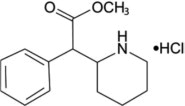
Methylphenidate hydrochloride is a white, odorless crystalline powder. Its aqueous solutions are acidic. It is freely soluble in water and in methanol, soluble in alcohol, and slightly soluble in chloroform and in acetone. The chemical name of methylphenidate hydrochloride is d,l (racemic) methyl α-phenyl-2-piperidineacetate hydrochloride. Its molecular formula is C14H19NO2•HCl and the molecular weight is 269.77. Its structural formula is
The molecular formula of the free base is C14H19NO2 and its molecular weight is 233.31.
JORNAY PM extended-release capsules contain beads with two functional film coatings (outer delayed-release and inner extended-release) surrounding a drug core coated with methylphenidate hydrochloride. The outer, delayed-release coating delays the initial release of methylphenidate while the inner extended-release coating controls the release throughout the day. JORNAY PM is available as extended-release capsules for oral use in five strengths. Each capsule contains 20 mg, 40 mg, 60 mg, 80 mg, or 100 mg of methylphenidate hydrochloride, which is equivalent to 17.4 mg, 34.8 mg, 52.2 mg, 69.6 mg, or 87.0 mg of methylphenidate free base, respectively.
JORNAY PM capsules also contain the following inactive ingredients: dibutyl sebacate, diglycerides, ethylcellulose, hydroxypropyl cellulose, hypromellose, magnesium stearate, methacrylic acid copolymer Type B, microcrystalline cellulose, monoglycerides, polysorbate 80, and talc. The capsule shell of 20 and 40 mg strength capsules is made of FD&C Blue #1, hypromellose, titanium dioxide, yellow iron oxide, and black ink for the imprint. The capsule shell of 60 and 80 mg strength capsules is made of FD&C Blue #1, hypromellose, titanium dioxide, and black ink for the imprint. The capsule shell of 100 mg strength capsule is made of black iron oxide, FD&C Blue #1, hypromellose, red iron oxide, titanium dioxide, and black ink, and white ink for the imprint.
7.4 Risperidone
The combined use of methylphenidate with risperidone when there is a change in dose of either or both medications may increase the risk of extrapyramidal symptoms (EPS). Monitor for signs of EPS.
8.4 Pediatric Use
The safety and effectiveness of JORNAY PM have not been established in pediatric patients below the age of 6 years.
In studies evaluating extended-release methylphenidate products, patients 4 to <6 years of age had higher systemic methylphenidate exposures than those observed in older pediatric patients at the same dosage. Pediatric patients 4 to <6 years of age also had a higher incidence of adverse reactions, including weight loss.
The safety and effectiveness of JORNAY PM have been established in pediatric patients ages 6 to 17 years in two adequate and well-controlled clinical studies in pediatric patients 6 to 12 years, pharmacokinetic data in adults, and safety information from other methylphenidate-containing products [see Clinical Studies (14) and see Clinical Pharmacology (12.3)].
8.5 Geriatric Use
JORNAY PM has not been studied in patients older than 65 years of age.
7.1 Mao Inhibitors
Do not administer JORNAY PM concomitantly with MAOIs or within 14 days after discontinuing MAOI treatment. Concomitant use of MAO inhibitors and CNS stimulants can cause hypertensive crisis. Potential outcomes include death, stroke, myocardial infarction, aortic dissection, ophthalmological complications, eclampsia, pulmonary edema, and renal failure [see Contraindications (4)].
14 Clinical Studies
The efficacy of JORNAY PM for the treatment of ADHD was established in two clinical studies of JORNAY PM in pediatric patients 6 to 12 years of age (N = 278) who met DSM-5 criteria for ADHD inattentive, hyperactive-impulsive, or combined inattentive/hyperactive-impulsive subtypes.
Study 1 (NCT#02493777), conducted in pediatric patients 6 to 12 years of age, was comprised of a 6-week, open-label, dose-optimization phase in which all patients (n = 117) received JORNAY PM (once each evening; flexible dosing from 20 mg to 100 mg), followed by a 1-week, double-blind, placebo-controlled withdrawal phase in which patients were randomized to continue JORNAY PM (n=64; mean dose 67 mg once daily) or switch to placebo (n=53). After 1 week of double-blind treatment, patients were evaluated in an analog classroom over a 12-hour period using the Swanson, Kotkin, Agler, M-Flynn, and Pelham Scale (SKAMP), a 13-item teacher-rated scale that assesses manifestations of ADHD in a classroom setting. Possible scores range from 0 (normal/ no impairment) to 78 (maximal impairment). The primary efficacy endpoint was the model-adjusted average of all post-dose SKAMP combined scores measured during the 12-hour analog testing period from 8:00 a.m. to 8:00 p.m. The secondary efficacy measure was the morning subscale of the Parent Rating of Evening and Morning Behavior-Revised (PREMB-R AM), to measure manifestations of ADHD in the early morning. This clinician-rated scale is based on parent interview using three questions and assesses manifestations of ADHD during the early morning period. Possible scores range from 0 (no ADHD manifestations) to 9 (severe ADHD manifestations).
The primary efficacy endpoint, the model-adjusted average of all post-dose SKAMP combined scores measured during the 12-hour analog testing period, was statistically significantly better (lower) for JORNAY PM compared with placebo (Table 2). JORNAY PM showed improvement over placebo at time points (9 and 10 a.m., and 12, 2, 4, 6 and 7 p.m.) on the next day after the evening dosing. Figure 2 shows the LS mean and standard error of SKAMP combined scores at each of the individual time points from 8:00 a.m. to 8:00 p.m. The secondary efficacy endpoint, the PREMB-R AM, was also statistically significantly better (lower) for JORNAY PM versus placebo.
Study 2 (NCT#02520388) was a 3-week, multicenter, randomized, double-blind, placebo-controlled, parallel-group study in pediatric patients, 6 to 12 years of age. Patients were randomized to an oral dosage of 40, 60, or 80 mg of JORNAY PM (n=81) or placebo (n=80) once in the evening. The primary efficacy measure was the ADHD Rating Scale (ADHD-RS-IV) Total Score, measuring severity of manifestations throughout the day. Possible scores range from 0 (no ADHD manifestations) to 54 (severe symptoms of both ADHD subtypes). Normative scores range 18 to 29 in ADHD. The secondary efficacy measure was the Before School Functioning Questionnaire (BSFQ), a clinician-rated 20-item questionnaire assessing ADHD manifestations on a severity scale of 0 to 3. BSFQ is intended to assess early morning before school activities from the time the child awakens and some behaviors not specific to early morning. Possible scores range from 0 (no difficulty) to 60 (severe difficulty).
After 3 weeks of treatment, the ADHD-RS-IV total scores were statistically significantly better (lower) for JORNAY PM than placebo (Table 2). The secondary efficacy endpoint, the BSFQ, was also statistically significantly better (lower) for JORNAY PM versus placebo.
Table 2 summarizes the primary endpoint results for Study 1 and Study 2.
|
ITT: Intent-to-treat. SE: Standard Error. SD: Standard Deviation. CI: Confidence Interval. NA: Not Available. |
|||||
|
CS: Combined Score (sum of items 1-13) |
|||||
| Study Number. | Measure (Primary Endpoint) | Treatment Group (#IIT Subjects) JORNAY PM (64) |
Mean Baseline Score (SD) NA |
LS Mean (SE) |
Placebo-subtracted Difference (95% CI) |
| Study 1 | SKAMP CS Average | ||||
| 14.8 (1.17) | -5.9 (-9.1, -2.7) | ||||
| Placebo (53) | NA | 20.7 (1.22) | |||
| Study 2 | ADHD-RS-IV | JORNAY PM (81) | 43.1 (7.33) | 24.1 (1.50) | -7.0 (-11.4, -2.7) |
| Placebo (80) | 43.5 (6.84) | 31.2 (1.60) |
Figure 2: Study 1—LS Mean SKAMP Combined Score on Day after Final Treatment, as Measured in an Analogue Classroom in Pediatric Patients (6 to 12 years old) with ADHD, N=117
LS = Least Squares; CS = Combined Score (sum of items 1-13); N= Sample Size; SE = Standard Error
4 Contraindications
JORNAY PM is contraindicated in patients:
- With a history of hypersensitivity to methylphenidate or other components of JORNAY PM. Hypersensitivity reactions such as angioedema and anaphylactic reactions have been reported in patients treated with methylphenidate products [see Adverse Reactions (6)].
- Receiving concomitant treatment with monoamine oxidase (MAO) inhibitors, or within 14 days following discontinuation of a monoamine oxidase inhibitor, because of the risk of hypertensive crisis [see Drug Interactions (7.1)].
6 Adverse Reactions
The following adverse reactions are discussed in more detail in other sections of the labeling:
- Abuse, Misuse, and Addiction [see Boxed Warning, Warnings and Precautions (5.1), and Drug Abuse and Dependence (9.2, 9.3)]
- Hypersensitivity to methylphenidate or other components of JORNAY PM [see Contraindications (4)]
- Hypertensive crisis when used concomitantly with monoamine oxidase inhibitors [see Contraindications (4) and Drug Interactions (7.1)]
- Risks to Patients with Serious Cardiac Disease [see Warnings and Precautions (5.2)]
- Increased Blood Pressure and Heart Rate [see Warnings and Precautions (5.3)]
- Psychiatric Adverse Reactions [see Warnings and Precautions (5.4)]
- Priapism [see Warnings and Precautions (5.5)]
- Peripheral Vasculopathy, including Raynaud's Phenomenon [see Warnings and Precautions (5.6)]
- Long-term Suppression of Growth in Pediatric Patients [see Warnings and Precautions (5.7)]
- Acute Angle Closure Glaucoma [see Warnings and Precautions (5.8)]
- Increased Intraocular Pressure and Glaucoma [see Warnings and Precautions (5.9)]
- Motor and Verbal Tics, and Worsening of Tourette's Syndrome [see Warnings and Precautions (5.10)]
7 Drug Interactions
Antihypertensive Drugs: Monitor blood pressure. Adjust dosage of antihypertensive drug as needed (7.2)
12.2 Pharmacodynamics
Methylphenidate is a racemic mixture comprising the d- and l-isomers. The d-isomer is more pharmacologically active than the l-isomer. Methylphenidate is thought to block the reuptake of norepinephrine and dopamine into the presynaptic neuron and increase the release of these monoamines into the extraneuronal space.
12.3 Pharmacokinetics
The pharmacokinetics of methylphenidate was dose-proportional between 20 mg and 100 mg dose level.
2.2 Recommended Dosage
The recommended starting dosage of JORNAY PM in patients 6 years and older is 20 mg once daily orally in the evening. Do not take JORNAY PM in the morning. The dose may be titrated weekly in increments of 20 mg. A daily dosage above 100 mg has not been studied and is not recommended.
Initiate dosing at 8:00 p.m. Adjust the timing of administration between 6:30 p.m. and 9:30 p.m. to optimize the tolerability and efficacy the next morning and throughout the day. In clinical trials of patients aged 6 to 12 years, the most common dosing time (>70% of patients) was 8:00 p.m., with an allowed range between 6:30 p.m. and 9:30 p.m. Following determination of the optimal administration time, advise patients to maintain a consistent dosing time.
Advise patients to take JORNAY PM consistently, either with food or without food.
Patients who miss their dose of JORNAY PM at the regularly scheduled time should take it as soon as they remember that same evening. If a patient remembers the missed dose the following morning, they should skip the missed dose and wait until their next scheduled evening administration.
1 Indications and Usage
JORNAY PM is indicated for the treatment of Attention Deficit Hyperactivity Disorder (ADHD) in patients 6 years and older [see Clinical Studies (14)].
Limitations of Use
The use of Jornay PM is not recommended in pediatric patients younger than 6 years of age because they had higher plasma exposure and a higher incidence of adverse reactions (e.g., weight loss) than patients 6 years and older at the same dosage [see Warnings and Precautions (5.7), Use in Specific Populations (8.4)].
12.1 Mechanism of Action
Methylphenidate hydrochloride is a central nervous system (CNS) stimulant. The exact mode of therapeutic action in ADHD is not known.
9.1 Controlled Substance
JORNAY PM contains methylphenidate, a Schedule II controlled substance.
2.1 Pretreatment Screening
Prior to treating patients with JORNAY PM, assess:
- for the presence of cardiac disease (i.e., perform a careful history, family history of sudden death or ventricular arrhythmia, and physical exam) [see Warnings and Precautions (5.2)].
- the family history and clinically evaluate patients for motor or verbal tics or Tourette's syndrome [see Warnings and Precautions (5.10)].
5 Warnings and Precautions
- Risks to Patients with Serious Cardiac Disease: Avoid use in patients with known structural cardiac abnormalities, cardiomyopathy, serious cardiac arrhythmias, coronary artery disease, or other serious cardiac disease. (5.2)
- Increased Blood Pressure and Heart Rate: Monitor blood pressure and pulse. (5.3)
- Psychiatric Adverse Reactions: Prior to initiating JORNAY PM, screen patients for risk factors for developing a manic episode. If new psychotic or manic symptoms occur, consider discontinuing JORNAY PM. (5.4)
- Priapism: If abnormally sustained or frequent and painful erections occur, patients should seek immediate medical attention. (5.5)
- Peripheral Vasculopathy, including Raynaud's Phenomenon: Careful observation for digital changes is necessary during JORNAY PM treatment. Further clinical evaluation (e.g. rheumatology referral) may be appropriate for patients who develop signs or symptoms of peripheral vasculopathy (5.6)
- Long-Term Suppression of Growth in Pediatric Patients: Closely monitor growth (height and weight) in pediatric patients. Pediatric patients not growing or gaining height or weight as expected may need to have their treatment interrupted. (5.7)
- Acute Angle Closure Glaucoma: JORNAY PM-treated patients considered at risk for acute angle closure glaucoma (e.g. patients with significant hyperopia) should be evaluated by an ophthalmologist (5.8)
- Increased Intraocular Pressure (IOP) and Glaucoma: Prescribe JORNAY PM to patients with open-angle glaucoma or abnormally increased IOP only if the benefit of treatment is considered to outweigh the risk. Closely monitor patients with a history of increased IOP or open angle glaucoma. (5.9)
- Motor and Verbal Tics, and Worsening of Tourette's Syndrome: Before initiating JORNAY PM, assess the family history and clinically evaluate patients for tics or Tourette's syndrome. Regularly monitor patients for the emergence or worsening of tics or Tourette's syndrome. Discontinue treatment if clinically appropriate. (5.10)
7.2 Antihypertensive Drugs
JORNAY PM may decrease the effectiveness of drugs used to treat hypertension. Monitor blood pressure and adjust the dosage of the antihypertensive drug as needed [see Warnings and Precautions (5.3)].
2 Dosage and Administration
- JORNAY PM should be taken only in the evening. (2.2)
- Recommended starting dose for patients 6 years and above is 20 mg daily in the evening. (2.2)
- Adjust the timing of administration between 6:30 p.m. and 9:30 p.m. to optimize the tolerability and the efficacy the next morning and throughout the day.
- Dosage may be increased weekly in increments of 20 mg per day up to a maximum daily dose of 100 mg. (2.2)
- Patients are advised to take JORNAY PM consistently either with food or without food. (2.2)
- Capsules may be swallowed whole or opened and the entire contents sprinkled onto applesauce. (2.2)
- To avoid substitution errors and overdosage, do not substitute for other methylphenidate products on a milligram-per-milligram basis. (2.4)
7.3 Halogenated Anesthetics
Concomitant use of halogenated anesthetics and JORNAY PM may increase the risk of sudden blood pressure and heart rate increase during surgery. Monitor blood pressure and avoid use of JORNAY PM in patients being treated with anesthetics on the day of surgery.
3 Dosage Forms and Strengths
JORNAY PM (methylphenidate hydrochloride) extended-release capsules exhibit both delayed-release and extended-release properties and are available in the following dose strengths:
- 20 mg capsules with ivory opaque body and light green opaque cap;
- 40 mg capsules with ivory opaque body and blue-green opaque cap;
- 60 mg capsules with white opaque body and powder blue opaque cap;
- 80 mg capsules with white opaque body and light blue opaque cap; and
- 100 mg capsules with white opaque body and dark blue opaque cap.
All capsules are imprinted with the dose in black on the body and “IRONSHORE” in black on the cap, except for the 100 mg capsule, on which “IRONSHORE” is imprinted in white.
6.2 Postmarketing Experience
The following adverse reactions have been identified during postapproval use of methylphenidate products. Because these reactions are reported voluntarily from a population of uncertain size, it is not possible to reliably estimate their frequency or establish a causal relationship to drug exposure. These adverse reactions are as follows:
Blood and Lymphatic System Disorders: Pancytopenia, Thrombocytopenia, Thrombocytopenic purpura
Cardiac Disorders: Angina pectoris, Bradycardia, Extrasystole, Supraventricular tachycardia, Ventricular extrasystole
Eye Disorders: Diplopia, Increased intraocular pressure, Mydriasis, Visual impairment
General Disorders: Chest pain, Chest discomfort, Hyperpyrexia
Immune System Disorders: Hypersensitivity reactions such as Angioedema, Anaphylactic reactions, Auricular swelling, Bullous conditions, Exfoliative conditions, Urticarias, Pruritus, Rashes, Eruptions, and Exanthemas
Investigations: Alkaline phosphatase increased, Bilirubin increased, Hepatic enzyme increased, Platelet count decreased, White blood cell count abnormal, Severe hepatic injury
Musculoskeletal, Connective Tissue and Bone Disorders: Arthralgia, Myalgia, Muscle twitching, Rhabdomyolysis
Nervous System Disorders: Convulsion, Grand mal convulsion, Dyskinesia, Serotonin syndrome in combination with serotonergic drugs, Motor and Verbal Tics
Psychiatric Disorders: Disorientation, Hallucination, Hallucination auditory, Hallucination visual, Libido changes, Mania
Urogenital System: Priapism
Skin and Subcutaneous Tissue Disorders: Alopecia, Erythema
Vascular Disorders: Raynaud's phenomenon
6.1 Clinical Trials Experience
Because clinical trials are conducted under widely varying conditions, adverse reaction rates observed in the clinical trials of a drug cannot be directly compared with rates in the clinical trials of another drug and may not reflect the rates observed in clinical practice.
2.3 Administration Instructions
JORNAY PM may be taken whole, or the capsule may be opened, and the entire contents sprinkled onto applesauce. If the patient is using the sprinkled administration method, the sprinkled applesauce should be consumed immediately; it should not be stored. Patients should take the applesauce with sprinkled beads in its entirety without chewing. The dose of a single capsule should not be divided. The contents of the entire capsule should be taken at the same time.
5.1 Abuse, Misuse, and Addiction
JORNAY PM has a high potential for abuse and misuse. The use of JORNAY PM exposes individuals to the risks of abuse and misuse, which can lead to the development of a substance use disorder, including addiction. JORNAY PM can be diverted for non-medical use into illicit channels or distribution [see Drug Abuse and Dependence (9.2]. Misuse and abuse of CNS stimulants, including JORNAY PM, can result in overdose and death [see Overdosage (10)], and this risk is increased with higher doses or unapproved methods of administration, such as snorting or injection.
Before prescribing JORNAY PM, assess each patient's risk for abuse, misuse, and addiction. Educate patients and their families about these risks and proper disposal of any unused drug. Advise patients to store JORNAY PM in a safe place, preferably locked, and instruct patients to not give JORNAY PM to anyone else.
Throughout JORNAY PM treatment, reassess each patient's risk of abuse, misuse, and addiction and frequently monitor for signs and symptoms of abuse, misuse, and addiction.
5.8 Acute Angle Closure Glaucoma
There have been reports of angle closure glaucoma associated with methylphenidate treatment.
Although the mechanism is not clear, JORNAY PM-treated patients considered at risk for acute angle closure glaucoma (e.g., patients with significant hyperopia) should be evaluated by an ophthalmologist.
17 Patient Counseling Information
Advise the patient to read the FDA-approved patient labeling (Medication Guide).
16 How Supplied/storage and Handling
JORNAY PM (methylphenidate hydrochloride) extended-release capsules are available as follows:
20 mg Capsules – ivory opaque body and light green opaque cap (imprinted with “20 mg” in black on the body and “IRONSHORE” in black on the cap)
Bottles of 100................................................……………………………………………NDC 71376-201-03
40 mg Capsules – ivory opaque body and blue-green opaque cap (imprinted with “40 mg” in black on the body and “IRONSHORE” in black on the cap)
Bottles of 100................................................……………………………………………NDC 71376-202-03
60 mg Capsules – white opaque body and powder blue opaque cap (imprinted with “60 mg” in black on the body and “IRONSHORE” in black on the cap)
Bottles of 100................................................……………………………………………NDC 71376-203-03
80 mg Capsules – white opaque body and light blue opaque cap (imprinted with “80 mg” in black on the body and “IRONSHORE” in black on the cap)
Bottles of 100.......................................................................................................……… NDC 71376-204-03
100 mg Capsules – white opaque body and dark blue opaque cap (imprinted with “100 mg” in black on the body and “IRONSHORE” in white on the cap)
Bottles of 100...............................................……………………………………….……NDC 71376-205-03
Warning: Abuse, Misuse, and Addiction
JORNAY PM has a high potential for abuse and misuse, which can lead to the development of a substance use disorder, including addiction. Misuse and abuse of CNS stimulants, including JORNAY PM, can result in overdose and death [see Overdosage ( 10 )] , and this risk is increased with higher doses or unapproved methods of administration, such as snorting or injection.
Before prescribing JORNAY PM, assess each patient's risk for abuse, misuse, and addiction. Educate patients and their families about these risks, proper storage of the drug, and proper disposal of any unused drug. Throughout JORNAY PM treatment, reassess each patient's risk of abuse, misuse, and addiction and frequently monitor for signs and symptoms of abuse, misuse and addiction [see Warnings and Precautions (5.1) and Drug Abuse and Dependence (9.2)].
2.5 Dosage Reduction and Discontinuation
If paradoxical aggravation of symptoms or other adverse reactions occur, reduce dosage or, if necessary, discontinue JORNAY PM. If improvement is not observed after appropriate dosage adjustment over a one-month period, discontinue JORNAY PM.
5.3 Increased Blood Pressure and Heart Rate
CNS stimulants may cause an increase in blood pressure (mean increase approximately 2 to 4 mmHg) and heart rate (mean increase approximately 3 to 6 bpm). Some patients may have larger increases.
Monitor all JORNAY PM-treated patients for hypertension and tachycardia.
5.9 Increased Intraocular Pressure and Glaucoma
There have been reports of an elevation of intraocular pressure (IOP) associated with methylphenidate treatment [see Adverse Reactions (6.2)].
Prescribe JORNAY PM to patients with open-angle glaucoma or abnormally increased IOP only if the benefit of treatment is considered to outweigh the risk. Closely monitor JORNAY PM-treated patients with a history of abnormally increased IOP or open angle glaucoma.
2.4 Switching From Other Methylphenidate Products
If switching from other methylphenidate products, discontinue that treatment, and titrate with JORNAY PM using the titration schedule described above.
Do not substitute JORNAY PM for other methylphenidate products on a milligram-per-milligram basis because these products have different pharmacokinetic profiles from JORNAY PM and may have different methylphenidate base composition [see Description (11) and Clinical Pharmacology (12.3)].
5.2 Risks to Patients With Serious Cardiac Disease
Sudden death has been reported in patients with structural cardiac abnormalities or other serious cardiac disease who were treated with CNS stimulants at the recommended ADHD dosage.
Avoid JORNAY PM use in patients with known structural cardiac abnormalities, cardiomyopathy, serious cardiac arrhythmia, coronary artery disease, or other serious cardiac disease.
5.7 Long Term Suppression of Growth in Pediatric Patients
JORNAY PM is not approved for use and is not recommended in pediatric patients below 6 years of age [see Use in Specific Populations (8.4)].
CNS stimulants have been associated with weight loss and slowing of growth rate in pediatric patients.
Careful follow-up of weight and height in pediatric patients ages 7 to 10 years who were randomized to either methylphenidate or nonmedication-treatment groups over 14 months, as well as in naturalistic subgroups of newly methylphenidate-treated and nonmedication-treated pediatric patients over 36 months (to the ages of 10 to 13 years), suggests that pediatric patients who received methylphenidate for 7 days per week throughout the year had a temporary slowing in growth rate (on average, a total of about 2 cm less growth in height and 2.7 kg less growth in weight over 3 years), without evidence of growth rebound during this development period.
Closely monitor growth (weight and height) in JORNAY PM-treated pediatric patients. Pediatric patients not growing or gaining height or weight as expected may need to have their treatment interrupted.
5.6 Peripheral Vasculopathy, Including Raynaud's Phenomenon
CNS stimulants, including JORNAY PM, used to treat ADHD are associated with peripheral vasculopathy, including Raynaud's phenomenon. Signs and symptoms are usually intermittent and mild; however, sequelae have included digital ulceration and/or soft tissue breakdown. Effects of peripheral vasculopathy, including Raynaud's phenomenon, were observed in post-marketing reports and at the therapeutic dosage of CNS stimulants in all age groups throughout the course of treatment. Signs and symptoms generally improved after dosage reduction or discontinuation of the CNS stimulant.
Careful observation for digital changes is necessary during JORNAY PM treatment. Further clinical evaluation (e.g., rheumatology referral) may be appropriate for JORNAY PM-treated patients who develop signs or symptoms of peripheral vasculopathy.
5.10 Motor and Verbal Tics, and Worsening of Tourette's Syndrome
CNS stimulants, including methylphenidate, have been associated with the onset or exacerbation of motor and verbal tics. Worsening of Tourette's syndrome has also been reported [see Adverse Reactions (6.2)].
Before initiating JORNAY PM, assess the family history and clinically evaluate patients for tics or Tourette's syndrome. Regularly monitor JORNAY PM-treated patients for the emergence or worsening of tics or Tourette's syndrome, and discontinue treatment if clinically appropriate.
Structured Label Content
Section 42229-5 (42229-5)
Exacerbation of Pre-existing Psychosis
CNS stimulants may exacerbate symptoms of behavior disturbance and thought disorder in patients with a pre-existing psychotic disorder.
Section 42231-1 (42231-1)
|
MEDICATION GUIDE
JORNAY PM (JOR-nay) (methylphenidate hydrochloride) extended-release capsules, CII |
||
|
What is the most important information I should know about JORNAY PM?
|
||
|
||
|
What is JORNAY PM?
|
||
|
Who should not take JORNAY PM?
Do not take JORNAY PM if you or your child is:
|
||
Before taking JORNAY PM, tell your or your child's healthcare provider about all medical conditions, including if you or your child:
|
||
|
Tell your healthcare provider about all of the medicines that you or your child takes, including prescription and over-the-counter medicines, vitamins, and herbal supplements. JORNAY PM and some medicines may interact with each other and cause serious side effects. Sometimes the doses of other medicines will need to be adjusted during treatment with JORNAY PM. Your healthcare provider will decide whether JORNAY PM can be taken with other medicines. Especially tell your healthcare provider if you or your child takes medicine to treat depression, including MAOIs. Know the medicines that you or your child takes. Keep a list of the medicines with you to show your healthcare provider and pharmacist when you or your child get a new medicine. Do not start any new medicine during treatment with JORNAY PM without talking to your or your child's healthcare provider first. |
||
How should JORNAY PM be taken?
|
||
What should be avoided during treatment with JORNAY PM?
|
||
|
What are possible side effects of JORNAY PM?
JORNAY PM may cause serious side effects, including:
|
||
| The most common side effects of methylphenidate products in children, adolescents, and adults with ADHD include: | ||
|
|
|
| The most common side effects of JORNAY PM, in children age 6 to 12 with ADHD include: | ||
|
|
|
| These are not all the possible side effects of JORNAY PM. Call your doctor for medical advice about side effects. You may report side effects to FDA at 1-800-FDA-1088. |
||
|
How should I store JORNAY PM?
|
||
| Keep JORNAY PM and all medicines out of the reach of children. | ||
|
General information about the safe and effective use of JORNAY PM.
Medicines are sometimes prescribed for purposes other than those listed in a Medication Guide. Do not use JORNAY PM for a condition for which it was not prescribed. Do not give JORNAY PM to other people, even if they have the same symptoms. It may harm them, and it is against the law. You can ask your doctor or pharmacist for information about JORNAY PM that is written for healthcare professionals. |
||
|
What are the ingredients in JORNAY PM?
Active Ingredient: methylphenidate hydrochloride Inactive Ingredients: dibutyl sebacate, diglycerides, ethylcellulose, hydroxypropyl cellulose, hypromellose, magnesium stearate, methacrylic acid copolymer Type B, microcrystalline cellulose, monoglycerides, polysorbate 80, and talc. The capsule shell of 20 and 40 mg strength capsules contains FD&C Blue #1, hypromellose, titanium dioxide, yellow iron oxide, and black ink for the imprint. The capsule shell of 60 and 80 mg strength capsules contains FD&C Blue #1, hypromellose, titanium dioxide, and black ink for the imprint. The capsule shell of 100 mg strength capsule contains black iron oxide, FD&C Blue#1, hypromellose, red iron oxide, titanium dioxide, black ink, and white ink for the imprint. Manufactured for Collegium Pharmaceutical, Inc. For more information about JORNAY PM go to www.jornaypm.com or call1-855-331-5615. |
||
| This Medication Guide has been approved by the U.S. Food and Drug Administration. | Revised: 09/2025 |
Section 44425-7 (44425-7)
Storage and Handling
Store at 20°C to 25°C (68°F to 77°F); excursions permitted to 15°C to 30°C (59°F to 86°F) [see USP Controlled Room Temperature]. Protect from humidity.
Section 51945-4 (51945-4)
Principal Display Panel - Jornay PM ® 20 mg Bottle Label
NDC 71376-201-03
Take Only In The Evening
Jornay PM ® CII
[methylphenidate hydrochloride]
Extended-Release Capsules
20 mg
Attention Pharmacist: Dispense the accompanying
Medication Guide to each patient.
Rx Only
100 Capsules
9.2 Abuse
JORNAY PM has a high potential for abuse and misuse which can lead to the development of a substance use disorder, including addiction [see Warnings and Precautions (5.1)]. JORNAY PM can be diverted for non-medical use into illicit channels or distribution.
Abuse is the intentional non-therapeutic use of a drug, even once, to achieve a desired psychological or physiological effect. Misuse is the intentional use, for therapeutic purposes, of a drug by an individual in a way other than prescribed by a health care provider or for whom it was not prescribed. Drug addiction is a cluster of behavioral, cognitive, and physiological phenomena that may include a strong desire to take the drug, difficulties in controlling drug use (e.g., continuing drug use despite harmful consequences, giving a higher priority to drug use than other activities and obligations), and possible tolerance or physical dependence.
Misuse and abuse of methylphenidate may cause increased heart rate, respiratory rate, or blood pressure; sweating; dilated pupils; hyperactivity; restlessness; insomnia; decreased appetite; loss of coordination; tremors; flushed skin; vomiting; and/or abdominal pain. Anxiety, psychosis, hostility, aggression, and suicidal or homicidal ideation have also been observed with CNS stimulants abuse and/or misuse. Misuse and abuse of CNS stimulants, including JORNAY PM, can result in overdose and death [see Overdosage (10)], and this risk is increased with higher doses or unapproved methods of administration, such as snorting or injection.
5.5 Priapism
Prolonged and painful erections, sometimes requiring surgical intervention, have been reported with methylphenidate use in both adult and pediatric male patients. Although priapism was not reported with methylphenidate initiation, it developed after some time on methylphenidate, often subsequent to an increase in dosage. Priapism also occurred during methylphenidate withdrawal (drug holidays or during discontinuation).
JORNAY PM-treated patients who develop abnormally sustained or frequent and painful erections should seek immediate medical attention.
11 Description (11 DESCRIPTION)
JORNAY PM contains methylphenidate hydrochloride, a central nervous system (CNS) stimulant.
Methylphenidate hydrochloride is a white, odorless crystalline powder. Its aqueous solutions are acidic. It is freely soluble in water and in methanol, soluble in alcohol, and slightly soluble in chloroform and in acetone. The chemical name of methylphenidate hydrochloride is d,l (racemic) methyl α-phenyl-2-piperidineacetate hydrochloride. Its molecular formula is C14H19NO2•HCl and the molecular weight is 269.77. Its structural formula is
The molecular formula of the free base is C14H19NO2 and its molecular weight is 233.31.
JORNAY PM extended-release capsules contain beads with two functional film coatings (outer delayed-release and inner extended-release) surrounding a drug core coated with methylphenidate hydrochloride. The outer, delayed-release coating delays the initial release of methylphenidate while the inner extended-release coating controls the release throughout the day. JORNAY PM is available as extended-release capsules for oral use in five strengths. Each capsule contains 20 mg, 40 mg, 60 mg, 80 mg, or 100 mg of methylphenidate hydrochloride, which is equivalent to 17.4 mg, 34.8 mg, 52.2 mg, 69.6 mg, or 87.0 mg of methylphenidate free base, respectively.
JORNAY PM capsules also contain the following inactive ingredients: dibutyl sebacate, diglycerides, ethylcellulose, hydroxypropyl cellulose, hypromellose, magnesium stearate, methacrylic acid copolymer Type B, microcrystalline cellulose, monoglycerides, polysorbate 80, and talc. The capsule shell of 20 and 40 mg strength capsules is made of FD&C Blue #1, hypromellose, titanium dioxide, yellow iron oxide, and black ink for the imprint. The capsule shell of 60 and 80 mg strength capsules is made of FD&C Blue #1, hypromellose, titanium dioxide, and black ink for the imprint. The capsule shell of 100 mg strength capsule is made of black iron oxide, FD&C Blue #1, hypromellose, red iron oxide, titanium dioxide, and black ink, and white ink for the imprint.
7.4 Risperidone
The combined use of methylphenidate with risperidone when there is a change in dose of either or both medications may increase the risk of extrapyramidal symptoms (EPS). Monitor for signs of EPS.
8.4 Pediatric Use
The safety and effectiveness of JORNAY PM have not been established in pediatric patients below the age of 6 years.
In studies evaluating extended-release methylphenidate products, patients 4 to <6 years of age had higher systemic methylphenidate exposures than those observed in older pediatric patients at the same dosage. Pediatric patients 4 to <6 years of age also had a higher incidence of adverse reactions, including weight loss.
The safety and effectiveness of JORNAY PM have been established in pediatric patients ages 6 to 17 years in two adequate and well-controlled clinical studies in pediatric patients 6 to 12 years, pharmacokinetic data in adults, and safety information from other methylphenidate-containing products [see Clinical Studies (14) and see Clinical Pharmacology (12.3)].
8.5 Geriatric Use
JORNAY PM has not been studied in patients older than 65 years of age.
7.1 Mao Inhibitors (7.1 MAO Inhibitors)
Do not administer JORNAY PM concomitantly with MAOIs or within 14 days after discontinuing MAOI treatment. Concomitant use of MAO inhibitors and CNS stimulants can cause hypertensive crisis. Potential outcomes include death, stroke, myocardial infarction, aortic dissection, ophthalmological complications, eclampsia, pulmonary edema, and renal failure [see Contraindications (4)].
14 Clinical Studies (14 CLINICAL STUDIES)
The efficacy of JORNAY PM for the treatment of ADHD was established in two clinical studies of JORNAY PM in pediatric patients 6 to 12 years of age (N = 278) who met DSM-5 criteria for ADHD inattentive, hyperactive-impulsive, or combined inattentive/hyperactive-impulsive subtypes.
Study 1 (NCT#02493777), conducted in pediatric patients 6 to 12 years of age, was comprised of a 6-week, open-label, dose-optimization phase in which all patients (n = 117) received JORNAY PM (once each evening; flexible dosing from 20 mg to 100 mg), followed by a 1-week, double-blind, placebo-controlled withdrawal phase in which patients were randomized to continue JORNAY PM (n=64; mean dose 67 mg once daily) or switch to placebo (n=53). After 1 week of double-blind treatment, patients were evaluated in an analog classroom over a 12-hour period using the Swanson, Kotkin, Agler, M-Flynn, and Pelham Scale (SKAMP), a 13-item teacher-rated scale that assesses manifestations of ADHD in a classroom setting. Possible scores range from 0 (normal/ no impairment) to 78 (maximal impairment). The primary efficacy endpoint was the model-adjusted average of all post-dose SKAMP combined scores measured during the 12-hour analog testing period from 8:00 a.m. to 8:00 p.m. The secondary efficacy measure was the morning subscale of the Parent Rating of Evening and Morning Behavior-Revised (PREMB-R AM), to measure manifestations of ADHD in the early morning. This clinician-rated scale is based on parent interview using three questions and assesses manifestations of ADHD during the early morning period. Possible scores range from 0 (no ADHD manifestations) to 9 (severe ADHD manifestations).
The primary efficacy endpoint, the model-adjusted average of all post-dose SKAMP combined scores measured during the 12-hour analog testing period, was statistically significantly better (lower) for JORNAY PM compared with placebo (Table 2). JORNAY PM showed improvement over placebo at time points (9 and 10 a.m., and 12, 2, 4, 6 and 7 p.m.) on the next day after the evening dosing. Figure 2 shows the LS mean and standard error of SKAMP combined scores at each of the individual time points from 8:00 a.m. to 8:00 p.m. The secondary efficacy endpoint, the PREMB-R AM, was also statistically significantly better (lower) for JORNAY PM versus placebo.
Study 2 (NCT#02520388) was a 3-week, multicenter, randomized, double-blind, placebo-controlled, parallel-group study in pediatric patients, 6 to 12 years of age. Patients were randomized to an oral dosage of 40, 60, or 80 mg of JORNAY PM (n=81) or placebo (n=80) once in the evening. The primary efficacy measure was the ADHD Rating Scale (ADHD-RS-IV) Total Score, measuring severity of manifestations throughout the day. Possible scores range from 0 (no ADHD manifestations) to 54 (severe symptoms of both ADHD subtypes). Normative scores range 18 to 29 in ADHD. The secondary efficacy measure was the Before School Functioning Questionnaire (BSFQ), a clinician-rated 20-item questionnaire assessing ADHD manifestations on a severity scale of 0 to 3. BSFQ is intended to assess early morning before school activities from the time the child awakens and some behaviors not specific to early morning. Possible scores range from 0 (no difficulty) to 60 (severe difficulty).
After 3 weeks of treatment, the ADHD-RS-IV total scores were statistically significantly better (lower) for JORNAY PM than placebo (Table 2). The secondary efficacy endpoint, the BSFQ, was also statistically significantly better (lower) for JORNAY PM versus placebo.
Table 2 summarizes the primary endpoint results for Study 1 and Study 2.
|
ITT: Intent-to-treat. SE: Standard Error. SD: Standard Deviation. CI: Confidence Interval. NA: Not Available. |
|||||
|
CS: Combined Score (sum of items 1-13) |
|||||
| Study Number. | Measure (Primary Endpoint) | Treatment Group (#IIT Subjects) JORNAY PM (64) |
Mean Baseline Score (SD) NA |
LS Mean (SE) |
Placebo-subtracted Difference (95% CI) |
| Study 1 | SKAMP CS Average | ||||
| 14.8 (1.17) | -5.9 (-9.1, -2.7) | ||||
| Placebo (53) | NA | 20.7 (1.22) | |||
| Study 2 | ADHD-RS-IV | JORNAY PM (81) | 43.1 (7.33) | 24.1 (1.50) | -7.0 (-11.4, -2.7) |
| Placebo (80) | 43.5 (6.84) | 31.2 (1.60) |
Figure 2: Study 1—LS Mean SKAMP Combined Score on Day after Final Treatment, as Measured in an Analogue Classroom in Pediatric Patients (6 to 12 years old) with ADHD, N=117
LS = Least Squares; CS = Combined Score (sum of items 1-13); N= Sample Size; SE = Standard Error
4 Contraindications (4 CONTRAINDICATIONS)
JORNAY PM is contraindicated in patients:
- With a history of hypersensitivity to methylphenidate or other components of JORNAY PM. Hypersensitivity reactions such as angioedema and anaphylactic reactions have been reported in patients treated with methylphenidate products [see Adverse Reactions (6)].
- Receiving concomitant treatment with monoamine oxidase (MAO) inhibitors, or within 14 days following discontinuation of a monoamine oxidase inhibitor, because of the risk of hypertensive crisis [see Drug Interactions (7.1)].
6 Adverse Reactions (6 ADVERSE REACTIONS)
The following adverse reactions are discussed in more detail in other sections of the labeling:
- Abuse, Misuse, and Addiction [see Boxed Warning, Warnings and Precautions (5.1), and Drug Abuse and Dependence (9.2, 9.3)]
- Hypersensitivity to methylphenidate or other components of JORNAY PM [see Contraindications (4)]
- Hypertensive crisis when used concomitantly with monoamine oxidase inhibitors [see Contraindications (4) and Drug Interactions (7.1)]
- Risks to Patients with Serious Cardiac Disease [see Warnings and Precautions (5.2)]
- Increased Blood Pressure and Heart Rate [see Warnings and Precautions (5.3)]
- Psychiatric Adverse Reactions [see Warnings and Precautions (5.4)]
- Priapism [see Warnings and Precautions (5.5)]
- Peripheral Vasculopathy, including Raynaud's Phenomenon [see Warnings and Precautions (5.6)]
- Long-term Suppression of Growth in Pediatric Patients [see Warnings and Precautions (5.7)]
- Acute Angle Closure Glaucoma [see Warnings and Precautions (5.8)]
- Increased Intraocular Pressure and Glaucoma [see Warnings and Precautions (5.9)]
- Motor and Verbal Tics, and Worsening of Tourette's Syndrome [see Warnings and Precautions (5.10)]
7 Drug Interactions (7 DRUG INTERACTIONS)
Antihypertensive Drugs: Monitor blood pressure. Adjust dosage of antihypertensive drug as needed (7.2)
12.2 Pharmacodynamics
Methylphenidate is a racemic mixture comprising the d- and l-isomers. The d-isomer is more pharmacologically active than the l-isomer. Methylphenidate is thought to block the reuptake of norepinephrine and dopamine into the presynaptic neuron and increase the release of these monoamines into the extraneuronal space.
12.3 Pharmacokinetics
The pharmacokinetics of methylphenidate was dose-proportional between 20 mg and 100 mg dose level.
2.2 Recommended Dosage
The recommended starting dosage of JORNAY PM in patients 6 years and older is 20 mg once daily orally in the evening. Do not take JORNAY PM in the morning. The dose may be titrated weekly in increments of 20 mg. A daily dosage above 100 mg has not been studied and is not recommended.
Initiate dosing at 8:00 p.m. Adjust the timing of administration between 6:30 p.m. and 9:30 p.m. to optimize the tolerability and efficacy the next morning and throughout the day. In clinical trials of patients aged 6 to 12 years, the most common dosing time (>70% of patients) was 8:00 p.m., with an allowed range between 6:30 p.m. and 9:30 p.m. Following determination of the optimal administration time, advise patients to maintain a consistent dosing time.
Advise patients to take JORNAY PM consistently, either with food or without food.
Patients who miss their dose of JORNAY PM at the regularly scheduled time should take it as soon as they remember that same evening. If a patient remembers the missed dose the following morning, they should skip the missed dose and wait until their next scheduled evening administration.
1 Indications and Usage (1 INDICATIONS AND USAGE)
JORNAY PM is indicated for the treatment of Attention Deficit Hyperactivity Disorder (ADHD) in patients 6 years and older [see Clinical Studies (14)].
Limitations of Use
The use of Jornay PM is not recommended in pediatric patients younger than 6 years of age because they had higher plasma exposure and a higher incidence of adverse reactions (e.g., weight loss) than patients 6 years and older at the same dosage [see Warnings and Precautions (5.7), Use in Specific Populations (8.4)].
12.1 Mechanism of Action
Methylphenidate hydrochloride is a central nervous system (CNS) stimulant. The exact mode of therapeutic action in ADHD is not known.
9.1 Controlled Substance
JORNAY PM contains methylphenidate, a Schedule II controlled substance.
2.1 Pretreatment Screening
Prior to treating patients with JORNAY PM, assess:
- for the presence of cardiac disease (i.e., perform a careful history, family history of sudden death or ventricular arrhythmia, and physical exam) [see Warnings and Precautions (5.2)].
- the family history and clinically evaluate patients for motor or verbal tics or Tourette's syndrome [see Warnings and Precautions (5.10)].
5 Warnings and Precautions (5 WARNINGS AND PRECAUTIONS)
- Risks to Patients with Serious Cardiac Disease: Avoid use in patients with known structural cardiac abnormalities, cardiomyopathy, serious cardiac arrhythmias, coronary artery disease, or other serious cardiac disease. (5.2)
- Increased Blood Pressure and Heart Rate: Monitor blood pressure and pulse. (5.3)
- Psychiatric Adverse Reactions: Prior to initiating JORNAY PM, screen patients for risk factors for developing a manic episode. If new psychotic or manic symptoms occur, consider discontinuing JORNAY PM. (5.4)
- Priapism: If abnormally sustained or frequent and painful erections occur, patients should seek immediate medical attention. (5.5)
- Peripheral Vasculopathy, including Raynaud's Phenomenon: Careful observation for digital changes is necessary during JORNAY PM treatment. Further clinical evaluation (e.g. rheumatology referral) may be appropriate for patients who develop signs or symptoms of peripheral vasculopathy (5.6)
- Long-Term Suppression of Growth in Pediatric Patients: Closely monitor growth (height and weight) in pediatric patients. Pediatric patients not growing or gaining height or weight as expected may need to have their treatment interrupted. (5.7)
- Acute Angle Closure Glaucoma: JORNAY PM-treated patients considered at risk for acute angle closure glaucoma (e.g. patients with significant hyperopia) should be evaluated by an ophthalmologist (5.8)
- Increased Intraocular Pressure (IOP) and Glaucoma: Prescribe JORNAY PM to patients with open-angle glaucoma or abnormally increased IOP only if the benefit of treatment is considered to outweigh the risk. Closely monitor patients with a history of increased IOP or open angle glaucoma. (5.9)
- Motor and Verbal Tics, and Worsening of Tourette's Syndrome: Before initiating JORNAY PM, assess the family history and clinically evaluate patients for tics or Tourette's syndrome. Regularly monitor patients for the emergence or worsening of tics or Tourette's syndrome. Discontinue treatment if clinically appropriate. (5.10)
7.2 Antihypertensive Drugs
JORNAY PM may decrease the effectiveness of drugs used to treat hypertension. Monitor blood pressure and adjust the dosage of the antihypertensive drug as needed [see Warnings and Precautions (5.3)].
2 Dosage and Administration (2 DOSAGE AND ADMINISTRATION)
- JORNAY PM should be taken only in the evening. (2.2)
- Recommended starting dose for patients 6 years and above is 20 mg daily in the evening. (2.2)
- Adjust the timing of administration between 6:30 p.m. and 9:30 p.m. to optimize the tolerability and the efficacy the next morning and throughout the day.
- Dosage may be increased weekly in increments of 20 mg per day up to a maximum daily dose of 100 mg. (2.2)
- Patients are advised to take JORNAY PM consistently either with food or without food. (2.2)
- Capsules may be swallowed whole or opened and the entire contents sprinkled onto applesauce. (2.2)
- To avoid substitution errors and overdosage, do not substitute for other methylphenidate products on a milligram-per-milligram basis. (2.4)
7.3 Halogenated Anesthetics
Concomitant use of halogenated anesthetics and JORNAY PM may increase the risk of sudden blood pressure and heart rate increase during surgery. Monitor blood pressure and avoid use of JORNAY PM in patients being treated with anesthetics on the day of surgery.
3 Dosage Forms and Strengths (3 DOSAGE FORMS AND STRENGTHS)
JORNAY PM (methylphenidate hydrochloride) extended-release capsules exhibit both delayed-release and extended-release properties and are available in the following dose strengths:
- 20 mg capsules with ivory opaque body and light green opaque cap;
- 40 mg capsules with ivory opaque body and blue-green opaque cap;
- 60 mg capsules with white opaque body and powder blue opaque cap;
- 80 mg capsules with white opaque body and light blue opaque cap; and
- 100 mg capsules with white opaque body and dark blue opaque cap.
All capsules are imprinted with the dose in black on the body and “IRONSHORE” in black on the cap, except for the 100 mg capsule, on which “IRONSHORE” is imprinted in white.
6.2 Postmarketing Experience
The following adverse reactions have been identified during postapproval use of methylphenidate products. Because these reactions are reported voluntarily from a population of uncertain size, it is not possible to reliably estimate their frequency or establish a causal relationship to drug exposure. These adverse reactions are as follows:
Blood and Lymphatic System Disorders: Pancytopenia, Thrombocytopenia, Thrombocytopenic purpura
Cardiac Disorders: Angina pectoris, Bradycardia, Extrasystole, Supraventricular tachycardia, Ventricular extrasystole
Eye Disorders: Diplopia, Increased intraocular pressure, Mydriasis, Visual impairment
General Disorders: Chest pain, Chest discomfort, Hyperpyrexia
Immune System Disorders: Hypersensitivity reactions such as Angioedema, Anaphylactic reactions, Auricular swelling, Bullous conditions, Exfoliative conditions, Urticarias, Pruritus, Rashes, Eruptions, and Exanthemas
Investigations: Alkaline phosphatase increased, Bilirubin increased, Hepatic enzyme increased, Platelet count decreased, White blood cell count abnormal, Severe hepatic injury
Musculoskeletal, Connective Tissue and Bone Disorders: Arthralgia, Myalgia, Muscle twitching, Rhabdomyolysis
Nervous System Disorders: Convulsion, Grand mal convulsion, Dyskinesia, Serotonin syndrome in combination with serotonergic drugs, Motor and Verbal Tics
Psychiatric Disorders: Disorientation, Hallucination, Hallucination auditory, Hallucination visual, Libido changes, Mania
Urogenital System: Priapism
Skin and Subcutaneous Tissue Disorders: Alopecia, Erythema
Vascular Disorders: Raynaud's phenomenon
6.1 Clinical Trials Experience
Because clinical trials are conducted under widely varying conditions, adverse reaction rates observed in the clinical trials of a drug cannot be directly compared with rates in the clinical trials of another drug and may not reflect the rates observed in clinical practice.
2.3 Administration Instructions
JORNAY PM may be taken whole, or the capsule may be opened, and the entire contents sprinkled onto applesauce. If the patient is using the sprinkled administration method, the sprinkled applesauce should be consumed immediately; it should not be stored. Patients should take the applesauce with sprinkled beads in its entirety without chewing. The dose of a single capsule should not be divided. The contents of the entire capsule should be taken at the same time.
5.1 Abuse, Misuse, and Addiction
JORNAY PM has a high potential for abuse and misuse. The use of JORNAY PM exposes individuals to the risks of abuse and misuse, which can lead to the development of a substance use disorder, including addiction. JORNAY PM can be diverted for non-medical use into illicit channels or distribution [see Drug Abuse and Dependence (9.2]. Misuse and abuse of CNS stimulants, including JORNAY PM, can result in overdose and death [see Overdosage (10)], and this risk is increased with higher doses or unapproved methods of administration, such as snorting or injection.
Before prescribing JORNAY PM, assess each patient's risk for abuse, misuse, and addiction. Educate patients and their families about these risks and proper disposal of any unused drug. Advise patients to store JORNAY PM in a safe place, preferably locked, and instruct patients to not give JORNAY PM to anyone else.
Throughout JORNAY PM treatment, reassess each patient's risk of abuse, misuse, and addiction and frequently monitor for signs and symptoms of abuse, misuse, and addiction.
5.8 Acute Angle Closure Glaucoma
There have been reports of angle closure glaucoma associated with methylphenidate treatment.
Although the mechanism is not clear, JORNAY PM-treated patients considered at risk for acute angle closure glaucoma (e.g., patients with significant hyperopia) should be evaluated by an ophthalmologist.
17 Patient Counseling Information (17 PATIENT COUNSELING INFORMATION)
Advise the patient to read the FDA-approved patient labeling (Medication Guide).
16 How Supplied/storage and Handling (16 HOW SUPPLIED/STORAGE AND HANDLING)
JORNAY PM (methylphenidate hydrochloride) extended-release capsules are available as follows:
20 mg Capsules – ivory opaque body and light green opaque cap (imprinted with “20 mg” in black on the body and “IRONSHORE” in black on the cap)
Bottles of 100................................................……………………………………………NDC 71376-201-03
40 mg Capsules – ivory opaque body and blue-green opaque cap (imprinted with “40 mg” in black on the body and “IRONSHORE” in black on the cap)
Bottles of 100................................................……………………………………………NDC 71376-202-03
60 mg Capsules – white opaque body and powder blue opaque cap (imprinted with “60 mg” in black on the body and “IRONSHORE” in black on the cap)
Bottles of 100................................................……………………………………………NDC 71376-203-03
80 mg Capsules – white opaque body and light blue opaque cap (imprinted with “80 mg” in black on the body and “IRONSHORE” in black on the cap)
Bottles of 100.......................................................................................................……… NDC 71376-204-03
100 mg Capsules – white opaque body and dark blue opaque cap (imprinted with “100 mg” in black on the body and “IRONSHORE” in white on the cap)
Bottles of 100...............................................……………………………………….……NDC 71376-205-03
Warning: Abuse, Misuse, and Addiction (WARNING: ABUSE, MISUSE, AND ADDICTION)
JORNAY PM has a high potential for abuse and misuse, which can lead to the development of a substance use disorder, including addiction. Misuse and abuse of CNS stimulants, including JORNAY PM, can result in overdose and death [see Overdosage ( 10 )] , and this risk is increased with higher doses or unapproved methods of administration, such as snorting or injection.
Before prescribing JORNAY PM, assess each patient's risk for abuse, misuse, and addiction. Educate patients and their families about these risks, proper storage of the drug, and proper disposal of any unused drug. Throughout JORNAY PM treatment, reassess each patient's risk of abuse, misuse, and addiction and frequently monitor for signs and symptoms of abuse, misuse and addiction [see Warnings and Precautions (5.1) and Drug Abuse and Dependence (9.2)].
2.5 Dosage Reduction and Discontinuation
If paradoxical aggravation of symptoms or other adverse reactions occur, reduce dosage or, if necessary, discontinue JORNAY PM. If improvement is not observed after appropriate dosage adjustment over a one-month period, discontinue JORNAY PM.
5.3 Increased Blood Pressure and Heart Rate
CNS stimulants may cause an increase in blood pressure (mean increase approximately 2 to 4 mmHg) and heart rate (mean increase approximately 3 to 6 bpm). Some patients may have larger increases.
Monitor all JORNAY PM-treated patients for hypertension and tachycardia.
5.9 Increased Intraocular Pressure and Glaucoma
There have been reports of an elevation of intraocular pressure (IOP) associated with methylphenidate treatment [see Adverse Reactions (6.2)].
Prescribe JORNAY PM to patients with open-angle glaucoma or abnormally increased IOP only if the benefit of treatment is considered to outweigh the risk. Closely monitor JORNAY PM-treated patients with a history of abnormally increased IOP or open angle glaucoma.
2.4 Switching From Other Methylphenidate Products (2.4 Switching from Other Methylphenidate Products)
If switching from other methylphenidate products, discontinue that treatment, and titrate with JORNAY PM using the titration schedule described above.
Do not substitute JORNAY PM for other methylphenidate products on a milligram-per-milligram basis because these products have different pharmacokinetic profiles from JORNAY PM and may have different methylphenidate base composition [see Description (11) and Clinical Pharmacology (12.3)].
5.2 Risks to Patients With Serious Cardiac Disease (5.2 Risks to Patients with Serious Cardiac Disease)
Sudden death has been reported in patients with structural cardiac abnormalities or other serious cardiac disease who were treated with CNS stimulants at the recommended ADHD dosage.
Avoid JORNAY PM use in patients with known structural cardiac abnormalities, cardiomyopathy, serious cardiac arrhythmia, coronary artery disease, or other serious cardiac disease.
5.7 Long Term Suppression of Growth in Pediatric Patients (5.7 Long-term Suppression of Growth in Pediatric Patients)
JORNAY PM is not approved for use and is not recommended in pediatric patients below 6 years of age [see Use in Specific Populations (8.4)].
CNS stimulants have been associated with weight loss and slowing of growth rate in pediatric patients.
Careful follow-up of weight and height in pediatric patients ages 7 to 10 years who were randomized to either methylphenidate or nonmedication-treatment groups over 14 months, as well as in naturalistic subgroups of newly methylphenidate-treated and nonmedication-treated pediatric patients over 36 months (to the ages of 10 to 13 years), suggests that pediatric patients who received methylphenidate for 7 days per week throughout the year had a temporary slowing in growth rate (on average, a total of about 2 cm less growth in height and 2.7 kg less growth in weight over 3 years), without evidence of growth rebound during this development period.
Closely monitor growth (weight and height) in JORNAY PM-treated pediatric patients. Pediatric patients not growing or gaining height or weight as expected may need to have their treatment interrupted.
5.6 Peripheral Vasculopathy, Including Raynaud's Phenomenon (5.6 Peripheral Vasculopathy, including Raynaud's Phenomenon)
CNS stimulants, including JORNAY PM, used to treat ADHD are associated with peripheral vasculopathy, including Raynaud's phenomenon. Signs and symptoms are usually intermittent and mild; however, sequelae have included digital ulceration and/or soft tissue breakdown. Effects of peripheral vasculopathy, including Raynaud's phenomenon, were observed in post-marketing reports and at the therapeutic dosage of CNS stimulants in all age groups throughout the course of treatment. Signs and symptoms generally improved after dosage reduction or discontinuation of the CNS stimulant.
Careful observation for digital changes is necessary during JORNAY PM treatment. Further clinical evaluation (e.g., rheumatology referral) may be appropriate for JORNAY PM-treated patients who develop signs or symptoms of peripheral vasculopathy.
5.10 Motor and Verbal Tics, and Worsening of Tourette's Syndrome
CNS stimulants, including methylphenidate, have been associated with the onset or exacerbation of motor and verbal tics. Worsening of Tourette's syndrome has also been reported [see Adverse Reactions (6.2)].
Before initiating JORNAY PM, assess the family history and clinically evaluate patients for tics or Tourette's syndrome. Regularly monitor JORNAY PM-treated patients for the emergence or worsening of tics or Tourette's syndrome, and discontinue treatment if clinically appropriate.
Advanced Ingredient Data
Raw Label Data
All Sections (JSON)
Additional Information
Back to search View SPL set listing Open on DailyMed ↗
Source: dailymed · Ingested: 2026-02-15T11:42:38.849624 · Updated: 2026-03-14T22:46:34.365085