rx only
d7fa3c79-9f26-415b-8039-eb2acabcf66b
34391-3
HUMAN PRESCRIPTION DRUG LABEL
Drug Facts
Composition & Product
Identifiers & Packaging
Indications and Usage
Spironolactone, an ingredient of spironolactone and hydrochlorothiazide tablets, has been shown to be a tumorigen in chronic toxicity studies in rats (see Precautions section). Spironolactone and hydrochlorothiazide tablets should be used only in those conditions described below. Unnecessary use of this drug should be avoided. Spironolactone and hydrochlorothiazide tablets are indicated for: Edematous conditions for patients with:
Dosage and Administration
Optimal dosage should be established by individual titration of the components.
Contraindications
Spironolactone and hydrochlorothiazide tablets are contraindicated in patients with anuria, acute renal insufficiency, significant impairment of renal excretory function, hypercalcemia, hyperkalemia, Addison's disease, and in patients who are allergic to thiazide diuretics or to other sulfonamide-derived drugs. Spironolactone and hydrochlorothiazide tablets may also be contraindicated in acute or severe hepatic failure.
Adverse Reactions
The following adverse reactions have been reported and, within each category (body system), are listed in order of decreasing severity.
How Supplied
Spironolactone and hydrochlorothiazide tablets, USP are supplied as follows: Spironolactone and hydrochlorothiazide tablets, 25 mg/25 mg are buff, round, unscored, debossed MP 40. Bottles of 100 NDC 53489-144-01 Bottles of 500 NDC 53489-144-05 Bottles of 1000 NDC 53489-144-10 Store at 20° to 25°C (68° to 77°F). [See USP Controlled Room Temperature] DISPENSE IN TIGHT, LIGHT-RESISTANT CONTAINER. Distributed by: Sun Pharmaceutical Industries, Inc. Cranbury, NJ 08512 Rev. 13, December 2025
Description
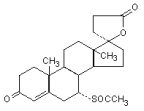
Spironolactone and hydrochlorothiazide oral tablets contain: Spironolactone, USP. . . . . . . . . . . . . . . . 25 mg Hydrochlorothiazide, USP . . . . . . . . . . . . 25 mg Spironolactone, an aldosterone antagonist, is 17-hydroxy-7α-mercapto-3-oxo-17α-pregn-4-ene-21-carboxylic acid γ-lactone acetate and has the following structural formula: Spironolactone is practically insoluble in water, soluble in alcohol, and freely soluble in benzene and in chloroform. Hydrochlorothiazide, a diuretic and antihypertensive, is 6-chloro-3,4-dihydro-2H-1,2,4-benzothiadiazine-7-sulfonamide 1,1-dioxide and has the following structural formula: Hydrochlorothiazide is slightly soluble in water and freely soluble in sodium hydroxide solution. Inactive ingredients include anhydrous lactose, colloidal silicon dioxide, D&C yellow #10 lake, docusate sodium, FD&C yellow #6 lake, magnesium stearate, microcrystalline cellulose, peppermint flavor, povidone, sodium benzoate, and sodium starch glycolate.
Medication Information
Warnings
Potassium supplementation, either in the form of medication or as a diet rich in potassium, should not ordinarily be given in association with spironolactone and hydrochlorothiazide tablets therapy. Excessive potassium intake may cause hyperkalemia in patients receiving spironolactone and hydrochlorothiazide tablets (see Precautions: General). Concomitant administration of spironolactone and hydrochlorothiazide tablets with the following drugs or potassium sources may lead to severe hyperkalemia:
- other potassium-sparing diuretics
- ACE inhibitors
- angiotensin II receptor antagonists
- aldosterone blockers
- non-steroidal anti-inflammatory drugs (NSAIDs), e.g., indomethacin
- heparin and low molecular weight heparin
- other drugs or conditions known to cause hyperkalemia
- potassium supplements
- diet rich in potassium
- salt substitutes containing potassium
Spironolactone and hydrochlorothiazide tablets should not be administered concurrently with other potassium-sparing diuretics. Spironolactone, when used with ACE inhibitors or indomethacin, even in the presence of a diuretic, has been associated with severe hyperkalemia. Extreme caution should be exercised when spironolactone and hydrochlorothiazide tablets are given concomitantly with these drugs (see Precautions: Drug interactions ).
Spironolactone and hydrochlorothiazide tablets should be used with caution in patients with impaired hepatic function because minor alterations of fluid and electrolyte balance may precipitate hepatic coma.
Lithium generally should not be given with diuretics (see Precautions: Drug interactions ).
Thiazides should be used with caution in severe renal disease. In patients with renal disease, thiazides may precipitate azotemia. Cumulative effects of the drug may develop in patients with impaired renal function.
Thiazides may add to or potentiate the action of other antihypertensive drugs.
Sensitivity reactions to thiazides may occur in patients with or without a history of allergy or bronchial asthma.
Sulfonamide derivatives, including thiazides, have been reported to exacerbate or activate systemic lupus erythematosus.
Indications and Usage
Spironolactone, an ingredient of spironolactone and hydrochlorothiazide tablets, has been shown to be a tumorigen in chronic toxicity studies in rats (see Precautions section). Spironolactone and hydrochlorothiazide tablets should be used only in those conditions described below. Unnecessary use of this drug should be avoided.
Spironolactone and hydrochlorothiazide tablets are indicated for:
Edematous conditions for patients with:
Dosage and Administration
Optimal dosage should be established by individual titration of the components.
Contraindications
Spironolactone and hydrochlorothiazide tablets are contraindicated in patients with anuria, acute renal insufficiency, significant impairment of renal excretory function, hypercalcemia, hyperkalemia, Addison's disease, and in patients who are allergic to thiazide diuretics or to other sulfonamide-derived drugs. Spironolactone and hydrochlorothiazide tablets may also be contraindicated in acute or severe hepatic failure.
Adverse Reactions
The following adverse reactions have been reported and, within each category (body system), are listed in order of decreasing severity.
How Supplied
Spironolactone and hydrochlorothiazide tablets, USP are supplied as follows:
Spironolactone and hydrochlorothiazide tablets, 25 mg/25 mg are buff, round, unscored, debossed MP 40.
|
Bottles of 100 |
NDC 53489-144-01 |
|
Bottles of 500 |
NDC 53489-144-05 |
|
Bottles of 1000 |
NDC 53489-144-10 |
Store at 20° to 25°C (68° to 77°F).
[See USP Controlled Room Temperature]
DISPENSE IN TIGHT, LIGHT-RESISTANT CONTAINER.
Distributed by: Sun Pharmaceutical Industries, Inc.
Cranbury, NJ 08512
Rev. 13, December 2025
Description
Spironolactone and hydrochlorothiazide oral tablets contain:
Spironolactone, USP. . . . . . . . . . . . . . . . 25 mg
Hydrochlorothiazide, USP . . . . . . . . . . . . 25 mg
Spironolactone, an aldosterone antagonist, is 17-hydroxy-7α-mercapto-3-oxo-17α-pregn-4-ene-21-carboxylic acid γ-lactone acetate and has the following structural formula:
Spironolactone is practically insoluble in water, soluble in alcohol, and freely soluble in benzene and in chloroform.
Hydrochlorothiazide, a diuretic and antihypertensive, is 6-chloro-3,4-dihydro-2H-1,2,4-benzothiadiazine-7-sulfonamide 1,1-dioxide and has the following structural formula:
Hydrochlorothiazide is slightly soluble in water and freely soluble in sodium hydroxide solution.
Inactive ingredients include anhydrous lactose, colloidal silicon dioxide, D&C yellow #10 lake, docusate sodium, FD&C yellow #6 lake, magnesium stearate, microcrystalline cellulose, peppermint flavor, povidone, sodium benzoate, and sodium starch glycolate.
Section 34074-5
Drug/Laboratory test interactions: Thiazides should be discontinued before carrying out tests for parathyroid function (see Precautions: General). Thiazides may also decrease serum PBI levels without evidence of alteration of thyroid function. Several reports of possible interference with digoxin radioimmunoassays by spironolactone or its metabolites have appeared in the literature. Neither the extent nor the potential clinical significance of its interference (which may be assay specific) has been fully established.
Section 34075-2
Laboratory tests: Periodic determination of serum electrolytes to detect possible electrolyte imbalance should be done at appropriate intervals, particularly in the elderly and those with significant renal or hepatic impairments.
Section 34076-0
Information for patients: Patients who receive spironolactone and hydrochlorothiazide tablets should be advised to avoid potassium supplements and foods containing high levels of potassium including salt substitutes.
Non-melanoma Skin Cancer: Instruct patients taking hydrochlorothiazide to protect skin from the sun and undergo regular skin cancer screening.
Section 34080-2
Nursing mothers: Canrenone, a major (and active) metabolite of spironolactone, appears in human breast milk. Because spironolactone has been found to be tumorigenic in rats, a decision should be made whether to discontinue the drug, taking into account the importance of the drug to the mother. If use of the drug is deemed essential, an alternative method of infant feeding should be instituted.
Thiazides are excreted in human milk in small amounts. Thiazides when given at high doses can cause intense diuresis which can in turn inhibit milk production. The use of spironolactone and hydrochlorothiazide tablets during breast feeding is not recommended. If spironolactone and hydrochlorothiazide tablets are used during breast feeding, doses should be kept as low as possible.
Section 34081-0
Pediatric use: Safety and effectiveness in pediatric patients have not been established.
Section 42228-7
Usage in Pregnancy. The routine use of diuretics in an otherwise healthy woman is inappropriate and exposes mother and fetus to unnecessary hazard. Diuretics do not prevent development of toxemia of pregnancy, and there is no satisfactory evidence that they are useful in the treatment of developing toxemia.
Edema during pregnancy may arise from pathologic causes or from the physiologic and mechanical consequences of pregnancy. Spironolactone and hydrochlorothiazide tablets are indicated in pregnancy when edema is due to pathologic causes just as it is in the absence of pregnancy (however, see Precautions: Pregnancy ). Dependent edema in pregnancy, resulting from restriction of venous return by the expanded uterus, is properly treated through elevation of the lower extremities and use of support hose; use of diuretics to lower intravascular volume in this case is unsupported and unnecessary. There is hypervolemia during normal pregnancy which is not harmful to either the fetus or the mother (in the absence of cardiovascular disease), but which is associated with edema, including generalized edema, in the majority of pregnant women. If this edema produces discomfort, increased recumbency will often provide relief. In rare instances, this edema may cause extreme discomfort that is not relieved by rest. In these cases, a short course of diuretics may provide relief and may be appropriate.
Section 42229-5
Serum Electrolyte Abnormalities: Spironolactone can cause hyperkalemia. The risk of hyperkalemia may be increased in patients with renal insufficiency, diabetes mellitus or with concomitant use of drugs that raise serum potassium (see Drug Interactions ). Hydrochlorothiazide can cause hypokalemia and hyponatremia. The risk of hypokalemia may be increased in patients with cirrhosis, brisk diuresis, or with concomitant use of drugs that lower serum potassium. Hypomagnesemia can result in hypokalemia which appears difficult to treat despite potassium repletion. Monitor serum electrolytes periodically.
Section 43679-0
Mechanism of action: Spironolactone and hydrochlorothiazide tablets are a combination of two diuretic agents with different but complementary mechanisms and sites of action, thereby providing additive diuretic and antihypertensive effects. Additionally, the spironolactone component helps to minimize the potassium loss characteristically induced by the thiazide component.
The diuretic effect of spironolactone is mediated through its action as a specific pharmacologic antagonist of aldosterone, primarily by competitive binding of receptors at the aldosterone-dependent sodium-potassium exchange site in the distal convoluted renal tubule. Hydrochlorothiazide promotes the excretion of sodium and water primarily by inhibiting their reabsorption in the cortical diluting segment of the distal renal tubule.
Spironolactone and hydrochlorothiazide tablets are effective in significantly lowering the systolic and diastolic blood pressure in many patients with essential hypertension, even when aldosterone secretion is within normal limits.
Both spironolactone and hydrochlorothiazide reduce exchangeable sodium, plasma volume, body weight, and blood pressure. The diuretic and antihypertensive effects of the individual components are potentiated when spironolactone and hydrochlorothiazide are given concurrently.
Section 43682-4
Pharmacokinetics: Spironolactone is rapidly and extensively metabolized. Sulfur-containing products are the predominant metabolites and are thought to be primarily responsible, together with spironolactone, for the therapeutic effects of the drug. The following pharmacokinetic data were obtained from 12 healthy volunteers following the administration of 100 mg of spironolactone (as tablets) daily for 15 days. On the 15th day, spironolactone was given immediately after a low fat breakfast and blood was drawn thereafter.
|
Accumulation Factor: AUC (0–24 hr, day 15)/ AUC (0–24 hr, day 1) |
Mean Peak Serum Concentration |
Mean (SD) Post Steady-State Half-Life |
|
|
7-α-(thiomethyl) spirolactone (TMS) |
1.25 |
391 ng/mL at 3.2 hr |
13.8 hr (6.4) (terminal) |
|
6-β-hydroxy-7-α-(thiomethyl) spirolactone (HTMS) |
1.50 |
125 ng/mL at 5.1 hr |
15 hr (4) (terminal) |
|
Canrenone (C) |
1.41 |
181 ng/mL at 4.3 hr |
16.5 hr (6.3) (terminal) |
|
Spironolactone |
1.30 |
80 ng/mL at 2.6 hr |
Approximately 1.4 hr (0.5) (β half-life) |
The pharmacological activity of spironolactone metabolites in man is not known. However, in the adrenalectomized rat the antimineralocorticoid activities of the metabolites C, TMS, and HTMS, relative to spironolactone, were 1.10, 1.28, and 0.32, respectively. Relative to spironolactone, their binding affinities to the aldosterone receptors in rat kidney slices were 0.19, 0.86, and 0.06, respectively.
In humans, the potencies of TMS and 7-α-thiospirolactone in reversing the effects of the synthetic mineralocorticoid, fludrocortisone, on urinary electrolyte composition were 0.33 and 0.26, respectively, relative to spironolactone. However, since the serum concentrations of these steroids were not determined, their incomplete absorption and/or first-pass metabolism could not be ruled out as a reason for their reduced in vivo activities.
Spironolactone and its metabolites are more than 90% bound to plasma proteins. The metabolites are excreted primarily in the urine and secondarily in bile.
The effect of food on spironolactone absorption (two 100 mg spironolactone tablets) was assessed in a single dose study of 9 healthy, drug-free volunteers. Food increased the bioavailability of unmetabolized spironolactone by almost 100%. The clinical importance of this finding is not known.
Hydrochlorothiazide is rapidly absorbed following oral administration. Onset of action of hydrochlorothiazide is observed within one hour and persists for 6 to 12 hours. Hydrochlorothiazide plasma concentrations attain peak levels at one to two hours and decline with a half-life of four to five hours. Hydrochlorothiazide undergoes only slight metabolic alteration and is excreted in urine. It is distributed throughout the extracellular space, with essentially no tissue accumulation except in the kidney.
Overdosage
The oral LD50 of spironolactone is greater than 1000 mg/kg in mice, rats, and rabbits. The oral LD50 of hydrochlorothiazide is greater than 10 g/kg in both mice and rats.
Acute overdosage of spironolactone may be manifested by drowsiness, mental confusion, maculopapular or erythematous rash, nausea, vomiting, dizziness, or diarrhea. Rarely, instances of hyponatremia, hyperkalemia (less commonly seen with spironolactone and hydrochlorothiazide tablets because the hydrochlorothiazide component tends to produce hypokalemia), or hepatic coma may occur in patients with severe liver disease, but these are unlikely due to acute overdosage.
However, because spironolactone and hydrochlorothiazide tablets contain both spironolactone and hydrochlorothiazide, the toxic effects may be intensified, and signs of thiazide overdosage may be present. These include electrolyte imbalance such as hypokalemia and/or hyponatremia. The potassium-sparing action of spironolactone may predominate and hyperkalemia may occur, especially in patients with impaired renal function. BUN determinations have been reported to rise transiently with hydrochlorothiazide. There may be CNS depression with lethargy or even coma.
Spironolactone:
Digestive: Gastric bleeding, ulceration, gastritis, diarrhea and cramping, nausea, vomiting.
Reproductive: Gynecomastia (see Precautions ), inability to achieve or maintain erection, irregular menses or amenorrhea, postmenopausal bleeding, breast pain. Carcinoma of the breast has been reported in patients taking spironolactone but a cause and effect relationship has not been established.
Hematologic: Leukopenia (including agranulocytosis), thrombocytopenia.
Hypersensitivity: Fever, urticaria, maculopapular or erythematous cutaneous eruptions, anaphylactic reactions, vasculitis.
Metabolism: Hyperkalemia, electrolyte disturbances (see Warnings and Precautions ).
Musculoskeletal: Leg cramps.
Nervous system/psychiatric: Lethargy, mental confusion, ataxia, dizziness, headache, drowsiness.
Liver/biliary: A very few cases of mixed cholestatic/hepatocellular toxicity, with one reported fatality, have been reported with spironolactone administration.
Renal: Renal dysfunction (including renal failure).
Skin: Stevens-Johnson Syndrome (SJS), toxic epidermal necrolysis (TEN), drug rash with eosinophilia and systemic symptoms (DRESS), alopecia, pruritus.
Hydrochlorothiazide:
Body as a whole: Weakness.
Cardiovascular: Hypotension including orthostatic hypotension (may be aggravated by alcohol, barbiturates, narcotics, or antihypertensive drugs).
Digestive: Pancreatitis, jaundice (intrahepatic cholestatic jaundice), diarrhea, vomiting, sialoadenitis, cramping, constipation, gastric irritation, nausea, anorexia.
Eye Disorders: Acute myopia and acute angle-closure glaucoma (see Warnings ).
Hematologic: Aplastic anemia, agranulocytosis, leukopenia, hemolytic anemia, thrombocytopenia.
Hypersensitivity: Anaphylactic reactions, necrotizing angitis (vasculitis and cutaneous vasculitis), respiratory distress including pneumonitis and pulmonary edema, photosensitivity, fever, urticaria, rash, purpura.
Metabolic: Electrolyte imbalance (see Precautions ), hyperglycemia, glycosuria, hyperuricemia.
Musculoskeletal: Muscle spasm.
Nervous system/psychiatric: Vertigo, paresthesias, dizziness, headache, restlessness.
Renal: Renal failure, renal dysfunction, interstitial nephritis (see Warnings ).
Skin: Erythema multiforme, pruritus.
Special senses: Transient blurred vision, xanthopsia.
Essential Hypertension:
•For patients with essential hypertension in whom other measures are considered inadequate or inappropriate;
•In hypertensive patients for the treatment of a diuretic-induced hypokalemia when other measures are considered inappropriate;
•Spironolactone and hydrochlorothiazide tablets are indicated for the treatment of hypertension, to lower blood pressure. Lowering blood pressure reduces the risk of fatal and nonfatal cardiovascular events, primarily strokes and myocardial infarctions. These benefits have been seen in controlled trials of antihypertensive drugs from a wide variety of pharmacologic classes, including the classes to which this drug principally belongs. There are no controlled trials demonstrating risk reduction with spironolactone and hydrochlorothiazide tablets.
Control of high blood pressure should be part of comprehensive cardiovascular risk management, including, as appropriate, lipid control, diabetes management, antithrombotic therapy, smoking cessation, exercise, and limited sodium intake. Many patients will require more than one drug to achieve blood pressure goals. For specific advice on goals and management, see published guidelines, such as those of the National High Blood Pressure Education Program's Joint National Committee on Prevention, Detection, Evaluation, and Treatment of High Blood Pressure (JNC).
Numerous antihypertensive drugs, from a variety of pharmacologic classes and with different mechanisms of action, have been shown in randomized controlled trials to reduce cardiovascular morbidity and mortality, and it can be concluded that it is blood pressure reduction, and not some other pharmacologic property of the drugs, that is largely responsible for those benefits. The largest and most consistent cardiovascular outcome benefit has been a reduction in the risk of stroke, but reductions in myocardial infarction and cardiovascular mortality also have been seen regularly.
Elevated systolic or diastolic pressure causes increased cardiovascular risk, and the absolute risk increase per mmHg is greater at higher blood pressures, so that even modest reductions of severe hypertension can provide substantial benefit. Relative risk reduction from blood pressure reduction is similar across populations with varying absolute risk, so the absolute benefit is greater in patients who are at higher risk independent of their hypertension (for example, patients with diabetes or hyperlipidemia), and such patients would be expected to benefit from more aggressive treatment to a lower blood pressure goal.
Some antihypertensive drugs have smaller blood pressure effects (as monotherapy) in black patients, and many antihypertensive drugs have additional approved indications and effects (e.g., on angina, heart failure, or diabetic kidney disease). These considerations may guide selection of therapy.
Non Teratogenic Effects
Spironolactone or its metabolites may, and hydrochlorothiazide does, cross the placental barrier and appear in cord blood. Therefore, the use of spironolactone and hydrochlorothiazide tablets in pregnant women requires that the anticipated benefit be weighed against possible hazards to the fetus. The hazards include fetal or neonatal jaundice, thrombocytopenia, and possibly other adverse reactions that have occurred in adults.
The Nephrotic Syndrome:
- For nephrotic patients when treatment of the underlying disease, restriction of fluid and sodium intake, and the use of other diuretics do not provide an adequate response.
Congestive Heart Failure:
•For the management of edema and sodium retention when the patient is only partially responsive to, or is intolerant of, other therapeutic measures;
•The treatment of diuretic-induced hypokalemia in patients with congestive heart failure when other measures are considered inappropriate;
•The treatment of patients with congestive heart failure taking digitalis when other therapies are considered inadequate or inappropriate.
Post Marketing Experience
Non-melanoma Skin Cancer: Hydrochlorothiazide is associated with an increased risk of non-melanoma skin cancer. In a study conducted in the Sentinel System, increased risk was predominantly for squamous cell carcinoma (SCC) and in white patients taking large cumulative doses. The increased risk for SCC in the overall population was approximately 1 additional case per 16,000 patients per year, and for white patients taking a cumulative dose of ≥50,000 mg the risk increase was approximately 1 additional SCC case for every 6,700 patients per year.
Other Metabolic Disturbances:
Hydrochlorothiazide may alter glucose tolerance and raise serum levels of cholesterol and triglycerides.
Hydrochlorothiazide may raise the serum uric acid level due to reduced clearance of uric acid and may cause or exacerbate hyperuricemia and precipitate gout in susceptible patients.
Hydrochlorothiazide decreases urinary calcium excretion and may cause elevations of serum calcium. Monitor calcium levels in patients with hypercalcemia receiving spironolactone and hydrochlorothiazide tablets.
Principal Display Panel 25 Mg Tablet Bottle Label
Cirrhosis of the Liver Accompanied By Edema And/or Ascites:
- Aldosterone levels may be exceptionally high in this condition. Spironolactone and hydrochlorothiazide tablets are indicated for maintenance therapy together with bed rest and the restriction of fluid and sodium.
Acute Angle Closure Glaucoma With Or Without Acute Myopia and Choroidal Effusions:
Hydrochlorothiazide, a sulfonamide, can cause an idiosyncratic reaction, resulting in acute angle-closure glaucoma and elevated intraocular pressure with or without a noticeable acute myopic shift and/or choroidal effusions. Symptoms may include acute onset of decreased visual acuity or ocular pain and typically occur within hours to weeks of drug initiation. Untreated, the angle-closure glaucoma may result in permanent visual field loss. The primary treatment is to discontinue hydrochlorothiazide as rapidly as possible. Prompt medical or surgical treatments may need to be considered if the intraocular pressure remains uncontrolled. Risk factors for developing acute angle-closure glaucoma may include a history of sulfonamide or penicillin allergy.
Structured Label Content
Warnings (WARNINGS)
Potassium supplementation, either in the form of medication or as a diet rich in potassium, should not ordinarily be given in association with spironolactone and hydrochlorothiazide tablets therapy. Excessive potassium intake may cause hyperkalemia in patients receiving spironolactone and hydrochlorothiazide tablets (see Precautions: General). Concomitant administration of spironolactone and hydrochlorothiazide tablets with the following drugs or potassium sources may lead to severe hyperkalemia:
- other potassium-sparing diuretics
- ACE inhibitors
- angiotensin II receptor antagonists
- aldosterone blockers
- non-steroidal anti-inflammatory drugs (NSAIDs), e.g., indomethacin
- heparin and low molecular weight heparin
- other drugs or conditions known to cause hyperkalemia
- potassium supplements
- diet rich in potassium
- salt substitutes containing potassium
Spironolactone and hydrochlorothiazide tablets should not be administered concurrently with other potassium-sparing diuretics. Spironolactone, when used with ACE inhibitors or indomethacin, even in the presence of a diuretic, has been associated with severe hyperkalemia. Extreme caution should be exercised when spironolactone and hydrochlorothiazide tablets are given concomitantly with these drugs (see Precautions: Drug interactions ).
Spironolactone and hydrochlorothiazide tablets should be used with caution in patients with impaired hepatic function because minor alterations of fluid and electrolyte balance may precipitate hepatic coma.
Lithium generally should not be given with diuretics (see Precautions: Drug interactions ).
Thiazides should be used with caution in severe renal disease. In patients with renal disease, thiazides may precipitate azotemia. Cumulative effects of the drug may develop in patients with impaired renal function.
Thiazides may add to or potentiate the action of other antihypertensive drugs.
Sensitivity reactions to thiazides may occur in patients with or without a history of allergy or bronchial asthma.
Sulfonamide derivatives, including thiazides, have been reported to exacerbate or activate systemic lupus erythematosus.
Indications and Usage (INDICATIONS AND USAGE)
Spironolactone, an ingredient of spironolactone and hydrochlorothiazide tablets, has been shown to be a tumorigen in chronic toxicity studies in rats (see Precautions section). Spironolactone and hydrochlorothiazide tablets should be used only in those conditions described below. Unnecessary use of this drug should be avoided.
Spironolactone and hydrochlorothiazide tablets are indicated for:
Edematous conditions for patients with:
Dosage and Administration (DOSAGE AND ADMINISTRATION)
Optimal dosage should be established by individual titration of the components.
Contraindications (CONTRAINDICATIONS)
Spironolactone and hydrochlorothiazide tablets are contraindicated in patients with anuria, acute renal insufficiency, significant impairment of renal excretory function, hypercalcemia, hyperkalemia, Addison's disease, and in patients who are allergic to thiazide diuretics or to other sulfonamide-derived drugs. Spironolactone and hydrochlorothiazide tablets may also be contraindicated in acute or severe hepatic failure.
Adverse Reactions (ADVERSE REACTIONS)
The following adverse reactions have been reported and, within each category (body system), are listed in order of decreasing severity.
How Supplied (HOW SUPPLIED)
Spironolactone and hydrochlorothiazide tablets, USP are supplied as follows:
Spironolactone and hydrochlorothiazide tablets, 25 mg/25 mg are buff, round, unscored, debossed MP 40.
|
Bottles of 100 |
NDC 53489-144-01 |
|
Bottles of 500 |
NDC 53489-144-05 |
|
Bottles of 1000 |
NDC 53489-144-10 |
Store at 20° to 25°C (68° to 77°F).
[See USP Controlled Room Temperature]
DISPENSE IN TIGHT, LIGHT-RESISTANT CONTAINER.
Distributed by: Sun Pharmaceutical Industries, Inc.
Cranbury, NJ 08512
Rev. 13, December 2025
Description (DESCRIPTION)
Spironolactone and hydrochlorothiazide oral tablets contain:
Spironolactone, USP. . . . . . . . . . . . . . . . 25 mg
Hydrochlorothiazide, USP . . . . . . . . . . . . 25 mg
Spironolactone, an aldosterone antagonist, is 17-hydroxy-7α-mercapto-3-oxo-17α-pregn-4-ene-21-carboxylic acid γ-lactone acetate and has the following structural formula:
Spironolactone is practically insoluble in water, soluble in alcohol, and freely soluble in benzene and in chloroform.
Hydrochlorothiazide, a diuretic and antihypertensive, is 6-chloro-3,4-dihydro-2H-1,2,4-benzothiadiazine-7-sulfonamide 1,1-dioxide and has the following structural formula:
Hydrochlorothiazide is slightly soluble in water and freely soluble in sodium hydroxide solution.
Inactive ingredients include anhydrous lactose, colloidal silicon dioxide, D&C yellow #10 lake, docusate sodium, FD&C yellow #6 lake, magnesium stearate, microcrystalline cellulose, peppermint flavor, povidone, sodium benzoate, and sodium starch glycolate.
Section 34074-5 (34074-5)
Drug/Laboratory test interactions: Thiazides should be discontinued before carrying out tests for parathyroid function (see Precautions: General). Thiazides may also decrease serum PBI levels without evidence of alteration of thyroid function. Several reports of possible interference with digoxin radioimmunoassays by spironolactone or its metabolites have appeared in the literature. Neither the extent nor the potential clinical significance of its interference (which may be assay specific) has been fully established.
Section 34075-2 (34075-2)
Laboratory tests: Periodic determination of serum electrolytes to detect possible electrolyte imbalance should be done at appropriate intervals, particularly in the elderly and those with significant renal or hepatic impairments.
Section 34076-0 (34076-0)
Information for patients: Patients who receive spironolactone and hydrochlorothiazide tablets should be advised to avoid potassium supplements and foods containing high levels of potassium including salt substitutes.
Non-melanoma Skin Cancer: Instruct patients taking hydrochlorothiazide to protect skin from the sun and undergo regular skin cancer screening.
Section 34080-2 (34080-2)
Nursing mothers: Canrenone, a major (and active) metabolite of spironolactone, appears in human breast milk. Because spironolactone has been found to be tumorigenic in rats, a decision should be made whether to discontinue the drug, taking into account the importance of the drug to the mother. If use of the drug is deemed essential, an alternative method of infant feeding should be instituted.
Thiazides are excreted in human milk in small amounts. Thiazides when given at high doses can cause intense diuresis which can in turn inhibit milk production. The use of spironolactone and hydrochlorothiazide tablets during breast feeding is not recommended. If spironolactone and hydrochlorothiazide tablets are used during breast feeding, doses should be kept as low as possible.
Section 34081-0 (34081-0)
Pediatric use: Safety and effectiveness in pediatric patients have not been established.
Section 42228-7 (42228-7)
Usage in Pregnancy. The routine use of diuretics in an otherwise healthy woman is inappropriate and exposes mother and fetus to unnecessary hazard. Diuretics do not prevent development of toxemia of pregnancy, and there is no satisfactory evidence that they are useful in the treatment of developing toxemia.
Edema during pregnancy may arise from pathologic causes or from the physiologic and mechanical consequences of pregnancy. Spironolactone and hydrochlorothiazide tablets are indicated in pregnancy when edema is due to pathologic causes just as it is in the absence of pregnancy (however, see Precautions: Pregnancy ). Dependent edema in pregnancy, resulting from restriction of venous return by the expanded uterus, is properly treated through elevation of the lower extremities and use of support hose; use of diuretics to lower intravascular volume in this case is unsupported and unnecessary. There is hypervolemia during normal pregnancy which is not harmful to either the fetus or the mother (in the absence of cardiovascular disease), but which is associated with edema, including generalized edema, in the majority of pregnant women. If this edema produces discomfort, increased recumbency will often provide relief. In rare instances, this edema may cause extreme discomfort that is not relieved by rest. In these cases, a short course of diuretics may provide relief and may be appropriate.
Section 42229-5 (42229-5)
Serum Electrolyte Abnormalities: Spironolactone can cause hyperkalemia. The risk of hyperkalemia may be increased in patients with renal insufficiency, diabetes mellitus or with concomitant use of drugs that raise serum potassium (see Drug Interactions ). Hydrochlorothiazide can cause hypokalemia and hyponatremia. The risk of hypokalemia may be increased in patients with cirrhosis, brisk diuresis, or with concomitant use of drugs that lower serum potassium. Hypomagnesemia can result in hypokalemia which appears difficult to treat despite potassium repletion. Monitor serum electrolytes periodically.
Section 43679-0 (43679-0)
Mechanism of action: Spironolactone and hydrochlorothiazide tablets are a combination of two diuretic agents with different but complementary mechanisms and sites of action, thereby providing additive diuretic and antihypertensive effects. Additionally, the spironolactone component helps to minimize the potassium loss characteristically induced by the thiazide component.
The diuretic effect of spironolactone is mediated through its action as a specific pharmacologic antagonist of aldosterone, primarily by competitive binding of receptors at the aldosterone-dependent sodium-potassium exchange site in the distal convoluted renal tubule. Hydrochlorothiazide promotes the excretion of sodium and water primarily by inhibiting their reabsorption in the cortical diluting segment of the distal renal tubule.
Spironolactone and hydrochlorothiazide tablets are effective in significantly lowering the systolic and diastolic blood pressure in many patients with essential hypertension, even when aldosterone secretion is within normal limits.
Both spironolactone and hydrochlorothiazide reduce exchangeable sodium, plasma volume, body weight, and blood pressure. The diuretic and antihypertensive effects of the individual components are potentiated when spironolactone and hydrochlorothiazide are given concurrently.
Section 43682-4 (43682-4)
Pharmacokinetics: Spironolactone is rapidly and extensively metabolized. Sulfur-containing products are the predominant metabolites and are thought to be primarily responsible, together with spironolactone, for the therapeutic effects of the drug. The following pharmacokinetic data were obtained from 12 healthy volunteers following the administration of 100 mg of spironolactone (as tablets) daily for 15 days. On the 15th day, spironolactone was given immediately after a low fat breakfast and blood was drawn thereafter.
|
Accumulation Factor: AUC (0–24 hr, day 15)/ AUC (0–24 hr, day 1) |
Mean Peak Serum Concentration |
Mean (SD) Post Steady-State Half-Life |
|
|
7-α-(thiomethyl) spirolactone (TMS) |
1.25 |
391 ng/mL at 3.2 hr |
13.8 hr (6.4) (terminal) |
|
6-β-hydroxy-7-α-(thiomethyl) spirolactone (HTMS) |
1.50 |
125 ng/mL at 5.1 hr |
15 hr (4) (terminal) |
|
Canrenone (C) |
1.41 |
181 ng/mL at 4.3 hr |
16.5 hr (6.3) (terminal) |
|
Spironolactone |
1.30 |
80 ng/mL at 2.6 hr |
Approximately 1.4 hr (0.5) (β half-life) |
The pharmacological activity of spironolactone metabolites in man is not known. However, in the adrenalectomized rat the antimineralocorticoid activities of the metabolites C, TMS, and HTMS, relative to spironolactone, were 1.10, 1.28, and 0.32, respectively. Relative to spironolactone, their binding affinities to the aldosterone receptors in rat kidney slices were 0.19, 0.86, and 0.06, respectively.
In humans, the potencies of TMS and 7-α-thiospirolactone in reversing the effects of the synthetic mineralocorticoid, fludrocortisone, on urinary electrolyte composition were 0.33 and 0.26, respectively, relative to spironolactone. However, since the serum concentrations of these steroids were not determined, their incomplete absorption and/or first-pass metabolism could not be ruled out as a reason for their reduced in vivo activities.
Spironolactone and its metabolites are more than 90% bound to plasma proteins. The metabolites are excreted primarily in the urine and secondarily in bile.
The effect of food on spironolactone absorption (two 100 mg spironolactone tablets) was assessed in a single dose study of 9 healthy, drug-free volunteers. Food increased the bioavailability of unmetabolized spironolactone by almost 100%. The clinical importance of this finding is not known.
Hydrochlorothiazide is rapidly absorbed following oral administration. Onset of action of hydrochlorothiazide is observed within one hour and persists for 6 to 12 hours. Hydrochlorothiazide plasma concentrations attain peak levels at one to two hours and decline with a half-life of four to five hours. Hydrochlorothiazide undergoes only slight metabolic alteration and is excreted in urine. It is distributed throughout the extracellular space, with essentially no tissue accumulation except in the kidney.
Overdosage (OVERDOSAGE)
The oral LD50 of spironolactone is greater than 1000 mg/kg in mice, rats, and rabbits. The oral LD50 of hydrochlorothiazide is greater than 10 g/kg in both mice and rats.
Acute overdosage of spironolactone may be manifested by drowsiness, mental confusion, maculopapular or erythematous rash, nausea, vomiting, dizziness, or diarrhea. Rarely, instances of hyponatremia, hyperkalemia (less commonly seen with spironolactone and hydrochlorothiazide tablets because the hydrochlorothiazide component tends to produce hypokalemia), or hepatic coma may occur in patients with severe liver disease, but these are unlikely due to acute overdosage.
However, because spironolactone and hydrochlorothiazide tablets contain both spironolactone and hydrochlorothiazide, the toxic effects may be intensified, and signs of thiazide overdosage may be present. These include electrolyte imbalance such as hypokalemia and/or hyponatremia. The potassium-sparing action of spironolactone may predominate and hyperkalemia may occur, especially in patients with impaired renal function. BUN determinations have been reported to rise transiently with hydrochlorothiazide. There may be CNS depression with lethargy or even coma.
Spironolactone:
Digestive: Gastric bleeding, ulceration, gastritis, diarrhea and cramping, nausea, vomiting.
Reproductive: Gynecomastia (see Precautions ), inability to achieve or maintain erection, irregular menses or amenorrhea, postmenopausal bleeding, breast pain. Carcinoma of the breast has been reported in patients taking spironolactone but a cause and effect relationship has not been established.
Hematologic: Leukopenia (including agranulocytosis), thrombocytopenia.
Hypersensitivity: Fever, urticaria, maculopapular or erythematous cutaneous eruptions, anaphylactic reactions, vasculitis.
Metabolism: Hyperkalemia, electrolyte disturbances (see Warnings and Precautions ).
Musculoskeletal: Leg cramps.
Nervous system/psychiatric: Lethargy, mental confusion, ataxia, dizziness, headache, drowsiness.
Liver/biliary: A very few cases of mixed cholestatic/hepatocellular toxicity, with one reported fatality, have been reported with spironolactone administration.
Renal: Renal dysfunction (including renal failure).
Skin: Stevens-Johnson Syndrome (SJS), toxic epidermal necrolysis (TEN), drug rash with eosinophilia and systemic symptoms (DRESS), alopecia, pruritus.
Hydrochlorothiazide:
Body as a whole: Weakness.
Cardiovascular: Hypotension including orthostatic hypotension (may be aggravated by alcohol, barbiturates, narcotics, or antihypertensive drugs).
Digestive: Pancreatitis, jaundice (intrahepatic cholestatic jaundice), diarrhea, vomiting, sialoadenitis, cramping, constipation, gastric irritation, nausea, anorexia.
Eye Disorders: Acute myopia and acute angle-closure glaucoma (see Warnings ).
Hematologic: Aplastic anemia, agranulocytosis, leukopenia, hemolytic anemia, thrombocytopenia.
Hypersensitivity: Anaphylactic reactions, necrotizing angitis (vasculitis and cutaneous vasculitis), respiratory distress including pneumonitis and pulmonary edema, photosensitivity, fever, urticaria, rash, purpura.
Metabolic: Electrolyte imbalance (see Precautions ), hyperglycemia, glycosuria, hyperuricemia.
Musculoskeletal: Muscle spasm.
Nervous system/psychiatric: Vertigo, paresthesias, dizziness, headache, restlessness.
Renal: Renal failure, renal dysfunction, interstitial nephritis (see Warnings ).
Skin: Erythema multiforme, pruritus.
Special senses: Transient blurred vision, xanthopsia.
Essential Hypertension: (Essential hypertension:)
•For patients with essential hypertension in whom other measures are considered inadequate or inappropriate;
•In hypertensive patients for the treatment of a diuretic-induced hypokalemia when other measures are considered inappropriate;
•Spironolactone and hydrochlorothiazide tablets are indicated for the treatment of hypertension, to lower blood pressure. Lowering blood pressure reduces the risk of fatal and nonfatal cardiovascular events, primarily strokes and myocardial infarctions. These benefits have been seen in controlled trials of antihypertensive drugs from a wide variety of pharmacologic classes, including the classes to which this drug principally belongs. There are no controlled trials demonstrating risk reduction with spironolactone and hydrochlorothiazide tablets.
Control of high blood pressure should be part of comprehensive cardiovascular risk management, including, as appropriate, lipid control, diabetes management, antithrombotic therapy, smoking cessation, exercise, and limited sodium intake. Many patients will require more than one drug to achieve blood pressure goals. For specific advice on goals and management, see published guidelines, such as those of the National High Blood Pressure Education Program's Joint National Committee on Prevention, Detection, Evaluation, and Treatment of High Blood Pressure (JNC).
Numerous antihypertensive drugs, from a variety of pharmacologic classes and with different mechanisms of action, have been shown in randomized controlled trials to reduce cardiovascular morbidity and mortality, and it can be concluded that it is blood pressure reduction, and not some other pharmacologic property of the drugs, that is largely responsible for those benefits. The largest and most consistent cardiovascular outcome benefit has been a reduction in the risk of stroke, but reductions in myocardial infarction and cardiovascular mortality also have been seen regularly.
Elevated systolic or diastolic pressure causes increased cardiovascular risk, and the absolute risk increase per mmHg is greater at higher blood pressures, so that even modest reductions of severe hypertension can provide substantial benefit. Relative risk reduction from blood pressure reduction is similar across populations with varying absolute risk, so the absolute benefit is greater in patients who are at higher risk independent of their hypertension (for example, patients with diabetes or hyperlipidemia), and such patients would be expected to benefit from more aggressive treatment to a lower blood pressure goal.
Some antihypertensive drugs have smaller blood pressure effects (as monotherapy) in black patients, and many antihypertensive drugs have additional approved indications and effects (e.g., on angina, heart failure, or diabetic kidney disease). These considerations may guide selection of therapy.
Non Teratogenic Effects (Non-teratogenic effects)
Spironolactone or its metabolites may, and hydrochlorothiazide does, cross the placental barrier and appear in cord blood. Therefore, the use of spironolactone and hydrochlorothiazide tablets in pregnant women requires that the anticipated benefit be weighed against possible hazards to the fetus. The hazards include fetal or neonatal jaundice, thrombocytopenia, and possibly other adverse reactions that have occurred in adults.
The Nephrotic Syndrome: (The nephrotic syndrome:)
- For nephrotic patients when treatment of the underlying disease, restriction of fluid and sodium intake, and the use of other diuretics do not provide an adequate response.
Congestive Heart Failure: (Congestive heart failure:)
•For the management of edema and sodium retention when the patient is only partially responsive to, or is intolerant of, other therapeutic measures;
•The treatment of diuretic-induced hypokalemia in patients with congestive heart failure when other measures are considered inappropriate;
•The treatment of patients with congestive heart failure taking digitalis when other therapies are considered inadequate or inappropriate.
Post Marketing Experience
Non-melanoma Skin Cancer: Hydrochlorothiazide is associated with an increased risk of non-melanoma skin cancer. In a study conducted in the Sentinel System, increased risk was predominantly for squamous cell carcinoma (SCC) and in white patients taking large cumulative doses. The increased risk for SCC in the overall population was approximately 1 additional case per 16,000 patients per year, and for white patients taking a cumulative dose of ≥50,000 mg the risk increase was approximately 1 additional SCC case for every 6,700 patients per year.
Other Metabolic Disturbances:
Hydrochlorothiazide may alter glucose tolerance and raise serum levels of cholesterol and triglycerides.
Hydrochlorothiazide may raise the serum uric acid level due to reduced clearance of uric acid and may cause or exacerbate hyperuricemia and precipitate gout in susceptible patients.
Hydrochlorothiazide decreases urinary calcium excretion and may cause elevations of serum calcium. Monitor calcium levels in patients with hypercalcemia receiving spironolactone and hydrochlorothiazide tablets.
Principal Display Panel 25 Mg Tablet Bottle Label (PRINCIPAL DISPLAY PANEL - 25 mg Tablet Bottle Label)
Cirrhosis of the Liver Accompanied By Edema And/or Ascites: (Cirrhosis of the liver accompanied by edema and/or ascites:)
- Aldosterone levels may be exceptionally high in this condition. Spironolactone and hydrochlorothiazide tablets are indicated for maintenance therapy together with bed rest and the restriction of fluid and sodium.
Acute Angle Closure Glaucoma With Or Without Acute Myopia and Choroidal Effusions: (Acute Angle-Closure Glaucoma with or without Acute Myopia and Choroidal Effusions:)
Hydrochlorothiazide, a sulfonamide, can cause an idiosyncratic reaction, resulting in acute angle-closure glaucoma and elevated intraocular pressure with or without a noticeable acute myopic shift and/or choroidal effusions. Symptoms may include acute onset of decreased visual acuity or ocular pain and typically occur within hours to weeks of drug initiation. Untreated, the angle-closure glaucoma may result in permanent visual field loss. The primary treatment is to discontinue hydrochlorothiazide as rapidly as possible. Prompt medical or surgical treatments may need to be considered if the intraocular pressure remains uncontrolled. Risk factors for developing acute angle-closure glaucoma may include a history of sulfonamide or penicillin allergy.
Advanced Ingredient Data
Raw Label Data
All Sections (JSON)
Additional Information
Back to search View SPL set listing Open on DailyMed ↗
Source: dailymed · Ingested: 2026-02-15T11:51:02.759960 · Updated: 2026-03-14T22:39:15.192278