Erleada
d1cda4f7-cb33-46ea-b9ac-431f6452b1a5
34391-3
HUMAN PRESCRIPTION DRUG LABEL
Drug Facts
Composition & Product
Identifiers & Packaging
Indications and Usage
ERLEADA is indicated for the treatment of patients with Metastatic castration-sensitive prostate cancer (mCSPC) Non-metastatic castration-resistant prostate cancer (nmCRPC)
Dosage and Administration
ERLEADA 240 mg administered orally once daily. Swallow tablets whole. ERLEADA can be taken with or without food. ( 2.1 , 2.3 ) Patients should also receive a gonadotropin-releasing hormone (GnRH) analog concurrently or should have had bilateral orchiectomy. ( 2.1 )
Contraindications
None. ( 4 )
Warnings and Precautions
Cerebrovascular and ischemic cardiovascular events occurred in patients receiving ERLEADA. Monitor for signs and symptoms of cerebrovascular disorders and ischemic heart disease. Optimize management of cardiovascular risk factors. ( 5.1 ). Fractures occurred in patients receiving ERLEADA. Evaluate patients for fracture risk and treat patients with bone-targeted agents according to established guidelines. ( 5.2 ) Falls occurred in patients receiving ERLEADA with increased incidence in the elderly. Evaluate patients for fall risk. ( 5.3 ) Seizure occurred in 0.4% of patients receiving ERLEADA. Permanently discontinue ERLEADA in patients who develop a seizure during treatment. ( 5.4 ) Severe Cutaneous Adverse Reactions (SCARs), including Stevens-Johnson syndrome/toxic epidermal necrolysis (SJS/TEN) and drug reaction with eosinophilia and systemic symptoms (DRESS), occurred in patients treated with ERLEADA. Interrupt ERLEADA if signs or symptoms of SCARs develop. Permanently discontinue if SCARs are confirmed. ( 5.5 ) Interstitial Lung Disease (ILD)/pneumonitis occurred in patients treated with ERLEADA. Withhold ERLEADA for suspected ILD/pneumonitis. Permanently discontinue ERLEADA in patients with severe ILD/pneumonitis or if no other potential causes of ILD/pneumonitis are identified. ( 2.2 , 5.6 ) Embryo-Fetal Toxicity: ERLEADA can cause fetal harm. Advise males with female partners of reproductive potential to use effective contraception. ( 5.7 , 8.1 , 8.3 )
Adverse Reactions
The following are discussed in more detail in other sections of the labeling: Cerebrovascular and Ischemic Cardiovascular Events [see Warnings and Precautions (5.1) ] . Fractures [see Warnings and Precautions (5.2) ] . Falls [see Warnings and Precautions (5.3) ] . Seizure [see Warnings and Precautions (5.4) ] . Severe Cutaneous Adverse Reactions (SCARs) [see Warnings and Precautions (5.5) ] . Interstitial Lung Disease (ILD) [see Warnings and Precautions (5.6) ] .
Drug Interactions
Concomitant use with medications that are sensitive substrates of CYP3A4, CYP2C19, CYP2C9, UGT, P-gp, BCRP, or OATP1B1 may result in loss of activity of these medications. ( 7.2 )
How Supplied
ERLEADA ® (apalutamide) tablets are available in the strengths and packages listed below: ERLEADA ® 240 mg Tablets Film coated, bluish grey to grey, oval-shaped tablets debossed with "E240" on one side. NDC Number 59676‐604‐30 - 30 tablets available in bottles with a silica gel desiccant and has a child-resistant closure ERLEADA ® 60 mg Tablets Film coated, slightly yellowish to greyish green, oblong-shaped tablets debossed with "AR 60" on one side. NDC Number 59676‐600‐12 - 120 tablets available in bottles with a silica gel desiccant and has a child-resistant closure
Storage and Handling
ERLEADA ® (apalutamide) tablets are available in the strengths and packages listed below: ERLEADA ® 240 mg Tablets Film coated, bluish grey to grey, oval-shaped tablets debossed with "E240" on one side. NDC Number 59676‐604‐30 - 30 tablets available in bottles with a silica gel desiccant and has a child-resistant closure ERLEADA ® 60 mg Tablets Film coated, slightly yellowish to greyish green, oblong-shaped tablets debossed with "AR 60" on one side. NDC Number 59676‐600‐12 - 120 tablets available in bottles with a silica gel desiccant and has a child-resistant closure
Description
Dosage and Administration, Recommended Dosage ( 2.1 ) 8/2024 Dosage and Administration, Dosage Modification ( 2.2 ) 8/2024 Dosage and Administration, Alternate Methods of Administration ( 2.3 ) 8/2024 Warnings and Precautions, Interstitial Lung Disease (ILD) ( 5.6 ) 8/2024
Medication Information
Warnings and Precautions
Cerebrovascular and ischemic cardiovascular events occurred in patients receiving ERLEADA. Monitor for signs and symptoms of cerebrovascular disorders and ischemic heart disease. Optimize management of cardiovascular risk factors. ( 5.1 ). Fractures occurred in patients receiving ERLEADA. Evaluate patients for fracture risk and treat patients with bone-targeted agents according to established guidelines. ( 5.2 ) Falls occurred in patients receiving ERLEADA with increased incidence in the elderly. Evaluate patients for fall risk. ( 5.3 ) Seizure occurred in 0.4% of patients receiving ERLEADA. Permanently discontinue ERLEADA in patients who develop a seizure during treatment. ( 5.4 ) Severe Cutaneous Adverse Reactions (SCARs), including Stevens-Johnson syndrome/toxic epidermal necrolysis (SJS/TEN) and drug reaction with eosinophilia and systemic symptoms (DRESS), occurred in patients treated with ERLEADA. Interrupt ERLEADA if signs or symptoms of SCARs develop. Permanently discontinue if SCARs are confirmed. ( 5.5 ) Interstitial Lung Disease (ILD)/pneumonitis occurred in patients treated with ERLEADA. Withhold ERLEADA for suspected ILD/pneumonitis. Permanently discontinue ERLEADA in patients with severe ILD/pneumonitis or if no other potential causes of ILD/pneumonitis are identified. ( 2.2 , 5.6 ) Embryo-Fetal Toxicity: ERLEADA can cause fetal harm. Advise males with female partners of reproductive potential to use effective contraception. ( 5.7 , 8.1 , 8.3 )
Indications and Usage
ERLEADA is indicated for the treatment of patients with Metastatic castration-sensitive prostate cancer (mCSPC) Non-metastatic castration-resistant prostate cancer (nmCRPC)
Dosage and Administration
ERLEADA 240 mg administered orally once daily. Swallow tablets whole. ERLEADA can be taken with or without food. ( 2.1 , 2.3 ) Patients should also receive a gonadotropin-releasing hormone (GnRH) analog concurrently or should have had bilateral orchiectomy. ( 2.1 )
Contraindications
None. ( 4 )
Adverse Reactions
The following are discussed in more detail in other sections of the labeling: Cerebrovascular and Ischemic Cardiovascular Events [see Warnings and Precautions (5.1) ] . Fractures [see Warnings and Precautions (5.2) ] . Falls [see Warnings and Precautions (5.3) ] . Seizure [see Warnings and Precautions (5.4) ] . Severe Cutaneous Adverse Reactions (SCARs) [see Warnings and Precautions (5.5) ] . Interstitial Lung Disease (ILD) [see Warnings and Precautions (5.6) ] .
Drug Interactions
Concomitant use with medications that are sensitive substrates of CYP3A4, CYP2C19, CYP2C9, UGT, P-gp, BCRP, or OATP1B1 may result in loss of activity of these medications. ( 7.2 )
Storage and Handling
ERLEADA ® (apalutamide) tablets are available in the strengths and packages listed below: ERLEADA ® 240 mg Tablets Film coated, bluish grey to grey, oval-shaped tablets debossed with "E240" on one side. NDC Number 59676‐604‐30 - 30 tablets available in bottles with a silica gel desiccant and has a child-resistant closure ERLEADA ® 60 mg Tablets Film coated, slightly yellowish to greyish green, oblong-shaped tablets debossed with "AR 60" on one side. NDC Number 59676‐600‐12 - 120 tablets available in bottles with a silica gel desiccant and has a child-resistant closure
How Supplied
ERLEADA ® (apalutamide) tablets are available in the strengths and packages listed below: ERLEADA ® 240 mg Tablets Film coated, bluish grey to grey, oval-shaped tablets debossed with "E240" on one side. NDC Number 59676‐604‐30 - 30 tablets available in bottles with a silica gel desiccant and has a child-resistant closure ERLEADA ® 60 mg Tablets Film coated, slightly yellowish to greyish green, oblong-shaped tablets debossed with "AR 60" on one side. NDC Number 59676‐600‐12 - 120 tablets available in bottles with a silica gel desiccant and has a child-resistant closure
Description
Dosage and Administration, Recommended Dosage ( 2.1 ) 8/2024 Dosage and Administration, Dosage Modification ( 2.2 ) 8/2024 Dosage and Administration, Alternate Methods of Administration ( 2.3 ) 8/2024 Warnings and Precautions, Interstitial Lung Disease (ILD) ( 5.6 ) 8/2024
Section 42229-5
Disperse Tablet(s) in Water and Administer with Orange Juice, Applesauce, or Additional Water
For patients who cannot swallow tablets whole, the recommended dose of ERLEADA tablet(s) can be dispersed in non-carbonated water and then administered with either orange juice, applesauce, or additional water as follows:
- Place the entire prescribed dose of ERLEADA tablet(s) in a cup. Do not crush or split the tablet(s).
-
For one 240 mg tablet:Add about 2 teaspoons (10 mL) of non-carbonated water to make sure that the tablet is completely immersed in water.
For 60 mg tablets (prescribed dose of 240 mg, 180 mg, or 120 mg):Add about 4 teaspoons (20 mL) of non-carbonated water to make sure that the tablets are completely immersed in water. - Wait 2 minutes until the tablet(s) are broken up and spread out, then stir the mixture.
- Add 2 tablespoons (30 mL) of either orange juice, applesauce, or additional water and stir the mixture.
- Swallow the mixture immediately.
- Rinse the cup with enough water to make sure the whole dose is taken and drink it immediately.
Do not store ERLEADA that is mixed with non-carbonated water, orange juice, or applesauce for later use.
Section 42230-3
| This Patient Information has been approved by the U.S. Food and Drug Administration. | Revised: 8/2024 | ||
|
PATIENT INFORMATION
ERLEADA ® ( er lee'dah) (apalutamide) tablets |
|||
|
What is ERLEADA?
ERLEADA is a prescription medicine used for the treatment of prostate cancer:
It is not known if ERLEADA is safe and effective in children. |
|||
Before taking ERLEADA, tell your healthcare provider about all your medical conditions, including if you:
You should not start or stop any medicine before you talk with the healthcare provider that prescribed ERLEADA. Know the medicines you take. Keep a list of them with you to show to your healthcare provider and pharmacist when you get a new medicine. |
|||
How should I take ERLEADA?
|
|||
|
What are the possible side effects of ERLEADA?
ERLEADA may cause serious side effects including:
|
|||
|
|
||
|
|||
|
|
||
|
|||
|
|
|
|
| The most common side effects of ERLEADA include: | |||
|
|
||
| Your healthcare provider may reduce your dose, temporarily stop, or permanently stop treatment with ERLEADA if you have certain side effects.
ERLEADA may cause fertility problems in males, which may affect the ability to father children. Talk to your healthcare provider if you have concerns about fertility. Do notdonate sperm during treatment with ERLEADA and for 3 months after the last dose of ERLEADA. Tell your healthcare provider if you have any side effect that bothers you or that does not go away. These are not all the possible side effects of ERLEADA. Call your doctor for medical advice about side effects. You may report side effects to FDA at 1-800-FDA-1088. |
|||
How should I store ERLEADA?
|
|||
|
General information about the safe and effective use of ERLEADA.
Medicines are sometimes prescribed for purposes other than those listed in a Patient Information leaflet. Do not use ERLEADA for a condition for which it was not prescribed. Do not give ERLEADA to other people, even if they have the same symptoms that you have. It may harm them. You can ask your healthcare provider or pharmacist for information about ERLEADA that is written for health professionals. |
|||
|
What are the ingredients in ERLEADA?
Active ingredient:apalutamide Inactive ingredients: 240 mg film-coated tablets: colloidal anhydrous silica, croscarmellose sodium, hydroxypropyl methylcellulose-acetate succinate, silicified microcrystalline cellulose, and magnesium stearate. The coating contains glyceryl monocaprylocaprate, iron oxide black, polyvinyl alcohol, talc, titanium dioxide, and vinyl alcohol grafted copolymer. 60 mg film-coated tablets: colloidal anhydrous silica, croscarmellose sodium, hydroxypropyl methylcellulose-acetate succinate, magnesium stearate, microcrystalline cellulose, and silicified microcrystalline cellulose. The coating contains iron oxide black, iron oxide yellow, polyethylene glycol, polyvinyl alcohol, talc, and titanium dioxide. Manufactured for:Janssen Products, LP, Horsham, PA 19044, USA For patent information: www.janssenpatents.com © 2019, 2023 Janssen Pharmaceutical Companies For more information, call Janssen Products, LP at 1-800-526-7736 (1-800-JANSSEN) or go to www.erleada.com. |
Section 43683-2
Section 44425-7
Storage and Handling
Store at 20 °C to 25 °C (68 °F to 77 °F); excursions permitted to 15 °C to 30 °C (59 °F to 86 °F) [see USP Controlled Room Temperature].
Store in original package to protect from light and moisture. Do not discard desiccant.
Section 59845-8
| This Instructions for Use has been approved by the U.S. Food and Drug Administration. | Revised: 07/2024 |
|
INSTRUCTIONS FOR USE
ERLEADA ® ( er lee'dah) (apalutamide) tablets |
|
| This Instructions for Use contains information on how to prepare and take or give a dose of ERLEADA tablets if you cannot swallow ERLEADA tablets whole or if you have a feeding tube. Read this Instructions for Use before you prepare and take or give the first dose of ERLEADA, and each time you get a refill. Ask your healthcare provider or pharmacist if you have any questions.
Important information you need to know before preparing a dose of ERLEADA:
|
|
|
Preparing and taking ERLEADA if you cannot swallow tablets whole:
Preparing and taking ERLEADA 60 mg tablets by placing the tablets in non-carbonated water then mixing with orange juice, applesauce, or more non-carbonated water: |
|
| Step 1. | Place your entire prescribed dose of 60 mg tablets in a cup. Do not crush or split the tablets. |
| Step 2. | Add about 4 teaspoons (20 mL) of non-carbonated water to make sure that the tablets are completely covered in water. |
| Step 3. | Wait 2 minutes until the tablets are broken up and spread out, then stir the mixture. |
| Step 4. | Add 2 tablespoons (30 mL) of orange juice, applesauce, or non-carbonated water to the cup and stir the mixture. |
| Step 5. | Swallow the mixture right away. |
| Step 6. | Rinse the cup with enough non-carbonated water to make sure that you take your full dose of ERLEADA and drink it right away. |
|
Do notstore ERLEADA that is mixed with non-carbonated water, orange juice, or applesauce for later use.
|
|
| Preparing and taking ERLEADA 240 mg tablet by placing the tablet in non-carbonated water then mixing with orange juice, applesauce, or more non-carbonated water: | |
| Step 1. | Place the whole 240 mg tablet in a cup. Do not crush or split the tablet. |
| Step 2. | Add about 2 teaspoons (10 mL) of non-carbonated water to make sure that the tablet is completely covered in water. |
| Step 3. | Wait 2 minutes until the tablet is broken up and spread out, then stir the mixture. |
| Step 4. | Add 2 tablespoons (30 mL) of orange juice, applesauce, or non-carbonated water to the cup and stir the mixture. |
| Step 5. | Swallow the mixture right away. |
| Step 6. | Rinse the cup with enough non-carbonated water to make sure that you take your full dose of ERLEADA and drink it right away. |
| Do notstore ERLEADA that is mixed with non-carbonated water, orange juice, or applesauce for later use. | |
|
Preparing and giving ERLEADA through a feeding tube:
Preparing and giving ERLEADA 60 mg tablets through a feeding tube 8 French or larger: |
|
| Step 1. | Remove the plunger out of the syringe (use at least a 50 mL syringe). |
| Step 2. | Add your entire prescribed dose of 60 mg tablets into the syringe body (barrel) and place the plunger back in the syringe. Do not crush or split the tablets. |
| Step 3. | Withdraw 20 mL of non-carbonated water into the syringe. |
| Step 4. | Wait 10 minutes and then shake the syringe very well (vigorously) to break the tablets apart completely. |
| Step 5. | Attach the syringe to the feeding tube and give the mixture right away. |
| Step 6. | Withdraw non-carbonated water into the same syringe and flush through the feeding tube. Repeat Step 6until no pieces of tablets are left in the syringe or feeding tube. |
| Preparing and giving ERLEADA 240 mg tablet through a feeding tube 8 French or larger: | |
| Step 1. | Remove the plunger out of the syringe (use at least a 20 mL syringe). |
| Step 2. | Add one 240 mg tablet into the syringe body (barrel) and place the plunger back in the syringe. Do not crush or split the tablet. |
| Step 3. | Withdraw 10 mL of non-carbonated water into the syringe. |
| Step 4. | Wait 10 minutes and then shake the syringe very well (vigorously) to break the tablet apart completely. |
| Step 5. | Attach the syringe to the feeding tube and give the mixture right away. |
| Step 6. | Withdraw non-carbonated water into the same syringe and flush through the feeding tube. Repeat Step 6until no pieces of tablet are left in the syringe or feeding tube. |
How should I store ERLEADA?
Manufactured for:Janssen Products, LP, Horsham, PA 19044, USA For patent information: www.janssenpatents.com © 2019, 2023 Janssen Pharmaceutical Companies For more information, call Janssen Products, LP at 1-800-526-7736 (1-800-JANSSEN) or go to www.erleada.com. |
5.3 Falls
Falls occurred in patients receiving ERLEADA with increased frequency in the elderly [see Use in Specific Populations (8.5)] . Evaluate patients for fall risk.
In a randomized study (SPARTAN), falls occurred in 16% of patients treated with ERLEADA compared to 9% of patients treated with placebo. Falls were not associated with loss of consciousness or seizure.
5.4 Seizure
Seizure occurred in patients receiving ERLEADA. Permanently discontinue ERLEADA in patients who develop a seizure during treatment. It is unknown whether anti-epileptic medications will prevent seizures with ERLEADA. Advise patients of the risk of developing a seizure while receiving ERLEADA and of engaging in any activity where sudden loss of consciousness could cause harm to themselves or others.
In two randomized studies (SPARTAN and TITAN), five patients (0.4%) treated with ERLEADA and one patient treated with placebo (0.1%) experienced a seizure. Seizure occurred from 159 to 650 days after initiation of ERLEADA. Patients with a history of seizure, predisposing factors for seizure, or receiving drugs known to decrease the seizure threshold or to induce seizure were excluded. There is no clinical experience in re-administering ERLEADA to patients who experienced a seizure.
10 Overdosage
There is no known specific antidote for apalutamide overdose. In the event of an overdose, stop ERLEADA, undertake general supportive measures until clinical toxicity has been diminished or resolved.
5.2 Fractures
Fractures occurred in patients receiving ERLEADA. Evaluate patients for fracture risk. Monitor and manage patients at risk for fractures according to established treatment guidelines and consider use of bone-targeted agents.
In a randomized study (SPARTAN) of patients with non-metastatic castration-resistant prostate cancer, fractures occurred in 12% of patients treated with ERLEADA and in 7% of patients treated with placebo. Grade 3–4 fractures occurred in 2.7% of patients treated with ERLEADA and in 0.8% of patients treated with placebo. The median time to onset of fracture was 314 days (range: 20 to 953 days) for patients treated with ERLEADA. Routine bone density assessment and treatment of osteoporosis with bone-targeted agents were not performed in the SPARTAN study.
In a randomized study (TITAN) of patients with metastatic castration-sensitive prostate cancer, fractures occurred in 9% of patients treated with ERLEADA and in 6% of patients treated with placebo. Grade 3–4 fractures were similar in both arms at 1.5%. The median time to onset of fracture was 56 days (range: 2 to 111 days) for patients treated with ERLEADA. Routine bone density assessment and treatment of osteoporosis with bone-targeted agents were not performed in the TITAN study.
11 Description
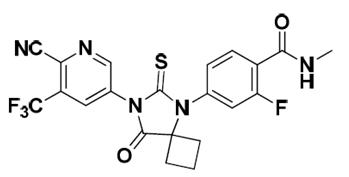
Apalutamide, the active ingredient of ERLEADA, is an androgen receptor inhibitor. Each ERLEADA tablet contains either 60 mg or 240 mg of apalutamide. The chemical name is (4-[7-(6-Cyano-5-trifluoromethylpyridin-3-yl)-8-oxo-6-thioxo-5,7-diazaspiro[3.4]oct-5-yl]-2-fluoro-N-methylbenzamide). Apalutamide is a white to slightly yellow powder. Apalutamide is practically insoluble in aqueous media over a wide range of pH values.
The molecular weight is 477.44 and molecular formula is C 21H 15F 4N 5O 2S. The structural formula is:
ERLEADA ®(apalutamide) tablets are available in 240 mg tablets and 60 mg tablets with the following inactive ingredients:
- 240 mg film-coated tablets: colloidal anhydrous silica, croscarmellose sodium, hydroxypropyl methylcellulose-acetate succinate, silicified microcrystalline cellulose, and magnesium stearate. The coating contains glyceryl monocaprylocaprate, iron oxide black, polyvinyl alcohol, talc, titanium dioxide, and vinyl alcohol grafted copolymer.
- 60 mg film-coated tablets: colloidal anhydrous silica, croscarmellose sodium, hydroxypropyl methylcellulose-acetate succinate, magnesium stearate, microcrystalline cellulose, and silicified microcrystalline cellulose. The coating contains iron oxide black, iron oxide yellow, polyethylene glycol, polyvinyl alcohol, talc, and titanium dioxide.
8.4 Pediatric Use
Safety and effectiveness of ERLEADA in pediatric patients have not been established.
8.5 Geriatric Use
Of the 1327 patients who received ERLEADA in clinical studies, 19% of patients were less than 65 years, 41% of patients were 65 years to 74 years, and 40% were 75 years and over.
No overall differences in effectiveness were observed between older and younger patients.
Of patients treated with ERLEADA (n=1073), Grade 3–4 adverse reactions occurred in 39% of patients younger than 65 years, 41% of patients 65–74 years, and 49% of patients 75 years or older. Falls in patients receiving ERLEADA with androgen deprivation therapy was elevated in the elderly, occurring in 8% of patients younger than 65 years, 10% of patients 65–74 years, and 19% of patients 75 years or older.
14 Clinical Studies
The efficacy and safety of ERLEADA was established in two randomized placebo-controlled clinical trials.
4 Contraindications
None. ( 4)
6 Adverse Reactions
The following are discussed in more detail in other sections of the labeling:
- Cerebrovascular and Ischemic Cardiovascular Events [see Warnings and Precautions (5.1)] .
- Fractures [see Warnings and Precautions (5.2)] .
- Falls [see Warnings and Precautions (5.3)] .
- Seizure [see Warnings and Precautions (5.4)] .
- Severe Cutaneous Adverse Reactions (SCARs) [see Warnings and Precautions (5.5)] .
- Interstitial Lung Disease (ILD) [see Warnings and Precautions (5.6)] .
7 Drug Interactions
Concomitant use with medications that are sensitive substrates of CYP3A4, CYP2C19, CYP2C9, UGT, P-gp, BCRP, or OATP1B1 may result in loss of activity of these medications. ( 7.2)
12.2 Pharmacodynamics
Apalutamide 240 mg daily in addition to ADT in patients with mCSPC (TITAN) reduced PSA to undetectable levels (<0.2 ng/mL) in 68% of patients compared to 32% of patients taking ADT alone.
Apalutamide 240 mg daily in addition to ADT in patients with nmCRPC (SPARTAN) reduced PSA to undetectable levels (<0.2 ng/mL) in 38% of patients compared to no patients (0%) taking ADT alone.
The exposure-response relationship and time course of pharmacodynamic response for the safety and effectiveness of apalutamide have not been fully characterized.
12.3 Pharmacokinetics
Apalutamide pharmacokinetic parameters are presented as the mean [standard deviation (SD)] unless otherwise specified. Apalutamide C maxand area under the concentration curve (AUC) increased proportionally following repeated once-daily dosing of 30 to 480 mg (0.125 to 2 times the recommended dosage). Following administration of the recommended dosage, apalutamide steady-state was achieved after 4 weeks and the mean accumulation ratio was approximately 5-fold. Apalutamide C maxwas 6.0 mcg/mL (1.7) and AUC was 100 mcg∙h/mL (32) at steady-state. Daily fluctuations in apalutamide plasma concentrations were low, with mean peak-to-trough ratio of 1.63. An increase in apparent clearance (CL/F) was observed with repeat dosing, likely due to induction of apalutamide's own metabolism. The auto-induction effect likely reached its maximum at the recommended dosage because exposure of apalutamide across the dose range of 30 to 480 mg is dose-proportional.
The major active metabolite N-desmethyl apalutamide C maxwas 5.9 mcg/mL (1.0) and AUC was 124 mcg∙h/mL (23) at steady-state after the recommended dosage. N-desmethyl apalutamide was characterized by a flat concentration-time profile at steady-state with a mean peak-to-trough ratio of 1.27. Mean AUC metabolite/parent drug ratio for N-desmethyl apalutamide following repeat-dose administration was 1.3. Based on systemic exposure, relative potency, and pharmacokinetic properties, N-desmethyl apalutamide likely contributed to the clinical activity of apalutamide.
2.1 Recommended Dosage
The recommended dose of ERLEADA is 240 mg administered orally once daily. This could be administered as one 240 mg tablet or four 60 mg tablets. Swallow the tablet(s) whole. Do not crush or split tablet(s). ERLEADA can be taken with or without food.
Patients should also receive a gonadotropin-releasing hormone (GnRH) analog concurrently or should have had a bilateral orchiectomy.
1 Indications and Usage
ERLEADA is indicated for the treatment of patients with
- Metastatic castration-sensitive prostate cancer (mCSPC)
- Non-metastatic castration-resistant prostate cancer (nmCRPC)
2.2 Dosage Modification
If Grade 3 or greater adverse reactions, or other intolerable adverse reactions occur, withhold ERLEADA. Consider permanent discontinuation of ERLEADA for Grade 3 or 4 cerebrovascular and ischemic cardiovascular events [see Warnings and Precautions (5.1)] . Permanently discontinue ERLEADA for severe ILD/pneumonitis or if no other potential causes of ILD/pneumonitis are identified, or confirmed SCARs, or for other Grade 4 skin reactions [see Warnings and Precautions (5.5, 5.6)and Adverse Reactions (6.1)] . For other adverse reactions, when symptoms improve to less than or equal to Grade 1 or original grade, resume ERLEADA at the same dose or a reduced dose (180 mg or 120 mg), if warranted.
12.1 Mechanism of Action
Apalutamide is an Androgen Receptor (AR) inhibitor that binds directly to the ligand-binding domain of the AR. Apalutamide inhibits AR nuclear translocation, inhibits DNA binding, and impedes AR-mediated transcription. A major metabolite, N-desmethyl apalutamide, is a less potent inhibitor of AR, and exhibited one-third the activity of apalutamide in an in vitrotranscriptional reporter assay. Apalutamide administration caused decreased tumor cell proliferation and increased apoptosis leading to decreased tumor volume in mouse xenograft models of prostate cancer.
5.7 Embryo Fetal Toxicity
The safety and efficacy of ERLEADA have not been established in females. Based on findings from animals and its mechanism of action, ERLEADA can cause fetal harm and loss of pregnancy when administered to a pregnant female. In an animal reproduction study, oral administration of apalutamide to pregnant rats during and after organogenesis resulted in fetal abnormalities and embryo-fetal lethality at maternal exposures ≥ 2 times the human clinical exposure (AUC) at the recommended dose. Advise males with female partners of reproductive potential to use effective contraception during treatment and for 3 months after the last dose of ERLEADA [see Use in Specific Populations (8.1, 8.3)and Clinical Pharmacology (12.1)] .
5 Warnings and Precautions
- Cerebrovascular and ischemic cardiovascular events occurred in patients receiving ERLEADA. Monitor for signs and symptoms of cerebrovascular disorders and ischemic heart disease. Optimize management of cardiovascular risk factors. ( 5.1).
- Fractures occurred in patients receiving ERLEADA. Evaluate patients for fracture risk and treat patients with bone-targeted agents according to established guidelines. ( 5.2)
- Falls occurred in patients receiving ERLEADA with increased incidence in the elderly. Evaluate patients for fall risk. ( 5.3)
- Seizure occurred in 0.4% of patients receiving ERLEADA. Permanently discontinue ERLEADA in patients who develop a seizure during treatment. ( 5.4)
- Severe Cutaneous Adverse Reactions (SCARs), including Stevens-Johnson syndrome/toxic epidermal necrolysis (SJS/TEN) and drug reaction with eosinophilia and systemic symptoms (DRESS), occurred in patients treated with ERLEADA. Interrupt ERLEADA if signs or symptoms of SCARs develop. Permanently discontinue if SCARs are confirmed. ( 5.5)
- Interstitial Lung Disease (ILD)/pneumonitis occurred in patients treated with ERLEADA. Withhold ERLEADA for suspected ILD/pneumonitis. Permanently discontinue ERLEADA in patients with severe ILD/pneumonitis or if no other potential causes of ILD/pneumonitis are identified. ( 2.2, 5.6)
- Embryo-Fetal Toxicity: ERLEADA can cause fetal harm. Advise males with female partners of reproductive potential to use effective contraception. ( 5.7, 8.1, 8.3)
2 Dosage and Administration
3 Dosage Forms and Strengths
Tablets:
- 240 mg: bluish grey to grey, oval, film-coated and debossed with "E240" on one side.
- 60 mg: slightly yellowish to greyish green, oblong, film-coated and debossed with "AR 60" on one side.
6.1 Clinical Trial Experience
Because clinical trials are conducted under widely varying conditions, adverse reaction rates observed in the clinical trials of a drug cannot be directly compared to rates in the clinical trials of another drug and may not reflect the rates observed in practice.
The most common adverse reactions (≥ 10%) that occurred more frequently in the ERLEADA-treated patients (≥ 2% over placebo) from the randomized placebo-controlled clinical trials (TITAN and SPARTAN) were fatigue, arthralgia, rash, decreased appetite, fall, weight decreased, hypertension, hot flush, diarrhea, and fracture.
6.2 Post Marketing Experience
The following additional adverse reactions have been identified during post-approval use of ERLEADA. Because these reactions are reported voluntarily from a population of uncertain size, it is not always possible to reliably estimate the frequency or establish a causal relationship to drug exposure.
Respiratory, Thoracic and Mediastinal Disorders:interstitial lung disease/pneumonitis [see Warnings and Precautions (5.6)]
Skin and Subcutaneous Tissue Disorders:Stevens-Johnson syndrome/toxic epidermal necrolysis (SJS/TEN) and drug reaction with eosinophilia and systemic symptoms (DRESS).
17 Patient Counseling Information
Advise the patient to read the FDA-approved patient labeling (Patient Information and Instructions for Use).
16 How Supplied/storage and Handling
ERLEADA ®(apalutamide) tablets are available in the strengths and packages listed below:
-
ERLEADA
®240 mg Tablets
Film coated, bluish grey to grey, oval-shaped tablets debossed with "E240" on one side.
NDC Number 59676‐604‐30 - 30 tablets available in bottles with a silica gel desiccant and has a child-resistant closure
-
ERLEADA
®60 mg Tablets
Film coated, slightly yellowish to greyish green, oblong-shaped tablets debossed with "AR 60" on one side.
NDC Number 59676‐600‐12 - 120 tablets available in bottles with a silica gel desiccant and has a child-resistant closure
5.5 Severe Cutaneous Adverse Reactions
Fatal and life-threatening cases of severe cutaneous adverse reactions (SCARs), including Stevens-Johnson syndrome/toxic epidermal necrolysis (SJS/TEN), and drug reaction with eosinophilia and systemic symptoms (DRESS), occurred in patients receiving ERLEADA [see Adverse Reactions (6.2)] .
Monitor patients for the development of SCARs. Advise patients of the signs and symptoms of SCARs (e.g., a prodrome of fever, flu-like symptoms, mucosal lesions, progressive skin rash, or lymphadenopathy).
If a SCAR is suspected, interrupt ERLEADA until the etiology of the reaction has been determined. Consultation with a dermatologist is recommended. If a SCAR is confirmed, or for other grade 4 skin reactions, permanently discontinue ERLEADA [see Dosage and Administration (2.2)and Adverse Reactions (6.1)] .
5.6 Interstitial Lung Disease (ild)/pneumonitis
Fatal and life-threatening interstitial lung disease (ILD) or pneumonitis can occur in patients treated with ERLEADA.
Post-marketing cases of ILD/pneumonitis, including fatal cases, occurred in patients treated with ERLEADA. Across clinical trials (TITAN and SPARTAN, n=1327), 0.8% of patients treated with ERLEADA experienced ILD/pneumonitis, including 0.2% who experienced Grade 3 events [see Adverse Reactions (6.1, 6.2)].
Monitor patients for new or worsening symptoms indicative of ILD/pneumonitis (e.g., dyspnea, cough, fever). Immediately withhold ERLEADA if ILD/pneumonitis is suspected.
Permanently discontinue ERLEADA in patients with severe ILD/pneumonitis or if no other potential causes of ILD/pneumonitis are identified [see Dosage and Administration (2.2)] .
Principal Display Panel 60 Mg Tablet Bottle Label
NDC 59676-600-12
Erleada
®
(apalutamide) tablets
60 mg
Each film-coated tablet
contains 60 mg of apalutamide.
This package is child-resistant.
Keep out of reach of children.
Rx only
120 film-coated
tablets
Principal Display Panel 240 Mg Tablet Bottle Label
NDC 59676-604-30
Erleada
®
(apalutamide) tablets
240 mg
Each film-coated tablet contains
240 mg of apalutamide.
This package is child-resistant.
Keep out of reach of children.
Rx only
30 film-coated tablets
5.1 Cerebrovascular and Ischemic Cardiovascular Events
Cerebrovascular and ischemic cardiovascular events, including events leading to death, occurred in patients receiving ERLEADA. Monitor for signs and symptoms of ischemic heart disease and cerebrovascular disorders. Optimize management of cardiovascular risk factors, such as hypertension, diabetes, or dyslipidemia. Consider discontinuation of ERLEADA for Grade 3 and 4 events.
In a randomized study (SPARTAN) of patients with nmCRPC, ischemic cardiovascular events occurred in 3.7% of patients treated with ERLEADA and 2% of patients treated with placebo. In a randomized study (TITAN) in patients with mCSPC, ischemic cardiovascular events occurred in 4.4% of patients treated with ERLEADA and 1.5% of patients treated with placebo. Across the SPARTAN and TITAN studies, 4 patients (0.3%) treated with ERLEADA, and 2 patients (0.2%) treated with placebo died from an ischemic cardiovascular event.
In the SPARTAN study, cerebrovascular events occurred in 2.5% of patients treated with ERLEADA and 1% of patients treated with placebo [see Adverse Reactions (6.1)] . In the TITAN study, cerebrovascular events occurred in 1.9% of patients treated with ERLEADA and 2.1% of patients treated with placebo. Across the SPARTAN and TITAN studies, 3 patients (0.2%) treated with ERLEADA, and 2 patients (0.2%) treated with placebo died from a cerebrovascular event.
Patients with history of unstable angina, myocardial infarction, congestive heart failure, stroke, or transient ischemic attack within six months of randomization were excluded from the SPARTAN and TITAN studies.
13.1 Carcinogenesis, Mutagenesis, Impairment of Fertility
In a 2-year carcinogenicity study in male rats, apalutamide was administered by oral gavage at doses of 5, 15 and 50 mg/kg/day. Apalutamide increased the incidence of Leydig interstitial cell adenoma in the testes at doses ≥ 5 mg/kg/day (0.2 times the human exposure based on AUC). The findings in the testes are considered to be related to the pharmacological activity of apalutamide. Rats are regarded as more sensitive than humans to developing interstitial cell tumors in the testes. Oral administration of apalutamide to male rasH2 transgenic mice for 6 months did not result in increased incidence of neoplasms at doses up to 30 mg/kg/day.
Apalutamide did not induce mutations in the bacterial reverse mutation (Ames) assay and was not genotoxic in either in vitrochromosome aberration assay or the in vivorat bone marrow micronucleus assay or the in vivorat Comet assay.
In repeat-dose toxicity studies in male rats (up to 26 weeks) and dogs (up to 39 weeks), atrophy of the prostate gland and seminal vesicles, aspermia/hypospermia, tubular degeneration and/or hyperplasia or hypertrophy of the interstitial cells in the reproductive system were observed at ≥ 25 mg/kg/day in rats (1.4 times the human exposure based on AUC) and ≥ 2.5 mg/kg/day in dogs (0.9 times the human exposure based on AUC).
In a fertility study in male rats, a decrease in sperm concentration and motility, increased abnormal sperm morphology, lower copulation and fertility rates (upon pairing with untreated females) along with reduced weights of the secondary sex glands and epididymis were observed following 4 weeks of dosing at ≥ 25 mg/kg/day (0.8 times the human exposure based on AUC). A reduced number of live fetuses due to increased pre- and/or post-implantation loss was observed following 4 weeks of 150 mg/kg/day administration (5.7 times the human exposure based on AUC). Effects on male rats were reversible after 8 weeks from the last apalutamide administration.
Structured Label Content
Section 42229-5 (42229-5)
Disperse Tablet(s) in Water and Administer with Orange Juice, Applesauce, or Additional Water
For patients who cannot swallow tablets whole, the recommended dose of ERLEADA tablet(s) can be dispersed in non-carbonated water and then administered with either orange juice, applesauce, or additional water as follows:
- Place the entire prescribed dose of ERLEADA tablet(s) in a cup. Do not crush or split the tablet(s).
-
For one 240 mg tablet:Add about 2 teaspoons (10 mL) of non-carbonated water to make sure that the tablet is completely immersed in water.
For 60 mg tablets (prescribed dose of 240 mg, 180 mg, or 120 mg):Add about 4 teaspoons (20 mL) of non-carbonated water to make sure that the tablets are completely immersed in water. - Wait 2 minutes until the tablet(s) are broken up and spread out, then stir the mixture.
- Add 2 tablespoons (30 mL) of either orange juice, applesauce, or additional water and stir the mixture.
- Swallow the mixture immediately.
- Rinse the cup with enough water to make sure the whole dose is taken and drink it immediately.
Do not store ERLEADA that is mixed with non-carbonated water, orange juice, or applesauce for later use.
Section 42230-3 (42230-3)
| This Patient Information has been approved by the U.S. Food and Drug Administration. | Revised: 8/2024 | ||
|
PATIENT INFORMATION
ERLEADA ® ( er lee'dah) (apalutamide) tablets |
|||
|
What is ERLEADA?
ERLEADA is a prescription medicine used for the treatment of prostate cancer:
It is not known if ERLEADA is safe and effective in children. |
|||
Before taking ERLEADA, tell your healthcare provider about all your medical conditions, including if you:
You should not start or stop any medicine before you talk with the healthcare provider that prescribed ERLEADA. Know the medicines you take. Keep a list of them with you to show to your healthcare provider and pharmacist when you get a new medicine. |
|||
How should I take ERLEADA?
|
|||
|
What are the possible side effects of ERLEADA?
ERLEADA may cause serious side effects including:
|
|||
|
|
||
|
|||
|
|
||
|
|||
|
|
|
|
| The most common side effects of ERLEADA include: | |||
|
|
||
| Your healthcare provider may reduce your dose, temporarily stop, or permanently stop treatment with ERLEADA if you have certain side effects.
ERLEADA may cause fertility problems in males, which may affect the ability to father children. Talk to your healthcare provider if you have concerns about fertility. Do notdonate sperm during treatment with ERLEADA and for 3 months after the last dose of ERLEADA. Tell your healthcare provider if you have any side effect that bothers you or that does not go away. These are not all the possible side effects of ERLEADA. Call your doctor for medical advice about side effects. You may report side effects to FDA at 1-800-FDA-1088. |
|||
How should I store ERLEADA?
|
|||
|
General information about the safe and effective use of ERLEADA.
Medicines are sometimes prescribed for purposes other than those listed in a Patient Information leaflet. Do not use ERLEADA for a condition for which it was not prescribed. Do not give ERLEADA to other people, even if they have the same symptoms that you have. It may harm them. You can ask your healthcare provider or pharmacist for information about ERLEADA that is written for health professionals. |
|||
|
What are the ingredients in ERLEADA?
Active ingredient:apalutamide Inactive ingredients: 240 mg film-coated tablets: colloidal anhydrous silica, croscarmellose sodium, hydroxypropyl methylcellulose-acetate succinate, silicified microcrystalline cellulose, and magnesium stearate. The coating contains glyceryl monocaprylocaprate, iron oxide black, polyvinyl alcohol, talc, titanium dioxide, and vinyl alcohol grafted copolymer. 60 mg film-coated tablets: colloidal anhydrous silica, croscarmellose sodium, hydroxypropyl methylcellulose-acetate succinate, magnesium stearate, microcrystalline cellulose, and silicified microcrystalline cellulose. The coating contains iron oxide black, iron oxide yellow, polyethylene glycol, polyvinyl alcohol, talc, and titanium dioxide. Manufactured for:Janssen Products, LP, Horsham, PA 19044, USA For patent information: www.janssenpatents.com © 2019, 2023 Janssen Pharmaceutical Companies For more information, call Janssen Products, LP at 1-800-526-7736 (1-800-JANSSEN) or go to www.erleada.com. |
Section 43683-2 (43683-2)
Section 44425-7 (44425-7)
Storage and Handling
Store at 20 °C to 25 °C (68 °F to 77 °F); excursions permitted to 15 °C to 30 °C (59 °F to 86 °F) [see USP Controlled Room Temperature].
Store in original package to protect from light and moisture. Do not discard desiccant.
Section 59845-8 (59845-8)
| This Instructions for Use has been approved by the U.S. Food and Drug Administration. | Revised: 07/2024 |
|
INSTRUCTIONS FOR USE
ERLEADA ® ( er lee'dah) (apalutamide) tablets |
|
| This Instructions for Use contains information on how to prepare and take or give a dose of ERLEADA tablets if you cannot swallow ERLEADA tablets whole or if you have a feeding tube. Read this Instructions for Use before you prepare and take or give the first dose of ERLEADA, and each time you get a refill. Ask your healthcare provider or pharmacist if you have any questions.
Important information you need to know before preparing a dose of ERLEADA:
|
|
|
Preparing and taking ERLEADA if you cannot swallow tablets whole:
Preparing and taking ERLEADA 60 mg tablets by placing the tablets in non-carbonated water then mixing with orange juice, applesauce, or more non-carbonated water: |
|
| Step 1. | Place your entire prescribed dose of 60 mg tablets in a cup. Do not crush or split the tablets. |
| Step 2. | Add about 4 teaspoons (20 mL) of non-carbonated water to make sure that the tablets are completely covered in water. |
| Step 3. | Wait 2 minutes until the tablets are broken up and spread out, then stir the mixture. |
| Step 4. | Add 2 tablespoons (30 mL) of orange juice, applesauce, or non-carbonated water to the cup and stir the mixture. |
| Step 5. | Swallow the mixture right away. |
| Step 6. | Rinse the cup with enough non-carbonated water to make sure that you take your full dose of ERLEADA and drink it right away. |
|
Do notstore ERLEADA that is mixed with non-carbonated water, orange juice, or applesauce for later use.
|
|
| Preparing and taking ERLEADA 240 mg tablet by placing the tablet in non-carbonated water then mixing with orange juice, applesauce, or more non-carbonated water: | |
| Step 1. | Place the whole 240 mg tablet in a cup. Do not crush or split the tablet. |
| Step 2. | Add about 2 teaspoons (10 mL) of non-carbonated water to make sure that the tablet is completely covered in water. |
| Step 3. | Wait 2 minutes until the tablet is broken up and spread out, then stir the mixture. |
| Step 4. | Add 2 tablespoons (30 mL) of orange juice, applesauce, or non-carbonated water to the cup and stir the mixture. |
| Step 5. | Swallow the mixture right away. |
| Step 6. | Rinse the cup with enough non-carbonated water to make sure that you take your full dose of ERLEADA and drink it right away. |
| Do notstore ERLEADA that is mixed with non-carbonated water, orange juice, or applesauce for later use. | |
|
Preparing and giving ERLEADA through a feeding tube:
Preparing and giving ERLEADA 60 mg tablets through a feeding tube 8 French or larger: |
|
| Step 1. | Remove the plunger out of the syringe (use at least a 50 mL syringe). |
| Step 2. | Add your entire prescribed dose of 60 mg tablets into the syringe body (barrel) and place the plunger back in the syringe. Do not crush or split the tablets. |
| Step 3. | Withdraw 20 mL of non-carbonated water into the syringe. |
| Step 4. | Wait 10 minutes and then shake the syringe very well (vigorously) to break the tablets apart completely. |
| Step 5. | Attach the syringe to the feeding tube and give the mixture right away. |
| Step 6. | Withdraw non-carbonated water into the same syringe and flush through the feeding tube. Repeat Step 6until no pieces of tablets are left in the syringe or feeding tube. |
| Preparing and giving ERLEADA 240 mg tablet through a feeding tube 8 French or larger: | |
| Step 1. | Remove the plunger out of the syringe (use at least a 20 mL syringe). |
| Step 2. | Add one 240 mg tablet into the syringe body (barrel) and place the plunger back in the syringe. Do not crush or split the tablet. |
| Step 3. | Withdraw 10 mL of non-carbonated water into the syringe. |
| Step 4. | Wait 10 minutes and then shake the syringe very well (vigorously) to break the tablet apart completely. |
| Step 5. | Attach the syringe to the feeding tube and give the mixture right away. |
| Step 6. | Withdraw non-carbonated water into the same syringe and flush through the feeding tube. Repeat Step 6until no pieces of tablet are left in the syringe or feeding tube. |
How should I store ERLEADA?
Manufactured for:Janssen Products, LP, Horsham, PA 19044, USA For patent information: www.janssenpatents.com © 2019, 2023 Janssen Pharmaceutical Companies For more information, call Janssen Products, LP at 1-800-526-7736 (1-800-JANSSEN) or go to www.erleada.com. |
5.3 Falls
Falls occurred in patients receiving ERLEADA with increased frequency in the elderly [see Use in Specific Populations (8.5)] . Evaluate patients for fall risk.
In a randomized study (SPARTAN), falls occurred in 16% of patients treated with ERLEADA compared to 9% of patients treated with placebo. Falls were not associated with loss of consciousness or seizure.
5.4 Seizure
Seizure occurred in patients receiving ERLEADA. Permanently discontinue ERLEADA in patients who develop a seizure during treatment. It is unknown whether anti-epileptic medications will prevent seizures with ERLEADA. Advise patients of the risk of developing a seizure while receiving ERLEADA and of engaging in any activity where sudden loss of consciousness could cause harm to themselves or others.
In two randomized studies (SPARTAN and TITAN), five patients (0.4%) treated with ERLEADA and one patient treated with placebo (0.1%) experienced a seizure. Seizure occurred from 159 to 650 days after initiation of ERLEADA. Patients with a history of seizure, predisposing factors for seizure, or receiving drugs known to decrease the seizure threshold or to induce seizure were excluded. There is no clinical experience in re-administering ERLEADA to patients who experienced a seizure.
10 Overdosage (10 OVERDOSAGE)
There is no known specific antidote for apalutamide overdose. In the event of an overdose, stop ERLEADA, undertake general supportive measures until clinical toxicity has been diminished or resolved.
5.2 Fractures
Fractures occurred in patients receiving ERLEADA. Evaluate patients for fracture risk. Monitor and manage patients at risk for fractures according to established treatment guidelines and consider use of bone-targeted agents.
In a randomized study (SPARTAN) of patients with non-metastatic castration-resistant prostate cancer, fractures occurred in 12% of patients treated with ERLEADA and in 7% of patients treated with placebo. Grade 3–4 fractures occurred in 2.7% of patients treated with ERLEADA and in 0.8% of patients treated with placebo. The median time to onset of fracture was 314 days (range: 20 to 953 days) for patients treated with ERLEADA. Routine bone density assessment and treatment of osteoporosis with bone-targeted agents were not performed in the SPARTAN study.
In a randomized study (TITAN) of patients with metastatic castration-sensitive prostate cancer, fractures occurred in 9% of patients treated with ERLEADA and in 6% of patients treated with placebo. Grade 3–4 fractures were similar in both arms at 1.5%. The median time to onset of fracture was 56 days (range: 2 to 111 days) for patients treated with ERLEADA. Routine bone density assessment and treatment of osteoporosis with bone-targeted agents were not performed in the TITAN study.
11 Description (11 DESCRIPTION)
Apalutamide, the active ingredient of ERLEADA, is an androgen receptor inhibitor. Each ERLEADA tablet contains either 60 mg or 240 mg of apalutamide. The chemical name is (4-[7-(6-Cyano-5-trifluoromethylpyridin-3-yl)-8-oxo-6-thioxo-5,7-diazaspiro[3.4]oct-5-yl]-2-fluoro-N-methylbenzamide). Apalutamide is a white to slightly yellow powder. Apalutamide is practically insoluble in aqueous media over a wide range of pH values.
The molecular weight is 477.44 and molecular formula is C 21H 15F 4N 5O 2S. The structural formula is:
ERLEADA ®(apalutamide) tablets are available in 240 mg tablets and 60 mg tablets with the following inactive ingredients:
- 240 mg film-coated tablets: colloidal anhydrous silica, croscarmellose sodium, hydroxypropyl methylcellulose-acetate succinate, silicified microcrystalline cellulose, and magnesium stearate. The coating contains glyceryl monocaprylocaprate, iron oxide black, polyvinyl alcohol, talc, titanium dioxide, and vinyl alcohol grafted copolymer.
- 60 mg film-coated tablets: colloidal anhydrous silica, croscarmellose sodium, hydroxypropyl methylcellulose-acetate succinate, magnesium stearate, microcrystalline cellulose, and silicified microcrystalline cellulose. The coating contains iron oxide black, iron oxide yellow, polyethylene glycol, polyvinyl alcohol, talc, and titanium dioxide.
8.4 Pediatric Use
Safety and effectiveness of ERLEADA in pediatric patients have not been established.
8.5 Geriatric Use
Of the 1327 patients who received ERLEADA in clinical studies, 19% of patients were less than 65 years, 41% of patients were 65 years to 74 years, and 40% were 75 years and over.
No overall differences in effectiveness were observed between older and younger patients.
Of patients treated with ERLEADA (n=1073), Grade 3–4 adverse reactions occurred in 39% of patients younger than 65 years, 41% of patients 65–74 years, and 49% of patients 75 years or older. Falls in patients receiving ERLEADA with androgen deprivation therapy was elevated in the elderly, occurring in 8% of patients younger than 65 years, 10% of patients 65–74 years, and 19% of patients 75 years or older.
14 Clinical Studies (14 CLINICAL STUDIES)
The efficacy and safety of ERLEADA was established in two randomized placebo-controlled clinical trials.
4 Contraindications (4 CONTRAINDICATIONS)
None. ( 4)
6 Adverse Reactions (6 ADVERSE REACTIONS)
The following are discussed in more detail in other sections of the labeling:
- Cerebrovascular and Ischemic Cardiovascular Events [see Warnings and Precautions (5.1)] .
- Fractures [see Warnings and Precautions (5.2)] .
- Falls [see Warnings and Precautions (5.3)] .
- Seizure [see Warnings and Precautions (5.4)] .
- Severe Cutaneous Adverse Reactions (SCARs) [see Warnings and Precautions (5.5)] .
- Interstitial Lung Disease (ILD) [see Warnings and Precautions (5.6)] .
7 Drug Interactions (7 DRUG INTERACTIONS)
Concomitant use with medications that are sensitive substrates of CYP3A4, CYP2C19, CYP2C9, UGT, P-gp, BCRP, or OATP1B1 may result in loss of activity of these medications. ( 7.2)
12.2 Pharmacodynamics
Apalutamide 240 mg daily in addition to ADT in patients with mCSPC (TITAN) reduced PSA to undetectable levels (<0.2 ng/mL) in 68% of patients compared to 32% of patients taking ADT alone.
Apalutamide 240 mg daily in addition to ADT in patients with nmCRPC (SPARTAN) reduced PSA to undetectable levels (<0.2 ng/mL) in 38% of patients compared to no patients (0%) taking ADT alone.
The exposure-response relationship and time course of pharmacodynamic response for the safety and effectiveness of apalutamide have not been fully characterized.
12.3 Pharmacokinetics
Apalutamide pharmacokinetic parameters are presented as the mean [standard deviation (SD)] unless otherwise specified. Apalutamide C maxand area under the concentration curve (AUC) increased proportionally following repeated once-daily dosing of 30 to 480 mg (0.125 to 2 times the recommended dosage). Following administration of the recommended dosage, apalutamide steady-state was achieved after 4 weeks and the mean accumulation ratio was approximately 5-fold. Apalutamide C maxwas 6.0 mcg/mL (1.7) and AUC was 100 mcg∙h/mL (32) at steady-state. Daily fluctuations in apalutamide plasma concentrations were low, with mean peak-to-trough ratio of 1.63. An increase in apparent clearance (CL/F) was observed with repeat dosing, likely due to induction of apalutamide's own metabolism. The auto-induction effect likely reached its maximum at the recommended dosage because exposure of apalutamide across the dose range of 30 to 480 mg is dose-proportional.
The major active metabolite N-desmethyl apalutamide C maxwas 5.9 mcg/mL (1.0) and AUC was 124 mcg∙h/mL (23) at steady-state after the recommended dosage. N-desmethyl apalutamide was characterized by a flat concentration-time profile at steady-state with a mean peak-to-trough ratio of 1.27. Mean AUC metabolite/parent drug ratio for N-desmethyl apalutamide following repeat-dose administration was 1.3. Based on systemic exposure, relative potency, and pharmacokinetic properties, N-desmethyl apalutamide likely contributed to the clinical activity of apalutamide.
2.1 Recommended Dosage
The recommended dose of ERLEADA is 240 mg administered orally once daily. This could be administered as one 240 mg tablet or four 60 mg tablets. Swallow the tablet(s) whole. Do not crush or split tablet(s). ERLEADA can be taken with or without food.
Patients should also receive a gonadotropin-releasing hormone (GnRH) analog concurrently or should have had a bilateral orchiectomy.
1 Indications and Usage (1 INDICATIONS AND USAGE)
ERLEADA is indicated for the treatment of patients with
- Metastatic castration-sensitive prostate cancer (mCSPC)
- Non-metastatic castration-resistant prostate cancer (nmCRPC)
2.2 Dosage Modification
If Grade 3 or greater adverse reactions, or other intolerable adverse reactions occur, withhold ERLEADA. Consider permanent discontinuation of ERLEADA for Grade 3 or 4 cerebrovascular and ischemic cardiovascular events [see Warnings and Precautions (5.1)] . Permanently discontinue ERLEADA for severe ILD/pneumonitis or if no other potential causes of ILD/pneumonitis are identified, or confirmed SCARs, or for other Grade 4 skin reactions [see Warnings and Precautions (5.5, 5.6)and Adverse Reactions (6.1)] . For other adverse reactions, when symptoms improve to less than or equal to Grade 1 or original grade, resume ERLEADA at the same dose or a reduced dose (180 mg or 120 mg), if warranted.
12.1 Mechanism of Action
Apalutamide is an Androgen Receptor (AR) inhibitor that binds directly to the ligand-binding domain of the AR. Apalutamide inhibits AR nuclear translocation, inhibits DNA binding, and impedes AR-mediated transcription. A major metabolite, N-desmethyl apalutamide, is a less potent inhibitor of AR, and exhibited one-third the activity of apalutamide in an in vitrotranscriptional reporter assay. Apalutamide administration caused decreased tumor cell proliferation and increased apoptosis leading to decreased tumor volume in mouse xenograft models of prostate cancer.
5.7 Embryo Fetal Toxicity (5.7 Embryo-Fetal Toxicity)
The safety and efficacy of ERLEADA have not been established in females. Based on findings from animals and its mechanism of action, ERLEADA can cause fetal harm and loss of pregnancy when administered to a pregnant female. In an animal reproduction study, oral administration of apalutamide to pregnant rats during and after organogenesis resulted in fetal abnormalities and embryo-fetal lethality at maternal exposures ≥ 2 times the human clinical exposure (AUC) at the recommended dose. Advise males with female partners of reproductive potential to use effective contraception during treatment and for 3 months after the last dose of ERLEADA [see Use in Specific Populations (8.1, 8.3)and Clinical Pharmacology (12.1)] .
5 Warnings and Precautions (5 WARNINGS AND PRECAUTIONS)
- Cerebrovascular and ischemic cardiovascular events occurred in patients receiving ERLEADA. Monitor for signs and symptoms of cerebrovascular disorders and ischemic heart disease. Optimize management of cardiovascular risk factors. ( 5.1).
- Fractures occurred in patients receiving ERLEADA. Evaluate patients for fracture risk and treat patients with bone-targeted agents according to established guidelines. ( 5.2)
- Falls occurred in patients receiving ERLEADA with increased incidence in the elderly. Evaluate patients for fall risk. ( 5.3)
- Seizure occurred in 0.4% of patients receiving ERLEADA. Permanently discontinue ERLEADA in patients who develop a seizure during treatment. ( 5.4)
- Severe Cutaneous Adverse Reactions (SCARs), including Stevens-Johnson syndrome/toxic epidermal necrolysis (SJS/TEN) and drug reaction with eosinophilia and systemic symptoms (DRESS), occurred in patients treated with ERLEADA. Interrupt ERLEADA if signs or symptoms of SCARs develop. Permanently discontinue if SCARs are confirmed. ( 5.5)
- Interstitial Lung Disease (ILD)/pneumonitis occurred in patients treated with ERLEADA. Withhold ERLEADA for suspected ILD/pneumonitis. Permanently discontinue ERLEADA in patients with severe ILD/pneumonitis or if no other potential causes of ILD/pneumonitis are identified. ( 2.2, 5.6)
- Embryo-Fetal Toxicity: ERLEADA can cause fetal harm. Advise males with female partners of reproductive potential to use effective contraception. ( 5.7, 8.1, 8.3)
2 Dosage and Administration (2 DOSAGE AND ADMINISTRATION)
3 Dosage Forms and Strengths (3 DOSAGE FORMS AND STRENGTHS)
Tablets:
- 240 mg: bluish grey to grey, oval, film-coated and debossed with "E240" on one side.
- 60 mg: slightly yellowish to greyish green, oblong, film-coated and debossed with "AR 60" on one side.
6.1 Clinical Trial Experience
Because clinical trials are conducted under widely varying conditions, adverse reaction rates observed in the clinical trials of a drug cannot be directly compared to rates in the clinical trials of another drug and may not reflect the rates observed in practice.
The most common adverse reactions (≥ 10%) that occurred more frequently in the ERLEADA-treated patients (≥ 2% over placebo) from the randomized placebo-controlled clinical trials (TITAN and SPARTAN) were fatigue, arthralgia, rash, decreased appetite, fall, weight decreased, hypertension, hot flush, diarrhea, and fracture.
6.2 Post Marketing Experience (6.2 Post-Marketing Experience)
The following additional adverse reactions have been identified during post-approval use of ERLEADA. Because these reactions are reported voluntarily from a population of uncertain size, it is not always possible to reliably estimate the frequency or establish a causal relationship to drug exposure.
Respiratory, Thoracic and Mediastinal Disorders:interstitial lung disease/pneumonitis [see Warnings and Precautions (5.6)]
Skin and Subcutaneous Tissue Disorders:Stevens-Johnson syndrome/toxic epidermal necrolysis (SJS/TEN) and drug reaction with eosinophilia and systemic symptoms (DRESS).
17 Patient Counseling Information (17 PATIENT COUNSELING INFORMATION)
Advise the patient to read the FDA-approved patient labeling (Patient Information and Instructions for Use).
16 How Supplied/storage and Handling (16 HOW SUPPLIED/STORAGE AND HANDLING)
ERLEADA ®(apalutamide) tablets are available in the strengths and packages listed below:
-
ERLEADA
®240 mg Tablets
Film coated, bluish grey to grey, oval-shaped tablets debossed with "E240" on one side.
NDC Number 59676‐604‐30 - 30 tablets available in bottles with a silica gel desiccant and has a child-resistant closure
-
ERLEADA
®60 mg Tablets
Film coated, slightly yellowish to greyish green, oblong-shaped tablets debossed with "AR 60" on one side.
NDC Number 59676‐600‐12 - 120 tablets available in bottles with a silica gel desiccant and has a child-resistant closure
5.5 Severe Cutaneous Adverse Reactions
Fatal and life-threatening cases of severe cutaneous adverse reactions (SCARs), including Stevens-Johnson syndrome/toxic epidermal necrolysis (SJS/TEN), and drug reaction with eosinophilia and systemic symptoms (DRESS), occurred in patients receiving ERLEADA [see Adverse Reactions (6.2)] .
Monitor patients for the development of SCARs. Advise patients of the signs and symptoms of SCARs (e.g., a prodrome of fever, flu-like symptoms, mucosal lesions, progressive skin rash, or lymphadenopathy).
If a SCAR is suspected, interrupt ERLEADA until the etiology of the reaction has been determined. Consultation with a dermatologist is recommended. If a SCAR is confirmed, or for other grade 4 skin reactions, permanently discontinue ERLEADA [see Dosage and Administration (2.2)and Adverse Reactions (6.1)] .
5.6 Interstitial Lung Disease (ild)/pneumonitis (5.6 Interstitial Lung Disease (ILD)/Pneumonitis)
Fatal and life-threatening interstitial lung disease (ILD) or pneumonitis can occur in patients treated with ERLEADA.
Post-marketing cases of ILD/pneumonitis, including fatal cases, occurred in patients treated with ERLEADA. Across clinical trials (TITAN and SPARTAN, n=1327), 0.8% of patients treated with ERLEADA experienced ILD/pneumonitis, including 0.2% who experienced Grade 3 events [see Adverse Reactions (6.1, 6.2)].
Monitor patients for new or worsening symptoms indicative of ILD/pneumonitis (e.g., dyspnea, cough, fever). Immediately withhold ERLEADA if ILD/pneumonitis is suspected.
Permanently discontinue ERLEADA in patients with severe ILD/pneumonitis or if no other potential causes of ILD/pneumonitis are identified [see Dosage and Administration (2.2)] .
Principal Display Panel 60 Mg Tablet Bottle Label (PRINCIPAL DISPLAY PANEL - 60 mg Tablet Bottle Label)
NDC 59676-600-12
Erleada
®
(apalutamide) tablets
60 mg
Each film-coated tablet
contains 60 mg of apalutamide.
This package is child-resistant.
Keep out of reach of children.
Rx only
120 film-coated
tablets
Principal Display Panel 240 Mg Tablet Bottle Label (PRINCIPAL DISPLAY PANEL - 240 mg Tablet Bottle Label)
NDC 59676-604-30
Erleada
®
(apalutamide) tablets
240 mg
Each film-coated tablet contains
240 mg of apalutamide.
This package is child-resistant.
Keep out of reach of children.
Rx only
30 film-coated tablets
5.1 Cerebrovascular and Ischemic Cardiovascular Events
Cerebrovascular and ischemic cardiovascular events, including events leading to death, occurred in patients receiving ERLEADA. Monitor for signs and symptoms of ischemic heart disease and cerebrovascular disorders. Optimize management of cardiovascular risk factors, such as hypertension, diabetes, or dyslipidemia. Consider discontinuation of ERLEADA for Grade 3 and 4 events.
In a randomized study (SPARTAN) of patients with nmCRPC, ischemic cardiovascular events occurred in 3.7% of patients treated with ERLEADA and 2% of patients treated with placebo. In a randomized study (TITAN) in patients with mCSPC, ischemic cardiovascular events occurred in 4.4% of patients treated with ERLEADA and 1.5% of patients treated with placebo. Across the SPARTAN and TITAN studies, 4 patients (0.3%) treated with ERLEADA, and 2 patients (0.2%) treated with placebo died from an ischemic cardiovascular event.
In the SPARTAN study, cerebrovascular events occurred in 2.5% of patients treated with ERLEADA and 1% of patients treated with placebo [see Adverse Reactions (6.1)] . In the TITAN study, cerebrovascular events occurred in 1.9% of patients treated with ERLEADA and 2.1% of patients treated with placebo. Across the SPARTAN and TITAN studies, 3 patients (0.2%) treated with ERLEADA, and 2 patients (0.2%) treated with placebo died from a cerebrovascular event.
Patients with history of unstable angina, myocardial infarction, congestive heart failure, stroke, or transient ischemic attack within six months of randomization were excluded from the SPARTAN and TITAN studies.
13.1 Carcinogenesis, Mutagenesis, Impairment of Fertility
In a 2-year carcinogenicity study in male rats, apalutamide was administered by oral gavage at doses of 5, 15 and 50 mg/kg/day. Apalutamide increased the incidence of Leydig interstitial cell adenoma in the testes at doses ≥ 5 mg/kg/day (0.2 times the human exposure based on AUC). The findings in the testes are considered to be related to the pharmacological activity of apalutamide. Rats are regarded as more sensitive than humans to developing interstitial cell tumors in the testes. Oral administration of apalutamide to male rasH2 transgenic mice for 6 months did not result in increased incidence of neoplasms at doses up to 30 mg/kg/day.
Apalutamide did not induce mutations in the bacterial reverse mutation (Ames) assay and was not genotoxic in either in vitrochromosome aberration assay or the in vivorat bone marrow micronucleus assay or the in vivorat Comet assay.
In repeat-dose toxicity studies in male rats (up to 26 weeks) and dogs (up to 39 weeks), atrophy of the prostate gland and seminal vesicles, aspermia/hypospermia, tubular degeneration and/or hyperplasia or hypertrophy of the interstitial cells in the reproductive system were observed at ≥ 25 mg/kg/day in rats (1.4 times the human exposure based on AUC) and ≥ 2.5 mg/kg/day in dogs (0.9 times the human exposure based on AUC).
In a fertility study in male rats, a decrease in sperm concentration and motility, increased abnormal sperm morphology, lower copulation and fertility rates (upon pairing with untreated females) along with reduced weights of the secondary sex glands and epididymis were observed following 4 weeks of dosing at ≥ 25 mg/kg/day (0.8 times the human exposure based on AUC). A reduced number of live fetuses due to increased pre- and/or post-implantation loss was observed following 4 weeks of 150 mg/kg/day administration (5.7 times the human exposure based on AUC). Effects on male rats were reversible after 8 weeks from the last apalutamide administration.
Advanced Ingredient Data
Raw Label Data
All Sections (JSON)
Additional Information
Back to search View SPL set listing Open on DailyMed ↗
Source: dailymed · Ingested: 2026-02-15T11:49:25.770755 · Updated: 2026-03-14T22:33:08.203901