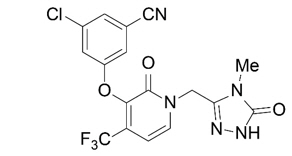
Delstrigo
cd1e9f84-607a-46d3-b01e-2736018d67b6
34391-3
HUMAN PRESCRIPTION DRUG LABEL
Drug Facts
Composition & Product
Identifiers & Packaging
Indications and Usage
DELSTRIGO ® is indicated as a complete regimen for the treatment of HIV-1 infection in adults and pediatric patients weighing at least 35 kg: with no prior antiretroviral treatment history, OR to replace the current antiretroviral regimen in those who are virologically-suppressed (HIV-1 RNA less than 50 copies per mL) on a stable antiretroviral regimen with no history of treatment failure and no known substitutions associated with resistance to the individual components of DELSTRIGO [see Clinical Studies (14) ] .
Dosage and Administration
Testing: Prior to or when initiating DELSTRIGO, test for HBV infection. Prior to or when initiating DELSTRIGO, and during treatment with DELSTRIGO, on a clinically appropriate schedule, assess serum creatinine, estimated creatinine clearance, urine glucose and urine protein in all patients. In patients with chronic kidney disease, also assess serum phosphorus . ( 2.1 ) Recommended dosage: One tablet taken orally once daily with or without food in adults and pediatric patients weighing at least 35 kg. ( 2.2 ) Renal impairment: Not recommended in patients with estimated creatinine clearance below 50 mL per minute. ( 2.3 ) Dosage adjustment with rifabutin: Take one tablet of DELSTRIGO once daily, followed by one tablet of doravirine 100 mg (PIFELTRO) approximately 12 hours after the dose of DELSTRIGO. ( 2.4 )
Contraindications
DELSTRIGO is contraindicated when co-administered with drugs that are strong cytochrome P450 (CYP)3A enzyme inducers as significant decreases in doravirine plasma concentrations may occur, which may decrease the effectiveness of DELSTRIGO [see Warnings and Precautions (5.4) , Drug Interactions (7.2) , and Clinical Pharmacology (12.3) ] . These drugs include, but are not limited to, the following: - the anticonvulsants carbamazepine, oxcarbazepine, phenobarbital, phenytoin - the androgen receptor inhibitor enzalutamide - the antimycobacterials rifampin, rifapentine - the cytotoxic agent mitotane - St. John's wort ( Hypericum perforatum) DELSTRIGO is contraindicated in patients with a previous hypersensitivity reaction to lamivudine.
Warnings and Precautions
Severe skin reactions, including Stevens-Johnson syndrome (SJS)/toxic epidermal necrolysis (TEN), have been reported during the postmarketing experience with doravirine-containing regimens. Discontinue DELSTRIGO, and other medications known to be associated with severe skin reactions, immediately if a painful rash with mucosal involvement or a progressive severe rash develops, and closely monitor clinical status. ( 5.1 ) New onset or worsening renal impairment: Prior to or when initiating DELSTRIGO, and during treatment with DELSTRIGO, on a clinically appropriate schedule, assess serum creatinine, estimated creatinine clearance, urine glucose, and urine protein in all patients. Avoid administering DELSTRIGO with concurrent or recent use of nephrotoxic drugs. ( 5.3 ) Bone loss and mineralization defects: Consider monitoring BMD in patients with a history of pathologic fracture or other risk factors of osteoporosis or bone loss. ( 5.5 ) Monitor for Immune Reconstitution Syndrome. ( 5.6 )
Adverse Reactions
The following adverse reactions are discussed in other sections of the labeling: Severe Acute Exacerbation of Hepatitis B in people with concomitant HIV-1 and HBV [see Warnings and Precautions (5.2) ] New Onset or Worsening Renal Impairment [see Warnings and Precautions (5.3) ] Bone Loss and Mineralization Defects [see Warnings and Precautions (5.5) ] Immune Reconstitution Syndrome [see Warnings and Precautions (5.6) ]
Drug Interactions
The concomitant use of DELSTRIGO and certain other drugs may result in known or potentially significant drug interactions, some of which may lead to [see Dosage and Administration (2.4) , Contraindications (4) , and Drug Interactions (7.2) ]: Loss of therapeutic effect of DELSTRIGO and possible development of resistance. Possible clinically significant adverse reactions from greater exposures of a component of DELSTRIGO. See Table 6 for steps to prevent or manage these possible and known significant drug interactions, including dosing recommendations. Consider the potential for drug interactions prior to and during DELSTRIGO therapy, review concomitant medications during DELSTRIGO therapy, and monitor for adverse reactions.
How Supplied
Each DELSTRIGO tablet contains 100 mg of doravirine, 300 mg of lamivudine, and 300 mg of tenofovir disoproxil fumarate (equivalent to 245 mg of tenofovir disoproxil), is yellow, oval-shaped, film-coated, and is debossed with the corporate logo and 776 on one side and plain on the other side. Each bottle contains 30 tablets (NDC 0006-5007-01) and silica gel desiccants, and is closed with a child-resistant closure.
Storage and Handling
Each DELSTRIGO tablet contains 100 mg of doravirine, 300 mg of lamivudine, and 300 mg of tenofovir disoproxil fumarate (equivalent to 245 mg of tenofovir disoproxil), is yellow, oval-shaped, film-coated, and is debossed with the corporate logo and 776 on one side and plain on the other side. Each bottle contains 30 tablets (NDC 0006-5007-01) and silica gel desiccants, and is closed with a child-resistant closure.
Description
Warnings and Precautions ( 5.1 ) 11/2024 Warnings and Precautions ( 5.5 ) 06/2025
Medication Information
Warnings and Precautions
Severe skin reactions, including Stevens-Johnson syndrome (SJS)/toxic epidermal necrolysis (TEN), have been reported during the postmarketing experience with doravirine-containing regimens. Discontinue DELSTRIGO, and other medications known to be associated with severe skin reactions, immediately if a painful rash with mucosal involvement or a progressive severe rash develops, and closely monitor clinical status. ( 5.1 ) New onset or worsening renal impairment: Prior to or when initiating DELSTRIGO, and during treatment with DELSTRIGO, on a clinically appropriate schedule, assess serum creatinine, estimated creatinine clearance, urine glucose, and urine protein in all patients. Avoid administering DELSTRIGO with concurrent or recent use of nephrotoxic drugs. ( 5.3 ) Bone loss and mineralization defects: Consider monitoring BMD in patients with a history of pathologic fracture or other risk factors of osteoporosis or bone loss. ( 5.5 ) Monitor for Immune Reconstitution Syndrome. ( 5.6 )
Indications and Usage
DELSTRIGO ® is indicated as a complete regimen for the treatment of HIV-1 infection in adults and pediatric patients weighing at least 35 kg: with no prior antiretroviral treatment history, OR to replace the current antiretroviral regimen in those who are virologically-suppressed (HIV-1 RNA less than 50 copies per mL) on a stable antiretroviral regimen with no history of treatment failure and no known substitutions associated with resistance to the individual components of DELSTRIGO [see Clinical Studies (14) ] .
Dosage and Administration
Testing: Prior to or when initiating DELSTRIGO, test for HBV infection. Prior to or when initiating DELSTRIGO, and during treatment with DELSTRIGO, on a clinically appropriate schedule, assess serum creatinine, estimated creatinine clearance, urine glucose and urine protein in all patients. In patients with chronic kidney disease, also assess serum phosphorus . ( 2.1 ) Recommended dosage: One tablet taken orally once daily with or without food in adults and pediatric patients weighing at least 35 kg. ( 2.2 ) Renal impairment: Not recommended in patients with estimated creatinine clearance below 50 mL per minute. ( 2.3 ) Dosage adjustment with rifabutin: Take one tablet of DELSTRIGO once daily, followed by one tablet of doravirine 100 mg (PIFELTRO) approximately 12 hours after the dose of DELSTRIGO. ( 2.4 )
Contraindications
DELSTRIGO is contraindicated when co-administered with drugs that are strong cytochrome P450 (CYP)3A enzyme inducers as significant decreases in doravirine plasma concentrations may occur, which may decrease the effectiveness of DELSTRIGO [see Warnings and Precautions (5.4) , Drug Interactions (7.2) , and Clinical Pharmacology (12.3) ] . These drugs include, but are not limited to, the following: - the anticonvulsants carbamazepine, oxcarbazepine, phenobarbital, phenytoin - the androgen receptor inhibitor enzalutamide - the antimycobacterials rifampin, rifapentine - the cytotoxic agent mitotane - St. John's wort ( Hypericum perforatum) DELSTRIGO is contraindicated in patients with a previous hypersensitivity reaction to lamivudine.
Adverse Reactions
The following adverse reactions are discussed in other sections of the labeling: Severe Acute Exacerbation of Hepatitis B in people with concomitant HIV-1 and HBV [see Warnings and Precautions (5.2) ] New Onset or Worsening Renal Impairment [see Warnings and Precautions (5.3) ] Bone Loss and Mineralization Defects [see Warnings and Precautions (5.5) ] Immune Reconstitution Syndrome [see Warnings and Precautions (5.6) ]
Drug Interactions
The concomitant use of DELSTRIGO and certain other drugs may result in known or potentially significant drug interactions, some of which may lead to [see Dosage and Administration (2.4) , Contraindications (4) , and Drug Interactions (7.2) ]: Loss of therapeutic effect of DELSTRIGO and possible development of resistance. Possible clinically significant adverse reactions from greater exposures of a component of DELSTRIGO. See Table 6 for steps to prevent or manage these possible and known significant drug interactions, including dosing recommendations. Consider the potential for drug interactions prior to and during DELSTRIGO therapy, review concomitant medications during DELSTRIGO therapy, and monitor for adverse reactions.
Storage and Handling
Each DELSTRIGO tablet contains 100 mg of doravirine, 300 mg of lamivudine, and 300 mg of tenofovir disoproxil fumarate (equivalent to 245 mg of tenofovir disoproxil), is yellow, oval-shaped, film-coated, and is debossed with the corporate logo and 776 on one side and plain on the other side. Each bottle contains 30 tablets (NDC 0006-5007-01) and silica gel desiccants, and is closed with a child-resistant closure.
How Supplied
Each DELSTRIGO tablet contains 100 mg of doravirine, 300 mg of lamivudine, and 300 mg of tenofovir disoproxil fumarate (equivalent to 245 mg of tenofovir disoproxil), is yellow, oval-shaped, film-coated, and is debossed with the corporate logo and 776 on one side and plain on the other side. Each bottle contains 30 tablets (NDC 0006-5007-01) and silica gel desiccants, and is closed with a child-resistant closure.
Description
Warnings and Precautions ( 5.1 ) 11/2024 Warnings and Precautions ( 5.5 ) 06/2025
Section 42229-5
Bone Mineral Density
In clinical trials in adults living with HIV, TDF (a component of DELSTRIGO) was associated with slightly greater decreases in bone mineral density (BMD) and increases in biochemical markers of bone metabolism, suggesting increased bone turnover relative to comparators. Serum parathyroid hormone levels and 1,25 Vitamin D levels were also higher in participants receiving TDF.
Clinical trials evaluating TDF in pediatric participants were conducted. Under normal circumstances, BMD increases rapidly in pediatric patients. In participants 2 years to less than 18 years of age living with HIV, bone effects were similar to those observed in adult participants and suggest increased bone turnover. Total body BMD gain was less in the TDF-treated pediatric participants living with HIV as compared to the control groups. Similar trends were observed in chronic HBV-infected pediatric participants 2 years to less than 18 years of age. In all pediatric trials, normal skeletal growth (height) was not affected for the duration of the clinical trials.
The effects of TDF-associated changes in BMD and biochemical markers on long-term bone health and future fracture risk in adults and pediatric participants 2 years and older are unknown. The long-term effect of lower spine and total body BMD on skeletal growth in pediatric patients, and in particular, the effects of long-duration exposure in younger children are unknown.
Assessment of BMD should be considered for adult and pediatric patients living with HIV who have a history of pathologic bone fracture or other risk factors for osteoporosis or bone loss. Although the effect of supplementation with calcium and vitamin D was not studied, such supplementation may be beneficial in all patients. If bone abnormalities are suspected, then appropriate consultation should be obtained.
Section 42230-3
| Patient Information DELSTRIGO® (del-STREE-go) (doravirine, lamivudine, and tenofovir disoproxil fumarate) tablets |
|||
|---|---|---|---|
| This Patient Information has been approved by the U.S. Food and Drug Administration. | Revised: 11/2024 | ||
|
What is the most important information I should know about DELSTRIGO? |
|||
|
DELSTRIGO can cause serious side effects, including: Worsening of hepatitis B virus infection (HBV). If you have Human Immunodeficiency Virus-1 (HIV-1) and HBV infection, your HBV infection may get worse (flare-up) if you stop taking DELSTRIGO. A "flare-up" is when your HBV infection suddenly returns in a worse way than before. Your healthcare provider will test you for HBV infection before you start treatment with DELSTRIGO.
|
|||
| For more information about side effects, see "What are the possible side effects of DELSTRIGO?" | |||
| What is DELSTRIGO? | |||
| DELSTRIGO is a prescription medicine that is used without other HIV-1 medicines to treat HIV-1 infection in adults and children who weigh at least 77 pounds (35 kg): | |||
|
|||
| HIV-1 is the virus that causes Acquired Immune Deficiency Syndrome (AIDS). | |||
| DELSTRIGO contains the prescription medicines doravirine, lamivudine and tenofovir disoproxil fumarate. | |||
| It is not known if DELSTRIGO is safe and effective in children who weigh less than 77 pounds (35 kg). | |||
| Who should not take DELSTRIGO? | |||
| Do not take DELSTRIGO if you take any of the following medicines: | |||
|
|
||
| Ask your healthcare provider or pharmacist if you are not sure if your medicine is one that is listed above. If you have taken any of the medicines in the past 4 weeks, talk to your healthcare provider or pharmacist before starting treatment with DELSTRIGO. | |||
| Do not take DELSTRIGO if you have ever had an allergic reaction to lamivudine. | |||
| What should I tell my healthcare provider before treatment with DELSTRIGO? | |||
Before treatment with DELSTRIGO, tell your healthcare provider about all of your medical conditions, including if you:
|
|||
Tell your healthcare provider about all the medicines you take, including prescription and over-the-counter medicines, vitamins, and herbal supplements.
|
|||
| How should I take DELSTRIGO? | |||
|
|||
|
What are the possible side effects of DELSTRIGO? |
|||
DELSTRIGO may cause serious side effects, including:
|
|||
| Tell your healthcare provider if you have any of the following symptoms during treatment with DELSTRIGO: bone pain that does not go away or worsening bone pain, pain in your arms, legs, hands or feet, broken (fractured) bones, or muscle pain or weakness. These may be symptoms of a bone or kidney problem. | |||
|
|||
| The most common side effects of DELSTRIGO include dizziness, nausea, and abnormal dreams. | |||
| These are not all of the possible side effects of DELSTRIGO. Call your doctor for medical advice about side effects. You may report side effects to FDA at 1-800-FDA-1088. |
|||
| How should I store DELSTRIGO? | |||
|
|||
| Keep DELSTRIGO and all medicines out of the reach of children. | |||
| General information about the safe and effective use of DELSTRIGO. | |||
| Medicines are sometimes prescribed for purposes other than those listed in the Patient Information leaflet. Do not use DELSTRIGO for a condition for which it was not prescribed. Do not give DELSTRIGO to other people, even if they have the same symptoms that you have. It may harm them. You can ask your pharmacist or healthcare provider for information about DELSTRIGO that is written for healthcare professionals. | |||
| What are the ingredients in DELSTRIGO? | |||
| Active ingredients: doravirine, lamivudine, and tenofovir disoproxil fumarate. | |||
| Inactive ingredients: colloidal silicon dioxide, croscarmellose sodium, hypromellose acetate succinate, magnesium stearate, microcrystalline cellulose, and sodium stearyl fumarate. The tablet film coating contains hypromellose, iron oxide yellow, lactose monohydrate, titanium dioxide, and triacetin. The coated tablets are polished with carnauba wax. | |||
|
Manufactured for: Merck Sharp & Dohme LLC Rahway, NJ 07065, USA |
|||
|
For patent information: www.msd.com/research/patent The trademarks depicted herein are owned by their respective companies. Copyright © 2018-2024 Merck & Co., Inc., Rahway, NJ, USA, and its affiliates. All rights reserved. usppi-mk1439a-t-2411r005 |
|||
| For more information, go to www.DELSTRIGO.com or call 1-877-888-4231. | |||
Section 44425-7
Store DELSTRIGO in the original bottle. Keep the bottle tightly closed to protect from moisture. Do not remove the desiccants.
Store DELSTRIGO at 20°C to 25°C (68°F to 77°F); excursions permitted to 15°C to 30°C (59°F to 86°F) [see USP Controlled Room Temperature].
10 Overdosage
No data are available on overdose of DELSTRIGO in patients and there is no known specific treatment for overdose with DELSTRIGO. If overdose occurs, the patient should be monitored and standard supportive treatment applied as required.
11 Description
DELSTRIGO is a fixed-dose combination, film-coated tablet, containing doravirine, lamivudine, and TDF for oral administration.
Doravirine is an HIV-1 non-nucleoside reverse transcriptase inhibitor (NNRTI).
Lamivudine is the (-)enantiomer of a dideoxy analogue of cytidine and is an HIV-1 nucleoside analogue reverse transcriptase inhibitor.
TDF (a prodrug of tenofovir) is a fumaric acid salt of the bis-isopropoxycarbonyloxymethyl ester derivative of tenofovir. In vivo TDF is converted to tenofovir, an acyclic nucleoside phosphonate (nucleotide) analog of adenosine 5'-monophosphate. Tenofovir is an HIV-1 reverse transcriptase inhibitor.
Each tablet contains 100 mg of doravirine, 300 mg of lamivudine, and 300 mg of TDF (equivalent to 245 mg of tenofovir disoproxil) as active ingredients. The tablets include the following inactive ingredients: colloidal silicon dioxide, croscarmellose sodium, hypromellose acetate succinate, magnesium stearate, microcrystalline cellulose, and sodium stearyl fumarate. The tablets are film coated with a coating material containing the following inactive ingredients: hypromellose, iron oxide yellow, lactose monohydrate, titanium dioxide, and triacetin. The coated tablets are polished with carnauba wax.
8.4 Pediatric Use
The safety and efficacy of DELSTRIGO for the treatment of HIV-1 infection have been established in pediatric patients weighing at least 35 kg [see Indications and Usage (1) and Dosage and Administration (2.2)].
Use of DELSTRIGO in this group is supported by evidence from adequate and well-controlled trials in adults with additional pharmacokinetic, safety, and efficacy data from an open-label trial in virologically-suppressed or treatment-naïve pediatric participants 12 to less than 18 years of age. The safety and efficacy of DELSTRIGO in these pediatric participants were similar to that in adults, and there was no clinically significant difference in exposure for the components of DELSTRIGO. [see Adverse Reactions (6.1), Clinical Pharmacology (12.3), and Clinical Studies (14.3)].
Safety and efficacy of DELSTRIGO in pediatric patients weighing less than 35 kg have not been established.
8.5 Geriatric Use
Clinical trials of doravirine, lamivudine, or TDF did not include sufficient numbers of participants aged 65 years and over to determine whether they respond differently from younger participants. In general, caution should be exercised in the administration of DELSTRIGO in elderly patients reflecting the greater frequency of decreased hepatic, renal, or cardiac function, and of concomitant disease or other drug therapy [see Clinical Pharmacology (12.3)].
4 Contraindications
- DELSTRIGO is contraindicated when co-administered with drugs that are strong cytochrome P450 (CYP)3A enzyme inducers as significant decreases in doravirine plasma concentrations may occur, which may decrease the effectiveness of DELSTRIGO [see Warnings and Precautions (5.4), Drug Interactions (7.2), and Clinical Pharmacology (12.3)]. These drugs include, but are not limited to, the following:
-
-the anticonvulsants carbamazepine, oxcarbazepine, phenobarbital, phenytoin
-
-the androgen receptor inhibitor enzalutamide
-
-the antimycobacterials rifampin, rifapentine
-
-the cytotoxic agent mitotane
-
-St. John's wort (Hypericum perforatum)
-
- DELSTRIGO is contraindicated in patients with a previous hypersensitivity reaction to lamivudine.
6 Adverse Reactions
The following adverse reactions are discussed in other sections of the labeling:
- Severe Acute Exacerbation of Hepatitis B in people with concomitant HIV-1 and HBV [see Warnings and Precautions (5.2)]
- New Onset or Worsening Renal Impairment [see Warnings and Precautions (5.3)]
- Bone Loss and Mineralization Defects [see Warnings and Precautions (5.5)]
- Immune Reconstitution Syndrome [see Warnings and Precautions (5.6)]
7 Drug Interactions
2.3 Renal Impairment
Because DELSTRIGO is a fixed-dose combination tablet and the dosage of lamivudine and TDF cannot be adjusted, DELSTRIGO is not recommended in patients with estimated creatinine clearance less than 50 mL/min [see Warnings and Precautions (5.3) and Use in Specific Populations (8.6)].
8.6 Renal Impairment
Because DELSTRIGO is a fixed-dose combination tablet and the dosage of lamivudine and TDF, both components of DELSTRIGO, cannot be altered, DELSTRIGO is not recommended in patients with estimated creatinine clearance less than 50 mL/min [see Warnings and Precautions (5.3) and Clinical Pharmacology (12.3)].
12.2 Pharmacodynamics
In a Phase 2 trial evaluating doravirine over a dose range of 0.25 to 2 times the recommended dose of doravirine in DELSTRIGO (in combination with FTC/TDF) in participants living with HIV with no antiretroviral treatment history, no exposure-response relationship for efficacy was identified for doravirine.
12.3 Pharmacokinetics
Single-dose administration of one DELSTRIGO tablet to healthy participants provided comparable exposures of doravirine, lamivudine, and tenofovir to administration of doravirine tablets (100 mg) plus lamivudine tablets (300 mg) plus TDF tablets (300 mg). Doravirine pharmacokinetics are similar in healthy participants and participants living with HIV. Pharmacokinetic properties of the components of DELSTRIGO are provided in Table 7.
| Parameter | Doravirine | Lamivudine | Tenofovir |
|---|---|---|---|
| Abbreviations: NA=not available; AUC=area under the time concentration curve; Cmax=maximum concentration; C24=concentration at 24 hours; Tmax=time to Cmax; Vdss=apparent volume of distribution at steady state; t1/2=elimination half-life; CL/F=apparent clearance; CLrenal = renal clearance | |||
| General | |||
| Steady State Exposure Presented as geometric mean (%CV: geometric coefficient of variation) or mean ± SD.
|
|||
| AUC0-24
(mcg∙h/mL) |
16.1 (29) Doravirine 100 mg once daily to participants living with HIV.
|
8.87 ± 1.83 Lamivudine 300 mg once daily for 7 days to 60 healthy participants.
|
2.29 ± 0.69 Single 300 mg dose of TDF to participants living with HIV in the fasted state.
|
| Cmax
(mcg/mL) |
0.962 (19) | 2.04 ± 0.54 | 0.30 ± 0.09 |
| C24
(mcg/mL) |
0.396 (63) | NA | NA |
| Absorption | |||
| Absolute Bioavailability | 64% | 86% | 25% |
| Tmax (h) | 2 | NA | 1 |
|
Effect of Food Geometric mean ratio [high-fat meal/fasting] and (90% confidence interval) for PK parameters. High fat meal is approximately 1000 kcal, 50% fat. The effect of food is not clinically relevant.
|
|||
| AUC Ratio | 1.10 (1.01, 1.20) | 0.93 (0.84, 1.03) | 1.27 (1.17, 1.37) |
| Cmax Ratio | 0.95 (0.80, 1.12) | 0.81 (0.65, 1.01) | 0.88 (0.74, 1.04) |
| C24 Ratio | 1.26 (1.13, 1.41) | NA | NA |
| Distribution | |||
| Vdss
Based on IV dose.
|
60.5 L | 1.3 L/kg | 1.3 L/kg |
| Plasma Protein Binding | 76% | < 36% | <0.7% |
| Elimination | |||
| t1/2 (h) | 15 | 5-7 | 17 |
| CL/F (mL/ min) | 106 (35.2) | 398.5 ± 69.1 | 1,043.7 ± 115.4 |
| CLrenal (mL/ min) | 9.3 (18.6) | 199.7 ± 56.9 | 243.5 ± 33.3 |
| Metabolism | |||
| Primary Pathway(s) | CYP3A | Minor | No CYP Metabolism |
| Excretion | |||
| Major route of elimination | Metabolism | Glomerular filtration and active tubular secretion | Glomerular filtration and active tubular secretion |
| Urine (unchanged) | 6% | 71% | 70-80% |
| Biliary/Fecal (unchanged) | Minor | NA | NA |
2.2 Recommended Dosage
DELSTRIGO is a fixed-dose combination product containing 100 mg of doravirine (DOR), 300 mg of lamivudine (3TC), and 300 mg of TDF. The recommended dosage of DELSTRIGO in adults and pediatric patients weighing at least 35 kg is one tablet taken orally once daily with or without food [see Clinical Pharmacology (12.3)].
8.7 Hepatic Impairment
No dosage adjustment of DELSTRIGO is required in patients with mild (Child-Pugh Class A) or moderate (Child-Pugh Class B) hepatic impairment. DELSTRIGO has not been studied in patients with severe hepatic impairment (Child-Pugh Class C) [see Clinical Pharmacology (12.3)].
1 Indications and Usage
DELSTRIGO® is indicated as a complete regimen for the treatment of HIV-1 infection in adults and pediatric patients weighing at least 35 kg:
- with no prior antiretroviral treatment history, OR
- to replace the current antiretroviral regimen in those who are virologically-suppressed (HIV-1 RNA less than 50 copies per mL) on a stable antiretroviral regimen with no history of treatment failure and no known substitutions associated with resistance to the individual components of DELSTRIGO [see Clinical Studies (14)].
12.1 Mechanism of Action
DELSTRIGO is a fixed-dose combination of the antiretroviral drugs doravirine, lamivudine, and TDF [see Microbiology (12.4)].
5.1 Severe Skin Reactions
Severe skin reactions, including Stevens-Johnson syndrome (SJS)/toxic epidermal necrolysis (TEN), have been reported during the postmarketing experience with doravirine-containing regimens [see Adverse Reactions (6.2)]. Discontinue DELSTRIGO, and other medications known to be associated with severe skin reactions, immediately if a painful rash with mucosal involvement or a progressive severe rash develops. Clinical status should be closely monitored, and appropriate therapy should be initiated.
5 Warnings and Precautions
- Severe skin reactions, including Stevens-Johnson syndrome (SJS)/toxic epidermal necrolysis (TEN), have been reported during the postmarketing experience with doravirine-containing regimens. Discontinue DELSTRIGO, and other medications known to be associated with severe skin reactions, immediately if a painful rash with mucosal involvement or a progressive severe rash develops, and closely monitor clinical status. (5.1)
- New onset or worsening renal impairment: Prior to or when initiating DELSTRIGO, and during treatment with DELSTRIGO, on a clinically appropriate schedule, assess serum creatinine, estimated creatinine clearance, urine glucose, and urine protein in all patients. Avoid administering DELSTRIGO with concurrent or recent use of nephrotoxic drugs. (5.3)
- Bone loss and mineralization defects: Consider monitoring BMD in patients with a history of pathologic fracture or other risk factors of osteoporosis or bone loss. (5.5)
- Monitor for Immune Reconstitution Syndrome. (5.6)
2 Dosage and Administration
- Testing: Prior to or when initiating DELSTRIGO, test for HBV infection. Prior to or when initiating DELSTRIGO, and during treatment with DELSTRIGO, on a clinically appropriate schedule, assess serum creatinine, estimated creatinine clearance, urine glucose and urine protein in all patients. In patients with chronic kidney disease, also assess serum phosphorus. (2.1)
- Recommended dosage: One tablet taken orally once daily with or without food in adults and pediatric patients weighing at least 35 kg. (2.2)
- Renal impairment: Not recommended in patients with estimated creatinine clearance below 50 mL per minute. (2.3)
- Dosage adjustment with rifabutin: Take one tablet of DELSTRIGO once daily, followed by one tablet of doravirine 100 mg (PIFELTRO) approximately 12 hours after the dose of DELSTRIGO. (2.4)
3 Dosage Forms and Strengths
DELSTRIGO film-coated tablets are yellow, oval-shaped tablets, debossed with the corporate logo and 776 on one side and plain on the other side. Each tablet contains 100 mg doravirine, 300 mg lamivudine, and 300 mg tenofovir disoproxil fumarate (equivalent to 245 mg of tenofovir disoproxil).
6.2 Postmarketing Experience
The following adverse reactions have been identified during postmarketing experience in patients receiving doravirine-, lamivudine- or TDF-containing regimens. Because postmarketing reactions are reported voluntarily from a population of uncertain size, it is not always possible to reliably estimate their frequency or establish a causal relationship to drug exposure.
8 Use in Specific Populations
- Pediatrics: Not recommended for patients weighing less than 35 kg. (8.4)
6.1 Clinical Trials Experience
Because clinical trials are conducted under widely varying conditions, adverse reaction rates observed in the clinical trials of a drug cannot be directly compared to rates in the clinical trials of another drug and may not reflect the rates observed in practice.
17 Patient Counseling Information
Advise the patient to read the FDA-approved patient labeling (Patient Information).
5.6 Immune Reconstitution Syndrome
Immune reconstitution syndrome has been reported in patients treated with combination antiretroviral therapy. During the initial phase of combination antiretroviral treatment, patients whose immune system responds may develop an inflammatory response to indolent or residual opportunistic infections (such as Mycobacterium avium infection, cytomegalovirus, Pneumocystis jirovecii pneumonia (PCP), or tuberculosis), which may necessitate further evaluation and treatment.
Autoimmune disorders (such as Graves' disease, polymyositis, Guillain-Barré syndrome, and autoimmune hepatitis) have also been reported to occur in the setting of immune reconstitution; however, the time to onset is more variable and can occur many months after initiation of treatment.
16 How Supplied/storage and Handling
Each DELSTRIGO tablet contains 100 mg of doravirine, 300 mg of lamivudine, and 300 mg of tenofovir disoproxil fumarate (equivalent to 245 mg of tenofovir disoproxil), is yellow, oval-shaped, film-coated, and is debossed with the corporate logo and 776 on one side and plain on the other side. Each bottle contains 30 tablets (NDC 0006-5007-01) and silica gel desiccants, and is closed with a child-resistant closure.
2.4 Dosage Adjustment With Rifabutin
If DELSTRIGO is co-administered with rifabutin, take one tablet of DELSTRIGO once daily, followed by one tablet of doravirine 100 mg (PIFELTRO) approximately 12 hours after the dose of DELSTRIGO for the duration of rifabutin co-administration [see Drug Interactions (7.2) and Clinical Pharmacology (12.3)].
7.2 Effect of Other Drugs On Delstrigo
Co-administration of DELSTRIGO with a CYP3A inducer decreases doravirine plasma concentrations, which may reduce DELSTRIGO efficacy [see Contraindications (4), Warnings and Precautions (5.4), and Clinical Pharmacology (12.3)].
Co-administration of DELSTRIGO and drugs that are inhibitors of CYP3A may result in increased plasma concentrations of doravirine.
Table 6 shows the significant drug interactions with the components of DELSTRIGO. The drug interactions described are based on studies conducted with either DELSTRIGO or the components of DELSTRIGO as individual agents.
| Concomitant Drug Class: Drug Name |
Effect on Concentration | Clinical Comment |
|---|---|---|
| ↑ = increase, ↓ = decrease | ||
| All other drug-drug interactions shown are anticipated based on the known metabolic and elimination pathways. | ||
| Androgen Receptors | ||
| enzalutamide | ↓ doravirine | Co-administration is contraindicated with enzalutamide. At least a 4-week cessation period is recommended prior to initiation of DELSTRIGO. |
| Anticonvulsants | ||
| carbamazepine oxcarbazepine phenobarbital phenytoin |
↓ doravirine | Co-administration is contraindicated with these anticonvulsants. At least a 4-week cessation period is recommended prior to initiation of DELSTRIGO. |
| Antimycobacterials | ||
| rifampin The interaction between doravirine and the concomitant drug was evaluated in a clinical study.
rifapentine |
↓ doravirine | Co-administration is contraindicated with rifampin or rifapentine. At least a 4-week cessation period is recommended prior to initiation of DELSTRIGO. |
| rifabutin | ↓ doravirine | If DELSTRIGO is co-administered with rifabutin, one tablet of doravirine (PIFELTRO) should be taken approximately 12 hours after the dose of DELSTRIGO [see Dosage and Administration (2.4)]. |
| Cytotoxic Agents | ||
| mitotane | ↓ doravirine | Co-administration is contraindicated with mitotane. At least a 4-week cessation period is recommended prior to initiation of DELSTRIGO. |
| Hepatitis C Antiviral Agents | ||
| ledipasvir/sofosbuvir sofosbuvir/velpatasvir |
↑ tenofovir | Monitor for adverse reactions associated with TDF. |
| Herbal Products | ||
| St. John's wort | ↓ doravirine | Co-administration is contraindicated with St. John's wort. At least a 4-week cessation period is recommended prior to initiation of DELSTRIGO. |
| Other Agents | ||
| sorbitol | ↓ lamivudine | Co-administration of single doses of lamivudine and sorbitol resulted in a sorbitol dose-dependent reduction in lamivudine exposures. When possible, avoid use of sorbitol-containing medicines with lamivudine-containing medicines. |
Co-administration of DELSTRIGO with drugs that reduce renal function or compete for active tubular secretion may increase serum concentrations of lamivudine, tenofovir, and/or other renally eliminated drugs. Some examples of drugs that are eliminated by active tubular secretion include, but are not limited to, acyclovir, cidofovir, ganciclovir, valacyclovir, valganciclovir, aminoglycosides (e.g., gentamicin), and high-dose or multiple NSAIDs [see Warnings and Precautions (5.3) and Clinical Pharmacology (12.3)].
No clinically significant changes in concentration were observed for doravirine when co-administered with the following agents: TDF, lamivudine, elbasvir and grazoprevir, ledipasvir and sofosbuvir, ritonavir, ketoconazole, aluminum hydroxide/magnesium hydroxide/simethicone containing antacid, pantoprazole, or methadone [see Clinical Pharmacology (12.3)].
No clinically significant changes in concentration were observed for tenofovir when co-administered with tacrolimus or entecavir [see Clinical Pharmacology (12.3)].
7.3 Effect of Delstrigo On Other Drugs
No clinically significant changes in concentration were observed for the following agents when co-administered with doravirine: lamivudine, TDF, elbasvir and grazoprevir, ledipasvir and sofosbuvir, atorvastatin, an oral contraceptive containing ethinyl estradiol and levonorgestrel, metformin, methadone, or midazolam.
No clinically significant drug interactions have been observed between TDF and the following medications: entecavir, methadone, oral contraceptives, sofosbuvir, or tacrolimus in studies conducted in healthy participants.
Lamivudine is not significantly metabolized by CYP enzymes nor does it inhibit or induce this enzyme system; therefore, it is unlikely that clinically significant drug interactions will occur through these pathways [see Clinical Pharmacology (12.3)].
5.3 New Onset Or Worsening Renal Impairment
Renal impairment, including cases of acute renal failure and Fanconi syndrome (renal tubular injury with severe hypophosphatemia), has been reported with the use of TDF, a component of DELSTRIGO.
DELSTRIGO should be avoided with concurrent or recent use of a nephrotoxic agent (e.g., high-dose or multiple nonsteroidal anti-inflammatory drugs [NSAIDs]) [see Drug Interactions (7.1)]. Cases of acute renal failure after initiation of high-dose or multiple NSAIDs have been reported in patients living with HIV with risk factors for renal dysfunction who appeared stable on TDF. Some patients required hospitalization and renal replacement therapy. Alternatives to NSAIDs should be considered, if needed, in patients at risk for renal dysfunction.
Persistent or worsening bone pain, pain in extremities, fractures, and/or muscular pain or weakness may be manifestations of proximal renal tubulopathy and should prompt an evaluation of renal function in at-risk patients.
Prior to or when initiating DELSTRIGO, and during treatment with DELSTRIGO, on a clinically appropriate schedule, assess serum creatinine, estimated creatinine clearance, urine glucose and urine protein in all patients. In patients with chronic kidney disease, also assess serum phosphorus. Discontinue DELSTRIGO in patients who develop clinically significant decreases in renal function or evidence of Fanconi syndrome.
The lamivudine and TDF components of DELSTRIGO are primarily excreted by the kidney. Discontinue DELSTRIGO if estimated creatinine clearance declines below 50 mL/min as dose interval adjustment required for lamivudine and TDF cannot be achieved with the fixed-dose combination tablet [see Use in Specific Populations (8.6)].
Principal Display Panel 30 Tablet Bottle Label
NDC 0006-5007-01
Delstrigo®
(doravirine, lamivudine, and
tenofovir disoproxil fumarate) tablets
100mg/300mg /300mg
Each tablet contains 100 mg doravirine, 300 mg
lamivudine, and 300 mg tenofovir disoproxil fumarate
(equivalent to 245 mg tenofovir disoproxil).
ALERT: Find out about medicines that
should NOT be taken with Delstrigo®.
Rx only
30 Tablets
14.3 Clinical Trial Results in Pediatric Participants
The efficacy of DELSTRIGO was evaluated in cohort 2 of an open-label, single-arm 2-cohort trial in pediatric participants 12 to less than 18 years of age living with HIV (IMPAACT 2014 (Protocol 027), NCT03332095). In cohort 1, virologically-suppressed participants (n=9) received a single 100 mg dose of doravirine followed by intensive PK sampling. In cohort 2, virologically-suppressed participants (n=43) were switched to DELSTRIGO and treatment-naïve participants (n=2) were started on DELSTRIGO.
In cohort 2, at baseline the median age of participants was 15 years (range: 12 to 17), the median weight was 52 kg (range: 45 to 80), 58% were female, 78% were Asian and 22% were Black, and the median CD4+ T-cell count was 713 cells per mm3 (range 84 to 1397). After switching to DELSTRIGO, 95% (41/43) of virologically-suppressed participants remained suppressed (HIV-1 RNA <50 copies/mL) at Week 24. One of the two treatment-naïve participants achieved HIV-1 RNA <50 copies/mL at Week 24. The other treatment-naïve participant met the protocol-defined virologic failure criteria (defined as 2 consecutive plasma HIV-1 RNA test results ≥200 copies/mL at or after Week 24) and was evaluated for the development of resistance; no emergence of genotypic or phenotypic resistance to doravirine, lamivudine, or tenofovir was detected.
Warning: Posttreatment Acute Exacerbation of Hepatitis B
Severe acute exacerbations of hepatitis B (HBV) have been reported in people with concomitant HIV-1 and HBV who have discontinued lamivudine or tenofovir disoproxil fumarate (TDF), which are components of DELSTRIGO. Hepatic function should be monitored closely with both clinical and laboratory follow-up for at least several months in patients who are coinfected with HIV-1 and HBV and discontinue DELSTRIGO. If appropriate, initiation of anti-hepatitis B therapy may be warranted [see Warnings and Precautions (5.2)].
7.1 Concomitant Use With Other Antiretroviral Medications
Because DELSTRIGO is a complete regimen for the treatment of HIV-1 infection, co-administration with other antiretroviral medications for treatment of HIV-1 infection is not recommended. Information regarding potential drug-drug interactions with other antiretroviral medications is not provided.
14.2 Clinical Trial Results in Virologically Suppressed Adults
The efficacy of switching from a baseline regimen consisting of two NRTIs in combination with a PI plus either ritonavir or cobicistat, or elvitegravir plus cobicistat, or an NNRTI to DELSTRIGO was evaluated in a randomized, open-label trial (DRIVE-SHIFT, NCT02397096), in virologically-suppressed adults living with HIV. Participants must have been virologically-suppressed (HIV-1 RNA <50 copies/mL) on their baseline regimen for at least 6 months prior to trial entry, with no history of virologic failure. Participants were randomized to either switch to DELSTRIGO at baseline [n = 447, Immediate Switch Group (ISG)], or stay on their baseline regimen until Week 24, at which point they switched to DELSTRIGO [n = 223, Delayed Switch Group (DSG)].
At baseline, the median age of participants was 43 years, 16% were female, and 24% were Non-White, 21% were of Hispanic or Latino ethnicity, 3% had hepatitis B and/or C virus co-infection, 17% had a history of AIDS, 96% had CD4+ T-cell count greater than or equal to 200 cells/mm3, 70% were on a regimen containing a PI plus ritonavir, 24% were on a regimen containing an NNRTI, 6% were on a regimen containing elvitegravir plus cobicistat, and 1% were on a regimen containing a PI plus cobicistat; these characteristics were similar between treatment groups.
Virologic outcome results are shown in Table 11.
| Outcome | DELSTRIGO Once Daily ISG Week 48 N=447 |
Baseline Regimen DSG Week 24 N=223 |
|---|---|---|
|
HIV-1 RNA ≥ 50 copies/mL
Includes participants who discontinued study drug or study before Week 48 for ISG or before Week 24 for DSG for lack or loss of efficacy and participants with HIV-1 RNA ≥50 copies/mL in the Week 48 window for ISG and in the Week 24 window for DSG
|
2% | 1% |
| ISG-DSG, Difference (95% CI) The 95% CI for the treatment difference was calculated using stratum-adjusted Mantel-Haenszel method.
,
Assessed using a non-inferiority margin of 4%.
|
0.7% (-1.3%, 2.6%) | |
| HIV-1 RNA <50 copies/mL | 91% | 95% |
| No Virologic Data Within the Time Window | 8% | 4% |
| Discontinued study due to AE or Death Includes participants who discontinued because of adverse event (AE) or death if this resulted in no virologic data on treatment during the specified window.
|
3% | <1% |
| Discontinued study for Other Reasons Other reasons include: lost to follow-up, non-compliance with study drug, physician decision, protocol deviation, withdrawal by participant.
|
4% | 4% |
| On study but missing data in window | 0 | 0 |
| Proportion (%) of Participants With HIV-1 RNA <50 copies/mL by Baseline and Demographic Category | ||
| Age (years) | ||
| <50 | 90% (N = 320) | 95% (N = 157) |
| ≥50 | 94% (N = 127) | 94% (N = 66) |
| Gender | ||
| Male | 91% (N = 372) | 94% (N = 194) |
| Female | 91% (N = 75) | 100% (N = 29) |
| Race | ||
| White | 90% (N = 344) | 95% (N = 168) |
| Non-White | 93% (N = 103) | 93% (N = 55) |
| Ethnicity | ||
| Hispanic or Latino | 88% (N = 99) | 91% (N = 45) |
| Not Hispanic or Latino | 91% (N = 341) | 95% (N = 175) |
| CD4+ T-cell Count (cells/mm3) | ||
| <200 cells/mm3 | 85% (N = 13) | 75% (N = 4) |
| ≥200 cells/mm3 | 91% (N = 426) | 95% (N = 216) |
|
Baseline Regimen
Baseline Regimen = PI plus either ritonavir or cobicistat (specifically atazanavir, darunavir, or lopinavir), or elvitegravir plus cobicistat, or NNRTI (specifically efavirenz, nevirapine, or rilpivirine), each administered with two NRTIs.
|
||
| PI plus either ritonavir or cobicistat | 90% (N = 316) | 94% (N = 156) |
| elvitegravir plus cobicistat or NNRTI | 93% (N = 131) | 96% (N = 67) |
2.1 Testing When Initiating and During Treatment With Delstrigo
Prior to or when initiating DELSTRIGO, test patients for HBV infection [see Warnings and Precautions (5.2)].
Prior to or when initiating DELSTRIGO, and during treatment with DELSTRIGO, on a clinically appropriate schedule, assess serum creatinine, estimated creatinine clearance, urine glucose, and urine protein in all patients. In patients with chronic kidney disease, also assess serum phosphorus [see Warnings and Precautions (5.3)].
14.1 Clinical Trial Results in Adults With No Antiretroviral Treatment History
The efficacy of DELSTRIGO is based on the analyses of 96-week data from a randomized, multicenter, double-blind, active controlled Phase 3 trial (DRIVE-AHEAD, NCT02403674) in participants living with HIV with no antiretroviral treatment history (n=728).
Participants were randomized and received at least 1 dose of either DELSTRIGO or EFV 600 mg/FTC 200 mg/TDF 300 mg once daily. At baseline, the median age of participants was 31 years, 15% were female, 52% were Non-White, 3% had hepatitis B or C coinfection, 14% had a history of AIDS, 21% had HIV-1 RNA greater than 100,000 copies/mL, and 88% had CD4+ T-cell count greater than 200 cells/mm3; these characteristics were similar between treatment groups. Week 96 outcomes for DRIVE-AHEAD are provided in Table 10.
Mean CD4+ T-cell counts in the DELSTRIGO and EFV/FTC/TDF groups increased from baseline by 238 and 223 cells/mm3, respectively.
| Outcome | DELSTRIGO Once Daily N=364 |
EFV/FTC/TDF Once Daily N=364 |
|---|---|---|
| HIV-1 RNA <50 copies/mL | 77% | 74% |
| Treatment Difference (95% CI) The 95% CI for the treatment difference was calculated using stratum-adjusted Mantel-Haenszel method.
|
3.8% (-2.4%, 10.0%) | |
|
HIV-1 RNA ≥ 50 copies/mL
Includes participants who discontinued study drug or study before Week 96 for lack or loss of efficacy and participants with HIV-1 RNA equal to or above 50 copies/mL in the Week 96 window.
|
15% | 12% |
| No Virologic Data at Week 96 Window | 7% | 14% |
| Discontinued study due to AE or Death Includes participants who discontinued because of adverse event (AE) or death if this resulted in no virologic data in the Week 96 window.
|
3% | 8% |
| Discontinued study for Other Reasons Other reasons include: lost to follow-up, non-compliance with study drug, physician decision, pregnancy, protocol deviation, screen failure, withdrawal by participant.
|
4% | 5% |
| On study but missing data in window | 1% | 1% |
| Proportion (%) of Participants With HIV-1 RNA <50 copies/mL at Week 96 by Baseline and Demographic Category | ||
| Gender | ||
| Male | 78% (N = 305) | 73% (N = 311) |
| Female | 75% (N = 59) | 75% (N = 53) |
| Race | ||
| White | 80% (N = 176) | 74% (N = 170) |
| Non-White | 76% (N = 188) | 74% (N = 194) |
|
Ethnicity Does not include participants whose ethnicity or viral subtypes were unknown.
|
||
| Hispanic or Latino | 81% (N = 126) | 77% (N = 119) |
| Not Hispanic or Latino | 76% (N = 238) | 72% (N = 239) |
| Baseline HIV-1 RNA (copies/mL) | ||
| ≤100,000 copies/mL | 80% (N = 291) | 77% (N = 282) |
| >100,000 copies/mL | 67% (N = 73) | 62% (N = 82) |
| CD4+ T-cell Count (cells/mm3) | ||
| ≤200 cells/mm3 | 59% (N = 44) | 70% (N = 46) |
| >200 cells/mm3 | 80% (N = 320) | 74% (N = 318) |
| Viral Subtype | ||
| Subtype B | 80% (N = 232) | 72% (N = 253) |
| Subtype Non-B | 73% (N = 130) | 77% (N = 111) |
5.4 Risk of Adverse Reactions Or Loss of Virologic Response Due to Drug Interactions
The concomitant use of DELSTRIGO and certain other drugs may result in known or potentially significant drug interactions, some of which may lead to [see Dosage and Administration (2.4), Contraindications (4), and Drug Interactions (7.2)]:
- Loss of therapeutic effect of DELSTRIGO and possible development of resistance.
- Possible clinically significant adverse reactions from greater exposures of a component of DELSTRIGO.
See Table 6 for steps to prevent or manage these possible and known significant drug interactions, including dosing recommendations. Consider the potential for drug interactions prior to and during DELSTRIGO therapy, review concomitant medications during DELSTRIGO therapy, and monitor for adverse reactions.
5.2 Severe Acute Exacerbation of Hepatitis B in People With Concomitant Hiv 1 and Hbv
All patients with HIV-1 should be tested for the presence of HBV before initiating antiretroviral therapy.
Severe acute exacerbations of hepatitis B (e.g., liver decompensated and liver failure) have been reported in people with concomitant HIV-1 and HBV who have discontinued products containing lamivudine and/or TDF, and may occur with discontinuation of DELSTRIGO. Patients who are coinfected with HIV-1 and HBV who discontinue DELSTRIGO should be closely monitored with both clinical and laboratory follow-up for at least several months after stopping treatment with DELSTRIGO. If appropriate, initiation of anti-hepatitis B therapy may be warranted, especially in patients with advanced liver disease or cirrhosis, since post-treatment exacerbation of hepatitis may lead to hepatic decompensation and liver failure.
Structured Label Content
Section 42229-5 (42229-5)
Bone Mineral Density
In clinical trials in adults living with HIV, TDF (a component of DELSTRIGO) was associated with slightly greater decreases in bone mineral density (BMD) and increases in biochemical markers of bone metabolism, suggesting increased bone turnover relative to comparators. Serum parathyroid hormone levels and 1,25 Vitamin D levels were also higher in participants receiving TDF.
Clinical trials evaluating TDF in pediatric participants were conducted. Under normal circumstances, BMD increases rapidly in pediatric patients. In participants 2 years to less than 18 years of age living with HIV, bone effects were similar to those observed in adult participants and suggest increased bone turnover. Total body BMD gain was less in the TDF-treated pediatric participants living with HIV as compared to the control groups. Similar trends were observed in chronic HBV-infected pediatric participants 2 years to less than 18 years of age. In all pediatric trials, normal skeletal growth (height) was not affected for the duration of the clinical trials.
The effects of TDF-associated changes in BMD and biochemical markers on long-term bone health and future fracture risk in adults and pediatric participants 2 years and older are unknown. The long-term effect of lower spine and total body BMD on skeletal growth in pediatric patients, and in particular, the effects of long-duration exposure in younger children are unknown.
Assessment of BMD should be considered for adult and pediatric patients living with HIV who have a history of pathologic bone fracture or other risk factors for osteoporosis or bone loss. Although the effect of supplementation with calcium and vitamin D was not studied, such supplementation may be beneficial in all patients. If bone abnormalities are suspected, then appropriate consultation should be obtained.
Section 42230-3 (42230-3)
| Patient Information DELSTRIGO® (del-STREE-go) (doravirine, lamivudine, and tenofovir disoproxil fumarate) tablets |
|||
|---|---|---|---|
| This Patient Information has been approved by the U.S. Food and Drug Administration. | Revised: 11/2024 | ||
|
What is the most important information I should know about DELSTRIGO? |
|||
|
DELSTRIGO can cause serious side effects, including: Worsening of hepatitis B virus infection (HBV). If you have Human Immunodeficiency Virus-1 (HIV-1) and HBV infection, your HBV infection may get worse (flare-up) if you stop taking DELSTRIGO. A "flare-up" is when your HBV infection suddenly returns in a worse way than before. Your healthcare provider will test you for HBV infection before you start treatment with DELSTRIGO.
|
|||
| For more information about side effects, see "What are the possible side effects of DELSTRIGO?" | |||
| What is DELSTRIGO? | |||
| DELSTRIGO is a prescription medicine that is used without other HIV-1 medicines to treat HIV-1 infection in adults and children who weigh at least 77 pounds (35 kg): | |||
|
|||
| HIV-1 is the virus that causes Acquired Immune Deficiency Syndrome (AIDS). | |||
| DELSTRIGO contains the prescription medicines doravirine, lamivudine and tenofovir disoproxil fumarate. | |||
| It is not known if DELSTRIGO is safe and effective in children who weigh less than 77 pounds (35 kg). | |||
| Who should not take DELSTRIGO? | |||
| Do not take DELSTRIGO if you take any of the following medicines: | |||
|
|
||
| Ask your healthcare provider or pharmacist if you are not sure if your medicine is one that is listed above. If you have taken any of the medicines in the past 4 weeks, talk to your healthcare provider or pharmacist before starting treatment with DELSTRIGO. | |||
| Do not take DELSTRIGO if you have ever had an allergic reaction to lamivudine. | |||
| What should I tell my healthcare provider before treatment with DELSTRIGO? | |||
Before treatment with DELSTRIGO, tell your healthcare provider about all of your medical conditions, including if you:
|
|||
Tell your healthcare provider about all the medicines you take, including prescription and over-the-counter medicines, vitamins, and herbal supplements.
|
|||
| How should I take DELSTRIGO? | |||
|
|||
|
What are the possible side effects of DELSTRIGO? |
|||
DELSTRIGO may cause serious side effects, including:
|
|||
| Tell your healthcare provider if you have any of the following symptoms during treatment with DELSTRIGO: bone pain that does not go away or worsening bone pain, pain in your arms, legs, hands or feet, broken (fractured) bones, or muscle pain or weakness. These may be symptoms of a bone or kidney problem. | |||
|
|||
| The most common side effects of DELSTRIGO include dizziness, nausea, and abnormal dreams. | |||
| These are not all of the possible side effects of DELSTRIGO. Call your doctor for medical advice about side effects. You may report side effects to FDA at 1-800-FDA-1088. |
|||
| How should I store DELSTRIGO? | |||
|
|||
| Keep DELSTRIGO and all medicines out of the reach of children. | |||
| General information about the safe and effective use of DELSTRIGO. | |||
| Medicines are sometimes prescribed for purposes other than those listed in the Patient Information leaflet. Do not use DELSTRIGO for a condition for which it was not prescribed. Do not give DELSTRIGO to other people, even if they have the same symptoms that you have. It may harm them. You can ask your pharmacist or healthcare provider for information about DELSTRIGO that is written for healthcare professionals. | |||
| What are the ingredients in DELSTRIGO? | |||
| Active ingredients: doravirine, lamivudine, and tenofovir disoproxil fumarate. | |||
| Inactive ingredients: colloidal silicon dioxide, croscarmellose sodium, hypromellose acetate succinate, magnesium stearate, microcrystalline cellulose, and sodium stearyl fumarate. The tablet film coating contains hypromellose, iron oxide yellow, lactose monohydrate, titanium dioxide, and triacetin. The coated tablets are polished with carnauba wax. | |||
|
Manufactured for: Merck Sharp & Dohme LLC Rahway, NJ 07065, USA |
|||
|
For patent information: www.msd.com/research/patent The trademarks depicted herein are owned by their respective companies. Copyright © 2018-2024 Merck & Co., Inc., Rahway, NJ, USA, and its affiliates. All rights reserved. usppi-mk1439a-t-2411r005 |
|||
| For more information, go to www.DELSTRIGO.com or call 1-877-888-4231. | |||
Section 43683-2 (43683-2)
Section 44425-7 (44425-7)
Store DELSTRIGO in the original bottle. Keep the bottle tightly closed to protect from moisture. Do not remove the desiccants.
Store DELSTRIGO at 20°C to 25°C (68°F to 77°F); excursions permitted to 15°C to 30°C (59°F to 86°F) [see USP Controlled Room Temperature].
10 Overdosage (10 OVERDOSAGE)
No data are available on overdose of DELSTRIGO in patients and there is no known specific treatment for overdose with DELSTRIGO. If overdose occurs, the patient should be monitored and standard supportive treatment applied as required.
11 Description (11 DESCRIPTION)
DELSTRIGO is a fixed-dose combination, film-coated tablet, containing doravirine, lamivudine, and TDF for oral administration.
Doravirine is an HIV-1 non-nucleoside reverse transcriptase inhibitor (NNRTI).
Lamivudine is the (-)enantiomer of a dideoxy analogue of cytidine and is an HIV-1 nucleoside analogue reverse transcriptase inhibitor.
TDF (a prodrug of tenofovir) is a fumaric acid salt of the bis-isopropoxycarbonyloxymethyl ester derivative of tenofovir. In vivo TDF is converted to tenofovir, an acyclic nucleoside phosphonate (nucleotide) analog of adenosine 5'-monophosphate. Tenofovir is an HIV-1 reverse transcriptase inhibitor.
Each tablet contains 100 mg of doravirine, 300 mg of lamivudine, and 300 mg of TDF (equivalent to 245 mg of tenofovir disoproxil) as active ingredients. The tablets include the following inactive ingredients: colloidal silicon dioxide, croscarmellose sodium, hypromellose acetate succinate, magnesium stearate, microcrystalline cellulose, and sodium stearyl fumarate. The tablets are film coated with a coating material containing the following inactive ingredients: hypromellose, iron oxide yellow, lactose monohydrate, titanium dioxide, and triacetin. The coated tablets are polished with carnauba wax.
8.4 Pediatric Use
The safety and efficacy of DELSTRIGO for the treatment of HIV-1 infection have been established in pediatric patients weighing at least 35 kg [see Indications and Usage (1) and Dosage and Administration (2.2)].
Use of DELSTRIGO in this group is supported by evidence from adequate and well-controlled trials in adults with additional pharmacokinetic, safety, and efficacy data from an open-label trial in virologically-suppressed or treatment-naïve pediatric participants 12 to less than 18 years of age. The safety and efficacy of DELSTRIGO in these pediatric participants were similar to that in adults, and there was no clinically significant difference in exposure for the components of DELSTRIGO. [see Adverse Reactions (6.1), Clinical Pharmacology (12.3), and Clinical Studies (14.3)].
Safety and efficacy of DELSTRIGO in pediatric patients weighing less than 35 kg have not been established.
8.5 Geriatric Use
Clinical trials of doravirine, lamivudine, or TDF did not include sufficient numbers of participants aged 65 years and over to determine whether they respond differently from younger participants. In general, caution should be exercised in the administration of DELSTRIGO in elderly patients reflecting the greater frequency of decreased hepatic, renal, or cardiac function, and of concomitant disease or other drug therapy [see Clinical Pharmacology (12.3)].
4 Contraindications (4 CONTRAINDICATIONS)
- DELSTRIGO is contraindicated when co-administered with drugs that are strong cytochrome P450 (CYP)3A enzyme inducers as significant decreases in doravirine plasma concentrations may occur, which may decrease the effectiveness of DELSTRIGO [see Warnings and Precautions (5.4), Drug Interactions (7.2), and Clinical Pharmacology (12.3)]. These drugs include, but are not limited to, the following:
-
-the anticonvulsants carbamazepine, oxcarbazepine, phenobarbital, phenytoin
-
-the androgen receptor inhibitor enzalutamide
-
-the antimycobacterials rifampin, rifapentine
-
-the cytotoxic agent mitotane
-
-St. John's wort (Hypericum perforatum)
-
- DELSTRIGO is contraindicated in patients with a previous hypersensitivity reaction to lamivudine.
6 Adverse Reactions (6 ADVERSE REACTIONS)
The following adverse reactions are discussed in other sections of the labeling:
- Severe Acute Exacerbation of Hepatitis B in people with concomitant HIV-1 and HBV [see Warnings and Precautions (5.2)]
- New Onset or Worsening Renal Impairment [see Warnings and Precautions (5.3)]
- Bone Loss and Mineralization Defects [see Warnings and Precautions (5.5)]
- Immune Reconstitution Syndrome [see Warnings and Precautions (5.6)]
7 Drug Interactions (7 DRUG INTERACTIONS)
2.3 Renal Impairment
Because DELSTRIGO is a fixed-dose combination tablet and the dosage of lamivudine and TDF cannot be adjusted, DELSTRIGO is not recommended in patients with estimated creatinine clearance less than 50 mL/min [see Warnings and Precautions (5.3) and Use in Specific Populations (8.6)].
8.6 Renal Impairment
Because DELSTRIGO is a fixed-dose combination tablet and the dosage of lamivudine and TDF, both components of DELSTRIGO, cannot be altered, DELSTRIGO is not recommended in patients with estimated creatinine clearance less than 50 mL/min [see Warnings and Precautions (5.3) and Clinical Pharmacology (12.3)].
12.2 Pharmacodynamics
In a Phase 2 trial evaluating doravirine over a dose range of 0.25 to 2 times the recommended dose of doravirine in DELSTRIGO (in combination with FTC/TDF) in participants living with HIV with no antiretroviral treatment history, no exposure-response relationship for efficacy was identified for doravirine.
12.3 Pharmacokinetics
Single-dose administration of one DELSTRIGO tablet to healthy participants provided comparable exposures of doravirine, lamivudine, and tenofovir to administration of doravirine tablets (100 mg) plus lamivudine tablets (300 mg) plus TDF tablets (300 mg). Doravirine pharmacokinetics are similar in healthy participants and participants living with HIV. Pharmacokinetic properties of the components of DELSTRIGO are provided in Table 7.
| Parameter | Doravirine | Lamivudine | Tenofovir |
|---|---|---|---|
| Abbreviations: NA=not available; AUC=area under the time concentration curve; Cmax=maximum concentration; C24=concentration at 24 hours; Tmax=time to Cmax; Vdss=apparent volume of distribution at steady state; t1/2=elimination half-life; CL/F=apparent clearance; CLrenal = renal clearance | |||
| General | |||
| Steady State Exposure Presented as geometric mean (%CV: geometric coefficient of variation) or mean ± SD.
|
|||
| AUC0-24
(mcg∙h/mL) |
16.1 (29) Doravirine 100 mg once daily to participants living with HIV.
|
8.87 ± 1.83 Lamivudine 300 mg once daily for 7 days to 60 healthy participants.
|
2.29 ± 0.69 Single 300 mg dose of TDF to participants living with HIV in the fasted state.
|
| Cmax
(mcg/mL) |
0.962 (19) | 2.04 ± 0.54 | 0.30 ± 0.09 |
| C24
(mcg/mL) |
0.396 (63) | NA | NA |
| Absorption | |||
| Absolute Bioavailability | 64% | 86% | 25% |
| Tmax (h) | 2 | NA | 1 |
|
Effect of Food Geometric mean ratio [high-fat meal/fasting] and (90% confidence interval) for PK parameters. High fat meal is approximately 1000 kcal, 50% fat. The effect of food is not clinically relevant.
|
|||
| AUC Ratio | 1.10 (1.01, 1.20) | 0.93 (0.84, 1.03) | 1.27 (1.17, 1.37) |
| Cmax Ratio | 0.95 (0.80, 1.12) | 0.81 (0.65, 1.01) | 0.88 (0.74, 1.04) |
| C24 Ratio | 1.26 (1.13, 1.41) | NA | NA |
| Distribution | |||
| Vdss
Based on IV dose.
|
60.5 L | 1.3 L/kg | 1.3 L/kg |
| Plasma Protein Binding | 76% | < 36% | <0.7% |
| Elimination | |||
| t1/2 (h) | 15 | 5-7 | 17 |
| CL/F (mL/ min) | 106 (35.2) | 398.5 ± 69.1 | 1,043.7 ± 115.4 |
| CLrenal (mL/ min) | 9.3 (18.6) | 199.7 ± 56.9 | 243.5 ± 33.3 |
| Metabolism | |||
| Primary Pathway(s) | CYP3A | Minor | No CYP Metabolism |
| Excretion | |||
| Major route of elimination | Metabolism | Glomerular filtration and active tubular secretion | Glomerular filtration and active tubular secretion |
| Urine (unchanged) | 6% | 71% | 70-80% |
| Biliary/Fecal (unchanged) | Minor | NA | NA |
2.2 Recommended Dosage
DELSTRIGO is a fixed-dose combination product containing 100 mg of doravirine (DOR), 300 mg of lamivudine (3TC), and 300 mg of TDF. The recommended dosage of DELSTRIGO in adults and pediatric patients weighing at least 35 kg is one tablet taken orally once daily with or without food [see Clinical Pharmacology (12.3)].
8.7 Hepatic Impairment
No dosage adjustment of DELSTRIGO is required in patients with mild (Child-Pugh Class A) or moderate (Child-Pugh Class B) hepatic impairment. DELSTRIGO has not been studied in patients with severe hepatic impairment (Child-Pugh Class C) [see Clinical Pharmacology (12.3)].
1 Indications and Usage (1 INDICATIONS AND USAGE)
DELSTRIGO® is indicated as a complete regimen for the treatment of HIV-1 infection in adults and pediatric patients weighing at least 35 kg:
- with no prior antiretroviral treatment history, OR
- to replace the current antiretroviral regimen in those who are virologically-suppressed (HIV-1 RNA less than 50 copies per mL) on a stable antiretroviral regimen with no history of treatment failure and no known substitutions associated with resistance to the individual components of DELSTRIGO [see Clinical Studies (14)].
12.1 Mechanism of Action
DELSTRIGO is a fixed-dose combination of the antiretroviral drugs doravirine, lamivudine, and TDF [see Microbiology (12.4)].
5.1 Severe Skin Reactions
Severe skin reactions, including Stevens-Johnson syndrome (SJS)/toxic epidermal necrolysis (TEN), have been reported during the postmarketing experience with doravirine-containing regimens [see Adverse Reactions (6.2)]. Discontinue DELSTRIGO, and other medications known to be associated with severe skin reactions, immediately if a painful rash with mucosal involvement or a progressive severe rash develops. Clinical status should be closely monitored, and appropriate therapy should be initiated.
5 Warnings and Precautions (5 WARNINGS AND PRECAUTIONS)
- Severe skin reactions, including Stevens-Johnson syndrome (SJS)/toxic epidermal necrolysis (TEN), have been reported during the postmarketing experience with doravirine-containing regimens. Discontinue DELSTRIGO, and other medications known to be associated with severe skin reactions, immediately if a painful rash with mucosal involvement or a progressive severe rash develops, and closely monitor clinical status. (5.1)
- New onset or worsening renal impairment: Prior to or when initiating DELSTRIGO, and during treatment with DELSTRIGO, on a clinically appropriate schedule, assess serum creatinine, estimated creatinine clearance, urine glucose, and urine protein in all patients. Avoid administering DELSTRIGO with concurrent or recent use of nephrotoxic drugs. (5.3)
- Bone loss and mineralization defects: Consider monitoring BMD in patients with a history of pathologic fracture or other risk factors of osteoporosis or bone loss. (5.5)
- Monitor for Immune Reconstitution Syndrome. (5.6)
2 Dosage and Administration (2 DOSAGE AND ADMINISTRATION)
- Testing: Prior to or when initiating DELSTRIGO, test for HBV infection. Prior to or when initiating DELSTRIGO, and during treatment with DELSTRIGO, on a clinically appropriate schedule, assess serum creatinine, estimated creatinine clearance, urine glucose and urine protein in all patients. In patients with chronic kidney disease, also assess serum phosphorus. (2.1)
- Recommended dosage: One tablet taken orally once daily with or without food in adults and pediatric patients weighing at least 35 kg. (2.2)
- Renal impairment: Not recommended in patients with estimated creatinine clearance below 50 mL per minute. (2.3)
- Dosage adjustment with rifabutin: Take one tablet of DELSTRIGO once daily, followed by one tablet of doravirine 100 mg (PIFELTRO) approximately 12 hours after the dose of DELSTRIGO. (2.4)
3 Dosage Forms and Strengths (3 DOSAGE FORMS AND STRENGTHS)
DELSTRIGO film-coated tablets are yellow, oval-shaped tablets, debossed with the corporate logo and 776 on one side and plain on the other side. Each tablet contains 100 mg doravirine, 300 mg lamivudine, and 300 mg tenofovir disoproxil fumarate (equivalent to 245 mg of tenofovir disoproxil).
6.2 Postmarketing Experience
The following adverse reactions have been identified during postmarketing experience in patients receiving doravirine-, lamivudine- or TDF-containing regimens. Because postmarketing reactions are reported voluntarily from a population of uncertain size, it is not always possible to reliably estimate their frequency or establish a causal relationship to drug exposure.
8 Use in Specific Populations (8 USE IN SPECIFIC POPULATIONS)
- Pediatrics: Not recommended for patients weighing less than 35 kg. (8.4)
6.1 Clinical Trials Experience
Because clinical trials are conducted under widely varying conditions, adverse reaction rates observed in the clinical trials of a drug cannot be directly compared to rates in the clinical trials of another drug and may not reflect the rates observed in practice.
17 Patient Counseling Information (17 PATIENT COUNSELING INFORMATION)
Advise the patient to read the FDA-approved patient labeling (Patient Information).
5.6 Immune Reconstitution Syndrome
Immune reconstitution syndrome has been reported in patients treated with combination antiretroviral therapy. During the initial phase of combination antiretroviral treatment, patients whose immune system responds may develop an inflammatory response to indolent or residual opportunistic infections (such as Mycobacterium avium infection, cytomegalovirus, Pneumocystis jirovecii pneumonia (PCP), or tuberculosis), which may necessitate further evaluation and treatment.
Autoimmune disorders (such as Graves' disease, polymyositis, Guillain-Barré syndrome, and autoimmune hepatitis) have also been reported to occur in the setting of immune reconstitution; however, the time to onset is more variable and can occur many months after initiation of treatment.
16 How Supplied/storage and Handling (16 HOW SUPPLIED/STORAGE AND HANDLING)
Each DELSTRIGO tablet contains 100 mg of doravirine, 300 mg of lamivudine, and 300 mg of tenofovir disoproxil fumarate (equivalent to 245 mg of tenofovir disoproxil), is yellow, oval-shaped, film-coated, and is debossed with the corporate logo and 776 on one side and plain on the other side. Each bottle contains 30 tablets (NDC 0006-5007-01) and silica gel desiccants, and is closed with a child-resistant closure.
2.4 Dosage Adjustment With Rifabutin (2.4 Dosage Adjustment with Rifabutin)
If DELSTRIGO is co-administered with rifabutin, take one tablet of DELSTRIGO once daily, followed by one tablet of doravirine 100 mg (PIFELTRO) approximately 12 hours after the dose of DELSTRIGO for the duration of rifabutin co-administration [see Drug Interactions (7.2) and Clinical Pharmacology (12.3)].
7.2 Effect of Other Drugs On Delstrigo (7.2 Effect of Other Drugs on DELSTRIGO)
Co-administration of DELSTRIGO with a CYP3A inducer decreases doravirine plasma concentrations, which may reduce DELSTRIGO efficacy [see Contraindications (4), Warnings and Precautions (5.4), and Clinical Pharmacology (12.3)].
Co-administration of DELSTRIGO and drugs that are inhibitors of CYP3A may result in increased plasma concentrations of doravirine.
Table 6 shows the significant drug interactions with the components of DELSTRIGO. The drug interactions described are based on studies conducted with either DELSTRIGO or the components of DELSTRIGO as individual agents.
| Concomitant Drug Class: Drug Name |
Effect on Concentration | Clinical Comment |
|---|---|---|
| ↑ = increase, ↓ = decrease | ||
| All other drug-drug interactions shown are anticipated based on the known metabolic and elimination pathways. | ||
| Androgen Receptors | ||
| enzalutamide | ↓ doravirine | Co-administration is contraindicated with enzalutamide. At least a 4-week cessation period is recommended prior to initiation of DELSTRIGO. |
| Anticonvulsants | ||
| carbamazepine oxcarbazepine phenobarbital phenytoin |
↓ doravirine | Co-administration is contraindicated with these anticonvulsants. At least a 4-week cessation period is recommended prior to initiation of DELSTRIGO. |
| Antimycobacterials | ||
| rifampin The interaction between doravirine and the concomitant drug was evaluated in a clinical study.
rifapentine |
↓ doravirine | Co-administration is contraindicated with rifampin or rifapentine. At least a 4-week cessation period is recommended prior to initiation of DELSTRIGO. |
| rifabutin | ↓ doravirine | If DELSTRIGO is co-administered with rifabutin, one tablet of doravirine (PIFELTRO) should be taken approximately 12 hours after the dose of DELSTRIGO [see Dosage and Administration (2.4)]. |
| Cytotoxic Agents | ||
| mitotane | ↓ doravirine | Co-administration is contraindicated with mitotane. At least a 4-week cessation period is recommended prior to initiation of DELSTRIGO. |
| Hepatitis C Antiviral Agents | ||
| ledipasvir/sofosbuvir sofosbuvir/velpatasvir |
↑ tenofovir | Monitor for adverse reactions associated with TDF. |
| Herbal Products | ||
| St. John's wort | ↓ doravirine | Co-administration is contraindicated with St. John's wort. At least a 4-week cessation period is recommended prior to initiation of DELSTRIGO. |
| Other Agents | ||
| sorbitol | ↓ lamivudine | Co-administration of single doses of lamivudine and sorbitol resulted in a sorbitol dose-dependent reduction in lamivudine exposures. When possible, avoid use of sorbitol-containing medicines with lamivudine-containing medicines. |
Co-administration of DELSTRIGO with drugs that reduce renal function or compete for active tubular secretion may increase serum concentrations of lamivudine, tenofovir, and/or other renally eliminated drugs. Some examples of drugs that are eliminated by active tubular secretion include, but are not limited to, acyclovir, cidofovir, ganciclovir, valacyclovir, valganciclovir, aminoglycosides (e.g., gentamicin), and high-dose or multiple NSAIDs [see Warnings and Precautions (5.3) and Clinical Pharmacology (12.3)].
No clinically significant changes in concentration were observed for doravirine when co-administered with the following agents: TDF, lamivudine, elbasvir and grazoprevir, ledipasvir and sofosbuvir, ritonavir, ketoconazole, aluminum hydroxide/magnesium hydroxide/simethicone containing antacid, pantoprazole, or methadone [see Clinical Pharmacology (12.3)].
No clinically significant changes in concentration were observed for tenofovir when co-administered with tacrolimus or entecavir [see Clinical Pharmacology (12.3)].
7.3 Effect of Delstrigo On Other Drugs (7.3 Effect of DELSTRIGO on Other Drugs)
No clinically significant changes in concentration were observed for the following agents when co-administered with doravirine: lamivudine, TDF, elbasvir and grazoprevir, ledipasvir and sofosbuvir, atorvastatin, an oral contraceptive containing ethinyl estradiol and levonorgestrel, metformin, methadone, or midazolam.
No clinically significant drug interactions have been observed between TDF and the following medications: entecavir, methadone, oral contraceptives, sofosbuvir, or tacrolimus in studies conducted in healthy participants.
Lamivudine is not significantly metabolized by CYP enzymes nor does it inhibit or induce this enzyme system; therefore, it is unlikely that clinically significant drug interactions will occur through these pathways [see Clinical Pharmacology (12.3)].
5.3 New Onset Or Worsening Renal Impairment (5.3 New Onset or Worsening Renal Impairment)
Renal impairment, including cases of acute renal failure and Fanconi syndrome (renal tubular injury with severe hypophosphatemia), has been reported with the use of TDF, a component of DELSTRIGO.
DELSTRIGO should be avoided with concurrent or recent use of a nephrotoxic agent (e.g., high-dose or multiple nonsteroidal anti-inflammatory drugs [NSAIDs]) [see Drug Interactions (7.1)]. Cases of acute renal failure after initiation of high-dose or multiple NSAIDs have been reported in patients living with HIV with risk factors for renal dysfunction who appeared stable on TDF. Some patients required hospitalization and renal replacement therapy. Alternatives to NSAIDs should be considered, if needed, in patients at risk for renal dysfunction.
Persistent or worsening bone pain, pain in extremities, fractures, and/or muscular pain or weakness may be manifestations of proximal renal tubulopathy and should prompt an evaluation of renal function in at-risk patients.
Prior to or when initiating DELSTRIGO, and during treatment with DELSTRIGO, on a clinically appropriate schedule, assess serum creatinine, estimated creatinine clearance, urine glucose and urine protein in all patients. In patients with chronic kidney disease, also assess serum phosphorus. Discontinue DELSTRIGO in patients who develop clinically significant decreases in renal function or evidence of Fanconi syndrome.
The lamivudine and TDF components of DELSTRIGO are primarily excreted by the kidney. Discontinue DELSTRIGO if estimated creatinine clearance declines below 50 mL/min as dose interval adjustment required for lamivudine and TDF cannot be achieved with the fixed-dose combination tablet [see Use in Specific Populations (8.6)].
Principal Display Panel 30 Tablet Bottle Label (PRINCIPAL DISPLAY PANEL - 30 Tablet Bottle Label)
NDC 0006-5007-01
Delstrigo®
(doravirine, lamivudine, and
tenofovir disoproxil fumarate) tablets
100mg/300mg /300mg
Each tablet contains 100 mg doravirine, 300 mg
lamivudine, and 300 mg tenofovir disoproxil fumarate
(equivalent to 245 mg tenofovir disoproxil).
ALERT: Find out about medicines that
should NOT be taken with Delstrigo®.
Rx only
30 Tablets
14.3 Clinical Trial Results in Pediatric Participants
The efficacy of DELSTRIGO was evaluated in cohort 2 of an open-label, single-arm 2-cohort trial in pediatric participants 12 to less than 18 years of age living with HIV (IMPAACT 2014 (Protocol 027), NCT03332095). In cohort 1, virologically-suppressed participants (n=9) received a single 100 mg dose of doravirine followed by intensive PK sampling. In cohort 2, virologically-suppressed participants (n=43) were switched to DELSTRIGO and treatment-naïve participants (n=2) were started on DELSTRIGO.
In cohort 2, at baseline the median age of participants was 15 years (range: 12 to 17), the median weight was 52 kg (range: 45 to 80), 58% were female, 78% were Asian and 22% were Black, and the median CD4+ T-cell count was 713 cells per mm3 (range 84 to 1397). After switching to DELSTRIGO, 95% (41/43) of virologically-suppressed participants remained suppressed (HIV-1 RNA <50 copies/mL) at Week 24. One of the two treatment-naïve participants achieved HIV-1 RNA <50 copies/mL at Week 24. The other treatment-naïve participant met the protocol-defined virologic failure criteria (defined as 2 consecutive plasma HIV-1 RNA test results ≥200 copies/mL at or after Week 24) and was evaluated for the development of resistance; no emergence of genotypic or phenotypic resistance to doravirine, lamivudine, or tenofovir was detected.
Warning: Posttreatment Acute Exacerbation of Hepatitis B (WARNING: POSTTREATMENT ACUTE EXACERBATION OF HEPATITIS B)
Severe acute exacerbations of hepatitis B (HBV) have been reported in people with concomitant HIV-1 and HBV who have discontinued lamivudine or tenofovir disoproxil fumarate (TDF), which are components of DELSTRIGO. Hepatic function should be monitored closely with both clinical and laboratory follow-up for at least several months in patients who are coinfected with HIV-1 and HBV and discontinue DELSTRIGO. If appropriate, initiation of anti-hepatitis B therapy may be warranted [see Warnings and Precautions (5.2)].
7.1 Concomitant Use With Other Antiretroviral Medications (7.1 Concomitant Use with Other Antiretroviral Medications)
Because DELSTRIGO is a complete regimen for the treatment of HIV-1 infection, co-administration with other antiretroviral medications for treatment of HIV-1 infection is not recommended. Information regarding potential drug-drug interactions with other antiretroviral medications is not provided.
14.2 Clinical Trial Results in Virologically Suppressed Adults (14.2 Clinical Trial Results in Virologically-Suppressed Adults)
The efficacy of switching from a baseline regimen consisting of two NRTIs in combination with a PI plus either ritonavir or cobicistat, or elvitegravir plus cobicistat, or an NNRTI to DELSTRIGO was evaluated in a randomized, open-label trial (DRIVE-SHIFT, NCT02397096), in virologically-suppressed adults living with HIV. Participants must have been virologically-suppressed (HIV-1 RNA <50 copies/mL) on their baseline regimen for at least 6 months prior to trial entry, with no history of virologic failure. Participants were randomized to either switch to DELSTRIGO at baseline [n = 447, Immediate Switch Group (ISG)], or stay on their baseline regimen until Week 24, at which point they switched to DELSTRIGO [n = 223, Delayed Switch Group (DSG)].
At baseline, the median age of participants was 43 years, 16% were female, and 24% were Non-White, 21% were of Hispanic or Latino ethnicity, 3% had hepatitis B and/or C virus co-infection, 17% had a history of AIDS, 96% had CD4+ T-cell count greater than or equal to 200 cells/mm3, 70% were on a regimen containing a PI plus ritonavir, 24% were on a regimen containing an NNRTI, 6% were on a regimen containing elvitegravir plus cobicistat, and 1% were on a regimen containing a PI plus cobicistat; these characteristics were similar between treatment groups.
Virologic outcome results are shown in Table 11.
| Outcome | DELSTRIGO Once Daily ISG Week 48 N=447 |
Baseline Regimen DSG Week 24 N=223 |
|---|---|---|
|
HIV-1 RNA ≥ 50 copies/mL
Includes participants who discontinued study drug or study before Week 48 for ISG or before Week 24 for DSG for lack or loss of efficacy and participants with HIV-1 RNA ≥50 copies/mL in the Week 48 window for ISG and in the Week 24 window for DSG
|
2% | 1% |
| ISG-DSG, Difference (95% CI) The 95% CI for the treatment difference was calculated using stratum-adjusted Mantel-Haenszel method.
,
Assessed using a non-inferiority margin of 4%.
|
0.7% (-1.3%, 2.6%) | |
| HIV-1 RNA <50 copies/mL | 91% | 95% |
| No Virologic Data Within the Time Window | 8% | 4% |
| Discontinued study due to AE or Death Includes participants who discontinued because of adverse event (AE) or death if this resulted in no virologic data on treatment during the specified window.
|
3% | <1% |
| Discontinued study for Other Reasons Other reasons include: lost to follow-up, non-compliance with study drug, physician decision, protocol deviation, withdrawal by participant.
|
4% | 4% |
| On study but missing data in window | 0 | 0 |
| Proportion (%) of Participants With HIV-1 RNA <50 copies/mL by Baseline and Demographic Category | ||
| Age (years) | ||
| <50 | 90% (N = 320) | 95% (N = 157) |
| ≥50 | 94% (N = 127) | 94% (N = 66) |
| Gender | ||
| Male | 91% (N = 372) | 94% (N = 194) |
| Female | 91% (N = 75) | 100% (N = 29) |
| Race | ||
| White | 90% (N = 344) | 95% (N = 168) |
| Non-White | 93% (N = 103) | 93% (N = 55) |
| Ethnicity | ||
| Hispanic or Latino | 88% (N = 99) | 91% (N = 45) |
| Not Hispanic or Latino | 91% (N = 341) | 95% (N = 175) |
| CD4+ T-cell Count (cells/mm3) | ||
| <200 cells/mm3 | 85% (N = 13) | 75% (N = 4) |
| ≥200 cells/mm3 | 91% (N = 426) | 95% (N = 216) |
|
Baseline Regimen
Baseline Regimen = PI plus either ritonavir or cobicistat (specifically atazanavir, darunavir, or lopinavir), or elvitegravir plus cobicistat, or NNRTI (specifically efavirenz, nevirapine, or rilpivirine), each administered with two NRTIs.
|
||
| PI plus either ritonavir or cobicistat | 90% (N = 316) | 94% (N = 156) |
| elvitegravir plus cobicistat or NNRTI | 93% (N = 131) | 96% (N = 67) |
2.1 Testing When Initiating and During Treatment With Delstrigo (2.1 Testing When Initiating and During Treatment with DELSTRIGO)
Prior to or when initiating DELSTRIGO, test patients for HBV infection [see Warnings and Precautions (5.2)].
Prior to or when initiating DELSTRIGO, and during treatment with DELSTRIGO, on a clinically appropriate schedule, assess serum creatinine, estimated creatinine clearance, urine glucose, and urine protein in all patients. In patients with chronic kidney disease, also assess serum phosphorus [see Warnings and Precautions (5.3)].
14.1 Clinical Trial Results in Adults With No Antiretroviral Treatment History (14.1 Clinical Trial Results in Adults with No Antiretroviral Treatment History)
The efficacy of DELSTRIGO is based on the analyses of 96-week data from a randomized, multicenter, double-blind, active controlled Phase 3 trial (DRIVE-AHEAD, NCT02403674) in participants living with HIV with no antiretroviral treatment history (n=728).
Participants were randomized and received at least 1 dose of either DELSTRIGO or EFV 600 mg/FTC 200 mg/TDF 300 mg once daily. At baseline, the median age of participants was 31 years, 15% were female, 52% were Non-White, 3% had hepatitis B or C coinfection, 14% had a history of AIDS, 21% had HIV-1 RNA greater than 100,000 copies/mL, and 88% had CD4+ T-cell count greater than 200 cells/mm3; these characteristics were similar between treatment groups. Week 96 outcomes for DRIVE-AHEAD are provided in Table 10.
Mean CD4+ T-cell counts in the DELSTRIGO and EFV/FTC/TDF groups increased from baseline by 238 and 223 cells/mm3, respectively.
| Outcome | DELSTRIGO Once Daily N=364 |
EFV/FTC/TDF Once Daily N=364 |
|---|---|---|
| HIV-1 RNA <50 copies/mL | 77% | 74% |
| Treatment Difference (95% CI) The 95% CI for the treatment difference was calculated using stratum-adjusted Mantel-Haenszel method.
|
3.8% (-2.4%, 10.0%) | |
|
HIV-1 RNA ≥ 50 copies/mL
Includes participants who discontinued study drug or study before Week 96 for lack or loss of efficacy and participants with HIV-1 RNA equal to or above 50 copies/mL in the Week 96 window.
|
15% | 12% |
| No Virologic Data at Week 96 Window | 7% | 14% |
| Discontinued study due to AE or Death Includes participants who discontinued because of adverse event (AE) or death if this resulted in no virologic data in the Week 96 window.
|
3% | 8% |
| Discontinued study for Other Reasons Other reasons include: lost to follow-up, non-compliance with study drug, physician decision, pregnancy, protocol deviation, screen failure, withdrawal by participant.
|
4% | 5% |
| On study but missing data in window | 1% | 1% |
| Proportion (%) of Participants With HIV-1 RNA <50 copies/mL at Week 96 by Baseline and Demographic Category | ||
| Gender | ||
| Male | 78% (N = 305) | 73% (N = 311) |
| Female | 75% (N = 59) | 75% (N = 53) |
| Race | ||
| White | 80% (N = 176) | 74% (N = 170) |
| Non-White | 76% (N = 188) | 74% (N = 194) |
|
Ethnicity Does not include participants whose ethnicity or viral subtypes were unknown.
|
||
| Hispanic or Latino | 81% (N = 126) | 77% (N = 119) |
| Not Hispanic or Latino | 76% (N = 238) | 72% (N = 239) |
| Baseline HIV-1 RNA (copies/mL) | ||
| ≤100,000 copies/mL | 80% (N = 291) | 77% (N = 282) |
| >100,000 copies/mL | 67% (N = 73) | 62% (N = 82) |
| CD4+ T-cell Count (cells/mm3) | ||
| ≤200 cells/mm3 | 59% (N = 44) | 70% (N = 46) |
| >200 cells/mm3 | 80% (N = 320) | 74% (N = 318) |
| Viral Subtype | ||
| Subtype B | 80% (N = 232) | 72% (N = 253) |
| Subtype Non-B | 73% (N = 130) | 77% (N = 111) |
5.4 Risk of Adverse Reactions Or Loss of Virologic Response Due to Drug Interactions (5.4 Risk of Adverse Reactions or Loss of Virologic Response Due to Drug Interactions)
The concomitant use of DELSTRIGO and certain other drugs may result in known or potentially significant drug interactions, some of which may lead to [see Dosage and Administration (2.4), Contraindications (4), and Drug Interactions (7.2)]:
- Loss of therapeutic effect of DELSTRIGO and possible development of resistance.
- Possible clinically significant adverse reactions from greater exposures of a component of DELSTRIGO.
See Table 6 for steps to prevent or manage these possible and known significant drug interactions, including dosing recommendations. Consider the potential for drug interactions prior to and during DELSTRIGO therapy, review concomitant medications during DELSTRIGO therapy, and monitor for adverse reactions.
5.2 Severe Acute Exacerbation of Hepatitis B in People With Concomitant Hiv 1 and Hbv (5.2 Severe Acute Exacerbation of Hepatitis B in People with Concomitant HIV-1 and HBV)
All patients with HIV-1 should be tested for the presence of HBV before initiating antiretroviral therapy.
Severe acute exacerbations of hepatitis B (e.g., liver decompensated and liver failure) have been reported in people with concomitant HIV-1 and HBV who have discontinued products containing lamivudine and/or TDF, and may occur with discontinuation of DELSTRIGO. Patients who are coinfected with HIV-1 and HBV who discontinue DELSTRIGO should be closely monitored with both clinical and laboratory follow-up for at least several months after stopping treatment with DELSTRIGO. If appropriate, initiation of anti-hepatitis B therapy may be warranted, especially in patients with advanced liver disease or cirrhosis, since post-treatment exacerbation of hepatitis may lead to hepatic decompensation and liver failure.
Advanced Ingredient Data
Raw Label Data
All Sections (JSON)
Additional Information
Back to search View SPL set listing Open on DailyMed ↗
Source: dailymed · Ingested: 2026-02-15T11:47:51.388204 · Updated: 2026-03-14T22:49:40.462955