nifedipine
cb9d013a-2303-4e1d-a539-8ff04d5ec91d
34391-3
HUMAN PRESCRIPTION DRUG LABEL
Drug Facts
Composition & Product
Identifiers & Packaging
Indications and Usage
Nifedipine extended-release tablets are indicated for the treatment of hypertension. It may be used alone or in combination with other antihypertensive agents.
Dosage and Administration
Dosage should be adjusted according to each patient’s needs. It is recommended that nifedipine extended-release tablet be administered orally once daily on an empty stomach. Nifedipine extended-release tablet is an extended-release dosage form and tablets should be swallowed whole, not bitten or divided. In general, titration should proceed over a 7 to 14 day period starting with 30 mg once daily. Upward titration should be based on therapeutic efficacy and safety. The usual maintenance dose is 30 mg to 60 mg once daily. Titration to doses above 90 mg daily is not recommended. If discontinuation of nifedipine extended-release tablets is necessary, sound clinical practice suggests that the dosage should be decreased gradually with close physician supervision. Coadministration of nifedipine with grapefruit juice is to be avoided (see CLINICAL PHARMACOLOGY and PRECAUTIONS ). Care should be taken when dispensing nifedipine extended-release tablets to assure that the extended-release dosage form has been prescribed.
Contraindications
Concomitant administration with strong P450 inducers, such as rifampin, are contraindicated since the efficacy of nifedipine tablets could be significantly reduced. (See PRECAUTIONS: Drug Interactions . ) Nifedipine must not be used in cases of cardiogenic shock. Nifedipine extended-release tablets are contraindicated in patients with a known hypersensitivity to any component of the tablet.
Adverse Reactions
The incidence of adverse events during treatment with nifedipine extended-release tablets in doses up to 90 mg daily were derived from multi-center placebo-controlled clinical trials in 370 hypertensive patients. Atenolol 50 mg once daily was used concomitantly in 187 of the 370 patients on nifedipine extended-release tablets and in 64 of the 126 patients on placebo. All adverse events reported during nifedipine extended-release tablets therapy were tabulated independently of their causal relationship to medication. The most common adverse event reported with nifedipine extended-release tablets was peripheral edema. This was dose related, and the frequency was 18% on nifedipine extended-release tablets 30 mg daily, 22% on nifedipine extended-release tablets 60 mg daily, and 29% on nifedipine extended-release tablets 90 mg daily versus 10% on placebo. Other common adverse events reported in the above placebo-controlled trials include: Adverse Event NIFEDIPINE EXTENDED-RELEASE TABLETS (%) (n=370) PLACEBO (%) (n=126) Headache 19 13 Flushing/heat sensation 4 0 Dizziness 4 2 Fatigue/asthenia 4 4 Nausea 2 1 Constipation 1 0 Where the frequency of adverse events with nifedipine extended-release tablets and placebo is similar, causal relationship cannot be established. The following adverse events were reported with an incidence of 3% or less in daily doses up to 90 mg: Body as a Whole/Systemic: chest pain, leg pain Central Nervous System: paresthesia, vertigo Dermatologic: rash Gastrointestinal: constipation Musculoskeletal: leg cramps Respiratory: epistaxis, rhinitis Urogenital: impotence, urinary frequency Other adverse events reported with an incidence of less than 1% were: Body as a Whole/Systemic: allergic reaction, asthenia, cellulitis, substernal chest pain, chills, facial edema, lab test abnormal, malaise, neck pain, pelvic pain, pain, photosensitivity reaction Cardiovascular: atrial fibrillation, bradycardia, cardiac arrest, extrasystole, hypotension, migraine, palpitations, phlebitis, postural hypotension, tachycardia, cutaneous angiectases Central Nervous System: anxiety, confusion, decreased libido, depression, hypertonia, hypesthesia, insomnia, somnolence Dermatologic: angioedema, petechial rash, pruritus, sweating Gastrointestinal: abdominal pain, diarrhea, dry mouth, dysphagia, dyspepsia, eructation, esophagitis, flatulence, gastrointestinal disorder, gastrointestinal hemorrhage, GGT increased, gum disorder, gum hemorrhage, vomiting Hematologic: eosinophilia, lymphadenopathy Metabolic: gout, weight loss Musculoskeletal: arthralgia, arthritis, joint disorder, myalgia, myasthenia Respiratory: dyspnea, increased cough, rales, pharyngitis, stridor Special Senses: abnormal vision, amblyopia, conjunctivitis, diplopia, eye disorder, eye hemorrhage, tinnitus Urogenital/Reproductive: dysuria, kidney calculus, nocturia, breast engorgement, polyuria, urogenital disorder, erectile dysfunction (ED) The following adverse events have been reported rarely in patients given nifedipine in coat core or other formulations: allergenic hepatitis, alopecia, anaphylactic reaction, anemia, arthritis with ANA (+), depression, erythromelalgia, exfoliative dermatitis, fever, gingival hyperplasia, gynecomastia, hyperglycemia, jaundice, leukopenia, mood changes, muscle cramps, nervousness, paranoid syndrome, purpura, shakiness, sleep disturbances, Stevens-Johnson syndrome, syncope, taste perversion, thrombocytopenia, toxic epidermal necrolysis, transient blindness at the peak of plasma level, tremor, and urticaria. To report SUSPECTED ADVERSE REACTIONS, contact Oceanside Pharmaceuticals at 1-800-321-4576 or FDA at 1-800-FDA-1088 or www.fda.gov/medwatch.
Drug Interactions
Nifedipine is mainly eliminated by metabolism and is a substrate of CYP3A. Inhibitors and inducers of CYP3A can impact the exposure to nifedipine and consequently its desirable and undesirable effects. In vitro and in vivo data indicate that nifedipine can inhibit the metabolism of drugs that are substrates of CYP3A, thereby increasing the exposure to other drugs. Nifedipine is a vasodilator, and coadministration of other drugs affecting blood pressure may result in pharmacodynamic interactions.
How Supplied
Nifedipine Extended-Release Tablets, USP are supplied as 30 mg mustard yellow, unscored, round, film-coated tablets, engraved with "B" on one side and "30" on the other side. NDC 72162-1887-2: 300 Tablets in a BOTTLE The tablets should be protected from light and moisture and stored at 25°C (77°F); excursions permitted to 15° to 30°C (59° to 86°F) [see USP Controlled Room Temperature]. Dispense in tight, light-resistant containers. Repackaged/Relabeled by: Bryant Ranch Prepack, Inc. Burbank, CA 91504
Description
Rx only For Oral Use
Medication Information
Indications and Usage
Nifedipine extended-release tablets are indicated for the treatment of hypertension. It may be used alone or in combination with other antihypertensive agents.
Dosage and Administration
Dosage should be adjusted according to each patient’s needs. It is recommended that nifedipine extended-release tablet be administered orally once daily on an empty stomach. Nifedipine extended-release tablet is an extended-release dosage form and tablets should be swallowed whole, not bitten or divided. In general, titration should proceed over a 7 to 14 day period starting with 30 mg once daily. Upward titration should be based on therapeutic efficacy and safety. The usual maintenance dose is 30 mg to 60 mg once daily. Titration to doses above 90 mg daily is not recommended.
If discontinuation of nifedipine extended-release tablets is necessary, sound clinical practice suggests that the dosage should be decreased gradually with close physician supervision.
Coadministration of nifedipine with grapefruit juice is to be avoided (see CLINICAL PHARMACOLOGY and PRECAUTIONS ).
Care should be taken when dispensing nifedipine extended-release tablets to assure that the extended-release dosage form has been prescribed.
Contraindications
Concomitant administration with strong P450 inducers, such as rifampin, are contraindicated since the efficacy of nifedipine tablets could be significantly reduced. (See PRECAUTIONS: Drug Interactions.)
Nifedipine must not be used in cases of cardiogenic shock.
Nifedipine extended-release tablets are contraindicated in patients with a known hypersensitivity to any component of the tablet.
Adverse Reactions
The incidence of adverse events during treatment with nifedipine extended-release tablets in doses up to 90 mg daily were derived from multi-center placebo-controlled clinical trials in 370 hypertensive patients. Atenolol 50 mg once daily was used concomitantly in 187 of the 370 patients on nifedipine extended-release tablets and in 64 of the 126 patients on placebo. All adverse events reported during nifedipine extended-release tablets therapy were tabulated independently of their causal relationship to medication.
The most common adverse event reported with nifedipine extended-release tablets was peripheral edema. This was dose related, and the frequency was 18% on nifedipine extended-release tablets 30 mg daily, 22% on nifedipine extended-release tablets 60 mg daily, and 29% on nifedipine extended-release tablets 90 mg daily versus 10% on placebo.
Other common adverse events reported in the above placebo-controlled trials include:
| Adverse Event |
NIFEDIPINE
EXTENDED-RELEASE TABLETS (%) (n=370) |
PLACEBO
(%) (n=126) |
|---|---|---|
|
Headache |
19 |
13 |
|
Flushing/heat sensation |
4 |
0 |
|
Dizziness |
4 |
2 |
|
Fatigue/asthenia |
4 |
4 |
|
Nausea |
2 |
1 |
|
Constipation |
1 |
0 |
Where the frequency of adverse events with nifedipine extended-release tablets and placebo is similar, causal relationship cannot be established.
The following adverse events were reported with an incidence of 3% or less in daily doses up to 90 mg:
Body as a Whole/Systemic: chest pain, leg pain
Central Nervous System: paresthesia, vertigo
Dermatologic: rash
Gastrointestinal: constipation
Musculoskeletal: leg cramps
Respiratory: epistaxis, rhinitis
Urogenital: impotence, urinary frequency
Other adverse events reported with an incidence of less than 1% were:
Body as a Whole/Systemic: allergic reaction, asthenia, cellulitis, substernal chest pain, chills, facial edema, lab test abnormal, malaise, neck pain, pelvic pain, pain, photosensitivity reaction
Cardiovascular: atrial fibrillation, bradycardia, cardiac arrest, extrasystole, hypotension, migraine, palpitations, phlebitis, postural hypotension, tachycardia, cutaneous angiectases
Central Nervous System: anxiety, confusion, decreased libido, depression, hypertonia, hypesthesia, insomnia, somnolence
Dermatologic: angioedema, petechial rash, pruritus, sweating
Gastrointestinal: abdominal pain, diarrhea, dry mouth, dysphagia, dyspepsia, eructation, esophagitis, flatulence, gastrointestinal disorder, gastrointestinal hemorrhage, GGT increased, gum disorder, gum hemorrhage, vomiting
Hematologic: eosinophilia, lymphadenopathy
Metabolic: gout, weight loss
Musculoskeletal: arthralgia, arthritis, joint disorder, myalgia, myasthenia
Respiratory: dyspnea, increased cough, rales, pharyngitis, stridor
Special Senses: abnormal vision, amblyopia, conjunctivitis, diplopia, eye disorder, eye hemorrhage, tinnitus
Urogenital/Reproductive: dysuria, kidney calculus, nocturia, breast engorgement, polyuria, urogenital disorder, erectile dysfunction (ED)
The following adverse events have been reported rarely in patients given nifedipine in coat core or other formulations: allergenic hepatitis, alopecia, anaphylactic reaction, anemia, arthritis with ANA (+), depression, erythromelalgia, exfoliative dermatitis, fever, gingival hyperplasia, gynecomastia, hyperglycemia, jaundice, leukopenia, mood changes, muscle cramps, nervousness, paranoid syndrome, purpura, shakiness, sleep disturbances, Stevens-Johnson syndrome, syncope, taste perversion, thrombocytopenia, toxic epidermal necrolysis, transient blindness at the peak of plasma level, tremor, and urticaria.
To report SUSPECTED ADVERSE REACTIONS, contact Oceanside Pharmaceuticals at 1-800-321-4576 or FDA at 1-800-FDA-1088 or www.fda.gov/medwatch.
Drug Interactions
Nifedipine is mainly eliminated by metabolism and is a substrate of CYP3A. Inhibitors and inducers of CYP3A can impact the exposure to nifedipine and consequently its desirable and undesirable effects. In vitro and in vivo data indicate that nifedipine can inhibit the metabolism of drugs that are substrates of CYP3A, thereby increasing the exposure to other drugs. Nifedipine is a vasodilator, and coadministration of other drugs affecting blood pressure may result in pharmacodynamic interactions.
How Supplied
Nifedipine Extended-Release Tablets, USP are supplied as 30 mg mustard yellow, unscored, round, film-coated tablets, engraved with "B" on one side and "30" on the other side.
- NDC 72162-1887-2: 300 Tablets in a BOTTLE
The tablets should be protected from light and moisture and stored at 25°C (77°F); excursions permitted to 15° to 30°C (59° to 86°F) [see USP Controlled Room Temperature]. Dispense in tight, light-resistant containers.
Repackaged/Relabeled by:
Bryant Ranch Prepack, Inc.
Burbank, CA 91504
Description
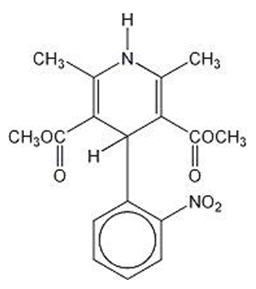
Nifedipine extended-release tablets are an extended-release tablet dosage form of the calcium channel blocker nifedipine. Nifedipine is 3,5-pyridinedicarboxylic acid, 1,4-dihydro-2,6-dimethyl-4-(2-nitrophenyl)-, dimethyl ester. The molecular formula is C17H18N2O6 and has the structural formula:
Nifedipine is a yellow crystalline substance, practically insoluble in water but soluble in ethanol. It has a molecular weight of 346.3. Nifedipine extended-release tablets contain 30 mg of nifedipine for once-a-day oral administration.
In addition, each tablet contains the following inactive ingredients: ethylcellulose, ferric oxide yellow, hydroxyethyl cellulose, hypromellose, lactose anhydrous, magnesium stearate, microcrystalline cellulose, polyacrylic dispersion (copolymer of ethyl acrylate and methyl methacrylate), polyethylene glycol, silicon dioxide, sodium lauryl sulfate, talc, and titanium dioxide.
Nifedipine extended-release tablets meet USP Dissolution Test 4 (using first derivative UV spectrophotometry at 245 nm for sample analysis).
Section 42229-5
Rx only
For Oral Use
Section 51945-4
NIFEdipine Extended-Release 30 mg Tablets
General
Because nifedipine decreases peripheral vascular resistance, careful monitoring of blood pressure during the initial administration and titration of nifedipine extended-release tablets is suggested. Close observation is especially recommended for patients already taking medications that are known to lower blood pressure (see WARNINGS ).
Overdosage
Experience with nifedipine overdosage is limited. Symptoms associated with severe nifedipine overdosage include loss of consciousness, drop in blood pressure, heart rhythm disturbances, metabolic acidosis, hypoxia, cardiogenic shock with pulmonary edema. Generally, overdosage with nifedipine leading to pronounced hypotension calls for active cardiovascular support including monitoring of cardiovascular and respiratory function, elevation of extremities, judicious use of calcium infusion, pressor agents, and fluids. After oral ingestion, thorough gastric lavage is indicated, if necessary in combination with irrigation of the small intestine. In cases involving overdosage of a slow-release product like nifedipine, elimination must be as complete as possible, including from the small intestine, to prevent the subsequent absorption of the active substance. Additional liquid or volume must be administered with caution because of the risk of fluid overload.
Clearance of nifedipine would be expected to be prolonged in patients with impaired liver function. Since nifedipine is highly protein bound, dialysis is not likely to be of any benefit; however, plasmapheresis may be beneficial.
There has been one reported case of massive overdosage with tablets of another extended-release formulation of nifedipine. The main effects of ingestion of approximately 4800 mg of nifedipine in a young man attempting suicide as a result of cocaine-induced depression was initial dizziness, palpitations, flushing, and nervousness. Within several hours of ingestion, nausea, vomiting, and generalized edema developed. No significant hypotension was apparent at presentation, 18 hours post ingestion. Blood chemistry abnormalities consisted of a mild, transient elevation of serum creatinine and modest elevations of LDH and CPK, but normal SGOT. Vital signs remained stable, no electrocardiographic abnormalities were noted, and renal function returned to normal within 24 to 48 hours with routine supportive measures alone. No prolonged sequelae were observed.
The effect of a single 900 mg ingestion of nifedipine capsules in a depressed anginal patient on tricyclic antidepressants was loss of consciousness within 30 minutes of ingestion, and profound hypotension, which responded to calcium infusion, pressor agents, and fluid replacement. A variety of ECG abnormalities were seen in this patient with a history of bundle branch block, including sinus bradycardia and varying degrees of AV block. These dictated the prophylactic placement of a temporary ventricular pacemaker, but otherwise resolved spontaneously. Significant hyperglycemia was seen initially in this patient, but plasma glucose levels rapidly normalized without further treatment.
A young hypertensive patient with advanced renal failure ingested 280 mg of nifedipine capsules at one time, with resulting marked hypotension responding to calcium infusion and fluids. No AV conduction abnormalities, arrhythmias, or pronounced changes in heart rate were noted, nor was there any further deterioration in renal function.
Bradycardiac heart rhythm disturbances may be treated symptomatically with β-sympathomimetics, and in life-threatening bradycardiac disturbances of heart rhythm temporary pacemaker therapy can be advisable.
Hemodynamics
Like other slow-channel blockers, nifedipine exerts a negative inotropic effect on isolated myocardial tissue. This is rarely, if ever, seen in intact animals or man, probably because of reflex responses to its vasodilating effects. In man, nifedipine decreases peripheral vascular resistance which leads to a fall in systolic and diastolic pressures, usually minimal in normotensive volunteers (less than 5 to 10 mmHg systolic), but sometimes larger. With nifedipine extended-release tablets, these decreases in blood pressure are not accompanied by any significant change in heart rate. Hemodynamic studies of the immediate-release nifedipine formulation in patients with normal ventricular function have generally found a small increase in cardiac index without major effects on ejection fraction, left ventricular end-diastolic pressure (LVEDP), or volume (LVEDV). In patients with impaired ventricular function, most acute studies have shown some increase in ejection fraction and reduction in left ventricular filling pressure.
Geriatric Use
Although small pharmacokinetic studies have identified an increased half-life and increased Cmax and AUC (see CLINICAL PHARMACOLOGY: Pharmacokinetics and Metabolism ), clinical studies of nifedipine did not include sufficient numbers of subjects aged 65 and over to determine whether they respond differently from younger subjects. Other reported clinical experience has not identified differences in responses between the elderly and younger patients. In general, dose selection for an elderly patient should be cautious, usually starting at the low end of the dosing range, reflecting the greater frequency of decreased hepatic, renal, or cardiac function, and of concomitant disease or other drug therapy.
Pediatric Use
The safety and effectiveness of nifedipine in pediatric patients have not been established.
Nursing Mothers
Nifedipine is excreted in human milk. Nursing mothers are advised not to breastfeed their babies when taking the drug.
Cyp3a Inhibitors
CYP3A inhibitors such as ketoconazole, fluconazole, itraconazole, clarithromycin, erythromycin (azithromycin, although structurally related to the class of macrolide antibiotic, is void of clinically relevant CYP3A inhibition), grapefruit, nefazodone, fluoxetine, saquinavir, indinavir, nelfinavir, and ritonavir may result in increased exposure to nifedipine when coadministered. Careful monitoring and dose adjustment may be necessary; consider initiating nifedipine at the lowest dose available if given concomitantly with these medications.
Clinical Studies
Nifedipine extended-release tablets produced dose-related decreases in systolic and diastolic blood pressure as demonstrated in two double-blind, randomized, placebo-controlled trials in which over 350 patients were treated with nifedipine extended-release tablets, 30, 60 or 90 mg once daily for 6 weeks. In the first study, nifedipine extended-release tablet was given as monotherapy and in the second study, nifedipine extended-release tablet was added to a beta-blocker in patients not controlled on a beta-blocker alone. The mean trough (24 hours post-dose) blood pressure results from these studies are shown below:
|
SYSTOLIC/DIASTOLIC |
||
|
NIFEDIPINE EXTENDED-RELEASE
|
N |
MEAN TROUGH
|
|
STUDY 1 |
||
|
30 mg |
60 |
5.3/2.9 |
|
60 mg |
57 |
8.0/4.1 |
|
90 mg |
55 |
12.5/8.1 |
|
STUDY 2 |
||
|
30 mg |
58 |
7.6/3.8 |
|
60 mg |
63 |
10.1/5.3 |
|
90 mg |
62 |
10.2/5.8 |
The trough/peak ratios estimated from 24 hour blood pressure monitoring ranged from 41% to 78% for diastolic and 46% to 91% for systolic blood pressure.
Laboratory Tests
Rare, usually transient, but occasionally significant elevations of enzymes such as alkaline phosphatase, CPK, LDH, SGOT and SGPT have been noted. The relationship to nifedipine therapy is uncertain in most cases, but probable in some. These laboratory abnormalities have rarely been associated with clinical symptoms; however, cholestasis with or without jaundice has been reported. A small increase (<5%) in mean alkaline phosphatase was noted in patients treated with nifedipine extended-release tablets. This was an isolated finding and it rarely resulted in values which fell outside the normal range. Rare instances of allergic hepatitis have been reported with nifedipine treatment. In controlled studies, nifedipine extended-release tablets did not adversely affect serum uric acid, glucose, cholesterol or potassium.
Nifedipine, like other calcium channel blockers, decreases platelet aggregation in vitro. Limited clinical studies have demonstrated a moderate but statistically significant decrease in platelet aggregation and increase in bleeding time in some nifedipine patients. This is thought to be a function of inhibition of calcium transport across the platelet membrane. No clinical significance for these findings has been demonstrated.
Positive direct Coombs’ test, with or without hemolytic anemia, has been reported, but a causal relationship between nifedipine administration and positivity of this laboratory test, including hemolysis, could not be determined.
Although nifedipine has been used safely in patients with renal dysfunction and has been reported to exert a beneficial effect in certain cases, rare reversible elevations in BUN and serum creatinine have been reported in patients with pre-existing chronic renal insufficiency. The relationship to nifedipine therapy is uncertain in most cases but probable in some.
Peripheral Edema
Mild to moderate peripheral edema occurs in a dose-dependent manner with nifedipine extended-release tablets. The placebo subtracted rate is approximately 8% at 30 mg, 12% at 60 mg and 19% at 90 mg daily. This edema is a localized phenomenon, thought to be associated with vasodilation of dependent arterioles and small blood vessels and not due to left ventricular dysfunction or generalized fluid retention. With patients whose hypertension is complicated by congestive heart failure, care should be taken to differentiate this peripheral edema from the effects of increasing left ventricular dysfunction.
Mechanism of Action
The mechanism by which nifedipine reduces arterial blood pressure involves peripheral arterial vasodilatation and, consequently, a reduction in peripheral vascular resistance. The increased peripheral vascular resistance, an underlying cause of hypertension, results from an increase in active tension in the vascular smooth muscle. Studies have demonstrated that the increase in active tension reflects an increase in cytosolic free calcium.
Nifedipine is a peripheral arterial vasodilator which acts directly on vascular smooth muscle. The binding of nifedipine to voltage-dependent and possibly receptor-operated channels in vascular smooth muscle results in an inhibition of calcium influx through these channels. Stores of intracellular calcium in vascular smooth muscle are limited and thus dependent upon the influx of extracellular calcium for contraction to occur. The reduction in calcium influx by nifedipine causes arterial vasodilation and decreased peripheral vascular resistance which results in reduced arterial blood pressure.
Pregnancy Category C
In rodents, rabbits, and monkeys, nifedipine has been shown to have a variety of embryotoxic, placentotoxic, teratogenic, and fetotoxic effects, including stunted fetuses (rats, mice, and rabbits), digital anomalies (rats and rabbits), rib deformities (mice), cleft palate (mice), small placentas and underdeveloped chorionic villi (monkeys), embryonic and fetal deaths (rats, mice, and rabbits), prolonged pregnancy (rats; not evaluated in other species), and decreased neonatal survival (rats; not evaluated in other species). On a mg/kg or mg/m2 basis, some of the doses associated with these various effects are higher than the maximum recommended human dose and some are lower, but all are within an order of magnitude of it.
The digital anomalies seen in nifedipine-exposed rabbit pups are strikingly similar to those seen in pups exposed to phenytoin, and these are in turn similar to the phalangeal deformities that are the most common malformation seen in human children with in utero exposure to phenytoin.
From the clinical evidence available, a specific prenatal risk has not been identified. However, an increase in perinatal asphyxia, caesarean delivery, prematurity, and intrauterine growth retardation have been reported.
Careful monitoring of blood pressure must be exercised in pregnant women, when administering nifedipine in combination with IV magnesium sulfate due to the possibility of an excessive fall in blood pressure which could harm the mother and fetus.
There are no adequate and well-controlled studies in pregnant women.
Clinical Pharmacology
Nifedipine is a calcium ion influx inhibitor (slow-channel blocker or calcium ion antagonist) which inhibits the transmembrane influx of calcium ions into vascular smooth muscle and cardiac muscle. The contractile processes of vascular smooth muscle and cardiac muscle are dependent upon the movement of extracellular calcium ions into these cells through specific ion channels. Nifedipine selectively inhibits calcium ion influx across the cell membrane of vascular smooth muscle and cardiac muscle without altering serum calcium concentrations.
Excessive Hypotension
Although in most patients the hypotensive effect of nifedipine is modest and well tolerated, occasional patients have had excessive and poorly tolerated hypotension. These responses have usually occurred during initial titration or at the time of subsequent upward dosage adjustment, and may be more likely in patients using concomitant beta-blockers.
Severe hypotension and/or increased fluid volume requirements have been reported in patients who received immediate-release capsules together with a beta-blocking agent and who underwent coronary artery bypass surgery using high-dose fentanyl anesthesia. The interaction with high-dose fentanyl appears to be due to the combination of nifedipine and a beta-blocker, but the possibility that it may occur with nifedipine alone, with low doses of fentanyl, in other surgical procedures, or with other narcotic analgesics cannot be ruled out. In nifedipine-treated patients where surgery using high-dose fentanyl anesthesia is contemplated, the physician should be aware of these potential problems and, if the patient’s condition permits, sufficient time (at least 36 hours) should be allowed for nifedipine to be washed out of the body prior to surgery.
Strong Cyp3a Inducers
Strong CYP3A inducers, such as rifampin, rifabutin, phenobarbital, phenytoin, carbamazepine, and St. John’s Wort reduce the bioavailability and efficacy of nifedipine; therefore nifedipine should not be used in combination with strong CYP3A inducers such as rifampin (see CONTRAINDICATIONS ).
Beta Blocker Withdrawal
When discontinuing a beta-blocker, it is important to taper its dose, if possible, rather than stopping abruptly before beginning nifedipine. Patients recently withdrawn from beta-blockers may develop a withdrawal syndrome with increased angina, probably related to increased sensitivity to catecholamines. Initiation of nifedipine treatment will not prevent this occurrence and on occasion has been reported to increase it.
Congestive Heart Failure
Rarely, patients (usually while receiving a beta-blocker) have developed heart failure after beginning nifedipine. Patients with tight aortic stenosis may be at greater risk for such an event, as the unloading effect of nifedipine would be expected to be of less benefit to these patients, owing to their fixed impedance to flow across the aortic valve.
Information for Patients
Nifedipine extended-release tablets are an extended-release tablet and should be swallowed whole and taken on an empty stomach. It should not be administered with food. Do not chew, divide or crush tablets.
Use in Cirrhotic Patients
Clearance of nifedipine is reduced and systemic exposure increased in patients with cirrhosis. It is unknown how systemic exposure may be altered in patients with moderate or severe liver impairment. Careful monitoring and dose reduction may be necessary; consider initiating therapy with the lowest dose available.
Electrophysiologic Effects
Although, like other members of its class, nifedipine causes a slight depression of sinoatrial node function and atrioventricular conduction in isolated myocardial preparations, such effects have not been seen in studies in intact animals or in man. In formal electrophysiologic studies, predominantly in patients with normal conduction systems, nifedipine administered as the immediate-release capsule has had no tendency to prolong atrioventricular conduction or sinus node recovery time, or to slow sinus rate.
Pharmacokinetics and Metabolism
Nifedipine is completely absorbed after oral administration. The bioavailability of nifedipine as nifedipine extended-release tablet relative to immediate-release nifedipine is in the range of 84% to 89%. After ingestion of nifedipine extended-release tablets under fasting conditions, plasma concentrations peak at about 2.5 to 5 hours with a second small peak or shoulder evident at approximately 6 to 12 hours post dose. The elimination half-life of nifedipine administered as nifedipine extended-release tablet is approximately 7 hours in contrast to the known 2 hour elimination half-life of nifedipine administered as an immediate-release capsule.
When nifedipine extended-release tablet is administered as multiples of 30 mg tablets over a dose range of 30 mg to 90 mg, the area under the curve (AUC) is dose proportional; however, the peak plasma concentration for the 90 mg dose given as 3 × 30 mg is 29% greater than predicted from the 30 mg and 60 mg doses.
Two 30 mg nifedipine extended-release tablets may be interchanged with a 60 mg nifedipine extended-release tablet. Three 30 mg nifedipine extended-release tablets, however, result in substantially higher Cmax values than those after a single 90 mg nifedipine extended-release tablet. Three 30 mg tablets should, therefore, not be considered interchangeable with a 90 mg tablet.
Once daily dosing of nifedipine extended-release tablets under fasting conditions results in decreased fluctuations in the plasma concentration of nifedipine when compared to t.i.d. dosing with immediate-release nifedipine capsules. The mean peak plasma concentration of nifedipine following a 90 mg nifedipine extended-release tablet, administered under fasting conditions, is approximately 115 ng/mL. When nifedipine extended-release tablet is given immediately after a high fat meal in healthy volunteers, there is an average increase of 60% in the peak plasma nifedipine concentration, a prolongation in the time to peak concentration, but no significant change in the AUC. Plasma concentrations of nifedipine when nifedipine extended-release tablet is taken after a fatty meal result in slightly lower peaks compared to the same daily dose of the immediate-release formulation administered in three divided doses. This may be, in part, because nifedipine extended-release tablet is less bioavailable than the immediate-release formulation.
Nifedipine is extensively metabolized to highly water soluble, inactive metabolites accounting for 60% to 80% of the dose excreted in the urine. Only traces (less than 0.1% of the dose) of the unchanged form can be detected in the urine. The remainder is excreted in the feces in metabolized form, most likely as a result of biliary excretion.
Nifedipine is metabolized via the cytochrome P450 3A4 system. Drugs that are known to either inhibit or induce this enzyme system may alter the first pass or clearance of nifedipine.
No studies have been performed with nifedipine extended-release tablets in patients with renal failure; however, significant alterations in the pharmacokinetics of nifedipine immediate-release capsules have not been reported in patients undergoing hemodialysis or chronic ambulatory peritoneal dialysis. Since the absorption of nifedipine from nifedipine extended-release tablets could be modified by renal disease, caution should be exercised in treating such patients.
Because nifedipine is metabolized via the cytochrome P450 3A4 system, its pharmacokinetics may be altered in patients with chronic liver disease. Nifedipine extended-release tablets have not been studied in patients with hepatic disease; however, in patients with hepatic impairment (liver cirrhosis), nifedipine has a longer elimination half-life and higher bioavailability than in healthy volunteers.
The degree of protein binding of nifedipine is high (92% to 98%). Protein binding may be greatly reduced in patients with renal or hepatic impairment.
After administration of nifedipine extended-release tablets to healthy elderly men and women (age >60 years), the mean Cmax is 36% higher and the average plasma concentration is 70% greater than in younger patients.
In healthy subjects, the elimination half-life of a different sustained-release nifedipine formulation was longer in elderly subjects (6.7 h) compared to young subjects (3.8 h) following oral administration. A decreased clearance was also observed in the elderly (348 mL/min) compared to young subjects (519 mL/min) following intravenous administration.
Coadministration of nifedipine with grapefruit juice results in up to a 2-fold increase in AUC and Cmax due to inhibition of CYP3A related first-pass metabolism. Ingestion of grapefruit and grapefruit juice should be avoided while taking nifedipine.
Patients With Galactose Intolerance
Since this medicinal product contains lactose, patients with rare hereditary problems of galactose intolerance, the Lapp lactase deficiency or glucose-galactose malabsorption should not take this medicine.
Increased Angina And/or Myocardial Infarction
Rarely, patients, particularly those who have severe obstructive coronary artery disease, have developed well-documented increased frequency, duration, and/or severity of angina or acute myocardial infarction upon starting nifedipine or at the time of dosage increase. The mechanism of this effect is not established.
Carcinogenesis, Mutagenesis, Impairment of Fertility
Nifedipine was administered orally to rats for two years and was not shown to be carcinogenic. When given to rats prior to mating, nifedipine caused reduced fertility at a dose approximately 30 times the maximum recommended human dose. There is a literature report of reversible reduction in the ability of human sperm obtained from a limited number of infertile men taking recommended doses of nifedipine to bind to and fertilize an ovum in vitro. In vivo mutagenicity studies were negative.
Structured Label Content
Indications and Usage (INDICATIONS AND USAGE)
Nifedipine extended-release tablets are indicated for the treatment of hypertension. It may be used alone or in combination with other antihypertensive agents.
Dosage and Administration (DOSAGE AND ADMINISTRATION)
Dosage should be adjusted according to each patient’s needs. It is recommended that nifedipine extended-release tablet be administered orally once daily on an empty stomach. Nifedipine extended-release tablet is an extended-release dosage form and tablets should be swallowed whole, not bitten or divided. In general, titration should proceed over a 7 to 14 day period starting with 30 mg once daily. Upward titration should be based on therapeutic efficacy and safety. The usual maintenance dose is 30 mg to 60 mg once daily. Titration to doses above 90 mg daily is not recommended.
If discontinuation of nifedipine extended-release tablets is necessary, sound clinical practice suggests that the dosage should be decreased gradually with close physician supervision.
Coadministration of nifedipine with grapefruit juice is to be avoided (see CLINICAL PHARMACOLOGY and PRECAUTIONS ).
Care should be taken when dispensing nifedipine extended-release tablets to assure that the extended-release dosage form has been prescribed.
Contraindications (CONTRAINDICATIONS)
Concomitant administration with strong P450 inducers, such as rifampin, are contraindicated since the efficacy of nifedipine tablets could be significantly reduced. (See PRECAUTIONS: Drug Interactions.)
Nifedipine must not be used in cases of cardiogenic shock.
Nifedipine extended-release tablets are contraindicated in patients with a known hypersensitivity to any component of the tablet.
Adverse Reactions (ADVERSE REACTIONS)
The incidence of adverse events during treatment with nifedipine extended-release tablets in doses up to 90 mg daily were derived from multi-center placebo-controlled clinical trials in 370 hypertensive patients. Atenolol 50 mg once daily was used concomitantly in 187 of the 370 patients on nifedipine extended-release tablets and in 64 of the 126 patients on placebo. All adverse events reported during nifedipine extended-release tablets therapy were tabulated independently of their causal relationship to medication.
The most common adverse event reported with nifedipine extended-release tablets was peripheral edema. This was dose related, and the frequency was 18% on nifedipine extended-release tablets 30 mg daily, 22% on nifedipine extended-release tablets 60 mg daily, and 29% on nifedipine extended-release tablets 90 mg daily versus 10% on placebo.
Other common adverse events reported in the above placebo-controlled trials include:
| Adverse Event |
NIFEDIPINE
EXTENDED-RELEASE TABLETS (%) (n=370) |
PLACEBO
(%) (n=126) |
|---|---|---|
|
Headache |
19 |
13 |
|
Flushing/heat sensation |
4 |
0 |
|
Dizziness |
4 |
2 |
|
Fatigue/asthenia |
4 |
4 |
|
Nausea |
2 |
1 |
|
Constipation |
1 |
0 |
Where the frequency of adverse events with nifedipine extended-release tablets and placebo is similar, causal relationship cannot be established.
The following adverse events were reported with an incidence of 3% or less in daily doses up to 90 mg:
Body as a Whole/Systemic: chest pain, leg pain
Central Nervous System: paresthesia, vertigo
Dermatologic: rash
Gastrointestinal: constipation
Musculoskeletal: leg cramps
Respiratory: epistaxis, rhinitis
Urogenital: impotence, urinary frequency
Other adverse events reported with an incidence of less than 1% were:
Body as a Whole/Systemic: allergic reaction, asthenia, cellulitis, substernal chest pain, chills, facial edema, lab test abnormal, malaise, neck pain, pelvic pain, pain, photosensitivity reaction
Cardiovascular: atrial fibrillation, bradycardia, cardiac arrest, extrasystole, hypotension, migraine, palpitations, phlebitis, postural hypotension, tachycardia, cutaneous angiectases
Central Nervous System: anxiety, confusion, decreased libido, depression, hypertonia, hypesthesia, insomnia, somnolence
Dermatologic: angioedema, petechial rash, pruritus, sweating
Gastrointestinal: abdominal pain, diarrhea, dry mouth, dysphagia, dyspepsia, eructation, esophagitis, flatulence, gastrointestinal disorder, gastrointestinal hemorrhage, GGT increased, gum disorder, gum hemorrhage, vomiting
Hematologic: eosinophilia, lymphadenopathy
Metabolic: gout, weight loss
Musculoskeletal: arthralgia, arthritis, joint disorder, myalgia, myasthenia
Respiratory: dyspnea, increased cough, rales, pharyngitis, stridor
Special Senses: abnormal vision, amblyopia, conjunctivitis, diplopia, eye disorder, eye hemorrhage, tinnitus
Urogenital/Reproductive: dysuria, kidney calculus, nocturia, breast engorgement, polyuria, urogenital disorder, erectile dysfunction (ED)
The following adverse events have been reported rarely in patients given nifedipine in coat core or other formulations: allergenic hepatitis, alopecia, anaphylactic reaction, anemia, arthritis with ANA (+), depression, erythromelalgia, exfoliative dermatitis, fever, gingival hyperplasia, gynecomastia, hyperglycemia, jaundice, leukopenia, mood changes, muscle cramps, nervousness, paranoid syndrome, purpura, shakiness, sleep disturbances, Stevens-Johnson syndrome, syncope, taste perversion, thrombocytopenia, toxic epidermal necrolysis, transient blindness at the peak of plasma level, tremor, and urticaria.
To report SUSPECTED ADVERSE REACTIONS, contact Oceanside Pharmaceuticals at 1-800-321-4576 or FDA at 1-800-FDA-1088 or www.fda.gov/medwatch.
Drug Interactions
Nifedipine is mainly eliminated by metabolism and is a substrate of CYP3A. Inhibitors and inducers of CYP3A can impact the exposure to nifedipine and consequently its desirable and undesirable effects. In vitro and in vivo data indicate that nifedipine can inhibit the metabolism of drugs that are substrates of CYP3A, thereby increasing the exposure to other drugs. Nifedipine is a vasodilator, and coadministration of other drugs affecting blood pressure may result in pharmacodynamic interactions.
How Supplied (HOW SUPPLIED)
Nifedipine Extended-Release Tablets, USP are supplied as 30 mg mustard yellow, unscored, round, film-coated tablets, engraved with "B" on one side and "30" on the other side.
- NDC 72162-1887-2: 300 Tablets in a BOTTLE
The tablets should be protected from light and moisture and stored at 25°C (77°F); excursions permitted to 15° to 30°C (59° to 86°F) [see USP Controlled Room Temperature]. Dispense in tight, light-resistant containers.
Repackaged/Relabeled by:
Bryant Ranch Prepack, Inc.
Burbank, CA 91504
Description (DESCRIPTION)
Nifedipine extended-release tablets are an extended-release tablet dosage form of the calcium channel blocker nifedipine. Nifedipine is 3,5-pyridinedicarboxylic acid, 1,4-dihydro-2,6-dimethyl-4-(2-nitrophenyl)-, dimethyl ester. The molecular formula is C17H18N2O6 and has the structural formula:
Nifedipine is a yellow crystalline substance, practically insoluble in water but soluble in ethanol. It has a molecular weight of 346.3. Nifedipine extended-release tablets contain 30 mg of nifedipine for once-a-day oral administration.
In addition, each tablet contains the following inactive ingredients: ethylcellulose, ferric oxide yellow, hydroxyethyl cellulose, hypromellose, lactose anhydrous, magnesium stearate, microcrystalline cellulose, polyacrylic dispersion (copolymer of ethyl acrylate and methyl methacrylate), polyethylene glycol, silicon dioxide, sodium lauryl sulfate, talc, and titanium dioxide.
Nifedipine extended-release tablets meet USP Dissolution Test 4 (using first derivative UV spectrophotometry at 245 nm for sample analysis).
Section 42229-5 (42229-5)
Rx only
For Oral Use
Section 51945-4 (51945-4)
NIFEdipine Extended-Release 30 mg Tablets
General
Because nifedipine decreases peripheral vascular resistance, careful monitoring of blood pressure during the initial administration and titration of nifedipine extended-release tablets is suggested. Close observation is especially recommended for patients already taking medications that are known to lower blood pressure (see WARNINGS ).
Overdosage (OVERDOSAGE)
Experience with nifedipine overdosage is limited. Symptoms associated with severe nifedipine overdosage include loss of consciousness, drop in blood pressure, heart rhythm disturbances, metabolic acidosis, hypoxia, cardiogenic shock with pulmonary edema. Generally, overdosage with nifedipine leading to pronounced hypotension calls for active cardiovascular support including monitoring of cardiovascular and respiratory function, elevation of extremities, judicious use of calcium infusion, pressor agents, and fluids. After oral ingestion, thorough gastric lavage is indicated, if necessary in combination with irrigation of the small intestine. In cases involving overdosage of a slow-release product like nifedipine, elimination must be as complete as possible, including from the small intestine, to prevent the subsequent absorption of the active substance. Additional liquid or volume must be administered with caution because of the risk of fluid overload.
Clearance of nifedipine would be expected to be prolonged in patients with impaired liver function. Since nifedipine is highly protein bound, dialysis is not likely to be of any benefit; however, plasmapheresis may be beneficial.
There has been one reported case of massive overdosage with tablets of another extended-release formulation of nifedipine. The main effects of ingestion of approximately 4800 mg of nifedipine in a young man attempting suicide as a result of cocaine-induced depression was initial dizziness, palpitations, flushing, and nervousness. Within several hours of ingestion, nausea, vomiting, and generalized edema developed. No significant hypotension was apparent at presentation, 18 hours post ingestion. Blood chemistry abnormalities consisted of a mild, transient elevation of serum creatinine and modest elevations of LDH and CPK, but normal SGOT. Vital signs remained stable, no electrocardiographic abnormalities were noted, and renal function returned to normal within 24 to 48 hours with routine supportive measures alone. No prolonged sequelae were observed.
The effect of a single 900 mg ingestion of nifedipine capsules in a depressed anginal patient on tricyclic antidepressants was loss of consciousness within 30 minutes of ingestion, and profound hypotension, which responded to calcium infusion, pressor agents, and fluid replacement. A variety of ECG abnormalities were seen in this patient with a history of bundle branch block, including sinus bradycardia and varying degrees of AV block. These dictated the prophylactic placement of a temporary ventricular pacemaker, but otherwise resolved spontaneously. Significant hyperglycemia was seen initially in this patient, but plasma glucose levels rapidly normalized without further treatment.
A young hypertensive patient with advanced renal failure ingested 280 mg of nifedipine capsules at one time, with resulting marked hypotension responding to calcium infusion and fluids. No AV conduction abnormalities, arrhythmias, or pronounced changes in heart rate were noted, nor was there any further deterioration in renal function.
Bradycardiac heart rhythm disturbances may be treated symptomatically with β-sympathomimetics, and in life-threatening bradycardiac disturbances of heart rhythm temporary pacemaker therapy can be advisable.
Hemodynamics
Like other slow-channel blockers, nifedipine exerts a negative inotropic effect on isolated myocardial tissue. This is rarely, if ever, seen in intact animals or man, probably because of reflex responses to its vasodilating effects. In man, nifedipine decreases peripheral vascular resistance which leads to a fall in systolic and diastolic pressures, usually minimal in normotensive volunteers (less than 5 to 10 mmHg systolic), but sometimes larger. With nifedipine extended-release tablets, these decreases in blood pressure are not accompanied by any significant change in heart rate. Hemodynamic studies of the immediate-release nifedipine formulation in patients with normal ventricular function have generally found a small increase in cardiac index without major effects on ejection fraction, left ventricular end-diastolic pressure (LVEDP), or volume (LVEDV). In patients with impaired ventricular function, most acute studies have shown some increase in ejection fraction and reduction in left ventricular filling pressure.
Geriatric Use
Although small pharmacokinetic studies have identified an increased half-life and increased Cmax and AUC (see CLINICAL PHARMACOLOGY: Pharmacokinetics and Metabolism ), clinical studies of nifedipine did not include sufficient numbers of subjects aged 65 and over to determine whether they respond differently from younger subjects. Other reported clinical experience has not identified differences in responses between the elderly and younger patients. In general, dose selection for an elderly patient should be cautious, usually starting at the low end of the dosing range, reflecting the greater frequency of decreased hepatic, renal, or cardiac function, and of concomitant disease or other drug therapy.
Pediatric Use
The safety and effectiveness of nifedipine in pediatric patients have not been established.
Nursing Mothers
Nifedipine is excreted in human milk. Nursing mothers are advised not to breastfeed their babies when taking the drug.
Cyp3a Inhibitors (CYP3A Inhibitors)
CYP3A inhibitors such as ketoconazole, fluconazole, itraconazole, clarithromycin, erythromycin (azithromycin, although structurally related to the class of macrolide antibiotic, is void of clinically relevant CYP3A inhibition), grapefruit, nefazodone, fluoxetine, saquinavir, indinavir, nelfinavir, and ritonavir may result in increased exposure to nifedipine when coadministered. Careful monitoring and dose adjustment may be necessary; consider initiating nifedipine at the lowest dose available if given concomitantly with these medications.
Clinical Studies
Nifedipine extended-release tablets produced dose-related decreases in systolic and diastolic blood pressure as demonstrated in two double-blind, randomized, placebo-controlled trials in which over 350 patients were treated with nifedipine extended-release tablets, 30, 60 or 90 mg once daily for 6 weeks. In the first study, nifedipine extended-release tablet was given as monotherapy and in the second study, nifedipine extended-release tablet was added to a beta-blocker in patients not controlled on a beta-blocker alone. The mean trough (24 hours post-dose) blood pressure results from these studies are shown below:
|
SYSTOLIC/DIASTOLIC |
||
|
NIFEDIPINE EXTENDED-RELEASE
|
N |
MEAN TROUGH
|
|
STUDY 1 |
||
|
30 mg |
60 |
5.3/2.9 |
|
60 mg |
57 |
8.0/4.1 |
|
90 mg |
55 |
12.5/8.1 |
|
STUDY 2 |
||
|
30 mg |
58 |
7.6/3.8 |
|
60 mg |
63 |
10.1/5.3 |
|
90 mg |
62 |
10.2/5.8 |
The trough/peak ratios estimated from 24 hour blood pressure monitoring ranged from 41% to 78% for diastolic and 46% to 91% for systolic blood pressure.
Laboratory Tests
Rare, usually transient, but occasionally significant elevations of enzymes such as alkaline phosphatase, CPK, LDH, SGOT and SGPT have been noted. The relationship to nifedipine therapy is uncertain in most cases, but probable in some. These laboratory abnormalities have rarely been associated with clinical symptoms; however, cholestasis with or without jaundice has been reported. A small increase (<5%) in mean alkaline phosphatase was noted in patients treated with nifedipine extended-release tablets. This was an isolated finding and it rarely resulted in values which fell outside the normal range. Rare instances of allergic hepatitis have been reported with nifedipine treatment. In controlled studies, nifedipine extended-release tablets did not adversely affect serum uric acid, glucose, cholesterol or potassium.
Nifedipine, like other calcium channel blockers, decreases platelet aggregation in vitro. Limited clinical studies have demonstrated a moderate but statistically significant decrease in platelet aggregation and increase in bleeding time in some nifedipine patients. This is thought to be a function of inhibition of calcium transport across the platelet membrane. No clinical significance for these findings has been demonstrated.
Positive direct Coombs’ test, with or without hemolytic anemia, has been reported, but a causal relationship between nifedipine administration and positivity of this laboratory test, including hemolysis, could not be determined.
Although nifedipine has been used safely in patients with renal dysfunction and has been reported to exert a beneficial effect in certain cases, rare reversible elevations in BUN and serum creatinine have been reported in patients with pre-existing chronic renal insufficiency. The relationship to nifedipine therapy is uncertain in most cases but probable in some.
Peripheral Edema
Mild to moderate peripheral edema occurs in a dose-dependent manner with nifedipine extended-release tablets. The placebo subtracted rate is approximately 8% at 30 mg, 12% at 60 mg and 19% at 90 mg daily. This edema is a localized phenomenon, thought to be associated with vasodilation of dependent arterioles and small blood vessels and not due to left ventricular dysfunction or generalized fluid retention. With patients whose hypertension is complicated by congestive heart failure, care should be taken to differentiate this peripheral edema from the effects of increasing left ventricular dysfunction.
Mechanism of Action
The mechanism by which nifedipine reduces arterial blood pressure involves peripheral arterial vasodilatation and, consequently, a reduction in peripheral vascular resistance. The increased peripheral vascular resistance, an underlying cause of hypertension, results from an increase in active tension in the vascular smooth muscle. Studies have demonstrated that the increase in active tension reflects an increase in cytosolic free calcium.
Nifedipine is a peripheral arterial vasodilator which acts directly on vascular smooth muscle. The binding of nifedipine to voltage-dependent and possibly receptor-operated channels in vascular smooth muscle results in an inhibition of calcium influx through these channels. Stores of intracellular calcium in vascular smooth muscle are limited and thus dependent upon the influx of extracellular calcium for contraction to occur. The reduction in calcium influx by nifedipine causes arterial vasodilation and decreased peripheral vascular resistance which results in reduced arterial blood pressure.
Pregnancy Category C
In rodents, rabbits, and monkeys, nifedipine has been shown to have a variety of embryotoxic, placentotoxic, teratogenic, and fetotoxic effects, including stunted fetuses (rats, mice, and rabbits), digital anomalies (rats and rabbits), rib deformities (mice), cleft palate (mice), small placentas and underdeveloped chorionic villi (monkeys), embryonic and fetal deaths (rats, mice, and rabbits), prolonged pregnancy (rats; not evaluated in other species), and decreased neonatal survival (rats; not evaluated in other species). On a mg/kg or mg/m2 basis, some of the doses associated with these various effects are higher than the maximum recommended human dose and some are lower, but all are within an order of magnitude of it.
The digital anomalies seen in nifedipine-exposed rabbit pups are strikingly similar to those seen in pups exposed to phenytoin, and these are in turn similar to the phalangeal deformities that are the most common malformation seen in human children with in utero exposure to phenytoin.
From the clinical evidence available, a specific prenatal risk has not been identified. However, an increase in perinatal asphyxia, caesarean delivery, prematurity, and intrauterine growth retardation have been reported.
Careful monitoring of blood pressure must be exercised in pregnant women, when administering nifedipine in combination with IV magnesium sulfate due to the possibility of an excessive fall in blood pressure which could harm the mother and fetus.
There are no adequate and well-controlled studies in pregnant women.
Clinical Pharmacology (CLINICAL PHARMACOLOGY)
Nifedipine is a calcium ion influx inhibitor (slow-channel blocker or calcium ion antagonist) which inhibits the transmembrane influx of calcium ions into vascular smooth muscle and cardiac muscle. The contractile processes of vascular smooth muscle and cardiac muscle are dependent upon the movement of extracellular calcium ions into these cells through specific ion channels. Nifedipine selectively inhibits calcium ion influx across the cell membrane of vascular smooth muscle and cardiac muscle without altering serum calcium concentrations.
Excessive Hypotension
Although in most patients the hypotensive effect of nifedipine is modest and well tolerated, occasional patients have had excessive and poorly tolerated hypotension. These responses have usually occurred during initial titration or at the time of subsequent upward dosage adjustment, and may be more likely in patients using concomitant beta-blockers.
Severe hypotension and/or increased fluid volume requirements have been reported in patients who received immediate-release capsules together with a beta-blocking agent and who underwent coronary artery bypass surgery using high-dose fentanyl anesthesia. The interaction with high-dose fentanyl appears to be due to the combination of nifedipine and a beta-blocker, but the possibility that it may occur with nifedipine alone, with low doses of fentanyl, in other surgical procedures, or with other narcotic analgesics cannot be ruled out. In nifedipine-treated patients where surgery using high-dose fentanyl anesthesia is contemplated, the physician should be aware of these potential problems and, if the patient’s condition permits, sufficient time (at least 36 hours) should be allowed for nifedipine to be washed out of the body prior to surgery.
Strong Cyp3a Inducers (Strong CYP3A Inducers)
Strong CYP3A inducers, such as rifampin, rifabutin, phenobarbital, phenytoin, carbamazepine, and St. John’s Wort reduce the bioavailability and efficacy of nifedipine; therefore nifedipine should not be used in combination with strong CYP3A inducers such as rifampin (see CONTRAINDICATIONS ).
Beta Blocker Withdrawal (Beta-Blocker Withdrawal)
When discontinuing a beta-blocker, it is important to taper its dose, if possible, rather than stopping abruptly before beginning nifedipine. Patients recently withdrawn from beta-blockers may develop a withdrawal syndrome with increased angina, probably related to increased sensitivity to catecholamines. Initiation of nifedipine treatment will not prevent this occurrence and on occasion has been reported to increase it.
Congestive Heart Failure
Rarely, patients (usually while receiving a beta-blocker) have developed heart failure after beginning nifedipine. Patients with tight aortic stenosis may be at greater risk for such an event, as the unloading effect of nifedipine would be expected to be of less benefit to these patients, owing to their fixed impedance to flow across the aortic valve.
Information for Patients
Nifedipine extended-release tablets are an extended-release tablet and should be swallowed whole and taken on an empty stomach. It should not be administered with food. Do not chew, divide or crush tablets.
Use in Cirrhotic Patients
Clearance of nifedipine is reduced and systemic exposure increased in patients with cirrhosis. It is unknown how systemic exposure may be altered in patients with moderate or severe liver impairment. Careful monitoring and dose reduction may be necessary; consider initiating therapy with the lowest dose available.
Electrophysiologic Effects
Although, like other members of its class, nifedipine causes a slight depression of sinoatrial node function and atrioventricular conduction in isolated myocardial preparations, such effects have not been seen in studies in intact animals or in man. In formal electrophysiologic studies, predominantly in patients with normal conduction systems, nifedipine administered as the immediate-release capsule has had no tendency to prolong atrioventricular conduction or sinus node recovery time, or to slow sinus rate.
Pharmacokinetics and Metabolism
Nifedipine is completely absorbed after oral administration. The bioavailability of nifedipine as nifedipine extended-release tablet relative to immediate-release nifedipine is in the range of 84% to 89%. After ingestion of nifedipine extended-release tablets under fasting conditions, plasma concentrations peak at about 2.5 to 5 hours with a second small peak or shoulder evident at approximately 6 to 12 hours post dose. The elimination half-life of nifedipine administered as nifedipine extended-release tablet is approximately 7 hours in contrast to the known 2 hour elimination half-life of nifedipine administered as an immediate-release capsule.
When nifedipine extended-release tablet is administered as multiples of 30 mg tablets over a dose range of 30 mg to 90 mg, the area under the curve (AUC) is dose proportional; however, the peak plasma concentration for the 90 mg dose given as 3 × 30 mg is 29% greater than predicted from the 30 mg and 60 mg doses.
Two 30 mg nifedipine extended-release tablets may be interchanged with a 60 mg nifedipine extended-release tablet. Three 30 mg nifedipine extended-release tablets, however, result in substantially higher Cmax values than those after a single 90 mg nifedipine extended-release tablet. Three 30 mg tablets should, therefore, not be considered interchangeable with a 90 mg tablet.
Once daily dosing of nifedipine extended-release tablets under fasting conditions results in decreased fluctuations in the plasma concentration of nifedipine when compared to t.i.d. dosing with immediate-release nifedipine capsules. The mean peak plasma concentration of nifedipine following a 90 mg nifedipine extended-release tablet, administered under fasting conditions, is approximately 115 ng/mL. When nifedipine extended-release tablet is given immediately after a high fat meal in healthy volunteers, there is an average increase of 60% in the peak plasma nifedipine concentration, a prolongation in the time to peak concentration, but no significant change in the AUC. Plasma concentrations of nifedipine when nifedipine extended-release tablet is taken after a fatty meal result in slightly lower peaks compared to the same daily dose of the immediate-release formulation administered in three divided doses. This may be, in part, because nifedipine extended-release tablet is less bioavailable than the immediate-release formulation.
Nifedipine is extensively metabolized to highly water soluble, inactive metabolites accounting for 60% to 80% of the dose excreted in the urine. Only traces (less than 0.1% of the dose) of the unchanged form can be detected in the urine. The remainder is excreted in the feces in metabolized form, most likely as a result of biliary excretion.
Nifedipine is metabolized via the cytochrome P450 3A4 system. Drugs that are known to either inhibit or induce this enzyme system may alter the first pass or clearance of nifedipine.
No studies have been performed with nifedipine extended-release tablets in patients with renal failure; however, significant alterations in the pharmacokinetics of nifedipine immediate-release capsules have not been reported in patients undergoing hemodialysis or chronic ambulatory peritoneal dialysis. Since the absorption of nifedipine from nifedipine extended-release tablets could be modified by renal disease, caution should be exercised in treating such patients.
Because nifedipine is metabolized via the cytochrome P450 3A4 system, its pharmacokinetics may be altered in patients with chronic liver disease. Nifedipine extended-release tablets have not been studied in patients with hepatic disease; however, in patients with hepatic impairment (liver cirrhosis), nifedipine has a longer elimination half-life and higher bioavailability than in healthy volunteers.
The degree of protein binding of nifedipine is high (92% to 98%). Protein binding may be greatly reduced in patients with renal or hepatic impairment.
After administration of nifedipine extended-release tablets to healthy elderly men and women (age >60 years), the mean Cmax is 36% higher and the average plasma concentration is 70% greater than in younger patients.
In healthy subjects, the elimination half-life of a different sustained-release nifedipine formulation was longer in elderly subjects (6.7 h) compared to young subjects (3.8 h) following oral administration. A decreased clearance was also observed in the elderly (348 mL/min) compared to young subjects (519 mL/min) following intravenous administration.
Coadministration of nifedipine with grapefruit juice results in up to a 2-fold increase in AUC and Cmax due to inhibition of CYP3A related first-pass metabolism. Ingestion of grapefruit and grapefruit juice should be avoided while taking nifedipine.
Patients With Galactose Intolerance (Patients with Galactose Intolerance)
Since this medicinal product contains lactose, patients with rare hereditary problems of galactose intolerance, the Lapp lactase deficiency or glucose-galactose malabsorption should not take this medicine.
Increased Angina And/or Myocardial Infarction (Increased Angina and/or Myocardial Infarction)
Rarely, patients, particularly those who have severe obstructive coronary artery disease, have developed well-documented increased frequency, duration, and/or severity of angina or acute myocardial infarction upon starting nifedipine or at the time of dosage increase. The mechanism of this effect is not established.
Carcinogenesis, Mutagenesis, Impairment of Fertility
Nifedipine was administered orally to rats for two years and was not shown to be carcinogenic. When given to rats prior to mating, nifedipine caused reduced fertility at a dose approximately 30 times the maximum recommended human dose. There is a literature report of reversible reduction in the ability of human sperm obtained from a limited number of infertile men taking recommended doses of nifedipine to bind to and fertilize an ovum in vitro. In vivo mutagenicity studies were negative.
Advanced Ingredient Data
Raw Label Data
All Sections (JSON)
Additional Information
Back to search View SPL set listing Open on DailyMed ↗
Source: dailymed · Ingested: 2026-02-15T11:44:27.267967 · Updated: 2026-03-14T22:20:12.384958