Verzenio
be4bc0de-0fdc-4d46-8d25-be43c79e6a06
34391-3
HUMAN PRESCRIPTION DRUG LABEL
Drug Facts
Composition & Product
Identifiers & Packaging
Indications and Usage
VERZENIO ® is a kinase inhibitor indicated: in combination with endocrine therapy (tamoxifen or an aromatase inhibitor) for the adjuvant treatment of adult patients with hormone receptor (HR)-positive, human epidermal growth factor receptor 2 (HER2)-negative, node-positive, early breast cancer at high risk of recurrence. ( 1.1 , 14.1 ) in combination with an aromatase inhibitor as initial endocrine-based therapy for the treatment of adult patients with hormone receptor (HR)-positive, human epidermal growth factor receptor 2 (HER2)-negative advanced or metastatic breast cancer. ( 1.2 ) in combination with fulvestrant for the treatment of adult patients with hormone receptor (HR)-positive, human epidermal growth factor receptor 2 (HER2)-negative advanced or metastatic breast cancer with disease progression following endocrine therapy. ( 1.2 ) as monotherapy for the treatment of adult patients with HR-positive, HER2-negative advanced or metastatic breast cancer with disease progression following endocrine therapy and prior chemotherapy in the metastatic setting. ( 1.2 )
Dosage and Administration
VERZENIO tablets are taken orally with or without food. ( 2.1 ) Recommended starting dose in combination with fulvestrant, tamoxifen, or an aromatase inhibitor: 150 mg twice daily. ( 2.1 ) Recommended starting dose as monotherapy: 200 mg twice daily. ( 2.1 ) Dosing interruption and/or dose reductions may be required based on individual safety and tolerability. ( 2.2 )
Contraindications
None.
Warnings and Precautions
Diarrhea: VERZENIO can cause severe cases of diarrhea, associated with dehydration and infection. Instruct patients at the first sign of loose stools to initiate antidiarrheal therapy, increase oral fluids, and notify their healthcare provider. ( 2.2 , 5.1 ) Neutropenia: Monitor complete blood counts prior to the start of VERZENIO therapy, every 2 weeks for the first 2 months, monthly for the next 2 months, and as clinically indicated. ( 2.2 , 5.2 ) Interstitial Lung Disease (ILD)/Pneumonitis: Severe and fatal cases of ILD/pneumonitis have been reported. Monitor for clinical symptoms or radiological changes indicative of ILD/pneumonitis. Permanently discontinue VERZENIO in all patients with Grade 3 or 4 ILD or pneumonitis. ( 2.2 , 5.3 ) Hepatotoxicity: Increases in serum transaminase levels have been observed. Perform liver function tests (LFTs) before initiating treatment with VERZENIO. Monitor LFTs every two weeks for the first two months, monthly for the next 2 months, and as clinically indicated. ( 2.2 , 5.4 ) Venous Thromboembolism: Monitor patients for signs and symptoms of thrombosis and pulmonary embolism and treat as medically appropriate. ( 2.2 , 5.5 ) Embryo-Fetal Toxicity: Can cause fetal harm. Advise patients of potential risk to a fetus and to use effective contraception. ( 5.6 , 8.1 , 8.3 )
Adverse Reactions
The following adverse reactions are discussed in greater detail in other sections of the labeling: Diarrhea [see Warnings and Precautions ( 5.1 )] . Neutropenia [see Warnings and Precautions ( 5.2 )] . Interstitial Lung Disease (ILD) or Pneumonitis [see Warnings and Precautions ( 5.3 )] . Hepatotoxicity [see Warnings and Precautions ( 5.4 )] . Venous Thromboembolism [see Warnings and Precautions ( 5.5 )] .
Drug Interactions
CYP3A Inhibitors: Avoid concomitant use of ketoconazole. Reduce the VERZENIO dose with concomitant use of other strong and moderate CYP3A inhibitors. ( 2.2 , 7.1 ) CYP3A Inducers: Avoid concomitant use of strong and moderate CYP3A inducers. ( 7.1 )
Description
VERZENIO ® is a kinase inhibitor indicated: in combination with endocrine therapy (tamoxifen or an aromatase inhibitor) for the adjuvant treatment of adult patients with hormone receptor (HR)-positive, human epidermal growth factor receptor 2 (HER2)-negative, node-positive, early breast cancer at high risk of recurrence. ( 1.1 , 14.1 ) in combination with an aromatase inhibitor as initial endocrine-based therapy for the treatment of adult patients with hormone receptor (HR)-positive, human epidermal growth factor receptor 2 (HER2)-negative advanced or metastatic breast cancer. ( 1.2 ) in combination with fulvestrant for the treatment of adult patients with hormone receptor (HR)-positive, human epidermal growth factor receptor 2 (HER2)-negative advanced or metastatic breast cancer with disease progression following endocrine therapy. ( 1.2 ) as monotherapy for the treatment of adult patients with HR-positive, HER2-negative advanced or metastatic breast cancer with disease progression following endocrine therapy and prior chemotherapy in the metastatic setting. ( 1.2 )
Medication Information
Warnings and Precautions
Diarrhea: VERZENIO can cause severe cases of diarrhea, associated with dehydration and infection. Instruct patients at the first sign of loose stools to initiate antidiarrheal therapy, increase oral fluids, and notify their healthcare provider. ( 2.2 , 5.1 ) Neutropenia: Monitor complete blood counts prior to the start of VERZENIO therapy, every 2 weeks for the first 2 months, monthly for the next 2 months, and as clinically indicated. ( 2.2 , 5.2 ) Interstitial Lung Disease (ILD)/Pneumonitis: Severe and fatal cases of ILD/pneumonitis have been reported. Monitor for clinical symptoms or radiological changes indicative of ILD/pneumonitis. Permanently discontinue VERZENIO in all patients with Grade 3 or 4 ILD or pneumonitis. ( 2.2 , 5.3 ) Hepatotoxicity: Increases in serum transaminase levels have been observed. Perform liver function tests (LFTs) before initiating treatment with VERZENIO. Monitor LFTs every two weeks for the first two months, monthly for the next 2 months, and as clinically indicated. ( 2.2 , 5.4 ) Venous Thromboembolism: Monitor patients for signs and symptoms of thrombosis and pulmonary embolism and treat as medically appropriate. ( 2.2 , 5.5 ) Embryo-Fetal Toxicity: Can cause fetal harm. Advise patients of potential risk to a fetus and to use effective contraception. ( 5.6 , 8.1 , 8.3 )
Indications and Usage
VERZENIO ® is a kinase inhibitor indicated: in combination with endocrine therapy (tamoxifen or an aromatase inhibitor) for the adjuvant treatment of adult patients with hormone receptor (HR)-positive, human epidermal growth factor receptor 2 (HER2)-negative, node-positive, early breast cancer at high risk of recurrence. ( 1.1 , 14.1 ) in combination with an aromatase inhibitor as initial endocrine-based therapy for the treatment of adult patients with hormone receptor (HR)-positive, human epidermal growth factor receptor 2 (HER2)-negative advanced or metastatic breast cancer. ( 1.2 ) in combination with fulvestrant for the treatment of adult patients with hormone receptor (HR)-positive, human epidermal growth factor receptor 2 (HER2)-negative advanced or metastatic breast cancer with disease progression following endocrine therapy. ( 1.2 ) as monotherapy for the treatment of adult patients with HR-positive, HER2-negative advanced or metastatic breast cancer with disease progression following endocrine therapy and prior chemotherapy in the metastatic setting. ( 1.2 )
Dosage and Administration
VERZENIO tablets are taken orally with or without food. ( 2.1 ) Recommended starting dose in combination with fulvestrant, tamoxifen, or an aromatase inhibitor: 150 mg twice daily. ( 2.1 ) Recommended starting dose as monotherapy: 200 mg twice daily. ( 2.1 ) Dosing interruption and/or dose reductions may be required based on individual safety and tolerability. ( 2.2 )
Dosage Forms and Strengths
How Supplied
VERZENIO 50 mg tablets are oval beige tablet with “Lilly” debossed on one side and “50” on the other side.
VERZENIO 100 mg tablet are oval white to practically white tablet with “Lilly” debossed on one side and “100” on the other side.
VERZENIO 150 mg tablets are oval yellow tablet with “Lilly” debossed on one side and “150” on the other side.
VERZENIO 200 mg tablets are oval beige tablet with “Lilly” debossed on one side and “200” on the other side.
VERZENIO tablets are supplied in 7-day dose pack configurations as follows:
|
| NDC 0002-6216-54 |
|
| NDC 0002-5337-54 |
|
| NDC 0002-4815-54 |
|
| NDC 0002-4483-54 |
Contraindications
None.
Adverse Reactions
The following adverse reactions are discussed in greater detail in other sections of the labeling: Diarrhea [see Warnings and Precautions ( 5.1 )] . Neutropenia [see Warnings and Precautions ( 5.2 )] . Interstitial Lung Disease (ILD) or Pneumonitis [see Warnings and Precautions ( 5.3 )] . Hepatotoxicity [see Warnings and Precautions ( 5.4 )] . Venous Thromboembolism [see Warnings and Precautions ( 5.5 )] .
Drug Interactions
CYP3A Inhibitors: Avoid concomitant use of ketoconazole. Reduce the VERZENIO dose with concomitant use of other strong and moderate CYP3A inhibitors. ( 2.2 , 7.1 ) CYP3A Inducers: Avoid concomitant use of strong and moderate CYP3A inducers. ( 7.1 )
Description
VERZENIO ® is a kinase inhibitor indicated: in combination with endocrine therapy (tamoxifen or an aromatase inhibitor) for the adjuvant treatment of adult patients with hormone receptor (HR)-positive, human epidermal growth factor receptor 2 (HER2)-negative, node-positive, early breast cancer at high risk of recurrence. ( 1.1 , 14.1 ) in combination with an aromatase inhibitor as initial endocrine-based therapy for the treatment of adult patients with hormone receptor (HR)-positive, human epidermal growth factor receptor 2 (HER2)-negative advanced or metastatic breast cancer. ( 1.2 ) in combination with fulvestrant for the treatment of adult patients with hormone receptor (HR)-positive, human epidermal growth factor receptor 2 (HER2)-negative advanced or metastatic breast cancer with disease progression following endocrine therapy. ( 1.2 ) as monotherapy for the treatment of adult patients with HR-positive, HER2-negative advanced or metastatic breast cancer with disease progression following endocrine therapy and prior chemotherapy in the metastatic setting. ( 1.2 )
Section 42229-5
Dose Modifications for Adverse Reactions
The recommended VERZENIO dose modifications for adverse reactions are provided in Tables 1-7. Discontinue VERZENIO for patients unable to tolerate 50 mg twice daily.
| Dose Level |
VERZENIO Dose
Combination with Fulvestrant, Tamoxifen, or an Aromatase Inhibitor |
VERZENIO Dose
for Monotherapy |
| Recommended starting dose | 150 mg twice daily | 200 mg twice daily |
| First dose reduction | 100 mg twice daily | 150 mg twice daily |
| Second dose reduction | 50 mg twice daily | 100 mg twice daily |
| Third dose reduction | not applicable | 50 mg twice daily |
|
Abbreviation: CTCAE = Common Terminology Criteria for Adverse Events. |
|
|
a If blood cell growth factors are required, suspend VERZENIO dose for at least 48 hours after the last dose of blood cell growth factor and until toxicity resolves to ≤Grade 2. Resume at next lower dose unless already performed for the toxicity that led to the use of the growth factor. Growth factor use as per current treatment guidelines. |
|
| Monitor complete blood counts prior to the start of VERZENIO therapy, every 2 weeks for the first 2 months, monthly for the next 2 months, and as clinically indicated. | |
| CTCAE Grade | VERZENIO Dose Modifications |
| Grade 1 or 2 | No dose modification is required. |
| Grade 3 | Suspend dose until toxicity resolves to ≤Grade 2. Dose reduction is not required. |
| Grade 3 recurrent, or Grade 4 | Suspend dose until toxicity resolves to ≤Grade 2. Resume at next lower dose. |
| At the first sign of loose stools, start treatment with antidiarrheal agents and increase intake of oral fluids. | |
| CTCAE Grade | VERZENIO Dose Modifications |
| Grade 1 | No dose modification is required. |
| Grade 2 | If toxicity does not resolve within 24 hours to ≤Grade 1, suspend dose until resolution. No dose reduction is required. |
| Grade 2 that persists or recurs after resuming the same dose despite maximal supportive measures | Suspend dose until toxicity resolves to ≤Grade 1. Resume at next lower dose. |
| Grade 3 or 4 or requires hospitalization | Suspend dose until toxicity resolves to ≤Grade 1. Resume at next lower dose. |
|
Abbreviations: ALT = alanine aminotransferase, AST = aspartate aminotransferase, ULN = upper limit of normal. |
|
| Monitor ALT, AST, and serum bilirubin prior to the start of VERZENIO therapy, every 2 weeks for the first 2 months, monthly for the next 2 months, and as clinically indicated. | |
| CTCAE Grade for ALT and AST | VERZENIO Dose Modifications |
| Grade 1 (>ULN-3.0 x ULN) Grade 2 (>3.0-5.0 x ULN), WITHOUT increase in total bilirubin above 2 x ULN |
No dose modification is required. |
| Persistent or Recurrent Grade 2, or Grade 3 (>5.0-20.0 x ULN), WITHOUT increase in total bilirubin above 2 x ULN | Suspend dose until toxicity resolves to baseline or Grade 1. Resume at next lower dose. |
| Elevation in AST and/or ALT >3 x ULN WITH total bilirubin >2 x ULN, in the absence of cholestasis | Discontinue VERZENIO. |
| Grade 4 (>20.0 x ULN) | Discontinue VERZENIO. |
| CTCAE Grade | VERZENIO Dose Modifications |
| Grade 1 or 2 | No dose modification is required. |
| Persistent or recurrent Grade 2 toxicity that does not resolve with maximal supportive measures within 7 days to baseline or Grade 1 | Suspend dose until toxicity resolves to baseline or ≤Grade 1. Resume at next lower dose. |
| Grade 3 or 4 | Discontinue VERZENIO. |
| CTCAE Grade | VERZENIO Dose Modifications |
| Early Breast Cancer | |
| Any Grade | Suspend dose and treat as clinically indicated. Resume VERZENIO when the patient is clinically stable. |
| Advanced or Metastatic Breast Cancer | |
| Grade 1 or 2 | No dose modification is required. |
| Grade 3 or 4 | Suspend dose and treat as clinically indicated. Resume VERZENIO when the patient is clinically stable. |
|
a Excluding diarrhea, hematologic toxicity, hepatotoxicity, ILD/pneumonitis, and VTEs. |
|
| CTCAE Grade | VERZENIO Dose Modifications |
| Grade 1 or 2 | No dose modification is required. |
| Persistent or recurrent Grade 2 toxicity that does not resolve with maximal supportive measures within 7 days to baseline or Grade 1 | Suspend dose until toxicity resolves to baseline or ≤Grade 1. Resume at next lower dose. |
| Grade 3 or 4 | Suspend dose until toxicity resolves to baseline or ≤Grade 1. Resume at next lower dose. |
Refer to the Full Prescribing Information for coadministered fulvestrant, tamoxifen, or an aromatase inhibitor for dose modifications and other relevant safety information.
Section 42230-3
|
This Patient Information has been approved by the U.S. Food and Drug Administration. |
Revised: March-2023 |
|
|
PATIENT INFORMATION
VERZENIO ® (ver-ZEN-ee-oh) (abemaciclib) tablets |
||
|
What is the most important information I should know about VERZENIO?
|
||
|
|
|
|
||
|
|
|
| See “What are the possible side effects of VERZENIO?” for more information about side effects. | ||
|
What is VERZENIO?
VERZENIO is a prescription medicine used:
|
||
| When VERZENIO is used in combination with fulvestrant, tamoxifen, or an aromatase inhibitor, also read the Patient Information for the prescribed product. Ask your healthcare provider if you are not sure. It is not known if VERZENIO is safe and effective in children. |
||
Before taking VERZENIO, tell your healthcare provider about all of your medical conditions, including if you:
|
||
|
Tell your healthcare provider about all the medicines you take, including prescription and over-the-counter medicines, vitamins, and herbal supplements. VERZENIO may affect the way other medicines work, and other medicines may affect how VERZENIO works, causing serious side effects. Especially tell your healthcare provider if you take a medicine that contains ketoconazole. Know the medicines you take. Keep a list of them to show your healthcare provider or pharmacist when you get a new medicine. |
||
How should I take VERZENIO?
|
||
What should I avoid during treatment with VERZENIO?
|
||
|
What are the possible side effects of VERZENIO?
|
||
| The most common side effects of VERZENIO include: | ||
|
|
|
| VERZENIO may cause fertility problems in males. This may affect your ability to father a child. Talk to your healthcare provider if this is a concern for you. These are not all the possible side effects of VERZENIO. For more information, ask your healthcare provider or pharmacist. Call your healthcare provider for medical advice about side effects. You may report side effects to FDA at 1-800-FDA-1088. |
||
How should I store VERZENIO?
|
||
| Keep VERZENIO and all medicines out of the reach of children. | ||
|
General information about the safe and effective use of VERZENIO.
Medicines are sometimes prescribed for purposes other than those listed in a Patient Information leaflet. Do not use VERZENIO for a condition for which it was not prescribed. Do not give VERZENIO to other people, even if they have the same symptoms you have. It may harm them. You can ask your pharmacist or healthcare provider for more information about VERZENIO that is written for health professionals. |
||
|
What are the ingredients in VERZENIO?
Active ingredient: abemaciclib Inactive ingredients: microcrystalline cellulose 102, microcrystalline cellulose 101, lactose monohydrate, croscarmellose sodium, sodium stearyl fumarate, silicon dioxide. Color mixture ingredients: polyvinyl alcohol, titanium dioxide, polyethylene glycol, talc, iron oxide yellow, iron oxide red. Marketed by: Lilly USA, LLC, Indianapolis, IN 46285, USA Copyright © 2017, 2023, Eli Lilly and Company. All rights reserved. VER-0005-PPI-20230303 For more information, go to www.verzenio.com or call 1-800-545-5979. |
||
Section 44425-7
Storage and Handling
Store at 20°C to 25°C (68°F to 77°F); excursions permitted to 15°C to 30°C (59°F to 86°F).
Section 51945-4
PACKAGE CARTON – VERZENIO 50 mg 14ct
14 tablets
NDC 0002-4483-54
Rx only
Verzenio®
(abemaciclib) tablets
50 mg dose
7-Day Supply
This 50 mg Dose Pack contains fourteen 50 mg tablets.
www.verzenio.com
LIFT TO OPEN
Lilly
5.1 Diarrhea
Severe diarrhea associated with dehydration and infection occurred in patients treated with VERZENIO.
Across four clinical trials in 3691 patients, diarrhea occurred in 81% to 90% of patients who received VERZENIO. Grade 3 diarrhea occurred in 8% to 20% of patients receiving VERZENIO [see Adverse Reactions (6.1)].
Most patients experienced diarrhea during the first month of VERZENIO treatment. The median time to onset of the first diarrhea event ranged from 6 to 8 days; and the median duration of Grade 2 and Grade 3 diarrhea ranged from 6 to 11 days and 5 to 8 days, respectively. Across trials, 19% to 26% of patients with diarrhea required a VERZENIO dose interruption and 13% to 23% required a dose reduction.
Instruct patients to start antidiarrheal therapy such as loperamide at the first sign of loose stools, increase oral fluids, and notify their healthcare provider for further instructions and appropriate follow up [see Patient Counseling Information (17)]. For Grade 3 or 4 diarrhea, or diarrhea that requires hospitalization, discontinue VERZENIO until toxicity resolves to ≤Grade 1, and then resume VERZENIO at the next lower dose [see Dosage and Administration (2.2)].
11 Description
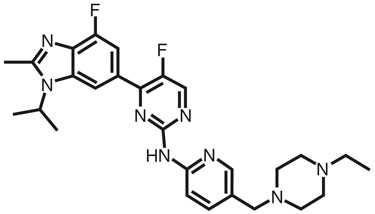
Abemaciclib is a kinase inhibitor for oral administration. It is a white to yellow powder with the empirical formula C27H32F2N8 and a molecular weight 506.59.
The chemical name for abemaciclib is 2-Pyrimidinamine, N-[5-[(4-ethyl-1-piperazinyl)methyl]-2-pyridinyl]-5-fluoro-4-[4-fluoro-2-methyl-1-(1-methylethyl)-1H-benzimidazol-6-yl]-. Abemaciclib has the following structure:
VERZENIO (abemaciclib) tablets are provided as immediate-release oval white, beige, or yellow tablets. Inactive ingredients are as follows: Excipients—microcrystalline cellulose 102, microcrystalline cellulose 101, lactose monohydrate, croscarmellose sodium, sodium stearyl fumarate, silicon dioxide. Color mixture ingredients—polyvinyl alcohol, titanium dioxide, polyethylene glycol, talc, iron oxide yellow, and iron oxide red.
5.2 Neutropenia
Neutropenia, including febrile neutropenia and fatal neutropenic sepsis, occurred in patients treated with VERZENIO.
Across four clinical trials in 3691 patients, neutropenia occurred in a 37% to 46% of patients receiving VERZENIO. A Grade ≥3 decrease in neutrophil count (based on laboratory findings) occurred in 19% to 32% of patients receiving VERZENIO. Across trials, the median time to the first episode of Grade ≥3 neutropenia ranged from 29 days to 33 days, and the median duration of Grade ≥3 neutropenia ranged from 11 days to 16 days [see Adverse Reactions (6.1)].
Febrile neutropenia has been reported in <1% of patients exposed to VERZENIO across trials. Two deaths due to neutropenic sepsis were observed in MONARCH 2. Inform patients to promptly report any episodes of fever to their healthcare provider [see Patient Counseling Information (17)].
Monitor complete blood counts prior to the start of VERZENIO therapy, every 2 weeks for the first 2 months, monthly for the next 2 months, and as clinically indicated. Dose interruption, dose reduction, or delay in starting treatment cycles is recommended for patients who develop Grade 3 or 4 neutropenia [see Dosage and Administration (2.2)].
8.4 Pediatric Use
The safety and effectiveness of VERZENIO have not been established in pediatric patients.
The safety and effectiveness of VERZENIO in combination with chemotherapy was assessed but not established in an open label, dose-finding trial (NCT04238819) in 43 pediatric patients aged 1 to < 17 years with relapsed/refractory solid tumors. No new safety signals were observed in pediatric patients in this study. Abemaciclib exposure in pediatric patients was within the range of the values previously observed in adults given a similar dose per body surface area.
8.5 Geriatric Use
Of the 2791 VERZENIO-treated patients in monarchE, 15% were 65 years of age or older and 2.7% were 75 years of age or older.
Of the 900 patients who received VERZENIO in MONARCH 1, MONARCH 2, and MONARCH 3, 38% were 65 years of age or older and 10% were 75 years of age or older. The most common adverse reactions (≥5%) Grade 3 or 4 in patients ≥65 years of age across MONARCH 1, 2, and 3 were: neutropenia, diarrhea, fatigue, nausea, dehydration, leukopenia, anemia, infections, and ALT increased.
No overall differences in safety or effectiveness of VERZENIO were observed between these patients and younger patients.
5.4 Hepatotoxicity
Grade ≥3 ALT (2% to 6%) and AST (2% to 3%) were reported in patients receiving VERZENIO.
Across three clinical trials in 3559 patients (monarchE, MONARCH 2, MONARCH 3), the median time to onset of Grade ≥3 ALT increases ranged from 57 to 87 days and the median time to resolution to Grade <3 was 13 to 14 days. The median time to onset of Grade ≥3 AST increases ranged from 71 to 185 days and the median time to resolution to Grade <3 ranged from 11 to 15 days.
Monitor liver function tests (LFTs) prior to the start of VERZENIO therapy, every 2 weeks for the first 2 months, monthly for the next 2 months, and as clinically indicated. Dose interruption, dose reduction, dose discontinuation, or delay in starting treatment cycles is recommended for patients who develop persistent or recurrent Grade 2, or any Grade 3 or Grade 4 hepatic transaminase elevation [see Dosage and Administration (2.2)].
4 Contraindications
None.
6 Adverse Reactions
The following adverse reactions are discussed in greater detail in other sections of the labeling:
7 Drug Interactions
8.6 Renal Impairment
No dosage adjustment is required for patients with mild or moderate renal impairment (CLcr ≥30-89 mL/min, estimated by Cockcroft-Gault [C-G]). The pharmacokinetics of abemaciclib in patients with severe renal impairment (CLcr <30 mL/min, C-G), end stage renal disease, or in patients on dialysis is unknown [see Clinical Pharmacology (12.3)].
12.3 Pharmacokinetics
The pharmacokinetics of abemaciclib were characterized in patients with solid tumors, including breast cancer, and in healthy subjects.
Following single and repeated twice daily dosing of 50 mg (0.3 times the approved recommended 150 mg dosage) to 200 mg of abemaciclib, the increase in plasma exposure (AUC) and Cmax was approximately dose proportional. Steady state was achieved within 5 days following repeated twice daily dosing, and the estimated geometric mean accumulation ratio was 2.3 (50% CV) and 3.2 (59% CV) based on Cmax and AUC, respectively.
8.7 Hepatic Impairment
1 Indications and Usage
VERZENIO® is a kinase inhibitor indicated:
- in combination with endocrine therapy (tamoxifen or an aromatase inhibitor) for the adjuvant treatment of adult patients with hormone receptor (HR)-positive, human epidermal growth factor receptor 2 (HER2)-negative, node-positive, early breast cancer at high risk of recurrence. (1.1, 14.1)
- in combination with an aromatase inhibitor as initial endocrine-based therapy for the treatment of adult patients with hormone receptor (HR)-positive, human epidermal growth factor receptor 2 (HER2)-negative advanced or metastatic breast cancer. (1.2)
- in combination with fulvestrant for the treatment of adult patients with hormone receptor (HR)-positive, human epidermal growth factor receptor 2 (HER2)-negative advanced or metastatic breast cancer with disease progression following endocrine therapy. (1.2)
- as monotherapy for the treatment of adult patients with HR-positive, HER2-negative advanced or metastatic breast cancer with disease progression following endocrine therapy and prior chemotherapy in the metastatic setting. (1.2)
1.1 Early Breast Cancer
VERZENIO® (abemaciclib) is indicated:
- in combination with endocrine therapy (tamoxifen or an aromatase inhibitor) for the adjuvant treatment of adult patients with hormone receptor (HR)-positive, human epidermal growth factor receptor 2 (HER2)-negative, node-positive, early breast cancer at high risk of recurrence [see Clinical Studies (14.1)].
12.1 Mechanism of Action
Abemaciclib is an inhibitor of cyclin-dependent kinases 4 and 6 (CDK4 and CDK6). These kinases are activated upon binding to D-cyclins. In estrogen receptor-positive (ER+) breast cancer cell lines, cyclin D1 and CDK4/6 promote phosphorylation of the retinoblastoma protein (Rb), cell cycle progression, and cell proliferation. In vitro, continuous exposure to abemaciclib inhibited Rb phosphorylation and blocked progression from G1 into S phase of the cell cycle, resulting in senescence and apoptosis. In breast cancer xenograft models, abemaciclib dosed daily without interruption as a single agent or in combination with antiestrogens resulted in reduction of tumor size.
5.6 Embryo Fetal Toxicity
Based on findings from animal studies and the mechanism of action, VERZENIO can cause fetal harm when administered to a pregnant woman. In animal reproduction studies, administration of abemaciclib to pregnant rats during the period of organogenesis caused teratogenicity and decreased fetal weight at maternal exposures that were similar to the human clinical exposure based on area under the curve (AUC) at the maximum recommended human dose.
Advise pregnant women of the potential risk to a fetus. Advise females of reproductive potential to use effective contraception during treatment with VERZENIO and for 3 weeks after the last dose [see Use in Specific Populations (8.1, 8.3) and Clinical Pharmacology (12.1)].
5 Warnings and Precautions
- Diarrhea: VERZENIO can cause severe cases of diarrhea, associated with dehydration and infection. Instruct patients at the first sign of loose stools to initiate antidiarrheal therapy, increase oral fluids, and notify their healthcare provider. (2.2, 5.1)
- Neutropenia: Monitor complete blood counts prior to the start of VERZENIO therapy, every 2 weeks for the first 2 months, monthly for the next 2 months, and as clinically indicated. (2.2, 5.2)
- Interstitial Lung Disease (ILD)/Pneumonitis: Severe and fatal cases of ILD/pneumonitis have been reported. Monitor for clinical symptoms or radiological changes indicative of ILD/pneumonitis. Permanently discontinue VERZENIO in all patients with Grade 3 or 4 ILD or pneumonitis. (2.2, 5.3)
- Hepatotoxicity: Increases in serum transaminase levels have been observed. Perform liver function tests (LFTs) before initiating treatment with VERZENIO. Monitor LFTs every two weeks for the first two months, monthly for the next 2 months, and as clinically indicated. (2.2, 5.4)
- Venous Thromboembolism: Monitor patients for signs and symptoms of thrombosis and pulmonary embolism and treat as medically appropriate. (2.2, 5.5)
- Embryo-Fetal Toxicity: Can cause fetal harm. Advise patients of potential risk to a fetus and to use effective contraception. (5.6, 8.1, 8.3)
5.5 Venous Thromboembolism
Across three clinical trials in 3559 patients (monarchE, MONARCH 2, MONARCH 3), venous thromboembolic events were reported in 2% to 5% of patients treated with VERZENIO. Venous thromboembolic events included deep vein thrombosis, pulmonary embolism, pelvic venous thrombosis, cerebral venous sinus thrombosis, subclavian and axillary vein thrombosis, and inferior vena cava thrombosis. In clinical trials, deaths due to venous thromboembolism have been reported in patients treated with VERZENIO.
VERZENIO has not been studied in patients with early breast cancer who had a history of venous thromboembolism. Monitor patients for signs and symptoms of venous thrombosis and pulmonary embolism and treat as medically appropriate. Dose interruption is recommended for early breast cancer patients with any grade venous thromboembolic event and for advanced or metastatic breast cancer patients with a Grade 3 or 4 venous thromboembolic event [see Dosage and Administration (2.2)].
2 Dosage and Administration
VERZENIO tablets are taken orally with or without food. (2.1)
- Recommended starting dose in combination with fulvestrant, tamoxifen, or an aromatase inhibitor: 150 mg twice daily. (2.1)
- Recommended starting dose as monotherapy: 200 mg twice daily. (2.1)
- Dosing interruption and/or dose reductions may be required based on individual safety and tolerability. (2.2)
3 Dosage Forms and Strengths
50 mg tablets: oval beige tablet with “Lilly” debossed on one side and “50” on the other side.
100 mg tablets: oval white to practically white tablet with “Lilly” debossed on one side and “100” on the other side.
150 mg tablets: oval yellow tablet with “Lilly” debossed on one side and “150” on the other side.
200 mg tablets: oval beige tablet with “Lilly” debossed on one side and “200” on the other side.
6.2 Postmarketing Experience
The following adverse reactions have been identified during post-approval use of VERZENIO. Because these reactions are reported voluntarily from a population of uncertain size, it is not always possible to reliably estimate their frequency or establish a causal relationship to drug exposure.
Respiratory disorders: Interstitial lung disease (ILD)/pneumonitis [see Warnings and Precautions (5.3)].
8 Use in Specific Populations
Lactation: Advise not to breastfeed. (8.2)
6.1 Clinical Studies Experience
Because clinical trials are conducted under widely varying conditions, adverse reaction rates observed in the clinical trials of a drug cannot be directly compared to rates in the clinical trials of another drug and may not reflect the rates observed in practice.
The safety population described in the Warnings and Precautions reflect exposure to VERZENIO in 3691 patients from four clinical trials: monarchE, MONARCH 1, MONARCH 2, and MONARCH 3. The safety population includes exposure to VERZENIO as a single agent at 200 mg twice daily in 132 patients in MONARCH 1 and to VERZENIO at 150 mg twice daily in 3559 patients administered in combination with fulvestrant, tamoxifen, or an aromatase inhibitor in monarchE, MONARCH 2, and MONARCH 3. The median duration of exposure ranged from 4.5 months in MONARCH 1 to 24 months in monarchE. The most common adverse reactions (incidence ≥20%) across clinical trials were: diarrhea, neutropenia, nausea, abdominal pain, infections, fatigue, anemia, leukopenia, decreased appetite, vomiting, headache, alopecia, and thrombocytopenia.
17 Patient Counseling Information
Advise the patient to read the FDA-approved patient labeling (Patient Information).
Diarrhea
VERZENIO may cause diarrhea, which may be severe in some cases [see Warnings and Precautions (5.1)].
- Early identification and intervention is critical for the optimal management of diarrhea. Instruct patients that at the first sign of loose stools, they should start antidiarrheal therapy (for example, loperamide) and notify their healthcare provider for further instructions and appropriate follow up.
- Encourage patients to increase oral fluids.
- If diarrhea does not resolve with antidiarrheal therapy within 24 hours to ≤Grade 1, suspend VERZENIO dosing [see Dosage and Administration (2.2)].
Neutropenia
Advise patients of the possibility of developing neutropenia and to immediately contact their healthcare provider should they develop a fever, particularly in association with any signs of infection [see Warnings and Precautions (5.2)].
Interstitial Lung Disease/Pneumonitis
Advise patients to immediately report new or worsening respiratory symptoms [see Warnings and Precautions (5.3)].
Hepatotoxicity
Inform patients of the signs and symptoms of hepatotoxicity. Advise patients to contact their healthcare provider immediately for signs or symptoms of hepatotoxicity [see Warnings and Precautions (5.4)].
Venous Thromboembolism
Advise patients to immediately report any signs or symptoms of thromboembolism such as pain or swelling in an extremity, shortness of breath, chest pain, tachypnea, and tachycardia [see Warnings and Precautions (5.5)].
Embryo-Fetal Toxicity
- Advise pregnant women and females of reproductive potential of the potential risk to a fetus. Advise females to inform their healthcare provider of a known or suspected pregnancy [see Warnings and Precautions (5.6) and Use in Specific Populations (8.1)].
- Advise females of reproductive potential to use effective contraception during VERZENIO treatment and for 3 weeks after the last dose [see Use in Specific Populations (8.1, 8.3)].
Lactation
Advise lactating women not to breastfeed during VERZENIO treatment and for at least 3 weeks after the last dose [see Use in Specific Populations (8.2)].
Infertility
Inform males of reproductive potential that VERZENIO may impair fertility [see Use in Specific Populations (8.3)].
Drug Interactions
- Inform patients to avoid concomitant use of ketoconazole. Dose reduction may be required for other strong CYP3A inhibitors or for moderate CYP3A inhibitors [see Dosage and Administration (2.2) and Drug Interactions (7)].
- Grapefruit may interact with VERZENIO. Advise patients not to consume grapefruit products while on treatment with VERZENIO.
- Advise patients to avoid concomitant use of strong and moderate CYP3A inducers and to consider alternative agents [see Dosage and Administration (2.2) and Drug Interactions (7)].
- Advise patients to inform their healthcare providers of all concomitant medications, including prescription medicines, over-the-counter drugs, vitamins, and herbal products [see Dosage and Administration (2.2) and Drug Interactions (7)].
Dosing
- Instruct patients to take the doses of VERZENIO at approximately the same times every day and to swallow whole (do not chew, crush, or split them prior to swallowing) [see Dosage and Administration (2.1)].
- If patient vomits or misses a dose, advise the patient to take the next prescribed dose at the usual time [see Dosage and Administration (2.1)].
- Advise the patient that VERZENIO may be taken with or without food [see Dosage and Administration 2.1)].
Marketed by: Lilly USA, LLC, Indianapolis, IN 46285, USA
Copyright © 2017, 2025, Eli Lilly and Company. All rights reserved.
VER-0010-USPI-20250227
2.1 Recommended Dose and Schedule
- When used in combination with fulvestrant, tamoxifen, or an aromatase inhibitor, the recommended dose of VERZENIO is 150 mg taken orally twice daily. Refer to the Full Prescribing Information for the recommended dose of the fulvestrant, tamoxifen, or aromatase inhibitor being used.
- Pre/perimenopausal women and men treated with the combination of VERZENIO plus an aromatase inhibitor should be treated with a gonadotropin-releasing hormone agonist (GnRH) according to current clinical practice standards.
- Pre/perimenopausal women treated with the combination of VERZENIO plus fulvestrant should be treated with a GnRH according to current clinical practice standards
- When used as monotherapy, the recommended dose of VERZENIO is 200 mg taken orally twice daily.
- For early breast cancer, continue VERZENIO until completion of 2 years of treatment or until disease recurrence, or unacceptable toxicity.
- For advanced or metastatic breast cancer, continue treatment until disease progression or unacceptable toxicity.
VERZENIO may be taken with or without food [see Clinical Pharmacology (12.3)].
Instruct patients to take their doses of VERZENIO at approximately the same times every day.
If the patient vomits or misses a dose of VERZENIO, instruct the patient to take the next dose at its scheduled time. Instruct patients to swallow VERZENIO tablets whole and not to chew, crush, or split tablets before swallowing. Instruct patients not to ingest VERZENIO tablets if broken, cracked, or otherwise not intact.
1.2 Advanced Or Metastatic Breast Cancer
VERZENIO (abemaciclib) is indicated:
- in combination with an aromatase inhibitor as initial endocrine-based therapy for the treatment of adult patients with hormone receptor (HR)-positive, human epidermal growth factor receptor 2 (HER2)-negative advanced or metastatic breast cancer.
- in combination with fulvestrant for the treatment of adult patients with hormone receptor (HR)-positive, human epidermal growth factor receptor 2 (HER2)-negative advanced or metastatic breast cancer with disease progression following endocrine therapy.
- as monotherapy for the treatment of adult patients with HR-positive, HER2-negative advanced or metastatic breast cancer with disease progression following endocrine therapy and prior chemotherapy in the metastatic setting.
13.2 Animal Toxicology And/or Pharmacology
In repeat-dose toxicity studies up to 6-months duration, oral administration of abemaciclib resulted in retinal atrophy of the eyes in mice at a dose of 150 mg/kg/day (approximately 10 times the exposure at the maximum recommended human dose based on AUC) and in rats at a dose of 30 mg/kg/day (approximately 5 times the exposure at the maximum recommended human dose based on AUC). In a 2-year rat carcinogenicity study, oral administration of abemaciclib resulted in retinal atrophy in the eyes at doses ≥0.3 mg/kg/day (approximately 0.05 times the exposure at the maximum recommended human dose based on AUC).
8.3 Females and Males of Reproductive Potential
Based on animal studies, VERZENIO can cause fetal harm when administered to a pregnant woman [see Use in Specific Populations (8.1)].
5.3 Interstitial Lung Disease (ild) Or Pneumonitis
Severe, life-threatening, or fatal interstitial lung disease (ILD) or pneumonitis can occur in patients treated with VERZENIO and other CDK4/6 inhibitors. In VERZENIO-treated patients in early breast cancer (monarchE, N=2791), 3% of patients experienced ILD or pneumonitis of any grade: 0.4% were Grade 3 or 4 and there was one fatality (0.1%). In VERZENIO-treated patients in advanced or metastatic breast cancer (N=900) (MONARCH 1, MONARCH 2, MONARCH 3), 3.3% of VERZENIO-treated patients had ILD or pneumonitis of any grade: 0.6% had Grade 3 or 4, and 0.4% had fatal outcomes. Additional cases of ILD or pneumonitis have been observed in the postmarketing setting, with fatalities reported [see Adverse Reactions (6.2)].
Monitor patients for pulmonary symptoms indicative of ILD or pneumonitis. Symptoms may include hypoxia, cough, dyspnea, or interstitial infiltrates on radiologic exams. Infectious, neoplastic, and other causes for such symptoms should be excluded by means of appropriate investigations.
Dose interruption or dose reduction is recommended for patients who develop persistent or recurrent Grade 2 ILD or pneumonitis. Permanently discontinue VERZENIO in all patients with Grade 3 or 4 ILD or pneumonitis [see Dosage and Administration (2.2)].
13.1 Carcinogenesis, Mutagenesis, Impairment of Fertility
Abemaciclib was assessed for carcinogenicity in a 2-year rat study. Abemaciclib was not carcinogenic in male and female rats at oral doses up to 3 mg/kg/day (approximately 1 time the exposure at the maximum recommended human dose based on AUC).
Abemaciclib and its active human metabolites M2 and M20 were not mutagenic in a bacterial reverse mutation (Ames) assay or clastogenic in an in vitro chromosomal aberration assay in Chinese hamster ovary cells or human peripheral blood lymphocytes. Abemaciclib, M2, and M20 were not clastogenic in an in vivo rat bone marrow micronucleus assay.
Abemaciclib may impair fertility in males of reproductive potential. In repeat-dose toxicity studies up to 3-months duration, abemaciclib-related findings in the testis, epididymis, prostate, and seminal vesicle at doses ≥10 mg/kg/day in rats and ≥0.3 mg/kg/day in dogs included decreased organ weights, intratubular cellular debris, hypospermia, tubular dilatation, atrophy, and degeneration/necrosis. These doses in rats and dogs resulted in approximately 2 and 0.02 times, respectively, the exposure (AUC) in humans at the maximum recommended human dose. In a rat male fertility study, abemaciclib had no effects on mating and fertility at oral doses up to 10 mg/kg/day (approximately 2 times the exposure at the maximum recommended human dose based on AUC).
In a rat female fertility and early embryonic development study, abemaciclib did not affect mating and fertility at doses up to 20 mg/kg/day (approximately 3 times the exposure at the maximum recommended human dose based on AUC).
Structured Label Content
Dosage Forms and Strengths (34069-5)
How Supplied
VERZENIO 50 mg tablets are oval beige tablet with “Lilly” debossed on one side and “50” on the other side.
VERZENIO 100 mg tablet are oval white to practically white tablet with “Lilly” debossed on one side and “100” on the other side.
VERZENIO 150 mg tablets are oval yellow tablet with “Lilly” debossed on one side and “150” on the other side.
VERZENIO 200 mg tablets are oval beige tablet with “Lilly” debossed on one side and “200” on the other side.
VERZENIO tablets are supplied in 7-day dose pack configurations as follows:
|
| NDC 0002-6216-54 |
|
| NDC 0002-5337-54 |
|
| NDC 0002-4815-54 |
|
| NDC 0002-4483-54 |
Section 42229-5 (42229-5)
Dose Modifications for Adverse Reactions
The recommended VERZENIO dose modifications for adverse reactions are provided in Tables 1-7. Discontinue VERZENIO for patients unable to tolerate 50 mg twice daily.
| Dose Level |
VERZENIO Dose
Combination with Fulvestrant, Tamoxifen, or an Aromatase Inhibitor |
VERZENIO Dose
for Monotherapy |
| Recommended starting dose | 150 mg twice daily | 200 mg twice daily |
| First dose reduction | 100 mg twice daily | 150 mg twice daily |
| Second dose reduction | 50 mg twice daily | 100 mg twice daily |
| Third dose reduction | not applicable | 50 mg twice daily |
|
Abbreviation: CTCAE = Common Terminology Criteria for Adverse Events. |
|
|
a If blood cell growth factors are required, suspend VERZENIO dose for at least 48 hours after the last dose of blood cell growth factor and until toxicity resolves to ≤Grade 2. Resume at next lower dose unless already performed for the toxicity that led to the use of the growth factor. Growth factor use as per current treatment guidelines. |
|
| Monitor complete blood counts prior to the start of VERZENIO therapy, every 2 weeks for the first 2 months, monthly for the next 2 months, and as clinically indicated. | |
| CTCAE Grade | VERZENIO Dose Modifications |
| Grade 1 or 2 | No dose modification is required. |
| Grade 3 | Suspend dose until toxicity resolves to ≤Grade 2. Dose reduction is not required. |
| Grade 3 recurrent, or Grade 4 | Suspend dose until toxicity resolves to ≤Grade 2. Resume at next lower dose. |
| At the first sign of loose stools, start treatment with antidiarrheal agents and increase intake of oral fluids. | |
| CTCAE Grade | VERZENIO Dose Modifications |
| Grade 1 | No dose modification is required. |
| Grade 2 | If toxicity does not resolve within 24 hours to ≤Grade 1, suspend dose until resolution. No dose reduction is required. |
| Grade 2 that persists or recurs after resuming the same dose despite maximal supportive measures | Suspend dose until toxicity resolves to ≤Grade 1. Resume at next lower dose. |
| Grade 3 or 4 or requires hospitalization | Suspend dose until toxicity resolves to ≤Grade 1. Resume at next lower dose. |
|
Abbreviations: ALT = alanine aminotransferase, AST = aspartate aminotransferase, ULN = upper limit of normal. |
|
| Monitor ALT, AST, and serum bilirubin prior to the start of VERZENIO therapy, every 2 weeks for the first 2 months, monthly for the next 2 months, and as clinically indicated. | |
| CTCAE Grade for ALT and AST | VERZENIO Dose Modifications |
| Grade 1 (>ULN-3.0 x ULN) Grade 2 (>3.0-5.0 x ULN), WITHOUT increase in total bilirubin above 2 x ULN |
No dose modification is required. |
| Persistent or Recurrent Grade 2, or Grade 3 (>5.0-20.0 x ULN), WITHOUT increase in total bilirubin above 2 x ULN | Suspend dose until toxicity resolves to baseline or Grade 1. Resume at next lower dose. |
| Elevation in AST and/or ALT >3 x ULN WITH total bilirubin >2 x ULN, in the absence of cholestasis | Discontinue VERZENIO. |
| Grade 4 (>20.0 x ULN) | Discontinue VERZENIO. |
| CTCAE Grade | VERZENIO Dose Modifications |
| Grade 1 or 2 | No dose modification is required. |
| Persistent or recurrent Grade 2 toxicity that does not resolve with maximal supportive measures within 7 days to baseline or Grade 1 | Suspend dose until toxicity resolves to baseline or ≤Grade 1. Resume at next lower dose. |
| Grade 3 or 4 | Discontinue VERZENIO. |
| CTCAE Grade | VERZENIO Dose Modifications |
| Early Breast Cancer | |
| Any Grade | Suspend dose and treat as clinically indicated. Resume VERZENIO when the patient is clinically stable. |
| Advanced or Metastatic Breast Cancer | |
| Grade 1 or 2 | No dose modification is required. |
| Grade 3 or 4 | Suspend dose and treat as clinically indicated. Resume VERZENIO when the patient is clinically stable. |
|
a Excluding diarrhea, hematologic toxicity, hepatotoxicity, ILD/pneumonitis, and VTEs. |
|
| CTCAE Grade | VERZENIO Dose Modifications |
| Grade 1 or 2 | No dose modification is required. |
| Persistent or recurrent Grade 2 toxicity that does not resolve with maximal supportive measures within 7 days to baseline or Grade 1 | Suspend dose until toxicity resolves to baseline or ≤Grade 1. Resume at next lower dose. |
| Grade 3 or 4 | Suspend dose until toxicity resolves to baseline or ≤Grade 1. Resume at next lower dose. |
Refer to the Full Prescribing Information for coadministered fulvestrant, tamoxifen, or an aromatase inhibitor for dose modifications and other relevant safety information.
Section 42230-3 (42230-3)
|
This Patient Information has been approved by the U.S. Food and Drug Administration. |
Revised: March-2023 |
|
|
PATIENT INFORMATION
VERZENIO ® (ver-ZEN-ee-oh) (abemaciclib) tablets |
||
|
What is the most important information I should know about VERZENIO?
|
||
|
|
|
|
||
|
|
|
| See “What are the possible side effects of VERZENIO?” for more information about side effects. | ||
|
What is VERZENIO?
VERZENIO is a prescription medicine used:
|
||
| When VERZENIO is used in combination with fulvestrant, tamoxifen, or an aromatase inhibitor, also read the Patient Information for the prescribed product. Ask your healthcare provider if you are not sure. It is not known if VERZENIO is safe and effective in children. |
||
Before taking VERZENIO, tell your healthcare provider about all of your medical conditions, including if you:
|
||
|
Tell your healthcare provider about all the medicines you take, including prescription and over-the-counter medicines, vitamins, and herbal supplements. VERZENIO may affect the way other medicines work, and other medicines may affect how VERZENIO works, causing serious side effects. Especially tell your healthcare provider if you take a medicine that contains ketoconazole. Know the medicines you take. Keep a list of them to show your healthcare provider or pharmacist when you get a new medicine. |
||
How should I take VERZENIO?
|
||
What should I avoid during treatment with VERZENIO?
|
||
|
What are the possible side effects of VERZENIO?
|
||
| The most common side effects of VERZENIO include: | ||
|
|
|
| VERZENIO may cause fertility problems in males. This may affect your ability to father a child. Talk to your healthcare provider if this is a concern for you. These are not all the possible side effects of VERZENIO. For more information, ask your healthcare provider or pharmacist. Call your healthcare provider for medical advice about side effects. You may report side effects to FDA at 1-800-FDA-1088. |
||
How should I store VERZENIO?
|
||
| Keep VERZENIO and all medicines out of the reach of children. | ||
|
General information about the safe and effective use of VERZENIO.
Medicines are sometimes prescribed for purposes other than those listed in a Patient Information leaflet. Do not use VERZENIO for a condition for which it was not prescribed. Do not give VERZENIO to other people, even if they have the same symptoms you have. It may harm them. You can ask your pharmacist or healthcare provider for more information about VERZENIO that is written for health professionals. |
||
|
What are the ingredients in VERZENIO?
Active ingredient: abemaciclib Inactive ingredients: microcrystalline cellulose 102, microcrystalline cellulose 101, lactose monohydrate, croscarmellose sodium, sodium stearyl fumarate, silicon dioxide. Color mixture ingredients: polyvinyl alcohol, titanium dioxide, polyethylene glycol, talc, iron oxide yellow, iron oxide red. Marketed by: Lilly USA, LLC, Indianapolis, IN 46285, USA Copyright © 2017, 2023, Eli Lilly and Company. All rights reserved. VER-0005-PPI-20230303 For more information, go to www.verzenio.com or call 1-800-545-5979. |
||
Section 44425-7 (44425-7)
Storage and Handling
Store at 20°C to 25°C (68°F to 77°F); excursions permitted to 15°C to 30°C (59°F to 86°F).
Section 51945-4 (51945-4)
PACKAGE CARTON – VERZENIO 50 mg 14ct
14 tablets
NDC 0002-4483-54
Rx only
Verzenio®
(abemaciclib) tablets
50 mg dose
7-Day Supply
This 50 mg Dose Pack contains fourteen 50 mg tablets.
www.verzenio.com
LIFT TO OPEN
Lilly
5.1 Diarrhea
Severe diarrhea associated with dehydration and infection occurred in patients treated with VERZENIO.
Across four clinical trials in 3691 patients, diarrhea occurred in 81% to 90% of patients who received VERZENIO. Grade 3 diarrhea occurred in 8% to 20% of patients receiving VERZENIO [see Adverse Reactions (6.1)].
Most patients experienced diarrhea during the first month of VERZENIO treatment. The median time to onset of the first diarrhea event ranged from 6 to 8 days; and the median duration of Grade 2 and Grade 3 diarrhea ranged from 6 to 11 days and 5 to 8 days, respectively. Across trials, 19% to 26% of patients with diarrhea required a VERZENIO dose interruption and 13% to 23% required a dose reduction.
Instruct patients to start antidiarrheal therapy such as loperamide at the first sign of loose stools, increase oral fluids, and notify their healthcare provider for further instructions and appropriate follow up [see Patient Counseling Information (17)]. For Grade 3 or 4 diarrhea, or diarrhea that requires hospitalization, discontinue VERZENIO until toxicity resolves to ≤Grade 1, and then resume VERZENIO at the next lower dose [see Dosage and Administration (2.2)].
11 Description (11 DESCRIPTION)
Abemaciclib is a kinase inhibitor for oral administration. It is a white to yellow powder with the empirical formula C27H32F2N8 and a molecular weight 506.59.
The chemical name for abemaciclib is 2-Pyrimidinamine, N-[5-[(4-ethyl-1-piperazinyl)methyl]-2-pyridinyl]-5-fluoro-4-[4-fluoro-2-methyl-1-(1-methylethyl)-1H-benzimidazol-6-yl]-. Abemaciclib has the following structure:
VERZENIO (abemaciclib) tablets are provided as immediate-release oval white, beige, or yellow tablets. Inactive ingredients are as follows: Excipients—microcrystalline cellulose 102, microcrystalline cellulose 101, lactose monohydrate, croscarmellose sodium, sodium stearyl fumarate, silicon dioxide. Color mixture ingredients—polyvinyl alcohol, titanium dioxide, polyethylene glycol, talc, iron oxide yellow, and iron oxide red.
5.2 Neutropenia
Neutropenia, including febrile neutropenia and fatal neutropenic sepsis, occurred in patients treated with VERZENIO.
Across four clinical trials in 3691 patients, neutropenia occurred in a 37% to 46% of patients receiving VERZENIO. A Grade ≥3 decrease in neutrophil count (based on laboratory findings) occurred in 19% to 32% of patients receiving VERZENIO. Across trials, the median time to the first episode of Grade ≥3 neutropenia ranged from 29 days to 33 days, and the median duration of Grade ≥3 neutropenia ranged from 11 days to 16 days [see Adverse Reactions (6.1)].
Febrile neutropenia has been reported in <1% of patients exposed to VERZENIO across trials. Two deaths due to neutropenic sepsis were observed in MONARCH 2. Inform patients to promptly report any episodes of fever to their healthcare provider [see Patient Counseling Information (17)].
Monitor complete blood counts prior to the start of VERZENIO therapy, every 2 weeks for the first 2 months, monthly for the next 2 months, and as clinically indicated. Dose interruption, dose reduction, or delay in starting treatment cycles is recommended for patients who develop Grade 3 or 4 neutropenia [see Dosage and Administration (2.2)].
8.4 Pediatric Use
The safety and effectiveness of VERZENIO have not been established in pediatric patients.
The safety and effectiveness of VERZENIO in combination with chemotherapy was assessed but not established in an open label, dose-finding trial (NCT04238819) in 43 pediatric patients aged 1 to < 17 years with relapsed/refractory solid tumors. No new safety signals were observed in pediatric patients in this study. Abemaciclib exposure in pediatric patients was within the range of the values previously observed in adults given a similar dose per body surface area.
8.5 Geriatric Use
Of the 2791 VERZENIO-treated patients in monarchE, 15% were 65 years of age or older and 2.7% were 75 years of age or older.
Of the 900 patients who received VERZENIO in MONARCH 1, MONARCH 2, and MONARCH 3, 38% were 65 years of age or older and 10% were 75 years of age or older. The most common adverse reactions (≥5%) Grade 3 or 4 in patients ≥65 years of age across MONARCH 1, 2, and 3 were: neutropenia, diarrhea, fatigue, nausea, dehydration, leukopenia, anemia, infections, and ALT increased.
No overall differences in safety or effectiveness of VERZENIO were observed between these patients and younger patients.
5.4 Hepatotoxicity
Grade ≥3 ALT (2% to 6%) and AST (2% to 3%) were reported in patients receiving VERZENIO.
Across three clinical trials in 3559 patients (monarchE, MONARCH 2, MONARCH 3), the median time to onset of Grade ≥3 ALT increases ranged from 57 to 87 days and the median time to resolution to Grade <3 was 13 to 14 days. The median time to onset of Grade ≥3 AST increases ranged from 71 to 185 days and the median time to resolution to Grade <3 ranged from 11 to 15 days.
Monitor liver function tests (LFTs) prior to the start of VERZENIO therapy, every 2 weeks for the first 2 months, monthly for the next 2 months, and as clinically indicated. Dose interruption, dose reduction, dose discontinuation, or delay in starting treatment cycles is recommended for patients who develop persistent or recurrent Grade 2, or any Grade 3 or Grade 4 hepatic transaminase elevation [see Dosage and Administration (2.2)].
4 Contraindications (4 CONTRAINDICATIONS)
None.
6 Adverse Reactions (6 ADVERSE REACTIONS)
The following adverse reactions are discussed in greater detail in other sections of the labeling:
7 Drug Interactions (7 DRUG INTERACTIONS)
8.6 Renal Impairment
No dosage adjustment is required for patients with mild or moderate renal impairment (CLcr ≥30-89 mL/min, estimated by Cockcroft-Gault [C-G]). The pharmacokinetics of abemaciclib in patients with severe renal impairment (CLcr <30 mL/min, C-G), end stage renal disease, or in patients on dialysis is unknown [see Clinical Pharmacology (12.3)].
12.3 Pharmacokinetics
The pharmacokinetics of abemaciclib were characterized in patients with solid tumors, including breast cancer, and in healthy subjects.
Following single and repeated twice daily dosing of 50 mg (0.3 times the approved recommended 150 mg dosage) to 200 mg of abemaciclib, the increase in plasma exposure (AUC) and Cmax was approximately dose proportional. Steady state was achieved within 5 days following repeated twice daily dosing, and the estimated geometric mean accumulation ratio was 2.3 (50% CV) and 3.2 (59% CV) based on Cmax and AUC, respectively.
8.7 Hepatic Impairment
1 Indications and Usage (1 INDICATIONS AND USAGE)
VERZENIO® is a kinase inhibitor indicated:
- in combination with endocrine therapy (tamoxifen or an aromatase inhibitor) for the adjuvant treatment of adult patients with hormone receptor (HR)-positive, human epidermal growth factor receptor 2 (HER2)-negative, node-positive, early breast cancer at high risk of recurrence. (1.1, 14.1)
- in combination with an aromatase inhibitor as initial endocrine-based therapy for the treatment of adult patients with hormone receptor (HR)-positive, human epidermal growth factor receptor 2 (HER2)-negative advanced or metastatic breast cancer. (1.2)
- in combination with fulvestrant for the treatment of adult patients with hormone receptor (HR)-positive, human epidermal growth factor receptor 2 (HER2)-negative advanced or metastatic breast cancer with disease progression following endocrine therapy. (1.2)
- as monotherapy for the treatment of adult patients with HR-positive, HER2-negative advanced or metastatic breast cancer with disease progression following endocrine therapy and prior chemotherapy in the metastatic setting. (1.2)
1.1 Early Breast Cancer
VERZENIO® (abemaciclib) is indicated:
- in combination with endocrine therapy (tamoxifen or an aromatase inhibitor) for the adjuvant treatment of adult patients with hormone receptor (HR)-positive, human epidermal growth factor receptor 2 (HER2)-negative, node-positive, early breast cancer at high risk of recurrence [see Clinical Studies (14.1)].
12.1 Mechanism of Action
Abemaciclib is an inhibitor of cyclin-dependent kinases 4 and 6 (CDK4 and CDK6). These kinases are activated upon binding to D-cyclins. In estrogen receptor-positive (ER+) breast cancer cell lines, cyclin D1 and CDK4/6 promote phosphorylation of the retinoblastoma protein (Rb), cell cycle progression, and cell proliferation. In vitro, continuous exposure to abemaciclib inhibited Rb phosphorylation and blocked progression from G1 into S phase of the cell cycle, resulting in senescence and apoptosis. In breast cancer xenograft models, abemaciclib dosed daily without interruption as a single agent or in combination with antiestrogens resulted in reduction of tumor size.
5.6 Embryo Fetal Toxicity (5.6 Embryo-Fetal Toxicity)
Based on findings from animal studies and the mechanism of action, VERZENIO can cause fetal harm when administered to a pregnant woman. In animal reproduction studies, administration of abemaciclib to pregnant rats during the period of organogenesis caused teratogenicity and decreased fetal weight at maternal exposures that were similar to the human clinical exposure based on area under the curve (AUC) at the maximum recommended human dose.
Advise pregnant women of the potential risk to a fetus. Advise females of reproductive potential to use effective contraception during treatment with VERZENIO and for 3 weeks after the last dose [see Use in Specific Populations (8.1, 8.3) and Clinical Pharmacology (12.1)].
5 Warnings and Precautions (5 WARNINGS AND PRECAUTIONS)
- Diarrhea: VERZENIO can cause severe cases of diarrhea, associated with dehydration and infection. Instruct patients at the first sign of loose stools to initiate antidiarrheal therapy, increase oral fluids, and notify their healthcare provider. (2.2, 5.1)
- Neutropenia: Monitor complete blood counts prior to the start of VERZENIO therapy, every 2 weeks for the first 2 months, monthly for the next 2 months, and as clinically indicated. (2.2, 5.2)
- Interstitial Lung Disease (ILD)/Pneumonitis: Severe and fatal cases of ILD/pneumonitis have been reported. Monitor for clinical symptoms or radiological changes indicative of ILD/pneumonitis. Permanently discontinue VERZENIO in all patients with Grade 3 or 4 ILD or pneumonitis. (2.2, 5.3)
- Hepatotoxicity: Increases in serum transaminase levels have been observed. Perform liver function tests (LFTs) before initiating treatment with VERZENIO. Monitor LFTs every two weeks for the first two months, monthly for the next 2 months, and as clinically indicated. (2.2, 5.4)
- Venous Thromboembolism: Monitor patients for signs and symptoms of thrombosis and pulmonary embolism and treat as medically appropriate. (2.2, 5.5)
- Embryo-Fetal Toxicity: Can cause fetal harm. Advise patients of potential risk to a fetus and to use effective contraception. (5.6, 8.1, 8.3)
5.5 Venous Thromboembolism
Across three clinical trials in 3559 patients (monarchE, MONARCH 2, MONARCH 3), venous thromboembolic events were reported in 2% to 5% of patients treated with VERZENIO. Venous thromboembolic events included deep vein thrombosis, pulmonary embolism, pelvic venous thrombosis, cerebral venous sinus thrombosis, subclavian and axillary vein thrombosis, and inferior vena cava thrombosis. In clinical trials, deaths due to venous thromboembolism have been reported in patients treated with VERZENIO.
VERZENIO has not been studied in patients with early breast cancer who had a history of venous thromboembolism. Monitor patients for signs and symptoms of venous thrombosis and pulmonary embolism and treat as medically appropriate. Dose interruption is recommended for early breast cancer patients with any grade venous thromboembolic event and for advanced or metastatic breast cancer patients with a Grade 3 or 4 venous thromboembolic event [see Dosage and Administration (2.2)].
2 Dosage and Administration (2 DOSAGE AND ADMINISTRATION)
VERZENIO tablets are taken orally with or without food. (2.1)
- Recommended starting dose in combination with fulvestrant, tamoxifen, or an aromatase inhibitor: 150 mg twice daily. (2.1)
- Recommended starting dose as monotherapy: 200 mg twice daily. (2.1)
- Dosing interruption and/or dose reductions may be required based on individual safety and tolerability. (2.2)
3 Dosage Forms and Strengths (3 DOSAGE FORMS AND STRENGTHS)
50 mg tablets: oval beige tablet with “Lilly” debossed on one side and “50” on the other side.
100 mg tablets: oval white to practically white tablet with “Lilly” debossed on one side and “100” on the other side.
150 mg tablets: oval yellow tablet with “Lilly” debossed on one side and “150” on the other side.
200 mg tablets: oval beige tablet with “Lilly” debossed on one side and “200” on the other side.
6.2 Postmarketing Experience
The following adverse reactions have been identified during post-approval use of VERZENIO. Because these reactions are reported voluntarily from a population of uncertain size, it is not always possible to reliably estimate their frequency or establish a causal relationship to drug exposure.
Respiratory disorders: Interstitial lung disease (ILD)/pneumonitis [see Warnings and Precautions (5.3)].
8 Use in Specific Populations (8 USE IN SPECIFIC POPULATIONS)
Lactation: Advise not to breastfeed. (8.2)
6.1 Clinical Studies Experience
Because clinical trials are conducted under widely varying conditions, adverse reaction rates observed in the clinical trials of a drug cannot be directly compared to rates in the clinical trials of another drug and may not reflect the rates observed in practice.
The safety population described in the Warnings and Precautions reflect exposure to VERZENIO in 3691 patients from four clinical trials: monarchE, MONARCH 1, MONARCH 2, and MONARCH 3. The safety population includes exposure to VERZENIO as a single agent at 200 mg twice daily in 132 patients in MONARCH 1 and to VERZENIO at 150 mg twice daily in 3559 patients administered in combination with fulvestrant, tamoxifen, or an aromatase inhibitor in monarchE, MONARCH 2, and MONARCH 3. The median duration of exposure ranged from 4.5 months in MONARCH 1 to 24 months in monarchE. The most common adverse reactions (incidence ≥20%) across clinical trials were: diarrhea, neutropenia, nausea, abdominal pain, infections, fatigue, anemia, leukopenia, decreased appetite, vomiting, headache, alopecia, and thrombocytopenia.
17 Patient Counseling Information (17 PATIENT COUNSELING INFORMATION)
Advise the patient to read the FDA-approved patient labeling (Patient Information).
Diarrhea
VERZENIO may cause diarrhea, which may be severe in some cases [see Warnings and Precautions (5.1)].
- Early identification and intervention is critical for the optimal management of diarrhea. Instruct patients that at the first sign of loose stools, they should start antidiarrheal therapy (for example, loperamide) and notify their healthcare provider for further instructions and appropriate follow up.
- Encourage patients to increase oral fluids.
- If diarrhea does not resolve with antidiarrheal therapy within 24 hours to ≤Grade 1, suspend VERZENIO dosing [see Dosage and Administration (2.2)].
Neutropenia
Advise patients of the possibility of developing neutropenia and to immediately contact their healthcare provider should they develop a fever, particularly in association with any signs of infection [see Warnings and Precautions (5.2)].
Interstitial Lung Disease/Pneumonitis
Advise patients to immediately report new or worsening respiratory symptoms [see Warnings and Precautions (5.3)].
Hepatotoxicity
Inform patients of the signs and symptoms of hepatotoxicity. Advise patients to contact their healthcare provider immediately for signs or symptoms of hepatotoxicity [see Warnings and Precautions (5.4)].
Venous Thromboembolism
Advise patients to immediately report any signs or symptoms of thromboembolism such as pain or swelling in an extremity, shortness of breath, chest pain, tachypnea, and tachycardia [see Warnings and Precautions (5.5)].
Embryo-Fetal Toxicity
- Advise pregnant women and females of reproductive potential of the potential risk to a fetus. Advise females to inform their healthcare provider of a known or suspected pregnancy [see Warnings and Precautions (5.6) and Use in Specific Populations (8.1)].
- Advise females of reproductive potential to use effective contraception during VERZENIO treatment and for 3 weeks after the last dose [see Use in Specific Populations (8.1, 8.3)].
Lactation
Advise lactating women not to breastfeed during VERZENIO treatment and for at least 3 weeks after the last dose [see Use in Specific Populations (8.2)].
Infertility
Inform males of reproductive potential that VERZENIO may impair fertility [see Use in Specific Populations (8.3)].
Drug Interactions
- Inform patients to avoid concomitant use of ketoconazole. Dose reduction may be required for other strong CYP3A inhibitors or for moderate CYP3A inhibitors [see Dosage and Administration (2.2) and Drug Interactions (7)].
- Grapefruit may interact with VERZENIO. Advise patients not to consume grapefruit products while on treatment with VERZENIO.
- Advise patients to avoid concomitant use of strong and moderate CYP3A inducers and to consider alternative agents [see Dosage and Administration (2.2) and Drug Interactions (7)].
- Advise patients to inform their healthcare providers of all concomitant medications, including prescription medicines, over-the-counter drugs, vitamins, and herbal products [see Dosage and Administration (2.2) and Drug Interactions (7)].
Dosing
- Instruct patients to take the doses of VERZENIO at approximately the same times every day and to swallow whole (do not chew, crush, or split them prior to swallowing) [see Dosage and Administration (2.1)].
- If patient vomits or misses a dose, advise the patient to take the next prescribed dose at the usual time [see Dosage and Administration (2.1)].
- Advise the patient that VERZENIO may be taken with or without food [see Dosage and Administration 2.1)].
Marketed by: Lilly USA, LLC, Indianapolis, IN 46285, USA
Copyright © 2017, 2025, Eli Lilly and Company. All rights reserved.
VER-0010-USPI-20250227
2.1 Recommended Dose and Schedule
- When used in combination with fulvestrant, tamoxifen, or an aromatase inhibitor, the recommended dose of VERZENIO is 150 mg taken orally twice daily. Refer to the Full Prescribing Information for the recommended dose of the fulvestrant, tamoxifen, or aromatase inhibitor being used.
- Pre/perimenopausal women and men treated with the combination of VERZENIO plus an aromatase inhibitor should be treated with a gonadotropin-releasing hormone agonist (GnRH) according to current clinical practice standards.
- Pre/perimenopausal women treated with the combination of VERZENIO plus fulvestrant should be treated with a GnRH according to current clinical practice standards
- When used as monotherapy, the recommended dose of VERZENIO is 200 mg taken orally twice daily.
- For early breast cancer, continue VERZENIO until completion of 2 years of treatment or until disease recurrence, or unacceptable toxicity.
- For advanced or metastatic breast cancer, continue treatment until disease progression or unacceptable toxicity.
VERZENIO may be taken with or without food [see Clinical Pharmacology (12.3)].
Instruct patients to take their doses of VERZENIO at approximately the same times every day.
If the patient vomits or misses a dose of VERZENIO, instruct the patient to take the next dose at its scheduled time. Instruct patients to swallow VERZENIO tablets whole and not to chew, crush, or split tablets before swallowing. Instruct patients not to ingest VERZENIO tablets if broken, cracked, or otherwise not intact.
1.2 Advanced Or Metastatic Breast Cancer (1.2 Advanced or Metastatic Breast Cancer)
VERZENIO (abemaciclib) is indicated:
- in combination with an aromatase inhibitor as initial endocrine-based therapy for the treatment of adult patients with hormone receptor (HR)-positive, human epidermal growth factor receptor 2 (HER2)-negative advanced or metastatic breast cancer.
- in combination with fulvestrant for the treatment of adult patients with hormone receptor (HR)-positive, human epidermal growth factor receptor 2 (HER2)-negative advanced or metastatic breast cancer with disease progression following endocrine therapy.
- as monotherapy for the treatment of adult patients with HR-positive, HER2-negative advanced or metastatic breast cancer with disease progression following endocrine therapy and prior chemotherapy in the metastatic setting.
13.2 Animal Toxicology And/or Pharmacology (13.2 Animal Toxicology and/or Pharmacology)
In repeat-dose toxicity studies up to 6-months duration, oral administration of abemaciclib resulted in retinal atrophy of the eyes in mice at a dose of 150 mg/kg/day (approximately 10 times the exposure at the maximum recommended human dose based on AUC) and in rats at a dose of 30 mg/kg/day (approximately 5 times the exposure at the maximum recommended human dose based on AUC). In a 2-year rat carcinogenicity study, oral administration of abemaciclib resulted in retinal atrophy in the eyes at doses ≥0.3 mg/kg/day (approximately 0.05 times the exposure at the maximum recommended human dose based on AUC).
8.3 Females and Males of Reproductive Potential
Based on animal studies, VERZENIO can cause fetal harm when administered to a pregnant woman [see Use in Specific Populations (8.1)].
5.3 Interstitial Lung Disease (ild) Or Pneumonitis (5.3 Interstitial Lung Disease (ILD) or Pneumonitis)
Severe, life-threatening, or fatal interstitial lung disease (ILD) or pneumonitis can occur in patients treated with VERZENIO and other CDK4/6 inhibitors. In VERZENIO-treated patients in early breast cancer (monarchE, N=2791), 3% of patients experienced ILD or pneumonitis of any grade: 0.4% were Grade 3 or 4 and there was one fatality (0.1%). In VERZENIO-treated patients in advanced or metastatic breast cancer (N=900) (MONARCH 1, MONARCH 2, MONARCH 3), 3.3% of VERZENIO-treated patients had ILD or pneumonitis of any grade: 0.6% had Grade 3 or 4, and 0.4% had fatal outcomes. Additional cases of ILD or pneumonitis have been observed in the postmarketing setting, with fatalities reported [see Adverse Reactions (6.2)].
Monitor patients for pulmonary symptoms indicative of ILD or pneumonitis. Symptoms may include hypoxia, cough, dyspnea, or interstitial infiltrates on radiologic exams. Infectious, neoplastic, and other causes for such symptoms should be excluded by means of appropriate investigations.
Dose interruption or dose reduction is recommended for patients who develop persistent or recurrent Grade 2 ILD or pneumonitis. Permanently discontinue VERZENIO in all patients with Grade 3 or 4 ILD or pneumonitis [see Dosage and Administration (2.2)].
13.1 Carcinogenesis, Mutagenesis, Impairment of Fertility
Abemaciclib was assessed for carcinogenicity in a 2-year rat study. Abemaciclib was not carcinogenic in male and female rats at oral doses up to 3 mg/kg/day (approximately 1 time the exposure at the maximum recommended human dose based on AUC).
Abemaciclib and its active human metabolites M2 and M20 were not mutagenic in a bacterial reverse mutation (Ames) assay or clastogenic in an in vitro chromosomal aberration assay in Chinese hamster ovary cells or human peripheral blood lymphocytes. Abemaciclib, M2, and M20 were not clastogenic in an in vivo rat bone marrow micronucleus assay.
Abemaciclib may impair fertility in males of reproductive potential. In repeat-dose toxicity studies up to 3-months duration, abemaciclib-related findings in the testis, epididymis, prostate, and seminal vesicle at doses ≥10 mg/kg/day in rats and ≥0.3 mg/kg/day in dogs included decreased organ weights, intratubular cellular debris, hypospermia, tubular dilatation, atrophy, and degeneration/necrosis. These doses in rats and dogs resulted in approximately 2 and 0.02 times, respectively, the exposure (AUC) in humans at the maximum recommended human dose. In a rat male fertility study, abemaciclib had no effects on mating and fertility at oral doses up to 10 mg/kg/day (approximately 2 times the exposure at the maximum recommended human dose based on AUC).
In a rat female fertility and early embryonic development study, abemaciclib did not affect mating and fertility at doses up to 20 mg/kg/day (approximately 3 times the exposure at the maximum recommended human dose based on AUC).
Advanced Ingredient Data
Raw Label Data
All Sections (JSON)
Additional Information
Back to search View SPL set listing Open on DailyMed ↗
Source: dailymed · Ingested: 2026-02-15T11:49:09.077310 · Updated: 2026-03-14T22:32:10.275892