Fenofibric Acid Delayed-release Capsules
b9a3f97c-9e31-4a5f-822f-c9d45e394493
34391-3
HUMAN PRESCRIPTION DRUG LABEL
Drug Facts
Composition & Product
Identifiers & Packaging
Indications and Usage
Fenofibric acid delayed-release capsule is a peroxisome proliferator-activated receptor (PPAR) alpha agonist indicated as adjunctive therapy to diet to: Reduce TG in patients with severe hypertriglyceridemia ( 1.1 ). Reduce elevated LDL-C, Total-C, TG and Apo B, and to increase HDLC in patients with primary hypercholesterolemia or mixed dyslipidemia ( 1.2 ). Limitations of Use: Fenofibrate at a dose equivalent to 135 mg of fenofibric acid delayed-release capsule did not reduce coronary heart disease morbidity and mortality in patients with type 2 diabetes mellitus ( 5.1 ).
Dosage and Administration
Hypertriglyceridemia: 45 to 135 mg once daily ( 2.2 ). Primary hypercholesterolemia or mixed dyslipidemia: 135 mg once daily ( 2.3 ). Renally impaired patients: 45 mg once daily ( 2.4 ). Maximum dose: 135 mg once daily ( 2.1 ). May be taken without regard to food ( 2.1 ).
Contraindications
Severe renal dysfunction, including patients receiving dialysis ( 4 , 12.3 ). Active liver disease ( 4 , 5.2 ). Gallbladder disease ( 4 , 5.5 ). Nursing mothers ( 4 , 8.2 ). Known hypersensitivity to fenofibric acid or fenofibrate ( 4 , 5.9 )
Warnings and Precautions
Hepatotoxicity: Serious drug-induced liver injury, including liver transplantation and death, has been reported with fenofibric acid. Monitor patient's liver function, including serum ALT, AST, and total bilirubin, at baseline and periodically for the duration of therapy. Discontinue if signs or symptoms of liver injury develop or if elevated enzyme levels persist ( 5.2 ). Myopathy and rhabdomyolysis : Have been reported in patients taking fenofibrate. Risks are increased in elderly patients and patients with diabetes, renal failure, hypothyroidism, or statin co-administration ( 5.3 ). Serum creatinine: Fenofibric acid can reversibly increase serum creatinine levels ( 5.4 ). Monitor renal function periodically in patients with renal insufficiency ( 8.6 ). Cholelithiasis: Fenofibric acid increases cholesterol excretion into the bile, leading to risk of cholelithiasis. If suspected, gallbladder studies are indicated ( 5.5 ). Coumarin anticoagulants: Use caution in concomitant treatment with oral coumarin anticoagulants. Adjust the dosage of coumarin anticoagulant to maintain the prothrombin time/INR at the desired level to prevent bleeding complications ( 5.6 ). Hypersensitivity reactions: Acute hypersensitivity reactions, including anaphylaxis and angioedema, and delayed hypersensitivity reactions, including severe cutaneous adverse drug reactions have been reported postmarketing. Some cases were life-threatening and required emergency treatment. Discontinue fenofibrate and treat patients appropriately if reactions occur ( 5.9 ).
Adverse Reactions
The following serious adverse reactions are described below and elsewhere in the labeling: Mortality and coronary heart disease morbidity [see Warnings and Precautions ( 5.1 )] Hepatoxicity [see Warnings and Precautions ( 5.2 )] Pancreatitis [see Warnings and Precautions ( 5.7 )] Hypersensitivity reactions [see Warnings and Precautions ( 5.9 )] Venothromboembolic disease [see Warnings and Precautions ( 5.10 )]
Drug Interactions
Coumarin Anticoagulants: ( 7.1 ). Bile Acid Binding Resins: ( 7.2 ). Immunosuppressants: ( 7.3 ).
How Supplied
Fenofibric acid delayed-release capsules are supplied in two dose strengths as follows: Fenofibric acid delayed-release capsules, 45 mg are size '3' capsule with brown cap and yellow body, imprinted with "LU" on cap and "Q41" on body in black ink, containing four white to off white mini-tablets. The delayed-release capsules are available in bottles of 90's (NDC 68180-128-09); 100's (NDC 68180-128-01) and 500's (NDC 68180-128-02). Fenofibric acid delayed-release capsules, 135 mg are size '0' capsule with blue opaque cap and yellow opaque body, imprinted with "LU" on cap and "Q42" on body in black ink, containing twelve white to off white mini-tablets. The delayed-release capsules are available in bottle of 90's (NDC 68180-129-09); 100's (NDC 68180-129-01) and 500's (NDC 68180-129-02). Store at 25°C (77°F); excursions permitted to 15 to 30°C (59 to 86°F). [see USP Controlled Room Temperature]. Keep out of the reach of children. Protect from moisture.
Storage and Handling
Fenofibric acid delayed-release capsules are supplied in two dose strengths as follows: Fenofibric acid delayed-release capsules, 45 mg are size '3' capsule with brown cap and yellow body, imprinted with "LU" on cap and "Q41" on body in black ink, containing four white to off white mini-tablets. The delayed-release capsules are available in bottles of 90's (NDC 68180-128-09); 100's (NDC 68180-128-01) and 500's (NDC 68180-128-02). Fenofibric acid delayed-release capsules, 135 mg are size '0' capsule with blue opaque cap and yellow opaque body, imprinted with "LU" on cap and "Q42" on body in black ink, containing twelve white to off white mini-tablets. The delayed-release capsules are available in bottle of 90's (NDC 68180-129-09); 100's (NDC 68180-129-01) and 500's (NDC 68180-129-02). Store at 25°C (77°F); excursions permitted to 15 to 30°C (59 to 86°F). [see USP Controlled Room Temperature]. Keep out of the reach of children. Protect from moisture.
Description
Warnings and Precautions, Hepatotoxicity ( 5.2 ) 03/2021
Medication Information
Recent Major Changes
Warnings and Precautions, Hepatotoxicity (5.2) 03/2021
Warnings and Precautions
Hepatotoxicity: Serious drug-induced liver injury, including liver transplantation and death, has been reported with fenofibric acid. Monitor patient's liver function, including serum ALT, AST, and total bilirubin, at baseline and periodically for the duration of therapy. Discontinue if signs or symptoms of liver injury develop or if elevated enzyme levels persist ( 5.2 ). Myopathy and rhabdomyolysis : Have been reported in patients taking fenofibrate. Risks are increased in elderly patients and patients with diabetes, renal failure, hypothyroidism, or statin co-administration ( 5.3 ). Serum creatinine: Fenofibric acid can reversibly increase serum creatinine levels ( 5.4 ). Monitor renal function periodically in patients with renal insufficiency ( 8.6 ). Cholelithiasis: Fenofibric acid increases cholesterol excretion into the bile, leading to risk of cholelithiasis. If suspected, gallbladder studies are indicated ( 5.5 ). Coumarin anticoagulants: Use caution in concomitant treatment with oral coumarin anticoagulants. Adjust the dosage of coumarin anticoagulant to maintain the prothrombin time/INR at the desired level to prevent bleeding complications ( 5.6 ). Hypersensitivity reactions: Acute hypersensitivity reactions, including anaphylaxis and angioedema, and delayed hypersensitivity reactions, including severe cutaneous adverse drug reactions have been reported postmarketing. Some cases were life-threatening and required emergency treatment. Discontinue fenofibrate and treat patients appropriately if reactions occur ( 5.9 ).
Indications and Usage
Fenofibric acid delayed-release capsule is a peroxisome proliferator-activated receptor (PPAR) alpha agonist indicated as adjunctive therapy to diet to: Reduce TG in patients with severe hypertriglyceridemia ( 1.1 ). Reduce elevated LDL-C, Total-C, TG and Apo B, and to increase HDLC in patients with primary hypercholesterolemia or mixed dyslipidemia ( 1.2 ). Limitations of Use: Fenofibrate at a dose equivalent to 135 mg of fenofibric acid delayed-release capsule did not reduce coronary heart disease morbidity and mortality in patients with type 2 diabetes mellitus ( 5.1 ).
Dosage and Administration
Hypertriglyceridemia: 45 to 135 mg once daily ( 2.2 ). Primary hypercholesterolemia or mixed dyslipidemia: 135 mg once daily ( 2.3 ). Renally impaired patients: 45 mg once daily ( 2.4 ). Maximum dose: 135 mg once daily ( 2.1 ). May be taken without regard to food ( 2.1 ).
Contraindications
Severe renal dysfunction, including patients receiving dialysis ( 4 , 12.3 ). Active liver disease ( 4 , 5.2 ). Gallbladder disease ( 4 , 5.5 ). Nursing mothers ( 4 , 8.2 ). Known hypersensitivity to fenofibric acid or fenofibrate ( 4 , 5.9 )
Adverse Reactions
The following serious adverse reactions are described below and elsewhere in the labeling: Mortality and coronary heart disease morbidity [see Warnings and Precautions ( 5.1 )] Hepatoxicity [see Warnings and Precautions ( 5.2 )] Pancreatitis [see Warnings and Precautions ( 5.7 )] Hypersensitivity reactions [see Warnings and Precautions ( 5.9 )] Venothromboembolic disease [see Warnings and Precautions ( 5.10 )]
Drug Interactions
Coumarin Anticoagulants: ( 7.1 ). Bile Acid Binding Resins: ( 7.2 ). Immunosuppressants: ( 7.3 ).
Storage and Handling
Fenofibric acid delayed-release capsules are supplied in two dose strengths as follows: Fenofibric acid delayed-release capsules, 45 mg are size '3' capsule with brown cap and yellow body, imprinted with "LU" on cap and "Q41" on body in black ink, containing four white to off white mini-tablets. The delayed-release capsules are available in bottles of 90's (NDC 68180-128-09); 100's (NDC 68180-128-01) and 500's (NDC 68180-128-02). Fenofibric acid delayed-release capsules, 135 mg are size '0' capsule with blue opaque cap and yellow opaque body, imprinted with "LU" on cap and "Q42" on body in black ink, containing twelve white to off white mini-tablets. The delayed-release capsules are available in bottle of 90's (NDC 68180-129-09); 100's (NDC 68180-129-01) and 500's (NDC 68180-129-02). Store at 25°C (77°F); excursions permitted to 15 to 30°C (59 to 86°F). [see USP Controlled Room Temperature]. Keep out of the reach of children. Protect from moisture.
How Supplied
Fenofibric acid delayed-release capsules are supplied in two dose strengths as follows: Fenofibric acid delayed-release capsules, 45 mg are size '3' capsule with brown cap and yellow body, imprinted with "LU" on cap and "Q41" on body in black ink, containing four white to off white mini-tablets. The delayed-release capsules are available in bottles of 90's (NDC 68180-128-09); 100's (NDC 68180-128-01) and 500's (NDC 68180-128-02). Fenofibric acid delayed-release capsules, 135 mg are size '0' capsule with blue opaque cap and yellow opaque body, imprinted with "LU" on cap and "Q42" on body in black ink, containing twelve white to off white mini-tablets. The delayed-release capsules are available in bottle of 90's (NDC 68180-129-09); 100's (NDC 68180-129-01) and 500's (NDC 68180-129-02). Store at 25°C (77°F); excursions permitted to 15 to 30°C (59 to 86°F). [see USP Controlled Room Temperature]. Keep out of the reach of children. Protect from moisture.
Description
Warnings and Precautions, Hepatotoxicity ( 5.2 ) 03/2021
Section 42229-5
- Fenofibric acid delayed-release capsules, 45 mg have size ‘3’ capsule with brown cap and yellow body, imprinted with "LU" on cap and "Q41" on body in black ink, containing four white to off white mini-tablets.
- Fenofibric acid delayed-release capsules, 135 mg have size ‘0’ capsule with blue opaque cap and yellow opaque body, imprinted with "LU" on cap and "Q42" on body in black ink, containing twelve white to off white mini-tablets.
10 Overdosage
There is no specific treatment for overdose with fenofibric acid. General supportive care of the patient is indicated, including monitoring of vital signs and observation of clinical status, should an overdose occur. If indicated, elimination of unabsorbed drug should be achieved by emesis or gastric lavage; usual precautions should be observed to maintain the airway. Because fenofibric acid is highly bound to plasma proteins, hemodialysis should not be considered.
8.1 Pregnancy
Risk Summary
Limited available data with fenofibrate use in pregnant women are insufficient to determine a drug associated risk of major birth defects, miscarriage or adverse maternal or fetal outcomes. In animal reproduction studies, no evidence of embryo-fetal toxicity was observed with oral administration of fenofibrate in rats and rabbits during organogenesis at doses less than or equivalent to the maximum recommended clinical dose of 135 mg daily, based on body surface area (mg/m2). Adverse reproductive outcomes occurred at higher doses in the presence of maternal toxicity (see Data). Fenofibric acid should be used during pregnancy only if the potential benefit justifies the potential risk to the fetus.
The estimated background risk of major birth defects and miscarriage for the indicated population is unknown. In the U.S. general population, the estimated background risk of major birth defects and miscarriage in clinically recognized pregnancies is 2 to 4% and 15 to 20%, respectively.
Data
Animal Data:
In pregnant rats given oral dietary doses of 14, 127, and 361 mg/kg/day from gestation day 6 to 15 during the period of organogenesis, no adverse developmental findings were observed at 14 mg/kg/day (less than the clinical exposure at the maximum recommended human dose [MRHD] of 300 mg fenofibrate daily, equivalent to 135 mg fenofibric acid daily, based on body surface area comparisons). Increased fetal skeletal malformations were observed at maternally toxic doses (361 mg/kg/day, corresponding to 12 times the clinical exposure at the MRHD) that significantly suppressed maternal body weight gain.
In pregnant rabbits given oral gavage doses of 15, 150, and 300 mg/kg/day from gestation day 6 to 18 during the period of organogenesis and allowed to deliver, no adverse developmental findings were observed at 15 mg/kg/day (a dose that approximates the clinical exposure at the MRHD, based on body surface area comparisons). Aborted litters were observed at maternally toxic doses (≥ 150 mg/kg/day, corresponding to ≥ 10 times the clinical exposure at the MRHD) that suppressed maternal body weight gain.
In pregnant rats given oral dietary doses of 15, 75, and 300 mg/kg/day from gestation day 15 through lactation day 21 (weaning), no adverse developmental effects were observed at 15 mg/kg/day (less than the clinical exposure at the MRHD, based on body surface area comparisons), despite maternal toxicity (decreased weight gain). Post-implantation loss was observed at ≥ 75 mg/kg/day (≥ 2 times the clinical exposure at the MRHD) in the presence of maternal toxicity (decreased weight gain). Decreased pup survival was noted at 300 mg/kg/day (10 times the clinical exposure at the MRHD), which was associated with decreased maternal body weight gain/maternal neglect.
8.2 Lactation
Risk Summary
There is no available information on the presence of fenofibrate in human milk, effects of the drug on the breastfed infant, or the effects on milk production. Fenofibrate is present in the milk of rats, and is therefore likely to be present in human milk. Because of the potential for serious adverse reactions in breastfed infants, such as disruption of infant lipid metabolism, women should not breastfeed during treatment with fenofibric acid and for 5 days after the final dose [see Contraindications (4)].
11 Description
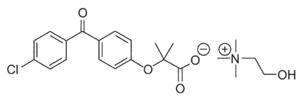
Fenofibric acid is a lipid regulating agent available as delayed release capsules for oral administration. Each delayed-release capsule contains choline fenofibrate, equivalent to 45 mg or 135 mg of fenofibric acid. The chemical name for choline fenofibrate is ethanaminium, 2-hydroxy-N,N,N-trimethyl, 2-{4-(4-chlorobenzoyl)phenoxy] -2-methylpropanoate (1:1) with the following structural formula:
The empirical formula is C22H28ClNO5 and the molecular weight is 421.91. Choline fenofibrate is freely soluble in water. The melting point is approximately 210°C. Choline fenofibrate is a white to yellow powder, which is stable under ordinary conditions.
Each delayed-release capsule contains enteric coated mini-tablets comprised of choline fenofibrate and the following inactive ingredients: colloidal silicon dioxide, dibutyl sebacate, ethyl cellulose, hypromellose, lactose monohydrate, magnesium stearate, methacrylic acid co polymer, povidone, sodium stearyl fumarate, talc and triethyl citrate. The capsule shell of the 45 mg capsule contains the following inactive ingredients: gelatin, iron oxide black, iron oxide red, iron oxide yellow, sodium lauryl sulphate and titanium dioxide. The capsule shell of the 135 mg capsule contains the following inactive ingredients: FD and C Blue #1, gelatin, iron oxide yellow, sodium lauryl sulphate and titanium dioxide. The capsules are printed with edible ink containing iron oxide black, potassium hydroxide, propylene glycol and shellac.
7.4 Colchicine
Cases of myopathy, including rhabdomyolysis, have been reported with fenofibrates co-administered with colchicine, and caution should be exercised when prescribing fenofibrate with colchicine.
5.7 Pancreatitis
Pancreatitis has been reported in patients taking drugs of the fibrate class, including fenofibric acid. This occurrence may represent a failure of efficacy in patients with severe hypertriglyceridemia, a direct drug effect, or a secondary phenomenon mediated through biliary tract stone or sludge formation with obstruction of the common bile duct.
8.4 Pediatric Use
The safety and effectiveness of fenofibric acid in pediatric patients have not been established.
8.5 Geriatric Use
Fenofibric acid is substantially excreted by the kidney as fenofibric acid and fenofibric acid glucuronide, and the risk of adverse reactions to this drug may be greater in patients with impaired renal function. Fenofibric acid exposure is not influenced by age. Since elderly patients have a higher incidence of renal impairment, dose selection for the elderly should be made on the basis of renal function [see Dosage and Administration (2.5 ) and Clinical Pharmacology (12.3)]. Elderly patients with normal renal function should require no dose modifications. Consider monitoring renal function in elderly patients taking fenofibric acid.
5.2 Hepatotoxicity
Serious drug-induced liver injury (DILI), including liver transplantation and death, have been reported postmarketing with fenofibric acid. DILI has been reported within the first few weeks of treatment or after several months of therapy and in some cases has reversed with discontinuation of fenofibric acid delayed-release capsules treatment. Patients with DILI have experienced signs and symptoms including dark urine, abnormal stool, jaundice, malaise, abdominal pain, myalgia, weight loss, pruritus, and nausea. Many patients had concurrent elevations of total bilirubin, serum alanine transaminase (ALT), and aspartate transaminase (AST). DILI has been characterized as hepatocellular, chronic active, and cholestatic hepatitis, and cirrhosis has occurred in association with chronic active hepatitis.
In clinical trials, fenofibric acid delayed-release capsules at a dose of 135 mg daily has been associated with increases in serum AST or ALT. The incidence of increases in transaminases observed with fenofibrate therapy may be dose related [see Adverse Reactions (6.1)].
Fenofibric acid delayed-release capsules is contraindicated in patients with active liver disease, including those with primary biliary cirrhosis and unexplained persistent liver function abnormalities [see Contraindications (4)]. Monitor patient's liver function, including serum ALT, AST, and total bilirubin, at baseline and periodically for the duration of therapy with fenofibric acid. Discontinue fenofibric acid delayed-release capsules if signs or symptoms of liver injury develop or if elevated enzyme levels persist (ALT or AST > 3 times the upper limit of normal, or if accompanied by elevation of bilirubin). Do not restart fenofibric acid delayed-release capsules in these patients if there is no alternative explanation for the liver injury.
5.5 Cholelithiasis
Fenofibric acid, like fenofibrate, clofibrate, and gemfibrozil, may increase cholesterol excretion into the bile, potentially leading to cholelithiasis. If cholelithiasis is suspected, gallbladder studies are indicated. Fenofibric acid therapy should be discontinued if gallstones are found.
4 Contraindications
6 Adverse Reactions
The following serious adverse reactions are described below and elsewhere in the labeling:
- Mortality and coronary heart disease morbidity [see Warnings and Precautions (5.1)]
- Hepatoxicity [see Warnings and Precautions (5.2)]
- Pancreatitis [see Warnings and Precautions (5.7)]
- Hypersensitivity reactions [see Warnings and Precautions (5.9)]
- Venothromboembolic disease [see Warnings and Precautions (5.10)]
7 Drug Interactions
5.4 Serum Creatinine
Reversible elevations in serum creatinine have been reported in patients receiving fenofibric acid as well as patients receiving fenofibrate. In the pooled analysis of three 12-week, double-blind, controlled studies of fenofibric acid, increases in creatinine to > 2 mg/dL occurred in 0.8% of patients treated with fenofibric acid without other lipid-altering drugs. Elevations in serum creatinine were generally stable over time with no evidence for continued increases in serum creatinine with long-term therapy and tended to return to baseline following discontinuation of treatment. The clinical significance of these observations is unknown. Monitoring renal function in patients with renal impairment taking fenofibric acid is suggested. Renal monitoring should be considered for patients at risk for renal insufficiency, such as the elderly and those with diabetes.
8.6 Renal Impairment
The use of fenofibric acid should be avoided in patients who have severe renal impairment [see Contraindications (4)]. Dose reduction is required in patients with mild to moderate renal impairment [see Dosage and Administration (2.4) and Clinical Pharmacology (12.3)]. Monitoring renal function in patients with renal impairment is recommended.
12.3 Pharmacokinetics
Fenofibric acid delayed-release capsule contains fenofibric acid, which is the only circulating pharmacologically active moiety in plasma after oral administration of fenofibric acid delayed-release capsules. Fenofibric acid is also the circulating pharmacologically active moiety in plasma after oral administration of fenofibrate, the ester of fenofibric acid.
Plasma concentrations of fenofibric acid after administration of one 135 mg fenofibric acid delayed-release capsule are equivalent to those after one 200 mg capsule of micronized fenofibrate administered under fed conditions.
Absorption
Fenofibric acid is well absorbed throughout the gastrointestinal tract. The absolute bioavailability of fenofibric acid is approximately 81%.
Peak plasma levels of fenofibric acid occur within 4 to 5 hours after a single dose administration of fenofibric acid delayed-release capsule under fasting conditions.
Fenofibric acid exposure in plasma, as measured by Cmax and AUC, is not significantly different when a single 135 mg dose of fenofibric acid delayed-release capsule is administered under fasting or nonfasting conditions.
Distribution
Upon multiple dosing of fenofibric acid delayed-release capsules, fenofibric acid levels reach steady state within 8 days. Plasma concentrations of fenofibric acid at steady state are approximately slightly more than double those following a single dose. Serum protein binding is approximately 99% in normal and dyslipidemic subjects.
Metabolism
Fenofibric acid is primarily conjugated with glucuronic acid and then excreted in urine. A small amount of fenofibric acid is reduced at the carbonyl moiety to a benzhydrol metabolite which is, in turn, conjugated with glucuronic acid and excreted in urine.
In vivo metabolism data after fenofibrate administration indicate that fenofibric acid does not undergo oxidative metabolism (e.g., cytochrome P450) to a significant extent.
Elimination
After absorption, fenofibric acid is primarily excreted in the urine in the form of fenofibric acid and fenofibric acid glucuronide.
Fenofibric acid is eliminated with a half-life of approximately 20 hours, allowing once daily administration of fenofibric acid delayed-release capsules.
1.3 Limitations of Use
Fenofibrate at a dose equivalent to 135 mg of fenofibric acid delayed-release capsules did not reduce coronary heart disease morbidity and mortality in 2 large, randomized controlled trials of patients with type 2 diabetes mellitus [see Warnings and Precautions (5.1)].
2.5 Geriatric Patients
Dose selection for the elderly should be made on the basis of renal function [see Use in Specific Populations (8.5)].
7.3 Immunosuppressants
Immunosuppressants such as cyclosporine and tacrolimus can produce nephrotoxicity with decreases in creatinine clearance and rises in serum creatinine, and because renal excretion is the primary elimination route of drugs of the fibrate class including fenofibric acid, there is a risk that an interaction will lead to deterioration of renal function. The benefits and risks of using fenofibric acid with immunosuppressants and other potentially nephrotoxic agents should be carefully considered, and the lowest effective dose employed.
8.7 Hepatic Impairment
1 Indications and Usage
Fenofibric acid delayed-release capsule is a peroxisome proliferator-activated receptor (PPAR) alpha agonist indicated as adjunctive therapy to diet to:
- Reduce TG in patients with severe hypertriglyceridemia (1.1).
- Reduce elevated LDL-C, Total-C, TG and Apo B, and to increase HDLC in patients with primary hypercholesterolemia or mixed dyslipidemia (1.2).
Limitations of Use: Fenofibrate at a dose equivalent to 135 mg of fenofibric acid delayed-release capsule did not reduce coronary heart disease morbidity and mortality in patients with type 2 diabetes mellitus (5.1).
12.1 Mechanism of Action
The active moiety of fenofibric acid delayed-release capsule is fenofibric acid. The pharmacological effects of fenofibric acid in both animals and humans have been extensively studied through oral administration of fenofibrate.
The lipid-modifying effects of fenofibric acid seen in clinical practice have been explained in vivo in transgenic mice and in vitro in human hepatocyte cultures by the activation of peroxisome proliferator activated receptor α (PPARα). Through this mechanism, fenofibric acid increases lipolysis and elimination of triglyceride-rich particles from plasma by activating lipoprotein lipase and reducing production of Apo CIII (an inhibitor of lipoprotein lipase activity).
Activation of PPARα also induces an increase in the synthesis of HDL-C and Apo AI and AII.
5.8 Hematological Changes
Mild to moderate hemoglobin, hematocrit, and white blood cell decreases have been observed in patients following initiation of fenofibric acid and fenofibrate therapy. However, these levels stabilize during long-term administration. Thrombocytopenia and agranulocytosis have been reported in individuals treated with fenofibrates. Periodic monitoring of red and white blood cell counts are recommended during the first 12 months of fenofibric acid administration.
2.1 General Considerations
Patients should be placed on an appropriate lipid-lowering diet before receiving fenofibric acid delayed-release capsules, and should continue this diet during treatment. Fenofibric acid delayed-release capsules can be taken without regard to meals. Patients should be advised to swallow fenofibric acid delayed-release capsules whole. Do not open, crush, dissolve, or chew capsules. Serum lipids should be monitored periodically.
5 Warnings and Precautions
- Hepatotoxicity: Serious drug-induced liver injury, including liver transplantation and death, has been reported with fenofibric acid. Monitor patient's liver function, including serum ALT, AST, and total bilirubin, at baseline and periodically for the duration of therapy. Discontinue if signs or symptoms of liver injury develop or if elevated enzyme levels persist (5.2).
- Myopathy and rhabdomyolysis: Have been reported in patients taking fenofibrate. Risks are increased in elderly patients and patients with diabetes, renal failure, hypothyroidism, or statin co-administration (5.3).
- Serum creatinine: Fenofibric acid can reversibly increase serum creatinine levels (5.4). Monitor renal function periodically in patients with renal insufficiency (8.6).
- Cholelithiasis: Fenofibric acid increases cholesterol excretion into the bile, leading to risk of cholelithiasis. If suspected, gallbladder studies are indicated (5.5).
- Coumarin anticoagulants: Use caution in concomitant treatment with oral coumarin anticoagulants. Adjust the dosage of coumarin anticoagulant to maintain the prothrombin time/INR at the desired level to prevent bleeding complications (5.6).
- Hypersensitivity reactions: Acute hypersensitivity reactions, including anaphylaxis and angioedema, and delayed hypersensitivity reactions, including severe cutaneous adverse drug reactions have been reported postmarketing. Some cases were life-threatening and required emergency treatment. Discontinue fenofibrate and treat patients appropriately if reactions occur (5.9).
2 Dosage and Administration
2.4 Impaired Renal Function
Treatment with fenofibric acid delayed-release capsules should be initiated at a dose of 45 mg once daily in patients with mild to moderate renal impairment and should only be increased after evaluation of the effects on renal function and lipid levels at this dose. The use of fenofibric acid delayed-release capsules should be avoided in patients with severely impaired renal function [see Use in Specific Populations (8.6) and Clinical Pharmacology (12.3)].
5.6 Coumarin Anticoagulants
Caution should be exercised when fenofibric acid is given in conjunction with oral coumarin anticoagulants. Fenofibric acid may potentiate the anticoagulant effects of these agents resulting in prolongation of the prothrombin time/International Normalized Ratio (PT/INR). Frequent monitoring of PT/INR and dose adjustment of the oral anticoagulant are recommended until the PT /INR has stabilized in order to prevent bleeding complications [see Drug Interactions (7.1)].
7.1 Coumarin Anticoagulants
Potentiation of coumarin-type anticoagulant effect has been observed with prolongation of the PT/INR.
Caution should be exercised when oral coumarin anticoagulants are given in conjunction with fenofibric acid. The dosage of the anticoagulant should be reduced to maintain the PT/INR at the desired level to prevent bleeding complications. Frequent PT/INR determinations are advisable until it has been definitely determined that the PT/INR has stabilized [see Warnings and Precautions (5.6)].
3 Dosage Forms and Strengths
Oral Delayed-Release Capsules: 45 mg and 135 mg (3).
6.2 Postmarketing Experience
The following adverse reactions have been identified during postapproval use of fenofibrate. Because these reactions are reported voluntarily from a population of uncertain size, it is not always possible to reliably estimate their frequency or establish a causal relationship to drug exposure: rhabdomyolysis, pancreatitis, renal failure, muscle spasms, acute renal failure, hepatitis, cirrhosis, increased total bilirubin, anemia, asthenia, severely depressed HDL-cholesterol levels, and interstitial lung disease. Photosensitivity reactions to fenofibrate have occurred days to months after initiation; in some of these cases, patients reported a prior photosensitivity reaction to ketoprofen.
7.2 Bile Acid Binding Resins
Since bile acid binding resins may bind other drugs given concurrently, patients should take fenofibric acid at least 1 hour before or 4 to 6 hours after a bile acid resin to avoid impeding its absorption.
8 Use in Specific Populations
5.9 Hypersensitivity Reactions
Acute Hypersensitivity
Anaphylaxis and angioedema have been reported postmarketing with fenofibrate. In some cases, reactions were life-threatening and required emergency treatment. If a patient develops signs or symptoms of an acute hypersensitivity reaction, advise them to seek immediate medical attention and discontinue fenofibrate.
Delayed Hypersensitivity
Severe cutaneous adverse drug reactions (SCAR), including Stevens-Johnson syndrome, toxic epidermal necrolysis, and Drug Reaction with Eosinophilia and Systemic Symptoms (DRESS), have been reported postmarketing, occurring days to weeks after initiation of fenofibrate. The cases of DRESS were associated with cutaneous reactions (such as rash or exfoliative dermatitis) and a combination of eosinophilia, fever, systemic organ involvement (renal, hepatic, or respiratory). Discontinue fenofibrate and treat patients appropriately if SCAR is suspected.
6.1 Clinical Trials Experience
Because clinical studies are conducted under widely varying conditions, adverse reaction rates observed in the clinical studies of a drug cannot be directly compared to rates in the clinical studies of another drug and may not reflect the rates observed in practice.
2.2 Severe Hypertriglyceridemia
The initial dose of fenofibric acid delayed-release capsules is 45 to 135 mg once daily. Dosage should be individualized according to patient response, and should be adjusted if necessary following repeat lipid determinations at 4 to 8 week intervals. The maximum dose is 135 mg once daily.
5.10 Venothromboembolic Disease
In the FIELD trial, pulmonary embolus (PE) and deep vein thrombosis (DVT) were observed at higher rates in the fenofibrate- than the placebo-treated group. Of 9,795 patients enrolled in FIELD, there were 4,900 in the placebo group and 4,895 in the fenofibrate group. For DVT, there were 48 events (1 %) in the placebo group and 67 (1 %) in the fenofibrate group (p = 0.074); and for PE, there were 32 (0.7%) events in the placebo group and 53 (1 %) in the fenofibrate group (p = 0.022).
In the Coronary Drug Project, a higher proportion of the clofibrate group experienced definite or suspected fatal or nonfatal PE or thrombophlebitis than the placebo group (5.2% vs. 3.3% at five years; p < 0.01).
5.3 Myopathy and Rhabdomyolysis
Fibrates increase the risk of myositis or myopathy and have been associated with rhabdomyolysis. The risk for serious muscle toxicity appears to be increased in elderly patients and in patients with diabetes, renal failure, or hypothyroidism.
Myopathy should be considered in any patient with diffuse myalgias, muscle tenderness or weakness, and/or marked elevations of CPK levels. Patients should promptly report unexplained muscle pain, tenderness or weakness, particularly if accompanied by malaise or fever. CPK levels should be assessed in patients reporting these symptoms, and fenofibric acid should be discontinued if markedly elevated CPK levels occur or myopathy or myositis is suspected or diagnosed.
Data from observational studies suggest that the risk for rhabdomyolysis is increased when fibrates are co-administered with a statin.
Cases of myopathy, including rhabdomyolysis, have been reported with fenofibrates co-administered with colchicine, and caution should be exercised when prescribing fenofibrate with colchicine [see Drug Interactions (7.4)].
14.1 Severe Hypertriglyceridemia
The effects of fenofibrate on serum triglycerides were studied in two randomized, double-blind, placebo- controlled clinical trials of 147 hypertriglyceridemic patients. Patients were treated for eight weeks under protocols that differed only in that one entered patients with baseline TG levels of 500 to 1500 mg/dL, and the other TG levels of 350 to 500 mg/dL. In patients with hypertriglyceridemia and normal cholesterolemia with or without hyperchylomicronemia, treatment with fenofibrate at dosages equivalent to 135 mg once daily of fenofibric acid delayed-release capsules decreased primarily VLDL-TG and VLDL-C. Treatment of patients with elevated TG often results in an increase of LDL-C (Table 4).
|
S
tudy 1
|
Placebo
|
Fenofibrate
|
||||||
|
Baseline TG levels 350 to 499 mg/dL
|
N
|
Baseline Mean (mg/dL)
|
Endpoint Mean (mg/dL)
|
Mean % Change
|
N
|
Baseline Mean (mg/dL)
|
Endpoint Mean (mg/dL)
|
Mean % Change
|
| Triglycerides |
28 |
449 |
450 |
-0.5 |
27 |
432 |
223 |
-46.2 = p < 0.05 vs. Placebo
|
| VLDL Triglycerides |
19 |
367 |
350 |
2.7 |
19 |
350 |
178 |
-44.1
|
| Total Cholesterol |
28 |
255 |
261 |
2.8 |
27 |
252 |
227 |
-9.1
|
| HDL Cholesterol |
28 |
35 |
36 |
4 |
27 |
34 |
40 |
19.6
|
| LDL Cholesterol |
28 |
120 |
129 |
12 |
27 |
128 |
137 |
14.5 |
| VLDL Cholesterol |
27 |
99 |
99 |
5.8 |
27 |
92 |
46 |
-44.7
|
|
Study 2
|
Placebo
|
Fenofibrate
|
||||||
|
Baseline TG levels 500 to 1500 mg/dL
|
N
|
Baseline Mean (mg/dL)
|
Endpoint Mean (mg/dL)
|
Mean % Change
|
N
|
Baseline Mean (mg/dL)
|
Endpoint Mean (mg/dL)
|
Mean % Change
|
| Triglycerides |
44 |
710 |
750 |
7.2 |
48 |
726 |
308 |
-54.5
|
| VLDL Triglycerides |
29 |
537 |
571 |
18.7 |
33 |
543 |
205 |
-50.6
|
| Total Cholesterol |
44 |
272 |
271 |
0.4 |
48 |
261 |
223 |
-13.8
|
| HDL Cholesterol |
44 |
27 |
28 |
5.0 |
48 |
30 |
36 |
22.9
|
| LDL Cholesterol |
42 |
100 |
90 |
-4.2 |
45 |
103 |
131 |
45.0
|
| VLDL Cholesterol |
42 |
137 |
142 |
11.0 |
45 |
126 |
54 |
-49.4
|
17 Patient Counseling Information
Patients should be advised:
- of the potential benefits and risks of fenofibric acid delayed-release capsules.
- not to use fenofibric acid delayed-release capsules if there is a known hypersensitivity to fenofibrate or fenofibric acid.
- of medications that should not be taken in combination with fenofibric acid delayed-release capsules.
- that if they are taking coumarin anticoagulants, fenofibric acid delayed-release capsules may increase their anti-coagulant effect, and increased monitoring may be necessary.
- to continue to follow an appropriate lipid-modifying diet while taking fenofibric acid delayed-release capsules.
- to take fenofibric acid delayed-release capsules once daily, without regard to food, at the prescribed dose, swallowing each capsule whole.
- to return to their physician's office for routine monitoring.
- to inform their physician of all medications, supplements, and herbal preparations they are taking and any change to their medical condition. Patients should also be advised to inform their physicians prescribing a new medication that they are taking fenofibric acid delayed-release capsules.
- to inform their physician of symptoms of liver injury (e.g., jaundice, abdominal pain, nausea, malaise, dark urine, abnormal stool, pruritus); any muscle pain, tenderness, or weakness; or any other new symptoms.
- not to breastfeed during treatment with fenofibric acid delayed-release capsules and for 5 days after the final dose.
* The brands listed are trademarks of their respective owners and are not trademarks of Lupin Pharmaceuticals, Inc. The makers of these brands are not affiliated with and do not endorse Lupin Pharmaceuticals, Inc. or its products.
Manufactured for
Lupin Pharmaceuticals, Inc.
Baltimore, Maryland 21202
United States
Manufactured by:
Lupin Limited
Goa - 403 722
INDIA
Revised: July 2021 ID#: 268317
16 How Supplied/storage and Handling
Fenofibric acid delayed-release capsules are supplied in two dose strengths as follows:
- Fenofibric acid delayed-release capsules, 45 mg are size '3' capsule with brown cap and yellow body, imprinted with "LU" on cap and "Q41" on body in black ink, containing four white to off white mini-tablets. The delayed-release capsules are available in bottles of 90's (NDC 68180-128-09); 100's (NDC 68180-128-01) and 500's (NDC 68180-128-02).
- Fenofibric acid delayed-release capsules, 135 mg are size '0' capsule with blue opaque cap and yellow opaque body, imprinted with "LU" on cap and "Q42" on body in black ink, containing twelve white to off white mini-tablets. The delayed-release capsules are available in bottle of 90's (NDC 68180-129-09); 100's (NDC 68180-129-01) and 500's (NDC 68180-129-02).
Store at 25°C (77°F); excursions permitted to 15 to 30°C (59 to 86°F). [see USP Controlled Room Temperature]. Keep out of the reach of children. Protect from moisture.
Package Label Principal Display Panel
FENOFIBRIC ACID DELAYED-RELEASE CAPSULES
Rx Only
45 mg
NDC 68180-128-01
100 Tablets
FENOFIBRIC ACID DELAYED-RELEASE CAPSULES
Rx Only
135 mg
NDC 68180-129-01
100 Tablets
1.4 General Considerations for Treatment
Laboratory studies should be performed to establish that lipid levels are abnormal before instituting fenofibric acid delayed-release capsules therapy.
Every reasonable attempt should be made to control serum lipids with non-drug methods including appropriate diet, exercise, weight loss in obese patients, and control of any medical problems such as diabetes mellitus and hypothyroidism that may be contributing to the lipid abnormalities. Medications known to exacerbate hypertriglyceridemia (beta-blockers, thiazides, estrogens) should be discontinued or changed if possible, and excessive alcohol intake should be addressed before triglyceride-lowering drug therapy is considered. If the decision is made to use lipid-altering drugs, the patient should be instructed that this does not reduce the importance of adhering to diet.
Drug therapy is not indicated for patients who have elevations of chylomicrons and plasma triglycerides, but who have normal levels of VLDL.
1.1 Treatment of Severe Hypertriglyceridemia
Fenofibric acid delayed-release capsules are indicated as adjunctive therapy to diet to reduce triglycerides (TG) in patients with severe hypertriglyceridemia. Improving glycemic control in diabetic patients showing fasting chylomicronemia will usually obviate the need for pharmacological intervention. Markedly elevated levels of serum triglycerides (e.g. > 2,000 mg/dL) may increase the risk of developing pancreatitis. The effect of fenofibric acid delayed-release capsules therapy on reducing this risk has not been adequately studied.
5.1 Mortality and Coronary Heart Disease Morbidity
The effect of fenofibric acid on coronary heart disease morbidity and mortality and non-cardiovascular mortality has not been established. Because of similarities between fenofibric acid and fenofibrate, clofibrate, and gemfibrozil, the findings in the following large randomized, placebo-controlled clinical studies with these fibrate drugs may also apply to fenofibric acid.
The Action to Control Cardiovascular Risk in Diabetes Lipid (ACCORD Lipid) trial was a randomized placebo-controlled study of 5518 patients with type 2 diabetes mellitus on background statin therapy treated with fenofibrate. The mean duration of follow-up was 4.7 years. Fenofibrate plus statin combination therapy showed a non-significant 8% relative risk reduction in the primary outcome of major adverse cardiovascular events (MACE), a composite of non-fatal myocardial infarction, non-fatal stroke, and cardiovascular disease death (hazard ratio [HR] 0.92, 95% CI 0.79 to 1.08) (p=0.32) as compared to statin monotherapy. In a gender subgroup analysis, the hazard ratio for MACE in men receiving combination therapy versus statin monotherapy was 0.82 (95% CI 0.69 to 0.99), and the hazard ratio for MACE in women receiving combination therapy versus statin monotherapy was 1.38 (95% CI 0.98 to 1.94) (interaction p=0.01). The clinical significance of this subgroup finding is unclear.
The Fenofibrate Intervention and Event Lowering in Diabetes (FIELD) study was a 5-year randomized, placebo-controlled study of 9795 patients with type 2 diabetes mellitus treated with fenofibrate. Fenofibrate demonstrated a non-significant 11 % relative reduction in the primary outcome of coronary heart disease events (hazard ratio [HR] 0.89, 95% CI 0.75 to 1.05, p = 0.16) and a significant 11% reduction in the secondary outcome of total cardiovascular disease events (HR 0.89 [0.80 to 0.99], p = 0.04). There was a non-significant 11 % (HR 1.11 [0.95, 1.29], p = 0.18) and 19% (HR 1.19 [0.90, 1.57], p = 0.22) increase in total and coronary heart disease mortality, respectively, with fenofibrate as compared to placebo.
In the Coronary Drug Project, a large study of post-myocardial infarction patients treated for 5 years with clofibrate, there was no difference in mortality seen between the clofibrate group and the placebo group. There was, however, a difference in the rate of cholelithiasis and cholecystitis requiring surgery between the two groups (3.0% vs. 1.8%).
In a study conducted by the World Health Organization (WHO), 5000 subjects without known coronary artery disease were treated with placebo or clofibrate for 5 years and followed for an additional one year. There was a statistically significant, higher age-adjusted all-cause mortality in the clofibrate group compared with the placebo group (5.70% vs. 3.96%, p = < 0.01). Excess mortality was due to a 33% increase in non-cardiovascular causes, including malignancy, post-cholecystectomy complications, and pancreatitis. This appeared to confirm the higher risk of gallbladder disease seen in clofibrate-treated patients studied in the Coronary Drug Project.
The Helsinki Heart Study was a large (N = 4081) study of middle-aged men without a history of coronary artery disease. Subjects received either placebo or gemfibrozil for 5 years, with a 3.5 year open extension afterward. Total mortality was numerically higher in the gemfibrozil randomization group but did not achieve statistical significance (p = 0.19, 95% confidence interval for relative risk G:P = 0.91 to 1.64). Although cancer deaths trended higher in the gemfibrozil group (p = 0.11), cancers (excluding basal cell carcinoma) were diagnosed with equal frequency in both study groups. Due to the limited size of the study, the relative risk of death from any cause was not shown to be different than that seen in the 9 year follow-up data from WHO study (RR = 1.29). A secondary prevention component of the Helsinki Heart Study enrolled middle-aged men excluded from the primary prevention study because of known or suspected coronary heart disease. Subjects received gemfibrozil or placebo for 5 years. Although cardiac deaths trended higher in the gemfibrozil group, this was not statistically significant (hazard ratio 2.2, 95% confidence interval: 0.94 to 5.05).
5.11 Paradoxical Decreases in Hdl Cholesterol Levels
There have been postmarketing and clinical trial reports of severe decreases in HDL cholesterol levels (as low as 2 mg/dL) occurring in diabetic and non-diabetic patients initiated on fibrate therapy. The decrease in HDL-C is mirrored by a decrease in apolipoprotein A1. This decrease has been reported to occur within 2 weeks to years after initiation of fibrate therapy. The HDL-C levels remain depressed until fibrate therapy has been withdrawn; the response to withdrawal of fibrate therapy is rapid and sustained. The clinical significance of this decrease in HDL-C is unknown. It is recommended that HDL-C levels be checked within the first few months after initiation of fibrate therapy. If a severely depressed HDL-C level is detected, fibrate therapy should be withdrawn, and the HDL-C level monitored until it has returned to baseline, and fibrate therapy should not be re-initiated.
2.3 Primary Hypercholesterolemia Or Mixed Dyslipidemia
The dose of fenofibric acid delayed-release capsules is 135 mg once daily.
13.1 Carcinogenesis, Mutagenesis, Impairment of Fertility
Fenofibric Acid
No carcinogenicity and fertility studies have been conducted with choline fenofibrate or fenofibric acid. However, because fenofibrate is rapidly converted to its active metabolite, fenofibric acid, either during or immediately following absorption both in animals and humans, studies conducted with fenofibrate are relevant for the assessment of the toxicity profile of fenofibric acid. A similar toxicity spectrum is expected after treatment with either fenofibric acid delayed-release capsules or fenofibrate.
Fenofibrate
Two dietary carcinogenicity studies have been conducted in rats with fenofibrate. In the first 24-month study, Wistar rats were dosed with fenofibrate at 10, 45, and 200 mg/kg/day, approximately 0.3, 1, and 6 times the maximum recommended human dose (MRHD) of 300 mg fenofibrate daily, equivalent to 135 mg fenofibric acid delayed-release capsules daily, based on body surface area comparisons. At a dose of 200 mg/kg/day (at 6 times the MRHD), the incidence of liver carcinomas was significantly increased in both sexes. A statistically significant increase in pancreatic carcinomas was observed in males at 1 and 6 times the MRHD; an increase in pancreatic adenomas and benign testicular interstitial cell tumors was observed at 6 times the MRHD in males. In a second 24-month rat carcinogenicity study in a different strain of rats (Sprague-Dawley), doses of 10 and 60 mg/kg/day (0.3 and 2 times the MRHD) produced significant increases in the incidence of pancreatic acinar adenomas in both sexes and increases in testicular interstitial cell tumors in males at 2 times the MRHD.
A 117-week carcinogenicity study was conducted in rats comparing three drugs: fenofibrate 10 and 60 mg/kg/day (0.3 and 2 times the MRHD, based on body surface area comparisons), clofibrate (400 mg/kg/day; 2 times the human dose), and gemfibrozil (250 mg/kg/day; 2 times the human dose, based on mg/m2 surface area). Fenofibrate increased pancreatic acinar adenomas in both sexes. Clofibrate increased hepatocellular carcinoma and pancreatic acinar adenomas in males and hepatic neoplastic nodules in females. Gemfibrozil increased hepatic neoplastic nodules in males and females, while all three drugs increased testicular interstitial cell tumors in males.
In a 21-month study in CF-l mice, fenofibrate 10, 45, and 200 mg/kg/day (approximately 0.2, 1, and 3 times the MRHD on the basis of mg/m2 surface area) significantly increased the liver carcinomas in both sexes at 3 times the MRHD. In a second 18-month study at 10, 60, and 200 mg/kg/day, fenofibrate significantly increased the liver carcinomas male mice and liver adenomas in female mice at 3 times the MRHD.
Electron microscopy studies have demonstrated peroxisomal proliferation following fenofibrate administration to the rat. An adequate study to test for peroxisome proliferation in humans has not been done, but changes in peroxisome morphology and numbers have been observed in humans after treatment with other members of the fibrate class when liver biopsies were compared before and after treatment in the same individual.
Fenofibrate has been demonstrated to be devoid of mutagenic potential in the following tests: Ames, mouse lymphoma, chromosomal aberration and unscheduled DNA synthesis in primary rat hepatocytes.
In fertility studies rats were given oral dietary doses of fenofibrate, males received 61 days prior to mating and females 15 days prior to mating through weaning, which resulted in no adverse effect on fertility at doses up to 300 mg/kg/day (10 times the MRHD, based on body surface area comparisons).
1.2 Treatment of Primary Hypercholesterolemia Or Mixed Dyslipidemia
Fenofibric acid delayed-release capsules are indicated as adjunctive therapy to diet to reduce elevated low-density lipoprotein cholesterol (LDL-C), total cholesterol (Total-C), triglycerides (TG), and apolipoprotein B (Apo B), and to increase high-density lipoprotein cholesterol (HDL-C) in patients with primary hypercholesterolemia or mixed dyslipidemia.
14.2 Primary Hypercholesterolemia (heterozygous Familial and Nonfamilial) and Mixed Dyslipidemia
The effects of fenofibrate at a dose equivalent to fenofibric acid delayed-release capsules 135 mg once daily were assessed from four randomized, placebo-controlled, double-blind, parallel-group studies including patients with the following mean baseline lipid values: Total-C 306.9 mg/dL; LDL-C 213.8 mg/dL; HDL-C 52.3 mg/dL; and triglycerides 191.0 mg/dL. Fenofibrate therapy lowered LDL-C, Total-C, and the LDL-C/HDL-C ratio. Fenofibrate therapy also lowered triglycerides and raised HDL-C (Table 5).
|
Treatment
Group
|
Total
-
C
(
mg
/
dL
)
|
LDL
-
C
(
mg
/
dL
)
|
HDL
-
C
(
mg
/
dL
)
|
TG
(
mg
/
dL
)
|
|
1Duration
of
study
treatment
was
3
to
6
months
|
||||
|
Pooled
Cohort
|
|
|
|
|
| Mean baseline lipid values (n = 646) |
306.9 |
213.8 |
52.3 |
191.0 |
| All Fenofibrate (n = 361) |
-18.7% p = < 0.05 vs. Placebo
|
-20.6%
|
+11.0%
|
-28.9%
|
| Placebo (n = 285) |
-0.4% |
-2.2% |
+0.7% |
+7.7% |
|
Baseline
LDL
-
C
>
160
mg
/
dL
and
TG < 150 mg / dL |
|
|
|
|
| Mean baseline lipid values (n = 334) |
307.7 |
227.7 |
58.1 |
101.7 |
| All Fenofibrate (n = 193) |
-22.4%
|
-31.4%
|
+9.8%
|
-23.5%
|
| Placebo (n = 141) |
+0.2% |
-2.2% |
+2.6% |
+11.7% |
|
Baseline
LDL
-
C
>
160
mg
/
dL
and
TG ≥ 150 mg / dL |
|
|
|
|
| Mean baseline lipid values (n = 242) |
312.8 |
219.8 |
46.7 |
231.9 |
| All Fenofibrate (n = 126) |
-16.8%
|
-20.1%
|
+14.6%
|
-35.9%
|
| Placebo (n = 116) |
-3.0% |
-6.6% |
+2.3% |
+0.9% |
In a subset of the subjects, measurements of Apo B were conducted. Fenofibrate treatment significantly reduced Apo B from baseline to endpoint as compared with placebo (-25.1% vs. 2.4%, p < 0.0001, n = 213 and 143, respectively).
Structured Label Content
Recent Major Changes (RECENT MAJOR CHANGES)
Warnings and Precautions, Hepatotoxicity (5.2) 03/2021
Section 42229-5 (42229-5)
- Fenofibric acid delayed-release capsules, 45 mg have size ‘3’ capsule with brown cap and yellow body, imprinted with "LU" on cap and "Q41" on body in black ink, containing four white to off white mini-tablets.
- Fenofibric acid delayed-release capsules, 135 mg have size ‘0’ capsule with blue opaque cap and yellow opaque body, imprinted with "LU" on cap and "Q42" on body in black ink, containing twelve white to off white mini-tablets.
10 Overdosage (10 OVERDOSAGE)
There is no specific treatment for overdose with fenofibric acid. General supportive care of the patient is indicated, including monitoring of vital signs and observation of clinical status, should an overdose occur. If indicated, elimination of unabsorbed drug should be achieved by emesis or gastric lavage; usual precautions should be observed to maintain the airway. Because fenofibric acid is highly bound to plasma proteins, hemodialysis should not be considered.
8.1 Pregnancy
Risk Summary
Limited available data with fenofibrate use in pregnant women are insufficient to determine a drug associated risk of major birth defects, miscarriage or adverse maternal or fetal outcomes. In animal reproduction studies, no evidence of embryo-fetal toxicity was observed with oral administration of fenofibrate in rats and rabbits during organogenesis at doses less than or equivalent to the maximum recommended clinical dose of 135 mg daily, based on body surface area (mg/m2). Adverse reproductive outcomes occurred at higher doses in the presence of maternal toxicity (see Data). Fenofibric acid should be used during pregnancy only if the potential benefit justifies the potential risk to the fetus.
The estimated background risk of major birth defects and miscarriage for the indicated population is unknown. In the U.S. general population, the estimated background risk of major birth defects and miscarriage in clinically recognized pregnancies is 2 to 4% and 15 to 20%, respectively.
Data
Animal Data:
In pregnant rats given oral dietary doses of 14, 127, and 361 mg/kg/day from gestation day 6 to 15 during the period of organogenesis, no adverse developmental findings were observed at 14 mg/kg/day (less than the clinical exposure at the maximum recommended human dose [MRHD] of 300 mg fenofibrate daily, equivalent to 135 mg fenofibric acid daily, based on body surface area comparisons). Increased fetal skeletal malformations were observed at maternally toxic doses (361 mg/kg/day, corresponding to 12 times the clinical exposure at the MRHD) that significantly suppressed maternal body weight gain.
In pregnant rabbits given oral gavage doses of 15, 150, and 300 mg/kg/day from gestation day 6 to 18 during the period of organogenesis and allowed to deliver, no adverse developmental findings were observed at 15 mg/kg/day (a dose that approximates the clinical exposure at the MRHD, based on body surface area comparisons). Aborted litters were observed at maternally toxic doses (≥ 150 mg/kg/day, corresponding to ≥ 10 times the clinical exposure at the MRHD) that suppressed maternal body weight gain.
In pregnant rats given oral dietary doses of 15, 75, and 300 mg/kg/day from gestation day 15 through lactation day 21 (weaning), no adverse developmental effects were observed at 15 mg/kg/day (less than the clinical exposure at the MRHD, based on body surface area comparisons), despite maternal toxicity (decreased weight gain). Post-implantation loss was observed at ≥ 75 mg/kg/day (≥ 2 times the clinical exposure at the MRHD) in the presence of maternal toxicity (decreased weight gain). Decreased pup survival was noted at 300 mg/kg/day (10 times the clinical exposure at the MRHD), which was associated with decreased maternal body weight gain/maternal neglect.
8.2 Lactation
Risk Summary
There is no available information on the presence of fenofibrate in human milk, effects of the drug on the breastfed infant, or the effects on milk production. Fenofibrate is present in the milk of rats, and is therefore likely to be present in human milk. Because of the potential for serious adverse reactions in breastfed infants, such as disruption of infant lipid metabolism, women should not breastfeed during treatment with fenofibric acid and for 5 days after the final dose [see Contraindications (4)].
11 Description (11 DESCRIPTION)
Fenofibric acid is a lipid regulating agent available as delayed release capsules for oral administration. Each delayed-release capsule contains choline fenofibrate, equivalent to 45 mg or 135 mg of fenofibric acid. The chemical name for choline fenofibrate is ethanaminium, 2-hydroxy-N,N,N-trimethyl, 2-{4-(4-chlorobenzoyl)phenoxy] -2-methylpropanoate (1:1) with the following structural formula:
The empirical formula is C22H28ClNO5 and the molecular weight is 421.91. Choline fenofibrate is freely soluble in water. The melting point is approximately 210°C. Choline fenofibrate is a white to yellow powder, which is stable under ordinary conditions.
Each delayed-release capsule contains enteric coated mini-tablets comprised of choline fenofibrate and the following inactive ingredients: colloidal silicon dioxide, dibutyl sebacate, ethyl cellulose, hypromellose, lactose monohydrate, magnesium stearate, methacrylic acid co polymer, povidone, sodium stearyl fumarate, talc and triethyl citrate. The capsule shell of the 45 mg capsule contains the following inactive ingredients: gelatin, iron oxide black, iron oxide red, iron oxide yellow, sodium lauryl sulphate and titanium dioxide. The capsule shell of the 135 mg capsule contains the following inactive ingredients: FD and C Blue #1, gelatin, iron oxide yellow, sodium lauryl sulphate and titanium dioxide. The capsules are printed with edible ink containing iron oxide black, potassium hydroxide, propylene glycol and shellac.
7.4 Colchicine
Cases of myopathy, including rhabdomyolysis, have been reported with fenofibrates co-administered with colchicine, and caution should be exercised when prescribing fenofibrate with colchicine.
5.7 Pancreatitis
Pancreatitis has been reported in patients taking drugs of the fibrate class, including fenofibric acid. This occurrence may represent a failure of efficacy in patients with severe hypertriglyceridemia, a direct drug effect, or a secondary phenomenon mediated through biliary tract stone or sludge formation with obstruction of the common bile duct.
8.4 Pediatric Use
The safety and effectiveness of fenofibric acid in pediatric patients have not been established.
8.5 Geriatric Use
Fenofibric acid is substantially excreted by the kidney as fenofibric acid and fenofibric acid glucuronide, and the risk of adverse reactions to this drug may be greater in patients with impaired renal function. Fenofibric acid exposure is not influenced by age. Since elderly patients have a higher incidence of renal impairment, dose selection for the elderly should be made on the basis of renal function [see Dosage and Administration (2.5 ) and Clinical Pharmacology (12.3)]. Elderly patients with normal renal function should require no dose modifications. Consider monitoring renal function in elderly patients taking fenofibric acid.
5.2 Hepatotoxicity
Serious drug-induced liver injury (DILI), including liver transplantation and death, have been reported postmarketing with fenofibric acid. DILI has been reported within the first few weeks of treatment or after several months of therapy and in some cases has reversed with discontinuation of fenofibric acid delayed-release capsules treatment. Patients with DILI have experienced signs and symptoms including dark urine, abnormal stool, jaundice, malaise, abdominal pain, myalgia, weight loss, pruritus, and nausea. Many patients had concurrent elevations of total bilirubin, serum alanine transaminase (ALT), and aspartate transaminase (AST). DILI has been characterized as hepatocellular, chronic active, and cholestatic hepatitis, and cirrhosis has occurred in association with chronic active hepatitis.
In clinical trials, fenofibric acid delayed-release capsules at a dose of 135 mg daily has been associated with increases in serum AST or ALT. The incidence of increases in transaminases observed with fenofibrate therapy may be dose related [see Adverse Reactions (6.1)].
Fenofibric acid delayed-release capsules is contraindicated in patients with active liver disease, including those with primary biliary cirrhosis and unexplained persistent liver function abnormalities [see Contraindications (4)]. Monitor patient's liver function, including serum ALT, AST, and total bilirubin, at baseline and periodically for the duration of therapy with fenofibric acid. Discontinue fenofibric acid delayed-release capsules if signs or symptoms of liver injury develop or if elevated enzyme levels persist (ALT or AST > 3 times the upper limit of normal, or if accompanied by elevation of bilirubin). Do not restart fenofibric acid delayed-release capsules in these patients if there is no alternative explanation for the liver injury.
5.5 Cholelithiasis
Fenofibric acid, like fenofibrate, clofibrate, and gemfibrozil, may increase cholesterol excretion into the bile, potentially leading to cholelithiasis. If cholelithiasis is suspected, gallbladder studies are indicated. Fenofibric acid therapy should be discontinued if gallstones are found.
4 Contraindications (4 CONTRAINDICATIONS)
6 Adverse Reactions (6 ADVERSE REACTIONS)
The following serious adverse reactions are described below and elsewhere in the labeling:
- Mortality and coronary heart disease morbidity [see Warnings and Precautions (5.1)]
- Hepatoxicity [see Warnings and Precautions (5.2)]
- Pancreatitis [see Warnings and Precautions (5.7)]
- Hypersensitivity reactions [see Warnings and Precautions (5.9)]
- Venothromboembolic disease [see Warnings and Precautions (5.10)]
7 Drug Interactions (7 DRUG INTERACTIONS)
5.4 Serum Creatinine
Reversible elevations in serum creatinine have been reported in patients receiving fenofibric acid as well as patients receiving fenofibrate. In the pooled analysis of three 12-week, double-blind, controlled studies of fenofibric acid, increases in creatinine to > 2 mg/dL occurred in 0.8% of patients treated with fenofibric acid without other lipid-altering drugs. Elevations in serum creatinine were generally stable over time with no evidence for continued increases in serum creatinine with long-term therapy and tended to return to baseline following discontinuation of treatment. The clinical significance of these observations is unknown. Monitoring renal function in patients with renal impairment taking fenofibric acid is suggested. Renal monitoring should be considered for patients at risk for renal insufficiency, such as the elderly and those with diabetes.
8.6 Renal Impairment
The use of fenofibric acid should be avoided in patients who have severe renal impairment [see Contraindications (4)]. Dose reduction is required in patients with mild to moderate renal impairment [see Dosage and Administration (2.4) and Clinical Pharmacology (12.3)]. Monitoring renal function in patients with renal impairment is recommended.
12.3 Pharmacokinetics
Fenofibric acid delayed-release capsule contains fenofibric acid, which is the only circulating pharmacologically active moiety in plasma after oral administration of fenofibric acid delayed-release capsules. Fenofibric acid is also the circulating pharmacologically active moiety in plasma after oral administration of fenofibrate, the ester of fenofibric acid.
Plasma concentrations of fenofibric acid after administration of one 135 mg fenofibric acid delayed-release capsule are equivalent to those after one 200 mg capsule of micronized fenofibrate administered under fed conditions.
Absorption
Fenofibric acid is well absorbed throughout the gastrointestinal tract. The absolute bioavailability of fenofibric acid is approximately 81%.
Peak plasma levels of fenofibric acid occur within 4 to 5 hours after a single dose administration of fenofibric acid delayed-release capsule under fasting conditions.
Fenofibric acid exposure in plasma, as measured by Cmax and AUC, is not significantly different when a single 135 mg dose of fenofibric acid delayed-release capsule is administered under fasting or nonfasting conditions.
Distribution
Upon multiple dosing of fenofibric acid delayed-release capsules, fenofibric acid levels reach steady state within 8 days. Plasma concentrations of fenofibric acid at steady state are approximately slightly more than double those following a single dose. Serum protein binding is approximately 99% in normal and dyslipidemic subjects.
Metabolism
Fenofibric acid is primarily conjugated with glucuronic acid and then excreted in urine. A small amount of fenofibric acid is reduced at the carbonyl moiety to a benzhydrol metabolite which is, in turn, conjugated with glucuronic acid and excreted in urine.
In vivo metabolism data after fenofibrate administration indicate that fenofibric acid does not undergo oxidative metabolism (e.g., cytochrome P450) to a significant extent.
Elimination
After absorption, fenofibric acid is primarily excreted in the urine in the form of fenofibric acid and fenofibric acid glucuronide.
Fenofibric acid is eliminated with a half-life of approximately 20 hours, allowing once daily administration of fenofibric acid delayed-release capsules.
1.3 Limitations of Use
Fenofibrate at a dose equivalent to 135 mg of fenofibric acid delayed-release capsules did not reduce coronary heart disease morbidity and mortality in 2 large, randomized controlled trials of patients with type 2 diabetes mellitus [see Warnings and Precautions (5.1)].
2.5 Geriatric Patients
Dose selection for the elderly should be made on the basis of renal function [see Use in Specific Populations (8.5)].
7.3 Immunosuppressants
Immunosuppressants such as cyclosporine and tacrolimus can produce nephrotoxicity with decreases in creatinine clearance and rises in serum creatinine, and because renal excretion is the primary elimination route of drugs of the fibrate class including fenofibric acid, there is a risk that an interaction will lead to deterioration of renal function. The benefits and risks of using fenofibric acid with immunosuppressants and other potentially nephrotoxic agents should be carefully considered, and the lowest effective dose employed.
8.7 Hepatic Impairment
1 Indications and Usage (1 INDICATIONS AND USAGE)
Fenofibric acid delayed-release capsule is a peroxisome proliferator-activated receptor (PPAR) alpha agonist indicated as adjunctive therapy to diet to:
- Reduce TG in patients with severe hypertriglyceridemia (1.1).
- Reduce elevated LDL-C, Total-C, TG and Apo B, and to increase HDLC in patients with primary hypercholesterolemia or mixed dyslipidemia (1.2).
Limitations of Use: Fenofibrate at a dose equivalent to 135 mg of fenofibric acid delayed-release capsule did not reduce coronary heart disease morbidity and mortality in patients with type 2 diabetes mellitus (5.1).
12.1 Mechanism of Action
The active moiety of fenofibric acid delayed-release capsule is fenofibric acid. The pharmacological effects of fenofibric acid in both animals and humans have been extensively studied through oral administration of fenofibrate.
The lipid-modifying effects of fenofibric acid seen in clinical practice have been explained in vivo in transgenic mice and in vitro in human hepatocyte cultures by the activation of peroxisome proliferator activated receptor α (PPARα). Through this mechanism, fenofibric acid increases lipolysis and elimination of triglyceride-rich particles from plasma by activating lipoprotein lipase and reducing production of Apo CIII (an inhibitor of lipoprotein lipase activity).
Activation of PPARα also induces an increase in the synthesis of HDL-C and Apo AI and AII.
5.8 Hematological Changes
Mild to moderate hemoglobin, hematocrit, and white blood cell decreases have been observed in patients following initiation of fenofibric acid and fenofibrate therapy. However, these levels stabilize during long-term administration. Thrombocytopenia and agranulocytosis have been reported in individuals treated with fenofibrates. Periodic monitoring of red and white blood cell counts are recommended during the first 12 months of fenofibric acid administration.
2.1 General Considerations
Patients should be placed on an appropriate lipid-lowering diet before receiving fenofibric acid delayed-release capsules, and should continue this diet during treatment. Fenofibric acid delayed-release capsules can be taken without regard to meals. Patients should be advised to swallow fenofibric acid delayed-release capsules whole. Do not open, crush, dissolve, or chew capsules. Serum lipids should be monitored periodically.
5 Warnings and Precautions (5 WARNINGS AND PRECAUTIONS)
- Hepatotoxicity: Serious drug-induced liver injury, including liver transplantation and death, has been reported with fenofibric acid. Monitor patient's liver function, including serum ALT, AST, and total bilirubin, at baseline and periodically for the duration of therapy. Discontinue if signs or symptoms of liver injury develop or if elevated enzyme levels persist (5.2).
- Myopathy and rhabdomyolysis: Have been reported in patients taking fenofibrate. Risks are increased in elderly patients and patients with diabetes, renal failure, hypothyroidism, or statin co-administration (5.3).
- Serum creatinine: Fenofibric acid can reversibly increase serum creatinine levels (5.4). Monitor renal function periodically in patients with renal insufficiency (8.6).
- Cholelithiasis: Fenofibric acid increases cholesterol excretion into the bile, leading to risk of cholelithiasis. If suspected, gallbladder studies are indicated (5.5).
- Coumarin anticoagulants: Use caution in concomitant treatment with oral coumarin anticoagulants. Adjust the dosage of coumarin anticoagulant to maintain the prothrombin time/INR at the desired level to prevent bleeding complications (5.6).
- Hypersensitivity reactions: Acute hypersensitivity reactions, including anaphylaxis and angioedema, and delayed hypersensitivity reactions, including severe cutaneous adverse drug reactions have been reported postmarketing. Some cases were life-threatening and required emergency treatment. Discontinue fenofibrate and treat patients appropriately if reactions occur (5.9).
2 Dosage and Administration (2 DOSAGE AND ADMINISTRATION)
2.4 Impaired Renal Function
Treatment with fenofibric acid delayed-release capsules should be initiated at a dose of 45 mg once daily in patients with mild to moderate renal impairment and should only be increased after evaluation of the effects on renal function and lipid levels at this dose. The use of fenofibric acid delayed-release capsules should be avoided in patients with severely impaired renal function [see Use in Specific Populations (8.6) and Clinical Pharmacology (12.3)].
5.6 Coumarin Anticoagulants
Caution should be exercised when fenofibric acid is given in conjunction with oral coumarin anticoagulants. Fenofibric acid may potentiate the anticoagulant effects of these agents resulting in prolongation of the prothrombin time/International Normalized Ratio (PT/INR). Frequent monitoring of PT/INR and dose adjustment of the oral anticoagulant are recommended until the PT /INR has stabilized in order to prevent bleeding complications [see Drug Interactions (7.1)].
7.1 Coumarin Anticoagulants
Potentiation of coumarin-type anticoagulant effect has been observed with prolongation of the PT/INR.
Caution should be exercised when oral coumarin anticoagulants are given in conjunction with fenofibric acid. The dosage of the anticoagulant should be reduced to maintain the PT/INR at the desired level to prevent bleeding complications. Frequent PT/INR determinations are advisable until it has been definitely determined that the PT/INR has stabilized [see Warnings and Precautions (5.6)].
3 Dosage Forms and Strengths (3 DOSAGE FORMS AND STRENGTHS)
Oral Delayed-Release Capsules: 45 mg and 135 mg (3).
6.2 Postmarketing Experience
The following adverse reactions have been identified during postapproval use of fenofibrate. Because these reactions are reported voluntarily from a population of uncertain size, it is not always possible to reliably estimate their frequency or establish a causal relationship to drug exposure: rhabdomyolysis, pancreatitis, renal failure, muscle spasms, acute renal failure, hepatitis, cirrhosis, increased total bilirubin, anemia, asthenia, severely depressed HDL-cholesterol levels, and interstitial lung disease. Photosensitivity reactions to fenofibrate have occurred days to months after initiation; in some of these cases, patients reported a prior photosensitivity reaction to ketoprofen.
7.2 Bile Acid Binding Resins
Since bile acid binding resins may bind other drugs given concurrently, patients should take fenofibric acid at least 1 hour before or 4 to 6 hours after a bile acid resin to avoid impeding its absorption.
8 Use in Specific Populations (8 USE IN SPECIFIC POPULATIONS)
5.9 Hypersensitivity Reactions
Acute Hypersensitivity
Anaphylaxis and angioedema have been reported postmarketing with fenofibrate. In some cases, reactions were life-threatening and required emergency treatment. If a patient develops signs or symptoms of an acute hypersensitivity reaction, advise them to seek immediate medical attention and discontinue fenofibrate.
Delayed Hypersensitivity
Severe cutaneous adverse drug reactions (SCAR), including Stevens-Johnson syndrome, toxic epidermal necrolysis, and Drug Reaction with Eosinophilia and Systemic Symptoms (DRESS), have been reported postmarketing, occurring days to weeks after initiation of fenofibrate. The cases of DRESS were associated with cutaneous reactions (such as rash or exfoliative dermatitis) and a combination of eosinophilia, fever, systemic organ involvement (renal, hepatic, or respiratory). Discontinue fenofibrate and treat patients appropriately if SCAR is suspected.
6.1 Clinical Trials Experience
Because clinical studies are conducted under widely varying conditions, adverse reaction rates observed in the clinical studies of a drug cannot be directly compared to rates in the clinical studies of another drug and may not reflect the rates observed in practice.
2.2 Severe Hypertriglyceridemia
The initial dose of fenofibric acid delayed-release capsules is 45 to 135 mg once daily. Dosage should be individualized according to patient response, and should be adjusted if necessary following repeat lipid determinations at 4 to 8 week intervals. The maximum dose is 135 mg once daily.
5.10 Venothromboembolic Disease
In the FIELD trial, pulmonary embolus (PE) and deep vein thrombosis (DVT) were observed at higher rates in the fenofibrate- than the placebo-treated group. Of 9,795 patients enrolled in FIELD, there were 4,900 in the placebo group and 4,895 in the fenofibrate group. For DVT, there were 48 events (1 %) in the placebo group and 67 (1 %) in the fenofibrate group (p = 0.074); and for PE, there were 32 (0.7%) events in the placebo group and 53 (1 %) in the fenofibrate group (p = 0.022).
In the Coronary Drug Project, a higher proportion of the clofibrate group experienced definite or suspected fatal or nonfatal PE or thrombophlebitis than the placebo group (5.2% vs. 3.3% at five years; p < 0.01).
5.3 Myopathy and Rhabdomyolysis
Fibrates increase the risk of myositis or myopathy and have been associated with rhabdomyolysis. The risk for serious muscle toxicity appears to be increased in elderly patients and in patients with diabetes, renal failure, or hypothyroidism.
Myopathy should be considered in any patient with diffuse myalgias, muscle tenderness or weakness, and/or marked elevations of CPK levels. Patients should promptly report unexplained muscle pain, tenderness or weakness, particularly if accompanied by malaise or fever. CPK levels should be assessed in patients reporting these symptoms, and fenofibric acid should be discontinued if markedly elevated CPK levels occur or myopathy or myositis is suspected or diagnosed.
Data from observational studies suggest that the risk for rhabdomyolysis is increased when fibrates are co-administered with a statin.
Cases of myopathy, including rhabdomyolysis, have been reported with fenofibrates co-administered with colchicine, and caution should be exercised when prescribing fenofibrate with colchicine [see Drug Interactions (7.4)].
14.1 Severe Hypertriglyceridemia
The effects of fenofibrate on serum triglycerides were studied in two randomized, double-blind, placebo- controlled clinical trials of 147 hypertriglyceridemic patients. Patients were treated for eight weeks under protocols that differed only in that one entered patients with baseline TG levels of 500 to 1500 mg/dL, and the other TG levels of 350 to 500 mg/dL. In patients with hypertriglyceridemia and normal cholesterolemia with or without hyperchylomicronemia, treatment with fenofibrate at dosages equivalent to 135 mg once daily of fenofibric acid delayed-release capsules decreased primarily VLDL-TG and VLDL-C. Treatment of patients with elevated TG often results in an increase of LDL-C (Table 4).
|
S
tudy 1
|
Placebo
|
Fenofibrate
|
||||||
|
Baseline TG levels 350 to 499 mg/dL
|
N
|
Baseline Mean (mg/dL)
|
Endpoint Mean (mg/dL)
|
Mean % Change
|
N
|
Baseline Mean (mg/dL)
|
Endpoint Mean (mg/dL)
|
Mean % Change
|
| Triglycerides |
28 |
449 |
450 |
-0.5 |
27 |
432 |
223 |
-46.2 = p < 0.05 vs. Placebo
|
| VLDL Triglycerides |
19 |
367 |
350 |
2.7 |
19 |
350 |
178 |
-44.1
|
| Total Cholesterol |
28 |
255 |
261 |
2.8 |
27 |
252 |
227 |
-9.1
|
| HDL Cholesterol |
28 |
35 |
36 |
4 |
27 |
34 |
40 |
19.6
|
| LDL Cholesterol |
28 |
120 |
129 |
12 |
27 |
128 |
137 |
14.5 |
| VLDL Cholesterol |
27 |
99 |
99 |
5.8 |
27 |
92 |
46 |
-44.7
|
|
Study 2
|
Placebo
|
Fenofibrate
|
||||||
|
Baseline TG levels 500 to 1500 mg/dL
|
N
|
Baseline Mean (mg/dL)
|
Endpoint Mean (mg/dL)
|
Mean % Change
|
N
|
Baseline Mean (mg/dL)
|
Endpoint Mean (mg/dL)
|
Mean % Change
|
| Triglycerides |
44 |
710 |
750 |
7.2 |
48 |
726 |
308 |
-54.5
|
| VLDL Triglycerides |
29 |
537 |
571 |
18.7 |
33 |
543 |
205 |
-50.6
|
| Total Cholesterol |
44 |
272 |
271 |
0.4 |
48 |
261 |
223 |
-13.8
|
| HDL Cholesterol |
44 |
27 |
28 |
5.0 |
48 |
30 |
36 |
22.9
|
| LDL Cholesterol |
42 |
100 |
90 |
-4.2 |
45 |
103 |
131 |
45.0
|
| VLDL Cholesterol |
42 |
137 |
142 |
11.0 |
45 |
126 |
54 |
-49.4
|
17 Patient Counseling Information (17 PATIENT COUNSELING INFORMATION)
Patients should be advised:
- of the potential benefits and risks of fenofibric acid delayed-release capsules.
- not to use fenofibric acid delayed-release capsules if there is a known hypersensitivity to fenofibrate or fenofibric acid.
- of medications that should not be taken in combination with fenofibric acid delayed-release capsules.
- that if they are taking coumarin anticoagulants, fenofibric acid delayed-release capsules may increase their anti-coagulant effect, and increased monitoring may be necessary.
- to continue to follow an appropriate lipid-modifying diet while taking fenofibric acid delayed-release capsules.
- to take fenofibric acid delayed-release capsules once daily, without regard to food, at the prescribed dose, swallowing each capsule whole.
- to return to their physician's office for routine monitoring.
- to inform their physician of all medications, supplements, and herbal preparations they are taking and any change to their medical condition. Patients should also be advised to inform their physicians prescribing a new medication that they are taking fenofibric acid delayed-release capsules.
- to inform their physician of symptoms of liver injury (e.g., jaundice, abdominal pain, nausea, malaise, dark urine, abnormal stool, pruritus); any muscle pain, tenderness, or weakness; or any other new symptoms.
- not to breastfeed during treatment with fenofibric acid delayed-release capsules and for 5 days after the final dose.
* The brands listed are trademarks of their respective owners and are not trademarks of Lupin Pharmaceuticals, Inc. The makers of these brands are not affiliated with and do not endorse Lupin Pharmaceuticals, Inc. or its products.
Manufactured for
Lupin Pharmaceuticals, Inc.
Baltimore, Maryland 21202
United States
Manufactured by:
Lupin Limited
Goa - 403 722
INDIA
Revised: July 2021 ID#: 268317
16 How Supplied/storage and Handling (16 HOW SUPPLIED/STORAGE AND HANDLING)
Fenofibric acid delayed-release capsules are supplied in two dose strengths as follows:
- Fenofibric acid delayed-release capsules, 45 mg are size '3' capsule with brown cap and yellow body, imprinted with "LU" on cap and "Q41" on body in black ink, containing four white to off white mini-tablets. The delayed-release capsules are available in bottles of 90's (NDC 68180-128-09); 100's (NDC 68180-128-01) and 500's (NDC 68180-128-02).
- Fenofibric acid delayed-release capsules, 135 mg are size '0' capsule with blue opaque cap and yellow opaque body, imprinted with "LU" on cap and "Q42" on body in black ink, containing twelve white to off white mini-tablets. The delayed-release capsules are available in bottle of 90's (NDC 68180-129-09); 100's (NDC 68180-129-01) and 500's (NDC 68180-129-02).
Store at 25°C (77°F); excursions permitted to 15 to 30°C (59 to 86°F). [see USP Controlled Room Temperature]. Keep out of the reach of children. Protect from moisture.
Package Label Principal Display Panel (PACKAGE LABEL PRINCIPAL DISPLAY PANEL)
FENOFIBRIC ACID DELAYED-RELEASE CAPSULES
Rx Only
45 mg
NDC 68180-128-01
100 Tablets
FENOFIBRIC ACID DELAYED-RELEASE CAPSULES
Rx Only
135 mg
NDC 68180-129-01
100 Tablets
1.4 General Considerations for Treatment
Laboratory studies should be performed to establish that lipid levels are abnormal before instituting fenofibric acid delayed-release capsules therapy.
Every reasonable attempt should be made to control serum lipids with non-drug methods including appropriate diet, exercise, weight loss in obese patients, and control of any medical problems such as diabetes mellitus and hypothyroidism that may be contributing to the lipid abnormalities. Medications known to exacerbate hypertriglyceridemia (beta-blockers, thiazides, estrogens) should be discontinued or changed if possible, and excessive alcohol intake should be addressed before triglyceride-lowering drug therapy is considered. If the decision is made to use lipid-altering drugs, the patient should be instructed that this does not reduce the importance of adhering to diet.
Drug therapy is not indicated for patients who have elevations of chylomicrons and plasma triglycerides, but who have normal levels of VLDL.
1.1 Treatment of Severe Hypertriglyceridemia
Fenofibric acid delayed-release capsules are indicated as adjunctive therapy to diet to reduce triglycerides (TG) in patients with severe hypertriglyceridemia. Improving glycemic control in diabetic patients showing fasting chylomicronemia will usually obviate the need for pharmacological intervention. Markedly elevated levels of serum triglycerides (e.g. > 2,000 mg/dL) may increase the risk of developing pancreatitis. The effect of fenofibric acid delayed-release capsules therapy on reducing this risk has not been adequately studied.
5.1 Mortality and Coronary Heart Disease Morbidity
The effect of fenofibric acid on coronary heart disease morbidity and mortality and non-cardiovascular mortality has not been established. Because of similarities between fenofibric acid and fenofibrate, clofibrate, and gemfibrozil, the findings in the following large randomized, placebo-controlled clinical studies with these fibrate drugs may also apply to fenofibric acid.
The Action to Control Cardiovascular Risk in Diabetes Lipid (ACCORD Lipid) trial was a randomized placebo-controlled study of 5518 patients with type 2 diabetes mellitus on background statin therapy treated with fenofibrate. The mean duration of follow-up was 4.7 years. Fenofibrate plus statin combination therapy showed a non-significant 8% relative risk reduction in the primary outcome of major adverse cardiovascular events (MACE), a composite of non-fatal myocardial infarction, non-fatal stroke, and cardiovascular disease death (hazard ratio [HR] 0.92, 95% CI 0.79 to 1.08) (p=0.32) as compared to statin monotherapy. In a gender subgroup analysis, the hazard ratio for MACE in men receiving combination therapy versus statin monotherapy was 0.82 (95% CI 0.69 to 0.99), and the hazard ratio for MACE in women receiving combination therapy versus statin monotherapy was 1.38 (95% CI 0.98 to 1.94) (interaction p=0.01). The clinical significance of this subgroup finding is unclear.
The Fenofibrate Intervention and Event Lowering in Diabetes (FIELD) study was a 5-year randomized, placebo-controlled study of 9795 patients with type 2 diabetes mellitus treated with fenofibrate. Fenofibrate demonstrated a non-significant 11 % relative reduction in the primary outcome of coronary heart disease events (hazard ratio [HR] 0.89, 95% CI 0.75 to 1.05, p = 0.16) and a significant 11% reduction in the secondary outcome of total cardiovascular disease events (HR 0.89 [0.80 to 0.99], p = 0.04). There was a non-significant 11 % (HR 1.11 [0.95, 1.29], p = 0.18) and 19% (HR 1.19 [0.90, 1.57], p = 0.22) increase in total and coronary heart disease mortality, respectively, with fenofibrate as compared to placebo.
In the Coronary Drug Project, a large study of post-myocardial infarction patients treated for 5 years with clofibrate, there was no difference in mortality seen between the clofibrate group and the placebo group. There was, however, a difference in the rate of cholelithiasis and cholecystitis requiring surgery between the two groups (3.0% vs. 1.8%).
In a study conducted by the World Health Organization (WHO), 5000 subjects without known coronary artery disease were treated with placebo or clofibrate for 5 years and followed for an additional one year. There was a statistically significant, higher age-adjusted all-cause mortality in the clofibrate group compared with the placebo group (5.70% vs. 3.96%, p = < 0.01). Excess mortality was due to a 33% increase in non-cardiovascular causes, including malignancy, post-cholecystectomy complications, and pancreatitis. This appeared to confirm the higher risk of gallbladder disease seen in clofibrate-treated patients studied in the Coronary Drug Project.
The Helsinki Heart Study was a large (N = 4081) study of middle-aged men without a history of coronary artery disease. Subjects received either placebo or gemfibrozil for 5 years, with a 3.5 year open extension afterward. Total mortality was numerically higher in the gemfibrozil randomization group but did not achieve statistical significance (p = 0.19, 95% confidence interval for relative risk G:P = 0.91 to 1.64). Although cancer deaths trended higher in the gemfibrozil group (p = 0.11), cancers (excluding basal cell carcinoma) were diagnosed with equal frequency in both study groups. Due to the limited size of the study, the relative risk of death from any cause was not shown to be different than that seen in the 9 year follow-up data from WHO study (RR = 1.29). A secondary prevention component of the Helsinki Heart Study enrolled middle-aged men excluded from the primary prevention study because of known or suspected coronary heart disease. Subjects received gemfibrozil or placebo for 5 years. Although cardiac deaths trended higher in the gemfibrozil group, this was not statistically significant (hazard ratio 2.2, 95% confidence interval: 0.94 to 5.05).
5.11 Paradoxical Decreases in Hdl Cholesterol Levels (5.11 Paradoxical Decreases in HDL Cholesterol Levels)
There have been postmarketing and clinical trial reports of severe decreases in HDL cholesterol levels (as low as 2 mg/dL) occurring in diabetic and non-diabetic patients initiated on fibrate therapy. The decrease in HDL-C is mirrored by a decrease in apolipoprotein A1. This decrease has been reported to occur within 2 weeks to years after initiation of fibrate therapy. The HDL-C levels remain depressed until fibrate therapy has been withdrawn; the response to withdrawal of fibrate therapy is rapid and sustained. The clinical significance of this decrease in HDL-C is unknown. It is recommended that HDL-C levels be checked within the first few months after initiation of fibrate therapy. If a severely depressed HDL-C level is detected, fibrate therapy should be withdrawn, and the HDL-C level monitored until it has returned to baseline, and fibrate therapy should not be re-initiated.
2.3 Primary Hypercholesterolemia Or Mixed Dyslipidemia (2.3 Primary Hypercholesterolemia or Mixed Dyslipidemia)
The dose of fenofibric acid delayed-release capsules is 135 mg once daily.
13.1 Carcinogenesis, Mutagenesis, Impairment of Fertility
Fenofibric Acid
No carcinogenicity and fertility studies have been conducted with choline fenofibrate or fenofibric acid. However, because fenofibrate is rapidly converted to its active metabolite, fenofibric acid, either during or immediately following absorption both in animals and humans, studies conducted with fenofibrate are relevant for the assessment of the toxicity profile of fenofibric acid. A similar toxicity spectrum is expected after treatment with either fenofibric acid delayed-release capsules or fenofibrate.
Fenofibrate
Two dietary carcinogenicity studies have been conducted in rats with fenofibrate. In the first 24-month study, Wistar rats were dosed with fenofibrate at 10, 45, and 200 mg/kg/day, approximately 0.3, 1, and 6 times the maximum recommended human dose (MRHD) of 300 mg fenofibrate daily, equivalent to 135 mg fenofibric acid delayed-release capsules daily, based on body surface area comparisons. At a dose of 200 mg/kg/day (at 6 times the MRHD), the incidence of liver carcinomas was significantly increased in both sexes. A statistically significant increase in pancreatic carcinomas was observed in males at 1 and 6 times the MRHD; an increase in pancreatic adenomas and benign testicular interstitial cell tumors was observed at 6 times the MRHD in males. In a second 24-month rat carcinogenicity study in a different strain of rats (Sprague-Dawley), doses of 10 and 60 mg/kg/day (0.3 and 2 times the MRHD) produced significant increases in the incidence of pancreatic acinar adenomas in both sexes and increases in testicular interstitial cell tumors in males at 2 times the MRHD.
A 117-week carcinogenicity study was conducted in rats comparing three drugs: fenofibrate 10 and 60 mg/kg/day (0.3 and 2 times the MRHD, based on body surface area comparisons), clofibrate (400 mg/kg/day; 2 times the human dose), and gemfibrozil (250 mg/kg/day; 2 times the human dose, based on mg/m2 surface area). Fenofibrate increased pancreatic acinar adenomas in both sexes. Clofibrate increased hepatocellular carcinoma and pancreatic acinar adenomas in males and hepatic neoplastic nodules in females. Gemfibrozil increased hepatic neoplastic nodules in males and females, while all three drugs increased testicular interstitial cell tumors in males.
In a 21-month study in CF-l mice, fenofibrate 10, 45, and 200 mg/kg/day (approximately 0.2, 1, and 3 times the MRHD on the basis of mg/m2 surface area) significantly increased the liver carcinomas in both sexes at 3 times the MRHD. In a second 18-month study at 10, 60, and 200 mg/kg/day, fenofibrate significantly increased the liver carcinomas male mice and liver adenomas in female mice at 3 times the MRHD.
Electron microscopy studies have demonstrated peroxisomal proliferation following fenofibrate administration to the rat. An adequate study to test for peroxisome proliferation in humans has not been done, but changes in peroxisome morphology and numbers have been observed in humans after treatment with other members of the fibrate class when liver biopsies were compared before and after treatment in the same individual.
Fenofibrate has been demonstrated to be devoid of mutagenic potential in the following tests: Ames, mouse lymphoma, chromosomal aberration and unscheduled DNA synthesis in primary rat hepatocytes.
In fertility studies rats were given oral dietary doses of fenofibrate, males received 61 days prior to mating and females 15 days prior to mating through weaning, which resulted in no adverse effect on fertility at doses up to 300 mg/kg/day (10 times the MRHD, based on body surface area comparisons).
1.2 Treatment of Primary Hypercholesterolemia Or Mixed Dyslipidemia (1.2 Treatment of Primary Hypercholesterolemia or Mixed Dyslipidemia)
Fenofibric acid delayed-release capsules are indicated as adjunctive therapy to diet to reduce elevated low-density lipoprotein cholesterol (LDL-C), total cholesterol (Total-C), triglycerides (TG), and apolipoprotein B (Apo B), and to increase high-density lipoprotein cholesterol (HDL-C) in patients with primary hypercholesterolemia or mixed dyslipidemia.
14.2 Primary Hypercholesterolemia (heterozygous Familial and Nonfamilial) and Mixed Dyslipidemia (14.2 Primary Hypercholesterolemia (Heterozygous Familial and Nonfamilial) and Mixed Dyslipidemia)
The effects of fenofibrate at a dose equivalent to fenofibric acid delayed-release capsules 135 mg once daily were assessed from four randomized, placebo-controlled, double-blind, parallel-group studies including patients with the following mean baseline lipid values: Total-C 306.9 mg/dL; LDL-C 213.8 mg/dL; HDL-C 52.3 mg/dL; and triglycerides 191.0 mg/dL. Fenofibrate therapy lowered LDL-C, Total-C, and the LDL-C/HDL-C ratio. Fenofibrate therapy also lowered triglycerides and raised HDL-C (Table 5).
|
Treatment
Group
|
Total
-
C
(
mg
/
dL
)
|
LDL
-
C
(
mg
/
dL
)
|
HDL
-
C
(
mg
/
dL
)
|
TG
(
mg
/
dL
)
|
|
1Duration
of
study
treatment
was
3
to
6
months
|
||||
|
Pooled
Cohort
|
|
|
|
|
| Mean baseline lipid values (n = 646) |
306.9 |
213.8 |
52.3 |
191.0 |
| All Fenofibrate (n = 361) |
-18.7% p = < 0.05 vs. Placebo
|
-20.6%
|
+11.0%
|
-28.9%
|
| Placebo (n = 285) |
-0.4% |
-2.2% |
+0.7% |
+7.7% |
|
Baseline
LDL
-
C
>
160
mg
/
dL
and
TG < 150 mg / dL |
|
|
|
|
| Mean baseline lipid values (n = 334) |
307.7 |
227.7 |
58.1 |
101.7 |
| All Fenofibrate (n = 193) |
-22.4%
|
-31.4%
|
+9.8%
|
-23.5%
|
| Placebo (n = 141) |
+0.2% |
-2.2% |
+2.6% |
+11.7% |
|
Baseline
LDL
-
C
>
160
mg
/
dL
and
TG ≥ 150 mg / dL |
|
|
|
|
| Mean baseline lipid values (n = 242) |
312.8 |
219.8 |
46.7 |
231.9 |
| All Fenofibrate (n = 126) |
-16.8%
|
-20.1%
|
+14.6%
|
-35.9%
|
| Placebo (n = 116) |
-3.0% |
-6.6% |
+2.3% |
+0.9% |
In a subset of the subjects, measurements of Apo B were conducted. Fenofibrate treatment significantly reduced Apo B from baseline to endpoint as compared with placebo (-25.1% vs. 2.4%, p < 0.0001, n = 213 and 143, respectively).
Advanced Ingredient Data
Raw Label Data
All Sections (JSON)
Additional Information
Back to search View SPL set listing Open on DailyMed ↗
Source: dailymed · Ingested: 2026-02-15T11:39:35.764673 · Updated: 2026-03-14T21:58:32.238924