Meloxicam Tablets, Usp
b5d72a30-3d32-45ad-be81-3fe601d8912b
34391-3
HUMAN PRESCRIPTION DRUG LABEL
Drug Facts
Composition & Product
Identifiers & Packaging
Indications and Usage
Meloxicam is a non-steroidal anti-inflammatory drug indicated for: • Osteoarthritis (OA) ( 1.1 ) • Rheumatoid Arthritis (RA) ( 1.2 ) • Juvenile Rheumatoid Arthritis (JRA) in patients 2 years of age or older ( 1.3 )
Dosage and Administration
Use the lowest effective dose for the shortest duration consistent with individual treatment goals for the individual patient. • OA ( 2.2 ) and RA ( 2.3 ): • Starting dose: 7.5 mg once daily • Dose may be increased to 15 mg once daily
Contraindications
• Known hypersensitivity (e.g., anaphylactoid reactions and serious skin reactions) to meloxicam ( 4.1 ) • History of asthma, urticaria, or other allergic-type reactions after taking aspirin or other NSAIDs ( 4.1 ) • Use during the peri-operative period in the setting of coronary artery bypass graft (CABG) surgery ( 4.2 )
Warnings and Precautions
• Serious and potentially fatal cardiovascular (CV) thrombotic events, myocardial infarction, and stroke. Patients with known CV disease/risk factors may be at greater risk. ( 5.1 ) • Serious gastrointestinal (GI) adverse events which can be fatal. The risk is greater in patients with a prior history of ulcer disease or GI bleeding, and in patients at higher risk for GI events, especially the elderly. ( 5.2 ) • Elevated liver enzymes, and rarely, severe hepatic reactions. Discontinue use immediately if abnormal liver enzymes persist or worsen. ( 5.3 ) • New onset or worsening of hypertension. Blood pressure should be monitored closely during treatment. ( 5.4 ) • Fluid retention and edema. Should be used with caution in patients with fluid retention or heart failure. ( 5.5 ) • Renal papillary necrosis and other renal injury with long-term use. Use with caution in the elderly, those with impaired renal function, heart failure, liver dysfunction, and those taking diuretics, ACE-inhibitors, or angiotensin II antagonists. The use of meloxicam in patients with severe renal impairment is not recommended. ( 5.6 ) • Serious skin adverse events such as exfoliative dermatitis, Stevens-Johnson syndrome (SJS), and toxic epidermal necrolysis (TEN), which can be fatal and can occur without warning. Discontinue meloxicam at first appearance of rash or skin reactions. ( 5.8 )
Adverse Reactions
Because clinical trials are conducted under widely varying conditions, adverse reaction rates observed in the clinical trials of a drug cannot be directly compared to rates in the clinical trials of another drug and may not reflect the rates observed in practice. The following serious adverse reactions are discussed elsewhere in the labeling: • Cardiovascular thrombotic events [ see Boxed Warning and Warnings and Precautions ( 5.1 )] • Gastrointestinal effects – risk of GI ulceration, bleeding, and perforation [ see Boxed Warning and Warnings and Precautions ( 5.2 ) ] • Hepatic effects [see Warnings and Precautions ( 5.3 )] • Hypertension [see Warnings and Precautions ( 5.4 )] • Congestive heart failure and edema [see Warnings and Precautions ( 5.5 )] • Renal effects [see Warnings and Precautions ( 5.6 )] • Anaphylactoid reactions [ see Warnings and Precautions ( 5.7 )] • Adverse skin reactions [see Warnings and Precautions ( 5.8 )]
Drug Interactions
See also Clinical Pharmacology ( 12.3 ).
How Supplied
Meloxicam is available as a pastel yellow, round, biconvex, uncoated tablet containing meloxicam 7.5 mg or 15 mg. The 7.5 mg tablet is impressed with “5” mark on one side, and the 15 mg tablet is impressed with “100” mark on one side. Meloxicam Tablets, USP 7.5 mg is available as follows: NDC 71205-923-07; Bottles of 7 NDC 71205-923-14; Bottles of 14 NDC 71205-923-15; Bottles of 15 NDC 71205-923-28; Bottles of 28 NDC 71205-923-30; Bottles of 30 NDC 71205-923-60; Bottles of 60 NDC 71205-923-90; Bottles of 90 NDC 71205-923-00; Bottles of 100 NDC 71205-923-72; Bottles of 120 NDC 71205-923-55; Bottles of 500 NDC 71205-923-11; Bottles of 1000 Meloxicam Tablets, USP 15 mg is available as follows: NDC 71205-924-07; Bottles of 7 NDC 71205-924-14; Bottles of 14 NDC 71205-924-15; Bottles of 15 NDC 71205-924-28; Bottles of 28 NDC 71205-924-30; Bottles of 30 NDC 71205-924-60; Bottles of 60 NDC 71205-924-90; Bottles of 90 NDC 71205-924-00; Bottles of 100 NDC 71205-924-72; Bottles of 120 NDC 71205-924-55; Bottles of 500 NDC 71205-924-11; Bottles of 1000
Storage and Handling
Meloxicam is available as a pastel yellow, round, biconvex, uncoated tablet containing meloxicam 7.5 mg or 15 mg. The 7.5 mg tablet is impressed with “5” mark on one side, and the 15 mg tablet is impressed with “100” mark on one side. Meloxicam Tablets, USP 7.5 mg is available as follows: NDC 71205-923-07; Bottles of 7 NDC 71205-923-14; Bottles of 14 NDC 71205-923-15; Bottles of 15 NDC 71205-923-28; Bottles of 28 NDC 71205-923-30; Bottles of 30 NDC 71205-923-60; Bottles of 60 NDC 71205-923-90; Bottles of 90 NDC 71205-923-00; Bottles of 100 NDC 71205-923-72; Bottles of 120 NDC 71205-923-55; Bottles of 500 NDC 71205-923-11; Bottles of 1000 Meloxicam Tablets, USP 15 mg is available as follows: NDC 71205-924-07; Bottles of 7 NDC 71205-924-14; Bottles of 14 NDC 71205-924-15; Bottles of 15 NDC 71205-924-28; Bottles of 28 NDC 71205-924-30; Bottles of 30 NDC 71205-924-60; Bottles of 60 NDC 71205-924-90; Bottles of 90 NDC 71205-924-00; Bottles of 100 NDC 71205-924-72; Bottles of 120 NDC 71205-924-55; Bottles of 500 NDC 71205-924-11; Bottles of 1000
Description
Cardiovascular Risk • Nonsteroidal anti-inflammatory drugs (NSAIDs) may cause an increased risk of serious cardiovascular (CV) thrombotic events, myocardial infarction, and stroke, which can be fatal. This risk may increase with duration of use. Patients with cardiovascular disease or risk factors for cardiovascular disease may be at greater risk [see Warnings and Precautions ( 5.1 )]. • Meloxicam is contraindicated for the treatment of peri-operative pain in the setting of coronary artery bypass graft (CABG) surgery [ see Contraindications ( 4.2 ) and Warnings and Precautions ( 5.1 ) ]. Gastrointestinal Risk • NSAIDs cause an increased risk of serious gastrointestinal (GI) adverse reactions including bleeding, ulceration, and perforation of the stomach or intestines, which can be fatal. These events can occur at any time during use and without warning symptoms. Elderly patients are at greater risk for serious gastrointestinal events [ see Warnings and Precautions ( 5.2 ) ].
Medication Information
Warnings and Precautions
• Serious and potentially fatal cardiovascular (CV) thrombotic events, myocardial infarction, and stroke. Patients with known CV disease/risk factors may be at greater risk. ( 5.1 ) • Serious gastrointestinal (GI) adverse events which can be fatal. The risk is greater in patients with a prior history of ulcer disease or GI bleeding, and in patients at higher risk for GI events, especially the elderly. ( 5.2 ) • Elevated liver enzymes, and rarely, severe hepatic reactions. Discontinue use immediately if abnormal liver enzymes persist or worsen. ( 5.3 ) • New onset or worsening of hypertension. Blood pressure should be monitored closely during treatment. ( 5.4 ) • Fluid retention and edema. Should be used with caution in patients with fluid retention or heart failure. ( 5.5 ) • Renal papillary necrosis and other renal injury with long-term use. Use with caution in the elderly, those with impaired renal function, heart failure, liver dysfunction, and those taking diuretics, ACE-inhibitors, or angiotensin II antagonists. The use of meloxicam in patients with severe renal impairment is not recommended. ( 5.6 ) • Serious skin adverse events such as exfoliative dermatitis, Stevens-Johnson syndrome (SJS), and toxic epidermal necrolysis (TEN), which can be fatal and can occur without warning. Discontinue meloxicam at first appearance of rash or skin reactions. ( 5.8 )
Indications and Usage
Meloxicam is a non-steroidal anti-inflammatory drug indicated for: • Osteoarthritis (OA) ( 1.1 ) • Rheumatoid Arthritis (RA) ( 1.2 ) • Juvenile Rheumatoid Arthritis (JRA) in patients 2 years of age or older ( 1.3 )
Dosage and Administration
Use the lowest effective dose for the shortest duration consistent with individual treatment goals for the individual patient. • OA ( 2.2 ) and RA ( 2.3 ): • Starting dose: 7.5 mg once daily • Dose may be increased to 15 mg once daily
Contraindications
• Known hypersensitivity (e.g., anaphylactoid reactions and serious skin reactions) to meloxicam ( 4.1 ) • History of asthma, urticaria, or other allergic-type reactions after taking aspirin or other NSAIDs ( 4.1 ) • Use during the peri-operative period in the setting of coronary artery bypass graft (CABG) surgery ( 4.2 )
Adverse Reactions
Because clinical trials are conducted under widely varying conditions, adverse reaction rates observed in the clinical trials of a drug cannot be directly compared to rates in the clinical trials of another drug and may not reflect the rates observed in practice. The following serious adverse reactions are discussed elsewhere in the labeling: • Cardiovascular thrombotic events [ see Boxed Warning and Warnings and Precautions ( 5.1 )] • Gastrointestinal effects – risk of GI ulceration, bleeding, and perforation [ see Boxed Warning and Warnings and Precautions ( 5.2 ) ] • Hepatic effects [see Warnings and Precautions ( 5.3 )] • Hypertension [see Warnings and Precautions ( 5.4 )] • Congestive heart failure and edema [see Warnings and Precautions ( 5.5 )] • Renal effects [see Warnings and Precautions ( 5.6 )] • Anaphylactoid reactions [ see Warnings and Precautions ( 5.7 )] • Adverse skin reactions [see Warnings and Precautions ( 5.8 )]
Drug Interactions
See also Clinical Pharmacology ( 12.3 ).
Storage and Handling
Meloxicam is available as a pastel yellow, round, biconvex, uncoated tablet containing meloxicam 7.5 mg or 15 mg. The 7.5 mg tablet is impressed with “5” mark on one side, and the 15 mg tablet is impressed with “100” mark on one side. Meloxicam Tablets, USP 7.5 mg is available as follows: NDC 71205-923-07; Bottles of 7 NDC 71205-923-14; Bottles of 14 NDC 71205-923-15; Bottles of 15 NDC 71205-923-28; Bottles of 28 NDC 71205-923-30; Bottles of 30 NDC 71205-923-60; Bottles of 60 NDC 71205-923-90; Bottles of 90 NDC 71205-923-00; Bottles of 100 NDC 71205-923-72; Bottles of 120 NDC 71205-923-55; Bottles of 500 NDC 71205-923-11; Bottles of 1000 Meloxicam Tablets, USP 15 mg is available as follows: NDC 71205-924-07; Bottles of 7 NDC 71205-924-14; Bottles of 14 NDC 71205-924-15; Bottles of 15 NDC 71205-924-28; Bottles of 28 NDC 71205-924-30; Bottles of 30 NDC 71205-924-60; Bottles of 60 NDC 71205-924-90; Bottles of 90 NDC 71205-924-00; Bottles of 100 NDC 71205-924-72; Bottles of 120 NDC 71205-924-55; Bottles of 500 NDC 71205-924-11; Bottles of 1000
How Supplied
Meloxicam is available as a pastel yellow, round, biconvex, uncoated tablet containing meloxicam 7.5 mg or 15 mg. The 7.5 mg tablet is impressed with “5” mark on one side, and the 15 mg tablet is impressed with “100” mark on one side. Meloxicam Tablets, USP 7.5 mg is available as follows: NDC 71205-923-07; Bottles of 7 NDC 71205-923-14; Bottles of 14 NDC 71205-923-15; Bottles of 15 NDC 71205-923-28; Bottles of 28 NDC 71205-923-30; Bottles of 30 NDC 71205-923-60; Bottles of 60 NDC 71205-923-90; Bottles of 90 NDC 71205-923-00; Bottles of 100 NDC 71205-923-72; Bottles of 120 NDC 71205-923-55; Bottles of 500 NDC 71205-923-11; Bottles of 1000 Meloxicam Tablets, USP 15 mg is available as follows: NDC 71205-924-07; Bottles of 7 NDC 71205-924-14; Bottles of 14 NDC 71205-924-15; Bottles of 15 NDC 71205-924-28; Bottles of 28 NDC 71205-924-30; Bottles of 30 NDC 71205-924-60; Bottles of 60 NDC 71205-924-90; Bottles of 90 NDC 71205-924-00; Bottles of 100 NDC 71205-924-72; Bottles of 120 NDC 71205-924-55; Bottles of 500 NDC 71205-924-11; Bottles of 1000
Description
Cardiovascular Risk • Nonsteroidal anti-inflammatory drugs (NSAIDs) may cause an increased risk of serious cardiovascular (CV) thrombotic events, myocardial infarction, and stroke, which can be fatal. This risk may increase with duration of use. Patients with cardiovascular disease or risk factors for cardiovascular disease may be at greater risk [see Warnings and Precautions ( 5.1 )]. • Meloxicam is contraindicated for the treatment of peri-operative pain in the setting of coronary artery bypass graft (CABG) surgery [ see Contraindications ( 4.2 ) and Warnings and Precautions ( 5.1 ) ]. Gastrointestinal Risk • NSAIDs cause an increased risk of serious gastrointestinal (GI) adverse reactions including bleeding, ulceration, and perforation of the stomach or intestines, which can be fatal. These events can occur at any time during use and without warning symptoms. Elderly patients are at greater risk for serious gastrointestinal events [ see Warnings and Precautions ( 5.2 ) ].
Principal Display Panel
NDC 71205-924-30
Meloxicam
Tablets, USP
15 mg
Rx Only
ATTENTION DISPENSER:
Accompanying Medication Guide must be dispensed with this product.
30 Tablets
Section 34077-8
Teratogenic Effects
Meloxicam was not teratogenic when administered to pregnant rats during fetal organogenesis at oral doses up to 4 mg/kg/day (2.6-fold greater than the maximum recommended human daily dose [MRHD] based on body surface area [BSA] comparison). Administration of meloxicam to pregnant rabbits throughout embryogenesis produced an increased incidence of septal defects of the heart at an oral dose of 60 mg/kg/day. The no effect level was 20 mg/kg/day (26-fold greater than the MRHD based on BSA conversion).
Section 34078-6
Nonteratogenic Effects
In rats and rabbits, embryolethality occurred at oral meloxicam doses of 1 mg/kg/day and 5 mg/kg/day, respectively (0.65-and 6.5-fold greater, respectively, than the MRHD based on BSA comparison) when administered throughout organogenesis.
Section 42229-5
Adults
Section 42231-1
MEDICATION GUIDE
MELOXICAM Tablets, USP
Medication Guide for Non-Steroidal Anti-Inflammatory Drugs (NSAIDs)
(See the end of this Medication Guide for a list of prescription NSAID medicines.)
What is the most important information I should know about medicines called Non-Steroidal Anti-Inflammatory Drugs (NSAIDs)?
NSAID medicines may increase the chance of a heart attack or stroke that can lead to death. This chance increases:
-
•with longer use of NSAID medicines
-
•in people who have heart disease
NSAID medicines should never be used right before or after a heart surgery called a "coronary artery bypass graft (CABG)."
NSAID medicines can cause ulcers and bleeding in the stomach and intestines at any time during treatment. Ulcers and bleeding:
-
•can happen without warning symptoms
-
•may cause death
The chance of a person getting an ulcer or bleeding increases with:
-
•taking medicines called "corticosteroids" and "anticoagulants"
-
•longer use
-
•smoking
-
•drinking alcohol
-
•older age
-
•having poor health
NSAID medicines should only be used:
-
•exactly as prescribed
-
•at the lowest dose possible for your treatment
-
•for the shortest time needed
What are Non-Steroidal Anti- Inflammatory Drugs (NSAIDs)?
NSAID medicines are used to treat pain and redness, swelling, and heat (inflammation) from medical conditions such as:
-
•different types of arthritis
-
•menstrual cramps and other types of short-term pain
Who should not take a Non-Steroidal Anti-Inflammatory Drug (NSAID)?
Do not take an NSAID medicine:
-
•if you had an asthma attack, hives, or other allergic reaction with aspirin or any other NSAID medicine
-
•for pain right before or after heart bypass surgery
Tell your healthcare provider:
-
•about all of your medical conditions.
-
•about all of the medicines you take. NSAIDs and some other medicines can interact with each other and cause seri- ous side effects. Keep a list of your medicines to show to your healthcare provider and pharmacist.
-
•if you are pregnant. NSAID medicines should not be used by pregnant women late in their pregnancy.
-
•if you are breastfeeding. Talk to your doctor.
|
What are the possible side effects of Non-Steroidal Anti-Inflammatory Drugs (NSAIDs)? Serious side effects include:
Other side effects include:
|
Get emergency help right away if you have any of the following symptoms:
-
•shortness of breath or trouble breathing
-
•chest pain
-
•weakness in one part or side of your body
-
•slurred speech
-
•swelling of the face or throat
Stop your NSAID medicine and call your healthcare provider right away if you have any of the following symptoms:
-
•nausea
-
•more tired or weaker than usual
-
•itching
-
•your skin or eyes look yellow
-
•stomach pain
-
•flu-like symptoms
-
•vomit blood
-
•there is blood in your bowel movement or it is black and sticky like tar
-
•unusual weight gain
-
•skin rash or blisters with fever
-
•swelling of the arms and legs, hands and feet
These are not all the side effects with NSAID medicines. Talk to your healthcare provider or pharmacist for more information about NSAID medicines.
Call your doctor for medical advice about side effects. You may report side effects to FDA at 1-800-FDA-1088.
Other information about Non-Steroidal Anti-Inflammatory Drugs (NSAIDs)
-
•Aspirin is an NSAID medicine but it does not increase the chance of a heart attack. Aspirin can cause bleeding in the brain, stomach, and intestines. Aspirin can also cause ulcers in the stomach and intestines.
-
•Some of these NSAID medicines are sold in lower doses without a prescription (over-the¬counter). Talk to your healthcare provider before using over-the-counter NSAIDs for more than 10 days.
NSAID medicines that need a prescription
|
Generic Name |
Tradename |
|
Celecoxib |
Celebrex |
|
Diclofenac |
Cataflam, Voltaren, Arthrotec (combined with misoprostol) |
|
Diflunisal |
Dolobid |
|
Etodolac |
Lodine, Lodine XL |
|
Fenoprofen |
Nalfon, Nalfon 200 |
|
Flurbiprofen |
Ansaid |
|
Ibuprofen |
Motrin, Tab-Profen, Vicoprofen* (combined with hydrocodone), Combunox (combined with oxycodone) |
|
Indomethacin |
Indocin, Indocin SR, Indo-Lemmon, Indomethagan |
|
Ketoprofen |
Oruvail |
|
Ketorolac |
Toradol |
|
Mefenamic Acid |
Ponstel |
|
Meloxicam |
Mobic |
|
Nabumetone |
Relafen |
|
Naproxen |
Naprosyn, Anaprox, Anaprox DS, EC-Naprosyn, Naprelan, Naprapac (co-packaged with lansoprazole) |
|
Oxaprozin |
Daypro |
|
Piroxicam |
Feldene |
|
Sulindac |
Clinoril |
|
Tolmetin |
Tolectin, Tolectin DS, Tolectin 600 |
*Vicoprofen contains the same dose of ibuprofen as over-the-counter (OTC) NSAIDs, and is usually used for less than 10 days to treat pain. The OTC NSAID label warns that long term continuous use may increase the risk of heart attack or stroke.
This Medication Guide has been approved by the U.S. Food and Drug Administration.
Manufactured by:
Yung Shin Pharmaceutical Ind. Co., Ltd.
Tachia, Taichung 43769
TAIWAN
Distributed by:
Carlsbad Technology, Inc.
5923 Balfour Ct.
Carlsbad, CA 92008 USA
Repackaged and Relabeled by:
Proficient Rx LP
Thousand Oaks, CA 91320
Revised: 08/13
Section 44425-7
Storage
Store at 20° to 25°C (68° to 77°F)[see USP Controlled Room Temperature].
Keep Meloxicam Tablets, USP in a dry place.
Dispense tablets in a tight container.
Keep this and all medications out of the reach of children.
Section 51945-4
PACKAGE LABEL – PRINCIPAL DISPLAY PANEL (PDP FOR MELOXICAM 7.5 MG AND 15 MG)
NDC 71205-923-30
Meloxicam
Tablets, USP
7.5 mg
Rx Only
ATTENTION DISPENSER:
Accompanying Medication Guide must be dispensed with this product.
30 Tablets
Pediatrics
Pauciarticular and Polyarticular Course Juvenile Rheumatoid Arthritis (JRA)
Three hundred and eighty-seven patients with pauciarticular and polyarticular course JRA were exposed to meloxicam with doses ranging from 0.125 to 0.375 mg/kg per day in three clinical trials. These studies consisted of two 12-week multicenter, double-blind, randomized trials (one with a 12-week open-label extension and one with a 40-week extension) and one 1-year open-label PK study. The adverse events observed in these pediatric studies with meloxicam were similar in nature to the adult clinical trial experience, although there were differences in frequency. In particular, the following most common adverse events, abdominal pain, vomiting, diarrhea, headache, and pyrexia, were more common in the pediatric than in the adult trials. Rash was reported in seven (<2%) patients receiving meloxicam. No unexpected adverse events were identified during the course of the trials. The adverse events did not demonstrate an age or gender-specific subgroup effect.
The following is a list of adverse drug reactions occurring in < 2% of patients receiving meloxicam in clinical trials involving approximately 16,200 patients.
|
Body as a Whole |
allergic reaction, face edema, fatigue, fever, hot flushes, malaise, syncope, weight decrease, weight increase |
|
Cardiovascular |
angina pectoris, cardiac failure, hypertension, hypotension, myocardial infarction, vasculitis |
|
Central and Peripheral Nervous System |
convulsions, paresthesia, tremor, vertigo |
|
Gastrointestinal |
colitis, dry mouth, duodenal ulcer, eructation, esophagitis, gastric ulcer, gastritis, gastroesophageal reflux, gastrointestinal hemorrhage, hematemesis, hemorrhagic duodenal ulcer, hemorrhagic gastric ulcer, intestinal perforation, melena, pancreatitis, perforated duodenal ulcer, perforated gastric ulcer, stomatitis ulcerative |
|
Heart Rate and Rhythm |
arrhythmia, palpitation, tachycardia |
|
Hematologic |
leukopenia, purpura, thrombocytopenia |
|
Liver and Biliary System |
ALT increased, AST increased, bilirubinemia, GGT increased, hepatitis |
|
Metabolic and Nutritional |
dehydration |
|
Psychiatric |
abnormal dreaming, anxiety, appetite increased, confusion, depression, nervousness, somnolence |
|
Respiratory |
asthma, bronchospasm, dyspnea |
|
Skin and Appendages |
alopecia, angioedema, bullous eruption, photosensitivity reaction, pruritus, sweating increased, urticaria |
|
Special Senses |
abnormal vision, conjunctivitis, taste perversion, tinnitus |
|
Urinary System |
albuminuria, BUN increased, creatinine increased, hematuria, renal failure |
7.2 Aspirin
When meloxicam is administered with aspirin (1000 mg three times daily) to healthy volunteers, an increase the AUC (10%) and C max (24%) of meloxicam was noted. The clinical significance of this interaction is not known; however, as with other NSAIDs concomitant administration of meloxicam and aspirin is not generally recommended because of the potential for increased adverse effects.
Concomitant administration of low-dose aspirin with meloxicam may result in an increased rate of GI ulceration or other complications, compared to use of meloxicam alone. Meloxicam is not a substitute for aspirin for cardiovascular prophylaxis.
7.4 Lithium
In a study conducted in healthy subjects, mean pre-dose lithium concentration and AUC were increased by 21% in subjects receiving lithium doses ranging from 804 to 1072 mg twice daily with meloxicam 15 mg every day as compared to subjects receiving lithium alone. These effects have been attributed to inhibition of renal prostaglandin synthesis by meloxicam. Closely monitor patients on lithium treatment for signs of lithium toxicity when meloxicam is introduced, adjusted, or withdrawn.
7.7 Warfarin
The effects of warfarin and NSAIDs on GI bleeding are synergistic, such that users of both drugs together have a risk of serious GI bleeding higher than users of either drug alone.
Monitor anticoagulant activity, particularly in the first few days after initiating or changing meloxicam therapy in patients receiving warfarin or similar agents, since these patients are at an increased risk of bleeding than with the use of either drug alone. Use caution when administering meloxicam with warfarin since patients on warfarin may experience changes in INR and an increased risk of bleeding complications when a new medication is introduced [ see Clinical Pharmacology ( 12.3) ].
10 Overdosage
There is limited experience with meloxicam overdose. Four cases have taken 6 to 11 times the highest recommended dose; all recovered. Cholestyramine is known to accelerate the clearance of meloxicam.
Symptoms following acute NSAID overdose include lethargy, drowsiness, nausea, vomiting, and epigastric pain, which are generally reversible with supportive care. Gastrointestinal bleeding can occur. Severe poisoning may result in hypertension, acute renal failure, hepatic dysfunction, respiratory depression, coma, convulsions, cardiovascular collapse, and cardiac arrest. Anaphylactoid reactions have been reported with therapeutic ingestion of NSAIDs, and may occur following an overdose.
Patients should be managed with symptomatic and supportive care following an NSAID overdose. Administration of activated charcoal is recommended for patients who present 1 to 2 hours after overdose. For substantial overdose or severely symptomatic patients, activated charcoal may be administered repeatedly. Accelerated removal of meloxicam by 4 g oral doses of cholestyramine given three times a day was demonstrated in a clinical trial. Administration of cholestyramine may be useful following an overdose. Forced diuresis, alkalinization of urine, hemodialysis, or hemoperfusion may not be useful due to high protein binding.
For additional information about overdose treatment, call a poison control center (1-800-222-1222).
5.9 Pregnancy
7.3 Diuretics
Clinical studies, as well as post marketing observations, have shown that NSAIDs can reduce the natriuretic effect of furosemide and thiazides in some patients. This response has been attributed to inhibition of renal prostaglandin synthesis. However, studies with furosemide agents and meloxicam have not demonstrated a reduction in natriuretic effect. Furosemide single and multiple dose pharmacodynamics and pharmacokinetics are not affected by multiple doses of meloxicam. Nevertheless, during concomitant therapy with meloxicam, patients should be observed closely for signs of renal failure [ see Warnings and Precautions ( 5.6) ], as well as to ensure diuretic efficacy.
11 Description
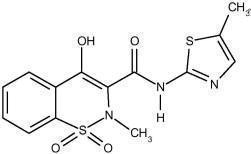
Meloxicam, an oxicam derivative, is a member of the enolic acid group of nonsteroidal anti-inflammatory drugs (NSAIDs). Each pastel yellow Meloxicam Tablets, USP contains 7.5 mg or 15 mg meloxicam for oral administration. Meloxicam is chemically designated as 4-hydroxy-2-methyl- N-(5-methyl-2-thiazolyl)-2 H-1,2-benzothiazine-3-carboxamide-1,1-dioxide. The molecular weight is 351.4. Its empirical formula is C 14H 13N 3O 4S 2 and it has the following structural formula:
Meloxicam is a pastel yellow solid, practically insoluble in water, with higher solubility observed in strong acids and bases. It is very slightly soluble in methanol. Meloxicam has an apparent partition coefficient (log P) app = 0.1 in n-octanol/buffer pH 7.4. Meloxicam has pKa values of 1.1 and 4.2.
Meloxicam is available as a tablet for oral administration containing 7.5 mg or 15 mg meloxicam.
The inactive ingredients in Meloxicam Tablets, USP include Colloidal Silicon Dioxide, Sodium Starch Glycolate, Lactose, Magnesium Stearate, Microcrystalline Cellulose, Povidone K-30, and Sodium Citrate.
5.14 Monitoring
Because serious GI tract ulcerations and bleeding can occur without warning symptoms, physicians should monitor for signs or symptoms of GI bleeding. Patients on long-term treatment with NSAIDs should have their CBC and a chemistry profile checked periodically. If clinical signs and symptoms consistent with liver or renal disease develop, systemic manifestations occur (e.g., eosinophilia, rash, etc.) or if abnormal liver tests persist or worsen, meloxicam should be discontinued.
5.4 Hypertension
NSAIDs, including meloxicam, can lead to onset of new hypertension or worsening of pre-existing hypertension, either of which may contribute to the increased incidence of CV events. NSAIDs, including meloxicam, should be used with caution in patients with hypertension. Blood pressure (BP) should be monitored closely during the initiation of NSAID treatment and throughout the course of therapy.
Patients taking ACE inhibitors, thiazides, or loop diuretics may have impaired response to these therapies when taking NSAIDs.
7.5 Methotrexate
NSAIDs have been reported to competitively inhibit methotrexate accumulation in rabbit kidney slices. Therefore, NSAIDs may reduce the elimination of methotrexate, thereby enhancing the toxicity of methotrexate. Use caution when meloxicam is administered concomitantly with methotrexate [ see Clinical Pharmacology ( 12.3) ].
7.6 Cyclosporine
Meloxicam, like other NSAIDs, may affect renal prostaglandins, thereby altering the renal toxicity of certain drugs. Therefore, concomitant therapy with meloxicam may increase cyclosporine's nephrotoxicity. Use caution when meloxicam is administered concomitantly with cyclosporine.
5.6 Renal Effects
Long-term administration of NSAIDs, including meloxicam, can result in renal papillary necrosis, renal insufficiency, acute renal failure, and other renal injury. Renal toxicity has also been seen in patients in whom renal prostaglandins have a compensatory role in the maintenance of renal perfusion. In these patients, administration of a nonsteroidal anti-inflammatory drug may cause a dose-dependent reduction in prostaglandin formation and, secondarily, in renal blood flow, which may precipitate overt renal decompensation. Patients at greatest risk of this reaction are those with impaired renal function, heart failure, liver dysfunction, those taking diuretics, ACE-inhibitors, and angiotensin II receptor antagonists, and the elderly. Discontinuation of NSAID therapy is usually followed by recovery to the pretreatment state.
A pharmacokinetic study in patients with mild and moderate renal impairment revealed that no dosage adjustments in these patient populations are required. Patients with severe renal impairment have not been studied. The use of meloxicam in patients with severe renal impairment with CrCl less than 20 mL/min is not recommended. A study performed in patients on hemodialysis revealed that although overall C max was diminished in this population, the proportion of free drug not bound to plasma was increased. Therefore it is recommended that meloxicam dosage in this population not exceed 7.5 mg per day. Closely monitor the renal function of patients with impaired renal function who are taking meloxicam [ see Dosage and Administration ( 2.1), Use in Specific Populations ( 8.7), and Clinical Pharmacology ( 12.3) ].
Use caution when initiating treatment with meloxicam in patients with considerable dehydration. It is advisable to rehydrate patients first and then start therapy with meloxicam. Caution is also recommended in patients with pre-existing kidney disease.
The extent to which metabolites may accumulate in patients with renal impairment has not been studied with meloxicam. Because some meloxicam metabolites are excreted by the kidney, monitor patients with significant renal impairment closely.
8.4 Pediatric Use
The safety and effectiveness of meloxicam in pediatric JRA patients from 2 to 17 years of age has been evaluated in three clinical trials [ see Dosage and Administration ( Error! Hyperlink reference not valid. ), Adverse Reactions ( Error! Hyperlink reference not valid. ), and Clinical Studies ( 14.2) ]
8.5 Geriatric Use
As with any NSAID, caution should be exercised in treating the elderly (65 years and older).
Of the total number of subjects in clinical studies, 5157 were age 65 and over (4044 in OA studies and 1113 in RA studies). No overall differences in safety or effectiveness were observed between these subjects and younger subjects, and other reported clinical experience has not identified differences in responses between the elderly and younger patients, but greater sensitivity of some older individuals cannot be ruled out.
2.2 Osteoarthritis
For the relief of the signs and symptoms of osteoarthritis the recommended starting and maintenance oral dose of meloxicam is 7.5 mg once daily. Some patients may receive additional benefit by increasing the dose to 15 mg once daily.
7.1 Ace Inhibitors
NSAIDs may diminish the antihypertensive effect of ACE-inhibitors. This interaction should be given consideration in patients taking meloxicam concomitantly with ACE-inhibitors.
17.4 Hepatotoxicity
Inform patients of the warning signs and symptoms of hepatotoxicity (e.g., nausea, fatigue, lethargy, pruritus, jaundice, right upper quadrant tenderness, and "flu-like" symptoms). If these occur, instruct patients to stop therapy and seek immediate medical therapy [ see Warnings and Precautions ( 5.3) ].
4 Contraindications
-
•Known hypersensitivity (e.g., anaphylactoid reactions and serious skin reactions) to meloxicam ( 4.1)
-
•History of asthma, urticaria, or other allergic-type reactions after taking aspirin or other NSAIDs ( 4.1)
-
•Use during the peri-operative period in the setting of coronary artery bypass graft (CABG) surgery ( 4.2)
5.3 Hepatic Effects
Borderline elevations of one or more liver tests may occur in up to 15% of patients taking NSAIDs including meloxicam. These laboratory abnormalities may progress, may remain unchanged, or may be transient with continuing therapy. Notable elevations of ALT or AST (approximately three or more times the upper limit of normal) have been reported in approximately 1% of patients in clinical trials with NSAIDs. In addition, rare cases of severe hepatic reactions, including jaundice and fatal fulminant hepatitis, liver necrosis and hepatic failure, some of them with fatal outcomes have been reported [ see Adverse Reactions ( 6.1) ].
A patient with symptoms and/or signs suggesting liver dysfunction, or in whom an abnormal liver test has occurred, should be evaluated for evidence of the development of a more severe hepatic reaction while on therapy with meloxicam. If clinical signs and symptoms consistent with liver disease develop, or if systemic manifestations occur (e.g., eosinophilia, rash, etc.), discontinue meloxicam [ see Use in Specific Populations ( 8.6) and Clinical Pharmacology ( 12.3) ].
6 Adverse Reactions
Because clinical trials are conducted under widely varying conditions, adverse reaction rates observed in the clinical trials of a drug cannot be directly compared to rates in the clinical trials of another drug and may not reflect the rates observed in practice.
The following serious adverse reactions are discussed elsewhere in the labeling:
-
•Cardiovascular thrombotic events [ see Boxed Warning and Warnings and Precautions ( 5.1)]
-
•Gastrointestinal effects – risk of GI ulceration, bleeding, and perforation [ see Boxed Warning and Warnings and Precautions ( 5.2) ]
-
•Hepatic effects [see Warnings and Precautions ( 5.3)]
-
•Hypertension [see Warnings and Precautions ( 5.4)]
-
•Congestive heart failure and edema [see Warnings and Precautions ( 5.5)]
-
•Renal effects [see Warnings and Precautions ( 5.6)]
-
•Anaphylactoid reactions [ see Warnings and Precautions ( 5.7)]
-
•Adverse skin reactions [see Warnings and Precautions ( 5.8)]
7 Drug Interactions
See also Clinical Pharmacology ( 12.3).
8.3 Nursing Mothers
It is not known whether this drug is excreted in human milk; however, meloxicam was excreted in the milk of lactating rats at concentrations higher than those in plasma. Because many drugs are excreted in human milk and because of the potential for serious adverse reactions in nursing infants from meloxicam, a decision should be made whether to discontinue nursing or to discontinue the drug, taking into account the importance of the drug to the mother.
4.2 Coronary Surgery
Meloxicam is contraindicated for the treatment of peri-operative pain in the setting of coronary artery bypass graft (CABG) surgery [ see Warnings and Precautions ( 5.1) ].
8.7 Renal Impairment
No dose adjustment is necessary in patients with mild to moderate renal impairment. Patients with severe renal impairment have not been studied. The use of meloxicam in subjects with severe renal impairment is not recommended. Following a single dose of meloxicam, the free C max plasma concentrations were higher in patients with renal failure on chronic hemodialysis (1% free fraction) in comparison to healthy volunteers (0.3% free fraction). Therefore, it is recommended that meloxicam dosage in this population not exceed 7.5 mg per day Hemodialysis did not lower the total drug concentration in plasma; therefore, additional doses are not necessary after hemodialysis. Meloxicam is not dialyzable [ see Dosage and Administration ( 2.1), Warnings and Precautions ( 5.6), and Clinical Pharmacology ( 12.3) ].
12.2 Pharmacodynamics
Meloxicam exhibits anti-inflammatory, analgesic, and antipyretic activities.
17.1 Medication Guide
Inform patients of the availability of a Medication Guide for NSAIDs that accompanies each prescription dispensed, and instruct them to read the Medication Guide prior to using meloxicam.
4.1 Allergic Reactions
Meloxicam is contraindicated in patients with known hypersensitivity (e.g., anaphylactoid reactions and serious skin reactions) to meloxicam.
Meloxicam should not be given to patients who have experienced asthma, urticaria, or allergic-type reactions after taking aspirin or other NSAIDs. Severe, rarely fatal, anaphylactic-like reactions to NSAIDs have been reported in such patients [ see Warnings and Precautions ( 5.7, 5.13) ].
8.2 Labor and Delivery
The effects of meloxicam on labor and delivery of pregnant women are unknown. Oral administration of meloxicam to pregnant rats during late gestation through lactation increased the incidence of dystocia, delayed parturition, and decreased offspring survival at meloxicam doses of 0.125 mg/kg/day or greater (at least 12.5 times lower than the maximum recommended human daily dose based on body surface area comparison).
8.6 Hepatic Impairment
No dose adjustment is necessary in patients with mild to moderate hepatic impairment. Patients with severe hepatic impairment have not been adequately studied. Since meloxicam is significantly metabolized in the liver; the use of meloxicam in these patients should be done with caution [ see Warnings and Precautions ( 5.3) and Clinical Pharmacology ( 12.3) ].
1 Indications and Usage
1.1 Osteoarthritis (oa)
Meloxicam tablets, USP is indicated for relief of the signs and symptoms of osteoarthritis [ see Clinical Studies ( 14.1) ].
12.1 Mechanism of Action
The mechanism of action of meloxicam, like that of other NSAIDs, may be related to prostaglandin synthetase (cyclo-oxygenase) inhibition which is involved in the intial steps of the arachidonic acid cascade, resulting in the reduced formation of prostaglandins, thromboxanes and prostacylin. It is not completely understood how reduced synthesis of these compounds results in therapeutic efficacy.
2.1 General Instructions
Carefully consider the potential benefits and risks of meloxicam and other treatment options before deciding to use meloxicam. Use the lowest effective dose for the shortest duration consistent with individual patient treatment goals [ see Warnings and Precautions ( 5.4) ].
After observing the response to initial therapy with meloxicam, adjust the dose to suit an individual patient's needs.
In adults, the maximum recommended daily oral dose of meloxicam is 15 mg regardless of formulation. In patients with hemodialysis, a maximum daily dosage of 7.5 mg is recommended [ see Warnings and Precautions ( 5.6), Use in Specific Populations ( 8.7), and Clinical Pharmacology ( 12.3) ].
Meloxicam may be taken without regard to timing of meals.
2.3 Rheumatoid Arthritis
For the relief of the signs and symptoms of rheumatoid arthritis, the recommended starting and maintenance oral dose of meloxicam is 7.5 mg once daily. Some patients may receive additional benefit by increasing the dose to 15 mg once daily.
17.6 Weight Gain and Edema
Advise patients to promptly report signs or symptoms of unexplained weight gain or edema to their physicians [ see Warnings and Precautions ( 5.5) ].
5 Warnings and Precautions
-
•Serious and potentially fatal cardiovascular (CV) thrombotic events, myocardial infarction, and stroke. Patients with known CV disease/risk factors may be at greater risk. ( 5.1)
-
•Serious gastrointestinal (GI) adverse events which can be fatal. The risk is greater in patients with a prior history of ulcer disease or GI bleeding, and in patients at higher risk for GI events, especially the elderly. ( 5.2)
-
•Elevated liver enzymes, and rarely, severe hepatic reactions. Discontinue use immediately if abnormal liver enzymes persist or worsen. ( 5.3)
-
•New onset or worsening of hypertension. Blood pressure should be monitored closely during treatment. ( 5.4)
-
•Fluid retention and edema. Should be used with caution in patients with fluid retention or heart failure. ( 5.5)
-
•Renal papillary necrosis and other renal injury with long-term use. Use with caution in the elderly, those with impaired renal function, heart failure, liver dysfunction, and those taking diuretics, ACE-inhibitors, or angiotensin II antagonists. The use of meloxicam in patients with severe renal impairment is not recommended. ( 5.6)
-
•Serious skin adverse events such as exfoliative dermatitis, Stevens-Johnson syndrome (SJS), and toxic epidermal necrolysis (TEN), which can be fatal and can occur without warning. Discontinue meloxicam at first appearance of rash or skin reactions. ( 5.8)
5.12 Hematological Effects
Anemia may occur in patients receiving NSAIDs, including meloxicam. This may be due to fluid retention, occult or gross GI blood loss, or an incompletely described effect upon erythropoiesis. Patients on long-term treatment with NSAIDs, including meloxicam, should have their hemoglobin or hematocrit checked if they exhibit any signs or symptoms of anemia.
NSAIDs inhibit platelet aggregation and have been shown to prolong bleeding time in some patients. Unlike aspirin, their effect on platelet function is quantitatively less, of shorter duration, and reversible. Carefully monitor patients treated with meloxicam who may be adversely affected by alterations in platelet function, such as those with coagulation disorders or patients receiving anticoagulants.
5.8 Adverse Skin Reactions
NSAIDs, including meloxicam, can cause serious skin adverse events such as exfoliative dermatitis, Stevens-Johnson Syndrome (SJS), and toxic epidermal necrolysis (TEN), which can be fatal. These serious events may occur without warning. Inform patients about the signs and symptoms of serious skin manifestations and discontinue use of the drug at the first appearance of skin rash or any other sign of hypersensitivity.
17.2 Cardiovascular Effects
NSAIDs including meloxicam may cause serious CV side effects, such as MI or stroke, which may result in hospitalization and even death. Although serious CV events can occur without warning symptoms, patients should be alert for the signs and symptoms of chest pain, shortness of breath, weakness, slurring of speech, and should ask for medical advice when observing any indicative sign or symptoms. Patients should be apprised of the importance of this follow-up [ see Warnings and Precautions ( 5.1) ].
17.5 Adverse Skin Reactions
NSAIDs, including meloxicam, can cause serious skin side effects such as exfoliative dermatitis, Stevens-Johnson Syndrome (SJS), and toxic epidermal necrolysis (TEN), which may result in hospitalization and even death. Although serious skin reactions may occur without warning, patients should be alert for the signs and symptoms of skin rash and blisters, fever, or other signs of hypersensitivity such as itching, and should ask for medical advice when observing any indicative signs or symptoms. Advise patients to stop the drug immediately if they develop any type of rash and contact their physicians as soon as possible [ see Warnings and Precautions ( 5.8) ].
2 Dosage and Administration
5.7 Anaphylactoid Reactions
As with other NSAIDs, anaphylactoid reactions have occurred in patients without known prior exposure to meloxicam. Meloxicam should not be given to patients with the aspirin triad. This symptom complex typically occurs in asthmatic patients who experience rhinitis with or without nasal polyps, or who exhibit severe, potentially fatal bronchospasm after taking aspirin or other NSAIDs [ see Contraindications ( 4.1) and Warnings and Precautions ( 5.12) ]. Seek emergency help in cases where an anaphylactoid reaction occurs.
17.7 Anaphylactoid Reactions
Inform patients of the signs of an anaphylactoid reaction (e.g., difficulty breathing, swelling of the face or throat). Instruct patients seek immediate emergency help [ see Warnings and Precautions ( 5.7) ].
3 Dosage Forms and Strengths
Tablets:
-
•7.5 mg: pastel yellow, round, biconvex, uncoated tablet containing meloxicam 7.5 mg. The 7.5 mg tablet is impressed with “5” mark on one side.
-
•15 mg: pastel yellow, round, biconvex, uncoated tablet containing meloxicam 15 mg. The 15 mg tablet is impressed with “100” mark on one side.
1.2 Rheumatoid Arthritis (ra)
Meloxicam tablets, USP is indicated for relief of the signs and symptoms of rheumatoid arthritis [ see Clinical Studies ( 14.1) ].
17.3 Gastrointestinal Effects
NSAIDs including meloxicam, can cause GI discomfort and, rarely, serious GI side effects, such as ulcers and bleeding, which may result in hospitalization and even death. Although serious GI tract ulcerations and bleeding can occur without warning symptoms, patients should be alert for the signs and symptoms of ulcerations and bleeding, and should ask for medical advice when observing any indicative sign or symptoms including epigastric pain, dyspepsia, melena, and hematemesis. Patients should be apprised of the importance of this follow-up [ see Warnings and Precautions ( 5.2) ].
17.8 Effects During Pregnancy
5.10 Corticosteroid Treatment
Meloxicam cannot be expected to substitute for corticosteroids or to treat corticosteroid insufficiency. Abrupt discontinuation of corticosteroids may lead to disease exacerbation. Slowly taper patients on prolonged corticosteroid therapy if a decision is made to discontinue corticosteroids.
6.2 Post Marketing Experience
The following adverse reactions have been identified during post approval use of meloxicam. Because these reactions are reported voluntarily from a population of uncertain size, it is not always possible to reliably estimate their frequency or establish a causal relationship to drug exposure. Decisions about whether to include an adverse event from spontaneous reports in labeling are typically based on one or more of the following factors: (1) seriousness of the event, (2) number of reports, or (3) strength of causal relationship to the drug. Adverse reactions reported in worldwide post marketing experience or the literature include: acute urinary retention; agranulocytosis; alterations in mood (such as mood elevation); anaphylactoid reactions including shock; erythema multiforme; exfoliative dermatitis; interstitial nephritis; jaundice; liver failure; Stevens-Johnson syndrome, and toxic epidermal necrolysis.
8 Use in Specific Populations
17.9 Effects On Female Fertility
Advise females of reproductive potential who desire pregnancy that NSAIDs, including Meloxicam, may be associated with a reversible delay in ovulation For women who have difficulties conceiving, or who are undergoing investigation of infertility, use of meloxicam is not recommended [ see Use in Specific Populations 8.8) ].
Please address medical inquiries to 1-760-431-8284
Manufactured by:
Yung Shin Pharmaceutical Ind. Co., Ltd.
Tachia, Taichung 43769
TAIWAN
Distributed by:
Carlsbad Technology, Inc.
5923 Balfour Ct.
Carlsbad, CA 92008 USA
Repackaged and Relabeled by:
Proficient Rx LP
Thousand Oaks, CA 91320
Revised: 08/13
17 Patient Counseling Information
See FDA-approved Medication Guide
Patients should be informed of the following information before initiating therapy with an NSAID and periodically during the course of ongoing therapy.
16 How Supplied/storage and Handling
Meloxicam is available as a pastel yellow, round, biconvex, uncoated tablet containing meloxicam 7.5 mg or 15 mg. The 7.5 mg tablet is impressed with “5” mark on one side, and the 15 mg tablet is impressed with “100” mark on one side.
Meloxicam Tablets, USP 7.5 mg is available as follows:
NDC 71205-923-07; Bottles of 7
NDC 71205-923-14; Bottles of 14
NDC 71205-923-15; Bottles of 15
NDC 71205-923-28; Bottles of 28
NDC 71205-923-30; Bottles of 30
NDC 71205-923-60; Bottles of 60
NDC 71205-923-90; Bottles of 90
NDC 71205-923-00; Bottles of 100
NDC 71205-923-72; Bottles of 120
NDC 71205-923-55; Bottles of 500
NDC 71205-923-11; Bottles of 1000
Meloxicam Tablets, USP 15 mg is available as follows:
NDC 71205-924-07; Bottles of 7
NDC 71205-924-14; Bottles of 14
NDC 71205-924-15; Bottles of 15
NDC 71205-924-28; Bottles of 28
NDC 71205-924-30; Bottles of 30
NDC 71205-924-60; Bottles of 60
NDC 71205-924-90; Bottles of 90
NDC 71205-924-00; Bottles of 100
NDC 71205-924-72; Bottles of 120
NDC 71205-924-55; Bottles of 500
NDC 71205-924-11; Bottles of 1000
5.1 Cardiovascular Thrombotic Events
Clinical trials of several COX-2 selective and nonselective NSAIDs of up to three years' duration have shown an increased risk of serious cardiovascular (CV) thrombotic events, myocardial infarction, and stroke, which can be fatal. All NSAIDs, both COX-2 selective and nonselective, may have a similar risk. Patients with known CV disease or risk factors for CV disease may be at greater risk. To minimize the potential risk for an adverse CV event in patients treated with an NSAID, the lowest effective dose should be used for the shortest duration possible. Physicians and patients should remain alert for the development of such events, even in the absence of previous CV symptoms. Patients should be informed about the signs and/or symptoms of serious CV events and the steps to take if they occur.
Two large, controlled, clinical trials of a COX-2 selective NSAID for the treatment of pain in the first 10 to 14 days following CABG surgery found an increased incidence of myocardial infarction and stroke [ see Contraindications ( 4.2) ].
There is no consistent evidence that concurrent use of aspirin mitigates the increased risk of serious CV thrombotic events associated with NSAID use. The concurrent use of aspirin and an NSAID does increase the risk of serious GI events [ see Warnings and Precautions ( 5.2) ].
8.8 Females of Reproductive Potential
Data from several small studies in humans and from studies in animals indicate that NSAIDs, including Meloxicam , may be associated with a reversible delay in ovulation. Therefore, in women who have difficulties conceiving, or who are undergoing investigation of infertility, use of meloxicam is not recommended.
5.11 Masking of Inflammation and Fever
The pharmacological activity of meloxicam in reducing fever and inflammation may diminish the utility of these diagnostic signs in detecting complications of presumed noninfectious, painful conditions.
5.5 Congestive Heart Failure and Edema
Fluid retention and edema have been observed in some patients taking NSAIDs. Use meloxicam with caution in patients with fluid retention, hypertension, or heart failure.
14.1 Osteoarthritis and Rheumatoid Arthritis
The use of meloxicam for the treatment of the signs and symptoms of osteoarthritis of the knee and hip was evaluated in a 12-week, double-blind, controlled trial. Meloxicam (3.75 mg, 7.5 mg, and 15 mg daily) was compared to placebo. The four primary endpoints were investigator's global assessment, patient global assessment, patient pain assessment, and total WOMAC score (a self-administered questionnaire addressing pain, function, and stiffness). Patients on meloxicam 7.5 mg daily and meloxicam 15 mg daily showed significant improvement in each of these endpoints compared with placebo.
The use of meloxicam for the management of signs and symptoms of osteoarthritis was evaluated in six double-blind, active-controlled trials outside the U.S. ranging from 4 weeks' to 6 months' duration. In these trials, the efficacy of meloxicam, in doses of 7.5 mg/day and 15 mg/day, was comparable to piroxicam 20 mg/day and diclofenac SR 100 mg/day and consistent with the efficacy seen in the U.S. trial.
The use of meloxicam for the treatment of the signs and symptoms of rheumatoid arthritis was evaluated in a 12-week, double-blind, controlled multinational trial. Meloxicam (7.5 mg, 15 mg, and 22.5 mg daily) was compared to placebo. The primary endpoint in this study was the ACR20 response rate, a composite measure of clinical, laboratory, and functional measures of RA response. Patients receiving meloxicam 7.5 mg and 15 mg daily showed significant improvement in the primary endpoint compared with placebo. No incremental benefit was observed with the 22.5 mg dose compared to the 15 mg dose.
5.13 Use in Patients With Pre Existing Asthma
Patients with asthma may have aspirin-sensitive asthma. The use of aspirin in patients with aspirin-sensitive asthma has been associated with severe bronchospasm, which can be fatal. Since cross reactivity, including bronchospasm, between aspirin and other NSAIDs has been reported in such aspirin-sensitive patients, meloxicam should not be administered to patients with this form of aspirin sensitivity and should be used with caution in patients with pre-existing asthma.
Warning: Risk of Serious Cardiovascular and Gastrointestinal Events
Cardiovascular Risk
-
•Nonsteroidal anti-inflammatory drugs (NSAIDs) may cause an increased risk of serious cardiovascular (CV) thrombotic events, myocardial infarction, and stroke, which can be fatal. This risk may increase with duration of use. Patients with cardiovascular disease or risk factors for cardiovascular disease may be at greater risk [see Warnings and Precautions ( 5.1)].
-
•Meloxicam is contraindicated for the treatment of peri-operative pain in the setting of coronary artery bypass graft (CABG) surgery [see Contraindications ( 4.2) and Warnings and Precautions ( 5.1) ].
Gastrointestinal Risk
-
•NSAIDs cause an increased risk of serious gastrointestinal (GI) adverse reactions including bleeding, ulceration, and perforation of the stomach or intestines, which can be fatal. These events can occur at any time during use and without warning symptoms. Elderly patients are at greater risk for serious gastrointestinal events [see Warnings and Precautions ( 5.2) ].
1.3 Juvenile Rheumatoid Arthritis (jra) Pauciarticular and Polyarticular Course
Meloxicam tablets, USP is indicated for relief of the signs and symptoms of pauciarticular or polyarticular course Juvenile Rheumatoid Arthritis in patients 2 years of age and older [ see Clinical Studies ( 14.2) ].
14.2 Juvenile Rheumatoid Arthritis (jra) Pauciarticular and Polyarticular Course
The use of meloxicam for the treatment of the signs and symptoms of pauciarticular or polyarticular course Juvenile Rheumatoid Arthritis in patients 2 years of age and older was evaluated in two 12-week, double-blind, parallel-arm, active-controlled trials.
Both studies included three arms: naproxen and two doses of meloxicam. In both studies, meloxicam dosing began at 0.125 mg/kg/day (7.5 mg maximum) or 0.25 mg/kg/day (15 mg maximum), and naproxen dosing began at 10 mg/kg/day. One study used these doses throughout the 12-week dosing period, while the other incorporated a titration after 4 weeks to doses of 0.25 mg/kg/day and 0.375 mg/kg/day (22.5 mg maximum) of meloxicam and 15 mg/kg/day of naproxen.
The efficacy analysis used the ACR Pediatric 30 responder definition, a composite of parent and investigator assessments, counts of active joints and joints with limited range of motion, and erythrocyte sedimentation rate. The proportion of responders were similar in all three groups in both studies, and no difference was observed between the meloxicam dose groups.
5.2 Gastrointestinal (gi) Effects Risk of Gi Ulceration, Bleeding, and Perforation
NSAIDs, including meloxicam, can cause serious gastrointestinal (GI) adverse events including inflammation, bleeding, ulceration, and perforation of the stomach, small intestine, or large intestine, which can be fatal. These serious adverse events can occur at any time, with or without warning symptoms, in patients treated with NSAIDs. Only one in five patients who develop a serious upper GI adverse event on NSAID therapy is symptomatic. Upper GI ulcers, gross bleeding, or perforation caused by NSAIDs, occur in approximately 1% of patients treated for 3 to 6 months, and in about 2 to 4% of patients treated for one year. These trends continue with longer duration of use, increasing the likelihood of developing a serious GI event at some time during the course of therapy. However, even short-term therapy is not without risk.
Prescribe NSAIDs, including meloxicam, with extreme caution in those with a prior history of ulcer disease or gastrointestinal bleeding. Patients with a prior history of peptic ulcer disease and/or gastrointestinal bleeding who use NSAIDs have a greater than 10-fold increased risk for developing a GI bleed compared to patients with neither of these risk factors. Other factors that increase the risk for GI bleeding in patients treated with NSAIDs include concomitant use of oral corticosteroids or anticoagulants, longer duration of NSAID therapy, smoking, use of alcohol, older age, and poor general health status. Most spontaneous reports of fatal GI events are in elderly or debilitated patients and therefore, special care should be taken in treating this population.
To minimize the potential risk for an adverse GI event in patients treated with an NSAID, use the lowest effective dose for the shortest possible duration. Patients and physicians should remain alert for signs and symptoms of GI ulceration and bleeding during meloxicam therapy and promptly initiate additional evaluation and treatment if a serious GI adverse event is suspected. This should include discontinuation of meloxicam until a serious GI adverse event is ruled out. For high-risk patients, consider alternate therapies that do not involve NSAIDs.
Structured Label Content
Principal Display Panel (PRINCIPAL DISPLAY PANEL)
NDC 71205-924-30
Meloxicam
Tablets, USP
15 mg
Rx Only
ATTENTION DISPENSER:
Accompanying Medication Guide must be dispensed with this product.
30 Tablets
Section 34077-8 (34077-8)
Teratogenic Effects
Meloxicam was not teratogenic when administered to pregnant rats during fetal organogenesis at oral doses up to 4 mg/kg/day (2.6-fold greater than the maximum recommended human daily dose [MRHD] based on body surface area [BSA] comparison). Administration of meloxicam to pregnant rabbits throughout embryogenesis produced an increased incidence of septal defects of the heart at an oral dose of 60 mg/kg/day. The no effect level was 20 mg/kg/day (26-fold greater than the MRHD based on BSA conversion).
Section 34078-6 (34078-6)
Nonteratogenic Effects
In rats and rabbits, embryolethality occurred at oral meloxicam doses of 1 mg/kg/day and 5 mg/kg/day, respectively (0.65-and 6.5-fold greater, respectively, than the MRHD based on BSA comparison) when administered throughout organogenesis.
Section 42229-5 (42229-5)
Adults
Section 42231-1 (42231-1)
MEDICATION GUIDE
MELOXICAM Tablets, USP
Medication Guide for Non-Steroidal Anti-Inflammatory Drugs (NSAIDs)
(See the end of this Medication Guide for a list of prescription NSAID medicines.)
What is the most important information I should know about medicines called Non-Steroidal Anti-Inflammatory Drugs (NSAIDs)?
NSAID medicines may increase the chance of a heart attack or stroke that can lead to death. This chance increases:
-
•with longer use of NSAID medicines
-
•in people who have heart disease
NSAID medicines should never be used right before or after a heart surgery called a "coronary artery bypass graft (CABG)."
NSAID medicines can cause ulcers and bleeding in the stomach and intestines at any time during treatment. Ulcers and bleeding:
-
•can happen without warning symptoms
-
•may cause death
The chance of a person getting an ulcer or bleeding increases with:
-
•taking medicines called "corticosteroids" and "anticoagulants"
-
•longer use
-
•smoking
-
•drinking alcohol
-
•older age
-
•having poor health
NSAID medicines should only be used:
-
•exactly as prescribed
-
•at the lowest dose possible for your treatment
-
•for the shortest time needed
What are Non-Steroidal Anti- Inflammatory Drugs (NSAIDs)?
NSAID medicines are used to treat pain and redness, swelling, and heat (inflammation) from medical conditions such as:
-
•different types of arthritis
-
•menstrual cramps and other types of short-term pain
Who should not take a Non-Steroidal Anti-Inflammatory Drug (NSAID)?
Do not take an NSAID medicine:
-
•if you had an asthma attack, hives, or other allergic reaction with aspirin or any other NSAID medicine
-
•for pain right before or after heart bypass surgery
Tell your healthcare provider:
-
•about all of your medical conditions.
-
•about all of the medicines you take. NSAIDs and some other medicines can interact with each other and cause seri- ous side effects. Keep a list of your medicines to show to your healthcare provider and pharmacist.
-
•if you are pregnant. NSAID medicines should not be used by pregnant women late in their pregnancy.
-
•if you are breastfeeding. Talk to your doctor.
|
What are the possible side effects of Non-Steroidal Anti-Inflammatory Drugs (NSAIDs)? Serious side effects include:
Other side effects include:
|
Get emergency help right away if you have any of the following symptoms:
-
•shortness of breath or trouble breathing
-
•chest pain
-
•weakness in one part or side of your body
-
•slurred speech
-
•swelling of the face or throat
Stop your NSAID medicine and call your healthcare provider right away if you have any of the following symptoms:
-
•nausea
-
•more tired or weaker than usual
-
•itching
-
•your skin or eyes look yellow
-
•stomach pain
-
•flu-like symptoms
-
•vomit blood
-
•there is blood in your bowel movement or it is black and sticky like tar
-
•unusual weight gain
-
•skin rash or blisters with fever
-
•swelling of the arms and legs, hands and feet
These are not all the side effects with NSAID medicines. Talk to your healthcare provider or pharmacist for more information about NSAID medicines.
Call your doctor for medical advice about side effects. You may report side effects to FDA at 1-800-FDA-1088.
Other information about Non-Steroidal Anti-Inflammatory Drugs (NSAIDs)
-
•Aspirin is an NSAID medicine but it does not increase the chance of a heart attack. Aspirin can cause bleeding in the brain, stomach, and intestines. Aspirin can also cause ulcers in the stomach and intestines.
-
•Some of these NSAID medicines are sold in lower doses without a prescription (over-the¬counter). Talk to your healthcare provider before using over-the-counter NSAIDs for more than 10 days.
NSAID medicines that need a prescription
|
Generic Name |
Tradename |
|
Celecoxib |
Celebrex |
|
Diclofenac |
Cataflam, Voltaren, Arthrotec (combined with misoprostol) |
|
Diflunisal |
Dolobid |
|
Etodolac |
Lodine, Lodine XL |
|
Fenoprofen |
Nalfon, Nalfon 200 |
|
Flurbiprofen |
Ansaid |
|
Ibuprofen |
Motrin, Tab-Profen, Vicoprofen* (combined with hydrocodone), Combunox (combined with oxycodone) |
|
Indomethacin |
Indocin, Indocin SR, Indo-Lemmon, Indomethagan |
|
Ketoprofen |
Oruvail |
|
Ketorolac |
Toradol |
|
Mefenamic Acid |
Ponstel |
|
Meloxicam |
Mobic |
|
Nabumetone |
Relafen |
|
Naproxen |
Naprosyn, Anaprox, Anaprox DS, EC-Naprosyn, Naprelan, Naprapac (co-packaged with lansoprazole) |
|
Oxaprozin |
Daypro |
|
Piroxicam |
Feldene |
|
Sulindac |
Clinoril |
|
Tolmetin |
Tolectin, Tolectin DS, Tolectin 600 |
*Vicoprofen contains the same dose of ibuprofen as over-the-counter (OTC) NSAIDs, and is usually used for less than 10 days to treat pain. The OTC NSAID label warns that long term continuous use may increase the risk of heart attack or stroke.
This Medication Guide has been approved by the U.S. Food and Drug Administration.
Manufactured by:
Yung Shin Pharmaceutical Ind. Co., Ltd.
Tachia, Taichung 43769
TAIWAN
Distributed by:
Carlsbad Technology, Inc.
5923 Balfour Ct.
Carlsbad, CA 92008 USA
Repackaged and Relabeled by:
Proficient Rx LP
Thousand Oaks, CA 91320
Revised: 08/13
Section 44425-7 (44425-7)
Storage
Store at 20° to 25°C (68° to 77°F)[see USP Controlled Room Temperature].
Keep Meloxicam Tablets, USP in a dry place.
Dispense tablets in a tight container.
Keep this and all medications out of the reach of children.
Section 51945-4 (51945-4)
PACKAGE LABEL – PRINCIPAL DISPLAY PANEL (PDP FOR MELOXICAM 7.5 MG AND 15 MG)
NDC 71205-923-30
Meloxicam
Tablets, USP
7.5 mg
Rx Only
ATTENTION DISPENSER:
Accompanying Medication Guide must be dispensed with this product.
30 Tablets
Pediatrics
Pauciarticular and Polyarticular Course Juvenile Rheumatoid Arthritis (JRA)
Three hundred and eighty-seven patients with pauciarticular and polyarticular course JRA were exposed to meloxicam with doses ranging from 0.125 to 0.375 mg/kg per day in three clinical trials. These studies consisted of two 12-week multicenter, double-blind, randomized trials (one with a 12-week open-label extension and one with a 40-week extension) and one 1-year open-label PK study. The adverse events observed in these pediatric studies with meloxicam were similar in nature to the adult clinical trial experience, although there were differences in frequency. In particular, the following most common adverse events, abdominal pain, vomiting, diarrhea, headache, and pyrexia, were more common in the pediatric than in the adult trials. Rash was reported in seven (<2%) patients receiving meloxicam. No unexpected adverse events were identified during the course of the trials. The adverse events did not demonstrate an age or gender-specific subgroup effect.
The following is a list of adverse drug reactions occurring in < 2% of patients receiving meloxicam in clinical trials involving approximately 16,200 patients.
|
Body as a Whole |
allergic reaction, face edema, fatigue, fever, hot flushes, malaise, syncope, weight decrease, weight increase |
|
Cardiovascular |
angina pectoris, cardiac failure, hypertension, hypotension, myocardial infarction, vasculitis |
|
Central and Peripheral Nervous System |
convulsions, paresthesia, tremor, vertigo |
|
Gastrointestinal |
colitis, dry mouth, duodenal ulcer, eructation, esophagitis, gastric ulcer, gastritis, gastroesophageal reflux, gastrointestinal hemorrhage, hematemesis, hemorrhagic duodenal ulcer, hemorrhagic gastric ulcer, intestinal perforation, melena, pancreatitis, perforated duodenal ulcer, perforated gastric ulcer, stomatitis ulcerative |
|
Heart Rate and Rhythm |
arrhythmia, palpitation, tachycardia |
|
Hematologic |
leukopenia, purpura, thrombocytopenia |
|
Liver and Biliary System |
ALT increased, AST increased, bilirubinemia, GGT increased, hepatitis |
|
Metabolic and Nutritional |
dehydration |
|
Psychiatric |
abnormal dreaming, anxiety, appetite increased, confusion, depression, nervousness, somnolence |
|
Respiratory |
asthma, bronchospasm, dyspnea |
|
Skin and Appendages |
alopecia, angioedema, bullous eruption, photosensitivity reaction, pruritus, sweating increased, urticaria |
|
Special Senses |
abnormal vision, conjunctivitis, taste perversion, tinnitus |
|
Urinary System |
albuminuria, BUN increased, creatinine increased, hematuria, renal failure |
7.2 Aspirin
When meloxicam is administered with aspirin (1000 mg three times daily) to healthy volunteers, an increase the AUC (10%) and C max (24%) of meloxicam was noted. The clinical significance of this interaction is not known; however, as with other NSAIDs concomitant administration of meloxicam and aspirin is not generally recommended because of the potential for increased adverse effects.
Concomitant administration of low-dose aspirin with meloxicam may result in an increased rate of GI ulceration or other complications, compared to use of meloxicam alone. Meloxicam is not a substitute for aspirin for cardiovascular prophylaxis.
7.4 Lithium
In a study conducted in healthy subjects, mean pre-dose lithium concentration and AUC were increased by 21% in subjects receiving lithium doses ranging from 804 to 1072 mg twice daily with meloxicam 15 mg every day as compared to subjects receiving lithium alone. These effects have been attributed to inhibition of renal prostaglandin synthesis by meloxicam. Closely monitor patients on lithium treatment for signs of lithium toxicity when meloxicam is introduced, adjusted, or withdrawn.
7.7 Warfarin
The effects of warfarin and NSAIDs on GI bleeding are synergistic, such that users of both drugs together have a risk of serious GI bleeding higher than users of either drug alone.
Monitor anticoagulant activity, particularly in the first few days after initiating or changing meloxicam therapy in patients receiving warfarin or similar agents, since these patients are at an increased risk of bleeding than with the use of either drug alone. Use caution when administering meloxicam with warfarin since patients on warfarin may experience changes in INR and an increased risk of bleeding complications when a new medication is introduced [ see Clinical Pharmacology ( 12.3) ].
10 Overdosage (10 OVERDOSAGE)
There is limited experience with meloxicam overdose. Four cases have taken 6 to 11 times the highest recommended dose; all recovered. Cholestyramine is known to accelerate the clearance of meloxicam.
Symptoms following acute NSAID overdose include lethargy, drowsiness, nausea, vomiting, and epigastric pain, which are generally reversible with supportive care. Gastrointestinal bleeding can occur. Severe poisoning may result in hypertension, acute renal failure, hepatic dysfunction, respiratory depression, coma, convulsions, cardiovascular collapse, and cardiac arrest. Anaphylactoid reactions have been reported with therapeutic ingestion of NSAIDs, and may occur following an overdose.
Patients should be managed with symptomatic and supportive care following an NSAID overdose. Administration of activated charcoal is recommended for patients who present 1 to 2 hours after overdose. For substantial overdose or severely symptomatic patients, activated charcoal may be administered repeatedly. Accelerated removal of meloxicam by 4 g oral doses of cholestyramine given three times a day was demonstrated in a clinical trial. Administration of cholestyramine may be useful following an overdose. Forced diuresis, alkalinization of urine, hemodialysis, or hemoperfusion may not be useful due to high protein binding.
For additional information about overdose treatment, call a poison control center (1-800-222-1222).
5.9 Pregnancy
7.3 Diuretics
Clinical studies, as well as post marketing observations, have shown that NSAIDs can reduce the natriuretic effect of furosemide and thiazides in some patients. This response has been attributed to inhibition of renal prostaglandin synthesis. However, studies with furosemide agents and meloxicam have not demonstrated a reduction in natriuretic effect. Furosemide single and multiple dose pharmacodynamics and pharmacokinetics are not affected by multiple doses of meloxicam. Nevertheless, during concomitant therapy with meloxicam, patients should be observed closely for signs of renal failure [ see Warnings and Precautions ( 5.6) ], as well as to ensure diuretic efficacy.
11 Description (11 DESCRIPTION)
Meloxicam, an oxicam derivative, is a member of the enolic acid group of nonsteroidal anti-inflammatory drugs (NSAIDs). Each pastel yellow Meloxicam Tablets, USP contains 7.5 mg or 15 mg meloxicam for oral administration. Meloxicam is chemically designated as 4-hydroxy-2-methyl- N-(5-methyl-2-thiazolyl)-2 H-1,2-benzothiazine-3-carboxamide-1,1-dioxide. The molecular weight is 351.4. Its empirical formula is C 14H 13N 3O 4S 2 and it has the following structural formula:
Meloxicam is a pastel yellow solid, practically insoluble in water, with higher solubility observed in strong acids and bases. It is very slightly soluble in methanol. Meloxicam has an apparent partition coefficient (log P) app = 0.1 in n-octanol/buffer pH 7.4. Meloxicam has pKa values of 1.1 and 4.2.
Meloxicam is available as a tablet for oral administration containing 7.5 mg or 15 mg meloxicam.
The inactive ingredients in Meloxicam Tablets, USP include Colloidal Silicon Dioxide, Sodium Starch Glycolate, Lactose, Magnesium Stearate, Microcrystalline Cellulose, Povidone K-30, and Sodium Citrate.
5.14 Monitoring
Because serious GI tract ulcerations and bleeding can occur without warning symptoms, physicians should monitor for signs or symptoms of GI bleeding. Patients on long-term treatment with NSAIDs should have their CBC and a chemistry profile checked periodically. If clinical signs and symptoms consistent with liver or renal disease develop, systemic manifestations occur (e.g., eosinophilia, rash, etc.) or if abnormal liver tests persist or worsen, meloxicam should be discontinued.
5.4 Hypertension
NSAIDs, including meloxicam, can lead to onset of new hypertension or worsening of pre-existing hypertension, either of which may contribute to the increased incidence of CV events. NSAIDs, including meloxicam, should be used with caution in patients with hypertension. Blood pressure (BP) should be monitored closely during the initiation of NSAID treatment and throughout the course of therapy.
Patients taking ACE inhibitors, thiazides, or loop diuretics may have impaired response to these therapies when taking NSAIDs.
7.5 Methotrexate
NSAIDs have been reported to competitively inhibit methotrexate accumulation in rabbit kidney slices. Therefore, NSAIDs may reduce the elimination of methotrexate, thereby enhancing the toxicity of methotrexate. Use caution when meloxicam is administered concomitantly with methotrexate [ see Clinical Pharmacology ( 12.3) ].
7.6 Cyclosporine
Meloxicam, like other NSAIDs, may affect renal prostaglandins, thereby altering the renal toxicity of certain drugs. Therefore, concomitant therapy with meloxicam may increase cyclosporine's nephrotoxicity. Use caution when meloxicam is administered concomitantly with cyclosporine.
5.6 Renal Effects
Long-term administration of NSAIDs, including meloxicam, can result in renal papillary necrosis, renal insufficiency, acute renal failure, and other renal injury. Renal toxicity has also been seen in patients in whom renal prostaglandins have a compensatory role in the maintenance of renal perfusion. In these patients, administration of a nonsteroidal anti-inflammatory drug may cause a dose-dependent reduction in prostaglandin formation and, secondarily, in renal blood flow, which may precipitate overt renal decompensation. Patients at greatest risk of this reaction are those with impaired renal function, heart failure, liver dysfunction, those taking diuretics, ACE-inhibitors, and angiotensin II receptor antagonists, and the elderly. Discontinuation of NSAID therapy is usually followed by recovery to the pretreatment state.
A pharmacokinetic study in patients with mild and moderate renal impairment revealed that no dosage adjustments in these patient populations are required. Patients with severe renal impairment have not been studied. The use of meloxicam in patients with severe renal impairment with CrCl less than 20 mL/min is not recommended. A study performed in patients on hemodialysis revealed that although overall C max was diminished in this population, the proportion of free drug not bound to plasma was increased. Therefore it is recommended that meloxicam dosage in this population not exceed 7.5 mg per day. Closely monitor the renal function of patients with impaired renal function who are taking meloxicam [ see Dosage and Administration ( 2.1), Use in Specific Populations ( 8.7), and Clinical Pharmacology ( 12.3) ].
Use caution when initiating treatment with meloxicam in patients with considerable dehydration. It is advisable to rehydrate patients first and then start therapy with meloxicam. Caution is also recommended in patients with pre-existing kidney disease.
The extent to which metabolites may accumulate in patients with renal impairment has not been studied with meloxicam. Because some meloxicam metabolites are excreted by the kidney, monitor patients with significant renal impairment closely.
8.4 Pediatric Use
The safety and effectiveness of meloxicam in pediatric JRA patients from 2 to 17 years of age has been evaluated in three clinical trials [ see Dosage and Administration ( Error! Hyperlink reference not valid. ), Adverse Reactions ( Error! Hyperlink reference not valid. ), and Clinical Studies ( 14.2) ]
8.5 Geriatric Use
As with any NSAID, caution should be exercised in treating the elderly (65 years and older).
Of the total number of subjects in clinical studies, 5157 were age 65 and over (4044 in OA studies and 1113 in RA studies). No overall differences in safety or effectiveness were observed between these subjects and younger subjects, and other reported clinical experience has not identified differences in responses between the elderly and younger patients, but greater sensitivity of some older individuals cannot be ruled out.
2.2 Osteoarthritis
For the relief of the signs and symptoms of osteoarthritis the recommended starting and maintenance oral dose of meloxicam is 7.5 mg once daily. Some patients may receive additional benefit by increasing the dose to 15 mg once daily.
7.1 Ace Inhibitors (7.1 ACE-inhibitors)
NSAIDs may diminish the antihypertensive effect of ACE-inhibitors. This interaction should be given consideration in patients taking meloxicam concomitantly with ACE-inhibitors.
17.4 Hepatotoxicity
Inform patients of the warning signs and symptoms of hepatotoxicity (e.g., nausea, fatigue, lethargy, pruritus, jaundice, right upper quadrant tenderness, and "flu-like" symptoms). If these occur, instruct patients to stop therapy and seek immediate medical therapy [ see Warnings and Precautions ( 5.3) ].
4 Contraindications (4 CONTRAINDICATIONS)
-
•Known hypersensitivity (e.g., anaphylactoid reactions and serious skin reactions) to meloxicam ( 4.1)
-
•History of asthma, urticaria, or other allergic-type reactions after taking aspirin or other NSAIDs ( 4.1)
-
•Use during the peri-operative period in the setting of coronary artery bypass graft (CABG) surgery ( 4.2)
5.3 Hepatic Effects
Borderline elevations of one or more liver tests may occur in up to 15% of patients taking NSAIDs including meloxicam. These laboratory abnormalities may progress, may remain unchanged, or may be transient with continuing therapy. Notable elevations of ALT or AST (approximately three or more times the upper limit of normal) have been reported in approximately 1% of patients in clinical trials with NSAIDs. In addition, rare cases of severe hepatic reactions, including jaundice and fatal fulminant hepatitis, liver necrosis and hepatic failure, some of them with fatal outcomes have been reported [ see Adverse Reactions ( 6.1) ].
A patient with symptoms and/or signs suggesting liver dysfunction, or in whom an abnormal liver test has occurred, should be evaluated for evidence of the development of a more severe hepatic reaction while on therapy with meloxicam. If clinical signs and symptoms consistent with liver disease develop, or if systemic manifestations occur (e.g., eosinophilia, rash, etc.), discontinue meloxicam [ see Use in Specific Populations ( 8.6) and Clinical Pharmacology ( 12.3) ].
6 Adverse Reactions (6 ADVERSE REACTIONS)
Because clinical trials are conducted under widely varying conditions, adverse reaction rates observed in the clinical trials of a drug cannot be directly compared to rates in the clinical trials of another drug and may not reflect the rates observed in practice.
The following serious adverse reactions are discussed elsewhere in the labeling:
-
•Cardiovascular thrombotic events [ see Boxed Warning and Warnings and Precautions ( 5.1)]
-
•Gastrointestinal effects – risk of GI ulceration, bleeding, and perforation [ see Boxed Warning and Warnings and Precautions ( 5.2) ]
-
•Hepatic effects [see Warnings and Precautions ( 5.3)]
-
•Hypertension [see Warnings and Precautions ( 5.4)]
-
•Congestive heart failure and edema [see Warnings and Precautions ( 5.5)]
-
•Renal effects [see Warnings and Precautions ( 5.6)]
-
•Anaphylactoid reactions [ see Warnings and Precautions ( 5.7)]
-
•Adverse skin reactions [see Warnings and Precautions ( 5.8)]
7 Drug Interactions (7 DRUG INTERACTIONS)
See also Clinical Pharmacology ( 12.3).
8.3 Nursing Mothers
It is not known whether this drug is excreted in human milk; however, meloxicam was excreted in the milk of lactating rats at concentrations higher than those in plasma. Because many drugs are excreted in human milk and because of the potential for serious adverse reactions in nursing infants from meloxicam, a decision should be made whether to discontinue nursing or to discontinue the drug, taking into account the importance of the drug to the mother.
4.2 Coronary Surgery
Meloxicam is contraindicated for the treatment of peri-operative pain in the setting of coronary artery bypass graft (CABG) surgery [ see Warnings and Precautions ( 5.1) ].
8.7 Renal Impairment
No dose adjustment is necessary in patients with mild to moderate renal impairment. Patients with severe renal impairment have not been studied. The use of meloxicam in subjects with severe renal impairment is not recommended. Following a single dose of meloxicam, the free C max plasma concentrations were higher in patients with renal failure on chronic hemodialysis (1% free fraction) in comparison to healthy volunteers (0.3% free fraction). Therefore, it is recommended that meloxicam dosage in this population not exceed 7.5 mg per day Hemodialysis did not lower the total drug concentration in plasma; therefore, additional doses are not necessary after hemodialysis. Meloxicam is not dialyzable [ see Dosage and Administration ( 2.1), Warnings and Precautions ( 5.6), and Clinical Pharmacology ( 12.3) ].
12.2 Pharmacodynamics
Meloxicam exhibits anti-inflammatory, analgesic, and antipyretic activities.
17.1 Medication Guide
Inform patients of the availability of a Medication Guide for NSAIDs that accompanies each prescription dispensed, and instruct them to read the Medication Guide prior to using meloxicam.
4.1 Allergic Reactions
Meloxicam is contraindicated in patients with known hypersensitivity (e.g., anaphylactoid reactions and serious skin reactions) to meloxicam.
Meloxicam should not be given to patients who have experienced asthma, urticaria, or allergic-type reactions after taking aspirin or other NSAIDs. Severe, rarely fatal, anaphylactic-like reactions to NSAIDs have been reported in such patients [ see Warnings and Precautions ( 5.7, 5.13) ].
8.2 Labor and Delivery
The effects of meloxicam on labor and delivery of pregnant women are unknown. Oral administration of meloxicam to pregnant rats during late gestation through lactation increased the incidence of dystocia, delayed parturition, and decreased offspring survival at meloxicam doses of 0.125 mg/kg/day or greater (at least 12.5 times lower than the maximum recommended human daily dose based on body surface area comparison).
8.6 Hepatic Impairment
No dose adjustment is necessary in patients with mild to moderate hepatic impairment. Patients with severe hepatic impairment have not been adequately studied. Since meloxicam is significantly metabolized in the liver; the use of meloxicam in these patients should be done with caution [ see Warnings and Precautions ( 5.3) and Clinical Pharmacology ( 12.3) ].
1 Indications and Usage (1 INDICATIONS AND USAGE)
1.1 Osteoarthritis (oa) (1.1 Osteoarthritis (OA))
Meloxicam tablets, USP is indicated for relief of the signs and symptoms of osteoarthritis [ see Clinical Studies ( 14.1) ].
12.1 Mechanism of Action
The mechanism of action of meloxicam, like that of other NSAIDs, may be related to prostaglandin synthetase (cyclo-oxygenase) inhibition which is involved in the intial steps of the arachidonic acid cascade, resulting in the reduced formation of prostaglandins, thromboxanes and prostacylin. It is not completely understood how reduced synthesis of these compounds results in therapeutic efficacy.
2.1 General Instructions
Carefully consider the potential benefits and risks of meloxicam and other treatment options before deciding to use meloxicam. Use the lowest effective dose for the shortest duration consistent with individual patient treatment goals [ see Warnings and Precautions ( 5.4) ].
After observing the response to initial therapy with meloxicam, adjust the dose to suit an individual patient's needs.
In adults, the maximum recommended daily oral dose of meloxicam is 15 mg regardless of formulation. In patients with hemodialysis, a maximum daily dosage of 7.5 mg is recommended [ see Warnings and Precautions ( 5.6), Use in Specific Populations ( 8.7), and Clinical Pharmacology ( 12.3) ].
Meloxicam may be taken without regard to timing of meals.
2.3 Rheumatoid Arthritis
For the relief of the signs and symptoms of rheumatoid arthritis, the recommended starting and maintenance oral dose of meloxicam is 7.5 mg once daily. Some patients may receive additional benefit by increasing the dose to 15 mg once daily.
17.6 Weight Gain and Edema
Advise patients to promptly report signs or symptoms of unexplained weight gain or edema to their physicians [ see Warnings and Precautions ( 5.5) ].
5 Warnings and Precautions (5 WARNINGS AND PRECAUTIONS)
-
•Serious and potentially fatal cardiovascular (CV) thrombotic events, myocardial infarction, and stroke. Patients with known CV disease/risk factors may be at greater risk. ( 5.1)
-
•Serious gastrointestinal (GI) adverse events which can be fatal. The risk is greater in patients with a prior history of ulcer disease or GI bleeding, and in patients at higher risk for GI events, especially the elderly. ( 5.2)
-
•Elevated liver enzymes, and rarely, severe hepatic reactions. Discontinue use immediately if abnormal liver enzymes persist or worsen. ( 5.3)
-
•New onset or worsening of hypertension. Blood pressure should be monitored closely during treatment. ( 5.4)
-
•Fluid retention and edema. Should be used with caution in patients with fluid retention or heart failure. ( 5.5)
-
•Renal papillary necrosis and other renal injury with long-term use. Use with caution in the elderly, those with impaired renal function, heart failure, liver dysfunction, and those taking diuretics, ACE-inhibitors, or angiotensin II antagonists. The use of meloxicam in patients with severe renal impairment is not recommended. ( 5.6)
-
•Serious skin adverse events such as exfoliative dermatitis, Stevens-Johnson syndrome (SJS), and toxic epidermal necrolysis (TEN), which can be fatal and can occur without warning. Discontinue meloxicam at first appearance of rash or skin reactions. ( 5.8)
5.12 Hematological Effects
Anemia may occur in patients receiving NSAIDs, including meloxicam. This may be due to fluid retention, occult or gross GI blood loss, or an incompletely described effect upon erythropoiesis. Patients on long-term treatment with NSAIDs, including meloxicam, should have their hemoglobin or hematocrit checked if they exhibit any signs or symptoms of anemia.
NSAIDs inhibit platelet aggregation and have been shown to prolong bleeding time in some patients. Unlike aspirin, their effect on platelet function is quantitatively less, of shorter duration, and reversible. Carefully monitor patients treated with meloxicam who may be adversely affected by alterations in platelet function, such as those with coagulation disorders or patients receiving anticoagulants.
5.8 Adverse Skin Reactions
NSAIDs, including meloxicam, can cause serious skin adverse events such as exfoliative dermatitis, Stevens-Johnson Syndrome (SJS), and toxic epidermal necrolysis (TEN), which can be fatal. These serious events may occur without warning. Inform patients about the signs and symptoms of serious skin manifestations and discontinue use of the drug at the first appearance of skin rash or any other sign of hypersensitivity.
17.2 Cardiovascular Effects
NSAIDs including meloxicam may cause serious CV side effects, such as MI or stroke, which may result in hospitalization and even death. Although serious CV events can occur without warning symptoms, patients should be alert for the signs and symptoms of chest pain, shortness of breath, weakness, slurring of speech, and should ask for medical advice when observing any indicative sign or symptoms. Patients should be apprised of the importance of this follow-up [ see Warnings and Precautions ( 5.1) ].
17.5 Adverse Skin Reactions
NSAIDs, including meloxicam, can cause serious skin side effects such as exfoliative dermatitis, Stevens-Johnson Syndrome (SJS), and toxic epidermal necrolysis (TEN), which may result in hospitalization and even death. Although serious skin reactions may occur without warning, patients should be alert for the signs and symptoms of skin rash and blisters, fever, or other signs of hypersensitivity such as itching, and should ask for medical advice when observing any indicative signs or symptoms. Advise patients to stop the drug immediately if they develop any type of rash and contact their physicians as soon as possible [ see Warnings and Precautions ( 5.8) ].
2 Dosage and Administration (2 DOSAGE AND ADMINISTRATION)
5.7 Anaphylactoid Reactions
As with other NSAIDs, anaphylactoid reactions have occurred in patients without known prior exposure to meloxicam. Meloxicam should not be given to patients with the aspirin triad. This symptom complex typically occurs in asthmatic patients who experience rhinitis with or without nasal polyps, or who exhibit severe, potentially fatal bronchospasm after taking aspirin or other NSAIDs [ see Contraindications ( 4.1) and Warnings and Precautions ( 5.12) ]. Seek emergency help in cases where an anaphylactoid reaction occurs.
17.7 Anaphylactoid Reactions
Inform patients of the signs of an anaphylactoid reaction (e.g., difficulty breathing, swelling of the face or throat). Instruct patients seek immediate emergency help [ see Warnings and Precautions ( 5.7) ].
3 Dosage Forms and Strengths (3 DOSAGE FORMS AND STRENGTHS)
Tablets:
-
•7.5 mg: pastel yellow, round, biconvex, uncoated tablet containing meloxicam 7.5 mg. The 7.5 mg tablet is impressed with “5” mark on one side.
-
•15 mg: pastel yellow, round, biconvex, uncoated tablet containing meloxicam 15 mg. The 15 mg tablet is impressed with “100” mark on one side.
1.2 Rheumatoid Arthritis (ra) (1.2 Rheumatoid Arthritis (RA))
Meloxicam tablets, USP is indicated for relief of the signs and symptoms of rheumatoid arthritis [ see Clinical Studies ( 14.1) ].
17.3 Gastrointestinal Effects
NSAIDs including meloxicam, can cause GI discomfort and, rarely, serious GI side effects, such as ulcers and bleeding, which may result in hospitalization and even death. Although serious GI tract ulcerations and bleeding can occur without warning symptoms, patients should be alert for the signs and symptoms of ulcerations and bleeding, and should ask for medical advice when observing any indicative sign or symptoms including epigastric pain, dyspepsia, melena, and hematemesis. Patients should be apprised of the importance of this follow-up [ see Warnings and Precautions ( 5.2) ].
17.8 Effects During Pregnancy
5.10 Corticosteroid Treatment
Meloxicam cannot be expected to substitute for corticosteroids or to treat corticosteroid insufficiency. Abrupt discontinuation of corticosteroids may lead to disease exacerbation. Slowly taper patients on prolonged corticosteroid therapy if a decision is made to discontinue corticosteroids.
6.2 Post Marketing Experience
The following adverse reactions have been identified during post approval use of meloxicam. Because these reactions are reported voluntarily from a population of uncertain size, it is not always possible to reliably estimate their frequency or establish a causal relationship to drug exposure. Decisions about whether to include an adverse event from spontaneous reports in labeling are typically based on one or more of the following factors: (1) seriousness of the event, (2) number of reports, or (3) strength of causal relationship to the drug. Adverse reactions reported in worldwide post marketing experience or the literature include: acute urinary retention; agranulocytosis; alterations in mood (such as mood elevation); anaphylactoid reactions including shock; erythema multiforme; exfoliative dermatitis; interstitial nephritis; jaundice; liver failure; Stevens-Johnson syndrome, and toxic epidermal necrolysis.
8 Use in Specific Populations (8 USE IN SPECIFIC POPULATIONS)
17.9 Effects On Female Fertility
Advise females of reproductive potential who desire pregnancy that NSAIDs, including Meloxicam, may be associated with a reversible delay in ovulation For women who have difficulties conceiving, or who are undergoing investigation of infertility, use of meloxicam is not recommended [ see Use in Specific Populations 8.8) ].
Please address medical inquiries to 1-760-431-8284
Manufactured by:
Yung Shin Pharmaceutical Ind. Co., Ltd.
Tachia, Taichung 43769
TAIWAN
Distributed by:
Carlsbad Technology, Inc.
5923 Balfour Ct.
Carlsbad, CA 92008 USA
Repackaged and Relabeled by:
Proficient Rx LP
Thousand Oaks, CA 91320
Revised: 08/13
17 Patient Counseling Information (17 PATIENT COUNSELING INFORMATION)
See FDA-approved Medication Guide
Patients should be informed of the following information before initiating therapy with an NSAID and periodically during the course of ongoing therapy.
16 How Supplied/storage and Handling (16 HOW SUPPLIED/STORAGE AND HANDLING)
Meloxicam is available as a pastel yellow, round, biconvex, uncoated tablet containing meloxicam 7.5 mg or 15 mg. The 7.5 mg tablet is impressed with “5” mark on one side, and the 15 mg tablet is impressed with “100” mark on one side.
Meloxicam Tablets, USP 7.5 mg is available as follows:
NDC 71205-923-07; Bottles of 7
NDC 71205-923-14; Bottles of 14
NDC 71205-923-15; Bottles of 15
NDC 71205-923-28; Bottles of 28
NDC 71205-923-30; Bottles of 30
NDC 71205-923-60; Bottles of 60
NDC 71205-923-90; Bottles of 90
NDC 71205-923-00; Bottles of 100
NDC 71205-923-72; Bottles of 120
NDC 71205-923-55; Bottles of 500
NDC 71205-923-11; Bottles of 1000
Meloxicam Tablets, USP 15 mg is available as follows:
NDC 71205-924-07; Bottles of 7
NDC 71205-924-14; Bottles of 14
NDC 71205-924-15; Bottles of 15
NDC 71205-924-28; Bottles of 28
NDC 71205-924-30; Bottles of 30
NDC 71205-924-60; Bottles of 60
NDC 71205-924-90; Bottles of 90
NDC 71205-924-00; Bottles of 100
NDC 71205-924-72; Bottles of 120
NDC 71205-924-55; Bottles of 500
NDC 71205-924-11; Bottles of 1000
5.1 Cardiovascular Thrombotic Events
Clinical trials of several COX-2 selective and nonselective NSAIDs of up to three years' duration have shown an increased risk of serious cardiovascular (CV) thrombotic events, myocardial infarction, and stroke, which can be fatal. All NSAIDs, both COX-2 selective and nonselective, may have a similar risk. Patients with known CV disease or risk factors for CV disease may be at greater risk. To minimize the potential risk for an adverse CV event in patients treated with an NSAID, the lowest effective dose should be used for the shortest duration possible. Physicians and patients should remain alert for the development of such events, even in the absence of previous CV symptoms. Patients should be informed about the signs and/or symptoms of serious CV events and the steps to take if they occur.
Two large, controlled, clinical trials of a COX-2 selective NSAID for the treatment of pain in the first 10 to 14 days following CABG surgery found an increased incidence of myocardial infarction and stroke [ see Contraindications ( 4.2) ].
There is no consistent evidence that concurrent use of aspirin mitigates the increased risk of serious CV thrombotic events associated with NSAID use. The concurrent use of aspirin and an NSAID does increase the risk of serious GI events [ see Warnings and Precautions ( 5.2) ].
8.8 Females of Reproductive Potential
Data from several small studies in humans and from studies in animals indicate that NSAIDs, including Meloxicam , may be associated with a reversible delay in ovulation. Therefore, in women who have difficulties conceiving, or who are undergoing investigation of infertility, use of meloxicam is not recommended.
5.11 Masking of Inflammation and Fever
The pharmacological activity of meloxicam in reducing fever and inflammation may diminish the utility of these diagnostic signs in detecting complications of presumed noninfectious, painful conditions.
5.5 Congestive Heart Failure and Edema
Fluid retention and edema have been observed in some patients taking NSAIDs. Use meloxicam with caution in patients with fluid retention, hypertension, or heart failure.
14.1 Osteoarthritis and Rheumatoid Arthritis
The use of meloxicam for the treatment of the signs and symptoms of osteoarthritis of the knee and hip was evaluated in a 12-week, double-blind, controlled trial. Meloxicam (3.75 mg, 7.5 mg, and 15 mg daily) was compared to placebo. The four primary endpoints were investigator's global assessment, patient global assessment, patient pain assessment, and total WOMAC score (a self-administered questionnaire addressing pain, function, and stiffness). Patients on meloxicam 7.5 mg daily and meloxicam 15 mg daily showed significant improvement in each of these endpoints compared with placebo.
The use of meloxicam for the management of signs and symptoms of osteoarthritis was evaluated in six double-blind, active-controlled trials outside the U.S. ranging from 4 weeks' to 6 months' duration. In these trials, the efficacy of meloxicam, in doses of 7.5 mg/day and 15 mg/day, was comparable to piroxicam 20 mg/day and diclofenac SR 100 mg/day and consistent with the efficacy seen in the U.S. trial.
The use of meloxicam for the treatment of the signs and symptoms of rheumatoid arthritis was evaluated in a 12-week, double-blind, controlled multinational trial. Meloxicam (7.5 mg, 15 mg, and 22.5 mg daily) was compared to placebo. The primary endpoint in this study was the ACR20 response rate, a composite measure of clinical, laboratory, and functional measures of RA response. Patients receiving meloxicam 7.5 mg and 15 mg daily showed significant improvement in the primary endpoint compared with placebo. No incremental benefit was observed with the 22.5 mg dose compared to the 15 mg dose.
5.13 Use in Patients With Pre Existing Asthma (5.13 Use in Patients with Pre-existing Asthma)
Patients with asthma may have aspirin-sensitive asthma. The use of aspirin in patients with aspirin-sensitive asthma has been associated with severe bronchospasm, which can be fatal. Since cross reactivity, including bronchospasm, between aspirin and other NSAIDs has been reported in such aspirin-sensitive patients, meloxicam should not be administered to patients with this form of aspirin sensitivity and should be used with caution in patients with pre-existing asthma.
Warning: Risk of Serious Cardiovascular and Gastrointestinal Events (WARNING: RISK OF SERIOUS CARDIOVASCULAR and GASTROINTESTINAL EVENTS)
Cardiovascular Risk
-
•Nonsteroidal anti-inflammatory drugs (NSAIDs) may cause an increased risk of serious cardiovascular (CV) thrombotic events, myocardial infarction, and stroke, which can be fatal. This risk may increase with duration of use. Patients with cardiovascular disease or risk factors for cardiovascular disease may be at greater risk [see Warnings and Precautions ( 5.1)].
-
•Meloxicam is contraindicated for the treatment of peri-operative pain in the setting of coronary artery bypass graft (CABG) surgery [see Contraindications ( 4.2) and Warnings and Precautions ( 5.1) ].
Gastrointestinal Risk
-
•NSAIDs cause an increased risk of serious gastrointestinal (GI) adverse reactions including bleeding, ulceration, and perforation of the stomach or intestines, which can be fatal. These events can occur at any time during use and without warning symptoms. Elderly patients are at greater risk for serious gastrointestinal events [see Warnings and Precautions ( 5.2) ].
1.3 Juvenile Rheumatoid Arthritis (jra) Pauciarticular and Polyarticular Course (1.3 Juvenile Rheumatoid Arthritis (JRA) Pauciarticular and Polyarticular Course)
Meloxicam tablets, USP is indicated for relief of the signs and symptoms of pauciarticular or polyarticular course Juvenile Rheumatoid Arthritis in patients 2 years of age and older [ see Clinical Studies ( 14.2) ].
14.2 Juvenile Rheumatoid Arthritis (jra) Pauciarticular and Polyarticular Course (14.2 Juvenile Rheumatoid Arthritis (JRA) Pauciarticular and Polyarticular Course)
The use of meloxicam for the treatment of the signs and symptoms of pauciarticular or polyarticular course Juvenile Rheumatoid Arthritis in patients 2 years of age and older was evaluated in two 12-week, double-blind, parallel-arm, active-controlled trials.
Both studies included three arms: naproxen and two doses of meloxicam. In both studies, meloxicam dosing began at 0.125 mg/kg/day (7.5 mg maximum) or 0.25 mg/kg/day (15 mg maximum), and naproxen dosing began at 10 mg/kg/day. One study used these doses throughout the 12-week dosing period, while the other incorporated a titration after 4 weeks to doses of 0.25 mg/kg/day and 0.375 mg/kg/day (22.5 mg maximum) of meloxicam and 15 mg/kg/day of naproxen.
The efficacy analysis used the ACR Pediatric 30 responder definition, a composite of parent and investigator assessments, counts of active joints and joints with limited range of motion, and erythrocyte sedimentation rate. The proportion of responders were similar in all three groups in both studies, and no difference was observed between the meloxicam dose groups.
5.2 Gastrointestinal (gi) Effects Risk of Gi Ulceration, Bleeding, and Perforation (5.2 Gastrointestinal (GI) Effects - Risk of GI Ulceration, Bleeding, and Perforation)
NSAIDs, including meloxicam, can cause serious gastrointestinal (GI) adverse events including inflammation, bleeding, ulceration, and perforation of the stomach, small intestine, or large intestine, which can be fatal. These serious adverse events can occur at any time, with or without warning symptoms, in patients treated with NSAIDs. Only one in five patients who develop a serious upper GI adverse event on NSAID therapy is symptomatic. Upper GI ulcers, gross bleeding, or perforation caused by NSAIDs, occur in approximately 1% of patients treated for 3 to 6 months, and in about 2 to 4% of patients treated for one year. These trends continue with longer duration of use, increasing the likelihood of developing a serious GI event at some time during the course of therapy. However, even short-term therapy is not without risk.
Prescribe NSAIDs, including meloxicam, with extreme caution in those with a prior history of ulcer disease or gastrointestinal bleeding. Patients with a prior history of peptic ulcer disease and/or gastrointestinal bleeding who use NSAIDs have a greater than 10-fold increased risk for developing a GI bleed compared to patients with neither of these risk factors. Other factors that increase the risk for GI bleeding in patients treated with NSAIDs include concomitant use of oral corticosteroids or anticoagulants, longer duration of NSAID therapy, smoking, use of alcohol, older age, and poor general health status. Most spontaneous reports of fatal GI events are in elderly or debilitated patients and therefore, special care should be taken in treating this population.
To minimize the potential risk for an adverse GI event in patients treated with an NSAID, use the lowest effective dose for the shortest possible duration. Patients and physicians should remain alert for signs and symptoms of GI ulceration and bleeding during meloxicam therapy and promptly initiate additional evaluation and treatment if a serious GI adverse event is suspected. This should include discontinuation of meloxicam until a serious GI adverse event is ruled out. For high-risk patients, consider alternate therapies that do not involve NSAIDs.
Advanced Ingredient Data
Raw Label Data
All Sections (JSON)
Additional Information
Back to search View SPL set listing Open on DailyMed ↗
Source: dailymed · Ingested: 2026-02-15T11:36:50.468895 · Updated: 2026-03-14T21:47:42.884935