Latuda
afad3051-9df2-4c54-9684-e8262a133af8
34391-3
HUMAN PRESCRIPTION DRUG LABEL
Drug Facts
Composition & Product
Identifiers & Packaging
Indications and Usage
LATUDA is indicated for: Treatment of adult and adolescent patients (13 to 17 years) with schizophrenia [see Clinical Studies ( 14.1 )] . Monotherapy treatment of adult and pediatric patients (10 to 17 years) with major depressive episode associated with bipolar I disorder (bipolar depression) [see Clinical Studies ( 14.2 )] . Adjunctive treatment with lithium or valproate in adult patients with major depressive episode associated with bipolar I disorder (bipolar depression) [see Clinical Studies ( 14.2 )] .
Dosage and Administration
LATUDA should be taken with food (at least 350 calories). Administration with food substantially increases the absorption of LATUDA ( 2.3 , 12.3 ). Indication Starting Dose Recommended Dose Schizophrenia – adults ( 2.1 ) 40 mg per day 40 mg to 160 mg per day Schizophrenia –adolescents (13 to 17 years) ( 2.1 ) 40 mg per day 40 mg to 80 mg per day Bipolar Depression - adults ( 2.2 ) 20 mg per day 20 mg to 120 mg per day Bipolar Depression –pediatric patients (10 to 17 years) ( 2.2 ) 20 mg per day 20 mg to 80 mg per day Moderate and Severe Renal Impairment: Recommended starting dose is 20 mg per day, and the maximum recommended dose is 80 mg per day ( 2.4, 8.6 ). Moderate and Severe Hepatic Impairment: Recommended starting dose is 20 mg per day. The maximum recommended dose is 80 mg per day in moderate hepatic impairment and 40 mg per day in severe hepatic impairment ( 2.5, 8.7 ). Concomitant Use of a Moderate CYP3A4 inhibitor (e.g., diltiazem): LATUDA dose should be reduced to half of the original dose level. Recommended starting dose is 20 mg per day. Maximum recommended dose is 80 mg per day ( 2.6 , 7.1 ). Concomitant Use of a Moderate CYP3A4 Inducer: It may be necessary to increase the dose of LATUDA ( 2.6 , 7.1 ).
Contraindications
Known hypersensitivity to lurasidone HCl or any components in the formulation. Angioedema has been observed with lurasidone [see Adverse Reactions ( 6.1 )] . Strong CYP3A4 inhibitors (e.g., ketoconazole, clarithromycin, ritonavir, voriconazole, mibefradil, etc.) [see Drug Interactions ( 7.1 )]. Strong CYP3A4 inducers (e.g., rifampin, avasimibe, St. John's wort, phenytoin, carbamazepine, etc.) [see Drug Interactions ( 7.1 )].
Warnings and Precautions
Cerebrovascular Adverse Reactions in Elderly Patients with Dementia-Related Psychosis: Increased incidence of cerebrovascular adverse events (e.g., stroke, transient ischemic attack) ( 5.3 ). Neuroleptic Malignant Syndrome: Manage with immediate discontinuation and close monitoring ( 5.4 ). Tardive Dyskinesia: Discontinue if clinically appropriate ( 5.5 ). Metabolic Changes: Monitor for hyperglycemia/diabetes mellitus, dyslipidemia and weight gain ( 5.6 ). Hyperprolactinemia: Prolactin elevations may occur ( 5.7 ). Leukopenia, Neutropenia, and Agranulocytosis: Perform complete blood counts (CBC) in patients with a pre-existing low white blood cell count (WBC) or a history of leukopenia or neutropenia. Consider discontinuing LATUDA if a clinically significant decline in WBC occurs in the absence of other causative factors ( 5.8 ). Orthostatic Hypotension and Syncope: Monitor heart rate and blood pressure and warn patients with known cardiovascular or cerebrovascular disease, and risk of dehydration or syncope ( 5.9 ).
Adverse Reactions
In placebo-controlled trials with risperidone, aripiprazole, and olanzapine in elderly subjects with dementia, there was a higher incidence of cerebrovascular adverse reactions (cerebrovascular accidents and transient ischemic attacks), including fatalities, compared to placebo-treated subjects. LATUDA is not approved for the treatment of patients with dementia-related psychosis [see Boxed Warning , Warnings and Precautions ( 5.1 )].
How Supplied
LATUDA tablets are white to off-white, round (20 mg or 40 mg), white to off-white, oblong (60 mg), pale green, oval (80 mg) or white to off-white, oval (120 mg) and identified with strength-specific one-sided debossing, “L20” (20 mg), “L40” (40 mg), “L80” (80 mg) or “L120” (120 mg). Tablets are supplied in the following strengths and package configurations ( Table 39 ). Table 39: Package Configuration for LATUDA Tablets Tablet Strength Package Configuration NDC Code 20 mg Bottles of 30 63402-302-30 Bottles of 90 63402-302-90 Bottles of 500 63402-302-50 Box of 100 (Hospital Unit Dose) 10 blister cards, 10 tablets each 63402-302-10 Carton 63402-302-01 Blister 40 mg Bottles of 30 63402-304-30 Bottles of 90 63402-304-90 Bottles of 500 63402-304-50 Box of 100 (Hospital Unit Dose) 10 blister cards, 10 tablets each 63402-304-10 Carton 63402-304-01 Blister 60 mg Bottles of 30 63402-306-30 Bottles of 90 63402-306-90 Bottles of 500 63402-306-50 Box of 100 (Hospital Unit Dose) 10 blister cards, 10 tablets each 63402-306-10 Carton 63402-306-01 Blister 80 mg Bottles of 30 63402-308-30 Bottles of 90 63402-308-90 Bottles of 500 63402-308-50 Box of 100 (Hospital Unit Dose) 10 blister cards, 10 tablets each 63402-308-10 Carton 63402-308-01 Blister 120 mg Bottles of 30 63402-312-30 Bottles of 90 63402-312-90 Bottles of 500 63402-312-50 Box of 100 (Hospital Unit Dose) 10 blister cards, 10 tablets each 63402-312-10 Carton 63402-312-01 Blister
Storage and Handling
LATUDA tablets are white to off-white, round (20 mg or 40 mg), white to off-white, oblong (60 mg), pale green, oval (80 mg) or white to off-white, oval (120 mg) and identified with strength-specific one-sided debossing, “L20” (20 mg), “L40” (40 mg), “L80” (80 mg) or “L120” (120 mg). Tablets are supplied in the following strengths and package configurations ( Table 39 ). Table 39: Package Configuration for LATUDA Tablets Tablet Strength Package Configuration NDC Code 20 mg Bottles of 30 63402-302-30 Bottles of 90 63402-302-90 Bottles of 500 63402-302-50 Box of 100 (Hospital Unit Dose) 10 blister cards, 10 tablets each 63402-302-10 Carton 63402-302-01 Blister 40 mg Bottles of 30 63402-304-30 Bottles of 90 63402-304-90 Bottles of 500 63402-304-50 Box of 100 (Hospital Unit Dose) 10 blister cards, 10 tablets each 63402-304-10 Carton 63402-304-01 Blister 60 mg Bottles of 30 63402-306-30 Bottles of 90 63402-306-90 Bottles of 500 63402-306-50 Box of 100 (Hospital Unit Dose) 10 blister cards, 10 tablets each 63402-306-10 Carton 63402-306-01 Blister 80 mg Bottles of 30 63402-308-30 Bottles of 90 63402-308-90 Bottles of 500 63402-308-50 Box of 100 (Hospital Unit Dose) 10 blister cards, 10 tablets each 63402-308-10 Carton 63402-308-01 Blister 120 mg Bottles of 30 63402-312-30 Bottles of 90 63402-312-90 Bottles of 500 63402-312-50 Box of 100 (Hospital Unit Dose) 10 blister cards, 10 tablets each 63402-312-10 Carton 63402-312-01 Blister
Description
Warnings and Precautions ( 5.7 ) 1/2025
Medication Information
Warnings and Precautions
Cerebrovascular Adverse Reactions in Elderly Patients with Dementia-Related Psychosis: Increased incidence of cerebrovascular adverse events (e.g., stroke, transient ischemic attack) ( 5.3 ). Neuroleptic Malignant Syndrome: Manage with immediate discontinuation and close monitoring ( 5.4 ). Tardive Dyskinesia: Discontinue if clinically appropriate ( 5.5 ). Metabolic Changes: Monitor for hyperglycemia/diabetes mellitus, dyslipidemia and weight gain ( 5.6 ). Hyperprolactinemia: Prolactin elevations may occur ( 5.7 ). Leukopenia, Neutropenia, and Agranulocytosis: Perform complete blood counts (CBC) in patients with a pre-existing low white blood cell count (WBC) or a history of leukopenia or neutropenia. Consider discontinuing LATUDA if a clinically significant decline in WBC occurs in the absence of other causative factors ( 5.8 ). Orthostatic Hypotension and Syncope: Monitor heart rate and blood pressure and warn patients with known cardiovascular or cerebrovascular disease, and risk of dehydration or syncope ( 5.9 ).
Indications and Usage
LATUDA is indicated for: Treatment of adult and adolescent patients (13 to 17 years) with schizophrenia [see Clinical Studies ( 14.1 )] . Monotherapy treatment of adult and pediatric patients (10 to 17 years) with major depressive episode associated with bipolar I disorder (bipolar depression) [see Clinical Studies ( 14.2 )] . Adjunctive treatment with lithium or valproate in adult patients with major depressive episode associated with bipolar I disorder (bipolar depression) [see Clinical Studies ( 14.2 )] .
Dosage and Administration
LATUDA should be taken with food (at least 350 calories). Administration with food substantially increases the absorption of LATUDA ( 2.3 , 12.3 ). Indication Starting Dose Recommended Dose Schizophrenia – adults ( 2.1 ) 40 mg per day 40 mg to 160 mg per day Schizophrenia –adolescents (13 to 17 years) ( 2.1 ) 40 mg per day 40 mg to 80 mg per day Bipolar Depression - adults ( 2.2 ) 20 mg per day 20 mg to 120 mg per day Bipolar Depression –pediatric patients (10 to 17 years) ( 2.2 ) 20 mg per day 20 mg to 80 mg per day Moderate and Severe Renal Impairment: Recommended starting dose is 20 mg per day, and the maximum recommended dose is 80 mg per day ( 2.4, 8.6 ). Moderate and Severe Hepatic Impairment: Recommended starting dose is 20 mg per day. The maximum recommended dose is 80 mg per day in moderate hepatic impairment and 40 mg per day in severe hepatic impairment ( 2.5, 8.7 ). Concomitant Use of a Moderate CYP3A4 inhibitor (e.g., diltiazem): LATUDA dose should be reduced to half of the original dose level. Recommended starting dose is 20 mg per day. Maximum recommended dose is 80 mg per day ( 2.6 , 7.1 ). Concomitant Use of a Moderate CYP3A4 Inducer: It may be necessary to increase the dose of LATUDA ( 2.6 , 7.1 ).
Contraindications
Known hypersensitivity to lurasidone HCl or any components in the formulation. Angioedema has been observed with lurasidone [see Adverse Reactions ( 6.1 )] . Strong CYP3A4 inhibitors (e.g., ketoconazole, clarithromycin, ritonavir, voriconazole, mibefradil, etc.) [see Drug Interactions ( 7.1 )]. Strong CYP3A4 inducers (e.g., rifampin, avasimibe, St. John's wort, phenytoin, carbamazepine, etc.) [see Drug Interactions ( 7.1 )].
Adverse Reactions
In placebo-controlled trials with risperidone, aripiprazole, and olanzapine in elderly subjects with dementia, there was a higher incidence of cerebrovascular adverse reactions (cerebrovascular accidents and transient ischemic attacks), including fatalities, compared to placebo-treated subjects. LATUDA is not approved for the treatment of patients with dementia-related psychosis [see Boxed Warning , Warnings and Precautions ( 5.1 )].
Storage and Handling
LATUDA tablets are white to off-white, round (20 mg or 40 mg), white to off-white, oblong (60 mg), pale green, oval (80 mg) or white to off-white, oval (120 mg) and identified with strength-specific one-sided debossing, “L20” (20 mg), “L40” (40 mg), “L80” (80 mg) or “L120” (120 mg). Tablets are supplied in the following strengths and package configurations ( Table 39 ). Table 39: Package Configuration for LATUDA Tablets Tablet Strength Package Configuration NDC Code 20 mg Bottles of 30 63402-302-30 Bottles of 90 63402-302-90 Bottles of 500 63402-302-50 Box of 100 (Hospital Unit Dose) 10 blister cards, 10 tablets each 63402-302-10 Carton 63402-302-01 Blister 40 mg Bottles of 30 63402-304-30 Bottles of 90 63402-304-90 Bottles of 500 63402-304-50 Box of 100 (Hospital Unit Dose) 10 blister cards, 10 tablets each 63402-304-10 Carton 63402-304-01 Blister 60 mg Bottles of 30 63402-306-30 Bottles of 90 63402-306-90 Bottles of 500 63402-306-50 Box of 100 (Hospital Unit Dose) 10 blister cards, 10 tablets each 63402-306-10 Carton 63402-306-01 Blister 80 mg Bottles of 30 63402-308-30 Bottles of 90 63402-308-90 Bottles of 500 63402-308-50 Box of 100 (Hospital Unit Dose) 10 blister cards, 10 tablets each 63402-308-10 Carton 63402-308-01 Blister 120 mg Bottles of 30 63402-312-30 Bottles of 90 63402-312-90 Bottles of 500 63402-312-50 Box of 100 (Hospital Unit Dose) 10 blister cards, 10 tablets each 63402-312-10 Carton 63402-312-01 Blister
How Supplied
LATUDA tablets are white to off-white, round (20 mg or 40 mg), white to off-white, oblong (60 mg), pale green, oval (80 mg) or white to off-white, oval (120 mg) and identified with strength-specific one-sided debossing, “L20” (20 mg), “L40” (40 mg), “L80” (80 mg) or “L120” (120 mg). Tablets are supplied in the following strengths and package configurations ( Table 39 ). Table 39: Package Configuration for LATUDA Tablets Tablet Strength Package Configuration NDC Code 20 mg Bottles of 30 63402-302-30 Bottles of 90 63402-302-90 Bottles of 500 63402-302-50 Box of 100 (Hospital Unit Dose) 10 blister cards, 10 tablets each 63402-302-10 Carton 63402-302-01 Blister 40 mg Bottles of 30 63402-304-30 Bottles of 90 63402-304-90 Bottles of 500 63402-304-50 Box of 100 (Hospital Unit Dose) 10 blister cards, 10 tablets each 63402-304-10 Carton 63402-304-01 Blister 60 mg Bottles of 30 63402-306-30 Bottles of 90 63402-306-90 Bottles of 500 63402-306-50 Box of 100 (Hospital Unit Dose) 10 blister cards, 10 tablets each 63402-306-10 Carton 63402-306-01 Blister 80 mg Bottles of 30 63402-308-30 Bottles of 90 63402-308-90 Bottles of 500 63402-308-50 Box of 100 (Hospital Unit Dose) 10 blister cards, 10 tablets each 63402-308-10 Carton 63402-308-01 Blister 120 mg Bottles of 30 63402-312-30 Bottles of 90 63402-312-90 Bottles of 500 63402-312-50 Box of 100 (Hospital Unit Dose) 10 blister cards, 10 tablets each 63402-312-10 Carton 63402-312-01 Blister
Description
Warnings and Precautions ( 5.7 ) 1/2025
Section 42229-5
Increased Mortality in Elderly Patients with Dementia-Related Psychosis
Elderly patients with dementia-related psychosis treated with antipsychotic drugs are at an increased risk of death. LATUDA is not approved for the treatment of patients with dementia-related psychosis [see Warnings and Precautions (5.1)].
Section 42231-1
|
This Medication Guide has been approved by the U.S. Food and Drug Administration . |
Revised: 1/2025 |
|||||
|
MEDICATION GUIDE
LATUDA (luh-TOO-duh) (lurasidone hydrochloride) tablets |
||||||
|
What is the most important information I should know about LATUDA?
|
||||||
|
What is LATUDA?
LATUDA is a prescription medicine used:
|
||||||
It is not known if LATUDA is safe and effective in children:
|
||||||
Do not take LATUDA if you are:
|
||||||
Before taking LATUDA, tell your healthcare provider about all of your medical conditions, including if you:
|
||||||
|
Tell your healthcare provider about all the medicines you take, including prescription and over-the-counter medicines, vitamins, and herbal supplements. LATUDA and other medicines may affect each other causing possible serious side effects. LATUDA may affect the way other medicines work, and other medicines may affect how LATUDA works. Your healthcare provider can tell you if it is safe to take LATUDA with your other medicines. Do not start or stop any other medicines during treatment with LATUDA without talking to your healthcare provider first. Know the medicines you take. Keep a list of your medicines to show your healthcare provider and pharmacist when you get a new medicine. |
||||||
How should I take LATUDA?
|
||||||
|
What should I avoid while taking LATUDA?
|
||||||
|
What are the possible side effects of LATUDA?
LATUDA may cause serious side effects, including:
|
||||||
| These are not all of the possible side effects of LATUDA. Call your doctor for medical advice about side effects. You may report side effects to FDA at 1-800-FDA-1088. |
||||||
How should I store LATUDA?
|
||||||
|
General information about the safe and effective use of LATUDA.
Medicines are sometimes prescribed for purposes other than those listed in a Medication Guide. Do not use LATUDA for a condition for which it was not prescribed. Do not give LATUDA to other people, even if they have the same symptoms that you have. It may harm them. You can ask your pharmacist or healthcare provider for information about LATUDA that is written for health professionals. |
||||||
|
What are the ingredients in LATUDA?
Active ingredient: lurasidone hydrochloride Inactive ingredients: mannitol, pregelatinized starch, croscarmellose sodium, hypromellose, magnesium stearate, Opadry® and carnauba wax. Additionally, the 80 mg tablet contains yellow ferric oxide and FD&C Blue No. 2 Aluminum Lake Manufactured for: Sumitomo Pharma America, Inc. Marlborough, MA 01752 USA LATUDA is a registered trademark of Sumitomo Pharma Co. Ltd.; Sumitomo Pharma America, Inc. is a U.S. subsidiary of Sumitomo Pharma Co. Ltd. ©2025 Sumitomo Pharma America, Inc. For more information, go to www.LATUDA.com or call 1-888-394-7377. |
Section 43683-2
| Warnings and Precautions (5.7) | 1/2025 |
Section 44425-7
Storage
Store LATUDA tablets at 25°C (77°F); excursions permitted to 15° - 30°C (59° - 86°F) [See USP Controlled Room Temperature].
Section 51945-4
PACKAGE LABEL - PRINCIPAL DISPLAY PANEL - 20 mg, 30 Tablet Label
NDC 63402-302-30
30 Tablets
Latuda ®
(lurasidone HCl) tablets
20 mg
ATTENTION DISPENSER: Each time Latuda
is dispensed give the patient the accompanying
Medication Guide, also provided at
www.latuda.com or 1-888-394-7377.
Rx Only
Sunovion
9.2 Abuse
LATUDA has not been systematically studied in humans for its potential for abuse or physical dependence or its ability to induce tolerance. While clinical studies with LATUDA did not reveal any tendency for drug-seeking behavior, these observations were not systematic and it is not possible to predict the extent to which a CNS-active drug will be misused, diverted and/or abused once it is marketed. Patients should be evaluated carefully for a history of drug abuse, and such patients should be observed carefully for signs of LATUDA misuse or abuse (e.g., development of tolerance, drug-seeking behavior, increases in dose).
5.10 Falls
LATUDA may cause somnolence, postural hypotension, motor and sensory instability, which may lead to falls and, consequently, fractures or other injuries. For patients with diseases, conditions, or medications that could exacerbate these effects, complete fall risk assessments when initiating antipsychotic treatment and recurrently for patients on long-term antipsychotic therapy.
5.11 Seizures
As with other antipsychotic drugs, LATUDA should be used cautiously in patients with a history of seizures or with conditions that lower the seizure threshold, e.g., Alzheimer's dementia. Conditions that lower the seizure threshold may be more prevalent in patients 65 years or older.
11 Description
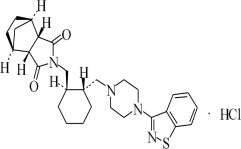
LATUDA is an atypical antipsychotic belonging to the chemical class of benzisothiazol derivatives.
Its chemical name is (3aR,4S,7R,7aS)-2-{(1R,2R)-2-[4-(1,2-benzisothiazol-3-yl)piperazin-1-ylmethyl] cyclohexylmethyl}hexahydro-4,7-methano-2H-isoindole-1,3-dione hydrochloride. Its molecular formula is C28H36N4O2S•HCl and its molecular weight is 529.14.
The chemical structure is:
Lurasidone hydrochloride is a white to off-white powder. It is very slightly soluble in water, practically insoluble or insoluble in 0.1 N HCl, slightly soluble in ethanol, sparingly soluble in methanol, practically insoluble or insoluble in toluene and very slightly soluble in acetone.
LATUDA tablets are intended for oral administration only. Each tablet contains 20 mg, 40 mg, 60 mg, 80 mg, or 120 mg of lurasidone hydrochloride.
Inactive ingredients are mannitol, pregelatinized starch, croscarmellose sodium, hypromellose, magnesium stearate, Opadry® and carnauba wax. Additionally, the 80 mg tablet contains yellow ferric oxide and FD&C Blue No. 2 Aluminum Lake.
5.15 Dysphagia
Esophageal dysmotility and aspiration have been associated with antipsychotic drug use. Aspiration pneumonia is a common cause of morbidity and mortality in elderly patients, in particular those with advanced Alzheimer's dementia. LATUDA and other antipsychotic drugs should be used cautiously in patients at risk for aspiration pneumonia.
8.5 Geriatric Use
Clinical studies with LATUDA did not include sufficient numbers of patients aged 65 and older to determine whether or not they respond differently from younger patients. In elderly patients with psychosis (65 to 85), LATUDA concentrations (20 mg/day) were similar to those in young subjects. It is unknown whether dose adjustment is necessary on the basis of age alone.
Elderly patients with dementia-related psychosis treated with LATUDA are at an increased risk of death compared to placebo. LATUDA is not approved for the treatment of patients with dementia-related psychosis [see Boxed Warning, Warnings and Precautions (5.1, 5.3)].
4 Contraindications
- Known hypersensitivity to lurasidone HCl or any components in the formulation. Angioedema has been observed with lurasidone [see Adverse Reactions (6.1)].
- Strong CYP3A4 inhibitors (e.g., ketoconazole, clarithromycin, ritonavir, voriconazole, mibefradil, etc.) [see Drug Interactions (7.1)].
- Strong CYP3A4 inducers (e.g., rifampin, avasimibe, St. John's wort, phenytoin, carbamazepine, etc.) [see Drug Interactions (7.1)].
6 Adverse Reactions
The following adverse reactions are discussed in more detail in other sections of the labeling:
- Increased Mortality in Elderly Patients with Dementia-Related Psychosis [see Boxed Warning and Warnings and Precautions (5.1)]
- Suicidal Thoughts and Behaviors [see Boxed Warning and Warnings and Precautions (5.2)]
- Cerebrovascular Adverse Reactions, Including Stroke, in Elderly Patients with Dementia-related Psychosis [see Warnings and Precautions (5.3)]
- Neuroleptic Malignant Syndrome [see Warnings and Precautions (5.4)]
- Tardive Dyskinesia [see Warnings and Precautions (5.5)]
- Metabolic Changes [see Warnings and Precautions (5.6)]
- Hyperprolactinemia [see Warnings and Precautions (5.7)]
- Leukopenia, Neutropenia, and Agranulocytosis [see Warnings and Precautions (5.8)]
- Orthostatic Hypotension and Syncope [see Warnings and Precautions (5.9)]
- Falls [see Warnings and Precautions (5.10)]
- Seizures [see Warnings and Precautions (5.11)]
- Potential for Cognitive and Motor Impairment [see Warnings and Precautions (5.12)]
- Body Temperature Dysregulation [see Warnings and Precautions (5.13)]
- Activation of Mania/Hypomania [see Warnings and Precautions (5.14)]
- Dysphagia [see Warnings and Precautions (5.15)]
- Neurological Adverse Reactions in Patients with Parkinson's Disease or Dementia with Lewy Bodies [see Warnings and Precautions (5.16)]
8.6 Renal Impairment
Reduce the maximum recommended dosage in patients with moderate or severe renal impairment (CLcr<50 mL/minute). Patients with impaired renal function (CLcr<50 mL/minute) had higher exposure to lurasidone than patients with normal renal function [see Clinical Pharmacology (12.3)]. Greater exposure may increase the risk of LATUDA-associated adverse reactions [see Dosage and Administration (2.4)].
10.1 Human Experience
In premarketing clinical studies, accidental or intentional overdosage of LATUDA was identified in one patient who ingested an estimated 560 mg of LATUDA. This patient recovered without sequelae. This patient resumed LATUDA treatment for an additional two months.
12.2 Pharmacodynamics
Lurasidone is an antagonist with high affinity binding at the dopamine D2 receptors (Ki of 1 nM) and the serotonin 5-HT2A (Ki of 0.5 nM) and 5-HT7 (Ki of 0.5 nM) receptors. It also binds with moderate affinity to the human α2C adrenergic receptors (Ki of 11 nM), is a partial agonist at serotonin 5-HT1A (Ki of 6.4 nM) receptors, and is an antagonist at the α2A adrenergic receptors (Ki of 41 nM). Lurasidone exhibits little or no affinity for histamine H1 and muscarinic M1 receptors (IC50 > 1,000 nM).
ECG Changes
The effects of LATUDA on the QTc interval were evaluated in a randomized, double-blind, multiple-dose, parallel-dedicated thorough QT study in 43 patients with schizophrenia or schizoaffective disorder, who were treated with LATUDA doses of 120 mg daily, 600 mg daily and completed the study. The maximum mean (upper 1-sided, 95% CI) increase in baseline-adjusted QTc intervals based on individual correction method (QTcI) was 7.5 (11.7) ms and 4.6 (9.5) ms, for the 120 mg and 600 mg dose groups respectively, observed at 2 to 4 hours after dosing. In this study, there was no apparent dose (exposure)-response relationship.
In short-term, placebo-controlled studies in schizophrenia and bipolar depression, no post-baseline QT prolongations exceeding 500 msec were reported in patients treated with LATUDA or placebo.
5.6 Metabolic Changes
Atypical antipsychotic drugs have been associated with metabolic changes that may increase cardiovascular/cerebrovascular risk. These metabolic changes include hyperglycemia, dyslipidemia, and body weight gain. While all of the drugs in the class have been shown to produce some metabolic changes, each drug has its own specific risk profile.
5.5 Tardive Dyskinesia
Tardive dyskinesia is a syndrome consisting of potentially irreversible, involuntary, dyskinetic movements that can develop in patients treated with antipsychotic drugs. Although the prevalence of the syndrome appears to be highest among the elderly, especially elderly women, it is impossible to rely upon prevalence estimates to predict, at the inception of antipsychotic treatment, which patients are likely to develop the syndrome. Whether antipsychotic drug products differ in their potential to cause tardive dyskinesia is unknown.
The risk of developing tardive dyskinesia and the likelihood that it will become irreversible are believed to increase as the duration of treatment and the total cumulative dose of antipsychotic drugs administered to the patient increase. However, the syndrome can develop, although much less commonly, after relatively brief treatment periods at low doses or may even arise after discontinuation of treatment.
The syndrome may remit, partially or completely, if antipsychotic treatment is withdrawn. Antipsychotic treatment, itself, however, may suppress (or partially suppress) the signs and symptoms of the syndrome and thereby may possibly mask the underlying process. The effect that symptomatic suppression has upon the long-term course of the syndrome is unknown.
Given these considerations, LATUDA should be prescribed in a manner that is most likely to minimize the occurrence of tardive dyskinesia. Chronic antipsychotic treatment should generally be reserved for patients who suffer from a chronic illness that (1) is known to respond to antipsychotic drugs, and (2) for whom alternative, equally effective, but potentially less harmful treatments are not available or appropriate. In patients who do require chronic treatment, the smallest dose and the shortest duration of treatment producing a satisfactory clinical response should be sought. The need for continued treatment should be reassessed periodically.
If signs and symptoms of tardive dyskinesia appear in a patient on LATUDA, drug discontinuation should be considered. However, some patients may require treatment with LATUDA despite the presence of the syndrome.
5.7 Hyperprolactinemia
As with other drugs that antagonize dopamine D2 receptors, LATUDA elevates prolactin levels.
Hyperprolactinemia may suppress hypothalamic GnRH, resulting in reduced pituitary gonadotrophin secretion. This, in turn, may inhibit reproductive function by impairing gonadal steroidogenesis in both female and male patients. Galactorrhea, amenorrhea, gynecomastia, and impotence have been reported with prolactin-elevating compounds. Long-standing hyperprolactinemia, when associated with hypogonadism, may lead to decreased bone density in both female and male patients [see Adverse Reactions (6)].
Tissue culture experiments indicate that approximately one-third of human breast cancers are prolactin-dependent in vitro, a factor of potential importance if the prescription of these drugs is considered in a patient with previously detected breast cancer. As is common with compounds which increase prolactin release, an increase in mammary gland neoplasia was observed in a carcinogenicity study conducted with lurasidone in rats and mice [see Nonclinical Toxicology (13)]. Published epidemiologic studies have shown inconsistent results when exploring the potential association between hyperprolactinemia and breast cancer.
8.7 Hepatic Impairment
Reduce the maximum recommended dosage in patients with moderate to severe hepatic impairment (Child-Pugh score ≥7). Patients with moderate to severe hepatic impairment (Child-Pugh score ≥7) generally had higher exposure to lurasidone than patients with normal hepatic function [see Clinical Pharmacology (12.3)]. Greater exposure may increase the risk of LATUDA-associated adverse reactions [see Dosage and Administration (2.5)].
1 Indications and Usage
LATUDA is indicated for:
- Treatment of adult and adolescent patients (13 to 17 years) with schizophrenia [see Clinical Studies (14.1)].
- Monotherapy treatment of adult and pediatric patients (10 to 17 years) with major depressive episode associated with bipolar I disorder (bipolar depression) [see Clinical Studies (14.2)].
- Adjunctive treatment with lithium or valproate in adult patients with major depressive episode associated with bipolar I disorder (bipolar depression) [see Clinical Studies (14.2)].
12.1 Mechanism of Action
The mechanism of action of lurasidone in the treatment of schizophrenia and bipolar depression is unclear. However, its efficacy in schizophrenia and bipolar depression could be mediated through a combination of central dopamine D2 and serotonin Type 2 (5HT2A) receptor antagonism.
9.1 Controlled Substance
LATUDA is not a controlled substance.
5 Warnings and Precautions
- Cerebrovascular Adverse Reactions in Elderly Patients with Dementia-Related Psychosis: Increased incidence of cerebrovascular adverse events (e.g., stroke, transient ischemic attack) (5.3).
- Neuroleptic Malignant Syndrome: Manage with immediate discontinuation and close monitoring (5.4).
- Tardive Dyskinesia: Discontinue if clinically appropriate (5.5).
- Metabolic Changes: Monitor for hyperglycemia/diabetes mellitus, dyslipidemia and weight gain (5.6).
- Hyperprolactinemia: Prolactin elevations may occur (5.7).
- Leukopenia, Neutropenia, and Agranulocytosis: Perform complete blood counts (CBC) in patients with a pre-existing low white blood cell count (WBC) or a history of leukopenia or neutropenia. Consider discontinuing LATUDA if a clinically significant decline in WBC occurs in the absence of other causative factors (5.8).
- Orthostatic Hypotension and Syncope: Monitor heart rate and blood pressure and warn patients with known cardiovascular or cerebrovascular disease, and risk of dehydration or syncope (5.9).
2 Dosage and Administration
LATUDA should be taken with food (at least 350 calories). Administration with food substantially increases the absorption of LATUDA (2.3, 12.3).
| Indication | Starting Dose | Recommended Dose |
| Schizophrenia – adults (2.1) | 40 mg per day | 40 mg to 160 mg per day |
| Schizophrenia –adolescents (13 to 17 years) (2.1) | 40 mg per day | 40 mg to 80 mg per day |
| Bipolar Depression - adults (2.2) | 20 mg per day | 20 mg to 120 mg per day |
| Bipolar Depression –pediatric patients (10 to 17 years) (2.2) | 20 mg per day | 20 mg to 80 mg per day |
- Moderate and Severe Renal Impairment: Recommended starting dose is 20 mg per day, and the maximum recommended dose is 80 mg per day (2.4, 8.6).
- Moderate and Severe Hepatic Impairment: Recommended starting dose is 20 mg per day. The maximum recommended dose is 80 mg per day in moderate hepatic impairment and 40 mg per day in severe hepatic impairment (2.5, 8.7).
-
Concomitant Use of a Moderate CYP3A4 inhibitor (e.g., diltiazem):
LATUDA dose should be reduced to half of the original dose level. Recommended starting dose is 20 mg per day. Maximum recommended dose is 80 mg per day (2.6, 7.1). -
Concomitant Use of a Moderate CYP3A4 Inducer:
It may be necessary to increase the dose of LATUDA (2.6, 7.1).
3 Dosage Forms and Strengths
LATUDA tablets are available in the following shape and color ( Table 1 ) with respective one-sided debossing.
| Tablet Strength | Tablet Color/Shape | Tablet Markings |
|---|---|---|
| 20 mg | white to off-white round | L20 |
| 40 mg | white to off-white round | L40 |
| 60 mg | white to off-white oblong | L60 |
| 80 mg | pale green oval | L80 |
| 120 mg | white to off-white oval | L120 |
6.2 Postmarketing Experience
The following adverse reactions have been identified during postapproval use of LATUDA. Because these reactions are reported voluntarily from a population of uncertain size, it is not always possible to reliably estimate their frequency or establish a causal relationship to drug exposure.
Hypersensitivity Reactions: Urticaria, throat swelling, tongue swelling, dyspnea, and rash.
Metabolism and Nutrition Disorders: Hyponatremia
10.2 Management of Overdosage
No specific antidotes for LATUDA are known. In managing overdose, provide supportive care, including close medical supervision and monitoring, and consider the possibility of multiple drug involvement. If an overdose occurs, consult a Certified Poison Control Center (1-800-222-1222 or www.poison.org).
Cardiovascular monitoring should commence immediately, including continuous electrocardiographic monitoring for possible arrhythmias. If antiarrhythmic therapy is administered, disopyramide, procainamide, and quinidine carry a theoretical hazard of additive QT-prolonging effects when administered in patients with an acute overdose of LATUDA. Similarly, the alpha-blocking properties of bretylium might be additive to those of LATUDA, resulting in problematic hypotension.
Hypotension and circulatory collapse should be treated with appropriate measures. Epinephrine and dopamine should not be used, or other sympathomimetics with beta-agonist activity, since beta stimulation may worsen hypotension in the setting of LATUDA-induced alpha blockade. In case of severe extrapyramidal symptoms, anticholinergic medication should be administered.
Gastric lavage (after intubation if patient is unconscious) and administration of activated charcoal together with a laxative should be considered.
The possibility of obtundation, seizures, or dystonic reaction of the head and neck following overdose may create a risk of aspiration with induced emesis.
8 Use in Specific Populations
- Pregnancy: May cause extrapyramidal and or/withdrawal symptoms in neonates with third trimester exposure (8.1).
2.3 Administration Information
LATUDA should be taken with food (at least 350 calories). Administration with food substantially increases the absorption of LATUDA. Administration with food increases the AUC approximately 2-fold and increases the Cmax approximately 3-fold. In the clinical studies, LATUDA was administered with food [see Clinical Pharmacology (12.3)].
The effectiveness of LATUDA for longer-term use, that is, for more than 6 weeks, has not been established in controlled studies. Therefore, the physician who elects to use LATUDA for extended periods should periodically re-evaluate the long-term usefulness of the drug for the individual patient [see Dosage and Administration (2.1and 2.2)].
6.1 Clinical Trials Experience
Because clinical trials are conducted under widely varying conditions, adverse reaction rates observed in clinical trials of a drug cannot be directly compared to rates in the clinical trials of another drug and may not reflect the rates observed in clinical practice.
8.8 Other Specific Populations
No dosage adjustment for LATUDA is required on the basis of a patient's sex, race, or smoking status [see Clinical Pharmacology (12.3)].
17 Patient Counseling Information
Advise the patient to read the FDA-approved patient labeling (Medication Guide).
5.14 Activation of Mania/hypomania
Antidepressant treatment can increase the risk of developing a manic or hypomanic episode, particularly in patients with bipolar disorder. Monitor patients for the emergence of such episodes.
In the adult bipolar depression monotherapy and adjunctive therapy (with lithium or valproate) studies, less than 1% of subjects in the LATUDA and placebo groups developed manic or hypomanic episodes.
5.4 Neuroleptic Malignant Syndrome
A potentially fatal symptom complex sometimes referred to as Neuroleptic Malignant Syndrome (NMS) has been reported in association with administration of antipsychotic drugs, including LATUDA. Clinical manifestations of NMS are hyperpyrexia, muscle rigidity, altered mental status, and evidence of autonomic instability. Additional signs may include elevated creatine phosphokinase, myoglobinuria (rhabdomyolysis), and acute renal failure.
If NMS is suspected, immediately discontinue LATUDA and provide intensive symptomatic treatment and monitoring.
5.13 Body Temperature Dysregulation
Disruption of the body's ability to reduce core body temperature has been attributed to antipsychotic agents. Appropriate care is advised when prescribing LATUDA for patients who will be experiencing conditions that may contribute to an elevation in core body temperature, e.g., exercising strenuously, exposure to extreme heat, receiving concomitant medication with anticholinergic activity, or being subject to dehydration.
16 How Supplied/storage and Handling
LATUDA tablets are white to off-white, round (20 mg or 40 mg), white to off-white, oblong (60 mg), pale green, oval (80 mg) or white to off-white, oval (120 mg) and identified with strength-specific one-sided debossing, “L20” (20 mg), “L40” (40 mg), “L80” (80 mg) or “L120” (120 mg). Tablets are supplied in the following strengths and package configurations ( Table 39 ).
| Tablet Strength | Package Configuration | NDC Code |
|---|---|---|
| 20 mg | Bottles of 30 | 63402-302-30 |
| Bottles of 90 | 63402-302-90 | |
| Bottles of 500 | 63402-302-50 | |
| Box of 100 (Hospital Unit Dose) 10 blister cards, 10 tablets each |
63402-302-10 Carton 63402-302-01 Blister |
|
| 40 mg |
Bottles of 30 | 63402-304-30 |
| Bottles of 90 | 63402-304-90 | |
| Bottles of 500 | 63402-304-50 | |
| Box of 100 (Hospital Unit Dose) 10 blister cards, 10 tablets each |
63402-304-10 Carton 63402-304-01 Blister |
|
| 60 mg | Bottles of 30 | 63402-306-30 |
| Bottles of 90 | 63402-306-90 | |
| Bottles of 500 | 63402-306-50 | |
| Box of 100 (Hospital Unit Dose) 10 blister cards, 10 tablets each |
63402-306-10 Carton 63402-306-01 Blister |
|
| 80 mg |
Bottles of 30 | 63402-308-30 |
| Bottles of 90 | 63402-308-90 | |
| Bottles of 500 | 63402-308-50 | |
| Box of 100 (Hospital Unit Dose) 10 blister cards, 10 tablets each |
63402-308-10 Carton 63402-308-01 Blister |
|
| 120 mg | Bottles of 30 | 63402-312-30 |
| Bottles of 90 | 63402-312-90 | |
| Bottles of 500 | 63402-312-50 | |
| Box of 100 (Hospital Unit Dose) 10 blister cards, 10 tablets each |
63402-312-10 Carton 63402-312-01 Blister |
5.9 Orthostatic Hypotension and Syncope
LATUDA may cause orthostatic hypotension and syncope, perhaps due to its α1-adrenergic receptor antagonism. Associated adverse reactions can include dizziness, lightheadedness, tachycardia, and bradycardia. Generally, these risks are greatest at the beginning of treatment and during dose escalation. Patients at increased risk of these adverse reactions or at increased risk of developing complications from hypotension include those with dehydration, hypovolemia, treatment with antihypertensive medication, history of cardiovascular disease (e.g., heart failure, myocardial infarction, ischemia, or conduction abnormalities), history of cerebrovascular disease, as well as patients who are antipsychotic-naïve. In such patients, consider using a lower starting dose and slower titration, and monitor orthostatic vital signs.
Orthostatic hypotension, as assessed by vital sign measurement, was defined by the following vital sign changes: ≥ 20 mm Hg decrease in systolic blood pressure and ≥10 bpm increase in pulse from sitting to standing or supine to standing position.
2.4 Dose Modifications for Renal Impairment
Dose adjustment is recommended in moderate (creatinine clearance: 30 to <50 mL/min) and severe renal impairment (creatinine clearance <30 mL/min) patients. The recommended starting dose is 20 mg per day. The dose in these patients should not exceed 80 mg per day [see Use in Specific Populations (8.6)].
2.5 Dose Modifications for Hepatic Impairment
Dose adjustment is recommended in moderate (Child-Pugh Score = 7 to 9) and severe hepatic impairment (Child-Pugh Score = 10 to 15) patients. The recommended starting dose is 20 mg per day. The dose in moderate hepatic impairment patients should not exceed 80 mg per day and the dose in severe hepatic impairment patients should not exceed 40 per mg/day [see Use in Specific Populations (8.7)].
5.8 Leukopenia, Neutropenia and Agranulocytosis
Leukopenia/neutropenia has been reported during treatment with antipsychotic agents. Agranulocytosis (including fatal cases) has been reported with other agents in the class.
Possible risk factors for leukopenia/neutropenia include pre-existing low white blood cell count (WBC) and history of drug-induced leukopenia/neutropenia. Patients with a pre-existing low WBC or a history of drug-induced leukopenia/neutropenia should have their complete blood count (CBC) monitored frequently during the first few months of therapy and LATUDA should be discontinued at the first sign of decline in WBC, in the absence of other causative factors.
Patients with neutropenia should be carefully monitored for fever or other symptoms or signs of infection and treated promptly if such symptoms or signs occur. Patients with severe neutropenia (absolute neutrophil count < 1000/mm3) should discontinue LATUDA and have their WBC followed until recovery.
5.12 Potential for Cognitive and Motor Impairment
LATUDA, like other antipsychotics, has the potential to impair judgment, thinking or motor skills. Caution patients about operating hazardous machinery, including motor vehicles, until they are reasonably certain that therapy with LATUDA does not affect them adversely.
In clinical studies with LATUDA, somnolence included: hypersomnia, hypersomnolence, sedation and somnolence.
7.1 Drugs Having Clinically Important Interactions With Latuda
| Strong CYP3A4 Inhibitors | |
| Clinical Impact: | Concomitant use of LATUDA with strong CYP3A4 inhibitors increased the exposure of lurasidone compared to the use of LATUDA alone [see Clinical Pharmacology (12.3)]. |
| Intervention: | LATUDA should not be used concomitantly with strong CYP3A4 inhibitors [see Contraindications (4)]. |
| Examples: | Ketoconazole, clarithromycin, ritonavir, voriconazole, mibefradil |
| Moderate CYP3A4 Inhibitors | |
| Clinical Impact: | Concomitant use of LATUDA with moderate CYP3A4 inhibitors increased the exposure of lurasidone compared to the use of LATUDA alone [see Clinical Pharmacology (12.3)]. |
| Intervention: | LATUDA dose should be reduced to half of the original level when used concomitantly with moderate inhibitors of CYP3A4 [see Dosage and Administration (2.6)]. |
| Examples: | Diltiazem, atazanavir, erythromycin, fluconazole, verapamil |
| Strong CYP3A4 Inducers | |
| Clinical Impact: | Concomitant use of LATUDA with strong CYP3A4 inducers decreased the exposure of lurasidone compared to the use of LATUDA alone [see Clinical Pharmacology (12.3)]. |
| Intervention: | LATUDA should not be used concomitantly with strong CYP3A4 inducers [see Contraindications (4)]. |
| Examples: | Rifampin, avasimibe, St. John's wort, phenytoin, carbamazepine |
| Moderate CYP3A4 Inducers | |
| Clinical Impact: | Concomitant use of LATUDA with moderate CYP3A4 inducers decreased the exposure of lurasidone compared to the use of LATUDA alone [see Clinical Pharmacology (12.3)]. |
| Intervention: | LATUDA dose should be increased when used concomitantly with moderate inducers of CYP3A4 [see Dosage and Administration (2.6)]. |
| Examples: | Bosentan, efavirenz, etravirine, modafinil, nafcillin |
7.2 Drugs Having No Clinically Important Interactions With Latuda
Based on pharmacokinetic studies, no dosage adjustment of LATUDA is required when administered concomitantly with lithium, valproate, or substrates of P-gp or CYP3A4 [see Clinical Pharmacology (12.3)].
5.2 Suicidal Thoughts and Behaviors in Pediatric and Young Adult Patients
In pooled analyses of placebo-controlled trials of antidepressant drugs (SSRIs and other antidepressant classes) that included approximately 77,000 adult patients, and over 4,400 pediatric patients, the incidence of suicidal thoughts and behaviors in pediatric and young adult patients was greater in antidepressant-treated patients than in placebo-treated patients. The drug-placebo differences in the number of cases of suicidal thoughts and behaviors per 1000 patients treated are provided in Table 2.
No suicides occurred in any of the pediatric studies. There were suicides in the adult studies, but the number was not sufficient to reach any conclusion about antidepressant drug effect on suicide.
| Age Range | Drug-Placebo Difference in Number of Patients of Suicidal Thoughts or Behaviors per 1000 Patients Treated |
|---|---|
| Increases Compared to Placebo | |
| <18 | 14 additional patients |
| 18-24 | 5 additional patients |
| Decreases Compared to Placebo | |
| 25-64 | 1 fewer patient |
| ≥65 | 6 fewer patients |
It is unknown whether the risk of suicidal thoughts and behaviors in pediatric and young adult patients extends to longer-term use, i.e., beyond four months. However, there is substantial evidence from placebo-controlled maintenance studies in adults with MDD that antidepressants delay the recurrence of depression.
Monitor all antidepressant-treated patients for clinical worsening and emergence of suicidal thoughts and behaviors, especially during the initial few months of drug therapy and at times of dosage changes. Counsel family members or caregivers of patients to monitor for changes in behavior and to alert the healthcare provider. Consider changing the therapeutic regimen, including possibly discontinuing LATUDA, in patients whose depression is persistently worse, or who are experiencing emergent suicidal thoughts or behaviors.
5.1 Increased Mortality in Elderly Patients With Dementia Related Psychosis
Elderly patients with dementia-related psychosis treated with antipsychotic drugs are at an increased risk of death. Analyses of 17 placebo-controlled trials (modal duration of 10 weeks), largely in patients taking atypical antipsychotic drugs, revealed a risk of death in drug-treated patients of between 1.6- to 1.7-times the risk of death in placebo-treated patients. Over the course of a typical 10-week controlled trial, the rate of death in drug-treated patients was about 4.5%, compared to a rate of about 2.6% in the placebo group. Although the causes of death were varied, most of the deaths appeared to be either cardiovascular (e.g., heart failure, sudden death) or infectious (e.g., pneumonia) in nature. LATUDA is not approved for the treatment of patients with dementia-related psychosis [see Boxed Warning, Warnings and Precautions (5.3)].
5.16 Neurological Adverse Reactions in Patients With Parkinson's Disease Or Dementia With Lewy Bodies
Patients with Parkinson's Disease or Dementia with Lewy Bodies are reported to have an increased sensitivity to antipsychotic medication. Manifestations of this increased sensitivity include confusion, obtundation, postural instability with frequent falls, extrapyramidal symptoms, and clinical features consistent with the neuroleptic malignant syndrome.
5.3 Cerebrovascular Adverse Reactions, Including Stroke in Elderly Patients With Dementia Related Psychosis
In placebo-controlled trials with risperidone, aripiprazole, and olanzapine in elderly subjects with dementia, there was a higher incidence of cerebrovascular adverse reactions (cerebrovascular accidents and transient ischemic attacks), including fatalities, compared to placebo-treated subjects. LATUDA is not approved for the treatment of patients with dementia-related psychosis [see Boxed Warning, Warnings and Precautions (5.1)].
Warning: Increased Mortality in Elderly Patients With Dementia Related Psychosis; and Suicidal Thoughts and Behaviors
WARNING: INCREASED MORTALITY IN ELDERLY PATIENTS WITH DEMENTIA-RELATED PSYCHOSIS; and SUICIDAL THOUGHTS AND BEHAVIORS
See full prescribing information for complete boxed warning.
- Elderly patients with dementia-related psychosis treated with antipsychotic drugs are at an increased risk of death. LATUDA is not approved for the treatment of patients with dementia-related psychosis (5.1).
- Antidepressants increased the risk of suicidal thoughts and behavior in pediatric and young adult patients. Closely monitor for clinical worsening and emergence of suicidal thoughts and behaviors (5.2).
Structured Label Content
Section 42229-5 (42229-5)
Increased Mortality in Elderly Patients with Dementia-Related Psychosis
Elderly patients with dementia-related psychosis treated with antipsychotic drugs are at an increased risk of death. LATUDA is not approved for the treatment of patients with dementia-related psychosis [see Warnings and Precautions (5.1)].
Section 42231-1 (42231-1)
|
This Medication Guide has been approved by the U.S. Food and Drug Administration . |
Revised: 1/2025 |
|||||
|
MEDICATION GUIDE
LATUDA (luh-TOO-duh) (lurasidone hydrochloride) tablets |
||||||
|
What is the most important information I should know about LATUDA?
|
||||||
|
What is LATUDA?
LATUDA is a prescription medicine used:
|
||||||
It is not known if LATUDA is safe and effective in children:
|
||||||
Do not take LATUDA if you are:
|
||||||
Before taking LATUDA, tell your healthcare provider about all of your medical conditions, including if you:
|
||||||
|
Tell your healthcare provider about all the medicines you take, including prescription and over-the-counter medicines, vitamins, and herbal supplements. LATUDA and other medicines may affect each other causing possible serious side effects. LATUDA may affect the way other medicines work, and other medicines may affect how LATUDA works. Your healthcare provider can tell you if it is safe to take LATUDA with your other medicines. Do not start or stop any other medicines during treatment with LATUDA without talking to your healthcare provider first. Know the medicines you take. Keep a list of your medicines to show your healthcare provider and pharmacist when you get a new medicine. |
||||||
How should I take LATUDA?
|
||||||
|
What should I avoid while taking LATUDA?
|
||||||
|
What are the possible side effects of LATUDA?
LATUDA may cause serious side effects, including:
|
||||||
| These are not all of the possible side effects of LATUDA. Call your doctor for medical advice about side effects. You may report side effects to FDA at 1-800-FDA-1088. |
||||||
How should I store LATUDA?
|
||||||
|
General information about the safe and effective use of LATUDA.
Medicines are sometimes prescribed for purposes other than those listed in a Medication Guide. Do not use LATUDA for a condition for which it was not prescribed. Do not give LATUDA to other people, even if they have the same symptoms that you have. It may harm them. You can ask your pharmacist or healthcare provider for information about LATUDA that is written for health professionals. |
||||||
|
What are the ingredients in LATUDA?
Active ingredient: lurasidone hydrochloride Inactive ingredients: mannitol, pregelatinized starch, croscarmellose sodium, hypromellose, magnesium stearate, Opadry® and carnauba wax. Additionally, the 80 mg tablet contains yellow ferric oxide and FD&C Blue No. 2 Aluminum Lake Manufactured for: Sumitomo Pharma America, Inc. Marlborough, MA 01752 USA LATUDA is a registered trademark of Sumitomo Pharma Co. Ltd.; Sumitomo Pharma America, Inc. is a U.S. subsidiary of Sumitomo Pharma Co. Ltd. ©2025 Sumitomo Pharma America, Inc. For more information, go to www.LATUDA.com or call 1-888-394-7377. |
Section 43683-2 (43683-2)
| Warnings and Precautions (5.7) | 1/2025 |
Section 44425-7 (44425-7)
Storage
Store LATUDA tablets at 25°C (77°F); excursions permitted to 15° - 30°C (59° - 86°F) [See USP Controlled Room Temperature].
Section 51945-4 (51945-4)
PACKAGE LABEL - PRINCIPAL DISPLAY PANEL - 20 mg, 30 Tablet Label
NDC 63402-302-30
30 Tablets
Latuda ®
(lurasidone HCl) tablets
20 mg
ATTENTION DISPENSER: Each time Latuda
is dispensed give the patient the accompanying
Medication Guide, also provided at
www.latuda.com or 1-888-394-7377.
Rx Only
Sunovion
9.2 Abuse
LATUDA has not been systematically studied in humans for its potential for abuse or physical dependence or its ability to induce tolerance. While clinical studies with LATUDA did not reveal any tendency for drug-seeking behavior, these observations were not systematic and it is not possible to predict the extent to which a CNS-active drug will be misused, diverted and/or abused once it is marketed. Patients should be evaluated carefully for a history of drug abuse, and such patients should be observed carefully for signs of LATUDA misuse or abuse (e.g., development of tolerance, drug-seeking behavior, increases in dose).
5.10 Falls
LATUDA may cause somnolence, postural hypotension, motor and sensory instability, which may lead to falls and, consequently, fractures or other injuries. For patients with diseases, conditions, or medications that could exacerbate these effects, complete fall risk assessments when initiating antipsychotic treatment and recurrently for patients on long-term antipsychotic therapy.
5.11 Seizures
As with other antipsychotic drugs, LATUDA should be used cautiously in patients with a history of seizures or with conditions that lower the seizure threshold, e.g., Alzheimer's dementia. Conditions that lower the seizure threshold may be more prevalent in patients 65 years or older.
11 Description (11 DESCRIPTION)
LATUDA is an atypical antipsychotic belonging to the chemical class of benzisothiazol derivatives.
Its chemical name is (3aR,4S,7R,7aS)-2-{(1R,2R)-2-[4-(1,2-benzisothiazol-3-yl)piperazin-1-ylmethyl] cyclohexylmethyl}hexahydro-4,7-methano-2H-isoindole-1,3-dione hydrochloride. Its molecular formula is C28H36N4O2S•HCl and its molecular weight is 529.14.
The chemical structure is:
Lurasidone hydrochloride is a white to off-white powder. It is very slightly soluble in water, practically insoluble or insoluble in 0.1 N HCl, slightly soluble in ethanol, sparingly soluble in methanol, practically insoluble or insoluble in toluene and very slightly soluble in acetone.
LATUDA tablets are intended for oral administration only. Each tablet contains 20 mg, 40 mg, 60 mg, 80 mg, or 120 mg of lurasidone hydrochloride.
Inactive ingredients are mannitol, pregelatinized starch, croscarmellose sodium, hypromellose, magnesium stearate, Opadry® and carnauba wax. Additionally, the 80 mg tablet contains yellow ferric oxide and FD&C Blue No. 2 Aluminum Lake.
5.15 Dysphagia
Esophageal dysmotility and aspiration have been associated with antipsychotic drug use. Aspiration pneumonia is a common cause of morbidity and mortality in elderly patients, in particular those with advanced Alzheimer's dementia. LATUDA and other antipsychotic drugs should be used cautiously in patients at risk for aspiration pneumonia.
8.5 Geriatric Use
Clinical studies with LATUDA did not include sufficient numbers of patients aged 65 and older to determine whether or not they respond differently from younger patients. In elderly patients with psychosis (65 to 85), LATUDA concentrations (20 mg/day) were similar to those in young subjects. It is unknown whether dose adjustment is necessary on the basis of age alone.
Elderly patients with dementia-related psychosis treated with LATUDA are at an increased risk of death compared to placebo. LATUDA is not approved for the treatment of patients with dementia-related psychosis [see Boxed Warning, Warnings and Precautions (5.1, 5.3)].
4 Contraindications (4 CONTRAINDICATIONS)
- Known hypersensitivity to lurasidone HCl or any components in the formulation. Angioedema has been observed with lurasidone [see Adverse Reactions (6.1)].
- Strong CYP3A4 inhibitors (e.g., ketoconazole, clarithromycin, ritonavir, voriconazole, mibefradil, etc.) [see Drug Interactions (7.1)].
- Strong CYP3A4 inducers (e.g., rifampin, avasimibe, St. John's wort, phenytoin, carbamazepine, etc.) [see Drug Interactions (7.1)].
6 Adverse Reactions (6 ADVERSE REACTIONS)
The following adverse reactions are discussed in more detail in other sections of the labeling:
- Increased Mortality in Elderly Patients with Dementia-Related Psychosis [see Boxed Warning and Warnings and Precautions (5.1)]
- Suicidal Thoughts and Behaviors [see Boxed Warning and Warnings and Precautions (5.2)]
- Cerebrovascular Adverse Reactions, Including Stroke, in Elderly Patients with Dementia-related Psychosis [see Warnings and Precautions (5.3)]
- Neuroleptic Malignant Syndrome [see Warnings and Precautions (5.4)]
- Tardive Dyskinesia [see Warnings and Precautions (5.5)]
- Metabolic Changes [see Warnings and Precautions (5.6)]
- Hyperprolactinemia [see Warnings and Precautions (5.7)]
- Leukopenia, Neutropenia, and Agranulocytosis [see Warnings and Precautions (5.8)]
- Orthostatic Hypotension and Syncope [see Warnings and Precautions (5.9)]
- Falls [see Warnings and Precautions (5.10)]
- Seizures [see Warnings and Precautions (5.11)]
- Potential for Cognitive and Motor Impairment [see Warnings and Precautions (5.12)]
- Body Temperature Dysregulation [see Warnings and Precautions (5.13)]
- Activation of Mania/Hypomania [see Warnings and Precautions (5.14)]
- Dysphagia [see Warnings and Precautions (5.15)]
- Neurological Adverse Reactions in Patients with Parkinson's Disease or Dementia with Lewy Bodies [see Warnings and Precautions (5.16)]
8.6 Renal Impairment
Reduce the maximum recommended dosage in patients with moderate or severe renal impairment (CLcr<50 mL/minute). Patients with impaired renal function (CLcr<50 mL/minute) had higher exposure to lurasidone than patients with normal renal function [see Clinical Pharmacology (12.3)]. Greater exposure may increase the risk of LATUDA-associated adverse reactions [see Dosage and Administration (2.4)].
10.1 Human Experience
In premarketing clinical studies, accidental or intentional overdosage of LATUDA was identified in one patient who ingested an estimated 560 mg of LATUDA. This patient recovered without sequelae. This patient resumed LATUDA treatment for an additional two months.
12.2 Pharmacodynamics
Lurasidone is an antagonist with high affinity binding at the dopamine D2 receptors (Ki of 1 nM) and the serotonin 5-HT2A (Ki of 0.5 nM) and 5-HT7 (Ki of 0.5 nM) receptors. It also binds with moderate affinity to the human α2C adrenergic receptors (Ki of 11 nM), is a partial agonist at serotonin 5-HT1A (Ki of 6.4 nM) receptors, and is an antagonist at the α2A adrenergic receptors (Ki of 41 nM). Lurasidone exhibits little or no affinity for histamine H1 and muscarinic M1 receptors (IC50 > 1,000 nM).
ECG Changes
The effects of LATUDA on the QTc interval were evaluated in a randomized, double-blind, multiple-dose, parallel-dedicated thorough QT study in 43 patients with schizophrenia or schizoaffective disorder, who were treated with LATUDA doses of 120 mg daily, 600 mg daily and completed the study. The maximum mean (upper 1-sided, 95% CI) increase in baseline-adjusted QTc intervals based on individual correction method (QTcI) was 7.5 (11.7) ms and 4.6 (9.5) ms, for the 120 mg and 600 mg dose groups respectively, observed at 2 to 4 hours after dosing. In this study, there was no apparent dose (exposure)-response relationship.
In short-term, placebo-controlled studies in schizophrenia and bipolar depression, no post-baseline QT prolongations exceeding 500 msec were reported in patients treated with LATUDA or placebo.
5.6 Metabolic Changes
Atypical antipsychotic drugs have been associated with metabolic changes that may increase cardiovascular/cerebrovascular risk. These metabolic changes include hyperglycemia, dyslipidemia, and body weight gain. While all of the drugs in the class have been shown to produce some metabolic changes, each drug has its own specific risk profile.
5.5 Tardive Dyskinesia
Tardive dyskinesia is a syndrome consisting of potentially irreversible, involuntary, dyskinetic movements that can develop in patients treated with antipsychotic drugs. Although the prevalence of the syndrome appears to be highest among the elderly, especially elderly women, it is impossible to rely upon prevalence estimates to predict, at the inception of antipsychotic treatment, which patients are likely to develop the syndrome. Whether antipsychotic drug products differ in their potential to cause tardive dyskinesia is unknown.
The risk of developing tardive dyskinesia and the likelihood that it will become irreversible are believed to increase as the duration of treatment and the total cumulative dose of antipsychotic drugs administered to the patient increase. However, the syndrome can develop, although much less commonly, after relatively brief treatment periods at low doses or may even arise after discontinuation of treatment.
The syndrome may remit, partially or completely, if antipsychotic treatment is withdrawn. Antipsychotic treatment, itself, however, may suppress (or partially suppress) the signs and symptoms of the syndrome and thereby may possibly mask the underlying process. The effect that symptomatic suppression has upon the long-term course of the syndrome is unknown.
Given these considerations, LATUDA should be prescribed in a manner that is most likely to minimize the occurrence of tardive dyskinesia. Chronic antipsychotic treatment should generally be reserved for patients who suffer from a chronic illness that (1) is known to respond to antipsychotic drugs, and (2) for whom alternative, equally effective, but potentially less harmful treatments are not available or appropriate. In patients who do require chronic treatment, the smallest dose and the shortest duration of treatment producing a satisfactory clinical response should be sought. The need for continued treatment should be reassessed periodically.
If signs and symptoms of tardive dyskinesia appear in a patient on LATUDA, drug discontinuation should be considered. However, some patients may require treatment with LATUDA despite the presence of the syndrome.
5.7 Hyperprolactinemia
As with other drugs that antagonize dopamine D2 receptors, LATUDA elevates prolactin levels.
Hyperprolactinemia may suppress hypothalamic GnRH, resulting in reduced pituitary gonadotrophin secretion. This, in turn, may inhibit reproductive function by impairing gonadal steroidogenesis in both female and male patients. Galactorrhea, amenorrhea, gynecomastia, and impotence have been reported with prolactin-elevating compounds. Long-standing hyperprolactinemia, when associated with hypogonadism, may lead to decreased bone density in both female and male patients [see Adverse Reactions (6)].
Tissue culture experiments indicate that approximately one-third of human breast cancers are prolactin-dependent in vitro, a factor of potential importance if the prescription of these drugs is considered in a patient with previously detected breast cancer. As is common with compounds which increase prolactin release, an increase in mammary gland neoplasia was observed in a carcinogenicity study conducted with lurasidone in rats and mice [see Nonclinical Toxicology (13)]. Published epidemiologic studies have shown inconsistent results when exploring the potential association between hyperprolactinemia and breast cancer.
8.7 Hepatic Impairment
Reduce the maximum recommended dosage in patients with moderate to severe hepatic impairment (Child-Pugh score ≥7). Patients with moderate to severe hepatic impairment (Child-Pugh score ≥7) generally had higher exposure to lurasidone than patients with normal hepatic function [see Clinical Pharmacology (12.3)]. Greater exposure may increase the risk of LATUDA-associated adverse reactions [see Dosage and Administration (2.5)].
1 Indications and Usage (1 INDICATIONS AND USAGE)
LATUDA is indicated for:
- Treatment of adult and adolescent patients (13 to 17 years) with schizophrenia [see Clinical Studies (14.1)].
- Monotherapy treatment of adult and pediatric patients (10 to 17 years) with major depressive episode associated with bipolar I disorder (bipolar depression) [see Clinical Studies (14.2)].
- Adjunctive treatment with lithium or valproate in adult patients with major depressive episode associated with bipolar I disorder (bipolar depression) [see Clinical Studies (14.2)].
12.1 Mechanism of Action
The mechanism of action of lurasidone in the treatment of schizophrenia and bipolar depression is unclear. However, its efficacy in schizophrenia and bipolar depression could be mediated through a combination of central dopamine D2 and serotonin Type 2 (5HT2A) receptor antagonism.
9.1 Controlled Substance
LATUDA is not a controlled substance.
5 Warnings and Precautions (5 WARNINGS AND PRECAUTIONS)
- Cerebrovascular Adverse Reactions in Elderly Patients with Dementia-Related Psychosis: Increased incidence of cerebrovascular adverse events (e.g., stroke, transient ischemic attack) (5.3).
- Neuroleptic Malignant Syndrome: Manage with immediate discontinuation and close monitoring (5.4).
- Tardive Dyskinesia: Discontinue if clinically appropriate (5.5).
- Metabolic Changes: Monitor for hyperglycemia/diabetes mellitus, dyslipidemia and weight gain (5.6).
- Hyperprolactinemia: Prolactin elevations may occur (5.7).
- Leukopenia, Neutropenia, and Agranulocytosis: Perform complete blood counts (CBC) in patients with a pre-existing low white blood cell count (WBC) or a history of leukopenia or neutropenia. Consider discontinuing LATUDA if a clinically significant decline in WBC occurs in the absence of other causative factors (5.8).
- Orthostatic Hypotension and Syncope: Monitor heart rate and blood pressure and warn patients with known cardiovascular or cerebrovascular disease, and risk of dehydration or syncope (5.9).
2 Dosage and Administration (2 DOSAGE AND ADMINISTRATION)
LATUDA should be taken with food (at least 350 calories). Administration with food substantially increases the absorption of LATUDA (2.3, 12.3).
| Indication | Starting Dose | Recommended Dose |
| Schizophrenia – adults (2.1) | 40 mg per day | 40 mg to 160 mg per day |
| Schizophrenia –adolescents (13 to 17 years) (2.1) | 40 mg per day | 40 mg to 80 mg per day |
| Bipolar Depression - adults (2.2) | 20 mg per day | 20 mg to 120 mg per day |
| Bipolar Depression –pediatric patients (10 to 17 years) (2.2) | 20 mg per day | 20 mg to 80 mg per day |
- Moderate and Severe Renal Impairment: Recommended starting dose is 20 mg per day, and the maximum recommended dose is 80 mg per day (2.4, 8.6).
- Moderate and Severe Hepatic Impairment: Recommended starting dose is 20 mg per day. The maximum recommended dose is 80 mg per day in moderate hepatic impairment and 40 mg per day in severe hepatic impairment (2.5, 8.7).
-
Concomitant Use of a Moderate CYP3A4 inhibitor (e.g., diltiazem):
LATUDA dose should be reduced to half of the original dose level. Recommended starting dose is 20 mg per day. Maximum recommended dose is 80 mg per day (2.6, 7.1). -
Concomitant Use of a Moderate CYP3A4 Inducer:
It may be necessary to increase the dose of LATUDA (2.6, 7.1).
3 Dosage Forms and Strengths (3 DOSAGE FORMS AND STRENGTHS)
LATUDA tablets are available in the following shape and color ( Table 1 ) with respective one-sided debossing.
| Tablet Strength | Tablet Color/Shape | Tablet Markings |
|---|---|---|
| 20 mg | white to off-white round | L20 |
| 40 mg | white to off-white round | L40 |
| 60 mg | white to off-white oblong | L60 |
| 80 mg | pale green oval | L80 |
| 120 mg | white to off-white oval | L120 |
6.2 Postmarketing Experience
The following adverse reactions have been identified during postapproval use of LATUDA. Because these reactions are reported voluntarily from a population of uncertain size, it is not always possible to reliably estimate their frequency or establish a causal relationship to drug exposure.
Hypersensitivity Reactions: Urticaria, throat swelling, tongue swelling, dyspnea, and rash.
Metabolism and Nutrition Disorders: Hyponatremia
10.2 Management of Overdosage
No specific antidotes for LATUDA are known. In managing overdose, provide supportive care, including close medical supervision and monitoring, and consider the possibility of multiple drug involvement. If an overdose occurs, consult a Certified Poison Control Center (1-800-222-1222 or www.poison.org).
Cardiovascular monitoring should commence immediately, including continuous electrocardiographic monitoring for possible arrhythmias. If antiarrhythmic therapy is administered, disopyramide, procainamide, and quinidine carry a theoretical hazard of additive QT-prolonging effects when administered in patients with an acute overdose of LATUDA. Similarly, the alpha-blocking properties of bretylium might be additive to those of LATUDA, resulting in problematic hypotension.
Hypotension and circulatory collapse should be treated with appropriate measures. Epinephrine and dopamine should not be used, or other sympathomimetics with beta-agonist activity, since beta stimulation may worsen hypotension in the setting of LATUDA-induced alpha blockade. In case of severe extrapyramidal symptoms, anticholinergic medication should be administered.
Gastric lavage (after intubation if patient is unconscious) and administration of activated charcoal together with a laxative should be considered.
The possibility of obtundation, seizures, or dystonic reaction of the head and neck following overdose may create a risk of aspiration with induced emesis.
8 Use in Specific Populations (8 USE IN SPECIFIC POPULATIONS)
- Pregnancy: May cause extrapyramidal and or/withdrawal symptoms in neonates with third trimester exposure (8.1).
2.3 Administration Information
LATUDA should be taken with food (at least 350 calories). Administration with food substantially increases the absorption of LATUDA. Administration with food increases the AUC approximately 2-fold and increases the Cmax approximately 3-fold. In the clinical studies, LATUDA was administered with food [see Clinical Pharmacology (12.3)].
The effectiveness of LATUDA for longer-term use, that is, for more than 6 weeks, has not been established in controlled studies. Therefore, the physician who elects to use LATUDA for extended periods should periodically re-evaluate the long-term usefulness of the drug for the individual patient [see Dosage and Administration (2.1and 2.2)].
6.1 Clinical Trials Experience
Because clinical trials are conducted under widely varying conditions, adverse reaction rates observed in clinical trials of a drug cannot be directly compared to rates in the clinical trials of another drug and may not reflect the rates observed in clinical practice.
8.8 Other Specific Populations
No dosage adjustment for LATUDA is required on the basis of a patient's sex, race, or smoking status [see Clinical Pharmacology (12.3)].
17 Patient Counseling Information (17 PATIENT COUNSELING INFORMATION)
Advise the patient to read the FDA-approved patient labeling (Medication Guide).
5.14 Activation of Mania/hypomania (5.14 Activation of Mania/Hypomania)
Antidepressant treatment can increase the risk of developing a manic or hypomanic episode, particularly in patients with bipolar disorder. Monitor patients for the emergence of such episodes.
In the adult bipolar depression monotherapy and adjunctive therapy (with lithium or valproate) studies, less than 1% of subjects in the LATUDA and placebo groups developed manic or hypomanic episodes.
5.4 Neuroleptic Malignant Syndrome
A potentially fatal symptom complex sometimes referred to as Neuroleptic Malignant Syndrome (NMS) has been reported in association with administration of antipsychotic drugs, including LATUDA. Clinical manifestations of NMS are hyperpyrexia, muscle rigidity, altered mental status, and evidence of autonomic instability. Additional signs may include elevated creatine phosphokinase, myoglobinuria (rhabdomyolysis), and acute renal failure.
If NMS is suspected, immediately discontinue LATUDA and provide intensive symptomatic treatment and monitoring.
5.13 Body Temperature Dysregulation
Disruption of the body's ability to reduce core body temperature has been attributed to antipsychotic agents. Appropriate care is advised when prescribing LATUDA for patients who will be experiencing conditions that may contribute to an elevation in core body temperature, e.g., exercising strenuously, exposure to extreme heat, receiving concomitant medication with anticholinergic activity, or being subject to dehydration.
16 How Supplied/storage and Handling (16 HOW SUPPLIED/STORAGE AND HANDLING)
LATUDA tablets are white to off-white, round (20 mg or 40 mg), white to off-white, oblong (60 mg), pale green, oval (80 mg) or white to off-white, oval (120 mg) and identified with strength-specific one-sided debossing, “L20” (20 mg), “L40” (40 mg), “L80” (80 mg) or “L120” (120 mg). Tablets are supplied in the following strengths and package configurations ( Table 39 ).
| Tablet Strength | Package Configuration | NDC Code |
|---|---|---|
| 20 mg | Bottles of 30 | 63402-302-30 |
| Bottles of 90 | 63402-302-90 | |
| Bottles of 500 | 63402-302-50 | |
| Box of 100 (Hospital Unit Dose) 10 blister cards, 10 tablets each |
63402-302-10 Carton 63402-302-01 Blister |
|
| 40 mg |
Bottles of 30 | 63402-304-30 |
| Bottles of 90 | 63402-304-90 | |
| Bottles of 500 | 63402-304-50 | |
| Box of 100 (Hospital Unit Dose) 10 blister cards, 10 tablets each |
63402-304-10 Carton 63402-304-01 Blister |
|
| 60 mg | Bottles of 30 | 63402-306-30 |
| Bottles of 90 | 63402-306-90 | |
| Bottles of 500 | 63402-306-50 | |
| Box of 100 (Hospital Unit Dose) 10 blister cards, 10 tablets each |
63402-306-10 Carton 63402-306-01 Blister |
|
| 80 mg |
Bottles of 30 | 63402-308-30 |
| Bottles of 90 | 63402-308-90 | |
| Bottles of 500 | 63402-308-50 | |
| Box of 100 (Hospital Unit Dose) 10 blister cards, 10 tablets each |
63402-308-10 Carton 63402-308-01 Blister |
|
| 120 mg | Bottles of 30 | 63402-312-30 |
| Bottles of 90 | 63402-312-90 | |
| Bottles of 500 | 63402-312-50 | |
| Box of 100 (Hospital Unit Dose) 10 blister cards, 10 tablets each |
63402-312-10 Carton 63402-312-01 Blister |
5.9 Orthostatic Hypotension and Syncope
LATUDA may cause orthostatic hypotension and syncope, perhaps due to its α1-adrenergic receptor antagonism. Associated adverse reactions can include dizziness, lightheadedness, tachycardia, and bradycardia. Generally, these risks are greatest at the beginning of treatment and during dose escalation. Patients at increased risk of these adverse reactions or at increased risk of developing complications from hypotension include those with dehydration, hypovolemia, treatment with antihypertensive medication, history of cardiovascular disease (e.g., heart failure, myocardial infarction, ischemia, or conduction abnormalities), history of cerebrovascular disease, as well as patients who are antipsychotic-naïve. In such patients, consider using a lower starting dose and slower titration, and monitor orthostatic vital signs.
Orthostatic hypotension, as assessed by vital sign measurement, was defined by the following vital sign changes: ≥ 20 mm Hg decrease in systolic blood pressure and ≥10 bpm increase in pulse from sitting to standing or supine to standing position.
2.4 Dose Modifications for Renal Impairment
Dose adjustment is recommended in moderate (creatinine clearance: 30 to <50 mL/min) and severe renal impairment (creatinine clearance <30 mL/min) patients. The recommended starting dose is 20 mg per day. The dose in these patients should not exceed 80 mg per day [see Use in Specific Populations (8.6)].
2.5 Dose Modifications for Hepatic Impairment
Dose adjustment is recommended in moderate (Child-Pugh Score = 7 to 9) and severe hepatic impairment (Child-Pugh Score = 10 to 15) patients. The recommended starting dose is 20 mg per day. The dose in moderate hepatic impairment patients should not exceed 80 mg per day and the dose in severe hepatic impairment patients should not exceed 40 per mg/day [see Use in Specific Populations (8.7)].
5.8 Leukopenia, Neutropenia and Agranulocytosis
Leukopenia/neutropenia has been reported during treatment with antipsychotic agents. Agranulocytosis (including fatal cases) has been reported with other agents in the class.
Possible risk factors for leukopenia/neutropenia include pre-existing low white blood cell count (WBC) and history of drug-induced leukopenia/neutropenia. Patients with a pre-existing low WBC or a history of drug-induced leukopenia/neutropenia should have their complete blood count (CBC) monitored frequently during the first few months of therapy and LATUDA should be discontinued at the first sign of decline in WBC, in the absence of other causative factors.
Patients with neutropenia should be carefully monitored for fever or other symptoms or signs of infection and treated promptly if such symptoms or signs occur. Patients with severe neutropenia (absolute neutrophil count < 1000/mm3) should discontinue LATUDA and have their WBC followed until recovery.
5.12 Potential for Cognitive and Motor Impairment
LATUDA, like other antipsychotics, has the potential to impair judgment, thinking or motor skills. Caution patients about operating hazardous machinery, including motor vehicles, until they are reasonably certain that therapy with LATUDA does not affect them adversely.
In clinical studies with LATUDA, somnolence included: hypersomnia, hypersomnolence, sedation and somnolence.
7.1 Drugs Having Clinically Important Interactions With Latuda (7.1 Drugs Having Clinically Important Interactions with LATUDA)
| Strong CYP3A4 Inhibitors | |
| Clinical Impact: | Concomitant use of LATUDA with strong CYP3A4 inhibitors increased the exposure of lurasidone compared to the use of LATUDA alone [see Clinical Pharmacology (12.3)]. |
| Intervention: | LATUDA should not be used concomitantly with strong CYP3A4 inhibitors [see Contraindications (4)]. |
| Examples: | Ketoconazole, clarithromycin, ritonavir, voriconazole, mibefradil |
| Moderate CYP3A4 Inhibitors | |
| Clinical Impact: | Concomitant use of LATUDA with moderate CYP3A4 inhibitors increased the exposure of lurasidone compared to the use of LATUDA alone [see Clinical Pharmacology (12.3)]. |
| Intervention: | LATUDA dose should be reduced to half of the original level when used concomitantly with moderate inhibitors of CYP3A4 [see Dosage and Administration (2.6)]. |
| Examples: | Diltiazem, atazanavir, erythromycin, fluconazole, verapamil |
| Strong CYP3A4 Inducers | |
| Clinical Impact: | Concomitant use of LATUDA with strong CYP3A4 inducers decreased the exposure of lurasidone compared to the use of LATUDA alone [see Clinical Pharmacology (12.3)]. |
| Intervention: | LATUDA should not be used concomitantly with strong CYP3A4 inducers [see Contraindications (4)]. |
| Examples: | Rifampin, avasimibe, St. John's wort, phenytoin, carbamazepine |
| Moderate CYP3A4 Inducers | |
| Clinical Impact: | Concomitant use of LATUDA with moderate CYP3A4 inducers decreased the exposure of lurasidone compared to the use of LATUDA alone [see Clinical Pharmacology (12.3)]. |
| Intervention: | LATUDA dose should be increased when used concomitantly with moderate inducers of CYP3A4 [see Dosage and Administration (2.6)]. |
| Examples: | Bosentan, efavirenz, etravirine, modafinil, nafcillin |
7.2 Drugs Having No Clinically Important Interactions With Latuda (7.2 Drugs Having No Clinically Important Interactions with LATUDA)
Based on pharmacokinetic studies, no dosage adjustment of LATUDA is required when administered concomitantly with lithium, valproate, or substrates of P-gp or CYP3A4 [see Clinical Pharmacology (12.3)].
5.2 Suicidal Thoughts and Behaviors in Pediatric and Young Adult Patients
In pooled analyses of placebo-controlled trials of antidepressant drugs (SSRIs and other antidepressant classes) that included approximately 77,000 adult patients, and over 4,400 pediatric patients, the incidence of suicidal thoughts and behaviors in pediatric and young adult patients was greater in antidepressant-treated patients than in placebo-treated patients. The drug-placebo differences in the number of cases of suicidal thoughts and behaviors per 1000 patients treated are provided in Table 2.
No suicides occurred in any of the pediatric studies. There were suicides in the adult studies, but the number was not sufficient to reach any conclusion about antidepressant drug effect on suicide.
| Age Range | Drug-Placebo Difference in Number of Patients of Suicidal Thoughts or Behaviors per 1000 Patients Treated |
|---|---|
| Increases Compared to Placebo | |
| <18 | 14 additional patients |
| 18-24 | 5 additional patients |
| Decreases Compared to Placebo | |
| 25-64 | 1 fewer patient |
| ≥65 | 6 fewer patients |
It is unknown whether the risk of suicidal thoughts and behaviors in pediatric and young adult patients extends to longer-term use, i.e., beyond four months. However, there is substantial evidence from placebo-controlled maintenance studies in adults with MDD that antidepressants delay the recurrence of depression.
Monitor all antidepressant-treated patients for clinical worsening and emergence of suicidal thoughts and behaviors, especially during the initial few months of drug therapy and at times of dosage changes. Counsel family members or caregivers of patients to monitor for changes in behavior and to alert the healthcare provider. Consider changing the therapeutic regimen, including possibly discontinuing LATUDA, in patients whose depression is persistently worse, or who are experiencing emergent suicidal thoughts or behaviors.
5.1 Increased Mortality in Elderly Patients With Dementia Related Psychosis (5.1 Increased Mortality in Elderly Patients with Dementia-Related Psychosis)
Elderly patients with dementia-related psychosis treated with antipsychotic drugs are at an increased risk of death. Analyses of 17 placebo-controlled trials (modal duration of 10 weeks), largely in patients taking atypical antipsychotic drugs, revealed a risk of death in drug-treated patients of between 1.6- to 1.7-times the risk of death in placebo-treated patients. Over the course of a typical 10-week controlled trial, the rate of death in drug-treated patients was about 4.5%, compared to a rate of about 2.6% in the placebo group. Although the causes of death were varied, most of the deaths appeared to be either cardiovascular (e.g., heart failure, sudden death) or infectious (e.g., pneumonia) in nature. LATUDA is not approved for the treatment of patients with dementia-related psychosis [see Boxed Warning, Warnings and Precautions (5.3)].
5.16 Neurological Adverse Reactions in Patients With Parkinson's Disease Or Dementia With Lewy Bodies (5.16 Neurological Adverse Reactions in Patients with Parkinson's Disease or Dementia with Lewy Bodies)
Patients with Parkinson's Disease or Dementia with Lewy Bodies are reported to have an increased sensitivity to antipsychotic medication. Manifestations of this increased sensitivity include confusion, obtundation, postural instability with frequent falls, extrapyramidal symptoms, and clinical features consistent with the neuroleptic malignant syndrome.
5.3 Cerebrovascular Adverse Reactions, Including Stroke in Elderly Patients With Dementia Related Psychosis (5.3 Cerebrovascular Adverse Reactions, Including Stroke in Elderly Patients with Dementia-Related Psychosis)
In placebo-controlled trials with risperidone, aripiprazole, and olanzapine in elderly subjects with dementia, there was a higher incidence of cerebrovascular adverse reactions (cerebrovascular accidents and transient ischemic attacks), including fatalities, compared to placebo-treated subjects. LATUDA is not approved for the treatment of patients with dementia-related psychosis [see Boxed Warning, Warnings and Precautions (5.1)].
Warning: Increased Mortality in Elderly Patients With Dementia Related Psychosis; and Suicidal Thoughts and Behaviors (WARNING: INCREASED MORTALITY IN ELDERLY PATIENTS WITH DEMENTIA-RELATED PSYCHOSIS; and SUICIDAL THOUGHTS AND BEHAVIORS)
WARNING: INCREASED MORTALITY IN ELDERLY PATIENTS WITH DEMENTIA-RELATED PSYCHOSIS; and SUICIDAL THOUGHTS AND BEHAVIORS
See full prescribing information for complete boxed warning.
- Elderly patients with dementia-related psychosis treated with antipsychotic drugs are at an increased risk of death. LATUDA is not approved for the treatment of patients with dementia-related psychosis (5.1).
- Antidepressants increased the risk of suicidal thoughts and behavior in pediatric and young adult patients. Closely monitor for clinical worsening and emergence of suicidal thoughts and behaviors (5.2).
Advanced Ingredient Data
Raw Label Data
All Sections (JSON)
Additional Information
Back to search View SPL set listing Open on DailyMed ↗
Source: dailymed · Ingested: 2026-02-15T11:52:15.541753 · Updated: 2026-03-14T22:43:09.785908