Levothyroxine Sodium Tablets
ac10b751-5195-4987-a841-400ae79730f0
34391-3
HUMAN PRESCRIPTION DRUG LABEL
Drug Facts
Composition & Product
Identifiers & Packaging
Indications and Usage
Levothyroxine Sodium Tablets are L-thyroxine (T4) indicated for: • Hypothyroidism: As replacement therapy in primary (thyroidal), secondary (pituitary), and tertiary (hypothalamic) congenital or acquired hypothyroidism. ( 1 ) • Pituitary Thyrotropin (Thyroid-Stimulating Hormone, TSH) Suppression: As an adjunct to surgery and radioiodine therapy in the management of thyrotropin-dependent well-differentiated thyroid cancer. ( 1 ) Limitations of Use: - Not indicated for suppression of benign thyroid nodules and nontoxic diffuse goiter in iodine-sufficient patients. - Not indicated for treatment of hypothyroidism during the recovery phase of subacute thyroiditis.
Dosage and Administration
• Administer once daily, preferably on an empty stomach, one-half to one hour before breakfast. ( 2.1 ) • Administer at least 4 hours before or after drugs that are known to interfere with absorption. ( 2.1 ) • Evaluate the need for dose adjustments when regularly administering within one hour of certain foods that may affect absorption. ( 2.1 ) • Starting dose depends on a variety of factors, including age, body weight, cardiovascular status, and concomitant medications. Peak therapeutic effect may not be attained for 4-6 weeks. ( 2.2 ) • See full prescribing information for dosing in specific patient populations. ( 2.3 ) • Adequacy of therapy determined with periodic monitoring of TSH and/or T4 as well as clinical status. ( 2.4 )
Contraindications
Levothyroxine Sodium Tablets are contraindicated in patients with uncorrected adrenal insufficiency [see Warnings and Precautions ( 5.3 )] .
Warnings and Precautions
• Cardiac adverse reactions in the elderly and in patients with underlying cardiovascular disease: Initiate Levothyroxine Sodium Tablets at less than the full replacement dose because of the increased risk of cardiac adverse reactions, including atrial fibrillation. ( 2.3 , 5.1 , 8.5 ) • Myxedema coma: Do not use oral thyroid hormone drug products to treat myxedema coma. ( 5.2 ) • Acute adrenal crisis in patients with concomitant adrenal insufficiency: Treat with replacement glucocorticoids prior to initiation of Levothyroxine Sodium Tablets treatment. ( 5.3 ) • Prevention of hyperthyroidism or incomplete treatment of hypothyroidism: Proper dose titration and careful monitoring is critical to prevent the persistence of hypothyroidism or the development of hyperthyroidism. ( 5.4 ) • Worsening of diabetic control: Therapy in patients with diabetes mellitus may worsen glycemic control and result in increased antidiabetic agent or insulin requirements. Carefully monitor glycemic control after starting, changing, or discontinuing thyroid hormone therapy. ( 5.5 ) • Decreased bone mineral density associated with thyroid hormone over-replacement: Over-replacement can increase bone resorption and decrease bone mineral density. Give the lowest effective dose. ( 5.6 )
Adverse Reactions
Over-treatment with levothyroxine may cause an increase in heart rate, cardiac wall thickness, and cardiac contractility and may precipitate angina or arrhythmias, particularly in patients with cardiovascular disease and in elderly patients. Initiate Levothyroxine Sodium Tablets therapy in this population at lower doses than those recommended in younger individuals or in patients without cardiac disease [see Dosage and Administration ( 2.3 ) , Use in Specific Populations ( 8.5 )] . Monitor for cardiac arrhythmias during surgical procedures in patients with coronary artery disease receiving suppressive Levothyroxine Sodium Tablets therapy. Monitor patients receiving concomitant Levothyroxine Sodium Tablets and sympathomimetic agents for signs and symptoms of coronary insufficiency. If cardiac symptoms develop or worsen, reduce the Levothyroxine Sodium Tablets dose or withhold for one week and restart at a lower dose.
Drug Interactions
See full prescribing information for drugs that affect thyroid hormone pharmacokinetics and metabolism (e.g., absorption, synthesis, secretion, catabolism, protein binding, and target tissue response) and may alter the therapeutic response to Levothyroxine Sodium Tablets. ( 7 )
How Supplied
Levothyroxine Sodium Tablets, in the shape of caplet are supplied as follows: Strength (mcg) Color Tablet Markings NDC# for bottles of 30 NDC# for bottles of 90 75 mcg Violet "T|4" and "75" 68788-7725-03 68788-7725-09
Storage and Handling
Levothyroxine Sodium Tablets, in the shape of caplet are supplied as follows: Strength (mcg) Color Tablet Markings NDC# for bottles of 30 NDC# for bottles of 90 75 mcg Violet "T|4" and "75" 68788-7725-03 68788-7725-09
Description
Thyroid hormones, including Levothyroxine Sodium Tablets, either alone or with other therapeutic agents, should not be used for the treatment of obesity or for weight loss. In euthyroid patients, doses within the range of daily hormonal requirements are ineffective for weight reduction. Larger doses may produce serious or even life threatening manifestations of toxicity, particularly when given in association with sympathomimetic amines such as those used for their anorectic effects [see Adverse Reactions ( 6 ) , Drug Interactions ( 7.7 ) , and Overdosage ( 10 )] .
Medication Information
Warnings and Precautions
• Cardiac adverse reactions in the elderly and in patients with underlying cardiovascular disease: Initiate Levothyroxine Sodium Tablets at less than the full replacement dose because of the increased risk of cardiac adverse reactions, including atrial fibrillation. ( 2.3 , 5.1 , 8.5 ) • Myxedema coma: Do not use oral thyroid hormone drug products to treat myxedema coma. ( 5.2 ) • Acute adrenal crisis in patients with concomitant adrenal insufficiency: Treat with replacement glucocorticoids prior to initiation of Levothyroxine Sodium Tablets treatment. ( 5.3 ) • Prevention of hyperthyroidism or incomplete treatment of hypothyroidism: Proper dose titration and careful monitoring is critical to prevent the persistence of hypothyroidism or the development of hyperthyroidism. ( 5.4 ) • Worsening of diabetic control: Therapy in patients with diabetes mellitus may worsen glycemic control and result in increased antidiabetic agent or insulin requirements. Carefully monitor glycemic control after starting, changing, or discontinuing thyroid hormone therapy. ( 5.5 ) • Decreased bone mineral density associated with thyroid hormone over-replacement: Over-replacement can increase bone resorption and decrease bone mineral density. Give the lowest effective dose. ( 5.6 )
Indications and Usage
Levothyroxine Sodium Tablets are L-thyroxine (T4) indicated for: • Hypothyroidism: As replacement therapy in primary (thyroidal), secondary (pituitary), and tertiary (hypothalamic) congenital or acquired hypothyroidism. ( 1 ) • Pituitary Thyrotropin (Thyroid-Stimulating Hormone, TSH) Suppression: As an adjunct to surgery and radioiodine therapy in the management of thyrotropin-dependent well-differentiated thyroid cancer. ( 1 ) Limitations of Use: - Not indicated for suppression of benign thyroid nodules and nontoxic diffuse goiter in iodine-sufficient patients. - Not indicated for treatment of hypothyroidism during the recovery phase of subacute thyroiditis.
Dosage and Administration
• Administer once daily, preferably on an empty stomach, one-half to one hour before breakfast. ( 2.1 ) • Administer at least 4 hours before or after drugs that are known to interfere with absorption. ( 2.1 ) • Evaluate the need for dose adjustments when regularly administering within one hour of certain foods that may affect absorption. ( 2.1 ) • Starting dose depends on a variety of factors, including age, body weight, cardiovascular status, and concomitant medications. Peak therapeutic effect may not be attained for 4-6 weeks. ( 2.2 ) • See full prescribing information for dosing in specific patient populations. ( 2.3 ) • Adequacy of therapy determined with periodic monitoring of TSH and/or T4 as well as clinical status. ( 2.4 )
Contraindications
Levothyroxine Sodium Tablets are contraindicated in patients with uncorrected adrenal insufficiency [see Warnings and Precautions ( 5.3 )] .
Adverse Reactions
Over-treatment with levothyroxine may cause an increase in heart rate, cardiac wall thickness, and cardiac contractility and may precipitate angina or arrhythmias, particularly in patients with cardiovascular disease and in elderly patients. Initiate Levothyroxine Sodium Tablets therapy in this population at lower doses than those recommended in younger individuals or in patients without cardiac disease [see Dosage and Administration ( 2.3 ) , Use in Specific Populations ( 8.5 )] . Monitor for cardiac arrhythmias during surgical procedures in patients with coronary artery disease receiving suppressive Levothyroxine Sodium Tablets therapy. Monitor patients receiving concomitant Levothyroxine Sodium Tablets and sympathomimetic agents for signs and symptoms of coronary insufficiency. If cardiac symptoms develop or worsen, reduce the Levothyroxine Sodium Tablets dose or withhold for one week and restart at a lower dose.
Drug Interactions
See full prescribing information for drugs that affect thyroid hormone pharmacokinetics and metabolism (e.g., absorption, synthesis, secretion, catabolism, protein binding, and target tissue response) and may alter the therapeutic response to Levothyroxine Sodium Tablets. ( 7 )
Storage and Handling
Levothyroxine Sodium Tablets, in the shape of caplet are supplied as follows: Strength (mcg) Color Tablet Markings NDC# for bottles of 30 NDC# for bottles of 90 75 mcg Violet "T|4" and "75" 68788-7725-03 68788-7725-09
How Supplied
Levothyroxine Sodium Tablets, in the shape of caplet are supplied as follows: Strength (mcg) Color Tablet Markings NDC# for bottles of 30 NDC# for bottles of 90 75 mcg Violet "T|4" and "75" 68788-7725-03 68788-7725-09
Description
Thyroid hormones, including Levothyroxine Sodium Tablets, either alone or with other therapeutic agents, should not be used for the treatment of obesity or for weight loss. In euthyroid patients, doses within the range of daily hormonal requirements are ineffective for weight reduction. Larger doses may produce serious or even life threatening manifestations of toxicity, particularly when given in association with sympathomimetic amines such as those used for their anorectic effects [see Adverse Reactions ( 6 ) , Drug Interactions ( 7.7 ) , and Overdosage ( 10 )] .
Section 42229-5
Hypothyroidism
Levothyroxine Sodium Tablets are indicated as a replacement therapy in primary (thyroidal), secondary (pituitary), and tertiary (hypothalamic) congenital or acquired hypothyroidism.
Section 44425-7
Storage Conditions
Store at 25°C (77°F); excursions permitted to 15° C to 30° C (59° F to 86° F) [see USP Controlled Room Temperature]. Levothyroxine Sodium Tablets should be protected from light and moisture.
7.6 Ketamine
Concurrent use of ketamine and Levothyroxine Sodium Tablets may produce marked hypertension and tachycardia. Closely monitor blood pressure and heart rate in these patients.
10 Overdosage
The signs and symptoms of overdosage are those of hyperthyroidism [see Warnings and Precautions (5) and Adverse Reactions (6)]. In addition, confusion and disorientation may occur.
Cerebral embolism, shock, coma, and death have been reported. Seizures occurred in a 3-year-old child ingesting 3.6 mg of levothyroxine. Symptoms may not necessarily be evident or may not appear until several days after ingestion of levothyroxine sodium.
Reduce the Levothyroxine Sodium Tablets dose or discontinue temporarily if signs or symptoms of overdosage occur. Initiate appropriate supportive treatment as dictated by the patient's medical status.
For current information on the management of poisoning or overdosage, contact the National Poison Control Center at 1-800-222-1222 or www.poison.org.
11 Description
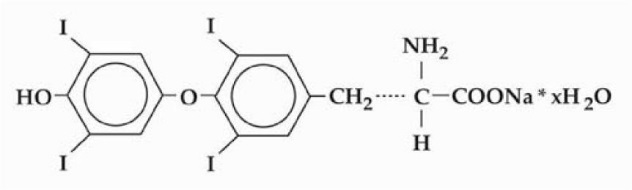
Levothyroxine Sodium Tablets contain the active ingredient, levothyroxine, a synthetic crystalline L-3,3',5,5'- tetraiodothyronine in sodium salt form. Synthetic T4 is identical in chemical structure to the T4 produced in the human thyroid gland. Levothyroxine (T4) sodium has an empirical formula of C15H10I4NNaO4∙xH2O (where x = 5), molecular weight of 798.86 g/mol (anhydrous), and structural formula as shown:
Levothyroxine Sodium Tablets for oral administration are available in the following strengths: 25 mcg, 50 mcg, 75 mcg, 88 mcg, 100 mcg, 112 mcg, 125 mcg, 137 mcg, 150 mcg, 175 mcg, 200 mcg, and 300 mcg. Each levothyroxine sodium tablet contains the inactive ingredients butylatedhydroxy toluene, calcium phosphate dibasic dihydrate, magnesium stearate, microcrystalline cellulose, povidone, sodium starch glycolate, and color additive(s). Table 6 provides a listing of the color additives by tablet strength:
|
Strength
(mcg) |
Color additive(s) |
|---|---|
|
25 |
FD&C Yellow No. 6 Aluminum Lake Note – FD&C Yellow No. 6 is orange in color.
|
|
50 |
None |
|
75 |
FD&C Red No. 40 Aluminum Lake, FD&C Blue No. 2 Aluminum Lake |
|
88 |
FD&C Blue No. 1 Aluminum Lake, FD&C Yellow No. 6 Aluminum Lake*, D&C Yellow No. 10 Aluminum Lake |
|
100 |
D&C Yellow No. 10 Aluminum Lake, FD&C Yellow No. 6 Aluminum Lake* |
|
112 |
D&C Red No. 27 & 30 Aluminum Lake |
|
125 |
FD&C Yellow No. 6 Aluminum Lake*, FD&C Red No. 40 Aluminum Lake, FD&C Blue No. 1 Aluminum Lake |
|
137 |
FD&C Blue No. 1 Aluminum Lake |
|
150 |
FD&C Blue No. 2 Aluminum Lake |
|
175 |
FD&C Blue No. 1 Aluminum Lake, D&C Red No. 27 & 30 Aluminum Lake |
|
200 |
FD&C Red No. 40 Aluminum Lake |
|
300 |
D&C Yellow No. 10 Aluminum Lake, FD&C Yellow No. 6 Aluminum Lake*, FD&C Blue No. 1 Aluminum Lake |
5.2 Myxedema Coma
Myxedema coma is a life-threatening emergency characterized by poor circulation and hypometabolism, and may result in unpredictable absorption of levothyroxine sodium from the gastrointestinal tract. Use of oral thyroid hormone drug products is not recommended to treat myxedema coma. Administer thyroid hormone products formulated for intravenous administration to treat myxedema coma.
8.4 Pediatric Use
The initial dose of Levothyroxine Sodium Tablets varies with age and body weight. Dosing adjustments are based on an assessment of the individual patient's clinical and laboratory parameters [see Dosage and Administration (2.3 , 2.4)].
In children in whom a diagnosis of permanent hypothyroidism has not been established, discontinue Levothyroxine Sodium Tablets administration for a trial period, but only after the child is at least 3 years of age. Obtain serum T4 and TSH levels at the end of the trial period, and use laboratory test results and clinical assessment to guide diagnosis and treatment, if warranted.
8.5 Geriatric Use
Because of the increased prevalence of cardiovascular disease among the elderly, initiate Levothyroxine Sodium Tablets at less than the full replacement dose [see Warnings and Precautions (5.1) and Dosage and Administration (2.3)]. Atrial arrhythmias can occur in elderly patients. Atrial fibrillation is the most common of the arrhythmias observed with levothyroxine overtreatment in the elderly.
4 Contraindications
Levothyroxine Sodium Tablets are contraindicated in patients with uncorrected adrenal insufficiency [see Warnings and Precautions (5.3)].
6 Adverse Reactions
Adverse reactions associated with Levothyroxine Sodium Tablets therapy are primarily those of hyperthyroidism due to therapeutic overdosage [see Warnings and Precautions (5), Overdosage (10)]. They include the following:
-
•General: fatigue, increased appetite, weight loss, heat intolerance, fever, excessive sweating
-
•Central nervous system: headache, hyperactivity, nervousness, anxiety, irritability, emotional lability, insomnia
-
•Musculoskeletal: tremors, muscle weakness, muscle spasm
-
•Cardiovascular: palpitations, tachycardia, arrhythmias, increased pulse and blood pressure, heart failure, angina, myocardial infarction, cardiac arrest
-
•Respiratory: dyspnea
-
•Gastrointestinal: diarrhea, vomiting, abdominal cramps, elevations in liver function tests
-
•Dermatologic: hair loss, flushing, rash
-
•Endocrine: decreased bone mineral density
-
•Reproductive: menstrual irregularities, impaired fertility
Seizures have been reported rarely with the institution of levothyroxine therapy.
7 Drug Interactions
See full prescribing information for drugs that affect thyroid hormone pharmacokinetics and metabolism (e.g., absorption, synthesis, secretion, catabolism, protein binding, and target tissue response) and may alter the therapeutic response to Levothyroxine Sodium Tablets. (7)
7.7 Sympathomimetics
Concurrent use of sympathomimetics and Levothyroxine Sodium Tablets may increase the effects of sympathomimetics or thyroid hormone. Thyroid hormones may increase the risk of coronary insufficiency when sympathomimetic agents are administered to patients with coronary artery disease.
12.2 Pharmacodynamics
Oral levothyroxine sodium is a synthetic T4 hormone that exerts the same physiologic effect as endogenous T4, thereby maintaining normal T4 levels when a deficiency is present.
1 Indications and Usage
Levothyroxine Sodium Tablets are L-thyroxine (T4) indicated for:
-
•Hypothyroidism: As replacement therapy in primary (thyroidal), secondary (pituitary), and tertiary (hypothalamic) congenital or acquired hypothyroidism. (1)
-
•Pituitary Thyrotropin (Thyroid-Stimulating Hormone, TSH) Suppression: As an adjunct to surgery and radioiodine therapy in the management of thyrotropin-dependent well-differentiated thyroid cancer. (1)
Limitations of Use:
- Not indicated for suppression of benign thyroid nodules and nontoxic diffuse goiter in iodine-sufficient patients.
- Not indicated for treatment of hypothyroidism during the recovery phase of subacute thyroiditis.
7.3 Oral Anticoagulants
Levothyroxine Sodium Tablets increase the response to oral anticoagulant therapy. Therefore, a decrease in the dose of anticoagulant may be warranted with correction of the hypothyroid state or when the Levothyroxine Sodium Tablets dose is increased. Closely monitor coagulation tests to permit appropriate and timely dosage adjustments.
12.1 Mechanism of Action
Thyroid hormones exert their physiologic actions through control of DNA transcription and protein synthesis. Triiodothyronine (T3) and L-thyroxine (T4) diffuse into the cell nucleus and bind to thyroid receptor proteins attached to DNA. This hormone nuclear receptor complex activates gene transcription and synthesis of messenger RNA and cytoplasmic proteins.
The physiological actions of thyroid hormones are produced predominantly by T3, the majority of which (approximately 80%) is derived from T4 by deiodination in peripheral tissues.
7.2 Antidiabetic Therapy
Addition of Levothyroxine Sodium Tablets therapy in patients with diabetes mellitus may worsen glycemic control and result in increased antidiabetic agent or insulin requirements. Carefully monitor glycemic control, especially when thyroid therapy is started, changed, or discontinued [see Warnings and Precautions (5.5)].
7.4 Digitalis Glycosides
Levothyroxine Sodium Tablets may reduce the therapeutic effects of digitalis glycosides. Serum digitalis glycoside levels may decrease when a hypothyroid patient becomes euthyroid, necessitating an increase in the dose of digitalis glycosides.
5 Warnings and Precautions
-
•Cardiac adverse reactions in the elderly and in patients with underlying cardiovascular disease: Initiate Levothyroxine Sodium Tablets at less than the full replacement dose because of the increased risk of cardiac adverse reactions, including atrial fibrillation. (2.3, 5.1, 8.5)
-
•Myxedema coma: Do not use oral thyroid hormone drug products to treat myxedema coma. (5.2)
-
•Acute adrenal crisis in patients with concomitant adrenal insufficiency: Treat with replacement glucocorticoids prior to initiation of Levothyroxine Sodium Tablets treatment. (5.3)
-
•Prevention of hyperthyroidism or incomplete treatment of hypothyroidism: Proper dose titration and careful monitoring is critical to prevent the persistence of hypothyroidism or the development of hyperthyroidism. (5.4)
-
•Worsening of diabetic control: Therapy in patients with diabetes mellitus may worsen glycemic control and result in increased antidiabetic agent or insulin requirements. Carefully monitor glycemic control after starting, changing, or discontinuing thyroid hormone therapy. (5.5)
-
•Decreased bone mineral density associated with thyroid hormone over-replacement: Over-replacement can increase bone resorption and decrease bone mineral density. Give the lowest effective dose. (5.6)
7.5 Antidepressant Therapy
Concurrent use of tricyclic (e.g., amitriptyline) or tetracyclic (e.g., maprotiline) antidepressants and Levothyroxine Sodium Tablets may increase the therapeutic and toxic effects of both drugs, possibly due to increased receptor sensitivity to catecholamines. Toxic effects may include increased risk of cardiac arrhythmias and central nervous system stimulation. Levothyroxine Sodium Tablets may accelerate the onset of action of tricyclics. Administration of sertraline in patients stabilized on Levothyroxine Sodium Tablets may result in increased Levothyroxine Sodium Tablets requirements.
7.9 Drug Food Interactions
Consumption of certain foods may affect Levothyroxine Sodium Tablets absorption thereby necessitating adjustments in dosing [see Dosage and Administration (2.1)]. Soybean flour, cottonseed meal, walnuts, and dietary fiber may bind and decrease the absorption of Levothyroxine Sodium Tablets from the gastrointestinal tract. Grapefruit juice may delay the absorption of levothyroxine and reduce its bioavailability.
2 Dosage and Administration
-
•Administer once daily, preferably on an empty stomach, one-half to one hour before breakfast. (2.1)
-
•Administer at least 4 hours before or after drugs that are known to interfere with absorption. (2.1)
-
•Evaluate the need for dose adjustments when regularly administering within one hour of certain foods that may affect absorption. (2.1)
-
•Starting dose depends on a variety of factors, including age, body weight, cardiovascular status, and concomitant medications. Peak therapeutic effect may not be attained for 4-6 weeks. (2.2)
-
•See full prescribing information for dosing in specific patient populations. (2.3)
-
•Adequacy of therapy determined with periodic monitoring of TSH and/or T4 as well as clinical status. (2.4)
3 Dosage Forms and Strengths
Levothyroxine Sodium Tablets, in the shape of caplet are available as follows:
| Tablet Strength | Tablet Color | Tablet Markings |
|---|---|---|
|
25 mcg |
Orange |
"T|4" and "25" |
|
50 mcg |
White |
"T|4" and "50" |
|
75 mcg |
Violet |
"T|4" and "75" |
|
88 mcg |
Mint Green |
"T|4" and "88" |
|
100 mcg |
Yellow |
"T|4" and "100" |
|
112 mcg |
Rose |
"T|4" and "112" |
|
125 mcg |
Brown |
"T|4" and "125" |
|
137 mcg |
Deep Blue |
"T|4" and "137" |
|
150 mcg |
Light Blue |
"T|4" and "150" |
|
175 mcg |
Lilac |
"T|4" and "175" |
|
200 mcg |
Pink |
"T|4" and "200" |
|
300 mcg |
Green |
"T|4" and "300" |
8 Use in Specific Populations
7.8 Tyrosine Kinase Inhibitors
Concurrent use of tyrosine-kinase inhibitors such as imatinib may cause hypothyroidism. Closely monitor TSH levels in such patients.
2.2 General Principles of Dosing
The dose of Levothyroxine Sodium Tablets for hypothyroidism or pituitary TSH suppression depends on a variety of factors including: the patient's age, body weight, cardiovascular status, concomitant medical conditions (including pregnancy), concomitant medications, co-administered food and the specific nature of the condition being treated [see Dosage and Administration (2.3), Warnings and Precautions (5), and Drug Interactions (7)]. Dosing must be individualized to account for these factors and dose adjustments made based on periodic assessment of the patient's clinical response and laboratory parameters [see Dosage and Administration (2.4)].
The peak therapeutic effect of a given dose of Levothyroxine Sodium Tablets may not be attained for 4 to 6 weeks.
75 Mcg Principal Display Panel
NDC 68788-7725
Levothyroxine Sodium Tablets, USP
75 mcg
Rx Only
17 Patient Counseling Information
Inform the patient of the following information to aid in the safe and effective use of Levothyroxine Sodium Tablets:
5.5 Worsening of Diabetic Control
Addition of levothyroxine therapy in patients with diabetes mellitus may worsen glycemic control and result in increased antidiabetic agent or insulin requirements. Carefully monitor glycemic control after starting, changing, or discontinuing Levothyroxine Sodium Tablets [see Drug Interactions (7.2)].
16 How Supplied/storage and Handling
Levothyroxine Sodium Tablets, in the shape of caplet are supplied as follows:
|
Strength
(mcg) |
Color | Tablet Markings | NDC# for bottles of 30 | NDC# for bottles of 90 |
|---|---|---|---|---|
|
75 mcg |
Violet |
"T|4" and "75" |
68788-7725-03 |
68788-7725-09 |
2.1 General Administration Information
Administer Levothyroxine Sodium Tablets as a single daily dose, on an empty stomach, one-half to one hour before breakfast.
Administer Levothyroxine Sodium Tablets at least 4 hours before or after drugs known to interfere with Levothyroxine Sodium Tablets absorption [see Drug Interactions (7.1)].
Evaluate the need for dose adjustments when regularly administering within one hour of certain foods that may affect Levothyroxine Sodium Tablets absorption [see Drug Interactions (7.9) and Clinical Pharmacology (12.3)].
Administer Levothyroxine Sodium Tablets to infants and children who cannot swallow intact tablets by crushing the tablet, suspending the freshly crushed tablet in a small amount (5 mL to 10 mL or 1 teaspoon to 2 teaspoons) of water and immediately administering the suspension by spoon or dropper. Do not store the suspension. Do not administer in foods that decrease absorption of Levothyroxine Sodium Tablets, such as soybean-based infant formula [see Drug Interactions (7.9)].
7.10 Drug Laboratory Test Interactions
Consider changes in TBG concentration when interpreting T4 and T3 values. Measure and evaluate unbound (free) hormone and/or determine the free-T4 index (FT4I) in this circumstance. Pregnancy, infectious hepatitis, estrogens, estrogen-containing oral contraceptives, and acute intermittent porphyria increase TBG concentration. Nephrosis, severe hypoproteinemia, severe liver disease, acromegaly, androgens, and corticosteroids decrease TBG concentration. Familial hyper- or hypo-thyroxine binding globulinemias have been described, with the incidence of TBG deficiency approximating 1 in 9000.
2.4 Monitoring Tsh And/or Thyroxine (t4) Levels
Assess the adequacy of therapy by periodic assessment of laboratory tests and clinical evaluation. Persistent clinical and laboratory evidence of hypothyroidism despite an apparent adequate replacement dose of Levothyroxine Sodium Tablets may be evidence of inadequate absorption, poor compliance, drug interactions, or a combination of these factors.
Warning: Not for Treatment of Obesity Or for Weight Loss
Thyroid hormones, including Levothyroxine Sodium Tablets, either alone or with other therapeutic agents, should not be used for the treatment of obesity or for weight loss.
In euthyroid patients, doses within the range of daily hormonal requirements are ineffective for weight reduction.
Larger doses may produce serious or even life threatening manifestations of toxicity, particularly when given in association with sympathomimetic amines such as those used for their anorectic effects[see Adverse Reactions (6), Drug Interactions (7.7), and Overdosage (10)].
13.1 Carcinogenesis, Mutagenesis, Impairment of Fertility
Standard animal studies have not been performed to evaluate the carcinogenic potential, mutagenic potential or effects on fertility of levothyroxine.
7.1 Drugs Known to Affect Thyroid Hormone Pharmacokinetics
Many drugs can exert effects on thyroid hormone pharmacokinetics and metabolism (e.g., absorption, synthesis, secretion, catabolism, protein binding, and target tissue response) and may alter the therapeutic response to Levothyroxine Sodium Tablets (see Tables 2-5 below).
| Potential impact: Concurrent use may reduce the efficacy of Levothyroxine Sodium Tablets by binding and delaying or preventing absorption, potentially resulting in hypothyroidism. | |
|---|---|
| Drug or Drug Class | Effect |
|
Calcium Carbonate |
Calcium carbonate may form an insoluble chelate with levothyroxine, and ferrous sulfate likely forms a ferric-thyroxine complex. Administer Levothyroxine Sodium Tablets at least 4 hours apart from these agents. |
|
Orlistat |
Monitor patients treated concomitantly with orlistat and Levothyroxine Sodium Tablets for changes in thyroid function. |
|
Bile Acid Sequestrants |
Bile acid sequestrants and ion exchange resins are known to decrease levothyroxine absorption. Administer Levothyroxine Sodium Tablets at least 4 hours prior to these drugs or monitor TSH levels. |
|
Other drugs: |
Gastric acidity is an essential requirement for adequate absorption of levothyroxine. Sucralfate, antacids and proton pump inhibitors may cause hypochlorhydria, affect intragastric pH, and reduce levothyroxine absorption. Monitor patients appropriately. |
| Drug or Drug Class | Effect |
|---|---|
|
Clofibrate |
These drugs may increase serum thyroxine-binding globulin (TBG) concentration. |
|
Androgens / Anabolic Steroids |
These drugs may decrease serum TBG concentration. |
|
Potential impact (below): Administration of these agents with Levothyroxine Sodium Tablets results in an initial transient increase in FT4. Continued administration results in a decrease in serum T4 and normal FT4 and TSH concentrations. |
|
|
Salicylates (greater than 2 g/day) |
Salicylates inhibit binding of T4 and T3 to TBG and transthyretin. An initial increase in serum FT4 is followed by return of FT4 to normal levels with sustained therapeutic serum salicylate concentrations, although total T4 levels may decrease by as much as 30%. |
|
Other drugs: |
These drugs may cause protein-binding site displacement. Furosemide has been shown to inhibit the protein binding of T4 to TBG and albumin, causing an increase free T4 fraction in serum. Furosemide competes for T4-binding sites on TBG, prealbumin, and albumin, so that a single high dose can acutely lower the total T4 level. Phenytoin and carbamazepine reduce serum protein binding of levothyroxine, and total and free T4 may be reduced by 20% to 40%, but most patients have normal serum TSH levels and are clinically euthyroid. Closely monitor thyroid hormone parameters. |
| Potential impact: Stimulation of hepatic microsomal drug-metabolizing enzyme activity may cause increased hepatic degradation of levothyroxine, resulting in increased Levothyroxine Sodium Tablets requirements. | |
|---|---|
| Drug or Drug Class | Effect |
|
Phenobarbital |
Phenobarbital has been shown to reduce the response to thyroxine. Phenobarbital increases L-thyroxine metabolism by inducing uridine 5'-diphospho-glucuronosyltransferase (UGT) and leads to a lower T4 serum levels. Changes in thyroid status may occur if barbiturates are added or withdrawn from patients being treated for hypothyroidism. Rifampin has been shown to accelerate the metabolism of levothyroxine. |
| Potential impact: Administration of these enzyme inhibitors decreases the peripheral conversion of T4 to T3, leading to decreased T3 levels. However, serum T4 levels are usually normal but may occasionally be slightly increased. | |
|---|---|
| Drug or Drug Class | Effect |
|
Beta-adrenergic antagonists |
In patients treated with large doses of propranolol (greater than 160 mg/day), T3 and T4 levels change, TSH levels remain normal, and patients are clinically euthyroid. Actions of particular beta-adrenergic antagonists may be impaired when a hypothyroid patient is converted to the euthyroid state. |
|
Glucocorticoids |
Short-term administration of large doses of glucocorticoids may decrease serum T3 concentrations by 30% with minimal change in serum T4 levels. However, long-term glucocorticoid therapy may result in slightly decreased T3 and T4 levels due to decreased TBG production (See above). |
|
Other drugs: |
Amiodarone inhibits peripheral conversion of levothyroxine (T4) to triiodothyronine (T3) and may cause isolated biochemical changes (increase in serum free-T4, and decreased or normal free-T3) in clinically euthyroid patients. |
5.3 Acute Adrenal Crisis in Patients With Concomitant Adrenal Insufficiency
Thyroid hormone increases metabolic clearance of glucocorticoids. Initiation of thyroid hormone therapy prior to initiating glucocorticoid therapy may precipitate an acute adrenal crisis in patients with adrenal insufficiency. Treat patients with adrenal insufficiency with replacement glucocorticoids prior to initiating treatment with Levothyroxine Sodium Tablets [see Contraindications (4)].
5.4 Prevention of Hyperthyroidism Or Incomplete Treatment of Hypothyroidism
Levothyroxine Sodium Tablets have a narrow therapeutic index. Over- or undertreatment with Levothyroxine Sodium Tablets may have negative effects on growth and development, cardiovascular function, bone metabolism, reproductive function, cognitive function, emotional state, gastrointestinal function, and glucose and lipid metabolism. Titrate the dose of Levothyroxine Sodium Tablets carefully and monitor response to titration to avoid these effects [see Dosage and Administration (2.4)]. Monitor for the presence of drug or food interactions when using Levothyroxine Sodium Tablets and adjust the dose as necessary [see Drug Interactions (7.9)and Clinical Pharmacology (12.3)].
5.6 Decreased Bone Mineral Density Associated With Thyroid Hormone Over Replacement
Increased bone resorption and decreased bone mineral density may occur as a result of levothyroxine over-replacement, particularly in post-menopausal women. The increased bone resorption may be associated with increased serum levels and urinary excretion of calcium and phosphorous, elevations in bone alkaline phosphatase, and suppressed serum parathyroid hormone levels. Administer the minimum dose of Levothyroxine Sodium Tablets that achieves the desired clinical and biochemical response to mitigate this risk.
5.1 Cardiac Adverse Reactions in the Elderly and in Patients With Underlying Cardiovascular Disease
Over-treatment with levothyroxine may cause an increase in heart rate, cardiac wall thickness, and cardiac contractility and may precipitate angina or arrhythmias, particularly in patients with cardiovascular disease and in elderly patients. Initiate Levothyroxine Sodium Tablets therapy in this population at lower doses than those recommended in younger individuals or in patients without cardiac disease [see Dosage and Administration (2.3), Use in Specific Populations (8.5)].
Monitor for cardiac arrhythmias during surgical procedures in patients with coronary artery disease receiving suppressive Levothyroxine Sodium Tablets therapy. Monitor patients receiving concomitant Levothyroxine Sodium Tablets and sympathomimetic agents for signs and symptoms of coronary insufficiency.
If cardiac symptoms develop or worsen, reduce the Levothyroxine Sodium Tablets dose or withhold for one week and restart at a lower dose.
Structured Label Content
Section 42229-5 (42229-5)
Hypothyroidism
Levothyroxine Sodium Tablets are indicated as a replacement therapy in primary (thyroidal), secondary (pituitary), and tertiary (hypothalamic) congenital or acquired hypothyroidism.
Section 44425-7 (44425-7)
Storage Conditions
Store at 25°C (77°F); excursions permitted to 15° C to 30° C (59° F to 86° F) [see USP Controlled Room Temperature]. Levothyroxine Sodium Tablets should be protected from light and moisture.
7.6 Ketamine
Concurrent use of ketamine and Levothyroxine Sodium Tablets may produce marked hypertension and tachycardia. Closely monitor blood pressure and heart rate in these patients.
10 Overdosage (10 OVERDOSAGE)
The signs and symptoms of overdosage are those of hyperthyroidism [see Warnings and Precautions (5) and Adverse Reactions (6)]. In addition, confusion and disorientation may occur.
Cerebral embolism, shock, coma, and death have been reported. Seizures occurred in a 3-year-old child ingesting 3.6 mg of levothyroxine. Symptoms may not necessarily be evident or may not appear until several days after ingestion of levothyroxine sodium.
Reduce the Levothyroxine Sodium Tablets dose or discontinue temporarily if signs or symptoms of overdosage occur. Initiate appropriate supportive treatment as dictated by the patient's medical status.
For current information on the management of poisoning or overdosage, contact the National Poison Control Center at 1-800-222-1222 or www.poison.org.
11 Description (11 DESCRIPTION)
Levothyroxine Sodium Tablets contain the active ingredient, levothyroxine, a synthetic crystalline L-3,3',5,5'- tetraiodothyronine in sodium salt form. Synthetic T4 is identical in chemical structure to the T4 produced in the human thyroid gland. Levothyroxine (T4) sodium has an empirical formula of C15H10I4NNaO4∙xH2O (where x = 5), molecular weight of 798.86 g/mol (anhydrous), and structural formula as shown:
Levothyroxine Sodium Tablets for oral administration are available in the following strengths: 25 mcg, 50 mcg, 75 mcg, 88 mcg, 100 mcg, 112 mcg, 125 mcg, 137 mcg, 150 mcg, 175 mcg, 200 mcg, and 300 mcg. Each levothyroxine sodium tablet contains the inactive ingredients butylatedhydroxy toluene, calcium phosphate dibasic dihydrate, magnesium stearate, microcrystalline cellulose, povidone, sodium starch glycolate, and color additive(s). Table 6 provides a listing of the color additives by tablet strength:
|
Strength
(mcg) |
Color additive(s) |
|---|---|
|
25 |
FD&C Yellow No. 6 Aluminum Lake Note – FD&C Yellow No. 6 is orange in color.
|
|
50 |
None |
|
75 |
FD&C Red No. 40 Aluminum Lake, FD&C Blue No. 2 Aluminum Lake |
|
88 |
FD&C Blue No. 1 Aluminum Lake, FD&C Yellow No. 6 Aluminum Lake*, D&C Yellow No. 10 Aluminum Lake |
|
100 |
D&C Yellow No. 10 Aluminum Lake, FD&C Yellow No. 6 Aluminum Lake* |
|
112 |
D&C Red No. 27 & 30 Aluminum Lake |
|
125 |
FD&C Yellow No. 6 Aluminum Lake*, FD&C Red No. 40 Aluminum Lake, FD&C Blue No. 1 Aluminum Lake |
|
137 |
FD&C Blue No. 1 Aluminum Lake |
|
150 |
FD&C Blue No. 2 Aluminum Lake |
|
175 |
FD&C Blue No. 1 Aluminum Lake, D&C Red No. 27 & 30 Aluminum Lake |
|
200 |
FD&C Red No. 40 Aluminum Lake |
|
300 |
D&C Yellow No. 10 Aluminum Lake, FD&C Yellow No. 6 Aluminum Lake*, FD&C Blue No. 1 Aluminum Lake |
5.2 Myxedema Coma
Myxedema coma is a life-threatening emergency characterized by poor circulation and hypometabolism, and may result in unpredictable absorption of levothyroxine sodium from the gastrointestinal tract. Use of oral thyroid hormone drug products is not recommended to treat myxedema coma. Administer thyroid hormone products formulated for intravenous administration to treat myxedema coma.
8.4 Pediatric Use
The initial dose of Levothyroxine Sodium Tablets varies with age and body weight. Dosing adjustments are based on an assessment of the individual patient's clinical and laboratory parameters [see Dosage and Administration (2.3 , 2.4)].
In children in whom a diagnosis of permanent hypothyroidism has not been established, discontinue Levothyroxine Sodium Tablets administration for a trial period, but only after the child is at least 3 years of age. Obtain serum T4 and TSH levels at the end of the trial period, and use laboratory test results and clinical assessment to guide diagnosis and treatment, if warranted.
8.5 Geriatric Use
Because of the increased prevalence of cardiovascular disease among the elderly, initiate Levothyroxine Sodium Tablets at less than the full replacement dose [see Warnings and Precautions (5.1) and Dosage and Administration (2.3)]. Atrial arrhythmias can occur in elderly patients. Atrial fibrillation is the most common of the arrhythmias observed with levothyroxine overtreatment in the elderly.
4 Contraindications (4 CONTRAINDICATIONS)
Levothyroxine Sodium Tablets are contraindicated in patients with uncorrected adrenal insufficiency [see Warnings and Precautions (5.3)].
6 Adverse Reactions (6 ADVERSE REACTIONS)
Adverse reactions associated with Levothyroxine Sodium Tablets therapy are primarily those of hyperthyroidism due to therapeutic overdosage [see Warnings and Precautions (5), Overdosage (10)]. They include the following:
-
•General: fatigue, increased appetite, weight loss, heat intolerance, fever, excessive sweating
-
•Central nervous system: headache, hyperactivity, nervousness, anxiety, irritability, emotional lability, insomnia
-
•Musculoskeletal: tremors, muscle weakness, muscle spasm
-
•Cardiovascular: palpitations, tachycardia, arrhythmias, increased pulse and blood pressure, heart failure, angina, myocardial infarction, cardiac arrest
-
•Respiratory: dyspnea
-
•Gastrointestinal: diarrhea, vomiting, abdominal cramps, elevations in liver function tests
-
•Dermatologic: hair loss, flushing, rash
-
•Endocrine: decreased bone mineral density
-
•Reproductive: menstrual irregularities, impaired fertility
Seizures have been reported rarely with the institution of levothyroxine therapy.
7 Drug Interactions (7 DRUG INTERACTIONS)
See full prescribing information for drugs that affect thyroid hormone pharmacokinetics and metabolism (e.g., absorption, synthesis, secretion, catabolism, protein binding, and target tissue response) and may alter the therapeutic response to Levothyroxine Sodium Tablets. (7)
7.7 Sympathomimetics
Concurrent use of sympathomimetics and Levothyroxine Sodium Tablets may increase the effects of sympathomimetics or thyroid hormone. Thyroid hormones may increase the risk of coronary insufficiency when sympathomimetic agents are administered to patients with coronary artery disease.
12.2 Pharmacodynamics
Oral levothyroxine sodium is a synthetic T4 hormone that exerts the same physiologic effect as endogenous T4, thereby maintaining normal T4 levels when a deficiency is present.
1 Indications and Usage (1 INDICATIONS AND USAGE)
Levothyroxine Sodium Tablets are L-thyroxine (T4) indicated for:
-
•Hypothyroidism: As replacement therapy in primary (thyroidal), secondary (pituitary), and tertiary (hypothalamic) congenital or acquired hypothyroidism. (1)
-
•Pituitary Thyrotropin (Thyroid-Stimulating Hormone, TSH) Suppression: As an adjunct to surgery and radioiodine therapy in the management of thyrotropin-dependent well-differentiated thyroid cancer. (1)
Limitations of Use:
- Not indicated for suppression of benign thyroid nodules and nontoxic diffuse goiter in iodine-sufficient patients.
- Not indicated for treatment of hypothyroidism during the recovery phase of subacute thyroiditis.
7.3 Oral Anticoagulants
Levothyroxine Sodium Tablets increase the response to oral anticoagulant therapy. Therefore, a decrease in the dose of anticoagulant may be warranted with correction of the hypothyroid state or when the Levothyroxine Sodium Tablets dose is increased. Closely monitor coagulation tests to permit appropriate and timely dosage adjustments.
12.1 Mechanism of Action
Thyroid hormones exert their physiologic actions through control of DNA transcription and protein synthesis. Triiodothyronine (T3) and L-thyroxine (T4) diffuse into the cell nucleus and bind to thyroid receptor proteins attached to DNA. This hormone nuclear receptor complex activates gene transcription and synthesis of messenger RNA and cytoplasmic proteins.
The physiological actions of thyroid hormones are produced predominantly by T3, the majority of which (approximately 80%) is derived from T4 by deiodination in peripheral tissues.
7.2 Antidiabetic Therapy
Addition of Levothyroxine Sodium Tablets therapy in patients with diabetes mellitus may worsen glycemic control and result in increased antidiabetic agent or insulin requirements. Carefully monitor glycemic control, especially when thyroid therapy is started, changed, or discontinued [see Warnings and Precautions (5.5)].
7.4 Digitalis Glycosides
Levothyroxine Sodium Tablets may reduce the therapeutic effects of digitalis glycosides. Serum digitalis glycoside levels may decrease when a hypothyroid patient becomes euthyroid, necessitating an increase in the dose of digitalis glycosides.
5 Warnings and Precautions (5 WARNINGS AND PRECAUTIONS)
-
•Cardiac adverse reactions in the elderly and in patients with underlying cardiovascular disease: Initiate Levothyroxine Sodium Tablets at less than the full replacement dose because of the increased risk of cardiac adverse reactions, including atrial fibrillation. (2.3, 5.1, 8.5)
-
•Myxedema coma: Do not use oral thyroid hormone drug products to treat myxedema coma. (5.2)
-
•Acute adrenal crisis in patients with concomitant adrenal insufficiency: Treat with replacement glucocorticoids prior to initiation of Levothyroxine Sodium Tablets treatment. (5.3)
-
•Prevention of hyperthyroidism or incomplete treatment of hypothyroidism: Proper dose titration and careful monitoring is critical to prevent the persistence of hypothyroidism or the development of hyperthyroidism. (5.4)
-
•Worsening of diabetic control: Therapy in patients with diabetes mellitus may worsen glycemic control and result in increased antidiabetic agent or insulin requirements. Carefully monitor glycemic control after starting, changing, or discontinuing thyroid hormone therapy. (5.5)
-
•Decreased bone mineral density associated with thyroid hormone over-replacement: Over-replacement can increase bone resorption and decrease bone mineral density. Give the lowest effective dose. (5.6)
7.5 Antidepressant Therapy
Concurrent use of tricyclic (e.g., amitriptyline) or tetracyclic (e.g., maprotiline) antidepressants and Levothyroxine Sodium Tablets may increase the therapeutic and toxic effects of both drugs, possibly due to increased receptor sensitivity to catecholamines. Toxic effects may include increased risk of cardiac arrhythmias and central nervous system stimulation. Levothyroxine Sodium Tablets may accelerate the onset of action of tricyclics. Administration of sertraline in patients stabilized on Levothyroxine Sodium Tablets may result in increased Levothyroxine Sodium Tablets requirements.
7.9 Drug Food Interactions (7.9 Drug-Food Interactions)
Consumption of certain foods may affect Levothyroxine Sodium Tablets absorption thereby necessitating adjustments in dosing [see Dosage and Administration (2.1)]. Soybean flour, cottonseed meal, walnuts, and dietary fiber may bind and decrease the absorption of Levothyroxine Sodium Tablets from the gastrointestinal tract. Grapefruit juice may delay the absorption of levothyroxine and reduce its bioavailability.
2 Dosage and Administration (2 DOSAGE AND ADMINISTRATION)
-
•Administer once daily, preferably on an empty stomach, one-half to one hour before breakfast. (2.1)
-
•Administer at least 4 hours before or after drugs that are known to interfere with absorption. (2.1)
-
•Evaluate the need for dose adjustments when regularly administering within one hour of certain foods that may affect absorption. (2.1)
-
•Starting dose depends on a variety of factors, including age, body weight, cardiovascular status, and concomitant medications. Peak therapeutic effect may not be attained for 4-6 weeks. (2.2)
-
•See full prescribing information for dosing in specific patient populations. (2.3)
-
•Adequacy of therapy determined with periodic monitoring of TSH and/or T4 as well as clinical status. (2.4)
3 Dosage Forms and Strengths (3 DOSAGE FORMS AND STRENGTHS)
Levothyroxine Sodium Tablets, in the shape of caplet are available as follows:
| Tablet Strength | Tablet Color | Tablet Markings |
|---|---|---|
|
25 mcg |
Orange |
"T|4" and "25" |
|
50 mcg |
White |
"T|4" and "50" |
|
75 mcg |
Violet |
"T|4" and "75" |
|
88 mcg |
Mint Green |
"T|4" and "88" |
|
100 mcg |
Yellow |
"T|4" and "100" |
|
112 mcg |
Rose |
"T|4" and "112" |
|
125 mcg |
Brown |
"T|4" and "125" |
|
137 mcg |
Deep Blue |
"T|4" and "137" |
|
150 mcg |
Light Blue |
"T|4" and "150" |
|
175 mcg |
Lilac |
"T|4" and "175" |
|
200 mcg |
Pink |
"T|4" and "200" |
|
300 mcg |
Green |
"T|4" and "300" |
8 Use in Specific Populations (8 USE IN SPECIFIC POPULATIONS)
7.8 Tyrosine Kinase Inhibitors (7.8 Tyrosine-Kinase Inhibitors)
Concurrent use of tyrosine-kinase inhibitors such as imatinib may cause hypothyroidism. Closely monitor TSH levels in such patients.
2.2 General Principles of Dosing
The dose of Levothyroxine Sodium Tablets for hypothyroidism or pituitary TSH suppression depends on a variety of factors including: the patient's age, body weight, cardiovascular status, concomitant medical conditions (including pregnancy), concomitant medications, co-administered food and the specific nature of the condition being treated [see Dosage and Administration (2.3), Warnings and Precautions (5), and Drug Interactions (7)]. Dosing must be individualized to account for these factors and dose adjustments made based on periodic assessment of the patient's clinical response and laboratory parameters [see Dosage and Administration (2.4)].
The peak therapeutic effect of a given dose of Levothyroxine Sodium Tablets may not be attained for 4 to 6 weeks.
75 Mcg Principal Display Panel (75 mcg - PRINCIPAL DISPLAY PANEL)
NDC 68788-7725
Levothyroxine Sodium Tablets, USP
75 mcg
Rx Only
17 Patient Counseling Information (17 PATIENT COUNSELING INFORMATION)
Inform the patient of the following information to aid in the safe and effective use of Levothyroxine Sodium Tablets:
5.5 Worsening of Diabetic Control
Addition of levothyroxine therapy in patients with diabetes mellitus may worsen glycemic control and result in increased antidiabetic agent or insulin requirements. Carefully monitor glycemic control after starting, changing, or discontinuing Levothyroxine Sodium Tablets [see Drug Interactions (7.2)].
16 How Supplied/storage and Handling (16 HOW SUPPLIED/STORAGE AND HANDLING)
Levothyroxine Sodium Tablets, in the shape of caplet are supplied as follows:
|
Strength
(mcg) |
Color | Tablet Markings | NDC# for bottles of 30 | NDC# for bottles of 90 |
|---|---|---|---|---|
|
75 mcg |
Violet |
"T|4" and "75" |
68788-7725-03 |
68788-7725-09 |
2.1 General Administration Information
Administer Levothyroxine Sodium Tablets as a single daily dose, on an empty stomach, one-half to one hour before breakfast.
Administer Levothyroxine Sodium Tablets at least 4 hours before or after drugs known to interfere with Levothyroxine Sodium Tablets absorption [see Drug Interactions (7.1)].
Evaluate the need for dose adjustments when regularly administering within one hour of certain foods that may affect Levothyroxine Sodium Tablets absorption [see Drug Interactions (7.9) and Clinical Pharmacology (12.3)].
Administer Levothyroxine Sodium Tablets to infants and children who cannot swallow intact tablets by crushing the tablet, suspending the freshly crushed tablet in a small amount (5 mL to 10 mL or 1 teaspoon to 2 teaspoons) of water and immediately administering the suspension by spoon or dropper. Do not store the suspension. Do not administer in foods that decrease absorption of Levothyroxine Sodium Tablets, such as soybean-based infant formula [see Drug Interactions (7.9)].
7.10 Drug Laboratory Test Interactions (7.10 Drug-Laboratory Test Interactions)
Consider changes in TBG concentration when interpreting T4 and T3 values. Measure and evaluate unbound (free) hormone and/or determine the free-T4 index (FT4I) in this circumstance. Pregnancy, infectious hepatitis, estrogens, estrogen-containing oral contraceptives, and acute intermittent porphyria increase TBG concentration. Nephrosis, severe hypoproteinemia, severe liver disease, acromegaly, androgens, and corticosteroids decrease TBG concentration. Familial hyper- or hypo-thyroxine binding globulinemias have been described, with the incidence of TBG deficiency approximating 1 in 9000.
2.4 Monitoring Tsh And/or Thyroxine (t4) Levels (2.4 Monitoring TSH and/or Thyroxine (T4) Levels)
Assess the adequacy of therapy by periodic assessment of laboratory tests and clinical evaluation. Persistent clinical and laboratory evidence of hypothyroidism despite an apparent adequate replacement dose of Levothyroxine Sodium Tablets may be evidence of inadequate absorption, poor compliance, drug interactions, or a combination of these factors.
Warning: Not for Treatment of Obesity Or for Weight Loss (WARNING: NOT FOR TREATMENT OF OBESITY OR FOR WEIGHT LOSS)
Thyroid hormones, including Levothyroxine Sodium Tablets, either alone or with other therapeutic agents, should not be used for the treatment of obesity or for weight loss.
In euthyroid patients, doses within the range of daily hormonal requirements are ineffective for weight reduction.
Larger doses may produce serious or even life threatening manifestations of toxicity, particularly when given in association with sympathomimetic amines such as those used for their anorectic effects[see Adverse Reactions (6), Drug Interactions (7.7), and Overdosage (10)].
13.1 Carcinogenesis, Mutagenesis, Impairment of Fertility
Standard animal studies have not been performed to evaluate the carcinogenic potential, mutagenic potential or effects on fertility of levothyroxine.
7.1 Drugs Known to Affect Thyroid Hormone Pharmacokinetics
Many drugs can exert effects on thyroid hormone pharmacokinetics and metabolism (e.g., absorption, synthesis, secretion, catabolism, protein binding, and target tissue response) and may alter the therapeutic response to Levothyroxine Sodium Tablets (see Tables 2-5 below).
| Potential impact: Concurrent use may reduce the efficacy of Levothyroxine Sodium Tablets by binding and delaying or preventing absorption, potentially resulting in hypothyroidism. | |
|---|---|
| Drug or Drug Class | Effect |
|
Calcium Carbonate |
Calcium carbonate may form an insoluble chelate with levothyroxine, and ferrous sulfate likely forms a ferric-thyroxine complex. Administer Levothyroxine Sodium Tablets at least 4 hours apart from these agents. |
|
Orlistat |
Monitor patients treated concomitantly with orlistat and Levothyroxine Sodium Tablets for changes in thyroid function. |
|
Bile Acid Sequestrants |
Bile acid sequestrants and ion exchange resins are known to decrease levothyroxine absorption. Administer Levothyroxine Sodium Tablets at least 4 hours prior to these drugs or monitor TSH levels. |
|
Other drugs: |
Gastric acidity is an essential requirement for adequate absorption of levothyroxine. Sucralfate, antacids and proton pump inhibitors may cause hypochlorhydria, affect intragastric pH, and reduce levothyroxine absorption. Monitor patients appropriately. |
| Drug or Drug Class | Effect |
|---|---|
|
Clofibrate |
These drugs may increase serum thyroxine-binding globulin (TBG) concentration. |
|
Androgens / Anabolic Steroids |
These drugs may decrease serum TBG concentration. |
|
Potential impact (below): Administration of these agents with Levothyroxine Sodium Tablets results in an initial transient increase in FT4. Continued administration results in a decrease in serum T4 and normal FT4 and TSH concentrations. |
|
|
Salicylates (greater than 2 g/day) |
Salicylates inhibit binding of T4 and T3 to TBG and transthyretin. An initial increase in serum FT4 is followed by return of FT4 to normal levels with sustained therapeutic serum salicylate concentrations, although total T4 levels may decrease by as much as 30%. |
|
Other drugs: |
These drugs may cause protein-binding site displacement. Furosemide has been shown to inhibit the protein binding of T4 to TBG and albumin, causing an increase free T4 fraction in serum. Furosemide competes for T4-binding sites on TBG, prealbumin, and albumin, so that a single high dose can acutely lower the total T4 level. Phenytoin and carbamazepine reduce serum protein binding of levothyroxine, and total and free T4 may be reduced by 20% to 40%, but most patients have normal serum TSH levels and are clinically euthyroid. Closely monitor thyroid hormone parameters. |
| Potential impact: Stimulation of hepatic microsomal drug-metabolizing enzyme activity may cause increased hepatic degradation of levothyroxine, resulting in increased Levothyroxine Sodium Tablets requirements. | |
|---|---|
| Drug or Drug Class | Effect |
|
Phenobarbital |
Phenobarbital has been shown to reduce the response to thyroxine. Phenobarbital increases L-thyroxine metabolism by inducing uridine 5'-diphospho-glucuronosyltransferase (UGT) and leads to a lower T4 serum levels. Changes in thyroid status may occur if barbiturates are added or withdrawn from patients being treated for hypothyroidism. Rifampin has been shown to accelerate the metabolism of levothyroxine. |
| Potential impact: Administration of these enzyme inhibitors decreases the peripheral conversion of T4 to T3, leading to decreased T3 levels. However, serum T4 levels are usually normal but may occasionally be slightly increased. | |
|---|---|
| Drug or Drug Class | Effect |
|
Beta-adrenergic antagonists |
In patients treated with large doses of propranolol (greater than 160 mg/day), T3 and T4 levels change, TSH levels remain normal, and patients are clinically euthyroid. Actions of particular beta-adrenergic antagonists may be impaired when a hypothyroid patient is converted to the euthyroid state. |
|
Glucocorticoids |
Short-term administration of large doses of glucocorticoids may decrease serum T3 concentrations by 30% with minimal change in serum T4 levels. However, long-term glucocorticoid therapy may result in slightly decreased T3 and T4 levels due to decreased TBG production (See above). |
|
Other drugs: |
Amiodarone inhibits peripheral conversion of levothyroxine (T4) to triiodothyronine (T3) and may cause isolated biochemical changes (increase in serum free-T4, and decreased or normal free-T3) in clinically euthyroid patients. |
5.3 Acute Adrenal Crisis in Patients With Concomitant Adrenal Insufficiency (5.3 Acute Adrenal Crisis in Patients with Concomitant Adrenal Insufficiency)
Thyroid hormone increases metabolic clearance of glucocorticoids. Initiation of thyroid hormone therapy prior to initiating glucocorticoid therapy may precipitate an acute adrenal crisis in patients with adrenal insufficiency. Treat patients with adrenal insufficiency with replacement glucocorticoids prior to initiating treatment with Levothyroxine Sodium Tablets [see Contraindications (4)].
5.4 Prevention of Hyperthyroidism Or Incomplete Treatment of Hypothyroidism (5.4 Prevention of Hyperthyroidism or Incomplete Treatment of Hypothyroidism)
Levothyroxine Sodium Tablets have a narrow therapeutic index. Over- or undertreatment with Levothyroxine Sodium Tablets may have negative effects on growth and development, cardiovascular function, bone metabolism, reproductive function, cognitive function, emotional state, gastrointestinal function, and glucose and lipid metabolism. Titrate the dose of Levothyroxine Sodium Tablets carefully and monitor response to titration to avoid these effects [see Dosage and Administration (2.4)]. Monitor for the presence of drug or food interactions when using Levothyroxine Sodium Tablets and adjust the dose as necessary [see Drug Interactions (7.9)and Clinical Pharmacology (12.3)].
5.6 Decreased Bone Mineral Density Associated With Thyroid Hormone Over Replacement (5.6 Decreased Bone Mineral Density Associated with Thyroid Hormone Over-Replacement)
Increased bone resorption and decreased bone mineral density may occur as a result of levothyroxine over-replacement, particularly in post-menopausal women. The increased bone resorption may be associated with increased serum levels and urinary excretion of calcium and phosphorous, elevations in bone alkaline phosphatase, and suppressed serum parathyroid hormone levels. Administer the minimum dose of Levothyroxine Sodium Tablets that achieves the desired clinical and biochemical response to mitigate this risk.
5.1 Cardiac Adverse Reactions in the Elderly and in Patients With Underlying Cardiovascular Disease (5.1 Cardiac Adverse Reactions in the Elderly and in Patients with Underlying Cardiovascular Disease)
Over-treatment with levothyroxine may cause an increase in heart rate, cardiac wall thickness, and cardiac contractility and may precipitate angina or arrhythmias, particularly in patients with cardiovascular disease and in elderly patients. Initiate Levothyroxine Sodium Tablets therapy in this population at lower doses than those recommended in younger individuals or in patients without cardiac disease [see Dosage and Administration (2.3), Use in Specific Populations (8.5)].
Monitor for cardiac arrhythmias during surgical procedures in patients with coronary artery disease receiving suppressive Levothyroxine Sodium Tablets therapy. Monitor patients receiving concomitant Levothyroxine Sodium Tablets and sympathomimetic agents for signs and symptoms of coronary insufficiency.
If cardiac symptoms develop or worsen, reduce the Levothyroxine Sodium Tablets dose or withhold for one week and restart at a lower dose.
Advanced Ingredient Data
Raw Label Data
All Sections (JSON)
Additional Information
Back to search View SPL set listing Open on DailyMed ↗
Source: dailymed · Ingested: 2026-02-15T11:48:14.520012 · Updated: 2026-03-14T22:29:20.618844