Celebrex
9f9dd7b9-a072-46d0-a8b5-b3e138c85f1c
34391-3
HUMAN PRESCRIPTION DRUG LABEL
Drug Facts
Composition & Product
Identifiers & Packaging
Indications and Usage
Carefully consider the potential benefits and risks of CELEBREX and other treatment options before deciding to use CELEBREX. Use the lowest effective dose for the shortest duration consistent with individual patient treatment goals [ see Warnings and Precautions (5) ]
Dosage and Administration
Use lowest effective dose for the shortest duration consistent with treatment goals for the individual patient. These doses can be given without regard to timing of meals.
Contraindications
CELEBREX is contraindicated: • In patients with known hypersensitivity to celecoxib, aspirin, or other NSAIDs. • In patients who have demonstrated allergic-type reactions to sulfonamides. • In patients who have experienced asthma, urticaria, or allergic-type reactions after taking aspirin or other NSAIDs. Severe anaphylactoid reactions to NSAIDs, some of them fatal, have been reported in such patients [ see Warnings and Precautions (5.7 , 5.13) ]. • For the treatment of peri-operative pain in the setting of coronary artery bypass graft (CABG) surgery [ see Warnings and Precautions (5.1) ]. • In patients with active gastrointestinal bleeding. [ see Warnings and Precautions (5.4) ].
Warnings and Precautions
• Serious and potentially fatal cardiovascular (CV) thrombotic events, myocardial infarction, and stroke. Patients with known CV disease/risk factors may be at greater risk ( 5.1 , 14.6 , 17.2 ). • Serious gastrointestinal (GI) adverse events, which can be fatal. The risk is greater in patients with a prior history of ulcer disease or GI bleeding, and in patients at high risk for GI events, especially the elderly. CELEBREX should be used with caution in these patients ( 5.4 , 8.5 , 14.6 , 17.3 ). • Elevated liver enzymes and, rarely, severe hepatic reactions. Discontinue use of CELEBREX immediately if abnormal liver enzymes persist or worsen ( 5.5 , 17.4 ). • New onset or worsening of hypertension. Blood pressure should be monitored closely during treatment with CELEBREX ( 5.2 , 7.4 , 17.2 ). • Fluid retention and edema. CELEBREX should be used with caution in patients with fluid retention or heart failure ( 5.3 , 17.6 ). • Renal papillary necrosis and other renal injury with long term use. Use CELEBREX with caution in the elderly, those with impaired renal function, heart failure, liver dysfunction, and those taking diuretics, ACE-inhibitors, or angiotensin II antagonists ( 5.6 , 7.4 , 8.7 , 17.6 ). • Anaphylactoid reactions. Do not use CELEBREX in patients with the aspirin triad ( 5.7 , 10 , 17.7 ). • Serious skin adverse events such as exfoliative dermatitis, Stevens-Johnson syndrome (SJS), and toxic epidermal necrolysis (TEN), which can be fatal and can occur without warning even without known prior sulfa allergy. Discontinue CELEBREX at first appearance of rash or skin reactions ( 5.8 , 17.5 ).
Adverse Reactions
Of the CELEBREX-treated patients in the pre-marketing controlled clinical trials, approximately 4,250 were patients with OA, approximately 2,100 were patients with RA, and approximately 1,050 were patients with post-surgical pain. More than 8,500 patients received a total daily dose of CELEBREX of 200 mg (100 mg twice daily or 200 mg once daily) or more, including more than 400 treated at 800 mg (400 mg twice daily). Approximately 3,900 patients received CELEBREX at these doses for 6 months or more; approximately 2,300 of these have received it for 1 year or more and 124 of these have received it for 2 years or more. Because clinical trials are conducted under widely varying conditions, adverse reaction rates observed in the clinical trials of a drug cannot be directly compared to rates in the clinical trials of another drug and may not reflect the rates observed in practice. The adverse reaction information from clinical trials does, however, provide a basis for identifying the adverse events that appear to be related to drug use and for approximating rates.
Drug Interactions
General: Celecoxib metabolism is predominantly mediated via cytochrome P450 (CYP) 2C9 in the liver. Co-administration of celecoxib with drugs that are known to inhibit CYP2C9 should be done with caution. Significant interactions may occur when celecoxib is administered together with drugs that inhibit CYP2C9. In vitro studies indicate that celecoxib, although not a substrate, is an inhibitor of CYP2D6. Therefore, there is a potential for an in vivo drug interaction with drugs that are metabolized by CYP2D6.
How Supplied
CELEBREX 200 mg capsules are white, with reverse printed white on gold band with markings of 7767 on the cap and 200 on the body, supplied as: NDC Number Size 63187-079-15 bottle of 15
Storage and Handling
CELEBREX 200 mg capsules are white, with reverse printed white on gold band with markings of 7767 on the cap and 200 on the body, supplied as: NDC Number Size 63187-079-15 bottle of 15
Description
WARNING: CARDIOVASCULAR AND GASTROINTESTINAL RISKS See full prescribing information for complete boxed warning Cardiovascular Risk • CELEBREX may cause an increased risk of serious cardiovascular thrombotic events, myocardial infarction, and stroke, which can be fatal. All NSAIDs may have a similar risk. This risk may increase with duration of use. Patients with cardiovascular disease or risk factors for cardiovascular disease may be at greater risk. ( 5.1 , 14.6 ) • CELEBREX is contraindicated for the treatment of peri-operative pain in the setting of coronary artery bypass graft (CABG) surgery. ( 4 , 5.1 ) Gastrointestinal Risk • NSAIDs, including CELEBREX, cause an increased risk of serious gastrointestinal adverse events including bleeding, ulceration, and perforation of the stomach or intestines, which can be fatal. These events can occur at any time during use and without warning symptoms. Elderly patients are at greater risk for serious gastrointestinal (GI) events. ( 5.4 )
Medication Information
Warnings and Precautions
• Serious and potentially fatal cardiovascular (CV) thrombotic events, myocardial infarction, and stroke. Patients with known CV disease/risk factors may be at greater risk ( 5.1 , 14.6 , 17.2 ). • Serious gastrointestinal (GI) adverse events, which can be fatal. The risk is greater in patients with a prior history of ulcer disease or GI bleeding, and in patients at high risk for GI events, especially the elderly. CELEBREX should be used with caution in these patients ( 5.4 , 8.5 , 14.6 , 17.3 ). • Elevated liver enzymes and, rarely, severe hepatic reactions. Discontinue use of CELEBREX immediately if abnormal liver enzymes persist or worsen ( 5.5 , 17.4 ). • New onset or worsening of hypertension. Blood pressure should be monitored closely during treatment with CELEBREX ( 5.2 , 7.4 , 17.2 ). • Fluid retention and edema. CELEBREX should be used with caution in patients with fluid retention or heart failure ( 5.3 , 17.6 ). • Renal papillary necrosis and other renal injury with long term use. Use CELEBREX with caution in the elderly, those with impaired renal function, heart failure, liver dysfunction, and those taking diuretics, ACE-inhibitors, or angiotensin II antagonists ( 5.6 , 7.4 , 8.7 , 17.6 ). • Anaphylactoid reactions. Do not use CELEBREX in patients with the aspirin triad ( 5.7 , 10 , 17.7 ). • Serious skin adverse events such as exfoliative dermatitis, Stevens-Johnson syndrome (SJS), and toxic epidermal necrolysis (TEN), which can be fatal and can occur without warning even without known prior sulfa allergy. Discontinue CELEBREX at first appearance of rash or skin reactions ( 5.8 , 17.5 ).
Indications and Usage
Carefully consider the potential benefits and risks of CELEBREX and other treatment options before deciding to use CELEBREX. Use the lowest effective dose for the shortest duration consistent with individual patient treatment goals [ see Warnings and Precautions (5) ]
Dosage and Administration
Use lowest effective dose for the shortest duration consistent with treatment goals for the individual patient. These doses can be given without regard to timing of meals.
Contraindications
CELEBREX is contraindicated: • In patients with known hypersensitivity to celecoxib, aspirin, or other NSAIDs. • In patients who have demonstrated allergic-type reactions to sulfonamides. • In patients who have experienced asthma, urticaria, or allergic-type reactions after taking aspirin or other NSAIDs. Severe anaphylactoid reactions to NSAIDs, some of them fatal, have been reported in such patients [ see Warnings and Precautions (5.7 , 5.13) ]. • For the treatment of peri-operative pain in the setting of coronary artery bypass graft (CABG) surgery [ see Warnings and Precautions (5.1) ]. • In patients with active gastrointestinal bleeding. [ see Warnings and Precautions (5.4) ].
Adverse Reactions
Of the CELEBREX-treated patients in the pre-marketing controlled clinical trials, approximately 4,250 were patients with OA, approximately 2,100 were patients with RA, and approximately 1,050 were patients with post-surgical pain. More than 8,500 patients received a total daily dose of CELEBREX of 200 mg (100 mg twice daily or 200 mg once daily) or more, including more than 400 treated at 800 mg (400 mg twice daily). Approximately 3,900 patients received CELEBREX at these doses for 6 months or more; approximately 2,300 of these have received it for 1 year or more and 124 of these have received it for 2 years or more. Because clinical trials are conducted under widely varying conditions, adverse reaction rates observed in the clinical trials of a drug cannot be directly compared to rates in the clinical trials of another drug and may not reflect the rates observed in practice. The adverse reaction information from clinical trials does, however, provide a basis for identifying the adverse events that appear to be related to drug use and for approximating rates.
Drug Interactions
General: Celecoxib metabolism is predominantly mediated via cytochrome P450 (CYP) 2C9 in the liver. Co-administration of celecoxib with drugs that are known to inhibit CYP2C9 should be done with caution. Significant interactions may occur when celecoxib is administered together with drugs that inhibit CYP2C9. In vitro studies indicate that celecoxib, although not a substrate, is an inhibitor of CYP2D6. Therefore, there is a potential for an in vivo drug interaction with drugs that are metabolized by CYP2D6.
Storage and Handling
CELEBREX 200 mg capsules are white, with reverse printed white on gold band with markings of 7767 on the cap and 200 on the body, supplied as: NDC Number Size 63187-079-15 bottle of 15
How Supplied
CELEBREX 200 mg capsules are white, with reverse printed white on gold band with markings of 7767 on the cap and 200 on the body, supplied as: NDC Number Size 63187-079-15 bottle of 15
Description
WARNING: CARDIOVASCULAR AND GASTROINTESTINAL RISKS See full prescribing information for complete boxed warning Cardiovascular Risk • CELEBREX may cause an increased risk of serious cardiovascular thrombotic events, myocardial infarction, and stroke, which can be fatal. All NSAIDs may have a similar risk. This risk may increase with duration of use. Patients with cardiovascular disease or risk factors for cardiovascular disease may be at greater risk. ( 5.1 , 14.6 ) • CELEBREX is contraindicated for the treatment of peri-operative pain in the setting of coronary artery bypass graft (CABG) surgery. ( 4 , 5.1 ) Gastrointestinal Risk • NSAIDs, including CELEBREX, cause an increased risk of serious gastrointestinal adverse events including bleeding, ulceration, and perforation of the stomach or intestines, which can be fatal. These events can occur at any time during use and without warning symptoms. Elderly patients are at greater risk for serious gastrointestinal (GI) events. ( 5.4 )
Section 34077-8
Teratogenic effects: Celecoxib at oral doses ≥150 mg/kg/day (approximately 2-fold human exposure at 200 mg twice daily as measured by AUC0–24), caused an increased incidence of ventricular septal defects, a rare event, and fetal alterations, such as ribs fused, sternebrae fused and sternebrae misshapen when rabbits were treated throughout organogenesis. A dose-dependent increase in diaphragmatic hernias was observed when rats were given celecoxib at oral doses ≥30 mg/kg/day (approximately 6-fold human exposure based on the AUC0–24 at 200 mg twice daily) throughout organogenesis. There are no studies in pregnant women. CELEBREX should be used during pregnancy only if the potential benefit justifies the potential risk to the fetus.
Section 34078-6
Nonteratogenic effects: Celecoxib produced pre-implantation and post-implantation losses and reduced embryo/fetal survival in rats at oral dosages ≥50 mg/kg/day (approximately 6-fold human exposure based on the AUC0–24 at 200 mg twice daily). These changes are expected with inhibition of prostaglandin synthesis and are not the result of permanent alteration of female reproductive function, nor are they expected at clinical exposures. No studies have been conducted to evaluate the effect of celecoxib on the closure of the ductus arteriosus in humans. Therefore, use of CELEBREX during the third trimester of pregnancy should be avoided.
Section 42229-5
Hepatic insufficiency: The daily recommended dose of CELEBREX capsules in patients with moderate hepatic impairment (Child-Pugh Class B) should be reduced by 50%. The use of CELEBREX in patients with severe hepatic impairment is not recommended [see Warnings and Precautions (5.5), Use in Specific Populations (8.6) and Clinical Pharmacology (12.3)].
Section 42231-1
Medication Guide for Non-Steroidal Anti-Inflammatory Drugs (NSAIDs)
(See the end of this Medication Guide for a list of prescription NSAID medicines.)
What is the most important information I should know about medicines called Non-Steroidal Anti-Inflammatory Drugs (NSAIDs)?
NSAID medicines may increase the chance of a heart attack or stroke that can lead to death.
This chance increases:
-
•with longer use of NSAID medicines
-
•in people who have heart disease
-
NSAID medicines should never be used right before or after a heart surgery called a "coronary artery bypass graft (CABG)."
NSAID medicines can cause ulcers and bleeding in the stomach and intestines at any time during treatment. Ulcers and bleeding:
-
•can happen without warning symptoms
-
•may cause death
The chance of a person getting an ulcer or bleeding increases with:
-
•taking medicines called "corticosteroids" and "anticoagulants"
-
•longer use
-
•smoking
-
•drinking alcohol
-
•older age
-
•having poor health
NSAID medicines should only be used:
-
•exactly as prescribed
-
•at the lowest dose possible for your treatment
-
•for the shortest time needed
What are Non-Steroidal Anti-Inflammatory Drugs (NSAIDs)?
NSAID medicines are used to treat pain and redness, swelling, and heat (inflammation) from medical conditions such as:
-
•different types of arthritis
-
•menstrual cramps and other types of short-term pain
Who should not take a Non-Steroidal Anti-Inflammatory Drug (NSAID)?
Do not take an NSAID medicine:
-
•if you had an asthma attack, hives, or other allergic reaction with aspirin or any other NSAID medicine
-
•for pain right before or after heart bypass surgery
Tell your healthcare provider:
-
•about all of your medical conditions.
-
•about all of the medicines you take. NSAIDs and some other medicines can interact with each other and cause serious side effects. Keep a list of your medicines to show to your healthcare provider and pharmacist.
-
•if you are pregnant. NSAID medicines should not be used by pregnant women late in their pregnancy.
-
•if you are breastfeeding. Talk to your doctor.
What are the possible side effects of Non-Steroidal Anti-Inflammatory Drugs (NSAIDs)?
|
Serious side effects include: |
Other side effects include: |
|
|
Get emergency help right away if you have any of the following symptoms:
|
|
Stop your NSAID medicine and call your healthcare provider right away if you have any of the following symptoms:
|
|
These are not all the side effects with NSAID medicines. Talk to your healthcare provider or pharmacist for more information about NSAID medicines.
Call your doctor for medical advice about side effects. You may report side effects to FDA at 1-800-FDA-1088.
Other information about Non-Steroidal Anti-Inflammatory Drugs (NSAIDs)
-
•Aspirin is an NSAID medicine but it does not increase the chance of a heart attack. Aspirin can cause bleeding in the brain, stomach, and intestines. Aspirin can also cause ulcers in the stomach and intestines.
-
•Some of these NSAID medicines are sold in lower doses without a prescription (over –the –counter). Talk to your healthcare provider before using over –the –counter NSAIDs for more than 10 days.
| Generic Name | Tradename |
|---|---|
|
Celecoxib |
Celebrex |
|
Diclofenac |
Cataflam, Voltaren, Arthrotec (combined with misoprostol) |
|
Diflunisal |
Dolobid |
|
Etodolac |
Lodine, Lodine XL |
|
Fenoprofen |
Nalfon, Nalfon 200 |
|
Flurbiprofen |
Ansaid |
|
Ibuprofen |
Motrin, Tab-Profen, Vicoprofen Vicoprofen contains the same dose of ibuprofen as over-the-counter (OTC) NSAIDs, and is usually used for less than 10 days to treat pain. The OTC NSAID label warns that long term continuous use may increase the risk of heart attack or stroke. (combined with hydrocodone), Combunox (combined with oxycodone)
|
|
Indomethacin |
Indocin, Indocin SR, Indo-Lemmon, Indomethagan |
|
Ketoprofen |
Oruvail |
|
Ketorolac |
Toradol |
|
Mefenamic Acid |
Ponstel |
|
Meloxicam |
Mobic |
|
Nabumetone |
Relafen |
|
Naproxen |
Naprosyn, Anaprox, Anaprox DS, EC-Naproxyn, Naprelan, Naprapac (copackaged with lansoprazole) |
|
Oxaprozin |
Daypro |
|
Piroxicam |
Feldene |
|
Sulindac |
Clinoril |
|
Tolmetin |
Tolectin, Tolectin DS, Tolectin 600 |
This Medication Guide has been approved by the U.S. Food and Drug Administration.
LAB-0609-1.0
Section 44425-7
Storage: Store at 25°C (77°F); excursions permitted to 15–30°C (59–86°F) [see USP Controlled Room Temperature]
Section 51945-4
PRINCIPAL DISPLAY PANEL -
7.2lithium
In a study conducted in healthy subjects, mean steady-state lithium plasma levels increased approximately 17% in subjects receiving lithium 450 mg twice daily with CELEBREX 200 mg twice daily as compared to subjects receiving lithium alone. Patients on lithium treatment should be closely monitored when CELEBREX is introduced or withdrawn.
7.3aspirin
CELEBREX can be used with low-dose aspirin. However, concomitant administration of aspirin with CELEBREX increases the rate of GI ulceration or other complications, compared to use of CELEBREX alone [see Warnings and Precautions (5.1, 5.4) and Clinical Studies (14.6) ]. Because of its lack of platelet effects, CELEBREX is not a substitute for aspirin for cardiovascular prophylaxis [see Clinical Pharmacology (12.2) ].
7.1warfarin
Anticoagulant activity should be monitored, particularly in the first few days, after initiating or changing CELEBREX therapy in patients receiving warfarin or similar agents, since these patients are at an increased risk of bleeding complications. The effect of celecoxib on the anticoagulant effect of warfarin was studied in a group of healthy subjects receiving daily 2–5 mg doses of warfarin. In these subjects, celecoxib did not alter the anticoagulant effect of warfarin as determined by prothrombin time. However, in post-marketing experience, serious bleeding events, some of which were fatal, have been reported, predominantly in the elderly, in association with increases in prothrombin time in patients receiving CELEBREX concurrently with warfarin.
5.9pregnancy
In late pregnancy, starting at 30 weeks gestation, CELEBREX should be avoided because it may cause premature closure of the ductus arteriosus [see Use in Specific Populations (8.1) ].
8.1pregnancy
Pregnancy Category C. Pregnancy category D from 30 weeks of gestation onward.
10.overdosage
No overdoses of CELEBREX were reported during clinical trials. Doses up to 2400 mg/day for up to 10 days in 12 patients did not result in serious toxicity. Symptoms following acute NSAID overdoses are usually limited to lethargy, drowsiness, nausea, vomiting, and epigastric pain, which are generally reversible with supportive care. Gastrointestinal bleeding can occur. Hypertension, acute renal failure, respiratory depression and coma may occur, but are rare. Anaphylactoid reactions have been reported with therapeutic ingestion of NSAIDs, and may occur following an overdose.
Patients should be managed by symptomatic and supportive care following an NSAID overdose. There are no specific antidotes. No information is available regarding the removal of celecoxib by hemodialysis, but based on its high degree of plasma protein binding (>97%) dialysis is unlikely to be useful in overdose. Emesis and/or activated charcoal (60 to 100 g in adults, 1 to 2 g/kg in children) and/or osmotic cathartic may be indicated in patients seen within 4 hours of ingestion with symptoms or following a large overdose. Forced diuresis, alkalinization of urine, hemodialysis, or hemoperfusion may not be useful due to high protein binding.
7.6furosemide
Clinical studies, as well as post-marketing observations, have shown that NSAIDs can reduce the natriuretic effect of furosemide and thiazides in some patients. This response has been attributed to inhibition of renal prostaglandin synthesis.
11.description
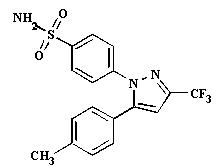
CELEBREX (celecoxib) is chemically designated as 4-[5-(4-methylphenyl)- 3-(trifluoromethyl)-1H-pyrazol-1-yl] benzenesulfonamide and is a diaryl-substituted pyrazole. The empirical formula is C17H14F3N3O2S, and the molecular weight is 381.38; the chemical structure is as follows:
CELEBREX oral capsules contain either 50 mg, 100 mg, 200 mg or 400 mg of celecoxib, together with inactive ingredients including: croscarmellose sodium, edible inks, gelatin, lactose monohydrate, magnesium stearate, povidone and sodium lauryl sulfate.
7.5fluconazole
Concomitant administration of fluconazole at 200 mg once daily resulted in a two-fold increase in celecoxib plasma concentration. This increase is due to the inhibition of celecoxib metabolism via P450 2C9 by fluconazole [see Clinical Pharmacology (12.3) ]. CELEBREX should be introduced at the lowest recommended dose in patients receiving fluconazole.
5.2hypertension
As with all NSAIDs, CELEBREX can lead to the onset of new hypertension or worsening of preexisting hypertension, either of which may contribute to the increased incidence of CV events. Patients taking thiazides or loop diuretics may have impaired response to these therapies when taking NSAIDs. NSAIDs, including CELEBREX, should be used with caution in patients with hypertension. Blood pressure should be monitored closely during the initiation of therapy with CELEBREX and throughout the course of therapy. The rates of hypertension from the CLASS trial in the CELEBREX, ibuprofen and diclofenac-treated patients were 2.4%, 4.2% and 2.5%, respectively [see Clinical Studies (14.6) ].
5.6renal Effects
Long-term administration of NSAIDs has resulted in renal papillary necrosis and other renal injury. Renal toxicity has also been seen in patients in whom renal prostaglandins have a compensatory role in the maintenance of renal perfusion. In these patients, administration of an NSAID may cause a dose-dependent reduction in prostaglandin formation and, secondarily, in renal blood flow, which may precipitate overt renal decompensation. Patients at greatest risk of this reaction are those with impaired renal function, heart failure, liver dysfunction, those taking diuretics, ACE-inhibitors, angiotensin II receptor antagonists, and the elderly. Discontinuation of NSAID therapy is usually followed by recovery to the pretreatment state. Clinical trials with CELEBREX have shown renal effects similar to those observed with comparator NSAIDs.
No information is available from controlled clinical studies regarding the use of CELEBREX in patients with advanced renal disease. Therefore, treatment with CELEBREX is not recommended in these patients with advanced renal disease. If CELEBREX therapy must be initiated, close monitoring of the patient's renal function is advisable.
7.7 Methotrexate
In an interaction study of rheumatoid arthritis patients taking methotrexate, CELEBREX did not have an effect on the pharmacokinetics of methotrexate [see Clinical Pharmacology (12.3) ].
8.4pediatric Use
CELEBREX is approved for relief of the signs and symptoms of Juvenile Rheumatoid Arthritis in patients 2 years and older. Safety and efficacy have not been studied beyond six months in children. The long-term cardiovascular toxicity in children exposed to CELEBREX has not been evaluated and it is unknown if long-term risks may be similar to that seen in adults exposed to CELEBREX or other COX-2 selective and non-selective NSAIDs [(see Boxed Warning, Warnings and Precautions (5.12), and Clinical Studies (14.3) ].
The use of celecoxib in patients 2 years to 17 years of age with pauciarticular, polyarticular course JRA or in patients with systemic onset JRA was studied in a 12-week, double-blind, active controlled, pharmacokinetic, safety and efficacy study, with a 12-week open-label extension. Celecoxib has not been studied in patients under the age of 2 years, in patients with body weight less than 10 kg (22 lbs), and in patients with active systemic features. Patients with systemic onset JRA (without active systemic features) appear to be at risk for the development of abnormal coagulation laboratory tests. In some patients with systemic onset JRA, both celecoxib and naproxen were associated with mild prolongation of activated partial thromboplastin time (APTT) but not prothrombin time (PT). NSAIDs including celecoxib should be used only with caution in patients with systemic onset JRA, due to the risk of disseminated intravascular coagulation. Patients with systemic onset JRA should be monitored for the development of abnormal coagulation tests [see Dosage and Administration (2.3), Warnings and Precautions (5.12), Adverse Reactions (6.3), Animal Toxicology (13.2), Clinical Studies (14.3) ].
Alternative therapies for treatment of JRA should be considered in pediatric patients identified to be CYP2C9 poor metabolizers [see Poor Metabolizers of CYP2C9 substrates (8.8) ].
8.5geriatric Use
Of the total number of patients who received CELEBREX in pre-approval clinical trials, more than 3,300 were 65–74 years of age, while approximately 1,300 additional patients were 75 years and over. No substantial differences in effectiveness were observed between these subjects and younger subjects. In clinical studies comparing renal function as measured by the GFR, BUN and creatinine, and platelet function as measured by bleeding time and platelet aggregation, the results were not different between elderly and young volunteers. However, as with other NSAIDs, including those that selectively inhibit COX-2, there have been more spontaneous post-marketing reports of fatal GI events and acute renal failure in the elderly than in younger patients [see Warnings and Precautions (5.4 , 5.6)].
2.1osteoarthritis
For relief of the signs and symptoms of OA the recommended oral dose is 200 mg per day administered as a single dose or as 100 mg twice daily.
5.15 Inflammation
The pharmacological activity of CELEBREX in reducing inflammation, and possibly fever, may diminish the utility of these diagnostic signs in detecting infectious complications of presumed noninfectious, painful conditions.
5.8skin Reactions
CELEBREX is a sulfonamide and can cause serious skin adverse events such as exfoliative dermatitis, Stevens-Johnson syndrome (SJS), and toxic epidermal necrolysis (TEN), which can be fatal. These serious events can occur without warning and in patients without prior known sulfa allergy. Patients should be informed about the signs and symptoms of serious skin manifestations and use of the drug should be discontinued at the first appearance of skin rash or any other sign of hypersensitivity.
1.5acute Pain (ap)
CELEBREX is indicated for the management of AP in adults [see Clinical Studies (14.5) ]
14.1osteoarthritis
CELEBREX has demonstrated significant reduction in joint pain compared to placebo. CELEBREX was evaluated for treatment of the signs and the symptoms of OA of the knee and hip in placebo- and active-controlled clinical trials of up to 12 weeks duration. In patients with OA, treatment with CELEBREX 100 mg twice daily or 200 mg once daily resulted in improvement in WOMAC (Western Ontario and McMaster Universities) osteoarthritis index, a composite of pain, stiffness, and functional measures in OA. In three 12-week studies of pain accompanying OA flare, CELEBREX doses of 100 mg twice daily and 200 mg twice daily provided significant reduction of pain within 24–48 hours of initiation of dosing. At doses of 100 mg twice daily or 200 mg twice daily the effectiveness of CELEBREX was shown to be similar to that of naproxen 500 mg twice daily. Doses of 200 mg twice daily provided no additional benefit above that seen with 100 mg twice daily. A total daily dose of 200 mg has been shown to be equally effective whether administered as 100 mg twice daily or 200 mg once daily.
5.5hepatic Effects
Borderline elevations of one or more liver-associated enzymes may occur in up to 15% of patients taking NSAIDs, and notable elevations of ALT or AST (approximately 3 or more times the upper limit of normal) have been reported in approximately 1% of patients in clinical trials with NSAIDs. These laboratory abnormalities may progress, may remain unchanged, or may be transient with continuing therapy. Rare cases of severe hepatic reactions, including jaundice and fatal fulminant hepatitis, liver necrosis and hepatic failure (some with fatal outcome) have been reported with NSAIDs, including CELEBREX [see Adverse Reactions (6.1) ]. In controlled clinical trials of CELEBREX, the incidence of borderline elevations (greater than or equal to 1.2 times and less than 3 times the upper limit of normal) of liver associated enzymes was 6% for CELEBREX and 5% for placebo, and approximately 0.2% of patients taking CELEBREX and 0.3% of patients taking placebo had notable elevations of ALT and AST.
A patient with symptoms and/or signs suggesting liver dysfunction, or in whom an abnormal liver test has occurred, should be monitored carefully for evidence of the development of a more severe hepatic reaction while on therapy with CELEBREX. If clinical signs and symptoms consistent with liver disease develop, or if systemic manifestations occur (e.g., eosinophilia, rash, etc.), CELEBREX should be discontinued.
8.3nursing Mothers
Limited data from 3 published reports that included a total of 12 breastfeeding women showed low levels of CELEBREX in breast milk. The calculated average daily infant dose was 10–40 mcg/kg/day, less than 1% of the weight-based therapeutic dose for a two-year old-child. A report of two breastfed infants 17 and 22 months of age did not show any adverse events. Caution should be exercised when CELEBREX is administered to a nursing woman.
17.4hepatic Effects
Patients should be informed of the warning signs and symptoms of hepatotoxicity (e.g., nausea, fatigue, lethargy, pruritus, jaundice, right upper quadrant tenderness, and "flu-like" symptoms). Patients should be instructed that they should stop therapy and seek immediate medical therapy if these signs and symptoms occur [see Warnings and Precautions (5.5), Use in Specific Populations (8.6) ].
4.contraindications
CELEBREX is contraindicated:
-
•In patients with known hypersensitivity to celecoxib, aspirin, or other NSAIDs.
-
•In patients who have demonstrated allergic-type reactions to sulfonamides.
-
•In patients who have experienced asthma, urticaria, or allergic-type reactions after taking aspirin or other NSAIDs. Severe anaphylactoid reactions to NSAIDs, some of them fatal, have been reported in such patients [see Warnings and Precautions (5.7, 5.13) ].
-
•For the treatment of peri-operative pain in the setting of coronary artery bypass graft (CABG) surgery [see Warnings and Precautions (5.1) ].
-
•In patients with active gastrointestinal bleeding. [see Warnings and Precautions (5.4) ].
6.adverse Reactions
Of the CELEBREX-treated patients in the pre-marketing controlled clinical trials, approximately 4,250 were patients with OA, approximately 2,100 were patients with RA, and approximately 1,050 were patients with post-surgical pain. More than 8,500 patients received a total daily dose of CELEBREX of 200 mg (100 mg twice daily or 200 mg once daily) or more, including more than 400 treated at 800 mg (400 mg twice daily). Approximately 3,900 patients received CELEBREX at these doses for 6 months or more; approximately 2,300 of these have received it for 1 year or more and 124 of these have received it for 2 years or more.
Because clinical trials are conducted under widely varying conditions, adverse reaction rates observed in the clinical trials of a drug cannot be directly compared to rates in the clinical trials of another drug and may not reflect the rates observed in practice. The adverse reaction information from clinical trials does, however, provide a basis for identifying the adverse events that appear to be related to drug use and for approximating rates.
7.drug Interactions
General: Celecoxib metabolism is predominantly mediated via cytochrome P450 (CYP) 2C9 in the liver. Co-administration of celecoxib with drugs that are known to inhibit CYP2C9 should be done with caution. Significant interactions may occur when celecoxib is administered together with drugs that inhibit CYP2C9.
In vitro studies indicate that celecoxib, although not a substrate, is an inhibitor of CYP2D6. Therefore, there is a potential for an in vivo drug interaction with drugs that are metabolized by CYP2D6.
Cardiovascular Risk
-
•CELEBREX may cause an increased risk of serious cardiovascular thrombotic events, myocardial infarction, and stroke, which can be fatal. All nonsteroidal anti-inflammatory drugs (NSAIDs) may have a similar risk. This risk may increase with duration of use. Patients with cardiovascular disease or risk factors for cardiovascular disease may be at greater risk. (5.1,14.6)
-
•CELEBREX is contraindicated for the treatment of peri-operative pain in the setting of coronary artery bypass graft (CABG) surgery. (4, 5.1)
17.1medication Guide
Patients should be informed of the availability of a Medication Guide for NSAIDs that accompanies each prescription dispensed, and should be instructed to read the Medication Guide prior to using CELEBREX.
12.5 Pharmacogenomics
CYP2C9 activity is reduced in individuals with genetic polymorphisms that lead to reduced enzyme activity, such as those homozygous for the CYP2C9*2 and CYP2C9*3 polymorphisms. Limited data from 4 published reports that included a total of 8 subjects with the homozygous CYP2C9*3/*3 genotype showed celecoxib systemic levels that were 3- to 7-fold higher in these subjects compared to subjects with CYP2C9*1/*1 or *I/*3 genotypes. The pharmacokinetics of celecoxib have not been evaluated in subjects with other CYP2C9 polymorphisms, such as *2, *5, *6, *9 and *11. It is estimated that the frequency of the homozygous *3/*3 genotype is 0.3% to 1.0% in various ethnic groups. [see Dosage and Administration (2.6), Use in Specific Populations (8.8) ].
5.14 Laboratory Tests
Because serious GI tract ulcerations and bleeding can occur without warning symptoms, physicians should monitor for signs or symptoms of GI bleeding. Patients on long-term treatment with NSAIDs should have a CBC and a chemistry profile checked periodically. If abnormal liver tests or renal tests persist or worsen, CELEBREX should be discontinued.
In controlled clinical trials, elevated BUN occurred more frequently in patients receiving CELEBREX compared with patients on placebo. This laboratory abnormality was also seen in patients who received comparator NSAIDs in these studies. The clinical significance of this abnormality has not been established.
8.2labor and Delivery
Celecoxib produced no evidence of delayed labor or parturition at oral doses up to 100 mg/kg in rats (approximately 7-fold human exposure as measured by the AUC0–24 at 200 mg BID). The effects of CELEBREX on labor and delivery in pregnant women are unknown.
Gastrointestinal Risk
-
•NSAIDs, including CELEBREX, cause an increased risk of serious gastrointestinal adverse events including bleeding, ulceration, and perforation of the stomach or intestines, which can be fatal. These events can occur at any time during use and without warning symptoms. Elderly patients are at greater risk for serious gastrointestinal events. (5.4)
1.1osteoarthritis (oa)
CELEBREX is indicated for relief of the signs and symptoms of OA [see Clinical Studies (14.1) ]
13.2 Animal Toxicology
An increase in the incidence of background findings of spermatocele with or without secondary changes such as epididymal hypospermia as well as minimal to slight dilation of the seminiferous tubules was seen in the juvenile rat. These reproductive findings while apparently treatment-related did not increase in incidence or severity with dose and may indicate an exacerbation of a spontaneous condition. Similar reproductive findings were not observed in studies of juvenile or adult dogs or in adult rats treated with celecoxib. The clinical significance of this observation is unknown.
17.9preexisting Asthma
Patients should be instructed to tell their physicians if they have a history of asthma or aspirin-sensitive asthma because the use of NSAIDs in patients with aspirin-sensitive asthma has been associated with severe bronchospasm, which can be fatal. Patients with this form of aspirin sensitivity should be instructed not to take Celebrex. Patients with preexisting asthma should be instructed to seek immediate medical attention if their asthma worsens after taking Celebrex [see Warnings and Precautions (5.13) ].
1.indications and Usage
Carefully consider the potential benefits and risks of CELEBREX and other treatment options before deciding to use CELEBREX. Use the lowest effective dose for the shortest duration consistent with individual patient treatment goals [see Warnings and Precautions (5) ]
12.1mechanism of Action
CELEBREX is a nonsteroidal anti-inflammatory drug that exhibits anti-inflammatory, analgesic, and antipyretic activities in animal models. The mechanism of action of CELEBREX is believed to be due to inhibition of prostaglandin synthesis, primarily via inhibition of cyclooxygenase-2 (COX-2), and at therapeutic concentrations in humans, CELEBREX does not inhibit the cyclooxygenase-1 (COX-1) isoenzyme. In animal colon tumor models, CELEBREX reduced the incidence and multiplicity of tumors.
2.2rheumatoid Arthritis
For relief of the signs and symptoms of RA the recommended oral dose is 100 to 200 mg twice daily.
5.13 Preexisting Asthma
Patients with asthma may have aspirin-sensitive asthma. The use of aspirin in patients with aspirin-sensitive asthma has been associated with severe bronchospasm, which can be fatal. Since cross reactivity, including bronchospasm, between aspirin and other nonsteroidal anti-inflammatory drugs has been reported in such aspirin-sensitive patients, CELEBREX should not be administered to patients with this form of aspirin sensitivity and should be used with caution in patients with preexisting asthma.
8.7 Renal Insufficiency
CELEBREX is not recommended in patients with severe renal insufficiency [see Warnings and Precautions (5.6) and Clinical Pharmacology (12.3) ].
14.2rheumatoid Arthritis
CELEBREX has demonstrated significant reduction in joint tenderness/pain and joint swelling compared to placebo. CELEBREX was evaluated for treatment of the signs and symptoms of RA in placebo- and active-controlled clinical trials of up to 24 weeks in duration. CELEBREX was shown to be superior to placebo in these studies, using the ACR20 Responder Index, a composite of clinical, laboratory, and functional measures in RA. CELEBREX doses of 100 mg twice daily and 200 mg twice daily were similar in effectiveness and both were comparable to naproxen 500 mg twice daily.
Although CELEBREX 100 mg twice daily and 200 mg twice daily provided similar overall effectiveness, some patients derived additional benefit from the 200 mg twice daily dose. Doses of 400 mg twice daily provided no additional benefit above that seen with 100–200 mg twice daily.
17.6weight Gain and Edema
Long-term administration of NSAIDs including CELEBREX has resulted in renal injury. Patients at greatest risk are those taking diuretics, ACE-inhibitors, angiotensin II antagonists, or with renal or liver dysfunction, heart failure, and the elderly [see Warnings and Precautions (5.3 , 5.6), Use in Specific Populations (8) ].
Patients should be instructed to promptly report to their physicians signs or symptoms of unexplained weight gain or edema following treatment with CELEBREX [see Warnings and Precautions (5.3) ].
2.4ankylosing Spondylitis
For the management of the signs and symptoms of AS, the recommended dose of CELEBREX is 200 mg daily in single (once per day) or divided (twice per day) doses. If no effect is observed after 6 weeks, a trial of 400 mg daily may be worthwhile. If no effect is observed after 6 weeks on 400 mg daily, a response is not likely and consideration should be given to alternate treatment options.
7.8 Concomitant Nsaid Use
The concomitant use of CELEBREX with any dose of a non-aspirin NSAID should be avoided due to the potential for increased risk of adverse reactions.
8.6 Hepatic Insufficiency
The daily recommended dose of CELEBREX capsules in patients with moderate hepatic impairment (Child-Pugh Class B) should be reduced by 50%. The use of CELEBREX in patients with severe hepatic impairment is not recommended [see Dosage and Administration (2.6) and Clinical Pharmacology (12.3) ].
14.4ankylosing Spondylitis
CELEBREX was evaluated in AS patients in two placebo- and active-controlled clinical trials of 6 and 12 weeks duration. CELEBREX at doses of 100 mg twice daily, 200 mg once daily and 400 mg once daily was shown to be statistically superior to placebo in these studies for all three co-primary efficacy measures assessing global pain intensity (Visual Analogue Scale), global disease activity (Visual Analogue Scale) and functional impairment (Bath Ankylosing Spondylitis Functional Index). In the 12-week study, there was no difference in the extent of improvement between the 200 mg and 400 mg CELEBREX doses in a comparison of mean change from baseline, but there was a greater percentage of patients who responded to CELEBREX 400 mg, 53%, than to CELEBREX 200 mg, 44%, using the Assessment in Ankylosing Spondylitis response criteria (ASAS 20). The ASAS 20 defines a responder as improvement from baseline of at least 20% and an absolute improvement of at least 10 mm, on a 0 to 100 mm scale, in at least three of the four following domains: patient global pain, Bath Ankylosing Spondylitis Functional Index, and inflammation. The responder analysis also demonstrated no change in the responder rates beyond 6 weeks.
17.2cardiovascular Effects
Patients should be informed that CELEBREX may cause serious CV side effects such as MI or stroke, which may result in hospitalization and even death. Patients should be informed of the signs and symptoms of chest pain, shortness of breath, weakness, slurring of speech, and to seek immediate medical advice if they observe any of these signs or symptoms. [see Warnings and Precautions (5.1) ].
Patients should be informed that CELEBREX can lead to the onset of new hypertension or worsening of preexisting hypertension, and that CELEBREX may impair the response of some antihypertensive agents. Patients should be instructed on the proper follow up for monitoring of blood pressure. [see Warnings and Precautions (5.2) and Drug Interactions (7.4) ].
17.5adverse Skin Reactions
Patients should be informed that CELEBREX is a sulfonamide and can cause serious skin side effects such as exfoliative dermatitis, SJS, and TEN, which may result in hospitalizations and even death. Although serious skin reactions may occur without warning, patients should be informed of the signs and symptoms of skin rash and blisters, fever, or other signs of hypersensitivity such as itching, and seek immediate medical advice when observing any indicative signs or symptoms.
Patients should be advised to stop CELEBREX immediately if they develop any type of rash and contact their physician as soon as possible.
Patients with prior history of sulfa allergy should not take CELEBREX [see Warnings and Precautions (5.8) ].
5.11 Hematological Effects
Anemia is sometimes seen in patients receiving CELEBREX. In controlled clinical trials the incidence of anemia was 0.6% with CELEBREX and 0.4% with placebo. Patients on long-term treatment with CELEBREX should have their hemoglobin or hematocrit checked if they exhibit any signs or symptoms of anemia or blood loss. CELEBREX does not generally affect platelet counts, prothrombin time (PT), or partial thromboplastin time (PTT), and does not inhibit platelet aggregation at indicated dosages [see Clinical Pharmacology (12.2) ].
5.16 Concomitant Nsaid Use
The concomitant use of CELEBREX with any dose of a non-aspirin NSAID should be avoided due to the potential for increased risk of adverse reactions.
5.7anaphylactoid Reactions
As with NSAIDs in general, anaphylactoid reactions have occurred in patients without known prior exposure to CELEBREX. In post-marketing experience, rare cases of anaphylactic reactions and angioedema have been reported in patients receiving CELEBREX. CELEBREX should not be given to patients with the aspirin triad. This symptom complex typically occurs in asthmatic patients who experience rhinitis with or without nasal polyps, or who exhibit severe, potentially fatal bronchospasm after taking aspirin or other NSAIDs [see Contraindications (4), Warnings and Precautions (5.7) ]. Emergency help should be sought in cases where an anaphylactoid reaction occurs.
5.warnings and Precautions
-
•Serious and potentially fatal cardiovascular (CV) thrombotic events, myocardial infarction, and stroke. Patients with known CV disease/risk factors may be at greater risk (5.1, 14.6, 17.2).
-
•Serious gastrointestinal (GI) adverse events, which can be fatal. The risk is greater in patients with a prior history of ulcer disease or GI bleeding, and in patients at high risk for GI events, especially the elderly. CELEBREX should be used with caution in these patients (5.4, 8.5, 14.6, 17.3).
-
•Elevated liver enzymes and, rarely, severe hepatic reactions. Discontinue use of CELEBREX immediately if abnormal liver enzymes persist or worsen (5.5, 17.4).
-
•New onset or worsening of hypertension. Blood pressure should be monitored closely during treatment with CELEBREX (5.2, 7.4, 17.2).
-
•Fluid retention and edema. CELEBREX should be used with caution in patients with fluid retention or heart failure (5.3, 17.6).
-
•Renal papillary necrosis and other renal injury with long term use. Use CELEBREX with caution in the elderly, those with impaired renal function, heart failure, liver dysfunction, and those taking diuretics, ACE-inhibitors, or angiotensin II antagonists (5.6, 7.4, 8.7, 17.6).
-
•Anaphylactoid reactions. Do not use CELEBREX in patients with the aspirin triad (5.7, 10, 17.7).
-
•Serious skin adverse events such as exfoliative dermatitis, Stevens-Johnson syndrome (SJS), and toxic epidermal necrolysis (TEN), which can be fatal and can occur without warning even without known prior sulfa allergy. Discontinue CELEBREX at first appearance of rash or skin reactions (5.8, 17.5).
17.7anaphylactoid Reactions
Patients should be informed of the signs and symptoms of an anaphylactoid reaction (e.g., difficulty breathing, swelling of the face or throat). Patients should be instructed to seek immediate emergency assistance if they develop any of these signs and symptoms [see Warnings and Precautions (5.7) ].
2.dosage and Administration
Use lowest effective dose for the shortest duration consistent with treatment goals for the individual patient.
These doses can be given without regard to timing of meals.
1.2rheumatoid Arthritis (ra)
CELEBREX is indicated for relief of the signs and symptoms of RA [see Clinical Studies (14.2) ]
1.6primary Dysmenorrhea (pd)
CELEBREX is indicated for the treatment of PD [see Clinical Studies (14.5) ]
17.3gastrointestinal Effects
Patients should be informed that CELEBREX can cause gastrointestinal discomfort and more serious side effects, such as ulcers and bleeding, which may result in hospitalization and even death. Patients should be informed of the signs and symptoms of ulcerations and bleeding, and to seek immediate medical advice if they observe any signs or symptoms that are indicative of these disorders, including epigastric pain, dyspepsia, melena, and hematemesis. [see Warnings and Precautions (5.4) ].
17.8effects During Pregnancy
Patients should be informed that in late pregnancy CELEBREX should be avoided because it may cause premature closure of the ductus arteriosus [see Warnings and Precautions (5.9), Use in Specific Populations (8.1) ].
3.dosage Forms and Strengths
Capsules: 50 mg, 100 mg, 200 mg and 400 mg
5.10 Corticosteroid Treatment
CELEBREX cannot be expected to substitute for corticosteroids or to treat corticosteroid insufficiency. Abrupt discontinuation of corticosteroids may lead to exacerbation of corticosteroid-responsive illness. Patients on prolonged corticosteroid therapy should have their therapy tapered slowly if a decision is made to discontinue corticosteroids.
8.use in Specific Populations
1.4ankylosing Spondylitis (as)
CELEBREX is indicated for the relief of signs and symptoms of AS [see Clinical Studies (14.4) ]
2.3juvenile Rheumatoid Arthritis
For the relief of the signs and symptoms of JRA the recommended oral dose for pediatric patients (age 2 years and older) is based on weight. For patients ≥10 kg to ≤25 kg the recommended dose is 50 mg twice daily. For patients >25 kg the recommended dose is 100 mg twice daily.
For patients who have difficulty swallowing capsules, the contents of a CELEBREX capsule can be added to applesauce. The entire capsule contents are carefully emptied onto a level teaspoon of cool or room temperature applesauce and ingested immediately with water. The sprinkled capsule contents on applesauce are stable for up to 6 hours under refrigerated conditions (2–8° C/ 35–45° F).
5.4gastrointestinal (gi) Effects
Risk of GI Ulceration, Bleeding, and Perforation
NSAIDs, including CELEBREX, can cause serious gastrointestinal events including bleeding, ulceration, and perforation of the stomach, small intestine or large intestine, which can be fatal. These serious adverse events can occur at any time, with or without warning symptoms, in patients treated with NSAIDs. Only one in five patients who develop a serious upper GI adverse event on NSAID therapy is symptomatic. Complicated and symptomatic ulcer rates were 0.78% at nine months for all patients in the CLASS trial, and 2.19% for the subgroup on low-dose ASA. Patients 65 years of age and older had an incidence of 1.40% at nine months, 3.06% when also taking ASA [see Clinical Studies (14.6) ]. With longer duration of use of NSAIDs, there is a trend for increasing the likelihood of developing a serious GI event at some time during the course of therapy. However, even short-term therapy is not without risk.
NSAIDs should be prescribed with extreme caution in patients with a prior history of ulcer disease or gastrointestinal bleeding. Patients with a prior history of peptic ulcer disease and/or gastrointestinal bleeding who use NSAIDs have a greater than 10-fold increased risk for developing a GI bleed compared to patients with neither of these risk factors. Other factors that increase the risk of GI bleeding in patients treated with NSAIDs include concomitant use of oral corticosteroids or anticoagulants, longer duration of NSAID therapy, smoking, use of alcohol, older age, and poor general health status. Most spontaneous reports of fatal GI events are in elderly or debilitated patients and therefore special care should be taken in treating this population.
To minimize the potential risk for an adverse GI event, the lowest effective dose should be used for the shortest duration consistent with individual patient treatment goals. Physicians and patients should remain alert for signs and symptoms of GI ulceration and bleeding during CELEBREX therapy and promptly initiate additional evaluation and treatment if a serious GI adverse event is suspected. For high-risk patients, alternate therapies that do not involve NSAIDs should be considered.
Celebrex is contraindicated in patients with active GI bleeding.
14.3juvenile Rheumatoid Arthritis
In a 12-week, randomized, double-blind active-controlled, parallel-group, multicenter, non-inferiority study, patients from 2 years to 17 years of age with pauciarticular, polyarticular course JRA or systemic onset JRA (with currently inactive systemic features), received one of the following treatments: celecoxib 3 mg/kg (to a maximum of 150 mg) twice daily; celecoxib 6 mg/kg (to a maximum of 300 mg) twice daily; or naproxen 7.5 mg/kg (to a maximum of 500 mg) twice daily. The response rates were based upon the JRA Definition of Improvement greater than or equal to 30% (JRA DOI 30) criterion, which is a composite of clinical, laboratory, and functional measures of JRA. The JRA DOI 30 response rates at week 12 were 69%, 80% and 67% in the celecoxib 3 mg/kg BID, celecoxib 6 mg/kg BID, and naproxen 7.5 mg/kg BID treatment groups, respectively.
The efficacy and safety of CELEBREX for JRA have not been studied beyond six months. The long-term cardiovascular toxicity in children exposed to CELEBREX has not been evaluated and it is unknown if the long-term risk may be similar to that seen in adults exposed to CELEBREX or other COX-2 selective and non-selective NSAIDs [(see Boxed Warning, Warnings and Precautions (5.12) ].
17. Patient Counseling Information
Patients should be informed of the following information before initiating therapy with CELEBREX and periodically during the course of ongoing therapy.
5.1cardiovascular Thrombotic Events
-
Chronic use of CELEBREX may cause an increased risk of serious adverse cardiovascular thrombotic events, myocardial infarction, and stroke, which can be fatal. In the APC (Adenoma Prevention with Celecoxib) trial, the hazard ratio for the composite endpoint of cardiovascular death, MI, or stroke was 3.4 (95% CI 1.4 – 8.5) for CELEBREX 400 mg twice daily and 2.8 (95% CI 1.1 – 7.2) with CELEBREX 200 mg twice daily compared to placebo. Cumulative rates for this composite endpoint over 3 years were 3.0% (20/671 subjects) and 2.5% (17/685 subjects), respectively, compared to 0.9% (6/679 subjects) with placebo treatment. The increases in both celecoxib dose groups versus placebo-treated patients were mainly due to an increased incidence of myocardial infarction [ see Clinical Studies (14.6) ].
All NSAIDs, both COX-2 selective and non-selective, may have a similar risk. Patients with known CV disease or risk factors for CV disease may be at greater risk. To minimize the potential risk for an adverse CV event in patients treated with CELEBREX, the lowest effective dose should be used for the shortest duration consistent with individual patient treatment goals. Physicians and patients should remain alert for the development of such events, even in the absence of previous CV symptoms. Patients should be informed about the signs and/or symptoms of serious CV toxicity and the steps to take if they occur.
There is no consistent evidence that concurrent use of aspirin mitigates the increased risk of serious CV thrombotic events associated with NSAID use. The concurrent use of aspirin and CELEBREX does increase the risk of serious GI events [see Warnings and Precautions (5.4) ].
Two large, controlled, clinical trials of a different COX-2 selective NSAID for the treatment of pain in the first 10–14 days following CABG surgery found an increased incidence of myocardial infarction and stroke [see Contraindications (4) ].
16.how Supplied/storage and Handling
CELEBREX 200 mg capsules are white, with reverse printed white on gold band with markings of 7767 on the cap and 200 on the body, supplied as:
NDC Number Size
63187-079-15 bottle of 15
5.3congestive Heart Failure and Edema
Fluid retention and edema have been observed in some patients taking NSAIDs, including CELEBREX [see Adverse Reactions (6.1) ]. In the CLASS study [see Clinical Studies (14.6) ], the Kaplan-Meier cumulative rates at 9 months of peripheral edema in patients on CELEBREX 400 mg twice daily (4-fold and 2-fold the recommended OA and RA doses, respectively), ibuprofen 800 mg three times daily and diclofenac 75 mg twice daily were 4.5%, 6.9% and 4.7%, respectively. CELEBREX should be used with caution in patients with fluid retention or heart failure.
1.3 Juvenile Rheumatoid Arthritis (jra)
CELEBREX is indicated for relief of the signs and symptoms of JRA in patients 2 years and older [see Clinical Studies (14.3) ]
6.3 Juvenile Rheumatoid Arthritis Study
In a 12-week, double-blind, active-controlled study, 242 JRA patients 2 years to 17 years of age were treated with celecoxib or naproxen; 77 JRA patients were treated with celecoxib 3 mg/kg BID, 82 patients were treated with celecoxib 6 mg/kg BID, and 83 patients were treated with naproxen 7.5 mg/kg BID. The most commonly occurring (≥5%) adverse events in celecoxib treated patients were headache, fever (pyrexia), upper abdominal pain, cough, nasopharyngitis, abdominal pain, nausea, arthralgia, diarrhea and vomiting. The most commonly occurring (≥5%) adverse experiences for naproxen-treated patients were headache, nausea, vomiting, fever, upper abdominal pain, diarrhea, cough, abdominal pain, and dizziness (Table 2). Compared with naproxen, celecoxib at doses of 3 and 6 mg/kg BID had no observable deleterious effect on growth and development during the course of the 12-week double-blind study. There was no substantial difference in the number of clinical exacerbations of uveitis or systemic features of JRA among treatment groups.
In a 12-week, open-label extension of the double-blind study described above, 202 JRA patients were treated with celecoxib 6 mg/kg BID. The incidence of adverse events was similar to that observed during the double-blind study; no unexpected adverse events of clinical importance emerged.
| All Doses Twice Daily | |||
|---|---|---|---|
|
System Organ Class
Preferred Term |
Celecoxib
3 mg/kg N=77 |
Celecoxib
6 mg/kg N=82 |
Naproxen
7.5 mg/kg N=83 |
|
Any Event |
64 |
70 |
72 |
|
Eye Disorders |
5 |
5 |
5 |
|
Gastrointestinal |
26 |
24 |
36 |
|
Abdominal pain NOS |
4 |
7 |
7 |
|
Abdominal pain upper |
8 |
6 |
10 |
|
Vomiting NOS |
3 |
6 |
11 |
|
Diarrhea NOS |
5 |
4 |
8 |
|
Nausea |
7 |
4 |
11 |
|
General |
13 |
11 |
18 |
|
Pyrexia |
8 |
9 |
11 |
|
Infections |
25 |
20 |
27 |
|
Nasopharyngitis |
5 |
6 |
5 |
|
Injury and Poisoning |
4 |
6 |
5 |
|
Investigations Abnormal laboratory tests, which include: Prolonged activated partial thromboplastin time, Bacteriuria NOS present, Blood creatine phosphokinase increased, Blood culture positive, Blood glucose increased, Blood pressure increased, Blood uric acid increased, Hematocrit decreased, Hematuria present, Hemoglobin decreased, Liver function tests NOS abnormal, Proteinuria present, Transaminase NOS increased, Urine analysis abnormal NOS
|
3 |
11 |
7 |
|
Musculoskeletal |
8 |
10 |
17 |
|
Arthralgia |
3 |
7 |
4 |
|
Nervous System |
17 |
11 |
21 |
|
Headache NOS |
13 |
10 |
16 |
|
Dizziness (excl vertigo) |
1 |
1 |
7 |
|
Respiratory |
8 |
15 |
15 |
|
Cough |
7 |
7 |
8 |
|
Skin & Subcutaneous |
10 |
7 |
18 |
8.8 Poor Metabolizers of Cyp2c9 Substrates
Patients who are known or suspected to be poor CYP2C9 metabolizers based on genotype or previous history/experience with other CYP2C9 substrates (such as warfarin, phenytoin) should be administered celecoxib with caution. Consider starting treatment at half the lowest recommended dose in poor metabolizers (i.e., CYP2C9*3/*3). Alternative management should be considered in JRA patients identified to be CYP2C9 poor metabolizers. [see Dosage and Administration (2.6) and Clinical Pharmacology (12.5) ].
14.5analgesia, Including Primary Dysmenorrhea
In acute analgesic models of post-oral surgery pain, post-orthopedic surgical pain, and primary dysmenorrhea, CELEBREX relieved pain that was rated by patients as moderate to severe. Single doses [see Dosage and Administration (2.5) ] of CELEBREX provided pain relief within 60 minutes.
6.1 Pre Marketing Controlled Arthritis Trials
Table 1 lists all adverse events, regardless of causality, occurring in ≥2% of patients receiving CELEBREX from 12 controlled studies conducted in patients with OA or RA that included a placebo and/or a positive control group. Since these 12 trials were of different durations, and patients in the trials may not have been exposed for the same duration of time, these percentages do not capture cumulative rates of occurrence.
|
CBX
N=4146 |
Placebo
N=1864 |
NAP
N=1366 |
DCF
N=387 |
IBU
N=345 |
|
|---|---|---|---|---|---|
| CBX = CELEBREX 100 – 200 mg twice daily or 200 mg once daily; NAP = Naproxen 500 mg twice daily; DCF = Diclofenac 75 mg twice daily; IBU = Ibuprofen 800 mg three times daily. |
|||||
|
Gastrointestinal |
|||||
|
Abdominal Pain |
4.1% |
2.8% |
7.7% |
9.0% |
9.0% |
|
Diarrhea |
5.6% |
3.8% |
5.3% |
9.3% |
5.8% |
|
Dyspepsia |
8.8% |
6.2% |
12.2% |
10.9% |
12.8% |
|
Flatulence |
2.2% |
1.0% |
3.6% |
4.1% |
3.5% |
|
Nausea |
3.5% |
4.2% |
6.0% |
3.4% |
6.7% |
|
Body as a whole |
|||||
|
Back Pain |
2.8% |
3.6% |
2.2% |
2.6% |
0.9% |
|
Peripheral Edema |
2.1% |
1.1% |
2.1% |
1.0% |
3.5% |
|
Injury-Accidental |
2.9% |
2.3% |
3.0% |
2.6% |
3.2% |
|
Central, Peripheral Nervous system |
|||||
|
Dizziness |
2.0% |
1.7% |
2.6% |
1.3% |
2.3% |
|
Headache |
15.8% |
20.2% |
14.5% |
15.5% |
15.4% |
|
Psychiatric |
|||||
|
Insomnia |
2.3% |
2.3% |
2.9% |
1.3% |
1.4% |
|
Respiratory |
|||||
|
Pharyngitis |
2.3% |
1.1% |
1.7% |
1.6% |
2.6% |
|
Rhinitis |
2.0% |
1.3% |
2.4% |
2.3% |
0.6% |
|
Sinusitis |
5.0% |
4.3% |
4.0% |
5.4% |
5.8% |
|
Upper Respiratory Infection |
8.1% |
6.7% |
9.9% |
9.8% |
9.9% |
|
Skin |
|||||
|
Rash |
2.2% |
2.1% |
2.1% |
1.3% |
1.2% |
In placebo- or active-controlled clinical trials, the discontinuation rate due to adverse events was 7.1% for patients receiving CELEBREX and 6.1% for patients receiving placebo. Among the most common reasons for discontinuation due to adverse events in the CELEBREX treatment groups were dyspepsia and abdominal pain (cited as reasons for discontinuation in 0.8% and 0.7% of CELEBREX patients, respectively). Among patients receiving placebo, 0.6% discontinued due to dyspepsia and 0.6% withdrew due to abdominal pain.
7.4ace Inhibitors and Angiotensin Ii Antagonists
Reports suggest that NSAIDs may diminish the antihypertensive effect of Angiotensin Converting Enzyme (ACE) inhibitors and angiotensin II antagonists. This interaction should be given consideration in patients taking CELEBREX concomitantly with ACE-inhibitors and angiotensin II antagonists [see Clinical Pharmacology (12.2 ].
In patients who are elderly, volume-depleted (including those on diuretic therapy), or with compromised renal function, co-administration of NSAIDs, including selective COX-2 inhibitors, with ACE inhibitors, may result in deterioration of renal function, including possible acute renal failure. Discontinuation of NSAID therapy is usually followed by recovery to the pretreatment state.
5.12 Disseminated Intravascular Coagulation (dic)
CELEBREX should be used only with caution in pediatric patients with systemic onset JRA due to the risk of disseminated intravascular coagulation.
6.2 the Celecoxib Long Term Arthritis Safety Study
[see Special Studies (14.6) ]
Warning: Cardiovascular and Gastrointestinal Risks
WARNING: CARDIOVASCULAR AND GASTROINTESTINAL RISKS
See full prescribing information for complete boxed warning
Cardiovascular Risk
-
•CELEBREX may cause an increased risk of serious cardiovascular thrombotic events, myocardial infarction, and stroke, which can be fatal. All NSAIDs may have a similar risk. This risk may increase with duration of use. Patients with cardiovascular disease or risk factors for cardiovascular disease may be at greater risk. (5.1,14.6)
-
•CELEBREX is contraindicated for the treatment of peri-operative pain in the setting of coronary artery bypass graft (CABG) surgery. (4, 5.1)
Gastrointestinal Risk
-
•NSAIDs, including CELEBREX, cause an increased risk of serious gastrointestinal adverse events including bleeding, ulceration, and perforation of the stomach or intestines, which can be fatal. These events can occur at any time during use and without warning symptoms. Elderly patients are at greater risk for serious gastrointestinal (GI) events. (5.4)
13.1 Carcinogenesis, Mutagenesis, Impairment of Fertility
Celecoxib was not carcinogenic in rats given oral doses up to 200 mg/kg for males and 10 mg/kg for females (approximately 2-to 4-fold the human exposure as measured by the AUC0–24 at 200 mg twice daily) or in mice given oral doses up to 25 mg/kg for males and 50 mg/kg for females (approximately equal to human exposure as measured by the AUC0–24 at 200 mg twice daily) for two years.
Celecoxib was not mutagenic in an Ames test and a mutation assay in Chinese hamster ovary (CHO) cells, nor clastogenic in a chromosome aberration assay in CHO cells and an in vivo micronucleus test in rat bone marrow.
Celecoxib did not impair male and female fertility in rats at oral doses up to 600 mg/kg/day (approximately 11-fold human exposure at 200 mg twice daily based on the AUC0–24).
2.5management of Acute Pain and Treatment of Primary Dysmenorrhea
The recommended dose of CELEBREX is 400 mg initially, followed by an additional 200 mg dose if needed on the first day. On subsequent days, the recommended dose is 200 mg twice daily as needed.
Structured Label Content
Section 34077-8 (34077-8)
Teratogenic effects: Celecoxib at oral doses ≥150 mg/kg/day (approximately 2-fold human exposure at 200 mg twice daily as measured by AUC0–24), caused an increased incidence of ventricular septal defects, a rare event, and fetal alterations, such as ribs fused, sternebrae fused and sternebrae misshapen when rabbits were treated throughout organogenesis. A dose-dependent increase in diaphragmatic hernias was observed when rats were given celecoxib at oral doses ≥30 mg/kg/day (approximately 6-fold human exposure based on the AUC0–24 at 200 mg twice daily) throughout organogenesis. There are no studies in pregnant women. CELEBREX should be used during pregnancy only if the potential benefit justifies the potential risk to the fetus.
Section 34078-6 (34078-6)
Nonteratogenic effects: Celecoxib produced pre-implantation and post-implantation losses and reduced embryo/fetal survival in rats at oral dosages ≥50 mg/kg/day (approximately 6-fold human exposure based on the AUC0–24 at 200 mg twice daily). These changes are expected with inhibition of prostaglandin synthesis and are not the result of permanent alteration of female reproductive function, nor are they expected at clinical exposures. No studies have been conducted to evaluate the effect of celecoxib on the closure of the ductus arteriosus in humans. Therefore, use of CELEBREX during the third trimester of pregnancy should be avoided.
Section 42229-5 (42229-5)
Hepatic insufficiency: The daily recommended dose of CELEBREX capsules in patients with moderate hepatic impairment (Child-Pugh Class B) should be reduced by 50%. The use of CELEBREX in patients with severe hepatic impairment is not recommended [see Warnings and Precautions (5.5), Use in Specific Populations (8.6) and Clinical Pharmacology (12.3)].
Section 42231-1 (42231-1)
Medication Guide for Non-Steroidal Anti-Inflammatory Drugs (NSAIDs)
(See the end of this Medication Guide for a list of prescription NSAID medicines.)
What is the most important information I should know about medicines called Non-Steroidal Anti-Inflammatory Drugs (NSAIDs)?
NSAID medicines may increase the chance of a heart attack or stroke that can lead to death.
This chance increases:
-
•with longer use of NSAID medicines
-
•in people who have heart disease
-
NSAID medicines should never be used right before or after a heart surgery called a "coronary artery bypass graft (CABG)."
NSAID medicines can cause ulcers and bleeding in the stomach and intestines at any time during treatment. Ulcers and bleeding:
-
•can happen without warning symptoms
-
•may cause death
The chance of a person getting an ulcer or bleeding increases with:
-
•taking medicines called "corticosteroids" and "anticoagulants"
-
•longer use
-
•smoking
-
•drinking alcohol
-
•older age
-
•having poor health
NSAID medicines should only be used:
-
•exactly as prescribed
-
•at the lowest dose possible for your treatment
-
•for the shortest time needed
What are Non-Steroidal Anti-Inflammatory Drugs (NSAIDs)?
NSAID medicines are used to treat pain and redness, swelling, and heat (inflammation) from medical conditions such as:
-
•different types of arthritis
-
•menstrual cramps and other types of short-term pain
Who should not take a Non-Steroidal Anti-Inflammatory Drug (NSAID)?
Do not take an NSAID medicine:
-
•if you had an asthma attack, hives, or other allergic reaction with aspirin or any other NSAID medicine
-
•for pain right before or after heart bypass surgery
Tell your healthcare provider:
-
•about all of your medical conditions.
-
•about all of the medicines you take. NSAIDs and some other medicines can interact with each other and cause serious side effects. Keep a list of your medicines to show to your healthcare provider and pharmacist.
-
•if you are pregnant. NSAID medicines should not be used by pregnant women late in their pregnancy.
-
•if you are breastfeeding. Talk to your doctor.
What are the possible side effects of Non-Steroidal Anti-Inflammatory Drugs (NSAIDs)?
|
Serious side effects include: |
Other side effects include: |
|
|
Get emergency help right away if you have any of the following symptoms:
|
|
Stop your NSAID medicine and call your healthcare provider right away if you have any of the following symptoms:
|
|
These are not all the side effects with NSAID medicines. Talk to your healthcare provider or pharmacist for more information about NSAID medicines.
Call your doctor for medical advice about side effects. You may report side effects to FDA at 1-800-FDA-1088.
Other information about Non-Steroidal Anti-Inflammatory Drugs (NSAIDs)
-
•Aspirin is an NSAID medicine but it does not increase the chance of a heart attack. Aspirin can cause bleeding in the brain, stomach, and intestines. Aspirin can also cause ulcers in the stomach and intestines.
-
•Some of these NSAID medicines are sold in lower doses without a prescription (over –the –counter). Talk to your healthcare provider before using over –the –counter NSAIDs for more than 10 days.
| Generic Name | Tradename |
|---|---|
|
Celecoxib |
Celebrex |
|
Diclofenac |
Cataflam, Voltaren, Arthrotec (combined with misoprostol) |
|
Diflunisal |
Dolobid |
|
Etodolac |
Lodine, Lodine XL |
|
Fenoprofen |
Nalfon, Nalfon 200 |
|
Flurbiprofen |
Ansaid |
|
Ibuprofen |
Motrin, Tab-Profen, Vicoprofen Vicoprofen contains the same dose of ibuprofen as over-the-counter (OTC) NSAIDs, and is usually used for less than 10 days to treat pain. The OTC NSAID label warns that long term continuous use may increase the risk of heart attack or stroke. (combined with hydrocodone), Combunox (combined with oxycodone)
|
|
Indomethacin |
Indocin, Indocin SR, Indo-Lemmon, Indomethagan |
|
Ketoprofen |
Oruvail |
|
Ketorolac |
Toradol |
|
Mefenamic Acid |
Ponstel |
|
Meloxicam |
Mobic |
|
Nabumetone |
Relafen |
|
Naproxen |
Naprosyn, Anaprox, Anaprox DS, EC-Naproxyn, Naprelan, Naprapac (copackaged with lansoprazole) |
|
Oxaprozin |
Daypro |
|
Piroxicam |
Feldene |
|
Sulindac |
Clinoril |
|
Tolmetin |
Tolectin, Tolectin DS, Tolectin 600 |
This Medication Guide has been approved by the U.S. Food and Drug Administration.
LAB-0609-1.0
Section 44425-7 (44425-7)
Storage: Store at 25°C (77°F); excursions permitted to 15–30°C (59–86°F) [see USP Controlled Room Temperature]
Section 51945-4 (51945-4)
PRINCIPAL DISPLAY PANEL -
7.2lithium (7.2Lithium)
In a study conducted in healthy subjects, mean steady-state lithium plasma levels increased approximately 17% in subjects receiving lithium 450 mg twice daily with CELEBREX 200 mg twice daily as compared to subjects receiving lithium alone. Patients on lithium treatment should be closely monitored when CELEBREX is introduced or withdrawn.
7.3aspirin (7.3Aspirin)
CELEBREX can be used with low-dose aspirin. However, concomitant administration of aspirin with CELEBREX increases the rate of GI ulceration or other complications, compared to use of CELEBREX alone [see Warnings and Precautions (5.1, 5.4) and Clinical Studies (14.6) ]. Because of its lack of platelet effects, CELEBREX is not a substitute for aspirin for cardiovascular prophylaxis [see Clinical Pharmacology (12.2) ].
7.1warfarin (7.1Warfarin)
Anticoagulant activity should be monitored, particularly in the first few days, after initiating or changing CELEBREX therapy in patients receiving warfarin or similar agents, since these patients are at an increased risk of bleeding complications. The effect of celecoxib on the anticoagulant effect of warfarin was studied in a group of healthy subjects receiving daily 2–5 mg doses of warfarin. In these subjects, celecoxib did not alter the anticoagulant effect of warfarin as determined by prothrombin time. However, in post-marketing experience, serious bleeding events, some of which were fatal, have been reported, predominantly in the elderly, in association with increases in prothrombin time in patients receiving CELEBREX concurrently with warfarin.
5.9pregnancy (5.9Pregnancy)
In late pregnancy, starting at 30 weeks gestation, CELEBREX should be avoided because it may cause premature closure of the ductus arteriosus [see Use in Specific Populations (8.1) ].
8.1pregnancy (8.1Pregnancy)
Pregnancy Category C. Pregnancy category D from 30 weeks of gestation onward.
10.overdosage (10.OVERDOSAGE)
No overdoses of CELEBREX were reported during clinical trials. Doses up to 2400 mg/day for up to 10 days in 12 patients did not result in serious toxicity. Symptoms following acute NSAID overdoses are usually limited to lethargy, drowsiness, nausea, vomiting, and epigastric pain, which are generally reversible with supportive care. Gastrointestinal bleeding can occur. Hypertension, acute renal failure, respiratory depression and coma may occur, but are rare. Anaphylactoid reactions have been reported with therapeutic ingestion of NSAIDs, and may occur following an overdose.
Patients should be managed by symptomatic and supportive care following an NSAID overdose. There are no specific antidotes. No information is available regarding the removal of celecoxib by hemodialysis, but based on its high degree of plasma protein binding (>97%) dialysis is unlikely to be useful in overdose. Emesis and/or activated charcoal (60 to 100 g in adults, 1 to 2 g/kg in children) and/or osmotic cathartic may be indicated in patients seen within 4 hours of ingestion with symptoms or following a large overdose. Forced diuresis, alkalinization of urine, hemodialysis, or hemoperfusion may not be useful due to high protein binding.
7.6furosemide (7.6Furosemide)
Clinical studies, as well as post-marketing observations, have shown that NSAIDs can reduce the natriuretic effect of furosemide and thiazides in some patients. This response has been attributed to inhibition of renal prostaglandin synthesis.
11.description (11.DESCRIPTION)
CELEBREX (celecoxib) is chemically designated as 4-[5-(4-methylphenyl)- 3-(trifluoromethyl)-1H-pyrazol-1-yl] benzenesulfonamide and is a diaryl-substituted pyrazole. The empirical formula is C17H14F3N3O2S, and the molecular weight is 381.38; the chemical structure is as follows:
CELEBREX oral capsules contain either 50 mg, 100 mg, 200 mg or 400 mg of celecoxib, together with inactive ingredients including: croscarmellose sodium, edible inks, gelatin, lactose monohydrate, magnesium stearate, povidone and sodium lauryl sulfate.
7.5fluconazole (7.5Fluconazole)
Concomitant administration of fluconazole at 200 mg once daily resulted in a two-fold increase in celecoxib plasma concentration. This increase is due to the inhibition of celecoxib metabolism via P450 2C9 by fluconazole [see Clinical Pharmacology (12.3) ]. CELEBREX should be introduced at the lowest recommended dose in patients receiving fluconazole.
5.2hypertension (5.2Hypertension)
As with all NSAIDs, CELEBREX can lead to the onset of new hypertension or worsening of preexisting hypertension, either of which may contribute to the increased incidence of CV events. Patients taking thiazides or loop diuretics may have impaired response to these therapies when taking NSAIDs. NSAIDs, including CELEBREX, should be used with caution in patients with hypertension. Blood pressure should be monitored closely during the initiation of therapy with CELEBREX and throughout the course of therapy. The rates of hypertension from the CLASS trial in the CELEBREX, ibuprofen and diclofenac-treated patients were 2.4%, 4.2% and 2.5%, respectively [see Clinical Studies (14.6) ].
5.6renal Effects (5.6Renal Effects)
Long-term administration of NSAIDs has resulted in renal papillary necrosis and other renal injury. Renal toxicity has also been seen in patients in whom renal prostaglandins have a compensatory role in the maintenance of renal perfusion. In these patients, administration of an NSAID may cause a dose-dependent reduction in prostaglandin formation and, secondarily, in renal blood flow, which may precipitate overt renal decompensation. Patients at greatest risk of this reaction are those with impaired renal function, heart failure, liver dysfunction, those taking diuretics, ACE-inhibitors, angiotensin II receptor antagonists, and the elderly. Discontinuation of NSAID therapy is usually followed by recovery to the pretreatment state. Clinical trials with CELEBREX have shown renal effects similar to those observed with comparator NSAIDs.
No information is available from controlled clinical studies regarding the use of CELEBREX in patients with advanced renal disease. Therefore, treatment with CELEBREX is not recommended in these patients with advanced renal disease. If CELEBREX therapy must be initiated, close monitoring of the patient's renal function is advisable.
7.7 Methotrexate
In an interaction study of rheumatoid arthritis patients taking methotrexate, CELEBREX did not have an effect on the pharmacokinetics of methotrexate [see Clinical Pharmacology (12.3) ].
8.4pediatric Use (8.4Pediatric Use)
CELEBREX is approved for relief of the signs and symptoms of Juvenile Rheumatoid Arthritis in patients 2 years and older. Safety and efficacy have not been studied beyond six months in children. The long-term cardiovascular toxicity in children exposed to CELEBREX has not been evaluated and it is unknown if long-term risks may be similar to that seen in adults exposed to CELEBREX or other COX-2 selective and non-selective NSAIDs [(see Boxed Warning, Warnings and Precautions (5.12), and Clinical Studies (14.3) ].
The use of celecoxib in patients 2 years to 17 years of age with pauciarticular, polyarticular course JRA or in patients with systemic onset JRA was studied in a 12-week, double-blind, active controlled, pharmacokinetic, safety and efficacy study, with a 12-week open-label extension. Celecoxib has not been studied in patients under the age of 2 years, in patients with body weight less than 10 kg (22 lbs), and in patients with active systemic features. Patients with systemic onset JRA (without active systemic features) appear to be at risk for the development of abnormal coagulation laboratory tests. In some patients with systemic onset JRA, both celecoxib and naproxen were associated with mild prolongation of activated partial thromboplastin time (APTT) but not prothrombin time (PT). NSAIDs including celecoxib should be used only with caution in patients with systemic onset JRA, due to the risk of disseminated intravascular coagulation. Patients with systemic onset JRA should be monitored for the development of abnormal coagulation tests [see Dosage and Administration (2.3), Warnings and Precautions (5.12), Adverse Reactions (6.3), Animal Toxicology (13.2), Clinical Studies (14.3) ].
Alternative therapies for treatment of JRA should be considered in pediatric patients identified to be CYP2C9 poor metabolizers [see Poor Metabolizers of CYP2C9 substrates (8.8) ].
8.5geriatric Use (8.5Geriatric Use)
Of the total number of patients who received CELEBREX in pre-approval clinical trials, more than 3,300 were 65–74 years of age, while approximately 1,300 additional patients were 75 years and over. No substantial differences in effectiveness were observed between these subjects and younger subjects. In clinical studies comparing renal function as measured by the GFR, BUN and creatinine, and platelet function as measured by bleeding time and platelet aggregation, the results were not different between elderly and young volunteers. However, as with other NSAIDs, including those that selectively inhibit COX-2, there have been more spontaneous post-marketing reports of fatal GI events and acute renal failure in the elderly than in younger patients [see Warnings and Precautions (5.4 , 5.6)].
2.1osteoarthritis (2.1Osteoarthritis)
For relief of the signs and symptoms of OA the recommended oral dose is 200 mg per day administered as a single dose or as 100 mg twice daily.
5.15 Inflammation
The pharmacological activity of CELEBREX in reducing inflammation, and possibly fever, may diminish the utility of these diagnostic signs in detecting infectious complications of presumed noninfectious, painful conditions.
5.8skin Reactions (5.8Skin Reactions)
CELEBREX is a sulfonamide and can cause serious skin adverse events such as exfoliative dermatitis, Stevens-Johnson syndrome (SJS), and toxic epidermal necrolysis (TEN), which can be fatal. These serious events can occur without warning and in patients without prior known sulfa allergy. Patients should be informed about the signs and symptoms of serious skin manifestations and use of the drug should be discontinued at the first appearance of skin rash or any other sign of hypersensitivity.
1.5acute Pain (ap) (1.5Acute Pain (AP))
CELEBREX is indicated for the management of AP in adults [see Clinical Studies (14.5) ]
14.1osteoarthritis (14.1Osteoarthritis)
CELEBREX has demonstrated significant reduction in joint pain compared to placebo. CELEBREX was evaluated for treatment of the signs and the symptoms of OA of the knee and hip in placebo- and active-controlled clinical trials of up to 12 weeks duration. In patients with OA, treatment with CELEBREX 100 mg twice daily or 200 mg once daily resulted in improvement in WOMAC (Western Ontario and McMaster Universities) osteoarthritis index, a composite of pain, stiffness, and functional measures in OA. In three 12-week studies of pain accompanying OA flare, CELEBREX doses of 100 mg twice daily and 200 mg twice daily provided significant reduction of pain within 24–48 hours of initiation of dosing. At doses of 100 mg twice daily or 200 mg twice daily the effectiveness of CELEBREX was shown to be similar to that of naproxen 500 mg twice daily. Doses of 200 mg twice daily provided no additional benefit above that seen with 100 mg twice daily. A total daily dose of 200 mg has been shown to be equally effective whether administered as 100 mg twice daily or 200 mg once daily.
5.5hepatic Effects (5.5Hepatic Effects)
Borderline elevations of one or more liver-associated enzymes may occur in up to 15% of patients taking NSAIDs, and notable elevations of ALT or AST (approximately 3 or more times the upper limit of normal) have been reported in approximately 1% of patients in clinical trials with NSAIDs. These laboratory abnormalities may progress, may remain unchanged, or may be transient with continuing therapy. Rare cases of severe hepatic reactions, including jaundice and fatal fulminant hepatitis, liver necrosis and hepatic failure (some with fatal outcome) have been reported with NSAIDs, including CELEBREX [see Adverse Reactions (6.1) ]. In controlled clinical trials of CELEBREX, the incidence of borderline elevations (greater than or equal to 1.2 times and less than 3 times the upper limit of normal) of liver associated enzymes was 6% for CELEBREX and 5% for placebo, and approximately 0.2% of patients taking CELEBREX and 0.3% of patients taking placebo had notable elevations of ALT and AST.
A patient with symptoms and/or signs suggesting liver dysfunction, or in whom an abnormal liver test has occurred, should be monitored carefully for evidence of the development of a more severe hepatic reaction while on therapy with CELEBREX. If clinical signs and symptoms consistent with liver disease develop, or if systemic manifestations occur (e.g., eosinophilia, rash, etc.), CELEBREX should be discontinued.
8.3nursing Mothers (8.3Nursing Mothers)
Limited data from 3 published reports that included a total of 12 breastfeeding women showed low levels of CELEBREX in breast milk. The calculated average daily infant dose was 10–40 mcg/kg/day, less than 1% of the weight-based therapeutic dose for a two-year old-child. A report of two breastfed infants 17 and 22 months of age did not show any adverse events. Caution should be exercised when CELEBREX is administered to a nursing woman.
17.4hepatic Effects (17.4Hepatic Effects)
Patients should be informed of the warning signs and symptoms of hepatotoxicity (e.g., nausea, fatigue, lethargy, pruritus, jaundice, right upper quadrant tenderness, and "flu-like" symptoms). Patients should be instructed that they should stop therapy and seek immediate medical therapy if these signs and symptoms occur [see Warnings and Precautions (5.5), Use in Specific Populations (8.6) ].
4.contraindications (4.CONTRAINDICATIONS)
CELEBREX is contraindicated:
-
•In patients with known hypersensitivity to celecoxib, aspirin, or other NSAIDs.
-
•In patients who have demonstrated allergic-type reactions to sulfonamides.
-
•In patients who have experienced asthma, urticaria, or allergic-type reactions after taking aspirin or other NSAIDs. Severe anaphylactoid reactions to NSAIDs, some of them fatal, have been reported in such patients [see Warnings and Precautions (5.7, 5.13) ].
-
•For the treatment of peri-operative pain in the setting of coronary artery bypass graft (CABG) surgery [see Warnings and Precautions (5.1) ].
-
•In patients with active gastrointestinal bleeding. [see Warnings and Precautions (5.4) ].
6.adverse Reactions (6.ADVERSE REACTIONS)
Of the CELEBREX-treated patients in the pre-marketing controlled clinical trials, approximately 4,250 were patients with OA, approximately 2,100 were patients with RA, and approximately 1,050 were patients with post-surgical pain. More than 8,500 patients received a total daily dose of CELEBREX of 200 mg (100 mg twice daily or 200 mg once daily) or more, including more than 400 treated at 800 mg (400 mg twice daily). Approximately 3,900 patients received CELEBREX at these doses for 6 months or more; approximately 2,300 of these have received it for 1 year or more and 124 of these have received it for 2 years or more.
Because clinical trials are conducted under widely varying conditions, adverse reaction rates observed in the clinical trials of a drug cannot be directly compared to rates in the clinical trials of another drug and may not reflect the rates observed in practice. The adverse reaction information from clinical trials does, however, provide a basis for identifying the adverse events that appear to be related to drug use and for approximating rates.
7.drug Interactions (7.DRUG INTERACTIONS)
General: Celecoxib metabolism is predominantly mediated via cytochrome P450 (CYP) 2C9 in the liver. Co-administration of celecoxib with drugs that are known to inhibit CYP2C9 should be done with caution. Significant interactions may occur when celecoxib is administered together with drugs that inhibit CYP2C9.
In vitro studies indicate that celecoxib, although not a substrate, is an inhibitor of CYP2D6. Therefore, there is a potential for an in vivo drug interaction with drugs that are metabolized by CYP2D6.
Cardiovascular Risk
-
•CELEBREX may cause an increased risk of serious cardiovascular thrombotic events, myocardial infarction, and stroke, which can be fatal. All nonsteroidal anti-inflammatory drugs (NSAIDs) may have a similar risk. This risk may increase with duration of use. Patients with cardiovascular disease or risk factors for cardiovascular disease may be at greater risk. (5.1,14.6)
-
•CELEBREX is contraindicated for the treatment of peri-operative pain in the setting of coronary artery bypass graft (CABG) surgery. (4, 5.1)
17.1medication Guide (17.1Medication Guide)
Patients should be informed of the availability of a Medication Guide for NSAIDs that accompanies each prescription dispensed, and should be instructed to read the Medication Guide prior to using CELEBREX.
12.5 Pharmacogenomics
CYP2C9 activity is reduced in individuals with genetic polymorphisms that lead to reduced enzyme activity, such as those homozygous for the CYP2C9*2 and CYP2C9*3 polymorphisms. Limited data from 4 published reports that included a total of 8 subjects with the homozygous CYP2C9*3/*3 genotype showed celecoxib systemic levels that were 3- to 7-fold higher in these subjects compared to subjects with CYP2C9*1/*1 or *I/*3 genotypes. The pharmacokinetics of celecoxib have not been evaluated in subjects with other CYP2C9 polymorphisms, such as *2, *5, *6, *9 and *11. It is estimated that the frequency of the homozygous *3/*3 genotype is 0.3% to 1.0% in various ethnic groups. [see Dosage and Administration (2.6), Use in Specific Populations (8.8) ].
5.14 Laboratory Tests
Because serious GI tract ulcerations and bleeding can occur without warning symptoms, physicians should monitor for signs or symptoms of GI bleeding. Patients on long-term treatment with NSAIDs should have a CBC and a chemistry profile checked periodically. If abnormal liver tests or renal tests persist or worsen, CELEBREX should be discontinued.
In controlled clinical trials, elevated BUN occurred more frequently in patients receiving CELEBREX compared with patients on placebo. This laboratory abnormality was also seen in patients who received comparator NSAIDs in these studies. The clinical significance of this abnormality has not been established.
8.2labor and Delivery (8.2Labor and Delivery)
Celecoxib produced no evidence of delayed labor or parturition at oral doses up to 100 mg/kg in rats (approximately 7-fold human exposure as measured by the AUC0–24 at 200 mg BID). The effects of CELEBREX on labor and delivery in pregnant women are unknown.
Gastrointestinal Risk
-
•NSAIDs, including CELEBREX, cause an increased risk of serious gastrointestinal adverse events including bleeding, ulceration, and perforation of the stomach or intestines, which can be fatal. These events can occur at any time during use and without warning symptoms. Elderly patients are at greater risk for serious gastrointestinal events. (5.4)
1.1osteoarthritis (oa) (1.1Osteoarthritis (OA))
CELEBREX is indicated for relief of the signs and symptoms of OA [see Clinical Studies (14.1) ]
13.2 Animal Toxicology
An increase in the incidence of background findings of spermatocele with or without secondary changes such as epididymal hypospermia as well as minimal to slight dilation of the seminiferous tubules was seen in the juvenile rat. These reproductive findings while apparently treatment-related did not increase in incidence or severity with dose and may indicate an exacerbation of a spontaneous condition. Similar reproductive findings were not observed in studies of juvenile or adult dogs or in adult rats treated with celecoxib. The clinical significance of this observation is unknown.
17.9preexisting Asthma (17.9Preexisting Asthma)
Patients should be instructed to tell their physicians if they have a history of asthma or aspirin-sensitive asthma because the use of NSAIDs in patients with aspirin-sensitive asthma has been associated with severe bronchospasm, which can be fatal. Patients with this form of aspirin sensitivity should be instructed not to take Celebrex. Patients with preexisting asthma should be instructed to seek immediate medical attention if their asthma worsens after taking Celebrex [see Warnings and Precautions (5.13) ].
1.indications and Usage (1.INDICATIONS AND USAGE)
Carefully consider the potential benefits and risks of CELEBREX and other treatment options before deciding to use CELEBREX. Use the lowest effective dose for the shortest duration consistent with individual patient treatment goals [see Warnings and Precautions (5) ]
12.1mechanism of Action (12.1Mechanism of Action)
CELEBREX is a nonsteroidal anti-inflammatory drug that exhibits anti-inflammatory, analgesic, and antipyretic activities in animal models. The mechanism of action of CELEBREX is believed to be due to inhibition of prostaglandin synthesis, primarily via inhibition of cyclooxygenase-2 (COX-2), and at therapeutic concentrations in humans, CELEBREX does not inhibit the cyclooxygenase-1 (COX-1) isoenzyme. In animal colon tumor models, CELEBREX reduced the incidence and multiplicity of tumors.
2.2rheumatoid Arthritis (2.2Rheumatoid Arthritis)
For relief of the signs and symptoms of RA the recommended oral dose is 100 to 200 mg twice daily.
5.13 Preexisting Asthma
Patients with asthma may have aspirin-sensitive asthma. The use of aspirin in patients with aspirin-sensitive asthma has been associated with severe bronchospasm, which can be fatal. Since cross reactivity, including bronchospasm, between aspirin and other nonsteroidal anti-inflammatory drugs has been reported in such aspirin-sensitive patients, CELEBREX should not be administered to patients with this form of aspirin sensitivity and should be used with caution in patients with preexisting asthma.
8.7 Renal Insufficiency
CELEBREX is not recommended in patients with severe renal insufficiency [see Warnings and Precautions (5.6) and Clinical Pharmacology (12.3) ].
14.2rheumatoid Arthritis (14.2Rheumatoid Arthritis)
CELEBREX has demonstrated significant reduction in joint tenderness/pain and joint swelling compared to placebo. CELEBREX was evaluated for treatment of the signs and symptoms of RA in placebo- and active-controlled clinical trials of up to 24 weeks in duration. CELEBREX was shown to be superior to placebo in these studies, using the ACR20 Responder Index, a composite of clinical, laboratory, and functional measures in RA. CELEBREX doses of 100 mg twice daily and 200 mg twice daily were similar in effectiveness and both were comparable to naproxen 500 mg twice daily.
Although CELEBREX 100 mg twice daily and 200 mg twice daily provided similar overall effectiveness, some patients derived additional benefit from the 200 mg twice daily dose. Doses of 400 mg twice daily provided no additional benefit above that seen with 100–200 mg twice daily.
17.6weight Gain and Edema (17.6Weight Gain and Edema)
Long-term administration of NSAIDs including CELEBREX has resulted in renal injury. Patients at greatest risk are those taking diuretics, ACE-inhibitors, angiotensin II antagonists, or with renal or liver dysfunction, heart failure, and the elderly [see Warnings and Precautions (5.3 , 5.6), Use in Specific Populations (8) ].
Patients should be instructed to promptly report to their physicians signs or symptoms of unexplained weight gain or edema following treatment with CELEBREX [see Warnings and Precautions (5.3) ].
2.4ankylosing Spondylitis (2.4Ankylosing Spondylitis)
For the management of the signs and symptoms of AS, the recommended dose of CELEBREX is 200 mg daily in single (once per day) or divided (twice per day) doses. If no effect is observed after 6 weeks, a trial of 400 mg daily may be worthwhile. If no effect is observed after 6 weeks on 400 mg daily, a response is not likely and consideration should be given to alternate treatment options.
7.8 Concomitant Nsaid Use (7.8 Concomitant NSAID Use)
The concomitant use of CELEBREX with any dose of a non-aspirin NSAID should be avoided due to the potential for increased risk of adverse reactions.
8.6 Hepatic Insufficiency
The daily recommended dose of CELEBREX capsules in patients with moderate hepatic impairment (Child-Pugh Class B) should be reduced by 50%. The use of CELEBREX in patients with severe hepatic impairment is not recommended [see Dosage and Administration (2.6) and Clinical Pharmacology (12.3) ].
14.4ankylosing Spondylitis (14.4Ankylosing Spondylitis)
CELEBREX was evaluated in AS patients in two placebo- and active-controlled clinical trials of 6 and 12 weeks duration. CELEBREX at doses of 100 mg twice daily, 200 mg once daily and 400 mg once daily was shown to be statistically superior to placebo in these studies for all three co-primary efficacy measures assessing global pain intensity (Visual Analogue Scale), global disease activity (Visual Analogue Scale) and functional impairment (Bath Ankylosing Spondylitis Functional Index). In the 12-week study, there was no difference in the extent of improvement between the 200 mg and 400 mg CELEBREX doses in a comparison of mean change from baseline, but there was a greater percentage of patients who responded to CELEBREX 400 mg, 53%, than to CELEBREX 200 mg, 44%, using the Assessment in Ankylosing Spondylitis response criteria (ASAS 20). The ASAS 20 defines a responder as improvement from baseline of at least 20% and an absolute improvement of at least 10 mm, on a 0 to 100 mm scale, in at least three of the four following domains: patient global pain, Bath Ankylosing Spondylitis Functional Index, and inflammation. The responder analysis also demonstrated no change in the responder rates beyond 6 weeks.
17.2cardiovascular Effects (17.2Cardiovascular Effects)
Patients should be informed that CELEBREX may cause serious CV side effects such as MI or stroke, which may result in hospitalization and even death. Patients should be informed of the signs and symptoms of chest pain, shortness of breath, weakness, slurring of speech, and to seek immediate medical advice if they observe any of these signs or symptoms. [see Warnings and Precautions (5.1) ].
Patients should be informed that CELEBREX can lead to the onset of new hypertension or worsening of preexisting hypertension, and that CELEBREX may impair the response of some antihypertensive agents. Patients should be instructed on the proper follow up for monitoring of blood pressure. [see Warnings and Precautions (5.2) and Drug Interactions (7.4) ].
17.5adverse Skin Reactions (17.5Adverse Skin Reactions)
Patients should be informed that CELEBREX is a sulfonamide and can cause serious skin side effects such as exfoliative dermatitis, SJS, and TEN, which may result in hospitalizations and even death. Although serious skin reactions may occur without warning, patients should be informed of the signs and symptoms of skin rash and blisters, fever, or other signs of hypersensitivity such as itching, and seek immediate medical advice when observing any indicative signs or symptoms.
Patients should be advised to stop CELEBREX immediately if they develop any type of rash and contact their physician as soon as possible.
Patients with prior history of sulfa allergy should not take CELEBREX [see Warnings and Precautions (5.8) ].
5.11 Hematological Effects
Anemia is sometimes seen in patients receiving CELEBREX. In controlled clinical trials the incidence of anemia was 0.6% with CELEBREX and 0.4% with placebo. Patients on long-term treatment with CELEBREX should have their hemoglobin or hematocrit checked if they exhibit any signs or symptoms of anemia or blood loss. CELEBREX does not generally affect platelet counts, prothrombin time (PT), or partial thromboplastin time (PTT), and does not inhibit platelet aggregation at indicated dosages [see Clinical Pharmacology (12.2) ].
5.16 Concomitant Nsaid Use (5.16 Concomitant NSAID Use)
The concomitant use of CELEBREX with any dose of a non-aspirin NSAID should be avoided due to the potential for increased risk of adverse reactions.
5.7anaphylactoid Reactions (5.7Anaphylactoid Reactions)
As with NSAIDs in general, anaphylactoid reactions have occurred in patients without known prior exposure to CELEBREX. In post-marketing experience, rare cases of anaphylactic reactions and angioedema have been reported in patients receiving CELEBREX. CELEBREX should not be given to patients with the aspirin triad. This symptom complex typically occurs in asthmatic patients who experience rhinitis with or without nasal polyps, or who exhibit severe, potentially fatal bronchospasm after taking aspirin or other NSAIDs [see Contraindications (4), Warnings and Precautions (5.7) ]. Emergency help should be sought in cases where an anaphylactoid reaction occurs.
5.warnings and Precautions (5.WARNINGS AND PRECAUTIONS)
-
•Serious and potentially fatal cardiovascular (CV) thrombotic events, myocardial infarction, and stroke. Patients with known CV disease/risk factors may be at greater risk (5.1, 14.6, 17.2).
-
•Serious gastrointestinal (GI) adverse events, which can be fatal. The risk is greater in patients with a prior history of ulcer disease or GI bleeding, and in patients at high risk for GI events, especially the elderly. CELEBREX should be used with caution in these patients (5.4, 8.5, 14.6, 17.3).
-
•Elevated liver enzymes and, rarely, severe hepatic reactions. Discontinue use of CELEBREX immediately if abnormal liver enzymes persist or worsen (5.5, 17.4).
-
•New onset or worsening of hypertension. Blood pressure should be monitored closely during treatment with CELEBREX (5.2, 7.4, 17.2).
-
•Fluid retention and edema. CELEBREX should be used with caution in patients with fluid retention or heart failure (5.3, 17.6).
-
•Renal papillary necrosis and other renal injury with long term use. Use CELEBREX with caution in the elderly, those with impaired renal function, heart failure, liver dysfunction, and those taking diuretics, ACE-inhibitors, or angiotensin II antagonists (5.6, 7.4, 8.7, 17.6).
-
•Anaphylactoid reactions. Do not use CELEBREX in patients with the aspirin triad (5.7, 10, 17.7).
-
•Serious skin adverse events such as exfoliative dermatitis, Stevens-Johnson syndrome (SJS), and toxic epidermal necrolysis (TEN), which can be fatal and can occur without warning even without known prior sulfa allergy. Discontinue CELEBREX at first appearance of rash or skin reactions (5.8, 17.5).
17.7anaphylactoid Reactions (17.7Anaphylactoid Reactions)
Patients should be informed of the signs and symptoms of an anaphylactoid reaction (e.g., difficulty breathing, swelling of the face or throat). Patients should be instructed to seek immediate emergency assistance if they develop any of these signs and symptoms [see Warnings and Precautions (5.7) ].
2.dosage and Administration (2.DOSAGE AND ADMINISTRATION)
Use lowest effective dose for the shortest duration consistent with treatment goals for the individual patient.
These doses can be given without regard to timing of meals.
1.2rheumatoid Arthritis (ra) (1.2Rheumatoid Arthritis (RA))
CELEBREX is indicated for relief of the signs and symptoms of RA [see Clinical Studies (14.2) ]
1.6primary Dysmenorrhea (pd) (1.6Primary Dysmenorrhea (PD))
CELEBREX is indicated for the treatment of PD [see Clinical Studies (14.5) ]
17.3gastrointestinal Effects (17.3Gastrointestinal Effects)
Patients should be informed that CELEBREX can cause gastrointestinal discomfort and more serious side effects, such as ulcers and bleeding, which may result in hospitalization and even death. Patients should be informed of the signs and symptoms of ulcerations and bleeding, and to seek immediate medical advice if they observe any signs or symptoms that are indicative of these disorders, including epigastric pain, dyspepsia, melena, and hematemesis. [see Warnings and Precautions (5.4) ].
17.8effects During Pregnancy (17.8Effects During Pregnancy)
Patients should be informed that in late pregnancy CELEBREX should be avoided because it may cause premature closure of the ductus arteriosus [see Warnings and Precautions (5.9), Use in Specific Populations (8.1) ].
3.dosage Forms and Strengths (3.DOSAGE FORMS AND STRENGTHS)
Capsules: 50 mg, 100 mg, 200 mg and 400 mg
5.10 Corticosteroid Treatment
CELEBREX cannot be expected to substitute for corticosteroids or to treat corticosteroid insufficiency. Abrupt discontinuation of corticosteroids may lead to exacerbation of corticosteroid-responsive illness. Patients on prolonged corticosteroid therapy should have their therapy tapered slowly if a decision is made to discontinue corticosteroids.
8.use in Specific Populations (8.USE IN SPECIFIC POPULATIONS)
1.4ankylosing Spondylitis (as) (1.4Ankylosing Spondylitis (AS))
CELEBREX is indicated for the relief of signs and symptoms of AS [see Clinical Studies (14.4) ]
2.3juvenile Rheumatoid Arthritis (2.3Juvenile Rheumatoid Arthritis)
For the relief of the signs and symptoms of JRA the recommended oral dose for pediatric patients (age 2 years and older) is based on weight. For patients ≥10 kg to ≤25 kg the recommended dose is 50 mg twice daily. For patients >25 kg the recommended dose is 100 mg twice daily.
For patients who have difficulty swallowing capsules, the contents of a CELEBREX capsule can be added to applesauce. The entire capsule contents are carefully emptied onto a level teaspoon of cool or room temperature applesauce and ingested immediately with water. The sprinkled capsule contents on applesauce are stable for up to 6 hours under refrigerated conditions (2–8° C/ 35–45° F).
5.4gastrointestinal (gi) Effects (5.4Gastrointestinal (GI) Effects)
Risk of GI Ulceration, Bleeding, and Perforation
NSAIDs, including CELEBREX, can cause serious gastrointestinal events including bleeding, ulceration, and perforation of the stomach, small intestine or large intestine, which can be fatal. These serious adverse events can occur at any time, with or without warning symptoms, in patients treated with NSAIDs. Only one in five patients who develop a serious upper GI adverse event on NSAID therapy is symptomatic. Complicated and symptomatic ulcer rates were 0.78% at nine months for all patients in the CLASS trial, and 2.19% for the subgroup on low-dose ASA. Patients 65 years of age and older had an incidence of 1.40% at nine months, 3.06% when also taking ASA [see Clinical Studies (14.6) ]. With longer duration of use of NSAIDs, there is a trend for increasing the likelihood of developing a serious GI event at some time during the course of therapy. However, even short-term therapy is not without risk.
NSAIDs should be prescribed with extreme caution in patients with a prior history of ulcer disease or gastrointestinal bleeding. Patients with a prior history of peptic ulcer disease and/or gastrointestinal bleeding who use NSAIDs have a greater than 10-fold increased risk for developing a GI bleed compared to patients with neither of these risk factors. Other factors that increase the risk of GI bleeding in patients treated with NSAIDs include concomitant use of oral corticosteroids or anticoagulants, longer duration of NSAID therapy, smoking, use of alcohol, older age, and poor general health status. Most spontaneous reports of fatal GI events are in elderly or debilitated patients and therefore special care should be taken in treating this population.
To minimize the potential risk for an adverse GI event, the lowest effective dose should be used for the shortest duration consistent with individual patient treatment goals. Physicians and patients should remain alert for signs and symptoms of GI ulceration and bleeding during CELEBREX therapy and promptly initiate additional evaluation and treatment if a serious GI adverse event is suspected. For high-risk patients, alternate therapies that do not involve NSAIDs should be considered.
Celebrex is contraindicated in patients with active GI bleeding.
14.3juvenile Rheumatoid Arthritis (14.3Juvenile Rheumatoid Arthritis)
In a 12-week, randomized, double-blind active-controlled, parallel-group, multicenter, non-inferiority study, patients from 2 years to 17 years of age with pauciarticular, polyarticular course JRA or systemic onset JRA (with currently inactive systemic features), received one of the following treatments: celecoxib 3 mg/kg (to a maximum of 150 mg) twice daily; celecoxib 6 mg/kg (to a maximum of 300 mg) twice daily; or naproxen 7.5 mg/kg (to a maximum of 500 mg) twice daily. The response rates were based upon the JRA Definition of Improvement greater than or equal to 30% (JRA DOI 30) criterion, which is a composite of clinical, laboratory, and functional measures of JRA. The JRA DOI 30 response rates at week 12 were 69%, 80% and 67% in the celecoxib 3 mg/kg BID, celecoxib 6 mg/kg BID, and naproxen 7.5 mg/kg BID treatment groups, respectively.
The efficacy and safety of CELEBREX for JRA have not been studied beyond six months. The long-term cardiovascular toxicity in children exposed to CELEBREX has not been evaluated and it is unknown if the long-term risk may be similar to that seen in adults exposed to CELEBREX or other COX-2 selective and non-selective NSAIDs [(see Boxed Warning, Warnings and Precautions (5.12) ].
17. Patient Counseling Information (17. PATIENT COUNSELING INFORMATION)
Patients should be informed of the following information before initiating therapy with CELEBREX and periodically during the course of ongoing therapy.
5.1cardiovascular Thrombotic Events (5.1Cardiovascular Thrombotic Events)
-
Chronic use of CELEBREX may cause an increased risk of serious adverse cardiovascular thrombotic events, myocardial infarction, and stroke, which can be fatal. In the APC (Adenoma Prevention with Celecoxib) trial, the hazard ratio for the composite endpoint of cardiovascular death, MI, or stroke was 3.4 (95% CI 1.4 – 8.5) for CELEBREX 400 mg twice daily and 2.8 (95% CI 1.1 – 7.2) with CELEBREX 200 mg twice daily compared to placebo. Cumulative rates for this composite endpoint over 3 years were 3.0% (20/671 subjects) and 2.5% (17/685 subjects), respectively, compared to 0.9% (6/679 subjects) with placebo treatment. The increases in both celecoxib dose groups versus placebo-treated patients were mainly due to an increased incidence of myocardial infarction [ see Clinical Studies (14.6) ].
All NSAIDs, both COX-2 selective and non-selective, may have a similar risk. Patients with known CV disease or risk factors for CV disease may be at greater risk. To minimize the potential risk for an adverse CV event in patients treated with CELEBREX, the lowest effective dose should be used for the shortest duration consistent with individual patient treatment goals. Physicians and patients should remain alert for the development of such events, even in the absence of previous CV symptoms. Patients should be informed about the signs and/or symptoms of serious CV toxicity and the steps to take if they occur.
There is no consistent evidence that concurrent use of aspirin mitigates the increased risk of serious CV thrombotic events associated with NSAID use. The concurrent use of aspirin and CELEBREX does increase the risk of serious GI events [see Warnings and Precautions (5.4) ].
Two large, controlled, clinical trials of a different COX-2 selective NSAID for the treatment of pain in the first 10–14 days following CABG surgery found an increased incidence of myocardial infarction and stroke [see Contraindications (4) ].
16.how Supplied/storage and Handling (16.HOW SUPPLIED/STORAGE AND HANDLING)
CELEBREX 200 mg capsules are white, with reverse printed white on gold band with markings of 7767 on the cap and 200 on the body, supplied as:
NDC Number Size
63187-079-15 bottle of 15
5.3congestive Heart Failure and Edema (5.3Congestive Heart Failure and Edema)
Fluid retention and edema have been observed in some patients taking NSAIDs, including CELEBREX [see Adverse Reactions (6.1) ]. In the CLASS study [see Clinical Studies (14.6) ], the Kaplan-Meier cumulative rates at 9 months of peripheral edema in patients on CELEBREX 400 mg twice daily (4-fold and 2-fold the recommended OA and RA doses, respectively), ibuprofen 800 mg three times daily and diclofenac 75 mg twice daily were 4.5%, 6.9% and 4.7%, respectively. CELEBREX should be used with caution in patients with fluid retention or heart failure.
1.3 Juvenile Rheumatoid Arthritis (jra) (1.3 Juvenile Rheumatoid Arthritis (JRA))
CELEBREX is indicated for relief of the signs and symptoms of JRA in patients 2 years and older [see Clinical Studies (14.3) ]
6.3 Juvenile Rheumatoid Arthritis Study
In a 12-week, double-blind, active-controlled study, 242 JRA patients 2 years to 17 years of age were treated with celecoxib or naproxen; 77 JRA patients were treated with celecoxib 3 mg/kg BID, 82 patients were treated with celecoxib 6 mg/kg BID, and 83 patients were treated with naproxen 7.5 mg/kg BID. The most commonly occurring (≥5%) adverse events in celecoxib treated patients were headache, fever (pyrexia), upper abdominal pain, cough, nasopharyngitis, abdominal pain, nausea, arthralgia, diarrhea and vomiting. The most commonly occurring (≥5%) adverse experiences for naproxen-treated patients were headache, nausea, vomiting, fever, upper abdominal pain, diarrhea, cough, abdominal pain, and dizziness (Table 2). Compared with naproxen, celecoxib at doses of 3 and 6 mg/kg BID had no observable deleterious effect on growth and development during the course of the 12-week double-blind study. There was no substantial difference in the number of clinical exacerbations of uveitis or systemic features of JRA among treatment groups.
In a 12-week, open-label extension of the double-blind study described above, 202 JRA patients were treated with celecoxib 6 mg/kg BID. The incidence of adverse events was similar to that observed during the double-blind study; no unexpected adverse events of clinical importance emerged.
| All Doses Twice Daily | |||
|---|---|---|---|
|
System Organ Class
Preferred Term |
Celecoxib
3 mg/kg N=77 |
Celecoxib
6 mg/kg N=82 |
Naproxen
7.5 mg/kg N=83 |
|
Any Event |
64 |
70 |
72 |
|
Eye Disorders |
5 |
5 |
5 |
|
Gastrointestinal |
26 |
24 |
36 |
|
Abdominal pain NOS |
4 |
7 |
7 |
|
Abdominal pain upper |
8 |
6 |
10 |
|
Vomiting NOS |
3 |
6 |
11 |
|
Diarrhea NOS |
5 |
4 |
8 |
|
Nausea |
7 |
4 |
11 |
|
General |
13 |
11 |
18 |
|
Pyrexia |
8 |
9 |
11 |
|
Infections |
25 |
20 |
27 |
|
Nasopharyngitis |
5 |
6 |
5 |
|
Injury and Poisoning |
4 |
6 |
5 |
|
Investigations Abnormal laboratory tests, which include: Prolonged activated partial thromboplastin time, Bacteriuria NOS present, Blood creatine phosphokinase increased, Blood culture positive, Blood glucose increased, Blood pressure increased, Blood uric acid increased, Hematocrit decreased, Hematuria present, Hemoglobin decreased, Liver function tests NOS abnormal, Proteinuria present, Transaminase NOS increased, Urine analysis abnormal NOS
|
3 |
11 |
7 |
|
Musculoskeletal |
8 |
10 |
17 |
|
Arthralgia |
3 |
7 |
4 |
|
Nervous System |
17 |
11 |
21 |
|
Headache NOS |
13 |
10 |
16 |
|
Dizziness (excl vertigo) |
1 |
1 |
7 |
|
Respiratory |
8 |
15 |
15 |
|
Cough |
7 |
7 |
8 |
|
Skin & Subcutaneous |
10 |
7 |
18 |
8.8 Poor Metabolizers of Cyp2c9 Substrates (8.8 Poor Metabolizers of CYP2C9 Substrates)
Patients who are known or suspected to be poor CYP2C9 metabolizers based on genotype or previous history/experience with other CYP2C9 substrates (such as warfarin, phenytoin) should be administered celecoxib with caution. Consider starting treatment at half the lowest recommended dose in poor metabolizers (i.e., CYP2C9*3/*3). Alternative management should be considered in JRA patients identified to be CYP2C9 poor metabolizers. [see Dosage and Administration (2.6) and Clinical Pharmacology (12.5) ].
14.5analgesia, Including Primary Dysmenorrhea (14.5Analgesia, including Primary Dysmenorrhea)
In acute analgesic models of post-oral surgery pain, post-orthopedic surgical pain, and primary dysmenorrhea, CELEBREX relieved pain that was rated by patients as moderate to severe. Single doses [see Dosage and Administration (2.5) ] of CELEBREX provided pain relief within 60 minutes.
6.1 Pre Marketing Controlled Arthritis Trials (6.1 Pre-marketing Controlled Arthritis Trials)
Table 1 lists all adverse events, regardless of causality, occurring in ≥2% of patients receiving CELEBREX from 12 controlled studies conducted in patients with OA or RA that included a placebo and/or a positive control group. Since these 12 trials were of different durations, and patients in the trials may not have been exposed for the same duration of time, these percentages do not capture cumulative rates of occurrence.
|
CBX
N=4146 |
Placebo
N=1864 |
NAP
N=1366 |
DCF
N=387 |
IBU
N=345 |
|
|---|---|---|---|---|---|
| CBX = CELEBREX 100 – 200 mg twice daily or 200 mg once daily; NAP = Naproxen 500 mg twice daily; DCF = Diclofenac 75 mg twice daily; IBU = Ibuprofen 800 mg three times daily. |
|||||
|
Gastrointestinal |
|||||
|
Abdominal Pain |
4.1% |
2.8% |
7.7% |
9.0% |
9.0% |
|
Diarrhea |
5.6% |
3.8% |
5.3% |
9.3% |
5.8% |
|
Dyspepsia |
8.8% |
6.2% |
12.2% |
10.9% |
12.8% |
|
Flatulence |
2.2% |
1.0% |
3.6% |
4.1% |
3.5% |
|
Nausea |
3.5% |
4.2% |
6.0% |
3.4% |
6.7% |
|
Body as a whole |
|||||
|
Back Pain |
2.8% |
3.6% |
2.2% |
2.6% |
0.9% |
|
Peripheral Edema |
2.1% |
1.1% |
2.1% |
1.0% |
3.5% |
|
Injury-Accidental |
2.9% |
2.3% |
3.0% |
2.6% |
3.2% |
|
Central, Peripheral Nervous system |
|||||
|
Dizziness |
2.0% |
1.7% |
2.6% |
1.3% |
2.3% |
|
Headache |
15.8% |
20.2% |
14.5% |
15.5% |
15.4% |
|
Psychiatric |
|||||
|
Insomnia |
2.3% |
2.3% |
2.9% |
1.3% |
1.4% |
|
Respiratory |
|||||
|
Pharyngitis |
2.3% |
1.1% |
1.7% |
1.6% |
2.6% |
|
Rhinitis |
2.0% |
1.3% |
2.4% |
2.3% |
0.6% |
|
Sinusitis |
5.0% |
4.3% |
4.0% |
5.4% |
5.8% |
|
Upper Respiratory Infection |
8.1% |
6.7% |
9.9% |
9.8% |
9.9% |
|
Skin |
|||||
|
Rash |
2.2% |
2.1% |
2.1% |
1.3% |
1.2% |
In placebo- or active-controlled clinical trials, the discontinuation rate due to adverse events was 7.1% for patients receiving CELEBREX and 6.1% for patients receiving placebo. Among the most common reasons for discontinuation due to adverse events in the CELEBREX treatment groups were dyspepsia and abdominal pain (cited as reasons for discontinuation in 0.8% and 0.7% of CELEBREX patients, respectively). Among patients receiving placebo, 0.6% discontinued due to dyspepsia and 0.6% withdrew due to abdominal pain.
7.4ace Inhibitors and Angiotensin Ii Antagonists (7.4ACE-inhibitors and Angiotensin II Antagonists)
Reports suggest that NSAIDs may diminish the antihypertensive effect of Angiotensin Converting Enzyme (ACE) inhibitors and angiotensin II antagonists. This interaction should be given consideration in patients taking CELEBREX concomitantly with ACE-inhibitors and angiotensin II antagonists [see Clinical Pharmacology (12.2 ].
In patients who are elderly, volume-depleted (including those on diuretic therapy), or with compromised renal function, co-administration of NSAIDs, including selective COX-2 inhibitors, with ACE inhibitors, may result in deterioration of renal function, including possible acute renal failure. Discontinuation of NSAID therapy is usually followed by recovery to the pretreatment state.
5.12 Disseminated Intravascular Coagulation (dic) (5.12 Disseminated Intravascular Coagulation (DIC))
CELEBREX should be used only with caution in pediatric patients with systemic onset JRA due to the risk of disseminated intravascular coagulation.
6.2 the Celecoxib Long Term Arthritis Safety Study (6.2 The Celecoxib Long-Term Arthritis Safety Study)
[see Special Studies (14.6) ]
Warning: Cardiovascular and Gastrointestinal Risks (WARNING: CARDIOVASCULAR AND GASTROINTESTINAL RISKS)
WARNING: CARDIOVASCULAR AND GASTROINTESTINAL RISKS
See full prescribing information for complete boxed warning
Cardiovascular Risk
-
•CELEBREX may cause an increased risk of serious cardiovascular thrombotic events, myocardial infarction, and stroke, which can be fatal. All NSAIDs may have a similar risk. This risk may increase with duration of use. Patients with cardiovascular disease or risk factors for cardiovascular disease may be at greater risk. (5.1,14.6)
-
•CELEBREX is contraindicated for the treatment of peri-operative pain in the setting of coronary artery bypass graft (CABG) surgery. (4, 5.1)
Gastrointestinal Risk
-
•NSAIDs, including CELEBREX, cause an increased risk of serious gastrointestinal adverse events including bleeding, ulceration, and perforation of the stomach or intestines, which can be fatal. These events can occur at any time during use and without warning symptoms. Elderly patients are at greater risk for serious gastrointestinal (GI) events. (5.4)
13.1 Carcinogenesis, Mutagenesis, Impairment of Fertility
Celecoxib was not carcinogenic in rats given oral doses up to 200 mg/kg for males and 10 mg/kg for females (approximately 2-to 4-fold the human exposure as measured by the AUC0–24 at 200 mg twice daily) or in mice given oral doses up to 25 mg/kg for males and 50 mg/kg for females (approximately equal to human exposure as measured by the AUC0–24 at 200 mg twice daily) for two years.
Celecoxib was not mutagenic in an Ames test and a mutation assay in Chinese hamster ovary (CHO) cells, nor clastogenic in a chromosome aberration assay in CHO cells and an in vivo micronucleus test in rat bone marrow.
Celecoxib did not impair male and female fertility in rats at oral doses up to 600 mg/kg/day (approximately 11-fold human exposure at 200 mg twice daily based on the AUC0–24).
2.5management of Acute Pain and Treatment of Primary Dysmenorrhea (2.5Management of Acute Pain and Treatment of Primary Dysmenorrhea)
The recommended dose of CELEBREX is 400 mg initially, followed by an additional 200 mg dose if needed on the first day. On subsequent days, the recommended dose is 200 mg twice daily as needed.
Advanced Ingredient Data
Raw Label Data
All Sections (JSON)
Additional Information
Back to search View SPL set listing Open on DailyMed ↗
Source: dailymed · Ingested: 2026-02-15T11:35:49.415963 · Updated: 2026-03-14T21:44:26.969907