amphetamine sulfate tablets, usp cii
9eb84b3c-2147-42dd-8053-6afd1a88b0c1
34391-3
HUMAN PRESCRIPTION DRUG LABEL
Drug Facts
Composition & Product
Identifiers & Packaging
Indications and Usage
Amphetamine sulfate tablets, USP 5 mg and 10 mg is indicated for: Narcolepsy Attention Deficit Disorder with Hyperactivity as an integral part of a total treatment program which typically includes other remedial measures (psychological, educational, social) for a stabilizing effect in children with behavioral syndrome characterized by the following group of developmentally inappropriate symptoms: moderate to severe distractibility, short attention span, hyperactivity, emotional lability , and impulsivity. The diagnosis of the syndrome should not be made with finality when these symptoms are only of comparatively recent origin. Nonlocalizing (soft) neurological signs, learning disability, and abnormal EEG may or may not be present, and a diagnosis of central nervous system dysfunction may or not be warranted. Exogenous Obesity as a short term (a few weeks) adjunct in a regimen of weight reduction based on caloric restriction for patients refractory to alternative therapy, e.g., repeated diets, group programs, and other drugs. The limited usefulness of amphetamines (see CLINICAL PHARMACOLOGY ) should be weighed against possible risks inherent in use of the drug, such as those described below.
Dosage and Administration
Regardless of indication, amphetamine should be administered at the lowest effective dosage and dosage should be individually adjusted. Late evening doses should be avoided because of resulting insomnia. Narcolepsy Usual dose is 5 to 60 milligrams per day in divided doses depending on the individual patient response. Narcolepsy seldom occurs in children under 12 years of age; however, when it does, amphetamine sulfate tablets, USP may be used. The suggested initial dose for patients aged 6 to 12 is 5 mg daily; daily dose may be raised in increments of 5 mg at weekly intervals until optimal response obtained. In patients 12 years of age and older, start with 10 mg daily; daily dosage may be raised in increments of 10 mg at weekly intervals until optimal response is obtained. If bothersome adverse reactions appear (e.g., insomnia or anorexia) dosage should be reduced. Give the first dose on awakening; additional doses (5 or 10 mg) at intervals of 4 to 6 hours. Attention Deficit Disorder with Hyperactivity Not recommended for children under 3 years of age. In children from 3 to 5 years of age , start with 2.5 mg daily; daily dosage may be raised in increments of 2.5 mg at weekly intervals until optimal response is obtained. In children 6 years of age or older, start with 5 mg once or twice daily; daily dosage may be raised in increments of 5 mg at weekly intervals until optimal response is obtained. Only in rare cases will it be necessary to exceed a total of 40 milligrams per day. With tablets give first dose on awakening; additional doses (1 to 2) at intervals of 4 to 6 hours. Where possible, drug administration should be interrupted occasionally to determine if there is a recurrence of behavioral symptoms sufficient to require continued therapy. Exogenous Obesity Usual dosage is up to 30 mg daily, taken in divided doses of 5 to 10 mg, 30 to 60 minutes before meals. Not recommended for this use in children under 12 years of age.
Contraindications
Advanced arteriosclerosis, symptomatic cardiovascular disease, moderate to severe hypertension, hyperthyroidism, known hypersensitivity or idiosyncrasy to the sympathomimetic amines. Agitated states. Patients with a history of drug abuse. During or within 14 days following the administration of monoamine oxidase inhibitors (hypertensive crises may result).
Adverse Reactions
Cardiovascular Palpitations, tachycardia, elevation of blood pressure. There have been isolated reports of cardiomyopathy associated with chronic amphetamine use. Central Nervous System Psychotic episodes at recommended doses (rare), overstimulation, restlessness, dizziness, insomnia, euphoria, dyskinesia, dysphoria, tremor, headache, exacerbation of motor and phonic tics and Tourette's syndrome. Gastrointestinal Dryness of the mouth, unpleasant taste, diarrhea, constipation and other gastrointestinal disturbances. Anorexia and weight loss may occur as undesirable effects when amphetamines are used for other than the anorectic effect. Allergic Urticaria Endocrine Impotence, changes in libido, and frequent or prolonged erections. Musculoskeletal Rhabdomyolysis
Drug Interactions
Acidifying agents Gastrointestinal acidifying agents (guanethidine, reserpine, glutamic acid HCl, ascorbic acid, fruit juices, etc.) lower absorption of amphetamines. Urinary acidifying agents (ammonium chloride, sodium acid phosphate, etc.) increase concentration of the ionized species of the amphetamine molecule, thereby increasing urinary excretion. Both groups of agents lower blood levels and efficacy of amphetamines. Adrenergic blockers Adrenergic blockers are inhibited by amphetamines. Alkalinizing agents Gastrointestinal alkalinizing agents (sodium bicarbonate, etc.) increase absorption of amphetamines. Urinary alkalinizing agents (acetazolamide, some thiazides) increase the concentration of the non-ionized species of the amphetamine molecule, thereby decreasing urinary excretion. Both groups of agents increase blood levels and therefore potentiate the action of amphetamines. Antidepressants tricyclic Amphetamines may enhance the activity of tricyclic or sympathomimetic agents; d-amphetamine with desipramine or protriptyline and possibly other tricyclics cause striking and sustained increases in the concentration of d- amphetamine in the brain; cardiovascular effects can be potentiated. CYP2D6 Inhibitors The concomitant use of amphetamine sulfate and CYP2D6 inhibitors may increase the exposure of amphetamine sulfate compared to the use of the drug alone and increase the risk of serotonin syndrome. Initiate with lower doses and monitor patients for signs and symptoms of serotonin syndrome particularly during amphetamine sulfate initiation and after a dosage increase. If serotonin syndrome occurs, discontinue amphetamine sulfate and the CYP2D6 inhibitor (see WARNING , OVERDOSAGE ). Examples of CYP2D6 Inhibitors include paroxetine and fluoxetine (also serotonergic drugs), quinidine, ritonavir. Serotonergic Drugs The concomitant use of amphetamine sulfate and serotonergic drugs increases the risk of serotonin syndrome. Initiate with lower doses and monitor patients for signs and symptoms of serotonin syndrome, particularly during amphetamine sulfate initiation or dosage increase. If serotonin syndrome occurs, discontinue amphetamine sulfate and the concomitant serotonergic drug(s) (see WARNING and PRECAUTIONS ). Examples of serotonergic drugs include selective serotonin reuptake inhibitors (SSRI), serotonin norepinephrine reuptake inhibitors (SNRI), triptans, tricyclic antidepressants, fentanyl, lithium, tramadol, tryptophan, buspirone, St. John's Wort. MAO inhibitors MAOI antidepressants, as well as a metabolic of furazolidone, slow amphetamine metabolism. This slowing potentiates amphetamines, increasing their affect on the release of norepinephrine and other monoamines from adrenergic nerve endings; this can cause headaches and other signs of hypertensive crisis. A variety of neurological toxic effects and malignant hyperpyrexia can occur, sometimes with fatal results. Antihistamines Amphetamines may counteract the sedative effect of antihistamines. Antihypertensives Amphetamines may antagonize the hypotensive effects of antihypertensives. Chlorpromazine Chlorpromazine blocks dopamine and norepinephrine reuptake, thus inhibiting the central stimulant effects of amphetamine, and can be used to treat amphetamine poisoning. Ethosuximide Amphetamines may delay intestinal absorption of ethosuximide. Haloperidol Haloperidol blocks dopamine and norepinephrine reuptake, thus inhibiting the central stimulant affects of amphetamines. Lithium carbonate The antiobesity and stimulatory effects of amphetamines may be inhibited by lithium carbonate. Meperidine Amphetamines potentiate the analgesic effect of meperidine. Methenamine therapy Urinary excretion of amphetamines is increased, and efficacy is reduced by acidifying agents used in methenamine therapy. Norepinephrine Amphetamines enhance the adrenergic effect of norepinephrine. Phenobarbital Amphetamines may delay intestinal absorption of Phenobarbital. Co- administration of phenobarbital may produce a synergistic anticonvulsant action. Phenytoin Amphetamines may delay intestinal absorption of phenytoin; co- administration of phenytoin may produce a synergistic anticonvulsant action. Propoxyphene In cases of propoxyphene overdosage, amphetamine CNS stimulation is potentiated and fatal convulsions can occur. Veratrum alkaloids Amphetamines inhibit the hypotensive effect of veratrum alkaloids. Drug/Laboratory Test interactions Amphetamines can cause a significant elevation in plasma corticosteroid levels. This increase is greatest in the evening. Amphetamines may interfere with urinary steroid determinations. Carcinogenesis/Mutagenesis Mutagenicity studies and long term studies in animals to determine the carcinogenic potential of amphetamine sulfate have not been performed. Pregnancy Teratogenic Effects Dextroamphetamine sulfate has been shown to have embryotoxic and teratogenic effects when administered to A/Jax mice and C57BL mice in doses approximately 41 times the maximum human dose. Embryotoxic effects were not seen in New Zealand white rabbits given the drug in doses 7 times the human dose nor in rats given 12.5 times the maximum human dose. There are no adequate and well-controlled studies in pregnant women. Amphetamine sulfate should be used during pregnancy only if the potential benefit justifies the potential risk to the fetus. Nonteratogenic Effects Infants born to mothers dependent on amphetamines have an increased risk of premature delivery and low birth weight. Also, these infants may experience symptoms of withdrawal as demonstrated by dysphoria, including agitation, and significant lassitude. Nursing Mothers Amphetamines are excreted in human milk. Mothers taking amphetamines should be advised to refrain from nursing. Pediatric Use Long-term effects of amphetamines in children have not been well established. Amphetamines are not recommended for use as anorectic agents in children under 12 years of age, or in children under 3 years of age with Attention Deficit Disorder with Hyperactivity described under INDICATIONS AND USAGE . Clinical experience suggests that in psychotic children, administration of amphetamines may exacerbate symptoms of behavior disturbance and thought disorder. Amphetamines have been reported to exacerbate motor and phonic tics and Tourette's syndrome. Therefore clinical evaluation for tics and Tourette's syndrome in children and their families should precede use of stimulant medications. Data is inadequate to determine whether chronic administration of amphetamines may be associated with growth inhibition; therefore growth should be monitored during treatment. Drug Treatment is not indicated in all cases of Attention Deficit Disorder with Hyperactivity and should be considered only in light of the complete history and evaluation of the child. The decision to prescribe amphetamines should depend on the physician's assessment of the chronicity and severity of the child's symptoms and their appropriateness for his/her age. Prescription should not depend solely on the presence of one or more of the behavioral characteristics. When these symptoms are associated with acute stress reactions, treatment with amphetamines is usually not indicated.
How Supplied
Amphetamine Sulfate Tablets, USP are functionally scored and supplied as follows: 10 mg: Blue, round shaped tablet, scored, debossed "A25" on one side, and quadrisect on the other side in bottles of 100 tablets, NDC 63629-2078-1. Store at 20° to 25°C (68° to 77°F). [See USP Controlled Room Temperature.] Dispense in a well-closed container, as defined in the USP. Repackaged/Relabeled by: Bryant Ranch Prepack, Inc. Burbank, CA 91504
Description
AMPHETAMINES HAVE A HIGH POTENTIAL FOR ABUSE. ADMINISTRATION OF AMPHETAMINES FOR PROLONGED PERIODS OF TIME MAY LEAD TO DRUG DEPENDENCE AND MUST BE AVOIDED. PARTICULAR ATTENTION SHOULD BE PAID TO THE POSSIBILITY OF SUBJECTS OBTAINING AMPHETAMINES FOR NON-THERAPEUTIC USE OR DISTRIBUTION TO OTHERS, AND THE DRUGS SHOULD BE PRESCRIBED OR DISPENSED SPARINGLY. MISUSE OF AMPHETAMINE MAY CAUSE SUDDEN DEATH AND SERIOUS CARDIOVASCULAR ADVERSE EVENTS.
Medication Information
Indications and Usage
Amphetamine sulfate tablets, USP 5 mg and 10 mg is indicated for:
- Narcolepsy
- Attention Deficit Disorder with Hyperactivity as an integral part of a total treatment program which typically includes other remedial measures (psychological, educational, social) for a stabilizing effect in children with behavioral syndrome characterized by the following group of developmentally inappropriate symptoms: moderate to severe distractibility, short attention span, hyperactivity, emotional lability , and impulsivity. The diagnosis of the syndrome should not be made with finality when these symptoms are only of comparatively recent origin. Nonlocalizing (soft) neurological signs, learning disability, and abnormal EEG may or may not be present, and a diagnosis of central nervous system dysfunction may or not be warranted.
- Exogenous Obesity as a short term (a few weeks) adjunct in a regimen of weight reduction based on caloric restriction for patients refractory to alternative therapy, e.g., repeated diets, group programs, and other drugs. The limited usefulness of amphetamines (see CLINICAL PHARMACOLOGY) should be weighed against possible risks inherent in use of the drug, such as those described below.
Dosage and Administration
Regardless of indication, amphetamine should be administered at the lowest effective dosage and dosage should be individually adjusted. Late evening doses should be avoided because of resulting insomnia.
Narcolepsy
Usual dose is 5 to 60 milligrams per day in divided doses depending on the individual patient response.
Narcolepsy seldom occurs in children under 12 years of age; however, when it does, amphetamine sulfate tablets, USP may be used. The suggested initial dose for patients aged 6 to 12 is 5 mg daily; daily dose may be raised in increments of 5 mg at weekly intervals until optimal response obtained. In patients 12 years of age and older, start with 10 mg daily; daily dosage may be raised in increments of 10 mg at weekly intervals until optimal response is obtained. If bothersome adverse reactions appear (e.g., insomnia or anorexia) dosage should be reduced. Give the first dose on awakening; additional doses (5 or 10 mg) at intervals of 4 to 6 hours.
Attention Deficit Disorder with Hyperactivity
Not recommended for children under 3 years of age.
In children from 3 to 5 years of age, start with 2.5 mg daily; daily dosage may be raised in increments of 2.5 mg at weekly intervals until optimal response is obtained.
In children 6 years of age or older, start with 5 mg once or twice daily; daily dosage may be raised in increments of 5 mg at weekly intervals until optimal response is obtained. Only in rare cases will it be necessary to exceed a total of 40 milligrams per day.
With tablets give first dose on awakening; additional doses (1 to 2) at intervals of 4 to 6 hours.
Where possible, drug administration should be interrupted occasionally to determine if there is a recurrence of behavioral symptoms sufficient to require continued therapy.
Exogenous Obesity
Usual dosage is up to 30 mg daily, taken in divided doses of 5 to 10 mg, 30 to 60 minutes before meals. Not recommended for this use in children under 12 years of age.
Contraindications
Advanced arteriosclerosis, symptomatic cardiovascular disease, moderate to severe hypertension, hyperthyroidism, known hypersensitivity or idiosyncrasy to the sympathomimetic amines.
Agitated states.
Patients with a history of drug abuse.
During or within 14 days following the administration of monoamine oxidase inhibitors (hypertensive crises may result).
Adverse Reactions
Cardiovascular
Palpitations, tachycardia, elevation of blood pressure. There have been isolated reports of cardiomyopathy associated with chronic amphetamine use.
Central Nervous System
Psychotic episodes at recommended doses (rare), overstimulation, restlessness, dizziness, insomnia, euphoria, dyskinesia, dysphoria, tremor, headache, exacerbation of motor and phonic tics and Tourette's syndrome.
Gastrointestinal
Dryness of the mouth, unpleasant taste, diarrhea, constipation and other gastrointestinal disturbances. Anorexia and weight loss may occur as undesirable effects when amphetamines are used for other than the anorectic effect.
Allergic
Urticaria
Endocrine
Impotence, changes in libido, and frequent or prolonged erections.
Musculoskeletal
Rhabdomyolysis
Drug Interactions
Acidifying agents
Gastrointestinal acidifying agents (guanethidine, reserpine, glutamic acid HCl, ascorbic acid, fruit juices, etc.) lower absorption of amphetamines. Urinary acidifying agents (ammonium chloride, sodium acid phosphate, etc.) increase concentration of the ionized species of the amphetamine molecule, thereby increasing urinary excretion. Both groups of agents lower blood levels and efficacy of amphetamines.
Adrenergic blockers
Adrenergic blockers are inhibited by amphetamines.
Alkalinizing agents
Gastrointestinal alkalinizing agents (sodium bicarbonate, etc.) increase absorption of amphetamines. Urinary alkalinizing agents (acetazolamide, some thiazides) increase the concentration of the non-ionized species of the amphetamine molecule, thereby decreasing urinary excretion. Both groups of agents increase blood levels and therefore potentiate the action of amphetamines.
Antidepressants tricyclic
Amphetamines may enhance the activity of tricyclic or sympathomimetic agents; d-amphetamine with desipramine or protriptyline and possibly other tricyclics cause striking and sustained increases in the concentration of d- amphetamine in the brain; cardiovascular effects can be potentiated.
CYP2D6 Inhibitors
The concomitant use of amphetamine sulfate and CYP2D6 inhibitors may increase the exposure of amphetamine sulfate compared to the use of the drug alone and increase the risk of serotonin syndrome. Initiate with lower doses and monitor patients for signs and symptoms of serotonin syndrome particularly during amphetamine sulfate initiation and after a dosage increase. If serotonin syndrome occurs, discontinue amphetamine sulfate and the CYP2D6 inhibitor (see WARNING, OVERDOSAGE). Examples of CYP2D6 Inhibitors include paroxetine and fluoxetine (also serotonergic drugs), quinidine, ritonavir.
Serotonergic Drugs
The concomitant use of amphetamine sulfate and serotonergic drugs increases the risk of serotonin syndrome. Initiate with lower doses and monitor patients for signs and symptoms of serotonin syndrome, particularly during amphetamine sulfate initiation or dosage increase. If serotonin syndrome occurs, discontinue amphetamine sulfate and the concomitant serotonergic drug(s) (see WARNING and PRECAUTIONS). Examples of serotonergic drugs include selective serotonin reuptake inhibitors (SSRI), serotonin norepinephrine reuptake inhibitors (SNRI), triptans, tricyclic antidepressants, fentanyl, lithium, tramadol, tryptophan, buspirone, St. John's Wort.
MAO inhibitors
MAOI antidepressants, as well as a metabolic of furazolidone, slow amphetamine metabolism. This slowing potentiates amphetamines, increasing their affect on the release of norepinephrine and other monoamines from adrenergic nerve endings; this can cause headaches and other signs of hypertensive crisis. A variety of neurological toxic effects and malignant hyperpyrexia can occur, sometimes with fatal results.
Antihistamines
Amphetamines may counteract the sedative effect of antihistamines.
Antihypertensives
Amphetamines may antagonize the hypotensive effects of antihypertensives.
Chlorpromazine
Chlorpromazine blocks dopamine and norepinephrine reuptake, thus inhibiting the central stimulant effects of amphetamine, and can be used to treat amphetamine poisoning.
Ethosuximide
Amphetamines may delay intestinal absorption of ethosuximide.
Haloperidol
Haloperidol blocks dopamine and norepinephrine reuptake, thus inhibiting the central stimulant affects of amphetamines.
Lithium carbonate
The antiobesity and stimulatory effects of amphetamines may be inhibited by lithium carbonate.
Meperidine
Amphetamines potentiate the analgesic effect of meperidine.
Methenamine therapy
Urinary excretion of amphetamines is increased, and efficacy is reduced by acidifying agents used in methenamine therapy.
Norepinephrine
Amphetamines enhance the adrenergic effect of norepinephrine.
Phenobarbital
Amphetamines may delay intestinal absorption of Phenobarbital. Co- administration of phenobarbital may produce a synergistic anticonvulsant action.
Phenytoin
Amphetamines may delay intestinal absorption of phenytoin; co- administration of phenytoin may produce a synergistic anticonvulsant action.
Propoxyphene
In cases of propoxyphene overdosage, amphetamine CNS stimulation is potentiated and fatal convulsions can occur.
Veratrum alkaloids
Amphetamines inhibit the hypotensive effect of veratrum alkaloids.
Drug/Laboratory Test interactions
Amphetamines can cause a significant elevation in plasma corticosteroid levels. This increase is greatest in the evening. Amphetamines may interfere with urinary steroid determinations.
Carcinogenesis/Mutagenesis
Mutagenicity studies and long term studies in animals to determine the carcinogenic potential of amphetamine sulfate have not been performed.
Pregnancy
Teratogenic Effects
Dextroamphetamine sulfate has been shown to have embryotoxic and teratogenic effects when administered to A/Jax mice and C57BL mice in doses approximately 41 times the maximum human dose. Embryotoxic effects were not seen in New Zealand white rabbits given the drug in doses 7 times the human dose nor in rats given 12.5 times the maximum human dose. There are no adequate and well-controlled studies in pregnant women. Amphetamine sulfate should be used during pregnancy only if the potential benefit justifies the potential risk to the fetus.
Nonteratogenic Effects
Infants born to mothers dependent on amphetamines have an increased risk of premature delivery and low birth weight. Also, these infants may experience symptoms of withdrawal as demonstrated by dysphoria, including agitation, and significant lassitude.
Nursing Mothers
Amphetamines are excreted in human milk. Mothers taking amphetamines should be advised to refrain from nursing.
Pediatric Use
Long-term effects of amphetamines in children have not been well established.
Amphetamines are not recommended for use as anorectic agents in children under 12 years of age, or in children under 3 years of age with Attention Deficit Disorder with Hyperactivity described under INDICATIONS AND USAGE.
Clinical experience suggests that in psychotic children, administration of amphetamines may exacerbate symptoms of behavior disturbance and thought disorder.
Amphetamines have been reported to exacerbate motor and phonic tics and Tourette's syndrome. Therefore clinical evaluation for tics and Tourette's syndrome in children and their families should precede use of stimulant medications.
Data is inadequate to determine whether chronic administration of amphetamines may be associated with growth inhibition; therefore growth should be monitored during treatment. Drug Treatment is not indicated in all cases of Attention Deficit Disorder with Hyperactivity and should be considered only in light of the complete history and evaluation of the child. The decision to prescribe amphetamines should depend on the physician's assessment of the chronicity and severity of the child's symptoms and their appropriateness for his/her age. Prescription should not depend solely on the presence of one or more of the behavioral characteristics.
When these symptoms are associated with acute stress reactions, treatment with amphetamines is usually not indicated.
How Supplied
Amphetamine Sulfate Tablets, USP are functionally scored and supplied as follows:
10 mg: Blue, round shaped tablet, scored, debossed "A25" on one side, and quadrisect on the other side in bottles of 100 tablets, NDC 63629-2078-1.
Store at 20° to 25°C (68° to 77°F). [See USP Controlled Room Temperature.] Dispense in a well-closed container, as defined in the USP.
Repackaged/Relabeled by:
Bryant Ranch Prepack, Inc.
Burbank, CA 91504
Description
Amphetamine Sulfate is a sympathomimetic amino of the amphetamine group. It is a white, odorless crystalline powder. It has a slightly bitter taste. Its solutions are acid to litmus, having a pH of 5 to 8. It is freely soluble in water, slightly soluble in alcohol and practically insoluble in ether.
Each tablet, for oral administration contains 5 mg or 10 mg of amphetamine sulfate. Each tablet also contains the following inactive ingredients: crospovidone, silicified microcrystalline cellulose and stearic acid. The 10 mg tablet also contains FD&C Blue #1 Alum Lake.
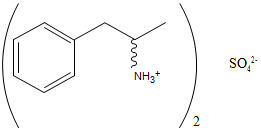
Structural Formula:
C18H28N2SO4 MW 368.49
Section 51945-4
Amphetamine Sulf 10mg Tab (CII), #100
Warning
AMPHETAMINES HAVE A HIGH POTENTIAL FOR ABUSE. ADMINISTRATION OF AMPHETAMINES FOR PROLONGED PERIODS OF TIME MAY LEAD TO DRUG DEPENDENCE AND MUST BE AVOIDED. PARTICULAR ATTENTION SHOULD BE PAID TO THE POSSIBILITY OF SUBJECTS OBTAINING AMPHETAMINES FOR NON-THERAPEUTIC USE OR DISTRIBUTION TO OTHERS, AND THE DRUGS SHOULD BE PRESCRIBED OR DISPENSED SPARINGLY.
MISUSE OF AMPHETAMINE MAY CAUSE SUDDEN DEATH AND SERIOUS CARDIOVASCULAR ADVERSE EVENTS.
Overdosage
Individual patient response to amphetamines varies widely. While toxic symptoms occasionally occur as an idiosyncrasy at doses as low as 2 mg, they are rare with doses of less than 15 mg; 30 mg can produce severe reactions, yet doses of 400 to 500 mg are not necessarily fatal.
In rats, the oral LD50 of dextroamphetamine sulfate is 96.8 mg/Kg.
Symptoms
Manifestations of acute overdosage with amphetamines include restlessness, tremor, hyperreflexia, rhabdomyolysis, rapid respiration, hyperpyrexia, confusion, assaultiveness, hallucinations, panic states. Fatigue and depression usually follow the central stimulation. Cardiovascular effects include arrhythmias, hypertension, or hypotension and circulatory collapse. Gastrointestinal symptoms include nausea, vomiting, diarrhea, and abdominal cramps. Fatal poisoning is usually preceded by convulsions and coma.
Treatment
Management of acute amphetamine intoxication is largely symptomatic and includes gastric lavage and sedation with a barbiturate. Experience with hemodialysis or peritoneal dialysis is inadequate to permit recommendation in this regard. Acidification of the urine increases amphetamine excretion. If acute, severe hypertension complicates amphetamine overdosage, administration of intravenous phentolamine has been suggested. However, a gradual drop in blood pressure will usually result when sufficient sedation has been achieved. Chlorpromazine antagonizes the central stimulant effects of amphetamines and can be used to treat amphetamine intoxication.
Precautions
General
Caution is to be exercised in prescribing amphetamines for patients with even mild hypertension.
The least amount feasible should be prescribed or dispensed at one time in order to minimize the possibility of overdosage.
Information for Patients
Amphetamines may impair the ability of the patient to engage in potentially hazardous activities such as operating machinery or vehicle; the patient should therefore be cautioned accordingly.
Circulation problems in fingers and toes [Peripheral vasculopathy, including Raynaud's phenomenon]
- Instruct patients beginning treatment with amphetamine sulfate about the risk of peripheral vasculopathy, including Raynaud's Phenomenon, and associated signs and symptoms: fingers or toes may feel numb, cool, painful, and/or may change color from pale, to blue, to red.
- Instruct patients to report to their physician any new numbness, pain, skin color change, or sensitivity to temperature in fingers or toes.
- Instruct patients to call their physician immediately with any signs of unexplained wounds appearing on fingers or toes while taking amphetamine sulfate.
- Further clinical evaluation (e.g., rheumatology referral) may be appropriate for certain patients.
Medication Guide
Amphetamine (am FET a meen) Sulfate Tablets, USP CII
Read this Medication Guide before you or your child starts taking amphetamine sulfate tablets and each time you get a refill. There may be new information. This information does not take the place of talking to your doctor about you or your child's treatment.
|
What is the most important information I should know about amphetamine sulfate tablets?
Amphetamine Sulfate Tablets are a stimulant medicine. Some people have had the following problems when taking stimulant medicines such as amphetamine sulfate tablets: 1. Heart-related problems:
Your doctor should check you or your child carefully for heart problems before starting amphetamine sulfate tablets. Your doctor should check you or your child's blood pressure and heart rate regularly during treatment with amphetamine sulfate tablets. Call your doctor right away if you or your child have any signs of heart problems such as chest pain, shortness of breath, or fainting while taking amphetamine sulfate tablets. 2. Mental (Psychiatric) problems including: In children, teenagers, and adults:
Call your doctor right away if you or your child have any new or worsening mental symptoms or problems while taking amphetamine sulfate tablets, especially:
Call your doctor right away if you have or your child has any signs of unexplained wounds appearing on fingers or toes while taking amphetamine sulfate tablets. |
What are amphetamine sulfate tablets?
- Amphetamine sulfate tablets are a central nervous system stimulant prescription medicine used for the treatment of:
- a sleep disorder called narcolepsy.
- Attention-Deficit Hyperactivity Disorder (ADHD).
Amphetamine sulfate tablets may help increase attention and decrease impulsiveness and hyperactivity in patients with ADHD. Amphetamine sulfate tablets should be used as part of a total treatment program for ADHD that may include counseling or other therapies.
- exogenous obesity. Amphetamine sulfate tablets may be used as part of a short-term, weight reduction program for obesity.
- Amphetamine sulfate tablets are not for use as an anorectic agent for exogenous obesity in children less than 12 years of age.
- Amphetamine sulfate tablets are not for use for ADHD in children less than 3 years old.
- The effects of long term use of amphetamine sulfate tablets in children are not known.
|
Amphetamine sulfate tablets are a federally controlled substance (CII) because they contain amphetamine that can be a target for people who abuse prescription medicines or street drugs. Keep amphetamine sulfate tablets in a safe place to protect them from theft. Never give your amphetamine sulfate tablets to anyone else, because they may cause death or harm them. Selling or giving away amphetamine sulfate tablets is against the law.
Tell your doctor if you or your child has (or has a family history of) ever abused or been dependent on alcohol, prescription medicines or street drugs. |
Who should not take amphetamine sulfate tablets?
Do not take amphetamine sulfate tablets if you or your child:
- have heart problems or hardening of the arteries
- have moderate to severe high blood pressure
- have hyperthyroidism
- are very anxious, tense, or agitated
- have a history of drug abuse
- are taking or have taken within the past 14 days an anti-depression medicine called a monoamine oxidase inhibitor or MAOI
- are sensitive to, allergic to, or had a reaction to other stimulant medicines
What should I tell my doctor before taking amphetamine sulfate tablets?
Before you or your child takes amphetamine sulfate tablets, tell your doctor if you or your child has or if there is a family history of:
- heart problems, heart defects, high blood pressure
- mental problems including psychosis, mania, bipolar illness, or depression
- tics or Tourette's syndrome
- thyroid problems
- seizures or have had an abnormal brain wave test (EEG)
- circulation problems in fingers and toes
Tell your doctor if:
- you or your child are pregnant or planning to become pregnant. It is not known if amphetamine sulfate will harm your unborn baby.
- you or your child are breastfeeding or plan to breastfeed. Amphetamine sulfate can pass into your milk and may harm your baby. Talk to your doctor about the best way to feed your baby if you take amphetamine sulfate tablets. Do not breastfeed while taking amphetamine sulfate tablets.
Tell your doctor about all the medicines that you or your child takes, including prescription and nonprescription medicines, vitamins, and herbal supplements.
Amphetamine sulfate tablets and some medicines may interact with each other and cause serious side effects. Sometimes the doses of other medicines will need to be adjusted while taking amphetamine sulfate tablets.
Your doctor will decide whether amphetamine sulfate tablets can be taken with other medicines.
Especially tell your doctor if you or your child takes:
- stomach acid medicines
- anti-depression medicines including MAOIs
- anti-psychotic medicines
- lithium
- cold or allergy medicines that contain decongestants
- blood pressure medicines
- narcotic pain medicines
- seizure medicines
- blood thinner medicines
Know the medicines that you or your child takes.
Keep a list of your medicines with you to show your doctor and pharmacist when you get a new medicine.
Do not start any new medicine while taking amphetamine sulfate tablets without talking to your doctor first.
How should I take amphetamine sulfate tablets?
- Take amphetamine sulfate tablets exactly as your doctor tells you to take it.
- Your doctor may change the dose until it is right for you or your child.
- The first dose of the day is usually taken when you first wake in the morning.
- Amphetamine sulfate tablets may cause problems sleeping if taken late at night.
- Amphetamine sulfate tablets can be taken with or without food.
- From time to time, your doctor may stop amphetamine sulfate tablets treatment for a while to check ADHD symptoms.
- Your doctor may do regular checks of the blood, heart, and blood pressure while taking amphetamine sulfate tablets.
- Children should have their height and weight checked often while taking amphetamine sulfate tablets. Amphetamine sulfate tablets treatment may be stopped if a problem is found during these check-ups.
- If you or your child takes too much amphetamine sulfate tablets, call your doctor right away, or go to the nearest hospital emergency room.
What should I avoid while taking amphetamine sulfate tablets?
Do not drive, operate machinery, or do other dangerous activities until you know how amphetamine sulfate tablets affect you.
What are possible side effects of amphetamine sulfate tablets?
Amphetamine sulfate tablets may cause serious side effects, including:
See "What is the most important information I should know about amphetamine sulfate tablets?" for information on reported heart and mental problems.
Other serious side effects include:
- slowing of growth (height and weight) in children
- seizures, mainly in people with a history of seizures
- eyesight changes or blurred vision
- Serotonin syndrome. A potentially life-threatening problem called serotonin syndrome can happen when medicines such as amphetamine sulfate tablets are taken with certain other medicines. Symptoms of serotonin syndrome may include:
- agitation, hallucinations, coma or other changes in mental status
- problems controlling your movements or muscle twitching
- fast heartbeat
- high or low blood pressure
- sweating or fever
- nausea or vomiting
- diarrhea
- muscle stiffness or tightness
The most common side effects of amphetamine sulfate tablets include:
- headache
- stomach ache
- trouble sleeping
- decreased appetite
- unpleasant taste
- nervousness
- dizziness
- sexual problems (impotence in males)
- vomiting
- itching
- diarrhea or constipation
- dry mouth
- weight loss
- mood swings
Talk to your doctor if you or your child have side effects that are bothersome or do not go away.
These are not all the possible side effects of amphetamine sulfate tablets. For more information ask your doctor or pharmacist.
Call your doctor for medical advice about side effects. You may report side effects to Lannett Company, Inc. at 1-844-834-0530 or FDA at 1-800-FDA-1088.
How should I store amphetamine sulfate tablets?
- Store amphetamine sulfate tablets at room temperature between 68°F to 77°F (20°C to 25°C).
- Keep amphetamine sulfate tablets and all medicines out of the reach of children.
General information about the safe and effective use of amphetamine sulfate tablets.
Medicines are sometimes prescribed for purposes other than those listed in a Medication Guide. Do not use amphetamine sulfate tablets for a condition for which it was not prescribed. Do not give amphetamine sulfate tablets to other people, even if they have the same condition. It may harm them and it is against the law.
This Medication Guide summarizes the most important information about amphetamine sulfate tablets. If you would like more information, talk with your doctor. You can ask your doctor or pharmacist for information about amphetamine sulfate tablets that was written for healthcare professionals.
For more information about amphetamine sulfate tablets, please contact Lannett Company, Inc. at 1-844-834-0530 or visit www.lannett.com.
What are the ingredients in amphetamine sulfate tablets?
Active Ingredient: amphetamine sulfate, USP
Inactive Ingredients: silicified microcrystalline cellulose, crospovidone and stearic acid. The 10 mg tablets also contain FD&C Blue #1 alum lake.
This Medication Guide has been approved by the U.S. Food and Drug Administration.
Manufactured by:
Aavis Pharmaceuticals
Hoschton, GA 30548
Distributed by:
Lannett Company, Inc.
Philadelphia, PA 19136
LCI: L7072
AAV: L7029/00
Rev. 05/2020
Clinical Pharmacology
Amphetamines are non-catecholamine, sympathomimetic amines with CNS stimulant activity. Peripheral actions include elevations of systolic and diastolic blood pressures, and weak bronchodilator, and respiratory stimulant action.
Amphetamine, as the racemic form, differs from dextroamphetamine in a number of ways. The l-isomer is more potent than the d-isomer in cardiovascular activity, but much less potent in causing CNS excitatory effects. The racemic mixture also is less effective as an appetite suppressant when compared to dextroamphetamine. There is neither specific evidence which clearly establishes the mechanism whereby amphetamines produce mental and behavioral effects in children, nor conclusive evidence regarding how those effects relate to the condition of the central nervous system.
Drugs in this class used in obesity are commonly known as "anorectics" or "anorexigenics." It has not been established, however, that the action of such drugs in treating obesity is primarily one of appetite suppression. Other central nervous system actions or metabolic effects, may be involved, for example. Adult obese subjects instructed in dietary management and treated with "anorectic" drugs lose more weight on the average than these treated with placebo and diet, as determined in relatively short- term clinical trials.
The magnitude of increased weight loss of drug-treated patients over placebo-treated patients is only a fraction of a pound a week. The rate of weight loss is greatest in the first weeks of therapy for both drug and placebo subjects and tends to decrease in succeeding weeks. The origins of the increased weight loss due to the various possible drug effects are not established. The amount of weight loss associated with the use of an "anorectic" drug varies from trial to trial, and the increased weight loss appears to be related in part to variables other than the drug prescribed, such as the physician-investigator, the population treated, and the diet prescribed. Studies do not permit conclusions as to the relative importance of the drug and nondrug factors on weight loss.
The natural history of obesity is measured in years, whereas the studies cited are restricted to few weeks duration; thus, the total impact of drug-induced weight loss over that of diet alone must be considered clinically limited.
Drug Abuse and Dependence
Amphetamine sulfate is a Schedule II controlled substance. Amphetamines have been extensively abused. Tolerance, extreme psychological dependence, and severe social disability have occurred. There are reports of patients who have increased the dosage to many times the recommended. Abrupt cessation following prolonged high dosage administration results in extreme fatigue and mental depression; changes are also noted on the sleep EEG. Manifestations of chronic intoxication with amphetamines include severe dermatosis, marked insomnia, irritability, hyperactivity and personality changes. The most severe manifestation of chronic intoxication is psychosis, often clinically indistinguishable from schizophrenia. This is rare with oral amphetamines.
Structured Label Content
Indications and Usage (INDICATIONS AND USAGE)
Amphetamine sulfate tablets, USP 5 mg and 10 mg is indicated for:
- Narcolepsy
- Attention Deficit Disorder with Hyperactivity as an integral part of a total treatment program which typically includes other remedial measures (psychological, educational, social) for a stabilizing effect in children with behavioral syndrome characterized by the following group of developmentally inappropriate symptoms: moderate to severe distractibility, short attention span, hyperactivity, emotional lability , and impulsivity. The diagnosis of the syndrome should not be made with finality when these symptoms are only of comparatively recent origin. Nonlocalizing (soft) neurological signs, learning disability, and abnormal EEG may or may not be present, and a diagnosis of central nervous system dysfunction may or not be warranted.
- Exogenous Obesity as a short term (a few weeks) adjunct in a regimen of weight reduction based on caloric restriction for patients refractory to alternative therapy, e.g., repeated diets, group programs, and other drugs. The limited usefulness of amphetamines (see CLINICAL PHARMACOLOGY) should be weighed against possible risks inherent in use of the drug, such as those described below.
Dosage and Administration (DOSAGE AND ADMINISTRATION)
Regardless of indication, amphetamine should be administered at the lowest effective dosage and dosage should be individually adjusted. Late evening doses should be avoided because of resulting insomnia.
Narcolepsy
Usual dose is 5 to 60 milligrams per day in divided doses depending on the individual patient response.
Narcolepsy seldom occurs in children under 12 years of age; however, when it does, amphetamine sulfate tablets, USP may be used. The suggested initial dose for patients aged 6 to 12 is 5 mg daily; daily dose may be raised in increments of 5 mg at weekly intervals until optimal response obtained. In patients 12 years of age and older, start with 10 mg daily; daily dosage may be raised in increments of 10 mg at weekly intervals until optimal response is obtained. If bothersome adverse reactions appear (e.g., insomnia or anorexia) dosage should be reduced. Give the first dose on awakening; additional doses (5 or 10 mg) at intervals of 4 to 6 hours.
Attention Deficit Disorder with Hyperactivity
Not recommended for children under 3 years of age.
In children from 3 to 5 years of age, start with 2.5 mg daily; daily dosage may be raised in increments of 2.5 mg at weekly intervals until optimal response is obtained.
In children 6 years of age or older, start with 5 mg once or twice daily; daily dosage may be raised in increments of 5 mg at weekly intervals until optimal response is obtained. Only in rare cases will it be necessary to exceed a total of 40 milligrams per day.
With tablets give first dose on awakening; additional doses (1 to 2) at intervals of 4 to 6 hours.
Where possible, drug administration should be interrupted occasionally to determine if there is a recurrence of behavioral symptoms sufficient to require continued therapy.
Exogenous Obesity
Usual dosage is up to 30 mg daily, taken in divided doses of 5 to 10 mg, 30 to 60 minutes before meals. Not recommended for this use in children under 12 years of age.
Contraindications (CONTRAINDICATIONS)
Advanced arteriosclerosis, symptomatic cardiovascular disease, moderate to severe hypertension, hyperthyroidism, known hypersensitivity or idiosyncrasy to the sympathomimetic amines.
Agitated states.
Patients with a history of drug abuse.
During or within 14 days following the administration of monoamine oxidase inhibitors (hypertensive crises may result).
Adverse Reactions (ADVERSE REACTIONS)
Cardiovascular
Palpitations, tachycardia, elevation of blood pressure. There have been isolated reports of cardiomyopathy associated with chronic amphetamine use.
Central Nervous System
Psychotic episodes at recommended doses (rare), overstimulation, restlessness, dizziness, insomnia, euphoria, dyskinesia, dysphoria, tremor, headache, exacerbation of motor and phonic tics and Tourette's syndrome.
Gastrointestinal
Dryness of the mouth, unpleasant taste, diarrhea, constipation and other gastrointestinal disturbances. Anorexia and weight loss may occur as undesirable effects when amphetamines are used for other than the anorectic effect.
Allergic
Urticaria
Endocrine
Impotence, changes in libido, and frequent or prolonged erections.
Musculoskeletal
Rhabdomyolysis
Drug Interactions
Acidifying agents
Gastrointestinal acidifying agents (guanethidine, reserpine, glutamic acid HCl, ascorbic acid, fruit juices, etc.) lower absorption of amphetamines. Urinary acidifying agents (ammonium chloride, sodium acid phosphate, etc.) increase concentration of the ionized species of the amphetamine molecule, thereby increasing urinary excretion. Both groups of agents lower blood levels and efficacy of amphetamines.
Adrenergic blockers
Adrenergic blockers are inhibited by amphetamines.
Alkalinizing agents
Gastrointestinal alkalinizing agents (sodium bicarbonate, etc.) increase absorption of amphetamines. Urinary alkalinizing agents (acetazolamide, some thiazides) increase the concentration of the non-ionized species of the amphetamine molecule, thereby decreasing urinary excretion. Both groups of agents increase blood levels and therefore potentiate the action of amphetamines.
Antidepressants tricyclic
Amphetamines may enhance the activity of tricyclic or sympathomimetic agents; d-amphetamine with desipramine or protriptyline and possibly other tricyclics cause striking and sustained increases in the concentration of d- amphetamine in the brain; cardiovascular effects can be potentiated.
CYP2D6 Inhibitors
The concomitant use of amphetamine sulfate and CYP2D6 inhibitors may increase the exposure of amphetamine sulfate compared to the use of the drug alone and increase the risk of serotonin syndrome. Initiate with lower doses and monitor patients for signs and symptoms of serotonin syndrome particularly during amphetamine sulfate initiation and after a dosage increase. If serotonin syndrome occurs, discontinue amphetamine sulfate and the CYP2D6 inhibitor (see WARNING, OVERDOSAGE). Examples of CYP2D6 Inhibitors include paroxetine and fluoxetine (also serotonergic drugs), quinidine, ritonavir.
Serotonergic Drugs
The concomitant use of amphetamine sulfate and serotonergic drugs increases the risk of serotonin syndrome. Initiate with lower doses and monitor patients for signs and symptoms of serotonin syndrome, particularly during amphetamine sulfate initiation or dosage increase. If serotonin syndrome occurs, discontinue amphetamine sulfate and the concomitant serotonergic drug(s) (see WARNING and PRECAUTIONS). Examples of serotonergic drugs include selective serotonin reuptake inhibitors (SSRI), serotonin norepinephrine reuptake inhibitors (SNRI), triptans, tricyclic antidepressants, fentanyl, lithium, tramadol, tryptophan, buspirone, St. John's Wort.
MAO inhibitors
MAOI antidepressants, as well as a metabolic of furazolidone, slow amphetamine metabolism. This slowing potentiates amphetamines, increasing their affect on the release of norepinephrine and other monoamines from adrenergic nerve endings; this can cause headaches and other signs of hypertensive crisis. A variety of neurological toxic effects and malignant hyperpyrexia can occur, sometimes with fatal results.
Antihistamines
Amphetamines may counteract the sedative effect of antihistamines.
Antihypertensives
Amphetamines may antagonize the hypotensive effects of antihypertensives.
Chlorpromazine
Chlorpromazine blocks dopamine and norepinephrine reuptake, thus inhibiting the central stimulant effects of amphetamine, and can be used to treat amphetamine poisoning.
Ethosuximide
Amphetamines may delay intestinal absorption of ethosuximide.
Haloperidol
Haloperidol blocks dopamine and norepinephrine reuptake, thus inhibiting the central stimulant affects of amphetamines.
Lithium carbonate
The antiobesity and stimulatory effects of amphetamines may be inhibited by lithium carbonate.
Meperidine
Amphetamines potentiate the analgesic effect of meperidine.
Methenamine therapy
Urinary excretion of amphetamines is increased, and efficacy is reduced by acidifying agents used in methenamine therapy.
Norepinephrine
Amphetamines enhance the adrenergic effect of norepinephrine.
Phenobarbital
Amphetamines may delay intestinal absorption of Phenobarbital. Co- administration of phenobarbital may produce a synergistic anticonvulsant action.
Phenytoin
Amphetamines may delay intestinal absorption of phenytoin; co- administration of phenytoin may produce a synergistic anticonvulsant action.
Propoxyphene
In cases of propoxyphene overdosage, amphetamine CNS stimulation is potentiated and fatal convulsions can occur.
Veratrum alkaloids
Amphetamines inhibit the hypotensive effect of veratrum alkaloids.
Drug/Laboratory Test interactions
Amphetamines can cause a significant elevation in plasma corticosteroid levels. This increase is greatest in the evening. Amphetamines may interfere with urinary steroid determinations.
Carcinogenesis/Mutagenesis
Mutagenicity studies and long term studies in animals to determine the carcinogenic potential of amphetamine sulfate have not been performed.
Pregnancy
Teratogenic Effects
Dextroamphetamine sulfate has been shown to have embryotoxic and teratogenic effects when administered to A/Jax mice and C57BL mice in doses approximately 41 times the maximum human dose. Embryotoxic effects were not seen in New Zealand white rabbits given the drug in doses 7 times the human dose nor in rats given 12.5 times the maximum human dose. There are no adequate and well-controlled studies in pregnant women. Amphetamine sulfate should be used during pregnancy only if the potential benefit justifies the potential risk to the fetus.
Nonteratogenic Effects
Infants born to mothers dependent on amphetamines have an increased risk of premature delivery and low birth weight. Also, these infants may experience symptoms of withdrawal as demonstrated by dysphoria, including agitation, and significant lassitude.
Nursing Mothers
Amphetamines are excreted in human milk. Mothers taking amphetamines should be advised to refrain from nursing.
Pediatric Use
Long-term effects of amphetamines in children have not been well established.
Amphetamines are not recommended for use as anorectic agents in children under 12 years of age, or in children under 3 years of age with Attention Deficit Disorder with Hyperactivity described under INDICATIONS AND USAGE.
Clinical experience suggests that in psychotic children, administration of amphetamines may exacerbate symptoms of behavior disturbance and thought disorder.
Amphetamines have been reported to exacerbate motor and phonic tics and Tourette's syndrome. Therefore clinical evaluation for tics and Tourette's syndrome in children and their families should precede use of stimulant medications.
Data is inadequate to determine whether chronic administration of amphetamines may be associated with growth inhibition; therefore growth should be monitored during treatment. Drug Treatment is not indicated in all cases of Attention Deficit Disorder with Hyperactivity and should be considered only in light of the complete history and evaluation of the child. The decision to prescribe amphetamines should depend on the physician's assessment of the chronicity and severity of the child's symptoms and their appropriateness for his/her age. Prescription should not depend solely on the presence of one or more of the behavioral characteristics.
When these symptoms are associated with acute stress reactions, treatment with amphetamines is usually not indicated.
How Supplied (HOW SUPPLIED)
Amphetamine Sulfate Tablets, USP are functionally scored and supplied as follows:
10 mg: Blue, round shaped tablet, scored, debossed "A25" on one side, and quadrisect on the other side in bottles of 100 tablets, NDC 63629-2078-1.
Store at 20° to 25°C (68° to 77°F). [See USP Controlled Room Temperature.] Dispense in a well-closed container, as defined in the USP.
Repackaged/Relabeled by:
Bryant Ranch Prepack, Inc.
Burbank, CA 91504
Description (DESCRIPTION)
Amphetamine Sulfate is a sympathomimetic amino of the amphetamine group. It is a white, odorless crystalline powder. It has a slightly bitter taste. Its solutions are acid to litmus, having a pH of 5 to 8. It is freely soluble in water, slightly soluble in alcohol and practically insoluble in ether.
Each tablet, for oral administration contains 5 mg or 10 mg of amphetamine sulfate. Each tablet also contains the following inactive ingredients: crospovidone, silicified microcrystalline cellulose and stearic acid. The 10 mg tablet also contains FD&C Blue #1 Alum Lake.
Structural Formula:
C18H28N2SO4 MW 368.49
Section 51945-4 (51945-4)
Amphetamine Sulf 10mg Tab (CII), #100
Warning (WARNING)
AMPHETAMINES HAVE A HIGH POTENTIAL FOR ABUSE. ADMINISTRATION OF AMPHETAMINES FOR PROLONGED PERIODS OF TIME MAY LEAD TO DRUG DEPENDENCE AND MUST BE AVOIDED. PARTICULAR ATTENTION SHOULD BE PAID TO THE POSSIBILITY OF SUBJECTS OBTAINING AMPHETAMINES FOR NON-THERAPEUTIC USE OR DISTRIBUTION TO OTHERS, AND THE DRUGS SHOULD BE PRESCRIBED OR DISPENSED SPARINGLY.
MISUSE OF AMPHETAMINE MAY CAUSE SUDDEN DEATH AND SERIOUS CARDIOVASCULAR ADVERSE EVENTS.
Overdosage (OVERDOSAGE)
Individual patient response to amphetamines varies widely. While toxic symptoms occasionally occur as an idiosyncrasy at doses as low as 2 mg, they are rare with doses of less than 15 mg; 30 mg can produce severe reactions, yet doses of 400 to 500 mg are not necessarily fatal.
In rats, the oral LD50 of dextroamphetamine sulfate is 96.8 mg/Kg.
Symptoms
Manifestations of acute overdosage with amphetamines include restlessness, tremor, hyperreflexia, rhabdomyolysis, rapid respiration, hyperpyrexia, confusion, assaultiveness, hallucinations, panic states. Fatigue and depression usually follow the central stimulation. Cardiovascular effects include arrhythmias, hypertension, or hypotension and circulatory collapse. Gastrointestinal symptoms include nausea, vomiting, diarrhea, and abdominal cramps. Fatal poisoning is usually preceded by convulsions and coma.
Treatment
Management of acute amphetamine intoxication is largely symptomatic and includes gastric lavage and sedation with a barbiturate. Experience with hemodialysis or peritoneal dialysis is inadequate to permit recommendation in this regard. Acidification of the urine increases amphetamine excretion. If acute, severe hypertension complicates amphetamine overdosage, administration of intravenous phentolamine has been suggested. However, a gradual drop in blood pressure will usually result when sufficient sedation has been achieved. Chlorpromazine antagonizes the central stimulant effects of amphetamines and can be used to treat amphetamine intoxication.
Precautions (PRECAUTIONS)
General
Caution is to be exercised in prescribing amphetamines for patients with even mild hypertension.
The least amount feasible should be prescribed or dispensed at one time in order to minimize the possibility of overdosage.
Information for Patients
Amphetamines may impair the ability of the patient to engage in potentially hazardous activities such as operating machinery or vehicle; the patient should therefore be cautioned accordingly.
Circulation problems in fingers and toes [Peripheral vasculopathy, including Raynaud's phenomenon]
- Instruct patients beginning treatment with amphetamine sulfate about the risk of peripheral vasculopathy, including Raynaud's Phenomenon, and associated signs and symptoms: fingers or toes may feel numb, cool, painful, and/or may change color from pale, to blue, to red.
- Instruct patients to report to their physician any new numbness, pain, skin color change, or sensitivity to temperature in fingers or toes.
- Instruct patients to call their physician immediately with any signs of unexplained wounds appearing on fingers or toes while taking amphetamine sulfate.
- Further clinical evaluation (e.g., rheumatology referral) may be appropriate for certain patients.
Medication Guide (MEDICATION GUIDE)
Amphetamine (am FET a meen) Sulfate Tablets, USP CII
Read this Medication Guide before you or your child starts taking amphetamine sulfate tablets and each time you get a refill. There may be new information. This information does not take the place of talking to your doctor about you or your child's treatment.
|
What is the most important information I should know about amphetamine sulfate tablets?
Amphetamine Sulfate Tablets are a stimulant medicine. Some people have had the following problems when taking stimulant medicines such as amphetamine sulfate tablets: 1. Heart-related problems:
Your doctor should check you or your child carefully for heart problems before starting amphetamine sulfate tablets. Your doctor should check you or your child's blood pressure and heart rate regularly during treatment with amphetamine sulfate tablets. Call your doctor right away if you or your child have any signs of heart problems such as chest pain, shortness of breath, or fainting while taking amphetamine sulfate tablets. 2. Mental (Psychiatric) problems including: In children, teenagers, and adults:
Call your doctor right away if you or your child have any new or worsening mental symptoms or problems while taking amphetamine sulfate tablets, especially:
Call your doctor right away if you have or your child has any signs of unexplained wounds appearing on fingers or toes while taking amphetamine sulfate tablets. |
What are amphetamine sulfate tablets?
- Amphetamine sulfate tablets are a central nervous system stimulant prescription medicine used for the treatment of:
- a sleep disorder called narcolepsy.
- Attention-Deficit Hyperactivity Disorder (ADHD).
Amphetamine sulfate tablets may help increase attention and decrease impulsiveness and hyperactivity in patients with ADHD. Amphetamine sulfate tablets should be used as part of a total treatment program for ADHD that may include counseling or other therapies.
- exogenous obesity. Amphetamine sulfate tablets may be used as part of a short-term, weight reduction program for obesity.
- Amphetamine sulfate tablets are not for use as an anorectic agent for exogenous obesity in children less than 12 years of age.
- Amphetamine sulfate tablets are not for use for ADHD in children less than 3 years old.
- The effects of long term use of amphetamine sulfate tablets in children are not known.
|
Amphetamine sulfate tablets are a federally controlled substance (CII) because they contain amphetamine that can be a target for people who abuse prescription medicines or street drugs. Keep amphetamine sulfate tablets in a safe place to protect them from theft. Never give your amphetamine sulfate tablets to anyone else, because they may cause death or harm them. Selling or giving away amphetamine sulfate tablets is against the law.
Tell your doctor if you or your child has (or has a family history of) ever abused or been dependent on alcohol, prescription medicines or street drugs. |
Who should not take amphetamine sulfate tablets?
Do not take amphetamine sulfate tablets if you or your child:
- have heart problems or hardening of the arteries
- have moderate to severe high blood pressure
- have hyperthyroidism
- are very anxious, tense, or agitated
- have a history of drug abuse
- are taking or have taken within the past 14 days an anti-depression medicine called a monoamine oxidase inhibitor or MAOI
- are sensitive to, allergic to, or had a reaction to other stimulant medicines
What should I tell my doctor before taking amphetamine sulfate tablets?
Before you or your child takes amphetamine sulfate tablets, tell your doctor if you or your child has or if there is a family history of:
- heart problems, heart defects, high blood pressure
- mental problems including psychosis, mania, bipolar illness, or depression
- tics or Tourette's syndrome
- thyroid problems
- seizures or have had an abnormal brain wave test (EEG)
- circulation problems in fingers and toes
Tell your doctor if:
- you or your child are pregnant or planning to become pregnant. It is not known if amphetamine sulfate will harm your unborn baby.
- you or your child are breastfeeding or plan to breastfeed. Amphetamine sulfate can pass into your milk and may harm your baby. Talk to your doctor about the best way to feed your baby if you take amphetamine sulfate tablets. Do not breastfeed while taking amphetamine sulfate tablets.
Tell your doctor about all the medicines that you or your child takes, including prescription and nonprescription medicines, vitamins, and herbal supplements.
Amphetamine sulfate tablets and some medicines may interact with each other and cause serious side effects. Sometimes the doses of other medicines will need to be adjusted while taking amphetamine sulfate tablets.
Your doctor will decide whether amphetamine sulfate tablets can be taken with other medicines.
Especially tell your doctor if you or your child takes:
- stomach acid medicines
- anti-depression medicines including MAOIs
- anti-psychotic medicines
- lithium
- cold or allergy medicines that contain decongestants
- blood pressure medicines
- narcotic pain medicines
- seizure medicines
- blood thinner medicines
Know the medicines that you or your child takes.
Keep a list of your medicines with you to show your doctor and pharmacist when you get a new medicine.
Do not start any new medicine while taking amphetamine sulfate tablets without talking to your doctor first.
How should I take amphetamine sulfate tablets?
- Take amphetamine sulfate tablets exactly as your doctor tells you to take it.
- Your doctor may change the dose until it is right for you or your child.
- The first dose of the day is usually taken when you first wake in the morning.
- Amphetamine sulfate tablets may cause problems sleeping if taken late at night.
- Amphetamine sulfate tablets can be taken with or without food.
- From time to time, your doctor may stop amphetamine sulfate tablets treatment for a while to check ADHD symptoms.
- Your doctor may do regular checks of the blood, heart, and blood pressure while taking amphetamine sulfate tablets.
- Children should have their height and weight checked often while taking amphetamine sulfate tablets. Amphetamine sulfate tablets treatment may be stopped if a problem is found during these check-ups.
- If you or your child takes too much amphetamine sulfate tablets, call your doctor right away, or go to the nearest hospital emergency room.
What should I avoid while taking amphetamine sulfate tablets?
Do not drive, operate machinery, or do other dangerous activities until you know how amphetamine sulfate tablets affect you.
What are possible side effects of amphetamine sulfate tablets?
Amphetamine sulfate tablets may cause serious side effects, including:
See "What is the most important information I should know about amphetamine sulfate tablets?" for information on reported heart and mental problems.
Other serious side effects include:
- slowing of growth (height and weight) in children
- seizures, mainly in people with a history of seizures
- eyesight changes or blurred vision
- Serotonin syndrome. A potentially life-threatening problem called serotonin syndrome can happen when medicines such as amphetamine sulfate tablets are taken with certain other medicines. Symptoms of serotonin syndrome may include:
- agitation, hallucinations, coma or other changes in mental status
- problems controlling your movements or muscle twitching
- fast heartbeat
- high or low blood pressure
- sweating or fever
- nausea or vomiting
- diarrhea
- muscle stiffness or tightness
The most common side effects of amphetamine sulfate tablets include:
- headache
- stomach ache
- trouble sleeping
- decreased appetite
- unpleasant taste
- nervousness
- dizziness
- sexual problems (impotence in males)
- vomiting
- itching
- diarrhea or constipation
- dry mouth
- weight loss
- mood swings
Talk to your doctor if you or your child have side effects that are bothersome or do not go away.
These are not all the possible side effects of amphetamine sulfate tablets. For more information ask your doctor or pharmacist.
Call your doctor for medical advice about side effects. You may report side effects to Lannett Company, Inc. at 1-844-834-0530 or FDA at 1-800-FDA-1088.
How should I store amphetamine sulfate tablets?
- Store amphetamine sulfate tablets at room temperature between 68°F to 77°F (20°C to 25°C).
- Keep amphetamine sulfate tablets and all medicines out of the reach of children.
General information about the safe and effective use of amphetamine sulfate tablets.
Medicines are sometimes prescribed for purposes other than those listed in a Medication Guide. Do not use amphetamine sulfate tablets for a condition for which it was not prescribed. Do not give amphetamine sulfate tablets to other people, even if they have the same condition. It may harm them and it is against the law.
This Medication Guide summarizes the most important information about amphetamine sulfate tablets. If you would like more information, talk with your doctor. You can ask your doctor or pharmacist for information about amphetamine sulfate tablets that was written for healthcare professionals.
For more information about amphetamine sulfate tablets, please contact Lannett Company, Inc. at 1-844-834-0530 or visit www.lannett.com.
What are the ingredients in amphetamine sulfate tablets?
Active Ingredient: amphetamine sulfate, USP
Inactive Ingredients: silicified microcrystalline cellulose, crospovidone and stearic acid. The 10 mg tablets also contain FD&C Blue #1 alum lake.
This Medication Guide has been approved by the U.S. Food and Drug Administration.
Manufactured by:
Aavis Pharmaceuticals
Hoschton, GA 30548
Distributed by:
Lannett Company, Inc.
Philadelphia, PA 19136
LCI: L7072
AAV: L7029/00
Rev. 05/2020
Clinical Pharmacology (CLINICAL PHARMACOLOGY)
Amphetamines are non-catecholamine, sympathomimetic amines with CNS stimulant activity. Peripheral actions include elevations of systolic and diastolic blood pressures, and weak bronchodilator, and respiratory stimulant action.
Amphetamine, as the racemic form, differs from dextroamphetamine in a number of ways. The l-isomer is more potent than the d-isomer in cardiovascular activity, but much less potent in causing CNS excitatory effects. The racemic mixture also is less effective as an appetite suppressant when compared to dextroamphetamine. There is neither specific evidence which clearly establishes the mechanism whereby amphetamines produce mental and behavioral effects in children, nor conclusive evidence regarding how those effects relate to the condition of the central nervous system.
Drugs in this class used in obesity are commonly known as "anorectics" or "anorexigenics." It has not been established, however, that the action of such drugs in treating obesity is primarily one of appetite suppression. Other central nervous system actions or metabolic effects, may be involved, for example. Adult obese subjects instructed in dietary management and treated with "anorectic" drugs lose more weight on the average than these treated with placebo and diet, as determined in relatively short- term clinical trials.
The magnitude of increased weight loss of drug-treated patients over placebo-treated patients is only a fraction of a pound a week. The rate of weight loss is greatest in the first weeks of therapy for both drug and placebo subjects and tends to decrease in succeeding weeks. The origins of the increased weight loss due to the various possible drug effects are not established. The amount of weight loss associated with the use of an "anorectic" drug varies from trial to trial, and the increased weight loss appears to be related in part to variables other than the drug prescribed, such as the physician-investigator, the population treated, and the diet prescribed. Studies do not permit conclusions as to the relative importance of the drug and nondrug factors on weight loss.
The natural history of obesity is measured in years, whereas the studies cited are restricted to few weeks duration; thus, the total impact of drug-induced weight loss over that of diet alone must be considered clinically limited.
Drug Abuse and Dependence (DRUG ABUSE AND DEPENDENCE)
Amphetamine sulfate is a Schedule II controlled substance. Amphetamines have been extensively abused. Tolerance, extreme psychological dependence, and severe social disability have occurred. There are reports of patients who have increased the dosage to many times the recommended. Abrupt cessation following prolonged high dosage administration results in extreme fatigue and mental depression; changes are also noted on the sleep EEG. Manifestations of chronic intoxication with amphetamines include severe dermatosis, marked insomnia, irritability, hyperactivity and personality changes. The most severe manifestation of chronic intoxication is psychosis, often clinically indistinguishable from schizophrenia. This is rare with oral amphetamines.
Advanced Ingredient Data
Raw Label Data
All Sections (JSON)
Additional Information
Back to search View SPL set listing Open on DailyMed ↗
Source: dailymed · Ingested: 2026-02-15T11:45:39.975412 · Updated: 2026-03-14T22:23:02.503835