Medroxyprogesterone Acetate (mpa) Injectable Suspension, Usp
987496bf-b4b0-409b-b745-f52ed0871f4e
34391-3
HUMAN PRESCRIPTION DRUG LABEL
Drug Facts
Composition & Product
Identifiers & Packaging
Indications and Usage
Medroxyprogesterone Acetate (MPA) Injectable Suspension, USP is indicated for use by females of reproductive potential to prevent pregnancy.
Dosage and Administration
The recommended dose is 150 mg of MPA Injectable Suspension, USP every 3 months (13 weeks) administered by deep, intramuscular (IM) injection in the gluteal or deltoid muscle. ( 2.1 )
Contraindications
The use of MPA Injectable Suspension, USP is contraindicated in the following conditions: • Active thrombophlebitis, or current or history of thromboembolic disorders, or cerebral vascular disease [see Warnings and Precautions (5.2) ] . • Known or suspected malignancy of breast [see Warnings and Precautions (5.3) ] . • Known hypersensitivity to MPA Injectable Suspension, USP (medroxyprogesterone acetate or any of its other ingredients) [see Warnings and Precautions (5.6) ] . • Significant liver disease [see Warnings and Precautions (5.8) ] . • Undiagnosed vaginal bleeding [see Warnings and Precautions (5.11) ] .
Warnings and Precautions
• Thromboembolic Disorders: Discontinue MPA Injectable Suspension, USP in patients who develop thrombosis. ( 5.2 ) • Cancer Risks: Monitor women with a strong family history of breast cancer carefully. ( 5.3 ) • Meningioma: Discontinue MPA Injectable Suspension, USP if meningioma is diagnosed. Monitor patients for signs and symptoms of meningioma. ( 5.4 ) • Ectopic Pregnancy: Consider ectopic pregnancy if a woman using MPA Injectable Suspension, USP becomes pregnant or complains of severe abdominal pain. ( 5.5 ) • Anaphylaxis and Anaphylactoid Reactions: Provide emergency medical treatment. ( 5.6 ) • Liver Function: Discontinue MPA Injectable Suspension, USP if jaundice or disturbances of liver function develop. ( 5.8 ) • Carbohydrate Metabolism: Monitor diabetic patients carefully. ( 5.13 )
Adverse Reactions
The following important adverse reactions observed with the use of MPA Injectable Suspension, USP are discussed in greater detail in the Warnings and Precautions section (5) : • Loss of Bone Mineral Density [see Warnings and Precautions (5.1) ] • Thromboembolic disease [see Warnings and Precautions (5.2) ] • Breast Cancer [see Warnings and Precautions (5.3) ] • Anaphylaxis and Anaphylactoid Reactions [see Warnings and Precautions (5.6) ] • Bleeding Irregularities [see Warnings and Precautions (5.11) ] • Weight Gain [see Warnings and Precautions (5.12) ]
Drug Interactions
Drugs or herbal products that induce certain enzymes, including CYP3A4, may decrease the effectiveness of contraceptive drug products. Counsel patients to use a back-up method or alternative method of contraception when enzyme inducers are used with MPA Injectable Suspension, USP. ( 7.1 )
How Supplied
Medroxyprogesterone Acetate Injectable Suspension, USP (Medroxyprogesterone Acetate sterile aqueous suspension 150 mg/mL) is supplied in the following strengths and package configurations: Package Configuration Strength NDC MEDROXYPROGESTERONE ACETATE INJECTABLE SUSPENSION, USP (medroxyprogesterone acetate sterile aqueous suspension 150 mg/mL) 1 mL vial 150 mg/mL NDC 66993-370-83 25 × 1 mL vials 150 mg/mL NDC 66993-370-25 MEDROXYPROGESTERONE ACETATE INJECTABLE SUSPENSION, USP prefilled syringes packaged with 22 gauge × 1 1/2 inch Terumo® SurGuard™ Needles 1 mL prefilled syringe 150 mg/mL NDC 66993-371-79
Storage and Handling
Medroxyprogesterone Acetate Injectable Suspension, USP (Medroxyprogesterone Acetate sterile aqueous suspension 150 mg/mL) is supplied in the following strengths and package configurations: Package Configuration Strength NDC MEDROXYPROGESTERONE ACETATE INJECTABLE SUSPENSION, USP (medroxyprogesterone acetate sterile aqueous suspension 150 mg/mL) 1 mL vial 150 mg/mL NDC 66993-370-83 25 × 1 mL vials 150 mg/mL NDC 66993-370-25 MEDROXYPROGESTERONE ACETATE INJECTABLE SUSPENSION, USP prefilled syringes packaged with 22 gauge × 1 1/2 inch Terumo® SurGuard™ Needles 1 mL prefilled syringe 150 mg/mL NDC 66993-371-79
Patient Information
Medroxyprogesterone Acetate Injectable Suspension, USP Contraceptive Injection Read this Patient Information carefully before you decide if Medroxyprogesterone Acetate (MPA) Injectable Suspension, USP is right for you. This information does not take the place of talking with your gynecologist or other healthcare professional who specializes in women's health. If you have any questions about MPA Injectable Suspension, USP, ask your healthcare professional. You should also learn about other birth control methods to choose the one that is best for you. What is the most important information I should know about MPA Injectable Suspension, USP? MPA Injectable Suspension, USP can cause serious side effects, including: • Use of MPA Injectable Suspension, USP may cause you to lose calcium stored in your bone and decrease your bone mass. The longer you use MPA Injectable Suspension, USP, the greater your loss of calcium from your bones. Your bones may not recover completely when you stop using MPA Injectable Suspension, USP. • If you use MPA Injectable Suspension, USP continuously for a long time (for more than 2 years), it may increase the risk of weak, porous bones (osteoporosis) that could increase the risk of broken bones, especially after menopause. • You should not use MPA Injectable Suspension, USP for more than two years unless you cannot use other birth control methods. • It is not known if your risk of developing osteoporosis is greater if you are a teenager or young adult when you start to use MPA Injectable Suspension, USP. (see " What are the possible side effects of MPA Injectable Suspension, USP? "). MPA Injectable Suspension, USP is intended to prevent pregnancy. MPA Injectable Suspension, USP does not protect against HIV infection (AIDS) and other sexually transmitted infections (STIs). What is MPA Injectable Suspension, USP? MPA Injectable Suspension, USP is a progestin hormone birth control method that is given by injection (a shot) to prevent pregnancy. How well does MPA Injectable Suspension, USP work? Your chance of getting pregnant depends on how well you follow the directions for taking your MPA Injectable Suspension, USP. The more carefully you follow the directions (such as returning every 3 months for your next injection), the less chance you have of getting pregnant. In clinical studies, about 1 out of 100 women got pregnant during the first year that they used MPA Injectable Suspension, USP. The following chart shows the chance of getting pregnant for women who use different methods of birth control. Each box on the chart contains a list of birth control methods that are similar in effectiveness. The most effective methods are at the top of the chart. The box on the bottom of the chart shows the chance of getting pregnant for women who do not use birth control and are trying to get pregnant. How should I take MPA Injectable Suspension, USP? • MPA Injectable Suspension, USP is given by your healthcare professional as a shot into your muscle (intramuscular injection). The shot is given in your buttock or upper arm 1 time every 3 months. At the end of the 3 months, you will need to return to your healthcare professional for your next injection in order to continue your protection against pregnancy. • To make sure that you are not pregnant before you take MPA Injectable Suspension, USP, the first injection should be given only: o during the first 5 days of a normal menstrual period, or o within the first 5 days after giving birth, if you are not breastfeeding , or o at the 6th week after giving birth, if you are feeding your baby only breastmilk. • MPA Injectable Suspension, USP may be given at other times than those listed above, but you will likely need to have a pregnancy test first to show that you are not pregnant. • During treatment with MPA Injectable Suspension, USP, you should see your healthcare professional every year for a blood pressure check and other healthcare needs. Who Should Not Use MPA Injectable Suspension, USP? Do not use MPA Injectable Suspension, USP if you: • have bleeding from your vagina that has not been explained • have breast cancer now or in the past, or think you have breast cancer • have had a stroke • ever had blood clots in your arms, legs or lungs • have problems with your liver or liver disease • are allergic to medroxyprogesterone acetate or any of the other ingredients in MPA Injectable Suspension, USP. See the end of this leaflet for a complete list of ingredients in MPA Injectable Suspension, USP. What should I tell my healthcare professional before taking MPA Injectable Suspension, USP? Before taking MPA Injectable Suspension, USP, tell your healthcare professional if you have: • risk factors for weak bones (osteoporosis) such as bone disease, use alcohol or smoke regularly, anorexia nervosa, or a strong family history of osteoporosis • irregular or lighter than usual menstrual periods • breast cancer now or in the past, or think you have breast cancer • a family history of breast cancer • an abnormal mammogram (breast X-ray), lumps in your breasts, or bleeding from your nipples • have or have ever had a type of usually benign brain tumor called a meningioma • kidney problems • high blood pressure • had a stroke • had blood clots in your arms, legs or lungs • migraine headaches • asthma • epilepsy (convulsions or seizures) • diabetes • depression or a history of depression • any other medical conditions If you are breastfeeding or plan to breastfeed, MPA Injectable Suspension, USP can pass into your breast milk. Talk to your healthcare professional about the best way to feed your baby if you take MPA Injectable Suspension, USP. Tell your healthcare professional about all of the medicines you take, including prescription and nonprescription medicines, vitamins, and herbal supplements. MPA Injectable Suspension, USP and certain other medicines may affect each other, causing serious side effects. Sometimes the doses of other medicines may need to be changed while you are taking MPA Injectable Suspension, USP. Some medicines may make MPA Injectable Suspension, USP less effective at preventing pregnancy, including those listed below. Especially tell your healthcare professional if you take: • medicine to help you sleep • bosentan • medicine for seizures • griseofulvin • an antibiotic • medicine for HIV (AIDS) • St. John's wort Know the medicines you take. Keep a list of your medicines with you to show your healthcare professional or pharmacist before you first start taking MPA Injectable Suspension, USP or when you get a new medicine. Follow your healthcare professional's instructions about using a back-up method of birth control if you are taking medicines that may make MPA Injectable Suspension, USP less effective. What are the possible side effects of MPA Injectable Suspension, USP? MPA Injectable Suspension, USP can cause serious side effects, including: • Effect on the bones: See “ What is the most important information I should know about MPA Injectable Suspension, USP? ”. Teenage years are the most important years to gain bone strength. The decrease in calcium in your bones is of most concern if you are a teenager or have the following problems: • bone disease • an eating disorder (anorexia nervosa) • a strong family history of osteoporosis • you take a drug that can lower the amount of calcium in your bones (drugs for epilepsy or steroid drugs) • you drink a lot of alcohol (more than 2 drinks a day) • you smoke If you need a birth control method for more than 2 years, your healthcare professional may switch you to another birth control method instead of using MPA Injectable Suspension, USP. If you continue using MPA Injectable Suspension, USP, your healthcare professional may ask you to have a bone test, especially if you have other risks for weak bones. When MPA Injectable Suspension, USP is stopped, your bones may start to regain calcium. However, in a study of teenage girls who used MPA Injectable Suspension, USP for more than 2 years, their hip bones did not completely recover by 5 years after they stopped using MPA Injectable Suspension, USP. Taking calcium and Vitamin D and exercising daily may lessen the loss of calcium from your bones. • possible increased risk of breast cancer. Women who use MPA Injectable Suspension, USP may have a slightly increased risk of breast cancer compared to non-users. • blood clots in your arms, legs, lungs, and eyes • stroke • a pregnancy outside of your uterus (ectopic pregnancy). Ectopic pregnancy is a medical emergency that often requires surgery. Ectopic pregnancy can cause internal bleeding, infertility, and even death. • allergic reactions. Severe allergic reactions have been reported in some women using MPA Injectable Suspension, USP. • loss of vision or other eye problems • migraine headaches • possible increased risk for growth of a meningioma (a usually benign brain tumor), primarily when the product is used for a long time. • depression • convulsions or seizures • liver problems Call your healthcare professional right away if you have: • sharp chest pain, coughing up blood, or sudden shortness of breath (indicating a possible clot in the lung) • sudden severe headache or vomiting, dizziness or fainting, problems with your eyesight or speech, weakness, or numbness in an arm or leg (indicating a possible stroke) • severe pain or swelling in the calf (indicating a possible clot in the leg) • sudden blindness, partial or complete (indicating a possible clot in the blood vessels of the eye) • unusually heavy vaginal bleeding • severe pain or tenderness in the lower abdominal area • persistent pain, pus, or bleeding at the injection site • yellowing of the eyes or skin • hives • difficulty breathing • swelling of the face, mouth, tongue or neck The most common side effects of MPA Injectable Suspension, USP include: • irregular vaginal bleeding, such as lighter or heavier menstrual bleeding, or continued spotting • weight gain. You may experience weight gain while you are using MPA Injectable Suspension, USP. About two-thirds of the women who used MPA Injectable Suspension, USP in the clinical trials reported a weight gain of about 5 pounds during the first year of use. You may continue to gain weight after the first year. Women who used MPA Injectable Suspension, USP for 2 years gained an average of 8 pounds over those 2 years. • abdominal pain • headache • weakness • tiredness • nervousness • dizziness Tell your healthcare professional if you have any side effect that bothers you or does not go away. These are not all the possible side effects of MPA Injectable Suspension, USP. For more information, ask your healthcare professional or pharmacist. Call your doctor for medical advice about side effects. You may report side effects to FDA at 1- 800-FDA-1088. What other information should I know before choosing MPA Injectable Suspension, USP? • Pregnancy. When you take MPA Injectable Suspension, USP every 3 months, your chance of getting pregnant is very low. You could miss a period or have a light period and not be pregnant. If you miss 1 or 2 periods and think you might be pregnant, see your healthcare professional as soon as possible. You should not use MPA Injectable Suspension, USP if you are pregnant. However, MPA Injectable Suspension, USP taken by accident during pregnancy does not seem to cause birth defects. • Nursing Mothers. Although MPA Injectable Suspension, USP can be passed to the nursing baby in the breast milk, no harmful effects on babies have been found. MPA Injectable Suspension, USP does not stop the breasts from producing milk, so it can be used by nursing mothers. However, to minimize the amount of MPA Injectable Suspension, USP that is passed to the baby in the first weeks after birth, you should wait until your baby is 6 weeks old before you start using MPA Injectable Suspension, USP for birth control. How will MPA Injectable Suspension, USP change my periods? • Change in normal menstrual cycle. The side effect reported most frequently by women who use MPA Injectable Suspension, USP for birth controls is a change in their normal menstrual cycle. During the first year of using MPA Injectable Suspension, USP, you might have one or more of the following changes: o irregular or unpredictable bleeding or spotting o an increase or decrease in menstrual bleeding o no bleeding at all. In clinical studies of MPA Injectable Suspension, USP, 55% of women reported no menstrual bleeding (amenorrhea) after one year of use and 68% of women reported no menstrual bleeding after two years of use. • Missed period. During the time you are using MPA Injectable Suspension, USP for birth controls, you may skip a period, or your periods may stop completely. If you have been receiving your shot of MPA Injectable Suspension, USP regularly every 3 months, then you are probably not pregnant. However, if you think that you may be pregnant, see your healthcare professional. Unusually heavy or continuous bleeding is not a usual effect of MPA Injectable Suspension, USP and if this happens you should see your healthcare professional right away. With continued use of MPA Injectable Suspension, USP, bleeding usually decreases and many women stop having periods completely. When you stop using MPA Injectable Suspension, USP your menstrual period will usually, in time, return to its normal cycle. What if I want to become pregnant? Because MPA Injectable Suspension, USP is a long-acting birth control method, it takes some time after your last shot for its effect to wear off. Most women who try to get pregnant after using MPA Injectable Suspension, USP get pregnant within 18 months after their last shot. The length of time you use MPA Injectable Suspension, USP has no effect on how long it takes you to become pregnant after you stop using it. General Information about MPA Injectable Suspension, USP Medicines are sometimes prescribed for conditions that are not mentioned in patient information leaflets. This leaflet summarizes the most important information about MPA Injectable Suspension, USP. If you would like more information, talk with your healthcare professional. You can ask your healthcare professional for information about MPA Injectable Suspension, USP that is written for healthcare professionals. What are the ingredients in MPA Injectable Suspension, USP? Active ingredient: medroxyprogesterone acetate Inactive ingredients: polyethylene glycol 3350, polysorbate 80, sodium chloride, methylparaben, propylparaben, and water for injection. When necessary, pH is adjusted with sodium hydroxide or hydrochloric acid, or both. This Patient Information has been approved by the U.S. Food and Drug Administration. Distributed by: Prasco Laboratories Mason, OH 45040 USA LAB-1463-5.0 Revised: December 2025
Description
• Women who use Medroxyprogesterone Acetate (MPA) Injectable Suspension, USP may lose significant bone mineral density. Bone loss is greater with increasing duration of use and may not be completely reversible [see Warnings and Precautions (5.1) ] . • It is unknown if use of MPA Injectable Suspension, USP during adolescence or early adulthood, a critical period of bone accretion, will reduce peak bone mass and increase the risk for osteoporotic fracture in later life [see Warnings and Precautions (5.1) ] . • MPA Injectable Suspension, USP is not recommended as a long-term (i.e., longer than 2 years) birth control method unless other options are considered inadequate [see Indications and Usage (1) and Warnings and Precautions (5.1) ] .
Medication Information
Warnings and Precautions
• Thromboembolic Disorders: Discontinue MPA Injectable Suspension, USP in patients who develop thrombosis. ( 5.2 ) • Cancer Risks: Monitor women with a strong family history of breast cancer carefully. ( 5.3 ) • Meningioma: Discontinue MPA Injectable Suspension, USP if meningioma is diagnosed. Monitor patients for signs and symptoms of meningioma. ( 5.4 ) • Ectopic Pregnancy: Consider ectopic pregnancy if a woman using MPA Injectable Suspension, USP becomes pregnant or complains of severe abdominal pain. ( 5.5 ) • Anaphylaxis and Anaphylactoid Reactions: Provide emergency medical treatment. ( 5.6 ) • Liver Function: Discontinue MPA Injectable Suspension, USP if jaundice or disturbances of liver function develop. ( 5.8 ) • Carbohydrate Metabolism: Monitor diabetic patients carefully. ( 5.13 )
Indications and Usage
Medroxyprogesterone Acetate (MPA) Injectable Suspension, USP is indicated for use by females of reproductive potential to prevent pregnancy.
Dosage and Administration
The recommended dose is 150 mg of MPA Injectable Suspension, USP every 3 months (13 weeks) administered by deep, intramuscular (IM) injection in the gluteal or deltoid muscle. ( 2.1 )
Contraindications
The use of MPA Injectable Suspension, USP is contraindicated in the following conditions: • Active thrombophlebitis, or current or history of thromboembolic disorders, or cerebral vascular disease [see Warnings and Precautions (5.2) ] . • Known or suspected malignancy of breast [see Warnings and Precautions (5.3) ] . • Known hypersensitivity to MPA Injectable Suspension, USP (medroxyprogesterone acetate or any of its other ingredients) [see Warnings and Precautions (5.6) ] . • Significant liver disease [see Warnings and Precautions (5.8) ] . • Undiagnosed vaginal bleeding [see Warnings and Precautions (5.11) ] .
Adverse Reactions
The following important adverse reactions observed with the use of MPA Injectable Suspension, USP are discussed in greater detail in the Warnings and Precautions section (5) : • Loss of Bone Mineral Density [see Warnings and Precautions (5.1) ] • Thromboembolic disease [see Warnings and Precautions (5.2) ] • Breast Cancer [see Warnings and Precautions (5.3) ] • Anaphylaxis and Anaphylactoid Reactions [see Warnings and Precautions (5.6) ] • Bleeding Irregularities [see Warnings and Precautions (5.11) ] • Weight Gain [see Warnings and Precautions (5.12) ]
Drug Interactions
Drugs or herbal products that induce certain enzymes, including CYP3A4, may decrease the effectiveness of contraceptive drug products. Counsel patients to use a back-up method or alternative method of contraception when enzyme inducers are used with MPA Injectable Suspension, USP. ( 7.1 )
Storage and Handling
Medroxyprogesterone Acetate Injectable Suspension, USP (Medroxyprogesterone Acetate sterile aqueous suspension 150 mg/mL) is supplied in the following strengths and package configurations: Package Configuration Strength NDC MEDROXYPROGESTERONE ACETATE INJECTABLE SUSPENSION, USP (medroxyprogesterone acetate sterile aqueous suspension 150 mg/mL) 1 mL vial 150 mg/mL NDC 66993-370-83 25 × 1 mL vials 150 mg/mL NDC 66993-370-25 MEDROXYPROGESTERONE ACETATE INJECTABLE SUSPENSION, USP prefilled syringes packaged with 22 gauge × 1 1/2 inch Terumo® SurGuard™ Needles 1 mL prefilled syringe 150 mg/mL NDC 66993-371-79
How Supplied
Medroxyprogesterone Acetate Injectable Suspension, USP (Medroxyprogesterone Acetate sterile aqueous suspension 150 mg/mL) is supplied in the following strengths and package configurations: Package Configuration Strength NDC MEDROXYPROGESTERONE ACETATE INJECTABLE SUSPENSION, USP (medroxyprogesterone acetate sterile aqueous suspension 150 mg/mL) 1 mL vial 150 mg/mL NDC 66993-370-83 25 × 1 mL vials 150 mg/mL NDC 66993-370-25 MEDROXYPROGESTERONE ACETATE INJECTABLE SUSPENSION, USP prefilled syringes packaged with 22 gauge × 1 1/2 inch Terumo® SurGuard™ Needles 1 mL prefilled syringe 150 mg/mL NDC 66993-371-79
Patient Information
Medroxyprogesterone Acetate Injectable Suspension, USP
Contraceptive Injection
Read this Patient Information carefully before you decide if Medroxyprogesterone Acetate (MPA) Injectable Suspension, USP is right for you. This information does not take the place of talking with your gynecologist or other healthcare professional who specializes in women's health. If you have any questions about MPA Injectable Suspension, USP, ask your healthcare professional. You should also learn about other birth control methods to choose the one that is best for you.
What is the most important information I should know about MPA Injectable Suspension, USP?
MPA Injectable Suspension, USP can cause serious side effects, including:
-
•Use of MPA Injectable Suspension, USP may cause you to lose calcium stored in your bone and decrease your bone mass. The longer you use MPA Injectable Suspension, USP, the greater your loss of calcium from your bones. Your bones may not recover completely when you stop using MPA Injectable Suspension, USP.
-
•If you use MPA Injectable Suspension, USP continuously for a long time (for more than 2 years), it may increase the risk of weak, porous bones (osteoporosis) that could increase the risk of broken bones, especially after menopause.
-
•You should not use MPA Injectable Suspension, USP for more than two years unless you cannot use other birth control methods.
-
•It is not known if your risk of developing osteoporosis is greater if you are a teenager or young adult when you start to use MPA Injectable Suspension, USP. (see "What are the possible side effects of MPA Injectable Suspension, USP?").
MPA Injectable Suspension, USP is intended to prevent pregnancy. MPA Injectable Suspension, USP does not protect against HIV infection (AIDS) and other sexually transmitted infections (STIs).
What is MPA Injectable Suspension, USP?
MPA Injectable Suspension, USP is a progestin hormone birth control method that is given by injection (a shot) to prevent pregnancy.
How well does MPA Injectable Suspension, USP work?
Your chance of getting pregnant depends on how well you follow the directions for taking your MPA Injectable Suspension, USP. The more carefully you follow the directions (such as returning every 3 months for your next injection), the less chance you have of getting pregnant.
In clinical studies, about 1 out of 100 women got pregnant during the first year that they used MPA Injectable Suspension, USP.
The following chart shows the chance of getting pregnant for women who use different methods of birth control. Each box on the chart contains a list of birth control methods that are similar in effectiveness. The most effective methods are at the top of the chart. The box on the bottom of the chart shows the chance of getting pregnant for women who do not use birth control and are trying to get pregnant.
How should I take MPA Injectable Suspension, USP?
-
•MPA Injectable Suspension, USP is given by your healthcare professional as a shot into your muscle (intramuscular injection). The shot is given in your buttock or upper arm 1 time every 3 months. At the end of the 3 months, you will need to return to your healthcare professional for your next injection in order to continue your protection against pregnancy.
-
•To make sure that you are not pregnant before you take MPA Injectable Suspension, USP, the first injection should be given only:
-
oduring the first 5 days of a normal menstrual period, or
-
owithin the first 5 days after giving birth, if you are not breastfeeding, or
-
oat the 6th week after giving birth, if you are feeding your baby only breastmilk.
-
-
•MPA Injectable Suspension, USP may be given at other times than those listed above, but you will likely need to have a pregnancy test first to show that you are not pregnant.
-
•During treatment with MPA Injectable Suspension, USP, you should see your healthcare professional every year for a blood pressure check and other healthcare needs.
Who Should Not Use MPA Injectable Suspension, USP?
Do not use MPA Injectable Suspension, USP if you:
-
•have bleeding from your vagina that has not been explained
-
•have breast cancer now or in the past, or think you have breast cancer
-
•have had a stroke
-
•ever had blood clots in your arms, legs or lungs
-
•have problems with your liver or liver disease
-
•are allergic to medroxyprogesterone acetate or any of the other ingredients in MPA Injectable Suspension, USP. See the end of this leaflet for a complete list of ingredients in MPA Injectable Suspension, USP.
What should I tell my healthcare professional before taking MPA Injectable Suspension, USP?
Before taking MPA Injectable Suspension, USP, tell your healthcare professional if you have:
-
•risk factors for weak bones (osteoporosis) such as bone disease, use alcohol or smoke regularly, anorexia nervosa, or a strong family history of osteoporosis
-
•irregular or lighter than usual menstrual periods
-
•breast cancer now or in the past, or think you have breast cancer
-
•a family history of breast cancer
-
•an abnormal mammogram (breast X-ray), lumps in your breasts, or bleeding from your nipples
-
•have or have ever had a type of usually benign brain tumor called a meningioma
-
•kidney problems
-
•high blood pressure
-
•had a stroke
-
•had blood clots in your arms, legs or lungs
-
•migraine headaches
-
•asthma
-
•epilepsy (convulsions or seizures)
-
•diabetes
-
•depression or a history of depression
-
•any other medical conditions
If you are breastfeeding or plan to breastfeed, MPA Injectable Suspension, USP can pass into your breast milk. Talk to your healthcare professional about the best way to feed your baby if you take MPA Injectable Suspension, USP.
Tell your healthcare professional about all of the medicines you take, including prescription and nonprescription medicines, vitamins, and herbal supplements.
MPA Injectable Suspension, USP and certain other medicines may affect each other, causing serious side effects. Sometimes the doses of other medicines may need to be changed while you are taking MPA Injectable Suspension, USP.
Some medicines may make MPA Injectable Suspension, USP less effective at preventing pregnancy, including those listed below.
Especially tell your healthcare professional if you take:
-
•medicine to help you sleep
-
•bosentan
-
•medicine for seizures
-
•griseofulvin
-
•an antibiotic
-
•medicine for HIV (AIDS)
-
•St. John's wort
Know the medicines you take. Keep a list of your medicines with you to show your healthcare professional or pharmacist before you first start taking MPA Injectable Suspension, USP or when you get a new medicine.
Follow your healthcare professional's instructions about using a back-up method of birth control if you are taking medicines that may make MPA Injectable Suspension, USP less effective.
What are the possible side effects of MPA Injectable Suspension, USP?
MPA Injectable Suspension, USP can cause serious side effects, including:
-
•Effect on the bones: See “What is the most important information I should know about MPA Injectable Suspension, USP?”.
-
Teenage years are the most important years to gain bone strength. The decrease in calcium in your bones is of most concern if you are a teenager or have the following problems:
-
•bone disease
-
•an eating disorder (anorexia nervosa)
-
•a strong family history of osteoporosis
-
•you take a drug that can lower the amount of calcium in your bones (drugs for epilepsy or steroid drugs)
-
•you drink a lot of alcohol (more than 2 drinks a day)
-
•you smoke
-
-
If you need a birth control method for more than 2 years, your healthcare professional may switch you to another birth control method instead of using MPA Injectable Suspension, USP. If you continue using MPA Injectable Suspension, USP, your healthcare professional may ask you to have a bone test, especially if you have other risks for weak bones.
-
When MPA Injectable Suspension, USP is stopped, your bones may start to regain calcium. However, in a study of teenage girls who used MPA Injectable Suspension, USP for more than 2 years, their hip bones did not completely recover by 5 years after they stopped using MPA Injectable Suspension, USP. Taking calcium and Vitamin D and exercising daily may lessen the loss of calcium from your bones.
-
•possible increased risk of breast cancer. Women who use MPA Injectable Suspension, USP may have a slightly increased risk of breast cancer compared to non-users.
-
•blood clots in your arms, legs, lungs, and eyes
-
•stroke
-
•a pregnancy outside of your uterus (ectopic pregnancy). Ectopic pregnancy is a medical emergency that often requires surgery. Ectopic pregnancy can cause internal bleeding, infertility, and even death.
-
•allergic reactions. Severe allergic reactions have been reported in some women using MPA Injectable Suspension, USP.
-
•loss of vision or other eye problems
-
•migraine headaches
-
•possible increased risk for growth of a meningioma (a usually benign brain tumor), primarily when the product is used for a long time.
-
•depression
-
•convulsions or seizures
-
•liver problems
Call your healthcare professional right away if you have:
-
•sharp chest pain, coughing up blood, or sudden shortness of breath (indicating a possible clot in the lung)
-
•sudden severe headache or vomiting, dizziness or fainting, problems with your eyesight or speech, weakness, or numbness in an arm or leg (indicating a possible stroke)
-
•severe pain or swelling in the calf (indicating a possible clot in the leg)
-
•sudden blindness, partial or complete (indicating a possible clot in the blood vessels of the eye)
-
•unusually heavy vaginal bleeding
-
•severe pain or tenderness in the lower abdominal area
-
•persistent pain, pus, or bleeding at the injection site
-
•yellowing of the eyes or skin
-
•hives
-
•difficulty breathing
-
•swelling of the face, mouth, tongue or neck
The most common side effects of MPA Injectable Suspension, USP include:
-
•irregular vaginal bleeding, such as lighter or heavier menstrual bleeding, or continued spotting
-
•weight gain. You may experience weight gain while you are using MPA Injectable Suspension, USP. About two-thirds of the women who used MPA Injectable Suspension, USP in the clinical trials reported a weight gain of about 5 pounds during the first year of use. You may continue to gain weight after the first year. Women who used MPA Injectable Suspension, USP for 2 years gained an average of 8 pounds over those 2 years.
-
•abdominal pain
-
•headache
-
•weakness
-
•tiredness
-
•nervousness
-
•dizziness
Tell your healthcare professional if you have any side effect that bothers you or does not go away.
These are not all the possible side effects of MPA Injectable Suspension, USP. For more information, ask your healthcare professional or pharmacist.
Call your doctor for medical advice about side effects. You may report side effects to FDA at 1- 800-FDA-1088.
What other information should I know before choosing MPA Injectable Suspension, USP?
-
•Pregnancy. When you take MPA Injectable Suspension, USP every 3 months, your chance of getting pregnant is very low. You could miss a period or have a light period and not be pregnant. If you miss 1 or 2 periods and think you might be pregnant, see your healthcare professional as soon as possible. You should not use MPA Injectable Suspension, USP if you are pregnant. However, MPA Injectable Suspension, USP taken by accident during pregnancy does not seem to cause birth defects.
-
•Nursing Mothers. Although MPA Injectable Suspension, USP can be passed to the nursing baby in the breast milk, no harmful effects on babies have been found. MPA Injectable Suspension, USP does not stop the breasts from producing milk, so it can be used by nursing mothers. However, to minimize the amount of MPA Injectable Suspension, USP that is passed to the baby in the first weeks after birth, you should wait until your baby is 6 weeks old before you start using MPA Injectable Suspension, USP for birth control.
How will MPA Injectable Suspension, USP change my periods?
-
•Change in normal menstrual cycle. The side effect reported most frequently by women who use MPA Injectable Suspension, USP for birth controls is a change in their normal menstrual cycle. During the first year of using MPA Injectable Suspension, USP, you might have one or more of the following changes:
-
oirregular or unpredictable bleeding or spotting
-
oan increase or decrease in menstrual bleeding
-
ono bleeding at all. In clinical studies of MPA Injectable Suspension, USP, 55% of women reported no menstrual bleeding (amenorrhea) after one year of use and 68% of women reported no menstrual bleeding after two years of use.
-
-
•Missed period. During the time you are using MPA Injectable Suspension, USP for birth controls, you may skip a period, or your periods may stop completely. If you have been receiving your shot of MPA Injectable Suspension, USP regularly every 3 months, then you are probably not pregnant. However, if you think that you may be pregnant, see your healthcare professional.
Unusually heavy or continuous bleeding is not a usual effect of MPA Injectable Suspension, USP and if this happens you should see your healthcare professional right away.
With continued use of MPA Injectable Suspension, USP, bleeding usually decreases and many women stop having periods completely. When you stop using MPA Injectable Suspension, USP your menstrual period will usually, in time, return to its normal cycle.
What if I want to become pregnant?
Because MPA Injectable Suspension, USP is a long-acting birth control method, it takes some time after your last shot for its effect to wear off. Most women who try to get pregnant after using MPA Injectable Suspension, USP get pregnant within 18 months after their last shot. The length of time you use MPA Injectable Suspension, USP has no effect on how long it takes you to become pregnant after you stop using it.
General Information about MPA Injectable Suspension, USP
Medicines are sometimes prescribed for conditions that are not mentioned in patient information leaflets. This leaflet summarizes the most important information about MPA Injectable Suspension, USP. If you would like more information, talk with your healthcare professional. You can ask your healthcare professional for information about MPA Injectable Suspension, USP that is written for healthcare professionals.
What are the ingredients in MPA Injectable Suspension, USP?
Active ingredient: medroxyprogesterone acetate
Inactive ingredients: polyethylene glycol 3350, polysorbate 80, sodium chloride, methylparaben, propylparaben, and water for injection. When necessary, pH is adjusted with sodium hydroxide or hydrochloric acid, or both.
This Patient Information has been approved by the U.S. Food and Drug Administration.
Distributed by:
Prasco Laboratories
Mason, OH 45040 USA
LAB-1463-5.0
Revised: December 2025
Description
• Women who use Medroxyprogesterone Acetate (MPA) Injectable Suspension, USP may lose significant bone mineral density. Bone loss is greater with increasing duration of use and may not be completely reversible [see Warnings and Precautions (5.1) ] . • It is unknown if use of MPA Injectable Suspension, USP during adolescence or early adulthood, a critical period of bone accretion, will reduce peak bone mass and increase the risk for osteoporotic fracture in later life [see Warnings and Precautions (5.1) ] . • MPA Injectable Suspension, USP is not recommended as a long-term (i.e., longer than 2 years) birth control method unless other options are considered inadequate [see Indications and Usage (1) and Warnings and Precautions (5.1) ] .
Section 42229-5
Limitations of Use:
The use of MPA Injectable Suspension, USP is not recommended as a long‑term (i.e., longer than 2 years) birth control method unless other options are considered inadequate [see Dosage and Administration (2.1) and Warnings and Precautions (5.1)].
Section 43683-2
|
Warnings and Precautions, Meningioma (5.4) |
12/2025 |
Section 44425-7
Vials MUST be stored upright at controlled room temperature 20° to 25°C (68° to 77°F) [see USP].
15 References
-
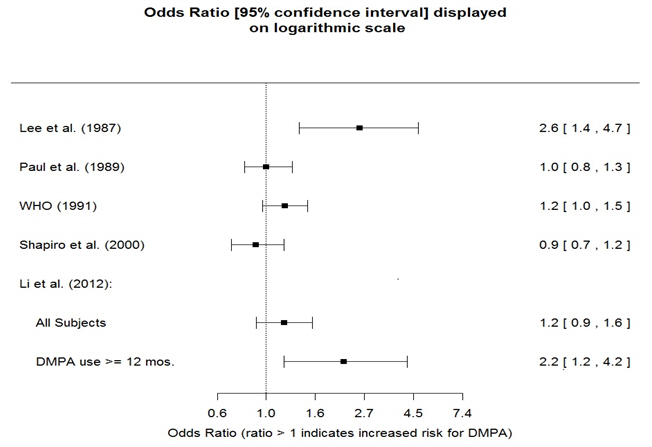
1.Li CI, Beaber EF, Tang, MCT et al. Effect of Depo-Medroxyprogesterone Acetate on Breast Cancer Risk among Women 20 to 44 years of Age. Cancer Research 2012; 72:2028–2035.
-
2.Paul C, Skegg DCG, Spears GFS. Depot medroxyprogesterone (Depo-Provera) and risk of breast cancer. Br Med J 1989; 299:759–62.
8.1 Pregnancy
Risk Summary
There is no use for contraception in pregnancy; therefore, MPA Injectable Suspension, USP should be discontinued during pregnancy.
Epidemiologic studies and meta-analyses have not found an increased risk of genital or non-genital birth defects (including cardiac anomalies and limb-reduction defects) following exposure to progestins before conception or during early pregnancy.
All pregnancies have a background risk of birth defect, loss, or other adverse outcomes. In the U.S. general population, the estimated background risk of major birth defects and miscarriage in clinically recognized pregnancies is 2-4% and 15-20%, respectively.
8.2 Lactation
Risk Summary
Although medroxyprogesterone acetate is detectable in the milk of mothers receiving MPA Injectable Suspension, USP, milk composition, quality, and amount do not appear to be adversely affected. Effects on milk production and lactation initiation/duration remain unclear when administered before 6 weeks after delivery, therefore, in mothers who exclusively breastfeed, initiate MPA Injectable Suspension, USP during or after the sixth post-partum week [see Dosage and Administration (2.1)].
No adverse effects in breastfed infants would be expected with maternal use of progestins. Neonates and infants exposed to medroxyprogesterone acetate from breast milk have been studied and no adverse effects have been noted.
The developmental and health benefits of breast-feeding should be considered along with the mother’s clinical need for MPA Injectable Suspension, USP and any potential adverse effects on the breastfed child from MPA Injectable Suspension, USP or from the underlying maternal condition.
11 Description
Medroxyprogesterone Acetate Injectable Suspension, USP contains medroxyprogesterone acetate, a derivative of progesterone, as its active ingredient. Medroxyprogesterone acetate is active by the parenteral and oral routes of administration. It is a white to off-white; odorless crystalline powder that is stable in air and that melts between 200°C and 210°C. It is freely soluble in chloroform, soluble in acetone and dioxane, sparingly soluble in alcohol and methanol, slightly soluble in ether, and insoluble in water.
The chemical name for medroxyprogesterone acetate is pregn-4-ene-3, 20-dione, 17-(acetyloxy)-6-methyl-, (6α-).
The structural formula is as follows:
MPA Injectable Suspension, USP for IM injection is available in vials and prefilled syringes, each containing 1 mL of medroxyprogesterone acetate sterile aqueous suspension 150 mg/mL.
For MPA Injectable Suspension, USP vials, each mL of sterile aqueous suspension contains:
|
Medroxyprogesterone acetate |
150 mg |
|
Polyethylene glycol 3350 |
28.9 mg |
|
Polysorbate 80 |
2.41 mg |
|
Sodium chloride |
8.68 mg |
|
Methylparaben |
1.37 mg |
|
Propylparaben |
0.150 mg |
|
Water for injection |
quantity sufficient |
When necessary, pH is adjusted with sodium hydroxide or hydrochloric acid, or both.
For MPA Injectable Suspension, USP prefilled syringes, each mL of sterile aqueous suspension contains:
|
Medroxyprogesterone acetate |
150 mg |
|
Polyethylene glycol 3350 |
28.5 mg |
|
Polysorbate 80 |
2.37 mg |
|
Sodium chloride |
8.56 mg |
|
Methylparaben |
1.35 mg |
|
Propylparaben |
0.147 mg |
|
Water for injection |
quantity sufficient |
When necessary, pH is adjusted with sodium hydroxide or hydrochloric acid, or both.
5.4 Meningioma
Cases of meningiomas have been reported following repeated administration of medroxyprogesterone acetate, primarily with long term use. Monitor patients on MPA Injectable Suspension, USP for signs and symptoms of meningioma. Discontinue MPA Injectable Suspension, USP if a meningioma is diagnosed.
5.10 Depression
Monitor patients who have a history of depression and do not re-administer MPA Injectable Suspension, USP if depression recurs.
5.17 Monitoring
A woman who is taking hormonal contraceptive should have a yearly visit with her healthcare professional for a blood pressure check and for other indicated healthcare.
5.9 Convulsions
There have been a few reported cases of convulsions in patients who were treated with MPA Injectable Suspension, USP. Association with drug use or pre-existing conditions is not clear.
5.12 Weight Gain
Women tend to gain weight while on therapy with MPA Injectable Suspension, USP. From an initial average body weight of 136 lb, women who completed 1 year of therapy with MPA Injectable Suspension, USP gained an average of 5.4 lb. Women who completed 2 years of therapy gained an average of 8.1 lb. Women who completed 4 years gained an average of 13.8 lb. Women who completed 6 years gained an average of 16.5 lb. Two percent of women withdrew from a large-scale clinical trial because of excessive weight gain.
8.4 Pediatric Use
MPA Injectable Suspension, USP is not indicated before menarche. Use of MPA Injectable Suspension, USP is associated with significant loss of BMD. This loss of BMD is of particular concern during adolescence and early adulthood, a critical period of bone accretion. In adolescents, interpretation of BMD results should take into account patient age and skeletal maturity. It is unknown if use of MPA Injectable Suspension, USP by younger women will reduce peak bone mass and increase the risk of osteoporotic fractures in later life. Other than concerns about loss of BMD, the safety and effectiveness are expected to be the same for postmenarchal adolescents and adult women.
8.5 Geriatric Use
This product has not been studied in post-menopausal women and is not indicated in this population.
14.1 Contraception
In five clinical studies using MPA Injectable Suspension, USP, the 12-month failure rate for the group of women treated with MPA Injectable Suspension, USP was zero (no pregnancies reported) to 0.7 by Life-Table method. The effectiveness of MPA Injectable Suspension, USP is dependent on the patient returning every 3 months (13 weeks) for reinjection.
5.8 Liver Function
Discontinue MPA Injectable Suspension, USP use if jaundice or acute or chronic disturbances of liver function develop. Do not resume use until markers of liver function return to normal and MPA Injectable Suspension, USP causation has been excluded.
14 Clinical Studies
4 Contraindications
The use of MPA Injectable Suspension, USP is contraindicated in the following conditions:
-
•Active thrombophlebitis, or current or history of thromboembolic disorders, or cerebral vascular disease [see Warnings and Precautions (5.2)].
-
•Known or suspected malignancy of breast [see Warnings and Precautions (5.3)].
-
•Known hypersensitivity to MPA Injectable Suspension, USP (medroxyprogesterone acetate or any of its other ingredients) [see Warnings and Precautions (5.6)].
-
•Significant liver disease [see Warnings and Precautions (5.8)].
-
•Undiagnosed vaginal bleeding [see Warnings and Precautions (5.11)].
6 Adverse Reactions
The following important adverse reactions observed with the use of MPA Injectable Suspension, USP are discussed in greater detail in the Warnings and Precautions section (5) :
-
•Loss of Bone Mineral Density [see Warnings and Precautions (5.1)]
-
•Thromboembolic disease [see Warnings and Precautions (5.2)]
-
•Breast Cancer [see Warnings and Precautions (5.3)]
-
•Anaphylaxis and Anaphylactoid Reactions [see Warnings and Precautions (5.6)]
-
•Bleeding Irregularities [see Warnings and Precautions (5.11)]
-
•Weight Gain [see Warnings and Precautions (5.12)]
7 Drug Interactions
Drugs or herbal products that induce certain enzymes, including CYP3A4, may decrease the effectiveness of contraceptive drug products. Counsel patients to use a back-up method or alternative method of contraception when enzyme inducers are used with MPA Injectable Suspension, USP. (7.1)
5.14 Fluid Retention
Because progestational drugs including MPA Injectable Suspension, USP may cause some degree of fluid retention, monitor patients with conditions that might be influenced by this condition, such as epilepsy, migraine, asthma, and cardiac or renal dysfunction.
12.2 Pharmacodynamics
No specific pharmacodynamic studies were conducted with MPA Injectable Suspension, USP.
5.5 Ectopic Pregnancy
Be alert to the possibility of an ectopic pregnancy among women using MPA Injectable Suspension, USP who become pregnant or complain of severe abdominal pain.
1 Indications and Usage
Medroxyprogesterone Acetate (MPA) Injectable Suspension, USP is indicated for use by females of reproductive potential to prevent pregnancy.
12.1 Mechanism of Action
MPA Injectable Suspension, USP inhibits the secretion of gonadotropins which primarily prevents follicular maturation and ovulation and causes thickening of cervical mucus. These actions contribute to its contraceptive effect.
5.15 Return of Fertility
Return to ovulation and fertility is likely to be delayed after stopping MPA Injectable Suspension, USP. In a large US study of women who discontinued use of MPA Injectable Suspension, USP to become pregnant, data are available for 61% of them. Of the 188 women who discontinued the study to become pregnant, 114 became pregnant. Based on Life-Table analysis of these data, it is expected that 68% of women who do become pregnant may conceive within 12 months, 83% may conceive within 15 months, and 93% may conceive within 18 months from the last injection. The median time to conception for those who do conceive is 10 months following the last injection with a range of 4 to 31 months, and is unrelated to the duration of use. No data are available for 39% of the patients who discontinued MPA Injectable Suspension, USP to become pregnant and who were lost to follow-up or changed their mind.
13 Nonclinical Toxicology
5 Warnings and Precautions
-
•Thromboembolic Disorders: Discontinue MPA Injectable Suspension, USP in patients who develop thrombosis. (5.2)
-
•Cancer Risks: Monitor women with a strong family history of breast cancer carefully. (5.3)
-
•Meningioma: Discontinue MPA Injectable Suspension, USP if meningioma is diagnosed. Monitor patients for signs and symptoms of meningioma. (5.4)
-
•Ectopic Pregnancy: Consider ectopic pregnancy if a woman using MPA Injectable Suspension, USP becomes pregnant or complains of severe abdominal pain. (5.5)
-
•Anaphylaxis and Anaphylactoid Reactions: Provide emergency medical treatment. (5.6)
-
•Liver Function: Discontinue MPA Injectable Suspension, USP if jaundice or disturbances of liver function develop. (5.8)
-
•Carbohydrate Metabolism: Monitor diabetic patients carefully. (5.13)
2 Dosage and Administration
The recommended dose is 150 mg of MPA Injectable Suspension, USP every 3 months (13 weeks) administered by deep, intramuscular (IM) injection in the gluteal or deltoid muscle. (2.1)
2.1 Prevention of Pregnancy
Both the 1 mL vial and the 1 mL prefilled syringe of MPA Injectable Suspension, USP should be vigorously shaken just before use to ensure that the dose being administered represents a uniform suspension.
The recommended dose is 150 mg of MPA Injectable Suspension, USP every 3 months (13 weeks) administered by deep intramuscular (IM) injection using strict aseptic technique in the gluteal or deltoid muscle, rotating the sites with every injection. As with any IM injection, to avoid an inadvertent subcutaneous injection, body habitus should be assessed prior to each injection to determine if a longer needle is necessary particularly for gluteal IM injection.
Use for longer than 2 years is not recommended (unless other birth control methods are considered inadequate) due to the impact of long-term MPA Injectable Suspension, USP treatment on bone mineral density (BMD) [see Warnings and Precautions (5.1)]. Dosage does not need to be adjusted for body weight [see Clinical Studies (14.1)].
To ensure the patient is not pregnant at the time of the first injection, the first injection should be given ONLY during the first 5 days of a normal menstrual period or within the first 5-days post‑partum. In post-partum mothers who exclusively breastfeed, administer MPA Injectable Suspension, USP during or after the sixth post‑partum week. If the time interval between injections is greater than 13 weeks, the physician should determine that the patient is not pregnant before administering the drug. The efficacy of MPA Injectable Suspension, USP depends on adherence to the dosage schedule of administration.
3 Dosage Forms and Strengths
Sterile Aqueous suspension: 150 mg/mL
Prefilled syringes are available packaged with 22-gauge × 1 1/2 inch Terumo® SurGuard™ Needles.
5.11 Bleeding Irregularities
Most women using MPA Injectable Suspension, USP experience disruption of menstrual bleeding patterns. Altered menstrual bleeding patterns include amenorrhea, irregular or unpredictable bleeding or spotting, prolonged spotting or bleeding, and heavy bleeding. Rule out the possibility of organic pathology if abnormal bleeding persists or is severe, and institute appropriate treatment.
As women continue using MPA Injectable Suspension, USP, fewer experience irregular bleeding and more experience amenorrhea. In clinical studies of MPA Injectable Suspension, USP, by month 12 amenorrhea was reported by 55% of women, and by month 24, amenorrhea was reported by 68% of women using MPA Injectable Suspension, USP.
5.13 Carbohydrate Metabolism
A decrease in glucose tolerance has been observed in some patients on MPA Injectable Suspension, USP treatment. Monitor diabetic patients carefully while receiving MPA Injectable Suspension, USP.
5.2 Thromboembolic Disorders
There have been reports of serious thrombotic events in women using MPA Injectable Suspension, USP (150 mg). However, MPA Injectable Suspension, USP has not been causally associated with the induction of thrombotic or thromboembolic disorders. Any patient who develops thrombosis while undergoing therapy with MPA Injectable Suspension, USP should discontinue treatment unless she has no other acceptable options for birth control.
Do not re-administer MPA Injectable Suspension, USP pending examination if there is a sudden partial or complete loss of vision or if there is a sudden onset of proptosis, diplopia, or migraine. Do not re-administer if examination reveals papilledema or retinal vascular lesions.
5.7 Injection Site Reactions
Injection site reactions have been reported with use of MPA Injectable Suspension, USP [see Adverse Reactions (6.2)]. Persistent injection site reactions may occur after administration of MPA Injectable Suspension, USP due to inadvertent subcutaneous administration or release of the drug into the subcutaneous space while removing the needle [see Dosage and Administration (2.1)].
6.2 Post Marketing Experience
The following adverse reactions have been identified during post approval use of MPA Injectable Suspension, USP. Because these reactions are reported voluntarily from a population of uncertain size, it is not always possible to reliably estimate their frequency or establish a causal relationship to drug exposure.
There have been cases of osteoporosis including osteoporotic fractures reported post-marketing in patients taking MPA Injectable Suspension, USP.
|
Body System
Body System represented from COSTART medical dictionary.
|
Adverse Reactions |
|---|---|
|
Body as a Whole |
Chest pain, Allergic reactions including angioedema, Fever, Injection site abscess Injection site abscess and injection site infections have been reported; therefore, strict aseptic injection technique should be followed when administering MPA Injectable Suspension, USP in order to avoid injection site infections [see Dosage and Administration (2.1)].
, Injection site infection, Injection site nodule/lump, Injection site pain/tenderness, Injection site persistent atrophy/indentation/dimpling, Injection-site reaction, Lipodystrophy acquired, Chills, Axillary swelling
|
|
Cardiovascular |
Syncope, Tachycardia, Thrombophlebitis, Deep vein thrombosis, Pulmonary embolus, Varicose veins |
|
Digestive |
Changes in appetite, Gastrointestinal disturbances, Jaundice, Excessive thirst, Rectal bleeding |
|
Hematologic and Lymphatic |
Anemia, Blood dyscrasia |
|
Musculoskeletal |
Osteoporosis |
|
Neoplasms |
Cervical cancer, Breast cancer |
|
Nervous |
Paralysis, Facial palsy, Paresthesia, Drowsiness |
|
Respiratory |
Dyspnea and asthma, Hoarseness |
|
Skin and Appendages |
Hirsutism, Excessive sweating and body odor, Dry skin, Scleroderma, Melasma, Chloasma |
|
Reproductive (Urogenital1) |
Lack of return to fertility, Unexpected pregnancy, Changes in breast size, Breast lumps or nipple bleeding, Galactorrhea, Increased libido, Uterine hyperplasia, Vaginal cysts, Genitourinary infections, Dyspareunia |
8 Use in Specific Populations
6.1 Clinical Trials Experience
Clinical trials are conducted under widely varying conditions, therefore, adverse reaction rates observed in the clinical studies of a drug cannot be directly compared to rates in the clinical trials of another drug and may not reflect the rates observed in practice.
In the two clinical trials with MPA Injectable Suspension, USP, over 3,900 women, who were treated for up to 7 years, reported the following adverse reactions, which may or may not be related to the use of MPA Injectable Suspension, USP. The population studied ranges in age from 15 to 51 years, of which 46% were White, 50% Non-White, and 4.9% Unknown race. The patients received 150 mg MPA Injectable Suspension, USP every 3-months (90 days). The median study duration was 13 months with a range of 1‑84 months. Fifty‑eight percent of patients remained in the study after 13 months and 34% after 24 months.
|
Body System
Body System represented from COSTART medical dictionary.
|
Adverse Reactions [Incidence (%)] |
|---|---|
|
Body as a Whole |
Headache (16.5%) |
|
Metabolic/Nutritional |
Increased weight >10 lb at 24 months (37.7%) |
|
Nervous |
Nervousness (10.8%) |
|
Reproductive (Urogenital1) |
Menstrual irregularities: |
|
Body System
Body System represented from COSTART medical dictionary.
|
Adverse Reactions [Incidence (%)] |
|---|---|
|
Body as a Whole |
Asthenia/fatigue (4.2%) |
|
Digestive |
Nausea (3.3%) |
|
Metabolic/Nutritional |
Edema (2.2%) |
|
Musculoskeletal |
Leg cramps (3.7%) |
|
Nervous |
Depression (1.5%) |
|
Skin and Appendages |
Acne (1.2%) |
|
Reproductive (Urogenital1) |
Leukorrhea (2.9%) |
Adverse reactions leading to study discontinuation in ≥2% of subjects: bleeding (8.2%), amenorrhea (2.1%), weight gain (2.0%).
5.1 Loss of Bone Mineral Density
Use of MPA Injectable Suspension, USP reduces serum estrogen levels and is associated with significant loss of bone mineral density (BMD). This loss of BMD is of particular concern during adolescence and early adulthood, a critical period of bone accretion. It is unknown if use of MPA Injectable Suspension, USP by younger women will reduce peak bone mass and increase the risk for osteoporotic fracture in later life.
A study to assess the reversibility of loss of BMD in adolescents was conducted with MPA Injectable Suspension, USP. After discontinuing MPA Injectable Suspension, USP in these adolescents, mean BMD loss at the total hip and femoral neck did not fully recover by 5 years (60 months) post-treatment in the sub-group of adolescents who were treated for more than 2 years [see Clinical Studies (14.3)]. Similarly, in adults, there was only partial recovery of mean BMD at the total hip, femoral neck, and lumbar spine towards baseline by 2 years post-treatment [see Clinical Studies (14.2)].
The use of MPA Injectable Suspension, USP is not recommended as a long-term (i.e., longer than 2 years) birth control method unless other options are considered inadequate. BMD should be evaluated when a woman needs to continue to use MPA Injectable Suspension, USP long-term. In adolescents, interpretation of BMD results should take into account patient age and skeletal maturity.
Other birth control methods should be considered in the risk/benefit analysis for the use of MPA Injectable Suspension, USP in women with osteoporosis risk factors. MPA Injectable Suspension, USP can pose an additional risk in patients with risk factors for osteoporosis (e.g., metabolic bone disease, chronic alcohol and/or tobacco use, anorexia nervosa, strong family history of osteoporosis or chronic use of drugs that can reduce bone mass such as anticonvulsants or corticosteroids).
7.2 Laboratory Test Interactions
The pathologist should be advised of progestin therapy when relevant specimens are submitted.
The following laboratory tests may be affected by progestins including MPA Injectable Suspension, USP:
-
(a)Plasma and urinary steroid levels are decreased (e.g., progesterone, estradiol, pregnanediol, testosterone, cortisol).
-
(b)Gonadotropin levels are decreased.
-
(c)Sex-hormone-binding-globulin concentrations are decreased.
-
(d)Protein-bound iodine and butanol extractable protein-bound iodine may increase. T3-uptake values may decrease.
-
(e)Coagulation test values for prothrombin (Factor II), and Factors VII, VIII, IX, and X may increase.
-
(f)Sulfobromophthalein and other liver function test values may be increased.
-
(g)The effects of medroxyprogesterone acetate on lipid metabolism are inconsistent. Both increases and decreases in total cholesterol, triglycerides, low-density lipoprotein (LDL) cholesterol, and high-density lipoprotein (HDL) cholesterol have been observed in studies.
17 Patient Counseling Information
Advise the patient to read the FDA‑approved patient labeling (Patient Information).
-
•Advise patients at the beginning of treatment that their menstrual cycle may be disrupted and that irregular and unpredictable bleeding or spotting results, and that this usually decreases to the point of amenorrhea as treatment with MPA Injectable Suspension, USP continues, without other therapy being required.
-
•Counsel patients about the possible increased risk of breast cancer in women who use MPA Injectable Suspension, USP [see Warnings and Precautions (5.3)].
-
•Counsel patients with a history of meningioma about the possible risk of worsening meningioma [see Warnings and Precautions (5.4)].
-
•Counsel patients that this product does not protect against HIV infection (AIDS) and other sexually transmitted infections.
-
•Counsel patients on Warnings and Precautions associated with use of MPA Injectable Suspension, USP.
-
•Counsel patients to use a back-up method or alternative method of contraception when enzyme inducers are used with MPA Injectable Suspension, USP.
16 How Supplied/storage and Handling
Medroxyprogesterone Acetate Injectable Suspension, USP (Medroxyprogesterone Acetate sterile aqueous suspension 150 mg/mL) is supplied in the following strengths and package configurations:
| Package Configuration | Strength | NDC |
|---|---|---|
|
MEDROXYPROGESTERONE ACETATE INJECTABLE SUSPENSION, USP (medroxyprogesterone acetate sterile aqueous suspension 150 mg/mL) |
||
|
1 mL vial |
150 mg/mL |
NDC 66993-370-83 |
|
25 × 1 mL vials |
150 mg/mL |
NDC 66993-370-25 |
|
MEDROXYPROGESTERONE ACETATE INJECTABLE SUSPENSION, USP prefilled syringes packaged with 22 gauge × 1 1/2 inch Terumo® SurGuard™ Needles |
||
|
1 mL prefilled syringe |
150 mg/mL |
NDC 66993-371-79 |
5.16 Sexually Transmitted Infections
Patients should be counseled that MPA Injectable Suspension, USP does not protect against HIV infection (AIDS) and other sexually transmitted infections.
Warning: Loss of Bone Mineral Density
-
•Women who use Medroxyprogesterone Acetate (MPA) Injectable Suspension, USP may lose significant bone mineral density. Bone loss is greater with increasing duration of use and may not be completely reversible [see Warnings and Precautions (5.1)].
-
•It is unknown if use of MPA Injectable Suspension, USP during adolescence or early adulthood, a critical period of bone accretion, will reduce peak bone mass and increase the risk for osteoporotic fracture in later life [see Warnings and Precautions (5.1)].
-
•MPA Injectable Suspension, USP is not recommended as a long-term (i.e., longer than 2 years) birth control method unless other options are considered inadequate [see Indications and Usage (1) and Warnings and Precautions (5.1)].
5.18 Interference With Laboratory Tests
The use of MPA Injectable Suspension, USP may change the results of some laboratory tests, such as coagulation factors, lipids, glucose tolerance, and binding proteins [see Drug Interactions (7.2)].
5.6 Anaphylaxis and Anaphylactoid Reaction
Anaphylaxis and anaphylactoid reaction have been reported with the use of MPA Injectable Suspension, USP. Institute emergency medical treatment if an anaphylactic reaction occurs.
Principal Display Panel 150 Mg/ml Vial Label
NDC 66993-370-83
MedroxyPROGESTERone
Acetate Injectable
Suspension, USP
150 mg/mL
Rx only
8.3 Females and Males of Reproductive Potential
MPA Injectable Suspension, USP is indicated for the prevention of pregnancy and would therefore be expected to impair female fertility until cessation of treatment. Women may experience a delay in return to ovulation and fertility (conception) following discontinuation of MPA Injectable Suspension, USP [see Warnings and Precautions (5.15)].
Principal Display Panel 150 Mg/ml Vial Carton
NDC 66993-370-83
PRASCO
MedroxyPROGESTERone
Acetate Injectable
Suspension, USP
150 mg/mL
1 mL Single-Dose Vial
For intramuscular
use only
Rx Only
2.2 Switching From Other Methods of Contraception
When switching from other contraceptive methods, MPA Injectable Suspension, USP should be given in a manner that ensures continuous contraceptive coverage based upon the mechanism of action of both methods, (e.g., patients switching from oral contraceptives should have their first injection of MPA Injectable Suspension, USP on the day after the last active tablet or at the latest, on the day following the final inactive tablet).
Principal Display Panel 150 Mg/ml Syringe Label
NDC 66993-371-79
1 mL Single Use Syringe
MedroxyPROGESTERone
Acetate Injectable
Suspension, USP
150 mg/mL
Rx only
Intramuscular Use Only
Shake vigorously before use
Distributed by:
Prasco Laboratories
Mason, OH 45040 USA
PAA163267
LOT/EXP
Principal Display Panel 150 Mg/ml Syringe Carton
NDC 66993-371-79
Rx only
PRASCO
MedroxyPROGESTERone Acetate
Injectable Suspension, USP
150 mg/mL
Single Use Syringe
Intramuscular Use Only
1 mL Prefilled Syringe
13.1 Carcinogenesis, Mutagenesis, Impairment of Fertility
Principal Display Panel 150 Mg/ml Vial Carton 66993 370 25
NDC 66993-370-25
25—1 mL Single-Dose Vials
Contains 25 of NDC 66993-370-83
PRASCO
MedroxyPROGESTERone Acetate
Injectable Suspension, USP
150 mg/mL
For intramuscular use only
Rx Only
14.4 Bone Fracture Incidence in Women Treated With Mpa Injectable Suspension, Usp
A retrospective cohort study to assess the association between MPA Injectable Suspension, USP and the incidence of bone fractures was conducted in 312,395 female contraceptive users in the UK. The incidence rates of fracture were compared between MPA Injectable Suspension, USP users and contraceptive users who had no recorded use of MPA Injectable Suspension, USP. The Incident Rate Ratio (IRR) for any fracture during the follow-up period (mean=5.5 years) was 1.41 (95% CI 1.35, 1.47). It is not known if this is due to MPA Injectable Suspension, USP use or to other related lifestyle factors that have a bearing on fracture rate.
In the study, when cumulative exposure to MPA Injectable Suspension, USP was calculated, the fracture rate in users who received fewer than 8 injections was higher than that in women who received 8 or more injections. However, it is not clear that cumulative exposure, which may include periods of intermittent use separated by periods of non-use, is a useful measure of risk, as compared to exposure measures based on continuous use.
There were very few osteoporotic fractures (fracture sites known to be related to low BMD) in the study overall, and the incidence of osteoporotic fractures was not found to be higher in MPA Injectable Suspension, USP users compared to non-users.
Importantly, this study could not determine whether use of MPA Injectable Suspension, USP has an effect on fracture rate later in life.
14.2 Bone Mineral Density Changes in Women Treated With Mpa Injectable Suspension, Usp
In a controlled, clinical study, adult women using MPA Injectable Suspension, USP (150 mg) for up to 5 years showed spine and hip bone mineral density (BMD) mean decreases of 5–6%, compared to no significant change in BMD in the control group. The decline in BMD was more pronounced during the first two years of use, with smaller declines in subsequent years. Mean changes in lumbar spine BMD of -2.86%, ‑4.11%, ‑4.89%, ‑4.93% and ‑5.38% after 1, 2, 3, 4, and 5 years, respectively, were observed. Mean decreases in BMD of the total hip and femoral neck were similar.
After stopping use of MPA Injectable Suspension, USP, there was partial recovery of BMD toward baseline values during the 2-year post-therapy period. Longer duration of treatment was associated with less complete recovery during this 2-year period following the last injection. Table 4 shows the change in BMD in women after 5 years of treatment with MPA Injectable Suspension, USP and in women in a control group, as well as the extent of recovery of BMD for the subset of the women for whom 2-year post treatment data were available.
| Time in Study | Spine | Total Hip | Femoral Neck | |||
|---|---|---|---|---|---|---|
|
Medroxy-progesterone Acetate
The treatment group consisted of women who received MPA Injectable Suspension, USP for 5 years and were then followed for 2 years post-use (total time in study of 7 years).
|
Control
The control group consisted of women who did not use hormonal contraception and were followed for 7 years.
|
Medroxy-progesterone Acetate | Control | Medroxy-progesterone Acetate | Control | |
|
5 years |
-5.38% |
0.43% |
-5.16% |
0.19% |
-6.12% |
-0.27% |
|
7 years |
-3.13% |
0.53% |
-1.34% |
0.94% |
-5.38% |
-0.11% |
7.1 Changes in Contraceptive Effectiveness Associated With Co Administration of Other Products
If a woman on hormonal contraceptives takes a drug or herbal product that induces enzymes, including CYP3A4, that metabolize contraceptive hormones, counsel her to use additional contraception or a different method of contraception. Drugs or herbal products that induce such enzymes may decrease the plasma concentrations of contraceptive hormones, and may decrease the effectiveness of hormonal contraceptives. Some drugs or herbal products that may decrease the effectiveness of hormonal contraceptives include:
-
•barbiturates
-
•bosentan
-
•carbamazepine
-
•felbamate
-
•griseofulvin
-
•oxcarbazepine
-
•phenytoin
-
•rifampin
-
•St. John's wort
-
•topiramate
14.3 Bone Mineral Density Changes in Adolescent Females (12 to 18 Years of Age) Treated With Mpa Injectable Suspension, Usp
The impact of MPA Injectable Suspension, USP (150 mg) use for up to 240 weeks (4.6 years) was evaluated in an open-label non-randomized clinical study in 389 adolescent females (12 to 18 years of age). Use of MPA Injectable Suspension, USP was associated with a significant decline from baseline in BMD.
Partway through the trial, drug administration was stopped (at 120 weeks). The mean number of injections per MPA Injectable Suspension, USP user was 9.3. Table 5 summarizes the study findings. The decline in BMD at total hip and femoral neck was greater with longer duration of use. The mean decrease in BMD at 240 weeks was more pronounced at total hip (-6.4%) and femoral neck (-5.4%) compared to lumbar spine (-2.1%).
Adolescents in the untreated cohort had an increase in BMD during the period of growth following menarche. However, the two cohorts were not matched at baseline for age, gynecologic age, race, BMD and other factors that influence the rate of acquisition of BMD.
| Duration of Treatment |
MPA Injectable Suspension, USP
(150 mg IM) |
Unmatched, Untreated Cohort | ||
|---|---|---|---|---|
| N | Mean % Change | N | Mean % Change | |
|
Total Hip BMD |
||||
|
Week 60 (1.2 years) |
113 |
-2.75 |
166 |
1.22 |
|
Week 120 (2.3 years) |
73 |
-5.40 |
109 |
2.19 |
|
Week 240 (4.6 years) |
28 |
-6.40 |
84 |
1.71 |
|
Femoral Neck BMD |
||||
|
Week 60 |
113 |
-2.96 |
166 |
1.75 |
|
Week 120 |
73 |
-5.30 |
108 |
2.83 |
|
Week 240 |
28 |
-5.40 |
84 |
1.94 |
|
Lumbar Spine BMD |
||||
|
Week 60 |
114 |
-2.47 |
167 |
3.39 |
|
Week 120 |
73 |
-2.74 |
109 |
5.28 |
|
Week 240 |
27 |
-2.11 |
84 |
6.40 |
Structured Label Content
Patient Information
Medroxyprogesterone Acetate Injectable Suspension, USP
Contraceptive Injection
Read this Patient Information carefully before you decide if Medroxyprogesterone Acetate (MPA) Injectable Suspension, USP is right for you. This information does not take the place of talking with your gynecologist or other healthcare professional who specializes in women's health. If you have any questions about MPA Injectable Suspension, USP, ask your healthcare professional. You should also learn about other birth control methods to choose the one that is best for you.
What is the most important information I should know about MPA Injectable Suspension, USP?
MPA Injectable Suspension, USP can cause serious side effects, including:
-
•Use of MPA Injectable Suspension, USP may cause you to lose calcium stored in your bone and decrease your bone mass. The longer you use MPA Injectable Suspension, USP, the greater your loss of calcium from your bones. Your bones may not recover completely when you stop using MPA Injectable Suspension, USP.
-
•If you use MPA Injectable Suspension, USP continuously for a long time (for more than 2 years), it may increase the risk of weak, porous bones (osteoporosis) that could increase the risk of broken bones, especially after menopause.
-
•You should not use MPA Injectable Suspension, USP for more than two years unless you cannot use other birth control methods.
-
•It is not known if your risk of developing osteoporosis is greater if you are a teenager or young adult when you start to use MPA Injectable Suspension, USP. (see "What are the possible side effects of MPA Injectable Suspension, USP?").
MPA Injectable Suspension, USP is intended to prevent pregnancy. MPA Injectable Suspension, USP does not protect against HIV infection (AIDS) and other sexually transmitted infections (STIs).
What is MPA Injectable Suspension, USP?
MPA Injectable Suspension, USP is a progestin hormone birth control method that is given by injection (a shot) to prevent pregnancy.
How well does MPA Injectable Suspension, USP work?
Your chance of getting pregnant depends on how well you follow the directions for taking your MPA Injectable Suspension, USP. The more carefully you follow the directions (such as returning every 3 months for your next injection), the less chance you have of getting pregnant.
In clinical studies, about 1 out of 100 women got pregnant during the first year that they used MPA Injectable Suspension, USP.
The following chart shows the chance of getting pregnant for women who use different methods of birth control. Each box on the chart contains a list of birth control methods that are similar in effectiveness. The most effective methods are at the top of the chart. The box on the bottom of the chart shows the chance of getting pregnant for women who do not use birth control and are trying to get pregnant.
How should I take MPA Injectable Suspension, USP?
-
•MPA Injectable Suspension, USP is given by your healthcare professional as a shot into your muscle (intramuscular injection). The shot is given in your buttock or upper arm 1 time every 3 months. At the end of the 3 months, you will need to return to your healthcare professional for your next injection in order to continue your protection against pregnancy.
-
•To make sure that you are not pregnant before you take MPA Injectable Suspension, USP, the first injection should be given only:
-
oduring the first 5 days of a normal menstrual period, or
-
owithin the first 5 days after giving birth, if you are not breastfeeding, or
-
oat the 6th week after giving birth, if you are feeding your baby only breastmilk.
-
-
•MPA Injectable Suspension, USP may be given at other times than those listed above, but you will likely need to have a pregnancy test first to show that you are not pregnant.
-
•During treatment with MPA Injectable Suspension, USP, you should see your healthcare professional every year for a blood pressure check and other healthcare needs.
Who Should Not Use MPA Injectable Suspension, USP?
Do not use MPA Injectable Suspension, USP if you:
-
•have bleeding from your vagina that has not been explained
-
•have breast cancer now or in the past, or think you have breast cancer
-
•have had a stroke
-
•ever had blood clots in your arms, legs or lungs
-
•have problems with your liver or liver disease
-
•are allergic to medroxyprogesterone acetate or any of the other ingredients in MPA Injectable Suspension, USP. See the end of this leaflet for a complete list of ingredients in MPA Injectable Suspension, USP.
What should I tell my healthcare professional before taking MPA Injectable Suspension, USP?
Before taking MPA Injectable Suspension, USP, tell your healthcare professional if you have:
-
•risk factors for weak bones (osteoporosis) such as bone disease, use alcohol or smoke regularly, anorexia nervosa, or a strong family history of osteoporosis
-
•irregular or lighter than usual menstrual periods
-
•breast cancer now or in the past, or think you have breast cancer
-
•a family history of breast cancer
-
•an abnormal mammogram (breast X-ray), lumps in your breasts, or bleeding from your nipples
-
•have or have ever had a type of usually benign brain tumor called a meningioma
-
•kidney problems
-
•high blood pressure
-
•had a stroke
-
•had blood clots in your arms, legs or lungs
-
•migraine headaches
-
•asthma
-
•epilepsy (convulsions or seizures)
-
•diabetes
-
•depression or a history of depression
-
•any other medical conditions
If you are breastfeeding or plan to breastfeed, MPA Injectable Suspension, USP can pass into your breast milk. Talk to your healthcare professional about the best way to feed your baby if you take MPA Injectable Suspension, USP.
Tell your healthcare professional about all of the medicines you take, including prescription and nonprescription medicines, vitamins, and herbal supplements.
MPA Injectable Suspension, USP and certain other medicines may affect each other, causing serious side effects. Sometimes the doses of other medicines may need to be changed while you are taking MPA Injectable Suspension, USP.
Some medicines may make MPA Injectable Suspension, USP less effective at preventing pregnancy, including those listed below.
Especially tell your healthcare professional if you take:
-
•medicine to help you sleep
-
•bosentan
-
•medicine for seizures
-
•griseofulvin
-
•an antibiotic
-
•medicine for HIV (AIDS)
-
•St. John's wort
Know the medicines you take. Keep a list of your medicines with you to show your healthcare professional or pharmacist before you first start taking MPA Injectable Suspension, USP or when you get a new medicine.
Follow your healthcare professional's instructions about using a back-up method of birth control if you are taking medicines that may make MPA Injectable Suspension, USP less effective.
What are the possible side effects of MPA Injectable Suspension, USP?
MPA Injectable Suspension, USP can cause serious side effects, including:
-
•Effect on the bones: See “What is the most important information I should know about MPA Injectable Suspension, USP?”.
-
Teenage years are the most important years to gain bone strength. The decrease in calcium in your bones is of most concern if you are a teenager or have the following problems:
-
•bone disease
-
•an eating disorder (anorexia nervosa)
-
•a strong family history of osteoporosis
-
•you take a drug that can lower the amount of calcium in your bones (drugs for epilepsy or steroid drugs)
-
•you drink a lot of alcohol (more than 2 drinks a day)
-
•you smoke
-
-
If you need a birth control method for more than 2 years, your healthcare professional may switch you to another birth control method instead of using MPA Injectable Suspension, USP. If you continue using MPA Injectable Suspension, USP, your healthcare professional may ask you to have a bone test, especially if you have other risks for weak bones.
-
When MPA Injectable Suspension, USP is stopped, your bones may start to regain calcium. However, in a study of teenage girls who used MPA Injectable Suspension, USP for more than 2 years, their hip bones did not completely recover by 5 years after they stopped using MPA Injectable Suspension, USP. Taking calcium and Vitamin D and exercising daily may lessen the loss of calcium from your bones.
-
•possible increased risk of breast cancer. Women who use MPA Injectable Suspension, USP may have a slightly increased risk of breast cancer compared to non-users.
-
•blood clots in your arms, legs, lungs, and eyes
-
•stroke
-
•a pregnancy outside of your uterus (ectopic pregnancy). Ectopic pregnancy is a medical emergency that often requires surgery. Ectopic pregnancy can cause internal bleeding, infertility, and even death.
-
•allergic reactions. Severe allergic reactions have been reported in some women using MPA Injectable Suspension, USP.
-
•loss of vision or other eye problems
-
•migraine headaches
-
•possible increased risk for growth of a meningioma (a usually benign brain tumor), primarily when the product is used for a long time.
-
•depression
-
•convulsions or seizures
-
•liver problems
Call your healthcare professional right away if you have:
-
•sharp chest pain, coughing up blood, or sudden shortness of breath (indicating a possible clot in the lung)
-
•sudden severe headache or vomiting, dizziness or fainting, problems with your eyesight or speech, weakness, or numbness in an arm or leg (indicating a possible stroke)
-
•severe pain or swelling in the calf (indicating a possible clot in the leg)
-
•sudden blindness, partial or complete (indicating a possible clot in the blood vessels of the eye)
-
•unusually heavy vaginal bleeding
-
•severe pain or tenderness in the lower abdominal area
-
•persistent pain, pus, or bleeding at the injection site
-
•yellowing of the eyes or skin
-
•hives
-
•difficulty breathing
-
•swelling of the face, mouth, tongue or neck
The most common side effects of MPA Injectable Suspension, USP include:
-
•irregular vaginal bleeding, such as lighter or heavier menstrual bleeding, or continued spotting
-
•weight gain. You may experience weight gain while you are using MPA Injectable Suspension, USP. About two-thirds of the women who used MPA Injectable Suspension, USP in the clinical trials reported a weight gain of about 5 pounds during the first year of use. You may continue to gain weight after the first year. Women who used MPA Injectable Suspension, USP for 2 years gained an average of 8 pounds over those 2 years.
-
•abdominal pain
-
•headache
-
•weakness
-
•tiredness
-
•nervousness
-
•dizziness
Tell your healthcare professional if you have any side effect that bothers you or does not go away.
These are not all the possible side effects of MPA Injectable Suspension, USP. For more information, ask your healthcare professional or pharmacist.
Call your doctor for medical advice about side effects. You may report side effects to FDA at 1- 800-FDA-1088.
What other information should I know before choosing MPA Injectable Suspension, USP?
-
•Pregnancy. When you take MPA Injectable Suspension, USP every 3 months, your chance of getting pregnant is very low. You could miss a period or have a light period and not be pregnant. If you miss 1 or 2 periods and think you might be pregnant, see your healthcare professional as soon as possible. You should not use MPA Injectable Suspension, USP if you are pregnant. However, MPA Injectable Suspension, USP taken by accident during pregnancy does not seem to cause birth defects.
-
•Nursing Mothers. Although MPA Injectable Suspension, USP can be passed to the nursing baby in the breast milk, no harmful effects on babies have been found. MPA Injectable Suspension, USP does not stop the breasts from producing milk, so it can be used by nursing mothers. However, to minimize the amount of MPA Injectable Suspension, USP that is passed to the baby in the first weeks after birth, you should wait until your baby is 6 weeks old before you start using MPA Injectable Suspension, USP for birth control.
How will MPA Injectable Suspension, USP change my periods?
-
•Change in normal menstrual cycle. The side effect reported most frequently by women who use MPA Injectable Suspension, USP for birth controls is a change in their normal menstrual cycle. During the first year of using MPA Injectable Suspension, USP, you might have one or more of the following changes:
-
oirregular or unpredictable bleeding or spotting
-
oan increase or decrease in menstrual bleeding
-
ono bleeding at all. In clinical studies of MPA Injectable Suspension, USP, 55% of women reported no menstrual bleeding (amenorrhea) after one year of use and 68% of women reported no menstrual bleeding after two years of use.
-
-
•Missed period. During the time you are using MPA Injectable Suspension, USP for birth controls, you may skip a period, or your periods may stop completely. If you have been receiving your shot of MPA Injectable Suspension, USP regularly every 3 months, then you are probably not pregnant. However, if you think that you may be pregnant, see your healthcare professional.
Unusually heavy or continuous bleeding is not a usual effect of MPA Injectable Suspension, USP and if this happens you should see your healthcare professional right away.
With continued use of MPA Injectable Suspension, USP, bleeding usually decreases and many women stop having periods completely. When you stop using MPA Injectable Suspension, USP your menstrual period will usually, in time, return to its normal cycle.
What if I want to become pregnant?
Because MPA Injectable Suspension, USP is a long-acting birth control method, it takes some time after your last shot for its effect to wear off. Most women who try to get pregnant after using MPA Injectable Suspension, USP get pregnant within 18 months after their last shot. The length of time you use MPA Injectable Suspension, USP has no effect on how long it takes you to become pregnant after you stop using it.
General Information about MPA Injectable Suspension, USP
Medicines are sometimes prescribed for conditions that are not mentioned in patient information leaflets. This leaflet summarizes the most important information about MPA Injectable Suspension, USP. If you would like more information, talk with your healthcare professional. You can ask your healthcare professional for information about MPA Injectable Suspension, USP that is written for healthcare professionals.
What are the ingredients in MPA Injectable Suspension, USP?
Active ingredient: medroxyprogesterone acetate
Inactive ingredients: polyethylene glycol 3350, polysorbate 80, sodium chloride, methylparaben, propylparaben, and water for injection. When necessary, pH is adjusted with sodium hydroxide or hydrochloric acid, or both.
This Patient Information has been approved by the U.S. Food and Drug Administration.
Distributed by:
Prasco Laboratories
Mason, OH 45040 USA
LAB-1463-5.0
Revised: December 2025
Section 42229-5 (42229-5)
Limitations of Use:
The use of MPA Injectable Suspension, USP is not recommended as a long‑term (i.e., longer than 2 years) birth control method unless other options are considered inadequate [see Dosage and Administration (2.1) and Warnings and Precautions (5.1)].
Section 43683-2 (43683-2)
|
Warnings and Precautions, Meningioma (5.4) |
12/2025 |
Section 44425-7 (44425-7)
Vials MUST be stored upright at controlled room temperature 20° to 25°C (68° to 77°F) [see USP].
15 References (15 REFERENCES)
-
1.Li CI, Beaber EF, Tang, MCT et al. Effect of Depo-Medroxyprogesterone Acetate on Breast Cancer Risk among Women 20 to 44 years of Age. Cancer Research 2012; 72:2028–2035.
-
2.Paul C, Skegg DCG, Spears GFS. Depot medroxyprogesterone (Depo-Provera) and risk of breast cancer. Br Med J 1989; 299:759–62.
8.1 Pregnancy
Risk Summary
There is no use for contraception in pregnancy; therefore, MPA Injectable Suspension, USP should be discontinued during pregnancy.
Epidemiologic studies and meta-analyses have not found an increased risk of genital or non-genital birth defects (including cardiac anomalies and limb-reduction defects) following exposure to progestins before conception or during early pregnancy.
All pregnancies have a background risk of birth defect, loss, or other adverse outcomes. In the U.S. general population, the estimated background risk of major birth defects and miscarriage in clinically recognized pregnancies is 2-4% and 15-20%, respectively.
8.2 Lactation
Risk Summary
Although medroxyprogesterone acetate is detectable in the milk of mothers receiving MPA Injectable Suspension, USP, milk composition, quality, and amount do not appear to be adversely affected. Effects on milk production and lactation initiation/duration remain unclear when administered before 6 weeks after delivery, therefore, in mothers who exclusively breastfeed, initiate MPA Injectable Suspension, USP during or after the sixth post-partum week [see Dosage and Administration (2.1)].
No adverse effects in breastfed infants would be expected with maternal use of progestins. Neonates and infants exposed to medroxyprogesterone acetate from breast milk have been studied and no adverse effects have been noted.
The developmental and health benefits of breast-feeding should be considered along with the mother’s clinical need for MPA Injectable Suspension, USP and any potential adverse effects on the breastfed child from MPA Injectable Suspension, USP or from the underlying maternal condition.
11 Description (11 DESCRIPTION)
Medroxyprogesterone Acetate Injectable Suspension, USP contains medroxyprogesterone acetate, a derivative of progesterone, as its active ingredient. Medroxyprogesterone acetate is active by the parenteral and oral routes of administration. It is a white to off-white; odorless crystalline powder that is stable in air and that melts between 200°C and 210°C. It is freely soluble in chloroform, soluble in acetone and dioxane, sparingly soluble in alcohol and methanol, slightly soluble in ether, and insoluble in water.
The chemical name for medroxyprogesterone acetate is pregn-4-ene-3, 20-dione, 17-(acetyloxy)-6-methyl-, (6α-).
The structural formula is as follows:
MPA Injectable Suspension, USP for IM injection is available in vials and prefilled syringes, each containing 1 mL of medroxyprogesterone acetate sterile aqueous suspension 150 mg/mL.
For MPA Injectable Suspension, USP vials, each mL of sterile aqueous suspension contains:
|
Medroxyprogesterone acetate |
150 mg |
|
Polyethylene glycol 3350 |
28.9 mg |
|
Polysorbate 80 |
2.41 mg |
|
Sodium chloride |
8.68 mg |
|
Methylparaben |
1.37 mg |
|
Propylparaben |
0.150 mg |
|
Water for injection |
quantity sufficient |
When necessary, pH is adjusted with sodium hydroxide or hydrochloric acid, or both.
For MPA Injectable Suspension, USP prefilled syringes, each mL of sterile aqueous suspension contains:
|
Medroxyprogesterone acetate |
150 mg |
|
Polyethylene glycol 3350 |
28.5 mg |
|
Polysorbate 80 |
2.37 mg |
|
Sodium chloride |
8.56 mg |
|
Methylparaben |
1.35 mg |
|
Propylparaben |
0.147 mg |
|
Water for injection |
quantity sufficient |
When necessary, pH is adjusted with sodium hydroxide or hydrochloric acid, or both.
5.4 Meningioma
Cases of meningiomas have been reported following repeated administration of medroxyprogesterone acetate, primarily with long term use. Monitor patients on MPA Injectable Suspension, USP for signs and symptoms of meningioma. Discontinue MPA Injectable Suspension, USP if a meningioma is diagnosed.
5.10 Depression
Monitor patients who have a history of depression and do not re-administer MPA Injectable Suspension, USP if depression recurs.
5.17 Monitoring
A woman who is taking hormonal contraceptive should have a yearly visit with her healthcare professional for a blood pressure check and for other indicated healthcare.
5.9 Convulsions
There have been a few reported cases of convulsions in patients who were treated with MPA Injectable Suspension, USP. Association with drug use or pre-existing conditions is not clear.
5.12 Weight Gain
Women tend to gain weight while on therapy with MPA Injectable Suspension, USP. From an initial average body weight of 136 lb, women who completed 1 year of therapy with MPA Injectable Suspension, USP gained an average of 5.4 lb. Women who completed 2 years of therapy gained an average of 8.1 lb. Women who completed 4 years gained an average of 13.8 lb. Women who completed 6 years gained an average of 16.5 lb. Two percent of women withdrew from a large-scale clinical trial because of excessive weight gain.
8.4 Pediatric Use
MPA Injectable Suspension, USP is not indicated before menarche. Use of MPA Injectable Suspension, USP is associated with significant loss of BMD. This loss of BMD is of particular concern during adolescence and early adulthood, a critical period of bone accretion. In adolescents, interpretation of BMD results should take into account patient age and skeletal maturity. It is unknown if use of MPA Injectable Suspension, USP by younger women will reduce peak bone mass and increase the risk of osteoporotic fractures in later life. Other than concerns about loss of BMD, the safety and effectiveness are expected to be the same for postmenarchal adolescents and adult women.
8.5 Geriatric Use
This product has not been studied in post-menopausal women and is not indicated in this population.
14.1 Contraception
In five clinical studies using MPA Injectable Suspension, USP, the 12-month failure rate for the group of women treated with MPA Injectable Suspension, USP was zero (no pregnancies reported) to 0.7 by Life-Table method. The effectiveness of MPA Injectable Suspension, USP is dependent on the patient returning every 3 months (13 weeks) for reinjection.
5.8 Liver Function
Discontinue MPA Injectable Suspension, USP use if jaundice or acute or chronic disturbances of liver function develop. Do not resume use until markers of liver function return to normal and MPA Injectable Suspension, USP causation has been excluded.
14 Clinical Studies (14 CLINICAL STUDIES)
4 Contraindications (4 CONTRAINDICATIONS)
The use of MPA Injectable Suspension, USP is contraindicated in the following conditions:
-
•Active thrombophlebitis, or current or history of thromboembolic disorders, or cerebral vascular disease [see Warnings and Precautions (5.2)].
-
•Known or suspected malignancy of breast [see Warnings and Precautions (5.3)].
-
•Known hypersensitivity to MPA Injectable Suspension, USP (medroxyprogesterone acetate or any of its other ingredients) [see Warnings and Precautions (5.6)].
-
•Significant liver disease [see Warnings and Precautions (5.8)].
-
•Undiagnosed vaginal bleeding [see Warnings and Precautions (5.11)].
6 Adverse Reactions (6 ADVERSE REACTIONS)
The following important adverse reactions observed with the use of MPA Injectable Suspension, USP are discussed in greater detail in the Warnings and Precautions section (5) :
-
•Loss of Bone Mineral Density [see Warnings and Precautions (5.1)]
-
•Thromboembolic disease [see Warnings and Precautions (5.2)]
-
•Breast Cancer [see Warnings and Precautions (5.3)]
-
•Anaphylaxis and Anaphylactoid Reactions [see Warnings and Precautions (5.6)]
-
•Bleeding Irregularities [see Warnings and Precautions (5.11)]
-
•Weight Gain [see Warnings and Precautions (5.12)]
7 Drug Interactions (7 DRUG INTERACTIONS)
Drugs or herbal products that induce certain enzymes, including CYP3A4, may decrease the effectiveness of contraceptive drug products. Counsel patients to use a back-up method or alternative method of contraception when enzyme inducers are used with MPA Injectable Suspension, USP. (7.1)
5.14 Fluid Retention
Because progestational drugs including MPA Injectable Suspension, USP may cause some degree of fluid retention, monitor patients with conditions that might be influenced by this condition, such as epilepsy, migraine, asthma, and cardiac or renal dysfunction.
12.2 Pharmacodynamics
No specific pharmacodynamic studies were conducted with MPA Injectable Suspension, USP.
5.5 Ectopic Pregnancy
Be alert to the possibility of an ectopic pregnancy among women using MPA Injectable Suspension, USP who become pregnant or complain of severe abdominal pain.
1 Indications and Usage (1 INDICATIONS AND USAGE)
Medroxyprogesterone Acetate (MPA) Injectable Suspension, USP is indicated for use by females of reproductive potential to prevent pregnancy.
12.1 Mechanism of Action
MPA Injectable Suspension, USP inhibits the secretion of gonadotropins which primarily prevents follicular maturation and ovulation and causes thickening of cervical mucus. These actions contribute to its contraceptive effect.
5.15 Return of Fertility
Return to ovulation and fertility is likely to be delayed after stopping MPA Injectable Suspension, USP. In a large US study of women who discontinued use of MPA Injectable Suspension, USP to become pregnant, data are available for 61% of them. Of the 188 women who discontinued the study to become pregnant, 114 became pregnant. Based on Life-Table analysis of these data, it is expected that 68% of women who do become pregnant may conceive within 12 months, 83% may conceive within 15 months, and 93% may conceive within 18 months from the last injection. The median time to conception for those who do conceive is 10 months following the last injection with a range of 4 to 31 months, and is unrelated to the duration of use. No data are available for 39% of the patients who discontinued MPA Injectable Suspension, USP to become pregnant and who were lost to follow-up or changed their mind.
13 Nonclinical Toxicology (13 NONCLINICAL TOXICOLOGY)
5 Warnings and Precautions (5 WARNINGS AND PRECAUTIONS)
-
•Thromboembolic Disorders: Discontinue MPA Injectable Suspension, USP in patients who develop thrombosis. (5.2)
-
•Cancer Risks: Monitor women with a strong family history of breast cancer carefully. (5.3)
-
•Meningioma: Discontinue MPA Injectable Suspension, USP if meningioma is diagnosed. Monitor patients for signs and symptoms of meningioma. (5.4)
-
•Ectopic Pregnancy: Consider ectopic pregnancy if a woman using MPA Injectable Suspension, USP becomes pregnant or complains of severe abdominal pain. (5.5)
-
•Anaphylaxis and Anaphylactoid Reactions: Provide emergency medical treatment. (5.6)
-
•Liver Function: Discontinue MPA Injectable Suspension, USP if jaundice or disturbances of liver function develop. (5.8)
-
•Carbohydrate Metabolism: Monitor diabetic patients carefully. (5.13)
2 Dosage and Administration (2 DOSAGE AND ADMINISTRATION)
The recommended dose is 150 mg of MPA Injectable Suspension, USP every 3 months (13 weeks) administered by deep, intramuscular (IM) injection in the gluteal or deltoid muscle. (2.1)
2.1 Prevention of Pregnancy
Both the 1 mL vial and the 1 mL prefilled syringe of MPA Injectable Suspension, USP should be vigorously shaken just before use to ensure that the dose being administered represents a uniform suspension.
The recommended dose is 150 mg of MPA Injectable Suspension, USP every 3 months (13 weeks) administered by deep intramuscular (IM) injection using strict aseptic technique in the gluteal or deltoid muscle, rotating the sites with every injection. As with any IM injection, to avoid an inadvertent subcutaneous injection, body habitus should be assessed prior to each injection to determine if a longer needle is necessary particularly for gluteal IM injection.
Use for longer than 2 years is not recommended (unless other birth control methods are considered inadequate) due to the impact of long-term MPA Injectable Suspension, USP treatment on bone mineral density (BMD) [see Warnings and Precautions (5.1)]. Dosage does not need to be adjusted for body weight [see Clinical Studies (14.1)].
To ensure the patient is not pregnant at the time of the first injection, the first injection should be given ONLY during the first 5 days of a normal menstrual period or within the first 5-days post‑partum. In post-partum mothers who exclusively breastfeed, administer MPA Injectable Suspension, USP during or after the sixth post‑partum week. If the time interval between injections is greater than 13 weeks, the physician should determine that the patient is not pregnant before administering the drug. The efficacy of MPA Injectable Suspension, USP depends on adherence to the dosage schedule of administration.
3 Dosage Forms and Strengths (3 DOSAGE FORMS AND STRENGTHS)
Sterile Aqueous suspension: 150 mg/mL
Prefilled syringes are available packaged with 22-gauge × 1 1/2 inch Terumo® SurGuard™ Needles.
5.11 Bleeding Irregularities
Most women using MPA Injectable Suspension, USP experience disruption of menstrual bleeding patterns. Altered menstrual bleeding patterns include amenorrhea, irregular or unpredictable bleeding or spotting, prolonged spotting or bleeding, and heavy bleeding. Rule out the possibility of organic pathology if abnormal bleeding persists or is severe, and institute appropriate treatment.
As women continue using MPA Injectable Suspension, USP, fewer experience irregular bleeding and more experience amenorrhea. In clinical studies of MPA Injectable Suspension, USP, by month 12 amenorrhea was reported by 55% of women, and by month 24, amenorrhea was reported by 68% of women using MPA Injectable Suspension, USP.
5.13 Carbohydrate Metabolism
A decrease in glucose tolerance has been observed in some patients on MPA Injectable Suspension, USP treatment. Monitor diabetic patients carefully while receiving MPA Injectable Suspension, USP.
5.2 Thromboembolic Disorders
There have been reports of serious thrombotic events in women using MPA Injectable Suspension, USP (150 mg). However, MPA Injectable Suspension, USP has not been causally associated with the induction of thrombotic or thromboembolic disorders. Any patient who develops thrombosis while undergoing therapy with MPA Injectable Suspension, USP should discontinue treatment unless she has no other acceptable options for birth control.
Do not re-administer MPA Injectable Suspension, USP pending examination if there is a sudden partial or complete loss of vision or if there is a sudden onset of proptosis, diplopia, or migraine. Do not re-administer if examination reveals papilledema or retinal vascular lesions.
5.7 Injection Site Reactions
Injection site reactions have been reported with use of MPA Injectable Suspension, USP [see Adverse Reactions (6.2)]. Persistent injection site reactions may occur after administration of MPA Injectable Suspension, USP due to inadvertent subcutaneous administration or release of the drug into the subcutaneous space while removing the needle [see Dosage and Administration (2.1)].
6.2 Post Marketing Experience (6.2 Post-Marketing Experience)
The following adverse reactions have been identified during post approval use of MPA Injectable Suspension, USP. Because these reactions are reported voluntarily from a population of uncertain size, it is not always possible to reliably estimate their frequency or establish a causal relationship to drug exposure.
There have been cases of osteoporosis including osteoporotic fractures reported post-marketing in patients taking MPA Injectable Suspension, USP.
|
Body System
Body System represented from COSTART medical dictionary.
|
Adverse Reactions |
|---|---|
|
Body as a Whole |
Chest pain, Allergic reactions including angioedema, Fever, Injection site abscess Injection site abscess and injection site infections have been reported; therefore, strict aseptic injection technique should be followed when administering MPA Injectable Suspension, USP in order to avoid injection site infections [see Dosage and Administration (2.1)].
, Injection site infection, Injection site nodule/lump, Injection site pain/tenderness, Injection site persistent atrophy/indentation/dimpling, Injection-site reaction, Lipodystrophy acquired, Chills, Axillary swelling
|
|
Cardiovascular |
Syncope, Tachycardia, Thrombophlebitis, Deep vein thrombosis, Pulmonary embolus, Varicose veins |
|
Digestive |
Changes in appetite, Gastrointestinal disturbances, Jaundice, Excessive thirst, Rectal bleeding |
|
Hematologic and Lymphatic |
Anemia, Blood dyscrasia |
|
Musculoskeletal |
Osteoporosis |
|
Neoplasms |
Cervical cancer, Breast cancer |
|
Nervous |
Paralysis, Facial palsy, Paresthesia, Drowsiness |
|
Respiratory |
Dyspnea and asthma, Hoarseness |
|
Skin and Appendages |
Hirsutism, Excessive sweating and body odor, Dry skin, Scleroderma, Melasma, Chloasma |
|
Reproductive (Urogenital1) |
Lack of return to fertility, Unexpected pregnancy, Changes in breast size, Breast lumps or nipple bleeding, Galactorrhea, Increased libido, Uterine hyperplasia, Vaginal cysts, Genitourinary infections, Dyspareunia |
8 Use in Specific Populations (8 USE IN SPECIFIC POPULATIONS)
6.1 Clinical Trials Experience
Clinical trials are conducted under widely varying conditions, therefore, adverse reaction rates observed in the clinical studies of a drug cannot be directly compared to rates in the clinical trials of another drug and may not reflect the rates observed in practice.
In the two clinical trials with MPA Injectable Suspension, USP, over 3,900 women, who were treated for up to 7 years, reported the following adverse reactions, which may or may not be related to the use of MPA Injectable Suspension, USP. The population studied ranges in age from 15 to 51 years, of which 46% were White, 50% Non-White, and 4.9% Unknown race. The patients received 150 mg MPA Injectable Suspension, USP every 3-months (90 days). The median study duration was 13 months with a range of 1‑84 months. Fifty‑eight percent of patients remained in the study after 13 months and 34% after 24 months.
|
Body System
Body System represented from COSTART medical dictionary.
|
Adverse Reactions [Incidence (%)] |
|---|---|
|
Body as a Whole |
Headache (16.5%) |
|
Metabolic/Nutritional |
Increased weight >10 lb at 24 months (37.7%) |
|
Nervous |
Nervousness (10.8%) |
|
Reproductive (Urogenital1) |
Menstrual irregularities: |
|
Body System
Body System represented from COSTART medical dictionary.
|
Adverse Reactions [Incidence (%)] |
|---|---|
|
Body as a Whole |
Asthenia/fatigue (4.2%) |
|
Digestive |
Nausea (3.3%) |
|
Metabolic/Nutritional |
Edema (2.2%) |
|
Musculoskeletal |
Leg cramps (3.7%) |
|
Nervous |
Depression (1.5%) |
|
Skin and Appendages |
Acne (1.2%) |
|
Reproductive (Urogenital1) |
Leukorrhea (2.9%) |
Adverse reactions leading to study discontinuation in ≥2% of subjects: bleeding (8.2%), amenorrhea (2.1%), weight gain (2.0%).
5.1 Loss of Bone Mineral Density
Use of MPA Injectable Suspension, USP reduces serum estrogen levels and is associated with significant loss of bone mineral density (BMD). This loss of BMD is of particular concern during adolescence and early adulthood, a critical period of bone accretion. It is unknown if use of MPA Injectable Suspension, USP by younger women will reduce peak bone mass and increase the risk for osteoporotic fracture in later life.
A study to assess the reversibility of loss of BMD in adolescents was conducted with MPA Injectable Suspension, USP. After discontinuing MPA Injectable Suspension, USP in these adolescents, mean BMD loss at the total hip and femoral neck did not fully recover by 5 years (60 months) post-treatment in the sub-group of adolescents who were treated for more than 2 years [see Clinical Studies (14.3)]. Similarly, in adults, there was only partial recovery of mean BMD at the total hip, femoral neck, and lumbar spine towards baseline by 2 years post-treatment [see Clinical Studies (14.2)].
The use of MPA Injectable Suspension, USP is not recommended as a long-term (i.e., longer than 2 years) birth control method unless other options are considered inadequate. BMD should be evaluated when a woman needs to continue to use MPA Injectable Suspension, USP long-term. In adolescents, interpretation of BMD results should take into account patient age and skeletal maturity.
Other birth control methods should be considered in the risk/benefit analysis for the use of MPA Injectable Suspension, USP in women with osteoporosis risk factors. MPA Injectable Suspension, USP can pose an additional risk in patients with risk factors for osteoporosis (e.g., metabolic bone disease, chronic alcohol and/or tobacco use, anorexia nervosa, strong family history of osteoporosis or chronic use of drugs that can reduce bone mass such as anticonvulsants or corticosteroids).
7.2 Laboratory Test Interactions
The pathologist should be advised of progestin therapy when relevant specimens are submitted.
The following laboratory tests may be affected by progestins including MPA Injectable Suspension, USP:
-
(a)Plasma and urinary steroid levels are decreased (e.g., progesterone, estradiol, pregnanediol, testosterone, cortisol).
-
(b)Gonadotropin levels are decreased.
-
(c)Sex-hormone-binding-globulin concentrations are decreased.
-
(d)Protein-bound iodine and butanol extractable protein-bound iodine may increase. T3-uptake values may decrease.
-
(e)Coagulation test values for prothrombin (Factor II), and Factors VII, VIII, IX, and X may increase.
-
(f)Sulfobromophthalein and other liver function test values may be increased.
-
(g)The effects of medroxyprogesterone acetate on lipid metabolism are inconsistent. Both increases and decreases in total cholesterol, triglycerides, low-density lipoprotein (LDL) cholesterol, and high-density lipoprotein (HDL) cholesterol have been observed in studies.
17 Patient Counseling Information (17 PATIENT COUNSELING INFORMATION)
Advise the patient to read the FDA‑approved patient labeling (Patient Information).
-
•Advise patients at the beginning of treatment that their menstrual cycle may be disrupted and that irregular and unpredictable bleeding or spotting results, and that this usually decreases to the point of amenorrhea as treatment with MPA Injectable Suspension, USP continues, without other therapy being required.
-
•Counsel patients about the possible increased risk of breast cancer in women who use MPA Injectable Suspension, USP [see Warnings and Precautions (5.3)].
-
•Counsel patients with a history of meningioma about the possible risk of worsening meningioma [see Warnings and Precautions (5.4)].
-
•Counsel patients that this product does not protect against HIV infection (AIDS) and other sexually transmitted infections.
-
•Counsel patients on Warnings and Precautions associated with use of MPA Injectable Suspension, USP.
-
•Counsel patients to use a back-up method or alternative method of contraception when enzyme inducers are used with MPA Injectable Suspension, USP.
16 How Supplied/storage and Handling (16 HOW SUPPLIED/STORAGE AND HANDLING)
Medroxyprogesterone Acetate Injectable Suspension, USP (Medroxyprogesterone Acetate sterile aqueous suspension 150 mg/mL) is supplied in the following strengths and package configurations:
| Package Configuration | Strength | NDC |
|---|---|---|
|
MEDROXYPROGESTERONE ACETATE INJECTABLE SUSPENSION, USP (medroxyprogesterone acetate sterile aqueous suspension 150 mg/mL) |
||
|
1 mL vial |
150 mg/mL |
NDC 66993-370-83 |
|
25 × 1 mL vials |
150 mg/mL |
NDC 66993-370-25 |
|
MEDROXYPROGESTERONE ACETATE INJECTABLE SUSPENSION, USP prefilled syringes packaged with 22 gauge × 1 1/2 inch Terumo® SurGuard™ Needles |
||
|
1 mL prefilled syringe |
150 mg/mL |
NDC 66993-371-79 |
5.16 Sexually Transmitted Infections
Patients should be counseled that MPA Injectable Suspension, USP does not protect against HIV infection (AIDS) and other sexually transmitted infections.
Warning: Loss of Bone Mineral Density (WARNING: LOSS OF BONE MINERAL DENSITY)
-
•Women who use Medroxyprogesterone Acetate (MPA) Injectable Suspension, USP may lose significant bone mineral density. Bone loss is greater with increasing duration of use and may not be completely reversible [see Warnings and Precautions (5.1)].
-
•It is unknown if use of MPA Injectable Suspension, USP during adolescence or early adulthood, a critical period of bone accretion, will reduce peak bone mass and increase the risk for osteoporotic fracture in later life [see Warnings and Precautions (5.1)].
-
•MPA Injectable Suspension, USP is not recommended as a long-term (i.e., longer than 2 years) birth control method unless other options are considered inadequate [see Indications and Usage (1) and Warnings and Precautions (5.1)].
5.18 Interference With Laboratory Tests (5.18 Interference with Laboratory Tests)
The use of MPA Injectable Suspension, USP may change the results of some laboratory tests, such as coagulation factors, lipids, glucose tolerance, and binding proteins [see Drug Interactions (7.2)].
5.6 Anaphylaxis and Anaphylactoid Reaction
Anaphylaxis and anaphylactoid reaction have been reported with the use of MPA Injectable Suspension, USP. Institute emergency medical treatment if an anaphylactic reaction occurs.
Principal Display Panel 150 Mg/ml Vial Label (PRINCIPAL DISPLAY PANEL - 150 mg/mL Vial Label)
NDC 66993-370-83
MedroxyPROGESTERone
Acetate Injectable
Suspension, USP
150 mg/mL
Rx only
8.3 Females and Males of Reproductive Potential
MPA Injectable Suspension, USP is indicated for the prevention of pregnancy and would therefore be expected to impair female fertility until cessation of treatment. Women may experience a delay in return to ovulation and fertility (conception) following discontinuation of MPA Injectable Suspension, USP [see Warnings and Precautions (5.15)].
Principal Display Panel 150 Mg/ml Vial Carton (PRINCIPAL DISPLAY PANEL - 150 mg/mL Vial Carton)
NDC 66993-370-83
PRASCO
MedroxyPROGESTERone
Acetate Injectable
Suspension, USP
150 mg/mL
1 mL Single-Dose Vial
For intramuscular
use only
Rx Only
2.2 Switching From Other Methods of Contraception (2.2 Switching from Other Methods of Contraception)
When switching from other contraceptive methods, MPA Injectable Suspension, USP should be given in a manner that ensures continuous contraceptive coverage based upon the mechanism of action of both methods, (e.g., patients switching from oral contraceptives should have their first injection of MPA Injectable Suspension, USP on the day after the last active tablet or at the latest, on the day following the final inactive tablet).
Principal Display Panel 150 Mg/ml Syringe Label (PRINCIPAL DISPLAY PANEL - 150 mg/mL Syringe Label)
NDC 66993-371-79
1 mL Single Use Syringe
MedroxyPROGESTERone
Acetate Injectable
Suspension, USP
150 mg/mL
Rx only
Intramuscular Use Only
Shake vigorously before use
Distributed by:
Prasco Laboratories
Mason, OH 45040 USA
PAA163267
LOT/EXP
Principal Display Panel 150 Mg/ml Syringe Carton (PRINCIPAL DISPLAY PANEL - 150 mg/mL Syringe Carton)
NDC 66993-371-79
Rx only
PRASCO
MedroxyPROGESTERone Acetate
Injectable Suspension, USP
150 mg/mL
Single Use Syringe
Intramuscular Use Only
1 mL Prefilled Syringe
13.1 Carcinogenesis, Mutagenesis, Impairment of Fertility
Principal Display Panel 150 Mg/ml Vial Carton 66993 370 25 (PRINCIPAL DISPLAY PANEL - 150 mg/mL Vial Carton - 66993-370-25)
NDC 66993-370-25
25—1 mL Single-Dose Vials
Contains 25 of NDC 66993-370-83
PRASCO
MedroxyPROGESTERone Acetate
Injectable Suspension, USP
150 mg/mL
For intramuscular use only
Rx Only
14.4 Bone Fracture Incidence in Women Treated With Mpa Injectable Suspension, Usp (14.4 Bone Fracture Incidence in Women Treated with MPA Injectable Suspension, USP)
A retrospective cohort study to assess the association between MPA Injectable Suspension, USP and the incidence of bone fractures was conducted in 312,395 female contraceptive users in the UK. The incidence rates of fracture were compared between MPA Injectable Suspension, USP users and contraceptive users who had no recorded use of MPA Injectable Suspension, USP. The Incident Rate Ratio (IRR) for any fracture during the follow-up period (mean=5.5 years) was 1.41 (95% CI 1.35, 1.47). It is not known if this is due to MPA Injectable Suspension, USP use or to other related lifestyle factors that have a bearing on fracture rate.
In the study, when cumulative exposure to MPA Injectable Suspension, USP was calculated, the fracture rate in users who received fewer than 8 injections was higher than that in women who received 8 or more injections. However, it is not clear that cumulative exposure, which may include periods of intermittent use separated by periods of non-use, is a useful measure of risk, as compared to exposure measures based on continuous use.
There were very few osteoporotic fractures (fracture sites known to be related to low BMD) in the study overall, and the incidence of osteoporotic fractures was not found to be higher in MPA Injectable Suspension, USP users compared to non-users.
Importantly, this study could not determine whether use of MPA Injectable Suspension, USP has an effect on fracture rate later in life.
14.2 Bone Mineral Density Changes in Women Treated With Mpa Injectable Suspension, Usp (14.2 Bone Mineral Density Changes in Women Treated with MPA Injectable Suspension, USP)
In a controlled, clinical study, adult women using MPA Injectable Suspension, USP (150 mg) for up to 5 years showed spine and hip bone mineral density (BMD) mean decreases of 5–6%, compared to no significant change in BMD in the control group. The decline in BMD was more pronounced during the first two years of use, with smaller declines in subsequent years. Mean changes in lumbar spine BMD of -2.86%, ‑4.11%, ‑4.89%, ‑4.93% and ‑5.38% after 1, 2, 3, 4, and 5 years, respectively, were observed. Mean decreases in BMD of the total hip and femoral neck were similar.
After stopping use of MPA Injectable Suspension, USP, there was partial recovery of BMD toward baseline values during the 2-year post-therapy period. Longer duration of treatment was associated with less complete recovery during this 2-year period following the last injection. Table 4 shows the change in BMD in women after 5 years of treatment with MPA Injectable Suspension, USP and in women in a control group, as well as the extent of recovery of BMD for the subset of the women for whom 2-year post treatment data were available.
| Time in Study | Spine | Total Hip | Femoral Neck | |||
|---|---|---|---|---|---|---|
|
Medroxy-progesterone Acetate
The treatment group consisted of women who received MPA Injectable Suspension, USP for 5 years and were then followed for 2 years post-use (total time in study of 7 years).
|
Control
The control group consisted of women who did not use hormonal contraception and were followed for 7 years.
|
Medroxy-progesterone Acetate | Control | Medroxy-progesterone Acetate | Control | |
|
5 years |
-5.38% |
0.43% |
-5.16% |
0.19% |
-6.12% |
-0.27% |
|
7 years |
-3.13% |
0.53% |
-1.34% |
0.94% |
-5.38% |
-0.11% |
7.1 Changes in Contraceptive Effectiveness Associated With Co Administration of Other Products (7.1 Changes in Contraceptive Effectiveness Associated with Co-Administration of Other Products)
If a woman on hormonal contraceptives takes a drug or herbal product that induces enzymes, including CYP3A4, that metabolize contraceptive hormones, counsel her to use additional contraception or a different method of contraception. Drugs or herbal products that induce such enzymes may decrease the plasma concentrations of contraceptive hormones, and may decrease the effectiveness of hormonal contraceptives. Some drugs or herbal products that may decrease the effectiveness of hormonal contraceptives include:
-
•barbiturates
-
•bosentan
-
•carbamazepine
-
•felbamate
-
•griseofulvin
-
•oxcarbazepine
-
•phenytoin
-
•rifampin
-
•St. John's wort
-
•topiramate
14.3 Bone Mineral Density Changes in Adolescent Females (12 to 18 Years of Age) Treated With Mpa Injectable Suspension, Usp (14.3 Bone Mineral Density Changes in Adolescent Females (12 to 18 Years of Age) Treated with MPA Injectable Suspension, USP)
The impact of MPA Injectable Suspension, USP (150 mg) use for up to 240 weeks (4.6 years) was evaluated in an open-label non-randomized clinical study in 389 adolescent females (12 to 18 years of age). Use of MPA Injectable Suspension, USP was associated with a significant decline from baseline in BMD.
Partway through the trial, drug administration was stopped (at 120 weeks). The mean number of injections per MPA Injectable Suspension, USP user was 9.3. Table 5 summarizes the study findings. The decline in BMD at total hip and femoral neck was greater with longer duration of use. The mean decrease in BMD at 240 weeks was more pronounced at total hip (-6.4%) and femoral neck (-5.4%) compared to lumbar spine (-2.1%).
Adolescents in the untreated cohort had an increase in BMD during the period of growth following menarche. However, the two cohorts were not matched at baseline for age, gynecologic age, race, BMD and other factors that influence the rate of acquisition of BMD.
| Duration of Treatment |
MPA Injectable Suspension, USP
(150 mg IM) |
Unmatched, Untreated Cohort | ||
|---|---|---|---|---|
| N | Mean % Change | N | Mean % Change | |
|
Total Hip BMD |
||||
|
Week 60 (1.2 years) |
113 |
-2.75 |
166 |
1.22 |
|
Week 120 (2.3 years) |
73 |
-5.40 |
109 |
2.19 |
|
Week 240 (4.6 years) |
28 |
-6.40 |
84 |
1.71 |
|
Femoral Neck BMD |
||||
|
Week 60 |
113 |
-2.96 |
166 |
1.75 |
|
Week 120 |
73 |
-5.30 |
108 |
2.83 |
|
Week 240 |
28 |
-5.40 |
84 |
1.94 |
|
Lumbar Spine BMD |
||||
|
Week 60 |
114 |
-2.47 |
167 |
3.39 |
|
Week 120 |
73 |
-2.74 |
109 |
5.28 |
|
Week 240 |
27 |
-2.11 |
84 |
6.40 |
Advanced Ingredient Data
Raw Label Data
All Sections (JSON)
Additional Information
Back to search View SPL set listing Open on DailyMed ↗
Source: dailymed · Ingested: 2026-02-15T11:52:07.052 · Updated: 2026-03-14T22:42:47.502846