Avastin
939b5d1f-9fb2-4499-80ef-0607aa6b114e
34391-3
HUMAN PRESCRIPTION DRUG LABEL
Drug Facts
Composition & Product
Identifiers & Packaging
Indications and Usage
Avastin is a vascular endothelial growth factor inhibitor indicated for the treatment of: Metastatic colorectal cancer, in combination with intravenous fluorouracil-based chemotherapy for first- or second-line treatment. ( 1.1 ) Metastatic colorectal cancer, in combination with fluoropyrimidine-irinotecan- or fluoropyrimidine-oxaliplatin-based chemotherapy for second-line treatment in patients who have progressed on a first-line bevacizumab product-containing regimen. ( 1.1 ) Limitations of Use : Avastin is not indicated for adjuvant treatment of colon cancer. ( 1.1 ) Unresectable, locally advanced, recurrent or metastatic non-squamous non-small cell lung cancer, in combination with carboplatin and paclitaxel for first-line treatment. ( 1.2 ) Recurrent glioblastoma in adults. ( 1.3 ) Metastatic renal cell carcinoma in combination with interferon alfa. ( 1.4 ) Persistent, recurrent, or metastatic cervical cancer, in combination with paclitaxel and cisplatin, or paclitaxel and topotecan. ( 1.5 ) Epithelial ovarian, fallopian tube, or primary peritoneal cancer: in combination with carboplatin and paclitaxel, followed by Avastin as a single agent, for stage III or IV disease following initial surgical resection ( 1.6 ) in combination with paclitaxel, pegylated liposomal doxorubicin, or topotecan for platinum-resistant recurrent disease who received no more than 2 prior chemotherapy regimens ( 1.6 ) in combination with carboplatin and paclitaxel or carboplatin and gemcitabine, followed by Avastin as a single agent, for platinum-sensitive recurrent disease ( 1.6 ) Hepatocellular Carcinoma (HCC) in combination with atezolizumab for the treatment of patients with unresectable or metastatic HCC who have not received prior systemic therapy ( 1.7 )
Dosage and Administration
Withhold for at least 28 days prior to elective surgery. Do not administer Avastin for 28 days following major surgery and until adequate wound healing. ( 2.1 ) Metastatic colorectal cancer ( 2.2 ) 5 mg/kg every 2 weeks with bolus-IFL 10 mg/kg every 2 weeks with FOLFOX4 5 mg/ kg every 2 weeks or 7.5 mg/kg every 3 weeks with fluoropyrimidine-irinotecan- or fluoropyrimidine-oxaliplatin-based chemotherapy after progression on a first-line bevacizumab product-containing regimen First-line non–squamous non–small cell lung cancer ( 2.3 ) 15 mg/kg every 3 weeks with carboplatin and paclitaxel Recurrent glioblastoma ( 2.4 ) 10 mg/kg every 2 weeks Metastatic renal cell carcinoma ( 2.5 ) 10 mg/kg every 2 weeks with interferon alfa Persistent, recurrent, or metastatic cervical cancer ( 2.6 ) 15 mg/kg every 3 weeks with paclitaxel and cisplatin, or paclitaxel and topotecan Stage III or IV epithelial ovarian, fallopian tube or primary peritoneal cancer following initial surgical resection ( 2.7 ) 15 mg/kg every 3 weeks with carboplatin and paclitaxel for up to 6 cycles, followed by 15 mg/kg every 3 weeks as a single agent, for a total of up to 22 cycles Platinum-resistant recurrent epithelial ovarian, fallopian tube or primary peritoneal cancer ( 2.7 ) 10 mg/kg every 2 weeks with paclitaxel, pegylated liposomal doxorubicin, or topotecan given every week 15 mg/kg every 3 weeks with topotecan given every 3 weeks Platinum-sensitive recurrent epithelial ovarian, fallopian tube, or primary peritoneal cancer ( 2.7 ) 15 mg/kg every 3 weeks with carboplatin and paclitaxel for 6-8 cycles, followed by 15 mg/kg every 3 weeks as a single agent 15 mg/kg every 3 weeks with carboplatin and gemcitabine for 6-10 cycles, followed by 15 mg/kg every 3 weeks as a single agent Hepatocellular Carcinoma ( 2.8 ) 15 mg/kg after administration of 1,200 mg of atezolizumab every 3 weeks Administer as an intravenous infusion after dilution. See full Prescribing Information for preparation and administration instructions and dosage modifications for adverse reactions ( 2.9 , 2.10 )
Contraindications
None.
Warnings and Precautions
Gastrointestinal Perforations and Fistula : Discontinue for gastrointestinal perforations, tracheoesophageal fistula, grade 4 fistula, or fistula formation involving any organ ( 5.1 ) Surgery and Wound Healing Complications : In patients who experience wound healing complications during Avastin treatment, withhold Avastin until adequate wound healing. Withhold for at least 28 days prior to elective surgery. Do not administer Avastin for at least 28 days following a major surgery, and until adequate wound healing. The safety of resumption of AVASTIN after resolution of wound healing complication has not been established. Discontinue for wound healing complication of necrotizing fasciitis. ( 5.2 ) Hemorrhage: Severe or fatal hemorrhages have occurred. Do not administer for recent hemoptysis. Discontinue for Grade 3-4 hemorrhage ( 5.3 ) Arterial Thromboembolic Events (ATE) : Discontinue for severe ATE. ( 5.4 ) Venous Thromboembolic Events (VTE) : Discontinue for Grade 4 VTE. ( 5.5 ) Hypertension : Monitor blood pressure and treat hypertension. Withhold if not medically controlled; resume once controlled. Discontinue for hypertensive crisis or hypertensive encephalopathy. ( 5.6 ) Posterior Reversible Encephalopathy Syndrome (PRES ) : Discontinue. ( 5.7 ) Renal Injury and Proteinuria : Monitor urine protein. Discontinue for nephrotic syndrome. Withhold until less than 2 grams of protein in urine. ( 5.8 ) Infusion-Related Reactions : Decrease rate for infusion-related reactions. Discontinue for severe infusion-related reactions and administer medical therapy. ( 5.9 ) Embryo-Fetal Toxicity : May cause fetal harm. Advise females of potential risk to fetus and need for use of effective contraception. ( 5.10 , 8.1 , 8.3 ) Ovarian Failure : Advise females of the potential risk. ( 5.11 , 8.3 ) Congestive Heart Failure (CHF) : Discontinue Avastin in patients who develop CHF. ( 5.12 )
Adverse Reactions
Table 1 describes dosage modifications for specific adverse reactions . No dose reductions for Avastin are recommended. Table 1: Dosage Modifications for Adverse Reactions Adverse Reaction Severity Dosage Modification Gastrointestinal Perforations and Fistulae [see Warnings and Precautions (5.1) ]. Gastrointestinal perforation, any grade Tracheoesophageal fistula, any grade Fistula, Grade 4 Fistula formation involving any internal organ Discontinue Avastin Wound Healing Complications [see Warnings and Precautions (5.2) ]. Any Withhold AVASTIN until adequate wound healing.The safety of resumption of AVASTIN after resolution of wound healing complications has not been established. Necrotizing fasciitis Discontinue Avastin Hemorrhage [see Warnings and Precautions (5.3) ]. Grade 3 or 4 Discontinue Avastin Recent history of hemoptysis of 1/2 teaspoon (2.5 mL) or more Withhold Avastin Thromboembolic Events [see Warnings and Precautions (5.4 , 5.5) ]. Arterial thromboembolism, severe Discontinue Avastin Venous thromboembolism, Grade 4 Discontinue Avastin Hypertension [see Warnings and Precautions (5.6) ]. Hypertensive crisis Hypertensive encephalopathy Discontinue Avastin Hypertension, severe Withhold Avastin if not controlled with medical management; resume once controlled Posterior Reversible Encephalopathy Syndrome (PRES) [see Warnings and Precautions (5.7) ]. Any Discontinue Avastin Renal Injury and Proteinuria [see Warnings and Precautions (5.8) ]. Nephrotic syndrome Discontinue Avastin Proteinuria greater than or equal to 2 grams per 24 hours in absence of nephrotic syndrome Withhold Avastin until proteinuria less than 2 grams per 24 hours Infusion-Related Reactions [see Warnings and Precautions (5.9) ]. Severe Discontinue Avastin Clinically significant Interrupt infusion; resume at a decreased rate of infusion after symptoms resolve Mild, clinically insignificant Decrease infusion rate Congestive Heart Failure [see Warnings and Precautions (5.12) ]. Any Discontinue Avastin
How Supplied
Avastin (bevacizumab) injection is a clear to slightly opalescent, colorless to pale brown, sterile solution for intravenous infusion supplied as single-dose vials in the following strengths: 100 mg/4 mL (25 mg/mL): carton of one vial (NDC 50242-060-01) 400 mg/16 mL (25 mg/mL): carton of one vial (NDC 50242-061-01)
Storage and Handling
Avastin (bevacizumab) injection is a clear to slightly opalescent, colorless to pale brown, sterile solution for intravenous infusion supplied as single-dose vials in the following strengths: 100 mg/4 mL (25 mg/mL): carton of one vial (NDC 50242-060-01) 400 mg/16 mL (25 mg/mL): carton of one vial (NDC 50242-061-01)
Description
Indications and Usage ( 1.1 ) 9/2022 Dosage and Administration ( 2.2 ) 9/2022 Warnings and Precautions, Infusion-Related Reactions ( 5.9 ) 9/2022
Medication Information
Warnings and Precautions
Gastrointestinal Perforations and Fistula : Discontinue for gastrointestinal perforations, tracheoesophageal fistula, grade 4 fistula, or fistula formation involving any organ ( 5.1 ) Surgery and Wound Healing Complications : In patients who experience wound healing complications during Avastin treatment, withhold Avastin until adequate wound healing. Withhold for at least 28 days prior to elective surgery. Do not administer Avastin for at least 28 days following a major surgery, and until adequate wound healing. The safety of resumption of AVASTIN after resolution of wound healing complication has not been established. Discontinue for wound healing complication of necrotizing fasciitis. ( 5.2 ) Hemorrhage: Severe or fatal hemorrhages have occurred. Do not administer for recent hemoptysis. Discontinue for Grade 3-4 hemorrhage ( 5.3 ) Arterial Thromboembolic Events (ATE) : Discontinue for severe ATE. ( 5.4 ) Venous Thromboembolic Events (VTE) : Discontinue for Grade 4 VTE. ( 5.5 ) Hypertension : Monitor blood pressure and treat hypertension. Withhold if not medically controlled; resume once controlled. Discontinue for hypertensive crisis or hypertensive encephalopathy. ( 5.6 ) Posterior Reversible Encephalopathy Syndrome (PRES ) : Discontinue. ( 5.7 ) Renal Injury and Proteinuria : Monitor urine protein. Discontinue for nephrotic syndrome. Withhold until less than 2 grams of protein in urine. ( 5.8 ) Infusion-Related Reactions : Decrease rate for infusion-related reactions. Discontinue for severe infusion-related reactions and administer medical therapy. ( 5.9 ) Embryo-Fetal Toxicity : May cause fetal harm. Advise females of potential risk to fetus and need for use of effective contraception. ( 5.10 , 8.1 , 8.3 ) Ovarian Failure : Advise females of the potential risk. ( 5.11 , 8.3 ) Congestive Heart Failure (CHF) : Discontinue Avastin in patients who develop CHF. ( 5.12 )
Indications and Usage
Avastin is a vascular endothelial growth factor inhibitor indicated for the treatment of: Metastatic colorectal cancer, in combination with intravenous fluorouracil-based chemotherapy for first- or second-line treatment. ( 1.1 ) Metastatic colorectal cancer, in combination with fluoropyrimidine-irinotecan- or fluoropyrimidine-oxaliplatin-based chemotherapy for second-line treatment in patients who have progressed on a first-line bevacizumab product-containing regimen. ( 1.1 ) Limitations of Use : Avastin is not indicated for adjuvant treatment of colon cancer. ( 1.1 ) Unresectable, locally advanced, recurrent or metastatic non-squamous non-small cell lung cancer, in combination with carboplatin and paclitaxel for first-line treatment. ( 1.2 ) Recurrent glioblastoma in adults. ( 1.3 ) Metastatic renal cell carcinoma in combination with interferon alfa. ( 1.4 ) Persistent, recurrent, or metastatic cervical cancer, in combination with paclitaxel and cisplatin, or paclitaxel and topotecan. ( 1.5 ) Epithelial ovarian, fallopian tube, or primary peritoneal cancer: in combination with carboplatin and paclitaxel, followed by Avastin as a single agent, for stage III or IV disease following initial surgical resection ( 1.6 ) in combination with paclitaxel, pegylated liposomal doxorubicin, or topotecan for platinum-resistant recurrent disease who received no more than 2 prior chemotherapy regimens ( 1.6 ) in combination with carboplatin and paclitaxel or carboplatin and gemcitabine, followed by Avastin as a single agent, for platinum-sensitive recurrent disease ( 1.6 ) Hepatocellular Carcinoma (HCC) in combination with atezolizumab for the treatment of patients with unresectable or metastatic HCC who have not received prior systemic therapy ( 1.7 )
Dosage and Administration
Withhold for at least 28 days prior to elective surgery. Do not administer Avastin for 28 days following major surgery and until adequate wound healing. ( 2.1 ) Metastatic colorectal cancer ( 2.2 ) 5 mg/kg every 2 weeks with bolus-IFL 10 mg/kg every 2 weeks with FOLFOX4 5 mg/ kg every 2 weeks or 7.5 mg/kg every 3 weeks with fluoropyrimidine-irinotecan- or fluoropyrimidine-oxaliplatin-based chemotherapy after progression on a first-line bevacizumab product-containing regimen First-line non–squamous non–small cell lung cancer ( 2.3 ) 15 mg/kg every 3 weeks with carboplatin and paclitaxel Recurrent glioblastoma ( 2.4 ) 10 mg/kg every 2 weeks Metastatic renal cell carcinoma ( 2.5 ) 10 mg/kg every 2 weeks with interferon alfa Persistent, recurrent, or metastatic cervical cancer ( 2.6 ) 15 mg/kg every 3 weeks with paclitaxel and cisplatin, or paclitaxel and topotecan Stage III or IV epithelial ovarian, fallopian tube or primary peritoneal cancer following initial surgical resection ( 2.7 ) 15 mg/kg every 3 weeks with carboplatin and paclitaxel for up to 6 cycles, followed by 15 mg/kg every 3 weeks as a single agent, for a total of up to 22 cycles Platinum-resistant recurrent epithelial ovarian, fallopian tube or primary peritoneal cancer ( 2.7 ) 10 mg/kg every 2 weeks with paclitaxel, pegylated liposomal doxorubicin, or topotecan given every week 15 mg/kg every 3 weeks with topotecan given every 3 weeks Platinum-sensitive recurrent epithelial ovarian, fallopian tube, or primary peritoneal cancer ( 2.7 ) 15 mg/kg every 3 weeks with carboplatin and paclitaxel for 6-8 cycles, followed by 15 mg/kg every 3 weeks as a single agent 15 mg/kg every 3 weeks with carboplatin and gemcitabine for 6-10 cycles, followed by 15 mg/kg every 3 weeks as a single agent Hepatocellular Carcinoma ( 2.8 ) 15 mg/kg after administration of 1,200 mg of atezolizumab every 3 weeks Administer as an intravenous infusion after dilution. See full Prescribing Information for preparation and administration instructions and dosage modifications for adverse reactions ( 2.9 , 2.10 )
Contraindications
None.
Adverse Reactions
Table 1 describes dosage modifications for specific adverse reactions . No dose reductions for Avastin are recommended. Table 1: Dosage Modifications for Adverse Reactions Adverse Reaction Severity Dosage Modification Gastrointestinal Perforations and Fistulae [see Warnings and Precautions (5.1) ]. Gastrointestinal perforation, any grade Tracheoesophageal fistula, any grade Fistula, Grade 4 Fistula formation involving any internal organ Discontinue Avastin Wound Healing Complications [see Warnings and Precautions (5.2) ]. Any Withhold AVASTIN until adequate wound healing.The safety of resumption of AVASTIN after resolution of wound healing complications has not been established. Necrotizing fasciitis Discontinue Avastin Hemorrhage [see Warnings and Precautions (5.3) ]. Grade 3 or 4 Discontinue Avastin Recent history of hemoptysis of 1/2 teaspoon (2.5 mL) or more Withhold Avastin Thromboembolic Events [see Warnings and Precautions (5.4 , 5.5) ]. Arterial thromboembolism, severe Discontinue Avastin Venous thromboembolism, Grade 4 Discontinue Avastin Hypertension [see Warnings and Precautions (5.6) ]. Hypertensive crisis Hypertensive encephalopathy Discontinue Avastin Hypertension, severe Withhold Avastin if not controlled with medical management; resume once controlled Posterior Reversible Encephalopathy Syndrome (PRES) [see Warnings and Precautions (5.7) ]. Any Discontinue Avastin Renal Injury and Proteinuria [see Warnings and Precautions (5.8) ]. Nephrotic syndrome Discontinue Avastin Proteinuria greater than or equal to 2 grams per 24 hours in absence of nephrotic syndrome Withhold Avastin until proteinuria less than 2 grams per 24 hours Infusion-Related Reactions [see Warnings and Precautions (5.9) ]. Severe Discontinue Avastin Clinically significant Interrupt infusion; resume at a decreased rate of infusion after symptoms resolve Mild, clinically insignificant Decrease infusion rate Congestive Heart Failure [see Warnings and Precautions (5.12) ]. Any Discontinue Avastin
Storage and Handling
Avastin (bevacizumab) injection is a clear to slightly opalescent, colorless to pale brown, sterile solution for intravenous infusion supplied as single-dose vials in the following strengths: 100 mg/4 mL (25 mg/mL): carton of one vial (NDC 50242-060-01) 400 mg/16 mL (25 mg/mL): carton of one vial (NDC 50242-061-01)
How Supplied
Avastin (bevacizumab) injection is a clear to slightly opalescent, colorless to pale brown, sterile solution for intravenous infusion supplied as single-dose vials in the following strengths: 100 mg/4 mL (25 mg/mL): carton of one vial (NDC 50242-060-01) 400 mg/16 mL (25 mg/mL): carton of one vial (NDC 50242-061-01)
Description
Indications and Usage ( 1.1 ) 9/2022 Dosage and Administration ( 2.2 ) 9/2022 Warnings and Precautions, Infusion-Related Reactions ( 5.9 ) 9/2022
Section 42229-5
Limitations of Use: Avastin is not indicated for adjuvant treatment of colon cancer [see Clinical Studies (14.2)].
Section 43683-2
Section 44425-7
Store refrigerated at 2°C to 8°C (36°F to 46°F) in the original carton until time of use to protect from light. Do not freeze or shake the vial or carton.
11 Description
Bevacizumab is a vascular endothelial growth factor inhibitor. Bevacizumab is a recombinant humanized monoclonal IgG1 antibody that contains human framework regions and murine complementarity-determining regions. Bevacizumab has an approximate molecular weight of 149 kDa. Bevacizumab is produced in a mammalian cell (Chinese Hamster Ovary) expression system.
Avastin (bevacizumab) injection is a sterile, preservative-free, clear to slightly opalescent, colorless to pale brown solution in a single-dose vial for intravenous use. Avastin contains bevacizumab at a concentration of 25 mg/mL in either a 100 mg/4 mL or 400 mg/16 mL single-dose vial.
Each mL of solution contains 25 mg bevacizumab, α,α-trehalose dihydrate (60 mg), polysorbate 20 (0.4 mg), sodium phosphate dibasic, anhydrous (1.2 mg), sodium phosphate monobasic, monohydrate (5.8 mg), and Water for Injection, USP. The pH is 6.2.
5.3 Hemorrhage
Avastin can result in two distinct patterns of bleeding: minor hemorrhage, which is most commonly Grade 1 epistaxis, and serious hemorrhage, which in some cases has been fatal. Severe or fatal hemorrhage, including hemoptysis, gastrointestinal bleeding, hematemesis, CNS hemorrhage, epistaxis, and vaginal bleeding, occurred up to 5-fold more frequently in patients receiving Avastin compared to patients receiving chemotherapy alone. Across clinical studies, the incidence of Grades 3-5 hemorrhagic events ranged from 0.4% to 7% in patients receiving Avastin [see Adverse Reactions (6.1)].
Serious or fatal pulmonary hemorrhage occurred in 31% of patients with squamous NSCLC and 4% of patients with non-squamous NSCLC receiving Avastin with chemotherapy compared to none of the patients receiving chemotherapy alone.
An evaluation for the presence of varices is recommended within 6 months of initiation of Avastin in patients with HCC. There is lack of clinical data to support the safety of Avastin in patients with variceal bleeding within 6 months prior to treatment, untreated or incompletely treated varices with bleeding, or high risk of bleeding because these patients were excluded from clinical trials of Avastin in HCC [see Clinical Studies (14.10)].
Do not administer Avastin to patients with recent history of hemoptysis of 1/2 teaspoon or more of red blood. Discontinue in patients who develop a Grades 3-4 hemorrhage.
5.6 Hypertension
Severe hypertension occurred at a higher incidence in patients receiving Avastin as compared to patients receiving chemotherapy alone. Across clinical studies, the incidence of Grades 3-4 hypertension ranged from 5% to 18%.
Monitor blood pressure every two to three weeks during treatment with Avastin. Treat with appropriate anti-hypertensive therapy and monitor blood pressure regularly. Continue to monitor blood pressure at regular intervals in patients with Avastin-induced or -exacerbated hypertension after discontinuing Avastin. Withhold Avastin in patients with severe hypertension that is not controlled with medical management; resume once controlled with medical management. Discontinue in patients who develop hypertensive crisis or hypertensive encephalopathy.
8.4 Pediatric Use
The safety and effectiveness of Avastin in pediatric patients have not been established.
In published literature reports, cases of non-mandibular osteonecrosis have been observed in patients under the age of 18 years who received Avastin. Avastin is not approved for use in patients under the age of 18 years.
Antitumor activity was not observed among eight pediatric patients with relapsed GBM who received bevacizumab and irinotecan. Addition of Avastin to standard of care did not result in improved event-free survival in pediatric patients enrolled in two randomized clinical studies, one in high grade glioma (n= 121) and one in metastatic rhabdomyosarcoma or non-rhabdomyosarcoma soft tissue sarcoma (n= 154).
Based on the population pharmacokinetics analysis of data from 152 pediatric and young adult patients with cancer (7 months to 21 years of age), bevacizumab clearance normalized by body weight in pediatrics was comparable to that in adults.
8.5 Geriatric Use
In an exploratory pooled analysis of 1745 patients from five randomized, controlled studies, 35% of patients were ≥ 65 years old. The overall incidence of ATE was increased in all patients receiving Avastin with chemotherapy as compared to those receiving chemotherapy alone, regardless of age; however, the increase in the incidence of ATE was greater in patients ≥ 65 years (8% vs. 3%) as compared to patients < 65 years (2% vs. 1%) [see Warnings and Precautions (5.4)].
6.2 Immunogenicity
As with all therapeutic proteins, there is a potential for immunogenicity. The detection of antibody formation is highly dependent on the sensitivity and the specificity of the assay. Additionally, the observed incidence of antibody (including neutralizing antibody) positivity in an assay may be influenced by several factors, including assay methodology, sample handling, timing of sample collection, concomitant medications, and underlying disease. For these reasons, comparison of the incidence of antibodies to bevacizumab in the studies described below with the incidence of antibodies in other studies or to other bevacizumab products may be misleading.
In clinical studies for adjuvant treatment of a solid tumor, 0.6% (14/2233) of patients tested positive for treatment-emergent anti-bevacizumab antibodies as detected by an electrochemiluminescent (ECL) based assay. Among these 14 patients, three tested positive for neutralizing antibodies against bevacizumab using an enzyme-linked immunosorbent assay (ELISA). The clinical significance of these anti-bevacizumab antibodies is not known.
4 Contraindications
None.
6 Adverse Reactions
The following clinically significant adverse reactions are described elsewhere in the labeling:
- Gastrointestinal Perforations and Fistulae [see Warnings and Precautions (5.1)].
- Surgery and Wound Healing Complications [see Warnings and Precautions (5.2)].
- Hemorrhage [see Warnings and Precautions (5.3)].
- Arterial Thromboembolic Events [see Warnings and Precautions (5.4)].
- Venous Thromboembolic Events [see Warnings and Precautions (5.5)].
- Hypertension [see Warnings and Precautions (5.6)].
- Posterior Reversible Encephalopathy Syndrome [see Warnings and Precautions (5.7)].
- Renal Injury and Proteinuria [see Warnings and Precautions (5.8)].
- Infusion-Related Reactions [see Warnings and Precautions (5.9)].
- Ovarian Failure [see Warnings and Precautions (5.11)].
- Congestive Heart Failure [see Warnings and Precautions (5.12)].
5.11 Ovarian Failure
The incidence of ovarian failure was 34% vs. 2% in premenopausal women receiving Avastin with chemotherapy as compared to those receiving chemotherapy alone for adjuvant treatment of a solid tumor. After discontinuing Avastin, recovery of ovarian function at all time points during the post-treatment period was demonstrated in 22% of women receiving Avastin. Recovery of ovarian function is defined as resumption of menses, a positive serum β-HCG pregnancy test, or an FSH level < 30 mIU/mL during the post-treatment period. Long-term effects of Avastin on fertility are unknown. Inform females of reproductive potential of the risk of ovarian failure prior to initiating Avastin [see Adverse Reactions (6.1), Use in Specific Populations (8.3)].
12.3 Pharmacokinetics
The pharmacokinetic profile of bevacizumab was assessed using an assay that measures total serum bevacizumab concentrations (i.e., the assay did not distinguish between free bevacizumab and bevacizumab bound to VEGF ligand). Based on a population pharmacokinetic analysis of 491 patients who received 1 to 20 mg/kg of Avastin every week, every 2 weeks, or every 3 weeks, bevacizumab pharmacokinetics are linear and the predicted time to reach more than 90% of steady state concentration is 84 days. The accumulation ratio following a dose of 10 mg/kg once every 2 weeks is 2.8.
Population simulations of bevacizumab exposures provide a median trough concentration of 80.3 mcg/mL on Day 84 (10th, 90th percentile: 45, 128) following a dose of 5 mg/kg once every two weeks.
1 Indications and Usage
Avastin is a vascular endothelial growth factor inhibitor indicated for the treatment of:
- Metastatic colorectal cancer, in combination with intravenous fluorouracil-based chemotherapy for first- or second-line treatment. (1.1)
- Metastatic colorectal cancer, in combination with fluoropyrimidine-irinotecan- or fluoropyrimidine-oxaliplatin-based chemotherapy for second-line treatment in patients who have progressed on a first-line bevacizumab product-containing regimen. (1.1)
Limitations of Use: Avastin is not indicated for adjuvant treatment of colon cancer. (1.1)
- Unresectable, locally advanced, recurrent or metastatic non-squamous non-small cell lung cancer, in combination with carboplatin and paclitaxel for first-line treatment. (1.2)
- Recurrent glioblastoma in adults. (1.3)
- Metastatic renal cell carcinoma in combination with interferon alfa. (1.4)
- Persistent, recurrent, or metastatic cervical cancer, in combination with paclitaxel and cisplatin, or paclitaxel and topotecan. (1.5)
- Epithelial ovarian, fallopian tube, or primary peritoneal cancer:
- in combination with carboplatin and paclitaxel, followed by Avastin as a single agent, for stage III or IV disease following initial surgical resection (1.6)
- in combination with paclitaxel, pegylated liposomal doxorubicin, or topotecan for platinum-resistant recurrent disease who received no more than 2 prior chemotherapy regimens (1.6)
- in combination with carboplatin and paclitaxel or carboplatin and gemcitabine, followed by Avastin as a single agent, for platinum-sensitive recurrent disease (1.6)
- Hepatocellular Carcinoma (HCC)
- in combination with atezolizumab for the treatment of patients with unresectable or metastatic HCC who have not received prior systemic therapy (1.7)
12.1 Mechanism of Action
Bevacizumab binds VEGF and prevents the interaction of VEGF to its receptors (Flt-1 and KDR) on the surface of endothelial cells. The interaction of VEGF with its receptors leads to endothelial cell proliferation and new blood vessel formation in in vitro models of angiogenesis. Administration of bevacizumab to xenotransplant models of colon cancer in nude (athymic) mice caused reduction of microvascular growth and inhibition of metastatic disease progression.
1.3 Recurrent Glioblastoma
Avastin is indicated for the treatment of recurrent glioblastoma (GBM) in adults.
2.4 Recurrent Glioblastoma
The recommended dosage is 10 mg/kg intravenously every 2 weeks.
5 Warnings and Precautions
- Gastrointestinal Perforations and Fistula: Discontinue for gastrointestinal perforations, tracheoesophageal fistula, grade 4 fistula, or fistula formation involving any organ (5.1)
- Surgery and Wound Healing Complications: In patients who experience wound healing complications during Avastin treatment, withhold Avastin until adequate wound healing. Withhold for at least 28 days prior to elective surgery. Do not administer Avastin for at least 28 days following a major surgery, and until adequate wound healing. The safety of resumption of AVASTIN after resolution of wound healing complication has not been established. Discontinue for wound healing complication of necrotizing fasciitis. (5.2)
- Hemorrhage: Severe or fatal hemorrhages have occurred. Do not administer for recent hemoptysis. Discontinue for Grade 3-4 hemorrhage (5.3)
- Arterial Thromboembolic Events (ATE): Discontinue for severe ATE. (5.4)
- Venous Thromboembolic Events (VTE): Discontinue for Grade 4 VTE. (5.5)
- Hypertension: Monitor blood pressure and treat hypertension. Withhold if not medically controlled; resume once controlled. Discontinue for hypertensive crisis or hypertensive encephalopathy. (5.6)
- Posterior Reversible Encephalopathy Syndrome (PRES ): Discontinue. (5.7)
- Renal Injury and Proteinuria: Monitor urine protein. Discontinue for nephrotic syndrome. Withhold until less than 2 grams of protein in urine. (5.8)
- Infusion-Related Reactions: Decrease rate for infusion-related reactions. Discontinue for severe infusion-related reactions and administer medical therapy. (5.9)
- Embryo-Fetal Toxicity: May cause fetal harm. Advise females of potential risk to fetus and need for use of effective contraception. (5.10, 8.1, 8.3)
- Ovarian Failure: Advise females of the potential risk. (5.11, 8.3)
- Congestive Heart Failure (CHF): Discontinue Avastin in patients who develop CHF. (5.12)
5.10 Embryo Fetal Toxicity
Based on its mechanism of action and findings from animal studies, Avastin may cause fetal harm when administered to pregnant women. Congenital malformations were observed with the administration of bevacizumab to pregnant rabbits during organogenesis every 3 days at a dose as low as a clinical dose of 10 mg/kg. Furthermore, animal models link angiogenesis and VEGF and VEGFR2 to critical aspects of female reproduction, embryo-fetal development, and postnatal development. Advise pregnant women of the potential risk to a fetus. Advise females of reproductive potential to use effective contraception during treatment with Avastin and for 6 months after the last dose [see Use in Specific Populations (8.1, 8.3)].
2 Dosage and Administration
Withhold for at least 28 days prior to elective surgery. Do not administer Avastin for 28 days following major surgery and until adequate wound healing. (2.1)
Metastatic colorectal cancer (2.2)
- 5 mg/kg every 2 weeks with bolus-IFL
- 10 mg/kg every 2 weeks with FOLFOX4
- 5 mg/ kg every 2 weeks or 7.5 mg/kg every 3 weeks with fluoropyrimidine-irinotecan- or fluoropyrimidine-oxaliplatin-based chemotherapy after progression on a first-line bevacizumab product-containing regimen
First-line non–squamous non–small cell lung cancer (2.3)
- 15 mg/kg every 3 weeks with carboplatin and paclitaxel
Recurrent glioblastoma (2.4)
- 10 mg/kg every 2 weeks
Metastatic renal cell carcinoma ( 2.5)
- 10 mg/kg every 2 weeks with interferon alfa
Persistent, recurrent, or metastatic cervical cancer (2.6)
- 15 mg/kg every 3 weeks with paclitaxel and cisplatin, or paclitaxel and topotecan
Stage III or IV epithelial ovarian, fallopian tube or primary peritoneal cancer following initial surgical resection (2.7)
- 15 mg/kg every 3 weeks with carboplatin and paclitaxel for up to 6 cycles, followed by 15 mg/kg every 3 weeks as a single agent, for a total of up to 22 cycles
Platinum-resistant recurrent epithelial ovarian, fallopian tube or primary peritoneal cancer (2.7)
- 10 mg/kg every 2 weeks with paclitaxel, pegylated liposomal doxorubicin, or topotecan given every week
- 15 mg/kg every 3 weeks with topotecan given every 3 weeks
Platinum-sensitive recurrent epithelial ovarian, fallopian tube, or primary peritoneal cancer (2.7)
- 15 mg/kg every 3 weeks with carboplatin and paclitaxel for 6-8 cycles, followed by 15 mg/kg every 3 weeks as a single agent
- 15 mg/kg every 3 weeks with carboplatin and gemcitabine for 6-10 cycles, followed by 15 mg/kg every 3 weeks as a single agent
Hepatocellular Carcinoma (2.8)
- 15 mg/kg after administration of 1,200 mg of atezolizumab every 3 weeks
Administer as an intravenous infusion after dilution. See full Prescribing Information for preparation and administration instructions and dosage modifications for adverse reactions (2.9, 2.10)
1.7 Hepatocellular Carcinoma
Avastin, in combination with atezolizumab, is indicated for the treatment of patients with unresectable or metastatic hepatocellular carcinoma (HCC) who have not received prior systemic therapy.
2.8 Hepatocellular Carcinoma
The recommended dosage is 15 mg/kg intravenously after administration of 1,200 mg of atezolizumab intravenously on the same day, every 3 weeks until disease progression or unacceptable toxicity.
Refer to the Prescribing Information for atezolizumab prior to initiation for recommended dosage information.
3 Dosage Forms and Strengths
Injection: 100 mg/4 mL (25 mg/mL) or 400 mg/16 mL (25 mg/mL) clear to slightly opalescent, colorless to pale brown solution in a single-dose vial.
6.3 Postmarketing Experience
The following adverse reactions have been identified during postapproval use of Avastin. Because these reactions are reported voluntarily from a population of uncertain size, it is not always possible to reliably estimate their frequency or establish a causal relationship to drug exposure.
General: Polyserositis
Cardiovascular: Pulmonary hypertension, Mesenteric venous occlusion
Gastrointestinal: Gastrointestinal ulcer, Intestinal necrosis, Anastomotic ulceration
Hemic and lymphatic: Pancytopenia
Hepatobiliary disorders: Gallbladder perforation
Musculoskeletal and Connective Tissue Disorders: Osteonecrosis of the jaw
Renal: Renal thrombotic microangiopathy (manifested as severe proteinuria)
Respiratory: Nasal septum perforation
Vascular: Arterial (including aortic) aneurysms, dissections, and rupture
8 Use in Specific Populations
Lactation: Advise not to breastfeed. (8.2)
14.10 Hepatocellular Carcinoma
The efficacy of Avastin in combination with atezolizumab was investigated in IMbrave150 (NCT03434379), a multicenter, international, open-label, randomized trial in patients with locally advanced unresectable and/or metastatic hepatocellular carcinoma who have not received prior systemic therapy. Randomization was stratified by geographic region (Asia excluding Japan vs. rest of world), macrovascular invasion and/or extrahepatic spread (presence vs. absence), baseline AFP (<400 vs. ≥400 ng/mL), and by ECOG performance status (0 vs. 1).
A total of 501 patients were randomized (2:1) to receive either atezolizumab as an intravenous infusion of 1200 mg, followed by 15 mg/kg Avastin, on the same day every 3 weeks or sorafenib 400 mg given orally twice daily, until disease progression or unacceptable toxicity. Patients could discontinue either atezolizumab or Avastin (e.g., due to adverse events) and continue on single-agent therapy until disease progression or unacceptable toxicity associated with the single-agent.
The study enrolled patients who were ECOG performance score 0 or 1 and who had not received prior systemic treatment. Patients were required to be evaluated for the presence of varices within 6 months prior to treatment, and were excluded if they had variceal bleeding within 6 months prior to treatment, untreated or incompletely treated varices with bleeding, or high risk of bleeding. Patients with Child-Pugh B or C cirrhosis, moderate or severe ascites; history of hepatic encephalopathy; a history of autoimmune disease; administration of a live, attenuated vaccine within 4 weeks prior to randomization; administration of systemic immunostimulatory agents within 4 weeks or systemic immunosuppressive medications within 2 weeks prior to randomization; or untreated or corticosteroid-dependent brain metastases were excluded. Tumor assessments were performed every 6 weeks for the first 54 weeks and every 9 weeks thereafter.
The demographics and baseline disease characteristics of the study population were balanced between the treatment arms. The median age was 65 years (range: 26 to 88) and 83% of patients were male. The majority of patients were Asian (57%) or White (35%); 40% were from Asia (excluding Japan). Approximately 75% of patients presented with macrovascular invasion and/or extrahepatic spread and 37% had a baseline AFP ≥400 ng/mL. Baseline ECOG performance status was 0 (62%) or 1 (38%). HCC risk factors were Hepatitis B in 48% of patients, Hepatitis C in 22% and 31% of patients had non-viral liver disease. The majority of patients had BCLC stage C (82%) disease at baseline, while 16% had stage B and 3% had stage A.
The major efficacy outcome measures were overall survival (OS) and independent review facility (IRF)-assessed progression free survival (PFS) per RECIST v1.1. Additional efficacy outcome measures were IRF-assessed overall response rate (ORR) per RECIST and mRECIST.
Efficacy results are presented in Table 20 and Figure 10.
| Avastin in combination with Atezolizumab (N= 336) |
Sorafenib (N=165) |
|
|---|---|---|
| CI=confidence interval; HCC mRECIST= Modified RECIST Assessment for Hepatocellular Carcinoma; NE=not estimable; N/A=not applicable; RECIST 1.1= Response Evaluation Criteria in Solid Tumors v1.1 | ||
| Overall Survival | ||
| Number of deaths (%) | 96 (29) | 65 (39) |
| Median OS in months (95% CI) |
NE (NE, NE) |
13.2 (10.4, NE) |
| Hazard ratio Stratified by geographic region (Asia excluding Japan vs. rest of world), macrovascular invasion and/or extrahepatic spread (presence vs. absence), and baseline AFP (<400 vs. ≥400 ng/mL) (95% CI) |
0.58 (0.42, 0.79) | |
| p-value Based on two-sided stratified log-rank test; as compared to significance level 0.004 (2-sided) based on 161/312=52% information using the OBF method
|
0.0006 | |
|
Progression-Free Survival Per independent radiology review
|
||
| Number of events(%) | 197 (59) | 109 (66) |
| Median PFS in months (95% CI) | 6.8 (5.8, 8.3) | 4.3 (4.0, 5.6) |
| Hazard ratio (95% CI) | 0.59 (0.47, 0.76) | |
| p-value | <0.0001 | |
|
Overall Response Rate
,
Confirmed responses (ORR), RECIST 1.1
|
||
| Number of responders (%) | 93 (28) | 19 (12) |
| (95% CI) | (23, 33) | (7,17) |
| p-value Based on two-sided Cochran-Mantel-Haesnszel test
|
<0.0001 | |
| Complete responses, n (%) | 22 (7) | 0 |
| Partial responses, n (%) | 71 (21) | 19 (12) |
| Duration of Response , (DOR) RECIST 1.1 | ||
| (n=93) | (n=19) | |
| Median DOR in months (95% CI) |
NE (NE, NE) |
6.3 (4.7, NE) |
| Range (months) | (1.3 Denotes a censored value , 13.4) |
(1.4, 9.1) |
| Overall Response Rate , (ORR), HCC mRECIST | ||
| Number of responders (%) | 112 (33) | 21 (13) |
| (95% CI) | (28, 39) | (8, 19) |
| p-value | <0.0001 | |
| Complete responses, n (%) | 37 (11) | 3 (1.8) |
| Partial responses, n (%) | 75 (22) | 18 (11) |
| Duration of Response , (DOR) HCC mRECIST | ||
| (n=112) | (n=21) | |
| Median DOR in months (95% CI) |
NE (NE, NE) |
6.3 (4.9, NE) |
| Range (months) | (1.3, 13.4) | (1.4, 9.1) |
Figure 10: Kaplan-Meier Plot of Overall Survival in IMbrave150
5.9 Infusion Related Reactions
Infusion-related reactions reported across clinical studies and postmarketing experience include hypertension, hypertensive crises associated with neurologic signs and symptoms, wheezing, oxygen desaturation, Grade 3 hypersensitivity, anaphylactoid/anaphylactic reactions, chest pain, headaches, rigors, and diaphoresis. In clinical studies, infusion-related reactions with the first dose occurred in < 3% of patients and severe reactions occurred in 0.4% of patients.
Decrease the rate of infusion for mild, clinically insignificant infusion-related reactions. Interrupt the infusion in patients with clinically significant infusion-related reactions and consider resuming at a slower rate following resolution. Discontinue in patients who develop a severe infusion-related reaction and administer appropriate medical therapy (e.g., epinephrine, corticosteroids, intravenous antihistamines, bronchodilators and/or oxygen).
6.1 Clinical Trials Experience
Because clinical studies are conducted under widely varying conditions, adverse reaction rates observed in the clinical studies of a drug cannot be directly compared to rates in the clinical studies of another drug and may not reflect the rates observed in practice.
The safety data in Warnings and Precautions and described below reflect exposure to Avastin in 4463 patients including those with mCRC (AVF2107g, E3200), non-squamous NSCLC (E4599), GBM (EORTC 26101), mRCC (BO17705), cervical cancer (GOG-0240), epithelial ovarian, fallopian tube, or primary peritoneal cancer (MO22224, AVF4095, GOG-0213, and GOG-0218), or HCC (IMbrave150) at the recommended dose and schedule for a median of 6 to 23 doses. The most common adverse reactions observed in patients receiving Avastin as a single agent or in combination with other anti-cancer therapies at a rate > 10% were epistaxis, headache, hypertension, rhinitis, proteinuria, taste alteration, dry skin, hemorrhage, lacrimation disorder, back pain, and exfoliative dermatitis.
Across clinical studies, Avastin was discontinued in 8% to 22% of patients because of adverse reactions [see Clinical Studies (14)].
1.1 Metastatic Colorectal Cancer
Avastin, in combination with intravenous fluorouracil-based chemotherapy, is indicated for the first-or second-line treatment of patients with metastatic colorectal cancer (mCRC).
Avastin, in combination with fluoropyrimidine-irinotecan- or fluoropyrimidine-oxaliplatin-based chemotherapy, is indicated for the second-line treatment of patients with mCRC who have progressed on a first-line bevacizumab product-containing regimen.
2.2 Metastatic Colorectal Cancer
The recommended dosage when Avastin is administered in combination with intravenous fluorouracil-based chemotherapy is:
- 5 mg/kg intravenously every 2 weeks in combination with bolus-IFL.
- 10 mg/kg intravenously every 2 weeks in combination with FOLFOX4.
- 5 mg/kg intravenously every 2 weeks or 7.5 mg/kg intravenously every 3 weeks in combination with fluoropyrimidine-irinotecan- or fluoropyrimidine-oxaliplatin-based chemotherapy in patients who have progressed on a first-line bevacizumab product-containing regimen.
5.5 Venous Thromboembolic Events
An increased risk of venous thromboembolic events (VTE) was observed across clinical studies [see Adverse Reactions (6.1)]. In Study GOG-0240, Grades 3-4 VTE occurred in 11% of patients receiving Avastin with chemotherapy compared with 5% of patients receiving chemotherapy alone. In EORTC 26101, the incidence of Grades 3-4 VTE was 5% in patients receiving Avastin with chemotherapy compared to 2% in patients receiving chemotherapy alone.
Discontinue Avastin in patients with a Grade 4 VTE, including pulmonary embolism.
5.8 Renal Injury and Proteinuria
The incidence and severity of proteinuria was higher in patients receiving Avastin as compared to patients receiving chemotherapy. Grade 3 (defined as urine dipstick 4+ or > 3.5 grams of protein per 24 hours) to Grade 4 (defined as nephrotic syndrome) ranged from 0.7% to 7% in clinical studies. The overall incidence of proteinuria (all grades) was only adequately assessed in Study BO17705, in which the incidence was 20%. Median onset of proteinuria was 5.6 months (15 days to 37 months) after initiating Avastin. Median time to resolution was 6.1 months (95% CI: 2.8, 11.3). Proteinuria did not resolve in 40% of patients after median follow-up of 11.2 months and required discontinuation of Avastin in 30% of the patients who developed proteinuria [see Adverse Reactions (6.1)].
In an exploratory, pooled analysis of patients from seven randomized clinical studies, 5% of patients receiving Avastin with chemotherapy experienced Grades 2-4 (defined as urine dipstick 2+ or greater or > 1 gram of protein per 24 hours or nephrotic syndrome) proteinuria. Grades 2-4 proteinuria resolved in 74% of patients. Avastin was reinitiated in 42% of patients. Of the 113 patients who reinitiated Avastin, 48% experienced a second episode of Grades 2-4 proteinuria.
Nephrotic syndrome occurred in < 1% of patients receiving Avastin across clinical studies, in some instances with fatal outcome. In a published case series, kidney biopsy of 6 patients with proteinuria showed findings consistent with thrombotic microangiopathy. Results of a retrospective analysis of 5805 patients who received Avastin with chemotherapy and 3713 patients who received chemotherapy alone, showed higher rates of elevated serum creatinine levels (between 1.5 to 1.9 times baseline levels) in patients who received Avastin. Serum creatinine levels did not return to baseline in approximately one-third of patients who received Avastin.
Monitor proteinuria by dipstick urine analysis for the development or worsening of proteinuria with serial urinalyses during Avastin therapy. Patients with a 2+ or greater urine dipstick reading should undergo further assessment with a 24-hour urine collection. Withhold for proteinuria greater than or equal to 2 grams per 24 hours and resume when less than 2 grams per 24 hours. Discontinue in patients who develop nephrotic syndrome.
Data from a postmarketing safety study showed poor correlation between UPCR (Urine Protein/Creatinine Ratio) and 24-hour urine protein [Pearson Correlation 0.39 (95% CI: 0.17, 0.57)].
5.4 Arterial Thromboembolic Events
Serious, sometimes fatal, arterial thromboembolic events (ATE) including cerebral infarction, transient ischemic attacks, myocardial infarction, and angina, occurred at a higher incidence in patients receiving Avastin compared to patients receiving chemotherapy. Across clinical studies, the incidence of Grades 3-5 ATE was 5% in patients receiving Avastin with chemotherapy compared to ≤2% in patients receiving chemotherapy alone; the highest incidence occurred in patients with GBM. The risk of developing ATE was increased in patients with a history of arterial thromboembolism, diabetes, or >65 years [see Use in Specific Populations (8.5)].
Discontinue in patients who develop a severe ATE. The safety of reinitiating Avastin after an ATE is resolved is not known.
1.4 Metastatic Renal Cell Carcinoma
Avastin, in combination with interferon alfa, is indicated for the treatment of metastatic renal cell carcinoma (mRCC).
2.5 Metastatic Renal Cell Carcinoma
The recommended dosage is 10 mg/kg intravenously every 2 weeks in combination with interferon alfa.
5.12 Congestive Heart Failure (chf)
Avastin is not indicated for use with anthracycline-based chemotherapy. The incidence of Grade ≥ 3 left ventricular dysfunction was 1% in patients receiving Avastin compared to 0.6% of patients receiving chemotherapy alone. Among patients who received prior anthracycline treatment, the rate of CHF was 4% for patients receiving Avastin with chemotherapy as compared to 0.6% for patients receiving chemotherapy alone.
In previously untreated patients with a hematological malignancy, the incidence of CHF and decline in left ventricular ejection fraction (LVEF) were increased in patients receiving Avastin with anthracycline-based chemotherapy compared to patients receiving placebo with the same chemotherapy regimen. The proportion of patients with a decline in LVEF from baseline of ≥ 20% or a decline from baseline of 10% to < 50%, was 10% in patients receiving Avastin with chemotherapy compared to 5% in patients receiving chemotherapy alone. Time to onset of left-ventricular dysfunction or CHF was 1 to 6 months after the first dose in at least 85% of the patients and was resolved in 62% of the patients who developed CHF in the Avastin arm compared to 82% in the placebo arm. Discontinue Avastin in patients who develop CHF.
16 How Supplied/storage and Handling
Avastin (bevacizumab) injection is a clear to slightly opalescent, colorless to pale brown, sterile solution for intravenous infusion supplied as single-dose vials in the following strengths:
- 100 mg/4 mL (25 mg/mL): carton of one vial (NDC 50242-060-01)
- 400 mg/16 mL (25 mg/mL): carton of one vial (NDC 50242-061-01)
2.1 Important Administration Information
Withhold for at least 28 days prior to elective surgery. Do not administer Avastin until at least 28 days following major surgery and until adequate wound healing.
13.2 Animal Toxicology And/or Pharmacology
Rabbits dosed with bevacizumab exhibited reduced wound healing capacity. Using full-thickness skin incision and partial thickness circular dermal wound models, bevacizumab dosing resulted in reductions in wound tensile strength, decreased granulation and re-epithelialization, and delayed time to wound closure.
Principal Display Panel 4 Ml Vial Carton
NDC 50242-060-01
100 mg/4 mL
(25 mg/mL)
AVASTIN®
(bevacizumab)
Injection
For Intravenous Use.
Single-Dose Vial.
Discard Unused Portion.
No preservative.
1 vial
Rx only
Genentech
10213744
5.2 Surgery and Wound Healing Complications
In a controlled clinical study in which Avastin was not administered within 28 days of major surgical procedures, the incidence of wound healing complications, including serious and fatal complications, was 15% in patients with mCRC who underwent surgery while receiving Avastin and 4% in patients who did not receive Avastin. In a controlled clinical study in patients with relapsed or recurrent GBM, the incidence of wound healing events was 5% in patients who received Avastin and 0.7% in patients who did not receive Avastin [see Adverse Reactions (6.1)].
In patients who experience wound healing complications during Avastin treatment, withhold Avastin until adequate wound healing. Withhold for at least 28 days prior to elective surgery. Do not administer for at least 28 days following major surgery and until adequate wound healing. The safety of resumption of AVASTIN after resolution of wound healing complications has not been established [see Dosage and Administration (2.9)].
Necrotizing fasciitis including fatal cases, has been reported in patients receiving Avastin, usually secondary to wound healing complications, gastrointestinal perforation or fistula formation. Discontinue Avastin in patients who develop necrotizing fasciitis.
Principal Display Panel 16 Ml Vial Carton
NDC 50242-061-01
400 mg/16 mL
(25 mg/mL)
AVASTIN®
(bevacizumab)
Injection
For Intravenous Use.
Single-Dose Vial.
Discard Unused Portion.
No preservative.
1 vial
Rx only
10213746
2.9 Dosage Modifications for Adverse Reactions
Table 1 describes dosage modifications for specific adverse reactions. No dose reductions for Avastin are recommended.
| Adverse Reaction | Severity | Dosage Modification |
|---|---|---|
| Gastrointestinal Perforations and Fistulae [see Warnings and Precautions (5.1)]. |
|
Discontinue Avastin |
| Wound Healing Complications [see Warnings and Precautions (5.2)]. |
|
Withhold AVASTIN until adequate wound healing.The safety of resumption of AVASTIN after resolution of wound healing complications has not been established. |
|
Discontinue Avastin | |
| Hemorrhage [see Warnings and Precautions (5.3)]. |
|
Discontinue Avastin |
|
Withhold Avastin | |
| Thromboembolic Events [see Warnings and Precautions (5.4, 5.5)]. |
|
Discontinue Avastin |
|
Discontinue Avastin | |
| Hypertension [see Warnings and Precautions (5.6)]. |
|
Discontinue Avastin |
|
Withhold Avastin if not controlled with medical management; resume once controlled | |
| Posterior Reversible Encephalopathy Syndrome (PRES) [see Warnings and Precautions (5.7)]. |
|
Discontinue Avastin |
| Renal Injury and Proteinuria [see Warnings and Precautions (5.8)]. |
|
Discontinue Avastin |
|
Withhold Avastin until proteinuria less than 2 grams per 24 hours | |
| Infusion-Related Reactions [see Warnings and Precautions (5.9)]. |
|
Discontinue Avastin |
|
Interrupt infusion; resume at a decreased rate of infusion after symptoms resolve | |
|
Decrease infusion rate | |
| Congestive Heart Failure [see Warnings and Precautions (5.12)]. | Any | Discontinue Avastin |
5.1 Gastrointestinal Perforations and Fistulae
Serious, and sometimes fatal, gastrointestinal perforation occurred at a higher incidence in patients receiving Avastin compared to patients receiving chemotherapy. The incidence ranged from 0.3% to 3% across clinical studies, with the highest incidence in patients with a history of prior pelvic radiation. Perforation can be complicated by intra-abdominal abscess, fistula formation, and the need for diverting ostomies. The majority of perforations occurred within 50 days of the first dose [see Adverse Reactions (6.1)].
Serious fistulae (including, tracheoesophageal, bronchopleural, biliary, vaginal, renal and bladder sites) occurred at a higher incidence in patients receiving Avastin compared to patients receiving chemotherapy. The incidence ranged from < 1% to 1.8% across clinical studies, with the highest incidence in patients with cervical cancer. The majority of fistulae occurred within 6 months of the first dose. Patients who develop a gastrointestinal vaginal fistula may also have a bowel obstruction and require surgical intervention, as well as a diverting ostomy.
Avoid Avastin in patients with ovarian cancer who have evidence of recto-sigmoid involvement by pelvic examination or bowel involvement on CT scan or clinical symptoms of bowel obstruction. Discontinue in patients who develop gastrointestinal perforation, tracheoesophageal fistula or any Grade 4 fistula. Discontinue in patients with fistula formation involving any internal organ.
5.7 Posterior Reversible Encephalopathy Syndrome
Posterior reversible encephalopathy syndrome (PRES) was reported in < 0.5% of patients across clinical studies. The onset of symptoms occurred from 16 hours to 1 year after the first dose. PRES is a neurological disorder which can present with headache, seizure, lethargy, confusion, blindness and other visual and neurologic disturbances. Mild to severe hypertension may be present. Magnetic resonance imaging is necessary to confirm the diagnosis of PRES.
Discontinue Avastin in patients who develop PRES. Symptoms usually resolve or improve within days after discontinuing Avastin, although some patients have experienced ongoing neurologic sequelae. The safety of reinitiating Avastin in patients who developed PRES is not known.
2.3 First Line Non Squamous Non Small Cell Lung Cancer
The recommended dosage is 15 mg/kg intravenously every 3 weeks in combination with carboplatin and paclitaxel.
1.2 First Line Non Squamous Non–small Cell Lung Cancer
Avastin, in combination with carboplatin and paclitaxel, is indicated for the first-line treatment of patients with unresectable, locally advanced, recurrent or metastatic non–squamous non–small cell lung cancer (NSCLC).
1.5 Persistent, Recurrent, Or Metastatic Cervical Cancer
Avastin, in combination with paclitaxel and cisplatin or paclitaxel and topotecan, is indicated for the treatment of patients with persistent, recurrent, or metastatic cervical cancer.
2.6 Persistent, Recurrent, Or Metastatic Cervical Cancer
The recommended dosage is 15 mg/kg intravenously every 3 weeks in combination with paclitaxel and cisplatin or in combination with paclitaxel and topotecan.
13.1 Carcinogenesis, Mutagenesis, Impairment of Fertility
No studies have been conducted to assess potential of bevacizumab for carcinogenicity or mutagenicity.
Bevacizumab may impair fertility. Female cynomolgus monkeys treated with 0.4 to 20 times the recommended human dose of bevacizumab exhibited arrested follicular development or absent corpora lutea, as well as dose-related decreases in ovarian and uterine weights, endometrial proliferation, and the number of menstrual cycles. Following a 4- or 12-week recovery period, there was a trend suggestive of reversibility. After the 12-week recovery period, follicular maturation arrest was no longer observed, but ovarian weights were still moderately decreased. Reduced endometrial proliferation was no longer observed at the 12-week recovery time point; however, decreased uterine weight, absent corpora lutea, and reduced number of menstrual cycles remained evident.
14.2 Lack of Efficacy in Adjuvant Treatment of Colon Cancer
Lack of efficacy of Avastin as an adjunct to standard chemotherapy for the adjuvant treatment of colon cancer was determined in two randomized, open-label, multicenter clinical studies.
The first study [BO17920 (NCT00112918)] was conducted in 3451 patients with high-risk stage II and III colon cancer, who had undergone surgery for colon cancer with curative intent. Patients were randomized to receive Avastin at a dose equivalent to 2.5 mg/kg/week on either a 2-weekly schedule with FOLFOX4 (N=1155) or on a 3-weekly schedule with XELOX (N=1145) or FOLFOX4 alone (N=1151). The main outcome measure was disease free survival (DFS) in patients with stage III colon cancer.
The median age was 58 years; 54% were male, 84% were White and 29% were ≥ 65 years. Eighty-three percent had stage III disease.
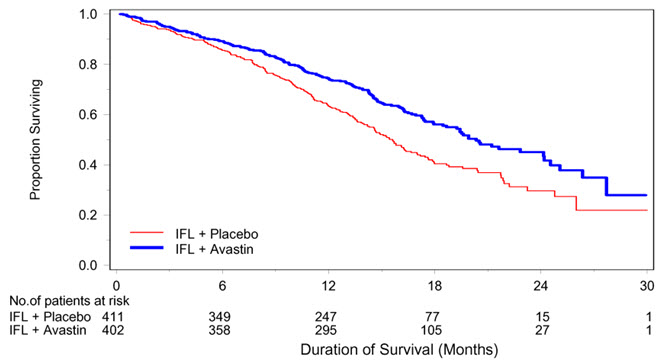
The addition of Avastin to chemotherapy did not improve DFS. As compared to FOLFOX4 alone, the proportion of stage III patients with disease recurrence or with death due to disease progression were numerically higher for patients receiving Avastin with FOLFOX4 or with XELOX. The hazard ratios for DFS were 1.17 (95% CI: 0.98,1.39) for Avastin with FOLFOX4 versus FOLFOX4 alone and 1.07 (95% CI: 0.90, 1.28) for Avastin with XELOX versus FOLFOX4 alone. The hazard ratios for OS were 1.31 (95% CI: 1.03, 1.67) and 1.27 (95% CI: 1, 1.62) for the comparison of Avastin with FOLFOX4 versus FOLFOX4 alone and Avastin with XELOX versus FOLFOX4 alone, respectively. Similar lack of efficacy for DFS was observed in the Avastin-containing arms compared to FOLFOX4 alone in the high-risk stage II cohort.
In a second study [NSABP-C-08 (NCT00096278)], patients with stage II and III colon cancer who had undergone surgery with curative intent, were randomized to receive either Avastin administered at a dose equivalent to 2.5 mg/kg/week with mFOLFOX6 (N=1354) or mFOLFOX6 alone (N=1356). The median age was 57 years, 50% were male and 87% White. Seventy-five percent had stage III disease. The main outcome was DFS among stage III patients. The HR for DFS was 0.92 (95% CI: 0.77, 1.10). OS was not significantly improved with the addition of Avastin to mFOLFOX6 [HR 0.96 (95% CI: 0.75,1.22)].
1.6 Epithelial Ovarian, Fallopian Tube, Or Primary Peritoneal Cancer
Avastin, in combination with carboplatin and paclitaxel, followed by Avastin as a single agent, is indicated for the treatment of patients with stage III or IV epithelial ovarian, fallopian tube, or primary peritoneal cancer following initial surgical resection.
Avastin, in combination with paclitaxel, pegylated liposomal doxorubicin, or topotecan, is indicated for the treatment of patients with platinum-resistant recurrent epithelial ovarian, fallopian tube or primary peritoneal cancer who received no more than 2 prior chemotherapy regimens.
Avastin, in combination with carboplatin and paclitaxel, or with carboplatin and gemcitabine, followed by Avastin as a single agent, is indicated for the treatment of patients with platinum-sensitive recurrent epithelial ovarian, fallopian tube, or primary peritoneal cancer.
Structured Label Content
Section 42229-5 (42229-5)
Limitations of Use: Avastin is not indicated for adjuvant treatment of colon cancer [see Clinical Studies (14.2)].
Section 43683-2 (43683-2)
Section 44425-7 (44425-7)
Store refrigerated at 2°C to 8°C (36°F to 46°F) in the original carton until time of use to protect from light. Do not freeze or shake the vial or carton.
11 Description (11 DESCRIPTION)
Bevacizumab is a vascular endothelial growth factor inhibitor. Bevacizumab is a recombinant humanized monoclonal IgG1 antibody that contains human framework regions and murine complementarity-determining regions. Bevacizumab has an approximate molecular weight of 149 kDa. Bevacizumab is produced in a mammalian cell (Chinese Hamster Ovary) expression system.
Avastin (bevacizumab) injection is a sterile, preservative-free, clear to slightly opalescent, colorless to pale brown solution in a single-dose vial for intravenous use. Avastin contains bevacizumab at a concentration of 25 mg/mL in either a 100 mg/4 mL or 400 mg/16 mL single-dose vial.
Each mL of solution contains 25 mg bevacizumab, α,α-trehalose dihydrate (60 mg), polysorbate 20 (0.4 mg), sodium phosphate dibasic, anhydrous (1.2 mg), sodium phosphate monobasic, monohydrate (5.8 mg), and Water for Injection, USP. The pH is 6.2.
5.3 Hemorrhage
Avastin can result in two distinct patterns of bleeding: minor hemorrhage, which is most commonly Grade 1 epistaxis, and serious hemorrhage, which in some cases has been fatal. Severe or fatal hemorrhage, including hemoptysis, gastrointestinal bleeding, hematemesis, CNS hemorrhage, epistaxis, and vaginal bleeding, occurred up to 5-fold more frequently in patients receiving Avastin compared to patients receiving chemotherapy alone. Across clinical studies, the incidence of Grades 3-5 hemorrhagic events ranged from 0.4% to 7% in patients receiving Avastin [see Adverse Reactions (6.1)].
Serious or fatal pulmonary hemorrhage occurred in 31% of patients with squamous NSCLC and 4% of patients with non-squamous NSCLC receiving Avastin with chemotherapy compared to none of the patients receiving chemotherapy alone.
An evaluation for the presence of varices is recommended within 6 months of initiation of Avastin in patients with HCC. There is lack of clinical data to support the safety of Avastin in patients with variceal bleeding within 6 months prior to treatment, untreated or incompletely treated varices with bleeding, or high risk of bleeding because these patients were excluded from clinical trials of Avastin in HCC [see Clinical Studies (14.10)].
Do not administer Avastin to patients with recent history of hemoptysis of 1/2 teaspoon or more of red blood. Discontinue in patients who develop a Grades 3-4 hemorrhage.
5.6 Hypertension
Severe hypertension occurred at a higher incidence in patients receiving Avastin as compared to patients receiving chemotherapy alone. Across clinical studies, the incidence of Grades 3-4 hypertension ranged from 5% to 18%.
Monitor blood pressure every two to three weeks during treatment with Avastin. Treat with appropriate anti-hypertensive therapy and monitor blood pressure regularly. Continue to monitor blood pressure at regular intervals in patients with Avastin-induced or -exacerbated hypertension after discontinuing Avastin. Withhold Avastin in patients with severe hypertension that is not controlled with medical management; resume once controlled with medical management. Discontinue in patients who develop hypertensive crisis or hypertensive encephalopathy.
8.4 Pediatric Use
The safety and effectiveness of Avastin in pediatric patients have not been established.
In published literature reports, cases of non-mandibular osteonecrosis have been observed in patients under the age of 18 years who received Avastin. Avastin is not approved for use in patients under the age of 18 years.
Antitumor activity was not observed among eight pediatric patients with relapsed GBM who received bevacizumab and irinotecan. Addition of Avastin to standard of care did not result in improved event-free survival in pediatric patients enrolled in two randomized clinical studies, one in high grade glioma (n= 121) and one in metastatic rhabdomyosarcoma or non-rhabdomyosarcoma soft tissue sarcoma (n= 154).
Based on the population pharmacokinetics analysis of data from 152 pediatric and young adult patients with cancer (7 months to 21 years of age), bevacizumab clearance normalized by body weight in pediatrics was comparable to that in adults.
8.5 Geriatric Use
In an exploratory pooled analysis of 1745 patients from five randomized, controlled studies, 35% of patients were ≥ 65 years old. The overall incidence of ATE was increased in all patients receiving Avastin with chemotherapy as compared to those receiving chemotherapy alone, regardless of age; however, the increase in the incidence of ATE was greater in patients ≥ 65 years (8% vs. 3%) as compared to patients < 65 years (2% vs. 1%) [see Warnings and Precautions (5.4)].
6.2 Immunogenicity
As with all therapeutic proteins, there is a potential for immunogenicity. The detection of antibody formation is highly dependent on the sensitivity and the specificity of the assay. Additionally, the observed incidence of antibody (including neutralizing antibody) positivity in an assay may be influenced by several factors, including assay methodology, sample handling, timing of sample collection, concomitant medications, and underlying disease. For these reasons, comparison of the incidence of antibodies to bevacizumab in the studies described below with the incidence of antibodies in other studies or to other bevacizumab products may be misleading.
In clinical studies for adjuvant treatment of a solid tumor, 0.6% (14/2233) of patients tested positive for treatment-emergent anti-bevacizumab antibodies as detected by an electrochemiluminescent (ECL) based assay. Among these 14 patients, three tested positive for neutralizing antibodies against bevacizumab using an enzyme-linked immunosorbent assay (ELISA). The clinical significance of these anti-bevacizumab antibodies is not known.
4 Contraindications (4 CONTRAINDICATIONS)
None.
6 Adverse Reactions (6 ADVERSE REACTIONS)
The following clinically significant adverse reactions are described elsewhere in the labeling:
- Gastrointestinal Perforations and Fistulae [see Warnings and Precautions (5.1)].
- Surgery and Wound Healing Complications [see Warnings and Precautions (5.2)].
- Hemorrhage [see Warnings and Precautions (5.3)].
- Arterial Thromboembolic Events [see Warnings and Precautions (5.4)].
- Venous Thromboembolic Events [see Warnings and Precautions (5.5)].
- Hypertension [see Warnings and Precautions (5.6)].
- Posterior Reversible Encephalopathy Syndrome [see Warnings and Precautions (5.7)].
- Renal Injury and Proteinuria [see Warnings and Precautions (5.8)].
- Infusion-Related Reactions [see Warnings and Precautions (5.9)].
- Ovarian Failure [see Warnings and Precautions (5.11)].
- Congestive Heart Failure [see Warnings and Precautions (5.12)].
5.11 Ovarian Failure
The incidence of ovarian failure was 34% vs. 2% in premenopausal women receiving Avastin with chemotherapy as compared to those receiving chemotherapy alone for adjuvant treatment of a solid tumor. After discontinuing Avastin, recovery of ovarian function at all time points during the post-treatment period was demonstrated in 22% of women receiving Avastin. Recovery of ovarian function is defined as resumption of menses, a positive serum β-HCG pregnancy test, or an FSH level < 30 mIU/mL during the post-treatment period. Long-term effects of Avastin on fertility are unknown. Inform females of reproductive potential of the risk of ovarian failure prior to initiating Avastin [see Adverse Reactions (6.1), Use in Specific Populations (8.3)].
12.3 Pharmacokinetics
The pharmacokinetic profile of bevacizumab was assessed using an assay that measures total serum bevacizumab concentrations (i.e., the assay did not distinguish between free bevacizumab and bevacizumab bound to VEGF ligand). Based on a population pharmacokinetic analysis of 491 patients who received 1 to 20 mg/kg of Avastin every week, every 2 weeks, or every 3 weeks, bevacizumab pharmacokinetics are linear and the predicted time to reach more than 90% of steady state concentration is 84 days. The accumulation ratio following a dose of 10 mg/kg once every 2 weeks is 2.8.
Population simulations of bevacizumab exposures provide a median trough concentration of 80.3 mcg/mL on Day 84 (10th, 90th percentile: 45, 128) following a dose of 5 mg/kg once every two weeks.
1 Indications and Usage (1 INDICATIONS AND USAGE)
Avastin is a vascular endothelial growth factor inhibitor indicated for the treatment of:
- Metastatic colorectal cancer, in combination with intravenous fluorouracil-based chemotherapy for first- or second-line treatment. (1.1)
- Metastatic colorectal cancer, in combination with fluoropyrimidine-irinotecan- or fluoropyrimidine-oxaliplatin-based chemotherapy for second-line treatment in patients who have progressed on a first-line bevacizumab product-containing regimen. (1.1)
Limitations of Use: Avastin is not indicated for adjuvant treatment of colon cancer. (1.1)
- Unresectable, locally advanced, recurrent or metastatic non-squamous non-small cell lung cancer, in combination with carboplatin and paclitaxel for first-line treatment. (1.2)
- Recurrent glioblastoma in adults. (1.3)
- Metastatic renal cell carcinoma in combination with interferon alfa. (1.4)
- Persistent, recurrent, or metastatic cervical cancer, in combination with paclitaxel and cisplatin, or paclitaxel and topotecan. (1.5)
- Epithelial ovarian, fallopian tube, or primary peritoneal cancer:
- in combination with carboplatin and paclitaxel, followed by Avastin as a single agent, for stage III or IV disease following initial surgical resection (1.6)
- in combination with paclitaxel, pegylated liposomal doxorubicin, or topotecan for platinum-resistant recurrent disease who received no more than 2 prior chemotherapy regimens (1.6)
- in combination with carboplatin and paclitaxel or carboplatin and gemcitabine, followed by Avastin as a single agent, for platinum-sensitive recurrent disease (1.6)
- Hepatocellular Carcinoma (HCC)
- in combination with atezolizumab for the treatment of patients with unresectable or metastatic HCC who have not received prior systemic therapy (1.7)
12.1 Mechanism of Action
Bevacizumab binds VEGF and prevents the interaction of VEGF to its receptors (Flt-1 and KDR) on the surface of endothelial cells. The interaction of VEGF with its receptors leads to endothelial cell proliferation and new blood vessel formation in in vitro models of angiogenesis. Administration of bevacizumab to xenotransplant models of colon cancer in nude (athymic) mice caused reduction of microvascular growth and inhibition of metastatic disease progression.
1.3 Recurrent Glioblastoma
Avastin is indicated for the treatment of recurrent glioblastoma (GBM) in adults.
2.4 Recurrent Glioblastoma
The recommended dosage is 10 mg/kg intravenously every 2 weeks.
5 Warnings and Precautions (5 WARNINGS AND PRECAUTIONS)
- Gastrointestinal Perforations and Fistula: Discontinue for gastrointestinal perforations, tracheoesophageal fistula, grade 4 fistula, or fistula formation involving any organ (5.1)
- Surgery and Wound Healing Complications: In patients who experience wound healing complications during Avastin treatment, withhold Avastin until adequate wound healing. Withhold for at least 28 days prior to elective surgery. Do not administer Avastin for at least 28 days following a major surgery, and until adequate wound healing. The safety of resumption of AVASTIN after resolution of wound healing complication has not been established. Discontinue for wound healing complication of necrotizing fasciitis. (5.2)
- Hemorrhage: Severe or fatal hemorrhages have occurred. Do not administer for recent hemoptysis. Discontinue for Grade 3-4 hemorrhage (5.3)
- Arterial Thromboembolic Events (ATE): Discontinue for severe ATE. (5.4)
- Venous Thromboembolic Events (VTE): Discontinue for Grade 4 VTE. (5.5)
- Hypertension: Monitor blood pressure and treat hypertension. Withhold if not medically controlled; resume once controlled. Discontinue for hypertensive crisis or hypertensive encephalopathy. (5.6)
- Posterior Reversible Encephalopathy Syndrome (PRES ): Discontinue. (5.7)
- Renal Injury and Proteinuria: Monitor urine protein. Discontinue for nephrotic syndrome. Withhold until less than 2 grams of protein in urine. (5.8)
- Infusion-Related Reactions: Decrease rate for infusion-related reactions. Discontinue for severe infusion-related reactions and administer medical therapy. (5.9)
- Embryo-Fetal Toxicity: May cause fetal harm. Advise females of potential risk to fetus and need for use of effective contraception. (5.10, 8.1, 8.3)
- Ovarian Failure: Advise females of the potential risk. (5.11, 8.3)
- Congestive Heart Failure (CHF): Discontinue Avastin in patients who develop CHF. (5.12)
5.10 Embryo Fetal Toxicity (5.10 Embryo-Fetal Toxicity)
Based on its mechanism of action and findings from animal studies, Avastin may cause fetal harm when administered to pregnant women. Congenital malformations were observed with the administration of bevacizumab to pregnant rabbits during organogenesis every 3 days at a dose as low as a clinical dose of 10 mg/kg. Furthermore, animal models link angiogenesis and VEGF and VEGFR2 to critical aspects of female reproduction, embryo-fetal development, and postnatal development. Advise pregnant women of the potential risk to a fetus. Advise females of reproductive potential to use effective contraception during treatment with Avastin and for 6 months after the last dose [see Use in Specific Populations (8.1, 8.3)].
2 Dosage and Administration (2 DOSAGE AND ADMINISTRATION)
Withhold for at least 28 days prior to elective surgery. Do not administer Avastin for 28 days following major surgery and until adequate wound healing. (2.1)
Metastatic colorectal cancer (2.2)
- 5 mg/kg every 2 weeks with bolus-IFL
- 10 mg/kg every 2 weeks with FOLFOX4
- 5 mg/ kg every 2 weeks or 7.5 mg/kg every 3 weeks with fluoropyrimidine-irinotecan- or fluoropyrimidine-oxaliplatin-based chemotherapy after progression on a first-line bevacizumab product-containing regimen
First-line non–squamous non–small cell lung cancer (2.3)
- 15 mg/kg every 3 weeks with carboplatin and paclitaxel
Recurrent glioblastoma (2.4)
- 10 mg/kg every 2 weeks
Metastatic renal cell carcinoma ( 2.5)
- 10 mg/kg every 2 weeks with interferon alfa
Persistent, recurrent, or metastatic cervical cancer (2.6)
- 15 mg/kg every 3 weeks with paclitaxel and cisplatin, or paclitaxel and topotecan
Stage III or IV epithelial ovarian, fallopian tube or primary peritoneal cancer following initial surgical resection (2.7)
- 15 mg/kg every 3 weeks with carboplatin and paclitaxel for up to 6 cycles, followed by 15 mg/kg every 3 weeks as a single agent, for a total of up to 22 cycles
Platinum-resistant recurrent epithelial ovarian, fallopian tube or primary peritoneal cancer (2.7)
- 10 mg/kg every 2 weeks with paclitaxel, pegylated liposomal doxorubicin, or topotecan given every week
- 15 mg/kg every 3 weeks with topotecan given every 3 weeks
Platinum-sensitive recurrent epithelial ovarian, fallopian tube, or primary peritoneal cancer (2.7)
- 15 mg/kg every 3 weeks with carboplatin and paclitaxel for 6-8 cycles, followed by 15 mg/kg every 3 weeks as a single agent
- 15 mg/kg every 3 weeks with carboplatin and gemcitabine for 6-10 cycles, followed by 15 mg/kg every 3 weeks as a single agent
Hepatocellular Carcinoma (2.8)
- 15 mg/kg after administration of 1,200 mg of atezolizumab every 3 weeks
Administer as an intravenous infusion after dilution. See full Prescribing Information for preparation and administration instructions and dosage modifications for adverse reactions (2.9, 2.10)
1.7 Hepatocellular Carcinoma
Avastin, in combination with atezolizumab, is indicated for the treatment of patients with unresectable or metastatic hepatocellular carcinoma (HCC) who have not received prior systemic therapy.
2.8 Hepatocellular Carcinoma
The recommended dosage is 15 mg/kg intravenously after administration of 1,200 mg of atezolizumab intravenously on the same day, every 3 weeks until disease progression or unacceptable toxicity.
Refer to the Prescribing Information for atezolizumab prior to initiation for recommended dosage information.
3 Dosage Forms and Strengths (3 DOSAGE FORMS AND STRENGTHS)
Injection: 100 mg/4 mL (25 mg/mL) or 400 mg/16 mL (25 mg/mL) clear to slightly opalescent, colorless to pale brown solution in a single-dose vial.
6.3 Postmarketing Experience
The following adverse reactions have been identified during postapproval use of Avastin. Because these reactions are reported voluntarily from a population of uncertain size, it is not always possible to reliably estimate their frequency or establish a causal relationship to drug exposure.
General: Polyserositis
Cardiovascular: Pulmonary hypertension, Mesenteric venous occlusion
Gastrointestinal: Gastrointestinal ulcer, Intestinal necrosis, Anastomotic ulceration
Hemic and lymphatic: Pancytopenia
Hepatobiliary disorders: Gallbladder perforation
Musculoskeletal and Connective Tissue Disorders: Osteonecrosis of the jaw
Renal: Renal thrombotic microangiopathy (manifested as severe proteinuria)
Respiratory: Nasal septum perforation
Vascular: Arterial (including aortic) aneurysms, dissections, and rupture
8 Use in Specific Populations (8 USE IN SPECIFIC POPULATIONS)
Lactation: Advise not to breastfeed. (8.2)
14.10 Hepatocellular Carcinoma
The efficacy of Avastin in combination with atezolizumab was investigated in IMbrave150 (NCT03434379), a multicenter, international, open-label, randomized trial in patients with locally advanced unresectable and/or metastatic hepatocellular carcinoma who have not received prior systemic therapy. Randomization was stratified by geographic region (Asia excluding Japan vs. rest of world), macrovascular invasion and/or extrahepatic spread (presence vs. absence), baseline AFP (<400 vs. ≥400 ng/mL), and by ECOG performance status (0 vs. 1).
A total of 501 patients were randomized (2:1) to receive either atezolizumab as an intravenous infusion of 1200 mg, followed by 15 mg/kg Avastin, on the same day every 3 weeks or sorafenib 400 mg given orally twice daily, until disease progression or unacceptable toxicity. Patients could discontinue either atezolizumab or Avastin (e.g., due to adverse events) and continue on single-agent therapy until disease progression or unacceptable toxicity associated with the single-agent.
The study enrolled patients who were ECOG performance score 0 or 1 and who had not received prior systemic treatment. Patients were required to be evaluated for the presence of varices within 6 months prior to treatment, and were excluded if they had variceal bleeding within 6 months prior to treatment, untreated or incompletely treated varices with bleeding, or high risk of bleeding. Patients with Child-Pugh B or C cirrhosis, moderate or severe ascites; history of hepatic encephalopathy; a history of autoimmune disease; administration of a live, attenuated vaccine within 4 weeks prior to randomization; administration of systemic immunostimulatory agents within 4 weeks or systemic immunosuppressive medications within 2 weeks prior to randomization; or untreated or corticosteroid-dependent brain metastases were excluded. Tumor assessments were performed every 6 weeks for the first 54 weeks and every 9 weeks thereafter.
The demographics and baseline disease characteristics of the study population were balanced between the treatment arms. The median age was 65 years (range: 26 to 88) and 83% of patients were male. The majority of patients were Asian (57%) or White (35%); 40% were from Asia (excluding Japan). Approximately 75% of patients presented with macrovascular invasion and/or extrahepatic spread and 37% had a baseline AFP ≥400 ng/mL. Baseline ECOG performance status was 0 (62%) or 1 (38%). HCC risk factors were Hepatitis B in 48% of patients, Hepatitis C in 22% and 31% of patients had non-viral liver disease. The majority of patients had BCLC stage C (82%) disease at baseline, while 16% had stage B and 3% had stage A.
The major efficacy outcome measures were overall survival (OS) and independent review facility (IRF)-assessed progression free survival (PFS) per RECIST v1.1. Additional efficacy outcome measures were IRF-assessed overall response rate (ORR) per RECIST and mRECIST.
Efficacy results are presented in Table 20 and Figure 10.
| Avastin in combination with Atezolizumab (N= 336) |
Sorafenib (N=165) |
|
|---|---|---|
| CI=confidence interval; HCC mRECIST= Modified RECIST Assessment for Hepatocellular Carcinoma; NE=not estimable; N/A=not applicable; RECIST 1.1= Response Evaluation Criteria in Solid Tumors v1.1 | ||
| Overall Survival | ||
| Number of deaths (%) | 96 (29) | 65 (39) |
| Median OS in months (95% CI) |
NE (NE, NE) |
13.2 (10.4, NE) |
| Hazard ratio Stratified by geographic region (Asia excluding Japan vs. rest of world), macrovascular invasion and/or extrahepatic spread (presence vs. absence), and baseline AFP (<400 vs. ≥400 ng/mL) (95% CI) |
0.58 (0.42, 0.79) | |
| p-value Based on two-sided stratified log-rank test; as compared to significance level 0.004 (2-sided) based on 161/312=52% information using the OBF method
|
0.0006 | |
|
Progression-Free Survival Per independent radiology review
|
||
| Number of events(%) | 197 (59) | 109 (66) |
| Median PFS in months (95% CI) | 6.8 (5.8, 8.3) | 4.3 (4.0, 5.6) |
| Hazard ratio (95% CI) | 0.59 (0.47, 0.76) | |
| p-value | <0.0001 | |
|
Overall Response Rate
,
Confirmed responses (ORR), RECIST 1.1
|
||
| Number of responders (%) | 93 (28) | 19 (12) |
| (95% CI) | (23, 33) | (7,17) |
| p-value Based on two-sided Cochran-Mantel-Haesnszel test
|
<0.0001 | |
| Complete responses, n (%) | 22 (7) | 0 |
| Partial responses, n (%) | 71 (21) | 19 (12) |
| Duration of Response , (DOR) RECIST 1.1 | ||
| (n=93) | (n=19) | |
| Median DOR in months (95% CI) |
NE (NE, NE) |
6.3 (4.7, NE) |
| Range (months) | (1.3 Denotes a censored value , 13.4) |
(1.4, 9.1) |
| Overall Response Rate , (ORR), HCC mRECIST | ||
| Number of responders (%) | 112 (33) | 21 (13) |
| (95% CI) | (28, 39) | (8, 19) |
| p-value | <0.0001 | |
| Complete responses, n (%) | 37 (11) | 3 (1.8) |
| Partial responses, n (%) | 75 (22) | 18 (11) |
| Duration of Response , (DOR) HCC mRECIST | ||
| (n=112) | (n=21) | |
| Median DOR in months (95% CI) |
NE (NE, NE) |
6.3 (4.9, NE) |
| Range (months) | (1.3, 13.4) | (1.4, 9.1) |
Figure 10: Kaplan-Meier Plot of Overall Survival in IMbrave150
5.9 Infusion Related Reactions (5.9 Infusion-Related Reactions)
Infusion-related reactions reported across clinical studies and postmarketing experience include hypertension, hypertensive crises associated with neurologic signs and symptoms, wheezing, oxygen desaturation, Grade 3 hypersensitivity, anaphylactoid/anaphylactic reactions, chest pain, headaches, rigors, and diaphoresis. In clinical studies, infusion-related reactions with the first dose occurred in < 3% of patients and severe reactions occurred in 0.4% of patients.
Decrease the rate of infusion for mild, clinically insignificant infusion-related reactions. Interrupt the infusion in patients with clinically significant infusion-related reactions and consider resuming at a slower rate following resolution. Discontinue in patients who develop a severe infusion-related reaction and administer appropriate medical therapy (e.g., epinephrine, corticosteroids, intravenous antihistamines, bronchodilators and/or oxygen).
6.1 Clinical Trials Experience
Because clinical studies are conducted under widely varying conditions, adverse reaction rates observed in the clinical studies of a drug cannot be directly compared to rates in the clinical studies of another drug and may not reflect the rates observed in practice.
The safety data in Warnings and Precautions and described below reflect exposure to Avastin in 4463 patients including those with mCRC (AVF2107g, E3200), non-squamous NSCLC (E4599), GBM (EORTC 26101), mRCC (BO17705), cervical cancer (GOG-0240), epithelial ovarian, fallopian tube, or primary peritoneal cancer (MO22224, AVF4095, GOG-0213, and GOG-0218), or HCC (IMbrave150) at the recommended dose and schedule for a median of 6 to 23 doses. The most common adverse reactions observed in patients receiving Avastin as a single agent or in combination with other anti-cancer therapies at a rate > 10% were epistaxis, headache, hypertension, rhinitis, proteinuria, taste alteration, dry skin, hemorrhage, lacrimation disorder, back pain, and exfoliative dermatitis.
Across clinical studies, Avastin was discontinued in 8% to 22% of patients because of adverse reactions [see Clinical Studies (14)].
1.1 Metastatic Colorectal Cancer
Avastin, in combination with intravenous fluorouracil-based chemotherapy, is indicated for the first-or second-line treatment of patients with metastatic colorectal cancer (mCRC).
Avastin, in combination with fluoropyrimidine-irinotecan- or fluoropyrimidine-oxaliplatin-based chemotherapy, is indicated for the second-line treatment of patients with mCRC who have progressed on a first-line bevacizumab product-containing regimen.
2.2 Metastatic Colorectal Cancer
The recommended dosage when Avastin is administered in combination with intravenous fluorouracil-based chemotherapy is:
- 5 mg/kg intravenously every 2 weeks in combination with bolus-IFL.
- 10 mg/kg intravenously every 2 weeks in combination with FOLFOX4.
- 5 mg/kg intravenously every 2 weeks or 7.5 mg/kg intravenously every 3 weeks in combination with fluoropyrimidine-irinotecan- or fluoropyrimidine-oxaliplatin-based chemotherapy in patients who have progressed on a first-line bevacizumab product-containing regimen.
5.5 Venous Thromboembolic Events
An increased risk of venous thromboembolic events (VTE) was observed across clinical studies [see Adverse Reactions (6.1)]. In Study GOG-0240, Grades 3-4 VTE occurred in 11% of patients receiving Avastin with chemotherapy compared with 5% of patients receiving chemotherapy alone. In EORTC 26101, the incidence of Grades 3-4 VTE was 5% in patients receiving Avastin with chemotherapy compared to 2% in patients receiving chemotherapy alone.
Discontinue Avastin in patients with a Grade 4 VTE, including pulmonary embolism.
5.8 Renal Injury and Proteinuria
The incidence and severity of proteinuria was higher in patients receiving Avastin as compared to patients receiving chemotherapy. Grade 3 (defined as urine dipstick 4+ or > 3.5 grams of protein per 24 hours) to Grade 4 (defined as nephrotic syndrome) ranged from 0.7% to 7% in clinical studies. The overall incidence of proteinuria (all grades) was only adequately assessed in Study BO17705, in which the incidence was 20%. Median onset of proteinuria was 5.6 months (15 days to 37 months) after initiating Avastin. Median time to resolution was 6.1 months (95% CI: 2.8, 11.3). Proteinuria did not resolve in 40% of patients after median follow-up of 11.2 months and required discontinuation of Avastin in 30% of the patients who developed proteinuria [see Adverse Reactions (6.1)].
In an exploratory, pooled analysis of patients from seven randomized clinical studies, 5% of patients receiving Avastin with chemotherapy experienced Grades 2-4 (defined as urine dipstick 2+ or greater or > 1 gram of protein per 24 hours or nephrotic syndrome) proteinuria. Grades 2-4 proteinuria resolved in 74% of patients. Avastin was reinitiated in 42% of patients. Of the 113 patients who reinitiated Avastin, 48% experienced a second episode of Grades 2-4 proteinuria.
Nephrotic syndrome occurred in < 1% of patients receiving Avastin across clinical studies, in some instances with fatal outcome. In a published case series, kidney biopsy of 6 patients with proteinuria showed findings consistent with thrombotic microangiopathy. Results of a retrospective analysis of 5805 patients who received Avastin with chemotherapy and 3713 patients who received chemotherapy alone, showed higher rates of elevated serum creatinine levels (between 1.5 to 1.9 times baseline levels) in patients who received Avastin. Serum creatinine levels did not return to baseline in approximately one-third of patients who received Avastin.
Monitor proteinuria by dipstick urine analysis for the development or worsening of proteinuria with serial urinalyses during Avastin therapy. Patients with a 2+ or greater urine dipstick reading should undergo further assessment with a 24-hour urine collection. Withhold for proteinuria greater than or equal to 2 grams per 24 hours and resume when less than 2 grams per 24 hours. Discontinue in patients who develop nephrotic syndrome.
Data from a postmarketing safety study showed poor correlation between UPCR (Urine Protein/Creatinine Ratio) and 24-hour urine protein [Pearson Correlation 0.39 (95% CI: 0.17, 0.57)].
5.4 Arterial Thromboembolic Events
Serious, sometimes fatal, arterial thromboembolic events (ATE) including cerebral infarction, transient ischemic attacks, myocardial infarction, and angina, occurred at a higher incidence in patients receiving Avastin compared to patients receiving chemotherapy. Across clinical studies, the incidence of Grades 3-5 ATE was 5% in patients receiving Avastin with chemotherapy compared to ≤2% in patients receiving chemotherapy alone; the highest incidence occurred in patients with GBM. The risk of developing ATE was increased in patients with a history of arterial thromboembolism, diabetes, or >65 years [see Use in Specific Populations (8.5)].
Discontinue in patients who develop a severe ATE. The safety of reinitiating Avastin after an ATE is resolved is not known.
1.4 Metastatic Renal Cell Carcinoma
Avastin, in combination with interferon alfa, is indicated for the treatment of metastatic renal cell carcinoma (mRCC).
2.5 Metastatic Renal Cell Carcinoma
The recommended dosage is 10 mg/kg intravenously every 2 weeks in combination with interferon alfa.
5.12 Congestive Heart Failure (chf) (5.12 Congestive Heart Failure (CHF))
Avastin is not indicated for use with anthracycline-based chemotherapy. The incidence of Grade ≥ 3 left ventricular dysfunction was 1% in patients receiving Avastin compared to 0.6% of patients receiving chemotherapy alone. Among patients who received prior anthracycline treatment, the rate of CHF was 4% for patients receiving Avastin with chemotherapy as compared to 0.6% for patients receiving chemotherapy alone.
In previously untreated patients with a hematological malignancy, the incidence of CHF and decline in left ventricular ejection fraction (LVEF) were increased in patients receiving Avastin with anthracycline-based chemotherapy compared to patients receiving placebo with the same chemotherapy regimen. The proportion of patients with a decline in LVEF from baseline of ≥ 20% or a decline from baseline of 10% to < 50%, was 10% in patients receiving Avastin with chemotherapy compared to 5% in patients receiving chemotherapy alone. Time to onset of left-ventricular dysfunction or CHF was 1 to 6 months after the first dose in at least 85% of the patients and was resolved in 62% of the patients who developed CHF in the Avastin arm compared to 82% in the placebo arm. Discontinue Avastin in patients who develop CHF.
16 How Supplied/storage and Handling (16 HOW SUPPLIED/STORAGE AND HANDLING)
Avastin (bevacizumab) injection is a clear to slightly opalescent, colorless to pale brown, sterile solution for intravenous infusion supplied as single-dose vials in the following strengths:
- 100 mg/4 mL (25 mg/mL): carton of one vial (NDC 50242-060-01)
- 400 mg/16 mL (25 mg/mL): carton of one vial (NDC 50242-061-01)
2.1 Important Administration Information
Withhold for at least 28 days prior to elective surgery. Do not administer Avastin until at least 28 days following major surgery and until adequate wound healing.
13.2 Animal Toxicology And/or Pharmacology (13.2 Animal Toxicology and/or Pharmacology)
Rabbits dosed with bevacizumab exhibited reduced wound healing capacity. Using full-thickness skin incision and partial thickness circular dermal wound models, bevacizumab dosing resulted in reductions in wound tensile strength, decreased granulation and re-epithelialization, and delayed time to wound closure.
Principal Display Panel 4 Ml Vial Carton (PRINCIPAL DISPLAY PANEL - 4 mL Vial Carton)
NDC 50242-060-01
100 mg/4 mL
(25 mg/mL)
AVASTIN®
(bevacizumab)
Injection
For Intravenous Use.
Single-Dose Vial.
Discard Unused Portion.
No preservative.
1 vial
Rx only
Genentech
10213744
5.2 Surgery and Wound Healing Complications
In a controlled clinical study in which Avastin was not administered within 28 days of major surgical procedures, the incidence of wound healing complications, including serious and fatal complications, was 15% in patients with mCRC who underwent surgery while receiving Avastin and 4% in patients who did not receive Avastin. In a controlled clinical study in patients with relapsed or recurrent GBM, the incidence of wound healing events was 5% in patients who received Avastin and 0.7% in patients who did not receive Avastin [see Adverse Reactions (6.1)].
In patients who experience wound healing complications during Avastin treatment, withhold Avastin until adequate wound healing. Withhold for at least 28 days prior to elective surgery. Do not administer for at least 28 days following major surgery and until adequate wound healing. The safety of resumption of AVASTIN after resolution of wound healing complications has not been established [see Dosage and Administration (2.9)].
Necrotizing fasciitis including fatal cases, has been reported in patients receiving Avastin, usually secondary to wound healing complications, gastrointestinal perforation or fistula formation. Discontinue Avastin in patients who develop necrotizing fasciitis.
Principal Display Panel 16 Ml Vial Carton (PRINCIPAL DISPLAY PANEL - 16 mL Vial Carton)
NDC 50242-061-01
400 mg/16 mL
(25 mg/mL)
AVASTIN®
(bevacizumab)
Injection
For Intravenous Use.
Single-Dose Vial.
Discard Unused Portion.
No preservative.
1 vial
Rx only
10213746
2.9 Dosage Modifications for Adverse Reactions
Table 1 describes dosage modifications for specific adverse reactions. No dose reductions for Avastin are recommended.
| Adverse Reaction | Severity | Dosage Modification |
|---|---|---|
| Gastrointestinal Perforations and Fistulae [see Warnings and Precautions (5.1)]. |
|
Discontinue Avastin |
| Wound Healing Complications [see Warnings and Precautions (5.2)]. |
|
Withhold AVASTIN until adequate wound healing.The safety of resumption of AVASTIN after resolution of wound healing complications has not been established. |
|
Discontinue Avastin | |
| Hemorrhage [see Warnings and Precautions (5.3)]. |
|
Discontinue Avastin |
|
Withhold Avastin | |
| Thromboembolic Events [see Warnings and Precautions (5.4, 5.5)]. |
|
Discontinue Avastin |
|
Discontinue Avastin | |
| Hypertension [see Warnings and Precautions (5.6)]. |
|
Discontinue Avastin |
|
Withhold Avastin if not controlled with medical management; resume once controlled | |
| Posterior Reversible Encephalopathy Syndrome (PRES) [see Warnings and Precautions (5.7)]. |
|
Discontinue Avastin |
| Renal Injury and Proteinuria [see Warnings and Precautions (5.8)]. |
|
Discontinue Avastin |
|
Withhold Avastin until proteinuria less than 2 grams per 24 hours | |
| Infusion-Related Reactions [see Warnings and Precautions (5.9)]. |
|
Discontinue Avastin |
|
Interrupt infusion; resume at a decreased rate of infusion after symptoms resolve | |
|
Decrease infusion rate | |
| Congestive Heart Failure [see Warnings and Precautions (5.12)]. | Any | Discontinue Avastin |
5.1 Gastrointestinal Perforations and Fistulae
Serious, and sometimes fatal, gastrointestinal perforation occurred at a higher incidence in patients receiving Avastin compared to patients receiving chemotherapy. The incidence ranged from 0.3% to 3% across clinical studies, with the highest incidence in patients with a history of prior pelvic radiation. Perforation can be complicated by intra-abdominal abscess, fistula formation, and the need for diverting ostomies. The majority of perforations occurred within 50 days of the first dose [see Adverse Reactions (6.1)].
Serious fistulae (including, tracheoesophageal, bronchopleural, biliary, vaginal, renal and bladder sites) occurred at a higher incidence in patients receiving Avastin compared to patients receiving chemotherapy. The incidence ranged from < 1% to 1.8% across clinical studies, with the highest incidence in patients with cervical cancer. The majority of fistulae occurred within 6 months of the first dose. Patients who develop a gastrointestinal vaginal fistula may also have a bowel obstruction and require surgical intervention, as well as a diverting ostomy.
Avoid Avastin in patients with ovarian cancer who have evidence of recto-sigmoid involvement by pelvic examination or bowel involvement on CT scan or clinical symptoms of bowel obstruction. Discontinue in patients who develop gastrointestinal perforation, tracheoesophageal fistula or any Grade 4 fistula. Discontinue in patients with fistula formation involving any internal organ.
5.7 Posterior Reversible Encephalopathy Syndrome
Posterior reversible encephalopathy syndrome (PRES) was reported in < 0.5% of patients across clinical studies. The onset of symptoms occurred from 16 hours to 1 year after the first dose. PRES is a neurological disorder which can present with headache, seizure, lethargy, confusion, blindness and other visual and neurologic disturbances. Mild to severe hypertension may be present. Magnetic resonance imaging is necessary to confirm the diagnosis of PRES.
Discontinue Avastin in patients who develop PRES. Symptoms usually resolve or improve within days after discontinuing Avastin, although some patients have experienced ongoing neurologic sequelae. The safety of reinitiating Avastin in patients who developed PRES is not known.
2.3 First Line Non Squamous Non Small Cell Lung Cancer (2.3 First-Line Non-Squamous Non-Small Cell Lung Cancer)
The recommended dosage is 15 mg/kg intravenously every 3 weeks in combination with carboplatin and paclitaxel.
1.2 First Line Non Squamous Non–small Cell Lung Cancer (1.2 First-Line Non-Squamous Non–Small Cell Lung Cancer)
Avastin, in combination with carboplatin and paclitaxel, is indicated for the first-line treatment of patients with unresectable, locally advanced, recurrent or metastatic non–squamous non–small cell lung cancer (NSCLC).
1.5 Persistent, Recurrent, Or Metastatic Cervical Cancer (1.5 Persistent, Recurrent, or Metastatic Cervical Cancer)
Avastin, in combination with paclitaxel and cisplatin or paclitaxel and topotecan, is indicated for the treatment of patients with persistent, recurrent, or metastatic cervical cancer.
2.6 Persistent, Recurrent, Or Metastatic Cervical Cancer (2.6 Persistent, Recurrent, or Metastatic Cervical Cancer)
The recommended dosage is 15 mg/kg intravenously every 3 weeks in combination with paclitaxel and cisplatin or in combination with paclitaxel and topotecan.
13.1 Carcinogenesis, Mutagenesis, Impairment of Fertility
No studies have been conducted to assess potential of bevacizumab for carcinogenicity or mutagenicity.
Bevacizumab may impair fertility. Female cynomolgus monkeys treated with 0.4 to 20 times the recommended human dose of bevacizumab exhibited arrested follicular development or absent corpora lutea, as well as dose-related decreases in ovarian and uterine weights, endometrial proliferation, and the number of menstrual cycles. Following a 4- or 12-week recovery period, there was a trend suggestive of reversibility. After the 12-week recovery period, follicular maturation arrest was no longer observed, but ovarian weights were still moderately decreased. Reduced endometrial proliferation was no longer observed at the 12-week recovery time point; however, decreased uterine weight, absent corpora lutea, and reduced number of menstrual cycles remained evident.
14.2 Lack of Efficacy in Adjuvant Treatment of Colon Cancer
Lack of efficacy of Avastin as an adjunct to standard chemotherapy for the adjuvant treatment of colon cancer was determined in two randomized, open-label, multicenter clinical studies.
The first study [BO17920 (NCT00112918)] was conducted in 3451 patients with high-risk stage II and III colon cancer, who had undergone surgery for colon cancer with curative intent. Patients were randomized to receive Avastin at a dose equivalent to 2.5 mg/kg/week on either a 2-weekly schedule with FOLFOX4 (N=1155) or on a 3-weekly schedule with XELOX (N=1145) or FOLFOX4 alone (N=1151). The main outcome measure was disease free survival (DFS) in patients with stage III colon cancer.
The median age was 58 years; 54% were male, 84% were White and 29% were ≥ 65 years. Eighty-three percent had stage III disease.
The addition of Avastin to chemotherapy did not improve DFS. As compared to FOLFOX4 alone, the proportion of stage III patients with disease recurrence or with death due to disease progression were numerically higher for patients receiving Avastin with FOLFOX4 or with XELOX. The hazard ratios for DFS were 1.17 (95% CI: 0.98,1.39) for Avastin with FOLFOX4 versus FOLFOX4 alone and 1.07 (95% CI: 0.90, 1.28) for Avastin with XELOX versus FOLFOX4 alone. The hazard ratios for OS were 1.31 (95% CI: 1.03, 1.67) and 1.27 (95% CI: 1, 1.62) for the comparison of Avastin with FOLFOX4 versus FOLFOX4 alone and Avastin with XELOX versus FOLFOX4 alone, respectively. Similar lack of efficacy for DFS was observed in the Avastin-containing arms compared to FOLFOX4 alone in the high-risk stage II cohort.
In a second study [NSABP-C-08 (NCT00096278)], patients with stage II and III colon cancer who had undergone surgery with curative intent, were randomized to receive either Avastin administered at a dose equivalent to 2.5 mg/kg/week with mFOLFOX6 (N=1354) or mFOLFOX6 alone (N=1356). The median age was 57 years, 50% were male and 87% White. Seventy-five percent had stage III disease. The main outcome was DFS among stage III patients. The HR for DFS was 0.92 (95% CI: 0.77, 1.10). OS was not significantly improved with the addition of Avastin to mFOLFOX6 [HR 0.96 (95% CI: 0.75,1.22)].
1.6 Epithelial Ovarian, Fallopian Tube, Or Primary Peritoneal Cancer (1.6 Epithelial Ovarian, Fallopian Tube, or Primary Peritoneal Cancer)
Avastin, in combination with carboplatin and paclitaxel, followed by Avastin as a single agent, is indicated for the treatment of patients with stage III or IV epithelial ovarian, fallopian tube, or primary peritoneal cancer following initial surgical resection.
Avastin, in combination with paclitaxel, pegylated liposomal doxorubicin, or topotecan, is indicated for the treatment of patients with platinum-resistant recurrent epithelial ovarian, fallopian tube or primary peritoneal cancer who received no more than 2 prior chemotherapy regimens.
Avastin, in combination with carboplatin and paclitaxel, or with carboplatin and gemcitabine, followed by Avastin as a single agent, is indicated for the treatment of patients with platinum-sensitive recurrent epithelial ovarian, fallopian tube, or primary peritoneal cancer.
Advanced Ingredient Data
Raw Label Data
All Sections (JSON)
Additional Information
Back to search View SPL set listing Open on DailyMed ↗
Source: dailymed · Ingested: 2026-02-15T11:44:45.223016 · Updated: 2026-03-14T22:21:06.327897