nystatin ointment, usp
8900ba02-2c6a-4dd4-b82f-45620c06e255
34391-3
HUMAN PRESCRIPTION DRUG LABEL
Drug Facts
Composition & Product
Identifiers & Packaging
Indications and Usage
Nystatin topical powder is indicated in the treatment of cutaneous or mucocutaneous mycotic infections caused by Candida albicans and other susceptible Candida species . Nystatin Ointment is not indicated for systemic, oral, intravaginal or ophthalmic use.
Dosage and Administration
Nystatin Ointment Adults and Pediatric Patients (Neonates and Older) Apply liberally to affected areas twice daily or as indicated until healing is complete.
Contraindications
Nystatin Ointment is contraindicated in patients with a history of hypersensitivity to any of their components.
Adverse Reactions
The frequency of adverse events reported in patients using Nystatin Ointment preparations is less than 0.1%. The more common events that were reported include allergic reactions, burning, itching, rash, eczema, and pain on application. (See PRECAUTIONS, General ). CALL YOUR DOCTOR FOR MEDICAL ADVICE ABOUT SIDE EFFECTS. YOU MAY REPORT SIDE EFFECTS TO THE FDA AT 1-800-FDA-1088 OR LEADING PHARMA, LLC AT 1-844-740-7500.
How Supplied
Nystatin Ointment, USP (100,000 nystatin units per gram) is a yellow ointment available as follows: NDC 69315-307-15 15 gram tube NDC 69315-307-30 30 gram tube STORAGE Store at 20°C to 25°C (68°F to 77°F); excursions permitted between 15° to 30°C (59° to 86°F) [See USP Controlled Room Temperature]. Manufactured for: Leading Pharma LLC, Fairfield, NJ 07004 Manufactured by: Lyne Laboratories, Inc. Brockton, MA 02301 R0-12/17
Description
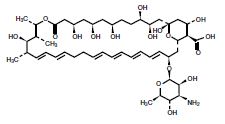
Nystatin is a polyene antifungal antibiotic drug obtained from Streptomyces nursei. Structural formula: Molecular Weight 926.13 Molecular Formula C 47 H 75 NO 17 Nystatin Ointment is for dermatologic use. Nystatin Ointment for topical use contains 100,000 USP nystatin units per gram in a polyethylene and mineral oil base.
Medication Information
Indications and Usage
Nystatin topical powder is indicated in the treatment of cutaneous or mucocutaneous mycotic infections caused by Candida albicans and other susceptible Candida species.
Nystatin Ointment is not indicated for systemic, oral, intravaginal or ophthalmic use.
Dosage and Administration
Nystatin Ointment
Adults and Pediatric Patients (Neonates and Older)
Apply liberally to affected areas twice daily or as indicated until healing is complete.
Contraindications
Nystatin Ointment is contraindicated in patients with a history of hypersensitivity to any of their components.
Adverse Reactions
The frequency of adverse events reported in patients using Nystatin Ointment preparations is less than 0.1%. The more common events that were reported include allergic reactions, burning, itching, rash, eczema, and pain on application. (See PRECAUTIONS, General ).
CALL YOUR DOCTOR FOR MEDICAL ADVICE ABOUT SIDE EFFECTS.
YOU MAY REPORT SIDE EFFECTS TO THE FDA AT 1-800-FDA-1088 OR LEADING PHARMA, LLC AT 1-844-740-7500.
How Supplied
Nystatin Ointment, USP (100,000 nystatin units per gram) is a yellow ointment available as follows:
NDC 69315-307-15 15 gram tube
NDC 69315-307-30 30 gram tube
STORAGE
Store at 20°C to 25°C (68°F to 77°F); excursions permitted between 15° to 30°C (59° to 86°F) [See USP Controlled Room Temperature].
Manufactured for: Leading Pharma LLC, Fairfield, NJ 07004
Manufactured by: Lyne Laboratories, Inc. Brockton, MA 02301
R0-12/17
Description
Nystatin is a polyene antifungal antibiotic drug obtained from Streptomyces nursei.
Structural formula:
Molecular Weight 926.13
Molecular Formula C47H75NO17
Nystatin Ointment is for dermatologic use. Nystatin Ointment for topical use contains
100,000 USP nystatin units per gram in a polyethylene and mineral oil base.
General
Nystatin Ointment should not be used for the treatment of systemic, oral, intravaginal or ophthalmic infections.
If irritation or sensitization develops, treatment should be discontinued and appropriate measures taken as indicated. It is recommended that KOH smears, cultures, or other diagnostic methods be used to confirm the diagnosis of cutaneous or mucocutaneous candidiasis and to rule out infection caused by other pathogens.
Pediatric Use
Safety and effectiveness have been established in the pediatric population from birth to 16 years. (See DOSAGE AND ADMINISTRATION ).
Nursing Mothers
It is not known whether nystatin is excreted in human milk. Caution should be exercised when nystatin is prescribed for a nursing woman.
Laboratory Tests
If there is lack of therapeutic response, KOH smears, cultures, or other diagnostic methods should be repeated.
Clincal Pharmacology
Pharmacokinetics
Nystatin is not absorbed from intact skin or mucous membrane.
Microbiology
Nystatin is an antibiotic which is both fungistatic and fungicidal in vitro against a wide variety of yeasts and yeast-like fungi, including Candida albicans, C. parapsilosis, C. tropicalis, C. guilliermondi, C. pseudotropicalis, C. krusei, Torulopsis glabrata, Tricophyton rubrum, T. mentagrophytes.
Nystatin acts by binding to sterols in the cell membrane of susceptible species resulting in a change in membrane permeability and the subsequent leakage of intracellular components. On repeated subculturing with increasing levels of nystatin, Candida albicans does not develop resistance to nystatin. Generally, resistance to nystatin does not develop during therapy. However, other species of Candida (C. tropicalis, C. guilliermondi, C. krusei, and C. stellatoides) become quite resistant on treatment with nystatin and simultaneously become cross resistant to amphotericin as well. This resistance is lost when the antibiotic is removed.
Nystatin exhibits no appreciable activity against bacteria, protozoa, or viruses.
Information for the Patient
Patients using this medication should receive the following information and instructions:
- The patient should be instructed to use these medications as directed (including the replacement of missed doses). These medications are not for any disorder other than that for which they are prescribed.
- Even if symptomatic relief occurs within the first few days of treatment, the patient should be advised not to interrupt or discontinue therapy until the prescribed course of treatment is completed.
- If symptoms of irritation develop, the patient should be advised to notify the physician promptly.
Pregnancy: Teratogenic Effects
Category C. Animal reproduction studies have not been conducted with any nystatin topical preparation. It also is not known whether these preparations can cause fetal harm when used by a pregnant woman or can affect reproductive capacity. Nystatin topical preparations should be prescribed for a pregnant woman only if the potential benefit to the mother outweighs the potential risk to the fetus.
Package Label.principal Display Panel
Carcinogenesis, Mutagenesis, Impairment of Fertility
No long-term animal studies have been performed to evaluate the carcinogenic potential of nystatin. No studies have been performed to determine the mutagenicity of nystatin or its effects on male or female fertility.
Structured Label Content
Indications and Usage (INDICATIONS AND USAGE)
Nystatin topical powder is indicated in the treatment of cutaneous or mucocutaneous mycotic infections caused by Candida albicans and other susceptible Candida species.
Nystatin Ointment is not indicated for systemic, oral, intravaginal or ophthalmic use.
Dosage and Administration (DOSAGE AND ADMINISTRATION)
Nystatin Ointment
Adults and Pediatric Patients (Neonates and Older)
Apply liberally to affected areas twice daily or as indicated until healing is complete.
Contraindications (CONTRAINDICATIONS)
Nystatin Ointment is contraindicated in patients with a history of hypersensitivity to any of their components.
Adverse Reactions (ADVERSE REACTIONS)
The frequency of adverse events reported in patients using Nystatin Ointment preparations is less than 0.1%. The more common events that were reported include allergic reactions, burning, itching, rash, eczema, and pain on application. (See PRECAUTIONS, General ).
CALL YOUR DOCTOR FOR MEDICAL ADVICE ABOUT SIDE EFFECTS.
YOU MAY REPORT SIDE EFFECTS TO THE FDA AT 1-800-FDA-1088 OR LEADING PHARMA, LLC AT 1-844-740-7500.
How Supplied (HOW SUPPLIED)
Nystatin Ointment, USP (100,000 nystatin units per gram) is a yellow ointment available as follows:
NDC 69315-307-15 15 gram tube
NDC 69315-307-30 30 gram tube
STORAGE
Store at 20°C to 25°C (68°F to 77°F); excursions permitted between 15° to 30°C (59° to 86°F) [See USP Controlled Room Temperature].
Manufactured for: Leading Pharma LLC, Fairfield, NJ 07004
Manufactured by: Lyne Laboratories, Inc. Brockton, MA 02301
R0-12/17
Description (DESCRIPTION)
Nystatin is a polyene antifungal antibiotic drug obtained from Streptomyces nursei.
Structural formula:
Molecular Weight 926.13
Molecular Formula C47H75NO17
Nystatin Ointment is for dermatologic use. Nystatin Ointment for topical use contains
100,000 USP nystatin units per gram in a polyethylene and mineral oil base.
General
Nystatin Ointment should not be used for the treatment of systemic, oral, intravaginal or ophthalmic infections.
If irritation or sensitization develops, treatment should be discontinued and appropriate measures taken as indicated. It is recommended that KOH smears, cultures, or other diagnostic methods be used to confirm the diagnosis of cutaneous or mucocutaneous candidiasis and to rule out infection caused by other pathogens.
Pediatric Use
Safety and effectiveness have been established in the pediatric population from birth to 16 years. (See DOSAGE AND ADMINISTRATION ).
Nursing Mothers
It is not known whether nystatin is excreted in human milk. Caution should be exercised when nystatin is prescribed for a nursing woman.
Laboratory Tests
If there is lack of therapeutic response, KOH smears, cultures, or other diagnostic methods should be repeated.
Clincal Pharmacology (CLINCAL PHARMACOLOGY)
Pharmacokinetics
Nystatin is not absorbed from intact skin or mucous membrane.
Microbiology
Nystatin is an antibiotic which is both fungistatic and fungicidal in vitro against a wide variety of yeasts and yeast-like fungi, including Candida albicans, C. parapsilosis, C. tropicalis, C. guilliermondi, C. pseudotropicalis, C. krusei, Torulopsis glabrata, Tricophyton rubrum, T. mentagrophytes.
Nystatin acts by binding to sterols in the cell membrane of susceptible species resulting in a change in membrane permeability and the subsequent leakage of intracellular components. On repeated subculturing with increasing levels of nystatin, Candida albicans does not develop resistance to nystatin. Generally, resistance to nystatin does not develop during therapy. However, other species of Candida (C. tropicalis, C. guilliermondi, C. krusei, and C. stellatoides) become quite resistant on treatment with nystatin and simultaneously become cross resistant to amphotericin as well. This resistance is lost when the antibiotic is removed.
Nystatin exhibits no appreciable activity against bacteria, protozoa, or viruses.
Information for the Patient (INFORMATION FOR THE PATIENT)
Patients using this medication should receive the following information and instructions:
- The patient should be instructed to use these medications as directed (including the replacement of missed doses). These medications are not for any disorder other than that for which they are prescribed.
- Even if symptomatic relief occurs within the first few days of treatment, the patient should be advised not to interrupt or discontinue therapy until the prescribed course of treatment is completed.
- If symptoms of irritation develop, the patient should be advised to notify the physician promptly.
Pregnancy: Teratogenic Effects
Category C. Animal reproduction studies have not been conducted with any nystatin topical preparation. It also is not known whether these preparations can cause fetal harm when used by a pregnant woman or can affect reproductive capacity. Nystatin topical preparations should be prescribed for a pregnant woman only if the potential benefit to the mother outweighs the potential risk to the fetus.
Package Label.principal Display Panel (PACKAGE LABEL.PRINCIPAL DISPLAY PANEL)
Carcinogenesis, Mutagenesis, Impairment of Fertility
No long-term animal studies have been performed to evaluate the carcinogenic potential of nystatin. No studies have been performed to determine the mutagenicity of nystatin or its effects on male or female fertility.
Advanced Ingredient Data
Raw Label Data
All Sections (JSON)
Additional Information
Back to search View SPL set listing Open on DailyMed ↗
Source: dailymed · Ingested: 2026-02-15T11:34:52.935242 · Updated: 2026-03-14T21:41:42.903926