Entero Vu 24%
83a06a8e-93db-a59b-933c-5882127bce7c
34391-3
HUMAN PRESCRIPTION DRUG LABEL
Drug Facts
Composition & Product
Identifiers & Packaging
Indications and Usage
ENTERO VU 24% is indicated for use in small bowel radiographic examinations to visualize the gastrointestinal (GI) tract in adult patients.
Dosage and Administration
For oral use only: Adults: Recommended dose is 600 mL ( 2.1 )
Contraindications
ENTERO VU 24% is contraindicated in patients with the following conditions: known or suspected perforation of the GI tract known obstruction of the GI tract high risk of GI perforation such as those with a recent GI perforation, acute GI hemorrhage or ischemia, toxic megacolon, severe ileus, post GI surgery or biopsy, acute GI injury or burn, or recent radiotherapy to the pelvis high risk of aspiration such as those with known or suspected tracheo-esophageal fistula or obtundation known severe hypersensitivity to barium sulfate or any of the excipients of ENTERO VU 24%
Warnings and Precautions
Hypersensitivity reactions: Emergency equipment and trained personnel should be immediately available ( 5.1 ) Intra-abdominal barium leakage: May occur in conditions such as GI fistula, ulcer, inflammatory bowel disease, appendicitis, diverticulitis, severe stenosis or obstructing lesions of the GI tract ( 5.2 ) Delayed GI transit and obstruction: Patients should maintain adequate hydration in days following barium sulfate procedure to avoid obstruction or impaction ( 5.3 ) Aspiration Pneumonitis: Patients with a history of food aspiration or with swallowing disorders are at increased risk. Monitor patients for aspiration ( 5.4 )
Adverse Reactions
The following adverse reactions have been identified from spontaneous reporting or clinical studies of barium sulfate administered orally. Because the reactions are reported voluntarily from a population of uncertain size, it is not always possible to reliably estimate their frequency or to establish a causal relationship to drug exposure: Nausea, vomiting, diarrhea and abdominal cramping Serious adverse reactions and fatalities include aspiration pneumonitis, barium sulfate impaction, intestinal perforation with consequent peritonitis and granuloma formation, vasovagal and syncopal episodes
Description
ENTERO VU 24% is indicated for use in small bowel radiographic examinations to visualize the gastrointestinal (GI) tract in adult patients.
Medication Information
Warnings and Precautions
Hypersensitivity reactions: Emergency equipment and trained personnel should be immediately available ( 5.1 ) Intra-abdominal barium leakage: May occur in conditions such as GI fistula, ulcer, inflammatory bowel disease, appendicitis, diverticulitis, severe stenosis or obstructing lesions of the GI tract ( 5.2 ) Delayed GI transit and obstruction: Patients should maintain adequate hydration in days following barium sulfate procedure to avoid obstruction or impaction ( 5.3 ) Aspiration Pneumonitis: Patients with a history of food aspiration or with swallowing disorders are at increased risk. Monitor patients for aspiration ( 5.4 )
Indications and Usage
ENTERO VU 24% is indicated for use in small bowel radiographic examinations to visualize the gastrointestinal (GI) tract in adult patients.
Dosage and Administration
For oral use only: Adults: Recommended dose is 600 mL ( 2.1 )
Dosage Forms and Strengths
16.1 How Supplied
ENTERO VU 24% (barium sulfate) is supplied as a suspension (24% w/v) in a single-dose HDPE plastic bottle containing 600 mL of barium sulfate suspension (24% w/v).
Provided as: 6 x 600 mL bottles (NDC 32909-146-06)
Contraindications
ENTERO VU 24% is contraindicated in patients with the following conditions: known or suspected perforation of the GI tract known obstruction of the GI tract high risk of GI perforation such as those with a recent GI perforation, acute GI hemorrhage or ischemia, toxic megacolon, severe ileus, post GI surgery or biopsy, acute GI injury or burn, or recent radiotherapy to the pelvis high risk of aspiration such as those with known or suspected tracheo-esophageal fistula or obtundation known severe hypersensitivity to barium sulfate or any of the excipients of ENTERO VU 24%
Adverse Reactions
The following adverse reactions have been identified from spontaneous reporting or clinical studies of barium sulfate administered orally. Because the reactions are reported voluntarily from a population of uncertain size, it is not always possible to reliably estimate their frequency or to establish a causal relationship to drug exposure: Nausea, vomiting, diarrhea and abdominal cramping Serious adverse reactions and fatalities include aspiration pneumonitis, barium sulfate impaction, intestinal perforation with consequent peritonitis and granuloma formation, vasovagal and syncopal episodes
Description
ENTERO VU 24% is indicated for use in small bowel radiographic examinations to visualize the gastrointestinal (GI) tract in adult patients.
Section 42229-5
16.2 Storage and Handling
Store at USP controlled room temperature 20°C to 25°C (68°F to 77° F). Protect from freezing.
Section 51945-4
Entero Vu™
24% - 600 ml - Inner Package
Barium Sulfate Suspension
NDC: 32909-146-06
Entero Vu™ 24% - 600 ml - Outer Package
Barium Sulfate Suspension
NDC: 32909-146-06
8.1 pregnancy
Risk Summary
ENTERO VU 24% is not absorbed systemically following oral administration, and maternal use is not expected to result in fetal exposure to the drug.
8.2 lactation
Risk Summary
ENTERO VU 24% is not absorbed systemically by the mother following oral administration, and breastfeeding is not expected to result in exposure of the infant to the drug.
11 description
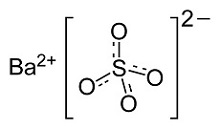
ENTERO VU 24% (barium sulfate) is a radiographic contrast agent that is supplied as a suspension (24% w/v) for oral administration. The active ingredient barium sulfate is designated chemically as BaSO4 with a molecular weight of 233.4 g/mol, a density of 4.5 g/cm3, and the following chemical structure
ENTERO VU 24% contains the following excipients: acacia, carrageenan, citric acid, methylcellulose, natural and artificial blueberry flavor, polysorbate 80, potassium chloride, potassium sorbate, purified water, saccharin sodium, simethicone emulsion, sodium benzoate, sodium citrate, sorbitol solution, and xanthan gum.
8.4 pediatric Use
ENTERO VU 24% is not indicated for pediatric use.
8.5 geriatric Use
Clinical studies of ENTERO VU 24% did not include sufficient numbers of subjects aged 65 and over to determine whether they respond differently from younger subjects. Other reported clinical experience has not identified differences in responses between the elderly and younger patients. In general, dose selection for an elderly patient should be cautious, usually starting at the low end of the dosing range, reflecting the greater frequency of decreased hepatic, renal, or cardiac function, and of concomitant disease or other drug therapy.
4 contraindications
ENTERO VU 24% is contraindicated in patients with the following conditions:
- known or suspected perforation of the GI tract
- known obstruction of the GI tract
- high risk of GI perforation such as those with a recent GI perforation, acute GI hemorrhage or ischemia, toxic megacolon, severe ileus, post GI surgery or biopsy, acute GI injury or burn, or recent radiotherapy to the pelvis
- high risk of aspiration such as those with known or suspected tracheo-esophageal fistula or obtundation
- known severe hypersensitivity to barium sulfate or any of the excipients of ENTERO VU 24%
6 adverse Reactions
The following adverse reactions have been identified from spontaneous reporting or clinical studies of barium sulfate administered orally. Because the reactions are reported voluntarily from a population of uncertain size, it is not always possible to reliably estimate their frequency or to establish a causal relationship to drug exposure:
- Nausea, vomiting, diarrhea and abdominal cramping
- Serious adverse reactions and fatalities include aspiration pneumonitis, barium sulfate impaction, intestinal perforation with consequent peritonitis and granuloma formation, vasovagal and syncopal episodes
12.2 pharmacodynamics
Barium sulfate is biologically inert and has no known pharmacological effects.
12.3 pharmacokinetics
Under physiological conditions, barium sulfate passes through the gastrointestinal tract in an unchanged form and is absorbed only in small, pharmacologically insignificant amounts.
2.1 recommended Dosing
- The recommended oral dose of ENTERO VU 24% is:
- Adults: 600 mL
1 indications and Usage
ENTERO VU 24% is indicated for use in small bowel radiographic examinations to visualize the gastrointestinal (GI) tract in adult patients.
12.1 mechanism of Action
Due to its high atomic number, barium (the active ingredient in ENTERO VU 24%) is opaque to x-rays and therefore acts as a positive contrast agent for radiographic studies.
5.5 systemic Embolization
Barium sulfate products may occasionally intravasate into the venous drainage of the large bowel and enter the circulation as a "barium embolus" leading to potentially fatal complications which include systemic and pulmonary embolism, disseminated intravascular coagulation, septicemia and prolonged severe hypotension. Although this complication is uncommon after oral administration of a barium sulfate suspension, monitor patients for potential intravasation when administering barium sulfate.
5.4 aspiration Pneumonitis
The use of ENTERO VU 24% is contraindicated in patients with trachea-esophageal fistula [see Contraindications (4)]. Oral administration of barium is associated with aspiration pneumonitis, especially in patients with a history of food aspiration or with compromised swallowing mechanism. Vomiting following oral administration of barium sulfate may lead to aspiration pneumonitis. In patients at risk for aspiration, begin the procedure with a small ingested volume of ENTERO VU 24%. Monitor the patient closely for aspiration, discontinue administration of ENTERO VU 24% if aspiration is suspected, and monitor for development of aspiration pneumonitis.
5 warnings and Precautions
- Hypersensitivity reactions: Emergency equipment and trained personnel should be immediately available (5.1)
- Intra-abdominal barium leakage: May occur in conditions such as GI fistula, ulcer, inflammatory bowel disease, appendicitis, diverticulitis, severe stenosis or obstructing lesions of the GI tract (5.2)
- Delayed GI transit and obstruction: Patients should maintain adequate hydration in days following barium sulfate procedure to avoid obstruction or impaction (5.3)
- Aspiration Pneumonitis: Patients with a history of food aspiration or with swallowing disorders are at increased risk. Monitor patients for aspiration (5.4)
2 dosage and Administration
- For oral use only:
- Adults: Recommended dose is 600 mL (2.1)
3 dosage Forms and Strengths
Oral suspension: barium sulfate (24% w/v) supplied in a single-dose white HDPE plastic bottle as a ready-to-use suspension for oral administration. Each bottle contains 600 mL of suspension.
5.1 hypersensitivity Reactions
Barium sulfate preparations contain a number of excipients, including natural and artificial flavors and may induce serious hypersensitivity reactions. The manifestations include hypotension, bronchospasm and other respiratory impairments, and dermal reactions including rashes, urticaria and itching. A history of bronchial asthma, atopy, food allergies, or a previous reaction to a contrast agent may increase the risk for hypersensitivity reactions. Emergency equipment and trained personnel should be immediately available for treatment of a hypersensitivity reaction.
2.2 administration Instructions
- For oral use only
- Shake bottle vigorously prior to oral administration to fully suspend product
- Administer undiluted
- Discard any unused suspension
- Advise patients to hydrate following the barium sulfate procedure
- Advise patient at risk for constipation or delayed gastrointestinal transit to monitor for worsening of their condition after administration of barium sulfate and seek medical attention if worsening and advise using laxatives to enhance gastrointestinal transit.
17 patient Counseling Information
After administration, advise patients to:
- Maintain adequate hydration [see Dosage and Administration (2.2) and Warnings and Precautions (5.3)].
- Seek medical attention for worsening of constipation or slow gastrointestinal passage [see Warnings and Precautions (5.3)].
- Seek medical attention for any delayed onset of hypersensitivity: rash, urticaria, or respiratory difficulty [see Warnings and Precautions (5.1)].
Rx only
Manufactured
by
EZEM Canada Inc
Anjou (Quebec) Canada H1J
2Z4
For
Bracco Diagnostics Inc.
Monroe Township, NJ 08831
CL10F501
rev.06/20
5.2 intra Abdominal Barium Leakage
The use of ENTERO VU 24% is contraindicated in patients at high risk of perforation of the GI tract [see Contraindications (4)]. Administration of ENTERO VU 24% may result in leakage of barium from the GI tract in the presence of conditions that increase the risk of perforation such as known carcinomas, GI fistula, inflammatory bowel disease, gastric or duodenal ulcer, appendicitis, diverticulitis, and in patients with a severe stenosis at any level of the GI tract, especially if it is distal to the stomach. Barium leakage has been associated with peritonitis and granuloma formation.
5.6 risk With Hereditary Fructose Intolerance
ENTERO VU 24% contains sorbitol which may cause severe symptoms if ingested by patients with hereditary fructose intolerance. Severe symptoms may include the following: vomiting, hypoglycemia, jaundice, hemorrhage, hepatomegaly, hyperuricemia, and kidney failure. Before administration of ENTERO VU 24% assess patients for a history of hereditary fructose intolerance and avoid use in these patients.
5.3 delayed Gastrointestinal Transit and Obstruction
Orally administered barium sulfate may accumulate proximal to a constricting lesion of the colon, causing obstruction or impaction with development of baroliths (inspissated barium associated with feces) and may cause abdominal pain, appendicitis, bowel obstruction, or perforation. Patients with the following conditions are at higher risk for developing obstruction or baroliths: severe stenosis at any level of the GI tract, impaired GI motility, electrolyte imbalance, dehydration, on a low residue diet, on medications that delay GI motility, constipation, and the elderly [see Use in Specific Populations (8.5)]. To reduce the risk of delayed GI transit and obstruction, patients should maintain adequate hydration after the barium sulfate procedure.
13.1 carcinogenesis, Mutagenesis, Impairment of Fertility
No animal studies have been performed to evaluate the carcinogenic potential of barium sulfate or potential effects on fertility.
Structured Label Content
Dosage Forms and Strengths (34069-5)
16.1 How Supplied
ENTERO VU 24% (barium sulfate) is supplied as a suspension (24% w/v) in a single-dose HDPE plastic bottle containing 600 mL of barium sulfate suspension (24% w/v).
Provided as: 6 x 600 mL bottles (NDC 32909-146-06)
Section 42229-5 (42229-5)
16.2 Storage and Handling
Store at USP controlled room temperature 20°C to 25°C (68°F to 77° F). Protect from freezing.
Section 51945-4 (51945-4)
Entero Vu™
24% - 600 ml - Inner Package
Barium Sulfate Suspension
NDC: 32909-146-06
Entero Vu™ 24% - 600 ml - Outer Package
Barium Sulfate Suspension
NDC: 32909-146-06
8.1 pregnancy (8.1 Pregnancy)
Risk Summary
ENTERO VU 24% is not absorbed systemically following oral administration, and maternal use is not expected to result in fetal exposure to the drug.
8.2 lactation (8.2 Lactation)
Risk Summary
ENTERO VU 24% is not absorbed systemically by the mother following oral administration, and breastfeeding is not expected to result in exposure of the infant to the drug.
11 description (11 DESCRIPTION)
ENTERO VU 24% (barium sulfate) is a radiographic contrast agent that is supplied as a suspension (24% w/v) for oral administration. The active ingredient barium sulfate is designated chemically as BaSO4 with a molecular weight of 233.4 g/mol, a density of 4.5 g/cm3, and the following chemical structure
ENTERO VU 24% contains the following excipients: acacia, carrageenan, citric acid, methylcellulose, natural and artificial blueberry flavor, polysorbate 80, potassium chloride, potassium sorbate, purified water, saccharin sodium, simethicone emulsion, sodium benzoate, sodium citrate, sorbitol solution, and xanthan gum.
8.4 pediatric Use (8.4 Pediatric Use)
ENTERO VU 24% is not indicated for pediatric use.
8.5 geriatric Use (8.5 Geriatric Use)
Clinical studies of ENTERO VU 24% did not include sufficient numbers of subjects aged 65 and over to determine whether they respond differently from younger subjects. Other reported clinical experience has not identified differences in responses between the elderly and younger patients. In general, dose selection for an elderly patient should be cautious, usually starting at the low end of the dosing range, reflecting the greater frequency of decreased hepatic, renal, or cardiac function, and of concomitant disease or other drug therapy.
4 contraindications (4 CONTRAINDICATIONS)
ENTERO VU 24% is contraindicated in patients with the following conditions:
- known or suspected perforation of the GI tract
- known obstruction of the GI tract
- high risk of GI perforation such as those with a recent GI perforation, acute GI hemorrhage or ischemia, toxic megacolon, severe ileus, post GI surgery or biopsy, acute GI injury or burn, or recent radiotherapy to the pelvis
- high risk of aspiration such as those with known or suspected tracheo-esophageal fistula or obtundation
- known severe hypersensitivity to barium sulfate or any of the excipients of ENTERO VU 24%
6 adverse Reactions (6 ADVERSE REACTIONS)
The following adverse reactions have been identified from spontaneous reporting or clinical studies of barium sulfate administered orally. Because the reactions are reported voluntarily from a population of uncertain size, it is not always possible to reliably estimate their frequency or to establish a causal relationship to drug exposure:
- Nausea, vomiting, diarrhea and abdominal cramping
- Serious adverse reactions and fatalities include aspiration pneumonitis, barium sulfate impaction, intestinal perforation with consequent peritonitis and granuloma formation, vasovagal and syncopal episodes
12.2 pharmacodynamics (12.2 Pharmacodynamics)
Barium sulfate is biologically inert and has no known pharmacological effects.
12.3 pharmacokinetics (12.3 Pharmacokinetics)
Under physiological conditions, barium sulfate passes through the gastrointestinal tract in an unchanged form and is absorbed only in small, pharmacologically insignificant amounts.
2.1 recommended Dosing (2.1 Recommended Dosing)
- The recommended oral dose of ENTERO VU 24% is:
- Adults: 600 mL
1 indications and Usage (1 INDICATIONS AND USAGE)
ENTERO VU 24% is indicated for use in small bowel radiographic examinations to visualize the gastrointestinal (GI) tract in adult patients.
12.1 mechanism of Action (12.1 Mechanism of Action)
Due to its high atomic number, barium (the active ingredient in ENTERO VU 24%) is opaque to x-rays and therefore acts as a positive contrast agent for radiographic studies.
5.5 systemic Embolization (5.5 Systemic Embolization)
Barium sulfate products may occasionally intravasate into the venous drainage of the large bowel and enter the circulation as a "barium embolus" leading to potentially fatal complications which include systemic and pulmonary embolism, disseminated intravascular coagulation, septicemia and prolonged severe hypotension. Although this complication is uncommon after oral administration of a barium sulfate suspension, monitor patients for potential intravasation when administering barium sulfate.
5.4 aspiration Pneumonitis (5.4 Aspiration Pneumonitis)
The use of ENTERO VU 24% is contraindicated in patients with trachea-esophageal fistula [see Contraindications (4)]. Oral administration of barium is associated with aspiration pneumonitis, especially in patients with a history of food aspiration or with compromised swallowing mechanism. Vomiting following oral administration of barium sulfate may lead to aspiration pneumonitis. In patients at risk for aspiration, begin the procedure with a small ingested volume of ENTERO VU 24%. Monitor the patient closely for aspiration, discontinue administration of ENTERO VU 24% if aspiration is suspected, and monitor for development of aspiration pneumonitis.
5 warnings and Precautions (5 WARNINGS AND PRECAUTIONS)
- Hypersensitivity reactions: Emergency equipment and trained personnel should be immediately available (5.1)
- Intra-abdominal barium leakage: May occur in conditions such as GI fistula, ulcer, inflammatory bowel disease, appendicitis, diverticulitis, severe stenosis or obstructing lesions of the GI tract (5.2)
- Delayed GI transit and obstruction: Patients should maintain adequate hydration in days following barium sulfate procedure to avoid obstruction or impaction (5.3)
- Aspiration Pneumonitis: Patients with a history of food aspiration or with swallowing disorders are at increased risk. Monitor patients for aspiration (5.4)
2 dosage and Administration (2 DOSAGE AND ADMINISTRATION)
- For oral use only:
- Adults: Recommended dose is 600 mL (2.1)
3 dosage Forms and Strengths (3 DOSAGE FORMS AND STRENGTHS)
Oral suspension: barium sulfate (24% w/v) supplied in a single-dose white HDPE plastic bottle as a ready-to-use suspension for oral administration. Each bottle contains 600 mL of suspension.
5.1 hypersensitivity Reactions (5.1 Hypersensitivity Reactions)
Barium sulfate preparations contain a number of excipients, including natural and artificial flavors and may induce serious hypersensitivity reactions. The manifestations include hypotension, bronchospasm and other respiratory impairments, and dermal reactions including rashes, urticaria and itching. A history of bronchial asthma, atopy, food allergies, or a previous reaction to a contrast agent may increase the risk for hypersensitivity reactions. Emergency equipment and trained personnel should be immediately available for treatment of a hypersensitivity reaction.
2.2 administration Instructions (2.2 Administration Instructions)
- For oral use only
- Shake bottle vigorously prior to oral administration to fully suspend product
- Administer undiluted
- Discard any unused suspension
- Advise patients to hydrate following the barium sulfate procedure
- Advise patient at risk for constipation or delayed gastrointestinal transit to monitor for worsening of their condition after administration of barium sulfate and seek medical attention if worsening and advise using laxatives to enhance gastrointestinal transit.
17 patient Counseling Information (17 PATIENT COUNSELING INFORMATION)
After administration, advise patients to:
- Maintain adequate hydration [see Dosage and Administration (2.2) and Warnings and Precautions (5.3)].
- Seek medical attention for worsening of constipation or slow gastrointestinal passage [see Warnings and Precautions (5.3)].
- Seek medical attention for any delayed onset of hypersensitivity: rash, urticaria, or respiratory difficulty [see Warnings and Precautions (5.1)].
Rx only
Manufactured
by
EZEM Canada Inc
Anjou (Quebec) Canada H1J
2Z4
For
Bracco Diagnostics Inc.
Monroe Township, NJ 08831
CL10F501
rev.06/20
5.2 intra Abdominal Barium Leakage (5.2 Intra-abdominal Barium Leakage)
The use of ENTERO VU 24% is contraindicated in patients at high risk of perforation of the GI tract [see Contraindications (4)]. Administration of ENTERO VU 24% may result in leakage of barium from the GI tract in the presence of conditions that increase the risk of perforation such as known carcinomas, GI fistula, inflammatory bowel disease, gastric or duodenal ulcer, appendicitis, diverticulitis, and in patients with a severe stenosis at any level of the GI tract, especially if it is distal to the stomach. Barium leakage has been associated with peritonitis and granuloma formation.
5.6 risk With Hereditary Fructose Intolerance (5.6 Risk with Hereditary Fructose Intolerance)
ENTERO VU 24% contains sorbitol which may cause severe symptoms if ingested by patients with hereditary fructose intolerance. Severe symptoms may include the following: vomiting, hypoglycemia, jaundice, hemorrhage, hepatomegaly, hyperuricemia, and kidney failure. Before administration of ENTERO VU 24% assess patients for a history of hereditary fructose intolerance and avoid use in these patients.
5.3 delayed Gastrointestinal Transit and Obstruction (5.3 Delayed Gastrointestinal Transit and Obstruction)
Orally administered barium sulfate may accumulate proximal to a constricting lesion of the colon, causing obstruction or impaction with development of baroliths (inspissated barium associated with feces) and may cause abdominal pain, appendicitis, bowel obstruction, or perforation. Patients with the following conditions are at higher risk for developing obstruction or baroliths: severe stenosis at any level of the GI tract, impaired GI motility, electrolyte imbalance, dehydration, on a low residue diet, on medications that delay GI motility, constipation, and the elderly [see Use in Specific Populations (8.5)]. To reduce the risk of delayed GI transit and obstruction, patients should maintain adequate hydration after the barium sulfate procedure.
13.1 carcinogenesis, Mutagenesis, Impairment of Fertility (13.1 Carcinogenesis, Mutagenesis, Impairment of Fertility)
No animal studies have been performed to evaluate the carcinogenic potential of barium sulfate or potential effects on fertility.
Advanced Ingredient Data
Raw Label Data
All Sections (JSON)
Additional Information
Back to search View SPL set listing Open on DailyMed ↗
Source: dailymed · Ingested: 2026-02-15T11:36:33.689574 · Updated: 2026-03-14T21:46:51.765235