promethazine hydrochloride and phenylephrine hydrochloride oral solution
7f8ebc9c-c4e6-4344-95a5-ec25b8c99bc1
34391-3
HUMAN PRESCRIPTION DRUG LABEL
Drug Facts
Composition & Product
Identifiers & Packaging
Indications and Usage
Promethazine hydrochloride and phenylephrine hydrochloride oral solution is indicated for the temporary relief of upper respiratory symptoms, including nasal congestion, associated with allergy or the common cold.
Dosage and Administration
Promethazine hydrochloride and phenylephrine hydrochloride oral solution is contraindicated for children under 2 years of age ( see WARNINGS – Black Box Warning and Use In Pediatric Patients ). The recommended doses are given in the following table: Adults And Children 12 Years And Over 1 teaspoonful (5 mL) every 4 to 6 hours, not to exceed 6 teaspoonsful (30 mL) in 24 hours. Children 6 To Under 12 Years Of Age ½ to 1 teaspoonful (2.5 to 5 mL) every 4 to 6 hours, not to exceed 6 teaspoonsful (30 mL) in 24 hours. Children 2 To Under 6 Years Of Age ¼ to ½ teaspoonful (1.25 to 2.5 mL) every 4 to 6 hours.
Contraindications
Promethazine is contraindicated in comatose states, and in individuals known to be hypersensitive or to have had an idiosyncratic reaction to promethazine or to other phenothiazines. Antihistamines are contraindicated for use in the treatment of lower respiratory tract symptoms, including asthma. Phenylephrine is contraindicated in patients with hypertension or with peripheral vascular insufficiency (ischemia may result with risk of gangrene or thrombosis of compromised vascular beds). Phenylephrine should not be used in patients known to be hypersensitive to the drug or in those receiving a monoamine oxidase inhibitor (MAOI).
How Supplied
This preparation is a yellowish-orange oral solution with odor of apricot peach. Each 5 mL (one teaspoonful) contains promethazine hydrochloride 6.25 mg, phenylephrine hydrochloride 5 mg, and alcohol 7 percent, and is available as: NDC 64950-345-16: 16 fl oz (473 mL) bottle Keep tightly closed. Protect from light.
Description
Rx only
Medication Information
Indications and Usage
Promethazine hydrochloride and phenylephrine hydrochloride oral solution is indicated for the temporary relief of upper respiratory symptoms, including nasal congestion, associated with allergy or the common cold.
Dosage and Administration
Promethazine hydrochloride and phenylephrine hydrochloride oral solution is contraindicated for children under 2 years of age (see WARNINGS – Black Box Warning and Use In Pediatric Patients).
The recommended doses are given in the following table:
Adults And Children 12 Years And Over
1 teaspoonful (5 mL) every 4 to 6 hours, not to exceed 6 teaspoonsful (30 mL) in 24 hours.
Children 6 To Under 12 Years Of Age
½ to 1 teaspoonful (2.5 to 5 mL) every 4 to 6 hours, not to exceed 6 teaspoonsful (30 mL) in 24 hours.
Children 2 To Under 6 Years Of Age
¼ to ½ teaspoonful (1.25 to 2.5 mL) every 4 to 6 hours.
Contraindications
Promethazine is contraindicated in comatose states, and in individuals known to be hypersensitive or to have had an idiosyncratic reaction to promethazine or to other phenothiazines.
Antihistamines are contraindicated for use in the treatment of lower respiratory tract symptoms, including asthma.
Phenylephrine is contraindicated in patients with hypertension or with peripheral vascular insufficiency (ischemia may result with risk of gangrene or thrombosis of compromised vascular beds).
Phenylephrine should not be used in patients known to be hypersensitive to the drug or in those receiving a monoamine oxidase inhibitor (MAOI).
How Supplied
This preparation is a yellowish-orange oral solution with odor of apricot peach. Each 5 mL (one teaspoonful) contains promethazine hydrochloride 6.25 mg, phenylephrine hydrochloride 5 mg, and alcohol 7 percent, and is available as:
NDC 64950-345-16: 16 fl oz (473 mL) bottle
Keep tightly closed. Protect from light.
Description
Each 5 mL (one teaspoonful), for oral administration contains: Promethazine hydrochloride 6.25 mg; phenylephrine hydrochloride 5 mg. Alcohol 7%.
Inactive Ingredients: Apricot peach flavor, ascorbic acid, citric acid, FD&C yellow #6, menthol, methylparaben, propylene glycol, propylparaben, purified water, saccharin sodium, sodium benzoate, sodium citrate and sucrose.
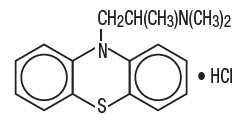
Promethazine hydrochloride, a phenothiazine derivative, is chemically designated as (±)-10-[2- (Dimethylamino)propyl] phenothiazine monohydrochloride.
Promethazine hydrochloride occurs as a white to faint yellow, practically odorless, crystalline powder which slowly oxidizes and turns blue on prolonged exposure to air. It is soluble in water and freely soluble in alcohol. It has a molecular weight of 320.88, a molecular formula of C17H20N2S∙HCl, and the following structural formula:
Phenylephrine hydrochloride is a sympathomimetic amine salt which is chemically designated as (-)-m- Hydroxy-α-[(methylamino)methyl] benzyl alcohol hydrochloride. It occurs as white or nearly white crystals, having a bitter taste. It is freely soluble in water and alcohol. Phenylephrine hydrochloride is subject to oxidation and must be protected from light and air. It has a molecular weight of 203.67, a molecular formula of C9H13NO2∙HCl, and the following structural formula:
Drug
Phenylephrine with prior administration of monoamine oxidase inhibitors (MAOI).
Effect
Cardiac pressor response potentiated.
May cause acute hypertensive crisis.
Section 42229-5
Rx only
Section 44425-7
Store at 20°C to 25°C (68°F to 77°F) [see USP Controlled Room Temperature].
Dispense in a tight, light-resistant container with a child-resistant closure as defined in the USP.
General
Drugs having anticholinergic properties should be used with caution in patients with narrow-angle glaucoma, prostatic hypertrophy, stenosing peptic ulcer, pyloroduodenal obstruction, and bladder-neck obstruction.
Promethazine should be used cautiously in persons with cardiovascular disease or impairment of liver function.
Phenylephrine should be used with caution in patients with cardiovascular disease, particularly hypertension.
Warning
PROMETHAZINE HYDROCHLORIDE SHOULD NOT BE USED IN PEDIATRIC PATIENTS LESS THAN 2 YEARS OF AGE BECAUSE OF THE POTENTIAL FOR FATAL RESPIRATORY DEPRESSION.
POSTMARKETING CASES OF RESPIRATORY DEPRESSION, INCLUDING FATALITIES, HAVE BEEN REPORTED WITH USE OF PROMETHAZINE HYDROCHLORIDE IN PEDIATRIC PATIENTS LESS THAN 2 YEARS OF AGE. A WIDE RANGE OF WEIGHT-BASED DOSES OF PROMETHAZINE HYDROCHLORIDE HAVE RESULTED IN RESPIRATORY DEPRESSION IN THESE PATIENTS.
CAUTION SHOULD BE EXERCISED WHEN ADMINISTERING PROMETHAZINE HYDROCHLORIDE TO PEDIATRIC PATIENTS 2 YEARS OF AGE AND OLDER. IT IS RECOMMENDED THAT THE LOWEST EFFECTIVE DOSE OF PROMETHAZINE HYDROCHLORIDE BE USED IN PEDIATRIC PATIENTS 2 YEARS OF AGE AND OLDER AND CONCOMITANT ADMINISTRATION OF OTHER DRUGS WITH RESPIRATORY DEPRESSANT EFFECTS BE AVOIDED.
Treatment
The treatment of overdosage with promethazine and phenylephrine is essentially symptomatic and supportive. Only in cases of extreme overdosage or individual sensitivity do vital signs including respiration, pulse, blood pressure, temperature, and EKG need to be monitored. Activated charcoal orally or by lavage may be given, or sodium or magnesium sulfate orally as a cathartic. Attention should be given to the re-establishment of adequate respiratory exchange through provision of a patent airway and institution of assisted or controlled ventilation. Diazepam may be used to control convulsions. Acidosis and electrolyte losses should be corrected. Note that any depressant effects of promethazine are not reversed by naloxone. Avoid analeptics which may cause convulsions.
Severe hypotension usually responds to the administration of norepinephrine or phenylephrine. EPINEPHRINE SHOULD NOT BE USED, since its use in a patient with partial adrenergic blockade may further lower the blood pressure.
Limited experience with dialysis indicates that it is not helpful.
Epinephrine
Because of the potential for promethazine to reverse epinephrine's vasopressor effect, epinephrine should NOT be used to treat hypotension associated with promethazine overdose.
Precautions
Animal reproduction studies have not been conducted with the drug combination—promethazine and phenylephrine. It is not known whether this drug combination can cause fetal harm when administered to a pregnant woman or can affect reproduction capacity. Promethazine and phenylephrine should be given to a pregnant woman only if clearly needed.
Promethazine
Promethazine is a phenothiazine derivative which differs structurally from the antipsychotic phenothiazines by the presence of a branched side chain and no ring substitution. It is thought that this configuration is responsible for its relative lack (1/10 that of chlorpromazine) of dopamine antagonist properties.
Promethazine is an H1 receptor blocking agent. In addition to its antihistaminic action, it provides clinically useful sedative and antiemetic effects.
Promethazine is well absorbed from the gastrointestinal tract. Clinical effects are apparent within 20 minutes after oral administration and generally last four to six hours, although they may persist as long as 12 hours. Promethazine is metabolized by the liver to a variety of compounds; the sulfoxides of promethazine and N-demethylpromethazine are the predominant metabolites appearing in the urine.
Geriatric Use
Clinical studies of promethazine hydrochloride and phenylephrine hydrochloride oral solution did not include sufficient numbers of subjects aged 65 and over to determine whether they respond differently from younger subjects. Other reported clinical experience has not identified differences in responses between the elderly and younger patients. In general, dose selection for an elderly patient should be cautious, usually starting at the low end of the dosing range, reflecting the greater frequency of decreased hepatic, renal or cardiac function, and of concomitant disease or other drug therapy.
Sedating drugs may cause confusion and over-sedation in the elderly; elderly patients generally should be started on low doses of promethazine hydrochloride and phenylephrine hydrochloride oral solution and observed closely.
Pediatric Use
PROMETHAZINE HYDROCHLORIDE AND PHENYLEPHRINE HYDROCHLORIDE ORAL SOLUTION IS CONTRAINDICATED FOR USE IN PEDIATRIC PATIENTS LESS THAN TWO YEARS OF AGE (see WARNINGS – Black Box Warning and Use In Pediatric Patients ).
Promethazine hydrochloride and phenylephrine hydrochloride oral solution should be used with caution in pediatric patients 2 years of age and older (see WARNINGS – Use In Pediatric Patients ).
Phenylephrine
Phenylephrine is a potent postsynaptic α-receptor agonist with little effect on β-receptors of the heart. Phenylephrine has no effect on β-adrenergic receptors of the bronchi or peripheral blood vessels. A direct action at receptors accounts for the greater part of its effects, only a small part being due to its ability to release norepinephrine.
Therapeutic doses of phenylephrine mainly cause vasoconstriction. Phenylephrine increases resistance and, to a lesser extent, decreases capacitance of blood vessels. Total peripheral resistance is increased, resulting in increased systolic and diastolic blood pressure. Pulmonary arterial pressure is usually increased, and renal blood flow is usually decreased. Local vasoconstriction and hemostasis occur following topical application or infiltration of phenylephrine into tissues. The main effect of phenylephrine on the heart is bradycardia; it produces a positive inotropic effect on the myocardium in doses greater than those usually used therapeutically. Rarely, the drug may increase the irritability of the heart, causing arrhythmias. Cardiac output is decreased slightly. Phenylephrine increases the work of the heart by increasing peripheral arterial resistance.
Phenylephrine has a mild central stimulant effect.
Following oral administration or topical application of phenylephrine to the mucosa, constriction of blood vessels in the nasal mucosa relieves nasal congestion associated with allergy or head colds. Following oral administration, nasal decongestion may occur within 15 or 20 minutes and may persist for up to 4 hours.
Phenylephrine is irregularly absorbed from and readily metabolized in the gastrointestinal tract. Phenylephrine is metabolized in the liver and intestine by monoamine oxidase. The metabolites and their route and rate of excretion have not been identified. The pharmacologic action of phenylephrine is terminated at least partially by uptake of the drug into tissues.
Cns Depression
Promethazine may impair the mental and/or physical abilities required for the performance of potentially hazardous tasks, such as driving a vehicle or operating machinery. The impairment may be amplified by concomitant use of other central nervous system depressants such as alcohol, sedatives/hypnotics (including barbiturates), narcotics, narcotic analgesics, general anesthetics, tricyclic antidepressants, and tranquilizers; therefore, such agents should either be eliminated or given in reduced dosage in the presence of promethazine HCl (see PRECAUTIONS - Information For Patients and Drug Interactions ).
Cns Depressants
Promethazine may increase, prolong, or intensify the sedative action of other central nervous system depressants, such as alcohol, sedatives/hypnotics (including barbiturates), narcotics, narcotic analgesics, general anesthetics, tricyclic antidepressants, and tranquilizers; therefore, such agents should be avoided or administered in reduced dosage to patients receiving promethazine HCl. When given concomitantly with promethazine, the dose of barbiturates should be reduced by at least one-half, and the dose of narcotics should be reduced by one-quarter to one-half. Dosage must be individualized. Excessive amounts of promethazine HCl relative to a narcotic may lead to restlessness and motor hyperactivity in the patient with pain; these symptoms usually disappear with adequate control of the pain.
Nursing Mothers
It is not known whether promethazine or phenylephrine are excreted in human milk.
Caution should be exercised when promethazine and phenylephrine is administered to a nursing woman.
Pregnancy Tests
Diagnostic pregnancy tests based on immunological reactions between HCG and anti-HCG may result in false-negative or false-positive interpretations.
Anticholinergics
Concomitant use of other agents with anticholinergic properties should be undertaken with caution.
Labor and Delivery
Administration of phenylephrine to patients in late pregnancy or labor may cause fetal anoxia or bradycardia by increasing contractility of the uterus and decreasing uterine blood flow.
See also "Nonteratogenic Effects."
Teratogenic Effects
Pregnancy Category C.
Other Considerations
Administration of promethazine has been associated with reported cholestatic jaundice.
Bone Marrow Depression
Promethazine should be used with caution in patients with bone marrow depression. Leukopenia and agranulocytosis have been reported, usually when promethazine HCl has been used in association with other known marrow toxic agents.
Glucose Tolerance Test
An increase in blood glucose has been reported in patients receiving promethazine.
Nonteratogenic Effects
Promethazine administered to a pregnant woman within two weeks of delivery may inhibit platelet aggregation in the newborn.
Respiratory Depression
Promethazine may lead to potentially fatal respiratory depression.
Use of promethazine in patients with compromised respiratory function (e.g., COPD, sleep apnea) should be avoided.
Lower Seizure Threshold
Promethazine may lower seizure threshold. It should be used with caution in persons with seizure disorders or in persons who are using concomitant medications, such as narcotics or local anesthetics, which may also affect seizure threshold.
Information for Patients
Promethazine and phenylephrine may cause marked drowsiness or may impair the mental and/or physical abilities required for the performance of potentially hazardous tasks, such as driving a vehicle or operating machinery. Ambulatory patients should be told to avoid engaging in such activities until it is known that they do not become drowsy or dizzy from promethazine and phenylephrine therapy. Children should be supervised to avoid potential harm in bike riding or in other hazardous activities.
The concomitant use of alcohol or other central nervous system depressants, including narcotic analgesics, sedatives, hypnotics, and tranquilizers, may have an additive effect and should be avoided or their dosage reduced.
Patients should be advised to report any involuntary muscle movements.
Avoid prolonged exposure to the sun.
Use in Pediatric Patients
PROMETHAZINE PRODUCTS ARE CONTRAINDICATED FOR USE IN PEDIATRIC PATIENTS LESS THAN TWO YEARS OF AGE.
CAUTION SHOULD BE EXERCISED WHEN ADMINISTERING PROMETHAZINE PRODUCTS TO PEDIATRIC PATIENTS 2 YEARS OF AGE AND OLDER BECAUSE OF THE POTENTIAL FOR FATAL RESPIRATORY DEPRESSION. RESPIRATORY DEPRESSION AND APNEA, SOMETIMES ASSOCIATED WITH DEATH, ARE STRONGLY ASSOCIATED WITH PROMETHAZINE PRODUCTS AND ARE NOT DIRECTLY RELATED TO INDIVIDUALIZED WEIGHT-BASED DOSING, WHICH MIGHT OTHERWISE PERMIT SAFE ADMINISTRATION. CONCOMITANT ADMINISTRATION OF PROMETHAZINE PRODUCTS WITH OTHER RESPIRATORY DEPRESSANTS HAS AN ASSOCIATION WITH RESPIRATORY DEPRESSION, AND SOMETIMES DEATH, IN PEDIATRIC PATIENTS.
ANTIEMETICS ARE NOT RECOMMENDED FOR TREATMENT OF UNCOMPLICATED VOMITING IN PEDIATRIC PATIENTS, AND THEIR USE SHOULD BE LIMITED TO PROLONGED VOMITING OF KNOWN ETIOLOGY. THE EXTRAPYRAMIDAL SYMPTOMS WHICH CAN OCCUR SECONDARY TO PROMETHAZINE HYDROCHLORIDE ADMINISTRATION MAY BE CONFUSED WITH THE CNS SIGNS OF UNDIAGNOSED PRIMARY DISEASE, e.g., ENCEPHALOPATHY OR REYE'S SYNDROME. THE USE OF PROMETHAZINE PRODUCTS SHOULD BE AVOIDED IN PEDIATRIC PATIENTS WHOSE SIGNS AND SYMPTOMS MAY SUGGEST REYE'S SYNDROME OR OTHER HEPATIC DISEASES.
Excessively large dosages of antihistamines, including promethazine hydrochloride, in pediatric patients may cause sudden death (see OVERDOSAGE ). Hallucinations and convulsions have occurred with therapeutic doses and overdoses of promethazine hydrochloride in pediatric patients. In pediatric patients who are acutely ill associated with dehydration, there is an increased susceptibility to dystonias with the use of promethazine HCl.
Neuroleptic Malignant Syndrome
A potentially fatal symptom complex sometimes referred to as Neuroleptic Malignant Syndrome (NMS) has been reported in association with promethazine HCl alone or in combination with antipsychotic drugs. Clinical manifestations of NMS are hyperpyrexia, muscle rigidity, altered mental status and evidence of autonomic instability (irregular pulse or blood pressure, tachycardia, diaphoresis and cardiac dysrhythmias).
The diagnostic evaluation of patients with this syndrome is complicated. In arriving at a diagnosis, it is important to identify cases where the clinical presentation includes both serious medical illness (e.g., pneumonia, systemic infection, etc.) and untreated or inadequately treated extrapyramidal signs and symptoms (EPS). Other important considerations in the differential diagnosis include central anticholinergic toxicity, heat stroke, drug fever and primary central nervous system (CNS) pathology.
The management of NMS should include 1) immediate discontinuation of promethazine HCl, antipsychotic drugs, if any, and other drugs not essential to concurrent therapy, 2) intensive symptomatic treatment and medical monitoring, and 3) treatment of any concomitant serious medical problems for which specific treatments are available. There is no general agreement about specific pharmacological treatment regimens for uncomplicated NMS.
Since recurrences of NMS have been reported with phenothiazines, the reintroduction of promethazine HCl should be carefully considered.
Drug/laboratory Test Interactions
The following laboratory tests may be affected in patients who are receiving therapy with promethazine hydrochloride.
Monoamine Oxidase Inhibitors (maoi)
Drug interactions, including an increased incidence of extrapyramidal effects, have been reported when some MAOI and phenothiazines are used concomitantly.
Principal Display Panel 473 Ml Bottle Label
NDC 64950-345-16
PROMETHAZINE HYDROCHLORIDE
and
PHENYLEPHRINE HYDROCHLORIDE
ORAL SOLUTION
6.25 mg and 5 mg/5 mL
EACH 5 mL (ONE TEASPOONFUL) CONTAINS:
Promethazine Hydrochloride 6.25 mg
Phenylephrine Hydrochloride 5 mg
Alcohol 7%
Rx ONLY
16 fl oz (473 mL)
Genus
Lifesciences Inc.
Structured Label Content
Indications and Usage (INDICATIONS AND USAGE)
Promethazine hydrochloride and phenylephrine hydrochloride oral solution is indicated for the temporary relief of upper respiratory symptoms, including nasal congestion, associated with allergy or the common cold.
Dosage and Administration (DOSAGE AND ADMINISTRATION)
Promethazine hydrochloride and phenylephrine hydrochloride oral solution is contraindicated for children under 2 years of age (see WARNINGS – Black Box Warning and Use In Pediatric Patients).
The recommended doses are given in the following table:
Adults And Children 12 Years And Over
1 teaspoonful (5 mL) every 4 to 6 hours, not to exceed 6 teaspoonsful (30 mL) in 24 hours.
Children 6 To Under 12 Years Of Age
½ to 1 teaspoonful (2.5 to 5 mL) every 4 to 6 hours, not to exceed 6 teaspoonsful (30 mL) in 24 hours.
Children 2 To Under 6 Years Of Age
¼ to ½ teaspoonful (1.25 to 2.5 mL) every 4 to 6 hours.
Contraindications (CONTRAINDICATIONS)
Promethazine is contraindicated in comatose states, and in individuals known to be hypersensitive or to have had an idiosyncratic reaction to promethazine or to other phenothiazines.
Antihistamines are contraindicated for use in the treatment of lower respiratory tract symptoms, including asthma.
Phenylephrine is contraindicated in patients with hypertension or with peripheral vascular insufficiency (ischemia may result with risk of gangrene or thrombosis of compromised vascular beds).
Phenylephrine should not be used in patients known to be hypersensitive to the drug or in those receiving a monoamine oxidase inhibitor (MAOI).
How Supplied (HOW SUPPLIED)
This preparation is a yellowish-orange oral solution with odor of apricot peach. Each 5 mL (one teaspoonful) contains promethazine hydrochloride 6.25 mg, phenylephrine hydrochloride 5 mg, and alcohol 7 percent, and is available as:
NDC 64950-345-16: 16 fl oz (473 mL) bottle
Keep tightly closed. Protect from light.
Description (DESCRIPTION)
Each 5 mL (one teaspoonful), for oral administration contains: Promethazine hydrochloride 6.25 mg; phenylephrine hydrochloride 5 mg. Alcohol 7%.
Inactive Ingredients: Apricot peach flavor, ascorbic acid, citric acid, FD&C yellow #6, menthol, methylparaben, propylene glycol, propylparaben, purified water, saccharin sodium, sodium benzoate, sodium citrate and sucrose.
Promethazine hydrochloride, a phenothiazine derivative, is chemically designated as (±)-10-[2- (Dimethylamino)propyl] phenothiazine monohydrochloride.
Promethazine hydrochloride occurs as a white to faint yellow, practically odorless, crystalline powder which slowly oxidizes and turns blue on prolonged exposure to air. It is soluble in water and freely soluble in alcohol. It has a molecular weight of 320.88, a molecular formula of C17H20N2S∙HCl, and the following structural formula:
Phenylephrine hydrochloride is a sympathomimetic amine salt which is chemically designated as (-)-m- Hydroxy-α-[(methylamino)methyl] benzyl alcohol hydrochloride. It occurs as white or nearly white crystals, having a bitter taste. It is freely soluble in water and alcohol. Phenylephrine hydrochloride is subject to oxidation and must be protected from light and air. It has a molecular weight of 203.67, a molecular formula of C9H13NO2∙HCl, and the following structural formula:
Drug
Phenylephrine with prior administration of monoamine oxidase inhibitors (MAOI).
Effect
Cardiac pressor response potentiated.
May cause acute hypertensive crisis.
Section 42229-5 (42229-5)
Rx only
Section 44425-7 (44425-7)
Store at 20°C to 25°C (68°F to 77°F) [see USP Controlled Room Temperature].
Dispense in a tight, light-resistant container with a child-resistant closure as defined in the USP.
General
Drugs having anticholinergic properties should be used with caution in patients with narrow-angle glaucoma, prostatic hypertrophy, stenosing peptic ulcer, pyloroduodenal obstruction, and bladder-neck obstruction.
Promethazine should be used cautiously in persons with cardiovascular disease or impairment of liver function.
Phenylephrine should be used with caution in patients with cardiovascular disease, particularly hypertension.
Warning (WARNING)
PROMETHAZINE HYDROCHLORIDE SHOULD NOT BE USED IN PEDIATRIC PATIENTS LESS THAN 2 YEARS OF AGE BECAUSE OF THE POTENTIAL FOR FATAL RESPIRATORY DEPRESSION.
POSTMARKETING CASES OF RESPIRATORY DEPRESSION, INCLUDING FATALITIES, HAVE BEEN REPORTED WITH USE OF PROMETHAZINE HYDROCHLORIDE IN PEDIATRIC PATIENTS LESS THAN 2 YEARS OF AGE. A WIDE RANGE OF WEIGHT-BASED DOSES OF PROMETHAZINE HYDROCHLORIDE HAVE RESULTED IN RESPIRATORY DEPRESSION IN THESE PATIENTS.
CAUTION SHOULD BE EXERCISED WHEN ADMINISTERING PROMETHAZINE HYDROCHLORIDE TO PEDIATRIC PATIENTS 2 YEARS OF AGE AND OLDER. IT IS RECOMMENDED THAT THE LOWEST EFFECTIVE DOSE OF PROMETHAZINE HYDROCHLORIDE BE USED IN PEDIATRIC PATIENTS 2 YEARS OF AGE AND OLDER AND CONCOMITANT ADMINISTRATION OF OTHER DRUGS WITH RESPIRATORY DEPRESSANT EFFECTS BE AVOIDED.
Treatment
The treatment of overdosage with promethazine and phenylephrine is essentially symptomatic and supportive. Only in cases of extreme overdosage or individual sensitivity do vital signs including respiration, pulse, blood pressure, temperature, and EKG need to be monitored. Activated charcoal orally or by lavage may be given, or sodium or magnesium sulfate orally as a cathartic. Attention should be given to the re-establishment of adequate respiratory exchange through provision of a patent airway and institution of assisted or controlled ventilation. Diazepam may be used to control convulsions. Acidosis and electrolyte losses should be corrected. Note that any depressant effects of promethazine are not reversed by naloxone. Avoid analeptics which may cause convulsions.
Severe hypotension usually responds to the administration of norepinephrine or phenylephrine. EPINEPHRINE SHOULD NOT BE USED, since its use in a patient with partial adrenergic blockade may further lower the blood pressure.
Limited experience with dialysis indicates that it is not helpful.
Epinephrine
Because of the potential for promethazine to reverse epinephrine's vasopressor effect, epinephrine should NOT be used to treat hypotension associated with promethazine overdose.
Precautions (PRECAUTIONS)
Animal reproduction studies have not been conducted with the drug combination—promethazine and phenylephrine. It is not known whether this drug combination can cause fetal harm when administered to a pregnant woman or can affect reproduction capacity. Promethazine and phenylephrine should be given to a pregnant woman only if clearly needed.
Promethazine
Promethazine is a phenothiazine derivative which differs structurally from the antipsychotic phenothiazines by the presence of a branched side chain and no ring substitution. It is thought that this configuration is responsible for its relative lack (1/10 that of chlorpromazine) of dopamine antagonist properties.
Promethazine is an H1 receptor blocking agent. In addition to its antihistaminic action, it provides clinically useful sedative and antiemetic effects.
Promethazine is well absorbed from the gastrointestinal tract. Clinical effects are apparent within 20 minutes after oral administration and generally last four to six hours, although they may persist as long as 12 hours. Promethazine is metabolized by the liver to a variety of compounds; the sulfoxides of promethazine and N-demethylpromethazine are the predominant metabolites appearing in the urine.
Geriatric Use
Clinical studies of promethazine hydrochloride and phenylephrine hydrochloride oral solution did not include sufficient numbers of subjects aged 65 and over to determine whether they respond differently from younger subjects. Other reported clinical experience has not identified differences in responses between the elderly and younger patients. In general, dose selection for an elderly patient should be cautious, usually starting at the low end of the dosing range, reflecting the greater frequency of decreased hepatic, renal or cardiac function, and of concomitant disease or other drug therapy.
Sedating drugs may cause confusion and over-sedation in the elderly; elderly patients generally should be started on low doses of promethazine hydrochloride and phenylephrine hydrochloride oral solution and observed closely.
Pediatric Use
PROMETHAZINE HYDROCHLORIDE AND PHENYLEPHRINE HYDROCHLORIDE ORAL SOLUTION IS CONTRAINDICATED FOR USE IN PEDIATRIC PATIENTS LESS THAN TWO YEARS OF AGE (see WARNINGS – Black Box Warning and Use In Pediatric Patients ).
Promethazine hydrochloride and phenylephrine hydrochloride oral solution should be used with caution in pediatric patients 2 years of age and older (see WARNINGS – Use In Pediatric Patients ).
Phenylephrine
Phenylephrine is a potent postsynaptic α-receptor agonist with little effect on β-receptors of the heart. Phenylephrine has no effect on β-adrenergic receptors of the bronchi or peripheral blood vessels. A direct action at receptors accounts for the greater part of its effects, only a small part being due to its ability to release norepinephrine.
Therapeutic doses of phenylephrine mainly cause vasoconstriction. Phenylephrine increases resistance and, to a lesser extent, decreases capacitance of blood vessels. Total peripheral resistance is increased, resulting in increased systolic and diastolic blood pressure. Pulmonary arterial pressure is usually increased, and renal blood flow is usually decreased. Local vasoconstriction and hemostasis occur following topical application or infiltration of phenylephrine into tissues. The main effect of phenylephrine on the heart is bradycardia; it produces a positive inotropic effect on the myocardium in doses greater than those usually used therapeutically. Rarely, the drug may increase the irritability of the heart, causing arrhythmias. Cardiac output is decreased slightly. Phenylephrine increases the work of the heart by increasing peripheral arterial resistance.
Phenylephrine has a mild central stimulant effect.
Following oral administration or topical application of phenylephrine to the mucosa, constriction of blood vessels in the nasal mucosa relieves nasal congestion associated with allergy or head colds. Following oral administration, nasal decongestion may occur within 15 or 20 minutes and may persist for up to 4 hours.
Phenylephrine is irregularly absorbed from and readily metabolized in the gastrointestinal tract. Phenylephrine is metabolized in the liver and intestine by monoamine oxidase. The metabolites and their route and rate of excretion have not been identified. The pharmacologic action of phenylephrine is terminated at least partially by uptake of the drug into tissues.
Cns Depression (CNS Depression)
Promethazine may impair the mental and/or physical abilities required for the performance of potentially hazardous tasks, such as driving a vehicle or operating machinery. The impairment may be amplified by concomitant use of other central nervous system depressants such as alcohol, sedatives/hypnotics (including barbiturates), narcotics, narcotic analgesics, general anesthetics, tricyclic antidepressants, and tranquilizers; therefore, such agents should either be eliminated or given in reduced dosage in the presence of promethazine HCl (see PRECAUTIONS - Information For Patients and Drug Interactions ).
Cns Depressants (CNS Depressants)
Promethazine may increase, prolong, or intensify the sedative action of other central nervous system depressants, such as alcohol, sedatives/hypnotics (including barbiturates), narcotics, narcotic analgesics, general anesthetics, tricyclic antidepressants, and tranquilizers; therefore, such agents should be avoided or administered in reduced dosage to patients receiving promethazine HCl. When given concomitantly with promethazine, the dose of barbiturates should be reduced by at least one-half, and the dose of narcotics should be reduced by one-quarter to one-half. Dosage must be individualized. Excessive amounts of promethazine HCl relative to a narcotic may lead to restlessness and motor hyperactivity in the patient with pain; these symptoms usually disappear with adequate control of the pain.
Nursing Mothers
It is not known whether promethazine or phenylephrine are excreted in human milk.
Caution should be exercised when promethazine and phenylephrine is administered to a nursing woman.
Pregnancy Tests
Diagnostic pregnancy tests based on immunological reactions between HCG and anti-HCG may result in false-negative or false-positive interpretations.
Anticholinergics
Concomitant use of other agents with anticholinergic properties should be undertaken with caution.
Labor and Delivery (Labor And Delivery)
Administration of phenylephrine to patients in late pregnancy or labor may cause fetal anoxia or bradycardia by increasing contractility of the uterus and decreasing uterine blood flow.
See also "Nonteratogenic Effects."
Teratogenic Effects
Pregnancy Category C.
Other Considerations
Administration of promethazine has been associated with reported cholestatic jaundice.
Bone Marrow Depression
Promethazine should be used with caution in patients with bone marrow depression. Leukopenia and agranulocytosis have been reported, usually when promethazine HCl has been used in association with other known marrow toxic agents.
Glucose Tolerance Test
An increase in blood glucose has been reported in patients receiving promethazine.
Nonteratogenic Effects
Promethazine administered to a pregnant woman within two weeks of delivery may inhibit platelet aggregation in the newborn.
Respiratory Depression
Promethazine may lead to potentially fatal respiratory depression.
Use of promethazine in patients with compromised respiratory function (e.g., COPD, sleep apnea) should be avoided.
Lower Seizure Threshold
Promethazine may lower seizure threshold. It should be used with caution in persons with seizure disorders or in persons who are using concomitant medications, such as narcotics or local anesthetics, which may also affect seizure threshold.
Information for Patients (Information For Patients)
Promethazine and phenylephrine may cause marked drowsiness or may impair the mental and/or physical abilities required for the performance of potentially hazardous tasks, such as driving a vehicle or operating machinery. Ambulatory patients should be told to avoid engaging in such activities until it is known that they do not become drowsy or dizzy from promethazine and phenylephrine therapy. Children should be supervised to avoid potential harm in bike riding or in other hazardous activities.
The concomitant use of alcohol or other central nervous system depressants, including narcotic analgesics, sedatives, hypnotics, and tranquilizers, may have an additive effect and should be avoided or their dosage reduced.
Patients should be advised to report any involuntary muscle movements.
Avoid prolonged exposure to the sun.
Use in Pediatric Patients (Use In Pediatric Patients)
PROMETHAZINE PRODUCTS ARE CONTRAINDICATED FOR USE IN PEDIATRIC PATIENTS LESS THAN TWO YEARS OF AGE.
CAUTION SHOULD BE EXERCISED WHEN ADMINISTERING PROMETHAZINE PRODUCTS TO PEDIATRIC PATIENTS 2 YEARS OF AGE AND OLDER BECAUSE OF THE POTENTIAL FOR FATAL RESPIRATORY DEPRESSION. RESPIRATORY DEPRESSION AND APNEA, SOMETIMES ASSOCIATED WITH DEATH, ARE STRONGLY ASSOCIATED WITH PROMETHAZINE PRODUCTS AND ARE NOT DIRECTLY RELATED TO INDIVIDUALIZED WEIGHT-BASED DOSING, WHICH MIGHT OTHERWISE PERMIT SAFE ADMINISTRATION. CONCOMITANT ADMINISTRATION OF PROMETHAZINE PRODUCTS WITH OTHER RESPIRATORY DEPRESSANTS HAS AN ASSOCIATION WITH RESPIRATORY DEPRESSION, AND SOMETIMES DEATH, IN PEDIATRIC PATIENTS.
ANTIEMETICS ARE NOT RECOMMENDED FOR TREATMENT OF UNCOMPLICATED VOMITING IN PEDIATRIC PATIENTS, AND THEIR USE SHOULD BE LIMITED TO PROLONGED VOMITING OF KNOWN ETIOLOGY. THE EXTRAPYRAMIDAL SYMPTOMS WHICH CAN OCCUR SECONDARY TO PROMETHAZINE HYDROCHLORIDE ADMINISTRATION MAY BE CONFUSED WITH THE CNS SIGNS OF UNDIAGNOSED PRIMARY DISEASE, e.g., ENCEPHALOPATHY OR REYE'S SYNDROME. THE USE OF PROMETHAZINE PRODUCTS SHOULD BE AVOIDED IN PEDIATRIC PATIENTS WHOSE SIGNS AND SYMPTOMS MAY SUGGEST REYE'S SYNDROME OR OTHER HEPATIC DISEASES.
Excessively large dosages of antihistamines, including promethazine hydrochloride, in pediatric patients may cause sudden death (see OVERDOSAGE ). Hallucinations and convulsions have occurred with therapeutic doses and overdoses of promethazine hydrochloride in pediatric patients. In pediatric patients who are acutely ill associated with dehydration, there is an increased susceptibility to dystonias with the use of promethazine HCl.
Neuroleptic Malignant Syndrome
A potentially fatal symptom complex sometimes referred to as Neuroleptic Malignant Syndrome (NMS) has been reported in association with promethazine HCl alone or in combination with antipsychotic drugs. Clinical manifestations of NMS are hyperpyrexia, muscle rigidity, altered mental status and evidence of autonomic instability (irregular pulse or blood pressure, tachycardia, diaphoresis and cardiac dysrhythmias).
The diagnostic evaluation of patients with this syndrome is complicated. In arriving at a diagnosis, it is important to identify cases where the clinical presentation includes both serious medical illness (e.g., pneumonia, systemic infection, etc.) and untreated or inadequately treated extrapyramidal signs and symptoms (EPS). Other important considerations in the differential diagnosis include central anticholinergic toxicity, heat stroke, drug fever and primary central nervous system (CNS) pathology.
The management of NMS should include 1) immediate discontinuation of promethazine HCl, antipsychotic drugs, if any, and other drugs not essential to concurrent therapy, 2) intensive symptomatic treatment and medical monitoring, and 3) treatment of any concomitant serious medical problems for which specific treatments are available. There is no general agreement about specific pharmacological treatment regimens for uncomplicated NMS.
Since recurrences of NMS have been reported with phenothiazines, the reintroduction of promethazine HCl should be carefully considered.
Drug/laboratory Test Interactions (Drug/Laboratory Test Interactions)
The following laboratory tests may be affected in patients who are receiving therapy with promethazine hydrochloride.
Monoamine Oxidase Inhibitors (maoi) (Monoamine Oxidase Inhibitors (MAOI))
Drug interactions, including an increased incidence of extrapyramidal effects, have been reported when some MAOI and phenothiazines are used concomitantly.
Principal Display Panel 473 Ml Bottle Label (PRINCIPAL DISPLAY PANEL - 473 mL Bottle Label)
NDC 64950-345-16
PROMETHAZINE HYDROCHLORIDE
and
PHENYLEPHRINE HYDROCHLORIDE
ORAL SOLUTION
6.25 mg and 5 mg/5 mL
EACH 5 mL (ONE TEASPOONFUL) CONTAINS:
Promethazine Hydrochloride 6.25 mg
Phenylephrine Hydrochloride 5 mg
Alcohol 7%
Rx ONLY
16 fl oz (473 mL)
Genus
Lifesciences Inc.
Advanced Ingredient Data
Raw Label Data
All Sections (JSON)
Additional Information
Back to search View SPL set listing Open on DailyMed ↗
Source: dailymed · Ingested: 2026-02-15T11:42:01.876295 · Updated: 2026-03-14T22:07:30.008626