Levetiracetam Oral Solution
7a0d7f05-e091-4d9b-93f5-fd2c7f728a83
34391-3
HUMAN PRESCRIPTION DRUG LABEL
Drug Facts
Composition & Product
Identifiers & Packaging
Indications and Usage
Levetiracetam Oral Solution USP is indicated for the treatment of partial-onset seizures in patients 1 month of age and older ( 1.1 ) Levetiracetam Oral Solution USP is indicated for adjunctive therapy for the treatment of: Myoclonic seizures in patients 12 years of age and older with juvenile myoclonic epilepsy ( 1.2 ) Primary generalized tonic-clonic seizures in patients 6 years of age and older with idiopathic generalized epilepsy ( 1.3 )
Dosage and Administration
Use the oral solution for pediatric patients with body weight ≤ 20 kg ( 2.1 ) For pediatric patients, use weight-based dosing for the oral solution with a calibrated measuring device (not a household teaspoon or tablespoon) ( 2.1 ) Partial-Onset Seizures (monotherapy or adjunctive therapy) 1 Month to ˂ 6 Months: 7 mg/kg twice daily; increase by 7 mg/kg twice daily every 2 weeks to recommended dose of 21 mg/kg twice daily ( 2.2 ) 6 Months to ˂ 4 Years: 10 mg/kg twice daily; increase by 10 mg/kg twice daily every 2 weeks to recommended dose of 25 mg/kg twice daily ( 2.2 ) 4 Years to ˂ 16 Years: 10 mg/kg twice daily; increase by 10 mg/kg twice daily every 2 weeks to recommended dose of 30 mg/kg twice daily ( 2.2 ) Adults 16 Years and Older: 500 mg twice daily; increase by 500 mg twice daily every 2 weeks to a recommended dose of 1500 mg twice daily ( 2.2 ) Myoclonic Seizures in Adults and Pediatric Patients 12 Years and Older 500 mg twice daily; increase by 500 mg twice daily every 2 weeks to recommended dose of 1500 mg twice daily ( 2.3 ) Primary Generalized Tonic-Clonic Seizures 6 Years to ˂ 16 Years: 10 mg/kg twice daily, increase in increments of 10 mg/kg twice daily every 2 weeks to recommended dose of 30 mg/kg twice daily ( 2.4 ) Adults 16 Years and Older: 500 mg twice daily, increase by 500 mg twice daily every 2 weeks to recommended dose of 1500 mg twice daily ( 2.4 ) Adult Patients with Impaired Renal Function Dose adjustment is recommended, based on the patient's estimated creatinine clearance ( 2.5 , 8.6)
Contraindications
Levetiracetam Oral Solution USP is contraindicated in patients with a hypersensitivity to levetiracetam. Reactions have included anaphylaxis and angioedema [ see Warnings and Precautions (5.4) ] .
Warnings and Precautions
Behavioral abnormalities including psychotic symptoms, suicidal ideation, irritability, and aggressive behavior have been observed; monitor patients for psychiatric signs and symptoms ( 5.1 ) Suicidal Behavior and Ideation: Monitor patients for new or worsening depression, suicidal thoughts/behavior, and/or unusual changes in mood or behavior ( 5.2 ) Monitor for somnolence and fatigue and advise patients not to drive or operate machinery until they have gained sufficient experience on levetiracetam ( 5.3 ) Serious Dermatological Reactions: Discontinue levetiracetam at the first sign of rash unless clearly not drug related ( 5.5 ) Coordination Difficulties: Monitor for ataxia, abnormal gait, and incoordination. Advise patients to not drive or operate machinery until they have gained experience on levetiracetam ( 5.6 ) Withdrawal Seizures: Levetiracetam must be gradually withdrawn ( 5.7 )
Adverse Reactions
The following adverse reactions are discussed in more details in other sections of labeling: Behavior Abnormalities and Psychotic Symptoms [ see Warnings and Precautions (5.1) ] Suicidal Behavior and Ideation [ see Warnings and Precautions (5.2) ] Somnolence and Fatigue [ see Warnings and Precautions (5.3) ] Anaphylaxis and Angioedema [ see Warnings and Precautions (5.4) ] Serious Dermatological Reactions [ see Warnings and Precautions (5.5) ] Coordination Difficulties [ see Warnings and Precautions (5.6) ] Hematologic Abnormalities [ see Warnings and Precautions (5.8) ] Increase in Blood Pressure [ see Warnings and Precautions (5.9) ]
How Supplied
Levetiracetam Oral Solution USP 100 mg/mL is a clear, colorless, grape-flavored liquid. It is supplied in the following oral dosage forms: NDC 63739-158-70 NDC 63739-158-78 NDC 63739-158-32 5 mL Unit Dose Cup Case of 30, 5 mL Unit Dose Cups Case of 40, 5 mL Unit Dose Cups
Description
Levetiracetam Oral Solution USP is indicated for the treatment of partial-onset seizures in patients 1 month of age and older ( 1.1 ) Levetiracetam Oral Solution USP is indicated for adjunctive therapy for the treatment of: Myoclonic seizures in patients 12 years of age and older with juvenile myoclonic epilepsy ( 1.2 ) Primary generalized tonic-clonic seizures in patients 6 years of age and older with idiopathic generalized epilepsy ( 1.3 )
Medication Information
Warnings and Precautions
Behavioral abnormalities including psychotic symptoms, suicidal ideation, irritability, and aggressive behavior have been observed; monitor patients for psychiatric signs and symptoms ( 5.1 ) Suicidal Behavior and Ideation: Monitor patients for new or worsening depression, suicidal thoughts/behavior, and/or unusual changes in mood or behavior ( 5.2 ) Monitor for somnolence and fatigue and advise patients not to drive or operate machinery until they have gained sufficient experience on levetiracetam ( 5.3 ) Serious Dermatological Reactions: Discontinue levetiracetam at the first sign of rash unless clearly not drug related ( 5.5 ) Coordination Difficulties: Monitor for ataxia, abnormal gait, and incoordination. Advise patients to not drive or operate machinery until they have gained experience on levetiracetam ( 5.6 ) Withdrawal Seizures: Levetiracetam must be gradually withdrawn ( 5.7 )
Indications and Usage
Levetiracetam Oral Solution USP is indicated for the treatment of partial-onset seizures in patients 1 month of age and older ( 1.1 ) Levetiracetam Oral Solution USP is indicated for adjunctive therapy for the treatment of: Myoclonic seizures in patients 12 years of age and older with juvenile myoclonic epilepsy ( 1.2 ) Primary generalized tonic-clonic seizures in patients 6 years of age and older with idiopathic generalized epilepsy ( 1.3 )
Dosage and Administration
Use the oral solution for pediatric patients with body weight ≤ 20 kg ( 2.1 ) For pediatric patients, use weight-based dosing for the oral solution with a calibrated measuring device (not a household teaspoon or tablespoon) ( 2.1 ) Partial-Onset Seizures (monotherapy or adjunctive therapy) 1 Month to ˂ 6 Months: 7 mg/kg twice daily; increase by 7 mg/kg twice daily every 2 weeks to recommended dose of 21 mg/kg twice daily ( 2.2 ) 6 Months to ˂ 4 Years: 10 mg/kg twice daily; increase by 10 mg/kg twice daily every 2 weeks to recommended dose of 25 mg/kg twice daily ( 2.2 ) 4 Years to ˂ 16 Years: 10 mg/kg twice daily; increase by 10 mg/kg twice daily every 2 weeks to recommended dose of 30 mg/kg twice daily ( 2.2 ) Adults 16 Years and Older: 500 mg twice daily; increase by 500 mg twice daily every 2 weeks to a recommended dose of 1500 mg twice daily ( 2.2 ) Myoclonic Seizures in Adults and Pediatric Patients 12 Years and Older 500 mg twice daily; increase by 500 mg twice daily every 2 weeks to recommended dose of 1500 mg twice daily ( 2.3 ) Primary Generalized Tonic-Clonic Seizures 6 Years to ˂ 16 Years: 10 mg/kg twice daily, increase in increments of 10 mg/kg twice daily every 2 weeks to recommended dose of 30 mg/kg twice daily ( 2.4 ) Adults 16 Years and Older: 500 mg twice daily, increase by 500 mg twice daily every 2 weeks to recommended dose of 1500 mg twice daily ( 2.4 ) Adult Patients with Impaired Renal Function Dose adjustment is recommended, based on the patient's estimated creatinine clearance ( 2.5 , 8.6)
Contraindications
Levetiracetam Oral Solution USP is contraindicated in patients with a hypersensitivity to levetiracetam. Reactions have included anaphylaxis and angioedema [ see Warnings and Precautions (5.4) ] .
Adverse Reactions
The following adverse reactions are discussed in more details in other sections of labeling: Behavior Abnormalities and Psychotic Symptoms [ see Warnings and Precautions (5.1) ] Suicidal Behavior and Ideation [ see Warnings and Precautions (5.2) ] Somnolence and Fatigue [ see Warnings and Precautions (5.3) ] Anaphylaxis and Angioedema [ see Warnings and Precautions (5.4) ] Serious Dermatological Reactions [ see Warnings and Precautions (5.5) ] Coordination Difficulties [ see Warnings and Precautions (5.6) ] Hematologic Abnormalities [ see Warnings and Precautions (5.8) ] Increase in Blood Pressure [ see Warnings and Precautions (5.9) ]
How Supplied
Levetiracetam Oral Solution USP 100 mg/mL is a clear, colorless, grape-flavored liquid. It is supplied in the following oral dosage forms: NDC 63739-158-70 NDC 63739-158-78 NDC 63739-158-32 5 mL Unit Dose Cup Case of 30, 5 mL Unit Dose Cups Case of 40, 5 mL Unit Dose Cups
Description
Levetiracetam Oral Solution USP is indicated for the treatment of partial-onset seizures in patients 1 month of age and older ( 1.1 ) Levetiracetam Oral Solution USP is indicated for adjunctive therapy for the treatment of: Myoclonic seizures in patients 12 years of age and older with juvenile myoclonic epilepsy ( 1.2 ) Primary generalized tonic-clonic seizures in patients 6 years of age and older with idiopathic generalized epilepsy ( 1.3 )
Section 42229-5
Adults 16 Years of Age and Older
- Initiate treatment with a daily dose of 1000 mg/day, given as twice-daily dosing (500 mg twice daily). Additional dosing increments may be given (1000 mg/day additional every 2 weeks) to a maximum recommended daily dose of 3000 mg. There is no evidence that doses greater than 3000 mg/day confer additional benefit.
Section 42231-1
| MEDICATION GUIDE
Levetiracetam Oral Solution USP (LEE ve tye RA se tam) |
|
|---|---|
| This Medication Guide has been approved by the U.S. Food and Drug Administration.
Iss. 03/2022 |
|
| Read this Medication Guide before you start taking Levetiracetam Oral Solution USP and each time you get a refill. There may be new information. This information does not take the place of talking to your healthcare provider about your medical condition or treatment. | |
|
What is the most important information I should know about Levetiracetam Oral Solution USP?
Like other antiepileptic drugs, Levetiracetam Oral Solution USP may cause suicidal thoughts or actions in a very small number of people, about 1 in 500 people taking it. Call a healthcare provider right away if you have any of these symptoms, especially if they are new, worse, or worry you:
|
|
|
What is Levetiracetam Oral Solution USP?
Levetiracetam Oral Solution USP is a prescription medicine taken by mouth that is used to treat partial-onset seizures in people 1 month of age and older. Levetiracetam Oral Solution USP is a prescription medicine taken by mouth that is used with other medicines to treat:
|
|
|
Who should not take Levetiracetam Oral Solution USP?
Do not take Levetiracetam Oral Solution USP if you are allergic to levetiracetam. |
|
|
What should I tell my healthcare provider before starting Levetiracetam Oral Solution USP?
Before taking Levetiracetam Oral Solution USP, tell your healthcare provider about all of your medical conditions, including if you:
Know the medicines you take. Keep a list of them to show your healthcare provider and pharmacist each time you get a new medicine. |
|
How should I take Levetiracetam Oral Solution USP?
|
|
|
What should I avoid while taking Levetiracetam Oral Solution USP?
Do not drive, operate machinery or do other dangerous activities until you know how Levetiracetam Oral Solution USP affects you. Levetiracetam Oral Solution USP may make you dizzy or sleepy. |
|
|
What are the possible side effects of Levetiracetam Oral Solution USP?
Levetiracetam Oral Solution USP can cause serious side effects including:
|
|
| The most common side effects seen in people who take Levetiracetam Oral Solution USP include: | |
|
|
| The most common side effects seen in children who take Levetiracetam Oral Solution USP include, in addition to those listed above include: | |
|
|
| Tell your healthcare provider if you have any side effect that bothers you or that does not go away.
These are not all the possible side effects of Levetiracetam Oral Solution USP. For more information, ask your healthcare provider or pharmacist. Call your doctor for medical advice about side effects. You may report side effects to FDA at 1-800-FDA-1088. |
|
How should I store Levetiracetam Oral Solution USP?
|
|
|
General information about the safe and effective use of Levetiracetam Oral Solution USP.
Medicines are sometimes prescribed for purposes other than those listed in a Medication Guide. Do not use Levetiracetam Oral Solution USP for a condition for which it was not prescribed. Do not give Levetiracetam Oral Solution USP to other people, even if they have the same symptoms that you have. It may harm them. You can ask your pharmacist or healthcare provider information about Levetiracetam Oral Solution USP that is written for health professionals. |
|
|
What are the ingredients of Levetiracetam Oral Solution USP?
Levetiracetam oral solution active ingredient: levetiracetam inactive ingredients: acesulfame potassium, artificial grape flavor, citric acid anhydrous, glycerin, maltitol solution, methylparaben, propylparaben, purified water, and sodium citrate dihydrate. Levetiracetam Oral Solution USP does not contain lactose or gluten. Levetiracetam Oral Solution USP does contain carbohydrates. The liquid is dye-free. |
|
|
Distributed By:
McKesson Corporation dba SKY Packaging Memphis, TN 38141 Manufactured By: Pharmaceutical Associates, Inc. Greenville, SC 29605 For more information, go to www.paipharma.com or call 1-800-845-8210 . |
16.2 Storage
Store at 20° to 25°C (68° to 77°F) [see USP Controlled Room Temperature]. Dispense in a tight, light-resistant container.
11 Description
Levetiracetam Oral Solution USP is an antiepileptic drug available as a clear, colorless, grape-flavored liquid (100 mg/mL) for oral administration.
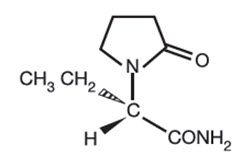
The chemical name of levetiracetam, a single enantiomer, is (–)–(S)–α–ethyl–2–oxo–1-pyrrolidine acetamide, its molecular formula is C 8H 14N 2O 2 and its molecular weight is 170.21. Levetiracetam is chemically unrelated to existing antiepileptic drugs (AEDs). It has the following structural formula:
Levetiracetam is a white to off-white crystalline powder with a faint odor and a bitter taste. It is very soluble in water (104.0 g/100 mL). It is freely soluble in chloroform (65.3 g/100 mL) and in methanol (53.6 g/100 mL), soluble in ethanol (16.5 g/100 mL), sparingly soluble in acetonitrile (5.7 g/100 mL) and practically insoluble in n–hexane. (Solubility limits are expressed as g/100 mL solvent.)
Levetiracetam Oral Solution USP contains 100 mg of levetiracetam per mL. Inactive ingredients: acesulfame potassium, artificial grape flavor, citric acid, glycerin, maltitol solution, methylparaben, propylparaben, purified water, and sodium citrate.
10.3 Hemodialysis
Standard hemodialysis procedures result in significant clearance of levetiracetam (approximately 50% in 4 hours) and should be considered in cases of overdose. Although hemodialysis has not been performed in the few known cases of overdose, it may be indicated by the patient's clinical state or in patients with significant renal impairment.
16.1 How Supplied
Levetiracetam Oral Solution USP 100 mg/mL is a clear, colorless, grape-flavored liquid. It is supplied in the following oral dosage forms:
|
NDC 63739-158-70 NDC 63739-158-78 NDC 63739-158-32 |
5 mL Unit Dose Cup Case of 30, 5 mL Unit Dose Cups Case of 40, 5 mL Unit Dose Cups |
8.4 Pediatric Use
The safety and effectiveness of levetiracetam for the treatment of partial-onset seizures in patients 1 month to 16 years of age have been established [ see Clinical Pharmacology (12.3) and Clinical Studies (14.1) ]. The dosing recommendation in these pediatric patients varies according to age group and is weight-based [ see Dosage and Administration (2.2) ].
The safety and effectiveness of levetiracetam as adjunctive therapy for the treatment of myoclonic seizures in adolescents 12 years of age and older with juvenile myoclonic epilepsy have been established [ see Clinical Studies (14.2) ].
The safety and effectiveness of levetiracetam as adjunctive therapy for the treatment of primary generalized tonic-clonic seizures in pediatric patients 6 years of age and older with idiopathic generalized epilepsy have been established [ see Clinical Studies (14.3) ].
Safety and effectiveness for the treatment of partial-onset seizures in pediatric patients below the age of 1 month; adjunctive therapy for the treatment of myoclonic seizures in pediatric patients below the age of 12 years; and adjunctive therapy for the treatment of primary generalized tonic-clonic seizures in pediatric patients below the age of 6 years have not been established.
A 3-month, randomized, double-blind, placebo-controlled study was performed to assess the neurocognitive and behavioral effects of levetiracetam as adjunctive therapy in 98 (levetiracetam N=64, placebo N=34) pediatric patients, ages 4 to 16 years old, with partial seizures that were inadequately controlled. The target dose was 60 mg/kg/day . Neurocognitive effects were measured by the Leiter-R Attention and Memory (AM) Battery, which measures various aspects of a child's memory and attention. Although no substantive differences were observed between the placebo and drug treated groups in the median change from baseline in this battery, the study was not adequate to assess formal statistical non-inferiority of the drug and placebo. The Achenbach Child Behavior Checklist (CBCL/6-18), a standardized validated tool used to assess a child's competencies and behavioral/emotional problems, was also assessed in this study. An analysis of the CBCL/6-18 indicated on average a worsening in levetiracetam-treated patients in aggressive behavior, one of the eight syndrome scores [ see Warnings and Precautions (5.1) ].
8.5 Geriatric Use
There were 347 subjects in clinical studies of levetiracetam that were 65 and over. No overall differences in safety were observed between these subjects and younger subjects. There were insufficient numbers of elderly subjects in controlled trials of epilepsy to adequately assess the effectiveness of levetiracetam in these patients.
Levetiracetam is known to be substantially excreted by the kidney, and the risk of adverse reactions to this drug may be greater in patients with impaired renal function. Because elderly patients are more likely to have decreased renal function, care should be taken in dose selection, and it may be useful to monitor renal function [ see Clinical Pharmacology (12.3)].
4 Contraindications
Levetiracetam Oral Solution USP is contraindicated in patients with a hypersensitivity to levetiracetam. Reactions have included anaphylaxis and angioedema [ see Warnings and Precautions (5.4) ] .
6 Adverse Reactions
The following adverse reactions are discussed in more details in other sections of labeling:
- Behavior Abnormalities and Psychotic Symptoms [ see Warnings and Precautions (5.1) ]
- Suicidal Behavior and Ideation [ see Warnings and Precautions (5.2) ]
- Somnolence and Fatigue [ see Warnings and Precautions (5.3) ]
- Anaphylaxis and Angioedema [ see Warnings and Precautions (5.4) ]
- Serious Dermatological Reactions [ see Warnings and Precautions (5.5) ]
- Coordination Difficulties [ see Warnings and Precautions (5.6) ]
- Hematologic Abnormalities [ see Warnings and Precautions (5.8) ]
- Increase in Blood Pressure [ see Warnings and Precautions (5.9) ]
8.6 Renal Impairment
Clearance of levetiracetam is decreased in patients with renal impairment and is correlated with creatinine clearance [ see Clinical Pharmacology (12.3)]. Dose adjustment is recommended for patients with impaired renal function and supplemental doses should be given to patients after dialysis [ see Dosage and Administration (2.5) ].
12.3 Pharmacokinetics
The pharmacokinetics of levetiracetam are similar when used as monotherapy or as adjunctive therapy for the treatment of partial-onset seizures.
1 Indications and Usage
Levetiracetam Oral Solution USP is indicated for the treatment of partial-onset seizures in patients 1 month of age and older ( 1.1)
Levetiracetam Oral Solution USP is indicated for adjunctive therapy for the treatment of:
5.7 Withdrawal Seizures
As with most antiepileptic drugs, levetiracetam should generally be withdrawn gradually because of the risk of increased seizure frequency and status epilepticus. If withdrawal is needed because of a serious adverse reaction, rapid discontinuation can be considered.
12.1 Mechanism of Action
The precise mechanism(s) by which levetiracetam exerts its antiepileptic effect is unknown.
A saturable and stereoselective neuronal binding site in rat brain tissue has been described for levetiracetam. Experimental data indicate that this binding site is the synaptic vesicle protein SV2A, thought to be involved in the regulation of vesicle exocytosis. Although the molecular significance of levetiracetam binding to SV2A is not understood, levetiracetam and related analogs showed a rank order of affinity for SV2A which correlated with the potency of their antiseizure activity in audiogenic seizure-prone mice. These findings suggest that the interaction of levetiracetam with the SV2A protein may contribute to the antiepileptic mechanism of action of the drug.
1.1 Partial Onset Seizures
Levetiracetam Oral Solution USP is indicated for the treatment of partial-onset seizures in patients 1 month of age and older.
5 Warnings and Precautions
- Behavioral abnormalities including psychotic symptoms, suicidal ideation, irritability, and aggressive behavior have been observed; monitor patients for psychiatric signs and symptoms ( 5.1)
- Suicidal Behavior and Ideation: Monitor patients for new or worsening depression, suicidal thoughts/behavior, and/or unusual changes in mood or behavior ( 5.2)
- Monitor for somnolence and fatigue and advise patients not to drive or operate machinery until they have gained sufficient experience on levetiracetam ( 5.3)
- Serious Dermatological Reactions: Discontinue levetiracetam at the first sign of rash unless clearly not drug related ( 5.5)
- Coordination Difficulties: Monitor for ataxia, abnormal gait, and incoordination. Advise patients to not drive or operate machinery until they have gained experience on levetiracetam ( 5.6)
- Withdrawal Seizures: Levetiracetam must be gradually withdrawn ( 5.7)
5.3 Somnolence and Fatigue
Levetiracetam may cause somnolence and fatigue. Patients should be monitored for these signs and symptoms and advised not to drive or operate machinery until they have gained sufficient experience on levetiracetam to gauge whether it adversely affects their ability to drive or operate machinery.
10.2 Management of Overdose
There is no specific antidote for overdose with levetiracetam. If indicated, elimination of unabsorbed drug should be attempted by emesis or gastric lavage; usual precautions should be observed to maintain airway. General supportive care of the patient is indicated including monitoring of vital signs and observation of the patient's clinical status. A Certified Poison Control Center should be contacted for up to date information on the management of overdose with levetiracetam.
2 Dosage and Administration
- Use the oral solution for pediatric patients with body weight ≤ 20 kg ( 2.1)
- For pediatric patients, use weight-based dosing for the oral solution with a calibrated measuring device (not a household teaspoon or tablespoon) ( 2.1)
Partial-Onset Seizures (monotherapy or adjunctive therapy)
- 1 Month to ˂ 6 Months: 7 mg/kg twice daily; increase by 7 mg/kg twice daily every 2 weeks to recommended dose of 21 mg/kg twice daily ( 2.2)
- 6 Months to ˂ 4 Years: 10 mg/kg twice daily; increase by 10 mg/kg twice daily every 2 weeks to recommended dose of 25 mg/kg twice daily ( 2.2)
- 4 Years to ˂ 16 Years: 10 mg/kg twice daily; increase by 10 mg/kg twice daily every 2 weeks to recommended dose of 30 mg/kg twice daily ( 2.2)
- Adults 16 Years and Older: 500 mg twice daily; increase by 500 mg twice daily every 2 weeks to a recommended dose of 1500 mg twice daily ( 2.2)
Myoclonic Seizures in Adults and Pediatric Patients 12 Years and Older
- 500 mg twice daily; increase by 500 mg twice daily every 2 weeks to recommended dose of 1500 mg twice daily ( 2.3)
Primary Generalized Tonic-Clonic Seizures
- 6 Years to ˂ 16 Years: 10 mg/kg twice daily, increase in increments of 10 mg/kg twice daily every 2 weeks to recommended dose of 30 mg/kg twice daily ( 2.4)
- Adults 16 Years and Older: 500 mg twice daily, increase by 500 mg twice daily every 2 weeks to recommended dose of 1500 mg twice daily ( 2.4)
Adult Patients with Impaired Renal Function
- Dose adjustment is recommended, based on the patient's estimated creatinine clearance ( 2.5, 8.6)
3 Dosage Forms and Strengths
- 100 mg/mL solution ( 3)
6.2 Postmarketing Experience
The following adverse reactions have been identified during post approval use of levetiracetam. Because these reactions are reported voluntarily from a population of uncertain size, it is not always possible to reliably estimate their frequency or establish a causal relationship to drug exposure.
The following adverse reactions have been reported in patients receiving marketed levetiracetam worldwide. The listing is alphabetized: abnormal liver function test, acute kidney injury, anaphylaxis, angioedema, agranulocytosis, choreoathetosis, drug reaction with eosinophilia and systemic symptoms (DRESS), dyskinesia, erythema multiforme, hepatic failure, hepatitis, hyponatremia, muscular weakness, pancreatitis, pancytopenia (with bone marrow suppression identified in some of these cases), panic attack, thrombocytopenia, weight loss, and worsening of seizures. Alopecia has been reported with levetiracetam use; recovery was observed in majority of cases where levetiracetam was discontinued.
5.6 Coordination Difficulties
Levetiracetam may cause coordination difficulties.
In controlled clinical studies in adult patients with partial-onset seizure studies, 3.4% of adult levetiracetam-treated patients experienced coordination difficulties, (reported as either ataxia, abnormal gait, or incoordination) compared to 1.6% of placebo-treated patients. A total of 0.4% of patients in controlled clinical studies discontinued levetiracetam treatment due to ataxia, compared to 0% of placebo-treated patients. In 0.7% of levetiracetam-treated patients and in 0.2% of placebo-treated patients, the dose was reduced due to coordination difficulties, while one of the levetiracetam-treated patients was hospitalized due to worsening of pre-existing ataxia. These events occurred most frequently within the first 4 weeks of treatment.
Patients should be monitored for these signs and symptoms and advised not to drive or operate machinery until they have gained sufficient experience on levetiracetam to gauge whether it could adversely affect their ability to drive or operate machinery.
5.8 Hematologic Abnormalities
Levetiracetam can cause hematologic abnormalities. Hematologic abnormalities occurred in clinical trials and included decreases in white blood cell (WBC), neutrophil, and red blood cell (RBC) counts; decreases in hemoglobin and hematocrit; and increases in eosinophil counts. Cases of agranulocytosis, pancytopenia, and thrombocytopenia have been reported in the postmarketing setting. A complete blood count is recommended in patients experiencing significant weakness, pyrexia, recurrent infections, or coagulation disorders.
8 Use in Specific Populations
Pregnancy: Plasma levels of levetiracetam may be decreased and therefore need to be monitored closely during pregnancy. Based on animal data, may cause fetal harm ( 5.10, 8.1)
5.4 Anaphylaxis and Angioedema
Levetiracetam can cause anaphylaxis or angioedema after the first dose or at any time during treatment. Signs and symptoms in cases reported in the postmarketing setting have included hypotension, hives, rash, respiratory distress, and swelling of the face, lip, mouth, eye, tongue, throat, and feet. In some reported cases, reactions were life-threatening and required emergency treatment. If a patient develops signs or symptoms of anaphylaxis or angioedema, levetiracetam should be discontinued and the patient should seek immediate medical attention. Levetiracetam should be discontinued permanently if a clear alternative etiology for the reaction cannot be established [ see Contraindications (4)].
5.9 Increase in Blood Pressure
In a randomized, placebo-controlled study in patients 1 month to ˂ 4 years of age, a significantly higher risk of increased diastolic blood pressure was observed in the levetiracetam-treated patients (17%), compared to the placebo-treated patients (2%). There was no overall difference in mean diastolic blood pressure between the treatment groups. This disparity between the levetiracetam and placebo treatment groups was not observed in the studies of older children or in adults.
Monitor patients 1 month to ˂ 4 years of age for increases in diastolic blood pressure.
6.1 Clinical Trials Experience
Because clinical trials are conducted under widely varying conditions, adverse reaction rates observed in the clinical trials of a drug cannot be directly compared to rates in the clinical trials of another drug and may not reflect the rates observed in practice.
17 Patient Counseling Information
Advise the patient to read the FDA-approved patient labeling (Medication Guide).
5.2 Suicidal Behavior and Ideation
Antiepileptic drugs (AEDs), including levetiracetam, increase the risk of suicidal thoughts or behavior in patients taking these drugs for any indication. Patients treated with any AED for any indication should be monitored for the emergence or worsening of depression, suicidal thoughts or behavior, and/or any unusual changes in mood or behavior.
Pooled analyses of 199 placebo-controlled clinical trials (mono- and adjunctive therapy) of 11 different AEDs showed that patients randomized to one of the AEDs had approximately twice the risk (adjusted Relative Risk 1.8, 95% CI:1.2, 2.7) of suicidal thinking or behavior compared to patients randomized to placebo. In these trials, which had a median treatment duration of 12 weeks, the estimated incidence rate of suicidal behavior or ideation among 27,863 AED-treated patients was 0.43%, compared to 0.24% among 16,029 placebo-treated patients, representing an increase of approximately one case of suicidal thinking or behavior for every 530 patients treated. There were four suicides in drug-treated patients in the trials and none in placebo-treated patients, but the number is too small to allow any conclusion about drug effect on suicide.
The increased risk of suicidal thoughts or behavior with AEDs was observed as early as one week after starting drug treatment with AEDs and persisted for the duration of treatment assessed. Because most trials included in the analysis did not extend beyond 24 weeks, the risk of suicidal thoughts or behavior beyond 24 weeks could not be assessed.
The risk of suicidal thoughts or behavior was generally consistent among drugs in the data analyzed. The finding of increased risk with AEDs of varying mechanisms of action and across a range of indications suggests that the risk applies to all AEDs used for any indication. The risk did not vary substantially by age (5-100 years) in the clinical trials analyzed. Table 2 shows absolute and relative risk by indication for all evaluated AEDs.
| Indication | Placebo Patients with Events Per 1000 Patients | Drug Patients with Events Per 1000 Patients | Relative Risk: Incidence of Events in Drug Patients/Incidence in Placebo Patients | Risk Difference: Additional Drug Patients with Events Per 1000 Patients |
|---|---|---|---|---|
| Epilepsy | 1.0 | 3.4 | 3.5 | 2.4 |
| Psychiatric | 5.7 | 8.5 | 1.5 | 2.9 |
| Other | 1.0 | 1.8 | 1.9 | 0.9 |
| Total | 2.4 | 4.3 | 1.8 | 1.9 |
The relative risk for suicidal thoughts or behavior was higher in clinical trials for epilepsy than in clinical trials for psychiatric or other conditions, but the absolute risk differences were similar for the epilepsy and psychiatric indications.
Anyone considering prescribing levetiracetam or any other AED must balance the risk of suicidal thoughts or behaviors with the risk of untreated illness. Epilepsy and many other illnesses for which AEDs are prescribed are themselves associated with morbidity and mortality and an increased risk of suicidal thoughts and behavior. Should suicidal thoughts and behavior emerge during treatment, the prescriber needs to consider whether the emergence of these symptoms in any given patient may be related to the illness being treated.
2.6 Discontinuation of Levetiracetam
Avoid abrupt withdrawal from levetiracetam in order to reduce the risk of increased seizure frequency and status epilepticus [ see Warnings and Precautions (5.7) ] .
5.5 Serious Dermatological Reactions
Serious dermatological reactions, including Stevens-Johnson syndrome (SJS) and toxic epidermal necrolysis (TEN), have been reported in both pediatric and adult patients treated with levetiracetam. The median time of onset is reported to be 14 to 17 days, but cases have been reported at least four months after initiation of treatment. Recurrence of the serious skin reactions following rechallenge with levetiracetam has also been reported. Levetiracetam should be discontinued at the first sign of a rash, unless the rash is clearly not drug-related. If signs or symptoms suggest SJS/TEN, use of this drug should not be resumed and alternative therapy should be considered.
2.2 Dosing for Partial Onset Seizures
The recommended dosing for monotherapy and adjunctive therapy is the same; as outlined below.
5.10 Seizure Control During Pregnancy
Physiological changes may gradually decrease plasma levels of levetiracetam throughout pregnancy. This decrease is more pronounced during the third trimester. It is recommended that patients be monitored carefully during pregnancy. Close monitoring should continue through the postpartum period especially if the dose was changed during pregnancy.
Principal Display Panel 5 Ml Cup Label
Delivers 5 mL
NDC 63739-158-70
Levetiracetam
Oral Solution, USP
500 mg/5 mL
A4799C050322
FOR INSTITUTIONAL USE ONLY
Rx ONLY
Dist By: SKY Packaging
Memphis, TN 38141
SEE INSERT
2.1 Important Administration Instructions
Levetiracetam Oral Solution USP is given orally with or without food. The Levetiracetam Oral Solution USP dosing regimen depends on the indication, age group, dosage form (tablets or oral solution), and renal function.
Prescribe the oral solution for pediatric patients with body weight ≤ 20 kg. Prescribe the oral solution or tablets for pediatric patients with body weight above 20 kg.
When using the oral solution in pediatric patients, dosing is weight-based (mg per kg) using a calibrated measuring device (not a household teaspoon or tablespoon).
1.3 Primary Generalized Tonic Clonic Seizures
Levetiracetam Oral Solution USP is indicated as adjunctive therapy for the treatment of primary generalized tonic-clonic seizures in patients 6 years of age and older with idiopathic generalized epilepsy.
14.3 Primary Generalized Tonic Clonic Seizures
The effectiveness of levetiracetam as adjunctive therapy in patients 6 years of age and older with idiopathic generalized epilepsy experiencing primary generalized tonic-clonic (PGTC) seizures was established in one multicenter, randomized, double-blind, placebo-controlled study (Study 7), conducted at 50 sites in 8 countries. Eligible patients on a stable dose of 1 or 2 antiepileptic drugs (AEDs) experiencing at least 3 PGTC seizures during the 8-week combined baseline period (at least one PGTC seizure during the 4 weeks prior to the prospective baseline period and at least one PGTC seizure during the 4-week prospective baseline period) were randomized to either levetiracetam or placebo. The 8-week combined baseline period is referred to as "baseline" in the remainder of this section. Patients were titrated over 4 weeks to a target dose of 3000 mg/day for adults or a pediatric target dose of 60 mg/kg/day and treated at a stable dose of 3000 mg/day (or 60 mg/kg/day for children) over 20 weeks (evaluation period). Study drug was given in 2 equally divided doses per day. The primary measure of effectiveness was the percent reduction from baseline in weekly PGTC seizure frequency for levetiracetam and placebo treatment groups over the treatment period (titration + evaluation periods). The population included 164 patients (levetiracetam N=80, placebo N=84) with idiopathic generalized epilepsy (predominately juvenile myoclonic epilepsy, juvenile absence epilepsy, childhood absence epilepsy, or epilepsy with Grand Mal seizures on awakening) experiencing primary generalized tonic-clonic seizures. Each of these syndromes of idiopathic generalized epilepsy was well represented in this patient population.
There was a statistically significant decrease from baseline in PGTC frequency in the levetiracetam-treated patients compared to the placebo-treated patients.
| Placebo
(N=84) |
Levetiracetam
(N=78) |
|
|---|---|---|
| Percent reduction in PGTC seizure frequency | 44.6% | 77.6% * |
The percentage of patients (y-axis) who achieved ≥ 50% reduction in weekly seizure rates from baseline in PGTC seizure frequency over the entire randomized treatment period (titration + evaluation period) within the two treatment groups (x-axis) is presented in Figure 6.
Figure 6: Responder Rate (≥ 50% Reduction from Baseline) in PGTC Seizure Frequency per Week in Study 7
*statistically significant versus placebo
5.1 Behavioral Abnormalities and Psychotic Symptoms
Levetiracetam may cause behavioral abnormalities and psychotic symptoms. Patients treated with levetiracetam should be monitored for psychiatric signs and symptoms.
2.5 Dosage Adjustments in Adult Patients With Renal Impairment
Levetiracetam Oral Solution USP dosing must be individualized according to the patient's renal function status. Recommended dosage adjustments for adults are shown in Table 1. In order to calculate the dose recommended for patients with renal impairment, creatinine clearance adjusted for body surface area must be calculated. To do this an estimate of the patient's creatinine clearance (CLcr) in mL/min must first be calculated using the following formula:
| CLcr= | [140-age (years)] × weight (kg) | (× 0.85 for female patients) |
| 72 × serum creatinine (mg/dL) |
Then CLcr is adjusted for body surface area (BSA) as follows:
| CLcr (mL/min/1.73m 2)= | CLcr (mL/min) | × 1.73 |
| BSA subject (m 2) |
| Group | Creatinine Clearance
(mL/min/1.73m 2) |
Dosage (mg) | Frequency |
|---|---|---|---|
| Normal | ˃ 80 | 500 to 1,500 | Every 12 hours |
| Mild | 50 – 80 | 500 to 1,000 | Every 12 hours |
| Moderate | 30 – 50 | 250 to 750 | Every 12 hours |
| Severe | < 30 | 250 to 500 | Every 12 hours |
| ESRD patients using dialysis | ----- | 500 to 1,000 * | Every 24 hours * |
1.2 Myoclonic Seizures in Patients With Juvenile Myoclonic Epilepsy
Levetiracetam Oral Solution USP is indicated as adjunctive therapy for the treatment of myoclonic seizures in patients 12 years of age and older with juvenile myoclonic epilepsy.
14.2 Myoclonic Seizures in Patients With Juvenile Myoclonic Epilepsy
The effectiveness of levetiracetam as adjunctive therapy in patients 12 years of age and older with juvenile myoclonic epilepsy (JME) experiencing myoclonic seizures was established in one multicenter, randomized, double-blind, placebo-controlled study (Study 6), conducted at 37 sites in 14 countries. Eligible patients on a stable dose of 1 antiepileptic drug (AED) experiencing one or more myoclonic seizures per day for at least 8 days during the prospective 8-week baseline period were randomized to either levetiracetam or placebo (levetiracetam N=60, placebo N=60). Patients were titrated over 4 weeks to a target dose of 3000 mg/day and treated at a stable dose of 3000 mg/day over 12 weeks (evaluation period). Study drug was given in 2 divided doses.
The primary measure of effectiveness was the proportion of patients with at least 50% reduction in the number of days per week with one or more myoclonic seizures during the treatment period (titration + evaluation periods) as compared to baseline. Of the 120 patients enrolled, 113 had a diagnosis of confirmed or suspected JME. Table 14 displays the results for the 113 patients with JME in this study.
| Placebo
(N=59) |
Levetiracetam
(N=54) |
|
|---|---|---|
| Percentage of responders | 23.7% | 60.4% * |
10.1 Signs, Symptoms and Laboratory Findings of Acute Overdosage in Humans
The highest known dose of levetiracetam received in the clinical development program was 6000 mg/day. Other than drowsiness, there were no adverse reactions in the few known cases of overdose in clinical trials. Cases of somnolence, agitation, aggression, depressed level of consciousness, respiratory depression and coma were observed with levetiracetam overdoses in postmarketing use.
2.3 Dosing for Myoclonic Seizures in Patients 12 Years of Age and Older With Juvenile Myoclonic Epilepsy
Initiate treatment with a dose of 1000 mg/day, given as twice-daily dosing (500 mg twice daily). Increase the dosage by 1000 mg/day every 2 weeks to the recommended daily dose of 3000 mg. The effectiveness of doses lower than 3000 mg/day has not been studied.
Structured Label Content
Section 42229-5 (42229-5)
Adults 16 Years of Age and Older
- Initiate treatment with a daily dose of 1000 mg/day, given as twice-daily dosing (500 mg twice daily). Additional dosing increments may be given (1000 mg/day additional every 2 weeks) to a maximum recommended daily dose of 3000 mg. There is no evidence that doses greater than 3000 mg/day confer additional benefit.
Section 42231-1 (42231-1)
| MEDICATION GUIDE
Levetiracetam Oral Solution USP (LEE ve tye RA se tam) |
|
|---|---|
| This Medication Guide has been approved by the U.S. Food and Drug Administration.
Iss. 03/2022 |
|
| Read this Medication Guide before you start taking Levetiracetam Oral Solution USP and each time you get a refill. There may be new information. This information does not take the place of talking to your healthcare provider about your medical condition or treatment. | |
|
What is the most important information I should know about Levetiracetam Oral Solution USP?
Like other antiepileptic drugs, Levetiracetam Oral Solution USP may cause suicidal thoughts or actions in a very small number of people, about 1 in 500 people taking it. Call a healthcare provider right away if you have any of these symptoms, especially if they are new, worse, or worry you:
|
|
|
What is Levetiracetam Oral Solution USP?
Levetiracetam Oral Solution USP is a prescription medicine taken by mouth that is used to treat partial-onset seizures in people 1 month of age and older. Levetiracetam Oral Solution USP is a prescription medicine taken by mouth that is used with other medicines to treat:
|
|
|
Who should not take Levetiracetam Oral Solution USP?
Do not take Levetiracetam Oral Solution USP if you are allergic to levetiracetam. |
|
|
What should I tell my healthcare provider before starting Levetiracetam Oral Solution USP?
Before taking Levetiracetam Oral Solution USP, tell your healthcare provider about all of your medical conditions, including if you:
Know the medicines you take. Keep a list of them to show your healthcare provider and pharmacist each time you get a new medicine. |
|
How should I take Levetiracetam Oral Solution USP?
|
|
|
What should I avoid while taking Levetiracetam Oral Solution USP?
Do not drive, operate machinery or do other dangerous activities until you know how Levetiracetam Oral Solution USP affects you. Levetiracetam Oral Solution USP may make you dizzy or sleepy. |
|
|
What are the possible side effects of Levetiracetam Oral Solution USP?
Levetiracetam Oral Solution USP can cause serious side effects including:
|
|
| The most common side effects seen in people who take Levetiracetam Oral Solution USP include: | |
|
|
| The most common side effects seen in children who take Levetiracetam Oral Solution USP include, in addition to those listed above include: | |
|
|
| Tell your healthcare provider if you have any side effect that bothers you or that does not go away.
These are not all the possible side effects of Levetiracetam Oral Solution USP. For more information, ask your healthcare provider or pharmacist. Call your doctor for medical advice about side effects. You may report side effects to FDA at 1-800-FDA-1088. |
|
How should I store Levetiracetam Oral Solution USP?
|
|
|
General information about the safe and effective use of Levetiracetam Oral Solution USP.
Medicines are sometimes prescribed for purposes other than those listed in a Medication Guide. Do not use Levetiracetam Oral Solution USP for a condition for which it was not prescribed. Do not give Levetiracetam Oral Solution USP to other people, even if they have the same symptoms that you have. It may harm them. You can ask your pharmacist or healthcare provider information about Levetiracetam Oral Solution USP that is written for health professionals. |
|
|
What are the ingredients of Levetiracetam Oral Solution USP?
Levetiracetam oral solution active ingredient: levetiracetam inactive ingredients: acesulfame potassium, artificial grape flavor, citric acid anhydrous, glycerin, maltitol solution, methylparaben, propylparaben, purified water, and sodium citrate dihydrate. Levetiracetam Oral Solution USP does not contain lactose or gluten. Levetiracetam Oral Solution USP does contain carbohydrates. The liquid is dye-free. |
|
|
Distributed By:
McKesson Corporation dba SKY Packaging Memphis, TN 38141 Manufactured By: Pharmaceutical Associates, Inc. Greenville, SC 29605 For more information, go to www.paipharma.com or call 1-800-845-8210 . |
16.2 Storage
Store at 20° to 25°C (68° to 77°F) [see USP Controlled Room Temperature]. Dispense in a tight, light-resistant container.
11 Description (11 DESCRIPTION)
Levetiracetam Oral Solution USP is an antiepileptic drug available as a clear, colorless, grape-flavored liquid (100 mg/mL) for oral administration.
The chemical name of levetiracetam, a single enantiomer, is (–)–(S)–α–ethyl–2–oxo–1-pyrrolidine acetamide, its molecular formula is C 8H 14N 2O 2 and its molecular weight is 170.21. Levetiracetam is chemically unrelated to existing antiepileptic drugs (AEDs). It has the following structural formula:
Levetiracetam is a white to off-white crystalline powder with a faint odor and a bitter taste. It is very soluble in water (104.0 g/100 mL). It is freely soluble in chloroform (65.3 g/100 mL) and in methanol (53.6 g/100 mL), soluble in ethanol (16.5 g/100 mL), sparingly soluble in acetonitrile (5.7 g/100 mL) and practically insoluble in n–hexane. (Solubility limits are expressed as g/100 mL solvent.)
Levetiracetam Oral Solution USP contains 100 mg of levetiracetam per mL. Inactive ingredients: acesulfame potassium, artificial grape flavor, citric acid, glycerin, maltitol solution, methylparaben, propylparaben, purified water, and sodium citrate.
10.3 Hemodialysis
Standard hemodialysis procedures result in significant clearance of levetiracetam (approximately 50% in 4 hours) and should be considered in cases of overdose. Although hemodialysis has not been performed in the few known cases of overdose, it may be indicated by the patient's clinical state or in patients with significant renal impairment.
16.1 How Supplied
Levetiracetam Oral Solution USP 100 mg/mL is a clear, colorless, grape-flavored liquid. It is supplied in the following oral dosage forms:
|
NDC 63739-158-70 NDC 63739-158-78 NDC 63739-158-32 |
5 mL Unit Dose Cup Case of 30, 5 mL Unit Dose Cups Case of 40, 5 mL Unit Dose Cups |
8.4 Pediatric Use
The safety and effectiveness of levetiracetam for the treatment of partial-onset seizures in patients 1 month to 16 years of age have been established [ see Clinical Pharmacology (12.3) and Clinical Studies (14.1) ]. The dosing recommendation in these pediatric patients varies according to age group and is weight-based [ see Dosage and Administration (2.2) ].
The safety and effectiveness of levetiracetam as adjunctive therapy for the treatment of myoclonic seizures in adolescents 12 years of age and older with juvenile myoclonic epilepsy have been established [ see Clinical Studies (14.2) ].
The safety and effectiveness of levetiracetam as adjunctive therapy for the treatment of primary generalized tonic-clonic seizures in pediatric patients 6 years of age and older with idiopathic generalized epilepsy have been established [ see Clinical Studies (14.3) ].
Safety and effectiveness for the treatment of partial-onset seizures in pediatric patients below the age of 1 month; adjunctive therapy for the treatment of myoclonic seizures in pediatric patients below the age of 12 years; and adjunctive therapy for the treatment of primary generalized tonic-clonic seizures in pediatric patients below the age of 6 years have not been established.
A 3-month, randomized, double-blind, placebo-controlled study was performed to assess the neurocognitive and behavioral effects of levetiracetam as adjunctive therapy in 98 (levetiracetam N=64, placebo N=34) pediatric patients, ages 4 to 16 years old, with partial seizures that were inadequately controlled. The target dose was 60 mg/kg/day . Neurocognitive effects were measured by the Leiter-R Attention and Memory (AM) Battery, which measures various aspects of a child's memory and attention. Although no substantive differences were observed between the placebo and drug treated groups in the median change from baseline in this battery, the study was not adequate to assess formal statistical non-inferiority of the drug and placebo. The Achenbach Child Behavior Checklist (CBCL/6-18), a standardized validated tool used to assess a child's competencies and behavioral/emotional problems, was also assessed in this study. An analysis of the CBCL/6-18 indicated on average a worsening in levetiracetam-treated patients in aggressive behavior, one of the eight syndrome scores [ see Warnings and Precautions (5.1) ].
8.5 Geriatric Use
There were 347 subjects in clinical studies of levetiracetam that were 65 and over. No overall differences in safety were observed between these subjects and younger subjects. There were insufficient numbers of elderly subjects in controlled trials of epilepsy to adequately assess the effectiveness of levetiracetam in these patients.
Levetiracetam is known to be substantially excreted by the kidney, and the risk of adverse reactions to this drug may be greater in patients with impaired renal function. Because elderly patients are more likely to have decreased renal function, care should be taken in dose selection, and it may be useful to monitor renal function [ see Clinical Pharmacology (12.3)].
4 Contraindications (4 CONTRAINDICATIONS)
Levetiracetam Oral Solution USP is contraindicated in patients with a hypersensitivity to levetiracetam. Reactions have included anaphylaxis and angioedema [ see Warnings and Precautions (5.4) ] .
6 Adverse Reactions (6 ADVERSE REACTIONS)
The following adverse reactions are discussed in more details in other sections of labeling:
- Behavior Abnormalities and Psychotic Symptoms [ see Warnings and Precautions (5.1) ]
- Suicidal Behavior and Ideation [ see Warnings and Precautions (5.2) ]
- Somnolence and Fatigue [ see Warnings and Precautions (5.3) ]
- Anaphylaxis and Angioedema [ see Warnings and Precautions (5.4) ]
- Serious Dermatological Reactions [ see Warnings and Precautions (5.5) ]
- Coordination Difficulties [ see Warnings and Precautions (5.6) ]
- Hematologic Abnormalities [ see Warnings and Precautions (5.8) ]
- Increase in Blood Pressure [ see Warnings and Precautions (5.9) ]
8.6 Renal Impairment
Clearance of levetiracetam is decreased in patients with renal impairment and is correlated with creatinine clearance [ see Clinical Pharmacology (12.3)]. Dose adjustment is recommended for patients with impaired renal function and supplemental doses should be given to patients after dialysis [ see Dosage and Administration (2.5) ].
12.3 Pharmacokinetics
The pharmacokinetics of levetiracetam are similar when used as monotherapy or as adjunctive therapy for the treatment of partial-onset seizures.
1 Indications and Usage (1 INDICATIONS AND USAGE)
Levetiracetam Oral Solution USP is indicated for the treatment of partial-onset seizures in patients 1 month of age and older ( 1.1)
Levetiracetam Oral Solution USP is indicated for adjunctive therapy for the treatment of:
5.7 Withdrawal Seizures
As with most antiepileptic drugs, levetiracetam should generally be withdrawn gradually because of the risk of increased seizure frequency and status epilepticus. If withdrawal is needed because of a serious adverse reaction, rapid discontinuation can be considered.
12.1 Mechanism of Action
The precise mechanism(s) by which levetiracetam exerts its antiepileptic effect is unknown.
A saturable and stereoselective neuronal binding site in rat brain tissue has been described for levetiracetam. Experimental data indicate that this binding site is the synaptic vesicle protein SV2A, thought to be involved in the regulation of vesicle exocytosis. Although the molecular significance of levetiracetam binding to SV2A is not understood, levetiracetam and related analogs showed a rank order of affinity for SV2A which correlated with the potency of their antiseizure activity in audiogenic seizure-prone mice. These findings suggest that the interaction of levetiracetam with the SV2A protein may contribute to the antiepileptic mechanism of action of the drug.
1.1 Partial Onset Seizures (1.1 Partial-Onset Seizures)
Levetiracetam Oral Solution USP is indicated for the treatment of partial-onset seizures in patients 1 month of age and older.
5 Warnings and Precautions (5 WARNINGS AND PRECAUTIONS)
- Behavioral abnormalities including psychotic symptoms, suicidal ideation, irritability, and aggressive behavior have been observed; monitor patients for psychiatric signs and symptoms ( 5.1)
- Suicidal Behavior and Ideation: Monitor patients for new or worsening depression, suicidal thoughts/behavior, and/or unusual changes in mood or behavior ( 5.2)
- Monitor for somnolence and fatigue and advise patients not to drive or operate machinery until they have gained sufficient experience on levetiracetam ( 5.3)
- Serious Dermatological Reactions: Discontinue levetiracetam at the first sign of rash unless clearly not drug related ( 5.5)
- Coordination Difficulties: Monitor for ataxia, abnormal gait, and incoordination. Advise patients to not drive or operate machinery until they have gained experience on levetiracetam ( 5.6)
- Withdrawal Seizures: Levetiracetam must be gradually withdrawn ( 5.7)
5.3 Somnolence and Fatigue
Levetiracetam may cause somnolence and fatigue. Patients should be monitored for these signs and symptoms and advised not to drive or operate machinery until they have gained sufficient experience on levetiracetam to gauge whether it adversely affects their ability to drive or operate machinery.
10.2 Management of Overdose
There is no specific antidote for overdose with levetiracetam. If indicated, elimination of unabsorbed drug should be attempted by emesis or gastric lavage; usual precautions should be observed to maintain airway. General supportive care of the patient is indicated including monitoring of vital signs and observation of the patient's clinical status. A Certified Poison Control Center should be contacted for up to date information on the management of overdose with levetiracetam.
2 Dosage and Administration (2 DOSAGE AND ADMINISTRATION)
- Use the oral solution for pediatric patients with body weight ≤ 20 kg ( 2.1)
- For pediatric patients, use weight-based dosing for the oral solution with a calibrated measuring device (not a household teaspoon or tablespoon) ( 2.1)
Partial-Onset Seizures (monotherapy or adjunctive therapy)
- 1 Month to ˂ 6 Months: 7 mg/kg twice daily; increase by 7 mg/kg twice daily every 2 weeks to recommended dose of 21 mg/kg twice daily ( 2.2)
- 6 Months to ˂ 4 Years: 10 mg/kg twice daily; increase by 10 mg/kg twice daily every 2 weeks to recommended dose of 25 mg/kg twice daily ( 2.2)
- 4 Years to ˂ 16 Years: 10 mg/kg twice daily; increase by 10 mg/kg twice daily every 2 weeks to recommended dose of 30 mg/kg twice daily ( 2.2)
- Adults 16 Years and Older: 500 mg twice daily; increase by 500 mg twice daily every 2 weeks to a recommended dose of 1500 mg twice daily ( 2.2)
Myoclonic Seizures in Adults and Pediatric Patients 12 Years and Older
- 500 mg twice daily; increase by 500 mg twice daily every 2 weeks to recommended dose of 1500 mg twice daily ( 2.3)
Primary Generalized Tonic-Clonic Seizures
- 6 Years to ˂ 16 Years: 10 mg/kg twice daily, increase in increments of 10 mg/kg twice daily every 2 weeks to recommended dose of 30 mg/kg twice daily ( 2.4)
- Adults 16 Years and Older: 500 mg twice daily, increase by 500 mg twice daily every 2 weeks to recommended dose of 1500 mg twice daily ( 2.4)
Adult Patients with Impaired Renal Function
- Dose adjustment is recommended, based on the patient's estimated creatinine clearance ( 2.5, 8.6)
3 Dosage Forms and Strengths (3 DOSAGE FORMS AND STRENGTHS)
- 100 mg/mL solution ( 3)
6.2 Postmarketing Experience
The following adverse reactions have been identified during post approval use of levetiracetam. Because these reactions are reported voluntarily from a population of uncertain size, it is not always possible to reliably estimate their frequency or establish a causal relationship to drug exposure.
The following adverse reactions have been reported in patients receiving marketed levetiracetam worldwide. The listing is alphabetized: abnormal liver function test, acute kidney injury, anaphylaxis, angioedema, agranulocytosis, choreoathetosis, drug reaction with eosinophilia and systemic symptoms (DRESS), dyskinesia, erythema multiforme, hepatic failure, hepatitis, hyponatremia, muscular weakness, pancreatitis, pancytopenia (with bone marrow suppression identified in some of these cases), panic attack, thrombocytopenia, weight loss, and worsening of seizures. Alopecia has been reported with levetiracetam use; recovery was observed in majority of cases where levetiracetam was discontinued.
5.6 Coordination Difficulties
Levetiracetam may cause coordination difficulties.
In controlled clinical studies in adult patients with partial-onset seizure studies, 3.4% of adult levetiracetam-treated patients experienced coordination difficulties, (reported as either ataxia, abnormal gait, or incoordination) compared to 1.6% of placebo-treated patients. A total of 0.4% of patients in controlled clinical studies discontinued levetiracetam treatment due to ataxia, compared to 0% of placebo-treated patients. In 0.7% of levetiracetam-treated patients and in 0.2% of placebo-treated patients, the dose was reduced due to coordination difficulties, while one of the levetiracetam-treated patients was hospitalized due to worsening of pre-existing ataxia. These events occurred most frequently within the first 4 weeks of treatment.
Patients should be monitored for these signs and symptoms and advised not to drive or operate machinery until they have gained sufficient experience on levetiracetam to gauge whether it could adversely affect their ability to drive or operate machinery.
5.8 Hematologic Abnormalities
Levetiracetam can cause hematologic abnormalities. Hematologic abnormalities occurred in clinical trials and included decreases in white blood cell (WBC), neutrophil, and red blood cell (RBC) counts; decreases in hemoglobin and hematocrit; and increases in eosinophil counts. Cases of agranulocytosis, pancytopenia, and thrombocytopenia have been reported in the postmarketing setting. A complete blood count is recommended in patients experiencing significant weakness, pyrexia, recurrent infections, or coagulation disorders.
8 Use in Specific Populations (8 USE IN SPECIFIC POPULATIONS)
Pregnancy: Plasma levels of levetiracetam may be decreased and therefore need to be monitored closely during pregnancy. Based on animal data, may cause fetal harm ( 5.10, 8.1)
5.4 Anaphylaxis and Angioedema
Levetiracetam can cause anaphylaxis or angioedema after the first dose or at any time during treatment. Signs and symptoms in cases reported in the postmarketing setting have included hypotension, hives, rash, respiratory distress, and swelling of the face, lip, mouth, eye, tongue, throat, and feet. In some reported cases, reactions were life-threatening and required emergency treatment. If a patient develops signs or symptoms of anaphylaxis or angioedema, levetiracetam should be discontinued and the patient should seek immediate medical attention. Levetiracetam should be discontinued permanently if a clear alternative etiology for the reaction cannot be established [ see Contraindications (4)].
5.9 Increase in Blood Pressure
In a randomized, placebo-controlled study in patients 1 month to ˂ 4 years of age, a significantly higher risk of increased diastolic blood pressure was observed in the levetiracetam-treated patients (17%), compared to the placebo-treated patients (2%). There was no overall difference in mean diastolic blood pressure between the treatment groups. This disparity between the levetiracetam and placebo treatment groups was not observed in the studies of older children or in adults.
Monitor patients 1 month to ˂ 4 years of age for increases in diastolic blood pressure.
6.1 Clinical Trials Experience
Because clinical trials are conducted under widely varying conditions, adverse reaction rates observed in the clinical trials of a drug cannot be directly compared to rates in the clinical trials of another drug and may not reflect the rates observed in practice.
17 Patient Counseling Information (17 PATIENT COUNSELING INFORMATION)
Advise the patient to read the FDA-approved patient labeling (Medication Guide).
5.2 Suicidal Behavior and Ideation
Antiepileptic drugs (AEDs), including levetiracetam, increase the risk of suicidal thoughts or behavior in patients taking these drugs for any indication. Patients treated with any AED for any indication should be monitored for the emergence or worsening of depression, suicidal thoughts or behavior, and/or any unusual changes in mood or behavior.
Pooled analyses of 199 placebo-controlled clinical trials (mono- and adjunctive therapy) of 11 different AEDs showed that patients randomized to one of the AEDs had approximately twice the risk (adjusted Relative Risk 1.8, 95% CI:1.2, 2.7) of suicidal thinking or behavior compared to patients randomized to placebo. In these trials, which had a median treatment duration of 12 weeks, the estimated incidence rate of suicidal behavior or ideation among 27,863 AED-treated patients was 0.43%, compared to 0.24% among 16,029 placebo-treated patients, representing an increase of approximately one case of suicidal thinking or behavior for every 530 patients treated. There were four suicides in drug-treated patients in the trials and none in placebo-treated patients, but the number is too small to allow any conclusion about drug effect on suicide.
The increased risk of suicidal thoughts or behavior with AEDs was observed as early as one week after starting drug treatment with AEDs and persisted for the duration of treatment assessed. Because most trials included in the analysis did not extend beyond 24 weeks, the risk of suicidal thoughts or behavior beyond 24 weeks could not be assessed.
The risk of suicidal thoughts or behavior was generally consistent among drugs in the data analyzed. The finding of increased risk with AEDs of varying mechanisms of action and across a range of indications suggests that the risk applies to all AEDs used for any indication. The risk did not vary substantially by age (5-100 years) in the clinical trials analyzed. Table 2 shows absolute and relative risk by indication for all evaluated AEDs.
| Indication | Placebo Patients with Events Per 1000 Patients | Drug Patients with Events Per 1000 Patients | Relative Risk: Incidence of Events in Drug Patients/Incidence in Placebo Patients | Risk Difference: Additional Drug Patients with Events Per 1000 Patients |
|---|---|---|---|---|
| Epilepsy | 1.0 | 3.4 | 3.5 | 2.4 |
| Psychiatric | 5.7 | 8.5 | 1.5 | 2.9 |
| Other | 1.0 | 1.8 | 1.9 | 0.9 |
| Total | 2.4 | 4.3 | 1.8 | 1.9 |
The relative risk for suicidal thoughts or behavior was higher in clinical trials for epilepsy than in clinical trials for psychiatric or other conditions, but the absolute risk differences were similar for the epilepsy and psychiatric indications.
Anyone considering prescribing levetiracetam or any other AED must balance the risk of suicidal thoughts or behaviors with the risk of untreated illness. Epilepsy and many other illnesses for which AEDs are prescribed are themselves associated with morbidity and mortality and an increased risk of suicidal thoughts and behavior. Should suicidal thoughts and behavior emerge during treatment, the prescriber needs to consider whether the emergence of these symptoms in any given patient may be related to the illness being treated.
2.6 Discontinuation of Levetiracetam
Avoid abrupt withdrawal from levetiracetam in order to reduce the risk of increased seizure frequency and status epilepticus [ see Warnings and Precautions (5.7) ] .
5.5 Serious Dermatological Reactions
Serious dermatological reactions, including Stevens-Johnson syndrome (SJS) and toxic epidermal necrolysis (TEN), have been reported in both pediatric and adult patients treated with levetiracetam. The median time of onset is reported to be 14 to 17 days, but cases have been reported at least four months after initiation of treatment. Recurrence of the serious skin reactions following rechallenge with levetiracetam has also been reported. Levetiracetam should be discontinued at the first sign of a rash, unless the rash is clearly not drug-related. If signs or symptoms suggest SJS/TEN, use of this drug should not be resumed and alternative therapy should be considered.
2.2 Dosing for Partial Onset Seizures (2.2 Dosing for Partial-Onset Seizures)
The recommended dosing for monotherapy and adjunctive therapy is the same; as outlined below.
5.10 Seizure Control During Pregnancy
Physiological changes may gradually decrease plasma levels of levetiracetam throughout pregnancy. This decrease is more pronounced during the third trimester. It is recommended that patients be monitored carefully during pregnancy. Close monitoring should continue through the postpartum period especially if the dose was changed during pregnancy.
Principal Display Panel 5 Ml Cup Label (PRINCIPAL DISPLAY PANEL - 5 mL Cup Label)
Delivers 5 mL
NDC 63739-158-70
Levetiracetam
Oral Solution, USP
500 mg/5 mL
A4799C050322
FOR INSTITUTIONAL USE ONLY
Rx ONLY
Dist By: SKY Packaging
Memphis, TN 38141
SEE INSERT
2.1 Important Administration Instructions
Levetiracetam Oral Solution USP is given orally with or without food. The Levetiracetam Oral Solution USP dosing regimen depends on the indication, age group, dosage form (tablets or oral solution), and renal function.
Prescribe the oral solution for pediatric patients with body weight ≤ 20 kg. Prescribe the oral solution or tablets for pediatric patients with body weight above 20 kg.
When using the oral solution in pediatric patients, dosing is weight-based (mg per kg) using a calibrated measuring device (not a household teaspoon or tablespoon).
1.3 Primary Generalized Tonic Clonic Seizures (1.3 Primary Generalized Tonic-Clonic Seizures)
Levetiracetam Oral Solution USP is indicated as adjunctive therapy for the treatment of primary generalized tonic-clonic seizures in patients 6 years of age and older with idiopathic generalized epilepsy.
14.3 Primary Generalized Tonic Clonic Seizures (14.3 Primary Generalized Tonic-Clonic Seizures)
The effectiveness of levetiracetam as adjunctive therapy in patients 6 years of age and older with idiopathic generalized epilepsy experiencing primary generalized tonic-clonic (PGTC) seizures was established in one multicenter, randomized, double-blind, placebo-controlled study (Study 7), conducted at 50 sites in 8 countries. Eligible patients on a stable dose of 1 or 2 antiepileptic drugs (AEDs) experiencing at least 3 PGTC seizures during the 8-week combined baseline period (at least one PGTC seizure during the 4 weeks prior to the prospective baseline period and at least one PGTC seizure during the 4-week prospective baseline period) were randomized to either levetiracetam or placebo. The 8-week combined baseline period is referred to as "baseline" in the remainder of this section. Patients were titrated over 4 weeks to a target dose of 3000 mg/day for adults or a pediatric target dose of 60 mg/kg/day and treated at a stable dose of 3000 mg/day (or 60 mg/kg/day for children) over 20 weeks (evaluation period). Study drug was given in 2 equally divided doses per day. The primary measure of effectiveness was the percent reduction from baseline in weekly PGTC seizure frequency for levetiracetam and placebo treatment groups over the treatment period (titration + evaluation periods). The population included 164 patients (levetiracetam N=80, placebo N=84) with idiopathic generalized epilepsy (predominately juvenile myoclonic epilepsy, juvenile absence epilepsy, childhood absence epilepsy, or epilepsy with Grand Mal seizures on awakening) experiencing primary generalized tonic-clonic seizures. Each of these syndromes of idiopathic generalized epilepsy was well represented in this patient population.
There was a statistically significant decrease from baseline in PGTC frequency in the levetiracetam-treated patients compared to the placebo-treated patients.
| Placebo
(N=84) |
Levetiracetam
(N=78) |
|
|---|---|---|
| Percent reduction in PGTC seizure frequency | 44.6% | 77.6% * |
The percentage of patients (y-axis) who achieved ≥ 50% reduction in weekly seizure rates from baseline in PGTC seizure frequency over the entire randomized treatment period (titration + evaluation period) within the two treatment groups (x-axis) is presented in Figure 6.
Figure 6: Responder Rate (≥ 50% Reduction from Baseline) in PGTC Seizure Frequency per Week in Study 7
*statistically significant versus placebo
5.1 Behavioral Abnormalities and Psychotic Symptoms
Levetiracetam may cause behavioral abnormalities and psychotic symptoms. Patients treated with levetiracetam should be monitored for psychiatric signs and symptoms.
2.5 Dosage Adjustments in Adult Patients With Renal Impairment (2.5 Dosage Adjustments in Adult Patients with Renal Impairment)
Levetiracetam Oral Solution USP dosing must be individualized according to the patient's renal function status. Recommended dosage adjustments for adults are shown in Table 1. In order to calculate the dose recommended for patients with renal impairment, creatinine clearance adjusted for body surface area must be calculated. To do this an estimate of the patient's creatinine clearance (CLcr) in mL/min must first be calculated using the following formula:
| CLcr= | [140-age (years)] × weight (kg) | (× 0.85 for female patients) |
| 72 × serum creatinine (mg/dL) |
Then CLcr is adjusted for body surface area (BSA) as follows:
| CLcr (mL/min/1.73m 2)= | CLcr (mL/min) | × 1.73 |
| BSA subject (m 2) |
| Group | Creatinine Clearance
(mL/min/1.73m 2) |
Dosage (mg) | Frequency |
|---|---|---|---|
| Normal | ˃ 80 | 500 to 1,500 | Every 12 hours |
| Mild | 50 – 80 | 500 to 1,000 | Every 12 hours |
| Moderate | 30 – 50 | 250 to 750 | Every 12 hours |
| Severe | < 30 | 250 to 500 | Every 12 hours |
| ESRD patients using dialysis | ----- | 500 to 1,000 * | Every 24 hours * |
1.2 Myoclonic Seizures in Patients With Juvenile Myoclonic Epilepsy (1.2 Myoclonic Seizures in Patients with Juvenile Myoclonic Epilepsy)
Levetiracetam Oral Solution USP is indicated as adjunctive therapy for the treatment of myoclonic seizures in patients 12 years of age and older with juvenile myoclonic epilepsy.
14.2 Myoclonic Seizures in Patients With Juvenile Myoclonic Epilepsy
The effectiveness of levetiracetam as adjunctive therapy in patients 12 years of age and older with juvenile myoclonic epilepsy (JME) experiencing myoclonic seizures was established in one multicenter, randomized, double-blind, placebo-controlled study (Study 6), conducted at 37 sites in 14 countries. Eligible patients on a stable dose of 1 antiepileptic drug (AED) experiencing one or more myoclonic seizures per day for at least 8 days during the prospective 8-week baseline period were randomized to either levetiracetam or placebo (levetiracetam N=60, placebo N=60). Patients were titrated over 4 weeks to a target dose of 3000 mg/day and treated at a stable dose of 3000 mg/day over 12 weeks (evaluation period). Study drug was given in 2 divided doses.
The primary measure of effectiveness was the proportion of patients with at least 50% reduction in the number of days per week with one or more myoclonic seizures during the treatment period (titration + evaluation periods) as compared to baseline. Of the 120 patients enrolled, 113 had a diagnosis of confirmed or suspected JME. Table 14 displays the results for the 113 patients with JME in this study.
| Placebo
(N=59) |
Levetiracetam
(N=54) |
|
|---|---|---|
| Percentage of responders | 23.7% | 60.4% * |
10.1 Signs, Symptoms and Laboratory Findings of Acute Overdosage in Humans
The highest known dose of levetiracetam received in the clinical development program was 6000 mg/day. Other than drowsiness, there were no adverse reactions in the few known cases of overdose in clinical trials. Cases of somnolence, agitation, aggression, depressed level of consciousness, respiratory depression and coma were observed with levetiracetam overdoses in postmarketing use.
2.3 Dosing for Myoclonic Seizures in Patients 12 Years of Age and Older With Juvenile Myoclonic Epilepsy (2.3 Dosing for Myoclonic Seizures in Patients 12 Years of Age and Older with Juvenile Myoclonic Epilepsy)
Initiate treatment with a dose of 1000 mg/day, given as twice-daily dosing (500 mg twice daily). Increase the dosage by 1000 mg/day every 2 weeks to the recommended daily dose of 3000 mg. The effectiveness of doses lower than 3000 mg/day has not been studied.
Advanced Ingredient Data
Raw Label Data
All Sections (JSON)
Additional Information
Back to search View SPL set listing Open on DailyMed ↗
Source: dailymed · Ingested: 2026-02-15T11:46:02.213138 · Updated: 2026-03-14T22:23:51.806226