Byooviz
77b53b2c-da0e-44b2-ade4-b08ff75a7584
34391-3
HUMAN PRESCRIPTION DRUG LABEL
Drug Facts
Composition & Product
Identifiers & Packaging
Indications and Usage
BYOOVIZ is indicated for the treatment of patients with:
Dosage and Administration
For ophthalmic intravitreal injection only ( 2.1 ) Neovascular (Wet) Age-Related Macular Degeneration (AMD) ( 2.2 ) : BYOOVIZ 0.5 mg (0.05 mL) is recommended to be administered by intravitreal injection once a month (approximately 28 days). - Although not as effective, patients may be treated with 3 monthly doses followed by less frequent dosing with regular assessment. - Although not as effective, patients may also be treated with one dose every 3 months after 4 monthly doses. Patients should be assessed regularly. Macular Edema Following Retinal Vein Occlusion (RVO) ( 2.3 ) : BYOOVIZ 0.5 mg (0.05 mL) is recommended to be administered by intravitreal injection once a month (approximately 28 days). Myopic Choroidal Neovascularization (mCNV) ( 2.4 ) : BYOOVIZ 0.5 mg (0.05 mL) is recommended to be initially administered by intravitreal injection once a month (approximately 28 days) for up to three months. Patients may be retreated if needed.
Contraindications
Ocular or periocular infections ( 4.1 ) Hypersensitivity ( 4.2 )
Warnings and Precautions
Endophthalmitis and retinal detachments may occur following intravitreal injections. Patients should be monitored following the injection ( 5.1 ). Increases in intraocular pressure (IOP) have been noted both pre- and post-intravitreal injection ( 5.2 ). There is a potential risk of arterial thromboembolic events following intravitreal use of VEGF inhibitors ( 5.3 ).
Adverse Reactions
The following adverse reactions are discussed in greater detail in other sections of the label: Endophthalmitis and Retinal Detachments [ see Warnings and Precautions (5.1) ] Increases in Intraocular Pressure [ see Warnings and Precautions (5.2) ] Thromboembolic Events [ see Warnings and Precautions (5.3) ]
Drug Interactions
Drug interaction studies have not been conducted with ranibizumab products. Ranibizumab intravitreal injection has been used adjunctively with Photodynamic Therapy (PDT). Twelve of 105 (11%) patients with neovascular AMD developed serious intraocular inflammation; in 10 of the 12 patients, this occurred when ranibizumab was administered 7 days (± 2 days) after PDT.
How Supplied
Each BYOOVIZ 0.5 mg carton (NDC 82667-018-05) contains a single-dose, 2-mL glass vial designed to deliver 0.05 mL of 10 mg/mL ranibizumab-nuna solution that is clear to slightly opalescent and colorless to pale yellow. EACH CARTON IS FOR SINGLE-EYE USE ONLY.
Storage and Handling
Each BYOOVIZ 0.5 mg carton (NDC 82667-018-05) contains a single-dose, 2-mL glass vial designed to deliver 0.05 mL of 10 mg/mL ranibizumab-nuna solution that is clear to slightly opalescent and colorless to pale yellow. EACH CARTON IS FOR SINGLE-EYE USE ONLY.
Description
Warnings and Precautions, Retinal Vasculitis with or without Occlusion ( 5.4 ) 8/2025
Medication Information
Warnings and Precautions
Endophthalmitis and retinal detachments may occur following intravitreal injections. Patients should be monitored following the injection ( 5.1 ). Increases in intraocular pressure (IOP) have been noted both pre- and post-intravitreal injection ( 5.2 ). There is a potential risk of arterial thromboembolic events following intravitreal use of VEGF inhibitors ( 5.3 ).
Indications and Usage
BYOOVIZ is indicated for the treatment of patients with:
Dosage and Administration
For ophthalmic intravitreal injection only ( 2.1 ) Neovascular (Wet) Age-Related Macular Degeneration (AMD) ( 2.2 ) : BYOOVIZ 0.5 mg (0.05 mL) is recommended to be administered by intravitreal injection once a month (approximately 28 days). - Although not as effective, patients may be treated with 3 monthly doses followed by less frequent dosing with regular assessment. - Although not as effective, patients may also be treated with one dose every 3 months after 4 monthly doses. Patients should be assessed regularly. Macular Edema Following Retinal Vein Occlusion (RVO) ( 2.3 ) : BYOOVIZ 0.5 mg (0.05 mL) is recommended to be administered by intravitreal injection once a month (approximately 28 days). Myopic Choroidal Neovascularization (mCNV) ( 2.4 ) : BYOOVIZ 0.5 mg (0.05 mL) is recommended to be initially administered by intravitreal injection once a month (approximately 28 days) for up to three months. Patients may be retreated if needed.
Contraindications
Ocular or periocular infections ( 4.1 ) Hypersensitivity ( 4.2 )
Adverse Reactions
The following adverse reactions are discussed in greater detail in other sections of the label: Endophthalmitis and Retinal Detachments [ see Warnings and Precautions (5.1) ] Increases in Intraocular Pressure [ see Warnings and Precautions (5.2) ] Thromboembolic Events [ see Warnings and Precautions (5.3) ]
Drug Interactions
Drug interaction studies have not been conducted with ranibizumab products. Ranibizumab intravitreal injection has been used adjunctively with Photodynamic Therapy (PDT). Twelve of 105 (11%) patients with neovascular AMD developed serious intraocular inflammation; in 10 of the 12 patients, this occurred when ranibizumab was administered 7 days (± 2 days) after PDT.
Storage and Handling
Each BYOOVIZ 0.5 mg carton (NDC 82667-018-05) contains a single-dose, 2-mL glass vial designed to deliver 0.05 mL of 10 mg/mL ranibizumab-nuna solution that is clear to slightly opalescent and colorless to pale yellow. EACH CARTON IS FOR SINGLE-EYE USE ONLY.
How Supplied
Each BYOOVIZ 0.5 mg carton (NDC 82667-018-05) contains a single-dose, 2-mL glass vial designed to deliver 0.05 mL of 10 mg/mL ranibizumab-nuna solution that is clear to slightly opalescent and colorless to pale yellow. EACH CARTON IS FOR SINGLE-EYE USE ONLY.
Description
Warnings and Precautions, Retinal Vasculitis with or without Occlusion ( 5.4 ) 8/2025
Section 42229-5
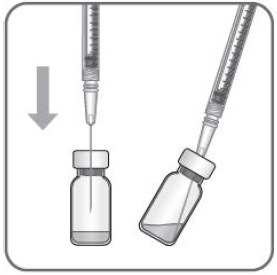
Vials: A 5-micron sterile filter needle (18-gauge × 1-1/2 inch or 19-gauge × 1-1/2 inch), a 1-mL Luer lock syringe and a 30- gauge × ½ inch sterile injection needle are needed but not included.
Section 43683-2
| Warnings and Precautions, Retinal Vasculitis with or without Occlusion (5.4) | 8/2025 |
Section 44425-7
BYOOVIZ should be refrigerated at 2°C to 8°C (36°F to 46°F). DO NOT FREEZE. Do not use beyond the date stamped on the label. Protect BYOOVIZ vials from light and store in the original carton until time of use.
Prior to use, the unopened vial can be stored at temperatures up to 86°F (30°C) for up to 72 hours.
10 Overdosage
More concentrated doses as high as 2 mg ranibizumab in 0.05 mL have been administered to patients. No additional unexpected adverse reactions were seen.
11 Description
BYOOVIZ (ranibizumab-nuna) is a recombinant humanized IgG1 kappa isotype monoclonal antibody fragment designed for intraocular use. Ranibizumab-nuna binds to and inhibits the biologic activity of human vascular endothelial growth factor A (VEGF-A). Ranibizumab-nuna, which lacks an Fc region, has a molecular weight of approximately 48 kilodaltons and is produced by an E. coli expression system in a nutrient medium containing the antibiotic tetracycline. Tetracycline is not detectable in the final product.
BYOOVIZ (ranibizumab-nuna) injection is a sterile, clear to slightly opalescent and colorless to pale yellow solution in a single-dose glass vial for intravitreal use. BYOOVIZ is supplied as a preservative-free, sterile solution in a single-dose container designed to deliver 0.05 mL of 10 mg/mL BYOOVIZ (0.5 mg dose vial) aqueous solution with 10 mM histidine HCl, 10% α,α-trehalose dihydrate, 0.01% polysorbate 20, pH 5.5.
8.4 Pediatric Use
The safety and effectiveness of BYOOVIZ in pediatric patients have not been established.
8.5 Geriatric Use
In the clinical studies, approximately 76% (2449 of 3227) of patients randomized to treatment with ranibizumab were ≥ 65 years of age and approximately 51% (1644 of 3227) were ≥ 75 years of age [see Clinical Studies (14) ]. No notable differences in efficacy or safety were seen with increasing age in these studies. Age did not have a significant effect on systemic exposure.
2.6 Administration
The intravitreal injection procedure should be carried out under controlled aseptic conditions, which include the use of sterile gloves, a sterile drape, and a sterile eyelid speculum (or equivalent).
Adequate anesthesia and a broad-spectrum microbicide should be given prior to the injection.
Prior to and 30 minutes following the intravitreal injection, patients should be monitored for elevation in intraocular pressure using tonometry. Monitoring may also consist of a check for perfusion of the optic nerve head immediately after the injection [see Warnings and Precautions (5.2) ]. Patients should also be monitored for and instructed to report any symptoms suggestive of endophthalmitis without delay following the injection [see Warnings and Precautions (5.1) ].
Each vial should only be used for the treatment of a single eye. If the contralateral eye requires treatment, a new vial should be used and the sterile field, syringe, gloves, drapes, eyelid speculum, filter needle (vial only), and injection needles should be changed before BYOOVIZ is administered to the other eye.
No special dosage modification is required for any of the populations that have been studied (e.g., gender, elderly).
6.3 Immunogenicity
The observed incidence of anti-drug antibodies is highly dependent on the sensitivity and specificity of the assay. Differences in assay methods preclude meaningful comparisons of the incidence of anti-drug antibodies in the studies described below with the incidence of anti-drug antibodies in other studies, including those of ranibizumab or of other ranibizumab products.
The pre-treatment incidence of immunoreactivity to ranibizumab was 0%-5% across treatment groups. After monthly dosing with ranibizumab for 6 to 24 months, antibodies to ranibizumab were detected in approximately 1%-9% of patients.
The clinical significance of immunoreactivity to ranibizumab products are unclear at this time. Among neovascular AMD patients with the highest levels of immunoreactivity, some were noted to have iritis or vitritis.
Intraocular inflammation was not observed in patients with RVO patients with the highest levels of immunoreactivity.
14 Clinical Studies
Unless otherwise noted, visual acuity was measured at a distance of 4 meters.
6 Adverse Reactions
The following adverse reactions are discussed in greater detail in other sections of the label:
- Endophthalmitis and Retinal Detachments [see Warnings and Precautions (5.1) ]
- Increases in Intraocular Pressure [see Warnings and Precautions (5.2) ]
- Thromboembolic Events [see Warnings and Precautions (5.3) ]
7 Drug Interactions
Drug interaction studies have not been conducted with ranibizumab products.
Ranibizumab intravitreal injection has been used adjunctively with Photodynamic Therapy (PDT). Twelve of 105 (11%) patients with neovascular AMD developed serious intraocular inflammation; in 10 of the 12 patients, this occurred when ranibizumab was administered 7 days (± 2 days) after PDT.
4.2 Hypersensitivity
BYOOVIZ is contraindicated in patients with known hypersensitivity to ranibizumab products or any of the excipients in BYOOVIZ. Hypersensitivity reactions may manifest as severe intraocular inflammation.
12.2 Pharmacodynamics
Increased retinal thickness (i.e., center point thickness (CPT) or central foveal thickness (CFT)), as assessed by optical coherence tomography (OCT) is associated with neovascular AMD, mCNV, and macular edema following RVO. Leakage from choroidal neovascularization (CNV) as assessed by fluorescein angiography (FA) is associated with neovascular AMD and mCNV.
12.3 Pharmacokinetics
In patients with neovascular AMD, following monthly intravitreal administration of 0.5 mg ranibizumab, mean (±SD) maximum ranibizumab serum concentrations were 1.7 (± 1.1) ng/mL. These concentrations were below the concentration range of ranibizumab (11 to 27 ng/mL) that was necessary to inhibit the biological activity of VEGF-A by 50%, as measured in an in vitro cellular proliferation assay (based on human umbilical vein endothelial cells (HUVEC)). No significant change from baseline was observed in the mean plasma VEGF concentrations following three monthly 0.5 mg intravitreal injections. The maximum observed serum concentration was dose proportional over the dose range of 0.05 to 2 mg/eye. Serum ranibizumab concentrations in RVO patients were similar to those observed in neovascular AMD patients.
Based on a population pharmacokinetic analysis of patients with neovascular AMD, maximum serum concentrations are predicted to be reached at approximately 1 day after monthly intravitreal administration of ranibizumab 0.5 mg/eye. Based on the disappearance of ranibizumab from serum, the estimated average vitreous elimination half-life was approximately 9 days. Steady-state minimum concentration is predicted to be 0.22 ng/mL with a monthly dosing regimen. In humans, serum ranibizumab concentrations are predicted to be approximately 90,000-fold lower than vitreal concentrations.
In pharmacokinetic covariate analyses, 48% (520/1091) of patients had renal impairment (35% mild, 11% moderate, and 2% severe). Because the increases in plasma ranibizumab exposures in these patients are not considered clinically significant, no dosage adjustment is needed based on renal impairment status.
1 Indications and Usage
BYOOVIZ is indicated for the treatment of patients with:
6.1 Injection Procedure
Serious adverse reactions related to the injection procedure have occurred in < 0.1% of intravitreal injections, including endophthalmitis [see Warnings and Precautions (5.1) ], rhegmatogenous retinal detachment, and iatrogenic traumatic cataract.
12.1 Mechanism of Action
Ranibizumab products bind to the receptor binding site of active forms of VEGF-A, including the biologically active, cleaved form of this molecule, VEGF110. VEGF-A has been shown to cause neovascularization and leakage in models of ocular angiogenesis and vascular occlusion and is thought to contribute to pathophysiology of neovascular AMD, mCNV, and macular edema following RVO. The binding of ranibizumab products to VEGF-A prevents the interaction of VEGF-A with its receptors (VEGFR1 and VEGFR2) on the surface of endothelial cells, reducing endothelial cell proliferation, vascular leakage, and new blood vessel formation.
5.3 Thromboembolic Events
Although there was a low rate of arterial thromboembolic events (ATEs) observed in the ranibizumab clinical trials, there is a potential risk of ATEs following intravitreal use of VEGF inhibitors. Arterial thromboembolic events are defined as nonfatal stroke, nonfatal myocardial infarction, or vascular death (including deaths of unknown cause).
5 Warnings and Precautions
- Endophthalmitis and retinal detachments may occur following intravitreal injections. Patients should be monitored following the injection (5.1).
- Increases in intraocular pressure (IOP) have been noted both pre- and post-intravitreal injection (5.2).
- There is a potential risk of arterial thromboembolic events following intravitreal use of VEGF inhibitors (5.3).
2 Dosage and Administration
For ophthalmic intravitreal injection only (2.1)
-
Neovascular (Wet) Age-Related Macular Degeneration (AMD) (2.2):
BYOOVIZ 0.5 mg (0.05 mL) is recommended to be administered by intravitreal injection once a month (approximately 28 days).-
-Although not as effective, patients may be treated with 3 monthly doses followed by less frequent dosing with regular assessment.
-
-Although not as effective, patients may also be treated with one dose every 3 months after 4 monthly doses. Patients should be assessed regularly.
-
-
Macular Edema Following Retinal Vein Occlusion (RVO) (2.3):
BYOOVIZ 0.5 mg (0.05 mL) is recommended to be administered by intravitreal injection once a month (approximately 28 days). -
Myopic Choroidal Neovascularization (mCNV) (2.4):
BYOOVIZ 0.5 mg (0.05 mL) is recommended to be initially administered by intravitreal injection once a month (approximately 28 days) for up to three months. Patients may be retreated if needed.
3 Dosage Forms and Strengths
Single-dose glass vial designed to provide 0.05 mL for intravitreal injection. Clear to slightly opalescent and colorless to pale yellow, 10 mg/mL solution.
6.4 Postmarketing Experience
The following adverse reactions have been identified during post-approval use of ranibizumab products. Because these reactions are reported voluntarily from a population of uncertain size, it is not always possible to reliably estimate their frequency or establish a causal relationship to drug exposure.
- Ocular: Tear of retinal pigment epithelium among patients with neovascular AMD
2.1 General Dosing Information
FOR OPHTHALMIC INTRAVITREAL INJECTION.
6.2 Clinical Trials Experience
Because clinical trials are conducted under widely varying conditions, adverse reaction rates observed in the clinical trials of a drug cannot be directly compared to rates in the clinical trials of the same or another drug and may not reflect the rates observed in practice.
The data below reflect exposure to 0.5 mg ranibizumab in 440 patients with neovascular AMD in Studies AMD-1, AMD-2, and AMD-3; in 259 patients with macular edema following RVO.
Safety data observed in 224 patients with mCNV, as well as Studies AMD-4 and D-3, were consistent with these results. On average, the rates and types of adverse reactions in patients were not significantly affected by dosing regimen.
17 Patient Counseling Information
Advise patients that in the days following BYOOVIZ administration, patients are at risk of developing endophthalmitis and retinal vasculitis with or without occlusion. If the eye becomes red, sensitive to light, painful, or develops a change in vision, advise the patient to seek immediate care from an ophthalmologist [see Warnings and Precautions (5.1, 5.4) ].
4.1 Ocular Or Periocular Infections
BYOOVIZ is contraindicated in patients with ocular or periocular infections.
16 How Supplied/storage and Handling
Each BYOOVIZ 0.5 mg carton (NDC 82667-018-05) contains a single-dose, 2-mL glass vial designed to deliver 0.05 mL of 10 mg/mL ranibizumab-nuna solution that is clear to slightly opalescent and colorless to pale yellow.
EACH CARTON IS FOR SINGLE-EYE USE ONLY.
5.2 Increases in Intraocular Pressure
Increases in intraocular pressure have been noted both pre-injection and post-injection (at 60 minutes) while being treated with ranibizumab products. Monitor intraocular pressure prior to and following intravitreal injection with BYOOVIZ and manage appropriately [see Dosage and Administration (2.6) ].
5.1 Endophthalmitis and Retinal Detachments
Intravitreal injections, including those with ranibizumab products, have been associated with endophthalmitis and retinal detachments. Proper aseptic injection technique should always be used when administering BYOOVIZ. In addition, patients should be monitored following the injection to permit early treatment should an infection occur [see Dosage and Administration (2.5, 2.6) and Patient Counseling Information (17) ].
Principal Display Panel 0.5 Mg Vial Carton
NDC 82667-018-05
Rx only
Byooviz®
(ranibizumab-nuna)
0.5 mg | wAMD | RVO | mCNV
Injection
0.5 mg single-dose vial.
Discard unused portion.
IMPORTANT:
A 5-micron sterile filter needle
(18-gauge × 1-1/2 inch or
19-gauge × 1-1/2 inch) is required
for preparation, but not included.
See enclosed package insert.
For intravitreal injection.
INDICATED FOR:
- Neovascular (wet) age-related
macular degeneration (AMD) - Macular edema following retinal
vein occlusion (RVO) - Myopic choroidal
neovascularization(mCNV)
KEEP REFRIGERATED.
DO NOT FREEZE.
PROTECT VIAL FROM LIGHT.
SAMSUNG
BIOEPIS
HARROW®
1.3 Myopic Choroidal Neovascularization (mcnv)
2.4 Myopic Choroidal Neovascularization (mcnv)
BYOOVIZ 0.5 mg (0.05 mL of 10 mg/mL BYOOVIZ solution) is recommended to be initially administered by intravitreal injection once a month (approximately 28 days) for up to 3 months. Patients may be retreated if needed [see Clinical Studies (14.3) ].
14.3 Myopic Choroidal Neovascularization (mcnv)
The efficacy and safety data of ranibizumab were assessed in a randomized, double-masked, active-controlled 3- month study in patients with mCNV. Patients age ranged from 18 to 87 years, with a mean age of 55 years. A total of 276 patients (222 patients in the ranibizumab treated Groups I and II; 55 patients in the active control PDT group) were enrolled. Patients randomized to the ranibizumab groups received injections guided by pre- specified re-treatment criteria. The retreatment criteria in Group I were vision stability guided, with the Best Corrected Visual Acuity (BCVA) at the current visit being assessed for changes compared with the two preceding monthly BCVA values. The retreatment criteria in Group II were disease activity guided, based on BCVA decrease from the previous visit that was attributable to intra- or sub-retinal fluid or active leakage secondary to mCNV as assessed by OCT and/or FA compared to the previous monthly visit.
Visual gains for the two ranibizumab 0.5 mg treatment arms were superior to the active control arm. The mean change in BCVA from baseline at Month 3 was: +12.1 letters for Group I, +12.5 letters for Group II and +1.4 letters for the PDT group. (Figure 6; Table 6). Efficacy was comparable between Group I and Group II.
| Study Arms | Mean change in BCVA from baseline (Letters) | Proportion of patients who gained ≥15 letters from baseline | ||
|---|---|---|---|---|
| Mean (SD) | Estimated Difference (95% CI) Adjusted estimates based on stratified models; p < 0.01
|
Percent | Estimated Difference (95% CI) | |
| Group I | 12.1 (10.2) | 10.9 (7.6, 14.3) |
37.1 | 22.6 (9.5, 35.7) |
| Group II | 12.5 (8.8) | 11.4 (8.3, 14.5) |
40.5 | 26.0 (13.1, 38.9) |
| Control (PDT) | 1.4 (12.2) | 14.5 |
|
Figure 6
Mean Change in Visual Acuity from Baseline to Month 3 in mCNV Study |
The proportion of patients who gained ≥15 letters (ETDRS) by Month 3 was 37.1% and 40.5% for ranibizumab Groups I and II, respectively and 14.5% for the PDT group. The mean number of injections between baseline and Month 3 was 2.5 and 1.8 for Groups I and II, respectively. 41% of patients received 1, 2 or 3 injections between baseline and Month 3 with no injections afterwards.
5.4 Retinal Vasculitis With Or Without Occlusion
Retinal vasculitis with or without occlusion, typically in the presence of preexisting intraocular inflammation or post-treatment with other intravitreal agents, have been reported with the use of ranibizumab products. Discontinue treatment with BYOOVIZ in patients who develop these events. Patients should be instructed to report any change in vision without delay [see Patient Counseling Information (17) ].
1.2 Macular Edema Following Retinal Vein Occlusion (rvo)
2.3 Macular Edema Following Retinal Vein Occlusion (rvo)
BYOOVIZ 0.5 mg (0.05 mL of 10 mg/mL solution) is recommended to be administered by intravitreal injection once a month (approximately 28 days).
In Studies RVO-1 and RVO-2, patients received monthly injections of ranibizumab for 6 months. In spite of being guided by optical coherence tomography and visual acuity re-treatment criteria, patients who were then not treated at Month 6 experienced on average, a loss of visual acuity at Month 7, whereas patients who were treated at Month 6 did not. Patients should be treated monthly [see Clinical Studies (14.2) ].
13.1 Carcinogenesis, Mutagenesis, Impairment of Fertility
Animal studies have not been conducted to determine the carcinogenic potential of ranibizumab products. Based on the anti-VEGF mechanism of action of ranibizumab products, treatment with ranibizumab products may pose a risk to reproductive capacity [see Females and Males of Reproductive Potential (8.3) ].
14.2 Macular Edema Following Retinal Vein Occlusion (rvo)
The safety and efficacy of ranibizumab were assessed in two randomized, double-masked, 1-year studies in patients with macular edema following RVO. Sham controlled data are available through Month 6. Patient age ranged from 20 to 91 years, with a mean age of 67 years. A total of 789 patients (ranibizumab 0.3 mg, 266 patients; ranibizumab 0.5 mg, 261 patients; sham, 262 patients) were enrolled, with 739 (94%) patients completing through Month 6. All patients completing Month 6 were eligible to receive ranibizumab injections guided by pre-specified re-treatment criteria until the end of the studies at Month 12.
In Study RVO-1, patients with macular edema following branch or hemi-RVO, received monthly ranibizumab 0.3 mg or 0.5 mg intravitreal injections or monthly sham injections for 6 months. All patients were eligible for macular focal/grid laser treatment beginning at Month 3 of the 6-month treatment period. Macular focal/grid laser treatment was given to 26 of 131 (20%) patients treated with 0.5 mg ranibizumab and 71 of 132 (54%) patients treated with sham.
In Study RVO-2, patients with macular edema following central RVO received monthly ranibizumab 0.3 mg or 0.5 mg intravitreal injections or monthly sham injections for 6 months.
At Month 6, after monthly treatment with 0.5 mg ranibizumab, the following clinical results were observed:
| Outcome Measure | Study RVO-1: Sham, n=131; Ranibizumab 0.5 mg, n=132
RVO-2: Sham, n=130; Ranibizumab 0.5 mg, n=130 |
Sham | Ranibizumab 0.5 mg |
Estimated Difference (95% CI) Adjusted estimate based on stratified model; p < 0.01
|
|---|---|---|---|---|
| Gain of ≥15 letters in visual acuity (%) | RVO-1 | 29% | 61% | 31% (20%, 43%) |
| Gain of ≥15 letters in visual acuity (%) | RVO-2 | 17% | 48% | 30% (20%, 41%) |
|
Figure 5
Mean Change in Visual Acuity from Baseline to Month 6 in Study RVO-1 and Study RVO-2 |
|||||
| RVO-1: | RVO-2: | ||||
|
|
Ranibizumab 0.5 mg (n=131) |
|
Ranibizumab 0.5 mg (n=130) | ||
|
|
Sham (n=132) |
|
Sham (n=130) | ||
| p < 0.01 for all time points |
1.1 Neovascular (wet) Age Related Macular Degeneration (amd)
2.2 Neovascular (wet) Age Related Macular Degeneration (amd)
BYOOVIZ 0.5 mg (0.05 mL of 10 mg/mL solution) is recommended to be administered by intravitreal injection once a month (approximately 28 days).
Although not as effective, patients may be treated with 3 monthly doses followed by less frequent dosing with regular assessment. In the 9 months after three initial monthly doses, less frequent dosing with 4-5 doses on average is expected to maintain visual acuity while monthly dosing may be expected to result in an additional average 1-2 letter gain. Patients should be assessed regularly [see Clinical Studies (14.1) ].
Although not as effective, patients may also be treated with one dose every 3 months after 4 monthly doses. Compared with continued monthly dosing, dosing every 3 months over the next 9 months will lead to an approximate 5-letter (1-line) loss of visual acuity benefit, on average. Patients should be assessed regularly [see Clinical Studies (14.1) ].
14.1 Neovascular (wet) Age Related Macular Degeneration (amd)
The safety and efficacy of ranibizumab were assessed in three randomized, double-masked, sham- or active-controlled studies in patients with neovascular AMD. A total of 1323 patients (ranibizumab 879, control 444) were enrolled in the three studies.
Structured Label Content
Section 42229-5 (42229-5)
Vials: A 5-micron sterile filter needle (18-gauge × 1-1/2 inch or 19-gauge × 1-1/2 inch), a 1-mL Luer lock syringe and a 30- gauge × ½ inch sterile injection needle are needed but not included.
Section 43683-2 (43683-2)
| Warnings and Precautions, Retinal Vasculitis with or without Occlusion (5.4) | 8/2025 |
Section 44425-7 (44425-7)
BYOOVIZ should be refrigerated at 2°C to 8°C (36°F to 46°F). DO NOT FREEZE. Do not use beyond the date stamped on the label. Protect BYOOVIZ vials from light and store in the original carton until time of use.
Prior to use, the unopened vial can be stored at temperatures up to 86°F (30°C) for up to 72 hours.
10 Overdosage (10 OVERDOSAGE)
More concentrated doses as high as 2 mg ranibizumab in 0.05 mL have been administered to patients. No additional unexpected adverse reactions were seen.
11 Description (11 DESCRIPTION)
BYOOVIZ (ranibizumab-nuna) is a recombinant humanized IgG1 kappa isotype monoclonal antibody fragment designed for intraocular use. Ranibizumab-nuna binds to and inhibits the biologic activity of human vascular endothelial growth factor A (VEGF-A). Ranibizumab-nuna, which lacks an Fc region, has a molecular weight of approximately 48 kilodaltons and is produced by an E. coli expression system in a nutrient medium containing the antibiotic tetracycline. Tetracycline is not detectable in the final product.
BYOOVIZ (ranibizumab-nuna) injection is a sterile, clear to slightly opalescent and colorless to pale yellow solution in a single-dose glass vial for intravitreal use. BYOOVIZ is supplied as a preservative-free, sterile solution in a single-dose container designed to deliver 0.05 mL of 10 mg/mL BYOOVIZ (0.5 mg dose vial) aqueous solution with 10 mM histidine HCl, 10% α,α-trehalose dihydrate, 0.01% polysorbate 20, pH 5.5.
8.4 Pediatric Use
The safety and effectiveness of BYOOVIZ in pediatric patients have not been established.
8.5 Geriatric Use
In the clinical studies, approximately 76% (2449 of 3227) of patients randomized to treatment with ranibizumab were ≥ 65 years of age and approximately 51% (1644 of 3227) were ≥ 75 years of age [see Clinical Studies (14) ]. No notable differences in efficacy or safety were seen with increasing age in these studies. Age did not have a significant effect on systemic exposure.
2.6 Administration
The intravitreal injection procedure should be carried out under controlled aseptic conditions, which include the use of sterile gloves, a sterile drape, and a sterile eyelid speculum (or equivalent).
Adequate anesthesia and a broad-spectrum microbicide should be given prior to the injection.
Prior to and 30 minutes following the intravitreal injection, patients should be monitored for elevation in intraocular pressure using tonometry. Monitoring may also consist of a check for perfusion of the optic nerve head immediately after the injection [see Warnings and Precautions (5.2) ]. Patients should also be monitored for and instructed to report any symptoms suggestive of endophthalmitis without delay following the injection [see Warnings and Precautions (5.1) ].
Each vial should only be used for the treatment of a single eye. If the contralateral eye requires treatment, a new vial should be used and the sterile field, syringe, gloves, drapes, eyelid speculum, filter needle (vial only), and injection needles should be changed before BYOOVIZ is administered to the other eye.
No special dosage modification is required for any of the populations that have been studied (e.g., gender, elderly).
6.3 Immunogenicity
The observed incidence of anti-drug antibodies is highly dependent on the sensitivity and specificity of the assay. Differences in assay methods preclude meaningful comparisons of the incidence of anti-drug antibodies in the studies described below with the incidence of anti-drug antibodies in other studies, including those of ranibizumab or of other ranibizumab products.
The pre-treatment incidence of immunoreactivity to ranibizumab was 0%-5% across treatment groups. After monthly dosing with ranibizumab for 6 to 24 months, antibodies to ranibizumab were detected in approximately 1%-9% of patients.
The clinical significance of immunoreactivity to ranibizumab products are unclear at this time. Among neovascular AMD patients with the highest levels of immunoreactivity, some were noted to have iritis or vitritis.
Intraocular inflammation was not observed in patients with RVO patients with the highest levels of immunoreactivity.
14 Clinical Studies (14 CLINICAL STUDIES)
Unless otherwise noted, visual acuity was measured at a distance of 4 meters.
4 Contraindications (4 CONTRAINDICATIONS)
6 Adverse Reactions (6 ADVERSE REACTIONS)
The following adverse reactions are discussed in greater detail in other sections of the label:
- Endophthalmitis and Retinal Detachments [see Warnings and Precautions (5.1) ]
- Increases in Intraocular Pressure [see Warnings and Precautions (5.2) ]
- Thromboembolic Events [see Warnings and Precautions (5.3) ]
7 Drug Interactions (7 DRUG INTERACTIONS)
Drug interaction studies have not been conducted with ranibizumab products.
Ranibizumab intravitreal injection has been used adjunctively with Photodynamic Therapy (PDT). Twelve of 105 (11%) patients with neovascular AMD developed serious intraocular inflammation; in 10 of the 12 patients, this occurred when ranibizumab was administered 7 days (± 2 days) after PDT.
4.2 Hypersensitivity
BYOOVIZ is contraindicated in patients with known hypersensitivity to ranibizumab products or any of the excipients in BYOOVIZ. Hypersensitivity reactions may manifest as severe intraocular inflammation.
12.2 Pharmacodynamics
Increased retinal thickness (i.e., center point thickness (CPT) or central foveal thickness (CFT)), as assessed by optical coherence tomography (OCT) is associated with neovascular AMD, mCNV, and macular edema following RVO. Leakage from choroidal neovascularization (CNV) as assessed by fluorescein angiography (FA) is associated with neovascular AMD and mCNV.
12.3 Pharmacokinetics
In patients with neovascular AMD, following monthly intravitreal administration of 0.5 mg ranibizumab, mean (±SD) maximum ranibizumab serum concentrations were 1.7 (± 1.1) ng/mL. These concentrations were below the concentration range of ranibizumab (11 to 27 ng/mL) that was necessary to inhibit the biological activity of VEGF-A by 50%, as measured in an in vitro cellular proliferation assay (based on human umbilical vein endothelial cells (HUVEC)). No significant change from baseline was observed in the mean plasma VEGF concentrations following three monthly 0.5 mg intravitreal injections. The maximum observed serum concentration was dose proportional over the dose range of 0.05 to 2 mg/eye. Serum ranibizumab concentrations in RVO patients were similar to those observed in neovascular AMD patients.
Based on a population pharmacokinetic analysis of patients with neovascular AMD, maximum serum concentrations are predicted to be reached at approximately 1 day after monthly intravitreal administration of ranibizumab 0.5 mg/eye. Based on the disappearance of ranibizumab from serum, the estimated average vitreous elimination half-life was approximately 9 days. Steady-state minimum concentration is predicted to be 0.22 ng/mL with a monthly dosing regimen. In humans, serum ranibizumab concentrations are predicted to be approximately 90,000-fold lower than vitreal concentrations.
In pharmacokinetic covariate analyses, 48% (520/1091) of patients had renal impairment (35% mild, 11% moderate, and 2% severe). Because the increases in plasma ranibizumab exposures in these patients are not considered clinically significant, no dosage adjustment is needed based on renal impairment status.
1 Indications and Usage (1 INDICATIONS AND USAGE)
BYOOVIZ is indicated for the treatment of patients with:
6.1 Injection Procedure
Serious adverse reactions related to the injection procedure have occurred in < 0.1% of intravitreal injections, including endophthalmitis [see Warnings and Precautions (5.1) ], rhegmatogenous retinal detachment, and iatrogenic traumatic cataract.
12.1 Mechanism of Action
Ranibizumab products bind to the receptor binding site of active forms of VEGF-A, including the biologically active, cleaved form of this molecule, VEGF110. VEGF-A has been shown to cause neovascularization and leakage in models of ocular angiogenesis and vascular occlusion and is thought to contribute to pathophysiology of neovascular AMD, mCNV, and macular edema following RVO. The binding of ranibizumab products to VEGF-A prevents the interaction of VEGF-A with its receptors (VEGFR1 and VEGFR2) on the surface of endothelial cells, reducing endothelial cell proliferation, vascular leakage, and new blood vessel formation.
5.3 Thromboembolic Events
Although there was a low rate of arterial thromboembolic events (ATEs) observed in the ranibizumab clinical trials, there is a potential risk of ATEs following intravitreal use of VEGF inhibitors. Arterial thromboembolic events are defined as nonfatal stroke, nonfatal myocardial infarction, or vascular death (including deaths of unknown cause).
5 Warnings and Precautions (5 WARNINGS AND PRECAUTIONS)
- Endophthalmitis and retinal detachments may occur following intravitreal injections. Patients should be monitored following the injection (5.1).
- Increases in intraocular pressure (IOP) have been noted both pre- and post-intravitreal injection (5.2).
- There is a potential risk of arterial thromboembolic events following intravitreal use of VEGF inhibitors (5.3).
2 Dosage and Administration (2 DOSAGE AND ADMINISTRATION)
For ophthalmic intravitreal injection only (2.1)
-
Neovascular (Wet) Age-Related Macular Degeneration (AMD) (2.2):
BYOOVIZ 0.5 mg (0.05 mL) is recommended to be administered by intravitreal injection once a month (approximately 28 days).-
-Although not as effective, patients may be treated with 3 monthly doses followed by less frequent dosing with regular assessment.
-
-Although not as effective, patients may also be treated with one dose every 3 months after 4 monthly doses. Patients should be assessed regularly.
-
-
Macular Edema Following Retinal Vein Occlusion (RVO) (2.3):
BYOOVIZ 0.5 mg (0.05 mL) is recommended to be administered by intravitreal injection once a month (approximately 28 days). -
Myopic Choroidal Neovascularization (mCNV) (2.4):
BYOOVIZ 0.5 mg (0.05 mL) is recommended to be initially administered by intravitreal injection once a month (approximately 28 days) for up to three months. Patients may be retreated if needed.
3 Dosage Forms and Strengths (3 DOSAGE FORMS AND STRENGTHS)
Single-dose glass vial designed to provide 0.05 mL for intravitreal injection. Clear to slightly opalescent and colorless to pale yellow, 10 mg/mL solution.
6.4 Postmarketing Experience
The following adverse reactions have been identified during post-approval use of ranibizumab products. Because these reactions are reported voluntarily from a population of uncertain size, it is not always possible to reliably estimate their frequency or establish a causal relationship to drug exposure.
- Ocular: Tear of retinal pigment epithelium among patients with neovascular AMD
2.1 General Dosing Information
FOR OPHTHALMIC INTRAVITREAL INJECTION.
6.2 Clinical Trials Experience
Because clinical trials are conducted under widely varying conditions, adverse reaction rates observed in the clinical trials of a drug cannot be directly compared to rates in the clinical trials of the same or another drug and may not reflect the rates observed in practice.
The data below reflect exposure to 0.5 mg ranibizumab in 440 patients with neovascular AMD in Studies AMD-1, AMD-2, and AMD-3; in 259 patients with macular edema following RVO.
Safety data observed in 224 patients with mCNV, as well as Studies AMD-4 and D-3, were consistent with these results. On average, the rates and types of adverse reactions in patients were not significantly affected by dosing regimen.
17 Patient Counseling Information (17 PATIENT COUNSELING INFORMATION)
Advise patients that in the days following BYOOVIZ administration, patients are at risk of developing endophthalmitis and retinal vasculitis with or without occlusion. If the eye becomes red, sensitive to light, painful, or develops a change in vision, advise the patient to seek immediate care from an ophthalmologist [see Warnings and Precautions (5.1, 5.4) ].
4.1 Ocular Or Periocular Infections (4.1 Ocular or Periocular Infections)
BYOOVIZ is contraindicated in patients with ocular or periocular infections.
16 How Supplied/storage and Handling (16 HOW SUPPLIED/STORAGE AND HANDLING)
Each BYOOVIZ 0.5 mg carton (NDC 82667-018-05) contains a single-dose, 2-mL glass vial designed to deliver 0.05 mL of 10 mg/mL ranibizumab-nuna solution that is clear to slightly opalescent and colorless to pale yellow.
EACH CARTON IS FOR SINGLE-EYE USE ONLY.
5.2 Increases in Intraocular Pressure
Increases in intraocular pressure have been noted both pre-injection and post-injection (at 60 minutes) while being treated with ranibizumab products. Monitor intraocular pressure prior to and following intravitreal injection with BYOOVIZ and manage appropriately [see Dosage and Administration (2.6) ].
5.1 Endophthalmitis and Retinal Detachments
Intravitreal injections, including those with ranibizumab products, have been associated with endophthalmitis and retinal detachments. Proper aseptic injection technique should always be used when administering BYOOVIZ. In addition, patients should be monitored following the injection to permit early treatment should an infection occur [see Dosage and Administration (2.5, 2.6) and Patient Counseling Information (17) ].
Principal Display Panel 0.5 Mg Vial Carton (PRINCIPAL DISPLAY PANEL - 0.5 mg Vial Carton)
NDC 82667-018-05
Rx only
Byooviz®
(ranibizumab-nuna)
0.5 mg | wAMD | RVO | mCNV
Injection
0.5 mg single-dose vial.
Discard unused portion.
IMPORTANT:
A 5-micron sterile filter needle
(18-gauge × 1-1/2 inch or
19-gauge × 1-1/2 inch) is required
for preparation, but not included.
See enclosed package insert.
For intravitreal injection.
INDICATED FOR:
- Neovascular (wet) age-related
macular degeneration (AMD) - Macular edema following retinal
vein occlusion (RVO) - Myopic choroidal
neovascularization(mCNV)
KEEP REFRIGERATED.
DO NOT FREEZE.
PROTECT VIAL FROM LIGHT.
SAMSUNG
BIOEPIS
HARROW®
1.3 Myopic Choroidal Neovascularization (mcnv) (1.3 Myopic Choroidal Neovascularization (mCNV))
2.4 Myopic Choroidal Neovascularization (mcnv) (2.4 Myopic Choroidal Neovascularization (mCNV))
BYOOVIZ 0.5 mg (0.05 mL of 10 mg/mL BYOOVIZ solution) is recommended to be initially administered by intravitreal injection once a month (approximately 28 days) for up to 3 months. Patients may be retreated if needed [see Clinical Studies (14.3) ].
14.3 Myopic Choroidal Neovascularization (mcnv) (14.3 Myopic Choroidal Neovascularization (mCNV))
The efficacy and safety data of ranibizumab were assessed in a randomized, double-masked, active-controlled 3- month study in patients with mCNV. Patients age ranged from 18 to 87 years, with a mean age of 55 years. A total of 276 patients (222 patients in the ranibizumab treated Groups I and II; 55 patients in the active control PDT group) were enrolled. Patients randomized to the ranibizumab groups received injections guided by pre- specified re-treatment criteria. The retreatment criteria in Group I were vision stability guided, with the Best Corrected Visual Acuity (BCVA) at the current visit being assessed for changes compared with the two preceding monthly BCVA values. The retreatment criteria in Group II were disease activity guided, based on BCVA decrease from the previous visit that was attributable to intra- or sub-retinal fluid or active leakage secondary to mCNV as assessed by OCT and/or FA compared to the previous monthly visit.
Visual gains for the two ranibizumab 0.5 mg treatment arms were superior to the active control arm. The mean change in BCVA from baseline at Month 3 was: +12.1 letters for Group I, +12.5 letters for Group II and +1.4 letters for the PDT group. (Figure 6; Table 6). Efficacy was comparable between Group I and Group II.
| Study Arms | Mean change in BCVA from baseline (Letters) | Proportion of patients who gained ≥15 letters from baseline | ||
|---|---|---|---|---|
| Mean (SD) | Estimated Difference (95% CI) Adjusted estimates based on stratified models; p < 0.01
|
Percent | Estimated Difference (95% CI) | |
| Group I | 12.1 (10.2) | 10.9 (7.6, 14.3) |
37.1 | 22.6 (9.5, 35.7) |
| Group II | 12.5 (8.8) | 11.4 (8.3, 14.5) |
40.5 | 26.0 (13.1, 38.9) |
| Control (PDT) | 1.4 (12.2) | 14.5 |
|
Figure 6
Mean Change in Visual Acuity from Baseline to Month 3 in mCNV Study |
The proportion of patients who gained ≥15 letters (ETDRS) by Month 3 was 37.1% and 40.5% for ranibizumab Groups I and II, respectively and 14.5% for the PDT group. The mean number of injections between baseline and Month 3 was 2.5 and 1.8 for Groups I and II, respectively. 41% of patients received 1, 2 or 3 injections between baseline and Month 3 with no injections afterwards.
5.4 Retinal Vasculitis With Or Without Occlusion (5.4 Retinal Vasculitis with or without Occlusion)
Retinal vasculitis with or without occlusion, typically in the presence of preexisting intraocular inflammation or post-treatment with other intravitreal agents, have been reported with the use of ranibizumab products. Discontinue treatment with BYOOVIZ in patients who develop these events. Patients should be instructed to report any change in vision without delay [see Patient Counseling Information (17) ].
1.2 Macular Edema Following Retinal Vein Occlusion (rvo) (1.2 Macular Edema Following Retinal Vein Occlusion (RVO))
2.3 Macular Edema Following Retinal Vein Occlusion (rvo) (2.3 Macular Edema Following Retinal Vein Occlusion (RVO))
BYOOVIZ 0.5 mg (0.05 mL of 10 mg/mL solution) is recommended to be administered by intravitreal injection once a month (approximately 28 days).
In Studies RVO-1 and RVO-2, patients received monthly injections of ranibizumab for 6 months. In spite of being guided by optical coherence tomography and visual acuity re-treatment criteria, patients who were then not treated at Month 6 experienced on average, a loss of visual acuity at Month 7, whereas patients who were treated at Month 6 did not. Patients should be treated monthly [see Clinical Studies (14.2) ].
13.1 Carcinogenesis, Mutagenesis, Impairment of Fertility
Animal studies have not been conducted to determine the carcinogenic potential of ranibizumab products. Based on the anti-VEGF mechanism of action of ranibizumab products, treatment with ranibizumab products may pose a risk to reproductive capacity [see Females and Males of Reproductive Potential (8.3) ].
14.2 Macular Edema Following Retinal Vein Occlusion (rvo) (14.2 Macular Edema Following Retinal Vein Occlusion (RVO))
The safety and efficacy of ranibizumab were assessed in two randomized, double-masked, 1-year studies in patients with macular edema following RVO. Sham controlled data are available through Month 6. Patient age ranged from 20 to 91 years, with a mean age of 67 years. A total of 789 patients (ranibizumab 0.3 mg, 266 patients; ranibizumab 0.5 mg, 261 patients; sham, 262 patients) were enrolled, with 739 (94%) patients completing through Month 6. All patients completing Month 6 were eligible to receive ranibizumab injections guided by pre-specified re-treatment criteria until the end of the studies at Month 12.
In Study RVO-1, patients with macular edema following branch or hemi-RVO, received monthly ranibizumab 0.3 mg or 0.5 mg intravitreal injections or monthly sham injections for 6 months. All patients were eligible for macular focal/grid laser treatment beginning at Month 3 of the 6-month treatment period. Macular focal/grid laser treatment was given to 26 of 131 (20%) patients treated with 0.5 mg ranibizumab and 71 of 132 (54%) patients treated with sham.
In Study RVO-2, patients with macular edema following central RVO received monthly ranibizumab 0.3 mg or 0.5 mg intravitreal injections or monthly sham injections for 6 months.
At Month 6, after monthly treatment with 0.5 mg ranibizumab, the following clinical results were observed:
| Outcome Measure | Study RVO-1: Sham, n=131; Ranibizumab 0.5 mg, n=132
RVO-2: Sham, n=130; Ranibizumab 0.5 mg, n=130 |
Sham | Ranibizumab 0.5 mg |
Estimated Difference (95% CI) Adjusted estimate based on stratified model; p < 0.01
|
|---|---|---|---|---|
| Gain of ≥15 letters in visual acuity (%) | RVO-1 | 29% | 61% | 31% (20%, 43%) |
| Gain of ≥15 letters in visual acuity (%) | RVO-2 | 17% | 48% | 30% (20%, 41%) |
|
Figure 5
Mean Change in Visual Acuity from Baseline to Month 6 in Study RVO-1 and Study RVO-2 |
|||||
| RVO-1: | RVO-2: | ||||
|
|
Ranibizumab 0.5 mg (n=131) |
|
Ranibizumab 0.5 mg (n=130) | ||
|
|
Sham (n=132) |
|
Sham (n=130) | ||
| p < 0.01 for all time points |
1.1 Neovascular (wet) Age Related Macular Degeneration (amd) (1.1 Neovascular (Wet) Age-Related Macular Degeneration (AMD))
2.2 Neovascular (wet) Age Related Macular Degeneration (amd) (2.2 Neovascular (Wet) Age-Related Macular Degeneration (AMD))
BYOOVIZ 0.5 mg (0.05 mL of 10 mg/mL solution) is recommended to be administered by intravitreal injection once a month (approximately 28 days).
Although not as effective, patients may be treated with 3 monthly doses followed by less frequent dosing with regular assessment. In the 9 months after three initial monthly doses, less frequent dosing with 4-5 doses on average is expected to maintain visual acuity while monthly dosing may be expected to result in an additional average 1-2 letter gain. Patients should be assessed regularly [see Clinical Studies (14.1) ].
Although not as effective, patients may also be treated with one dose every 3 months after 4 monthly doses. Compared with continued monthly dosing, dosing every 3 months over the next 9 months will lead to an approximate 5-letter (1-line) loss of visual acuity benefit, on average. Patients should be assessed regularly [see Clinical Studies (14.1) ].
14.1 Neovascular (wet) Age Related Macular Degeneration (amd) (14.1 Neovascular (Wet) Age-Related Macular Degeneration (AMD))
The safety and efficacy of ranibizumab were assessed in three randomized, double-masked, sham- or active-controlled studies in patients with neovascular AMD. A total of 1323 patients (ranibizumab 879, control 444) were enrolled in the three studies.
Advanced Ingredient Data
Raw Label Data
All Sections (JSON)
Additional Information
Back to search View SPL set listing Open on DailyMed ↗
Source: dailymed · Ingested: 2026-02-15T11:51:51.341258 · Updated: 2026-03-14T22:42:04.935896