Inomax
762b51be-1893-4cd1-9511-e645fc420d3a
34391-3
HUMAN PRESCRIPTION DRUG LABEL
Drug Facts
Composition & Product
Identifiers & Packaging
Indications and Usage
INOmax ® is indicated to improve oxygenation and reduce the need for extracorporeal membrane oxygenation in term and near-term (>34 weeks gestation) neonates with hypoxic respiratory failure associated with clinical or echocardiographic evidence of pulmonary hypertension in conjunction with ventilatory support and other appropriate agents.
Dosage and Administration
The recommended dose is 20 ppm, maintained for up to 14 days or until the underlying oxygen desaturation has resolved ( 2.1 ). Doses greater than 20 ppm are not recommended ( 2.1 , 5.2 ) Administration: Avoid abrupt discontinuation ( 2.2 , 5.1 ).
Contraindications
INOmax is contraindicated in neonates dependent on right-to-left shunting of blood.
Warnings and Precautions
Rebound: Abrupt discontinuation of INOmax may lead to worsening oxygenation and increasing pulmonary artery pressure ( 5.1 ). Methemoglobinemia: Methemoglobin increases with the dose of nitric oxide; following discontinuation or reduction of nitric oxide, methemoglobin levels return to baseline over a period of hours ( 5.2 ). Elevated NO 2 Levels: Monitor NO 2 levels ( 5.3 ). Heart Failure: In patients with pre-existing left ventricular dysfunction, INOmax may increase pulmonary capillary wedge pressure leading to pulmonary edema ( 5.4 ).
Adverse Reactions
The following adverse reactions are discussed elsewhere in the label; Hypoxemia [see Warnings and Precautions (5.2) ] Worsening Heart Failure [see Warnings and Precautions (5.4) ]
Drug Interactions
Nitric oxide donor compounds may increase the risk of developing methemoglobinemia ( 7 ).
How Supplied
INOmax (nitric oxide) is available in the following sizes: Size D Portable aluminum cylinders containing 353 liters at STP of nitric oxide gas in 800 ppm concentration in nitrogen (delivered volume 344 liters) (NDC 64693-002-01) Size 88 Aluminum cylinders containing 1963 liters at STP of nitric oxide gas in 800 ppm concentration in nitrogen (delivered volume 1918 liters) (NDC 64693-002-02) 0.4 liter Portable aluminum cylinders containing 78 liters at STP of nitric oxide gas in 4,880 ppm concentration in nitrogen (delivered volume 70 liters) (NDC 64693-003-01)
Storage and Handling
INOmax (nitric oxide) is available in the following sizes: Size D Portable aluminum cylinders containing 353 liters at STP of nitric oxide gas in 800 ppm concentration in nitrogen (delivered volume 344 liters) (NDC 64693-002-01) Size 88 Aluminum cylinders containing 1963 liters at STP of nitric oxide gas in 800 ppm concentration in nitrogen (delivered volume 1918 liters) (NDC 64693-002-02) 0.4 liter Portable aluminum cylinders containing 78 liters at STP of nitric oxide gas in 4,880 ppm concentration in nitrogen (delivered volume 70 liters) (NDC 64693-003-01)
Description
INOmax ® is indicated to improve oxygenation and reduce the need for extracorporeal membrane oxygenation in term and near-term (>34 weeks gestation) neonates with hypoxic respiratory failure associated with clinical or echocardiographic evidence of pulmonary hypertension in conjunction with ventilatory support and other appropriate agents.
Medication Information
Warnings and Precautions
Rebound: Abrupt discontinuation of INOmax may lead to worsening oxygenation and increasing pulmonary artery pressure ( 5.1 ). Methemoglobinemia: Methemoglobin increases with the dose of nitric oxide; following discontinuation or reduction of nitric oxide, methemoglobin levels return to baseline over a period of hours ( 5.2 ). Elevated NO 2 Levels: Monitor NO 2 levels ( 5.3 ). Heart Failure: In patients with pre-existing left ventricular dysfunction, INOmax may increase pulmonary capillary wedge pressure leading to pulmonary edema ( 5.4 ).
Indications and Usage
INOmax ® is indicated to improve oxygenation and reduce the need for extracorporeal membrane oxygenation in term and near-term (>34 weeks gestation) neonates with hypoxic respiratory failure associated with clinical or echocardiographic evidence of pulmonary hypertension in conjunction with ventilatory support and other appropriate agents.
Dosage and Administration
The recommended dose is 20 ppm, maintained for up to 14 days or until the underlying oxygen desaturation has resolved ( 2.1 ). Doses greater than 20 ppm are not recommended ( 2.1 , 5.2 ) Administration: Avoid abrupt discontinuation ( 2.2 , 5.1 ).
Contraindications
INOmax is contraindicated in neonates dependent on right-to-left shunting of blood.
Adverse Reactions
The following adverse reactions are discussed elsewhere in the label; Hypoxemia [see Warnings and Precautions (5.2) ] Worsening Heart Failure [see Warnings and Precautions (5.4) ]
Drug Interactions
Nitric oxide donor compounds may increase the risk of developing methemoglobinemia ( 7 ).
Storage and Handling
INOmax (nitric oxide) is available in the following sizes: Size D Portable aluminum cylinders containing 353 liters at STP of nitric oxide gas in 800 ppm concentration in nitrogen (delivered volume 344 liters) (NDC 64693-002-01) Size 88 Aluminum cylinders containing 1963 liters at STP of nitric oxide gas in 800 ppm concentration in nitrogen (delivered volume 1918 liters) (NDC 64693-002-02) 0.4 liter Portable aluminum cylinders containing 78 liters at STP of nitric oxide gas in 4,880 ppm concentration in nitrogen (delivered volume 70 liters) (NDC 64693-003-01)
How Supplied
INOmax (nitric oxide) is available in the following sizes: Size D Portable aluminum cylinders containing 353 liters at STP of nitric oxide gas in 800 ppm concentration in nitrogen (delivered volume 344 liters) (NDC 64693-002-01) Size 88 Aluminum cylinders containing 1963 liters at STP of nitric oxide gas in 800 ppm concentration in nitrogen (delivered volume 1918 liters) (NDC 64693-002-02) 0.4 liter Portable aluminum cylinders containing 78 liters at STP of nitric oxide gas in 4,880 ppm concentration in nitrogen (delivered volume 70 liters) (NDC 64693-003-01)
Description
INOmax ® is indicated to improve oxygenation and reduce the need for extracorporeal membrane oxygenation in term and near-term (>34 weeks gestation) neonates with hypoxic respiratory failure associated with clinical or echocardiographic evidence of pulmonary hypertension in conjunction with ventilatory support and other appropriate agents.
Section 42229-5
Term and near-term neonates with hypoxic respiratory failure
The recommended dose of INOmax is 20 ppm. Maintain treatment up to 14 days or until the underlying oxygen desaturation has resolved and the neonate is ready to be weaned from INOmax therapy.
Doses greater than 20 ppm are not recommended [see Warnings and Precautions (5.2)].
Section 44425-7
Store at 25°C (77°F) with excursions permitted between 15° to 30°C (59° to 86°F) [see USP Controlled Room Temperature].
All regulations concerning handling of pressure vessels must be followed.
Protect the cylinders from shocks, falls, oxidizing and flammable materials, moisture, and sources of heat or ignition.
INOmax MR conditional labeled cylinders (i.e., size 88 aluminum cylinder) may be used at 100 gauss or less. Use of any other cylinders (e.g., size D or 0.4 liter aluminum cylinder) may create a projectile hazard.
10 Overdosage
Overdosage with INOmax is manifest by elevations in methemoglobin and pulmonary toxicities associated with inspired NO2. Elevated NO2 may cause acute lung injury. Elevations in methemoglobin reduce the oxygen delivery capacity of the circulation. In clinical studies, NO2 levels >3 ppm or methemoglobin levels >7% were treated by reducing the dose of, or discontinuing, INOmax.
Methemoglobinemia that does not resolve after reduction or discontinuation of therapy can be treated with intravenous vitamin C, intravenous methylene blue, or blood transfusion, based upon the clinical situation.
11 Description
INOmax (nitric oxide gas) is a drug administered by inhalation. Nitric oxide, the active substance in INOmax, is a pulmonary vasodilator. INOmax 800 ppm is a gaseous blend of nitric oxide (0.08%) and nitrogen (99.92%). INOmax 4,880™ ppm is a gaseous blend of nitric oxide (0.488%) and nitrogen (99.51%). INOmax 800 ppm is supplied in aluminum cylinders as a compressed gas under high pressure (2,000 pounds per square inch [psi]). INOmax 4,880 ppm is supplied in aluminum cylinders as a compressed gas under high pressure (3,000 psi).
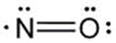
The structural formula of nitric oxide (NO) is shown below:
8.4 Pediatric Use
The safety and efficacy of nitric oxide for inhalation has been demonstrated in term and near-term neonates with hypoxic respiratory failure associated with evidence of pulmonary hypertension [see Clinical Studies (14.1)]. Additional studies conducted in premature neonates for the prevention of bronchopulmonary dysplasia have not demonstrated substantial evidence of efficacy [see Clinical Studies (14.3)]. No information about its effectiveness in other age populations is available.
8.5 Geriatric Use
Nitric oxide is not indicated for use in the adult population.
4 Contraindications
INOmax is contraindicated in neonates dependent on right-to-left shunting of blood.
6 Adverse Reactions
The following adverse reactions are discussed elsewhere in the label;
Hypoxemia [see Warnings and Precautions (5.2)]
Worsening Heart Failure [see Warnings and Precautions (5.4)]
7 Drug Interactions
Nitric oxide donor compounds may increase the risk of developing methemoglobinemia (7).
12.3 Pharmacokinetics
The pharmacokinetics of nitric oxide has been studied in adults.
1 Indications and Usage
INOmax ® is indicated to improve oxygenation and reduce the need for extracorporeal membrane oxygenation in term and near-term (>34 weeks gestation) neonates with hypoxic respiratory failure associated with clinical or echocardiographic evidence of pulmonary hypertension in conjunction with ventilatory support and other appropriate agents.
12.1 Mechanism of Action
Nitric oxide relaxes vascular smooth muscle by binding to the heme moiety of cytosolic guanylate cyclase, activating guanylate cyclase and increasing intracellular levels of cyclic guanosine 3',5'-monophosphate, which then leads to vasodilation. When inhaled, nitric oxide selectively dilates the pulmonary vasculature, and because of efficient scavenging by hemoglobin, has minimal effect on the systemic vasculature.
INOmax appears to increase the partial pressure of arterial oxygen (PaO2) by dilating pulmonary vessels in better ventilated areas of the lung, redistributing pulmonary blood flow away from lung regions with low ventilation/perfusion (V/Q) ratios toward regions with normal ratios.
5 Warnings and Precautions
Rebound: Abrupt discontinuation of INOmax may lead to worsening oxygenation and increasing pulmonary artery pressure (5.1).
Methemoglobinemia: Methemoglobin increases with the dose of nitric oxide; following discontinuation or reduction of nitric oxide, methemoglobin levels return to baseline over a period of hours (5.2).
Elevated NO2 Levels: Monitor NO2 levels (5.3).
Heart Failure: In patients with pre-existing left ventricular dysfunction, INOmax may increase pulmonary capillary wedge pressure leading to pulmonary edema (5.4).
2 Dosage and Administration
5.4 Worsening Heart Failure
Patients with left ventricular dysfunction treated with INOmax may experience pulmonary edema, increased pulmonary capillary wedge pressure, worsening of left ventricular dysfunction, systemic hypotension, bradycardia and cardiac arrest. Discontinue INOmax while providing symptomatic care.
3 Dosage Forms and Strengths
INOmax (nitric oxide) gas is available in 800 and 4,880 ppm concentrations.
6.2 Post Marketing Experience
Post marketing reports of accidental exposure to nitric oxide for inhalation in hospital staff has been associated with chest discomfort, dizziness, dry throat, dyspnea, and headache.
7.1 Nitric Oxide Donor Agents
Nitric oxide donor agents such as prilocaine, sodium nitroprusside and nitroglycerine may increase the risk of developing methemoglobinemia.
6.1 Clinical Trials Experience
Because clinical trials are conducted under widely varying conditions, adverse reaction rates observed in the clinical trials of a drug cannot be directly compared to rates in the clinical trials of another drug and may not reflect the rates observed in practice. The adverse reaction information from the clinical studies does, however, provide a basis for identifying the adverse events that appear to be related to drug use and for approximating rates.
Controlled studies have included 325 patients on INOmax doses of 5 to 80 ppm and 251 patients on placebo. Total mortality in the pooled trials was 11% on placebo and 9% on INOmax, a result adequate to exclude INOmax mortality being more than 40% worse than placebo.
In both the NINOS and CINRGI studies, the duration of hospitalization was similar in INOmax and placebo-treated groups.
From all controlled studies, at least 6 months of follow-up is available for 278 patients who received INOmax and 212 patients who received placebo. Among these patients, there was no evidence of an adverse effect of treatment on the need for rehospitalization, special medical services, pulmonary disease, or neurological sequelae.
In the NINOS study, treatment groups were similar with respect to the incidence and severity of intracranial hemorrhage, Grade IV hemorrhage, periventricular leukomalacia, cerebral infarction, seizures requiring anticonvulsant therapy, pulmonary hemorrhage, or gastrointestinal hemorrhage.
In CINRGI, the only adverse reaction (>2% higher incidence on INOmax than on placebo) was hypotension (14% vs. 11%).
16 How Supplied/storage and Handling
INOmax (nitric oxide) is available in the following sizes:
| Size D | Portable aluminum cylinders containing 353 liters at STP of nitric oxide gas in 800 ppm concentration in nitrogen (delivered volume 344 liters) (NDC 64693-002-01) |
| Size 88 | Aluminum cylinders containing 1963 liters at STP of nitric oxide gas in 800 ppm concentration in nitrogen (delivered volume 1918 liters) (NDC 64693-002-02) |
| 0.4 liter | Portable aluminum cylinders containing 78 liters at STP of nitric oxide gas in 4,880 ppm concentration in nitrogen (delivered volume 70 liters) (NDC 64693-003-01) |
5.2 Hypoxemia From Methemoglobinemia
Nitric oxide combines with hemoglobin to form methemoglobin, which does not transport oxygen. Methemoglobin levels increase with the dose of INOmax; it can take 8 hours or more before steady-state methemoglobin levels are attained. Monitor methemoglobin and adjust the dose of INOmax to optimize oxygenation.
If methemoglobin levels do not resolve with decrease in dose or discontinuation of INOmax, additional therapy may be warranted to treat methemoglobinemia [see Overdosage (10)].
5.3 Airway Injury From Nitrogen Dioxide
Nitrogen dioxide (NO2) forms in gas mixtures containing NO and O2. Nitrogen dioxide may cause airway inflammation and damage to lung tissues.
If there is an unexpected change in NO2 concentration, or if the NO2 concentration reaches 3 ppm when measured in the breathing circuit, then the delivery system should be assessed in accordance with the Nitric Oxide Delivery System O&M Manual troubleshooting section, and the NO2 analyzer should be recalibrated. The dose of INOmax and/or FiO2 should be adjusted as appropriate.
Principal Display Panel 78 Liter Cylinder Label
INOmax®
nitric oxide
FOR INHALATION
4,880 PPM
2
Rx only
CAUTION: HIGH PRESSURE GAS. CAN CAUSE
RAPID SUFFOCATION WITHOUT WARNING.
Use equipment rated for cylinder pressure.
Store and use with adequate ventilation.
Secure cylinder in use and storage. USE IN
ACCORDANCE WITH APPROPRIATE SDS.
WARNING: Administration of this gas mixture
may be hazardous or contraindicated. For use
only by or under the supervision of a licensed
practitioner who is experienced in the use and
administration of gas mixtures, and is familiar
with the indications, effects, dosages, methods,
and frequency and duration of administration, and
with the hazards, contraindications and side effects
and the precautions to be taken.
FIRST AID: IF INHALED,
remove person to fresh air. If
not breathing, give artificial
respiration. If breathing is
difficult, give oxygen.
Get medical help.
Manufactured Under Pharmaceutical
Current Good Manufacturing Practices (cGMPs).
Manufactured by: Mallinckrodt Manufacturing LLC
1060 Allendale Dr., Port Allen, LA 70767 USA
For Product Inquiry 1-877-KNOW INO (566-9466)
Recommended Dosage: See prescribing information.
Storage: Store at 25°C (77°F) [see USP Controlled Room Temperature].
Net Weight: 0.1 Kg Volume: 78 Liters
DO NOT REMOVE THIS PRODUCT LABEL.
Mallinckrodt™
Pharmaceuticals
NDC 64693-003-01
UN 1956
Compressed Gas, N.O.S.
(Nitric Oxide, Nitrogen) 2.2
MADE IN USA
To be refilled only by a pharmaceutical facility authorized by INO Therapeutics LLC
SPC-LBL-0900 R1
do not discard
14.1 Treatment of Hypoxic Respiratory Failure (hrf)
The efficacy of INOmax has been investigated in term and near-term newborns with hypoxic respiratory failure resulting from a variety of etiologies. Inhalation of INOmax reduces the oxygenation index (OI= mean airway pressure in cm H2O × fraction of inspired oxygen concentration [FiO2]× 100 divided by systemic arterial concentration in mm Hg [PaO2]) and increases PaO2 [see Clinical Pharmacology (12.1)] .
Principal Display Panel 1963 Liter Cylinder Label
Rx only
INOmax®
nitric oxide
FOR
INHALATION
800 PPM
CAUTION: HIGH PRESSURE GAS. CAN CAUSE RAPID SUFFOCATION WITHOUT WARNING. Use equipment rated
for cylinder pressure. Store and use with adequate ventilation. Secure cylinder in use and storage. Close valve
after each use and when empty. USE IN ACCORDANCE WITH APPROPRIATE SDS.
WARNING: Administration of this gas mixture may be hazardous or contraindicated. For use only by or under
the supervision of a licensed practitioner who is experienced in the use and administration of gas mixtures, and
is familiar with the indications, effects, dosages, methods, and frequency and duration of administration, and
with the hazards, contraindications and side effects and the precautions to be taken.
FIRST AID: IF INHALED, remove person to fresh air. If not breathing, give artificial respiration. If breathing is
difficult, give oxygen. Get medical help.
RETURN WITH 25 PSIG.
TO BE REFILLED ONLY BY A PHARMACEUTICAL FACILITY AUTHORIZED BY INO Therapeutics LLC
Manufactured Under Pharmaceutical Current Good Manufacturing Practices (cGMPs).
DO NOT REMOVE THIS PRODUCT LABEL.
Store at 25°C (77°F)
[see USP Controlled Room Temperature].
Volume 1963 Liters
Mallinckrodt™
Pharmaceuticals
Manufactured by:
Mallinckrodt Manufacturing LLC
1060 Allendale Dr.
Port Allen, LA 70767 USA
For Product Inquiry 1-877-KNOW INO
(566-9466)
UN 1956
Compressed Gas, N.O.S.
(Nitric Oxide, Nitrogen)
2.2
Net Weight: 2.5 Kg
NDC 64693-002-02
MADE IN USA
Label No. SPC-LBL-0060 R8
13.1 Carcinogenesis, Mutagenesis, Impairment of Fertility
No evidence of a carcinogenic effect was apparent, at inhalation exposures up to the recommended dose (20 ppm), in rats for 20 hr/day for up to two years. Higher exposures have not been investigated.
Nitric oxide has demonstrated genotoxicity in Salmonella (Ames Test), human lymphocytes, and after in vivo exposure in rats. There are no animal or human studies to evaluate nitric oxide for effects on fertility.
14.2 Ineffective in Adult Respiratory Distress Syndrome (ards)
In a randomized, double-blind, parallel, multicenter study, 385 patients with adult respiratory distress syndrome (ARDS) associated with pneumonia (46%), surgery (33%), multiple trauma (26%), aspiration (23%), pulmonary contusion (18%), and other causes, with PaO2/FiO2 <250 mm Hg despite optimal oxygenation and ventilation, received placebo (n=193) or INOmax (n=192), 5 ppm, for 4 hours to 28 days or until weaned because of improvements in oxygenation. Despite acute improvements in oxygenation, there was no effect of INOmax on the primary endpoint of days alive and off ventilator support. These results were consistent with outcome data from a smaller dose ranging study of nitric oxide (1.25 to 80 ppm). INOmax is not indicated for use in ARDS.
14.3 Ineffective in Prevention of Bronchopulmonary Dysplasia (bpd)
The safety and efficacy of INOmax for the prevention of chronic lung disease [bronchopulmonary dysplasia, (BPD)] in neonates ≤ 34 weeks gestational age requiring respiratory support has been studied in four large, multi-center, double-blind, placebo-controlled clinical trials in a total of 2,600 preterm infants. Of these, 1,290 received placebo, and 1,310 received inhaled nitric oxide at doses ranging from 5-20 ppm, for treatment periods of 7-24 days duration. The primary endpoint for these studies was alive and without BPD at 36 weeks postmenstrual age (PMA). The need for supplemental oxygen at 36 weeks PMA served as a surrogate endpoint for the presence of BPD. Overall, efficacy for the prevention of bronchopulmonary dysplasia in preterm infants was not established. There were no meaningful differences between treatment groups with regard to overall deaths, methemoglobin levels, or adverse events commonly observed in premature infants, including intraventricular hemorrhage, patent ductus arteriosus, pulmonary hemorrhage, and retinopathy of prematurity.
The use of INOmax for prevention of BPD in preterm neonates ≤ 34 weeks gestational age is not recommended.
5.1 Rebound Pulmonary Hypertension Syndrome Following Abrupt Discontinuation
Wean from INOmax [see Dosage and Administration (2.2)]. Abrupt discontinuation of INOmax may lead to worsening oxygenation and increasing pulmonary artery pressure, i.e., Rebound Pulmonary Hypertension Syndrome. Signs and symptoms of Rebound Pulmonary Hypertension Syndrome include hypoxemia, systemic hypotension, bradycardia, and decreased cardiac output. If Rebound Pulmonary Hypertension occurs, reinstate INOmax therapy immediately.
Structured Label Content
Section 42229-5 (42229-5)
Term and near-term neonates with hypoxic respiratory failure
The recommended dose of INOmax is 20 ppm. Maintain treatment up to 14 days or until the underlying oxygen desaturation has resolved and the neonate is ready to be weaned from INOmax therapy.
Doses greater than 20 ppm are not recommended [see Warnings and Precautions (5.2)].
Section 44425-7 (44425-7)
Store at 25°C (77°F) with excursions permitted between 15° to 30°C (59° to 86°F) [see USP Controlled Room Temperature].
All regulations concerning handling of pressure vessels must be followed.
Protect the cylinders from shocks, falls, oxidizing and flammable materials, moisture, and sources of heat or ignition.
INOmax MR conditional labeled cylinders (i.e., size 88 aluminum cylinder) may be used at 100 gauss or less. Use of any other cylinders (e.g., size D or 0.4 liter aluminum cylinder) may create a projectile hazard.
10 Overdosage (10 OVERDOSAGE)
Overdosage with INOmax is manifest by elevations in methemoglobin and pulmonary toxicities associated with inspired NO2. Elevated NO2 may cause acute lung injury. Elevations in methemoglobin reduce the oxygen delivery capacity of the circulation. In clinical studies, NO2 levels >3 ppm or methemoglobin levels >7% were treated by reducing the dose of, or discontinuing, INOmax.
Methemoglobinemia that does not resolve after reduction or discontinuation of therapy can be treated with intravenous vitamin C, intravenous methylene blue, or blood transfusion, based upon the clinical situation.
11 Description (11 DESCRIPTION)
INOmax (nitric oxide gas) is a drug administered by inhalation. Nitric oxide, the active substance in INOmax, is a pulmonary vasodilator. INOmax 800 ppm is a gaseous blend of nitric oxide (0.08%) and nitrogen (99.92%). INOmax 4,880™ ppm is a gaseous blend of nitric oxide (0.488%) and nitrogen (99.51%). INOmax 800 ppm is supplied in aluminum cylinders as a compressed gas under high pressure (2,000 pounds per square inch [psi]). INOmax 4,880 ppm is supplied in aluminum cylinders as a compressed gas under high pressure (3,000 psi).
The structural formula of nitric oxide (NO) is shown below:
8.4 Pediatric Use
The safety and efficacy of nitric oxide for inhalation has been demonstrated in term and near-term neonates with hypoxic respiratory failure associated with evidence of pulmonary hypertension [see Clinical Studies (14.1)]. Additional studies conducted in premature neonates for the prevention of bronchopulmonary dysplasia have not demonstrated substantial evidence of efficacy [see Clinical Studies (14.3)]. No information about its effectiveness in other age populations is available.
8.5 Geriatric Use
Nitric oxide is not indicated for use in the adult population.
4 Contraindications (4 CONTRAINDICATIONS)
INOmax is contraindicated in neonates dependent on right-to-left shunting of blood.
6 Adverse Reactions (6 ADVERSE REACTIONS)
The following adverse reactions are discussed elsewhere in the label;
Hypoxemia [see Warnings and Precautions (5.2)]
Worsening Heart Failure [see Warnings and Precautions (5.4)]
7 Drug Interactions (7 DRUG INTERACTIONS)
Nitric oxide donor compounds may increase the risk of developing methemoglobinemia (7).
12.3 Pharmacokinetics
The pharmacokinetics of nitric oxide has been studied in adults.
1 Indications and Usage (1 INDICATIONS AND USAGE)
INOmax ® is indicated to improve oxygenation and reduce the need for extracorporeal membrane oxygenation in term and near-term (>34 weeks gestation) neonates with hypoxic respiratory failure associated with clinical or echocardiographic evidence of pulmonary hypertension in conjunction with ventilatory support and other appropriate agents.
12.1 Mechanism of Action
Nitric oxide relaxes vascular smooth muscle by binding to the heme moiety of cytosolic guanylate cyclase, activating guanylate cyclase and increasing intracellular levels of cyclic guanosine 3',5'-monophosphate, which then leads to vasodilation. When inhaled, nitric oxide selectively dilates the pulmonary vasculature, and because of efficient scavenging by hemoglobin, has minimal effect on the systemic vasculature.
INOmax appears to increase the partial pressure of arterial oxygen (PaO2) by dilating pulmonary vessels in better ventilated areas of the lung, redistributing pulmonary blood flow away from lung regions with low ventilation/perfusion (V/Q) ratios toward regions with normal ratios.
5 Warnings and Precautions (5 WARNINGS AND PRECAUTIONS)
Rebound: Abrupt discontinuation of INOmax may lead to worsening oxygenation and increasing pulmonary artery pressure (5.1).
Methemoglobinemia: Methemoglobin increases with the dose of nitric oxide; following discontinuation or reduction of nitric oxide, methemoglobin levels return to baseline over a period of hours (5.2).
Elevated NO2 Levels: Monitor NO2 levels (5.3).
Heart Failure: In patients with pre-existing left ventricular dysfunction, INOmax may increase pulmonary capillary wedge pressure leading to pulmonary edema (5.4).
2 Dosage and Administration (2 DOSAGE AND ADMINISTRATION)
5.4 Worsening Heart Failure
Patients with left ventricular dysfunction treated with INOmax may experience pulmonary edema, increased pulmonary capillary wedge pressure, worsening of left ventricular dysfunction, systemic hypotension, bradycardia and cardiac arrest. Discontinue INOmax while providing symptomatic care.
3 Dosage Forms and Strengths (3 DOSAGE FORMS AND STRENGTHS)
INOmax (nitric oxide) gas is available in 800 and 4,880 ppm concentrations.
6.2 Post Marketing Experience (6.2 Post-Marketing Experience)
Post marketing reports of accidental exposure to nitric oxide for inhalation in hospital staff has been associated with chest discomfort, dizziness, dry throat, dyspnea, and headache.
7.1 Nitric Oxide Donor Agents
Nitric oxide donor agents such as prilocaine, sodium nitroprusside and nitroglycerine may increase the risk of developing methemoglobinemia.
6.1 Clinical Trials Experience
Because clinical trials are conducted under widely varying conditions, adverse reaction rates observed in the clinical trials of a drug cannot be directly compared to rates in the clinical trials of another drug and may not reflect the rates observed in practice. The adverse reaction information from the clinical studies does, however, provide a basis for identifying the adverse events that appear to be related to drug use and for approximating rates.
Controlled studies have included 325 patients on INOmax doses of 5 to 80 ppm and 251 patients on placebo. Total mortality in the pooled trials was 11% on placebo and 9% on INOmax, a result adequate to exclude INOmax mortality being more than 40% worse than placebo.
In both the NINOS and CINRGI studies, the duration of hospitalization was similar in INOmax and placebo-treated groups.
From all controlled studies, at least 6 months of follow-up is available for 278 patients who received INOmax and 212 patients who received placebo. Among these patients, there was no evidence of an adverse effect of treatment on the need for rehospitalization, special medical services, pulmonary disease, or neurological sequelae.
In the NINOS study, treatment groups were similar with respect to the incidence and severity of intracranial hemorrhage, Grade IV hemorrhage, periventricular leukomalacia, cerebral infarction, seizures requiring anticonvulsant therapy, pulmonary hemorrhage, or gastrointestinal hemorrhage.
In CINRGI, the only adverse reaction (>2% higher incidence on INOmax than on placebo) was hypotension (14% vs. 11%).
16 How Supplied/storage and Handling (16 HOW SUPPLIED/STORAGE AND HANDLING)
INOmax (nitric oxide) is available in the following sizes:
| Size D | Portable aluminum cylinders containing 353 liters at STP of nitric oxide gas in 800 ppm concentration in nitrogen (delivered volume 344 liters) (NDC 64693-002-01) |
| Size 88 | Aluminum cylinders containing 1963 liters at STP of nitric oxide gas in 800 ppm concentration in nitrogen (delivered volume 1918 liters) (NDC 64693-002-02) |
| 0.4 liter | Portable aluminum cylinders containing 78 liters at STP of nitric oxide gas in 4,880 ppm concentration in nitrogen (delivered volume 70 liters) (NDC 64693-003-01) |
5.2 Hypoxemia From Methemoglobinemia (5.2 Hypoxemia from Methemoglobinemia)
Nitric oxide combines with hemoglobin to form methemoglobin, which does not transport oxygen. Methemoglobin levels increase with the dose of INOmax; it can take 8 hours or more before steady-state methemoglobin levels are attained. Monitor methemoglobin and adjust the dose of INOmax to optimize oxygenation.
If methemoglobin levels do not resolve with decrease in dose or discontinuation of INOmax, additional therapy may be warranted to treat methemoglobinemia [see Overdosage (10)].
5.3 Airway Injury From Nitrogen Dioxide (5.3 Airway Injury from Nitrogen Dioxide)
Nitrogen dioxide (NO2) forms in gas mixtures containing NO and O2. Nitrogen dioxide may cause airway inflammation and damage to lung tissues.
If there is an unexpected change in NO2 concentration, or if the NO2 concentration reaches 3 ppm when measured in the breathing circuit, then the delivery system should be assessed in accordance with the Nitric Oxide Delivery System O&M Manual troubleshooting section, and the NO2 analyzer should be recalibrated. The dose of INOmax and/or FiO2 should be adjusted as appropriate.
Principal Display Panel 78 Liter Cylinder Label (PRINCIPAL DISPLAY PANEL - 78 Liter Cylinder Label)
INOmax®
nitric oxide
FOR INHALATION
4,880 PPM
2
Rx only
CAUTION: HIGH PRESSURE GAS. CAN CAUSE
RAPID SUFFOCATION WITHOUT WARNING.
Use equipment rated for cylinder pressure.
Store and use with adequate ventilation.
Secure cylinder in use and storage. USE IN
ACCORDANCE WITH APPROPRIATE SDS.
WARNING: Administration of this gas mixture
may be hazardous or contraindicated. For use
only by or under the supervision of a licensed
practitioner who is experienced in the use and
administration of gas mixtures, and is familiar
with the indications, effects, dosages, methods,
and frequency and duration of administration, and
with the hazards, contraindications and side effects
and the precautions to be taken.
FIRST AID: IF INHALED,
remove person to fresh air. If
not breathing, give artificial
respiration. If breathing is
difficult, give oxygen.
Get medical help.
Manufactured Under Pharmaceutical
Current Good Manufacturing Practices (cGMPs).
Manufactured by: Mallinckrodt Manufacturing LLC
1060 Allendale Dr., Port Allen, LA 70767 USA
For Product Inquiry 1-877-KNOW INO (566-9466)
Recommended Dosage: See prescribing information.
Storage: Store at 25°C (77°F) [see USP Controlled Room Temperature].
Net Weight: 0.1 Kg Volume: 78 Liters
DO NOT REMOVE THIS PRODUCT LABEL.
Mallinckrodt™
Pharmaceuticals
NDC 64693-003-01
UN 1956
Compressed Gas, N.O.S.
(Nitric Oxide, Nitrogen) 2.2
MADE IN USA
To be refilled only by a pharmaceutical facility authorized by INO Therapeutics LLC
SPC-LBL-0900 R1
do not discard
14.1 Treatment of Hypoxic Respiratory Failure (hrf) (14.1 Treatment of Hypoxic Respiratory Failure (HRF))
The efficacy of INOmax has been investigated in term and near-term newborns with hypoxic respiratory failure resulting from a variety of etiologies. Inhalation of INOmax reduces the oxygenation index (OI= mean airway pressure in cm H2O × fraction of inspired oxygen concentration [FiO2]× 100 divided by systemic arterial concentration in mm Hg [PaO2]) and increases PaO2 [see Clinical Pharmacology (12.1)] .
Principal Display Panel 1963 Liter Cylinder Label (PRINCIPAL DISPLAY PANEL - 1963 Liter Cylinder Label)
Rx only
INOmax®
nitric oxide
FOR
INHALATION
800 PPM
CAUTION: HIGH PRESSURE GAS. CAN CAUSE RAPID SUFFOCATION WITHOUT WARNING. Use equipment rated
for cylinder pressure. Store and use with adequate ventilation. Secure cylinder in use and storage. Close valve
after each use and when empty. USE IN ACCORDANCE WITH APPROPRIATE SDS.
WARNING: Administration of this gas mixture may be hazardous or contraindicated. For use only by or under
the supervision of a licensed practitioner who is experienced in the use and administration of gas mixtures, and
is familiar with the indications, effects, dosages, methods, and frequency and duration of administration, and
with the hazards, contraindications and side effects and the precautions to be taken.
FIRST AID: IF INHALED, remove person to fresh air. If not breathing, give artificial respiration. If breathing is
difficult, give oxygen. Get medical help.
RETURN WITH 25 PSIG.
TO BE REFILLED ONLY BY A PHARMACEUTICAL FACILITY AUTHORIZED BY INO Therapeutics LLC
Manufactured Under Pharmaceutical Current Good Manufacturing Practices (cGMPs).
DO NOT REMOVE THIS PRODUCT LABEL.
Store at 25°C (77°F)
[see USP Controlled Room Temperature].
Volume 1963 Liters
Mallinckrodt™
Pharmaceuticals
Manufactured by:
Mallinckrodt Manufacturing LLC
1060 Allendale Dr.
Port Allen, LA 70767 USA
For Product Inquiry 1-877-KNOW INO
(566-9466)
UN 1956
Compressed Gas, N.O.S.
(Nitric Oxide, Nitrogen)
2.2
Net Weight: 2.5 Kg
NDC 64693-002-02
MADE IN USA
Label No. SPC-LBL-0060 R8
13.1 Carcinogenesis, Mutagenesis, Impairment of Fertility
No evidence of a carcinogenic effect was apparent, at inhalation exposures up to the recommended dose (20 ppm), in rats for 20 hr/day for up to two years. Higher exposures have not been investigated.
Nitric oxide has demonstrated genotoxicity in Salmonella (Ames Test), human lymphocytes, and after in vivo exposure in rats. There are no animal or human studies to evaluate nitric oxide for effects on fertility.
14.2 Ineffective in Adult Respiratory Distress Syndrome (ards) (14.2 Ineffective in Adult Respiratory Distress Syndrome (ARDS))
In a randomized, double-blind, parallel, multicenter study, 385 patients with adult respiratory distress syndrome (ARDS) associated with pneumonia (46%), surgery (33%), multiple trauma (26%), aspiration (23%), pulmonary contusion (18%), and other causes, with PaO2/FiO2 <250 mm Hg despite optimal oxygenation and ventilation, received placebo (n=193) or INOmax (n=192), 5 ppm, for 4 hours to 28 days or until weaned because of improvements in oxygenation. Despite acute improvements in oxygenation, there was no effect of INOmax on the primary endpoint of days alive and off ventilator support. These results were consistent with outcome data from a smaller dose ranging study of nitric oxide (1.25 to 80 ppm). INOmax is not indicated for use in ARDS.
14.3 Ineffective in Prevention of Bronchopulmonary Dysplasia (bpd) (14.3 Ineffective in Prevention of Bronchopulmonary Dysplasia (BPD))
The safety and efficacy of INOmax for the prevention of chronic lung disease [bronchopulmonary dysplasia, (BPD)] in neonates ≤ 34 weeks gestational age requiring respiratory support has been studied in four large, multi-center, double-blind, placebo-controlled clinical trials in a total of 2,600 preterm infants. Of these, 1,290 received placebo, and 1,310 received inhaled nitric oxide at doses ranging from 5-20 ppm, for treatment periods of 7-24 days duration. The primary endpoint for these studies was alive and without BPD at 36 weeks postmenstrual age (PMA). The need for supplemental oxygen at 36 weeks PMA served as a surrogate endpoint for the presence of BPD. Overall, efficacy for the prevention of bronchopulmonary dysplasia in preterm infants was not established. There were no meaningful differences between treatment groups with regard to overall deaths, methemoglobin levels, or adverse events commonly observed in premature infants, including intraventricular hemorrhage, patent ductus arteriosus, pulmonary hemorrhage, and retinopathy of prematurity.
The use of INOmax for prevention of BPD in preterm neonates ≤ 34 weeks gestational age is not recommended.
5.1 Rebound Pulmonary Hypertension Syndrome Following Abrupt Discontinuation (5.1 Rebound Pulmonary Hypertension Syndrome following Abrupt Discontinuation)
Wean from INOmax [see Dosage and Administration (2.2)]. Abrupt discontinuation of INOmax may lead to worsening oxygenation and increasing pulmonary artery pressure, i.e., Rebound Pulmonary Hypertension Syndrome. Signs and symptoms of Rebound Pulmonary Hypertension Syndrome include hypoxemia, systemic hypotension, bradycardia, and decreased cardiac output. If Rebound Pulmonary Hypertension occurs, reinstate INOmax therapy immediately.
Advanced Ingredient Data
Raw Label Data
All Sections (JSON)
Additional Information
Back to search View SPL set listing Open on DailyMed ↗
Source: dailymed · Ingested: 2026-02-15T11:51:10.217014 · Updated: 2026-03-14T22:39:28.520287