acetic acid otic solution, usp
7470a1ed-bc00-cb52-e053-2a91aa0a5c7d
34391-3
HUMAN PRESCRIPTION DRUG LABEL
Drug Facts
Composition & Product
Identifiers & Packaging
Indications and Usage
For the treatment of superficial infections of the external auditory canal caused by organisms susceptible to the action of the antimicrobial.
Dosage and Administration
Carefully remove all cerumen and debris to allow acetic acid to contact infected surfaces directly. To promote continuous contact, insert a wick of cotton saturated with acetic acid into the ear canal; the wick may also be saturated after insertion. Instruct the patient to keep the wick in for at least 24 hours and to keep it moist by adding 3 to 5 drops of acetic acid every 4 to 6 hours. The wick may be removed after 24 hours but the patient should continue to instill 5 drops of acetic acid 3 or 4 times daily thereafter, for as long as indicated. In pediatric patients, 3 to 4 drops may be sufficient due to the smaller capacity of the ear canal.
Contraindications
Hypersensitivity to acetic acid or any of the ingredients. Perforated tympanic membrane is considered a contraindication to the use of any medication in the external ear canal.
Adverse Reactions
Stinging or burning may be noted occasionally; local irritation has occurred very rarely.
How Supplied
Acetic Acid Otic Solution, USP, containing 2% acetic acid, is available in 15 mL NDC 68071-1739-5 measured-drop, safety-tip plastic bottles.
Description
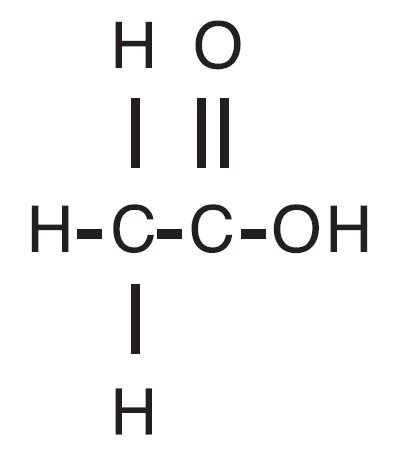
Acetic Acid Otic Solution, USP is a solution of acetic acid (2%) in a propylene glycol vehicle containing propylene glycol diacetate (3%), benzethonium chloride (0.02%), and sodium acetate (0.015%). The empirical formula for acetic acid is CH 3 COOH, with a molecular weight of 60.05. The structural formula is: Acetic Acid is available as a nonaqueous otic solution buffered at pH 3 for use in the external ear canal.
Medication Information
Warnings
Discontinue promptly if sensitization or irritation occurs.
Indications and Usage
For the treatment of superficial infections of the external auditory canal caused by organisms susceptible to the action of the antimicrobial.
Dosage and Administration
Carefully remove all cerumen and debris to allow acetic acid to contact infected surfaces directly. To promote continuous contact, insert a wick of cotton saturated with acetic acid into the ear canal; the wick may also be saturated after insertion. Instruct the patient to keep the wick in for at least 24 hours and to keep it moist by adding 3 to 5 drops of acetic acid every 4 to 6 hours. The wick may be removed after 24 hours but the patient should continue to instill 5 drops of acetic acid 3 or 4 times daily thereafter, for as long as indicated. In pediatric patients, 3 to 4 drops may be sufficient due to the smaller capacity of the ear canal.
Contraindications
Hypersensitivity to acetic acid or any of the ingredients. Perforated tympanic membrane is considered a contraindication to the use of any medication in the external ear canal.
Adverse Reactions
Stinging or burning may be noted occasionally; local irritation has occurred very rarely.
How Supplied
Acetic Acid Otic Solution, USP, containing 2% acetic acid, is available in 15 mL NDC 68071-1739-5 measured-drop, safety-tip plastic bottles.
Description
Acetic Acid Otic Solution, USP is a solution of acetic acid (2%) in a propylene glycol vehicle containing propylene glycol diacetate (3%), benzethonium chloride (0.02%), and sodium acetate (0.015%). The empirical formula for acetic acid is CH 3COOH, with a molecular weight of 60.05. The structural formula is:
Acetic Acid is available as a nonaqueous otic solution buffered at pH 3 for use in the external ear canal.
Storage
Store at 20°- 25°C (68°-77°F). Keep container tightly closed.
Hi-Tech Pharmacal Co., Inc.
Amityville, NY 11701
Rev. 889:02 11/09
Precautions
Transient stinging or burning may be noted occasionally when the solution is first instilled into the acutely inflamed ear.
Pediatric Use
Safety and effectiveness in pediatric patients below the age of 3 years have not been established.
Clinical Pharmacology
Acetic acid is antibacterial and antifungal; propylene glycol is hydrophilic and provides a low surface tension; benzethonium chloride is a surface active agent that promotes contact of the solution with tissues.
Package/label Principal Display Panel
Structured Label Content
Warnings (WARNINGS)
Discontinue promptly if sensitization or irritation occurs.
Indications and Usage (INDICATIONS AND USAGE)
For the treatment of superficial infections of the external auditory canal caused by organisms susceptible to the action of the antimicrobial.
Dosage and Administration (DOSAGE AND ADMINISTRATION)
Carefully remove all cerumen and debris to allow acetic acid to contact infected surfaces directly. To promote continuous contact, insert a wick of cotton saturated with acetic acid into the ear canal; the wick may also be saturated after insertion. Instruct the patient to keep the wick in for at least 24 hours and to keep it moist by adding 3 to 5 drops of acetic acid every 4 to 6 hours. The wick may be removed after 24 hours but the patient should continue to instill 5 drops of acetic acid 3 or 4 times daily thereafter, for as long as indicated. In pediatric patients, 3 to 4 drops may be sufficient due to the smaller capacity of the ear canal.
Contraindications (CONTRAINDICATIONS)
Hypersensitivity to acetic acid or any of the ingredients. Perforated tympanic membrane is considered a contraindication to the use of any medication in the external ear canal.
Adverse Reactions (ADVERSE REACTIONS)
Stinging or burning may be noted occasionally; local irritation has occurred very rarely.
How Supplied (HOW SUPPLIED)
Acetic Acid Otic Solution, USP, containing 2% acetic acid, is available in 15 mL NDC 68071-1739-5 measured-drop, safety-tip plastic bottles.
Description (DESCRIPTION)
Acetic Acid Otic Solution, USP is a solution of acetic acid (2%) in a propylene glycol vehicle containing propylene glycol diacetate (3%), benzethonium chloride (0.02%), and sodium acetate (0.015%). The empirical formula for acetic acid is CH 3COOH, with a molecular weight of 60.05. The structural formula is:
Acetic Acid is available as a nonaqueous otic solution buffered at pH 3 for use in the external ear canal.
Storage (STORAGE)
Store at 20°- 25°C (68°-77°F). Keep container tightly closed.
Hi-Tech Pharmacal Co., Inc.
Amityville, NY 11701
Rev. 889:02 11/09
Precautions (PRECAUTIONS)
Transient stinging or burning may be noted occasionally when the solution is first instilled into the acutely inflamed ear.
Pediatric Use (PEDIATRIC USE)
Safety and effectiveness in pediatric patients below the age of 3 years have not been established.
Clinical Pharmacology (CLINICAL PHARMACOLOGY)
Acetic acid is antibacterial and antifungal; propylene glycol is hydrophilic and provides a low surface tension; benzethonium chloride is a surface active agent that promotes contact of the solution with tissues.
Package/label Principal Display Panel (PACKAGE/LABEL PRINCIPAL DISPLAY PANEL)
Advanced Ingredient Data
Raw Label Data
All Sections (JSON)
Additional Information
Back to search View SPL set listing Open on DailyMed ↗
Source: dailymed · Ingested: 2026-02-15T11:41:53.130660 · Updated: 2026-03-14T22:07:07.975748