Vyvanse
704e4378-ca83-445c-8b45-3cfa51c1ecad
34391-3
HUMAN PRESCRIPTION DRUG LABEL
Drug Facts
Composition & Product
Identifiers & Packaging
Indications and Usage
VYVANSE ® is indicated for the treatment of: Attention Deficit Hyperactivity Disorder (ADHD) in adults and pediatric patients 6 years and older [see Clinical Studies (14.1) ]. Moderate to severe binge eating disorder (BED) in adults [see Clinical Studies (14.2) ] .
Dosage and Administration
Indicated Population Initial Dose Titration Schedule Recommended Dose Maximum Dose ADHD (Adults and pediatric patients 6 years and older) ( 2.2 ) 30 mg every morning 10 mg or 20 mg weekly 30 mg to 70 mg per day 70 mg per day BED (Adults) ( 2.3 ) 30 mg every morning 20 mg weekly 50 mg to 70 mg per day 70 mg per day Prior to treatment, assess for presence of cardiac disease ( 2.4 ) Severe renal impairment: Maximum dose is 50 mg/day ( 2.5 ) End stage renal disease (ESRD): Maximum dose is 30 mg/day ( 2.5 )
Contraindications
VYVANSE is contraindicated in patients with: Known hypersensitivity to amphetamine products or other ingredients of VYVANSE. Anaphylactic reactions, Stevens-Johnson Syndrome, angioedema, and urticaria have been observed in postmarketing reports [see Adverse Reactions (6.2) ] . Patients taking monoamine oxidase inhibitors (MAOIs), or within 14 days of stopping MAOIs (including MAOIs such as linezolid or intravenous methylene blue), because of an increased risk of hypertensive crisis [see Warnings and Precautions (5.7) and Drug Interactions (7.1) ] .
Warnings and Precautions
Risks to Patients with Serious Cardiac Disease: Avoid use in patients with known structural cardiac abnormalities, cardiomyopathy, serious cardiac arrhythmia, coronary artery disease, or other serious cardiac disease ( 5.2 ) Increased Blood Pressure and Heart Rate: Monitor blood pressure and pulse. ( 5.3 ) Psychiatric Adverse Reactions: Prior to initiating VYVANSE, screen patients for risk factors for developing a manic episode. If new psychotic or manic symptoms occur, consider discontinuing VYVANSE. ( 5.4 ) Long-Term Suppression of Growth in Pediatric Patients: Closely monitor growth (height and weight) in pediatric patients. Pediatric patients not growing or gaining height or weight as expected may need to have their treatment interrupted. ( 5.5 ) Peripheral Vasculopathy, including Raynaud's phenomenon: Careful observation for digital changes is necessary during VYVANSE treatment. Further clinical evaluation (e.g., rheumatology referral) may be appropriate for patients who develop signs or symptoms of peripheral vasculopathy. ( 5.6 ) Serotonin Syndrome: Increased risk when co-administered with serotonergic agents (e.g., SSRIs, SNRIs, triptans), but also during overdosage situations. If it occurs, discontinue VYVANSE and initiate supportive treatment. ( 4 , 5.7 , 10 ) Motor and Verbal Tics, and Worsening of Tourette's Syndrome: Before initiating VYVANSE, assess the family history and clinically evaluate patients for tics or Tourette's syndrome. Regularly monitor patients for the emergence or worsening of tics or Tourette's syndrome. Discontinue treatment if clinically appropriate. ( 5.8 )
Adverse Reactions
The following adverse reactions are discussed in greater detail in other sections of the labeling: Known hypersensitivity to amphetamine products or other ingredients of VYVANSE [see Contraindications (4) ] Hypertensive Crisis When Used Concomitantly with Monoamine Oxidase Inhibitors [see Contraindications (4) and Drug Interactions (7.1) ] Abuse, Misuse, and Addiction [see Boxed Warning , Warnings and Precautions (5.1) , and Drug Abuse and Dependence (9.2 , 9.3) ] Risks to Patients with Serious Cardiac Disease [see Warnings and Precautions (5.2) ] Increased Blood Pressure and Heart Rate [see Warnings and Precautions (5.3) ] Psychiatric Adverse Reactions [see Warnings and Precautions (5.4) ] Long-Term Suppression of Growth in Pediatric Patients [see Warnings and Precautions (5.5) ] Peripheral Vasculopathy, including Raynaud's phenomenon [see Warnings and Precautions (5.6) ] Serotonin Syndrome [see Warnings and Precautions (5.7) ] Motor and Verbal Tics, and Worsening of Tourette's Syndrome [see Warnings and Precautions (5.8) ]
Drug Interactions
Acidifying and Alkalinizing Agents: Agents that alter urinary pH can alter blood levels of amphetamine. Acidifying agents decrease amphetamine blood levels, while alkalinizing agents increase amphetamine blood levels. Adjust VYVANSE dosage accordingly. ( 2.6 , 7.1 )
Storage and Handling
Dispense in a tight, light-resistant container as defined in the USP. Store at room temperature, 20°C to 25°C (68°F to 77°F). Excursions permitted between 15°C and 30°C (59°F to 86°F) [see USP Controlled Room Temperature] .
Description
VYVANSE has a high potential for abuse and misuse, which can lead to the development of a substance use disorder, including addiction. Misuse and abuse of CNS stimulants, including VYVANSE, can result in overdose and death [see Overdosage (10) ] , and this risk is increased with higher doses or unapproved methods of administration, such as snorting or injection. Before prescribing VYVANSE, assess each patient's risk for abuse, misuse, and addiction. Educate patients and their families about these risks, proper storage of the drug, and proper disposal of any unused drug. Throughout VYVANSE treatment, reassess each patient's risk of abuse, misuse, and addiction and frequently monitor for signs and symptoms of abuse, misuse, and addiction [see Warnings and Precautions (5.1) , Drug Abuse and Dependence (9.2) ] .
Medication Information
Warnings and Precautions
Risks to Patients with Serious Cardiac Disease: Avoid use in patients with known structural cardiac abnormalities, cardiomyopathy, serious cardiac arrhythmia, coronary artery disease, or other serious cardiac disease ( 5.2 ) Increased Blood Pressure and Heart Rate: Monitor blood pressure and pulse. ( 5.3 ) Psychiatric Adverse Reactions: Prior to initiating VYVANSE, screen patients for risk factors for developing a manic episode. If new psychotic or manic symptoms occur, consider discontinuing VYVANSE. ( 5.4 ) Long-Term Suppression of Growth in Pediatric Patients: Closely monitor growth (height and weight) in pediatric patients. Pediatric patients not growing or gaining height or weight as expected may need to have their treatment interrupted. ( 5.5 ) Peripheral Vasculopathy, including Raynaud's phenomenon: Careful observation for digital changes is necessary during VYVANSE treatment. Further clinical evaluation (e.g., rheumatology referral) may be appropriate for patients who develop signs or symptoms of peripheral vasculopathy. ( 5.6 ) Serotonin Syndrome: Increased risk when co-administered with serotonergic agents (e.g., SSRIs, SNRIs, triptans), but also during overdosage situations. If it occurs, discontinue VYVANSE and initiate supportive treatment. ( 4 , 5.7 , 10 ) Motor and Verbal Tics, and Worsening of Tourette's Syndrome: Before initiating VYVANSE, assess the family history and clinically evaluate patients for tics or Tourette's syndrome. Regularly monitor patients for the emergence or worsening of tics or Tourette's syndrome. Discontinue treatment if clinically appropriate. ( 5.8 )
Indications and Usage
VYVANSE ® is indicated for the treatment of: Attention Deficit Hyperactivity Disorder (ADHD) in adults and pediatric patients 6 years and older [see Clinical Studies (14.1) ]. Moderate to severe binge eating disorder (BED) in adults [see Clinical Studies (14.2) ] .
Dosage and Administration
Indicated Population Initial Dose Titration Schedule Recommended Dose Maximum Dose ADHD (Adults and pediatric patients 6 years and older) ( 2.2 ) 30 mg every morning 10 mg or 20 mg weekly 30 mg to 70 mg per day 70 mg per day BED (Adults) ( 2.3 ) 30 mg every morning 20 mg weekly 50 mg to 70 mg per day 70 mg per day Prior to treatment, assess for presence of cardiac disease ( 2.4 ) Severe renal impairment: Maximum dose is 50 mg/day ( 2.5 ) End stage renal disease (ESRD): Maximum dose is 30 mg/day ( 2.5 )
Contraindications
VYVANSE is contraindicated in patients with: Known hypersensitivity to amphetamine products or other ingredients of VYVANSE. Anaphylactic reactions, Stevens-Johnson Syndrome, angioedema, and urticaria have been observed in postmarketing reports [see Adverse Reactions (6.2) ] . Patients taking monoamine oxidase inhibitors (MAOIs), or within 14 days of stopping MAOIs (including MAOIs such as linezolid or intravenous methylene blue), because of an increased risk of hypertensive crisis [see Warnings and Precautions (5.7) and Drug Interactions (7.1) ] .
Adverse Reactions
The following adverse reactions are discussed in greater detail in other sections of the labeling: Known hypersensitivity to amphetamine products or other ingredients of VYVANSE [see Contraindications (4) ] Hypertensive Crisis When Used Concomitantly with Monoamine Oxidase Inhibitors [see Contraindications (4) and Drug Interactions (7.1) ] Abuse, Misuse, and Addiction [see Boxed Warning , Warnings and Precautions (5.1) , and Drug Abuse and Dependence (9.2 , 9.3) ] Risks to Patients with Serious Cardiac Disease [see Warnings and Precautions (5.2) ] Increased Blood Pressure and Heart Rate [see Warnings and Precautions (5.3) ] Psychiatric Adverse Reactions [see Warnings and Precautions (5.4) ] Long-Term Suppression of Growth in Pediatric Patients [see Warnings and Precautions (5.5) ] Peripheral Vasculopathy, including Raynaud's phenomenon [see Warnings and Precautions (5.6) ] Serotonin Syndrome [see Warnings and Precautions (5.7) ] Motor and Verbal Tics, and Worsening of Tourette's Syndrome [see Warnings and Precautions (5.8) ]
Drug Interactions
Acidifying and Alkalinizing Agents: Agents that alter urinary pH can alter blood levels of amphetamine. Acidifying agents decrease amphetamine blood levels, while alkalinizing agents increase amphetamine blood levels. Adjust VYVANSE dosage accordingly. ( 2.6 , 7.1 )
Storage and Handling
Dispense in a tight, light-resistant container as defined in the USP. Store at room temperature, 20°C to 25°C (68°F to 77°F). Excursions permitted between 15°C and 30°C (59°F to 86°F) [see USP Controlled Room Temperature] .
Description
VYVANSE has a high potential for abuse and misuse, which can lead to the development of a substance use disorder, including addiction. Misuse and abuse of CNS stimulants, including VYVANSE, can result in overdose and death [see Overdosage (10) ] , and this risk is increased with higher doses or unapproved methods of administration, such as snorting or injection. Before prescribing VYVANSE, assess each patient's risk for abuse, misuse, and addiction. Educate patients and their families about these risks, proper storage of the drug, and proper disposal of any unused drug. Throughout VYVANSE treatment, reassess each patient's risk of abuse, misuse, and addiction and frequently monitor for signs and symptoms of abuse, misuse, and addiction [see Warnings and Precautions (5.1) , Drug Abuse and Dependence (9.2) ] .
Section 42228-7
Pregnancy
Advise patients of the potential fetal effects from the use of VYVANSE during pregnancy. Advise patients to notify their healthcare provider if they become pregnant or intend to become pregnant during treatment with VYVANSE [see Use in Specific Populations (8.1)].
Section 42229-5
Limitations of Use:
- The use of VYVANSE is not recommended in pediatric patients younger than 6 years of age because they had higher plasma exposure and a higher incidence of adverse reactions (e.g., weight loss) than patients 6 years and older at the same dosage [see Warnings and Precautions (5.5), Use in Specific Populations (8.4)].
- VYVANSE is not indicated or recommended for weight loss. Use of other sympathomimetic drugs for weight loss has been associated with serious cardiovascular adverse events. The safety and effectiveness of VYVANSE for the treatment of obesity have not been established [see Warnings and Precautions (5.2)].
Section 42231-1
| MEDICATION GUIDE VYVANSE® (Vi' – vans) (lisdexamfetamine dimesylate) Capsules and Chewable Tablets, CII |
||
|---|---|---|
| This Medication Guide has been approved by the U.S. Food and Drug Administration. | Revised: 09/2025 | |
|
What is the most important information I should know about VYVANSE?
|
||
|
What is VYVANSE?
VYVANSE is a central nervous system (CNS) stimulant prescription medicine used for the treatment of:
VYVANSE is not for weight loss. It is not known if VYVANSE is safe and effective for the treatment of obesity. It is not known if VYVANSE is safe and effective for use in children with BED. VYVANSE is a federally controlled substance (CII) because it contains lisdexamfetamine dimesylate that can be a target for people who abuse prescription medicines or street drugs. Keep VYVANSE in a safe place to protect it from theft. Never give your VYVANSE to anyone else because it may cause death or harm them. Selling or giving away VYVANSE may harm others and is against the law. |
||
Do not take VYVANSE if you or your child are:
|
||
Before taking VYVANSE, tell your healthcare provider about all medical conditions, including if you or your child:
VYVANSE can affect the way other medicines work and other medicines may affect how VYVANSE works. Taking VYVANSE with other medicines can cause serious side effects. Sometimes the doses of other medicines will need to be changed while taking VYVANSE. Especially tell your healthcare provider if you or your child take: |
||
|
|
|
| Keep a list of all medicines to show your healthcare provider and pharmacist when you get a new medicine. Your healthcare provider will decide if VYVANSE can be taken with other medicines. Do not start any new medicine during treatment with VYVANSE without talking to your healthcare provider first. |
||
How should VYVANSE be taken?
|
||
|
What are the possible side effects of VYVANSE? VYVANSE may cause serious side effects, including:
|
||
|
|
|
| The most common side effects of VYVANSE in children 6 to 17 years old and adults with ADHD include: | ||
|
|
|
| The most common side effects of VYVANSE in adults with BED include: | ||
|
|
|
| These are not all the possible side effects of VYVANSE. Call your doctor for medical advice about side effects. You may report side effects to FDA at 1-800-FDA-1088. |
||
How should I store VYVANSE?
|
||
|
General information about the safe and effective use of VYVANSE.
Medicines are sometimes prescribed for purposes other than those listed in a Medication Guide. Do not use VYVANSE for a condition for which it was not prescribed. Do not give VYVANSE to other people, even if they have the same symptoms that you have. It may harm them and it is against the law. You can ask your pharmacist or healthcare provider for information about VYVANSE that is written for healthcare professionals. |
||
|
What are the ingredients in VYVANSE? Active ingredient: lisdexamfetamine dimesylate Capsule Inactive ingredients: microcrystalline cellulose, croscarmellose sodium, and magnesium stearate. The capsule shells (imprinted with S489) contain gelatin, titanium dioxide, and one or more of the following: FD&C Red #3, FD&C Yellow #6, FD&C Blue #1, Black Iron Oxide, and Yellow Iron Oxide. Chewable Tablet Inactive ingredients: colloidal silicon dioxide, croscarmellose sodium, guar gum, magnesium stearate, mannitol, microcrystalline cellulose, sucralose, artificial strawberry flavor. Distributed by: Takeda Pharmaceuticals America, Inc., Cambridge, MA 02142. VYVANSE and the VYVANSE Logo are registered trademarks of Takeda Pharmaceuticals U.S.A., Inc. © 2025 Takeda Pharmaceuticals U.S.A., Inc. All rights reserved. For more information, go to www.vyvanse.com or call 1-800-828-2088. |
Section 77290-5
Lactation
Advise women not to breastfeed if they are taking VYVANSE [see Use in Specific Populations (8.2)].
9.2 Abuse
VYVANSE has a high potential for abuse and misuse which can lead to the development of a substance use disorder, including addiction [see Warnings and Precautions (5.1)]. VYVANSE can be diverted for non-medical use into illicit channels or distribution.
Abuse is the intentional non-therapeutic use of a drug, even once, to achieve a desired psychological or physiological effect. Misuse is the intentional use, for therapeutic purposes, of a drug by an individual in a way other than prescribed by a health care provider or for whom it was not prescribed. Drug addiction is a cluster of behavioral, cognitive, and physiological phenomena that may include a strong desire to take the drug, difficulties in controlling drug use (e.g., continuing drug use despite harmful consequences, giving a higher priority to drug use than other activities and obligations), and possible tolerance or physical dependence.
Misuse and abuse of lisdexamfetamine, a prodrug of amphetamine, may cause increased heart rate, respiratory rate, or blood pressure; sweating; dilated pupils; hyperactivity; restlessness; insomnia; decreased appetite; loss of coordination; tremors; flushed skin; vomiting; and/or abdominal pain. Anxiety, psychosis, hostility, aggression, and suicidal or homicidal ideation have also been observed with CNS stimulants abuse and/or misuse. Misuse and abuse of CNS stimulants, including VYVANSE, can result in overdose and death [see Overdosage (10)], and this risk is increased with higher doses or unapproved methods of administration, such as snorting or injection.
11 Description
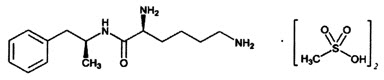
VYVANSE (lisdexamfetamine dimesylate), a CNS stimulant, is for once-a-day oral administration. The chemical designation for lisdexamfetamine dimesylate is (2S)-2,6-diamino-N-[(1S)-1-methyl-2-phenylethyl] hexanamide dimethanesulfonate. The molecular formula is C15H25N3O∙(CH4O3S)2, which corresponds to a molecular weight of 455.60. The chemical structure is:
Lisdexamfetamine dimesylate is a white to off-white powder that is soluble in water (792 mg/mL).
8.5 Geriatric Use
Clinical studies of VYVANSE did not include sufficient numbers of subjects aged 65 and over to determine whether they respond differently from younger subjects. Other reported clinical experience and pharmacokinetic data [see Clinical Pharmacology (12.3)] have not identified differences in responses between the elderly and younger patients. In general, dose selection for an elderly patient should start at the low end of the dosing range, reflecting the greater frequency of decreased hepatic, renal, or cardiac function, and of concomitant disease or other drug therapy.
4 Contraindications
VYVANSE is contraindicated in patients with:
- Known hypersensitivity to amphetamine products or other ingredients of VYVANSE. Anaphylactic reactions, Stevens-Johnson Syndrome, angioedema, and urticaria have been observed in postmarketing reports [see Adverse Reactions (6.2)].
- Patients taking monoamine oxidase inhibitors (MAOIs), or within 14 days of stopping MAOIs (including MAOIs such as linezolid or intravenous methylene blue), because of an increased risk of hypertensive crisis [see Warnings and Precautions (5.7) and Drug Interactions (7.1)].
6 Adverse Reactions
The following adverse reactions are discussed in greater detail in other sections of the labeling:
- Known hypersensitivity to amphetamine products or other ingredients of VYVANSE [see Contraindications (4)]
- Hypertensive Crisis When Used Concomitantly with Monoamine Oxidase Inhibitors [see Contraindications (4) and Drug Interactions (7.1)]
- Abuse, Misuse, and Addiction [see Boxed Warning, Warnings and Precautions (5.1), and Drug Abuse and Dependence (9.2, 9.3)]
- Risks to Patients with Serious Cardiac Disease [see Warnings and Precautions (5.2)]
- Increased Blood Pressure and Heart Rate [see Warnings and Precautions (5.3)]
- Psychiatric Adverse Reactions [see Warnings and Precautions (5.4)]
- Long-Term Suppression of Growth in Pediatric Patients [see Warnings and Precautions (5.5)]
- Peripheral Vasculopathy, including Raynaud's phenomenon [see Warnings and Precautions (5.6)]
- Serotonin Syndrome [see Warnings and Precautions (5.7)]
- Motor and Verbal Tics, and Worsening of Tourette's Syndrome [see Warnings and Precautions (5.8)]
7 Drug Interactions
8.6 Renal Impairment
Due to reduced clearance in patients with severe renal impairment (GFR 15 to <30 mL/min/1.73 m2), the maximum dose should not exceed 50 mg/day. The maximum recommended dose in ESRD (GFR <15 mL/min/1.73 m2) patients is 30 mg/day [see Clinical Pharmacology (12.3)].
Lisdexamfetamine and d-amphetamine are not dialyzable.
12.2 Pharmacodynamics
Amphetamines block the reuptake of norepinephrine and dopamine into the presynaptic neuron and increase the release of these monoamines into the extraneuronal space. The parent drug, lisdexamfetamine, does not bind to the sites responsible for the reuptake of norepinephrine and dopamine in vitro.
12.3 Pharmacokinetics
Pharmacokinetic studies after oral administration of lisdexamfetamine dimesylate have been conducted in healthy adult (capsule and chewable tablet formulations) and pediatric (6 to 12 years) patients with ADHD (capsule formulation). After single dose administration of lisdexamfetamine dimesylate, pharmacokinetics of dextroamphetamine was found to be linear between 30 mg and 70 mg in a pediatric study (6 to 12 years), and between 50 mg and 250 mg in an adult study. Dextroamphetamine pharmacokinetic parameters following administration of lisdexamfetamine dimesylate in adults exhibited low inter-subject (<25%) and intra-subject (<8%) variability. There is no accumulation of lisdexamfetamine and dextroamphetamine at steady state in healthy adults.
5.7 Serotonin Syndrome
Serotonin syndrome, a potentially life-threatening reaction, may occur when amphetamines are used in combination with other drugs that affect the serotonergic neurotransmitter systems such as monoamine oxidase inhibitors (MAOIs), selective serotonin reuptake inhibitors (SSRIs), serotonin norepinephrine reuptake inhibitors (SNRIs), triptans, tricyclic antidepressants, fentanyl, lithium, tramadol, tryptophan, buspirone, and St. John's Wort [see Drug Interactions (7.1)]. The co-administration with cytochrome P450 2D6 (CYP2D6) inhibitors may also increase the risk with increased exposure to the active metabolite of VYVANSE (dextroamphetamine). In these situations, consider an alternative non-serotonergic drug or an alternative drug that does not inhibit CYP2D6 [see Drug Interactions (7.1)].
Serotonin syndrome symptoms may include mental status changes (e.g., agitation, hallucinations, delirium, and coma), autonomic instability (e.g., tachycardia, labile blood pressure, dizziness, diaphoresis, flushing, hyperthermia), neuromuscular symptoms (e.g., tremor, rigidity, myoclonus, hyperreflexia, incoordination), seizures, and/or gastrointestinal symptoms (e.g., nausea, vomiting, diarrhea).
Concomitant use of VYVANSE with MAOI drugs is contraindicated [see Contraindications (4)].
Discontinue treatment with VYVANSE and any concomitant serotonergic agents immediately if symptoms of serotonin syndrome occur, and initiate supportive symptomatic treatment. If concomitant use of VYVANSE with other serotonergic drugs or CYP2D6 inhibitors is clinically warranted, initiate VYVANSE with lower doses, monitor patients for the emergence of serotonin syndrome during drug initiation or titration, and inform patients of the increased risk for serotonin syndrome.
1 Indications and Usage
VYVANSE® is indicated for the treatment of:
- Attention Deficit Hyperactivity Disorder (ADHD) in adults and pediatric patients 6 years and older [see Clinical Studies (14.1)].
- Moderate to severe binge eating disorder (BED) in adults [see Clinical Studies (14.2)].
12.1 Mechanism of Action
Lisdexamfetamine is a prodrug of dextroamphetamine. Amphetamines are non-catecholamine sympathomimetic amines with CNS stimulant activity. The exact mode of therapeutic action in ADHD and BED is not known.
9.1 Controlled Substance
VYVANSE contains lisdexamfetamine, a prodrug of amphetamine, a Schedule II controlled substance.
16.2 Storage and Handling
Dispense in a tight, light-resistant container as defined in the USP.
Store at room temperature, 20°C to 25°C (68°F to 77°F). Excursions permitted between 15°C and 30°C (59°F to 86°F) [see USP Controlled Room Temperature].
2.1 Pretreatment Screening
Prior to treating patients with VYVANSE, assess:
- for the presence of cardiac disease (i.e., perform a careful history, family history of sudden death or ventricular arrhythmia, and physical exam) [see Warnings and Precautions (5.2)].
- the family history and clinically evaluate patients for motor or verbal tics or Tourette's syndrome before initiating VYVANSE [see Warnings and Precautions (5.8)].
5 Warnings and Precautions
- Risks to Patients with Serious Cardiac Disease: Avoid use in patients with known structural cardiac abnormalities, cardiomyopathy, serious cardiac arrhythmia, coronary artery disease, or other serious cardiac disease (5.2)
- Increased Blood Pressure and Heart Rate: Monitor blood pressure and pulse. (5.3)
- Psychiatric Adverse Reactions: Prior to initiating VYVANSE, screen patients for risk factors for developing a manic episode. If new psychotic or manic symptoms occur, consider discontinuing VYVANSE. (5.4)
- Long-Term Suppression of Growth in Pediatric Patients: Closely monitor growth (height and weight) in pediatric patients. Pediatric patients not growing or gaining height or weight as expected may need to have their treatment interrupted. (5.5)
- Peripheral Vasculopathy, including Raynaud's phenomenon: Careful observation for digital changes is necessary during VYVANSE treatment. Further clinical evaluation (e.g., rheumatology referral) may be appropriate for patients who develop signs or symptoms of peripheral vasculopathy. (5.6)
- Serotonin Syndrome: Increased risk when co-administered with serotonergic agents (e.g., SSRIs, SNRIs, triptans), but also during overdosage situations. If it occurs, discontinue VYVANSE and initiate supportive treatment. (4, 5.7, 10)
- Motor and Verbal Tics, and Worsening of Tourette's Syndrome: Before initiating VYVANSE, assess the family history and clinically evaluate patients for tics or Tourette's syndrome. Regularly monitor patients for the emergence or worsening of tics or Tourette's syndrome. Discontinue treatment if clinically appropriate. (5.8)
2 Dosage and Administration
| Indicated Population | Initial Dose | Titration Schedule | Recommended Dose | Maximum Dose |
|---|---|---|---|---|
| ADHD (Adults and pediatric patients 6 years and older) (2.2) | 30 mg every morning | 10 mg or 20 mg weekly | 30 mg to 70 mg per day | 70 mg per day |
| BED (Adults) (2.3) | 30 mg every morning | 20 mg weekly | 50 mg to 70 mg per day | 70 mg per day |
3 Dosage Forms and Strengths
6.2 Postmarketing Experience
The following adverse reactions have been identified during post-approval use of VYVANSE. Because these reactions are reported voluntarily from a population of uncertain size, it is not always possible to reliably estimate their frequency or establish a causal relationship to drug exposure. These events are as follows: cardiomyopathy, mydriasis, diplopia, difficulties with visual accommodation, blurred vision, eosinophilic hepatitis, anaphylactic reaction, hypersensitivity, dyskinesia, dysgeusia, motor and verbal tics, bruxism, depression, dermatillomania, alopecia, aggression, Stevens-Johnson Syndrome, chest pain, angioedema, urticaria, seizures, libido changes, frequent or prolonged erections, constipation, rhabdomyolysis, and intestinal ischemia.
8 Use in Specific Populations
6.1 Clinical Trials Experience
Because clinical trials are conducted under widely varying conditions, adverse reaction rates observed in the clinical trials of a drug cannot be directly compared to rates in the clinical trials of another drug and may not reflect the rates observed in practice.
14.2 Binge Eating Disorder (bed)
A phase 2 study evaluated the efficacy of VYVANSE 30, 50 and 70 mg/day compared to placebo in reducing the number of binge days/week in adults with at least moderate to severe BED. This randomized, double-blind, parallel-group, placebo-controlled, forced-dose titration study (Study 10) consisted of an 11-week double-blind treatment period (3 weeks of forced-dose titration followed by 8 weeks of dose maintenance). VYVANSE 30 mg/day was not statistically different from placebo on the primary endpoint. The 50 and 70 mg/day doses were statistically superior to placebo on the primary endpoint.
The efficacy of VYVANSE in the treatment of BED was demonstrated in two 12-week randomized, double-blind, multi-center, parallel-group, placebo-controlled, dose-optimization studies (Study 11 and Study 12) in adults aged 18-55 years (Study 11: N=374, Study 12: N=350) with moderate to severe BED. A diagnosis of BED was confirmed using DSM-IV criteria for BED. Severity of BED was determined based on having at least 3 binge days per week for 2 weeks prior to the baseline visit and on having a Clinical Global Impression Severity (CGI-S) score of ≥4 at the baseline visit. For both studies, a binge day was defined as a day with at least 1 binge episode, as determined from the subject's daily binge diary.
Both 12-week studies consisted of a 4-week dose-optimization period and an 8-week dose-maintenance period. During dose-optimization, subjects assigned to VYVANSE began treatment at the titration dose of 30 mg/day and, after 1 week of treatment, were subsequently titrated to 50 mg/day. Additional increases to 70 mg/day were made as tolerated and clinically indicated. Following the dose-optimization period, subjects continued on their optimized dose for the duration of the dose-maintenance period.
The primary efficacy outcome for the two studies was defined as the change from baseline at Week 12 in the number of binge days per week. Baseline is defined as the weekly average of the number of binge days per week for the 14 days prior to the baseline visit. Subjects from both studies on VYVANSE had a statistically significantly greater reduction from baseline in mean number of binge days per week at Week 12. In addition, subjects on VYVANSE showed greater improvement as compared to placebo across key secondary outcomes with higher proportion of subjects rated improved on the CGI-I rating scale, higher proportion of subjects with 4-week binge cessation, and greater reduction in the Yale-Brown Obsessive Compulsive Scale Modified for Binge Eating (Y-BOCS-BE) total score.
| Study Number | Treatment Group | Primary Efficacy Measure: Binge Days per Week at Week 12 | ||
|---|---|---|---|---|
| Mean Baseline Score (SD) | LS Mean Change from Baseline (SE) | Placebo-subtracted Difference Difference (drug minus placebo) in least-squares mean change from baseline. (95% CI) |
||
| SD: standard deviation; SE: standard error; LS Mean: least-squares mean; CI: confidence interval. | ||||
| Study 11 | VYVANSE (50 or 70 mg/day) Doses statistically significantly superior to placebo.
|
4.79 (1.27) | -3.87 (0.12) | -1.35 (-1.70, -1.01) |
| Placebo | 4.60 (1.21) | -2.51 (0.13) | -- | |
| Study 12 | VYVANSE (50 or 70 mg/day) | 4.66 (1.27) | -3.92 (0.14) | -1.66 (-2.04, -1.28) |
| Placebo | 4.82 (1.42) | -2.26 (0.14) | -- |
A double-blind, placebo controlled, randomized withdrawal design study (Study 13) was conducted to evaluate maintenance of efficacy based on time to relapse between VYVANSE and placebo in adults aged 18 to 55 (N=267) with moderate to severe BED. In this longer-term study patients who had responded to VYVANSE in the preceding 12-week open-label treatment phase were randomized to continuation of VYVANSE or placebo for up to 26 weeks of observation for relapse. Response in the open-label phase was defined as 1 or fewer binge days each week for four consecutive weeks prior to the last visit at the end of the 12-week open-label phase and a CGI-S score of 2 or less at the same visit. Relapse during the double-blind phase was defined as having 2 or more binge days each week for two consecutive weeks (14 days) prior to any visit and having an increase in CGI-S score of 2 or more points compared to the randomized-withdrawal baseline. Maintenance of efficacy for patients who had an initial response during the open-label period and then continued on VYVANSE during the 26-week double-blind randomized-withdrawal phase was demonstrated with VYVANSE being superior over placebo as measured by time to relapse.
Figure 8 Kaplan-Meier Estimated Proportions of Subjects with Relapse in Adults with BED (Study 13)
Examination of population subgroups based on age (there were no patients over 65), gender, and race did not reveal any clear evidence of differential responsiveness in the treatment of BED.
2.3 Dosage for Treatment of Adhd
The recommended starting dosage in adults and pediatric patients 6 years and older is 30 mg once daily in the morning. Dosage may be adjusted in increments of 10 mg or 20 mg at approximately weekly intervals up to maximum recommended dosage of 70 mg once daily [see Clinical Studies (14.1)].
5.1 Abuse, Misuse, and Addiction
VYVANSE has a high potential for abuse and misuse. The use of VYVANSE exposes individuals to the risks of abuse and misuse, which can lead to the development of a substance use disorder, including addiction. VYVANSE can be diverted for non-medical use into illicit channels or distribution [see Drug Abuse and Dependence (9.2)]. Misuse and abuse of CNS stimulants, including VYVANSE, can result in overdose and death [see Overdosage (10)], and this risk is increased with higher doses or unapproved methods of administration, such as snorting or injection.
Before prescribing VYVANSE, assess each patient's risk for abuse, misuse, and addiction. Educate patients and their families about these risks and proper disposal of any unused drug. Advise patients to store VYVANSE in a safe place, preferably locked, and instruct patients to not give VYVANSE to anyone else. Throughout VYVANSE treatment, reassess each patient's risk of abuse, misuse, and addiction and frequently monitor for signs and symptoms of abuse, misuse, and addiction.
17 Patient Counseling Information
Advise the patient to read the FDA-approved patient labeling (Medication Guide).
Warning: Abuse, Misuse, and Addiction
VYVANSE has a high potential for abuse and misuse, which can lead to the development of a substance use disorder, including addiction. Misuse and abuse of CNS stimulants, including VYVANSE, can result in overdose and death [see Overdosage (10)], and this risk is increased with higher doses or unapproved methods of administration, such as snorting or injection.
Before prescribing VYVANSE, assess each patient's risk for abuse, misuse, and addiction. Educate patients and their families about these risks, proper storage of the drug, and proper disposal of any unused drug. Throughout VYVANSE treatment, reassess each patient's risk of abuse, misuse, and addiction and frequently monitor for signs and symptoms of abuse, misuse, and addiction [see Warnings and Precautions (5.1), Drug Abuse and Dependence (9.2)].
2.2 General Administration Information
Take VYVANSE orally in the morning with or without food; avoid afternoon doses because of the potential for insomnia. VYVANSE may be administered in one of the following ways:
13.2 Animal Toxicology And/or Pharmacology
Acute administration of high doses of amphetamine (d- or d, l-) has been shown to produce long-lasting neurotoxic effects, including irreversible nerve fiber damage, in rodents. The significance of these findings to humans is unknown.
5.3 Increased Blood Pressure and Heart Rate
CNS stimulants cause an increase in blood pressure (mean increase about 2 to 4 mm Hg) and heart rate (mean increase about 3 to 6 bpm). Some patients may have larger increases.
Monitor all VYVANSE-treated patients for potential tachycardia and hypertension.
2.5 Dosage in Patients With Renal Impairment
In patients with severe renal impairment (GFR 15 to <30 mL/min/1.73 m2), the maximum dosage should not exceed 50 mg once daily. In patients with end stage renal disease (ESRD, GFR <15 mL/min/1.73 m2), the maximum recommended dosage is 30 mg once daily [see Use in Specific Populations (8.6)].
2.6 Dosage Modifications Due to Drug Interactions
Agents that alter urinary pH can impact urinary excretion and alter blood levels of amphetamine. Acidifying agents (e.g., ascorbic acid) decrease blood levels, while alkalinizing agents (e.g., sodium bicarbonate) increase blood levels. Adjust VYVANSE dosage accordingly [see Drug Interactions (7.1)].
5.2 Risks to Patients With Serious Cardiac Disease
Sudden death has been reported in patients with structural cardiac abnormalities or other serious cardiac disease who were treated with CNS stimulants at the recommended ADHD dosage. Avoid VYVANSE use in patients with known structural cardiac abnormalities, cardiomyopathy, serious cardiac arrhythmia, coronary artery disease, or other serious cardiac disease.
Principal Display Panel 10 Mg Tablet Bottle Label
NDC 59417-115-01
Vyvanse
®
(lisdexamfetamine
dimesylate) chewable tablets
10 mg
100 CHEWABLE
TABLETS
Chew tablets completely
before swallowing. Do
not swallow tablets whole.
CII
Rx only
Takeda
Principal Display Panel 20 Mg Tablet Bottle Label
NDC 59417-116-01
Vyvanse
®
(lisdexamfetamine
dimesylate) chewable tablets
20 mg
100 CHEWABLE
TABLETS
Chew tablets completely
before swallowing. Do
not swallow tablets whole.
CII
Rx only
Takeda
Principal Display Panel 30 Mg Tablet Bottle Label
NDC 59417-117-01
Vyvanse
®
(lisdexamfetamine
dimesylate) chewable tablets
30 mg
100 CHEWABLE
TABLETS
Chew tablets completely
before swallowing. Do
not swallow tablets whole.
CII
Rx only
Takeda
Principal Display Panel 40 Mg Tablet Bottle Label
NDC 59417-118-01
Vyvanse
®
(lisdexamfetamine
dimesylate) chewable tablets
40 mg
100 CHEWABLE
TABLETS
Chew tablets completely
before swallowing. Do
not swallow tablets whole.
CII
Rx only
Takeda
Principal Display Panel 50 Mg Tablet Bottle Label
NDC 59417-119-01
Vyvanse
®
(lisdexamfetamine
dimesylate) chewable tablets
50 mg
100 CHEWABLE
TABLETS
Chew tablets completely
before swallowing. Do
not swallow tablets whole.
CII
Rx only
Takeda
Principal Display Panel 60 Mg Tablet Bottle Label
NDC 59417-120-01
Vyvanse
®
(lisdexamfetamine
dimesylate) chewable tablets
60 mg
100 CHEWABLE
TABLETS
Chew tablets completely
before swallowing. Do
not swallow tablets whole.
CII
Rx only
Takeda
Principal Display Panel 10 Mg Capsule Bottle Label
NDC 59417-101-10
Vyvanse
®
(lisdexamfetamine
dimesylate) capsules
10 mg
CII
Rx only
100 CAPSULES
Takeda
Principal Display Panel 20 Mg Capsule Bottle Label
NDC 59417-102-10
Vyvanse
®
(lisdexamfetamine
dimesylate) capsules
20 mg
CII
Rx only
100 CAPSULES
Takeda
Principal Display Panel 30 Mg Capsule Bottle Label
NDC 59417-103-10
Vyvanse
®
(lisdexamfetamine
dimesylate) capsules
30 mg
CII
Rx only
100 CAPSULES
Takeda
Principal Display Panel 40 Mg Capsule Bottle Label
NDC 59417-104-10
Vyvanse
®
(lisdexamfetamine
dimesylate) capsules
40 mg
CII
Rx only
100 CAPSULES
Takeda
Principal Display Panel 50 Mg Capsule Bottle Label
NDC 59417-105-10
Vyvanse
®
(lisdexamfetamine
dimesylate) capsules
50 mg
CII
Rx only
100 CAPSULES
Takeda
Principal Display Panel 60 Mg Capsule Bottle Label
NDC 59417-106-10
Vyvanse
®
(lisdexamfetamine
dimesylate) capsules
60 mg
CII
Rx only
100 CAPSULES
Takeda
Principal Display Panel 70 Mg Capsule Bottle Label
NDC 59417-107-10
Vyvanse
®
(lisdexamfetamine
dimesylate) capsules
70 mg
CII
Rx only
100 CAPSULES
Takeda
5.5 Long Term Suppression of Growth in Pediatric Patients
VYVANSE is not approved for use and is not recommended in pediatric patients below 6 years of age [see Use in Specific Populations (8.4)].
CNS stimulants have been associated with weight loss and slowing of growth rate in pediatric patients.
In a 4-week, placebo-controlled trial of VYVANSE in pediatric patients ages 6 to 12 years old with ADHD, there was a dose-related decrease in weight in the VYVANSE groups compared to weight gain in the placebo group. Additionally, in studies of another stimulant, there was slowing of the increase in height [see Adverse Reactions (6.1)].
Closely monitor growth (weight and height) in VYVANSE-treated pediatric patients. Patients who are not growing or gaining height or weight as expected may need to have their treatment interrupted.
5.6 Peripheral Vasculopathy, Including Raynaud's Phenomenon
CNS stimulants, including VYVANSE, used to treat ADHD are associated with peripheral vasculopathy, including Raynaud's phenomenon. Signs and symptoms are usually intermittent and mild; however, sequelae have included digital ulceration and/or soft tissue breakdown. Effects of peripheral vasculopathy, including Raynaud's phenomenon, were observed in post-marketing reports and at the therapeutic dosages of CNS stimulants in all age groups throughout the course of treatment. Signs and symptoms generally improved after dosage reduction or discontinuation of the CNS stimulant.
Careful observation for digital changes is necessary during VYVANSE treatment. Further clinical evaluation (e.g., rheumatology referral) may be appropriate for VYVANSE-treated patients who develop signs or symptoms of peripheral vasculopathy.
2.4 Dosage for Treatment of Moderate to Severe Bed in Adults
The recommended starting dosage in adults is 30 mg once daily to be titrated in increments of 20 mg at approximately weekly intervals to achieve the recommended target dose of 50 mg to 70 mg once daily. The maximum recommended dosage is 70 mg once daily [see Clinical Studies (14.2)]. Discontinue VYVANSE if binge eating does not improve.
5.8 Motor and Verbal Tics, and Worsening of Tourette's Syndrome
CNS stimulants, including amphetamine, have been associated with the onset or exacerbation of motor and verbal tics. Worsening of Tourette's syndrome has also been reported [see Adverse Reactions (6.2)].
Before initiating VYVANSE, assess the family history and clinically evaluate patients for tics or Tourette's syndrome. Regularly monitor VYVANSE-treated patients for the emergence or worsening of tics or Tourette's syndrome, and discontinue treatment if clinically appropriate.
7.2 Drugs Having No Clinically Important Interactions With Vyvanse
From a pharmacokinetic perspective, no dose adjustment of VYVANSE is necessary when VYVANSE is co-administered with guanfacine, venlafaxine, or omeprazole. In addition, no dose adjustment of guanfacine or venlafaxine is needed when VYVANSE is co-administered [see Clinical Pharmacology (12.3)].
From a pharmacokinetic perspective, no dose adjustment for drugs that are substrates of CYP1A2 (e.g., theophylline, duloxetine, melatonin), CYP2D6 (e.g., atomoxetine, desipramine, venlafaxine), CYP2C19 (e.g., omeprazole, lansoprazole, clobazam), and CYP3A4 (e.g., midazolam, pimozide, simvastatin) is necessary when VYVANSE is co-administered [see Clinical Pharmacology (12.3)].
7.1 Drugs Having Clinically Important Interactions With Amphetamines
| MAO Inhibitors (MAOI) | |
| Clinical Impact | MAOI antidepressants slow amphetamine metabolism, increasing amphetamines effect on the release of norepinephrine and other monoamines from adrenergic nerve endings causing headaches and other signs of hypertensive crisis. Toxic neurological effects and malignant hyperpyrexia can occur, sometimes with fatal results. |
| Intervention | Do not administer VYVANSE during or within 14 days following the administration of MAOI [see Contraindications (4)]. |
| Serotonergic Drugs | |
| Clinical Impact | The concomitant use of VYVANSE and serotonergic drugs increases the risk of serotonin syndrome. |
| Intervention | Initiate with lower doses and monitor patients for signs and symptoms of serotonin syndrome, particularly during VYVANSE initiation or dosage increase. If serotonin syndrome occurs, discontinue VYVANSE and the concomitant serotonergic drug(s) [see Warnings and Precautions (5.7)]. |
| CYP2D6 Inhibitors | |
| Clinical Impact | The concomitant use of VYVANSE and CYP2D6 inhibitors may increase the exposure of dextroamphetamine, the active metabolite of VYVANSE compared to the use of the drug alone and increase the risk of serotonin syndrome. |
| Intervention | Initiate with lower doses and monitor patients for signs and symptoms of serotonin syndrome particularly during VYVANSE initiation and after a dosage increase. If serotonin syndrome occurs, discontinue VYVANSE and the CYP2D6 inhibitor [see Warnings and Precautions (5.7) and Overdosage (10)]. |
| Alkalinizing Agents | |
| Clinical Impact | Urinary alkalinizing agents can increase blood levels and potentiate the action of amphetamine. |
| Intervention | Co-administration of VYVANSE and urinary alkalinizing agents should be avoided. |
| Acidifying Agents | |
| Clinical Impact | Urinary acidifying agents can lower blood levels and efficacy of amphetamines. |
| Intervention | Increase dose based on clinical response. |
| Tricyclic Antidepressants | |
| Clinical Impact | May enhance the activity of tricyclic or sympathomimetic agents causing striking and sustained increases in the concentration of d-amphetamine in the brain; cardiovascular effects can be potentiated. |
| Intervention | Monitor frequently and adjust or use alternative therapy based on clinical response. |
Structured Label Content
Section 42228-7 (42228-7)
Pregnancy
Advise patients of the potential fetal effects from the use of VYVANSE during pregnancy. Advise patients to notify their healthcare provider if they become pregnant or intend to become pregnant during treatment with VYVANSE [see Use in Specific Populations (8.1)].
Section 42229-5 (42229-5)
Limitations of Use:
- The use of VYVANSE is not recommended in pediatric patients younger than 6 years of age because they had higher plasma exposure and a higher incidence of adverse reactions (e.g., weight loss) than patients 6 years and older at the same dosage [see Warnings and Precautions (5.5), Use in Specific Populations (8.4)].
- VYVANSE is not indicated or recommended for weight loss. Use of other sympathomimetic drugs for weight loss has been associated with serious cardiovascular adverse events. The safety and effectiveness of VYVANSE for the treatment of obesity have not been established [see Warnings and Precautions (5.2)].
Section 42231-1 (42231-1)
| MEDICATION GUIDE VYVANSE® (Vi' – vans) (lisdexamfetamine dimesylate) Capsules and Chewable Tablets, CII |
||
|---|---|---|
| This Medication Guide has been approved by the U.S. Food and Drug Administration. | Revised: 09/2025 | |
|
What is the most important information I should know about VYVANSE?
|
||
|
What is VYVANSE?
VYVANSE is a central nervous system (CNS) stimulant prescription medicine used for the treatment of:
VYVANSE is not for weight loss. It is not known if VYVANSE is safe and effective for the treatment of obesity. It is not known if VYVANSE is safe and effective for use in children with BED. VYVANSE is a federally controlled substance (CII) because it contains lisdexamfetamine dimesylate that can be a target for people who abuse prescription medicines or street drugs. Keep VYVANSE in a safe place to protect it from theft. Never give your VYVANSE to anyone else because it may cause death or harm them. Selling or giving away VYVANSE may harm others and is against the law. |
||
Do not take VYVANSE if you or your child are:
|
||
Before taking VYVANSE, tell your healthcare provider about all medical conditions, including if you or your child:
VYVANSE can affect the way other medicines work and other medicines may affect how VYVANSE works. Taking VYVANSE with other medicines can cause serious side effects. Sometimes the doses of other medicines will need to be changed while taking VYVANSE. Especially tell your healthcare provider if you or your child take: |
||
|
|
|
| Keep a list of all medicines to show your healthcare provider and pharmacist when you get a new medicine. Your healthcare provider will decide if VYVANSE can be taken with other medicines. Do not start any new medicine during treatment with VYVANSE without talking to your healthcare provider first. |
||
How should VYVANSE be taken?
|
||
|
What are the possible side effects of VYVANSE? VYVANSE may cause serious side effects, including:
|
||
|
|
|
| The most common side effects of VYVANSE in children 6 to 17 years old and adults with ADHD include: | ||
|
|
|
| The most common side effects of VYVANSE in adults with BED include: | ||
|
|
|
| These are not all the possible side effects of VYVANSE. Call your doctor for medical advice about side effects. You may report side effects to FDA at 1-800-FDA-1088. |
||
How should I store VYVANSE?
|
||
|
General information about the safe and effective use of VYVANSE.
Medicines are sometimes prescribed for purposes other than those listed in a Medication Guide. Do not use VYVANSE for a condition for which it was not prescribed. Do not give VYVANSE to other people, even if they have the same symptoms that you have. It may harm them and it is against the law. You can ask your pharmacist or healthcare provider for information about VYVANSE that is written for healthcare professionals. |
||
|
What are the ingredients in VYVANSE? Active ingredient: lisdexamfetamine dimesylate Capsule Inactive ingredients: microcrystalline cellulose, croscarmellose sodium, and magnesium stearate. The capsule shells (imprinted with S489) contain gelatin, titanium dioxide, and one or more of the following: FD&C Red #3, FD&C Yellow #6, FD&C Blue #1, Black Iron Oxide, and Yellow Iron Oxide. Chewable Tablet Inactive ingredients: colloidal silicon dioxide, croscarmellose sodium, guar gum, magnesium stearate, mannitol, microcrystalline cellulose, sucralose, artificial strawberry flavor. Distributed by: Takeda Pharmaceuticals America, Inc., Cambridge, MA 02142. VYVANSE and the VYVANSE Logo are registered trademarks of Takeda Pharmaceuticals U.S.A., Inc. © 2025 Takeda Pharmaceuticals U.S.A., Inc. All rights reserved. For more information, go to www.vyvanse.com or call 1-800-828-2088. |
Section 77290-5 (77290-5)
Lactation
Advise women not to breastfeed if they are taking VYVANSE [see Use in Specific Populations (8.2)].
9.2 Abuse
VYVANSE has a high potential for abuse and misuse which can lead to the development of a substance use disorder, including addiction [see Warnings and Precautions (5.1)]. VYVANSE can be diverted for non-medical use into illicit channels or distribution.
Abuse is the intentional non-therapeutic use of a drug, even once, to achieve a desired psychological or physiological effect. Misuse is the intentional use, for therapeutic purposes, of a drug by an individual in a way other than prescribed by a health care provider or for whom it was not prescribed. Drug addiction is a cluster of behavioral, cognitive, and physiological phenomena that may include a strong desire to take the drug, difficulties in controlling drug use (e.g., continuing drug use despite harmful consequences, giving a higher priority to drug use than other activities and obligations), and possible tolerance or physical dependence.
Misuse and abuse of lisdexamfetamine, a prodrug of amphetamine, may cause increased heart rate, respiratory rate, or blood pressure; sweating; dilated pupils; hyperactivity; restlessness; insomnia; decreased appetite; loss of coordination; tremors; flushed skin; vomiting; and/or abdominal pain. Anxiety, psychosis, hostility, aggression, and suicidal or homicidal ideation have also been observed with CNS stimulants abuse and/or misuse. Misuse and abuse of CNS stimulants, including VYVANSE, can result in overdose and death [see Overdosage (10)], and this risk is increased with higher doses or unapproved methods of administration, such as snorting or injection.
11 Description (11 DESCRIPTION)
VYVANSE (lisdexamfetamine dimesylate), a CNS stimulant, is for once-a-day oral administration. The chemical designation for lisdexamfetamine dimesylate is (2S)-2,6-diamino-N-[(1S)-1-methyl-2-phenylethyl] hexanamide dimethanesulfonate. The molecular formula is C15H25N3O∙(CH4O3S)2, which corresponds to a molecular weight of 455.60. The chemical structure is:
Lisdexamfetamine dimesylate is a white to off-white powder that is soluble in water (792 mg/mL).
8.5 Geriatric Use
Clinical studies of VYVANSE did not include sufficient numbers of subjects aged 65 and over to determine whether they respond differently from younger subjects. Other reported clinical experience and pharmacokinetic data [see Clinical Pharmacology (12.3)] have not identified differences in responses between the elderly and younger patients. In general, dose selection for an elderly patient should start at the low end of the dosing range, reflecting the greater frequency of decreased hepatic, renal, or cardiac function, and of concomitant disease or other drug therapy.
4 Contraindications (4 CONTRAINDICATIONS)
VYVANSE is contraindicated in patients with:
- Known hypersensitivity to amphetamine products or other ingredients of VYVANSE. Anaphylactic reactions, Stevens-Johnson Syndrome, angioedema, and urticaria have been observed in postmarketing reports [see Adverse Reactions (6.2)].
- Patients taking monoamine oxidase inhibitors (MAOIs), or within 14 days of stopping MAOIs (including MAOIs such as linezolid or intravenous methylene blue), because of an increased risk of hypertensive crisis [see Warnings and Precautions (5.7) and Drug Interactions (7.1)].
6 Adverse Reactions (6 ADVERSE REACTIONS)
The following adverse reactions are discussed in greater detail in other sections of the labeling:
- Known hypersensitivity to amphetamine products or other ingredients of VYVANSE [see Contraindications (4)]
- Hypertensive Crisis When Used Concomitantly with Monoamine Oxidase Inhibitors [see Contraindications (4) and Drug Interactions (7.1)]
- Abuse, Misuse, and Addiction [see Boxed Warning, Warnings and Precautions (5.1), and Drug Abuse and Dependence (9.2, 9.3)]
- Risks to Patients with Serious Cardiac Disease [see Warnings and Precautions (5.2)]
- Increased Blood Pressure and Heart Rate [see Warnings and Precautions (5.3)]
- Psychiatric Adverse Reactions [see Warnings and Precautions (5.4)]
- Long-Term Suppression of Growth in Pediatric Patients [see Warnings and Precautions (5.5)]
- Peripheral Vasculopathy, including Raynaud's phenomenon [see Warnings and Precautions (5.6)]
- Serotonin Syndrome [see Warnings and Precautions (5.7)]
- Motor and Verbal Tics, and Worsening of Tourette's Syndrome [see Warnings and Precautions (5.8)]
7 Drug Interactions (7 DRUG INTERACTIONS)
8.6 Renal Impairment
Due to reduced clearance in patients with severe renal impairment (GFR 15 to <30 mL/min/1.73 m2), the maximum dose should not exceed 50 mg/day. The maximum recommended dose in ESRD (GFR <15 mL/min/1.73 m2) patients is 30 mg/day [see Clinical Pharmacology (12.3)].
Lisdexamfetamine and d-amphetamine are not dialyzable.
12.2 Pharmacodynamics
Amphetamines block the reuptake of norepinephrine and dopamine into the presynaptic neuron and increase the release of these monoamines into the extraneuronal space. The parent drug, lisdexamfetamine, does not bind to the sites responsible for the reuptake of norepinephrine and dopamine in vitro.
12.3 Pharmacokinetics
Pharmacokinetic studies after oral administration of lisdexamfetamine dimesylate have been conducted in healthy adult (capsule and chewable tablet formulations) and pediatric (6 to 12 years) patients with ADHD (capsule formulation). After single dose administration of lisdexamfetamine dimesylate, pharmacokinetics of dextroamphetamine was found to be linear between 30 mg and 70 mg in a pediatric study (6 to 12 years), and between 50 mg and 250 mg in an adult study. Dextroamphetamine pharmacokinetic parameters following administration of lisdexamfetamine dimesylate in adults exhibited low inter-subject (<25%) and intra-subject (<8%) variability. There is no accumulation of lisdexamfetamine and dextroamphetamine at steady state in healthy adults.
5.7 Serotonin Syndrome
Serotonin syndrome, a potentially life-threatening reaction, may occur when amphetamines are used in combination with other drugs that affect the serotonergic neurotransmitter systems such as monoamine oxidase inhibitors (MAOIs), selective serotonin reuptake inhibitors (SSRIs), serotonin norepinephrine reuptake inhibitors (SNRIs), triptans, tricyclic antidepressants, fentanyl, lithium, tramadol, tryptophan, buspirone, and St. John's Wort [see Drug Interactions (7.1)]. The co-administration with cytochrome P450 2D6 (CYP2D6) inhibitors may also increase the risk with increased exposure to the active metabolite of VYVANSE (dextroamphetamine). In these situations, consider an alternative non-serotonergic drug or an alternative drug that does not inhibit CYP2D6 [see Drug Interactions (7.1)].
Serotonin syndrome symptoms may include mental status changes (e.g., agitation, hallucinations, delirium, and coma), autonomic instability (e.g., tachycardia, labile blood pressure, dizziness, diaphoresis, flushing, hyperthermia), neuromuscular symptoms (e.g., tremor, rigidity, myoclonus, hyperreflexia, incoordination), seizures, and/or gastrointestinal symptoms (e.g., nausea, vomiting, diarrhea).
Concomitant use of VYVANSE with MAOI drugs is contraindicated [see Contraindications (4)].
Discontinue treatment with VYVANSE and any concomitant serotonergic agents immediately if symptoms of serotonin syndrome occur, and initiate supportive symptomatic treatment. If concomitant use of VYVANSE with other serotonergic drugs or CYP2D6 inhibitors is clinically warranted, initiate VYVANSE with lower doses, monitor patients for the emergence of serotonin syndrome during drug initiation or titration, and inform patients of the increased risk for serotonin syndrome.
1 Indications and Usage (1 INDICATIONS AND USAGE)
VYVANSE® is indicated for the treatment of:
- Attention Deficit Hyperactivity Disorder (ADHD) in adults and pediatric patients 6 years and older [see Clinical Studies (14.1)].
- Moderate to severe binge eating disorder (BED) in adults [see Clinical Studies (14.2)].
12.1 Mechanism of Action
Lisdexamfetamine is a prodrug of dextroamphetamine. Amphetamines are non-catecholamine sympathomimetic amines with CNS stimulant activity. The exact mode of therapeutic action in ADHD and BED is not known.
9.1 Controlled Substance
VYVANSE contains lisdexamfetamine, a prodrug of amphetamine, a Schedule II controlled substance.
16.2 Storage and Handling
Dispense in a tight, light-resistant container as defined in the USP.
Store at room temperature, 20°C to 25°C (68°F to 77°F). Excursions permitted between 15°C and 30°C (59°F to 86°F) [see USP Controlled Room Temperature].
2.1 Pretreatment Screening
Prior to treating patients with VYVANSE, assess:
- for the presence of cardiac disease (i.e., perform a careful history, family history of sudden death or ventricular arrhythmia, and physical exam) [see Warnings and Precautions (5.2)].
- the family history and clinically evaluate patients for motor or verbal tics or Tourette's syndrome before initiating VYVANSE [see Warnings and Precautions (5.8)].
5 Warnings and Precautions (5 WARNINGS AND PRECAUTIONS)
- Risks to Patients with Serious Cardiac Disease: Avoid use in patients with known structural cardiac abnormalities, cardiomyopathy, serious cardiac arrhythmia, coronary artery disease, or other serious cardiac disease (5.2)
- Increased Blood Pressure and Heart Rate: Monitor blood pressure and pulse. (5.3)
- Psychiatric Adverse Reactions: Prior to initiating VYVANSE, screen patients for risk factors for developing a manic episode. If new psychotic or manic symptoms occur, consider discontinuing VYVANSE. (5.4)
- Long-Term Suppression of Growth in Pediatric Patients: Closely monitor growth (height and weight) in pediatric patients. Pediatric patients not growing or gaining height or weight as expected may need to have their treatment interrupted. (5.5)
- Peripheral Vasculopathy, including Raynaud's phenomenon: Careful observation for digital changes is necessary during VYVANSE treatment. Further clinical evaluation (e.g., rheumatology referral) may be appropriate for patients who develop signs or symptoms of peripheral vasculopathy. (5.6)
- Serotonin Syndrome: Increased risk when co-administered with serotonergic agents (e.g., SSRIs, SNRIs, triptans), but also during overdosage situations. If it occurs, discontinue VYVANSE and initiate supportive treatment. (4, 5.7, 10)
- Motor and Verbal Tics, and Worsening of Tourette's Syndrome: Before initiating VYVANSE, assess the family history and clinically evaluate patients for tics or Tourette's syndrome. Regularly monitor patients for the emergence or worsening of tics or Tourette's syndrome. Discontinue treatment if clinically appropriate. (5.8)
2 Dosage and Administration (2 DOSAGE AND ADMINISTRATION)
| Indicated Population | Initial Dose | Titration Schedule | Recommended Dose | Maximum Dose |
|---|---|---|---|---|
| ADHD (Adults and pediatric patients 6 years and older) (2.2) | 30 mg every morning | 10 mg or 20 mg weekly | 30 mg to 70 mg per day | 70 mg per day |
| BED (Adults) (2.3) | 30 mg every morning | 20 mg weekly | 50 mg to 70 mg per day | 70 mg per day |
3 Dosage Forms and Strengths (3 DOSAGE FORMS AND STRENGTHS)
6.2 Postmarketing Experience
The following adverse reactions have been identified during post-approval use of VYVANSE. Because these reactions are reported voluntarily from a population of uncertain size, it is not always possible to reliably estimate their frequency or establish a causal relationship to drug exposure. These events are as follows: cardiomyopathy, mydriasis, diplopia, difficulties with visual accommodation, blurred vision, eosinophilic hepatitis, anaphylactic reaction, hypersensitivity, dyskinesia, dysgeusia, motor and verbal tics, bruxism, depression, dermatillomania, alopecia, aggression, Stevens-Johnson Syndrome, chest pain, angioedema, urticaria, seizures, libido changes, frequent or prolonged erections, constipation, rhabdomyolysis, and intestinal ischemia.
8 Use in Specific Populations (8 USE IN SPECIFIC POPULATIONS)
6.1 Clinical Trials Experience
Because clinical trials are conducted under widely varying conditions, adverse reaction rates observed in the clinical trials of a drug cannot be directly compared to rates in the clinical trials of another drug and may not reflect the rates observed in practice.
14.2 Binge Eating Disorder (bed) (14.2 Binge Eating Disorder (BED))
A phase 2 study evaluated the efficacy of VYVANSE 30, 50 and 70 mg/day compared to placebo in reducing the number of binge days/week in adults with at least moderate to severe BED. This randomized, double-blind, parallel-group, placebo-controlled, forced-dose titration study (Study 10) consisted of an 11-week double-blind treatment period (3 weeks of forced-dose titration followed by 8 weeks of dose maintenance). VYVANSE 30 mg/day was not statistically different from placebo on the primary endpoint. The 50 and 70 mg/day doses were statistically superior to placebo on the primary endpoint.
The efficacy of VYVANSE in the treatment of BED was demonstrated in two 12-week randomized, double-blind, multi-center, parallel-group, placebo-controlled, dose-optimization studies (Study 11 and Study 12) in adults aged 18-55 years (Study 11: N=374, Study 12: N=350) with moderate to severe BED. A diagnosis of BED was confirmed using DSM-IV criteria for BED. Severity of BED was determined based on having at least 3 binge days per week for 2 weeks prior to the baseline visit and on having a Clinical Global Impression Severity (CGI-S) score of ≥4 at the baseline visit. For both studies, a binge day was defined as a day with at least 1 binge episode, as determined from the subject's daily binge diary.
Both 12-week studies consisted of a 4-week dose-optimization period and an 8-week dose-maintenance period. During dose-optimization, subjects assigned to VYVANSE began treatment at the titration dose of 30 mg/day and, after 1 week of treatment, were subsequently titrated to 50 mg/day. Additional increases to 70 mg/day were made as tolerated and clinically indicated. Following the dose-optimization period, subjects continued on their optimized dose for the duration of the dose-maintenance period.
The primary efficacy outcome for the two studies was defined as the change from baseline at Week 12 in the number of binge days per week. Baseline is defined as the weekly average of the number of binge days per week for the 14 days prior to the baseline visit. Subjects from both studies on VYVANSE had a statistically significantly greater reduction from baseline in mean number of binge days per week at Week 12. In addition, subjects on VYVANSE showed greater improvement as compared to placebo across key secondary outcomes with higher proportion of subjects rated improved on the CGI-I rating scale, higher proportion of subjects with 4-week binge cessation, and greater reduction in the Yale-Brown Obsessive Compulsive Scale Modified for Binge Eating (Y-BOCS-BE) total score.
| Study Number | Treatment Group | Primary Efficacy Measure: Binge Days per Week at Week 12 | ||
|---|---|---|---|---|
| Mean Baseline Score (SD) | LS Mean Change from Baseline (SE) | Placebo-subtracted Difference Difference (drug minus placebo) in least-squares mean change from baseline. (95% CI) |
||
| SD: standard deviation; SE: standard error; LS Mean: least-squares mean; CI: confidence interval. | ||||
| Study 11 | VYVANSE (50 or 70 mg/day) Doses statistically significantly superior to placebo.
|
4.79 (1.27) | -3.87 (0.12) | -1.35 (-1.70, -1.01) |
| Placebo | 4.60 (1.21) | -2.51 (0.13) | -- | |
| Study 12 | VYVANSE (50 or 70 mg/day) | 4.66 (1.27) | -3.92 (0.14) | -1.66 (-2.04, -1.28) |
| Placebo | 4.82 (1.42) | -2.26 (0.14) | -- |
A double-blind, placebo controlled, randomized withdrawal design study (Study 13) was conducted to evaluate maintenance of efficacy based on time to relapse between VYVANSE and placebo in adults aged 18 to 55 (N=267) with moderate to severe BED. In this longer-term study patients who had responded to VYVANSE in the preceding 12-week open-label treatment phase were randomized to continuation of VYVANSE or placebo for up to 26 weeks of observation for relapse. Response in the open-label phase was defined as 1 or fewer binge days each week for four consecutive weeks prior to the last visit at the end of the 12-week open-label phase and a CGI-S score of 2 or less at the same visit. Relapse during the double-blind phase was defined as having 2 or more binge days each week for two consecutive weeks (14 days) prior to any visit and having an increase in CGI-S score of 2 or more points compared to the randomized-withdrawal baseline. Maintenance of efficacy for patients who had an initial response during the open-label period and then continued on VYVANSE during the 26-week double-blind randomized-withdrawal phase was demonstrated with VYVANSE being superior over placebo as measured by time to relapse.
Figure 8 Kaplan-Meier Estimated Proportions of Subjects with Relapse in Adults with BED (Study 13)
Examination of population subgroups based on age (there were no patients over 65), gender, and race did not reveal any clear evidence of differential responsiveness in the treatment of BED.
2.3 Dosage for Treatment of Adhd (2.3 Dosage for Treatment of ADHD)
The recommended starting dosage in adults and pediatric patients 6 years and older is 30 mg once daily in the morning. Dosage may be adjusted in increments of 10 mg or 20 mg at approximately weekly intervals up to maximum recommended dosage of 70 mg once daily [see Clinical Studies (14.1)].
5.1 Abuse, Misuse, and Addiction
VYVANSE has a high potential for abuse and misuse. The use of VYVANSE exposes individuals to the risks of abuse and misuse, which can lead to the development of a substance use disorder, including addiction. VYVANSE can be diverted for non-medical use into illicit channels or distribution [see Drug Abuse and Dependence (9.2)]. Misuse and abuse of CNS stimulants, including VYVANSE, can result in overdose and death [see Overdosage (10)], and this risk is increased with higher doses or unapproved methods of administration, such as snorting or injection.
Before prescribing VYVANSE, assess each patient's risk for abuse, misuse, and addiction. Educate patients and their families about these risks and proper disposal of any unused drug. Advise patients to store VYVANSE in a safe place, preferably locked, and instruct patients to not give VYVANSE to anyone else. Throughout VYVANSE treatment, reassess each patient's risk of abuse, misuse, and addiction and frequently monitor for signs and symptoms of abuse, misuse, and addiction.
17 Patient Counseling Information (17 PATIENT COUNSELING INFORMATION)
Advise the patient to read the FDA-approved patient labeling (Medication Guide).
Warning: Abuse, Misuse, and Addiction (WARNING: ABUSE, MISUSE, AND ADDICTION)
VYVANSE has a high potential for abuse and misuse, which can lead to the development of a substance use disorder, including addiction. Misuse and abuse of CNS stimulants, including VYVANSE, can result in overdose and death [see Overdosage (10)], and this risk is increased with higher doses or unapproved methods of administration, such as snorting or injection.
Before prescribing VYVANSE, assess each patient's risk for abuse, misuse, and addiction. Educate patients and their families about these risks, proper storage of the drug, and proper disposal of any unused drug. Throughout VYVANSE treatment, reassess each patient's risk of abuse, misuse, and addiction and frequently monitor for signs and symptoms of abuse, misuse, and addiction [see Warnings and Precautions (5.1), Drug Abuse and Dependence (9.2)].
2.2 General Administration Information
Take VYVANSE orally in the morning with or without food; avoid afternoon doses because of the potential for insomnia. VYVANSE may be administered in one of the following ways:
13.2 Animal Toxicology And/or Pharmacology (13.2 Animal Toxicology and/or Pharmacology)
Acute administration of high doses of amphetamine (d- or d, l-) has been shown to produce long-lasting neurotoxic effects, including irreversible nerve fiber damage, in rodents. The significance of these findings to humans is unknown.
5.3 Increased Blood Pressure and Heart Rate
CNS stimulants cause an increase in blood pressure (mean increase about 2 to 4 mm Hg) and heart rate (mean increase about 3 to 6 bpm). Some patients may have larger increases.
Monitor all VYVANSE-treated patients for potential tachycardia and hypertension.
2.5 Dosage in Patients With Renal Impairment (2.5 Dosage in Patients with Renal Impairment)
In patients with severe renal impairment (GFR 15 to <30 mL/min/1.73 m2), the maximum dosage should not exceed 50 mg once daily. In patients with end stage renal disease (ESRD, GFR <15 mL/min/1.73 m2), the maximum recommended dosage is 30 mg once daily [see Use in Specific Populations (8.6)].
2.6 Dosage Modifications Due to Drug Interactions (2.6 Dosage Modifications due to Drug Interactions)
Agents that alter urinary pH can impact urinary excretion and alter blood levels of amphetamine. Acidifying agents (e.g., ascorbic acid) decrease blood levels, while alkalinizing agents (e.g., sodium bicarbonate) increase blood levels. Adjust VYVANSE dosage accordingly [see Drug Interactions (7.1)].
5.2 Risks to Patients With Serious Cardiac Disease (5.2 Risks to Patients with Serious Cardiac Disease)
Sudden death has been reported in patients with structural cardiac abnormalities or other serious cardiac disease who were treated with CNS stimulants at the recommended ADHD dosage. Avoid VYVANSE use in patients with known structural cardiac abnormalities, cardiomyopathy, serious cardiac arrhythmia, coronary artery disease, or other serious cardiac disease.
Principal Display Panel 10 Mg Tablet Bottle Label (PRINCIPAL DISPLAY PANEL - 10 mg Tablet Bottle Label)
NDC 59417-115-01
Vyvanse
®
(lisdexamfetamine
dimesylate) chewable tablets
10 mg
100 CHEWABLE
TABLETS
Chew tablets completely
before swallowing. Do
not swallow tablets whole.
CII
Rx only
Takeda
Principal Display Panel 20 Mg Tablet Bottle Label (PRINCIPAL DISPLAY PANEL - 20 mg Tablet Bottle Label)
NDC 59417-116-01
Vyvanse
®
(lisdexamfetamine
dimesylate) chewable tablets
20 mg
100 CHEWABLE
TABLETS
Chew tablets completely
before swallowing. Do
not swallow tablets whole.
CII
Rx only
Takeda
Principal Display Panel 30 Mg Tablet Bottle Label (PRINCIPAL DISPLAY PANEL - 30 mg Tablet Bottle Label)
NDC 59417-117-01
Vyvanse
®
(lisdexamfetamine
dimesylate) chewable tablets
30 mg
100 CHEWABLE
TABLETS
Chew tablets completely
before swallowing. Do
not swallow tablets whole.
CII
Rx only
Takeda
Principal Display Panel 40 Mg Tablet Bottle Label (PRINCIPAL DISPLAY PANEL - 40 mg Tablet Bottle Label)
NDC 59417-118-01
Vyvanse
®
(lisdexamfetamine
dimesylate) chewable tablets
40 mg
100 CHEWABLE
TABLETS
Chew tablets completely
before swallowing. Do
not swallow tablets whole.
CII
Rx only
Takeda
Principal Display Panel 50 Mg Tablet Bottle Label (PRINCIPAL DISPLAY PANEL - 50 mg Tablet Bottle Label)
NDC 59417-119-01
Vyvanse
®
(lisdexamfetamine
dimesylate) chewable tablets
50 mg
100 CHEWABLE
TABLETS
Chew tablets completely
before swallowing. Do
not swallow tablets whole.
CII
Rx only
Takeda
Principal Display Panel 60 Mg Tablet Bottle Label (PRINCIPAL DISPLAY PANEL - 60 mg Tablet Bottle Label)
NDC 59417-120-01
Vyvanse
®
(lisdexamfetamine
dimesylate) chewable tablets
60 mg
100 CHEWABLE
TABLETS
Chew tablets completely
before swallowing. Do
not swallow tablets whole.
CII
Rx only
Takeda
Principal Display Panel 10 Mg Capsule Bottle Label (PRINCIPAL DISPLAY PANEL - 10 mg Capsule Bottle Label)
NDC 59417-101-10
Vyvanse
®
(lisdexamfetamine
dimesylate) capsules
10 mg
CII
Rx only
100 CAPSULES
Takeda
Principal Display Panel 20 Mg Capsule Bottle Label (PRINCIPAL DISPLAY PANEL - 20 mg Capsule Bottle Label)
NDC 59417-102-10
Vyvanse
®
(lisdexamfetamine
dimesylate) capsules
20 mg
CII
Rx only
100 CAPSULES
Takeda
Principal Display Panel 30 Mg Capsule Bottle Label (PRINCIPAL DISPLAY PANEL - 30 mg Capsule Bottle Label)
NDC 59417-103-10
Vyvanse
®
(lisdexamfetamine
dimesylate) capsules
30 mg
CII
Rx only
100 CAPSULES
Takeda
Principal Display Panel 40 Mg Capsule Bottle Label (PRINCIPAL DISPLAY PANEL - 40 mg Capsule Bottle Label)
NDC 59417-104-10
Vyvanse
®
(lisdexamfetamine
dimesylate) capsules
40 mg
CII
Rx only
100 CAPSULES
Takeda
Principal Display Panel 50 Mg Capsule Bottle Label (PRINCIPAL DISPLAY PANEL - 50 mg Capsule Bottle Label)
NDC 59417-105-10
Vyvanse
®
(lisdexamfetamine
dimesylate) capsules
50 mg
CII
Rx only
100 CAPSULES
Takeda
Principal Display Panel 60 Mg Capsule Bottle Label (PRINCIPAL DISPLAY PANEL - 60 mg Capsule Bottle Label)
NDC 59417-106-10
Vyvanse
®
(lisdexamfetamine
dimesylate) capsules
60 mg
CII
Rx only
100 CAPSULES
Takeda
Principal Display Panel 70 Mg Capsule Bottle Label (PRINCIPAL DISPLAY PANEL - 70 mg Capsule Bottle Label)
NDC 59417-107-10
Vyvanse
®
(lisdexamfetamine
dimesylate) capsules
70 mg
CII
Rx only
100 CAPSULES
Takeda
5.5 Long Term Suppression of Growth in Pediatric Patients (5.5 Long-Term Suppression of Growth in Pediatric Patients)
VYVANSE is not approved for use and is not recommended in pediatric patients below 6 years of age [see Use in Specific Populations (8.4)].
CNS stimulants have been associated with weight loss and slowing of growth rate in pediatric patients.
In a 4-week, placebo-controlled trial of VYVANSE in pediatric patients ages 6 to 12 years old with ADHD, there was a dose-related decrease in weight in the VYVANSE groups compared to weight gain in the placebo group. Additionally, in studies of another stimulant, there was slowing of the increase in height [see Adverse Reactions (6.1)].
Closely monitor growth (weight and height) in VYVANSE-treated pediatric patients. Patients who are not growing or gaining height or weight as expected may need to have their treatment interrupted.
5.6 Peripheral Vasculopathy, Including Raynaud's Phenomenon (5.6 Peripheral Vasculopathy, including Raynaud's Phenomenon)
CNS stimulants, including VYVANSE, used to treat ADHD are associated with peripheral vasculopathy, including Raynaud's phenomenon. Signs and symptoms are usually intermittent and mild; however, sequelae have included digital ulceration and/or soft tissue breakdown. Effects of peripheral vasculopathy, including Raynaud's phenomenon, were observed in post-marketing reports and at the therapeutic dosages of CNS stimulants in all age groups throughout the course of treatment. Signs and symptoms generally improved after dosage reduction or discontinuation of the CNS stimulant.
Careful observation for digital changes is necessary during VYVANSE treatment. Further clinical evaluation (e.g., rheumatology referral) may be appropriate for VYVANSE-treated patients who develop signs or symptoms of peripheral vasculopathy.
2.4 Dosage for Treatment of Moderate to Severe Bed in Adults (2.4 Dosage for Treatment of Moderate to Severe BED in Adults)
The recommended starting dosage in adults is 30 mg once daily to be titrated in increments of 20 mg at approximately weekly intervals to achieve the recommended target dose of 50 mg to 70 mg once daily. The maximum recommended dosage is 70 mg once daily [see Clinical Studies (14.2)]. Discontinue VYVANSE if binge eating does not improve.
5.8 Motor and Verbal Tics, and Worsening of Tourette's Syndrome
CNS stimulants, including amphetamine, have been associated with the onset or exacerbation of motor and verbal tics. Worsening of Tourette's syndrome has also been reported [see Adverse Reactions (6.2)].
Before initiating VYVANSE, assess the family history and clinically evaluate patients for tics or Tourette's syndrome. Regularly monitor VYVANSE-treated patients for the emergence or worsening of tics or Tourette's syndrome, and discontinue treatment if clinically appropriate.
7.2 Drugs Having No Clinically Important Interactions With Vyvanse (7.2 Drugs Having No Clinically Important Interactions with VYVANSE)
From a pharmacokinetic perspective, no dose adjustment of VYVANSE is necessary when VYVANSE is co-administered with guanfacine, venlafaxine, or omeprazole. In addition, no dose adjustment of guanfacine or venlafaxine is needed when VYVANSE is co-administered [see Clinical Pharmacology (12.3)].
From a pharmacokinetic perspective, no dose adjustment for drugs that are substrates of CYP1A2 (e.g., theophylline, duloxetine, melatonin), CYP2D6 (e.g., atomoxetine, desipramine, venlafaxine), CYP2C19 (e.g., omeprazole, lansoprazole, clobazam), and CYP3A4 (e.g., midazolam, pimozide, simvastatin) is necessary when VYVANSE is co-administered [see Clinical Pharmacology (12.3)].
7.1 Drugs Having Clinically Important Interactions With Amphetamines (7.1 Drugs Having Clinically Important Interactions with Amphetamines)
| MAO Inhibitors (MAOI) | |
| Clinical Impact | MAOI antidepressants slow amphetamine metabolism, increasing amphetamines effect on the release of norepinephrine and other monoamines from adrenergic nerve endings causing headaches and other signs of hypertensive crisis. Toxic neurological effects and malignant hyperpyrexia can occur, sometimes with fatal results. |
| Intervention | Do not administer VYVANSE during or within 14 days following the administration of MAOI [see Contraindications (4)]. |
| Serotonergic Drugs | |
| Clinical Impact | The concomitant use of VYVANSE and serotonergic drugs increases the risk of serotonin syndrome. |
| Intervention | Initiate with lower doses and monitor patients for signs and symptoms of serotonin syndrome, particularly during VYVANSE initiation or dosage increase. If serotonin syndrome occurs, discontinue VYVANSE and the concomitant serotonergic drug(s) [see Warnings and Precautions (5.7)]. |
| CYP2D6 Inhibitors | |
| Clinical Impact | The concomitant use of VYVANSE and CYP2D6 inhibitors may increase the exposure of dextroamphetamine, the active metabolite of VYVANSE compared to the use of the drug alone and increase the risk of serotonin syndrome. |
| Intervention | Initiate with lower doses and monitor patients for signs and symptoms of serotonin syndrome particularly during VYVANSE initiation and after a dosage increase. If serotonin syndrome occurs, discontinue VYVANSE and the CYP2D6 inhibitor [see Warnings and Precautions (5.7) and Overdosage (10)]. |
| Alkalinizing Agents | |
| Clinical Impact | Urinary alkalinizing agents can increase blood levels and potentiate the action of amphetamine. |
| Intervention | Co-administration of VYVANSE and urinary alkalinizing agents should be avoided. |
| Acidifying Agents | |
| Clinical Impact | Urinary acidifying agents can lower blood levels and efficacy of amphetamines. |
| Intervention | Increase dose based on clinical response. |
| Tricyclic Antidepressants | |
| Clinical Impact | May enhance the activity of tricyclic or sympathomimetic agents causing striking and sustained increases in the concentration of d-amphetamine in the brain; cardiovascular effects can be potentiated. |
| Intervention | Monitor frequently and adjust or use alternative therapy based on clinical response. |
Advanced Ingredient Data
Raw Label Data
All Sections (JSON)
Additional Information
Back to search View SPL set listing Open on DailyMed ↗
Source: dailymed · Ingested: 2026-02-15T11:50:11.743372 · Updated: 2026-03-14T22:36:18.567883