Opsynvi
6945b183-18d3-40de-afd1-c88e33cc1a63
34391-3
HUMAN PRESCRIPTION DRUG LABEL
Drug Facts
Composition & Product
Identifiers & Packaging
Indications and Usage
OPSYNVI is a combination of macitentan, an endothelin receptor antagonist (ERA), and tadalafil, a phosphodiesterase 5 (PDE5) inhibitor, indicated for chronic treatment of pulmonary arterial hypertension (PAH, WHO Group I) in adult patients of WHO functional class (FC) II–III. ( 1.1 ) Individually, macitentan reduces the risk of clinical worsening events and hospitalization, and tadalafil improves exercise ability. ( 1.1 , 14 )
Dosage and Administration
One 10 mg/20 mg or 10 mg/40 mg tablet taken orally once daily with or without food. ( 2.1 )
Contraindications
Pregnancy ( 4.1 ) Hypersensitivity ( 4.2 ) Concomitant Organic Nitrates ( 4.3 ) Concomitant Guanylate Cyclase (GC) Stimulators ( 4.4 )
Warnings and Precautions
Hepatotoxicity: ERAs cause hepatotoxicity and liver failure. Obtain baseline liver enzymes and monitor as clinically indicated. ( 5.2 ) Hypotension: Vasodilatory effects may cause hypotension in susceptible patients. ( 5.3 ) Hemoglobin decrease. ( 5.4 ) Worsening Pulmonary Veno-Occlusive Disease: If pulmonary edema is confirmed, discontinue treatment. ( 5.5 ) Visual Loss: Sudden loss of vision could be a sign of non-arteritic ischemic optic neuropathy (NAION) and may be permanent. ( 5.6 ) Hearing Impairment: Cases of sudden decrease or loss of hearing have been reported in patients taking tadalafil. ( 5.7 ) Fluid Retention: Fluid retention may require intervention. ( 5.8 ) Combination with Other PDE5 Inhibitors: Avoid use with other PDE5 inhibitors. ( 5.9 ) Decreased Sperm Count: Decreases in sperm count have been observed in patients taking ERAs. ( 5.10 ) Prolonged Erection: Advise patients to seek emergency treatment if an erection lasts greater than 4 hours. ( 5.11 )
Adverse Reactions
Clinically significant adverse reactions that appear in other sections of the labeling include: Hypersensitivity [see Contraindications (4.2) ] Embryo-fetal Toxicity [see Warnings and Precautions (5.1) ] Hepatotoxicity [see Warnings and Precautions (5.2) ] Hypotension [see Warnings and Precautions (5.3) ] Decrease in Hemoglobin [see Warnings and Precautions (5.4) ] Visual Loss [see Warnings and Precautions (5.6) and Patient Counseling Information (17) ] Hearing loss [see Warnings and Precautions (5.7) ] Fluid Retention [see Warnings and Precautions (5.8) ] Prolonged Erection [see Warnings and Precautions (5.11) ]
Drug Interactions
Strong CYP3A4 Inducers/Inhibitors: Avoid concomitant use ( 7.2 , 7.3 ) Moderate Dual or Combined CYP3A4 and CYP2C9 Inhibitors: Avoid concomitant use ( 7.4 )
How Supplied
OPSYNVI ® (macitentan and tadalafil) tablets, 10 mg/20 mg, are supplied as pink, oblong film-coated tablets debossed with "1020" on one side and "MT" on the other side. OPSYNVI 10 mg/20 mg is supplied as follows: 7-count bottles with child-resistant closure NDC 66215-812-07 7-count blister NDC 66215-812-08 30-count bottle with child-resistant closure NDC 66215-812-30 OPSYNVI ® (macitentan and tadalafil) tablets, 10 mg/40 mg, are supplied as white to almost-white, oblong film-coated tablets debossed with "1040" on one side and "MT" on the other side. OPSYNVI 10 mg/40 mg is supplied as follows: 10-count blister NDC 66215-814-10 30-count bottle with child-resistant closure NDC 66215-814-30
Storage and Handling
OPSYNVI ® (macitentan and tadalafil) tablets, 10 mg/20 mg, are supplied as pink, oblong film-coated tablets debossed with "1020" on one side and "MT" on the other side. OPSYNVI 10 mg/20 mg is supplied as follows: 7-count bottles with child-resistant closure NDC 66215-812-07 7-count blister NDC 66215-812-08 30-count bottle with child-resistant closure NDC 66215-812-30 OPSYNVI ® (macitentan and tadalafil) tablets, 10 mg/40 mg, are supplied as white to almost-white, oblong film-coated tablets debossed with "1040" on one side and "MT" on the other side. OPSYNVI 10 mg/40 mg is supplied as follows: 10-count blister NDC 66215-814-10 30-count bottle with child-resistant closure NDC 66215-814-30
Description
OPSYNVI is contraindicated for use during pregnancy because it may cause fetal harm based on animal data [see Contraindications (4.1) , Warnings and Precautions (5.1) , Use in Specific Populations (8.1) ]. Therefore, for females of reproductive potential, exclude pregnancy before the start of treatment with OPSYNVI. Advise use of effective contraception before the initiation of treatment, during treatment, and for one month after stopping treatment with OPSYNVI [see Dosage and Administration (2.2) , Use in Specific Populations (8.3) ]. When pregnancy is detected, discontinue OPSYNVI as soon as possible [see Warnings and Precautions (5.1) ] .
Medication Information
Warnings and Precautions
Hepatotoxicity: ERAs cause hepatotoxicity and liver failure. Obtain baseline liver enzymes and monitor as clinically indicated. ( 5.2 ) Hypotension: Vasodilatory effects may cause hypotension in susceptible patients. ( 5.3 ) Hemoglobin decrease. ( 5.4 ) Worsening Pulmonary Veno-Occlusive Disease: If pulmonary edema is confirmed, discontinue treatment. ( 5.5 ) Visual Loss: Sudden loss of vision could be a sign of non-arteritic ischemic optic neuropathy (NAION) and may be permanent. ( 5.6 ) Hearing Impairment: Cases of sudden decrease or loss of hearing have been reported in patients taking tadalafil. ( 5.7 ) Fluid Retention: Fluid retention may require intervention. ( 5.8 ) Combination with Other PDE5 Inhibitors: Avoid use with other PDE5 inhibitors. ( 5.9 ) Decreased Sperm Count: Decreases in sperm count have been observed in patients taking ERAs. ( 5.10 ) Prolonged Erection: Advise patients to seek emergency treatment if an erection lasts greater than 4 hours. ( 5.11 )
Indications and Usage
OPSYNVI is a combination of macitentan, an endothelin receptor antagonist (ERA), and tadalafil, a phosphodiesterase 5 (PDE5) inhibitor, indicated for chronic treatment of pulmonary arterial hypertension (PAH, WHO Group I) in adult patients of WHO functional class (FC) II–III. ( 1.1 ) Individually, macitentan reduces the risk of clinical worsening events and hospitalization, and tadalafil improves exercise ability. ( 1.1 , 14 )
Dosage and Administration
One 10 mg/20 mg or 10 mg/40 mg tablet taken orally once daily with or without food. ( 2.1 )
Contraindications
Pregnancy ( 4.1 ) Hypersensitivity ( 4.2 ) Concomitant Organic Nitrates ( 4.3 ) Concomitant Guanylate Cyclase (GC) Stimulators ( 4.4 )
Adverse Reactions
Clinically significant adverse reactions that appear in other sections of the labeling include: Hypersensitivity [see Contraindications (4.2) ] Embryo-fetal Toxicity [see Warnings and Precautions (5.1) ] Hepatotoxicity [see Warnings and Precautions (5.2) ] Hypotension [see Warnings and Precautions (5.3) ] Decrease in Hemoglobin [see Warnings and Precautions (5.4) ] Visual Loss [see Warnings and Precautions (5.6) and Patient Counseling Information (17) ] Hearing loss [see Warnings and Precautions (5.7) ] Fluid Retention [see Warnings and Precautions (5.8) ] Prolonged Erection [see Warnings and Precautions (5.11) ]
Drug Interactions
Strong CYP3A4 Inducers/Inhibitors: Avoid concomitant use ( 7.2 , 7.3 ) Moderate Dual or Combined CYP3A4 and CYP2C9 Inhibitors: Avoid concomitant use ( 7.4 )
Storage and Handling
OPSYNVI ® (macitentan and tadalafil) tablets, 10 mg/20 mg, are supplied as pink, oblong film-coated tablets debossed with "1020" on one side and "MT" on the other side. OPSYNVI 10 mg/20 mg is supplied as follows: 7-count bottles with child-resistant closure NDC 66215-812-07 7-count blister NDC 66215-812-08 30-count bottle with child-resistant closure NDC 66215-812-30 OPSYNVI ® (macitentan and tadalafil) tablets, 10 mg/40 mg, are supplied as white to almost-white, oblong film-coated tablets debossed with "1040" on one side and "MT" on the other side. OPSYNVI 10 mg/40 mg is supplied as follows: 10-count blister NDC 66215-814-10 30-count bottle with child-resistant closure NDC 66215-814-30
How Supplied
OPSYNVI ® (macitentan and tadalafil) tablets, 10 mg/20 mg, are supplied as pink, oblong film-coated tablets debossed with "1020" on one side and "MT" on the other side. OPSYNVI 10 mg/20 mg is supplied as follows: 7-count bottles with child-resistant closure NDC 66215-812-07 7-count blister NDC 66215-812-08 30-count bottle with child-resistant closure NDC 66215-812-30 OPSYNVI ® (macitentan and tadalafil) tablets, 10 mg/40 mg, are supplied as white to almost-white, oblong film-coated tablets debossed with "1040" on one side and "MT" on the other side. OPSYNVI 10 mg/40 mg is supplied as follows: 10-count blister NDC 66215-814-10 30-count bottle with child-resistant closure NDC 66215-814-30
Description
OPSYNVI is contraindicated for use during pregnancy because it may cause fetal harm based on animal data [see Contraindications (4.1) , Warnings and Precautions (5.1) , Use in Specific Populations (8.1) ]. Therefore, for females of reproductive potential, exclude pregnancy before the start of treatment with OPSYNVI. Advise use of effective contraception before the initiation of treatment, during treatment, and for one month after stopping treatment with OPSYNVI [see Dosage and Administration (2.2) , Use in Specific Populations (8.3) ]. When pregnancy is detected, discontinue OPSYNVI as soon as possible [see Warnings and Precautions (5.1) ] .
Section 42229-5
For patients who are treatment-naïve to any PAH specific therapy or transitioning from ERA monotherapy
The recommended starting dose of OPSYNVI is one 10 mg/20 mg tablet taken orally once daily with or without food for one week. If tolerated, up titrate OPSYNVI to one 10 mg/40 mg tablet taken orally once daily with or without food as the maintenance dose.
Section 42231-1
| MEDICATION GUIDE
OPSYNVI ® (op-SIN-vee) (macitentan and tadalafil) tablets |
|||||
|---|---|---|---|---|---|
| This Medication Guide has been approved by the U.S. Food and Drug Administration. | Issued: 4/2025 | ||||
| Read this Medication Guide for OPSYNVI before you start taking OPSYNVI and each time you get a refill. There may be new information. This Medication Guide does not take the place of talking with your healthcare provider about your medical condition or your treatment. | |||||
|
What is the most important information I should know about OPSYNVI?
If you are a female who can get pregnant, you should talk to your healthcare provider to understand the benefits and risks of OPSYNVI. See " What are the possible side effects of OPSYNVI? " for more information about side effects. |
|||||
What is OPSYNVI?
|
|||||
|
Who should not take OPSYNVI?
Do not take OPSYNVI if you:
|
|||||
Before taking OPSYNVI, tell your healthcare provider about all of your medical conditions, including if you:
Especially tell your healthcare provider if you take: |
|||||
|
|
|
|||
| Ask your healthcare provider or pharmacist if you are not sure if your medicine is one that is listed above. Know the medicines you take. Keep a list and show it to your healthcare provider or pharmacist when you get a new medicine. | |||||
|
How should I take OPSYNVI?
OPSYNVI will be mailed to you by a specialty pharmacy. Your healthcare provider will give you complete details.
|
|||||
What should I avoid while taking OPSYNVI?
|
|||||
|
What are the possible side effects of OPSYNVI? OPSYNVI can cause serious side effects, including:
|
|||||
|
|
||||
Call your doctor for medical advice about side effects. You may report side effects to FDA at 1-800-FDA-1088. |
|||||
How should I store OPSYNVI?
|
|||||
|
General information about the safe and effective use of OPSYNVI.
Medicines are sometimes prescribed for purposes other than those listed in a Medication Guide. Do not use OPSYNVI for a condition for which it was not prescribed. Do not give OPSYNVI to other people, even if they have the same symptoms that you have. It may harm them. You can ask your pharmacist or healthcare provider for information about OPSYNVI that is written for health professionals. |
|||||
|
What are the ingredients in OPSYNVI?
Active ingredients:macitentan and tadalafil Inactive ingredients: tablet core:hydroxypropyl cellulose, hydroxypropyl cellulose (low substituted), lactose monohydrate, magnesium stearate, microcrystalline cellulose, polysorbate 80, povidone, sodium starch glycolate, sodium lauryl sulfate. 10 mg/20 mg film-coating:hydroxypropyl methylcellulose, iron oxide red, iron oxide yellow, lactose monohydrate, talc, titanium dioxide, triacetin. 10 mg/40 mg film-coating:hydroxypropyl methylcellulose, lactose monohydrate, talc, titanium dioxide, triacetin. Manufactured for: Actelion Pharmaceuticals US, Inc. a Janssen Pharmaceutical Company Titusville, NJ 08560, USA For patent information: www.janssenpatents.com For more information, call 1-800-526-7736 (1-800-JANSSEN), or visit www.OPSYNVI.com. © 2024 Actelion Pharmaceuticals US, Inc. |
Section 43683-2
| Boxed Warning | 4/2025 |
| Dosage and Administration ( 2.2) | 4/2025 |
| Warnings and Precautions ( 5.1) | 4/2025 |
| Warnings and Precautions (5.2) | Removal 4/2025 |
Section 44425-7
Store at 20ºC to 25ºC (68ºF to 77ºF); excursions are permitted between 15°C and 30°C (59°F and 86°F) [see USP Controlled Room Temperature]. Store and dispense in the original package to protect from moisture. Do not discard the desiccant.
7.7 Alcohol
Both alcohol and tadalafil, a PDE5 inhibitor, act as mild vasodilators. When mild vasodilators are taken in combination, blood-pressure–lowering effects of each individual compound may be increased. Substantial consumption of alcohol (e.g., 5 units or greater) in combination with OPSYNVI can increase the potential for orthostatic signs and symptoms, including increase in heart rate, decrease in standing blood pressure, dizziness, and headache. Tadalafil (10 mg or 20 mg) did not affect alcohol plasma concentrations and alcohol did not affect tadalafil plasma concentrations [see Clinical Pharmacology (12.2)].
7.1 Nitrates
Administration of nitrates within 48 hours after the last dose of OPSYNVI is contraindicated [see Contraindications (4.3)] .
10 Overdosage
In the event of an overdose, standard supportive measures should be taken, as required. Dialysis is unlikely to be effective because macitentan is highly protein-bound.
4.1 Pregnancy
OPSYNVI may cause fetal harm when administered to a pregnant woman. OPSYNVI is contraindicated in females who are pregnant. Macitentan was consistently shown to have teratogenic effects when administered to animals. If OPSYNVI is used during pregnancy, advise the patient of the potential risk to a fetus [see Warnings and Precautions (5.1)and Use in Specific Populations (8.1)] .
11 Description
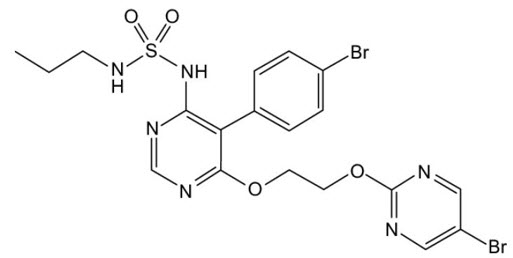
OPSYNVI ® is a single tablet combination containing two oral components used to treat pulmonary arterial hypertension: macitentan, an endothelin receptor antagonist (ERA), and tadalafil, a phosphodiesterase 5 (PDE5) inhibitor.
5.3 Hypotension
OPSYNVI tablets have vasodilatory properties that may result in transient decreases in blood pressure. Prior to prescribing OPSYNVI tablets, carefully consider whether patients with underlying cardiovascular disease could be affected adversely by such vasodilatory effects. Patients with pre-existing hypotension, with autonomic dysfunction, with left ventricular outflow obstruction, may be particularly sensitive to the actions of vasodilators [see Clinical Pharmacology (12.2)].
5.6 Visual Loss
Non–arteritic anterior ischemic optic neuropathy (NAION), a cause of decreased vision, including permanent loss of vision, has been reported postmarketing in temporal association with the use of PDE5 inhibitors, including tadalafil. Most, but not all, of these patients had underlying anatomic or vascular risk factors for development of NAION, including: low cup to disc ratio ("crowded disc"), age over 50, diabetes, hypertension, coronary artery disease, hyperlipidemia, and smoking. Based on published literature, the annual incidence of NAION is 2.5–11.8 cases per 100,000 in males aged greater than or equal to 50 in the general population. Other risk factors for NAION, such as the presence of "crowded" optic disc, may have contributed to the occurrence of NAION.
Patients with known hereditary degenerative retinal disorders, including retinitis pigmentosa, were not included in the clinical trials, and use of OPSYNVI in these patients is not recommended.
8.4 Pediatric Use
The safety and efficacy of OPSYNVI in children has not been established.
8.5 Geriatric Use
Of the total number of subjects in the clinical study of OPSYNVI for PAH, 20% were 65 and over. No overall differences in safety or effectiveness were observed between these subjects and younger subjects.
5.2 Hepatotoxicity
ERAs have caused elevations of aminotransferases, hepatotoxicity, and liver failure.
The incidence of elevated aminotransferases in the double-blind and combined double-blind (DB)/open-label (OL) arms of the study of OPSYNVI in PAH are shown in Table 1.
| OPSYNVI DB
(N=107) |
OPSYNVI DB/OL
(N=185) |
|
|---|---|---|
| ≥3 × ULN | 1.0% | 3.4% |
| ≥8 × ULN | 1.0% | 1.1% |
The overall incidence of treatment discontinuations for hepatic adverse events in the double-blind and combined double-blind/open-label arms study of OPSYNVI in PAH data were 0.9% and 2.2% respectively.
The incidence of elevated aminotransferases in the study of OPSUMIT (macitentan) in PAH is shown in Table 2.
| OPSUMIT 10 mg
(N=242) |
Placebo
(N=249) |
|
|---|---|---|
| >3 × ULN | 3.4% | 4.5% |
| >8 × ULN | 2.1% | 0.4% |
In the placebo-controlled study of OPSUMIT, discontinuations for hepatic adverse events were 3.3% in the OPSUMIT 10 mg group vs. 1.6% for placebo.
Obtain liver enzyme tests prior to initiation of OPSYNVI and repeat during treatment as clinically indicated.
Advise patients to report symptoms suggesting hepatic injury (nausea, vomiting, right upper quadrant pain, fatigue, anorexia, jaundice, dark urine, fever, or itching). If clinically relevant aminotransferase elevations occur, or if elevations are accompanied by an increase in bilirubin >2 × ULN, or by clinical symptoms of hepatotoxicity, discontinue OPSYNVI. Consider re-initiation of OPSYNVI when hepatic enzyme levels normalize in patients who have not experienced clinical symptoms of hepatotoxicity.
Do not initiate OPSYNVI in patients with elevated aminotransferases (> 3 × upper limit of normal [ULN]) at baseline. Patients with severe hepatic cirrhosis (Child-Pugh Class C) have not been studied, and, therefore, avoid use of OPSYNVI.
7.5 Alpha Blockers
PDE5 inhibitors, including tadalafil, and alpha-adrenergic blocking agents are both vasodilators with blood-pressure-lowering effects. In patients who are taking alpha 1blockers, concomitant administration of tadalafil may lead to symptomatic hypotension in some patients. Therefore, the combination of OPSYNVI and doxazosin is not recommended [see Warnings and Precautions (5.3)and Clinical Pharmacology (12.2)].
4 Contraindications
5.8 Fluid Retention
Peripheral edema and fluid retention are known clinical consequences of PAH and known effects of ERAs and heart failure has been reported in patients taking OPSYNVI. In the active-controlled and combined double-blind/open-label arms of the study of OPSYNVI in PAH, the incidence of peripheral edema/fluid retention was 20.6% in the active-controlled and 17.3% in the double-blind/open-label arm [see Adverse Reactions (6.1)] . In the placebo-controlled study of OPSUMIT in PAH, the incidence of edema was 21.9% in the OPSUMIT 10 mg group and 20.5% in the placebo group.
Patients with underlying left ventricular dysfunction may be at particular risk for developing significant fluid retention after initiation of ERA treatment. In a small study of OPSUMIT in patients with pulmonary hypertension because of left ventricular dysfunction, more patients in the OPSUMIT group developed significant fluid retention and had more hospitalizations because of worsening heart failure compared to those randomized to placebo. Postmarketing cases of edema and fluid retention occurring within weeks of starting OPSUMIT, some requiring intervention with a diuretic or hospitalization for decompensated heart failure, have been reported .
Monitor for signs of fluid retention after OPSYNVI initiation. If clinically significant fluid retention develops, evaluate the patient to determine the cause, such as OPSYNVI or underlying heart failure, and the possible need to discontinue OPSYNVI.
6 Adverse Reactions
Clinically significant adverse reactions that appear in other sections of the labeling include:
- Hypersensitivity [see Contraindications (4.2)]
- Embryo-fetal Toxicity [see Warnings and Precautions (5.1)]
- Hepatotoxicity [see Warnings and Precautions (5.2)]
- Hypotension [see Warnings and Precautions (5.3)]
- Decrease in Hemoglobin [see Warnings and Precautions (5.4)]
- Visual Loss [see Warnings and Precautions (5.6)and Patient Counseling Information (17)]
- Hearing loss [see Warnings and Precautions (5.7)]
- Fluid Retention [see Warnings and Precautions (5.8)]
- Prolonged Erection [see Warnings and Precautions (5.11)]
7 Drug Interactions
4.2 Hypersensitivity
OPSYNVI is contraindicated in patients with a history of a hypersensitivity reaction to macitentan, tadalafil, or any component of the product. Hypersensitivity reactions have been reported. Stevens-Johnson syndrome and exfoliative dermatitis have been reported with tadalafil [see Adverse Reactions (6.2)].
8.6 Renal Impairment
The use of OPSYNVI is not recommended in patients undergoing dialysis. Avoid use of OPSYNVI in patients with severe renal impairment (creatinine clearance 15–29 mL/min) because of increased tadalafil exposure (AUC), lack of clinical experience and the lack of ability to influence clearance by dialysis. For patients with mild (creatinine clearance 51–80 mL/min) to moderate (creatinine clearance 30–50 mL/min) renal impairment, the recommended dose should be consistent with the adult dosing [see Dosage and Administration (2.1)and Clinical Pharmacology (12.3)].
12.2 Pharmacodynamics
Pharmacodynamic studies with OPSYNVI have not been conducted. As OPSYNVI contains macitentan and tadalafil, the pharmacodynamic effects for each component should be considered.
7.6 Antihypertensives
PDE5 inhibitors, including tadalafil, are mild systemic vasodilators. Clinical pharmacology studies were conducted to assess the effect of tadalafil on the potentiation of the blood–pressure–lowering effects of selected antihypertensive medications (amlodipine, angiotensin II receptor blockers, bendroflumethiazide, enalapril, and metoprolol). Small reductions in blood pressure occurred following coadministration of tadalafil with these agents compared with placebo [see Clinical Pharmacology (12.2)].
2.1 Recommended Dosage
OPSYNVI is taken orally once daily with or without food. Swallow the tablets whole, with water. Do not cut, crush, or chew tablets. If the patient misses a dose of OPSYNVI, tell the patient to take it as soon as possible and then take the next dose at the regularly scheduled time. Tell the patient not to take two doses at the same time if a dose has been missed.
5.7 Hearing Impairment
Cases of sudden decrease or loss of hearing, which may be accompanied by tinnitus and dizziness, have been reported in patients taking tadalafil. It is not possible to determine whether these events are related directly to the use of PDE5 inhibitors or to other factors.
8.7 Hepatic Impairment
OPSYNVI was not studied in severe hepatic impairment patients defined as a Model for End-Stage Liver Disease score ≥19. OPSYNVI must not be initiated in patients with severe hepatic impairment, or clinically significant elevated hepatic aminotransferases (greater than 3 times the Upper Limit of Normal at baseline (> 3 × ULN). For patients with mild to moderate hepatic impairment (Child Pugh Class A or B) the recommended dose should be consistent with the adult dosing see Dosage and Administration (2.1)[see Warnings and Precautions (5.2)and Clinical Pharmacology (12.3)].
1 Indications and Usage
OPSYNVI is a combination of macitentan, an endothelin receptor antagonist (ERA), and tadalafil, a phosphodiesterase 5 (PDE5) inhibitor, indicated for chronic treatment of pulmonary arterial hypertension (PAH, WHO Group I) in adult patients of WHO functional class (FC) II–III. ( 1.1)
Individually, macitentan reduces the risk of clinical worsening events and hospitalization, and tadalafil improves exercise ability. ( 1.1, 14)
5.11 Prolonged Erection
There have been reports of prolonged erections greater than 4 hours and priapism (painful erections greater than 6 hours in duration) for PDE5 inhibitors like tadalafil. Patients with conditions that might predispose them to priapism (such as sickle cell anemia, multiple myeloma, or leukemia), or in patients with anatomical deformation of the penis (such as angulation, cavernosal fibrosis, or Peyronie's disease) are at an increased risk. Priapism, if not treated promptly, can result in irreversible damage to the erectile tissue. Patients who have an erection lasting greater than 4 hours, whether painful or not, should seek emergency medical attention.
5.4 Hemoglobin Decrease
Decreases in hemoglobin concentration and hematocrit have occurred following administration of other ERAs and were observed in clinical studies with OPSYNVI and OPSUMIT. These decreases occurred early and stabilized thereafter.
In the placebo-controlled study of OPSUMIT in PAH, OPSUMIT 10 mg caused a mean decrease in hemoglobin from baseline to up to 18 months of about 1.0 g/dL compared to no change in the placebo group. A decrease in hemoglobin to below 10.0 g/dL was reported in 8.7% of the OPSUMIT 10 mg group and in 3.4% of the placebo group. Similar results were observed in the trial with OPSYNVI.
Decreases in hemoglobin seldom require transfusion. Initiation of OPSYNVI is not recommended in patients with severe anemia. Measure hemoglobin prior to initiation of treatment and repeat during treatment as clinically indicated [see Adverse Reactions (6.1)].
5.1 Embryo Fetal Toxicity
Based on data from animal reproduction studies, OPSYNVI may cause fetal harm when administered to a pregnant patient and is contraindicated during pregnancy. The available human data for ERAs do not establish the presence or absence of major birth defects related to the use of OPSYNVI. Advise patients who can become pregnant of the potential risk to a fetus. Obtain a pregnancy test prior to initiation of therapy with OPSYNVI. Advise patients who can become pregnant to use effective contraceptive methods prior to initiation of treatment, during treatment, and for one month after discontinuation of treatment with OPSYNVI. When pregnancy is detected, discontinue use as soon as possible [see Dosage and Administration (2.2), Contraindications (4.1), and Use in Specific Populations (8.1, 8.3)].
5 Warnings and Precautions
- Hepatotoxicity: ERAs cause hepatotoxicity and liver failure. Obtain baseline liver enzymes and monitor as clinically indicated. ( 5.2)
- Hypotension: Vasodilatory effects may cause hypotension in susceptible patients. ( 5.3)
- Hemoglobin decrease. ( 5.4)
- Worsening Pulmonary Veno-Occlusive Disease: If pulmonary edema is confirmed, discontinue treatment. ( 5.5)
- Visual Loss: Sudden loss of vision could be a sign of non-arteritic ischemic optic neuropathy (NAION) and may be permanent. ( 5.6)
- Hearing Impairment: Cases of sudden decrease or loss of hearing have been reported in patients taking tadalafil. ( 5.7)
- Fluid Retention: Fluid retention may require intervention. ( 5.8)
- Combination with Other PDE5 Inhibitors: Avoid use with other PDE5 inhibitors. ( 5.9)
- Decreased Sperm Count: Decreases in sperm count have been observed in patients taking ERAs. ( 5.10)
- Prolonged Erection: Advise patients to seek emergency treatment if an erection lasts greater than 4 hours. ( 5.11)
5.10 Decreased Sperm Count
Macitentan, like other ERAs, may have an adverse effect on spermatogenesis. Counsel men about potential effects on fertility [see Use in Specific Populations (8.3)and Nonclinical Toxicology (13.1)].
7.2 Strong Cyp3a4 Inducers
Strong inducers of CYP3A4 such as rifampin significantly reduce macitentan exposure. Use of OPSYNVI with strong CYP3A4 inducers should be avoided [see Clinical Pharmacology (12.3)].
2 Dosage and Administration
- One 10 mg/20 mg or 10 mg/40 mg tablet taken orally once daily with or without food. ( 2.1)
3 Dosage Forms and Strengths
OPSYNVI is available as:
| 10 mg/20 mg | Pink | Oblong | Film-coated | "1020" on one side and "MT" on the other side |
| 10 mg/40 mg | White to almost-white | Oblong | Film-coated | "1040" on one side and "MT" on the other side |
6.2 Postmarketing Experience
Additional adverse reactions have been identified during post-approval use of tadalafil. Because these reactions are reported voluntarily from a population of uncertain size, it is generally not possible to reliably estimate their frequency or establish a causal relationship to drug exposure.
Macitentan: liver injury, symptomatic hypotension, hypersensitivity reactions (angioedema, pruritus, and rash).
Tadalafil: Cardiovascular and cerebrovascular events including myocardial infarction, sudden cardiac death, stroke, and tachycardia; Nervous system events including, seizure, transient amnesia; Hypersensitivity reactions including urticaria, Stevens-Johnson syndrome, and exfoliative dermatitis; visual field defect, NAION, retinal vascular occlusion; sudden hearing loss, priapism.
7.3 Strong Cyp3a4 Inhibitors
Concomitant use of strong CYP3A4 inhibitors like ketoconazole increase exposure to both macitentan and tadalafil. Avoid concomitant use of OPSYNVI with strong CYP3A4 inhibitors such as ritonavir, ketoconazole and itraconazole. Use other PAH treatment options when strong CYP3A4 inhibitors are needed [see Clinical Pharmacology (12.3)].
8 Use in Specific Populations
6.1 Clinical Trials Experience
Because clinical trials are conducted under widely varying conditions, adverse reaction rates observed in the clinical trials of a drug cannot be directly compared to rates in the clinical trials of another drug and may not reflect the rates observed in practice.
The overall safety profile of OPSYNVI is based on data from a double-blind, active-controlled, phase 3 clinical study (A DUE) and an open-label extension study, in patients with PAH [see Clinical Studies (14)] . In the double-blind portion of the study, a total of 107 patients were treated with OPSYNVI 10 mg/40 mg, 35 patients were treated with 10 mg macitentan monotherapy, and 44 patients were treated with 40 mg tadalafil monotherapy. The duration of exposure to OPSYNVI during the double-blind portion was 16 weeks.
The most common adverse reactions (occurring in ≥ 10% of the OPSYNVI-treated patients) from the double-blind study data were edema/fluid retention (21%), anemia (19%), and headache/migraine (18%). The incidence of treatment discontinuations due to adverse events among patients receiving OPSYNVI in the double-blind phase of the study was 8%. The most frequent adverse reactions leading to discontinuation were anemia and hemoglobin decreased (2% grouped) and peripheral edema and peripheral swelling (2% grouped). Table 3 presents adverse reactions seen in patients treated for 16 weeks during the double-blind portion of A DUE.
| Adverse Reaction | OPSYNVI
N=107 % |
Macitentan Monotherapy
N=35 % |
Tadalafil Monotherapy
N=44 % |
|---|---|---|---|
| Edema/fluid retention | 21 | 14 | 16 |
| Anemia | 19 | 3 | 2 |
| Headache | 18 | 17 | 14 |
| Abdominal pain | 7 | 3 | 14 |
| Hypotension | 7 | 0 | 0 |
| Myalgia | 6 | 0 | 5 |
| Nasopharyngitis | 6 | 3 | 0 |
| Nausea | 6 | 0 | 7 |
| Increased uterine bleeding | 5 | 0 | 0 |
| Back pain | 5 | 3 | 9 |
| Flushing | 4 | 6 | 0 |
| Vomiting | 4 | 0 | 5 |
| Palpitations | 4 | 3 | 5 |
| Pain in extremity | 3 | 0 | 7 |
| Epistaxis | 3 | 0 | 0 |
One-hundred eighty-five patients received OPSYNVI in the double-blind or open-label phase of the study. The median exposure to OPSYNVI during the combined double-blind/open-label extension was 59.9 weeks with a mean exposure of 63.2 weeks. Adverse reactions from the combined double-blind/open-label study data were similar to those observed in the double-blind study.
The following adverse reactions have been reported during clinical trials with the individual components of OPSYNVI but were not observed in 3% or more of subjects treated with OPSYNVI in the A DUE clinical trial:
Macitentan: bronchitis, pharyngitis, transaminases increased, influenza, urinary tract infection.
Tadalafil: lower respiratory tract infection, prolonged erections, gastroesophageal reflux disease, vision blurred, tinnitus, swelling face, chest pain.
Warning: Embryo Fetal Toxicity
OPSYNVI is contraindicated for use during pregnancy because it may cause fetal harm based on animal data [see Contraindications (4.1), Warnings and Precautions (5.1), Use in Specific Populations (8.1)].
Therefore, for females of reproductive potential, exclude pregnancy before the start of treatment with OPSYNVI. Advise use of effective contraception before the initiation of treatment, during treatment, and for one month after stopping treatment with OPSYNVI [see Dosage and Administration (2.2), Use in Specific Populations (8.3)]. When pregnancy is detected, discontinue OPSYNVI as soon as possible [see Warnings and Precautions (5.1)] .
4.3 Concomitant Organic Nitrates
OPSYNVI is contraindicated in patients who are using any form of organic nitrate, either regularly or intermittently. Do not use nitrates within 48 hours of the last dose of OPSYNVI. Tadalafil potentiates the hypotensive effect of nitrates. This potentiation is thought to result from the combined effects of nitrates and tadalafil on the nitric oxide/cGMP pathway [see Clinical Pharmacology (12.2)].
17 Patient Counseling Information
Advise the patient to read the FDA-approved patient labeling (Medication Guide).
1.1 Pulmonary Arterial Hypertension
OPSYNVI is the combination of macitentan and tadalafil indicated for the chronic treatment of adults with pulmonary arterial hypertension (PAH, WHO Group I and WHO Functional Class (FC) II–III).
Individually, macitentan reduces the risk of clinical worsening events and hospitalization, and tadalafil improves exercise ability [see Clinical Studies (14.1)] .
16 How Supplied/storage and Handling
OPSYNVI ® (macitentan and tadalafil) tablets, 10 mg/20 mg, are supplied as pink, oblong film-coated tablets debossed with "1020" on one side and "MT" on the other side.
OPSYNVI 10 mg/20 mg is supplied as follows:
7-count bottles with child-resistant closure NDC 66215-812-07
7-count blister NDC 66215-812-08
30-count bottle with child-resistant closure NDC 66215-812-30
OPSYNVI ® (macitentan and tadalafil) tablets, 10 mg/40 mg, are supplied as white to almost-white, oblong film-coated tablets debossed with "1040" on one side and "MT" on the other side.
OPSYNVI 10 mg/40 mg is supplied as follows:
10-count blister NDC 66215-814-10
30-count bottle with child-resistant closure NDC 66215-814-30
5.9 Combination With Other Pde5 Inhibitors
Tadalafil is also indicated for erectile dysfunction. The safety and efficacy of taking tadalafil tablets together with another PDE5 inhibitors or other treatments for erectile dysfunction have not been studied. Instruct patients taking OPSYNVI tablets not to take other PDE5 inhibitors.
8.3 Females and Males of Reproductive Potential
Based on data from animal reproductive toxicity studies, OPSYNVI can cause fetal harm, including birth defects and fetal death, when administered to a pregnant patient and is contraindicated during pregnancy [see Contraindications (4.1), and Use in Specific Populations (8.1)].
4.4 Concomitant Guanylate Cyclase (gc) Stimulators
Coadministration of GC stimulators such as riociguat with OPSYNVI is contraindicated. Tadalafil may potentiate the hypotensive effects of GC stimulators.
5.5 Worsening Pulmonary Veno Occlusive Disease (pvod)
Pulmonary vasodilators may significantly worsen the cardiovascular status of patients with pulmonary veno-occlusive disease (PVOD). Since there are no clinical data on administration of OPSYNVI tablets to patients with veno-occlusive disease, administration of OPSYNVI tablets to such patients is not recommended. Should signs of pulmonary edema occur when OPSYNVI tablets are administered, the possibility of associated PVOD should be considered. If confirmed, discontinue OPSYNVI.
2.2 Pregnancy Testing in Females of Reproductive Potential
Exclude pregnancy before initiating treatment with OPSYNVI in females of reproductive potential [see Boxed Warning, Contraindications (4.1), Warnings and Precautions (5.1), and Use in Specific Populations (8.3)].
7.4 Moderate Dual Or Combined Cyp3a4 and Cyp2c9 Inhibitors
Concomitant use of moderate dual inhibitors of CYP3A4 and CYP2C9 such as fluconazole is predicted to increase macitentan exposure approximately 4-fold. Avoid concomitant use of OPSYNVI with moderate dual inhibitors of CYP3A4 and CYP2C9 (such as fluconazole and amiodarone) [see Clinical Pharmacology (12.3)].
Concomitant treatment of both a moderate CYP3A4 inhibitor and moderate CYP2C9 inhibitor with OPSYNVI should also be avoided [see Clinical Pharmacology (12.3)].
Principal Display Panel 10 Mg/20 Mg Tablet Bottle Carton
NDC 66215-812-30
Rx only
Opsynvi
®
(macitentan and tadalafil)
tablets
10 mg / 20 mg
Attention: Dispense the enclosed
Medication Guide to each patient.
30 film-coated tablets
Principal Display Panel 10 Mg/40 Mg Tablet Bottle Carton
NDC 66215-814-30
Rx only
Opsynvi
®
(macitentan and tadalafil)
tablets
10 mg / 40 mg
Attention: Dispense the enclosed
Medication Guide to each patient.
30 film-coated tablets
Structured Label Content
Section 42229-5 (42229-5)
For patients who are treatment-naïve to any PAH specific therapy or transitioning from ERA monotherapy
The recommended starting dose of OPSYNVI is one 10 mg/20 mg tablet taken orally once daily with or without food for one week. If tolerated, up titrate OPSYNVI to one 10 mg/40 mg tablet taken orally once daily with or without food as the maintenance dose.
Section 42231-1 (42231-1)
| MEDICATION GUIDE
OPSYNVI ® (op-SIN-vee) (macitentan and tadalafil) tablets |
|||||
|---|---|---|---|---|---|
| This Medication Guide has been approved by the U.S. Food and Drug Administration. | Issued: 4/2025 | ||||
| Read this Medication Guide for OPSYNVI before you start taking OPSYNVI and each time you get a refill. There may be new information. This Medication Guide does not take the place of talking with your healthcare provider about your medical condition or your treatment. | |||||
|
What is the most important information I should know about OPSYNVI?
If you are a female who can get pregnant, you should talk to your healthcare provider to understand the benefits and risks of OPSYNVI. See " What are the possible side effects of OPSYNVI? " for more information about side effects. |
|||||
What is OPSYNVI?
|
|||||
|
Who should not take OPSYNVI?
Do not take OPSYNVI if you:
|
|||||
Before taking OPSYNVI, tell your healthcare provider about all of your medical conditions, including if you:
Especially tell your healthcare provider if you take: |
|||||
|
|
|
|||
| Ask your healthcare provider or pharmacist if you are not sure if your medicine is one that is listed above. Know the medicines you take. Keep a list and show it to your healthcare provider or pharmacist when you get a new medicine. | |||||
|
How should I take OPSYNVI?
OPSYNVI will be mailed to you by a specialty pharmacy. Your healthcare provider will give you complete details.
|
|||||
What should I avoid while taking OPSYNVI?
|
|||||
|
What are the possible side effects of OPSYNVI? OPSYNVI can cause serious side effects, including:
|
|||||
|
|
||||
Call your doctor for medical advice about side effects. You may report side effects to FDA at 1-800-FDA-1088. |
|||||
How should I store OPSYNVI?
|
|||||
|
General information about the safe and effective use of OPSYNVI.
Medicines are sometimes prescribed for purposes other than those listed in a Medication Guide. Do not use OPSYNVI for a condition for which it was not prescribed. Do not give OPSYNVI to other people, even if they have the same symptoms that you have. It may harm them. You can ask your pharmacist or healthcare provider for information about OPSYNVI that is written for health professionals. |
|||||
|
What are the ingredients in OPSYNVI?
Active ingredients:macitentan and tadalafil Inactive ingredients: tablet core:hydroxypropyl cellulose, hydroxypropyl cellulose (low substituted), lactose monohydrate, magnesium stearate, microcrystalline cellulose, polysorbate 80, povidone, sodium starch glycolate, sodium lauryl sulfate. 10 mg/20 mg film-coating:hydroxypropyl methylcellulose, iron oxide red, iron oxide yellow, lactose monohydrate, talc, titanium dioxide, triacetin. 10 mg/40 mg film-coating:hydroxypropyl methylcellulose, lactose monohydrate, talc, titanium dioxide, triacetin. Manufactured for: Actelion Pharmaceuticals US, Inc. a Janssen Pharmaceutical Company Titusville, NJ 08560, USA For patent information: www.janssenpatents.com For more information, call 1-800-526-7736 (1-800-JANSSEN), or visit www.OPSYNVI.com. © 2024 Actelion Pharmaceuticals US, Inc. |
Section 43683-2 (43683-2)
| Boxed Warning | 4/2025 |
| Dosage and Administration ( 2.2) | 4/2025 |
| Warnings and Precautions ( 5.1) | 4/2025 |
| Warnings and Precautions (5.2) | Removal 4/2025 |
Section 44425-7 (44425-7)
Store at 20ºC to 25ºC (68ºF to 77ºF); excursions are permitted between 15°C and 30°C (59°F and 86°F) [see USP Controlled Room Temperature]. Store and dispense in the original package to protect from moisture. Do not discard the desiccant.
7.7 Alcohol
Both alcohol and tadalafil, a PDE5 inhibitor, act as mild vasodilators. When mild vasodilators are taken in combination, blood-pressure–lowering effects of each individual compound may be increased. Substantial consumption of alcohol (e.g., 5 units or greater) in combination with OPSYNVI can increase the potential for orthostatic signs and symptoms, including increase in heart rate, decrease in standing blood pressure, dizziness, and headache. Tadalafil (10 mg or 20 mg) did not affect alcohol plasma concentrations and alcohol did not affect tadalafil plasma concentrations [see Clinical Pharmacology (12.2)].
7.1 Nitrates
Administration of nitrates within 48 hours after the last dose of OPSYNVI is contraindicated [see Contraindications (4.3)] .
10 Overdosage (10 OVERDOSAGE)
In the event of an overdose, standard supportive measures should be taken, as required. Dialysis is unlikely to be effective because macitentan is highly protein-bound.
4.1 Pregnancy
OPSYNVI may cause fetal harm when administered to a pregnant woman. OPSYNVI is contraindicated in females who are pregnant. Macitentan was consistently shown to have teratogenic effects when administered to animals. If OPSYNVI is used during pregnancy, advise the patient of the potential risk to a fetus [see Warnings and Precautions (5.1)and Use in Specific Populations (8.1)] .
11 Description (11 DESCRIPTION)
OPSYNVI ® is a single tablet combination containing two oral components used to treat pulmonary arterial hypertension: macitentan, an endothelin receptor antagonist (ERA), and tadalafil, a phosphodiesterase 5 (PDE5) inhibitor.
5.3 Hypotension
OPSYNVI tablets have vasodilatory properties that may result in transient decreases in blood pressure. Prior to prescribing OPSYNVI tablets, carefully consider whether patients with underlying cardiovascular disease could be affected adversely by such vasodilatory effects. Patients with pre-existing hypotension, with autonomic dysfunction, with left ventricular outflow obstruction, may be particularly sensitive to the actions of vasodilators [see Clinical Pharmacology (12.2)].
5.6 Visual Loss
Non–arteritic anterior ischemic optic neuropathy (NAION), a cause of decreased vision, including permanent loss of vision, has been reported postmarketing in temporal association with the use of PDE5 inhibitors, including tadalafil. Most, but not all, of these patients had underlying anatomic or vascular risk factors for development of NAION, including: low cup to disc ratio ("crowded disc"), age over 50, diabetes, hypertension, coronary artery disease, hyperlipidemia, and smoking. Based on published literature, the annual incidence of NAION is 2.5–11.8 cases per 100,000 in males aged greater than or equal to 50 in the general population. Other risk factors for NAION, such as the presence of "crowded" optic disc, may have contributed to the occurrence of NAION.
Patients with known hereditary degenerative retinal disorders, including retinitis pigmentosa, were not included in the clinical trials, and use of OPSYNVI in these patients is not recommended.
8.4 Pediatric Use
The safety and efficacy of OPSYNVI in children has not been established.
8.5 Geriatric Use
Of the total number of subjects in the clinical study of OPSYNVI for PAH, 20% were 65 and over. No overall differences in safety or effectiveness were observed between these subjects and younger subjects.
5.2 Hepatotoxicity
ERAs have caused elevations of aminotransferases, hepatotoxicity, and liver failure.
The incidence of elevated aminotransferases in the double-blind and combined double-blind (DB)/open-label (OL) arms of the study of OPSYNVI in PAH are shown in Table 1.
| OPSYNVI DB
(N=107) |
OPSYNVI DB/OL
(N=185) |
|
|---|---|---|
| ≥3 × ULN | 1.0% | 3.4% |
| ≥8 × ULN | 1.0% | 1.1% |
The overall incidence of treatment discontinuations for hepatic adverse events in the double-blind and combined double-blind/open-label arms study of OPSYNVI in PAH data were 0.9% and 2.2% respectively.
The incidence of elevated aminotransferases in the study of OPSUMIT (macitentan) in PAH is shown in Table 2.
| OPSUMIT 10 mg
(N=242) |
Placebo
(N=249) |
|
|---|---|---|
| >3 × ULN | 3.4% | 4.5% |
| >8 × ULN | 2.1% | 0.4% |
In the placebo-controlled study of OPSUMIT, discontinuations for hepatic adverse events were 3.3% in the OPSUMIT 10 mg group vs. 1.6% for placebo.
Obtain liver enzyme tests prior to initiation of OPSYNVI and repeat during treatment as clinically indicated.
Advise patients to report symptoms suggesting hepatic injury (nausea, vomiting, right upper quadrant pain, fatigue, anorexia, jaundice, dark urine, fever, or itching). If clinically relevant aminotransferase elevations occur, or if elevations are accompanied by an increase in bilirubin >2 × ULN, or by clinical symptoms of hepatotoxicity, discontinue OPSYNVI. Consider re-initiation of OPSYNVI when hepatic enzyme levels normalize in patients who have not experienced clinical symptoms of hepatotoxicity.
Do not initiate OPSYNVI in patients with elevated aminotransferases (> 3 × upper limit of normal [ULN]) at baseline. Patients with severe hepatic cirrhosis (Child-Pugh Class C) have not been studied, and, therefore, avoid use of OPSYNVI.
7.5 Alpha Blockers (7.5 Alpha-Blockers)
PDE5 inhibitors, including tadalafil, and alpha-adrenergic blocking agents are both vasodilators with blood-pressure-lowering effects. In patients who are taking alpha 1blockers, concomitant administration of tadalafil may lead to symptomatic hypotension in some patients. Therefore, the combination of OPSYNVI and doxazosin is not recommended [see Warnings and Precautions (5.3)and Clinical Pharmacology (12.2)].
4 Contraindications (4 CONTRAINDICATIONS)
5.8 Fluid Retention
Peripheral edema and fluid retention are known clinical consequences of PAH and known effects of ERAs and heart failure has been reported in patients taking OPSYNVI. In the active-controlled and combined double-blind/open-label arms of the study of OPSYNVI in PAH, the incidence of peripheral edema/fluid retention was 20.6% in the active-controlled and 17.3% in the double-blind/open-label arm [see Adverse Reactions (6.1)] . In the placebo-controlled study of OPSUMIT in PAH, the incidence of edema was 21.9% in the OPSUMIT 10 mg group and 20.5% in the placebo group.
Patients with underlying left ventricular dysfunction may be at particular risk for developing significant fluid retention after initiation of ERA treatment. In a small study of OPSUMIT in patients with pulmonary hypertension because of left ventricular dysfunction, more patients in the OPSUMIT group developed significant fluid retention and had more hospitalizations because of worsening heart failure compared to those randomized to placebo. Postmarketing cases of edema and fluid retention occurring within weeks of starting OPSUMIT, some requiring intervention with a diuretic or hospitalization for decompensated heart failure, have been reported .
Monitor for signs of fluid retention after OPSYNVI initiation. If clinically significant fluid retention develops, evaluate the patient to determine the cause, such as OPSYNVI or underlying heart failure, and the possible need to discontinue OPSYNVI.
6 Adverse Reactions (6 ADVERSE REACTIONS)
Clinically significant adverse reactions that appear in other sections of the labeling include:
- Hypersensitivity [see Contraindications (4.2)]
- Embryo-fetal Toxicity [see Warnings and Precautions (5.1)]
- Hepatotoxicity [see Warnings and Precautions (5.2)]
- Hypotension [see Warnings and Precautions (5.3)]
- Decrease in Hemoglobin [see Warnings and Precautions (5.4)]
- Visual Loss [see Warnings and Precautions (5.6)and Patient Counseling Information (17)]
- Hearing loss [see Warnings and Precautions (5.7)]
- Fluid Retention [see Warnings and Precautions (5.8)]
- Prolonged Erection [see Warnings and Precautions (5.11)]
7 Drug Interactions (7 DRUG INTERACTIONS)
4.2 Hypersensitivity
OPSYNVI is contraindicated in patients with a history of a hypersensitivity reaction to macitentan, tadalafil, or any component of the product. Hypersensitivity reactions have been reported. Stevens-Johnson syndrome and exfoliative dermatitis have been reported with tadalafil [see Adverse Reactions (6.2)].
8.6 Renal Impairment
The use of OPSYNVI is not recommended in patients undergoing dialysis. Avoid use of OPSYNVI in patients with severe renal impairment (creatinine clearance 15–29 mL/min) because of increased tadalafil exposure (AUC), lack of clinical experience and the lack of ability to influence clearance by dialysis. For patients with mild (creatinine clearance 51–80 mL/min) to moderate (creatinine clearance 30–50 mL/min) renal impairment, the recommended dose should be consistent with the adult dosing [see Dosage and Administration (2.1)and Clinical Pharmacology (12.3)].
12.2 Pharmacodynamics
Pharmacodynamic studies with OPSYNVI have not been conducted. As OPSYNVI contains macitentan and tadalafil, the pharmacodynamic effects for each component should be considered.
7.6 Antihypertensives
PDE5 inhibitors, including tadalafil, are mild systemic vasodilators. Clinical pharmacology studies were conducted to assess the effect of tadalafil on the potentiation of the blood–pressure–lowering effects of selected antihypertensive medications (amlodipine, angiotensin II receptor blockers, bendroflumethiazide, enalapril, and metoprolol). Small reductions in blood pressure occurred following coadministration of tadalafil with these agents compared with placebo [see Clinical Pharmacology (12.2)].
2.1 Recommended Dosage
OPSYNVI is taken orally once daily with or without food. Swallow the tablets whole, with water. Do not cut, crush, or chew tablets. If the patient misses a dose of OPSYNVI, tell the patient to take it as soon as possible and then take the next dose at the regularly scheduled time. Tell the patient not to take two doses at the same time if a dose has been missed.
5.7 Hearing Impairment
Cases of sudden decrease or loss of hearing, which may be accompanied by tinnitus and dizziness, have been reported in patients taking tadalafil. It is not possible to determine whether these events are related directly to the use of PDE5 inhibitors or to other factors.
8.7 Hepatic Impairment
OPSYNVI was not studied in severe hepatic impairment patients defined as a Model for End-Stage Liver Disease score ≥19. OPSYNVI must not be initiated in patients with severe hepatic impairment, or clinically significant elevated hepatic aminotransferases (greater than 3 times the Upper Limit of Normal at baseline (> 3 × ULN). For patients with mild to moderate hepatic impairment (Child Pugh Class A or B) the recommended dose should be consistent with the adult dosing see Dosage and Administration (2.1)[see Warnings and Precautions (5.2)and Clinical Pharmacology (12.3)].
1 Indications and Usage (1 INDICATIONS AND USAGE)
OPSYNVI is a combination of macitentan, an endothelin receptor antagonist (ERA), and tadalafil, a phosphodiesterase 5 (PDE5) inhibitor, indicated for chronic treatment of pulmonary arterial hypertension (PAH, WHO Group I) in adult patients of WHO functional class (FC) II–III. ( 1.1)
Individually, macitentan reduces the risk of clinical worsening events and hospitalization, and tadalafil improves exercise ability. ( 1.1, 14)
5.11 Prolonged Erection
There have been reports of prolonged erections greater than 4 hours and priapism (painful erections greater than 6 hours in duration) for PDE5 inhibitors like tadalafil. Patients with conditions that might predispose them to priapism (such as sickle cell anemia, multiple myeloma, or leukemia), or in patients with anatomical deformation of the penis (such as angulation, cavernosal fibrosis, or Peyronie's disease) are at an increased risk. Priapism, if not treated promptly, can result in irreversible damage to the erectile tissue. Patients who have an erection lasting greater than 4 hours, whether painful or not, should seek emergency medical attention.
5.4 Hemoglobin Decrease
Decreases in hemoglobin concentration and hematocrit have occurred following administration of other ERAs and were observed in clinical studies with OPSYNVI and OPSUMIT. These decreases occurred early and stabilized thereafter.
In the placebo-controlled study of OPSUMIT in PAH, OPSUMIT 10 mg caused a mean decrease in hemoglobin from baseline to up to 18 months of about 1.0 g/dL compared to no change in the placebo group. A decrease in hemoglobin to below 10.0 g/dL was reported in 8.7% of the OPSUMIT 10 mg group and in 3.4% of the placebo group. Similar results were observed in the trial with OPSYNVI.
Decreases in hemoglobin seldom require transfusion. Initiation of OPSYNVI is not recommended in patients with severe anemia. Measure hemoglobin prior to initiation of treatment and repeat during treatment as clinically indicated [see Adverse Reactions (6.1)].
5.1 Embryo Fetal Toxicity (5.1 Embryo-fetal Toxicity)
Based on data from animal reproduction studies, OPSYNVI may cause fetal harm when administered to a pregnant patient and is contraindicated during pregnancy. The available human data for ERAs do not establish the presence or absence of major birth defects related to the use of OPSYNVI. Advise patients who can become pregnant of the potential risk to a fetus. Obtain a pregnancy test prior to initiation of therapy with OPSYNVI. Advise patients who can become pregnant to use effective contraceptive methods prior to initiation of treatment, during treatment, and for one month after discontinuation of treatment with OPSYNVI. When pregnancy is detected, discontinue use as soon as possible [see Dosage and Administration (2.2), Contraindications (4.1), and Use in Specific Populations (8.1, 8.3)].
5 Warnings and Precautions (5 WARNINGS AND PRECAUTIONS)
- Hepatotoxicity: ERAs cause hepatotoxicity and liver failure. Obtain baseline liver enzymes and monitor as clinically indicated. ( 5.2)
- Hypotension: Vasodilatory effects may cause hypotension in susceptible patients. ( 5.3)
- Hemoglobin decrease. ( 5.4)
- Worsening Pulmonary Veno-Occlusive Disease: If pulmonary edema is confirmed, discontinue treatment. ( 5.5)
- Visual Loss: Sudden loss of vision could be a sign of non-arteritic ischemic optic neuropathy (NAION) and may be permanent. ( 5.6)
- Hearing Impairment: Cases of sudden decrease or loss of hearing have been reported in patients taking tadalafil. ( 5.7)
- Fluid Retention: Fluid retention may require intervention. ( 5.8)
- Combination with Other PDE5 Inhibitors: Avoid use with other PDE5 inhibitors. ( 5.9)
- Decreased Sperm Count: Decreases in sperm count have been observed in patients taking ERAs. ( 5.10)
- Prolonged Erection: Advise patients to seek emergency treatment if an erection lasts greater than 4 hours. ( 5.11)
5.10 Decreased Sperm Count
Macitentan, like other ERAs, may have an adverse effect on spermatogenesis. Counsel men about potential effects on fertility [see Use in Specific Populations (8.3)and Nonclinical Toxicology (13.1)].
7.2 Strong Cyp3a4 Inducers (7.2 Strong CYP3A4 Inducers)
Strong inducers of CYP3A4 such as rifampin significantly reduce macitentan exposure. Use of OPSYNVI with strong CYP3A4 inducers should be avoided [see Clinical Pharmacology (12.3)].
2 Dosage and Administration (2 DOSAGE AND ADMINISTRATION)
- One 10 mg/20 mg or 10 mg/40 mg tablet taken orally once daily with or without food. ( 2.1)
3 Dosage Forms and Strengths (3 DOSAGE FORMS AND STRENGTHS)
OPSYNVI is available as:
| 10 mg/20 mg | Pink | Oblong | Film-coated | "1020" on one side and "MT" on the other side |
| 10 mg/40 mg | White to almost-white | Oblong | Film-coated | "1040" on one side and "MT" on the other side |
6.2 Postmarketing Experience
Additional adverse reactions have been identified during post-approval use of tadalafil. Because these reactions are reported voluntarily from a population of uncertain size, it is generally not possible to reliably estimate their frequency or establish a causal relationship to drug exposure.
Macitentan: liver injury, symptomatic hypotension, hypersensitivity reactions (angioedema, pruritus, and rash).
Tadalafil: Cardiovascular and cerebrovascular events including myocardial infarction, sudden cardiac death, stroke, and tachycardia; Nervous system events including, seizure, transient amnesia; Hypersensitivity reactions including urticaria, Stevens-Johnson syndrome, and exfoliative dermatitis; visual field defect, NAION, retinal vascular occlusion; sudden hearing loss, priapism.
7.3 Strong Cyp3a4 Inhibitors (7.3 Strong CYP3A4 Inhibitors)
Concomitant use of strong CYP3A4 inhibitors like ketoconazole increase exposure to both macitentan and tadalafil. Avoid concomitant use of OPSYNVI with strong CYP3A4 inhibitors such as ritonavir, ketoconazole and itraconazole. Use other PAH treatment options when strong CYP3A4 inhibitors are needed [see Clinical Pharmacology (12.3)].
8 Use in Specific Populations (8 USE IN SPECIFIC POPULATIONS)
6.1 Clinical Trials Experience
Because clinical trials are conducted under widely varying conditions, adverse reaction rates observed in the clinical trials of a drug cannot be directly compared to rates in the clinical trials of another drug and may not reflect the rates observed in practice.
The overall safety profile of OPSYNVI is based on data from a double-blind, active-controlled, phase 3 clinical study (A DUE) and an open-label extension study, in patients with PAH [see Clinical Studies (14)] . In the double-blind portion of the study, a total of 107 patients were treated with OPSYNVI 10 mg/40 mg, 35 patients were treated with 10 mg macitentan monotherapy, and 44 patients were treated with 40 mg tadalafil monotherapy. The duration of exposure to OPSYNVI during the double-blind portion was 16 weeks.
The most common adverse reactions (occurring in ≥ 10% of the OPSYNVI-treated patients) from the double-blind study data were edema/fluid retention (21%), anemia (19%), and headache/migraine (18%). The incidence of treatment discontinuations due to adverse events among patients receiving OPSYNVI in the double-blind phase of the study was 8%. The most frequent adverse reactions leading to discontinuation were anemia and hemoglobin decreased (2% grouped) and peripheral edema and peripheral swelling (2% grouped). Table 3 presents adverse reactions seen in patients treated for 16 weeks during the double-blind portion of A DUE.
| Adverse Reaction | OPSYNVI
N=107 % |
Macitentan Monotherapy
N=35 % |
Tadalafil Monotherapy
N=44 % |
|---|---|---|---|
| Edema/fluid retention | 21 | 14 | 16 |
| Anemia | 19 | 3 | 2 |
| Headache | 18 | 17 | 14 |
| Abdominal pain | 7 | 3 | 14 |
| Hypotension | 7 | 0 | 0 |
| Myalgia | 6 | 0 | 5 |
| Nasopharyngitis | 6 | 3 | 0 |
| Nausea | 6 | 0 | 7 |
| Increased uterine bleeding | 5 | 0 | 0 |
| Back pain | 5 | 3 | 9 |
| Flushing | 4 | 6 | 0 |
| Vomiting | 4 | 0 | 5 |
| Palpitations | 4 | 3 | 5 |
| Pain in extremity | 3 | 0 | 7 |
| Epistaxis | 3 | 0 | 0 |
One-hundred eighty-five patients received OPSYNVI in the double-blind or open-label phase of the study. The median exposure to OPSYNVI during the combined double-blind/open-label extension was 59.9 weeks with a mean exposure of 63.2 weeks. Adverse reactions from the combined double-blind/open-label study data were similar to those observed in the double-blind study.
The following adverse reactions have been reported during clinical trials with the individual components of OPSYNVI but were not observed in 3% or more of subjects treated with OPSYNVI in the A DUE clinical trial:
Macitentan: bronchitis, pharyngitis, transaminases increased, influenza, urinary tract infection.
Tadalafil: lower respiratory tract infection, prolonged erections, gastroesophageal reflux disease, vision blurred, tinnitus, swelling face, chest pain.
Warning: Embryo Fetal Toxicity (WARNING: EMBRYO-FETAL TOXICITY)
OPSYNVI is contraindicated for use during pregnancy because it may cause fetal harm based on animal data [see Contraindications (4.1), Warnings and Precautions (5.1), Use in Specific Populations (8.1)].
Therefore, for females of reproductive potential, exclude pregnancy before the start of treatment with OPSYNVI. Advise use of effective contraception before the initiation of treatment, during treatment, and for one month after stopping treatment with OPSYNVI [see Dosage and Administration (2.2), Use in Specific Populations (8.3)]. When pregnancy is detected, discontinue OPSYNVI as soon as possible [see Warnings and Precautions (5.1)] .
4.3 Concomitant Organic Nitrates
OPSYNVI is contraindicated in patients who are using any form of organic nitrate, either regularly or intermittently. Do not use nitrates within 48 hours of the last dose of OPSYNVI. Tadalafil potentiates the hypotensive effect of nitrates. This potentiation is thought to result from the combined effects of nitrates and tadalafil on the nitric oxide/cGMP pathway [see Clinical Pharmacology (12.2)].
17 Patient Counseling Information (17 PATIENT COUNSELING INFORMATION)
Advise the patient to read the FDA-approved patient labeling (Medication Guide).
1.1 Pulmonary Arterial Hypertension
OPSYNVI is the combination of macitentan and tadalafil indicated for the chronic treatment of adults with pulmonary arterial hypertension (PAH, WHO Group I and WHO Functional Class (FC) II–III).
Individually, macitentan reduces the risk of clinical worsening events and hospitalization, and tadalafil improves exercise ability [see Clinical Studies (14.1)] .
16 How Supplied/storage and Handling (16 HOW SUPPLIED/STORAGE AND HANDLING)
OPSYNVI ® (macitentan and tadalafil) tablets, 10 mg/20 mg, are supplied as pink, oblong film-coated tablets debossed with "1020" on one side and "MT" on the other side.
OPSYNVI 10 mg/20 mg is supplied as follows:
7-count bottles with child-resistant closure NDC 66215-812-07
7-count blister NDC 66215-812-08
30-count bottle with child-resistant closure NDC 66215-812-30
OPSYNVI ® (macitentan and tadalafil) tablets, 10 mg/40 mg, are supplied as white to almost-white, oblong film-coated tablets debossed with "1040" on one side and "MT" on the other side.
OPSYNVI 10 mg/40 mg is supplied as follows:
10-count blister NDC 66215-814-10
30-count bottle with child-resistant closure NDC 66215-814-30
5.9 Combination With Other Pde5 Inhibitors (5.9 Combination with Other PDE5 Inhibitors)
Tadalafil is also indicated for erectile dysfunction. The safety and efficacy of taking tadalafil tablets together with another PDE5 inhibitors or other treatments for erectile dysfunction have not been studied. Instruct patients taking OPSYNVI tablets not to take other PDE5 inhibitors.
8.3 Females and Males of Reproductive Potential
Based on data from animal reproductive toxicity studies, OPSYNVI can cause fetal harm, including birth defects and fetal death, when administered to a pregnant patient and is contraindicated during pregnancy [see Contraindications (4.1), and Use in Specific Populations (8.1)].
4.4 Concomitant Guanylate Cyclase (gc) Stimulators (4.4 Concomitant Guanylate Cyclase (GC) Stimulators)
Coadministration of GC stimulators such as riociguat with OPSYNVI is contraindicated. Tadalafil may potentiate the hypotensive effects of GC stimulators.
5.5 Worsening Pulmonary Veno Occlusive Disease (pvod) (5.5 Worsening Pulmonary Veno-Occlusive Disease (PVOD))
Pulmonary vasodilators may significantly worsen the cardiovascular status of patients with pulmonary veno-occlusive disease (PVOD). Since there are no clinical data on administration of OPSYNVI tablets to patients with veno-occlusive disease, administration of OPSYNVI tablets to such patients is not recommended. Should signs of pulmonary edema occur when OPSYNVI tablets are administered, the possibility of associated PVOD should be considered. If confirmed, discontinue OPSYNVI.
2.2 Pregnancy Testing in Females of Reproductive Potential
Exclude pregnancy before initiating treatment with OPSYNVI in females of reproductive potential [see Boxed Warning, Contraindications (4.1), Warnings and Precautions (5.1), and Use in Specific Populations (8.3)].
7.4 Moderate Dual Or Combined Cyp3a4 and Cyp2c9 Inhibitors (7.4 Moderate Dual or Combined CYP3A4 and CYP2C9 Inhibitors)
Concomitant use of moderate dual inhibitors of CYP3A4 and CYP2C9 such as fluconazole is predicted to increase macitentan exposure approximately 4-fold. Avoid concomitant use of OPSYNVI with moderate dual inhibitors of CYP3A4 and CYP2C9 (such as fluconazole and amiodarone) [see Clinical Pharmacology (12.3)].
Concomitant treatment of both a moderate CYP3A4 inhibitor and moderate CYP2C9 inhibitor with OPSYNVI should also be avoided [see Clinical Pharmacology (12.3)].
Principal Display Panel 10 Mg/20 Mg Tablet Bottle Carton (PRINCIPAL DISPLAY PANEL - 10 mg/20 mg Tablet Bottle Carton)
NDC 66215-812-30
Rx only
Opsynvi
®
(macitentan and tadalafil)
tablets
10 mg / 20 mg
Attention: Dispense the enclosed
Medication Guide to each patient.
30 film-coated tablets
Principal Display Panel 10 Mg/40 Mg Tablet Bottle Carton (PRINCIPAL DISPLAY PANEL - 10 mg/40 mg Tablet Bottle Carton)
NDC 66215-814-30
Rx only
Opsynvi
®
(macitentan and tadalafil)
tablets
10 mg / 40 mg
Attention: Dispense the enclosed
Medication Guide to each patient.
30 film-coated tablets
Advanced Ingredient Data
Raw Label Data
All Sections (JSON)
Additional Information
Back to search View SPL set listing Open on DailyMed ↗
Source: dailymed · Ingested: 2026-02-15T11:46:40.108287 · Updated: 2026-03-14T22:25:19.325641