Invokamet Or Invokamet Xr
6868666b-c25e-40d1-9d1f-306bbe9390c1
34391-3
HUMAN PRESCRIPTION DRUG LABEL
Drug Facts
Composition & Product
Identifiers & Packaging
Indications and Usage
INVOKAMET and INVOKAMET XR are a combination of canagliflozin, a sodium-glucose co-transporter 2 (SGLT2) inhibitor, and metformin hydrochloride (HCl), a biguanide, indicated as an adjunct to diet and exercise to improve glycemic control in adults and pediatric patients aged 10 years and older with type 2 diabetes mellitus ( 1 ). Canagliflozin Canagliflozin, when used as a component of INVOKAMET or INVOKAMET XR is indicated in adults with type 2 diabetes mellitus to reduce the risk of: Major adverse cardiovascular events in adults with type 2 diabetes mellitus and established cardiovascular disease ( 1 ). End-stage kidney disease, doubling of serum creatinine, cardiovascular death, and hospitalization for heart failure in adults with type 2 diabetes mellitus and diabetic nephropathy with albuminuria ( 1 ). Limitations of Use: Not recommended for use to improve glycemic control in patients with type 1 diabetes mellitus ( 1 ).
Dosage and Administration
Assess renal function before initiating and as clinically indicated. Assess volume status and correct volume depletion before initiating ( 2.1 ). Individualize starting dose based on the patient's current regimen and renal function. See Table 1 in the full prescribing information for recommended starting dosages based on the current regimen ( 2.2 , 2.3 ). The maximum recommended total daily dosage is 300 mg of canagliflozin and 2,000 mg of metformin HCl ( 2.2 ). Initiation of INVOKAMET or INVOKAMET XR is not recommended in patients with an eGFR less than 45 mL/min/1.73 m 2 , due to the metformin HCl component ( 2.3 ). INVOKAMET: take one tablet orally twice daily with meals ( 2.2 ). INVOKAMET XR: take two tablets orally once daily with the morning meal. Swallow whole. Never crush, cut, or chew ( 2.2 ). Gradually escalate the dosage of metformin HCl in INVOKAMET or INVOKAMET XR to reduce the risk of gastrointestinal adverse reactions with metformin HCl ( 2.2 ). Dose adjustment for patients with renal impairment may be required ( 2.3 ). See full prescribing information for INVOKAMET and INVOKAMET XR dosage modifications due to drug interactions ( 2.4 ). May need to be discontinued at time of, or prior to, iodinated contrast imaging procedures ( 2.5 ). Withhold INVOKAMET or INVOKAMET XR at least 3 days, if possible, prior to surgery or procedures associated with prolonged fasting ( 2.6 ).
Contraindications
INVOKAMET or INVOKAMET XR is contraindicated in patients with: Severe renal impairment (eGFR less than 30 mL/min/1.73 m 2 ) [see Warnings and Precautions (5.1) and Use in Specific Populations (8.6) ] . Acute or chronic metabolic acidosis, including diabetic ketoacidosis [see Warnings and Precautions (5.2) ] . Serious hypersensitivity reaction to canagliflozin or metformin HCl, such as anaphylaxis or angioedema [see Warnings and Precautions (5.9) and Adverse Reactions (6) ] .
Warnings and Precautions
Diabetic Ketoacidosis in Patients with Type 1 Diabetes Mellitus and Other Ketoacidosis : Consider ketone monitoring in patients at risk for ketoacidosis, as indicated. Assess for ketoacidosis regardless of presenting blood glucose levels and discontinue INVOKAMET or INVOKAMET XR if ketoacidosis is suspected. Monitor patients for resolution of ketoacidosis before restarting ( 5.2 ). Lower Limb Amputation : Monitor patients for infection or ulcers of lower limb and discontinue if these occur ( 5.3 ). Volume Depletion : May result in acute kidney injury. Before initiating, assess and correct volume status in patients with renal impairment, elderly patients, or patients on loop diuretics. Monitor for signs and symptoms during therapy ( 5.4 ). Urosepsis and Pyelonephritis : Evaluate patients for signs and symptoms of urinary tract infections and treat promptly, if indicated ( 5.5 ). Hypoglycemia with Concomitant Use with Insulin or Insulin Secretagogues : Consider a lower dose of insulin or insulin secretagogue to reduce the risk of hypoglycemia when used in combination ( 5.6 ). Necrotizing Fasciitis of the Perineum (Fournier's Gangrene) : Serious, life-threatening cases have occurred in both females and males. Assess patients presenting with pain or tenderness, erythema, or swelling in the genital or perineal area, along with fever or malaise. If suspected, institute prompt treatment ( 5.7 ). Genital Mycotic Infections : Monitor and treat if indicated ( 5.8 ). Hypersensitivity Reactions : Discontinue and monitor until signs and symptoms resolve ( 5.9 ). Bone Fracture : Consider factors that contribute to fracture risk before initiating INVOKAMET or INVOKAMET XR ( 5.10 ). Vitamin B 12 Deficiency : Metformin HCl may lower vitamin B 12 levels. Measure hematological parameters annually and vitamin B 12 at 2- to 3-year intervals and manage any abnormalities ( 5.11 ).
Adverse Reactions
The following important adverse reactions are also discussed elsewhere in the labeling: Lactic Acidosis [see Boxed Warning and Warnings and Precautions (5.1 , 5.4) ] Diabetic Ketoacidosis in Patients with Type 1 Diabetes and Other Ketoacidosis [see Warnings and Precautions (5.2) ] Lower Limb Amputation [see Warnings and Precautions (5.3) ] Volume Depletion [see Warnings and Precautions (5.4) ] Urosepsis and Pyelonephritis [see Warnings and Precautions (5.5) ] Hypoglycemia with Concomitant Use with Insulin or Insulin Secretagogues [see Warnings and Precautions (5.6) ] Necrotizing Fasciitis of the Perineum (Fournier's gangrene) [see Warnings and Precautions (5.7) ] Genital Mycotic Infections [see Warnings and Precautions (5.8) ] Hypersensitivity Reactions [see Warnings and Precautions (5.9) ] Bone Fracture [see Warnings and Precautions (5.10) ] Vitamin B 12 Deficiency [see Warnings and Precautions (5.11) ]
Drug Interactions
Table 8: Clinically Significant Drug Interactions with INVOKAMET or INVOKAMET XR Carbonic Anhydrase Inhibitors Clinical Impact: Carbonic anhydrase inhibitors frequently cause a decrease in serum bicarbonate and induce non-anion gap, hyperchloremic metabolic acidosis. Concomitant use of these drugs with INVOKAMET or INVOKAMET XR may increase the risk for lactic acidosis. Intervention: Consider more frequent monitoring of these patients. Examples: Topiramate or other carbonic anhydrase inhibitors (e.g., zonisamide, acetazolamide or dichlorphenamide) Drugs That Reduce Metformin Clearance Clinical Impact: Concomitant use of drugs that interfere with common renal tubular transport systems involved in the renal elimination of metformin (e.g., organic cationic transporter-2 [OCT2] / multidrug and toxin extrusion [MATE] inhibitors could increase systemic exposure to metformin and may increase the risk for lactic acidosis [see Clinical Pharmacology (12.3) ]. Intervention: Consider the benefits and risks of concomitant use. Examples: Ranolazine, vandetanib, dolutegravir, and cimetidine Alcohol Clinical Impact: Alcohol is known to potentiate the effect of metformin HCl on lactate metabolism. Intervention: Warn patients against excessive alcohol intake while receiving INVOKAMET or INVOKAMET XR. UGT Enzyme Inducers Clinical Impact: UGT enzyme inducers decrease canagliflozin exposure which may reduce the effectiveness of INVOKAMET or INVOKAMET XR. Intervention: For patients with eGFR 60 mL/min/1.73 m 2 or greater, if an inducer of UGTs is co-administered with INVOKAMET or INVOKAMET XR, increase the total daily dose of canagliflozin to 200 mg in patients currently tolerating INVOKAMET or INVOKAMET XR with a total daily dose of canagliflozin 100 mg. The total daily dose of canagliflozin may be increased to 300 mg in patients currently tolerating canagliflozin 200 mg and who require additional glycemic control. For patients with eGFR less than 60 mL/min/1.73 m 2 , if an inducer of UGTs is co-administered with INVOKAMET or INVOKAMET XR, increase the total daily dose of canagliflozin to 200 mg in patients currently tolerating canagliflozin 100 mg [see Dosage and Administration (2.5) and Clinical Pharmacology (12.3) ] . Examples: Rifampin, phenytoin, phenobarbital, ritonavir Insulin or Insulin Secretagogues Clinical Impact: The risk of hypoglycemia is increased when INVOKAMET or INVOKAMET XR is used concomitantly with insulin secretagogues (e.g., sulfonylurea) or insulin. Intervention: Concomitant use may require a lower dosage of the insulin secretagogue or insulin to reduce the risk of hypoglycemia. Drugs Affecting Glycemic Control Clinical Impact: Certain drugs tend to produce hyperglycemia and may lead to loss of glycemic control. Intervention: When such drugs are administered to a patient receiving INVOKAMET or INVOKAMET XR, monitor for loss of blood glucose control. When such drugs are withdrawn from a patient receiving INVOKAMET or INVOKAMET XR, monitor for hypoglycemia. Examples: Thiazides and other diuretics, corticosteroids, phenothiazines, thyroid products, estrogens, oral contraceptives, phenytoin, nicotinic acid, sympathomimetics, calcium channel blockers, and isoniazid. Digoxin Clinical Impact: Canagliflozin increases digoxin exposure [see Clinical Pharmacology (12.3) ] . Intervention: Monitor patients taking INVOKAMET or INVOKAMET XR with concomitant digoxin for a need to adjust the dosage of digoxin. Lithium Clinical Impact: Concomitant use of an SGLT2 inhibitor with lithium may decrease serum lithium concentrations. Intervention: Monitor serum lithium concentration more frequently during INVOKAMET or INVOKAMET XR initiation and dosage changes. Drug/Laboratory Test Interference Positive Urine Glucose Test Clinical Impact: SGLT2 inhibitors increase urinary glucose excretion which will lead to positive urine glucose tests. Intervention: Monitoring glycemic control with urine glucose tests is not recommended in patients taking SGLT2 inhibitors. Use alternative methods to monitor glycemic control. Interference with 1,5-anhydroglucitol (1,5-AG) Assay Clinical Impact: Measurements of 1,5-AG are unreliable in assessing glycemic control in patients taking SGLT2 inhibitors. Intervention: Monitoring glycemic control with 1,5-AG assay is not recommended in patients taking SGLT2 inhibitors. Use alternative methods to monitor glycemic control.
How Supplied
INVOKAMET ® tablets are available in bottles of 60 in the strengths listed below: INVOKAMET TABLET STRENGTH canagliflozin/metformin HCl tablets 50 mg/500 mg 50 mg/1,000 mg 150 mg/500 mg 150 mg/1,000 mg Color White Beige Yellow Purple Tablet Identification CM CM CM CM 155 551 215 611 Capsule-shaped, film-coated tablets NDC 50458-540-60 50458-541-60 50458-542-60 50458-543-60 INVOKAMET ® XR tablets are available in bottles of 60 in the strengths listed below: INVOKAMET XR TABLET STRENGTH canagliflozin/metformin HCl extended-release tablets 50 mg/500 mg 50 mg/1,000 mg 150 mg/500 mg 150 mg/1,000 mg Color Almost White to Light Orange Pink Orange Reddish Brown Tablet Identification CM1 CM3 CM2 CM4 Oblong, biconvex, film-coated tablets, a thin line on the tablet side may be visible. NDC 50458-940-01 50458-941-01 50458-942-01 50458-943-01
Storage and Handling
INVOKAMET ® tablets are available in bottles of 60 in the strengths listed below: INVOKAMET TABLET STRENGTH canagliflozin/metformin HCl tablets 50 mg/500 mg 50 mg/1,000 mg 150 mg/500 mg 150 mg/1,000 mg Color White Beige Yellow Purple Tablet Identification CM CM CM CM 155 551 215 611 Capsule-shaped, film-coated tablets NDC 50458-540-60 50458-541-60 50458-542-60 50458-543-60 INVOKAMET ® XR tablets are available in bottles of 60 in the strengths listed below: INVOKAMET XR TABLET STRENGTH canagliflozin/metformin HCl extended-release tablets 50 mg/500 mg 50 mg/1,000 mg 150 mg/500 mg 150 mg/1,000 mg Color Almost White to Light Orange Pink Orange Reddish Brown Tablet Identification CM1 CM3 CM2 CM4 Oblong, biconvex, film-coated tablets, a thin line on the tablet side may be visible. NDC 50458-940-01 50458-941-01 50458-942-01 50458-943-01
Description
Post-marketing cases of metformin-associated lactic acidosis have resulted in death, hypothermia, hypotension, and resistant bradyarrhythmias. The onset of metformin-associated lactic acidosis is often subtle, accompanied only by nonspecific symptoms such as malaise, myalgias, respiratory distress, somnolence, and abdominal pain. Metformin-associated lactic acidosis was characterized by elevated blood lactate levels (> 5 mmol/Liter), anion gap acidosis (without evidence of ketonuria or ketonemia), an increased lactate/pyruvate ratio; and metformin plasma levels generally >5 mcg/mL [see Warnings and Precautions (5.1) ] . Risk factors for metformin-associated lactic acidosis include renal impairment, concomitant use of certain drugs (e.g., carbonic anhydrase inhibitors such as topiramate), age 65 years old or greater, having a radiological study with contrast, surgery and other procedures, hypoxic states (e.g., acute congestive heart failure), excessive alcohol intake, and hepatic impairment [see Warnings and Precautions (5.1) ] . Steps to reduce the risk of and manage metformin-associated lactic acidosis in these high risk groups are provided in the full prescribing information [see Dosage and Administration (2.2 , 2.3) , Contraindications (4) , Warnings and Precautions (5.1) , Drug Interactions (7) , and Use in Specific Populations (8.6 , 8.7) ] . If metformin-associated lactic acidosis is suspected, immediately discontinue INVOKAMET or INVOKAMET XR and institute general supportive measures in a hospital setting. Prompt hemodialysis is recommended [see Warnings and Precautions (5.1) ] .
Medication Information
Warnings and Precautions
Diabetic Ketoacidosis in Patients with Type 1 Diabetes Mellitus and Other Ketoacidosis : Consider ketone monitoring in patients at risk for ketoacidosis, as indicated. Assess for ketoacidosis regardless of presenting blood glucose levels and discontinue INVOKAMET or INVOKAMET XR if ketoacidosis is suspected. Monitor patients for resolution of ketoacidosis before restarting ( 5.2 ). Lower Limb Amputation : Monitor patients for infection or ulcers of lower limb and discontinue if these occur ( 5.3 ). Volume Depletion : May result in acute kidney injury. Before initiating, assess and correct volume status in patients with renal impairment, elderly patients, or patients on loop diuretics. Monitor for signs and symptoms during therapy ( 5.4 ). Urosepsis and Pyelonephritis : Evaluate patients for signs and symptoms of urinary tract infections and treat promptly, if indicated ( 5.5 ). Hypoglycemia with Concomitant Use with Insulin or Insulin Secretagogues : Consider a lower dose of insulin or insulin secretagogue to reduce the risk of hypoglycemia when used in combination ( 5.6 ). Necrotizing Fasciitis of the Perineum (Fournier's Gangrene) : Serious, life-threatening cases have occurred in both females and males. Assess patients presenting with pain or tenderness, erythema, or swelling in the genital or perineal area, along with fever or malaise. If suspected, institute prompt treatment ( 5.7 ). Genital Mycotic Infections : Monitor and treat if indicated ( 5.8 ). Hypersensitivity Reactions : Discontinue and monitor until signs and symptoms resolve ( 5.9 ). Bone Fracture : Consider factors that contribute to fracture risk before initiating INVOKAMET or INVOKAMET XR ( 5.10 ). Vitamin B 12 Deficiency : Metformin HCl may lower vitamin B 12 levels. Measure hematological parameters annually and vitamin B 12 at 2- to 3-year intervals and manage any abnormalities ( 5.11 ).
Indications and Usage
INVOKAMET and INVOKAMET XR are a combination of canagliflozin, a sodium-glucose co-transporter 2 (SGLT2) inhibitor, and metformin hydrochloride (HCl), a biguanide, indicated as an adjunct to diet and exercise to improve glycemic control in adults and pediatric patients aged 10 years and older with type 2 diabetes mellitus ( 1 ). Canagliflozin Canagliflozin, when used as a component of INVOKAMET or INVOKAMET XR is indicated in adults with type 2 diabetes mellitus to reduce the risk of: Major adverse cardiovascular events in adults with type 2 diabetes mellitus and established cardiovascular disease ( 1 ). End-stage kidney disease, doubling of serum creatinine, cardiovascular death, and hospitalization for heart failure in adults with type 2 diabetes mellitus and diabetic nephropathy with albuminuria ( 1 ). Limitations of Use: Not recommended for use to improve glycemic control in patients with type 1 diabetes mellitus ( 1 ).
Dosage and Administration
Assess renal function before initiating and as clinically indicated. Assess volume status and correct volume depletion before initiating ( 2.1 ). Individualize starting dose based on the patient's current regimen and renal function. See Table 1 in the full prescribing information for recommended starting dosages based on the current regimen ( 2.2 , 2.3 ). The maximum recommended total daily dosage is 300 mg of canagliflozin and 2,000 mg of metformin HCl ( 2.2 ). Initiation of INVOKAMET or INVOKAMET XR is not recommended in patients with an eGFR less than 45 mL/min/1.73 m 2 , due to the metformin HCl component ( 2.3 ). INVOKAMET: take one tablet orally twice daily with meals ( 2.2 ). INVOKAMET XR: take two tablets orally once daily with the morning meal. Swallow whole. Never crush, cut, or chew ( 2.2 ). Gradually escalate the dosage of metformin HCl in INVOKAMET or INVOKAMET XR to reduce the risk of gastrointestinal adverse reactions with metformin HCl ( 2.2 ). Dose adjustment for patients with renal impairment may be required ( 2.3 ). See full prescribing information for INVOKAMET and INVOKAMET XR dosage modifications due to drug interactions ( 2.4 ). May need to be discontinued at time of, or prior to, iodinated contrast imaging procedures ( 2.5 ). Withhold INVOKAMET or INVOKAMET XR at least 3 days, if possible, prior to surgery or procedures associated with prolonged fasting ( 2.6 ).
Contraindications
INVOKAMET or INVOKAMET XR is contraindicated in patients with: Severe renal impairment (eGFR less than 30 mL/min/1.73 m 2 ) [see Warnings and Precautions (5.1) and Use in Specific Populations (8.6) ] . Acute or chronic metabolic acidosis, including diabetic ketoacidosis [see Warnings and Precautions (5.2) ] . Serious hypersensitivity reaction to canagliflozin or metformin HCl, such as anaphylaxis or angioedema [see Warnings and Precautions (5.9) and Adverse Reactions (6) ] .
Adverse Reactions
The following important adverse reactions are also discussed elsewhere in the labeling: Lactic Acidosis [see Boxed Warning and Warnings and Precautions (5.1 , 5.4) ] Diabetic Ketoacidosis in Patients with Type 1 Diabetes and Other Ketoacidosis [see Warnings and Precautions (5.2) ] Lower Limb Amputation [see Warnings and Precautions (5.3) ] Volume Depletion [see Warnings and Precautions (5.4) ] Urosepsis and Pyelonephritis [see Warnings and Precautions (5.5) ] Hypoglycemia with Concomitant Use with Insulin or Insulin Secretagogues [see Warnings and Precautions (5.6) ] Necrotizing Fasciitis of the Perineum (Fournier's gangrene) [see Warnings and Precautions (5.7) ] Genital Mycotic Infections [see Warnings and Precautions (5.8) ] Hypersensitivity Reactions [see Warnings and Precautions (5.9) ] Bone Fracture [see Warnings and Precautions (5.10) ] Vitamin B 12 Deficiency [see Warnings and Precautions (5.11) ]
Drug Interactions
Table 8: Clinically Significant Drug Interactions with INVOKAMET or INVOKAMET XR Carbonic Anhydrase Inhibitors Clinical Impact: Carbonic anhydrase inhibitors frequently cause a decrease in serum bicarbonate and induce non-anion gap, hyperchloremic metabolic acidosis. Concomitant use of these drugs with INVOKAMET or INVOKAMET XR may increase the risk for lactic acidosis. Intervention: Consider more frequent monitoring of these patients. Examples: Topiramate or other carbonic anhydrase inhibitors (e.g., zonisamide, acetazolamide or dichlorphenamide) Drugs That Reduce Metformin Clearance Clinical Impact: Concomitant use of drugs that interfere with common renal tubular transport systems involved in the renal elimination of metformin (e.g., organic cationic transporter-2 [OCT2] / multidrug and toxin extrusion [MATE] inhibitors could increase systemic exposure to metformin and may increase the risk for lactic acidosis [see Clinical Pharmacology (12.3) ]. Intervention: Consider the benefits and risks of concomitant use. Examples: Ranolazine, vandetanib, dolutegravir, and cimetidine Alcohol Clinical Impact: Alcohol is known to potentiate the effect of metformin HCl on lactate metabolism. Intervention: Warn patients against excessive alcohol intake while receiving INVOKAMET or INVOKAMET XR. UGT Enzyme Inducers Clinical Impact: UGT enzyme inducers decrease canagliflozin exposure which may reduce the effectiveness of INVOKAMET or INVOKAMET XR. Intervention: For patients with eGFR 60 mL/min/1.73 m 2 or greater, if an inducer of UGTs is co-administered with INVOKAMET or INVOKAMET XR, increase the total daily dose of canagliflozin to 200 mg in patients currently tolerating INVOKAMET or INVOKAMET XR with a total daily dose of canagliflozin 100 mg. The total daily dose of canagliflozin may be increased to 300 mg in patients currently tolerating canagliflozin 200 mg and who require additional glycemic control. For patients with eGFR less than 60 mL/min/1.73 m 2 , if an inducer of UGTs is co-administered with INVOKAMET or INVOKAMET XR, increase the total daily dose of canagliflozin to 200 mg in patients currently tolerating canagliflozin 100 mg [see Dosage and Administration (2.5) and Clinical Pharmacology (12.3) ] . Examples: Rifampin, phenytoin, phenobarbital, ritonavir Insulin or Insulin Secretagogues Clinical Impact: The risk of hypoglycemia is increased when INVOKAMET or INVOKAMET XR is used concomitantly with insulin secretagogues (e.g., sulfonylurea) or insulin. Intervention: Concomitant use may require a lower dosage of the insulin secretagogue or insulin to reduce the risk of hypoglycemia. Drugs Affecting Glycemic Control Clinical Impact: Certain drugs tend to produce hyperglycemia and may lead to loss of glycemic control. Intervention: When such drugs are administered to a patient receiving INVOKAMET or INVOKAMET XR, monitor for loss of blood glucose control. When such drugs are withdrawn from a patient receiving INVOKAMET or INVOKAMET XR, monitor for hypoglycemia. Examples: Thiazides and other diuretics, corticosteroids, phenothiazines, thyroid products, estrogens, oral contraceptives, phenytoin, nicotinic acid, sympathomimetics, calcium channel blockers, and isoniazid. Digoxin Clinical Impact: Canagliflozin increases digoxin exposure [see Clinical Pharmacology (12.3) ] . Intervention: Monitor patients taking INVOKAMET or INVOKAMET XR with concomitant digoxin for a need to adjust the dosage of digoxin. Lithium Clinical Impact: Concomitant use of an SGLT2 inhibitor with lithium may decrease serum lithium concentrations. Intervention: Monitor serum lithium concentration more frequently during INVOKAMET or INVOKAMET XR initiation and dosage changes. Drug/Laboratory Test Interference Positive Urine Glucose Test Clinical Impact: SGLT2 inhibitors increase urinary glucose excretion which will lead to positive urine glucose tests. Intervention: Monitoring glycemic control with urine glucose tests is not recommended in patients taking SGLT2 inhibitors. Use alternative methods to monitor glycemic control. Interference with 1,5-anhydroglucitol (1,5-AG) Assay Clinical Impact: Measurements of 1,5-AG are unreliable in assessing glycemic control in patients taking SGLT2 inhibitors. Intervention: Monitoring glycemic control with 1,5-AG assay is not recommended in patients taking SGLT2 inhibitors. Use alternative methods to monitor glycemic control.
Storage and Handling
INVOKAMET ® tablets are available in bottles of 60 in the strengths listed below: INVOKAMET TABLET STRENGTH canagliflozin/metformin HCl tablets 50 mg/500 mg 50 mg/1,000 mg 150 mg/500 mg 150 mg/1,000 mg Color White Beige Yellow Purple Tablet Identification CM CM CM CM 155 551 215 611 Capsule-shaped, film-coated tablets NDC 50458-540-60 50458-541-60 50458-542-60 50458-543-60 INVOKAMET ® XR tablets are available in bottles of 60 in the strengths listed below: INVOKAMET XR TABLET STRENGTH canagliflozin/metformin HCl extended-release tablets 50 mg/500 mg 50 mg/1,000 mg 150 mg/500 mg 150 mg/1,000 mg Color Almost White to Light Orange Pink Orange Reddish Brown Tablet Identification CM1 CM3 CM2 CM4 Oblong, biconvex, film-coated tablets, a thin line on the tablet side may be visible. NDC 50458-940-01 50458-941-01 50458-942-01 50458-943-01
How Supplied
INVOKAMET ® tablets are available in bottles of 60 in the strengths listed below: INVOKAMET TABLET STRENGTH canagliflozin/metformin HCl tablets 50 mg/500 mg 50 mg/1,000 mg 150 mg/500 mg 150 mg/1,000 mg Color White Beige Yellow Purple Tablet Identification CM CM CM CM 155 551 215 611 Capsule-shaped, film-coated tablets NDC 50458-540-60 50458-541-60 50458-542-60 50458-543-60 INVOKAMET ® XR tablets are available in bottles of 60 in the strengths listed below: INVOKAMET XR TABLET STRENGTH canagliflozin/metformin HCl extended-release tablets 50 mg/500 mg 50 mg/1,000 mg 150 mg/500 mg 150 mg/1,000 mg Color Almost White to Light Orange Pink Orange Reddish Brown Tablet Identification CM1 CM3 CM2 CM4 Oblong, biconvex, film-coated tablets, a thin line on the tablet side may be visible. NDC 50458-940-01 50458-941-01 50458-942-01 50458-943-01
Description
Post-marketing cases of metformin-associated lactic acidosis have resulted in death, hypothermia, hypotension, and resistant bradyarrhythmias. The onset of metformin-associated lactic acidosis is often subtle, accompanied only by nonspecific symptoms such as malaise, myalgias, respiratory distress, somnolence, and abdominal pain. Metformin-associated lactic acidosis was characterized by elevated blood lactate levels (> 5 mmol/Liter), anion gap acidosis (without evidence of ketonuria or ketonemia), an increased lactate/pyruvate ratio; and metformin plasma levels generally >5 mcg/mL [see Warnings and Precautions (5.1) ] . Risk factors for metformin-associated lactic acidosis include renal impairment, concomitant use of certain drugs (e.g., carbonic anhydrase inhibitors such as topiramate), age 65 years old or greater, having a radiological study with contrast, surgery and other procedures, hypoxic states (e.g., acute congestive heart failure), excessive alcohol intake, and hepatic impairment [see Warnings and Precautions (5.1) ] . Steps to reduce the risk of and manage metformin-associated lactic acidosis in these high risk groups are provided in the full prescribing information [see Dosage and Administration (2.2 , 2.3) , Contraindications (4) , Warnings and Precautions (5.1) , Drug Interactions (7) , and Use in Specific Populations (8.6 , 8.7) ] . If metformin-associated lactic acidosis is suspected, immediately discontinue INVOKAMET or INVOKAMET XR and institute general supportive measures in a hospital setting. Prompt hemodialysis is recommended [see Warnings and Precautions (5.1) ] .
Section 42229-5
INVOKAMET
INVOKAMET is a combination of canagliflozin and metformin HCl immediate-release indicated as an adjunct to diet and exercise to improve glycemic control in adults and pediatric patients aged 10 years and older with type 2 diabetes mellitus.
Section 42231-1
| Medication Guide
INVOKAMET ®(in vok' a met) (canagliflozin and metformin hydrochloride) tablets, for oral use and INVOKAMET ®(in vok' a met) XR (canagliflozin and metformin hydrochloride) extended-release tablets, for oral use |
||||
|---|---|---|---|---|
| This Medication Guide has been approved by the U.S. Food and Drug Administration. | Revised: 12/2024 | |||
|
What is the most important information I should know about INVOKAMET or INVOKAMET XR?
|
||||
|
|
|||
|
Most people who have had lactic acidosis had other conditions that, in combination with metformin use, led to the lactic acidosis. Tell your healthcare provider if you have any of the following, because you have a higher chance for getting lactic acidosis with INVOKAMET or INVOKAMET XR if you: |
||||
|
||||
|
The best way to keep from having a problem with lactic acidosis from metformin is to tell your healthcare provider if you have any of the problems in the list above. Your healthcare provider will decide to stop your INVOKAMET or INVOKAMET XR for a while if you have any of these things.
|
||||
|
|
|||
Call your healthcare provider right away if you have new pain or tenderness, any sores, ulcers, or infections in your leg or foot.Your healthcare provider may decide to stop your INVOKAMET or INVOKAMET XR for a while if you have any of these signs or symptoms. Talk to your healthcare provider about proper foot care.
Talk to your healthcare provider about what you can do to prevent dehydration including how much fluid you should drink on a daily basis. Call your health care provider right away if you reduce the amount of food or liquid you drink, for example if you cannot eat or you start to lose liquids from your body, for example from vomiting, diarrhea, or being in the sun too long. |
||||
|
||||
|
||||
|
|
|||
| Talk to your healthcare provider about what to do if you get symptoms of a yeast infection of the vagina or penis. Your healthcare provider may suggest you use an over-the-counter antifungal medicine. Talk to your healthcare provider right away if you use an over-the-counter antifungal medication and your symptoms do not go away. | ||||
| INVOKAMET or INVOKAMET XR can have other serious side effects.See " What are the possible side effects of INVOKAMET or INVOKAMET XR?" | ||||
|
What is INVOKAMET or INVOKAMET XR?
|
||||
|
Do not take INVOKAMET or INVOKAMET XR if you:
|
||||
|
Before taking INVOKAMET or INVOKAMET XR, tell your healthcare provider about all of your medical conditions, including if you:
Tell your healthcare provider about all the medicines you take,including prescription and over-the-counter medicines, vitamins, and herbal supplements. INVOKAMET or INVOKAMET XR may affect the way other medicines work and other medicines may affect how INVOKAMET or INVOKAMET XR works. Know the medicines you take. Keep a list of them and show it to your healthcare provider and pharmacist when you get a new medicine. |
||||
|
How should I take INVOKAMET or INVOKAMET XR?
|
||||
|
What should I avoid while taking INVOKAMET or INVOKAMET XR?
|
||||
|
What are the possible side effects of INVOKAMET or INVOKAMET XR? INVOKAMET or INVOKAMET XR may cause serious side effects including: |
||||
|
||||
|
|
|
||
|
||||
|
|
|
||
Other common side effects of INVOKAMET or INVOKAMET XR include: |
||||
|
|
|
||
|
|
|||
|
These are not all the possible side effects of INVOKAMET or INVOKAMET XR. Call your doctor for medical advice about side effects. You may report side effects to FDA at 1-800-FDA-1088. You may also report side effects to Janssen Pharmaceuticals, Inc. at 1-800-526-7736. |
||||
|
How should I store INVOKAMET or INVOKAMET XR?
Keep INVOKAMET and INVOKAMET XR and all medicines out of the reach of children. |
||||
|
General information about the safe and effective use of INVOKAMET or INVOKAMET XR. Medicines are sometimes prescribed for purposes other than those listed in a Medication Guide. Do not use INVOKAMET or INVOKAMET XR for a condition for which it was not prescribed. Do not give INVOKAMET or INVOKAMET XR to other people, even if they have the same symptoms that you have. It may harm them. You can ask your pharmacist or healthcare provider for information about INVOKAMET or INVOKAMET XR that is written for health professionals. |
||||
|
What are the ingredients in INVOKAMET? Active ingredients: canagliflozin and metformin HCl Inactive ingredients: The tablet core contains croscarmellose sodium (E468), hypromellose, magnesium stearate (E572), and microcrystalline cellulose (E460[i]). The magnesium stearate is vegetable-sourced. In addition, the tablet coating contains Macrogol/PEG3350 (E1521), polyvinyl alcohol (E1203) (partially hydrolyzed), talc (E553b), titanium dioxide (E171), iron oxide yellow (E172) (50 mg/1,000 mg and 150 mg/500 mg tablets only), iron oxide red (E172) (50 mg/1,000 mg, 150 mg/500 mg and 150 mg/1,000 mg tablets only), and iron oxide black (E172) (150 mg/1,000 mg tablets only). What are the ingredients of INVOKAMET XR? Active ingredients: canagliflozin and metformin HCl Inactive ingredients: The tablet core contains croscarmellose sodium (E468), hydroxypropyl cellulose (E463), hypromellose, lactose anhydrous, magnesium stearate (E572) (vegetable-sourced), microcrystalline cellulose (E460[i]), polyethylene oxide, and silicified microcrystalline cellulose (50 mg/500 mg and 50 mg/1,000 mg tablets only). In addition, the tablet coating contains macrogol/PEG3350 (E1521), polyvinyl alcohol (E1203) (partially hydrolyzed), talc (E553b), titanium dioxide (E171), iron oxide red (E172), iron oxide yellow (E172), and iron oxide black (E172) (50 mg/1,000 mg and 150 mg/1,000 mg tablets only). |
||||
|
Manufactured for: Janssen Pharmaceuticals, Inc., Titusville, NJ 08560, USA. Licensed from Mitsubishi Tanabe Pharma Corporation. For patent information: www.janssenpatents.com © Johnson & Johnson and its affiliates 2014 – 2024 For more information about INVOKAMET or INVOKAMET XR, call 1-800-526-7736 or visit our websites at www.invokamet.com or www.invokametxr.com. |
Section 43683-2
Section 44425-7
Storage and Handling
Keep out of reach of children.
Store at 20 °C to 25 °C (68 °F to 77 °F); excursions permitted between 15 °C to 30°C (59 °F to 86 °F) [see USP Controlled Room Temperature]. Store and dispense in the original container. Storage in a pill box or pill organizer is allowed for up to 30 days.
10 Overdosage
Overdose of metformin HCl has occurred, including ingestion of amounts greater than 50 grams. Hypoglycemia was reported in approximately 10% of cases, but no causal association with metformin HCl use has been established. Lactic acidosis has been reported in approximately 32% of metformin HCl overdose cases [see Warnings and Precautions (5.1)] .
In the event of an overdose with INVOKAMET or INVOKAMET XR, contact the Poison Help line (1-800-222-1222) or a medical toxicologist for additional overdosage management recommendations. Employ the usual supportive measures (e.g., remove unabsorbed material from the gastrointestinal tract, employ clinical monitoring, and institute supportive treatment) as dictated by the patient's clinical status. Canagliflozin was negligibly removed during a 4-hour hemodialysis session. Canagliflozin is not expected to be dialyzable by peritoneal dialysis. Metformin is dialyzable with a clearance of up to 170 mL/min under good hemodynamic conditions. Therefore, hemodialysis may be useful partly for removal of accumulated metformin from patients in whom INVOKAMET or INVOKAMET XR overdosage is suspected.
11 Description
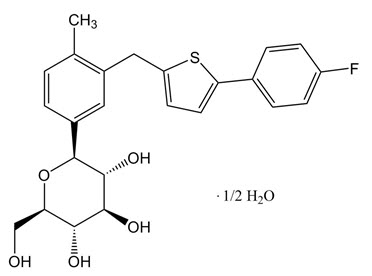
INVOKAMET ® (canagliflozin and metformin HCl immediate-release tablets) and INVOKAMET ® XR (canagliflozin and metformin HCl extended-release tablets) contain canagliflozin and metformin HCl.
5.11 Vitamin B 12
In metformin HCl clinical trials of 29-week duration, a decrease to subnormal levels of previously normal serum vitamin B 12levels was observed in approximately 7% of patients. Such decrease, possibly due to interference with B 12absorption from the B 12-intrinsic factor complex, may be associated with anemia but appears to be rapidly reversible with discontinuation of metformin HCl or vitamin B 12supplementation. Certain individuals (those with inadequate vitamin B 12or calcium intake or absorption) appear to be predisposed to developing subnormal vitamin B 12levels. Measure hematologic parameters on an annual basis and vitamin B 12at 2- to 3-year intervals in patients on INVOKAMET or INVOKAMET XR and manage any abnormalities [see Adverse Reactions (6.1)].
8.4 Pediatric Use
The safety and effectiveness of INVOKAMET and INVOKAMET XR as an adjunct to diet and exercise to improve glycemic control in type 2 diabetes mellitus have been established in pediatric patients aged 10 years and older.
Use of INVOKAMET and INVOKAMET XR for this indication is supported by evidence from a 52-week double-blind, placebo-controlled trial of canagliflozin in 171 pediatric patients aged 10 to 17 years with type 2 diabetes mellitus and in a pediatric pharmacokinetic study [see Clinical Pharmacology (12.3)and Clinical Studies (14.2)] . The safety profile of pediatric patients treated with canagliflozin was similar to that observed in adults with type 2 diabetes mellitus.
The use of INVOKAMET and INVOKAMET XR for this indication is also supported by evidence from adequate and well-controlled trials of metformin HCl immediate-release tablets in adults with additional data from a controlled clinical trial using metformin HCl immediate-release tablets in pediatric patients 10 to 16 years old with type 2 diabetes mellitus, and pharmacokinetic data with metformin HCl extended-release tablets in adults [see Clinical Pharmacology (12.3)and Clinical Studies (14.1, 14.2)]. In the clinical trial with pediatric patients receiving metformin HCl immediate-release tablets, adverse reactions with metformin HCl immediate-release tablets were similar to those described in adults [see Adverse Reactions (6.1)].
The safety and effectiveness of INVOKAMET or INVOKAMET XR for glycemic control in patients with type 2 diabetes mellitus have not been established in pediatric patients under 10 years of age.
The safety and effectiveness of INVOKAMET or INVOKAMET XR have not been established in pediatric patients to reduce the risk of:
- major adverse cardiovascular events (cardiovascular death, nonfatal myocardial infarction and nonfatal stroke) in patients with type 2 diabetes mellitus and established cardiovascular disease (CVD).
- end-stage kidney disease (ESKD), doubling of serum creatinine, cardiovascular (CV) death, and hospitalization for heart failure in patients with type 2 diabetes mellitus and diabetic nephropathy with albuminuria greater than 300 mg/day.
5.10 Bone Fracture
An increased risk of bone fracture, occurring as early as 12 weeks after treatment initiation, was observed in adult patients using canagliflozin in the CANVAS trial [see Clinical Studies (14.3)] . Consider factors that contribute to fracture risk prior to initiating INVOKAMET or INVOKAMET XR [see Adverse Reactions (6.1)] .
4 Contraindications
INVOKAMET or INVOKAMET XR is contraindicated in patients with:
- Severe renal impairment (eGFR less than 30 mL/min/1.73 m 2) [see Warnings and Precautions (5.1)and Use in Specific Populations (8.6)] .
- Acute or chronic metabolic acidosis, including diabetic ketoacidosis [see Warnings and Precautions (5.2)] .
- Serious hypersensitivity reaction to canagliflozin or metformin HCl, such as anaphylaxis or angioedema [see Warnings and Precautions (5.9)and Adverse Reactions (6)] .
5.1 Lactic Acidosis
There have been post-marketing cases of metformin-associated lactic acidosis, including fatal cases. These cases had a subtle onset and were accompanied by nonspecific symptoms such as malaise, myalgias, abdominal pain, respiratory distress, or increased somnolence; however, hypothermia, hypotension and resistant bradyarrhythmias have occurred with severe acidosis. Metformin-associated lactic acidosis was characterized by elevated blood lactate concentrations (>5 mmol/Liter), anion gap acidosis (without evidence of ketonuria or ketonemia), and an increased lactate:pyruvate ratio; metformin plasma levels generally >5 mcg/mL. Metformin decreases liver uptake of lactate increasing lactate blood levels which may increase the risk of lactic acidosis, especially in patients at risk.
If metformin-associated lactic acidosis is suspected, general supportive measures should be instituted promptly in a hospital setting, along with immediate discontinuation of INVOKAMET or INVOKAMET XR. In INVOKAMET or INVOKAMET XR-treated patients with a diagnosis or strong suspicion of lactic acidosis, prompt hemodialysis is recommended to correct the acidosis and remove accumulated metformin (metformin is dialyzable, with a clearance of up to 170 mL/min under good hemodynamic conditions). Hemodialysis has often resulted in reversal of symptoms and recovery.
Educate patients and their families about the symptoms of lactic acidosis and if these symptoms occur instruct them to discontinue INVOKAMET or INVOKAMET XR and report these symptoms to their healthcare provider.
For each of the known and possible risk factors for metformin-associated lactic acidosis, recommendations to reduce the risk of and manage metformin-associated lactic acidosis are provided below:
6 Adverse Reactions
The following important adverse reactions are also discussed elsewhere in the labeling:
- Lactic Acidosis [see Boxed Warningand Warnings and Precautions (5.1, 5.4)]
- Diabetic Ketoacidosis in Patients with Type 1 Diabetes and Other Ketoacidosis [see Warnings and Precautions (5.2)]
- Lower Limb Amputation [see Warnings and Precautions (5.3)]
- Volume Depletion [see Warnings and Precautions (5.4)]
- Urosepsis and Pyelonephritis [see Warnings and Precautions (5.5)]
- Hypoglycemia with Concomitant Use with Insulin or Insulin Secretagogues [see Warnings and Precautions (5.6)]
- Necrotizing Fasciitis of the Perineum (Fournier's gangrene) [see Warnings and Precautions (5.7)]
- Genital Mycotic Infections [see Warnings and Precautions (5.8)]
- Hypersensitivity Reactions [see Warnings and Precautions (5.9)]
- Bone Fracture [see Warnings and Precautions (5.10)]
- Vitamin B 12Deficiency [see Warnings and Precautions (5.11)]
7 Drug Interactions
| Carbonic Anhydrase Inhibitors | |
| Clinical Impact: | Carbonic anhydrase inhibitors frequently cause a decrease in serum bicarbonate and induce non-anion gap, hyperchloremic metabolic acidosis. Concomitant use of these drugs with INVOKAMET or INVOKAMET XR may increase the risk for lactic acidosis. |
| Intervention: | Consider more frequent monitoring of these patients. |
| Examples: | Topiramate or other carbonic anhydrase inhibitors (e.g., zonisamide, acetazolamide or dichlorphenamide) |
| Drugs That Reduce Metformin Clearance | |
| Clinical Impact: | Concomitant use of drugs that interfere with common renal tubular transport systems involved in the renal elimination of metformin (e.g., organic cationic transporter-2 [OCT2] / multidrug and toxin extrusion [MATE] inhibitors could increase systemic exposure to metformin and may increase the risk for lactic acidosis [see Clinical Pharmacology (12.3)]. |
| Intervention: | Consider the benefits and risks of concomitant use. |
| Examples: | Ranolazine, vandetanib, dolutegravir, and cimetidine |
| Alcohol | |
| Clinical Impact: | Alcohol is known to potentiate the effect of metformin HCl on lactate metabolism. |
| Intervention: | Warn patients against excessive alcohol intake while receiving INVOKAMET or INVOKAMET XR. |
| UGT Enzyme Inducers | |
| Clinical Impact: | UGT enzyme inducers decrease canagliflozin exposure which may reduce the effectiveness of INVOKAMET or INVOKAMET XR. |
| Intervention: | For patients with eGFR 60 mL/min/1.73 m
2or greater, if an inducer of UGTs is co-administered with INVOKAMET or INVOKAMET XR, increase the total daily dose of canagliflozin to 200 mg in patients currently tolerating INVOKAMET or INVOKAMET XR with a total daily dose of canagliflozin 100 mg. The total daily dose of canagliflozin may be increased to 300 mg in patients currently tolerating canagliflozin 200 mg and who require additional glycemic control.
For patients with eGFR less than 60 mL/min/1.73 m 2, if an inducer of UGTs is co-administered with INVOKAMET or INVOKAMET XR, increase the total daily dose of canagliflozin to 200 mg in patients currently tolerating canagliflozin 100 mg [see Dosage and Administration (2.5)and Clinical Pharmacology (12.3)] . |
| Examples: | Rifampin, phenytoin, phenobarbital, ritonavir |
| Insulin or Insulin Secretagogues | |
| Clinical Impact: | The risk of hypoglycemia is increased when INVOKAMET or INVOKAMET XR is used concomitantly with insulin secretagogues (e.g., sulfonylurea) or insulin. |
| Intervention: | Concomitant use may require a lower dosage of the insulin secretagogue or insulin to reduce the risk of hypoglycemia. |
| Drugs Affecting Glycemic Control | |
| Clinical Impact: | Certain drugs tend to produce hyperglycemia and may lead to loss of glycemic control. |
| Intervention: | When such drugs are administered to a patient receiving INVOKAMET or INVOKAMET XR, monitor for loss of blood glucose control. When such drugs are withdrawn from a patient receiving INVOKAMET or INVOKAMET XR, monitor for hypoglycemia. |
| Examples: | Thiazides and other diuretics, corticosteroids, phenothiazines, thyroid products, estrogens, oral contraceptives, phenytoin, nicotinic acid, sympathomimetics, calcium channel blockers, and isoniazid. |
| Digoxin | |
| Clinical Impact: | Canagliflozin increases digoxin exposure [see Clinical Pharmacology (12.3)] . |
| Intervention: | Monitor patients taking INVOKAMET or INVOKAMET XR with concomitant digoxin for a need to adjust the dosage of digoxin. |
| Lithium | |
| Clinical Impact: | Concomitant use of an SGLT2 inhibitor with lithium may decrease serum lithium concentrations. |
| Intervention: | Monitor serum lithium concentration more frequently during INVOKAMET or INVOKAMET XR initiation and dosage changes. |
| Drug/Laboratory Test Interference | |
| Positive Urine Glucose Test | |
| Clinical Impact: | SGLT2 inhibitors increase urinary glucose excretion which will lead to positive urine glucose tests. |
| Intervention: | Monitoring glycemic control with urine glucose tests is not recommended in patients taking SGLT2 inhibitors. Use alternative methods to monitor glycemic control. |
| Interference with 1,5-anhydroglucitol (1,5-AG) Assay | |
| Clinical Impact: | Measurements of 1,5-AG are unreliable in assessing glycemic control in patients taking SGLT2 inhibitors. |
| Intervention: | Monitoring glycemic control with 1,5-AG assay is not recommended in patients taking SGLT2 inhibitors. Use alternative methods to monitor glycemic control. |
5.4 Volume Depletion
Canagliflozin can cause intravascular volume contraction which may sometimes manifest as symptomatic hypotension or acute transient changes in creatinine [see Adverse Reactions (6.1)] . There have been post-marketing reports of acute kidney injury which are likely related to volume depletion, some requiring hospitalizations and dialysis, in patients with type 2 diabetes mellitus receiving SGLT2 inhibitors, including canagliflozin. Patients with impaired renal function (eGFR less than 60 mL/min/1.73 m 2), elderly patients, or patients on loop diuretics may be at increased risk for volume depletion or hypotension. Before initiating INVOKAMET or INVOKAMET XR in patients with one or more of these characteristics, assess and correct volume status. Monitor for signs and symptoms of volume depletion after initiating therapy.
8.7 Hepatic Impairment
Use of metformin HCl in patients with hepatic impairment has been associated with some cases of lactic acidosis. INVOKAMET or INVOKAMET XR is not recommended in patients with hepatic impairment [see Warnings and Precautions (5.1)].
1 Indications and Usage
INVOKAMET and INVOKAMET XRare a combination of canagliflozin, a sodium-glucose co-transporter 2 (SGLT2) inhibitor, and metformin hydrochloride (HCl), a biguanide, indicated as an adjunct to diet and exercise to improve glycemic control in adults and pediatric patients aged 10 years and older with type 2 diabetes mellitus ( 1).
Canagliflozin
Canagliflozin, when used as a component of INVOKAMET or INVOKAMET XR is indicated in adults with type 2 diabetes mellitus to reduce the risk of:
- Major adverse cardiovascular events in adults with type 2 diabetes mellitus and established cardiovascular disease ( 1).
- End-stage kidney disease, doubling of serum creatinine, cardiovascular death, and hospitalization for heart failure in adults with type 2 diabetes mellitus and diabetic nephropathy with albuminuria ( 1).
Limitations of Use:
Not recommended for use to improve glycemic control in patients with type 1 diabetes mellitus ( 1).
Warning: Lactic Acidosis
- Post-marketing cases of metformin-associated lactic acidosis have resulted in death, hypothermia, hypotension, and resistant bradyarrhythmias. The onset of metformin-associated lactic acidosis is often subtle, accompanied only by nonspecific symptoms such as malaise, myalgias, respiratory distress, somnolence, and abdominal pain. Metformin-associated lactic acidosis was characterized by elevated blood lactate levels (> 5 mmol/Liter), anion gap acidosis (without evidence of ketonuria or ketonemia), an increased lactate/pyruvate ratio; and metformin plasma levels generally >5 mcg/mL [see Warnings and Precautions (5.1)] .
- Risk factors for metformin-associated lactic acidosis include renal impairment, concomitant use of certain drugs (e.g., carbonic anhydrase inhibitors such as topiramate), age 65 years old or greater, having a radiological study with contrast, surgery and other procedures, hypoxic states (e.g., acute congestive heart failure), excessive alcohol intake, and hepatic impairment [see Warnings and Precautions (5.1)] .
- Steps to reduce the risk of and manage metformin-associated lactic acidosis in these high risk groups are provided in the full prescribing information [see Dosage and Administration (2.2, 2.3), Contraindications (4), Warnings and Precautions (5.1), Drug Interactions (7), and Use in Specific Populations (8.6, 8.7)] .
- If metformin-associated lactic acidosis is suspected, immediately discontinue INVOKAMET or INVOKAMET XR and institute general supportive measures in a hospital setting. Prompt hemodialysis is recommended [see Warnings and Precautions (5.1)] .
5.3 Lower Limb Amputation
An increased risk of lower limb amputations associated with canagliflozin, a component of INVOKAMET or INVOKAMET XR, versus placebo was observed in CANVAS (5.9 vs 2.8 events per 1,000 patient-years) and CANVAS-R (7.5 vs 4.2 events per 1,000 patient-years), two randomized, placebo-controlled trials evaluating adult patients with type 2 diabetes who had either established cardiovascular disease or were at risk for cardiovascular disease. The risk of lower limb amputations was observed at both the 100 mg and 300 mg once daily dosage regimens. The amputation data for CANVAS and CANVAS-R are shown in Tables 4 and 5, respectively [see Adverse Reactions (6.1)] .
Amputations of the toe and midfoot (99 out of 140 patients with amputations receiving canagliflozin in the two trials) were the most frequent; however, amputations involving the leg, below and above the knee, were also observed (41 out of 140 patients with amputations receiving canagliflozin in the two trials). Some patients had multiple amputations, some involving both lower limbs.
Lower limb infections, gangrene, and diabetic foot ulcers were the most common precipitating medical events leading to the need for an amputation. The risk of amputation was highest in patients with a baseline history of prior amputation, peripheral vascular disease, and neuropathy.
Counsel patients about the importance of routine preventative foot care. Monitor patients receiving INVOKAMET or INVOKAMET XR for signs and symptoms of infection (including osteomyelitis), new pain or tenderness, sores or ulcers involving the lower limbs, and discontinue INVOKAMET or INVOKAMET XR if these complications occur.
5 Warnings and Precautions
- Diabetic Ketoacidosis in Patients with Type 1 Diabetes Mellitus and Other Ketoacidosis: Consider ketone monitoring in patients at risk for ketoacidosis, as indicated. Assess for ketoacidosis regardless of presenting blood glucose levels and discontinue INVOKAMET or INVOKAMET XR if ketoacidosis is suspected. Monitor patients for resolution of ketoacidosis before restarting ( 5.2).
- Lower Limb Amputation: Monitor patients for infection or ulcers of lower limb and discontinue if these occur ( 5.3).
- Volume Depletion: May result in acute kidney injury. Before initiating, assess and correct volume status in patients with renal impairment, elderly patients, or patients on loop diuretics. Monitor for signs and symptoms during therapy ( 5.4).
- Urosepsis and Pyelonephritis: Evaluate patients for signs and symptoms of urinary tract infections and treat promptly, if indicated ( 5.5).
- Hypoglycemia with Concomitant Use with Insulin or Insulin Secretagogues: Consider a lower dose of insulin or insulin secretagogue to reduce the risk of hypoglycemia when used in combination ( 5.6).
- Necrotizing Fasciitis of the Perineum (Fournier's Gangrene): Serious, life-threatening cases have occurred in both females and males. Assess patients presenting with pain or tenderness, erythema, or swelling in the genital or perineal area, along with fever or malaise. If suspected, institute prompt treatment ( 5.7).
- Genital Mycotic Infections: Monitor and treat if indicated ( 5.8).
- Hypersensitivity Reactions: Discontinue and monitor until signs and symptoms resolve ( 5.9).
- Bone Fracture: Consider factors that contribute to fracture risk before initiating INVOKAMET or INVOKAMET XR ( 5.10).
- Vitamin B 12Deficiency : Metformin HCl may lower vitamin B 12levels. Measure hematological parameters annually and vitamin B 12at 2- to 3-year intervals and manage any abnormalities ( 5.11).
2 Dosage and Administration
- Assess renal function before initiating and as clinically indicated. Assess volume status and correct volume depletion before initiating ( 2.1).
- Individualize starting dose based on the patient's current regimen and renal function. See Table 1in the full prescribing information for recommended starting dosages based on the current regimen ( 2.2, 2.3).
- The maximum recommended total daily dosage is 300 mg of canagliflozin and 2,000 mg of metformin HCl ( 2.2).
- Initiation of INVOKAMET or INVOKAMET XR is not recommended in patients with an eGFR less than 45 mL/min/1.73 m 2, due to the metformin HCl component ( 2.3).
- INVOKAMET: take one tablet orally twice daily with meals ( 2.2).
- INVOKAMET XR: take two tablets orally once daily with the morning meal. Swallow whole. Never crush, cut, or chew ( 2.2).
- Gradually escalate the dosage of metformin HCl in INVOKAMET or INVOKAMET XR to reduce the risk of gastrointestinal adverse reactions with metformin HCl ( 2.2).
- Dose adjustment for patients with renal impairment may be required ( 2.3).
- See full prescribing information for INVOKAMET and INVOKAMET XR dosage modifications due to drug interactions ( 2.4).
- May need to be discontinued at time of, or prior to, iodinated contrast imaging procedures ( 2.5).
- Withhold INVOKAMET or INVOKAMET XR at least 3 days, if possible, prior to surgery or procedures associated with prolonged fasting ( 2.6).
3 Dosage Forms and Strengths
INVOKAMET (canagliflozin and metformin HCl) tablets are available as follows:
| Canagliflozin Strength | Metformin HCl Strength | Color/Shape | Tablet Identifiers
Embossing appears on both sides of tablet.
|
|---|---|---|---|
| 50 mg | 500 mg | white/capsule-shaped | CM 155 |
| 50 mg | 1,000 mg | beige/capsule-shaped | CM 551 |
| 150 mg | 500 mg | yellow/capsule-shaped | CM 215 |
| 150 mg | 1,000 mg | purple/capsule-shaped | CM 611 |
INVOKAMET XR (canagliflozin and metformin HCl) extended-release tablets are available as follows:
| Canagliflozin Strength | Metformin HCl Strength | Color/Shape | Tablet Identifiers
Embossing appears on one side only of tablet.
|
|---|---|---|---|
| 50 mg | 500 mg | almost white to light orange/oblong, biconvex | CM1 |
| 50 mg | 1,000 mg | pink/oblong, biconvex | CM3 |
| 150 mg | 500 mg | orange/oblong, biconvex | CM2 |
| 150 mg | 1,000 mg | reddish brown/oblong, biconvex | CM4 |
6.2 Postmarketing Experience
Additional adverse reactions have been identified during post-approval use of canagliflozin and/or metformin. Because these reactions are reported voluntarily from a population of uncertain size, it is generally not possible to reliably estimate their frequency or establish a causal relationship to drug exposure.
Canagliflozin
Metabolism and Nutrition
Ketoacidosis
Renal and Urinary
Acute Kidney Injury
Immune System
Anaphylaxis
Skin and Subcutaneous Tissue
Angioedema
Infections
Urosepsis and Pyelonephritis, Necrotizing Fasciitis of the Perineum (Fournier's gangrene)
Metformin HCl
Hepatobiliary
Cholestatic, hepatocellular, and mixed hepatocellular liver injury
8 Use in Specific Populations
- Pregnancy: Advise females of the potential risk to a fetus especially during the second and third trimesters ( 8.1)
- Lactation: Not recommended when breastfeeding ( 8.2)
- Females and Males of Reproductive Potential: Advise premenopausal females of the potential for an unintended pregnancy ( 8.3)
- Geriatrics: Higher incidence of adverse reactions related to reduced intravascular volume. Assess renal function more frequently ( 8.5)
- Renal Impairment: Higher incidence of adverse reactions related to hypotension and renal function ( 8.6)
- Hepatic Impairment: Avoid use in patients with hepatic impairment ( 8.7)
5.8 Genital Mycotic Infections
Canagliflozin increases the risk of genital mycotic infections. Patients with a history of genital mycotic infections and uncircumcised males were more likely to develop genital mycotic infections [see Adverse Reactions (6.1)] . Monitor and treat appropriately.
5.9 Hypersensitivity Reactions
Hypersensitivity reactions, including angioedema and anaphylaxis, have been reported with canagliflozin. These reactions generally occurred within hours to days after initiating canagliflozin. If hypersensitivity reactions occur, discontinue use of INVOKAMET or INVOKAMET XR; treat and monitor until signs and symptoms resolve [see Contraindications (4)and Adverse Reactions (6.1, 6.2)] .
6.1 Clinical Studies Experience
Because clinical trials are conducted under widely varying conditions, adverse reaction rates observed in the clinical trials of a drug cannot be directly compared to the rates in the clinical trials of another drug and may not reflect the rates observed in clinical practice.
Canagliflozin has been evaluated in clinical trials in adults and pediatric patients aged 10 years and older with type 2 diabetes mellitus. Additionally, canagliflozin has been studied in clinical trials in adult patients with type 2 diabetes mellitus who also have heart failure or chronic kidney disease. The overall safety profile of canagliflozin was consistent across the studied indications.
5.5 Urosepsis and Pyelonephritis
There have been postmarketing reports of serious urinary tract infections including urosepsis and pyelonephritis requiring hospitalization in patients receiving canagliflozin. Treatment with INVOKAMET or INVOKAMET XR increases the risk for urinary tract infections. Evaluate patients for signs and symptoms of urinary tract infections and treat promptly, if indicated [see Adverse Reactions (6)] .
17 Patient Counseling Information
Advise the patient to read the FDA-Approved Patient Labeling (Medication Guide) .
16 How Supplied/storage and Handling
INVOKAMET ® tablets are available in bottles of 60 in the strengths listed below:
| INVOKAMET | TABLET STRENGTH | |||
|---|---|---|---|---|
| canagliflozin/metformin HCl tablets | 50 mg/500 mg | 50 mg/1,000 mg | 150 mg/500 mg | 150 mg/1,000 mg |
| Color | White | Beige | Yellow | Purple |
| Tablet Identification | CM | CM | CM | CM |
| 155 | 551 | 215 | 611 | |
| Capsule-shaped, film-coated tablets | ||||
| NDC | 50458-540-60 | 50458-541-60 | 50458-542-60 | 50458-543-60 |
INVOKAMET ® XR tablets are available in bottles of 60 in the strengths listed below:
| INVOKAMET XR | TABLET STRENGTH | |||
|---|---|---|---|---|
| canagliflozin/metformin HCl extended-release tablets | 50 mg/500 mg | 50 mg/1,000 mg | 150 mg/500 mg | 150 mg/1,000 mg |
| Color | Almost White to Light Orange | Pink | Orange | Reddish Brown |
| Tablet Identification | CM1 | CM3 | CM2 | CM4 |
| Oblong, biconvex, film-coated tablets, a thin line on the tablet side may be visible. | ||||
| NDC | 50458-940-01 | 50458-941-01 | 50458-942-01 | 50458-943-01 |
2.6 Temporary Interruption for Surgery
Withhold INVOKAMET or INVOKAMET XR at least 3 days, if possible, prior to surgery or procedures associated with prolonged fasting. Resume INVOKAMET or INVOKAMET XR when the patient is clinically stable and has resumed oral intake [see Warnings and Precautions (5.2)and Clinical Pharmacology (12.2)].
8.3 Females and Males of Reproductive Potential
Discuss the potential for unintended pregnancy with premenopausal women as therapy with metformin HCl may result in ovulation in some anovulatory women.
2.1 Prior to Initiation of Invokamet Or Invokamet Xr
Assess renal function before initiating INVOKAMET or INVOKAMET XR and as clinically indicated [see Dosage and Administration (2.3), Contraindications (4), and Warnings and Precautions (5.1, 5.4)].
In patients with volume depletion, correct this condition before initiating INVOKAMET or INVOKAMET XR [see Warnings and Precautions (5.4)and Use in Specific Populations (8.5, 8.6)] .
2.5 Discontinuation for Iodinated Contrast Imaging Procedures
Discontinue INVOKAMET or INVOKAMET XR at the time of, or prior to, an iodinated contrast imaging procedure in patients with an eGFR of less than 60 mL/min/1.73 m 2; in patients with a history of liver disease, alcoholism or heart failure; or in patients who will be administered intra-arterial iodinated contrast. Re-evaluate eGFR 48 hours after the imaging procedure; restart INVOKAMET or INVOKAMET XR if renal function is stable [see Warnings and Precautions (5.1)] .
5.7 Necrotizing Fasciitis of the Perineum (fournier's Gangrene)
Reports of necrotizing fasciitis of the perineum (Fournier's gangrene), a rare but serious and life-threatening necrotizing infection requiring urgent surgical intervention, have been identified in postmarketing surveillance in patients with diabetes mellitus receiving SGLT2 inhibitors, including canagliflozin. Cases have been reported in both females and males. Serious outcomes have included hospitalization, multiple surgeries, and death.
Patients treated with INVOKAMET or INVOKAMET XR presenting with pain or tenderness, erythema, or swelling in the genital or perineal area, along with fever or malaise, should be assessed for necrotizing fasciitis. If suspected, start treatment immediately with broad-spectrum antibiotics and, if necessary, surgical debridement. Discontinue INVOKAMET or INVOKAMET XR, closely monitor blood glucose levels, and provide appropriate alternative therapy for glycemic control.
Principal Display Panel 50 Mg/500 Mg Tablet Bottle Label 540
NDC 50458-540-60
60 tablets
Invokamet
®
(canagliflozin and
metformin HCl)
Tablets 50 mg/500 mg
Dispense with Medication Guide
Store and Dispense in the original container.
May be stored in a pill box for up to 30 days.
janssen
Rx only
Principal Display Panel 50 Mg/500 Mg Tablet Bottle Label 940
NDC 50458-940-01
60 tablets
Invokamet
®XR
(canagliflozin and metformin HCl
extended-release) tablets
50 mg/500 mg
Dispense with Medication Guide
Store and Dispense in the original
container.
May be stored in a pill box
for up to 30 days.
janssen
Rx only
Principal Display Panel 150 Mg/500 Mg Tablet Bottle Label 542
NDC 50458-542-60
60 tablets
Invokamet
®
(canagliflozin and
metformin HCl)
Tablets 150 mg/500 mg
Dispense with Medication Guide
Store and Dispense in the original container.
May be stored in a pill box for up to 30 days.
janssen
Rx only
Principal Display Panel 150 Mg/500 Mg Tablet Bottle Label 942
NDC 50458-942-01
60 tablets
Invokamet
®XR
(canagliflozin and metformin HCl
extended-release) tablets
150 mg/500 mg
Dispense with Medication Guide
Store and Dispense in the original
container.
May be stored in a pill box
for up to 30 days.
janssen
Rx only
Principal Display Panel 50 Mg/1000 Mg Tablet Bottle Label 941
NDC 50458-941-01
60 tablets
Invokamet
®XR
(canagliflozin and metformin HCl
extended-release) tablets
50 mg/1000 mg
Dispense with Medication Guide
Store and Dispense in the original
container.
May be stored in a pill box
for up to 30 days.
janssen
Rx only
Principal Display Panel 150 Mg/1000 Mg Tablet Bottle Label 943
NDC 50458-943-01
60 tablets
Invokamet
®XR
(canagliflozin and metformin HCl
extended-release) tablets
150 mg/1000 mg
Dispense with Medication Guide
Store and Dispense in the original
container.
May be stored in a pill box
for up to 30 days.
janssen
Rx only
Principal Display Panel 50 Mg/1,000 Mg Tablet Bottle Label 541
NDC 50458-541-60
60 tablets
Invokamet
®
(canagliflozin and
metformin HCl)
Tablets 50 mg/1,000 mg
Dispense with Medication Guide
Store and Dispense in the original container.
May be stored in a pill box for up to 30 days.
janssen
Rx only
Principal Display Panel 150 Mg/1,000 Mg Tablet Bottle Label 543
NDC 50458-543-60
60 tablets
Invokamet
®
(canagliflozin and
metformin HCl)
Tablets 150 mg/1,000 mg
Dispense with Medication Guide
Store and Dispense in the original container.
May be stored in a pill box for up to 30 days.
janssen
Rx only
14.1 Glycemic Control Trials in Adults With Type 2 Diabetes Mellitus
The effectiveness of INVOKAMET and INVOKAMET XR have been established in clinical trials with canagliflozin in combination with metformin HCl alone, metformin HCl and sulfonylurea, metformin HCl and sitagliptin, metformin HCl and a thiazolidinedione (i.e., pioglitazone), and metformin HCl and insulin (with or without other anti-hyperglycemic agents). The efficacy of canagliflozin was compared to a dipeptidyl peptidase-4 (DPP-4) inhibitor (sitagliptin), both as add-on combination therapy with metformin HCl and sulfonylurea, and a sulfonylurea (glimepiride), both as add-on combination therapy with metformin HCl.
2.4 Concomitant Use With Udp Glucuronosyltransferase (ugt) Enzyme Inducers
When co-administering INVOKAMET or INVOKAMET XR with an inducer of UGT (e.g., rifampin, phenytoin, phenobarbital, ritonavir), increase the total daily dosage of canagliflozin based on renal function [see Drug Interactions (7)] :
- In patients with eGFR 60 mL/min/1.73 m 2or greater, increase the total daily dosage of canagliflozin to 200 mg in patients currently tolerating a total daily dosage of canagliflozin 100 mg. The maximum total daily dosage of canagliflozin is 300 mg.
- In patients with eGFR less than 60 mL/min/1.73 m 2, increase the total daily dosage of canagliflozin to a maximum of 200 mg in patients currently tolerating a total daily dosage of canagliflozin 100 mg.
5.6 Hypoglycemia With Concomitant Use With Insulin Or Insulin Secretagogues
Insulin and insulin secretagogues are known to cause hypoglycemia. INVOKAMET or INVOKAMET XR may increase the risk of hypoglycemia when combined with insulin or an insulin secretagogue [see Adverse Reactions (6.1)] . The risk of hypoglycemia may be lowered by a reduction in the dose of sulfonylurea (or other concomitantly administered insulin secretagogues) or insulin. Inform patients using these concomitant medications of the risk of hypoglycemia and educate them on the signs and symptoms of hypoglycemia.
5.2 Diabetic Ketoacidosis in Patients With Type 1 Diabetes Mellitus and Other Ketoacidosis
In patients with type 1 diabetes mellitus, INVOKAMET or INVOKAMET XR significantly increases the risk of diabetic ketoacidosis, a life-threatening event, beyond the background rate. In placebo-controlled trials of patients with type 1 diabetes mellitus, the risk of ketoacidosis was markedly increased in patients who received sodium glucose transporter 2 (SGLT2) inhibitors compared to patients who received placebo; this risk may be greater with higher doses of INVOKAMET or INVOKAMET XR. INVOKAMET or INVOKAMET XR is not indicated for glycemic control in patients with type 1 diabetes mellitus.
Type 2 diabetes mellitus and pancreatic disorders (e.g., history of pancreatitis or pancreatic surgery) are also risk factors for ketoacidosis. There have been postmarketing reports of fatal events of ketoacidosis in patients with type 2 diabetes mellitus using SGLT2 inhibitors, including INVOKAMET or INVOKAMET XR.
Precipitating conditions for diabetic ketoacidosis or other ketoacidosis include under-insulinization due to insulin dose reduction or missed insulin doses, acute febrile illness, reduced caloric intake, ketogenic diet, surgery, volume depletion, and alcohol abuse.
Signs and symptoms are consistent with dehydration and severe metabolic acidosis and include nausea, vomiting, abdominal pain, generalized malaise, and shortness of breath. Blood glucose levels at presentation may be below those typically expected for diabetic ketoacidosis (e.g., less than 250 mg/dL). Ketoacidosis and glucosuria may persist longer than typically expected. Urinary glucose excretion persists for 3 days after discontinuing INVOKAMET or INVOKAMET XR [see Clinical Pharmacology (12.2)] ; however, there have been postmarketing reports of ketoacidosis and/or glucosuria lasting greater than 6 days and some up to 2 weeks after discontinuation of SGLT2 inhibitors.
Consider ketone monitoring in patients at risk for ketoacidosis if indicated by the clinical situation. Assess for ketoacidosis regardless of presenting blood glucose levels in patients who present with signs and symptoms consistent with severe metabolic acidosis. If ketoacidosis is suspected, discontinue INVOKAMET or INVOKAMET XR, promptly evaluate, and treat ketoacidosis, if confirmed. Monitor patients for resolution of ketoacidosis before restarting INVOKAMET or INVOKAMET XR.
Withhold INVOKAMET or INVOKAMET XR, if possible, in temporary clinical situations that could predispose patients to ketoacidosis. Resume INVOKAMET or INVOKAMET XR when the patient is clinically stable and has resumed oral intake [see Dosage and Administration (2.7)].
Educate all patients on the signs and symptoms of ketoacidosis and instruct patients to discontinue INVOKAMET or INVOKAMET XR and seek medical attention immediately if signs and symptoms occur.
2.3 Recommended Dosage in Adults and Pediatric Patients Aged 10 Years and Older With Renal Impairment
- Initiation of INVOKAMET or INVOKAMET XR is not recommended in adults or pediatric patients aged 10 years and older with an eGFR less than 45 mL/min/1.73 m 2, due to the metformin component.
- Table 2 provides dosage recommendations for adults and pediatric patients aged 10 years and older with renal impairment, based on eGFR [see Use in Specific Populations (8.6)and Clinical Studies (14.4)].
| Estimated Glomerular Filtration Rate
[eGFR (mL/min/1.73 m 2)] |
Recommended Dosage of INVOKAMET or INVOKAMET XR
For the dosing frequency of INVOKAMET and INVOKAMET XR, see
Dosage and Administration (2.2).
|
|---|---|
| eGFR 45 to less than 60 | The maximum total daily dosage of canagliflozin is 100 mg. |
| eGFR 30 to less than 45 | Assess the benefit risk of continuing INVOKAMET or INVOKAMET XR. The maximum total daily dosage of canagliflozin is 100 mg. |
| eGFR less than 30 | Contraindicated. If eGFR falls below 30 during treatment; discontinue INVOKAMET or INVOKAMET XR [see Contraindications (4)] . |
14.4 Canagliflozin Renal and Cardiovascular Outcomes in Adults With Diabetic Nephropathy and Albuminuria
Canagliflozin is indicated to reduce the risk of end-stage kidney disease (ESKD), doubling of serum creatinine, cardiovascular (CV) death, and hospitalization for heart failure in adults with type 2 diabetes mellitus and diabetic nephropathy with albuminuria ˃ 300 mg/day.
The Canagliflozin and Renal Events in Diabetes with Established Nephropathy Clinical Evaluation Trial (CREDENCE) was a multinational, randomized, double-blind, placebo-controlled trial comparing canagliflozin with placebo in adult patients with type 2 diabetes mellitus, an eGFR ≥ 30 to < 90 mL/min/1.73 m 2and albuminuria (urine albumin/creatinine ˃ 300 to ≤ 5,000 mg/g) who were receiving standard of care including a maximum-tolerated, labeled daily dose of an angiotensin-converting enzyme inhibitor (ACEi) or angiotensin receptor blocker (ARB).
The primary objective of CREDENCE was to assess the efficacy of canagliflozin relative to placebo in reducing the composite endpoint of end stage kidney disease (ESKD), doubling of serum creatinine, and renal or CV death.
Patients were randomized to receive canagliflozin 100 mg (N=2,202) or placebo (N=2,199) and treatment was continued until the initiation of dialysis or renal transplantation.
The median follow-up duration for the 4,401 randomized subjects was 137 weeks. Vital status was obtained for 99.9% of subjects.
The population was 67% White, 20% Asian, and 5% Black or African American; 32% were of Hispanic or Latino ethnicity. The mean age was 63 years and 66% were male.
At randomization, the mean HbA 1Cwas 8.3%, the median urine albumin/creatinine was 927 mg/g, the mean eGFR was 56.2 mL/min/1.73 m 2, 50% had prior CV disease, and 15% reported a history of heart failure. The most frequent antihyperglycemic agents (AHA) medications used at baseline were insulin (66%), biguanides (58%), and sulfonylureas (29%). Nearly all subjects (99.9%) were on ACEi or ARB at randomization, approximately 60% were taking an anti-thrombotic agent (including aspirin), and 69% were on a statin.
The primary composite endpoint in the CREDENCE trial was the time to first occurrence of ESKD (defined as an eGFR < 15 mL/min/1.73 m 2, initiation of chronic dialysis or renal transplant), doubling of serum creatinine, and renal or CV death. Canagliflozin 100 mg significantly reduced the risk of the primary composite endpoint based on a time-to-event analysis [HR: 0.70; 95% CI: 0.59, 0.82; p<0.0001] (see Figure 4). The treatment effect reflected a reduction in progression to ESKD, doubling of serum creatinine and cardiovascular death as shown in Table 24 and Figure 4. There were few renal deaths during the trial. Canagliflozin 100 mg also significantly reduced the risk of hospitalization for heart failure [HR: 0.61; 95% CI: 0.47 to 0.80; p<0.001].
| Placebo | canagliflozin | ||||
|---|---|---|---|---|---|
| Endpoint | N=2,199
(%) |
Event Rate
Event rate per 100 patient-years.
|
N=2,202
(%) |
Event Rate | HR
Hazard ratio (canagliflozin compared to placebo), 95% CI and p-value are estimated using a stratified Cox proportional hazards model including treatment as the explanatory variable and stratified by screening eGFR (≥ 30 to < 45, ≥ 45 to < 60, ≥ 60 to < 90 mL/min/1.73 m
2). HR is not presented for renal death due to the small number of events in each group.
(95% CI) |
| Intent-To-Treat Analysis Set (time to first occurrence)
The individual components do not represent a breakdown of the composite outcomes, but rather the total number of subjects experiencing an event during the course of the trial. |
|||||
| Primary Composite Endpoint (ESKD, doubling of serum creatinine, renal death, or CV death) | 340 (15.5) | 6.1 | 245 (11.1) | 4.3 | 0.70
(0.59, 0.82) P-value <0.0001
|
| ESKD | 165 (7.5) | 2.9 | 116 (5.3) | 2.0 | 0.68
(0.54, 0.86) |
| Doubling of serum creatinine | 188 (8.5) | 3.4 | 118 (5.4) | 2.1 | 0.60
(0.48, 0.76) |
| Renal death | 5 (0.2) | 0.1 | 2 (0.1) | 0.0 | |
| CV death | 140 (6.4) | 2.4 | 110 (5.0) | 1.9 | 0.78
(0.61, 1.00) |
| CV death or hospitalization for heart failure | 253 (11.5) | 4.5 | 179 (8.1) | 3.1 | 0.69
(0.57, 0.83) P-value <0.001
|
| CV death, non-fatal myocardial infarction or non-fatal stroke | 269 (12.2) | 4.9 | 217 (9.9) | 3.9 | 0.80
(0.67, 0.95) P-value <0.02
|
| Non-fatal myocardial infarction | 87 (4.0) | 1.6 | 71 (3.2) | 1.3 | 0.81
(0.59, 1.10) |
| Non-fatal stroke | 66 (3.0) | 1.2 | 53 (2.4) | 0.9 | 0.80
(0.56, 1.15) |
| Hospitalization for heart failure | 141 (6.4) | 2.5 | 89 (4.0) | 1.6 | 0.61
(0.47, 0.80) |
| ESKD, doubling of serum creatinine or renal death | 224 (10.2) | 4.0 | 153 (6.9) | 2.7 | 0.66
(0.53, 0.81) |
The Kaplan-Meier curve (Figure 4) shows time to first occurrence of the primary composite endpoint of ESKD, doubling of serum creatinine, renal death, or CV death. The curves begin to separate by Week 52 and continue to diverge thereafter.
Figure 4: CREDENCE: Time to First Occurrence of the Primary Composite Endpoint
14.3 Canagliflozin Cardiovascular Outcomes in Adults With Type 2 Diabetes Mellitus and Atherosclerotic Cardiovascular Disease
Canagliflozin is indicated to reduce the risk of major adverse cardiovascular events in adults with type 2 diabetes mellitus and established cardiovascular disease (CVD).
The CANVAS and CANVAS-R trials were multicenter, multi-national, randomized, double-blind parallel group, with similar inclusion and exclusion criteria. Patients eligible for enrollment in both CANVAS and CANVAS-R trials were: 30 years of age or older and had established, stable, cardiovascular, cerebrovascular, peripheral artery disease (66% of the enrolled population) or were 50 years of age or older and had two or more other specified risk factors for cardiovascular disease (34% of the enrolled population).
The integrated analysis of the CANVAS and CANVAS-R trials compared the risk of Major Adverse Cardiovascular Event (MACE) between canagliflozin and placebo when these were added to and used concomitantly with standard of care treatments for diabetes and atherosclerotic cardiovascular disease. The primary endpoint, MACE, was the time to first occurrence of a three-part composite outcome which included cardiovascular death, non-fatal myocardial infarction and non-fatal stroke.
In CANVAS, patients were randomly assigned 1:1:1 to canagliflozin 100 mg, canagliflozin 300 mg, or matching placebo. In CANVAS-R, patients were randomly assigned 1:1 to canagliflozin 100 mg or matching placebo, and titration to 300 mg was permitted at the investigator's discretion (based on tolerability and glycemic needs) after Week 13. Concomitant antidiabetic and atherosclerotic therapies could be adjusted, at the discretion of investigators, to ensure participants were treated according to the standard care for these diseases.
A total of 10,134 adult patients were treated (4,327 in CANVAS and 5,807 in CANVAS-R; total of 4,344 randomly assigned to placebo and 5,790 to canagliflozin) for a mean exposure duration of 149 weeks (223 weeks [4.3 years] in CANVAS and 94 weeks [1.8 years] in CANVAS-R) .Approximately 78% of the trial population was White, 13% was Asian, and 3% was Black or African American. The mean age was 63 years and approximately 64% were male.
The mean HbA 1Cat baseline was 8.2% and mean duration of diabetes was 13.5 years with 70% of patients having had diabetes for 10 years or more. Approximately 31%, 21% and 17% reported a past history of neuropathy, retinopathy and nephropathy, respectively, and the mean eGFR 76 mL/min/1.73 m 2. At baseline, patients were treated with one (19%) or more (80%) antidiabetic medications including metformin HCl (77%), insulin (50%), and sulfonylurea (43%).
At baseline, the mean systolic blood pressure was 137 mmHg, the mean diastolic blood pressure was 78 mmHg, the mean LDL was 89 mg/dL, the mean HDL was 46 mg/dL, and the mean urinary albumin to creatinine ratio (UACR) was 115 mg/g. At baseline, approximately 80% of patients were treated with renin angiotensin system inhibitors, 53% with beta-blockers, 13% with loop diuretics, 36% with non-loop diuretics, 75% with statins, and 74% with antiplatelet agents (mostly aspirin). During the trial, investigators could modify anti-diabetic and cardiovascular therapies to achieve local standard of care treatment targets with respect to blood glucose, lipid, and blood pressure. More patients receiving canagliflozin compared to placebo initiated anti-thrombotics (5.2% vs 4.2%) and statins (5.8% vs 4.8%) during the trial.
For the primary analysis, a stratified Cox proportional hazards model was used to test for non-inferiority against a pre-specified risk margin of 1.3 for the hazard ratio of MACE.
In the integrated analysis of CANVAS and CANVAS-R trials, canagliflozin reduced the risk of first occurrence of MACE. The estimated hazard ratio (95% CI) for time to first MACE was 0.86 (0.75, 0.97). Refer to Table 23. Vital status was obtained for 99.6% of patients across the trials. The Kaplan-Meier curve depicting time to first occurrence of MACE is shown in Figure 3.
| Placebo
N=4,347 (%) |
Canagliflozin
N=5,795 (%) |
Hazard ratio
(95% CI) Stratified Cox-proportional hazards model with treatment as a factor and stratified by the trial and by prior CV disease
|
|
|---|---|---|---|
| Composite of cardiovascular death, non-fatal myocardial infarction, non-fatal stroke
(time to first occurrence) P-value for superiority (2-sided) = 0.0158
,
Number and percentage of first events
,
Due to pooling of unequal randomization ratios, Cochran-Mantel-Haenszel weights were applied to calculate percentages
,
|
426 (10.4) | 585 (9.2) | 0.86 (0.75, 0.97) |
| Non-fatal myocardial infarction , | 159 (3.9) | 215 (3.4) | 0.85 (0.69, 1.05) |
| Non-fatal Stroke , | 116 (2.8) | 158 (2.5) | 0.90 (0.71, 1.15) |
| Cardiovascular Death , | 185 (4.6) | 268 (4.1) | 0.87 (0.72, 1.06) |
Figure 3: Time to First Occurrence of MACE
Structured Label Content
Section 42229-5 (42229-5)
INVOKAMET
INVOKAMET is a combination of canagliflozin and metformin HCl immediate-release indicated as an adjunct to diet and exercise to improve glycemic control in adults and pediatric patients aged 10 years and older with type 2 diabetes mellitus.
Section 42231-1 (42231-1)
| Medication Guide
INVOKAMET ®(in vok' a met) (canagliflozin and metformin hydrochloride) tablets, for oral use and INVOKAMET ®(in vok' a met) XR (canagliflozin and metformin hydrochloride) extended-release tablets, for oral use |
||||
|---|---|---|---|---|
| This Medication Guide has been approved by the U.S. Food and Drug Administration. | Revised: 12/2024 | |||
|
What is the most important information I should know about INVOKAMET or INVOKAMET XR?
|
||||
|
|
|||
|
Most people who have had lactic acidosis had other conditions that, in combination with metformin use, led to the lactic acidosis. Tell your healthcare provider if you have any of the following, because you have a higher chance for getting lactic acidosis with INVOKAMET or INVOKAMET XR if you: |
||||
|
||||
|
The best way to keep from having a problem with lactic acidosis from metformin is to tell your healthcare provider if you have any of the problems in the list above. Your healthcare provider will decide to stop your INVOKAMET or INVOKAMET XR for a while if you have any of these things.
|
||||
|
|
|||
Call your healthcare provider right away if you have new pain or tenderness, any sores, ulcers, or infections in your leg or foot.Your healthcare provider may decide to stop your INVOKAMET or INVOKAMET XR for a while if you have any of these signs or symptoms. Talk to your healthcare provider about proper foot care.
Talk to your healthcare provider about what you can do to prevent dehydration including how much fluid you should drink on a daily basis. Call your health care provider right away if you reduce the amount of food or liquid you drink, for example if you cannot eat or you start to lose liquids from your body, for example from vomiting, diarrhea, or being in the sun too long. |
||||
|
||||
|
||||
|
|
|||
| Talk to your healthcare provider about what to do if you get symptoms of a yeast infection of the vagina or penis. Your healthcare provider may suggest you use an over-the-counter antifungal medicine. Talk to your healthcare provider right away if you use an over-the-counter antifungal medication and your symptoms do not go away. | ||||
| INVOKAMET or INVOKAMET XR can have other serious side effects.See " What are the possible side effects of INVOKAMET or INVOKAMET XR?" | ||||
|
What is INVOKAMET or INVOKAMET XR?
|
||||
|
Do not take INVOKAMET or INVOKAMET XR if you:
|
||||
|
Before taking INVOKAMET or INVOKAMET XR, tell your healthcare provider about all of your medical conditions, including if you:
Tell your healthcare provider about all the medicines you take,including prescription and over-the-counter medicines, vitamins, and herbal supplements. INVOKAMET or INVOKAMET XR may affect the way other medicines work and other medicines may affect how INVOKAMET or INVOKAMET XR works. Know the medicines you take. Keep a list of them and show it to your healthcare provider and pharmacist when you get a new medicine. |
||||
|
How should I take INVOKAMET or INVOKAMET XR?
|
||||
|
What should I avoid while taking INVOKAMET or INVOKAMET XR?
|
||||
|
What are the possible side effects of INVOKAMET or INVOKAMET XR? INVOKAMET or INVOKAMET XR may cause serious side effects including: |
||||
|
||||
|
|
|
||
|
||||
|
|
|
||
Other common side effects of INVOKAMET or INVOKAMET XR include: |
||||
|
|
|
||
|
|
|||
|
These are not all the possible side effects of INVOKAMET or INVOKAMET XR. Call your doctor for medical advice about side effects. You may report side effects to FDA at 1-800-FDA-1088. You may also report side effects to Janssen Pharmaceuticals, Inc. at 1-800-526-7736. |
||||
|
How should I store INVOKAMET or INVOKAMET XR?
Keep INVOKAMET and INVOKAMET XR and all medicines out of the reach of children. |
||||
|
General information about the safe and effective use of INVOKAMET or INVOKAMET XR. Medicines are sometimes prescribed for purposes other than those listed in a Medication Guide. Do not use INVOKAMET or INVOKAMET XR for a condition for which it was not prescribed. Do not give INVOKAMET or INVOKAMET XR to other people, even if they have the same symptoms that you have. It may harm them. You can ask your pharmacist or healthcare provider for information about INVOKAMET or INVOKAMET XR that is written for health professionals. |
||||
|
What are the ingredients in INVOKAMET? Active ingredients: canagliflozin and metformin HCl Inactive ingredients: The tablet core contains croscarmellose sodium (E468), hypromellose, magnesium stearate (E572), and microcrystalline cellulose (E460[i]). The magnesium stearate is vegetable-sourced. In addition, the tablet coating contains Macrogol/PEG3350 (E1521), polyvinyl alcohol (E1203) (partially hydrolyzed), talc (E553b), titanium dioxide (E171), iron oxide yellow (E172) (50 mg/1,000 mg and 150 mg/500 mg tablets only), iron oxide red (E172) (50 mg/1,000 mg, 150 mg/500 mg and 150 mg/1,000 mg tablets only), and iron oxide black (E172) (150 mg/1,000 mg tablets only). What are the ingredients of INVOKAMET XR? Active ingredients: canagliflozin and metformin HCl Inactive ingredients: The tablet core contains croscarmellose sodium (E468), hydroxypropyl cellulose (E463), hypromellose, lactose anhydrous, magnesium stearate (E572) (vegetable-sourced), microcrystalline cellulose (E460[i]), polyethylene oxide, and silicified microcrystalline cellulose (50 mg/500 mg and 50 mg/1,000 mg tablets only). In addition, the tablet coating contains macrogol/PEG3350 (E1521), polyvinyl alcohol (E1203) (partially hydrolyzed), talc (E553b), titanium dioxide (E171), iron oxide red (E172), iron oxide yellow (E172), and iron oxide black (E172) (50 mg/1,000 mg and 150 mg/1,000 mg tablets only). |
||||
|
Manufactured for: Janssen Pharmaceuticals, Inc., Titusville, NJ 08560, USA. Licensed from Mitsubishi Tanabe Pharma Corporation. For patent information: www.janssenpatents.com © Johnson & Johnson and its affiliates 2014 – 2024 For more information about INVOKAMET or INVOKAMET XR, call 1-800-526-7736 or visit our websites at www.invokamet.com or www.invokametxr.com. |
Section 43683-2 (43683-2)
Section 44425-7 (44425-7)
Storage and Handling
Keep out of reach of children.
Store at 20 °C to 25 °C (68 °F to 77 °F); excursions permitted between 15 °C to 30°C (59 °F to 86 °F) [see USP Controlled Room Temperature]. Store and dispense in the original container. Storage in a pill box or pill organizer is allowed for up to 30 days.
10 Overdosage (10 OVERDOSAGE)
Overdose of metformin HCl has occurred, including ingestion of amounts greater than 50 grams. Hypoglycemia was reported in approximately 10% of cases, but no causal association with metformin HCl use has been established. Lactic acidosis has been reported in approximately 32% of metformin HCl overdose cases [see Warnings and Precautions (5.1)] .
In the event of an overdose with INVOKAMET or INVOKAMET XR, contact the Poison Help line (1-800-222-1222) or a medical toxicologist for additional overdosage management recommendations. Employ the usual supportive measures (e.g., remove unabsorbed material from the gastrointestinal tract, employ clinical monitoring, and institute supportive treatment) as dictated by the patient's clinical status. Canagliflozin was negligibly removed during a 4-hour hemodialysis session. Canagliflozin is not expected to be dialyzable by peritoneal dialysis. Metformin is dialyzable with a clearance of up to 170 mL/min under good hemodynamic conditions. Therefore, hemodialysis may be useful partly for removal of accumulated metformin from patients in whom INVOKAMET or INVOKAMET XR overdosage is suspected.
11 Description (11 DESCRIPTION)
INVOKAMET ® (canagliflozin and metformin HCl immediate-release tablets) and INVOKAMET ® XR (canagliflozin and metformin HCl extended-release tablets) contain canagliflozin and metformin HCl.
5.11 Vitamin B 12
In metformin HCl clinical trials of 29-week duration, a decrease to subnormal levels of previously normal serum vitamin B 12levels was observed in approximately 7% of patients. Such decrease, possibly due to interference with B 12absorption from the B 12-intrinsic factor complex, may be associated with anemia but appears to be rapidly reversible with discontinuation of metformin HCl or vitamin B 12supplementation. Certain individuals (those with inadequate vitamin B 12or calcium intake or absorption) appear to be predisposed to developing subnormal vitamin B 12levels. Measure hematologic parameters on an annual basis and vitamin B 12at 2- to 3-year intervals in patients on INVOKAMET or INVOKAMET XR and manage any abnormalities [see Adverse Reactions (6.1)].
8.4 Pediatric Use
The safety and effectiveness of INVOKAMET and INVOKAMET XR as an adjunct to diet and exercise to improve glycemic control in type 2 diabetes mellitus have been established in pediatric patients aged 10 years and older.
Use of INVOKAMET and INVOKAMET XR for this indication is supported by evidence from a 52-week double-blind, placebo-controlled trial of canagliflozin in 171 pediatric patients aged 10 to 17 years with type 2 diabetes mellitus and in a pediatric pharmacokinetic study [see Clinical Pharmacology (12.3)and Clinical Studies (14.2)] . The safety profile of pediatric patients treated with canagliflozin was similar to that observed in adults with type 2 diabetes mellitus.
The use of INVOKAMET and INVOKAMET XR for this indication is also supported by evidence from adequate and well-controlled trials of metformin HCl immediate-release tablets in adults with additional data from a controlled clinical trial using metformin HCl immediate-release tablets in pediatric patients 10 to 16 years old with type 2 diabetes mellitus, and pharmacokinetic data with metformin HCl extended-release tablets in adults [see Clinical Pharmacology (12.3)and Clinical Studies (14.1, 14.2)]. In the clinical trial with pediatric patients receiving metformin HCl immediate-release tablets, adverse reactions with metformin HCl immediate-release tablets were similar to those described in adults [see Adverse Reactions (6.1)].
The safety and effectiveness of INVOKAMET or INVOKAMET XR for glycemic control in patients with type 2 diabetes mellitus have not been established in pediatric patients under 10 years of age.
The safety and effectiveness of INVOKAMET or INVOKAMET XR have not been established in pediatric patients to reduce the risk of:
- major adverse cardiovascular events (cardiovascular death, nonfatal myocardial infarction and nonfatal stroke) in patients with type 2 diabetes mellitus and established cardiovascular disease (CVD).
- end-stage kidney disease (ESKD), doubling of serum creatinine, cardiovascular (CV) death, and hospitalization for heart failure in patients with type 2 diabetes mellitus and diabetic nephropathy with albuminuria greater than 300 mg/day.
5.10 Bone Fracture
An increased risk of bone fracture, occurring as early as 12 weeks after treatment initiation, was observed in adult patients using canagliflozin in the CANVAS trial [see Clinical Studies (14.3)] . Consider factors that contribute to fracture risk prior to initiating INVOKAMET or INVOKAMET XR [see Adverse Reactions (6.1)] .
4 Contraindications (4 CONTRAINDICATIONS)
INVOKAMET or INVOKAMET XR is contraindicated in patients with:
- Severe renal impairment (eGFR less than 30 mL/min/1.73 m 2) [see Warnings and Precautions (5.1)and Use in Specific Populations (8.6)] .
- Acute or chronic metabolic acidosis, including diabetic ketoacidosis [see Warnings and Precautions (5.2)] .
- Serious hypersensitivity reaction to canagliflozin or metformin HCl, such as anaphylaxis or angioedema [see Warnings and Precautions (5.9)and Adverse Reactions (6)] .
5.1 Lactic Acidosis
There have been post-marketing cases of metformin-associated lactic acidosis, including fatal cases. These cases had a subtle onset and were accompanied by nonspecific symptoms such as malaise, myalgias, abdominal pain, respiratory distress, or increased somnolence; however, hypothermia, hypotension and resistant bradyarrhythmias have occurred with severe acidosis. Metformin-associated lactic acidosis was characterized by elevated blood lactate concentrations (>5 mmol/Liter), anion gap acidosis (without evidence of ketonuria or ketonemia), and an increased lactate:pyruvate ratio; metformin plasma levels generally >5 mcg/mL. Metformin decreases liver uptake of lactate increasing lactate blood levels which may increase the risk of lactic acidosis, especially in patients at risk.
If metformin-associated lactic acidosis is suspected, general supportive measures should be instituted promptly in a hospital setting, along with immediate discontinuation of INVOKAMET or INVOKAMET XR. In INVOKAMET or INVOKAMET XR-treated patients with a diagnosis or strong suspicion of lactic acidosis, prompt hemodialysis is recommended to correct the acidosis and remove accumulated metformin (metformin is dialyzable, with a clearance of up to 170 mL/min under good hemodynamic conditions). Hemodialysis has often resulted in reversal of symptoms and recovery.
Educate patients and their families about the symptoms of lactic acidosis and if these symptoms occur instruct them to discontinue INVOKAMET or INVOKAMET XR and report these symptoms to their healthcare provider.
For each of the known and possible risk factors for metformin-associated lactic acidosis, recommendations to reduce the risk of and manage metformin-associated lactic acidosis are provided below:
6 Adverse Reactions (6 ADVERSE REACTIONS)
The following important adverse reactions are also discussed elsewhere in the labeling:
- Lactic Acidosis [see Boxed Warningand Warnings and Precautions (5.1, 5.4)]
- Diabetic Ketoacidosis in Patients with Type 1 Diabetes and Other Ketoacidosis [see Warnings and Precautions (5.2)]
- Lower Limb Amputation [see Warnings and Precautions (5.3)]
- Volume Depletion [see Warnings and Precautions (5.4)]
- Urosepsis and Pyelonephritis [see Warnings and Precautions (5.5)]
- Hypoglycemia with Concomitant Use with Insulin or Insulin Secretagogues [see Warnings and Precautions (5.6)]
- Necrotizing Fasciitis of the Perineum (Fournier's gangrene) [see Warnings and Precautions (5.7)]
- Genital Mycotic Infections [see Warnings and Precautions (5.8)]
- Hypersensitivity Reactions [see Warnings and Precautions (5.9)]
- Bone Fracture [see Warnings and Precautions (5.10)]
- Vitamin B 12Deficiency [see Warnings and Precautions (5.11)]
7 Drug Interactions (7 DRUG INTERACTIONS)
| Carbonic Anhydrase Inhibitors | |
| Clinical Impact: | Carbonic anhydrase inhibitors frequently cause a decrease in serum bicarbonate and induce non-anion gap, hyperchloremic metabolic acidosis. Concomitant use of these drugs with INVOKAMET or INVOKAMET XR may increase the risk for lactic acidosis. |
| Intervention: | Consider more frequent monitoring of these patients. |
| Examples: | Topiramate or other carbonic anhydrase inhibitors (e.g., zonisamide, acetazolamide or dichlorphenamide) |
| Drugs That Reduce Metformin Clearance | |
| Clinical Impact: | Concomitant use of drugs that interfere with common renal tubular transport systems involved in the renal elimination of metformin (e.g., organic cationic transporter-2 [OCT2] / multidrug and toxin extrusion [MATE] inhibitors could increase systemic exposure to metformin and may increase the risk for lactic acidosis [see Clinical Pharmacology (12.3)]. |
| Intervention: | Consider the benefits and risks of concomitant use. |
| Examples: | Ranolazine, vandetanib, dolutegravir, and cimetidine |
| Alcohol | |
| Clinical Impact: | Alcohol is known to potentiate the effect of metformin HCl on lactate metabolism. |
| Intervention: | Warn patients against excessive alcohol intake while receiving INVOKAMET or INVOKAMET XR. |
| UGT Enzyme Inducers | |
| Clinical Impact: | UGT enzyme inducers decrease canagliflozin exposure which may reduce the effectiveness of INVOKAMET or INVOKAMET XR. |
| Intervention: | For patients with eGFR 60 mL/min/1.73 m
2or greater, if an inducer of UGTs is co-administered with INVOKAMET or INVOKAMET XR, increase the total daily dose of canagliflozin to 200 mg in patients currently tolerating INVOKAMET or INVOKAMET XR with a total daily dose of canagliflozin 100 mg. The total daily dose of canagliflozin may be increased to 300 mg in patients currently tolerating canagliflozin 200 mg and who require additional glycemic control.
For patients with eGFR less than 60 mL/min/1.73 m 2, if an inducer of UGTs is co-administered with INVOKAMET or INVOKAMET XR, increase the total daily dose of canagliflozin to 200 mg in patients currently tolerating canagliflozin 100 mg [see Dosage and Administration (2.5)and Clinical Pharmacology (12.3)] . |
| Examples: | Rifampin, phenytoin, phenobarbital, ritonavir |
| Insulin or Insulin Secretagogues | |
| Clinical Impact: | The risk of hypoglycemia is increased when INVOKAMET or INVOKAMET XR is used concomitantly with insulin secretagogues (e.g., sulfonylurea) or insulin. |
| Intervention: | Concomitant use may require a lower dosage of the insulin secretagogue or insulin to reduce the risk of hypoglycemia. |
| Drugs Affecting Glycemic Control | |
| Clinical Impact: | Certain drugs tend to produce hyperglycemia and may lead to loss of glycemic control. |
| Intervention: | When such drugs are administered to a patient receiving INVOKAMET or INVOKAMET XR, monitor for loss of blood glucose control. When such drugs are withdrawn from a patient receiving INVOKAMET or INVOKAMET XR, monitor for hypoglycemia. |
| Examples: | Thiazides and other diuretics, corticosteroids, phenothiazines, thyroid products, estrogens, oral contraceptives, phenytoin, nicotinic acid, sympathomimetics, calcium channel blockers, and isoniazid. |
| Digoxin | |
| Clinical Impact: | Canagliflozin increases digoxin exposure [see Clinical Pharmacology (12.3)] . |
| Intervention: | Monitor patients taking INVOKAMET or INVOKAMET XR with concomitant digoxin for a need to adjust the dosage of digoxin. |
| Lithium | |
| Clinical Impact: | Concomitant use of an SGLT2 inhibitor with lithium may decrease serum lithium concentrations. |
| Intervention: | Monitor serum lithium concentration more frequently during INVOKAMET or INVOKAMET XR initiation and dosage changes. |
| Drug/Laboratory Test Interference | |
| Positive Urine Glucose Test | |
| Clinical Impact: | SGLT2 inhibitors increase urinary glucose excretion which will lead to positive urine glucose tests. |
| Intervention: | Monitoring glycemic control with urine glucose tests is not recommended in patients taking SGLT2 inhibitors. Use alternative methods to monitor glycemic control. |
| Interference with 1,5-anhydroglucitol (1,5-AG) Assay | |
| Clinical Impact: | Measurements of 1,5-AG are unreliable in assessing glycemic control in patients taking SGLT2 inhibitors. |
| Intervention: | Monitoring glycemic control with 1,5-AG assay is not recommended in patients taking SGLT2 inhibitors. Use alternative methods to monitor glycemic control. |
5.4 Volume Depletion
Canagliflozin can cause intravascular volume contraction which may sometimes manifest as symptomatic hypotension or acute transient changes in creatinine [see Adverse Reactions (6.1)] . There have been post-marketing reports of acute kidney injury which are likely related to volume depletion, some requiring hospitalizations and dialysis, in patients with type 2 diabetes mellitus receiving SGLT2 inhibitors, including canagliflozin. Patients with impaired renal function (eGFR less than 60 mL/min/1.73 m 2), elderly patients, or patients on loop diuretics may be at increased risk for volume depletion or hypotension. Before initiating INVOKAMET or INVOKAMET XR in patients with one or more of these characteristics, assess and correct volume status. Monitor for signs and symptoms of volume depletion after initiating therapy.
8.7 Hepatic Impairment
Use of metformin HCl in patients with hepatic impairment has been associated with some cases of lactic acidosis. INVOKAMET or INVOKAMET XR is not recommended in patients with hepatic impairment [see Warnings and Precautions (5.1)].
1 Indications and Usage (1 INDICATIONS AND USAGE)
INVOKAMET and INVOKAMET XRare a combination of canagliflozin, a sodium-glucose co-transporter 2 (SGLT2) inhibitor, and metformin hydrochloride (HCl), a biguanide, indicated as an adjunct to diet and exercise to improve glycemic control in adults and pediatric patients aged 10 years and older with type 2 diabetes mellitus ( 1).
Canagliflozin
Canagliflozin, when used as a component of INVOKAMET or INVOKAMET XR is indicated in adults with type 2 diabetes mellitus to reduce the risk of:
- Major adverse cardiovascular events in adults with type 2 diabetes mellitus and established cardiovascular disease ( 1).
- End-stage kidney disease, doubling of serum creatinine, cardiovascular death, and hospitalization for heart failure in adults with type 2 diabetes mellitus and diabetic nephropathy with albuminuria ( 1).
Limitations of Use:
Not recommended for use to improve glycemic control in patients with type 1 diabetes mellitus ( 1).
Warning: Lactic Acidosis (WARNING: LACTIC ACIDOSIS)
- Post-marketing cases of metformin-associated lactic acidosis have resulted in death, hypothermia, hypotension, and resistant bradyarrhythmias. The onset of metformin-associated lactic acidosis is often subtle, accompanied only by nonspecific symptoms such as malaise, myalgias, respiratory distress, somnolence, and abdominal pain. Metformin-associated lactic acidosis was characterized by elevated blood lactate levels (> 5 mmol/Liter), anion gap acidosis (without evidence of ketonuria or ketonemia), an increased lactate/pyruvate ratio; and metformin plasma levels generally >5 mcg/mL [see Warnings and Precautions (5.1)] .
- Risk factors for metformin-associated lactic acidosis include renal impairment, concomitant use of certain drugs (e.g., carbonic anhydrase inhibitors such as topiramate), age 65 years old or greater, having a radiological study with contrast, surgery and other procedures, hypoxic states (e.g., acute congestive heart failure), excessive alcohol intake, and hepatic impairment [see Warnings and Precautions (5.1)] .
- Steps to reduce the risk of and manage metformin-associated lactic acidosis in these high risk groups are provided in the full prescribing information [see Dosage and Administration (2.2, 2.3), Contraindications (4), Warnings and Precautions (5.1), Drug Interactions (7), and Use in Specific Populations (8.6, 8.7)] .
- If metformin-associated lactic acidosis is suspected, immediately discontinue INVOKAMET or INVOKAMET XR and institute general supportive measures in a hospital setting. Prompt hemodialysis is recommended [see Warnings and Precautions (5.1)] .
5.3 Lower Limb Amputation
An increased risk of lower limb amputations associated with canagliflozin, a component of INVOKAMET or INVOKAMET XR, versus placebo was observed in CANVAS (5.9 vs 2.8 events per 1,000 patient-years) and CANVAS-R (7.5 vs 4.2 events per 1,000 patient-years), two randomized, placebo-controlled trials evaluating adult patients with type 2 diabetes who had either established cardiovascular disease or were at risk for cardiovascular disease. The risk of lower limb amputations was observed at both the 100 mg and 300 mg once daily dosage regimens. The amputation data for CANVAS and CANVAS-R are shown in Tables 4 and 5, respectively [see Adverse Reactions (6.1)] .
Amputations of the toe and midfoot (99 out of 140 patients with amputations receiving canagliflozin in the two trials) were the most frequent; however, amputations involving the leg, below and above the knee, were also observed (41 out of 140 patients with amputations receiving canagliflozin in the two trials). Some patients had multiple amputations, some involving both lower limbs.
Lower limb infections, gangrene, and diabetic foot ulcers were the most common precipitating medical events leading to the need for an amputation. The risk of amputation was highest in patients with a baseline history of prior amputation, peripheral vascular disease, and neuropathy.
Counsel patients about the importance of routine preventative foot care. Monitor patients receiving INVOKAMET or INVOKAMET XR for signs and symptoms of infection (including osteomyelitis), new pain or tenderness, sores or ulcers involving the lower limbs, and discontinue INVOKAMET or INVOKAMET XR if these complications occur.
5 Warnings and Precautions (5 WARNINGS AND PRECAUTIONS)
- Diabetic Ketoacidosis in Patients with Type 1 Diabetes Mellitus and Other Ketoacidosis: Consider ketone monitoring in patients at risk for ketoacidosis, as indicated. Assess for ketoacidosis regardless of presenting blood glucose levels and discontinue INVOKAMET or INVOKAMET XR if ketoacidosis is suspected. Monitor patients for resolution of ketoacidosis before restarting ( 5.2).
- Lower Limb Amputation: Monitor patients for infection or ulcers of lower limb and discontinue if these occur ( 5.3).
- Volume Depletion: May result in acute kidney injury. Before initiating, assess and correct volume status in patients with renal impairment, elderly patients, or patients on loop diuretics. Monitor for signs and symptoms during therapy ( 5.4).
- Urosepsis and Pyelonephritis: Evaluate patients for signs and symptoms of urinary tract infections and treat promptly, if indicated ( 5.5).
- Hypoglycemia with Concomitant Use with Insulin or Insulin Secretagogues: Consider a lower dose of insulin or insulin secretagogue to reduce the risk of hypoglycemia when used in combination ( 5.6).
- Necrotizing Fasciitis of the Perineum (Fournier's Gangrene): Serious, life-threatening cases have occurred in both females and males. Assess patients presenting with pain or tenderness, erythema, or swelling in the genital or perineal area, along with fever or malaise. If suspected, institute prompt treatment ( 5.7).
- Genital Mycotic Infections: Monitor and treat if indicated ( 5.8).
- Hypersensitivity Reactions: Discontinue and monitor until signs and symptoms resolve ( 5.9).
- Bone Fracture: Consider factors that contribute to fracture risk before initiating INVOKAMET or INVOKAMET XR ( 5.10).
- Vitamin B 12Deficiency : Metformin HCl may lower vitamin B 12levels. Measure hematological parameters annually and vitamin B 12at 2- to 3-year intervals and manage any abnormalities ( 5.11).
2 Dosage and Administration (2 DOSAGE AND ADMINISTRATION)
- Assess renal function before initiating and as clinically indicated. Assess volume status and correct volume depletion before initiating ( 2.1).
- Individualize starting dose based on the patient's current regimen and renal function. See Table 1in the full prescribing information for recommended starting dosages based on the current regimen ( 2.2, 2.3).
- The maximum recommended total daily dosage is 300 mg of canagliflozin and 2,000 mg of metformin HCl ( 2.2).
- Initiation of INVOKAMET or INVOKAMET XR is not recommended in patients with an eGFR less than 45 mL/min/1.73 m 2, due to the metformin HCl component ( 2.3).
- INVOKAMET: take one tablet orally twice daily with meals ( 2.2).
- INVOKAMET XR: take two tablets orally once daily with the morning meal. Swallow whole. Never crush, cut, or chew ( 2.2).
- Gradually escalate the dosage of metformin HCl in INVOKAMET or INVOKAMET XR to reduce the risk of gastrointestinal adverse reactions with metformin HCl ( 2.2).
- Dose adjustment for patients with renal impairment may be required ( 2.3).
- See full prescribing information for INVOKAMET and INVOKAMET XR dosage modifications due to drug interactions ( 2.4).
- May need to be discontinued at time of, or prior to, iodinated contrast imaging procedures ( 2.5).
- Withhold INVOKAMET or INVOKAMET XR at least 3 days, if possible, prior to surgery or procedures associated with prolonged fasting ( 2.6).
3 Dosage Forms and Strengths (3 DOSAGE FORMS AND STRENGTHS)
INVOKAMET (canagliflozin and metformin HCl) tablets are available as follows:
| Canagliflozin Strength | Metformin HCl Strength | Color/Shape | Tablet Identifiers
Embossing appears on both sides of tablet.
|
|---|---|---|---|
| 50 mg | 500 mg | white/capsule-shaped | CM 155 |
| 50 mg | 1,000 mg | beige/capsule-shaped | CM 551 |
| 150 mg | 500 mg | yellow/capsule-shaped | CM 215 |
| 150 mg | 1,000 mg | purple/capsule-shaped | CM 611 |
INVOKAMET XR (canagliflozin and metformin HCl) extended-release tablets are available as follows:
| Canagliflozin Strength | Metformin HCl Strength | Color/Shape | Tablet Identifiers
Embossing appears on one side only of tablet.
|
|---|---|---|---|
| 50 mg | 500 mg | almost white to light orange/oblong, biconvex | CM1 |
| 50 mg | 1,000 mg | pink/oblong, biconvex | CM3 |
| 150 mg | 500 mg | orange/oblong, biconvex | CM2 |
| 150 mg | 1,000 mg | reddish brown/oblong, biconvex | CM4 |
6.2 Postmarketing Experience
Additional adverse reactions have been identified during post-approval use of canagliflozin and/or metformin. Because these reactions are reported voluntarily from a population of uncertain size, it is generally not possible to reliably estimate their frequency or establish a causal relationship to drug exposure.
Canagliflozin
Metabolism and Nutrition
Ketoacidosis
Renal and Urinary
Acute Kidney Injury
Immune System
Anaphylaxis
Skin and Subcutaneous Tissue
Angioedema
Infections
Urosepsis and Pyelonephritis, Necrotizing Fasciitis of the Perineum (Fournier's gangrene)
Metformin HCl
Hepatobiliary
Cholestatic, hepatocellular, and mixed hepatocellular liver injury
8 Use in Specific Populations (8 USE IN SPECIFIC POPULATIONS)
- Pregnancy: Advise females of the potential risk to a fetus especially during the second and third trimesters ( 8.1)
- Lactation: Not recommended when breastfeeding ( 8.2)
- Females and Males of Reproductive Potential: Advise premenopausal females of the potential for an unintended pregnancy ( 8.3)
- Geriatrics: Higher incidence of adverse reactions related to reduced intravascular volume. Assess renal function more frequently ( 8.5)
- Renal Impairment: Higher incidence of adverse reactions related to hypotension and renal function ( 8.6)
- Hepatic Impairment: Avoid use in patients with hepatic impairment ( 8.7)
5.8 Genital Mycotic Infections
Canagliflozin increases the risk of genital mycotic infections. Patients with a history of genital mycotic infections and uncircumcised males were more likely to develop genital mycotic infections [see Adverse Reactions (6.1)] . Monitor and treat appropriately.
5.9 Hypersensitivity Reactions
Hypersensitivity reactions, including angioedema and anaphylaxis, have been reported with canagliflozin. These reactions generally occurred within hours to days after initiating canagliflozin. If hypersensitivity reactions occur, discontinue use of INVOKAMET or INVOKAMET XR; treat and monitor until signs and symptoms resolve [see Contraindications (4)and Adverse Reactions (6.1, 6.2)] .
6.1 Clinical Studies Experience
Because clinical trials are conducted under widely varying conditions, adverse reaction rates observed in the clinical trials of a drug cannot be directly compared to the rates in the clinical trials of another drug and may not reflect the rates observed in clinical practice.
Canagliflozin has been evaluated in clinical trials in adults and pediatric patients aged 10 years and older with type 2 diabetes mellitus. Additionally, canagliflozin has been studied in clinical trials in adult patients with type 2 diabetes mellitus who also have heart failure or chronic kidney disease. The overall safety profile of canagliflozin was consistent across the studied indications.
5.5 Urosepsis and Pyelonephritis
There have been postmarketing reports of serious urinary tract infections including urosepsis and pyelonephritis requiring hospitalization in patients receiving canagliflozin. Treatment with INVOKAMET or INVOKAMET XR increases the risk for urinary tract infections. Evaluate patients for signs and symptoms of urinary tract infections and treat promptly, if indicated [see Adverse Reactions (6)] .
17 Patient Counseling Information (17 PATIENT COUNSELING INFORMATION)
Advise the patient to read the FDA-Approved Patient Labeling (Medication Guide) .
16 How Supplied/storage and Handling (16 HOW SUPPLIED/STORAGE AND HANDLING)
INVOKAMET ® tablets are available in bottles of 60 in the strengths listed below:
| INVOKAMET | TABLET STRENGTH | |||
|---|---|---|---|---|
| canagliflozin/metformin HCl tablets | 50 mg/500 mg | 50 mg/1,000 mg | 150 mg/500 mg | 150 mg/1,000 mg |
| Color | White | Beige | Yellow | Purple |
| Tablet Identification | CM | CM | CM | CM |
| 155 | 551 | 215 | 611 | |
| Capsule-shaped, film-coated tablets | ||||
| NDC | 50458-540-60 | 50458-541-60 | 50458-542-60 | 50458-543-60 |
INVOKAMET ® XR tablets are available in bottles of 60 in the strengths listed below:
| INVOKAMET XR | TABLET STRENGTH | |||
|---|---|---|---|---|
| canagliflozin/metformin HCl extended-release tablets | 50 mg/500 mg | 50 mg/1,000 mg | 150 mg/500 mg | 150 mg/1,000 mg |
| Color | Almost White to Light Orange | Pink | Orange | Reddish Brown |
| Tablet Identification | CM1 | CM3 | CM2 | CM4 |
| Oblong, biconvex, film-coated tablets, a thin line on the tablet side may be visible. | ||||
| NDC | 50458-940-01 | 50458-941-01 | 50458-942-01 | 50458-943-01 |
2.6 Temporary Interruption for Surgery
Withhold INVOKAMET or INVOKAMET XR at least 3 days, if possible, prior to surgery or procedures associated with prolonged fasting. Resume INVOKAMET or INVOKAMET XR when the patient is clinically stable and has resumed oral intake [see Warnings and Precautions (5.2)and Clinical Pharmacology (12.2)].
8.3 Females and Males of Reproductive Potential
Discuss the potential for unintended pregnancy with premenopausal women as therapy with metformin HCl may result in ovulation in some anovulatory women.
2.1 Prior to Initiation of Invokamet Or Invokamet Xr (2.1 Prior to Initiation of INVOKAMET or INVOKAMET XR)
Assess renal function before initiating INVOKAMET or INVOKAMET XR and as clinically indicated [see Dosage and Administration (2.3), Contraindications (4), and Warnings and Precautions (5.1, 5.4)].
In patients with volume depletion, correct this condition before initiating INVOKAMET or INVOKAMET XR [see Warnings and Precautions (5.4)and Use in Specific Populations (8.5, 8.6)] .
2.5 Discontinuation for Iodinated Contrast Imaging Procedures
Discontinue INVOKAMET or INVOKAMET XR at the time of, or prior to, an iodinated contrast imaging procedure in patients with an eGFR of less than 60 mL/min/1.73 m 2; in patients with a history of liver disease, alcoholism or heart failure; or in patients who will be administered intra-arterial iodinated contrast. Re-evaluate eGFR 48 hours after the imaging procedure; restart INVOKAMET or INVOKAMET XR if renal function is stable [see Warnings and Precautions (5.1)] .
5.7 Necrotizing Fasciitis of the Perineum (fournier's Gangrene) (5.7 Necrotizing Fasciitis of the Perineum (Fournier's Gangrene))
Reports of necrotizing fasciitis of the perineum (Fournier's gangrene), a rare but serious and life-threatening necrotizing infection requiring urgent surgical intervention, have been identified in postmarketing surveillance in patients with diabetes mellitus receiving SGLT2 inhibitors, including canagliflozin. Cases have been reported in both females and males. Serious outcomes have included hospitalization, multiple surgeries, and death.
Patients treated with INVOKAMET or INVOKAMET XR presenting with pain or tenderness, erythema, or swelling in the genital or perineal area, along with fever or malaise, should be assessed for necrotizing fasciitis. If suspected, start treatment immediately with broad-spectrum antibiotics and, if necessary, surgical debridement. Discontinue INVOKAMET or INVOKAMET XR, closely monitor blood glucose levels, and provide appropriate alternative therapy for glycemic control.
Principal Display Panel 50 Mg/500 Mg Tablet Bottle Label 540 (PRINCIPAL DISPLAY PANEL - 50 mg/500 mg Tablet Bottle Label - 540)
NDC 50458-540-60
60 tablets
Invokamet
®
(canagliflozin and
metformin HCl)
Tablets 50 mg/500 mg
Dispense with Medication Guide
Store and Dispense in the original container.
May be stored in a pill box for up to 30 days.
janssen
Rx only
Principal Display Panel 50 Mg/500 Mg Tablet Bottle Label 940 (PRINCIPAL DISPLAY PANEL - 50 mg/500 mg Tablet Bottle Label - 940)
NDC 50458-940-01
60 tablets
Invokamet
®XR
(canagliflozin and metformin HCl
extended-release) tablets
50 mg/500 mg
Dispense with Medication Guide
Store and Dispense in the original
container.
May be stored in a pill box
for up to 30 days.
janssen
Rx only
Principal Display Panel 150 Mg/500 Mg Tablet Bottle Label 542 (PRINCIPAL DISPLAY PANEL - 150 mg/500 mg Tablet Bottle Label - 542)
NDC 50458-542-60
60 tablets
Invokamet
®
(canagliflozin and
metformin HCl)
Tablets 150 mg/500 mg
Dispense with Medication Guide
Store and Dispense in the original container.
May be stored in a pill box for up to 30 days.
janssen
Rx only
Principal Display Panel 150 Mg/500 Mg Tablet Bottle Label 942 (PRINCIPAL DISPLAY PANEL - 150 mg/500 mg Tablet Bottle Label - 942)
NDC 50458-942-01
60 tablets
Invokamet
®XR
(canagliflozin and metformin HCl
extended-release) tablets
150 mg/500 mg
Dispense with Medication Guide
Store and Dispense in the original
container.
May be stored in a pill box
for up to 30 days.
janssen
Rx only
Principal Display Panel 50 Mg/1000 Mg Tablet Bottle Label 941 (PRINCIPAL DISPLAY PANEL - 50 mg/1000 mg Tablet Bottle Label - 941)
NDC 50458-941-01
60 tablets
Invokamet
®XR
(canagliflozin and metformin HCl
extended-release) tablets
50 mg/1000 mg
Dispense with Medication Guide
Store and Dispense in the original
container.
May be stored in a pill box
for up to 30 days.
janssen
Rx only
Principal Display Panel 150 Mg/1000 Mg Tablet Bottle Label 943 (PRINCIPAL DISPLAY PANEL - 150 mg/1000 mg Tablet Bottle Label - 943)
NDC 50458-943-01
60 tablets
Invokamet
®XR
(canagliflozin and metformin HCl
extended-release) tablets
150 mg/1000 mg
Dispense with Medication Guide
Store and Dispense in the original
container.
May be stored in a pill box
for up to 30 days.
janssen
Rx only
Principal Display Panel 50 Mg/1,000 Mg Tablet Bottle Label 541 (PRINCIPAL DISPLAY PANEL - 50 mg/1,000 mg Tablet Bottle Label - 541)
NDC 50458-541-60
60 tablets
Invokamet
®
(canagliflozin and
metformin HCl)
Tablets 50 mg/1,000 mg
Dispense with Medication Guide
Store and Dispense in the original container.
May be stored in a pill box for up to 30 days.
janssen
Rx only
Principal Display Panel 150 Mg/1,000 Mg Tablet Bottle Label 543 (PRINCIPAL DISPLAY PANEL - 150 mg/1,000 mg Tablet Bottle Label - 543)
NDC 50458-543-60
60 tablets
Invokamet
®
(canagliflozin and
metformin HCl)
Tablets 150 mg/1,000 mg
Dispense with Medication Guide
Store and Dispense in the original container.
May be stored in a pill box for up to 30 days.
janssen
Rx only
14.1 Glycemic Control Trials in Adults With Type 2 Diabetes Mellitus (14.1 Glycemic Control Trials in Adults with Type 2 Diabetes Mellitus)
The effectiveness of INVOKAMET and INVOKAMET XR have been established in clinical trials with canagliflozin in combination with metformin HCl alone, metformin HCl and sulfonylurea, metformin HCl and sitagliptin, metformin HCl and a thiazolidinedione (i.e., pioglitazone), and metformin HCl and insulin (with or without other anti-hyperglycemic agents). The efficacy of canagliflozin was compared to a dipeptidyl peptidase-4 (DPP-4) inhibitor (sitagliptin), both as add-on combination therapy with metformin HCl and sulfonylurea, and a sulfonylurea (glimepiride), both as add-on combination therapy with metformin HCl.
2.4 Concomitant Use With Udp Glucuronosyltransferase (ugt) Enzyme Inducers (2.4 Concomitant Use with UDP-Glucuronosyltransferase (UGT) Enzyme Inducers)
When co-administering INVOKAMET or INVOKAMET XR with an inducer of UGT (e.g., rifampin, phenytoin, phenobarbital, ritonavir), increase the total daily dosage of canagliflozin based on renal function [see Drug Interactions (7)] :
- In patients with eGFR 60 mL/min/1.73 m 2or greater, increase the total daily dosage of canagliflozin to 200 mg in patients currently tolerating a total daily dosage of canagliflozin 100 mg. The maximum total daily dosage of canagliflozin is 300 mg.
- In patients with eGFR less than 60 mL/min/1.73 m 2, increase the total daily dosage of canagliflozin to a maximum of 200 mg in patients currently tolerating a total daily dosage of canagliflozin 100 mg.
5.6 Hypoglycemia With Concomitant Use With Insulin Or Insulin Secretagogues (5.6 Hypoglycemia with Concomitant Use with Insulin or Insulin Secretagogues)
Insulin and insulin secretagogues are known to cause hypoglycemia. INVOKAMET or INVOKAMET XR may increase the risk of hypoglycemia when combined with insulin or an insulin secretagogue [see Adverse Reactions (6.1)] . The risk of hypoglycemia may be lowered by a reduction in the dose of sulfonylurea (or other concomitantly administered insulin secretagogues) or insulin. Inform patients using these concomitant medications of the risk of hypoglycemia and educate them on the signs and symptoms of hypoglycemia.
5.2 Diabetic Ketoacidosis in Patients With Type 1 Diabetes Mellitus and Other Ketoacidosis (5.2 Diabetic Ketoacidosis in Patients with Type 1 Diabetes Mellitus and Other Ketoacidosis)
In patients with type 1 diabetes mellitus, INVOKAMET or INVOKAMET XR significantly increases the risk of diabetic ketoacidosis, a life-threatening event, beyond the background rate. In placebo-controlled trials of patients with type 1 diabetes mellitus, the risk of ketoacidosis was markedly increased in patients who received sodium glucose transporter 2 (SGLT2) inhibitors compared to patients who received placebo; this risk may be greater with higher doses of INVOKAMET or INVOKAMET XR. INVOKAMET or INVOKAMET XR is not indicated for glycemic control in patients with type 1 diabetes mellitus.
Type 2 diabetes mellitus and pancreatic disorders (e.g., history of pancreatitis or pancreatic surgery) are also risk factors for ketoacidosis. There have been postmarketing reports of fatal events of ketoacidosis in patients with type 2 diabetes mellitus using SGLT2 inhibitors, including INVOKAMET or INVOKAMET XR.
Precipitating conditions for diabetic ketoacidosis or other ketoacidosis include under-insulinization due to insulin dose reduction or missed insulin doses, acute febrile illness, reduced caloric intake, ketogenic diet, surgery, volume depletion, and alcohol abuse.
Signs and symptoms are consistent with dehydration and severe metabolic acidosis and include nausea, vomiting, abdominal pain, generalized malaise, and shortness of breath. Blood glucose levels at presentation may be below those typically expected for diabetic ketoacidosis (e.g., less than 250 mg/dL). Ketoacidosis and glucosuria may persist longer than typically expected. Urinary glucose excretion persists for 3 days after discontinuing INVOKAMET or INVOKAMET XR [see Clinical Pharmacology (12.2)] ; however, there have been postmarketing reports of ketoacidosis and/or glucosuria lasting greater than 6 days and some up to 2 weeks after discontinuation of SGLT2 inhibitors.
Consider ketone monitoring in patients at risk for ketoacidosis if indicated by the clinical situation. Assess for ketoacidosis regardless of presenting blood glucose levels in patients who present with signs and symptoms consistent with severe metabolic acidosis. If ketoacidosis is suspected, discontinue INVOKAMET or INVOKAMET XR, promptly evaluate, and treat ketoacidosis, if confirmed. Monitor patients for resolution of ketoacidosis before restarting INVOKAMET or INVOKAMET XR.
Withhold INVOKAMET or INVOKAMET XR, if possible, in temporary clinical situations that could predispose patients to ketoacidosis. Resume INVOKAMET or INVOKAMET XR when the patient is clinically stable and has resumed oral intake [see Dosage and Administration (2.7)].
Educate all patients on the signs and symptoms of ketoacidosis and instruct patients to discontinue INVOKAMET or INVOKAMET XR and seek medical attention immediately if signs and symptoms occur.
2.3 Recommended Dosage in Adults and Pediatric Patients Aged 10 Years and Older With Renal Impairment (2.3 Recommended Dosage in Adults and Pediatric Patients Aged 10 Years and Older with Renal Impairment)
- Initiation of INVOKAMET or INVOKAMET XR is not recommended in adults or pediatric patients aged 10 years and older with an eGFR less than 45 mL/min/1.73 m 2, due to the metformin component.
- Table 2 provides dosage recommendations for adults and pediatric patients aged 10 years and older with renal impairment, based on eGFR [see Use in Specific Populations (8.6)and Clinical Studies (14.4)].
| Estimated Glomerular Filtration Rate
[eGFR (mL/min/1.73 m 2)] |
Recommended Dosage of INVOKAMET or INVOKAMET XR
For the dosing frequency of INVOKAMET and INVOKAMET XR, see
Dosage and Administration (2.2).
|
|---|---|
| eGFR 45 to less than 60 | The maximum total daily dosage of canagliflozin is 100 mg. |
| eGFR 30 to less than 45 | Assess the benefit risk of continuing INVOKAMET or INVOKAMET XR. The maximum total daily dosage of canagliflozin is 100 mg. |
| eGFR less than 30 | Contraindicated. If eGFR falls below 30 during treatment; discontinue INVOKAMET or INVOKAMET XR [see Contraindications (4)] . |
14.4 Canagliflozin Renal and Cardiovascular Outcomes in Adults With Diabetic Nephropathy and Albuminuria (14.4 Canagliflozin Renal and Cardiovascular Outcomes in Adults with Diabetic Nephropathy and Albuminuria)
Canagliflozin is indicated to reduce the risk of end-stage kidney disease (ESKD), doubling of serum creatinine, cardiovascular (CV) death, and hospitalization for heart failure in adults with type 2 diabetes mellitus and diabetic nephropathy with albuminuria ˃ 300 mg/day.
The Canagliflozin and Renal Events in Diabetes with Established Nephropathy Clinical Evaluation Trial (CREDENCE) was a multinational, randomized, double-blind, placebo-controlled trial comparing canagliflozin with placebo in adult patients with type 2 diabetes mellitus, an eGFR ≥ 30 to < 90 mL/min/1.73 m 2and albuminuria (urine albumin/creatinine ˃ 300 to ≤ 5,000 mg/g) who were receiving standard of care including a maximum-tolerated, labeled daily dose of an angiotensin-converting enzyme inhibitor (ACEi) or angiotensin receptor blocker (ARB).
The primary objective of CREDENCE was to assess the efficacy of canagliflozin relative to placebo in reducing the composite endpoint of end stage kidney disease (ESKD), doubling of serum creatinine, and renal or CV death.
Patients were randomized to receive canagliflozin 100 mg (N=2,202) or placebo (N=2,199) and treatment was continued until the initiation of dialysis or renal transplantation.
The median follow-up duration for the 4,401 randomized subjects was 137 weeks. Vital status was obtained for 99.9% of subjects.
The population was 67% White, 20% Asian, and 5% Black or African American; 32% were of Hispanic or Latino ethnicity. The mean age was 63 years and 66% were male.
At randomization, the mean HbA 1Cwas 8.3%, the median urine albumin/creatinine was 927 mg/g, the mean eGFR was 56.2 mL/min/1.73 m 2, 50% had prior CV disease, and 15% reported a history of heart failure. The most frequent antihyperglycemic agents (AHA) medications used at baseline were insulin (66%), biguanides (58%), and sulfonylureas (29%). Nearly all subjects (99.9%) were on ACEi or ARB at randomization, approximately 60% were taking an anti-thrombotic agent (including aspirin), and 69% were on a statin.
The primary composite endpoint in the CREDENCE trial was the time to first occurrence of ESKD (defined as an eGFR < 15 mL/min/1.73 m 2, initiation of chronic dialysis or renal transplant), doubling of serum creatinine, and renal or CV death. Canagliflozin 100 mg significantly reduced the risk of the primary composite endpoint based on a time-to-event analysis [HR: 0.70; 95% CI: 0.59, 0.82; p<0.0001] (see Figure 4). The treatment effect reflected a reduction in progression to ESKD, doubling of serum creatinine and cardiovascular death as shown in Table 24 and Figure 4. There were few renal deaths during the trial. Canagliflozin 100 mg also significantly reduced the risk of hospitalization for heart failure [HR: 0.61; 95% CI: 0.47 to 0.80; p<0.001].
| Placebo | canagliflozin | ||||
|---|---|---|---|---|---|
| Endpoint | N=2,199
(%) |
Event Rate
Event rate per 100 patient-years.
|
N=2,202
(%) |
Event Rate | HR
Hazard ratio (canagliflozin compared to placebo), 95% CI and p-value are estimated using a stratified Cox proportional hazards model including treatment as the explanatory variable and stratified by screening eGFR (≥ 30 to < 45, ≥ 45 to < 60, ≥ 60 to < 90 mL/min/1.73 m
2). HR is not presented for renal death due to the small number of events in each group.
(95% CI) |
| Intent-To-Treat Analysis Set (time to first occurrence)
The individual components do not represent a breakdown of the composite outcomes, but rather the total number of subjects experiencing an event during the course of the trial. |
|||||
| Primary Composite Endpoint (ESKD, doubling of serum creatinine, renal death, or CV death) | 340 (15.5) | 6.1 | 245 (11.1) | 4.3 | 0.70
(0.59, 0.82) P-value <0.0001
|
| ESKD | 165 (7.5) | 2.9 | 116 (5.3) | 2.0 | 0.68
(0.54, 0.86) |
| Doubling of serum creatinine | 188 (8.5) | 3.4 | 118 (5.4) | 2.1 | 0.60
(0.48, 0.76) |
| Renal death | 5 (0.2) | 0.1 | 2 (0.1) | 0.0 | |
| CV death | 140 (6.4) | 2.4 | 110 (5.0) | 1.9 | 0.78
(0.61, 1.00) |
| CV death or hospitalization for heart failure | 253 (11.5) | 4.5 | 179 (8.1) | 3.1 | 0.69
(0.57, 0.83) P-value <0.001
|
| CV death, non-fatal myocardial infarction or non-fatal stroke | 269 (12.2) | 4.9 | 217 (9.9) | 3.9 | 0.80
(0.67, 0.95) P-value <0.02
|
| Non-fatal myocardial infarction | 87 (4.0) | 1.6 | 71 (3.2) | 1.3 | 0.81
(0.59, 1.10) |
| Non-fatal stroke | 66 (3.0) | 1.2 | 53 (2.4) | 0.9 | 0.80
(0.56, 1.15) |
| Hospitalization for heart failure | 141 (6.4) | 2.5 | 89 (4.0) | 1.6 | 0.61
(0.47, 0.80) |
| ESKD, doubling of serum creatinine or renal death | 224 (10.2) | 4.0 | 153 (6.9) | 2.7 | 0.66
(0.53, 0.81) |
The Kaplan-Meier curve (Figure 4) shows time to first occurrence of the primary composite endpoint of ESKD, doubling of serum creatinine, renal death, or CV death. The curves begin to separate by Week 52 and continue to diverge thereafter.
Figure 4: CREDENCE: Time to First Occurrence of the Primary Composite Endpoint
14.3 Canagliflozin Cardiovascular Outcomes in Adults With Type 2 Diabetes Mellitus and Atherosclerotic Cardiovascular Disease (14.3 Canagliflozin Cardiovascular Outcomes in Adults with Type 2 Diabetes Mellitus and Atherosclerotic Cardiovascular Disease)
Canagliflozin is indicated to reduce the risk of major adverse cardiovascular events in adults with type 2 diabetes mellitus and established cardiovascular disease (CVD).
The CANVAS and CANVAS-R trials were multicenter, multi-national, randomized, double-blind parallel group, with similar inclusion and exclusion criteria. Patients eligible for enrollment in both CANVAS and CANVAS-R trials were: 30 years of age or older and had established, stable, cardiovascular, cerebrovascular, peripheral artery disease (66% of the enrolled population) or were 50 years of age or older and had two or more other specified risk factors for cardiovascular disease (34% of the enrolled population).
The integrated analysis of the CANVAS and CANVAS-R trials compared the risk of Major Adverse Cardiovascular Event (MACE) between canagliflozin and placebo when these were added to and used concomitantly with standard of care treatments for diabetes and atherosclerotic cardiovascular disease. The primary endpoint, MACE, was the time to first occurrence of a three-part composite outcome which included cardiovascular death, non-fatal myocardial infarction and non-fatal stroke.
In CANVAS, patients were randomly assigned 1:1:1 to canagliflozin 100 mg, canagliflozin 300 mg, or matching placebo. In CANVAS-R, patients were randomly assigned 1:1 to canagliflozin 100 mg or matching placebo, and titration to 300 mg was permitted at the investigator's discretion (based on tolerability and glycemic needs) after Week 13. Concomitant antidiabetic and atherosclerotic therapies could be adjusted, at the discretion of investigators, to ensure participants were treated according to the standard care for these diseases.
A total of 10,134 adult patients were treated (4,327 in CANVAS and 5,807 in CANVAS-R; total of 4,344 randomly assigned to placebo and 5,790 to canagliflozin) for a mean exposure duration of 149 weeks (223 weeks [4.3 years] in CANVAS and 94 weeks [1.8 years] in CANVAS-R) .Approximately 78% of the trial population was White, 13% was Asian, and 3% was Black or African American. The mean age was 63 years and approximately 64% were male.
The mean HbA 1Cat baseline was 8.2% and mean duration of diabetes was 13.5 years with 70% of patients having had diabetes for 10 years or more. Approximately 31%, 21% and 17% reported a past history of neuropathy, retinopathy and nephropathy, respectively, and the mean eGFR 76 mL/min/1.73 m 2. At baseline, patients were treated with one (19%) or more (80%) antidiabetic medications including metformin HCl (77%), insulin (50%), and sulfonylurea (43%).
At baseline, the mean systolic blood pressure was 137 mmHg, the mean diastolic blood pressure was 78 mmHg, the mean LDL was 89 mg/dL, the mean HDL was 46 mg/dL, and the mean urinary albumin to creatinine ratio (UACR) was 115 mg/g. At baseline, approximately 80% of patients were treated with renin angiotensin system inhibitors, 53% with beta-blockers, 13% with loop diuretics, 36% with non-loop diuretics, 75% with statins, and 74% with antiplatelet agents (mostly aspirin). During the trial, investigators could modify anti-diabetic and cardiovascular therapies to achieve local standard of care treatment targets with respect to blood glucose, lipid, and blood pressure. More patients receiving canagliflozin compared to placebo initiated anti-thrombotics (5.2% vs 4.2%) and statins (5.8% vs 4.8%) during the trial.
For the primary analysis, a stratified Cox proportional hazards model was used to test for non-inferiority against a pre-specified risk margin of 1.3 for the hazard ratio of MACE.
In the integrated analysis of CANVAS and CANVAS-R trials, canagliflozin reduced the risk of first occurrence of MACE. The estimated hazard ratio (95% CI) for time to first MACE was 0.86 (0.75, 0.97). Refer to Table 23. Vital status was obtained for 99.6% of patients across the trials. The Kaplan-Meier curve depicting time to first occurrence of MACE is shown in Figure 3.
| Placebo
N=4,347 (%) |
Canagliflozin
N=5,795 (%) |
Hazard ratio
(95% CI) Stratified Cox-proportional hazards model with treatment as a factor and stratified by the trial and by prior CV disease
|
|
|---|---|---|---|
| Composite of cardiovascular death, non-fatal myocardial infarction, non-fatal stroke
(time to first occurrence) P-value for superiority (2-sided) = 0.0158
,
Number and percentage of first events
,
Due to pooling of unequal randomization ratios, Cochran-Mantel-Haenszel weights were applied to calculate percentages
,
|
426 (10.4) | 585 (9.2) | 0.86 (0.75, 0.97) |
| Non-fatal myocardial infarction , | 159 (3.9) | 215 (3.4) | 0.85 (0.69, 1.05) |
| Non-fatal Stroke , | 116 (2.8) | 158 (2.5) | 0.90 (0.71, 1.15) |
| Cardiovascular Death , | 185 (4.6) | 268 (4.1) | 0.87 (0.72, 1.06) |
Figure 3: Time to First Occurrence of MACE
Advanced Ingredient Data
Raw Label Data
All Sections (JSON)
Additional Information
Back to search View SPL set listing Open on DailyMed ↗
Source: dailymed · Ingested: 2026-02-15T11:48:59.862338 · Updated: 2026-03-14T22:31:33.217908