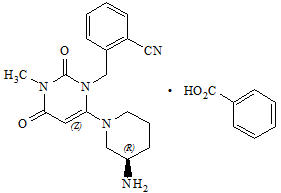
Alogliptin And Pioglitazone Tablets
642b1e90-701e-42f2-bac6-a4918738e2c9
34391-3
HUMAN PRESCRIPTION DRUG LABEL
Drug Facts
Composition & Product
Identifiers & Packaging
Indications and Usage
Alogliptin and pioglitazone tablets are indicated as an adjunct to diet and exercise to improve glycemic control in adults with type 2 diabetes mellitus .
Dosage and Administration
Recommended Starting Dosage Based on Current Regimen Individualize the starting dosage of alogliptin and pioglitazone tablets based on the patient's current regimen and the available strengths of alogliptin and pioglitazone tablets (see Table 1 ). Table 1: Recommended Starting Dosage Based on the Patient’s Current Regimen Current Regimen Starting Dosage of Alogliptin and Pioglitazone Tablets For dosage recommendations for patients with renal impairment and/or congestive heart failure, [see Dosage and Administration (2.3 , 2.4) ] . Not treated with either alogliptin or pioglitazone 25 mg/15 mg or 25 mg/30 mg Alogliptin 25 mg/15 mg or 25 mg/30 mg Pioglitazone 25 mg/15 mg, 25 mg/30 mg, or 25 mg/45 mg Alogliptin and pioglitazone Select a dosage that is as close as possible to the current dosage of alogliptin and pioglitazone Dosage Titration for Additional Glycemic Control Titrate the alogliptin and pioglitazone tablets dosage gradually, as needed, after assessing therapeutic response and tolerability, up to a maximum dosage of 25 mg of alogliptin and 45 mg of pioglitazone once daily.
Contraindications
Alogliptin and pioglitazone tablets are contraindicated in patients with: Established NYHA Class III or IV heart failure at the time of alogliptin and pioglitazone tablets initiation [see Boxed Warning ] . A history of serious hypersensitivity reaction to alogliptin, pioglitazone, or any of the excipients in alogliptin and pioglitazone tablets. Reactions such as anaphylaxis, angioedema and severe cutaneous adverse reactions have been reported [see Warnings and Precautions (5.3) , Adverse reactions (6.2) ] .
Warnings and Precautions
Congestive heart failure: Fluid retention may occur and can exacerbate or lead to congestive heart failure. Combination use with insulin and use in congestive heart failure NYHA Class I and II may increase risk. Consider the risks and benefits of alogliptin and pioglitazone tablets prior to initiating treatment in patients at risk for heart failure. Monitor patients for signs and symptoms. ( 5.1 ) Pancreatitis: There have been postmarketing reports of acute pancreatitis. If pancreatitis is suspected, promptly discontinue alogliptin and pioglitazone tablets. ( 5.2 ) Hypersensitivity: There have been postmarketing reports of serious hypersensitivity reactions in patients treated with alogliptin such as anaphylaxis, angioedema and severe cutaneous adverse reactions, including Stevens-Johnson syndrome. In such cases, promptly discontinue alogliptin and pioglitazone tablets. ( 5.3 ) Hepatic effects: Postmarketing reports of hepatic failure, sometimes fatal. Causality cannot be excluded. If liver injury is detected, promptly interrupt alogliptin and pioglitazone tablets and assess patient for probable cause, then treat cause if possible, to resolution or stabilization. Do not restart alogliptin and pioglitazone tablets if liver injury is confirmed and no alternative etiology can be found. Use with caution in patients with liver disease. ( 5.4 ) Edema: Dose-related edema may occur. ( 5.5 ) Fractures: Increased incidence in female patients. Apply current standards of care for assessing and maintaining bone health. ( 5.6 ) Urinary bladder tumors: May increase the risk of bladder cancer. Do not use in patients with active bladder cancer. Use caution when using in patients with a prior history of bladder cancer. ( 5.7 ) Hypoglycemia: Consider a lower dose of insulin or insulin secretagogue to reduce risk of hypoglycemia when used in combination with alogliptin and pioglitazone tablets. ( 5.8 ) Macular edema: Postmarketing reports. Recommend regular eye exams in all patients with diabetes according to current standards of care with prompt evaluation for acute visual changes. ( 5.9 ) Arthralgia: Severe and disabling arthralgia has been reported in patients taking DPP-4 inhibitors. Consider as a possible cause for severe joint pain and discontinue if appropriate. ( 5.10 ) Bullous pemphigoid: There have been postmarketing reports of bullous pemphigoid requiring hospitalization in patients taking DPP-4 inhibitors. Tell patients to report development of blisters or erosions. If bullous pemphigoid is suspected, discontinue alogliptin and pioglitazone tablets. ( 5.11 )
Adverse Reactions
The following serious adverse reactions are described below or elsewhere in the prescribing information: Congestive Heart Failure [see Boxed Warning and Warnings and Precautions (5.1) ] Pancreatitis [see Warnings and Precautions (5.2) ] Hypersensitivity Reactions [see Warnings and Precautions (5.3) ] Hepatic Effects [see Warnings and Precautions (5.4) ] Edema [see Warnings and Precautions (5.5) ] Fractures [see Warnings and Precautions (5.6) ] Urinary Bladder Tumors [see Warnings and Precautions (5.7) ] Hypoglycemia with Concomitant Use with Insulin or Insulin Secretagogues [see Warnings and Precautions (5.8) ] Macular Edema [see Warnings and Precautions (5.9) ] Severe and Disabling Arthralgia [see Warnings and Precautions (5.10) ] Bullous Pemphigoid [see Warnings and Precautions (5.11) ]
Drug Interactions
Strong CYP2C8 inhibitors (e.g., gemfibrozil) increase pioglitazone concentrations. Limit the pioglitazone dose to 15 mg daily. ( 7.2 ) CYP2C8 inducers (e.g., rifampin) may decrease pioglitazone concentrations. ( 7.3 ) Topiramate may decrease pioglitazone concentrations. ( 7.4 )
How Supplied
Alogliptin and pioglitazone tablets are available in the following strengths and packages: 25 mg/15 mg tablet: yellow, round, biconvex and film-coated with both “A/P” and “25/15” printed on one side, available in: NDC 45802-351-65 Bottles of 30 tablets 25 mg/30 mg tablet: peach, round, biconvex and film-coated with both “A/P” and “25/30” printed on one side, available in: NDC 45802-402-65 Bottles of 30 tablets 25 mg/45 mg tablet: red, round, biconvex, film-coated and with both “A/P” and “25/45” printed on one side, available in: NDC 45802-499-65 Bottles of 30 tablets 12.5 mg/30 mg tablet: pale peach, round, biconvex and film-coated with both “A/P” and “12.5/30” printed on one side, available in: NDC 45802-260-65 Bottles of 30 tablets
Storage and Handling
Alogliptin and pioglitazone tablets are available in the following strengths and packages: 25 mg/15 mg tablet: yellow, round, biconvex and film-coated with both “A/P” and “25/15” printed on one side, available in: NDC 45802-351-65 Bottles of 30 tablets 25 mg/30 mg tablet: peach, round, biconvex and film-coated with both “A/P” and “25/30” printed on one side, available in: NDC 45802-402-65 Bottles of 30 tablets 25 mg/45 mg tablet: red, round, biconvex, film-coated and with both “A/P” and “25/45” printed on one side, available in: NDC 45802-499-65 Bottles of 30 tablets 12.5 mg/30 mg tablet: pale peach, round, biconvex and film-coated with both “A/P” and “12.5/30” printed on one side, available in: NDC 45802-260-65 Bottles of 30 tablets
Description
Thiazolidinediones, including pioglitazone, which is a component of alogliptin and pioglitazone tablets, cause or exacerbate congestive heart failure in some patients [see Warnings and Precautions (5.1) ] . After initiation of alogliptin and pioglitazone tablets and after dose increases, monitor patients carefully for signs and symptoms of heart failure (e.g., excessive, rapid weight gain, dyspnea and/or edema). If congestive heart failure develops while taking alogliptin and pioglitazone tablets, consider discontinuation of alogliptin and pioglitazone tablets or dosage reduction of pioglitazone in alogliptin and pioglitazone tablets [see Warnings and Precautions (5.1) ] . Alogliptin and pioglitazone tablets are not recommended in patients with symptomatic heart failure [see Warnings and Precautions (5.1) ] . Initiation of alogliptin and pioglitazone tablets in patients with established New York Heart Association (NYHA) Class III or IV heart failure is contraindicated [see Contraindications (4) and Warnings and Precautions (5.1) ] .
Medication Information
Warnings and Precautions
Congestive heart failure: Fluid retention may occur and can exacerbate or lead to congestive heart failure. Combination use with insulin and use in congestive heart failure NYHA Class I and II may increase risk. Consider the risks and benefits of alogliptin and pioglitazone tablets prior to initiating treatment in patients at risk for heart failure. Monitor patients for signs and symptoms. ( 5.1 ) Pancreatitis: There have been postmarketing reports of acute pancreatitis. If pancreatitis is suspected, promptly discontinue alogliptin and pioglitazone tablets. ( 5.2 ) Hypersensitivity: There have been postmarketing reports of serious hypersensitivity reactions in patients treated with alogliptin such as anaphylaxis, angioedema and severe cutaneous adverse reactions, including Stevens-Johnson syndrome. In such cases, promptly discontinue alogliptin and pioglitazone tablets. ( 5.3 ) Hepatic effects: Postmarketing reports of hepatic failure, sometimes fatal. Causality cannot be excluded. If liver injury is detected, promptly interrupt alogliptin and pioglitazone tablets and assess patient for probable cause, then treat cause if possible, to resolution or stabilization. Do not restart alogliptin and pioglitazone tablets if liver injury is confirmed and no alternative etiology can be found. Use with caution in patients with liver disease. ( 5.4 ) Edema: Dose-related edema may occur. ( 5.5 ) Fractures: Increased incidence in female patients. Apply current standards of care for assessing and maintaining bone health. ( 5.6 ) Urinary bladder tumors: May increase the risk of bladder cancer. Do not use in patients with active bladder cancer. Use caution when using in patients with a prior history of bladder cancer. ( 5.7 ) Hypoglycemia: Consider a lower dose of insulin or insulin secretagogue to reduce risk of hypoglycemia when used in combination with alogliptin and pioglitazone tablets. ( 5.8 ) Macular edema: Postmarketing reports. Recommend regular eye exams in all patients with diabetes according to current standards of care with prompt evaluation for acute visual changes. ( 5.9 ) Arthralgia: Severe and disabling arthralgia has been reported in patients taking DPP-4 inhibitors. Consider as a possible cause for severe joint pain and discontinue if appropriate. ( 5.10 ) Bullous pemphigoid: There have been postmarketing reports of bullous pemphigoid requiring hospitalization in patients taking DPP-4 inhibitors. Tell patients to report development of blisters or erosions. If bullous pemphigoid is suspected, discontinue alogliptin and pioglitazone tablets. ( 5.11 )
Indications and Usage
Alogliptin and pioglitazone tablets are indicated as an adjunct to diet and exercise to improve glycemic control in adults with type 2 diabetes mellitus .
Dosage and Administration
Recommended Starting Dosage Based on Current Regimen Individualize the starting dosage of alogliptin and pioglitazone tablets based on the patient's current regimen and the available strengths of alogliptin and pioglitazone tablets (see Table 1 ). Table 1: Recommended Starting Dosage Based on the Patient’s Current Regimen Current Regimen Starting Dosage of Alogliptin and Pioglitazone Tablets For dosage recommendations for patients with renal impairment and/or congestive heart failure, [see Dosage and Administration (2.3 , 2.4) ] . Not treated with either alogliptin or pioglitazone 25 mg/15 mg or 25 mg/30 mg Alogliptin 25 mg/15 mg or 25 mg/30 mg Pioglitazone 25 mg/15 mg, 25 mg/30 mg, or 25 mg/45 mg Alogliptin and pioglitazone Select a dosage that is as close as possible to the current dosage of alogliptin and pioglitazone Dosage Titration for Additional Glycemic Control Titrate the alogliptin and pioglitazone tablets dosage gradually, as needed, after assessing therapeutic response and tolerability, up to a maximum dosage of 25 mg of alogliptin and 45 mg of pioglitazone once daily.
Contraindications
Alogliptin and pioglitazone tablets are contraindicated in patients with: Established NYHA Class III or IV heart failure at the time of alogliptin and pioglitazone tablets initiation [see Boxed Warning ] . A history of serious hypersensitivity reaction to alogliptin, pioglitazone, or any of the excipients in alogliptin and pioglitazone tablets. Reactions such as anaphylaxis, angioedema and severe cutaneous adverse reactions have been reported [see Warnings and Precautions (5.3) , Adverse reactions (6.2) ] .
Adverse Reactions
The following serious adverse reactions are described below or elsewhere in the prescribing information: Congestive Heart Failure [see Boxed Warning and Warnings and Precautions (5.1) ] Pancreatitis [see Warnings and Precautions (5.2) ] Hypersensitivity Reactions [see Warnings and Precautions (5.3) ] Hepatic Effects [see Warnings and Precautions (5.4) ] Edema [see Warnings and Precautions (5.5) ] Fractures [see Warnings and Precautions (5.6) ] Urinary Bladder Tumors [see Warnings and Precautions (5.7) ] Hypoglycemia with Concomitant Use with Insulin or Insulin Secretagogues [see Warnings and Precautions (5.8) ] Macular Edema [see Warnings and Precautions (5.9) ] Severe and Disabling Arthralgia [see Warnings and Precautions (5.10) ] Bullous Pemphigoid [see Warnings and Precautions (5.11) ]
Drug Interactions
Strong CYP2C8 inhibitors (e.g., gemfibrozil) increase pioglitazone concentrations. Limit the pioglitazone dose to 15 mg daily. ( 7.2 ) CYP2C8 inducers (e.g., rifampin) may decrease pioglitazone concentrations. ( 7.3 ) Topiramate may decrease pioglitazone concentrations. ( 7.4 )
Storage and Handling
Alogliptin and pioglitazone tablets are available in the following strengths and packages: 25 mg/15 mg tablet: yellow, round, biconvex and film-coated with both “A/P” and “25/15” printed on one side, available in: NDC 45802-351-65 Bottles of 30 tablets 25 mg/30 mg tablet: peach, round, biconvex and film-coated with both “A/P” and “25/30” printed on one side, available in: NDC 45802-402-65 Bottles of 30 tablets 25 mg/45 mg tablet: red, round, biconvex, film-coated and with both “A/P” and “25/45” printed on one side, available in: NDC 45802-499-65 Bottles of 30 tablets 12.5 mg/30 mg tablet: pale peach, round, biconvex and film-coated with both “A/P” and “12.5/30” printed on one side, available in: NDC 45802-260-65 Bottles of 30 tablets
How Supplied
Alogliptin and pioglitazone tablets are available in the following strengths and packages: 25 mg/15 mg tablet: yellow, round, biconvex and film-coated with both “A/P” and “25/15” printed on one side, available in: NDC 45802-351-65 Bottles of 30 tablets 25 mg/30 mg tablet: peach, round, biconvex and film-coated with both “A/P” and “25/30” printed on one side, available in: NDC 45802-402-65 Bottles of 30 tablets 25 mg/45 mg tablet: red, round, biconvex, film-coated and with both “A/P” and “25/45” printed on one side, available in: NDC 45802-499-65 Bottles of 30 tablets 12.5 mg/30 mg tablet: pale peach, round, biconvex and film-coated with both “A/P” and “12.5/30” printed on one side, available in: NDC 45802-260-65 Bottles of 30 tablets
Description
Thiazolidinediones, including pioglitazone, which is a component of alogliptin and pioglitazone tablets, cause or exacerbate congestive heart failure in some patients [see Warnings and Precautions (5.1) ] . After initiation of alogliptin and pioglitazone tablets and after dose increases, monitor patients carefully for signs and symptoms of heart failure (e.g., excessive, rapid weight gain, dyspnea and/or edema). If congestive heart failure develops while taking alogliptin and pioglitazone tablets, consider discontinuation of alogliptin and pioglitazone tablets or dosage reduction of pioglitazone in alogliptin and pioglitazone tablets [see Warnings and Precautions (5.1) ] . Alogliptin and pioglitazone tablets are not recommended in patients with symptomatic heart failure [see Warnings and Precautions (5.1) ] . Initiation of alogliptin and pioglitazone tablets in patients with established New York Heart Association (NYHA) Class III or IV heart failure is contraindicated [see Contraindications (4) and Warnings and Precautions (5.1) ] .
Section 42229-5
Limitations of Use
Alogliptin and pioglitazone tablets are not recommended for use in patients with type 1 diabetes mellitus.
Section 42231-1
| MEDICATION GUIDE Alogliptin and Pioglitazone Tablets |
|||||
|---|---|---|---|---|---|
| This Medication Guide has been approved by the U.S. Food and Drug Administration. | 6/2025 | ||||
| ALS333 R8 | |||||
| Read this Medication Guide carefully before you start taking alogliptin and pioglitazone tablets and each time you get a refill. There may be new information. This information does not take the place of talking with your healthcare provider about your medical condition or your treatment. If you have any questions about alogliptin and pioglitazone tablets, ask your healthcare provider or pharmacist. | |||||
|
What is the most important information I should know about alogliptin and pioglitazone tablets? |
|||||
| Alogliptin and pioglitazone tablets can cause serious side effects, including: | |||||
|
|||||
|
Before you start taking alogliptin and pioglitazone tablets:
Tell your healthcare provider if you have ever had: |
|||||
|
|
|
|||
| Stop taking alogliptin and pioglitazone tablets and call your healthcare provider right away if you have pain in your stomach area (abdomen) that is severe and will not go away. The pain may be felt going from your abdomen through to your back. The pain may happen with or without vomiting. These may be symptoms of pancreatitis. | |||||
| What are alogliptin and pioglitazone tablets? | |||||
|
|||||
| It is not known if alogliptin and pioglitazone tablets are safe and effective in children under the age of 18. Alogliptin and pioglitazone tablets are not recommended for use in children. | |||||
| Who should not take alogliptin and pioglitazone tablets? | |||||
| Do not take alogliptin and pioglitazone tablets if you: | |||||
|
|||||
| Symptoms of a serious allergic reaction to alogliptin and pioglitazone tablets may include: | |||||
|
|
||||
| If you have these symptoms, stop taking alogliptin and pioglitazone tablets and contact your healthcare provider or go to the nearest hospital emergency room right away. | |||||
| What should I tell my healthcare provider before and during treatment with alogliptin and pioglitazone tablets? | |||||
| Before you start taking alogliptin and pioglitazone tablets, tell your healthcare provider if you: | |||||
|
|||||
|
Tell your healthcare provider about all the medicines you take, including prescription and over-the-counter medicines, vitamins and herbal supplements. Know the medicines you take. Keep a list of them and show it to your healthcare provider before you start a new medicine. Alogliptin and pioglitazone tablets may affect the way other medicines work, and other medicines may affect how alogliptin and pioglitazone tablets works. Contact your healthcare provider before you start or stop other types of medicines. |
|||||
| How should I take alogliptin and pioglitazone tablets? | |||||
|
|||||
| What are the possible side effects of alogliptin and pioglitazone tablets? | |||||
| Alogliptin and pioglitazone tablets can cause serious side effects, including: | |||||
|
|||||
|
|
||||
| If you have these symptoms, stop taking alogliptin and pioglitazone tablets and contact your healthcare provider right away or go to the nearest hospital emergency room | |||||
|
|||||
|
|
|
|||
|
|||||
|
|
|
|||
|
|||||
|
|
|
|||
|
|||||
|
The most common side effects of alogliptin and pioglitazone tablets include stuffy or runny nose and sore throat, back pain, cold-like symptoms (upper respiratory tract infection). Tell your healthcare provider if you have any side effect that bothers you or that does not go away. These are not all the possible side effects of alogliptin and pioglitazone tablets. For more information, ask your healthcare provider or pharmacist. Call your doctor for medical advice about side effects. You may report side effects to FDA at 1-800-FDA-1088. |
|||||
| How should I store alogliptin and pioglitazone tablets? | |||||
|
|||||
| Keep alogliptin and pioglitazone tablets and all medicines out of the reach of children. | |||||
|
General information about the safe and effective use of alogliptin and pioglitazone tablets
Medicines are sometimes prescribed for purposes other than those listed in the Medication Guide. Do not take alogliptin and pioglitazone tablets for a condition for which it was not prescribed. Do not give alogliptin and pioglitazone tablets to other people, even if they have the same symptoms you have. It may harm them. You can ask your healthcare provider or pharmacist for information about alogliptin and pioglitazone tablets that is written for health professionals. For more information, go to www.padagis.com or call 1-877-TAKEDA-7 (1-877-825-3327). |
|||||
|
What are the ingredients in alogliptin and pioglitazone tablets?
Manufactured for Padagis® Minneapolis, MN 55427 www.padagis.com and PADAGIS are registered trademarks of Padagis US LLC. |
Section 44425-7
Storage
Store at 25°C (77°F); excursions permitted to 15° to 30°C (59° to 86°F) [see USP Controlled Room Temperature]. Keep container tightly closed and protect from moisture and humidity.
10 Overdosage
In the event of an overdose, it is reasonable to institute the necessary clinical monitoring and supportive therapy as dictated by the patient's clinical status. Per clinical judgment, it may be reasonable to initiate removal of unabsorbed material from the gastrointestinal tract.
Alogliptin is minimally dialyzable; over a three-hour hemodialysis session, approximately 7% of the drug was removed. Therefore, hemodialysis is unlikely to be beneficial in an overdose situation. It is not known if alogliptin is dialyzable by peritoneal dialysis.
In the event of an overdose, contact the Poison Help Line (1-800-222-1222) or a medical toxicologist for additional overdosage management recommendations.
11 Description
Alogliptin and pioglitazone tablets contain two oral antihyperglycemic drugs used in the management of type 2 diabetes mellitus: alogliptin and pioglitazone.
7.4 Topiramate
A decrease in the exposure of pioglitazone and its active metabolites were noted with concomitant administration of pioglitazone and topiramate [see Clinical Pharmacology (12.3)]. The clinical relevance of this decrease is unknown; however, when alogliptin and pioglitazone tablets and topiramate are used concomitantly, monitor patients for adequate glycemic control.
5.2 Pancreatitis
Acute pancreatitis has been reported in the postmarketing setting and in randomized clinical trials. In glycemic control trials in patients with type 2 diabetes mellitus, acute pancreatitis was reported in 6 (0.2%) patients treated with alogliptin 25 mg and 2 (<0.1%) patients treated with active comparators or placebo. In the EXAMINE trial (a cardiovascular outcomes trial of patients with type 2 diabetes mellitus and high cardiovascular (CV) risk), acute pancreatitis was reported in 10 (0.4%) patients treated with alogliptin and in 7 (0.3%) patients treated with placebo.
It is unknown whether patients with a history of pancreatitis are at increased risk for pancreatitis while using alogliptin and pioglitazone tablets.
After initiation of alogliptin and pioglitazone tablets, patients should be observed for signs and symptoms of pancreatitis. If pancreatitis is suspected, alogliptin and pioglitazone tablets should promptly be discontinued and appropriate management should be initiated.
8.4 Pediatric Use
Safety and effectiveness of alogliptin and pioglitazone tablets in pediatric patients have not been established.
Alogliptin and pioglitazone tablets are not recommended for use in pediatric patients based on adverse effects observed in adults, including fluid retention and congestive heart failure, fractures and urinary bladder tumors [see Warnings and Precautions (5.1, 5.5, 5.6, 5.7)].
14 Clinical Studies
The effectiveness of alogliptin and pioglitazone tablets has been established based on four adequate and well-controlled Phase 3 trials of alogliptin and pioglitazone as adjunct to diet to improve glycemic control in adult patients with type 2 diabetes mellitus.
In patients with type 2 diabetes mellitus, treatment with alogliptin and pioglitazone produced clinically meaningful and statistically significant improvements in A1C compared to either alogliptin or pioglitazone alone. As is typical for trials of agents to treat type 2 diabetes mellitus, the mean reduction in A1C with alogliptin and pioglitazone appears to be related to the degree of A1C elevation at baseline.
4 Contraindications
Alogliptin and pioglitazone tablets are contraindicated in patients with:
- Established NYHA Class III or IV heart failure at the time of alogliptin and pioglitazone tablets initiation [see Boxed Warning].
- A history of serious hypersensitivity reaction to alogliptin, pioglitazone, or any of the excipients in alogliptin and pioglitazone tablets. Reactions such as anaphylaxis, angioedema and severe cutaneous adverse reactions have been reported [see Warnings and Precautions (5.3), Adverse reactions (6.2)].
5.4 Hepatic Effects
There have been postmarketing reports of fatal and nonfatal hepatic failure in patients taking pioglitazone or alogliptin, although some of the reports contain insufficient information necessary to establish the probable cause [see Adverse Reactions (6.2)].
In glycemic control trials of alogliptin in patients with type 2 diabetes mellitus, serum alanine aminotransferase (ALT) elevations greater than three times the upper limit of normal (ULN) were reported in 1.3% of patients treated with alogliptin 25 mg and 1.7% of patients treated with active comparators or placebo. In the EXAMINE trial (a cardiovascular outcomes trial of patients with type 2 diabetes mellitus and high cardiovascular (CV) risk), increases in serum alanine aminotransferase three times the upper limit of the reference range occurred in 2.4% of patients treated with alogliptin and in 1.8% of patients treated with placebo.
Patients with type 2 diabetes mellitus may have fatty liver disease or cardiac disease with episodic congestive heart failure, both of which may cause liver test abnormalities, and they may also have other forms of liver disease, many of which can be treated or managed. Therefore, obtaining a liver test panel (ALT, aspartate aminotransferase [AST], alkaline phosphatase and total bilirubin) and assessing the patient is recommended before initiating alogliptin and pioglitazone tablets therapy. In patients with abnormal liver tests, alogliptin and pioglitazone tablets should be initiated with caution.
Measure liver tests promptly in patients who report symptoms that may indicate liver injury, including fatigue, anorexia, right upper abdominal discomfort, dark urine or jaundice. In this clinical context, if the patient is found to have clinically significant liver enzyme elevations (serum ALT greater than three times the ULN) and if abnormal liver tests persist or worsen, alogliptin and pioglitazone tablets should be interrupted, and an investigation done to establish the probable cause. Alogliptin and pioglitazone tablets should not be restarted in these patients without another explanation for the liver test abnormalities.
6 Adverse Reactions
The following serious adverse reactions are described below or elsewhere in the prescribing information:
- Congestive Heart Failure [see Boxed Warning and Warnings and Precautions (5.1)]
- Pancreatitis [see Warnings and Precautions (5.2)]
- Hypersensitivity Reactions [see Warnings and Precautions (5.3)]
- Hepatic Effects [see Warnings and Precautions (5.4)]
- Edema [see Warnings and Precautions (5.5)]
- Fractures [see Warnings and Precautions (5.6)]
- Urinary Bladder Tumors [see Warnings and Precautions (5.7)]
- Hypoglycemia with Concomitant Use with Insulin or Insulin Secretagogues [see Warnings and Precautions (5.8)]
- Macular Edema [see Warnings and Precautions (5.9)]
- Severe and Disabling Arthralgia [see Warnings and Precautions (5.10)]
- Bullous Pemphigoid [see Warnings and Precautions (5.11)]
7 Drug Interactions
7.3 Cyp2c8 Inducers
An inducer of CYP2C8 (e.g., rifampin) may significantly decrease the exposure (AUC) of pioglitazone. Therefore, if an inducer of CYP2C8 is started or stopped during treatment with alogliptin and pioglitazone tablets, changes in diabetes treatment may be needed based on clinical response without exceeding the maximum recommended daily dose of alogliptin and pioglitazone tablets (25 mg of alogliptin and 45 mg of pioglitazone) [see Clinical Pharmacology (12.3)].
1 Indications and Usage
Alogliptin and pioglitazone tablets are indicated as an adjunct to diet and exercise to improve glycemic control in adults with type 2 diabetes mellitus.
5.11 Bullous Pemphigoid
Postmarketing cases of bullous pemphigoid requiring hospitalization have been reported with DPP-4 inhibitor use. In reported cases, patients typically recovered with topical or systemic immunosuppressive treatment and discontinuation of the DPP-4 inhibitor. Tell patients to report development of blisters or erosions while receiving alogliptin and pioglitazone tablets. If bullous pemphigoid is suspected, alogliptin and pioglitazone tablets should be discontinued and referral to a dermatologist should be considered for diagnosis and appropriate treatment.
12.1 Mechanism of Action
Alogliptin and pioglitazone tablets combine two antihyperglycemic agents: alogliptin and pioglitazone.
5 Warnings and Precautions
- Congestive heart failure: Fluid retention may occur and can exacerbate or lead to congestive heart failure. Combination use with insulin and use in congestive heart failure NYHA Class I and II may increase risk. Consider the risks and benefits of alogliptin and pioglitazone tablets prior to initiating treatment in patients at risk for heart failure. Monitor patients for signs and symptoms. (5.1)
- Pancreatitis: There have been postmarketing reports of acute pancreatitis. If pancreatitis is suspected, promptly discontinue alogliptin and pioglitazone tablets. (5.2)
- Hypersensitivity: There have been postmarketing reports of serious hypersensitivity reactions in patients treated with alogliptin such as anaphylaxis, angioedema and severe cutaneous adverse reactions, including Stevens-Johnson syndrome. In such cases, promptly discontinue alogliptin and pioglitazone tablets. (5.3)
- Hepatic effects: Postmarketing reports of hepatic failure, sometimes fatal. Causality cannot be excluded. If liver injury is detected, promptly interrupt alogliptin and pioglitazone tablets and assess patient for probable cause, then treat cause if possible, to resolution or stabilization. Do not restart alogliptin and pioglitazone tablets if liver injury is confirmed and no alternative etiology can be found. Use with caution in patients with liver disease. (5.4)
- Edema: Dose-related edema may occur. (5.5)
- Fractures: Increased incidence in female patients. Apply current standards of care for assessing and maintaining bone health. (5.6)
- Urinary bladder tumors: May increase the risk of bladder cancer. Do not use in patients with active bladder cancer. Use caution when using in patients with a prior history of bladder cancer. (5.7)
- Hypoglycemia: Consider a lower dose of insulin or insulin secretagogue to reduce risk of hypoglycemia when used in combination with alogliptin and pioglitazone tablets. (5.8)
- Macular edema: Postmarketing reports. Recommend regular eye exams in all patients with diabetes according to current standards of care with prompt evaluation for acute visual changes. (5.9)
- Arthralgia: Severe and disabling arthralgia has been reported in patients taking DPP-4 inhibitors. Consider as a possible cause for severe joint pain and discontinue if appropriate. (5.10)
- Bullous pemphigoid: There have been postmarketing reports of bullous pemphigoid requiring hospitalization in patients taking DPP-4 inhibitors. Tell patients to report development of blisters or erosions. If bullous pemphigoid is suspected, discontinue alogliptin and pioglitazone tablets. (5.11)
2 Dosage and Administration
- Obtain liver tests prior to initiation.
- Alogliptin and pioglitazone tablets may be taken with or without food. (2.1)
- Individualize the starting dose of alogliptin and pioglitazone tablets based on the patient’s current regimen and concurrent medical condition but do not exceed a daily dose of alogliptin 25 mg and pioglitazone 45 mg. (2.2)
- The recommended starting dosage in patients with NYHA Class I or II congestive heart failure is 25 mg of alogliptin and 15 mg of pioglitazone (2.4)
- Prior to initiation, assess renal function with creatinine clearance (CrCl) (2.3)
- Mild renal impairment (creatinine clearance [CrCl] ≥60 mL/min): same as the recommended dosage in patients with normal renal function.
- Moderate renal impairment (CrCl ≥30 to <60 mL/min): 12.5 mg of alogliptin and 30 mg of pioglitazone once daily.
- Severe renal impairment (CrCl ≥15 to <30 mL/min) or ESRD (CrCl <15 mL/min or requiring hemodialysis): not recommended.
3 Dosage Forms and Strengths
| Pharmaceutical form | Strength (alogliptin/ pioglitazone) |
Color | Shape | Markings (on one side) |
|---|---|---|---|---|
| film-coated tablets | 12.5 mg/30 mg | Pale peach | Round biconvex |
“A/P” and “12.5/30” |
| film-coated tablets | 25 mg/15 mg | Yellow | Round biconvex |
“A/P” and “25/15” |
| film-coated tablets | 25 mg/30 mg | Peach | Round biconvex |
“A/P” and “25/30” |
| film-coated tablets | 25 mg/45 mg | Red | Round biconvex |
“A/P” and “25/45” |
7.2 Strong Cyp2c8 Inhibitors
An inhibitor of CYP2C8 (e.g., gemfibrozil) significantly increases the exposure (area under the concentration-time curve [AUC]) and half-life of pioglitazone. Therefore, the maximum recommended dosage of alogliptin and pioglitazone tablets is 25 mg of alogliptin and 15 mg of pioglitazone once daily if used in combination with gemfibrozil or other strong CYP2C8 inhibitors [see Dosage and Administration (2.5) and Clinical Pharmacology (12.3)].
8 Use in Specific Populations
5.3 Hypersensitivity Reactions
There have been postmarketing reports of serious hypersensitivity reactions in patients treated with alogliptin [see Adverse Reactions (6.2)]. These reactions include anaphylaxis, angioedema and severe cutaneous adverse reactions, including Stevens-Johnson syndrome. If a serious hypersensitivity reaction is suspected, discontinue alogliptin and pioglitazone tablets, assess for other potential causes for the event and institute alternative treatment for diabetes. Use caution in patients with a history of angioedema with another dipeptidyl peptidase-4 (DPP-4) inhibitor because it is unknown whether such patients will be predisposed to angioedema with alogliptin and pioglitazone tablets.
6.1 Clinical Trials Experience
Because clinical trials are conducted under widely varying conditions, adverse reaction rates observed in the clinical trials of a drug cannot be directly compared to rates in the clinical trials of another drug and may not reflect the rates observed in practice.
17 Patient Counseling Information
Advise the patient to read the FDA-approved patient labeling (Medication Guide).
- Congestive Heart Failure: Inform patients of the signs and symptoms of heart failure. Instruct patients who experience an unusually rapid increase in weight or edema, shortness of breath, or other symptoms of heart failure while on alogliptin and pioglitazone tablets to immediately report these symptoms to their healthcare provider [see Warnings and Precautions (5.1)].
- Pancreatitis: Inform patients that acute pancreatitis has been reported during use of alogliptin and pioglitazone tablets. Educate patients that persistent, severe abdominal pain, sometimes radiating to the back, which may or may not be accompanied by vomiting, is the hallmark symptom of acute pancreatitis. Instruct patients to promptly discontinue alogliptin and pioglitazone tablets and contact their healthcare provider if persistent severe abdominal pain occurs [see Warnings and Precautions (5.2)].
- Hypersensitivity Reactions: Inform patients that allergic reactions have been reported during use of alogliptin and pioglitazone. Instruct patients if symptoms of allergic reactions (including skin rash, hives and swelling of the face, lips, tongue and throat that may cause difficulty in breathing or swallowing) occur, patients should discontinue alogliptin and pioglitazone tablets and seek medical advice promptly [see Warnings and Precautions (5.3)].
- Hepatic Effects: Instruct patients to promptly stop taking alogliptin and pioglitazone tablets and seek immediate medical advice if they experience signs or symptoms of liver injury (e.g., unexplained nausea, vomiting, abdominal pain, fatigue, anorexia or dark urine) [see Warnings and Precautions (5.4)].
- Edema: Inform patients that alogliptin and pioglitazone tablets use can lead to new-onset or worsening of edema. Instruct patients to immediately report symptoms of rapid weight increase or worsening edema to their healthcare provider [see Warnings and Precautions (5.5)].
- Fractures: Inform female patients about the risk of fractures while taking alogliptin and pioglitazone tablets. Provide them with information on factors that may contribute to fracture risk [see Warnings and Precautions (5.6)].
- Urinary Bladder Tumors: Advise patients to promptly report any hematuria, dysuria, or urinary urgency that develops or increases during treatment, as these may be due to bladder cancer [see Warnings and Precautions (5.7)].
- Hypoglycemia with Concomitant Use with Insulin or Insulin Secretagogues: Inform patients that the risk of hypoglycemia is increased when alogliptin and pioglitazone tablets are used with insulin or insulin secretagogues (such as a sulfonylurea). Educate patients on the signs and symptoms of hypoglycemia [see Warnings and Precautions (5.8)].
- Macular Edema: Educate patients on the signs and symptoms of macular edema and advise them to seek medical attention from an ophthalmologist if they experience symptoms of macular edema [see Warnings and Precautions (5.9)].
- Severe and Disabling Arthralgia: Inform patients that severe and disabling joint pain may occur with alogliptin and pioglitazone tablets. The time to onset of symptoms can range from one day to years. Instruct patients to seek medical advice if severe joint pain occurs [see Warnings and Precautions (5.10)].
- Bullous Pemphigoid: Inform patients that bullous pemphigoid may occur with this alogliptin and pioglitazone tablets. Instruct patients to seek medical advice if blisters or erosions occur [see Warnings and Precautions (5.11)].
- Females of Reproductive Age: Inform female patients that treatment with alogliptin and pioglitazone tablets may result in an unintended pregnancy in some premenopausal anovulatory females due to its effect on ovulation [see Use in Specific Populations (8.3)].
- Dosage and Administration: Instruct patients to take alogliptin and pioglitazone tablets with or without meals. Instruct patients if a dose is missed, not to double their next dose. Instruct patients that the tablets must never be split.
Manufactured for Padagis®
Minneapolis, MN 55427
www.padagis.com
and PADAGIS are registered trademarks of Padagis US LLC.
ALS333 R8
1B000 RC PH3
Rev 6-25
Warning: Congestive Heart Failure
- Thiazolidinediones, including pioglitazone, which is a component of alogliptin and pioglitazone tablets, cause or exacerbate congestive heart failure in some patients [see Warnings and Precautions (5.1)].
- After initiation of alogliptin and pioglitazone tablets and after dose increases, monitor patients carefully for signs and symptoms of heart failure (e.g., excessive, rapid weight gain, dyspnea and/or edema). If congestive heart failure develops while taking alogliptin and pioglitazone tablets, consider discontinuation of alogliptin and pioglitazone tablets or dosage reduction of pioglitazone in alogliptin and pioglitazone tablets [see Warnings and Precautions (5.1)].
- Alogliptin and pioglitazone tablets are not recommended in patients with symptomatic heart failure [see Warnings and Precautions (5.1)].
- Initiation of alogliptin and pioglitazone tablets in patients with established New York Heart Association (NYHA) Class III or IV heart failure is contraindicated [see Contraindications (4) and Warnings and Precautions (5.1)].
16 How Supplied/storage and Handling
Alogliptin and pioglitazone tablets are available in the following strengths and packages:
25 mg/15 mg tablet: yellow, round, biconvex and film-coated with both “A/P” and “25/15” printed on one side, available in:
| NDC 45802-351-65 | Bottles of 30 tablets |
25 mg/30 mg tablet: peach, round, biconvex and film-coated with both “A/P” and “25/30” printed on one side, available in:
| NDC 45802-402-65 | Bottles of 30 tablets |
25 mg/45 mg tablet: red, round, biconvex, film-coated and with both “A/P” and “25/45” printed on one side, available in:
| NDC 45802-499-65 | Bottles of 30 tablets |
12.5 mg/30 mg tablet: pale peach, round, biconvex and film-coated with both “A/P” and “12.5/30” printed on one side, available in:
| NDC 45802-260-65 | Bottles of 30 tablets |
5.10 Severe and Disabling Arthralgia
There have been postmarketing reports of severe and disabling arthralgia in patients taking DPP-4 inhibitors. The time to onset of symptoms following initiation of drug therapy varied from one day to years. Patients experienced relief of symptoms upon discontinuation of the medication. A subset of patients experienced a recurrence of symptoms when restarting the same drug or a different DPP-4 inhibitor. Consider DPP-4 inhibitors as a possible cause for severe joint pain and discontinue drug if appropriate.
7.1 Insulin Secretagogues and Insulin
Insulin and insulin secretagogues are known to cause hypoglycemia. Coadministration of alogliptin and pioglitazone tablets with an insulin secretagogue (e.g., sulfonylurea) or insulin may require lower dosages of the insulin secretagogue and insulin to reduce the risk of hypoglycemia [see Warnings and Precautions (5.8)].
2.2 Recommended Dosage and Administration
Recommended Starting Dosage Based on Current Regimen
Individualize the starting dosage of alogliptin and pioglitazone tablets based on the patient's current regimen and the available strengths of alogliptin and pioglitazone tablets (see Table 1).
| Current Regimen | Starting Dosage of Alogliptin and Pioglitazone Tablets For dosage recommendations for patients with renal impairment and/or congestive heart failure, [see Dosage and Administration (2.3, 2.4)].
|
|---|---|
| Not treated with either alogliptin or pioglitazone | 25 mg/15 mg or 25 mg/30 mg |
| Alogliptin | 25 mg/15 mg or 25 mg/30 mg |
| Pioglitazone | 25 mg/15 mg, 25 mg/30 mg, or 25 mg/45 mg |
| Alogliptin and pioglitazone | Select a dosage that is as close as possible to the current dosage of alogliptin and pioglitazone |
Dosage Titration for Additional Glycemic Control
Titrate the alogliptin and pioglitazone tablets dosage gradually, as needed, after assessing therapeutic response and tolerability, up to a maximum dosage of 25 mg of alogliptin and 45 mg of pioglitazone once daily.
13.2 Animal Toxicology And/or Pharmacology
Heart enlargement has been observed in mice (100 mg/kg), rats (4 mg/kg and above) and dogs (3 mg/kg) treated orally with pioglitazone (approximately 11, one, and two times the MRHD for mice, rats and dogs, respectively, based on mg/m2). In a one-year rat study, drug-related early death due to apparent heart dysfunction occurred at an oral dose of 160 mg/kg (approximately 35 times the MRHD based on mg/m2). Heart enlargement was seen in a 13-week study in monkeys at oral doses of 8.9 mg/kg and above (approximately four times the MRHD based on mg/m2), but not in a 52-week study at oral doses up to 32 mg/kg (approximately 13 times the MRHD based on mg/m2).
8.3 Females and Males of Reproductive Potential
Discuss the potential for unintended pregnancy with premenopausal women as therapy with pioglitazone, like other thiazolidinediones, may result in ovulation in some anovulatory women.
2.4 Recommendations for Congestive Heart Failure
Starting Dosage in Patients with NYHA Class I or II Congestive Heart Failure
For patients with preexisting NYHA Class I or II congestive heart failure, the recommended starting dosage of alogliptin and pioglitazone tablets is 25 mg of alogliptin and 15 mg of pioglitazone [see Boxed Warning and Warnings and Precautions (5.1)].
Monitoring for Fluid Retention and Dosage Modifications for Congestive Heart Failure
After initiation of alogliptin and pioglitazone tablets or with dosage increase, monitor patients carefully for adverse reactions related to fluid retention as has been seen with pioglitazone (e.g., weight gain, edema and signs and symptoms of congestive heart failure).
If congestive heart failure develops while taking alogliptin and pioglitazone tablets, consider discontinuation of alogliptin and pioglitazone tablets or dosage reduction of pioglitazone in alogliptin and pioglitazone tablets [see Boxed Warning and Warnings and Precautions (5.1)].
2.5 Coadministration With Strong Cyp2c8 Inhibitors
The maximum recommended dosage of alogliptin and pioglitazone tablets is 25 mg of alogliptin and 15 mg of pioglitazone once daily when used in combination with gemfibrozil or other strong CYP2C8 inhibitors [see Drug Interactions (7.1) and Clinical Pharmacology (12.3)].
2.1 Important Dosage and Administration Information
- Obtain liver tests (serum alanine and aspartate aminotransferases, alkaline phosphatase, and total bilirubin) prior to initiating alogliptin and pioglitazone tablets [see Warnings and Precautions (5.4)].
- Take alogliptin and pioglitazone tablets orally once daily. Do not split tablets.
- Alogliptin and pioglitazone tablets may be taken with or without food [see Clinical Pharmacology (12.3)].
- If a dose is missed, do not double the next dose.
2.3 Recommended Dosage for Patients With Renal Impairment
- Assess renal function prior to initiation of alogliptin and pioglitazone tablets and periodically thereafter [see Use in Specific Populations (8.6)].
- The recommended dosage of alogliptin and pioglitazone tablets in patients with mild renal impairment (creatinine clearance [CrCl] ≥60 mL/min) is the same as the recommended dosage in patients with normal renal function [see Dosage and Administration (2.1)].
- The recommended dosage of alogliptin and pioglitazone tablets for patients with moderate renal impairment (CrCl ≥30 to <60 mL/min) is 12.5 mg of alogliptin and 30 mg of pioglitazone once daily.
- Alogliptin and pioglitazone tablets are not recommended for patients with severe renal impairment (CrCl ≥15 to <30 mL/min) or ESRD (CrCl <15 mL/min or requiring hemodialysis) because these patients require a lower dosage of alogliptin than what is available in the fixed dose combination product, alogliptin and pioglitazone tablets [see Use in Specific Populations (8.6) and Clinical Pharmacology (12.3)].
Principal Display Panel 25 Mg/15 Mg Tablet Bottle Label
NDC 45802-351-65
Rx Only
Alogliptin
and Pioglitazone
Tablets
25 mg/15 mg
DISPENSE WITH
MEDICATION GUIDE
30 Tablets
Padagis®
Principal Display Panel 25 Mg/30 Mg Tablet Bottle Label
NDC 45802-402-65
Rx Only
Alogliptin
and Pioglitazone
Tablets
25 mg/30 mg
DISPENSE WITH
MEDICATION GUIDE
30 Tablets
Padagis®
Principal Display Panel 25 Mg/45 Mg Tablet Bottle Label
NDC 45802-499-65
Rx Only
Alogliptin
and Pioglitazone
Tablets
25 mg/45 mg
DISPENSE WITH
MEDICATION GUIDE
30 Tablets
Padagis®
Principal Display Panel 12.5 Mg/30 Mg Tablet Bottle Label
NDC 45802-260-65
Rx Only
Alogliptin
and Pioglitazone
Tablets
12.5 mg/30 mg
DISPENSE WITH
MEDICATION GUIDE
30 Tablets
Padagis®
5.8 Hypoglycemia With Concomitant Use With Insulin Or Insulin Secretagogues
Insulin and insulin secretagogues, such as sulfonylureas, are known to cause hypoglycemia. Therefore, a lower dosage of insulin or insulin secretagogue may be required to minimize the risk of hypoglycemia when used in combination with alogliptin and pioglitazone tablets [see Drug Interactions (7.1)].
Structured Label Content
Section 42229-5 (42229-5)
Limitations of Use
Alogliptin and pioglitazone tablets are not recommended for use in patients with type 1 diabetes mellitus.
Section 42231-1 (42231-1)
| MEDICATION GUIDE Alogliptin and Pioglitazone Tablets |
|||||
|---|---|---|---|---|---|
| This Medication Guide has been approved by the U.S. Food and Drug Administration. | 6/2025 | ||||
| ALS333 R8 | |||||
| Read this Medication Guide carefully before you start taking alogliptin and pioglitazone tablets and each time you get a refill. There may be new information. This information does not take the place of talking with your healthcare provider about your medical condition or your treatment. If you have any questions about alogliptin and pioglitazone tablets, ask your healthcare provider or pharmacist. | |||||
|
What is the most important information I should know about alogliptin and pioglitazone tablets? |
|||||
| Alogliptin and pioglitazone tablets can cause serious side effects, including: | |||||
|
|||||
|
Before you start taking alogliptin and pioglitazone tablets:
Tell your healthcare provider if you have ever had: |
|||||
|
|
|
|||
| Stop taking alogliptin and pioglitazone tablets and call your healthcare provider right away if you have pain in your stomach area (abdomen) that is severe and will not go away. The pain may be felt going from your abdomen through to your back. The pain may happen with or without vomiting. These may be symptoms of pancreatitis. | |||||
| What are alogliptin and pioglitazone tablets? | |||||
|
|||||
| It is not known if alogliptin and pioglitazone tablets are safe and effective in children under the age of 18. Alogliptin and pioglitazone tablets are not recommended for use in children. | |||||
| Who should not take alogliptin and pioglitazone tablets? | |||||
| Do not take alogliptin and pioglitazone tablets if you: | |||||
|
|||||
| Symptoms of a serious allergic reaction to alogliptin and pioglitazone tablets may include: | |||||
|
|
||||
| If you have these symptoms, stop taking alogliptin and pioglitazone tablets and contact your healthcare provider or go to the nearest hospital emergency room right away. | |||||
| What should I tell my healthcare provider before and during treatment with alogliptin and pioglitazone tablets? | |||||
| Before you start taking alogliptin and pioglitazone tablets, tell your healthcare provider if you: | |||||
|
|||||
|
Tell your healthcare provider about all the medicines you take, including prescription and over-the-counter medicines, vitamins and herbal supplements. Know the medicines you take. Keep a list of them and show it to your healthcare provider before you start a new medicine. Alogliptin and pioglitazone tablets may affect the way other medicines work, and other medicines may affect how alogliptin and pioglitazone tablets works. Contact your healthcare provider before you start or stop other types of medicines. |
|||||
| How should I take alogliptin and pioglitazone tablets? | |||||
|
|||||
| What are the possible side effects of alogliptin and pioglitazone tablets? | |||||
| Alogliptin and pioglitazone tablets can cause serious side effects, including: | |||||
|
|||||
|
|
||||
| If you have these symptoms, stop taking alogliptin and pioglitazone tablets and contact your healthcare provider right away or go to the nearest hospital emergency room | |||||
|
|||||
|
|
|
|||
|
|||||
|
|
|
|||
|
|||||
|
|
|
|||
|
|||||
|
The most common side effects of alogliptin and pioglitazone tablets include stuffy or runny nose and sore throat, back pain, cold-like symptoms (upper respiratory tract infection). Tell your healthcare provider if you have any side effect that bothers you or that does not go away. These are not all the possible side effects of alogliptin and pioglitazone tablets. For more information, ask your healthcare provider or pharmacist. Call your doctor for medical advice about side effects. You may report side effects to FDA at 1-800-FDA-1088. |
|||||
| How should I store alogliptin and pioglitazone tablets? | |||||
|
|||||
| Keep alogliptin and pioglitazone tablets and all medicines out of the reach of children. | |||||
|
General information about the safe and effective use of alogliptin and pioglitazone tablets
Medicines are sometimes prescribed for purposes other than those listed in the Medication Guide. Do not take alogliptin and pioglitazone tablets for a condition for which it was not prescribed. Do not give alogliptin and pioglitazone tablets to other people, even if they have the same symptoms you have. It may harm them. You can ask your healthcare provider or pharmacist for information about alogliptin and pioglitazone tablets that is written for health professionals. For more information, go to www.padagis.com or call 1-877-TAKEDA-7 (1-877-825-3327). |
|||||
|
What are the ingredients in alogliptin and pioglitazone tablets?
Manufactured for Padagis® Minneapolis, MN 55427 www.padagis.com and PADAGIS are registered trademarks of Padagis US LLC. |
Section 44425-7 (44425-7)
Storage
Store at 25°C (77°F); excursions permitted to 15° to 30°C (59° to 86°F) [see USP Controlled Room Temperature]. Keep container tightly closed and protect from moisture and humidity.
10 Overdosage (10 OVERDOSAGE)
In the event of an overdose, it is reasonable to institute the necessary clinical monitoring and supportive therapy as dictated by the patient's clinical status. Per clinical judgment, it may be reasonable to initiate removal of unabsorbed material from the gastrointestinal tract.
Alogliptin is minimally dialyzable; over a three-hour hemodialysis session, approximately 7% of the drug was removed. Therefore, hemodialysis is unlikely to be beneficial in an overdose situation. It is not known if alogliptin is dialyzable by peritoneal dialysis.
In the event of an overdose, contact the Poison Help Line (1-800-222-1222) or a medical toxicologist for additional overdosage management recommendations.
11 Description (11 DESCRIPTION)
Alogliptin and pioglitazone tablets contain two oral antihyperglycemic drugs used in the management of type 2 diabetes mellitus: alogliptin and pioglitazone.
7.4 Topiramate
A decrease in the exposure of pioglitazone and its active metabolites were noted with concomitant administration of pioglitazone and topiramate [see Clinical Pharmacology (12.3)]. The clinical relevance of this decrease is unknown; however, when alogliptin and pioglitazone tablets and topiramate are used concomitantly, monitor patients for adequate glycemic control.
5.2 Pancreatitis
Acute pancreatitis has been reported in the postmarketing setting and in randomized clinical trials. In glycemic control trials in patients with type 2 diabetes mellitus, acute pancreatitis was reported in 6 (0.2%) patients treated with alogliptin 25 mg and 2 (<0.1%) patients treated with active comparators or placebo. In the EXAMINE trial (a cardiovascular outcomes trial of patients with type 2 diabetes mellitus and high cardiovascular (CV) risk), acute pancreatitis was reported in 10 (0.4%) patients treated with alogliptin and in 7 (0.3%) patients treated with placebo.
It is unknown whether patients with a history of pancreatitis are at increased risk for pancreatitis while using alogliptin and pioglitazone tablets.
After initiation of alogliptin and pioglitazone tablets, patients should be observed for signs and symptoms of pancreatitis. If pancreatitis is suspected, alogliptin and pioglitazone tablets should promptly be discontinued and appropriate management should be initiated.
8.4 Pediatric Use
Safety and effectiveness of alogliptin and pioglitazone tablets in pediatric patients have not been established.
Alogliptin and pioglitazone tablets are not recommended for use in pediatric patients based on adverse effects observed in adults, including fluid retention and congestive heart failure, fractures and urinary bladder tumors [see Warnings and Precautions (5.1, 5.5, 5.6, 5.7)].
14 Clinical Studies (14 CLINICAL STUDIES)
The effectiveness of alogliptin and pioglitazone tablets has been established based on four adequate and well-controlled Phase 3 trials of alogliptin and pioglitazone as adjunct to diet to improve glycemic control in adult patients with type 2 diabetes mellitus.
In patients with type 2 diabetes mellitus, treatment with alogliptin and pioglitazone produced clinically meaningful and statistically significant improvements in A1C compared to either alogliptin or pioglitazone alone. As is typical for trials of agents to treat type 2 diabetes mellitus, the mean reduction in A1C with alogliptin and pioglitazone appears to be related to the degree of A1C elevation at baseline.
4 Contraindications (4 CONTRAINDICATIONS)
Alogliptin and pioglitazone tablets are contraindicated in patients with:
- Established NYHA Class III or IV heart failure at the time of alogliptin and pioglitazone tablets initiation [see Boxed Warning].
- A history of serious hypersensitivity reaction to alogliptin, pioglitazone, or any of the excipients in alogliptin and pioglitazone tablets. Reactions such as anaphylaxis, angioedema and severe cutaneous adverse reactions have been reported [see Warnings and Precautions (5.3), Adverse reactions (6.2)].
5.4 Hepatic Effects
There have been postmarketing reports of fatal and nonfatal hepatic failure in patients taking pioglitazone or alogliptin, although some of the reports contain insufficient information necessary to establish the probable cause [see Adverse Reactions (6.2)].
In glycemic control trials of alogliptin in patients with type 2 diabetes mellitus, serum alanine aminotransferase (ALT) elevations greater than three times the upper limit of normal (ULN) were reported in 1.3% of patients treated with alogliptin 25 mg and 1.7% of patients treated with active comparators or placebo. In the EXAMINE trial (a cardiovascular outcomes trial of patients with type 2 diabetes mellitus and high cardiovascular (CV) risk), increases in serum alanine aminotransferase three times the upper limit of the reference range occurred in 2.4% of patients treated with alogliptin and in 1.8% of patients treated with placebo.
Patients with type 2 diabetes mellitus may have fatty liver disease or cardiac disease with episodic congestive heart failure, both of which may cause liver test abnormalities, and they may also have other forms of liver disease, many of which can be treated or managed. Therefore, obtaining a liver test panel (ALT, aspartate aminotransferase [AST], alkaline phosphatase and total bilirubin) and assessing the patient is recommended before initiating alogliptin and pioglitazone tablets therapy. In patients with abnormal liver tests, alogliptin and pioglitazone tablets should be initiated with caution.
Measure liver tests promptly in patients who report symptoms that may indicate liver injury, including fatigue, anorexia, right upper abdominal discomfort, dark urine or jaundice. In this clinical context, if the patient is found to have clinically significant liver enzyme elevations (serum ALT greater than three times the ULN) and if abnormal liver tests persist or worsen, alogliptin and pioglitazone tablets should be interrupted, and an investigation done to establish the probable cause. Alogliptin and pioglitazone tablets should not be restarted in these patients without another explanation for the liver test abnormalities.
6 Adverse Reactions (6 ADVERSE REACTIONS)
The following serious adverse reactions are described below or elsewhere in the prescribing information:
- Congestive Heart Failure [see Boxed Warning and Warnings and Precautions (5.1)]
- Pancreatitis [see Warnings and Precautions (5.2)]
- Hypersensitivity Reactions [see Warnings and Precautions (5.3)]
- Hepatic Effects [see Warnings and Precautions (5.4)]
- Edema [see Warnings and Precautions (5.5)]
- Fractures [see Warnings and Precautions (5.6)]
- Urinary Bladder Tumors [see Warnings and Precautions (5.7)]
- Hypoglycemia with Concomitant Use with Insulin or Insulin Secretagogues [see Warnings and Precautions (5.8)]
- Macular Edema [see Warnings and Precautions (5.9)]
- Severe and Disabling Arthralgia [see Warnings and Precautions (5.10)]
- Bullous Pemphigoid [see Warnings and Precautions (5.11)]
7 Drug Interactions (7 DRUG INTERACTIONS)
7.3 Cyp2c8 Inducers (7.3 CYP2C8 Inducers)
An inducer of CYP2C8 (e.g., rifampin) may significantly decrease the exposure (AUC) of pioglitazone. Therefore, if an inducer of CYP2C8 is started or stopped during treatment with alogliptin and pioglitazone tablets, changes in diabetes treatment may be needed based on clinical response without exceeding the maximum recommended daily dose of alogliptin and pioglitazone tablets (25 mg of alogliptin and 45 mg of pioglitazone) [see Clinical Pharmacology (12.3)].
1 Indications and Usage (1 INDICATIONS AND USAGE)
Alogliptin and pioglitazone tablets are indicated as an adjunct to diet and exercise to improve glycemic control in adults with type 2 diabetes mellitus.
5.11 Bullous Pemphigoid
Postmarketing cases of bullous pemphigoid requiring hospitalization have been reported with DPP-4 inhibitor use. In reported cases, patients typically recovered with topical or systemic immunosuppressive treatment and discontinuation of the DPP-4 inhibitor. Tell patients to report development of blisters or erosions while receiving alogliptin and pioglitazone tablets. If bullous pemphigoid is suspected, alogliptin and pioglitazone tablets should be discontinued and referral to a dermatologist should be considered for diagnosis and appropriate treatment.
12.1 Mechanism of Action
Alogliptin and pioglitazone tablets combine two antihyperglycemic agents: alogliptin and pioglitazone.
5 Warnings and Precautions (5 WARNINGS AND PRECAUTIONS)
- Congestive heart failure: Fluid retention may occur and can exacerbate or lead to congestive heart failure. Combination use with insulin and use in congestive heart failure NYHA Class I and II may increase risk. Consider the risks and benefits of alogliptin and pioglitazone tablets prior to initiating treatment in patients at risk for heart failure. Monitor patients for signs and symptoms. (5.1)
- Pancreatitis: There have been postmarketing reports of acute pancreatitis. If pancreatitis is suspected, promptly discontinue alogliptin and pioglitazone tablets. (5.2)
- Hypersensitivity: There have been postmarketing reports of serious hypersensitivity reactions in patients treated with alogliptin such as anaphylaxis, angioedema and severe cutaneous adverse reactions, including Stevens-Johnson syndrome. In such cases, promptly discontinue alogliptin and pioglitazone tablets. (5.3)
- Hepatic effects: Postmarketing reports of hepatic failure, sometimes fatal. Causality cannot be excluded. If liver injury is detected, promptly interrupt alogliptin and pioglitazone tablets and assess patient for probable cause, then treat cause if possible, to resolution or stabilization. Do not restart alogliptin and pioglitazone tablets if liver injury is confirmed and no alternative etiology can be found. Use with caution in patients with liver disease. (5.4)
- Edema: Dose-related edema may occur. (5.5)
- Fractures: Increased incidence in female patients. Apply current standards of care for assessing and maintaining bone health. (5.6)
- Urinary bladder tumors: May increase the risk of bladder cancer. Do not use in patients with active bladder cancer. Use caution when using in patients with a prior history of bladder cancer. (5.7)
- Hypoglycemia: Consider a lower dose of insulin or insulin secretagogue to reduce risk of hypoglycemia when used in combination with alogliptin and pioglitazone tablets. (5.8)
- Macular edema: Postmarketing reports. Recommend regular eye exams in all patients with diabetes according to current standards of care with prompt evaluation for acute visual changes. (5.9)
- Arthralgia: Severe and disabling arthralgia has been reported in patients taking DPP-4 inhibitors. Consider as a possible cause for severe joint pain and discontinue if appropriate. (5.10)
- Bullous pemphigoid: There have been postmarketing reports of bullous pemphigoid requiring hospitalization in patients taking DPP-4 inhibitors. Tell patients to report development of blisters or erosions. If bullous pemphigoid is suspected, discontinue alogliptin and pioglitazone tablets. (5.11)
2 Dosage and Administration (2 DOSAGE AND ADMINISTRATION)
- Obtain liver tests prior to initiation.
- Alogliptin and pioglitazone tablets may be taken with or without food. (2.1)
- Individualize the starting dose of alogliptin and pioglitazone tablets based on the patient’s current regimen and concurrent medical condition but do not exceed a daily dose of alogliptin 25 mg and pioglitazone 45 mg. (2.2)
- The recommended starting dosage in patients with NYHA Class I or II congestive heart failure is 25 mg of alogliptin and 15 mg of pioglitazone (2.4)
- Prior to initiation, assess renal function with creatinine clearance (CrCl) (2.3)
- Mild renal impairment (creatinine clearance [CrCl] ≥60 mL/min): same as the recommended dosage in patients with normal renal function.
- Moderate renal impairment (CrCl ≥30 to <60 mL/min): 12.5 mg of alogliptin and 30 mg of pioglitazone once daily.
- Severe renal impairment (CrCl ≥15 to <30 mL/min) or ESRD (CrCl <15 mL/min or requiring hemodialysis): not recommended.
3 Dosage Forms and Strengths (3 DOSAGE FORMS AND STRENGTHS)
| Pharmaceutical form | Strength (alogliptin/ pioglitazone) |
Color | Shape | Markings (on one side) |
|---|---|---|---|---|
| film-coated tablets | 12.5 mg/30 mg | Pale peach | Round biconvex |
“A/P” and “12.5/30” |
| film-coated tablets | 25 mg/15 mg | Yellow | Round biconvex |
“A/P” and “25/15” |
| film-coated tablets | 25 mg/30 mg | Peach | Round biconvex |
“A/P” and “25/30” |
| film-coated tablets | 25 mg/45 mg | Red | Round biconvex |
“A/P” and “25/45” |
7.2 Strong Cyp2c8 Inhibitors (7.2 Strong CYP2C8 Inhibitors)
An inhibitor of CYP2C8 (e.g., gemfibrozil) significantly increases the exposure (area under the concentration-time curve [AUC]) and half-life of pioglitazone. Therefore, the maximum recommended dosage of alogliptin and pioglitazone tablets is 25 mg of alogliptin and 15 mg of pioglitazone once daily if used in combination with gemfibrozil or other strong CYP2C8 inhibitors [see Dosage and Administration (2.5) and Clinical Pharmacology (12.3)].
8 Use in Specific Populations (8 USE IN SPECIFIC POPULATIONS)
5.3 Hypersensitivity Reactions
There have been postmarketing reports of serious hypersensitivity reactions in patients treated with alogliptin [see Adverse Reactions (6.2)]. These reactions include anaphylaxis, angioedema and severe cutaneous adverse reactions, including Stevens-Johnson syndrome. If a serious hypersensitivity reaction is suspected, discontinue alogliptin and pioglitazone tablets, assess for other potential causes for the event and institute alternative treatment for diabetes. Use caution in patients with a history of angioedema with another dipeptidyl peptidase-4 (DPP-4) inhibitor because it is unknown whether such patients will be predisposed to angioedema with alogliptin and pioglitazone tablets.
6.1 Clinical Trials Experience
Because clinical trials are conducted under widely varying conditions, adverse reaction rates observed in the clinical trials of a drug cannot be directly compared to rates in the clinical trials of another drug and may not reflect the rates observed in practice.
17 Patient Counseling Information (17 PATIENT COUNSELING INFORMATION)
Advise the patient to read the FDA-approved patient labeling (Medication Guide).
- Congestive Heart Failure: Inform patients of the signs and symptoms of heart failure. Instruct patients who experience an unusually rapid increase in weight or edema, shortness of breath, or other symptoms of heart failure while on alogliptin and pioglitazone tablets to immediately report these symptoms to their healthcare provider [see Warnings and Precautions (5.1)].
- Pancreatitis: Inform patients that acute pancreatitis has been reported during use of alogliptin and pioglitazone tablets. Educate patients that persistent, severe abdominal pain, sometimes radiating to the back, which may or may not be accompanied by vomiting, is the hallmark symptom of acute pancreatitis. Instruct patients to promptly discontinue alogliptin and pioglitazone tablets and contact their healthcare provider if persistent severe abdominal pain occurs [see Warnings and Precautions (5.2)].
- Hypersensitivity Reactions: Inform patients that allergic reactions have been reported during use of alogliptin and pioglitazone. Instruct patients if symptoms of allergic reactions (including skin rash, hives and swelling of the face, lips, tongue and throat that may cause difficulty in breathing or swallowing) occur, patients should discontinue alogliptin and pioglitazone tablets and seek medical advice promptly [see Warnings and Precautions (5.3)].
- Hepatic Effects: Instruct patients to promptly stop taking alogliptin and pioglitazone tablets and seek immediate medical advice if they experience signs or symptoms of liver injury (e.g., unexplained nausea, vomiting, abdominal pain, fatigue, anorexia or dark urine) [see Warnings and Precautions (5.4)].
- Edema: Inform patients that alogliptin and pioglitazone tablets use can lead to new-onset or worsening of edema. Instruct patients to immediately report symptoms of rapid weight increase or worsening edema to their healthcare provider [see Warnings and Precautions (5.5)].
- Fractures: Inform female patients about the risk of fractures while taking alogliptin and pioglitazone tablets. Provide them with information on factors that may contribute to fracture risk [see Warnings and Precautions (5.6)].
- Urinary Bladder Tumors: Advise patients to promptly report any hematuria, dysuria, or urinary urgency that develops or increases during treatment, as these may be due to bladder cancer [see Warnings and Precautions (5.7)].
- Hypoglycemia with Concomitant Use with Insulin or Insulin Secretagogues: Inform patients that the risk of hypoglycemia is increased when alogliptin and pioglitazone tablets are used with insulin or insulin secretagogues (such as a sulfonylurea). Educate patients on the signs and symptoms of hypoglycemia [see Warnings and Precautions (5.8)].
- Macular Edema: Educate patients on the signs and symptoms of macular edema and advise them to seek medical attention from an ophthalmologist if they experience symptoms of macular edema [see Warnings and Precautions (5.9)].
- Severe and Disabling Arthralgia: Inform patients that severe and disabling joint pain may occur with alogliptin and pioglitazone tablets. The time to onset of symptoms can range from one day to years. Instruct patients to seek medical advice if severe joint pain occurs [see Warnings and Precautions (5.10)].
- Bullous Pemphigoid: Inform patients that bullous pemphigoid may occur with this alogliptin and pioglitazone tablets. Instruct patients to seek medical advice if blisters or erosions occur [see Warnings and Precautions (5.11)].
- Females of Reproductive Age: Inform female patients that treatment with alogliptin and pioglitazone tablets may result in an unintended pregnancy in some premenopausal anovulatory females due to its effect on ovulation [see Use in Specific Populations (8.3)].
- Dosage and Administration: Instruct patients to take alogliptin and pioglitazone tablets with or without meals. Instruct patients if a dose is missed, not to double their next dose. Instruct patients that the tablets must never be split.
Manufactured for Padagis®
Minneapolis, MN 55427
www.padagis.com
and PADAGIS are registered trademarks of Padagis US LLC.
ALS333 R8
1B000 RC PH3
Rev 6-25
Warning: Congestive Heart Failure (WARNING: CONGESTIVE HEART FAILURE)
- Thiazolidinediones, including pioglitazone, which is a component of alogliptin and pioglitazone tablets, cause or exacerbate congestive heart failure in some patients [see Warnings and Precautions (5.1)].
- After initiation of alogliptin and pioglitazone tablets and after dose increases, monitor patients carefully for signs and symptoms of heart failure (e.g., excessive, rapid weight gain, dyspnea and/or edema). If congestive heart failure develops while taking alogliptin and pioglitazone tablets, consider discontinuation of alogliptin and pioglitazone tablets or dosage reduction of pioglitazone in alogliptin and pioglitazone tablets [see Warnings and Precautions (5.1)].
- Alogliptin and pioglitazone tablets are not recommended in patients with symptomatic heart failure [see Warnings and Precautions (5.1)].
- Initiation of alogliptin and pioglitazone tablets in patients with established New York Heart Association (NYHA) Class III or IV heart failure is contraindicated [see Contraindications (4) and Warnings and Precautions (5.1)].
16 How Supplied/storage and Handling (16 HOW SUPPLIED/STORAGE AND HANDLING)
Alogliptin and pioglitazone tablets are available in the following strengths and packages:
25 mg/15 mg tablet: yellow, round, biconvex and film-coated with both “A/P” and “25/15” printed on one side, available in:
| NDC 45802-351-65 | Bottles of 30 tablets |
25 mg/30 mg tablet: peach, round, biconvex and film-coated with both “A/P” and “25/30” printed on one side, available in:
| NDC 45802-402-65 | Bottles of 30 tablets |
25 mg/45 mg tablet: red, round, biconvex, film-coated and with both “A/P” and “25/45” printed on one side, available in:
| NDC 45802-499-65 | Bottles of 30 tablets |
12.5 mg/30 mg tablet: pale peach, round, biconvex and film-coated with both “A/P” and “12.5/30” printed on one side, available in:
| NDC 45802-260-65 | Bottles of 30 tablets |
5.10 Severe and Disabling Arthralgia
There have been postmarketing reports of severe and disabling arthralgia in patients taking DPP-4 inhibitors. The time to onset of symptoms following initiation of drug therapy varied from one day to years. Patients experienced relief of symptoms upon discontinuation of the medication. A subset of patients experienced a recurrence of symptoms when restarting the same drug or a different DPP-4 inhibitor. Consider DPP-4 inhibitors as a possible cause for severe joint pain and discontinue drug if appropriate.
7.1 Insulin Secretagogues and Insulin
Insulin and insulin secretagogues are known to cause hypoglycemia. Coadministration of alogliptin and pioglitazone tablets with an insulin secretagogue (e.g., sulfonylurea) or insulin may require lower dosages of the insulin secretagogue and insulin to reduce the risk of hypoglycemia [see Warnings and Precautions (5.8)].
2.2 Recommended Dosage and Administration
Recommended Starting Dosage Based on Current Regimen
Individualize the starting dosage of alogliptin and pioglitazone tablets based on the patient's current regimen and the available strengths of alogliptin and pioglitazone tablets (see Table 1).
| Current Regimen | Starting Dosage of Alogliptin and Pioglitazone Tablets For dosage recommendations for patients with renal impairment and/or congestive heart failure, [see Dosage and Administration (2.3, 2.4)].
|
|---|---|
| Not treated with either alogliptin or pioglitazone | 25 mg/15 mg or 25 mg/30 mg |
| Alogliptin | 25 mg/15 mg or 25 mg/30 mg |
| Pioglitazone | 25 mg/15 mg, 25 mg/30 mg, or 25 mg/45 mg |
| Alogliptin and pioglitazone | Select a dosage that is as close as possible to the current dosage of alogliptin and pioglitazone |
Dosage Titration for Additional Glycemic Control
Titrate the alogliptin and pioglitazone tablets dosage gradually, as needed, after assessing therapeutic response and tolerability, up to a maximum dosage of 25 mg of alogliptin and 45 mg of pioglitazone once daily.
13.2 Animal Toxicology And/or Pharmacology (13.2 Animal Toxicology and/or Pharmacology)
Heart enlargement has been observed in mice (100 mg/kg), rats (4 mg/kg and above) and dogs (3 mg/kg) treated orally with pioglitazone (approximately 11, one, and two times the MRHD for mice, rats and dogs, respectively, based on mg/m2). In a one-year rat study, drug-related early death due to apparent heart dysfunction occurred at an oral dose of 160 mg/kg (approximately 35 times the MRHD based on mg/m2). Heart enlargement was seen in a 13-week study in monkeys at oral doses of 8.9 mg/kg and above (approximately four times the MRHD based on mg/m2), but not in a 52-week study at oral doses up to 32 mg/kg (approximately 13 times the MRHD based on mg/m2).
8.3 Females and Males of Reproductive Potential
Discuss the potential for unintended pregnancy with premenopausal women as therapy with pioglitazone, like other thiazolidinediones, may result in ovulation in some anovulatory women.
2.4 Recommendations for Congestive Heart Failure
Starting Dosage in Patients with NYHA Class I or II Congestive Heart Failure
For patients with preexisting NYHA Class I or II congestive heart failure, the recommended starting dosage of alogliptin and pioglitazone tablets is 25 mg of alogliptin and 15 mg of pioglitazone [see Boxed Warning and Warnings and Precautions (5.1)].
Monitoring for Fluid Retention and Dosage Modifications for Congestive Heart Failure
After initiation of alogliptin and pioglitazone tablets or with dosage increase, monitor patients carefully for adverse reactions related to fluid retention as has been seen with pioglitazone (e.g., weight gain, edema and signs and symptoms of congestive heart failure).
If congestive heart failure develops while taking alogliptin and pioglitazone tablets, consider discontinuation of alogliptin and pioglitazone tablets or dosage reduction of pioglitazone in alogliptin and pioglitazone tablets [see Boxed Warning and Warnings and Precautions (5.1)].
2.5 Coadministration With Strong Cyp2c8 Inhibitors (2.5 Coadministration with Strong CYP2C8 Inhibitors)
The maximum recommended dosage of alogliptin and pioglitazone tablets is 25 mg of alogliptin and 15 mg of pioglitazone once daily when used in combination with gemfibrozil or other strong CYP2C8 inhibitors [see Drug Interactions (7.1) and Clinical Pharmacology (12.3)].
2.1 Important Dosage and Administration Information
- Obtain liver tests (serum alanine and aspartate aminotransferases, alkaline phosphatase, and total bilirubin) prior to initiating alogliptin and pioglitazone tablets [see Warnings and Precautions (5.4)].
- Take alogliptin and pioglitazone tablets orally once daily. Do not split tablets.
- Alogliptin and pioglitazone tablets may be taken with or without food [see Clinical Pharmacology (12.3)].
- If a dose is missed, do not double the next dose.
2.3 Recommended Dosage for Patients With Renal Impairment (2.3 Recommended Dosage for Patients with Renal Impairment)
- Assess renal function prior to initiation of alogliptin and pioglitazone tablets and periodically thereafter [see Use in Specific Populations (8.6)].
- The recommended dosage of alogliptin and pioglitazone tablets in patients with mild renal impairment (creatinine clearance [CrCl] ≥60 mL/min) is the same as the recommended dosage in patients with normal renal function [see Dosage and Administration (2.1)].
- The recommended dosage of alogliptin and pioglitazone tablets for patients with moderate renal impairment (CrCl ≥30 to <60 mL/min) is 12.5 mg of alogliptin and 30 mg of pioglitazone once daily.
- Alogliptin and pioglitazone tablets are not recommended for patients with severe renal impairment (CrCl ≥15 to <30 mL/min) or ESRD (CrCl <15 mL/min or requiring hemodialysis) because these patients require a lower dosage of alogliptin than what is available in the fixed dose combination product, alogliptin and pioglitazone tablets [see Use in Specific Populations (8.6) and Clinical Pharmacology (12.3)].
Principal Display Panel 25 Mg/15 Mg Tablet Bottle Label (PRINCIPAL DISPLAY PANEL - 25 mg/15 mg Tablet Bottle Label)
NDC 45802-351-65
Rx Only
Alogliptin
and Pioglitazone
Tablets
25 mg/15 mg
DISPENSE WITH
MEDICATION GUIDE
30 Tablets
Padagis®
Principal Display Panel 25 Mg/30 Mg Tablet Bottle Label (PRINCIPAL DISPLAY PANEL - 25 mg/30 mg Tablet Bottle Label)
NDC 45802-402-65
Rx Only
Alogliptin
and Pioglitazone
Tablets
25 mg/30 mg
DISPENSE WITH
MEDICATION GUIDE
30 Tablets
Padagis®
Principal Display Panel 25 Mg/45 Mg Tablet Bottle Label (PRINCIPAL DISPLAY PANEL - 25 mg/45 mg Tablet Bottle Label)
NDC 45802-499-65
Rx Only
Alogliptin
and Pioglitazone
Tablets
25 mg/45 mg
DISPENSE WITH
MEDICATION GUIDE
30 Tablets
Padagis®
Principal Display Panel 12.5 Mg/30 Mg Tablet Bottle Label (PRINCIPAL DISPLAY PANEL - 12.5 mg/30 mg Tablet Bottle Label)
NDC 45802-260-65
Rx Only
Alogliptin
and Pioglitazone
Tablets
12.5 mg/30 mg
DISPENSE WITH
MEDICATION GUIDE
30 Tablets
Padagis®
5.8 Hypoglycemia With Concomitant Use With Insulin Or Insulin Secretagogues (5.8 Hypoglycemia with Concomitant Use with Insulin or Insulin Secretagogues)
Insulin and insulin secretagogues, such as sulfonylureas, are known to cause hypoglycemia. Therefore, a lower dosage of insulin or insulin secretagogue may be required to minimize the risk of hypoglycemia when used in combination with alogliptin and pioglitazone tablets [see Drug Interactions (7.1)].
Advanced Ingredient Data
Raw Label Data
All Sections (JSON)
Additional Information
Back to search View SPL set listing Open on DailyMed ↗
Source: dailymed · Ingested: 2026-02-15T11:48:44.351892 · Updated: 2026-03-14T22:30:44.173822