Oxcarbazepine Oral Suspension
636fc847-b3d2-4255-a959-d75499fdb198
34391-3
HUMAN PRESCRIPTION DRUG LABEL
Drug Facts
Composition & Product
Identifiers & Packaging
Indications and Usage
Oxcarbazepine oral suspension is indicated for use as monotherapy or adjunctive therapy in the treatment of partial-onset seizures in adults and as monotherapy in the treatment of partial-onset seizures in pediatric patients aged 4 years and above, and as adjunctive therapy in pediatric patients aged 2 years and above with partial-onset seizures.
Dosage and Administration
Adults: initiate with a dose of 600 mg/day, given twice-a-day Adjunctive Therapy: Maximum increment of 600 mg/day at approximately weekly intervals. The recommended daily dose is 1,200 mg/day. ( 2.1 ) Conversion to Monotherapy: withdrawal concomitant over 3 to 6 weeks; reach maximum dose of oxcarbazepine oral suspension in 2 to 4 weeks with increments of 600 mg/day at weekly intervals to a recommended daily dose of 2,400 mg/day. ( 2.2 ) Initiation of Monotherapy: Increments of 300 mg/day every third day to a dose of 1,200 mg/day. ( 2.3 ) Initiate at one-half the usual starting dose and increase slowly in patients with a creatinine clearance <30 mL/min. ( 2.7 ) Pediatrics: initiation with 8 to 10 mg/kg/day, given twice-a-day. For patients aged 2 to <4 years and under 20 kg, a starting dose of 16 to 20 mg/kg/day may be considered. Recommended daily dose is dependent upon patient weight. Adjunctive Patients (Aged 2 to 16 Years): For patients aged 4 to 16 years, target maintenance dose should be achieved over 2 weeks ( 2.4 ). For patients aged 2 to <4 years, maximum maintenance dose should be achieved over 2 to 4 weeks and should not to exceed 60 mg/kg/day. ( 2.4 ) Conversion to Monotherapy for Patients (Aged 4 to 16 Years): Maximum increment of 10 mg/kg/day at weekly intervals, concomitant antiepileptic drugs can be completely withdrawn over 3 to 6 weeks. ( 2.5 ) Initiation of Monotherapy for Patients (Aged 4 to 16 Years): Increments of 5 mg/kg/day every third day. ( 2.6 )
Contraindications
Oxcarbazepine oral suspension is contraindicated in patients with a known hypersensitivity to oxcarbazepine or to any of its components, or to eslicarbazepine acetate [see Warnings and Precautions (5.2 , 5.3) ] .
Warnings and Precautions
Hyponatremia: Monitor serum sodium levels. ( 5.1 ) Cross Hypersensitivity Reaction to Carbamazepine: Discontinue immediately if hypersensitivity occurs. ( 5.3 ) Serious Dermatological Reactions: If occurs consider discontinuation. ( 5.4 ) Suicidal Behavior and Ideation: Monitor for suicidal thoughts/behavior. ( 5.5 ) Withdrawal of AEDs: Withdraw oxcarbazepine gradually. ( 5.6 ) Cognitive/Neuropsychiatric Adverse Reactions: May cause cognitive dysfunction, somnolence, coordination abnormalities. Use caution when operating machinery. ( 5.7 ) Drug Reaction with Eosinophilia and Systemic Symptoms (DRESS)/Multi-Organ Hypersensitivity: Monitor and discontinue if another cause cannot be established. ( 5.8 ) Hematologic Events: Consider discontinuing. ( 5.9 ) Seizure Control During Pregnancy: Active metabolite may decrease. ( 5.10 ) Risk of Seizure Aggravation: Discontinue if occurs. ( 5.11 )
Adverse Reactions
Use of oxcarbazepine has been associated with central nervous system-related adverse reactions. The most significant of these can be classified into 3 general categories: 1) cognitive symptoms including psychomotor slowing, difficulty with concentration, and speech or language problems, 2) somnolence or fatigue, and 3) coordination abnormalities, including ataxia and gait disturbances. Patients should be monitored for these signs and symptoms and advised not to drive or operate machinery until they have gained sufficient experience on oxcarbazepine to gauge whether it adversely affects their ability to drive or operate machinery.
Drug Interactions
Phenytoin: Increased phenytoin levels. Reduced dose of phenytoin may be required. ( 7.1 ) Carbamazepine, Phenytoin, Phenobarbital: Decreased plasma levels of MHD (the active metabolite). Dose adjustments may be necessary. ( 7.1 ) Oral Contraceptive: Oxcarbazepine may decrease the effectiveness of hormonal contraceptives. ( 7.2 )
Description
Oxcarbazepine oral suspension is indicated for use as monotherapy or adjunctive therapy in the treatment of partial-onset seizures in adults and as monotherapy in the treatment of partial-onset seizures in pediatric patients aged 4 years and above, and as adjunctive therapy in pediatric patients aged 2 years and above with partial-onset seizures.
Medication Information
Warnings and Precautions
Hyponatremia: Monitor serum sodium levels. ( 5.1 ) Cross Hypersensitivity Reaction to Carbamazepine: Discontinue immediately if hypersensitivity occurs. ( 5.3 ) Serious Dermatological Reactions: If occurs consider discontinuation. ( 5.4 ) Suicidal Behavior and Ideation: Monitor for suicidal thoughts/behavior. ( 5.5 ) Withdrawal of AEDs: Withdraw oxcarbazepine gradually. ( 5.6 ) Cognitive/Neuropsychiatric Adverse Reactions: May cause cognitive dysfunction, somnolence, coordination abnormalities. Use caution when operating machinery. ( 5.7 ) Drug Reaction with Eosinophilia and Systemic Symptoms (DRESS)/Multi-Organ Hypersensitivity: Monitor and discontinue if another cause cannot be established. ( 5.8 ) Hematologic Events: Consider discontinuing. ( 5.9 ) Seizure Control During Pregnancy: Active metabolite may decrease. ( 5.10 ) Risk of Seizure Aggravation: Discontinue if occurs. ( 5.11 )
Indications and Usage
Oxcarbazepine oral suspension is indicated for use as monotherapy or adjunctive therapy in the treatment of partial-onset seizures in adults and as monotherapy in the treatment of partial-onset seizures in pediatric patients aged 4 years and above, and as adjunctive therapy in pediatric patients aged 2 years and above with partial-onset seizures.
Dosage and Administration
Adults: initiate with a dose of 600 mg/day, given twice-a-day Adjunctive Therapy: Maximum increment of 600 mg/day at approximately weekly intervals. The recommended daily dose is 1,200 mg/day. ( 2.1 ) Conversion to Monotherapy: withdrawal concomitant over 3 to 6 weeks; reach maximum dose of oxcarbazepine oral suspension in 2 to 4 weeks with increments of 600 mg/day at weekly intervals to a recommended daily dose of 2,400 mg/day. ( 2.2 ) Initiation of Monotherapy: Increments of 300 mg/day every third day to a dose of 1,200 mg/day. ( 2.3 ) Initiate at one-half the usual starting dose and increase slowly in patients with a creatinine clearance <30 mL/min. ( 2.7 ) Pediatrics: initiation with 8 to 10 mg/kg/day, given twice-a-day. For patients aged 2 to <4 years and under 20 kg, a starting dose of 16 to 20 mg/kg/day may be considered. Recommended daily dose is dependent upon patient weight. Adjunctive Patients (Aged 2 to 16 Years): For patients aged 4 to 16 years, target maintenance dose should be achieved over 2 weeks ( 2.4 ). For patients aged 2 to <4 years, maximum maintenance dose should be achieved over 2 to 4 weeks and should not to exceed 60 mg/kg/day. ( 2.4 ) Conversion to Monotherapy for Patients (Aged 4 to 16 Years): Maximum increment of 10 mg/kg/day at weekly intervals, concomitant antiepileptic drugs can be completely withdrawn over 3 to 6 weeks. ( 2.5 ) Initiation of Monotherapy for Patients (Aged 4 to 16 Years): Increments of 5 mg/kg/day every third day. ( 2.6 )
Contraindications
Oxcarbazepine oral suspension is contraindicated in patients with a known hypersensitivity to oxcarbazepine or to any of its components, or to eslicarbazepine acetate [see Warnings and Precautions (5.2 , 5.3) ] .
Adverse Reactions
Use of oxcarbazepine has been associated with central nervous system-related adverse reactions. The most significant of these can be classified into 3 general categories: 1) cognitive symptoms including psychomotor slowing, difficulty with concentration, and speech or language problems, 2) somnolence or fatigue, and 3) coordination abnormalities, including ataxia and gait disturbances. Patients should be monitored for these signs and symptoms and advised not to drive or operate machinery until they have gained sufficient experience on oxcarbazepine to gauge whether it adversely affects their ability to drive or operate machinery.
Drug Interactions
Phenytoin: Increased phenytoin levels. Reduced dose of phenytoin may be required. ( 7.1 ) Carbamazepine, Phenytoin, Phenobarbital: Decreased plasma levels of MHD (the active metabolite). Dose adjustments may be necessary. ( 7.1 ) Oral Contraceptive: Oxcarbazepine may decrease the effectiveness of hormonal contraceptives. ( 7.2 )
Description
Oxcarbazepine oral suspension is indicated for use as monotherapy or adjunctive therapy in the treatment of partial-onset seizures in adults and as monotherapy in the treatment of partial-onset seizures in pediatric patients aged 4 years and above, and as adjunctive therapy in pediatric patients aged 2 years and above with partial-onset seizures.
Section 42229-5
Oral Suspension:
- 300 mg/5 mL (60 mg/mL): Off-white to slightly yellow colored suspension.
Section 42231-1
|
MEDICATION GUIDE Oxcarbazepine (ox-kar-BAY-zeh-peen) Oral Suspension |
|||
| What is the most important information I should know about oxcarbazepine oral suspension? | |||
| Do not stop taking oxcarbazepine oral suspension without first talking to your healthcare provider. Stopping oxcarbazepine oral suspension suddenly can cause serious problems. | |||
| Oxcarbazepine oral suspension can cause serious side effects, including: | |||
| 1. | Oxcarbazepine oral suspension may cause the level of sodium in your blood to be low. Symptoms of low blood sodium include: | ||
|
|
||
| Similar symptoms that are not related to low sodium may occur from taking oxcarbazepine oral suspension. You should tell your healthcare provider if you have any of these side effects and if they bother you or they do not go away. | |||
| Some other medicines can also cause low sodium in your blood. Be sure to tell your healthcare provider about all the other medicines that you are taking. | |||
| Your healthcare provider may do blood tests to check your sodium levels during your treatment with oxcarbazepine oral suspension. | |||
| 2. | Oxcarbazepine oral suspension may also cause allergic reactions or serious problems which may affect organs and other parts of your body like the liver or blood cells. You may or may not have a rash with these types of reactions. | ||
| Call your healthcare provider right away if you have any of the following: | |||
|
|
||
| Many people who are allergic to carbamazepine are also allergic to oxcarbazepine oral suspension. Tell your healthcare provider if you are allergic to carbamazepine. | |||
| 3. | Like other antiepileptic drugs, oxcarbazepine oral suspension may cause suicidal thoughts or actions in a very small number of people, about 1 in 500. | ||
| Call a healthcare provider right away if you have any of these symptoms, especially if they are new, worse, or worry you: | |||
|
|
||
How can I watch for early symptoms of suicidal thoughts and actions?
|
|||
| Call your healthcare provider between visits as needed, especially if you are worried about symptoms. | |||
Do not stop taking oxcarbazepine oral suspension without first talking to a healthcare provider.
|
|||
| Suicidal thoughts or actions may be caused by things other than medicines. If you have suicidal thoughts or actions, your healthcare provider may check for other causes. | |||
| What is oxcarbazepine oral suspension? | |||
Oxcarbazepine oral suspension is a prescription medicine used:
|
|||
| It is not known if oxcarbazepine oral suspension is safe and effective for use alone to treat partial-onset seizures in children less than 4 years of age or for use with other medicines to treat partial-onset seizures in children less than 2 years of age. | |||
| Do not take oxcarbazepine oral suspension if you are allergic to oxcarbazepine oral suspension or any of the other ingredients in oxcarbazepine oral suspension, or to eslicarbazepine acetate. See the end of this Medication Guide for a complete list of ingredients in oxcarbazepine oral suspension. | |||
| Many people who are allergic to carbamazepine are also allergic to oxcarbazepine oral suspension. Tell your healthcare provider if you are allergic to carbamazepine. | |||
Before taking oxcarbazepine oral suspension, tell your healthcare provider about all your medical conditions, including if you:
|
|||
| Tell your healthcare provider about all the medicines you take, including prescription and over-the-counter medicines, vitamins, and herbal supplements. Taking oxcarbazepine oral suspension with certain other medicines may cause side effects or affect how well they work. Do not start or stop other medicines without talking to your healthcare provider. | |||
| Know the medicines you take. Keep a list of them to show your healthcare provider and pharmacist when you get a new medicine. | |||
How should I take oxcarbazepine oral suspension?
|
|||
What should I avoid while taking oxcarbazepine oral suspension?
|
|||
| What are the possible side effects of oxcarbazepine oral suspension? | |||
| See " What is the most important information I should know about oxcarbazepine oral suspension? " | |||
Oxcarbazepine oral suspension may cause other serious side effects including:
|
|||
| Get medical help right away if you have any of the symptoms listed above or listed in "What is the most important information I should know about oxcarbazepine oral suspension?" | |||
| The most common side effects of oxcarbazepine oral suspension include: | |||
|
|
||
| These are not all the possible side effects of oxcarbazepine oral suspension. Tell your healthcare provider if you have any side effect that bothers you or that does not go away. | |||
| Call your doctor for medical advice about side effects. You may report side effects to FDA at 1-800-FDA-1088. | |||
How should I store oxcarbazepine oral suspension?
|
|||
| Keep oxcarbazepine oral suspension and all medicines out of the reach of children. | |||
| General Information about the safe and effective use of oxcarbazepine oral suspension. | |||
| Medicines are sometimes prescribed for purposes other than those listed in a Medication Guide. Do not use oxcarbazepine oral suspension for a condition for which it was not prescribed. Do not give oxcarbazepine oral suspension to other people, even if they have the same symptoms that you have. It may harm them. | |||
| You can ask your pharmacist or healthcare provider for information about oxcarbazepine oral suspension that is written for health professionals. | |||
| What are the ingredients in oxcarbazepine oral suspension? | |||
| Active ingredient: oxcarbazepine, USP | |||
Inactive ingredients:
|
|||
| This Medication Guide has been approved by the U.S. Food and Drug Administration. For more information, go to www.amneal.com or call 1-877-835-5472. | |||
| Distributed by: Amneal Pharmaceuticals LLC Bridgewater, NJ 08807 |
|||
| Packaged by: Precision Dose, Inc. South Beloit, IL 61080 |
|||
| For inquiries call Precision Dose, Inc. at 1-800-397-9228 or email [email protected] | |||
| LI940 Rev. 08/21 |
Section 44425-7
Store oxcarbazepine oral suspension, USP in the original container. Shake well before using.
Store at 20° to 25°C (68° to 77°F); excursions permitted between 15° to 30°C (59° to 86°F) [see USP Controlled Room Temperature].
9.2 Abuse
The abuse potential of oxcarbazepine has not been evaluated in human studies.
11 Description
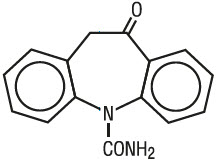
Oxcarbazepine is an antiepileptic drug available as 300 mg/5 mL (60 mg/mL) oral suspension. Oxcarbazepine is 10,11-Dihydro-10-oxo-5H-dibenz[b,f]azepine-5-carboxamide, and its structural formula is:
Oxcarbazepine, USP is a white to faintly orange crystalline powder. It is slightly soluble in chloroform, dichloromethane, acetone, and methanol and practically insoluble in ethanol, ether and water. Its molecular weight is 252.27.
Oxcarbazepine oral suspension, USP contains the following inactive ingredients: colloidal silicon dioxide, malic acid, methylparaben, polyethylene glycol, pregelatinized starch (maize), propyl paraben, propylene glycol, purified water, saccharin sodium, sodium benzoate, sorbitol, xanthan gum and yellow plum lemon flavor. Hydrochloric acid solution or sodium hydroxide solution may be added for adjustment of pH.
9.3 Dependence
Intragastric injections of oxcarbazepine to 4 cynomolgus monkeys demonstrated no signs of physical dependence as measured by the desire to self-administer oxcarbazepine by lever pressing activity.
5.1 Hyponatremia
Clinically significant hyponatremia (sodium <125 mmol/L) can develop during oxcarbazepine use. In the 14 controlled epilepsy studies 2.5% of oxcarbazepine-treated patients (38/1,524) had a sodium of less than 125 mmol/L at some point during treatment, compared to no such patients assigned placebo or active control (carbamazepine and phenobarbital for adjunctive and monotherapy substitution studies, and phenytoin and valproate for the monotherapy initiation studies).
Clinically significant hyponatremia generally occurred during the first 3 months of treatment with oxcarbazepine, although there were patients who first developed a serum sodium <125 mmol/L more than 1 year after initiation of therapy. Most patients who developed hyponatremia were asymptomatic but patients in the clinical trials were frequently monitored and some had their oxcarbazepine dose reduced, discontinued, or had their fluid intake restricted for hyponatremia. Whether or not these maneuvers prevented the occurrence of more severe events is unknown. Cases of symptomatic hyponatremia and syndrome of inappropriate antidiuretic hormone secretion (SIADH) have been reported during postmarketing use. In clinical trials, patients whose treatment with oxcarbazepine was discontinued due to hyponatremia generally experienced normalization of serum sodium within a few days without additional treatment.
Measurement of serum sodium levels should be considered for patients during maintenance treatment with oxcarbazepine, particularly if the patient is receiving other medications known to decrease serum sodium levels (e.g., drugs associated with inappropriate ADH secretion) or if symptoms possibly indicating hyponatremia develop (e.g., nausea, malaise, headache, lethargy, confusion, obtundation, or increase in seizure frequency or severity).
8.4 Pediatric Use
Oxcarbazepine is indicated for use as adjunctive therapy for partial-onset seizures in patients aged 2 to 16 years. The safety and effectiveness for use as adjunctive therapy for partial-onset seizures in pediatric patients below the age of 2 have not been established.
Oxcarbazepine is also indicated as monotherapy for partial-onset seizures in patients aged 4 to 16 years.
The safety and effectiveness for use as monotherapy for partial-onset seizures in pediatric patients below the age of 4 have not been established.
Oxcarbazepine has been given to 898 patients between the ages of 1 month to 17 years in controlled clinical trials (332 treated as monotherapy) and about 677 patients between the ages of 1 month to 17 years in other trials [see Warnings and Precautions (5.11), Adverse Reactions (6.1), Clinical Pharmacology (12.3), and Clinical Studies (14)].
8.5 Geriatric Use
There were 52 patients over age 65 in controlled clinical trials and 565 patients over the age of 65 in other trials.
Following administration of single (300 mg) and multiple (600 mg/day) doses of Oxcarbazepine in elderly volunteers (60 to 82 years of age), the maximum plasma concentrations and AUC values of MHD were 30% to 60% higher than in younger volunteers (18 to 32 years of age). Comparisons of creatinine clearance in young and elderly volunteers indicate that the difference was due to age-related reductions in creatinine clearance. Close monitoring of sodium levels is required in elderly patients at risk for hyponatremia [see Warnings and Precautions (5.1)].
14 Clinical Studies
The effectiveness of oxcarbazepine as adjunctive and monotherapy for partial-onset seizures in adults, and as adjunctive therapy in children aged 2 to 16 years was established in seven multicenter, randomized, controlled trials.
The effectiveness of oxcarbazepine as monotherapy for partial-onset seizures in children aged 4 to 16 years was determined from data obtained in the studies described, as well as by pharmacokinetic/pharmacodynamic considerations.
4 Contraindications
Oxcarbazepine oral suspension is contraindicated in patients with a known hypersensitivity to oxcarbazepine or to any of its components, or to eslicarbazepine acetate [see Warnings and Precautions (5.2, 5.3)].
6 Adverse Reactions
The following serious adverse reactions are described below and elsewhere in the labeling:
- Hyponatremia [see Warnings and Precautions (5.1)]
- Anaphylactic Reactions and Angioedema [see Warnings and Precautions (5.2)]
- Cross Hypersensitivity Reaction to Carbamazepine [see Warnings and Precautions (5.3)]
- Serious Dermatological Reactions [see Warnings and Precautions (5.4)]
- Suicidal Behavior and Ideation [see Warnings and Precautions (5.5)]
- Cognitive/Neuropsychiatric Adverse Reactions [see Warnings and Precautions (5.7)]
- Drug Reaction with Eosinophilia and Systemic Symptoms (DRESS)/Multi-Organ Hypersensitivity [see Warnings and Precautions (5.8)]
- Hematologic Events [see Warnings and Precautions (5.9)]
7 Drug Interactions
- Phenytoin: Increased phenytoin levels. Reduced dose of phenytoin may be required. (7.1)
- Carbamazepine, Phenytoin, Phenobarbital: Decreased plasma levels of MHD (the active metabolite). Dose adjustments may be necessary. (7.1)
- Oral Contraceptive: Oxcarbazepine may decrease the effectiveness of hormonal contraceptives. (7.2)
8.6 Renal Impairment
Dose adjustment is recommended for renally impaired patients (CLcr <30 mL/min) [see Dosage and Administration (2.7) and Clinical Pharmacology (12.3)].
12.2 Pharmacodynamics
Oxcarbazepine and its active metabolite (MHD) exhibit anticonvulsant properties in animal seizure models. They protected rodents against electrically induced tonic extension seizures and, to a lesser degree, chemically induced clonic seizures, and abolished or reduced the frequency of chronically recurring focal seizures in Rhesus monkeys with aluminum implants. No development of tolerance (i.e. attenuation of anticonvulsive activity) was observed in the maximal electroshock test when mice and rats were treated daily for 5 days and 4 weeks, respectively, with oxcarbazepine or MHD.
12.3 Pharmacokinetics
Following oral administration of oxcarbazepine tablets, oxcarbazepine is completely absorbed and extensively metabolized to its pharmacologically active 10-monohydroxy metabolite (MHD). In a mass balance study in people, only 2% of total radioactivity in plasma was due to unchanged oxcarbazepine, with approximately 70% present as MHD, and the remainder attributable to minor metabolites.
The half-life of the parent is about 2 hours, while the half-life of MHD is about 9 hours, so that MHD is responsible for most antiepileptic activity.
5.6 Withdrawal of Aeds
As with most antiepileptic drugs, oxcarbazepine should generally be withdrawn gradually because of the risk of increased seizure frequency and status epilepticus [see Dosage and Administration (2.4) and Clinical Studies (14)]. But if withdrawal is needed because of a serious adverse event, rapid discontinuation can be considered.
5.9 Hematologic Events
Rare reports of pancytopenia, agranulocytosis, and leukopenia have been seen in patients treated with oxcarbazepine during postmarketing experience. Discontinuation of the drug should be considered if any evidence of these hematologic events develops.
1 Indications and Usage
Oxcarbazepine oral suspension is indicated for use as monotherapy or adjunctive therapy in the treatment of partial-onset seizures in adults and as monotherapy in the treatment of partial-onset seizures in pediatric patients aged 4 years and above, and as adjunctive therapy in pediatric patients aged 2 years and above with partial-onset seizures.
12.1 Mechanism of Action
The pharmacological activity of oxcarbazepine is primarily exerted through the 10-monohydroxy metabolite (MHD) of oxcarbazepine [see Clinical Pharmacology (12.3)]. The precise mechanism by which oxcarbazepine and MHD exert their anti-seizure effect is unknown; however, in vitro electrophysiological studies indicate that they produce blockade of voltage-sensitive sodium channels, resulting in stabilization of hyperexcited neural membranes, inhibition of repetitive neuronal firing, and diminution of propagation of synaptic impulses. These actions are thought to be important in the prevention of seizure spread in the intact brain. In addition, increased potassium conductance and modulation of highvoltage activated calcium channels may contribute to the anticonvulsant effects of the drug. No significant interactions of oxcarbazepine or MHD with brain neurotransmitter or modulator receptor sites have been demonstrated.
5 Warnings and Precautions
- Hyponatremia: Monitor serum sodium levels. (5.1)
- Cross Hypersensitivity Reaction to Carbamazepine: Discontinue immediately if hypersensitivity occurs. (5.3)
- Serious Dermatological Reactions: If occurs consider discontinuation. (5.4)
- Suicidal Behavior and Ideation: Monitor for suicidal thoughts/behavior. (5.5)
- Withdrawal of AEDs: Withdraw oxcarbazepine gradually. (5.6)
- Cognitive/Neuropsychiatric Adverse Reactions: May cause cognitive dysfunction, somnolence, coordination abnormalities. Use caution when operating machinery. (5.7)
- Drug Reaction with Eosinophilia and Systemic Symptoms (DRESS)/Multi-Organ Hypersensitivity: Monitor and discontinue if another cause cannot be established. (5.8)
- Hematologic Events: Consider discontinuing. (5.9)
- Seizure Control During Pregnancy: Active metabolite may decrease. (5.10)
- Risk of Seizure Aggravation: Discontinue if occurs. (5.11)
2 Dosage and Administration
Adults: initiate with a dose of 600 mg/day, given twice-a-day
- Adjunctive Therapy: Maximum increment of 600 mg/day at approximately weekly intervals. The recommended daily dose is 1,200 mg/day. (2.1)
- Conversion to Monotherapy: withdrawal concomitant over 3 to 6 weeks; reach maximum dose of oxcarbazepine oral suspension in 2 to 4 weeks with increments of 600 mg/day at weekly intervals to a recommended daily dose of 2,400 mg/day. (2.2)
- Initiation of Monotherapy: Increments of 300 mg/day every third day to a dose of 1,200 mg/day. (2.3)
- Initiate at one-half the usual starting dose and increase slowly in patients with a creatinine clearance <30 mL/min. (2.7)
Pediatrics: initiation with 8 to 10 mg/kg/day, given twice-a-day. For patients aged 2 to <4 years and under 20 kg, a starting dose of 16 to 20 mg/kg/day may be considered.
Recommended daily dose is dependent upon patient weight.
- Adjunctive Patients (Aged 2 to 16 Years): For patients aged 4 to 16 years, target maintenance dose should be achieved over 2 weeks (2.4). For patients aged 2 to <4 years, maximum maintenance dose should be achieved over 2 to 4 weeks and should not to exceed 60 mg/kg/day. (2.4)
- Conversion to Monotherapy for Patients (Aged 4 to 16 Years): Maximum increment of 10 mg/kg/day at weekly intervals, concomitant antiepileptic drugs can be completely withdrawn over 3 to 6 weeks. (2.5)
- Initiation of Monotherapy for Patients (Aged 4 to 16 Years): Increments of 5 mg/kg/day every third day. (2.6)
7.3 Hormonal Contraceptives
Concurrent use of oxcarbazepine with hormonal contraceptives may render these contraceptives less effective [see Use in Specific Populations (8.3) and Clinical Pharmacology (12.3)]. Studies with other oral or implant contraceptives have not been conducted.
3 Dosage Forms and Strengths
- Oral suspension a 300 mg/5 mL (60 mg/mL) (3)
6.2 Postmarketing Experience
The following adverse reactions have been identified during postapproval use of oxcarbazepine. Because these reactions are reported voluntarily from a population of uncertain size, it is not always possible to reliably estimate their frequency or establish a causal relationship to drug exposure.
Body as a Whole: multi-organ hypersensitivity disorders characterized by features such as rash, fever, lymphadenopathy, abnormal liver function tests, eosinophilia and arthralgia [see Warnings and Precautions (5.8)]
Cardiovascular System: atrioventricular block
Immune System Disorders: anaphylaxis [see Warnings and Precautions (5.2)]
Digestive System: pancreatitis and/or lipase and/or amylase increase
Hematologic and Lymphatic Systems: aplastic anemia [see Warnings and Precautions (5.9)]
Metabolism and Nutrition Disorders: hypothyroidism and syndrome of inappropriate antidiuretic hormone secretion (SIADH)
Skin and Subcutaneous Tissue Disorders: erythema multiforme, Stevens-Johnson syndrome, toxic epidermal necrolysis [see Warnings and Precautions (5.4)], Acute Generalized Exanthematous Pustulosis (AGEP)
Musculoskeletal, connective tissue and bone disorders: There have been reports of decreased bone mineral density, osteoporosis and fractures in patients on long-term therapy with oxcarbazepine.
Injury, Poisoning, and Procedural Complications: fall
Nervous System Disorders: dysarthria
10.2 Treatment and Management
There is no specific antidote. Symptomatic and supportive treatment should be administered as appropriate. Removal of the drug by gastric lavage and/or inactivation by administering activated charcoal should be considered.
8 Use in Specific Populations
- Pregnancy: May cause fetal harm. (8.1)
10.1 Human Overdose Experience
Isolated cases of overdose with oxcarbazepine have been reported. The maximum dose taken was approximately 48,000 mg. All patients recovered with symptomatic treatment. Nausea, vomiting, somnolence, aggression, agitation, hypotension, and tremor each occurred in more than one patient. Coma, confusional state, convulsion, dyscoordination, depressed level of consciousness, diplopia, dizziness, dyskinesia, dyspnea, QT prolongation, headache, miosis, nystagmus, overdose, decreased urine output, blurred vision also occurred.
2.8 Administration Information
Oxcarbazepine oral suspension can be taken with or without food [see Clinical Pharmacology (12.3)].
Before using oxcarbazepine oral suspension, shake the bottle well and prepare the dose immediately afterwards. The prescribed amount of oral suspension should be withdrawn from the bottle using the oral dosing syringe supplied. Oxcarbazepine oral suspension can be mixed in a small glass of water just prior to administration or, alternatively, may be swallowed directly from the syringe. After each use, close the bottle and rinse the syringe with warm water and allow it to dry thoroughly.
Oxcarbazepine oral suspension and oxcarbazepine film-coated tablets may be interchanged at equal doses.
6.1 Clinical Trials Experience
Because clinical trials are conducted under widely varying conditions, adverse reaction rates observed in the clinical trials of a drug cannot be directly compared to rates in the clinical trials of another drug and may not reflect the rates observed in practice.
5.11 Risk of Seizure Aggravation
Exacerbation of or new onset primary generalized seizures has been reported with oxcarbazepine. The risk of aggravation of primary generalized seizures is seen especially in children but may also occur in adults. In case of seizure aggravation, oxcarbazepine should be discontinued.
17 Patient Counseling Information
Advise the patient to read the FDA-approved patient labeling (Medication Guide).
2.1 Adjunctive Therapy for Adults
Initiate oxcarbazepine oral suspension with a dose of 600 mg/day, given twice-a-day. If clinically indicated, the dose may be increased by a maximum of 600 mg/day at approximately weekly intervals; the maximum recommended daily dose is 1,200 mg/day.
Daily doses above 1,200 mg/day show somewhat greater effectiveness in controlled trials, but most patients were not able to tolerate the 2,400 mg/day dose, primarily because of CNS effects.
Dosage adjustment is recommended with concomitant use of strong CYP3A4 enzyme inducers or UGT inducers, which include certain antiepileptic drugs (AEDs) [see Drug Interactions (7.1, 7.2)].
5.5 Suicidal Behavior and Ideation
Antiepileptic drugs (AEDs), including oxcarbazepine, increase the risk of suicidal thoughts or behavior in patients taking these drugs for any indication. Patients treated with any AED for any indication should be monitored for the emergence or worsening of depression, suicidal thoughts or behavior, and/or any unusual changes in mood or behavior.
Pooled analyses of 199 placebo-controlled clinical trials (mono- and adjunctive therapy) of 11 different AEDs showed that patients randomized to one of the AEDs had approximately twice the risk (adjusted Relative Risk 1.8, 95% CI:1.2, 2.7) of suicidal thinking or behavior compared to patients randomized to placebo. In these trials, which had a median treatment duration of 12 weeks, the estimated incidence rate of suicidal behavior or ideation among 27,863 AED-treated patients was 0.43%, compared to 0.24% among 16,029 placebo-treated patients, representing an increase of approximately one case of suicidal thinking or behavior for every 530 patients treated. There were 4 suicides in drug-treated patients in the trials and none in placebo-treated patients, but the number is too small to allow any conclusion about drug effect on suicide.
The increased risk of suicidal thoughts or behavior with AEDs was observed as early as one week after starting drug treatment with AEDs and persisted for the duration of treatment assessed. Because most trials included in the analysis did not extend beyond 24 weeks, the risk of suicidal thoughts or behavior beyond 24 weeks could not be assessed.
The risk of suicidal thoughts or behavior was generally consistent among drugs in the data analyzed. The finding of increased risk with AEDs of varying mechanisms of action and across a range of indications suggests that the risk applies to all AEDs used for any indication. The risk did not vary substantially by age (5 to 100 years) in the clinical trials analyzed. Table 2 shows absolute and relative risk by indication for all evaluated AEDs.
| Indication | Placebo Patients with Events Per 1,000 Patients | Drug Patients with Events Per 1,000 Patients | Relative Risk: Incidence of Events in Drug Patients/Incidence in Placebo Patients |
Risk Difference: Additional Drug Patients with Events Per 1,000 Patients |
|---|---|---|---|---|
| Epilepsy | 1.0 | 3.4 | 3.5 | 2.4 |
| Psychiatric | 5.7 | 8.5 | 1.5 | 2.9 |
| Other | 1.0 | 1.8 | 1.9 | 0.9 |
| Total | 2.4 | 4.3 | 1.8 | 1.9 |
The relative risk for suicidal thoughts or behavior was higher in clinical trials for epilepsy than in clinical trials for psychiatric or other conditions, but the absolute risk differences were similar for the epilepsy and psychiatric indications. Anyone considering prescribing oxcarbazepine or any other AED must balance the risk of suicidal thoughts or behavior with the risk of untreated illness. Epilepsy and many other illnesses for which AEDs are prescribed are themselves associated with morbidity and mortality and an increased risk of suicidal thoughts and behavior. Should suicidal thoughts and behavior emerge during treatment, the prescriber needs to consider whether the emergence of these symptoms in any given patient may be related to the illness being treated.
Patients, their caregivers, and families should be informed that AEDs increase the risk of suicidal thoughts and behavior and should be advised of the need to be alert for the emergence or worsening of the signs and symptoms of depression, any unusual changes in mood or behavior, or the emergence of suicidal thoughts, behavior, or thoughts about self-harm. Behaviors of concern should be reported immediately to healthcare providers.
5.4 Serious Dermatological Reactions
Serious dermatological reactions, including Stevens-Johnson syndrome (SJS) and toxic epidermal necrolysis (TEN), have been reported in both children and adults in association with oxcarbazepine use. Such serious skin reactions may be life threatening, and some patients have required hospitalization with very rare reports of fatal outcome. The median time of onset for reported cases was 19 days after treatment initiation. Recurrence of the serious skin reactions following rechallenge with oxcarbazepine has also been reported.
The reporting rate of TEN and SJS associated with oxcarbazepine use, which is generally accepted to be an underestimate due to underreporting, exceeds the background incidence rate estimates by a factor of 3- to 10-fold. Estimates of the background incidence rate for these serious skin reactions in the general population range between 0.5 to 6 cases per million-person years. Therefore, if a patient develops a skin reaction while taking oxcarbazepine, consideration should be given to discontinuing oxcarbazepine use and prescribing another antiepileptic medication.
14.1 Oxcarbazepine Monotherapy Trials
Four randomized, controlled, double-blind, multicenter trials, conducted in a predominately adult population, demonstrated the efficacy of oxcarbazepine as monotherapy. Two trials compared oxcarbazepine to placebo and 2 trials used a randomized withdrawal design to compare a high dose (2,400 mg) with a low dose (300 mg) of oxcarbazepine, after substituting oxcarbazepine 2,400 mg/day for 1 or more antiepileptic drugs (AEDs). All doses were administered on a twice-a-day schedule. A fifth randomized, controlled, rater-blind, multicenter study, conducted in a pediatric population, failed to demonstrate a statistically significant difference between low and high dose oxcarbazepine treatment groups.
One placebo-controlled trial was conducted in 102 patients (11 to 62 years of age) with refractory partial-onset seizures who had completed an inpatient evaluation for epilepsy surgery. Patients had been withdrawn from all AEDs and were required to have 2 to 10 partial-onset seizures within 48 hours prior to randomization. Patients were randomized to receive either placebo or oxcarbazepine given as 1,500 mg/day on Day 1 and 2,400 mg/day thereafter for an additional 9 days, or until 1 of the following 3 exit criteria occurred: 1) the occurrence of a fourth partial-onset seizure, excluding Day 1, 2) 2 new-onset secondarily generalized seizures, where such seizures were not seen in the 1-year period prior to randomization, or 3) occurrence of serial seizures or status epilepticus. The primary measure of effectiveness was a between-group comparison of the time to meet exit criteria. There was a statistically significant difference in favor of oxcarbazepine (see Figure 1), p=0.0001.
The second placebo-controlled trial was conducted in 67 untreated patients (8 to 69 years of age) with newly-diagnosed and recent-onset partial seizures. Patients were randomized to placebo or oxcarbazepine, initiated at 300 mg twice a day and titrated to 1,200 mg/day (given as 600 mg twice a day) in 6 days, followed by maintenance treatment for 84 days. The primary measure of effectiveness was a between-group comparison of the time to first seizure. The difference between the 2 treatments was statistically significant in favor of oxcarbazepine (see Figure 2), p=0.046.
A third trial substituted oxcarbazepine monotherapy at 2,400 mg/day for carbamazepine in 143 patients (12 to 65 years of age) whose partial-onset seizures were inadequately controlled on carbamazepine (CBZ) monotherapy at a stable dose of 800 to 1,600 mg/day, and maintained this oxcarbazepine dose for 56 days (baseline phase). Patients who were able to tolerate titration of oxcarbazepine to 2,400 mg/day during simultaneous carbamazepine withdrawal were randomly assigned to either 300 mg/day of oxcarbazepine or 2,400 mg/day oxcarbazepine. Patients were observed for 126 days or until 1 of the following 4 exit criteria occurred: 1) a doubling of the 28-day seizure frequency compared to baseline, 2) a 2-fold increase in the highest consecutive 2-day seizure frequency during baseline, 3) a single generalized seizure if none had occurred during baseline, or 4) a prolonged generalized seizure. The primary measure of effectiveness was a between-group comparison of the time to meet exit criteria. The difference between the curves was statistically significant in favor of the oxcarbazepine 2,400 mg/day group (see Figure 3), p=0.0001.
Another monotherapy substitution trial was conducted in 87 patients (11 to 66 years of age) whose seizures were inadequately controlled on 1 or 2 AEDs. Patients were randomized to either oxcarbazepine 2,400 mg/day or 300 mg/day and their standard AED regimen(s) were eliminated over the first 6 weeks of double-blind therapy. Double-blind treatment continued for another 84 days (total double-blind treatment of 126 days) or until 1 of the 4 exit criteria described for the previous study occurred. The primary measure of effectiveness was a between-group comparison of the percentage of patients meeting exit criteria. The results were statistically significant in favor of the oxcarbazepine 2,400 mg/day group (14/34; 41.2%) compared to the oxcarbazepine 300 mg/day group (42/45; 93.3%) (p <0.0001). The time to meeting one of the exit criteria was also statistically significant in favor of the oxcarbazepine 2,400 mg/day group (see Figure 4), p=0.0001.
A monotherapy trial was conducted in 92 pediatric patients (1 month to 16 years of age) with inadequately-controlled or new-onset partial seizures. Patients were hospitalized and randomized to either oxcarbazepine 10 mg/kg/day or were titrated up to 40 to 60 mg/kg/day within 3 days while withdrawing the previous AED on the second day of oxcarbazepine. Seizures were recorded through continuous video-EEG monitoring from Day 3 to Day 5. Patients either completed the 5 day treatment or met 1 of the 2 exit criteria: 1) three study-specific seizures (i.e. electrographic partial-onset seizures with a behavioral correlate), 2) a prolonged study-specific seizure. The primary measure of effectiveness was a between-group comparison of the time to meet exit criteria in which the difference between the curves was not statistically significant (p=0.904). The majority of patients from both dose groups completed the 5-day study without exiting.
Although this study failed to demonstrate an effect of oxcarbazepine as monotherapy in pediatric patients, several design elements, including the short treatment and assessment period, the absence of a true placebo, and the likely persistence of plasma levels of previously administered AEDs during the treatment period, make the results uninterpretable. For this reason, the results do not undermine the conclusion, based on pharmacokinetic/ pharmacodynamic considerations, that oxcarbazepine is effective as monotherapy in pediatric patients 4 years old and older.
5.10 Seizure Control During Pregnancy
Due to physiological changes during pregnancy, plasma levels of the active metabolite of oxcarbazepine, the 10 monohydroxy derivative (MHD), may gradually decrease throughout pregnancy. It is recommended that patients be monitored carefully during pregnancy. Close monitoring should continue through the postpartum period because MHD levels may return after delivery.
2.2 Conversion to Monotherapy for Adults
Patients receiving concomitant AEDs may be converted to monotherapy by initiating treatment with oxcarbazepine oral suspension at 600 mg/day (given in a twice-a-day regimen) while simultaneously initiating the reduction of the dose of the concomitant AEDs. The concomitant AEDs should be completely withdrawn over 3 to 6 weeks, while the maximum dose of oxcarbazepine oral suspension should be reached in about 2 to 4 weeks. Oxcarbazepine oral suspension may be increased as clinically indicated by a maximum increment of 600 mg/day at approximately weekly intervals to achieve the maximum recommended daily dose of 2,400 mg/day. A daily dose of 1,200 mg/day has been shown in one study to be effective in patients in whom monotherapy has been initiated with oxcarbazepine oral suspension. Patients should be observed closely during this transition phase.
2.3 Initiation of Monotherapy for Adults
Patients not currently being treated with AEDs may have monotherapy initiated with oxcarbazepine oral suspension. In these patients, initiate oxcarbazepine oral suspension at a dose of 600 mg/day (given a twice-a-day); the dose should be increased by 300 mg/day every third day to a dose of 1,200 mg/day. Controlled trials in these patients examined the effectiveness of a 1,200 mg/day dose; a dose of 2,400 mg/day has been shown to be effective in patients converted from other AEDs to oxcarbazepine oral suspension monotherapy (see above).
Principal Display Panel 5 Ml Cup Label
NDC 68094-123-59
PrecisionDose™
OXcarbazepine
Oral Suspension, USP
300 mg/5 mL
Pkg: Precision Dose, Inc., S. Beloit, IL 61080
5.2 Anaphylactic Reactions and Angioedema
Rare cases of anaphylaxis and angioedema involving the larynx, glottis, lips and eyelids have been reported in patients after taking the first or subsequent doses of oxcarbazepine. Angioedema associated with laryngeal edema can be fatal. If a patient develops any of these reactions after treatment with oxcarbazepine, the drug should be discontinued and an alternative treatment started. These patients should not be rechallenged with the drug [see Warnings and Precautions (5.3)].
7.1 Effect of Oxcarbazepine On Other Drugs
Phenytoin levels have been shown to increase with concomitant use of oxcarbazepine at doses greater than 1,200 mg/day [see Clinical Pharmacology (12.3)]. Therefore, it is recommended that the plasma levels of phenytoin be monitored during the period of oxcarbazepine titration and dosage modification. A decrease in the dose of phenytoin may be required.
7.2 Effect of Other Drugs On Oxcarbazepine
Strong inducers of cytochrome P450 enzymes and/or inducers of UGT (e.g., rifampin, carbamazepine, phenytoin and phenobarbital) have been shown to decrease the plasma/serum levels of MHD, the active metabolite of oxcarbazepine (25% to 49%) [see Clinical Pharmacology (12.3)]. If oxcarbazepine and strong CYP3A4 inducers or UGT inducers are administered concurrently, it is recommended that the plasma levels of MHD be monitored during the period of oxcarbazepine titration. Dose adjustment of oxcarbazepine may be required after initiation, dosage modification, or discontinuation of such inducers.
14.2 Oxcarbazepine Adjunctive Therapy Trials
The effectiveness of oxcarbazepine as an adjunctive therapy for partial-onset seizures was established in 2 multicenter, randomized, double-blind, placebo-controlled trials, one in 692 patients (15 to 66 years of age) and one in 264 pediatric patients (3 to 17 years of age), and in one multicenter, rater-blind, randomized, age-stratified, parallel-group study comparing 2 doses of oxcarbazepine in 128 pediatric patients (1 month to <4 years of age).
Patients in the 2 placebo-controlled trials were on 1 to 3 concomitant AEDs. In both of the trials, patients were stabilized on optimum dosages of their concomitant AEDs during an 8-week baseline phase. Patients who experienced at least 8 (minimum of 1 to 4 per month) partial-onset seizures during the baseline phase were randomly assigned to placebo or to a specific dose of oxcarbazepine in addition to their other AEDs.
In these studies, the dose was increased over a 2-week period until either the assigned dose was reached, or intolerance prevented increases. Patients then entered a 14- (pediatrics) or 24-week (adults) maintenance period.
In the adult trial, patients received fixed doses of 600, 1,200 or 2,400 mg/day. In the pediatric trial, patients received maintenance doses in the range of 30 to 46 mg/kg/day, depending on baseline weight. The primary measure of effectiveness in both trials was a between-group comparison of the percentage change in partial-onset seizure frequency in the double-blind treatment phase relative to baseline phase. This comparison was statistically significant in favor of oxcarbazepine at all doses tested in both trials (p=0.0001 for all doses for both trials). The number of patients randomized to each dose, the median baseline seizure rate, and the median percentage seizure rate reduction for each trial are shown in Table 8. It is important to note that in the high-dose group in the study in adults, over 65% of patients discontinued treatment because of adverse events; only 46 (27%) of the patients in this group completed the 28-week study [see Adverse Reactions (6)], an outcome not seen in the monotherapy studies.
| Trial | Treatment Group | N | Baseline Median Seizure Rate = number of seizures per 28 days
|
Median % Reduction |
|---|---|---|---|---|
| 1 (pediatrics) | Oxcarbazepine | 136 | 12.5 | 34.8 p=0.0001;
|
| Placebo | 128 | 13.1 | 9.4 | |
| 2 (adults) | Oxcarbazepine 2,400 mg/day | 174 | 10.0 | 49.9 |
| Oxcarbazepine 1,200 mg/day | 177 | 9.8 | 40.2 | |
| Oxcarbazepine 600 mg/day | 168 | 9.6 | 26.4 | |
| Placebo | 173 | 8.6 | 7.6 |
Subset analyses of the antiepileptic efficacy of oxcarbazepine with regard to gender in these trials revealed no important differences in response between men and women. Because there were very few patients over the age of 65 years in controlled trials, the effect of the drug in the elderly has not been adequately assessed.
The third adjunctive therapy trial enrolled 128 pediatric patients (1 month to <4 years of age) with inadequatelycontrolled partial-onset seizures on 1 to 2 concomitant AEDs. Patients who experienced at least 2 study-specific seizures (i.e. electrographic partial-onset seizures with a behavioral correlate) during the 72-hour baseline period were randomly assigned to either oxcarbazepine 10 mg/kg/day or were titrated up to 60 mg/kg/day within 26 days. Patients were maintained on their randomized target dose for 9 days and seizures were recorded through continuous video-EEG monitoring during the last 72 hours of the maintenance period. The primary measure of effectiveness in this trial was a between-group comparison of the change in seizure frequency per 24 hours compared to the seizure frequency at baseline. For the entire group of patients enrolled, this comparison was statistically significant in favor of oxcarbazepine 60 mg/kg/day. In this study, there was no evidence that oxcarbazepine was effective in patients below the age of 2 years (N=75).
5.7 Cognitive/neuropsychiatric Adverse Reactions
Use of oxcarbazepine has been associated with central nervous system-related adverse reactions. The most significant of these can be classified into 3 general categories: 1) cognitive symptoms including psychomotor slowing, difficulty with concentration, and speech or language problems, 2) somnolence or fatigue, and 3) coordination abnormalities, including ataxia and gait disturbances.
Patients should be monitored for these signs and symptoms and advised not to drive or operate machinery until they have gained sufficient experience on oxcarbazepine to gauge whether it adversely affects their ability to drive or operate machinery.
5.3 Cross Hypersensitivity Reaction to Carbamazepine
Approximately 25% to 30% of patients who have had hypersensitivity reactions to carbamazepine will experience hypersensitivity reactions with oxcarbazepine. For this reason patients should be specifically questioned about any prior experience with carbamazepine, and patients with a history of hypersensitivity reactions to carbamazepine should ordinarily be treated with oxcarbazepine only if the potential benefit justifies the potential risk. If signs or symptoms of hypersensitivity develop, oxcarbazepine should be discontinued immediately [see Warnings and Precautions (5.2, 5.8)].
2.7 Dosage Modification for Patients With Renal Impairment
In patients with impaired renal function (creatinine clearance <30 mL/min) initiate oxcarbazepine oral suspension at one-half the usual starting dose (300 mg/day, given twice-a-day) and increase slowly to achieve the desired clinical response [see Clinical Pharmacology (12.3)].
2.4 Adjunctive Therapy for Pediatric Patients (aged 2 to 16 Years)
In pediatric patients aged 4 to 16 years, initiate oxcarbazepine oral suspension at a daily dose of 8 to 10 mg/kg generally not to exceed 600 mg/day, given twice-a-day. The target maintenance dose of oxcarbazepine oral suspension should be achieved over 2 weeks, and is dependent upon patient weight, according to the following chart:
20 to 29 kg – 900 mg/day
29.1 to 39 kg – 1,200 mg/day
>39 kg – 1,800 mg/day
In the clinical trial, in which the intention was to reach these target doses, the median daily dose was 31 mg/kg with a range of 6 to 51 mg/kg.
In pediatric patients aged 2 to <4 years, initiate oxcarbazepine oral suspension at a daily dose of 8 to 10 mg/kg generally not to exceed 600 mg/day, given twice-a-day. For patients less than 20 kg, a starting dose of 16 to 20 mg/kg may be considered [see Clinical Pharmacology (12.3)]. The maximum maintenance dose of oxcarbazepine oral suspension should be achieved over 2 to 4 weeks and should not exceed 60 mg/kg/day in a twice-a-day regimen.
In the clinical trial in pediatric patients (2 to 4 years of age) in which the intention was to reach the target dose of 60 mg/kg/day, 50% of patients reached a final dose of at least 55 mg/kg/day.
Under adjunctive therapy (with and without enzyme-inducing AEDs), when normalized by body weight, apparent clearance (L/hr/kg) decreased when age increased such that children 2 to <4 years of age may require up to twice the oxcarbazepine dose per body weight compared to adults; and children 4 to ≤12 years of age may require a 50% higher oxcarbazepine dose per body weight compared to adults.
Dosage adjustment is recommended with concomitant use of strong CYP3A4 enzyme inducers or UGT inducers, which include certain antiepileptic drugs (AEDs) [see Drug Interactions (7.1, 7.2)].
2.5 Conversion to Monotherapy for Pediatric Patients (aged 4 to 16 Years)
Patients receiving concomitant antiepileptic drugs may be converted to monotherapy by initiating treatment with oxcarbazepine oral suspension at approximately 8 to 10 mg/kg/day given twice-a-day, while simultaneously initiating the reduction of the dose of the concomitant antiepileptic drugs. The concomitant antiepileptic drugs can be completely withdrawn over 3 to 6 weeks while oxcarbazepine oral suspension may be increased as clinically indicated by a maximum increment of 10 mg/kg/day at approximately weekly intervals to achieve the recommended daily dose. Patients should be observed closely during this transition phase.
The recommended total daily dose of oxcarbazepine oral suspension is shown in Table 1.
2.6 Initiation of Monotherapy for Pediatric Patients (aged 4 to 16 Years)
Patients not currently being treated with antiepileptic drugs may have monotherapy initiated with oxcarbazepine oral suspension. In these patients, initiate oxcarbazepine oral suspension at a dose of 8 to 10 mg/kg/day given twice-a-day. The dose should be increased by 5 mg/kg/day every third day to the recommended daily dose shown in the table below.
| From | To | |
|---|---|---|
| Weight in kg | Dose (mg/day) | Dose (mg/day) |
| 20 | 600 | 900 |
| 25 | 900 | 1,200 |
| 30 | 900 | 1,200 |
| 35 | 900 | 1,500 |
| 40 | 900 | 1,500 |
| 45 | 1,200 | 1,500 |
| 50 | 1,200 | 1,800 |
| 55 | 1,200 | 1,800 |
| 60 | 1,200 | 2,100 |
| 65 | 1,200 | 2,100 |
| 70 | 1,500 | 2,100 |
5.8 Drug Reaction With Eosinophilia and Systemic Symptoms (dress)/multi Organ Hypersensitivity
Drug Reaction with Eosinophilia and Systemic Symptoms (DRESS), also known as multi-organ hypersensitivity, has occurred with oxcarbazepine. Some of these events have been fatal or life-threatening. DRESS typically, although not exclusively, presents with fever, rash, lymphadenopathy and/or facial swelling, in association with other organ system involvement, such as hepatitis, nephritis, hematologic abnormalities, myocarditis, or myositis sometimes resembling an acute viral infection. Eosinophilia is often present. This disorder is variable in its expression, and other organ systems not noted here may be involved. It is important to note that early manifestations of hypersensitivity (e.g., fever, lymphadenopathy) may be present even though rash is not evident. If such signs or symptoms are present, the patient should be evaluated immediately. Oxcarbazepine should be discontinued if an alternative etiology for the signs or symptoms cannot be established.
Structured Label Content
Section 42229-5 (42229-5)
Oral Suspension:
- 300 mg/5 mL (60 mg/mL): Off-white to slightly yellow colored suspension.
Section 42231-1 (42231-1)
|
MEDICATION GUIDE Oxcarbazepine (ox-kar-BAY-zeh-peen) Oral Suspension |
|||
| What is the most important information I should know about oxcarbazepine oral suspension? | |||
| Do not stop taking oxcarbazepine oral suspension without first talking to your healthcare provider. Stopping oxcarbazepine oral suspension suddenly can cause serious problems. | |||
| Oxcarbazepine oral suspension can cause serious side effects, including: | |||
| 1. | Oxcarbazepine oral suspension may cause the level of sodium in your blood to be low. Symptoms of low blood sodium include: | ||
|
|
||
| Similar symptoms that are not related to low sodium may occur from taking oxcarbazepine oral suspension. You should tell your healthcare provider if you have any of these side effects and if they bother you or they do not go away. | |||
| Some other medicines can also cause low sodium in your blood. Be sure to tell your healthcare provider about all the other medicines that you are taking. | |||
| Your healthcare provider may do blood tests to check your sodium levels during your treatment with oxcarbazepine oral suspension. | |||
| 2. | Oxcarbazepine oral suspension may also cause allergic reactions or serious problems which may affect organs and other parts of your body like the liver or blood cells. You may or may not have a rash with these types of reactions. | ||
| Call your healthcare provider right away if you have any of the following: | |||
|
|
||
| Many people who are allergic to carbamazepine are also allergic to oxcarbazepine oral suspension. Tell your healthcare provider if you are allergic to carbamazepine. | |||
| 3. | Like other antiepileptic drugs, oxcarbazepine oral suspension may cause suicidal thoughts or actions in a very small number of people, about 1 in 500. | ||
| Call a healthcare provider right away if you have any of these symptoms, especially if they are new, worse, or worry you: | |||
|
|
||
How can I watch for early symptoms of suicidal thoughts and actions?
|
|||
| Call your healthcare provider between visits as needed, especially if you are worried about symptoms. | |||
Do not stop taking oxcarbazepine oral suspension without first talking to a healthcare provider.
|
|||
| Suicidal thoughts or actions may be caused by things other than medicines. If you have suicidal thoughts or actions, your healthcare provider may check for other causes. | |||
| What is oxcarbazepine oral suspension? | |||
Oxcarbazepine oral suspension is a prescription medicine used:
|
|||
| It is not known if oxcarbazepine oral suspension is safe and effective for use alone to treat partial-onset seizures in children less than 4 years of age or for use with other medicines to treat partial-onset seizures in children less than 2 years of age. | |||
| Do not take oxcarbazepine oral suspension if you are allergic to oxcarbazepine oral suspension or any of the other ingredients in oxcarbazepine oral suspension, or to eslicarbazepine acetate. See the end of this Medication Guide for a complete list of ingredients in oxcarbazepine oral suspension. | |||
| Many people who are allergic to carbamazepine are also allergic to oxcarbazepine oral suspension. Tell your healthcare provider if you are allergic to carbamazepine. | |||
Before taking oxcarbazepine oral suspension, tell your healthcare provider about all your medical conditions, including if you:
|
|||
| Tell your healthcare provider about all the medicines you take, including prescription and over-the-counter medicines, vitamins, and herbal supplements. Taking oxcarbazepine oral suspension with certain other medicines may cause side effects or affect how well they work. Do not start or stop other medicines without talking to your healthcare provider. | |||
| Know the medicines you take. Keep a list of them to show your healthcare provider and pharmacist when you get a new medicine. | |||
How should I take oxcarbazepine oral suspension?
|
|||
What should I avoid while taking oxcarbazepine oral suspension?
|
|||
| What are the possible side effects of oxcarbazepine oral suspension? | |||
| See " What is the most important information I should know about oxcarbazepine oral suspension? " | |||
Oxcarbazepine oral suspension may cause other serious side effects including:
|
|||
| Get medical help right away if you have any of the symptoms listed above or listed in "What is the most important information I should know about oxcarbazepine oral suspension?" | |||
| The most common side effects of oxcarbazepine oral suspension include: | |||
|
|
||
| These are not all the possible side effects of oxcarbazepine oral suspension. Tell your healthcare provider if you have any side effect that bothers you or that does not go away. | |||
| Call your doctor for medical advice about side effects. You may report side effects to FDA at 1-800-FDA-1088. | |||
How should I store oxcarbazepine oral suspension?
|
|||
| Keep oxcarbazepine oral suspension and all medicines out of the reach of children. | |||
| General Information about the safe and effective use of oxcarbazepine oral suspension. | |||
| Medicines are sometimes prescribed for purposes other than those listed in a Medication Guide. Do not use oxcarbazepine oral suspension for a condition for which it was not prescribed. Do not give oxcarbazepine oral suspension to other people, even if they have the same symptoms that you have. It may harm them. | |||
| You can ask your pharmacist or healthcare provider for information about oxcarbazepine oral suspension that is written for health professionals. | |||
| What are the ingredients in oxcarbazepine oral suspension? | |||
| Active ingredient: oxcarbazepine, USP | |||
Inactive ingredients:
|
|||
| This Medication Guide has been approved by the U.S. Food and Drug Administration. For more information, go to www.amneal.com or call 1-877-835-5472. | |||
| Distributed by: Amneal Pharmaceuticals LLC Bridgewater, NJ 08807 |
|||
| Packaged by: Precision Dose, Inc. South Beloit, IL 61080 |
|||
| For inquiries call Precision Dose, Inc. at 1-800-397-9228 or email [email protected] | |||
| LI940 Rev. 08/21 |
Section 44425-7 (44425-7)
Store oxcarbazepine oral suspension, USP in the original container. Shake well before using.
Store at 20° to 25°C (68° to 77°F); excursions permitted between 15° to 30°C (59° to 86°F) [see USP Controlled Room Temperature].
9.2 Abuse
The abuse potential of oxcarbazepine has not been evaluated in human studies.
11 Description (11 DESCRIPTION)
Oxcarbazepine is an antiepileptic drug available as 300 mg/5 mL (60 mg/mL) oral suspension. Oxcarbazepine is 10,11-Dihydro-10-oxo-5H-dibenz[b,f]azepine-5-carboxamide, and its structural formula is:
Oxcarbazepine, USP is a white to faintly orange crystalline powder. It is slightly soluble in chloroform, dichloromethane, acetone, and methanol and practically insoluble in ethanol, ether and water. Its molecular weight is 252.27.
Oxcarbazepine oral suspension, USP contains the following inactive ingredients: colloidal silicon dioxide, malic acid, methylparaben, polyethylene glycol, pregelatinized starch (maize), propyl paraben, propylene glycol, purified water, saccharin sodium, sodium benzoate, sorbitol, xanthan gum and yellow plum lemon flavor. Hydrochloric acid solution or sodium hydroxide solution may be added for adjustment of pH.
9.3 Dependence
Intragastric injections of oxcarbazepine to 4 cynomolgus monkeys demonstrated no signs of physical dependence as measured by the desire to self-administer oxcarbazepine by lever pressing activity.
5.1 Hyponatremia
Clinically significant hyponatremia (sodium <125 mmol/L) can develop during oxcarbazepine use. In the 14 controlled epilepsy studies 2.5% of oxcarbazepine-treated patients (38/1,524) had a sodium of less than 125 mmol/L at some point during treatment, compared to no such patients assigned placebo or active control (carbamazepine and phenobarbital for adjunctive and monotherapy substitution studies, and phenytoin and valproate for the monotherapy initiation studies).
Clinically significant hyponatremia generally occurred during the first 3 months of treatment with oxcarbazepine, although there were patients who first developed a serum sodium <125 mmol/L more than 1 year after initiation of therapy. Most patients who developed hyponatremia were asymptomatic but patients in the clinical trials were frequently monitored and some had their oxcarbazepine dose reduced, discontinued, or had their fluid intake restricted for hyponatremia. Whether or not these maneuvers prevented the occurrence of more severe events is unknown. Cases of symptomatic hyponatremia and syndrome of inappropriate antidiuretic hormone secretion (SIADH) have been reported during postmarketing use. In clinical trials, patients whose treatment with oxcarbazepine was discontinued due to hyponatremia generally experienced normalization of serum sodium within a few days without additional treatment.
Measurement of serum sodium levels should be considered for patients during maintenance treatment with oxcarbazepine, particularly if the patient is receiving other medications known to decrease serum sodium levels (e.g., drugs associated with inappropriate ADH secretion) or if symptoms possibly indicating hyponatremia develop (e.g., nausea, malaise, headache, lethargy, confusion, obtundation, or increase in seizure frequency or severity).
8.4 Pediatric Use
Oxcarbazepine is indicated for use as adjunctive therapy for partial-onset seizures in patients aged 2 to 16 years. The safety and effectiveness for use as adjunctive therapy for partial-onset seizures in pediatric patients below the age of 2 have not been established.
Oxcarbazepine is also indicated as monotherapy for partial-onset seizures in patients aged 4 to 16 years.
The safety and effectiveness for use as monotherapy for partial-onset seizures in pediatric patients below the age of 4 have not been established.
Oxcarbazepine has been given to 898 patients between the ages of 1 month to 17 years in controlled clinical trials (332 treated as monotherapy) and about 677 patients between the ages of 1 month to 17 years in other trials [see Warnings and Precautions (5.11), Adverse Reactions (6.1), Clinical Pharmacology (12.3), and Clinical Studies (14)].
8.5 Geriatric Use
There were 52 patients over age 65 in controlled clinical trials and 565 patients over the age of 65 in other trials.
Following administration of single (300 mg) and multiple (600 mg/day) doses of Oxcarbazepine in elderly volunteers (60 to 82 years of age), the maximum plasma concentrations and AUC values of MHD were 30% to 60% higher than in younger volunteers (18 to 32 years of age). Comparisons of creatinine clearance in young and elderly volunteers indicate that the difference was due to age-related reductions in creatinine clearance. Close monitoring of sodium levels is required in elderly patients at risk for hyponatremia [see Warnings and Precautions (5.1)].
14 Clinical Studies (14 CLINICAL STUDIES)
The effectiveness of oxcarbazepine as adjunctive and monotherapy for partial-onset seizures in adults, and as adjunctive therapy in children aged 2 to 16 years was established in seven multicenter, randomized, controlled trials.
The effectiveness of oxcarbazepine as monotherapy for partial-onset seizures in children aged 4 to 16 years was determined from data obtained in the studies described, as well as by pharmacokinetic/pharmacodynamic considerations.
4 Contraindications (4 CONTRAINDICATIONS)
Oxcarbazepine oral suspension is contraindicated in patients with a known hypersensitivity to oxcarbazepine or to any of its components, or to eslicarbazepine acetate [see Warnings and Precautions (5.2, 5.3)].
6 Adverse Reactions (6 ADVERSE REACTIONS)
The following serious adverse reactions are described below and elsewhere in the labeling:
- Hyponatremia [see Warnings and Precautions (5.1)]
- Anaphylactic Reactions and Angioedema [see Warnings and Precautions (5.2)]
- Cross Hypersensitivity Reaction to Carbamazepine [see Warnings and Precautions (5.3)]
- Serious Dermatological Reactions [see Warnings and Precautions (5.4)]
- Suicidal Behavior and Ideation [see Warnings and Precautions (5.5)]
- Cognitive/Neuropsychiatric Adverse Reactions [see Warnings and Precautions (5.7)]
- Drug Reaction with Eosinophilia and Systemic Symptoms (DRESS)/Multi-Organ Hypersensitivity [see Warnings and Precautions (5.8)]
- Hematologic Events [see Warnings and Precautions (5.9)]
7 Drug Interactions (7 DRUG INTERACTIONS)
- Phenytoin: Increased phenytoin levels. Reduced dose of phenytoin may be required. (7.1)
- Carbamazepine, Phenytoin, Phenobarbital: Decreased plasma levels of MHD (the active metabolite). Dose adjustments may be necessary. (7.1)
- Oral Contraceptive: Oxcarbazepine may decrease the effectiveness of hormonal contraceptives. (7.2)
8.6 Renal Impairment
Dose adjustment is recommended for renally impaired patients (CLcr <30 mL/min) [see Dosage and Administration (2.7) and Clinical Pharmacology (12.3)].
12.2 Pharmacodynamics
Oxcarbazepine and its active metabolite (MHD) exhibit anticonvulsant properties in animal seizure models. They protected rodents against electrically induced tonic extension seizures and, to a lesser degree, chemically induced clonic seizures, and abolished or reduced the frequency of chronically recurring focal seizures in Rhesus monkeys with aluminum implants. No development of tolerance (i.e. attenuation of anticonvulsive activity) was observed in the maximal electroshock test when mice and rats were treated daily for 5 days and 4 weeks, respectively, with oxcarbazepine or MHD.
12.3 Pharmacokinetics
Following oral administration of oxcarbazepine tablets, oxcarbazepine is completely absorbed and extensively metabolized to its pharmacologically active 10-monohydroxy metabolite (MHD). In a mass balance study in people, only 2% of total radioactivity in plasma was due to unchanged oxcarbazepine, with approximately 70% present as MHD, and the remainder attributable to minor metabolites.
The half-life of the parent is about 2 hours, while the half-life of MHD is about 9 hours, so that MHD is responsible for most antiepileptic activity.
5.6 Withdrawal of Aeds (5.6 Withdrawal of AEDs)
As with most antiepileptic drugs, oxcarbazepine should generally be withdrawn gradually because of the risk of increased seizure frequency and status epilepticus [see Dosage and Administration (2.4) and Clinical Studies (14)]. But if withdrawal is needed because of a serious adverse event, rapid discontinuation can be considered.
5.9 Hematologic Events
Rare reports of pancytopenia, agranulocytosis, and leukopenia have been seen in patients treated with oxcarbazepine during postmarketing experience. Discontinuation of the drug should be considered if any evidence of these hematologic events develops.
1 Indications and Usage (1 INDICATIONS AND USAGE)
Oxcarbazepine oral suspension is indicated for use as monotherapy or adjunctive therapy in the treatment of partial-onset seizures in adults and as monotherapy in the treatment of partial-onset seizures in pediatric patients aged 4 years and above, and as adjunctive therapy in pediatric patients aged 2 years and above with partial-onset seizures.
12.1 Mechanism of Action
The pharmacological activity of oxcarbazepine is primarily exerted through the 10-monohydroxy metabolite (MHD) of oxcarbazepine [see Clinical Pharmacology (12.3)]. The precise mechanism by which oxcarbazepine and MHD exert their anti-seizure effect is unknown; however, in vitro electrophysiological studies indicate that they produce blockade of voltage-sensitive sodium channels, resulting in stabilization of hyperexcited neural membranes, inhibition of repetitive neuronal firing, and diminution of propagation of synaptic impulses. These actions are thought to be important in the prevention of seizure spread in the intact brain. In addition, increased potassium conductance and modulation of highvoltage activated calcium channels may contribute to the anticonvulsant effects of the drug. No significant interactions of oxcarbazepine or MHD with brain neurotransmitter or modulator receptor sites have been demonstrated.
5 Warnings and Precautions (5 WARNINGS AND PRECAUTIONS)
- Hyponatremia: Monitor serum sodium levels. (5.1)
- Cross Hypersensitivity Reaction to Carbamazepine: Discontinue immediately if hypersensitivity occurs. (5.3)
- Serious Dermatological Reactions: If occurs consider discontinuation. (5.4)
- Suicidal Behavior and Ideation: Monitor for suicidal thoughts/behavior. (5.5)
- Withdrawal of AEDs: Withdraw oxcarbazepine gradually. (5.6)
- Cognitive/Neuropsychiatric Adverse Reactions: May cause cognitive dysfunction, somnolence, coordination abnormalities. Use caution when operating machinery. (5.7)
- Drug Reaction with Eosinophilia and Systemic Symptoms (DRESS)/Multi-Organ Hypersensitivity: Monitor and discontinue if another cause cannot be established. (5.8)
- Hematologic Events: Consider discontinuing. (5.9)
- Seizure Control During Pregnancy: Active metabolite may decrease. (5.10)
- Risk of Seizure Aggravation: Discontinue if occurs. (5.11)
2 Dosage and Administration (2 DOSAGE AND ADMINISTRATION)
Adults: initiate with a dose of 600 mg/day, given twice-a-day
- Adjunctive Therapy: Maximum increment of 600 mg/day at approximately weekly intervals. The recommended daily dose is 1,200 mg/day. (2.1)
- Conversion to Monotherapy: withdrawal concomitant over 3 to 6 weeks; reach maximum dose of oxcarbazepine oral suspension in 2 to 4 weeks with increments of 600 mg/day at weekly intervals to a recommended daily dose of 2,400 mg/day. (2.2)
- Initiation of Monotherapy: Increments of 300 mg/day every third day to a dose of 1,200 mg/day. (2.3)
- Initiate at one-half the usual starting dose and increase slowly in patients with a creatinine clearance <30 mL/min. (2.7)
Pediatrics: initiation with 8 to 10 mg/kg/day, given twice-a-day. For patients aged 2 to <4 years and under 20 kg, a starting dose of 16 to 20 mg/kg/day may be considered.
Recommended daily dose is dependent upon patient weight.
- Adjunctive Patients (Aged 2 to 16 Years): For patients aged 4 to 16 years, target maintenance dose should be achieved over 2 weeks (2.4). For patients aged 2 to <4 years, maximum maintenance dose should be achieved over 2 to 4 weeks and should not to exceed 60 mg/kg/day. (2.4)
- Conversion to Monotherapy for Patients (Aged 4 to 16 Years): Maximum increment of 10 mg/kg/day at weekly intervals, concomitant antiepileptic drugs can be completely withdrawn over 3 to 6 weeks. (2.5)
- Initiation of Monotherapy for Patients (Aged 4 to 16 Years): Increments of 5 mg/kg/day every third day. (2.6)
7.3 Hormonal Contraceptives
Concurrent use of oxcarbazepine with hormonal contraceptives may render these contraceptives less effective [see Use in Specific Populations (8.3) and Clinical Pharmacology (12.3)]. Studies with other oral or implant contraceptives have not been conducted.
3 Dosage Forms and Strengths (3 DOSAGE FORMS AND STRENGTHS)
- Oral suspension a 300 mg/5 mL (60 mg/mL) (3)
6.2 Postmarketing Experience
The following adverse reactions have been identified during postapproval use of oxcarbazepine. Because these reactions are reported voluntarily from a population of uncertain size, it is not always possible to reliably estimate their frequency or establish a causal relationship to drug exposure.
Body as a Whole: multi-organ hypersensitivity disorders characterized by features such as rash, fever, lymphadenopathy, abnormal liver function tests, eosinophilia and arthralgia [see Warnings and Precautions (5.8)]
Cardiovascular System: atrioventricular block
Immune System Disorders: anaphylaxis [see Warnings and Precautions (5.2)]
Digestive System: pancreatitis and/or lipase and/or amylase increase
Hematologic and Lymphatic Systems: aplastic anemia [see Warnings and Precautions (5.9)]
Metabolism and Nutrition Disorders: hypothyroidism and syndrome of inappropriate antidiuretic hormone secretion (SIADH)
Skin and Subcutaneous Tissue Disorders: erythema multiforme, Stevens-Johnson syndrome, toxic epidermal necrolysis [see Warnings and Precautions (5.4)], Acute Generalized Exanthematous Pustulosis (AGEP)
Musculoskeletal, connective tissue and bone disorders: There have been reports of decreased bone mineral density, osteoporosis and fractures in patients on long-term therapy with oxcarbazepine.
Injury, Poisoning, and Procedural Complications: fall
Nervous System Disorders: dysarthria
10.2 Treatment and Management
There is no specific antidote. Symptomatic and supportive treatment should be administered as appropriate. Removal of the drug by gastric lavage and/or inactivation by administering activated charcoal should be considered.
8 Use in Specific Populations (8 USE IN SPECIFIC POPULATIONS)
- Pregnancy: May cause fetal harm. (8.1)
10.1 Human Overdose Experience
Isolated cases of overdose with oxcarbazepine have been reported. The maximum dose taken was approximately 48,000 mg. All patients recovered with symptomatic treatment. Nausea, vomiting, somnolence, aggression, agitation, hypotension, and tremor each occurred in more than one patient. Coma, confusional state, convulsion, dyscoordination, depressed level of consciousness, diplopia, dizziness, dyskinesia, dyspnea, QT prolongation, headache, miosis, nystagmus, overdose, decreased urine output, blurred vision also occurred.
2.8 Administration Information
Oxcarbazepine oral suspension can be taken with or without food [see Clinical Pharmacology (12.3)].
Before using oxcarbazepine oral suspension, shake the bottle well and prepare the dose immediately afterwards. The prescribed amount of oral suspension should be withdrawn from the bottle using the oral dosing syringe supplied. Oxcarbazepine oral suspension can be mixed in a small glass of water just prior to administration or, alternatively, may be swallowed directly from the syringe. After each use, close the bottle and rinse the syringe with warm water and allow it to dry thoroughly.
Oxcarbazepine oral suspension and oxcarbazepine film-coated tablets may be interchanged at equal doses.
6.1 Clinical Trials Experience
Because clinical trials are conducted under widely varying conditions, adverse reaction rates observed in the clinical trials of a drug cannot be directly compared to rates in the clinical trials of another drug and may not reflect the rates observed in practice.
5.11 Risk of Seizure Aggravation
Exacerbation of or new onset primary generalized seizures has been reported with oxcarbazepine. The risk of aggravation of primary generalized seizures is seen especially in children but may also occur in adults. In case of seizure aggravation, oxcarbazepine should be discontinued.
17 Patient Counseling Information (17 PATIENT COUNSELING INFORMATION)
Advise the patient to read the FDA-approved patient labeling (Medication Guide).
2.1 Adjunctive Therapy for Adults
Initiate oxcarbazepine oral suspension with a dose of 600 mg/day, given twice-a-day. If clinically indicated, the dose may be increased by a maximum of 600 mg/day at approximately weekly intervals; the maximum recommended daily dose is 1,200 mg/day.
Daily doses above 1,200 mg/day show somewhat greater effectiveness in controlled trials, but most patients were not able to tolerate the 2,400 mg/day dose, primarily because of CNS effects.
Dosage adjustment is recommended with concomitant use of strong CYP3A4 enzyme inducers or UGT inducers, which include certain antiepileptic drugs (AEDs) [see Drug Interactions (7.1, 7.2)].
5.5 Suicidal Behavior and Ideation
Antiepileptic drugs (AEDs), including oxcarbazepine, increase the risk of suicidal thoughts or behavior in patients taking these drugs for any indication. Patients treated with any AED for any indication should be monitored for the emergence or worsening of depression, suicidal thoughts or behavior, and/or any unusual changes in mood or behavior.
Pooled analyses of 199 placebo-controlled clinical trials (mono- and adjunctive therapy) of 11 different AEDs showed that patients randomized to one of the AEDs had approximately twice the risk (adjusted Relative Risk 1.8, 95% CI:1.2, 2.7) of suicidal thinking or behavior compared to patients randomized to placebo. In these trials, which had a median treatment duration of 12 weeks, the estimated incidence rate of suicidal behavior or ideation among 27,863 AED-treated patients was 0.43%, compared to 0.24% among 16,029 placebo-treated patients, representing an increase of approximately one case of suicidal thinking or behavior for every 530 patients treated. There were 4 suicides in drug-treated patients in the trials and none in placebo-treated patients, but the number is too small to allow any conclusion about drug effect on suicide.
The increased risk of suicidal thoughts or behavior with AEDs was observed as early as one week after starting drug treatment with AEDs and persisted for the duration of treatment assessed. Because most trials included in the analysis did not extend beyond 24 weeks, the risk of suicidal thoughts or behavior beyond 24 weeks could not be assessed.
The risk of suicidal thoughts or behavior was generally consistent among drugs in the data analyzed. The finding of increased risk with AEDs of varying mechanisms of action and across a range of indications suggests that the risk applies to all AEDs used for any indication. The risk did not vary substantially by age (5 to 100 years) in the clinical trials analyzed. Table 2 shows absolute and relative risk by indication for all evaluated AEDs.
| Indication | Placebo Patients with Events Per 1,000 Patients | Drug Patients with Events Per 1,000 Patients | Relative Risk: Incidence of Events in Drug Patients/Incidence in Placebo Patients |
Risk Difference: Additional Drug Patients with Events Per 1,000 Patients |
|---|---|---|---|---|
| Epilepsy | 1.0 | 3.4 | 3.5 | 2.4 |
| Psychiatric | 5.7 | 8.5 | 1.5 | 2.9 |
| Other | 1.0 | 1.8 | 1.9 | 0.9 |
| Total | 2.4 | 4.3 | 1.8 | 1.9 |
The relative risk for suicidal thoughts or behavior was higher in clinical trials for epilepsy than in clinical trials for psychiatric or other conditions, but the absolute risk differences were similar for the epilepsy and psychiatric indications. Anyone considering prescribing oxcarbazepine or any other AED must balance the risk of suicidal thoughts or behavior with the risk of untreated illness. Epilepsy and many other illnesses for which AEDs are prescribed are themselves associated with morbidity and mortality and an increased risk of suicidal thoughts and behavior. Should suicidal thoughts and behavior emerge during treatment, the prescriber needs to consider whether the emergence of these symptoms in any given patient may be related to the illness being treated.
Patients, their caregivers, and families should be informed that AEDs increase the risk of suicidal thoughts and behavior and should be advised of the need to be alert for the emergence or worsening of the signs and symptoms of depression, any unusual changes in mood or behavior, or the emergence of suicidal thoughts, behavior, or thoughts about self-harm. Behaviors of concern should be reported immediately to healthcare providers.
5.4 Serious Dermatological Reactions
Serious dermatological reactions, including Stevens-Johnson syndrome (SJS) and toxic epidermal necrolysis (TEN), have been reported in both children and adults in association with oxcarbazepine use. Such serious skin reactions may be life threatening, and some patients have required hospitalization with very rare reports of fatal outcome. The median time of onset for reported cases was 19 days after treatment initiation. Recurrence of the serious skin reactions following rechallenge with oxcarbazepine has also been reported.
The reporting rate of TEN and SJS associated with oxcarbazepine use, which is generally accepted to be an underestimate due to underreporting, exceeds the background incidence rate estimates by a factor of 3- to 10-fold. Estimates of the background incidence rate for these serious skin reactions in the general population range between 0.5 to 6 cases per million-person years. Therefore, if a patient develops a skin reaction while taking oxcarbazepine, consideration should be given to discontinuing oxcarbazepine use and prescribing another antiepileptic medication.
14.1 Oxcarbazepine Monotherapy Trials
Four randomized, controlled, double-blind, multicenter trials, conducted in a predominately adult population, demonstrated the efficacy of oxcarbazepine as monotherapy. Two trials compared oxcarbazepine to placebo and 2 trials used a randomized withdrawal design to compare a high dose (2,400 mg) with a low dose (300 mg) of oxcarbazepine, after substituting oxcarbazepine 2,400 mg/day for 1 or more antiepileptic drugs (AEDs). All doses were administered on a twice-a-day schedule. A fifth randomized, controlled, rater-blind, multicenter study, conducted in a pediatric population, failed to demonstrate a statistically significant difference between low and high dose oxcarbazepine treatment groups.
One placebo-controlled trial was conducted in 102 patients (11 to 62 years of age) with refractory partial-onset seizures who had completed an inpatient evaluation for epilepsy surgery. Patients had been withdrawn from all AEDs and were required to have 2 to 10 partial-onset seizures within 48 hours prior to randomization. Patients were randomized to receive either placebo or oxcarbazepine given as 1,500 mg/day on Day 1 and 2,400 mg/day thereafter for an additional 9 days, or until 1 of the following 3 exit criteria occurred: 1) the occurrence of a fourth partial-onset seizure, excluding Day 1, 2) 2 new-onset secondarily generalized seizures, where such seizures were not seen in the 1-year period prior to randomization, or 3) occurrence of serial seizures or status epilepticus. The primary measure of effectiveness was a between-group comparison of the time to meet exit criteria. There was a statistically significant difference in favor of oxcarbazepine (see Figure 1), p=0.0001.
The second placebo-controlled trial was conducted in 67 untreated patients (8 to 69 years of age) with newly-diagnosed and recent-onset partial seizures. Patients were randomized to placebo or oxcarbazepine, initiated at 300 mg twice a day and titrated to 1,200 mg/day (given as 600 mg twice a day) in 6 days, followed by maintenance treatment for 84 days. The primary measure of effectiveness was a between-group comparison of the time to first seizure. The difference between the 2 treatments was statistically significant in favor of oxcarbazepine (see Figure 2), p=0.046.
A third trial substituted oxcarbazepine monotherapy at 2,400 mg/day for carbamazepine in 143 patients (12 to 65 years of age) whose partial-onset seizures were inadequately controlled on carbamazepine (CBZ) monotherapy at a stable dose of 800 to 1,600 mg/day, and maintained this oxcarbazepine dose for 56 days (baseline phase). Patients who were able to tolerate titration of oxcarbazepine to 2,400 mg/day during simultaneous carbamazepine withdrawal were randomly assigned to either 300 mg/day of oxcarbazepine or 2,400 mg/day oxcarbazepine. Patients were observed for 126 days or until 1 of the following 4 exit criteria occurred: 1) a doubling of the 28-day seizure frequency compared to baseline, 2) a 2-fold increase in the highest consecutive 2-day seizure frequency during baseline, 3) a single generalized seizure if none had occurred during baseline, or 4) a prolonged generalized seizure. The primary measure of effectiveness was a between-group comparison of the time to meet exit criteria. The difference between the curves was statistically significant in favor of the oxcarbazepine 2,400 mg/day group (see Figure 3), p=0.0001.
Another monotherapy substitution trial was conducted in 87 patients (11 to 66 years of age) whose seizures were inadequately controlled on 1 or 2 AEDs. Patients were randomized to either oxcarbazepine 2,400 mg/day or 300 mg/day and their standard AED regimen(s) were eliminated over the first 6 weeks of double-blind therapy. Double-blind treatment continued for another 84 days (total double-blind treatment of 126 days) or until 1 of the 4 exit criteria described for the previous study occurred. The primary measure of effectiveness was a between-group comparison of the percentage of patients meeting exit criteria. The results were statistically significant in favor of the oxcarbazepine 2,400 mg/day group (14/34; 41.2%) compared to the oxcarbazepine 300 mg/day group (42/45; 93.3%) (p <0.0001). The time to meeting one of the exit criteria was also statistically significant in favor of the oxcarbazepine 2,400 mg/day group (see Figure 4), p=0.0001.
A monotherapy trial was conducted in 92 pediatric patients (1 month to 16 years of age) with inadequately-controlled or new-onset partial seizures. Patients were hospitalized and randomized to either oxcarbazepine 10 mg/kg/day or were titrated up to 40 to 60 mg/kg/day within 3 days while withdrawing the previous AED on the second day of oxcarbazepine. Seizures were recorded through continuous video-EEG monitoring from Day 3 to Day 5. Patients either completed the 5 day treatment or met 1 of the 2 exit criteria: 1) three study-specific seizures (i.e. electrographic partial-onset seizures with a behavioral correlate), 2) a prolonged study-specific seizure. The primary measure of effectiveness was a between-group comparison of the time to meet exit criteria in which the difference between the curves was not statistically significant (p=0.904). The majority of patients from both dose groups completed the 5-day study without exiting.
Although this study failed to demonstrate an effect of oxcarbazepine as monotherapy in pediatric patients, several design elements, including the short treatment and assessment period, the absence of a true placebo, and the likely persistence of plasma levels of previously administered AEDs during the treatment period, make the results uninterpretable. For this reason, the results do not undermine the conclusion, based on pharmacokinetic/ pharmacodynamic considerations, that oxcarbazepine is effective as monotherapy in pediatric patients 4 years old and older.
5.10 Seizure Control During Pregnancy
Due to physiological changes during pregnancy, plasma levels of the active metabolite of oxcarbazepine, the 10 monohydroxy derivative (MHD), may gradually decrease throughout pregnancy. It is recommended that patients be monitored carefully during pregnancy. Close monitoring should continue through the postpartum period because MHD levels may return after delivery.
2.2 Conversion to Monotherapy for Adults
Patients receiving concomitant AEDs may be converted to monotherapy by initiating treatment with oxcarbazepine oral suspension at 600 mg/day (given in a twice-a-day regimen) while simultaneously initiating the reduction of the dose of the concomitant AEDs. The concomitant AEDs should be completely withdrawn over 3 to 6 weeks, while the maximum dose of oxcarbazepine oral suspension should be reached in about 2 to 4 weeks. Oxcarbazepine oral suspension may be increased as clinically indicated by a maximum increment of 600 mg/day at approximately weekly intervals to achieve the maximum recommended daily dose of 2,400 mg/day. A daily dose of 1,200 mg/day has been shown in one study to be effective in patients in whom monotherapy has been initiated with oxcarbazepine oral suspension. Patients should be observed closely during this transition phase.
2.3 Initiation of Monotherapy for Adults
Patients not currently being treated with AEDs may have monotherapy initiated with oxcarbazepine oral suspension. In these patients, initiate oxcarbazepine oral suspension at a dose of 600 mg/day (given a twice-a-day); the dose should be increased by 300 mg/day every third day to a dose of 1,200 mg/day. Controlled trials in these patients examined the effectiveness of a 1,200 mg/day dose; a dose of 2,400 mg/day has been shown to be effective in patients converted from other AEDs to oxcarbazepine oral suspension monotherapy (see above).
Principal Display Panel 5 Ml Cup Label (PRINCIPAL DISPLAY PANEL - 5 mL Cup Label)
NDC 68094-123-59
PrecisionDose™
OXcarbazepine
Oral Suspension, USP
300 mg/5 mL
Pkg: Precision Dose, Inc., S. Beloit, IL 61080
5.2 Anaphylactic Reactions and Angioedema
Rare cases of anaphylaxis and angioedema involving the larynx, glottis, lips and eyelids have been reported in patients after taking the first or subsequent doses of oxcarbazepine. Angioedema associated with laryngeal edema can be fatal. If a patient develops any of these reactions after treatment with oxcarbazepine, the drug should be discontinued and an alternative treatment started. These patients should not be rechallenged with the drug [see Warnings and Precautions (5.3)].
7.1 Effect of Oxcarbazepine On Other Drugs (7.1 Effect of Oxcarbazepine on Other Drugs)
Phenytoin levels have been shown to increase with concomitant use of oxcarbazepine at doses greater than 1,200 mg/day [see Clinical Pharmacology (12.3)]. Therefore, it is recommended that the plasma levels of phenytoin be monitored during the period of oxcarbazepine titration and dosage modification. A decrease in the dose of phenytoin may be required.
7.2 Effect of Other Drugs On Oxcarbazepine (7.2 Effect of Other Drugs on Oxcarbazepine)
Strong inducers of cytochrome P450 enzymes and/or inducers of UGT (e.g., rifampin, carbamazepine, phenytoin and phenobarbital) have been shown to decrease the plasma/serum levels of MHD, the active metabolite of oxcarbazepine (25% to 49%) [see Clinical Pharmacology (12.3)]. If oxcarbazepine and strong CYP3A4 inducers or UGT inducers are administered concurrently, it is recommended that the plasma levels of MHD be monitored during the period of oxcarbazepine titration. Dose adjustment of oxcarbazepine may be required after initiation, dosage modification, or discontinuation of such inducers.
14.2 Oxcarbazepine Adjunctive Therapy Trials
The effectiveness of oxcarbazepine as an adjunctive therapy for partial-onset seizures was established in 2 multicenter, randomized, double-blind, placebo-controlled trials, one in 692 patients (15 to 66 years of age) and one in 264 pediatric patients (3 to 17 years of age), and in one multicenter, rater-blind, randomized, age-stratified, parallel-group study comparing 2 doses of oxcarbazepine in 128 pediatric patients (1 month to <4 years of age).
Patients in the 2 placebo-controlled trials were on 1 to 3 concomitant AEDs. In both of the trials, patients were stabilized on optimum dosages of their concomitant AEDs during an 8-week baseline phase. Patients who experienced at least 8 (minimum of 1 to 4 per month) partial-onset seizures during the baseline phase were randomly assigned to placebo or to a specific dose of oxcarbazepine in addition to their other AEDs.
In these studies, the dose was increased over a 2-week period until either the assigned dose was reached, or intolerance prevented increases. Patients then entered a 14- (pediatrics) or 24-week (adults) maintenance period.
In the adult trial, patients received fixed doses of 600, 1,200 or 2,400 mg/day. In the pediatric trial, patients received maintenance doses in the range of 30 to 46 mg/kg/day, depending on baseline weight. The primary measure of effectiveness in both trials was a between-group comparison of the percentage change in partial-onset seizure frequency in the double-blind treatment phase relative to baseline phase. This comparison was statistically significant in favor of oxcarbazepine at all doses tested in both trials (p=0.0001 for all doses for both trials). The number of patients randomized to each dose, the median baseline seizure rate, and the median percentage seizure rate reduction for each trial are shown in Table 8. It is important to note that in the high-dose group in the study in adults, over 65% of patients discontinued treatment because of adverse events; only 46 (27%) of the patients in this group completed the 28-week study [see Adverse Reactions (6)], an outcome not seen in the monotherapy studies.
| Trial | Treatment Group | N | Baseline Median Seizure Rate = number of seizures per 28 days
|
Median % Reduction |
|---|---|---|---|---|
| 1 (pediatrics) | Oxcarbazepine | 136 | 12.5 | 34.8 p=0.0001;
|
| Placebo | 128 | 13.1 | 9.4 | |
| 2 (adults) | Oxcarbazepine 2,400 mg/day | 174 | 10.0 | 49.9 |
| Oxcarbazepine 1,200 mg/day | 177 | 9.8 | 40.2 | |
| Oxcarbazepine 600 mg/day | 168 | 9.6 | 26.4 | |
| Placebo | 173 | 8.6 | 7.6 |
Subset analyses of the antiepileptic efficacy of oxcarbazepine with regard to gender in these trials revealed no important differences in response between men and women. Because there were very few patients over the age of 65 years in controlled trials, the effect of the drug in the elderly has not been adequately assessed.
The third adjunctive therapy trial enrolled 128 pediatric patients (1 month to <4 years of age) with inadequatelycontrolled partial-onset seizures on 1 to 2 concomitant AEDs. Patients who experienced at least 2 study-specific seizures (i.e. electrographic partial-onset seizures with a behavioral correlate) during the 72-hour baseline period were randomly assigned to either oxcarbazepine 10 mg/kg/day or were titrated up to 60 mg/kg/day within 26 days. Patients were maintained on their randomized target dose for 9 days and seizures were recorded through continuous video-EEG monitoring during the last 72 hours of the maintenance period. The primary measure of effectiveness in this trial was a between-group comparison of the change in seizure frequency per 24 hours compared to the seizure frequency at baseline. For the entire group of patients enrolled, this comparison was statistically significant in favor of oxcarbazepine 60 mg/kg/day. In this study, there was no evidence that oxcarbazepine was effective in patients below the age of 2 years (N=75).
5.7 Cognitive/neuropsychiatric Adverse Reactions (5.7 Cognitive/Neuropsychiatric Adverse Reactions)
Use of oxcarbazepine has been associated with central nervous system-related adverse reactions. The most significant of these can be classified into 3 general categories: 1) cognitive symptoms including psychomotor slowing, difficulty with concentration, and speech or language problems, 2) somnolence or fatigue, and 3) coordination abnormalities, including ataxia and gait disturbances.
Patients should be monitored for these signs and symptoms and advised not to drive or operate machinery until they have gained sufficient experience on oxcarbazepine to gauge whether it adversely affects their ability to drive or operate machinery.
5.3 Cross Hypersensitivity Reaction to Carbamazepine
Approximately 25% to 30% of patients who have had hypersensitivity reactions to carbamazepine will experience hypersensitivity reactions with oxcarbazepine. For this reason patients should be specifically questioned about any prior experience with carbamazepine, and patients with a history of hypersensitivity reactions to carbamazepine should ordinarily be treated with oxcarbazepine only if the potential benefit justifies the potential risk. If signs or symptoms of hypersensitivity develop, oxcarbazepine should be discontinued immediately [see Warnings and Precautions (5.2, 5.8)].
2.7 Dosage Modification for Patients With Renal Impairment (2.7 Dosage Modification for Patients with Renal Impairment)
In patients with impaired renal function (creatinine clearance <30 mL/min) initiate oxcarbazepine oral suspension at one-half the usual starting dose (300 mg/day, given twice-a-day) and increase slowly to achieve the desired clinical response [see Clinical Pharmacology (12.3)].
2.4 Adjunctive Therapy for Pediatric Patients (aged 2 to 16 Years) (2.4 Adjunctive Therapy for Pediatric Patients (Aged 2 to 16 Years))
In pediatric patients aged 4 to 16 years, initiate oxcarbazepine oral suspension at a daily dose of 8 to 10 mg/kg generally not to exceed 600 mg/day, given twice-a-day. The target maintenance dose of oxcarbazepine oral suspension should be achieved over 2 weeks, and is dependent upon patient weight, according to the following chart:
20 to 29 kg – 900 mg/day
29.1 to 39 kg – 1,200 mg/day
>39 kg – 1,800 mg/day
In the clinical trial, in which the intention was to reach these target doses, the median daily dose was 31 mg/kg with a range of 6 to 51 mg/kg.
In pediatric patients aged 2 to <4 years, initiate oxcarbazepine oral suspension at a daily dose of 8 to 10 mg/kg generally not to exceed 600 mg/day, given twice-a-day. For patients less than 20 kg, a starting dose of 16 to 20 mg/kg may be considered [see Clinical Pharmacology (12.3)]. The maximum maintenance dose of oxcarbazepine oral suspension should be achieved over 2 to 4 weeks and should not exceed 60 mg/kg/day in a twice-a-day regimen.
In the clinical trial in pediatric patients (2 to 4 years of age) in which the intention was to reach the target dose of 60 mg/kg/day, 50% of patients reached a final dose of at least 55 mg/kg/day.
Under adjunctive therapy (with and without enzyme-inducing AEDs), when normalized by body weight, apparent clearance (L/hr/kg) decreased when age increased such that children 2 to <4 years of age may require up to twice the oxcarbazepine dose per body weight compared to adults; and children 4 to ≤12 years of age may require a 50% higher oxcarbazepine dose per body weight compared to adults.
Dosage adjustment is recommended with concomitant use of strong CYP3A4 enzyme inducers or UGT inducers, which include certain antiepileptic drugs (AEDs) [see Drug Interactions (7.1, 7.2)].
2.5 Conversion to Monotherapy for Pediatric Patients (aged 4 to 16 Years) (2.5 Conversion to Monotherapy for Pediatric Patients (Aged 4 to 16 Years))
Patients receiving concomitant antiepileptic drugs may be converted to monotherapy by initiating treatment with oxcarbazepine oral suspension at approximately 8 to 10 mg/kg/day given twice-a-day, while simultaneously initiating the reduction of the dose of the concomitant antiepileptic drugs. The concomitant antiepileptic drugs can be completely withdrawn over 3 to 6 weeks while oxcarbazepine oral suspension may be increased as clinically indicated by a maximum increment of 10 mg/kg/day at approximately weekly intervals to achieve the recommended daily dose. Patients should be observed closely during this transition phase.
The recommended total daily dose of oxcarbazepine oral suspension is shown in Table 1.
2.6 Initiation of Monotherapy for Pediatric Patients (aged 4 to 16 Years) (2.6 Initiation of Monotherapy for Pediatric Patients (Aged 4 to 16 Years))
Patients not currently being treated with antiepileptic drugs may have monotherapy initiated with oxcarbazepine oral suspension. In these patients, initiate oxcarbazepine oral suspension at a dose of 8 to 10 mg/kg/day given twice-a-day. The dose should be increased by 5 mg/kg/day every third day to the recommended daily dose shown in the table below.
| From | To | |
|---|---|---|
| Weight in kg | Dose (mg/day) | Dose (mg/day) |
| 20 | 600 | 900 |
| 25 | 900 | 1,200 |
| 30 | 900 | 1,200 |
| 35 | 900 | 1,500 |
| 40 | 900 | 1,500 |
| 45 | 1,200 | 1,500 |
| 50 | 1,200 | 1,800 |
| 55 | 1,200 | 1,800 |
| 60 | 1,200 | 2,100 |
| 65 | 1,200 | 2,100 |
| 70 | 1,500 | 2,100 |
5.8 Drug Reaction With Eosinophilia and Systemic Symptoms (dress)/multi Organ Hypersensitivity (5.8 Drug Reaction with Eosinophilia and Systemic Symptoms (DRESS)/Multi-Organ Hypersensitivity)
Drug Reaction with Eosinophilia and Systemic Symptoms (DRESS), also known as multi-organ hypersensitivity, has occurred with oxcarbazepine. Some of these events have been fatal or life-threatening. DRESS typically, although not exclusively, presents with fever, rash, lymphadenopathy and/or facial swelling, in association with other organ system involvement, such as hepatitis, nephritis, hematologic abnormalities, myocarditis, or myositis sometimes resembling an acute viral infection. Eosinophilia is often present. This disorder is variable in its expression, and other organ systems not noted here may be involved. It is important to note that early manifestations of hypersensitivity (e.g., fever, lymphadenopathy) may be present even though rash is not evident. If such signs or symptoms are present, the patient should be evaluated immediately. Oxcarbazepine should be discontinued if an alternative etiology for the signs or symptoms cannot be established.
Advanced Ingredient Data
Raw Label Data
All Sections (JSON)
Additional Information
Back to search View SPL set listing Open on DailyMed ↗
Source: dailymed · Ingested: 2026-02-15T11:39:22.550602 · Updated: 2026-03-14T21:57:28.446364