Dehydrated Alcohol Injection
636d6421-cadf-42b3-a431-ba40c06e36d2
34391-3
HUMAN PRESCRIPTION DRUG LABEL
Drug Facts
Composition & Product
Identifiers & Packaging
Indications and Usage
Dehydrated alcohol injection is indicated to induce controlled cardiac septal infarction to improve exercise capacity in adults with symptomatic hypertrophic obstructive cardiomyopathy who are not candidates for surgical myectomy.
Dosage and Administration
Inject small volumes over 1 to 2 minutes percutaneously into septal arterial branches, using the minimal dose necessary to achieve the desired reduction in peak left ventricular outflow tract pressure gradient. ( 2.1 ) In most situations, a dose of 1 mL to 2 mL is sufficient. The maximum dose that should be used in a single procedure is 5 mL. ( 2.1 )
Contraindications
None.
Warnings and Precautions
Transient heart block: Transient heart block is common at the time of injection. A temporary pacing wire is routinely inserted to mitigate transient heart block. (5.1) Persistent heart block: Approximately 10% of complete heart block events become permanent and require placement of a permanent pacemaker. (5.1) Remove the temporary pacemaker lead if no episode of high-degree atrioventricular block occurs. (5.1) Monitor the patient for heart failure, chest pain, and arrhythmias several days after the procedure. (5.1, 5.2 , 5.3 )
Adverse Reactions
Heart block [ see Warnings and precautions (5.1)] The following other adverse reactions associated with percutaneous transluminal septal myocardial ablation with the use of Dehydrated alcohol injection were identified in the literature: Ventricular tachycardia and ventricular fibrillation.
How Supplied
Dehydrated alcohol injection, USP is a clear, colorless liquid supplied in clear, glass, single-dose vials. Each mL contains ≥ 99% by volume ethyl alcohol. Volume NDC Single Vial Carton of 10 Vials 5 mL 82983-426-01 82983-426-10 Store at room temperature, between 20°C and 25°C (68°F and 77°F). Do not refrigerate or freeze. Highly flammable, store away from any heat source.
Storage and Handling
Dehydrated alcohol injection, USP is a clear, colorless liquid supplied in clear, glass, single-dose vials. Each mL contains ≥ 99% by volume ethyl alcohol. Volume NDC Single Vial Carton of 10 Vials 5 mL 82983-426-01 82983-426-10 Store at room temperature, between 20°C and 25°C (68°F and 77°F). Do not refrigerate or freeze. Highly flammable, store away from any heat source.
Description
Dehydrated alcohol injection is indicated to induce controlled cardiac septal infarction to improve exercise capacity in adults with symptomatic hypertrophic obstructive cardiomyopathy who are not candidates for surgical myectomy.
Medication Information
Warnings and Precautions
Transient heart block: Transient heart block is common at the time of injection. A temporary pacing wire is routinely inserted to mitigate transient heart block. (5.1) Persistent heart block: Approximately 10% of complete heart block events become permanent and require placement of a permanent pacemaker. (5.1) Remove the temporary pacemaker lead if no episode of high-degree atrioventricular block occurs. (5.1) Monitor the patient for heart failure, chest pain, and arrhythmias several days after the procedure. (5.1, 5.2 , 5.3 )
Indications and Usage
Dehydrated alcohol injection is indicated to induce controlled cardiac septal infarction to improve exercise capacity in adults with symptomatic hypertrophic obstructive cardiomyopathy who are not candidates for surgical myectomy.
Dosage and Administration
Inject small volumes over 1 to 2 minutes percutaneously into septal arterial branches, using the minimal dose necessary to achieve the desired reduction in peak left ventricular outflow tract pressure gradient. ( 2.1 ) In most situations, a dose of 1 mL to 2 mL is sufficient. The maximum dose that should be used in a single procedure is 5 mL. ( 2.1 )
Contraindications
None.
Adverse Reactions
Heart block [ see Warnings and precautions (5.1)] The following other adverse reactions associated with percutaneous transluminal septal myocardial ablation with the use of Dehydrated alcohol injection were identified in the literature: Ventricular tachycardia and ventricular fibrillation.
Storage and Handling
Dehydrated alcohol injection, USP is a clear, colorless liquid supplied in clear, glass, single-dose vials. Each mL contains ≥ 99% by volume ethyl alcohol. Volume NDC Single Vial Carton of 10 Vials 5 mL 82983-426-01 82983-426-10 Store at room temperature, between 20°C and 25°C (68°F and 77°F). Do not refrigerate or freeze. Highly flammable, store away from any heat source.
How Supplied
Dehydrated alcohol injection, USP is a clear, colorless liquid supplied in clear, glass, single-dose vials. Each mL contains ≥ 99% by volume ethyl alcohol. Volume NDC Single Vial Carton of 10 Vials 5 mL 82983-426-01 82983-426-10 Store at room temperature, between 20°C and 25°C (68°F and 77°F). Do not refrigerate or freeze. Highly flammable, store away from any heat source.
Description
Dehydrated alcohol injection is indicated to induce controlled cardiac septal infarction to improve exercise capacity in adults with symptomatic hypertrophic obstructive cardiomyopathy who are not candidates for surgical myectomy.
Section 42229-5
Distributed by:
Ajenat Pharmaceuticals LLC
203 N Marion St,
Tampa, FL 33602 USA
LI35I-AJT R-2506
10 Overdosage
There is a direct correlation between the volume of alcohol and size of iatrogenic myocardial infarction. Stop the procedure if there is failure to reduce the left ventricular outflow tract pressure gradient to less than 10 mmHg when reaching a total dose of 5 mL.
8.1 Pregnancy
Risk Summary
The concentrations of alcohol in blood after PTSMA were not measured, but Dehydrated alcohol injection is not expected to increase significantly the systemic concentrations of endogenous alcohol following administration into a septal artery during percutaneous transluminal septal myocardial ablation. Maternal use is not expected to result in fetal exposure to the drug.
Clinical Considerations
Dehydrated alcohol injection for percutaneous transluminal septal myocardial ablation has not been evaluated in pregnant women and is not recommended during pregnancy. When possible, the percutaneous transluminal septal myocardial ablation procedure should be postponed in women until the postpartum period.
Data
Animal reproduction studies have shown an adverse effect on the fetus and chronic fetal alcohol exposure is known to cause developmental defects in human. The developmental effects of acute ethanol exposure, such as from percutaneous transluminal septal myocardial ablation, have not been studied in pregnant or lactating women.
8.2 Lactation
Dehydrated alcohol injection is not expected to increase significantly the systemic concentrations of endogenous alcohol following administration into a septal artery during percutaneous transluminal septal myocardial ablation and breastfeeding is not expected to result in exposure of the child to the drug.
11 Description
Dehydrated alcohol injection, USP injection is a sterile, preservative free solution of ≥99% by volume ethyl alcohol and no excipients. Dehydrated alcohol injection, USP is for cardiac septal branch intra-arterial use. It has a molecular formula of C2H6O and a molecular weight of 46.07.
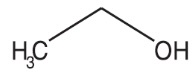
Dehydrated Alcohol Injection, USP is a potent tissue toxin. Ethanol is a clear, colorless, volatile, and flammable liquid miscible with water. It has the following structural formula:
5.1 Heart Block
Transient Heart Block
Transient heart block is common at the time of Dehydrated alcohol injection into a septal artery. Prior to the injection, a temporary pacing wire is routinely inserted into the apex of the right ventricle, usually via the femoral vein, to treat transient heart block. The pacing lead can be removed if no episode of high-degree atrioventricular block occurs, usually after several hours of observation following percutaneous transluminal septal myocardial ablation.
Persistent Heart Block
Approximately 10% of complete heart block events become permanent and require placement of a permanent pacemaker following percutaneous transluminal septal myocardial ablation. Risk factors for permanent pacemaker dependency after septal ablation include a baseline PQ interval > 160 ms, baseline minimum heart rate < 50 bpm, baseline left ventricular outflow gradient > 70 mmHg, maximum QRS during the first 48 hours > 155 ms, 3rd degree atrio-ventricular block occurring during the procedure, and no clinical recovery between 12-48 hours after the procedure.
8.4 Pediatric Use
Safety and effectiveness in pediatric patients have not been established.
8.5 Geriatric Use
A comparison of the outcomes in patients with hypertrophic obstructive cardiomyopathy in patients < 60 years old and in patients ≥ 60 years old showed similar improvement in exercise capacity after ablation. The rate of heart blocks and dysrhythmia increased with age. Permanent pacemaker dependency increased to 34% in patients > 60 years old.
2.2 Administration
Dehydrated alcohol injection should only be administered under the supervision of a qualified interventional cardiologist experienced in the percutaneous transluminal septal myocardial ablation procedure.
Inspect visually for particulate matter and discoloration prior to administration. Dehydrated alcohol injection should appear as a clear, colorless solution.
14 Clinical Studies
Evidence of the effectiveness of ethanol on exercise capacity in adults with symptomatic hypertrophic obstructive cardiomyopathy who are not candidates for surgical myectomy was obtained from literature involving over 4000 patients.
4 Contraindications
None.
6 Adverse Reactions
Heart block [ see Warnings and precautions (5.1)]
The following other adverse reactions associated with percutaneous transluminal septal myocardial ablation with the use of Dehydrated alcohol injection were identified in the literature: Ventricular tachycardia and ventricular fibrillation.
12.2 Pharmacodynamics
A dose independent, approximate 70% reduction of the peak pressure gradient across left ventricular outflow tract is observed after injection of alcohol volumes in the range of 1-4 mL. Remodeling contributes about 20% to the 70% total reduction in peak pressure gradient across the left ventricular outflow tract measured 12 months after septal ablation. Other markers, such as infarct size or peak concentration of creatine kinase-MB (CK-MB), in contrast to peak pressure gradient across the left ventricular outflow tract, vary in proportion to the injected alcohol volume in the 1-4 mL range.
12.3 Pharmacokinetics
Because injection of dehydrated alcohol during septal ablation is not expected to increase the systemic concentrations of endogenous alcohol significantly, the pharmacokinetics of dehydrated alcohol are not expected to be clinically significant.
2.1 Recommended Dosing
Use the minimum dose necessary to achieve the desired reduction in peak left ventricular outflow tract pressure gradient. Inject small volumes over 1 to 2 minutes percutaneously into septal arterial branches, guided by assessment of the gradient. In most situations, a dose of 1 mL to 2 mL is sufficient. The maximum dose of Dehydrated alcohol injection that should be used in a single procedure is 5 mL.
1 Indications and Usage
Dehydrated alcohol injection is indicated to induce controlled cardiac septal infarction to improve exercise capacity in adults with symptomatic hypertrophic obstructive cardiomyopathy who are not candidates for surgical myectomy.
12.1 Mechanism of Action
Dehydrated alcohol is a tissue toxin that produces a myocardial infarction when injected through an intra-arterial catheter into a target septal vessel, which causes the hypertrophied septum to thin.
5.2 Myocardial Infarction
Injection of Dehydrated alcohol is intended to create a controlled myocardial infarction for therapeutic purposes. However, excessive myocardial necrosis and subsequent heart failure have been reported. Factors increasing the risk of excessive tissue necrosis include higher volume of alcohol used and a higher number of septal branches injected to reduce the left ventricular outflow tract gradient.
5 Warnings and Precautions
- Transient heart block: Transient heart block is common at the time of injection. A temporary pacing wire is routinely inserted to mitigate transient heart block. (5.1)
- Persistent heart block: Approximately 10% of complete heart block events become permanent and require placement of a permanent pacemaker. (5.1)
- Remove the temporary pacemaker lead if no episode of high-degree atrioventricular block occurs. (5.1)
- Monitor the patient for heart failure, chest pain, and arrhythmias several days after the procedure. (5.1, 5.2, 5.3)
5.3 Ventricular Arrhythmia
Ventricular tachycardia and ventricular fibrillation requiring electrocardioversion occurred at a frequency of approximately 1%. Perform continuous electrocardiographic monitoring for 48 hours after the procedure.
2 Dosage and Administration
- Inject small volumes over 1 to 2 minutes percutaneously into septal arterial branches, using the minimal dose necessary to achieve the desired reduction in peak left ventricular outflow tract pressure gradient. ( 2.1)
- In most situations, a dose of 1 mL to 2 mL is sufficient. The maximum dose that should be used in a single procedure is 5 mL. ( 2.1)
3 Dosage Forms and Strengths
Injection: 5 mL of ethyl alcohol ≥ 99% by volume as a clear, colorless liquid in a single-dose glass vial.
8 Use in Specific Populations
- Dehydrated alcohol injection is not recommended during pregnancy. Maternal use is not expected to result in fetal exposure to the drug. ( 8.1)
- The rate of heart blocks and dysrhythmia increased with age. (8.5)
See 17 for PATIENT COUNSELING INFORMATION
16 How Supplied/storage and Handling
Dehydrated alcohol injection, USP is a clear, colorless liquid supplied in clear, glass, single-dose vials. Each mL contains ≥ 99% by volume ethyl alcohol.
| Volume | NDC | |
| Single Vial | Carton of 10 Vials | |
| 5 mL | 82983-426-01 | 82983-426-10 |
Store at room temperature, between 20°C and 25°C (68°F and 77°F). Do not refrigerate or freeze. Highly flammable, store away from any heat source.
Principal Display Panel 5 Ml Vial Label
Dehydrated Alcohol Injection, USP
NDC 82983-426-01
RX Only
13.2 Animal Toxicology And/or Pharmacology
The median lethal dose (LD50) values for ethyl alcohol given by intravenous and oral routes are 1440 and 7060 mg/kg in rats and 1973 and 3450 mg/kg in mice, respectively. The LD50 for ethyl alcohol given by subcutaneous injection is 8285 mg/kg in mice.
13.1 Carcinogenesis, Mutagenesis, Impairment of Fertility
Ethanol (of alcohol beverages) was added to Group 1 International Agency for Research on Cancer (IARC) Carcinogenicity Ratings (IARC monographs). Substances in this group are either carcinogenic to humans, or there is sufficient evidence of carcinogenicity in experimental animals and strong evidence in exposed humans that the substance acts through a relevant mechanism of carcinogenicity. Alcohol consumption has been associated with various cancers, including liver, esophageal, breast, prostate, and colorectal cancer. Since Dehydrated alcohol injection is not expected to reach the systemic circulation following administration into a septal artery during percutaneous transluminal septal myocardial ablation, the recommended clinical use of the drug product is not expected to have carcinogenic risk in patients.
Literature reports suggest that ethanol is not mutagenic in the in vitro bacterial reverse mutation (Ames) assay or in vitro chromosomal aberration assays. Ethanol is metabolized to acetaldehyde, which is a known mutagen.
There are no data from either animal or human studies regarding potential for the impairment of fertility.
Principal Display Panel 10 Single Dose Vials X 5 Ml Carton
Dehydrated Alcohol Injection, USP
NDC 82983-426-10
RX Only
Structured Label Content
Section 42229-5 (42229-5)
Distributed by:
Ajenat Pharmaceuticals LLC
203 N Marion St,
Tampa, FL 33602 USA
LI35I-AJT R-2506
10 Overdosage (10 OVERDOSAGE)
There is a direct correlation between the volume of alcohol and size of iatrogenic myocardial infarction. Stop the procedure if there is failure to reduce the left ventricular outflow tract pressure gradient to less than 10 mmHg when reaching a total dose of 5 mL.
8.1 Pregnancy
Risk Summary
The concentrations of alcohol in blood after PTSMA were not measured, but Dehydrated alcohol injection is not expected to increase significantly the systemic concentrations of endogenous alcohol following administration into a septal artery during percutaneous transluminal septal myocardial ablation. Maternal use is not expected to result in fetal exposure to the drug.
Clinical Considerations
Dehydrated alcohol injection for percutaneous transluminal septal myocardial ablation has not been evaluated in pregnant women and is not recommended during pregnancy. When possible, the percutaneous transluminal septal myocardial ablation procedure should be postponed in women until the postpartum period.
Data
Animal reproduction studies have shown an adverse effect on the fetus and chronic fetal alcohol exposure is known to cause developmental defects in human. The developmental effects of acute ethanol exposure, such as from percutaneous transluminal septal myocardial ablation, have not been studied in pregnant or lactating women.
8.2 Lactation
Dehydrated alcohol injection is not expected to increase significantly the systemic concentrations of endogenous alcohol following administration into a septal artery during percutaneous transluminal septal myocardial ablation and breastfeeding is not expected to result in exposure of the child to the drug.
11 Description (11 DESCRIPTION)
Dehydrated alcohol injection, USP injection is a sterile, preservative free solution of ≥99% by volume ethyl alcohol and no excipients. Dehydrated alcohol injection, USP is for cardiac septal branch intra-arterial use. It has a molecular formula of C2H6O and a molecular weight of 46.07.
Dehydrated Alcohol Injection, USP is a potent tissue toxin. Ethanol is a clear, colorless, volatile, and flammable liquid miscible with water. It has the following structural formula:
5.1 Heart Block
Transient Heart Block
Transient heart block is common at the time of Dehydrated alcohol injection into a septal artery. Prior to the injection, a temporary pacing wire is routinely inserted into the apex of the right ventricle, usually via the femoral vein, to treat transient heart block. The pacing lead can be removed if no episode of high-degree atrioventricular block occurs, usually after several hours of observation following percutaneous transluminal septal myocardial ablation.
Persistent Heart Block
Approximately 10% of complete heart block events become permanent and require placement of a permanent pacemaker following percutaneous transluminal septal myocardial ablation. Risk factors for permanent pacemaker dependency after septal ablation include a baseline PQ interval > 160 ms, baseline minimum heart rate < 50 bpm, baseline left ventricular outflow gradient > 70 mmHg, maximum QRS during the first 48 hours > 155 ms, 3rd degree atrio-ventricular block occurring during the procedure, and no clinical recovery between 12-48 hours after the procedure.
8.4 Pediatric Use
Safety and effectiveness in pediatric patients have not been established.
8.5 Geriatric Use
A comparison of the outcomes in patients with hypertrophic obstructive cardiomyopathy in patients < 60 years old and in patients ≥ 60 years old showed similar improvement in exercise capacity after ablation. The rate of heart blocks and dysrhythmia increased with age. Permanent pacemaker dependency increased to 34% in patients > 60 years old.
2.2 Administration
Dehydrated alcohol injection should only be administered under the supervision of a qualified interventional cardiologist experienced in the percutaneous transluminal septal myocardial ablation procedure.
Inspect visually for particulate matter and discoloration prior to administration. Dehydrated alcohol injection should appear as a clear, colorless solution.
14 Clinical Studies (14 CLINICAL STUDIES)
Evidence of the effectiveness of ethanol on exercise capacity in adults with symptomatic hypertrophic obstructive cardiomyopathy who are not candidates for surgical myectomy was obtained from literature involving over 4000 patients.
4 Contraindications (4 CONTRAINDICATIONS)
None.
6 Adverse Reactions (6 ADVERSE REACTIONS)
Heart block [ see Warnings and precautions (5.1)]
The following other adverse reactions associated with percutaneous transluminal septal myocardial ablation with the use of Dehydrated alcohol injection were identified in the literature: Ventricular tachycardia and ventricular fibrillation.
12.2 Pharmacodynamics
A dose independent, approximate 70% reduction of the peak pressure gradient across left ventricular outflow tract is observed after injection of alcohol volumes in the range of 1-4 mL. Remodeling contributes about 20% to the 70% total reduction in peak pressure gradient across the left ventricular outflow tract measured 12 months after septal ablation. Other markers, such as infarct size or peak concentration of creatine kinase-MB (CK-MB), in contrast to peak pressure gradient across the left ventricular outflow tract, vary in proportion to the injected alcohol volume in the 1-4 mL range.
12.3 Pharmacokinetics
Because injection of dehydrated alcohol during septal ablation is not expected to increase the systemic concentrations of endogenous alcohol significantly, the pharmacokinetics of dehydrated alcohol are not expected to be clinically significant.
2.1 Recommended Dosing
Use the minimum dose necessary to achieve the desired reduction in peak left ventricular outflow tract pressure gradient. Inject small volumes over 1 to 2 minutes percutaneously into septal arterial branches, guided by assessment of the gradient. In most situations, a dose of 1 mL to 2 mL is sufficient. The maximum dose of Dehydrated alcohol injection that should be used in a single procedure is 5 mL.
1 Indications and Usage (1 INDICATIONS AND USAGE)
Dehydrated alcohol injection is indicated to induce controlled cardiac septal infarction to improve exercise capacity in adults with symptomatic hypertrophic obstructive cardiomyopathy who are not candidates for surgical myectomy.
12.1 Mechanism of Action
Dehydrated alcohol is a tissue toxin that produces a myocardial infarction when injected through an intra-arterial catheter into a target septal vessel, which causes the hypertrophied septum to thin.
5.2 Myocardial Infarction
Injection of Dehydrated alcohol is intended to create a controlled myocardial infarction for therapeutic purposes. However, excessive myocardial necrosis and subsequent heart failure have been reported. Factors increasing the risk of excessive tissue necrosis include higher volume of alcohol used and a higher number of septal branches injected to reduce the left ventricular outflow tract gradient.
5 Warnings and Precautions (5 WARNINGS AND PRECAUTIONS)
- Transient heart block: Transient heart block is common at the time of injection. A temporary pacing wire is routinely inserted to mitigate transient heart block. (5.1)
- Persistent heart block: Approximately 10% of complete heart block events become permanent and require placement of a permanent pacemaker. (5.1)
- Remove the temporary pacemaker lead if no episode of high-degree atrioventricular block occurs. (5.1)
- Monitor the patient for heart failure, chest pain, and arrhythmias several days after the procedure. (5.1, 5.2, 5.3)
5.3 Ventricular Arrhythmia
Ventricular tachycardia and ventricular fibrillation requiring electrocardioversion occurred at a frequency of approximately 1%. Perform continuous electrocardiographic monitoring for 48 hours after the procedure.
2 Dosage and Administration (2 DOSAGE AND ADMINISTRATION)
- Inject small volumes over 1 to 2 minutes percutaneously into septal arterial branches, using the minimal dose necessary to achieve the desired reduction in peak left ventricular outflow tract pressure gradient. ( 2.1)
- In most situations, a dose of 1 mL to 2 mL is sufficient. The maximum dose that should be used in a single procedure is 5 mL. ( 2.1)
3 Dosage Forms and Strengths (3 DOSAGE FORMS AND STRENGTHS)
Injection: 5 mL of ethyl alcohol ≥ 99% by volume as a clear, colorless liquid in a single-dose glass vial.
8 Use in Specific Populations (8 USE IN SPECIFIC POPULATIONS)
- Dehydrated alcohol injection is not recommended during pregnancy. Maternal use is not expected to result in fetal exposure to the drug. ( 8.1)
- The rate of heart blocks and dysrhythmia increased with age. (8.5)
See 17 for PATIENT COUNSELING INFORMATION
16 How Supplied/storage and Handling (16 HOW SUPPLIED/STORAGE AND HANDLING)
Dehydrated alcohol injection, USP is a clear, colorless liquid supplied in clear, glass, single-dose vials. Each mL contains ≥ 99% by volume ethyl alcohol.
| Volume | NDC | |
| Single Vial | Carton of 10 Vials | |
| 5 mL | 82983-426-01 | 82983-426-10 |
Store at room temperature, between 20°C and 25°C (68°F and 77°F). Do not refrigerate or freeze. Highly flammable, store away from any heat source.
Principal Display Panel 5 Ml Vial Label (Principal Display Panel - 5 mL Vial Label)
Dehydrated Alcohol Injection, USP
NDC 82983-426-01
RX Only
13.2 Animal Toxicology And/or Pharmacology (13.2 Animal Toxicology and/or Pharmacology)
The median lethal dose (LD50) values for ethyl alcohol given by intravenous and oral routes are 1440 and 7060 mg/kg in rats and 1973 and 3450 mg/kg in mice, respectively. The LD50 for ethyl alcohol given by subcutaneous injection is 8285 mg/kg in mice.
13.1 Carcinogenesis, Mutagenesis, Impairment of Fertility
Ethanol (of alcohol beverages) was added to Group 1 International Agency for Research on Cancer (IARC) Carcinogenicity Ratings (IARC monographs). Substances in this group are either carcinogenic to humans, or there is sufficient evidence of carcinogenicity in experimental animals and strong evidence in exposed humans that the substance acts through a relevant mechanism of carcinogenicity. Alcohol consumption has been associated with various cancers, including liver, esophageal, breast, prostate, and colorectal cancer. Since Dehydrated alcohol injection is not expected to reach the systemic circulation following administration into a septal artery during percutaneous transluminal septal myocardial ablation, the recommended clinical use of the drug product is not expected to have carcinogenic risk in patients.
Literature reports suggest that ethanol is not mutagenic in the in vitro bacterial reverse mutation (Ames) assay or in vitro chromosomal aberration assays. Ethanol is metabolized to acetaldehyde, which is a known mutagen.
There are no data from either animal or human studies regarding potential for the impairment of fertility.
Principal Display Panel 10 Single Dose Vials X 5 Ml Carton (Principal Display Panel - 10 Single-Dose Vials x 5 mL Carton)
Dehydrated Alcohol Injection, USP
NDC 82983-426-10
RX Only
Advanced Ingredient Data
Raw Label Data
All Sections (JSON)
Additional Information
Back to search View SPL set listing Open on DailyMed ↗
Source: dailymed · Ingested: 2026-02-15T11:51:45.247236 · Updated: 2026-03-14T22:41:36.835741