Indomethacin Capsules
6312c9a6-d4d3-eb1f-e053-2991aa0a5e68
34391-3
HUMAN PRESCRIPTION DRUG LABEL
Drug Facts
Composition & Product
Identifiers & Packaging
Indications and Usage
Indomethacin capsules are indicated for: Moderate to severe rheumatoid arthritis including acute flares of chronic disease Moderate to severe ankylosing spondylitis Moderate to severe osteoarthritis Acute painful shoulder (bursitis and/or tendinitis) Acute gouty arthritis
Dosage and Administration
Use the lowest effective dosage for shortest duration consistent with individual patient treatment goals. ( 2.1 ) The dosage for moderate to severe rheumatoid arthritis including acute flares of chronic disease; moderate to severe ankylosing spondylitis; and moderate to severe osteoarthritis is indomethacin capsules 25 mg two or three times a day. ( 2.2 ) The dosage for acute painful shoulder (bursitis and/or tendinitis) is 75 to 150 mg daily in 3 or 4 divided doses. ( 2.3 ) The dosage for acute gouty arthritis is indomethacin capsules 50 mg three times a day. ( 2.4 )
Contraindications
Indomethacin capsules are contraindicated in the following patients: Known hypersensitivity (e.g., anaphylactic reactions and serious skin reactions) to indomethacin or any components of the drug product [ see Warnings and Precautions (5.7 , 5.9) ]. History of asthma, urticaria, or other allergic-type reactions after taking aspirin or other NSAIDs. Severe, sometimes fatal, anaphylactic reactions to NSAIDs have been reported in such patients [ see Warnings and Precautions (5.7 , 5.8) ]. In the setting of coronary artery bypass graft (CABG) surgery [ see Warnings and Precautions (5.1) ].
Warnings and Precautions
Hepatotoxicity : Inform patients of warning signs and symptoms of hepatotoxicity. Discontinue if abnormal liver tests persist or worsen or if clinical signs and symptoms of liver disease develop. ( 5.3 ) Hypertension : Patients taking some antihypertensive medications may have impaired response to these therapies when taking NSAIDs. Monitor blood pressure. ( 5.4 , 7 ) Heart Failure and Edema : Avoid use of indomethacin capsules in patients with severe heart failure unless benefits are expected to outweigh risk of worsening heart failure. ( 5.5 ) Renal Toxicity : Monitor renal function in patients with renal or hepatic impairment, heart failure, dehydration, or hypovolemia. Avoid use of indomethacin capsules in patients with advanced renal disease unless benefits are expected to outweigh risk of worsening renal function. ( 5.6 ) Anaphylactic Reactions : Seek emergency help if an anaphylactic reaction occurs. ( 5.7 ) Exacerbation of Asthma Related to Aspirin Sensitivity : Indomethacin capsules are contraindicated in patients with aspirin-sensitive asthma. Monitor patients with preexisting asthma (without aspirin sensitivity). ( 5.8 ) Serious Skin Reactions : Discontinue indomethacin capsules at first appearance of skin rash or other signs of hypersensitivity. ( 5.9 ) Premature Closure of Fetal Ductus Arteriosus : Avoid use in pregnant women starting at 30 weeks gestation. ( 5.10 , 8.1 ) Hematologic Toxicity : Monitor hemoglobin or hematocrit in patients with any signs or symptoms of anemia. ( 5.11 , 7 )
Adverse Reactions
The following adverse reactions are discussed in greater detail in other sections of the labeling: Cardiovascular Thrombotic Events [ see Warnings and Precautions (5.1) ] GI Bleeding, Ulceration and Perforation [ see Warnings and Precautions (5.2) ] Hepatotoxicity [ see Warnings and Precautions (5.3) ] Hypertension [ see Warnings and Precautions (5.4) ] Heart Failure and Edema [ see Warnings and Precautions (5.5) ] Renal Toxicity and Hyperkalemia [ see Warnings and Precautions (5.6) ] Anaphylactic Reactions [ see Warnings and Precautions (5.7) ] Serious Skin Reactions [ see Warnings and Precautions (5.9) ] Hematologic Toxicity [ see Warnings and Precautions (5.11) ]
Drug Interactions
See Table 2 for clinically significant drug interactions with indomethacin. Table 2 Clinically Significant Drug Interactions with Indomethacin Drugs That Interfere with Hemostasis Clinical Impact: Indomethacin and anticoagulants such as warfarin have a synergistic effect on bleeding. The concomitant use of indomethacin and anticoagulants have an increased risk of serious bleeding compared to the use of either drug alone. Serotonin release by platelets plays an important role in hemostasis. Case-control and cohort epidemiological studies showed that concomitant use of drugs that interfere with serotonin reuptake and an NSAID may potentiate the risk of bleeding more than an NSAID alone. Intervention: Monitor patients with concomitant use of indomethacin capsules with anticoagulants (e.g., warfarin), antiplatelet agents (e.g., aspirin), selective serotonin reuptake inhibitors (SSRIs), and serotonin norepinephrine reuptake inhibitors (SNRIs) for signs of bleeding [ see Warnings and Precautions (5.11) ]. Aspirin Clinical Impact: Controlled clinical studies showed that the concomitant use of NSAIDs and analgesic doses of aspirin does not produce any greater therapeutic effect than the use of NSAIDs alone. In a clinical study, the concomitant use of an NSAID and aspirin was associated with a significantly increased incidence of GI adverse reactions as compared to use of the NSAID alone [ see Warnings and Precautions (5.2) ]. Intervention: Concomitant use of indomethacin capsules and analgesic doses of aspirin is not generally recommended because of the increased risk of bleeding [ see Warnings and Precautions (5.11) ] . Indomethacin capsules are not substitute for low dose aspirin for cardiovascular protection. ACE Inhibitors, Angiotensin Receptor Blockers, and Beta-Blockers Clinical Impact: NSAIDs may diminish the antihypertensive effect of angiotensin converting enzyme (ACE) inhibitors, angiotensin receptor blockers (ARBs), or beta-blockers (including propranolol). In patients who are elderly, volume-depleted (including those on diuretic therapy), or have renal impairment, co-administration of an NSAID with ACE inhibitors or ARBs may result in deterioration of renal function, including possible acute renal failure. These effects are usually reversible. Intervention: During concomitant use of indomethacin capsules and ACE-inhibitors, ARBs, or beta-blockers, monitor blood pressure to ensure that the desired blood pressure is obtained. During concomitant use of indomethacin capsules and ACE-inhibitors or ARBs in patients who are elderly, volume-depleted, or have impaired renal function, monitor for signs of worsening renal function [ see Warnings and Precautions (5.6) ] . When these drugs are administered concomitantly, patients should be adequately hydrated. Assess renal function at the beginning of the concomitant treatment and periodically thereafter. Diuretics Clinical Impact: Clinical studies, as well as post-marketing observations, showed that NSAIDs reduced the natriuretic effect of loop diuretics (e.g., furosemide) and thiazide diuretics in some patients. This effect has been attributed to the NSAID inhibition of renal prostaglandin synthesis. It has been reported that the addition of triamterene to a maintenance schedule of indomethacin capsules resulted in reversible acute renal failure in two of four healthy volunteers. Indomethacin capsules and triamterene should not be administered together. Both indomethacin capsules and potassium-sparing diuretics may be associated with increased serum potassium levels. The potential effects of indomethacin capsules and potassium-sparing diuretics on potassium levels and renal function should be considered when these agents are administered concurrently. Intervention: Indomethacin and triamterene should not be administered together. During concomitant use of indomethacin capsules with diuretics, observe patients for signs of worsening renal function, in addition to assuring diuretic efficacy including antihypertensive effects. Be aware that indomethacin and potassium-sparing diuretics may both be associated with increased serum potassium levels [ see Warnings and Precautions (5.6) ]. Digoxin Clinical Impact: The concomitant use of indomethacin with digoxin has been reported to increase the serum concentration and prolong the half-life of digoxin. Intervention: During concomitant use of indomethacin capsules and digoxin, monitor serum digoxin levels. Lithium Clinical Impact: NSAIDs have produced elevations in plasma lithium levels and reductions in renal lithium clearance . The mean minimum lithium concentration increased 15%, and the renal clearance decreased by approximately 20%. This effect has been attributed to NSAID inhibition of renal prostaglandin synthesis. Intervention: During concomitant use of indomethacin capsules and lithium, monitor patients for signs of lithium toxicity. Methotrexate Clinical Impact: Concomitant use of NSAIDs and methotrexate may increase the risk for methotrexate toxicity (e.g., neutropenia, thrombocytopenia, renal dysfunction). Intervention: During concomitant use of indomethacin capsules and methotrexate, monitor patients for methotrexate toxicity. Cyclosporine Clinical Impact: Concomitant use of indomethacin capsules and cyclosporine may increase cyclosporine’s nephrotoxicity. Intervention: During concomitant use of indomethacin capsules and cyclosporine, monitor patients for signs of worsening renal function. NSAIDs and Salicylates Clinical Impact: Concomitant use of indomethacin with other NSAIDs or salicylates (e.g., diflunisal, salsalate) increases the risk of GI toxicity, with little or no increase in efficacy [ see Warnings and Precautions (5.2) ] . Combined use with diflunisal may be particularly hazardous because diflunisal causes significantly higher plasma levels of indomethacin [ see Clinical Pharmacology (12.3) ]. In some patients, combined use of indomethacin and diflunisal has been associated with fatal gastrointestinal hemorrhage. Intervention: The concomitant use of indomethacin with other NSAIDs or salicylates, especially diflunisal, is not recommended. Pemetrexed Clinical Impact: Concomitant use of indomethacin capsules and pemetrexed may increase the risk of pemetrexed-associated myelosuppression, renal, and GI toxicity (see the pemetrexed prescribing information). Intervention: During concomitant use of indomethacin capsules and pemetrexed, in patients with renal impairment whose creatinine clearance ranges from 45 to 79 mL/min, monitor for myelosuppression, renal and GI toxicity. NSAIDs with short elimination half-lives (e.g., diclofenac, indomethacin) should be avoided for a period of two days before, the day of, and two days following administration of pemetrexed. In the absence of data regarding potential interaction between pemetrexed and NSAIDs with longer half-lives (e.g., meloxicam, nabumetone), patients taking these NSAIDs should interrupt dosing for at least five days before, the day of, and two days following pemetrexed administration. Probenecid Clinical Impact: When indomethacin is given to patients receiving probenecid, the plasma levels of indomethacin are likely to be increased. Intervention: During the concomitant use of indomethacin capsules and probenecid, a lower total daily dosage of indomethacin may produce a satisfactory therapeutic effect. When increases in the dose of indomethacin are made, they should be made carefully and in small increments.
How Supplied
The 50 mg capsule is a size ‘1’ two piece opaque green hard gelatin capsules imprinted with ‘G302’ on body and ‘G’ on cap filled with white to off-white granular powder. They are available as follows: NDC 60760-294-30 BOTTLES OF 30 60760-294-21 BOTTLES OF 21
Storage and Handling
The 50 mg capsule is a size ‘1’ two piece opaque green hard gelatin capsules imprinted with ‘G302’ on body and ‘G’ on cap filled with white to off-white granular powder. They are available as follows: NDC 60760-294-30 BOTTLES OF 30 60760-294-21 BOTTLES OF 21
Description
WARNING: RISK OF SERIOUS CARDIOVASCULAR AND GASTROINTESTINAL EVENTS See full prescribing information for complete boxed warning. Nonsteroidal anti-inflammatory drugs (NSAIDs) cause an increased risk of serious cardiovascular thrombotic events, including myocardial infarction and stroke, which can be fatal. This risk may occur early in treatment and may increase with duration of use ( 5.1 ) Indomethacin capsules are contraindicated in the setting of coronary artery bypass graft (CABG) surgery ( 4 , 5.1 ) NSAIDs cause an increased risk of serious gastrointestinal (GI) adverse events including bleeding, ulceration, and perforation of the stomach or intestines, which can be fatal. These events can occur at any time during use and without warning symptoms. Elderly patients and patients with a prior history of peptic ulcer disease and/or GI bleeding are at greater risk for serious GI events ( 5.2 )
Medication Information
Warnings and Precautions
Hepatotoxicity : Inform patients of warning signs and symptoms of hepatotoxicity. Discontinue if abnormal liver tests persist or worsen or if clinical signs and symptoms of liver disease develop. ( 5.3 ) Hypertension : Patients taking some antihypertensive medications may have impaired response to these therapies when taking NSAIDs. Monitor blood pressure. ( 5.4 , 7 ) Heart Failure and Edema : Avoid use of indomethacin capsules in patients with severe heart failure unless benefits are expected to outweigh risk of worsening heart failure. ( 5.5 ) Renal Toxicity : Monitor renal function in patients with renal or hepatic impairment, heart failure, dehydration, or hypovolemia. Avoid use of indomethacin capsules in patients with advanced renal disease unless benefits are expected to outweigh risk of worsening renal function. ( 5.6 ) Anaphylactic Reactions : Seek emergency help if an anaphylactic reaction occurs. ( 5.7 ) Exacerbation of Asthma Related to Aspirin Sensitivity : Indomethacin capsules are contraindicated in patients with aspirin-sensitive asthma. Monitor patients with preexisting asthma (without aspirin sensitivity). ( 5.8 ) Serious Skin Reactions : Discontinue indomethacin capsules at first appearance of skin rash or other signs of hypersensitivity. ( 5.9 ) Premature Closure of Fetal Ductus Arteriosus : Avoid use in pregnant women starting at 30 weeks gestation. ( 5.10 , 8.1 ) Hematologic Toxicity : Monitor hemoglobin or hematocrit in patients with any signs or symptoms of anemia. ( 5.11 , 7 )
Indications and Usage
Indomethacin capsules are indicated for: Moderate to severe rheumatoid arthritis including acute flares of chronic disease Moderate to severe ankylosing spondylitis Moderate to severe osteoarthritis Acute painful shoulder (bursitis and/or tendinitis) Acute gouty arthritis
Dosage and Administration
Use the lowest effective dosage for shortest duration consistent with individual patient treatment goals. ( 2.1 ) The dosage for moderate to severe rheumatoid arthritis including acute flares of chronic disease; moderate to severe ankylosing spondylitis; and moderate to severe osteoarthritis is indomethacin capsules 25 mg two or three times a day. ( 2.2 ) The dosage for acute painful shoulder (bursitis and/or tendinitis) is 75 to 150 mg daily in 3 or 4 divided doses. ( 2.3 ) The dosage for acute gouty arthritis is indomethacin capsules 50 mg three times a day. ( 2.4 )
Contraindications
Indomethacin capsules are contraindicated in the following patients: Known hypersensitivity (e.g., anaphylactic reactions and serious skin reactions) to indomethacin or any components of the drug product [ see Warnings and Precautions (5.7 , 5.9) ]. History of asthma, urticaria, or other allergic-type reactions after taking aspirin or other NSAIDs. Severe, sometimes fatal, anaphylactic reactions to NSAIDs have been reported in such patients [ see Warnings and Precautions (5.7 , 5.8) ]. In the setting of coronary artery bypass graft (CABG) surgery [ see Warnings and Precautions (5.1) ].
Adverse Reactions
The following adverse reactions are discussed in greater detail in other sections of the labeling: Cardiovascular Thrombotic Events [ see Warnings and Precautions (5.1) ] GI Bleeding, Ulceration and Perforation [ see Warnings and Precautions (5.2) ] Hepatotoxicity [ see Warnings and Precautions (5.3) ] Hypertension [ see Warnings and Precautions (5.4) ] Heart Failure and Edema [ see Warnings and Precautions (5.5) ] Renal Toxicity and Hyperkalemia [ see Warnings and Precautions (5.6) ] Anaphylactic Reactions [ see Warnings and Precautions (5.7) ] Serious Skin Reactions [ see Warnings and Precautions (5.9) ] Hematologic Toxicity [ see Warnings and Precautions (5.11) ]
Drug Interactions
See Table 2 for clinically significant drug interactions with indomethacin. Table 2 Clinically Significant Drug Interactions with Indomethacin Drugs That Interfere with Hemostasis Clinical Impact: Indomethacin and anticoagulants such as warfarin have a synergistic effect on bleeding. The concomitant use of indomethacin and anticoagulants have an increased risk of serious bleeding compared to the use of either drug alone. Serotonin release by platelets plays an important role in hemostasis. Case-control and cohort epidemiological studies showed that concomitant use of drugs that interfere with serotonin reuptake and an NSAID may potentiate the risk of bleeding more than an NSAID alone. Intervention: Monitor patients with concomitant use of indomethacin capsules with anticoagulants (e.g., warfarin), antiplatelet agents (e.g., aspirin), selective serotonin reuptake inhibitors (SSRIs), and serotonin norepinephrine reuptake inhibitors (SNRIs) for signs of bleeding [ see Warnings and Precautions (5.11) ]. Aspirin Clinical Impact: Controlled clinical studies showed that the concomitant use of NSAIDs and analgesic doses of aspirin does not produce any greater therapeutic effect than the use of NSAIDs alone. In a clinical study, the concomitant use of an NSAID and aspirin was associated with a significantly increased incidence of GI adverse reactions as compared to use of the NSAID alone [ see Warnings and Precautions (5.2) ]. Intervention: Concomitant use of indomethacin capsules and analgesic doses of aspirin is not generally recommended because of the increased risk of bleeding [ see Warnings and Precautions (5.11) ] . Indomethacin capsules are not substitute for low dose aspirin for cardiovascular protection. ACE Inhibitors, Angiotensin Receptor Blockers, and Beta-Blockers Clinical Impact: NSAIDs may diminish the antihypertensive effect of angiotensin converting enzyme (ACE) inhibitors, angiotensin receptor blockers (ARBs), or beta-blockers (including propranolol). In patients who are elderly, volume-depleted (including those on diuretic therapy), or have renal impairment, co-administration of an NSAID with ACE inhibitors or ARBs may result in deterioration of renal function, including possible acute renal failure. These effects are usually reversible. Intervention: During concomitant use of indomethacin capsules and ACE-inhibitors, ARBs, or beta-blockers, monitor blood pressure to ensure that the desired blood pressure is obtained. During concomitant use of indomethacin capsules and ACE-inhibitors or ARBs in patients who are elderly, volume-depleted, or have impaired renal function, monitor for signs of worsening renal function [ see Warnings and Precautions (5.6) ] . When these drugs are administered concomitantly, patients should be adequately hydrated. Assess renal function at the beginning of the concomitant treatment and periodically thereafter. Diuretics Clinical Impact: Clinical studies, as well as post-marketing observations, showed that NSAIDs reduced the natriuretic effect of loop diuretics (e.g., furosemide) and thiazide diuretics in some patients. This effect has been attributed to the NSAID inhibition of renal prostaglandin synthesis. It has been reported that the addition of triamterene to a maintenance schedule of indomethacin capsules resulted in reversible acute renal failure in two of four healthy volunteers. Indomethacin capsules and triamterene should not be administered together. Both indomethacin capsules and potassium-sparing diuretics may be associated with increased serum potassium levels. The potential effects of indomethacin capsules and potassium-sparing diuretics on potassium levels and renal function should be considered when these agents are administered concurrently. Intervention: Indomethacin and triamterene should not be administered together. During concomitant use of indomethacin capsules with diuretics, observe patients for signs of worsening renal function, in addition to assuring diuretic efficacy including antihypertensive effects. Be aware that indomethacin and potassium-sparing diuretics may both be associated with increased serum potassium levels [ see Warnings and Precautions (5.6) ]. Digoxin Clinical Impact: The concomitant use of indomethacin with digoxin has been reported to increase the serum concentration and prolong the half-life of digoxin. Intervention: During concomitant use of indomethacin capsules and digoxin, monitor serum digoxin levels. Lithium Clinical Impact: NSAIDs have produced elevations in plasma lithium levels and reductions in renal lithium clearance . The mean minimum lithium concentration increased 15%, and the renal clearance decreased by approximately 20%. This effect has been attributed to NSAID inhibition of renal prostaglandin synthesis. Intervention: During concomitant use of indomethacin capsules and lithium, monitor patients for signs of lithium toxicity. Methotrexate Clinical Impact: Concomitant use of NSAIDs and methotrexate may increase the risk for methotrexate toxicity (e.g., neutropenia, thrombocytopenia, renal dysfunction). Intervention: During concomitant use of indomethacin capsules and methotrexate, monitor patients for methotrexate toxicity. Cyclosporine Clinical Impact: Concomitant use of indomethacin capsules and cyclosporine may increase cyclosporine’s nephrotoxicity. Intervention: During concomitant use of indomethacin capsules and cyclosporine, monitor patients for signs of worsening renal function. NSAIDs and Salicylates Clinical Impact: Concomitant use of indomethacin with other NSAIDs or salicylates (e.g., diflunisal, salsalate) increases the risk of GI toxicity, with little or no increase in efficacy [ see Warnings and Precautions (5.2) ] . Combined use with diflunisal may be particularly hazardous because diflunisal causes significantly higher plasma levels of indomethacin [ see Clinical Pharmacology (12.3) ]. In some patients, combined use of indomethacin and diflunisal has been associated with fatal gastrointestinal hemorrhage. Intervention: The concomitant use of indomethacin with other NSAIDs or salicylates, especially diflunisal, is not recommended. Pemetrexed Clinical Impact: Concomitant use of indomethacin capsules and pemetrexed may increase the risk of pemetrexed-associated myelosuppression, renal, and GI toxicity (see the pemetrexed prescribing information). Intervention: During concomitant use of indomethacin capsules and pemetrexed, in patients with renal impairment whose creatinine clearance ranges from 45 to 79 mL/min, monitor for myelosuppression, renal and GI toxicity. NSAIDs with short elimination half-lives (e.g., diclofenac, indomethacin) should be avoided for a period of two days before, the day of, and two days following administration of pemetrexed. In the absence of data regarding potential interaction between pemetrexed and NSAIDs with longer half-lives (e.g., meloxicam, nabumetone), patients taking these NSAIDs should interrupt dosing for at least five days before, the day of, and two days following pemetrexed administration. Probenecid Clinical Impact: When indomethacin is given to patients receiving probenecid, the plasma levels of indomethacin are likely to be increased. Intervention: During the concomitant use of indomethacin capsules and probenecid, a lower total daily dosage of indomethacin may produce a satisfactory therapeutic effect. When increases in the dose of indomethacin are made, they should be made carefully and in small increments.
Storage and Handling
The 50 mg capsule is a size ‘1’ two piece opaque green hard gelatin capsules imprinted with ‘G302’ on body and ‘G’ on cap filled with white to off-white granular powder. They are available as follows: NDC 60760-294-30 BOTTLES OF 30 60760-294-21 BOTTLES OF 21
How Supplied
The 50 mg capsule is a size ‘1’ two piece opaque green hard gelatin capsules imprinted with ‘G302’ on body and ‘G’ on cap filled with white to off-white granular powder. They are available as follows: NDC 60760-294-30 BOTTLES OF 30 60760-294-21 BOTTLES OF 21
Description
WARNING: RISK OF SERIOUS CARDIOVASCULAR AND GASTROINTESTINAL EVENTS See full prescribing information for complete boxed warning. Nonsteroidal anti-inflammatory drugs (NSAIDs) cause an increased risk of serious cardiovascular thrombotic events, including myocardial infarction and stroke, which can be fatal. This risk may occur early in treatment and may increase with duration of use ( 5.1 ) Indomethacin capsules are contraindicated in the setting of coronary artery bypass graft (CABG) surgery ( 4 , 5.1 ) NSAIDs cause an increased risk of serious gastrointestinal (GI) adverse events including bleeding, ulceration, and perforation of the stomach or intestines, which can be fatal. These events can occur at any time during use and without warning symptoms. Elderly patients and patients with a prior history of peptic ulcer disease and/or GI bleeding are at greater risk for serious GI events ( 5.2 )
Section 34079-4
Labor or Delivery
There are no studies on the effects of indomethacin capsules during labor or delivery. In animal studies, NSAIDs, including indomethacin, inhibit prostaglandin synthesis, cause delayed parturition, and increase the incidence of stillbirth.
Section 42229-5
Cardiovascular Thrombotic Events
- Nonsteroidal anti-inflammatory drugs (NSAIDs) cause an increased risk of serious cardiovascular thrombotic events, including myocardial infarction and stroke, which can be fatal. This risk may occur early in treatment and may increase with duration of use [ see Warnings and Precautions (5.1) ].
- Indomethacin capsules are contraindicated in the setting of coronary artery bypass graft (CABG) surgery [ see Contraindications (4) and Warnings and Precautions (5.1) ] .
Section 42231-1
| Medication Guide for Nonsteroidal Anti-inflammatory Drugs (NSAIDs) | |||
|---|---|---|---|
| This Medication Guide has been approved by the U.S. Food and Drug Administration. | |||
|
What is the most important information I should know about medicines called Nonsteroidal Anti-inflammatory Drugs (NSAIDs)? NSAIDs can cause serious side effects, including:
|
|||
|
|||
|
|
||
|
NSAIDs should only be used:
|
|||
|
What are NSAIDs? NSAIDs are used to treat pain and redness, swelling, and heat (inflammation) from medical conditions such as different types of arthritis, menstrual cramps, and other types of short-term pain. |
|||
|
Who should not take NSAIDs? Do not take NSAIDs:
|
|||
|
Before taking NSAIDs, tell your healthcare provider about all of your medical conditions, including if you:
Tell your healthcare provider about all of the medicines you take, including prescription or over-the-counter medicines, vitamins or herbal supplements. NSAIDs and some other medicines can interact with each other and cause serious side effects. Do not start taking any new medicine without talking to your healthcare provider first. |
|||
|
What are the possible side effects of NSAIDs? NSAIDs can cause serious side effects, including:
Get emergency help right away if you get any of the following symptoms: |
|||
|
|
||
|
Stop taking your NSAID and call your healthcare provider right away if you get any of the following symptoms: |
|||
|
|
||
|
If you take too much of your NSAID, call your healthcare provider or get medical help right away. These are not all the possible side effects of NSAIDs. For more information, ask your healthcare provider or pharmacist about NSAIDs. Call your doctor for medical advice about side effects. You may report side effects to FDA at 1-800-FDA-1088. |
|||
|
Other information about NSAIDs
|
|||
|
General information about the safe and effective use of NSAIDs Medicines are sometimes prescribed for purposes other than those listed in a Medication Guide. Do not use NSAIDs for a condition for which it was not prescribed. Do not give NSAIDs to other people, even if they have the same symptoms that you have. It may harm them. If you would like more information about NSAIDs, talk with your healthcare provider. You can ask your pharmacist or healthcare provider for information about NSAIDs that is written for health professionals. |
|||
|
Manufactured by: Glenmark Pharmaceuticals Ltd. India Manufactured for: Glenmark Pharmaceuticals Inc., USA Mahwah, NJ 07430 Questions? 1 (888)721-7115 www.glenmarkpharma.com/usa July 2015 |
Section 44425-7
Store at 20° to 25°C (68° to 77°F) [see USP Controlled Room Temperature].
Protect from light.
Section 51945-4
10 Overdosage
Symptoms following acute NSAID overdosages have been typically limited to lethargy, drowsiness, nausea, vomiting, and epigastric pain, which have been generally reversible with supportive care. Gastrointestinal bleeding has occurred. Hypertension, acute renal failure, respiratory depression, and coma have occurred, but were rare [ see Warnings and Precautions (5.1, 5.2, 5.4, 5.6) ].
Manage patients with symptomatic and supportive care following an NSAID overdosage. There are no specific antidotes. Consider emesis and/or activated charcoal (60 to 100 grams in adults, 1 to 2 grams per kg of body weight in pediatric patients) and/or osmotic cathartic in symptomatic patients seen within four hours of ingestion or in patients with a large overdosage (5 to 10 times the recommended dosage). Forced diuresis, alkalinization of urine, hemodialysis, or hemoperfusion may not be useful due to high protein binding.
For additional information about overdosage treatment contact a poison control center (1-800-222-1222).
11 Description
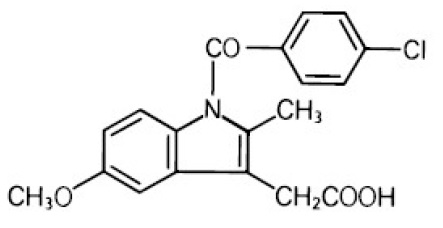
Indomethacin Capsules, USP are nonsteroidal anti-inflammatory drugs, available as capsules containing 25 mg of indomethacin, USP, administered for oral use. The chemical name is 1-(4-chlorobenzoyl)-5-methoxy-2-methyl-1H-indole-3-acetic acid. The molecular weight is 357.79. Its molecular formula is C 19H 16ClNO 4, and it has the following chemical structure.
Indomethacin, USP is a white to yellow crystalline powder. It is practically insoluble in water and sparingly soluble in alcohol. It has a pKa of 4.5 and is stable in neutral or slightly acidic media and decomposes in strong alkali.
The inactive ingredients in Indomethacin Capsules, USP 25 mg and 50 mg include: colloidal silicon dioxide, FD&C Blue No. 1, D&C Yellow No. 10, gelatin, hypromellose, lactose monohydrate, magnesium stearate, microcrystalline cellulose, sodium lauryl sulfate, sodium starch glycolate and titanium dioxide.
The imprinting ink contains the following: black iron oxide, butyl alcohol, dehydrated alcohol, isopropyl alcohol, potassium hydroxide, propylene glycol, shellac and strong ammonia solution.
5.4 Hypertension
NSAIDs, including indomethacin capsules, can lead to new onset of hypertension or worsening of preexisting hypertension, either of which may contribute to the increased incidence of CV events. Patients taking angiotensin converting enzyme (ACE) inhibitors, thiazide diuretics, or loop diuretics may have impaired response to these therapies when taking NSAIDs [ see Drug Interactions (7) ].
Monitor blood pressure (BP) during the initiation of NSAID treatment and throughout the course of therapy.
8.4 Pediatric Use
Safety and effectiveness in pediatric patients 14 years of age and younger has not been established.
Indomethacin capsules should not be prescribed for pediatric patients 14 years of age and younger unless toxicity or lack of efficacy associated with other drugs warrants the risk.
In experience with more than 900 pediatric patients reported in the literature or to the manufacturer who were treated with indomethacin capsules, side effects in pediatric patients were comparable to those reported in adults. Experience in pediatric patients has been confined to the use of indomethacin capsules.
If a decision is made to use indomethacin for pediatric patients two years of age or older, such patients should be monitored closely and periodic assessment of liver function is recommended. There have been cases of hepatotoxicity reported in pediatric patients with juvenile rheumatoid arthritis, including fatalities. If indomethacin treatment is instituted, a suggested starting dose is 1 to 2 mg/kg/day given in divided doses. Maximum daily dosage should not exceed 3 mg/kg/day or 150 to 200 mg/day, whichever is less. Limited data are available to support the use of a maximum daily dosage of 4 mg/kg/day or 150 to 200 mg/day, whichever is less. As symptoms subside, the total daily dosage should be reduced to the lowest level required to control symptoms, or the drug should be discontinued.
8.5 Geriatric Use
Elderly patients, compared to younger patients, are at greater risk for NSAID-associated serious cardiovascular, gastrointestinal, and/or renal adverse reactions. If the anticipated benefit for the elderly patient outweighs these potential risks, start dosing at the low end of the dosing range, and monitor patients for adverse effects [ see Warnings and Precautions (5.1, 5.2, 5.3, 5.6, 5.13) ].
Indomethacin may cause confusion or rarely, psychosis [ see Adverse Reactions (6.1)]; physicians should remain alert to the possibility of such adverse effects in the elderly.
Indomethacin and its metabolites are known to be substantially excreted by the kidneys, and the risk of adverse reactions to this drug may be greater in patients with impaired renal function. Because elderly patients are more likely to have decreased renal function, use caution in this patient population, and it may be useful to monitor renal function [ see Clinical Pharmacology (12.3) ].
5.3 Hepatotoxicity
Elevations of ALT or AST (three or more times the upper limit of normal [ULN]) have been reported in approximately 1% of NSAID-treated patients in clinical trials. In addition, rare, sometimes fatal, cases of severe hepatic injury, including fulminant hepatitis, liver necrosis, and hepatic failure have been reported.
Elevations of ALT or AST (less than three times ULN) may occur in up to 15% of patients treated with NSAIDs including indomethacin.
Inform patients of the warning signs and symptoms of hepatotoxicity (e.g., nausea, fatigue, lethargy, diarrhea, pruritus, jaundice, right upper quadrant tenderness, and “flu-like” symptoms). If clinical signs and symptoms consistent with liver disease develop, or if systemic manifestations occur (e.g., eosinophilia, rash, etc.), discontinue indomethacin capsules immediately, and perform a clinical evaluation of the patient.
14 Clinical Studies
Indomethacin has been shown to be an effective anti-inflammatory agent, appropriate for long-term use in rheumatoid arthritis, ankylosing spondylitis, and osteoarthritis.
Indomethacin capsules affords relief of symptoms; it does not alter the progressive course of the underlying disease.
Indomethacin capsules suppress inflammation in rheumatoid arthritis as demonstrated by relief of pain, and reduction of fever, swelling and tenderness. Improvement in patients treated with indomethacin capsules for rheumatoid arthritis has been demonstrated by a reduction in joint swelling, average number of joints involved, and morning stiffness; by increased mobility as demonstrated by a decrease in walking time; and by improved functional capability as demonstrated by an increase in grip strength. Indomethacin capsules may enable the reduction of steroid dosage in patients receiving steroids for the more severe forms of rheumatoid arthritis. In such instances the steroid dosage should be reduced slowly and the patients followed very closely for any possible adverse effects.
4 Contraindications
Indomethacin capsules are contraindicated in the following patients:
- Known hypersensitivity (e.g., anaphylactic reactions and serious skin reactions) to indomethacin or any components of the drug product [ see Warnings and Precautions (5.7, 5.9) ].
- History of asthma, urticaria, or other allergic-type reactions after taking aspirin or other NSAIDs. Severe, sometimes fatal, anaphylactic reactions to NSAIDs have been reported in such patients [ see Warnings and Precautions (5.7, 5.8) ].
- In the setting of coronary artery bypass graft (CABG) surgery [ see Warnings and Precautions (5.1) ].
5.15 Ocular Effects
Corneal deposits and retinal disturbances, including those of the macula, have been observed in some patients who had received prolonged therapy with indomethacin capsules. Be alert to the possible association between the changes noted and indomethacin capsules. It is advisable to discontinue therapy if such changes are observed. Blurred vision may be a significant symptom and warrants a thorough ophthalmological examination. Since these changes may be asymptomatic, ophthalmologic examination at periodic intervals is desirable in patients receiving prolonged therapy. Indomethacin capsules are not indicated for long-term treatment.
6 Adverse Reactions
The following adverse reactions are discussed in greater detail in other sections of the labeling:
- Cardiovascular Thrombotic Events [ see Warnings and Precautions (5.1) ]
- GI Bleeding, Ulceration and Perforation [ see Warnings and Precautions (5.2) ]
- Hepatotoxicity [ see Warnings and Precautions (5.3) ]
- Hypertension [ see Warnings and Precautions (5.4) ]
- Heart Failure and Edema [ see Warnings and Precautions (5.5) ]
- Renal Toxicity and Hyperkalemia [ see Warnings and Precautions (5.6) ]
- Anaphylactic Reactions [ see Warnings and Precautions (5.7) ]
- Serious Skin Reactions [ see Warnings and Precautions (5.9) ]
- Hematologic Toxicity [ see Warnings and Precautions (5.11) ]
7 Drug Interactions
See Table 2 for clinically significant drug interactions with indomethacin.
| Drugs That Interfere with Hemostasis | |
|---|---|
|
Clinical Impact: |
|
|
Intervention: |
Monitor patients with concomitant use of indomethacin capsules with anticoagulants (e.g., warfarin), antiplatelet agents (e.g., aspirin), selective serotonin reuptake inhibitors (SSRIs), and serotonin norepinephrine reuptake inhibitors (SNRIs) for signs of bleeding [ see Warnings and Precautions (5.11) ]. |
|
Aspirin |
|
|
Clinical Impact: |
Controlled clinical studies showed that the concomitant use of NSAIDs and analgesic doses of aspirin does not produce any greater therapeutic effect than the use of NSAIDs alone. In a clinical study, the concomitant use of an NSAID and aspirin was associated with a significantly increased incidence of GI adverse reactions as compared to use of the NSAID alone [ see Warnings and Precautions (5.2) ]. |
|
Intervention: |
Concomitant use of indomethacin capsules and analgesic doses of aspirin is not generally recommended because of the increased risk of bleeding [
see
Warnings and Precautions (5.11)]
.
|
|
ACE Inhibitors, Angiotensin Receptor Blockers, and Beta-Blockers |
|
|
Clinical Impact: |
|
|
Intervention: |
|
|
Diuretics |
|
|
Clinical Impact: |
Clinical studies, as well as post-marketing observations, showed that NSAIDs reduced the natriuretic effect of loop diuretics (e.g., furosemide) and thiazide diuretics in some patients. This effect has been attributed to the NSAID inhibition of renal prostaglandin synthesis.
|
|
Intervention: |
Indomethacin and triamterene should not be administered together.
|
|
Digoxin |
|
|
Clinical Impact: |
The concomitant use of indomethacin with digoxin has been reported to increase the serum concentration and prolong the half-life of digoxin. |
|
Intervention: |
During concomitant use of indomethacin capsules and digoxin, monitor serum digoxin levels. |
|
Lithium |
|
|
Clinical Impact: |
NSAIDs have produced elevations in plasma lithium levels and reductions in renal lithium clearance . The mean minimum lithium concentration increased 15%, and the renal clearance decreased by approximately 20%. This effect has been attributed to NSAID inhibition of renal prostaglandin synthesis. |
|
Intervention: |
During concomitant use of indomethacin capsules and lithium, monitor patients for signs of lithium toxicity. |
|
Methotrexate |
|
|
Clinical Impact: |
Concomitant use of NSAIDs and methotrexate may increase the risk for methotrexate toxicity (e.g., neutropenia, thrombocytopenia, renal dysfunction). |
|
Intervention: |
During concomitant use of indomethacin capsules and methotrexate, monitor patients for methotrexate toxicity. |
|
Cyclosporine |
|
|
Clinical Impact: |
Concomitant use of indomethacin capsules and cyclosporine may increase cyclosporine’s nephrotoxicity. |
|
Intervention: |
During concomitant use of indomethacin capsules and cyclosporine, monitor patients for signs of worsening renal function. |
|
NSAIDs and Salicylates |
|
|
Clinical Impact: |
Concomitant use of indomethacin with other NSAIDs or salicylates (e.g., diflunisal, salsalate) increases the risk of GI toxicity, with little or no increase in efficacy [
see
Warnings and Precautions (5.2)
]
.
|
|
Intervention: |
The concomitant use of indomethacin with other NSAIDs or salicylates, especially diflunisal, is not recommended. |
|
Pemetrexed |
|
|
Clinical Impact: |
Concomitant use of indomethacin capsules and pemetrexed may increase the risk of pemetrexed-associated myelosuppression, renal, and GI toxicity (see the pemetrexed prescribing information). |
|
Intervention: |
During concomitant use of indomethacin capsules and pemetrexed, in patients with renal impairment whose creatinine clearance ranges from 45 to 79 mL/min, monitor for myelosuppression, renal and GI toxicity.
|
|
Probenecid |
|
|
Clinical Impact: |
When indomethacin is given to patients receiving probenecid, the plasma levels of indomethacin are likely to be increased. |
|
Intervention: |
During the concomitant use of indomethacin capsules and probenecid, a lower total daily dosage of indomethacin may produce a satisfactory therapeutic effect. When increases in the dose of indomethacin are made, they should be made carefully and in small increments. |
1 Indications and Usage
Indomethacin capsules are indicated for:
- Moderate to severe rheumatoid arthritis including acute flares of chronic disease
- Moderate to severe ankylosing spondylitis
- Moderate to severe osteoarthritis
- Acute painful shoulder (bursitis and/or tendinitis)
- Acute gouty arthritis
12.1 Mechanism of Action
Indomethacin has analgesic, anti-inflammatory, and antipyretic properties.
The mechanism of action of indomethacin capsules, like that of other NSAIDs, is not completely understood but involves inhibition of cyclooxygenase (COX-1 and COX-2).
Indomethacin is a potent inhibitor of prostaglandin synthesis in vitro. Indomethacin concentrations reached during therapy have produced in vivo effects. Prostaglandins sensitize afferent nerves and potentiate the action of bradykinin in inducing pain in animal models. Prostaglandins are mediators of inflammation. Because indomethacin is an inhibitor of prostaglandin synthesis, its mode of action may be due to a decrease of prostaglandins in peripheral tissues.
2.4 Acute Gouty Arthritis
Indomethacin capsules 50 mg three times a day until pain is tolerable. The dose should then be rapidly reduced to complete cessation of the drug. Definite relief of pain has been reported within 2 to 4 hours. Tenderness and heat usually subside in 24 to 36 hours, and swelling gradually disappears in 3 to 5 days.
5.11 Hematologic Toxicity
Anemia has occurred in NSAID-treated patients. This may be due to occult or gross blood loss, fluid retention, or an incompletely described effect on erythropoiesis. If a patient treated with indomethacin capsules has any signs or symptoms of anemia, monitor hemoglobin or hematocrit.
NSAIDs, including indomethacin capsules, may increase the risk of bleeding events. Co-morbid conditions, such as coagulation disorders, or concomitant use of warfarin, other anticoagulants, antiplatelet agents (e.g., aspirin), serotonin reuptake inhibitors (SSRIs), and serotonin norepinephrine reuptake inhibitors (SNRIs) may increase this risk. Monitor these patients for signs of bleeding [ see Drug Interactions (7) ].
5 Warnings and Precautions
- Hepatotoxicity: Inform patients of warning signs and symptoms of hepatotoxicity. Discontinue if abnormal liver tests persist or worsen or if clinical signs and symptoms of liver disease develop. ( 5.3)
- Hypertension: Patients taking some antihypertensive medications may have impaired response to these therapies when taking NSAIDs. Monitor blood pressure. ( 5.4, 7)
- Heart Failure and Edema: Avoid use of indomethacin capsules in patients with severe heart failure unless benefits are expected to outweigh risk of worsening heart failure. ( 5.5)
- Renal Toxicity: Monitor renal function in patients with renal or hepatic impairment, heart failure, dehydration, or hypovolemia. Avoid use of indomethacin capsules in patients with advanced renal disease unless benefits are expected to outweigh risk of worsening renal function. ( 5.6)
- Anaphylactic Reactions: Seek emergency help if an anaphylactic reaction occurs. ( 5.7)
- Exacerbation of Asthma Related to Aspirin Sensitivity: Indomethacin capsules are contraindicated in patients with aspirin-sensitive asthma. Monitor patients with preexisting asthma (without aspirin sensitivity). ( 5.8)
- Serious Skin Reactions: Discontinue indomethacin capsules at first appearance of skin rash or other signs of hypersensitivity. ( 5.9)
- Premature Closure of Fetal Ductus Arteriosus: Avoid use in pregnant women starting at 30 weeks gestation. ( 5.10, 8.1)
- Hematologic Toxicity: Monitor hemoglobin or hematocrit in patients with any signs or symptoms of anemia. ( 5.11, 7)
5.13 Laboratory Monitoring
Because serious GI bleeding, hepatotoxicity, and renal injury can occur without warning symptoms or signs, consider monitoring patients on long-term NSAID treatment with a CBC and a chemistry profile periodically [ see Warnings and Precautions (5.2, 5.3, 5.6) ].
5.7 Anaphylactic Reactions
Indomethacin has been associated with anaphylactic reactions in patients with and without known hypersensitivity to indomethacin and in patients with aspirin-sensitive asthma [see Contraindications (4) and Warnings and Precautions (5.8) ].
Seek emergency help if an anaphylactic reaction occurs.
5.9 Serious Skin Reactions
NSAIDs, including indomethacin, can cause serious skin adverse reactions such as exfoliative dermatitis, Stevens-Johnson Syndrome (SJS), and toxic epidermal necrolysis (TEN), which can be fatal. These serious events may occur without warning. Inform patients about the signs and symptoms of serious skin reactions, and to discontinue the use of indomethacin capsules at the first appearance of skin rash or any other sign of hypersensitivity.
Indomethacin capsules are contraindicated in patients with previous serious skin reactions to NSAIDs [ see Contraindications (4) ].
2 Dosage and Administration
- Use the lowest effective dosage for shortest duration consistent with individual patient treatment goals. ( 2.1)
- The dosage for moderate to severe rheumatoid arthritis including acute flares of chronic disease; moderate to severe ankylosing spondylitis; and moderate to severe osteoarthritis is indomethacin capsules 25 mg two or three times a day. ( 2.2)
- The dosage for acute painful shoulder (bursitis and/or tendinitis) is 75 to 150 mg daily in 3 or 4 divided doses. ( 2.3)
- The dosage for acute gouty arthritis is indomethacin capsules 50 mg three times a day. ( 2.4)
5.5 Heart Failure and Edema
The Coxib and traditional NSAID Trialists’ Collaboration meta-analysis of randomized controlled trials demonstrated an approximately two-fold increase in hospitalizations for heart failure in COX-2 selective-treated patients and nonselective NSAID-treated patients compared to placebo-treated patients. In a Danish National Registry study of patients with heart failure, NSAID use increased the risk of MI, hospitalization for heart failure, and death.
Additionally, fluid retention and edema have been observed in some patients treated with NSAIDs. Use of indomethacin may blunt the CV effects of several therapeutic agents used to treat these medical conditions (e.g., diuretics, ACE inhibitors, or angiotensin receptor blockers [ARBs]) [ see Drug Interactions (7) ].
Avoid the use of indomethacin capsules in patients with severe heart failure unless the benefits are expected to outweigh the risk of worsening heart failure. If indomethacin capsules are used in patients with severe heart failure, monitor patients for signs of worsening heart failure.
3 Dosage Forms and Strengths
Indomethacin Capsules, USP are available containing either 25 mg or 50 mg of indomethacin, USP.
The 25 mg capsule is a size ‘3’ two piece opaque green hard gelatin capsule imprinted with ‘G406’ on body and ‘G’ on cap, filled with white-to off-white granular powder.
The 50 mg capsule is a size ‘1’ two piece opaque green hard gelatin capsules imprinted with ‘G302’ on body and ‘G’ on cap filled with white to off-white granular powder.
8 Use in Specific Populations
Pregnancy: Use of NSAIDs during the third trimester of pregnancy increases the risk of premature closure of the fetal ductus arteriosus. Avoid use of NSAIDs in pregnant women starting at 30 weeks gestation. ( 5.10, 8.1)
Infertility: NSAIDs are associated with reversible infertility. Consider withdrawal of indomethacin capsules in women who have difficulties conceiving. ( 8.3)
6.1 Clinical Trials Experience
Because clinical trials are conducted under widely varying conditions, adverse reaction rates observed in the clinical trials of a drug cannot be directly compared to rates in the clinical trials of another drug and may not reflect the rates observed in clinical practice.
In a gastroscopic study in 45 healthy subjects, the number of gastric mucosal abnormalities was significantly higher in the group receiving indomethacin capsules than in the group taking indomethacin suppositories or placebo.
In a double-blind comparative clinical study involving 175 patients with rheumatoid arthritis, however, the incidence of upper gastrointestinal adverse effects with indomethacin capsules or suppositories was comparable. The incidence of lower gastrointestinal adverse effects was greater in the suppository group.
The adverse reactions for indomethacin capsules listed in the following table have been arranged into two groups: (1) incidence greater than 1%; and (2) incidence less than 1%. The incidence for group (1) was obtained from 33 double-blind controlled clinical trials reported in the literature (1,092 patients). The incidence for group (2) was based on reports in clinical trials, in the literature, and on voluntary reports since marketing. The probability of a causal relationship exists between indomethacin capsules and these adverse reactions, some of which have been reported only rarely.
The adverse reactions reported with indomethacin capsules may occur with use of the suppositories. In addition, rectal irritation and tenesmus have been reported in patients who have received the capsules.
| Incidence greater than 1% | Incidence less than 1% | |
|---|---|---|
|
GASTROINTESTINAL |
||
|
nausea Reactions occurring in 3% to 9% of patients treated with indomethacin capsules. (Those reactions occurring in less than 3% of the patients are unmarked.) with or without vomiting
dyspepsia (including indigestion, heartburn and epigastric pain) diarrhea abdominal distress or pain constipation |
anorexia
including perforation and hemorrhage of the esophagus, stomach, duodenum or small and large intestines
|
gastrointestinal bleeding without obvious ulcer formation and perforation of preexisting sigmoid lesions (diverticulum, carcinoma, etc.) development of ulcerative colitis and regional ileitis
|
|
CENTRAL NERVOUS SYSTEM |
||
|
headache (11.7%)
vertigo somnolence depression and fatigue (including malaise and listlessness) |
anxiety (includes nervousness)
|
light-headedness
|
|
SPECIAL SENSES |
||
|
tinnitus |
ocular - corneal deposits and retinal disturbances, including those of the macula, have been reported in some patients on prolonged therapy with indomethacin capsules |
blurred vision
|
|
CARDIOVASCULAR |
||
|
None |
hypertension
|
congestive heart failure
|
|
METABOLIC |
||
|
None |
edema
|
hyperglycemia
|
|
INTEGUMENTARY |
||
|
none |
pruritus
|
exfoliative dermatitis
|
|
HEMATOLOGIC |
||
|
None |
leukopenia
|
aplastic anemia
|
|
HYPERSENSITIVITY |
||
|
None |
acute anaphylaxis
|
dyspnea
|
|
GENITOURINARY |
||
|
None |
hematuria
|
BUN elevation
|
|
MISCELLANEOUS |
||
|
None |
epistaxis
|
Causal relationship unknown: Other reactions have been reported but occurred under circumstances where a causal relationship could not be established. However, in these rarely reported events, the possibility cannot be excluded. Therefore, these observations are being listed to serve as alerting information to physicians:
Cardiovascular: Thrombophlebitis
Hematologic: Although there have been several reports of leukemia, the supporting information is weak
Genitourinary: Urinary frequency
A rare occurrence of fulminant necrotizing fasciitis, particularly in association with Group Aβ hemolytic streptococcus, has been described in persons treated with nonsteroidal anti-inflammatory agents, including indomethacin, sometimes with fatal outcome.
2.1 General Dosing Instructions
Carefully consider the potential benefits and risks of indomethacin capsules and other treatment options before deciding to use indomethacin capsules. Use the lowest effective dosage for the shortest duration consistent with individual patient treatment goals [ see Warnings and Precautions (5) ].
After observing the response to initial therapy with indomethacin, the dose and frequency should be adjusted to suit an individual patient’s needs.
Adverse reactions generally appear to correlate with the dose of indomethacin. Therefore, every effort should be made to determine the lowest effective dosage for the individual patient.
Dosage recommendations for active stages of the following:
17 Patient Counseling Information
Advise the patient to read the FDA-approved patient labeling (Medication Guide) that accompanies each prescription dispensed. Inform patients, families, or their caregivers of the following information before initiating therapy with indomethacin capsules and periodically during the course of ongoing therapy.
5.14 Central Nervous System Effects
Indomethacin capsules may aggravate depression or other psychiatric disturbances, epilepsy, and parkinsonism, and should be used with considerable caution in patients with these conditions. Discontinue indomethacin capsules if severe CNS adverse reactions develop.
Indomethacin capsules may cause drowsiness; therefore, caution patients about engaging in activities requiring mental alertness and motor coordination, such as driving a car. Indomethacin may also cause headache. Headache which persists despite dosage reduction requires cessation of therapy with indomethacin capsules.
16 How Supplied/storage and Handling
The 50 mg capsule is a size ‘1’ two piece opaque green hard gelatin capsules imprinted with ‘G302’ on body and ‘G’ on cap filled with white to off-white granular powder. They are available as follows:
NDC 60760-294-30 BOTTLES OF 30
60760-294-21 BOTTLES OF 21
5.1 Cardiovascular Thrombotic Events
Clinical trials of several COX-2 selective and nonselective NSAIDs of up to three years duration have shown an increased risk of serious cardiovascular (CV) thrombotic events, including myocardial infarction (MI) and stroke, which can be fatal. Based on available data, it is unclear that the risk for CV thrombotic events is similar for all NSAIDs. The relative increase in serious CV thrombotic events over baseline conferred by NSAID use appears to be similar in those with and without known CV disease or risk factors for CV disease. However, patients with known CV disease or risk factors had a higher absolute incidence of excess serious CV thrombotic events, due to their increased baseline rate. Some observational studies found that this increased risk of serious CV thrombotic events began as early as the first weeks of treatment. The increase in CV thrombotic risk has been observed most consistently at higher doses.
To minimize the potential risk for an adverse CV event in NSAID-treated patients, use the lowest effective dose for the shortest duration possible. Physicians and patients should remain alert for the development of such events, throughout the entire treatment course, even in the absence of previous CV symptoms. Patients should be informed about the symptoms of serious CV events and the steps to take if they occur.
There is no consistent evidence that concurrent use of aspirin mitigates the increased risk of serious CV thrombotic events associated with NSAID use. The concurrent use of aspirin and an NSAID, such as indomethacin, increases the risk of serious gastrointestinal (GI) events [ see Warnings and Precautions (5.2) ].
5.12 Masking of Inflammation and Fever
The pharmacological activity of indomethacin capsules in reducing inflammation, and possibly fever, may diminish the utility of diagnostic signs in detecting infections.
5.10 Premature Closure of Fetal Ductus Arteriosus
Indomethacin may cause premature closure of the fetal ductus arteriosus. Avoid use of NSAIDs, including indomethacin capsules, in pregnant women starting at 30 weeks of gestation (third trimester) [ see Use in Specific Populations (8.1) ].
2.3 Acute Painful Shoulder (bursitis And/or Tendinitis)
Indomethacin capsules 75 to 150 mg daily in 3 or 4 divided doses.
The drug should be discontinued after the signs and symptoms of inflammation have been controlled for several days. The usual course of therapy is 7 to 14 days.
5.8 Exacerbation of Asthma Related to Aspirin Sensitivity
A subpopulation of patients with asthma may have aspirin-sensitive asthma which may include chronic rhinosinusitis complicated by nasal polyps; severe, potentially fatal bronchospasm; and/or intolerance to aspirin and other NSAIDs. Because cross-reactivity between aspirin and other NSAIDs has been reported in such aspirin-sensitive patients, indomethacin capsules are contraindicated in patients with this form of aspirin sensitivity [ see Contraindications (4) ]. When indomethacin capsules are used in patients with preexisting asthma (without known aspirin sensitivity), monitor patients for changes in the signs and symptoms of asthma.
5.2 Gastrointestinal Bleeding, Ulceration, and Perforation
NSAIDs, including indomethacin, cause serious gastrointestinal (GI) adverse events including inflammation, bleeding, ulceration, and perforation of the esophagus, stomach, small intestine, or large intestine, which can be fatal. These serious adverse events can occur at any time, with or without warning symptoms, in patients treated with NSAIDs. Only one in five patients who develop a serious upper GI adverse event on NSAID therapy is symptomatic. Upper GI ulcers, gross bleeding, or perforation caused by NSAIDs occurred in approximately 1% of patients treated for 3 to 6 months, and in about 2% to 4% of patients treated for one year. However, even short-term NSAID therapy is not without risk.
Warning: Risk of Serious Cardiovascular and Gastrointestinal Events
WARNING: RISK OF SERIOUS CARDIOVASCULAR AND GASTROINTESTINAL EVENTS
See full prescribing information for complete boxed warning.
- Nonsteroidal anti-inflammatory drugs (NSAIDs) cause an increased risk of serious cardiovascular thrombotic events, including myocardial infarction and stroke, which can be fatal. This risk may occur early in treatment and may increase with duration of use ( 5.1)
- Indomethacin capsules are contraindicated in the setting of coronary artery bypass graft (CABG) surgery ( 4, 5.1)
- NSAIDs cause an increased risk of serious gastrointestinal (GI) adverse events including bleeding, ulceration, and perforation of the stomach or intestines, which can be fatal. These events can occur at any time during use and without warning symptoms. Elderly patients and patients with a prior history of peptic ulcer disease and/or GI bleeding are at greater risk for serious GI events ( 5.2)
2.2 Moderate to Severe Rheumatoid Arthritis Including Acute Flares of Chronic Disease; Moderate to Severe Ankylosing Spondylitis; and Moderate to Severe Osteoarthritis
Indomethacin capsules 25 mg twice a day or three times a day. If this is well tolerated, increase the daily dosage by 25 mg or by 50 mg, if required by continuing symptoms, at weekly intervals until a satisfactory response is obtained or until a total daily dose of 150 to 200 mg is reached. Doses above this amount generally do not increase the effectiveness of the drug.
In patients who have persistent night pain and/or morning stiffness, the giving of a large portion, up to a maximum of 100 mg, of the total daily dose at bedtime may be helpful in affording relief. The total daily dose should not exceed 200 mg. In acute flares of chronic rheumatoid arthritis, it may be necessary to increase the dosage by 25 mg or, if required, by 50 mg daily.
If minor adverse effects develop as the dosage is increased, reduce the dosage rapidly to a tolerated dose and observe the patient closely.
If severe adverse reactions occur, stop the drug. After the acute phase of the disease is under control, an attempt to reduce the daily dose should be made repeatedly until the patient is receiving the smallest effective dose or the drug is discontinued.
Careful instructions to, and observations of, the individual patient are essential to the prevention of serious, irreversible, including fatal, adverse reactions.
As advancing years appear to increase the possibility of adverse reactions, indomethacin capsules should be used with greater care in the elderly [see Use in Specific Populations (8.5) ].
Structured Label Content
Section 34079-4 (34079-4)
Labor or Delivery
There are no studies on the effects of indomethacin capsules during labor or delivery. In animal studies, NSAIDs, including indomethacin, inhibit prostaglandin synthesis, cause delayed parturition, and increase the incidence of stillbirth.
Section 42229-5 (42229-5)
Cardiovascular Thrombotic Events
- Nonsteroidal anti-inflammatory drugs (NSAIDs) cause an increased risk of serious cardiovascular thrombotic events, including myocardial infarction and stroke, which can be fatal. This risk may occur early in treatment and may increase with duration of use [ see Warnings and Precautions (5.1) ].
- Indomethacin capsules are contraindicated in the setting of coronary artery bypass graft (CABG) surgery [ see Contraindications (4) and Warnings and Precautions (5.1) ] .
Section 42231-1 (42231-1)
| Medication Guide for Nonsteroidal Anti-inflammatory Drugs (NSAIDs) | |||
|---|---|---|---|
| This Medication Guide has been approved by the U.S. Food and Drug Administration. | |||
|
What is the most important information I should know about medicines called Nonsteroidal Anti-inflammatory Drugs (NSAIDs)? NSAIDs can cause serious side effects, including:
|
|||
|
|||
|
|
||
|
NSAIDs should only be used:
|
|||
|
What are NSAIDs? NSAIDs are used to treat pain and redness, swelling, and heat (inflammation) from medical conditions such as different types of arthritis, menstrual cramps, and other types of short-term pain. |
|||
|
Who should not take NSAIDs? Do not take NSAIDs:
|
|||
|
Before taking NSAIDs, tell your healthcare provider about all of your medical conditions, including if you:
Tell your healthcare provider about all of the medicines you take, including prescription or over-the-counter medicines, vitamins or herbal supplements. NSAIDs and some other medicines can interact with each other and cause serious side effects. Do not start taking any new medicine without talking to your healthcare provider first. |
|||
|
What are the possible side effects of NSAIDs? NSAIDs can cause serious side effects, including:
Get emergency help right away if you get any of the following symptoms: |
|||
|
|
||
|
Stop taking your NSAID and call your healthcare provider right away if you get any of the following symptoms: |
|||
|
|
||
|
If you take too much of your NSAID, call your healthcare provider or get medical help right away. These are not all the possible side effects of NSAIDs. For more information, ask your healthcare provider or pharmacist about NSAIDs. Call your doctor for medical advice about side effects. You may report side effects to FDA at 1-800-FDA-1088. |
|||
|
Other information about NSAIDs
|
|||
|
General information about the safe and effective use of NSAIDs Medicines are sometimes prescribed for purposes other than those listed in a Medication Guide. Do not use NSAIDs for a condition for which it was not prescribed. Do not give NSAIDs to other people, even if they have the same symptoms that you have. It may harm them. If you would like more information about NSAIDs, talk with your healthcare provider. You can ask your pharmacist or healthcare provider for information about NSAIDs that is written for health professionals. |
|||
|
Manufactured by: Glenmark Pharmaceuticals Ltd. India Manufactured for: Glenmark Pharmaceuticals Inc., USA Mahwah, NJ 07430 Questions? 1 (888)721-7115 www.glenmarkpharma.com/usa July 2015 |
Section 44425-7 (44425-7)
Store at 20° to 25°C (68° to 77°F) [see USP Controlled Room Temperature].
Protect from light.
Section 51945-4 (51945-4)
10 Overdosage (10 OVERDOSAGE)
Symptoms following acute NSAID overdosages have been typically limited to lethargy, drowsiness, nausea, vomiting, and epigastric pain, which have been generally reversible with supportive care. Gastrointestinal bleeding has occurred. Hypertension, acute renal failure, respiratory depression, and coma have occurred, but were rare [ see Warnings and Precautions (5.1, 5.2, 5.4, 5.6) ].
Manage patients with symptomatic and supportive care following an NSAID overdosage. There are no specific antidotes. Consider emesis and/or activated charcoal (60 to 100 grams in adults, 1 to 2 grams per kg of body weight in pediatric patients) and/or osmotic cathartic in symptomatic patients seen within four hours of ingestion or in patients with a large overdosage (5 to 10 times the recommended dosage). Forced diuresis, alkalinization of urine, hemodialysis, or hemoperfusion may not be useful due to high protein binding.
For additional information about overdosage treatment contact a poison control center (1-800-222-1222).
11 Description (11 DESCRIPTION)
Indomethacin Capsules, USP are nonsteroidal anti-inflammatory drugs, available as capsules containing 25 mg of indomethacin, USP, administered for oral use. The chemical name is 1-(4-chlorobenzoyl)-5-methoxy-2-methyl-1H-indole-3-acetic acid. The molecular weight is 357.79. Its molecular formula is C 19H 16ClNO 4, and it has the following chemical structure.
Indomethacin, USP is a white to yellow crystalline powder. It is practically insoluble in water and sparingly soluble in alcohol. It has a pKa of 4.5 and is stable in neutral or slightly acidic media and decomposes in strong alkali.
The inactive ingredients in Indomethacin Capsules, USP 25 mg and 50 mg include: colloidal silicon dioxide, FD&C Blue No. 1, D&C Yellow No. 10, gelatin, hypromellose, lactose monohydrate, magnesium stearate, microcrystalline cellulose, sodium lauryl sulfate, sodium starch glycolate and titanium dioxide.
The imprinting ink contains the following: black iron oxide, butyl alcohol, dehydrated alcohol, isopropyl alcohol, potassium hydroxide, propylene glycol, shellac and strong ammonia solution.
5.4 Hypertension
NSAIDs, including indomethacin capsules, can lead to new onset of hypertension or worsening of preexisting hypertension, either of which may contribute to the increased incidence of CV events. Patients taking angiotensin converting enzyme (ACE) inhibitors, thiazide diuretics, or loop diuretics may have impaired response to these therapies when taking NSAIDs [ see Drug Interactions (7) ].
Monitor blood pressure (BP) during the initiation of NSAID treatment and throughout the course of therapy.
8.4 Pediatric Use
Safety and effectiveness in pediatric patients 14 years of age and younger has not been established.
Indomethacin capsules should not be prescribed for pediatric patients 14 years of age and younger unless toxicity or lack of efficacy associated with other drugs warrants the risk.
In experience with more than 900 pediatric patients reported in the literature or to the manufacturer who were treated with indomethacin capsules, side effects in pediatric patients were comparable to those reported in adults. Experience in pediatric patients has been confined to the use of indomethacin capsules.
If a decision is made to use indomethacin for pediatric patients two years of age or older, such patients should be monitored closely and periodic assessment of liver function is recommended. There have been cases of hepatotoxicity reported in pediatric patients with juvenile rheumatoid arthritis, including fatalities. If indomethacin treatment is instituted, a suggested starting dose is 1 to 2 mg/kg/day given in divided doses. Maximum daily dosage should not exceed 3 mg/kg/day or 150 to 200 mg/day, whichever is less. Limited data are available to support the use of a maximum daily dosage of 4 mg/kg/day or 150 to 200 mg/day, whichever is less. As symptoms subside, the total daily dosage should be reduced to the lowest level required to control symptoms, or the drug should be discontinued.
8.5 Geriatric Use
Elderly patients, compared to younger patients, are at greater risk for NSAID-associated serious cardiovascular, gastrointestinal, and/or renal adverse reactions. If the anticipated benefit for the elderly patient outweighs these potential risks, start dosing at the low end of the dosing range, and monitor patients for adverse effects [ see Warnings and Precautions (5.1, 5.2, 5.3, 5.6, 5.13) ].
Indomethacin may cause confusion or rarely, psychosis [ see Adverse Reactions (6.1)]; physicians should remain alert to the possibility of such adverse effects in the elderly.
Indomethacin and its metabolites are known to be substantially excreted by the kidneys, and the risk of adverse reactions to this drug may be greater in patients with impaired renal function. Because elderly patients are more likely to have decreased renal function, use caution in this patient population, and it may be useful to monitor renal function [ see Clinical Pharmacology (12.3) ].
5.3 Hepatotoxicity
Elevations of ALT or AST (three or more times the upper limit of normal [ULN]) have been reported in approximately 1% of NSAID-treated patients in clinical trials. In addition, rare, sometimes fatal, cases of severe hepatic injury, including fulminant hepatitis, liver necrosis, and hepatic failure have been reported.
Elevations of ALT or AST (less than three times ULN) may occur in up to 15% of patients treated with NSAIDs including indomethacin.
Inform patients of the warning signs and symptoms of hepatotoxicity (e.g., nausea, fatigue, lethargy, diarrhea, pruritus, jaundice, right upper quadrant tenderness, and “flu-like” symptoms). If clinical signs and symptoms consistent with liver disease develop, or if systemic manifestations occur (e.g., eosinophilia, rash, etc.), discontinue indomethacin capsules immediately, and perform a clinical evaluation of the patient.
14 Clinical Studies (14 CLINICAL STUDIES)
Indomethacin has been shown to be an effective anti-inflammatory agent, appropriate for long-term use in rheumatoid arthritis, ankylosing spondylitis, and osteoarthritis.
Indomethacin capsules affords relief of symptoms; it does not alter the progressive course of the underlying disease.
Indomethacin capsules suppress inflammation in rheumatoid arthritis as demonstrated by relief of pain, and reduction of fever, swelling and tenderness. Improvement in patients treated with indomethacin capsules for rheumatoid arthritis has been demonstrated by a reduction in joint swelling, average number of joints involved, and morning stiffness; by increased mobility as demonstrated by a decrease in walking time; and by improved functional capability as demonstrated by an increase in grip strength. Indomethacin capsules may enable the reduction of steroid dosage in patients receiving steroids for the more severe forms of rheumatoid arthritis. In such instances the steroid dosage should be reduced slowly and the patients followed very closely for any possible adverse effects.
4 Contraindications (4 CONTRAINDICATIONS)
Indomethacin capsules are contraindicated in the following patients:
- Known hypersensitivity (e.g., anaphylactic reactions and serious skin reactions) to indomethacin or any components of the drug product [ see Warnings and Precautions (5.7, 5.9) ].
- History of asthma, urticaria, or other allergic-type reactions after taking aspirin or other NSAIDs. Severe, sometimes fatal, anaphylactic reactions to NSAIDs have been reported in such patients [ see Warnings and Precautions (5.7, 5.8) ].
- In the setting of coronary artery bypass graft (CABG) surgery [ see Warnings and Precautions (5.1) ].
5.15 Ocular Effects
Corneal deposits and retinal disturbances, including those of the macula, have been observed in some patients who had received prolonged therapy with indomethacin capsules. Be alert to the possible association between the changes noted and indomethacin capsules. It is advisable to discontinue therapy if such changes are observed. Blurred vision may be a significant symptom and warrants a thorough ophthalmological examination. Since these changes may be asymptomatic, ophthalmologic examination at periodic intervals is desirable in patients receiving prolonged therapy. Indomethacin capsules are not indicated for long-term treatment.
6 Adverse Reactions (6 ADVERSE REACTIONS)
The following adverse reactions are discussed in greater detail in other sections of the labeling:
- Cardiovascular Thrombotic Events [ see Warnings and Precautions (5.1) ]
- GI Bleeding, Ulceration and Perforation [ see Warnings and Precautions (5.2) ]
- Hepatotoxicity [ see Warnings and Precautions (5.3) ]
- Hypertension [ see Warnings and Precautions (5.4) ]
- Heart Failure and Edema [ see Warnings and Precautions (5.5) ]
- Renal Toxicity and Hyperkalemia [ see Warnings and Precautions (5.6) ]
- Anaphylactic Reactions [ see Warnings and Precautions (5.7) ]
- Serious Skin Reactions [ see Warnings and Precautions (5.9) ]
- Hematologic Toxicity [ see Warnings and Precautions (5.11) ]
7 Drug Interactions (7 DRUG INTERACTIONS)
See Table 2 for clinically significant drug interactions with indomethacin.
| Drugs That Interfere with Hemostasis | |
|---|---|
|
Clinical Impact: |
|
|
Intervention: |
Monitor patients with concomitant use of indomethacin capsules with anticoagulants (e.g., warfarin), antiplatelet agents (e.g., aspirin), selective serotonin reuptake inhibitors (SSRIs), and serotonin norepinephrine reuptake inhibitors (SNRIs) for signs of bleeding [ see Warnings and Precautions (5.11) ]. |
|
Aspirin |
|
|
Clinical Impact: |
Controlled clinical studies showed that the concomitant use of NSAIDs and analgesic doses of aspirin does not produce any greater therapeutic effect than the use of NSAIDs alone. In a clinical study, the concomitant use of an NSAID and aspirin was associated with a significantly increased incidence of GI adverse reactions as compared to use of the NSAID alone [ see Warnings and Precautions (5.2) ]. |
|
Intervention: |
Concomitant use of indomethacin capsules and analgesic doses of aspirin is not generally recommended because of the increased risk of bleeding [
see
Warnings and Precautions (5.11)]
.
|
|
ACE Inhibitors, Angiotensin Receptor Blockers, and Beta-Blockers |
|
|
Clinical Impact: |
|
|
Intervention: |
|
|
Diuretics |
|
|
Clinical Impact: |
Clinical studies, as well as post-marketing observations, showed that NSAIDs reduced the natriuretic effect of loop diuretics (e.g., furosemide) and thiazide diuretics in some patients. This effect has been attributed to the NSAID inhibition of renal prostaglandin synthesis.
|
|
Intervention: |
Indomethacin and triamterene should not be administered together.
|
|
Digoxin |
|
|
Clinical Impact: |
The concomitant use of indomethacin with digoxin has been reported to increase the serum concentration and prolong the half-life of digoxin. |
|
Intervention: |
During concomitant use of indomethacin capsules and digoxin, monitor serum digoxin levels. |
|
Lithium |
|
|
Clinical Impact: |
NSAIDs have produced elevations in plasma lithium levels and reductions in renal lithium clearance . The mean minimum lithium concentration increased 15%, and the renal clearance decreased by approximately 20%. This effect has been attributed to NSAID inhibition of renal prostaglandin synthesis. |
|
Intervention: |
During concomitant use of indomethacin capsules and lithium, monitor patients for signs of lithium toxicity. |
|
Methotrexate |
|
|
Clinical Impact: |
Concomitant use of NSAIDs and methotrexate may increase the risk for methotrexate toxicity (e.g., neutropenia, thrombocytopenia, renal dysfunction). |
|
Intervention: |
During concomitant use of indomethacin capsules and methotrexate, monitor patients for methotrexate toxicity. |
|
Cyclosporine |
|
|
Clinical Impact: |
Concomitant use of indomethacin capsules and cyclosporine may increase cyclosporine’s nephrotoxicity. |
|
Intervention: |
During concomitant use of indomethacin capsules and cyclosporine, monitor patients for signs of worsening renal function. |
|
NSAIDs and Salicylates |
|
|
Clinical Impact: |
Concomitant use of indomethacin with other NSAIDs or salicylates (e.g., diflunisal, salsalate) increases the risk of GI toxicity, with little or no increase in efficacy [
see
Warnings and Precautions (5.2)
]
.
|
|
Intervention: |
The concomitant use of indomethacin with other NSAIDs or salicylates, especially diflunisal, is not recommended. |
|
Pemetrexed |
|
|
Clinical Impact: |
Concomitant use of indomethacin capsules and pemetrexed may increase the risk of pemetrexed-associated myelosuppression, renal, and GI toxicity (see the pemetrexed prescribing information). |
|
Intervention: |
During concomitant use of indomethacin capsules and pemetrexed, in patients with renal impairment whose creatinine clearance ranges from 45 to 79 mL/min, monitor for myelosuppression, renal and GI toxicity.
|
|
Probenecid |
|
|
Clinical Impact: |
When indomethacin is given to patients receiving probenecid, the plasma levels of indomethacin are likely to be increased. |
|
Intervention: |
During the concomitant use of indomethacin capsules and probenecid, a lower total daily dosage of indomethacin may produce a satisfactory therapeutic effect. When increases in the dose of indomethacin are made, they should be made carefully and in small increments. |
1 Indications and Usage (1 INDICATIONS AND USAGE)
Indomethacin capsules are indicated for:
- Moderate to severe rheumatoid arthritis including acute flares of chronic disease
- Moderate to severe ankylosing spondylitis
- Moderate to severe osteoarthritis
- Acute painful shoulder (bursitis and/or tendinitis)
- Acute gouty arthritis
12.1 Mechanism of Action
Indomethacin has analgesic, anti-inflammatory, and antipyretic properties.
The mechanism of action of indomethacin capsules, like that of other NSAIDs, is not completely understood but involves inhibition of cyclooxygenase (COX-1 and COX-2).
Indomethacin is a potent inhibitor of prostaglandin synthesis in vitro. Indomethacin concentrations reached during therapy have produced in vivo effects. Prostaglandins sensitize afferent nerves and potentiate the action of bradykinin in inducing pain in animal models. Prostaglandins are mediators of inflammation. Because indomethacin is an inhibitor of prostaglandin synthesis, its mode of action may be due to a decrease of prostaglandins in peripheral tissues.
2.4 Acute Gouty Arthritis
Indomethacin capsules 50 mg three times a day until pain is tolerable. The dose should then be rapidly reduced to complete cessation of the drug. Definite relief of pain has been reported within 2 to 4 hours. Tenderness and heat usually subside in 24 to 36 hours, and swelling gradually disappears in 3 to 5 days.
5.11 Hematologic Toxicity
Anemia has occurred in NSAID-treated patients. This may be due to occult or gross blood loss, fluid retention, or an incompletely described effect on erythropoiesis. If a patient treated with indomethacin capsules has any signs or symptoms of anemia, monitor hemoglobin or hematocrit.
NSAIDs, including indomethacin capsules, may increase the risk of bleeding events. Co-morbid conditions, such as coagulation disorders, or concomitant use of warfarin, other anticoagulants, antiplatelet agents (e.g., aspirin), serotonin reuptake inhibitors (SSRIs), and serotonin norepinephrine reuptake inhibitors (SNRIs) may increase this risk. Monitor these patients for signs of bleeding [ see Drug Interactions (7) ].
5 Warnings and Precautions (5 WARNINGS AND PRECAUTIONS)
- Hepatotoxicity: Inform patients of warning signs and symptoms of hepatotoxicity. Discontinue if abnormal liver tests persist or worsen or if clinical signs and symptoms of liver disease develop. ( 5.3)
- Hypertension: Patients taking some antihypertensive medications may have impaired response to these therapies when taking NSAIDs. Monitor blood pressure. ( 5.4, 7)
- Heart Failure and Edema: Avoid use of indomethacin capsules in patients with severe heart failure unless benefits are expected to outweigh risk of worsening heart failure. ( 5.5)
- Renal Toxicity: Monitor renal function in patients with renal or hepatic impairment, heart failure, dehydration, or hypovolemia. Avoid use of indomethacin capsules in patients with advanced renal disease unless benefits are expected to outweigh risk of worsening renal function. ( 5.6)
- Anaphylactic Reactions: Seek emergency help if an anaphylactic reaction occurs. ( 5.7)
- Exacerbation of Asthma Related to Aspirin Sensitivity: Indomethacin capsules are contraindicated in patients with aspirin-sensitive asthma. Monitor patients with preexisting asthma (without aspirin sensitivity). ( 5.8)
- Serious Skin Reactions: Discontinue indomethacin capsules at first appearance of skin rash or other signs of hypersensitivity. ( 5.9)
- Premature Closure of Fetal Ductus Arteriosus: Avoid use in pregnant women starting at 30 weeks gestation. ( 5.10, 8.1)
- Hematologic Toxicity: Monitor hemoglobin or hematocrit in patients with any signs or symptoms of anemia. ( 5.11, 7)
5.13 Laboratory Monitoring
Because serious GI bleeding, hepatotoxicity, and renal injury can occur without warning symptoms or signs, consider monitoring patients on long-term NSAID treatment with a CBC and a chemistry profile periodically [ see Warnings and Precautions (5.2, 5.3, 5.6) ].
5.7 Anaphylactic Reactions
Indomethacin has been associated with anaphylactic reactions in patients with and without known hypersensitivity to indomethacin and in patients with aspirin-sensitive asthma [see Contraindications (4) and Warnings and Precautions (5.8) ].
Seek emergency help if an anaphylactic reaction occurs.
5.9 Serious Skin Reactions
NSAIDs, including indomethacin, can cause serious skin adverse reactions such as exfoliative dermatitis, Stevens-Johnson Syndrome (SJS), and toxic epidermal necrolysis (TEN), which can be fatal. These serious events may occur without warning. Inform patients about the signs and symptoms of serious skin reactions, and to discontinue the use of indomethacin capsules at the first appearance of skin rash or any other sign of hypersensitivity.
Indomethacin capsules are contraindicated in patients with previous serious skin reactions to NSAIDs [ see Contraindications (4) ].
2 Dosage and Administration (2 DOSAGE AND ADMINISTRATION)
- Use the lowest effective dosage for shortest duration consistent with individual patient treatment goals. ( 2.1)
- The dosage for moderate to severe rheumatoid arthritis including acute flares of chronic disease; moderate to severe ankylosing spondylitis; and moderate to severe osteoarthritis is indomethacin capsules 25 mg two or three times a day. ( 2.2)
- The dosage for acute painful shoulder (bursitis and/or tendinitis) is 75 to 150 mg daily in 3 or 4 divided doses. ( 2.3)
- The dosage for acute gouty arthritis is indomethacin capsules 50 mg three times a day. ( 2.4)
5.5 Heart Failure and Edema
The Coxib and traditional NSAID Trialists’ Collaboration meta-analysis of randomized controlled trials demonstrated an approximately two-fold increase in hospitalizations for heart failure in COX-2 selective-treated patients and nonselective NSAID-treated patients compared to placebo-treated patients. In a Danish National Registry study of patients with heart failure, NSAID use increased the risk of MI, hospitalization for heart failure, and death.
Additionally, fluid retention and edema have been observed in some patients treated with NSAIDs. Use of indomethacin may blunt the CV effects of several therapeutic agents used to treat these medical conditions (e.g., diuretics, ACE inhibitors, or angiotensin receptor blockers [ARBs]) [ see Drug Interactions (7) ].
Avoid the use of indomethacin capsules in patients with severe heart failure unless the benefits are expected to outweigh the risk of worsening heart failure. If indomethacin capsules are used in patients with severe heart failure, monitor patients for signs of worsening heart failure.
3 Dosage Forms and Strengths (3 DOSAGE FORMS AND STRENGTHS)
Indomethacin Capsules, USP are available containing either 25 mg or 50 mg of indomethacin, USP.
The 25 mg capsule is a size ‘3’ two piece opaque green hard gelatin capsule imprinted with ‘G406’ on body and ‘G’ on cap, filled with white-to off-white granular powder.
The 50 mg capsule is a size ‘1’ two piece opaque green hard gelatin capsules imprinted with ‘G302’ on body and ‘G’ on cap filled with white to off-white granular powder.
8 Use in Specific Populations (8 USE IN SPECIFIC POPULATIONS)
Pregnancy: Use of NSAIDs during the third trimester of pregnancy increases the risk of premature closure of the fetal ductus arteriosus. Avoid use of NSAIDs in pregnant women starting at 30 weeks gestation. ( 5.10, 8.1)
Infertility: NSAIDs are associated with reversible infertility. Consider withdrawal of indomethacin capsules in women who have difficulties conceiving. ( 8.3)
6.1 Clinical Trials Experience
Because clinical trials are conducted under widely varying conditions, adverse reaction rates observed in the clinical trials of a drug cannot be directly compared to rates in the clinical trials of another drug and may not reflect the rates observed in clinical practice.
In a gastroscopic study in 45 healthy subjects, the number of gastric mucosal abnormalities was significantly higher in the group receiving indomethacin capsules than in the group taking indomethacin suppositories or placebo.
In a double-blind comparative clinical study involving 175 patients with rheumatoid arthritis, however, the incidence of upper gastrointestinal adverse effects with indomethacin capsules or suppositories was comparable. The incidence of lower gastrointestinal adverse effects was greater in the suppository group.
The adverse reactions for indomethacin capsules listed in the following table have been arranged into two groups: (1) incidence greater than 1%; and (2) incidence less than 1%. The incidence for group (1) was obtained from 33 double-blind controlled clinical trials reported in the literature (1,092 patients). The incidence for group (2) was based on reports in clinical trials, in the literature, and on voluntary reports since marketing. The probability of a causal relationship exists between indomethacin capsules and these adverse reactions, some of which have been reported only rarely.
The adverse reactions reported with indomethacin capsules may occur with use of the suppositories. In addition, rectal irritation and tenesmus have been reported in patients who have received the capsules.
| Incidence greater than 1% | Incidence less than 1% | |
|---|---|---|
|
GASTROINTESTINAL |
||
|
nausea Reactions occurring in 3% to 9% of patients treated with indomethacin capsules. (Those reactions occurring in less than 3% of the patients are unmarked.) with or without vomiting
dyspepsia (including indigestion, heartburn and epigastric pain) diarrhea abdominal distress or pain constipation |
anorexia
including perforation and hemorrhage of the esophagus, stomach, duodenum or small and large intestines
|
gastrointestinal bleeding without obvious ulcer formation and perforation of preexisting sigmoid lesions (diverticulum, carcinoma, etc.) development of ulcerative colitis and regional ileitis
|
|
CENTRAL NERVOUS SYSTEM |
||
|
headache (11.7%)
vertigo somnolence depression and fatigue (including malaise and listlessness) |
anxiety (includes nervousness)
|
light-headedness
|
|
SPECIAL SENSES |
||
|
tinnitus |
ocular - corneal deposits and retinal disturbances, including those of the macula, have been reported in some patients on prolonged therapy with indomethacin capsules |
blurred vision
|
|
CARDIOVASCULAR |
||
|
None |
hypertension
|
congestive heart failure
|
|
METABOLIC |
||
|
None |
edema
|
hyperglycemia
|
|
INTEGUMENTARY |
||
|
none |
pruritus
|
exfoliative dermatitis
|
|
HEMATOLOGIC |
||
|
None |
leukopenia
|
aplastic anemia
|
|
HYPERSENSITIVITY |
||
|
None |
acute anaphylaxis
|
dyspnea
|
|
GENITOURINARY |
||
|
None |
hematuria
|
BUN elevation
|
|
MISCELLANEOUS |
||
|
None |
epistaxis
|
Causal relationship unknown: Other reactions have been reported but occurred under circumstances where a causal relationship could not be established. However, in these rarely reported events, the possibility cannot be excluded. Therefore, these observations are being listed to serve as alerting information to physicians:
Cardiovascular: Thrombophlebitis
Hematologic: Although there have been several reports of leukemia, the supporting information is weak
Genitourinary: Urinary frequency
A rare occurrence of fulminant necrotizing fasciitis, particularly in association with Group Aβ hemolytic streptococcus, has been described in persons treated with nonsteroidal anti-inflammatory agents, including indomethacin, sometimes with fatal outcome.
2.1 General Dosing Instructions
Carefully consider the potential benefits and risks of indomethacin capsules and other treatment options before deciding to use indomethacin capsules. Use the lowest effective dosage for the shortest duration consistent with individual patient treatment goals [ see Warnings and Precautions (5) ].
After observing the response to initial therapy with indomethacin, the dose and frequency should be adjusted to suit an individual patient’s needs.
Adverse reactions generally appear to correlate with the dose of indomethacin. Therefore, every effort should be made to determine the lowest effective dosage for the individual patient.
Dosage recommendations for active stages of the following:
17 Patient Counseling Information (17 PATIENT COUNSELING INFORMATION)
Advise the patient to read the FDA-approved patient labeling (Medication Guide) that accompanies each prescription dispensed. Inform patients, families, or their caregivers of the following information before initiating therapy with indomethacin capsules and periodically during the course of ongoing therapy.
5.14 Central Nervous System Effects
Indomethacin capsules may aggravate depression or other psychiatric disturbances, epilepsy, and parkinsonism, and should be used with considerable caution in patients with these conditions. Discontinue indomethacin capsules if severe CNS adverse reactions develop.
Indomethacin capsules may cause drowsiness; therefore, caution patients about engaging in activities requiring mental alertness and motor coordination, such as driving a car. Indomethacin may also cause headache. Headache which persists despite dosage reduction requires cessation of therapy with indomethacin capsules.
16 How Supplied/storage and Handling (16 HOW SUPPLIED/STORAGE AND HANDLING)
The 50 mg capsule is a size ‘1’ two piece opaque green hard gelatin capsules imprinted with ‘G302’ on body and ‘G’ on cap filled with white to off-white granular powder. They are available as follows:
NDC 60760-294-30 BOTTLES OF 30
60760-294-21 BOTTLES OF 21
5.1 Cardiovascular Thrombotic Events
Clinical trials of several COX-2 selective and nonselective NSAIDs of up to three years duration have shown an increased risk of serious cardiovascular (CV) thrombotic events, including myocardial infarction (MI) and stroke, which can be fatal. Based on available data, it is unclear that the risk for CV thrombotic events is similar for all NSAIDs. The relative increase in serious CV thrombotic events over baseline conferred by NSAID use appears to be similar in those with and without known CV disease or risk factors for CV disease. However, patients with known CV disease or risk factors had a higher absolute incidence of excess serious CV thrombotic events, due to their increased baseline rate. Some observational studies found that this increased risk of serious CV thrombotic events began as early as the first weeks of treatment. The increase in CV thrombotic risk has been observed most consistently at higher doses.
To minimize the potential risk for an adverse CV event in NSAID-treated patients, use the lowest effective dose for the shortest duration possible. Physicians and patients should remain alert for the development of such events, throughout the entire treatment course, even in the absence of previous CV symptoms. Patients should be informed about the symptoms of serious CV events and the steps to take if they occur.
There is no consistent evidence that concurrent use of aspirin mitigates the increased risk of serious CV thrombotic events associated with NSAID use. The concurrent use of aspirin and an NSAID, such as indomethacin, increases the risk of serious gastrointestinal (GI) events [ see Warnings and Precautions (5.2) ].
5.12 Masking of Inflammation and Fever
The pharmacological activity of indomethacin capsules in reducing inflammation, and possibly fever, may diminish the utility of diagnostic signs in detecting infections.
5.10 Premature Closure of Fetal Ductus Arteriosus
Indomethacin may cause premature closure of the fetal ductus arteriosus. Avoid use of NSAIDs, including indomethacin capsules, in pregnant women starting at 30 weeks of gestation (third trimester) [ see Use in Specific Populations (8.1) ].
2.3 Acute Painful Shoulder (bursitis And/or Tendinitis) (2.3 Acute painful shoulder (bursitis and/or tendinitis))
Indomethacin capsules 75 to 150 mg daily in 3 or 4 divided doses.
The drug should be discontinued after the signs and symptoms of inflammation have been controlled for several days. The usual course of therapy is 7 to 14 days.
5.8 Exacerbation of Asthma Related to Aspirin Sensitivity
A subpopulation of patients with asthma may have aspirin-sensitive asthma which may include chronic rhinosinusitis complicated by nasal polyps; severe, potentially fatal bronchospasm; and/or intolerance to aspirin and other NSAIDs. Because cross-reactivity between aspirin and other NSAIDs has been reported in such aspirin-sensitive patients, indomethacin capsules are contraindicated in patients with this form of aspirin sensitivity [ see Contraindications (4) ]. When indomethacin capsules are used in patients with preexisting asthma (without known aspirin sensitivity), monitor patients for changes in the signs and symptoms of asthma.
5.2 Gastrointestinal Bleeding, Ulceration, and Perforation
NSAIDs, including indomethacin, cause serious gastrointestinal (GI) adverse events including inflammation, bleeding, ulceration, and perforation of the esophagus, stomach, small intestine, or large intestine, which can be fatal. These serious adverse events can occur at any time, with or without warning symptoms, in patients treated with NSAIDs. Only one in five patients who develop a serious upper GI adverse event on NSAID therapy is symptomatic. Upper GI ulcers, gross bleeding, or perforation caused by NSAIDs occurred in approximately 1% of patients treated for 3 to 6 months, and in about 2% to 4% of patients treated for one year. However, even short-term NSAID therapy is not without risk.
Warning: Risk of Serious Cardiovascular and Gastrointestinal Events (WARNING: RISK OF SERIOUS CARDIOVASCULAR AND GASTROINTESTINAL EVENTS)
WARNING: RISK OF SERIOUS CARDIOVASCULAR AND GASTROINTESTINAL EVENTS
See full prescribing information for complete boxed warning.
- Nonsteroidal anti-inflammatory drugs (NSAIDs) cause an increased risk of serious cardiovascular thrombotic events, including myocardial infarction and stroke, which can be fatal. This risk may occur early in treatment and may increase with duration of use ( 5.1)
- Indomethacin capsules are contraindicated in the setting of coronary artery bypass graft (CABG) surgery ( 4, 5.1)
- NSAIDs cause an increased risk of serious gastrointestinal (GI) adverse events including bleeding, ulceration, and perforation of the stomach or intestines, which can be fatal. These events can occur at any time during use and without warning symptoms. Elderly patients and patients with a prior history of peptic ulcer disease and/or GI bleeding are at greater risk for serious GI events ( 5.2)
2.2 Moderate to Severe Rheumatoid Arthritis Including Acute Flares of Chronic Disease; Moderate to Severe Ankylosing Spondylitis; and Moderate to Severe Osteoarthritis (2.2 Moderate to severe rheumatoid arthritis including acute flares of chronic disease; moderate to severe ankylosing spondylitis; and moderate to severe osteoarthritis)
Indomethacin capsules 25 mg twice a day or three times a day. If this is well tolerated, increase the daily dosage by 25 mg or by 50 mg, if required by continuing symptoms, at weekly intervals until a satisfactory response is obtained or until a total daily dose of 150 to 200 mg is reached. Doses above this amount generally do not increase the effectiveness of the drug.
In patients who have persistent night pain and/or morning stiffness, the giving of a large portion, up to a maximum of 100 mg, of the total daily dose at bedtime may be helpful in affording relief. The total daily dose should not exceed 200 mg. In acute flares of chronic rheumatoid arthritis, it may be necessary to increase the dosage by 25 mg or, if required, by 50 mg daily.
If minor adverse effects develop as the dosage is increased, reduce the dosage rapidly to a tolerated dose and observe the patient closely.
If severe adverse reactions occur, stop the drug. After the acute phase of the disease is under control, an attempt to reduce the daily dose should be made repeatedly until the patient is receiving the smallest effective dose or the drug is discontinued.
Careful instructions to, and observations of, the individual patient are essential to the prevention of serious, irreversible, including fatal, adverse reactions.
As advancing years appear to increase the possibility of adverse reactions, indomethacin capsules should be used with greater care in the elderly [see Use in Specific Populations (8.5) ].
Advanced Ingredient Data
Raw Label Data
All Sections (JSON)
Additional Information
Back to search View SPL set listing Open on DailyMed ↗
Source: dailymed · Ingested: 2026-02-15T11:34:24.577221 · Updated: 2026-03-14T21:40:30.329146