Vancomycin Injection
60bee69b-be70-412c-9e83-a24a0a8a5e7b
34391-3
HUMAN PRESCRIPTION DRUG LABEL
Drug Facts
Composition & Product
Identifiers & Packaging
Indications and Usage
Vancomycin Injection is a glycopeptide antibacterial indicated in adult and pediatric patients (1 month and older) for the treatment of: Septicemia ( 1.1 ) Infective Endocarditis ( 1.2 ) Skin and Skin Structure Infections ( 1.3 ) Bone Infections ( 1.4 ) Lower Respiratory Tract Infections ( 1.5 ) To reduce the development of drug-resistant bacteria and maintain the effectiveness of Vancomycin Injection and other antibacterial drugs, Vancomycin Injection should be used only to treat or prevent infections that are proven or strongly suspected to be caused by susceptible bacteria. ( 1.6 )
Dosage and Administration
Use this formulation of Vancomycin Injection only in patients who require the entire (500 mg, 750 mg, 1 g, 1.25 g, 1.5 g, 1.75 g or 2 g) dose and not any fraction thereof. ( 2.1 ) For intravenous use only. Do Not administer orally. Administer Vancomycin Injection by intravenous infusion over 60 minutes or greater to reduce the risk of infusion reactions ( 2.1 ) Adult Patients: 2 g divided either as 0.5 grams (g) every 6 hours or 1 g every 12 hours ( 2.2 ) Pediatric Patients (1 Month and Older): 10 mg/kg per dose given every 6 hours ( 2.3 ) Patients with Renal Impairment: See full prescribing information for recommended doses in patients with renal impairment ( 2.4 ) See full prescribing information for further important administration and preparation instructions ( 2.1 , 2.5 )
Contraindications
Vancomycin Injection is contraindicated in patients with known hypersensitivity to vancomycin.
Warnings and Precautions
Infusion Reactions : Hypotension, including shock and cardiac arrest, wheezing, dyspnea, urticaria, muscular and chest pain and "red man syndrome" which manifests as pruritus and erythema that involves the face, neck and upper torso may occur with rapid intravenous administration. To reduce the risk of infusion reactions, administer Vancomycin Injection over a period of 60 minutes or greater and also prior to intravenous anesthetic agents. ( 2.1 , 5.2 ) Nephrotoxicity : Systemic vancomycin exposure may result in acute kidney injury (AKI) including acute renal failure, mainly due to interstitial nephritis or less commonly acute tubular necrosis. Monitor serum vancomycin concentrations and renal function. ( 5.3 ) Ototoxicity : Ototoxicity has occurred in patients receiving vancomycin. Monitor for signs and symptoms of ototoxicity during therapy. Monitor serum vancomycin concentrations and renal function. Assessment of auditory function may be appropriate in some instances. ( 5.4 ) Severe Dermatologic Reactions : Discontinue Vancomycin Injection at the first appearance of skin rashes, mucosal lesions, or blisters. ( 5.5 ) Clostridioides difficile -Associated Diarrhea : Evaluate patients if diarrhea occurs. ( 5.6 ). Neutropenia : Periodically monitor leukocyte count. ( 5.8 ) Phlebitis : To reduce the risk of local irritation and phlebitis administer Vancomycin Injection by a secure intravenous route of administration. ( 5.9 ) Development of Drug-Resistant Bacteria : Prescribing Vancomycin Injection in the absence of a proven or strongly suspected bacterial infection is unlikely to provide benefit to the patient and increases the risk of the development of drug resistant bacteria. ( 5.10 )
Adverse Reactions
The following clinically significant adverse reactions are described elsewhere in the labeling: Infusion Reactions [see Warnings and Precautions (5.2) ] Nephrotoxicity [see Warnings and Precautions (5.3) ] Ototoxicity [see Warnings and Precautions (5.4) ] Severe Dermatologic Reactions [see Warnings and Precautions (5.5) ] Clostridioides difficile -Associated Diarrhea [see Warnings and Precautions (5.6) ] Hemorrhagic Occlusive Retinal Vasculitis [see Warnings and Precautions (5.7) ] Neutropenia [see Warnings and Precautions (5.8) ]
Drug Interactions
Anesthetic Agents : Concomitant administration of vancomycin and anesthetic agents has been associated with erythema and histamine-like flushing. ( 2.1 , 7.1 ) Piperacillin/Tazobactam : Increased incidence of acute kidney injury in patients receiving concomitant piperacillin/tazobactam and vancomycin as compared to vancomycin alone. Monitor kidney function in patients. ( 7.2 )
How Supplied
Vancomycin Injection, USP is supplied as a ready to use clear, colorless to light brown solution in single-dose flexible bags containing 500 mg, 750 mg, 1 g, 1.25 g, 1.5 g, 1.75 g and 2 g vancomycin in 100 mL, 150 mL, 200 mL, 250 mL, 300 mL, 350 mL and 400 mL of liquid (consists of water and PEG together with the excipients NADA and lysine) [see Description (11) ] . The flexible bags are supplied in sealed aluminum overpouches. The bags are supplied in the following packages:
Description
Boxed Warning 10/2021 Warnings and Precautions, Severe Dermatologic Reactions ( 5.5 ) 5/2021 Warnings and Precautions, Potential Risk of Exposure to Excipients During the First or Second Trimester of Pregnancy ( 5.1 ) 10/2021
Medication Information
Warnings and Precautions
Infusion Reactions : Hypotension, including shock and cardiac arrest, wheezing, dyspnea, urticaria, muscular and chest pain and "red man syndrome" which manifests as pruritus and erythema that involves the face, neck and upper torso may occur with rapid intravenous administration. To reduce the risk of infusion reactions, administer Vancomycin Injection over a period of 60 minutes or greater and also prior to intravenous anesthetic agents. ( 2.1 , 5.2 ) Nephrotoxicity : Systemic vancomycin exposure may result in acute kidney injury (AKI) including acute renal failure, mainly due to interstitial nephritis or less commonly acute tubular necrosis. Monitor serum vancomycin concentrations and renal function. ( 5.3 ) Ototoxicity : Ototoxicity has occurred in patients receiving vancomycin. Monitor for signs and symptoms of ototoxicity during therapy. Monitor serum vancomycin concentrations and renal function. Assessment of auditory function may be appropriate in some instances. ( 5.4 ) Severe Dermatologic Reactions : Discontinue Vancomycin Injection at the first appearance of skin rashes, mucosal lesions, or blisters. ( 5.5 ) Clostridioides difficile -Associated Diarrhea : Evaluate patients if diarrhea occurs. ( 5.6 ). Neutropenia : Periodically monitor leukocyte count. ( 5.8 ) Phlebitis : To reduce the risk of local irritation and phlebitis administer Vancomycin Injection by a secure intravenous route of administration. ( 5.9 ) Development of Drug-Resistant Bacteria : Prescribing Vancomycin Injection in the absence of a proven or strongly suspected bacterial infection is unlikely to provide benefit to the patient and increases the risk of the development of drug resistant bacteria. ( 5.10 )
Indications and Usage
Vancomycin Injection is a glycopeptide antibacterial indicated in adult and pediatric patients (1 month and older) for the treatment of: Septicemia ( 1.1 ) Infective Endocarditis ( 1.2 ) Skin and Skin Structure Infections ( 1.3 ) Bone Infections ( 1.4 ) Lower Respiratory Tract Infections ( 1.5 ) To reduce the development of drug-resistant bacteria and maintain the effectiveness of Vancomycin Injection and other antibacterial drugs, Vancomycin Injection should be used only to treat or prevent infections that are proven or strongly suspected to be caused by susceptible bacteria. ( 1.6 )
Dosage and Administration
Use this formulation of Vancomycin Injection only in patients who require the entire (500 mg, 750 mg, 1 g, 1.25 g, 1.5 g, 1.75 g or 2 g) dose and not any fraction thereof. ( 2.1 ) For intravenous use only. Do Not administer orally. Administer Vancomycin Injection by intravenous infusion over 60 minutes or greater to reduce the risk of infusion reactions ( 2.1 ) Adult Patients: 2 g divided either as 0.5 grams (g) every 6 hours or 1 g every 12 hours ( 2.2 ) Pediatric Patients (1 Month and Older): 10 mg/kg per dose given every 6 hours ( 2.3 ) Patients with Renal Impairment: See full prescribing information for recommended doses in patients with renal impairment ( 2.4 ) See full prescribing information for further important administration and preparation instructions ( 2.1 , 2.5 )
Contraindications
Vancomycin Injection is contraindicated in patients with known hypersensitivity to vancomycin.
Adverse Reactions
The following clinically significant adverse reactions are described elsewhere in the labeling: Infusion Reactions [see Warnings and Precautions (5.2) ] Nephrotoxicity [see Warnings and Precautions (5.3) ] Ototoxicity [see Warnings and Precautions (5.4) ] Severe Dermatologic Reactions [see Warnings and Precautions (5.5) ] Clostridioides difficile -Associated Diarrhea [see Warnings and Precautions (5.6) ] Hemorrhagic Occlusive Retinal Vasculitis [see Warnings and Precautions (5.7) ] Neutropenia [see Warnings and Precautions (5.8) ]
Drug Interactions
Anesthetic Agents : Concomitant administration of vancomycin and anesthetic agents has been associated with erythema and histamine-like flushing. ( 2.1 , 7.1 ) Piperacillin/Tazobactam : Increased incidence of acute kidney injury in patients receiving concomitant piperacillin/tazobactam and vancomycin as compared to vancomycin alone. Monitor kidney function in patients. ( 7.2 )
How Supplied
Vancomycin Injection, USP is supplied as a ready to use clear, colorless to light brown solution in single-dose flexible bags containing 500 mg, 750 mg, 1 g, 1.25 g, 1.5 g, 1.75 g and 2 g vancomycin in 100 mL, 150 mL, 200 mL, 250 mL, 300 mL, 350 mL and 400 mL of liquid (consists of water and PEG together with the excipients NADA and lysine) [see Description (11) ] . The flexible bags are supplied in sealed aluminum overpouches. The bags are supplied in the following packages:
Description
Boxed Warning 10/2021 Warnings and Precautions, Severe Dermatologic Reactions ( 5.5 ) 5/2021 Warnings and Precautions, Potential Risk of Exposure to Excipients During the First or Second Trimester of Pregnancy ( 5.1 ) 10/2021
Section 42229-5
Preparation for Intravenous Administration:
- Remove the flexible bag from aluminum overpouch.
- Check for minute leaks by squeezing the bag firmly. If leaks are detected, discard solution because sterility may be impaired. Leaks may be more readily detected by wrapping the bag with blotting paper or a tissue before squeezing.
- Do not add supplemental medication.
- Visually inspect the flexible bag. If the outlet port protector is damaged, detached, or not present, discard the flexible bag as solution path sterility may be impaired. If after visual inspection the solution is cloudy or if an insoluble precipitate is noted or if any seals are not intact, the flexible bag should be discarded.
- The solution in the flexible bag remains chemically stable for 28 days at room temperature (up to 25°C/77°F) after removal from the aluminum overpouch. Discard unused drug.
- Suspend the flexible bag from eyelet support.
- Remove protector from outlet port at bottom of flexible bag.
- Attach administration set. Refer to complete directions accompanying set.
- Use sterile equipment.
Do NOT use flexible bags in series connections. Such use could result in an embolism due to residual air being drawn from the primary container before administration of the fluid from the secondary container is complete.
Section 43683-2
| Boxed Warning | 10/2021 |
| Warnings and Precautions, Severe Dermatologic Reactions (5.5) | 5/2021 |
| Warnings and Precautions, Potential Risk of Exposure to Excipients During the First or Second Trimester of Pregnancy (5.1) | 10/2021 |
1.6 Usage
To reduce the development of drug-resistant bacteria and maintain the effectiveness of Vancomycin Injection and other antibacterial drugs, Vancomycin Injection should be used only to treat or prevent infections that are proven or strongly suspected to be caused by susceptible bacteria. When culture and susceptibility information are available, they should be considered in selecting or modifying antibacterial therapy. In the absence of such data, local epidemiology and susceptibility patterns may contribute to the empiric selection of therapy.
16.2 Storage
| NDC number | Packaging configuration |
|---|---|
| 70594-041-02 | Carton of six 500 mg/100 mL bags |
| 70594-041-03 | Carton of twelve 500 mg/100 mL bags |
| 70594-056-02 | Carton of six 750 mg/150 mL bags |
| 70594-056-03 | Carton of twelve 750 mg/150 mL bags |
| 70594-042-02 | Carton of six 1 g/200 mL bags |
| 70594-042-03 | Carton of twelve 1 g/200 mL bags |
| 70594-057-02 | Carton of six 1.25 g/250 mL bags |
| 70594-043-02 | Carton of six 1.5 g/300 mL bags |
| 70594-058-02 | Carton of six 1.75 g/350 mL bags |
| 70594-044-02 | Carton of six 2 g/400 mL bags |
Store below 25°C (77ºF), in original package. Product should be used within 28 days of removal from aluminum overpouch.
10 Overdosage
Supportive care is advised, with maintenance of glomerular filtration. Vancomycin is poorly removed by dialysis. Hemofiltration and hemoperfusion with polysulfone resin have been reported to result in increased vancomycin clearance.
For current information on the management of overdosage, contact the National Poison Control Center at 1-800-222-1222 or www.poison.org.
15 References
1. Byrd RA., Gries CL, Buening M.: Developmental Toxicology Studies of Vancomycin Hydrochloride Administered Intravenously to Rats and Rabbits. Fundam Appl Toxicol 1994; 23: 590-597.
1.1 Septicemia
Vancomycin Injection is indicated in adults and pediatric patients (1 month and older) for the treatment of septicemia due to:
- Susceptible isolates of methicillin-resistant Staphylococcus aureus (MRSA) and coagulase negative staphylococci.
- Methicillin-susceptible staphylococci in penicillin-allergic patients, or those patients who cannot receive or who have failed to respond to other drugs, including penicillins or cephalosporins.
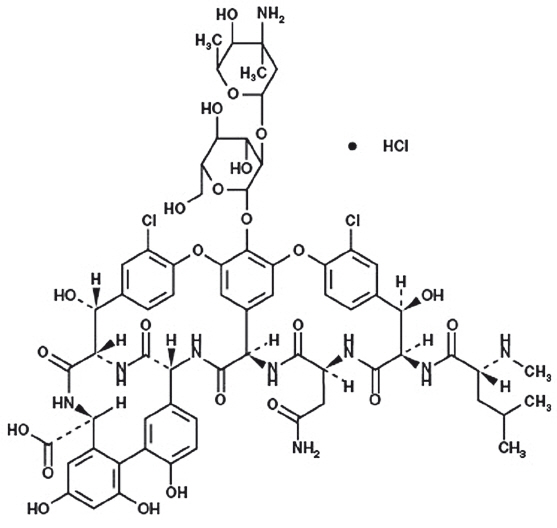
11 Description
Vancomycin Injection, USP, in single-dose flexible bags contain vancomycin as vancomycin hydrochloride. It is a tricyclic glycopeptide antibacterial drug derived from Amycolatopsis orientalis (formerly Nocardia orientalis). The molecular formula is C66H75Cl2N9O24∙HCl and the molecular weight is 1,485.71. The chemical name is (Sa)-(3S,6R,7R,22R,23S,26S,36R,38aR)-44-{[2-O-(3-amino-2,3,6-trideoxy-3-C-methyl-α-L-lyxo-hexopyranosyl)-β-D-glucopyranosyl]-oxy}-3-(carbamoylmethyl)-10,19-dichloro-2,3,4,5,6,7,23,24,25,26,36,37,38,38a-tetradecahydro-7,22,28,30,32-pentahydroxy-6-[(2R)-4-methyl-2-(methylamino]valeramido]-2,5,24,38,39-pentaoxo-22H-8,11:18,21-dietheno-23,36(iminometha-no)-13,16:31,35-dimetheno-1H,16H-[1,6,9]-oxadiazacyclohexadecino-[4,5-m][10,2,16]-benzoxa-diazacyclotetracosine-26-carboxylic acid, monohydrochloride. Vancomycin hydrochloride has the following structural formula:
Vancomycin Injection, USP, in single-dose flexible bags are sterile, nonpyrogenic premixed 100 mL, 150 mL, 200 mL, 250 mL, 300 mL, 350 mL or 400 mL solution containing 500 mg, 750 mg, 1 g, 1.25 g, 1.5 g, 1.75 g or 2 g vancomycin, respectively, as vancomycin hydrochloride. Each 100 mL of solution contains 1.8 mL polyethylene glycol 400, 1.36 g N-acetyl-D-alanine, 1.26 g L-lysine hydrochloride (monochloride) in water for injection. Hydrochloric acid and sodium hydroxide are used for pH adjustment. The pH is 4.5 to 5.5 and the osmolarity is 350 to 475 mOsmol/L.
5.4 Ototoxicity
Ototoxicity has occurred in patients receiving vancomycin. It may be transient or permanent. Ototoxicity manifests as tinnitus, hearing loss, dizziness or vertigo. The risk is higher in older patients, patients who are receiving higher doses, who have an underlying hearing loss, who are receiving concomitant therapy with another ototoxic agent, such as an aminoglycoside or who have underlying renal impairment. Monitor for signs and symptoms of ototoxicity during therapy. Monitor serum vancomycin concentrations and renal function in all patients receiving parenteral vancomycin. Discontinue Vancomycin Injection if ototoxicity occurs. Dosage of Vancomycin Injection must be adjusted for patients with renal impairment [see Dosage and Administration (2.3)]. Serial tests of auditory function may be helpful in order to minimize the risk of ototoxicity.
5.8 Neutropenia
Reversible neutropenia has been reported in patients receiving vancomycin [see Adverse Reactions (6.1)]. Patients who will undergo prolonged therapy with vancomycin or those who are receiving concomitant drugs which may cause neutropenia should have periodic monitoring of the leukocyte count.
16.1 How Supplied
Vancomycin Injection, USP is supplied as a ready to use clear, colorless to light brown solution in single-dose flexible bags containing 500 mg, 750 mg, 1 g, 1.25 g, 1.5 g, 1.75 g and 2 g vancomycin in 100 mL, 150 mL, 200 mL, 250 mL, 300 mL, 350 mL and 400 mL of liquid (consists of water and PEG together with the excipients NADA and lysine) [see Description (11)]. The flexible bags are supplied in sealed aluminum overpouches. The bags are supplied in the following packages:
8.4 Pediatric Use
Vancomycin Injection is indicated in pediatric patients (1 month and older) [see Indications and Usage (1.1 to 1.5) and Dosage and Administration (2.2)]. In pediatric patients, monitor vancomycin serum concentration and renal function when administering Vancomycin Injection [see Dosage and Administration (2.2, 2.3) and Warnings and Precautions (5.2)]. More severe infusion related reactions related to vancomycin administration may occur in pediatric patients. Concomitant administration of vancomycin and intravenous anesthetic agents has been associated with erythema and histamine-like flushing in all patients including pediatric patients [see Warnings and Precautions (5.2)].
8.5 Geriatric Use
Vancomycin is known to be substantially excreted by the kidney, and the risk of adverse reactions to this drug may be greater in patients with impaired renal function. Because elderly patients are more likely to have decreased renal function, care should be taken in dose selection [see Dosage and Administration (2.2)], and it may be useful to monitor renal function [see Warnings and Precautions (5.2)].
5.3 Nephrotoxicity
Vancomycin Injection can result in acute kidney injury (AKI), including acute renal failure, mainly due to interstitial nephritis or less commonly acute tubular necrosis. AKI is manifested by increasing blood urea nitrogen (BUN) and serum creatinine (Cr). The risk of AKI increases with higher vancomycin serum levels, prolonged exposure, concomitant administration of other nephrotoxic drugs, concomitant administration of piperacillin-tazobactam [see Drug Interactions (7.2)], volume depletion, pre-existing renal impairment and in critically ill patients and patients with co-morbid conditions that predispose to renal impairment.
Monitor serum vancomycin concentrations and renal function in all patients receiving Vancomycin Injection. More frequent monitoring is recommended in patients with comorbidities that predispose to impairment in renal function or are concomitantly receiving other nephrotoxic drugs, in critically ill patients, in patients with changing renal function, and in patients requiring higher therapeutic vancomycin levels. If acute kidney injury occurs, discontinue Vancomycin Injection or reduce the dose.
1.4 Bone Infections
Vancomycin Injection is indicated in adults and pediatric patients (1 month and older) for the treatment of bone infections due to:
- Susceptible isolates of MRSA and coagulase negative staphylococci.
- Methicillin-susceptible staphylococci in penicillin-allergic patients, or those patients who cannot receive or who have failed to respond to other drugs, including penicillins or cephalosporins.
4 Contraindications
Vancomycin Injection is contraindicated in patients with known hypersensitivity to vancomycin.
6 Adverse Reactions
The following clinically significant adverse reactions are described elsewhere in the labeling:
- Infusion Reactions [see Warnings and Precautions (5.2)]
- Nephrotoxicity [see Warnings and Precautions (5.3)]
- Ototoxicity [see Warnings and Precautions (5.4)]
- Severe Dermatologic Reactions [see Warnings and Precautions (5.5)]
- Clostridioides difficile-Associated Diarrhea [see Warnings and Precautions (5.6)]
- Hemorrhagic Occlusive Retinal Vasculitis [see Warnings and Precautions (5.7)]
- Neutropenia [see Warnings and Precautions (5.8)]
7 Drug Interactions
- Anesthetic Agents: Concomitant administration of vancomycin and anesthetic agents has been associated with erythema and histamine-like flushing. (2.1, 7.1)
- Piperacillin/Tazobactam: Increased incidence of acute kidney injury in patients receiving concomitant piperacillin/tazobactam and vancomycin as compared to vancomycin alone. Monitor kidney function in patients. (7.2)
12.2 Pharmacodynamics
The pharmacodynamics of vancomycin is unknown.
12.3 Pharmacokinetics
In subjects with normal kidney function, multiple intravenous dosing of 1 g of vancomycin (15 mg/kg) infused over 60 minutes produces mean plasma concentrations of approximately 63 mcg/mL immediately after the completion of infusion, mean plasma concentrations of approximately 23 mcg/mL 2 hours after infusion, and mean plasma concentrations of approximately 8 mcg/mL 11 hours after the end of the infusion. Multiple dosing of 500 mg infused over 30 minutes produces mean plasma concentrations of about 49 mcg/mL at the completion of infusion, mean plasma concentrations of about 19 mcg/mL 2 hours after infusion, and mean plasma concentrations of about 10 mcg/mL 6 hours after infusion. The plasma concentrations during multiple dosing are like those after a single dose.
In healthy subjects administered a single 1g dose of Vancomycin Injection, geometric mean (geometric %CV) AUC0-inf values for NADA, PEG 400, and vancomycin were 209 (19.6%), 405 (12.5%), and 219 (13.7%) mcg*h/mL, respectively. Based on a population pharmacokinetic analysis, 1g Vancomycin Injection administered over 1.5 hours every 12 hours achieves a geometric mean (95% prediction interval) steady state AUC0-24 exposure of 384 (277-547) , 734 (550-994), and 384 (261-567) mcg*h/mL for NADA, PEG 400, and vancomycin in healthy subjects, respectively.
7.1 Anesthetic Agents
Concomitant administration of vancomycin and anesthetic agents has been associated with erythema and histamine-like flushing [see Warnings and Precautions (5.2) and Use in Specific Populations (8.4)].
5.2 Infusion Reactions
Hypotension, including shock and cardiac arrest, wheezing, dyspnea, urticaria, muscular and chest pain may occur with rapid Vancomycin Injection administration. The reactions may be more severe in younger patients, particularly children, and in patients receiving concomitant muscle relaxant anesthetics.
Rapid intravenous administration of Vancomycin Injection may also be associated with "red man syndrome", which manifests as pruritus and erythema that involves the face, neck and upper torso.
Infusion-related adverse reactions are related to both the concentration and the rate of administration of vancomycin. Infusion-related adverse reactions may occur, however, at any rate or concentration.
Administer Vancomycin Injection over a period of 60 minutes or greater to reduce the risk of infusion-related adverse reactions. In selected patients in need of fluid restriction, a concentration up to 10 mg/mL may be used; use of such higher concentrations may increase the risk of infusion-related adverse reactions. Administer prior to intravenous anesthetic agents when feasible. Stop the infusion if a reaction occurs.
1 Indications and Usage
Vancomycin Injection is a glycopeptide antibacterial indicated in adult and pediatric patients (1 month and older) for the treatment of:
- Septicemia (1.1)
- Infective Endocarditis (1.2)
- Skin and Skin Structure Infections (1.3)
- Bone Infections (1.4)
- Lower Respiratory Tract Infections (1.5)
To reduce the development of drug-resistant bacteria and maintain the effectiveness of Vancomycin Injection and other antibacterial drugs, Vancomycin Injection should be used only to treat or prevent infections that are proven or strongly suspected to be caused by susceptible bacteria. (1.6)
12.1 Mechanism of Action
Vancomycin is an antibacterial drug [see Microbiology (12.4)].
1.2 Infective Endocarditis
Vancomycin Injection is indicated in adults and pediatric patients (1 month and older) for the treatment of infective endocarditis due to:
- Susceptible isolates of MRSA.
- Viridans group streptococci Streptococcus gallolyticus (previously known as Streptococcus bovis), Enterococcus species and Corynebacterium species. For enterococcal endocarditis, use Vancomycin Injection in combination with an aminoglycoside.
- Methicillin-susceptible staphylococci in penicillin-allergic patients, or those patients who cannot receive or who have failed to respond to other drugs, including penicillins or cephalosporins.
Vancomycin Injection is indicated in adults and pediatric patients (1 month and older) for the treatment of early-onset prosthetic valve endocarditis caused by Staphylococcus epidermidis in combination with rifampin and an aminoglycoside.
5 Warnings and Precautions
- Infusion Reactions: Hypotension, including shock and cardiac arrest, wheezing, dyspnea, urticaria, muscular and chest pain and "red man syndrome" which manifests as pruritus and erythema that involves the face, neck and upper torso may occur with rapid intravenous administration. To reduce the risk of infusion reactions, administer Vancomycin Injection over a period of 60 minutes or greater and also prior to intravenous anesthetic agents. (2.1, 5.2)
- Nephrotoxicity: Systemic vancomycin exposure may result in acute kidney injury (AKI) including acute renal failure, mainly due to interstitial nephritis or less commonly acute tubular necrosis. Monitor serum vancomycin concentrations and renal function. (5.3)
- Ototoxicity: Ototoxicity has occurred in patients receiving vancomycin. Monitor for signs and symptoms of ototoxicity during therapy. Monitor serum vancomycin concentrations and renal function. Assessment of auditory function may be appropriate in some instances. (5.4)
- Severe Dermatologic Reactions: Discontinue Vancomycin Injection at the first appearance of skin rashes, mucosal lesions, or blisters. (5.5)
- Clostridioides difficile-Associated Diarrhea: Evaluate patients if diarrhea occurs. (5.6).
- Neutropenia: Periodically monitor leukocyte count. (5.8)
- Phlebitis: To reduce the risk of local irritation and phlebitis administer Vancomycin Injection by a secure intravenous route of administration. (5.9)
- Development of Drug-Resistant Bacteria: Prescribing Vancomycin Injection in the absence of a proven or strongly suspected bacterial infection is unlikely to provide benefit to the patient and increases the risk of the development of drug resistant bacteria. (5.10)
2 Dosage and Administration
- Use this formulation of Vancomycin Injection only in patients who require the entire (500 mg, 750 mg, 1 g, 1.25 g, 1.5 g, 1.75 g or 2 g) dose and not any fraction thereof. (2.1)
- For intravenous use only. Do Not administer orally.
- Administer Vancomycin Injection by intravenous infusion over 60 minutes or greater to reduce the risk of infusion reactions (2.1)
- Adult Patients: 2 g divided either as 0.5 grams (g) every 6 hours or 1 g every 12 hours (2.2)
- Pediatric Patients (1 Month and Older): 10 mg/kg per dose given every 6 hours (2.3)
- Patients with Renal Impairment: See full prescribing information for recommended doses in patients with renal impairment (2.4)
- See full prescribing information for further important administration and preparation instructions (2.1, 2.5)
7.2 Piperacillin Tazobactam
Studies have detected an increased incidence of acute kidney injury in patients administered concomitant piperacillin/tazobactam and vancomycin as compared to vancomycin alone. Monitor kidney function in patients receiving concomitant piperacillin/tazobactam and vancomycin. No pharmacokinetic interactions have been noted between piperacillin/tazobactam and vancomycin.
3 Dosage Forms and Strengths
Vancomycin Injection, USP is a ready to use clear, colorless to light brown solution in single-dose flexible bags containing 500 mg vancomycin in 100 mL, 750 mg vancomycin in 150 mL, 1 g vancomycin in 200 mL, 1.25 g vancomycin in 250 mL, 1.5 g vancomycin in 300 mL, 1.75 g vancomycin in 350 mL and 2 g vancomycin in 400 mL of liquid [see Description (11)]. The flexible bags are supplied in sealed aluminum overpouches.
5.6 Clostridioides Difficile
Clostridioides difficile-associated diarrhea (CDAD) has been reported with use of nearly all antibacterial agents, including vancomycin and may range in severity from mild diarrhea to fatal colitis. Treatment with antibacterial agents alters the normal flora of the colon leading to overgrowth of C. difficile.
C. difficile produces toxins A and B which contribute to the development of CDAD. Hypertoxin producing strains of C. difficile cause increased morbidity and mortality, as these infections can be refractory to antimicrobial therapy and may require colectomy. CDAD must be considered in all patients who present with diarrhea following antibacterial use. Careful medical history is necessary since CDAD has been reported to occur over two months after the administration of antibacterial agents.
If CDAD is suspected or confirmed, ongoing antibacterial use not directed against C. difficile may need to be discontinued. Appropriate fluid and electrolyte management, protein supplementation, antibacterial treatment of C. difficile, and surgical evaluation should be instituted as clinically indicated.
Clinically significant serum concentrations have been reported in some patients being treated for active C. difficile-induced pseudomembranous colitis after multiple oral doses of vancomycin.
Prolonged use of Vancomycin Injection may result in the overgrowth of nonsusceptible microorganisms. Careful observation of the patient is essential. If superinfection occurs during therapy, appropriate measures should be taken. In rare instances, there have been reports of pseudomembranous colitis due to C. difficile developing in patients who received intravenous vancomycin.
6.2 Post Marketing Experience
The following adverse reactions have been identified during postmarketing use of vancomycin. Because these reactions are reported voluntarily from a population of uncertain size, it is not possible to reliably estimate their frequency or establish a causal relationship to drug exposure.
Skin and Subcutaneous Tissue Disorders: Drug reaction with eosinophilia and systemic symptoms (DRESS), acute generalized exanthematous pustulosis (AGEP) [see Warnings and Precautions (5.5)].
6.1 Clinical Trials Experience
Because clinical trials are conducted under widely varying conditions, adverse reaction rates observed in the clinical trials of a drug cannot be directly compared to rates in the clinical trials of another drug and may not reflect the rates observed in practice.
The following adverse reactions associated with the use of vancomycin were identified in clinical trials:
Immune System Disorders: Hypersensitivity reactions including anaphylaxis and "red man syndrome"[see Warnings and Precautions (5.2)]
Skin and Subcutaneous Tissue Disorders: Erythema (especially of the face, neck and upper torso) and pruritus which are manifestations of rashes including exfoliative dermatitis. Toxic epidermal necrolysis (TEN), Stevens-Johnson syndrome (SJS), Linear IgA bullous dermatosis (LABD) [see Warnings and Precautions (5.5)].
Renal and Urinary Disorders: Acute kidney injury and interstitial nephritis
Ear and Labyrinth Disorders: Tinnitus, hearing loss, vertigo
Blood and Lymphatic System Disorders: Agranulocytosis, neutropenia, pancytopenia, leukopenia, thrombocytopenia, eosinophilia
Gastrointestinal Disorders: Pseudomembranous colitis [see Warnings and Precautions (5.6)]
Cardiac Disorders: Cardiac arrest, chest pain
General Disorders and Administration Site Conditions: General discomfort, fever, chills, phlebitis, injection site irritation, injection site pain and necrosis following intramuscular injection, chemical peritonitis following intraperitoneal administration (Vancomycin Injection is not approved for intramuscular and intraperitoneal administration) [see Warnings and Precautions (5.9)]
Laboratory Abnormalities: Elevated blood urea nitrogen, elevated serum creatinine
Musculoskeletal and Connective Tissue Disorders: Muscle pain
Nervous System Disorders: Dizziness
Respiratory, Thoracic and Mediastinal Disorders: Wheezing, dyspnea
Vascular Disorders: Hypotension, shock, vasculitis
5.5 Severe Dermatologic Reactions
Severe dermatologic reactions such as toxic epidermal necrolysis (TEN), Stevens-Johnson syndrome (SJS), drug reaction with eosinophilia and systemic symptoms (DRESS), acute generalized exanthematous pustulosis (AGEP), and linear IgA bullous dermatosis (LABD) have been reported in association with the use of vancomycin. Cutaneous signs or symptoms reported include skin rashes, mucosal lesions, and blisters.
Discontinue Vancomycin Injection at the first appearance of signs and symptoms of TEN, SJS, DRESS, AGEP, or LABD.
7.3 Ototoxic And/or Nephrotoxic Drugs
Concurrent and/or sequential systemic or topical use of other potentially neurotoxic and/or nephrotoxic drugs requires more frequent monitoring of renal function.
1.3 Skin and Skin Structure Infections
Vancomycin Injection is indicated in adults and pediatric patients (1 month and older) for the treatment of skin and skin structure infections due to:
- Susceptible isolates of MRSA and coagulase negative staphylococci.
- Methicillin-susceptible staphylococci in penicillin-allergic patients, or those patients who cannot receive or who have failed to respond to other drugs, including penicillins or cephalosporins.
1.5 Lower Respiratory Tract Infections
Vancomycin Injection is indicated in adults and pediatric patients (1 month and older) for the treatment of lower respiratory tract infections due to:
- Susceptible isolates of MRSA
- Methicillin-susceptible staphylococci in penicillin-allergic patients, or those patients who cannot receive or who have failed to respond to other drugs, including penicillins or cephalosporins.
2.1 Important Administration Instructions
- Obtain a pregnancy test in females of reproductive potential prior to initiating treatment with Vancomycin Injection [see Warnings and Precautions (5.1), and Use in Specific Populations (8.1, 8.3)].
- Use this formulation of Vancomycin Injection only in patients who require the entire (500 mg, 750 mg, 1 g, 1.25 g, 1.5 g, 1.75 g or 2 g) dose and not any fraction thereof.
- Vancomycin Injection in transparent single-dose flexible bags are intended for intravenous use only. Do NOT administer orally.
- To reduce the risk of infusion related adverse reactions, administer Vancomycin Injection by intravenous infusion over 60 minutes or greater [see Warnings and Precautions (5.2) and Adverse Reactions (6.1)]. An infusion rate of 10 mg/min or less is associated with fewer infusion-related events [see Warnings and Precautions (5.2)]. Infusion related events may occur, however, at any rate or concentration.
- Drug additives should not be made to this solution.
- Vancomycin Injection concentrations of no more than 5 mg/mL are recommended in adults [see Dosage and Administration (2.2)]. See also age-specific recommendations [see Dosage and Administration (2.3)].
- Administer Vancomycin Injection prior to intravenous anesthetic agents to reduce the risk of infusion related adverse reactions [see Warnings and Precautions (5.2)].
- Administer Vancomycin Injection by a secure intravenous route of administration to avoid local irritation and phlebitis reactions [see Warnings and Precautions (5.9)].
2.6 Incompatibilities for Intravenous Use
Vancomycin solution has a low pH and may cause chemical or physical instability when it is mixed with other compounds.
Mixtures of solutions of vancomycin and beta-lactam antibacterial drugs have been shown to be physically incompatible. The likelihood of precipitation increases with higher concentrations of vancomycin. It is recommended to adequately flush the intravenous lines between the administration of these antibacterial drugs.
13.2 Animal Toxicology And/or Pharmacology
In animal studies, hypotension and bradycardia occurred in dogs receiving an intravenous infusion of vancomycin 25 mg/kg, at a concentration of 25 mg/mL and an infusion rate of 13.3 mL/min.
5.10 Development of Drug Resistant Bacteria
Prescribing Vancomycin Injection in the absence of a proven or strongly suspected bacterial infection or a prophylactic indication is unlikely to provide benefit to the patient and increases the risk of the development of drug-resistant bacteria.
Principal Display Panel 250 Ml Bag Carton
Rx Only
Sterile
NDC 70594-057-02
Contains six (6) single-dose
Flexible Bags of NDC 70594-057-01
Vancomycin Injection, USP
1.25 g per 250 mL (5 mg/mL)
Ready
To Use
For intravenous infusion only. Store below 25°C (77°F), in original package.
Discard unused portion.
xellia
PHARMACEUTICALS
Principal Display Panel 300 Ml Bag Carton
Rx Only
Sterile
NDC 70594-043-02
Contains six (6) single-dose
Flexible Bags of NDC 70594-043-01
Vancomycin Injection, USP
1.5 g per 300 mL (5 mg/mL)
Ready
To Use
For intravenous infusion only. Store below 25°C (77°F), in original package.
Discard unused portion.
xellia
PHARMACEUTICALS
Principal Display Panel 350 Ml Bag Carton
Rx Only
Sterile
NDC 70594-058-02
Contains six (6) single-dose
Flexible Bags of NDC 70594-058-01
Vancomycin Injection, USP
1.75 g per 350 mL (5 mg/mL)
Ready
To Use
For intravenous infusion only. Store below 25°C (77°F), in original package.
Discard unused portion.
xellia
PHARMACEUTICALS
Principal Display Panel 400 Ml Bag Carton
Rx Only
Sterile
NDC 70594-044-02
Contains six (6) single-dose
Flexible Bags of NDC 70594-044-01
Vancomycin Injection, USP
2 g per 400 mL (5 mg/mL)
Ready
To Use
For intravenous infusion only. Store below 25°C (77°F), in original package.
Discard unused portion.
xellia
PHARMACEUTICALS
2.4 Dosage in Patients With Renal Impairment
Dosage adjustment must be made in patients with renal impairment. The initial dose should be no less than 15 mg/kg in patients with any degree of renal impairment.
In the elderly, greater dosage reductions than expected may be necessary because of decreased renal function. Measure trough vancomycin serum concentrations to guide therapy, especially in seriously ill patients with changing renal function.
For functionally anephric patients, an initial dose of 15 mg/kg of body weight should be given to achieve prompt therapeutic serum concentration. A dose of 1.9 mg/kg/24 h should be given after the initial dose of 15 mg/kg.
5.7 Hemorrhagic Occlusive Retinal Vasculitis (horv)
Hemorrhagic occlusive retinal vasculitis, including permanent loss of vision, occurred in patients receiving intracameral or intravitreal administration of vancomycin during or after cataract surgery. The safety and efficacy of vancomycin administered by the intracameral or the intravitreal route have not been established by adequate and well-controlled trials. Vancomycin is not indicated for the prophylaxis of endophthalmitis.
Principal Display Panel 100 Ml Bag Carton 6 Bag
Rx Only
Sterile
NDC 70594-041-02
Contains six (6) single-dose
Flexible Bags of NDC 70594-041-01
Vancomycin Injection, USP
500 mg per 100 mL (5 mg/mL)
Ready
To Use
For intravenous infusion only. Store below 25°C (77°F), in original package.
Discard unused portion.
xellia
PHARMACEUTICALS
Principal Display Panel 150 Ml Bag Carton 6 Bag
Rx Only
Sterile
NDC 70594-056-02
Contains six (6) single-dose
Flexible Bags of NDC 70594-056-01
Vancomycin Injection, USP
750 mg per 150 mL (5 mg/mL)
Ready
To Use
For intravenous infusion only. Store below 25°C (77°F), in original package.
Discard unused portion.
xellia
PHARMACEUTICALS
Principal Display Panel 200 Ml Bag Carton 6 Bag
Rx Only
Sterile
NDC 70594-042-02
Contains six (6) single-dose
Flexible Bags of NDC 70594-042-01
Vancomycin Injection, USP
1 g per 200 mL (5 mg/mL)
Ready
To Use
For intravenous infusion only. Store below 25°C (77°F), in original package.
Discard unused portion.
xellia
PHARMACEUTICALS
Principal Display Panel 100 Ml Bag Carton 12 Bag
Rx Only
Sterile
NDC 70594-041-03
Contains twelve (12) single-dose
Flexible Bags of NDC 70594-041-01
Vancomycin Injection, USP
500 mg per 100 mL (5 mg/mL)
Ready
To Use
For intravenous infusion only. Store below 25°C (77°F), in original package.
Discard unused portion.
xellia
PHARMACEUTICALS
Principal Display Panel 150 Ml Bag Carton 12 Bag
Rx Only
Sterile
NDC 70594-056-03
Contains twelve (12) single-dose
Flexible Bags of NDC 70594-056-01
Vancomycin Injection, USP
750 mg per 150 mL (5 mg/mL)
Ready
To Use
For intravenous infusion only. Store below 25°C (77°F), in original package.
Discard unused portion.
xellia
PHARMACEUTICALS
Principal Display Panel 200 Ml Bag Carton 12 Bag
Rx Only
Sterile
NDC 70594-042-03
Contains twelve (12) single-dose
Flexible Bags of NDC 70594-042-01
Vancomycin Injection, USP
1 g per 200 mL (5 mg/mL)
Ready
To Use
For intravenous infusion only. Store below 25°C (77°F), in original package.
Discard unused portion.
xellia
PHARMACEUTICALS
5.9 Phlebitis and Other Administration Site Reactions
Inflammation at the site of injection of vancomycin has been reported. Vancomycin is irritating to tissue and must be given by a secure intravenous route of administration to reduce the risk of local irritation and phlebitis.
Administration of vancomycin by intramuscular (IM), intraperitoneal, intrathecal (intralumbar or intraventricular), or intravitreal routes has not been approved and is not recommended. The safety and efficacy of vancomycin administered by the intrathecal (intralumbar or intraventricular) route or by the intraperitoneal route have not been established by adequate and well controlled trials.
Pain, tenderness, and necrosis occur with IM injection of vancomycin or with inadvertent extravasation. Thrombophlebitis may occur, the frequency and severity of which can be minimized by slow infusion of the drug and by rotation of venous access sites.
Intraperitoneal administration during continuous ambulatory peritoneal dialysis (CAPD) can result in chemical peritonitis. Manifestations range from cloudy dialysate alone to a cloudy dialysate accompanied by variable degrees of abdominal pain and fever. This syndrome appears to be resolved after discontinuation of intraperitoneal vancomycin.
About 60% of an intraperitoneal dose of vancomycin administered during peritoneal dialysis is absorbed systemically in 6 hours. Serum concentrations of about 10 mcg/mL are achieved by intraperitoneal injection of 30 mg/kg of vancomycin. However, the safety and efficacy of the intraperitoneal use of vancomycin has not been established in adequate and well-controlled trials.
2.2 Dosage in Adult Patients With Normal Renal Function
The usual daily intravenous dose is 2 g divided either as 500 mg every 6 hours or 1 g every 12 hours. Administer each dose by intravenous infusion over a period of 60 minutes or greater. Other patient factors, such as age or obesity, may call for modification of the usual intravenous daily dose. The initial daily dose should be no less than 15 mg/kg.
13.1 Carcinogenesis, Mutagenesis, Impairment of Fertility
Although no long-term studies in animals have been performed to evaluate carcinogenic potential, no mutagenic potential of vancomycin was found in standard laboratory tests. No definitive fertility studies have been performed.
2.5 Directions for Use of Vancomycin Injection and Storage Instructions
Vancomycin Injection in transparent single-dose flexible bag is for intravenous administration only.
Vancomycin Injection is room temperature stable, ready-to-use drug product.
2.3 Dosage in Pediatric Patients (1 Month and Older) With Normal Renal Function
Use this formulation of Vancomycin Injection only in pediatric patients (1 month and older) who require the entire dose (500 mg, 750 mg, 1 g, 1.25 g, 1.5 g, 1.75 g or 2 g) of this single-dose flexible bag and not any fraction of it [see Dosage Forms and Strengths (3)].
The usual intravenous dosage of vancomycin is 10 mg/kg per dose given every 6 hours. Each dose should be administered over a period of at least 60 minutes. Close monitoring of serum concentrations of vancomycin may be warranted in these patients.
5.1 Potential Risk of Exposure to Excipients During the First Or Second Trimester of Pregnancy
If use of vancomycin is needed during the first or second trimester of pregnancy, use other available formulations of vancomycin. This formulation of Vancomycin Injection contains the excipients polyethylene glycol (PEG 400) and N-acetyl D-alanine (NADA). In a rabbit reproduction study, fetal spinal malformations occurred when the excipient PEG 400 was administered at dose exposures approximately 8 times the exposure at the maximum daily human dose. In a separate rabbit reproduction study, fetal spinal and cardiovascular malformations occurred when the excipient NADA was administered at dose exposures approximately 32 times the exposure at the maximum daily human dose. The active ingredient vancomycin is not known to be associated with embryo-fetal toxicity [see Use in Specific Populations (8.1)].
Warning: Potential Risk of Exposure to Excipients During the First Or Second Trimester of Pregnancy
If use of vancomycin is needed during the first or second trimester of pregnancy, use other available formulations of vancomycin. This formulation of vancomycin injection contains the excipients polyethylene glycol (PEG 400) and N-acetyl D-alanine (NADA), which resulted in fetal malformations in animal reproduction studies at dose exposures approximately 8 and 32 times, respectively, higher than the exposures at the human equivalent dose [see Warnings and Precautions (5.1) and Use in Specific Populations (8.1)].
Structured Label Content
Section 42229-5 (42229-5)
Preparation for Intravenous Administration:
- Remove the flexible bag from aluminum overpouch.
- Check for minute leaks by squeezing the bag firmly. If leaks are detected, discard solution because sterility may be impaired. Leaks may be more readily detected by wrapping the bag with blotting paper or a tissue before squeezing.
- Do not add supplemental medication.
- Visually inspect the flexible bag. If the outlet port protector is damaged, detached, or not present, discard the flexible bag as solution path sterility may be impaired. If after visual inspection the solution is cloudy or if an insoluble precipitate is noted or if any seals are not intact, the flexible bag should be discarded.
- The solution in the flexible bag remains chemically stable for 28 days at room temperature (up to 25°C/77°F) after removal from the aluminum overpouch. Discard unused drug.
- Suspend the flexible bag from eyelet support.
- Remove protector from outlet port at bottom of flexible bag.
- Attach administration set. Refer to complete directions accompanying set.
- Use sterile equipment.
Do NOT use flexible bags in series connections. Such use could result in an embolism due to residual air being drawn from the primary container before administration of the fluid from the secondary container is complete.
Section 43683-2 (43683-2)
| Boxed Warning | 10/2021 |
| Warnings and Precautions, Severe Dermatologic Reactions (5.5) | 5/2021 |
| Warnings and Precautions, Potential Risk of Exposure to Excipients During the First or Second Trimester of Pregnancy (5.1) | 10/2021 |
1.6 Usage
To reduce the development of drug-resistant bacteria and maintain the effectiveness of Vancomycin Injection and other antibacterial drugs, Vancomycin Injection should be used only to treat or prevent infections that are proven or strongly suspected to be caused by susceptible bacteria. When culture and susceptibility information are available, they should be considered in selecting or modifying antibacterial therapy. In the absence of such data, local epidemiology and susceptibility patterns may contribute to the empiric selection of therapy.
16.2 Storage
| NDC number | Packaging configuration |
|---|---|
| 70594-041-02 | Carton of six 500 mg/100 mL bags |
| 70594-041-03 | Carton of twelve 500 mg/100 mL bags |
| 70594-056-02 | Carton of six 750 mg/150 mL bags |
| 70594-056-03 | Carton of twelve 750 mg/150 mL bags |
| 70594-042-02 | Carton of six 1 g/200 mL bags |
| 70594-042-03 | Carton of twelve 1 g/200 mL bags |
| 70594-057-02 | Carton of six 1.25 g/250 mL bags |
| 70594-043-02 | Carton of six 1.5 g/300 mL bags |
| 70594-058-02 | Carton of six 1.75 g/350 mL bags |
| 70594-044-02 | Carton of six 2 g/400 mL bags |
Store below 25°C (77ºF), in original package. Product should be used within 28 days of removal from aluminum overpouch.
10 Overdosage (10 OVERDOSAGE)
Supportive care is advised, with maintenance of glomerular filtration. Vancomycin is poorly removed by dialysis. Hemofiltration and hemoperfusion with polysulfone resin have been reported to result in increased vancomycin clearance.
For current information on the management of overdosage, contact the National Poison Control Center at 1-800-222-1222 or www.poison.org.
15 References (15 REFERENCES)
1. Byrd RA., Gries CL, Buening M.: Developmental Toxicology Studies of Vancomycin Hydrochloride Administered Intravenously to Rats and Rabbits. Fundam Appl Toxicol 1994; 23: 590-597.
1.1 Septicemia
Vancomycin Injection is indicated in adults and pediatric patients (1 month and older) for the treatment of septicemia due to:
- Susceptible isolates of methicillin-resistant Staphylococcus aureus (MRSA) and coagulase negative staphylococci.
- Methicillin-susceptible staphylococci in penicillin-allergic patients, or those patients who cannot receive or who have failed to respond to other drugs, including penicillins or cephalosporins.
11 Description (11 DESCRIPTION)
Vancomycin Injection, USP, in single-dose flexible bags contain vancomycin as vancomycin hydrochloride. It is a tricyclic glycopeptide antibacterial drug derived from Amycolatopsis orientalis (formerly Nocardia orientalis). The molecular formula is C66H75Cl2N9O24∙HCl and the molecular weight is 1,485.71. The chemical name is (Sa)-(3S,6R,7R,22R,23S,26S,36R,38aR)-44-{[2-O-(3-amino-2,3,6-trideoxy-3-C-methyl-α-L-lyxo-hexopyranosyl)-β-D-glucopyranosyl]-oxy}-3-(carbamoylmethyl)-10,19-dichloro-2,3,4,5,6,7,23,24,25,26,36,37,38,38a-tetradecahydro-7,22,28,30,32-pentahydroxy-6-[(2R)-4-methyl-2-(methylamino]valeramido]-2,5,24,38,39-pentaoxo-22H-8,11:18,21-dietheno-23,36(iminometha-no)-13,16:31,35-dimetheno-1H,16H-[1,6,9]-oxadiazacyclohexadecino-[4,5-m][10,2,16]-benzoxa-diazacyclotetracosine-26-carboxylic acid, monohydrochloride. Vancomycin hydrochloride has the following structural formula:
Vancomycin Injection, USP, in single-dose flexible bags are sterile, nonpyrogenic premixed 100 mL, 150 mL, 200 mL, 250 mL, 300 mL, 350 mL or 400 mL solution containing 500 mg, 750 mg, 1 g, 1.25 g, 1.5 g, 1.75 g or 2 g vancomycin, respectively, as vancomycin hydrochloride. Each 100 mL of solution contains 1.8 mL polyethylene glycol 400, 1.36 g N-acetyl-D-alanine, 1.26 g L-lysine hydrochloride (monochloride) in water for injection. Hydrochloric acid and sodium hydroxide are used for pH adjustment. The pH is 4.5 to 5.5 and the osmolarity is 350 to 475 mOsmol/L.
5.4 Ototoxicity
Ototoxicity has occurred in patients receiving vancomycin. It may be transient or permanent. Ototoxicity manifests as tinnitus, hearing loss, dizziness or vertigo. The risk is higher in older patients, patients who are receiving higher doses, who have an underlying hearing loss, who are receiving concomitant therapy with another ototoxic agent, such as an aminoglycoside or who have underlying renal impairment. Monitor for signs and symptoms of ototoxicity during therapy. Monitor serum vancomycin concentrations and renal function in all patients receiving parenteral vancomycin. Discontinue Vancomycin Injection if ototoxicity occurs. Dosage of Vancomycin Injection must be adjusted for patients with renal impairment [see Dosage and Administration (2.3)]. Serial tests of auditory function may be helpful in order to minimize the risk of ototoxicity.
5.8 Neutropenia
Reversible neutropenia has been reported in patients receiving vancomycin [see Adverse Reactions (6.1)]. Patients who will undergo prolonged therapy with vancomycin or those who are receiving concomitant drugs which may cause neutropenia should have periodic monitoring of the leukocyte count.
16.1 How Supplied
Vancomycin Injection, USP is supplied as a ready to use clear, colorless to light brown solution in single-dose flexible bags containing 500 mg, 750 mg, 1 g, 1.25 g, 1.5 g, 1.75 g and 2 g vancomycin in 100 mL, 150 mL, 200 mL, 250 mL, 300 mL, 350 mL and 400 mL of liquid (consists of water and PEG together with the excipients NADA and lysine) [see Description (11)]. The flexible bags are supplied in sealed aluminum overpouches. The bags are supplied in the following packages:
8.4 Pediatric Use
Vancomycin Injection is indicated in pediatric patients (1 month and older) [see Indications and Usage (1.1 to 1.5) and Dosage and Administration (2.2)]. In pediatric patients, monitor vancomycin serum concentration and renal function when administering Vancomycin Injection [see Dosage and Administration (2.2, 2.3) and Warnings and Precautions (5.2)]. More severe infusion related reactions related to vancomycin administration may occur in pediatric patients. Concomitant administration of vancomycin and intravenous anesthetic agents has been associated with erythema and histamine-like flushing in all patients including pediatric patients [see Warnings and Precautions (5.2)].
8.5 Geriatric Use
Vancomycin is known to be substantially excreted by the kidney, and the risk of adverse reactions to this drug may be greater in patients with impaired renal function. Because elderly patients are more likely to have decreased renal function, care should be taken in dose selection [see Dosage and Administration (2.2)], and it may be useful to monitor renal function [see Warnings and Precautions (5.2)].
5.3 Nephrotoxicity
Vancomycin Injection can result in acute kidney injury (AKI), including acute renal failure, mainly due to interstitial nephritis or less commonly acute tubular necrosis. AKI is manifested by increasing blood urea nitrogen (BUN) and serum creatinine (Cr). The risk of AKI increases with higher vancomycin serum levels, prolonged exposure, concomitant administration of other nephrotoxic drugs, concomitant administration of piperacillin-tazobactam [see Drug Interactions (7.2)], volume depletion, pre-existing renal impairment and in critically ill patients and patients with co-morbid conditions that predispose to renal impairment.
Monitor serum vancomycin concentrations and renal function in all patients receiving Vancomycin Injection. More frequent monitoring is recommended in patients with comorbidities that predispose to impairment in renal function or are concomitantly receiving other nephrotoxic drugs, in critically ill patients, in patients with changing renal function, and in patients requiring higher therapeutic vancomycin levels. If acute kidney injury occurs, discontinue Vancomycin Injection or reduce the dose.
1.4 Bone Infections
Vancomycin Injection is indicated in adults and pediatric patients (1 month and older) for the treatment of bone infections due to:
- Susceptible isolates of MRSA and coagulase negative staphylococci.
- Methicillin-susceptible staphylococci in penicillin-allergic patients, or those patients who cannot receive or who have failed to respond to other drugs, including penicillins or cephalosporins.
4 Contraindications (4 CONTRAINDICATIONS)
Vancomycin Injection is contraindicated in patients with known hypersensitivity to vancomycin.
6 Adverse Reactions (6 ADVERSE REACTIONS)
The following clinically significant adverse reactions are described elsewhere in the labeling:
- Infusion Reactions [see Warnings and Precautions (5.2)]
- Nephrotoxicity [see Warnings and Precautions (5.3)]
- Ototoxicity [see Warnings and Precautions (5.4)]
- Severe Dermatologic Reactions [see Warnings and Precautions (5.5)]
- Clostridioides difficile-Associated Diarrhea [see Warnings and Precautions (5.6)]
- Hemorrhagic Occlusive Retinal Vasculitis [see Warnings and Precautions (5.7)]
- Neutropenia [see Warnings and Precautions (5.8)]
7 Drug Interactions (7 DRUG INTERACTIONS)
- Anesthetic Agents: Concomitant administration of vancomycin and anesthetic agents has been associated with erythema and histamine-like flushing. (2.1, 7.1)
- Piperacillin/Tazobactam: Increased incidence of acute kidney injury in patients receiving concomitant piperacillin/tazobactam and vancomycin as compared to vancomycin alone. Monitor kidney function in patients. (7.2)
12.2 Pharmacodynamics
The pharmacodynamics of vancomycin is unknown.
12.3 Pharmacokinetics
In subjects with normal kidney function, multiple intravenous dosing of 1 g of vancomycin (15 mg/kg) infused over 60 minutes produces mean plasma concentrations of approximately 63 mcg/mL immediately after the completion of infusion, mean plasma concentrations of approximately 23 mcg/mL 2 hours after infusion, and mean plasma concentrations of approximately 8 mcg/mL 11 hours after the end of the infusion. Multiple dosing of 500 mg infused over 30 minutes produces mean plasma concentrations of about 49 mcg/mL at the completion of infusion, mean plasma concentrations of about 19 mcg/mL 2 hours after infusion, and mean plasma concentrations of about 10 mcg/mL 6 hours after infusion. The plasma concentrations during multiple dosing are like those after a single dose.
In healthy subjects administered a single 1g dose of Vancomycin Injection, geometric mean (geometric %CV) AUC0-inf values for NADA, PEG 400, and vancomycin were 209 (19.6%), 405 (12.5%), and 219 (13.7%) mcg*h/mL, respectively. Based on a population pharmacokinetic analysis, 1g Vancomycin Injection administered over 1.5 hours every 12 hours achieves a geometric mean (95% prediction interval) steady state AUC0-24 exposure of 384 (277-547) , 734 (550-994), and 384 (261-567) mcg*h/mL for NADA, PEG 400, and vancomycin in healthy subjects, respectively.
7.1 Anesthetic Agents
Concomitant administration of vancomycin and anesthetic agents has been associated with erythema and histamine-like flushing [see Warnings and Precautions (5.2) and Use in Specific Populations (8.4)].
5.2 Infusion Reactions
Hypotension, including shock and cardiac arrest, wheezing, dyspnea, urticaria, muscular and chest pain may occur with rapid Vancomycin Injection administration. The reactions may be more severe in younger patients, particularly children, and in patients receiving concomitant muscle relaxant anesthetics.
Rapid intravenous administration of Vancomycin Injection may also be associated with "red man syndrome", which manifests as pruritus and erythema that involves the face, neck and upper torso.
Infusion-related adverse reactions are related to both the concentration and the rate of administration of vancomycin. Infusion-related adverse reactions may occur, however, at any rate or concentration.
Administer Vancomycin Injection over a period of 60 minutes or greater to reduce the risk of infusion-related adverse reactions. In selected patients in need of fluid restriction, a concentration up to 10 mg/mL may be used; use of such higher concentrations may increase the risk of infusion-related adverse reactions. Administer prior to intravenous anesthetic agents when feasible. Stop the infusion if a reaction occurs.
1 Indications and Usage (1 INDICATIONS AND USAGE)
Vancomycin Injection is a glycopeptide antibacterial indicated in adult and pediatric patients (1 month and older) for the treatment of:
- Septicemia (1.1)
- Infective Endocarditis (1.2)
- Skin and Skin Structure Infections (1.3)
- Bone Infections (1.4)
- Lower Respiratory Tract Infections (1.5)
To reduce the development of drug-resistant bacteria and maintain the effectiveness of Vancomycin Injection and other antibacterial drugs, Vancomycin Injection should be used only to treat or prevent infections that are proven or strongly suspected to be caused by susceptible bacteria. (1.6)
12.1 Mechanism of Action
Vancomycin is an antibacterial drug [see Microbiology (12.4)].
1.2 Infective Endocarditis
Vancomycin Injection is indicated in adults and pediatric patients (1 month and older) for the treatment of infective endocarditis due to:
- Susceptible isolates of MRSA.
- Viridans group streptococci Streptococcus gallolyticus (previously known as Streptococcus bovis), Enterococcus species and Corynebacterium species. For enterococcal endocarditis, use Vancomycin Injection in combination with an aminoglycoside.
- Methicillin-susceptible staphylococci in penicillin-allergic patients, or those patients who cannot receive or who have failed to respond to other drugs, including penicillins or cephalosporins.
Vancomycin Injection is indicated in adults and pediatric patients (1 month and older) for the treatment of early-onset prosthetic valve endocarditis caused by Staphylococcus epidermidis in combination with rifampin and an aminoglycoside.
5 Warnings and Precautions (5 WARNINGS AND PRECAUTIONS)
- Infusion Reactions: Hypotension, including shock and cardiac arrest, wheezing, dyspnea, urticaria, muscular and chest pain and "red man syndrome" which manifests as pruritus and erythema that involves the face, neck and upper torso may occur with rapid intravenous administration. To reduce the risk of infusion reactions, administer Vancomycin Injection over a period of 60 minutes or greater and also prior to intravenous anesthetic agents. (2.1, 5.2)
- Nephrotoxicity: Systemic vancomycin exposure may result in acute kidney injury (AKI) including acute renal failure, mainly due to interstitial nephritis or less commonly acute tubular necrosis. Monitor serum vancomycin concentrations and renal function. (5.3)
- Ototoxicity: Ototoxicity has occurred in patients receiving vancomycin. Monitor for signs and symptoms of ototoxicity during therapy. Monitor serum vancomycin concentrations and renal function. Assessment of auditory function may be appropriate in some instances. (5.4)
- Severe Dermatologic Reactions: Discontinue Vancomycin Injection at the first appearance of skin rashes, mucosal lesions, or blisters. (5.5)
- Clostridioides difficile-Associated Diarrhea: Evaluate patients if diarrhea occurs. (5.6).
- Neutropenia: Periodically monitor leukocyte count. (5.8)
- Phlebitis: To reduce the risk of local irritation and phlebitis administer Vancomycin Injection by a secure intravenous route of administration. (5.9)
- Development of Drug-Resistant Bacteria: Prescribing Vancomycin Injection in the absence of a proven or strongly suspected bacterial infection is unlikely to provide benefit to the patient and increases the risk of the development of drug resistant bacteria. (5.10)
2 Dosage and Administration (2 DOSAGE AND ADMINISTRATION)
- Use this formulation of Vancomycin Injection only in patients who require the entire (500 mg, 750 mg, 1 g, 1.25 g, 1.5 g, 1.75 g or 2 g) dose and not any fraction thereof. (2.1)
- For intravenous use only. Do Not administer orally.
- Administer Vancomycin Injection by intravenous infusion over 60 minutes or greater to reduce the risk of infusion reactions (2.1)
- Adult Patients: 2 g divided either as 0.5 grams (g) every 6 hours or 1 g every 12 hours (2.2)
- Pediatric Patients (1 Month and Older): 10 mg/kg per dose given every 6 hours (2.3)
- Patients with Renal Impairment: See full prescribing information for recommended doses in patients with renal impairment (2.4)
- See full prescribing information for further important administration and preparation instructions (2.1, 2.5)
7.2 Piperacillin Tazobactam (7.2 Piperacillin-Tazobactam)
Studies have detected an increased incidence of acute kidney injury in patients administered concomitant piperacillin/tazobactam and vancomycin as compared to vancomycin alone. Monitor kidney function in patients receiving concomitant piperacillin/tazobactam and vancomycin. No pharmacokinetic interactions have been noted between piperacillin/tazobactam and vancomycin.
3 Dosage Forms and Strengths (3 DOSAGE FORMS AND STRENGTHS)
Vancomycin Injection, USP is a ready to use clear, colorless to light brown solution in single-dose flexible bags containing 500 mg vancomycin in 100 mL, 750 mg vancomycin in 150 mL, 1 g vancomycin in 200 mL, 1.25 g vancomycin in 250 mL, 1.5 g vancomycin in 300 mL, 1.75 g vancomycin in 350 mL and 2 g vancomycin in 400 mL of liquid [see Description (11)]. The flexible bags are supplied in sealed aluminum overpouches.
5.6 Clostridioides Difficile
Clostridioides difficile-associated diarrhea (CDAD) has been reported with use of nearly all antibacterial agents, including vancomycin and may range in severity from mild diarrhea to fatal colitis. Treatment with antibacterial agents alters the normal flora of the colon leading to overgrowth of C. difficile.
C. difficile produces toxins A and B which contribute to the development of CDAD. Hypertoxin producing strains of C. difficile cause increased morbidity and mortality, as these infections can be refractory to antimicrobial therapy and may require colectomy. CDAD must be considered in all patients who present with diarrhea following antibacterial use. Careful medical history is necessary since CDAD has been reported to occur over two months after the administration of antibacterial agents.
If CDAD is suspected or confirmed, ongoing antibacterial use not directed against C. difficile may need to be discontinued. Appropriate fluid and electrolyte management, protein supplementation, antibacterial treatment of C. difficile, and surgical evaluation should be instituted as clinically indicated.
Clinically significant serum concentrations have been reported in some patients being treated for active C. difficile-induced pseudomembranous colitis after multiple oral doses of vancomycin.
Prolonged use of Vancomycin Injection may result in the overgrowth of nonsusceptible microorganisms. Careful observation of the patient is essential. If superinfection occurs during therapy, appropriate measures should be taken. In rare instances, there have been reports of pseudomembranous colitis due to C. difficile developing in patients who received intravenous vancomycin.
6.2 Post Marketing Experience
The following adverse reactions have been identified during postmarketing use of vancomycin. Because these reactions are reported voluntarily from a population of uncertain size, it is not possible to reliably estimate their frequency or establish a causal relationship to drug exposure.
Skin and Subcutaneous Tissue Disorders: Drug reaction with eosinophilia and systemic symptoms (DRESS), acute generalized exanthematous pustulosis (AGEP) [see Warnings and Precautions (5.5)].
6.1 Clinical Trials Experience
Because clinical trials are conducted under widely varying conditions, adverse reaction rates observed in the clinical trials of a drug cannot be directly compared to rates in the clinical trials of another drug and may not reflect the rates observed in practice.
The following adverse reactions associated with the use of vancomycin were identified in clinical trials:
Immune System Disorders: Hypersensitivity reactions including anaphylaxis and "red man syndrome"[see Warnings and Precautions (5.2)]
Skin and Subcutaneous Tissue Disorders: Erythema (especially of the face, neck and upper torso) and pruritus which are manifestations of rashes including exfoliative dermatitis. Toxic epidermal necrolysis (TEN), Stevens-Johnson syndrome (SJS), Linear IgA bullous dermatosis (LABD) [see Warnings and Precautions (5.5)].
Renal and Urinary Disorders: Acute kidney injury and interstitial nephritis
Ear and Labyrinth Disorders: Tinnitus, hearing loss, vertigo
Blood and Lymphatic System Disorders: Agranulocytosis, neutropenia, pancytopenia, leukopenia, thrombocytopenia, eosinophilia
Gastrointestinal Disorders: Pseudomembranous colitis [see Warnings and Precautions (5.6)]
Cardiac Disorders: Cardiac arrest, chest pain
General Disorders and Administration Site Conditions: General discomfort, fever, chills, phlebitis, injection site irritation, injection site pain and necrosis following intramuscular injection, chemical peritonitis following intraperitoneal administration (Vancomycin Injection is not approved for intramuscular and intraperitoneal administration) [see Warnings and Precautions (5.9)]
Laboratory Abnormalities: Elevated blood urea nitrogen, elevated serum creatinine
Musculoskeletal and Connective Tissue Disorders: Muscle pain
Nervous System Disorders: Dizziness
Respiratory, Thoracic and Mediastinal Disorders: Wheezing, dyspnea
Vascular Disorders: Hypotension, shock, vasculitis
5.5 Severe Dermatologic Reactions
Severe dermatologic reactions such as toxic epidermal necrolysis (TEN), Stevens-Johnson syndrome (SJS), drug reaction with eosinophilia and systemic symptoms (DRESS), acute generalized exanthematous pustulosis (AGEP), and linear IgA bullous dermatosis (LABD) have been reported in association with the use of vancomycin. Cutaneous signs or symptoms reported include skin rashes, mucosal lesions, and blisters.
Discontinue Vancomycin Injection at the first appearance of signs and symptoms of TEN, SJS, DRESS, AGEP, or LABD.
7.3 Ototoxic And/or Nephrotoxic Drugs (7.3 Ototoxic and/or Nephrotoxic Drugs)
Concurrent and/or sequential systemic or topical use of other potentially neurotoxic and/or nephrotoxic drugs requires more frequent monitoring of renal function.
1.3 Skin and Skin Structure Infections
Vancomycin Injection is indicated in adults and pediatric patients (1 month and older) for the treatment of skin and skin structure infections due to:
- Susceptible isolates of MRSA and coagulase negative staphylococci.
- Methicillin-susceptible staphylococci in penicillin-allergic patients, or those patients who cannot receive or who have failed to respond to other drugs, including penicillins or cephalosporins.
1.5 Lower Respiratory Tract Infections
Vancomycin Injection is indicated in adults and pediatric patients (1 month and older) for the treatment of lower respiratory tract infections due to:
- Susceptible isolates of MRSA
- Methicillin-susceptible staphylococci in penicillin-allergic patients, or those patients who cannot receive or who have failed to respond to other drugs, including penicillins or cephalosporins.
2.1 Important Administration Instructions
- Obtain a pregnancy test in females of reproductive potential prior to initiating treatment with Vancomycin Injection [see Warnings and Precautions (5.1), and Use in Specific Populations (8.1, 8.3)].
- Use this formulation of Vancomycin Injection only in patients who require the entire (500 mg, 750 mg, 1 g, 1.25 g, 1.5 g, 1.75 g or 2 g) dose and not any fraction thereof.
- Vancomycin Injection in transparent single-dose flexible bags are intended for intravenous use only. Do NOT administer orally.
- To reduce the risk of infusion related adverse reactions, administer Vancomycin Injection by intravenous infusion over 60 minutes or greater [see Warnings and Precautions (5.2) and Adverse Reactions (6.1)]. An infusion rate of 10 mg/min or less is associated with fewer infusion-related events [see Warnings and Precautions (5.2)]. Infusion related events may occur, however, at any rate or concentration.
- Drug additives should not be made to this solution.
- Vancomycin Injection concentrations of no more than 5 mg/mL are recommended in adults [see Dosage and Administration (2.2)]. See also age-specific recommendations [see Dosage and Administration (2.3)].
- Administer Vancomycin Injection prior to intravenous anesthetic agents to reduce the risk of infusion related adverse reactions [see Warnings and Precautions (5.2)].
- Administer Vancomycin Injection by a secure intravenous route of administration to avoid local irritation and phlebitis reactions [see Warnings and Precautions (5.9)].
2.6 Incompatibilities for Intravenous Use
Vancomycin solution has a low pH and may cause chemical or physical instability when it is mixed with other compounds.
Mixtures of solutions of vancomycin and beta-lactam antibacterial drugs have been shown to be physically incompatible. The likelihood of precipitation increases with higher concentrations of vancomycin. It is recommended to adequately flush the intravenous lines between the administration of these antibacterial drugs.
13.2 Animal Toxicology And/or Pharmacology (13.2 Animal Toxicology and/or Pharmacology)
In animal studies, hypotension and bradycardia occurred in dogs receiving an intravenous infusion of vancomycin 25 mg/kg, at a concentration of 25 mg/mL and an infusion rate of 13.3 mL/min.
5.10 Development of Drug Resistant Bacteria (5.10 Development of Drug-Resistant Bacteria)
Prescribing Vancomycin Injection in the absence of a proven or strongly suspected bacterial infection or a prophylactic indication is unlikely to provide benefit to the patient and increases the risk of the development of drug-resistant bacteria.
Principal Display Panel 250 Ml Bag Carton (PRINCIPAL DISPLAY PANEL - 250 mL Bag Carton)
Rx Only
Sterile
NDC 70594-057-02
Contains six (6) single-dose
Flexible Bags of NDC 70594-057-01
Vancomycin Injection, USP
1.25 g per 250 mL (5 mg/mL)
Ready
To Use
For intravenous infusion only. Store below 25°C (77°F), in original package.
Discard unused portion.
xellia
PHARMACEUTICALS
Principal Display Panel 300 Ml Bag Carton (PRINCIPAL DISPLAY PANEL - 300 mL Bag Carton)
Rx Only
Sterile
NDC 70594-043-02
Contains six (6) single-dose
Flexible Bags of NDC 70594-043-01
Vancomycin Injection, USP
1.5 g per 300 mL (5 mg/mL)
Ready
To Use
For intravenous infusion only. Store below 25°C (77°F), in original package.
Discard unused portion.
xellia
PHARMACEUTICALS
Principal Display Panel 350 Ml Bag Carton (PRINCIPAL DISPLAY PANEL - 350 mL Bag Carton)
Rx Only
Sterile
NDC 70594-058-02
Contains six (6) single-dose
Flexible Bags of NDC 70594-058-01
Vancomycin Injection, USP
1.75 g per 350 mL (5 mg/mL)
Ready
To Use
For intravenous infusion only. Store below 25°C (77°F), in original package.
Discard unused portion.
xellia
PHARMACEUTICALS
Principal Display Panel 400 Ml Bag Carton (PRINCIPAL DISPLAY PANEL - 400 mL Bag Carton)
Rx Only
Sterile
NDC 70594-044-02
Contains six (6) single-dose
Flexible Bags of NDC 70594-044-01
Vancomycin Injection, USP
2 g per 400 mL (5 mg/mL)
Ready
To Use
For intravenous infusion only. Store below 25°C (77°F), in original package.
Discard unused portion.
xellia
PHARMACEUTICALS
2.4 Dosage in Patients With Renal Impairment (2.4 Dosage in Patients with Renal Impairment)
Dosage adjustment must be made in patients with renal impairment. The initial dose should be no less than 15 mg/kg in patients with any degree of renal impairment.
In the elderly, greater dosage reductions than expected may be necessary because of decreased renal function. Measure trough vancomycin serum concentrations to guide therapy, especially in seriously ill patients with changing renal function.
For functionally anephric patients, an initial dose of 15 mg/kg of body weight should be given to achieve prompt therapeutic serum concentration. A dose of 1.9 mg/kg/24 h should be given after the initial dose of 15 mg/kg.
5.7 Hemorrhagic Occlusive Retinal Vasculitis (horv) (5.7 Hemorrhagic Occlusive Retinal Vasculitis (HORV))
Hemorrhagic occlusive retinal vasculitis, including permanent loss of vision, occurred in patients receiving intracameral or intravitreal administration of vancomycin during or after cataract surgery. The safety and efficacy of vancomycin administered by the intracameral or the intravitreal route have not been established by adequate and well-controlled trials. Vancomycin is not indicated for the prophylaxis of endophthalmitis.
Principal Display Panel 100 Ml Bag Carton 6 Bag (PRINCIPAL DISPLAY PANEL - 100 mL Bag Carton - 6 Bag)
Rx Only
Sterile
NDC 70594-041-02
Contains six (6) single-dose
Flexible Bags of NDC 70594-041-01
Vancomycin Injection, USP
500 mg per 100 mL (5 mg/mL)
Ready
To Use
For intravenous infusion only. Store below 25°C (77°F), in original package.
Discard unused portion.
xellia
PHARMACEUTICALS
Principal Display Panel 150 Ml Bag Carton 6 Bag (PRINCIPAL DISPLAY PANEL - 150 mL Bag Carton - 6 Bag)
Rx Only
Sterile
NDC 70594-056-02
Contains six (6) single-dose
Flexible Bags of NDC 70594-056-01
Vancomycin Injection, USP
750 mg per 150 mL (5 mg/mL)
Ready
To Use
For intravenous infusion only. Store below 25°C (77°F), in original package.
Discard unused portion.
xellia
PHARMACEUTICALS
Principal Display Panel 200 Ml Bag Carton 6 Bag (PRINCIPAL DISPLAY PANEL - 200 mL Bag Carton - 6 Bag)
Rx Only
Sterile
NDC 70594-042-02
Contains six (6) single-dose
Flexible Bags of NDC 70594-042-01
Vancomycin Injection, USP
1 g per 200 mL (5 mg/mL)
Ready
To Use
For intravenous infusion only. Store below 25°C (77°F), in original package.
Discard unused portion.
xellia
PHARMACEUTICALS
Principal Display Panel 100 Ml Bag Carton 12 Bag (PRINCIPAL DISPLAY PANEL - 100 mL Bag Carton - 12 Bag)
Rx Only
Sterile
NDC 70594-041-03
Contains twelve (12) single-dose
Flexible Bags of NDC 70594-041-01
Vancomycin Injection, USP
500 mg per 100 mL (5 mg/mL)
Ready
To Use
For intravenous infusion only. Store below 25°C (77°F), in original package.
Discard unused portion.
xellia
PHARMACEUTICALS
Principal Display Panel 150 Ml Bag Carton 12 Bag (PRINCIPAL DISPLAY PANEL - 150 mL Bag Carton - 12 Bag)
Rx Only
Sterile
NDC 70594-056-03
Contains twelve (12) single-dose
Flexible Bags of NDC 70594-056-01
Vancomycin Injection, USP
750 mg per 150 mL (5 mg/mL)
Ready
To Use
For intravenous infusion only. Store below 25°C (77°F), in original package.
Discard unused portion.
xellia
PHARMACEUTICALS
Principal Display Panel 200 Ml Bag Carton 12 Bag (PRINCIPAL DISPLAY PANEL - 200 mL Bag Carton - 12 Bag)
Rx Only
Sterile
NDC 70594-042-03
Contains twelve (12) single-dose
Flexible Bags of NDC 70594-042-01
Vancomycin Injection, USP
1 g per 200 mL (5 mg/mL)
Ready
To Use
For intravenous infusion only. Store below 25°C (77°F), in original package.
Discard unused portion.
xellia
PHARMACEUTICALS
5.9 Phlebitis and Other Administration Site Reactions
Inflammation at the site of injection of vancomycin has been reported. Vancomycin is irritating to tissue and must be given by a secure intravenous route of administration to reduce the risk of local irritation and phlebitis.
Administration of vancomycin by intramuscular (IM), intraperitoneal, intrathecal (intralumbar or intraventricular), or intravitreal routes has not been approved and is not recommended. The safety and efficacy of vancomycin administered by the intrathecal (intralumbar or intraventricular) route or by the intraperitoneal route have not been established by adequate and well controlled trials.
Pain, tenderness, and necrosis occur with IM injection of vancomycin or with inadvertent extravasation. Thrombophlebitis may occur, the frequency and severity of which can be minimized by slow infusion of the drug and by rotation of venous access sites.
Intraperitoneal administration during continuous ambulatory peritoneal dialysis (CAPD) can result in chemical peritonitis. Manifestations range from cloudy dialysate alone to a cloudy dialysate accompanied by variable degrees of abdominal pain and fever. This syndrome appears to be resolved after discontinuation of intraperitoneal vancomycin.
About 60% of an intraperitoneal dose of vancomycin administered during peritoneal dialysis is absorbed systemically in 6 hours. Serum concentrations of about 10 mcg/mL are achieved by intraperitoneal injection of 30 mg/kg of vancomycin. However, the safety and efficacy of the intraperitoneal use of vancomycin has not been established in adequate and well-controlled trials.
2.2 Dosage in Adult Patients With Normal Renal Function (2.2 Dosage in Adult Patients with Normal Renal Function)
The usual daily intravenous dose is 2 g divided either as 500 mg every 6 hours or 1 g every 12 hours. Administer each dose by intravenous infusion over a period of 60 minutes or greater. Other patient factors, such as age or obesity, may call for modification of the usual intravenous daily dose. The initial daily dose should be no less than 15 mg/kg.
13.1 Carcinogenesis, Mutagenesis, Impairment of Fertility
Although no long-term studies in animals have been performed to evaluate carcinogenic potential, no mutagenic potential of vancomycin was found in standard laboratory tests. No definitive fertility studies have been performed.
2.5 Directions for Use of Vancomycin Injection and Storage Instructions
Vancomycin Injection in transparent single-dose flexible bag is for intravenous administration only.
Vancomycin Injection is room temperature stable, ready-to-use drug product.
2.3 Dosage in Pediatric Patients (1 Month and Older) With Normal Renal Function (2.3 Dosage in Pediatric Patients (1 Month and Older) with Normal Renal Function)
Use this formulation of Vancomycin Injection only in pediatric patients (1 month and older) who require the entire dose (500 mg, 750 mg, 1 g, 1.25 g, 1.5 g, 1.75 g or 2 g) of this single-dose flexible bag and not any fraction of it [see Dosage Forms and Strengths (3)].
The usual intravenous dosage of vancomycin is 10 mg/kg per dose given every 6 hours. Each dose should be administered over a period of at least 60 minutes. Close monitoring of serum concentrations of vancomycin may be warranted in these patients.
5.1 Potential Risk of Exposure to Excipients During the First Or Second Trimester of Pregnancy (5.1 Potential Risk of Exposure to Excipients During the First or Second Trimester of Pregnancy)
If use of vancomycin is needed during the first or second trimester of pregnancy, use other available formulations of vancomycin. This formulation of Vancomycin Injection contains the excipients polyethylene glycol (PEG 400) and N-acetyl D-alanine (NADA). In a rabbit reproduction study, fetal spinal malformations occurred when the excipient PEG 400 was administered at dose exposures approximately 8 times the exposure at the maximum daily human dose. In a separate rabbit reproduction study, fetal spinal and cardiovascular malformations occurred when the excipient NADA was administered at dose exposures approximately 32 times the exposure at the maximum daily human dose. The active ingredient vancomycin is not known to be associated with embryo-fetal toxicity [see Use in Specific Populations (8.1)].
Warning: Potential Risk of Exposure to Excipients During the First Or Second Trimester of Pregnancy (WARNING: POTENTIAL RISK OF EXPOSURE TO EXCIPIENTS DURING THE FIRST OR SECOND TRIMESTER OF PREGNANCY)
If use of vancomycin is needed during the first or second trimester of pregnancy, use other available formulations of vancomycin. This formulation of vancomycin injection contains the excipients polyethylene glycol (PEG 400) and N-acetyl D-alanine (NADA), which resulted in fetal malformations in animal reproduction studies at dose exposures approximately 8 and 32 times, respectively, higher than the exposures at the human equivalent dose [see Warnings and Precautions (5.1) and Use in Specific Populations (8.1)].
Advanced Ingredient Data
Raw Label Data
All Sections (JSON)
Additional Information
Back to search View SPL set listing Open on DailyMed ↗
Source: dailymed · Ingested: 2026-02-15T11:38:02.522143 · Updated: 2026-03-14T21:53:09.817744