Pylera
5cdacbf5-67be-42eb-bd54-8acc32ea1abc
34391-3
HUMAN PRESCRIPTION DRUG LABEL
Drug Facts
Composition & Product
Identifiers & Packaging
Indications and Usage
PYLERA is a combination of metronidazole, a nitroimidazole antimicrobial, tetracycline,- a tetracycline class antimicrobial and bismuth subcitrate potassium, indicated for use, in combination with omeprazole, for the treatment of patients with Helicobacter pylori infection and duodenal ulcer disease (active or history of within the past 5 years) to eradicate H. pylori. ( 1.1 ) To reduce the development of drug-resistant bacteria and maintain the effectiveness of PYLERA and other antibacterial drugs, PYLERA should be used only to treat or prevent infections that are proven or strongly suspected to be caused by bacteria. ( 1.2 )
Dosage and Administration
Administer three PYLERA capsules 4 times a day (after meals and at bedtime) for 10 days. One omeprazole 20 mg capsule should be taken twice a day with PYLERA after the morning and evening meal for 10 days ( Table 1 ). Table 1: Daily Dosing Schedule for PYLERA Time of dose Number of capsules of PYLERA Number of capsules of omeprazole 20 mg After morning meal 3 1 After lunch 3 0 After evening meal 3 1 At bedtime 3 0 Instruct patients to swallow the PYLERA capsules whole with a full glass of water (8 ounces). Ingestion of adequate amounts of fluid, particularly with the bedtime dose, is recommended to reduce the risk of esophageal irritation and ulceration by tetracycline hydrochloride. If a dose is missed, patients should continue the normal dosing schedule until medication is gone. Patients should not take double doses. If more than 4 doses are missed, the prescriber should be contacted.
Contraindications
Disulfiram usage within the last two weeks. ( 4.1 , 7.1 ) Alcoholic beverage consumption for at least three days during or after therapy. ( 4.2 , 7.2 ) Patients with Cockayne syndrome. ( 4.3 , 6.3 ) Severe renal impairment. ( 4.4 ) Women who are pregnant. ( 4.5 , 8.1 ) Known hypersensitivity to product components. ( 4.6 )
Warnings and Precautions
Fetal Toxicity: Advise pregnant women of the risk throughout pregnancy for retardation of skeletal development seen in animal studies and permanent discoloration of teeth with tetracycline if used during the second or third trimester. ( 5.2 , 8.1 ) Maternal Toxicity: Risk of hepatotoxicity in pregnant women with high doses of intravenous tetracycline also resulting in stillborn or premature birth. ( 5.3 , 8.1 ) Tooth Enamel discoloration and hypoplasia: permanent discoloration may develop with use during tooth development (last half of pregnancy, infancy, and childhood to the age of 8 years). ( 5.4 ) Severe Cutaneous Adverse Reactions: Severe cutaneous adverse reactions (SCARs) including toxic epidermal necrolysis (TEN), Stevens-Johnson syndrome (SJS), drug reaction with eosinophilia and systemic symptoms (DRESS), and acute generalized exanthematous pustulosis (AGEP) have been reported with metronidazole. If symptoms or signs of SCARs develop, discontinue PYLERA immediately and institute appropriate therapy. ( 5.5 ) Central and Peripheral Nervous System Effects: encephalopathy, convulsive seizures, aseptic meningitis and peripheral neuropathy with metronidazole, intracranial hypertension with tetracycline and neurotoxicity with bismuth-containing products. Monitor patients with CNS conditions closely and discontinue promptly if abnormal neurologic signs develop. ( 5.6 ) Photosensitivity: avoid exposure to sun and sun lamps. ( 5.8 ) Blood Dyscrasias: Use with caution in patients with a history of blood dyscrasias. ( 5.10 ) Hepatic Impairment: Not recommended in patients with severe hepatic impairment. ( 5.11 )
Adverse Reactions
Most frequently reported adverse reactions (≥5%): abnormal feces, diarrhea, nausea, and headache. ( 6.1 ) To report SUSPECTED ADVERSE REACTIONS, contact H2-Pharma, LLC at 1-833-520-8580 or FDA at 1-800-FDA-1088 or www.fda.gov/medwatch.
Drug Interactions
Disulfiram: Psychotic reactions can occur; do not take concurrently or within the last 2 weeks of disulfiram. ( 4.1 , 7.1 ) Alcohol: Abdominal cramps, nausea, vomiting, headaches, and flushing can occur; do not consume during therapy and for at least 3 days afterwards. ( 4.2 , 7.2 ) Oral Contraceptives: Decreased efficacy possibly resulting in pregnancy; use a different or additional form of contraception. ( 5.14 , 7.3 ) Anticoagulants: Potentiation of the anticoagulant effect; Prothrombin time, International Normalized Ratio (INR), or other suitable anticoagulation tests should be closely monitored. ( 5.14 , 7.4 ) Lithium: Increased lithium serum concentrations; measure serum lithium and serum creatinine concentrations during therapy. ( 5.14 , 7.5 ) Antacids, Multivitamins or Dairy Products: Decreased absorption of PYLERA; do not take concomitantly. ( 7.6 ) Busulfan: Increased busulfan serum concentrations; avoid concomitant use, monitor for busulfan toxicity. ( 7.7 ) CYP inducers and CYP inhibitors: Prolonged or accelerated half-life of metronidazole or concomitant medications; use with caution. ( 7.8 , 7.9 )
How Supplied
PYLERA is supplied as a white opaque capsule containing 140 mg bismuth subcitrate potassium, 125 mg metronidazole, and 125 mg tetracycline hydrochloride, with the APTALIS ™ logo printed on the body and "BMT" printed on the cap. PYLERA capsules are supplied as the 10 day Therapy pack containing 10 blister cards, with each card containing 12 PYLERA capsules for a total of 120 capsules. NDC Number: 61269-380-12, Blister pack of 120.
Storage and Handling
PYLERA is supplied as a white opaque capsule containing 140 mg bismuth subcitrate potassium, 125 mg metronidazole, and 125 mg tetracycline hydrochloride, with the APTALIS ™ logo printed on the body and "BMT" printed on the cap. PYLERA capsules are supplied as the 10 day Therapy pack containing 10 blister cards, with each card containing 12 PYLERA capsules for a total of 120 capsules. NDC Number: 61269-380-12, Blister pack of 120.
Description
Metronidazole has been shown to be carcinogenic in mice and rats. It is unknown whether metronidazole is associated with carcinogenicity in humans [see Warning and Precautions (5.1) ].
Medication Information
Warnings and Precautions
Fetal Toxicity: Advise pregnant women of the risk throughout pregnancy for retardation of skeletal development seen in animal studies and permanent discoloration of teeth with tetracycline if used during the second or third trimester. ( 5.2 , 8.1 ) Maternal Toxicity: Risk of hepatotoxicity in pregnant women with high doses of intravenous tetracycline also resulting in stillborn or premature birth. ( 5.3 , 8.1 ) Tooth Enamel discoloration and hypoplasia: permanent discoloration may develop with use during tooth development (last half of pregnancy, infancy, and childhood to the age of 8 years). ( 5.4 ) Severe Cutaneous Adverse Reactions: Severe cutaneous adverse reactions (SCARs) including toxic epidermal necrolysis (TEN), Stevens-Johnson syndrome (SJS), drug reaction with eosinophilia and systemic symptoms (DRESS), and acute generalized exanthematous pustulosis (AGEP) have been reported with metronidazole. If symptoms or signs of SCARs develop, discontinue PYLERA immediately and institute appropriate therapy. ( 5.5 ) Central and Peripheral Nervous System Effects: encephalopathy, convulsive seizures, aseptic meningitis and peripheral neuropathy with metronidazole, intracranial hypertension with tetracycline and neurotoxicity with bismuth-containing products. Monitor patients with CNS conditions closely and discontinue promptly if abnormal neurologic signs develop. ( 5.6 ) Photosensitivity: avoid exposure to sun and sun lamps. ( 5.8 ) Blood Dyscrasias: Use with caution in patients with a history of blood dyscrasias. ( 5.10 ) Hepatic Impairment: Not recommended in patients with severe hepatic impairment. ( 5.11 )
Indications and Usage
PYLERA is a combination of metronidazole, a nitroimidazole antimicrobial, tetracycline,- a tetracycline class antimicrobial and bismuth subcitrate potassium, indicated for use, in combination with omeprazole, for the treatment of patients with Helicobacter pylori infection and duodenal ulcer disease (active or history of within the past 5 years) to eradicate H. pylori. ( 1.1 ) To reduce the development of drug-resistant bacteria and maintain the effectiveness of PYLERA and other antibacterial drugs, PYLERA should be used only to treat or prevent infections that are proven or strongly suspected to be caused by bacteria. ( 1.2 )
Dosage and Administration
Administer three PYLERA capsules 4 times a day (after meals and at bedtime) for 10 days. One omeprazole 20 mg capsule should be taken twice a day with PYLERA after the morning and evening meal for 10 days ( Table 1 ). Table 1: Daily Dosing Schedule for PYLERA Time of dose Number of capsules of PYLERA Number of capsules of omeprazole 20 mg After morning meal 3 1 After lunch 3 0 After evening meal 3 1 At bedtime 3 0 Instruct patients to swallow the PYLERA capsules whole with a full glass of water (8 ounces). Ingestion of adequate amounts of fluid, particularly with the bedtime dose, is recommended to reduce the risk of esophageal irritation and ulceration by tetracycline hydrochloride. If a dose is missed, patients should continue the normal dosing schedule until medication is gone. Patients should not take double doses. If more than 4 doses are missed, the prescriber should be contacted.
Contraindications
Disulfiram usage within the last two weeks. ( 4.1 , 7.1 ) Alcoholic beverage consumption for at least three days during or after therapy. ( 4.2 , 7.2 ) Patients with Cockayne syndrome. ( 4.3 , 6.3 ) Severe renal impairment. ( 4.4 ) Women who are pregnant. ( 4.5 , 8.1 ) Known hypersensitivity to product components. ( 4.6 )
Adverse Reactions
Most frequently reported adverse reactions (≥5%): abnormal feces, diarrhea, nausea, and headache. ( 6.1 ) To report SUSPECTED ADVERSE REACTIONS, contact H2-Pharma, LLC at 1-833-520-8580 or FDA at 1-800-FDA-1088 or www.fda.gov/medwatch.
Drug Interactions
Disulfiram: Psychotic reactions can occur; do not take concurrently or within the last 2 weeks of disulfiram. ( 4.1 , 7.1 ) Alcohol: Abdominal cramps, nausea, vomiting, headaches, and flushing can occur; do not consume during therapy and for at least 3 days afterwards. ( 4.2 , 7.2 ) Oral Contraceptives: Decreased efficacy possibly resulting in pregnancy; use a different or additional form of contraception. ( 5.14 , 7.3 ) Anticoagulants: Potentiation of the anticoagulant effect; Prothrombin time, International Normalized Ratio (INR), or other suitable anticoagulation tests should be closely monitored. ( 5.14 , 7.4 ) Lithium: Increased lithium serum concentrations; measure serum lithium and serum creatinine concentrations during therapy. ( 5.14 , 7.5 ) Antacids, Multivitamins or Dairy Products: Decreased absorption of PYLERA; do not take concomitantly. ( 7.6 ) Busulfan: Increased busulfan serum concentrations; avoid concomitant use, monitor for busulfan toxicity. ( 7.7 ) CYP inducers and CYP inhibitors: Prolonged or accelerated half-life of metronidazole or concomitant medications; use with caution. ( 7.8 , 7.9 )
Storage and Handling
PYLERA is supplied as a white opaque capsule containing 140 mg bismuth subcitrate potassium, 125 mg metronidazole, and 125 mg tetracycline hydrochloride, with the APTALIS ™ logo printed on the body and "BMT" printed on the cap. PYLERA capsules are supplied as the 10 day Therapy pack containing 10 blister cards, with each card containing 12 PYLERA capsules for a total of 120 capsules. NDC Number: 61269-380-12, Blister pack of 120.
How Supplied
PYLERA is supplied as a white opaque capsule containing 140 mg bismuth subcitrate potassium, 125 mg metronidazole, and 125 mg tetracycline hydrochloride, with the APTALIS ™ logo printed on the body and "BMT" printed on the cap. PYLERA capsules are supplied as the 10 day Therapy pack containing 10 blister cards, with each card containing 12 PYLERA capsules for a total of 120 capsules. NDC Number: 61269-380-12, Blister pack of 120.
Description
Metronidazole has been shown to be carcinogenic in mice and rats. It is unknown whether metronidazole is associated with carcinogenicity in humans [see Warning and Precautions (5.1) ].
Section 42229-5
Metronidazole: Convulsive seizures, encephalopathy, aseptic meningitis and peripheral neuropathy (including optic neuropathy) have been reported. Encephalopathy has been reported in association with cerebellar toxicity characterized by ataxia, dizziness, and dysarthria. CNS lesions seen on MRI have been described in reports of encephalopathy. CNS symptoms are generally reversible within days to weeks upon discontinuation of metronidazole. CNS lesions seen on MRI have also been described as reversible. Peripheral neuropathy, mainly of sensory type has been reported and is characterized by numbness or paresthesia of an extremity. Aseptic meningitis symptoms may occur within hours of dose administration and generally resolve after metronidazole therapy is discontinued.
Section 43683-2
Section 44425-7
Storage
Store at controlled room temperature [68° to 77°F or 20° to 25°C].
1.2 Usage
To reduce the development of drug-resistant bacteria and maintain the effectiveness of PYLERA and other antibacterial drugs, PYLERA should be used to treat only indicated infections that are proven or strongly suspected to be caused by susceptible bacteria. When culture and susceptibility information are available, they should be considered in selecting or modifying antibacterial therapy. In the absence of such data, local epidemiology and susceptibility patterns may contribute to the empiric selection of therapy.
4.2 Alcohol
Alcoholic beverages or other products containing propylene glycol should not be consumed during and for at least 3 days after therapy with PYLERA. A disulfiram-like reaction (abdominal cramps, nausea, vomiting, headaches, and flushing) may occur due to the interaction between alcohol or propylene glycol and metronidazole, a component of PYLERA [see Drug Interactions (7.2)].
7.2 Alcohol
Consumption of alcoholic beverages or administration of other products containing propylene glycol during treatment with PYLERA and for at least 3 days afterwards may cause a disulfiram-like reaction (abdominal cramps, nausea, vomiting, headaches, and flushing) due to the interaction between alcohol or propylene glycol and metronidazole, a component of PYLERA. Discontinue alcoholic beverage or other products containing propylene glycol during and for at least 3 days after therapy with PYLERA [see Contraindications (4.2)].
7.5 Lithium
In patients stabilized on relatively high doses of lithium, short-term use of PYLERA may cause elevation of serum lithium concentrations and signs of lithium toxicity due to the interaction between metronidazole and lithium. Serum lithium and serum creatinine concentrations should be monitored several days after beginning treatment with PYLERA to detect any increase that may precede clinical symptoms of lithium toxicity [see Warnings and Precautions (5.14)].
7.7 Busulfan
Metronidazole has been reported to increase plasma concentrations of busulfan, which can result in an increased risk for serious busulfan toxicity. Do not administer PYLERA concomitantly with busulfan unless the benefit outweighs the risk. If no therapeutic alternatives to PYLERA are available, and concomitant administration with busulfan is medically needed, monitor for busulfan toxicity and busulfan plasma concentrations and adjust the busulfan dose accordingly [see Warnings and Precautions (5.14)].
10 Overdosage
In case of an overdose, patients should contact a physician, poison control center, or emergency room. The available overdosage information for each of the individual components in PYLERA (Metronidazole, Tetracycline and Bismuth subcitrate potassium) are summarized below:
4.5 Pregnancy
PYLERA is contraindicated during pregnancy [see Use in Specific Populations (8.1)].
11 Description
PYLERA capsules are a combination antimicrobial product containing bismuth subcitrate potassium, metronidazole, and tetracycline hydrochloride for oral administration. Each size 0 elongated capsule contains:
- bismuth subcitrate potassium, 140 mg
- metronidazole, 125 mg
- smaller capsule (size 3) containing tetracycline hydrochloride, 125 mg
Tetracycline hydrochloride is encapsulated within a smaller capsule to create a barrier to avoid contact with bismuth subcitrate potassium.
Each PYLERA capsule contains the following inactive ingredients: Magnesium Stearate NF, Lactose Monohydrate NF, Talc USP, Gelatin USP, and Titanium Dioxide NF, Printed in red ink.
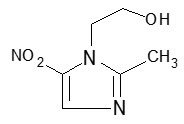
Bismuth subcitrate potassium is a white or almost white powder. It is a soluble, complex bismuth salt of citric acid. The schematized empirical molecular formula of bismuth subcitrate potassium is Bi (Citrate)2K5∙3 H2O. The equivalent theoretical molecular formula is BiC12H14K5O17. The molecular mass of the theoretical molecular formula of a single unit of bismuth subcitrate potassium is 834.71. Metronidazole is a white to pale yellow crystalline powder. Metronidazole is 2-methyl-5-nitroimidazole-1-ethanol, with a molecular formula of C6H9N3O3 and the following structural formula:
|
Molecular weight: 171.2 |
Tetracycline hydrochloride is a yellow, odorless, crystalline powder. Tetracycline hydrochloride is stable in air, but exposure to strong sunlight causes it to darken. Tetracycline hydrochloride is (4S,4aS,5aS,6S,12aS)-4-(dimethylamino)-1,4,4a,5,5a,6,11,12a-octahydro-3,6,10,12,12a-penta-hydroxy-6-methyl-1,11-dioxo-2-naphthacenecarboxamide hydrochloride, with a molecular formula of C22H24N2O8∙HCl and the following structural formula:
|
Molecular weight: 480.90 |
4.1 Disulfiram
PYLERA is contraindicated in patients who have taken disulfiram within the last two weeks. Psychotic reactions have been reported in alcoholic patients who are using metronidazole, a component of PYLERA, and disulfiram concurrently [see Drug Interactions (7.1)].
7.1 Disulfiram
Psychotic reactions have been reported in alcoholic patients who are using metronidazole, a component of PYLERA and disulfiram concurrently. PYLERA should not be given to patients who have taken disulfiram within the last two weeks [see Contraindications (4.1)].
8.4 Pediatric Use
Safety and effectiveness of PYLERA in pediatric patients infected with Helicobacter pylori have not been established.
Tetracycline use in children may cause permanent discoloration of the teeth. Enamel hypoplasia has also been reported. PYLERA should not be used in children up to 8 years of age [see Warnings and Precaution (5.4)].
8.5 Geriatric Use
Clinical studies of PYLERA did not include sufficient numbers of patients aged 65 and over to determine whether they respond differently than younger patients. Other reported clinical experience has not identified differences in responses between the elderly and younger patients. In general, elderly patients may have a greater frequency of decreased hepatic, renal, or cardiac function, and concomitant diseases or other drug therapies. Bismuth subcitrate potassium, a component of PYLERA, is known to be substantially excreted by the kidney, and the risk of adverse reactions may be greater in patients with impaired renal function. Because elderly patients are more likely to have decreased renal function, additional monitoring may be required [see Contraindications (4.4)].
5.2 Fetal Toxicity
Tetracycline can cause fetal harm when administered to a pregnant woman. Based on animal data, use of drugs of the tetracycline class during the second and third trimester of pregnancy can cause permanent discoloration of the teeth (yellow-gray brown) and possibly inhibit bone development [see Warnings and Precautions (5.4)]. Administration of oral tetracycline to pregnant rats at various doses resulted in yellow fluorescence in teeth and bones in the newborn animals. If PYLERA is used during pregnancy, or if the patient becomes pregnant while taking PYLERA, advise the patient of the potential risk to the fetus [see Contraindications (4.5) and Use in Specific Populations (8.1)].
7.4 Anticoagulants
PYLERA may alter the anticoagulant effects of warfarin and other oral coumarin anticoagulants. Metronidazole has been reported to potentiate the anticoagulant effect of warfarin, and other oral coumarin anticoagulants, resulting in a prolongation of prothrombin time. Tetracycline has been shown to depress plasma prothrombin activity. Prothrombin time, International Normalized Ratio (INR), or other suitable anticoagulation tests should be closely monitored if PYLERA is administered concomitantly with warfarin. Patients should also be monitored for evidence of bleeding [see Warnings and Precautions (5.14)].
4 Contraindications
- Disulfiram usage within the last two weeks. (4.1, 7.1)
- Alcoholic beverage consumption for at least three days during or after therapy. (4.2, 7.2)
- Patients with Cockayne syndrome. (4.3, 6.3)
- Severe renal impairment. (4.4)
- Women who are pregnant. (4.5, 8.1)
- Known hypersensitivity to product components. (4.6)
6 Adverse Reactions
Most frequently reported adverse reactions (≥5%): abnormal feces, diarrhea, nausea, and headache. (6.1)
To report SUSPECTED ADVERSE REACTIONS, contact H2-Pharma, LLC at 1-833-520-8580 or FDA at 1-800-FDA-1088 or www.fda.gov/medwatch.
7 Drug Interactions
- Disulfiram: Psychotic reactions can occur; do not take concurrently or within the last 2 weeks of disulfiram. (4.1, 7.1)
- Alcohol: Abdominal cramps, nausea, vomiting, headaches, and flushing can occur; do not consume during therapy and for at least 3 days afterwards. (4.2, 7.2)
- Oral Contraceptives: Decreased efficacy possibly resulting in pregnancy; use a different or additional form of contraception. (5.14, 7.3)
- Anticoagulants: Potentiation of the anticoagulant effect; Prothrombin time, International Normalized Ratio (INR), or other suitable anticoagulation tests should be closely monitored. (5.14, 7.4)
- Lithium: Increased lithium serum concentrations; measure serum lithium and serum creatinine concentrations during therapy. (5.14, 7.5)
- Antacids, Multivitamins or Dairy Products: Decreased absorption of PYLERA; do not take concomitantly. (7.6)
- Busulfan: Increased busulfan serum concentrations; avoid concomitant use, monitor for busulfan toxicity. (7.7)
- CYP inducers and CYP inhibitors: Prolonged or accelerated half-life of metronidazole or concomitant medications; use with caution. (7.8, 7.9)
5.8 Photosensitivity
Photosensitivity, manifested by an exaggerated sunburn reaction, has been observed in patients taking tetracycline [see Adverse Reactions (6.3)]. Patients apt to be exposed to direct sunlight or ultraviolet light should be advised that this reaction can occur with tetracycline drugs. Instruct patients taking PYLERA to avoid exposure to the sun or sun lamps. Discontinue treatment at the first evidence of skin erythema.
8.6 Renal Impairment
The antianabolic action of the tetracyclines may cause an increase in blood urea nitrogen (BUN). In patients with severe renal impairment, higher serum concentrations of tetracycline may lead to azotemia, hyperphosphatemia, and acidosis [see Contraindications (4.4)].
12.3 Pharmacokinetics
The pharmacokinetics of the individual components of PYLERA, bismuth subcitrate potassium, metronidazole and tetracycline hydrochloride are summarized below. In addition, two studies on PYLERA were conducted to determine the effect of co-administration on the pharmacokinetics of the components.
4.3 Cockayne Syndrome
PYLERA is contraindicated in patients with Cockayne syndrome. Severe irreversible hepatotoxicity/acute liver failure with fatal outcomes have been reported after initiation of metronidazole in patients with Cockayne syndrome [see Adverse Reactions (6.3)].
5.3 Maternal Toxicity
Tetracycline, a component of PYLERA, administered during pregnancy at high doses (> 2 g IV) was associated with rare but serious cases of maternal hepatotoxicity. This syndrome may result in stillborn or premature birth due to maternal pathology [see Contraindications (4.5) and Use in Specific Populations (8.1)].
8.7 Hepatic Impairment
Patients with severe hepatic disease metabolize metronidazole slowly, with resultant accumulation of metronidazole and its metabolites in plasma. Patients with mild to moderate hepatic impairment should be monitored for metronidazole associated adverse events. PYLERA is not recommended in patients with severe hepatic impairment [see Warnings and Precautions (5.11) and Clinical Pharmacology (12.3) ].
1 Indications and Usage
PYLERA is a combination of metronidazole, a nitroimidazole antimicrobial, tetracycline,- a tetracycline class antimicrobial and bismuth subcitrate potassium, indicated for use, in combination with omeprazole, for the treatment of patients with Helicobacter pylori infection and duodenal ulcer disease (active or history of within the past 5 years) to eradicate H. pylori. (1.1)
To reduce the development of drug-resistant bacteria and maintain the effectiveness of PYLERA and other antibacterial drugs, PYLERA should be used only to treat or prevent infections that are proven or strongly suspected to be caused by bacteria. (1.2)
7.3 Oral Contraceptives
Concurrent use of PYLERA with oral contraceptive may make oral contraceptives less effective due to an interaction with the tetracycline component of PYLERA. Breakthrough bleeding has been reported. Women of child-bearing potential should use a different or additional form of contraception while taking PYLERA [see Warnings and Precautions (5.14)].
12.1 Mechanism of Action
PYLERA is a combination of antibacterial agents (metronidazole and tetracycline hydrochloride) and bismuth subcitrate potassium [see Microbiology (12.4)].
5 Warnings and Precautions
- Fetal Toxicity: Advise pregnant women of the risk throughout pregnancy for retardation of skeletal development seen in animal studies and permanent discoloration of teeth with tetracycline if used during the second or third trimester. (5.2, 8.1)
- Maternal Toxicity: Risk of hepatotoxicity in pregnant women with high doses of intravenous tetracycline also resulting in stillborn or premature birth. (5.3, 8.1)
- Tooth Enamel discoloration and hypoplasia: permanent discoloration may develop with use during tooth development (last half of pregnancy, infancy, and childhood to the age of 8 years). (5.4)
- Severe Cutaneous Adverse Reactions: Severe cutaneous adverse reactions (SCARs) including toxic epidermal necrolysis (TEN), Stevens-Johnson syndrome (SJS), drug reaction with eosinophilia and systemic symptoms (DRESS), and acute generalized exanthematous pustulosis (AGEP) have been reported with metronidazole. If symptoms or signs of SCARs develop, discontinue PYLERA immediately and institute appropriate therapy. (5.5)
- Central and Peripheral Nervous System Effects: encephalopathy, convulsive seizures, aseptic meningitis and peripheral neuropathy with metronidazole, intracranial hypertension with tetracycline and neurotoxicity with bismuth-containing products. Monitor patients with CNS conditions closely and discontinue promptly if abnormal neurologic signs develop. (5.6)
- Photosensitivity: avoid exposure to sun and sun lamps. (5.8)
- Blood Dyscrasias: Use with caution in patients with a history of blood dyscrasias. (5.10)
- Hepatic Impairment: Not recommended in patients with severe hepatic impairment. (5.11)
2 Dosage and Administration
Administer three PYLERA capsules 4 times a day (after meals and at bedtime) for 10 days. One omeprazole 20 mg capsule should be taken twice a day with PYLERA after the morning and evening meal for 10 days (Table 1).
| Time of dose | Number of capsules of PYLERA | Number of capsules of omeprazole 20 mg |
|---|---|---|
| After morning meal | 3 | 1 |
| After lunch | 3 | 0 |
| After evening meal | 3 | 1 |
| At bedtime | 3 | 0 |
Instruct patients to swallow the PYLERA capsules whole with a full glass of water (8 ounces). Ingestion of adequate amounts of fluid, particularly with the bedtime dose, is recommended to reduce the risk of esophageal irritation and ulceration by tetracycline hydrochloride.
If a dose is missed, patients should continue the normal dosing schedule until medication is gone. Patients should not take double doses. If more than 4 doses are missed, the prescriber should be contacted.
4.4 Severe Renal Impairment
PYLERA is contraindicated in patients with severe renal impairment. The antianabolic action of the tetracyclines may cause an increase in blood urea nitrogen (BUN) [see Adverse Reactions (6.3)]. In patients with significantly impaired renal function, higher serum concentrations of tetracyclines may lead to azotemia, hyperphosphatemia, and acidosis.
3 Dosage Forms and Strengths
Each PYLERA capsule contains 140 mg of bismuth subcitrate potassium, 125 mg of metronidazole, and a smaller capsule inside containing 125 mg of tetracycline hydrochloride. The capsules are white and opaque, with the APTALIS™ logo printed on the body and "BMT" printed on the cap.
6.2 Postmarketing Experience
Additionally, the following adverse reactions, presented by system organ class in alphabetical order, have been identified during post approval use of PYLERA. Because these reactions are reported voluntarily from a population of uncertain size, it is not always possible to reliably estimate their frequency or establish a causal relationship to drug exposure.
- Gastrointestinal disorders: abdominal distention, eructation, flatulence
- General disorders and administration site conditions: chest discomfort, fatigue
- Infections and infestations: candidiasis, pseudomembranous colitis (Clostridium difficile colitis)
- Nervous Systems: peripheral neuropathy
- Skin and subcutaneous disorders: Stevens-Johnson syndrome, toxic epidermal necrolysis, DRESS syndrome (drug rash with eosinophilia and systemic symptoms) [see Warnings and Precautions (5.5) ]
8 Use in Specific Populations
- Lactation: A woman should pump and discard human milk for the duration of PYLERA therapy, and for 2 days after therapy ends. (8.2)
- Pediatric Use: Tetracycline may cause permanent discoloration of the teeth. Enamel hypoplasia has also been reported. Do not use in children less than 8 years of age. (5.4, 8.4)
4.6 Hypersensitivity Reactions
PYLERA is contraindicated in patients with known hypersensitivity (e.g. urticaria, erythematous rash, flushing, and fever) to bismuth subcitrate potassium, metronidazole or other nitroimidazole derivatives, or tetracycline [see Adverse Reactions (6.3)].
6.1 Clinical Trials Experience
Because clinical trials are conducted under widely varying conditions, adverse reaction rates observed in the clinical trials of a drug cannot be directly compared to rates in the clinical trials of another drug and may not reflect the rates observed in practice.
The safety of PYLERA plus omeprazole (OBMT) to eradicate Helicobacter pylori was assessed in an open-label, randomized, active-controlled clinical trial conducted in North America. The duration of treatment was 10 days with 147 patients exposed to PYLERA plus omeprazole (OBMT) and 152 exposed to control, consisting of omeprazole, amoxicillin, and clarithromycin (OAC). The age of the population in the study ranged from 18 to 75 years, with 59% male patients and 59% Caucasian patients.
Adverse drug reactions were reported in 58% of patients in the OBMT group and 59% of patients in the OAC group. There were no adverse reactions leading to discontinuation of the study during the clinical trial.
Adverse reactions with an incidence of ≥ 5% in OBMT group include abnormal feces, diarrhea, nausea, and headache. Adverse drug reactions with an incidence of ≥ 5% in OAC group include diarrhea, dysgeusia, dyspepsia, nausea and headache.
Table 2 lists adverse reactions with an incidence of ≥ 1%, in either group (OBMT vs OAC) and in order of decreasing incidence for the OBMT group.
|
*OBMT = Omeprazole + PYLERA **OAC = Omeprazole + Amoxicillin + Clarithromycin; *** Dark stools [see Warnings and Precautions (5.9)] |
||
| Preferred Term | OBMT* (n = 147) | OAC** (n = 152) |
| Gastrointestinal disorders | ||
| Abnormal feces*** | 23 (15.6%) | 7 (4.6%) |
| Nausea | 12 (8.2%) | 14 (9.2%) |
| Diarrhea | 10 (6.8%) | 20 (13.2%) |
| Abdominal Pain | 7 (4.8%) | 2 (1.3%) |
| Dyspepsia | 4 (2.7%) | 10 (6.6%) |
| Constipation | 2 (1.4%) | 5 (3.3%) |
| Dry Mouth | 2 (1.4%) | 1 (0.7%) |
| Flatulence | 0 | 4 (2.6%) |
| Glossitis | 0 | 2 (1.3%) |
| General disorders and administration site conditions | ||
| Asthenia | 5 (3.4%) | 2 (1.3%) |
| Infections and infestations | ||
| Vaginal infection | 4 (2.7%) | 3 (2.0%) |
| Nervous system disorders | ||
| Headache | 8 (5.4%) | 8 (5.3%) |
| Dysgeusia | 6 (4.1%) | 18 (11.8%) |
| Dizziness | 4 (2.7%) | 4 (2.6%) |
| Investigations | ||
| Laboratory test abnormal | 3 (2.0%) | 4 (2.6%) |
| Alanine aminotransferase increased | 2 (1.4%) | 0 |
| Aspartate aminotransferase increased | 2 (1.4%) | 0 |
| Renal and urinary disorders | ||
| Urine abnormality | 2 (1.4%) | 0 |
| Skin and subcutaneous tissue disorders | ||
| Rash Maculo-Papular | 2 (1.4%) | 0 |
| Rash | 1 (0.7%) | 3 (2.0%) |
| Pruritus | 0 | 4 (2.6%) |
Adverse reactions with an incidence of <1% for OBMT group are: back pain, vomiting, tongue darkening [see Warnings and Precautions (5.9)], anxiety, gastritis, gastroenteritis, myalgia, chest pain, increased appetite, blood creatine phosphokinase increased, malaise, somnolence, tachycardia, duodenal ulcer, visual disturbance, weight increased.
5.1 Potential for Carcinogenicity
Metronidazole, a component of PYLERA, has been shown to be carcinogenic in mice and rats. Tumors affecting the liver, lungs, mammary and lymphatic tissues have been detected in several studies of metronidazole in rats and mice, but not hamsters [see Nonclinical Toxicology (13)]. It is unknown whether metronidazole is associated with carcinogenicity in humans.
5.12 Laboratory Test Interactions
Bismuth absorbs x-rays and may interfere with x-ray diagnostic procedures of the gastrointestinal tract.
Bismuth subcitrate potassium may cause a temporary and harmless darkening of the stool. However, this change does not interfere with standard tests for occult blood.
Metronidazole may interfere with certain types of determinations of serum chemistry values, such as aspartate aminotransferase (AST, SGOT), alanine aminotransferase (ALT, SGPT), lactate dehydrogenase (LDH), triglycerides, and hexokinase glucose. Values of zero may be observed. All of the assays in which interference has been reported involve enzymatic coupling of the assay to oxidation-reduction of nicotinamide (NAD+ <=> NADH). Interference is due to the similarity in absorbance peaks of NADH (340 nm) and metronidazole (322 nm) at pH 7.
16 How Supplied/storage and Handling
PYLERA is supplied as a white opaque capsule containing 140 mg bismuth subcitrate potassium, 125 mg metronidazole, and 125 mg tetracycline hydrochloride, with the APTALIS™ logo printed on the body and "BMT" printed on the cap. PYLERA capsules are supplied as the 10 day Therapy pack containing 10 blister cards, with each card containing 12 PYLERA capsules for a total of 120 capsules.
NDC Number: 61269-380-12, Blister pack of 120.
7.9 Inducers of Cyp450 Liver Enzymes
The simultaneous administration of PYLERA and drugs that induce microsomal liver enzymes, such as phenytoin or phenobarbital, may accelerate the elimination of metronidazole, resulting in reduced plasma concentrations of metronidazole. Impaired clearance of phenytoin has also been reported in this situation. Monitor phenytoin concentrations during treatment with PYLERA.
1.1 Eradication of Helicobacter Pylori
PYLERA in combination with omeprazole are indicated for the treatment of patients with Helicobacter pylori infection and duodenal ulcer disease (active or history of within the past 5 years) to eradicate H. pylori. The eradication of Helicobacter pylori has been shown to reduce the risk of duodenal ulcer recurrence.
5.5 Severe Cutaneous Adverse Reactions
Metronidazole: Severe cutaneous adverse reactions (SCARs) including toxic epidermal necrolysis (TEN), Stevens-Johnson syndrome (SJS), drug reaction with eosinophilia and systemic symptoms (DRESS), and acute generalized exanthematous pustulosis (AGEP) have been reported with the use of metronidazole. Symptoms can be serious and potentially life threatening. If symptoms or signs of SCARs develop, discontinue PYLERA capsules immediately and institute appropriate therapy.
Tetracycline: Fixed drug eruptions have occurred with tetracycline and have been associated with worsening severity upon subsequent
administrations, including generalize bullous fixed drug eruption [see Adverse Reactions (6.3)]. If severe skin reactions occur,
discontinue PYLERA immediately, and institute appropriate therapy.
7.8 Inhibitors of Cyp450 Liver Enzymes
The simultaneous administration of PYLERA and drugs that inhibit microsomal liver enzymes, such as cimetidine, may result in a prolonged half-life and decreased plasma clearance of metronidazole.
Warning: Potential for Carcinogenicity
Metronidazole has been shown to be carcinogenic in mice and rats. It is unknown whether metronidazole is associated with carcinogenicity in humans [see Warning and Precautions (5.1)].
14.1 Eradication of Helicobacter Pylori
An open-label, parallel group, active-controlled, multicenter study in Helicobacter pylori positive patients with current duodenal ulcer or a history of duodenal ulcer disease was conducted in the United States and Canada (the North American Study).
Patients were randomized to one of the following 10-day treatment regimens:
- Three (3) PYLERA capsules four times daily, after meals and at bedtime plus 20 mg omeprazole twice a day after the morning and evening meals (OBMT).
- Clarithromycin 500 mg plus 1000 mg amoxicillin plus 20 mg omeprazole twice a day before the morning and evening meals (OAC).
H. pylori eradication rates, defined as two negative 13C-urea breath tests performed at 4 and 8 weeks post-therapy are shown in Table 6 for OBMT and OAC. The eradication rates for both groups were found to be similar using either the Per Protocol (PP) or Modified Intent-to-Treat (MITT) populations.
| *OBMT: Omeprazole + PYLERA (bismuth subcitrate potassium / metronidazole / tetracycline hydrochloride) **OAC: Omeprazole + amoxicillin + clarithromycin a Patients were included in the PP analysis if they had H. pylori infection documented at baseline, defined as a positive 13C-UBT plus histology or culture, had at least one endoscopically verified duodenal ulcer ≥ 0.3 cm at baseline or had a documented history of duodenal ulcer disease, and were not protocol violators. Additionally, if patients dropped out of the study due to an adverse event related to the study drug, they were included in the evaluable analysis as failures of therapy. b Patients were included in the MITT analysis if they had documented H. pylori infection at baseline as defined above, and had at least one documented duodenal ulcer at baseline or had a documented history of duodenal ulcer disease, and took at least one dose of study medication. All dropouts were included as failures of therapy. c Results for OAC treatment represent all isolates regardless of clarithromycin susceptibility. Eradication rates for clarithromycin susceptible organisms, as defined by an MIC ≤ 0.25 mcg/mL, were 94.6% and 92.1% for the PP and MITT analysis, respectively. Eradication rates for clarithromycin non-susceptible organisms, as defined by an MIC ≥ 0.5 mcg/mL, were 23.1% and 21.4% for the PP and MITT analysis, respectively. |
|||
| Treatment Group | Difference | ||
| OBMT* | OAC** c | ||
| Per Protocola | 92.5% [87.8, 97.2] (n=120) |
85.7% [76.9, 91.8] (n=126) |
6.8% [-0.9, 14.5] |
| Modified Intent-to-Treatb |
87.7% [82.2, 93.2] (n=138) |
83.2% [77.0, 89.5] (n=137) |
4.5% [-3.9, 12.8] |
5.10 Use in Patients With Blood Dyscrasias
Metronidazole is a nitroimidazole, and should be used with care in patients with evidence of or history of blood dyscrasia. A mild leukopenia has been observed during its administration; however, no persistent hematologic abnormalities attributable to metronidazole have been observed in clinical studies. Total and differential leukocyte counts are recommended before and after therapy [see Adverse Reactions (6.3)].
5.13 Development of Drug Resistant Bacteria
Prescribing PYLERA in the absence of a proven or strongly suspected bacterial infection is unlikely to provide benefit to the patient and increases the risk of the development of drug-resistant bacteria.
5.4 Tooth Enamel Discoloration and Hypoplasia
The use of drugs of the tetracycline class during tooth development (last half of pregnancy, infancy, and childhood to the age of 8 years) may cause permanent discoloration of the teeth (yellow-gray-brown). This adverse reaction is more common during long-term use of the drug, but has been observed following repeated short-term courses. Enamel hypoplasia has also been reported. PYLERA, therefore, should not be used in this age group unless other drugs are not likely to be effective or are contraindicated [see Use in Specific Populations (8.4)].
5.9 Darkening of the Tongue And/or Black Stool
Bismuth subcitrate potassium may cause temporary and harmless darkening of the tongue and/or black stools, generally reversible within several days after treatment is stopped [see Adverse Reactions (6.1)]. Stool darkening should not be confused with melena.
7.6 Antacids, Multivitamins, Or Dairy Products
The absorption of PYLERA may be reduced if administered with antacids containing aluminium, calcium, or magnesium; preparations containing iron, zinc, or sodium bicarbonate; or milk or dairy products due to the interaction between these products and tetracycline. These products should not be consumed concomitantly with PYLERA. However, the clinical significance of reduced tetracycline systemic exposure is unknown as the relative contribution of systemic versus local antimicrobial activity against Helicobacter pylori has not been established.
5.7 Development of Potential for Microbial Overgrowth
Known or previously unrecognized candidiasis may present more prominent symptoms during therapy with metronidazole and requires treatment with an antifungal agent. As with other antibacterial drugs, use of tetracycline hydrochloride may result in overgrowth of nonsusceptible organisms, including fungi. If superinfection occurs, discontinue PYLERA and institute appropriate therapy.
Principal Display Panel 120 Capsule Blister Card Box
NDC 61269-380-12
120 Capsules in 10 blister cards
Each card contains 4 blisters.
Each blister contains 3 capsules.
PYLERA®
CAPSULES
(bismuth subcitrate potassium 140 mg,
metronidazole 125 mg, tetracycline HCl 125 mg)
10 Day Therapy PAK
Rx only
Combination therapy indicated for the eradication of Heliobacter pylori
One blister card = 1 day of therapy
JUVISE®
pharmaceuticals
See directions for opening on bottom of the box.
Directions: Insert two fingers and pull out flap. Remove and discard the perforated window. Take one blister pack each day for 10 days.
Combination therapy indicated for the treatment of patients with Helicobacter pylori infection and duodenal ulcer disease (active or history of within the past 5 years) to eradicate H. pylori
NO VARNISH
301471-04
PYL-USA-1151
Distributed by: H2-Pharma, LLC
Mongomery, AL 36117
PYLERA® is a registered trademark of Laboratoires Juvise Pharmaceuticals.
Made in Canada.
JUVISE®
pharmaceuticals
(01) 0 0361269 38012 9
Dosage:
| Time of Dose | Number of capsules of PYLERA ® | Number of capsules of omeprazole 20 mg* |
| After morning meal | 3 | 1 |
| After lunch | 3 | 0 |
| After evening meal | 3 | 1 |
| At bedtime | 3 | 0 |
Each PYLERA® Capsule contains bismuth subcitrate potassium 140 mg, metronidazole 125 mg, and tetracycline hydrochloride 125 mg and the following inactive ingredients: Magnesium Stearate NF, Lactose Monohydrate NF, Talc USP, Gelatin USP, and Titanium Dioxide NF.
PYLERA® is supplied as a white opaque capsule with Aptalis log printed on body and BMT printed on cap.
*PYLERA® Capsules do not contain omeprazole.
Store at controlled room temperature [68° to 77°F or 20° to 25°C].
Please see complete Prescribing Information including safety and warnings inside the box.
13.1 Carcinogenesis, Mutagenesis, Impairment of Fertility
No long-term studies have been performed to evaluate the effect of PYLERA on carcinogenesis, mutagenesis, or impairment of fertility.
5.11 Increased Drug Plasma Concentrations in Patients With Hepatic Impairment
Patients with hepatic impairment metabolize metronidazole slowly, with resultant accumulation of metronidazole in the plasma. Patients with mild to moderate hepatic impairment should be monitored for metronidazole associated adverse events. PYLERA is not recommended in patients with severe hepatic impairment (Child-Pugh C) [see Clinical Pharmacology (12.3)].
Structured Label Content
Section 42229-5 (42229-5)
Metronidazole: Convulsive seizures, encephalopathy, aseptic meningitis and peripheral neuropathy (including optic neuropathy) have been reported. Encephalopathy has been reported in association with cerebellar toxicity characterized by ataxia, dizziness, and dysarthria. CNS lesions seen on MRI have been described in reports of encephalopathy. CNS symptoms are generally reversible within days to weeks upon discontinuation of metronidazole. CNS lesions seen on MRI have also been described as reversible. Peripheral neuropathy, mainly of sensory type has been reported and is characterized by numbness or paresthesia of an extremity. Aseptic meningitis symptoms may occur within hours of dose administration and generally resolve after metronidazole therapy is discontinued.
Section 43683-2 (43683-2)
Section 44425-7 (44425-7)
Storage
Store at controlled room temperature [68° to 77°F or 20° to 25°C].
1.2 Usage
To reduce the development of drug-resistant bacteria and maintain the effectiveness of PYLERA and other antibacterial drugs, PYLERA should be used to treat only indicated infections that are proven or strongly suspected to be caused by susceptible bacteria. When culture and susceptibility information are available, they should be considered in selecting or modifying antibacterial therapy. In the absence of such data, local epidemiology and susceptibility patterns may contribute to the empiric selection of therapy.
4.2 Alcohol
Alcoholic beverages or other products containing propylene glycol should not be consumed during and for at least 3 days after therapy with PYLERA. A disulfiram-like reaction (abdominal cramps, nausea, vomiting, headaches, and flushing) may occur due to the interaction between alcohol or propylene glycol and metronidazole, a component of PYLERA [see Drug Interactions (7.2)].
7.2 Alcohol
Consumption of alcoholic beverages or administration of other products containing propylene glycol during treatment with PYLERA and for at least 3 days afterwards may cause a disulfiram-like reaction (abdominal cramps, nausea, vomiting, headaches, and flushing) due to the interaction between alcohol or propylene glycol and metronidazole, a component of PYLERA. Discontinue alcoholic beverage or other products containing propylene glycol during and for at least 3 days after therapy with PYLERA [see Contraindications (4.2)].
7.5 Lithium
In patients stabilized on relatively high doses of lithium, short-term use of PYLERA may cause elevation of serum lithium concentrations and signs of lithium toxicity due to the interaction between metronidazole and lithium. Serum lithium and serum creatinine concentrations should be monitored several days after beginning treatment with PYLERA to detect any increase that may precede clinical symptoms of lithium toxicity [see Warnings and Precautions (5.14)].
7.7 Busulfan
Metronidazole has been reported to increase plasma concentrations of busulfan, which can result in an increased risk for serious busulfan toxicity. Do not administer PYLERA concomitantly with busulfan unless the benefit outweighs the risk. If no therapeutic alternatives to PYLERA are available, and concomitant administration with busulfan is medically needed, monitor for busulfan toxicity and busulfan plasma concentrations and adjust the busulfan dose accordingly [see Warnings and Precautions (5.14)].
10 Overdosage (10 OVERDOSAGE)
In case of an overdose, patients should contact a physician, poison control center, or emergency room. The available overdosage information for each of the individual components in PYLERA (Metronidazole, Tetracycline and Bismuth subcitrate potassium) are summarized below:
4.5 Pregnancy
PYLERA is contraindicated during pregnancy [see Use in Specific Populations (8.1)].
11 Description (11 DESCRIPTION)
PYLERA capsules are a combination antimicrobial product containing bismuth subcitrate potassium, metronidazole, and tetracycline hydrochloride for oral administration. Each size 0 elongated capsule contains:
- bismuth subcitrate potassium, 140 mg
- metronidazole, 125 mg
- smaller capsule (size 3) containing tetracycline hydrochloride, 125 mg
Tetracycline hydrochloride is encapsulated within a smaller capsule to create a barrier to avoid contact with bismuth subcitrate potassium.
Each PYLERA capsule contains the following inactive ingredients: Magnesium Stearate NF, Lactose Monohydrate NF, Talc USP, Gelatin USP, and Titanium Dioxide NF, Printed in red ink.
Bismuth subcitrate potassium is a white or almost white powder. It is a soluble, complex bismuth salt of citric acid. The schematized empirical molecular formula of bismuth subcitrate potassium is Bi (Citrate)2K5∙3 H2O. The equivalent theoretical molecular formula is BiC12H14K5O17. The molecular mass of the theoretical molecular formula of a single unit of bismuth subcitrate potassium is 834.71. Metronidazole is a white to pale yellow crystalline powder. Metronidazole is 2-methyl-5-nitroimidazole-1-ethanol, with a molecular formula of C6H9N3O3 and the following structural formula:
|
Molecular weight: 171.2 |
Tetracycline hydrochloride is a yellow, odorless, crystalline powder. Tetracycline hydrochloride is stable in air, but exposure to strong sunlight causes it to darken. Tetracycline hydrochloride is (4S,4aS,5aS,6S,12aS)-4-(dimethylamino)-1,4,4a,5,5a,6,11,12a-octahydro-3,6,10,12,12a-penta-hydroxy-6-methyl-1,11-dioxo-2-naphthacenecarboxamide hydrochloride, with a molecular formula of C22H24N2O8∙HCl and the following structural formula:
|
Molecular weight: 480.90 |
4.1 Disulfiram
PYLERA is contraindicated in patients who have taken disulfiram within the last two weeks. Psychotic reactions have been reported in alcoholic patients who are using metronidazole, a component of PYLERA, and disulfiram concurrently [see Drug Interactions (7.1)].
7.1 Disulfiram
Psychotic reactions have been reported in alcoholic patients who are using metronidazole, a component of PYLERA and disulfiram concurrently. PYLERA should not be given to patients who have taken disulfiram within the last two weeks [see Contraindications (4.1)].
8.4 Pediatric Use
Safety and effectiveness of PYLERA in pediatric patients infected with Helicobacter pylori have not been established.
Tetracycline use in children may cause permanent discoloration of the teeth. Enamel hypoplasia has also been reported. PYLERA should not be used in children up to 8 years of age [see Warnings and Precaution (5.4)].
8.5 Geriatric Use
Clinical studies of PYLERA did not include sufficient numbers of patients aged 65 and over to determine whether they respond differently than younger patients. Other reported clinical experience has not identified differences in responses between the elderly and younger patients. In general, elderly patients may have a greater frequency of decreased hepatic, renal, or cardiac function, and concomitant diseases or other drug therapies. Bismuth subcitrate potassium, a component of PYLERA, is known to be substantially excreted by the kidney, and the risk of adverse reactions may be greater in patients with impaired renal function. Because elderly patients are more likely to have decreased renal function, additional monitoring may be required [see Contraindications (4.4)].
5.2 Fetal Toxicity
Tetracycline can cause fetal harm when administered to a pregnant woman. Based on animal data, use of drugs of the tetracycline class during the second and third trimester of pregnancy can cause permanent discoloration of the teeth (yellow-gray brown) and possibly inhibit bone development [see Warnings and Precautions (5.4)]. Administration of oral tetracycline to pregnant rats at various doses resulted in yellow fluorescence in teeth and bones in the newborn animals. If PYLERA is used during pregnancy, or if the patient becomes pregnant while taking PYLERA, advise the patient of the potential risk to the fetus [see Contraindications (4.5) and Use in Specific Populations (8.1)].
7.4 Anticoagulants
PYLERA may alter the anticoagulant effects of warfarin and other oral coumarin anticoagulants. Metronidazole has been reported to potentiate the anticoagulant effect of warfarin, and other oral coumarin anticoagulants, resulting in a prolongation of prothrombin time. Tetracycline has been shown to depress plasma prothrombin activity. Prothrombin time, International Normalized Ratio (INR), or other suitable anticoagulation tests should be closely monitored if PYLERA is administered concomitantly with warfarin. Patients should also be monitored for evidence of bleeding [see Warnings and Precautions (5.14)].
4 Contraindications (4 CONTRAINDICATIONS)
- Disulfiram usage within the last two weeks. (4.1, 7.1)
- Alcoholic beverage consumption for at least three days during or after therapy. (4.2, 7.2)
- Patients with Cockayne syndrome. (4.3, 6.3)
- Severe renal impairment. (4.4)
- Women who are pregnant. (4.5, 8.1)
- Known hypersensitivity to product components. (4.6)
6 Adverse Reactions (6 ADVERSE REACTIONS)
Most frequently reported adverse reactions (≥5%): abnormal feces, diarrhea, nausea, and headache. (6.1)
To report SUSPECTED ADVERSE REACTIONS, contact H2-Pharma, LLC at 1-833-520-8580 or FDA at 1-800-FDA-1088 or www.fda.gov/medwatch.
7 Drug Interactions (7 DRUG INTERACTIONS)
- Disulfiram: Psychotic reactions can occur; do not take concurrently or within the last 2 weeks of disulfiram. (4.1, 7.1)
- Alcohol: Abdominal cramps, nausea, vomiting, headaches, and flushing can occur; do not consume during therapy and for at least 3 days afterwards. (4.2, 7.2)
- Oral Contraceptives: Decreased efficacy possibly resulting in pregnancy; use a different or additional form of contraception. (5.14, 7.3)
- Anticoagulants: Potentiation of the anticoagulant effect; Prothrombin time, International Normalized Ratio (INR), or other suitable anticoagulation tests should be closely monitored. (5.14, 7.4)
- Lithium: Increased lithium serum concentrations; measure serum lithium and serum creatinine concentrations during therapy. (5.14, 7.5)
- Antacids, Multivitamins or Dairy Products: Decreased absorption of PYLERA; do not take concomitantly. (7.6)
- Busulfan: Increased busulfan serum concentrations; avoid concomitant use, monitor for busulfan toxicity. (7.7)
- CYP inducers and CYP inhibitors: Prolonged or accelerated half-life of metronidazole or concomitant medications; use with caution. (7.8, 7.9)
5.8 Photosensitivity
Photosensitivity, manifested by an exaggerated sunburn reaction, has been observed in patients taking tetracycline [see Adverse Reactions (6.3)]. Patients apt to be exposed to direct sunlight or ultraviolet light should be advised that this reaction can occur with tetracycline drugs. Instruct patients taking PYLERA to avoid exposure to the sun or sun lamps. Discontinue treatment at the first evidence of skin erythema.
8.6 Renal Impairment
The antianabolic action of the tetracyclines may cause an increase in blood urea nitrogen (BUN). In patients with severe renal impairment, higher serum concentrations of tetracycline may lead to azotemia, hyperphosphatemia, and acidosis [see Contraindications (4.4)].
12.3 Pharmacokinetics
The pharmacokinetics of the individual components of PYLERA, bismuth subcitrate potassium, metronidazole and tetracycline hydrochloride are summarized below. In addition, two studies on PYLERA were conducted to determine the effect of co-administration on the pharmacokinetics of the components.
4.3 Cockayne Syndrome
PYLERA is contraindicated in patients with Cockayne syndrome. Severe irreversible hepatotoxicity/acute liver failure with fatal outcomes have been reported after initiation of metronidazole in patients with Cockayne syndrome [see Adverse Reactions (6.3)].
5.3 Maternal Toxicity
Tetracycline, a component of PYLERA, administered during pregnancy at high doses (> 2 g IV) was associated with rare but serious cases of maternal hepatotoxicity. This syndrome may result in stillborn or premature birth due to maternal pathology [see Contraindications (4.5) and Use in Specific Populations (8.1)].
8.7 Hepatic Impairment
Patients with severe hepatic disease metabolize metronidazole slowly, with resultant accumulation of metronidazole and its metabolites in plasma. Patients with mild to moderate hepatic impairment should be monitored for metronidazole associated adverse events. PYLERA is not recommended in patients with severe hepatic impairment [see Warnings and Precautions (5.11) and Clinical Pharmacology (12.3) ].
1 Indications and Usage (1 INDICATIONS AND USAGE)
PYLERA is a combination of metronidazole, a nitroimidazole antimicrobial, tetracycline,- a tetracycline class antimicrobial and bismuth subcitrate potassium, indicated for use, in combination with omeprazole, for the treatment of patients with Helicobacter pylori infection and duodenal ulcer disease (active or history of within the past 5 years) to eradicate H. pylori. (1.1)
To reduce the development of drug-resistant bacteria and maintain the effectiveness of PYLERA and other antibacterial drugs, PYLERA should be used only to treat or prevent infections that are proven or strongly suspected to be caused by bacteria. (1.2)
7.3 Oral Contraceptives
Concurrent use of PYLERA with oral contraceptive may make oral contraceptives less effective due to an interaction with the tetracycline component of PYLERA. Breakthrough bleeding has been reported. Women of child-bearing potential should use a different or additional form of contraception while taking PYLERA [see Warnings and Precautions (5.14)].
12.1 Mechanism of Action
PYLERA is a combination of antibacterial agents (metronidazole and tetracycline hydrochloride) and bismuth subcitrate potassium [see Microbiology (12.4)].
5 Warnings and Precautions (5 WARNINGS AND PRECAUTIONS)
- Fetal Toxicity: Advise pregnant women of the risk throughout pregnancy for retardation of skeletal development seen in animal studies and permanent discoloration of teeth with tetracycline if used during the second or third trimester. (5.2, 8.1)
- Maternal Toxicity: Risk of hepatotoxicity in pregnant women with high doses of intravenous tetracycline also resulting in stillborn or premature birth. (5.3, 8.1)
- Tooth Enamel discoloration and hypoplasia: permanent discoloration may develop with use during tooth development (last half of pregnancy, infancy, and childhood to the age of 8 years). (5.4)
- Severe Cutaneous Adverse Reactions: Severe cutaneous adverse reactions (SCARs) including toxic epidermal necrolysis (TEN), Stevens-Johnson syndrome (SJS), drug reaction with eosinophilia and systemic symptoms (DRESS), and acute generalized exanthematous pustulosis (AGEP) have been reported with metronidazole. If symptoms or signs of SCARs develop, discontinue PYLERA immediately and institute appropriate therapy. (5.5)
- Central and Peripheral Nervous System Effects: encephalopathy, convulsive seizures, aseptic meningitis and peripheral neuropathy with metronidazole, intracranial hypertension with tetracycline and neurotoxicity with bismuth-containing products. Monitor patients with CNS conditions closely and discontinue promptly if abnormal neurologic signs develop. (5.6)
- Photosensitivity: avoid exposure to sun and sun lamps. (5.8)
- Blood Dyscrasias: Use with caution in patients with a history of blood dyscrasias. (5.10)
- Hepatic Impairment: Not recommended in patients with severe hepatic impairment. (5.11)
2 Dosage and Administration (2 DOSAGE AND ADMINISTRATION)
Administer three PYLERA capsules 4 times a day (after meals and at bedtime) for 10 days. One omeprazole 20 mg capsule should be taken twice a day with PYLERA after the morning and evening meal for 10 days (Table 1).
| Time of dose | Number of capsules of PYLERA | Number of capsules of omeprazole 20 mg |
|---|---|---|
| After morning meal | 3 | 1 |
| After lunch | 3 | 0 |
| After evening meal | 3 | 1 |
| At bedtime | 3 | 0 |
Instruct patients to swallow the PYLERA capsules whole with a full glass of water (8 ounces). Ingestion of adequate amounts of fluid, particularly with the bedtime dose, is recommended to reduce the risk of esophageal irritation and ulceration by tetracycline hydrochloride.
If a dose is missed, patients should continue the normal dosing schedule until medication is gone. Patients should not take double doses. If more than 4 doses are missed, the prescriber should be contacted.
4.4 Severe Renal Impairment
PYLERA is contraindicated in patients with severe renal impairment. The antianabolic action of the tetracyclines may cause an increase in blood urea nitrogen (BUN) [see Adverse Reactions (6.3)]. In patients with significantly impaired renal function, higher serum concentrations of tetracyclines may lead to azotemia, hyperphosphatemia, and acidosis.
3 Dosage Forms and Strengths (3 DOSAGE FORMS AND STRENGTHS)
Each PYLERA capsule contains 140 mg of bismuth subcitrate potassium, 125 mg of metronidazole, and a smaller capsule inside containing 125 mg of tetracycline hydrochloride. The capsules are white and opaque, with the APTALIS™ logo printed on the body and "BMT" printed on the cap.
6.2 Postmarketing Experience
Additionally, the following adverse reactions, presented by system organ class in alphabetical order, have been identified during post approval use of PYLERA. Because these reactions are reported voluntarily from a population of uncertain size, it is not always possible to reliably estimate their frequency or establish a causal relationship to drug exposure.
- Gastrointestinal disorders: abdominal distention, eructation, flatulence
- General disorders and administration site conditions: chest discomfort, fatigue
- Infections and infestations: candidiasis, pseudomembranous colitis (Clostridium difficile colitis)
- Nervous Systems: peripheral neuropathy
- Skin and subcutaneous disorders: Stevens-Johnson syndrome, toxic epidermal necrolysis, DRESS syndrome (drug rash with eosinophilia and systemic symptoms) [see Warnings and Precautions (5.5) ]
8 Use in Specific Populations (8 USE IN SPECIFIC POPULATIONS)
- Lactation: A woman should pump and discard human milk for the duration of PYLERA therapy, and for 2 days after therapy ends. (8.2)
- Pediatric Use: Tetracycline may cause permanent discoloration of the teeth. Enamel hypoplasia has also been reported. Do not use in children less than 8 years of age. (5.4, 8.4)
4.6 Hypersensitivity Reactions
PYLERA is contraindicated in patients with known hypersensitivity (e.g. urticaria, erythematous rash, flushing, and fever) to bismuth subcitrate potassium, metronidazole or other nitroimidazole derivatives, or tetracycline [see Adverse Reactions (6.3)].
6.1 Clinical Trials Experience
Because clinical trials are conducted under widely varying conditions, adverse reaction rates observed in the clinical trials of a drug cannot be directly compared to rates in the clinical trials of another drug and may not reflect the rates observed in practice.
The safety of PYLERA plus omeprazole (OBMT) to eradicate Helicobacter pylori was assessed in an open-label, randomized, active-controlled clinical trial conducted in North America. The duration of treatment was 10 days with 147 patients exposed to PYLERA plus omeprazole (OBMT) and 152 exposed to control, consisting of omeprazole, amoxicillin, and clarithromycin (OAC). The age of the population in the study ranged from 18 to 75 years, with 59% male patients and 59% Caucasian patients.
Adverse drug reactions were reported in 58% of patients in the OBMT group and 59% of patients in the OAC group. There were no adverse reactions leading to discontinuation of the study during the clinical trial.
Adverse reactions with an incidence of ≥ 5% in OBMT group include abnormal feces, diarrhea, nausea, and headache. Adverse drug reactions with an incidence of ≥ 5% in OAC group include diarrhea, dysgeusia, dyspepsia, nausea and headache.
Table 2 lists adverse reactions with an incidence of ≥ 1%, in either group (OBMT vs OAC) and in order of decreasing incidence for the OBMT group.
|
*OBMT = Omeprazole + PYLERA **OAC = Omeprazole + Amoxicillin + Clarithromycin; *** Dark stools [see Warnings and Precautions (5.9)] |
||
| Preferred Term | OBMT* (n = 147) | OAC** (n = 152) |
| Gastrointestinal disorders | ||
| Abnormal feces*** | 23 (15.6%) | 7 (4.6%) |
| Nausea | 12 (8.2%) | 14 (9.2%) |
| Diarrhea | 10 (6.8%) | 20 (13.2%) |
| Abdominal Pain | 7 (4.8%) | 2 (1.3%) |
| Dyspepsia | 4 (2.7%) | 10 (6.6%) |
| Constipation | 2 (1.4%) | 5 (3.3%) |
| Dry Mouth | 2 (1.4%) | 1 (0.7%) |
| Flatulence | 0 | 4 (2.6%) |
| Glossitis | 0 | 2 (1.3%) |
| General disorders and administration site conditions | ||
| Asthenia | 5 (3.4%) | 2 (1.3%) |
| Infections and infestations | ||
| Vaginal infection | 4 (2.7%) | 3 (2.0%) |
| Nervous system disorders | ||
| Headache | 8 (5.4%) | 8 (5.3%) |
| Dysgeusia | 6 (4.1%) | 18 (11.8%) |
| Dizziness | 4 (2.7%) | 4 (2.6%) |
| Investigations | ||
| Laboratory test abnormal | 3 (2.0%) | 4 (2.6%) |
| Alanine aminotransferase increased | 2 (1.4%) | 0 |
| Aspartate aminotransferase increased | 2 (1.4%) | 0 |
| Renal and urinary disorders | ||
| Urine abnormality | 2 (1.4%) | 0 |
| Skin and subcutaneous tissue disorders | ||
| Rash Maculo-Papular | 2 (1.4%) | 0 |
| Rash | 1 (0.7%) | 3 (2.0%) |
| Pruritus | 0 | 4 (2.6%) |
Adverse reactions with an incidence of <1% for OBMT group are: back pain, vomiting, tongue darkening [see Warnings and Precautions (5.9)], anxiety, gastritis, gastroenteritis, myalgia, chest pain, increased appetite, blood creatine phosphokinase increased, malaise, somnolence, tachycardia, duodenal ulcer, visual disturbance, weight increased.
5.1 Potential for Carcinogenicity
Metronidazole, a component of PYLERA, has been shown to be carcinogenic in mice and rats. Tumors affecting the liver, lungs, mammary and lymphatic tissues have been detected in several studies of metronidazole in rats and mice, but not hamsters [see Nonclinical Toxicology (13)]. It is unknown whether metronidazole is associated with carcinogenicity in humans.
5.12 Laboratory Test Interactions
Bismuth absorbs x-rays and may interfere with x-ray diagnostic procedures of the gastrointestinal tract.
Bismuth subcitrate potassium may cause a temporary and harmless darkening of the stool. However, this change does not interfere with standard tests for occult blood.
Metronidazole may interfere with certain types of determinations of serum chemistry values, such as aspartate aminotransferase (AST, SGOT), alanine aminotransferase (ALT, SGPT), lactate dehydrogenase (LDH), triglycerides, and hexokinase glucose. Values of zero may be observed. All of the assays in which interference has been reported involve enzymatic coupling of the assay to oxidation-reduction of nicotinamide (NAD+ <=> NADH). Interference is due to the similarity in absorbance peaks of NADH (340 nm) and metronidazole (322 nm) at pH 7.
16 How Supplied/storage and Handling (16 HOW SUPPLIED/STORAGE AND HANDLING)
PYLERA is supplied as a white opaque capsule containing 140 mg bismuth subcitrate potassium, 125 mg metronidazole, and 125 mg tetracycline hydrochloride, with the APTALIS™ logo printed on the body and "BMT" printed on the cap. PYLERA capsules are supplied as the 10 day Therapy pack containing 10 blister cards, with each card containing 12 PYLERA capsules for a total of 120 capsules.
NDC Number: 61269-380-12, Blister pack of 120.
7.9 Inducers of Cyp450 Liver Enzymes (7.9 Inducers of CYP450 liver enzymes)
The simultaneous administration of PYLERA and drugs that induce microsomal liver enzymes, such as phenytoin or phenobarbital, may accelerate the elimination of metronidazole, resulting in reduced plasma concentrations of metronidazole. Impaired clearance of phenytoin has also been reported in this situation. Monitor phenytoin concentrations during treatment with PYLERA.
1.1 Eradication of Helicobacter Pylori (1.1 Eradication of Helicobacter pylori)
PYLERA in combination with omeprazole are indicated for the treatment of patients with Helicobacter pylori infection and duodenal ulcer disease (active or history of within the past 5 years) to eradicate H. pylori. The eradication of Helicobacter pylori has been shown to reduce the risk of duodenal ulcer recurrence.
5.5 Severe Cutaneous Adverse Reactions
Metronidazole: Severe cutaneous adverse reactions (SCARs) including toxic epidermal necrolysis (TEN), Stevens-Johnson syndrome (SJS), drug reaction with eosinophilia and systemic symptoms (DRESS), and acute generalized exanthematous pustulosis (AGEP) have been reported with the use of metronidazole. Symptoms can be serious and potentially life threatening. If symptoms or signs of SCARs develop, discontinue PYLERA capsules immediately and institute appropriate therapy.
Tetracycline: Fixed drug eruptions have occurred with tetracycline and have been associated with worsening severity upon subsequent
administrations, including generalize bullous fixed drug eruption [see Adverse Reactions (6.3)]. If severe skin reactions occur,
discontinue PYLERA immediately, and institute appropriate therapy.
7.8 Inhibitors of Cyp450 Liver Enzymes (7.8 Inhibitors of CYP450 liver enzymes)
The simultaneous administration of PYLERA and drugs that inhibit microsomal liver enzymes, such as cimetidine, may result in a prolonged half-life and decreased plasma clearance of metronidazole.
Warning: Potential for Carcinogenicity (WARNING: POTENTIAL FOR CARCINOGENICITY)
Metronidazole has been shown to be carcinogenic in mice and rats. It is unknown whether metronidazole is associated with carcinogenicity in humans [see Warning and Precautions (5.1)].
14.1 Eradication of Helicobacter Pylori (14.1 Eradication of Helicobacter pylori)
An open-label, parallel group, active-controlled, multicenter study in Helicobacter pylori positive patients with current duodenal ulcer or a history of duodenal ulcer disease was conducted in the United States and Canada (the North American Study).
Patients were randomized to one of the following 10-day treatment regimens:
- Three (3) PYLERA capsules four times daily, after meals and at bedtime plus 20 mg omeprazole twice a day after the morning and evening meals (OBMT).
- Clarithromycin 500 mg plus 1000 mg amoxicillin plus 20 mg omeprazole twice a day before the morning and evening meals (OAC).
H. pylori eradication rates, defined as two negative 13C-urea breath tests performed at 4 and 8 weeks post-therapy are shown in Table 6 for OBMT and OAC. The eradication rates for both groups were found to be similar using either the Per Protocol (PP) or Modified Intent-to-Treat (MITT) populations.
| *OBMT: Omeprazole + PYLERA (bismuth subcitrate potassium / metronidazole / tetracycline hydrochloride) **OAC: Omeprazole + amoxicillin + clarithromycin a Patients were included in the PP analysis if they had H. pylori infection documented at baseline, defined as a positive 13C-UBT plus histology or culture, had at least one endoscopically verified duodenal ulcer ≥ 0.3 cm at baseline or had a documented history of duodenal ulcer disease, and were not protocol violators. Additionally, if patients dropped out of the study due to an adverse event related to the study drug, they were included in the evaluable analysis as failures of therapy. b Patients were included in the MITT analysis if they had documented H. pylori infection at baseline as defined above, and had at least one documented duodenal ulcer at baseline or had a documented history of duodenal ulcer disease, and took at least one dose of study medication. All dropouts were included as failures of therapy. c Results for OAC treatment represent all isolates regardless of clarithromycin susceptibility. Eradication rates for clarithromycin susceptible organisms, as defined by an MIC ≤ 0.25 mcg/mL, were 94.6% and 92.1% for the PP and MITT analysis, respectively. Eradication rates for clarithromycin non-susceptible organisms, as defined by an MIC ≥ 0.5 mcg/mL, were 23.1% and 21.4% for the PP and MITT analysis, respectively. |
|||
| Treatment Group | Difference | ||
| OBMT* | OAC** c | ||
| Per Protocola | 92.5% [87.8, 97.2] (n=120) |
85.7% [76.9, 91.8] (n=126) |
6.8% [-0.9, 14.5] |
| Modified Intent-to-Treatb |
87.7% [82.2, 93.2] (n=138) |
83.2% [77.0, 89.5] (n=137) |
4.5% [-3.9, 12.8] |
5.10 Use in Patients With Blood Dyscrasias (5.10 Use in Patients with Blood Dyscrasias)
Metronidazole is a nitroimidazole, and should be used with care in patients with evidence of or history of blood dyscrasia. A mild leukopenia has been observed during its administration; however, no persistent hematologic abnormalities attributable to metronidazole have been observed in clinical studies. Total and differential leukocyte counts are recommended before and after therapy [see Adverse Reactions (6.3)].
5.13 Development of Drug Resistant Bacteria
Prescribing PYLERA in the absence of a proven or strongly suspected bacterial infection is unlikely to provide benefit to the patient and increases the risk of the development of drug-resistant bacteria.
5.4 Tooth Enamel Discoloration and Hypoplasia
The use of drugs of the tetracycline class during tooth development (last half of pregnancy, infancy, and childhood to the age of 8 years) may cause permanent discoloration of the teeth (yellow-gray-brown). This adverse reaction is more common during long-term use of the drug, but has been observed following repeated short-term courses. Enamel hypoplasia has also been reported. PYLERA, therefore, should not be used in this age group unless other drugs are not likely to be effective or are contraindicated [see Use in Specific Populations (8.4)].
5.9 Darkening of the Tongue And/or Black Stool (5.9 Darkening of the Tongue and/or Black Stool)
Bismuth subcitrate potassium may cause temporary and harmless darkening of the tongue and/or black stools, generally reversible within several days after treatment is stopped [see Adverse Reactions (6.1)]. Stool darkening should not be confused with melena.
7.6 Antacids, Multivitamins, Or Dairy Products (7.6 Antacids, Multivitamins, or Dairy Products)
The absorption of PYLERA may be reduced if administered with antacids containing aluminium, calcium, or magnesium; preparations containing iron, zinc, or sodium bicarbonate; or milk or dairy products due to the interaction between these products and tetracycline. These products should not be consumed concomitantly with PYLERA. However, the clinical significance of reduced tetracycline systemic exposure is unknown as the relative contribution of systemic versus local antimicrobial activity against Helicobacter pylori has not been established.
5.7 Development of Potential for Microbial Overgrowth
Known or previously unrecognized candidiasis may present more prominent symptoms during therapy with metronidazole and requires treatment with an antifungal agent. As with other antibacterial drugs, use of tetracycline hydrochloride may result in overgrowth of nonsusceptible organisms, including fungi. If superinfection occurs, discontinue PYLERA and institute appropriate therapy.
Principal Display Panel 120 Capsule Blister Card Box (PRINCIPAL DISPLAY PANEL - 120 Capsule Blister Card Box)
NDC 61269-380-12
120 Capsules in 10 blister cards
Each card contains 4 blisters.
Each blister contains 3 capsules.
PYLERA®
CAPSULES
(bismuth subcitrate potassium 140 mg,
metronidazole 125 mg, tetracycline HCl 125 mg)
10 Day Therapy PAK
Rx only
Combination therapy indicated for the eradication of Heliobacter pylori
One blister card = 1 day of therapy
JUVISE®
pharmaceuticals
See directions for opening on bottom of the box.
Directions: Insert two fingers and pull out flap. Remove and discard the perforated window. Take one blister pack each day for 10 days.
Combination therapy indicated for the treatment of patients with Helicobacter pylori infection and duodenal ulcer disease (active or history of within the past 5 years) to eradicate H. pylori
NO VARNISH
301471-04
PYL-USA-1151
Distributed by: H2-Pharma, LLC
Mongomery, AL 36117
PYLERA® is a registered trademark of Laboratoires Juvise Pharmaceuticals.
Made in Canada.
JUVISE®
pharmaceuticals
(01) 0 0361269 38012 9
Dosage:
| Time of Dose | Number of capsules of PYLERA ® | Number of capsules of omeprazole 20 mg* |
| After morning meal | 3 | 1 |
| After lunch | 3 | 0 |
| After evening meal | 3 | 1 |
| At bedtime | 3 | 0 |
Each PYLERA® Capsule contains bismuth subcitrate potassium 140 mg, metronidazole 125 mg, and tetracycline hydrochloride 125 mg and the following inactive ingredients: Magnesium Stearate NF, Lactose Monohydrate NF, Talc USP, Gelatin USP, and Titanium Dioxide NF.
PYLERA® is supplied as a white opaque capsule with Aptalis log printed on body and BMT printed on cap.
*PYLERA® Capsules do not contain omeprazole.
Store at controlled room temperature [68° to 77°F or 20° to 25°C].
Please see complete Prescribing Information including safety and warnings inside the box.
13.1 Carcinogenesis, Mutagenesis, Impairment of Fertility
No long-term studies have been performed to evaluate the effect of PYLERA on carcinogenesis, mutagenesis, or impairment of fertility.
5.11 Increased Drug Plasma Concentrations in Patients With Hepatic Impairment (5.11 Increased Drug Plasma Concentrations in Patients with Hepatic Impairment)
Patients with hepatic impairment metabolize metronidazole slowly, with resultant accumulation of metronidazole in the plasma. Patients with mild to moderate hepatic impairment should be monitored for metronidazole associated adverse events. PYLERA is not recommended in patients with severe hepatic impairment (Child-Pugh C) [see Clinical Pharmacology (12.3)].
Advanced Ingredient Data
Raw Label Data
All Sections (JSON)
Additional Information
Back to search View SPL set listing Open on DailyMed ↗
Source: dailymed · Ingested: 2026-02-15T11:46:37.243139 · Updated: 2026-03-14T22:25:11.616622