Nitroglycerin Ointment
543ef8c8-d520-461b-bf6e-f8d8c277feec
34391-3
HUMAN PRESCRIPTION DRUG LABEL
Drug Facts
Composition & Product
Identifiers & Packaging
Indications and Usage
Nitroglycerin ointment, 0.4% is indicated for the treatment of moderate to severe pain associated with chronic anal fissure.
Dosage and Administration
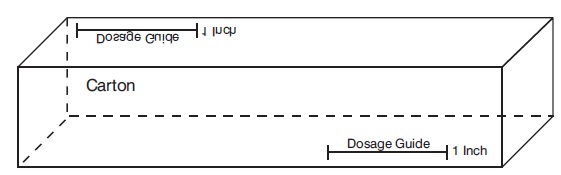
Apply 1 inch of ointment (375 mg of ointment equivalent to 1.5 mg of nitroglycerin) intra-anally every 12 hours for up to 3 weeks. A finger covering, such as plastic-wrap, disposable surgical glove or a finger cot, should be placed on the finger to apply the ointment. To obtain a 1.5 mg dose of nitroglycerin, the covered finger is laid alongside the 1-inch dosing line on the carton. Refer to carton for accurate dosage guide. The tube is gently squeezed until a line of ointment the length of the measuring line is expressed onto the covered finger. The ointment is gently inserted into the anal canal using the covered finger no further than to the first finger joint and the ointment is applied around the side of the anal canal. If this cannot be achieved due to pain, application of the ointment should be made directly to the outside of the anus. Treatment may be continued for up to three weeks. Nitroglycerin ointment, 0.4% is not for oral, ophthalmic, or intravaginal use. Hands should be washed after application of the ointment. See Patients Instruction for Use .
Contraindications
Use of PDE5 inhibitors (e.g. sildenafil, vardenafil and tadalafil) as these are shown to potentiate the hypotensive effects of organic nitrates. ( 4.1 ). Severe anemia ( 4.2 ) Increased intracranial pressure ( 4.3 ) Known hypersensitivity to nitroglycerin, other nitrates and nitrites, or any components of the ointment. ( 4.4 )
Warnings and Precautions
Cardiovascular Disorders: Venous and arterial dilatation as a consequence of nitroglycerin treatment can result in hypotension. Exercise caution when treating patients with any of the following conditions: blood volume depletion, existing hypotension, cardiomyopathies, congestive heart failure, acute myocardial infarction, or poor cardiac function for other reasons ( 5.1 ). Headache: Nitroglycerin produces dose-related headaches which may be severe ( 5.2 )
Adverse Reactions
Because clinical trials are conducted under widely varying conditions, adverse reaction rates observed in the clinical trials of a drug cannot be directly compared to rates in the clinical trials of another drug and may not reflect the rates observed in practice. The most common adverse reaction of nitroglycerin ointment, 0.4% applied to the anal canal is headache. Headache may be recurrent following each dose. Headaches are typically of short duration and can be treated with an analgesic, e.g. acetaminophen, and are reversible upon discontinuation of treatment. In Study REC-C-001, a double-blind, placebo-controlled trial in patients with a painful chronic anal fissure, the most frequent (≥ 2%) adverse reactions reported were as follows (Table 1): Table 1: Incidence of Adverse Reactions (≥ 2%) in Study REC-C-001 Nitroglycerin Ointment N = 123 Placebo N = 124 System Organ Class Preferred term Patients n (%) Events n Patients n (%) Events n Nervous system disorders Headache 79 (64) 938 51 (41) 225 Dizziness 6 (5) 26 0 0
Drug Interactions
PDE5 inhibitors: potentiation of hypotensive effects of organic nitrates; concomitant use is contraindicated. ( 4.1 , 7.1 ) Antihypertensives: possible additive hypotensive effects. ( 7.2 ) Aspirin: increased nitroglycerin levels. ( 7.3 ) Tissue-type Plasminogen Activator (t-PA): decreased thrombolytic effect. ( 7.4 ) Heparin: anticoagulant effect of heparin may be reduced. Monitor APTT. ( 7.5 ) Ergotamine: increased bioavailability of ergotamine. ( 7.6 ) Alcohol: Additive vasodilatory effects to nitroglycerin. Consumption of alcohol should be avoided. ( 7.7 )
How Supplied
Nitroglycerin ointment, USP, 0.4% is available in 30 g (NDC 52817-835-30) aluminum tubes with polypropylene screw caps. Store at 20°-25°C (68°-77°F); excursions permitted from 15°-30°C (59°-86°F) [see USP Controlled Room Temperature]. Keep the tube tightly closed. Use within 8 weeks of first opening.
Storage and Handling
Nitroglycerin ointment, USP, 0.4% is available in 30 g (NDC 52817-835-30) aluminum tubes with polypropylene screw caps. Store at 20°-25°C (68°-77°F); excursions permitted from 15°-30°C (59°-86°F) [see USP Controlled Room Temperature]. Keep the tube tightly closed. Use within 8 weeks of first opening.
Description
Nitroglycerin ointment, 0.4% is indicated for the treatment of moderate to severe pain associated with chronic anal fissure.
Medication Information
Warnings and Precautions
Cardiovascular Disorders: Venous and arterial dilatation as a consequence of nitroglycerin treatment can result in hypotension. Exercise caution when treating patients with any of the following conditions: blood volume depletion, existing hypotension, cardiomyopathies, congestive heart failure, acute myocardial infarction, or poor cardiac function for other reasons ( 5.1 ). Headache: Nitroglycerin produces dose-related headaches which may be severe ( 5.2 )
Indications and Usage
Nitroglycerin ointment, 0.4% is indicated for the treatment of moderate to severe pain associated with chronic anal fissure.
Dosage and Administration
Apply 1 inch of ointment (375 mg of ointment equivalent to 1.5 mg of nitroglycerin) intra-anally every 12 hours for up to 3 weeks. A finger covering, such as plastic-wrap, disposable surgical glove or a finger cot, should be placed on the finger to apply the ointment. To obtain a 1.5 mg dose of nitroglycerin, the covered finger is laid alongside the 1-inch dosing line on the carton. Refer to carton for accurate dosage guide. The tube is gently squeezed until a line of ointment the length of the measuring line is expressed onto the covered finger. The ointment is gently inserted into the anal canal using the covered finger no further than to the first finger joint and the ointment is applied around the side of the anal canal. If this cannot be achieved due to pain, application of the ointment should be made directly to the outside of the anus. Treatment may be continued for up to three weeks. Nitroglycerin ointment, 0.4% is not for oral, ophthalmic, or intravaginal use. Hands should be washed after application of the ointment. See Patients Instruction for Use .
Contraindications
Use of PDE5 inhibitors (e.g. sildenafil, vardenafil and tadalafil) as these are shown to potentiate the hypotensive effects of organic nitrates. ( 4.1 ). Severe anemia ( 4.2 ) Increased intracranial pressure ( 4.3 ) Known hypersensitivity to nitroglycerin, other nitrates and nitrites, or any components of the ointment. ( 4.4 )
Adverse Reactions
Because clinical trials are conducted under widely varying conditions, adverse reaction rates observed in the clinical trials of a drug cannot be directly compared to rates in the clinical trials of another drug and may not reflect the rates observed in practice. The most common adverse reaction of nitroglycerin ointment, 0.4% applied to the anal canal is headache. Headache may be recurrent following each dose. Headaches are typically of short duration and can be treated with an analgesic, e.g. acetaminophen, and are reversible upon discontinuation of treatment. In Study REC-C-001, a double-blind, placebo-controlled trial in patients with a painful chronic anal fissure, the most frequent (≥ 2%) adverse reactions reported were as follows (Table 1): Table 1: Incidence of Adverse Reactions (≥ 2%) in Study REC-C-001 Nitroglycerin Ointment N = 123 Placebo N = 124 System Organ Class Preferred term Patients n (%) Events n Patients n (%) Events n Nervous system disorders Headache 79 (64) 938 51 (41) 225 Dizziness 6 (5) 26 0 0
Drug Interactions
PDE5 inhibitors: potentiation of hypotensive effects of organic nitrates; concomitant use is contraindicated. ( 4.1 , 7.1 ) Antihypertensives: possible additive hypotensive effects. ( 7.2 ) Aspirin: increased nitroglycerin levels. ( 7.3 ) Tissue-type Plasminogen Activator (t-PA): decreased thrombolytic effect. ( 7.4 ) Heparin: anticoagulant effect of heparin may be reduced. Monitor APTT. ( 7.5 ) Ergotamine: increased bioavailability of ergotamine. ( 7.6 ) Alcohol: Additive vasodilatory effects to nitroglycerin. Consumption of alcohol should be avoided. ( 7.7 )
Storage and Handling
Nitroglycerin ointment, USP, 0.4% is available in 30 g (NDC 52817-835-30) aluminum tubes with polypropylene screw caps. Store at 20°-25°C (68°-77°F); excursions permitted from 15°-30°C (59°-86°F) [see USP Controlled Room Temperature]. Keep the tube tightly closed. Use within 8 weeks of first opening.
How Supplied
Nitroglycerin ointment, USP, 0.4% is available in 30 g (NDC 52817-835-30) aluminum tubes with polypropylene screw caps. Store at 20°-25°C (68°-77°F); excursions permitted from 15°-30°C (59°-86°F) [see USP Controlled Room Temperature]. Keep the tube tightly closed. Use within 8 weeks of first opening.
Description
Nitroglycerin ointment, 0.4% is indicated for the treatment of moderate to severe pain associated with chronic anal fissure.
Section 42229-5
Hypotension
Transient episodes of light-headedness, occasionally related to blood pressure changes, also may occur. Hypotension (including orthostatic hypotension) occurs infrequently, but in some patients may be severe enough to warrant discontinuation of therapy.
Section 59845-8
Patient Instructions for Use
When do I apply the ointment?
Apply the ointment every 12 hours exactly as your doctor has told you to.
How do I apply the ointment?
Cover your finger with plastic-wrap, a disposable surgical glove or a finger cot.
Lay the covered finger alongside the 1 inch dosing line marked on the side of the medicine box (see figure below) so that the tip of your finger is at one end of the dosing line. Starting at the tip of the finger, squeeze the ointment onto your finger for the same length marked on the box.
Refer to carton for accurate dosage guide.
Gently insert the finger with the ointment into the anal canal, up to the first finger joint. Carefully smear the ointment around the inner sides of the anal canal. If this cannot be achieved due to pain, application of the ointment should be made directly to the outside of the anus.
What do I do after I have applied the ointment?
Throw away the finger covering in the garbage, out of the reach of children and pets. Wash your hands.
What are the ingredients in nitroglycerin ointment?
Active ingredient: nitroglycerin
Inactive ingredients: propylene glycol, lanolin, sorbitan sesquioleate, paraffin wax and white petrolatum.
Manufactured by:
Kavis Pharma LLC
Sugar Land, TX 77478
Distributed by:
TruPharma LLC
Tampa, FL 33609
Revised: November 2023
101002
1401.1
7.3 Aspirin
Coadministration of aspirin (at doses between 500 mg and 1000 mg) and nitroglycerin has been reported to result in increased nitroglycerin maximum concentrations by as much as 67% and AUC by 73% when administered as a single dose. The pharmacological effects of nitroglycerin ointment, 0.4% may be enhanced by concomitant administration of aspirin.
7.5 Heparin
Although an interaction has been reported between intravenous heparin and intravenous nitroglycerin (resulting in a decrease in the anticoagulant effect of heparin), the data are not consistent. If patients are to receive intravenous heparin and nitroglycerin ointment, 0.4% concurrently, the anticoagulation status of the patient must be checked.
7.7 Alcohol
The vasodilating effects of nitroglycerin have been shown to be additive to the effects observed with alcohol.
5.2 Headache
Nitroglycerin ointment, 0.4% produces dose-related headaches, which may be severe. Tolerance to headaches occurs.
10 Overdosage
Nitroglycerin toxicity is generally mild. The estimated adult oral lethal dose of nitroglycerin is 200 mg to 1,200 mg. Infants may be more susceptible to toxicity from nitroglycerin. Consultation with a poison center should be considered.
Laboratory determinations of serum levels of nitroglycerin and its metabolites are not widely available, and such determinations have, in any event, no established role in the management of nitroglycerin overdose.
No data are available to suggest physiological maneuvers (e.g., maneuvers to change the pH of the urine) that might accelerate elimination of nitroglycerin and its active metabolites. Similarly, it is not known which if any of these substances can usefully be removed from the body by hemodialysis. No specific antagonist to the vasodilator effects of nitroglycerin is known, and no intervention has been subject to controlled study as a therapy of nitroglycerin overdose. Because the hypotension associated with nitroglycerin overdose is the result of venodilatation and arterial hypovolemia, prudent therapy in this situation should be directed toward increase in central fluid volume. Passive elevation of the patient's legs may be sufficient, but intravenous infusion of normal saline or similar fluid may also be necessary.
The use of epinephrine or other arterial vasoconstrictors in this setting is not recommended.
In patients with renal disease or congestive heart failure, therapy resulting in central volume expansion is not without hazard. Treatment of nitroglycerin ointment overdose in these patients may be subtle and difficult, and invasive monitoring may be required.
11 Description
Nitroglycerin is 1,2,3,-propanetriol trinitrate, an organic nitrate whose structural formula is as follows:
and whose molecular weight is 227.09. Nitroglycerin ointment, USP, 0.4% contains 0.4% nitroglycerin w/w (4 mg nitroglycerin/1 g ointment), propylene glycol, lanolin, sorbitan sesquioleate, paraffin wax, and white petrolatum. Nitroglycerin ointment, USP, 0.4% is available in tubes with a one-inch dosing line on the carton allowing the measurement of approximately 375 mg of nitroglycerin ointment 0.4% (1.5 mg nitroglycerin) for application.
17.3 Headaches
Advise patients that headaches sometimes accompany treatment with nitroglycerin ointment, 0.4%. For patients who get these headaches, the headaches may indicate the activity of the drug. Tolerance to headaches develops. Advise patients that if they experience headache they should not alter the schedule of their nitroglycerin ointment, 0.4% treatment to avoid the occurrence of headache. An analgesic, such as acetaminophen, may be used to prevent or relieve the headaches.
17.4 Dizziness
Advise patients that dizziness has been reported as a side-effect of treatment with nitroglycerin ointment, 0.4%.
Advise patients not to drive or operate machinery immediately after applying nitroglycerin ointment, 0.4%.
7.6 Ergotamine
Oral administration of nitroglycerin markedly decreases the first-pass metabolism of dihydroergotamine and consequently increases its oral bioavailability. Ergotamine is known to precipitate angina pectoris. Therefore the possibility of ergotism in patients receiving nitroglycerin ointment, 0.4% should be considered.
17.2 Hypotension
Advise patients that treatment with nitroglycerin ointment, 0.4% may be associated with light-headedness on standing, especially just after rising from a lying or seated position. The effect may be more frequent in patients who have also consumed alcohol, since alcohol use contributes to hypotension. Advise patients to stand up from the supine or sitting position slowly.
4.2 Severe Anemia
Nitroglycerin ointment, 0.4% is contraindicated in patients with severe anemia.
8.4 Pediatric Use
The safety and effectiveness of nitroglycerin ointment, 0.4% in pediatric patients under 18 years of age have not been established.
8.5 Geriatric Use
Clinical studies of nitroglycerin ointment, 0.4% did not include sufficient numbers of subjects aged 65 and over to determine whether they respond differently from younger subjects. Clinical data from the published literature indicate that the elderly demonstrate increased sensitivity to nitrates, which may be therapeutic but also manifest by more frequent or severe hypotension and related dizziness or fainting. Increased sensitivity may reflect the greater frequency of decreased hepatic, renal, or cardiac function, and of concomitant disease or other drug therapy.
14 Clinical Studies
Nitroglycerin ointment was evaluated in a 3-week double-blind, randomized, multi-center, placebo-controlled study. Patients with a painful chronic anal fissure for at least 6 weeks and moderate or severe pain prior to treatment (≥ 50 mm on the 100mm visual analog scale, VAS) were randomized to receive 0.4% (1.5mg) nitroglycerin or placebo ointment applied to the anal canal every 12 hours. Pain as assessed by the change in VAS from baseline to Days 14-18 was lower in patients receiving 0.4% ointment compared to placebo. The mean change from baseline was 44mm for nitroglycerin ointment and 37mm for placebo. The difference in the mean change in pain between nitroglycerin ointment and placebo was -7.0mm (95% Confidence Interval: -13.6 to -0.4mm).
4 Contraindications
- Use of PDE5 inhibitors (e.g. sildenafil, vardenafil and tadalafil) as these are shown to potentiate the hypotensive effects of organic nitrates. ( 4.1).
- Severe anemia ( 4.2)
- Increased intracranial pressure ( 4.3)
- Known hypersensitivity to nitroglycerin, other nitrates and nitrites, or any components of the ointment. ( 4.4)
6 Adverse Reactions
Because clinical trials are conducted under widely varying conditions, adverse reaction rates observed in the clinical trials of a drug cannot be directly compared to rates in the clinical trials of another drug and may not reflect the rates observed in practice.
The most common adverse reaction of nitroglycerin ointment, 0.4% applied to the anal canal is headache.
Headache may be recurrent following each dose. Headaches are typically of short duration and can be treated with an analgesic, e.g. acetaminophen, and are reversible upon discontinuation of treatment.
In Study REC-C-001, a double-blind, placebo-controlled trial in patients with a painful chronic anal fissure, the most frequent (≥ 2%) adverse reactions reported were as follows (Table 1):
|
Nitroglycerin Ointment
N = 123 |
Placebo
N = 124 |
|||
|
System Organ Class
Preferred term |
Patients
n (%) |
Events
n |
Patients
n (%) |
Events
n |
| Nervous system disorders | ||||
| Headache | 79 (64) | 938 | 51 (41) | 225 |
| Dizziness | 6 (5) | 26 | 0 | 0 |
7 Drug Interactions
- PDE5 inhibitors: potentiation of hypotensive effects of organic nitrates; concomitant use is contraindicated. ( 4.1, 7.1)
- Antihypertensives: possible additive hypotensive effects. ( 7.2)
- Aspirin: increased nitroglycerin levels. ( 7.3)
- Tissue-type Plasminogen Activator (t-PA): decreased thrombolytic effect. ( 7.4)
- Heparin: anticoagulant effect of heparin may be reduced. Monitor APTT. ( 7.5)
- Ergotamine: increased bioavailability of ergotamine. ( 7.6)
- Alcohol: Additive vasodilatory effects to nitroglycerin. Consumption of alcohol should be avoided. ( 7.7)
7.1 Pde5 Inhibitors
Phosphodiesterase type 5 (PDE5) inhibitors such as sildenafil, vardenafil, and tadalafil have been shown to potentiate the hypotensive effects of organic nitrates.
The time course of the interaction appears to be related to the half-life of the PDE5 inhibitor, however, the dose dependence of this interaction has not been studied. Use of nitroglycerin ointment, 0.4% within a few days of PDE5 inhibitors is contraindicated.
8.3 Nursing Mothers
It is not known whether nitroglycerin is excreted in human milk. Because many drugs are excreted in human milk, caution should be exercised when nitroglycerin ointment, 0.4% is administered to a nursing woman.
4.4 Hypersensitivity
Nitroglycerin ointment, 0.4% is contraindicated in patients who have shown hypersensitivity to it or to other nitrates or nitrites. Skin reactions consistent with hypersensitivity have been observed with organic nitrates.
12.2 Pharmacodynamics
The principal pharmacological action of nitroglycerin is relaxation of vascular smooth muscle. Intra-anal application of nitroglycerin reduces sphincter tone and resting intra-anal pressure.
7.2 Antihypertensives
Patients receiving antihypertensive drugs, beta-adrenergic blockers, and other nitrates should be observed for possible additive hypotensive effects when using nitroglycerin ointment, 0.4%. Marked orthostatic hypotension has been reported when calcium channel blockers and organic nitrates were used concomitantly.
Beta-blockers blunt the reflex tachycardia produced by nitroglycerin without preventing its hypotensive effects. If beta-blockers are used with nitroglycerin ointment, 0.4% in patients with angina pectoris, additional hypotensive effects may occur.
4.1 Pde5 Inhibitor Use
Administration of nitroglycerin ointment, 0.4% is contraindicated in patients who are using a selective inhibitor of cyclic guanosine monophosphate (cGMP)-specific phosphodiesterase type 5 (PDE5), such as sildenafil, vardenafil, and tadalafil, as these are shown to potentiate the hypotensive effects of organic nitrates [see 7.1 DRUG INTERACTIONS].
1 Indications and Usage
Nitroglycerin ointment, 0.4% is indicated for the treatment of moderate to severe pain associated with chronic anal fissure.
12.1 Mechanism of Action
Nitroglycerin forms free radical nitric oxide (NO), which activates guanylate cyclase, resulting in an increase of guanosine 3',5'-monophosphate (cyclic GMP) in smooth muscle and other tissues. This leads to dephosphorylation of myosin light chains, which regulates the contractile state in smooth muscle and results in vasodilatation.
5 Warnings and Precautions
- Cardiovascular Disorders: Venous and arterial dilatation as a consequence of nitroglycerin treatment can result in hypotension. Exercise caution when treating patients with any of the following conditions: blood volume depletion, existing hypotension, cardiomyopathies, congestive heart failure, acute myocardial infarction, or poor cardiac function for other reasons ( 5.1).
- Headache: Nitroglycerin produces dose-related headaches which may be severe ( 5.2)
2 Dosage and Administration
Apply 1 inch of ointment (375 mg of ointment equivalent to 1.5 mg of nitroglycerin) intra-anally every 12 hours for up to 3 weeks. A finger covering, such as plastic-wrap, disposable surgical glove or a finger cot, should be placed on the finger to apply the ointment. To obtain a 1.5 mg dose of nitroglycerin, the covered finger is laid alongside the 1-inch dosing line on the carton.
Refer to carton for accurate dosage guide.
The tube is gently squeezed until a line of ointment the length of the measuring line is expressed onto the covered finger. The ointment is gently inserted into the anal canal using the covered finger no further than to the first finger joint and the ointment is applied around the side of the anal canal. If this cannot be achieved due to pain, application of the ointment should be made directly to the outside of the anus. Treatment may be continued for up to three weeks.
Nitroglycerin ointment, 0.4% is not for oral, ophthalmic, or intravaginal use. Hands should be washed after application of the ointment.
3 Dosage Forms and Strengths
Ointment, 0.4% w/w (4 mg /1 g) in 30 g tubes.
5.1 Cardiovascular Disorders
Venous and arterial dilatation as a consequence of nitroglycerin treatment including nitroglycerin ointment, 0.4%, can decrease venous blood returning to the heart and reduce arterial vascular resistance and systolic pressure. Exercise caution when treating patients with any of the following conditions: blood volume depletion, existing hypotension, cardiomyopathies, congestive heart failure, acute myocardial infarction, or poor cardiac function for other reasons. If patients with any of these conditions are treated with nitroglycerin ointment, 0.4%, monitor cardiovascular status and clinical condition. The adverse reactions of nitroglycerin ointment, 0.4% are likely to be more pronounced in the elderly.
17 Patient Counseling Information
See FDA-approved patient labeling ( Patient Informationand Instructions for Use)
17.5 Fda Approved Patient Labeling
Patient Information
Nitroglycerin Ointment 0.4%
| IMPORTANT: For intra-anal use only |
Read the Patient Information that comes with nitroglycerin ointment before you start using the product and each time you get a refill because there may be new information. This information does not take the place of talking to your healthcare provider about your medical condition or your treatment. If you have any questions about nitroglycerin ointment, 0.4%, ask your healthcare provider.
What is nitroglycerin ointment, 0.4%?
Nitroglycerin ointment, 0.4% is a prescription medicine used to treat moderate to severe pain caused by chronic anal fissures. An anal fissure is a tear in the skin lining the anal canal.
Nitroglycerin ointment, 0.4% is not suitable for children and adolescents under the age of 18 years because it has not been assessed in people in this age group.
Who should not use nitroglycerin ointment, 0.4%?
Do not use nitroglycerin ointment, 0.4% if you:
- are taking a medicine for erectile dysfunction (male impotence), for example Viagra (sildenafil), Cialis (tadalafil) or Levitra (vardenafil).
- have been told by your doctor that you have severe anemia (low numbers of red blood cells in your blood)
- have increased intracranial pressure or high pressure within your skull e.g. following head trauma or bleeding in your brain
- are allergic to any of the ingredients in nitroglycerin ointment, 0.4% or if you have had allergic reactions to similar medicines in the past. See the end of this leaflet for a list of ingredients in nitroglycerin ointment, 0.4%.
What should I tell my healthcare provider before using nitroglycerin ointment, 0.4%?
Tell your healthcare provider about all your medical conditions, including if you:
- have low blood pressure
- have recently had a heart attack
- have heart or blood vessel disorders
- suffer from migraine or recurrent headaches
- are pregnant or plan to become pregnant. It is not known if nitroglycerin ointment will harm your unborn baby.
- are breast-feeding or plan to breast-feed. It is not known if the components of nitroglycerin ointment, 0.4% will harm your child if you breast-feed.
Nitroglycerin ointment, 0.4% may lower your blood pressure. When getting up from a lying or sitting position, you should get up slowly, otherwise you might feel faint.
Tell your healthcare provider about all the medicines you take, including prescription and non-prescription medicines, vitamins and herbal supplements. Other medicines may affect how nitroglycerin ointment, 0.4% works. Nitroglycerin ointment, 0.4% may also affect how other medicines work.
Specifically, tell your doctor if you are taking any of the following:
- other nitroglycerin containing products
- a medicine for erectile dysfunction (male impotence), for example sildenafil, tadalafil or vardenafil (see the section above ‘Who should not use nitroglycerin ointment, 0.4%')
- medicines used to treat high blood pressure
- are taking aspirin, ergotamine (used to treat migraine) or are receiving tissue-type plasminogen activator (used to help dissolve blood clots formed in blood vessels in the heart, lungs and brain)
- are to be given heparin. If so, close monitoring of your blood will be required as your dose of heparin may need to be altered. Please discuss with your doctor before stopping nitroglycerin ointment, 0.4%.
How should nitroglycerin ointment, 0.4% be used?
Use nitroglycerin ointment, 0.4% exactly as prescribed. See detailed Patient Instructions for Applying nitroglycerin ointment, 0.4% at the end of this Patient Information leaflet.
Treatment may be continued for up to 3 weeks. If your anal pain does not get better after using nitroglycerin ointment, 0.4% you should talk to your doctor.
What should I avoid while using nitroglycerin ointment, 0.4%?
Do not drive or operate machinery immediately after applying nitroglycerin ointment, 0.4%. If you feel dizzy or light-headed after applying the ointment do not drive or operate machinery until the dizziness has stopped.
Avoid consuming alcohol while you are being treated with nitroglycerin ointment, 0.4% as your blood pressure is more likely to be affected if you consume alcoholic beverages.
What are the possible side effects of nitroglycerin ointment, 0.4%?
Nitroglycerin ointment, 0.4% can cause serious side-effects: Stop using the ointment and seek medical attention immediately if you have an allergic reaction. You may have swelling of the face, lips, tongue or throat, or difficulty breathing.
Common side-effects of nitroglycerin ointment, 0.4% are:
- Headaches, which can be severe. You could take painkillers for this (such as acetaminophen). If the headaches are unpleasant, you may need to ask your doctor whether you should stop using nitroglycerin ointment, 0.4%.
- Dizziness, faintness on standing, or light-headedness
These are not all the possible side effects of nitroglycerin ointment, 0.4%. Tell your healthcare provider if you have any side effect that bothers you or that does not go away. For more information, ask your healthcare provider or pharmacist.
Call your doctor for medical advice about side effects. You may report side effects to FDA at 1-800-FDA-1088.
How should I store nitroglycerin ointment?
- Store at 20°-25°C (68°-77°F); excursions permitted from 15°-30°C (59°-86°F) [see USP Controlled Room Temperature].
- Keep the tube tightly closed.
- Use within 8 weeks of first opening.
Keep nitroglycerin ointment out of the reach of children.
Do not use nitroglycerin ointment, 0.4% after the expiry date which is stated on the label and carton after ‘EXP.' The expiry date refers to the last day of that month.
General information about nitroglycerin ointment
Medicines are sometimes prescribed for conditions that are not mentioned in Patient Information leaflets. Do not use nitroglycerin ointment, 0.4% for a condition for which it is not prescribed. Do not give nitroglycerin ointment, 0.4% to other people, even if they have the same symptoms you have. It may harm them.
This Patient Information leaflet summarizes the most important information about nitroglycerin ointment, 0.4%. If you would like more information, talk to your healthcare provider. You can ask your pharmacist or healthcare provider for information about nitroglycerin ointment, 0.4% that is written for health professionals.
For more information call TruPharma LLC at 1-877-541-5504.
4.3 Increased Intracranial Pressure
Nitroglycerin ointment, 0.4% is contraindicated in patients with increased intracranial pressure.
16 How Supplied/storage and Handling
Nitroglycerin ointment, USP, 0.4%is available in 30 g (NDC 52817-835-30) aluminum tubes with polypropylene screw caps.
Store at 20°-25°C (68°-77°F); excursions permitted from 15°-30°C (59°-86°F) [see USP Controlled Room Temperature].
Keep the tube tightly closed. Use within 8 weeks of first opening.
17.1 Interaction With Pde5 Inhibitors
Advise patient not to use nitroglycerin ointment, 0.4% with medications for erectile dysfunction such as Viagra (sildenafil), Levitra (vardenafil), and Cialis (tadalafil). These products have been shown to increase the hypotensive effects of nitroglycerin ointment, 0.4% and other nitrate drugs.
Principal Display Panel Carton Label
Principal Display Panel - Carton Label
NDC 52817- 835-30
Rx only
Nitroglycerin Ointment, USP
0.4%
For Intra-anal Use Only
Do not discard the carton- Dosage Guide included on two sides of the carton
Use within 8 weeks of first opening.
30 g
Trupharma LLC
7.4 Tissue Type Plasminogen Activator (t Pa)
Intravenous administration of nitroglycerin decreases the thrombolytic effect of tissue-type plasminogen activator (t-PA). Plasma levels of t-PA are reduced when coadministered with nitroglycerin. Therefore, caution should be observed in patients receiving nitroglycerin ointment, 0.4% during t-PA therapy.
13.1 Carcinogenesis, Mutagenesis, Impairment of Fertility
Animal carcinogenicity studies with topically applied nitroglycerin have not been performed.
Rats receiving up to 434 mg/kg/day of dietary nitroglycerin for 2 years developed dose-related fibrotic and neoplastic changes in liver, including carcinomas, and interstitial cell tumors in testes. At the highest dose, the incidence of hepatocellular carcinomas was 52% compared to 0% in untreated controls. Incidence of testicular tumors were 52% vs. 8% in controls. Lifetime dietary administration of up to 1058 mg/kg/day of nitroglycerin was not tumorigenic in mice.
Nitroglycerin was mutagenic in the in vitrobacterial reverse mutation (Ames) assay with Salmonella typhimurium. A similar mutation in this S. typhimuriumwas also reported with other NO donors. There was no evidence of clastogenic potential in multiple assays including a rodent dominant lethal assay, an in vitroChinese Hamster Ovary assay that was conducted in the absence of metabolic activation, and several in vivochromosomal aberration assays conducted in rats and dogs.
In a three-generation reproduction study, rats received dietary nitroglycerin at doses up to approximately 434 mg/kg/day for 6 months prior to mating of the F 0generation with treatment continuing through successive F 1and F 2generations. The high dose was associated with decreased feed intake and body weight gain in both sexes at all matings. No specific effect on the fertility of the F 0generation was seen. Infertility noted in subsequent generations, however, was attributed to increased interstitial cell tissue and aspermatogenesis in the high-dose males.
Structured Label Content
Section 42229-5 (42229-5)
Hypotension
Transient episodes of light-headedness, occasionally related to blood pressure changes, also may occur. Hypotension (including orthostatic hypotension) occurs infrequently, but in some patients may be severe enough to warrant discontinuation of therapy.
Section 59845-8 (59845-8)
Patient Instructions for Use
When do I apply the ointment?
Apply the ointment every 12 hours exactly as your doctor has told you to.
How do I apply the ointment?
Cover your finger with plastic-wrap, a disposable surgical glove or a finger cot.
Lay the covered finger alongside the 1 inch dosing line marked on the side of the medicine box (see figure below) so that the tip of your finger is at one end of the dosing line. Starting at the tip of the finger, squeeze the ointment onto your finger for the same length marked on the box.
Refer to carton for accurate dosage guide.
Gently insert the finger with the ointment into the anal canal, up to the first finger joint. Carefully smear the ointment around the inner sides of the anal canal. If this cannot be achieved due to pain, application of the ointment should be made directly to the outside of the anus.
What do I do after I have applied the ointment?
Throw away the finger covering in the garbage, out of the reach of children and pets. Wash your hands.
What are the ingredients in nitroglycerin ointment?
Active ingredient: nitroglycerin
Inactive ingredients: propylene glycol, lanolin, sorbitan sesquioleate, paraffin wax and white petrolatum.
Manufactured by:
Kavis Pharma LLC
Sugar Land, TX 77478
Distributed by:
TruPharma LLC
Tampa, FL 33609
Revised: November 2023
101002
1401.1
7.3 Aspirin
Coadministration of aspirin (at doses between 500 mg and 1000 mg) and nitroglycerin has been reported to result in increased nitroglycerin maximum concentrations by as much as 67% and AUC by 73% when administered as a single dose. The pharmacological effects of nitroglycerin ointment, 0.4% may be enhanced by concomitant administration of aspirin.
7.5 Heparin
Although an interaction has been reported between intravenous heparin and intravenous nitroglycerin (resulting in a decrease in the anticoagulant effect of heparin), the data are not consistent. If patients are to receive intravenous heparin and nitroglycerin ointment, 0.4% concurrently, the anticoagulation status of the patient must be checked.
7.7 Alcohol
The vasodilating effects of nitroglycerin have been shown to be additive to the effects observed with alcohol.
5.2 Headache
Nitroglycerin ointment, 0.4% produces dose-related headaches, which may be severe. Tolerance to headaches occurs.
10 Overdosage (10 OVERDOSAGE)
Nitroglycerin toxicity is generally mild. The estimated adult oral lethal dose of nitroglycerin is 200 mg to 1,200 mg. Infants may be more susceptible to toxicity from nitroglycerin. Consultation with a poison center should be considered.
Laboratory determinations of serum levels of nitroglycerin and its metabolites are not widely available, and such determinations have, in any event, no established role in the management of nitroglycerin overdose.
No data are available to suggest physiological maneuvers (e.g., maneuvers to change the pH of the urine) that might accelerate elimination of nitroglycerin and its active metabolites. Similarly, it is not known which if any of these substances can usefully be removed from the body by hemodialysis. No specific antagonist to the vasodilator effects of nitroglycerin is known, and no intervention has been subject to controlled study as a therapy of nitroglycerin overdose. Because the hypotension associated with nitroglycerin overdose is the result of venodilatation and arterial hypovolemia, prudent therapy in this situation should be directed toward increase in central fluid volume. Passive elevation of the patient's legs may be sufficient, but intravenous infusion of normal saline or similar fluid may also be necessary.
The use of epinephrine or other arterial vasoconstrictors in this setting is not recommended.
In patients with renal disease or congestive heart failure, therapy resulting in central volume expansion is not without hazard. Treatment of nitroglycerin ointment overdose in these patients may be subtle and difficult, and invasive monitoring may be required.
11 Description (11 DESCRIPTION)
Nitroglycerin is 1,2,3,-propanetriol trinitrate, an organic nitrate whose structural formula is as follows:
and whose molecular weight is 227.09. Nitroglycerin ointment, USP, 0.4% contains 0.4% nitroglycerin w/w (4 mg nitroglycerin/1 g ointment), propylene glycol, lanolin, sorbitan sesquioleate, paraffin wax, and white petrolatum. Nitroglycerin ointment, USP, 0.4% is available in tubes with a one-inch dosing line on the carton allowing the measurement of approximately 375 mg of nitroglycerin ointment 0.4% (1.5 mg nitroglycerin) for application.
17.3 Headaches
Advise patients that headaches sometimes accompany treatment with nitroglycerin ointment, 0.4%. For patients who get these headaches, the headaches may indicate the activity of the drug. Tolerance to headaches develops. Advise patients that if they experience headache they should not alter the schedule of their nitroglycerin ointment, 0.4% treatment to avoid the occurrence of headache. An analgesic, such as acetaminophen, may be used to prevent or relieve the headaches.
17.4 Dizziness
Advise patients that dizziness has been reported as a side-effect of treatment with nitroglycerin ointment, 0.4%.
Advise patients not to drive or operate machinery immediately after applying nitroglycerin ointment, 0.4%.
7.6 Ergotamine
Oral administration of nitroglycerin markedly decreases the first-pass metabolism of dihydroergotamine and consequently increases its oral bioavailability. Ergotamine is known to precipitate angina pectoris. Therefore the possibility of ergotism in patients receiving nitroglycerin ointment, 0.4% should be considered.
17.2 Hypotension
Advise patients that treatment with nitroglycerin ointment, 0.4% may be associated with light-headedness on standing, especially just after rising from a lying or seated position. The effect may be more frequent in patients who have also consumed alcohol, since alcohol use contributes to hypotension. Advise patients to stand up from the supine or sitting position slowly.
4.2 Severe Anemia
Nitroglycerin ointment, 0.4% is contraindicated in patients with severe anemia.
8.4 Pediatric Use
The safety and effectiveness of nitroglycerin ointment, 0.4% in pediatric patients under 18 years of age have not been established.
8.5 Geriatric Use
Clinical studies of nitroglycerin ointment, 0.4% did not include sufficient numbers of subjects aged 65 and over to determine whether they respond differently from younger subjects. Clinical data from the published literature indicate that the elderly demonstrate increased sensitivity to nitrates, which may be therapeutic but also manifest by more frequent or severe hypotension and related dizziness or fainting. Increased sensitivity may reflect the greater frequency of decreased hepatic, renal, or cardiac function, and of concomitant disease or other drug therapy.
14 Clinical Studies (14 CLINICAL STUDIES)
Nitroglycerin ointment was evaluated in a 3-week double-blind, randomized, multi-center, placebo-controlled study. Patients with a painful chronic anal fissure for at least 6 weeks and moderate or severe pain prior to treatment (≥ 50 mm on the 100mm visual analog scale, VAS) were randomized to receive 0.4% (1.5mg) nitroglycerin or placebo ointment applied to the anal canal every 12 hours. Pain as assessed by the change in VAS from baseline to Days 14-18 was lower in patients receiving 0.4% ointment compared to placebo. The mean change from baseline was 44mm for nitroglycerin ointment and 37mm for placebo. The difference in the mean change in pain between nitroglycerin ointment and placebo was -7.0mm (95% Confidence Interval: -13.6 to -0.4mm).
4 Contraindications (4 CONTRAINDICATIONS)
- Use of PDE5 inhibitors (e.g. sildenafil, vardenafil and tadalafil) as these are shown to potentiate the hypotensive effects of organic nitrates. ( 4.1).
- Severe anemia ( 4.2)
- Increased intracranial pressure ( 4.3)
- Known hypersensitivity to nitroglycerin, other nitrates and nitrites, or any components of the ointment. ( 4.4)
6 Adverse Reactions (6 ADVERSE REACTIONS)
Because clinical trials are conducted under widely varying conditions, adverse reaction rates observed in the clinical trials of a drug cannot be directly compared to rates in the clinical trials of another drug and may not reflect the rates observed in practice.
The most common adverse reaction of nitroglycerin ointment, 0.4% applied to the anal canal is headache.
Headache may be recurrent following each dose. Headaches are typically of short duration and can be treated with an analgesic, e.g. acetaminophen, and are reversible upon discontinuation of treatment.
In Study REC-C-001, a double-blind, placebo-controlled trial in patients with a painful chronic anal fissure, the most frequent (≥ 2%) adverse reactions reported were as follows (Table 1):
|
Nitroglycerin Ointment
N = 123 |
Placebo
N = 124 |
|||
|
System Organ Class
Preferred term |
Patients
n (%) |
Events
n |
Patients
n (%) |
Events
n |
| Nervous system disorders | ||||
| Headache | 79 (64) | 938 | 51 (41) | 225 |
| Dizziness | 6 (5) | 26 | 0 | 0 |
7 Drug Interactions (7 DRUG INTERACTIONS)
- PDE5 inhibitors: potentiation of hypotensive effects of organic nitrates; concomitant use is contraindicated. ( 4.1, 7.1)
- Antihypertensives: possible additive hypotensive effects. ( 7.2)
- Aspirin: increased nitroglycerin levels. ( 7.3)
- Tissue-type Plasminogen Activator (t-PA): decreased thrombolytic effect. ( 7.4)
- Heparin: anticoagulant effect of heparin may be reduced. Monitor APTT. ( 7.5)
- Ergotamine: increased bioavailability of ergotamine. ( 7.6)
- Alcohol: Additive vasodilatory effects to nitroglycerin. Consumption of alcohol should be avoided. ( 7.7)
7.1 Pde5 Inhibitors (7.1 PDE5 Inhibitors)
Phosphodiesterase type 5 (PDE5) inhibitors such as sildenafil, vardenafil, and tadalafil have been shown to potentiate the hypotensive effects of organic nitrates.
The time course of the interaction appears to be related to the half-life of the PDE5 inhibitor, however, the dose dependence of this interaction has not been studied. Use of nitroglycerin ointment, 0.4% within a few days of PDE5 inhibitors is contraindicated.
8.3 Nursing Mothers
It is not known whether nitroglycerin is excreted in human milk. Because many drugs are excreted in human milk, caution should be exercised when nitroglycerin ointment, 0.4% is administered to a nursing woman.
4.4 Hypersensitivity
Nitroglycerin ointment, 0.4% is contraindicated in patients who have shown hypersensitivity to it or to other nitrates or nitrites. Skin reactions consistent with hypersensitivity have been observed with organic nitrates.
12.2 Pharmacodynamics
The principal pharmacological action of nitroglycerin is relaxation of vascular smooth muscle. Intra-anal application of nitroglycerin reduces sphincter tone and resting intra-anal pressure.
7.2 Antihypertensives
Patients receiving antihypertensive drugs, beta-adrenergic blockers, and other nitrates should be observed for possible additive hypotensive effects when using nitroglycerin ointment, 0.4%. Marked orthostatic hypotension has been reported when calcium channel blockers and organic nitrates were used concomitantly.
Beta-blockers blunt the reflex tachycardia produced by nitroglycerin without preventing its hypotensive effects. If beta-blockers are used with nitroglycerin ointment, 0.4% in patients with angina pectoris, additional hypotensive effects may occur.
4.1 Pde5 Inhibitor Use (4.1 PDE5 Inhibitor Use)
Administration of nitroglycerin ointment, 0.4% is contraindicated in patients who are using a selective inhibitor of cyclic guanosine monophosphate (cGMP)-specific phosphodiesterase type 5 (PDE5), such as sildenafil, vardenafil, and tadalafil, as these are shown to potentiate the hypotensive effects of organic nitrates [see 7.1 DRUG INTERACTIONS].
1 Indications and Usage (1 INDICATIONS AND USAGE)
Nitroglycerin ointment, 0.4% is indicated for the treatment of moderate to severe pain associated with chronic anal fissure.
12.1 Mechanism of Action
Nitroglycerin forms free radical nitric oxide (NO), which activates guanylate cyclase, resulting in an increase of guanosine 3',5'-monophosphate (cyclic GMP) in smooth muscle and other tissues. This leads to dephosphorylation of myosin light chains, which regulates the contractile state in smooth muscle and results in vasodilatation.
5 Warnings and Precautions (5 WARNINGS AND PRECAUTIONS)
- Cardiovascular Disorders: Venous and arterial dilatation as a consequence of nitroglycerin treatment can result in hypotension. Exercise caution when treating patients with any of the following conditions: blood volume depletion, existing hypotension, cardiomyopathies, congestive heart failure, acute myocardial infarction, or poor cardiac function for other reasons ( 5.1).
- Headache: Nitroglycerin produces dose-related headaches which may be severe ( 5.2)
2 Dosage and Administration (2 DOSAGE AND ADMINISTRATION)
Apply 1 inch of ointment (375 mg of ointment equivalent to 1.5 mg of nitroglycerin) intra-anally every 12 hours for up to 3 weeks. A finger covering, such as plastic-wrap, disposable surgical glove or a finger cot, should be placed on the finger to apply the ointment. To obtain a 1.5 mg dose of nitroglycerin, the covered finger is laid alongside the 1-inch dosing line on the carton.
Refer to carton for accurate dosage guide.
The tube is gently squeezed until a line of ointment the length of the measuring line is expressed onto the covered finger. The ointment is gently inserted into the anal canal using the covered finger no further than to the first finger joint and the ointment is applied around the side of the anal canal. If this cannot be achieved due to pain, application of the ointment should be made directly to the outside of the anus. Treatment may be continued for up to three weeks.
Nitroglycerin ointment, 0.4% is not for oral, ophthalmic, or intravaginal use. Hands should be washed after application of the ointment.
3 Dosage Forms and Strengths (3 DOSAGE FORMS AND STRENGTHS)
Ointment, 0.4% w/w (4 mg /1 g) in 30 g tubes.
5.1 Cardiovascular Disorders
Venous and arterial dilatation as a consequence of nitroglycerin treatment including nitroglycerin ointment, 0.4%, can decrease venous blood returning to the heart and reduce arterial vascular resistance and systolic pressure. Exercise caution when treating patients with any of the following conditions: blood volume depletion, existing hypotension, cardiomyopathies, congestive heart failure, acute myocardial infarction, or poor cardiac function for other reasons. If patients with any of these conditions are treated with nitroglycerin ointment, 0.4%, monitor cardiovascular status and clinical condition. The adverse reactions of nitroglycerin ointment, 0.4% are likely to be more pronounced in the elderly.
17 Patient Counseling Information (17 PATIENT COUNSELING INFORMATION)
See FDA-approved patient labeling ( Patient Informationand Instructions for Use)
17.5 Fda Approved Patient Labeling (17.5 FDA-Approved Patient Labeling)
Patient Information
Nitroglycerin Ointment 0.4%
| IMPORTANT: For intra-anal use only |
Read the Patient Information that comes with nitroglycerin ointment before you start using the product and each time you get a refill because there may be new information. This information does not take the place of talking to your healthcare provider about your medical condition or your treatment. If you have any questions about nitroglycerin ointment, 0.4%, ask your healthcare provider.
What is nitroglycerin ointment, 0.4%?
Nitroglycerin ointment, 0.4% is a prescription medicine used to treat moderate to severe pain caused by chronic anal fissures. An anal fissure is a tear in the skin lining the anal canal.
Nitroglycerin ointment, 0.4% is not suitable for children and adolescents under the age of 18 years because it has not been assessed in people in this age group.
Who should not use nitroglycerin ointment, 0.4%?
Do not use nitroglycerin ointment, 0.4% if you:
- are taking a medicine for erectile dysfunction (male impotence), for example Viagra (sildenafil), Cialis (tadalafil) or Levitra (vardenafil).
- have been told by your doctor that you have severe anemia (low numbers of red blood cells in your blood)
- have increased intracranial pressure or high pressure within your skull e.g. following head trauma or bleeding in your brain
- are allergic to any of the ingredients in nitroglycerin ointment, 0.4% or if you have had allergic reactions to similar medicines in the past. See the end of this leaflet for a list of ingredients in nitroglycerin ointment, 0.4%.
What should I tell my healthcare provider before using nitroglycerin ointment, 0.4%?
Tell your healthcare provider about all your medical conditions, including if you:
- have low blood pressure
- have recently had a heart attack
- have heart or blood vessel disorders
- suffer from migraine or recurrent headaches
- are pregnant or plan to become pregnant. It is not known if nitroglycerin ointment will harm your unborn baby.
- are breast-feeding or plan to breast-feed. It is not known if the components of nitroglycerin ointment, 0.4% will harm your child if you breast-feed.
Nitroglycerin ointment, 0.4% may lower your blood pressure. When getting up from a lying or sitting position, you should get up slowly, otherwise you might feel faint.
Tell your healthcare provider about all the medicines you take, including prescription and non-prescription medicines, vitamins and herbal supplements. Other medicines may affect how nitroglycerin ointment, 0.4% works. Nitroglycerin ointment, 0.4% may also affect how other medicines work.
Specifically, tell your doctor if you are taking any of the following:
- other nitroglycerin containing products
- a medicine for erectile dysfunction (male impotence), for example sildenafil, tadalafil or vardenafil (see the section above ‘Who should not use nitroglycerin ointment, 0.4%')
- medicines used to treat high blood pressure
- are taking aspirin, ergotamine (used to treat migraine) or are receiving tissue-type plasminogen activator (used to help dissolve blood clots formed in blood vessels in the heart, lungs and brain)
- are to be given heparin. If so, close monitoring of your blood will be required as your dose of heparin may need to be altered. Please discuss with your doctor before stopping nitroglycerin ointment, 0.4%.
How should nitroglycerin ointment, 0.4% be used?
Use nitroglycerin ointment, 0.4% exactly as prescribed. See detailed Patient Instructions for Applying nitroglycerin ointment, 0.4% at the end of this Patient Information leaflet.
Treatment may be continued for up to 3 weeks. If your anal pain does not get better after using nitroglycerin ointment, 0.4% you should talk to your doctor.
What should I avoid while using nitroglycerin ointment, 0.4%?
Do not drive or operate machinery immediately after applying nitroglycerin ointment, 0.4%. If you feel dizzy or light-headed after applying the ointment do not drive or operate machinery until the dizziness has stopped.
Avoid consuming alcohol while you are being treated with nitroglycerin ointment, 0.4% as your blood pressure is more likely to be affected if you consume alcoholic beverages.
What are the possible side effects of nitroglycerin ointment, 0.4%?
Nitroglycerin ointment, 0.4% can cause serious side-effects: Stop using the ointment and seek medical attention immediately if you have an allergic reaction. You may have swelling of the face, lips, tongue or throat, or difficulty breathing.
Common side-effects of nitroglycerin ointment, 0.4% are:
- Headaches, which can be severe. You could take painkillers for this (such as acetaminophen). If the headaches are unpleasant, you may need to ask your doctor whether you should stop using nitroglycerin ointment, 0.4%.
- Dizziness, faintness on standing, or light-headedness
These are not all the possible side effects of nitroglycerin ointment, 0.4%. Tell your healthcare provider if you have any side effect that bothers you or that does not go away. For more information, ask your healthcare provider or pharmacist.
Call your doctor for medical advice about side effects. You may report side effects to FDA at 1-800-FDA-1088.
How should I store nitroglycerin ointment?
- Store at 20°-25°C (68°-77°F); excursions permitted from 15°-30°C (59°-86°F) [see USP Controlled Room Temperature].
- Keep the tube tightly closed.
- Use within 8 weeks of first opening.
Keep nitroglycerin ointment out of the reach of children.
Do not use nitroglycerin ointment, 0.4% after the expiry date which is stated on the label and carton after ‘EXP.' The expiry date refers to the last day of that month.
General information about nitroglycerin ointment
Medicines are sometimes prescribed for conditions that are not mentioned in Patient Information leaflets. Do not use nitroglycerin ointment, 0.4% for a condition for which it is not prescribed. Do not give nitroglycerin ointment, 0.4% to other people, even if they have the same symptoms you have. It may harm them.
This Patient Information leaflet summarizes the most important information about nitroglycerin ointment, 0.4%. If you would like more information, talk to your healthcare provider. You can ask your pharmacist or healthcare provider for information about nitroglycerin ointment, 0.4% that is written for health professionals.
For more information call TruPharma LLC at 1-877-541-5504.
4.3 Increased Intracranial Pressure
Nitroglycerin ointment, 0.4% is contraindicated in patients with increased intracranial pressure.
16 How Supplied/storage and Handling (16 HOW SUPPLIED/STORAGE AND HANDLING)
Nitroglycerin ointment, USP, 0.4%is available in 30 g (NDC 52817-835-30) aluminum tubes with polypropylene screw caps.
Store at 20°-25°C (68°-77°F); excursions permitted from 15°-30°C (59°-86°F) [see USP Controlled Room Temperature].
Keep the tube tightly closed. Use within 8 weeks of first opening.
17.1 Interaction With Pde5 Inhibitors (17.1 Interaction with PDE5 Inhibitors)
Advise patient not to use nitroglycerin ointment, 0.4% with medications for erectile dysfunction such as Viagra (sildenafil), Levitra (vardenafil), and Cialis (tadalafil). These products have been shown to increase the hypotensive effects of nitroglycerin ointment, 0.4% and other nitrate drugs.
Principal Display Panel Carton Label (Principal Display Panel - Carton Label)
Principal Display Panel - Carton Label
NDC 52817- 835-30
Rx only
Nitroglycerin Ointment, USP
0.4%
For Intra-anal Use Only
Do not discard the carton- Dosage Guide included on two sides of the carton
Use within 8 weeks of first opening.
30 g
Trupharma LLC
7.4 Tissue Type Plasminogen Activator (t Pa) (7.4 Tissue-type Plasminogen Activator (t-PA))
Intravenous administration of nitroglycerin decreases the thrombolytic effect of tissue-type plasminogen activator (t-PA). Plasma levels of t-PA are reduced when coadministered with nitroglycerin. Therefore, caution should be observed in patients receiving nitroglycerin ointment, 0.4% during t-PA therapy.
13.1 Carcinogenesis, Mutagenesis, Impairment of Fertility
Animal carcinogenicity studies with topically applied nitroglycerin have not been performed.
Rats receiving up to 434 mg/kg/day of dietary nitroglycerin for 2 years developed dose-related fibrotic and neoplastic changes in liver, including carcinomas, and interstitial cell tumors in testes. At the highest dose, the incidence of hepatocellular carcinomas was 52% compared to 0% in untreated controls. Incidence of testicular tumors were 52% vs. 8% in controls. Lifetime dietary administration of up to 1058 mg/kg/day of nitroglycerin was not tumorigenic in mice.
Nitroglycerin was mutagenic in the in vitrobacterial reverse mutation (Ames) assay with Salmonella typhimurium. A similar mutation in this S. typhimuriumwas also reported with other NO donors. There was no evidence of clastogenic potential in multiple assays including a rodent dominant lethal assay, an in vitroChinese Hamster Ovary assay that was conducted in the absence of metabolic activation, and several in vivochromosomal aberration assays conducted in rats and dogs.
In a three-generation reproduction study, rats received dietary nitroglycerin at doses up to approximately 434 mg/kg/day for 6 months prior to mating of the F 0generation with treatment continuing through successive F 1and F 2generations. The high dose was associated with decreased feed intake and body weight gain in both sexes at all matings. No specific effect on the fertility of the F 0generation was seen. Infertility noted in subsequent generations, however, was attributed to increased interstitial cell tissue and aspermatogenesis in the high-dose males.
Advanced Ingredient Data
Raw Label Data
All Sections (JSON)
Additional Information
Back to search View SPL set listing Open on DailyMed ↗
Source: dailymed · Ingested: 2026-02-15T11:44:01.487598 · Updated: 2026-03-14T22:18:26.158923