These Highlights Do Not Include All The Information Needed To Use Vibativ®
5359b759-db7c-4672-9e8a-59c93869bd91
34391-3
HUMAN PRESCRIPTION DRUG LABEL
Drug Facts
Composition & Product
Identifiers & Packaging
Indications and Usage
VIBATIV is a lipoglycopeptide antibacterial drug indicated for the treatment of the following infections in adult patients caused by designated susceptible bacteria: Complicated skin and skin structure infections (cSSSI) ( 1.1 ) Hospital-acquired and ventilator-associated bacterial pneumonia (HABP/VABP) caused by susceptible isolates of Staphylococcus aureus . VIBATIV should be reserved for use when alternative treatments are not suitable. ( 1.2 ) To reduce the development of drug-resistant bacteria and maintain the effectiveness of VIBATIV and other antibacterial drugs VIBATIV should only be used to treat or prevent infections that are proven or strongly suspected to be caused by bacteria.
Dosage and Administration
Complicated skin and skin structure infections (cSSSI): 10 mg/kg by IV infusion over 60 minutes every 24 hours for 7 to 14 days ( 2.1 ) Dosage adjustment in patients with renal impairment. ( 2.3 ) Hospital-acquired and ventilator-associated bacterial pneumonia (HABP/VABP): 10 mg/kg by IV infusion over 60 minutes every 24 hours for 7 to 21 days ( 2.2 ) Dosage adjustment in patients with renal impairment. ( 2.3 ) a Calculate using the Cockcroft-Gault formula and ideal body weight (IBW). Use actual body weight if < IBW. ( 12.3 ) Creatinine Clearance a (CrCl) (mL/min) VIBATIV Dosage Regimen >50 10 mg/kg every 24 hours 30-50 7.5 mg/kg every 24 hours 10-<30 10 mg/kg every 48 hours Insufficient data are available to make a dosing recommendation for patients with CrCl <10 mL/min, including patients on hemodialysis.
Contraindications
Intravenous Unfractionated Heparin Sodium ( 4.1 , 5.5 , 7.1 ) Known hypersensitivity to VIBATIV ( 4.2 , 5.6 , 6.2 )
Warnings and Precautions
Decreased efficacy among patients treated for skin and skin structure infections with moderate/severe pre-existing renal impairment: Consider these data when selecting antibacterial therapy for patients with baseline CrCl ≤50 mL/min. ( 5.2 ) Coagulation test interference: Telavancin interferes with some laboratory coagulation tests, including prothrombin time, international normalized ratio, and activated partial thromboplastin time. ( 5.5 , 7.1 ) Hypersensitivity reactions: Serious and potentially fatal hypersensitivity reactions, including anaphylactic reactions, may occur after first or subsequent doses. VIBATIV should be used with caution in patients with known hypersensitivity to vancomycin. ( 5.6 , 6.2 ) Infusion-related reactions: Administer VIBATIV over at least 60 minutes to minimize infusion-related reactions. ( 5.7 ) Clostridium difficile -Associated Diarrhea: May range from mild diarrhea to fatal colitis. Evaluate if diarrhea occurs. ( 5.8 ) QTc prolongation: Avoid use in patients at risk. Use with caution in patients taking drugs known to prolong the QT interval. ( 5.10 )
Adverse Reactions
The following serious adverse reactions are also discussed elsewhere in the labeling: Nephrotoxicity [ see Warnings and Precautions ( 5.3 ) ] Infusion-related reactions [ see Warnings and Precautions ( 5.7 ) ] Clostridium difficile -associated diarrhea [ see Warnings and Precautions ( 5.8 ) ] Because clinical trials are conducted under widely varying conditions, adverse reaction rates observed in the clinical trials of a drug cannot be directly compared to rates in the clinical trials of another drug and may not reflect the rates observed in practice.
How Supplied
Individual cartons of 750 mg single-dose vials (NDC 66220-315-11) Cartons of 12 individually packaged 750 mg single-dose vials (NDC 66220-315-22); cartons of 4 individually packaged 750 mg single-dose vials (NDC 66220-315-44) Store original packages at refrigerated temperatures of 2°C to 8°C (35°F to 46°F). Excursions to ambient temperatures (up to 25°C (77°F) are acceptable. Avoid excessive heat.
Storage and Handling
Individual cartons of 750 mg single-dose vials (NDC 66220-315-11) Cartons of 12 individually packaged 750 mg single-dose vials (NDC 66220-315-22); cartons of 4 individually packaged 750 mg single-dose vials (NDC 66220-315-44) Store original packages at refrigerated temperatures of 2°C to 8°C (35°F to 46°F). Excursions to ambient temperatures (up to 25°C (77°F) are acceptable. Avoid excessive heat.
Description
Patients with pre-existing moderate/severe renal impairment (CrCl ≤ 50 mL/min) who were treated with VIBATIV for hospital-acquired bacterial pneumonia/ventilator-associated bacterial pneumonia (HABP/VABP) had increased mortality observed versus vancomycin. Use of VIBATIV in patients with pre-existing moderate/severe renal impairment (CrCl ≤ 50 mL/min) should be considered only when the anticipated benefit to the patient outweighs the potential risk [see Warnings and Precautions ( 5.1 , 8.4 )]. Nephrotoxicity: New onset or worsening renal impairment has occurred. Monitor renal function in all patients [see Warnings and Precautions ( 5.3 )] . Embryofetal Toxicity: VIBATIV may cause fetal harm. In animal reproduction studies, adverse developmental outcomes were observed in 3 animal species at clinically relevant doses. Verify pregnancy status in females of reproductive potential prior to initiating VIBATIV. Advise pregnant women of the potential risk to a fetus. Advise females of reproductive potential to use effective contraception during treatment with VIBATIV and for 2 days after the final dose [see Warnings and Precautions ( 5.1 ), and Use in Specific Populations ( 8.1 , 8.3 )].
Medication Information
Warnings and Precautions
Decreased efficacy among patients treated for skin and skin structure infections with moderate/severe pre-existing renal impairment: Consider these data when selecting antibacterial therapy for patients with baseline CrCl ≤50 mL/min. ( 5.2 ) Coagulation test interference: Telavancin interferes with some laboratory coagulation tests, including prothrombin time, international normalized ratio, and activated partial thromboplastin time. ( 5.5 , 7.1 ) Hypersensitivity reactions: Serious and potentially fatal hypersensitivity reactions, including anaphylactic reactions, may occur after first or subsequent doses. VIBATIV should be used with caution in patients with known hypersensitivity to vancomycin. ( 5.6 , 6.2 ) Infusion-related reactions: Administer VIBATIV over at least 60 minutes to minimize infusion-related reactions. ( 5.7 ) Clostridium difficile -Associated Diarrhea: May range from mild diarrhea to fatal colitis. Evaluate if diarrhea occurs. ( 5.8 ) QTc prolongation: Avoid use in patients at risk. Use with caution in patients taking drugs known to prolong the QT interval. ( 5.10 )
Indications and Usage
VIBATIV is a lipoglycopeptide antibacterial drug indicated for the treatment of the following infections in adult patients caused by designated susceptible bacteria: Complicated skin and skin structure infections (cSSSI) ( 1.1 ) Hospital-acquired and ventilator-associated bacterial pneumonia (HABP/VABP) caused by susceptible isolates of Staphylococcus aureus . VIBATIV should be reserved for use when alternative treatments are not suitable. ( 1.2 ) To reduce the development of drug-resistant bacteria and maintain the effectiveness of VIBATIV and other antibacterial drugs VIBATIV should only be used to treat or prevent infections that are proven or strongly suspected to be caused by bacteria.
Dosage and Administration
Complicated skin and skin structure infections (cSSSI): 10 mg/kg by IV infusion over 60 minutes every 24 hours for 7 to 14 days ( 2.1 ) Dosage adjustment in patients with renal impairment. ( 2.3 ) Hospital-acquired and ventilator-associated bacterial pneumonia (HABP/VABP): 10 mg/kg by IV infusion over 60 minutes every 24 hours for 7 to 21 days ( 2.2 ) Dosage adjustment in patients with renal impairment. ( 2.3 ) a Calculate using the Cockcroft-Gault formula and ideal body weight (IBW). Use actual body weight if < IBW. ( 12.3 ) Creatinine Clearance a (CrCl) (mL/min) VIBATIV Dosage Regimen >50 10 mg/kg every 24 hours 30-50 7.5 mg/kg every 24 hours 10-<30 10 mg/kg every 48 hours Insufficient data are available to make a dosing recommendation for patients with CrCl <10 mL/min, including patients on hemodialysis.
Contraindications
Intravenous Unfractionated Heparin Sodium ( 4.1 , 5.5 , 7.1 ) Known hypersensitivity to VIBATIV ( 4.2 , 5.6 , 6.2 )
Adverse Reactions
The following serious adverse reactions are also discussed elsewhere in the labeling: Nephrotoxicity [ see Warnings and Precautions ( 5.3 ) ] Infusion-related reactions [ see Warnings and Precautions ( 5.7 ) ] Clostridium difficile -associated diarrhea [ see Warnings and Precautions ( 5.8 ) ] Because clinical trials are conducted under widely varying conditions, adverse reaction rates observed in the clinical trials of a drug cannot be directly compared to rates in the clinical trials of another drug and may not reflect the rates observed in practice.
Storage and Handling
Individual cartons of 750 mg single-dose vials (NDC 66220-315-11) Cartons of 12 individually packaged 750 mg single-dose vials (NDC 66220-315-22); cartons of 4 individually packaged 750 mg single-dose vials (NDC 66220-315-44) Store original packages at refrigerated temperatures of 2°C to 8°C (35°F to 46°F). Excursions to ambient temperatures (up to 25°C (77°F) are acceptable. Avoid excessive heat.
How Supplied
Individual cartons of 750 mg single-dose vials (NDC 66220-315-11) Cartons of 12 individually packaged 750 mg single-dose vials (NDC 66220-315-22); cartons of 4 individually packaged 750 mg single-dose vials (NDC 66220-315-44) Store original packages at refrigerated temperatures of 2°C to 8°C (35°F to 46°F). Excursions to ambient temperatures (up to 25°C (77°F) are acceptable. Avoid excessive heat.
Description
Patients with pre-existing moderate/severe renal impairment (CrCl ≤ 50 mL/min) who were treated with VIBATIV for hospital-acquired bacterial pneumonia/ventilator-associated bacterial pneumonia (HABP/VABP) had increased mortality observed versus vancomycin. Use of VIBATIV in patients with pre-existing moderate/severe renal impairment (CrCl ≤ 50 mL/min) should be considered only when the anticipated benefit to the patient outweighs the potential risk [see Warnings and Precautions ( 5.1 , 8.4 )]. Nephrotoxicity: New onset or worsening renal impairment has occurred. Monitor renal function in all patients [see Warnings and Precautions ( 5.3 )] . Embryofetal Toxicity: VIBATIV may cause fetal harm. In animal reproduction studies, adverse developmental outcomes were observed in 3 animal species at clinically relevant doses. Verify pregnancy status in females of reproductive potential prior to initiating VIBATIV. Advise pregnant women of the potential risk to a fetus. Advise females of reproductive potential to use effective contraception during treatment with VIBATIV and for 2 days after the final dose [see Warnings and Precautions ( 5.1 ), and Use in Specific Populations ( 8.1 , 8.3 )].
Section 42229-5
750 mg vial: Reconstitute the contents of a VIBATIV 750 mg vial with 45 mL of 5% Dextrose Injection, USP; Sterile Water for Injection, USP; or 0.9% Sodium Chloride Injection, USP. The resultant solution has a concentration of 15 mg/mL (total volume of approximately 50.0 mL).
To minimize foaming during product reconstitution, allow the vacuum of the vial to pull the diluent from the syringe into the vial. Do not forcefully inject the diluent into the vial. Do not forcefully shake the vial and do not shake final infusion solution.
The following formula can be used to calculate the volume of reconstituted VIBATIV solution required to prepare a dose:
Telavancin dose (mg) = 10 mg/kg or 7.5 mg/kg x patient weight (in kg) (see Table 1)
| Volume of reconstituted solution (mL) = | Telavancin dose (mg) |
| 15 mg/mL |
For doses of 150 to 800 mg, the appropriate volume of reconstituted solution must be further diluted in 100 to 250 mL prior to infusion. Doses less than 150 mg or greater than 800 mg should be further diluted in a volume resulting in a final concentration of 0.6 to 8 mg/mL. Appropriate infusion solutions include: 5% Dextrose Injection, USP; 0.9% Sodium Chloride Injection, USP; or Lactated Ringer's Injection, USP. The dosing solution should be administered by intravenous infusion over a period of 60 minutes.
Reconstitution time is generally under 2 minutes, but can sometimes take up to 20 minutes. Mix thoroughly to reconstitute and check to see if the contents have dissolved completely. Parenteral drug products should be inspected visually for particulate matter prior to administration. Discard the vial if the vacuum did not pull the diluent into the vial.
Since no preservative or bacteriostatic agent is present in this product, aseptic technique must be used in preparing the final intravenous solution. Studies have shown that the reconstituted solution in the vial should be used within 12 hours when stored at room temperature or within 7 days under refrigeration at 2 to 8°C (36 to 46°F). The diluted (dosing) solution in the infusion bag should be used within 12 hours when stored at room temperature or used within 7 days when stored under refrigeration at 2 to 8°C (36 to 46°F). However, the total time in the vial plus the time in the infusion bag should not exceed 12 hours at room temperature and 7 days under refrigeration at 2 to 8°C (36 to 46°F). The diluted (dosing) solution in the infusion bag can also be stored at -30 to -10°C (-22 to 14°F) for up to 32 days.
VIBATIV is administered intravenously. Because only limited data are available on the compatibility of VIBATIV with other IV substances, additives or other medications should not be added to VIBATIV single-dose vials or infused simultaneously through the same IV line. If the same intravenous line is used for sequential infusion of additional medications, the line should be flushed before and after infusion of VIBATIV with 5% Dextrose Injection, USP; 0.9% Sodium Chloride Injection, USP; or Lactated Ringer's Injection, USP.
Section 42231-1
|
This Medication Guide has been approved by the U.S. Food and Drug Administration |
Revised: 01/2021 |
|
MEDICATION GUIDE
VIBATIV ® (vy-'ba-tiv) (telavancin) for injection, for intravenous use |
|
| Read this Medication Guide before you receive VIBATIV. This information does not take the place of talking to your healthcare provider about your medical condition or your treatment. | |
|
What is the most important information I should know about VIBATIV?
|
|
|
What is VIBATIV?
VIBATIV is a prescription antibacterial medicine used alone, or with other medicines, to treat adults with certain types of germs (bacteria) that cause:
|
|
| It is not known if VIBATIV is safe or effective in children. | |
Who should not receive VIBATIV? Do not receive VIBATIV if you:
|
|
|
What should I tell my healthcare provider before receiving VIBATIV?
Before you receive VIBATIV, tell your healthcare provider about all of your medical conditions, including if you:
|
|
Tell your healthcare provider about all the medicines you take, including prescription and over-the-counter medicines, vitamins, and herbal supplements. VIBATIV and other medicines can affect each other causing side effects. Especially tell your healthcare provider if you take:
|
|
| Ask your healthcare provider or pharmacist for a list of these medicines, if you are not sure. Know the medicines you take. Keep a list of your medicines and show it to your healthcare provider and pharmacist when you get a new medicine. |
|
How will I receive VIBATIV?
|
|
|
What are the possible side effects of VIBATIV?
VIBATIV may cause serious side effects, including: See “What is the most important information I should know about VIBATIV?” |
|
|
|
|
|
|
|
|
|
|
|
| Call your healthcare provider right away if you have any of the serious side effects listed above. The most common side effects of VIBATIV include: |
|
|
|
| Tell your healthcare provider about any side effect that bothers you or that does not go away. These are not all the possible side effects of VIBATIV. For more information, ask your healthcare provider or pharmacist. Call your doctor for medical advice about side effects. You may report side effects to FDA at 1-800-FDA-1088. |
|
|
General information about the safe and effective use of VIBATIV.
Medicines are sometimes prescribed for purposes other than those listed in a Medication Guide. This Medication Guide summarizes the most important information about VIBATIV. If you would like more information, talk with your healthcare provider. You can ask your pharmacist or healthcare provider for information about VIBATIV that is written for health professionals. |
|
|
What are the ingredients in VIBATIV?
Active ingredient: telavancin hydrochloride Inactive ingredients: hydroxypropylbetadex, Ph. Eur (hydroxypropyl-beta-cyclodextrin), mannitol, sodium hydroxide and hydrochloric acid Manufactured for: Cumberland Pharmaceuticals Inc. Marketed by: Cumberland Pharmaceuticals Inc., Nashville, TN 37203 VIBATIV® is a registered trademark of Cumberland Pharmaceuticals Inc. For more information about VIBATIV, go to www.vibativ.com or call 1-877-683-6110. |
Section 51945-4
Principal Display Panel - 750 mg/vial Carton Label
NDC 66220-315-11
VIBATIV®
(telavancin) for injection
750 mg/
vial
Rx Only
Single Dose Vial-
Discard Unused Portion
Prior to Reconstitution: Store at 2
to 8°C (36° to 46°F).
After Reconstitution: Use within 12
hours at room temperature or within
7 days at 2 to 8°C (36° to 46°F)
See Package Insert for complete
directions for use.
CUMBERLAND®
PHARMACEUTICALS
1.3 Usage
Combination therapy may be clinically indicated if the documented or presumed pathogens include Gram-negative organisms.
Appropriate specimens for bacteriological examination should be obtained in order to isolate and identify the causative pathogens and to determine their susceptibility to telavancin. VIBATIV may be initiated as empiric therapy before results of these tests are known.
To reduce the development of drug-resistant bacteria and maintain the effectiveness of VIBATIV and other antibacterial drugs, VIBATIV should be used only to treat infections that are proven or strongly suspected to be caused by susceptible bacteria. When culture and susceptibility information are available, they should be considered in selecting or modifying antibacterial therapy. In the absence of such data, local epidemiology and susceptibility patterns may contribute to the empiric selection of therapy.
1.2 Habp/vabp
VIBATIV is indicated for the treatment of adult patients with hospital-acquired and ventilator-associated bacterial pneumonia (HABP/VABP), caused by susceptible isolates of Staphylococcus aureus (both methicillin-susceptible and -resistant isolates). VIBATIV should be reserved for use when alternative treatments are not suitable.
10 Overdosage
In the event of overdosage, VIBATIV should be discontinued and supportive care is advised with maintenance of glomerular filtration and careful monitoring of renal function. Following administration of a single dose of VIBATIV 7.5 mg/kg to subjects with end-stage renal disease, approximately 5.9% of the administered dose of telavancin was recovered in the dialysate following 4 hours of hemodialysis. However, no information is available on the use of hemodialysis to treat an overdosage [see Clinical Pharmacology (12.3)].
The clearance of telavancin by continuous venovenous hemofiltration (CVVH) was evaluated in an in vitro study [see Nonclinical Toxicology (13.2)]. Telavancin was cleared by CVVH and the clearance of telavancin increased with increasing ultrafiltration rate. However, the clearance of telavancin by CVVH has not been evaluated in a clinical study; thus, the clinical significance of this finding and use of CVVH to treat an overdosage is unknown.
11 Description
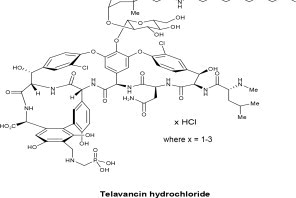
VIBATIV contains telavancin hydrochloride (Figure 1), a lipoglycopeptide antibacterial that is a synthetic derivative of vancomycin. The chemical name of telavancin hydrochloride is vancomycin, N3''-[2(decylamino-)ethyl]-29[[(phosphonomethyl)-amino]-methyl]-hydrochloride. Telavancin hydrochloride has the following chemical structure:
Figure 1: Telavancin Hydrochloride
Telavancin hydrochloride is an off-white to slightly colored amorphous powder with the empirical formula C80H106Cl2N11O27P•xHCl (where x = 1 to 3) and a free-base molecular weight of 1755.6. It is highly lipophilic and slightly soluble in water.
VIBATIV is a sterile, preservative-free, white to slightly colored lyophilized powder containing telavancin hydrochloride (equivalent to 750 mg of telavancin as the free base) for intravenous use. The inactive ingredients are Hydroxypropylbetadex, (hydroxypropyl-beta-cyclodextrin) (7500 mg per 750 mg telavancin), mannitol (937.5 mg per 750 mg telavancin), and sodium hydroxide and hydrochloric acid used in minimal quantities for pH adjustment. When reconstituted, it forms a clear to slightly colored solution with a pH of 4.5 (4.0 to 5.0).
14.2 Habp/vabp
Adult patients with hospital-acquired and ventilator-associated pneumonia were enrolled in two randomized, parallelgroup, multinational, multicenter, double-blinded trials of identical design comparing VIBATIV (10 mg/kg IV every 24 hours) with vancomycin (1 g IV every 12 hours) for 7 to 21 days. Vancomycin dosages could be adjusted for body weight and/or renal function per local guidelines. Patients could receive concomitant aztreonam or metronidazole for suspected Gram-negative and anaerobic infection, respectively. The addition of piperacillin/tazobactam was also permitted for coverage of Gram-negative organisms if resistance to aztreonam was known or suspected. Patients with known or suspected infections due to methicillin-resistant Staphylococcus aureus were enrolled in the studies.
Of the patients enrolled across both trials, 64% were male and 70% were white. The mean age was 63 years. At baseline, more than 50% were admitted to an intensive care unit, about 23% had chronic obstructive pulmonary disease, about 29% had ventilator-associated pneumonia and about 6% had bacteremia. Demographic and baseline characteristics were generally well-balanced between treatment groups; however, there were differences between HABP/VABP Trial 1 and HABP/VABP Trial 2 with respect to a baseline history of diabetes mellitus (31% in Trial 1, 21% in Trial 2) and baseline renal insufficiency (CrCl ≤ 50 mL/min) (36% in Trial 1, 27% in Trial 2).
All-cause mortality was evaluated because there is historical evidence of treatment effect for this endpoint. This was a protocol pre-specified secondary endpoint. The 28-day all-cause mortality outcomes (overall and by baseline creatinine clearance categorization) in the group of patients who had at least one baseline Gram-positive respiratory pathogen are shown in Table 12. This group of patients included those who had mixed Gram-positive/Gram-negative infections.
|
aMortality rates are based on Kaplan-Meier estimates at Study Day 28. There were 84 patients (5.6%) whose survival statuses were not known up to 28 days after initiation of study drug and were considered censored at the last day known to be alive. Thirty-five of these patients were treated with VIBATIV and 45 were treated with vancomycin. |
|||||
|
|
|
Trial 1 | Trial 2 | ||
| VIBATIV | Vancomycin | VIBATIV | Vancomycin | ||
| All Patients | Mortalitya | 28.7% N=187 |
24.3% N=180 |
24.3% N=224 |
22.3% N=206 |
| Difference (95% CI) | 4.4% (-4.7%, 13.5%) | 2.0% (-6.1%, 10%) | |||
| CrCl ≤ 50 mL/min | Mortalitya | 41.8% N=63 | 35.4% N=68 | 43.9% N=53 | 29.6% N=58 |
| Difference (95% CI) | 6.4% (-10.4, 23.2) | 14.3% (-3.6, 32.2) | |||
| CrCl > 50 mL/min | Mortalitya | 22.0% N=124 |
17.6% N=112 |
18.2% N=171 |
19.3% N=148 |
| Difference (95% CI) | 4.4% (-5.9, 14.7) | -1.1% (-9.8, 7.6) |
The protocol-specified analysis included clinical cure rates at the TOC (7 to 14 days after the last dose of study drug) in the co-primary All-Treated (AT) and Clinically Evaluable (CE) populations (Table 13). Clinical cure was determined by resolution of signs and symptoms, no further antibacterial therapy for HABP/VABP after end-oftreatment, and improvement or no progression of baseline radiographic findings. However, the quantitative estimate of treatment effect for this endpoint has not been established.
|
aAll-Treated (AT) Population: Patients who received at least one dose of study medication |
||||
|
bClinically Evaluable (CE) Population: Patients who were clinically evaluable |
||||
| Trial 1 | Trial 2 | |||
| VIBATIV | Vancomycin | VIBATIV | Vancomycin | |
| ATa
Difference (95% CI) |
57.5% (214/372) | 59.1% (221/374) | 60.2% (227/377) | 60.0% (228/380) |
| -1.6% (-8.6%, 5.5%) | 0.2% (-6.8%, 7.2%) | |||
| CEb
Difference (95% CI) |
83.7% (118/141) | 80.2% (138/172) | 81.3% (139/171) | 81.2% (138/170) |
| 3.5% (-5.1%, 12.0%) | 0.1% (-8.2%, 8.4%) |
Among the 797 patients with at least one Gram-positive respiratory pathogen at baseline, 73 patients had concurrent S. aureus bacteremia: 35 patients (8.5%, including 21 with MRSA) were treated with VIBATIV and 38 patients (9.8%, including 24 with MRSA) were treated with vancomycin. In these bacteremic patients, the 28-day all-cause mortality rate was 40.0% (14/35) for VIBATIV-treated patients and 39.5% (15/38) for vancomycin-treated patients. Given the limited sample size in this subgroup, the interpretation of these results is limited.
12.4 Microbiology
Telavancin is a semisynthetic, lipoglycopeptide antibiotic. Telavancin exerts concentration-dependent, bactericidal activity against Gram-positive organisms in vitro, as demonstrated by time-kill assays and MBC/MIC (minimum bactericidal concentration/minimum inhibitory concentration) ratios using broth dilution methodology. In vitro studies demonstrated a telavancin post-antibiotic effect ranging from 1 to 6 hours against S. aureus and other Grampositive pathogens.
8.4 Pediatric Use
The safety and effectiveness of VIBATIV have not been established in pediatric patients. In particular, there is a concern for poor clinical outcomes in pediatric patients less than one year of age due to immature renal function. Increased mortality in adult patients with HABP/VABP and renal impairment and decreased clinical response in adults with cSSSI and renal impairment were observed [see Boxed Warning and Warnings and Precautions (5.1, 5.2)].
8.5 Geriatric Use
Of the 929 patients treated with VIBATIV at a dose of 10 mg/kg once daily in clinical trials of cSSSI, 174 (19%) were ≥65 years of age and 87 (9%) were ≥75 years of age. In the cSSSI trials, lower clinical cure rates were observed in patients ≥65 years of age compared with those <65 years of age. Overall, treatment-emergent adverse events occurred with similar frequencies in patients ≥65 (75% of patients) and <65 years of age (83% of patients). Fifteen of 174 (9%) patients ≥65 years of age treated with VIBATIV had adverse events indicative of renal impairment compared with 16 of 755 (2%) patients <65 years of age [see Warnings and Precautions (5.3), Clinical Trials (14.1)].
Of the 749 HABP/VABP patients treated with VIBATIV at a dose of 10 mg/kg once daily in clinical trials of HABP/VABP, 397 (53%) were ≥65 years of age and 230 (31%) were ≥75 years of age. Treatment-emergent adverse events as well as deaths and other serious adverse events occurred more often in patients ≥65 years of age than in those <65 years of age in both treatment groups.
Telavancin is substantially excreted by the kidney, and the risk of adverse reactions may be greater in patients with impaired renal function. Because elderly patients are more likely to have decreased renal function, care should be taken in dose selection in this age group.
The mean plasma AUC values of telavancin were similar in healthy young and elderly subjects. Dosage adjustment for elderly patients should be based on renal function [see Dosage and Administration (2), Clinical Pharmacology (12.3)].
5.3 Nephrotoxicity
In both the HABP/VABP trials and the cSSSI trials, renal adverse events were more likely to occur in patients with baseline comorbidities known to predispose patients to kidney dysfunction (pre-existing renal disease, diabetes mellitus, congestive heart failure, or hypertension). The renal adverse event rates were also higher in patients who received concomitant medications known to affect kidney function (e.g., non-steroidal anti-inflammatory drugs, ACE inhibitors, and loop diuretics).
Monitor renal function (i.e., serum creatinine, creatinine clearance) in all patients receiving VIBATIV. Values should be obtained prior to initiation of treatment, during treatment (at 48- to 72-hour intervals or more frequently, if clinically indicated), and at the end of therapy. If renal function decreases, the benefit of continuing VIBATIV versus discontinuing and initiating therapy with an alternative agent should be assessed [see Dosage and Administration ( 2 ), Adverse Reactions (6), and Clinical Pharmacology (12.3)].
In patients with renal dysfunction, accumulation of the solubilizer hydroxypropyl-beta-cyclodextrin can occur [see Patients with Renal Impairment (8.6) and Clinical Pharmacology (12.3)].
4 Contraindications
6 Adverse Reactions
The following serious adverse reactions are also discussed elsewhere in the labeling:
- Nephrotoxicity [see Warnings and Precautions (5.3)]
- Infusion-related reactions [see Warnings and Precautions (5.7)]
- Clostridium difficile-associated diarrhea [see Warnings and Precautions (5.8)]
Because clinical trials are conducted under widely varying conditions, adverse reaction rates observed in the clinical trials of a drug cannot be directly compared to rates in the clinical trials of another drug and may not reflect the rates observed in practice.
12.2 Pharmacodynamics
The antimicrobial activity of telavancin appears to best correlate with the ratio of area under the concentration-time curve to minimum inhibitory concentration (AUC/MIC) for Staphylococcus aureus based on animal models of infection. Exposure-response analyses of the clinical trials support the dose of 10 mg/kg every 24 hours.
12.3 Pharmacokinetics
The mean pharmacokinetic parameters of telavancin (10 mg/kg) after a single and multiple 60-minute intravenous infusions (10 mg/kg every 24 hours) are summarized in Table 8.
|
Cmax = maximum plasma concentration; AUC = area under concentration-time course; t1/2 = terminal elimination half-life; Cl = clearance; Vss = apparent volume of distribution at steady state; --1 Data not available |
||
| Single Dose (n=42) | Multiple Dose (n=36) | |
| Cmax (mcg/mL) | 93.6 ± 14.2 | 108 ± 26 |
| AUC0-∞ (mcg⋅hr/mL) | 747 ± 129 | --1 |
| AUC0-24h (mcg⋅hr/mL) | 666 ± 107 | 780 ± 125 |
| t1/2 (hr) | 8.0 ± 1.5 | 8.1 ± 1.5 |
| Cl (mL/hr/kg) | 13.9 ± 2.9 | 13.1 ± 2.0 |
| Vss (mL/kg) | 145 ± 23 | 133 ± 24 |
In healthy young adults, the pharmacokinetics of telavancin administered intravenously were linear following single doses from 5 to 12.5 mg/kg and multiple doses from 7.5 to 15 mg/kg administered once daily for up to 7 days. Steadystate concentrations were achieved by the third daily dose.
5.10 Qtc Prolongation
In a study involving healthy volunteers, doses of 7.5 and 15 mg/kg of VIBATIV prolonged the QTc interval [see Clinical Pharmacology (12.2)]. Caution is warranted when prescribing VIBATIV to patients taking drugs known to prolong the QT interval. Patients with congenital long QT syndrome, known prolongation of the QTc interval, uncompensated heart failure, or severe left ventricular hypertrophy were not included in clinical trials of VIBATIV. Use of VIBATIV should be avoided in patients with these conditions.
1 Indications and Usage
VIBATIV is a lipoglycopeptide antibacterial drug indicated for the treatment of the following infections in adult patients caused by designated susceptible bacteria:
- Complicated skin and skin structure infections (cSSSI) (1.1)
- Hospital-acquired and ventilator-associated bacterial pneumonia (HABP/VABP) caused by susceptible isolates of Staphylococcus aureus. VIBATIV should be reserved for use when alternative treatments are not suitable. (1.2)
To reduce the development of drug-resistant bacteria and maintain the effectiveness of VIBATIV and other antibacterial drugs VIBATIV should only be used to treat or prevent infections that are proven or strongly suspected to be caused by bacteria.
12.1 Mechanism of Action
Telavancin is an antibacterial drug [see Clinical Pharmacology (12.4)].
5.4 Embryo Fetal Toxicity
Based on findings in animal reproduction studies, VIBATIV may cause fetal harm. VIBATIV caused adverse developmental outcomes in 3 animal species at clinically relevant doses. Verify pregnancy status in females of reproductive potential prior to initiating VIBATIV. Advise pregnant women of the potential risk to a fetus. Advise females of reproductive potential to use effective contraception during treatment with VIBATIV and for 2 days after the final dose [see Use in Specific Populations (8.1, 8.3)].
5.8 Clostridium Difficile
Clostridium difficile-associated diarrhea (CDAD) has been reported with nearly all antibacterial agents and may range in severity from mild diarrhea to fatal colitis. Treatment with antibacterial agents alters the flora of the colon and may permit overgrowth of C. difficile.
C. difficile produces toxins A and B which contribute to the development of CDAD. Hyper-toxin-producing strains of C. difficile cause increased morbidity and mortality, since these infections can be refractory to antimicrobial therapy and may require colectomy. CDAD must be considered in all patients who present with diarrhea following antibiotic use. Careful medical history is necessary because CDAD has been reported to occur more than 2 months after the administration of antibacterial agents.
If CDAD is suspected or confirmed, ongoing antibiotic use not directed against C. difficile may need to be discontinued. Appropriate fluid and electrolyte management, protein supplementation, antibiotic treatment of C. difficile, and surgical evaluation should be instituted as clinically indicated.
5 Warnings and Precautions
- Decreased efficacy among patients treated for skin and skin structure infections with moderate/severe pre-existing renal impairment: Consider these data when selecting antibacterial therapy for patients with baseline CrCl ≤50 mL/min. (5.2)
- Coagulation test interference: Telavancin interferes with some laboratory coagulation tests, including prothrombin time, international normalized ratio, and activated partial thromboplastin time. (5.5, 7.1)
- Hypersensitivity reactions: Serious and potentially fatal hypersensitivity reactions, including anaphylactic reactions, may occur after first or subsequent doses. VIBATIV should be used with caution in patients with known hypersensitivity to vancomycin. (5.6, 6.2)
- Infusion-related reactions: Administer VIBATIV over at least 60 minutes to minimize infusion-related reactions. (5.7)
- Clostridium difficile-Associated Diarrhea: May range from mild diarrhea to fatal colitis. Evaluate if diarrhea occurs. (5.8)
- QTc prolongation: Avoid use in patients at risk. Use with caution in patients taking drugs known to prolong the QT interval. (5.10)
2 Dosage and Administration
- Complicated skin and skin structure infections (cSSSI):
- Hospital-acquired and ventilator-associated bacterial pneumonia (HABP/VABP):
|
aCalculate using the Cockcroft-Gault formula and ideal body weight (IBW). Use actual body weight if < IBW. (12.3) |
|
| Creatinine Clearance a (CrCl) (mL/min) | VIBATIV Dosage Regimen |
| >50 | 10 mg/kg every 24 hours |
| 30-50 | 7.5 mg/kg every 24 hours |
| 10-<30 | 10 mg/kg every 48 hours |
Insufficient data are available to make a dosing recommendation for patients with CrCl <10 mL/min, including patients on hemodialysis.
3 Dosage Forms and Strengths
VIBATIV is supplied in single-dose vials containing 750 mg telavancin as a sterile, lyophilized powder.
6.2 Postmarketing Experience
The following adverse reactions have been identified during post-approval use of VIBATIV. Because these events are reported voluntarily from a population of uncertain size, it is not always possible to reliably estimate their frequency or establish a causal relationship to drug exposure.
Serious hypersensitivity reactions have been reported after first or subsequent doses of VIBATIV, including anaphylactic reactions. It is unknown if patients with hypersensitivity reactions to vancomycin will experience crossreactivity to telavancin. [see Hypersensitivity Reactions (5.6)]
8 Use in Specific Populations
Pediatric patients: Safety and efficacy have not been established. (8.4)
5.6 Hypersensitivity Reactions
Serious and sometimes fatal hypersensitivity reactions, including anaphylactic reactions, may occur after first or subsequent doses. Discontinue VIBATIV at first sign of skin rash, or any other sign of hypersensitivity. Telavancin is a semi-synthetic derivative of vancomycin; it is unknown if patients with hypersensitivity reactions to vancomycin will experience cross-reactivity to telavancin. VIBATIV should be used with caution in patients with known hypersensitivity to vancomycin [see Postmarketing Experience (6.2)].
5.7 Infusion Related Reactions
VIBATIV is a lipoglycopeptide antibacterial agent and should be administered over a period of 60 minutes to reduce the risk of infusion-related reactions. Rapid intravenous infusions of the glycopeptide class of antimicrobial agents can cause “Red-man Syndrome”-like reactions including: flushing of the upper body, urticaria, pruritus, or rash.
Stopping or slowing the infusion may result in cessation of these reactions.
17 Patient Counseling Information
Advise the patient to read the FDA-approved patient labeling (Medication Guide).
5.5 Coagulation Test Interference
Although telavancin does not interfere with coagulation, it interfered with certain tests used to monitor coagulation (Table 3), when conducted using samples drawn 0 to 18 hours after VIBATIV administration for patients being treated once every 24 hours. Blood samples for these coagulation tests should be collected as close as possible prior to a patient's next dose of VIBATIV. Blood samples for coagulation tests unaffected by VIBATIV may be collected at any time [see Drug Interactions (7.1)].
For patients who require aPTT monitoring while being treated with VIBATIV, a non-phospholipid dependent coagulation test such as a Factor Xa (chromogenic) assay or an alternative anticoagulant not requiring aPTT monitoring may be considered.
| Affected by Telavancin | Unaffected by Telavancin |
| Prothrombin time/international normalized ratio Activated partial thromboplastin time Activated clotting time Coagulation based factor X activity assay |
Thrombin time Whole blood (Lee-White) clotting time Platelet aggregation study Chromogenic anti-factor Xa assay Functional (chromogenic) factor X activity assay Bleeding time D-dimer Fibrin degradation products |
No evidence of increased bleeding risk has been observed in clinical trials with VIBATIV. Telavancin has no effect on platelet aggregation. Furthermore, no evidence of hypercoagulability has been seen, as healthy subjects receiving VIBATIV have normal levels of D-dimer and fibrin degradation products.
2.3 Patients With Renal Impairment
Because telavancin is eliminated primarily by the kidney, a dosage adjustment is required for patients whose creatinine clearance is ≤50 mL/min, as listed in Table 1 [see Clinical Pharmacology (12.3)].
|
aCalculate using the Cockcroft-Gault formula and ideal body weight (IBW). Use actual body weight if it is less than IBW. ( 12.3 ) |
|
| Creatinine Clearance a (CrCl) (mL/min) | VIBATIV Dosage Regimen |
| >50 | 10 mg/kg every 24 hours |
| 30-50 | 7.5 mg/kg every 24 hours |
| 10-<30 | 10 mg/kg every 48 hours |
There is insufficient information to make specific dosage adjustment recommendations for patients with end-stage renal disease (CrCl <10 mL/min), including patients undergoing hemodialysis.
8.6 Patients With Renal Impairment
The HABP/VABP and cSSSI trials included patients with normal renal function and patients with varying degrees of renal impairment. Patients with underlying renal dysfunction or risk factors for renal dysfunction had a higher incidence of renal adverse events [see Warnings and Precautions (5.3)].
In the HABP/VABP studies higher mortality rates were observed in the VIBATIV-treated patients with baseline CrCl ≤50 mL/min. Use of VIBATIV in patients with pre-existing moderate/severe renal impairment should be considered only when the anticipated benefit to the patient outweighs the potential risk [see Warnings and Precautions ( 5.1,)].
VIBATIV-treated patients in the cSSSI studies with baseline creatinine clearance ≤50 mL/min had lower clinical cure rates. Consider these data when selecting antibacterial therapy in patients with baseline moderate/severe renal impairment (CrCl ≤50 mL/min) [see Warnings and Precautions (5.2 )].
Dosage adjustment is required in patients with ≤50 mL/min renal impairment [see Dosage and Administration (2 )]. There is insufficient information to make specific dosage adjustment recommendations for patients with end-stage renal disease (CrCl <10 mL/min), including patients receiving hemodialysis [see Overdosage (10), Clinical Pharmacology (12.3)].
Hydroxypropyl-beta-cyclodextrin is excreted in urine and may accumulate in patients with renal impairment. Serum creatinine should be closely monitored and, if renal toxicity is suspected, an alternative agent should be considered [see Warnings and Precautions (5.3), Clinical Pharmacology (12.3)].
16 How Supplied/storage and Handling
- Individual cartons of 750 mg single-dose vials (NDC 66220-315-11)
- Cartons of 12 individually packaged 750 mg single-dose vials (NDC 66220-315-22); cartons of 4 individually packaged 750 mg single-dose vials (NDC 66220-315-44)
Store original packages at refrigerated temperatures of 2°C to 8°C (35°F to 46°F). Excursions to ambient temperatures (up to 25°C (77°F) are acceptable. Avoid excessive heat.
8.7 Patients With Hepatic Impairment
The HABP/VABP and cSSSI trials included patients with normal hepatic function and with hepatic impairment. No dosage adjustment is recommended in patients with mild or moderate hepatic impairment [see Clinical Pharmacology (12.3)].
4.2 Known Hypersensitivity to Vibativ
VIBATIV is contraindicated in patients with known hypersensitivity to telavancin.
13.2 Animal Toxicology And/or Pharmacology
Two-week administration of telavancin in rats produced minimal renal tubular vacuolization with no changes in BUN or creatinine. These effects were not seen in studies conducted in dogs for similar duration. Four weeks of treatment resulted in reversible elevations in BUN and/or creatinine in association with renal tubular degeneration that further progressed following 13 weeks of treatment.
These effects occurred at exposures (based on AUCs) that were similar to those measured in clinical trials.
The potential effects of continuous venovenous hemofiltration (CVVH) on the clearance of telavancin were examined in an in vitro model using bovine blood. Telavancin was cleared by CVVH and the clearance of telavancin increased with increasing ultrafiltration rate [see Overdosage (10)].
5.9 Development of Drug Resistant Bacteria
Prescribing VIBATIV in the absence of a proven or strongly suspected bacterial infection is unlikely to provide benefit to the patient and increases the risk of the development of drug-resistant bacteria.
As with other antibacterial drugs, use of VIBATIV may result in overgrowth of nonsusceptible organisms, including fungi. Patients should be carefully monitored during therapy. If superinfection occurs, appropriate measures should be taken.
4.1 Intravenous Unfractionated Heparin Sodium
Use of intravenous unfractionated heparin sodium is contraindicated with VIBATIV administration because the activated partial thromboplastin time (aPTT) test results are expected to be artificially prolonged for 0 to 18 hours after VIBATIV administration [see Warnings and Precautions (5.5) and Drug Interactions (7.1)].
1.1 Complicated Skin and Skin Structure Infections
VIBATIV is indicated for the treatment of adult patients with complicated skin and skin structure infections (cSSSI) caused by susceptible isolates of the following Gram-positive microorganisms: Staphylococcus aureus (including methicillin-susceptible and -resistant isolates), Streptococcus pyogenes, Streptococcus agalactiae, Streptococcus anginosus group (includes S. anginosus, S. intermedius, and S. constellatus), or Enterococcus faecalis (vancomycinsusceptible isolates only).
2.1 Complicated Skin and Skin Structure Infections
The recommended dosing for VIBATIV is 10 mg/kg administered over a 60-minute period in patients ≥18 years of age by intravenous infusion once every 24 hours for 7 to 14 days. The duration of therapy should be guided by the severity and site of the infection and the patient's clinical progress.
14.1 Complicated Skin and Skin Structure Infections
Adult patients with clinically documented complicated skin and skin structure infections (cSSSI) were enrolled in two randomized, multinational, multicenter, double-blinded trials (Trial 1 and Trial 2) comparing VIBATIV (10 mg/kg IV every 24 hours) with vancomycin (1 g IV every 12 hours) for 7 to 14 days. Vancomycin dosages could be adjusted per site-specific practice. Patients could receive concomitant aztreonam or metronidazole for suspected Gram-negative and anaerobic infection, respectively. These trials were identical in design, enrolling approximately 69% of their patients from the United States.
The trials enrolled adult patients with cSSSI with suspected or confirmed MRSA as the primary cause of infection. The all-treated efficacy (ATe) population included all patients who received any amount of study medication according to their randomized treatment group and were evaluated for efficacy. The clinically evaluable population (CE) included patients in the ATe population with sufficient adherence to the protocol.
The ATe population consisted of 1,794 patients. Of these, 1,410 (79%) patients were clinically evaluable (CE). Patient baseline infection types were well-balanced between treatment groups and are presented in Table 9.
|
1 Includes all patients randomized, treated, and evaluated for efficacy |
||
|
VIBATIV
(N=884) 1 |
Vancomycin (N=910) 1 | |
| Type of infection | ||
| Major Abscess | 375 (42.4%) | 397 (43.6%) |
| Deep/Extensive Cellulitis | 309 (35.0%) | 337 (37.0%) |
| Wound Infection | 139 (15.7%) | 121 (13.3%) |
| Infected Ulcer | 45 (5.1%) | 46 (5.1%) |
| Infected Burn | 16 (1.8%) | 9 (1.0%) |
The primary efficacy endpoints in both trials were the clinical cure rates at a follow-up (Test-of-Cure) visit in the ATe and CE populations. Clinical cure rates in Trials 1 and 2 are displayed for the ATe and CE population in Table 10.
|
1 95% CI computed using a continuity correction |
||||||
| Trial 1 | Trial 2 | |||||
| VIBATIV | Vancomycin | Difference | VIBATIV | Vancomycin | Difference | |
| % (n/N) | % (n/N) | (95% CI) 1 | % (n/N) | % (n/N) | (95% CI) 1 | |
| ATe | 72.5% (309/426) | 71.6% (307/429) | 0.9 (-5.3, 7.2) | 74.7% (342/458) | 74.0% (356/481) | 0.7 (-5.1, 6.5) |
| CE | 84.3% (289/343) | 82.8% (288/348) | 1.5 (-4.3, 7.3) | 83.9% (302/360) | 87.7% (315/359) | -3.8 (-9.2, 1.5) |
The cure rates by pathogen for the microbiologically evaluable (ME) population are presented in Table 11.
|
1 The ME population included patients in the CE population who had Gram-positive pathogens isolated at baseline and had central identification and susceptibility of the microbiological isolate(s). |
||
| VIBATIV % (n/N) | Vancomycin % (n/N) | |
| Staphylococcus aureus (MRSA) | 87.0% (208/239) | 85.9% (225/262) |
| Staphylococcus aureus (MSSA) | 82.0% (132/161) | 85.1% (131/154) |
| Enterococcus faecalis | 95.6% (22/23) | 80.0% (28/35) |
| Streptococcus pyogenes | 84.2% (16/19) | 90.5% (19/21) |
| Streptococcus agalactiae | 73.7% (14/19) | 86.7% (13/15) |
| Streptococcus anginosus group | 76.5% (13/17) | 100.0% (9/9) |
Of the 1784 patients in the ATe population in the two cSSSI trials, 32 patients had baseline S. aureus bacteremia: 21 patients (2.4%, including 13 with MRSA) were treated with VIBATIV and 11 patients (1.2%, including 4 with MRSA) were treated with vancomycin. In these bacteremic patients, the clinical cure rate at Test-of-Cure was 57.1% (12/21) for the VIBATIV-treated patients and 54.6% (6/11) for the vancomycin-treated patients. Given the limited sample size in this subgroup, the interpretation of these results is limited.
In the two cSSSI trials, clinical cure rates were similar across gender and race. Clinical cure rates in the VIBATIV clinically evaluable (CE) population were lower in patients ≥65 years of age compared with those <65 years of age. A decrease of this magnitude was not observed in the vancomycin CE population. Clinical cure rates in the VIBATIV CE population <65 years of age were 503/581 (87%) and in those ≥65 years were 88/122 (72%). In the vancomycin CE population clinical cure rates in patients <65 years of age were 492/570 (86%) and in those ≥65 years was 111/137 (82%). Clinical cure rates in the VIBATIV-treated patients were lower in patients with baseline CrCl ≤50 mL/min compared with those with CrCl >50 mL/min. A decrease of this magnitude was not observed in the vancomycintreated patients [see Warnings and Precautions (5.2)].
13.1 Carcinogenesis, Mutagenesis, Impairment of Fertility
Long-term studies in animals to determine the carcinogenic potential of telavancin have not been performed.
Neither mutagenic nor clastogenic potential of telavancin was found in a battery of tests including: assays for mutagenicity (Ames bacterial reversion), an in vitro chromosome aberration assay in human lymphocytes, and an in vivo mouse micronucleus assay.
Telavancin did not affect the fertility or reproductive performance of adult male rats (up to 100 mg/kg/day for at least 4 weeks prior to mating) or female rats ( up to 150 mg/kg/day for at least 2 weeks prior to mating).
Male rats given 50 or 100 mg/kg/day telavancin for 6 weeks, at exposure levels similar to those measured in clinical studies, displayed altered sperm parameters that were reversible following an 8-week recovery period. A longer dosing period showed that telavancin caused histopathological changes in the seminiferous tubules and epididymides of the rat testis after 13 weeks of administration at 50 or 100 mg/kg/day. These changes were reversible at the end of a 4 week recovery period.
2.2 Hospital Acquired Bacterial Pneumonia/ventilator Associated Bacterial Pneumonia (habp/vabp)
The recommended dosing for VIBATIV is 10 mg/kg administered over a 60-minute period in patients ≥18 years of age by intravenous infusion once every 24 hours for 7 to 21 days. The duration of therapy should be guided by the severity of the infection and the patient's clinical progress.
5.1 Increased Mortality in Patients With Habp/vabp and Pre Existing Moderate to Severe Renal Impairment (crcl ≤50 Ml/min)
In the analysis of patients (classified by the treatment received) in the two combined HABP/VABP trials with preexisting moderate/severe renal impairment (CrCl ≤50 mL/min), all-cause mortality within 28 days of starting treatment was 95/241 (39%) in the VIBATIV group, compared with 72/243 (30%) in the vancomycin group. Allcause mortality at 28 days in patients without pre-existing moderate/severe renal impairment (CrCl >50 mL/min) was 86/510 (17%) in the VIBATIV group and 92/510 (18%) in the vancomycin group. Therefore, VIBATIV use in patients with baseline CrCl ≤50 mL/min should be considered only when the anticipated benefit to the patient outweighs the potential risk [see Adverse Reactions (6.1), Use in Specific Populations (8.4) and Clinical Studies (14.2)].
5.2 Decreased Clinical Response in Patients With Csssi and Pre Existing Moderate/severe Renal Impairment (crcl ≤50 Ml/min)
In a subgroup analysis of the combined cSSSI trials, clinical cure rates in the VIBATIV-treated patients were lower in patients with baseline CrCl ≤50 mL/min compared with those with CrCl >50 mL/min (Table 2). A decrease of this magnitude was not observed in vancomycin-treated patients. Consider these data when selecting antibacterial therapy for use in patients with cSSSI and with baseline moderate/severe renal impairment.
| VIBATIV % (n/N) | Vancomycin % (n/N) | |
| cSSSI Trials | ||
| CrCl >50 mL/min | 87.0% (520/598) | 85.9% (524/610) |
| CrCl ≤50 mL/min | 67.4% (58/86) | 82.7% (67/81) |
Warning: Increased Mortality in Habp/vabp Patients With Pre Existing Moderate Or Severe Renal Impairment, Nephrotoxicity, Potential Adverse Developmental Outcomes
- Patients with pre-existing moderate/severe renal impairment (CrCl ≤ 50 mL/min) who were treated with VIBATIV for hospital-acquired bacterial pneumonia/ventilator-associated bacterial pneumonia (HABP/VABP) had increased mortality observed versus vancomycin. Use of VIBATIV in patients with pre-existing moderate/severe renal impairment (CrCl ≤ 50 mL/min) should be considered only when the anticipated benefit to the patient outweighs the potential risk [see Warnings and Precautions (5.1, 8.4)].
- Nephrotoxicity: New onset or worsening renal impairment has occurred. Monitor renal function in all patients [see Warnings and Precautions (5.3)].
- Embryofetal Toxicity: VIBATIV may cause fetal harm. In animal reproduction studies, adverse developmental outcomes were observed in 3 animal species at clinically relevant doses. Verify pregnancy status in females of reproductive potential prior to initiating VIBATIV. Advise pregnant women of the potential risk to a fetus. Advise females of reproductive potential to use effective contraception during treatment with VIBATIV and for 2 days after the final dose [see Warnings and Precautions (5.1), and Use in Specific Populations (8.1, 8.3)].
Structured Label Content
Section 42229-5 (42229-5)
750 mg vial: Reconstitute the contents of a VIBATIV 750 mg vial with 45 mL of 5% Dextrose Injection, USP; Sterile Water for Injection, USP; or 0.9% Sodium Chloride Injection, USP. The resultant solution has a concentration of 15 mg/mL (total volume of approximately 50.0 mL).
To minimize foaming during product reconstitution, allow the vacuum of the vial to pull the diluent from the syringe into the vial. Do not forcefully inject the diluent into the vial. Do not forcefully shake the vial and do not shake final infusion solution.
The following formula can be used to calculate the volume of reconstituted VIBATIV solution required to prepare a dose:
Telavancin dose (mg) = 10 mg/kg or 7.5 mg/kg x patient weight (in kg) (see Table 1)
| Volume of reconstituted solution (mL) = | Telavancin dose (mg) |
| 15 mg/mL |
For doses of 150 to 800 mg, the appropriate volume of reconstituted solution must be further diluted in 100 to 250 mL prior to infusion. Doses less than 150 mg or greater than 800 mg should be further diluted in a volume resulting in a final concentration of 0.6 to 8 mg/mL. Appropriate infusion solutions include: 5% Dextrose Injection, USP; 0.9% Sodium Chloride Injection, USP; or Lactated Ringer's Injection, USP. The dosing solution should be administered by intravenous infusion over a period of 60 minutes.
Reconstitution time is generally under 2 minutes, but can sometimes take up to 20 minutes. Mix thoroughly to reconstitute and check to see if the contents have dissolved completely. Parenteral drug products should be inspected visually for particulate matter prior to administration. Discard the vial if the vacuum did not pull the diluent into the vial.
Since no preservative or bacteriostatic agent is present in this product, aseptic technique must be used in preparing the final intravenous solution. Studies have shown that the reconstituted solution in the vial should be used within 12 hours when stored at room temperature or within 7 days under refrigeration at 2 to 8°C (36 to 46°F). The diluted (dosing) solution in the infusion bag should be used within 12 hours when stored at room temperature or used within 7 days when stored under refrigeration at 2 to 8°C (36 to 46°F). However, the total time in the vial plus the time in the infusion bag should not exceed 12 hours at room temperature and 7 days under refrigeration at 2 to 8°C (36 to 46°F). The diluted (dosing) solution in the infusion bag can also be stored at -30 to -10°C (-22 to 14°F) for up to 32 days.
VIBATIV is administered intravenously. Because only limited data are available on the compatibility of VIBATIV with other IV substances, additives or other medications should not be added to VIBATIV single-dose vials or infused simultaneously through the same IV line. If the same intravenous line is used for sequential infusion of additional medications, the line should be flushed before and after infusion of VIBATIV with 5% Dextrose Injection, USP; 0.9% Sodium Chloride Injection, USP; or Lactated Ringer's Injection, USP.
Section 42231-1 (42231-1)
|
This Medication Guide has been approved by the U.S. Food and Drug Administration |
Revised: 01/2021 |
|
MEDICATION GUIDE
VIBATIV ® (vy-'ba-tiv) (telavancin) for injection, for intravenous use |
|
| Read this Medication Guide before you receive VIBATIV. This information does not take the place of talking to your healthcare provider about your medical condition or your treatment. | |
|
What is the most important information I should know about VIBATIV?
|
|
|
What is VIBATIV?
VIBATIV is a prescription antibacterial medicine used alone, or with other medicines, to treat adults with certain types of germs (bacteria) that cause:
|
|
| It is not known if VIBATIV is safe or effective in children. | |
Who should not receive VIBATIV? Do not receive VIBATIV if you:
|
|
|
What should I tell my healthcare provider before receiving VIBATIV?
Before you receive VIBATIV, tell your healthcare provider about all of your medical conditions, including if you:
|
|
Tell your healthcare provider about all the medicines you take, including prescription and over-the-counter medicines, vitamins, and herbal supplements. VIBATIV and other medicines can affect each other causing side effects. Especially tell your healthcare provider if you take:
|
|
| Ask your healthcare provider or pharmacist for a list of these medicines, if you are not sure. Know the medicines you take. Keep a list of your medicines and show it to your healthcare provider and pharmacist when you get a new medicine. |
|
How will I receive VIBATIV?
|
|
|
What are the possible side effects of VIBATIV?
VIBATIV may cause serious side effects, including: See “What is the most important information I should know about VIBATIV?” |
|
|
|
|
|
|
|
|
|
|
|
| Call your healthcare provider right away if you have any of the serious side effects listed above. The most common side effects of VIBATIV include: |
|
|
|
| Tell your healthcare provider about any side effect that bothers you or that does not go away. These are not all the possible side effects of VIBATIV. For more information, ask your healthcare provider or pharmacist. Call your doctor for medical advice about side effects. You may report side effects to FDA at 1-800-FDA-1088. |
|
|
General information about the safe and effective use of VIBATIV.
Medicines are sometimes prescribed for purposes other than those listed in a Medication Guide. This Medication Guide summarizes the most important information about VIBATIV. If you would like more information, talk with your healthcare provider. You can ask your pharmacist or healthcare provider for information about VIBATIV that is written for health professionals. |
|
|
What are the ingredients in VIBATIV?
Active ingredient: telavancin hydrochloride Inactive ingredients: hydroxypropylbetadex, Ph. Eur (hydroxypropyl-beta-cyclodextrin), mannitol, sodium hydroxide and hydrochloric acid Manufactured for: Cumberland Pharmaceuticals Inc. Marketed by: Cumberland Pharmaceuticals Inc., Nashville, TN 37203 VIBATIV® is a registered trademark of Cumberland Pharmaceuticals Inc. For more information about VIBATIV, go to www.vibativ.com or call 1-877-683-6110. |
Section 51945-4 (51945-4)
Principal Display Panel - 750 mg/vial Carton Label
NDC 66220-315-11
VIBATIV®
(telavancin) for injection
750 mg/
vial
Rx Only
Single Dose Vial-
Discard Unused Portion
Prior to Reconstitution: Store at 2
to 8°C (36° to 46°F).
After Reconstitution: Use within 12
hours at room temperature or within
7 days at 2 to 8°C (36° to 46°F)
See Package Insert for complete
directions for use.
CUMBERLAND®
PHARMACEUTICALS
1.3 Usage
Combination therapy may be clinically indicated if the documented or presumed pathogens include Gram-negative organisms.
Appropriate specimens for bacteriological examination should be obtained in order to isolate and identify the causative pathogens and to determine their susceptibility to telavancin. VIBATIV may be initiated as empiric therapy before results of these tests are known.
To reduce the development of drug-resistant bacteria and maintain the effectiveness of VIBATIV and other antibacterial drugs, VIBATIV should be used only to treat infections that are proven or strongly suspected to be caused by susceptible bacteria. When culture and susceptibility information are available, they should be considered in selecting or modifying antibacterial therapy. In the absence of such data, local epidemiology and susceptibility patterns may contribute to the empiric selection of therapy.
1.2 Habp/vabp (1.2 HABP/VABP)
VIBATIV is indicated for the treatment of adult patients with hospital-acquired and ventilator-associated bacterial pneumonia (HABP/VABP), caused by susceptible isolates of Staphylococcus aureus (both methicillin-susceptible and -resistant isolates). VIBATIV should be reserved for use when alternative treatments are not suitable.
10 Overdosage (10 OVERDOSAGE)
In the event of overdosage, VIBATIV should be discontinued and supportive care is advised with maintenance of glomerular filtration and careful monitoring of renal function. Following administration of a single dose of VIBATIV 7.5 mg/kg to subjects with end-stage renal disease, approximately 5.9% of the administered dose of telavancin was recovered in the dialysate following 4 hours of hemodialysis. However, no information is available on the use of hemodialysis to treat an overdosage [see Clinical Pharmacology (12.3)].
The clearance of telavancin by continuous venovenous hemofiltration (CVVH) was evaluated in an in vitro study [see Nonclinical Toxicology (13.2)]. Telavancin was cleared by CVVH and the clearance of telavancin increased with increasing ultrafiltration rate. However, the clearance of telavancin by CVVH has not been evaluated in a clinical study; thus, the clinical significance of this finding and use of CVVH to treat an overdosage is unknown.
11 Description (11 DESCRIPTION)
VIBATIV contains telavancin hydrochloride (Figure 1), a lipoglycopeptide antibacterial that is a synthetic derivative of vancomycin. The chemical name of telavancin hydrochloride is vancomycin, N3''-[2(decylamino-)ethyl]-29[[(phosphonomethyl)-amino]-methyl]-hydrochloride. Telavancin hydrochloride has the following chemical structure:
Figure 1: Telavancin Hydrochloride
Telavancin hydrochloride is an off-white to slightly colored amorphous powder with the empirical formula C80H106Cl2N11O27P•xHCl (where x = 1 to 3) and a free-base molecular weight of 1755.6. It is highly lipophilic and slightly soluble in water.
VIBATIV is a sterile, preservative-free, white to slightly colored lyophilized powder containing telavancin hydrochloride (equivalent to 750 mg of telavancin as the free base) for intravenous use. The inactive ingredients are Hydroxypropylbetadex, (hydroxypropyl-beta-cyclodextrin) (7500 mg per 750 mg telavancin), mannitol (937.5 mg per 750 mg telavancin), and sodium hydroxide and hydrochloric acid used in minimal quantities for pH adjustment. When reconstituted, it forms a clear to slightly colored solution with a pH of 4.5 (4.0 to 5.0).
14.2 Habp/vabp (14.2 HABP/VABP)
Adult patients with hospital-acquired and ventilator-associated pneumonia were enrolled in two randomized, parallelgroup, multinational, multicenter, double-blinded trials of identical design comparing VIBATIV (10 mg/kg IV every 24 hours) with vancomycin (1 g IV every 12 hours) for 7 to 21 days. Vancomycin dosages could be adjusted for body weight and/or renal function per local guidelines. Patients could receive concomitant aztreonam or metronidazole for suspected Gram-negative and anaerobic infection, respectively. The addition of piperacillin/tazobactam was also permitted for coverage of Gram-negative organisms if resistance to aztreonam was known or suspected. Patients with known or suspected infections due to methicillin-resistant Staphylococcus aureus were enrolled in the studies.
Of the patients enrolled across both trials, 64% were male and 70% were white. The mean age was 63 years. At baseline, more than 50% were admitted to an intensive care unit, about 23% had chronic obstructive pulmonary disease, about 29% had ventilator-associated pneumonia and about 6% had bacteremia. Demographic and baseline characteristics were generally well-balanced between treatment groups; however, there were differences between HABP/VABP Trial 1 and HABP/VABP Trial 2 with respect to a baseline history of diabetes mellitus (31% in Trial 1, 21% in Trial 2) and baseline renal insufficiency (CrCl ≤ 50 mL/min) (36% in Trial 1, 27% in Trial 2).
All-cause mortality was evaluated because there is historical evidence of treatment effect for this endpoint. This was a protocol pre-specified secondary endpoint. The 28-day all-cause mortality outcomes (overall and by baseline creatinine clearance categorization) in the group of patients who had at least one baseline Gram-positive respiratory pathogen are shown in Table 12. This group of patients included those who had mixed Gram-positive/Gram-negative infections.
|
aMortality rates are based on Kaplan-Meier estimates at Study Day 28. There were 84 patients (5.6%) whose survival statuses were not known up to 28 days after initiation of study drug and were considered censored at the last day known to be alive. Thirty-five of these patients were treated with VIBATIV and 45 were treated with vancomycin. |
|||||
|
|
|
Trial 1 | Trial 2 | ||
| VIBATIV | Vancomycin | VIBATIV | Vancomycin | ||
| All Patients | Mortalitya | 28.7% N=187 |
24.3% N=180 |
24.3% N=224 |
22.3% N=206 |
| Difference (95% CI) | 4.4% (-4.7%, 13.5%) | 2.0% (-6.1%, 10%) | |||
| CrCl ≤ 50 mL/min | Mortalitya | 41.8% N=63 | 35.4% N=68 | 43.9% N=53 | 29.6% N=58 |
| Difference (95% CI) | 6.4% (-10.4, 23.2) | 14.3% (-3.6, 32.2) | |||
| CrCl > 50 mL/min | Mortalitya | 22.0% N=124 |
17.6% N=112 |
18.2% N=171 |
19.3% N=148 |
| Difference (95% CI) | 4.4% (-5.9, 14.7) | -1.1% (-9.8, 7.6) |
The protocol-specified analysis included clinical cure rates at the TOC (7 to 14 days after the last dose of study drug) in the co-primary All-Treated (AT) and Clinically Evaluable (CE) populations (Table 13). Clinical cure was determined by resolution of signs and symptoms, no further antibacterial therapy for HABP/VABP after end-oftreatment, and improvement or no progression of baseline radiographic findings. However, the quantitative estimate of treatment effect for this endpoint has not been established.
|
aAll-Treated (AT) Population: Patients who received at least one dose of study medication |
||||
|
bClinically Evaluable (CE) Population: Patients who were clinically evaluable |
||||
| Trial 1 | Trial 2 | |||
| VIBATIV | Vancomycin | VIBATIV | Vancomycin | |
| ATa
Difference (95% CI) |
57.5% (214/372) | 59.1% (221/374) | 60.2% (227/377) | 60.0% (228/380) |
| -1.6% (-8.6%, 5.5%) | 0.2% (-6.8%, 7.2%) | |||
| CEb
Difference (95% CI) |
83.7% (118/141) | 80.2% (138/172) | 81.3% (139/171) | 81.2% (138/170) |
| 3.5% (-5.1%, 12.0%) | 0.1% (-8.2%, 8.4%) |
Among the 797 patients with at least one Gram-positive respiratory pathogen at baseline, 73 patients had concurrent S. aureus bacteremia: 35 patients (8.5%, including 21 with MRSA) were treated with VIBATIV and 38 patients (9.8%, including 24 with MRSA) were treated with vancomycin. In these bacteremic patients, the 28-day all-cause mortality rate was 40.0% (14/35) for VIBATIV-treated patients and 39.5% (15/38) for vancomycin-treated patients. Given the limited sample size in this subgroup, the interpretation of these results is limited.
12.4 Microbiology
Telavancin is a semisynthetic, lipoglycopeptide antibiotic. Telavancin exerts concentration-dependent, bactericidal activity against Gram-positive organisms in vitro, as demonstrated by time-kill assays and MBC/MIC (minimum bactericidal concentration/minimum inhibitory concentration) ratios using broth dilution methodology. In vitro studies demonstrated a telavancin post-antibiotic effect ranging from 1 to 6 hours against S. aureus and other Grampositive pathogens.
8.4 Pediatric Use
The safety and effectiveness of VIBATIV have not been established in pediatric patients. In particular, there is a concern for poor clinical outcomes in pediatric patients less than one year of age due to immature renal function. Increased mortality in adult patients with HABP/VABP and renal impairment and decreased clinical response in adults with cSSSI and renal impairment were observed [see Boxed Warning and Warnings and Precautions (5.1, 5.2)].
8.5 Geriatric Use
Of the 929 patients treated with VIBATIV at a dose of 10 mg/kg once daily in clinical trials of cSSSI, 174 (19%) were ≥65 years of age and 87 (9%) were ≥75 years of age. In the cSSSI trials, lower clinical cure rates were observed in patients ≥65 years of age compared with those <65 years of age. Overall, treatment-emergent adverse events occurred with similar frequencies in patients ≥65 (75% of patients) and <65 years of age (83% of patients). Fifteen of 174 (9%) patients ≥65 years of age treated with VIBATIV had adverse events indicative of renal impairment compared with 16 of 755 (2%) patients <65 years of age [see Warnings and Precautions (5.3), Clinical Trials (14.1)].
Of the 749 HABP/VABP patients treated with VIBATIV at a dose of 10 mg/kg once daily in clinical trials of HABP/VABP, 397 (53%) were ≥65 years of age and 230 (31%) were ≥75 years of age. Treatment-emergent adverse events as well as deaths and other serious adverse events occurred more often in patients ≥65 years of age than in those <65 years of age in both treatment groups.
Telavancin is substantially excreted by the kidney, and the risk of adverse reactions may be greater in patients with impaired renal function. Because elderly patients are more likely to have decreased renal function, care should be taken in dose selection in this age group.
The mean plasma AUC values of telavancin were similar in healthy young and elderly subjects. Dosage adjustment for elderly patients should be based on renal function [see Dosage and Administration (2), Clinical Pharmacology (12.3)].
5.3 Nephrotoxicity
In both the HABP/VABP trials and the cSSSI trials, renal adverse events were more likely to occur in patients with baseline comorbidities known to predispose patients to kidney dysfunction (pre-existing renal disease, diabetes mellitus, congestive heart failure, or hypertension). The renal adverse event rates were also higher in patients who received concomitant medications known to affect kidney function (e.g., non-steroidal anti-inflammatory drugs, ACE inhibitors, and loop diuretics).
Monitor renal function (i.e., serum creatinine, creatinine clearance) in all patients receiving VIBATIV. Values should be obtained prior to initiation of treatment, during treatment (at 48- to 72-hour intervals or more frequently, if clinically indicated), and at the end of therapy. If renal function decreases, the benefit of continuing VIBATIV versus discontinuing and initiating therapy with an alternative agent should be assessed [see Dosage and Administration ( 2 ), Adverse Reactions (6), and Clinical Pharmacology (12.3)].
In patients with renal dysfunction, accumulation of the solubilizer hydroxypropyl-beta-cyclodextrin can occur [see Patients with Renal Impairment (8.6) and Clinical Pharmacology (12.3)].
4 Contraindications (4 CONTRAINDICATIONS)
6 Adverse Reactions (6 ADVERSE REACTIONS)
The following serious adverse reactions are also discussed elsewhere in the labeling:
- Nephrotoxicity [see Warnings and Precautions (5.3)]
- Infusion-related reactions [see Warnings and Precautions (5.7)]
- Clostridium difficile-associated diarrhea [see Warnings and Precautions (5.8)]
Because clinical trials are conducted under widely varying conditions, adverse reaction rates observed in the clinical trials of a drug cannot be directly compared to rates in the clinical trials of another drug and may not reflect the rates observed in practice.
12.2 Pharmacodynamics
The antimicrobial activity of telavancin appears to best correlate with the ratio of area under the concentration-time curve to minimum inhibitory concentration (AUC/MIC) for Staphylococcus aureus based on animal models of infection. Exposure-response analyses of the clinical trials support the dose of 10 mg/kg every 24 hours.
12.3 Pharmacokinetics
The mean pharmacokinetic parameters of telavancin (10 mg/kg) after a single and multiple 60-minute intravenous infusions (10 mg/kg every 24 hours) are summarized in Table 8.
|
Cmax = maximum plasma concentration; AUC = area under concentration-time course; t1/2 = terminal elimination half-life; Cl = clearance; Vss = apparent volume of distribution at steady state; --1 Data not available |
||
| Single Dose (n=42) | Multiple Dose (n=36) | |
| Cmax (mcg/mL) | 93.6 ± 14.2 | 108 ± 26 |
| AUC0-∞ (mcg⋅hr/mL) | 747 ± 129 | --1 |
| AUC0-24h (mcg⋅hr/mL) | 666 ± 107 | 780 ± 125 |
| t1/2 (hr) | 8.0 ± 1.5 | 8.1 ± 1.5 |
| Cl (mL/hr/kg) | 13.9 ± 2.9 | 13.1 ± 2.0 |
| Vss (mL/kg) | 145 ± 23 | 133 ± 24 |
In healthy young adults, the pharmacokinetics of telavancin administered intravenously were linear following single doses from 5 to 12.5 mg/kg and multiple doses from 7.5 to 15 mg/kg administered once daily for up to 7 days. Steadystate concentrations were achieved by the third daily dose.
5.10 Qtc Prolongation (5.10 QTc Prolongation)
In a study involving healthy volunteers, doses of 7.5 and 15 mg/kg of VIBATIV prolonged the QTc interval [see Clinical Pharmacology (12.2)]. Caution is warranted when prescribing VIBATIV to patients taking drugs known to prolong the QT interval. Patients with congenital long QT syndrome, known prolongation of the QTc interval, uncompensated heart failure, or severe left ventricular hypertrophy were not included in clinical trials of VIBATIV. Use of VIBATIV should be avoided in patients with these conditions.
1 Indications and Usage (1 INDICATIONS AND USAGE)
VIBATIV is a lipoglycopeptide antibacterial drug indicated for the treatment of the following infections in adult patients caused by designated susceptible bacteria:
- Complicated skin and skin structure infections (cSSSI) (1.1)
- Hospital-acquired and ventilator-associated bacterial pneumonia (HABP/VABP) caused by susceptible isolates of Staphylococcus aureus. VIBATIV should be reserved for use when alternative treatments are not suitable. (1.2)
To reduce the development of drug-resistant bacteria and maintain the effectiveness of VIBATIV and other antibacterial drugs VIBATIV should only be used to treat or prevent infections that are proven or strongly suspected to be caused by bacteria.
12.1 Mechanism of Action
Telavancin is an antibacterial drug [see Clinical Pharmacology (12.4)].
5.4 Embryo Fetal Toxicity (5.4 Embryo-Fetal Toxicity)
Based on findings in animal reproduction studies, VIBATIV may cause fetal harm. VIBATIV caused adverse developmental outcomes in 3 animal species at clinically relevant doses. Verify pregnancy status in females of reproductive potential prior to initiating VIBATIV. Advise pregnant women of the potential risk to a fetus. Advise females of reproductive potential to use effective contraception during treatment with VIBATIV and for 2 days after the final dose [see Use in Specific Populations (8.1, 8.3)].
5.8 Clostridium Difficile (5.8 Clostridium difficile)
Clostridium difficile-associated diarrhea (CDAD) has been reported with nearly all antibacterial agents and may range in severity from mild diarrhea to fatal colitis. Treatment with antibacterial agents alters the flora of the colon and may permit overgrowth of C. difficile.
C. difficile produces toxins A and B which contribute to the development of CDAD. Hyper-toxin-producing strains of C. difficile cause increased morbidity and mortality, since these infections can be refractory to antimicrobial therapy and may require colectomy. CDAD must be considered in all patients who present with diarrhea following antibiotic use. Careful medical history is necessary because CDAD has been reported to occur more than 2 months after the administration of antibacterial agents.
If CDAD is suspected or confirmed, ongoing antibiotic use not directed against C. difficile may need to be discontinued. Appropriate fluid and electrolyte management, protein supplementation, antibiotic treatment of C. difficile, and surgical evaluation should be instituted as clinically indicated.
5 Warnings and Precautions (5 WARNINGS AND PRECAUTIONS)
- Decreased efficacy among patients treated for skin and skin structure infections with moderate/severe pre-existing renal impairment: Consider these data when selecting antibacterial therapy for patients with baseline CrCl ≤50 mL/min. (5.2)
- Coagulation test interference: Telavancin interferes with some laboratory coagulation tests, including prothrombin time, international normalized ratio, and activated partial thromboplastin time. (5.5, 7.1)
- Hypersensitivity reactions: Serious and potentially fatal hypersensitivity reactions, including anaphylactic reactions, may occur after first or subsequent doses. VIBATIV should be used with caution in patients with known hypersensitivity to vancomycin. (5.6, 6.2)
- Infusion-related reactions: Administer VIBATIV over at least 60 minutes to minimize infusion-related reactions. (5.7)
- Clostridium difficile-Associated Diarrhea: May range from mild diarrhea to fatal colitis. Evaluate if diarrhea occurs. (5.8)
- QTc prolongation: Avoid use in patients at risk. Use with caution in patients taking drugs known to prolong the QT interval. (5.10)
2 Dosage and Administration (2 DOSAGE AND ADMINISTRATION)
- Complicated skin and skin structure infections (cSSSI):
- Hospital-acquired and ventilator-associated bacterial pneumonia (HABP/VABP):
|
aCalculate using the Cockcroft-Gault formula and ideal body weight (IBW). Use actual body weight if < IBW. (12.3) |
|
| Creatinine Clearance a (CrCl) (mL/min) | VIBATIV Dosage Regimen |
| >50 | 10 mg/kg every 24 hours |
| 30-50 | 7.5 mg/kg every 24 hours |
| 10-<30 | 10 mg/kg every 48 hours |
Insufficient data are available to make a dosing recommendation for patients with CrCl <10 mL/min, including patients on hemodialysis.
3 Dosage Forms and Strengths (3 DOSAGE FORMS AND STRENGTHS)
VIBATIV is supplied in single-dose vials containing 750 mg telavancin as a sterile, lyophilized powder.
6.2 Postmarketing Experience
The following adverse reactions have been identified during post-approval use of VIBATIV. Because these events are reported voluntarily from a population of uncertain size, it is not always possible to reliably estimate their frequency or establish a causal relationship to drug exposure.
Serious hypersensitivity reactions have been reported after first or subsequent doses of VIBATIV, including anaphylactic reactions. It is unknown if patients with hypersensitivity reactions to vancomycin will experience crossreactivity to telavancin. [see Hypersensitivity Reactions (5.6)]
8 Use in Specific Populations (8 USE IN SPECIFIC POPULATIONS)
Pediatric patients: Safety and efficacy have not been established. (8.4)
5.6 Hypersensitivity Reactions
Serious and sometimes fatal hypersensitivity reactions, including anaphylactic reactions, may occur after first or subsequent doses. Discontinue VIBATIV at first sign of skin rash, or any other sign of hypersensitivity. Telavancin is a semi-synthetic derivative of vancomycin; it is unknown if patients with hypersensitivity reactions to vancomycin will experience cross-reactivity to telavancin. VIBATIV should be used with caution in patients with known hypersensitivity to vancomycin [see Postmarketing Experience (6.2)].
5.7 Infusion Related Reactions (5.7 Infusion-Related Reactions)
VIBATIV is a lipoglycopeptide antibacterial agent and should be administered over a period of 60 minutes to reduce the risk of infusion-related reactions. Rapid intravenous infusions of the glycopeptide class of antimicrobial agents can cause “Red-man Syndrome”-like reactions including: flushing of the upper body, urticaria, pruritus, or rash.
Stopping or slowing the infusion may result in cessation of these reactions.
17 Patient Counseling Information (17 PATIENT COUNSELING INFORMATION)
Advise the patient to read the FDA-approved patient labeling (Medication Guide).
5.5 Coagulation Test Interference
Although telavancin does not interfere with coagulation, it interfered with certain tests used to monitor coagulation (Table 3), when conducted using samples drawn 0 to 18 hours after VIBATIV administration for patients being treated once every 24 hours. Blood samples for these coagulation tests should be collected as close as possible prior to a patient's next dose of VIBATIV. Blood samples for coagulation tests unaffected by VIBATIV may be collected at any time [see Drug Interactions (7.1)].
For patients who require aPTT monitoring while being treated with VIBATIV, a non-phospholipid dependent coagulation test such as a Factor Xa (chromogenic) assay or an alternative anticoagulant not requiring aPTT monitoring may be considered.
| Affected by Telavancin | Unaffected by Telavancin |
| Prothrombin time/international normalized ratio Activated partial thromboplastin time Activated clotting time Coagulation based factor X activity assay |
Thrombin time Whole blood (Lee-White) clotting time Platelet aggregation study Chromogenic anti-factor Xa assay Functional (chromogenic) factor X activity assay Bleeding time D-dimer Fibrin degradation products |
No evidence of increased bleeding risk has been observed in clinical trials with VIBATIV. Telavancin has no effect on platelet aggregation. Furthermore, no evidence of hypercoagulability has been seen, as healthy subjects receiving VIBATIV have normal levels of D-dimer and fibrin degradation products.
2.3 Patients With Renal Impairment (2.3 Patients with Renal Impairment)
Because telavancin is eliminated primarily by the kidney, a dosage adjustment is required for patients whose creatinine clearance is ≤50 mL/min, as listed in Table 1 [see Clinical Pharmacology (12.3)].
|
aCalculate using the Cockcroft-Gault formula and ideal body weight (IBW). Use actual body weight if it is less than IBW. ( 12.3 ) |
|
| Creatinine Clearance a (CrCl) (mL/min) | VIBATIV Dosage Regimen |
| >50 | 10 mg/kg every 24 hours |
| 30-50 | 7.5 mg/kg every 24 hours |
| 10-<30 | 10 mg/kg every 48 hours |
There is insufficient information to make specific dosage adjustment recommendations for patients with end-stage renal disease (CrCl <10 mL/min), including patients undergoing hemodialysis.
8.6 Patients With Renal Impairment (8.6 Patients with Renal Impairment)
The HABP/VABP and cSSSI trials included patients with normal renal function and patients with varying degrees of renal impairment. Patients with underlying renal dysfunction or risk factors for renal dysfunction had a higher incidence of renal adverse events [see Warnings and Precautions (5.3)].
In the HABP/VABP studies higher mortality rates were observed in the VIBATIV-treated patients with baseline CrCl ≤50 mL/min. Use of VIBATIV in patients with pre-existing moderate/severe renal impairment should be considered only when the anticipated benefit to the patient outweighs the potential risk [see Warnings and Precautions ( 5.1,)].
VIBATIV-treated patients in the cSSSI studies with baseline creatinine clearance ≤50 mL/min had lower clinical cure rates. Consider these data when selecting antibacterial therapy in patients with baseline moderate/severe renal impairment (CrCl ≤50 mL/min) [see Warnings and Precautions (5.2 )].
Dosage adjustment is required in patients with ≤50 mL/min renal impairment [see Dosage and Administration (2 )]. There is insufficient information to make specific dosage adjustment recommendations for patients with end-stage renal disease (CrCl <10 mL/min), including patients receiving hemodialysis [see Overdosage (10), Clinical Pharmacology (12.3)].
Hydroxypropyl-beta-cyclodextrin is excreted in urine and may accumulate in patients with renal impairment. Serum creatinine should be closely monitored and, if renal toxicity is suspected, an alternative agent should be considered [see Warnings and Precautions (5.3), Clinical Pharmacology (12.3)].
16 How Supplied/storage and Handling (16 HOW SUPPLIED/STORAGE AND HANDLING)
- Individual cartons of 750 mg single-dose vials (NDC 66220-315-11)
- Cartons of 12 individually packaged 750 mg single-dose vials (NDC 66220-315-22); cartons of 4 individually packaged 750 mg single-dose vials (NDC 66220-315-44)
Store original packages at refrigerated temperatures of 2°C to 8°C (35°F to 46°F). Excursions to ambient temperatures (up to 25°C (77°F) are acceptable. Avoid excessive heat.
8.7 Patients With Hepatic Impairment (8.7 Patients with Hepatic Impairment)
The HABP/VABP and cSSSI trials included patients with normal hepatic function and with hepatic impairment. No dosage adjustment is recommended in patients with mild or moderate hepatic impairment [see Clinical Pharmacology (12.3)].
4.2 Known Hypersensitivity to Vibativ (4.2 Known Hypersensitivity to VIBATIV)
VIBATIV is contraindicated in patients with known hypersensitivity to telavancin.
13.2 Animal Toxicology And/or Pharmacology (13.2 Animal Toxicology and/or Pharmacology)
Two-week administration of telavancin in rats produced minimal renal tubular vacuolization with no changes in BUN or creatinine. These effects were not seen in studies conducted in dogs for similar duration. Four weeks of treatment resulted in reversible elevations in BUN and/or creatinine in association with renal tubular degeneration that further progressed following 13 weeks of treatment.
These effects occurred at exposures (based on AUCs) that were similar to those measured in clinical trials.
The potential effects of continuous venovenous hemofiltration (CVVH) on the clearance of telavancin were examined in an in vitro model using bovine blood. Telavancin was cleared by CVVH and the clearance of telavancin increased with increasing ultrafiltration rate [see Overdosage (10)].
5.9 Development of Drug Resistant Bacteria (5.9 Development of Drug-Resistant Bacteria)
Prescribing VIBATIV in the absence of a proven or strongly suspected bacterial infection is unlikely to provide benefit to the patient and increases the risk of the development of drug-resistant bacteria.
As with other antibacterial drugs, use of VIBATIV may result in overgrowth of nonsusceptible organisms, including fungi. Patients should be carefully monitored during therapy. If superinfection occurs, appropriate measures should be taken.
4.1 Intravenous Unfractionated Heparin Sodium
Use of intravenous unfractionated heparin sodium is contraindicated with VIBATIV administration because the activated partial thromboplastin time (aPTT) test results are expected to be artificially prolonged for 0 to 18 hours after VIBATIV administration [see Warnings and Precautions (5.5) and Drug Interactions (7.1)].
1.1 Complicated Skin and Skin Structure Infections
VIBATIV is indicated for the treatment of adult patients with complicated skin and skin structure infections (cSSSI) caused by susceptible isolates of the following Gram-positive microorganisms: Staphylococcus aureus (including methicillin-susceptible and -resistant isolates), Streptococcus pyogenes, Streptococcus agalactiae, Streptococcus anginosus group (includes S. anginosus, S. intermedius, and S. constellatus), or Enterococcus faecalis (vancomycinsusceptible isolates only).
2.1 Complicated Skin and Skin Structure Infections
The recommended dosing for VIBATIV is 10 mg/kg administered over a 60-minute period in patients ≥18 years of age by intravenous infusion once every 24 hours for 7 to 14 days. The duration of therapy should be guided by the severity and site of the infection and the patient's clinical progress.
14.1 Complicated Skin and Skin Structure Infections
Adult patients with clinically documented complicated skin and skin structure infections (cSSSI) were enrolled in two randomized, multinational, multicenter, double-blinded trials (Trial 1 and Trial 2) comparing VIBATIV (10 mg/kg IV every 24 hours) with vancomycin (1 g IV every 12 hours) for 7 to 14 days. Vancomycin dosages could be adjusted per site-specific practice. Patients could receive concomitant aztreonam or metronidazole for suspected Gram-negative and anaerobic infection, respectively. These trials were identical in design, enrolling approximately 69% of their patients from the United States.
The trials enrolled adult patients with cSSSI with suspected or confirmed MRSA as the primary cause of infection. The all-treated efficacy (ATe) population included all patients who received any amount of study medication according to their randomized treatment group and were evaluated for efficacy. The clinically evaluable population (CE) included patients in the ATe population with sufficient adherence to the protocol.
The ATe population consisted of 1,794 patients. Of these, 1,410 (79%) patients were clinically evaluable (CE). Patient baseline infection types were well-balanced between treatment groups and are presented in Table 9.
|
1 Includes all patients randomized, treated, and evaluated for efficacy |
||
|
VIBATIV
(N=884) 1 |
Vancomycin (N=910) 1 | |
| Type of infection | ||
| Major Abscess | 375 (42.4%) | 397 (43.6%) |
| Deep/Extensive Cellulitis | 309 (35.0%) | 337 (37.0%) |
| Wound Infection | 139 (15.7%) | 121 (13.3%) |
| Infected Ulcer | 45 (5.1%) | 46 (5.1%) |
| Infected Burn | 16 (1.8%) | 9 (1.0%) |
The primary efficacy endpoints in both trials were the clinical cure rates at a follow-up (Test-of-Cure) visit in the ATe and CE populations. Clinical cure rates in Trials 1 and 2 are displayed for the ATe and CE population in Table 10.
|
1 95% CI computed using a continuity correction |
||||||
| Trial 1 | Trial 2 | |||||
| VIBATIV | Vancomycin | Difference | VIBATIV | Vancomycin | Difference | |
| % (n/N) | % (n/N) | (95% CI) 1 | % (n/N) | % (n/N) | (95% CI) 1 | |
| ATe | 72.5% (309/426) | 71.6% (307/429) | 0.9 (-5.3, 7.2) | 74.7% (342/458) | 74.0% (356/481) | 0.7 (-5.1, 6.5) |
| CE | 84.3% (289/343) | 82.8% (288/348) | 1.5 (-4.3, 7.3) | 83.9% (302/360) | 87.7% (315/359) | -3.8 (-9.2, 1.5) |
The cure rates by pathogen for the microbiologically evaluable (ME) population are presented in Table 11.
|
1 The ME population included patients in the CE population who had Gram-positive pathogens isolated at baseline and had central identification and susceptibility of the microbiological isolate(s). |
||
| VIBATIV % (n/N) | Vancomycin % (n/N) | |
| Staphylococcus aureus (MRSA) | 87.0% (208/239) | 85.9% (225/262) |
| Staphylococcus aureus (MSSA) | 82.0% (132/161) | 85.1% (131/154) |
| Enterococcus faecalis | 95.6% (22/23) | 80.0% (28/35) |
| Streptococcus pyogenes | 84.2% (16/19) | 90.5% (19/21) |
| Streptococcus agalactiae | 73.7% (14/19) | 86.7% (13/15) |
| Streptococcus anginosus group | 76.5% (13/17) | 100.0% (9/9) |
Of the 1784 patients in the ATe population in the two cSSSI trials, 32 patients had baseline S. aureus bacteremia: 21 patients (2.4%, including 13 with MRSA) were treated with VIBATIV and 11 patients (1.2%, including 4 with MRSA) were treated with vancomycin. In these bacteremic patients, the clinical cure rate at Test-of-Cure was 57.1% (12/21) for the VIBATIV-treated patients and 54.6% (6/11) for the vancomycin-treated patients. Given the limited sample size in this subgroup, the interpretation of these results is limited.
In the two cSSSI trials, clinical cure rates were similar across gender and race. Clinical cure rates in the VIBATIV clinically evaluable (CE) population were lower in patients ≥65 years of age compared with those <65 years of age. A decrease of this magnitude was not observed in the vancomycin CE population. Clinical cure rates in the VIBATIV CE population <65 years of age were 503/581 (87%) and in those ≥65 years were 88/122 (72%). In the vancomycin CE population clinical cure rates in patients <65 years of age were 492/570 (86%) and in those ≥65 years was 111/137 (82%). Clinical cure rates in the VIBATIV-treated patients were lower in patients with baseline CrCl ≤50 mL/min compared with those with CrCl >50 mL/min. A decrease of this magnitude was not observed in the vancomycintreated patients [see Warnings and Precautions (5.2)].
13.1 Carcinogenesis, Mutagenesis, Impairment of Fertility
Long-term studies in animals to determine the carcinogenic potential of telavancin have not been performed.
Neither mutagenic nor clastogenic potential of telavancin was found in a battery of tests including: assays for mutagenicity (Ames bacterial reversion), an in vitro chromosome aberration assay in human lymphocytes, and an in vivo mouse micronucleus assay.
Telavancin did not affect the fertility or reproductive performance of adult male rats (up to 100 mg/kg/day for at least 4 weeks prior to mating) or female rats ( up to 150 mg/kg/day for at least 2 weeks prior to mating).
Male rats given 50 or 100 mg/kg/day telavancin for 6 weeks, at exposure levels similar to those measured in clinical studies, displayed altered sperm parameters that were reversible following an 8-week recovery period. A longer dosing period showed that telavancin caused histopathological changes in the seminiferous tubules and epididymides of the rat testis after 13 weeks of administration at 50 or 100 mg/kg/day. These changes were reversible at the end of a 4 week recovery period.
2.2 Hospital Acquired Bacterial Pneumonia/ventilator Associated Bacterial Pneumonia (habp/vabp) (2.2 Hospital-Acquired Bacterial Pneumonia/Ventilator-Associated Bacterial Pneumonia (HABP/VABP))
The recommended dosing for VIBATIV is 10 mg/kg administered over a 60-minute period in patients ≥18 years of age by intravenous infusion once every 24 hours for 7 to 21 days. The duration of therapy should be guided by the severity of the infection and the patient's clinical progress.
5.1 Increased Mortality in Patients With Habp/vabp and Pre Existing Moderate to Severe Renal Impairment (crcl ≤50 Ml/min) (5.1 Increased Mortality in Patients with HABP/VABP and Pre-existing Moderate to Severe Renal Impairment (CrCl ≤50 mL/min))
In the analysis of patients (classified by the treatment received) in the two combined HABP/VABP trials with preexisting moderate/severe renal impairment (CrCl ≤50 mL/min), all-cause mortality within 28 days of starting treatment was 95/241 (39%) in the VIBATIV group, compared with 72/243 (30%) in the vancomycin group. Allcause mortality at 28 days in patients without pre-existing moderate/severe renal impairment (CrCl >50 mL/min) was 86/510 (17%) in the VIBATIV group and 92/510 (18%) in the vancomycin group. Therefore, VIBATIV use in patients with baseline CrCl ≤50 mL/min should be considered only when the anticipated benefit to the patient outweighs the potential risk [see Adverse Reactions (6.1), Use in Specific Populations (8.4) and Clinical Studies (14.2)].
5.2 Decreased Clinical Response in Patients With Csssi and Pre Existing Moderate/severe Renal Impairment (crcl ≤50 Ml/min) (5.2 Decreased Clinical Response in Patients with cSSSI and Pre-existing Moderate/Severe Renal Impairment (CrCl ≤50 mL/min))
In a subgroup analysis of the combined cSSSI trials, clinical cure rates in the VIBATIV-treated patients were lower in patients with baseline CrCl ≤50 mL/min compared with those with CrCl >50 mL/min (Table 2). A decrease of this magnitude was not observed in vancomycin-treated patients. Consider these data when selecting antibacterial therapy for use in patients with cSSSI and with baseline moderate/severe renal impairment.
| VIBATIV % (n/N) | Vancomycin % (n/N) | |
| cSSSI Trials | ||
| CrCl >50 mL/min | 87.0% (520/598) | 85.9% (524/610) |
| CrCl ≤50 mL/min | 67.4% (58/86) | 82.7% (67/81) |
Warning: Increased Mortality in Habp/vabp Patients With Pre Existing Moderate Or Severe Renal Impairment, Nephrotoxicity, Potential Adverse Developmental Outcomes (WARNING: INCREASED MORTALITY IN HABP/VABP PATIENTS WITH PRE-EXISTING MODERATE OR SEVERE RENAL IMPAIRMENT, NEPHROTOXICITY, POTENTIAL ADVERSE DEVELOPMENTAL OUTCOMES)
- Patients with pre-existing moderate/severe renal impairment (CrCl ≤ 50 mL/min) who were treated with VIBATIV for hospital-acquired bacterial pneumonia/ventilator-associated bacterial pneumonia (HABP/VABP) had increased mortality observed versus vancomycin. Use of VIBATIV in patients with pre-existing moderate/severe renal impairment (CrCl ≤ 50 mL/min) should be considered only when the anticipated benefit to the patient outweighs the potential risk [see Warnings and Precautions (5.1, 8.4)].
- Nephrotoxicity: New onset or worsening renal impairment has occurred. Monitor renal function in all patients [see Warnings and Precautions (5.3)].
- Embryofetal Toxicity: VIBATIV may cause fetal harm. In animal reproduction studies, adverse developmental outcomes were observed in 3 animal species at clinically relevant doses. Verify pregnancy status in females of reproductive potential prior to initiating VIBATIV. Advise pregnant women of the potential risk to a fetus. Advise females of reproductive potential to use effective contraception during treatment with VIBATIV and for 2 days after the final dose [see Warnings and Precautions (5.1), and Use in Specific Populations (8.1, 8.3)].
Advanced Ingredient Data
Raw Label Data
All Sections (JSON)
Additional Information
Back to search View SPL set listing Open on DailyMed ↗
Source: dailymed · Ingested: 2026-02-15T11:51:30.876474 · Updated: 2026-03-14T22:40:41.023270