Epinephrine Injection
4f83895f-638c-4515-af03-7c41ae60a42e
34391-3
HUMAN PRESCRIPTION DRUG LABEL
Drug Facts
Composition & Product
Identifiers & Packaging
Indications and Usage
Epinephrine is a non-selective alpha and beta adrenergic agonist indicated: • For emergency treatment of allergic reactions (Type 1), including anaphylaxis, in adults and pediatric patients. ( 1.1 ) • To increase mean arterial blood pressure in adult patients with hypotension associated with septic shock. ( 1.2 )
Dosage and Administration
The recommended dosage of Epinephrine Injection is based on weight and is provided in Table 1 . Administer undiluted Epinephrine Injection intramuscularly or subcutaneously in the anterolateral aspect of the thigh. Table 1 Recommended Dosage of Epinephrine Injection in Adult and Pediatric Patients for Anaphylaxis Dosage Maximum Dosage Adult and Pediatric Patients Weighing 30 kg or Greater 0.3 mg to 0.5 mg (0.3 mL to 0.5 mL) of undiluted Epinephrine Injection 0.5 mg (0.5 mL) per injection Pediatric Patients Weighing Less Than 30 kg 0.01 mg/kg (0.01 mL/kg) of undiluted Epinephrine Injection 0.3 mg (0.3 mL) per injection • In the absence of clinical improvement or if symptoms worsen after the initial treatment, additional doses of Epinephrine Injection may be repeated every 5 to 10 minutes as necessary. • Monitor clinically for cardiac effects. Administration Instructions • For intramuscular administration, use a needle long enough (at least 1/2 inch to 5/8 inch) to ensure the injection is administered into the muscle. • To minimize the risk of injection related injury to a pediatric patient, hold the leg firmly in place and limit movement prior to and during an injection. • Inject Epinephrine Injection intramuscularly or subcutaneously into the anterolateral aspect of the thigh, through clothing if necessary. Do not inject intravenously, and do not inject into buttocks, into digits, hands or feet. • Do not administer repeated injections at the same site, as the resulting vasoconstriction may cause tissue necrosis.
Contraindications
None.
Warnings and Precautions
• Do not inject into buttocks, digits, hands, or feet. ( 5.1 ) • Avoid extravasation into tissues, which can cause local necrosis. ( 5.3 ) • Monitor patient for acute severe hypertension. ( 5.4 ) • Potential for pulmonary edema, which may be fatal. ( 5.5 ) • May constrict renal blood vessels and decrease urine formation. ( 5.6 ) • May induce potentially serious cardiac arrhythmias or aggravate angina • pectoris, particularly in patients with underlying heart disease. ( 5.7 ) • Presence of sulfite in this product should not deter use. ( 5.8 )
Adverse Reactions
The following adverse reactions associated with the use of epinephrine were identified in clinical use, observational trials, case reports, or postmarketing reports. Because some of these reactions were reported voluntarily from a population of uncertain size, it is not always possible to reliably estimate their frequency or establish a causal relationship to drug exposure. Adverse reactions are listed below by body system: Cardiovascular : angina, arrhythmias, cerebral hemorrhage (particularly in elderly patients with cardiovascular disease), hypertension, pallor, palpitations, tachyarrhythmia, tachycardia, vasoconstriction, ventricular ectopy and stress cardiomyopathy. Gastrointestinal: nausea, vomiting Metabolism and Nutrition Disorders: transient hyperglycemia, sweating Neurological : disorientation, dizziness, headache, impaired memory, panic, psychomotor agitation (particularly in patients with Parkinson's disease), sleepiness, tingling, tremor, weakness. Psychiatric : anxiety, apprehensiveness, restlessness. Respiratory: respiratory difficulties Skin and subcutaneous tissue disorders: skin and soft tissue infections, necrotizing fasciitis, myonecrosis (gas gangrene)
Drug Interactions
• Drugs that counter the pressor effects of epinephrine include alpha blockers, vasodilators such as nitrates, diuretics, antihypertensives, and ergot alkaloids, phenothiazine antipsychotics. ( 7.1 ) • Drugs that potentiate the effects of epinephrine include sympathomimetics, beta blockers, tricyclic antidepressants, MAO inhibitors, COMT inhibitors, clonidine, doxapram, oxytocin. ( 7.2 ) • Drugs that increase the arrhythmogenic potential of epinephrine include beta blockers, cyclopropane and halogenated hydrocarbon anesthetics, quinidine, antihistamines, exogenous thyroid hormones, diuretics, and cardiac glycosides. Observe for development of cardiac arrhythmias. ( 7.3 ) • Potassium-depleting drugs, including corticosteroids, diuretics, and theophylline, potentiate the hypokalemic effects of epinephrine. ( 7.4 )
How Supplied
Epinephrine Injection is supplied as a clear, colorless solution as follows: Each carton contains 1 multiple dose vial containing 30 mg/30 mL (1 mg/mL) epinephrine injection, USP in an amber glass vial NDC 63323-698-30 30 mL Multiple Dose Vial Epinephrine is light sensitive. Protect from light until ready to use. Do not refrigerate. Protect from freezing. Vial and contents must be discarded 30 days after initial use. Store at room temperature, between 20°C to 25°C (68°F to 77°F). (See USP Controlled Room Temperature.) Protect from alkalis and oxidizing agents. The container closure is not made with natural rubber latex.
Storage and Handling
Epinephrine Injection is supplied as a clear, colorless solution as follows: Each carton contains 1 multiple dose vial containing 30 mg/30 mL (1 mg/mL) epinephrine injection, USP in an amber glass vial NDC 63323-698-30 30 mL Multiple Dose Vial Epinephrine is light sensitive. Protect from light until ready to use. Do not refrigerate. Protect from freezing. Vial and contents must be discarded 30 days after initial use. Store at room temperature, between 20°C to 25°C (68°F to 77°F). (See USP Controlled Room Temperature.) Protect from alkalis and oxidizing agents. The container closure is not made with natural rubber latex.
Description
Epinephrine is a non-selective alpha and beta adrenergic agonist indicated: • For emergency treatment of allergic reactions (Type 1), including anaphylaxis, in adults and pediatric patients. ( 1.1 ) • To increase mean arterial blood pressure in adult patients with hypotension associated with septic shock. ( 1.2 )
Medication Information
Warnings and Precautions
• Do not inject into buttocks, digits, hands, or feet. ( 5.1 ) • Avoid extravasation into tissues, which can cause local necrosis. ( 5.3 ) • Monitor patient for acute severe hypertension. ( 5.4 ) • Potential for pulmonary edema, which may be fatal. ( 5.5 ) • May constrict renal blood vessels and decrease urine formation. ( 5.6 ) • May induce potentially serious cardiac arrhythmias or aggravate angina • pectoris, particularly in patients with underlying heart disease. ( 5.7 ) • Presence of sulfite in this product should not deter use. ( 5.8 )
Indications and Usage
Epinephrine is a non-selective alpha and beta adrenergic agonist indicated: • For emergency treatment of allergic reactions (Type 1), including anaphylaxis, in adults and pediatric patients. ( 1.1 ) • To increase mean arterial blood pressure in adult patients with hypotension associated with septic shock. ( 1.2 )
Dosage and Administration
The recommended dosage of Epinephrine Injection is based on weight and is provided in Table 1 . Administer undiluted Epinephrine Injection intramuscularly or subcutaneously in the anterolateral aspect of the thigh. Table 1 Recommended Dosage of Epinephrine Injection in Adult and Pediatric Patients for Anaphylaxis Dosage Maximum Dosage Adult and Pediatric Patients Weighing 30 kg or Greater 0.3 mg to 0.5 mg (0.3 mL to 0.5 mL) of undiluted Epinephrine Injection 0.5 mg (0.5 mL) per injection Pediatric Patients Weighing Less Than 30 kg 0.01 mg/kg (0.01 mL/kg) of undiluted Epinephrine Injection 0.3 mg (0.3 mL) per injection • In the absence of clinical improvement or if symptoms worsen after the initial treatment, additional doses of Epinephrine Injection may be repeated every 5 to 10 minutes as necessary. • Monitor clinically for cardiac effects. Administration Instructions • For intramuscular administration, use a needle long enough (at least 1/2 inch to 5/8 inch) to ensure the injection is administered into the muscle. • To minimize the risk of injection related injury to a pediatric patient, hold the leg firmly in place and limit movement prior to and during an injection. • Inject Epinephrine Injection intramuscularly or subcutaneously into the anterolateral aspect of the thigh, through clothing if necessary. Do not inject intravenously, and do not inject into buttocks, into digits, hands or feet. • Do not administer repeated injections at the same site, as the resulting vasoconstriction may cause tissue necrosis.
Contraindications
None.
Adverse Reactions
The following adverse reactions associated with the use of epinephrine were identified in clinical use, observational trials, case reports, or postmarketing reports. Because some of these reactions were reported voluntarily from a population of uncertain size, it is not always possible to reliably estimate their frequency or establish a causal relationship to drug exposure. Adverse reactions are listed below by body system: Cardiovascular : angina, arrhythmias, cerebral hemorrhage (particularly in elderly patients with cardiovascular disease), hypertension, pallor, palpitations, tachyarrhythmia, tachycardia, vasoconstriction, ventricular ectopy and stress cardiomyopathy. Gastrointestinal: nausea, vomiting Metabolism and Nutrition Disorders: transient hyperglycemia, sweating Neurological : disorientation, dizziness, headache, impaired memory, panic, psychomotor agitation (particularly in patients with Parkinson's disease), sleepiness, tingling, tremor, weakness. Psychiatric : anxiety, apprehensiveness, restlessness. Respiratory: respiratory difficulties Skin and subcutaneous tissue disorders: skin and soft tissue infections, necrotizing fasciitis, myonecrosis (gas gangrene)
Drug Interactions
• Drugs that counter the pressor effects of epinephrine include alpha blockers, vasodilators such as nitrates, diuretics, antihypertensives, and ergot alkaloids, phenothiazine antipsychotics. ( 7.1 ) • Drugs that potentiate the effects of epinephrine include sympathomimetics, beta blockers, tricyclic antidepressants, MAO inhibitors, COMT inhibitors, clonidine, doxapram, oxytocin. ( 7.2 ) • Drugs that increase the arrhythmogenic potential of epinephrine include beta blockers, cyclopropane and halogenated hydrocarbon anesthetics, quinidine, antihistamines, exogenous thyroid hormones, diuretics, and cardiac glycosides. Observe for development of cardiac arrhythmias. ( 7.3 ) • Potassium-depleting drugs, including corticosteroids, diuretics, and theophylline, potentiate the hypokalemic effects of epinephrine. ( 7.4 )
Storage and Handling
Epinephrine Injection is supplied as a clear, colorless solution as follows: Each carton contains 1 multiple dose vial containing 30 mg/30 mL (1 mg/mL) epinephrine injection, USP in an amber glass vial NDC 63323-698-30 30 mL Multiple Dose Vial Epinephrine is light sensitive. Protect from light until ready to use. Do not refrigerate. Protect from freezing. Vial and contents must be discarded 30 days after initial use. Store at room temperature, between 20°C to 25°C (68°F to 77°F). (See USP Controlled Room Temperature.) Protect from alkalis and oxidizing agents. The container closure is not made with natural rubber latex.
How Supplied
Epinephrine Injection is supplied as a clear, colorless solution as follows: Each carton contains 1 multiple dose vial containing 30 mg/30 mL (1 mg/mL) epinephrine injection, USP in an amber glass vial NDC 63323-698-30 30 mL Multiple Dose Vial Epinephrine is light sensitive. Protect from light until ready to use. Do not refrigerate. Protect from freezing. Vial and contents must be discarded 30 days after initial use. Store at room temperature, between 20°C to 25°C (68°F to 77°F). (See USP Controlled Room Temperature.) Protect from alkalis and oxidizing agents. The container closure is not made with natural rubber latex.
Description
Epinephrine is a non-selective alpha and beta adrenergic agonist indicated: • For emergency treatment of allergic reactions (Type 1), including anaphylaxis, in adults and pediatric patients. ( 1.1 ) • To increase mean arterial blood pressure in adult patients with hypotension associated with septic shock. ( 1.2 )
Data
Animal Data
In an embryofetal development study with pregnant rabbits dosed during the period of organogenesis (on days 3 to 5, 6 to 7, or 7 to 9 of gestation), epinephrine caused teratogenic effects (including gastroschisis) at doses approximately 15 times the maximum recommended intramuscular, subcutaneous, or intravenous dose (on a mg/m2 basis at a maternal subcutaneous dose of 1.2 mg/kg/day for 2 to 3 days). Animals treated on days 6 to 7 had decreased number of implantations.
In an embryofetal development study, pregnant mice were administered epinephrine (0.1 to 10 mg/kg/day) on Gestation Days 6 to 15. Teratogenic effects, embryonic lethality, and delays in skeletal ossification were observed at approximately 3 times the maximum recommended intramuscular, subcutaneous, or intravenous dose (on a mg/m2 basis at maternal subcutaneous dose of 1 mg/kg/day for 10 days). These effects were not seen in mice at approximately 2 times the maximum recommended daily intramuscular or subcutaneous dose (on a mg/m2 basis at a subcutaneous maternal dose of 0.5 mg/kg/day for 10 days).
In an embryofetal development study with pregnant hamsters dosed during the period of organogenesis from gestation days 7 to 10, epinephrine produced reductions in litter size and delayed skeletal ossification at doses approximately 2 times the maximum recommended intramuscular, subcutaneous, or intravenous dose (on a mg/m2 basis at a maternal subcutaneous dose of 0.5 mg/kg/day).
Section 42229-5
Antidote for Extravasation Ischemia: To prevent sloughing and necrosis in areas in which extravasation has taken place, infiltrate the area with 10 mL to 15 mL of saline solution containing from 5 mg to 10 mg of phentolamine, an adrenergic blocking agent. Use a syringe with a fine hypodermic needle, with the solution being infiltrated liberally throughout the area, which is easily identified by its cold, hard, and pallid appearance. Sympathetic blockade with phentolamine causes immediate and conspicuous local hyperemic changes if the area is infiltrated within 12 hours.
10 Overdosage
Overdosage of epinephrine may produce extremely elevated arterial pressure, which may result in cerebrovascular hemorrhage, particularly in elderly patients. Overdosage may also result in pulmonary edema because of peripheral vascular constriction together with cardiac stimulation. Epinephrine overdosage may also cause transient bradycardia followed by tachycardia and these may be accompanied by potentially fatal cardiac arrhythmias. Premature ventricular contractions may appear within one minute after injection and may be followed by multifocal ventricular tachycardia (prefibrillation rhythm). Subsidence of the ventricular effects may be followed by atrial tachycardia and occasionally by atrioventricular block. Myocardial ischemia and infarction, cardiomyopathy, extreme pallor and coldness of the skin, metabolic acidosis due to elevated blood lactic acid levels, and renal insufficiency and failure have also been reported.
Epinephrine is rapidly inactivated in the body and treatment following overdose with epinephrine is primarily supportive. Treatment of pulmonary edema consists of a rapidly acting alpha-adrenergic blocking drug (such as phentolamine mesylate) and respiratory support. Treatment of epinephrine associated arrhythmias consists of administration of a beta-adrenergic blocking drug (such as propranolol). If necessary, pressor effects may be counteracted by rapidly acting vasodilators or alpha-adrenergic blocking drugs. If prolonged hypotension follows such measures, it may be necessary to administer another pressor drug.
11 Description
Epinephrine Injection, USP is a clear, colorless, sterile solution containing 1 mg/mL epinephrine, packaged as a 30 mL solution in a multiple dose amber vial. In the 30 mL vial, each 1 mL of Epinephrine Injection, USP solution contains 1 mg epinephrine, 0.5 mg citric acid, 1 mg methylparaben (preservative), 8.6 mg sodium chloride, 0.25 mg sodium metabisulfite, hydrochloric acid for pH adjustment and water for injection. The pH range is 2.2-5.0.
Solution must be diluted prior to intravenous use.
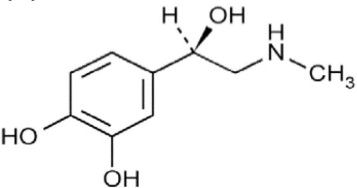
Epinephrine is a sympathomimetic catecholamine. The chemical name of epinephrine is: 1,2-Benzenediol, 4-[(1R)-1-hydroxy-2-(methylamino)ethyl]-, or (-)-3,4-Dihydroxy-α-[2-(methylamino)ethyl]benzyl alcohol. The chemical structure of epinephrine is:
The molecular weight of epinephrine is 183.2.
Epinephrine solution deteriorates rapidly on exposure to air or light, turning pink from oxidation to adrenochrome and brown from the formation of melanin.
1.1 Anaphylaxis
Epinephrine Injection is indicated for emergency treatment of type I allergic reactions, including anaphylaxis, in adults and pediatric patients.
5.4 Hypertension
Because individual response to epinephrine may vary significantly, monitor blood pressure frequently and titrate to avoid excessive increases in blood pressure.
Patients receiving monoamine oxidase inhibitors (MAOI) or antidepressants of the triptyline or imipramine types may experience severe, prolonged hypertension when given epinephrine.
4 Contraindications
None.
5.5 Pulmonary Edema
Epinephrine increases cardiac output and causes peripheral vasoconstriction, which may result in pulmonary edema.
6 Adverse Reactions
The following adverse reactions associated with the use of epinephrine were identified in clinical use, observational trials, case reports, or postmarketing reports. Because some of these reactions were reported voluntarily from a population of uncertain size, it is not always possible to reliably estimate their frequency or establish a causal relationship to drug exposure.
Adverse reactions are listed below by body system:
Cardiovascular: angina, arrhythmias, cerebral hemorrhage (particularly in elderly patients with cardiovascular disease), hypertension, pallor, palpitations, tachyarrhythmia, tachycardia, vasoconstriction, ventricular ectopy and stress cardiomyopathy.
Gastrointestinal: nausea, vomiting
Metabolism and Nutrition Disorders: transient hyperglycemia, sweating
Neurological: disorientation, dizziness, headache, impaired memory, panic, psychomotor agitation (particularly in patients with Parkinson's disease), sleepiness, tingling, tremor, weakness.
Psychiatric: anxiety, apprehensiveness, restlessness.
Respiratory: respiratory difficulties
Skin and subcutaneous tissue disorders: skin and soft tissue infections, necrotizing fasciitis, myonecrosis (gas gangrene)
7 Drug Interactions
-
•Drugs that counter the pressor effects of epinephrine include alpha blockers, vasodilators such as nitrates, diuretics, antihypertensives, and ergot alkaloids, phenothiazine antipsychotics. (7.1)
-
•Drugs that potentiate the effects of epinephrine include sympathomimetics, beta blockers, tricyclic antidepressants, MAO inhibitors, COMT inhibitors, clonidine, doxapram, oxytocin. (7.2)
-
•Drugs that increase the arrhythmogenic potential of epinephrine include beta blockers, cyclopropane and halogenated hydrocarbon anesthetics, quinidine, antihistamines, exogenous thyroid hormones, diuretics, and cardiac glycosides. Observe for development of cardiac arrhythmias. (7.3)
-
•Potassium-depleting drugs, including corticosteroids, diuretics, and theophylline, potentiate the hypokalemic effects of epinephrine. (7.4)
5.6 Renal Impairment
Epinephrine constricts renal blood vessels, which may result in oliguria or renal impairment.
12.2 Pharmacodynamics
Epinephrine increases glycogenolysis, reduces glucose up take by tissues, and inhibits insulin release in the pancreas, resulting in hyperglycemia and increased blood lactic acid.
12.3 Pharmacokinetics
Following intravenous injection, epinephrine is rapidly cleared from the plasma with an effective half-life of < 5 min. A pharmacokinetic steady state following continuous intravenous infusion is achieved within 10-15 min. In patients with septic shock, epinephrine displays dose-proportional pharmacokinetics in the infusion dose range of 0.03 to 1.7 mcg/kg/min.
Epinephrine is extensively metabolized with only a small amount excreted unchanged.
Epinephrine is rapidly degraded to vanillylmandelic acid, an inactive metabolite, by monoamine oxidase and catechol-O-methyltransferase that are abundantly expressed in the liver, kidneys and other extraneuronal tissues. The tissues with the highest contribution to removal of circulating exogenous epinephrine are the liver (32%), kidneys (25%), skeletal muscle (20%), and mesenteric organs (12%).
1 Indications and Usage
Epinephrine is a non-selective alpha and beta adrenergic agonist indicated:
Clinical Considerations
Disease-associated maternal and/or embryo/fetal risk
During pregnancy, anaphylaxis can be catastrophic and can lead to hypoxic-ischemic encephalopathy and permanent central nervous system damage or death in the mother and, more commonly, in the fetus or neonate. Treatment of anaphylaxis during pregnancy should not be delayed.
Hypotension associated with septic shock is a medical emergency in pregnancy which can be fatal if left untreated. Delaying treatment in pregnant women with hypotension associated with septic shock may increase the risk of maternal and fetal morbidity and mortality. Life-sustaining therapy for the pregnant woman should not be withheld due to potential concerns regarding the effects of epinephrine on the fetus.
Labor or Delivery
Epinephrine is the first line-medication of choice for treatment of anaphylaxis; it should be used in the same manner for patients in labor or delivery.
Hypotension Associated with Septic Shock
Epinephrine usually inhibits spontaneous or oxytocin induced contractions of the pregnant human uterus and may delay the second stage of labor. Avoid epinephrine during the second stage of labor. In dosage sufficient to reduce uterine contractions, the drug may cause a prolonged period of uterine atony with hemorrhage. Avoid epinephrine in obstetrics when maternal blood pressure exceeds 130/80 mmHg.
Although epinephrine may improve maternal hypotension associated with septic shock, it may result in uterine vasoconstriction, decreased uterine blood flow, and fetal anoxia.
2.1 General Considerations
Inspect visually for particulate matter and discoloration prior to administration, solution should be clear and colorless. Do not use if the solution is colored or cloudy, or if it contains particulate matter.
5 Warnings and Precautions
-
•Do not inject into buttocks, digits, hands, or feet. (5.1)
-
•Avoid extravasation into tissues, which can cause local necrosis. (5.3)
-
•Monitor patient for acute severe hypertension. (5.4)
-
•Potential for pulmonary edema, which may be fatal. (5.5)
-
•May constrict renal blood vessels and decrease urine formation. (5.6)
-
•May induce potentially serious cardiac arrhythmias or aggravate angina
-
•pectoris, particularly in patients with underlying heart disease. (5.7)
-
•Presence of sulfite in this product should not deter use. (5.8)
2 Dosage and Administration
-
•Anaphylaxis ( 2.2 ):
-
•Administer intramuscularly or subcutaneously into anterolateral thigh every 5 to10 minutes as needed.
-
•Adults and pediatric patients 30 kg or greater: 0.3 mg to 0.5 mg (0.3 mL to 0.5 mL)
-
•Pediatric patients under 30 kg: 0.01 mg/kg (0.01 mL/kg)
-
-
•Hypotension associated with septic shock ( 2.3 ):
-
•Dilute epinephrine in dextrose solution prior to infusion.
-
•Infuse epinephrine into a large vein.
-
•Titrate 0.05 mcg/kg/min to 2 mcg/kg/min to achieve desired blood pressure.
-
•Wean gradually.
-
3 Dosage Forms and Strengths
Injection: Epinephrine injection USP is a sterile, nonpyrogenic, clear and colorless solution supplied as 30 mg/30 mL(1 mg/mL) in a multiple dose amber glass vial.
8 Use in Specific Populations
17 Patient Counseling Information
Risk of Recurrent Symptoms of Anaphylaxis
Warn patients with a good response to initial treatment about the possibility of recurrence of symptoms and instruct patients to obtain proper medical attention if symptoms return.
Transient Hyperglycemia
Advise patients with diabetes that they may develop increased blood glucose levels following epinephrine administration [see Adverse Reactions (6) and Clinical Pharmacology (12.2)].
Serious Infection at Injection Site
Rare cases of serious skin and soft tissue infections, including necrotizing fasciitis and myonecrosis caused by Clostridia (gas gangrene), have been reported at the injection site following epinephrine injection for anaphylaxis. Advise patients to seek medical care if they develop signs or symptoms of infection, such as persistent redness, warmth, swelling, or tenderness, at the epinephrine injection site [see Warnings and Precautions (5.2)].
Lake Zurich, IL, 60047
For Product Inquiry:
1-800-551-7176 or
www.fresenius-kabi.com/us
451809A
16 How Supplied/storage and Handling
Epinephrine Injection is supplied as a clear, colorless solution as follows:
Each carton contains 1 multiple dose vial containing 30 mg/30 mL (1 mg/mL) epinephrine injection, USP in an amber glass vial
NDC 63323-698-30 30 mL Multiple Dose Vial
Epinephrine is light sensitive. Protect from light until ready to use.
Do not refrigerate. Protect from freezing.
Vial and contents must be discarded 30 days after initial use.
Store at room temperature, between 20°C to 25°C (68°F to 77°F). (See USP Controlled Room Temperature.) Protect from alkalis and oxidizing agents.
The container closure is not made with natural rubber latex.
5.7 Cardiac Arrhythmias and Ischemia
Epinephrine may induce cardiac arrhythmias and myocardial ischemia in patients, especially patients suffering from coronary artery disease, or cardiomyopathy.
13.2 Animal Toxicology And/or Pharmacology
Epinephrine was associated with metabolic effects, decreased mesentery, coronary and renal conductance in a sheep model of septic shock. Data from hemolysis study have shown that epinephrine at 1:1000 dilution is non-hemolytic. Epinephrine infusion significantly increased the MAP (69 vs. 86 mmHg) and cardiac output (6.4 vs. 7.1 L/min) and decreased renal blood flow (330 vs. 247 mL/min).
1.2 Hypotension Associated With Septic Shock
Epinephrine Injection is indicated to increase mean arterial blood pressure in adult patients with hypotension associated with septic shock.
5.2 Serious Infections At the Injection Site
Rare cases of serious skin and soft tissue infections, including necrotizing fasciitis and myonecrosis caused by Clostridia (gas gangrene), have been reported at the injection site following epinephrine injection for anaphylaxis. Advise patients to seek medical care if they develop signs or symptoms of infection, such as persistent redness, warmth, swelling, or tenderness, at the epinephrine injection site.
5.8 Allergic Reactions Associated With Sulfite
Epinephrine is the preferred treatment for serious allergic or other emergency situations even though this product contains sodium metabisulfite, a sulfite that may in other products cause allergic-type reactions including anaphylactic symptoms or life-threatening or less severe asthmatic episodes in certain susceptible persons. The alternatives to using epinephrine in a life threatening situation may not be satisfactory. The presence of sulfite(s) in this product should not deter administration of the drug for treatment of serious allergic or other emergency situations.
5.1 Injection Related Complications for Anaphylaxis
Injection into the anterolateral aspect of the thigh (vastus lateralis muscle) is the most appropriate location for administration because of its location, size, and available blood flow. Injection into (or near) smaller muscles, such as in the deltoid, is not recommended.
Do not administer repeated injections of epinephrine at the same site, as the resulting vasoconstriction may cause tissue necrosis.
Do Not Inject Intravenously
Large doses or accidental intravenous injection of undiluted epinephrine may result in cerebral hemorrhage due to sharp rise in blood pressure. Rapidly acting vasodilators can counteract the marked pressor effects of epinephrine if there is such inadvertent administration.
Do not inject into buttock. Injection into the buttock may not provide effective treatment of anaphylaxis and has been associated with the development of Clostridial infections (gas gangrene).
Do not inject into digits, hands, or feet. Epinephrine is a strong vasoconstrictor. Accidental injection into the digits, hands or feet may result in loss of blood flow to the affected area and tissue necrosis.
7.1 Drugs Antagonizing Pressor Effects of Epinephrine
-
•α-blockers, such as phentolamine
-
•Vasodilators, such as nitrates
-
•Diuretics
-
•Antihypertensives
-
•Ergot alkaloids
-
•Phenothiazine antipsychotics
7.2 Drugs Potentiating Pressor Effects of Epinephrine
-
•Sympathomimetics
-
•β-blockers, such as propranolol
-
•Tricyclic anti-depressants
-
•Monoamine oxidase (MAO) inhibitors
-
•Catechol-O-methyl transferase (COMT) inhibitors, such as entacapone
-
•Clonidine
-
•Doxapram
-
•Oxytocin
13.1 Carcinogenesis, Mutagenesis, Impairment of Fertility
Long-term studies to evaluate the carcinogenic potential of epinephrine have not been conducted.
Epinephrine and other catecholamines have been shown to have mutagenic potential in vitro. Epinephrine was positive in the Salmonella bacterial reverse mutation assay, positive in the mouse lymphoma assay, and negative in the in vivo micronucleus assay. Epinephrine is an oxidative mutagen based on the E. coli WP2 Mutoxitest bacterial reverse mutation assay. This should not prevent the use of epinephrine under the conditions noted under the Indications and Usage.
The potential for epinephrine to impair reproductive performance has not been evaluated, but epinephrine has been shown to decrease implantation in female rabbits dosed subcutaneously with 1.2 mg/kg/day (15-fold the highest human intramuscular or subcutaneous daily dose) during gestation days 3 to 9.
7.4 Drugs Potentiating Hypokalemic Effects of Epinephrine
-
•Potassium depleting diuretics
-
•Corticosteroids
-
•Theophylline
7.3 Drugs Potentiating Arrhythmogenic Effects of Epinephrine
Cardiac arrhythmias are more common among patients receiving any of the following drugs [see Warnings and Precautions (5.7) and Adverse Reactions (6)]
-
•β-blockers, such as propranolol
-
•Cyclopropane or halogenated hydrocarbon anesthetics, such as halothane
-
•Antihistamines
-
•Thyroid hormones
-
•Diuretics
-
•Cardiac glycosides, such as digitalis glycosides
-
•Quinidine
5.3 Extravasation and Tissue Necrosis With Intravenous Infusion
Avoid extravasation of epinephrine into the tissues, to prevent local necrosis. When Epinephrine Injection is administered intravenously, the infusion site should be checked frequently for free flow. Blanching along the course of the infused vein, sometimes without obvious extravasation, may be attributed to vasa vasorum constriction with increased permeability of the vein wall, permitting some leakage. This also may progress on rare occasions to superficial slough. Hence, if blanching occurs, consider changing the infusion site at intervals to allow the effects of local vasoconstriction to subside.
There is a potential for gangrene in a lower extremity when infusions of catecholamine are given in an ankle vein.
2.2 Recommended Dosage and Administration Instructions for Anaphylaxis
The recommended dosage of Epinephrine Injection is based on weight and is provided in Table 1. Administer undiluted Epinephrine Injection intramuscularly or subcutaneously in the anterolateral aspect of the thigh.
|
Dosage |
Maximum Dosage |
|
|
Adult and Pediatric Patients Weighing 30 kg or Greater |
0.3 mg to 0.5 mg (0.3 mL to 0.5 mL) of undiluted Epinephrine Injection |
0.5 mg (0.5 mL) per injection |
|
Pediatric Patients Weighing Less Than 30 kg |
0.01 mg/kg (0.01 mL/kg) of undiluted Epinephrine Injection |
0.3 mg (0.3 mL) per injection |
-
•In the absence of clinical improvement or if symptoms worsen after the initial treatment, additional doses of Epinephrine Injection may be repeated every 5 to 10 minutes as necessary.
-
•Monitor clinically for cardiac effects.
Administration Instructions
-
•For intramuscular administration, use a needle long enough (at least 1/2 inch to 5/8 inch) to ensure the injection is administered into the muscle.
-
•To minimize the risk of injection related injury to a pediatric patient, hold the leg firmly in place and limit movement prior to and during an injection.
-
•Inject Epinephrine Injection intramuscularly or subcutaneously into the anterolateral aspect of the thigh, through clothing if necessary. Do not inject intravenously, and do not inject into buttocks, into digits, hands or feet.
-
•Do not administer repeated injections at the same site, as the resulting vasoconstriction may cause tissue necrosis.
Package Label Principal Display – Epinephrine Injection, Usp 30 Mg/ 30 Ml
Carton Label
NDC 63323-698-30
Epinephrine
Injection, USP
30 mg/30 mL
(1 mg/mL)
For Intravenous Infusion,
Intramuscular and
Subcutaneous Use
Dilute before Intravenous Infusion
Not for Ophthalmic Use
Discard 30 days after initial use
Discard on ‑‑‑_____/_____/_____
1 x 30 mL Multiple-Dose Vial Rx only
Package Label Principal Display – Epinephrine Injection, Usp 30 Mg/ 30 Ml Vial
Label
NDC 63323-698-30
Epinephrine
Injection, USP
30 mg/30 mL
(1 mg/mL)
For Intravenous Infusion,
Intramuscular and
Subcutaneous Use
Dilute before Intravenous
Infusion
Not for Ophthalmic Use
30 mL Multiple-Dose Vial
Rx Only
2.3 Recommended Dosage and Administration Instructions for Hypotension Associated With Septic Shock
Dilute 1 mL (1 mg) of epinephrine from its vial into 1,000 mL of one of the following solutions: 5% Dextrose Injection; 5% Dextrose and 0.9% Sodium Chloride Injection; 5% Dextrose and 0.45% Sodium Chloride Injection; or 5% Dextrose and 0.2% Sodium Chloride Injection. Each mL of this dilution contains 1 mcg of epinephrine. The diluted solutions can be stored for up to 4 hours at room temperature (20°C to 25°C) or 24 hours under refrigerated conditions (2°C to 8°C). Administration in Sodium Chloride Injection alone is not recommended. If indicated, administer whole blood or plasma separately.
Whenever possible, give infusions of epinephrine into a large vein. Avoid using a catheter tie-in technique, because the obstruction to blood flow around the tubing may cause stasis and increased local concentration of the drug. Avoid the veins of the leg in elderly patients or in those suffering from occlusive vascular disorders.
To provide hemodynamic support in septic shock associated hypotension in adult patients, the suggested dosing infusion rate of intravenously administered epinephrine is 0.05 mcg/kg/min to 2 mcg/kg/min, and is titrated to achieve a desired mean arterial pressure (MAP). The dosage may be adjusted periodically, such as every 10 to15 minutes, in increments of 0.05 mcg/kg/min to 0.2 mcg/kg/min, to achieve the desired blood pressure goal. The ideal body weight (IBW) should be used as the weight parameter for dosing epinephrine in adult patients with septic shock associated hypotension.
After hemodynamic stabilization, wean incrementally over time, such as by decreasing doses of epinephrine every 30 minutes over a 12 to 24 hour period.
Structured Label Content
Data
Animal Data
In an embryofetal development study with pregnant rabbits dosed during the period of organogenesis (on days 3 to 5, 6 to 7, or 7 to 9 of gestation), epinephrine caused teratogenic effects (including gastroschisis) at doses approximately 15 times the maximum recommended intramuscular, subcutaneous, or intravenous dose (on a mg/m2 basis at a maternal subcutaneous dose of 1.2 mg/kg/day for 2 to 3 days). Animals treated on days 6 to 7 had decreased number of implantations.
In an embryofetal development study, pregnant mice were administered epinephrine (0.1 to 10 mg/kg/day) on Gestation Days 6 to 15. Teratogenic effects, embryonic lethality, and delays in skeletal ossification were observed at approximately 3 times the maximum recommended intramuscular, subcutaneous, or intravenous dose (on a mg/m2 basis at maternal subcutaneous dose of 1 mg/kg/day for 10 days). These effects were not seen in mice at approximately 2 times the maximum recommended daily intramuscular or subcutaneous dose (on a mg/m2 basis at a subcutaneous maternal dose of 0.5 mg/kg/day for 10 days).
In an embryofetal development study with pregnant hamsters dosed during the period of organogenesis from gestation days 7 to 10, epinephrine produced reductions in litter size and delayed skeletal ossification at doses approximately 2 times the maximum recommended intramuscular, subcutaneous, or intravenous dose (on a mg/m2 basis at a maternal subcutaneous dose of 0.5 mg/kg/day).
Section 42229-5 (42229-5)
Antidote for Extravasation Ischemia: To prevent sloughing and necrosis in areas in which extravasation has taken place, infiltrate the area with 10 mL to 15 mL of saline solution containing from 5 mg to 10 mg of phentolamine, an adrenergic blocking agent. Use a syringe with a fine hypodermic needle, with the solution being infiltrated liberally throughout the area, which is easily identified by its cold, hard, and pallid appearance. Sympathetic blockade with phentolamine causes immediate and conspicuous local hyperemic changes if the area is infiltrated within 12 hours.
10 Overdosage (10 OVERDOSAGE)
Overdosage of epinephrine may produce extremely elevated arterial pressure, which may result in cerebrovascular hemorrhage, particularly in elderly patients. Overdosage may also result in pulmonary edema because of peripheral vascular constriction together with cardiac stimulation. Epinephrine overdosage may also cause transient bradycardia followed by tachycardia and these may be accompanied by potentially fatal cardiac arrhythmias. Premature ventricular contractions may appear within one minute after injection and may be followed by multifocal ventricular tachycardia (prefibrillation rhythm). Subsidence of the ventricular effects may be followed by atrial tachycardia and occasionally by atrioventricular block. Myocardial ischemia and infarction, cardiomyopathy, extreme pallor and coldness of the skin, metabolic acidosis due to elevated blood lactic acid levels, and renal insufficiency and failure have also been reported.
Epinephrine is rapidly inactivated in the body and treatment following overdose with epinephrine is primarily supportive. Treatment of pulmonary edema consists of a rapidly acting alpha-adrenergic blocking drug (such as phentolamine mesylate) and respiratory support. Treatment of epinephrine associated arrhythmias consists of administration of a beta-adrenergic blocking drug (such as propranolol). If necessary, pressor effects may be counteracted by rapidly acting vasodilators or alpha-adrenergic blocking drugs. If prolonged hypotension follows such measures, it may be necessary to administer another pressor drug.
11 Description (11 DESCRIPTION)
Epinephrine Injection, USP is a clear, colorless, sterile solution containing 1 mg/mL epinephrine, packaged as a 30 mL solution in a multiple dose amber vial. In the 30 mL vial, each 1 mL of Epinephrine Injection, USP solution contains 1 mg epinephrine, 0.5 mg citric acid, 1 mg methylparaben (preservative), 8.6 mg sodium chloride, 0.25 mg sodium metabisulfite, hydrochloric acid for pH adjustment and water for injection. The pH range is 2.2-5.0.
Solution must be diluted prior to intravenous use.
Epinephrine is a sympathomimetic catecholamine. The chemical name of epinephrine is: 1,2-Benzenediol, 4-[(1R)-1-hydroxy-2-(methylamino)ethyl]-, or (-)-3,4-Dihydroxy-α-[2-(methylamino)ethyl]benzyl alcohol. The chemical structure of epinephrine is:
The molecular weight of epinephrine is 183.2.
Epinephrine solution deteriorates rapidly on exposure to air or light, turning pink from oxidation to adrenochrome and brown from the formation of melanin.
1.1 Anaphylaxis
Epinephrine Injection is indicated for emergency treatment of type I allergic reactions, including anaphylaxis, in adults and pediatric patients.
5.4 Hypertension
Because individual response to epinephrine may vary significantly, monitor blood pressure frequently and titrate to avoid excessive increases in blood pressure.
Patients receiving monoamine oxidase inhibitors (MAOI) or antidepressants of the triptyline or imipramine types may experience severe, prolonged hypertension when given epinephrine.
4 Contraindications (4 CONTRAINDICATIONS)
None.
5.5 Pulmonary Edema
Epinephrine increases cardiac output and causes peripheral vasoconstriction, which may result in pulmonary edema.
6 Adverse Reactions (6 ADVERSE REACTIONS)
The following adverse reactions associated with the use of epinephrine were identified in clinical use, observational trials, case reports, or postmarketing reports. Because some of these reactions were reported voluntarily from a population of uncertain size, it is not always possible to reliably estimate their frequency or establish a causal relationship to drug exposure.
Adverse reactions are listed below by body system:
Cardiovascular: angina, arrhythmias, cerebral hemorrhage (particularly in elderly patients with cardiovascular disease), hypertension, pallor, palpitations, tachyarrhythmia, tachycardia, vasoconstriction, ventricular ectopy and stress cardiomyopathy.
Gastrointestinal: nausea, vomiting
Metabolism and Nutrition Disorders: transient hyperglycemia, sweating
Neurological: disorientation, dizziness, headache, impaired memory, panic, psychomotor agitation (particularly in patients with Parkinson's disease), sleepiness, tingling, tremor, weakness.
Psychiatric: anxiety, apprehensiveness, restlessness.
Respiratory: respiratory difficulties
Skin and subcutaneous tissue disorders: skin and soft tissue infections, necrotizing fasciitis, myonecrosis (gas gangrene)
7 Drug Interactions (7 DRUG INTERACTIONS)
-
•Drugs that counter the pressor effects of epinephrine include alpha blockers, vasodilators such as nitrates, diuretics, antihypertensives, and ergot alkaloids, phenothiazine antipsychotics. (7.1)
-
•Drugs that potentiate the effects of epinephrine include sympathomimetics, beta blockers, tricyclic antidepressants, MAO inhibitors, COMT inhibitors, clonidine, doxapram, oxytocin. (7.2)
-
•Drugs that increase the arrhythmogenic potential of epinephrine include beta blockers, cyclopropane and halogenated hydrocarbon anesthetics, quinidine, antihistamines, exogenous thyroid hormones, diuretics, and cardiac glycosides. Observe for development of cardiac arrhythmias. (7.3)
-
•Potassium-depleting drugs, including corticosteroids, diuretics, and theophylline, potentiate the hypokalemic effects of epinephrine. (7.4)
5.6 Renal Impairment
Epinephrine constricts renal blood vessels, which may result in oliguria or renal impairment.
12.2 Pharmacodynamics
Epinephrine increases glycogenolysis, reduces glucose up take by tissues, and inhibits insulin release in the pancreas, resulting in hyperglycemia and increased blood lactic acid.
12.3 Pharmacokinetics
Following intravenous injection, epinephrine is rapidly cleared from the plasma with an effective half-life of < 5 min. A pharmacokinetic steady state following continuous intravenous infusion is achieved within 10-15 min. In patients with septic shock, epinephrine displays dose-proportional pharmacokinetics in the infusion dose range of 0.03 to 1.7 mcg/kg/min.
Epinephrine is extensively metabolized with only a small amount excreted unchanged.
Epinephrine is rapidly degraded to vanillylmandelic acid, an inactive metabolite, by monoamine oxidase and catechol-O-methyltransferase that are abundantly expressed in the liver, kidneys and other extraneuronal tissues. The tissues with the highest contribution to removal of circulating exogenous epinephrine are the liver (32%), kidneys (25%), skeletal muscle (20%), and mesenteric organs (12%).
1 Indications and Usage (1 INDICATIONS AND USAGE)
Epinephrine is a non-selective alpha and beta adrenergic agonist indicated:
Clinical Considerations
Disease-associated maternal and/or embryo/fetal risk
During pregnancy, anaphylaxis can be catastrophic and can lead to hypoxic-ischemic encephalopathy and permanent central nervous system damage or death in the mother and, more commonly, in the fetus or neonate. Treatment of anaphylaxis during pregnancy should not be delayed.
Hypotension associated with septic shock is a medical emergency in pregnancy which can be fatal if left untreated. Delaying treatment in pregnant women with hypotension associated with septic shock may increase the risk of maternal and fetal morbidity and mortality. Life-sustaining therapy for the pregnant woman should not be withheld due to potential concerns regarding the effects of epinephrine on the fetus.
Labor or Delivery
Epinephrine is the first line-medication of choice for treatment of anaphylaxis; it should be used in the same manner for patients in labor or delivery.
Hypotension Associated with Septic Shock
Epinephrine usually inhibits spontaneous or oxytocin induced contractions of the pregnant human uterus and may delay the second stage of labor. Avoid epinephrine during the second stage of labor. In dosage sufficient to reduce uterine contractions, the drug may cause a prolonged period of uterine atony with hemorrhage. Avoid epinephrine in obstetrics when maternal blood pressure exceeds 130/80 mmHg.
Although epinephrine may improve maternal hypotension associated with septic shock, it may result in uterine vasoconstriction, decreased uterine blood flow, and fetal anoxia.
2.1 General Considerations
Inspect visually for particulate matter and discoloration prior to administration, solution should be clear and colorless. Do not use if the solution is colored or cloudy, or if it contains particulate matter.
5 Warnings and Precautions (5 WARNINGS AND PRECAUTIONS)
-
•Do not inject into buttocks, digits, hands, or feet. (5.1)
-
•Avoid extravasation into tissues, which can cause local necrosis. (5.3)
-
•Monitor patient for acute severe hypertension. (5.4)
-
•Potential for pulmonary edema, which may be fatal. (5.5)
-
•May constrict renal blood vessels and decrease urine formation. (5.6)
-
•May induce potentially serious cardiac arrhythmias or aggravate angina
-
•pectoris, particularly in patients with underlying heart disease. (5.7)
-
•Presence of sulfite in this product should not deter use. (5.8)
2 Dosage and Administration (2 DOSAGE AND ADMINISTRATION)
-
•Anaphylaxis ( 2.2 ):
-
•Administer intramuscularly or subcutaneously into anterolateral thigh every 5 to10 minutes as needed.
-
•Adults and pediatric patients 30 kg or greater: 0.3 mg to 0.5 mg (0.3 mL to 0.5 mL)
-
•Pediatric patients under 30 kg: 0.01 mg/kg (0.01 mL/kg)
-
-
•Hypotension associated with septic shock ( 2.3 ):
-
•Dilute epinephrine in dextrose solution prior to infusion.
-
•Infuse epinephrine into a large vein.
-
•Titrate 0.05 mcg/kg/min to 2 mcg/kg/min to achieve desired blood pressure.
-
•Wean gradually.
-
3 Dosage Forms and Strengths (3 DOSAGE FORMS AND STRENGTHS)
Injection: Epinephrine injection USP is a sterile, nonpyrogenic, clear and colorless solution supplied as 30 mg/30 mL(1 mg/mL) in a multiple dose amber glass vial.
8 Use in Specific Populations (8 USE IN SPECIFIC POPULATIONS)
17 Patient Counseling Information (17 PATIENT COUNSELING INFORMATION)
Risk of Recurrent Symptoms of Anaphylaxis
Warn patients with a good response to initial treatment about the possibility of recurrence of symptoms and instruct patients to obtain proper medical attention if symptoms return.
Transient Hyperglycemia
Advise patients with diabetes that they may develop increased blood glucose levels following epinephrine administration [see Adverse Reactions (6) and Clinical Pharmacology (12.2)].
Serious Infection at Injection Site
Rare cases of serious skin and soft tissue infections, including necrotizing fasciitis and myonecrosis caused by Clostridia (gas gangrene), have been reported at the injection site following epinephrine injection for anaphylaxis. Advise patients to seek medical care if they develop signs or symptoms of infection, such as persistent redness, warmth, swelling, or tenderness, at the epinephrine injection site [see Warnings and Precautions (5.2)].
Lake Zurich, IL, 60047
For Product Inquiry:
1-800-551-7176 or
www.fresenius-kabi.com/us
451809A
16 How Supplied/storage and Handling (16 HOW SUPPLIED/STORAGE AND HANDLING)
Epinephrine Injection is supplied as a clear, colorless solution as follows:
Each carton contains 1 multiple dose vial containing 30 mg/30 mL (1 mg/mL) epinephrine injection, USP in an amber glass vial
NDC 63323-698-30 30 mL Multiple Dose Vial
Epinephrine is light sensitive. Protect from light until ready to use.
Do not refrigerate. Protect from freezing.
Vial and contents must be discarded 30 days after initial use.
Store at room temperature, between 20°C to 25°C (68°F to 77°F). (See USP Controlled Room Temperature.) Protect from alkalis and oxidizing agents.
The container closure is not made with natural rubber latex.
5.7 Cardiac Arrhythmias and Ischemia
Epinephrine may induce cardiac arrhythmias and myocardial ischemia in patients, especially patients suffering from coronary artery disease, or cardiomyopathy.
13.2 Animal Toxicology And/or Pharmacology (13.2 Animal Toxicology and/or Pharmacology)
Epinephrine was associated with metabolic effects, decreased mesentery, coronary and renal conductance in a sheep model of septic shock. Data from hemolysis study have shown that epinephrine at 1:1000 dilution is non-hemolytic. Epinephrine infusion significantly increased the MAP (69 vs. 86 mmHg) and cardiac output (6.4 vs. 7.1 L/min) and decreased renal blood flow (330 vs. 247 mL/min).
1.2 Hypotension Associated With Septic Shock (1.2 Hypotension associated with Septic Shock)
Epinephrine Injection is indicated to increase mean arterial blood pressure in adult patients with hypotension associated with septic shock.
5.2 Serious Infections At the Injection Site (5.2 Serious Infections at the Injection Site)
Rare cases of serious skin and soft tissue infections, including necrotizing fasciitis and myonecrosis caused by Clostridia (gas gangrene), have been reported at the injection site following epinephrine injection for anaphylaxis. Advise patients to seek medical care if they develop signs or symptoms of infection, such as persistent redness, warmth, swelling, or tenderness, at the epinephrine injection site.
5.8 Allergic Reactions Associated With Sulfite (5.8 Allergic Reactions Associated with Sulfite)
Epinephrine is the preferred treatment for serious allergic or other emergency situations even though this product contains sodium metabisulfite, a sulfite that may in other products cause allergic-type reactions including anaphylactic symptoms or life-threatening or less severe asthmatic episodes in certain susceptible persons. The alternatives to using epinephrine in a life threatening situation may not be satisfactory. The presence of sulfite(s) in this product should not deter administration of the drug for treatment of serious allergic or other emergency situations.
5.1 Injection Related Complications for Anaphylaxis (5.1 Injection-Related Complications for Anaphylaxis)
Injection into the anterolateral aspect of the thigh (vastus lateralis muscle) is the most appropriate location for administration because of its location, size, and available blood flow. Injection into (or near) smaller muscles, such as in the deltoid, is not recommended.
Do not administer repeated injections of epinephrine at the same site, as the resulting vasoconstriction may cause tissue necrosis.
Do Not Inject Intravenously
Large doses or accidental intravenous injection of undiluted epinephrine may result in cerebral hemorrhage due to sharp rise in blood pressure. Rapidly acting vasodilators can counteract the marked pressor effects of epinephrine if there is such inadvertent administration.
Do not inject into buttock. Injection into the buttock may not provide effective treatment of anaphylaxis and has been associated with the development of Clostridial infections (gas gangrene).
Do not inject into digits, hands, or feet. Epinephrine is a strong vasoconstrictor. Accidental injection into the digits, hands or feet may result in loss of blood flow to the affected area and tissue necrosis.
7.1 Drugs Antagonizing Pressor Effects of Epinephrine
-
•α-blockers, such as phentolamine
-
•Vasodilators, such as nitrates
-
•Diuretics
-
•Antihypertensives
-
•Ergot alkaloids
-
•Phenothiazine antipsychotics
7.2 Drugs Potentiating Pressor Effects of Epinephrine
-
•Sympathomimetics
-
•β-blockers, such as propranolol
-
•Tricyclic anti-depressants
-
•Monoamine oxidase (MAO) inhibitors
-
•Catechol-O-methyl transferase (COMT) inhibitors, such as entacapone
-
•Clonidine
-
•Doxapram
-
•Oxytocin
13.1 Carcinogenesis, Mutagenesis, Impairment of Fertility
Long-term studies to evaluate the carcinogenic potential of epinephrine have not been conducted.
Epinephrine and other catecholamines have been shown to have mutagenic potential in vitro. Epinephrine was positive in the Salmonella bacterial reverse mutation assay, positive in the mouse lymphoma assay, and negative in the in vivo micronucleus assay. Epinephrine is an oxidative mutagen based on the E. coli WP2 Mutoxitest bacterial reverse mutation assay. This should not prevent the use of epinephrine under the conditions noted under the Indications and Usage.
The potential for epinephrine to impair reproductive performance has not been evaluated, but epinephrine has been shown to decrease implantation in female rabbits dosed subcutaneously with 1.2 mg/kg/day (15-fold the highest human intramuscular or subcutaneous daily dose) during gestation days 3 to 9.
7.4 Drugs Potentiating Hypokalemic Effects of Epinephrine
-
•Potassium depleting diuretics
-
•Corticosteroids
-
•Theophylline
7.3 Drugs Potentiating Arrhythmogenic Effects of Epinephrine
Cardiac arrhythmias are more common among patients receiving any of the following drugs [see Warnings and Precautions (5.7) and Adverse Reactions (6)]
-
•β-blockers, such as propranolol
-
•Cyclopropane or halogenated hydrocarbon anesthetics, such as halothane
-
•Antihistamines
-
•Thyroid hormones
-
•Diuretics
-
•Cardiac glycosides, such as digitalis glycosides
-
•Quinidine
5.3 Extravasation and Tissue Necrosis With Intravenous Infusion (5.3 Extravasation and Tissue Necrosis with Intravenous Infusion)
Avoid extravasation of epinephrine into the tissues, to prevent local necrosis. When Epinephrine Injection is administered intravenously, the infusion site should be checked frequently for free flow. Blanching along the course of the infused vein, sometimes without obvious extravasation, may be attributed to vasa vasorum constriction with increased permeability of the vein wall, permitting some leakage. This also may progress on rare occasions to superficial slough. Hence, if blanching occurs, consider changing the infusion site at intervals to allow the effects of local vasoconstriction to subside.
There is a potential for gangrene in a lower extremity when infusions of catecholamine are given in an ankle vein.
2.2 Recommended Dosage and Administration Instructions for Anaphylaxis
The recommended dosage of Epinephrine Injection is based on weight and is provided in Table 1. Administer undiluted Epinephrine Injection intramuscularly or subcutaneously in the anterolateral aspect of the thigh.
|
Dosage |
Maximum Dosage |
|
|
Adult and Pediatric Patients Weighing 30 kg or Greater |
0.3 mg to 0.5 mg (0.3 mL to 0.5 mL) of undiluted Epinephrine Injection |
0.5 mg (0.5 mL) per injection |
|
Pediatric Patients Weighing Less Than 30 kg |
0.01 mg/kg (0.01 mL/kg) of undiluted Epinephrine Injection |
0.3 mg (0.3 mL) per injection |
-
•In the absence of clinical improvement or if symptoms worsen after the initial treatment, additional doses of Epinephrine Injection may be repeated every 5 to 10 minutes as necessary.
-
•Monitor clinically for cardiac effects.
Administration Instructions
-
•For intramuscular administration, use a needle long enough (at least 1/2 inch to 5/8 inch) to ensure the injection is administered into the muscle.
-
•To minimize the risk of injection related injury to a pediatric patient, hold the leg firmly in place and limit movement prior to and during an injection.
-
•Inject Epinephrine Injection intramuscularly or subcutaneously into the anterolateral aspect of the thigh, through clothing if necessary. Do not inject intravenously, and do not inject into buttocks, into digits, hands or feet.
-
•Do not administer repeated injections at the same site, as the resulting vasoconstriction may cause tissue necrosis.
Package Label Principal Display – Epinephrine Injection, Usp 30 Mg/ 30 Ml (PACKAGE LABEL - PRINCIPAL DISPLAY – Epinephrine Injection, USP 30 mg/ 30 mL)
Carton Label
NDC 63323-698-30
Epinephrine
Injection, USP
30 mg/30 mL
(1 mg/mL)
For Intravenous Infusion,
Intramuscular and
Subcutaneous Use
Dilute before Intravenous Infusion
Not for Ophthalmic Use
Discard 30 days after initial use
Discard on ‑‑‑_____/_____/_____
1 x 30 mL Multiple-Dose Vial Rx only
Package Label Principal Display – Epinephrine Injection, Usp 30 Mg/ 30 Ml Vial (PACKAGE LABEL - PRINCIPAL DISPLAY – Epinephrine Injection, USP 30 mg/ 30 mL Vial)
Label
NDC 63323-698-30
Epinephrine
Injection, USP
30 mg/30 mL
(1 mg/mL)
For Intravenous Infusion,
Intramuscular and
Subcutaneous Use
Dilute before Intravenous
Infusion
Not for Ophthalmic Use
30 mL Multiple-Dose Vial
Rx Only
2.3 Recommended Dosage and Administration Instructions for Hypotension Associated With Septic Shock (2.3 Recommended Dosage and Administration Instructions for Hypotension associated with Septic Shock)
Dilute 1 mL (1 mg) of epinephrine from its vial into 1,000 mL of one of the following solutions: 5% Dextrose Injection; 5% Dextrose and 0.9% Sodium Chloride Injection; 5% Dextrose and 0.45% Sodium Chloride Injection; or 5% Dextrose and 0.2% Sodium Chloride Injection. Each mL of this dilution contains 1 mcg of epinephrine. The diluted solutions can be stored for up to 4 hours at room temperature (20°C to 25°C) or 24 hours under refrigerated conditions (2°C to 8°C). Administration in Sodium Chloride Injection alone is not recommended. If indicated, administer whole blood or plasma separately.
Whenever possible, give infusions of epinephrine into a large vein. Avoid using a catheter tie-in technique, because the obstruction to blood flow around the tubing may cause stasis and increased local concentration of the drug. Avoid the veins of the leg in elderly patients or in those suffering from occlusive vascular disorders.
To provide hemodynamic support in septic shock associated hypotension in adult patients, the suggested dosing infusion rate of intravenously administered epinephrine is 0.05 mcg/kg/min to 2 mcg/kg/min, and is titrated to achieve a desired mean arterial pressure (MAP). The dosage may be adjusted periodically, such as every 10 to15 minutes, in increments of 0.05 mcg/kg/min to 0.2 mcg/kg/min, to achieve the desired blood pressure goal. The ideal body weight (IBW) should be used as the weight parameter for dosing epinephrine in adult patients with septic shock associated hypotension.
After hemodynamic stabilization, wean incrementally over time, such as by decreasing doses of epinephrine every 30 minutes over a 12 to 24 hour period.
Advanced Ingredient Data
Raw Label Data
All Sections (JSON)
Additional Information
Back to search View SPL set listing Open on DailyMed ↗
Source: dailymed · Ingested: 2026-02-15T11:46:34.598234 · Updated: 2026-03-14T22:25:11.616622