These Highlights Do Not Include All The Information Needed To Use Contrave®
485ff360-32c8-11df-928b-0002a5d5c51b
34391-3
HUMAN PRESCRIPTION DRUG LABEL
Drug Facts
Composition & Product
Identifiers & Packaging
Indications and Usage
CONTRAVE is indicated in combination with a reduced-calorie diet and increased physical activity to reduce excess body weight and maintain weight reduction long term in adults with obesity or overweight in the presence of at least one weight-related comorbid condition.
Dosage and Administration
CONTRAVE dose escalation schedule ( 2.1 ): Morning Dose Evening Dose Week 1 1 tablet None Week 2 1 tablet 1 tablet Week 3 2 tablets 1 tablet Week 4 – Onward 2 tablets 2 tablets
Contraindications
CONTRAVE is contraindicated in Uncontrolled hypertension [see Warnings and Precautions (5.5) ] Seizure disorder or a history of seizures [see Warnings and Precautions (5.3) ] Use of other bupropion-containing products (including, but not limited to, WELLBUTRIN, WELLBUTRIN SR, WELLBUTRIN XL, APLENZIN and ZYBAN) Bulimia or anorexia nervosa, which increase the risk for seizure [see Warnings and Precautions (5.3) ] Chronic opioid or opiate agonist (e.g., methadone) or partial agonists (e.g., buprenorphine) use, or acute opiate withdrawal [see Warnings and Precautions (5.4) and Drug Interactions (7.2) ] Patients undergoing an abrupt discontinuation of alcohol, benzodiazepines, barbiturates, and antiepileptic drugs [see Warnings and Precautions (5.3) and Drug Interactions (7.7) ] Concomitant administration of monoamine oxidase inhibitors (MAOI). At least 14 days should elapse between discontinuation of MAOI and initiation of treatment with CONTRAVE. There is an increased risk of hypertensive reactions when CONTRAVE is used concomitantly with MAOIs. Starting CONTRAVE in a patient treated with reversible MAOIs such as linezolid or intravenous methylene blue is also contraindicated [see Dosage and Administration (2.4) , Drug Interactions (7.1) ] Known allergy to bupropion, naltrexone or any other component of CONTRAVE. Anaphylactoid/anaphylactic reactions and Stevens-Johnson syndrome have been reported with bupropion [see Warnings and Precautions (5.6) ]
Warnings and Precautions
Suicidal Behavior and Ideation: Monitor for depression or suicidal thoughts. Discontinue CONTRAVE if symptoms develop. ( 5.1 ) Neuropsychiatric Adverse Events During Smoking Cessation: Postmarketing reports of serious or clinically significant neuropsychiatric adverse events have included changes in mood (including depression and mania), psychosis, hallucinations, paranoia, delusions, homicidal ideation, aggression, hostility, agitation, anxiety, and panic, as well as suicidal ideation, suicide attempt, and completed suicide. Observe patients taking CONTRAVE for the occurrence of such symptoms and instruct them to discontinue CONTRAVE and contact a healthcare provider if they experience such adverse events. ( 5.2 ) Risk of seizure may be minimized by adhering to the recommended dosing schedule and avoiding coadministration with high-fat meal. ( 5.3 ) Increase in Blood Pressure and Heart Rate: Monitor blood pressure and heart rate in all patients, especially those with cardiac or cerebrovascular disease. ( 5.5 ) Hepatotoxicity: Cases of hepatitis and clinically significant liver dysfunction observed with naltrexone exposure. ( 5.7 ) Angle-closure glaucoma: Angle-closure glaucoma has occurred in patients with untreated anatomically narrow angles treated with antidepressants. ( 5.9 ) Use of Antidiabetic Medications: Weight loss may cause hypoglycemia. Monitor blood glucose. ( 5.10 )
Adverse Reactions
The following adverse reactions are discussed in other sections of the labeling: Suicidal Behavior and Ideation [see Boxed Warning , Warnings and Precautions (5.1) ] Neuropsychiatric Adverse Events [see Warnings and Precautions (5.2) ] Seizures [see Contraindications (4) , Warnings and Precautions (5.3) ] Increase in Blood Pressure and Heart Rate [see Warnings and Precautions (5.5) ] Allergic Reactions [see Warnings and Precautions (5.6) ] Angle-Closure Glaucoma [see Warnings and Precautions (5.9) ]
Drug Interactions
MAOIs: Increased risk of hypertensive reactions can occur when used concomitantly. ( 7.1 ) Drugs Metabolized by CYP2D6: Bupropion inhibits CYP2D6 and can increase concentrations of antidepressants, (e.g., selective serotonin reuptake inhibitors and many tricyclics), antipsychotics (e.g., haloperidol, risperidone and thioridazine), beta-blockers (e.g., metoprolol) and Type 1C antiarrhythmics (e.g., propafenone and flecainide). Consider dose reduction when using with CONTRAVE. ( 7.3 ) Digoxin: May decrease plasma digoxin levels. Monitor digoxin levels. ( 7.3 ) Concomitant Treatment with CYP2B6 Inhibitors (e.g., ticlopidine or clopidogrel) can increase bupropion exposure. Do not exceed one tablet twice daily when taken with CYP2B6 inhibitors. ( 2.5 , 7.4 ) CYP2B6 Inducers (e.g., ritonavir, lopinavir, efavirenz, carbamazepine, phenobarbital, and phenytoin) may reduce efficacy by reducing bupropion exposure, avoid concomitant use. ( 7.4 ) Drugs that Lower Seizure Threshold: Dose CONTRAVE with caution. ( 5.3 , 7.5 ) Dopaminergic Drugs (levodopa and amantadine): CNS toxicity can occur when used concomitantly with CONTRAVE. ( 7.6 ) Drug-Laboratory Test Interactions: CONTRAVE can cause false- positive urine test results for amphetamines. ( 7.8 )
How Supplied
CONTRAVE 8 mg/90 mg (naltrexone HCl 8 mg and bupropion HCl 90 mg) extended-release tablets are blue, round, bi-convex, film-coated tablets debossed with "NB-890" on one side. CONTRAVE tablets are available as follows: NDC 51267-890-99 Bottles of 120 tablets
Storage and Handling
CONTRAVE 8 mg/90 mg (naltrexone HCl 8 mg and bupropion HCl 90 mg) extended-release tablets are blue, round, bi-convex, film-coated tablets debossed with "NB-890" on one side. CONTRAVE tablets are available as follows: NDC 51267-890-99 Bottles of 120 tablets
Description
WARNING: SUICIDAL THOUGHTS AND BEHAVIORS See full prescribing information for complete boxed warning Increased risk of suicidal thinking and behavior in children, adolescents, and young adults taking antidepressants for major depressive disorder and other psychiatric disorders. ( 5.1 ) Monitor for worsening and emergence of suicidal thoughts and behaviors. ( 5.1 ) CONTRAVE is not approved for use in pediatric patients. ( 5.1 )
Medication Information
Warnings and Precautions
Suicidal Behavior and Ideation: Monitor for depression or suicidal thoughts. Discontinue CONTRAVE if symptoms develop. ( 5.1 ) Neuropsychiatric Adverse Events During Smoking Cessation: Postmarketing reports of serious or clinically significant neuropsychiatric adverse events have included changes in mood (including depression and mania), psychosis, hallucinations, paranoia, delusions, homicidal ideation, aggression, hostility, agitation, anxiety, and panic, as well as suicidal ideation, suicide attempt, and completed suicide. Observe patients taking CONTRAVE for the occurrence of such symptoms and instruct them to discontinue CONTRAVE and contact a healthcare provider if they experience such adverse events. ( 5.2 ) Risk of seizure may be minimized by adhering to the recommended dosing schedule and avoiding coadministration with high-fat meal. ( 5.3 ) Increase in Blood Pressure and Heart Rate: Monitor blood pressure and heart rate in all patients, especially those with cardiac or cerebrovascular disease. ( 5.5 ) Hepatotoxicity: Cases of hepatitis and clinically significant liver dysfunction observed with naltrexone exposure. ( 5.7 ) Angle-closure glaucoma: Angle-closure glaucoma has occurred in patients with untreated anatomically narrow angles treated with antidepressants. ( 5.9 ) Use of Antidiabetic Medications: Weight loss may cause hypoglycemia. Monitor blood glucose. ( 5.10 )
Indications and Usage
CONTRAVE is indicated in combination with a reduced-calorie diet and increased physical activity to reduce excess body weight and maintain weight reduction long term in adults with obesity or overweight in the presence of at least one weight-related comorbid condition.
Dosage and Administration
CONTRAVE dose escalation schedule ( 2.1 ): Morning Dose Evening Dose Week 1 1 tablet None Week 2 1 tablet 1 tablet Week 3 2 tablets 1 tablet Week 4 – Onward 2 tablets 2 tablets
Contraindications
CONTRAVE is contraindicated in Uncontrolled hypertension [see Warnings and Precautions (5.5) ] Seizure disorder or a history of seizures [see Warnings and Precautions (5.3) ] Use of other bupropion-containing products (including, but not limited to, WELLBUTRIN, WELLBUTRIN SR, WELLBUTRIN XL, APLENZIN and ZYBAN) Bulimia or anorexia nervosa, which increase the risk for seizure [see Warnings and Precautions (5.3) ] Chronic opioid or opiate agonist (e.g., methadone) or partial agonists (e.g., buprenorphine) use, or acute opiate withdrawal [see Warnings and Precautions (5.4) and Drug Interactions (7.2) ] Patients undergoing an abrupt discontinuation of alcohol, benzodiazepines, barbiturates, and antiepileptic drugs [see Warnings and Precautions (5.3) and Drug Interactions (7.7) ] Concomitant administration of monoamine oxidase inhibitors (MAOI). At least 14 days should elapse between discontinuation of MAOI and initiation of treatment with CONTRAVE. There is an increased risk of hypertensive reactions when CONTRAVE is used concomitantly with MAOIs. Starting CONTRAVE in a patient treated with reversible MAOIs such as linezolid or intravenous methylene blue is also contraindicated [see Dosage and Administration (2.4) , Drug Interactions (7.1) ] Known allergy to bupropion, naltrexone or any other component of CONTRAVE. Anaphylactoid/anaphylactic reactions and Stevens-Johnson syndrome have been reported with bupropion [see Warnings and Precautions (5.6) ]
Adverse Reactions
The following adverse reactions are discussed in other sections of the labeling: Suicidal Behavior and Ideation [see Boxed Warning , Warnings and Precautions (5.1) ] Neuropsychiatric Adverse Events [see Warnings and Precautions (5.2) ] Seizures [see Contraindications (4) , Warnings and Precautions (5.3) ] Increase in Blood Pressure and Heart Rate [see Warnings and Precautions (5.5) ] Allergic Reactions [see Warnings and Precautions (5.6) ] Angle-Closure Glaucoma [see Warnings and Precautions (5.9) ]
Drug Interactions
MAOIs: Increased risk of hypertensive reactions can occur when used concomitantly. ( 7.1 ) Drugs Metabolized by CYP2D6: Bupropion inhibits CYP2D6 and can increase concentrations of antidepressants, (e.g., selective serotonin reuptake inhibitors and many tricyclics), antipsychotics (e.g., haloperidol, risperidone and thioridazine), beta-blockers (e.g., metoprolol) and Type 1C antiarrhythmics (e.g., propafenone and flecainide). Consider dose reduction when using with CONTRAVE. ( 7.3 ) Digoxin: May decrease plasma digoxin levels. Monitor digoxin levels. ( 7.3 ) Concomitant Treatment with CYP2B6 Inhibitors (e.g., ticlopidine or clopidogrel) can increase bupropion exposure. Do not exceed one tablet twice daily when taken with CYP2B6 inhibitors. ( 2.5 , 7.4 ) CYP2B6 Inducers (e.g., ritonavir, lopinavir, efavirenz, carbamazepine, phenobarbital, and phenytoin) may reduce efficacy by reducing bupropion exposure, avoid concomitant use. ( 7.4 ) Drugs that Lower Seizure Threshold: Dose CONTRAVE with caution. ( 5.3 , 7.5 ) Dopaminergic Drugs (levodopa and amantadine): CNS toxicity can occur when used concomitantly with CONTRAVE. ( 7.6 ) Drug-Laboratory Test Interactions: CONTRAVE can cause false- positive urine test results for amphetamines. ( 7.8 )
Storage and Handling
CONTRAVE 8 mg/90 mg (naltrexone HCl 8 mg and bupropion HCl 90 mg) extended-release tablets are blue, round, bi-convex, film-coated tablets debossed with "NB-890" on one side. CONTRAVE tablets are available as follows: NDC 51267-890-99 Bottles of 120 tablets
How Supplied
CONTRAVE 8 mg/90 mg (naltrexone HCl 8 mg and bupropion HCl 90 mg) extended-release tablets are blue, round, bi-convex, film-coated tablets debossed with "NB-890" on one side. CONTRAVE tablets are available as follows: NDC 51267-890-99 Bottles of 120 tablets
Description
WARNING: SUICIDAL THOUGHTS AND BEHAVIORS See full prescribing information for complete boxed warning Increased risk of suicidal thinking and behavior in children, adolescents, and young adults taking antidepressants for major depressive disorder and other psychiatric disorders. ( 5.1 ) Monitor for worsening and emergence of suicidal thoughts and behaviors. ( 5.1 ) CONTRAVE is not approved for use in pediatric patients. ( 5.1 )
Section 42229-5
SUICIDALITY AND ANTIDEPRESSANT DRUGS
CONTRAVE® is not approved for use in the treatment of major depressive disorder or other psychiatric disorders. CONTRAVE contains bupropion, the same active ingredient as some antidepressant medications (including, but not limited to, WELLBUTRIN, WELLBUTRIN SR, WELLBUTRIN XL, and APLENZIN). Antidepressants increased the risk of suicidal thoughts and behavior in children, adolescents, and young adults in short-term trials. These trials did not show an increase in the risk of suicidal thoughts and behavior with antidepressant use in subjects over age 24; there was a reduction in risk with antidepressant use in subjects aged 65 and older. In patients of all ages who are started on CONTRAVE, monitor closely for worsening, and for the emergence of suicidal thoughts and behaviors. Advise families and caregivers of the need for close observation and communication with the prescriber. CONTRAVE is not approved for use in pediatric patients [see Warnings and Precautions (5.1), Use in Specific Populations (8.4)].
Section 42231-1
| This Medication Guide has been approved by the U.S. Food and Drug Administration | Revised: 11/2025 | ||||||
|
MEDICATION GUIDE CONTRAVE® (CON-trayv) (naltrexone HCl and bupropion HCl) extended-release tablets |
|||||||
| What is the most important information I should know about CONTRAVE? | |||||||
CONTRAVE can cause serious side effects, including:
|
|||||||
|
|
||||||
While taking CONTRAVE, you or your family members should:
|
|||||||
| CONTRAVE has not been studied in and is not approved for use in children under the age of 18. | |||||||
| What is CONTRAVE? | |||||||
| CONTRAVE is a prescription medicine which contains 2 medicines (naltrexone and bupropion) that may help adults with obesity, or some adults with overweight who also have weight-related medical problems, to lose excess body weight and keep the weight off. | |||||||
| CONTRAVE should be used with a reduced calorie-diet and increased physical activity. | |||||||
| It is not known if CONTRAVE changes your risk of heart problems or stroke or of death due to heart problems or stroke. | |||||||
| It is not known if CONTRAVE is safe and effective in children under 18 years of age. | |||||||
| CONTRAVE contains naltrexone and bupropion and should not be used with other products that contain naltrexone or bupropion. Bupropion is the same ingredient in some other medicines used to treat depression and to help people quit smoking. CONTRAVE is not approved to treat depression or other mental illnesses, or to help people quit smoking (smoking cessation) | |||||||
Do not take CONTRAVE if you:
|
|||||||
Before taking CONTRAVE, tell your healthcare provider about all of your medical conditions, including if you:
|
|||||||
| Tell your healthcare provider about all the medicines you take, including prescription and over-the-counter medicines, vitamins, and herbal supplements. | |||||||
| CONTRAVE may affect the way other medicines work and other medicines may affect the way CONTRAVE works causing side effects. | |||||||
| Ask your healthcare provider for a list of these medicines if you are not sure. | |||||||
| Know the medicines you take. Keep a list of them to show your healthcare provider or pharmacist when you get a new medicine. | |||||||
| How should I take CONTRAVE? | |||||||
| How to take CONTRAVE | |||||||
| Morning Dose | Evening Dose | ||||||
| Starting: Week 1 | 1 tablet | None | |||||
| Week 2 | 1 tablet | 1 tablet | |||||
| Week 3 | 2 tablets | 1 tablet | |||||
| Week 4 Onward | 2 tablets | 2 tablets | |||||
|
|||||||
What should I avoid while taking CONTRAVE?
|
|||||||
| What are the possible side effects of CONTRAVE? | |||||||
CONTRAVE may cause serious side effects, including:
|
|||||||
|
|||||||
|
|||||||
|
|
||||||
|
|||||||
| The most common side effects of CONTRAVE include: | |||||||
|
|
||||||
| These are not all of the possible side effects of CONTRAVE. | |||||||
| Call your doctor for medical advice about side effects. You may report side effects to FDA at 1-800-FDA-1088. | |||||||
| How should I store CONTRAVE? | |||||||
| Store CONTRAVE at room temperature between 68°F to 77°F (20°C to 25°C). | |||||||
| Keep CONTRAVE and all medicines out of the reach of children. | |||||||
| General information about the safe and effective use of CONTRAVE. | |||||||
| Medicines are sometimes prescribed for purposes other than those listed in a Medication Guide. Do not use CONTRAVE for a condition for which it was not prescribed. Do not give CONTRAVE to other people, even if they have the same symptoms that you have. It may harm them. | |||||||
| If you take a urine drug screening test, CONTRAVE may make the test result positive for amphetamines. If you tell the person giving you the drug screening test that you are taking CONTRAVE, they can do a more specific drug screening test that should not have this problem. | |||||||
| You can ask your pharmacist or healthcare provider for information about CONTRAVE that is written for health professionals. | |||||||
| What are the ingredients in CONTRAVE? | |||||||
| Active ingredient: naltrexone hydrochloride and bupropion hydrochloride | |||||||
| Inactive ingredients: microcrystalline cellulose, hydroxypropyl cellulose, lactose anhydrous, L-cysteine hydrochloride, crospovidone, magnesium stearate, hypromellose, edetate disodium, lactose monohydrate, colloidal silicon dioxide, Opadry II Blue and FD&C Blue #2 aluminum lake | |||||||
| Distributed by: Currax™ Pharmaceuticals LLC. Brentwood, TN 37027 CONTRAVE® is a registered trademark of Nalpropion Pharmaceuticals LLC All other trademarks are the property of their respective owners. © 2025 Nalpropion Pharmaceuticals LLC For more information, go to www.contrave.com or call 1-800-793-2145. |
Section 44425-7
Storage
Store at 25°C (77°F); excursions permitted to 15° to 30°C (59° to 86°F) [see USP Controlled Room Temperature].
5.3 Seizures
Bupropion, a component of CONTRAVE, can cause seizures. The risk of seizure is dose- related. The incidence of seizure in patients receiving CONTRAVE in clinical trials was approximately 0.1% vs 0% on placebo. CONTRAVE should be discontinued and not restarted in patients who experience a seizure while being treated with CONTRAVE.
The risk of seizures is also related to patient factors, clinical situations, and concomitant medications that lower the seizure threshold. Consider these risks before initiating treatment with CONTRAVE. CONTRAVE is contraindicated in patients with a seizure disorder, current or prior diagnosis of anorexia nervosa or bulimia, or undergoing abrupt discontinuation of alcohol, benzodiazepines, barbiturates, and antiepileptic drugs. Caution should be used when prescribing CONTRAVE to patients with predisposing factors that may increase the risk of seizure including:
- history of head trauma or prior seizure, severe stroke, arteriovenous malformation, central nervous system tumor or infection, or metabolic disorders (e.g., hypoglycemia, hyponatremia, severe hepatic impairment, and hypoxia)
- excessive use of alcohol or sedatives, addiction to cocaine or stimulants, or withdrawal from sedatives
- patients with diabetes treated with insulin and/or oral diabetic medications (sulfonylureas and meglitinides) that may cause hypoglycemia
- concomitant administration of medications that may lower the seizure threshold, including other bupropion products, antipsychotics, tricyclic antidepressants, theophylline, systemic steroids
11 Description
CONTRAVE extended-release tablets contain naltrexone hydrochloride (HCl) and bupropion HCl.
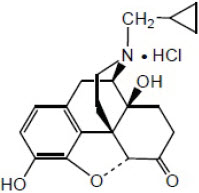
Naltrexone HCl, USP, an opioid antagonist, is a synthetic congener of oxymorphone with no opioid agonist properties. Naltrexone differs in structure from oxymorphone in that the methyl group on the nitrogen atom is replaced by a cyclopropylmethyl group. Naltrexone HCl is also related to the potent opioid antagonist, naloxone, or n-allylnoroxymorphone.
Naltrexone HCl has the chemical name of morphinan-6-one, 17-(cyclopropylmethyl)-4,5-epoxy-3,14-dihydroxy-, hydrochloride, (5α)-. The empirical formula is C20H23NO4∙HCl and the molecular weight is 377.86. The structural formula is:
Naltrexone HCl is a white to yellowish, crystalline compound. It is soluble in water to the extent of about 100 mg/mL.
Bupropion HCl is an antidepressant of the aminoketone class. Bupropion HCl closely resembles the structure of diethylpropion. It is designated as (±)-1-(3 chlorophenyl)-2-[(1,1-dimethylethyl)amino]-1-propranone hydrochloride. It is related to phenylethylamines. The empirical formula is C13H18ClNO∙HCl and the molecular weight is 276.2. The structural formula is:
Bupropion HCl powder is white, crystalline, and highly soluble in water.
CONTRAVE is available for oral administration as a round, bi-convex, film-coated, extended-release tablet. Each tablet has a trilayer core composed of two drug layers, containing the drug and excipients, separated by a more rapidly dissolving inert layer. Each tablet contains 8 mg of naltrexone HCl and 90 mg of bupropion HCl. Tablets are blue and are debossed with NB-890 on one side. Each tablet contains the following inactive ingredients: microcrystalline cellulose, hydroxypropyl cellulose, lactose anhydrous, L-cysteine hydrochloride, crospovidone, magnesium stearate, hypromellose, edetate disodium, lactose monohydrate, colloidal silicon dioxide, Opadry II Blue and FD&C Blue #2 aluminum lake.
8.4 Pediatric Use
The safety and effectiveness of CONTRAVE in pediatric patients below the age of 18 have not been established and the use of CONTRAVE is not recommended in pediatric patients.
8.5 Geriatric Use
Of the 3,239 subjects who participated in clinical trials with CONTRAVE, 62 (2%) were 65 years and older and none were 75 years and older. Clinical studies of CONTRAVE did not include sufficient numbers of subjects aged 65 and over to determine whether they respond differently from younger subjects. Older individuals may be more sensitive to the central nervous system adverse effects of CONTRAVE. Naltrexone and bupropion are known to be substantially excreted by the kidney, and the risk of adverse reactions to CONTRAVE may be greater in patients with impaired renal function. Because elderly patients are more likely to have decreased renal function, care should be taken in dose selection, and it may be useful to monitor renal function. CONTRAVE should be used with caution in patients over 65 years of age.
5.7 Hepatotoxicity
Cases of hepatitis and clinically significant liver dysfunction were observed in association with naltrexone exposure during naltrexone clinical trials and in postmarketing reports for patients using naltrexone. Transient, asymptomatic hepatic transaminase elevations were also observed. When patients presented with elevated transaminases, there were often other potential causative or contributory etiologies identified, including pre-existing alcoholic liver disease, hepatitis B and/or C infection, and concomitant usage of other potentially hepatotoxic drugs. Although clinically significant liver dysfunction is not typically recognized as a manifestation of opioid withdrawal, opioid withdrawal that is precipitated abruptly may lead to systemic sequelae, including acute liver injury.
Patients should be warned of the risk of hepatic injury and advised to seek medical attention if they experience symptoms of acute hepatitis. Use of CONTRAVE should be discontinued in the event of symptoms and/or signs of acute hepatitis.
In CONTRAVE clinical trials, there were no cases of elevated transaminases greater than three times the upper limit of normal (ULN) in conjunction with an increase in bilirubin greater than two times ULN.
14 Clinical Studies
The effects of CONTRAVE on weight reduction and long-term maintenance in conjunction with reduced caloric intake and increased physical activity was studied in double-blind, placebo-controlled trials (BMI range 27 to 45 kg/m2) with study durations of 16 to 56 weeks randomized to naltrexone and/or bupropion or placebo.
4 Contraindications
CONTRAVE is contraindicated in
- Uncontrolled hypertension [see Warnings and Precautions (5.5)]
- Seizure disorder or a history of seizures [see Warnings and Precautions (5.3)]
- Use of other bupropion-containing products (including, but not limited to, WELLBUTRIN, WELLBUTRIN SR, WELLBUTRIN XL, APLENZIN and ZYBAN)
- Bulimia or anorexia nervosa, which increase the risk for seizure [see Warnings and Precautions (5.3)]
- Chronic opioid or opiate agonist (e.g., methadone) or partial agonists (e.g., buprenorphine) use, or acute opiate withdrawal [see Warnings and Precautions (5.4) and Drug Interactions (7.2)]
- Patients undergoing an abrupt discontinuation of alcohol, benzodiazepines, barbiturates, and antiepileptic drugs [see Warnings and Precautions (5.3) and Drug Interactions (7.7)]
- Concomitant administration of monoamine oxidase inhibitors (MAOI). At least 14 days should elapse between discontinuation of MAOI and initiation of treatment with CONTRAVE. There is an increased risk of hypertensive reactions when CONTRAVE is used concomitantly with MAOIs. Starting CONTRAVE in a patient treated with reversible MAOIs such as linezolid or intravenous methylene blue is also contraindicated [see Dosage and Administration (2.4), Drug Interactions (7.1)]
- Known allergy to bupropion, naltrexone or any other component of CONTRAVE. Anaphylactoid/anaphylactic reactions and Stevens-Johnson syndrome have been reported with bupropion [see Warnings and Precautions (5.6)]
6 Adverse Reactions
The following adverse reactions are discussed in other sections of the labeling:
- Suicidal Behavior and Ideation [see Boxed Warning, Warnings and Precautions (5.1)]
- Neuropsychiatric Adverse Events [see Warnings and Precautions (5.2)]
- Seizures [see Contraindications (4), Warnings and Precautions (5.3)]
- Increase in Blood Pressure and Heart Rate [see Warnings and Precautions (5.5)]
- Allergic Reactions [see Warnings and Precautions (5.6)]
- Angle-Closure Glaucoma [see Warnings and Precautions (5.9)]
7 Drug Interactions
- MAOIs: Increased risk of hypertensive reactions can occur when used concomitantly. (7.1)
- Drugs Metabolized by CYP2D6: Bupropion inhibits CYP2D6 and can increase concentrations of antidepressants, (e.g., selective serotonin reuptake inhibitors and many tricyclics), antipsychotics (e.g., haloperidol, risperidone and thioridazine), beta-blockers (e.g., metoprolol) and Type 1C antiarrhythmics (e.g., propafenone and flecainide). Consider dose reduction when using with CONTRAVE. (7.3)
- Digoxin: May decrease plasma digoxin levels. Monitor digoxin levels. (7.3)
- Concomitant Treatment with CYP2B6 Inhibitors (e.g., ticlopidine or clopidogrel) can increase bupropion exposure. Do not exceed one tablet twice daily when taken with CYP2B6 inhibitors. (2.5, 7.4)
- CYP2B6 Inducers (e.g., ritonavir, lopinavir, efavirenz, carbamazepine, phenobarbital, and phenytoin) may reduce efficacy by reducing bupropion exposure, avoid concomitant use. (7.4)
- Drugs that Lower Seizure Threshold: Dose CONTRAVE with caution. (5.3, 7.5)
- Dopaminergic Drugs (levodopa and amantadine): CNS toxicity can occur when used concomitantly with CONTRAVE. (7.6)
- Drug-Laboratory Test Interactions: CONTRAVE can cause false- positive urine test results for amphetamines. (7.8)
7.7 Use With Alcohol
In postmarketing experience, there have been rare reports of adverse neuropsychiatric events or reduced alcohol tolerance in patients who were drinking alcohol during treatment with bupropion. The consumption of alcohol during treatment with CONTRAVE should be minimized or avoided.
8.6 Renal Impairment
In a pharmacokinetic study conducted for CONTRAVE in subjects with renal impairment (mild, moderate and severe), exposure to naltrexone metabolite, 6-beta naltrexol, and bupropion metabolites, threohydrobupropion, and erythrohydrobupropion was increased. Therefore, the maximum recommended daily maintenance dose for CONTRAVE is two tablets (one tablet each morning and evening) in patients with moderate or severe renal impairment. CONTRAVE is not recommended for use in patients with end-stage renal disease [see Dosage and Administration (2.2) and Clinical Pharmacology (12.3)].
12.2 Pharmacodynamics
Combined, bupropion and naltrexone increased the firing rate of hypothalamic pro-opiomelanocortin (POMC) neurons in vitro, which are associated with regulation of appetite. The combination of bupropion and naltrexone also reduced food intake when injected directly into the ventral tegmental area of the mesolimbic circuit in mice, an area associated with regulation of reward pathways.
7.2 Opioid Analgesics
Patients taking CONTRAVE may not fully benefit from treatment with opioid-containing medicines, such as cough and cold remedies, antidiarrheal preparations, and opioid analgesics. In patients requiring intermittent opiate treatment, CONTRAVE therapy should be temporarily discontinued, and opiate dose should not be increased above the standard dose. CONTRAVE may be used with caution after chronic opioid use has been stopped for 7 to 10 days in order to prevent precipitation of withdrawal [see Contraindications (4) and Warnings and Precautions (5.4)].
During CONTRAVE clinical studies, the use of concomitant opioid or opioid-like medications, including analgesics or antitussives, were excluded.
2.1 Recommended Dosage
Initiate and escalate the dosage of CONTRAVE according to the schedule in Table 1:
| Morning Dose | Evening Dose | |
|---|---|---|
| Week 1 | 1 tablet | None |
| Week 2 | 1 tablet | 1 tablet |
| Week 3 | 2 tablets | 1 tablet |
| Week 4 – Onward | 2 tablets | 2 tablets |
A total daily dosage of 32 mg of naltrexone hydrochloride (HCl) and 360 mg bupropion HCl (two CONTRAVE 8 mg/90 mg tablets twice daily) is reached at the start of Week 4.
CONTRAVE should be taken by mouth in the morning and in the evening. The tablets should not be cut, chewed, or crushed. Total daily doses greater than 32 mg/360 mg per day (two tablets twice daily) are not recommended. In clinical trials, CONTRAVE was administered with meals. However, CONTRAVE should not be taken with a high-fat meal because of a resulting significant increase in bupropion and naltrexone systemic exposure [see Warnings and Precautions (5.3) and Clinical Pharmacology (12.3)].
Patients may develop elevated blood pressure or heart rate during CONTRAVE treatment; the risk may be greater during the initial three months of therapy [see Warnings and Precautions (5.6)]. Because patients with hypertension may be at increased risk for developing blood pressure elevations, such patients should be monitored for this potential effect when initiating treatment with CONTRAVE.
Response to therapy should be evaluated after 12 weeks at the maintenance dosage. If a patient has not lost at least 5% of baseline body weight, discontinue CONTRAVE, as it is unlikely that the patient will achieve and sustain clinically meaningful weight loss with continued treatment.
5.6 Allergic Reactions
Anaphylactoid/anaphylactic reactions characterized by symptoms such as pruritus, urticaria, angioedema, and dyspnea requiring medical treatment have been reported in clinical trials with bupropion. In addition, there have been rare spontaneous postmarketing reports of erythema multiforme, Stevens-Johnson syndrome, and anaphylactic shock associated with bupropion. Instruct patients to discontinue CONTRAVE and consult a healthcare provider if they develop an allergic or anaphylactoid/anaphylactic reaction (e.g., skin rash, pruritus, hives, chest pain, edema, or shortness of breath) during treatment.
Arthralgia, myalgia, fever with rash, and other symptoms suggestive of delayed hypersensitivity have been reported in association with bupropion. These symptoms may resemble serum sickness.
8.7 Hepatic Impairment
In a pharmacokinetic study conducted for CONTRAVE in subjects with hepatic impairment (mild, moderate, and severe), exposure to naltrexone, bupropion, and their metabolites were increased. Therefore, the maximum recommended daily maintenance dose of CONTRAVE is two tablets (one tablet each morning and evening) in patients with moderate hepatic impairment. CONTRAVE is not recommended for use in patients with severe hepatic impairment [see Dosage and Administration (2.3) and Clinical Pharmacology (12.3)].
1 Indications and Usage
CONTRAVE is indicated in combination with a reduced-calorie diet and increased physical activity to reduce excess body weight and maintain weight reduction long term in adults with obesity or overweight in the presence of at least one weight-related comorbid condition.
5.8 Activation of Mania
Bupropion, a component of CONTRAVE, is a drug used for the treatment of depression. Antidepressant treatment can precipitate a manic, mixed, or hypomanic episode. The risk appears to be increased in patients with bipolar disorder or who have risk factors for bipolar disorder. Prior to initiating CONTRAVE, screen patients for a history of bipolar disorder and the presence of risk factors for bipolar disorder (e.g., family history of bipolar disorder, suicide, or depression). CONTRAVE is not approved for use in treating bipolar depression. No activation of mania or hypomania was reported in the clinical trials evaluating effects of CONTRAVE in obese patients; however, patients receiving antidepressant medications and patients with a history of bipolar disorder or recent hospitalization because of psychiatric illness were excluded from CONTRAVE clinical trials.
12.1 Mechanism of Action
CONTRAVE has two components: naltrexone, an opioid antagonist, and bupropion, a relatively weak inhibitor of the neuronal reuptake of dopamine and norepinephrine. Nonclinical studies suggest that naltrexone and bupropion have effects on two separate areas of the brain involved in the regulation of food intake: the hypothalamus (appetite regulatory center) and the mesolimbic dopamine circuit (reward system). The exact neurochemical effects of CONTRAVE leading to weight loss are not fully understood.
5 Warnings and Precautions
- Suicidal Behavior and Ideation: Monitor for depression or suicidal thoughts. Discontinue CONTRAVE if symptoms develop. (5.1)
- Neuropsychiatric Adverse Events During Smoking Cessation: Postmarketing reports of serious or clinically significant neuropsychiatric adverse events have included changes in mood (including depression and mania), psychosis, hallucinations, paranoia, delusions, homicidal ideation, aggression, hostility, agitation, anxiety, and panic, as well as suicidal ideation, suicide attempt, and completed suicide. Observe patients taking CONTRAVE for the occurrence of such symptoms and instruct them to discontinue CONTRAVE and contact a healthcare provider if they experience such adverse events. (5.2)
- Risk of seizure may be minimized by adhering to the recommended dosing schedule and avoiding coadministration with high-fat meal. (5.3)
- Increase in Blood Pressure and Heart Rate: Monitor blood pressure and heart rate in all patients, especially those with cardiac or cerebrovascular disease. (5.5)
- Hepatotoxicity: Cases of hepatitis and clinically significant liver dysfunction observed with naltrexone exposure. (5.7)
- Angle-closure glaucoma: Angle-closure glaucoma has occurred in patients with untreated anatomically narrow angles treated with antidepressants. (5.9)
- Use of Antidiabetic Medications: Weight loss may cause hypoglycemia. Monitor blood glucose. (5.10)
5.9 Angle Closure Glaucoma
The pupillary dilation that occurs following use of many antidepressant drugs including bupropion, a component of CONTRAVE, may trigger an angle-closure attack in a patient with anatomically narrow angles who does not have a patent iridectomy.
2 Dosage and Administration
CONTRAVE dose escalation schedule (2.1):
| Morning Dose | Evening Dose | |
|---|---|---|
| Week 1 | 1 tablet | None |
| Week 2 | 1 tablet | 1 tablet |
| Week 3 | 2 tablets | 1 tablet |
| Week 4 – Onward | 2 tablets | 2 tablets |
3 Dosage Forms and Strengths
CONTRAVE extended-release tablets: 8 mg/90 mg are blue, round, bi-convex, film-coated, and debossed with "NB-890" on one side.
6.2 Postmarketing Experience
The following adverse reactions have been identified during post approval use of CONTRAVE, naltrexone, or bupropion. Because these reactions are reported voluntarily from a population of uncertain size, it is not always possible to reliably estimate their frequency or establish a causal relationship to drug exposure.
- Loss of consciousness, malaise
- Brugada pattern/syndrome
- Drug reaction with eosinophilia and systemic symptoms (DRESS)
- Acute generalized exanthematous pustulosis (AGEP)
- Aseptic meningitis
8 Use in Specific Populations
6.1 Clinical Trials Experience
Because clinical trials are conducted under widely varying conditions, the adverse reaction rates observed in the clinical trials of a drug cannot be directly compared to rates in the clinical trials of another drug and may not reflect the rates observed in practice.
CONTRAVE was evaluated for safety in five double-blind placebo-controlled trials in 4,754 overweight or obese patients (3,239 patients treated with CONTRAVE and 1,515 patients treated with placebo) for a treatment period up to 56 weeks. The majority of patients were treated with CONTRAVE 32 mg/360 mg total daily dose. In addition, some patients were treated with other combination daily doses including naltrexone up to 50 mg and bupropion up to 400 mg. All subjects received study drug in addition to diet and exercise counseling. One trial (N=793) evaluated patients participating in an intensive behavioral modification program and another trial (N= 505) evaluated patients with type 2 diabetes. In these randomized, placebo-controlled trials, 2,545 patients received CONTRAVE 32 mg/360 mg for a mean treatment duration of 36 weeks (median, 56 weeks). Baseline patient characteristics included a mean age of 46 years, 82% women, 78% white, 25% with hypertension, 13% with type 2 diabetes, 56% with dyslipidemia, 25% with BMI greater than 40 kg/m2, and less than 2% with coronary artery disease. Dosing was initiated and increased weekly to reach the maintenance dose within 4 weeks.
In CONTRAVE clinical trials, 24% of subjects receiving CONTRAVE and 12% of subjects receiving placebo discontinued treatment because of an adverse event. The most frequent adverse reactions leading to discontinuation with CONTRAVE were nausea (6.3%), headache (1.7%) and vomiting (1.1%).
17 Patient Counseling Information
Advise the patient to read the FDA-approved patient labeling (Medication Guide)
Patient information is printed at the end of this insert. This information and the instructions provided in the Medication Guide should be discussed with patients.
Patients should be advised to take CONTRAVE exactly as prescribed. Patients should be instructed to follow the dose escalation schedule and not to take more than the recommended dose of CONTRAVE.
Patients should be made aware that CONTRAVE contains the same active ingredient (bupropion) found in certain antidepressants and smoking cessation products (including, but not limited to, WELLBUTRIN, WELLBUTRIN SR, WELLBUTRIN XL, APLENZIN and ZYBAN) and that CONTRAVE should not be used in combination with any other medications that contain bupropion.
Patients should be advised that some patients have experienced changes in mood (including depression and mania), psychosis, hallucinations, paranoia, delusions, homicidal ideation, aggression, hostility, agitation, anxiety, and panic, as well as suicidal ideation, suicide attempt, and completed suicide when attempting to quit smoking while taking bupropion. Instruct patients to discontinue CONTRAVE and contact a healthcare professional if they experience such symptoms.
Patients should be advised of the potential serious risks associated with the use of CONTRAVE, including suicidality, seizures, and increases in blood pressure or heart rate.
Patients should be advised to call their healthcare provider to report new or sudden changes in mood, behavior, thoughts, or feelings.
Patients should be advised that taking CONTRAVE can cause mild pupillary dilation, which in susceptible individuals, can lead to an episode of angle-closure glaucoma. Pre-existing glaucoma is almost always open-angle glaucoma because angle-closure glaucoma, when diagnosed, can be treated definitively with iridectomy. Open-angle glaucoma is not a risk factor for angle-closure glaucoma. Patients may wish to be examined to determine whether they are susceptible to angle closure, and have a prophylactic procedure (e.g., iridectomy), if they are susceptible.
Patients should be educated on the symptoms of hypersensitivity and to discontinue CONTRAVE if they have a severe allergic reaction to CONTRAVE.
Patients should be told that CONTRAVE should be discontinued and not restarted if they experience a seizure while on treatment.
Patients should be advised that the excessive use or abrupt discontinuation of alcohol, benzodiazepines, antiepileptic drugs, or sedatives/hypnotics can increase the risk of seizure. Patients should be advised to minimize or avoid use of alcohol.
Patients should be advised that if they previously used opioids, they may be more sensitive to lower doses of opioids and at risk of accidental overdose should they use opioids after CONTRAVE treatment is discontinued or temporarily interrupted.
Patients should be advised that because naltrexone, a component of CONTRAVE, can block the effects of opioids, they will not perceive any effect if they attempt to self-administer any opioid drug in small doses while on CONTRAVE. Further advise patients that the attempt to administer large doses of any opioid or to bypass the blockade while on CONTRAVE may lead to serious injury, coma, or death.
Patients should be off all opioids for a minimum of 7 to 10 days before starting CONTRAVE in order to avoid precipitation of withdrawal. Advise patients they should not take CONTRAVE if they have any symptoms of opioid withdrawal.
Patients should be advised to call their healthcare provider if they experience increased blood pressure or heart rate.
Patients should be advised to notify their healthcare provider if they are taking, or plan to take, any prescription or over-the-counter drugs. Concern is warranted because CONTRAVE and other drugs may affect each other's metabolism.
5.1 Suicidal Behavior and Ideation
CONTRAVE contains bupropion, a dopamine and norepinephrine re-uptake inhibitor that is similar to some drugs used for the treatment of depression; therefore, the following precautions pertaining to these products should be considered when treating patients with CONTRAVE.
Patients with major depressive disorder, both adult and pediatric, may experience worsening of their depression and/or the emergence of suicidal ideation and behavior (suicidality) or unusual changes in behavior, whether or not they are taking antidepressant medications, and this risk may persist until significant remission occurs. Suicide is a known risk of depression and certain other psychiatric disorders, and these disorders themselves are the strongest predictors of suicide. There has been a long-standing concern that antidepressants may have a role in inducing worsening of depression and the emergence of suicidality in certain patients during the early phases of treatment.
In placebo-controlled clinical trials with CONTRAVE for the treatment of obesity in adult patients, no suicides or suicide attempts were reported in studies up to 56 weeks duration with CONTRAVE (equivalent to bupropion doses of 360 mg/day). In these same studies, suicidal ideation was reported by 3 (0.20%) of 1,515 patients treated with placebo compared with 1 (0.03%) of 3,239 treated with CONTRAVE.
Pooled analyses of short-term placebo-controlled trials of antidepressant drugs (selective serotonin re-uptake inhibitors [SSRIs] and others) show that these drugs increase the risk of suicidal thinking and behavior (suicidality) in children, adolescents, and young adults (ages 18 to 24) with major depressive disorder (MDD) and other psychiatric disorders. Short-term clinical trials did not show an increase in the risk of suicidality with antidepressants compared with placebo in adults beyond age 24; there was a reduction with antidepressants compared with placebo in adults aged 65 and older. CONTRAVE is not approved for use in pediatric patients.
The pooled analyses of placebo-controlled trials of antidepressant drugs in children and adolescents with MDD, obsessive compulsive disorder (OCD), or other psychiatric disorders included a total of 24 short-term trials of nine antidepressant drugs in over 4,400 patients. The pooled analyses of placebo-controlled trials in adults with MDD or other psychiatric disorders included a total of 295 short-term trials (median duration of two months) of 11 antidepressant drugs in over 77,000 patients. There was considerable variation in risk of suicidality among drugs, but a tendency toward an increase in the younger patients for almost all drugs studied. There were differences in absolute risk of suicidality across the different indications, with the highest incidence in MDD. The risk differences (drug vs placebo), however, were relatively stable within age strata and across indications. These risk differences (drug-placebo difference in the number of cases of suicidality per 1,000 patients treated) are provided in Table 2.
| Age Range | Drug-Placebo Difference in Number of Cases of Suicidality per 1,000 Patients Treated |
| Increases Compared to Placebo | |
| <18 | 14 additional cases |
| 18 to 24 | 5 additional cases |
| Decreases Compared to Placebo | |
| 25 to 64 | 1 fewer case |
| ≥65 | 6 fewer cases |
No suicides occurred in any of the antidepressant pediatric trials. There were suicides in the adult antidepressant trials, but the number was not sufficient to reach any conclusion about drug effect on suicide.
It is unknown whether the suicidality risk extends to longer-term use, i.e., beyond several months. However, there is substantial evidence from placebo-controlled trials in adults with depression that the use of antidepressants can delay the recurrence of depression.
All patients being treated with antidepressants for any indication should be monitored appropriately and observed closely for clinical worsening, suicidality, and unusual changes in behavior, especially during the initial few months of a course of drug therapy, or at times of dose changes, either increases or decreases. This warning applies to CONTRAVE because one of its components, bupropion, is a member of an antidepressant class.
The following symptoms, anxiety, agitation, panic attacks, insomnia, irritability, hostility, aggressiveness, impulsivity, akathisia (psychomotor restlessness), hypomania, and mania, have been reported in adult and pediatric patients being treated with antidepressants for major depressive disorder as well as for other indications, both psychiatric and nonpsychiatric. Although a causal link between the emergence of such symptoms and either the worsening of depression and/or the emergence of suicidal impulses has not been established, there is concern that such symptoms may represent precursors to emerging suicidality.
Consideration should be given to changing the therapeutic regimen, including possibly discontinuing the medication, in patients whose depression is persistently worse, or who are experiencing emergent suicidality or symptoms that might be precursors to worsening depression or suicidality, especially if these symptoms are severe, abrupt in onset, or were not part of the patient's presenting symptoms.
Families and caregivers of patients being treated with antidepressants for major depressive disorder or other indications, both psychiatric and nonpsychiatric, should be alerted about the need to monitor patients for the emergence of anxiety, agitation, irritability, unusual changes in behavior, and the other symptoms described above, as well as the emergence of suicidality, and to report such symptoms immediately to healthcare providers. Such monitoring should include daily observation by families and caregivers. Prescriptions for CONTRAVE should be written for the smallest quantity of tablets consistent with good patient management, in order to reduce the risk of overdose.
16 How Supplied/storage and Handling
CONTRAVE 8 mg/90 mg (naltrexone HCl 8 mg and bupropion HCl 90 mg) extended-release tablets are blue, round, bi-convex, film-coated tablets debossed with "NB-890" on one side. CONTRAVE tablets are available as follows:
| NDC 51267-890-99 | Bottles of 120 tablets |
7.8 Drug Laboratory Test Interactions
False-positive urine immunoassay screening tests for amphetamines have been reported in patients taking bupropion. This is due to lack of specificity of some screening tests. False-positive test results may result even following discontinuation of bupropion therapy. Confirmatory tests, such as gas chromatography/mass spectrometry, will distinguish bupropion from amphetamines.
7.5 Drugs That Lower Seizure Threshold
Use extreme caution when coadministering CONTRAVE with other drugs that lower seizure threshold (e.g., antipsychotics, antidepressants, theophylline, or systemic corticosteroids). Use low initial doses and increase the dose gradually. Concomitant use of other bupropion-containing products is contraindicated [see Contraindications (4) and Warnings and Precautions (5.3) ].
7.1 Monoamine Oxidase Inhibitors (maoi)
Concomitant use of MAOIs and bupropion is contraindicated. Bupropion inhibits the re-uptake of dopamine and norepinephrine and can increase the risk for hypertensive reactions when used concomitantly with drugs that also inhibit the re-uptake of dopamine or norepinephrine, including MAOIs. Studies in animals demonstrate that the acute toxicity of bupropion is enhanced by the MAOI phenelzine. At least 14 days should elapse between discontinuation of an MAOI and initiation of treatment with CONTRAVE. Conversely, at least 14 days should be allowed after stopping CONTRAVE before starting an MAOI [see Contraindications (4)].
Warning: Suicidal Thoughts and Behaviors
WARNING: SUICIDAL THOUGHTS AND BEHAVIORS
See full prescribing information for complete boxed warning
- Increased risk of suicidal thinking and behavior in children, adolescents, and young adults taking antidepressants for major depressive disorder and other psychiatric disorders. (5.1)
- Monitor for worsening and emergence of suicidal thoughts and behaviors. (5.1)
- CONTRAVE is not approved for use in pediatric patients. (5.1)
2.5 Concomitant Use With Cyp2b6 Inhibitors
During concomitant use with CYP2B6 inhibitors (e.g., ticlopidine or clopidogrel), the maximum recommended daily dose of CONTRAVE is two tablets (one tablet each morning and evening) [see Drug Interactions (7.4) and Clinical Pharmacology (12.3)].
5.5 Increase in Blood Pressure and Heart Rate
CONTRAVE can cause an increase in systolic and/or diastolic blood pressure as well as an increase in resting heart rate. In clinical practice with other bupropion-containing products, hypertension, in some cases severe and requiring acute treatment, has been reported. The clinical significance of the increases in blood pressure and heart rate observed with CONTRAVE treatment is unclear, especially for patients with cardiac and cerebrovascular disease, since patients with a history of myocardial infarction or stroke in the previous 6 months, life-threatening arrhythmias, or congestive heart failure were excluded from CONTRAVE clinical trials. Blood pressure and pulse should be measured prior to starting therapy with CONTRAVE and should be monitored at regular intervals consistent with usual clinical practice, particularly among patients with controlled hypertension prior to treatment [see Dosage and Administration (2.1)]. CONTRAVE should not be given to patients with uncontrolled hypertension [see Contraindications (4)].
Among patients treated with CONTRAVE in placebo-controlled clinical trials, mean systolic and diastolic blood pressure was approximately 1 mmHg higher than baseline at Weeks 4 and 8, similar to baseline at Week 12, and approximately 1 mmHg below baseline between Weeks 24 and 56. In contrast, among patients treated with placebo, mean blood pressure was approximately 2 to 3 mmHg below baseline throughout the same time points, yielding statistically significant differences between the groups at every assessment during this period. The largest mean differences between the groups were observed during the first 12 weeks (treatment difference +1.8 to +2.4 mmHg systolic, all p<0.001; +1.7 to +2.1 mmHg diastolic, all p<0.001).
For heart rate, at both Weeks 4 and 8, mean heart rate was statistically significantly higher (2.1 bpm) in the CONTRAVE group compared with the placebo group; at Week 52, the difference between groups was +1.7 bpm (p<0.001).
In an ambulatory blood pressure monitoring substudy of 182 patients, the mean change from baseline in systolic blood pressure after 52 weeks of treatment was -0.2 mmHg for the CONTRAVE group and -2.8 mmHg for the placebo group (treatment difference, +2.6 mmHg, p=0.08); the mean change in diastolic blood pressure was +0.8 mmHg for the CONTRAVE group and -2.1 mmHg for the placebo group (treatment difference, +2.9 mmHg, p=0.004).
A greater percentage of subjects had adverse reactions related to blood pressure or heart rate in the CONTRAVE group compared to the placebo group (6.3% vs 4.2%, respectively), primarily attributable to adverse reactions of Hypertension/Blood Pressure Increased (5.9% vs 4.0%, respectively). These events were observed in both patients with and without evidence of preexisting hypertension. In a trial that enrolled individuals with diabetes, 12.0% of patients in the CONTRAVE group and 6.5% in the placebo group had a blood pressure-related adverse reaction.
7.4 Potential for Other Drugs to Affect Contrave
Bupropion is primarily metabolized to hydroxybupropion by CYP2B6. Therefore, the potential exists for drug interactions between CONTRAVE and drugs that are inhibitors or inducers of CYP2B6.
7.6 Dopaminergic Drugs (levodopa and Amantadine)
Bupropion, levodopa, and amantadine have dopamine agonist effects. CNS toxicity has been reported when bupropion was coadministered with levodopa or amantadine. Adverse reactions have included restlessness, agitation, tremor, ataxia, gait disturbance, vertigo, and dizziness. It is presumed that the toxicity results from cumulative dopamine agonist effects. Use caution and monitor for such adverse reactions when administering CONTRAVE concomitantly with these drugs.
2.2 Dose Adjustment in Patients With Renal Impairment
In patients with moderate or severe renal impairment, the maximum recommended daily dose for CONTRAVE is two tablets (one tablet each morning and evening). CONTRAVE is not recommended for use in patients with end-stage renal disease [see Use in Specific Population (8.6) and Clinical Pharmacology (12.3)].
2.3 Dose Adjustment in Patients With Hepatic Impairment
In patients with moderate hepatic impairment, the maximum recommended daily maintenance dose of CONTRAVE is two tablets (one tablet each morning and evening). CONTRAVE is not recommended for use in patients with severe hepatic impairment [see Use in Specific Population (8.7) and Clinical Pharmacology (12.3)].
Principal Display Panel 8 Mg/90 Mg Tablet Bottle Label
NDC 51267-890-99
120 tablets
Contrave®
(naltrexone HCl/bupropion HCl)
Extended-Release Tablets
8 mg/90 mg
Attention: Dispense with the
attached Medication Guide
Tablets should not be cut, chewed,
or crushed.
Currax™
pharmaceuticals LLC
Rx only
13.1 Carcinogenesis, Mutagenesis, Impairment of Fertility
Studies to evaluate carcinogenesis, mutagenesis, or impairment of fertility with the combined products in CONTRAVE have not been conducted. The following findings are from studies performed individually with naltrexone and bupropion. The potential carcinogenic, mutagenic and fertility effects of the metabolite 6-beta-naltrexol are unknown. Safety margins were estimated using body surface area exposure (mg/m2) based on a body weight of 100 kg.
In a two-year carcinogenicity study in rats with naltrexone, there were small increases in the numbers of testicular mesotheliomas in males and tumors of vascular origin in males and females. The incidence of mesothelioma in males given naltrexone at a dietary dose of 100 mg/kg/day (approximately 50 times the recommended therapeutic dose on a mg/m2 basis for the naltrexone maintenance dose for CONTRAVE) was 6%, compared with a maximum historical incidence of 4%. The incidence of vascular tumors in males and females given dietary doses of 100 mg/kg/day was 4%, but only the incidence in females was increased compared with a maximum historical control incidence of 2%. There was no evidence of carcinogenicity in a two-year dietary study with naltrexone in male and female mice.
Lifetime carcinogenicity studies of bupropion were performed in rats and mice at doses up to 300 and 150 mg/kg/day, respectively. These doses are approximately 14 and 3 times the maximum recommended human dose (MRHD) of the bupropion component in CONTRAVE, respectively, on a mg/m2 basis. In the rat study there was an increase in nodular proliferative lesions of the liver at doses of 100 to 300 mg/kg/day (approximately 5 to 14 times the MRHD of the bupropion component in CONTRAVE on a mg/m2 basis); lower doses were not tested. The question of whether or not such lesions may be precursors of neoplasms of the liver is currently unresolved. Similar liver lesions were not seen in the mouse study, and no increase in malignant tumors of the liver and other organs was seen in either study.
There was limited evidence of a weak genotoxic effect of naltrexone in one gene mutation assay in a mammalian cell line, in the Drosophila recessive lethal assay, and in non-specific DNA repair tests with E. coli. However, no evidence of genotoxic potential was observed in a range of other in vitro tests, including assays for gene mutation in bacteria, yeast, or in a second mammalian cell line, a chromosomal aberration assay, and an assay for DNA damage in human cells. Naltrexone did not exhibit clastogenicity in an in vivo mouse micronucleus assay.
Bupropion produced a positive response (two to three times control mutation rate) in two of five strains in the Ames bacterial mutagenicity test and an increase in chromosomal aberrations in one of three in vivo rat bone marrow cytogenetic studies.
Naltrexone administered orally to rats caused a significant increase in pseudopregnancy and a decrease in pregnancy rates in rats at 100 mg/kg/day (approximately 50 times the MRHD of the naltrexone component in CONTRAVE on a mg/m2 basis). There was no effect on male fertility at this dose level. The relevance of these observations to human fertility is not known.
A fertility study of bupropion in rats at doses up to 300 mg/kg/day (approximately 14 times the MRHD of the bupropion component in CONTRAVE on a mg/m2 basis) revealed no evidence of impaired fertility.
5.2 Neuropsychiatric Adverse Events and Suicide Risk in Smoking Cessation Treatment
CONTRAVE is not approved for smoking cessation treatment, but serious neuropsychiatric adverse events have been reported in patients taking bupropion for smoking cessation. These postmarketing reports have included changes in mood (including depression and mania), psychosis, hallucinations, paranoia, delusions, homicidal ideation, aggression, hostility, agitation, anxiety, and panic, as well as suicidal ideation, suicide attempt, and completed suicide [see Warnings and Precautions (5.1)]. Some patients who stopped smoking may have been experiencing symptoms of nicotine withdrawal, including depressed mood. Depression, rarely including suicidal ideation, has been reported in smokers undergoing a smoking cessation attempt without medication. However, some of these adverse events occurred in patients taking bupropion who continued to smoke.
Neuropsychiatric adverse events occurred in patients without and with pre-existing psychiatric disease; some patients experienced worsening of their psychiatric illnesses. Observe patients for the occurrence of neuropsychiatric adverse events. Advise patients and caregivers that the patient should stop taking CONTRAVE and contact a healthcare provider immediately if agitation, depressed mood, or changes in behavior or thinking that are not typical for the patient are observed, or if the patient develops suicidal ideation or suicidal behavior. In many postmarketing cases, resolution of symptoms after discontinuation of bupropion was reported. However, the symptoms persisted in some cases, therefore, ongoing monitoring and supportive care should be provided until symptoms resolve.
Depression, suicide, attempted suicide and suicidal ideation have been reported in the postmarketing experience with naltrexone used in the treatment of opioid dependence. No causal relationship has been demonstrated.
2.4 Switching A Patient to Or From A Monoamine Oxidase Inhibitor (maoi) Antidepressant
At least 14 days should elapse between discontinuation of an MAOI intended to treat depression and initiation of therapy with CONTRAVE. Conversely, at least 14 days should be allowed after stopping CONTRAVE before starting an MAOI antidepressant [see Contraindications (4) and Drug Interactions (7.1)].
5.10 Potential Risk of Hypoglycemia in Patients With Type 2 Diabetes Mellitus On Antidiabetic Therapy
Weight loss may increase the risk of hypoglycemia in patients with type 2 diabetes mellitus treated with insulin and/or insulin secretagogues (e.g., sulfonylureas). Measurement of blood glucose levels prior to starting CONTRAVE and during CONTRAVE treatment is recommended in patients with type 2 diabetes. Decreases in medication doses for antidiabetic medications which are non-glucose-dependent should be considered to mitigate the risk of hypoglycemia. If a patient develops hypoglycemia after starting CONTRAVE, appropriate changes should be made to the antidiabetic drug regimen.
Structured Label Content
Section 42229-5 (42229-5)
SUICIDALITY AND ANTIDEPRESSANT DRUGS
CONTRAVE® is not approved for use in the treatment of major depressive disorder or other psychiatric disorders. CONTRAVE contains bupropion, the same active ingredient as some antidepressant medications (including, but not limited to, WELLBUTRIN, WELLBUTRIN SR, WELLBUTRIN XL, and APLENZIN). Antidepressants increased the risk of suicidal thoughts and behavior in children, adolescents, and young adults in short-term trials. These trials did not show an increase in the risk of suicidal thoughts and behavior with antidepressant use in subjects over age 24; there was a reduction in risk with antidepressant use in subjects aged 65 and older. In patients of all ages who are started on CONTRAVE, monitor closely for worsening, and for the emergence of suicidal thoughts and behaviors. Advise families and caregivers of the need for close observation and communication with the prescriber. CONTRAVE is not approved for use in pediatric patients [see Warnings and Precautions (5.1), Use in Specific Populations (8.4)].
Section 42231-1 (42231-1)
| This Medication Guide has been approved by the U.S. Food and Drug Administration | Revised: 11/2025 | ||||||
|
MEDICATION GUIDE CONTRAVE® (CON-trayv) (naltrexone HCl and bupropion HCl) extended-release tablets |
|||||||
| What is the most important information I should know about CONTRAVE? | |||||||
CONTRAVE can cause serious side effects, including:
|
|||||||
|
|
||||||
While taking CONTRAVE, you or your family members should:
|
|||||||
| CONTRAVE has not been studied in and is not approved for use in children under the age of 18. | |||||||
| What is CONTRAVE? | |||||||
| CONTRAVE is a prescription medicine which contains 2 medicines (naltrexone and bupropion) that may help adults with obesity, or some adults with overweight who also have weight-related medical problems, to lose excess body weight and keep the weight off. | |||||||
| CONTRAVE should be used with a reduced calorie-diet and increased physical activity. | |||||||
| It is not known if CONTRAVE changes your risk of heart problems or stroke or of death due to heart problems or stroke. | |||||||
| It is not known if CONTRAVE is safe and effective in children under 18 years of age. | |||||||
| CONTRAVE contains naltrexone and bupropion and should not be used with other products that contain naltrexone or bupropion. Bupropion is the same ingredient in some other medicines used to treat depression and to help people quit smoking. CONTRAVE is not approved to treat depression or other mental illnesses, or to help people quit smoking (smoking cessation) | |||||||
Do not take CONTRAVE if you:
|
|||||||
Before taking CONTRAVE, tell your healthcare provider about all of your medical conditions, including if you:
|
|||||||
| Tell your healthcare provider about all the medicines you take, including prescription and over-the-counter medicines, vitamins, and herbal supplements. | |||||||
| CONTRAVE may affect the way other medicines work and other medicines may affect the way CONTRAVE works causing side effects. | |||||||
| Ask your healthcare provider for a list of these medicines if you are not sure. | |||||||
| Know the medicines you take. Keep a list of them to show your healthcare provider or pharmacist when you get a new medicine. | |||||||
| How should I take CONTRAVE? | |||||||
| How to take CONTRAVE | |||||||
| Morning Dose | Evening Dose | ||||||
| Starting: Week 1 | 1 tablet | None | |||||
| Week 2 | 1 tablet | 1 tablet | |||||
| Week 3 | 2 tablets | 1 tablet | |||||
| Week 4 Onward | 2 tablets | 2 tablets | |||||
|
|||||||
What should I avoid while taking CONTRAVE?
|
|||||||
| What are the possible side effects of CONTRAVE? | |||||||
CONTRAVE may cause serious side effects, including:
|
|||||||
|
|||||||
|
|||||||
|
|
||||||
|
|||||||
| The most common side effects of CONTRAVE include: | |||||||
|
|
||||||
| These are not all of the possible side effects of CONTRAVE. | |||||||
| Call your doctor for medical advice about side effects. You may report side effects to FDA at 1-800-FDA-1088. | |||||||
| How should I store CONTRAVE? | |||||||
| Store CONTRAVE at room temperature between 68°F to 77°F (20°C to 25°C). | |||||||
| Keep CONTRAVE and all medicines out of the reach of children. | |||||||
| General information about the safe and effective use of CONTRAVE. | |||||||
| Medicines are sometimes prescribed for purposes other than those listed in a Medication Guide. Do not use CONTRAVE for a condition for which it was not prescribed. Do not give CONTRAVE to other people, even if they have the same symptoms that you have. It may harm them. | |||||||
| If you take a urine drug screening test, CONTRAVE may make the test result positive for amphetamines. If you tell the person giving you the drug screening test that you are taking CONTRAVE, they can do a more specific drug screening test that should not have this problem. | |||||||
| You can ask your pharmacist or healthcare provider for information about CONTRAVE that is written for health professionals. | |||||||
| What are the ingredients in CONTRAVE? | |||||||
| Active ingredient: naltrexone hydrochloride and bupropion hydrochloride | |||||||
| Inactive ingredients: microcrystalline cellulose, hydroxypropyl cellulose, lactose anhydrous, L-cysteine hydrochloride, crospovidone, magnesium stearate, hypromellose, edetate disodium, lactose monohydrate, colloidal silicon dioxide, Opadry II Blue and FD&C Blue #2 aluminum lake | |||||||
| Distributed by: Currax™ Pharmaceuticals LLC. Brentwood, TN 37027 CONTRAVE® is a registered trademark of Nalpropion Pharmaceuticals LLC All other trademarks are the property of their respective owners. © 2025 Nalpropion Pharmaceuticals LLC For more information, go to www.contrave.com or call 1-800-793-2145. |
Section 44425-7 (44425-7)
Storage
Store at 25°C (77°F); excursions permitted to 15° to 30°C (59° to 86°F) [see USP Controlled Room Temperature].
5.3 Seizures
Bupropion, a component of CONTRAVE, can cause seizures. The risk of seizure is dose- related. The incidence of seizure in patients receiving CONTRAVE in clinical trials was approximately 0.1% vs 0% on placebo. CONTRAVE should be discontinued and not restarted in patients who experience a seizure while being treated with CONTRAVE.
The risk of seizures is also related to patient factors, clinical situations, and concomitant medications that lower the seizure threshold. Consider these risks before initiating treatment with CONTRAVE. CONTRAVE is contraindicated in patients with a seizure disorder, current or prior diagnosis of anorexia nervosa or bulimia, or undergoing abrupt discontinuation of alcohol, benzodiazepines, barbiturates, and antiepileptic drugs. Caution should be used when prescribing CONTRAVE to patients with predisposing factors that may increase the risk of seizure including:
- history of head trauma or prior seizure, severe stroke, arteriovenous malformation, central nervous system tumor or infection, or metabolic disorders (e.g., hypoglycemia, hyponatremia, severe hepatic impairment, and hypoxia)
- excessive use of alcohol or sedatives, addiction to cocaine or stimulants, or withdrawal from sedatives
- patients with diabetes treated with insulin and/or oral diabetic medications (sulfonylureas and meglitinides) that may cause hypoglycemia
- concomitant administration of medications that may lower the seizure threshold, including other bupropion products, antipsychotics, tricyclic antidepressants, theophylline, systemic steroids
11 Description (11 DESCRIPTION)
CONTRAVE extended-release tablets contain naltrexone hydrochloride (HCl) and bupropion HCl.
Naltrexone HCl, USP, an opioid antagonist, is a synthetic congener of oxymorphone with no opioid agonist properties. Naltrexone differs in structure from oxymorphone in that the methyl group on the nitrogen atom is replaced by a cyclopropylmethyl group. Naltrexone HCl is also related to the potent opioid antagonist, naloxone, or n-allylnoroxymorphone.
Naltrexone HCl has the chemical name of morphinan-6-one, 17-(cyclopropylmethyl)-4,5-epoxy-3,14-dihydroxy-, hydrochloride, (5α)-. The empirical formula is C20H23NO4∙HCl and the molecular weight is 377.86. The structural formula is:
Naltrexone HCl is a white to yellowish, crystalline compound. It is soluble in water to the extent of about 100 mg/mL.
Bupropion HCl is an antidepressant of the aminoketone class. Bupropion HCl closely resembles the structure of diethylpropion. It is designated as (±)-1-(3 chlorophenyl)-2-[(1,1-dimethylethyl)amino]-1-propranone hydrochloride. It is related to phenylethylamines. The empirical formula is C13H18ClNO∙HCl and the molecular weight is 276.2. The structural formula is:
Bupropion HCl powder is white, crystalline, and highly soluble in water.
CONTRAVE is available for oral administration as a round, bi-convex, film-coated, extended-release tablet. Each tablet has a trilayer core composed of two drug layers, containing the drug and excipients, separated by a more rapidly dissolving inert layer. Each tablet contains 8 mg of naltrexone HCl and 90 mg of bupropion HCl. Tablets are blue and are debossed with NB-890 on one side. Each tablet contains the following inactive ingredients: microcrystalline cellulose, hydroxypropyl cellulose, lactose anhydrous, L-cysteine hydrochloride, crospovidone, magnesium stearate, hypromellose, edetate disodium, lactose monohydrate, colloidal silicon dioxide, Opadry II Blue and FD&C Blue #2 aluminum lake.
8.4 Pediatric Use
The safety and effectiveness of CONTRAVE in pediatric patients below the age of 18 have not been established and the use of CONTRAVE is not recommended in pediatric patients.
8.5 Geriatric Use
Of the 3,239 subjects who participated in clinical trials with CONTRAVE, 62 (2%) were 65 years and older and none were 75 years and older. Clinical studies of CONTRAVE did not include sufficient numbers of subjects aged 65 and over to determine whether they respond differently from younger subjects. Older individuals may be more sensitive to the central nervous system adverse effects of CONTRAVE. Naltrexone and bupropion are known to be substantially excreted by the kidney, and the risk of adverse reactions to CONTRAVE may be greater in patients with impaired renal function. Because elderly patients are more likely to have decreased renal function, care should be taken in dose selection, and it may be useful to monitor renal function. CONTRAVE should be used with caution in patients over 65 years of age.
5.7 Hepatotoxicity
Cases of hepatitis and clinically significant liver dysfunction were observed in association with naltrexone exposure during naltrexone clinical trials and in postmarketing reports for patients using naltrexone. Transient, asymptomatic hepatic transaminase elevations were also observed. When patients presented with elevated transaminases, there were often other potential causative or contributory etiologies identified, including pre-existing alcoholic liver disease, hepatitis B and/or C infection, and concomitant usage of other potentially hepatotoxic drugs. Although clinically significant liver dysfunction is not typically recognized as a manifestation of opioid withdrawal, opioid withdrawal that is precipitated abruptly may lead to systemic sequelae, including acute liver injury.
Patients should be warned of the risk of hepatic injury and advised to seek medical attention if they experience symptoms of acute hepatitis. Use of CONTRAVE should be discontinued in the event of symptoms and/or signs of acute hepatitis.
In CONTRAVE clinical trials, there were no cases of elevated transaminases greater than three times the upper limit of normal (ULN) in conjunction with an increase in bilirubin greater than two times ULN.
14 Clinical Studies (14 CLINICAL STUDIES)
The effects of CONTRAVE on weight reduction and long-term maintenance in conjunction with reduced caloric intake and increased physical activity was studied in double-blind, placebo-controlled trials (BMI range 27 to 45 kg/m2) with study durations of 16 to 56 weeks randomized to naltrexone and/or bupropion or placebo.
4 Contraindications (4 CONTRAINDICATIONS)
CONTRAVE is contraindicated in
- Uncontrolled hypertension [see Warnings and Precautions (5.5)]
- Seizure disorder or a history of seizures [see Warnings and Precautions (5.3)]
- Use of other bupropion-containing products (including, but not limited to, WELLBUTRIN, WELLBUTRIN SR, WELLBUTRIN XL, APLENZIN and ZYBAN)
- Bulimia or anorexia nervosa, which increase the risk for seizure [see Warnings and Precautions (5.3)]
- Chronic opioid or opiate agonist (e.g., methadone) or partial agonists (e.g., buprenorphine) use, or acute opiate withdrawal [see Warnings and Precautions (5.4) and Drug Interactions (7.2)]
- Patients undergoing an abrupt discontinuation of alcohol, benzodiazepines, barbiturates, and antiepileptic drugs [see Warnings and Precautions (5.3) and Drug Interactions (7.7)]
- Concomitant administration of monoamine oxidase inhibitors (MAOI). At least 14 days should elapse between discontinuation of MAOI and initiation of treatment with CONTRAVE. There is an increased risk of hypertensive reactions when CONTRAVE is used concomitantly with MAOIs. Starting CONTRAVE in a patient treated with reversible MAOIs such as linezolid or intravenous methylene blue is also contraindicated [see Dosage and Administration (2.4), Drug Interactions (7.1)]
- Known allergy to bupropion, naltrexone or any other component of CONTRAVE. Anaphylactoid/anaphylactic reactions and Stevens-Johnson syndrome have been reported with bupropion [see Warnings and Precautions (5.6)]
6 Adverse Reactions (6 ADVERSE REACTIONS)
The following adverse reactions are discussed in other sections of the labeling:
- Suicidal Behavior and Ideation [see Boxed Warning, Warnings and Precautions (5.1)]
- Neuropsychiatric Adverse Events [see Warnings and Precautions (5.2)]
- Seizures [see Contraindications (4), Warnings and Precautions (5.3)]
- Increase in Blood Pressure and Heart Rate [see Warnings and Precautions (5.5)]
- Allergic Reactions [see Warnings and Precautions (5.6)]
- Angle-Closure Glaucoma [see Warnings and Precautions (5.9)]
7 Drug Interactions (7 DRUG INTERACTIONS)
- MAOIs: Increased risk of hypertensive reactions can occur when used concomitantly. (7.1)
- Drugs Metabolized by CYP2D6: Bupropion inhibits CYP2D6 and can increase concentrations of antidepressants, (e.g., selective serotonin reuptake inhibitors and many tricyclics), antipsychotics (e.g., haloperidol, risperidone and thioridazine), beta-blockers (e.g., metoprolol) and Type 1C antiarrhythmics (e.g., propafenone and flecainide). Consider dose reduction when using with CONTRAVE. (7.3)
- Digoxin: May decrease plasma digoxin levels. Monitor digoxin levels. (7.3)
- Concomitant Treatment with CYP2B6 Inhibitors (e.g., ticlopidine or clopidogrel) can increase bupropion exposure. Do not exceed one tablet twice daily when taken with CYP2B6 inhibitors. (2.5, 7.4)
- CYP2B6 Inducers (e.g., ritonavir, lopinavir, efavirenz, carbamazepine, phenobarbital, and phenytoin) may reduce efficacy by reducing bupropion exposure, avoid concomitant use. (7.4)
- Drugs that Lower Seizure Threshold: Dose CONTRAVE with caution. (5.3, 7.5)
- Dopaminergic Drugs (levodopa and amantadine): CNS toxicity can occur when used concomitantly with CONTRAVE. (7.6)
- Drug-Laboratory Test Interactions: CONTRAVE can cause false- positive urine test results for amphetamines. (7.8)
7.7 Use With Alcohol (7.7 Use with Alcohol)
In postmarketing experience, there have been rare reports of adverse neuropsychiatric events or reduced alcohol tolerance in patients who were drinking alcohol during treatment with bupropion. The consumption of alcohol during treatment with CONTRAVE should be minimized or avoided.
8.6 Renal Impairment
In a pharmacokinetic study conducted for CONTRAVE in subjects with renal impairment (mild, moderate and severe), exposure to naltrexone metabolite, 6-beta naltrexol, and bupropion metabolites, threohydrobupropion, and erythrohydrobupropion was increased. Therefore, the maximum recommended daily maintenance dose for CONTRAVE is two tablets (one tablet each morning and evening) in patients with moderate or severe renal impairment. CONTRAVE is not recommended for use in patients with end-stage renal disease [see Dosage and Administration (2.2) and Clinical Pharmacology (12.3)].
12.2 Pharmacodynamics
Combined, bupropion and naltrexone increased the firing rate of hypothalamic pro-opiomelanocortin (POMC) neurons in vitro, which are associated with regulation of appetite. The combination of bupropion and naltrexone also reduced food intake when injected directly into the ventral tegmental area of the mesolimbic circuit in mice, an area associated with regulation of reward pathways.
7.2 Opioid Analgesics
Patients taking CONTRAVE may not fully benefit from treatment with opioid-containing medicines, such as cough and cold remedies, antidiarrheal preparations, and opioid analgesics. In patients requiring intermittent opiate treatment, CONTRAVE therapy should be temporarily discontinued, and opiate dose should not be increased above the standard dose. CONTRAVE may be used with caution after chronic opioid use has been stopped for 7 to 10 days in order to prevent precipitation of withdrawal [see Contraindications (4) and Warnings and Precautions (5.4)].
During CONTRAVE clinical studies, the use of concomitant opioid or opioid-like medications, including analgesics or antitussives, were excluded.
2.1 Recommended Dosage
Initiate and escalate the dosage of CONTRAVE according to the schedule in Table 1:
| Morning Dose | Evening Dose | |
|---|---|---|
| Week 1 | 1 tablet | None |
| Week 2 | 1 tablet | 1 tablet |
| Week 3 | 2 tablets | 1 tablet |
| Week 4 – Onward | 2 tablets | 2 tablets |
A total daily dosage of 32 mg of naltrexone hydrochloride (HCl) and 360 mg bupropion HCl (two CONTRAVE 8 mg/90 mg tablets twice daily) is reached at the start of Week 4.
CONTRAVE should be taken by mouth in the morning and in the evening. The tablets should not be cut, chewed, or crushed. Total daily doses greater than 32 mg/360 mg per day (two tablets twice daily) are not recommended. In clinical trials, CONTRAVE was administered with meals. However, CONTRAVE should not be taken with a high-fat meal because of a resulting significant increase in bupropion and naltrexone systemic exposure [see Warnings and Precautions (5.3) and Clinical Pharmacology (12.3)].
Patients may develop elevated blood pressure or heart rate during CONTRAVE treatment; the risk may be greater during the initial three months of therapy [see Warnings and Precautions (5.6)]. Because patients with hypertension may be at increased risk for developing blood pressure elevations, such patients should be monitored for this potential effect when initiating treatment with CONTRAVE.
Response to therapy should be evaluated after 12 weeks at the maintenance dosage. If a patient has not lost at least 5% of baseline body weight, discontinue CONTRAVE, as it is unlikely that the patient will achieve and sustain clinically meaningful weight loss with continued treatment.
5.6 Allergic Reactions
Anaphylactoid/anaphylactic reactions characterized by symptoms such as pruritus, urticaria, angioedema, and dyspnea requiring medical treatment have been reported in clinical trials with bupropion. In addition, there have been rare spontaneous postmarketing reports of erythema multiforme, Stevens-Johnson syndrome, and anaphylactic shock associated with bupropion. Instruct patients to discontinue CONTRAVE and consult a healthcare provider if they develop an allergic or anaphylactoid/anaphylactic reaction (e.g., skin rash, pruritus, hives, chest pain, edema, or shortness of breath) during treatment.
Arthralgia, myalgia, fever with rash, and other symptoms suggestive of delayed hypersensitivity have been reported in association with bupropion. These symptoms may resemble serum sickness.
8.7 Hepatic Impairment
In a pharmacokinetic study conducted for CONTRAVE in subjects with hepatic impairment (mild, moderate, and severe), exposure to naltrexone, bupropion, and their metabolites were increased. Therefore, the maximum recommended daily maintenance dose of CONTRAVE is two tablets (one tablet each morning and evening) in patients with moderate hepatic impairment. CONTRAVE is not recommended for use in patients with severe hepatic impairment [see Dosage and Administration (2.3) and Clinical Pharmacology (12.3)].
1 Indications and Usage (1 INDICATIONS AND USAGE)
CONTRAVE is indicated in combination with a reduced-calorie diet and increased physical activity to reduce excess body weight and maintain weight reduction long term in adults with obesity or overweight in the presence of at least one weight-related comorbid condition.
5.8 Activation of Mania
Bupropion, a component of CONTRAVE, is a drug used for the treatment of depression. Antidepressant treatment can precipitate a manic, mixed, or hypomanic episode. The risk appears to be increased in patients with bipolar disorder or who have risk factors for bipolar disorder. Prior to initiating CONTRAVE, screen patients for a history of bipolar disorder and the presence of risk factors for bipolar disorder (e.g., family history of bipolar disorder, suicide, or depression). CONTRAVE is not approved for use in treating bipolar depression. No activation of mania or hypomania was reported in the clinical trials evaluating effects of CONTRAVE in obese patients; however, patients receiving antidepressant medications and patients with a history of bipolar disorder or recent hospitalization because of psychiatric illness were excluded from CONTRAVE clinical trials.
12.1 Mechanism of Action
CONTRAVE has two components: naltrexone, an opioid antagonist, and bupropion, a relatively weak inhibitor of the neuronal reuptake of dopamine and norepinephrine. Nonclinical studies suggest that naltrexone and bupropion have effects on two separate areas of the brain involved in the regulation of food intake: the hypothalamus (appetite regulatory center) and the mesolimbic dopamine circuit (reward system). The exact neurochemical effects of CONTRAVE leading to weight loss are not fully understood.
5 Warnings and Precautions (5 WARNINGS AND PRECAUTIONS)
- Suicidal Behavior and Ideation: Monitor for depression or suicidal thoughts. Discontinue CONTRAVE if symptoms develop. (5.1)
- Neuropsychiatric Adverse Events During Smoking Cessation: Postmarketing reports of serious or clinically significant neuropsychiatric adverse events have included changes in mood (including depression and mania), psychosis, hallucinations, paranoia, delusions, homicidal ideation, aggression, hostility, agitation, anxiety, and panic, as well as suicidal ideation, suicide attempt, and completed suicide. Observe patients taking CONTRAVE for the occurrence of such symptoms and instruct them to discontinue CONTRAVE and contact a healthcare provider if they experience such adverse events. (5.2)
- Risk of seizure may be minimized by adhering to the recommended dosing schedule and avoiding coadministration with high-fat meal. (5.3)
- Increase in Blood Pressure and Heart Rate: Monitor blood pressure and heart rate in all patients, especially those with cardiac or cerebrovascular disease. (5.5)
- Hepatotoxicity: Cases of hepatitis and clinically significant liver dysfunction observed with naltrexone exposure. (5.7)
- Angle-closure glaucoma: Angle-closure glaucoma has occurred in patients with untreated anatomically narrow angles treated with antidepressants. (5.9)
- Use of Antidiabetic Medications: Weight loss may cause hypoglycemia. Monitor blood glucose. (5.10)
5.9 Angle Closure Glaucoma (5.9 Angle-Closure Glaucoma)
The pupillary dilation that occurs following use of many antidepressant drugs including bupropion, a component of CONTRAVE, may trigger an angle-closure attack in a patient with anatomically narrow angles who does not have a patent iridectomy.
2 Dosage and Administration (2 DOSAGE AND ADMINISTRATION)
CONTRAVE dose escalation schedule (2.1):
| Morning Dose | Evening Dose | |
|---|---|---|
| Week 1 | 1 tablet | None |
| Week 2 | 1 tablet | 1 tablet |
| Week 3 | 2 tablets | 1 tablet |
| Week 4 – Onward | 2 tablets | 2 tablets |
3 Dosage Forms and Strengths (3 DOSAGE FORMS AND STRENGTHS)
CONTRAVE extended-release tablets: 8 mg/90 mg are blue, round, bi-convex, film-coated, and debossed with "NB-890" on one side.
6.2 Postmarketing Experience
The following adverse reactions have been identified during post approval use of CONTRAVE, naltrexone, or bupropion. Because these reactions are reported voluntarily from a population of uncertain size, it is not always possible to reliably estimate their frequency or establish a causal relationship to drug exposure.
- Loss of consciousness, malaise
- Brugada pattern/syndrome
- Drug reaction with eosinophilia and systemic symptoms (DRESS)
- Acute generalized exanthematous pustulosis (AGEP)
- Aseptic meningitis
8 Use in Specific Populations (8 USE IN SPECIFIC POPULATIONS)
6.1 Clinical Trials Experience
Because clinical trials are conducted under widely varying conditions, the adverse reaction rates observed in the clinical trials of a drug cannot be directly compared to rates in the clinical trials of another drug and may not reflect the rates observed in practice.
CONTRAVE was evaluated for safety in five double-blind placebo-controlled trials in 4,754 overweight or obese patients (3,239 patients treated with CONTRAVE and 1,515 patients treated with placebo) for a treatment period up to 56 weeks. The majority of patients were treated with CONTRAVE 32 mg/360 mg total daily dose. In addition, some patients were treated with other combination daily doses including naltrexone up to 50 mg and bupropion up to 400 mg. All subjects received study drug in addition to diet and exercise counseling. One trial (N=793) evaluated patients participating in an intensive behavioral modification program and another trial (N= 505) evaluated patients with type 2 diabetes. In these randomized, placebo-controlled trials, 2,545 patients received CONTRAVE 32 mg/360 mg for a mean treatment duration of 36 weeks (median, 56 weeks). Baseline patient characteristics included a mean age of 46 years, 82% women, 78% white, 25% with hypertension, 13% with type 2 diabetes, 56% with dyslipidemia, 25% with BMI greater than 40 kg/m2, and less than 2% with coronary artery disease. Dosing was initiated and increased weekly to reach the maintenance dose within 4 weeks.
In CONTRAVE clinical trials, 24% of subjects receiving CONTRAVE and 12% of subjects receiving placebo discontinued treatment because of an adverse event. The most frequent adverse reactions leading to discontinuation with CONTRAVE were nausea (6.3%), headache (1.7%) and vomiting (1.1%).
17 Patient Counseling Information (17 PATIENT COUNSELING INFORMATION)
Advise the patient to read the FDA-approved patient labeling (Medication Guide)
Patient information is printed at the end of this insert. This information and the instructions provided in the Medication Guide should be discussed with patients.
Patients should be advised to take CONTRAVE exactly as prescribed. Patients should be instructed to follow the dose escalation schedule and not to take more than the recommended dose of CONTRAVE.
Patients should be made aware that CONTRAVE contains the same active ingredient (bupropion) found in certain antidepressants and smoking cessation products (including, but not limited to, WELLBUTRIN, WELLBUTRIN SR, WELLBUTRIN XL, APLENZIN and ZYBAN) and that CONTRAVE should not be used in combination with any other medications that contain bupropion.
Patients should be advised that some patients have experienced changes in mood (including depression and mania), psychosis, hallucinations, paranoia, delusions, homicidal ideation, aggression, hostility, agitation, anxiety, and panic, as well as suicidal ideation, suicide attempt, and completed suicide when attempting to quit smoking while taking bupropion. Instruct patients to discontinue CONTRAVE and contact a healthcare professional if they experience such symptoms.
Patients should be advised of the potential serious risks associated with the use of CONTRAVE, including suicidality, seizures, and increases in blood pressure or heart rate.
Patients should be advised to call their healthcare provider to report new or sudden changes in mood, behavior, thoughts, or feelings.
Patients should be advised that taking CONTRAVE can cause mild pupillary dilation, which in susceptible individuals, can lead to an episode of angle-closure glaucoma. Pre-existing glaucoma is almost always open-angle glaucoma because angle-closure glaucoma, when diagnosed, can be treated definitively with iridectomy. Open-angle glaucoma is not a risk factor for angle-closure glaucoma. Patients may wish to be examined to determine whether they are susceptible to angle closure, and have a prophylactic procedure (e.g., iridectomy), if they are susceptible.
Patients should be educated on the symptoms of hypersensitivity and to discontinue CONTRAVE if they have a severe allergic reaction to CONTRAVE.
Patients should be told that CONTRAVE should be discontinued and not restarted if they experience a seizure while on treatment.
Patients should be advised that the excessive use or abrupt discontinuation of alcohol, benzodiazepines, antiepileptic drugs, or sedatives/hypnotics can increase the risk of seizure. Patients should be advised to minimize or avoid use of alcohol.
Patients should be advised that if they previously used opioids, they may be more sensitive to lower doses of opioids and at risk of accidental overdose should they use opioids after CONTRAVE treatment is discontinued or temporarily interrupted.
Patients should be advised that because naltrexone, a component of CONTRAVE, can block the effects of opioids, they will not perceive any effect if they attempt to self-administer any opioid drug in small doses while on CONTRAVE. Further advise patients that the attempt to administer large doses of any opioid or to bypass the blockade while on CONTRAVE may lead to serious injury, coma, or death.
Patients should be off all opioids for a minimum of 7 to 10 days before starting CONTRAVE in order to avoid precipitation of withdrawal. Advise patients they should not take CONTRAVE if they have any symptoms of opioid withdrawal.
Patients should be advised to call their healthcare provider if they experience increased blood pressure or heart rate.
Patients should be advised to notify their healthcare provider if they are taking, or plan to take, any prescription or over-the-counter drugs. Concern is warranted because CONTRAVE and other drugs may affect each other's metabolism.
5.1 Suicidal Behavior and Ideation
CONTRAVE contains bupropion, a dopamine and norepinephrine re-uptake inhibitor that is similar to some drugs used for the treatment of depression; therefore, the following precautions pertaining to these products should be considered when treating patients with CONTRAVE.
Patients with major depressive disorder, both adult and pediatric, may experience worsening of their depression and/or the emergence of suicidal ideation and behavior (suicidality) or unusual changes in behavior, whether or not they are taking antidepressant medications, and this risk may persist until significant remission occurs. Suicide is a known risk of depression and certain other psychiatric disorders, and these disorders themselves are the strongest predictors of suicide. There has been a long-standing concern that antidepressants may have a role in inducing worsening of depression and the emergence of suicidality in certain patients during the early phases of treatment.
In placebo-controlled clinical trials with CONTRAVE for the treatment of obesity in adult patients, no suicides or suicide attempts were reported in studies up to 56 weeks duration with CONTRAVE (equivalent to bupropion doses of 360 mg/day). In these same studies, suicidal ideation was reported by 3 (0.20%) of 1,515 patients treated with placebo compared with 1 (0.03%) of 3,239 treated with CONTRAVE.
Pooled analyses of short-term placebo-controlled trials of antidepressant drugs (selective serotonin re-uptake inhibitors [SSRIs] and others) show that these drugs increase the risk of suicidal thinking and behavior (suicidality) in children, adolescents, and young adults (ages 18 to 24) with major depressive disorder (MDD) and other psychiatric disorders. Short-term clinical trials did not show an increase in the risk of suicidality with antidepressants compared with placebo in adults beyond age 24; there was a reduction with antidepressants compared with placebo in adults aged 65 and older. CONTRAVE is not approved for use in pediatric patients.
The pooled analyses of placebo-controlled trials of antidepressant drugs in children and adolescents with MDD, obsessive compulsive disorder (OCD), or other psychiatric disorders included a total of 24 short-term trials of nine antidepressant drugs in over 4,400 patients. The pooled analyses of placebo-controlled trials in adults with MDD or other psychiatric disorders included a total of 295 short-term trials (median duration of two months) of 11 antidepressant drugs in over 77,000 patients. There was considerable variation in risk of suicidality among drugs, but a tendency toward an increase in the younger patients for almost all drugs studied. There were differences in absolute risk of suicidality across the different indications, with the highest incidence in MDD. The risk differences (drug vs placebo), however, were relatively stable within age strata and across indications. These risk differences (drug-placebo difference in the number of cases of suicidality per 1,000 patients treated) are provided in Table 2.
| Age Range | Drug-Placebo Difference in Number of Cases of Suicidality per 1,000 Patients Treated |
| Increases Compared to Placebo | |
| <18 | 14 additional cases |
| 18 to 24 | 5 additional cases |
| Decreases Compared to Placebo | |
| 25 to 64 | 1 fewer case |
| ≥65 | 6 fewer cases |
No suicides occurred in any of the antidepressant pediatric trials. There were suicides in the adult antidepressant trials, but the number was not sufficient to reach any conclusion about drug effect on suicide.
It is unknown whether the suicidality risk extends to longer-term use, i.e., beyond several months. However, there is substantial evidence from placebo-controlled trials in adults with depression that the use of antidepressants can delay the recurrence of depression.
All patients being treated with antidepressants for any indication should be monitored appropriately and observed closely for clinical worsening, suicidality, and unusual changes in behavior, especially during the initial few months of a course of drug therapy, or at times of dose changes, either increases or decreases. This warning applies to CONTRAVE because one of its components, bupropion, is a member of an antidepressant class.
The following symptoms, anxiety, agitation, panic attacks, insomnia, irritability, hostility, aggressiveness, impulsivity, akathisia (psychomotor restlessness), hypomania, and mania, have been reported in adult and pediatric patients being treated with antidepressants for major depressive disorder as well as for other indications, both psychiatric and nonpsychiatric. Although a causal link between the emergence of such symptoms and either the worsening of depression and/or the emergence of suicidal impulses has not been established, there is concern that such symptoms may represent precursors to emerging suicidality.
Consideration should be given to changing the therapeutic regimen, including possibly discontinuing the medication, in patients whose depression is persistently worse, or who are experiencing emergent suicidality or symptoms that might be precursors to worsening depression or suicidality, especially if these symptoms are severe, abrupt in onset, or were not part of the patient's presenting symptoms.
Families and caregivers of patients being treated with antidepressants for major depressive disorder or other indications, both psychiatric and nonpsychiatric, should be alerted about the need to monitor patients for the emergence of anxiety, agitation, irritability, unusual changes in behavior, and the other symptoms described above, as well as the emergence of suicidality, and to report such symptoms immediately to healthcare providers. Such monitoring should include daily observation by families and caregivers. Prescriptions for CONTRAVE should be written for the smallest quantity of tablets consistent with good patient management, in order to reduce the risk of overdose.
16 How Supplied/storage and Handling (16 HOW SUPPLIED/STORAGE AND HANDLING)
CONTRAVE 8 mg/90 mg (naltrexone HCl 8 mg and bupropion HCl 90 mg) extended-release tablets are blue, round, bi-convex, film-coated tablets debossed with "NB-890" on one side. CONTRAVE tablets are available as follows:
| NDC 51267-890-99 | Bottles of 120 tablets |
7.8 Drug Laboratory Test Interactions (7.8 Drug-Laboratory Test Interactions)
False-positive urine immunoassay screening tests for amphetamines have been reported in patients taking bupropion. This is due to lack of specificity of some screening tests. False-positive test results may result even following discontinuation of bupropion therapy. Confirmatory tests, such as gas chromatography/mass spectrometry, will distinguish bupropion from amphetamines.
7.5 Drugs That Lower Seizure Threshold
Use extreme caution when coadministering CONTRAVE with other drugs that lower seizure threshold (e.g., antipsychotics, antidepressants, theophylline, or systemic corticosteroids). Use low initial doses and increase the dose gradually. Concomitant use of other bupropion-containing products is contraindicated [see Contraindications (4) and Warnings and Precautions (5.3) ].
7.1 Monoamine Oxidase Inhibitors (maoi) (7.1 Monoamine Oxidase Inhibitors (MAOI))
Concomitant use of MAOIs and bupropion is contraindicated. Bupropion inhibits the re-uptake of dopamine and norepinephrine and can increase the risk for hypertensive reactions when used concomitantly with drugs that also inhibit the re-uptake of dopamine or norepinephrine, including MAOIs. Studies in animals demonstrate that the acute toxicity of bupropion is enhanced by the MAOI phenelzine. At least 14 days should elapse between discontinuation of an MAOI and initiation of treatment with CONTRAVE. Conversely, at least 14 days should be allowed after stopping CONTRAVE before starting an MAOI [see Contraindications (4)].
Warning: Suicidal Thoughts and Behaviors (WARNING: SUICIDAL THOUGHTS AND BEHAVIORS)
WARNING: SUICIDAL THOUGHTS AND BEHAVIORS
See full prescribing information for complete boxed warning
- Increased risk of suicidal thinking and behavior in children, adolescents, and young adults taking antidepressants for major depressive disorder and other psychiatric disorders. (5.1)
- Monitor for worsening and emergence of suicidal thoughts and behaviors. (5.1)
- CONTRAVE is not approved for use in pediatric patients. (5.1)
2.5 Concomitant Use With Cyp2b6 Inhibitors (2.5 Concomitant Use with CYP2B6 Inhibitors)
During concomitant use with CYP2B6 inhibitors (e.g., ticlopidine or clopidogrel), the maximum recommended daily dose of CONTRAVE is two tablets (one tablet each morning and evening) [see Drug Interactions (7.4) and Clinical Pharmacology (12.3)].
5.5 Increase in Blood Pressure and Heart Rate
CONTRAVE can cause an increase in systolic and/or diastolic blood pressure as well as an increase in resting heart rate. In clinical practice with other bupropion-containing products, hypertension, in some cases severe and requiring acute treatment, has been reported. The clinical significance of the increases in blood pressure and heart rate observed with CONTRAVE treatment is unclear, especially for patients with cardiac and cerebrovascular disease, since patients with a history of myocardial infarction or stroke in the previous 6 months, life-threatening arrhythmias, or congestive heart failure were excluded from CONTRAVE clinical trials. Blood pressure and pulse should be measured prior to starting therapy with CONTRAVE and should be monitored at regular intervals consistent with usual clinical practice, particularly among patients with controlled hypertension prior to treatment [see Dosage and Administration (2.1)]. CONTRAVE should not be given to patients with uncontrolled hypertension [see Contraindications (4)].
Among patients treated with CONTRAVE in placebo-controlled clinical trials, mean systolic and diastolic blood pressure was approximately 1 mmHg higher than baseline at Weeks 4 and 8, similar to baseline at Week 12, and approximately 1 mmHg below baseline between Weeks 24 and 56. In contrast, among patients treated with placebo, mean blood pressure was approximately 2 to 3 mmHg below baseline throughout the same time points, yielding statistically significant differences between the groups at every assessment during this period. The largest mean differences between the groups were observed during the first 12 weeks (treatment difference +1.8 to +2.4 mmHg systolic, all p<0.001; +1.7 to +2.1 mmHg diastolic, all p<0.001).
For heart rate, at both Weeks 4 and 8, mean heart rate was statistically significantly higher (2.1 bpm) in the CONTRAVE group compared with the placebo group; at Week 52, the difference between groups was +1.7 bpm (p<0.001).
In an ambulatory blood pressure monitoring substudy of 182 patients, the mean change from baseline in systolic blood pressure after 52 weeks of treatment was -0.2 mmHg for the CONTRAVE group and -2.8 mmHg for the placebo group (treatment difference, +2.6 mmHg, p=0.08); the mean change in diastolic blood pressure was +0.8 mmHg for the CONTRAVE group and -2.1 mmHg for the placebo group (treatment difference, +2.9 mmHg, p=0.004).
A greater percentage of subjects had adverse reactions related to blood pressure or heart rate in the CONTRAVE group compared to the placebo group (6.3% vs 4.2%, respectively), primarily attributable to adverse reactions of Hypertension/Blood Pressure Increased (5.9% vs 4.0%, respectively). These events were observed in both patients with and without evidence of preexisting hypertension. In a trial that enrolled individuals with diabetes, 12.0% of patients in the CONTRAVE group and 6.5% in the placebo group had a blood pressure-related adverse reaction.
7.4 Potential for Other Drugs to Affect Contrave (7.4 Potential for Other Drugs to Affect CONTRAVE)
Bupropion is primarily metabolized to hydroxybupropion by CYP2B6. Therefore, the potential exists for drug interactions between CONTRAVE and drugs that are inhibitors or inducers of CYP2B6.
7.6 Dopaminergic Drugs (levodopa and Amantadine) (7.6 Dopaminergic Drugs (Levodopa and Amantadine))
Bupropion, levodopa, and amantadine have dopamine agonist effects. CNS toxicity has been reported when bupropion was coadministered with levodopa or amantadine. Adverse reactions have included restlessness, agitation, tremor, ataxia, gait disturbance, vertigo, and dizziness. It is presumed that the toxicity results from cumulative dopamine agonist effects. Use caution and monitor for such adverse reactions when administering CONTRAVE concomitantly with these drugs.
2.2 Dose Adjustment in Patients With Renal Impairment (2.2 Dose Adjustment in Patients with Renal Impairment)
In patients with moderate or severe renal impairment, the maximum recommended daily dose for CONTRAVE is two tablets (one tablet each morning and evening). CONTRAVE is not recommended for use in patients with end-stage renal disease [see Use in Specific Population (8.6) and Clinical Pharmacology (12.3)].
2.3 Dose Adjustment in Patients With Hepatic Impairment (2.3 Dose Adjustment in Patients with Hepatic Impairment)
In patients with moderate hepatic impairment, the maximum recommended daily maintenance dose of CONTRAVE is two tablets (one tablet each morning and evening). CONTRAVE is not recommended for use in patients with severe hepatic impairment [see Use in Specific Population (8.7) and Clinical Pharmacology (12.3)].
Principal Display Panel 8 Mg/90 Mg Tablet Bottle Label (PRINCIPAL DISPLAY PANEL - 8 mg/90 mg Tablet Bottle Label)
NDC 51267-890-99
120 tablets
Contrave®
(naltrexone HCl/bupropion HCl)
Extended-Release Tablets
8 mg/90 mg
Attention: Dispense with the
attached Medication Guide
Tablets should not be cut, chewed,
or crushed.
Currax™
pharmaceuticals LLC
Rx only
13.1 Carcinogenesis, Mutagenesis, Impairment of Fertility
Studies to evaluate carcinogenesis, mutagenesis, or impairment of fertility with the combined products in CONTRAVE have not been conducted. The following findings are from studies performed individually with naltrexone and bupropion. The potential carcinogenic, mutagenic and fertility effects of the metabolite 6-beta-naltrexol are unknown. Safety margins were estimated using body surface area exposure (mg/m2) based on a body weight of 100 kg.
In a two-year carcinogenicity study in rats with naltrexone, there were small increases in the numbers of testicular mesotheliomas in males and tumors of vascular origin in males and females. The incidence of mesothelioma in males given naltrexone at a dietary dose of 100 mg/kg/day (approximately 50 times the recommended therapeutic dose on a mg/m2 basis for the naltrexone maintenance dose for CONTRAVE) was 6%, compared with a maximum historical incidence of 4%. The incidence of vascular tumors in males and females given dietary doses of 100 mg/kg/day was 4%, but only the incidence in females was increased compared with a maximum historical control incidence of 2%. There was no evidence of carcinogenicity in a two-year dietary study with naltrexone in male and female mice.
Lifetime carcinogenicity studies of bupropion were performed in rats and mice at doses up to 300 and 150 mg/kg/day, respectively. These doses are approximately 14 and 3 times the maximum recommended human dose (MRHD) of the bupropion component in CONTRAVE, respectively, on a mg/m2 basis. In the rat study there was an increase in nodular proliferative lesions of the liver at doses of 100 to 300 mg/kg/day (approximately 5 to 14 times the MRHD of the bupropion component in CONTRAVE on a mg/m2 basis); lower doses were not tested. The question of whether or not such lesions may be precursors of neoplasms of the liver is currently unresolved. Similar liver lesions were not seen in the mouse study, and no increase in malignant tumors of the liver and other organs was seen in either study.
There was limited evidence of a weak genotoxic effect of naltrexone in one gene mutation assay in a mammalian cell line, in the Drosophila recessive lethal assay, and in non-specific DNA repair tests with E. coli. However, no evidence of genotoxic potential was observed in a range of other in vitro tests, including assays for gene mutation in bacteria, yeast, or in a second mammalian cell line, a chromosomal aberration assay, and an assay for DNA damage in human cells. Naltrexone did not exhibit clastogenicity in an in vivo mouse micronucleus assay.
Bupropion produced a positive response (two to three times control mutation rate) in two of five strains in the Ames bacterial mutagenicity test and an increase in chromosomal aberrations in one of three in vivo rat bone marrow cytogenetic studies.
Naltrexone administered orally to rats caused a significant increase in pseudopregnancy and a decrease in pregnancy rates in rats at 100 mg/kg/day (approximately 50 times the MRHD of the naltrexone component in CONTRAVE on a mg/m2 basis). There was no effect on male fertility at this dose level. The relevance of these observations to human fertility is not known.
A fertility study of bupropion in rats at doses up to 300 mg/kg/day (approximately 14 times the MRHD of the bupropion component in CONTRAVE on a mg/m2 basis) revealed no evidence of impaired fertility.
5.2 Neuropsychiatric Adverse Events and Suicide Risk in Smoking Cessation Treatment
CONTRAVE is not approved for smoking cessation treatment, but serious neuropsychiatric adverse events have been reported in patients taking bupropion for smoking cessation. These postmarketing reports have included changes in mood (including depression and mania), psychosis, hallucinations, paranoia, delusions, homicidal ideation, aggression, hostility, agitation, anxiety, and panic, as well as suicidal ideation, suicide attempt, and completed suicide [see Warnings and Precautions (5.1)]. Some patients who stopped smoking may have been experiencing symptoms of nicotine withdrawal, including depressed mood. Depression, rarely including suicidal ideation, has been reported in smokers undergoing a smoking cessation attempt without medication. However, some of these adverse events occurred in patients taking bupropion who continued to smoke.
Neuropsychiatric adverse events occurred in patients without and with pre-existing psychiatric disease; some patients experienced worsening of their psychiatric illnesses. Observe patients for the occurrence of neuropsychiatric adverse events. Advise patients and caregivers that the patient should stop taking CONTRAVE and contact a healthcare provider immediately if agitation, depressed mood, or changes in behavior or thinking that are not typical for the patient are observed, or if the patient develops suicidal ideation or suicidal behavior. In many postmarketing cases, resolution of symptoms after discontinuation of bupropion was reported. However, the symptoms persisted in some cases, therefore, ongoing monitoring and supportive care should be provided until symptoms resolve.
Depression, suicide, attempted suicide and suicidal ideation have been reported in the postmarketing experience with naltrexone used in the treatment of opioid dependence. No causal relationship has been demonstrated.
2.4 Switching A Patient to Or From A Monoamine Oxidase Inhibitor (maoi) Antidepressant (2.4 Switching a Patient To or From a Monoamine Oxidase Inhibitor (MAOI) Antidepressant)
At least 14 days should elapse between discontinuation of an MAOI intended to treat depression and initiation of therapy with CONTRAVE. Conversely, at least 14 days should be allowed after stopping CONTRAVE before starting an MAOI antidepressant [see Contraindications (4) and Drug Interactions (7.1)].
5.10 Potential Risk of Hypoglycemia in Patients With Type 2 Diabetes Mellitus On Antidiabetic Therapy (5.10 Potential Risk of Hypoglycemia in Patients with Type 2 Diabetes Mellitus on Antidiabetic Therapy)
Weight loss may increase the risk of hypoglycemia in patients with type 2 diabetes mellitus treated with insulin and/or insulin secretagogues (e.g., sulfonylureas). Measurement of blood glucose levels prior to starting CONTRAVE and during CONTRAVE treatment is recommended in patients with type 2 diabetes. Decreases in medication doses for antidiabetic medications which are non-glucose-dependent should be considered to mitigate the risk of hypoglycemia. If a patient develops hypoglycemia after starting CONTRAVE, appropriate changes should be made to the antidiabetic drug regimen.
Advanced Ingredient Data
Raw Label Data
All Sections (JSON)
Additional Information
Back to search View SPL set listing Open on DailyMed ↗
Source: dailymed · Ingested: 2026-02-15T11:47:04.989701 · Updated: 2026-03-14T22:49:33.386681