Truvada
46e06df0-654d-43cc-e054-00144ff8d46c
34391-3
HUMAN PRESCRIPTION DRUG LABEL
Drug Facts
Composition & Product
Identifiers & Packaging
Indications and Usage
TRUVADA is a combination of EMTRIVA and VIREAD, both nucleoside analog HIV-1 reverse transcriptase inhibitors. TRUVADA is indicated in combination with other antiretroviral agents for the treatment of HIV-1 infection in adults and pediatric patients weighing at least 17 kg. ( 1 ) TRUVADA is indicated in combination with safer sex practices for pre-exposure prophylaxis (PrEP) to reduce the risk of sexually acquired HIV-1 in adults at high risk. ( 1 )
Dosage and Administration
Treatment of HIV-1 Infection ( 2.1 ) Recommended dose in adults and pediatric patients weighing greater than or equal to 35 kg: One TRUVADA tablet (containing 200 mg/300 mg of emtricitabine and tenofovir disoproxil fumarate) once daily taken orally with or without food. ( 2.1 ) Recommended dose in pediatric patients weighing greater than or equal to 17 kg and able to swallow a whole tablet: one TRUVADA low strength tablet (100 mg/150 mg, 133 mg/200 mg, or 167 mg/250 mg based on body weight) once daily taken orally with or without food. ( 2.2 ) Recommended dose in renally impaired HIV-1 infected adult patients: Creatinine clearance 30–49 mL/min: 1 tablet every 48 hours. ( 2.4 ) CrCl below 30 mL/min or hemodialysis: Do not use TRUVADA. ( 2.4 ) Pre-exposure Prophylaxis ( 2.3 ) Recommended dose in HIV-1 uninfected adults: One tablet (containing 200 mg/300 mg of emtricitabine and tenofovir disoproxil fumarate) once daily taken orally with or without food. ( 2.3 ) Recommended dose in renally impaired HIV-uninfected individuals: Do not use TRUVADA in HIV-uninfected individuals if CrCl is below 60 mL/min. If a decrease in CrCl is observed in uninfected individuals while using TRUVADA for PrEP, evaluate potential causes and re-assess potential risks and benefits of continued use. ( 2.4 )
Contraindications
Do not use TRUVADA for pre-exposure prophylaxis in individuals with unknown or positive HIV-1 status. TRUVADA should be used in HIV-infected patients only in combination with other antiretroviral agents.
Warnings and Precautions
New onset or worsening renal impairment: Can include acute renal failure and Fanconi syndrome. Assess estimated creatinine clearance before initiating treatment with TRUVADA. In patients at risk for renal dysfunction, assess estimated creatinine clearance, serum phosphorus, urine glucose and urine protein before initiating treatment with TRUVADA and periodically during treatment. Avoid administering Truvada with concurrent or recent use of nephrotoxic drugs. ( 5.3 ) Coadministration with Other Products: Do not use with drugs containing emtricitabine, tenofovir alafenamide or tenofovir disoproxil fumarate including ATRIPLA, COMPLERA, EMTRIVA, GENVOYA, ODEFSEY, STRIBILD, VIREAD; or with drugs containing lamivudine. Do not administer in combination with HEPSERA. ( 5.4 ) Decreases in bone mineral density (BMD): Consider assessment of BMD in patients with a history of pathologic fracture or other risk factors for osteoporosis or bone loss. ( 5.5 ) Redistribution/accumulation of body fat: Observed in patients receiving antiretroviral therapy. ( 5.6 ) Immune reconstitution syndrome: May necessitate further evaluation and treatment. ( 5.7 ) Triple nucleoside-only regimens: Early virologic failure has been reported in HIV-infected patients. Monitor carefully and consider treatment modification. ( 5.8 ) Comprehensive management to reduce the risk of acquiring HIV-1: Use as part of a comprehensive prevention strategy including other prevention measures; strictly adhere to dosing schedule. ( 5.9 ) Management to reduce the risk of acquiring HIV-1 drug resistance: Prior to initiating TRUVADA for PrEP - if clinical symptoms consistent with acute viral infection are present and recent (<1 month) exposures are suspected, delay starting PrEP for at least one month and reconfirm negative HIV-1 status or use a test approved by the FDA as an aid in the diagnosis of HIV-1 infection, including acute or primary HIV-1 infection. While using TRUVADA for PrEP - HIV-1 screening tests should be repeated at least every 3 months. ( 5.9 )
Adverse Reactions
No new adverse reactions to TRUVADA were identified from two randomized placebo-controlled clinical trials (iPrEx, Partners PrEP), in which 2,830 HIV-1 uninfected adults received TRUVADA once daily for pre-exposure prophylaxis. Subjects were followed for a median of 71 weeks and 87 weeks, respectively. These trials enrolled HIV-negative individuals ranging in age from 18 to 67 years. The iPrEx trial enrolled only men or transgender women of Hispanic/Latino (72%), White (18%), Black (9%) and Asian (5%) race. The Partners PrEP trial enrolled both men (61–64% across treatment groups) and women in Kenya and Uganda. Table 5 provides a list of all adverse events that occurred in 2% or more of subjects in any treatment group in the iPrEx and Partners PrEP trials.
Drug Interactions
No drug interaction trials have been conducted using TRUVADA tablets. Drug interaction trials have been conducted with emtricitabine and tenofovir disoproxil fumarate, the components of TRUVADA. This section describes clinically relevant drug interactions observed with emtricitabine and tenofovir disoproxil fumarate [see Clinical Pharmacology (12.3) ] .
How Supplied
TRUVADA tablets are available in bottles containing 30 tablets with child-resistant closure as follows: 200 mg of emtricitabine and 300 mg of tenofovir disoproxil fumarate (equivalent to 245 mg of tenofovir disoproxil) are blue, capsule-shaped, film-coated, debossed with "GILEAD" on one side and "701" on the other side Bottle of 3 NDC 68071-2112-3
Storage and Handling
TRUVADA tablets are available in bottles containing 30 tablets with child-resistant closure as follows: 200 mg of emtricitabine and 300 mg of tenofovir disoproxil fumarate (equivalent to 245 mg of tenofovir disoproxil) are blue, capsule-shaped, film-coated, debossed with "GILEAD" on one side and "701" on the other side Bottle of 3 NDC 68071-2112-3
Description
Lactic acidosis and severe hepatomegaly with steatosis, including fatal cases, have been reported with the use of nucleoside analogs, including VIREAD, a component of TRUVADA, in combination with other antiretrovirals [see Warnings and Precautions (5.1) ] . TRUVADA is not approved for the treatment of chronic hepatitis B virus (HBV) infection and the safety and efficacy of TRUVADA have not been established in patients coinfected with HBV and HIV-1. Severe acute exacerbations of hepatitis B have been reported in patients who are coinfected with HBV and HIV-1 and have discontinued TRUVADA. Therefore, hepatic function should be monitored closely with both clinical and laboratory follow-up for at least several months in patients who are infected with HBV and discontinue TRUVADA. If appropriate, initiation of anti-hepatitis B therapy may be warranted [see Warnings and Precautions (5.2) ] . TRUVADA used for a PrEP indication must only be prescribed to individuals confirmed to be HIV-negative immediately prior to initiating and periodically (at least every 3 months) during use. Drug-resistant HIV-1 variants have been identified with use of TRUVADA for a PrEP indication following undetected acute HIV-1 infection. Do not initiate TRUVADA for a PrEP indication if signs or symptoms of acute HIV-1 infection are present unless negative infection status is confirmed [see Warnings and Precautions (5.9) ] .
Medication Information
Warnings and Precautions
New onset or worsening renal impairment: Can include acute renal failure and Fanconi syndrome. Assess estimated creatinine clearance before initiating treatment with TRUVADA. In patients at risk for renal dysfunction, assess estimated creatinine clearance, serum phosphorus, urine glucose and urine protein before initiating treatment with TRUVADA and periodically during treatment. Avoid administering Truvada with concurrent or recent use of nephrotoxic drugs. ( 5.3 ) Coadministration with Other Products: Do not use with drugs containing emtricitabine, tenofovir alafenamide or tenofovir disoproxil fumarate including ATRIPLA, COMPLERA, EMTRIVA, GENVOYA, ODEFSEY, STRIBILD, VIREAD; or with drugs containing lamivudine. Do not administer in combination with HEPSERA. ( 5.4 ) Decreases in bone mineral density (BMD): Consider assessment of BMD in patients with a history of pathologic fracture or other risk factors for osteoporosis or bone loss. ( 5.5 ) Redistribution/accumulation of body fat: Observed in patients receiving antiretroviral therapy. ( 5.6 ) Immune reconstitution syndrome: May necessitate further evaluation and treatment. ( 5.7 ) Triple nucleoside-only regimens: Early virologic failure has been reported in HIV-infected patients. Monitor carefully and consider treatment modification. ( 5.8 ) Comprehensive management to reduce the risk of acquiring HIV-1: Use as part of a comprehensive prevention strategy including other prevention measures; strictly adhere to dosing schedule. ( 5.9 ) Management to reduce the risk of acquiring HIV-1 drug resistance: Prior to initiating TRUVADA for PrEP - if clinical symptoms consistent with acute viral infection are present and recent (<1 month) exposures are suspected, delay starting PrEP for at least one month and reconfirm negative HIV-1 status or use a test approved by the FDA as an aid in the diagnosis of HIV-1 infection, including acute or primary HIV-1 infection. While using TRUVADA for PrEP - HIV-1 screening tests should be repeated at least every 3 months. ( 5.9 )
Indications and Usage
TRUVADA is a combination of EMTRIVA and VIREAD, both nucleoside analog HIV-1 reverse transcriptase inhibitors. TRUVADA is indicated in combination with other antiretroviral agents for the treatment of HIV-1 infection in adults and pediatric patients weighing at least 17 kg. ( 1 ) TRUVADA is indicated in combination with safer sex practices for pre-exposure prophylaxis (PrEP) to reduce the risk of sexually acquired HIV-1 in adults at high risk. ( 1 )
Dosage and Administration
Treatment of HIV-1 Infection ( 2.1 ) Recommended dose in adults and pediatric patients weighing greater than or equal to 35 kg: One TRUVADA tablet (containing 200 mg/300 mg of emtricitabine and tenofovir disoproxil fumarate) once daily taken orally with or without food. ( 2.1 ) Recommended dose in pediatric patients weighing greater than or equal to 17 kg and able to swallow a whole tablet: one TRUVADA low strength tablet (100 mg/150 mg, 133 mg/200 mg, or 167 mg/250 mg based on body weight) once daily taken orally with or without food. ( 2.2 ) Recommended dose in renally impaired HIV-1 infected adult patients: Creatinine clearance 30–49 mL/min: 1 tablet every 48 hours. ( 2.4 ) CrCl below 30 mL/min or hemodialysis: Do not use TRUVADA. ( 2.4 ) Pre-exposure Prophylaxis ( 2.3 ) Recommended dose in HIV-1 uninfected adults: One tablet (containing 200 mg/300 mg of emtricitabine and tenofovir disoproxil fumarate) once daily taken orally with or without food. ( 2.3 ) Recommended dose in renally impaired HIV-uninfected individuals: Do not use TRUVADA in HIV-uninfected individuals if CrCl is below 60 mL/min. If a decrease in CrCl is observed in uninfected individuals while using TRUVADA for PrEP, evaluate potential causes and re-assess potential risks and benefits of continued use. ( 2.4 )
Contraindications
Do not use TRUVADA for pre-exposure prophylaxis in individuals with unknown or positive HIV-1 status. TRUVADA should be used in HIV-infected patients only in combination with other antiretroviral agents.
Adverse Reactions
No new adverse reactions to TRUVADA were identified from two randomized placebo-controlled clinical trials (iPrEx, Partners PrEP), in which 2,830 HIV-1 uninfected adults received TRUVADA once daily for pre-exposure prophylaxis. Subjects were followed for a median of 71 weeks and 87 weeks, respectively. These trials enrolled HIV-negative individuals ranging in age from 18 to 67 years. The iPrEx trial enrolled only men or transgender women of Hispanic/Latino (72%), White (18%), Black (9%) and Asian (5%) race. The Partners PrEP trial enrolled both men (61–64% across treatment groups) and women in Kenya and Uganda. Table 5 provides a list of all adverse events that occurred in 2% or more of subjects in any treatment group in the iPrEx and Partners PrEP trials.
Drug Interactions
No drug interaction trials have been conducted using TRUVADA tablets. Drug interaction trials have been conducted with emtricitabine and tenofovir disoproxil fumarate, the components of TRUVADA. This section describes clinically relevant drug interactions observed with emtricitabine and tenofovir disoproxil fumarate [see Clinical Pharmacology (12.3) ] .
Storage and Handling
TRUVADA tablets are available in bottles containing 30 tablets with child-resistant closure as follows: 200 mg of emtricitabine and 300 mg of tenofovir disoproxil fumarate (equivalent to 245 mg of tenofovir disoproxil) are blue, capsule-shaped, film-coated, debossed with "GILEAD" on one side and "701" on the other side Bottle of 3 NDC 68071-2112-3
How Supplied
TRUVADA tablets are available in bottles containing 30 tablets with child-resistant closure as follows: 200 mg of emtricitabine and 300 mg of tenofovir disoproxil fumarate (equivalent to 245 mg of tenofovir disoproxil) are blue, capsule-shaped, film-coated, debossed with "GILEAD" on one side and "701" on the other side Bottle of 3 NDC 68071-2112-3
Description
Lactic acidosis and severe hepatomegaly with steatosis, including fatal cases, have been reported with the use of nucleoside analogs, including VIREAD, a component of TRUVADA, in combination with other antiretrovirals [see Warnings and Precautions (5.1) ] . TRUVADA is not approved for the treatment of chronic hepatitis B virus (HBV) infection and the safety and efficacy of TRUVADA have not been established in patients coinfected with HBV and HIV-1. Severe acute exacerbations of hepatitis B have been reported in patients who are coinfected with HBV and HIV-1 and have discontinued TRUVADA. Therefore, hepatic function should be monitored closely with both clinical and laboratory follow-up for at least several months in patients who are infected with HBV and discontinue TRUVADA. If appropriate, initiation of anti-hepatitis B therapy may be warranted [see Warnings and Precautions (5.2) ] . TRUVADA used for a PrEP indication must only be prescribed to individuals confirmed to be HIV-negative immediately prior to initiating and periodically (at least every 3 months) during use. Drug-resistant HIV-1 variants have been identified with use of TRUVADA for a PrEP indication following undetected acute HIV-1 infection. Do not initiate TRUVADA for a PrEP indication if signs or symptoms of acute HIV-1 infection are present unless negative infection status is confirmed [see Warnings and Precautions (5.9) ] .
Principal Display Panel
<
Section 42229-5
Treatment of HIV-1 Infection
Significantly increased drug exposures occurred when EMTRIVA or VIREAD were administered to subjects with moderate to severe renal impairment [see EMTRIVA or VIREAD Package Insert]. Therefore, adjust the dosing interval of TRUVADA in HIV-1 infected adult patients with baseline creatinine clearance 30–49 mL/min using the recommendations in Table 2. These dosing interval recommendations are based on modeling of single-dose pharmacokinetic data in non-HIV infected subjects. The safety and effectiveness of these dosing interval adjustment recommendations have not been clinically evaluated in patients with moderate renal impairment, therefore clinical response to treatment and renal function should be closely monitored in these patients [see Warnings and Precautions (5.3)] .
No dose adjustment is necessary for HIV-1 infected patients with mild renal impairment (creatinine clearance 50–80 mL/min). No data are available to make dose recommendations in pediatric patients with renal impairment.
| Creatinine Clearance (mL/min)
Calculated using ideal (lean) body weight
|
|||
|---|---|---|---|
| ≥50 | 30–49 | <30
(Including Patients Requiring Hemodialysis) |
|
| Recommended Dosing Interval | Every 24 hours | Every 48 hours | TRUVADA should not be administered. |
Routine monitoring of estimated creatinine clearance, serum phosphorus, urine glucose, and urine protein should be performed in all individuals with mild renal impairment [see Warnings and Precautions (5.3)] .
Section 42231-1
| This Medication Guide has been approved by the U.S. Food and Drug Administration. | Revised: April 2016 | |||
|
Medication Guide
TRUVADA ® (tru-VAH-dah) (emtricitabine and tenofovir disoproxil fumarate) tablets |
||||
| Read this Medication Guide before you start taking TRUVADA and each time you get a refill. There may be new information. This information does not take the place of talking to your healthcare provider about your medical condition or your treatment.
This Medication Guide provides information about two different ways that TRUVADA may be used (see the Medication Guide section " What is TRUVADA?" for important information about how TRUVADA may be used):
HIV is the virus that causes AIDS (Acquired Immune Deficiency Syndrome). |
||||
|
What is the most important information I should know about TRUVADA?
TRUVADA can cause serious side effects, including:
Call your healthcare provider right away if you get these symptoms:
Call your healthcare provider right away if you get the following symptoms:
You may be more likely to get lactic acidosis or severe liver problems if you are female, if you are very overweight (obese), or if you have been taking TRUVADA for a long time.
Tell your healthcare provider about any new or unusual symptoms you may have after you stop taking TRUVADA. For more information about side effects, see the section " What are the possible side effects of TRUVADA?" in this Medication Guide. Other important information for people who take TRUVADA to help reduce their risk of getting HIV-1 infection: Before taking TRUVADA to reduce your risk of getting HIV-1 infection:
|
||||
|
|
|||
While you are taking TRUVADA to reduce your risk of getting HIV-1:
See the section " What should I avoid while taking TRUVADA?" and talk to your healthcare provider for more information about how to prevent HIV-1 infection. |
||||
|
What is TRUVADA?
TRUVADA contains the prescription medicines emtricitabine (EMTRIVA ®) and tenofovir disoproxil fumarate (VIREAD ®). TRUVADA is used:
Use of TRUVADA to treat HIV-1 infection:
Reducing the amount of HIV-1 and increasing the CD4+ (T) cells in your blood may help improve your immune system. This may reduce your risk of death or getting infections that can happen when your immune system is weak (opportunistic infections).
Use of TRUVADA to reduce the risk of HIV-1 infection:
|
||||
|
Who should not take TRUVADA?
For people using TRUVADA to reduce the risk of getting HIV-1 infection: TRUVADA can only help reduce your risk of getting HIV-1 before you are infected. Do not take TRUVADA to help reduce your risk of getting HIV-1 if:
|
||||
|
What should I tell my healthcare provider before taking TRUVADA?
Tell your healthcare provider if you:
Tell your healthcare provider about all the medicines you take, including prescription and over-the-counter medicines, vitamins, and herbal supplements. Do not take TRUVADA if you also take any of the medicines listed below:
TRUVADA may interact with other medicines. Especially tell your healthcare provider if you take: |
||||
|
|
|||
| Your healthcare provider may need to check you more often or change your dose if you take any of these medicines and TRUVADA.
Know the medicines you take. Keep a list of them to show your healthcare provider or pharmacist when you get a new medicine. |
||||
How should I take TRUVADA?
|
||||
|
What should I avoid while taking TRUVADA?
While taking TRUVADA, avoid doing things that increase your risk of getting HIV-1 or spreading HIV-1 to other people.
Ask your healthcare provider if you have any questions about how to prevent getting HIV-1 or spreading HIV-1 to other people. |
||||
|
What are the possible side effects of TRUVADA?
TRUVADA may cause serious side effects, including:
The most common side effects of TRUVADA in people taking TRUVADA to treat HIV-1 infection include: |
||||
|
|
|||
| Common side effects in people who take TRUVADA to reduce the risk of getting HIV-1 infection include: | ||||
|
|
|
||
| Tell your healthcare provider if you have any side effect that bothers you or that does not go away.
These are not all the possible side effects of TRUVADA. For more information, ask your healthcare provider or pharmacist. Call your doctor for medical advice about side effects. You may report side effects to FDA at 1-800-FDA-1088. |
||||
How should I store TRUVADA?
Keep TRUVADA and all other medicines out of reach of children. |
||||
|
General information about TRUVADA.
Medicines are sometimes prescribed for purposes other than those listed in a Medication Guide. Do not use TRUVADA for a condition for which it was not prescribed. Do not give TRUVADA to other people, even if they have the same symptoms you have. It may harm them. This Medication Guide summarizes the most important information about TRUVADA. If you would like more information, talk with your healthcare provider. You can ask your healthcare provider or pharmacist for information about TRUVADA that is written for health professionals. For more information, call 1-800-445-3235 or go to www.TRUVADA.com. |
||||
|
What are the ingredients in TRUVADA?
Active ingredients: emtricitabine and tenofovir disoproxil fumarate. Inactive ingredients: Croscarmellose sodium, lactose monohydrate, magnesium stearate, microcrystalline cellulose, and pregelatinized starch (gluten free). The 200 mg/300 mg strength tablets are coated with Opadry II Blue Y-30-10701, which contains FD&C Blue #2 aluminum lake, hypromellose 2910, lactose monohydrate, titanium dioxide, and triacetin. The 167 mg/250 mg, 133 mg/200 mg, and 100 mg/150 mg strength tablets are coated with Opadry II Blue, which contains FD&C Blue #2 aluminum lake, hypromellose 2910, lactose monohydrate, titanium dioxide, and triacetin. Manufactured for and distributed by:
|
Section 43683-2
Section 44425-7
Store at 25 °C (77 °F), excursions permitted to 15 °C–30 °C (59 °F–86 °F) (see USP Controlled Room Temperature).
- Keep container tightly closed
- Dispense only in original container
- Do not use if seal over bottle opening is broken or missing
10 Overdosage
If overdose occurs, the patient must be monitored for evidence of toxicity, and standard supportive treatment applied as necessary.
11 Description
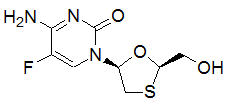
TRUVADA tablets are fixed-dose combination tablets containing emtricitabine and tenofovir disoproxil fumarate. Emtricitabine is a synthetic nucleoside analog of cytidine. Tenofovir DF is converted in vivo to tenofovir, an acyclic nucleoside phosphonate (nucleotide) analog of adenosine 5′-monophosphate. Both emtricitabine and tenofovir exhibit inhibitory activity against HIV-1 reverse transcriptase.
14.1 Study 934
Data through 144 weeks are reported for Study 934, a randomized, open-label, active-controlled multicenter trial comparing emtricitabine + tenofovir DF administered in combination with efavirenz versus zidovudine/lamivudine fixed-dose combination administered in combination with efavirenz in 511 antiretroviral-naïve subjects. From Weeks 96 to 144 of the trial, subjects received TRUVADA with efavirenz in place of emtricitabine + tenofovir DF with efavirenz. Subjects had a mean age of 38 years (range 18–80), 86% were male, 59% were Caucasian and 23% were Black. The mean baseline CD4+ cell count was 245 cells/mm 3 (range 2–1191) and median baseline plasma HIV-1 RNA was 5.01 log 10 copies/mL (range 3.56–6.54). Subjects were stratified by baseline CD4+ cell count (< or ≥200 cells/mm 3); 41% had CD4+ cell counts <200 cells/mm 3 and 51% of subjects had baseline viral loads >100,000 copies/mL. Treatment outcomes through 48 and 144 weeks for those subjects who did not have efavirenz resistance at baseline are presented in Table 12.
| Outcomes | At Week 48 | At Week 144 | ||
|---|---|---|---|---|
| FTC + TDF + EFV
(N=244) |
AZT/3TC + EFV
(N=243) |
FTC + TDF + EFV
(N=227) Subjects who were responders at Week 48 or Week 96 (HIV-1 RNA <400 copies/mL) but did not consent to continue trial after Week 48 or Week 96 were excluded from analysis.
|
AZT/3TC + EFV
(N=229) |
|
| Responder
Subjects achieved and maintained confirmed HIV-1 RNA <400 copies/mL through Weeks 48 and 144.
|
84% | 73% | 71% | 58% |
| Virologic failure
Includes confirmed viral rebound and failure to achieve confirmed <400 copies/mL through Weeks 48 and 144.
|
2% | 4% | 3% | 6% |
| Rebound | 1% | 3% | 2% | 5% |
| Never suppressed | 0% | 0% | 0% | 0% |
| Change in antiretroviral regimen | 1% | 1% | 1% | 1% |
| Death | <1% | 1% | 1% | 1% |
| Discontinued due to adverse event | 4% | 9% | 5% | 12% |
| Discontinued for other reasons
Includes lost to follow-up, subject withdrawal, noncompliance, protocol violation and other reasons.
|
10% | 14% | 20% | 22% |
Through Week 48, 84% and 73% of subjects in the emtricitabine + tenofovir DF group and the zidovudine/lamivudine group, respectively, achieved and maintained HIV-1 RNA <400 copies/mL (71% and 58% through Week 144). The difference in the proportion of subjects who achieved and maintained HIV-1 RNA <400 copies/mL through 48 weeks largely results from the higher number of discontinuations due to adverse events and other reasons in the zidovudine/lamivudine group in this open-label trial. In addition, 80% and 70% of subjects in the emtricitabine + tenofovir DF group and the zidovudine/lamivudine group, respectively, achieved and maintained HIV-1 RNA <50 copies/mL through Week 48 (64% and 56% through Week 144). The mean increase from baseline in CD4 + cell count was 190 cells/mm 3 in the emtricitabine + tenofovir DF group and 158 cells/mm 3 in the zidovudine/lamivudine group at Week 48 (312 and 271 cells/mm 3 at Week 144).
Through 48 weeks, 7 subjects in the emtricitabine + tenofovir DF group and 5 subjects in the zidovudine/lamivudine group experienced a new CDC Class C event (10 and 6 subjects through 144 weeks).
7.1 Didanosine
Coadministration of TRUVADA and didanosine should be undertaken with caution and patients receiving this combination should be monitored closely for didanosine-associated adverse reactions. Didanosine should be discontinued in patients who develop didanosine-associated adverse reactions.
When tenofovir disoproxil fumarate was administered with didanosine the C max and AUC of didanosine increased significantly [see Clinical Pharmacology (12.3)] . The mechanism of this interaction is unknown. Higher didanosine concentrations could potentiate didanosine-associated adverse reactions, including pancreatitis, and neuropathy. Suppression of CD4+ cell counts has been observed in patients receiving tenofovir DF with didanosine 400 mg daily.
In patients weighing greater than 60 kg, the didanosine dose should be reduced to 250 mg when it is coadministered with TRUVADA. Data are not available to recommend a dose adjustment of didanosine for adult or pediatric patients weighing less than 60 kg. When coadministered, TRUVADA and Videx EC may be taken under fasted conditions or with a light meal (less than 400 kcal, 20% fat).
14.2 Iprex Trial
The iPrEx trial was a randomized double-blind placebo-controlled multinational study evaluating TRUVADA in 2,499 HIV-seronegative men or transgender women who have sex with men and with evidence of high risk behavior for HIV-1 infection. Evidence of high risk behavior included any one of the following reported to have occurred up to six months prior to study screening: no condom use during anal intercourse with an HIV-1 positive partner or a partner of unknown HIV status; anal intercourse with more than 3 sex partners; exchange of money, gifts, shelter or drugs for anal sex; sex with male partner and diagnosis of sexually transmitted infection; no consistent use of condoms with sex partner known to be HIV-1 positive.
All subjects received monthly HIV-1 testing, risk-reduction counseling, condoms and management of sexually transmitted infections. Of the 2,499 enrolled, 1,251 received TRUVADA and 1,248 received placebo. The mean age of subjects was 27 years, 5% were Asian, 9% Black, 18% White, and 72% Hispanic/Latino.
Subjects were followed for 4,237 person-years. The primary outcome measure for the study was the incidence of documented HIV seroconversion. At the end of treatment, emergent HIV-1 seroconversion was observed in 131 subjects, of which 48 occurred in the TRUVADA group and 83 occurred in the placebo group, indicating a 42% (95% CI: 18–60%) reduction in risk. Risk reduction was found to be higher (53%; 95% CI: 34–72%) among subjects who reported previous unprotected anal intercourse (URAI) at screening (732 and 753 subjects reported URAI within the last 12 weeks at screening in the TRUVADA and placebo groups, respectively). In a post-hoc case control study of plasma and intracellular drug levels in about 10% of study subjects, risk reduction appeared to be greatest in subjects with detectable intracellular tenofovir. Efficacy was therefore strongly correlated with adherence.
5.2 Hbv Infection
It is recommended that all individuals be tested for the presence of chronic hepatitis B virus (HBV) before initiating TRUVADA. TRUVADA is not approved for the treatment of chronic HBV infection and the safety and efficacy of TRUVADA have not been established in patients infected with HBV. Severe acute exacerbations of hepatitis B have been reported in patients who are coinfected with HBV and HIV-1 and have discontinued TRUVADA. In some patients infected with HBV and treated with EMTRIVA, the exacerbations of hepatitis B were associated with liver decompensation and liver failure. Patients who are infected with HBV should be closely monitored with both clinical and laboratory follow-up for at least several months after stopping treatment with TRUVADA. If appropriate, initiation of anti-hepatitis B therapy may be warranted. HBV-uninfected individuals should be offered vaccination.
8.4 Pediatric Use
No pediatric clinical trial was conducted to evaluate the safety and efficacy of TRUVADA. Data from previously conducted trials with the individual drug products, EMTRIVA and VIREAD, were relied upon to support dosing recommendations for TRUVADA. For additional information, consult the prescribing information for EMTRIVA and VIREAD.
TRUVADA should only be administered to HIV-1 infected pediatric patients with body weight greater than or equal to 17 kg and who are able to swallow a whole tablet. Because it is a fixed-dose combination tablet, TRUVADA cannot be adjusted for patients of lower weight [see Warnings and Precautions (5.5), Adverse Reactions (6.1) and Clinical Pharmacology (12.3)] . TRUVADA has not been evaluated for use in pediatric patients weighing less than 17 kg.
8.5 Geriatric Use
Clinical trials of EMTRIVA or VIREAD did not include sufficient numbers of subjects aged 65 and over to determine whether they respond differently from younger subjects. In general, dose selection for the elderly patients should be cautious, keeping in mind the greater frequency of decreased hepatic, renal, or cardiac function, and of concomitant disease or other drug therapy.
14 Clinical Studies
Clinical Study 934 supports the use of TRUVADA tablets for the treatment of HIV-1 infection. Additional data in support of the use of TRUVADA are derived from clinical Study 903, in which lamivudine and tenofovir disoproxil fumarate (tenofovir DF) were used in combination in treatment-naïve adults, and clinical Study 303 in which emtricitabine and lamivudine demonstrated comparable efficacy, safety and resistance patterns as part of multidrug regimens. For additional information about these trials, consult the prescribing information for tenofovir DF and emtricitabine. The iPrEx study and Partners PrEP study support the use of TRUVADA to help reduce the risk of acquiring HIV-1.
4 Contraindications
Do not use TRUVADA for pre-exposure prophylaxis in individuals with unknown or positive HIV-1 status. TRUVADA should be used in HIV-infected patients only in combination with other antiretroviral agents.
6 Adverse Reactions
The following adverse reactions are discussed in other sections of the labeling:
- Lactic Acidosis/Severe Hepatomegaly with Steatosis [see Boxed Warning, Warnings and Precautions (5.1)] .
- Severe Acute Exacerbations of hepatitis B [see Boxed Warning, Warnings and Precautions (5.2)] .
- New Onset or Worsening Renal Impairment [see Warnings and Precautions (5.3)] .
- Bone Effects of Tenofovir DF [see Warnings and Precautions (5.5)] .
- Immune Reconstitution Syndrome [see Warnings and Precautions (5.7)] .
7 Drug Interactions
No drug interaction trials have been conducted using TRUVADA tablets. Drug interaction trials have been conducted with emtricitabine and tenofovir disoproxil fumarate, the components of TRUVADA. This section describes clinically relevant drug interactions observed with emtricitabine and tenofovir disoproxil fumarate [see Clinical Pharmacology (12.3)] .
8.3 Nursing Mothers
Nursing Mothers: The Centers for Disease Control and Prevention recommend that HIV-1 infected mothers not breast-feed their infants to avoid risking postnatal transmission of HIV-1.
Studies in humans have shown that both tenofovir and emtricitabine are excreted in human milk. Because the risks of low level exposure to emtricitabine and tenofovir to infants are unknown, mothers should be instructed not to breast-feed if they are receiving TRUVADA, whether they are taking TRUVADA for treatment or to reduce the risk of acquiring HIV-1 .
5.6 Fat Redistribution
Redistribution/accumulation of body fat including central obesity, dorsocervical fat enlargement (buffalo hump), peripheral wasting, facial wasting, breast enlargement, and "cushingoid appearance" have been observed in HIV-1 infected patients receiving antiretroviral therapy. The mechanism and long-term consequences of these events are currently unknown. A causal relationship has not been established.
1 Indications and Usage
TRUVADA is a combination of EMTRIVA and VIREAD, both nucleoside analog HIV-1 reverse transcriptase inhibitors.
TRUVADA is indicated in combination with other antiretroviral agents for the treatment of HIV-1 infection in adults and pediatric patients weighing at least 17 kg. ( 1)
TRUVADA is indicated in combination with safer sex practices for pre-exposure prophylaxis (PrEP) to reduce the risk of sexually acquired HIV-1 in adults at high risk. ( 1)
12 Clinical Pharmacology
For additional information on Mechanism of Action, Antiviral Activity, Resistance and Cross Resistance, consult the EMTRIVA and VIREAD prescribing information.
12.1 Mechanism of Action
TRUVADA is a fixed-dose combination of antiviral drugs emtricitabine and tenofovir disoproxil fumarate [see Microbiology (12.4)].
14.3 Partners Prep Trial
The Partners PrEP trial was a randomized, double-blind, placebo-controlled 3-arm trial conducted in 4,758 serodiscordant heterosexual couples in Kenya and Uganda to evaluate the efficacy and safety of TDF (N=1,589) and FTC/TDF (N=1,583) versus (parallel comparison) placebo (N=1,586), in preventing HIV-1 acquisition by the uninfected partner.
All subjects received monthly HIV-1 testing, evaluation of adherence, assessment of sexual behavior, and safety evaluations. Women were also tested monthly for pregnancy. Women who became pregnant during the trial had study drug interrupted for the duration of the pregnancy and while breastfeeding. The uninfected partner subjects were predominantly male (61–64% across study drug groups), and had a mean age of 33–34 years.
Following 7,827 person-years of follow up, 82 emergent HIV-1 seroconversions were reported, with an overall observed seroincidence rate of 1.05 per 100 person-years. Of the 82 seroconversions, 13 and 52 occurred in partner subjects randomized to TRUVADA and placebo, respectively. Two of the 13 seroconversions in the TRUVADA arm and 3 of the 52 seroconversions in the placebo arm occurred in women during treatment interruptions for pregnancy. The risk reduction for TRUVADA relative to placebo was 75% (95% CI: 55–87%). In a post-hoc case control study of plasma drug levels in about 10% of study subjects, risk reduction appeared to be greatest in subjects with detectable plasma tenofovir. Efficacy was therefore strongly correlated with adherence.
5 Warnings and Precautions
- New onset or worsening renal impairment: Can include acute renal failure and Fanconi syndrome. Assess estimated creatinine clearance before initiating treatment with TRUVADA. In patients at risk for renal dysfunction, assess estimated creatinine clearance, serum phosphorus, urine glucose and urine protein before initiating treatment with TRUVADA and periodically during treatment. Avoid administering Truvada with concurrent or recent use of nephrotoxic drugs. ( 5.3)
- Coadministration with Other Products: Do not use with drugs containing emtricitabine, tenofovir alafenamide or tenofovir disoproxil fumarate including ATRIPLA, COMPLERA, EMTRIVA, GENVOYA, ODEFSEY, STRIBILD, VIREAD; or with drugs containing lamivudine. Do not administer in combination with HEPSERA. ( 5.4)
- Decreases in bone mineral density (BMD): Consider assessment of BMD in patients with a history of pathologic fracture or other risk factors for osteoporosis or bone loss. ( 5.5)
- Redistribution/accumulation of body fat: Observed in patients receiving antiretroviral therapy. ( 5.6)
- Immune reconstitution syndrome: May necessitate further evaluation and treatment. ( 5.7)
- Triple nucleoside-only regimens: Early virologic failure has been reported in HIV-infected patients. Monitor carefully and consider treatment modification. ( 5.8)
- Comprehensive management to reduce the risk of acquiring HIV-1: Use as part of a comprehensive prevention strategy including other prevention measures; strictly adhere to dosing schedule. ( 5.9)
- Management to reduce the risk of acquiring HIV-1 drug resistance:
Prior to initiating TRUVADA for PrEP - if clinical symptoms consistent with acute viral infection are present and recent (<1 month) exposures are suspected, delay starting PrEP for at least one month and reconfirm negative HIV-1 status or use a test approved by the FDA as an aid in the diagnosis of HIV-1 infection, including acute or primary HIV-1 infection.
While using TRUVADA for PrEP - HIV-1 screening tests should be repeated at least every 3 months. ( 5.9)
2 Dosage and Administration
Treatment of HIV-1 Infection ( 2.1)
- Recommended dose in adults and pediatric patients weighing greater than or equal to 35 kg: One TRUVADA tablet (containing 200 mg/300 mg of emtricitabine and tenofovir disoproxil fumarate) once daily taken orally with or without food. ( 2.1)
- Recommended dose in pediatric patients weighing greater than or equal to 17 kg and able to swallow a whole tablet: one TRUVADA low strength tablet (100 mg/150 mg, 133 mg/200 mg, or 167 mg/250 mg based on body weight) once daily taken orally with or without food. ( 2.2)
- Recommended dose in renally impaired HIV-1 infected adult patients: Creatinine clearance 30–49 mL/min: 1 tablet every 48 hours. ( 2.4) CrCl below 30 mL/min or hemodialysis: Do not use TRUVADA. ( 2.4)
Pre-exposure Prophylaxis ( 2.3)
- Recommended dose in HIV-1 uninfected adults: One tablet (containing 200 mg/300 mg of emtricitabine and tenofovir disoproxil fumarate) once daily taken orally with or without food. ( 2.3)
- Recommended dose in renally impaired HIV-uninfected individuals: Do not use TRUVADA in HIV-uninfected individuals if CrCl is below 60 mL/min. If a decrease in CrCl is observed in uninfected individuals while using TRUVADA for PrEP, evaluate potential causes and re-assess potential risks and benefits of continued use. ( 2.4)
5.8 Early Virologic Failure
Clinical trials in HIV-1 infected subjects have demonstrated that certain regimens that only contain three nucleoside reverse transcriptase inhibitors (NRTI) are generally less effective than triple drug regimens containing two NRTIs in combination with either a non-nucleoside reverse transcriptase inhibitor or a HIV-1 protease inhibitor. In particular, early virologic failure and high rates of resistance substitutions have been reported. Triple nucleoside regimens should therefore be used with caution. Patients on a therapy utilizing a triple nucleoside-only regimen should be carefully monitored and considered for treatment modification.
1.2 Pre Exposure Prophylaxis
TRUVADA is indicated in combination with safer sex practices for pre-exposure prophylaxis (PrEP) to reduce the risk of sexually acquired HIV-1 in adults at high risk. This indication is based on clinical trials in men who have sex with men (MSM) at high risk for HIV-1 infection and in heterosexual serodiscordant couples [see Clinical Studies (14.2, 14.3)] .
When considering TRUVADA for pre-exposure prophylaxis the following factors may help to identify individuals at high risk:
- has partner(s) known to be HIV-1 infected, or
- engages in sexual activity within a high prevalence area or social network and one or more of the following:
- inconsistent or no condom use
- diagnosis of sexually transmitted infections
- exchange of sex for commodities (such as money, food, shelter, or drugs)
- use of illicit drugs or alcohol dependence
- incarceration
- partner(s) of unknown HIV-1 status with any of the factors listed above
When prescribing TRUVADA for pre-exposure prophylaxis, healthcare providers must:
- prescribe TRUVADA as part of a comprehensive prevention strategy because TRUVADA is not always effective in preventing the acquisition of HIV-1 infection [see Warnings and Precautions (5.9)] ;
- counsel all uninfected individuals to strictly adhere to the recommended TRUVADA dosing schedule because the effectiveness of TRUVADA in reducing the risk of acquiring HIV-1 was strongly correlated with adherence as demonstrated by measurable drug levels in clinical trials [see Warnings and Precautions (5.9)] ;
- confirm a negative HIV-1 test immediately prior to initiating TRUVADA for a PrEP indication. If clinical symptoms consistent with acute viral infection are present and recent (<1 month) exposures are suspected, delay starting PrEP for at least one month and reconfirm HIV-1 status or use a test approved by the FDA as an aid in the diagnosis of HIV-1 infection, including acute or primary HIV-1 infection [see Warnings and Precautions (5.9)] ; and
- screen for HIV-1 infection at least once every 3 months while taking TRUVADA for PrEP.
3 Dosage Forms and Strengths
TRUVADA tablets are available in four dose strengths:
- Tablet: 100 mg of emtricitabine and 150 mg of tenofovir disoproxil fumarate (equivalent to 123 mg of tenofovir disoproxil): blue, oval-shaped, film-coated, debossed with "GSI" on one side and with "703" on the other side.
- Tablet: 133 mg of emtricitabine and 200 mg of tenofovir disoproxil fumarate (equivalent to 163 mg of tenofovir disoproxil): blue, rectangular-shaped, film-coated, debossed with "GSI" on one side and with "704" on the other side.
- Tablet: 167 mg of emtricitabine and 250 mg of tenofovir disoproxil fumarate (equivalent to 204 mg of tenofovir disoproxil): blue, modified capsule-shaped, film-coated, debossed with "GSI" on one side and with "705" on the other side.
- Tablet: 200 mg of emtricitabine and 300 mg of tenofovir disoproxil fumarate (equivalent to 245 mg of tenofovir disoproxil): blue, capsule-shaped, film-coated, debossed with "GILEAD" on one side and with "701" on the other side.
6.3 Postmarketing Experience
The following adverse reactions have been identified during postapproval use of VIREAD. No additional adverse reactions have been identified during postapproval use of EMTRIVA. Because postmarketing reactions are reported voluntarily from a population of uncertain size, it is not always possible to reliably estimate their frequency or establish a causal relationship to drug exposure.
Immune System Disorders
allergic reaction, including angioedema
Metabolism and Nutrition Disorders
lactic acidosis, hypokalemia, hypophosphatemia
Respiratory, Thoracic,
and Mediastinal Disorders
dyspnea
Gastrointestinal Disorders
pancreatitis, increased amylase, abdominal pain
Hepatobiliary Disorders
hepatic steatosis, hepatitis, increased liver enzymes (most commonly AST, ALT gamma GT)
Skin and Subcutaneous Tissue Disorders
rash
Musculoskeletal and Connective Tissue Disorders
rhabdomyolysis, osteomalacia (manifested as bone pain and which may contribute to fractures), muscular weakness, myopathy
Renal and Urinary Disorders
acute renal failure, renal failure, acute tubular necrosis, Fanconi syndrome, proximal renal tubulopathy, interstitial nephritis (including acute cases), nephrogenic diabetes insipidus, renal insufficiency, increased creatinine, proteinuria, polyuria
General Disorders and Administration Site Conditions
asthenia
The following adverse reactions, listed under the body system headings above, may occur as a consequence of proximal renal tubulopathy: rhabdomyolysis, osteomalacia, hypokalemia, muscular weakness, myopathy, hypophosphatemia.
7.2 Hiv 1 Protease Inhibitors
Tenofovir decreases the AUC and C min of atazanavir [see Clinical Pharmacology (12.3)] . When coadministered with TRUVADA, it is recommended that atazanavir 300 mg is given with ritonavir 100 mg. TRUVADA should not be coadministered with atazanavir without ritonavir .
Lopinavir/ritonavir, atazanavir coadministered with ritonavir, and darunavir coadministered with ritonavir have been shown to increase tenofovir concentrations [see Clinical Pharmacology (12.3)] . Tenofovir disoproxil fumarate is a substrate of P-glycoprotein (Pgp) and breast cancer resistance protein (BCRP) transporters. When tenofovir disoproxil fumarate is co-administered with an inhibitor of these transporters, an increase in absorption may be observed. Patients receiving TRUVADA concomitantly with lopinavir/ritonavir, ritonavir-boosted atazanavir, or ritonavir-boosted darunavir should be monitored for tenofovir disoproxil fumarate-associated adverse reactions. TRUVADA should be discontinued in patients who develop tenofovir disoproxil fumarate-associated adverse reactions .
8 Use in Specific Populations
- Nursing mothers: Women infected with HIV-1 should be instructed not to breast feed. ( 8.3)
1.1 Treatment of Hiv 1 Infection
TRUVADA ®, a combination of EMTRIVA ® and VIREAD ®, is indicated in combination with other antiretroviral agents for the treatment of HIV-1 infection in adults and pediatric patients weighing at least 17 kg [see Dosage and Administration (2) and Clinical Studies (14)] .
The following points should be considered when initiating therapy with TRUVADA for the treatment of HIV-1 infection:The following points should be considered when initiating therapy with TRUVADA for the treatment of HIV-1 infection:
- It is not recommended that TRUVADA be used as a component of a triple nucleoside regimen.
- TRUVADA should not be coadministered with ATRIPLA ®, COMPLERA ®, EMTRIVA, GENVOYA ®, ODEFSEY ®, STRIBILD ®, VIREAD or lamivudine-containing products [see Warnings and Precautions (5.4)] .
- In treatment experienced patients, the use of TRUVADA should be guided by laboratory testing and treatment history [see Microbiology (12.4)] .
7.3 Hepatitis C Antiviral Agents
Coadministration of tenofovir disoproxil fumarate and HARVONI ® (ledipasvir/sofosbuvir) has been shown to increase tenofovir exposure [see Clinical Pharmacology (12.3)] .
In patients receiving TRUVADA concomitantly with HARVONI without an HIV-1 protease inhibitor/ritonavir or an HIV-1 protease inhibitor/cobicistat combination, monitor for adverse reactions associated with tenofovir disoproxil fumarate.
In patients receiving TRUVADA concomitantly with HARVONI and an HIV-1 protease inhibitor/ritonavir or an HIV-1 protease inhibitor/cobicistat combination, consider an alternative HCV or antiretroviral therapy, as the safety of increased tenofovir concentrations in this setting has not been established. If coadministration is necessary, monitor for adverse reactions associated with tenofovir disoproxil fumarate.
17 Patient Counseling Information
As a part of patient counseling, healthcare providers must review the TRUVADA Medication Guide with every uninfected individual taking TRUVADA to reduce the risk of acquiring HIV.
Advise the patient to read FDA-approved patient labeling (Medication Guide).
5.7 Immune Reconstitution Syndrome
Immune reconstitution syndrome has been reported in HIV-1 infected patients treated with combination antiretroviral therapy, including TRUVADA. During the initial phase of combination antiretroviral treatment, HIV-1 infected patients whose immune system responds may develop an inflammatory response to indolent or residual opportunistic infections [such as Mycobacterium avium infection, cytomegalovirus, Pneumocystis jirovecii pneumonia (PCP), or tuberculosis], which may necessitate further evaluation and treatment.
Autoimmune disorders (such as Graves' disease, polymyositis, and Guillain-Barré syndrome) have also been reported to occur in the setting of immune reconstitution, however, the time to onset is more variable, and can occur many months after initiation of treatment.
7.4 Drugs Affecting Renal Function
Emtricitabine and tenofovir are primarily excreted by the kidneys by a combination of glomerular filtration and active tubular secretion [see Clinical Pharmacology (12.3)] . No drug-drug interactions due to competition for renal excretion have been observed; however, coadministration of TRUVADA with drugs that are eliminated by active tubular secretion may increase concentrations of emtricitabine, tenofovir, and/or the coadministered drug. Some examples include, but are not limited to, acyclovir, adefovir dipivoxil, cidofovir, ganciclovir, valacyclovir, valganciclovir, aminoglycosides (e.g., gentamicin), and high-dose or multiple NSAIDs [see Warnings and Precautions (5.3)] . Drugs that decrease renal function may increase concentrations of emtricitabine and/or tenofovir.
16 How Supplied/storage and Handling
TRUVADA tablets are available in bottles containing 30 tablets with child-resistant closure as follows:
- 200 mg of emtricitabine and 300 mg of tenofovir disoproxil fumarate (equivalent to 245 mg of tenofovir disoproxil) are blue, capsule-shaped, film-coated, debossed with "GILEAD" on one side and "701" on the other side
- Bottle of 3 NDC 68071-2112-3
5.4 Coadministration With Other Products
TRUVADA is a fixed-dose combination of emtricitabine and tenofovir disoproxil fumarate. Do not coadminister TRUVADA with other drugs containing emtricitabine or tenofovir disoproxil fumarate, or containing tenofovir alafenamide, including ATRIPLA, COMPLERA, EMTRIVA, GENVOYA, ODEFSEY, STRIBILD, or VIREAD. Due to similarities between emtricitabine and lamivudine, do not coadminister TRUVADA with other drugs containing lamivudine, including Combivir (lamivudine/zidovudine), Dutrebis (lamivudine/raltegravir) , Epivir or Epivir-HBV (lamivudine), Epzicom (abacavir sulfate/lamivudine), Triumeq (abacavir sulfate/dolutegravir/lamivudine), or Trizivir (abacavir sulfate/lamivudine/zidovudine).
Do not coadminister TRUVADA with HEPSERA (adefovir dipivoxil) Do not coadminister TRUVADA with HEPSERA (adefovir dipivoxil) .
13.2 Animal Toxicology And/or Pharmacology
Tenofovir and tenofovir disoproxil fumarate administered in toxicology studies to rats, dogs and monkeys at exposures (based on AUCs) greater than or equal to 6-fold those observed in humans caused bone toxicity. In monkeys the bone toxicity was diagnosed as osteomalacia. Osteomalacia observed in monkeys appeared to be reversible upon dose reduction or discontinuation of tenofovir. In rats and dogs, the bone toxicity manifested as reduced bone mineral density. The mechanism(s) underlying bone toxicity is unknown.
Evidence of renal toxicity was noted in four animal species. Increases in serum creatinine, BUN, glycosuria, proteinuria, phosphaturia, and/or calciuria and decreases in serum phosphate were observed to varying degrees in these animals. These toxicities were noted at exposures (based on AUCs) 2–20 times higher than those observed in humans. The relationship of the renal abnormalities, particularly the phosphaturia, to the bone toxicity is not known.
5.3 New Onset Or Worsening Renal Impairment
Emtricitabine and tenofovir are principally eliminated by the kidney. Renal impairment, including cases of acute renal failure and Fanconi syndrome (renal tubular injury with severe hypophosphatemia), has been reported with the use of VIREAD [see Adverse Reactions (6.3)] .
It is recommended that estimated creatinine clearance be assessed in all individuals prior to initiating therapy and as clinically appropriate during therapy with TRUVADA. In patients at risk of renal dysfunction, including patients who have previously experienced renal events while receiving HEPSERA ®, it is recommended that estimated creatinine clearance, serum phosphorus, urine glucose, and urine protein be assessed prior to initiation of TRUVADA, and periodically during TRUVADA therapy.
TRUVADA should be avoided with concurrent or recent use of a nephrotoxic agent (e.g., high-dose or multiple non-steroidal anti-inflammatory drugs (NSAIDs)) [see Drug Interactions (7.4)] . Cases of acute renal failure after initiation of high dose or multiple NSAIDs have been reported in HIV-infected patients with risk factors for renal dysfunction who appeared stable on tenofovir disoproxil fumarate (tenofovir DF). Some patients required hospitalization and renal replacement therapy. Alternatives to NSAIDs should be considered, if needed, in patients at risk for renal dysfunction.
Persistent or worsening bone pain, pain in extremities, fractures and/or muscular pain or weakness may be manifestations of proximal renal tubulopathy and should prompt an evaluation of renal function in at-risk patients.
2.3 Recommended Dose for Pre Exposure Prophylaxis
The dose of TRUVADA in HIV-1 uninfected adults is one tablet (containing 200 mg of emtricitabine and 300 mg of tenofovir disoproxil fumarate) once daily taken orally with or without food.
5.1 Lactic Acidosis/severe Hepatomegaly With Steatosis
Lactic acidosis and severe hepatomegaly with steatosis, including fatal cases, have been reported with the use of nucleoside analogs, including VIREAD, a component of TRUVADA, in combination with other antiretrovirals. A majority of these cases have been in women. Obesity and prolonged nucleoside exposure may be risk factors. Particular caution should be exercised when administering nucleoside analogs to any patient or uninfected individual with known risk factors for liver disease; however, cases have also been reported in HIV-1 infected patients with no known risk factors. Treatment with TRUVADA should be suspended in any patient or uninfected individual who develops clinical or laboratory findings suggestive of lactic acidosis or pronounced hepatotoxicity (which may include hepatomegaly and steatosis even in the absence of marked transaminase elevations).
5.9 Comprehensive Management to Reduce the Risk of Acquiring Hiv 1
Use TRUVADA for pre-exposure prophylaxis only as part of a comprehensive prevention strategy that includes other prevention measures, such as safer sex practices, because TRUVADA is not always effective in preventing the acquisition of HIV-1 [see Clinical Studies (14.2 and 14.3)] .
- Counsel uninfected individuals about safer sex practices that include consistent and correct use of condoms, knowledge of their HIV-1 status and that of their partner(s), and regular testing for other sexually transmitted infections that can facilitate HIV-1 transmission (such as syphilis and gonorrhea).
- Inform uninfected individuals about and support their efforts in reducing sexual risk behavior.
Use TRUVADA to reduce the risk of acquiring HIV-1 only in individuals confirmed to be HIV-negative. HIV-1 resistance substitutions may emerge in individuals with undetected HIV-1 infection who are taking only TRUVADA, because TRUVADA alone does not constitute a complete treatment regimen for HIV-1 treatment [see Microbiology (12.4)] ; therefore, care should be taken to minimize drug exposure in HIV-infected individuals.
- Many HIV-1 tests, such as rapid tests, detect anti-HIV antibodies and may not identify HIV-1 during the acute stage of infection. Prior to initiating TRUVADA for a PrEP indication, evaluate seronegative individuals for current or recent signs or symptoms consistent with acute viral infections (e.g., fever, fatigue, myalgia, skin rash, etc.) and ask about potential exposure events (e.g., unprotected, or condom broke during sex with an HIV-1 infected partner) that may have occurred within the last month.
- If clinical symptoms consistent with acute viral infection are present and recent (<1 month) exposures are suspected, delay starting PrEP for at least one month and reconfirm HIV-1 status or use a test approved by the FDA as an aid in the diagnosis of HIV-1 infection, including acute or primary HIV-1 infection.
- While using TRUVADA for a PrEP indication, HIV-1 screening tests should be repeated at least every 3 months. If symptoms consistent with acute HIV-1 infection develop following a potential exposure event, PrEP should be discontinued until negative infection status is confirmed using a test approved by the FDA as an aid in the diagnosis of HIV-1, including acute or primary HIV-1 infection.
Counsel uninfected individuals to strictly adhere to the recommended TRUVADA dosing schedule. The effectiveness of TRUVADA in reducing the risk of acquiring HIV-1 is strongly correlated with adherence as demonstrated by measurable drug levels in clinical trials [see Clinical Studies (14.2 and 14.3)] .
6.1 Adverse Reactions From Clinical Trials Experience in Hiv 1 Infected Subjects
Because clinical trials are conducted under widely varying conditions, adverse reaction rates observed in the clinical trials of a drug cannot be directly compared to rates in the clinical trials of another drug and may not reflect the rates observed in practice.
6.2 Adverse Reactions From Clinical Trial Experience in Hiv 1 Uninfected Adult Subjects
No new adverse reactions to TRUVADA were identified from two randomized placebo-controlled clinical trials (iPrEx, Partners PrEP), in which 2,830 HIV-1 uninfected adults received TRUVADA once daily for pre-exposure prophylaxis. Subjects were followed for a median of 71 weeks and 87 weeks, respectively. These trials enrolled HIV-negative individuals ranging in age from 18 to 67 years. The iPrEx trial enrolled only men or transgender women of Hispanic/Latino (72%), White (18%), Black (9%) and Asian (5%) race. The Partners PrEP trial enrolled both men (61–64% across treatment groups) and women in Kenya and Uganda. Table 5 provides a list of all adverse events that occurred in 2% or more of subjects in any treatment group in the iPrEx and Partners PrEP trials.
2.1 Recommended Dose for Treatment of Hiv 1 Infection in Adults and Pediatric Patients Weighing 35 Kg Or More
The recommended dose of TRUVADA in adults and in pediatric patients with body weight greater than or equal to 35 kg is one tablet (containing 200 mg of emtricitabine and 300 mg of tenofovir disoproxil fumarate) once daily taken orally with or without food.
2.2 Recommended Dose for Treatment of Hiv 1 Infection in Pediatric Patients Weighing At Least 17 Kg and Able to Swallow A Whole Tablet
The recommended oral dose for pediatric patients weighing greater than or equal to 17 kg and who are able to swallow a whole tablet, is one TRUVADA low strength tablet (emtricitabine [FTC]/tenofovir disoproxil fumarate [TDF]) (167 mg/250 mg, 133 mg/200 mg, or 100 mg/150 mg based on body weight) taken orally once daily with or without food.
The recommended oral dosage of TRUVADA low strength tablets is presented in Table 1. Weight should be monitored periodically and the TRUVADA dose adjusted accordingly.
| Body Weight (kg) | Dosing of FTC (mg)/TDF (mg) |
|---|---|
| 17 to less than 22 | one 100/150 tablet once daily |
| 22 to less than 28 | one 133/200 tablet once daily |
| 28 to less than 35 | one 167/250 tablet once daily |
Warning: Lactic Acidosis/severe Hepatomegaly With Steatosis, Post Treatment Acute Exacerbation of Hepatitis B, and Risk of Drug Resistance With Use of Truvada for Pre Exposure Prophylaxis (prep) in Undiagnosed Early Hiv 1 Infection
Lactic acidosis and severe hepatomegaly with steatosis, including fatal cases, have been reported with the use of nucleoside analogs, including VIREAD, a component of TRUVADA, in combination with other antiretrovirals [see Warnings and Precautions (5.1)] .
TRUVADA is not approved for the treatment of chronic hepatitis B virus (HBV) infection and the safety and efficacy of TRUVADA have not been established in patients coinfected with HBV and HIV-1. Severe acute exacerbations of hepatitis B have been reported in patients who are coinfected with HBV and HIV-1 and have discontinued TRUVADA. Therefore, hepatic function should be monitored closely with both clinical and laboratory follow-up for at least several months in patients who are infected with HBV and discontinue TRUVADA. If appropriate, initiation of anti-hepatitis B therapy may be warranted [see Warnings and Precautions (5.2)] .
TRUVADA used for a PrEP indication must only be prescribed to individuals confirmed to be HIV-negative immediately prior to initiating and periodically (at least every 3 months) during use. Drug-resistant HIV-1 variants have been identified with use of TRUVADA for a PrEP indication following undetected acute HIV-1 infection. Do not initiate TRUVADA for a PrEP indication if signs or symptoms of acute HIV-1 infection are present unless negative infection status is confirmed [see Warnings and Precautions (5.9)] .
Structured Label Content
Principal Display Panel (PRINCIPAL DISPLAY PANEL -)
<
Section 42229-5 (42229-5)
Treatment of HIV-1 Infection
Significantly increased drug exposures occurred when EMTRIVA or VIREAD were administered to subjects with moderate to severe renal impairment [see EMTRIVA or VIREAD Package Insert]. Therefore, adjust the dosing interval of TRUVADA in HIV-1 infected adult patients with baseline creatinine clearance 30–49 mL/min using the recommendations in Table 2. These dosing interval recommendations are based on modeling of single-dose pharmacokinetic data in non-HIV infected subjects. The safety and effectiveness of these dosing interval adjustment recommendations have not been clinically evaluated in patients with moderate renal impairment, therefore clinical response to treatment and renal function should be closely monitored in these patients [see Warnings and Precautions (5.3)] .
No dose adjustment is necessary for HIV-1 infected patients with mild renal impairment (creatinine clearance 50–80 mL/min). No data are available to make dose recommendations in pediatric patients with renal impairment.
| Creatinine Clearance (mL/min)
Calculated using ideal (lean) body weight
|
|||
|---|---|---|---|
| ≥50 | 30–49 | <30
(Including Patients Requiring Hemodialysis) |
|
| Recommended Dosing Interval | Every 24 hours | Every 48 hours | TRUVADA should not be administered. |
Routine monitoring of estimated creatinine clearance, serum phosphorus, urine glucose, and urine protein should be performed in all individuals with mild renal impairment [see Warnings and Precautions (5.3)] .
Section 42231-1 (42231-1)
| This Medication Guide has been approved by the U.S. Food and Drug Administration. | Revised: April 2016 | |||
|
Medication Guide
TRUVADA ® (tru-VAH-dah) (emtricitabine and tenofovir disoproxil fumarate) tablets |
||||
| Read this Medication Guide before you start taking TRUVADA and each time you get a refill. There may be new information. This information does not take the place of talking to your healthcare provider about your medical condition or your treatment.
This Medication Guide provides information about two different ways that TRUVADA may be used (see the Medication Guide section " What is TRUVADA?" for important information about how TRUVADA may be used):
HIV is the virus that causes AIDS (Acquired Immune Deficiency Syndrome). |
||||
|
What is the most important information I should know about TRUVADA?
TRUVADA can cause serious side effects, including:
Call your healthcare provider right away if you get these symptoms:
Call your healthcare provider right away if you get the following symptoms:
You may be more likely to get lactic acidosis or severe liver problems if you are female, if you are very overweight (obese), or if you have been taking TRUVADA for a long time.
Tell your healthcare provider about any new or unusual symptoms you may have after you stop taking TRUVADA. For more information about side effects, see the section " What are the possible side effects of TRUVADA?" in this Medication Guide. Other important information for people who take TRUVADA to help reduce their risk of getting HIV-1 infection: Before taking TRUVADA to reduce your risk of getting HIV-1 infection:
|
||||
|
|
|||
While you are taking TRUVADA to reduce your risk of getting HIV-1:
See the section " What should I avoid while taking TRUVADA?" and talk to your healthcare provider for more information about how to prevent HIV-1 infection. |
||||
|
What is TRUVADA?
TRUVADA contains the prescription medicines emtricitabine (EMTRIVA ®) and tenofovir disoproxil fumarate (VIREAD ®). TRUVADA is used:
Use of TRUVADA to treat HIV-1 infection:
Reducing the amount of HIV-1 and increasing the CD4+ (T) cells in your blood may help improve your immune system. This may reduce your risk of death or getting infections that can happen when your immune system is weak (opportunistic infections).
Use of TRUVADA to reduce the risk of HIV-1 infection:
|
||||
|
Who should not take TRUVADA?
For people using TRUVADA to reduce the risk of getting HIV-1 infection: TRUVADA can only help reduce your risk of getting HIV-1 before you are infected. Do not take TRUVADA to help reduce your risk of getting HIV-1 if:
|
||||
|
What should I tell my healthcare provider before taking TRUVADA?
Tell your healthcare provider if you:
Tell your healthcare provider about all the medicines you take, including prescription and over-the-counter medicines, vitamins, and herbal supplements. Do not take TRUVADA if you also take any of the medicines listed below:
TRUVADA may interact with other medicines. Especially tell your healthcare provider if you take: |
||||
|
|
|||
| Your healthcare provider may need to check you more often or change your dose if you take any of these medicines and TRUVADA.
Know the medicines you take. Keep a list of them to show your healthcare provider or pharmacist when you get a new medicine. |
||||
How should I take TRUVADA?
|
||||
|
What should I avoid while taking TRUVADA?
While taking TRUVADA, avoid doing things that increase your risk of getting HIV-1 or spreading HIV-1 to other people.
Ask your healthcare provider if you have any questions about how to prevent getting HIV-1 or spreading HIV-1 to other people. |
||||
|
What are the possible side effects of TRUVADA?
TRUVADA may cause serious side effects, including:
The most common side effects of TRUVADA in people taking TRUVADA to treat HIV-1 infection include: |
||||
|
|
|||
| Common side effects in people who take TRUVADA to reduce the risk of getting HIV-1 infection include: | ||||
|
|
|
||
| Tell your healthcare provider if you have any side effect that bothers you or that does not go away.
These are not all the possible side effects of TRUVADA. For more information, ask your healthcare provider or pharmacist. Call your doctor for medical advice about side effects. You may report side effects to FDA at 1-800-FDA-1088. |
||||
How should I store TRUVADA?
Keep TRUVADA and all other medicines out of reach of children. |
||||
|
General information about TRUVADA.
Medicines are sometimes prescribed for purposes other than those listed in a Medication Guide. Do not use TRUVADA for a condition for which it was not prescribed. Do not give TRUVADA to other people, even if they have the same symptoms you have. It may harm them. This Medication Guide summarizes the most important information about TRUVADA. If you would like more information, talk with your healthcare provider. You can ask your healthcare provider or pharmacist for information about TRUVADA that is written for health professionals. For more information, call 1-800-445-3235 or go to www.TRUVADA.com. |
||||
|
What are the ingredients in TRUVADA?
Active ingredients: emtricitabine and tenofovir disoproxil fumarate. Inactive ingredients: Croscarmellose sodium, lactose monohydrate, magnesium stearate, microcrystalline cellulose, and pregelatinized starch (gluten free). The 200 mg/300 mg strength tablets are coated with Opadry II Blue Y-30-10701, which contains FD&C Blue #2 aluminum lake, hypromellose 2910, lactose monohydrate, titanium dioxide, and triacetin. The 167 mg/250 mg, 133 mg/200 mg, and 100 mg/150 mg strength tablets are coated with Opadry II Blue, which contains FD&C Blue #2 aluminum lake, hypromellose 2910, lactose monohydrate, titanium dioxide, and triacetin. Manufactured for and distributed by:
|
Section 43683-2 (43683-2)
Section 44425-7 (44425-7)
Store at 25 °C (77 °F), excursions permitted to 15 °C–30 °C (59 °F–86 °F) (see USP Controlled Room Temperature).
- Keep container tightly closed
- Dispense only in original container
- Do not use if seal over bottle opening is broken or missing
10 Overdosage (10 OVERDOSAGE)
If overdose occurs, the patient must be monitored for evidence of toxicity, and standard supportive treatment applied as necessary.
11 Description (11 DESCRIPTION)
TRUVADA tablets are fixed-dose combination tablets containing emtricitabine and tenofovir disoproxil fumarate. Emtricitabine is a synthetic nucleoside analog of cytidine. Tenofovir DF is converted in vivo to tenofovir, an acyclic nucleoside phosphonate (nucleotide) analog of adenosine 5′-monophosphate. Both emtricitabine and tenofovir exhibit inhibitory activity against HIV-1 reverse transcriptase.
14.1 Study 934
Data through 144 weeks are reported for Study 934, a randomized, open-label, active-controlled multicenter trial comparing emtricitabine + tenofovir DF administered in combination with efavirenz versus zidovudine/lamivudine fixed-dose combination administered in combination with efavirenz in 511 antiretroviral-naïve subjects. From Weeks 96 to 144 of the trial, subjects received TRUVADA with efavirenz in place of emtricitabine + tenofovir DF with efavirenz. Subjects had a mean age of 38 years (range 18–80), 86% were male, 59% were Caucasian and 23% were Black. The mean baseline CD4+ cell count was 245 cells/mm 3 (range 2–1191) and median baseline plasma HIV-1 RNA was 5.01 log 10 copies/mL (range 3.56–6.54). Subjects were stratified by baseline CD4+ cell count (< or ≥200 cells/mm 3); 41% had CD4+ cell counts <200 cells/mm 3 and 51% of subjects had baseline viral loads >100,000 copies/mL. Treatment outcomes through 48 and 144 weeks for those subjects who did not have efavirenz resistance at baseline are presented in Table 12.
| Outcomes | At Week 48 | At Week 144 | ||
|---|---|---|---|---|
| FTC + TDF + EFV
(N=244) |
AZT/3TC + EFV
(N=243) |
FTC + TDF + EFV
(N=227) Subjects who were responders at Week 48 or Week 96 (HIV-1 RNA <400 copies/mL) but did not consent to continue trial after Week 48 or Week 96 were excluded from analysis.
|
AZT/3TC + EFV
(N=229) |
|
| Responder
Subjects achieved and maintained confirmed HIV-1 RNA <400 copies/mL through Weeks 48 and 144.
|
84% | 73% | 71% | 58% |
| Virologic failure
Includes confirmed viral rebound and failure to achieve confirmed <400 copies/mL through Weeks 48 and 144.
|
2% | 4% | 3% | 6% |
| Rebound | 1% | 3% | 2% | 5% |
| Never suppressed | 0% | 0% | 0% | 0% |
| Change in antiretroviral regimen | 1% | 1% | 1% | 1% |
| Death | <1% | 1% | 1% | 1% |
| Discontinued due to adverse event | 4% | 9% | 5% | 12% |
| Discontinued for other reasons
Includes lost to follow-up, subject withdrawal, noncompliance, protocol violation and other reasons.
|
10% | 14% | 20% | 22% |
Through Week 48, 84% and 73% of subjects in the emtricitabine + tenofovir DF group and the zidovudine/lamivudine group, respectively, achieved and maintained HIV-1 RNA <400 copies/mL (71% and 58% through Week 144). The difference in the proportion of subjects who achieved and maintained HIV-1 RNA <400 copies/mL through 48 weeks largely results from the higher number of discontinuations due to adverse events and other reasons in the zidovudine/lamivudine group in this open-label trial. In addition, 80% and 70% of subjects in the emtricitabine + tenofovir DF group and the zidovudine/lamivudine group, respectively, achieved and maintained HIV-1 RNA <50 copies/mL through Week 48 (64% and 56% through Week 144). The mean increase from baseline in CD4 + cell count was 190 cells/mm 3 in the emtricitabine + tenofovir DF group and 158 cells/mm 3 in the zidovudine/lamivudine group at Week 48 (312 and 271 cells/mm 3 at Week 144).
Through 48 weeks, 7 subjects in the emtricitabine + tenofovir DF group and 5 subjects in the zidovudine/lamivudine group experienced a new CDC Class C event (10 and 6 subjects through 144 weeks).
7.1 Didanosine
Coadministration of TRUVADA and didanosine should be undertaken with caution and patients receiving this combination should be monitored closely for didanosine-associated adverse reactions. Didanosine should be discontinued in patients who develop didanosine-associated adverse reactions.
When tenofovir disoproxil fumarate was administered with didanosine the C max and AUC of didanosine increased significantly [see Clinical Pharmacology (12.3)] . The mechanism of this interaction is unknown. Higher didanosine concentrations could potentiate didanosine-associated adverse reactions, including pancreatitis, and neuropathy. Suppression of CD4+ cell counts has been observed in patients receiving tenofovir DF with didanosine 400 mg daily.
In patients weighing greater than 60 kg, the didanosine dose should be reduced to 250 mg when it is coadministered with TRUVADA. Data are not available to recommend a dose adjustment of didanosine for adult or pediatric patients weighing less than 60 kg. When coadministered, TRUVADA and Videx EC may be taken under fasted conditions or with a light meal (less than 400 kcal, 20% fat).
14.2 Iprex Trial (14.2 iPrEx Trial)
The iPrEx trial was a randomized double-blind placebo-controlled multinational study evaluating TRUVADA in 2,499 HIV-seronegative men or transgender women who have sex with men and with evidence of high risk behavior for HIV-1 infection. Evidence of high risk behavior included any one of the following reported to have occurred up to six months prior to study screening: no condom use during anal intercourse with an HIV-1 positive partner or a partner of unknown HIV status; anal intercourse with more than 3 sex partners; exchange of money, gifts, shelter or drugs for anal sex; sex with male partner and diagnosis of sexually transmitted infection; no consistent use of condoms with sex partner known to be HIV-1 positive.
All subjects received monthly HIV-1 testing, risk-reduction counseling, condoms and management of sexually transmitted infections. Of the 2,499 enrolled, 1,251 received TRUVADA and 1,248 received placebo. The mean age of subjects was 27 years, 5% were Asian, 9% Black, 18% White, and 72% Hispanic/Latino.
Subjects were followed for 4,237 person-years. The primary outcome measure for the study was the incidence of documented HIV seroconversion. At the end of treatment, emergent HIV-1 seroconversion was observed in 131 subjects, of which 48 occurred in the TRUVADA group and 83 occurred in the placebo group, indicating a 42% (95% CI: 18–60%) reduction in risk. Risk reduction was found to be higher (53%; 95% CI: 34–72%) among subjects who reported previous unprotected anal intercourse (URAI) at screening (732 and 753 subjects reported URAI within the last 12 weeks at screening in the TRUVADA and placebo groups, respectively). In a post-hoc case control study of plasma and intracellular drug levels in about 10% of study subjects, risk reduction appeared to be greatest in subjects with detectable intracellular tenofovir. Efficacy was therefore strongly correlated with adherence.
5.2 Hbv Infection (5.2 HBV Infection)
It is recommended that all individuals be tested for the presence of chronic hepatitis B virus (HBV) before initiating TRUVADA. TRUVADA is not approved for the treatment of chronic HBV infection and the safety and efficacy of TRUVADA have not been established in patients infected with HBV. Severe acute exacerbations of hepatitis B have been reported in patients who are coinfected with HBV and HIV-1 and have discontinued TRUVADA. In some patients infected with HBV and treated with EMTRIVA, the exacerbations of hepatitis B were associated with liver decompensation and liver failure. Patients who are infected with HBV should be closely monitored with both clinical and laboratory follow-up for at least several months after stopping treatment with TRUVADA. If appropriate, initiation of anti-hepatitis B therapy may be warranted. HBV-uninfected individuals should be offered vaccination.
8.4 Pediatric Use
No pediatric clinical trial was conducted to evaluate the safety and efficacy of TRUVADA. Data from previously conducted trials with the individual drug products, EMTRIVA and VIREAD, were relied upon to support dosing recommendations for TRUVADA. For additional information, consult the prescribing information for EMTRIVA and VIREAD.
TRUVADA should only be administered to HIV-1 infected pediatric patients with body weight greater than or equal to 17 kg and who are able to swallow a whole tablet. Because it is a fixed-dose combination tablet, TRUVADA cannot be adjusted for patients of lower weight [see Warnings and Precautions (5.5), Adverse Reactions (6.1) and Clinical Pharmacology (12.3)] . TRUVADA has not been evaluated for use in pediatric patients weighing less than 17 kg.
8.5 Geriatric Use
Clinical trials of EMTRIVA or VIREAD did not include sufficient numbers of subjects aged 65 and over to determine whether they respond differently from younger subjects. In general, dose selection for the elderly patients should be cautious, keeping in mind the greater frequency of decreased hepatic, renal, or cardiac function, and of concomitant disease or other drug therapy.
14 Clinical Studies (14 CLINICAL STUDIES)
Clinical Study 934 supports the use of TRUVADA tablets for the treatment of HIV-1 infection. Additional data in support of the use of TRUVADA are derived from clinical Study 903, in which lamivudine and tenofovir disoproxil fumarate (tenofovir DF) were used in combination in treatment-naïve adults, and clinical Study 303 in which emtricitabine and lamivudine demonstrated comparable efficacy, safety and resistance patterns as part of multidrug regimens. For additional information about these trials, consult the prescribing information for tenofovir DF and emtricitabine. The iPrEx study and Partners PrEP study support the use of TRUVADA to help reduce the risk of acquiring HIV-1.
4 Contraindications (4 CONTRAINDICATIONS)
Do not use TRUVADA for pre-exposure prophylaxis in individuals with unknown or positive HIV-1 status. TRUVADA should be used in HIV-infected patients only in combination with other antiretroviral agents.
6 Adverse Reactions (6 ADVERSE REACTIONS)
The following adverse reactions are discussed in other sections of the labeling:
- Lactic Acidosis/Severe Hepatomegaly with Steatosis [see Boxed Warning, Warnings and Precautions (5.1)] .
- Severe Acute Exacerbations of hepatitis B [see Boxed Warning, Warnings and Precautions (5.2)] .
- New Onset or Worsening Renal Impairment [see Warnings and Precautions (5.3)] .
- Bone Effects of Tenofovir DF [see Warnings and Precautions (5.5)] .
- Immune Reconstitution Syndrome [see Warnings and Precautions (5.7)] .
7 Drug Interactions (7 DRUG INTERACTIONS)
No drug interaction trials have been conducted using TRUVADA tablets. Drug interaction trials have been conducted with emtricitabine and tenofovir disoproxil fumarate, the components of TRUVADA. This section describes clinically relevant drug interactions observed with emtricitabine and tenofovir disoproxil fumarate [see Clinical Pharmacology (12.3)] .
8.3 Nursing Mothers
Nursing Mothers: The Centers for Disease Control and Prevention recommend that HIV-1 infected mothers not breast-feed their infants to avoid risking postnatal transmission of HIV-1.
Studies in humans have shown that both tenofovir and emtricitabine are excreted in human milk. Because the risks of low level exposure to emtricitabine and tenofovir to infants are unknown, mothers should be instructed not to breast-feed if they are receiving TRUVADA, whether they are taking TRUVADA for treatment or to reduce the risk of acquiring HIV-1 .
5.6 Fat Redistribution
Redistribution/accumulation of body fat including central obesity, dorsocervical fat enlargement (buffalo hump), peripheral wasting, facial wasting, breast enlargement, and "cushingoid appearance" have been observed in HIV-1 infected patients receiving antiretroviral therapy. The mechanism and long-term consequences of these events are currently unknown. A causal relationship has not been established.
1 Indications and Usage (1 INDICATIONS AND USAGE)
TRUVADA is a combination of EMTRIVA and VIREAD, both nucleoside analog HIV-1 reverse transcriptase inhibitors.
TRUVADA is indicated in combination with other antiretroviral agents for the treatment of HIV-1 infection in adults and pediatric patients weighing at least 17 kg. ( 1)
TRUVADA is indicated in combination with safer sex practices for pre-exposure prophylaxis (PrEP) to reduce the risk of sexually acquired HIV-1 in adults at high risk. ( 1)
12 Clinical Pharmacology (12 CLINICAL PHARMACOLOGY)
For additional information on Mechanism of Action, Antiviral Activity, Resistance and Cross Resistance, consult the EMTRIVA and VIREAD prescribing information.
12.1 Mechanism of Action
TRUVADA is a fixed-dose combination of antiviral drugs emtricitabine and tenofovir disoproxil fumarate [see Microbiology (12.4)].
14.3 Partners Prep Trial (14.3 Partners PrEP Trial)
The Partners PrEP trial was a randomized, double-blind, placebo-controlled 3-arm trial conducted in 4,758 serodiscordant heterosexual couples in Kenya and Uganda to evaluate the efficacy and safety of TDF (N=1,589) and FTC/TDF (N=1,583) versus (parallel comparison) placebo (N=1,586), in preventing HIV-1 acquisition by the uninfected partner.
All subjects received monthly HIV-1 testing, evaluation of adherence, assessment of sexual behavior, and safety evaluations. Women were also tested monthly for pregnancy. Women who became pregnant during the trial had study drug interrupted for the duration of the pregnancy and while breastfeeding. The uninfected partner subjects were predominantly male (61–64% across study drug groups), and had a mean age of 33–34 years.
Following 7,827 person-years of follow up, 82 emergent HIV-1 seroconversions were reported, with an overall observed seroincidence rate of 1.05 per 100 person-years. Of the 82 seroconversions, 13 and 52 occurred in partner subjects randomized to TRUVADA and placebo, respectively. Two of the 13 seroconversions in the TRUVADA arm and 3 of the 52 seroconversions in the placebo arm occurred in women during treatment interruptions for pregnancy. The risk reduction for TRUVADA relative to placebo was 75% (95% CI: 55–87%). In a post-hoc case control study of plasma drug levels in about 10% of study subjects, risk reduction appeared to be greatest in subjects with detectable plasma tenofovir. Efficacy was therefore strongly correlated with adherence.
5 Warnings and Precautions (5 WARNINGS AND PRECAUTIONS)
- New onset or worsening renal impairment: Can include acute renal failure and Fanconi syndrome. Assess estimated creatinine clearance before initiating treatment with TRUVADA. In patients at risk for renal dysfunction, assess estimated creatinine clearance, serum phosphorus, urine glucose and urine protein before initiating treatment with TRUVADA and periodically during treatment. Avoid administering Truvada with concurrent or recent use of nephrotoxic drugs. ( 5.3)
- Coadministration with Other Products: Do not use with drugs containing emtricitabine, tenofovir alafenamide or tenofovir disoproxil fumarate including ATRIPLA, COMPLERA, EMTRIVA, GENVOYA, ODEFSEY, STRIBILD, VIREAD; or with drugs containing lamivudine. Do not administer in combination with HEPSERA. ( 5.4)
- Decreases in bone mineral density (BMD): Consider assessment of BMD in patients with a history of pathologic fracture or other risk factors for osteoporosis or bone loss. ( 5.5)
- Redistribution/accumulation of body fat: Observed in patients receiving antiretroviral therapy. ( 5.6)
- Immune reconstitution syndrome: May necessitate further evaluation and treatment. ( 5.7)
- Triple nucleoside-only regimens: Early virologic failure has been reported in HIV-infected patients. Monitor carefully and consider treatment modification. ( 5.8)
- Comprehensive management to reduce the risk of acquiring HIV-1: Use as part of a comprehensive prevention strategy including other prevention measures; strictly adhere to dosing schedule. ( 5.9)
- Management to reduce the risk of acquiring HIV-1 drug resistance:
Prior to initiating TRUVADA for PrEP - if clinical symptoms consistent with acute viral infection are present and recent (<1 month) exposures are suspected, delay starting PrEP for at least one month and reconfirm negative HIV-1 status or use a test approved by the FDA as an aid in the diagnosis of HIV-1 infection, including acute or primary HIV-1 infection.
While using TRUVADA for PrEP - HIV-1 screening tests should be repeated at least every 3 months. ( 5.9)
2 Dosage and Administration (2 DOSAGE AND ADMINISTRATION)
Treatment of HIV-1 Infection ( 2.1)
- Recommended dose in adults and pediatric patients weighing greater than or equal to 35 kg: One TRUVADA tablet (containing 200 mg/300 mg of emtricitabine and tenofovir disoproxil fumarate) once daily taken orally with or without food. ( 2.1)
- Recommended dose in pediatric patients weighing greater than or equal to 17 kg and able to swallow a whole tablet: one TRUVADA low strength tablet (100 mg/150 mg, 133 mg/200 mg, or 167 mg/250 mg based on body weight) once daily taken orally with or without food. ( 2.2)
- Recommended dose in renally impaired HIV-1 infected adult patients: Creatinine clearance 30–49 mL/min: 1 tablet every 48 hours. ( 2.4) CrCl below 30 mL/min or hemodialysis: Do not use TRUVADA. ( 2.4)
Pre-exposure Prophylaxis ( 2.3)
- Recommended dose in HIV-1 uninfected adults: One tablet (containing 200 mg/300 mg of emtricitabine and tenofovir disoproxil fumarate) once daily taken orally with or without food. ( 2.3)
- Recommended dose in renally impaired HIV-uninfected individuals: Do not use TRUVADA in HIV-uninfected individuals if CrCl is below 60 mL/min. If a decrease in CrCl is observed in uninfected individuals while using TRUVADA for PrEP, evaluate potential causes and re-assess potential risks and benefits of continued use. ( 2.4)
5.8 Early Virologic Failure
Clinical trials in HIV-1 infected subjects have demonstrated that certain regimens that only contain three nucleoside reverse transcriptase inhibitors (NRTI) are generally less effective than triple drug regimens containing two NRTIs in combination with either a non-nucleoside reverse transcriptase inhibitor or a HIV-1 protease inhibitor. In particular, early virologic failure and high rates of resistance substitutions have been reported. Triple nucleoside regimens should therefore be used with caution. Patients on a therapy utilizing a triple nucleoside-only regimen should be carefully monitored and considered for treatment modification.
1.2 Pre Exposure Prophylaxis (1.2 Pre-Exposure Prophylaxis)
TRUVADA is indicated in combination with safer sex practices for pre-exposure prophylaxis (PrEP) to reduce the risk of sexually acquired HIV-1 in adults at high risk. This indication is based on clinical trials in men who have sex with men (MSM) at high risk for HIV-1 infection and in heterosexual serodiscordant couples [see Clinical Studies (14.2, 14.3)] .
When considering TRUVADA for pre-exposure prophylaxis the following factors may help to identify individuals at high risk:
- has partner(s) known to be HIV-1 infected, or
- engages in sexual activity within a high prevalence area or social network and one or more of the following:
- inconsistent or no condom use
- diagnosis of sexually transmitted infections
- exchange of sex for commodities (such as money, food, shelter, or drugs)
- use of illicit drugs or alcohol dependence
- incarceration
- partner(s) of unknown HIV-1 status with any of the factors listed above
When prescribing TRUVADA for pre-exposure prophylaxis, healthcare providers must:
- prescribe TRUVADA as part of a comprehensive prevention strategy because TRUVADA is not always effective in preventing the acquisition of HIV-1 infection [see Warnings and Precautions (5.9)] ;
- counsel all uninfected individuals to strictly adhere to the recommended TRUVADA dosing schedule because the effectiveness of TRUVADA in reducing the risk of acquiring HIV-1 was strongly correlated with adherence as demonstrated by measurable drug levels in clinical trials [see Warnings and Precautions (5.9)] ;
- confirm a negative HIV-1 test immediately prior to initiating TRUVADA for a PrEP indication. If clinical symptoms consistent with acute viral infection are present and recent (<1 month) exposures are suspected, delay starting PrEP for at least one month and reconfirm HIV-1 status or use a test approved by the FDA as an aid in the diagnosis of HIV-1 infection, including acute or primary HIV-1 infection [see Warnings and Precautions (5.9)] ; and
- screen for HIV-1 infection at least once every 3 months while taking TRUVADA for PrEP.
3 Dosage Forms and Strengths (3 DOSAGE FORMS AND STRENGTHS)
TRUVADA tablets are available in four dose strengths:
- Tablet: 100 mg of emtricitabine and 150 mg of tenofovir disoproxil fumarate (equivalent to 123 mg of tenofovir disoproxil): blue, oval-shaped, film-coated, debossed with "GSI" on one side and with "703" on the other side.
- Tablet: 133 mg of emtricitabine and 200 mg of tenofovir disoproxil fumarate (equivalent to 163 mg of tenofovir disoproxil): blue, rectangular-shaped, film-coated, debossed with "GSI" on one side and with "704" on the other side.
- Tablet: 167 mg of emtricitabine and 250 mg of tenofovir disoproxil fumarate (equivalent to 204 mg of tenofovir disoproxil): blue, modified capsule-shaped, film-coated, debossed with "GSI" on one side and with "705" on the other side.
- Tablet: 200 mg of emtricitabine and 300 mg of tenofovir disoproxil fumarate (equivalent to 245 mg of tenofovir disoproxil): blue, capsule-shaped, film-coated, debossed with "GILEAD" on one side and with "701" on the other side.
6.3 Postmarketing Experience
The following adverse reactions have been identified during postapproval use of VIREAD. No additional adverse reactions have been identified during postapproval use of EMTRIVA. Because postmarketing reactions are reported voluntarily from a population of uncertain size, it is not always possible to reliably estimate their frequency or establish a causal relationship to drug exposure.
Immune System Disorders
allergic reaction, including angioedema
Metabolism and Nutrition Disorders
lactic acidosis, hypokalemia, hypophosphatemia
Respiratory, Thoracic,
and Mediastinal Disorders
dyspnea
Gastrointestinal Disorders
pancreatitis, increased amylase, abdominal pain
Hepatobiliary Disorders
hepatic steatosis, hepatitis, increased liver enzymes (most commonly AST, ALT gamma GT)
Skin and Subcutaneous Tissue Disorders
rash
Musculoskeletal and Connective Tissue Disorders
rhabdomyolysis, osteomalacia (manifested as bone pain and which may contribute to fractures), muscular weakness, myopathy
Renal and Urinary Disorders
acute renal failure, renal failure, acute tubular necrosis, Fanconi syndrome, proximal renal tubulopathy, interstitial nephritis (including acute cases), nephrogenic diabetes insipidus, renal insufficiency, increased creatinine, proteinuria, polyuria
General Disorders and Administration Site Conditions
asthenia
The following adverse reactions, listed under the body system headings above, may occur as a consequence of proximal renal tubulopathy: rhabdomyolysis, osteomalacia, hypokalemia, muscular weakness, myopathy, hypophosphatemia.
7.2 Hiv 1 Protease Inhibitors (7.2 HIV-1 Protease Inhibitors)
Tenofovir decreases the AUC and C min of atazanavir [see Clinical Pharmacology (12.3)] . When coadministered with TRUVADA, it is recommended that atazanavir 300 mg is given with ritonavir 100 mg. TRUVADA should not be coadministered with atazanavir without ritonavir .
Lopinavir/ritonavir, atazanavir coadministered with ritonavir, and darunavir coadministered with ritonavir have been shown to increase tenofovir concentrations [see Clinical Pharmacology (12.3)] . Tenofovir disoproxil fumarate is a substrate of P-glycoprotein (Pgp) and breast cancer resistance protein (BCRP) transporters. When tenofovir disoproxil fumarate is co-administered with an inhibitor of these transporters, an increase in absorption may be observed. Patients receiving TRUVADA concomitantly with lopinavir/ritonavir, ritonavir-boosted atazanavir, or ritonavir-boosted darunavir should be monitored for tenofovir disoproxil fumarate-associated adverse reactions. TRUVADA should be discontinued in patients who develop tenofovir disoproxil fumarate-associated adverse reactions .
8 Use in Specific Populations (8 USE IN SPECIFIC POPULATIONS)
- Nursing mothers: Women infected with HIV-1 should be instructed not to breast feed. ( 8.3)
1.1 Treatment of Hiv 1 Infection (1.1 Treatment of HIV-1 Infection)
TRUVADA ®, a combination of EMTRIVA ® and VIREAD ®, is indicated in combination with other antiretroviral agents for the treatment of HIV-1 infection in adults and pediatric patients weighing at least 17 kg [see Dosage and Administration (2) and Clinical Studies (14)] .
The following points should be considered when initiating therapy with TRUVADA for the treatment of HIV-1 infection:The following points should be considered when initiating therapy with TRUVADA for the treatment of HIV-1 infection:
- It is not recommended that TRUVADA be used as a component of a triple nucleoside regimen.
- TRUVADA should not be coadministered with ATRIPLA ®, COMPLERA ®, EMTRIVA, GENVOYA ®, ODEFSEY ®, STRIBILD ®, VIREAD or lamivudine-containing products [see Warnings and Precautions (5.4)] .
- In treatment experienced patients, the use of TRUVADA should be guided by laboratory testing and treatment history [see Microbiology (12.4)] .
7.3 Hepatitis C Antiviral Agents
Coadministration of tenofovir disoproxil fumarate and HARVONI ® (ledipasvir/sofosbuvir) has been shown to increase tenofovir exposure [see Clinical Pharmacology (12.3)] .
In patients receiving TRUVADA concomitantly with HARVONI without an HIV-1 protease inhibitor/ritonavir or an HIV-1 protease inhibitor/cobicistat combination, monitor for adverse reactions associated with tenofovir disoproxil fumarate.
In patients receiving TRUVADA concomitantly with HARVONI and an HIV-1 protease inhibitor/ritonavir or an HIV-1 protease inhibitor/cobicistat combination, consider an alternative HCV or antiretroviral therapy, as the safety of increased tenofovir concentrations in this setting has not been established. If coadministration is necessary, monitor for adverse reactions associated with tenofovir disoproxil fumarate.
17 Patient Counseling Information (17 PATIENT COUNSELING INFORMATION)
As a part of patient counseling, healthcare providers must review the TRUVADA Medication Guide with every uninfected individual taking TRUVADA to reduce the risk of acquiring HIV.
Advise the patient to read FDA-approved patient labeling (Medication Guide).
5.7 Immune Reconstitution Syndrome
Immune reconstitution syndrome has been reported in HIV-1 infected patients treated with combination antiretroviral therapy, including TRUVADA. During the initial phase of combination antiretroviral treatment, HIV-1 infected patients whose immune system responds may develop an inflammatory response to indolent or residual opportunistic infections [such as Mycobacterium avium infection, cytomegalovirus, Pneumocystis jirovecii pneumonia (PCP), or tuberculosis], which may necessitate further evaluation and treatment.
Autoimmune disorders (such as Graves' disease, polymyositis, and Guillain-Barré syndrome) have also been reported to occur in the setting of immune reconstitution, however, the time to onset is more variable, and can occur many months after initiation of treatment.
7.4 Drugs Affecting Renal Function
Emtricitabine and tenofovir are primarily excreted by the kidneys by a combination of glomerular filtration and active tubular secretion [see Clinical Pharmacology (12.3)] . No drug-drug interactions due to competition for renal excretion have been observed; however, coadministration of TRUVADA with drugs that are eliminated by active tubular secretion may increase concentrations of emtricitabine, tenofovir, and/or the coadministered drug. Some examples include, but are not limited to, acyclovir, adefovir dipivoxil, cidofovir, ganciclovir, valacyclovir, valganciclovir, aminoglycosides (e.g., gentamicin), and high-dose or multiple NSAIDs [see Warnings and Precautions (5.3)] . Drugs that decrease renal function may increase concentrations of emtricitabine and/or tenofovir.
16 How Supplied/storage and Handling (16 HOW SUPPLIED/STORAGE AND HANDLING)
TRUVADA tablets are available in bottles containing 30 tablets with child-resistant closure as follows:
- 200 mg of emtricitabine and 300 mg of tenofovir disoproxil fumarate (equivalent to 245 mg of tenofovir disoproxil) are blue, capsule-shaped, film-coated, debossed with "GILEAD" on one side and "701" on the other side
- Bottle of 3 NDC 68071-2112-3
5.4 Coadministration With Other Products (5.4 Coadministration with Other Products)
TRUVADA is a fixed-dose combination of emtricitabine and tenofovir disoproxil fumarate. Do not coadminister TRUVADA with other drugs containing emtricitabine or tenofovir disoproxil fumarate, or containing tenofovir alafenamide, including ATRIPLA, COMPLERA, EMTRIVA, GENVOYA, ODEFSEY, STRIBILD, or VIREAD. Due to similarities between emtricitabine and lamivudine, do not coadminister TRUVADA with other drugs containing lamivudine, including Combivir (lamivudine/zidovudine), Dutrebis (lamivudine/raltegravir) , Epivir or Epivir-HBV (lamivudine), Epzicom (abacavir sulfate/lamivudine), Triumeq (abacavir sulfate/dolutegravir/lamivudine), or Trizivir (abacavir sulfate/lamivudine/zidovudine).
Do not coadminister TRUVADA with HEPSERA (adefovir dipivoxil) Do not coadminister TRUVADA with HEPSERA (adefovir dipivoxil) .
13.2 Animal Toxicology And/or Pharmacology (13.2 Animal Toxicology and/or Pharmacology)
Tenofovir and tenofovir disoproxil fumarate administered in toxicology studies to rats, dogs and monkeys at exposures (based on AUCs) greater than or equal to 6-fold those observed in humans caused bone toxicity. In monkeys the bone toxicity was diagnosed as osteomalacia. Osteomalacia observed in monkeys appeared to be reversible upon dose reduction or discontinuation of tenofovir. In rats and dogs, the bone toxicity manifested as reduced bone mineral density. The mechanism(s) underlying bone toxicity is unknown.
Evidence of renal toxicity was noted in four animal species. Increases in serum creatinine, BUN, glycosuria, proteinuria, phosphaturia, and/or calciuria and decreases in serum phosphate were observed to varying degrees in these animals. These toxicities were noted at exposures (based on AUCs) 2–20 times higher than those observed in humans. The relationship of the renal abnormalities, particularly the phosphaturia, to the bone toxicity is not known.
5.3 New Onset Or Worsening Renal Impairment (5.3 New Onset or Worsening Renal Impairment)
Emtricitabine and tenofovir are principally eliminated by the kidney. Renal impairment, including cases of acute renal failure and Fanconi syndrome (renal tubular injury with severe hypophosphatemia), has been reported with the use of VIREAD [see Adverse Reactions (6.3)] .
It is recommended that estimated creatinine clearance be assessed in all individuals prior to initiating therapy and as clinically appropriate during therapy with TRUVADA. In patients at risk of renal dysfunction, including patients who have previously experienced renal events while receiving HEPSERA ®, it is recommended that estimated creatinine clearance, serum phosphorus, urine glucose, and urine protein be assessed prior to initiation of TRUVADA, and periodically during TRUVADA therapy.
TRUVADA should be avoided with concurrent or recent use of a nephrotoxic agent (e.g., high-dose or multiple non-steroidal anti-inflammatory drugs (NSAIDs)) [see Drug Interactions (7.4)] . Cases of acute renal failure after initiation of high dose or multiple NSAIDs have been reported in HIV-infected patients with risk factors for renal dysfunction who appeared stable on tenofovir disoproxil fumarate (tenofovir DF). Some patients required hospitalization and renal replacement therapy. Alternatives to NSAIDs should be considered, if needed, in patients at risk for renal dysfunction.
Persistent or worsening bone pain, pain in extremities, fractures and/or muscular pain or weakness may be manifestations of proximal renal tubulopathy and should prompt an evaluation of renal function in at-risk patients.
2.3 Recommended Dose for Pre Exposure Prophylaxis (2.3 Recommended Dose for Pre-exposure Prophylaxis)
The dose of TRUVADA in HIV-1 uninfected adults is one tablet (containing 200 mg of emtricitabine and 300 mg of tenofovir disoproxil fumarate) once daily taken orally with or without food.
5.1 Lactic Acidosis/severe Hepatomegaly With Steatosis (5.1 Lactic Acidosis/Severe Hepatomegaly with Steatosis)
Lactic acidosis and severe hepatomegaly with steatosis, including fatal cases, have been reported with the use of nucleoside analogs, including VIREAD, a component of TRUVADA, in combination with other antiretrovirals. A majority of these cases have been in women. Obesity and prolonged nucleoside exposure may be risk factors. Particular caution should be exercised when administering nucleoside analogs to any patient or uninfected individual with known risk factors for liver disease; however, cases have also been reported in HIV-1 infected patients with no known risk factors. Treatment with TRUVADA should be suspended in any patient or uninfected individual who develops clinical or laboratory findings suggestive of lactic acidosis or pronounced hepatotoxicity (which may include hepatomegaly and steatosis even in the absence of marked transaminase elevations).
5.9 Comprehensive Management to Reduce the Risk of Acquiring Hiv 1 (5.9 Comprehensive Management to Reduce the Risk of Acquiring HIV-1)
Use TRUVADA for pre-exposure prophylaxis only as part of a comprehensive prevention strategy that includes other prevention measures, such as safer sex practices, because TRUVADA is not always effective in preventing the acquisition of HIV-1 [see Clinical Studies (14.2 and 14.3)] .
- Counsel uninfected individuals about safer sex practices that include consistent and correct use of condoms, knowledge of their HIV-1 status and that of their partner(s), and regular testing for other sexually transmitted infections that can facilitate HIV-1 transmission (such as syphilis and gonorrhea).
- Inform uninfected individuals about and support their efforts in reducing sexual risk behavior.
Use TRUVADA to reduce the risk of acquiring HIV-1 only in individuals confirmed to be HIV-negative. HIV-1 resistance substitutions may emerge in individuals with undetected HIV-1 infection who are taking only TRUVADA, because TRUVADA alone does not constitute a complete treatment regimen for HIV-1 treatment [see Microbiology (12.4)] ; therefore, care should be taken to minimize drug exposure in HIV-infected individuals.
- Many HIV-1 tests, such as rapid tests, detect anti-HIV antibodies and may not identify HIV-1 during the acute stage of infection. Prior to initiating TRUVADA for a PrEP indication, evaluate seronegative individuals for current or recent signs or symptoms consistent with acute viral infections (e.g., fever, fatigue, myalgia, skin rash, etc.) and ask about potential exposure events (e.g., unprotected, or condom broke during sex with an HIV-1 infected partner) that may have occurred within the last month.
- If clinical symptoms consistent with acute viral infection are present and recent (<1 month) exposures are suspected, delay starting PrEP for at least one month and reconfirm HIV-1 status or use a test approved by the FDA as an aid in the diagnosis of HIV-1 infection, including acute or primary HIV-1 infection.
- While using TRUVADA for a PrEP indication, HIV-1 screening tests should be repeated at least every 3 months. If symptoms consistent with acute HIV-1 infection develop following a potential exposure event, PrEP should be discontinued until negative infection status is confirmed using a test approved by the FDA as an aid in the diagnosis of HIV-1, including acute or primary HIV-1 infection.
Counsel uninfected individuals to strictly adhere to the recommended TRUVADA dosing schedule. The effectiveness of TRUVADA in reducing the risk of acquiring HIV-1 is strongly correlated with adherence as demonstrated by measurable drug levels in clinical trials [see Clinical Studies (14.2 and 14.3)] .
6.1 Adverse Reactions From Clinical Trials Experience in Hiv 1 Infected Subjects (6.1 Adverse Reactions from Clinical Trials Experience in HIV-1 Infected Subjects)
Because clinical trials are conducted under widely varying conditions, adverse reaction rates observed in the clinical trials of a drug cannot be directly compared to rates in the clinical trials of another drug and may not reflect the rates observed in practice.
6.2 Adverse Reactions From Clinical Trial Experience in Hiv 1 Uninfected Adult Subjects (6.2 Adverse Reactions from Clinical Trial Experience in HIV-1 Uninfected Adult Subjects)
No new adverse reactions to TRUVADA were identified from two randomized placebo-controlled clinical trials (iPrEx, Partners PrEP), in which 2,830 HIV-1 uninfected adults received TRUVADA once daily for pre-exposure prophylaxis. Subjects were followed for a median of 71 weeks and 87 weeks, respectively. These trials enrolled HIV-negative individuals ranging in age from 18 to 67 years. The iPrEx trial enrolled only men or transgender women of Hispanic/Latino (72%), White (18%), Black (9%) and Asian (5%) race. The Partners PrEP trial enrolled both men (61–64% across treatment groups) and women in Kenya and Uganda. Table 5 provides a list of all adverse events that occurred in 2% or more of subjects in any treatment group in the iPrEx and Partners PrEP trials.
2.1 Recommended Dose for Treatment of Hiv 1 Infection in Adults and Pediatric Patients Weighing 35 Kg Or More (2.1 Recommended Dose for Treatment of HIV-1 Infection in Adults and Pediatric Patients Weighing 35 Kg or More)
The recommended dose of TRUVADA in adults and in pediatric patients with body weight greater than or equal to 35 kg is one tablet (containing 200 mg of emtricitabine and 300 mg of tenofovir disoproxil fumarate) once daily taken orally with or without food.
2.2 Recommended Dose for Treatment of Hiv 1 Infection in Pediatric Patients Weighing At Least 17 Kg and Able to Swallow A Whole Tablet (2.2 Recommended Dose for Treatment of HIV-1 Infection in Pediatric Patients Weighing at Least 17 kg and Able to Swallow a Whole Tablet)
The recommended oral dose for pediatric patients weighing greater than or equal to 17 kg and who are able to swallow a whole tablet, is one TRUVADA low strength tablet (emtricitabine [FTC]/tenofovir disoproxil fumarate [TDF]) (167 mg/250 mg, 133 mg/200 mg, or 100 mg/150 mg based on body weight) taken orally once daily with or without food.
The recommended oral dosage of TRUVADA low strength tablets is presented in Table 1. Weight should be monitored periodically and the TRUVADA dose adjusted accordingly.
| Body Weight (kg) | Dosing of FTC (mg)/TDF (mg) |
|---|---|
| 17 to less than 22 | one 100/150 tablet once daily |
| 22 to less than 28 | one 133/200 tablet once daily |
| 28 to less than 35 | one 167/250 tablet once daily |
Warning: Lactic Acidosis/severe Hepatomegaly With Steatosis, Post Treatment Acute Exacerbation of Hepatitis B, and Risk of Drug Resistance With Use of Truvada for Pre Exposure Prophylaxis (prep) in Undiagnosed Early Hiv 1 Infection (WARNING: LACTIC ACIDOSIS/SEVERE HEPATOMEGALY WITH STEATOSIS, POST TREATMENT ACUTE EXACERBATION OF HEPATITIS B, and RISK OF DRUG RESISTANCE WITH USE OF TRUVADA FOR PRE-EXPOSURE PROPHYLAXIS (PrEP) IN UNDIAGNOSED EARLY HIV-1 INFECTION)
Lactic acidosis and severe hepatomegaly with steatosis, including fatal cases, have been reported with the use of nucleoside analogs, including VIREAD, a component of TRUVADA, in combination with other antiretrovirals [see Warnings and Precautions (5.1)] .
TRUVADA is not approved for the treatment of chronic hepatitis B virus (HBV) infection and the safety and efficacy of TRUVADA have not been established in patients coinfected with HBV and HIV-1. Severe acute exacerbations of hepatitis B have been reported in patients who are coinfected with HBV and HIV-1 and have discontinued TRUVADA. Therefore, hepatic function should be monitored closely with both clinical and laboratory follow-up for at least several months in patients who are infected with HBV and discontinue TRUVADA. If appropriate, initiation of anti-hepatitis B therapy may be warranted [see Warnings and Precautions (5.2)] .
TRUVADA used for a PrEP indication must only be prescribed to individuals confirmed to be HIV-negative immediately prior to initiating and periodically (at least every 3 months) during use. Drug-resistant HIV-1 variants have been identified with use of TRUVADA for a PrEP indication following undetected acute HIV-1 infection. Do not initiate TRUVADA for a PrEP indication if signs or symptoms of acute HIV-1 infection are present unless negative infection status is confirmed [see Warnings and Precautions (5.9)] .
Advanced Ingredient Data
Raw Label Data
All Sections (JSON)
Additional Information
Back to search View SPL set listing Open on DailyMed ↗
Source: dailymed · Ingested: 2026-02-15T11:42:07.143701 · Updated: 2026-03-14T22:07:40.471330