Bendamustine Hydrochloride For Injection
40f6f58d-d9ac-4f65-9fc7-16984bf1f180
34391-3
HUMAN PRESCRIPTION DRUG LABEL
Drug Facts
Composition & Product
Identifiers & Packaging
Indications and Usage
Bendamustine Hydrochloride for Injection is an alkylating drug indicated for treatment of patients with: Chronic lymphocytic leukemia (CLL). Efficacy relative to first line therapies other than chlorambucil has not been established. ( 1.1 ) Indolent B-cell non-Hodgkin lymphoma (NHL) that has progressed during or within six months of treatment with rituximab or a rituximab-containing regimen. ( 1.2 )
Dosage and Administration
Bendamustine hydrochloride is available in two formulations, a solution (Bendamustine Injection) and a lyophilized powder (Bendamustine for Injection). ( 2.1 ) For CLL : 100 mg/m 2 infused intravenously over 30 minutes on Days 1 and 2 of a 28-day cycle, up to 6 cycles ( 2.2 ) For NHL : 120 mg/m 2 infused intravenously over 60 minutes on Days 1 and 2 of a 21-day cycle, up to 8 cycles ( 2.3 )
Contraindications
Bendamustine hydrochloride is contraindicated in patients with a known hypersensitivity (e.g., anaphylactic and anaphylactoid reactions) to bendamustine [see Warnings and Precautions ( 5.4 )].
Warnings and Precautions
Myelosuppression: Delay or reduce dose and restart treatment based on ANC and platelet count recovery. ( 5.1 ) Infections: Monitor for fever and other signs of infection or reactivation of infections and treat promptly. ( 5.2 ) Progressive multifocal leukoencephalopathy (PML): Monitor for new or worsening neurological, cognitive or behavioral signs or symptoms suggestive of PML. ( 5.3 ) Anaphylaxis and Infusion Reactions: Severe and anaphylactic reactions have occurred; monitor clinically and discontinue drug for severe reactions. Pre-medicate in subsequent cycles for milder reactions. ( 5.4 ) Tumor Lysis Syndrome: May lead to acute renal failure and death; anticipate and use supportive measures in patients at high risk. ( 5.5 ) Skin Reactions: Discontinue for severe skin reactions. Cases of SJS, DRESS and TEN, some fatal, have been reported. ( 5.6 ) Hepatotoxicity: Monitor liver chemistry tests prior to and during treatment. ( 5.7 ) Other Malignancies: Pre-malignant and malignant diseases have been reported. ( 5.8 ) Extravasation Injury: Take precautions to avoid extravasation, including monitoring intravenous infusion site during and after administration. ( 5.9 ) Embryo-Fetal Toxicity: Can cause fetal harm. Advise females of reproductive potential of the potential risk to a fetus and to use an effective method of contraception. ( 5.10 , 8.1 , 8.3 )
Adverse Reactions
The following clinically significant adverse reactions have been associated with bendamustine hydrochloride in clinical trials and are discussed in greater detail in other sections of the label. Myelosuppression [see Warnings and Precautions ( 5.1 )] Infections [see Warnings and Precautions ( 5.2 )] Progressive Multifocal Leukoencephalopathy [see Warnings and Precautions ( 5.3 )] Anaphylaxis and Infusion Reactions [see Warnings and Precautions ( 5.4 )] Tumor Lysis Syndrome [see Warnings and Precautions ( 5.5 )] Skin Reactions [see Warnings and Precautions ( 5.6 )] Hepatotoxicity [see Warnings and Precautions ( 5.7 )] Other Malignancies [see Warnings and Precautions ( 5. 8)] Extravasation Injury [see Warnings and Precautions ( 5.9 )]
Drug Interactions
Consider alternative therapies that are not CYP1A2 inducers or inhibitors during treatment with bendamustine hydrochloride. ( 7 )
Description
Bendamustine Hydrochloride for Injection is an alkylating drug indicated for treatment of patients with: Chronic lymphocytic leukemia (CLL). Efficacy relative to first line therapies other than chlorambucil has not been established. ( 1.1 ) Indolent B-cell non-Hodgkin lymphoma (NHL) that has progressed during or within six months of treatment with rituximab or a rituximab-containing regimen. ( 1.2 )
Medication Information
Warnings and Precautions
Myelosuppression: Delay or reduce dose and restart treatment based on ANC and platelet count recovery. ( 5.1 ) Infections: Monitor for fever and other signs of infection or reactivation of infections and treat promptly. ( 5.2 ) Progressive multifocal leukoencephalopathy (PML): Monitor for new or worsening neurological, cognitive or behavioral signs or symptoms suggestive of PML. ( 5.3 ) Anaphylaxis and Infusion Reactions: Severe and anaphylactic reactions have occurred; monitor clinically and discontinue drug for severe reactions. Pre-medicate in subsequent cycles for milder reactions. ( 5.4 ) Tumor Lysis Syndrome: May lead to acute renal failure and death; anticipate and use supportive measures in patients at high risk. ( 5.5 ) Skin Reactions: Discontinue for severe skin reactions. Cases of SJS, DRESS and TEN, some fatal, have been reported. ( 5.6 ) Hepatotoxicity: Monitor liver chemistry tests prior to and during treatment. ( 5.7 ) Other Malignancies: Pre-malignant and malignant diseases have been reported. ( 5.8 ) Extravasation Injury: Take precautions to avoid extravasation, including monitoring intravenous infusion site during and after administration. ( 5.9 ) Embryo-Fetal Toxicity: Can cause fetal harm. Advise females of reproductive potential of the potential risk to a fetus and to use an effective method of contraception. ( 5.10 , 8.1 , 8.3 )
Indications and Usage
Bendamustine Hydrochloride for Injection is an alkylating drug indicated for treatment of patients with: Chronic lymphocytic leukemia (CLL). Efficacy relative to first line therapies other than chlorambucil has not been established. ( 1.1 ) Indolent B-cell non-Hodgkin lymphoma (NHL) that has progressed during or within six months of treatment with rituximab or a rituximab-containing regimen. ( 1.2 )
Dosage and Administration
Bendamustine hydrochloride is available in two formulations, a solution (Bendamustine Injection) and a lyophilized powder (Bendamustine for Injection). ( 2.1 ) For CLL : 100 mg/m 2 infused intravenously over 30 minutes on Days 1 and 2 of a 28-day cycle, up to 6 cycles ( 2.2 ) For NHL : 120 mg/m 2 infused intravenously over 60 minutes on Days 1 and 2 of a 21-day cycle, up to 8 cycles ( 2.3 )
Dosage Forms and Strengths
How Supplied
Bendamustine Hydrochloride for Injection, USP is supplied as follows:
| NDC | Bendamustine Hydrochloride for Injection, USP | Package Factor |
| 71288-102-10 | 25 mg white to off-white lyophilized powder in a 10 mL amber single-dose vial | 1 vial per carton |
| 71288-103-20 | 100 mg white to off-white lyophilized powder in a 20 mL amber single-dose vial | 1 vial per carton |
Sterile, Nonpyrogenic, Preservative-free.
The container closure is not made with natural rubber latex.
Contraindications
Bendamustine hydrochloride is contraindicated in patients with a known hypersensitivity (e.g., anaphylactic and anaphylactoid reactions) to bendamustine [see Warnings and Precautions ( 5.4 )].
Adverse Reactions
The following clinically significant adverse reactions have been associated with bendamustine hydrochloride in clinical trials and are discussed in greater detail in other sections of the label. Myelosuppression [see Warnings and Precautions ( 5.1 )] Infections [see Warnings and Precautions ( 5.2 )] Progressive Multifocal Leukoencephalopathy [see Warnings and Precautions ( 5.3 )] Anaphylaxis and Infusion Reactions [see Warnings and Precautions ( 5.4 )] Tumor Lysis Syndrome [see Warnings and Precautions ( 5.5 )] Skin Reactions [see Warnings and Precautions ( 5.6 )] Hepatotoxicity [see Warnings and Precautions ( 5.7 )] Other Malignancies [see Warnings and Precautions ( 5. 8)] Extravasation Injury [see Warnings and Precautions ( 5.9 )]
Drug Interactions
Consider alternative therapies that are not CYP1A2 inducers or inhibitors during treatment with bendamustine hydrochloride. ( 7 )
Description
Bendamustine Hydrochloride for Injection is an alkylating drug indicated for treatment of patients with: Chronic lymphocytic leukemia (CLL). Efficacy relative to first line therapies other than chlorambucil has not been established. ( 1.1 ) Indolent B-cell non-Hodgkin lymphoma (NHL) that has progressed during or within six months of treatment with rituximab or a rituximab-containing regimen. ( 1.2 )
Section 42229-5
Recommended Dosage
The recommended dose is 100 mg/m2 administered intravenously over 30 minutes on Days 1 and 2 of a 28-day cycle, up to 6 cycles.
Section 44425-7
Storage
Store at 20° to 25°C (68° to 77°F); excursions permitted between 15° and 30°C (59° and 86°F). [See USP Controlled Room Temperature.]
Retain in original package until time of use to protect from light.
Discard unused portion.
10 Overdosage
The intravenous LD50 of bendamustine hydrochloride is 240 mg/m2 in the mouse and rat. Toxicities included sedation, tremor, ataxia, convulsions and respiratory distress.
Across all clinical experience, the reported maximum single dose received was 280 mg/m2. Three of four patients treated at this dose showed ECG changes considered dose-limiting at 7 and 21 days post-dosing. These changes included QT prolongation (one patient), sinus tachycardia (one patient), ST and T wave deviations (two patients) and left anterior fascicular block (one patient). Cardiac enzymes and ejection fractions remained normal in all patients.
No specific antidote for bendamustine hydrochloride overdose is known. Management of overdosage should include general supportive measures, including monitoring of hematologic parameters and ECGs.
15 References
- OSHA Hazardous Drugs. OSHA. http://www.osha.gov/SLTC/hazardousdrugs/index.html
11 Description
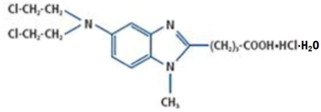
Bendamustine hydrochloride is an alkylating agent. The chemical name of bendamustine hydrochloride monohydrate is 1H-benzimidazole-2-butanoic acid, 5-[bis(2-chloroethyl)amino]-1 methyl-, monohydrochloride monohydrate. Its empirical molecular formula is C16H21Cl2N3O2 · HCl · H2O, and the molecular weight is 412.7. Bendamustine hydrochloride monohydrate contains a mechlorethamine group and a benzimidazole heterocyclic ring with a butyric acid substituent, and has the following structural formula:
5.2 Infections
Infection, including pneumonia, sepsis, septic shock, hepatitis and death has occurred in adult and pediatric patients in clinical trials and in postmarketing reports [see Adverse Reactions (6.1, 6.2)]. Patients with myelosuppression following treatment with bendamustine hydrochloride are more susceptible to infections. Advise patients with myelosuppression following bendamustine hydrochloride treatment to contact a physician if they have symptoms or signs of infection.
Patients treated with bendamustine hydrochloride are at risk for reactivation of infections including (but not limited to) hepatitis B, cytomegalovirus, Mycobacterium tuberculosis, and herpes zoster. Patients should undergo appropriate measures (including clinical and laboratory monitoring, prophylaxis, and treatment) for infection and infection reactivation prior to administration.
8.4 Pediatric Use
Safety and effectiveness in pediatric patients have not been established.
Safety, pharmacokinetics and efficacy were assessed in a single open-label trial (NCT01088984) in patients aged 1 to 19 years with relapsed or refractory acute leukemia, including 27 patients with acute lymphocytic leukemia (ALL) and 16 patients with acute myeloid leukemia (AML). Bendamustine hydrochloride was administered as an intravenous infusion over 60 minutes on Days 1 and 2 of each 21-day cycle. There was no treatment response (CR+ CRp) in any patient in the Phase 2 portion of the trial at a dose of 120 mg/m2. However, 2 patients with ALL achieved CR at a dose of 90 mg/m2 in the Phase 1 portion of the study. The safety profile in these patients was consistent with that seen in adults, and no new safety signals were identified.
The pharmacokinetics of bendamustine in 43 patients, aged 1 to 19 years (median age of 10 years) were within range of values previously observed in adults given the same dose based on body surface area.
8.5 Geriatric Use
No overall differences in safety were observed between patients ≥65 years of age and younger patients. Efficacy was lower in patients 65 and over with CLL receiving bendamustine hydrochloride based upon an overall response rate of 47% for patients 65 and over and 70% for younger patients. Progression free survival was also longer in younger patients with CLL receiving bendamustine hydrochloride (19 months vs. 12 months). No overall differences in efficacy in patients with non-Hodgkin Lymphoma were observed between geriatric patients and younger patients.
5.6 Skin Reactions
Fatal and serious skin reactions have been reported with bendamustine hydrochloride treatment in clinical trials and postmarketing safety reports, including toxic skin reactions [Stevens-Johnson Syndrome (SJS), toxic epidermal necrolysis (TEN), and drug reaction with eosinophilia and systemic symptoms (DRESS)], bullous exanthema, and rash [see Adverse Reactions (6.1, 6.2)]. Events occurred when bendamustine hydrochloride was given as a single agent and in combination with other anticancer agents or allopurinol.
Where skin reactions occur, they may be progressive and increase in severity with further treatment. Monitor patients with skin reactions closely. If skin reactions are severe or progressive, withhold or discontinue bendamustine hydrochloride.
5.7 Hepatotoxicity
Fatal and serious cases of liver injury have been reported with bendamustine hydrochloride [see Adverse Reactions (6.1)]. Combination therapy, progressive disease or reactivation of hepatitis B were confounding factors in some patients [see Warnings and Precautions (5.2)]. Most cases were reported within the first three months of starting therapy. Monitor liver chemistry tests prior to and during bendamustine therapy.
4 Contraindications
Bendamustine hydrochloride is contraindicated in patients with a known hypersensitivity (e.g., anaphylactic and anaphylactoid reactions) to bendamustine [see Warnings and Precautions (5.4)].
6 Adverse Reactions
The following clinically significant adverse reactions have been associated with bendamustine hydrochloride in clinical trials and are discussed in greater detail in other sections of the label.
- Myelosuppression [see Warnings and Precautions (5.1)]
- Infections [see Warnings and Precautions (5.2)]
- Progressive Multifocal Leukoencephalopathy [see Warnings and Precautions (5.3)]
- Anaphylaxis and Infusion Reactions [see Warnings and Precautions (5.4)]
- Tumor Lysis Syndrome [see Warnings and Precautions (5.5)]
- Skin Reactions [see Warnings and Precautions (5.6)]
- Hepatotoxicity [see Warnings and Precautions (5.7)]
- Other Malignancies [see Warnings and Precautions (5.8)]
- Extravasation Injury [see Warnings and Precautions (5.9)]
7 Drug Interactions
Consider alternative therapies that are not CYP1A2 inducers or inhibitors during treatment with bendamustine hydrochloride. (7)
5.1 Myelosuppression
Bendamustine hydrochloride caused severe myelosuppression (Grade 3-4) in 98% of patients in the two NHL studies [see Adverse Reactions (6.1)]. Three patients (2%) died from myelosuppression-related adverse reactions; one each from neutropenic sepsis, diffuse alveolar hemorrhage with Grade 3 thrombocytopenia, and pneumonia from an opportunistic infection (CMV).
Monitor complete blood counts, including leukocytes, platelets, hemoglobin (Hgb), and neutrophils frequently. In the clinical trials, blood counts were monitored every week initially. Hematologic nadirs were observed predominantly in the third week of therapy. Myelosuppression may require dose delays and/or subsequent dose reductions if recovery to the recommended values has not occurred by the first day of the next scheduled cycle. Prior to the initiation of the next cycle of therapy, the ANC should be ≥ 1 x 10⁹/L and the platelet count should be ≥ 75 x 109/L [see Dosage and Administration (2.2) and (2.3)].
8.6 Renal Impairment
Do not use bendamustine hydrochloride in patients with creatinine clearance (CLcr) < 30 mL/min [see Clinical Pharmacology (12.3)].
12.2 Pharmacodynamics
Based on the pharmacokinetics/pharmacodynamics analyses of data from adult NHL patients, nausea increased with increasing bendamustine Cmax.
5.8 Other Malignancies
There are reports of pre-malignant and malignant diseases that have developed in patients who have been treated with bendamustine hydrochloride, including myelodysplastic syndrome, myeloproliferative disorders, acute myeloid leukemia, bronchial carcinoma, and non-melanoma skin cancer, including basal cell carcinoma and squamous cell carcinoma [see Adverse Reactions (6.2)].
Monitor patients for the development of secondary malignancies. Perform dermatologic evaluations during and after treatment with bendamustine hydrochloride.
8.7 Hepatic Impairment
Do not use bendamustine hydrochloride in patients with AST or ALT 2.5-10 x upper limit of normal (ULN) and total bilirubin 1.5-3 x ULN, or total bilirubin > 3 x ULN [see Clinical Pharmacology (12.3)].
1 Indications and Usage
Bendamustine Hydrochloride for Injection is an alkylating drug indicated for treatment of patients with:
2.5 Admixture Stability
Bendamustine hydrochloride for injection contains no antimicrobial preservative. The admixture should be prepared as close as possible to the time of patient administration.
12.1 Mechanism of Action
Bendamustine is a bifunctional mechlorethamine derivative containing a purine-like benzimidazole ring. Mechlorethamine and its derivatives form electrophilic alkyl groups. These groups form covalent bonds with electron-rich nucleophilic moieties, resulting in interstrand DNA crosslinks. The bifunctional covalent linkage can lead to cell death via several pathways. Bendamustine is active against both quiescent and dividing cells. The exact mechanism of action of bendamustine remains unknown.
5.5 Tumor Lysis Syndrome
Tumor lysis syndrome associated with bendamustine hydrochloride treatment has occurred in patients in clinical trials and in postmarketing reports [see Adverse Reactions (6.1)]. The onset tends to be within the first treatment cycle of bendamustine hydrochloride and, without intervention, may lead to acute renal failure and death. Preventive measures include vigorous hydration and close monitoring of blood chemistry, particularly potassium and uric acid levels. Allopurinol has also been used during the beginning of bendamustine hydrochloride therapy. However, there may be an increased risk of severe skin toxicity when bendamustine hydrochloride and allopurinol are administered concomitantly [see Warnings and Precautions (5.6)].
5.9 Extravasation Injury
Bendamustine hydrochloride extravasations have been reported in postmarketing resulting in hospitalizations from erythema, marked swelling, and pain [see Adverse Reactions (6.2)]. Assure good venous access prior to starting bendamustine hydrochloride infusion and monitor the intravenous infusion site for redness, swelling, pain, infection, and necrosis during and after administration of bendamustine hydrochloride.
5 Warnings and Precautions
- Myelosuppression: Delay or reduce dose and restart treatment based on ANC and platelet count recovery. (5.1)
- Infections: Monitor for fever and other signs of infection or reactivation of infections and treat promptly. (5.2)
- Progressive multifocal leukoencephalopathy (PML): Monitor for new or worsening neurological, cognitive or behavioral signs or symptoms suggestive of PML. (5.3)
- Anaphylaxis and Infusion Reactions: Severe and anaphylactic reactions have occurred; monitor clinically and discontinue drug for severe reactions. Pre-medicate in subsequent cycles for milder reactions. (5.4)
- Tumor Lysis Syndrome: May lead to acute renal failure and death; anticipate and use supportive measures in patients at high risk. (5.5)
- Skin Reactions: Discontinue for severe skin reactions. Cases of SJS, DRESS and TEN, some fatal, have been reported. (5.6)
- Hepatotoxicity: Monitor liver chemistry tests prior to and during treatment. (5.7)
- Other Malignancies: Pre-malignant and malignant diseases have been reported. (5.8)
- Extravasation Injury: Take precautions to avoid extravasation, including monitoring intravenous infusion site during and after administration. (5.9)
- Embryo-Fetal Toxicity: Can cause fetal harm. Advise females of reproductive potential of the potential risk to a fetus and to use an effective method of contraception. (5.10, 8.1, 8.3)
5.10 Embryo Fetal Toxicity
Based on findings from animal reproduction studies and the drug's mechanism of action, bendamustine hydrochloride can cause fetal harm when administered to a pregnant woman. Single intraperitoneal doses of bendamustine (that approximated the maximum recommended human dose based on body surface area) to pregnant mice and rats during organogenesis caused adverse developmental outcomes, including an increase in resorptions, skeletal and visceral malformations, and decreased fetal body weights. Advise pregnant women of the potential risk to a fetus. Advise females of reproductive potential to use an effective method of contraception during treatment with bendamustine hydrochloride and for 6 months after the last dose. Advise males with female partners of reproductive potential to use effective contraception during treatment with bendamustine hydrochloride and for 3 months after the last dose [see Use in Specific Populations (8.1, 8.3) and Clinical Pharmacology (12.1)].
2 Dosage and Administration
Bendamustine hydrochloride is available in two formulations, a solution (Bendamustine Injection) and a lyophilized powder (Bendamustine for Injection). (2.1)
For CLL:
- 100 mg/m2 infused intravenously over 30 minutes on Days 1 and 2 of a 28-day cycle, up to 6 cycles (2.2)
For NHL:
- 120 mg/m2 infused intravenously over 60 minutes on Days 1 and 2 of a 21-day cycle, up to 8 cycles (2.3)
3 Dosage Forms and Strengths
- Bendamustine Hydrochloride for Injection, USP: 25 mg or 100 mg white to off-white lyophilized powder in a single-dose vial for reconstitution.
6.2 Postmarketing Experience
The following adverse reactions have been identified during post-approval use of bendamustine hydrochloride. Because these reactions are reported voluntarily from a population of uncertain size, it is not always possible to reliably estimate their frequency or establish a causal relationship to drug exposure.
Blood and lymphatic systems disorders: Pancytopenia
Cardiovascular disorders: Atrial fibrillation, congestive heart failure (some fatal), myocardial infarction (some fatal), palpitation
General disorders and administration site conditions: Injection site reactions (including phlebitis, pruritus, irritation, pain, swelling), infusion site reactions (including phlebitis, pruritus, irritation, pain, swelling)
Immune system disorders: Anaphylaxis
Infections and infestations: Pneumocystis jiroveci pneumonia, progressive multifocal leukoencephalopathy (PML)
Renal and urinary disorders: Nephrogenic diabetes insipidus (NDI)
Respiratory, thoracic and mediastinal disorders: Pneumonitis
Skin and subcutaneous tissue disorders: Drug reaction with eosinophilia and systemic symptoms (DRESS), non-melanoma skin cancer (NMSC), Stevens-Johnson syndrome (SJS), toxic epidermal necrolysis (TEN)
8 Use in Specific Populations
- Lactation: Advise not to breastfeed. (8.2)
- Infertility: May impair fertility. (8.3)
- Renal Impairment: Do not use in patients with creatinine clearance <30 mL/min. (8.6)
- Hepatic Impairment: Do not use in patients with total bilirubin 1.5-3 x ULN and AST or ALT 2.5-10 x ULN, or total bilirubin >3 x ULN. (8.7)
1.2 Non Hodgkin Lymphoma (nhl)
Bendamustine Hydrochloride for Injection is indicated for the treatment of patients with indolent B-cell non-Hodgkin lymphoma that has progressed during or within six months of treatment with rituximab or a rituximab-containing regimen.
6.1 Clinical Trials Experience
Because clinical trials are conducted under widely varying conditions, adverse reaction rates observed in the clinical trials of a drug cannot be directly compared to rates in the clinical trials of another drug and may not reflect the rates observed in practice.
14.2 Non Hodgkin Lymphoma (nhl)
The efficacy of bendamustine hydrochloride was evaluated in a single arm study of 100 patients with indolent B-cell NHL that had progressed during or within six months of treatment with rituximab or a rituximab-containing regimen. Patients were included if they relapsed within 6 months of either the first dose (monotherapy) or last dose (maintenance regimen or combination therapy) of rituximab. All patients received bendamustine hydrochloride intravenously at a dose of 120 mg/m2, on Days 1 and 2 of a 21-day treatment cycle. Patients were treated for up to 8 cycles.
The median age was 60 years, 65% were male, and 95% had a baseline WHO performance status of 0 or 1. Major tumor subtypes were follicular lymphoma (62%), diffuse small lymphocytic lymphoma (21%), and marginal zone lymphoma (16%). Ninety-nine percent of patients had received previous chemotherapy, 91% of patients had received previous alkylator therapy, and 97% of patients had relapsed within 6 months of either the first dose (monotherapy) or last dose (maintenance regimen or combination therapy) of rituximab.
Efficacy was based on the assessments by a blinded independent review committee (IRC) and included overall response rate (complete response + complete response unconfirmed + partial response) and duration of response (DR) as summarized in Table 6.
|
CI = confidence interval |
|
|
* IRC assessment was based on modified International Working Group response criteria (IWG-RC). Modifications to IWG-RC specified that a persistently positive bone marrow in patients who met all other criteria for CR would be scored as PR. Bone marrow sample lengths were not required to be ≥20 mm. |
|
|
Bendamustine Hydrochloride
(N=100) |
|
| Response Rate (%) | |
| Overall response rate (CR+CRu+PR) | 74 |
| (95% CI) | (64.3, 82.3) |
| Complete response (CR) | 13 |
| Complete response unconfirmed (CRu) | 4 |
| Partial response (PR) | 57 |
| Duration of Response (DR) | |
| Median, months (95% CI) | 9.2 months |
| (7.1, 10.8) |
1.1 Chronic Lymphocytic Leukemia (cll)
Bendamustine Hydrochloride for Injection is indicated for the treatment of patients with chronic lymphocytic leukemia. Efficacy relative to first line therapies other than chlorambucil has not been established.
5.4 Anaphylaxis and Infusion Reactions
Infusion reactions to bendamustine hydrochloride have occurred commonly in clinical trials [see Adverse Reactions (6.1)]. Symptoms include fever, chills, pruritus and rash. In rare instances severe anaphylactic and anaphylactoid reactions have occurred, particularly in the second and subsequent cycles of therapy. Monitor clinically and discontinue drug for severe reactions. Ask patients about symptoms suggestive of infusion reactions after their first cycle of therapy. Patients who experience Grade 3 or worse allergic-type reactions should not be rechallenged. Consider measures to prevent severe reactions, including antihistamines, antipyretics and corticosteroids in subsequent cycles in patients who have experienced Grade 1 or 2 infusion reactions.
Discontinue bendamustine hydrochloride for patients with Grade 4 infusion reactions. Consider discontinuation for Grade 3 infusions reactions as clinically appropriate considering individual benefits, risks, and supportive care.
14.1 Chronic Lymphocytic Leukemia (cll)
The safety and efficacy of bendamustine hydrochloride were evaluated in an open-label, randomized, controlled multicenter trial comparing bendamustine hydrochloride to chlorambucil. The trial was conducted in 301 previously-untreated patients with Binet Stage B or C (Rai Stages I - IV) CLL requiring treatment. Need-to-treat criteria included hematopoietic insufficiency, B-symptoms, rapidly progressive disease or risk of complications from bulky lymphadenopathy. Patients with autoimmune hemolytic anemia or autoimmune thrombocytopenia, Richter's syndrome, or transformation to prolymphocytic leukemia were excluded from the study.
The patient populations in the bendamustine hydrochloride and chlorambucil treatment groups were balanced with regard to the following baseline characteristics: age (median 63 vs. 66 years), gender (63% vs. 61% male), Binet stage (71% vs. 69% Binet B), lymphadenopathy (79% vs. 82%), enlarged spleen (76% vs. 80%), enlarged liver (48% vs. 46%), hypercellular bone marrow (79% vs. 73%), “B” symptoms (51% vs. 53%), lymphocyte count (mean 65.7x10⁹/L vs. 65.1x10⁹/L), and serum lactate dehydrogenase concentration (mean 370.2 vs. 388.4 U/L). Ninety percent of patients in both treatment groups had immuno-phenotypic confirmation of CLL (CD5, CD23 and either CD19 or CD20 or both).
Patients were randomly assigned to receive either bendamustine hydrochloride at 100 mg/m2, administered intravenously over a period of 30 minutes on Days 1 and 2 or chlorambucil at 0.8 mg/kg (Broca's normal weight) administered orally on Days 1 and 15 of each 28-day cycle. Efficacy endpoints of objective response rate and progression-free survival were calculated using a pre-specified algorithm based on NCI working group criteria for CLL.
The results of this open-label randomized study demonstrated a higher rate of overall response and a longer progression-free survival for bendamustine hydrochloride compared to chlorambucil (see Table 5). Survival data are not mature.
|
CI = confidence interval |
|||
|
* CR was defined as peripheral lymphocyte count ≤ 4.0 x 10⁹/L, neutrophils ≥ 1.5 x 10⁹/L, platelets >100 x 109/L, hemoglobin > 110 g/L, without transfusions, absence of palpable hepatosplenomegaly, lymph nodes ≤ 1.5 cm, < 30% lymphocytes without nodularity in at least a normocellular bone marrow and absence of “B” symptoms. The clinical and laboratory criteria were required to be maintained for a period of at least 56 days. |
|||
|
** nPR was defined as described for CR with the exception that the bone marrow biopsy shows persistent nodules. |
|||
|
† PR was defined as ≥ 50% decrease in peripheral lymphocyte count from the pretreatment baseline value, and either ≥50% reduction in lymphadenopathy, or ≥50% reduction in the size of spleen or liver, as well as one of the following hematologic improvements: neutrophils ≥ 1.5 x 10⁹/L or 50% improvement over baseline, platelets >100 x 109/L or 50% improvement over baseline, hemoglobin >110 g/L or 50% improvement over baseline without transfusions, for a period of at least 56 days. |
|||
|
†† PFS was defined as time from randomization to progression or death from any cause. |
|||
|
Bendamustine Hydrochloride
(N=153) |
Chlorambucil (N=148) | p-value | |
| Response Rate n (%) | |||
| Overall response rate | 90 (59) | 38 (26) | <0.0001 |
| (95% CI) | (51.0, 66.6) | (18.6, 32.7) | |
| Complete response (CR)* | 13 (8) | 1 (<1) | |
| Nodular partial response (nPR)** | 4 (3) | 0 | |
| Partial response (PR)† | 73 (48) | 37 (25) | |
| Progression-Free Survival †† | |||
| Median, months (95% CI) | 18 (11.7, 23.5) | 6 (5.6, 8.6) | |
| Hazard ratio (95% CI) | 0.27 (0.17, 0.43) | <0.0001 |
Kaplan-Meier estimates of progression-free survival comparing bendamustine hydrochloride with chlorambucil are shown in Figure 1.
2.4 Preparation for Intravenous Administration
Bendamustine hydrochloride is a hazardous drug. Follow applicable special handling and disposal procedures.1
8.3 Females and Males of Reproductive Potential
Bendamustine hydrochloride can cause fetal harm when administered to a pregnant woman [see Use in Specific Populations (8.1)].
5.3 Progressive Multifocal Leukoencephalopathy (pml)
Progressive multifocal leukoencephalopathy (PML), including fatal cases, have occurred following treatment with bendamustine, primarily in combination with rituximab or obinutuzumab [see Adverse Reactions (6.2)]. Consider PML in the differential diagnosis in patients with new or worsening neurological, cognitive or behavioral signs or symptoms. If PML is suspected, withhold bendamustine hydrochloride treatment and perform appropriate diagnostic evaluations. Consider discontinuation or reduction of any concomitant chemotherapy or immunosuppressive therapy in patients who develop PML.
2.1 Selection of Bendamustine Formulation to Administer
Bendamustine hydrochloride is available in two formulations, a solution (Bendamustine Injection) and a lyophilized powder (Bendamustine for Injection).
Bendamustine Hydrochloride Injection and the reconstituted Bendamustine Hydrochloride for Injection have different concentrations of bendamustine hydrochloride. The concentration of bendamustine hydrochloride in the solution is 90 mg/mL and the concentration of bendamustine hydrochloride in the reconstituted solution of lyophilized powder is 5 mg/mL. Do not mix or combine the two formulations.
If a CSTD or adapter that contains polycarbonate or ABS is used as supplemental protection prior to dilution1, only use bendamustine hydrochloride for injection, the lyophilized powder formulation [see How Supplied/Storage and Handling (16)].
13.1 Carcinogenesis, Mutagenesis, Impairment of Fertility
Bendamustine was carcinogenic in mice. After intraperitoneal injections at 37.5 mg/m2/day (the lowest dose tested, approximately 0.3 times the maximum recommended human dose [MRHD])) and 75 mg/m2/day (approximately 0.6 times the MRHD) for 4 days, peritoneal sarcomas in female AB/Jena mice were produced. Oral administration at 187.5 mg/m2/day (the only dose tested, approximately 1.6 times the MRHD) for 4 days induced mammary carcinomas and pulmonary adenomas.
Bendamustine is a mutagen and clastogen. In a bacterial reverse mutation assay (Ames assay), bendamustine was shown to increase revertant frequency in the absence and presence of metabolic activation. Bendamustine was clastogenic in human lymphocytes in vitro, and in rat bone marrow cells in vivo (increase in micronucleated polychromatic erythrocytes) from 37.5 mg/m2 (the lowest dose tested, approximately 0.3 times the MRHD).
Bendamustine induced morphologic abnormalities in spermatozoa in mice. Following tail vein injection of bendamustine at 120 mg/m2 or a saline control on days 1 and 2 for a total of 3 weeks, the number of spermatozoa with morphologic abnormalities was 16% higher in the bendamustine-treated group as compared to the saline control group.
Principal Display Panel – Bendamustine Hcl for Injection, Usp 25 Mg Carton
NDC 71288-102-10
1 Single-Dose Vial
Discard unused portion
Bendamustine HCl for Injection, USP
25 mg per vial
Cytotoxic Agent
For Intravenous Infusion Only
Reconstitution and Dilution Required (see insert)
Retain in carton until time of use
Rx only
Principal Display Panel – Bendamustine Hcl for Injection, Usp 100 Mg Carton
NDC 71288-103-20
1 Single-Dose Vial
Discard unused portion
Bendamustine HCl for Injection, USP
100 mg per vial
Cytotoxic Agent
For Intravenous Infusion Only
Reconstitution and Dilution Required (see insert)
Retain in carton until time of use
Rx only
Principal Display Panel – Bendamustine Hcl for Injection, Usp 25 Mg Vial Label
NDC 71288-102-10
Rx only
Bendamustine HCl for Injection, USP
25 mg per vial
Cytotoxic Agent
Single-Dose Vial
For Intravenous Infusion Only
Reconstitution and Dilution Required (see insert)
Principal Display Panel – Bendamustine Hcl for Injection, Usp 100 Mg Vial Label
NDC 71288-103-20
Rx only
Bendamustine HCl for Injection, USP
100 mg per vial
Cytotoxic Agent
Single-Dose Vial
For Intravenous Infusion Only
Reconstitution and Dilution Required (see insert)
Structured Label Content
Dosage Forms and Strengths (34069-5)
How Supplied
Bendamustine Hydrochloride for Injection, USP is supplied as follows:
| NDC | Bendamustine Hydrochloride for Injection, USP | Package Factor |
| 71288-102-10 | 25 mg white to off-white lyophilized powder in a 10 mL amber single-dose vial | 1 vial per carton |
| 71288-103-20 | 100 mg white to off-white lyophilized powder in a 20 mL amber single-dose vial | 1 vial per carton |
Sterile, Nonpyrogenic, Preservative-free.
The container closure is not made with natural rubber latex.
Section 42229-5 (42229-5)
Recommended Dosage
The recommended dose is 100 mg/m2 administered intravenously over 30 minutes on Days 1 and 2 of a 28-day cycle, up to 6 cycles.
Section 44425-7 (44425-7)
Storage
Store at 20° to 25°C (68° to 77°F); excursions permitted between 15° and 30°C (59° and 86°F). [See USP Controlled Room Temperature.]
Retain in original package until time of use to protect from light.
Discard unused portion.
10 Overdosage (10 OVERDOSAGE)
The intravenous LD50 of bendamustine hydrochloride is 240 mg/m2 in the mouse and rat. Toxicities included sedation, tremor, ataxia, convulsions and respiratory distress.
Across all clinical experience, the reported maximum single dose received was 280 mg/m2. Three of four patients treated at this dose showed ECG changes considered dose-limiting at 7 and 21 days post-dosing. These changes included QT prolongation (one patient), sinus tachycardia (one patient), ST and T wave deviations (two patients) and left anterior fascicular block (one patient). Cardiac enzymes and ejection fractions remained normal in all patients.
No specific antidote for bendamustine hydrochloride overdose is known. Management of overdosage should include general supportive measures, including monitoring of hematologic parameters and ECGs.
15 References (15 REFERENCES)
- OSHA Hazardous Drugs. OSHA. http://www.osha.gov/SLTC/hazardousdrugs/index.html
11 Description (11 DESCRIPTION)
Bendamustine hydrochloride is an alkylating agent. The chemical name of bendamustine hydrochloride monohydrate is 1H-benzimidazole-2-butanoic acid, 5-[bis(2-chloroethyl)amino]-1 methyl-, monohydrochloride monohydrate. Its empirical molecular formula is C16H21Cl2N3O2 · HCl · H2O, and the molecular weight is 412.7. Bendamustine hydrochloride monohydrate contains a mechlorethamine group and a benzimidazole heterocyclic ring with a butyric acid substituent, and has the following structural formula:
5.2 Infections
Infection, including pneumonia, sepsis, septic shock, hepatitis and death has occurred in adult and pediatric patients in clinical trials and in postmarketing reports [see Adverse Reactions (6.1, 6.2)]. Patients with myelosuppression following treatment with bendamustine hydrochloride are more susceptible to infections. Advise patients with myelosuppression following bendamustine hydrochloride treatment to contact a physician if they have symptoms or signs of infection.
Patients treated with bendamustine hydrochloride are at risk for reactivation of infections including (but not limited to) hepatitis B, cytomegalovirus, Mycobacterium tuberculosis, and herpes zoster. Patients should undergo appropriate measures (including clinical and laboratory monitoring, prophylaxis, and treatment) for infection and infection reactivation prior to administration.
8.4 Pediatric Use
Safety and effectiveness in pediatric patients have not been established.
Safety, pharmacokinetics and efficacy were assessed in a single open-label trial (NCT01088984) in patients aged 1 to 19 years with relapsed or refractory acute leukemia, including 27 patients with acute lymphocytic leukemia (ALL) and 16 patients with acute myeloid leukemia (AML). Bendamustine hydrochloride was administered as an intravenous infusion over 60 minutes on Days 1 and 2 of each 21-day cycle. There was no treatment response (CR+ CRp) in any patient in the Phase 2 portion of the trial at a dose of 120 mg/m2. However, 2 patients with ALL achieved CR at a dose of 90 mg/m2 in the Phase 1 portion of the study. The safety profile in these patients was consistent with that seen in adults, and no new safety signals were identified.
The pharmacokinetics of bendamustine in 43 patients, aged 1 to 19 years (median age of 10 years) were within range of values previously observed in adults given the same dose based on body surface area.
8.5 Geriatric Use
No overall differences in safety were observed between patients ≥65 years of age and younger patients. Efficacy was lower in patients 65 and over with CLL receiving bendamustine hydrochloride based upon an overall response rate of 47% for patients 65 and over and 70% for younger patients. Progression free survival was also longer in younger patients with CLL receiving bendamustine hydrochloride (19 months vs. 12 months). No overall differences in efficacy in patients with non-Hodgkin Lymphoma were observed between geriatric patients and younger patients.
5.6 Skin Reactions
Fatal and serious skin reactions have been reported with bendamustine hydrochloride treatment in clinical trials and postmarketing safety reports, including toxic skin reactions [Stevens-Johnson Syndrome (SJS), toxic epidermal necrolysis (TEN), and drug reaction with eosinophilia and systemic symptoms (DRESS)], bullous exanthema, and rash [see Adverse Reactions (6.1, 6.2)]. Events occurred when bendamustine hydrochloride was given as a single agent and in combination with other anticancer agents or allopurinol.
Where skin reactions occur, they may be progressive and increase in severity with further treatment. Monitor patients with skin reactions closely. If skin reactions are severe or progressive, withhold or discontinue bendamustine hydrochloride.
5.7 Hepatotoxicity
Fatal and serious cases of liver injury have been reported with bendamustine hydrochloride [see Adverse Reactions (6.1)]. Combination therapy, progressive disease or reactivation of hepatitis B were confounding factors in some patients [see Warnings and Precautions (5.2)]. Most cases were reported within the first three months of starting therapy. Monitor liver chemistry tests prior to and during bendamustine therapy.
4 Contraindications (4 CONTRAINDICATIONS)
Bendamustine hydrochloride is contraindicated in patients with a known hypersensitivity (e.g., anaphylactic and anaphylactoid reactions) to bendamustine [see Warnings and Precautions (5.4)].
6 Adverse Reactions (6 ADVERSE REACTIONS)
The following clinically significant adverse reactions have been associated with bendamustine hydrochloride in clinical trials and are discussed in greater detail in other sections of the label.
- Myelosuppression [see Warnings and Precautions (5.1)]
- Infections [see Warnings and Precautions (5.2)]
- Progressive Multifocal Leukoencephalopathy [see Warnings and Precautions (5.3)]
- Anaphylaxis and Infusion Reactions [see Warnings and Precautions (5.4)]
- Tumor Lysis Syndrome [see Warnings and Precautions (5.5)]
- Skin Reactions [see Warnings and Precautions (5.6)]
- Hepatotoxicity [see Warnings and Precautions (5.7)]
- Other Malignancies [see Warnings and Precautions (5.8)]
- Extravasation Injury [see Warnings and Precautions (5.9)]
7 Drug Interactions (7 DRUG INTERACTIONS)
Consider alternative therapies that are not CYP1A2 inducers or inhibitors during treatment with bendamustine hydrochloride. (7)
5.1 Myelosuppression
Bendamustine hydrochloride caused severe myelosuppression (Grade 3-4) in 98% of patients in the two NHL studies [see Adverse Reactions (6.1)]. Three patients (2%) died from myelosuppression-related adverse reactions; one each from neutropenic sepsis, diffuse alveolar hemorrhage with Grade 3 thrombocytopenia, and pneumonia from an opportunistic infection (CMV).
Monitor complete blood counts, including leukocytes, platelets, hemoglobin (Hgb), and neutrophils frequently. In the clinical trials, blood counts were monitored every week initially. Hematologic nadirs were observed predominantly in the third week of therapy. Myelosuppression may require dose delays and/or subsequent dose reductions if recovery to the recommended values has not occurred by the first day of the next scheduled cycle. Prior to the initiation of the next cycle of therapy, the ANC should be ≥ 1 x 10⁹/L and the platelet count should be ≥ 75 x 109/L [see Dosage and Administration (2.2) and (2.3)].
8.6 Renal Impairment
Do not use bendamustine hydrochloride in patients with creatinine clearance (CLcr) < 30 mL/min [see Clinical Pharmacology (12.3)].
12.2 Pharmacodynamics
Based on the pharmacokinetics/pharmacodynamics analyses of data from adult NHL patients, nausea increased with increasing bendamustine Cmax.
5.8 Other Malignancies
There are reports of pre-malignant and malignant diseases that have developed in patients who have been treated with bendamustine hydrochloride, including myelodysplastic syndrome, myeloproliferative disorders, acute myeloid leukemia, bronchial carcinoma, and non-melanoma skin cancer, including basal cell carcinoma and squamous cell carcinoma [see Adverse Reactions (6.2)].
Monitor patients for the development of secondary malignancies. Perform dermatologic evaluations during and after treatment with bendamustine hydrochloride.
8.7 Hepatic Impairment
Do not use bendamustine hydrochloride in patients with AST or ALT 2.5-10 x upper limit of normal (ULN) and total bilirubin 1.5-3 x ULN, or total bilirubin > 3 x ULN [see Clinical Pharmacology (12.3)].
1 Indications and Usage (1 INDICATIONS AND USAGE)
Bendamustine Hydrochloride for Injection is an alkylating drug indicated for treatment of patients with:
2.5 Admixture Stability
Bendamustine hydrochloride for injection contains no antimicrobial preservative. The admixture should be prepared as close as possible to the time of patient administration.
12.1 Mechanism of Action
Bendamustine is a bifunctional mechlorethamine derivative containing a purine-like benzimidazole ring. Mechlorethamine and its derivatives form electrophilic alkyl groups. These groups form covalent bonds with electron-rich nucleophilic moieties, resulting in interstrand DNA crosslinks. The bifunctional covalent linkage can lead to cell death via several pathways. Bendamustine is active against both quiescent and dividing cells. The exact mechanism of action of bendamustine remains unknown.
5.5 Tumor Lysis Syndrome
Tumor lysis syndrome associated with bendamustine hydrochloride treatment has occurred in patients in clinical trials and in postmarketing reports [see Adverse Reactions (6.1)]. The onset tends to be within the first treatment cycle of bendamustine hydrochloride and, without intervention, may lead to acute renal failure and death. Preventive measures include vigorous hydration and close monitoring of blood chemistry, particularly potassium and uric acid levels. Allopurinol has also been used during the beginning of bendamustine hydrochloride therapy. However, there may be an increased risk of severe skin toxicity when bendamustine hydrochloride and allopurinol are administered concomitantly [see Warnings and Precautions (5.6)].
5.9 Extravasation Injury
Bendamustine hydrochloride extravasations have been reported in postmarketing resulting in hospitalizations from erythema, marked swelling, and pain [see Adverse Reactions (6.2)]. Assure good venous access prior to starting bendamustine hydrochloride infusion and monitor the intravenous infusion site for redness, swelling, pain, infection, and necrosis during and after administration of bendamustine hydrochloride.
5 Warnings and Precautions (5 WARNINGS AND PRECAUTIONS)
- Myelosuppression: Delay or reduce dose and restart treatment based on ANC and platelet count recovery. (5.1)
- Infections: Monitor for fever and other signs of infection or reactivation of infections and treat promptly. (5.2)
- Progressive multifocal leukoencephalopathy (PML): Monitor for new or worsening neurological, cognitive or behavioral signs or symptoms suggestive of PML. (5.3)
- Anaphylaxis and Infusion Reactions: Severe and anaphylactic reactions have occurred; monitor clinically and discontinue drug for severe reactions. Pre-medicate in subsequent cycles for milder reactions. (5.4)
- Tumor Lysis Syndrome: May lead to acute renal failure and death; anticipate and use supportive measures in patients at high risk. (5.5)
- Skin Reactions: Discontinue for severe skin reactions. Cases of SJS, DRESS and TEN, some fatal, have been reported. (5.6)
- Hepatotoxicity: Monitor liver chemistry tests prior to and during treatment. (5.7)
- Other Malignancies: Pre-malignant and malignant diseases have been reported. (5.8)
- Extravasation Injury: Take precautions to avoid extravasation, including monitoring intravenous infusion site during and after administration. (5.9)
- Embryo-Fetal Toxicity: Can cause fetal harm. Advise females of reproductive potential of the potential risk to a fetus and to use an effective method of contraception. (5.10, 8.1, 8.3)
5.10 Embryo Fetal Toxicity (5.10 Embryo-Fetal Toxicity)
Based on findings from animal reproduction studies and the drug's mechanism of action, bendamustine hydrochloride can cause fetal harm when administered to a pregnant woman. Single intraperitoneal doses of bendamustine (that approximated the maximum recommended human dose based on body surface area) to pregnant mice and rats during organogenesis caused adverse developmental outcomes, including an increase in resorptions, skeletal and visceral malformations, and decreased fetal body weights. Advise pregnant women of the potential risk to a fetus. Advise females of reproductive potential to use an effective method of contraception during treatment with bendamustine hydrochloride and for 6 months after the last dose. Advise males with female partners of reproductive potential to use effective contraception during treatment with bendamustine hydrochloride and for 3 months after the last dose [see Use in Specific Populations (8.1, 8.3) and Clinical Pharmacology (12.1)].
2 Dosage and Administration (2 DOSAGE AND ADMINISTRATION)
Bendamustine hydrochloride is available in two formulations, a solution (Bendamustine Injection) and a lyophilized powder (Bendamustine for Injection). (2.1)
For CLL:
- 100 mg/m2 infused intravenously over 30 minutes on Days 1 and 2 of a 28-day cycle, up to 6 cycles (2.2)
For NHL:
- 120 mg/m2 infused intravenously over 60 minutes on Days 1 and 2 of a 21-day cycle, up to 8 cycles (2.3)
3 Dosage Forms and Strengths (3 DOSAGE FORMS AND STRENGTHS)
- Bendamustine Hydrochloride for Injection, USP: 25 mg or 100 mg white to off-white lyophilized powder in a single-dose vial for reconstitution.
6.2 Postmarketing Experience
The following adverse reactions have been identified during post-approval use of bendamustine hydrochloride. Because these reactions are reported voluntarily from a population of uncertain size, it is not always possible to reliably estimate their frequency or establish a causal relationship to drug exposure.
Blood and lymphatic systems disorders: Pancytopenia
Cardiovascular disorders: Atrial fibrillation, congestive heart failure (some fatal), myocardial infarction (some fatal), palpitation
General disorders and administration site conditions: Injection site reactions (including phlebitis, pruritus, irritation, pain, swelling), infusion site reactions (including phlebitis, pruritus, irritation, pain, swelling)
Immune system disorders: Anaphylaxis
Infections and infestations: Pneumocystis jiroveci pneumonia, progressive multifocal leukoencephalopathy (PML)
Renal and urinary disorders: Nephrogenic diabetes insipidus (NDI)
Respiratory, thoracic and mediastinal disorders: Pneumonitis
Skin and subcutaneous tissue disorders: Drug reaction with eosinophilia and systemic symptoms (DRESS), non-melanoma skin cancer (NMSC), Stevens-Johnson syndrome (SJS), toxic epidermal necrolysis (TEN)
8 Use in Specific Populations (8 USE IN SPECIFIC POPULATIONS)
- Lactation: Advise not to breastfeed. (8.2)
- Infertility: May impair fertility. (8.3)
- Renal Impairment: Do not use in patients with creatinine clearance <30 mL/min. (8.6)
- Hepatic Impairment: Do not use in patients with total bilirubin 1.5-3 x ULN and AST or ALT 2.5-10 x ULN, or total bilirubin >3 x ULN. (8.7)
1.2 Non Hodgkin Lymphoma (nhl) (1.2 Non-Hodgkin Lymphoma (NHL))
Bendamustine Hydrochloride for Injection is indicated for the treatment of patients with indolent B-cell non-Hodgkin lymphoma that has progressed during or within six months of treatment with rituximab or a rituximab-containing regimen.
6.1 Clinical Trials Experience
Because clinical trials are conducted under widely varying conditions, adverse reaction rates observed in the clinical trials of a drug cannot be directly compared to rates in the clinical trials of another drug and may not reflect the rates observed in practice.
14.2 Non Hodgkin Lymphoma (nhl) (14.2 Non-Hodgkin Lymphoma (NHL))
The efficacy of bendamustine hydrochloride was evaluated in a single arm study of 100 patients with indolent B-cell NHL that had progressed during or within six months of treatment with rituximab or a rituximab-containing regimen. Patients were included if they relapsed within 6 months of either the first dose (monotherapy) or last dose (maintenance regimen or combination therapy) of rituximab. All patients received bendamustine hydrochloride intravenously at a dose of 120 mg/m2, on Days 1 and 2 of a 21-day treatment cycle. Patients were treated for up to 8 cycles.
The median age was 60 years, 65% were male, and 95% had a baseline WHO performance status of 0 or 1. Major tumor subtypes were follicular lymphoma (62%), diffuse small lymphocytic lymphoma (21%), and marginal zone lymphoma (16%). Ninety-nine percent of patients had received previous chemotherapy, 91% of patients had received previous alkylator therapy, and 97% of patients had relapsed within 6 months of either the first dose (monotherapy) or last dose (maintenance regimen or combination therapy) of rituximab.
Efficacy was based on the assessments by a blinded independent review committee (IRC) and included overall response rate (complete response + complete response unconfirmed + partial response) and duration of response (DR) as summarized in Table 6.
|
CI = confidence interval |
|
|
* IRC assessment was based on modified International Working Group response criteria (IWG-RC). Modifications to IWG-RC specified that a persistently positive bone marrow in patients who met all other criteria for CR would be scored as PR. Bone marrow sample lengths were not required to be ≥20 mm. |
|
|
Bendamustine Hydrochloride
(N=100) |
|
| Response Rate (%) | |
| Overall response rate (CR+CRu+PR) | 74 |
| (95% CI) | (64.3, 82.3) |
| Complete response (CR) | 13 |
| Complete response unconfirmed (CRu) | 4 |
| Partial response (PR) | 57 |
| Duration of Response (DR) | |
| Median, months (95% CI) | 9.2 months |
| (7.1, 10.8) |
1.1 Chronic Lymphocytic Leukemia (cll) (1.1 Chronic Lymphocytic Leukemia (CLL))
Bendamustine Hydrochloride for Injection is indicated for the treatment of patients with chronic lymphocytic leukemia. Efficacy relative to first line therapies other than chlorambucil has not been established.
5.4 Anaphylaxis and Infusion Reactions
Infusion reactions to bendamustine hydrochloride have occurred commonly in clinical trials [see Adverse Reactions (6.1)]. Symptoms include fever, chills, pruritus and rash. In rare instances severe anaphylactic and anaphylactoid reactions have occurred, particularly in the second and subsequent cycles of therapy. Monitor clinically and discontinue drug for severe reactions. Ask patients about symptoms suggestive of infusion reactions after their first cycle of therapy. Patients who experience Grade 3 or worse allergic-type reactions should not be rechallenged. Consider measures to prevent severe reactions, including antihistamines, antipyretics and corticosteroids in subsequent cycles in patients who have experienced Grade 1 or 2 infusion reactions.
Discontinue bendamustine hydrochloride for patients with Grade 4 infusion reactions. Consider discontinuation for Grade 3 infusions reactions as clinically appropriate considering individual benefits, risks, and supportive care.
14.1 Chronic Lymphocytic Leukemia (cll) (14.1 Chronic Lymphocytic Leukemia (CLL))
The safety and efficacy of bendamustine hydrochloride were evaluated in an open-label, randomized, controlled multicenter trial comparing bendamustine hydrochloride to chlorambucil. The trial was conducted in 301 previously-untreated patients with Binet Stage B or C (Rai Stages I - IV) CLL requiring treatment. Need-to-treat criteria included hematopoietic insufficiency, B-symptoms, rapidly progressive disease or risk of complications from bulky lymphadenopathy. Patients with autoimmune hemolytic anemia or autoimmune thrombocytopenia, Richter's syndrome, or transformation to prolymphocytic leukemia were excluded from the study.
The patient populations in the bendamustine hydrochloride and chlorambucil treatment groups were balanced with regard to the following baseline characteristics: age (median 63 vs. 66 years), gender (63% vs. 61% male), Binet stage (71% vs. 69% Binet B), lymphadenopathy (79% vs. 82%), enlarged spleen (76% vs. 80%), enlarged liver (48% vs. 46%), hypercellular bone marrow (79% vs. 73%), “B” symptoms (51% vs. 53%), lymphocyte count (mean 65.7x10⁹/L vs. 65.1x10⁹/L), and serum lactate dehydrogenase concentration (mean 370.2 vs. 388.4 U/L). Ninety percent of patients in both treatment groups had immuno-phenotypic confirmation of CLL (CD5, CD23 and either CD19 or CD20 or both).
Patients were randomly assigned to receive either bendamustine hydrochloride at 100 mg/m2, administered intravenously over a period of 30 minutes on Days 1 and 2 or chlorambucil at 0.8 mg/kg (Broca's normal weight) administered orally on Days 1 and 15 of each 28-day cycle. Efficacy endpoints of objective response rate and progression-free survival were calculated using a pre-specified algorithm based on NCI working group criteria for CLL.
The results of this open-label randomized study demonstrated a higher rate of overall response and a longer progression-free survival for bendamustine hydrochloride compared to chlorambucil (see Table 5). Survival data are not mature.
|
CI = confidence interval |
|||
|
* CR was defined as peripheral lymphocyte count ≤ 4.0 x 10⁹/L, neutrophils ≥ 1.5 x 10⁹/L, platelets >100 x 109/L, hemoglobin > 110 g/L, without transfusions, absence of palpable hepatosplenomegaly, lymph nodes ≤ 1.5 cm, < 30% lymphocytes without nodularity in at least a normocellular bone marrow and absence of “B” symptoms. The clinical and laboratory criteria were required to be maintained for a period of at least 56 days. |
|||
|
** nPR was defined as described for CR with the exception that the bone marrow biopsy shows persistent nodules. |
|||
|
† PR was defined as ≥ 50% decrease in peripheral lymphocyte count from the pretreatment baseline value, and either ≥50% reduction in lymphadenopathy, or ≥50% reduction in the size of spleen or liver, as well as one of the following hematologic improvements: neutrophils ≥ 1.5 x 10⁹/L or 50% improvement over baseline, platelets >100 x 109/L or 50% improvement over baseline, hemoglobin >110 g/L or 50% improvement over baseline without transfusions, for a period of at least 56 days. |
|||
|
†† PFS was defined as time from randomization to progression or death from any cause. |
|||
|
Bendamustine Hydrochloride
(N=153) |
Chlorambucil (N=148) | p-value | |
| Response Rate n (%) | |||
| Overall response rate | 90 (59) | 38 (26) | <0.0001 |
| (95% CI) | (51.0, 66.6) | (18.6, 32.7) | |
| Complete response (CR)* | 13 (8) | 1 (<1) | |
| Nodular partial response (nPR)** | 4 (3) | 0 | |
| Partial response (PR)† | 73 (48) | 37 (25) | |
| Progression-Free Survival †† | |||
| Median, months (95% CI) | 18 (11.7, 23.5) | 6 (5.6, 8.6) | |
| Hazard ratio (95% CI) | 0.27 (0.17, 0.43) | <0.0001 |
Kaplan-Meier estimates of progression-free survival comparing bendamustine hydrochloride with chlorambucil are shown in Figure 1.
2.4 Preparation for Intravenous Administration
Bendamustine hydrochloride is a hazardous drug. Follow applicable special handling and disposal procedures.1
8.3 Females and Males of Reproductive Potential
Bendamustine hydrochloride can cause fetal harm when administered to a pregnant woman [see Use in Specific Populations (8.1)].
5.3 Progressive Multifocal Leukoencephalopathy (pml) (5.3 Progressive Multifocal Leukoencephalopathy (PML))
Progressive multifocal leukoencephalopathy (PML), including fatal cases, have occurred following treatment with bendamustine, primarily in combination with rituximab or obinutuzumab [see Adverse Reactions (6.2)]. Consider PML in the differential diagnosis in patients with new or worsening neurological, cognitive or behavioral signs or symptoms. If PML is suspected, withhold bendamustine hydrochloride treatment and perform appropriate diagnostic evaluations. Consider discontinuation or reduction of any concomitant chemotherapy or immunosuppressive therapy in patients who develop PML.
2.1 Selection of Bendamustine Formulation to Administer
Bendamustine hydrochloride is available in two formulations, a solution (Bendamustine Injection) and a lyophilized powder (Bendamustine for Injection).
Bendamustine Hydrochloride Injection and the reconstituted Bendamustine Hydrochloride for Injection have different concentrations of bendamustine hydrochloride. The concentration of bendamustine hydrochloride in the solution is 90 mg/mL and the concentration of bendamustine hydrochloride in the reconstituted solution of lyophilized powder is 5 mg/mL. Do not mix or combine the two formulations.
If a CSTD or adapter that contains polycarbonate or ABS is used as supplemental protection prior to dilution1, only use bendamustine hydrochloride for injection, the lyophilized powder formulation [see How Supplied/Storage and Handling (16)].
13.1 Carcinogenesis, Mutagenesis, Impairment of Fertility
Bendamustine was carcinogenic in mice. After intraperitoneal injections at 37.5 mg/m2/day (the lowest dose tested, approximately 0.3 times the maximum recommended human dose [MRHD])) and 75 mg/m2/day (approximately 0.6 times the MRHD) for 4 days, peritoneal sarcomas in female AB/Jena mice were produced. Oral administration at 187.5 mg/m2/day (the only dose tested, approximately 1.6 times the MRHD) for 4 days induced mammary carcinomas and pulmonary adenomas.
Bendamustine is a mutagen and clastogen. In a bacterial reverse mutation assay (Ames assay), bendamustine was shown to increase revertant frequency in the absence and presence of metabolic activation. Bendamustine was clastogenic in human lymphocytes in vitro, and in rat bone marrow cells in vivo (increase in micronucleated polychromatic erythrocytes) from 37.5 mg/m2 (the lowest dose tested, approximately 0.3 times the MRHD).
Bendamustine induced morphologic abnormalities in spermatozoa in mice. Following tail vein injection of bendamustine at 120 mg/m2 or a saline control on days 1 and 2 for a total of 3 weeks, the number of spermatozoa with morphologic abnormalities was 16% higher in the bendamustine-treated group as compared to the saline control group.
Principal Display Panel – Bendamustine Hcl for Injection, Usp 25 Mg Carton (PRINCIPAL DISPLAY PANEL – Bendamustine HCl for Injection, USP 25 mg Carton)
NDC 71288-102-10
1 Single-Dose Vial
Discard unused portion
Bendamustine HCl for Injection, USP
25 mg per vial
Cytotoxic Agent
For Intravenous Infusion Only
Reconstitution and Dilution Required (see insert)
Retain in carton until time of use
Rx only
Principal Display Panel – Bendamustine Hcl for Injection, Usp 100 Mg Carton (PRINCIPAL DISPLAY PANEL – Bendamustine HCl for Injection, USP 100 mg Carton)
NDC 71288-103-20
1 Single-Dose Vial
Discard unused portion
Bendamustine HCl for Injection, USP
100 mg per vial
Cytotoxic Agent
For Intravenous Infusion Only
Reconstitution and Dilution Required (see insert)
Retain in carton until time of use
Rx only
Principal Display Panel – Bendamustine Hcl for Injection, Usp 25 Mg Vial Label (PRINCIPAL DISPLAY PANEL – Bendamustine HCl for Injection, USP 25 mg Vial Label)
NDC 71288-102-10
Rx only
Bendamustine HCl for Injection, USP
25 mg per vial
Cytotoxic Agent
Single-Dose Vial
For Intravenous Infusion Only
Reconstitution and Dilution Required (see insert)
Principal Display Panel – Bendamustine Hcl for Injection, Usp 100 Mg Vial Label (PRINCIPAL DISPLAY PANEL – Bendamustine HCl for Injection, USP 100 mg Vial Label)
NDC 71288-103-20
Rx only
Bendamustine HCl for Injection, USP
100 mg per vial
Cytotoxic Agent
Single-Dose Vial
For Intravenous Infusion Only
Reconstitution and Dilution Required (see insert)
Advanced Ingredient Data
Raw Label Data
All Sections (JSON)
Additional Information
Back to search View SPL set listing Open on DailyMed ↗
Source: dailymed · Ingested: 2026-02-15T11:38:22.777042 · Updated: 2026-03-14T21:54:22.637255