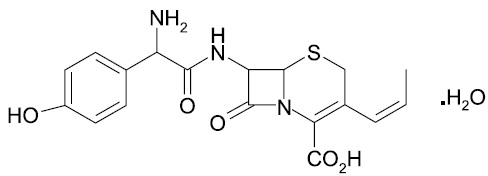
cefprozil for oral suspension usp
3ec55c0a-1456-412e-972f-352b3135c8f2
34391-3
HUMAN PRESCRIPTION DRUG LABEL
Drug Facts
Composition & Product
Identifiers & Packaging
Dosage and Administration
Cefprozil for oral suspension is administered orally. a In the treatment of infections due to Streptococcus pyogenes , cefprozil for oral suspension should be administered for at least 10 days. b Not to exceed recommended adult doses. Header$Population/Infection Dosage (mg) Duration (days) ADULTS (13 years and older) UPPER RESPIRATORY TRACT Pharyngitis/Tonsillitis 500 q24h 10 a Acute Sinusitis 250 q12h or 10 (For moderate to severe infections, the higher dose should be used) 500 q12h LOWER RESPIRATORY TRACT Acute Bacterial Exacerbation of Chronic Bronchitis 500 q12h 10 SKIN AND SKIN STRUCTURE Uncomplicated Skin and Skin Structure Infections 250 q12h or 10 500 q24h or 500 q12h CHILDREN (2 years to 12 years) UPPER RESPIRATORY TRACT b Pharyngitis/Tonsillitis 7.5 mg/kg q12h 10 a SKIN AND SKIN STRUCTURE Uncomplicated Skin and Skin Structure Infections 20 mg/kg q24h 10 INFANTS & CHILDREN (6 months to 12 years) UPPER RESPIRATORY TRACT b Otitis Media 15 mg/kg q12h 10 (See INDICATIONS AND USAGE and CLINICAL STUDIES ) Acute Sinusitis 7.5 mg/kg q12h or 10 (For moderate to severe infections, the higher dose should be used) 15 mg/kg q12h
Drug Interactions
Nephrotoxicity has been reported following concomitant administration of aminoglycoside antibiotics and cephalosporin antibiotics. Concomitant administration of probenecid doubled the AUC for cefprozil. The bioavailability of the capsule formulation of cefprozil was not affected when administered 5 minutes following an antacid.
How Supplied
Cefprozil for oral suspension, USP is a pink coloured powder, forming pink coloured suspension with characteristic odour on constitution. Cefprozil For Oral Suspension, USP 125 mg/5 mL is available as follows: 100 mL Bottle NDC 68180-401-03 Cefprozil For Oral Suspension, USP 250 mg/5 mL is available as follows: 50 mL Bottle NDC 68180-402-01 75 mL Bottle NDC 68180-402-02 100 mL Bottle NDC 68180-402-03 All powder formulations for oral suspension contain cefprozil in a bubble-gum flavored mixture.
Description
To reduce the development of drug-resistant bacteria and maintain the effectiveness of cefprozil for oral suspension and other antibacterial drugs, cefprozil for oral suspension should be used only to treat or prevent infections that are proven or strongly suspected to be caused by bacteria.
Medication Information
Dosage and Administration
Cefprozil for oral suspension is administered orally.
|
a In the treatment of infections due to Streptococcus pyogenes , cefprozil for oral suspension should be administered for at least 10 days. |
||
|
b Not to exceed recommended adult doses. |
||
|
Header$Population/Infection
|
Dosage (mg)
|
Duration (days)
|
| ADULTS (13 years and older) |
||
| UPPER RESPIRATORY TRACT |
||
| Pharyngitis/Tonsillitis |
500 q24h |
10 a
|
| Acute Sinusitis |
250 q12h or |
10 |
| (For moderate to severe infections, the higher dose should be used) |
500 q12h |
|
| LOWER RESPIRATORY TRACT |
||
| Acute Bacterial Exacerbation of Chronic Bronchitis |
500 q12h |
10 |
| SKIN AND SKIN STRUCTURE |
||
| Uncomplicated Skin and Skin Structure Infections |
250 q12h or |
10 |
| 500 q24h or |
||
| 500 q12h |
||
| CHILDREN (2 years to 12 years) |
||
| UPPER RESPIRATORY TRACT b
|
||
| Pharyngitis/Tonsillitis |
7.5 mg/kg q12h |
10 a
|
| SKIN AND SKIN STRUCTURE |
||
| Uncomplicated Skin and Skin Structure Infections |
20 mg/kg q24h |
10 |
| INFANTS & CHILDREN (6 months to 12 years) |
||
| UPPER RESPIRATORY TRACT b
|
||
| Otitis Media |
15 mg/kg q12h |
10 |
| (See
INDICATIONS AND USAGE
and
CLINICAL STUDIES
) |
||
| Acute Sinusitis |
7.5 mg/kg q12h or |
10 |
| (For moderate to severe infections, the higher dose should be used) |
15 mg/kg q12h |
Drug Interactions
Nephrotoxicity has been reported following concomitant administration of aminoglycoside antibiotics and cephalosporin antibiotics. Concomitant administration of probenecid doubled the AUC for cefprozil. The bioavailability of the capsule formulation of cefprozil was not affected when administered 5 minutes following an antacid.
How Supplied
Cefprozil for oral suspension, USP is a pink coloured powder, forming pink coloured suspension with characteristic odour on constitution.
Cefprozil For Oral Suspension, USP 125 mg/5 mL is available as follows:
100 mL Bottle NDC 68180-401-03
Cefprozil For Oral Suspension, USP 250 mg/5 mL is available as follows:
50 mL Bottle NDC 68180-402-01
75 mL Bottle NDC 68180-402-02
100 mL Bottle NDC 68180-402-03
All powder formulations for oral suspension contain cefprozil in a bubble-gum flavored mixture.
Description
To reduce the development of drug-resistant bacteria and maintain the effectiveness of cefprozil for oral suspension and other antibacterial drugs, cefprozil for oral suspension should be used only to treat or prevent infections that are proven or strongly suspected to be caused by bacteria.
Cns:
Dizziness (1%), hyperactivity, headache, nervousness, insomnia, confusion, and somnolence have been reported rarely (<1%). All were reversible.
Other:
Diaper rash and superinfection (1.5%), genital pruritus and vaginitis (1.6%).
The following adverse events, regardless of established causal relationship to cefprozil, have been rarely reported during postmarketing surveillance: anaphylaxis, angioedema, colitis (including pseudomembranous colitis), erythema multiforme, fever, serumsickness like reactions, Stevens-Johnson syndrome, and thrombocytopenia.
Renal:
Elevated BUN (0.1%), serum creatinine (0.1%).
Section 42229-5
To reduce the development of drug-resistant bacteria and maintain the effectiveness of cefprozil for oral suspension and other antibacterial drugs, cefprozil for oral suspension should be used only to treat or prevent infections that are proven or strongly suspected to be caused by bacteria.
Section 51945-4
NDC 68180-401-03
Cefprozil for Oral Suspension USP
125 mg/5 mL
Rx only
100 mL (when mixed)
NDC 68180-402-03
Cefprozil for Oral Suspension USP
250 mg/5 mL
Rx only
100 mL (when mixed)
General:
Prescribing cefprozil for oral suspension in the absence of proven or strongly suspected bacterial infection or a prophylactic indication is unlikely to provide benefit to the patient and increases the risk of the development of drug-resistant bacteria.
In patients with known or suspected renal impairment (see DOSAGE AND ADMINISTRATION ), careful clinical observation and appropriate laboratory studies should be done prior to and during therapy. The total daily dose of cefprozil should be reduced in these patients because high and/or prolonged plasma antibiotic concentrations can occur in such individuals from usual doses. Cephalosporins, including cefprozil, should be given with caution to patients receiving concurrent treatment with potent diuretics since these agents are suspected of adversely affecting renal function.
Prolonged use of cefprozil may result in the overgrowth of nonsusceptible organisms. Careful observation of the patient is essential. If superinfection occurs during therapy, appropriate measures should be taken.
Cefprozil should be prescribed with caution in individuals with a history of gastrointestinal disease particularly colitis.
Positive direct Coombs' tests have been reported during treatment with cephalosporin antibiotics.
Overdosage
Single 5000 mg/kg oral doses of cefprozil caused no mortality or signs of toxicity in adult, weanling, or neonatal rats, or adult mice. A single oral dose of 3000 mg/kg caused diarrhea and loss of appetite in cynomolgus monkeys, but no mortality.
Cefprozil is eliminated primarily by the kidneys. In case of severe overdosage, especially in patients with compromised renal function, hemodialysis will aid in the removal of cefprozil from the body.
References
- National Committee for Clinical Laboratory Standards. Methods for Dilution Antimicrobial Susceptibility Tests for Bacteria that Grow Aerobically-Third Edition. Approved Standard NCCLS Document M7-A3, Vol.13, No. 25, NCCLS, Villanova, PA, December 1993.
- National Committee for Clinical Laboratory Standards. Methods for Antimicrobial Susceptibility Testing of Anaerobic Bacteria-Third Edition. Approved Standard NCCLS Document M11-A3, Vol. 13, No. 26, NCCLS, Villanova, PA, December 1993.
- National Committee for Clinical Laboratory Standards. Performance Standards for Antimicrobial Disk Susceptibility Tests -Fifth Edition. Approved Standard NCCLS Document M2-A5, Vol. 13, No. 24, NCCLS, Villanova, PA, December 1993.
- Clintest® and Clinistix® are registered trademarks of Bayer HealthCare LLC.
Study One:
In a controlled clinical study of acute otitis media performed in the United States where significant rates of ßlactamase- producing organisms were found, cefprozil was compared to an oral antimicrobial agent that contained a specific ß-lactamase inhibitor. In this study, using very strict evaluability criteria and microbiologic and clinical response criteria at the 10 to 16 days post-therapy follow-up, the following presumptive bacterial eradication/clinical cure outcomes (i.e., clinical success) and safety results were obtained:
U.S. Acute Otitis Media Study
Cefprozil vs β-lactamase inhibitor-containing control drug
EFFICACY:
|
Pathogen
|
%
of
Cases
with
Pathogen
(
n
=
155
)
|
Outcome
|
| S
.
pneumoniae
|
48.4% |
cefprozil success rate 5% better than control |
| H
.
influenzae
|
35.5% |
cefprozil success rate 17% less than control |
| M
.
catarrhalis
|
13.5% |
cefprozil success rate 12% less than control |
| S
.
pyogenes
|
2.6% |
cefprozil equivalent to control |
| Overall |
100.0% |
cefprozil success rate 5% less than control |
SAFETY:
The incidences of adverse events, primarily diarrhea and rash*, were clinically and statistically significantly higher in the control arm versus the cefprozil arm.
|
Age
Group
|
Cefprozil
|
Control
|
|
* The majority of these involved the diaper area in young children. |
||
| 6 months to 2 years |
21% |
41% |
| 3 to 12 years |
10% |
19% |
Study Two:
In a controlled clinical study of acute otitis media performed in Europe, cefprozil was compared to an oral antimicrobial agent that contained a specific ß-lactamase inhibitor. As expected in a European population, this study population had a lower incidence of ß-lactamase-producing organisms than usually seen in U.S. trials. In this study, using very strict evaluability criteria and microbiologic and clinical response criteria at the 10 to 16 days post-therapy follow-up, the following presumptive bacterial eradication/clinical cure outcomes (i.e., clinical success) were obtained:
European Acute Otitis Media Study
Cefprozil vs β-lactamase inhibitor-containing control drug
EFFICACY:
|
Pathogen
|
%
of
Cases
with
Pathogen
(
n
=
47
)
|
Outcome
|
| S
.
pneumoniae
|
51.0% |
cefprozil equivalent to control |
| H
.
influenzae
|
29.8% |
cefprozil equivalent to control |
| M
.
catarrhalis
|
6.4% |
cefprozil equivalent to control |
| S
.
pyogenes
|
12.8% |
cefprozil equivalent to control |
| Overall |
100.0% |
cefprozil equivalent to control |
SAFETY:
The incidence of adverse events in the cefprozil arm was comparable to the incidence of adverse events in the control arm (agent that contained a specific ß-lactamase inhibitor).
Geriatric Use
Of the more than 4500 adults treated with cefprozil in clinical studies, 14% were 65 years and older, while 5% were 75 years and older. When geriatric patients received the usual recommended adult doses, their clinical efficacy and safety were comparable to clinical efficacy and safety in nongeriatric adult patients. Other reported clinical experience has not identified differences in responses between elderly and younger patients, but greater sensitivity of some older individuals to the effects of cefprozil cannot be excluded (see CLINICAL PHARMACOLOGY ).
Cefprozil is known to be substantially excreted by the kidney, and the risk of toxic reactions to this drug may be greater in patients with impaired renal function. Because elderly patients are more likely to have decreased renal function, care should be taken in dose selection and it may be useful to monitor renal function. See DOSAGE AND ADMINISTRATION for dosing recommendations for patients with impaired renal function.
Microbiology:
Cefprozil has in vitro activity against a broad range of gram-positive and gram-negative bacteria. The bactericidal action of cefprozil results from inhibition of cell-wall synthesis. Cefprozil has been shown to be active against most strains of the following microorganisms both in vitro and in clinical infections as described in the INDICATIONS AND USAGE section.
Otitis Media:
Caused by Streptococcus pneumoniae, Haemophilus influenzae (including ß-lactamase-producing strains), and Moraxella (Branhamella) catarrhalis (including ß-lactamase-producing strains). (See CLINICAL STUDIES .)
NOTE: In the treatment of otitis media due to ß-lactamase producing organisms, cefprozil had bacteriologic eradication rates somewhat lower than those observed with a product containing a specific ß-lactamase inhibitor. In considering the use of cefprozil, lower overall eradication rates should be balanced against the susceptibility patterns of the common microbes in a given geographic area and the increased potential for toxicity with products containing ß-lactamase inhibitors.
Pediatric Use
(See INDICATIONS AND USAGE and DOSAGE AND ADMINISTRATION .)
The safety and effectiveness of cefprozil in the treatment of otitis media have been established in the age groups 6 months to 12 years. Use of cefprozil for the treatment of otitis media is supported by evidence from adequate and well-controlled studies of cefprozil in pediatric patients. (See CLINICAL STUDIES .)
The safety and effectiveness of cefprozil in the treatment of pharyngitis/tonsillitis or uncomplicated skin and skin-structure infections have been established in the age groups 2 to 12 years. Use of cefprozil for the treatment of these infections is supported by evidence from adequate and well-controlled studies of cefprozil in pediatric patients.
The safety and effectiveness of cefprozil in the treatment of acute sinusitis have been established in the age groups 6 months to 12 years. Use of cefprozil in these age groups is supported by evidence from adequate and well-controlled studies of cefprozil in adults.
Safety and effectiveness in pediatric patients below the age of 6 months have not been established for the treatment of otitis media or acute sinusitis, or below the age of 2 years for the treatment of pharyngitis/tonsillitis or uncomplicated skin and skin-structure infections. However, accumulation of other cephalosporin antibiotics in newborn infants (resulting from prolonged drug half-life in this age group) has been reported.
Hematopoietic:
Decreased leukocyte count (0.2%), eosinophilia (2.3%).
Nursing Mothers
Small amounts of cefprozil (<0.3% of dose) have been detected in human milk following administration of a single 1 gram dose to lactating women. The average levels over 24 hours ranged from 0.25 to 3.3 mcg/mL. Caution should be exercised when Cefprozil for oral suspension is administered to a nursing woman, since the effect of cefprozil on nursing infants is unknown.
Acute Sinusitis:
Caused by Streptococcus pneumoniae, Haemophilus influenzae (including ß-lactamase producing strains), and Moraxella (Branhamella) catarrhalis (including ß-lactamase-producing strains).
Gastrointestinal:
Diarrhea (2.9%), nausea (3.5%), vomiting (1%), and abdominal pain (1%).
Hepatobiliary:
Elevations of AST (SGOT) (2%), ALT (SGPT) (2%), alkaline phosphatase (0.2%), and bilirubin values (<0.1%). As with some penicillins and some other cephalosporin antibiotics, cholestatic jaundice has been reported rarely.
Hypersensitivity:
Rash (0.9%), urticaria (0.1%). Such reactions have been reported more frequently in children than in adults. Signs and symptoms usually occur a few days after initiation of therapy and subside within a few days after cessation of therapy.
Renal Impairment:
Cefprozil may be administered to patients with impaired renal function. The following dosage schedule should be used.
|
Creatinine
Clearance
(
mL
/
min
)
|
Dosage
(
mg
)
|
Dosing
Interval
|
| 30 to 120 |
standard |
standard |
| 0 to 29 Cefprozil is in part removed by hemodialysis; therefore, cefprozil should be administered after the completion of hemodialysis.
|
50% of standard |
standard |
Drug Interactions:
Nephrotoxicity has been reported following concomitant administration of aminoglycoside antibiotics and cephalosporin antibiotics. Concomitant administration of probenecid doubled the AUC for cefprozil.
The bioavailability of the capsule formulation of cefprozil was not affected when administered 5 minutes following an antacid.
Labor and Delivery
Cefprozil has not been studied for use during labor and delivery. Treatment should only be given if clearly needed.
Hepatic Impairment:
No dosage adjustment is necessary for patients with impaired hepatic function.
Susceptibility Tests:
Dilution Techniques: Quantitative methods are used to determine antimicrobial minimal inhibitory concentrations (MICs). These MICs provide estimates of the susceptibility of bacteria to antimicrobial compounds. The MICs should be determined using a standardized procedure. Standardized procedures are based on a dilution method1,2 (broth or agar) or equivalent with standardized inoculum concentrations and standardized concentrations of cefprozil powder. The MIC values should be interpreted according to the following criteria:
|
MIC
(
mcg
/
mL
)
|
Interpretation
|
| ≤8 |
Susceptible (S) |
| 16 |
Intermediate (I) |
| ≥32 |
Resistant (R) |
A report of "Susceptible" indicates that the pathogen is likely to be inhibited if the antimicrobial compound in the blood reaches the concentrations usually achievable. A report of "Intermediate" indicates that the result should be considered equivocal, and, if the microorganism is not fully susceptible to alternative, clinically feasible drugs, the test should be repeated. This category implies possible clinical applicability in body sites where the drug is physiologically concentrated or in situations where high dosage of drug can be used. This category also provides a buffer zone which prevents small uncontrolled technical factors from causing major discrepancies in interpretation. A report of "Resistant" indicates that the pathogen is not likely to be inhibited if the antimicrobial compound in the blood reaches the concentrations usually achievable; other therapy should be selected.
Standardized susceptibility test procedures require the use of laboratory control microorganisms to control the technical aspects of the laboratory procedures. Standard cefprozil powder should provide the following MIC values:
| Microorganism
|
MIC
(
mcg
/
mL
)
|
| Enterococcus
faecalis ATCC 29212 |
4 to 16 |
| Escherichia
coli ATCC 25922 |
1 to 4 |
| Haemophilus
influenzae ATCC 49766 |
1 to 4 |
| Staphylococcus
aureus ATCC 29213 |
0.25 to 1 |
| Streptococcus
pneumoniae ATCC 49619 |
0.25 to 1 |
Diffusion Techniques: Quantitative methods that require measurement of zone diameters also provide reproducible estimates of the susceptibility of bacteria to antimicrobial compounds. One such standardized procedure3 requires the use of standardized inoculum concentrations. This procedure uses paper disks impregnated with 30 mcg cefprozil to test the susceptibility of microorganisms to cefprozil.
Reports from the laboratory providing results of the standard single-disk susceptibility test with a 30-mcg cefprozil disk should be interpreted according to the following criteria:
|
Zone
diameter
(
mm
)
|
Interpretation
|
| ≥18 |
Susceptible (S) |
| 15 to 17 |
Intermediate (I) |
| ≤14 |
Resistant (R) |
Interpretation should be as stated above for results using dilution techniques. Interpretation involves correlation of the diameter obtained in the disk test with the MIC for cefprozil.
As with standardized dilution techniques, diffusion methods require the use of laboratory control microorganisms that are used to control the technical aspects of the laboratory procedures. For the diffusion technique, the 30-mcg cefprozil disk should provide the following zone diameters in these laboratory test quality control strains.
| Microorganism
|
Zone
diameter
(
mm
)
|
| Escherichia
coli ATCC 25922 |
21 to 27 |
| Haemophilus
influenzae ATCC 49766 |
20 to 27 |
| Staphylococcus
aureus ATCC 25923 |
27 to 33 |
| Streptococcus
pneumoniae ATCC 49619 |
25 to 32 |
Pharyngitis/tonsillitis:
Caused by Streptococcus pyogenes.
NOTE: The usual drug of choice in the treatment and prevention of streptococcal infections, including the prophylaxis of rheumatic fever, is penicillin given by the intramuscular route. Cefprozil is generally effective in the eradication of Streptococcus pyogenes from the nasopharynx; however, substantial data establishing the efficacy of cefprozil in the subsequent prevention of rheumatic fever are not available at present.
Anaerobic Microorganisms:
Prevotella (Bacteroides) melaninogenicus
Clostridium difficile
Clostridium perfringens
Fusobacterium spp.
Peptostreptococcus spp.
Propionibacterium acnes
NOTE: Most strains of the Bacteroides fragilis group are resistant to cefprozil.
Information for Patients:
Phenylketonurics: Cefprozil for oral suspension contains phenylalanine 28 mg per 5 mL (1 teaspoonful) constituted suspension for both the 125 mg/5 mL and 250 mg/5 mL dosage forms.
Patients should be counseled that antibacterial drugs including cefprozil for oral suspension should only be used to treat bacterial infections. They do not treat viral infections (e.g., the common cold). When cefprozil for oral suspension is prescribed to treat a bacterial infection, patients should be told that although it is common to feel better early in the course of therapy, the medication should be taken exactly as directed. Skipping doses or not completing the full course of therapy may (1) decrease the effectiveness of the immediate treatment and (2) increase the likelihood that bacteria will develop resistance and will not be treatable by cefprozil for oral suspension or other antibacterial drugs in the future.
Diarrhea is a common problem caused by antibiotics which usually ends when the antibiotic is discontinued. Sometimes after starting treatment with antibiotics, patients can develop watery and bloody stools (with or without stomach cramps and fever) even as late as two or more months after having taken the last dose of the antibiotic. If this occurs, patients should contact their physician as soon as possible.
Cephalosporin Class Paragraph:
In addition to the adverse reactions listed above which have been observed in patients treated with cefprozil, the following adverse reactions and altered laboratory tests have been reported for cephalosporin-class antibiotics:
Aplastic anemia, hemolytic anemia, hemorrhage, renal dysfunction, toxic epidermal necrolysis, toxic nephropathy, prolonged prothrombin time, positive Coombs' test, elevated LDH, pancytopenia, neutropenia, agranulocytosis.
Several cephalosporins have been implicated in triggering seizures, particularly in patients with renal impairment, when the dosage was not reduced. (See DOSAGE AND ADMINISTRATION and OVERDOSAGE ) If seizures associated with drug therapy occur, the drug should be discontinued. Anticonvulsant therapy can be given if clinically indicated.
Drug/laboratory Test Interactions:
Cephalosporin antibiotics may produce a false positive reaction for glucose in the urine with copper reduction tests (Benedict's or Fehling's solution or with Clinitest® tablets), but not with enzyme-based tests for glycosuria (e.g., Clinistix®). A false negative reaction may occur in the ferricyanide test for blood glucose. The presence of cefprozil in the blood does not interfere with the assay of plasma or urine creatinine by the alkaline picrate method.
Aerobic Gram Negative Microorganisms:
Haemophilus influenzae
(including ß-lactamase-producing strains)
Moraxella (Branhamella) catarrhalis
(including ß-lactamase-producing strains)
The following in vitro data are available; however, their clinical significance is unknown. Cefprozil exhibits in vitro minimum inhibitory concentrations (MICs) of 8 mcg/mL or less against most (≥90%) strains of the following microorganisms; however, the safety and effectiveness of cefprozil in treating clinical infections due to these microorganisms have not been established in adequate and well-controlled clinical trials.
Aerobic Gram Positive Microorganisms:
Staphylococcus aureus
(including ß-lactamase-producing strains)
NOTE: Cefprozil is inactive against methicillin-resistant staphylococci.
Streptococcus pneumoniae
Streptococcus pyogenes
Teratogenic Effects Pregnancy Category B:
Reproduction studies have been performed in rabbits, mice, and rats using oral doses of cefprozil of 0.8, 8.5, and 18.5 times the maximum daily human dose (1000 mg) based upon mg/m2, and have revealed no harm to the fetus. There are, however, no adequate and well-controlled studies in pregnant women. Because animal reproduction studies are not always predictive of human response, this drug should be used during pregnancy only if clearly needed.
Reconstitution Directions for Oral Suspension:
Prepare the suspension at the time of dispensing; for ease in preparation, add water in two portions and shake well after each aliquot.
|
Bottle
Size
|
Final
Concentration
125
mg
/
5
mL
|
Final
Concentration
250
mg
/
5
mL
|
| 50 mL |
36 mL |
36 mL |
| 75 mL |
53 mL |
53 mL |
| 100 mL |
70 mL |
70 mL |
Store dry powder at 20° to 25°C (68° to 77°F) [See USP Controlled Room Temperature].
Store constituted suspension in refrigerator. Discard after 14 days.
Preserve in tight containers.
Uncomplicated Skin and Skin Structure Infections:
Caused by Staphylococcus aureus (including penicillinase-producing strains) and Streptococcus pyogenes. Abscesses usually require surgical drainage.
To reduce the development of drug-resistant bacteria and maintain the effectiveness of cefprozil for oral suspension and other antibacterial drugs, cefprozil for oral suspension should be used only to treat or prevent infections that are proven or strongly suspected to be caused by susceptible bacteria. When culture and susceptibility information are available, they should be considered in selecting or modifying antibacterial therapy. In the absence of such data, local epidemiology and susceptibility patterns may contribute to the empiric selection of therapy.
Acute Bacterial Exacerbation of Chronic Bronchitis:
Caused by Streptococcus pneumoniae, Haemophilus influenzae (including ß-lactamase-producing strains), and Moraxella (Branhamella) catarrhalis (including ß-lactamase-producing strains).
Carcinogenesis and Mutagenesis and Impairment of Fertility
Long term in vivo studies have not been performed to evaluate the carcinogenic potential of cefprozil.
Cefprozil was not found to be mutagenic in either the Ames Salmonella or E. coli WP2 urvA reversion assays or the Chinese hamster ovary cell HGPRT forward gene mutation assay and it did not induce chromosomal abnormalities in Chinese hamster ovary cells or unscheduled DNA synthesis in rat hepatocytes in vitro. Chromosomal aberrations were not observed in bone marrow cells from rats dosed orally with over 30 times the highest recommended human dose based upon mg/m2.
Impairment of fertility was not observed in male or female rats given oral doses of cefprozil up to 18.5 times the highest recommended human dose based upon mg/m2.
Structured Label Content
Dosage and Administration (DOSAGE AND ADMINISTRATION)
Cefprozil for oral suspension is administered orally.
|
a In the treatment of infections due to Streptococcus pyogenes , cefprozil for oral suspension should be administered for at least 10 days. |
||
|
b Not to exceed recommended adult doses. |
||
|
Header$Population/Infection
|
Dosage (mg)
|
Duration (days)
|
| ADULTS (13 years and older) |
||
| UPPER RESPIRATORY TRACT |
||
| Pharyngitis/Tonsillitis |
500 q24h |
10 a
|
| Acute Sinusitis |
250 q12h or |
10 |
| (For moderate to severe infections, the higher dose should be used) |
500 q12h |
|
| LOWER RESPIRATORY TRACT |
||
| Acute Bacterial Exacerbation of Chronic Bronchitis |
500 q12h |
10 |
| SKIN AND SKIN STRUCTURE |
||
| Uncomplicated Skin and Skin Structure Infections |
250 q12h or |
10 |
| 500 q24h or |
||
| 500 q12h |
||
| CHILDREN (2 years to 12 years) |
||
| UPPER RESPIRATORY TRACT b
|
||
| Pharyngitis/Tonsillitis |
7.5 mg/kg q12h |
10 a
|
| SKIN AND SKIN STRUCTURE |
||
| Uncomplicated Skin and Skin Structure Infections |
20 mg/kg q24h |
10 |
| INFANTS & CHILDREN (6 months to 12 years) |
||
| UPPER RESPIRATORY TRACT b
|
||
| Otitis Media |
15 mg/kg q12h |
10 |
| (See
INDICATIONS AND USAGE
and
CLINICAL STUDIES
) |
||
| Acute Sinusitis |
7.5 mg/kg q12h or |
10 |
| (For moderate to severe infections, the higher dose should be used) |
15 mg/kg q12h |
How Supplied (HOW SUPPLIED)
Cefprozil for oral suspension, USP is a pink coloured powder, forming pink coloured suspension with characteristic odour on constitution.
Cefprozil For Oral Suspension, USP 125 mg/5 mL is available as follows:
100 mL Bottle NDC 68180-401-03
Cefprozil For Oral Suspension, USP 250 mg/5 mL is available as follows:
50 mL Bottle NDC 68180-402-01
75 mL Bottle NDC 68180-402-02
100 mL Bottle NDC 68180-402-03
All powder formulations for oral suspension contain cefprozil in a bubble-gum flavored mixture.
Cns: (CNS:)
Dizziness (1%), hyperactivity, headache, nervousness, insomnia, confusion, and somnolence have been reported rarely (<1%). All were reversible.
Other:
Diaper rash and superinfection (1.5%), genital pruritus and vaginitis (1.6%).
The following adverse events, regardless of established causal relationship to cefprozil, have been rarely reported during postmarketing surveillance: anaphylaxis, angioedema, colitis (including pseudomembranous colitis), erythema multiforme, fever, serumsickness like reactions, Stevens-Johnson syndrome, and thrombocytopenia.
Renal:
Elevated BUN (0.1%), serum creatinine (0.1%).
Section 42229-5 (42229-5)
To reduce the development of drug-resistant bacteria and maintain the effectiveness of cefprozil for oral suspension and other antibacterial drugs, cefprozil for oral suspension should be used only to treat or prevent infections that are proven or strongly suspected to be caused by bacteria.
Section 51945-4 (51945-4)
NDC 68180-401-03
Cefprozil for Oral Suspension USP
125 mg/5 mL
Rx only
100 mL (when mixed)
NDC 68180-402-03
Cefprozil for Oral Suspension USP
250 mg/5 mL
Rx only
100 mL (when mixed)
General:
Prescribing cefprozil for oral suspension in the absence of proven or strongly suspected bacterial infection or a prophylactic indication is unlikely to provide benefit to the patient and increases the risk of the development of drug-resistant bacteria.
In patients with known or suspected renal impairment (see DOSAGE AND ADMINISTRATION ), careful clinical observation and appropriate laboratory studies should be done prior to and during therapy. The total daily dose of cefprozil should be reduced in these patients because high and/or prolonged plasma antibiotic concentrations can occur in such individuals from usual doses. Cephalosporins, including cefprozil, should be given with caution to patients receiving concurrent treatment with potent diuretics since these agents are suspected of adversely affecting renal function.
Prolonged use of cefprozil may result in the overgrowth of nonsusceptible organisms. Careful observation of the patient is essential. If superinfection occurs during therapy, appropriate measures should be taken.
Cefprozil should be prescribed with caution in individuals with a history of gastrointestinal disease particularly colitis.
Positive direct Coombs' tests have been reported during treatment with cephalosporin antibiotics.
Overdosage (OVERDOSAGE)
Single 5000 mg/kg oral doses of cefprozil caused no mortality or signs of toxicity in adult, weanling, or neonatal rats, or adult mice. A single oral dose of 3000 mg/kg caused diarrhea and loss of appetite in cynomolgus monkeys, but no mortality.
Cefprozil is eliminated primarily by the kidneys. In case of severe overdosage, especially in patients with compromised renal function, hemodialysis will aid in the removal of cefprozil from the body.
References (REFERENCES)
- National Committee for Clinical Laboratory Standards. Methods for Dilution Antimicrobial Susceptibility Tests for Bacteria that Grow Aerobically-Third Edition. Approved Standard NCCLS Document M7-A3, Vol.13, No. 25, NCCLS, Villanova, PA, December 1993.
- National Committee for Clinical Laboratory Standards. Methods for Antimicrobial Susceptibility Testing of Anaerobic Bacteria-Third Edition. Approved Standard NCCLS Document M11-A3, Vol. 13, No. 26, NCCLS, Villanova, PA, December 1993.
- National Committee for Clinical Laboratory Standards. Performance Standards for Antimicrobial Disk Susceptibility Tests -Fifth Edition. Approved Standard NCCLS Document M2-A5, Vol. 13, No. 24, NCCLS, Villanova, PA, December 1993.
- Clintest® and Clinistix® are registered trademarks of Bayer HealthCare LLC.
Study One:
In a controlled clinical study of acute otitis media performed in the United States where significant rates of ßlactamase- producing organisms were found, cefprozil was compared to an oral antimicrobial agent that contained a specific ß-lactamase inhibitor. In this study, using very strict evaluability criteria and microbiologic and clinical response criteria at the 10 to 16 days post-therapy follow-up, the following presumptive bacterial eradication/clinical cure outcomes (i.e., clinical success) and safety results were obtained:
U.S. Acute Otitis Media Study
Cefprozil vs β-lactamase inhibitor-containing control drug
EFFICACY:
|
Pathogen
|
%
of
Cases
with
Pathogen
(
n
=
155
)
|
Outcome
|
| S
.
pneumoniae
|
48.4% |
cefprozil success rate 5% better than control |
| H
.
influenzae
|
35.5% |
cefprozil success rate 17% less than control |
| M
.
catarrhalis
|
13.5% |
cefprozil success rate 12% less than control |
| S
.
pyogenes
|
2.6% |
cefprozil equivalent to control |
| Overall |
100.0% |
cefprozil success rate 5% less than control |
SAFETY:
The incidences of adverse events, primarily diarrhea and rash*, were clinically and statistically significantly higher in the control arm versus the cefprozil arm.
|
Age
Group
|
Cefprozil
|
Control
|
|
* The majority of these involved the diaper area in young children. |
||
| 6 months to 2 years |
21% |
41% |
| 3 to 12 years |
10% |
19% |
Study Two:
In a controlled clinical study of acute otitis media performed in Europe, cefprozil was compared to an oral antimicrobial agent that contained a specific ß-lactamase inhibitor. As expected in a European population, this study population had a lower incidence of ß-lactamase-producing organisms than usually seen in U.S. trials. In this study, using very strict evaluability criteria and microbiologic and clinical response criteria at the 10 to 16 days post-therapy follow-up, the following presumptive bacterial eradication/clinical cure outcomes (i.e., clinical success) were obtained:
European Acute Otitis Media Study
Cefprozil vs β-lactamase inhibitor-containing control drug
EFFICACY:
|
Pathogen
|
%
of
Cases
with
Pathogen
(
n
=
47
)
|
Outcome
|
| S
.
pneumoniae
|
51.0% |
cefprozil equivalent to control |
| H
.
influenzae
|
29.8% |
cefprozil equivalent to control |
| M
.
catarrhalis
|
6.4% |
cefprozil equivalent to control |
| S
.
pyogenes
|
12.8% |
cefprozil equivalent to control |
| Overall |
100.0% |
cefprozil equivalent to control |
SAFETY:
The incidence of adverse events in the cefprozil arm was comparable to the incidence of adverse events in the control arm (agent that contained a specific ß-lactamase inhibitor).
Geriatric Use
Of the more than 4500 adults treated with cefprozil in clinical studies, 14% were 65 years and older, while 5% were 75 years and older. When geriatric patients received the usual recommended adult doses, their clinical efficacy and safety were comparable to clinical efficacy and safety in nongeriatric adult patients. Other reported clinical experience has not identified differences in responses between elderly and younger patients, but greater sensitivity of some older individuals to the effects of cefprozil cannot be excluded (see CLINICAL PHARMACOLOGY ).
Cefprozil is known to be substantially excreted by the kidney, and the risk of toxic reactions to this drug may be greater in patients with impaired renal function. Because elderly patients are more likely to have decreased renal function, care should be taken in dose selection and it may be useful to monitor renal function. See DOSAGE AND ADMINISTRATION for dosing recommendations for patients with impaired renal function.
Microbiology:
Cefprozil has in vitro activity against a broad range of gram-positive and gram-negative bacteria. The bactericidal action of cefprozil results from inhibition of cell-wall synthesis. Cefprozil has been shown to be active against most strains of the following microorganisms both in vitro and in clinical infections as described in the INDICATIONS AND USAGE section.
Otitis Media:
Caused by Streptococcus pneumoniae, Haemophilus influenzae (including ß-lactamase-producing strains), and Moraxella (Branhamella) catarrhalis (including ß-lactamase-producing strains). (See CLINICAL STUDIES .)
NOTE: In the treatment of otitis media due to ß-lactamase producing organisms, cefprozil had bacteriologic eradication rates somewhat lower than those observed with a product containing a specific ß-lactamase inhibitor. In considering the use of cefprozil, lower overall eradication rates should be balanced against the susceptibility patterns of the common microbes in a given geographic area and the increased potential for toxicity with products containing ß-lactamase inhibitors.
Pediatric Use
(See INDICATIONS AND USAGE and DOSAGE AND ADMINISTRATION .)
The safety and effectiveness of cefprozil in the treatment of otitis media have been established in the age groups 6 months to 12 years. Use of cefprozil for the treatment of otitis media is supported by evidence from adequate and well-controlled studies of cefprozil in pediatric patients. (See CLINICAL STUDIES .)
The safety and effectiveness of cefprozil in the treatment of pharyngitis/tonsillitis or uncomplicated skin and skin-structure infections have been established in the age groups 2 to 12 years. Use of cefprozil for the treatment of these infections is supported by evidence from adequate and well-controlled studies of cefprozil in pediatric patients.
The safety and effectiveness of cefprozil in the treatment of acute sinusitis have been established in the age groups 6 months to 12 years. Use of cefprozil in these age groups is supported by evidence from adequate and well-controlled studies of cefprozil in adults.
Safety and effectiveness in pediatric patients below the age of 6 months have not been established for the treatment of otitis media or acute sinusitis, or below the age of 2 years for the treatment of pharyngitis/tonsillitis or uncomplicated skin and skin-structure infections. However, accumulation of other cephalosporin antibiotics in newborn infants (resulting from prolonged drug half-life in this age group) has been reported.
Hematopoietic:
Decreased leukocyte count (0.2%), eosinophilia (2.3%).
Nursing Mothers
Small amounts of cefprozil (<0.3% of dose) have been detected in human milk following administration of a single 1 gram dose to lactating women. The average levels over 24 hours ranged from 0.25 to 3.3 mcg/mL. Caution should be exercised when Cefprozil for oral suspension is administered to a nursing woman, since the effect of cefprozil on nursing infants is unknown.
Acute Sinusitis:
Caused by Streptococcus pneumoniae, Haemophilus influenzae (including ß-lactamase producing strains), and Moraxella (Branhamella) catarrhalis (including ß-lactamase-producing strains).
Gastrointestinal:
Diarrhea (2.9%), nausea (3.5%), vomiting (1%), and abdominal pain (1%).
Hepatobiliary:
Elevations of AST (SGOT) (2%), ALT (SGPT) (2%), alkaline phosphatase (0.2%), and bilirubin values (<0.1%). As with some penicillins and some other cephalosporin antibiotics, cholestatic jaundice has been reported rarely.
Hypersensitivity:
Rash (0.9%), urticaria (0.1%). Such reactions have been reported more frequently in children than in adults. Signs and symptoms usually occur a few days after initiation of therapy and subside within a few days after cessation of therapy.
Renal Impairment:
Cefprozil may be administered to patients with impaired renal function. The following dosage schedule should be used.
|
Creatinine
Clearance
(
mL
/
min
)
|
Dosage
(
mg
)
|
Dosing
Interval
|
| 30 to 120 |
standard |
standard |
| 0 to 29 Cefprozil is in part removed by hemodialysis; therefore, cefprozil should be administered after the completion of hemodialysis.
|
50% of standard |
standard |
Drug Interactions:
Nephrotoxicity has been reported following concomitant administration of aminoglycoside antibiotics and cephalosporin antibiotics. Concomitant administration of probenecid doubled the AUC for cefprozil.
The bioavailability of the capsule formulation of cefprozil was not affected when administered 5 minutes following an antacid.
Labor and Delivery
Cefprozil has not been studied for use during labor and delivery. Treatment should only be given if clearly needed.
Hepatic Impairment:
No dosage adjustment is necessary for patients with impaired hepatic function.
Susceptibility Tests:
Dilution Techniques: Quantitative methods are used to determine antimicrobial minimal inhibitory concentrations (MICs). These MICs provide estimates of the susceptibility of bacteria to antimicrobial compounds. The MICs should be determined using a standardized procedure. Standardized procedures are based on a dilution method1,2 (broth or agar) or equivalent with standardized inoculum concentrations and standardized concentrations of cefprozil powder. The MIC values should be interpreted according to the following criteria:
|
MIC
(
mcg
/
mL
)
|
Interpretation
|
| ≤8 |
Susceptible (S) |
| 16 |
Intermediate (I) |
| ≥32 |
Resistant (R) |
A report of "Susceptible" indicates that the pathogen is likely to be inhibited if the antimicrobial compound in the blood reaches the concentrations usually achievable. A report of "Intermediate" indicates that the result should be considered equivocal, and, if the microorganism is not fully susceptible to alternative, clinically feasible drugs, the test should be repeated. This category implies possible clinical applicability in body sites where the drug is physiologically concentrated or in situations where high dosage of drug can be used. This category also provides a buffer zone which prevents small uncontrolled technical factors from causing major discrepancies in interpretation. A report of "Resistant" indicates that the pathogen is not likely to be inhibited if the antimicrobial compound in the blood reaches the concentrations usually achievable; other therapy should be selected.
Standardized susceptibility test procedures require the use of laboratory control microorganisms to control the technical aspects of the laboratory procedures. Standard cefprozil powder should provide the following MIC values:
| Microorganism
|
MIC
(
mcg
/
mL
)
|
| Enterococcus
faecalis ATCC 29212 |
4 to 16 |
| Escherichia
coli ATCC 25922 |
1 to 4 |
| Haemophilus
influenzae ATCC 49766 |
1 to 4 |
| Staphylococcus
aureus ATCC 29213 |
0.25 to 1 |
| Streptococcus
pneumoniae ATCC 49619 |
0.25 to 1 |
Diffusion Techniques: Quantitative methods that require measurement of zone diameters also provide reproducible estimates of the susceptibility of bacteria to antimicrobial compounds. One such standardized procedure3 requires the use of standardized inoculum concentrations. This procedure uses paper disks impregnated with 30 mcg cefprozil to test the susceptibility of microorganisms to cefprozil.
Reports from the laboratory providing results of the standard single-disk susceptibility test with a 30-mcg cefprozil disk should be interpreted according to the following criteria:
|
Zone
diameter
(
mm
)
|
Interpretation
|
| ≥18 |
Susceptible (S) |
| 15 to 17 |
Intermediate (I) |
| ≤14 |
Resistant (R) |
Interpretation should be as stated above for results using dilution techniques. Interpretation involves correlation of the diameter obtained in the disk test with the MIC for cefprozil.
As with standardized dilution techniques, diffusion methods require the use of laboratory control microorganisms that are used to control the technical aspects of the laboratory procedures. For the diffusion technique, the 30-mcg cefprozil disk should provide the following zone diameters in these laboratory test quality control strains.
| Microorganism
|
Zone
diameter
(
mm
)
|
| Escherichia
coli ATCC 25922 |
21 to 27 |
| Haemophilus
influenzae ATCC 49766 |
20 to 27 |
| Staphylococcus
aureus ATCC 25923 |
27 to 33 |
| Streptococcus
pneumoniae ATCC 49619 |
25 to 32 |
Pharyngitis/tonsillitis: (Pharyngitis/Tonsillitis:)
Caused by Streptococcus pyogenes.
NOTE: The usual drug of choice in the treatment and prevention of streptococcal infections, including the prophylaxis of rheumatic fever, is penicillin given by the intramuscular route. Cefprozil is generally effective in the eradication of Streptococcus pyogenes from the nasopharynx; however, substantial data establishing the efficacy of cefprozil in the subsequent prevention of rheumatic fever are not available at present.
Anaerobic Microorganisms:
Prevotella (Bacteroides) melaninogenicus
Clostridium difficile
Clostridium perfringens
Fusobacterium spp.
Peptostreptococcus spp.
Propionibacterium acnes
NOTE: Most strains of the Bacteroides fragilis group are resistant to cefprozil.
Information for Patients:
Phenylketonurics: Cefprozil for oral suspension contains phenylalanine 28 mg per 5 mL (1 teaspoonful) constituted suspension for both the 125 mg/5 mL and 250 mg/5 mL dosage forms.
Patients should be counseled that antibacterial drugs including cefprozil for oral suspension should only be used to treat bacterial infections. They do not treat viral infections (e.g., the common cold). When cefprozil for oral suspension is prescribed to treat a bacterial infection, patients should be told that although it is common to feel better early in the course of therapy, the medication should be taken exactly as directed. Skipping doses or not completing the full course of therapy may (1) decrease the effectiveness of the immediate treatment and (2) increase the likelihood that bacteria will develop resistance and will not be treatable by cefprozil for oral suspension or other antibacterial drugs in the future.
Diarrhea is a common problem caused by antibiotics which usually ends when the antibiotic is discontinued. Sometimes after starting treatment with antibiotics, patients can develop watery and bloody stools (with or without stomach cramps and fever) even as late as two or more months after having taken the last dose of the antibiotic. If this occurs, patients should contact their physician as soon as possible.
Cephalosporin Class Paragraph:
In addition to the adverse reactions listed above which have been observed in patients treated with cefprozil, the following adverse reactions and altered laboratory tests have been reported for cephalosporin-class antibiotics:
Aplastic anemia, hemolytic anemia, hemorrhage, renal dysfunction, toxic epidermal necrolysis, toxic nephropathy, prolonged prothrombin time, positive Coombs' test, elevated LDH, pancytopenia, neutropenia, agranulocytosis.
Several cephalosporins have been implicated in triggering seizures, particularly in patients with renal impairment, when the dosage was not reduced. (See DOSAGE AND ADMINISTRATION and OVERDOSAGE ) If seizures associated with drug therapy occur, the drug should be discontinued. Anticonvulsant therapy can be given if clinically indicated.
Drug/laboratory Test Interactions: (Drug/Laboratory Test Interactions:)
Cephalosporin antibiotics may produce a false positive reaction for glucose in the urine with copper reduction tests (Benedict's or Fehling's solution or with Clinitest® tablets), but not with enzyme-based tests for glycosuria (e.g., Clinistix®). A false negative reaction may occur in the ferricyanide test for blood glucose. The presence of cefprozil in the blood does not interfere with the assay of plasma or urine creatinine by the alkaline picrate method.
Aerobic Gram Negative Microorganisms: (Aerobic Gram-Negative Microorganisms:)
Haemophilus influenzae
(including ß-lactamase-producing strains)
Moraxella (Branhamella) catarrhalis
(including ß-lactamase-producing strains)
The following in vitro data are available; however, their clinical significance is unknown. Cefprozil exhibits in vitro minimum inhibitory concentrations (MICs) of 8 mcg/mL or less against most (≥90%) strains of the following microorganisms; however, the safety and effectiveness of cefprozil in treating clinical infections due to these microorganisms have not been established in adequate and well-controlled clinical trials.
Aerobic Gram Positive Microorganisms: (Aerobic Gram-Positive Microorganisms:)
Staphylococcus aureus
(including ß-lactamase-producing strains)
NOTE: Cefprozil is inactive against methicillin-resistant staphylococci.
Streptococcus pneumoniae
Streptococcus pyogenes
Teratogenic Effects Pregnancy Category B: (Teratogenic Effects-Pregnancy Category B:)
Reproduction studies have been performed in rabbits, mice, and rats using oral doses of cefprozil of 0.8, 8.5, and 18.5 times the maximum daily human dose (1000 mg) based upon mg/m2, and have revealed no harm to the fetus. There are, however, no adequate and well-controlled studies in pregnant women. Because animal reproduction studies are not always predictive of human response, this drug should be used during pregnancy only if clearly needed.
Reconstitution Directions for Oral Suspension:
Prepare the suspension at the time of dispensing; for ease in preparation, add water in two portions and shake well after each aliquot.
|
Bottle
Size
|
Final
Concentration
125
mg
/
5
mL
|
Final
Concentration
250
mg
/
5
mL
|
| 50 mL |
36 mL |
36 mL |
| 75 mL |
53 mL |
53 mL |
| 100 mL |
70 mL |
70 mL |
Store dry powder at 20° to 25°C (68° to 77°F) [See USP Controlled Room Temperature].
Store constituted suspension in refrigerator. Discard after 14 days.
Preserve in tight containers.
Uncomplicated Skin and Skin Structure Infections: (Uncomplicated Skin and Skin-Structure Infections:)
Caused by Staphylococcus aureus (including penicillinase-producing strains) and Streptococcus pyogenes. Abscesses usually require surgical drainage.
To reduce the development of drug-resistant bacteria and maintain the effectiveness of cefprozil for oral suspension and other antibacterial drugs, cefprozil for oral suspension should be used only to treat or prevent infections that are proven or strongly suspected to be caused by susceptible bacteria. When culture and susceptibility information are available, they should be considered in selecting or modifying antibacterial therapy. In the absence of such data, local epidemiology and susceptibility patterns may contribute to the empiric selection of therapy.
Acute Bacterial Exacerbation of Chronic Bronchitis:
Caused by Streptococcus pneumoniae, Haemophilus influenzae (including ß-lactamase-producing strains), and Moraxella (Branhamella) catarrhalis (including ß-lactamase-producing strains).
Carcinogenesis and Mutagenesis and Impairment of Fertility
Long term in vivo studies have not been performed to evaluate the carcinogenic potential of cefprozil.
Cefprozil was not found to be mutagenic in either the Ames Salmonella or E. coli WP2 urvA reversion assays or the Chinese hamster ovary cell HGPRT forward gene mutation assay and it did not induce chromosomal abnormalities in Chinese hamster ovary cells or unscheduled DNA synthesis in rat hepatocytes in vitro. Chromosomal aberrations were not observed in bone marrow cells from rats dosed orally with over 30 times the highest recommended human dose based upon mg/m2.
Impairment of fertility was not observed in male or female rats given oral doses of cefprozil up to 18.5 times the highest recommended human dose based upon mg/m2.
Advanced Ingredient Data
Raw Label Data
All Sections (JSON)
Additional Information
Back to search View SPL set listing Open on DailyMed ↗
Source: dailymed · Ingested: 2026-02-15T11:45:21.501853 · Updated: 2026-03-14T22:47:25.384104