Dronabinol Capsules, Usp
3c06ccda-4819-40f8-b2db-fa294bb8a2fa
34391-3
HUMAN PRESCRIPTION DRUG LABEL
Drug Facts
Composition & Product
Identifiers & Packaging
Indications and Usage
DRONABINOL CAPSULES, USP are indicated in adults for the treatment of: anorexia associated with weight loss in patients with Acquired Immune Deficiency Syndrome (AIDS). nausea and vomiting associated with cancer chemotherapy in patients who have failed to respond adequately to conventional antiemetic treatments.
Dosage and Administration
Anorexia Associated with Weight Loss in Adult Patients with AIDS ( 2.1 ): The recommended adult starting dosage is 2.5 mg orally twice daily, one hour before lunch and dinner. See the full prescribing information for dosage titration to manage adverse reactions and to achieve desired therapeutic effect. Nausea and Vomiting Associated with Chemotherapy in Adult Patients Who Failed Conventional Antiemetics ( 2.2 ): The recommended starting dosage is 5 mg/m 2 , administered 1 to 3 hours prior to the administration of chemotherapy, then every 2 to 4 hours after chemotherapy, for a total of 4 to 6 doses per day. Administer the first dose on an empty stomach at least 30 minutes prior to eating; subsequent doses can be taken without regard to meals. See the full prescribing information for dosage titration to manage adverse reactions and to achieve desired therapeutic effect.
Contraindications
Dronabinol capsules are contraindicated in patients with a history of a hypersensitivity reaction to dronabinol or sesame oil. Reported hypersensitivity reactions to dronabinol capsules include lip swelling, hives, disseminated rash, oral lesions, skin burning, flushing, and throat tightness [see Adverse Reactions (6.2) ] .
Warnings and Precautions
Neuropsychiatric Adverse Reactions : May cause psychiatric and cognitive effects and impair mental and/or physical abilities. Avoid use in patients with a psychiatric history. Monitor for symptoms and avoid concomitant use of drugs with similar effects. Inform patients not to operate motor vehicles or other dangerous machinery until they are reasonably certain that dronabinol capsules do not affect them adversely. ( 5.1 ) Hemodynamic Instability : Patients with cardiac disorders may experience hypotension, hypertension, syncope or tachycardia. Avoid concomitant use of drugs with similar effects and monitor for hemodynamic changes after initiating or increasing the dosage of dronabinol capsules. ( 5.2 ) Seizures and Seizure-like Activity : Weigh the potential risk versus benefits before prescribing dronabinol capsules to patients with a history of seizures, including those requiring anti-epileptic medication or with other factors that lower the seizure threshold. Monitor patients and discontinue if seizures occur. ( 5.3 ) Multiple Substance Abuse : Assess risk for abuse or misuse in patients with a history of substance abuse or dependence, prior to prescribing dronabinol capsules and monitor for the development of associated behaviors or conditions. ( 5.4 ) Paradoxical Nausea, Vomiting, or Abdominal Pain : Consider dose reduction or discontinuation, if worsening of symptoms while on treatment. ( 5.5 )
Adverse Reactions
Most common adverse reactions (≥3%) are: abdominal pain, dizziness, euphoria, nausea, paranoid reaction, somnolence, thinking abnormal, and vomiting. ( 6.1 ) To report SUSPECTED ADVERSE REACTIONS, contact Rhodes Pharmaceuticals at 1-888-827-0616, or FDA at 1-800-FDA-1088, or www.fda.gov/medwatch
Drug Interactions
Inhibitors and inducers of CYP2C9 and CYP3A4 : May alter dronabinol systemic exposure; monitor for potential dronabinol-related adverse reactions or loss of efficacy. ( 7.3 ) Highly protein-bound drugs: Potential for displacement of other drugs from plasma proteins; monitor for adverse reactions to concomitant highly protein-bound drugs and narrow therapeutic index drugs (e.g., warfarin, cyclosporine, amphotericin B) when initiating or increasing the dosage of dronabinol capsules. ( 7.4 )
How Supplied
DRONABINOL CAPSULES, USP are supplied as: 2.5 mg oblong opaque cream capsules (Identified as RP 867) NDC 42858-867-06 (Bottle of 60 capsules). 5 mg oblong opaque brown capsules (Identified as RP 868) NDC 42858-868-06 (Bottle of 60 capsules). 10 mg oblong opaque orange capsules (Identified as RP 869) NDC 42858-869-06 (Bottle of 60 capsules).
Storage and Handling
DRONABINOL CAPSULES, USP are supplied as: 2.5 mg oblong opaque cream capsules (Identified as RP 867) NDC 42858-867-06 (Bottle of 60 capsules). 5 mg oblong opaque brown capsules (Identified as RP 868) NDC 42858-868-06 (Bottle of 60 capsules). 10 mg oblong opaque orange capsules (Identified as RP 869) NDC 42858-869-06 (Bottle of 60 capsules).
Description
DRONABINOL CAPSULES, USP are indicated in adults for the treatment of: anorexia associated with weight loss in patients with Acquired Immune Deficiency Syndrome (AIDS). nausea and vomiting associated with cancer chemotherapy in patients who have failed to respond adequately to conventional antiemetic treatments.
Medication Information
Warnings and Precautions
Neuropsychiatric Adverse Reactions : May cause psychiatric and cognitive effects and impair mental and/or physical abilities. Avoid use in patients with a psychiatric history. Monitor for symptoms and avoid concomitant use of drugs with similar effects. Inform patients not to operate motor vehicles or other dangerous machinery until they are reasonably certain that dronabinol capsules do not affect them adversely. ( 5.1 ) Hemodynamic Instability : Patients with cardiac disorders may experience hypotension, hypertension, syncope or tachycardia. Avoid concomitant use of drugs with similar effects and monitor for hemodynamic changes after initiating or increasing the dosage of dronabinol capsules. ( 5.2 ) Seizures and Seizure-like Activity : Weigh the potential risk versus benefits before prescribing dronabinol capsules to patients with a history of seizures, including those requiring anti-epileptic medication or with other factors that lower the seizure threshold. Monitor patients and discontinue if seizures occur. ( 5.3 ) Multiple Substance Abuse : Assess risk for abuse or misuse in patients with a history of substance abuse or dependence, prior to prescribing dronabinol capsules and monitor for the development of associated behaviors or conditions. ( 5.4 ) Paradoxical Nausea, Vomiting, or Abdominal Pain : Consider dose reduction or discontinuation, if worsening of symptoms while on treatment. ( 5.5 )
Indications and Usage
DRONABINOL CAPSULES, USP are indicated in adults for the treatment of: anorexia associated with weight loss in patients with Acquired Immune Deficiency Syndrome (AIDS). nausea and vomiting associated with cancer chemotherapy in patients who have failed to respond adequately to conventional antiemetic treatments.
Dosage and Administration
Anorexia Associated with Weight Loss in Adult Patients with AIDS ( 2.1 ): The recommended adult starting dosage is 2.5 mg orally twice daily, one hour before lunch and dinner. See the full prescribing information for dosage titration to manage adverse reactions and to achieve desired therapeutic effect. Nausea and Vomiting Associated with Chemotherapy in Adult Patients Who Failed Conventional Antiemetics ( 2.2 ): The recommended starting dosage is 5 mg/m 2 , administered 1 to 3 hours prior to the administration of chemotherapy, then every 2 to 4 hours after chemotherapy, for a total of 4 to 6 doses per day. Administer the first dose on an empty stomach at least 30 minutes prior to eating; subsequent doses can be taken without regard to meals. See the full prescribing information for dosage titration to manage adverse reactions and to achieve desired therapeutic effect.
Contraindications
Dronabinol capsules are contraindicated in patients with a history of a hypersensitivity reaction to dronabinol or sesame oil. Reported hypersensitivity reactions to dronabinol capsules include lip swelling, hives, disseminated rash, oral lesions, skin burning, flushing, and throat tightness [see Adverse Reactions (6.2) ] .
Adverse Reactions
Most common adverse reactions (≥3%) are: abdominal pain, dizziness, euphoria, nausea, paranoid reaction, somnolence, thinking abnormal, and vomiting. ( 6.1 ) To report SUSPECTED ADVERSE REACTIONS, contact Rhodes Pharmaceuticals at 1-888-827-0616, or FDA at 1-800-FDA-1088, or www.fda.gov/medwatch
Drug Interactions
Inhibitors and inducers of CYP2C9 and CYP3A4 : May alter dronabinol systemic exposure; monitor for potential dronabinol-related adverse reactions or loss of efficacy. ( 7.3 ) Highly protein-bound drugs: Potential for displacement of other drugs from plasma proteins; monitor for adverse reactions to concomitant highly protein-bound drugs and narrow therapeutic index drugs (e.g., warfarin, cyclosporine, amphotericin B) when initiating or increasing the dosage of dronabinol capsules. ( 7.4 )
Storage and Handling
DRONABINOL CAPSULES, USP are supplied as: 2.5 mg oblong opaque cream capsules (Identified as RP 867) NDC 42858-867-06 (Bottle of 60 capsules). 5 mg oblong opaque brown capsules (Identified as RP 868) NDC 42858-868-06 (Bottle of 60 capsules). 10 mg oblong opaque orange capsules (Identified as RP 869) NDC 42858-869-06 (Bottle of 60 capsules).
How Supplied
DRONABINOL CAPSULES, USP are supplied as: 2.5 mg oblong opaque cream capsules (Identified as RP 867) NDC 42858-867-06 (Bottle of 60 capsules). 5 mg oblong opaque brown capsules (Identified as RP 868) NDC 42858-868-06 (Bottle of 60 capsules). 10 mg oblong opaque orange capsules (Identified as RP 869) NDC 42858-869-06 (Bottle of 60 capsules).
Description
DRONABINOL CAPSULES, USP are indicated in adults for the treatment of: anorexia associated with weight loss in patients with Acquired Immune Deficiency Syndrome (AIDS). nausea and vomiting associated with cancer chemotherapy in patients who have failed to respond adequately to conventional antiemetic treatments.
Section 42229-5
Starting Dosage
The recommended adult starting dosage of dronabinol capsules is 2.5 mg orally twice daily, one hour before lunch and dinner.
In elderly patients or patients unable to tolerate 2.5 mg twice daily, consider initiating dronabinol capsules at 2.5 mg once daily one hour before dinner or at bedtime to reduce the risk of central nervous system (CNS) symptoms [see Use in Specific Populations (8.5)].
Dosing later in the day may reduce the frequency of CNS adverse reactions. CNS adverse reactions are dose-related [see Warnings and Precautions (5.1)]; therefore, monitor patients and reduce the dosage as needed. If CNS adverse reactions of feeling high, dizziness, confusion, and somnolence occur, they usually resolve in 1 to 3 days and usually do not require dosage reduction. If CNS adverse reactions are severe or persistent, reduce the dosage to 2.5 mg in the evening or at bedtime.
Section 42230-3
| This Patient Information has been approved by the U.S. Food and Drug Administration. Revised: 1/2023 | ||
|
PATIENT INFORMATION DRONABINOL (droe nab' i nol) CAPSULES, USP |
||
| for oral use, CIII | ||
|
What is the most important information I should know about dronabinol capsules? Dronabinol capsules can cause serious side effects, including:
|
||
|
What are dronabinol capsules?
Dronabinol capsules are a controlled substance (CIII) because it contains dronabinol, which can be a target for people who abuse prescription medicines or street drugs. Keep your dronabinol capsules in a safe place to protect them from theft. Never give your dronabinol capsules to anyone else because they may cause death or harm them. Selling or giving away this medicine is against the law. It is not known if dronabinol capsules are safe and effective in children. |
||
|
Do not take dronabinol capsules if you:
|
||
|
Before taking dronabinol capsules, tell your doctor about all of your medical conditions, including if you:
Tell your doctor about all the medicines you take or have taken in the last 14 days, including prescription and over-the-counter medicines, vitamins, and herbal supplements. Dronabinol capsules and certain other medicines can affect each other, causing serious side effects. |
||
|
How should I take Dronabinol capsules?
|
||
|
What should I avoid while taking dronabinol capsules?
|
||
|
What are the possible side effects of dronabinol capsules?
The most common side effects of dronabinol capsules include: |
||
|
|
|
|
These are not all the possible side effects of dronabinol capsules. Tell your doctor if you have any side effect that bothers you or does not go away. Call your doctor for medical advice about side effects. You may report side effects to FDA at 1-800-FDA-1088. |
||
|
How should I store dronabinol capsules?
Keep dronabinol capsules and all medicines out of the reach of children. |
||
|
General information about the safe and effective use of dronabinol capsules Medicines are sometimes prescribed for purposes other than those listed in a Patient Information leaflet. Do not use dronabinol capsules for a condition for which it was not prescribed. Do not give dronabinol capsules to other people, even if they have the same symptoms that you have. It may harm them. You can ask your doctor or pharmacist for information about dronabinol capsules that is written for health professionals. |
||
|
What are the ingredients in dronabinol capsules? Active ingredient: dronabinol Inactive ingredients: FD&C Yellow No. 6, gelatin, glycerin, purified water, sesame oil, titanium dioxide, iron oxide black Ingredients in imprint ink , shellac glaze, isopropyl alcohol, n-butyl alcohol, propylene glycol, and ammonium hydroxide. The 2.5 mg and 5 mg capsules also contain FD&C Blue No. 1 and FD&C Red No. 40.
|
||
|
Manufactured by: Pharmaceutics International, Inc., Hunt Valley, MD 21031 Marketed by: Rhodes Pharmaceuticals, Wilson, NC 27893 For more information, call Rhodes Pharmaceuticals at 1-888-827-0616. |
Section 44425-7
Storage Conditions
Dronabinol Capsules, USP should be packaged in a well-closed container and stored in a refrigerator between 2° to 8°C (36° to 46°F). Protect from freezing.
9.2 Abuse
Dronabinol capsules contain dronabinol, the main psychoactive component in marijuana. Ingestion of high doses of dronabinol increases the risk of psychiatric adverse reactions if abused or misused, while continued administration can lead to addiction. Psychiatric adverse reactions may include psychosis, hallucinations, depersonalization, mood alteration, and paranoia.
In an open-label study in patients with AIDS who received dronabinol capsules for up to five months, no abuse, diversion or systematic change in personality or social functioning were observed despite the inclusion of a substantial number of patients with a past history of drug abuse.
Patients should be instructed to keep dronabinol capsules in a secure place out of reach of others for whom the medication has not been prescribed.
5.3 Seizures
Seizure and seizure-like activity have been reported in patients receiving dronabinol.
Weigh this potential risk against the benefits before prescribing dronabinol capsules to patients with a history of seizures, including those receiving anti-epileptic medication or with other factors that can lower the seizure threshold. Monitor patients with a history of seizure disorders for worsened seizure control during dronabinol capsules therapy.
If a seizure occurs, advise patients to discontinue dronabinol capsules and contact a healthcare provider immediately.
10 Overdosage
Signs and symptoms of dronabinol overdosage include drowsiness, euphoria, heightened sensory awareness, altered time perception, reddened conjunctiva, dry mouth, tachycardia, memory impairment, depersonalization, mood alteration, urinary retention, reduced bowel motility, decreased motor coordination, lethargy, slurred speech, and postural hypotension. Patients may also experience panic reactions if they have a prior history of nervousness or anxiety, and seizures may occur in patients with existing seizure disorders.
It is not known if dronabinol can be removed by dialysis in cases of overdose.
If over-exposure of dronabinol capsules occurs, call your Poison Control Center at 1-800-222-1222 for current information on the management of poisoning or overdosage.
11 Description
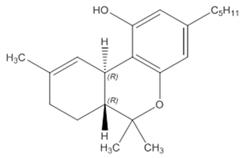
Dronabinol is a cannabinoid designated chemically as (6aR,10aR)-6a,7,8,10a-Tetrahydro-6,6,9trimethyl-3-pentyl-6H-dibenzo[b,d]-pyran-1-ol. Dronabinol has the following empirical and structural formulas:
C21H30O2 (molecular weight = 314.46)
Dronabinol, the active ingredient in dronabinol capsules, USP, is synthetic delta-9 tetrahydrocannabinol (delta-9-THC).
Dronabinol is a light yellow resinous oil that is sticky at room temperature and hardens upon refrigeration. Dronabinol is insoluble in water and is formulated in sesame oil. It has a pKa of 10.6 and an octanol-water partition coefficient: 6,000:1 at pH 7.
Dronabinol capsule strengths are formulated with the following inactive ingredients: FD&C Yellow No. 6, gelatin, glycerin, purified water, sesame oil, titanium dioxide, iron oxide black
9.3 Dependence
Physical dependence is a state that develops as a result of physiological adaptation in response to repeated drug use. Physical dependence manifests by drug class-specific withdrawal symptoms after abrupt discontinuation or a significant dose reduction of a drug. The appearance of a withdrawal syndrome when administration of the drug is terminated is the only actual evidence of physical dependence. Physical dependence can develop during chronic therapy with dronabinol capsules, and develops after chronic abuse of marijuana.
A withdrawal syndrome was reported after the abrupt discontinuation of dronabinol in subjects receiving dosages of 210 mg per day for 12 to 16 consecutive days. Within 12 hours after discontinuation, subjects manifested symptoms such as irritability, insomnia, and restlessness. By approximately 24 hours post-dronabinol discontinuation, withdrawal symptoms intensified to include "hot flashes," sweating, rhinorrhea, loose stools, hiccoughs, and anorexia. These withdrawal symptoms gradually dissipated over the next 48 hours.
Electroencephalographic changes consistent with the effects of drug withdrawal (hyperexcitation) were recorded in patients after abrupt dechallenge. Patients also complained of disturbed sleep for several weeks after discontinuing therapy with high dosages of dronabinol.
8.4 Pediatric Use
The safety and effectiveness of dronabinol capsules have not been established in pediatric patients.
Pediatric patients may be more sensitive to neurological and psychoactive effects of dronabinol capsules [see Warnings and Precautions (5.1) ].
8.5 Geriatric Use
Clinical studies of dronabinol capsules in AIDS and cancer patients did not include the sufficient numbers of subjects aged 65 and over to determine whether they respond differently from younger subjects.
Elderly patients may be more sensitive to the neuropsychiatric and postural hypotensive effects of dronabinol capsules [see Warnings and Precautions (5.1, 5.2)].
Elderly patients with dementia are at increased risk for falls as a result of their underlying disease state, which may be exacerbated by the CNS effects of somnolence and dizziness associated with dronabinol capsules [see Warnings and Precautions (5.1)]. These patients should be monitored closely and placed on fall precautions prior to initiating dronabinol capsules therapy. In antiemetic studies, no difference in efficacy was apparent in patients greater than 55 years of age compared to younger patients.
In general, dose selection for an elderly patient should be cautious, usually starting at the low end of the dosing range, reflecting the greater frequency of falls, decreased hepatic, renal, or cardiac function, increased sensitivity to psychoactive effects, and of concomitant disease or other drug therapy [see Dosage and Administration (2.1, 2.2)].
14 Clinical Studies
The effectiveness of dronabinol capsules has been established based on studies for the treatment of anorexia associated with weight loss in patients with AIDS and nausea and vomiting associated with cancer chemotherapy in patients who have failed to respond adequately to conventional antiemetic treatments.
4 Contraindications
Dronabinol capsules are contraindicated in patients with a history of a hypersensitivity reaction to dronabinol or sesame oil. Reported hypersensitivity reactions to dronabinol capsules include lip swelling, hives, disseminated rash, oral lesions, skin burning, flushing, and throat tightness [see Adverse Reactions (6.2)].
6 Adverse Reactions
- Most common adverse reactions (≥3%) are: abdominal pain, dizziness, euphoria, nausea, paranoid reaction, somnolence, thinking abnormal, and vomiting. (6.1)
To report SUSPECTED ADVERSE REACTIONS, contact Rhodes Pharmaceuticals at 1-888-827-0616, or FDA at 1-800-FDA-1088, or www.fda.gov/medwatch
7 Drug Interactions
- Inhibitors and inducers of CYP2C9 and CYP3A4: May alter dronabinol systemic exposure; monitor for potential dronabinol-related adverse reactions or loss of efficacy. (7.3)
- Highly protein-bound drugs: Potential for displacement of other drugs from plasma proteins; monitor for adverse reactions to concomitant highly protein-bound drugs and narrow therapeutic index drugs (e.g., warfarin, cyclosporine, amphotericin B) when initiating or increasing the dosage of dronabinol capsules. (7.4)
12.5 Pharmacogenomics
Published data indicate a potentially 2-to 3-fold higher dronabinol exposure in individuals carrying genetic variants associated with diminished CYP2C9 function.
1 Indications and Usage
DRONABINOL CAPSULES, USP are indicated in adults for the treatment of:
- anorexia associated with weight loss in patients with Acquired Immune Deficiency Syndrome (AIDS).
- nausea and vomiting associated with cancer chemotherapy in patients who have failed to respond adequately to conventional antiemetic treatments.
12.1 Mechanism of Action
Dronabinol is an orally active cannabinoid which has complex effects on the CNS, including central sympathomimetic activity. Cannabinoid receptors have been discovered in neural tissues. These receptors may play a role in mediating the effects of dronabinol.
7.1 Additive Cns Effects
Additive CNS effects (e.g., dizziness, confusion, sedation, somnolence) may occur when dronabinol capsules are taken concomitantly with drugs that have similar effects on the central nervous system such as CNS depressants [see Warnings and Precautions (5.1)].
9.1 Controlled Substance
Dronabinol capsules contain dronabinol, a Schedule III controlled substance.
14.1 Appetite Stimulation
The appetite stimulant effect of dronabinol capsules in the treatment of AIDS-related anorexia associated with weight loss was studied in a randomized, double-blind, placebo-controlled study involving 139 patients. The initial dosage of dronabinol capsules in all patients was 5 mg/day, administered in doses of 2.5 mg one hour before lunch and one hour before dinner. In pilot studies, early morning administration of dronabinol capsules appeared to have been associated with an increased frequency of adverse experiences, as compared to dosing later in the day. The effect of dronabinol capsules on appetite, weight, mood, and nausea was measured at scheduled intervals during the six-week treatment period. Side effects (feeling high, dizziness, confusion, somnolence) occurred in 13 of 72 patients (18%) at this dosage level and the dosage was reduced to 2.5 mg/day, administered as a single dose at supper or bedtime.
Of the 112 patients that completed at least 2 visits in the randomized, double-blind, placebo-controlled study, 99 patients had appetite data at 4-weeks (50 received dronabinol capsules and 49 received placebo) and 91 patients had appetite data at 6-weeks (46 received dronabinol capsules and 45 received placebo). A statistically significant difference between dronabinol capsules and placebo was seen in appetite as measured by the visual analog scale at weeks 4 and 6 (see figure). Trends toward improved body weight and mood, and decreases in nausea were also seen.
After completing the 6-week study, patients were allowed to continue treatment with dronabinol capsules in an open-label study, in which there was a sustained improvement in appetite.
5 Warnings and Precautions
- Neuropsychiatric Adverse Reactions: May cause psychiatric and cognitive effects and impair mental and/or physical abilities. Avoid use in patients with a psychiatric history. Monitor for symptoms and avoid concomitant use of drugs with similar effects. Inform patients not to operate motor vehicles or other dangerous machinery until they are reasonably certain that dronabinol capsules do not affect them adversely. (5.1)
- Hemodynamic Instability: Patients with cardiac disorders may experience hypotension, hypertension, syncope or tachycardia. Avoid concomitant use of drugs with similar effects and monitor for hemodynamic changes after initiating or increasing the dosage of dronabinol capsules. (5.2)
- Seizures and Seizure-like Activity: Weigh the potential risk versus benefits before prescribing dronabinol capsules to patients with a history of seizures, including those requiring anti-epileptic medication or with other factors that lower the seizure threshold. Monitor patients and discontinue if seizures occur. (5.3)
- Multiple Substance Abuse: Assess risk for abuse or misuse in patients with a history of substance abuse or dependence, prior to prescribing dronabinol capsules and monitor for the development of associated behaviors or conditions. (5.4)
- Paradoxical Nausea, Vomiting, or Abdominal Pain: Consider dose reduction or discontinuation, if worsening of symptoms while on treatment. (5.5)
2 Dosage and Administration
Anorexia Associated with Weight Loss in Adult Patients with AIDS (2.1):
- The recommended adult starting dosage is 2.5 mg orally twice daily, one hour before lunch and dinner.
- See the full prescribing information for dosage titration to manage adverse reactions and to achieve desired therapeutic effect.
Nausea and Vomiting Associated with Chemotherapy in Adult Patients Who Failed Conventional Antiemetics (2.2):
- The recommended starting dosage is 5 mg/m2, administered 1 to 3 hours prior to the administration of chemotherapy, then every 2 to 4 hours after chemotherapy, for a total of 4 to 6 doses per day. Administer the first dose on an empty stomach at least 30 minutes prior to eating; subsequent doses can be taken without regard to meals.
- See the full prescribing information for dosage titration to manage adverse reactions and to achieve desired therapeutic effect.
5.2 Hemodynamic Instability
Patients may experience occasional hypotension, possible hypertension, syncope, or tachycardia while taking dronabinol capsules [see Clinical Pharmacology (12.2)]. Patients with cardiac disorders may be at higher risk. Avoid concomitant use of other drugs that are also associated with similar cardiac effects (e.g., amphetamines, other sympathomimetic agents, atropine, amoxapine, scopolamine, antihistamines, other anticholinergic agents, amitriptyline, desipramine, other tricyclic antidepressants). Monitor patients for changes in blood pressure, heart rate, and syncope after initiating or increasing the dosage of dronabinol capsules.
3 Dosage Forms and Strengths
DRONABINOL CAPSULES, USP are supplied as oblong, soft gelatin capsules for oral use as follows:
- 2.5 mg opaque cream capsules (Identified as RP 867)
- 5 mg opaque brown capsules (Identified as RP 868)
- 10 mg opaque orange capsules (Identified as RP 869)
5.4 Multiple Substance Abuse
Patients with a history of substance abuse or dependence, including marijuana or alcohol, may be more likely to abuse dronabinol capsules as well.
Assess each patient's risk for abuse or misuse prior to prescribing dronabinol capsules and monitor patients with a history of substance abuse during treatment with dronabinol capsules for the development of these behaviors or conditions.
6.2 Postmarketing Experience
The following adverse reactions have been identified during post-approval use of dronabinol capsules. Because these reactions are reported voluntarily from a population of uncertain size, it is not always possible to reliably estimate their frequency or establish a causal relationship to drug exposure.
General disorders and administration site conditions: Fatigue
Hypersensitivity reactions: Lip swelling, hives, disseminated rash, oral lesions, skin burning, flushing, throat tightness [see Contraindications (4)]
Injury, poisoning, and procedural complications: Fall [see Use in Specific Populations (8.5)]
Nervous system disorders: Seizures [see Warnings and Precautions (5.3)], disorientation, movement disorder, loss of consciousness
Psychiatric disorders: Delirium, insomnia, panic attack
Vascular disorders: Syncope [see Warnings and Precautions (5.2)]
7.2 Additive Cardiac Effects
Additive cardiac effects (e.g., hypotension, hypertension, syncope, tachycardia) may occur when dronabinol capsules are taken concomitantly with drugs that have similar effects on the cardiovascular system [see Warnings and Precautions (5.2)].
8 Use in Specific Populations
- Pregnancy: May cause fetal harm. (8.1)
- Lactation: Advise HIV-infected women not to breastfeed due to the potential for HIV transmission. Weight should be monitored in breastfed infants of mothers with nausea and vomiting associated with cancer chemotherapy in whom breastfeeding is appropriate. (8.2)
- Geriatric Use: Elderly patients may be more sensitive to the neuropsychiatric and postural hypotensive effects. Consider a lower starting dose in elderly patients. (2.1, 2.2, 5.1, 5.2, 8.5)
6.1 Clinical Trials Experience
Because clinical trials are conducted under widely varying conditions, adverse reaction rates observed in the clinical trials of a drug cannot be directly compared to rates in the clinical trials of another drug and may not reflect the rates observed in practice.
The following serious adverse reactions are described below and elsewhere in the labeling.
- Neuropsychiatric Adverse Reactions [see Warnings and Precautions (5.1)]
- Hemodynamic Instability [see Warnings and Precautions (5.2)]
- Seizures [see Warnings and Precautions (5.3)]
- Paradoxical Nausea, Vomiting, and Abdominal Pain [see Warnings and Precautions (5.5)]
Studies of AIDS-related weight loss included 157 patients receiving dronabinol capsules at a dose of 2.5 mg twice daily and 67 receiving placebo. Studies of nausea and vomiting related to cancer chemotherapy included 317 patients receiving dronabinol capsules and 68 receiving placebo. In the tables below is a summary of the adverse reactions in 474 patients exposed to dronabinol capsules in studies.
Studies of different durations were combined by considering the first occurrence of events during the first 28 days.
A cannabinoid dose-related "high" (easy laughing, elation, and heightened awareness) has been reported by patients receiving dronabinol capsules in both the antiemetic (24%) and the lower dose appetite stimulant clinical trials (8%). The most frequently reported adverse experiences in patients with AIDS during placebo-controlled clinical trials involved the CNS and were reported by 33% of patients receiving dronabinol capsules. About 25% of patients reported a CNS adverse reaction during the first 2 weeks and about 4% reported such a reaction each week for the next 6 weeks thereafter.
7.4 Highly Protein Bound Drugs
Dronabinol is highly bound to plasma proteins, and therefore, might displace and increase the free fraction of other concomitantly administered protein-bound drugs.
Although this displacement has not been confirmed in vivo, monitor patients for increased adverse reactions to narrow therapeutic index drugs that are highly protein-bound (e.g., warfarin, cyclosporine, amphotericin B) when initiating treatment or increasing the dosage of dronabinol capsules.
17 Patient Counseling Information
Advise the patient to read the FDA-approved patient labeling (Patient Information).
8.6 Effect of Cyp2c9 Polymorphism
Published data suggest that systemic clearance of dronabinol may be reduced and concentrations may be increased in the presence of CYP2C9 genetic polymorphism. Monitoring for potentially increased adverse reactions is recommended in patients known to carry genetic variants associated with diminished CYP2C9 function [see Clinical Pharmacology (12.5)].
16 How Supplied/storage and Handling
DRONABINOL CAPSULES, USP are supplied as:
2.5 mg oblong opaque cream capsules (Identified as RP 867)
NDC 42858-867-06 (Bottle of 60 capsules).
5 mg oblong opaque brown capsules (Identified as RP 868)
NDC 42858-868-06 (Bottle of 60 capsules).
10 mg oblong opaque orange capsules (Identified as RP 869)
NDC 42858-869-06 (Bottle of 60 capsules).
7.3 Effect of Other Drugs On Dronabinol
Dronabinol is primarily metabolized by CYP2C9 and CYP3A4 enzymes based on published in vitro studies. Inhibitors of these enzymes may increase, while inducers may decrease, the systemic exposure of dronabinol and/or its active metabolite resulting in an increase in dronabinol-related adverse reactions or loss of efficacy of dronabinol capsules.
Monitor for potentially increased dronabinol-related adverse reactions when dronabinol capsules are co-administered with inhibitors of CYP2C9 (e.g., amiodarone, fluconazole) and inhibitors of CYP3A4 enzymes (e.g., ketoconazole, itraconazole, clarithromycin, ritonavir, erythromycin, grapefruit juice).
5.5 Paradoxical Nausea, Vomiting, Or Abdominal Pain
Nausea, vomiting, or abdominal pain can occur during treatment with synthetic delta-9 tetrahydrocannabinol (delta-9-THC), the active ingredient in dronabinol capsules. In some cases, these adverse reactions were severe (e.g., dehydration, electrolyte abnormalities) and required dose reduction or drug discontinuation. Symptoms are similar to cannabinoid hyperemesis syndrome (CHS), which is described as cyclical events of abdominal pain, nausea, and vomiting in chronic, long-term users of delta-9-THC products.
Because patients may not recognize these symptoms as abnormal, it is important to specifically ask patients or their caregivers about the development of worsening of nausea, vomiting, or abdominal pain while being treated with dronabinol capsules. Consider dose reduction or discontinuing dronabinol capsules if a patient develops worsening nausea, vomiting, or abdominal pain while on treatment.
Principal Display Panel 5 Mg Capsule Bottle Label
NDC 42858-868-06
60 Capsules
Dronabinol
Capsules, USP
CIII
5 mg
RX only
Dispense the accompanying
Medication Guide to each patient.
Principal Display Panel 10 Mg Capsule Bottle Label
NDC 42858-869-06
60 Capsules
Dronabinol
Capsules, USP
CIII
10 mg
RX only
Dispense the accompanying
Medication Guide to each patient.
Principal Display Panel 2.5 Mg Capsule Bottle Label
NDC 42858-867-06
60 Capsules
Dronabinol
Capsules, USP
CIII
2.5 mg
RX only
Dispense the accompanying
Medication Guide to each patient.
13.1 Carcinogenesis, Mutagenesis, Impairment of Fertility
In 2-year carcinogenicity studies, there was no evidence of carcinogenicity in rats at doses up to 50 mg/kg/day dronabinol (approximately 20 times the MRHD in AIDS patients on a body surface area basis) or in mice at doses up to 500 mg/kg/day (approximately 100 times the MRHD in AIDS patients on a body surface area basis).
Dronabinol was not genotoxic in the Ames tests, the in vitro chromosomal aberration test in Chinese hamster ovary cells, and the in vivo mouse micronucleus test. However, dronabinol produced a weak positive response in a sister chromatid exchange test in Chinese hamster ovary cells.
In a long-term study (77 days) in rats, oral administration of dronabinol at doses of 30 to 150 mg/m2, equivalent to 2 to 10 times the MRHD of 15 mg/m2/day in AIDS patients or 0.3 to 1.5 times the MRHD of 90 mg/m2/day in cancer patients, reduced ventral prostate, seminal vesicle and epididymal weights and caused a decrease in seminal fluid volume. Decreases in spermatogenesis, number of developing germ cells, and number of Leydig cells in the testis were also observed. However, sperm count, mating success, and testosterone levels were not affected. The significance of these animal findings in humans is not known.
Structured Label Content
Section 42229-5 (42229-5)
Starting Dosage
The recommended adult starting dosage of dronabinol capsules is 2.5 mg orally twice daily, one hour before lunch and dinner.
In elderly patients or patients unable to tolerate 2.5 mg twice daily, consider initiating dronabinol capsules at 2.5 mg once daily one hour before dinner or at bedtime to reduce the risk of central nervous system (CNS) symptoms [see Use in Specific Populations (8.5)].
Dosing later in the day may reduce the frequency of CNS adverse reactions. CNS adverse reactions are dose-related [see Warnings and Precautions (5.1)]; therefore, monitor patients and reduce the dosage as needed. If CNS adverse reactions of feeling high, dizziness, confusion, and somnolence occur, they usually resolve in 1 to 3 days and usually do not require dosage reduction. If CNS adverse reactions are severe or persistent, reduce the dosage to 2.5 mg in the evening or at bedtime.
Section 42230-3 (42230-3)
| This Patient Information has been approved by the U.S. Food and Drug Administration. Revised: 1/2023 | ||
|
PATIENT INFORMATION DRONABINOL (droe nab' i nol) CAPSULES, USP |
||
| for oral use, CIII | ||
|
What is the most important information I should know about dronabinol capsules? Dronabinol capsules can cause serious side effects, including:
|
||
|
What are dronabinol capsules?
Dronabinol capsules are a controlled substance (CIII) because it contains dronabinol, which can be a target for people who abuse prescription medicines or street drugs. Keep your dronabinol capsules in a safe place to protect them from theft. Never give your dronabinol capsules to anyone else because they may cause death or harm them. Selling or giving away this medicine is against the law. It is not known if dronabinol capsules are safe and effective in children. |
||
|
Do not take dronabinol capsules if you:
|
||
|
Before taking dronabinol capsules, tell your doctor about all of your medical conditions, including if you:
Tell your doctor about all the medicines you take or have taken in the last 14 days, including prescription and over-the-counter medicines, vitamins, and herbal supplements. Dronabinol capsules and certain other medicines can affect each other, causing serious side effects. |
||
|
How should I take Dronabinol capsules?
|
||
|
What should I avoid while taking dronabinol capsules?
|
||
|
What are the possible side effects of dronabinol capsules?
The most common side effects of dronabinol capsules include: |
||
|
|
|
|
These are not all the possible side effects of dronabinol capsules. Tell your doctor if you have any side effect that bothers you or does not go away. Call your doctor for medical advice about side effects. You may report side effects to FDA at 1-800-FDA-1088. |
||
|
How should I store dronabinol capsules?
Keep dronabinol capsules and all medicines out of the reach of children. |
||
|
General information about the safe and effective use of dronabinol capsules Medicines are sometimes prescribed for purposes other than those listed in a Patient Information leaflet. Do not use dronabinol capsules for a condition for which it was not prescribed. Do not give dronabinol capsules to other people, even if they have the same symptoms that you have. It may harm them. You can ask your doctor or pharmacist for information about dronabinol capsules that is written for health professionals. |
||
|
What are the ingredients in dronabinol capsules? Active ingredient: dronabinol Inactive ingredients: FD&C Yellow No. 6, gelatin, glycerin, purified water, sesame oil, titanium dioxide, iron oxide black Ingredients in imprint ink , shellac glaze, isopropyl alcohol, n-butyl alcohol, propylene glycol, and ammonium hydroxide. The 2.5 mg and 5 mg capsules also contain FD&C Blue No. 1 and FD&C Red No. 40.
|
||
|
Manufactured by: Pharmaceutics International, Inc., Hunt Valley, MD 21031 Marketed by: Rhodes Pharmaceuticals, Wilson, NC 27893 For more information, call Rhodes Pharmaceuticals at 1-888-827-0616. |
Section 44425-7 (44425-7)
Storage Conditions
Dronabinol Capsules, USP should be packaged in a well-closed container and stored in a refrigerator between 2° to 8°C (36° to 46°F). Protect from freezing.
9.2 Abuse
Dronabinol capsules contain dronabinol, the main psychoactive component in marijuana. Ingestion of high doses of dronabinol increases the risk of psychiatric adverse reactions if abused or misused, while continued administration can lead to addiction. Psychiatric adverse reactions may include psychosis, hallucinations, depersonalization, mood alteration, and paranoia.
In an open-label study in patients with AIDS who received dronabinol capsules for up to five months, no abuse, diversion or systematic change in personality or social functioning were observed despite the inclusion of a substantial number of patients with a past history of drug abuse.
Patients should be instructed to keep dronabinol capsules in a secure place out of reach of others for whom the medication has not been prescribed.
5.3 Seizures
Seizure and seizure-like activity have been reported in patients receiving dronabinol.
Weigh this potential risk against the benefits before prescribing dronabinol capsules to patients with a history of seizures, including those receiving anti-epileptic medication or with other factors that can lower the seizure threshold. Monitor patients with a history of seizure disorders for worsened seizure control during dronabinol capsules therapy.
If a seizure occurs, advise patients to discontinue dronabinol capsules and contact a healthcare provider immediately.
10 Overdosage (10 OVERDOSAGE)
Signs and symptoms of dronabinol overdosage include drowsiness, euphoria, heightened sensory awareness, altered time perception, reddened conjunctiva, dry mouth, tachycardia, memory impairment, depersonalization, mood alteration, urinary retention, reduced bowel motility, decreased motor coordination, lethargy, slurred speech, and postural hypotension. Patients may also experience panic reactions if they have a prior history of nervousness or anxiety, and seizures may occur in patients with existing seizure disorders.
It is not known if dronabinol can be removed by dialysis in cases of overdose.
If over-exposure of dronabinol capsules occurs, call your Poison Control Center at 1-800-222-1222 for current information on the management of poisoning or overdosage.
11 Description (11 DESCRIPTION)
Dronabinol is a cannabinoid designated chemically as (6aR,10aR)-6a,7,8,10a-Tetrahydro-6,6,9trimethyl-3-pentyl-6H-dibenzo[b,d]-pyran-1-ol. Dronabinol has the following empirical and structural formulas:
C21H30O2 (molecular weight = 314.46)
Dronabinol, the active ingredient in dronabinol capsules, USP, is synthetic delta-9 tetrahydrocannabinol (delta-9-THC).
Dronabinol is a light yellow resinous oil that is sticky at room temperature and hardens upon refrigeration. Dronabinol is insoluble in water and is formulated in sesame oil. It has a pKa of 10.6 and an octanol-water partition coefficient: 6,000:1 at pH 7.
Dronabinol capsule strengths are formulated with the following inactive ingredients: FD&C Yellow No. 6, gelatin, glycerin, purified water, sesame oil, titanium dioxide, iron oxide black
9.3 Dependence
Physical dependence is a state that develops as a result of physiological adaptation in response to repeated drug use. Physical dependence manifests by drug class-specific withdrawal symptoms after abrupt discontinuation or a significant dose reduction of a drug. The appearance of a withdrawal syndrome when administration of the drug is terminated is the only actual evidence of physical dependence. Physical dependence can develop during chronic therapy with dronabinol capsules, and develops after chronic abuse of marijuana.
A withdrawal syndrome was reported after the abrupt discontinuation of dronabinol in subjects receiving dosages of 210 mg per day for 12 to 16 consecutive days. Within 12 hours after discontinuation, subjects manifested symptoms such as irritability, insomnia, and restlessness. By approximately 24 hours post-dronabinol discontinuation, withdrawal symptoms intensified to include "hot flashes," sweating, rhinorrhea, loose stools, hiccoughs, and anorexia. These withdrawal symptoms gradually dissipated over the next 48 hours.
Electroencephalographic changes consistent with the effects of drug withdrawal (hyperexcitation) were recorded in patients after abrupt dechallenge. Patients also complained of disturbed sleep for several weeks after discontinuing therapy with high dosages of dronabinol.
8.4 Pediatric Use
The safety and effectiveness of dronabinol capsules have not been established in pediatric patients.
Pediatric patients may be more sensitive to neurological and psychoactive effects of dronabinol capsules [see Warnings and Precautions (5.1) ].
8.5 Geriatric Use
Clinical studies of dronabinol capsules in AIDS and cancer patients did not include the sufficient numbers of subjects aged 65 and over to determine whether they respond differently from younger subjects.
Elderly patients may be more sensitive to the neuropsychiatric and postural hypotensive effects of dronabinol capsules [see Warnings and Precautions (5.1, 5.2)].
Elderly patients with dementia are at increased risk for falls as a result of their underlying disease state, which may be exacerbated by the CNS effects of somnolence and dizziness associated with dronabinol capsules [see Warnings and Precautions (5.1)]. These patients should be monitored closely and placed on fall precautions prior to initiating dronabinol capsules therapy. In antiemetic studies, no difference in efficacy was apparent in patients greater than 55 years of age compared to younger patients.
In general, dose selection for an elderly patient should be cautious, usually starting at the low end of the dosing range, reflecting the greater frequency of falls, decreased hepatic, renal, or cardiac function, increased sensitivity to psychoactive effects, and of concomitant disease or other drug therapy [see Dosage and Administration (2.1, 2.2)].
14 Clinical Studies (14 CLINICAL STUDIES)
The effectiveness of dronabinol capsules has been established based on studies for the treatment of anorexia associated with weight loss in patients with AIDS and nausea and vomiting associated with cancer chemotherapy in patients who have failed to respond adequately to conventional antiemetic treatments.
4 Contraindications (4 CONTRAINDICATIONS)
Dronabinol capsules are contraindicated in patients with a history of a hypersensitivity reaction to dronabinol or sesame oil. Reported hypersensitivity reactions to dronabinol capsules include lip swelling, hives, disseminated rash, oral lesions, skin burning, flushing, and throat tightness [see Adverse Reactions (6.2)].
6 Adverse Reactions (6 ADVERSE REACTIONS)
- Most common adverse reactions (≥3%) are: abdominal pain, dizziness, euphoria, nausea, paranoid reaction, somnolence, thinking abnormal, and vomiting. (6.1)
To report SUSPECTED ADVERSE REACTIONS, contact Rhodes Pharmaceuticals at 1-888-827-0616, or FDA at 1-800-FDA-1088, or www.fda.gov/medwatch
7 Drug Interactions (7 DRUG INTERACTIONS)
- Inhibitors and inducers of CYP2C9 and CYP3A4: May alter dronabinol systemic exposure; monitor for potential dronabinol-related adverse reactions or loss of efficacy. (7.3)
- Highly protein-bound drugs: Potential for displacement of other drugs from plasma proteins; monitor for adverse reactions to concomitant highly protein-bound drugs and narrow therapeutic index drugs (e.g., warfarin, cyclosporine, amphotericin B) when initiating or increasing the dosage of dronabinol capsules. (7.4)
12.5 Pharmacogenomics
Published data indicate a potentially 2-to 3-fold higher dronabinol exposure in individuals carrying genetic variants associated with diminished CYP2C9 function.
1 Indications and Usage (1 INDICATIONS AND USAGE)
DRONABINOL CAPSULES, USP are indicated in adults for the treatment of:
- anorexia associated with weight loss in patients with Acquired Immune Deficiency Syndrome (AIDS).
- nausea and vomiting associated with cancer chemotherapy in patients who have failed to respond adequately to conventional antiemetic treatments.
12.1 Mechanism of Action
Dronabinol is an orally active cannabinoid which has complex effects on the CNS, including central sympathomimetic activity. Cannabinoid receptors have been discovered in neural tissues. These receptors may play a role in mediating the effects of dronabinol.
7.1 Additive Cns Effects (7.1 Additive CNS Effects)
Additive CNS effects (e.g., dizziness, confusion, sedation, somnolence) may occur when dronabinol capsules are taken concomitantly with drugs that have similar effects on the central nervous system such as CNS depressants [see Warnings and Precautions (5.1)].
9.1 Controlled Substance
Dronabinol capsules contain dronabinol, a Schedule III controlled substance.
14.1 Appetite Stimulation
The appetite stimulant effect of dronabinol capsules in the treatment of AIDS-related anorexia associated with weight loss was studied in a randomized, double-blind, placebo-controlled study involving 139 patients. The initial dosage of dronabinol capsules in all patients was 5 mg/day, administered in doses of 2.5 mg one hour before lunch and one hour before dinner. In pilot studies, early morning administration of dronabinol capsules appeared to have been associated with an increased frequency of adverse experiences, as compared to dosing later in the day. The effect of dronabinol capsules on appetite, weight, mood, and nausea was measured at scheduled intervals during the six-week treatment period. Side effects (feeling high, dizziness, confusion, somnolence) occurred in 13 of 72 patients (18%) at this dosage level and the dosage was reduced to 2.5 mg/day, administered as a single dose at supper or bedtime.
Of the 112 patients that completed at least 2 visits in the randomized, double-blind, placebo-controlled study, 99 patients had appetite data at 4-weeks (50 received dronabinol capsules and 49 received placebo) and 91 patients had appetite data at 6-weeks (46 received dronabinol capsules and 45 received placebo). A statistically significant difference between dronabinol capsules and placebo was seen in appetite as measured by the visual analog scale at weeks 4 and 6 (see figure). Trends toward improved body weight and mood, and decreases in nausea were also seen.
After completing the 6-week study, patients were allowed to continue treatment with dronabinol capsules in an open-label study, in which there was a sustained improvement in appetite.
5 Warnings and Precautions (5 WARNINGS AND PRECAUTIONS)
- Neuropsychiatric Adverse Reactions: May cause psychiatric and cognitive effects and impair mental and/or physical abilities. Avoid use in patients with a psychiatric history. Monitor for symptoms and avoid concomitant use of drugs with similar effects. Inform patients not to operate motor vehicles or other dangerous machinery until they are reasonably certain that dronabinol capsules do not affect them adversely. (5.1)
- Hemodynamic Instability: Patients with cardiac disorders may experience hypotension, hypertension, syncope or tachycardia. Avoid concomitant use of drugs with similar effects and monitor for hemodynamic changes after initiating or increasing the dosage of dronabinol capsules. (5.2)
- Seizures and Seizure-like Activity: Weigh the potential risk versus benefits before prescribing dronabinol capsules to patients with a history of seizures, including those requiring anti-epileptic medication or with other factors that lower the seizure threshold. Monitor patients and discontinue if seizures occur. (5.3)
- Multiple Substance Abuse: Assess risk for abuse or misuse in patients with a history of substance abuse or dependence, prior to prescribing dronabinol capsules and monitor for the development of associated behaviors or conditions. (5.4)
- Paradoxical Nausea, Vomiting, or Abdominal Pain: Consider dose reduction or discontinuation, if worsening of symptoms while on treatment. (5.5)
2 Dosage and Administration (2 DOSAGE AND ADMINISTRATION)
Anorexia Associated with Weight Loss in Adult Patients with AIDS (2.1):
- The recommended adult starting dosage is 2.5 mg orally twice daily, one hour before lunch and dinner.
- See the full prescribing information for dosage titration to manage adverse reactions and to achieve desired therapeutic effect.
Nausea and Vomiting Associated with Chemotherapy in Adult Patients Who Failed Conventional Antiemetics (2.2):
- The recommended starting dosage is 5 mg/m2, administered 1 to 3 hours prior to the administration of chemotherapy, then every 2 to 4 hours after chemotherapy, for a total of 4 to 6 doses per day. Administer the first dose on an empty stomach at least 30 minutes prior to eating; subsequent doses can be taken without regard to meals.
- See the full prescribing information for dosage titration to manage adverse reactions and to achieve desired therapeutic effect.
5.2 Hemodynamic Instability
Patients may experience occasional hypotension, possible hypertension, syncope, or tachycardia while taking dronabinol capsules [see Clinical Pharmacology (12.2)]. Patients with cardiac disorders may be at higher risk. Avoid concomitant use of other drugs that are also associated with similar cardiac effects (e.g., amphetamines, other sympathomimetic agents, atropine, amoxapine, scopolamine, antihistamines, other anticholinergic agents, amitriptyline, desipramine, other tricyclic antidepressants). Monitor patients for changes in blood pressure, heart rate, and syncope after initiating or increasing the dosage of dronabinol capsules.
3 Dosage Forms and Strengths (3 DOSAGE FORMS AND STRENGTHS)
DRONABINOL CAPSULES, USP are supplied as oblong, soft gelatin capsules for oral use as follows:
- 2.5 mg opaque cream capsules (Identified as RP 867)
- 5 mg opaque brown capsules (Identified as RP 868)
- 10 mg opaque orange capsules (Identified as RP 869)
5.4 Multiple Substance Abuse
Patients with a history of substance abuse or dependence, including marijuana or alcohol, may be more likely to abuse dronabinol capsules as well.
Assess each patient's risk for abuse or misuse prior to prescribing dronabinol capsules and monitor patients with a history of substance abuse during treatment with dronabinol capsules for the development of these behaviors or conditions.
6.2 Postmarketing Experience
The following adverse reactions have been identified during post-approval use of dronabinol capsules. Because these reactions are reported voluntarily from a population of uncertain size, it is not always possible to reliably estimate their frequency or establish a causal relationship to drug exposure.
General disorders and administration site conditions: Fatigue
Hypersensitivity reactions: Lip swelling, hives, disseminated rash, oral lesions, skin burning, flushing, throat tightness [see Contraindications (4)]
Injury, poisoning, and procedural complications: Fall [see Use in Specific Populations (8.5)]
Nervous system disorders: Seizures [see Warnings and Precautions (5.3)], disorientation, movement disorder, loss of consciousness
Psychiatric disorders: Delirium, insomnia, panic attack
Vascular disorders: Syncope [see Warnings and Precautions (5.2)]
7.2 Additive Cardiac Effects
Additive cardiac effects (e.g., hypotension, hypertension, syncope, tachycardia) may occur when dronabinol capsules are taken concomitantly with drugs that have similar effects on the cardiovascular system [see Warnings and Precautions (5.2)].
8 Use in Specific Populations (8 USE IN SPECIFIC POPULATIONS)
- Pregnancy: May cause fetal harm. (8.1)
- Lactation: Advise HIV-infected women not to breastfeed due to the potential for HIV transmission. Weight should be monitored in breastfed infants of mothers with nausea and vomiting associated with cancer chemotherapy in whom breastfeeding is appropriate. (8.2)
- Geriatric Use: Elderly patients may be more sensitive to the neuropsychiatric and postural hypotensive effects. Consider a lower starting dose in elderly patients. (2.1, 2.2, 5.1, 5.2, 8.5)
6.1 Clinical Trials Experience
Because clinical trials are conducted under widely varying conditions, adverse reaction rates observed in the clinical trials of a drug cannot be directly compared to rates in the clinical trials of another drug and may not reflect the rates observed in practice.
The following serious adverse reactions are described below and elsewhere in the labeling.
- Neuropsychiatric Adverse Reactions [see Warnings and Precautions (5.1)]
- Hemodynamic Instability [see Warnings and Precautions (5.2)]
- Seizures [see Warnings and Precautions (5.3)]
- Paradoxical Nausea, Vomiting, and Abdominal Pain [see Warnings and Precautions (5.5)]
Studies of AIDS-related weight loss included 157 patients receiving dronabinol capsules at a dose of 2.5 mg twice daily and 67 receiving placebo. Studies of nausea and vomiting related to cancer chemotherapy included 317 patients receiving dronabinol capsules and 68 receiving placebo. In the tables below is a summary of the adverse reactions in 474 patients exposed to dronabinol capsules in studies.
Studies of different durations were combined by considering the first occurrence of events during the first 28 days.
A cannabinoid dose-related "high" (easy laughing, elation, and heightened awareness) has been reported by patients receiving dronabinol capsules in both the antiemetic (24%) and the lower dose appetite stimulant clinical trials (8%). The most frequently reported adverse experiences in patients with AIDS during placebo-controlled clinical trials involved the CNS and were reported by 33% of patients receiving dronabinol capsules. About 25% of patients reported a CNS adverse reaction during the first 2 weeks and about 4% reported such a reaction each week for the next 6 weeks thereafter.
7.4 Highly Protein Bound Drugs (7.4 Highly Protein-Bound Drugs)
Dronabinol is highly bound to plasma proteins, and therefore, might displace and increase the free fraction of other concomitantly administered protein-bound drugs.
Although this displacement has not been confirmed in vivo, monitor patients for increased adverse reactions to narrow therapeutic index drugs that are highly protein-bound (e.g., warfarin, cyclosporine, amphotericin B) when initiating treatment or increasing the dosage of dronabinol capsules.
17 Patient Counseling Information (17 PATIENT COUNSELING INFORMATION)
Advise the patient to read the FDA-approved patient labeling (Patient Information).
8.6 Effect of Cyp2c9 Polymorphism (8.6 Effect of CYP2C9 Polymorphism)
Published data suggest that systemic clearance of dronabinol may be reduced and concentrations may be increased in the presence of CYP2C9 genetic polymorphism. Monitoring for potentially increased adverse reactions is recommended in patients known to carry genetic variants associated with diminished CYP2C9 function [see Clinical Pharmacology (12.5)].
16 How Supplied/storage and Handling (16 HOW SUPPLIED/STORAGE AND HANDLING)
DRONABINOL CAPSULES, USP are supplied as:
2.5 mg oblong opaque cream capsules (Identified as RP 867)
NDC 42858-867-06 (Bottle of 60 capsules).
5 mg oblong opaque brown capsules (Identified as RP 868)
NDC 42858-868-06 (Bottle of 60 capsules).
10 mg oblong opaque orange capsules (Identified as RP 869)
NDC 42858-869-06 (Bottle of 60 capsules).
7.3 Effect of Other Drugs On Dronabinol (7.3 Effect of Other Drugs on Dronabinol)
Dronabinol is primarily metabolized by CYP2C9 and CYP3A4 enzymes based on published in vitro studies. Inhibitors of these enzymes may increase, while inducers may decrease, the systemic exposure of dronabinol and/or its active metabolite resulting in an increase in dronabinol-related adverse reactions or loss of efficacy of dronabinol capsules.
Monitor for potentially increased dronabinol-related adverse reactions when dronabinol capsules are co-administered with inhibitors of CYP2C9 (e.g., amiodarone, fluconazole) and inhibitors of CYP3A4 enzymes (e.g., ketoconazole, itraconazole, clarithromycin, ritonavir, erythromycin, grapefruit juice).
5.5 Paradoxical Nausea, Vomiting, Or Abdominal Pain (5.5 Paradoxical Nausea, Vomiting, or Abdominal Pain)
Nausea, vomiting, or abdominal pain can occur during treatment with synthetic delta-9 tetrahydrocannabinol (delta-9-THC), the active ingredient in dronabinol capsules. In some cases, these adverse reactions were severe (e.g., dehydration, electrolyte abnormalities) and required dose reduction or drug discontinuation. Symptoms are similar to cannabinoid hyperemesis syndrome (CHS), which is described as cyclical events of abdominal pain, nausea, and vomiting in chronic, long-term users of delta-9-THC products.
Because patients may not recognize these symptoms as abnormal, it is important to specifically ask patients or their caregivers about the development of worsening of nausea, vomiting, or abdominal pain while being treated with dronabinol capsules. Consider dose reduction or discontinuing dronabinol capsules if a patient develops worsening nausea, vomiting, or abdominal pain while on treatment.
Principal Display Panel 5 Mg Capsule Bottle Label (PRINCIPAL DISPLAY PANEL - 5 mg Capsule Bottle Label)
NDC 42858-868-06
60 Capsules
Dronabinol
Capsules, USP
CIII
5 mg
RX only
Dispense the accompanying
Medication Guide to each patient.
Principal Display Panel 10 Mg Capsule Bottle Label (PRINCIPAL DISPLAY PANEL - 10 mg Capsule Bottle Label)
NDC 42858-869-06
60 Capsules
Dronabinol
Capsules, USP
CIII
10 mg
RX only
Dispense the accompanying
Medication Guide to each patient.
Principal Display Panel 2.5 Mg Capsule Bottle Label (PRINCIPAL DISPLAY PANEL - 2.5 mg Capsule Bottle Label)
NDC 42858-867-06
60 Capsules
Dronabinol
Capsules, USP
CIII
2.5 mg
RX only
Dispense the accompanying
Medication Guide to each patient.
13.1 Carcinogenesis, Mutagenesis, Impairment of Fertility
In 2-year carcinogenicity studies, there was no evidence of carcinogenicity in rats at doses up to 50 mg/kg/day dronabinol (approximately 20 times the MRHD in AIDS patients on a body surface area basis) or in mice at doses up to 500 mg/kg/day (approximately 100 times the MRHD in AIDS patients on a body surface area basis).
Dronabinol was not genotoxic in the Ames tests, the in vitro chromosomal aberration test in Chinese hamster ovary cells, and the in vivo mouse micronucleus test. However, dronabinol produced a weak positive response in a sister chromatid exchange test in Chinese hamster ovary cells.
In a long-term study (77 days) in rats, oral administration of dronabinol at doses of 30 to 150 mg/m2, equivalent to 2 to 10 times the MRHD of 15 mg/m2/day in AIDS patients or 0.3 to 1.5 times the MRHD of 90 mg/m2/day in cancer patients, reduced ventral prostate, seminal vesicle and epididymal weights and caused a decrease in seminal fluid volume. Decreases in spermatogenesis, number of developing germ cells, and number of Leydig cells in the testis were also observed. However, sperm count, mating success, and testosterone levels were not affected. The significance of these animal findings in humans is not known.
Advanced Ingredient Data
Raw Label Data
All Sections (JSON)
Additional Information
Back to search View SPL set listing Open on DailyMed ↗
Source: dailymed · Ingested: 2026-02-15T11:37:59.473868 · Updated: 2026-03-14T21:53:03.632313