Nuvessa
3b6ff39d-f84b-43b3-9b07-c0521c6d7968
34391-3
HUMAN PRESCRIPTION DRUG LABEL
Drug Facts
Composition & Product
Identifiers & Packaging
Indications and Usage
NUVESSA is indicated for the treatment of bacterial vaginosis in females 12 years of age and older.
Dosage and Administration
A single-dose, pre-filled disposable applicator (which delivers approximately 5 g of gel containing 65 mg of metronidazole) administered once intravaginally. NUVESSA should be administered at bedtime. NUVESSA is not for ophthalmic, dermal or oral use.
Contraindications
History of hypersensitivity to metronidazole, parabens, other ingredients of the formulation, or other nitroimidazole derivatives ( 4.1 ) Concomitant use of disulfiram or within 2 weeks of disulfiram ( 4.2 , 7.1 ) Concomitant use of alcohol ( 4.3 , 7.2 )
Warnings and Precautions
Central and peripheral nervous system effects: Convulsive seizures and peripheral neuropathy have been reported in patients treated with oral or intravenous metronidazole. Discontinue promptly if abnormal neurologic signs develop ( 5.1 ) Interference with laboratory tests: Metronidazole may interfere with certain serum chemistry laboratory values. ( 5.3 )
Adverse Reactions
Because clinical trials are conducted under widely varying conditions, adverse reaction rates observed in clinical trials of a drug cannot be directly compared to rates in the clinical trials of another drug and may not reflect the rates observed in practice.
Drug Interactions
The intravaginal administration of a single dose of NUVESSA results in lower systemic exposure to metronidazole that is approximately 2% to 4% of that achieved following oral administration of 500 mg metronidazole tablets [see Clinical Pharmacology ( 12.3 )] . The following drug interactions were reported for oral metronidazole.
How Supplied
NUVESSA is available in cartons containing one single-dose, prefilled disposable applicator delivering 5 g of vaginal gel containing approximately 65 mg of metronidazole: 5 g disposable applicator (NDC 0642-7466-05).
Storage and Handling
NUVESSA is available in cartons containing one single-dose, prefilled disposable applicator delivering 5 g of vaginal gel containing approximately 65 mg of metronidazole: 5 g disposable applicator (NDC 0642-7466-05).
Description
NUVESSA is indicated for the treatment of bacterial vaginosis in females 12 years of age and older.
Medication Information
Warnings and Precautions
Central and peripheral nervous system effects: Convulsive seizures and peripheral neuropathy have been reported in patients treated with oral or intravenous metronidazole. Discontinue promptly if abnormal neurologic signs develop ( 5.1 ) Interference with laboratory tests: Metronidazole may interfere with certain serum chemistry laboratory values. ( 5.3 )
Indications and Usage
NUVESSA is indicated for the treatment of bacterial vaginosis in females 12 years of age and older.
Dosage and Administration
A single-dose, pre-filled disposable applicator (which delivers approximately 5 g of gel containing 65 mg of metronidazole) administered once intravaginally. NUVESSA should be administered at bedtime. NUVESSA is not for ophthalmic, dermal or oral use.
Contraindications
History of hypersensitivity to metronidazole, parabens, other ingredients of the formulation, or other nitroimidazole derivatives ( 4.1 ) Concomitant use of disulfiram or within 2 weeks of disulfiram ( 4.2 , 7.1 ) Concomitant use of alcohol ( 4.3 , 7.2 )
Adverse Reactions
Because clinical trials are conducted under widely varying conditions, adverse reaction rates observed in clinical trials of a drug cannot be directly compared to rates in the clinical trials of another drug and may not reflect the rates observed in practice.
Drug Interactions
The intravaginal administration of a single dose of NUVESSA results in lower systemic exposure to metronidazole that is approximately 2% to 4% of that achieved following oral administration of 500 mg metronidazole tablets [see Clinical Pharmacology ( 12.3 )] . The following drug interactions were reported for oral metronidazole.
Storage and Handling
NUVESSA is available in cartons containing one single-dose, prefilled disposable applicator delivering 5 g of vaginal gel containing approximately 65 mg of metronidazole: 5 g disposable applicator (NDC 0642-7466-05).
How Supplied
NUVESSA is available in cartons containing one single-dose, prefilled disposable applicator delivering 5 g of vaginal gel containing approximately 65 mg of metronidazole: 5 g disposable applicator (NDC 0642-7466-05).
Description
NUVESSA is indicated for the treatment of bacterial vaginosis in females 12 years of age and older.
Section 42229-5
Clinical Trial Experience in Adult Subjects
The safety of NUVESSA was evaluated in a randomized, double-blind, vehicle-controlled study in subjects with bacterial vaginosis. A total of 321 non-pregnant females with a mean age of 33.4 years (range 18 to 67 years) received NUVESSA. Subjects were primarily Black/African American (58.3%) or White (39.3%). Subjects administered a single dose of NUVESSA at bedtime on the first day of the study.
There were no deaths or serious adverse reactions in this trial. Adverse reactions were reported by 19.0% of subjects treated with NUVESSA versus 16.1% of subjects treated with Vehicle Gel.
Adverse reactions occurring in ≥1% of subjects receiving NUVESSA were: vulvovaginal candidiasis (5.6%), headache (2.2%), vulvovaginal pruritus (1.6%), nausea (1.6%), diarrhea (1.2%), and dysmenorrhea (1.2%). No subjects discontinued treatment due to adverse reactions.
Section 42230-3
|
PATIENT INFORMATION
NUVESSA ® (nue-ve-sa) (metronidazole vaginal gel 1.3%) |
| For intravaginal use only. Do not use in the eyes, mouth or skin. |
|
What is NUVESSA?
NUVESSA is a prescription medicine used to treat bacterial vaginal infections in females 12 years and older. It is not known if Nuvessa is safe and effective in female children younger than 12 years of age. |
Do not use NUVESSA if you:
|
Before you use NUVESSA, tell your healthcare provider about all your medical conditions, including if you:
|
How should I use NUVESSA?
|
|
What should I avoid while using NUVESSA?
Do not have vaginal intercourse or use other vaginal products (such as tampons or douches). |
|
What are the possible side effects of NUVESSA?
The most common side effects of NUVESSA include: yeast infections, headache, vaginal itching, nausea, diarrhea, and pain with menstrual cycle and vaginal pain or discomfort. Tell your healthcare provider if you have any side effect that bothers you or that does not go away. These are not all the side effects of NUVESSA. For more information, ask your healthcare provider or pharmacist. Call your doctor for medical advice about side effects. You may report side effects to FDA at 1-800-FDA-1088. |
|
General information about NUVESSA
Medicines are sometimes prescribed for purposes other than those listed in a Patient Information leaflet. Do not use NUVESSA for a condition for which it was not prescribed. Do not give NUVESSA to other people, even if they have the same symptoms that you have. It may harm them. You can ask your pharmacist or healthcare provider for information about NUVESSA that is written for health professionals. |
|
What are the ingredients in NUVESSA?
Active ingredient: metronidazole Inactive ingredients: polyethylene glycol 400, propylene glycol, benzyl alcohol, methylparaben, propylparaben, purified water, and polycarbophil |
Section 44425-7
Store at 20-25°C (68-77°F); excursions permitted to 15°-30°C (59°-86°F) [ see USP Controlled Room temperature]. Do not freeze. Do not refrigerate.
7.4 Lithium
Short-term use of oral metronidazole has been associated with elevation of plasma lithium concentrations and, in a few cases, signs of lithium toxicity in patients stabilized on relatively high doses of lithium.
10 Overdosage
11 Description
NUVESSA contains 1.3% metronidazole, USP in a single-dose prefilled disposable applicator. It is intended for intravaginal use. Metronidazole is a nitroimidazole antimicrobial.
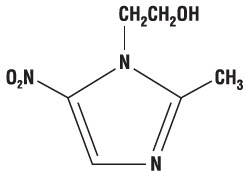
Chemically, metronidazole is a 2-methyl-5-nitroimidazole-1-ethanol. Its structural formula is:
The molecular formula is C 6H 9N 3O 3 with a molecular weight of 171.16.
NUVESSA is an aqueous gel containing metronidazole at a concentration of 13 mg/g (1.3%). The gel is formulated at pH 4.0. The gel also contains benzyl alcohol, methylparaben, polycarbophil, polyethylene glycol 400, propylene glycol, propylparaben, and purified water.
Each applicator contains approximately 65 mg of metronidazole in 5 g of vaginal gel.
7.1 Disulfiram
Use of oral metronidazole has been associated with psychotic reactions in alcoholic patients who are using disulfiram concurrently. NUVESSA should not be used by patients who have taken disulfiram within the last two weeks [see Contraindications ( 4.2)] .
7.5 Cimetidine
Use of oral metronidazole with cimetidine may prolong the half-life and decrease plasma clearance of metronidazole. No dose adjustment of NUVESSA is necessary.
12.4 Microbiology
Mechanism of Action
Metronidazole is a nitroimidazole antimicrobial agent that acts primarily against anaerobic bacteria and selected protozoa. The 5-nitro group on the metronidazole molecule is reduced by metabolically active anaerobes to its active state by the bacterial nitro-reductase enzyme after it diffuses into the bacterial cell. This results in the production of cytotoxic compounds that disrupt the helical structure of bacterial DNA thereby inhibiting bacterial nucleic acid synthesis which leads to cell death.
Resistance
The mechanism of resistance, like for other nitroimidazoles, appears to be multifactorial that include decreased uptake of the drug, higher efflux activity, and/or altered nitroreductase activity.
Antibacterial Activity
Culture and sensitivity testing of bacteria are not routinely performed to establish the diagnosis of bacterial vaginosis
[see Clinical Studies (
14)]
. The following in vitro data are available, but their clinical significance is unknown. Metronidazole is active in vitro against most isolates of the following organisms reported to be associated with bacterial vaginosis:
Bacteroides spp.
Gardnerella vaginalis
Mobiluncus spp.
Peptostreptococcus spp.
8.4 Pediatric Use
The safety and effectiveness of NUVESSA have been established in pediatric subjects between the ages of 12 and less than 18 years old. Use of NUVESSA in this age group is supported by evidence from a multicenter, open-label safety and tolerability study in 60 pediatric patients with bacterial vaginosis [see Adverse Reactions ( 6.1)] and, evidence from adequate and well-controlled studies in adult women.
The safety and effectiveness of NUVESSA in pediatric subjects below the age of 12 years have not been established.
8.5 Geriatric Use
Clinical studies with NUVESSA did not include sufficient numbers of subjects 65 years of age or older to determine whether they respond differently than younger subjects.
14 Clinical Studies
A single, randomized, double-blind, vehicle-controlled clinical trial was conducted to evaluate the efficacy of NUVESSA. Subjects had a clinical diagnosis of bacterial vaginosis defined by the presence of a homogenous vaginal discharge that (a) had a pH ≥ 4.7, (b) emitted a "fishy" amine odor when mixed with a 10% KOH solution ("whiff" test), and (c) contained clue cells ≥ 20% of the total vaginal epithelial cells. In addition, to be eligible for analysis subjects must have had a Gram stain Nugent score ≥ 4 and have been negative for N. gonorrhoeae and C. trachomatis. Non-pregnant females at least 18 years of age were randomized 1:1 to either NUVESSA or Vehicle Gel and instructed to administer study drug once at bedtime. Two hundred ninety-two (292) NUVESSA subjects and 285 Vehicle Gel subjects were eligible for the analysis.
Clinical cure was defined as (a) return of normal physiologic discharge, (b) negative KOH "whiff" test, and (c) clue cell < 20% of the total vaginal epithelial cells at the Test of Cure visit (between 21 to 30 days post-treatment). Bacteriological Cure was defined as a Nugent score of < 4 and Therapeutic cure was defined as clinical cure and bacteriological cure. NUVESSA demonstrated statistically significantly higher cure rates over Vehicle Gel as measured by clinical cure, bacteriological cure and therapeutic cure (Table 1).
| Outcome | NUVESSA
N = 292 n (%) |
Vehicle Gel
N = 285 n (%) |
Treatment Difference (%)
[95% Confidence Interval] |
|---|---|---|---|
| Test of Cure (Day 21 to 30) | |||
| Clinical Cure | 108 (37.0) | 76 (26.7) | 10.3 (2.8, 17.9) |
| Bacteriological Cure | 57 (19.5) | 22 (7.7) | 11.8 (6.3, 17.3) |
| Therapeutic Cure | 49 (16.8) | 18 (6.3) | 10.5 (5.3, 15.6) |
Clinical Cure and Bacteriological Cure were also assessed at Day 7. Clinical Cure at Day 7 was achieved by a statistically significantly greater proportion of subjects in the NUVESSA group compared to subjects in the Vehicle Gel group (41.1% vs. 20.0%). Bacteriological Cure at Day 7 was achieved by a statistically significantly greater proportion of subjects in the NUVESSA group compared to subjects in the Vehicle Gel group (33.9% vs. 6.3%).
4 Contraindications
6 Adverse Reactions
Because clinical trials are conducted under widely varying conditions, adverse reaction rates observed in clinical trials of a drug cannot be directly compared to rates in the clinical trials of another drug and may not reflect the rates observed in practice.
7 Drug Interactions
The intravaginal administration of a single dose of NUVESSA results in lower systemic exposure to metronidazole that is approximately 2% to 4% of that achieved following oral administration of 500 mg metronidazole tablets [see Clinical Pharmacology ( 12.3)] . The following drug interactions were reported for oral metronidazole.
4.1 Hypersensitivity
NUVESSA is contraindicated in persons who have shown hypersensitivity to metronidazole, parabens, other ingredients of the formulation, or other nitroimidazole derivatives.
Instructions for Use
NUVESSA
®
(metronidazole vaginal gel 1.3%)
For vaginal use only.
You will need the following supplies (See Figure A)
| Figure A |
Step 1: Remove the pre-filled applicator and plunger from the foil package (See Figure B)
- Tear open the foil packet just before using.
- Remove the pre-filled applicator and plunger from the foil packaging.
| Figure B |
Step 2: Insert the plunger into the open end of the pre-filled applicator (See Figure C)
- With the pink cap still on, push the tip of the plunger into the open end of the pre-filled applicator.
| Figure C |
Step 3: Remove the pink cap (See Figure D)
- Pull the pink cap straight off the top of the pre-filled applicator.
| Figure D |
Step 4: Prepare to insert the pre-filled applicator (See Figure E)
- The pre-filled applicator may be inserted while lying on your back with your knees bent or in any comfortable position.
| Figure E |
Step 5: Insert the pre-filled applicator (See Figure F)
- Hold the pre-filled applicator by the barrel and gently insert the rounded tip into your vagina as far as it will comfortably go, then pull back slightly.
| Figure F |
Step 6: Push the plunger (See Figure G)
- While holding the barrel in place, slowly press the plunger until it stops to release the gel into your vagina.
| Figure G |
Step 7: Remove the pre-filled applicator from your vagina and throw it away in your household trash.
How should I store NUVESSA?
- Store NUVESSA at room temperature between 68°F to 77°F (20°-25°C).
- Do not freeze.
- Do not refrigerate.
Keep NUVESSA and all medicines out of the reach of children.
This Patient Information and Instructions for Use have been approved by the US Food and Drug Administration.
Rx only
Distributed By:
Exeltis USA, Inc..
180 Park Ave., Florham Park, NJ 07932
© 2022 Exeltis USA, Inc. All rights reserved.
NUVESSA
® and its design are trademarks of Exeltis Healthcare S.L.
Revised: 04/2022
12.3 Pharmacokinetics
Following a single, intravaginal 5 g dose of NUVESSA (equivalent to 65 mg of metronidazole) to 20 healthy female subjects, a mean maximum serum metronidazole concentration (C max) of 239 ng/mL was observed (range: 114 to 428 ng/mL). The average time to achieve this C max was 7.3 hours (range: 4 to 18 hours). This C max is approximately 2% of the mean maximum serum concentration reported in healthy subjects administered a single, oral 500 mg dose of metronidazole tablets (mean C max = 12,785 ng/mL).
The extent of exposure [area under the curve (AUC)] of metronidazole, when administered as a single intravaginal 5 g dose of NUVESSA (equivalent to 65 mg of metronidazole), was 5,434 ng∙hr/mL (range: 1382 to 12744 ng∙hr/mL). This AUC 0-∞ is approximately 4% of the reported AUC of metronidazole following a single oral 500 mg dose of metronidazole (approximately 125,000 ng∙hr/mL).
4.2 Use of Disulfiram
Psychotic reactions have been reported with co-administration of disulfiram and oral metronidazole. Do not administer concurrently with or within 2 weeks of disulfiram.
1 Indications and Usage
NUVESSA is indicated for the treatment of bacterial vaginosis in females 12 years of age and older.
4.3 Concomitant Alcohol
Disulfiram-like reactions to alcohol have been reported with co-administration of oral metronidazole; do not consume ethanol or propylene glycol, during and for at least 24 hours following treatment.
7.2 Alcoholic Beverages
Use of oral metronidazole has been associated with a disulfiram-like reaction (abdominal cramps, nausea, vomiting, headaches, and flushing) to alcohol. Alcoholic beverages and preparations containing ethanol or propylene glycol should not be consumed during and for at least 24 hours after NUVESSA therapy [see Contraindications ( 4.3)].
12.1 Mechanism of Action
Metronidazole is an antimicrobial drug [see Microbiology ( 12.4)].
5 Warnings and Precautions
- Central and peripheral nervous system effects: Convulsive seizures and peripheral neuropathy have been reported in patients treated with oral or intravenous metronidazole. Discontinue promptly if abnormal neurologic signs develop ( 5.1)
- Interference with laboratory tests: Metronidazole may interfere with certain serum chemistry laboratory values. ( 5.3)
2 Dosage and Administration
A single-dose, pre-filled disposable applicator (which delivers approximately 5 g of gel containing 65 mg of metronidazole) administered once intravaginally. NUVESSA should be administered at bedtime.
NUVESSA is not for ophthalmic, dermal or oral use.
3 Dosage Forms and Strengths
Vaginal gel (1.3%) containing 65 mg of metronidazole in 5 grams of gel in a pre-filled applicator.
8 Use in Specific Populations
Lactation: A lactating patient may pump and discard breast milk during treatment and for 48 hours after the last dose. ( 8.2)
5.2 Carcinogenicity in Animals
17 Patient Counseling Information
Advise the patient to read the FDA-approved patient labeling (Patient Information and Instructions for Use).
16 How Supplied/storage and Handling
NUVESSA is available in cartons containing one single-dose, prefilled disposable applicator delivering 5 g of vaginal gel containing approximately 65 mg of metronidazole: 5 g disposable applicator (NDC 0642-7466-05).
5.3 Drug/laboratory Test Interactions
Metronidazole may interfere with certain types of determinations of serum chemistry values, such as aspartate aminotransferase (AST, SGOT), alanine aminotransferase (ALT, SGPT), lactate dehydrogenase (LDH), triglycerides, and glucose hexokinase. Values of zero may be observed. All of the assays in which interference has been reported involve enzymatic coupling of the assay to oxidation reduction of nicotinamide-adenine dinucleotides (NAD + NADH). Interference is due to the similarity in absorbance peaks of NADH (340 nm) and metronidazole (322 nm) at pH 7.
7.3 Coumarin and Other Oral Anticoagulants
Use of oral metronidazole has been reported to potentiate the anticoagulant effect of warfarin and other coumarin anticoagulants, resulting in a prolongation of prothrombin time. This possible drug interaction should be considered when NUVESSA is prescribed for patients on this type of anticoagulant therapy.
Principal Display Panel 5 G Applicator Carton
NDC 0642-7466-05
Exeltis
NUVESSA
®
(metronidazole vaginal gel 1.3%)
FOR INTRAVAGINAL USE ONLY. Not for Ophthalmic, Dermal, or Oral Use.
Dosage:
See package insert for dosage information.
SINGLE-DOSE
Net Wt. 5 g
Rx Only
5.1 Central and Peripheral Nervous System Effects
Convulsive seizures, encephalopathy, aseptic meningitis, optic and peripheral neuropathy, the latter characterized mainly by numbness or paresthesia of an extremity, have been reported in patients treated with oral or intravenous metronidazole. NUVESSA should be administered with caution to patients with central nervous system diseases. Discontinue promptly if abnormal neurologic signs develop.
13.1 Carcinogenesis Mutagenesis, Impairment of Fertility
Metronidazole has shown evidence of carcinogenic activity in a number of studies involving chronic oral administration in mice and rats. Pulmonary tumors were reported in several mouse studies in which mice were dosed orally at 75 mg/kg and above (about 6 or more times the maximum recommended human dose based on mg/m 2). Malignant lymphoma was reported at 66 mg/kg and above (about 5 or more times the maximum recommended human dose based on mg/m 2). These tumors have been observed in all six reported studies in the mouse, including one study in which the animals were dosed on an intermittent schedule (administration during every fourth week only). All these effects were statistically significant.
There were statistically significant increases in the incidence of mammary tumors, among female rats administered metronidazole at 270 mg/kg and above (about 40 times the maximum human dose based on mg/m 2). Hepatic adenomas and carcinomas were observed in rats administered 300 mg/kg (about 45 times the maximum human dose based on mg/m 2).
Two lifetime oral tumorigenicity studies in hamsters have been performed and reported to be negative at doses up to 80 mg/kg (about 10 times the maximum human dose based on mg/m 2).
Carcinogenesis studies have not been conducted with NUVESSA.
Although metronidazole has shown in vitro mutagenic activity in bacterial reverse mutation tests, it was negative in in vitro mammalian mutation systems including CHO/HGPRT and CH V79 lung cell assays. Metronidazole was not clastogenic in vitro chromosome aberration tests in CHO cells up to 5000 µg/mL but was positive in human and monkey peripheral blood lymphocytes at 0.1 µg/mL.
In general, numerous micronucleus studies in rats and mice have failed to demonstrate a potential for genetic damage up to single oral doses 3000 mg/kg in mice (about 225 times the maximum human dose based on mg/m 2). However, a dose dependent increase in the frequency of micronuclei was observed in CFW mice after intraperitoneal injections of up to 160 mg/kg (about 12 times the maximum human dose based on mg/m 2).
Fertility studies have been performed in mice orally dosed up to 500 mg/kg (about 37 times the maximum human dose based on mg/m 2) revealed no evidence of impaired fertility.
While no effects on fertility were observed in female rats dosed intraperitoneally at doses up to 1000 mg/kg (about 300 times the maximum human dose based on mg/m 2), studies in male rats resulted in effects on testes and sperm production at oral doses of 100 mg/kg and above (about 30 times the maximum human dose based on mg/m 2).
Structured Label Content
Section 42229-5 (42229-5)
Clinical Trial Experience in Adult Subjects
The safety of NUVESSA was evaluated in a randomized, double-blind, vehicle-controlled study in subjects with bacterial vaginosis. A total of 321 non-pregnant females with a mean age of 33.4 years (range 18 to 67 years) received NUVESSA. Subjects were primarily Black/African American (58.3%) or White (39.3%). Subjects administered a single dose of NUVESSA at bedtime on the first day of the study.
There were no deaths or serious adverse reactions in this trial. Adverse reactions were reported by 19.0% of subjects treated with NUVESSA versus 16.1% of subjects treated with Vehicle Gel.
Adverse reactions occurring in ≥1% of subjects receiving NUVESSA were: vulvovaginal candidiasis (5.6%), headache (2.2%), vulvovaginal pruritus (1.6%), nausea (1.6%), diarrhea (1.2%), and dysmenorrhea (1.2%). No subjects discontinued treatment due to adverse reactions.
Section 42230-3 (42230-3)
|
PATIENT INFORMATION
NUVESSA ® (nue-ve-sa) (metronidazole vaginal gel 1.3%) |
| For intravaginal use only. Do not use in the eyes, mouth or skin. |
|
What is NUVESSA?
NUVESSA is a prescription medicine used to treat bacterial vaginal infections in females 12 years and older. It is not known if Nuvessa is safe and effective in female children younger than 12 years of age. |
Do not use NUVESSA if you:
|
Before you use NUVESSA, tell your healthcare provider about all your medical conditions, including if you:
|
How should I use NUVESSA?
|
|
What should I avoid while using NUVESSA?
Do not have vaginal intercourse or use other vaginal products (such as tampons or douches). |
|
What are the possible side effects of NUVESSA?
The most common side effects of NUVESSA include: yeast infections, headache, vaginal itching, nausea, diarrhea, and pain with menstrual cycle and vaginal pain or discomfort. Tell your healthcare provider if you have any side effect that bothers you or that does not go away. These are not all the side effects of NUVESSA. For more information, ask your healthcare provider or pharmacist. Call your doctor for medical advice about side effects. You may report side effects to FDA at 1-800-FDA-1088. |
|
General information about NUVESSA
Medicines are sometimes prescribed for purposes other than those listed in a Patient Information leaflet. Do not use NUVESSA for a condition for which it was not prescribed. Do not give NUVESSA to other people, even if they have the same symptoms that you have. It may harm them. You can ask your pharmacist or healthcare provider for information about NUVESSA that is written for health professionals. |
|
What are the ingredients in NUVESSA?
Active ingredient: metronidazole Inactive ingredients: polyethylene glycol 400, propylene glycol, benzyl alcohol, methylparaben, propylparaben, purified water, and polycarbophil |
Section 44425-7 (44425-7)
Store at 20-25°C (68-77°F); excursions permitted to 15°-30°C (59°-86°F) [ see USP Controlled Room temperature]. Do not freeze. Do not refrigerate.
7.4 Lithium
Short-term use of oral metronidazole has been associated with elevation of plasma lithium concentrations and, in a few cases, signs of lithium toxicity in patients stabilized on relatively high doses of lithium.
10 Overdosage (10 OVERDOSAGE)
11 Description (11 DESCRIPTION)
NUVESSA contains 1.3% metronidazole, USP in a single-dose prefilled disposable applicator. It is intended for intravaginal use. Metronidazole is a nitroimidazole antimicrobial.
Chemically, metronidazole is a 2-methyl-5-nitroimidazole-1-ethanol. Its structural formula is:
The molecular formula is C 6H 9N 3O 3 with a molecular weight of 171.16.
NUVESSA is an aqueous gel containing metronidazole at a concentration of 13 mg/g (1.3%). The gel is formulated at pH 4.0. The gel also contains benzyl alcohol, methylparaben, polycarbophil, polyethylene glycol 400, propylene glycol, propylparaben, and purified water.
Each applicator contains approximately 65 mg of metronidazole in 5 g of vaginal gel.
7.1 Disulfiram
Use of oral metronidazole has been associated with psychotic reactions in alcoholic patients who are using disulfiram concurrently. NUVESSA should not be used by patients who have taken disulfiram within the last two weeks [see Contraindications ( 4.2)] .
7.5 Cimetidine
Use of oral metronidazole with cimetidine may prolong the half-life and decrease plasma clearance of metronidazole. No dose adjustment of NUVESSA is necessary.
12.4 Microbiology
Mechanism of Action
Metronidazole is a nitroimidazole antimicrobial agent that acts primarily against anaerobic bacteria and selected protozoa. The 5-nitro group on the metronidazole molecule is reduced by metabolically active anaerobes to its active state by the bacterial nitro-reductase enzyme after it diffuses into the bacterial cell. This results in the production of cytotoxic compounds that disrupt the helical structure of bacterial DNA thereby inhibiting bacterial nucleic acid synthesis which leads to cell death.
Resistance
The mechanism of resistance, like for other nitroimidazoles, appears to be multifactorial that include decreased uptake of the drug, higher efflux activity, and/or altered nitroreductase activity.
Antibacterial Activity
Culture and sensitivity testing of bacteria are not routinely performed to establish the diagnosis of bacterial vaginosis
[see Clinical Studies (
14)]
. The following in vitro data are available, but their clinical significance is unknown. Metronidazole is active in vitro against most isolates of the following organisms reported to be associated with bacterial vaginosis:
Bacteroides spp.
Gardnerella vaginalis
Mobiluncus spp.
Peptostreptococcus spp.
8.4 Pediatric Use
The safety and effectiveness of NUVESSA have been established in pediatric subjects between the ages of 12 and less than 18 years old. Use of NUVESSA in this age group is supported by evidence from a multicenter, open-label safety and tolerability study in 60 pediatric patients with bacterial vaginosis [see Adverse Reactions ( 6.1)] and, evidence from adequate and well-controlled studies in adult women.
The safety and effectiveness of NUVESSA in pediatric subjects below the age of 12 years have not been established.
8.5 Geriatric Use
Clinical studies with NUVESSA did not include sufficient numbers of subjects 65 years of age or older to determine whether they respond differently than younger subjects.
14 Clinical Studies (14 CLINICAL STUDIES)
A single, randomized, double-blind, vehicle-controlled clinical trial was conducted to evaluate the efficacy of NUVESSA. Subjects had a clinical diagnosis of bacterial vaginosis defined by the presence of a homogenous vaginal discharge that (a) had a pH ≥ 4.7, (b) emitted a "fishy" amine odor when mixed with a 10% KOH solution ("whiff" test), and (c) contained clue cells ≥ 20% of the total vaginal epithelial cells. In addition, to be eligible for analysis subjects must have had a Gram stain Nugent score ≥ 4 and have been negative for N. gonorrhoeae and C. trachomatis. Non-pregnant females at least 18 years of age were randomized 1:1 to either NUVESSA or Vehicle Gel and instructed to administer study drug once at bedtime. Two hundred ninety-two (292) NUVESSA subjects and 285 Vehicle Gel subjects were eligible for the analysis.
Clinical cure was defined as (a) return of normal physiologic discharge, (b) negative KOH "whiff" test, and (c) clue cell < 20% of the total vaginal epithelial cells at the Test of Cure visit (between 21 to 30 days post-treatment). Bacteriological Cure was defined as a Nugent score of < 4 and Therapeutic cure was defined as clinical cure and bacteriological cure. NUVESSA demonstrated statistically significantly higher cure rates over Vehicle Gel as measured by clinical cure, bacteriological cure and therapeutic cure (Table 1).
| Outcome | NUVESSA
N = 292 n (%) |
Vehicle Gel
N = 285 n (%) |
Treatment Difference (%)
[95% Confidence Interval] |
|---|---|---|---|
| Test of Cure (Day 21 to 30) | |||
| Clinical Cure | 108 (37.0) | 76 (26.7) | 10.3 (2.8, 17.9) |
| Bacteriological Cure | 57 (19.5) | 22 (7.7) | 11.8 (6.3, 17.3) |
| Therapeutic Cure | 49 (16.8) | 18 (6.3) | 10.5 (5.3, 15.6) |
Clinical Cure and Bacteriological Cure were also assessed at Day 7. Clinical Cure at Day 7 was achieved by a statistically significantly greater proportion of subjects in the NUVESSA group compared to subjects in the Vehicle Gel group (41.1% vs. 20.0%). Bacteriological Cure at Day 7 was achieved by a statistically significantly greater proportion of subjects in the NUVESSA group compared to subjects in the Vehicle Gel group (33.9% vs. 6.3%).
4 Contraindications (4 CONTRAINDICATIONS)
6 Adverse Reactions (6 ADVERSE REACTIONS)
Because clinical trials are conducted under widely varying conditions, adverse reaction rates observed in clinical trials of a drug cannot be directly compared to rates in the clinical trials of another drug and may not reflect the rates observed in practice.
7 Drug Interactions (7 DRUG INTERACTIONS)
The intravaginal administration of a single dose of NUVESSA results in lower systemic exposure to metronidazole that is approximately 2% to 4% of that achieved following oral administration of 500 mg metronidazole tablets [see Clinical Pharmacology ( 12.3)] . The following drug interactions were reported for oral metronidazole.
4.1 Hypersensitivity
NUVESSA is contraindicated in persons who have shown hypersensitivity to metronidazole, parabens, other ingredients of the formulation, or other nitroimidazole derivatives.
Instructions for Use (INSTRUCTIONS FOR USE)
NUVESSA
®
(metronidazole vaginal gel 1.3%)
For vaginal use only.
You will need the following supplies (See Figure A)
| Figure A |
Step 1: Remove the pre-filled applicator and plunger from the foil package (See Figure B)
- Tear open the foil packet just before using.
- Remove the pre-filled applicator and plunger from the foil packaging.
| Figure B |
Step 2: Insert the plunger into the open end of the pre-filled applicator (See Figure C)
- With the pink cap still on, push the tip of the plunger into the open end of the pre-filled applicator.
| Figure C |
Step 3: Remove the pink cap (See Figure D)
- Pull the pink cap straight off the top of the pre-filled applicator.
| Figure D |
Step 4: Prepare to insert the pre-filled applicator (See Figure E)
- The pre-filled applicator may be inserted while lying on your back with your knees bent or in any comfortable position.
| Figure E |
Step 5: Insert the pre-filled applicator (See Figure F)
- Hold the pre-filled applicator by the barrel and gently insert the rounded tip into your vagina as far as it will comfortably go, then pull back slightly.
| Figure F |
Step 6: Push the plunger (See Figure G)
- While holding the barrel in place, slowly press the plunger until it stops to release the gel into your vagina.
| Figure G |
Step 7: Remove the pre-filled applicator from your vagina and throw it away in your household trash.
How should I store NUVESSA?
- Store NUVESSA at room temperature between 68°F to 77°F (20°-25°C).
- Do not freeze.
- Do not refrigerate.
Keep NUVESSA and all medicines out of the reach of children.
This Patient Information and Instructions for Use have been approved by the US Food and Drug Administration.
Rx only
Distributed By:
Exeltis USA, Inc..
180 Park Ave., Florham Park, NJ 07932
© 2022 Exeltis USA, Inc. All rights reserved.
NUVESSA
® and its design are trademarks of Exeltis Healthcare S.L.
Revised: 04/2022
12.3 Pharmacokinetics
Following a single, intravaginal 5 g dose of NUVESSA (equivalent to 65 mg of metronidazole) to 20 healthy female subjects, a mean maximum serum metronidazole concentration (C max) of 239 ng/mL was observed (range: 114 to 428 ng/mL). The average time to achieve this C max was 7.3 hours (range: 4 to 18 hours). This C max is approximately 2% of the mean maximum serum concentration reported in healthy subjects administered a single, oral 500 mg dose of metronidazole tablets (mean C max = 12,785 ng/mL).
The extent of exposure [area under the curve (AUC)] of metronidazole, when administered as a single intravaginal 5 g dose of NUVESSA (equivalent to 65 mg of metronidazole), was 5,434 ng∙hr/mL (range: 1382 to 12744 ng∙hr/mL). This AUC 0-∞ is approximately 4% of the reported AUC of metronidazole following a single oral 500 mg dose of metronidazole (approximately 125,000 ng∙hr/mL).
4.2 Use of Disulfiram
Psychotic reactions have been reported with co-administration of disulfiram and oral metronidazole. Do not administer concurrently with or within 2 weeks of disulfiram.
1 Indications and Usage (1 INDICATIONS AND USAGE)
NUVESSA is indicated for the treatment of bacterial vaginosis in females 12 years of age and older.
4.3 Concomitant Alcohol
Disulfiram-like reactions to alcohol have been reported with co-administration of oral metronidazole; do not consume ethanol or propylene glycol, during and for at least 24 hours following treatment.
7.2 Alcoholic Beverages
Use of oral metronidazole has been associated with a disulfiram-like reaction (abdominal cramps, nausea, vomiting, headaches, and flushing) to alcohol. Alcoholic beverages and preparations containing ethanol or propylene glycol should not be consumed during and for at least 24 hours after NUVESSA therapy [see Contraindications ( 4.3)].
12.1 Mechanism of Action
Metronidazole is an antimicrobial drug [see Microbiology ( 12.4)].
5 Warnings and Precautions (5 WARNINGS AND PRECAUTIONS)
- Central and peripheral nervous system effects: Convulsive seizures and peripheral neuropathy have been reported in patients treated with oral or intravenous metronidazole. Discontinue promptly if abnormal neurologic signs develop ( 5.1)
- Interference with laboratory tests: Metronidazole may interfere with certain serum chemistry laboratory values. ( 5.3)
2 Dosage and Administration (2 DOSAGE AND ADMINISTRATION)
A single-dose, pre-filled disposable applicator (which delivers approximately 5 g of gel containing 65 mg of metronidazole) administered once intravaginally. NUVESSA should be administered at bedtime.
NUVESSA is not for ophthalmic, dermal or oral use.
3 Dosage Forms and Strengths (3 DOSAGE FORMS AND STRENGTHS)
Vaginal gel (1.3%) containing 65 mg of metronidazole in 5 grams of gel in a pre-filled applicator.
8 Use in Specific Populations (8 USE IN SPECIFIC POPULATIONS)
Lactation: A lactating patient may pump and discard breast milk during treatment and for 48 hours after the last dose. ( 8.2)
5.2 Carcinogenicity in Animals
17 Patient Counseling Information (17 PATIENT COUNSELING INFORMATION)
Advise the patient to read the FDA-approved patient labeling (Patient Information and Instructions for Use).
16 How Supplied/storage and Handling (16 HOW SUPPLIED/STORAGE AND HANDLING)
NUVESSA is available in cartons containing one single-dose, prefilled disposable applicator delivering 5 g of vaginal gel containing approximately 65 mg of metronidazole: 5 g disposable applicator (NDC 0642-7466-05).
5.3 Drug/laboratory Test Interactions (5.3 Drug/Laboratory Test Interactions)
Metronidazole may interfere with certain types of determinations of serum chemistry values, such as aspartate aminotransferase (AST, SGOT), alanine aminotransferase (ALT, SGPT), lactate dehydrogenase (LDH), triglycerides, and glucose hexokinase. Values of zero may be observed. All of the assays in which interference has been reported involve enzymatic coupling of the assay to oxidation reduction of nicotinamide-adenine dinucleotides (NAD + NADH). Interference is due to the similarity in absorbance peaks of NADH (340 nm) and metronidazole (322 nm) at pH 7.
7.3 Coumarin and Other Oral Anticoagulants
Use of oral metronidazole has been reported to potentiate the anticoagulant effect of warfarin and other coumarin anticoagulants, resulting in a prolongation of prothrombin time. This possible drug interaction should be considered when NUVESSA is prescribed for patients on this type of anticoagulant therapy.
Principal Display Panel 5 G Applicator Carton (PRINCIPAL DISPLAY PANEL - 5 g Applicator Carton)
NDC 0642-7466-05
Exeltis
NUVESSA
®
(metronidazole vaginal gel 1.3%)
FOR INTRAVAGINAL USE ONLY. Not for Ophthalmic, Dermal, or Oral Use.
Dosage:
See package insert for dosage information.
SINGLE-DOSE
Net Wt. 5 g
Rx Only
5.1 Central and Peripheral Nervous System Effects
Convulsive seizures, encephalopathy, aseptic meningitis, optic and peripheral neuropathy, the latter characterized mainly by numbness or paresthesia of an extremity, have been reported in patients treated with oral or intravenous metronidazole. NUVESSA should be administered with caution to patients with central nervous system diseases. Discontinue promptly if abnormal neurologic signs develop.
13.1 Carcinogenesis Mutagenesis, Impairment of Fertility
Metronidazole has shown evidence of carcinogenic activity in a number of studies involving chronic oral administration in mice and rats. Pulmonary tumors were reported in several mouse studies in which mice were dosed orally at 75 mg/kg and above (about 6 or more times the maximum recommended human dose based on mg/m 2). Malignant lymphoma was reported at 66 mg/kg and above (about 5 or more times the maximum recommended human dose based on mg/m 2). These tumors have been observed in all six reported studies in the mouse, including one study in which the animals were dosed on an intermittent schedule (administration during every fourth week only). All these effects were statistically significant.
There were statistically significant increases in the incidence of mammary tumors, among female rats administered metronidazole at 270 mg/kg and above (about 40 times the maximum human dose based on mg/m 2). Hepatic adenomas and carcinomas were observed in rats administered 300 mg/kg (about 45 times the maximum human dose based on mg/m 2).
Two lifetime oral tumorigenicity studies in hamsters have been performed and reported to be negative at doses up to 80 mg/kg (about 10 times the maximum human dose based on mg/m 2).
Carcinogenesis studies have not been conducted with NUVESSA.
Although metronidazole has shown in vitro mutagenic activity in bacterial reverse mutation tests, it was negative in in vitro mammalian mutation systems including CHO/HGPRT and CH V79 lung cell assays. Metronidazole was not clastogenic in vitro chromosome aberration tests in CHO cells up to 5000 µg/mL but was positive in human and monkey peripheral blood lymphocytes at 0.1 µg/mL.
In general, numerous micronucleus studies in rats and mice have failed to demonstrate a potential for genetic damage up to single oral doses 3000 mg/kg in mice (about 225 times the maximum human dose based on mg/m 2). However, a dose dependent increase in the frequency of micronuclei was observed in CFW mice after intraperitoneal injections of up to 160 mg/kg (about 12 times the maximum human dose based on mg/m 2).
Fertility studies have been performed in mice orally dosed up to 500 mg/kg (about 37 times the maximum human dose based on mg/m 2) revealed no evidence of impaired fertility.
While no effects on fertility were observed in female rats dosed intraperitoneally at doses up to 1000 mg/kg (about 300 times the maximum human dose based on mg/m 2), studies in male rats resulted in effects on testes and sperm production at oral doses of 100 mg/kg and above (about 30 times the maximum human dose based on mg/m 2).
Advanced Ingredient Data
Raw Label Data
All Sections (JSON)
Additional Information
Back to search View SPL set listing Open on DailyMed ↗
Source: dailymed · Ingested: 2026-02-15T11:39:17.841616 · Updated: 2026-03-14T21:57:18.432733