Zinc Sulfate Injection
37d54dcd-b720-4168-bfb2-c8f381466aac
34391-3
HUMAN PRESCRIPTION DRUG LABEL
Drug Facts
Composition & Product
Identifiers & Packaging
Indications and Usage
Zinc Sulfate Injection is indicated in adult and pediatric patients as a source of zinc for parenteral nutrition when oral or enteral nutrition is not possible, insufficient, or contraindicated.
Dosage and Administration
Pharmacy Bulk Package. Not for direct intravenous infusion . ( 2.1 ) See full prescribing information for information on preparation, administration, and general dosing considerations. ( 2.1 , 2.2 , 2.3 , 2.4 ) Recommended Dosage and Monitoring ( 2.5 ) Zinc Sulfate Injection provides 1 mg/mL, 3 mg/mL, or 5 mg/mL of zinc. Zinc Sulfate Injection in a concentration of 1 mg/mL is recommended for use in pediatric patients, particularly those weighing less than 12 kg. Individualize the dosage based upon the patient's clinical condition, nutritional requirements, and the contribution of oral or enteral zinc intake. Adults: The recommended adult dosage is 3 mg/day for metabolically stable patients, with potential need for a higher daily dosage in monitored patients with small bowel fluid loss or excess stool or ileostomy output. Pediatrics: The recommended dosage in pediatric patients is shown by age and estimated weight. The dosages in the table are general recommendations intended for most pediatric patients. However, based on clinical requirements, some patients may require a higher dosage. *Term neonates have higher requirements in the first 3 months of life Population Estimated Weight for Age Recommended Daily Dosage Pediatric Patients 10 kg and above 50 mcg/kg (up to 3 mg/day) 5 kg to less than 10 kg 100 mcg/kg Term Neonates 3 kg to less than 5 kg 250 mcg/kg* Preterm Neonates Less than 3 kg 400 mcg/kg Monitor zinc concentrations and signs and symptoms of zinc deficiency, especially in pediatric patients, during treatment. Zinc concentrations may vary depending on the assay used and the laboratory reference range. The collection, processing, and storage of the blood samples for zinc analysis should be performed according to the laboratory's sample requirements. Zinc concentrations in hemolyzed samples are falsely elevated due to release of zinc from erythrocytes. The lower end of the reported range in healthy adults in serum is 60 mcg/dL.
Contraindications
Zinc Sulfate Injection is contraindicated in patients with known hypersensitivity to zinc [ see Warnings and Precautions ( 5.6 ) ]
Warnings and Precautions
Pulmonary Embolism due to Pulmonary Vascular Precipitates: If signs of pulmonary distress occur, stop the infusion and initiate a medical evaluation. ( 5.1 ) Vein Damage and Thrombosis: Solutions with osmolarity of 900 mOsmol/L or more must be infused through a central catheter. ( 2.1 , 5.2 ) Aluminum Toxicity: Increase risk in patients with renal impairment, including preterm infants ( 5.3 , 8.4 ) Monitoring and Laboratory Tests: Monitor fluid and electrolyte status, serum osmolarity, blood glucose, liver and kidney function, blood count and coagulation parameters throughout treatment. ( 5.4 , 2.4 ) Copper Deficiency: If signs and symptoms develop, interrupt treatment with Zinc Sulfate Injection and check zinc, copper, and ceruloplasmin levels. ( 5.5 ) Hypersensitivity Reactions: If reactions occur, discontinue Zinc Sulfate Injection and initiate appropriate medical treatment. ( 5.6 )
Adverse Reactions
No zinc-related adverse reactions have been reported in clinical studies or post-marketing reports in patients receiving intravenously administered parenteral nutrition solutions containing zinc sulfate within the recommended dosage range. The following were identified in clinical studies or post-marketing reports. Because some of these reactions were reported voluntarily from a population of uncertain size, it is not always possible to reliably estimate their frequency or establish a causal relationship to drug exposure: Adverse reactions with other components of parenteral nutrition solutions: Pulmonary embolism due to pulmonary vascular precipitates [ see Warnings and Precautions ( 5.1 ) ] Vein damage and thrombosis [ see Warnings and Precautions ( 5.2 ) ] Aluminum toxicity [ see Warnings and Precautions ( 5.3 ) ] Adverse reactions with the use of zinc-containing products administered by other routes of administration: Copper deficiency [ see Warnings and Precautions ( 5.5 ) ] Hypersensitivity reactions [ see Warnings and Precautions ( 5.6 ) ]
How Supplied
Zinc Sulfate Injection, USP is a sterile, clear, colorless solution, essentially free from visible particles supplied as: Product Code Unit of Sale Strength Each 405001 NDC 65219-401-01 Unit of 25 10 mg per 10 mL (1 mg per mL) NDC 65219-401-00 10 mL Pharmacy Bulk Package vial 405003 NDC 65219-403-03 Unit of 25 30 mg per 10 mL (3 mg per mL) NDC 65219-403-01 10 mL Pharmacy Bulk Package vial 405005 NDC 65219-405-05 Unit of 25 25 mg per 5 mL (5 mg per mL) NDC 65219-405-02 5 mL Pharmacy Bulk Package vial The container closure is not made with natural rubber latex. Store at 20°C to 25°C (68°F to 77°F); excursions permitted to 15°C to 30°C (59°F to 86°F) [see USP Controlled Room Temperature]. For storage of admixed solution see Dosage and Administration ( 2.3 ). Discard unused portion.
Storage and Handling
Zinc Sulfate Injection, USP is a sterile, clear, colorless solution, essentially free from visible particles supplied as: Product Code Unit of Sale Strength Each 405001 NDC 65219-401-01 Unit of 25 10 mg per 10 mL (1 mg per mL) NDC 65219-401-00 10 mL Pharmacy Bulk Package vial 405003 NDC 65219-403-03 Unit of 25 30 mg per 10 mL (3 mg per mL) NDC 65219-403-01 10 mL Pharmacy Bulk Package vial 405005 NDC 65219-405-05 Unit of 25 25 mg per 5 mL (5 mg per mL) NDC 65219-405-02 5 mL Pharmacy Bulk Package vial The container closure is not made with natural rubber latex. Store at 20°C to 25°C (68°F to 77°F); excursions permitted to 15°C to 30°C (59°F to 86°F) [see USP Controlled Room Temperature]. For storage of admixed solution see Dosage and Administration ( 2.3 ). Discard unused portion.
Description
Zinc Sulfate Injection is indicated in adult and pediatric patients as a source of zinc for parenteral nutrition when oral or enteral nutrition is not possible, insufficient, or contraindicated.
Medication Information
Warnings and Precautions
Pulmonary Embolism due to Pulmonary Vascular Precipitates: If signs of pulmonary distress occur, stop the infusion and initiate a medical evaluation. ( 5.1 ) Vein Damage and Thrombosis: Solutions with osmolarity of 900 mOsmol/L or more must be infused through a central catheter. ( 2.1 , 5.2 ) Aluminum Toxicity: Increase risk in patients with renal impairment, including preterm infants ( 5.3 , 8.4 ) Monitoring and Laboratory Tests: Monitor fluid and electrolyte status, serum osmolarity, blood glucose, liver and kidney function, blood count and coagulation parameters throughout treatment. ( 5.4 , 2.4 ) Copper Deficiency: If signs and symptoms develop, interrupt treatment with Zinc Sulfate Injection and check zinc, copper, and ceruloplasmin levels. ( 5.5 ) Hypersensitivity Reactions: If reactions occur, discontinue Zinc Sulfate Injection and initiate appropriate medical treatment. ( 5.6 )
Indications and Usage
Zinc Sulfate Injection is indicated in adult and pediatric patients as a source of zinc for parenteral nutrition when oral or enteral nutrition is not possible, insufficient, or contraindicated.
Dosage and Administration
Pharmacy Bulk Package. Not for direct intravenous infusion . ( 2.1 ) See full prescribing information for information on preparation, administration, and general dosing considerations. ( 2.1 , 2.2 , 2.3 , 2.4 ) Recommended Dosage and Monitoring ( 2.5 ) Zinc Sulfate Injection provides 1 mg/mL, 3 mg/mL, or 5 mg/mL of zinc. Zinc Sulfate Injection in a concentration of 1 mg/mL is recommended for use in pediatric patients, particularly those weighing less than 12 kg. Individualize the dosage based upon the patient's clinical condition, nutritional requirements, and the contribution of oral or enteral zinc intake. Adults: The recommended adult dosage is 3 mg/day for metabolically stable patients, with potential need for a higher daily dosage in monitored patients with small bowel fluid loss or excess stool or ileostomy output. Pediatrics: The recommended dosage in pediatric patients is shown by age and estimated weight. The dosages in the table are general recommendations intended for most pediatric patients. However, based on clinical requirements, some patients may require a higher dosage. *Term neonates have higher requirements in the first 3 months of life Population Estimated Weight for Age Recommended Daily Dosage Pediatric Patients 10 kg and above 50 mcg/kg (up to 3 mg/day) 5 kg to less than 10 kg 100 mcg/kg Term Neonates 3 kg to less than 5 kg 250 mcg/kg* Preterm Neonates Less than 3 kg 400 mcg/kg Monitor zinc concentrations and signs and symptoms of zinc deficiency, especially in pediatric patients, during treatment. Zinc concentrations may vary depending on the assay used and the laboratory reference range. The collection, processing, and storage of the blood samples for zinc analysis should be performed according to the laboratory's sample requirements. Zinc concentrations in hemolyzed samples are falsely elevated due to release of zinc from erythrocytes. The lower end of the reported range in healthy adults in serum is 60 mcg/dL.
Contraindications
Zinc Sulfate Injection is contraindicated in patients with known hypersensitivity to zinc [ see Warnings and Precautions ( 5.6 ) ]
Adverse Reactions
No zinc-related adverse reactions have been reported in clinical studies or post-marketing reports in patients receiving intravenously administered parenteral nutrition solutions containing zinc sulfate within the recommended dosage range. The following were identified in clinical studies or post-marketing reports. Because some of these reactions were reported voluntarily from a population of uncertain size, it is not always possible to reliably estimate their frequency or establish a causal relationship to drug exposure: Adverse reactions with other components of parenteral nutrition solutions: Pulmonary embolism due to pulmonary vascular precipitates [ see Warnings and Precautions ( 5.1 ) ] Vein damage and thrombosis [ see Warnings and Precautions ( 5.2 ) ] Aluminum toxicity [ see Warnings and Precautions ( 5.3 ) ] Adverse reactions with the use of zinc-containing products administered by other routes of administration: Copper deficiency [ see Warnings and Precautions ( 5.5 ) ] Hypersensitivity reactions [ see Warnings and Precautions ( 5.6 ) ]
Storage and Handling
Zinc Sulfate Injection, USP is a sterile, clear, colorless solution, essentially free from visible particles supplied as: Product Code Unit of Sale Strength Each 405001 NDC 65219-401-01 Unit of 25 10 mg per 10 mL (1 mg per mL) NDC 65219-401-00 10 mL Pharmacy Bulk Package vial 405003 NDC 65219-403-03 Unit of 25 30 mg per 10 mL (3 mg per mL) NDC 65219-403-01 10 mL Pharmacy Bulk Package vial 405005 NDC 65219-405-05 Unit of 25 25 mg per 5 mL (5 mg per mL) NDC 65219-405-02 5 mL Pharmacy Bulk Package vial The container closure is not made with natural rubber latex. Store at 20°C to 25°C (68°F to 77°F); excursions permitted to 15°C to 30°C (59°F to 86°F) [see USP Controlled Room Temperature]. For storage of admixed solution see Dosage and Administration ( 2.3 ). Discard unused portion.
How Supplied
Zinc Sulfate Injection, USP is a sterile, clear, colorless solution, essentially free from visible particles supplied as: Product Code Unit of Sale Strength Each 405001 NDC 65219-401-01 Unit of 25 10 mg per 10 mL (1 mg per mL) NDC 65219-401-00 10 mL Pharmacy Bulk Package vial 405003 NDC 65219-403-03 Unit of 25 30 mg per 10 mL (3 mg per mL) NDC 65219-403-01 10 mL Pharmacy Bulk Package vial 405005 NDC 65219-405-05 Unit of 25 25 mg per 5 mL (5 mg per mL) NDC 65219-405-02 5 mL Pharmacy Bulk Package vial The container closure is not made with natural rubber latex. Store at 20°C to 25°C (68°F to 77°F); excursions permitted to 15°C to 30°C (59°F to 86°F) [see USP Controlled Room Temperature]. For storage of admixed solution see Dosage and Administration ( 2.3 ). Discard unused portion.
Description
Zinc Sulfate Injection is indicated in adult and pediatric patients as a source of zinc for parenteral nutrition when oral or enteral nutrition is not possible, insufficient, or contraindicated.
Section 42229-5
Adults
The recommended adult dosage is 3 mg/day for metabolically stable patients, with potential need for a higher daily dosage in monitored patients with small bowel fluid loss or excess stool or ileostomy output.
10 Overdosage
There are reported cases of overdosage with intravenous zinc in parenteral nutrition:
- Seven adult patients received an inadvertent overdosage of 50 mg to 75 mg elemental zinc per day in parenteral nutrition solution for 26 to 60 days; 6 of the 7 patients developed hyperamylasemia (peak amylase values of 557 to 1850 Klein units; normal: 130 to 310). Amylase was not reported in one patient. Serum zinc concentrations ranged from 310 to 670 mcg/dL. None of the patients developed clinical signs of pancreatitis. Five of the 7 patients died of septic complications.
- One adult patient died of infectious complications after receiving an inadvertent overdosage of 7.4 grams of zinc sulfate (equivalent to 1.2 grams of elemental zinc per day for 2.5 days) in parenteral nutrition solution over 60 hours. The serum zinc concentration was 4184 mcg/dL. Symptoms of zinc overdosage also included hyperamylasemia, thrombocytopenia, anemia, vomiting and diarrhea.
- One preterm infant born at 26 weeks gestation died of cardiac failure following a medication error in which the parenteral nutrition solution contained 330 mg/100 mL instead of 330 mcg/100 mL of zinc sulfate (overdosage of 1000-fold).
11 Description
Zinc Sulfate Injection, USP is a sterile, clear, colorless solution, essentially free from visible particles intended for use as a trace element and an additive to intravenous solutions for parenteral nutrition.
10 mg per 10 mL Pharmacy Bulk Package vial:
Each mL contains 1 mg of zinc present as a 2.46 mg of zinc sulfate and water for injection, q.s.
30 mg per 10 mL Pharmacy Bulk Package vial:
Each mL contains 3 mg of zinc present as 7.41 mg of zinc sulfate and water for injection, q.s.
25 mg per 5 mL Pharmacy Bulk Package vial:
Each mL contains 5 mg of zinc present as 12.32 mg of zinc sulfate and water for injection, q.s.
All presentations do not contain preservatives.
The pH range is 2 to 4; pH may be adjusted with sulfuric acid.
1 mg/mL of Zinc Sulfate Injection contains no more than 1,500 mcg/L of aluminum and has a calculated osmolarity of 33 mOsmol/L.
3 mg/mL of Zinc Sulfate Injection contains no more than 2,500 mcg/L of aluminum and has a calculated osmolarity of 96.5 mOsmol/L.
5 mg/mL of Zinc Sulfate Injection contains no more than 2,500 mcg/L of aluminum and has a calculated osmolarity of 157.2 mOsmol/L.
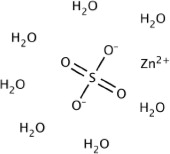
Zinc sulfate heptahydrate, USP has a molecular weight of 287.54 g/mol and a formula of ZnSO4·7H2O.
8.4 Pediatric Use
Zinc Sulfate Injection is approved for use in the pediatric population, including neonates, as a source of zinc for parenteral nutrition when oral or enteral nutrition is not possible, insufficient, or contraindicated. Safety and dosing recommendations in pediatric patients are based on published literature describing controlled studies of zinc-containing products in pediatric patients [see Dosage and Administration (2.2)].
Because of immature renal function, preterm infants receiving prolonged parenteral nutrition treatment with Zinc Sulfate Injection may be at higher risk of aluminum toxicity [see Warnings and Precautions (5.3)].
8.5 Geriatric Use
Reported clinical experience with intravenous zinc sulfate has not identified a difference in zinc requirements between elderly and younger patients. In general, dose selection should be individualized based on the patient's clinical condition, nutritional requirements, and additional nutritional intake provided orally or enterally to the patient.
4 Contraindications
Zinc Sulfate Injection is contraindicated in patients with known hypersensitivity to zinc [see Warnings and Precautions (5.6)]
6 Adverse Reactions
No zinc-related adverse reactions have been reported in clinical studies or post-marketing reports in patients receiving intravenously administered parenteral nutrition solutions containing zinc sulfate within the recommended dosage range.
The following were identified in clinical studies or post-marketing reports. Because some of these reactions were reported voluntarily from a population of uncertain size, it is not always possible to reliably estimate their frequency or establish a causal relationship to drug exposure:
Adverse reactions with other components of parenteral nutrition solutions:
- Pulmonary embolism due to pulmonary vascular precipitates [see Warnings and Precautions (5.1)]
- Vein damage and thrombosis [see Warnings and Precautions (5.2)]
- Aluminum toxicity [see Warnings and Precautions (5.3)]
Adverse reactions with the use of zinc-containing products administered by other routes of administration:
12.2 Pharmacodynamics
Zinc sulfate exposure-response relationships and the time course of pharmacodynamic responses are unknown.
5.3 Aluminum Toxicity
Zinc Sulfate Injection contains aluminum that may be toxic.
Aluminum may reach toxic levels with prolonged parenteral administration if kidney function is impaired. Preterm infants are particularly at risk for aluminum toxicity because the kidneys are immature, and they require large amounts of calcium and phosphate solutions, which also contain aluminum.
Patients with impaired kidney function, including preterm infants, who receive greater than 4 to 5 mcg/kg/day of parenteral aluminum can accumulate aluminum at levels associated with central nervous system and bone toxicity. Tissue loading may occur at even lower rates of administration.
Exposure to aluminum from Zinc Sulfate Injection is not more than 0.6 mcg/kg/day. When prescribing Zinc Sulfate Injection for use in parenteral nutrition containing other small volume parenteral products, the total daily patient exposure to aluminum from the admixture should be considered and maintained at no more than 5 mcg/kg/day [see Use in Specific Populations (8.4)].
5.5 Copper Deficiency
Several post-marketing cases have reported that high doses of supplemental zinc (approximately 10 times the recommended dosage of 3 mg/day Zinc Sulfate Injection in adults) taken over extended periods of time (i.e., months to years) may result in decreased enteral copper absorption and copper deficiency. The cases reported the following complications of copper deficiency: anemia, leukopenia, thrombocytopenia, myeloneuropathy, and nephrotic-range proteinuria [see Adverse Reactions (6)].
If a patient develops signs and symptoms of copper deficiency during treatment with Zinc Sulfate Injection, interrupt zinc treatment and check zinc, copper, and ceruloplasmin levels. Copper deficiency should be treated with supplemental copper administration and discontinuation of zinc supplementation.
1 Indications and Usage
Zinc Sulfate Injection is indicated in adult and pediatric patients as a source of zinc for parenteral nutrition when oral or enteral nutrition is not possible, insufficient, or contraindicated.
12.1 Mechanism of Action
Zinc is an essential trace element. Zinc functions as a cofactor of various enzymes including DNA polymerases, RNA polymerases, alcohol dehydrogenase, and alkaline phosphatases. Zinc is a coordinator of protein structural folding, such as folding of “Zinc finger” motif that interacts with a variety of proteins, lipids, and nucleic acids. In addition, zinc is a catalyst of essential biochemical reactions, including activation of substrates of carbonic anhydrase in erythrocyte. Also, zinc is a signaling mediator modulating multiple signaling pathways.
2.4 Dosing Considerations
- The dosage of the final parenteral nutrition solution containing Zinc Sulfate Injection must be based on the concentrations of all components in the solution and the recommended daily nutritional requirements [see Dosage and Administration (2.5)]. Consult the prescribing information of all added components to determine the recommended nutritional requirements for dextrose and lipid emulsion, as applicable.
- Prior to administration of parenteral nutrition solution containing Zinc Sulfate Injection, correct severe fluid, electrolyte and acid-base disorders.
5 Warnings and Precautions
- Pulmonary Embolism due to Pulmonary Vascular Precipitates: If signs of pulmonary distress occur, stop the infusion and initiate a medical evaluation. (5.1)
- Vein Damage and Thrombosis: Solutions with osmolarity of 900 mOsmol/L or more must be infused through a central catheter. (2.1, 5.2)
- Aluminum Toxicity: Increase risk in patients with renal impairment, including preterm infants (5.3, 8.4)
- Monitoring and Laboratory Tests: Monitor fluid and electrolyte status, serum osmolarity, blood glucose, liver and kidney function, blood count and coagulation parameters throughout treatment. (5.4, 2.4)
- Copper Deficiency: If signs and symptoms develop, interrupt treatment with Zinc Sulfate Injection and check zinc, copper, and ceruloplasmin levels. (5.5)
- Hypersensitivity Reactions: If reactions occur, discontinue Zinc Sulfate Injection and initiate appropriate medical treatment. (5.6)
2 Dosage and Administration
- Pharmacy Bulk Package. Not for direct intravenous infusion. (2.1)
- See full prescribing information for information on preparation, administration, and general dosing considerations. (2.1, 2.2, 2.3, 2.4)
Recommended Dosage and Monitoring (2.5)
- Zinc Sulfate Injection provides 1 mg/mL, 3 mg/mL, or 5 mg/mL of zinc.
- Zinc Sulfate Injection in a concentration of 1 mg/mL is recommended for use in pediatric patients, particularly those weighing less than 12 kg.
- Individualize the dosage based upon the patient's clinical condition, nutritional requirements, and the contribution of oral or enteral zinc intake.
- Adults: The recommended adult dosage is 3 mg/day for metabolically stable patients, with potential need for a higher daily dosage in monitored patients with small bowel fluid loss or excess stool or ileostomy output.
- Pediatrics: The recommended dosage in pediatric patients is shown by age and estimated weight. The dosages in the table are general recommendations intended for most pediatric patients. However, based on clinical requirements, some patients may require a higher dosage.
|
*Term neonates have higher requirements in the first 3 months of life |
||
| Population | Estimated Weight for Age | Recommended Daily Dosage |
| Pediatric Patients | 10 kg and above | 50 mcg/kg (up to 3 mg/day) |
| 5 kg to less than 10 kg | 100 mcg/kg | |
| Term Neonates | 3 kg to less than 5 kg | 250 mcg/kg* |
| Preterm Neonates | Less than 3 kg | 400 mcg/kg |
- Monitor zinc concentrations and signs and symptoms of zinc deficiency, especially in pediatric patients, during treatment. Zinc concentrations may vary depending on the assay used and the laboratory reference range. The collection, processing, and storage of the blood samples for zinc analysis should be performed according to the laboratory's sample requirements. Zinc concentrations in hemolyzed samples are falsely elevated due to release of zinc from erythrocytes. The lower end of the reported range in healthy adults in serum is 60 mcg/dL.
3 Dosage Forms and Strengths
Zinc Sulfate Injection, USP:
- 10 mg per10 mL (1 mg per mL) of zinc as a clear, colorless solution in a 10 mL Pharmacy Bulk Package vial.
- 30 mg per 10 mL (3 mg per mL) of zinc as a clear, colorless solution in a 10 mL Pharmacy Bulk Package vial.
- 25 mg per 5 mL (5 mg per mL) of zinc as a clear, colorless solution in a 5 mL Pharmacy Bulk Package vial.
5.2 Vein Damage and Thrombosis
Zinc Sulfate Injection has a low pH and must be prepared and used as an admixture in parenteral nutrition solutions. It is not for direct intravenous infusion.
In addition, consider the osmolarity of the final parenteral nutrition solution in determining peripheral versus central administration. Solutions with an osmolarity of 900 mOsmol/L or greater must be infused through a central catheter [see Dosage and Administration (2.1)]. The infusion of hypertonic nutrient solutions into a peripheral vein may result in vein irritation, vein damage, and/or thrombosis. The primary complication of peripheral access is venous thrombophlebitis, which manifests as pain, erythema, tenderness or a palpable cord. Remove the catheter as soon as possible, if thrombophlebitis develops.
5.6 Hypersensitivity Reactions
Hypersensitivity reactions to subcutaneously administered zinc-containing insulin products were identified in postmarketing case reports. Reported reactions included injection site induration, erythema, pruritus, papular rash, generalized urticaria, facial swelling, and dyspnea. Patients did not manifest symptoms after changing to zinc-free insulin or another insulin product with a reduced amount of zinc. In some cases, allergy testing confirmed the allergy to the zinc component of the insulin product. If hypersensitivity reactions occur, discontinue Zinc Sulfate Injection and initiate appropriate medical treatment [see Contraindications (4)].
17 Patient Counseling Information
Inform patients, caregivers or home healthcare providers of the following risks of Zinc Sulfate Injection:
- Pulmonary embolism due to pulmonary vascular precipitates [see Warnings and Precautions (5.1)]
- Vein damage and thrombosis [see Warnings and Precautions (5.2)]
- Aluminum toxicity [see Warnings and Precautions (5.3)]
- Copper deficiency [see Warnings and Precautions (5.5)]
- Hypersensitivity reactions [see Warnings and Precautions (5.6)]
Lake Zurich, IL 60047
www.fresenius-kabi.com/us
451762A
5.4 Monitoring and Laboratory Tests
Monitor zinc concentrations, fluid and electrolyte status, serum osmolarity, blood glucose, liver and kidney function, blood count and coagulation parameters throughout treatment [see Dosage and Administration (2.4)].
16 How Supplied/storage and Handling
Zinc Sulfate Injection, USP is a sterile, clear, colorless solution, essentially free from visible particles supplied as:
| Product Code | Unit of Sale | Strength | Each |
| 405001 | NDC 65219-401-01 Unit of 25 |
10 mg per 10 mL (1 mg per mL) |
NDC 65219-401-00 10 mL Pharmacy Bulk Package vial |
| 405003 | NDC 65219-403-03 Unit of 25 |
30 mg per 10 mL (3 mg per mL) |
NDC 65219-403-01 10 mL Pharmacy Bulk Package vial |
| 405005 | NDC 65219-405-05 Unit of 25 |
25 mg per 5 mL (5 mg per mL) |
NDC 65219-405-02 5 mL Pharmacy Bulk Package vial |
The container closure is not made with natural rubber latex.
Store at 20°C to 25°C (68°F to 77°F); excursions permitted to 15°C to 30°C (59°F to 86°F) [see USP Controlled Room Temperature].
For storage of admixed solution see Dosage and Administration (2.3).
Discard unused portion.
2.1 Important Administration Information
Zinc Sulfate Injection is supplied as a pharmacy bulk package for admixing use only. It is not for direct intravenous infusion. Prior to administration, Zinc Sulfate Injection must be transferred to a separate parenteral nutrition container, diluted and used as an admixture in parenteral nutrition solutions.
The final parenteral nutrition solution is for intravenous infusion into a central or peripheral vein. The choice of a central or peripheral venous route should depend on the osmolarity of the final infusate. Solutions with osmolarity of 900 mOsmol/L or greater must be infused through a central catheter [see Warnings and Precautions (5.2)].
Principal Display Panel 3mg/ml Vial Label
NDC 65219-403-01
Zinc Sulfate
Injection, USP STERILE
30 mg* per 10 mL
(3 mg* per mL) of zinc
For intravenous use after
dilution and admixing.
10 mL
PHARMACY BULK PACKAGE -
NOT FOR DIRECT INFUSION
Rx only
Principal Display Panel 1 Mg/ml Vial Label
NDC 65219-401-00
Zinc Sulfate
Injection, USP STERILE
10 mg* per 10 mL
(1 mg* per mL) of zinc
For intravenous use after
dilution and admixing.
10 mL
PHARMACY BULK PACKAGE -
NOT FOR DIRECT INFUSION
Rx only
Principal Display Panel – 3mg/ml Tray Label
NDC 65219-403-03 405003
Zinc Sulfate
Injection, USP STERILE
30 mg* per 10 mL
(3 mg* per mL) of zinc
For intravenous use after
dilution and admixing
25 x 10 mL Vials
PHARMACY BULK PACKAGE-
NOT FOR DIRECT INFUSION
Rx only
Principal Display Panel – 5mg/ml Tray Label
NDC 65219-405-05 405005
Zinc Sulfate
Injection, USP STERILE
25 mg* per 5 mL
(5 mg* per mL) of zinc
For intravenous use after
dilution and admixing
25 x 5 mL Vials
PHARMACY BULK PACKAGE-
NOT FOR DIRECT INFUSION
Rx only
Principal Display Panel – 5mg/ml Vial Label
NDC 65219-405-02
Zinc Sulfate
Injection, USP STERILE
25 mg* per 5 mL
(5 mg* per mL) of zinc
For intravenous use after
dilution and admixing
5mL
PHARMACY BULK PACKAGE-
NOT FOR DIRECT INFUSION
Rx only
Principal Display Panel 1 Mg/ml Tray Label
NDC 65219-401-01 405001
Zinc Sulfate
Injection, USP STERILE
10 mg* per 10 mL
(1 mg* per mL) of zinc
For intravenous use after
dilution and admixing.
25 x 10 mL Vials
PHARMACY BULK PACKAGE -
NOT FOR DIRECT INFUSION
Rx only
2.2 Preparation and Administration Instructions
- Zinc Sulfate Injection is not for direct intravenous infusion. Prior to administration, Zinc Sulfate Injection must be prepared and used as an admixture in parenteral nutrition solutions.
- Zinc Sulfate Injection is to be prepared only in a suitable work area such as a laminar flow hood (or an equivalent clean air compounding area). The key factor in the preparation is careful aseptic technique to avoid inadvertent touch contamination during mixing of solutions and addition of other nutrients.
- Visually inspect the diluted parenteral nutrition solution containing Zinc Sulfate Injection for particulate matter before admixing, after admixing, and prior to administration.
5.1 Pulmonary Embolism Due to Pulmonary Vascular Precipitates
Pulmonary vascular precipitates causing pulmonary vascular emboli and pulmonary distress have been reported in patients receiving parenteral nutrition. The cause of precipitate formation has not been determined in all cases; however, in some fatal cases, pulmonary emboli occurred as a result of calcium phosphate precipitates. Precipitation has occurred following passage through an in-line filter; in vivo precipitate formation may also have occurred. If signs of pulmonary distress occur, stop the parenteral nutrition infusion and initiate a medical evaluation. In addition to inspection of the solution [see Dosage and Administration (2.2, 2.3)], the infusion set and catheter should also periodically be checked for precipitates.
2.5 Recommended Dosage and Monitoring in Adult and Pediatric Patients
- Zinc Sulfate Injection provides 1 mg/mL, 3 mg/mL, or 5 mg/mL of zinc.
- Zinc Sulfate Injection in a concentration of 1 mg/mL is recommended for use in pediatric patients, particularly those weighing less than 12 kg.
- The dosage of Zinc Sulfate Injection should be individualized based on the patient's clinical condition, nutritional requirements, and the contribution of oral or enteral zinc intake.
2.3 Preparation Instructions for Admixing Using A Parenteral Nutrition Container
- Inspect Zinc Sulfate Injection Bulk Pharmacy Package for particulate matter.
- Transfer Zinc Sulfate Injection to the parenteral nutrition container following the admixture of amino acids, dextrose, lipid emulsion (if added), and electrolytes solutions.
- Because additives may be incompatible, evaluate all additions to the parenteral nutrition container for compatibility and stability of the resulting preparation. Consult with pharmacist, if available. Questions about compatibility may be directed to Fresenius Kabi USA, LLC. If it is deemed advisable to introduce additives to the parenteral nutrition container, use aseptic technique.
- Inspect the final parenteral nutrition solution containing Zinc Sulfate Injection to ensure that:
- Precipitates have not formed during mixing or addition on additives.
- The emulsion has not separated, if lipid emulsion has been added. Separation of the emulsion can be visibly identified by a yellowish streaking or the accumulation of yellowish droplets in the admixed emulsion.
- Discard if any precipitates are observed.
Stability and Storage
- Penetrate vial closure only one time with a suitable sterile transfer device or dispensing set that allows measured dispensing of the contents.
- Use Zinc Sulfate Injection for admixing promptly once the sterile transfer set has been inserted into the Pharmacy Bulk Package container or not more than 4 hours at room temperature 20°C to 25°C (68°F to 77°F) (25ºC/77ºF) after the container closure has been penetrated. Discard any remaining drug.
- Use parenteral nutrition solutions containing Zinc Sulfate Injection promptly after mixing. Any storage of the admixture should be under refrigeration from 2ºC to 8ºC (36ºF to 46ºF) and limited to a period of time no longer than 9 days. After removal from refrigeration, use promptly and complete the infusion within 24 hours. Discard any remaining admixture.
- Protect the admixed parenteral nutrition solution from light.
Structured Label Content
Section 42229-5 (42229-5)
Adults
The recommended adult dosage is 3 mg/day for metabolically stable patients, with potential need for a higher daily dosage in monitored patients with small bowel fluid loss or excess stool or ileostomy output.
10 Overdosage (10 OVERDOSAGE)
There are reported cases of overdosage with intravenous zinc in parenteral nutrition:
- Seven adult patients received an inadvertent overdosage of 50 mg to 75 mg elemental zinc per day in parenteral nutrition solution for 26 to 60 days; 6 of the 7 patients developed hyperamylasemia (peak amylase values of 557 to 1850 Klein units; normal: 130 to 310). Amylase was not reported in one patient. Serum zinc concentrations ranged from 310 to 670 mcg/dL. None of the patients developed clinical signs of pancreatitis. Five of the 7 patients died of septic complications.
- One adult patient died of infectious complications after receiving an inadvertent overdosage of 7.4 grams of zinc sulfate (equivalent to 1.2 grams of elemental zinc per day for 2.5 days) in parenteral nutrition solution over 60 hours. The serum zinc concentration was 4184 mcg/dL. Symptoms of zinc overdosage also included hyperamylasemia, thrombocytopenia, anemia, vomiting and diarrhea.
- One preterm infant born at 26 weeks gestation died of cardiac failure following a medication error in which the parenteral nutrition solution contained 330 mg/100 mL instead of 330 mcg/100 mL of zinc sulfate (overdosage of 1000-fold).
11 Description (11 DESCRIPTION)
Zinc Sulfate Injection, USP is a sterile, clear, colorless solution, essentially free from visible particles intended for use as a trace element and an additive to intravenous solutions for parenteral nutrition.
10 mg per 10 mL Pharmacy Bulk Package vial:
Each mL contains 1 mg of zinc present as a 2.46 mg of zinc sulfate and water for injection, q.s.
30 mg per 10 mL Pharmacy Bulk Package vial:
Each mL contains 3 mg of zinc present as 7.41 mg of zinc sulfate and water for injection, q.s.
25 mg per 5 mL Pharmacy Bulk Package vial:
Each mL contains 5 mg of zinc present as 12.32 mg of zinc sulfate and water for injection, q.s.
All presentations do not contain preservatives.
The pH range is 2 to 4; pH may be adjusted with sulfuric acid.
1 mg/mL of Zinc Sulfate Injection contains no more than 1,500 mcg/L of aluminum and has a calculated osmolarity of 33 mOsmol/L.
3 mg/mL of Zinc Sulfate Injection contains no more than 2,500 mcg/L of aluminum and has a calculated osmolarity of 96.5 mOsmol/L.
5 mg/mL of Zinc Sulfate Injection contains no more than 2,500 mcg/L of aluminum and has a calculated osmolarity of 157.2 mOsmol/L.
Zinc sulfate heptahydrate, USP has a molecular weight of 287.54 g/mol and a formula of ZnSO4·7H2O.
8.4 Pediatric Use
Zinc Sulfate Injection is approved for use in the pediatric population, including neonates, as a source of zinc for parenteral nutrition when oral or enteral nutrition is not possible, insufficient, or contraindicated. Safety and dosing recommendations in pediatric patients are based on published literature describing controlled studies of zinc-containing products in pediatric patients [see Dosage and Administration (2.2)].
Because of immature renal function, preterm infants receiving prolonged parenteral nutrition treatment with Zinc Sulfate Injection may be at higher risk of aluminum toxicity [see Warnings and Precautions (5.3)].
8.5 Geriatric Use
Reported clinical experience with intravenous zinc sulfate has not identified a difference in zinc requirements between elderly and younger patients. In general, dose selection should be individualized based on the patient's clinical condition, nutritional requirements, and additional nutritional intake provided orally or enterally to the patient.
4 Contraindications (4 CONTRAINDICATIONS)
Zinc Sulfate Injection is contraindicated in patients with known hypersensitivity to zinc [see Warnings and Precautions (5.6)]
6 Adverse Reactions (6 ADVERSE REACTIONS)
No zinc-related adverse reactions have been reported in clinical studies or post-marketing reports in patients receiving intravenously administered parenteral nutrition solutions containing zinc sulfate within the recommended dosage range.
The following were identified in clinical studies or post-marketing reports. Because some of these reactions were reported voluntarily from a population of uncertain size, it is not always possible to reliably estimate their frequency or establish a causal relationship to drug exposure:
Adverse reactions with other components of parenteral nutrition solutions:
- Pulmonary embolism due to pulmonary vascular precipitates [see Warnings and Precautions (5.1)]
- Vein damage and thrombosis [see Warnings and Precautions (5.2)]
- Aluminum toxicity [see Warnings and Precautions (5.3)]
Adverse reactions with the use of zinc-containing products administered by other routes of administration:
12.2 Pharmacodynamics
Zinc sulfate exposure-response relationships and the time course of pharmacodynamic responses are unknown.
5.3 Aluminum Toxicity
Zinc Sulfate Injection contains aluminum that may be toxic.
Aluminum may reach toxic levels with prolonged parenteral administration if kidney function is impaired. Preterm infants are particularly at risk for aluminum toxicity because the kidneys are immature, and they require large amounts of calcium and phosphate solutions, which also contain aluminum.
Patients with impaired kidney function, including preterm infants, who receive greater than 4 to 5 mcg/kg/day of parenteral aluminum can accumulate aluminum at levels associated with central nervous system and bone toxicity. Tissue loading may occur at even lower rates of administration.
Exposure to aluminum from Zinc Sulfate Injection is not more than 0.6 mcg/kg/day. When prescribing Zinc Sulfate Injection for use in parenteral nutrition containing other small volume parenteral products, the total daily patient exposure to aluminum from the admixture should be considered and maintained at no more than 5 mcg/kg/day [see Use in Specific Populations (8.4)].
5.5 Copper Deficiency
Several post-marketing cases have reported that high doses of supplemental zinc (approximately 10 times the recommended dosage of 3 mg/day Zinc Sulfate Injection in adults) taken over extended periods of time (i.e., months to years) may result in decreased enteral copper absorption and copper deficiency. The cases reported the following complications of copper deficiency: anemia, leukopenia, thrombocytopenia, myeloneuropathy, and nephrotic-range proteinuria [see Adverse Reactions (6)].
If a patient develops signs and symptoms of copper deficiency during treatment with Zinc Sulfate Injection, interrupt zinc treatment and check zinc, copper, and ceruloplasmin levels. Copper deficiency should be treated with supplemental copper administration and discontinuation of zinc supplementation.
1 Indications and Usage (1 INDICATIONS AND USAGE)
Zinc Sulfate Injection is indicated in adult and pediatric patients as a source of zinc for parenteral nutrition when oral or enteral nutrition is not possible, insufficient, or contraindicated.
12.1 Mechanism of Action
Zinc is an essential trace element. Zinc functions as a cofactor of various enzymes including DNA polymerases, RNA polymerases, alcohol dehydrogenase, and alkaline phosphatases. Zinc is a coordinator of protein structural folding, such as folding of “Zinc finger” motif that interacts with a variety of proteins, lipids, and nucleic acids. In addition, zinc is a catalyst of essential biochemical reactions, including activation of substrates of carbonic anhydrase in erythrocyte. Also, zinc is a signaling mediator modulating multiple signaling pathways.
2.4 Dosing Considerations
- The dosage of the final parenteral nutrition solution containing Zinc Sulfate Injection must be based on the concentrations of all components in the solution and the recommended daily nutritional requirements [see Dosage and Administration (2.5)]. Consult the prescribing information of all added components to determine the recommended nutritional requirements for dextrose and lipid emulsion, as applicable.
- Prior to administration of parenteral nutrition solution containing Zinc Sulfate Injection, correct severe fluid, electrolyte and acid-base disorders.
5 Warnings and Precautions (5 WARNINGS AND PRECAUTIONS)
- Pulmonary Embolism due to Pulmonary Vascular Precipitates: If signs of pulmonary distress occur, stop the infusion and initiate a medical evaluation. (5.1)
- Vein Damage and Thrombosis: Solutions with osmolarity of 900 mOsmol/L or more must be infused through a central catheter. (2.1, 5.2)
- Aluminum Toxicity: Increase risk in patients with renal impairment, including preterm infants (5.3, 8.4)
- Monitoring and Laboratory Tests: Monitor fluid and electrolyte status, serum osmolarity, blood glucose, liver and kidney function, blood count and coagulation parameters throughout treatment. (5.4, 2.4)
- Copper Deficiency: If signs and symptoms develop, interrupt treatment with Zinc Sulfate Injection and check zinc, copper, and ceruloplasmin levels. (5.5)
- Hypersensitivity Reactions: If reactions occur, discontinue Zinc Sulfate Injection and initiate appropriate medical treatment. (5.6)
2 Dosage and Administration (2 DOSAGE AND ADMINISTRATION)
- Pharmacy Bulk Package. Not for direct intravenous infusion. (2.1)
- See full prescribing information for information on preparation, administration, and general dosing considerations. (2.1, 2.2, 2.3, 2.4)
Recommended Dosage and Monitoring (2.5)
- Zinc Sulfate Injection provides 1 mg/mL, 3 mg/mL, or 5 mg/mL of zinc.
- Zinc Sulfate Injection in a concentration of 1 mg/mL is recommended for use in pediatric patients, particularly those weighing less than 12 kg.
- Individualize the dosage based upon the patient's clinical condition, nutritional requirements, and the contribution of oral or enteral zinc intake.
- Adults: The recommended adult dosage is 3 mg/day for metabolically stable patients, with potential need for a higher daily dosage in monitored patients with small bowel fluid loss or excess stool or ileostomy output.
- Pediatrics: The recommended dosage in pediatric patients is shown by age and estimated weight. The dosages in the table are general recommendations intended for most pediatric patients. However, based on clinical requirements, some patients may require a higher dosage.
|
*Term neonates have higher requirements in the first 3 months of life |
||
| Population | Estimated Weight for Age | Recommended Daily Dosage |
| Pediatric Patients | 10 kg and above | 50 mcg/kg (up to 3 mg/day) |
| 5 kg to less than 10 kg | 100 mcg/kg | |
| Term Neonates | 3 kg to less than 5 kg | 250 mcg/kg* |
| Preterm Neonates | Less than 3 kg | 400 mcg/kg |
- Monitor zinc concentrations and signs and symptoms of zinc deficiency, especially in pediatric patients, during treatment. Zinc concentrations may vary depending on the assay used and the laboratory reference range. The collection, processing, and storage of the blood samples for zinc analysis should be performed according to the laboratory's sample requirements. Zinc concentrations in hemolyzed samples are falsely elevated due to release of zinc from erythrocytes. The lower end of the reported range in healthy adults in serum is 60 mcg/dL.
3 Dosage Forms and Strengths (3 DOSAGE FORMS AND STRENGTHS)
Zinc Sulfate Injection, USP:
- 10 mg per10 mL (1 mg per mL) of zinc as a clear, colorless solution in a 10 mL Pharmacy Bulk Package vial.
- 30 mg per 10 mL (3 mg per mL) of zinc as a clear, colorless solution in a 10 mL Pharmacy Bulk Package vial.
- 25 mg per 5 mL (5 mg per mL) of zinc as a clear, colorless solution in a 5 mL Pharmacy Bulk Package vial.
5.2 Vein Damage and Thrombosis
Zinc Sulfate Injection has a low pH and must be prepared and used as an admixture in parenteral nutrition solutions. It is not for direct intravenous infusion.
In addition, consider the osmolarity of the final parenteral nutrition solution in determining peripheral versus central administration. Solutions with an osmolarity of 900 mOsmol/L or greater must be infused through a central catheter [see Dosage and Administration (2.1)]. The infusion of hypertonic nutrient solutions into a peripheral vein may result in vein irritation, vein damage, and/or thrombosis. The primary complication of peripheral access is venous thrombophlebitis, which manifests as pain, erythema, tenderness or a palpable cord. Remove the catheter as soon as possible, if thrombophlebitis develops.
5.6 Hypersensitivity Reactions
Hypersensitivity reactions to subcutaneously administered zinc-containing insulin products were identified in postmarketing case reports. Reported reactions included injection site induration, erythema, pruritus, papular rash, generalized urticaria, facial swelling, and dyspnea. Patients did not manifest symptoms after changing to zinc-free insulin or another insulin product with a reduced amount of zinc. In some cases, allergy testing confirmed the allergy to the zinc component of the insulin product. If hypersensitivity reactions occur, discontinue Zinc Sulfate Injection and initiate appropriate medical treatment [see Contraindications (4)].
17 Patient Counseling Information (17 PATIENT COUNSELING INFORMATION)
Inform patients, caregivers or home healthcare providers of the following risks of Zinc Sulfate Injection:
- Pulmonary embolism due to pulmonary vascular precipitates [see Warnings and Precautions (5.1)]
- Vein damage and thrombosis [see Warnings and Precautions (5.2)]
- Aluminum toxicity [see Warnings and Precautions (5.3)]
- Copper deficiency [see Warnings and Precautions (5.5)]
- Hypersensitivity reactions [see Warnings and Precautions (5.6)]
Lake Zurich, IL 60047
www.fresenius-kabi.com/us
451762A
5.4 Monitoring and Laboratory Tests
Monitor zinc concentrations, fluid and electrolyte status, serum osmolarity, blood glucose, liver and kidney function, blood count and coagulation parameters throughout treatment [see Dosage and Administration (2.4)].
16 How Supplied/storage and Handling (16 HOW SUPPLIED/STORAGE AND HANDLING)
Zinc Sulfate Injection, USP is a sterile, clear, colorless solution, essentially free from visible particles supplied as:
| Product Code | Unit of Sale | Strength | Each |
| 405001 | NDC 65219-401-01 Unit of 25 |
10 mg per 10 mL (1 mg per mL) |
NDC 65219-401-00 10 mL Pharmacy Bulk Package vial |
| 405003 | NDC 65219-403-03 Unit of 25 |
30 mg per 10 mL (3 mg per mL) |
NDC 65219-403-01 10 mL Pharmacy Bulk Package vial |
| 405005 | NDC 65219-405-05 Unit of 25 |
25 mg per 5 mL (5 mg per mL) |
NDC 65219-405-02 5 mL Pharmacy Bulk Package vial |
The container closure is not made with natural rubber latex.
Store at 20°C to 25°C (68°F to 77°F); excursions permitted to 15°C to 30°C (59°F to 86°F) [see USP Controlled Room Temperature].
For storage of admixed solution see Dosage and Administration (2.3).
Discard unused portion.
2.1 Important Administration Information
Zinc Sulfate Injection is supplied as a pharmacy bulk package for admixing use only. It is not for direct intravenous infusion. Prior to administration, Zinc Sulfate Injection must be transferred to a separate parenteral nutrition container, diluted and used as an admixture in parenteral nutrition solutions.
The final parenteral nutrition solution is for intravenous infusion into a central or peripheral vein. The choice of a central or peripheral venous route should depend on the osmolarity of the final infusate. Solutions with osmolarity of 900 mOsmol/L or greater must be infused through a central catheter [see Warnings and Precautions (5.2)].
Principal Display Panel 3mg/ml Vial Label (PRINCIPAL DISPLAY PANEL - 3mg/mL Vial Label)
NDC 65219-403-01
Zinc Sulfate
Injection, USP STERILE
30 mg* per 10 mL
(3 mg* per mL) of zinc
For intravenous use after
dilution and admixing.
10 mL
PHARMACY BULK PACKAGE -
NOT FOR DIRECT INFUSION
Rx only
Principal Display Panel 1 Mg/ml Vial Label (PRINCIPAL DISPLAY PANEL - 1 mg/mL Vial Label)
NDC 65219-401-00
Zinc Sulfate
Injection, USP STERILE
10 mg* per 10 mL
(1 mg* per mL) of zinc
For intravenous use after
dilution and admixing.
10 mL
PHARMACY BULK PACKAGE -
NOT FOR DIRECT INFUSION
Rx only
Principal Display Panel – 3mg/ml Tray Label (PRINCIPAL DISPLAY PANEL – 3mg/mL Tray Label)
NDC 65219-403-03 405003
Zinc Sulfate
Injection, USP STERILE
30 mg* per 10 mL
(3 mg* per mL) of zinc
For intravenous use after
dilution and admixing
25 x 10 mL Vials
PHARMACY BULK PACKAGE-
NOT FOR DIRECT INFUSION
Rx only
Principal Display Panel – 5mg/ml Tray Label (PRINCIPAL DISPLAY PANEL – 5mg/mL Tray Label)
NDC 65219-405-05 405005
Zinc Sulfate
Injection, USP STERILE
25 mg* per 5 mL
(5 mg* per mL) of zinc
For intravenous use after
dilution and admixing
25 x 5 mL Vials
PHARMACY BULK PACKAGE-
NOT FOR DIRECT INFUSION
Rx only
Principal Display Panel – 5mg/ml Vial Label (PRINCIPAL DISPLAY PANEL – 5mg/mL Vial Label)
NDC 65219-405-02
Zinc Sulfate
Injection, USP STERILE
25 mg* per 5 mL
(5 mg* per mL) of zinc
For intravenous use after
dilution and admixing
5mL
PHARMACY BULK PACKAGE-
NOT FOR DIRECT INFUSION
Rx only
Principal Display Panel 1 Mg/ml Tray Label (PRINCIPAL DISPLAY PANEL - 1 mg/mL Tray Label)
NDC 65219-401-01 405001
Zinc Sulfate
Injection, USP STERILE
10 mg* per 10 mL
(1 mg* per mL) of zinc
For intravenous use after
dilution and admixing.
25 x 10 mL Vials
PHARMACY BULK PACKAGE -
NOT FOR DIRECT INFUSION
Rx only
2.2 Preparation and Administration Instructions
- Zinc Sulfate Injection is not for direct intravenous infusion. Prior to administration, Zinc Sulfate Injection must be prepared and used as an admixture in parenteral nutrition solutions.
- Zinc Sulfate Injection is to be prepared only in a suitable work area such as a laminar flow hood (or an equivalent clean air compounding area). The key factor in the preparation is careful aseptic technique to avoid inadvertent touch contamination during mixing of solutions and addition of other nutrients.
- Visually inspect the diluted parenteral nutrition solution containing Zinc Sulfate Injection for particulate matter before admixing, after admixing, and prior to administration.
5.1 Pulmonary Embolism Due to Pulmonary Vascular Precipitates (5.1 Pulmonary Embolism due to Pulmonary Vascular Precipitates)
Pulmonary vascular precipitates causing pulmonary vascular emboli and pulmonary distress have been reported in patients receiving parenteral nutrition. The cause of precipitate formation has not been determined in all cases; however, in some fatal cases, pulmonary emboli occurred as a result of calcium phosphate precipitates. Precipitation has occurred following passage through an in-line filter; in vivo precipitate formation may also have occurred. If signs of pulmonary distress occur, stop the parenteral nutrition infusion and initiate a medical evaluation. In addition to inspection of the solution [see Dosage and Administration (2.2, 2.3)], the infusion set and catheter should also periodically be checked for precipitates.
2.5 Recommended Dosage and Monitoring in Adult and Pediatric Patients
- Zinc Sulfate Injection provides 1 mg/mL, 3 mg/mL, or 5 mg/mL of zinc.
- Zinc Sulfate Injection in a concentration of 1 mg/mL is recommended for use in pediatric patients, particularly those weighing less than 12 kg.
- The dosage of Zinc Sulfate Injection should be individualized based on the patient's clinical condition, nutritional requirements, and the contribution of oral or enteral zinc intake.
2.3 Preparation Instructions for Admixing Using A Parenteral Nutrition Container (2.3 Preparation Instructions for Admixing Using a Parenteral Nutrition Container)
- Inspect Zinc Sulfate Injection Bulk Pharmacy Package for particulate matter.
- Transfer Zinc Sulfate Injection to the parenteral nutrition container following the admixture of amino acids, dextrose, lipid emulsion (if added), and electrolytes solutions.
- Because additives may be incompatible, evaluate all additions to the parenteral nutrition container for compatibility and stability of the resulting preparation. Consult with pharmacist, if available. Questions about compatibility may be directed to Fresenius Kabi USA, LLC. If it is deemed advisable to introduce additives to the parenteral nutrition container, use aseptic technique.
- Inspect the final parenteral nutrition solution containing Zinc Sulfate Injection to ensure that:
- Precipitates have not formed during mixing or addition on additives.
- The emulsion has not separated, if lipid emulsion has been added. Separation of the emulsion can be visibly identified by a yellowish streaking or the accumulation of yellowish droplets in the admixed emulsion.
- Discard if any precipitates are observed.
Stability and Storage
- Penetrate vial closure only one time with a suitable sterile transfer device or dispensing set that allows measured dispensing of the contents.
- Use Zinc Sulfate Injection for admixing promptly once the sterile transfer set has been inserted into the Pharmacy Bulk Package container or not more than 4 hours at room temperature 20°C to 25°C (68°F to 77°F) (25ºC/77ºF) after the container closure has been penetrated. Discard any remaining drug.
- Use parenteral nutrition solutions containing Zinc Sulfate Injection promptly after mixing. Any storage of the admixture should be under refrigeration from 2ºC to 8ºC (36ºF to 46ºF) and limited to a period of time no longer than 9 days. After removal from refrigeration, use promptly and complete the infusion within 24 hours. Discard any remaining admixture.
- Protect the admixed parenteral nutrition solution from light.
Advanced Ingredient Data
Raw Label Data
All Sections (JSON)
Additional Information
Back to search View SPL set listing Open on DailyMed ↗
Source: dailymed · Ingested: 2026-02-15T11:37:38.920495 · Updated: 2026-03-14T21:51:11.794870