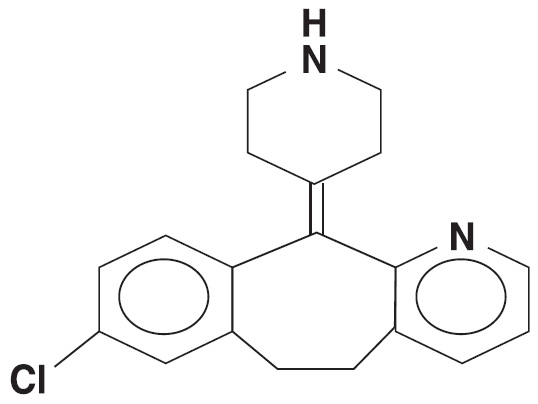
Desloratadine Tablets
2a90b899-7746-43dc-ac8a-e754428eb30c
34391-3
HUMAN PRESCRIPTION DRUG LABEL
Drug Facts
Composition & Product
Identifiers & Packaging
Indications and Usage
Desloratadine tablets are histamine-1 (H1) receptor antagonist indicated for: Seasonal Allergic Rhinitis: relief of nasal and non-nasal symptoms in patients 12 years of age and older. ( 1.1 ) Perennial Allergic Rhinitis: relief of nasal and non-nasal symptoms in patients 12 years of age and older. ( 1.2 )
Dosage and Administration
Dosage (by age): Adults and Adolescents 12 Years of Age and Over: Desloratadine Tablets - one 5 mg tablet once daily
Contraindications
Hypersensitivity ( 4 , 6.2 )
Warnings and Precautions
Hypersensitivity reactions including rash, pruritus, urticaria, edema, dyspnea, and anaphylaxis have been reported. In such cases, stop desloratadine tablets at once and consider alternative treatments. ( 5.1 )
Adverse Reactions
The most common adverse reactions (reported in ≥2% of adult and adolescent patients with allergic rhinitis and greater than placebo) were pharyngitis, dry mouth, myalgia, fatigue, somnolence, dysmenorrhea. ( 6.1 ) To report SUSPECTED ADVERSE REACTIONS, contact Lupin Pharmaceuticals, Inc. at 1-800-399-2561 or FDA at 1-800-FDA-1088 or www.fda.gov/medwatch.
Description
Desloratadine tablets are histamine-1 (H1) receptor antagonist indicated for: Seasonal Allergic Rhinitis: relief of nasal and non-nasal symptoms in patients 12 years of age and older. ( 1.1 ) Perennial Allergic Rhinitis: relief of nasal and non-nasal symptoms in patients 12 years of age and older. ( 1.2 )
Medication Information
Warnings and Precautions
Hypersensitivity reactions including rash, pruritus, urticaria, edema, dyspnea, and anaphylaxis have been reported. In such cases, stop desloratadine tablets at once and consider alternative treatments. ( 5.1 )
Indications and Usage
Desloratadine tablets are histamine-1 (H1) receptor antagonist indicated for: Seasonal Allergic Rhinitis: relief of nasal and non-nasal symptoms in patients 12 years of age and older. ( 1.1 ) Perennial Allergic Rhinitis: relief of nasal and non-nasal symptoms in patients 12 years of age and older. ( 1.2 )
Dosage and Administration
Dosage (by age): Adults and Adolescents 12 Years of Age and Over: Desloratadine Tablets - one 5 mg tablet once daily
Contraindications
Hypersensitivity ( 4 , 6.2 )
Adverse Reactions
The most common adverse reactions (reported in ≥2% of adult and adolescent patients with allergic rhinitis and greater than placebo) were pharyngitis, dry mouth, myalgia, fatigue, somnolence, dysmenorrhea. ( 6.1 ) To report SUSPECTED ADVERSE REACTIONS, contact Lupin Pharmaceuticals, Inc. at 1-800-399-2561 or FDA at 1-800-FDA-1088 or www.fda.gov/medwatch.
Description
Desloratadine tablets are histamine-1 (H1) receptor antagonist indicated for: Seasonal Allergic Rhinitis: relief of nasal and non-nasal symptoms in patients 12 years of age and older. ( 1.1 ) Perennial Allergic Rhinitis: relief of nasal and non-nasal symptoms in patients 12 years of age and older. ( 1.2 )
Section 42229-5
Desloratadine tablets may be taken without regard to meals.
Section 51945-4
Desloratadine Tablets
Rx Only
5 mg
NDC 68180-153-11
BLISTER FOIL LABEL
10 TABLETS SINGLE UNIT PACKAGE
Desloratadine Tablets
Rx Only
5 mg
NDC 68180-153-01
BOTTLE LABEL
100 TABLETS
Desloratadine Tablets
Rx Only
5 mg
NDC 68180-153-02
BOTTLE LABEL
500 TABLETS
Desloratadine Tablets
Rx Only
5 mg
NDC 68180-153-12
CARTON LABEL
30 (3 x 10) UNIT DOSE TABLETS
8.1 Pregnancy
Risk Summary
The limited available data with desloratadine in pregnant women are not sufficient to inform a drug-associated risk for major birth defects and miscarriage. There are no adequate and well-controlled studies in pregnant women. Desloratadine given during organogenesis to pregnant rats was not teratogenic at the summed area under the concentration-time curve (AUC)-based exposures of desloratadine and its metabolite approximately 320 times that at the recommended human daily oral dose (RHD) of 5 mg/day. Desloratadine given during organogenesis to pregnant rabbits was not teratogenic at the AUC-based exposures of desloratadine approximately 230 times that at the RHD. Desloratadine given to pregnant rats during organogenesis through lactation resulted in reduced body weight and slow righting reflex of F1 pups at the summed AUC-based exposures of desloratadine and its metabolite approximately 70 times or greater than that at the RHD [see Data].
The estimated background risk of major birth defects and miscarriage for the indicated populations is unknown. In the U.S. general population, the estimated background risk of major birth defects and miscarriage in clinically recognized pregnancies is 2 to 4% and 15 to 20%, respectively.
Data
Animal Data:
Desloratadine was given orally during organogenesis to pregnant rats at doses of 6, 24 and 48 mg/kg/day (approximately 50, 200 and 320 times the summed AUC-based exposure of desloratadine and its metabolite at the RHD). No fetal malformations were present. Reduced fetal weights and skeletal variations noted at doses of 24 and 48 mg/kg/day were likely secondary to the maternal toxicities of reduced body weight gain and food consumption observed at the same doses. Desloratadine was also given orally during organogenesis to pregnant rabbits at doses of 15, 30 and 60 mg/kg/day (approximately 30, 70 and 230 times the AUC- based exposure of desloratadine at the RHD). No adverse effects to the fetus were noted. Reduced maternal body weight gain was noted in rabbits at 60 mg/kg/day. In a peri- and post-natal development study, desloratadine was given to rats orally during the peri- natal (Gestation Day 6) through lactation periods (Postpartum Day 21) at doses of 3, 9 and 18 mg/kg/day. Reduced body weight and slow righting reflex were reported in F1 pups at doses of 9 mg/kg/day or greater (approximately 70 times or greater than the summed AUC-based exposure of desloratadine and its metabolite at the RHD). Desloratadine had no effect on F1 pup development at 3 mg/kg/day (approximately 10 times the summed AUC-based exposure of desloratadine and its metabolite at the RHD). Maternal toxicities including reduced body weight gain and food consumption were noted at 18 mg/kg/day for F0 dams. F1 offspring were subsequently mated and there was no developmental toxicity for F2 pups observed.
8.2 Lactation
Risk Summary
Desloratadine passes into breast milk. There are not sufficient data on the effects of desloratadine on the breastfed infant or the effects of desloratadine on milk production. The decision should be made whether to discontinue nursing or to discontinue desloratadine, taking into account the developmental and health benefits of breastfeeding, the nursing mother's clinical need, and any potential adverse effects on the breastfed infant from desloratadine or from the underlying maternal condition.
7.2 Fluoxetine
In controlled clinical studies co-administration of desloratadine with fluoxetine, a selective serotonin reuptake inhibitor (SSRI), resulted in increased plasma concentrations of desloratadine and 3 hydroxydesloratadine, but there were no clinically relevant changes in the safety profile of desloratadine. [See CLINICAL PHARMACOLOGY (12.3)].
7.3 Cimetidine
In controlled clinical studies co-administration of desloratadine with cimetidine, a histamine H2-receptor antagonist, resulted in increased plasma concentrations of desloratadine and 3 hydroxydesloratadine, but there were no clinically relevant changes in the safety profile of desloratadine. [See CLINICAL PHARMACOLOGY (12.3)].
8.4 Pediatric Use
The recommended dose of desloratadine oral solution in the pediatric population is based on cross-study comparison of the plasma concentration of desloratadine in adults and pediatric subjects. The safety of desloratadine oral solution has been established in 246 pediatric subjects aged 6 months to 11 years in three placebo-controlled clinical studies. Since the course of seasonal and perennial allergic rhinitis and the effects of desloratadine are sufficiently similar in the pediatric and adult populations, it allows extrapolation from the adult efficacy data to pediatric patients. The effectiveness of desloratadine oral solution in these age groups is supported by evidence from adequate and well-controlled studies of desloratadine tablets in adults. The safety and effectiveness of desloratadine tablets or desloratadine oral solution have not been demonstrated in pediatric patients less than 6 months of age. [See CLINICAL PHARMACOLOGY (12.3)].
8.5 Geriatric Use
Clinical studies of desloratadine did not include sufficient numbers of subjects aged 65 and over to determine whether they respond differently from younger subjects. Other reported clinical experience has not identified differences between the elderly and younger patients. In general, dose selection for an elderly patient should be cautious, reflecting the greater frequency of decreased hepatic, renal, or cardiac function, and of concomitant disease or other drug therapy. [See CLINICAL PHARMACOLOGY (12.3)].
6 Adverse Reactions
- The most common adverse reactions (reported in ≥2% of adult and adolescent patients with allergic rhinitis and greater than placebo) were pharyngitis, dry mouth, myalgia, fatigue, somnolence, dysmenorrhea. (6.1)
To report SUSPECTED ADVERSE REACTIONS, contact Lupin Pharmaceuticals, Inc. at 1-800-399-2561 or FDA at 1-800-FDA-1088 or www.fda.gov/medwatch.
8.6 Renal Impairment
12.2 Pharmacodynamics
Wheal and Flare
Human histamine skin wheal studies following single and repeated 5 mg doses of desloratadine have shown that the drug exhibits an antihistaminic effect by 1 hour; this activity may persist for as long as 24 hours. There was no evidence of histamine-induced skin wheal tachyphylaxis within the desloratadine 5 mg group over the 28-day treatment period. The clinical relevance of histamine wheal skin testing is unknown.
Effects on QTc
Single daily doses of 45 mg were given to normal male and female volunteers for 10 days. All ECGs obtained in this study were manually read in a blinded fashion by a cardiologist. In desloratadine-treated subjects, there was an increase in mean heart rate of 9.2 bpm relative to placebo. The QT interval was corrected for heart rate (QTc) by both the Bazett and Fridericia methods. Using the QTc (Bazett) there was a mean increase of 8.1 msec in desloratadine-treated subjects relative to placebo. Using QTc (Fridericia) there was a mean increase of 0.4 msec in desloratadine-treated subjects relative to placebo. No clinically relevant adverse events were reported.
12.3 Pharmacokinetics
Absorption
Following oral administration of a desloratadine 5 mg tablet once daily for 10 days to normal healthy volunteers, the mean time to maximum plasma concentrations (Tmax) occurred at approximately 3 hours post dose and mean steady state peak plasma concentrations (Cmax) and AUC of 4 ng/mL and 56.9 ng∙hr/mL were observed, respectively. Neither food nor grapefruit juice had an effect on the bioavailability (Cmax and AUC) of desloratadine.
The pharmacokinetic profile of desloratadine oral solution was evaluated in a three-way crossover study in 30 adult volunteers. A single dose of 10 mL of desloratadine oral solution containing 5 mg of desloratadine was bioequivalent to a single dose of 5 mg desloratadine tablet. Food had no effect on the bioavailability (AUC and Cmax) of desloratadine oral solution.
Distribution
Desloratadine and 3-hydroxydesloratadine are approximately 82% to 87% and 85% to 89% bound to plasma proteins, respectively. Protein binding of desloratadine and 3-hydroxydesloratadine was unaltered in subjects with impaired renal function.
8.7 Hepatic Impairment
1 Indications and Usage
Desloratadine tablets are histamine-1 (H1) receptor antagonist indicated for:
12.1 Mechanism of Action
Desloratadine is a long-acting tricyclic histamine antagonist with selective H1-receptor histamine antagonist activity. Receptor binding data indicates that at a concentration of 2 to 3 ng/mL (7 nanomolar), desloratadine shows significant interaction with the human histamine H1-receptor. Desloratadine inhibited histamine release from human mast cells in vitro. Results of a radiolabeled tissue distribution study in rats and a radioligand H1-receptor binding study in guinea pigs showed that desloratadine did not readily cross the blood brain barrier. The clinical significance of this finding is unknown.
5 Warnings and Precautions
- Hypersensitivity reactions including rash, pruritus, urticaria, edema, dyspnea, and anaphylaxis have been reported. In such cases, stop desloratadine tablets at once and consider alternative treatments. (5.1)
2 Dosage and Administration
Dosage (by age):
Adults and Adolescents 12 Years of Age and Over:
- Desloratadine Tablets - one 5 mg tablet once daily
3 Dosage Forms and Strengths
- Desloratadine tablets USP - 5 mg (3)
17.1 Information for Patients
- Patients should be instructed to use desloratadine tablets as directed.
- As there are no food effects on bioavailability, patients can be instructed that desloratadine tablets may be taken without regard to meals.
- Patients should be advised not to increase the dose or dosing frequency as studies have not demonstrated increased effectiveness at higher doses and somnolence may occur.
The brands listed are trademarks of their respective owners and are not trademarks of Lupin Pharmaceuticals, Inc. The makers of these brands are not affiliated with and do not endorse Lupin Pharmaceuticals, Inc. or its products.
LUPIN and the
are registered trademarks of Lupin Pharmaceuticals, Inc.Manufactured for:
Lupin Pharmaceuticals, Inc.
Naples, FL 34108
United States
Manufactured by:
Lupin Limited
Goa 403 722
INDIA
Revised: August 2025
6.2 Post Marketing Experience
Because adverse events are reported voluntarily from a population of uncertain size, it is not always possible to reliably estimate their frequency or establish a causal relationship to drug exposure. The following spontaneous adverse events have been reported during the marketing of desloratadine:
Cardiac disorders: tachycardia, palpitations
Respiratory, thoracic and mediastinal disorders: dyspnea
Skin and subcutaneous tissue disorders: rash, pruritus
Nervous system disorders: psychomotor hyperactivity, movement disorders (including dystonia, tics, and extrapyramidal symptoms), seizures (reported in patients with and without a known seizure disorder)
Immune system disorders: hypersensitivity reactions (such as urticaria, edema and anaphylaxis)
Investigations: elevated liver enzymes including bilirubin
Hepatobiliary disorders: hepatitis
Metabolism and nutrition disorders: increased appetite
8 Use in Specific Populations
1.1 Seasonal Allergic Rhinitis
Desloratadine tablets are indicated for the relief of the nasal and non-nasal symptoms of seasonal allergic rhinitis in patients 12 years of age and older.
5.1 Hypersensitivity Reactions
Hypersensitivity reactions including rash, pruritus, urticaria, edema, dyspnea, and anaphylaxis have been reported after administration of desloratadine. If such a reaction occurs, therapy with desloratadine should be stopped and alternative treatment should be considered. [See ADVERSE REACTIONS (6.2).]
6.1 Clinical Trials Experience
Because clinical trials are conducted under widely varying conditions, adverse reaction rates observed in the clinical trials of a drug cannot be directly compared to rates in the clinical trials of another drug and may not reflect the rates observed in clinical practice.
Adults and Adolescents
Allergic Rhinitis:
In multiple-dose placebo-controlled trials, 2834 patients ages 12 years or older received desloratadine tablets at doses of 2.5 mg to 20 mg daily, of whom 1655 patients received the recommended daily dose of 5 mg. In patients receiving 5 mg daily, the rate of adverse events was similar between desloratadine and placebo-treated patients. The percent of patients who withdrew prematurely due to adverse events was 2.4% in the desloratadine group and 2.6% in the placebo group. There were no serious adverse events in these trials in patients receiving desloratadine. All adverse events that were reported by greater than or equal to 2% of patients who received the recommended daily dose of desloratadine tablets (5 mg once daily), and that were more common with desloratadine tablets than placebo, are listed in Table 1.
|
Adverse
Event
|
Desloratadine
Tablets
,
5
mg
( n = 1655 ) |
Placebo
( n = 1652 ) |
|
Infections
and
Infestations
|
||
| Pharyngitis |
4.1% |
2.0% |
|
Nervous
System
Disorders
|
||
| Somnolence |
2.1% |
1.8% |
|
Gastrointestinal
Disorders
|
||
| Dry Mouth |
3.0% |
1.9% |
|
Musculoskeletal
and
Connective
Tissue
Disorders
|
||
| Myalgia |
2.1% |
1.8% |
|
Reproductive
System
and
Breast
Disorders
|
||
| Dysmenorrhea |
2.1% |
1.6% |
|
General
Disorders
and
Administration
Site
Conditions
|
||
| Fatigue |
2.1% |
1.2% |
The frequency and magnitude of laboratory and electrocardiographic abnormalities were similar in desloratadine and placebo-treated patients.
There were no differences in adverse events for subgroups of patients as defined by gender, age, or race.
Pediatrics
Two hundred and forty-six pediatric subjects 6 months to 11 years of age received desloratadine oral solution for 15 days in three placebo-controlled clinical trials. Pediatric subjects aged 6 to 11 years received 2.5 mg once a day, subjects aged 1 to 5 years received 1.25 mg once a day, and subjects 6 to 11 months of age received 1.0 mg once a day.
In subjects 6 to 11 years of age, no individual adverse event was reported by 2 percent or more of the subjects.
In subjects 2 to 5 years of age, adverse events reported for desloratadine and placebo in at least 2 percent of subjects receiving desloratadine oral solution and at a frequency greater than placebo were fever (5.5%, 5.4%), urinary tract infection (3.6%, 0%) and varicella (3.6%, 0%).
In subjects 12 months to 23 months of age, adverse events reported for the desloratadine product and placebo in at least 2 percent of subjects receiving desloratadine oral solution and at a frequency greater than placebo were fever (16.9%, 12.9%), diarrhea (15.4%, 11.3%), upper respiratory tract infections (10.8%, 9.7%), coughing (10.8%, 6.5%), appetite increased (3.1%, 1.6%), emotional lability (3.1%, 0%), epistaxis (3.1%, 0%), parasitic infection (3.1%, 0%), pharyngitis (3.1%, 0%), rash maculopapular (3.1%, 0%).
In subjects 6 months to 11 months of age, adverse events reported for desloratadine and placebo in at least 2 percent of subjects receiving desloratadine oral solution and at a frequency greater than placebo were upper respiratory tract infections (21.2%, 12.9%), diarrhea (19.7%, 8.1%), fever (12.1%, 1.6%), irritability (12.1%, 11.3%), coughing (10.6%, 9.7%), somnolence (9.1%, 8.1%), bronchitis (6.1%, 0%), otitis media (6.1%, 1.6%), vomiting (6.1%, 3.2%), anorexia (4.5%, 1.6%), pharyngitis (4.5%, 1.6%), insomnia (4.5%, 0%), rhinorrhea (4.5%, 3.2%), erythema (3.0%, 1.6%), and nausea (3.0%, 0%).
There were no clinically meaningful changes in any electrocardiographic parameter, including the QTc interval. Only one of the 246 pediatric subjects receiving desloratadine oral solution in the clinical trials discontinued treatment because of an adverse event.
1.2 Perennial Allergic Rhinitis
Desloratadine tablets are indicated for the relief of the nasal and non-nasal symptoms of perennial allergic rhinitis in patients 12 years of age and older.
14.1 Seasonal Allergic Rhinitis
The clinical efficacy and safety of desloratadine tablets were evaluated in over 2300 patients 12 to 75 years of age with seasonal allergic rhinitis. A total of 1838 patients received 2.5 to 20 mg/day of desloratadine in 4 double-blind, randomized, placebo-controlled clinical trials of 2 to 4 weeks' duration conducted in the United States. The results of these studies demonstrated the efficacy and safety of desloratadine tablets, 5 mg in the treatment of adult and adolescent patients with seasonal allergic rhinitis. In a dose-ranging trial, desloratadine 2.5 to 20 mg/day was studied. Doses of 5, 7.5, 10, and 20 mg/day were superior to placebo; and no additional benefit was seen at doses above 5.0 mg. In the same study, an increase in the incidence of somnolence was observed at doses of 10 mg/day and 20 mg/day (5.2% and 7.6%, respectively), compared to placebo (2.3%).
In two 4-week studies of 924 patients (aged 15 to 75 years) with seasonal allergic rhinitis and concomitant asthma, desloratadine tablets, 5 mg once daily improved rhinitis symptoms, with no decrease in pulmonary function. This supports the safety of administering desloratadine tablets to adult patients with seasonal allergic rhinitis with mild to moderate asthma.
Desloratadine tablets, 5 mg once daily significantly reduced the Total Symptom Score (the sum of individual scores of nasal and non-nasal symptoms) in patients with seasonal allergic rhinitis. See Table 3.
|
Treatment
Group
( n ) |
Mean
Baseline
*
( SEM ) |
Change
from
Baseline ** ( SEM ) |
Placebo
Comparison ( P - value ) |
|
Desloratadine
Tablets
5.0 mg (171) |
14.2 (0.3) |
-4.3 (0.3) |
P<0.01 |
|
Placebo (173) |
13.7 (0.3) |
-2.5 (0.3) |
|
| SEM=Standard Error of the Mean *At baseline, a total nasal symptom score (sum of 4 individual symptoms) of at least 6 and a total non-nasal symptom score (sum of 4 individual symptoms) of at least 5 (each symptom scored 0 to 3 where 0=no symptom and 3=severe symptoms) was required for trial eligibility. TSS ranges from 0=no symptoms to 24=maximal symptoms. |
|||
| **Mean reduction in TSS averaged over the 2-week treatment period. |
There were no significant differences in the effectiveness of desloratadine tablets, 5 mg across subgroups of patients defined by gender, age, or race.
14.2 Perennial Allergic Rhinitis
The clinical efficacy and safety of desloratadine tablets, 5 mg were evaluated in over 1300 patients 12 to 80 years of age with perennial allergic rhinitis. A total of 685 patients received 5 mg/day of desloratadine tablets in two double-blind, randomized, placebo-controlled clinical trials of 4 weeks' duration conducted in the United States and internationally. In one of these studies desloratadine tablets, 5 mg once daily was shown to significantly reduce the Total Symptom Score in patients with perennial allergic rhinitis (Table 4).
|
Treatment
Group
( n ) |
Mean
Baseline
*
( SEM ) |
Change
from
Baseline ** ( SEM ) |
Placebo
Comparison ( P - value ) |
|
Desloratadine
Tablets
5.0 mg (337) |
12.37 (0.18) |
-4.06 (0.21) |
P=0.01 |
|
Placebo (337) |
12.30 (0.18) |
-3.27 (0.21) |
|
| SEM=Standard Error of the Mean *At baseline, average of total symptom score (sum of 5 individual nasal symptoms and 3 non-nasal symptoms, each symptom scored 0 to 3 where 0=no symptom and 3=severe symptoms) of at least 10 was required for trial eligibility. TSS ranges from 0=no symptoms to 24=maximal symptoms. |
|||
| **Mean reduction in TSS averaged over the 4-week treatment period. |
7.1 Inhibitors of Cytochrome P450 3a4
In controlled clinical studies co-administration of desloratadine with ketoconazole, erythromycin, or azithromycin resulted in increased plasma concentrations of desloratadine and 3 hydroxydesloratadine, but there were no clinically relevant changes in the safety profile of desloratadine. [See CLINICAL PHARMACOLOGY (12.3)].
2.5 Adults With Hepatic Or Renal Impairment
In adult patients with liver or renal impairment, a starting dose of one 5 mg tablet every other day is recommended based on pharmacokinetic data. Dosing recommendation for children with liver or renal impairment cannot be made due to lack of data [see CLINICAL PHARMACOLOGY (12.3)].
8.3 Females and Males of Reproductive Potential
Infertility
There are no data available on human infertility associated with desloratadine.
There were no clinically relevant effects of desloratadine on female fertility in rats. A male specific decrease in fertility occurred at an oral desloratadine dose of 12 mg/kg or greater in rats (approximately 65 times the summed AUC-based exposure of desloratadine and its metabolite at the RHD). Male fertility was unaffected at a desloratadine dose of 3 mg/kg (approximately 10 times the summed AUC-based exposure of desloratadine and its metabolite at the RHD). [See NONCLINICAL TOXICOLOGY (13.1).]
2.1 Adults and Adolescents 12 Years of Age and Over
The recommended dose of desloratadine tablets is one 5 mg tablet once daily.
13.1 Carcinogenesis, Mutagenesis, Impairment of Fertility
Carcinogenicity Studies
The carcinogenic potential of desloratadine was assessed using a loratadine study in rats and a desloratadine study in mice. In a 2-year study in rats, loratadine was administered in the diet at doses up to 25 mg/kg/day (approximately 45 times the summed AUC-based exposure of desloratadine and its metabolite at the RHD). A significantly higher incidence of hepatocellular tumors (combined adenomas and carcinomas) was observed in males given 10 mg/kg/day of loratadine (approximately 10 times the summed AUC-based exposure of desloratadine and its metabolite at the RHD) and in males and females given 25 mg/kg/day of loratadine. The clinical significance of these findings during long-term use of desloratadine is not known. In a 2-year dietary study in mice, males and females given up to 16 mg/kg/day and 32 mg/kg/day desloratadine, respectively (approximately 30 and 70 times the summed AUC-based exposure of desloratadine and its metabolite at the RHD, respectively), did not show significant increases in the incidence of any tumors.
Structured Label Content
Section 42229-5 (42229-5)
Desloratadine tablets may be taken without regard to meals.
Section 51945-4 (51945-4)
Desloratadine Tablets
Rx Only
5 mg
NDC 68180-153-11
BLISTER FOIL LABEL
10 TABLETS SINGLE UNIT PACKAGE
Desloratadine Tablets
Rx Only
5 mg
NDC 68180-153-01
BOTTLE LABEL
100 TABLETS
Desloratadine Tablets
Rx Only
5 mg
NDC 68180-153-02
BOTTLE LABEL
500 TABLETS
Desloratadine Tablets
Rx Only
5 mg
NDC 68180-153-12
CARTON LABEL
30 (3 x 10) UNIT DOSE TABLETS
8.1 Pregnancy
Risk Summary
The limited available data with desloratadine in pregnant women are not sufficient to inform a drug-associated risk for major birth defects and miscarriage. There are no adequate and well-controlled studies in pregnant women. Desloratadine given during organogenesis to pregnant rats was not teratogenic at the summed area under the concentration-time curve (AUC)-based exposures of desloratadine and its metabolite approximately 320 times that at the recommended human daily oral dose (RHD) of 5 mg/day. Desloratadine given during organogenesis to pregnant rabbits was not teratogenic at the AUC-based exposures of desloratadine approximately 230 times that at the RHD. Desloratadine given to pregnant rats during organogenesis through lactation resulted in reduced body weight and slow righting reflex of F1 pups at the summed AUC-based exposures of desloratadine and its metabolite approximately 70 times or greater than that at the RHD [see Data].
The estimated background risk of major birth defects and miscarriage for the indicated populations is unknown. In the U.S. general population, the estimated background risk of major birth defects and miscarriage in clinically recognized pregnancies is 2 to 4% and 15 to 20%, respectively.
Data
Animal Data:
Desloratadine was given orally during organogenesis to pregnant rats at doses of 6, 24 and 48 mg/kg/day (approximately 50, 200 and 320 times the summed AUC-based exposure of desloratadine and its metabolite at the RHD). No fetal malformations were present. Reduced fetal weights and skeletal variations noted at doses of 24 and 48 mg/kg/day were likely secondary to the maternal toxicities of reduced body weight gain and food consumption observed at the same doses. Desloratadine was also given orally during organogenesis to pregnant rabbits at doses of 15, 30 and 60 mg/kg/day (approximately 30, 70 and 230 times the AUC- based exposure of desloratadine at the RHD). No adverse effects to the fetus were noted. Reduced maternal body weight gain was noted in rabbits at 60 mg/kg/day. In a peri- and post-natal development study, desloratadine was given to rats orally during the peri- natal (Gestation Day 6) through lactation periods (Postpartum Day 21) at doses of 3, 9 and 18 mg/kg/day. Reduced body weight and slow righting reflex were reported in F1 pups at doses of 9 mg/kg/day or greater (approximately 70 times or greater than the summed AUC-based exposure of desloratadine and its metabolite at the RHD). Desloratadine had no effect on F1 pup development at 3 mg/kg/day (approximately 10 times the summed AUC-based exposure of desloratadine and its metabolite at the RHD). Maternal toxicities including reduced body weight gain and food consumption were noted at 18 mg/kg/day for F0 dams. F1 offspring were subsequently mated and there was no developmental toxicity for F2 pups observed.
8.2 Lactation
Risk Summary
Desloratadine passes into breast milk. There are not sufficient data on the effects of desloratadine on the breastfed infant or the effects of desloratadine on milk production. The decision should be made whether to discontinue nursing or to discontinue desloratadine, taking into account the developmental and health benefits of breastfeeding, the nursing mother's clinical need, and any potential adverse effects on the breastfed infant from desloratadine or from the underlying maternal condition.
7.2 Fluoxetine
In controlled clinical studies co-administration of desloratadine with fluoxetine, a selective serotonin reuptake inhibitor (SSRI), resulted in increased plasma concentrations of desloratadine and 3 hydroxydesloratadine, but there were no clinically relevant changes in the safety profile of desloratadine. [See CLINICAL PHARMACOLOGY (12.3)].
7.3 Cimetidine
In controlled clinical studies co-administration of desloratadine with cimetidine, a histamine H2-receptor antagonist, resulted in increased plasma concentrations of desloratadine and 3 hydroxydesloratadine, but there were no clinically relevant changes in the safety profile of desloratadine. [See CLINICAL PHARMACOLOGY (12.3)].
8.4 Pediatric Use
The recommended dose of desloratadine oral solution in the pediatric population is based on cross-study comparison of the plasma concentration of desloratadine in adults and pediatric subjects. The safety of desloratadine oral solution has been established in 246 pediatric subjects aged 6 months to 11 years in three placebo-controlled clinical studies. Since the course of seasonal and perennial allergic rhinitis and the effects of desloratadine are sufficiently similar in the pediatric and adult populations, it allows extrapolation from the adult efficacy data to pediatric patients. The effectiveness of desloratadine oral solution in these age groups is supported by evidence from adequate and well-controlled studies of desloratadine tablets in adults. The safety and effectiveness of desloratadine tablets or desloratadine oral solution have not been demonstrated in pediatric patients less than 6 months of age. [See CLINICAL PHARMACOLOGY (12.3)].
8.5 Geriatric Use
Clinical studies of desloratadine did not include sufficient numbers of subjects aged 65 and over to determine whether they respond differently from younger subjects. Other reported clinical experience has not identified differences between the elderly and younger patients. In general, dose selection for an elderly patient should be cautious, reflecting the greater frequency of decreased hepatic, renal, or cardiac function, and of concomitant disease or other drug therapy. [See CLINICAL PHARMACOLOGY (12.3)].
6 Adverse Reactions (6 ADVERSE REACTIONS)
- The most common adverse reactions (reported in ≥2% of adult and adolescent patients with allergic rhinitis and greater than placebo) were pharyngitis, dry mouth, myalgia, fatigue, somnolence, dysmenorrhea. (6.1)
To report SUSPECTED ADVERSE REACTIONS, contact Lupin Pharmaceuticals, Inc. at 1-800-399-2561 or FDA at 1-800-FDA-1088 or www.fda.gov/medwatch.
8.6 Renal Impairment
12.2 Pharmacodynamics
Wheal and Flare
Human histamine skin wheal studies following single and repeated 5 mg doses of desloratadine have shown that the drug exhibits an antihistaminic effect by 1 hour; this activity may persist for as long as 24 hours. There was no evidence of histamine-induced skin wheal tachyphylaxis within the desloratadine 5 mg group over the 28-day treatment period. The clinical relevance of histamine wheal skin testing is unknown.
Effects on QTc
Single daily doses of 45 mg were given to normal male and female volunteers for 10 days. All ECGs obtained in this study were manually read in a blinded fashion by a cardiologist. In desloratadine-treated subjects, there was an increase in mean heart rate of 9.2 bpm relative to placebo. The QT interval was corrected for heart rate (QTc) by both the Bazett and Fridericia methods. Using the QTc (Bazett) there was a mean increase of 8.1 msec in desloratadine-treated subjects relative to placebo. Using QTc (Fridericia) there was a mean increase of 0.4 msec in desloratadine-treated subjects relative to placebo. No clinically relevant adverse events were reported.
12.3 Pharmacokinetics
Absorption
Following oral administration of a desloratadine 5 mg tablet once daily for 10 days to normal healthy volunteers, the mean time to maximum plasma concentrations (Tmax) occurred at approximately 3 hours post dose and mean steady state peak plasma concentrations (Cmax) and AUC of 4 ng/mL and 56.9 ng∙hr/mL were observed, respectively. Neither food nor grapefruit juice had an effect on the bioavailability (Cmax and AUC) of desloratadine.
The pharmacokinetic profile of desloratadine oral solution was evaluated in a three-way crossover study in 30 adult volunteers. A single dose of 10 mL of desloratadine oral solution containing 5 mg of desloratadine was bioequivalent to a single dose of 5 mg desloratadine tablet. Food had no effect on the bioavailability (AUC and Cmax) of desloratadine oral solution.
Distribution
Desloratadine and 3-hydroxydesloratadine are approximately 82% to 87% and 85% to 89% bound to plasma proteins, respectively. Protein binding of desloratadine and 3-hydroxydesloratadine was unaltered in subjects with impaired renal function.
8.7 Hepatic Impairment
1 Indications and Usage (1 INDICATIONS AND USAGE)
Desloratadine tablets are histamine-1 (H1) receptor antagonist indicated for:
12.1 Mechanism of Action
Desloratadine is a long-acting tricyclic histamine antagonist with selective H1-receptor histamine antagonist activity. Receptor binding data indicates that at a concentration of 2 to 3 ng/mL (7 nanomolar), desloratadine shows significant interaction with the human histamine H1-receptor. Desloratadine inhibited histamine release from human mast cells in vitro. Results of a radiolabeled tissue distribution study in rats and a radioligand H1-receptor binding study in guinea pigs showed that desloratadine did not readily cross the blood brain barrier. The clinical significance of this finding is unknown.
5 Warnings and Precautions (5 WARNINGS AND PRECAUTIONS)
- Hypersensitivity reactions including rash, pruritus, urticaria, edema, dyspnea, and anaphylaxis have been reported. In such cases, stop desloratadine tablets at once and consider alternative treatments. (5.1)
2 Dosage and Administration (2 DOSAGE AND ADMINISTRATION)
Dosage (by age):
Adults and Adolescents 12 Years of Age and Over:
- Desloratadine Tablets - one 5 mg tablet once daily
3 Dosage Forms and Strengths (3 DOSAGE FORMS AND STRENGTHS)
- Desloratadine tablets USP - 5 mg (3)
17.1 Information for Patients
- Patients should be instructed to use desloratadine tablets as directed.
- As there are no food effects on bioavailability, patients can be instructed that desloratadine tablets may be taken without regard to meals.
- Patients should be advised not to increase the dose or dosing frequency as studies have not demonstrated increased effectiveness at higher doses and somnolence may occur.
The brands listed are trademarks of their respective owners and are not trademarks of Lupin Pharmaceuticals, Inc. The makers of these brands are not affiliated with and do not endorse Lupin Pharmaceuticals, Inc. or its products.
LUPIN and the
are registered trademarks of Lupin Pharmaceuticals, Inc.Manufactured for:
Lupin Pharmaceuticals, Inc.
Naples, FL 34108
United States
Manufactured by:
Lupin Limited
Goa 403 722
INDIA
Revised: August 2025
6.2 Post Marketing Experience (6.2 Post-Marketing Experience)
Because adverse events are reported voluntarily from a population of uncertain size, it is not always possible to reliably estimate their frequency or establish a causal relationship to drug exposure. The following spontaneous adverse events have been reported during the marketing of desloratadine:
Cardiac disorders: tachycardia, palpitations
Respiratory, thoracic and mediastinal disorders: dyspnea
Skin and subcutaneous tissue disorders: rash, pruritus
Nervous system disorders: psychomotor hyperactivity, movement disorders (including dystonia, tics, and extrapyramidal symptoms), seizures (reported in patients with and without a known seizure disorder)
Immune system disorders: hypersensitivity reactions (such as urticaria, edema and anaphylaxis)
Investigations: elevated liver enzymes including bilirubin
Hepatobiliary disorders: hepatitis
Metabolism and nutrition disorders: increased appetite
8 Use in Specific Populations (8 USE IN SPECIFIC POPULATIONS)
1.1 Seasonal Allergic Rhinitis
Desloratadine tablets are indicated for the relief of the nasal and non-nasal symptoms of seasonal allergic rhinitis in patients 12 years of age and older.
5.1 Hypersensitivity Reactions
Hypersensitivity reactions including rash, pruritus, urticaria, edema, dyspnea, and anaphylaxis have been reported after administration of desloratadine. If such a reaction occurs, therapy with desloratadine should be stopped and alternative treatment should be considered. [See ADVERSE REACTIONS (6.2).]
6.1 Clinical Trials Experience
Because clinical trials are conducted under widely varying conditions, adverse reaction rates observed in the clinical trials of a drug cannot be directly compared to rates in the clinical trials of another drug and may not reflect the rates observed in clinical practice.
Adults and Adolescents
Allergic Rhinitis:
In multiple-dose placebo-controlled trials, 2834 patients ages 12 years or older received desloratadine tablets at doses of 2.5 mg to 20 mg daily, of whom 1655 patients received the recommended daily dose of 5 mg. In patients receiving 5 mg daily, the rate of adverse events was similar between desloratadine and placebo-treated patients. The percent of patients who withdrew prematurely due to adverse events was 2.4% in the desloratadine group and 2.6% in the placebo group. There were no serious adverse events in these trials in patients receiving desloratadine. All adverse events that were reported by greater than or equal to 2% of patients who received the recommended daily dose of desloratadine tablets (5 mg once daily), and that were more common with desloratadine tablets than placebo, are listed in Table 1.
|
Adverse
Event
|
Desloratadine
Tablets
,
5
mg
( n = 1655 ) |
Placebo
( n = 1652 ) |
|
Infections
and
Infestations
|
||
| Pharyngitis |
4.1% |
2.0% |
|
Nervous
System
Disorders
|
||
| Somnolence |
2.1% |
1.8% |
|
Gastrointestinal
Disorders
|
||
| Dry Mouth |
3.0% |
1.9% |
|
Musculoskeletal
and
Connective
Tissue
Disorders
|
||
| Myalgia |
2.1% |
1.8% |
|
Reproductive
System
and
Breast
Disorders
|
||
| Dysmenorrhea |
2.1% |
1.6% |
|
General
Disorders
and
Administration
Site
Conditions
|
||
| Fatigue |
2.1% |
1.2% |
The frequency and magnitude of laboratory and electrocardiographic abnormalities were similar in desloratadine and placebo-treated patients.
There were no differences in adverse events for subgroups of patients as defined by gender, age, or race.
Pediatrics
Two hundred and forty-six pediatric subjects 6 months to 11 years of age received desloratadine oral solution for 15 days in three placebo-controlled clinical trials. Pediatric subjects aged 6 to 11 years received 2.5 mg once a day, subjects aged 1 to 5 years received 1.25 mg once a day, and subjects 6 to 11 months of age received 1.0 mg once a day.
In subjects 6 to 11 years of age, no individual adverse event was reported by 2 percent or more of the subjects.
In subjects 2 to 5 years of age, adverse events reported for desloratadine and placebo in at least 2 percent of subjects receiving desloratadine oral solution and at a frequency greater than placebo were fever (5.5%, 5.4%), urinary tract infection (3.6%, 0%) and varicella (3.6%, 0%).
In subjects 12 months to 23 months of age, adverse events reported for the desloratadine product and placebo in at least 2 percent of subjects receiving desloratadine oral solution and at a frequency greater than placebo were fever (16.9%, 12.9%), diarrhea (15.4%, 11.3%), upper respiratory tract infections (10.8%, 9.7%), coughing (10.8%, 6.5%), appetite increased (3.1%, 1.6%), emotional lability (3.1%, 0%), epistaxis (3.1%, 0%), parasitic infection (3.1%, 0%), pharyngitis (3.1%, 0%), rash maculopapular (3.1%, 0%).
In subjects 6 months to 11 months of age, adverse events reported for desloratadine and placebo in at least 2 percent of subjects receiving desloratadine oral solution and at a frequency greater than placebo were upper respiratory tract infections (21.2%, 12.9%), diarrhea (19.7%, 8.1%), fever (12.1%, 1.6%), irritability (12.1%, 11.3%), coughing (10.6%, 9.7%), somnolence (9.1%, 8.1%), bronchitis (6.1%, 0%), otitis media (6.1%, 1.6%), vomiting (6.1%, 3.2%), anorexia (4.5%, 1.6%), pharyngitis (4.5%, 1.6%), insomnia (4.5%, 0%), rhinorrhea (4.5%, 3.2%), erythema (3.0%, 1.6%), and nausea (3.0%, 0%).
There were no clinically meaningful changes in any electrocardiographic parameter, including the QTc interval. Only one of the 246 pediatric subjects receiving desloratadine oral solution in the clinical trials discontinued treatment because of an adverse event.
1.2 Perennial Allergic Rhinitis
Desloratadine tablets are indicated for the relief of the nasal and non-nasal symptoms of perennial allergic rhinitis in patients 12 years of age and older.
14.1 Seasonal Allergic Rhinitis
The clinical efficacy and safety of desloratadine tablets were evaluated in over 2300 patients 12 to 75 years of age with seasonal allergic rhinitis. A total of 1838 patients received 2.5 to 20 mg/day of desloratadine in 4 double-blind, randomized, placebo-controlled clinical trials of 2 to 4 weeks' duration conducted in the United States. The results of these studies demonstrated the efficacy and safety of desloratadine tablets, 5 mg in the treatment of adult and adolescent patients with seasonal allergic rhinitis. In a dose-ranging trial, desloratadine 2.5 to 20 mg/day was studied. Doses of 5, 7.5, 10, and 20 mg/day were superior to placebo; and no additional benefit was seen at doses above 5.0 mg. In the same study, an increase in the incidence of somnolence was observed at doses of 10 mg/day and 20 mg/day (5.2% and 7.6%, respectively), compared to placebo (2.3%).
In two 4-week studies of 924 patients (aged 15 to 75 years) with seasonal allergic rhinitis and concomitant asthma, desloratadine tablets, 5 mg once daily improved rhinitis symptoms, with no decrease in pulmonary function. This supports the safety of administering desloratadine tablets to adult patients with seasonal allergic rhinitis with mild to moderate asthma.
Desloratadine tablets, 5 mg once daily significantly reduced the Total Symptom Score (the sum of individual scores of nasal and non-nasal symptoms) in patients with seasonal allergic rhinitis. See Table 3.
|
Treatment
Group
( n ) |
Mean
Baseline
*
( SEM ) |
Change
from
Baseline ** ( SEM ) |
Placebo
Comparison ( P - value ) |
|
Desloratadine
Tablets
5.0 mg (171) |
14.2 (0.3) |
-4.3 (0.3) |
P<0.01 |
|
Placebo (173) |
13.7 (0.3) |
-2.5 (0.3) |
|
| SEM=Standard Error of the Mean *At baseline, a total nasal symptom score (sum of 4 individual symptoms) of at least 6 and a total non-nasal symptom score (sum of 4 individual symptoms) of at least 5 (each symptom scored 0 to 3 where 0=no symptom and 3=severe symptoms) was required for trial eligibility. TSS ranges from 0=no symptoms to 24=maximal symptoms. |
|||
| **Mean reduction in TSS averaged over the 2-week treatment period. |
There were no significant differences in the effectiveness of desloratadine tablets, 5 mg across subgroups of patients defined by gender, age, or race.
14.2 Perennial Allergic Rhinitis
The clinical efficacy and safety of desloratadine tablets, 5 mg were evaluated in over 1300 patients 12 to 80 years of age with perennial allergic rhinitis. A total of 685 patients received 5 mg/day of desloratadine tablets in two double-blind, randomized, placebo-controlled clinical trials of 4 weeks' duration conducted in the United States and internationally. In one of these studies desloratadine tablets, 5 mg once daily was shown to significantly reduce the Total Symptom Score in patients with perennial allergic rhinitis (Table 4).
|
Treatment
Group
( n ) |
Mean
Baseline
*
( SEM ) |
Change
from
Baseline ** ( SEM ) |
Placebo
Comparison ( P - value ) |
|
Desloratadine
Tablets
5.0 mg (337) |
12.37 (0.18) |
-4.06 (0.21) |
P=0.01 |
|
Placebo (337) |
12.30 (0.18) |
-3.27 (0.21) |
|
| SEM=Standard Error of the Mean *At baseline, average of total symptom score (sum of 5 individual nasal symptoms and 3 non-nasal symptoms, each symptom scored 0 to 3 where 0=no symptom and 3=severe symptoms) of at least 10 was required for trial eligibility. TSS ranges from 0=no symptoms to 24=maximal symptoms. |
|||
| **Mean reduction in TSS averaged over the 4-week treatment period. |
7.1 Inhibitors of Cytochrome P450 3a4 (7.1 Inhibitors of Cytochrome P450 3A4)
In controlled clinical studies co-administration of desloratadine with ketoconazole, erythromycin, or azithromycin resulted in increased plasma concentrations of desloratadine and 3 hydroxydesloratadine, but there were no clinically relevant changes in the safety profile of desloratadine. [See CLINICAL PHARMACOLOGY (12.3)].
2.5 Adults With Hepatic Or Renal Impairment (2.5 Adults with Hepatic or Renal Impairment)
In adult patients with liver or renal impairment, a starting dose of one 5 mg tablet every other day is recommended based on pharmacokinetic data. Dosing recommendation for children with liver or renal impairment cannot be made due to lack of data [see CLINICAL PHARMACOLOGY (12.3)].
8.3 Females and Males of Reproductive Potential
Infertility
There are no data available on human infertility associated with desloratadine.
There were no clinically relevant effects of desloratadine on female fertility in rats. A male specific decrease in fertility occurred at an oral desloratadine dose of 12 mg/kg or greater in rats (approximately 65 times the summed AUC-based exposure of desloratadine and its metabolite at the RHD). Male fertility was unaffected at a desloratadine dose of 3 mg/kg (approximately 10 times the summed AUC-based exposure of desloratadine and its metabolite at the RHD). [See NONCLINICAL TOXICOLOGY (13.1).]
2.1 Adults and Adolescents 12 Years of Age and Over
The recommended dose of desloratadine tablets is one 5 mg tablet once daily.
13.1 Carcinogenesis, Mutagenesis, Impairment of Fertility
Carcinogenicity Studies
The carcinogenic potential of desloratadine was assessed using a loratadine study in rats and a desloratadine study in mice. In a 2-year study in rats, loratadine was administered in the diet at doses up to 25 mg/kg/day (approximately 45 times the summed AUC-based exposure of desloratadine and its metabolite at the RHD). A significantly higher incidence of hepatocellular tumors (combined adenomas and carcinomas) was observed in males given 10 mg/kg/day of loratadine (approximately 10 times the summed AUC-based exposure of desloratadine and its metabolite at the RHD) and in males and females given 25 mg/kg/day of loratadine. The clinical significance of these findings during long-term use of desloratadine is not known. In a 2-year dietary study in mice, males and females given up to 16 mg/kg/day and 32 mg/kg/day desloratadine, respectively (approximately 30 and 70 times the summed AUC-based exposure of desloratadine and its metabolite at the RHD, respectively), did not show significant increases in the incidence of any tumors.
Advanced Ingredient Data
Raw Label Data
All Sections (JSON)
Additional Information
Back to search View SPL set listing Open on DailyMed ↗
Source: dailymed · Ingested: 2026-02-15T11:51:42.612622 · Updated: 2026-03-14T22:41:24.470870