Daurismo
204a6f7e-c9a4-472b-abd2-9527bda64d17
34391-3
HUMAN PRESCRIPTION DRUG LABEL
Drug Facts
Composition & Product
Identifiers & Packaging
Indications and Usage
DAURISMO is indicated, in combination with low-dose cytarabine, for the treatment of newly-diagnosed acute myeloid leukemia (AML) in adult patients who are ≥75 years old or who have comorbidities that preclude use of intensive induction chemotherapy.
Dosage and Administration
Recommended dosage: 100 mg orally once daily. ( 2.1 )
Contraindications
None.
Warnings and Precautions
• Blood Donation: Advise patients not to donate blood or blood products during treatment with DAURISMO and for at least 30 days after the last dose. ( 5.1 ) • QTc Interval Prolongation: Monitor electrocardiograms and electrolytes. If QTc prolongation occurs, interrupt treatment with DAURISMO. ( 2.2 , 5.2 ) • Musculoskeletal Adverse Reactions: Obtain creatine phosphokinase (CPK) and serum creatinine levels prior to initiating DAURISMO and as indicated clinically thereafter. Temporary dose interruption, dose reduction, or discontinuation of DAURISMO may be required for musculoskeletal adverse reactions or serum CPK elevation. ( 2.2 , 5.3 )
Adverse Reactions
The following clinically-significant adverse reactions are described elsewhere in the labeling: • QTc Interval Prolongation [see Warnings and Precautions (5.2) ] • Musculoskeletal Adverse Reactions [see Warnings and Precautions (5.3) ]
Drug Interactions
Table 5. Drug Interactions with DAURISMO Strong CYP3A Inhibitors Clinical Impact • Co-administration of DAURISMO with strong CYP3A inhibitors increased glasdegib plasma concentrations [see Clinical Pharmacology (12.3) ]. • Increased glasdegib concentrations may increase the risk of adverse reactions including QTc interval prolongation [see Warnings and Precautions (5.2) ] . Prevention or Management • Consider alternative therapies that are not strong CYP3A4 inhibitors during treatment with DAURISMO. • Monitor patients for increased risk of adverse reactions including QTc interval prolongation [see Warnings and Precautions (5.2) ]. Strong and Moderate CYP3A Inducers Clinical Impact Co-administration of DAURISMO with strong and moderate CYP3A inducers decreased glasdegib plasma concentrations [see Clinical Pharmacology (12.3) ] . • Decreased glasdegib concentrations may reduce efficacy. Prevention or Management • Avoid co-administration of DAURISMO with strong and moderate CYP3A4 inducers. • If co-administration of DAURISMO with moderate CYP3A4 inducers cannot be avoided, increase the dose of DAURISMO [see Dosage and Administration (2.3) ] . QTc Prolonging Drugs Clinical Impact Co-administration of DAURISMO with QTc prolonging drugs may increase the risk of QTc interval prolongation [see Warnings and Precautions (5.2) ]. Prevention or Management • Avoid co-administration of QTc prolonging drugs with DAURISMO or replace with alternative therapies. • If co-administration of a QTc prolonging drug is unavoidable, monitor patients for increased risk of QTc interval prolongation [see Warnings and Precautions (5.2) ].
How Supplied
DAURISMO is supplied in the following strengths and package configurations: DAURISMO film-coated tablets Package Configuration Tablet Strength (mg) NDC Print (description) 30 count bottle 100 mg 0069-1531-30 100 mg strength: 11 mm round, pale orange film-coated tablet debossed with "Pfizer" on one side and "GLS 100" on the other 60 count bottle 25 mg 0069-0298-60 25 mg strength: 7 mm round, yellow film-coated tablet debossed with "Pfizer" on one side and "GLS 25" on the other
Storage and Handling
DAURISMO is supplied in the following strengths and package configurations: DAURISMO film-coated tablets Package Configuration Tablet Strength (mg) NDC Print (description) 30 count bottle 100 mg 0069-1531-30 100 mg strength: 11 mm round, pale orange film-coated tablet debossed with "Pfizer" on one side and "GLS 100" on the other 60 count bottle 25 mg 0069-0298-60 25 mg strength: 7 mm round, yellow film-coated tablet debossed with "Pfizer" on one side and "GLS 25" on the other
Description
DAURISMO can cause embryo-fetal death or severe birth defects when administered to a pregnant woman. DAURISMO is embryotoxic, fetotoxic, and teratogenic in animals [see Warnings and Precautions (5.1) , Use in Specific Populations (8.1) ] . Conduct pregnancy testing in females of reproductive potential prior to initiation of DAURISMO treatment. Advise females of reproductive potential to use effective contraception during treatment with DAURISMO and for at least 30 days after the last dose [see Warnings and Precautions (5.1) , Use in Specific Populations (8.1 , 8.3) ] . Advise males of the potential risk of DAURISMO exposure through semen and to use condoms with a pregnant partner or a female partner of reproductive potential during treatment with DAURISMO and for at least 30 days after the last dose to avoid potential drug exposure [see Warnings and Precautions (5.1) , Use in Specific Populations (8.3) ] .
Medication Information
Warnings and Precautions
• Blood Donation: Advise patients not to donate blood or blood products during treatment with DAURISMO and for at least 30 days after the last dose. ( 5.1 ) • QTc Interval Prolongation: Monitor electrocardiograms and electrolytes. If QTc prolongation occurs, interrupt treatment with DAURISMO. ( 2.2 , 5.2 ) • Musculoskeletal Adverse Reactions: Obtain creatine phosphokinase (CPK) and serum creatinine levels prior to initiating DAURISMO and as indicated clinically thereafter. Temporary dose interruption, dose reduction, or discontinuation of DAURISMO may be required for musculoskeletal adverse reactions or serum CPK elevation. ( 2.2 , 5.3 )
Indications and Usage
DAURISMO is indicated, in combination with low-dose cytarabine, for the treatment of newly-diagnosed acute myeloid leukemia (AML) in adult patients who are ≥75 years old or who have comorbidities that preclude use of intensive induction chemotherapy.
Dosage and Administration
Recommended dosage: 100 mg orally once daily. ( 2.1 )
Contraindications
None.
Adverse Reactions
The following clinically-significant adverse reactions are described elsewhere in the labeling: • QTc Interval Prolongation [see Warnings and Precautions (5.2) ] • Musculoskeletal Adverse Reactions [see Warnings and Precautions (5.3) ]
Drug Interactions
Table 5. Drug Interactions with DAURISMO Strong CYP3A Inhibitors Clinical Impact • Co-administration of DAURISMO with strong CYP3A inhibitors increased glasdegib plasma concentrations [see Clinical Pharmacology (12.3) ]. • Increased glasdegib concentrations may increase the risk of adverse reactions including QTc interval prolongation [see Warnings and Precautions (5.2) ] . Prevention or Management • Consider alternative therapies that are not strong CYP3A4 inhibitors during treatment with DAURISMO. • Monitor patients for increased risk of adverse reactions including QTc interval prolongation [see Warnings and Precautions (5.2) ]. Strong and Moderate CYP3A Inducers Clinical Impact Co-administration of DAURISMO with strong and moderate CYP3A inducers decreased glasdegib plasma concentrations [see Clinical Pharmacology (12.3) ] . • Decreased glasdegib concentrations may reduce efficacy. Prevention or Management • Avoid co-administration of DAURISMO with strong and moderate CYP3A4 inducers. • If co-administration of DAURISMO with moderate CYP3A4 inducers cannot be avoided, increase the dose of DAURISMO [see Dosage and Administration (2.3) ] . QTc Prolonging Drugs Clinical Impact Co-administration of DAURISMO with QTc prolonging drugs may increase the risk of QTc interval prolongation [see Warnings and Precautions (5.2) ]. Prevention or Management • Avoid co-administration of QTc prolonging drugs with DAURISMO or replace with alternative therapies. • If co-administration of a QTc prolonging drug is unavoidable, monitor patients for increased risk of QTc interval prolongation [see Warnings and Precautions (5.2) ].
Storage and Handling
DAURISMO is supplied in the following strengths and package configurations: DAURISMO film-coated tablets Package Configuration Tablet Strength (mg) NDC Print (description) 30 count bottle 100 mg 0069-1531-30 100 mg strength: 11 mm round, pale orange film-coated tablet debossed with "Pfizer" on one side and "GLS 100" on the other 60 count bottle 25 mg 0069-0298-60 25 mg strength: 7 mm round, yellow film-coated tablet debossed with "Pfizer" on one side and "GLS 25" on the other
How Supplied
DAURISMO is supplied in the following strengths and package configurations: DAURISMO film-coated tablets Package Configuration Tablet Strength (mg) NDC Print (description) 30 count bottle 100 mg 0069-1531-30 100 mg strength: 11 mm round, pale orange film-coated tablet debossed with "Pfizer" on one side and "GLS 100" on the other 60 count bottle 25 mg 0069-0298-60 25 mg strength: 7 mm round, yellow film-coated tablet debossed with "Pfizer" on one side and "GLS 25" on the other
Description
DAURISMO can cause embryo-fetal death or severe birth defects when administered to a pregnant woman. DAURISMO is embryotoxic, fetotoxic, and teratogenic in animals [see Warnings and Precautions (5.1) , Use in Specific Populations (8.1) ] . Conduct pregnancy testing in females of reproductive potential prior to initiation of DAURISMO treatment. Advise females of reproductive potential to use effective contraception during treatment with DAURISMO and for at least 30 days after the last dose [see Warnings and Precautions (5.1) , Use in Specific Populations (8.1 , 8.3) ] . Advise males of the potential risk of DAURISMO exposure through semen and to use condoms with a pregnant partner or a female partner of reproductive potential during treatment with DAURISMO and for at least 30 days after the last dose to avoid potential drug exposure [see Warnings and Precautions (5.1) , Use in Specific Populations (8.3) ] .
Section 42229-5
Females of Reproductive Potential
DAURISMO is not recommended for use during pregnancy. Conduct pregnancy testing in female patients of reproductive potential prior to initiating DAURISMO treatment. Advise females of reproductive potential to use effective contraception during treatment with DAURISMO and for at least 30 days after the last dose. Advise women not to breastfeed during treatment with DAURISMO and for at least 30 days after the last dose [see Use in Specific Populations (8.2, 8.3)].
Section 42231-1
|
MEDICATION GUIDE
|
|
|
What is the most important information I should know about DAURISMO?
For males:
Exposure to DAURISMO during pregnancy:
|
|
|
What is DAURISMO?
It is not known if DAURISMO is safe and effective in children. |
|
|
Before you take DAURISMO, tell your healthcare provider about all of your medical conditions, including if you:
Tell your healthcare provider about the medicines you take, including prescription medicines, over-the-counter medicines, vitamins, and herbal supplements. |
|
|
How should I take DAURISMO?
|
|
|
What should I avoid while taking DAURISMO?
|
|
|
What are the possible side effects of DAURISMO?
The most common side effects of DAURISMO with cytarabine include: |
|
|
|
|
DAURISMO may affect fertility in males. Talk to your healthcare provider if this is a concern for you. |
|
|
How should I store DAURISMO?
Keep DAURISMO and all medicines out of the reach of children. |
|
|
General information about the safe and effective use of DAURISMO.
|
|
|
What are the ingredients in DAURISMO?
|
|
|
This Medication Guide has been approved by the U.S. Food and Drug Administration. |
Revised: 12/2024 |
Section 44425-7
Store at 20°C to 25°C (68°F to 77°F); excursions permitted between 15°C to 30°C (59°F to 86°F).
10 Overdosage
There is no specific antidote for DAURISMO. Management of DAURISMO overdose should include symptomatic treatment and ECG monitoring.
Glasdegib has been administered in clinical studies up to a dose of 640 mg/day. At the highest dosage, the adverse reactions that were dose limiting were nausea, vomiting, dehydration, hypotension, fatigue, and dizziness.
11 Description
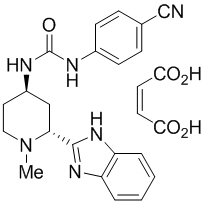
DAURISMO (glasdegib) is a hedgehog pathway inhibitor. It is formulated with the maleate salt of glasdegib. The molecular formula for glasdegib maleate is C25H26N6O5. The molecular weight for glasdegib maleate is 490.51 Daltons. The chemical name of glasdegib maleate is 1-((2R,4R)-2-(1H-benzo[d]imidazol-2-yl)-1-methylpiperidin-4-yl)-3-(4-cyanophenyl) urea maleate. The molecular structure is shown below:
Glasdegib maleate is a white to pale colored powder with pKa values of 1.7 and 6.1. The aqueous solubility of glasdegib maleate is 1.7 mg/mL.
DAURISMO (glasdegib) is supplied as a film-coated tablet for oral use containing either 100 mg glasdegib (equivalent to 131.1 mg glasdegib maleate) or 25 mg of glasdegib (equivalent to 32.8 mg glasdegib maleate) together with microcrystalline cellulose, dibasic calcium phosphate anhydrous, sodium starch glycolate, and magnesium stearate as inactive ingredients in the tablet. The film-coating consists of Opadry II® Beige (33G170003) and Opadry II® Yellow (33G120011) containing: hypromellose, titanium dioxide, lactose monohydrate, macrogol, triacetin, iron oxide yellow, and iron oxide red.
8.4 Pediatric Use
The safety and effectiveness of DAURISMO have not been established in pediatric patients. In repeat-dose toxicity studies in rats, oral administration of DAURISMO resulted in adverse changes in growing bone, teeth, and testis. Effects on bone consisted of partial to complete closure of the epiphyseal plate. Effects in growing incisor teeth included degeneration/necrosis of ameloblasts, and complete tooth loss with oral ulceration. Reproductive tissue toxicity was evidenced by testicular degeneration and hypospermatogenesis. These effects in bone, teeth and testis were observed after administration of DAURISMO for 26 weeks at greater than or equal to 50 mg/kg/day corresponding to approximately 6.6-times the steady-state AUC in patients at the recommended human dose.
8.5 Geriatric Use
Of the total number of subjects in clinical studies of DAURISMO with low-dose cytarabine (N=88), 98% of the patients were age 65 years or older and 60% of the patients were age 75 years or older. There were insufficient patients younger than age 65 years to determine differences in adverse reactions reported from patients older than 65.
14 Clinical Studies
The efficacy of DAURISMO in combination with low-dose cytarabine was evaluated in a multicenter, open-label, randomized study (Study BRIGHT AML 1003, NCT01546038) that included 115 patients age 55 years or older with newly-diagnosed AML who met at least one of the following criteria: a) age ≥75 years, b) severe cardiac disease, c) baseline Eastern Cooperative Oncology Group (ECOG) performance status of 2, or d) baseline serum creatinine >1.3 mg/dL. Patients were randomized 2:1 to receive DAURISMO at a 100 mg daily dose with low-dose cytarabine 20 mg subcutaneously twice daily on days 1 to 10 of a 28-day cycle (N=77) or low-dose cytarabine alone (N=38) in 28-day cycles until disease progression or unacceptable toxicity. Patients were stratified by cytogenetic risk (good/intermediate or poor).
The baseline demographic and disease characteristics are shown in Table 6. The two treatment arms were generally balanced with respect to the baseline demographics and disease characteristics (see Table 6).
| Demographic and Disease Characteristics |
DAURISMO With Low-Dose Cytarabine
(N=77) |
Low-Dose Cytarabine Alone
(N=38) |
|---|---|---|
| Abbreviations: AML = acute myeloid leukemia; N = number of patients; ECOG PS = Eastern Cooperative Oncology Group Performance Status. | ||
|
Demographics |
||
|
Age |
||
|
Median (Min, Max) (Years) |
77 (64, 92) |
76 (58, 83) |
|
≥75 years N (%) |
47 (61) |
23 (61) |
|
Sex, N (%) |
||
|
Male |
59 (77) |
23 (61) |
|
Female |
18 (23) |
15 (39) |
|
Race, N (%) |
||
|
White |
75 (97) |
38 (100) |
|
Black or African American |
1 (1) |
0 (0) |
|
Asian |
1 (1) |
0 (0) |
|
Disease History, N (%) |
||
|
De Novo AML |
38 (49) |
18 (47) |
|
Secondary AML |
39 (51) |
20 (53) |
|
Prior Hypomethylating Agent Use |
11 (14) |
6 (16) |
|
ECOG PS Baseline ECOG PS was not reported for one patient in the DAURISMO with low-dose cytarabine arm.
, N (%)
|
||
|
0 to 1 |
35 (46) |
20 (53) |
|
2 |
41 (53) |
18 (47) |
|
Cytogenetic Risk Status, N (%) |
||
|
Good/Intermediate |
48 (62) |
21 (55) |
|
Poor |
29 (38) |
17 (45) |
|
Baseline Severe Cardiac Disease |
51 (66) |
20 (53) |
|
Baseline Serum Creatinine >1.3 mg/dL |
15 (19) |
5 (13) |
Efficacy was established on the basis of overall survival (OS) from the date of randomization to death from any cause. With a median follow-up of approximately 20 months, the DAURISMO with low-dose cytarabine arm was superior to low-dose cytarabine alone arm (Figure 1). The efficacy results are shown in Table 7. Improvement in OS was consistent across prespecified cytogenetic risk subgroups.
| Endpoint/Study Population | DAURISMO With Low-Dose Cytarabine | Low-Dose Cytarabine Alone |
|---|---|---|
| Abbreviations: AML = acute myeloid leukemia; N = number of patients; OS = overall survival; CI = confidence interval; CR = complete response. | ||
|
OS |
N=77 |
N=38 |
|
Median survival, months (95% CI) |
8.3 (4.4, 12.2) |
4.3 (1.9, 5.7) |
|
Hazard ratio (95% CI) Hazard ratio (DAURISMO with low-dose cytarabine/low-dose cytarabine alone) based on the Cox Proportional hazards model stratified by cytogenetic risk.
|
0.46 (0.30, 0.71) |
|
|
p-value 1-sided p-value from log-rank test stratified by cytogenetic risk.
|
0.0002 |
|
|
CR |
N=14 |
N=1 |
|
CR rate (in %, 95% CI) |
18.2 (10.3, 28.6) |
2.6 (0.1, 13.8) |
Figure 1. BRIGHT AML 1003 – Kaplan-Meier Plot of Overall Survival for Patients with AML
Abbreviations: CI = confidence interval; OS = overall survival; LDAC = low-dose cytarabine.
4 Contraindications
None.
6 Adverse Reactions
The following clinically-significant adverse reactions are described elsewhere in the labeling:
-
•QTc Interval Prolongation [see Warnings and Precautions (5.2)]
-
•Musculoskeletal Adverse Reactions [see Warnings and Precautions (5.3)]
7 Drug Interactions
|
Strong CYP3A Inhibitors |
|
|
Clinical Impact |
|
|
Prevention or Management |
|
|
Strong and Moderate CYP3A Inducers |
|
|
Clinical Impact |
Co-administration of DAURISMO with strong and moderate CYP3A inducers decreased glasdegib plasma concentrations [see Clinical Pharmacology (12.3)].
|
|
Prevention or Management |
|
|
QTc Prolonging Drugs |
|
|
Clinical Impact |
Co-administration of DAURISMO with QTc prolonging drugs may increase the risk of QTc interval prolongation [see Warnings and Precautions (5.2)]. |
|
Prevention or Management |
|
8.6 Renal Impairment
No dosage modification is recommended for patients with mild to severe renal impairment (estimated glomerular filtration rate [eGFR] 15 to 89 mL/min). Monitor patients with severe renal impairment (eGFR 15 to 29 mL/min) for increased risk of adverse reactions, including QTc interval prolongation, due to increased glasdegib concentrations [see Clinical Pharmacology (12.3)].
12.3 Pharmacokinetics
DAURISMO at 5 mg to 600 mg once daily (0.05 to 6 times the recommended dose) result in a dose proportional increase in glasdegib peak concentrations (Cmax) and area under the curve over the dosing interval (AUC0-Tau). Steady-state plasma levels are reached by 8 days of daily dosing. The median accumulation ratio of glasdegib ranged from 1.2 to 2.5 following once-daily dosing.
At DAURISMO 100 mg once daily, the geometric mean (geometric coefficient of variation, % CV) of glasdegib Cmax was 1252 ng/mL (44%) and AUC0-Tau was 17210 ng*hr/mL (54%) in patients with cancer.
1 Indications and Usage
DAURISMO is indicated, in combination with low-dose cytarabine, for the treatment of newly-diagnosed acute myeloid leukemia (AML) in adult patients who are ≥75 years old or who have comorbidities that preclude use of intensive induction chemotherapy.
12.1 Mechanism of Action
Glasdegib is an inhibitor of the Hedgehog pathway. Glasdegib binds to and inhibits Smoothened, a transmembrane protein involved in hedgehog signal transduction.
In a murine xenotransplant model of human AML, glasdegib in combination with low-dose cytarabine, inhibited increases in tumor size and reduced the percentage of CD45+/CD33+ blasts in the marrow to a greater extent than glasdegib or low-dose cytarabine alone.
5.1 Embryo Fetal Toxicity
Based on its mechanism of action and findings from animal embryo-fetal developmental toxicity studies, DAURISMO can cause embryo-fetal death or severe birth defects when administered to a pregnant woman. There are no clinical data on the use of DAURISMO in pregnant women. In animal embryo-fetal developmental toxicity studies, glasdegib caused embryotoxicity, fetotoxicity and teratogenicity at maternal exposures that were less than the human exposure at the recommended human dose of 100 mg [see Use in Specific Populations (8.1, 8.2), Clinical Pharmacology (12.1)]. Advise pregnant women of the potential risk to the fetus.
5 Warnings and Precautions
-
•Blood Donation: Advise patients not to donate blood or blood products during treatment with DAURISMO and for at least 30 days after the last dose. (5.1)
-
•QTc Interval Prolongation: Monitor electrocardiograms and electrolytes. If QTc prolongation occurs, interrupt treatment with DAURISMO. (2.2, 5.2)
-
•Musculoskeletal Adverse Reactions: Obtain creatine phosphokinase (CPK) and serum creatinine levels prior to initiating DAURISMO and as indicated clinically thereafter. Temporary dose interruption, dose reduction, or discontinuation of DAURISMO may be required for musculoskeletal adverse reactions or serum CPK elevation. (2.2, 5.3)
2 Dosage and Administration
Recommended dosage: 100 mg orally once daily. (2.1)
3 Dosage Forms and Strengths
DAURISMO 100 mg tablets: round, pale orange film-coated tablet debossed with "Pfizer" on one side and "GLS 100" on the other.
DAURISMO 25 mg tablets: round, yellow film-coated tablet debossed with "Pfizer" on one side and "GLS 25" on the other.
5.2 Qtc Interval Prolongation
Patients treated with DAURISMO can develop QTc prolongation and ventricular arrhythmias, including ventricular fibrillation and ventricular tachycardia. Of the 98 evaluable patients treated with DAURISMO 100 mg in combination with low-dose cytarabine in the clinical trial, 5% were found to have a QTc interval greater than 500 ms and 4% of patients had an increase from baseline QTc greater than 60 ms. The clinical trial excluded patients with baseline QTc of greater than 470 ms or with a history of long QT syndrome or uncontrolled cardiovascular disease.
Monitor electrocardiograms (ECGs) and electrolytes [see Dosage and Administration (2.2)]. Concomitant use of DAURISMO with drugs known to prolong the QTc interval and CYP3A4 inhibitors may increase the risk of QTc interval prolongation [see Drug Interactions (7), Clinical Pharmacology (12.2)]. In patients with congenital long QT syndrome, congestive heart failure, electrolyte abnormalities, or those who are taking medications known to prolong the QTc interval, more frequent ECG monitoring is recommended.
Interrupt DAURISMO if QTc increases to greater than 500 ms. Discontinue DAURISMO permanently for patients who develop QTc interval prolongation with signs or symptoms of life-threatening arrhythmia [see Dosage and Administration (2.2)].
8 Use in Specific Populations
Lactation: Advise women not to breastfeed. (8.2)
6.1 Clinical Trials Experience
Because clinical trials are conducted under widely varying conditions, adverse reaction rates observed in the clinical trials of a drug cannot be directly compared to rates in the clinical trials of another drug and may not reflect the rates observed in practice.
The safety profile of DAURISMO is based on experience in the BRIGHT AML 1003 study for 111 adults with newly-diagnosed AML and 14 adults with other conditions for which DAURISMO is not indicated [see Clinical Studies (14)]. Patients were treated with DAURISMO 100 mg daily in combination with low-dose cytarabine (N=84) or low-dose cytarabine alone (N=41). The median duration of treatment in the DAURISMO with low-dose cytarabine arm was 83 days (range 3 to 972 days), and the median duration of treatment in the low-dose cytarabine alone arm was 47 days (range 6 to 239 days). The median exposure to DAURISMO in the DAURISMO with low-dose cytarabine arm was 76 days (range 3 to 954 days). Thirty-two patients (38%) were treated with DAURISMO with low-dose cytarabine for at least 6 months and 14 patients (17%) were treated for at least 1 year.
Serious adverse reactions were reported in 79% of patients treated in the DAURISMO with low-dose cytarabine arm. The most common (≥5%) serious adverse reactions in patients receiving DAURISMO with low-dose cytarabine were febrile neutropenia (29%), pneumonia (23%), hemorrhage (12%), anemia (7%), and sepsis (7%).
Dose reductions associated with adverse reactions were reported in 26% of patients treated with DAURISMO with low-dose cytarabine, and the most common reasons (≥2%) for dose reductions due to adverse reactions were muscle spasms (5%), fatigue (4%), febrile neutropenia (4%), anemia (2%), thrombocytopenia (2%), and ECG QT prolonged (2%). Adverse reactions leading to permanent discontinuation were reported in 36% of patients treated with DAURISMO with low-dose cytarabine, and the most common (≥2%) reasons for permanent discontinuation were pneumonia (6%), febrile neutropenia (4%), sepsis (4%), sudden death (2%), myocardial infarction (2%), nausea (2%), and renal insufficiency (2%).
Adverse reactions reported in the first 90 days of therapy on the BRIGHT AML 1003 study are shown in Table 3.
| Body System | Adverse Reactions |
DAURISMO With Low-Dose Cytarabine
N=84 |
Low-Dose Cytarabine
N=41 |
||
|---|---|---|---|---|---|
|
All Grades
% |
Grade ≥3
% |
All Grades
% |
Grade ≥3
% |
||
| Abbreviations: N = number of patients. Preferred terms were retrieved by applying the Medical Dictionary for Regulatory Activities (MedDRA) version 19.1. BRIGHT AML 1003 used National Cancer Institute Common Terminology Criteria for Adverse Events (CTCAE) version 4.0. Adverse reactions include events that commenced within 28 days after the last treatment dose. |
|||||
|
Blood and lymphatic system disorder |
Anemia |
43 |
41 |
42 |
37 |
|
Hemorrhage Hemorrhage includes petechiae, epistaxis, hematoma, contusion, rectal hemorrhage, anal hemorrhage, ecchymosis, gingival bleeding, hematuria, mouth hemorrhage, purpura, cerebral hemorrhage, eye contusion, eye hemorrhage, gastric hemorrhage, gastrointestinal hemorrhage, hematemesis, hemoptysis, hemorrhage, implant site hematoma, injection site bruising, retroperitoneal hematoma, thrombotic thrombocytopenic purpura, tracheal hemorrhage, conjunctival hemorrhage, disseminated intravascular coagulation, eyelid hematoma, hematochezia, hemorrhage intracranial, hemorrhoidal hemorrhage, lower gastrointestinal hemorrhage, retinal hemorrhage, and subdural hematoma.
|
36 |
6 |
42 |
12 |
|
|
Febrile neutropenia |
31 |
31 |
22 |
22 |
|
|
Thrombocytopenia |
30 |
30 |
27 |
24 |
|
|
General disorders and administration site conditions |
Fatigue Fatigue includes asthenia and fatigue.
|
36 |
14 |
32 |
7 |
|
Edema Edema includes edema peripheral, edema, fluid overload, fluid retention, and swelling face.
|
30 |
0 |
20 |
2 |
|
|
Mucositis Mucositis includes mucosal inflammation, oropharyngeal pain, stomatitis, anal ulcer, gingival pain, laryngeal inflammation, esophagitis, oral pain, aphthous ulcer, mouth ulceration, and pharyngeal inflammation.
|
21 |
1 |
12 |
0 |
|
|
Pyrexia |
18 |
1 |
22 |
2 |
|
|
Chest pain Chest pain includes chest pain and non-cardiac chest pain.
|
12 |
1 |
2 |
0 |
|
|
Musculoskeletal and connective tissue disorders |
Musculoskeletal pain Musculoskeletal pain includes pain in extremity, arthralgia, back pain, myalgia, musculoskeletal pain, musculoskeletal chest pain, neck pain, and bone pain.
|
30 |
2 |
17 |
2 |
|
Muscle spasm Muscle spasms includes muscle spasms and muscle tightness.
|
15 |
0 |
5 |
0 |
|
|
Gastrointestinal disorders |
Nausea |
29 |
1 |
12 |
2 |
|
Constipation |
20 |
1 |
12 |
0 |
|
|
Abdominal pain Abdominal pain includes abdominal pain, abdominal pain upper, and abdominal pain lower.
|
19 |
0 |
12 |
0 |
|
|
Diarrhea Diarrhea includes diarrhea, colitis, and gastroenteritis.
|
18 |
4 |
22 |
0 |
|
|
Vomiting |
18 |
2 |
10 |
2 |
|
|
Respiratory thoracic and mediastinal disorders |
Dyspnea Dyspnea includes dyspnea, hypoxia, bronchospasm, and respiratory failure.
|
23 |
11 |
24 |
7 |
|
Cough Cough includes cough and productive cough.
|
18 |
0 |
15 |
2 |
|
|
Metabolism and nutrition disorders |
Decrease appetite |
21 |
1 |
7 |
2 |
|
Nervous system disorders |
Dysgeusia Dysgeusia includes dysgeusia and ageusia.
|
21 |
0 |
2 |
0 |
|
Dizziness |
18 |
1 |
7 |
0 |
|
|
Headache |
12 |
0 |
10 |
2 |
|
|
Skin and subcutaneous tissue disorders |
Rash Rash includes rash, pruritus, erythema, skin ulcer, rash maculo-papular, and rash pruritic.
|
20 |
2 |
7 |
2 |
|
Infection and infestations |
Pneumonia Pneumonia includes pneumonia, pneumonia aspiration, and lung infection.
|
19 |
15 |
24 |
22 |
|
Investigations |
Hyponatremia |
11 |
6 |
0 |
0 |
|
Platelet count decreased |
15 |
15 |
10 |
10 |
|
|
Weight decreased |
13 |
0 |
2 |
0 |
|
|
White blood cell count decreased |
11 |
11 |
5 |
2 |
|
|
Cardiac disorders |
Atrial arrhythmia Atrial arrhythmia includes atrial fibrillation, bradycardia, tachycardia, and sinus tachycardia.
|
13 |
4 |
7 |
2 |
|
Renal and urinary disorders |
Renal insufficiency Renal insufficiency includes acute kidney injury, blood creatinine increased, oliguria, and renal failure.
|
19 |
5 |
10 |
0 |
The adverse reactions muscle spasms (4 in 12 patients) and decreased appetite (2 in 10 patients) worsened (i.e. progressed from Grades ≤2 to Grade 3 or higher) after the first 90 days of therapy in BRIGHT AML 1003.
Additional clinically-significant adverse reactions occurring in <10% of patients treated with DAURISMO and low-dose cytarabine in BRIGHT AML 1003 include:
-
•Dental disorders: loose tooth and toothache
-
•Skin and subcutaneous tissue disorders: alopecia
-
•Cardiac disorders: QT interval prolonged
Changes in selected post-baseline laboratory values that were observed in patients with newly-diagnosed AML and other conditions for which DAURISMO is not indicated in the clinical trial are shown in Table 4.
| DAURISMO with Low-Dose Cytarabine | Low-Dose Cytarabine | |||||
|---|---|---|---|---|---|---|
| Laboratory Abnormality | N |
All Grades
% |
Grade 3 or 4
Grade 1 is mild, Grade 2 is moderate, Grade 3 is severe, Grade 4 is life-threatening.
% |
N |
All Grades
% |
Grade 3 or 4
% |
| Abbreviations: N = number of patients; AST = aspartate aminotransferase; ALT = alanine aminotransferase; CPK = creatinine phosphokinase. BRIGHT AML 1003 used National Cancer Institute Common Terminology Criteria for Adverse Events (CTCAE) version 4.0. |
||||||
|
Creatinine increased |
81 |
96 |
1 |
40 |
80 |
5 |
|
Hyponatremia |
81 |
54 |
7 |
39 |
41 |
8 |
|
Hypomagnesemia |
81 |
33 |
0 |
39 |
23 |
0 |
|
AST increased |
80 |
28 |
1 |
40 |
23 |
0 |
|
Blood bilirubin increased |
80 |
25 |
4 |
39 |
33 |
3 |
|
ALT increased |
80 |
24 |
0 |
40 |
28 |
3 |
|
Alkaline phosphatase increased |
80 |
23 |
0 |
40 |
28 |
3 |
|
Hyperkalemia |
81 |
16 |
1 |
40 |
8 |
3 |
|
CPK increased |
38 |
16 |
0 |
17 |
6 |
0 |
|
Hypokalemia |
81 |
15 |
0 |
40 |
23 |
0 |
The following laboratory abnormalities worsened (i.e. progressed from Grades ≤2 to Grade 3 or higher) after the first 90 days of therapy in BRIGHT AML 1003:
-
•hypophosphatemia (8 in 38 patients), creatinine increased (2 in 39 patients), and ALT increased (2 in 40 patients).
Warning: Embryo Fetal Toxicity
DAURISMO can cause embryo-fetal death or severe birth defects when administered to a pregnant woman. DAURISMO is embryotoxic, fetotoxic, and teratogenic in animals [see Warnings and Precautions (5.1), Use in Specific Populations (8.1)].
Conduct pregnancy testing in females of reproductive potential prior to initiation of DAURISMO treatment. Advise females of reproductive potential to use effective contraception during treatment with DAURISMO and for at least 30 days after the last dose [see Warnings and Precautions (5.1), Use in Specific Populations (8.1, 8.3)].
Advise males of the potential risk of DAURISMO exposure through semen and to use condoms with a pregnant partner or a female partner of reproductive potential during treatment with DAURISMO and for at least 30 days after the last dose to avoid potential drug exposure [see Warnings and Precautions (5.1), Use in Specific Populations (8.3)].
17 Patient Counseling Information
Advise the patient to read the FDA-approved patient labeling (Medication Guide).
2.1 Recommended Dosage and Schedule
The recommended dosage of DAURISMO is 100 mg orally once daily on days 1 to 28 in combination with cytarabine 20 mg subcutaneously twice daily on days 1 to 10 of each 28-day cycle in the absence of unacceptable toxicity or loss of disease control. For patients without unacceptable toxicity, treat for a minimum of 6 cycles to allow time for clinical response.
Administer DAURISMO with or without food. Do not split or crush DAURISMO tablets. Administer DAURISMO about the same time each day. If a dose of DAURISMO is vomited, do not administer a replacement dose; wait until the next scheduled dose is due. If a dose of DAURISMO is missed or not taken at the usual time, administer the dose as soon as possible and at least 12 hours prior to the next scheduled dose. Return to the normal schedule the following day. Do not administer 2 doses of DAURISMO within 12 hours.
16 How Supplied/storage and Handling
DAURISMO is supplied in the following strengths and package configurations:
|
DAURISMO film-coated tablets |
|||
|
Package Configuration |
Tablet Strength (mg) |
NDC |
Print (description) |
|
30 count bottle |
100 mg |
0069-1531-30 |
100 mg strength: 11 mm round, pale orange film-coated tablet debossed with "Pfizer" on one side and "GLS 100" on the other |
|
60 count bottle |
25 mg |
0069-0298-60 |
25 mg strength: 7 mm round, yellow film-coated tablet debossed with "Pfizer" on one side and "GLS 25" on the other |
5.3 Musculoskeletal Adverse Reactions
Musculoskeletal adverse reactions, which may be accompanied by CPK elevations, have occurred with DAURISMO and other drugs which inhibit the hedgehog (Hh) pathway. In BRIGHT AML 1003, musculoskeletal adverse reactions occurred in 45% of patients treated, with 2% (7/79) reported as Grade 3 or higher. The most frequent manifestations of musculoskeletal adverse reactions reported were musculoskeletal pain (30%) and muscle spasms (15%). Increased CPK laboratory values occurred in 16% of patients [see Adverse Reactions (6.1)].
Obtain baseline CPK levels prior to initiating DAURISMO and as clinically indicated (e.g., if muscle symptoms are reported). Obtain CPK and serum creatinine levels at least weekly in patients with musculoskeletal adverse reactions with concurrent CPK elevation greater than 2.5 times ULN until resolution of clinical signs and symptoms. Depending on the severity of symptoms, temporary dose interruption, dose reduction, or discontinuation of DAURISMO may be required for musculoskeletal adverse reactions or serum CPK elevation [see Dosage and Administration (2.2)].
2.2 Monitoring and Dosage Modifications
Assess complete blood counts, electrolytes, renal, and hepatic function prior to the initiation of DAURISMO and at least once weekly for the first month. Monitor electrolytes and renal function once monthly for the duration of therapy. Obtain creatine phosphokinase (CPK) levels prior to initiating DAURISMO and as indicated clinically thereafter (e.g., if muscle symptoms are reported). Monitor electrocardiograms (ECGs) prior to the initiation of DAURISMO, approximately one week after initiation, and then once monthly for the next two months to assess for QTc prolongation. Repeat ECG if abnormal. Certain patients may require more frequent and ongoing ECG monitoring [see Warnings and Precautions (5.2)]. Manage any abnormalities promptly [see Adverse Reactions (6.1)].
See Table 1 for dosage modification guidelines for patients who develop an adverse reaction.
| Adverse Reaction | Recommended Action | |
|---|---|---|
| Abbreviations: CPK = creatine phosphokinase, ULN = upper limit of normal. | ||
|
QTc interval prolongation on at least 2 separate electrocardiograms (ECGs) [see Warnings and Precautions (5.2)] |
QTc interval greater than 480 ms to 500 ms |
Assess electrolyte levels and supplement as clinically indicated. |
|
QTc interval greater than 500 ms |
Assess electrolyte levels and supplement as clinically indicated. |
|
|
QTc interval prolongation with life-threatening arrhythmia |
Discontinue DAURISMO permanently. |
|
|
Musculoskeletal adverse reactions [see Warnings and Precautions (5.3)] |
Grade 3 Grade 1 is mild, Grade 2 is moderate, Grade 3 is severe, Grade 4 is life-threatening. or serum CPK elevation between 2.5 and 10 times upper limit of normal (ULN)
|
Obtain CPK and serum creatinine levels at least weekly until resolution of clinical signs and symptoms. Interrupt DAURISMO until symptoms reduce to mild or return to baseline. Resume DAURISMO at the same dose level, or at a reduced dose of 50 mg. If toxicity recurs, discontinue DAURISMO. |
|
Grade 4 or serum CPK elevation greater than 10 times ULN |
Discontinue DAURISMO. |
|
|
Hematologic toxicity [see Adverse Reactions (6.1)] |
Platelets less than 10 Gi/L for more than 42 days in the absence of disease |
Discontinue DAURISMO and low-dose cytarabine permanently. |
|
Neutrophil count less than 0.5 Gi/L for more than 42 days in the absence of disease |
Discontinue DAURISMO and low-dose cytarabine permanently. |
|
|
Nonhematologic toxicity [see Adverse Reactions (6.1)] |
Grade 3 |
Interrupt DAURISMO and/or low-dose cytarabine until symptoms reduce to mild or return to baseline. |
|
Grade 4 |
Discontinue DAURISMO and low-dose cytarabine permanently. |
8.3 Females and Males of Reproductive Potential
DAURISMO can cause fetal harm when administered to a pregnant woman [see Use in Specific Populations (8.1)].
Principal Display Panel 25 Mg Tablet Bottle Label
ALWAYS DISPENSE
WITH MEDICATION GUIDE
NDC 0069-0298-60
Pfizer
Daurismo™
(glasdegib) tablets
25 mg*
Do not cut, crush, or chew the tablets.
60 Tablets
Rx only
Principal Display Panel 100 Mg Tablet Bottle Label
ALWAYS DISPENSE
WITH MEDICATION GUIDE
NDC 0069-1531-30
Pfizer
Daurismo™
(glasdegib) tablets
100 mg*
Do not cut, crush, or chew the tablets.
30 Tablets
Rx only
13.1 Carcinogenesis, Mutagenesis, Impairment of Fertility
Carcinogenicity studies have not been performed with glasdegib.
Glasdegib was not mutagenic in vitro in the bacterial reverse mutation (Ames) assay and was not clastogenic in the in vitro chromosome aberration assay in human lymphocytes. Glasdegib was not clastogenic or aneugenic in the rat micronucleus assay.
Based on nonclinical safety findings, glasdegib has the potential to impair reproductive function in males. Men should seek advice on effective fertility preservation before treatment. In repeat-dose toxicity studies in rats, findings observed in the male reproductive tract included adverse testicular changes with glasdegib at doses ≥50 mg/kg/day, and consisted of minimal to severe hypospermatogenesis characterized by partial to complete loss of spermatogonia, spermatocytes and spermatids and testicular degeneration. Hypospermatogenesis did not recover whereas testicular degeneration did recover. The dose at which testicular effects were observed in male rats was identified as 50 mg/kg/day with corresponding systemic exposures that were approximately 6.6-times (based on AUC) those associated with the observed human exposure at the 100 mg once-daily dose.
2.3 Dosage Modification for Concomitant Use With Moderate Cyp3a4 Inducers
Avoid concomitant use of DAURISMO with moderate CYP3A4 inducers. If concomitant use of moderate CYP3A4 inducers cannot be avoided, increase the DAURISMO dosage as tolerated as shown in Table 2. After the moderate CYP3A4 inducer has been discontinued for 7 days, resume the DAURISMO dose taken prior to initiating the moderate CYP3A4 inducer [see Drug Interactions (7), Clinical Pharmacology (12.3)].
| Current Dosage | Adjusted Dosage |
|---|---|
|
100 mg orally once daily |
200 mg orally once daily |
|
50 mg orally once daily |
100 mg orally once daily |
Structured Label Content
Section 42229-5 (42229-5)
Females of Reproductive Potential
DAURISMO is not recommended for use during pregnancy. Conduct pregnancy testing in female patients of reproductive potential prior to initiating DAURISMO treatment. Advise females of reproductive potential to use effective contraception during treatment with DAURISMO and for at least 30 days after the last dose. Advise women not to breastfeed during treatment with DAURISMO and for at least 30 days after the last dose [see Use in Specific Populations (8.2, 8.3)].
Section 42231-1 (42231-1)
|
MEDICATION GUIDE
|
|
|
What is the most important information I should know about DAURISMO?
For males:
Exposure to DAURISMO during pregnancy:
|
|
|
What is DAURISMO?
It is not known if DAURISMO is safe and effective in children. |
|
|
Before you take DAURISMO, tell your healthcare provider about all of your medical conditions, including if you:
Tell your healthcare provider about the medicines you take, including prescription medicines, over-the-counter medicines, vitamins, and herbal supplements. |
|
|
How should I take DAURISMO?
|
|
|
What should I avoid while taking DAURISMO?
|
|
|
What are the possible side effects of DAURISMO?
The most common side effects of DAURISMO with cytarabine include: |
|
|
|
|
DAURISMO may affect fertility in males. Talk to your healthcare provider if this is a concern for you. |
|
|
How should I store DAURISMO?
Keep DAURISMO and all medicines out of the reach of children. |
|
|
General information about the safe and effective use of DAURISMO.
|
|
|
What are the ingredients in DAURISMO?
|
|
|
This Medication Guide has been approved by the U.S. Food and Drug Administration. |
Revised: 12/2024 |
Section 44425-7 (44425-7)
Store at 20°C to 25°C (68°F to 77°F); excursions permitted between 15°C to 30°C (59°F to 86°F).
10 Overdosage (10 OVERDOSAGE)
There is no specific antidote for DAURISMO. Management of DAURISMO overdose should include symptomatic treatment and ECG monitoring.
Glasdegib has been administered in clinical studies up to a dose of 640 mg/day. At the highest dosage, the adverse reactions that were dose limiting were nausea, vomiting, dehydration, hypotension, fatigue, and dizziness.
11 Description (11 DESCRIPTION)
DAURISMO (glasdegib) is a hedgehog pathway inhibitor. It is formulated with the maleate salt of glasdegib. The molecular formula for glasdegib maleate is C25H26N6O5. The molecular weight for glasdegib maleate is 490.51 Daltons. The chemical name of glasdegib maleate is 1-((2R,4R)-2-(1H-benzo[d]imidazol-2-yl)-1-methylpiperidin-4-yl)-3-(4-cyanophenyl) urea maleate. The molecular structure is shown below:
Glasdegib maleate is a white to pale colored powder with pKa values of 1.7 and 6.1. The aqueous solubility of glasdegib maleate is 1.7 mg/mL.
DAURISMO (glasdegib) is supplied as a film-coated tablet for oral use containing either 100 mg glasdegib (equivalent to 131.1 mg glasdegib maleate) or 25 mg of glasdegib (equivalent to 32.8 mg glasdegib maleate) together with microcrystalline cellulose, dibasic calcium phosphate anhydrous, sodium starch glycolate, and magnesium stearate as inactive ingredients in the tablet. The film-coating consists of Opadry II® Beige (33G170003) and Opadry II® Yellow (33G120011) containing: hypromellose, titanium dioxide, lactose monohydrate, macrogol, triacetin, iron oxide yellow, and iron oxide red.
8.4 Pediatric Use
The safety and effectiveness of DAURISMO have not been established in pediatric patients. In repeat-dose toxicity studies in rats, oral administration of DAURISMO resulted in adverse changes in growing bone, teeth, and testis. Effects on bone consisted of partial to complete closure of the epiphyseal plate. Effects in growing incisor teeth included degeneration/necrosis of ameloblasts, and complete tooth loss with oral ulceration. Reproductive tissue toxicity was evidenced by testicular degeneration and hypospermatogenesis. These effects in bone, teeth and testis were observed after administration of DAURISMO for 26 weeks at greater than or equal to 50 mg/kg/day corresponding to approximately 6.6-times the steady-state AUC in patients at the recommended human dose.
8.5 Geriatric Use
Of the total number of subjects in clinical studies of DAURISMO with low-dose cytarabine (N=88), 98% of the patients were age 65 years or older and 60% of the patients were age 75 years or older. There were insufficient patients younger than age 65 years to determine differences in adverse reactions reported from patients older than 65.
14 Clinical Studies (14 CLINICAL STUDIES)
The efficacy of DAURISMO in combination with low-dose cytarabine was evaluated in a multicenter, open-label, randomized study (Study BRIGHT AML 1003, NCT01546038) that included 115 patients age 55 years or older with newly-diagnosed AML who met at least one of the following criteria: a) age ≥75 years, b) severe cardiac disease, c) baseline Eastern Cooperative Oncology Group (ECOG) performance status of 2, or d) baseline serum creatinine >1.3 mg/dL. Patients were randomized 2:1 to receive DAURISMO at a 100 mg daily dose with low-dose cytarabine 20 mg subcutaneously twice daily on days 1 to 10 of a 28-day cycle (N=77) or low-dose cytarabine alone (N=38) in 28-day cycles until disease progression or unacceptable toxicity. Patients were stratified by cytogenetic risk (good/intermediate or poor).
The baseline demographic and disease characteristics are shown in Table 6. The two treatment arms were generally balanced with respect to the baseline demographics and disease characteristics (see Table 6).
| Demographic and Disease Characteristics |
DAURISMO With Low-Dose Cytarabine
(N=77) |
Low-Dose Cytarabine Alone
(N=38) |
|---|---|---|
| Abbreviations: AML = acute myeloid leukemia; N = number of patients; ECOG PS = Eastern Cooperative Oncology Group Performance Status. | ||
|
Demographics |
||
|
Age |
||
|
Median (Min, Max) (Years) |
77 (64, 92) |
76 (58, 83) |
|
≥75 years N (%) |
47 (61) |
23 (61) |
|
Sex, N (%) |
||
|
Male |
59 (77) |
23 (61) |
|
Female |
18 (23) |
15 (39) |
|
Race, N (%) |
||
|
White |
75 (97) |
38 (100) |
|
Black or African American |
1 (1) |
0 (0) |
|
Asian |
1 (1) |
0 (0) |
|
Disease History, N (%) |
||
|
De Novo AML |
38 (49) |
18 (47) |
|
Secondary AML |
39 (51) |
20 (53) |
|
Prior Hypomethylating Agent Use |
11 (14) |
6 (16) |
|
ECOG PS Baseline ECOG PS was not reported for one patient in the DAURISMO with low-dose cytarabine arm.
, N (%)
|
||
|
0 to 1 |
35 (46) |
20 (53) |
|
2 |
41 (53) |
18 (47) |
|
Cytogenetic Risk Status, N (%) |
||
|
Good/Intermediate |
48 (62) |
21 (55) |
|
Poor |
29 (38) |
17 (45) |
|
Baseline Severe Cardiac Disease |
51 (66) |
20 (53) |
|
Baseline Serum Creatinine >1.3 mg/dL |
15 (19) |
5 (13) |
Efficacy was established on the basis of overall survival (OS) from the date of randomization to death from any cause. With a median follow-up of approximately 20 months, the DAURISMO with low-dose cytarabine arm was superior to low-dose cytarabine alone arm (Figure 1). The efficacy results are shown in Table 7. Improvement in OS was consistent across prespecified cytogenetic risk subgroups.
| Endpoint/Study Population | DAURISMO With Low-Dose Cytarabine | Low-Dose Cytarabine Alone |
|---|---|---|
| Abbreviations: AML = acute myeloid leukemia; N = number of patients; OS = overall survival; CI = confidence interval; CR = complete response. | ||
|
OS |
N=77 |
N=38 |
|
Median survival, months (95% CI) |
8.3 (4.4, 12.2) |
4.3 (1.9, 5.7) |
|
Hazard ratio (95% CI) Hazard ratio (DAURISMO with low-dose cytarabine/low-dose cytarabine alone) based on the Cox Proportional hazards model stratified by cytogenetic risk.
|
0.46 (0.30, 0.71) |
|
|
p-value 1-sided p-value from log-rank test stratified by cytogenetic risk.
|
0.0002 |
|
|
CR |
N=14 |
N=1 |
|
CR rate (in %, 95% CI) |
18.2 (10.3, 28.6) |
2.6 (0.1, 13.8) |
Figure 1. BRIGHT AML 1003 – Kaplan-Meier Plot of Overall Survival for Patients with AML
Abbreviations: CI = confidence interval; OS = overall survival; LDAC = low-dose cytarabine.
4 Contraindications (4 CONTRAINDICATIONS)
None.
6 Adverse Reactions (6 ADVERSE REACTIONS)
The following clinically-significant adverse reactions are described elsewhere in the labeling:
-
•QTc Interval Prolongation [see Warnings and Precautions (5.2)]
-
•Musculoskeletal Adverse Reactions [see Warnings and Precautions (5.3)]
7 Drug Interactions (7 DRUG INTERACTIONS)
|
Strong CYP3A Inhibitors |
|
|
Clinical Impact |
|
|
Prevention or Management |
|
|
Strong and Moderate CYP3A Inducers |
|
|
Clinical Impact |
Co-administration of DAURISMO with strong and moderate CYP3A inducers decreased glasdegib plasma concentrations [see Clinical Pharmacology (12.3)].
|
|
Prevention or Management |
|
|
QTc Prolonging Drugs |
|
|
Clinical Impact |
Co-administration of DAURISMO with QTc prolonging drugs may increase the risk of QTc interval prolongation [see Warnings and Precautions (5.2)]. |
|
Prevention or Management |
|
8.6 Renal Impairment
No dosage modification is recommended for patients with mild to severe renal impairment (estimated glomerular filtration rate [eGFR] 15 to 89 mL/min). Monitor patients with severe renal impairment (eGFR 15 to 29 mL/min) for increased risk of adverse reactions, including QTc interval prolongation, due to increased glasdegib concentrations [see Clinical Pharmacology (12.3)].
12.3 Pharmacokinetics
DAURISMO at 5 mg to 600 mg once daily (0.05 to 6 times the recommended dose) result in a dose proportional increase in glasdegib peak concentrations (Cmax) and area under the curve over the dosing interval (AUC0-Tau). Steady-state plasma levels are reached by 8 days of daily dosing. The median accumulation ratio of glasdegib ranged from 1.2 to 2.5 following once-daily dosing.
At DAURISMO 100 mg once daily, the geometric mean (geometric coefficient of variation, % CV) of glasdegib Cmax was 1252 ng/mL (44%) and AUC0-Tau was 17210 ng*hr/mL (54%) in patients with cancer.
1 Indications and Usage (1 INDICATIONS AND USAGE)
DAURISMO is indicated, in combination with low-dose cytarabine, for the treatment of newly-diagnosed acute myeloid leukemia (AML) in adult patients who are ≥75 years old or who have comorbidities that preclude use of intensive induction chemotherapy.
12.1 Mechanism of Action
Glasdegib is an inhibitor of the Hedgehog pathway. Glasdegib binds to and inhibits Smoothened, a transmembrane protein involved in hedgehog signal transduction.
In a murine xenotransplant model of human AML, glasdegib in combination with low-dose cytarabine, inhibited increases in tumor size and reduced the percentage of CD45+/CD33+ blasts in the marrow to a greater extent than glasdegib or low-dose cytarabine alone.
5.1 Embryo Fetal Toxicity (5.1 Embryo-Fetal Toxicity)
Based on its mechanism of action and findings from animal embryo-fetal developmental toxicity studies, DAURISMO can cause embryo-fetal death or severe birth defects when administered to a pregnant woman. There are no clinical data on the use of DAURISMO in pregnant women. In animal embryo-fetal developmental toxicity studies, glasdegib caused embryotoxicity, fetotoxicity and teratogenicity at maternal exposures that were less than the human exposure at the recommended human dose of 100 mg [see Use in Specific Populations (8.1, 8.2), Clinical Pharmacology (12.1)]. Advise pregnant women of the potential risk to the fetus.
5 Warnings and Precautions (5 WARNINGS AND PRECAUTIONS)
-
•Blood Donation: Advise patients not to donate blood or blood products during treatment with DAURISMO and for at least 30 days after the last dose. (5.1)
-
•QTc Interval Prolongation: Monitor electrocardiograms and electrolytes. If QTc prolongation occurs, interrupt treatment with DAURISMO. (2.2, 5.2)
-
•Musculoskeletal Adverse Reactions: Obtain creatine phosphokinase (CPK) and serum creatinine levels prior to initiating DAURISMO and as indicated clinically thereafter. Temporary dose interruption, dose reduction, or discontinuation of DAURISMO may be required for musculoskeletal adverse reactions or serum CPK elevation. (2.2, 5.3)
2 Dosage and Administration (2 DOSAGE AND ADMINISTRATION)
Recommended dosage: 100 mg orally once daily. (2.1)
3 Dosage Forms and Strengths (3 DOSAGE FORMS AND STRENGTHS)
DAURISMO 100 mg tablets: round, pale orange film-coated tablet debossed with "Pfizer" on one side and "GLS 100" on the other.
DAURISMO 25 mg tablets: round, yellow film-coated tablet debossed with "Pfizer" on one side and "GLS 25" on the other.
5.2 Qtc Interval Prolongation (5.2 QTc Interval Prolongation)
Patients treated with DAURISMO can develop QTc prolongation and ventricular arrhythmias, including ventricular fibrillation and ventricular tachycardia. Of the 98 evaluable patients treated with DAURISMO 100 mg in combination with low-dose cytarabine in the clinical trial, 5% were found to have a QTc interval greater than 500 ms and 4% of patients had an increase from baseline QTc greater than 60 ms. The clinical trial excluded patients with baseline QTc of greater than 470 ms or with a history of long QT syndrome or uncontrolled cardiovascular disease.
Monitor electrocardiograms (ECGs) and electrolytes [see Dosage and Administration (2.2)]. Concomitant use of DAURISMO with drugs known to prolong the QTc interval and CYP3A4 inhibitors may increase the risk of QTc interval prolongation [see Drug Interactions (7), Clinical Pharmacology (12.2)]. In patients with congenital long QT syndrome, congestive heart failure, electrolyte abnormalities, or those who are taking medications known to prolong the QTc interval, more frequent ECG monitoring is recommended.
Interrupt DAURISMO if QTc increases to greater than 500 ms. Discontinue DAURISMO permanently for patients who develop QTc interval prolongation with signs or symptoms of life-threatening arrhythmia [see Dosage and Administration (2.2)].
8 Use in Specific Populations (8 USE IN SPECIFIC POPULATIONS)
Lactation: Advise women not to breastfeed. (8.2)
6.1 Clinical Trials Experience
Because clinical trials are conducted under widely varying conditions, adverse reaction rates observed in the clinical trials of a drug cannot be directly compared to rates in the clinical trials of another drug and may not reflect the rates observed in practice.
The safety profile of DAURISMO is based on experience in the BRIGHT AML 1003 study for 111 adults with newly-diagnosed AML and 14 adults with other conditions for which DAURISMO is not indicated [see Clinical Studies (14)]. Patients were treated with DAURISMO 100 mg daily in combination with low-dose cytarabine (N=84) or low-dose cytarabine alone (N=41). The median duration of treatment in the DAURISMO with low-dose cytarabine arm was 83 days (range 3 to 972 days), and the median duration of treatment in the low-dose cytarabine alone arm was 47 days (range 6 to 239 days). The median exposure to DAURISMO in the DAURISMO with low-dose cytarabine arm was 76 days (range 3 to 954 days). Thirty-two patients (38%) were treated with DAURISMO with low-dose cytarabine for at least 6 months and 14 patients (17%) were treated for at least 1 year.
Serious adverse reactions were reported in 79% of patients treated in the DAURISMO with low-dose cytarabine arm. The most common (≥5%) serious adverse reactions in patients receiving DAURISMO with low-dose cytarabine were febrile neutropenia (29%), pneumonia (23%), hemorrhage (12%), anemia (7%), and sepsis (7%).
Dose reductions associated with adverse reactions were reported in 26% of patients treated with DAURISMO with low-dose cytarabine, and the most common reasons (≥2%) for dose reductions due to adverse reactions were muscle spasms (5%), fatigue (4%), febrile neutropenia (4%), anemia (2%), thrombocytopenia (2%), and ECG QT prolonged (2%). Adverse reactions leading to permanent discontinuation were reported in 36% of patients treated with DAURISMO with low-dose cytarabine, and the most common (≥2%) reasons for permanent discontinuation were pneumonia (6%), febrile neutropenia (4%), sepsis (4%), sudden death (2%), myocardial infarction (2%), nausea (2%), and renal insufficiency (2%).
Adverse reactions reported in the first 90 days of therapy on the BRIGHT AML 1003 study are shown in Table 3.
| Body System | Adverse Reactions |
DAURISMO With Low-Dose Cytarabine
N=84 |
Low-Dose Cytarabine
N=41 |
||
|---|---|---|---|---|---|
|
All Grades
% |
Grade ≥3
% |
All Grades
% |
Grade ≥3
% |
||
| Abbreviations: N = number of patients. Preferred terms were retrieved by applying the Medical Dictionary for Regulatory Activities (MedDRA) version 19.1. BRIGHT AML 1003 used National Cancer Institute Common Terminology Criteria for Adverse Events (CTCAE) version 4.0. Adverse reactions include events that commenced within 28 days after the last treatment dose. |
|||||
|
Blood and lymphatic system disorder |
Anemia |
43 |
41 |
42 |
37 |
|
Hemorrhage Hemorrhage includes petechiae, epistaxis, hematoma, contusion, rectal hemorrhage, anal hemorrhage, ecchymosis, gingival bleeding, hematuria, mouth hemorrhage, purpura, cerebral hemorrhage, eye contusion, eye hemorrhage, gastric hemorrhage, gastrointestinal hemorrhage, hematemesis, hemoptysis, hemorrhage, implant site hematoma, injection site bruising, retroperitoneal hematoma, thrombotic thrombocytopenic purpura, tracheal hemorrhage, conjunctival hemorrhage, disseminated intravascular coagulation, eyelid hematoma, hematochezia, hemorrhage intracranial, hemorrhoidal hemorrhage, lower gastrointestinal hemorrhage, retinal hemorrhage, and subdural hematoma.
|
36 |
6 |
42 |
12 |
|
|
Febrile neutropenia |
31 |
31 |
22 |
22 |
|
|
Thrombocytopenia |
30 |
30 |
27 |
24 |
|
|
General disorders and administration site conditions |
Fatigue Fatigue includes asthenia and fatigue.
|
36 |
14 |
32 |
7 |
|
Edema Edema includes edema peripheral, edema, fluid overload, fluid retention, and swelling face.
|
30 |
0 |
20 |
2 |
|
|
Mucositis Mucositis includes mucosal inflammation, oropharyngeal pain, stomatitis, anal ulcer, gingival pain, laryngeal inflammation, esophagitis, oral pain, aphthous ulcer, mouth ulceration, and pharyngeal inflammation.
|
21 |
1 |
12 |
0 |
|
|
Pyrexia |
18 |
1 |
22 |
2 |
|
|
Chest pain Chest pain includes chest pain and non-cardiac chest pain.
|
12 |
1 |
2 |
0 |
|
|
Musculoskeletal and connective tissue disorders |
Musculoskeletal pain Musculoskeletal pain includes pain in extremity, arthralgia, back pain, myalgia, musculoskeletal pain, musculoskeletal chest pain, neck pain, and bone pain.
|
30 |
2 |
17 |
2 |
|
Muscle spasm Muscle spasms includes muscle spasms and muscle tightness.
|
15 |
0 |
5 |
0 |
|
|
Gastrointestinal disorders |
Nausea |
29 |
1 |
12 |
2 |
|
Constipation |
20 |
1 |
12 |
0 |
|
|
Abdominal pain Abdominal pain includes abdominal pain, abdominal pain upper, and abdominal pain lower.
|
19 |
0 |
12 |
0 |
|
|
Diarrhea Diarrhea includes diarrhea, colitis, and gastroenteritis.
|
18 |
4 |
22 |
0 |
|
|
Vomiting |
18 |
2 |
10 |
2 |
|
|
Respiratory thoracic and mediastinal disorders |
Dyspnea Dyspnea includes dyspnea, hypoxia, bronchospasm, and respiratory failure.
|
23 |
11 |
24 |
7 |
|
Cough Cough includes cough and productive cough.
|
18 |
0 |
15 |
2 |
|
|
Metabolism and nutrition disorders |
Decrease appetite |
21 |
1 |
7 |
2 |
|
Nervous system disorders |
Dysgeusia Dysgeusia includes dysgeusia and ageusia.
|
21 |
0 |
2 |
0 |
|
Dizziness |
18 |
1 |
7 |
0 |
|
|
Headache |
12 |
0 |
10 |
2 |
|
|
Skin and subcutaneous tissue disorders |
Rash Rash includes rash, pruritus, erythema, skin ulcer, rash maculo-papular, and rash pruritic.
|
20 |
2 |
7 |
2 |
|
Infection and infestations |
Pneumonia Pneumonia includes pneumonia, pneumonia aspiration, and lung infection.
|
19 |
15 |
24 |
22 |
|
Investigations |
Hyponatremia |
11 |
6 |
0 |
0 |
|
Platelet count decreased |
15 |
15 |
10 |
10 |
|
|
Weight decreased |
13 |
0 |
2 |
0 |
|
|
White blood cell count decreased |
11 |
11 |
5 |
2 |
|
|
Cardiac disorders |
Atrial arrhythmia Atrial arrhythmia includes atrial fibrillation, bradycardia, tachycardia, and sinus tachycardia.
|
13 |
4 |
7 |
2 |
|
Renal and urinary disorders |
Renal insufficiency Renal insufficiency includes acute kidney injury, blood creatinine increased, oliguria, and renal failure.
|
19 |
5 |
10 |
0 |
The adverse reactions muscle spasms (4 in 12 patients) and decreased appetite (2 in 10 patients) worsened (i.e. progressed from Grades ≤2 to Grade 3 or higher) after the first 90 days of therapy in BRIGHT AML 1003.
Additional clinically-significant adverse reactions occurring in <10% of patients treated with DAURISMO and low-dose cytarabine in BRIGHT AML 1003 include:
-
•Dental disorders: loose tooth and toothache
-
•Skin and subcutaneous tissue disorders: alopecia
-
•Cardiac disorders: QT interval prolonged
Changes in selected post-baseline laboratory values that were observed in patients with newly-diagnosed AML and other conditions for which DAURISMO is not indicated in the clinical trial are shown in Table 4.
| DAURISMO with Low-Dose Cytarabine | Low-Dose Cytarabine | |||||
|---|---|---|---|---|---|---|
| Laboratory Abnormality | N |
All Grades
% |
Grade 3 or 4
Grade 1 is mild, Grade 2 is moderate, Grade 3 is severe, Grade 4 is life-threatening.
% |
N |
All Grades
% |
Grade 3 or 4
% |
| Abbreviations: N = number of patients; AST = aspartate aminotransferase; ALT = alanine aminotransferase; CPK = creatinine phosphokinase. BRIGHT AML 1003 used National Cancer Institute Common Terminology Criteria for Adverse Events (CTCAE) version 4.0. |
||||||
|
Creatinine increased |
81 |
96 |
1 |
40 |
80 |
5 |
|
Hyponatremia |
81 |
54 |
7 |
39 |
41 |
8 |
|
Hypomagnesemia |
81 |
33 |
0 |
39 |
23 |
0 |
|
AST increased |
80 |
28 |
1 |
40 |
23 |
0 |
|
Blood bilirubin increased |
80 |
25 |
4 |
39 |
33 |
3 |
|
ALT increased |
80 |
24 |
0 |
40 |
28 |
3 |
|
Alkaline phosphatase increased |
80 |
23 |
0 |
40 |
28 |
3 |
|
Hyperkalemia |
81 |
16 |
1 |
40 |
8 |
3 |
|
CPK increased |
38 |
16 |
0 |
17 |
6 |
0 |
|
Hypokalemia |
81 |
15 |
0 |
40 |
23 |
0 |
The following laboratory abnormalities worsened (i.e. progressed from Grades ≤2 to Grade 3 or higher) after the first 90 days of therapy in BRIGHT AML 1003:
-
•hypophosphatemia (8 in 38 patients), creatinine increased (2 in 39 patients), and ALT increased (2 in 40 patients).
Warning: Embryo Fetal Toxicity (WARNING: EMBRYO-FETAL TOXICITY)
DAURISMO can cause embryo-fetal death or severe birth defects when administered to a pregnant woman. DAURISMO is embryotoxic, fetotoxic, and teratogenic in animals [see Warnings and Precautions (5.1), Use in Specific Populations (8.1)].
Conduct pregnancy testing in females of reproductive potential prior to initiation of DAURISMO treatment. Advise females of reproductive potential to use effective contraception during treatment with DAURISMO and for at least 30 days after the last dose [see Warnings and Precautions (5.1), Use in Specific Populations (8.1, 8.3)].
Advise males of the potential risk of DAURISMO exposure through semen and to use condoms with a pregnant partner or a female partner of reproductive potential during treatment with DAURISMO and for at least 30 days after the last dose to avoid potential drug exposure [see Warnings and Precautions (5.1), Use in Specific Populations (8.3)].
17 Patient Counseling Information (17 PATIENT COUNSELING INFORMATION)
Advise the patient to read the FDA-approved patient labeling (Medication Guide).
2.1 Recommended Dosage and Schedule
The recommended dosage of DAURISMO is 100 mg orally once daily on days 1 to 28 in combination with cytarabine 20 mg subcutaneously twice daily on days 1 to 10 of each 28-day cycle in the absence of unacceptable toxicity or loss of disease control. For patients without unacceptable toxicity, treat for a minimum of 6 cycles to allow time for clinical response.
Administer DAURISMO with or without food. Do not split or crush DAURISMO tablets. Administer DAURISMO about the same time each day. If a dose of DAURISMO is vomited, do not administer a replacement dose; wait until the next scheduled dose is due. If a dose of DAURISMO is missed or not taken at the usual time, administer the dose as soon as possible and at least 12 hours prior to the next scheduled dose. Return to the normal schedule the following day. Do not administer 2 doses of DAURISMO within 12 hours.
16 How Supplied/storage and Handling (16 HOW SUPPLIED/STORAGE AND HANDLING)
DAURISMO is supplied in the following strengths and package configurations:
|
DAURISMO film-coated tablets |
|||
|
Package Configuration |
Tablet Strength (mg) |
NDC |
Print (description) |
|
30 count bottle |
100 mg |
0069-1531-30 |
100 mg strength: 11 mm round, pale orange film-coated tablet debossed with "Pfizer" on one side and "GLS 100" on the other |
|
60 count bottle |
25 mg |
0069-0298-60 |
25 mg strength: 7 mm round, yellow film-coated tablet debossed with "Pfizer" on one side and "GLS 25" on the other |
5.3 Musculoskeletal Adverse Reactions
Musculoskeletal adverse reactions, which may be accompanied by CPK elevations, have occurred with DAURISMO and other drugs which inhibit the hedgehog (Hh) pathway. In BRIGHT AML 1003, musculoskeletal adverse reactions occurred in 45% of patients treated, with 2% (7/79) reported as Grade 3 or higher. The most frequent manifestations of musculoskeletal adverse reactions reported were musculoskeletal pain (30%) and muscle spasms (15%). Increased CPK laboratory values occurred in 16% of patients [see Adverse Reactions (6.1)].
Obtain baseline CPK levels prior to initiating DAURISMO and as clinically indicated (e.g., if muscle symptoms are reported). Obtain CPK and serum creatinine levels at least weekly in patients with musculoskeletal adverse reactions with concurrent CPK elevation greater than 2.5 times ULN until resolution of clinical signs and symptoms. Depending on the severity of symptoms, temporary dose interruption, dose reduction, or discontinuation of DAURISMO may be required for musculoskeletal adverse reactions or serum CPK elevation [see Dosage and Administration (2.2)].
2.2 Monitoring and Dosage Modifications
Assess complete blood counts, electrolytes, renal, and hepatic function prior to the initiation of DAURISMO and at least once weekly for the first month. Monitor electrolytes and renal function once monthly for the duration of therapy. Obtain creatine phosphokinase (CPK) levels prior to initiating DAURISMO and as indicated clinically thereafter (e.g., if muscle symptoms are reported). Monitor electrocardiograms (ECGs) prior to the initiation of DAURISMO, approximately one week after initiation, and then once monthly for the next two months to assess for QTc prolongation. Repeat ECG if abnormal. Certain patients may require more frequent and ongoing ECG monitoring [see Warnings and Precautions (5.2)]. Manage any abnormalities promptly [see Adverse Reactions (6.1)].
See Table 1 for dosage modification guidelines for patients who develop an adverse reaction.
| Adverse Reaction | Recommended Action | |
|---|---|---|
| Abbreviations: CPK = creatine phosphokinase, ULN = upper limit of normal. | ||
|
QTc interval prolongation on at least 2 separate electrocardiograms (ECGs) [see Warnings and Precautions (5.2)] |
QTc interval greater than 480 ms to 500 ms |
Assess electrolyte levels and supplement as clinically indicated. |
|
QTc interval greater than 500 ms |
Assess electrolyte levels and supplement as clinically indicated. |
|
|
QTc interval prolongation with life-threatening arrhythmia |
Discontinue DAURISMO permanently. |
|
|
Musculoskeletal adverse reactions [see Warnings and Precautions (5.3)] |
Grade 3 Grade 1 is mild, Grade 2 is moderate, Grade 3 is severe, Grade 4 is life-threatening. or serum CPK elevation between 2.5 and 10 times upper limit of normal (ULN)
|
Obtain CPK and serum creatinine levels at least weekly until resolution of clinical signs and symptoms. Interrupt DAURISMO until symptoms reduce to mild or return to baseline. Resume DAURISMO at the same dose level, or at a reduced dose of 50 mg. If toxicity recurs, discontinue DAURISMO. |
|
Grade 4 or serum CPK elevation greater than 10 times ULN |
Discontinue DAURISMO. |
|
|
Hematologic toxicity [see Adverse Reactions (6.1)] |
Platelets less than 10 Gi/L for more than 42 days in the absence of disease |
Discontinue DAURISMO and low-dose cytarabine permanently. |
|
Neutrophil count less than 0.5 Gi/L for more than 42 days in the absence of disease |
Discontinue DAURISMO and low-dose cytarabine permanently. |
|
|
Nonhematologic toxicity [see Adverse Reactions (6.1)] |
Grade 3 |
Interrupt DAURISMO and/or low-dose cytarabine until symptoms reduce to mild or return to baseline. |
|
Grade 4 |
Discontinue DAURISMO and low-dose cytarabine permanently. |
8.3 Females and Males of Reproductive Potential
DAURISMO can cause fetal harm when administered to a pregnant woman [see Use in Specific Populations (8.1)].
Principal Display Panel 25 Mg Tablet Bottle Label (PRINCIPAL DISPLAY PANEL - 25 mg Tablet Bottle Label)
ALWAYS DISPENSE
WITH MEDICATION GUIDE
NDC 0069-0298-60
Pfizer
Daurismo™
(glasdegib) tablets
25 mg*
Do not cut, crush, or chew the tablets.
60 Tablets
Rx only
Principal Display Panel 100 Mg Tablet Bottle Label (PRINCIPAL DISPLAY PANEL - 100 mg Tablet Bottle Label)
ALWAYS DISPENSE
WITH MEDICATION GUIDE
NDC 0069-1531-30
Pfizer
Daurismo™
(glasdegib) tablets
100 mg*
Do not cut, crush, or chew the tablets.
30 Tablets
Rx only
13.1 Carcinogenesis, Mutagenesis, Impairment of Fertility
Carcinogenicity studies have not been performed with glasdegib.
Glasdegib was not mutagenic in vitro in the bacterial reverse mutation (Ames) assay and was not clastogenic in the in vitro chromosome aberration assay in human lymphocytes. Glasdegib was not clastogenic or aneugenic in the rat micronucleus assay.
Based on nonclinical safety findings, glasdegib has the potential to impair reproductive function in males. Men should seek advice on effective fertility preservation before treatment. In repeat-dose toxicity studies in rats, findings observed in the male reproductive tract included adverse testicular changes with glasdegib at doses ≥50 mg/kg/day, and consisted of minimal to severe hypospermatogenesis characterized by partial to complete loss of spermatogonia, spermatocytes and spermatids and testicular degeneration. Hypospermatogenesis did not recover whereas testicular degeneration did recover. The dose at which testicular effects were observed in male rats was identified as 50 mg/kg/day with corresponding systemic exposures that were approximately 6.6-times (based on AUC) those associated with the observed human exposure at the 100 mg once-daily dose.
2.3 Dosage Modification for Concomitant Use With Moderate Cyp3a4 Inducers (2.3 Dosage Modification for Concomitant Use with Moderate CYP3A4 Inducers)
Avoid concomitant use of DAURISMO with moderate CYP3A4 inducers. If concomitant use of moderate CYP3A4 inducers cannot be avoided, increase the DAURISMO dosage as tolerated as shown in Table 2. After the moderate CYP3A4 inducer has been discontinued for 7 days, resume the DAURISMO dose taken prior to initiating the moderate CYP3A4 inducer [see Drug Interactions (7), Clinical Pharmacology (12.3)].
| Current Dosage | Adjusted Dosage |
|---|---|
|
100 mg orally once daily |
200 mg orally once daily |
|
50 mg orally once daily |
100 mg orally once daily |
Advanced Ingredient Data
Raw Label Data
All Sections (JSON)
Additional Information
Back to search View SPL set listing Open on DailyMed ↗
Source: dailymed · Ingested: 2026-02-15T11:45:02.527999 · Updated: 2026-03-14T22:39:15.192278